


A-List Directors Who Never Made a Truly Great Film

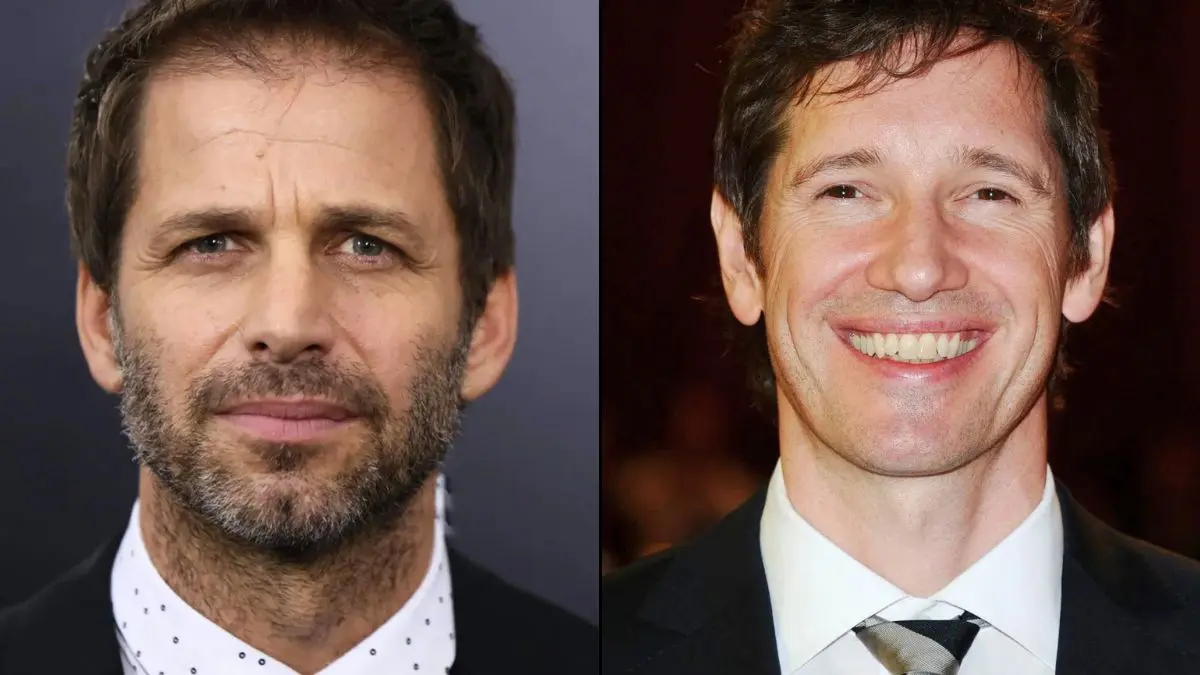


Big-name directors can shape whole eras of moviegoing with recognizable styles, huge box office draws, and franchises that keep audiences coming back. Even without a single consensus classic on their résumés, these filmmakers have left a real footprint through landmark hits, technical trademarks, and long-running series that defined multiplex culture.
Michael Bay
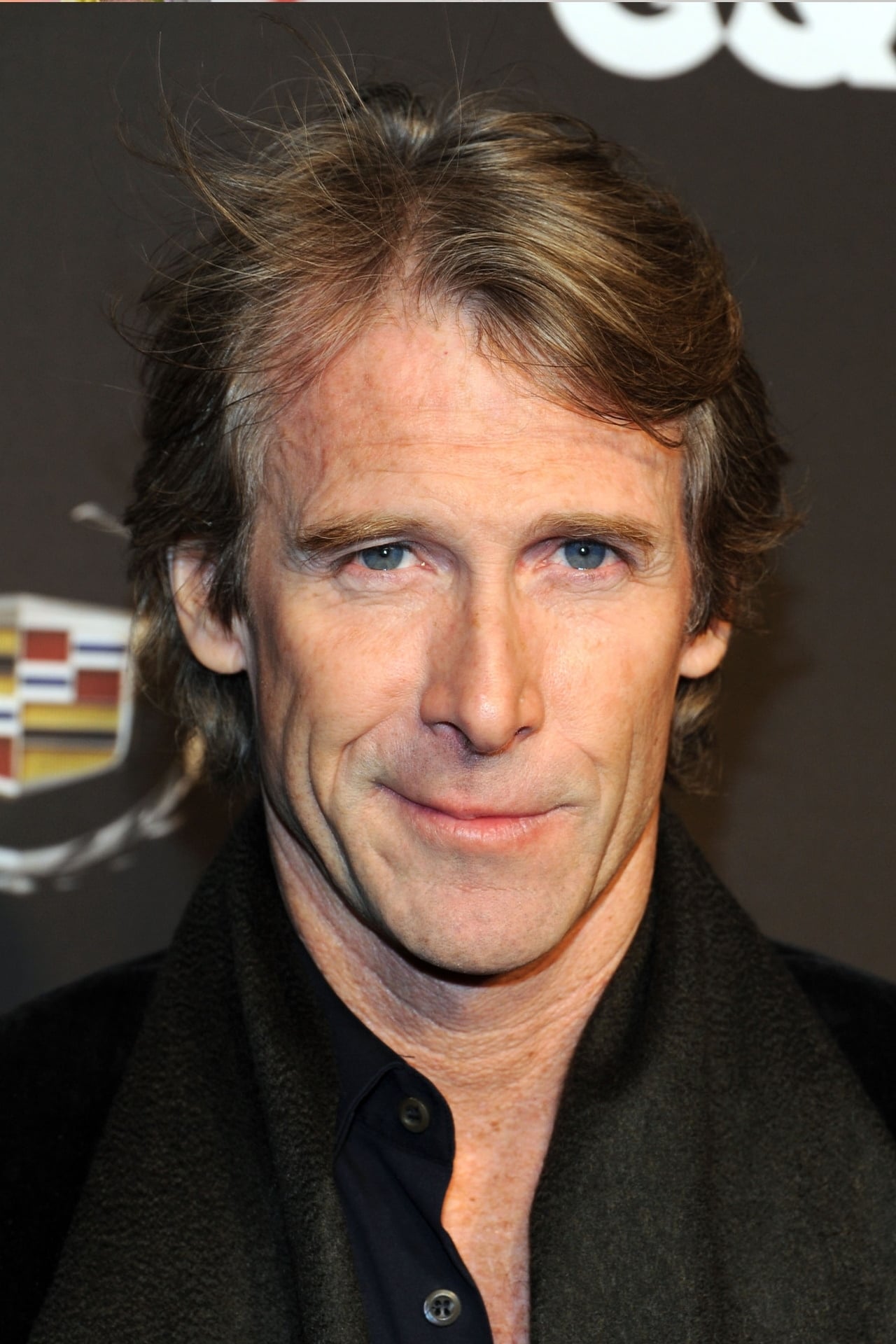
Michael Bay built a career on large-scale action with ‘Bad Boys’, ‘The Rock’, ‘Armageddon’, and the ‘Transformers’ series. His movies are known for rapid-fire cutting, sweeping aerial shots, and elaborate practical explosions. Several of his releases opened at number one domestically and spawned sequels and spinoffs. He began in commercials and music videos, bringing that slick visual style to feature films.
Roland Emmerich
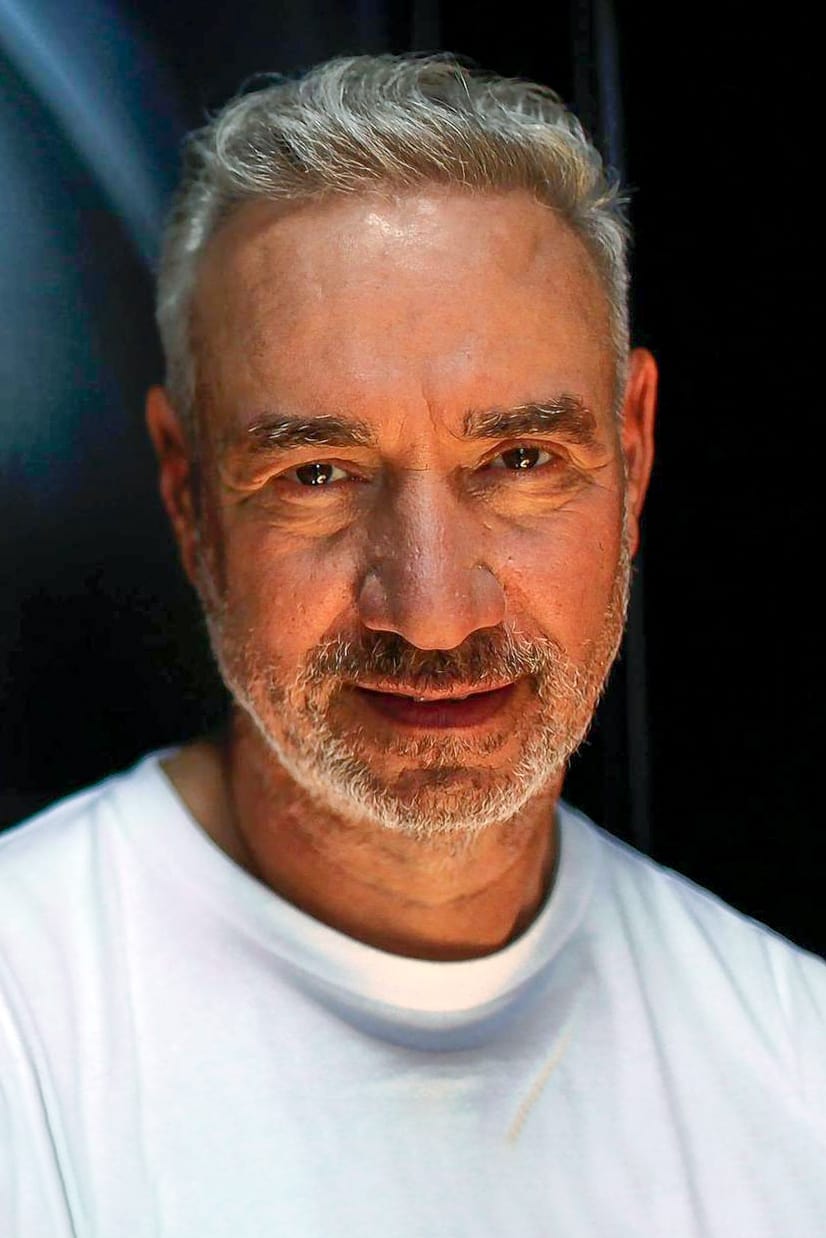
Roland Emmerich specializes in disaster spectacles like ‘Independence Day’, ‘The Day After Tomorrow’, and ‘2012’. His films often center on global threats, ensemble casts, and extensive visual effects. Multiple titles became international box office events and drove advances in effects-heavy destruction sequences. He frequently collaborates with effects houses that build large miniature sets alongside digital work.
Zack Snyder
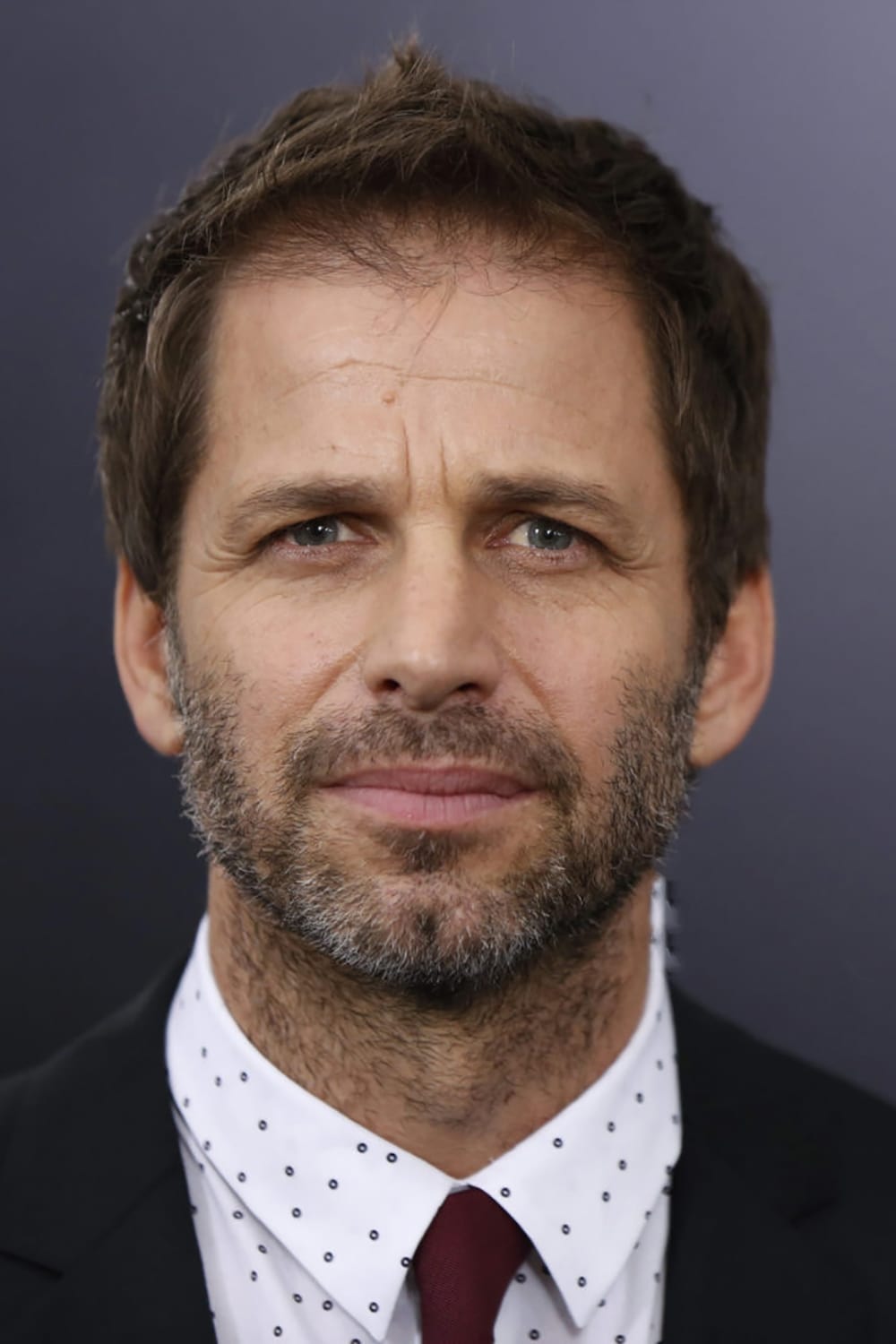
Zack Snyder’s filmography includes ‘Dawn of the Dead’, ‘300’, ‘Watchmen’, and a long run in the ‘DC’ universe with ‘Man of Steel’ and ‘Batman v Superman’. His signature tools include speed ramping, stylized color grading, and panel-accurate comic imagery. He has drawn sizable streaming audiences with director’s cuts and original projects. Several films have earned technical awards attention for visual effects and sound.
Shawn Levy
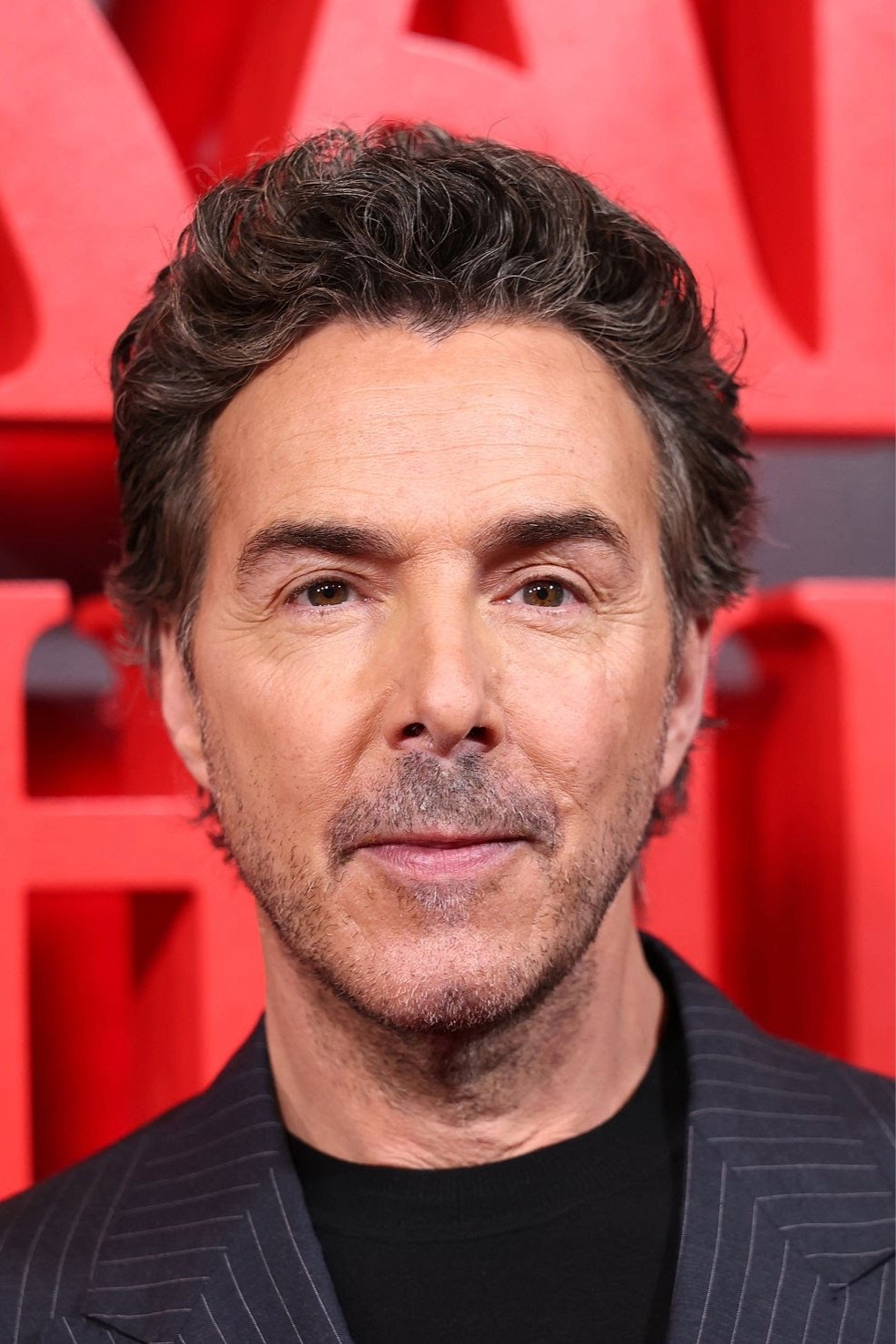
Shawn Levy delivered crowd-pleasing hits with the ‘Night at the Museum’ trilogy, ‘Real Steel’, and ‘Free Guy’. He also served as a key producer and director on ‘Stranger Things’, helping shape its tone and scale. His films regularly pair high-concept premises with family-friendly humor and broad appeal. He often works with recurring collaborators in editing and production design to keep a consistent polish.
Peyton Reed
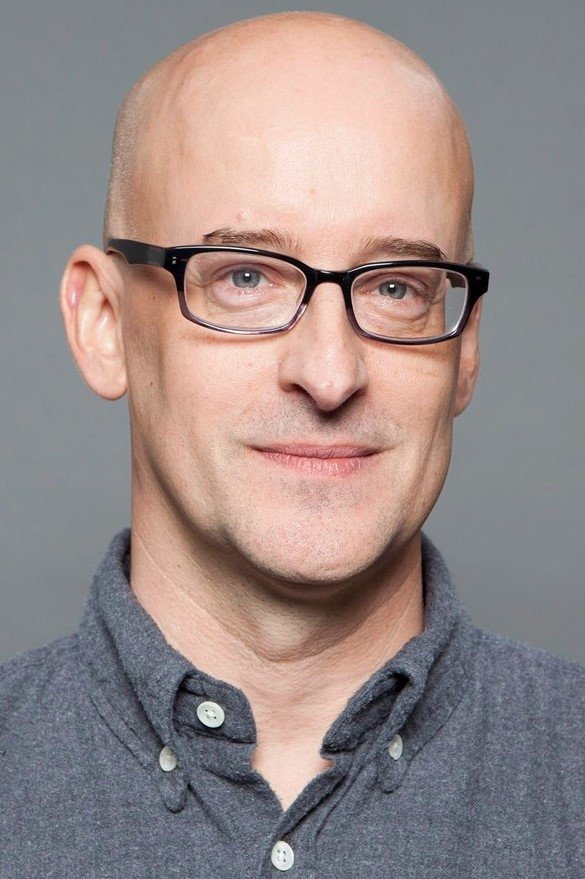
Peyton Reed moved from ‘Bring It On’ and ‘Down with Love’ to the ‘Ant-Man’ trilogy at ‘Marvel’. Those entries blended heist elements with comedy and showcased inventive shrinking action. He has a background in television that informs his clean coverage and ensemble staging. His movies tend to emphasize clear visual setups that support effects-heavy sequences.
Louis Leterrier
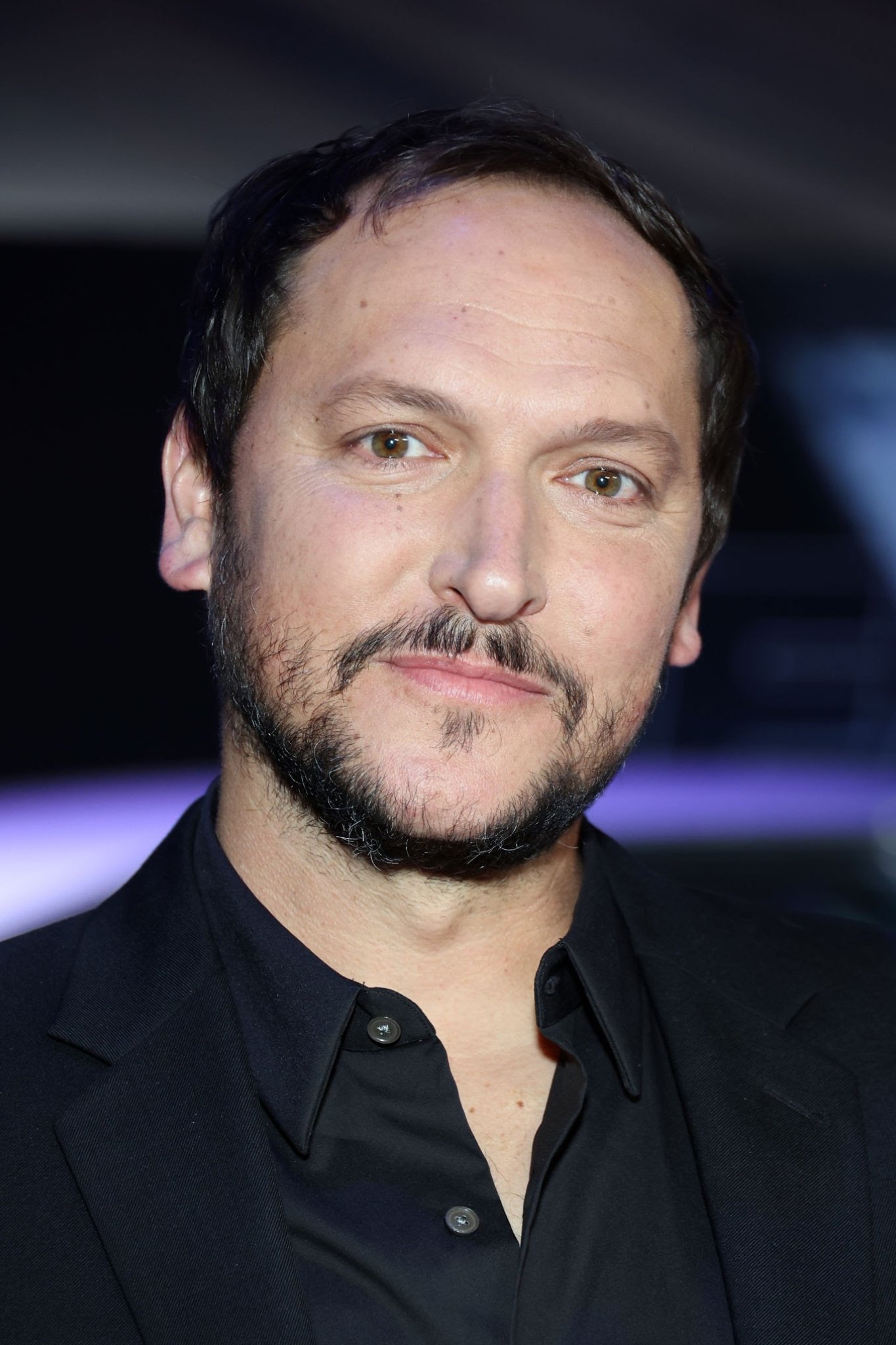
Louis Leterrier broke out with ‘The Transporter’ and ‘Unleashed’ before directing ‘The Incredible Hulk’ and ‘Now You See Me’. He later took on action franchises with installments in the ‘Fast & Furious’ series. His films feature practical stunt work mixed with glossy digital augmentation. He often favors European locations and kinetic handheld camera moves for momentum.
Jon Turteltaub
Jon Turteltaub’s credits range from ‘While You Were Sleeping’ and ‘Phenomenon’ to franchise fare like ‘National Treasure’ and creature feature ‘The Meg’. He works comfortably across genres while maintaining accessible, PG-13 sensibilities. Several titles became reliable cable and streaming staples due to their puzzle-driven plots and star-led charm. His films typically lean on location shooting and straightforward storytelling.
Paul W. S. Anderson
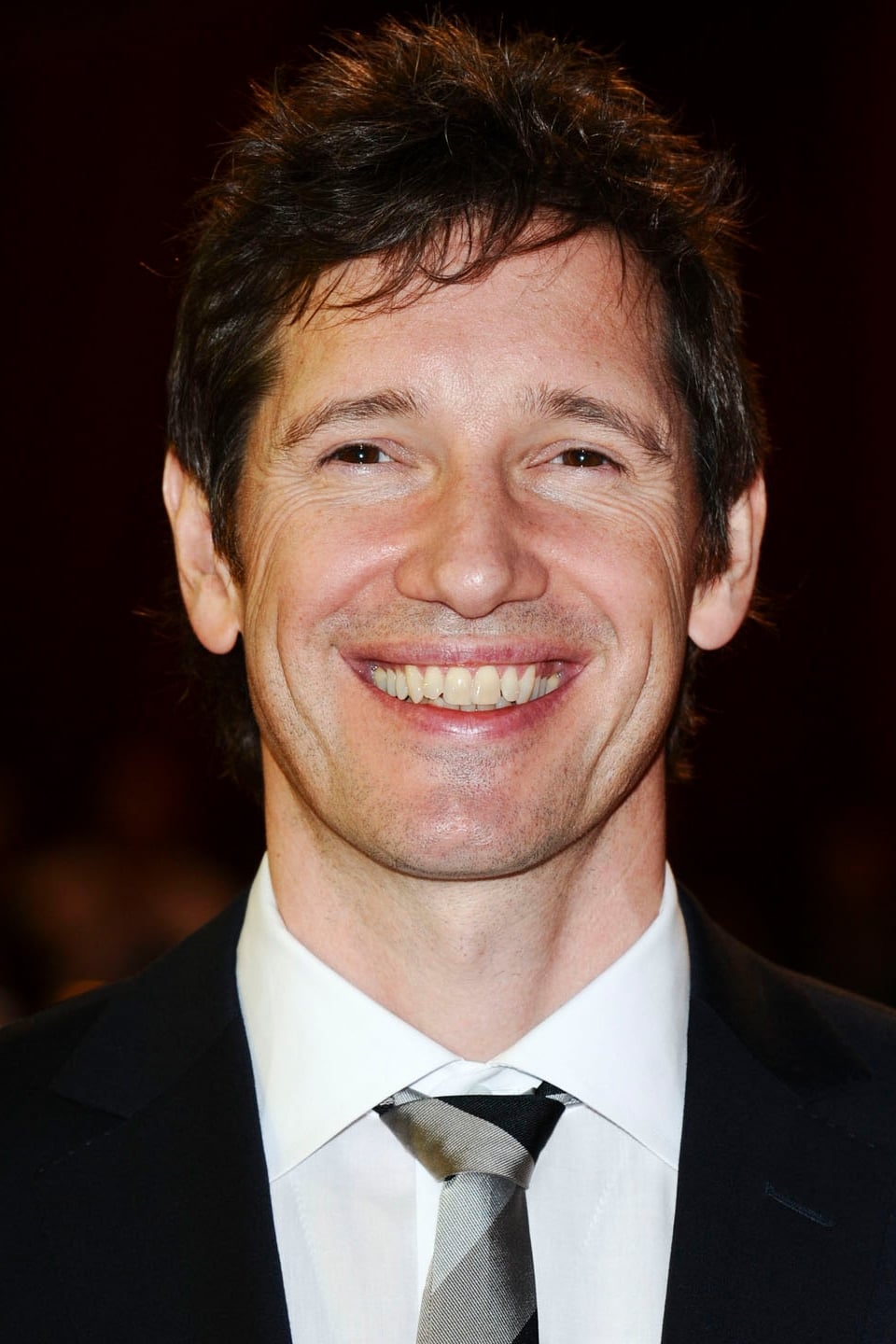
Paul W. S. Anderson launched ‘Mortal Kombat’ and steered the long-running ‘Resident Evil’ series. He frequently collaborates with the same core team on action choreography, production design, and VFX. Many of his films opened strongly with genre audiences and built dedicated followings home and abroad. He favors stylized sets and contained environments that support mid-budget worldbuilding.
Stephen Sommers
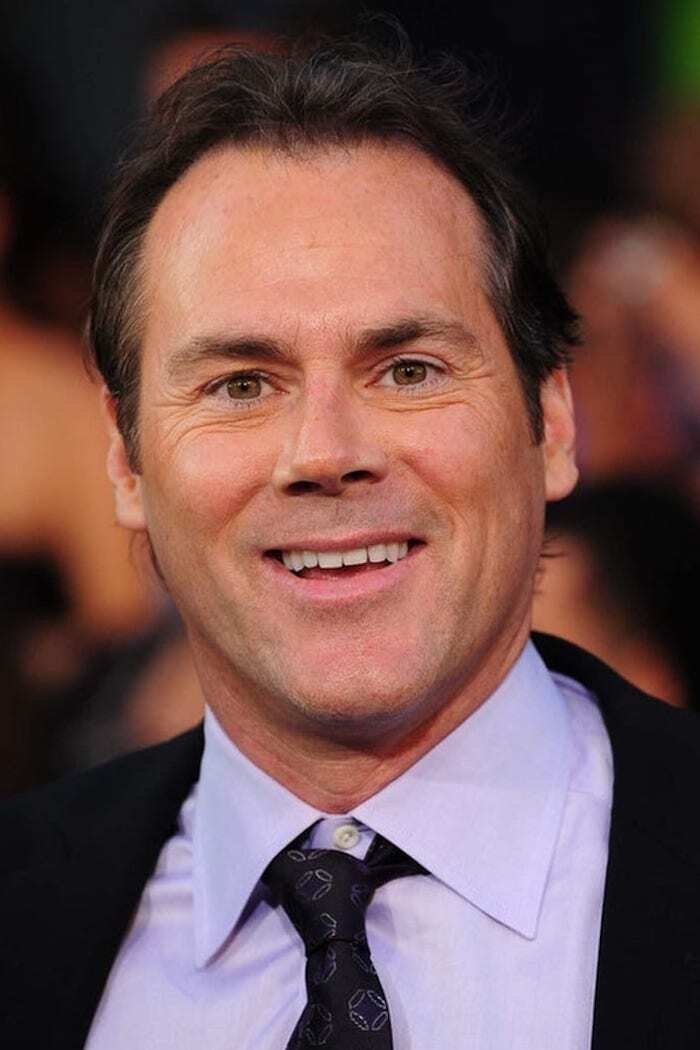
Stephen Sommers is best known for ‘The Mummy’ and ‘The Mummy Returns’, along with ‘Van Helsing’ and ‘G. I. Joe: The Rise of Cobra’. His movies pair pulpy adventure with creature effects and broad humor. The ‘Mummy’ films helped revive interest in swashbuckling fantasy during their era. He often employs a mix of practical makeup and early digital techniques to stage monster action.
McG
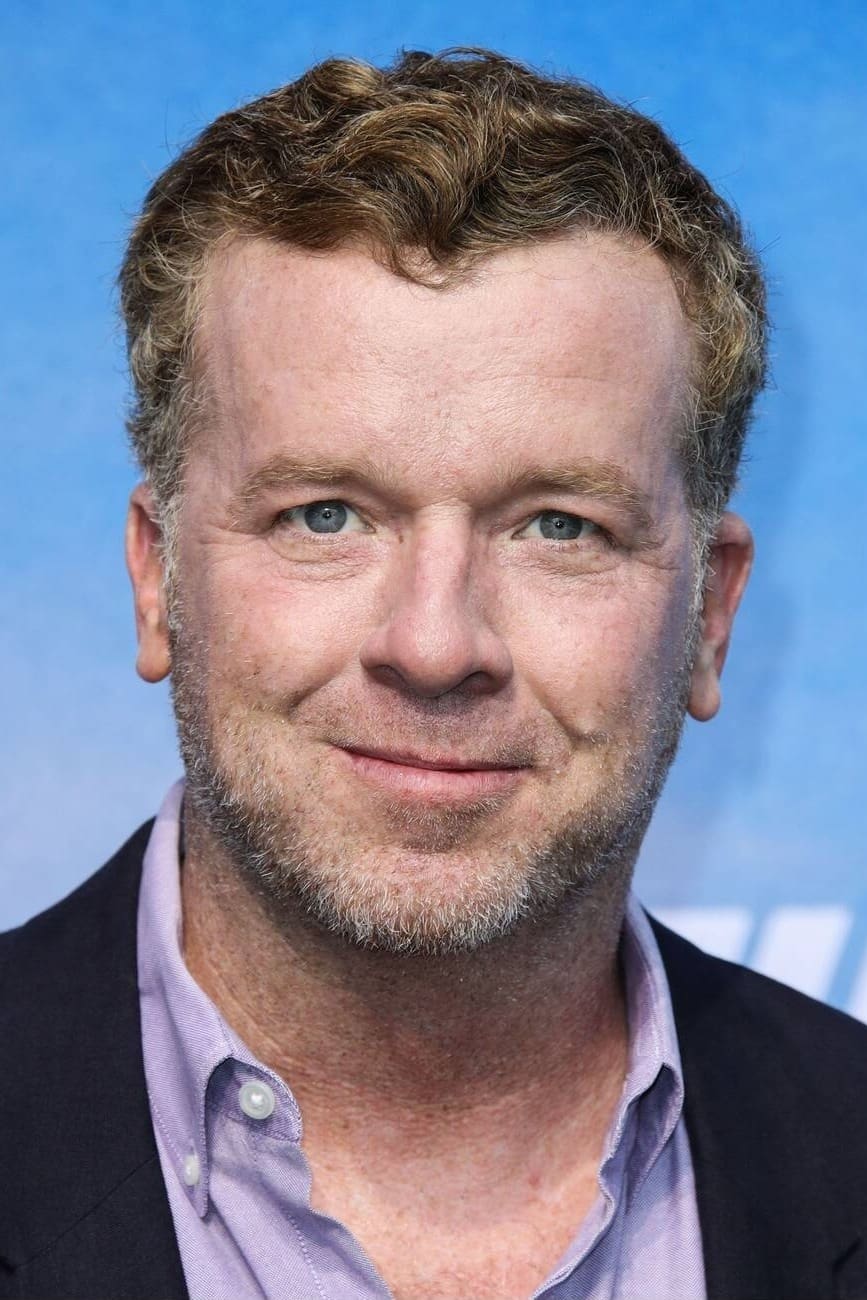
McG transitioned from music videos to features with ‘Charlie’s Angels’ and ‘Charlie’s Angels: Full Throttle’, later moving to ‘Terminator Salvation’ and streaming hits like ‘The Babysitter’. His style leans on bright color, pop needle drops, and quick-cut action. He has worked steadily in television as a producer and director, building franchises across platforms. His projects prioritize brisk pacing and accessible genre setups.
Share your picks in the comments and tell us which directors you would add to the list.

