


Actors Accused of Being Communist

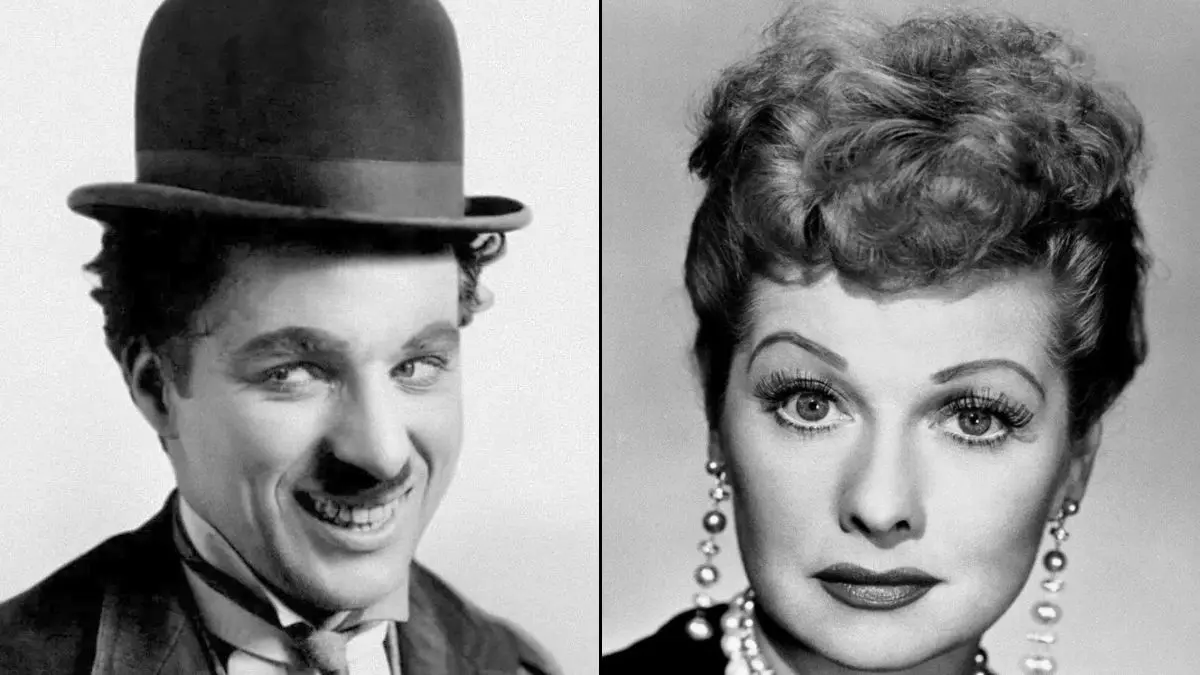


The Hollywood Red Scare touched hundreds of performers and reshaped careers across film and television. Committees, studio blacklists, and FBI files followed rumors and associations, often without proving illegal activity. Many actors lost jobs, faced canceled contracts, or left the country as investigations grew in scope.
These cases did not look the same. Some involved brief party memberships. Others stemmed from signing petitions, fundraising for antifascist causes, or working with labor groups. Hearings before the House Un-American Activities Committee became decisive moments, with some witnesses refusing to identify colleagues and others testifying at length to clear their names or regain work.
Charlie Chaplin
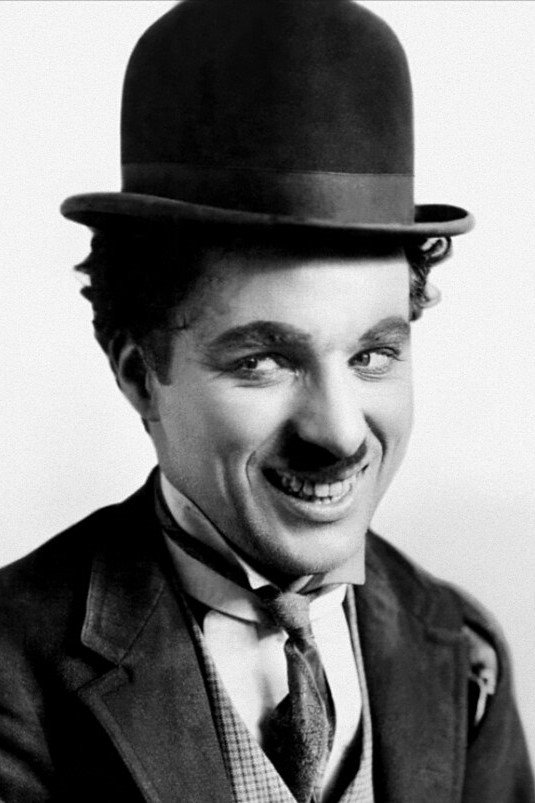
Chaplin faced a long FBI investigation and public campaigns that labeled him a subversive figure. After a trip abroad in 1952, U.S. authorities revoked his reentry permit, and he relocated to Switzerland with his family. The dispute centered on his political speeches, fundraising for wartime allies, and his refusal to become a U.S. citizen.
Studios distanced themselves during the height of the controversy, even though his films continued to draw international audiences. Chaplin wrote an autobiography that addressed the period and maintained that his views were humanitarian and anti-fascist rather than tied to any party program.
Lucille Ball
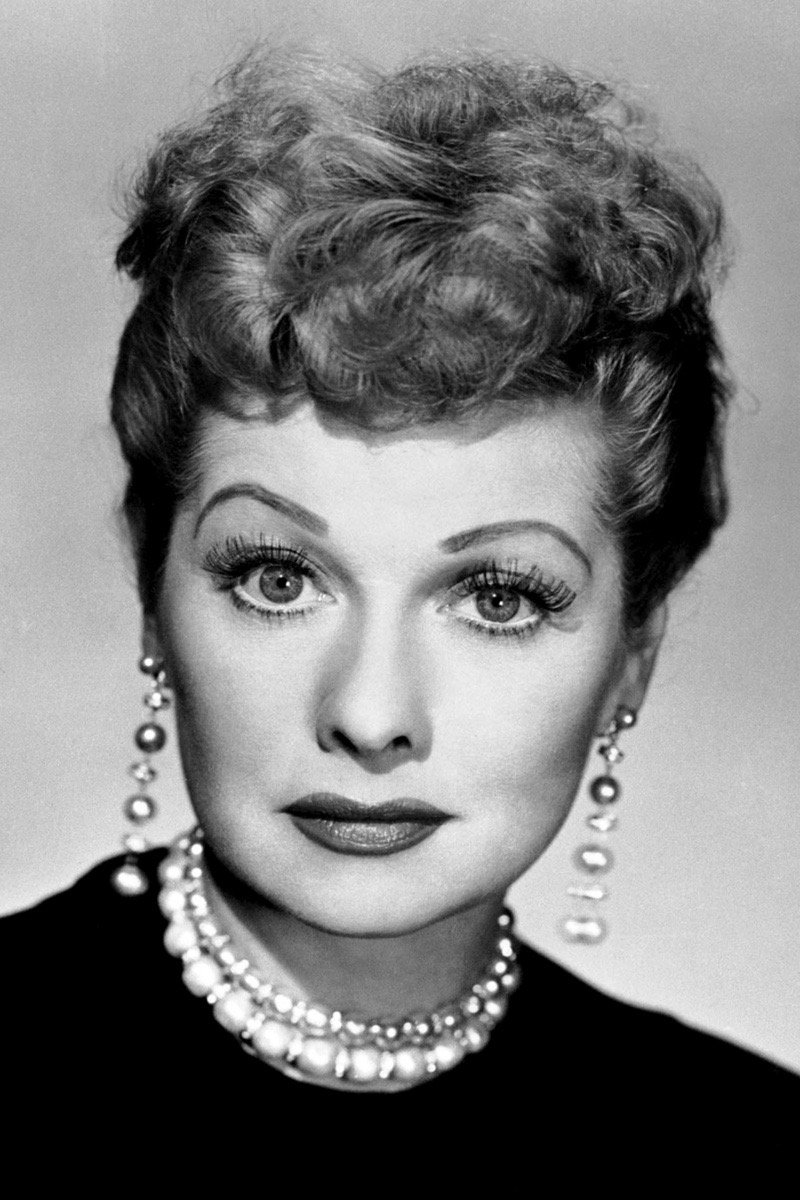
Ball’s name surfaced because she had registered to vote under the Communist Party label in the 1930s, a step she explained as honoring her grandfather’s wishes. In 1953 she testified that she had never attended party meetings and had no political involvement, and investigators accepted the explanation.
Her series continued uninterrupted and sponsors stayed in place after the testimony. Network executives relied on the show’s records and audience research to gauge any fallout and found no measurable decline, which helped stabilize other productions on the lot during the same season.
Sterling Hayden
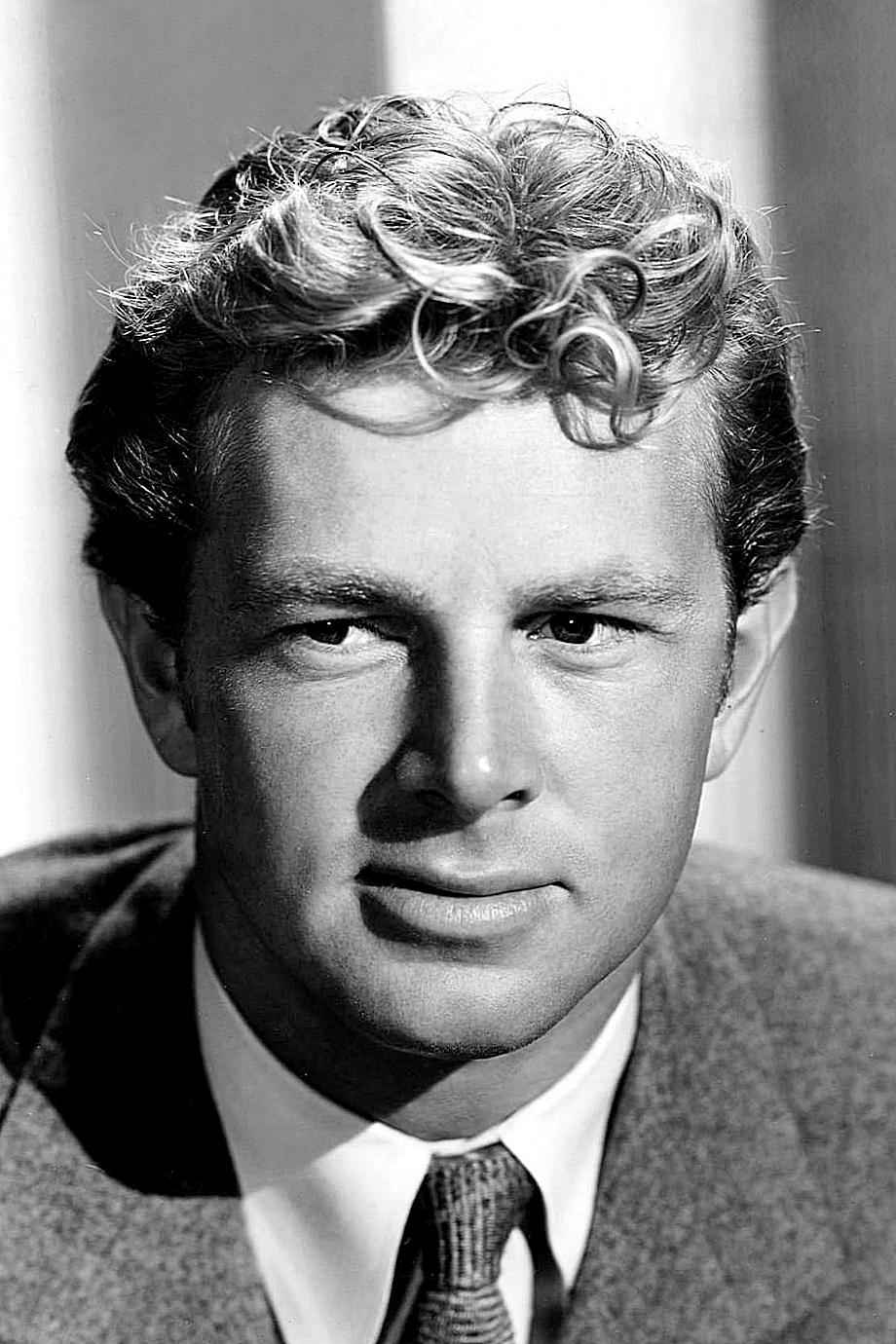
Hayden briefly joined the Communist Party after returning from wartime service. He appeared before investigators in 1951 and confirmed his prior membership while naming several organizers he had met through union circles and cultural groups.
Studios rehired him soon after, and he worked steadily in crime dramas and adventure films. He later wrote a memoir that described his wartime intelligence duties, his short-lived political involvement, and the professional consequences that followed the hearing.
Edward G. Robinson
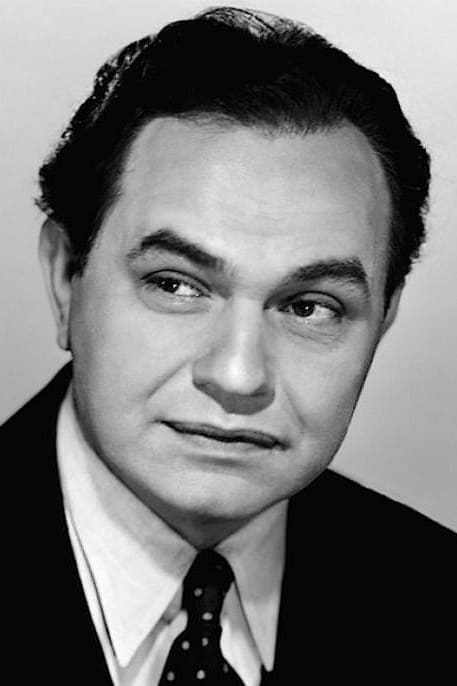
Robinson donated to many antifascist and refugee relief organizations during the 1940s. When publications began listing those groups as fronts, his name appeared repeatedly in accusation roundups. He appeared at a hearing in 1952 and provided details about his giving and public statements.
Although never formally blacklisted, he was steered toward smaller roles for several years. Trade papers tracked his return to prestige projects, noting when major studios began offering more substantial parts again as the political climate eased.
John Garfield
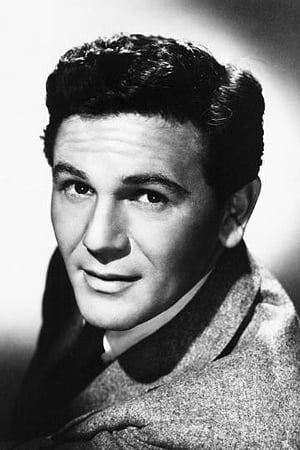
Garfield’s activism placed him under scrutiny and he was subpoenaed in 1952. He denied party membership but refused to identify colleagues, citing personal principle and lack of knowledge about others’ affiliations.
The refusal coincided with canceled contracts and lost roles. Studio memos from the period show projects that had discussed him for leads shifting to safer choices, and his independent company stalled when distributors pulled back.
Paul Robeson
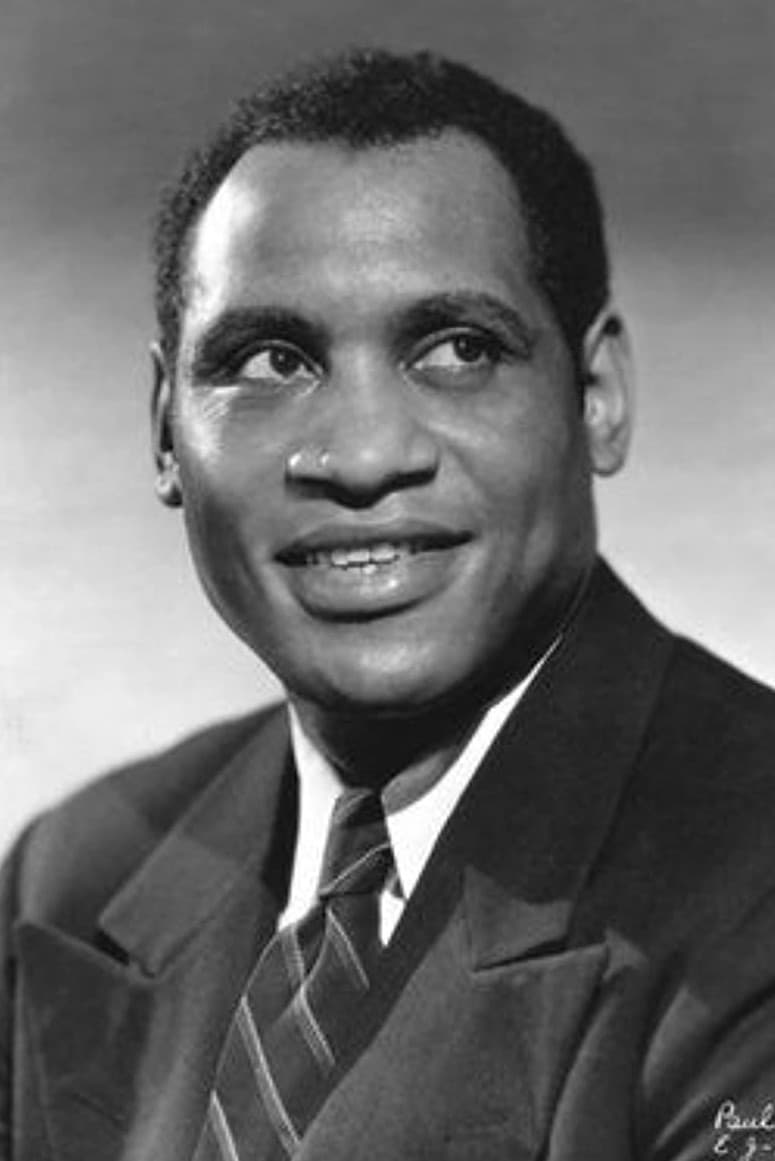
Robeson’s outspoken support for labor rights and colonial independence made him a regular target during the late 1940s. U.S. authorities withdrew his passport, which limited his ability to perform abroad and collect income from international tours.
Concerts in the United States encountered venue cancellations and heavy security costs. Film offers disappeared, and reissues of earlier work slowed, which cut into residuals and forced him to rely on smaller performances and recordings with restricted distribution.
Zero Mostel
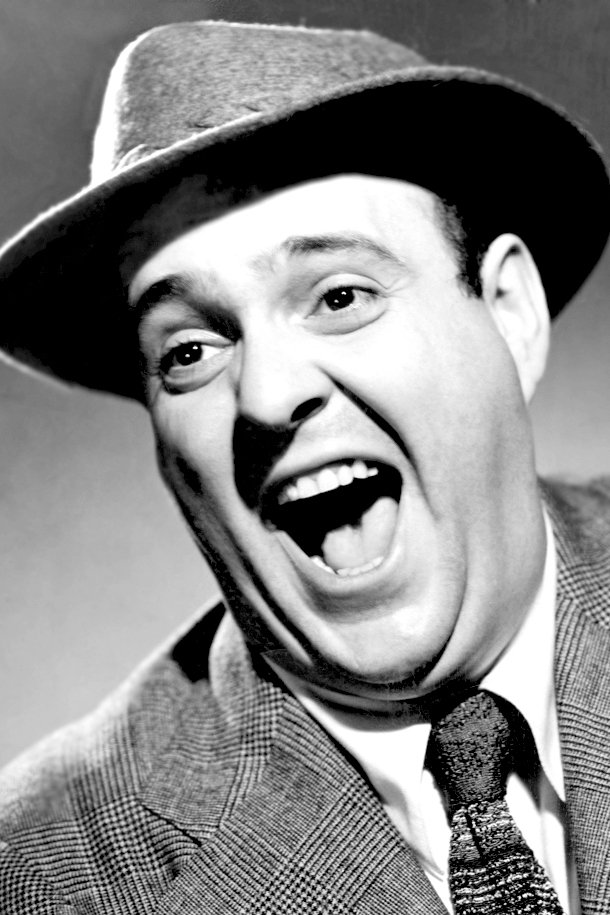
Mostel was named in investigations after appearing at union events and left-leaning benefits. He refused to cooperate with committee questioning, which led producers to remove him from contracts and agents to stop submitting him for new roles.
He rebuilt his livelihood on small club dates and regional theater before returning to larger stages and then films. Industry coverage from the early 1960s marks the point when casting directors again circulated his name for significant comedic roles.
Lee J. Cobb
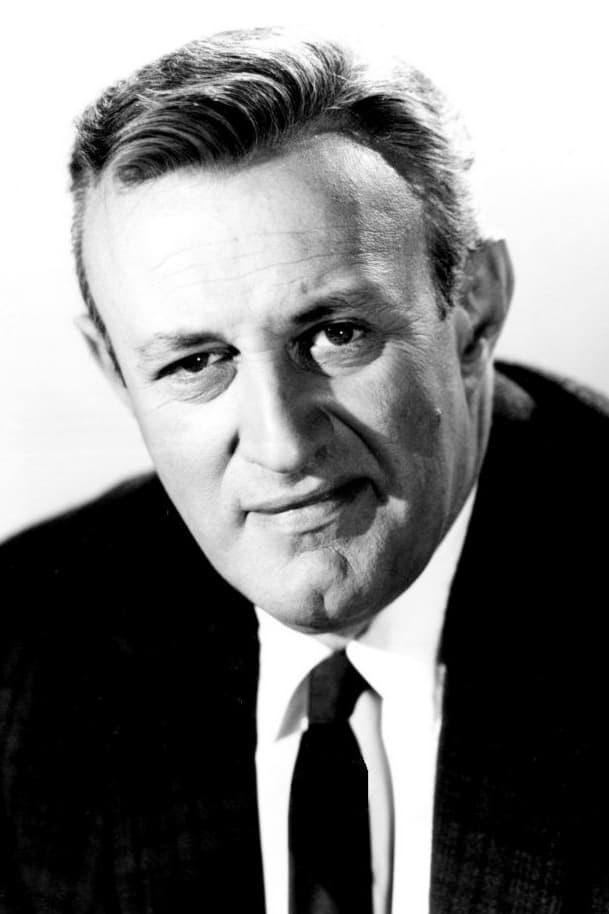
Cobb fell under suspicion due to associations in New York theater circles. Under pressure from studios and facing prolonged unemployment, he appeared before investigators in 1953 and provided names connected to political meetings he had attended.
Following the testimony, he resumed a strong screen career with prominent roles. Payroll records and box office reports show his compensation climbing back to leading character-actor levels as he worked with major directors on acclaimed productions.
Lionel Stander
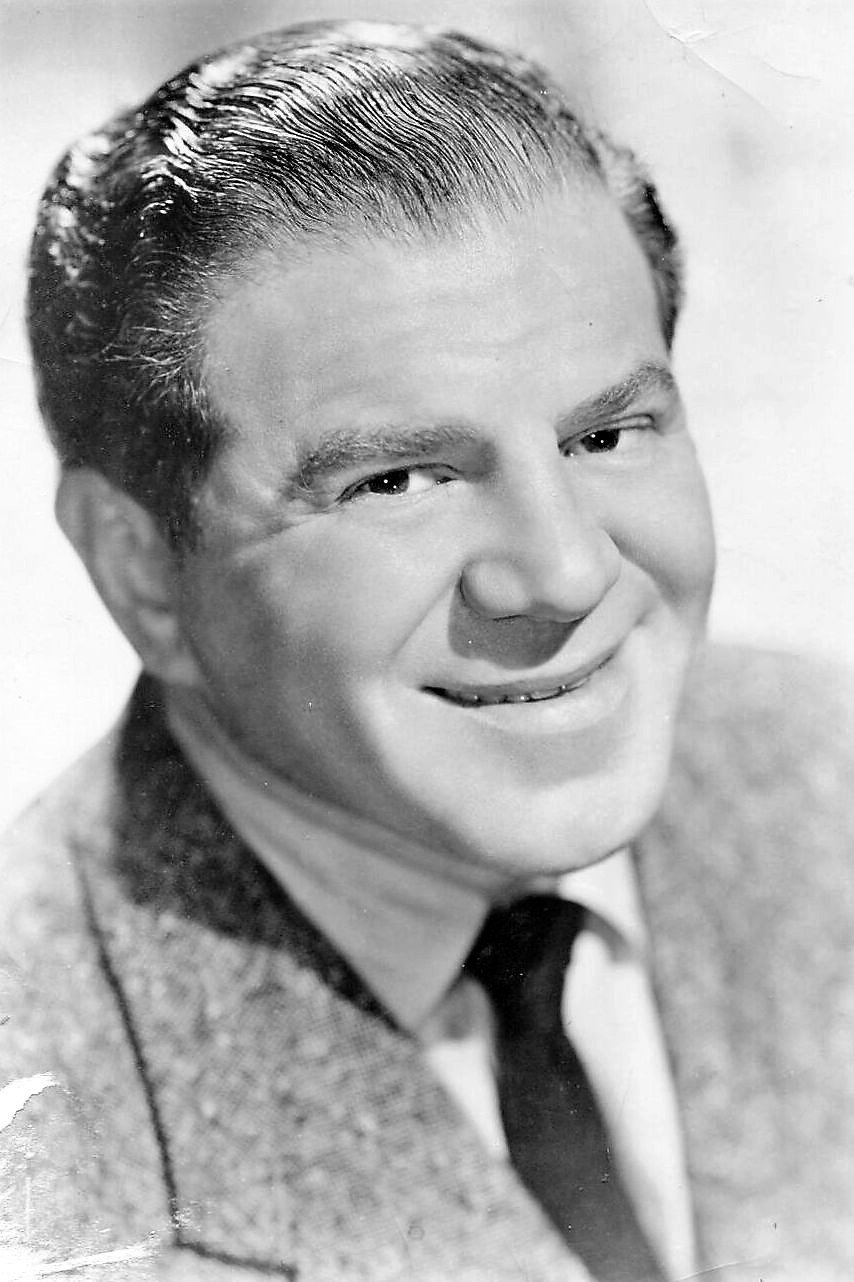
Stander’s early union activism and outspoken comments brought repeated subpoenas. He challenged the legitimacy of the proceedings, and studios soon canceled his options, which placed him on informal and then formal blacklists.
He moved to work in Europe, where producers were less responsive to U.S. industry pressure. When American television later shifted away from strict blacklisting practices, he returned and secured steady work, including a long-running series that restored his public profile.
Gale Sondergaard

Sondergaard declined to testify and supported her husband, director Herbert Biberman, during the period when the Hollywood Ten cases were advancing. Afterward she stopped receiving screen offers and focused on small theater engagements away from major markets.
Her return to film took years, and casting notes from the time show producers questioning insurability for projects that considered her. She eventually appeared again in supporting roles once unions and studios relaxed hiring restrictions.
Howard Da Silva
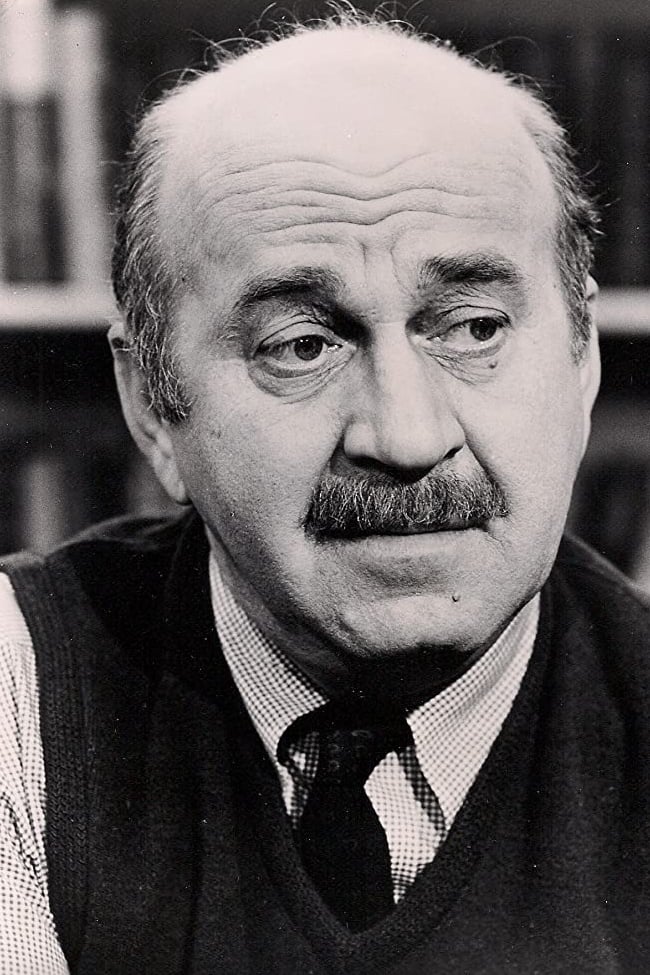
Da Silva drew attention for union leadership and for signing public statements tied to progressive causes. A 1951 hearing and subsequent industry action removed him from several high-profile projects that were already in rehearsal or production.
He shifted to stage work where producers could cast more freely, then reentered film and television later as political conditions changed. His credits after the hiatus include historical dramas and musicals that benefited from his strong baritone and character presence.
Larry Parks
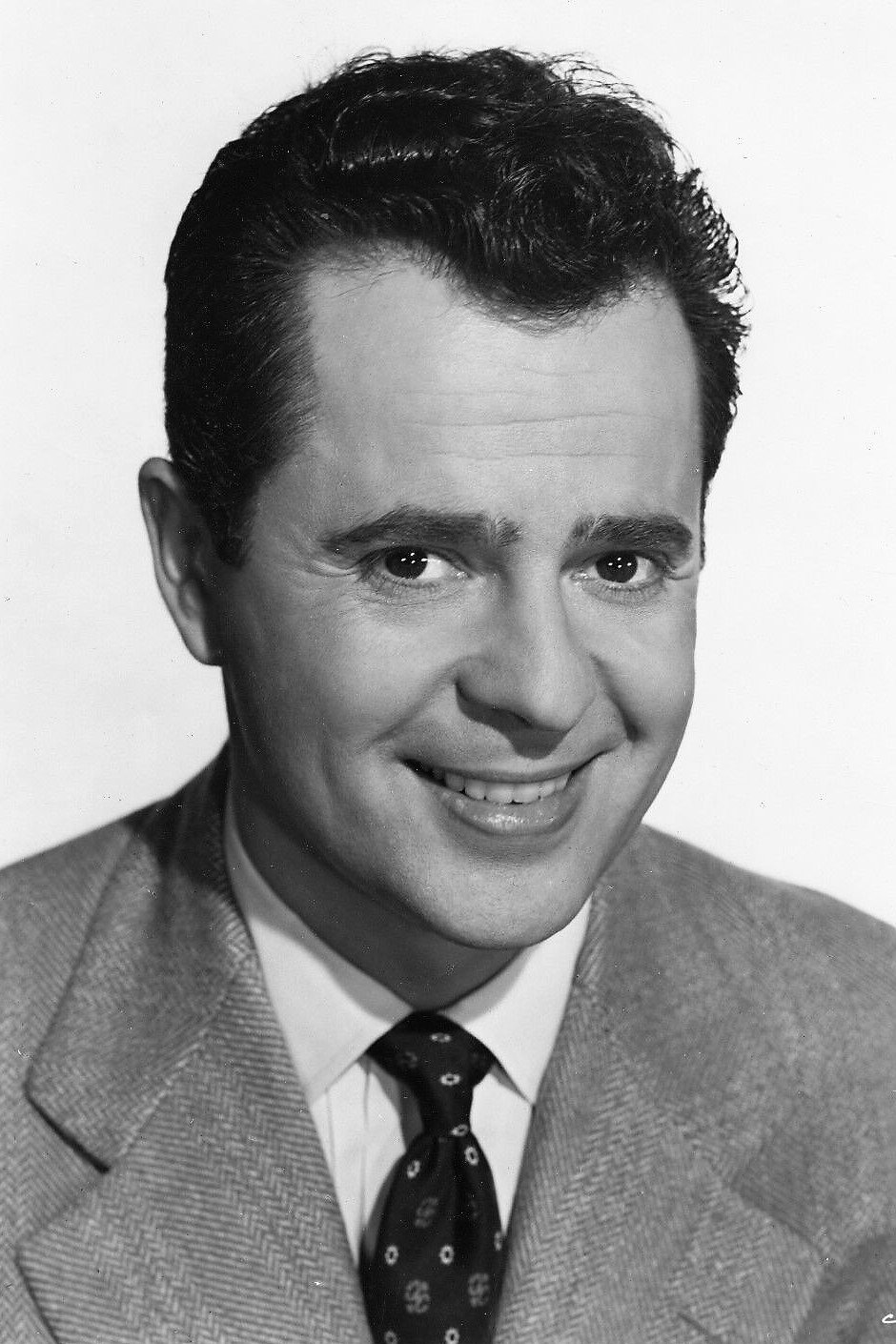
Parks acknowledged past membership when called in 1951. He resisted naming others at first, then complied under questioning, a decision that still did not preserve his studio trajectory.
Studios voided contracts and distributors shelved planned vehicles. Trade coverage shows a sharp drop in lead offers, and he pivoted to smaller productions and stage roles to maintain income as the major pipeline closed.
Kim Hunter
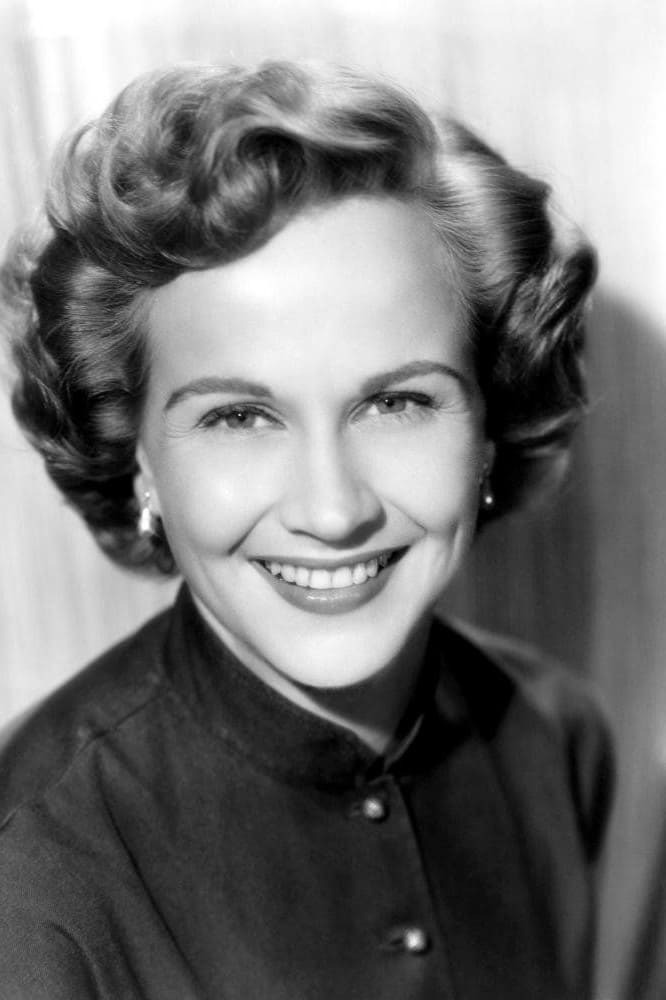
Hunter’s name appeared in listings that circulated among producers and advertisers. Despite an Academy Award, she found film and television work drying up as sponsors insisted on conservative casting choices to avoid boycotts.
She maintained a theater presence and later returned to screen roles, including a well known science fiction franchise. Union bulletins from the period document negotiations that gradually opened doors to previously sidelined performers like her.
Karen Morley
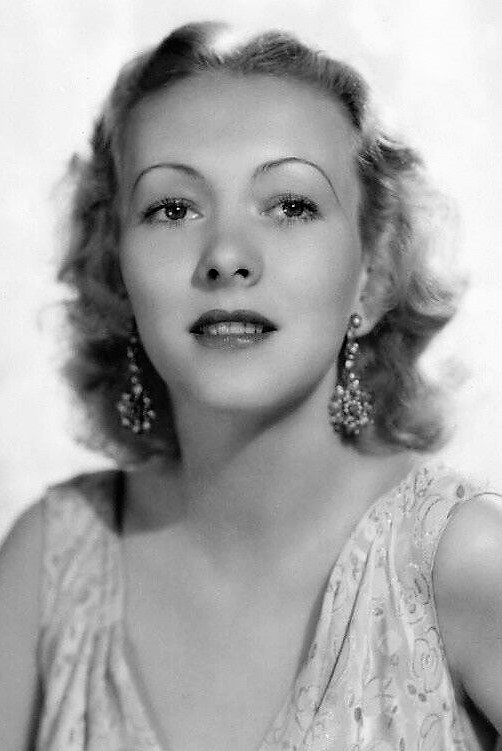
Morley refused to answer political questions in 1952. Studios reacted by halting pending projects and removing her from consideration for new films.
She redirected her efforts to community work and regional theater. When she returned to screen acting decades later, interviews recorded her account of the interrupted career path and the financial adjustments required after the blacklist years.
Will Geer
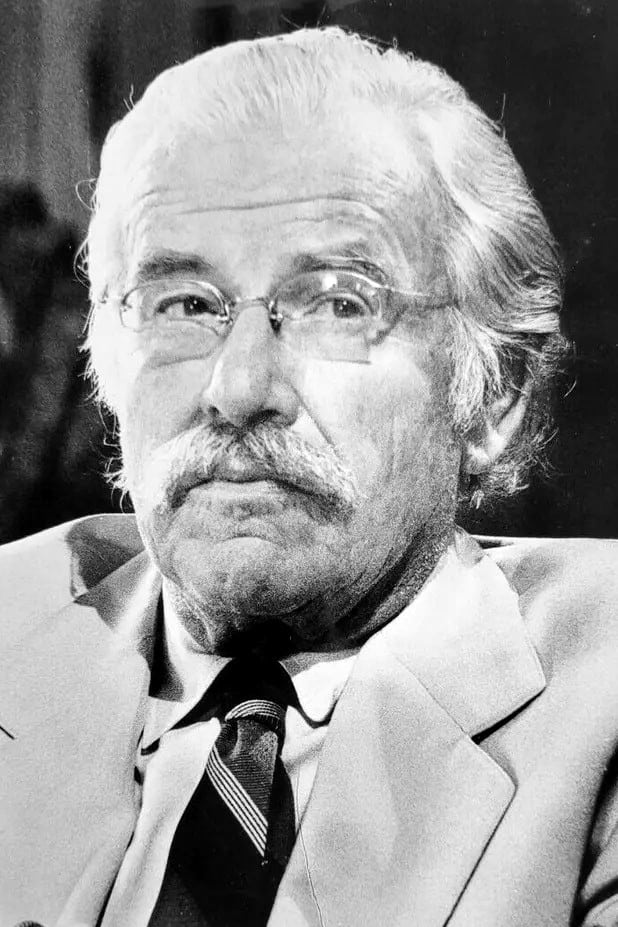
Geer had verifiable ties to leftist organizations and appeared at numerous labor events. He was blacklisted in the early 1950s and sustained himself with folk performances and small theater work outside studio systems.
When television casting broadened in the 1970s, he secured a regular role on a family drama series. That position provided steady income and renewed visibility, showing how long the effects of earlier accusations could linger before the industry fully moved on.
Share which cases you think deserve more context in the comments so we can add the details readers are looking for.

