


Actors Who Absolutely Hated Their Character



Sometimes the role that makes an actor famous is also the one they least enjoyed playing. Whether it was creative clashes, a script that didn’t fit, uncomfortable filming demands, or a character whose actions they found indefensible, plenty of men have been candid about regretting or resenting a part. Below are forty male actors who, in interviews and retrospectives, have openly criticized or distanced themselves from characters they portrayed on film or TV—along with concise context for why each one soured on the role.
Robert Pattinson
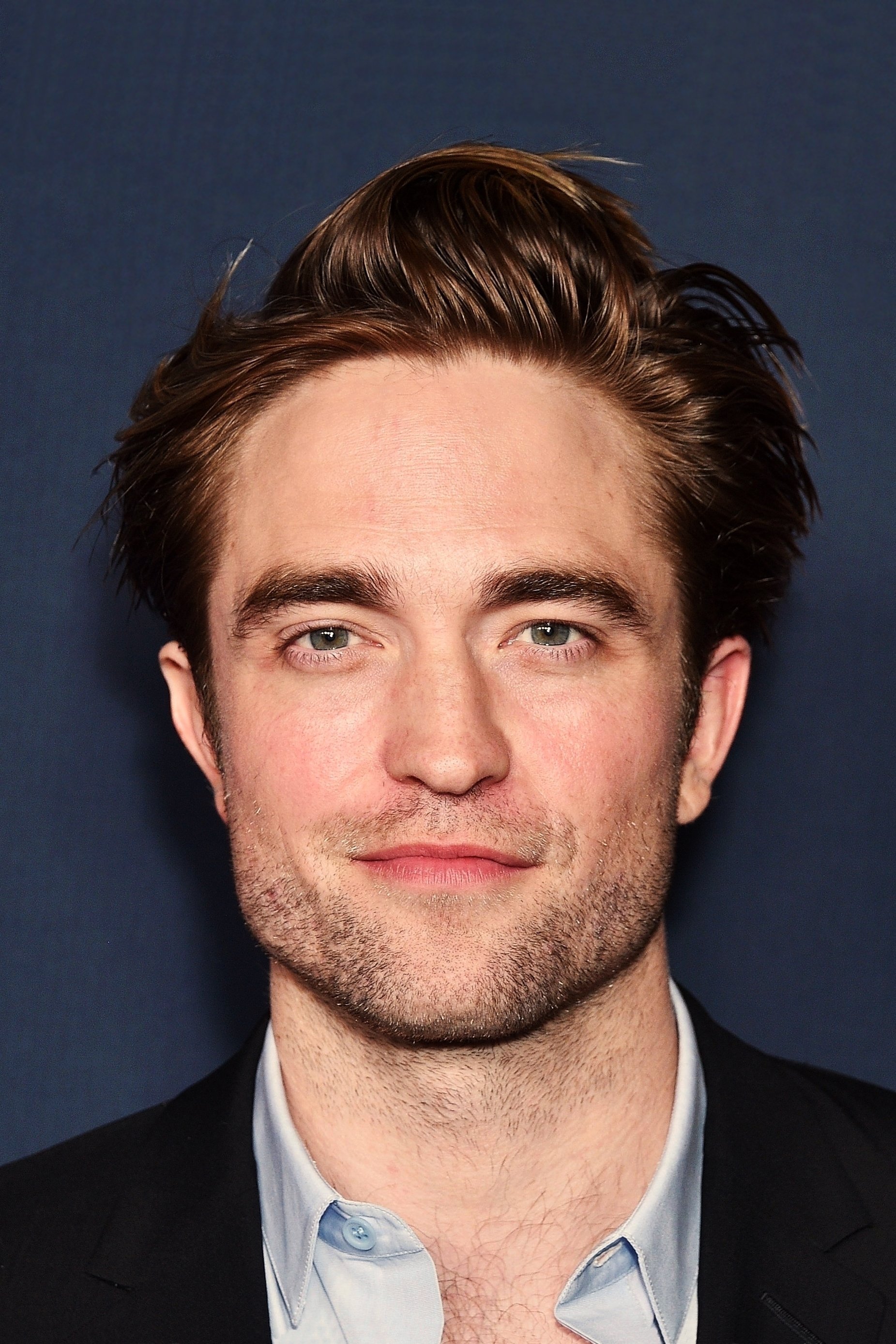
Pattinson has said he found Edward Cullen in ‘Twilight’ exasperating to play and often pushed back on how the character was written. He described disagreeing with the “idealized” portrayal and tried to inject darker edges that weren’t always welcomed. The global spotlight around the franchise intensified his frustration with the role. In later interviews, he was frank that he didn’t miss playing the character.
Harrison Ford
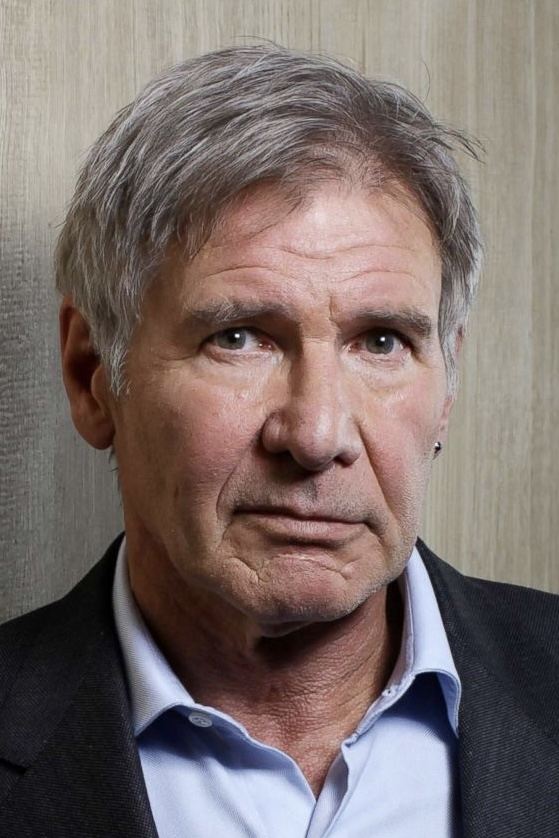
Ford repeatedly said he wanted Han Solo in ‘Star Wars’ to be killed off and felt the character had limited growth. He argued that a definitive exit would add dramatic weight to the saga. Over time he spoke about not being particularly attached to the role, despite appreciating the fans. His eventual on-screen fate reflected his long-stated preference for a meaningful send-off.
Alec Guinness
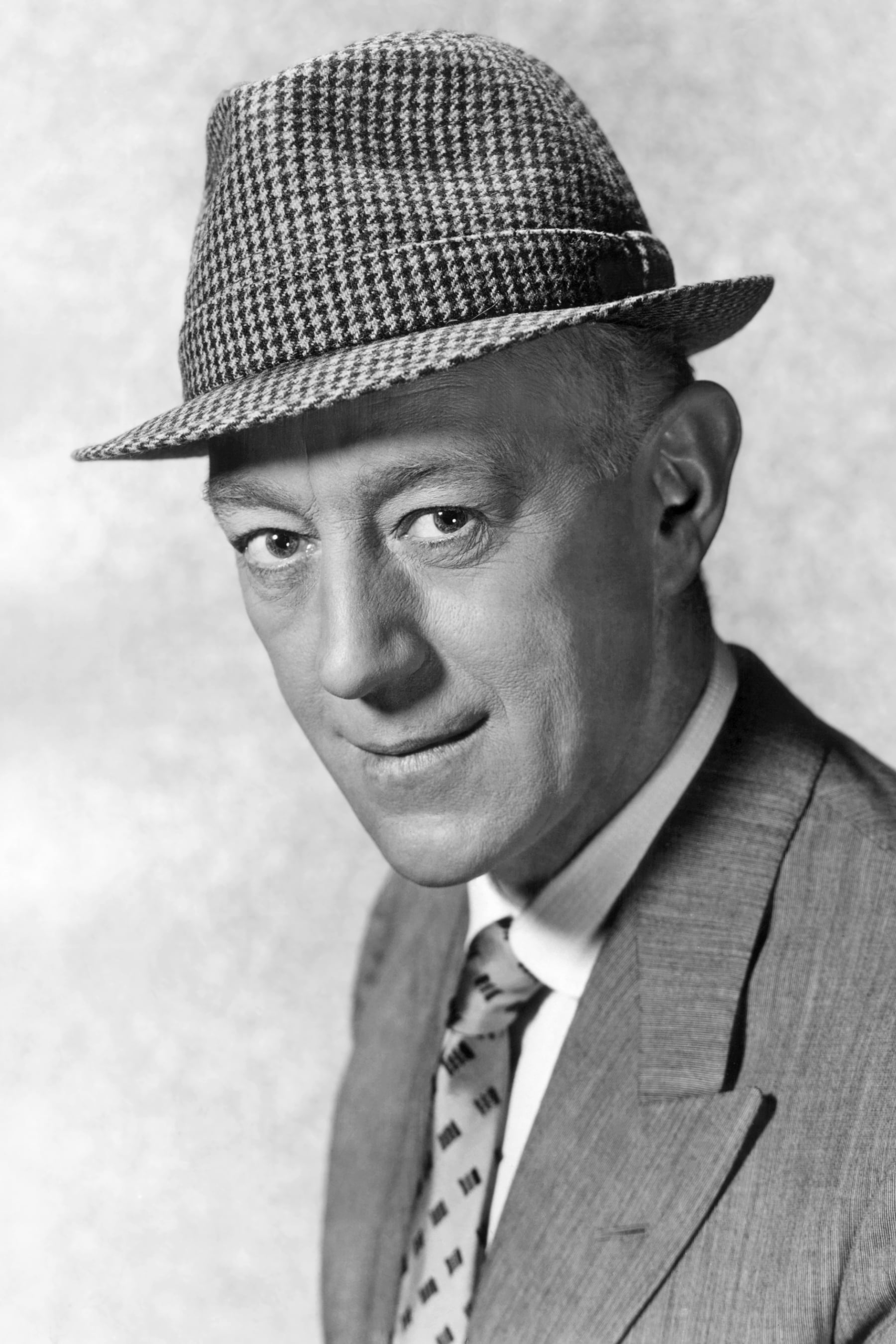
Guinness disliked the dialogue and tone around Obi-Wan Kenobi in ‘Star Wars’ and called the material “rubbish” in letters. He expressed frustration with being recognized primarily for that part despite a long stage and film career. He reportedly asked a young fan to watch the movie less often. While he delivered a revered performance, he felt boxed in by the role’s popularity.
Daniel Craig
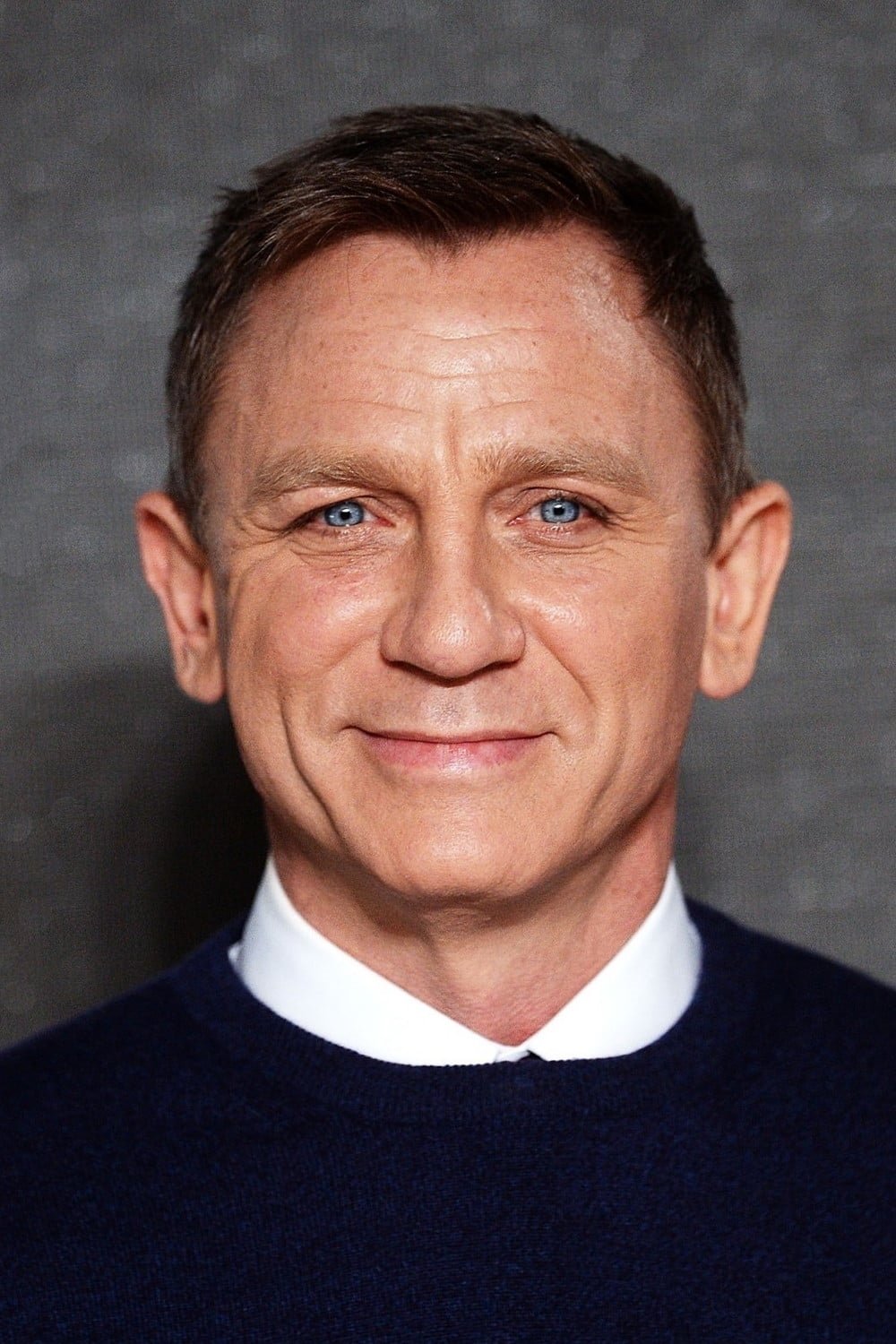
Craig said after one Bond outing that he’d rather not return, citing physical toll and creative exhaustion with 007. He characterized the shoots as grueling and questioned what more could be explored with the character. Although he later returned to close out his run, he was open about periods of resentment toward the role. His comments highlighted the disconnect between prestige and the personal cost of inhabiting the character.
Christopher Plummer
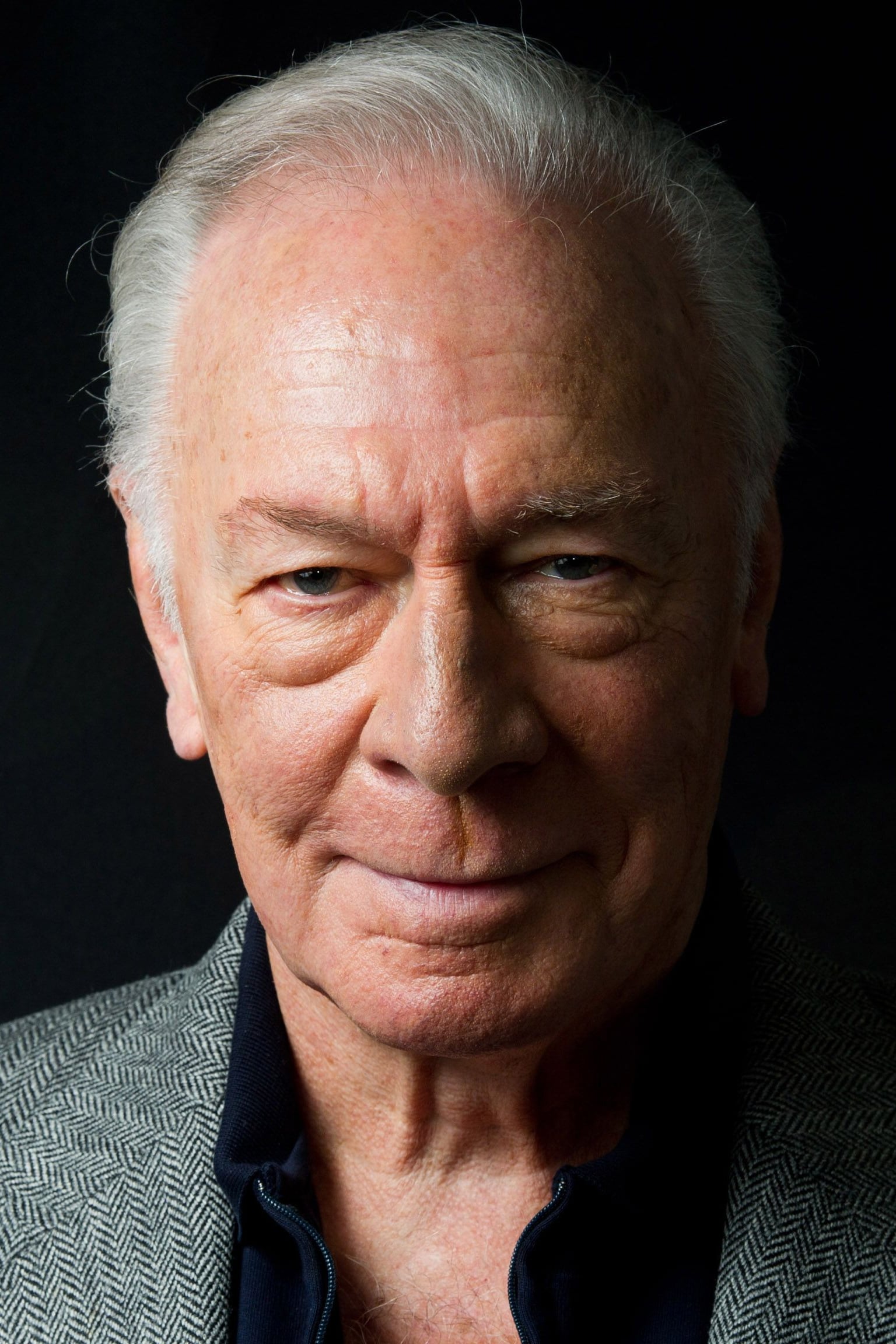
Plummer called ‘The Sound of Music’ cloying and often derided Captain von Trapp as underwritten. He complained the character lacked complexity and that the film’s tone didn’t suit him. For years he distanced himself from the role in interviews, even while acknowledging its popularity. He later softened slightly, but his early disdain for playing the stern patriarch is well documented.
Shia LaBeouf
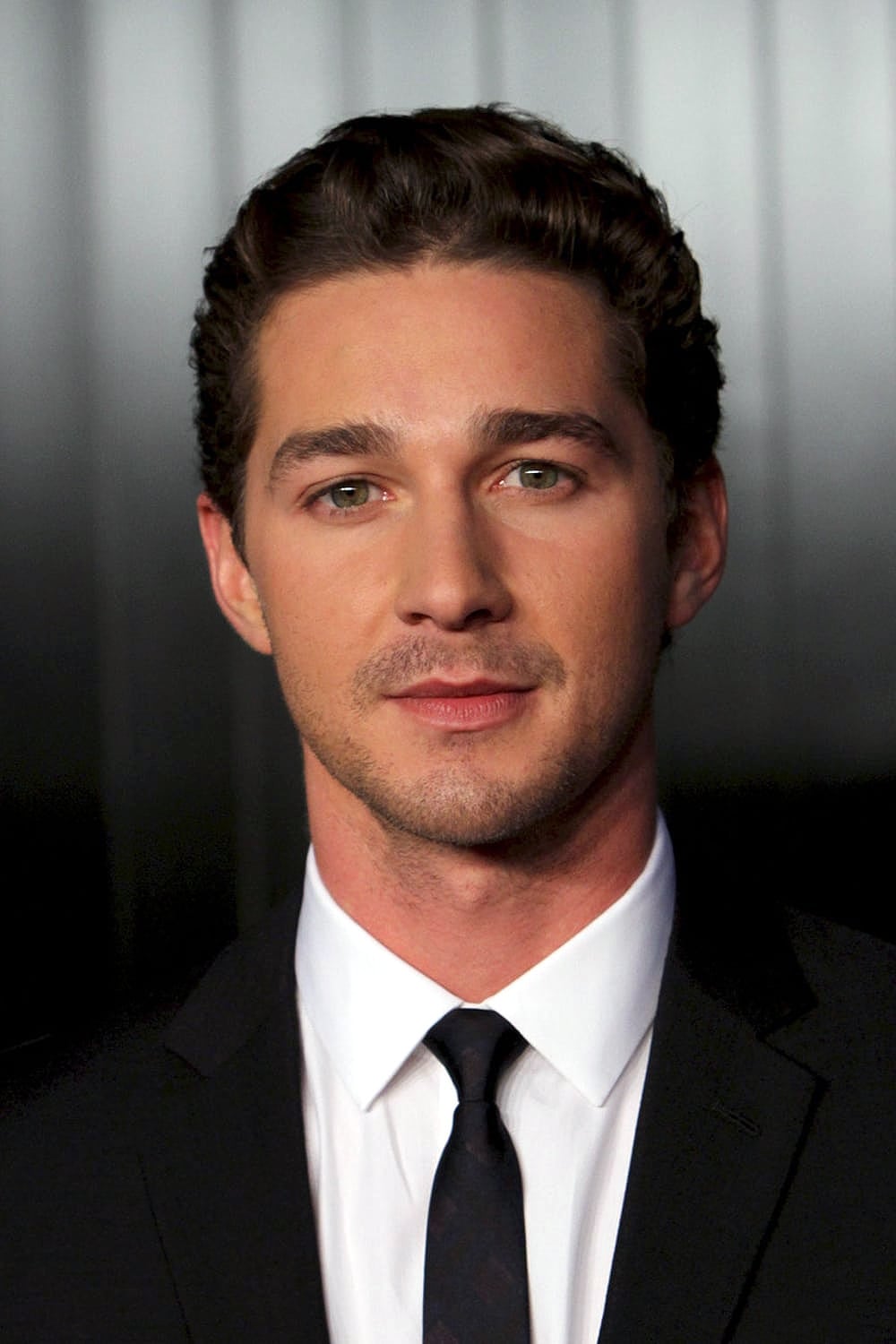
LaBeouf publicly criticized his work as Sam Witwicky in ‘Transformers’ and as Mutt Williams in ‘Indiana Jones and the Kingdom of the Crystal Skull’. He argued the films prioritized spectacle over character, leaving him unsatisfied with the roles. He also apologized to collaborators for airing his views but didn’t retract the substance of his complaints. His critiques emphasized thin characterization and creative disappointment.
Channing Tatum
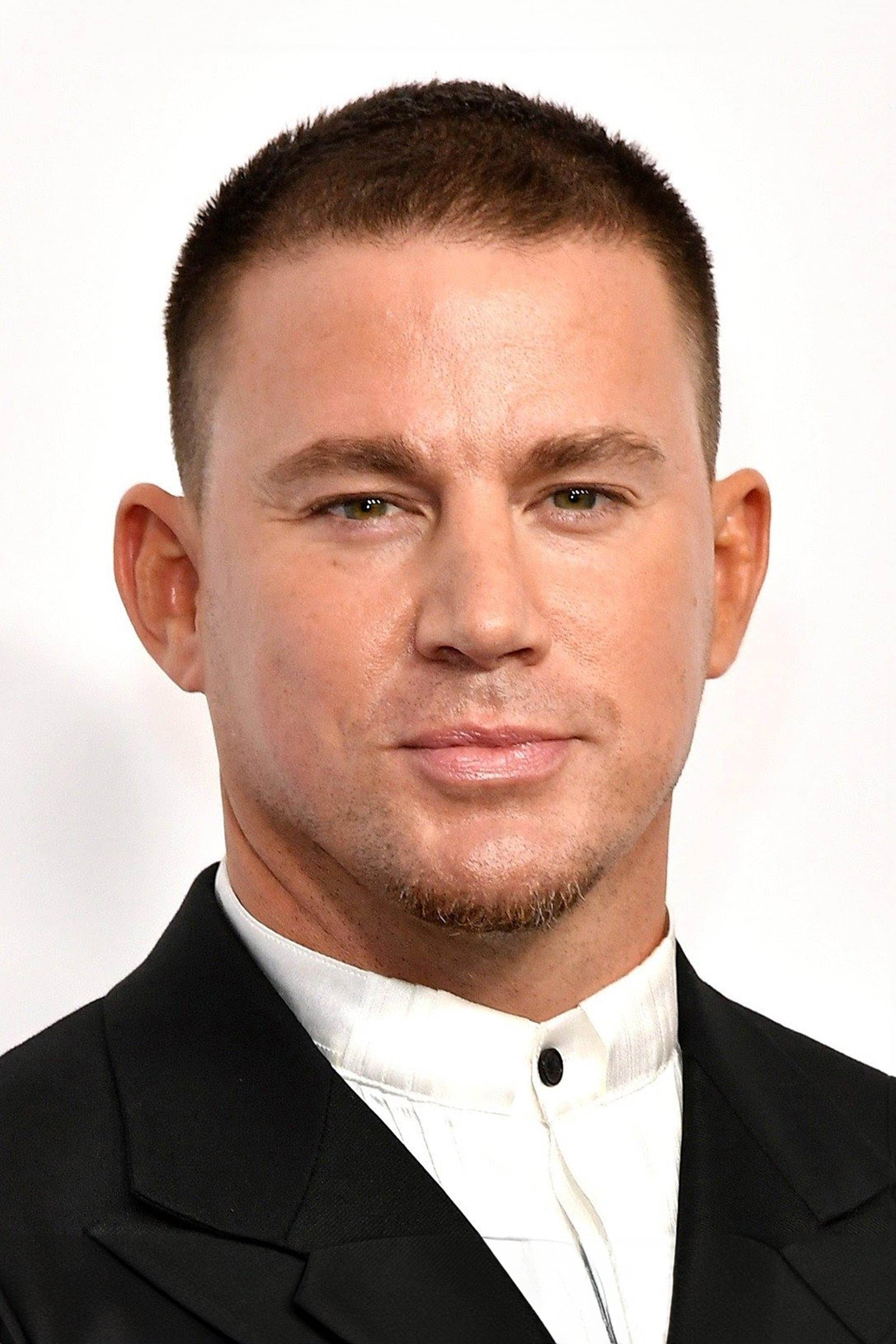
Tatum said he was contractually obligated into playing Duke in ‘G.I. Joe: The Rise of Cobra’ and “hated” the script. He explained he had little control early in his career and felt stuck in a part that didn’t reflect his interests. The experience influenced later choices to seek more creative input. His candor highlighted tensions between studio contracts and artistic satisfaction.
Penn Badgley
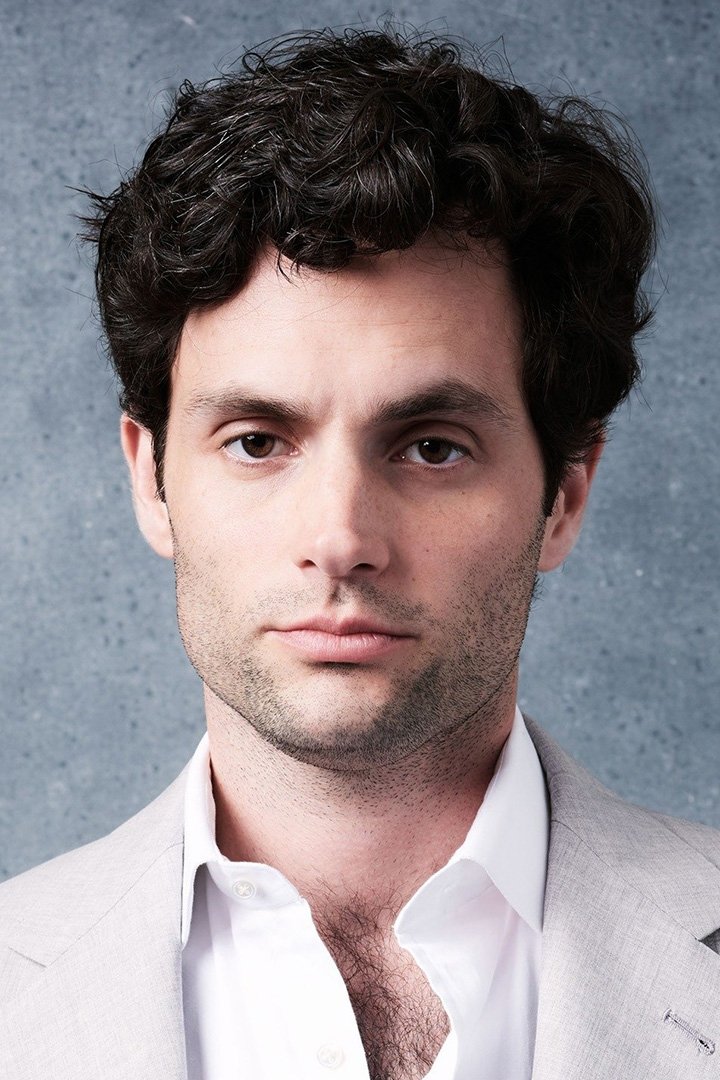
Badgley urged viewers not to romanticize Joe Goldberg in ‘You’, stressing that the character’s behavior is predatory. He said he’s uncomfortable with fans glamorizing Joe and actively works to frame the role responsibly. While he values the show’s conversations, he rejects any sympathetic read of the stalker protagonist. His comments underline a boundary between portraying and endorsing a character.
Stephen Dillane
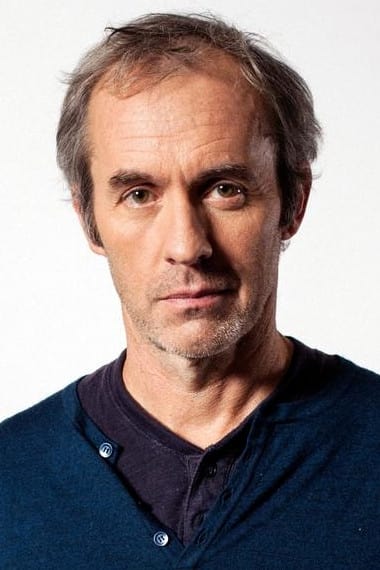
Dillane admitted he struggled to understand Stannis Baratheon in ‘Game of Thrones’ and felt disconnected from the role. He said he relied on colleagues to explain context and never quite found an entry point to the character. The experience left him unsatisfied despite the show’s success. He later characterized his time on the series as creatively frustrating.
George Clooney
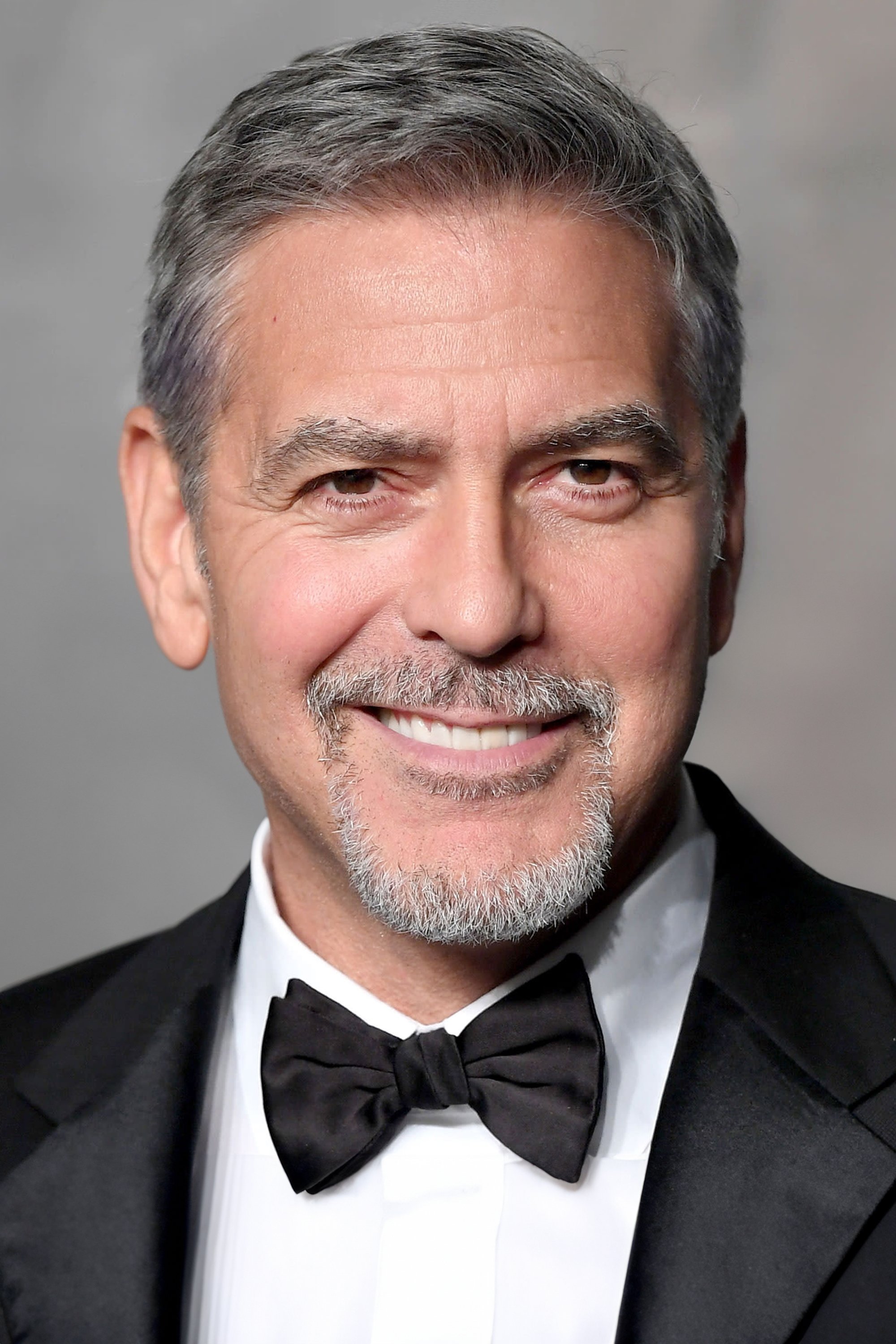
Clooney apologized for ‘Batman & Robin’ and criticized his own portrayal of Batman. He said tonal choices and character interpretation didn’t work and that the film undercut the role. He has used the experience as a cautionary tale about picking projects. The actor has repeatedly acknowledged that his take on the character failed to land.
Ben Affleck
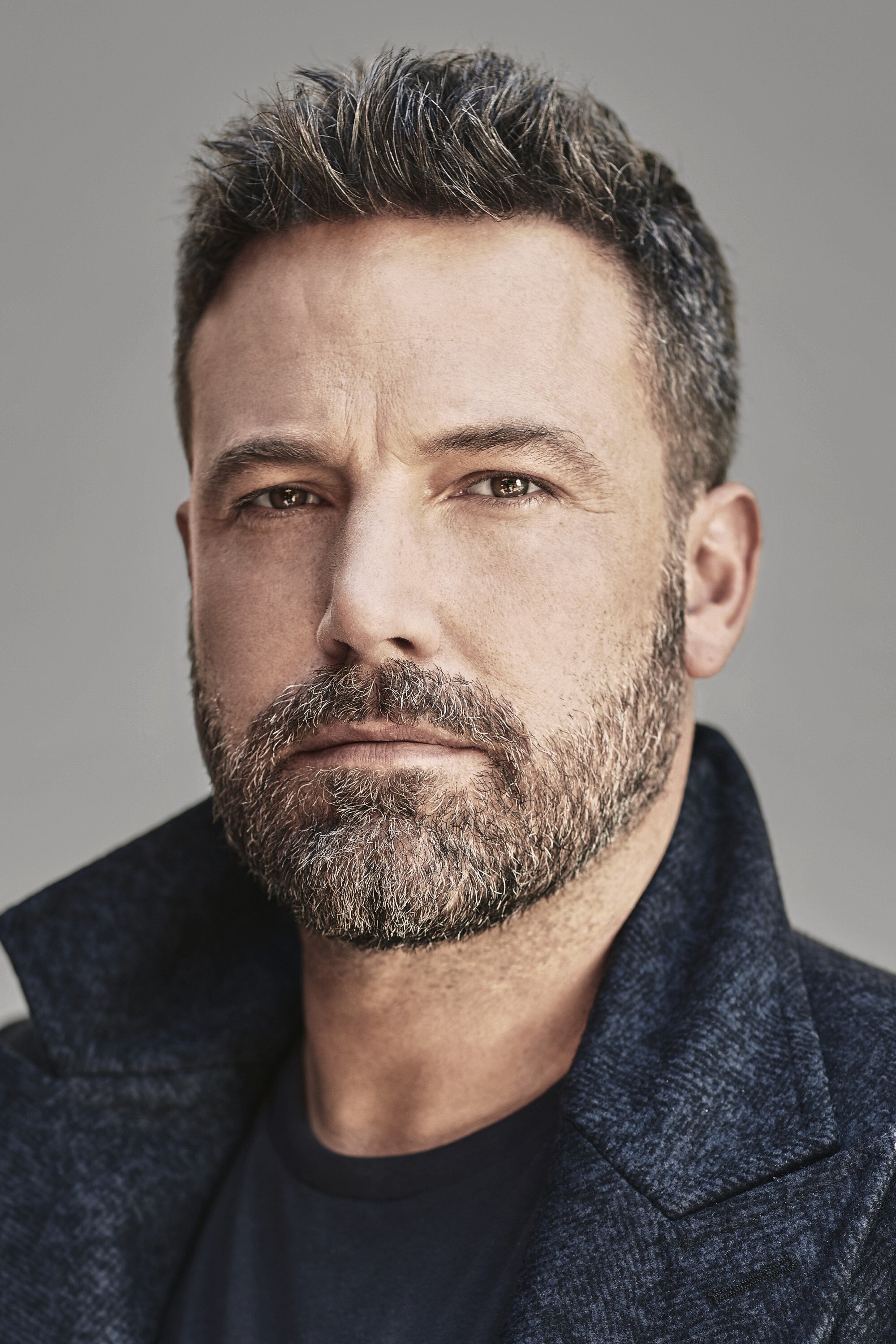
Affleck said he hated his experience as Matt Murdock in ‘Daredevil’ and wanted another chance at a superhero done right. He pointed to script and design decisions that, in his view, didn’t serve the character. That dissatisfaction influenced his decision to play Batman later. He has been clear the earlier role left him disappointed.
Mark Wahlberg
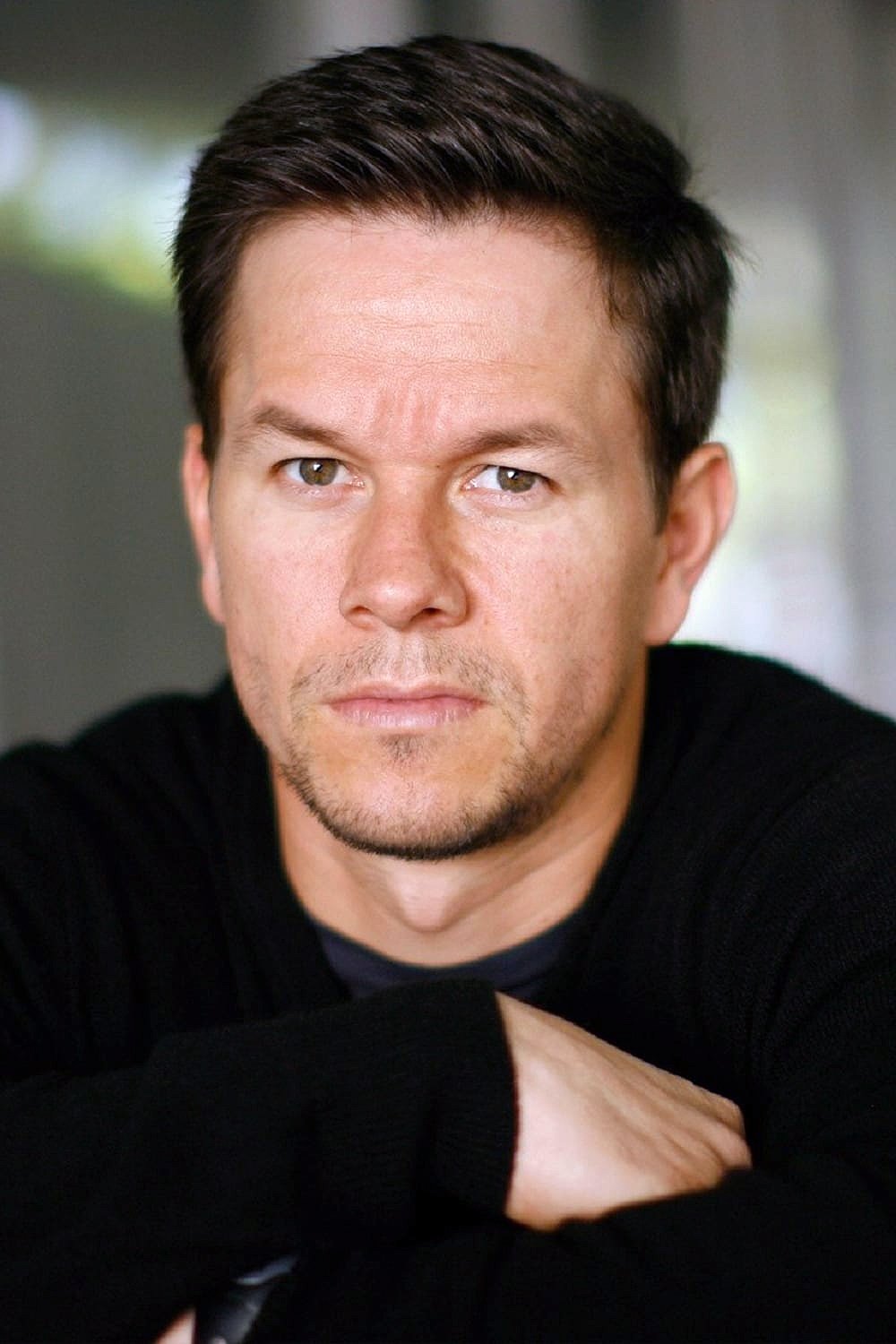
Wahlberg called ‘The Happening’ a misfire and mocked his own turn as a science teacher. He suggested the tone didn’t come together and that the character felt implausible on screen. His retrospective comments have been blunt about the film and role. He’s said it didn’t work the way anyone hoped.
Christopher Eccleston
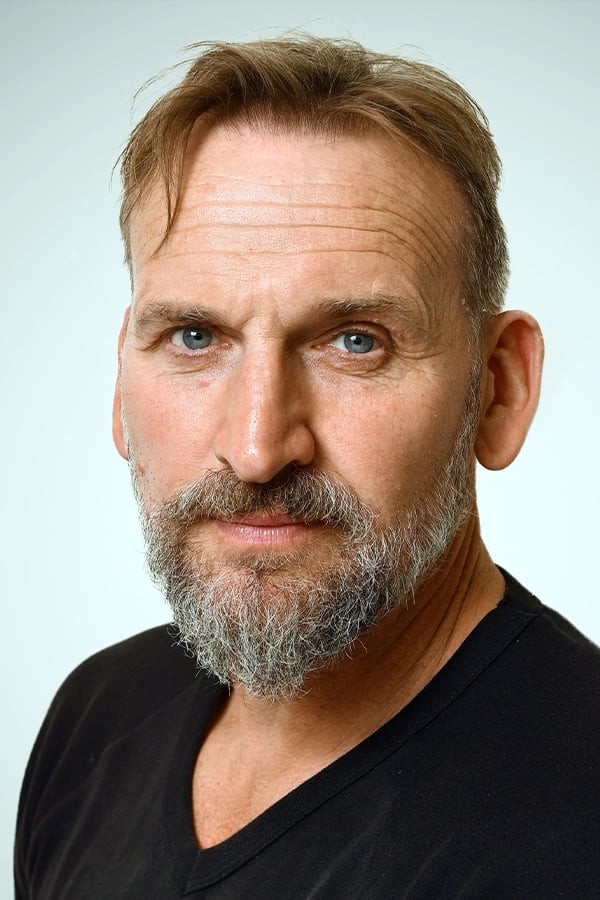
Eccleston detailed how heavy prosthetics and script issues made Malekith in ‘Thor: The Dark World’ a miserable job. He said the role offered little character depth and required punishing makeup hours. He has described the experience as one of his least satisfying. The disconnect between effort and material drove his disdain.
Bob Hoskins
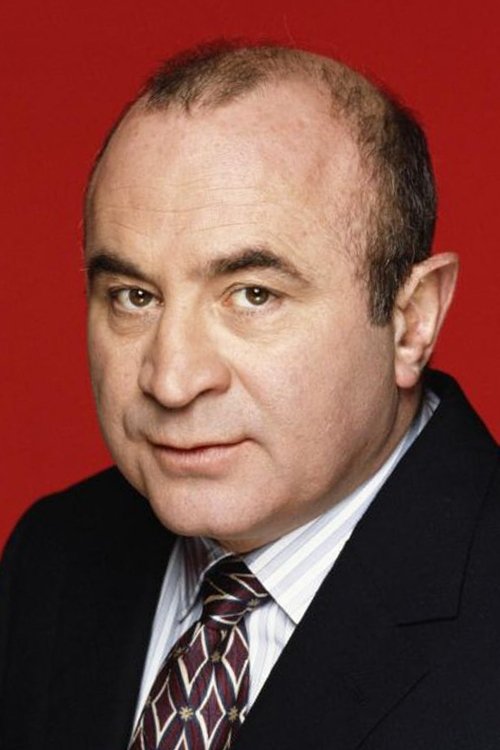
Hoskins called making ‘Super Mario Bros.’ chaotic and said playing Mario was the worst job he ever had. He cited constant script changes and production turmoil that left the character incoherent. He also mentioned on-set injuries and confusion about tone. The ordeal colored his view of the role permanently.
Chevy Chase
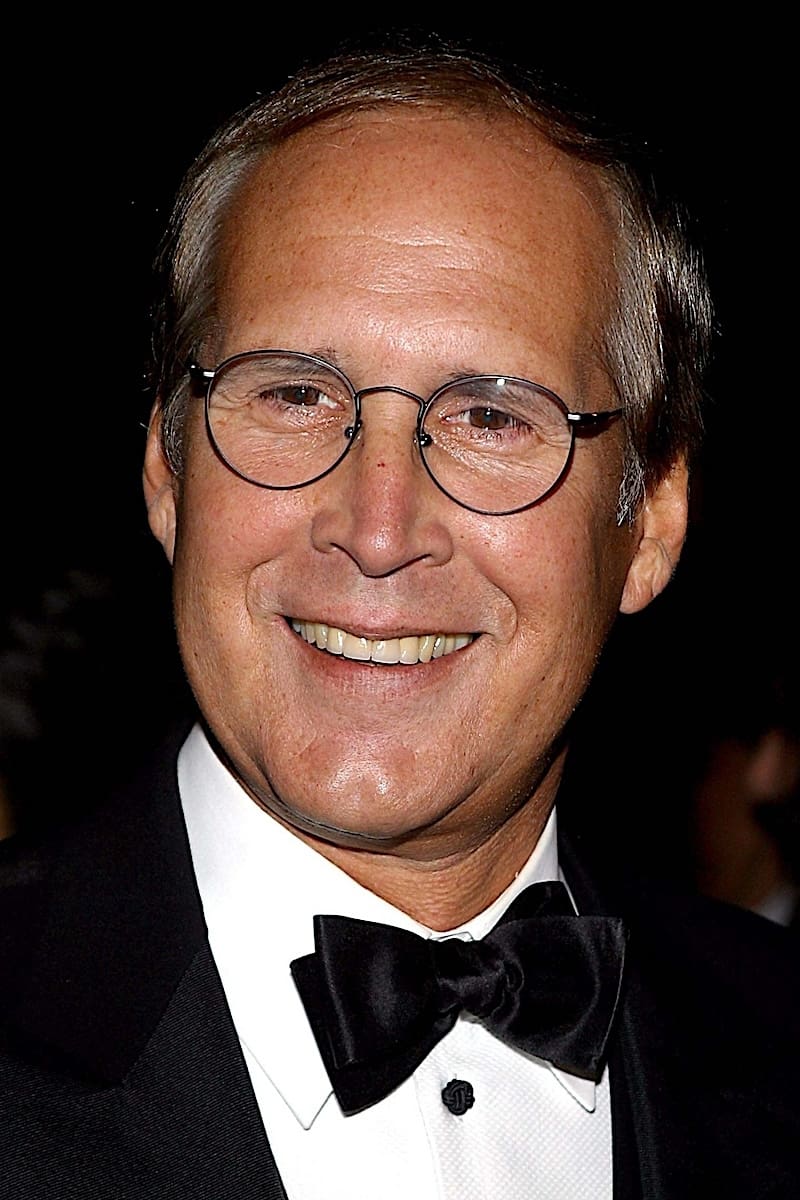
Chase had ongoing conflicts over Pierce Hawthorne in ‘Community’ and objected to the character’s racist outbursts. He argued the writing pushed boundaries he found unacceptable and clashed with producers over tone. The disputes culminated in his departure from the series. He later spoke negatively about playing the role at all.
Sylvester Stallone
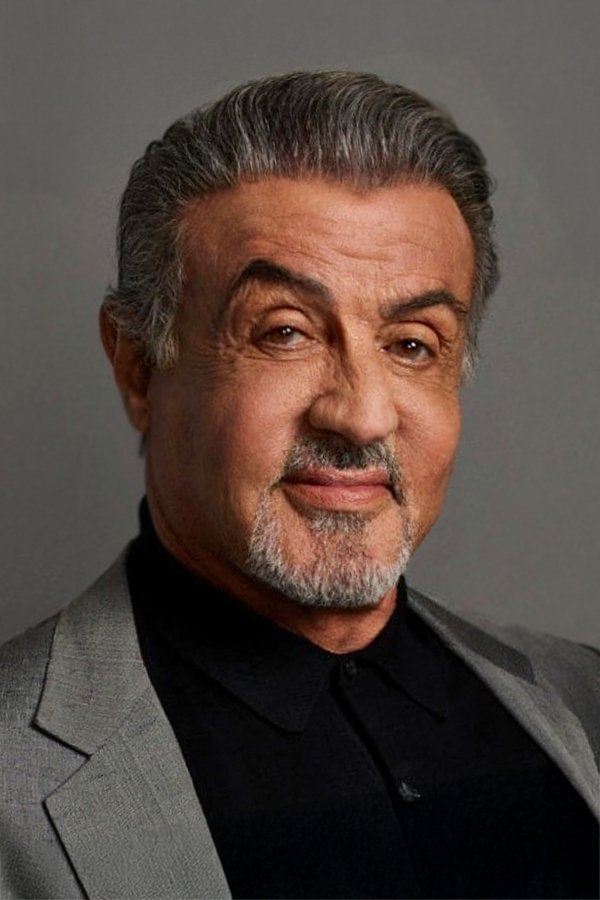
Stallone criticized ‘Judge Dredd’, saying the film’s tone and choices undermined the character. He argued it drifted away from what made the source compelling and regretted the final product. He also said removing the helmet hurt the mystique. The result left him unhappy with his portrayal.
Sean Connery
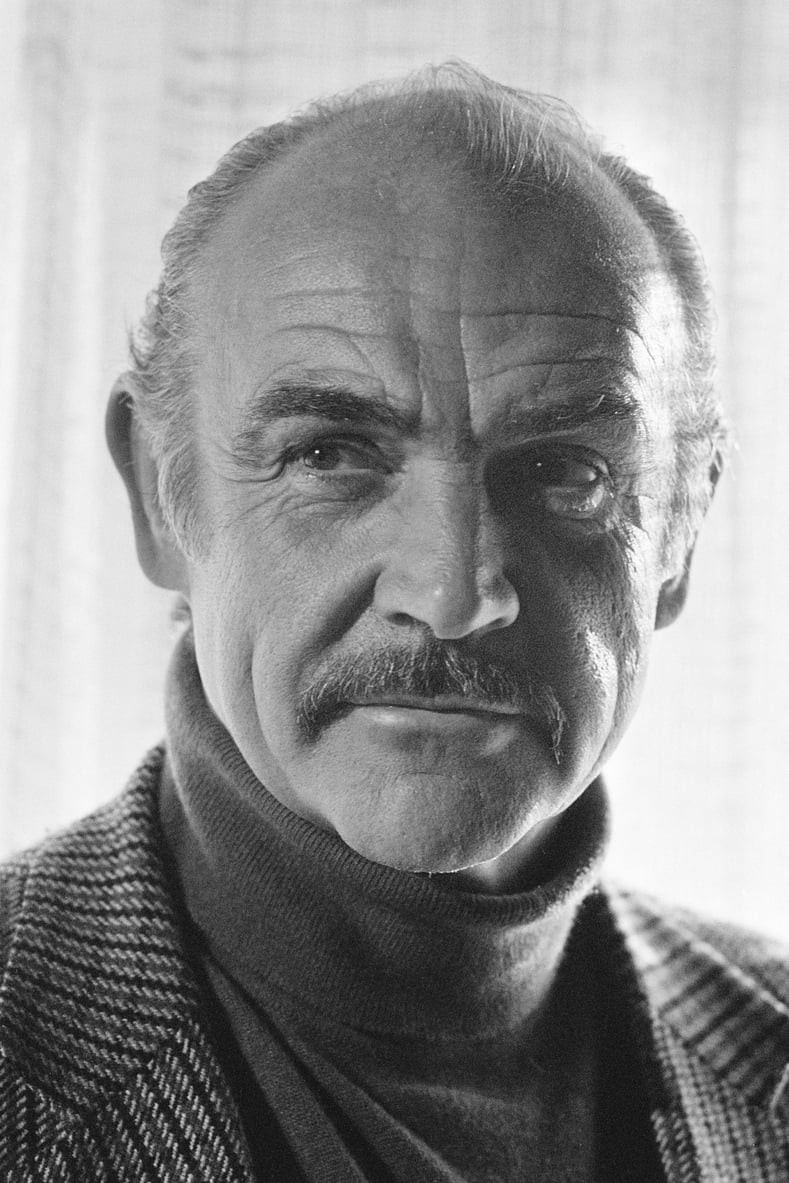
Connery expressed resentment toward James Bond, saying the role overshadowed his career and personal life. He complained about the character’s impact on his privacy and public image. He also said he grew tired of playing the same persona across entries. Despite defining the role, he frequently stated he disliked being Bond.
John Cusack
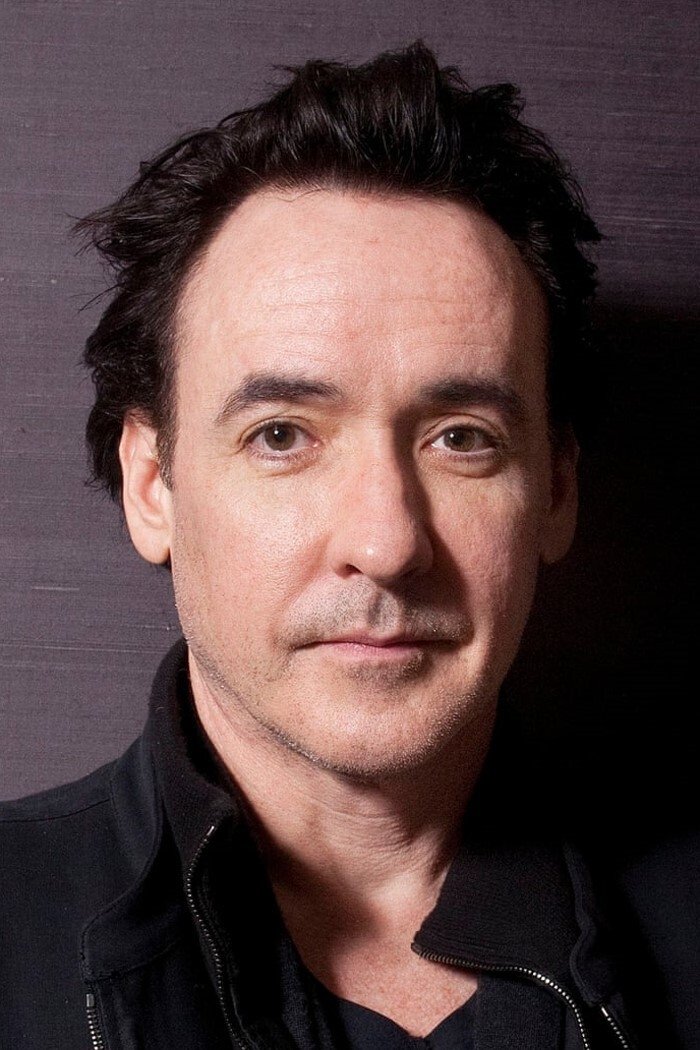
Cusack dismissed ‘Better Off Dead’ and indicated he disliked how his character was portrayed after seeing audience reactions. He felt the film didn’t reflect the kind of work he wanted to do. The experience led him to pivot toward different material. He has kept his distance from celebrating that role.
Jamie Dornan
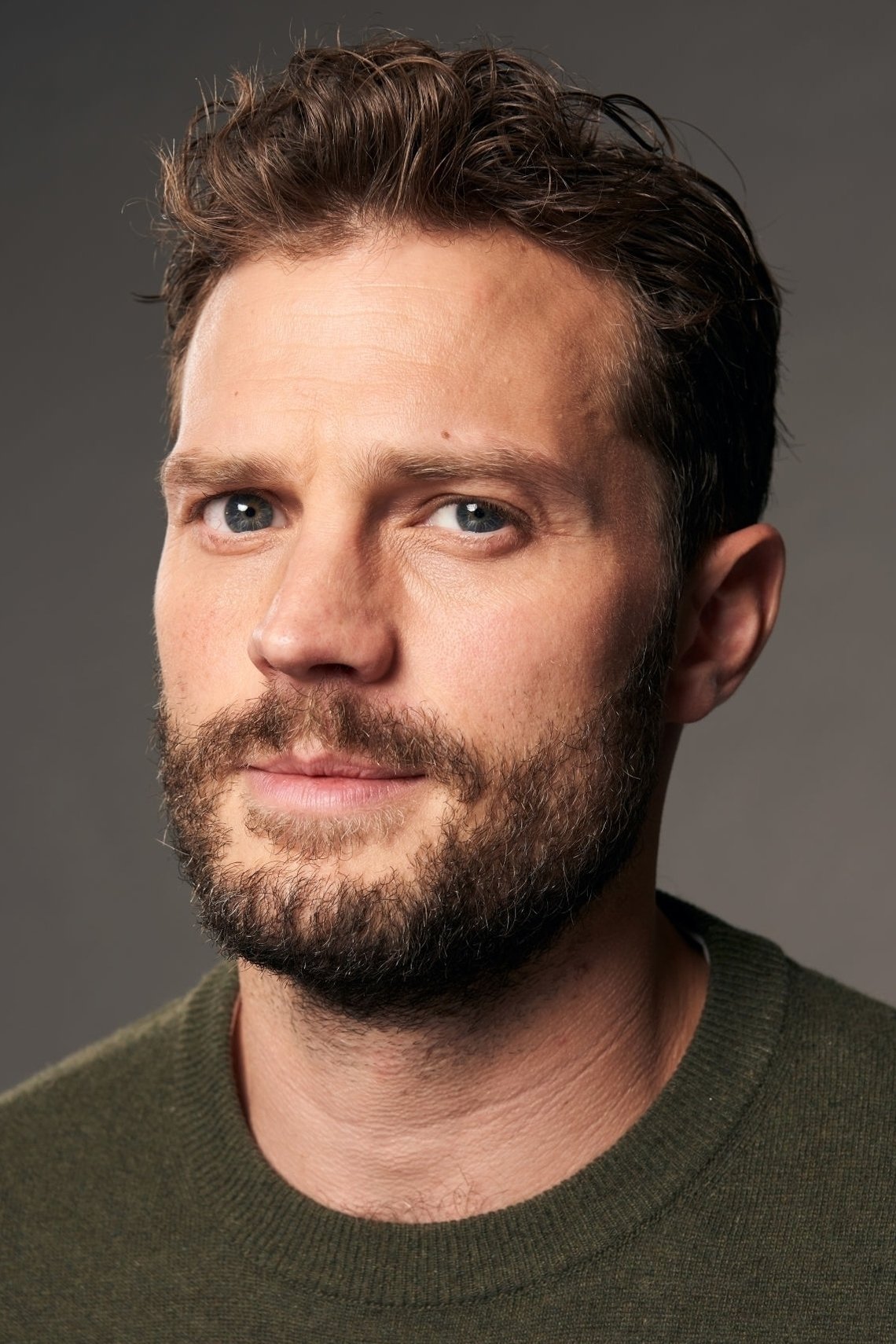
Dornan said he wouldn’t want to be friends with Christian Grey and finds the character’s behavior troubling. He distinguished between doing the job and endorsing the man he portrayed. He’s been measured but clear about discomfort with aspects of the role. His comments focus on separating performance from approval.
Val Kilmer
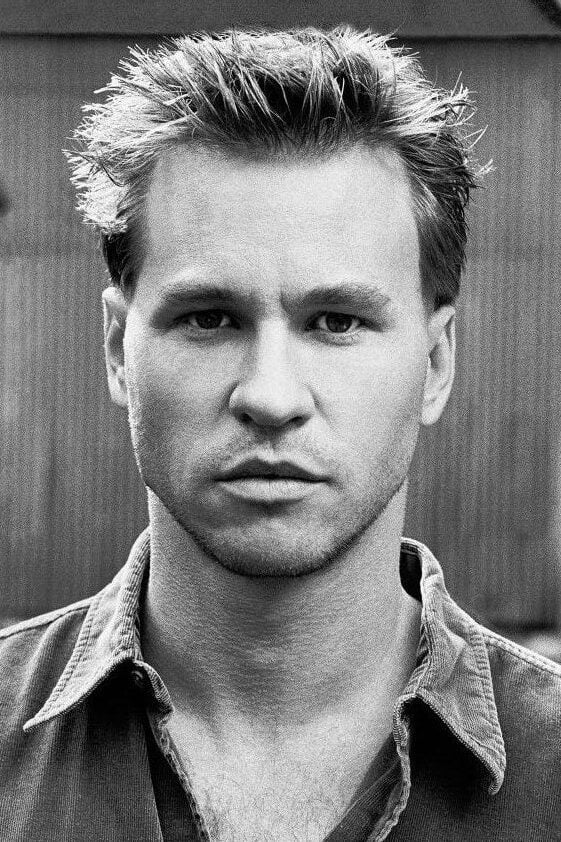
Kilmer said the Batman suit limited expression so much that he didn’t feel he was acting, souring him on the role. He described the part as physically isolating and creatively constraining. The disconnect made him step away despite the character’s stature. He later reflected that the experience wasn’t fulfilling.
Robert Beltran

Beltran criticized how Chakotay was written on ‘Star Trek: Voyager’, saying the character lacked development. He was vocal about scripts that sidelined or simplified the role. Over time he expressed disappointment with missed opportunities for deeper storytelling. His critiques centered on underuse rather than performance itself.
Mark Hamill
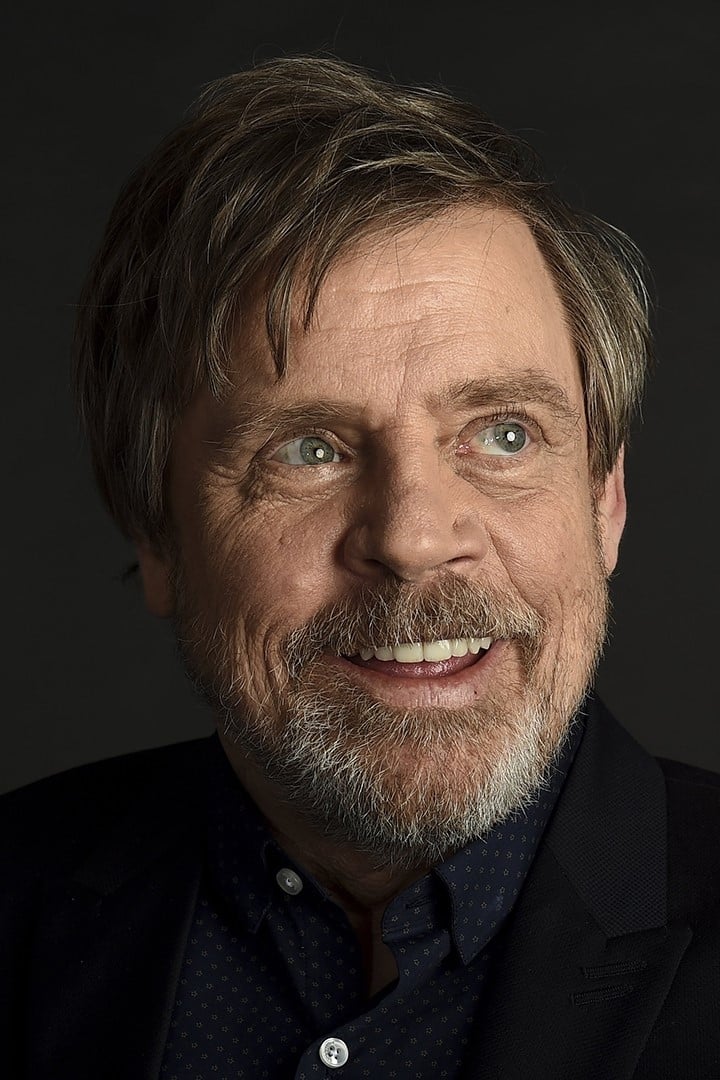
Hamill openly disagreed with how Luke Skywalker was characterized in ‘Star Wars: The Last Jedi’. He said he struggled with the arc and initially felt it wasn’t “his” Luke, proposing backstory ideas to justify the portrayal. Although he later emphasized respect for the filmmakers, he remained frank about his misgivings with this version. His comments focused on motivation, agency, and whether Luke’s choices made sense within the saga.
John Boyega
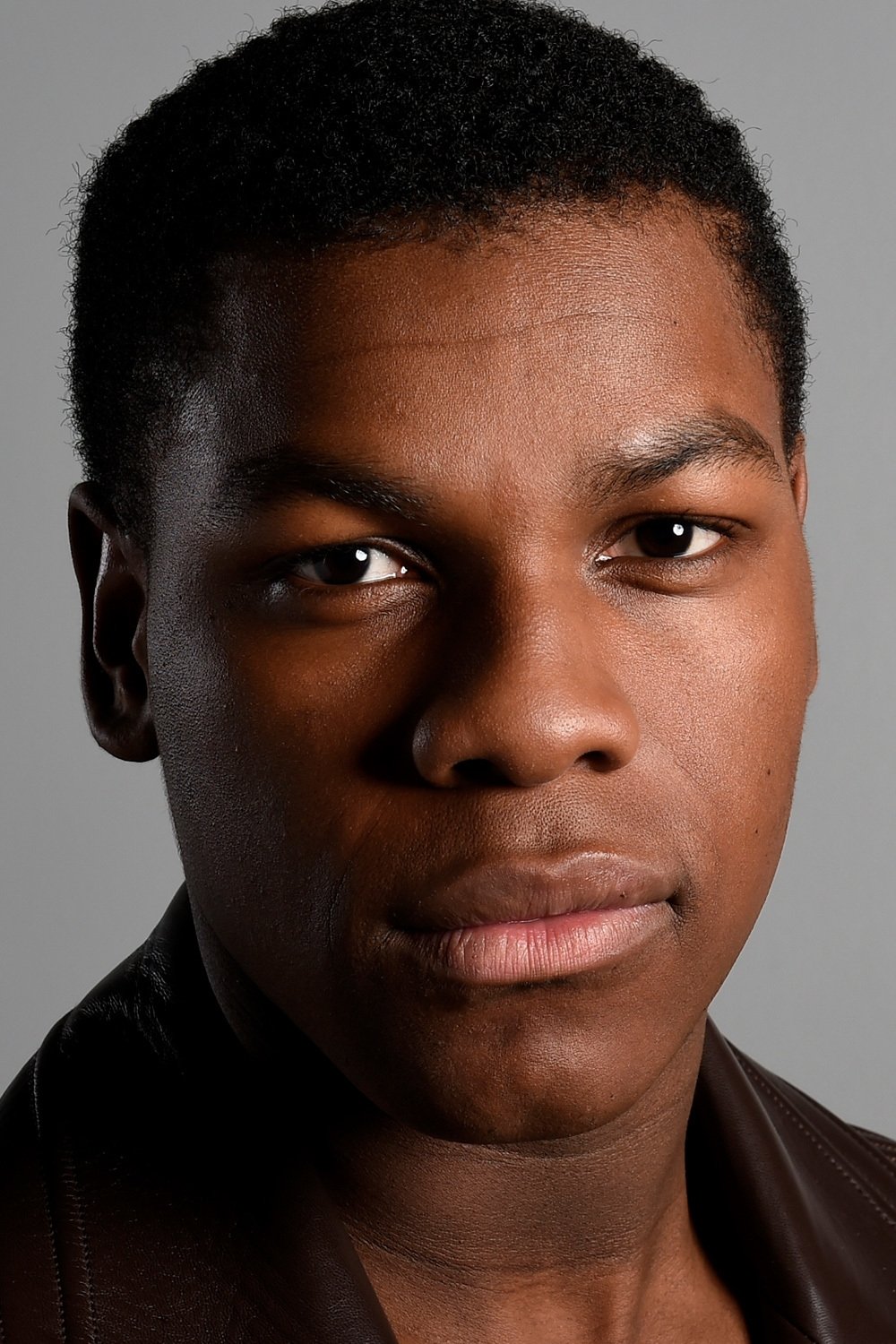
Boyega criticized how Finn was written across the ‘Star Wars’ sequels, arguing the character was sidelined after early promise. He called out marketing versus payoff, saying the narrative didn’t follow through on Finn’s setup. He said he had direct conversations with the studio about the character’s treatment. His remarks centered on wasted potential and a loss of direction.
Angus T. Jones

Jones denounced Jake Harper’s material on ‘Two and a Half Men’ while still on the series, urging viewers not to watch. He said the show’s content clashed with his values and that he felt uncomfortable with what his character was doing and saying. The comments made clear his disapproval of the role’s direction. He later stepped away from the show entirely.
Robert Reed
Reed clashed with writers over Mike Brady on ‘The Brady Bunch’, arguing the character was trapped in contrived, unserious stories. He withheld participation in episodes he felt made the character ridiculous. Colleagues recalled his constant push for more grounded, credible characterization. His objections were about how Mike Brady was written and presented.
Chris Hemsworth
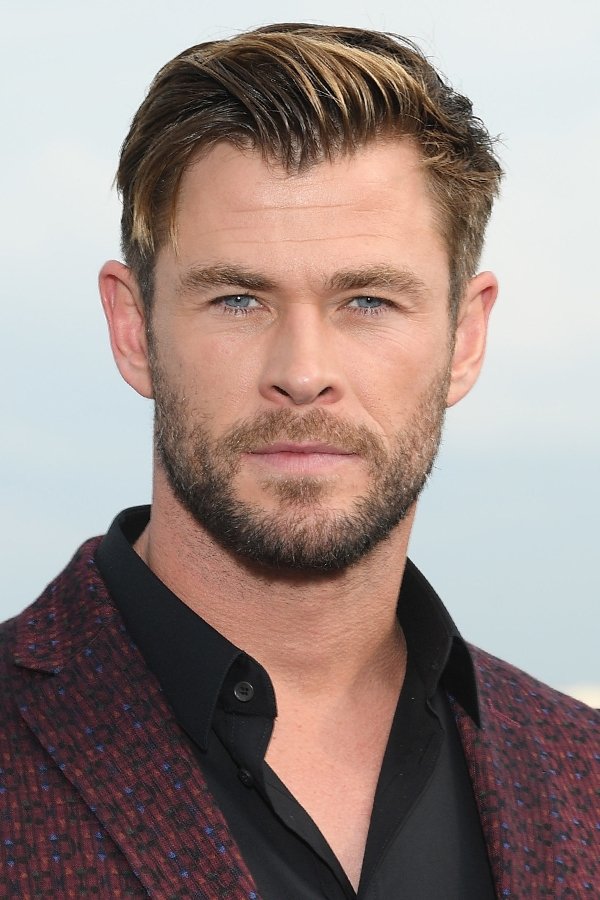
Hemsworth said he grew bored with how Thor was written before the character’s reinvention in ‘Thor: Ragnarok’. He described earlier versions as overly solemn and lacking a clear voice he could connect with. The shift to a looser, more self-aware take was his push to fix a portrayal he felt had gone stale. He explained that changing Thor’s tone finally made the character feel alive to play.
Wesley Snipes
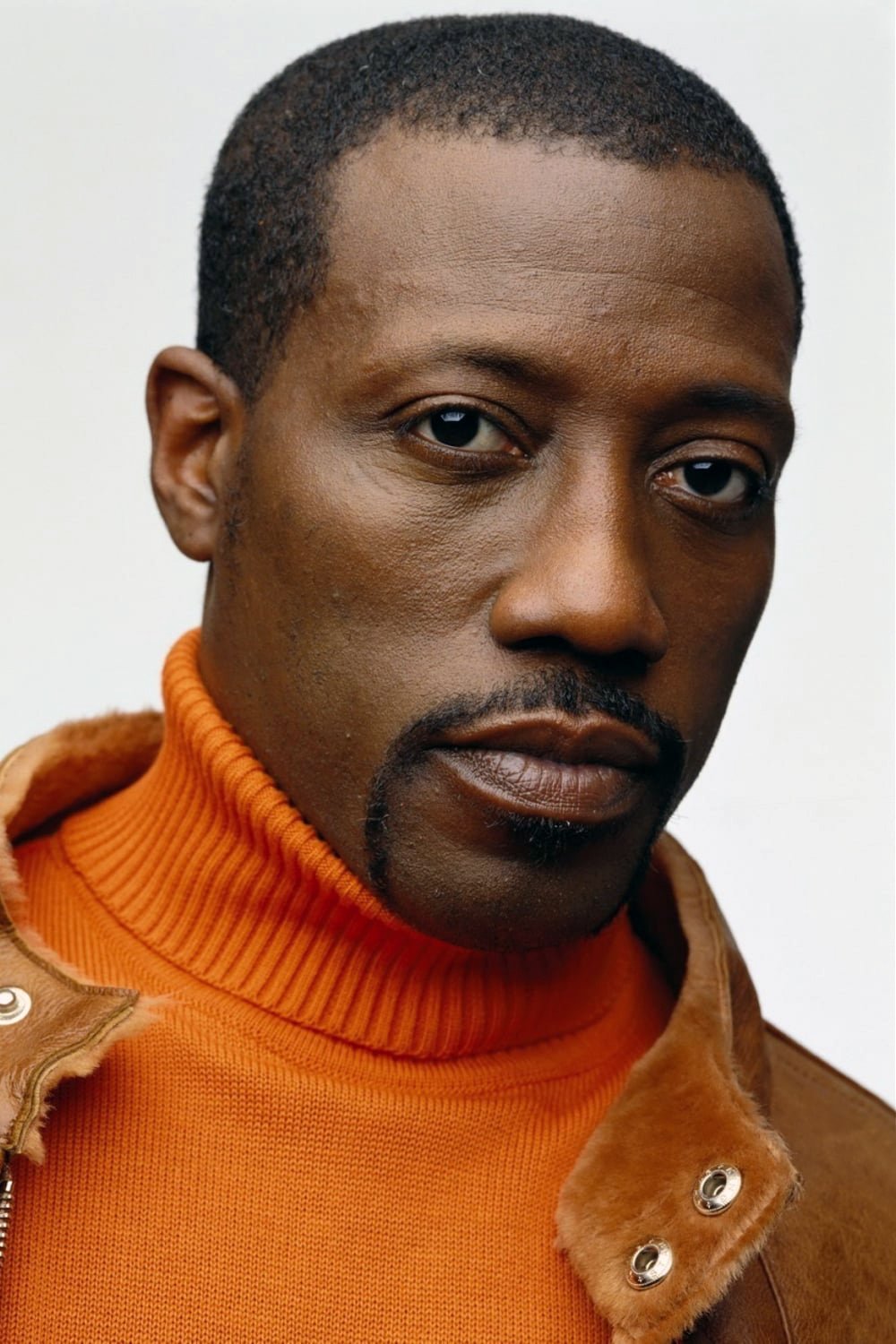
Snipes said ‘Blade: Trinity’ left him unhappy with who Blade became on screen. He argued the script sidelined the Daywalker and diluted the character’s mystique. Creative clashes over tone and focus deepened his dissatisfaction with the portrayal. He pointed to missed opportunities to keep Blade centered and psychologically driven.
Ray Fisher
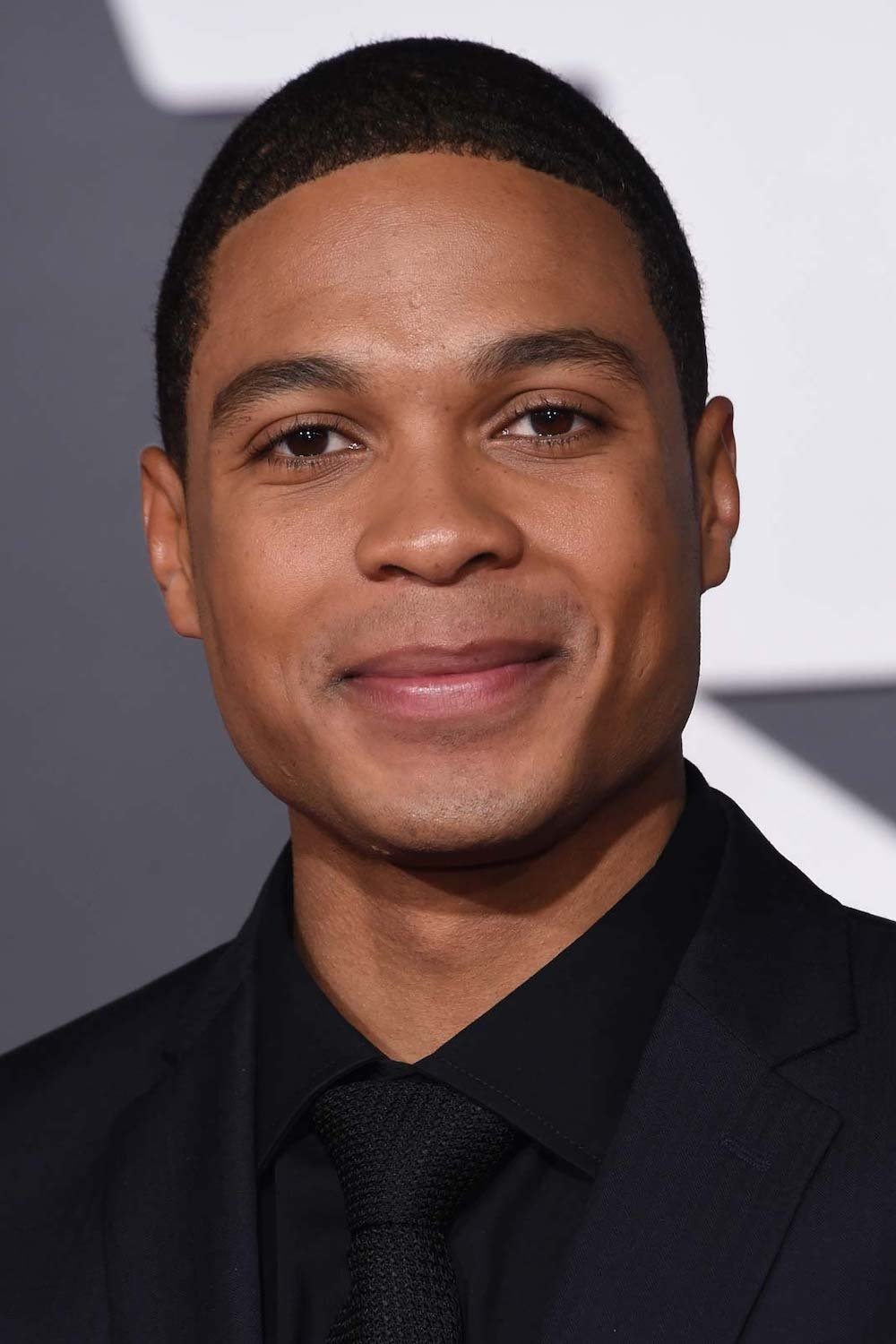
Fisher said the theatrical cut of ‘Justice League’ gutted Cyborg’s arc and reduced the character to background. He emphasized that substantial scenes establishing Victor Stone’s inner life were removed. The changes, he argued, stripped the role of the heart he was promised. His public statements framed the issue as a fundamental mischaracterization.
Jake Lloyd
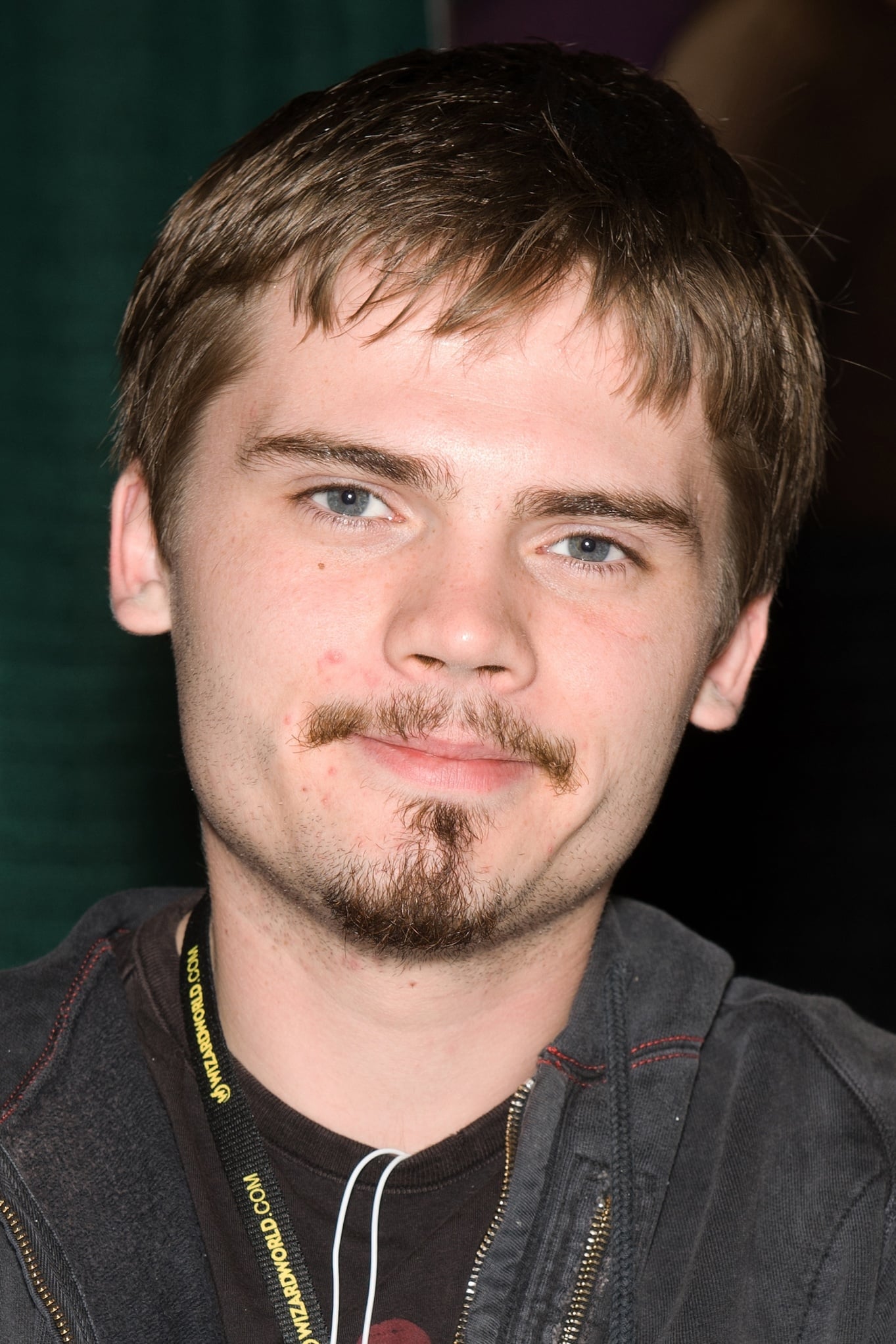
Lloyd later said playing Anakin Skywalker in ‘Star Wars: The Phantom Menace’ led to bullying and resentment toward the character association. He described the experience as overwhelming and damaging for a child actor. Over time he rejected the role’s legacy in his life. His comments make clear he came to dislike what the character brought him personally.
Crispin Glover
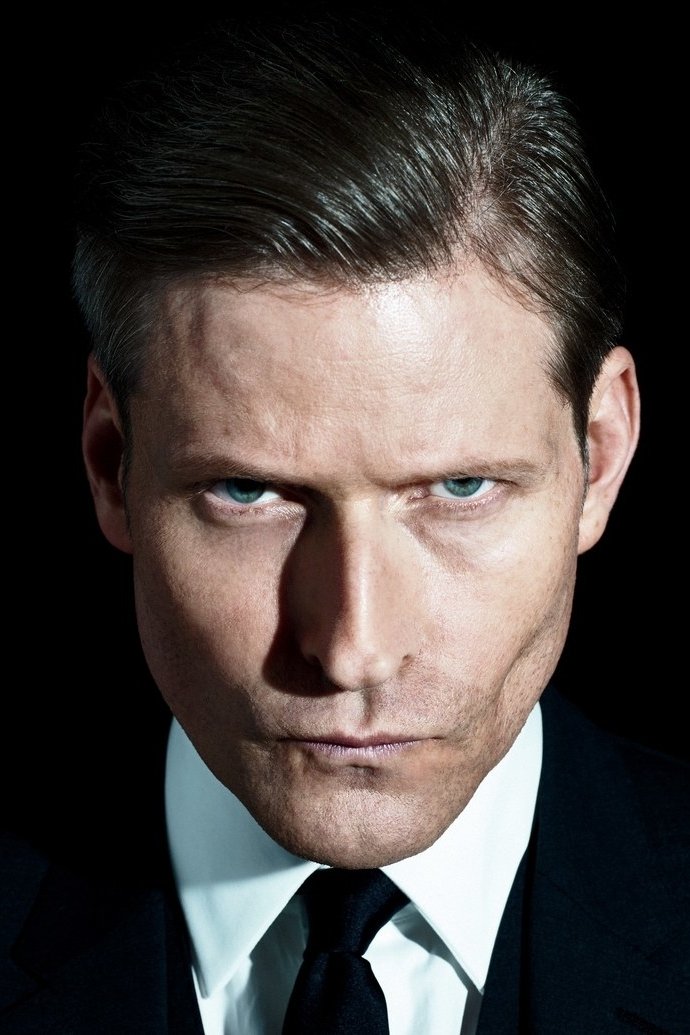
Glover objected to how George McFly was framed in ‘Back to the Future’, especially the implication that wealth equaled happiness. He said that message made the character’s endpoint feel morally wrong. The dispute contributed to his absence from the sequel. He repeatedly criticized that vision of who George becomes.
James Van Der Beek
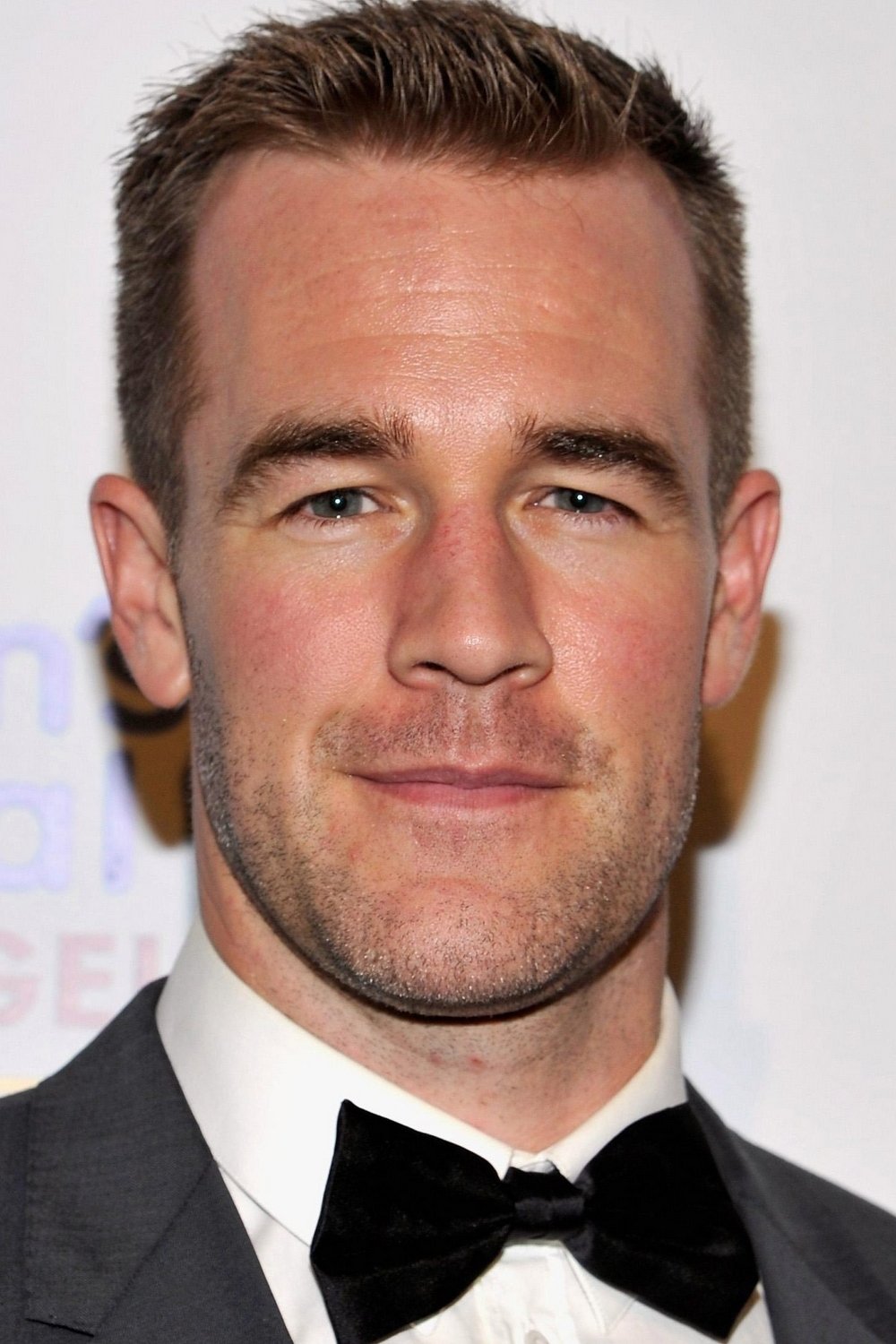
Van Der Beek acknowledged frustration with how Dawson Leery was perceived on ‘Dawson’s Creek’. He said the character could read as self-righteous and that the show often leaned into that. Over the years he poked fun at Dawson’s image while noting the portrayal boxed him in. His reflections emphasize discomfort with the character’s tone.
Freddie Prinze Jr.
Prinze Jr. said he disliked playing Fred in ‘Scooby-Doo’ and found the character shallow on the page. He talked about being pushed into a look and attitude that felt empty. The experience made him wary of returning to that portrayal. He later said he wouldn’t repeat a role that didn’t give him anything human to play.
Zachary Levi
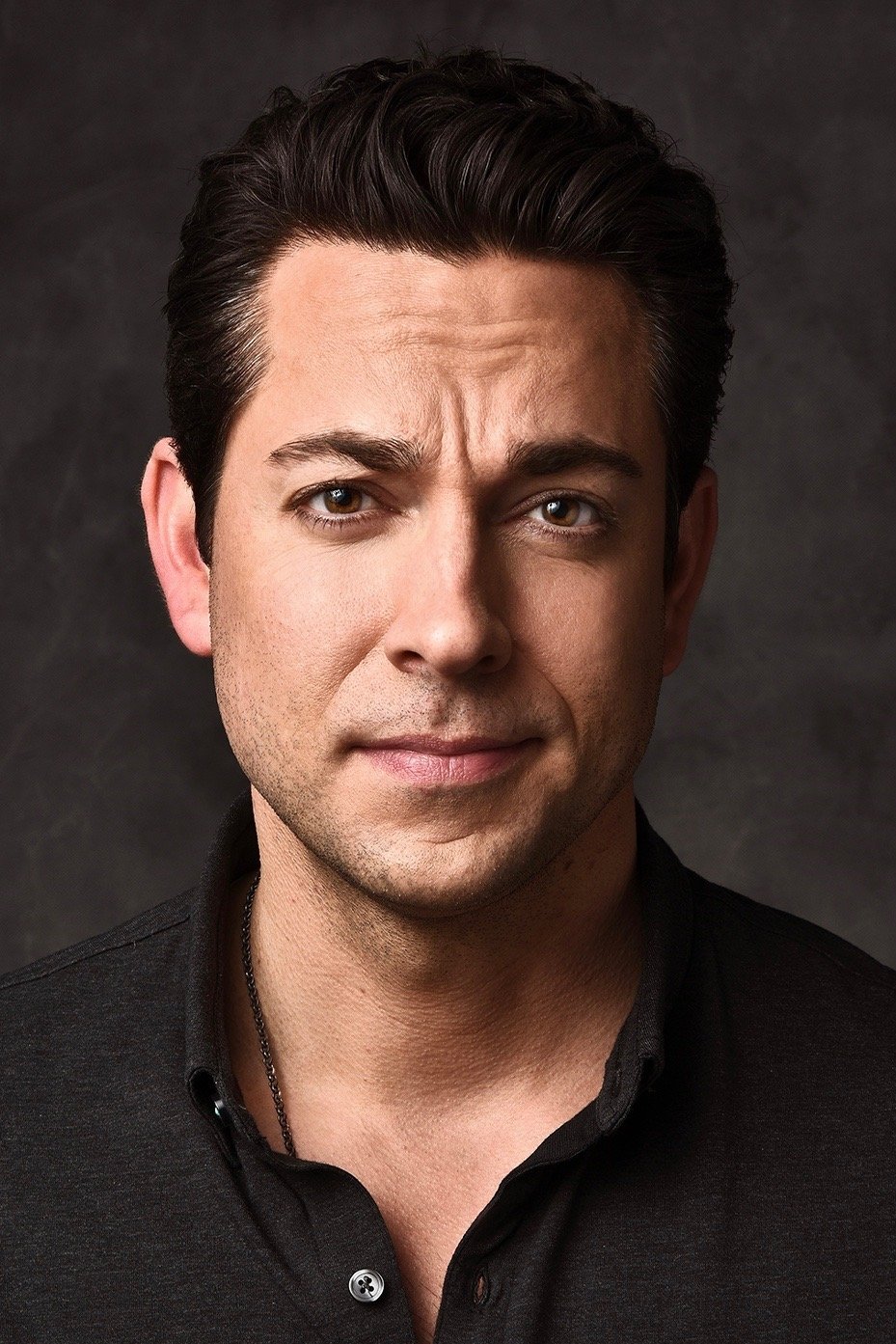
Levi explained that Fandral in ‘Thor’ and its sequel gave him almost nothing to build on. He noted that the character functioned as set dressing with minimal dialogue or inner life. That lack of substance left him dissatisfied with the part. He has been open that the portrayal didn’t justify the commitment.
Michael Keaton
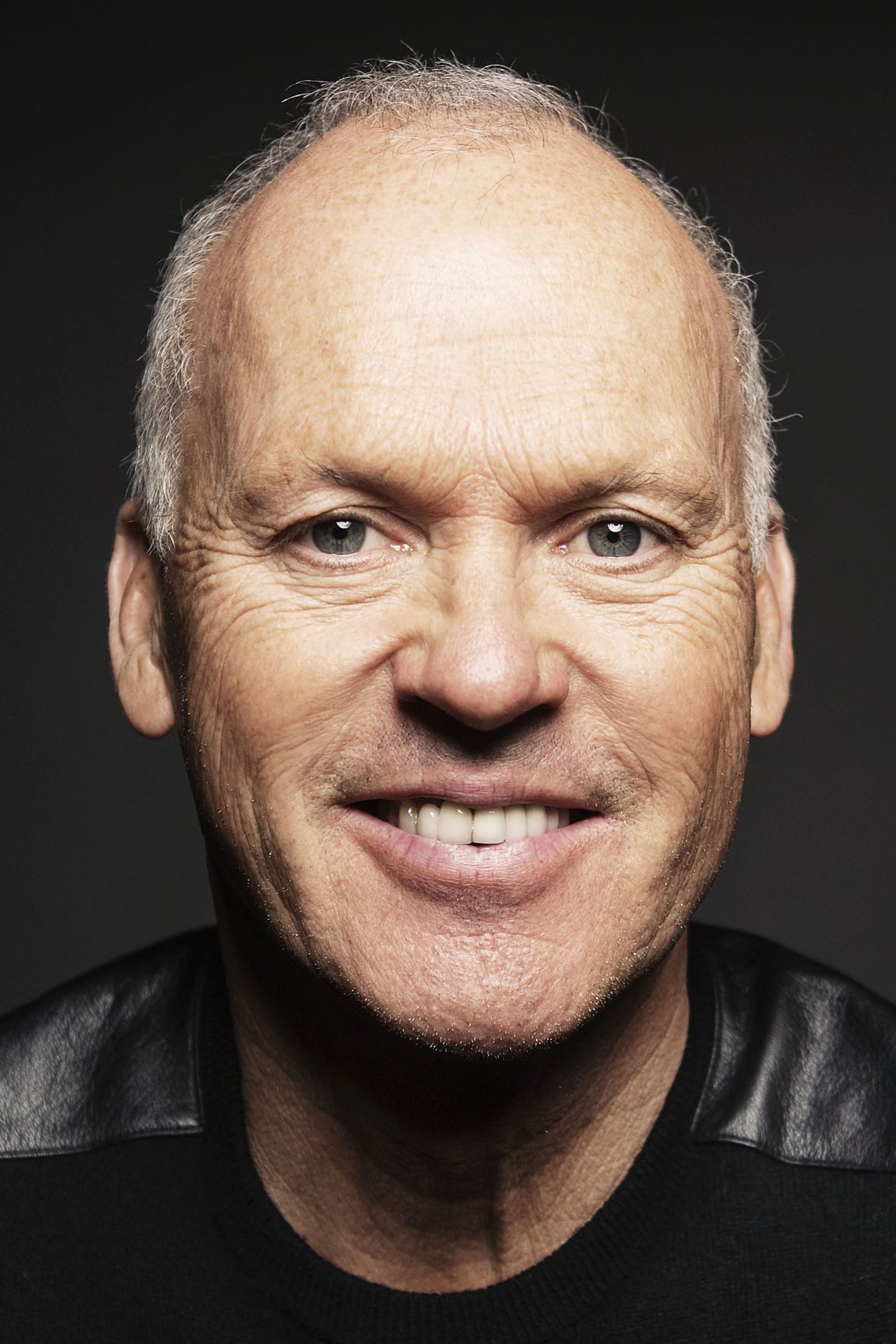
Keaton walked away from ‘Batman Forever’ because he disliked where Batman was headed on the page. He said the script’s approach undermined the moody complexity he believed defined the character. Without that, he had no interest in continuing. He described the choice as protecting who Batman should be.
Henry Cavill
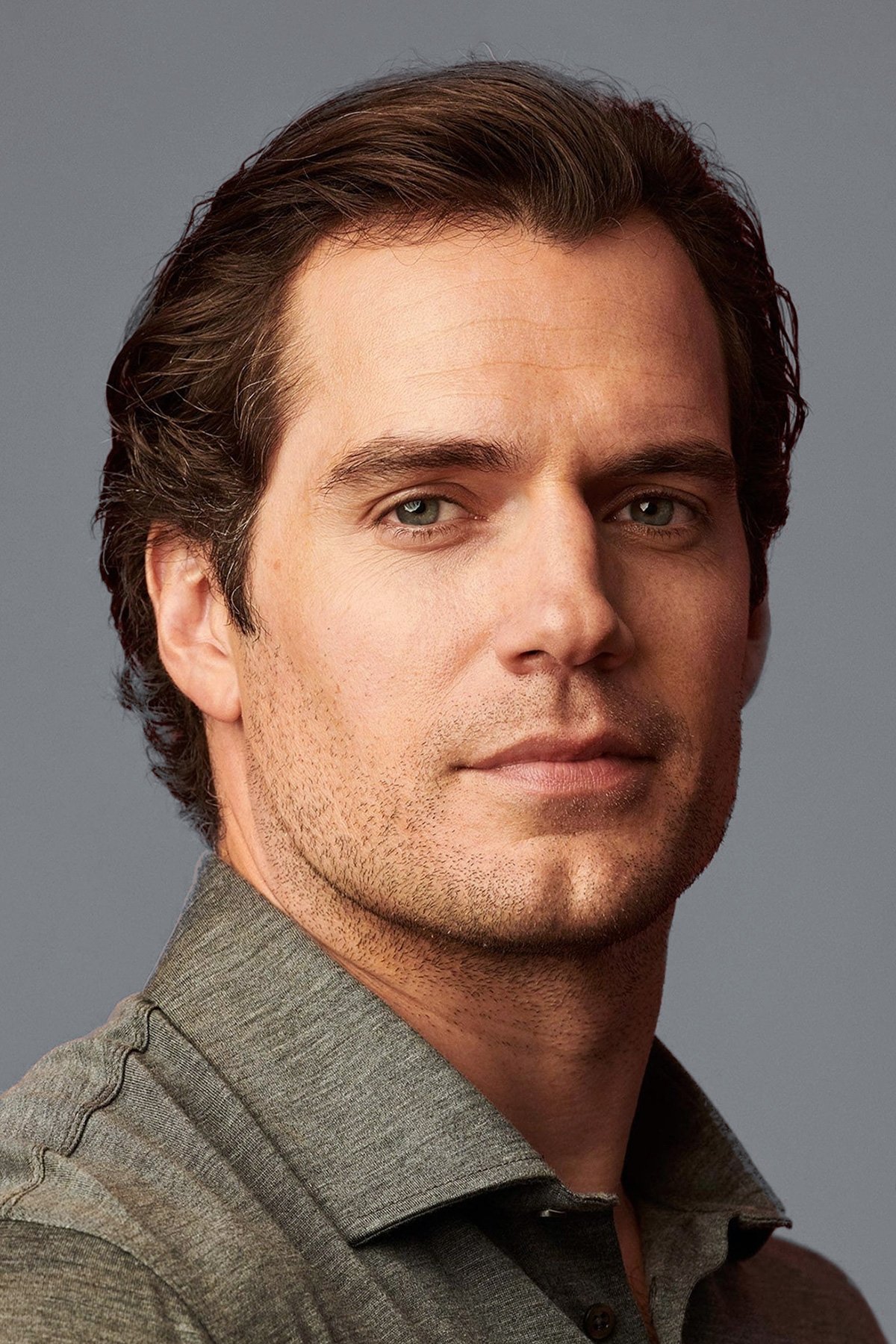
Cavill advocated for a book-faithful Geralt on ‘The Witcher’, saying deviations undercut the character’s core. He pushed for motivation and lore that aligned with the source. When that direction didn’t hold, he stepped away, signaling deep disagreement with the portrayal. His stance centered on keeping Geralt’s integrity intact.
Oscar Isaac
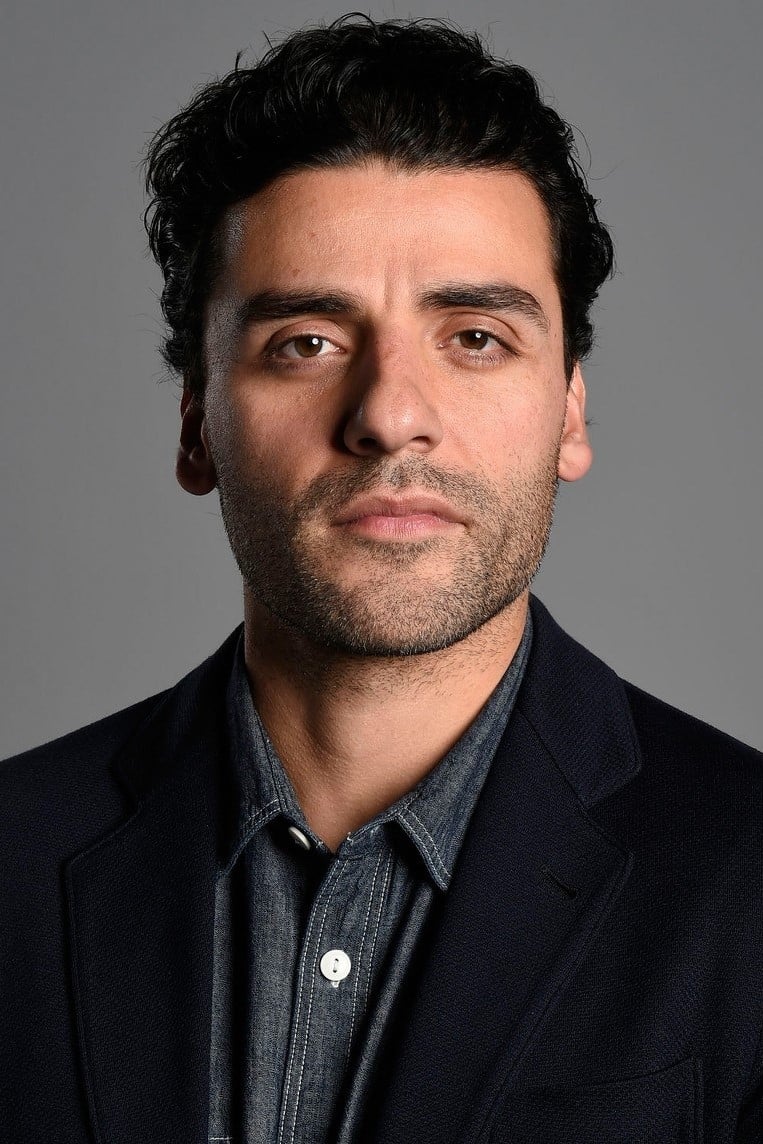
Isaac said playing Apocalypse in ‘X-Men: Apocalypse’ left him feeling trapped under prosthetics with a thinly written villain. He wanted clearer psychology and stakes to justify the character’s presence. The final portrayal, he felt, lacked dimension. He later contrasted that experience with roles that let him build a real inner life.
Jamie Foxx
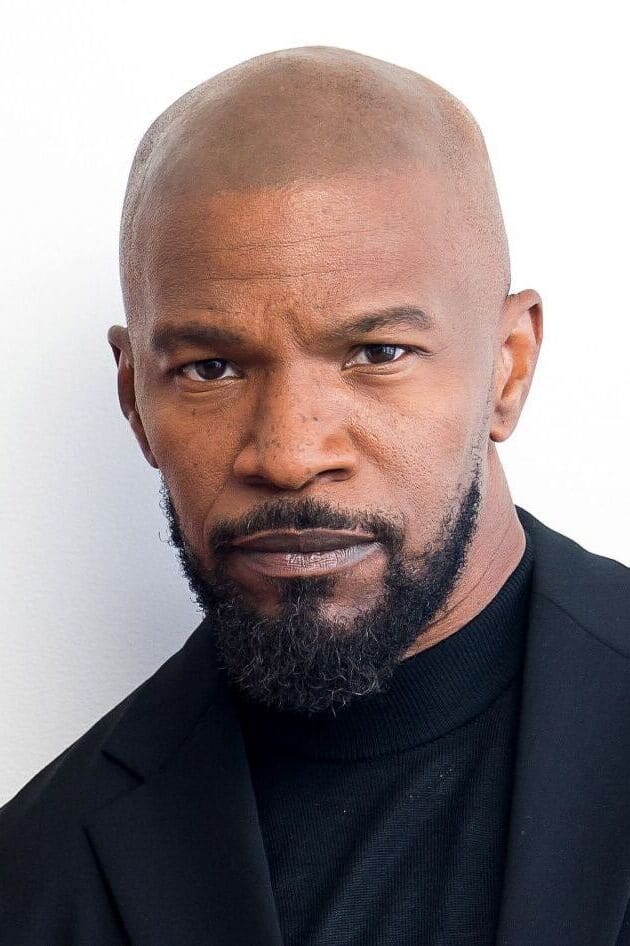
Foxx criticized his original Electro in ‘The Amazing Spider-Man 2’ as cartoonish and misjudged. He said the characterization didn’t reflect what he wanted the villain to be. When revisiting the role later, he emphasized correcting that earlier take. His remarks make clear he rejected the first portrayal.
Ioan Gruffudd
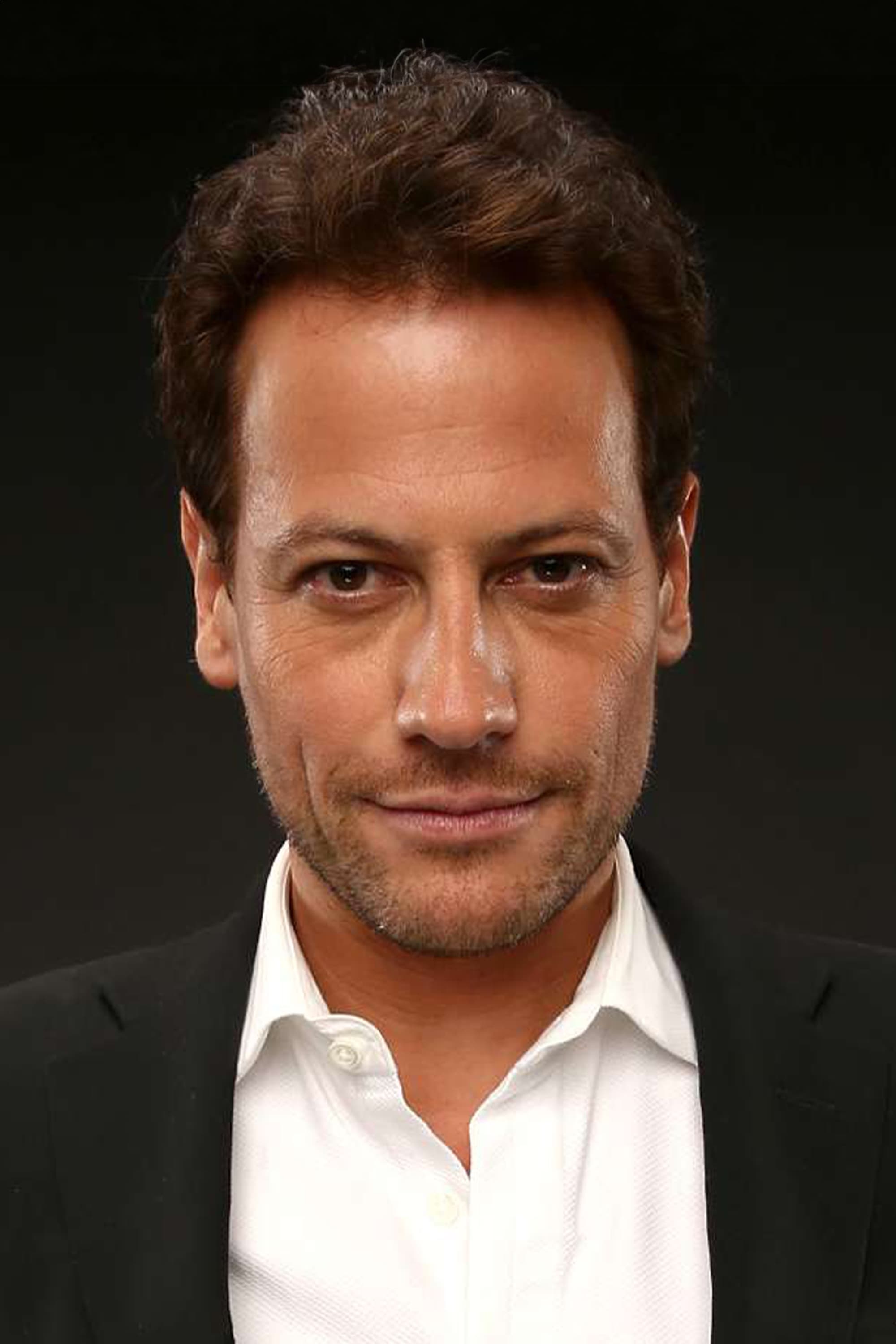
Gruffudd reflected that Reed Richards in ‘Fantastic Four’ was flattened by the scripts. He said the role rarely allowed the curiosity and leadership that define the character. The result was a portrayal he found undercooked. He was frank that Mr. Fantastic never felt fully realized on screen.
Chris O’Donnell
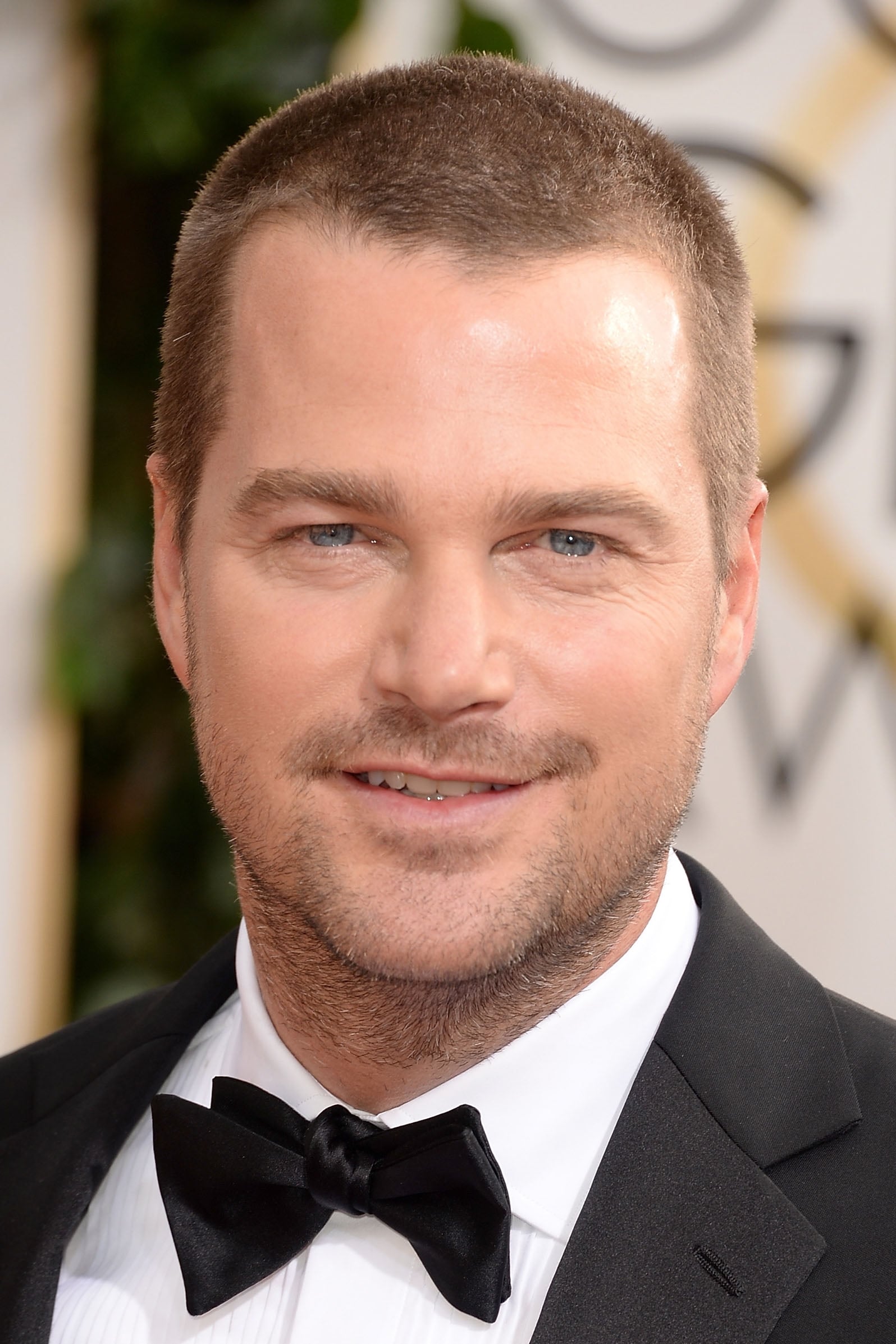
O’Donnell said ‘Batman & Robin’ felt like making a toy commercial and that Robin came off superficial. He argued the character lost credibility under the film’s tone. That approach left him dissatisfied with Dick Grayson’s portrayal. He pointed to the experience as a lesson in guarding a character’s grounding.
Colin Baker
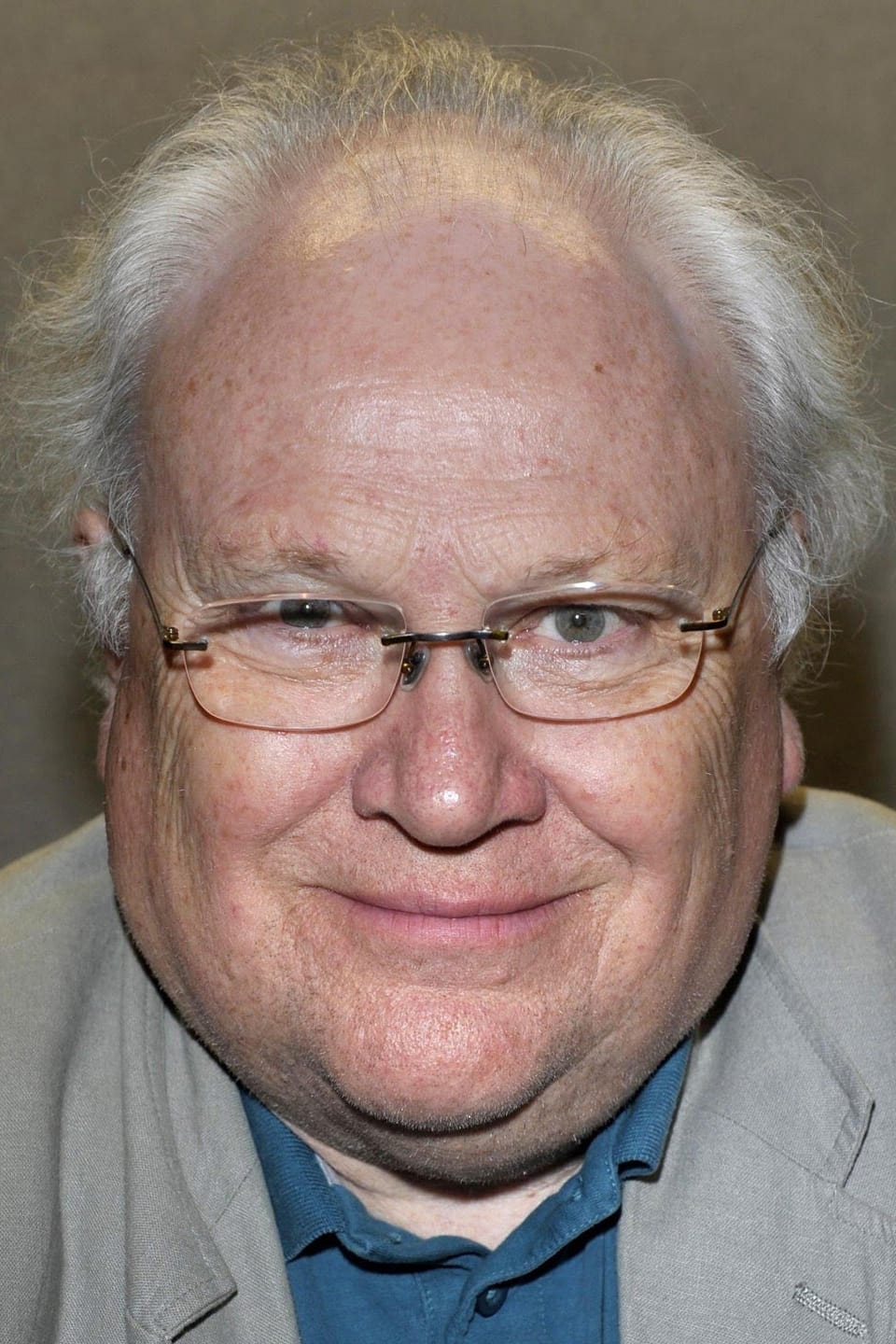
Baker long said his Sixth Doctor on ‘Doctor Who’ was written too abrasive, making the character hard to invest in. He argued that the portrayal pushed away audiences who needed reasons to care. Over time he campaigned for scripts that softened edges and added depth. His critiques focus on how writing choices distorted the Doctor he wanted to play.
Share your take: which examples surprised you most, and who else would you add to the list in the comments?

