


Actors Who Bounced Back After Box-Office Bombs




Sometimes a big flop looks like the end of the road, but careers can turn on a single smart role. Plenty of performers have weathered rough openings and soft weekends, then returned to the top with hits that reset public expectations and opened new lanes of work. The examples below show how quickly fortunes can change once the right project connects with audiences.
Each entry highlights a stumble at the box office and then the project or streak that reversed the trend. You will see films and series that restarted franchises, brought awards attention, or revived an actor’s demand with studios and audiences alike. Titles are in single quotes for clarity.
Robert Downey Jr.
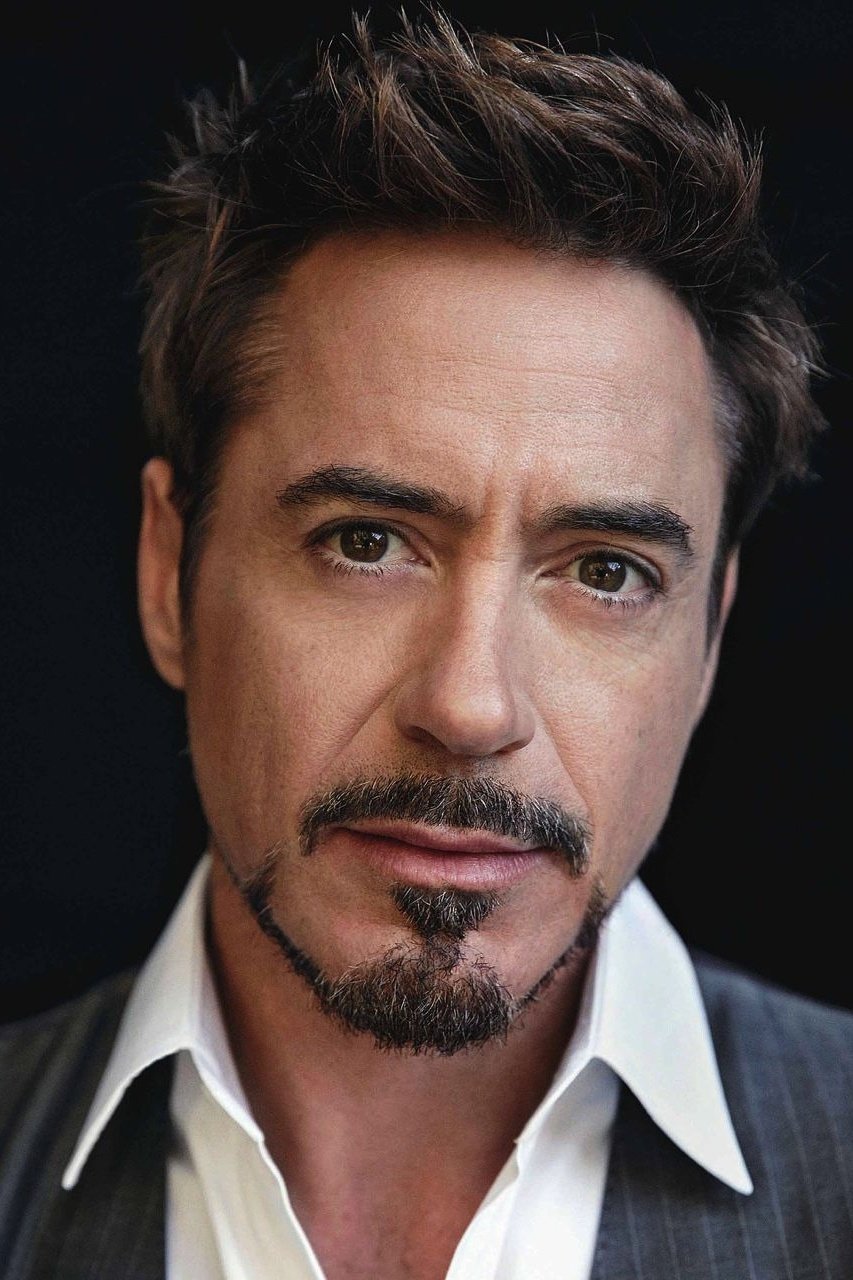
Before leading a global franchise, he worked through a run of underperformers that included limited releases like ‘Kiss Kiss Bang Bang’ and prestige plays such as ‘The Soloist’ that did not turn strong theatrical business. Those titles kept his profile steady but did not establish a reliable box-office presence.
The turnaround arrived with ‘Iron Man’, which opened at number one and launched the character across multiple ensemble hits including ‘The Avengers’. He followed with headlining turns in ‘Sherlock Holmes’ and its sequel, which reinforced his drawing power and sustained a long run of worldwide hits.
Ben Affleck
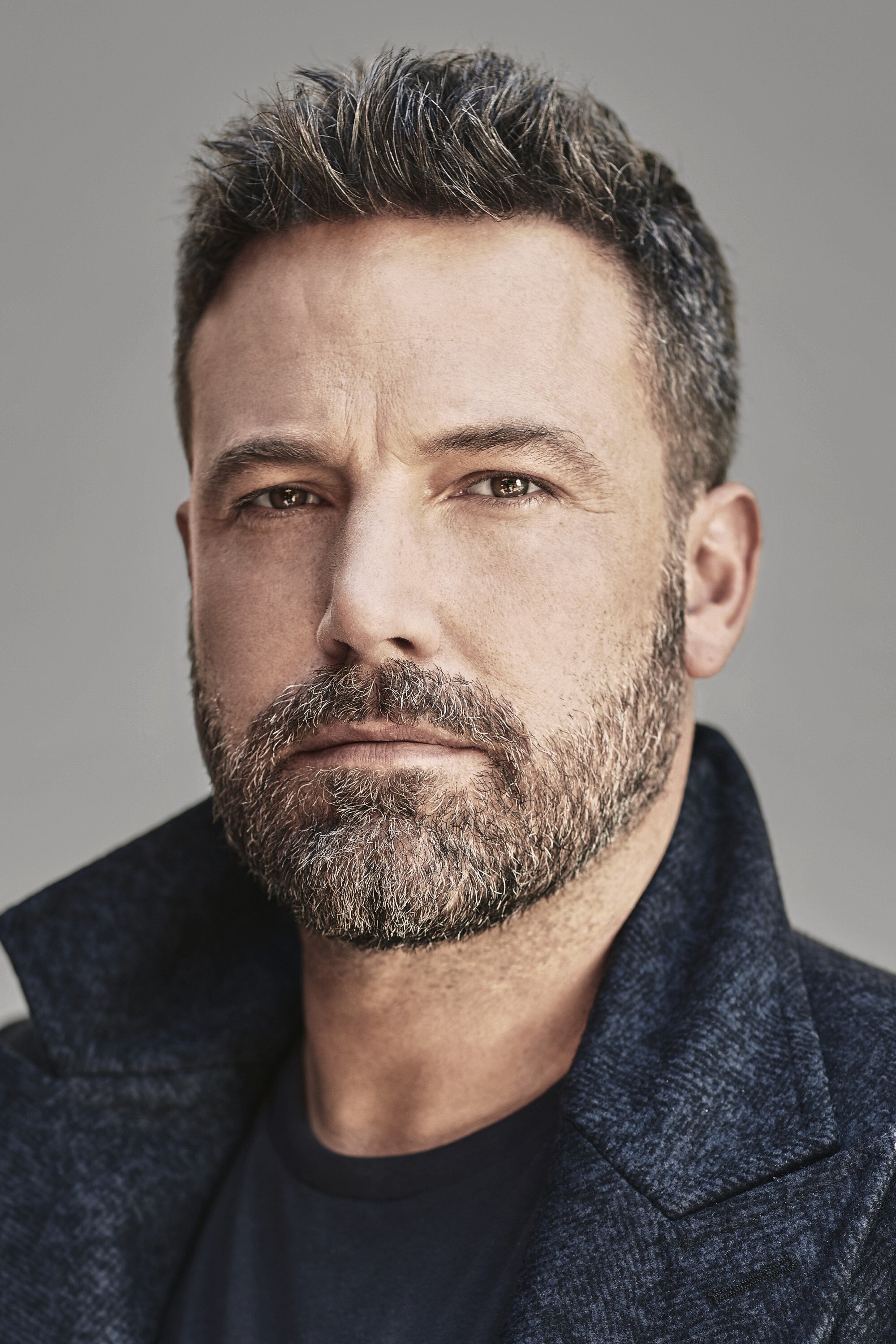
After early star vehicles, he headlined ‘Gigli’ and holiday comedy ‘Surviving Christmas’, both of which failed to connect in theaters and cooled leading-man momentum. A few thrillers in the same stretch also delivered modest returns and limited career options at the time.
He reoriented by directing ‘Gone Baby Gone’ and ‘The Town’, which earned strong box-office and industry recognition. That set up ‘Argo’ for major awards success and a healthy global gross, while his return to tentpoles with ‘Batman v Superman: Dawn of Justice’ and ‘Justice League’ restored his status in large-scale releases.
Keanu Reeves
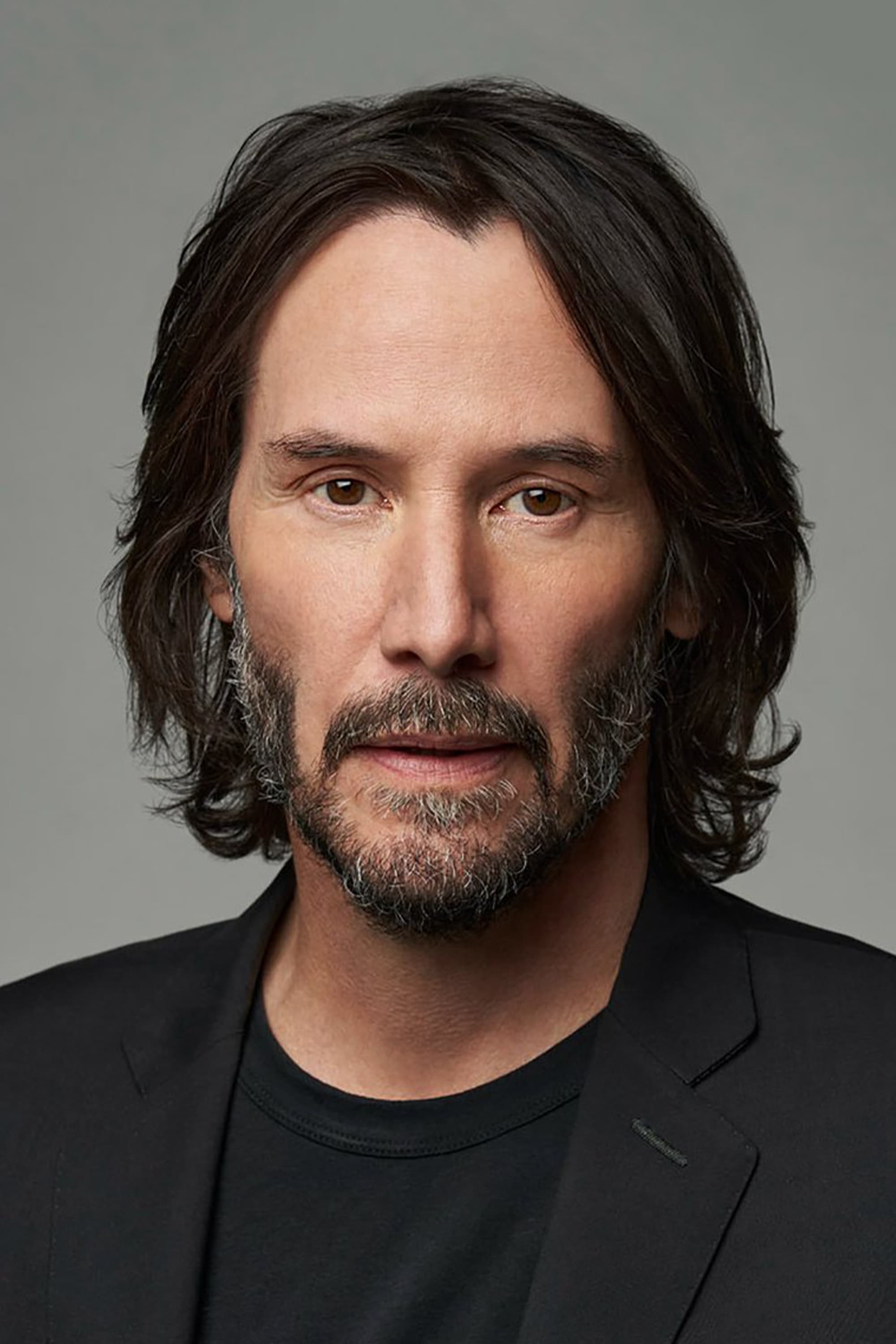
Epic fantasy ’47 Ronin’ struggled in domestic and international markets and marked a low point commercially. Another sci-fi remake, ‘The Day the Earth Stood Still’, brought wide awareness but did not build a dependable franchise path.
He ignited a new chapter with ‘John Wick’, a sleeper hit that expanded through ‘John Wick: Chapter 2’, ‘John Wick: Chapter 3 – Parabellum’, and ‘John Wick: Chapter 4’. The franchise delivered consistent worldwide grosses, revitalized his action credentials, and generated a steady pipeline of related projects and appearances.
Ryan Reynolds
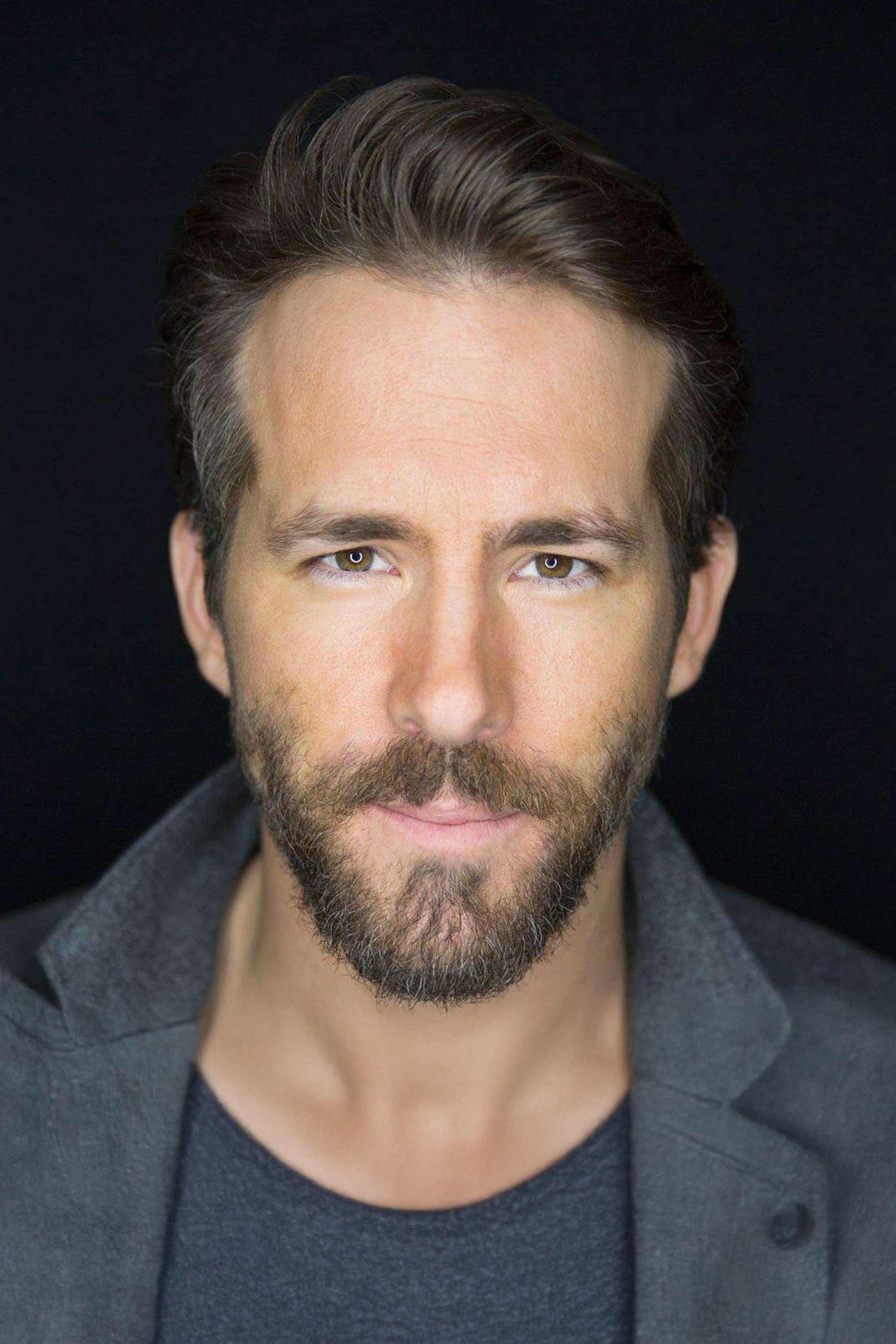
Superhero origin ‘Green Lantern’ underperformed against its budget and expectations, and action comedy ‘R.I.P.D.’ repeated the pattern with weak theatrical results. Those outcomes made it difficult to anchor further big-budget projects for a period.
He rebuilt momentum with ‘Deadpool’, which set records for its rating category and spawned ‘Deadpool 2’. He diversified with ‘Free Guy’, which played strongly in theaters, and maintained audience reach through streaming hits like ‘The Adam Project’, returning him to reliable bankability.
Tom Cruise
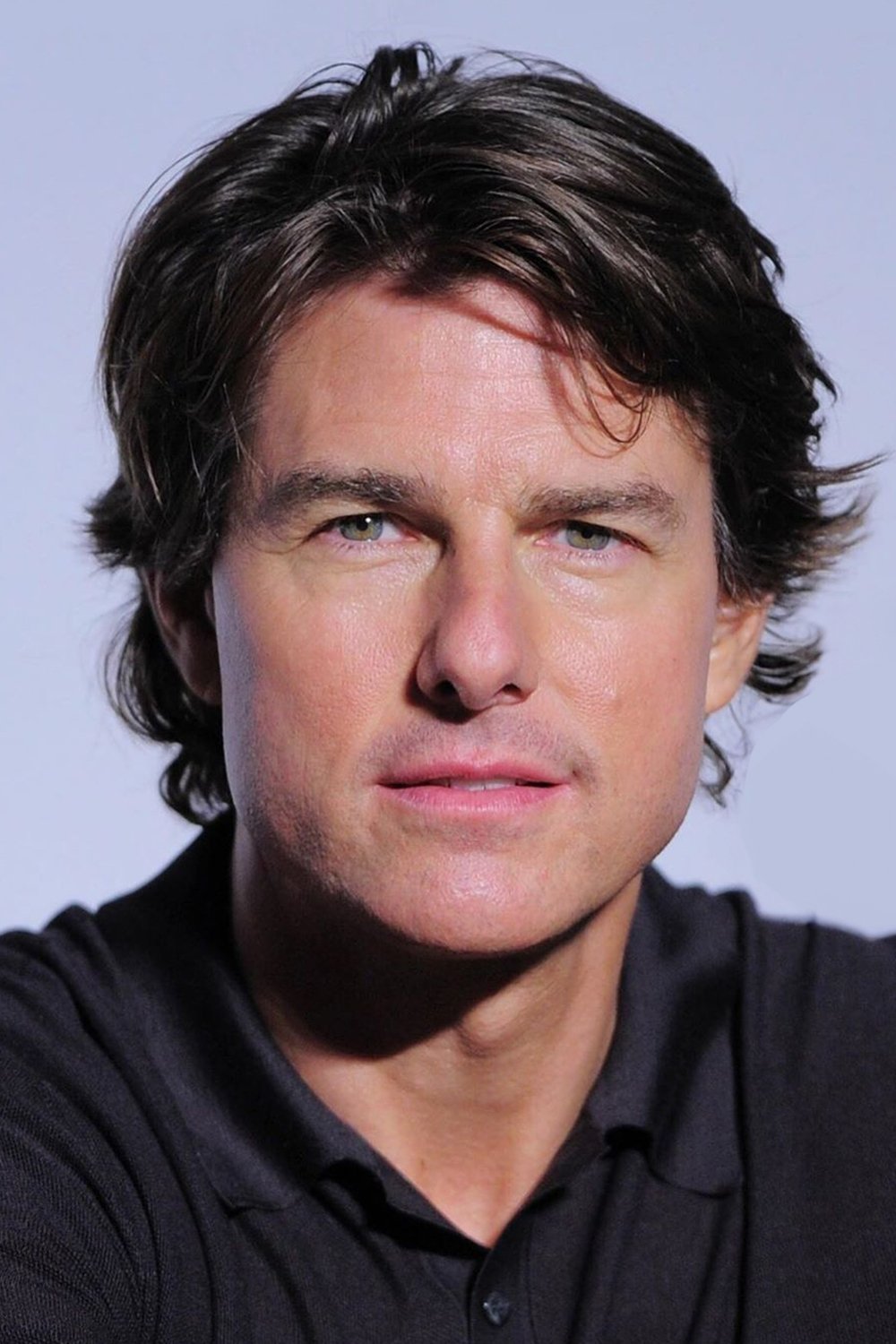
Monster reboot ‘The Mummy’ delivered soft domestic numbers and did not launch the planned shared universe in theaters. That raised questions about new franchises outside his long-running action series.
He answered with ‘Mission: Impossible – Fallout’, which set series highs in multiple markets and reinforced the brand’s global reach. Then ‘Top Gun: Maverick’ delivered sustained theatrical play over many weeks and became a defining box-office story, confirming his position as a major big-screen draw.
Sandra Bullock

Sequel ‘Speed 2: Cruise Control’ opened poorly and became a widely cited disappointment for the studio. Later, romantic comedy ‘All About Steve’ also struggled theatrically and received limited audience carryover.
She regained momentum with ‘The Proposal’, which showed strong legs and renewed her box-office profile. She then headlined ‘The Blind Side’, which brought major awards attention and long theatrical endurance, followed by ‘Gravity’, which combined premium formats and critical acclaim to deliver a global hit.
Matthew McConaughey
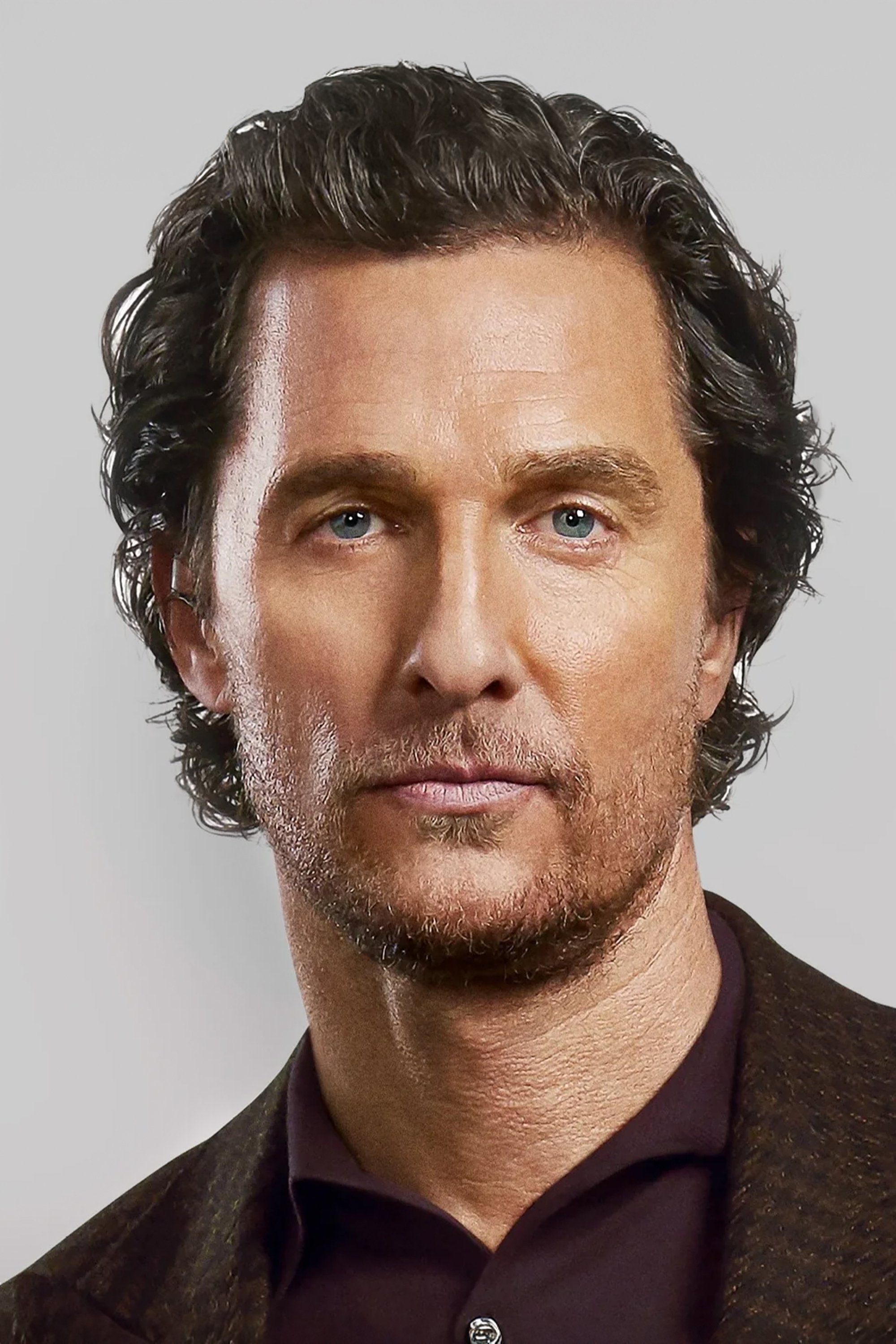
Adventure picture ‘Sahara’ fell short of expectations and became a costly miss after heavy production and marketing spend. A run of romantic comedies delivered mixed returns and narrowed the scope of leading roles being offered.
His pivot to character-driven work paid off with ‘Dallas Buyers Club’, which earned major awards and renewed prestige. He then anchored ‘True Detective’, which reset his dramatic profile for television, and followed with ‘Interstellar’, which performed strongly worldwide and confirmed sustained commercial appeal.
Michael Keaton

Family title ‘Jack Frost’ posted modest results and led to a period with fewer high-profile releases. Several supporting appearances kept him visible without translating into leading roles that drove theatrical performance.
His return came with ‘Birdman’, which earned major awards including a best picture win for its producers and delivered a strong specialty run. He then joined ‘Spotlight’, another awards winner with durable box office, and played the primary antagonist in ‘Spider-Man: Homecoming’, which reintroduced him to a new generation of blockbuster audiences.
John Travolta
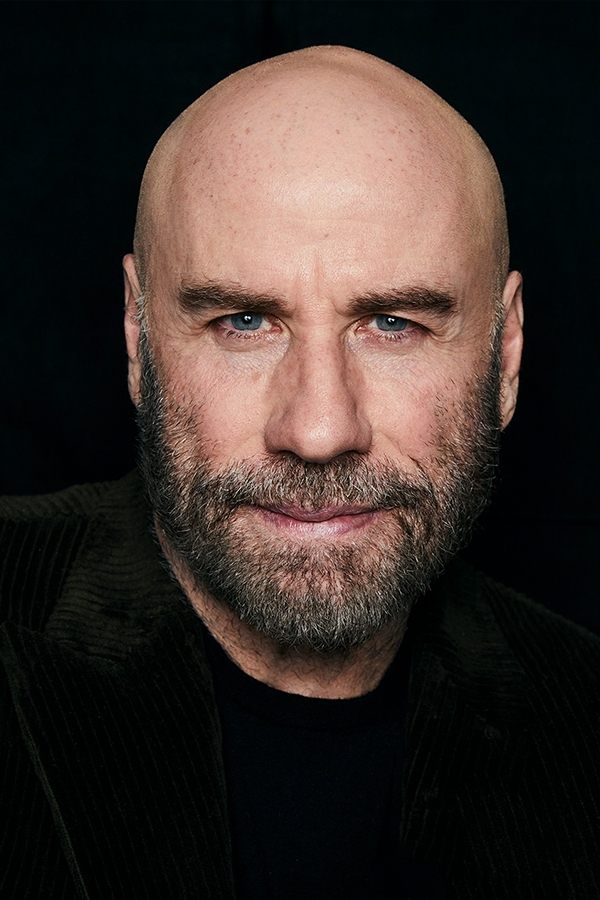
Sci-fi passion project ‘Battlefield Earth’ performed poorly and stalled momentum at the box office. Subsequent releases in the same period delivered limited returns and offered few strong platforms for a comeback.
He bounced back with ‘Hairspray’, which became a hit musical adaptation with broad audience appeal. Voice work in ‘Bolt’ and parts in commercial thrillers helped stabilize his presence in mainstream projects and restored value for family and ensemble fare.
Chris Evans
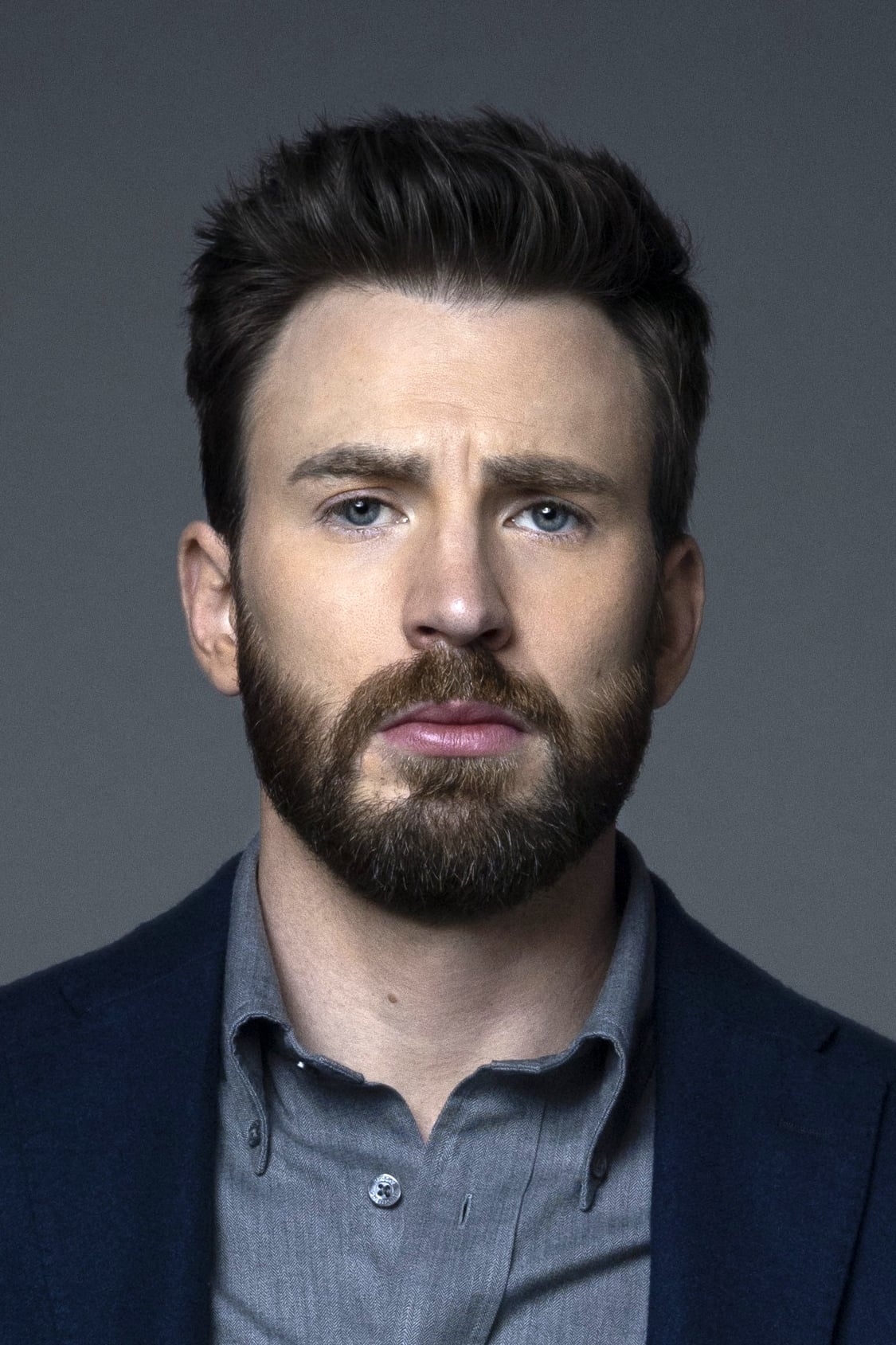
Before his marquee hero role, action titles like ‘Push’ and ensemble comic adaptation ‘The Losers’ posted weak theatrical numbers. Those outings suggested limited traction for leading action vehicles at the time.
His fortunes shifted with ‘Captain America: The First Avenger’ and the broader ‘Avengers’ films, which built a dependable franchise spine. He later headlined ‘Knives Out’, a mid-budget mystery that generated strong word of mouth and box-office results, proving range beyond superhero work.
Charlize Theron

Sci-fi action ‘Aeon Flux’ struggled in wide release and fell short of budget recoupment through its theatrical window. That setback slowed momentum for similar high-concept projects.
She recovered with ‘Hancock’, which paired superhero elements with broad summer appeal and delivered strong global grosses. Later, ‘Mad Max: Fury Road’ showcased her action lead capabilities and became a major international success, while ‘Atomic Blonde’ built a new action brand around her star power.
Brendan Fraser
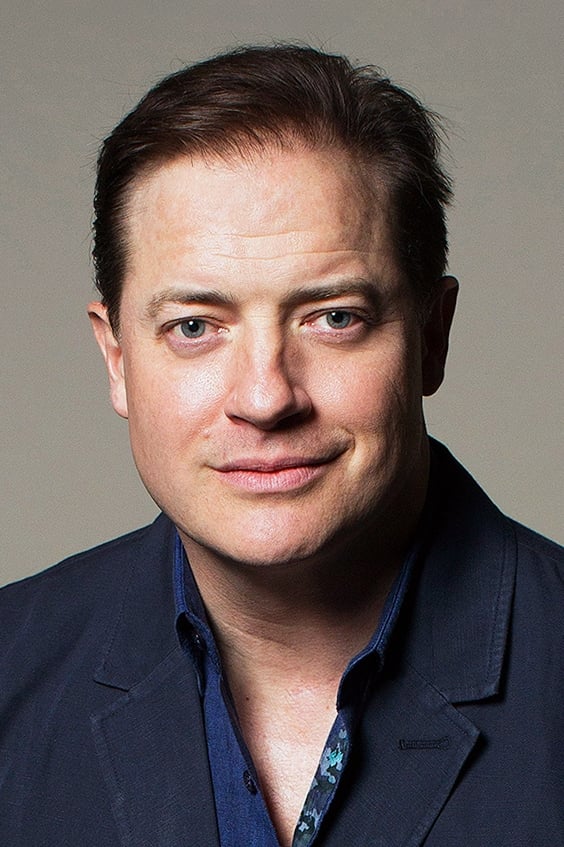
Comedic vehicles ‘Dudley Do-Right’ and hybrid adventure ‘Monkeybone’ underperformed, and ‘Looney Tunes: Back in Action’ delivered weak results relative to its scale. Those misses pushed him away from frequent studio leads.
A long-form comeback began with steady television work on ‘Doom Patrol’ and character turns in smaller films. He then led ‘The Whale’, which earned top festival honors and major awards, reopening doors to prestige work and high-profile offers.
Sylvester Stallone
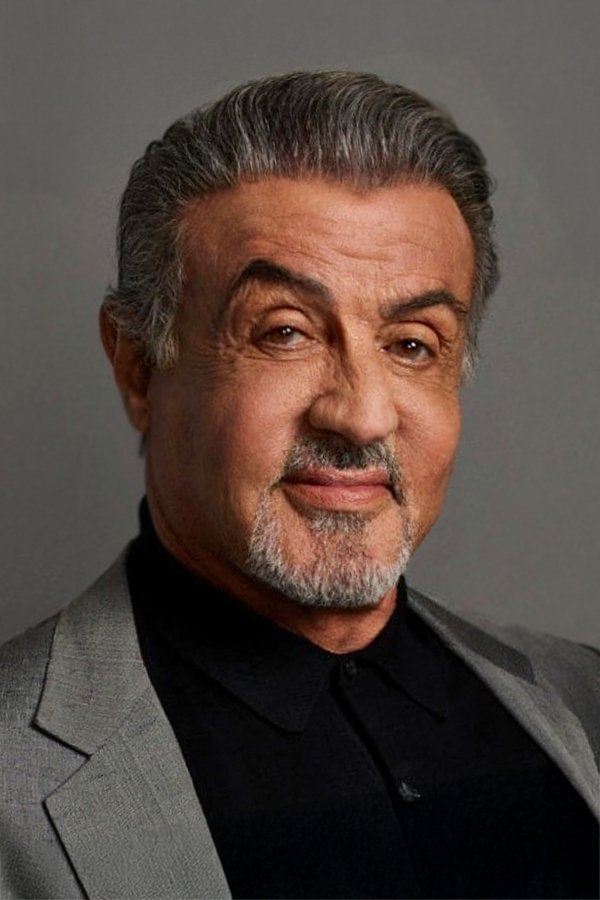
High-concept comedy ‘Stop! Or My Mom Will Shoot’ failed to generate returns, and racing drama ‘Driven’ also landed below expectations. The period created uncertainty around future leading roles.
He reignited interest with ‘Rocky Balboa’ and a modernized ‘Rambo’, both of which delivered solid worldwide numbers for legacy titles. He then launched ‘The Expendables’, which assembled action stars into a dependable franchise, and returned to the ‘Rocky’ universe with ‘Creed’, earning awards recognition and fresh box-office energy.
Hugh Grant

Fish-out-of-water comedy ‘Did You Hear About the Morgans?’ disappointed at the box office and marked a lull for his signature genre. A handful of supporting roles that followed did not reverse the trend.
He shifted into character parts with ‘Paddington 2’, a family hit that performed strongly and expanded his range with audiences. Crime caper ‘The Gentlemen’ delivered healthy worldwide receipts, while prestige television limited series work boosted visibility between theatrical projects.
Jennifer Lopez

Romantic comedy ‘Gigli’ became a high-profile flop and affected both her film slate and studio confidence. Follow-up titles struggled to find momentum and did not establish sustained theatrical runs.
She rebuilt with ‘Shall We Dance?’, which delivered solid counterprogramming returns and broadened appeal. Later, ‘Hustlers’ combined strong box office with awards attention, reaffirming her drawing power as both a lead and a producer on commercially viable projects.
George Clooney
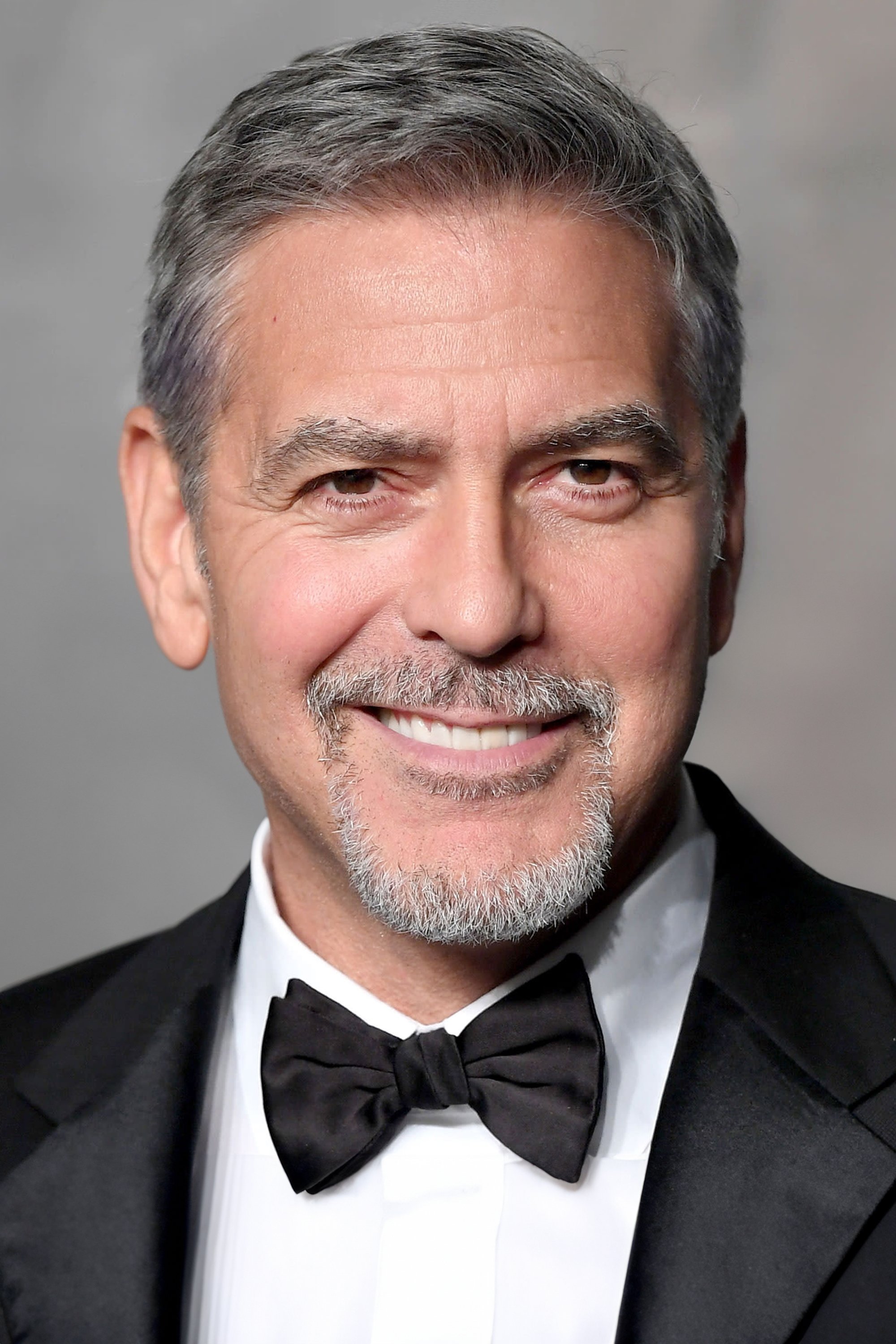
Superhero entry ‘Batman & Robin’ underwhelmed with critics and hampered plans for follow-up installments. The result placed pressure on his next choices and slowed momentum for big-budget leads.
He rebounded with ‘Out of Sight’ and ‘Three Kings’, which found durable audiences and long tails on home release. Then ‘Ocean’s Eleven’ became a global hit and launched a trilogy, while his directing efforts like ‘Good Night, and Good Luck’ added prestige and broadened his industry standing.
Eddie Murphy
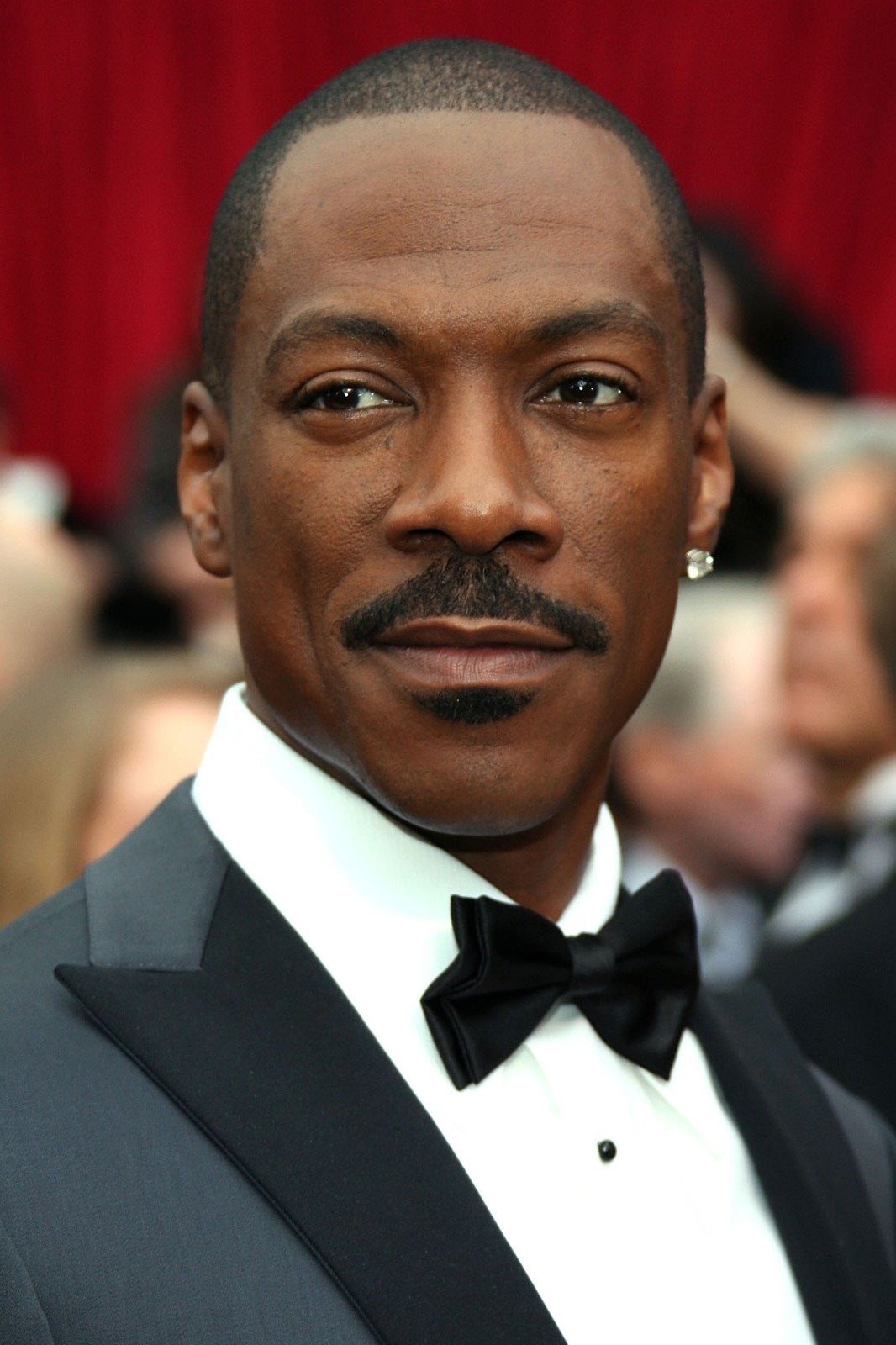
Sci-fi comedy ‘The Adventures of Pluto Nash’ posted extremely weak theatrical numbers, and family comedies ‘Meet Dave’ and ‘Imagine That’ repeated disappointing box-office results. This period created a perception of risk around new vehicles.
He reestablished credibility with ‘Dreamgirls’, earning major awards recognition and audience interest. Years later he found renewed momentum with ‘Dolemite Is My Name’, which became a streaming success and led to legacy brand revivals such as ‘Coming 2 America’ and a new ‘Beverly Hills Cop’ installment that restored franchise visibility.
Christian Bale
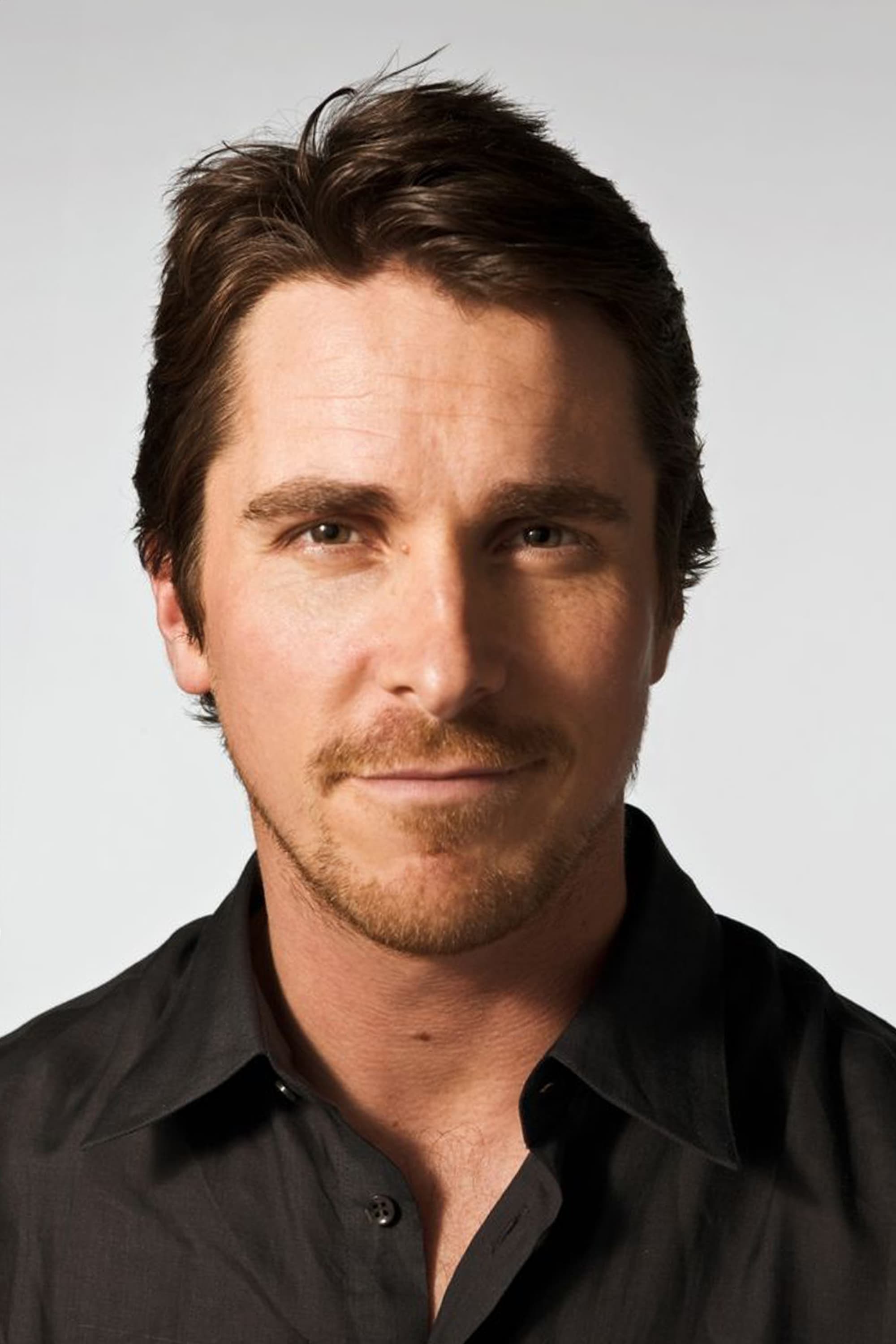
Franchise attempt ‘Terminator Salvation’ delivered mixed box office and did not seed a lasting series, while historical epic ‘Exodus: Gods and Kings’ fell short relative to cost. Those outcomes left questions about large-scale leads.
He surged back with ensemble financial drama ‘The Big Short’, earning awards recognition and strong specialty-to-wide performance. He followed with ‘Vice’ and racing drama ‘Ford v Ferrari’, the latter playing well across demographics and producing robust worldwide grosses.
Will Smith
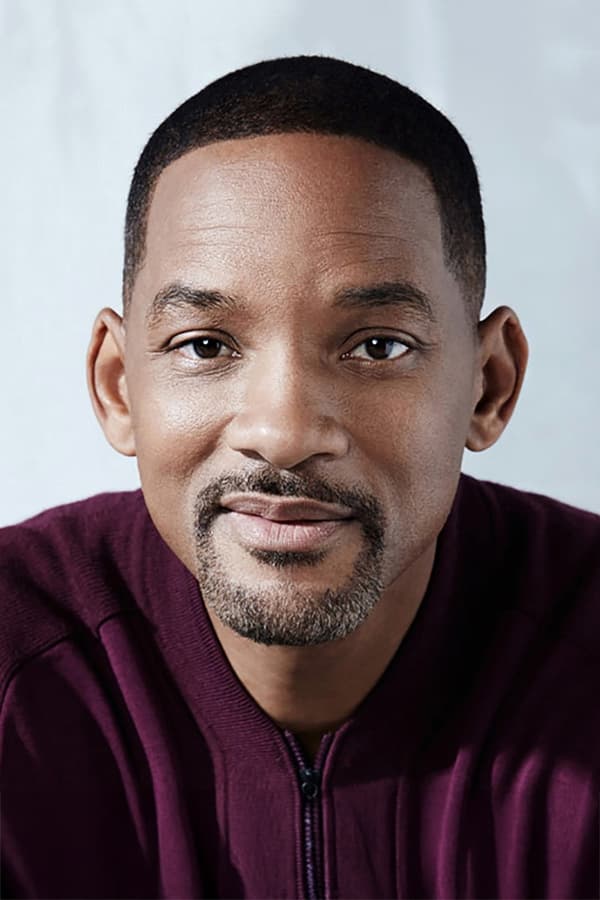
Steampunk action ‘Wild Wild West’ underdelivered and drew lukewarm audience response. A later sci-fi project, ‘After Earth’, also posted disappointing numbers and tightened future options.
He rebounded with ‘Ali’, which returned him to serious awards conversation and theatrical relevance, then drove major commercial wins with ‘Men in Black II’ and ‘I Am Legend’. More recently, family adventure ‘Aladdin’ and action sequel ‘Bad Boys for Life’ brought large global audiences and reconfirmed blockbuster viability.
Dwayne Johnson
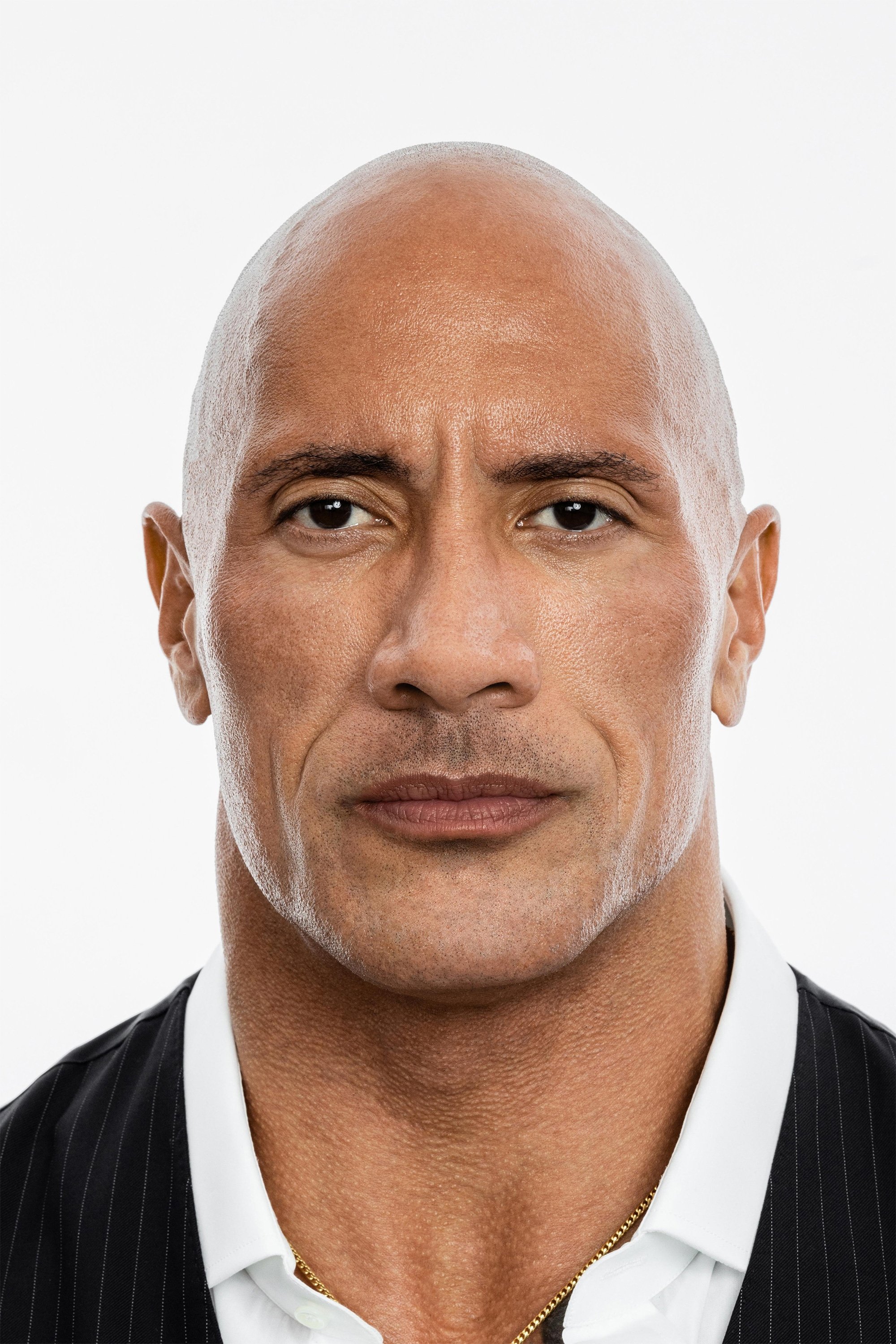
Action comedy ‘Baywatch’ struggled to convert brand awareness into ticket sales, and disaster thriller ‘Skyscraper’ performed modestly despite a global push. Those results signaled franchise selection would be key.
He surged with ‘Jumanji: Welcome to the Jungle’ and ‘Jumanji: The Next Level’, both of which earned strong worldwide numbers and repeat business. He also led ‘Fast & Furious Presents: Hobbs & Shaw’, extending his footprint in one of the most reliable global franchises.
Margot Robbie

Period epic ‘Babylon’ opened softly and fell quickly, creating a brief pause around ambitious ensemble projects. The film’s costly rollout did not translate into sustained theatrical play.
She followed by producing and starring in ‘Barbie’, which delivered massive worldwide grosses and set records for a female-led studio release. The success expanded her producing slate and strengthened demand for her as a lead across genres, from comic-book fare like ‘Birds of Prey’ to prestige drama.
Channing Tatum
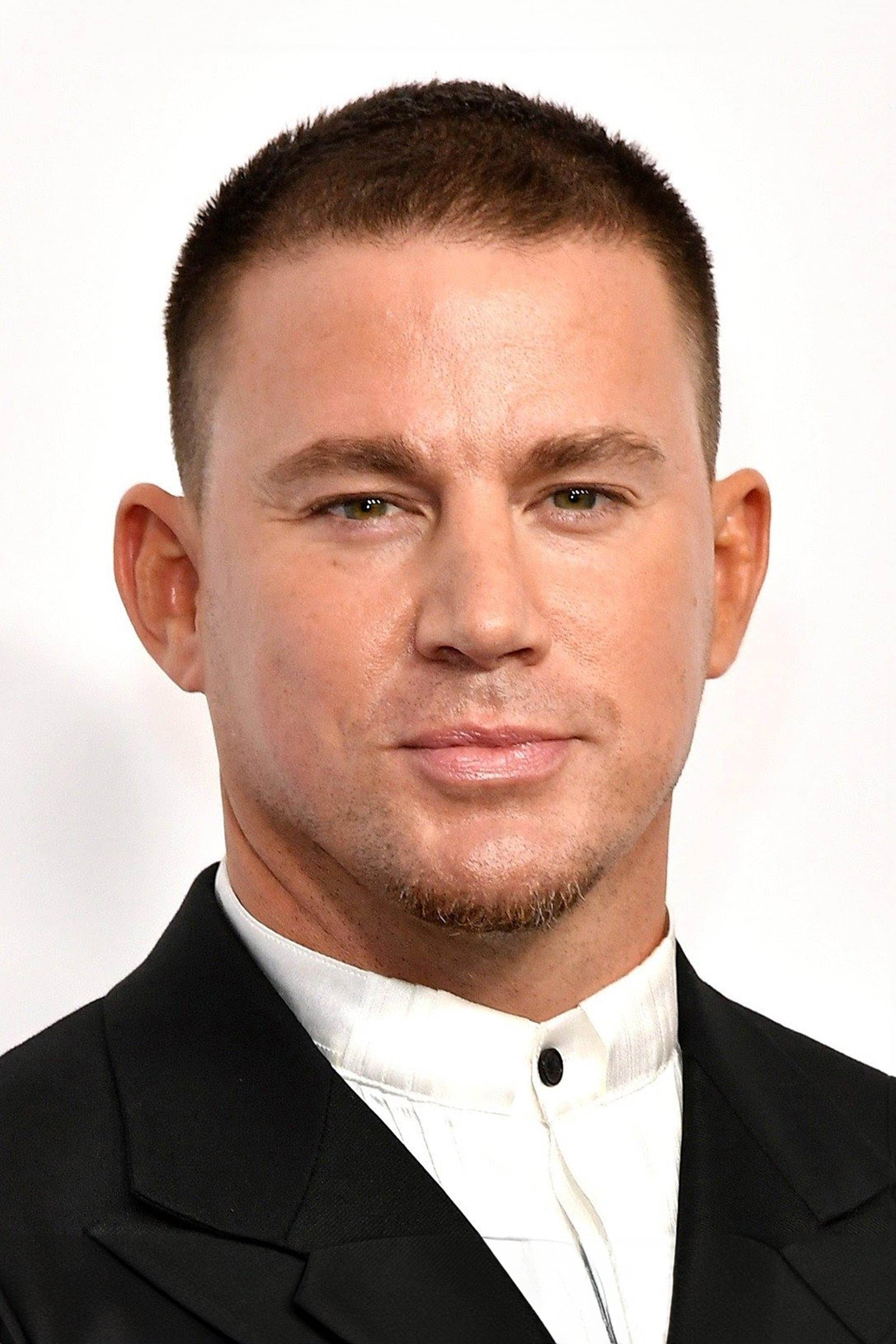
Space opera ‘Jupiter Ascending’ earned below expectations and became a reference point for big-budget risk. A few midrange titles that followed delivered modest business and limited momentum.
He returned to strong results with road comedy ‘Dog’, which he co-directed and which held well with audiences over multiple weeks. He then co-led ‘The Lost City’, which became a crowd-pleasing hit in the adventure-comedy lane and confirmed his value as a theatrical draw.
Kevin Costner
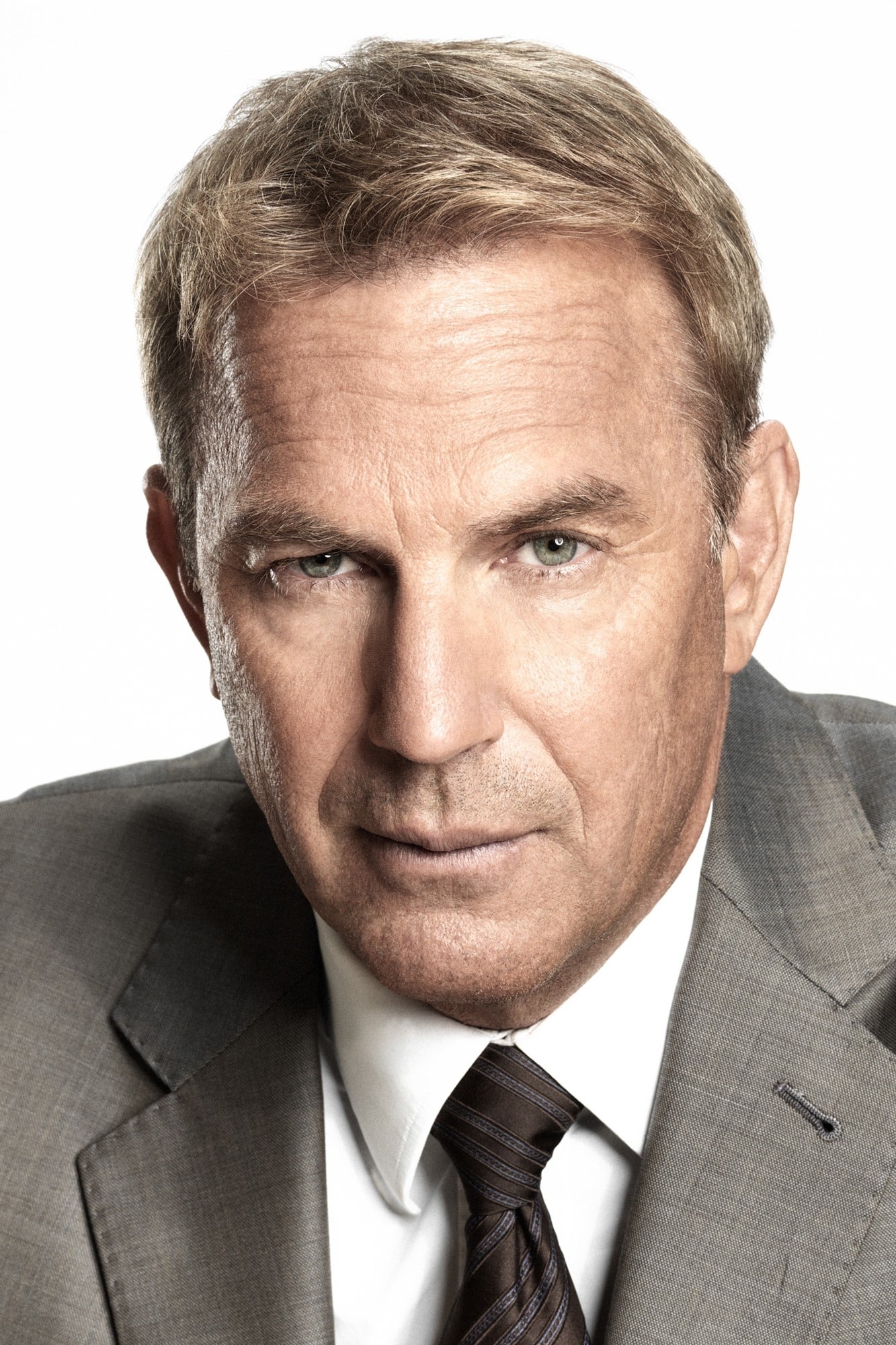
Large-scale adventure ‘Waterworld’ and post-apocalyptic drama ‘The Postman’ both faced heavy costs that overshadowed their box-office performance. Those outcomes cooled enthusiasm for new star-driven epics.
He regained traction with western ‘Open Range’, which turned a disciplined production into a solid theatrical performer. Later appearances in ensemble hits like ‘Hidden Figures’ and long-form success with ‘Yellowstone’ restored profile and sustained audience connection across formats.
Brad Pitt
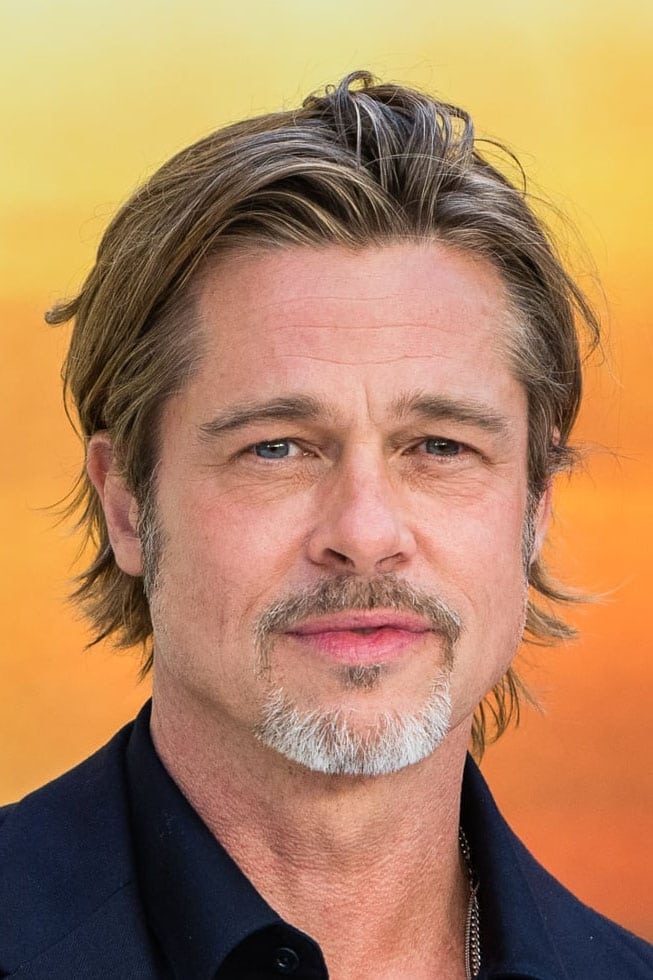
Assassin western ‘The Assassination of Jesse James by the Coward Robert Ford’ posted limited numbers in initial release and expanded slowly without large-scale returns. Romantic thriller ‘Allied’ then delivered modest results despite a wide rollout.
He rebounded with ‘World War Z’, which built strong international grosses and durable legs. He later co-led ‘Once Upon a Time in Hollywood’, which earned major awards and healthy global box office, and headlined ‘Bullet Train’, which performed solidly in the action-comedy space.
Dev Patel

Fantasy adaptation ‘The Last Airbender’ faced poor reception and delivered weak domestic performance relative to its scope. That result constrained immediate offers for comparable tentpole roles.
He pivoted to prestige projects, earning awards recognition with ‘Lion’ and then leading ‘The Green Knight’, which became a standout in specialty box office and on home platforms. The shift positioned him for selective leading roles and directorial opportunities, broadening long-term career prospects.
Share your favorite turnaround story or an example we missed in the comments.

