


Actors Who Had an Oscar-Worthy Performance in a TV Show

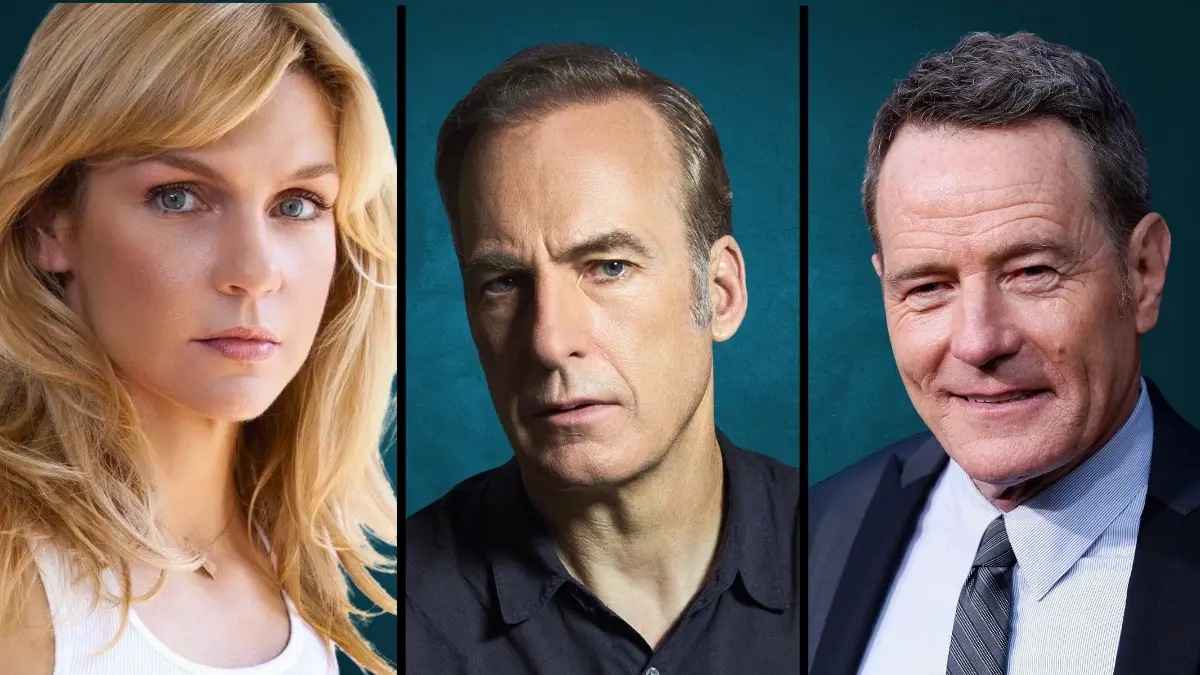


TV has become a place where actors deliver work that stands shoulder to shoulder with the biggest film roles. Complex characters, long arcs, and bold writing give performers room to build layered portrayals that stay with viewers long after the credits. Many of these turns collected Emmys and other major awards, and several helped redefine what television can do.
This list highlights actors whose TV performances earned major recognition, moved culture, or showed remarkable range and commitment. You will find lead and supporting roles across drama, limited series, and genre shows, with details on characters, episodes, and milestones that make each performance a standout.
Bryan Cranston
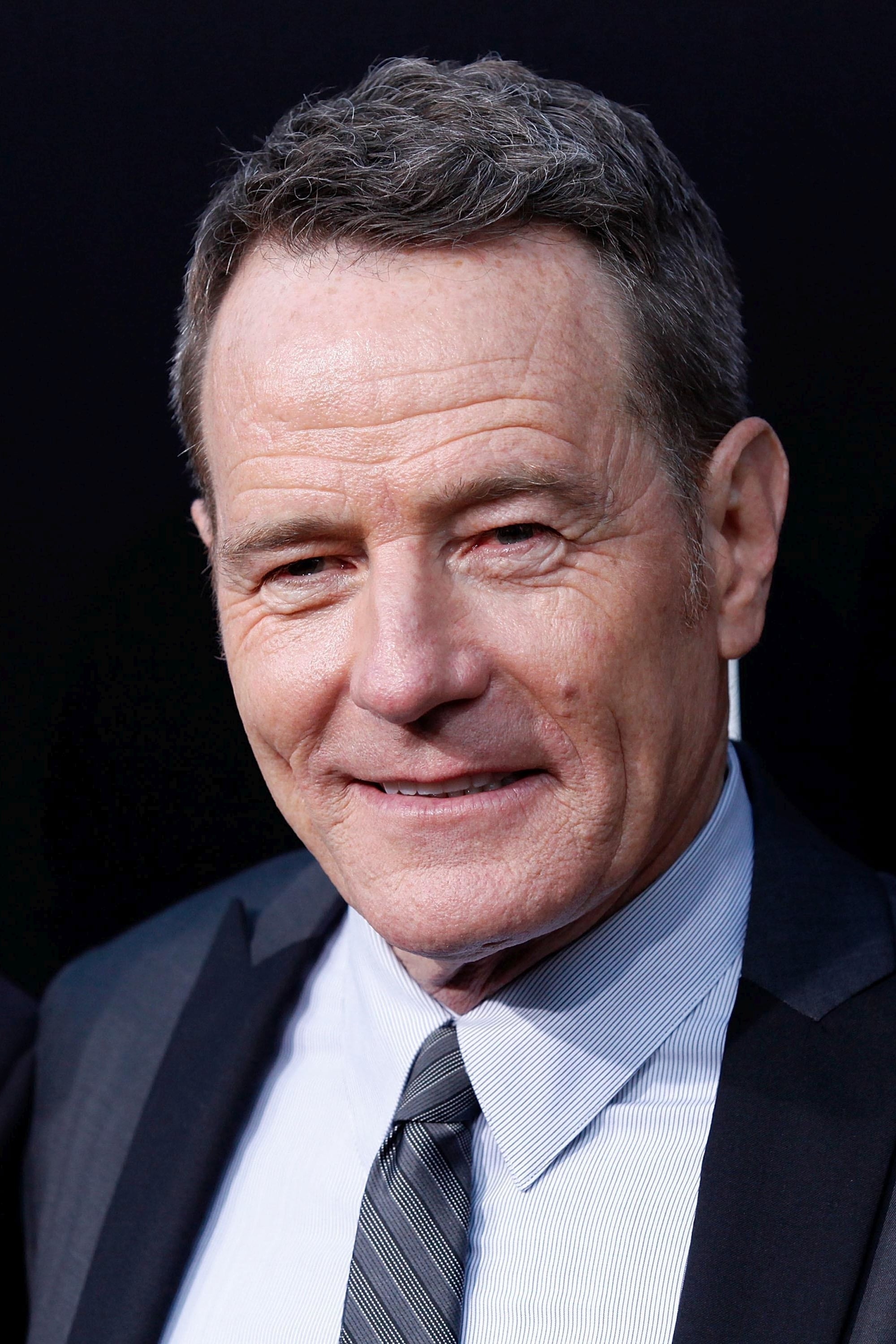
As Walter White on ‘Breaking Bad’, Bryan Cranston charted a chemistry teacher’s shift into the criminal world with precision that drew consistent awards attention, including multiple Emmys for lead actor. Episodes such as ‘Ozymandias’ and ‘Face Off’ became touchstones for the series and are often cited in industry discussions of performance and craft.
Cranston worked closely with creator Vince Gilligan and directors across the run to map the character’s choices, often referencing specific props and settings like the RV lab and the New Mexico desert to ground the transformation. His work also earned Screen Actors Guild and Golden Globe honors, and it led to a widely studied case of long form character construction in modern TV.
James Gandolfini
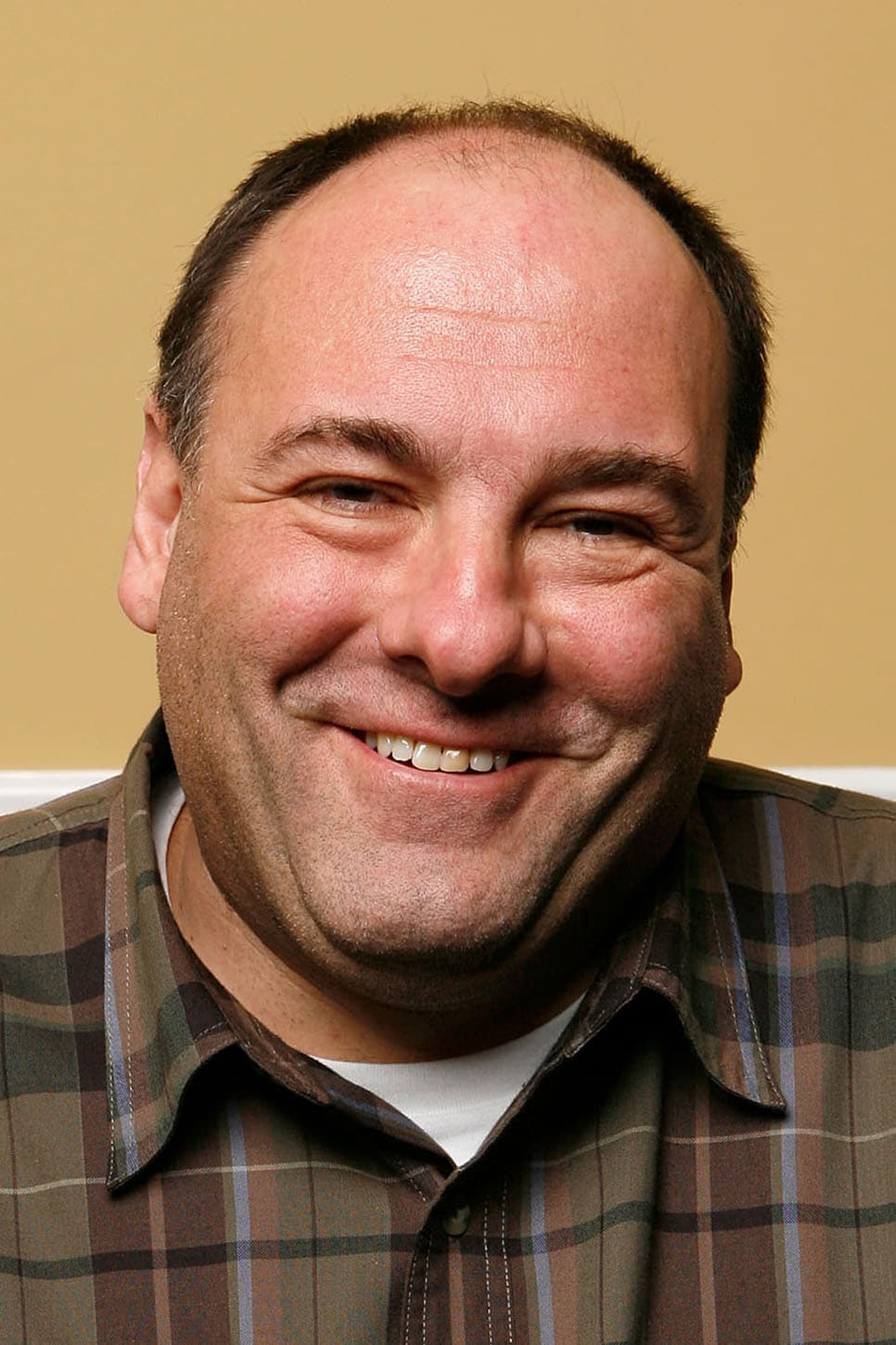
James Gandolfini embodied Tony Soprano on ‘The Sopranos’ with a performance that earned multiple Emmys and a Golden Globe, setting a standard for antihero roles. He balanced personal life and criminal leadership in episodes like ‘College’ and ‘Whitecaps’, creating a blueprint many later dramas followed.
Gandolfini’s collaboration with creator David Chase and co stars such as Edie Falco brought new attention to cable drama. The role influenced casting and storytelling trends across networks, and it remains a frequent reference point in film school and acting programs for the study of character psychology.
Elisabeth Moss
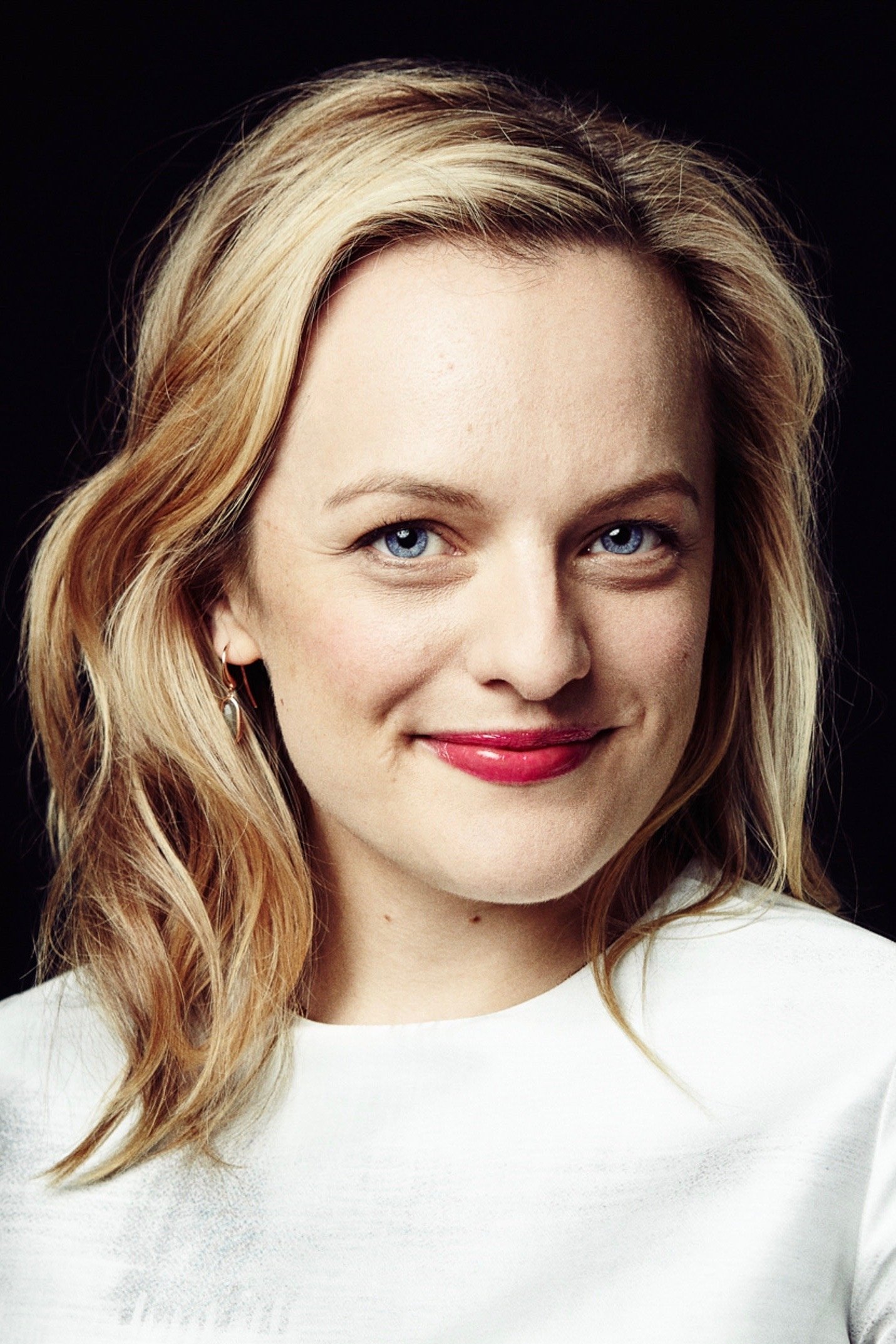
Elisabeth Moss leads ‘The Handmaid’s Tale’ as June Osborne, a role that brought an Emmy for lead actress and multiple awards for the series overall. Key chapters such as ‘The Last Ceremony’ and ‘Holly’ pushed the story into global conversation about rights and power.
Moss also served as a producer, shaping creative decisions with showrunner Bruce Miller and directors like Reed Morano. Her earlier work as Peggy Olson on ‘Mad Men’ established a foundation for long form character development that informed her later lead performance.
Kate Winslet
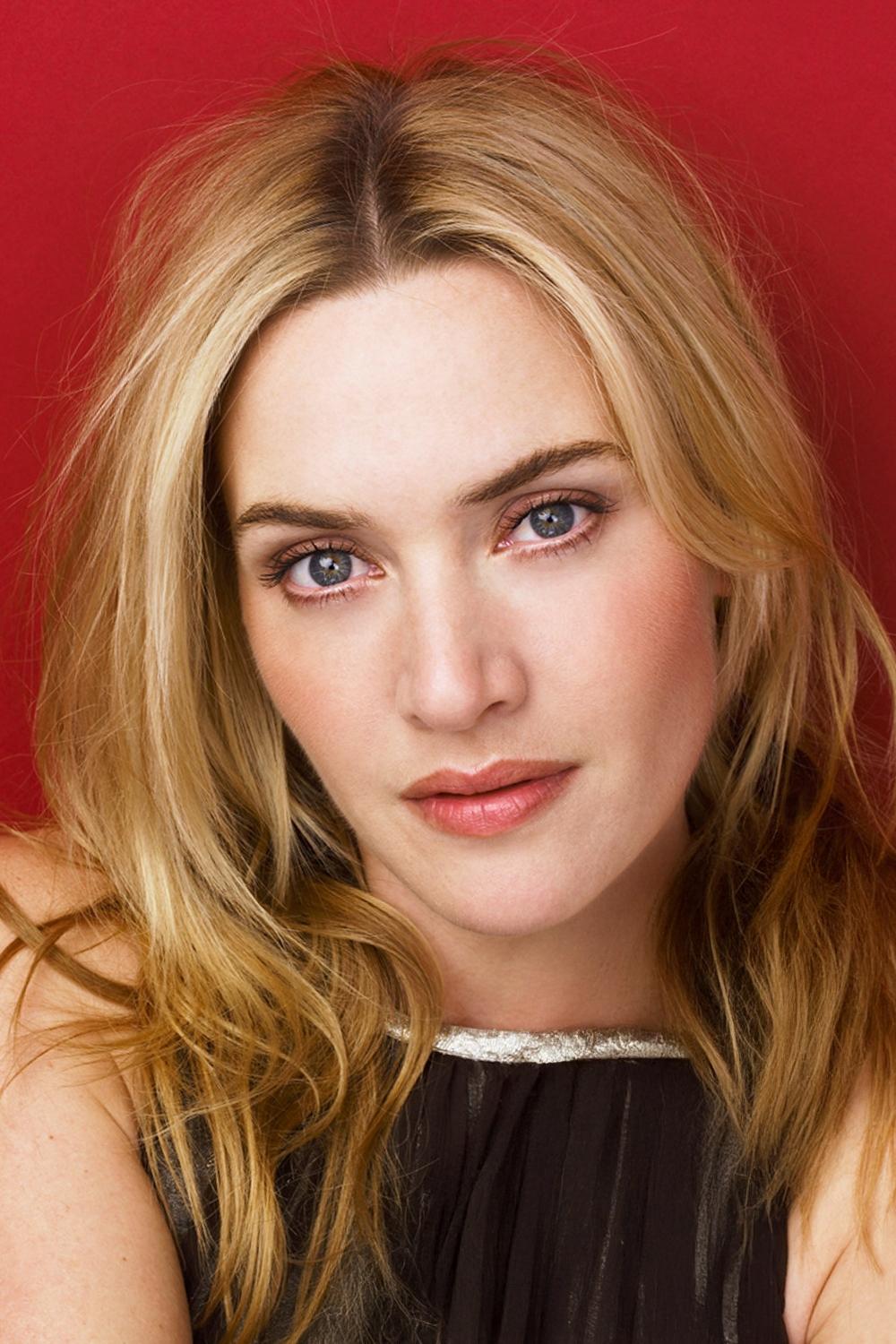
Kate Winslet’s turn as Mare Sheehan in ‘Mare of Easttown’ earned the Emmy for lead actress in a limited series, with attention to regional detail and character history. Episodes like ‘Illusions’ and ‘Sacrament’ foregrounded the investigation while tracking family and community ties.
Winslet worked with creator Brad Ingelsby and director Craig Zobel to build a grounded setting through locations, wardrobe, and dialect coaching. The ensemble included Jean Smart and Evan Peters, and the series became a widely watched example of limited series storytelling on premium cable.
Sarah Paulson
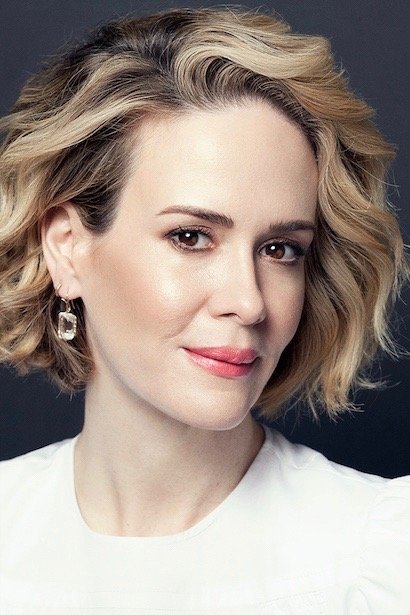
Sarah Paulson portrayed Marcia Clark in ‘The People v. O. J. Simpson’, earning the Emmy for lead actress in a limited series. The role focused on the pressures of a high profile trial, with episodes like ‘Marcia Marcia Marcia’ centering professional strategy and public scrutiny.
Paulson’s long collaboration with producer Ryan Murphy connected this project to a broader anthology approach under ‘American Crime Story’. Her preparation involved extensive review of trial transcripts and archival footage, which informed line readings and courtroom pacing.
Jeremy Strong
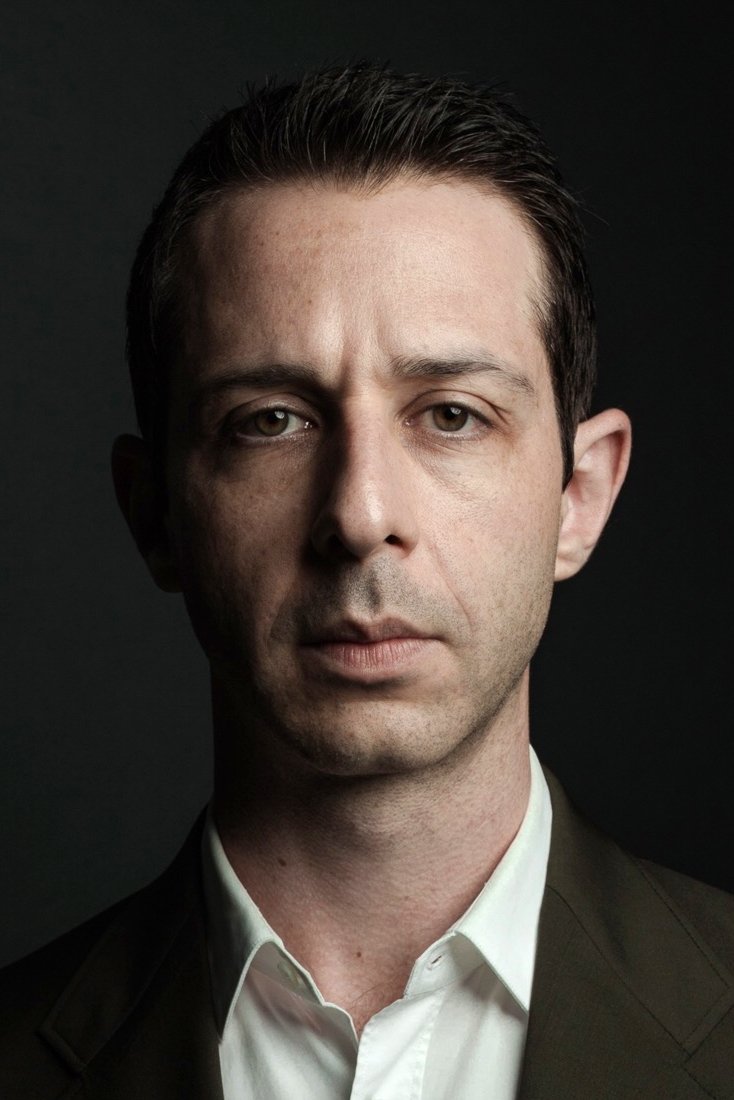
Jeremy Strong’s work as Kendall Roy on ‘Succession’ earned an Emmy for lead actor in a drama. The performance tracked shifts in corporate control and family loyalty through episodes such as ‘All the Bells Say’ and ‘Too Much Birthday’.
Strong collaborated closely with creator Jesse Armstrong and directors including Mark Mylod to build musicality and rhythm into dialogue scenes. The ensemble dynamic with Brian Cox, Kieran Culkin, and Sarah Snook shaped several improvised reactions, which were preserved in final cuts due to their authenticity.
Sarah Snook
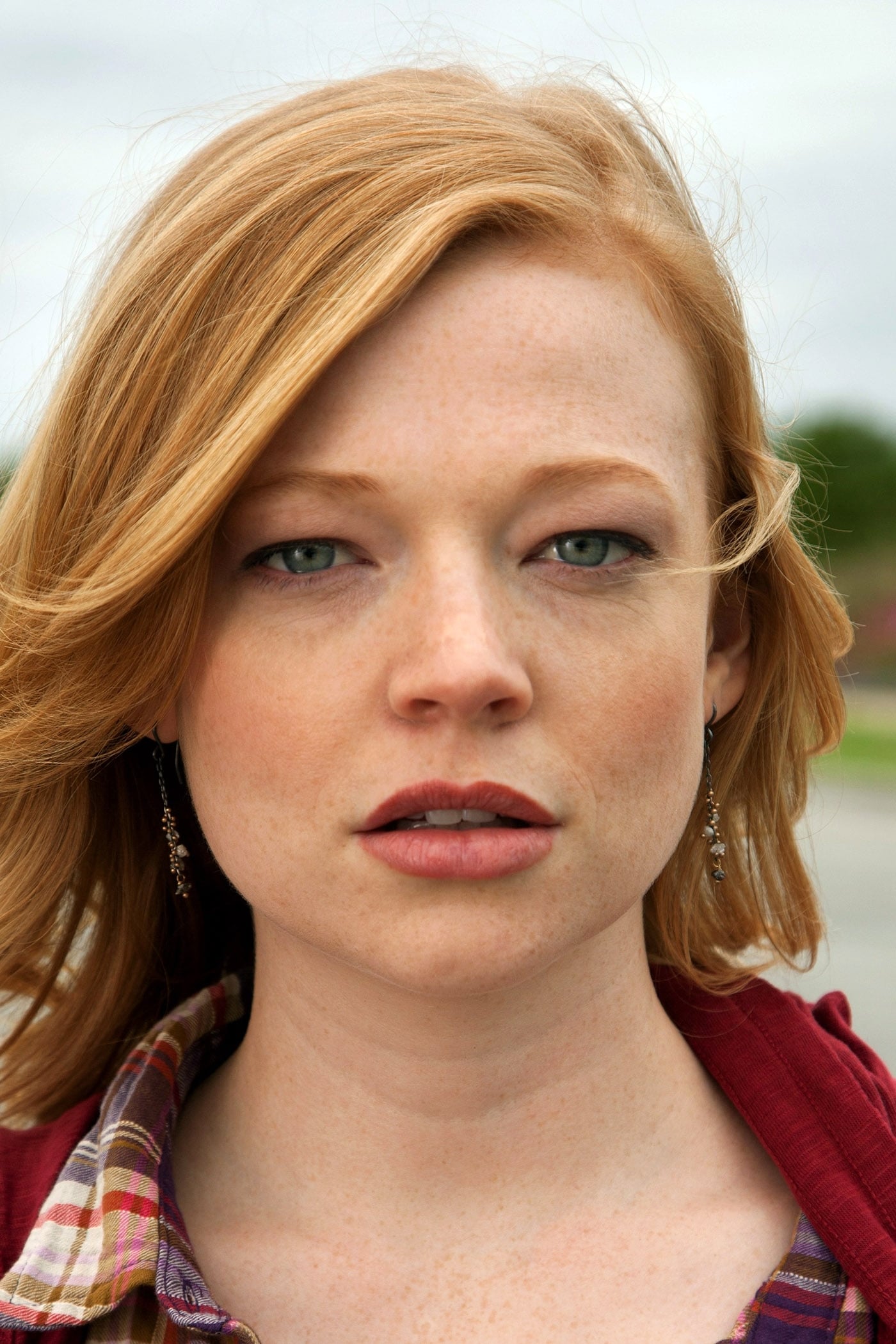
Sarah Snook’s portrayal of Shiv Roy on ‘Succession’ earned the Emmy for lead actress in a drama. Storylines around campaign consulting and company leadership created sharp exchanges that centered negotiation and strategy.
Snook’s work intersected with directors Lorene Scafaria and Andrij Parekh, emphasizing blocking and camera proximity for emotional turns. The role added to her international profile and anchored key episodes including ‘Tailgate Party’ and the finale ‘With Open Eyes’.
Bob Odenkirk
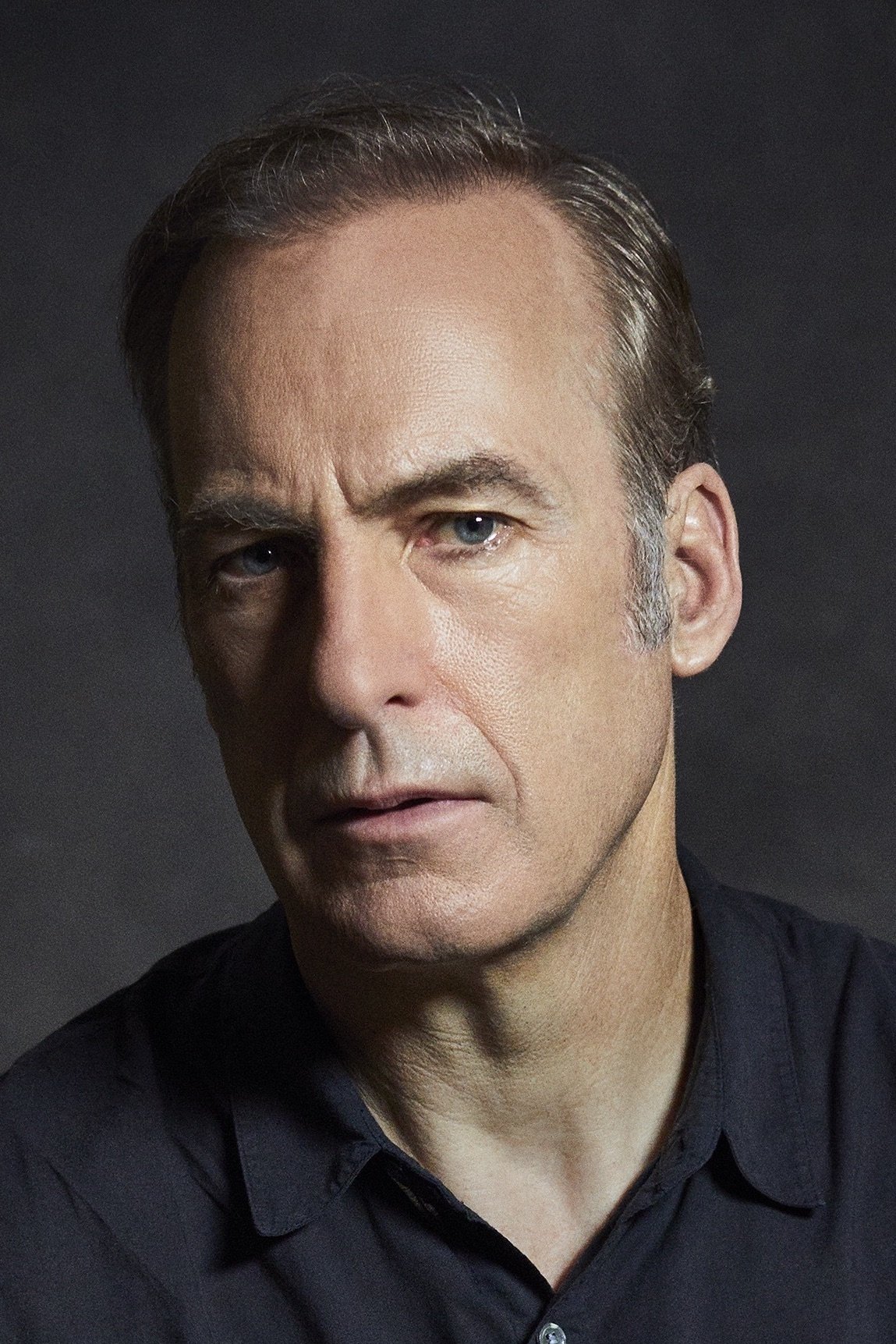
Bob Odenkirk’s lead turn as Jimmy McGill on ‘Better Call Saul’ brought multiple Emmy nominations and extended the universe of ‘Breaking Bad’ into a character study of ethics and identity. Episodes like ‘Chicanery’ and ‘Bagman’ showcased the physical and legal stakes involved.
Odenkirk collaborated with creators Vince Gilligan and Peter Gould and built the character through courtroom rhythm, con artistry, and family conflict with Michael McKean’s Chuck McGill. The series drew consistent recognition from guilds for writing and performance, and it is used in film and law courses for its procedural detail.
Rhea Seehorn
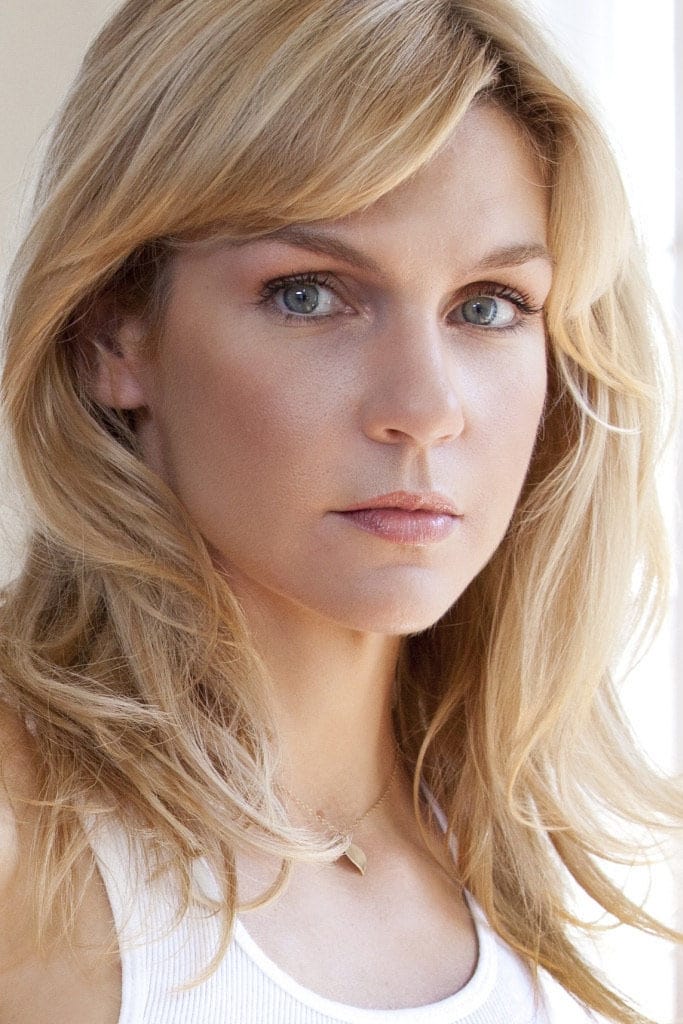
Rhea Seehorn’s performance as Kim Wexler on ‘Better Call Saul’ earned repeated Emmy nominations and wide recognition for supporting drama work. The character’s arc through cases at Schweikart and Cokely and the pro bono docket provided substantive legal and ethical material.
Seehorn’s scenes in ‘Plan and Execution’ and ‘Something Unforgivable’ became focal points for the series, with careful use of silence and posture to convey decision making. Her direction of an episode added behind the camera contributions that connected performance to visual style.
Peter Dinklage
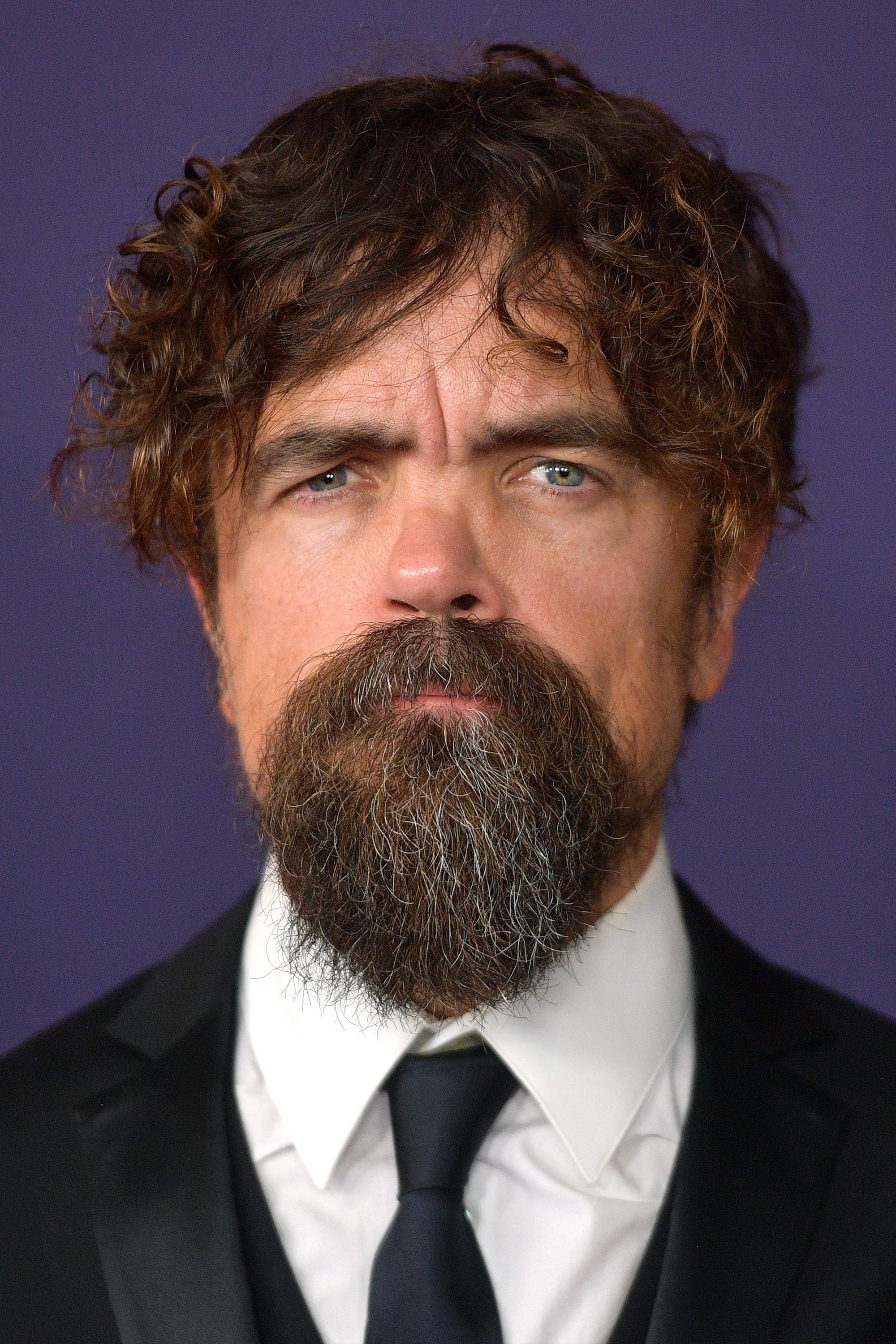
Peter Dinklage’s portrayal of Tyrion Lannister on ‘Game of Thrones’ earned multiple Emmys for supporting actor. He anchored political and courtroom sequences in episodes such as ‘Blackwater’ and ‘The Laws of Gods and Men’.
Dinklage coordinated with directors like Neil Marshall and Alex Graves to manage large scale scenes and intimate dialogue exchanges. His performance helped drive international reach for the show, with extensive dubbing and distribution that carried his work to a global audience.
Gillian Anderson
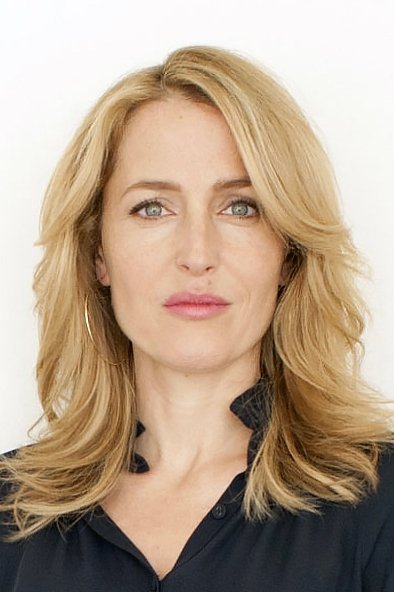
Gillian Anderson played Margaret Thatcher on ‘The Crown’, winning the Emmy for supporting actress in a drama. The role followed policy debates and relationships with the royal household in episodes like ‘Fagan’ and ’48:1′.
Anderson worked on vocal cadence and physicality with the series dialect team and costume department to track changes in public and private settings. She previously led ‘The X Files’ as Dana Scully, and that earlier experience in long form television informed her approach to historical portrayal.
Claire Foy
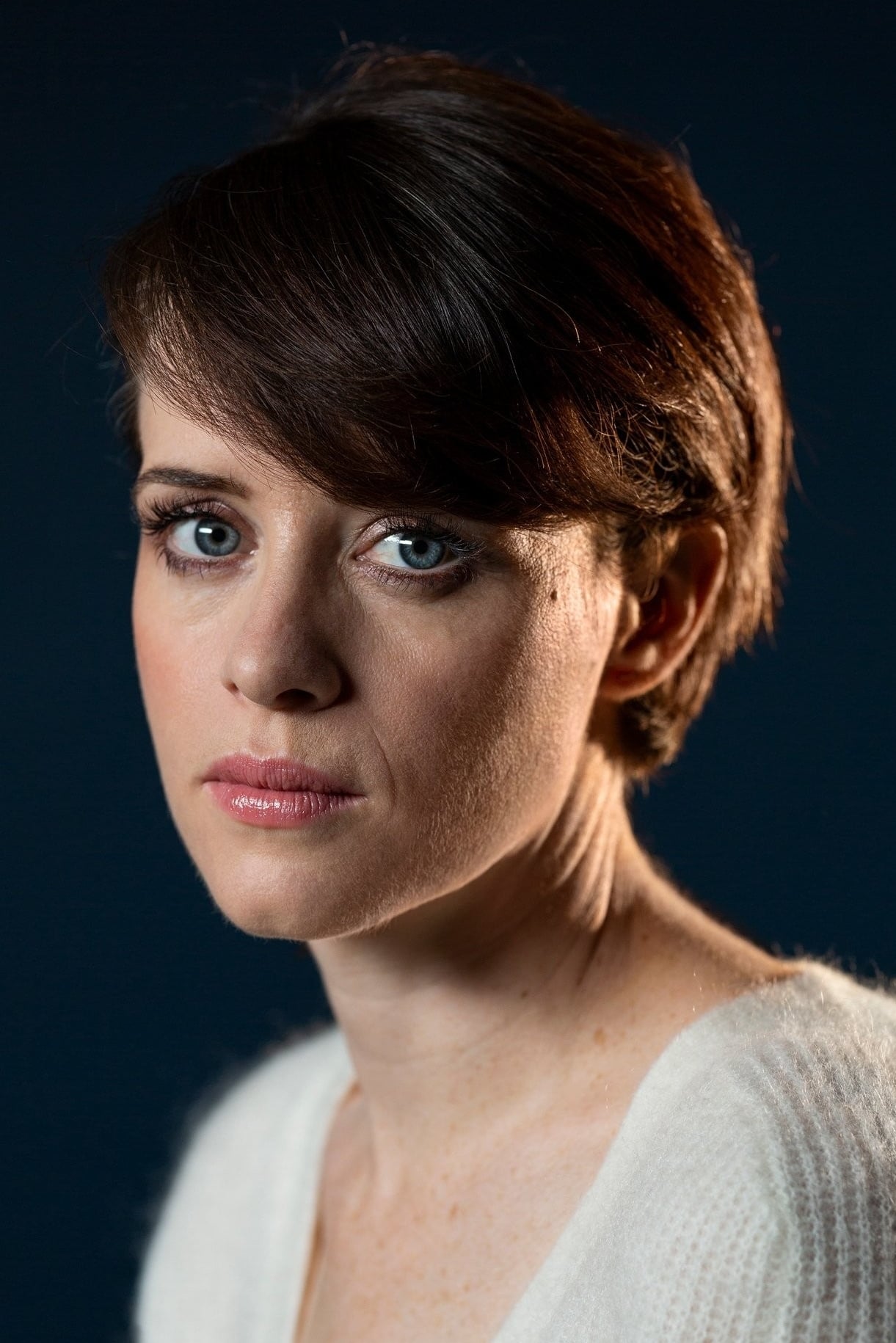
Claire Foy portrayed Queen Elizabeth II on ‘The Crown’, receiving the Emmy for lead actress in a drama for her work. Episodes such as ‘Marionettes’ and ‘Assassins’ highlighted the intersection of personal duty and public expectation.
Foy’s collaboration with director Stephen Daldry and showrunner Peter Morgan layered ceremonial movement and close up intimacy. Her performance bridged the transition to later casts, setting performance choices that Olivia Colman and Imelda Staunton carried forward.
Olivia Colman

Olivia Colman continued the role of Queen Elizabeth II on ‘The Crown’, earning a Golden Globe for lead actress. Key chapters included ‘Aberfan’ and ‘Dangling Man’, which placed the monarch in moments of national challenge and private reflection.
Colman’s work emphasized vocal restraint and small gestures, coordinating closely with the music department to align performance beats with score. The role added to a run of acclaimed television work and connected with international co productions that broadened the show’s reach.
Benedict Cumberbatch
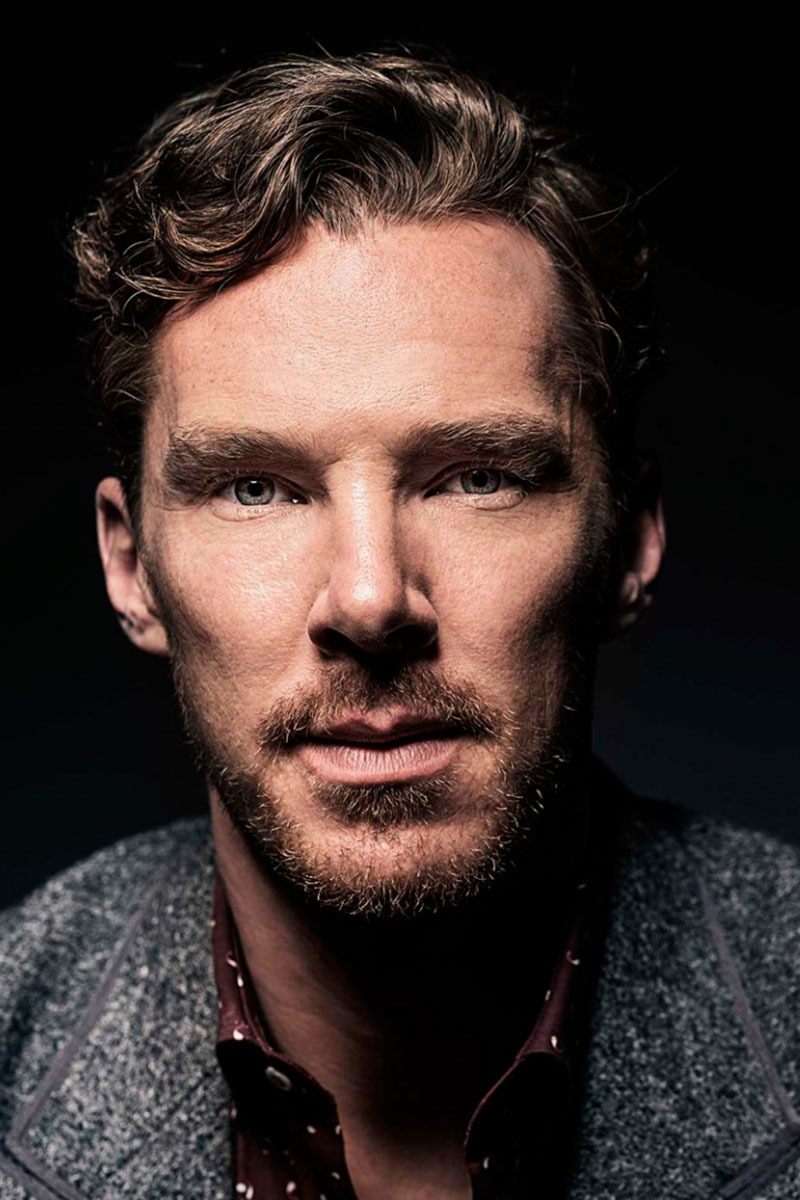
Benedict Cumberbatch’s Sherlock Holmes in ‘Sherlock’ earned the Emmy for lead actor in a miniseries for ‘His Last Vow’. Earlier episodes such as ‘A Study in Pink’ and ‘A Scandal in Belgravia’ established the series structure of feature length cases.
Cumberbatch’s performance depended on rapid dialogue delivery and physical specifics like the coat and violin, along with visual devices such as on screen text that tracked deduction. The project paired him with Martin Freeman and a rotating group of directors who built cinematic pacing for television.
Matthew McConaughey
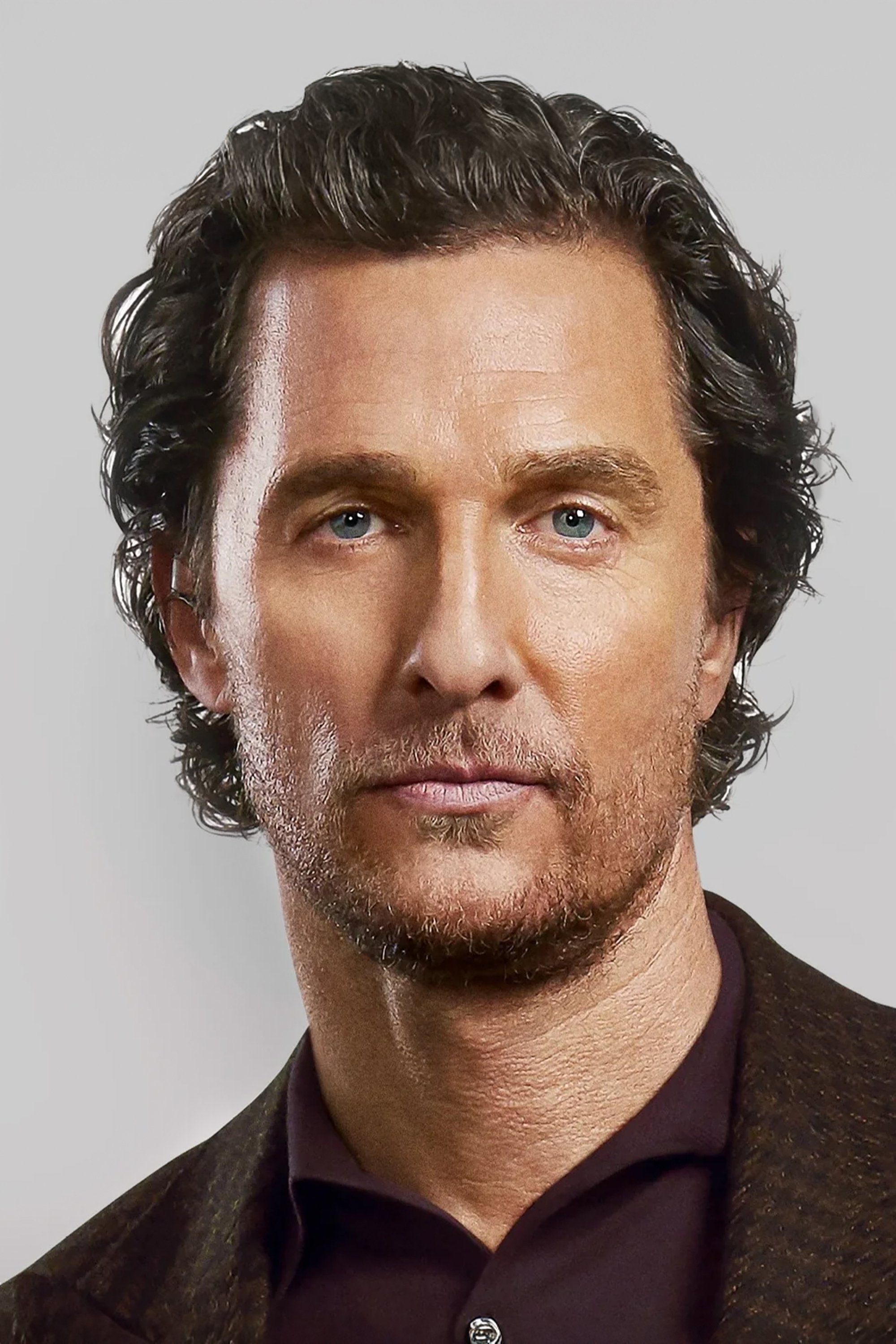
Matthew McConaughey’s Rust Cohle in ‘True Detective’ drew an Emmy nomination for lead actor in a limited series. The role focused on an investigation that spanned years, with episodes like ‘Who Goes There’ showcasing tracking shots and tense interrogation scenes.
McConaughey worked with creator Nic Pizzolatto and director Cary Joji Fukunaga on tone and cadence, pairing extended monologues with quiet observational beats. The project aired alongside Woody Harrelson’s Marty Hart, and the two leads coordinated performance rhythms to anchor the season.
Mahershala Ali
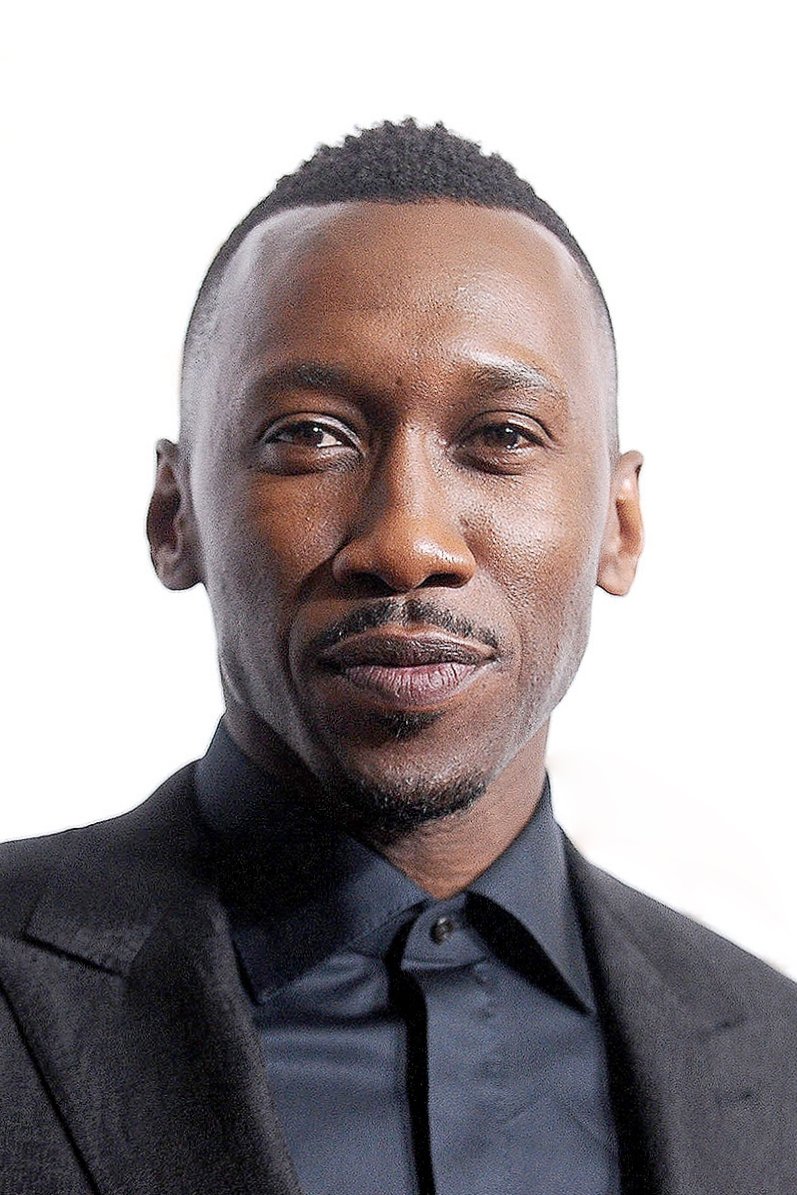
Mahershala Ali led ‘True Detective’ season three as Wayne Hays, receiving an Emmy nomination for lead actor in a limited series. The character navigated memory and investigation threads, with ‘The Final Country’ pulling together case revelations.
Ali collaborated with directors Daniel Sackheim and Nic Pizzolatto to track physical changes across timelines. His preparation incorporated dialect work and scene study on interviews and interrogations, which guided choices for posture and gaze.
Regina King
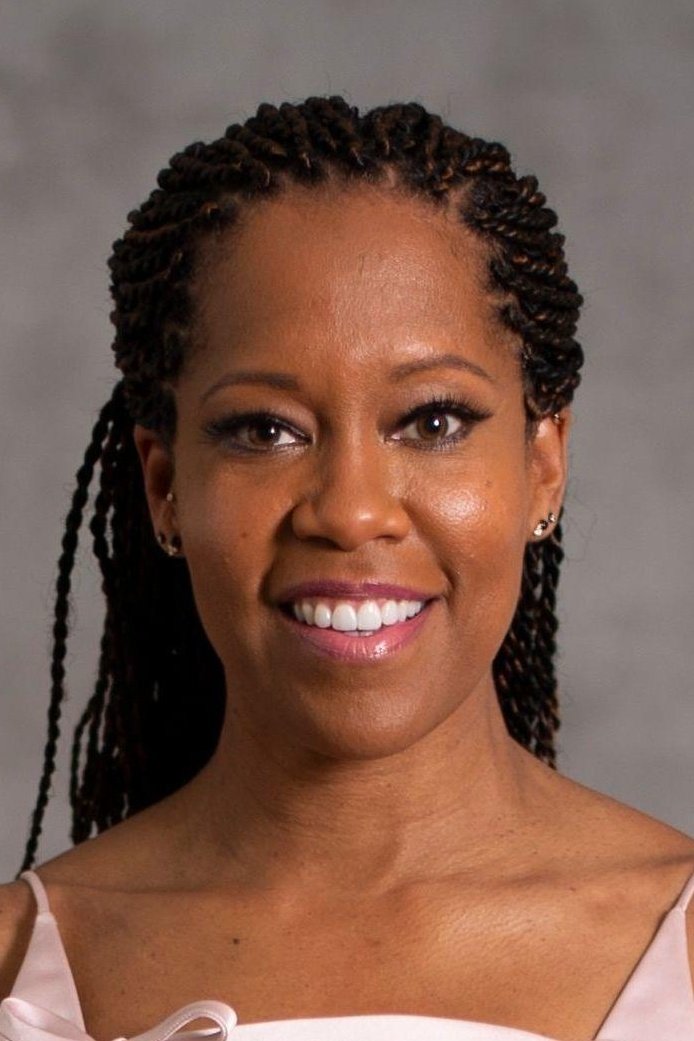
Regina King starred as Angela Abar in ‘Watchmen’, earning the Emmy for lead actress in a limited series. The performance bridged superhero lore and historical events, with ‘This Extraordinary Being’ serving as a centerpiece for the season.
King worked with showrunner Damon Lindelof and directors like Stephen Williams to integrate stunt work with character beats. The role extended a run of awards for television work that also includes ‘American Crime’, and it anchored a series that drew wide academic interest for its themes.
Sterling K. Brown
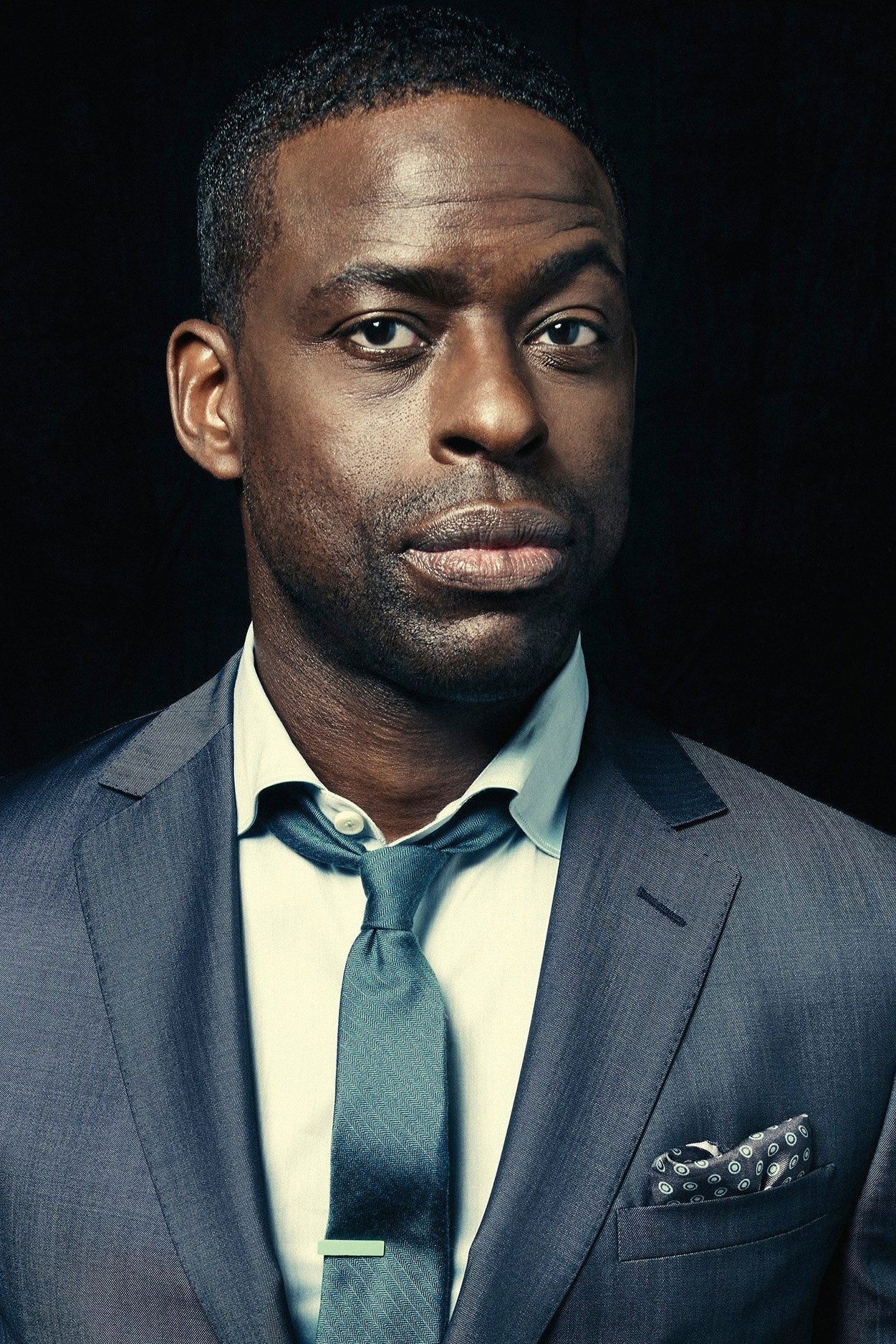
Sterling K. Brown’s Randall Pearson on ‘This Is Us’ earned the Emmy for lead actor in a drama and continued with additional nominations. The character’s story included adoption, career shifts, and family dynamics, with ‘Memphis’ standing out for musical and emotional focus.
Brown’s earlier Emmy for ‘The People v. O. J. Simpson’ as Christopher Darden connected him to anthology crime drama and network family drama in the same period. His work often involved extended monologues and ensemble scenes with Mandy Moore and Milo Ventimiglia, balancing intimate and large group moments.
Tatiana Maslany
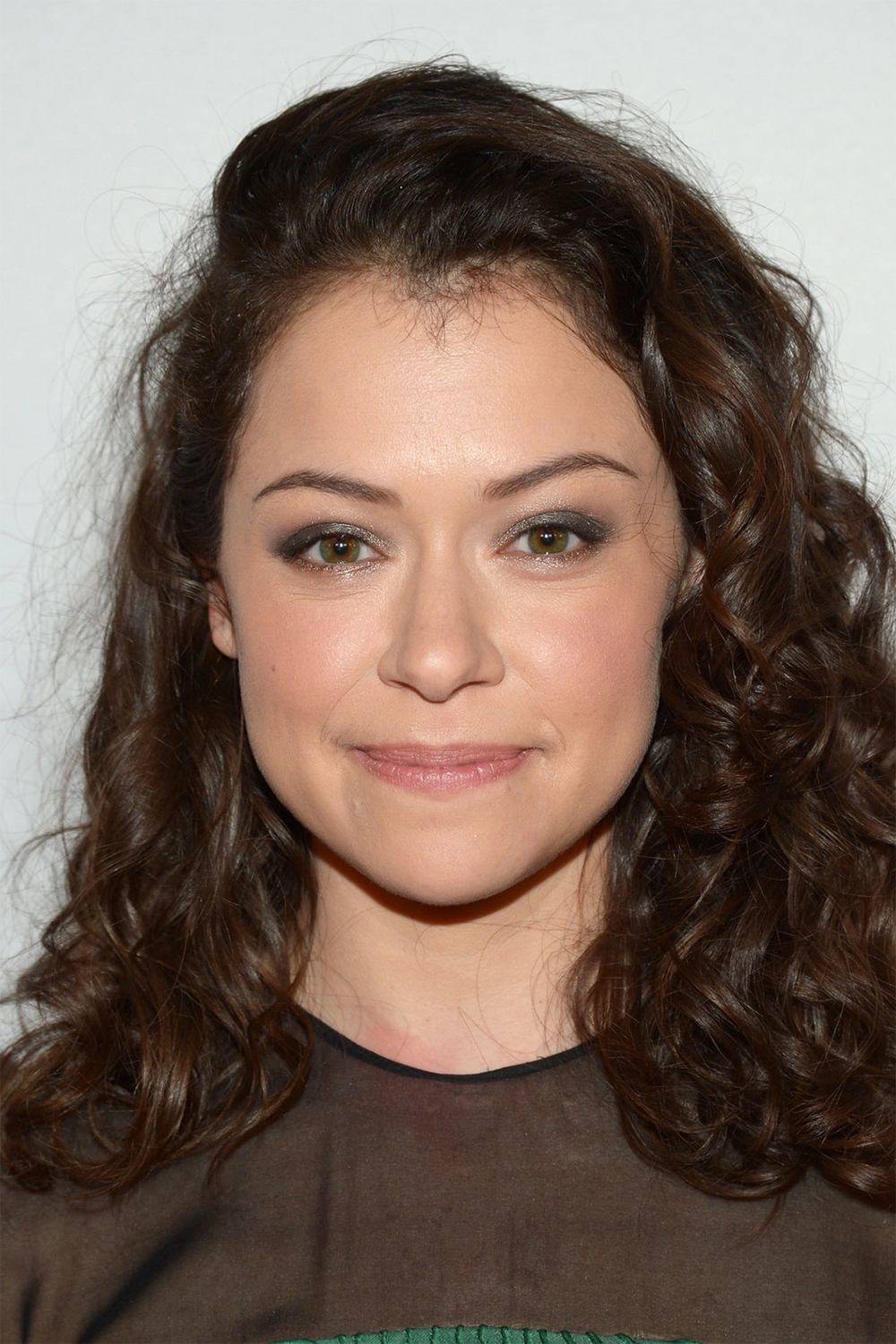
Tatiana Maslany’s work on ‘Orphan Black’ earned the Emmy for lead actress in a drama for portraying multiple clones with distinct accents and movement. Episodes such as ‘By Means Which Have Never Yet Been Tried’ showcased technical split screen methods and choreography.
Maslany coordinated with the camera and VFX teams to block scenes where several characters she played interacted. The production used stand ins and precise eye lines, and the performance has been studied in acting classes for multi role continuity.
Jodie Comer

Jodie Comer’s Villanelle on ‘Killing Eve’ brought the Emmy for lead actress in a drama. The character’s arc balanced high stakes chases with personal backstory, and episodes like ‘Are You Leading or Am I’ crystallized the relationship with Sandra Oh’s Eve Polastri.
Comer worked with costume designer Phoebe de Gaye and later designers to build a visual identity through wardrobe choices that became part of the character’s signature. The series’ international settings required location specific adjustments to accent and physicality, which Comer executed across seasons.
Pedro Pascal
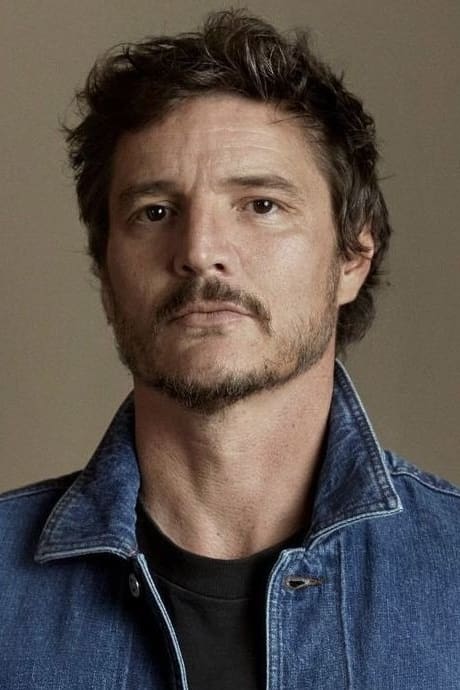
Pedro Pascal’s Joel in ‘The Last of Us’ earned an Emmy nomination for lead actor in a drama. The role explored survival and parental responsibility, with ‘Look for the Light’ closing a season that followed a cross country journey.
Pascal collaborated with showrunner Craig Mazin and creator Neil Druckmann to adapt game material for television, aligning action scenes with character beats. His work paired with Bella Ramsey’s Ellie, and the two leads coordinated timing for dialogue and movement in tense sequences and quiet scenes.
Bella Ramsey
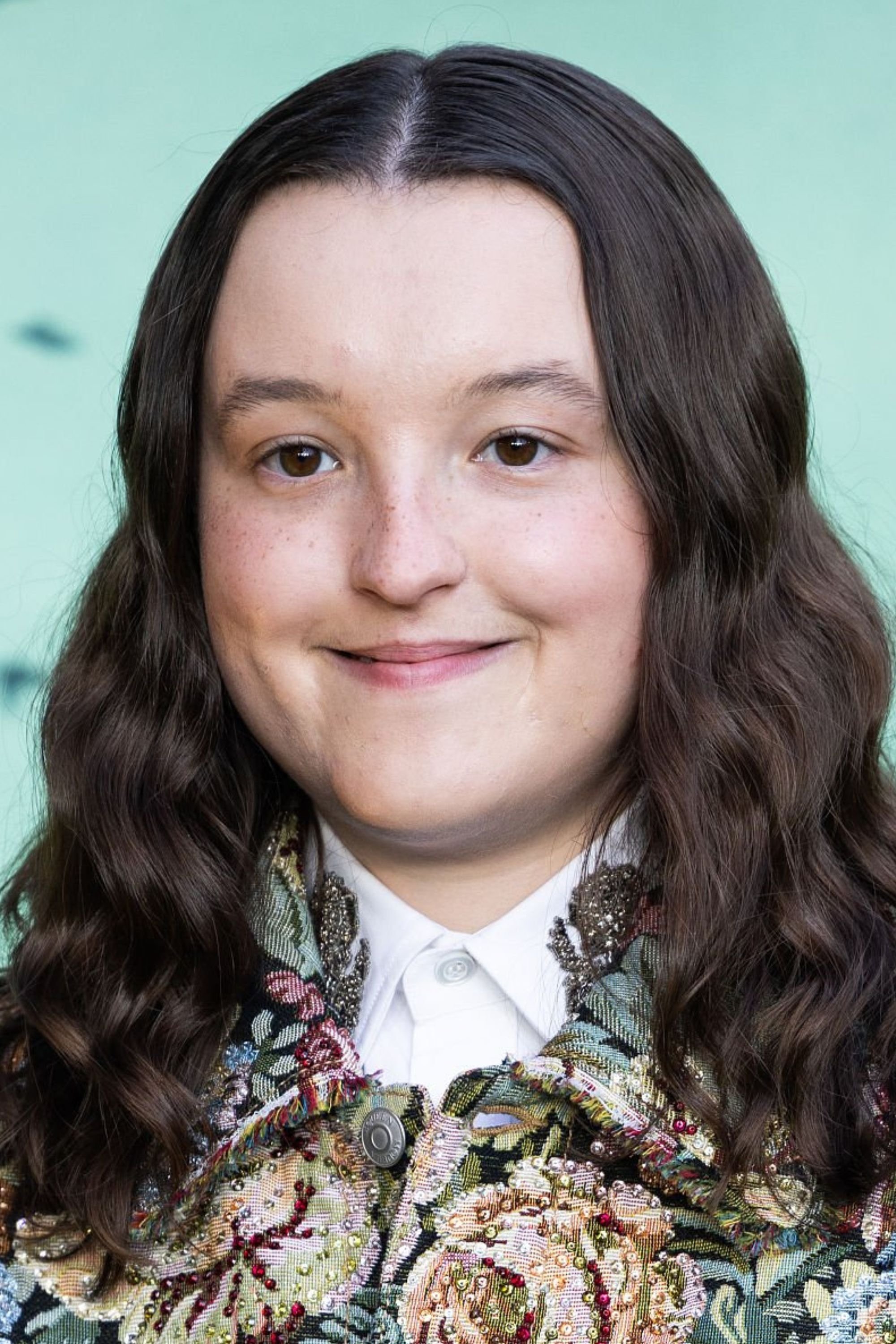
Bella Ramsey’s Ellie in ‘The Last of Us’ earned an Emmy nomination for lead actress in a drama. The character navigated trauma, humor, and survival, with ‘Left Behind’ offering a focused look at early backstory.
Ramsey trained for physical sequences and worked with directors such as Peter Hoar to shape close quarters scenes. The performance earned recognition from guilds and critics groups, and it expanded Ramsey’s profile from earlier work on ‘Game of Thrones’.
Paul Giamatti
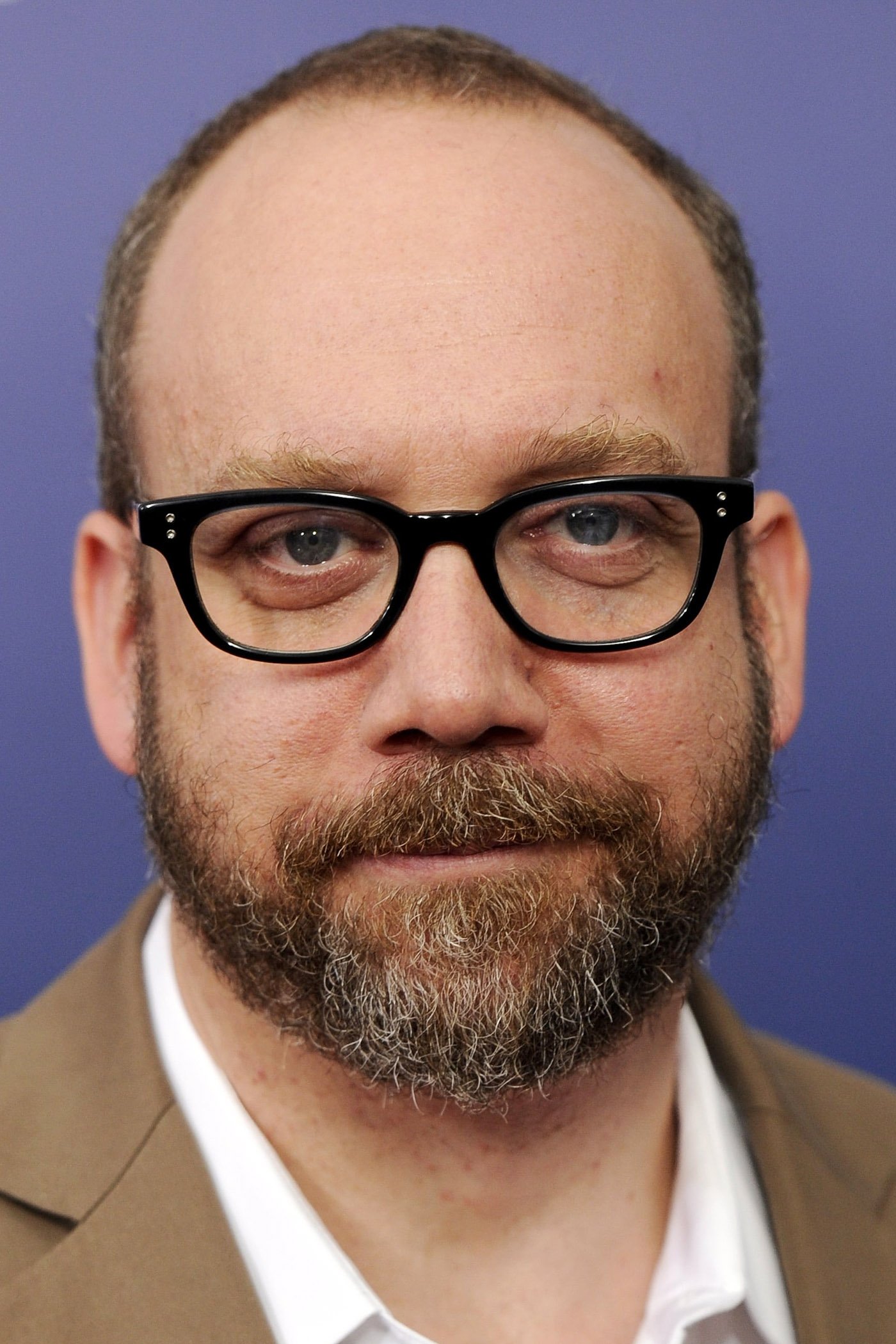
Paul Giamatti’s title role in ‘John Adams’ earned the Emmy for lead actor in a miniseries. The series followed diplomacy, law, and family life, with episodes like ‘Independence’ foregrounding politics and argument.
Giamatti’s collaboration with director Tom Hooper used period detail, makeup, and practical locations to support long speeches and debate scenes. The production received multiple Emmys across categories, and the performance remains a mainstay in discussions of historical drama on television.
Riz Ahmed
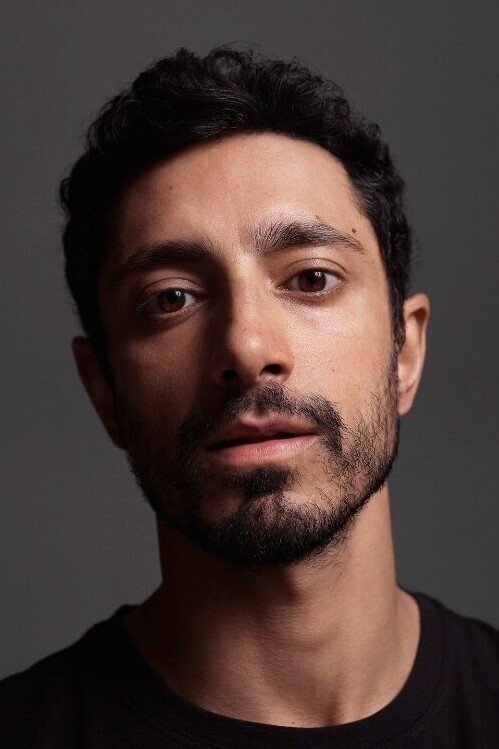
Riz Ahmed’s Nasir Khan in ‘The Night Of’ earned the Emmy for lead actor in a limited series. The series examined the criminal justice process in granular detail, with extended scenes inside Rikers Island and the courtroom.
Ahmed worked with director Steven Zaillian to map changes in posture, speech, and confidence as the story progressed. The project also featured John Turturro, and their shared scenes balanced mentorship and legal strategy in ways that anchored the season.
Frances McDormand
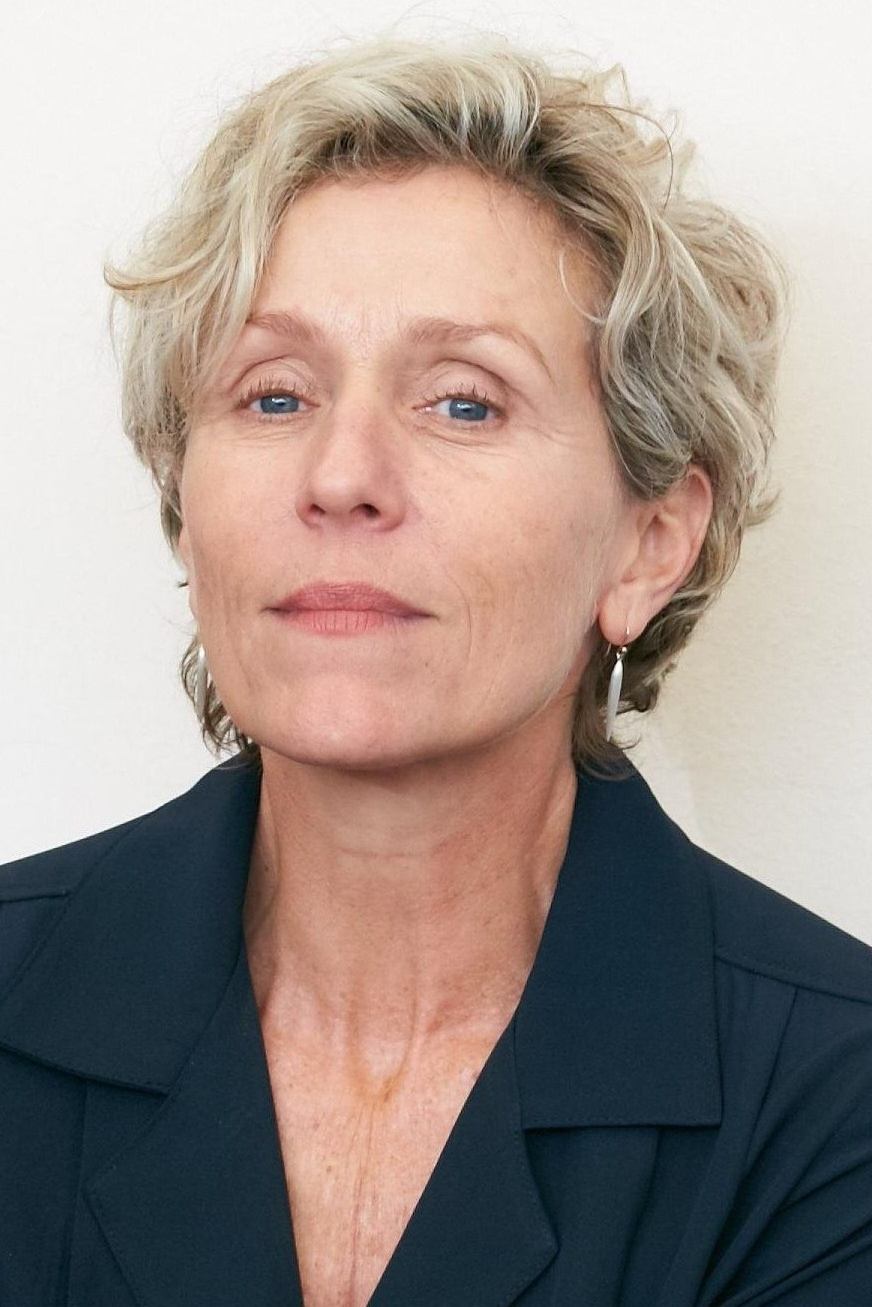
Frances McDormand’s title role in ‘Olive Kitteridge’ earned the Emmy for lead actress in a limited series. The story explored marriage, community, and aging through episodes like ‘Pharmacy’ and ‘Security’.
McDormand also served as a producer, working with director Lisa Cholodenko and writer Jane Anderson to adapt Elizabeth Strout’s novel. The production received multiple Emmys, and McDormand’s involvement shaped casting and the project’s focus on small town detail.
Share your picks for TV performances that deserved a place on the biggest film stage in the comments.

