


Actors Who Hate Marvel & DC Movies

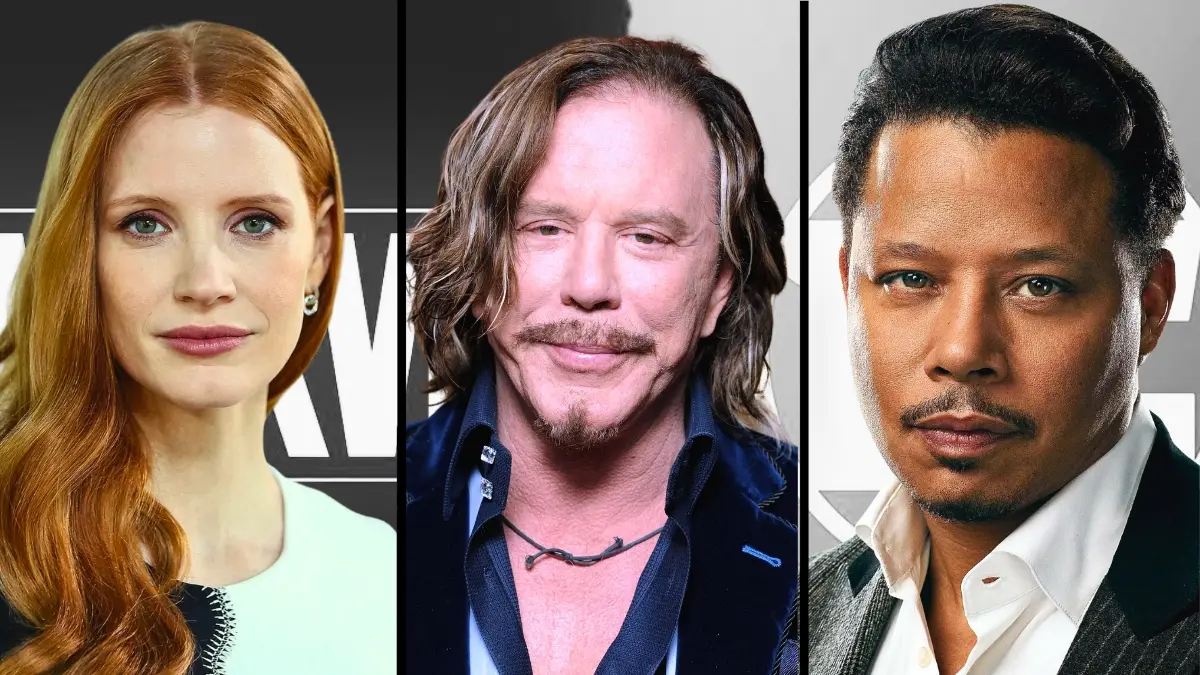


Superhero films dominate the box office, but not every star is thrilled about capes and crossovers. Plenty of actors have publicly questioned the creative limits of comic-book blockbusters, criticized the production style, or simply said the genre isn’t for them. Below are 25 actors who’ve voiced skepticism, frustration, or outright disdain toward Marvel and DC movies—often with specific reasons, from creative control and green-screen fatigue to concerns about how the genre crowds out other kinds of storytelling.
Jodie Foster
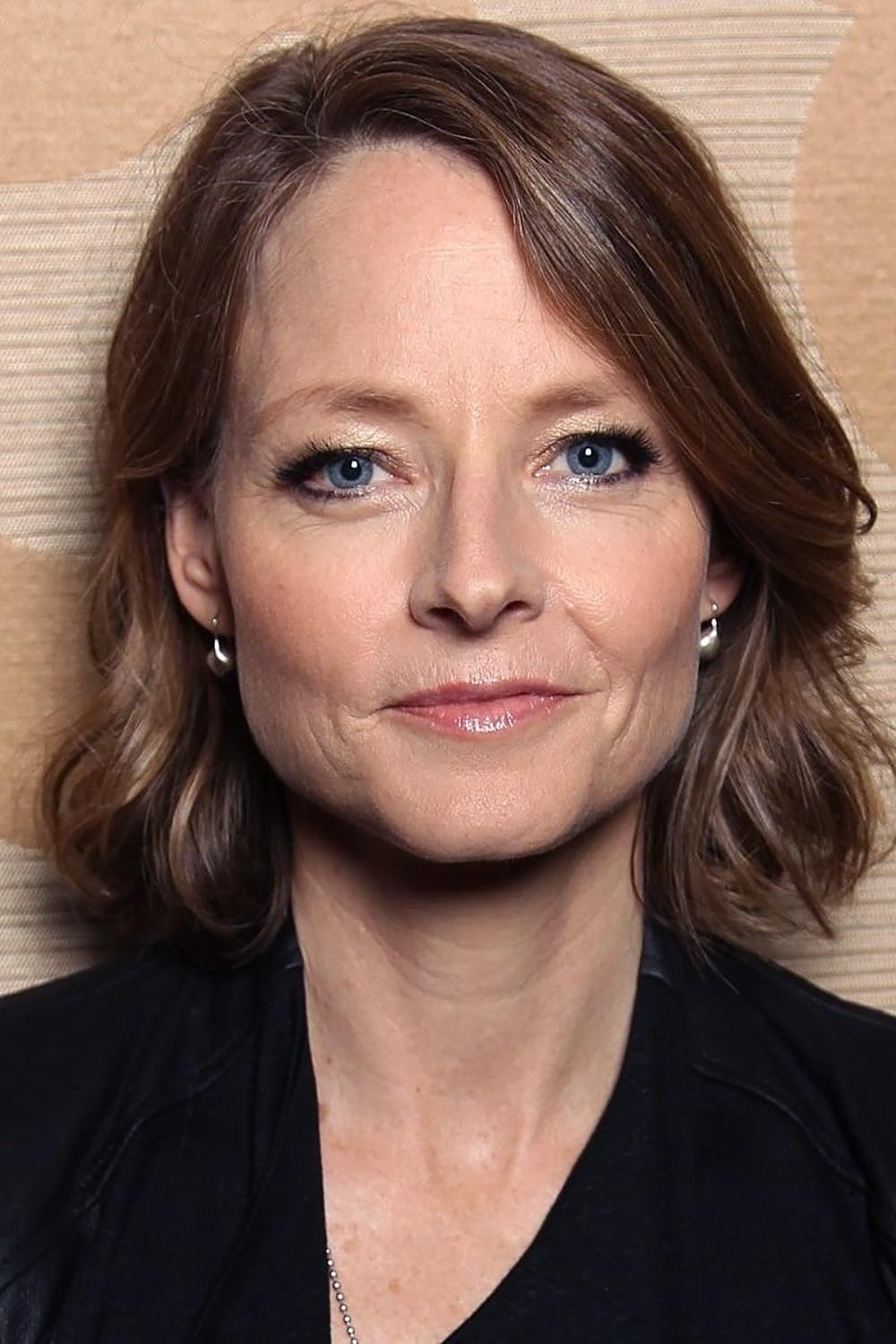
In 2017, Foster compared modern studio tentpoles—especially superhero spectacles—to “fracking,” saying the industry risks damaging itself by chasing effects-driven profits over character-driven stories. She framed it as a market problem that squeezes mid-budget dramas. Foster has continued to champion intimate, human-centered filmmaking.
Ethan Hawke
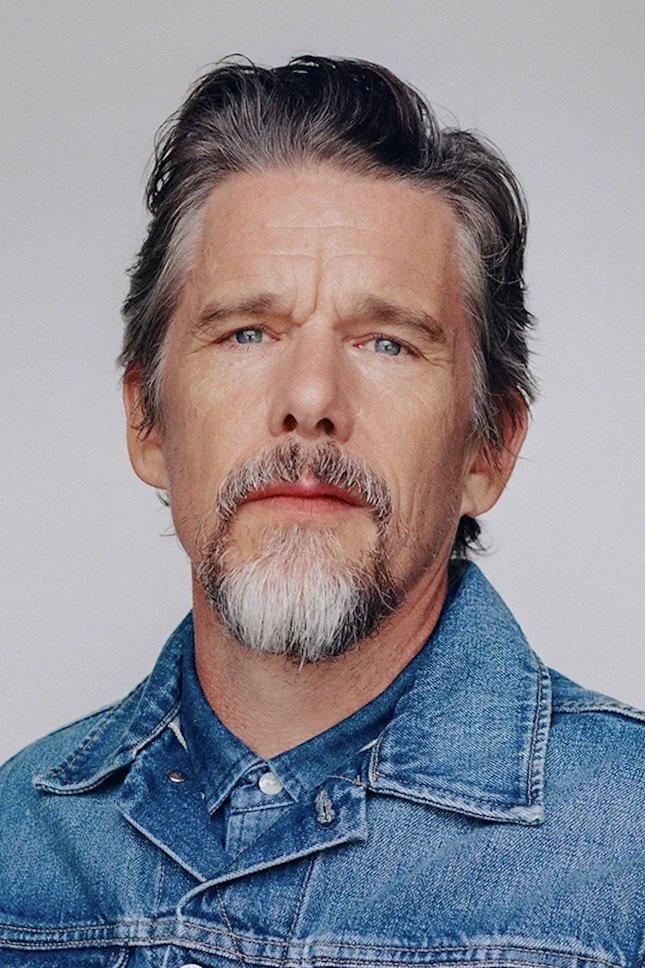
Hawke stirred debate in 2018 by arguing that even strong superhero entries shouldn’t be treated as the pinnacle of cinema, citing ‘Logan’ as a good genre film rather than a towering classic. His point was about calibration—how audiences and critics evaluate different kinds of movies. He’s pushed for space on screens for a wider range of stories.
Stephen Dorff
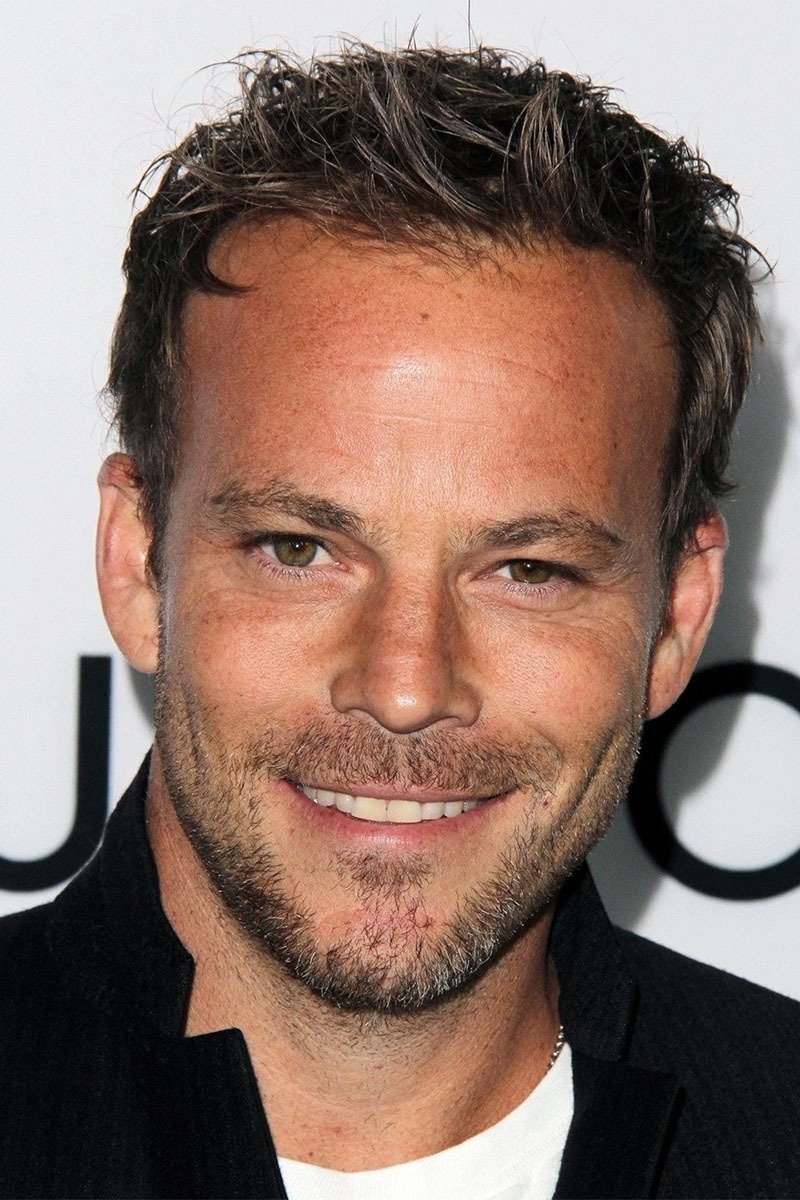
In 2021, Dorff dismissed ‘Black Widow’ as looking like something he’d be embarrassed to be in, blasting what he sees as formula and overreliance on CG. He’s repeated that contemporary superhero films feel assembly-line to him. Dorff says he chooses projects where performance, not IP, leads.
Mickey Rourke
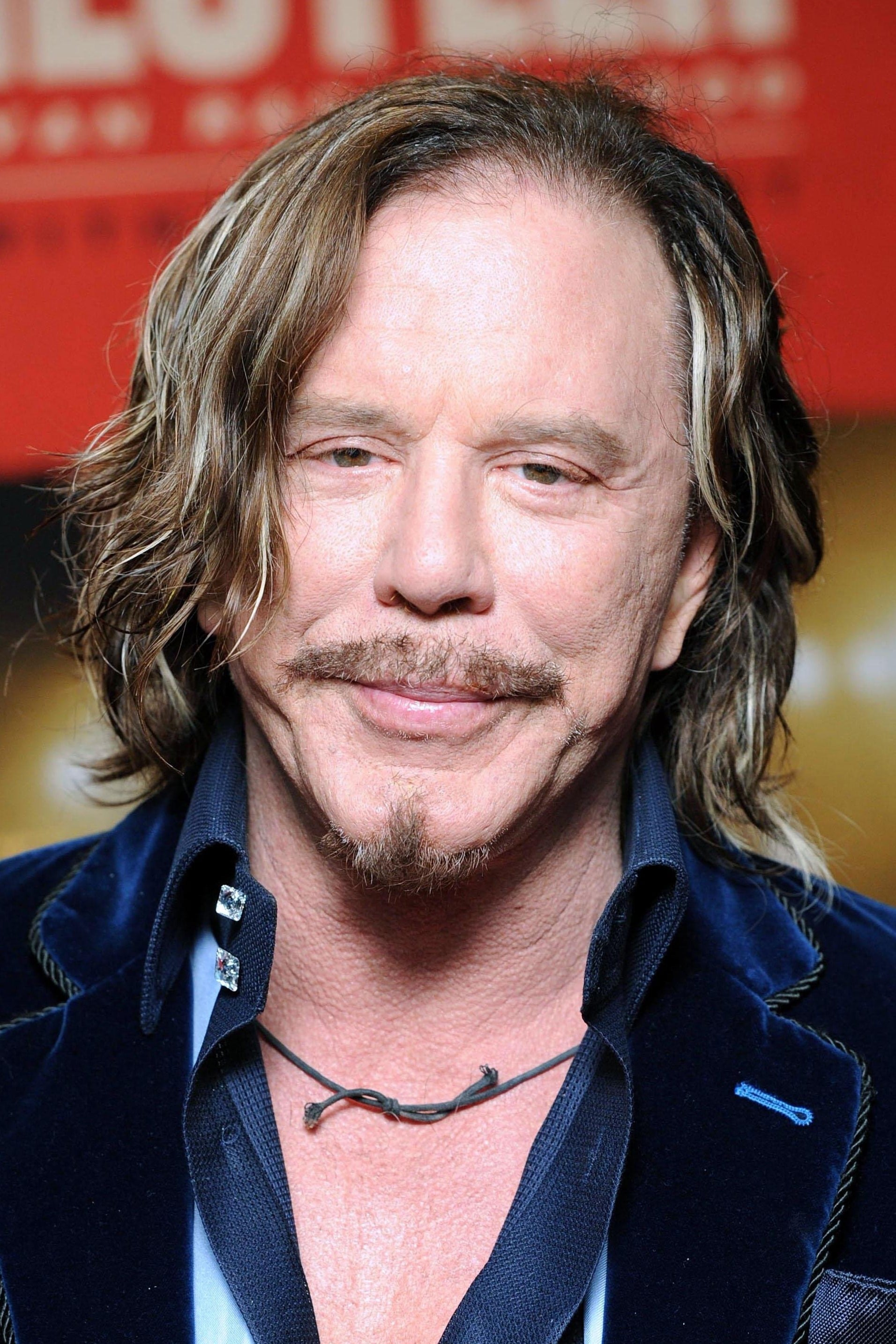
After ‘Iron Man 2’, Rourke said much of his character work was cut in the edit, criticizing a process he felt prioritized spectacle over nuance. He praised the director while faulting studio decision-making. Rourke has since leaned toward projects with more room for eccentric, character-first choices.
Jason Statham
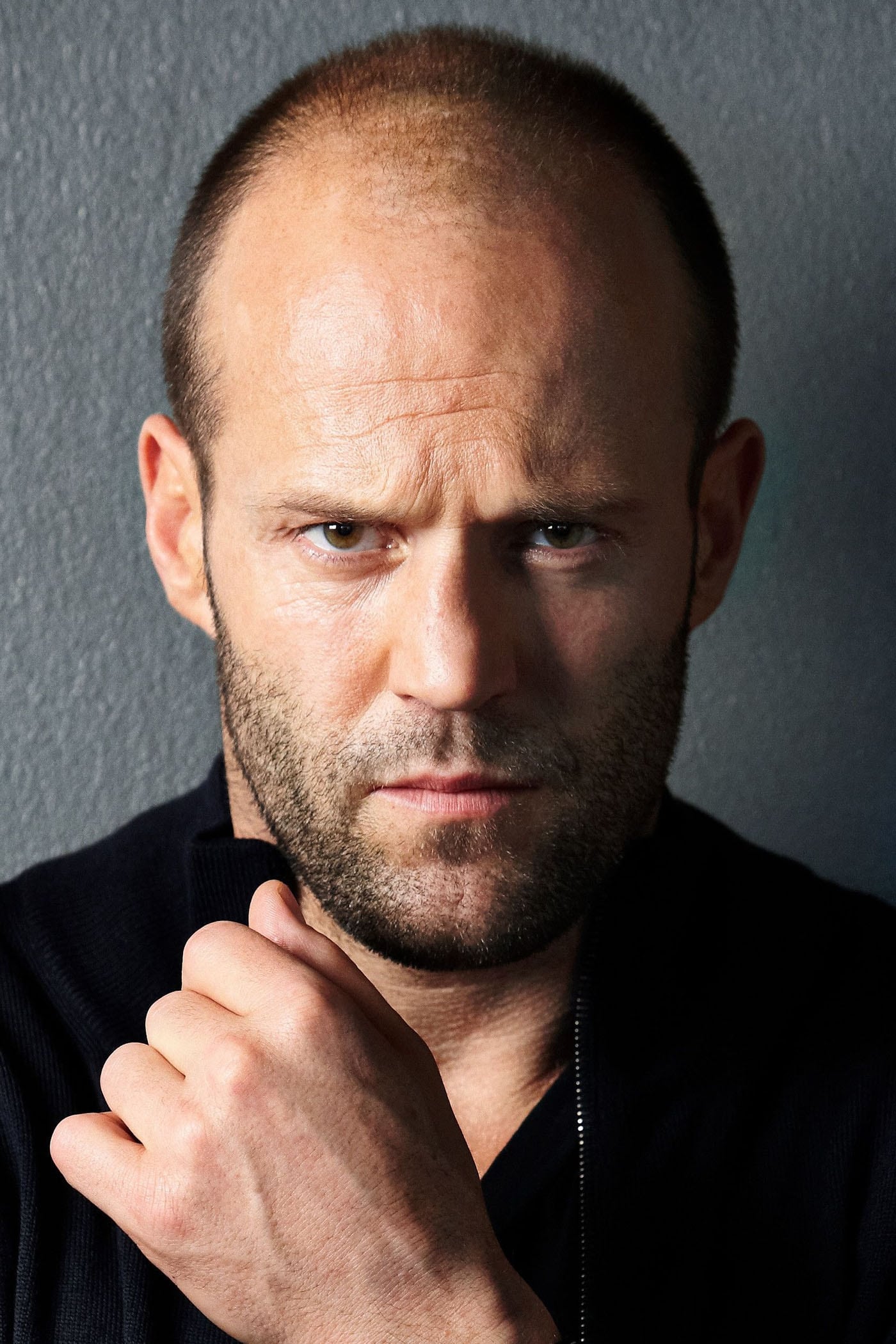
Statham has joked that many superhero set-pieces could be done by “a guy in spandex” in front of green screens, a line he used in 2015 while championing practical stunts. He prefers fights and chases built around real physicality. That taste keeps him aligned with grounded action over caped showdowns.
Jennifer Aniston
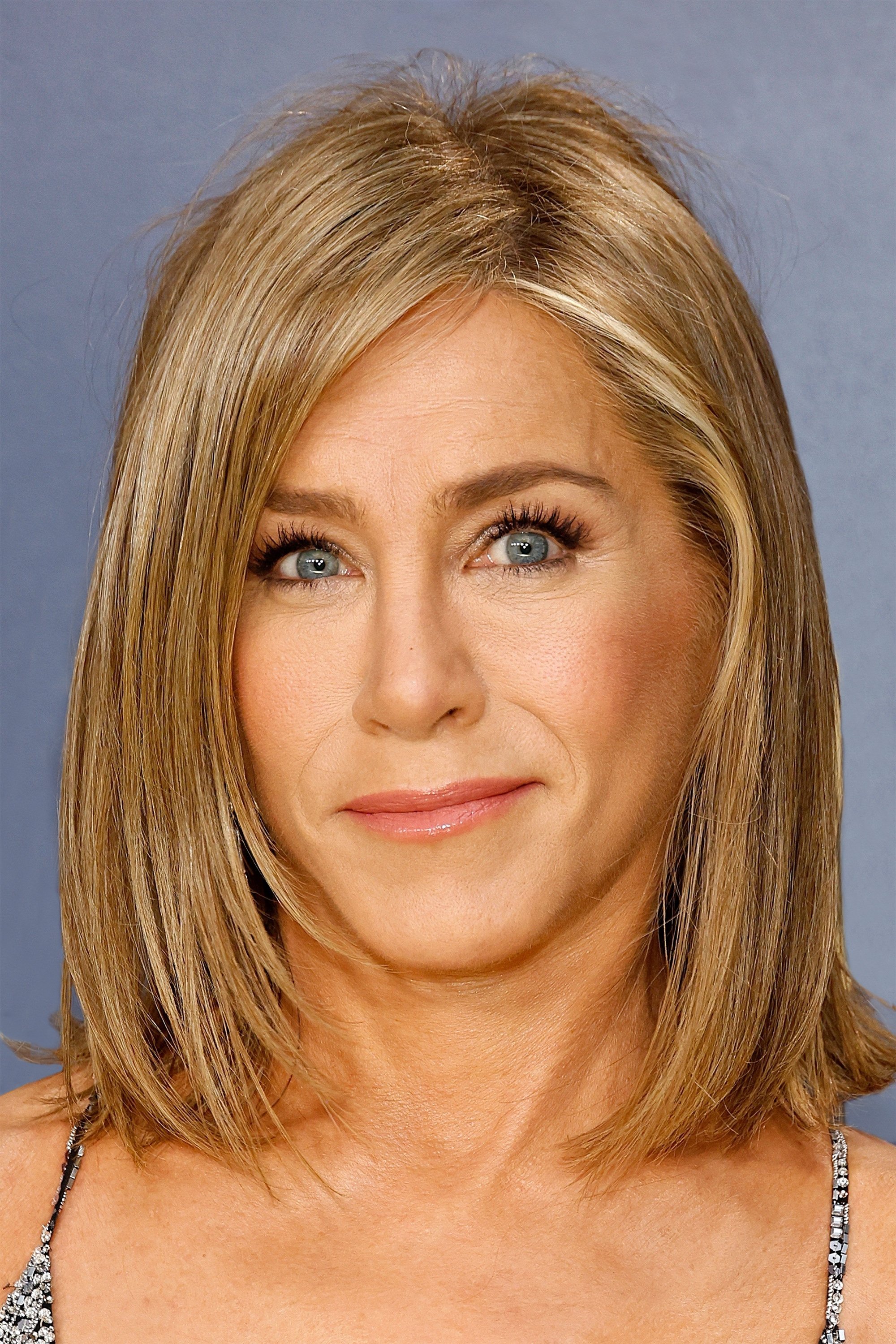
In 2019, Aniston said superhero franchises crowd multiplex schedules, leaving fewer slots for adult dramas and comedies. She lamented missing the era of mid-range, star-led originals. Her critique centers on distribution and opportunity rather than any single title.
Matt Damon
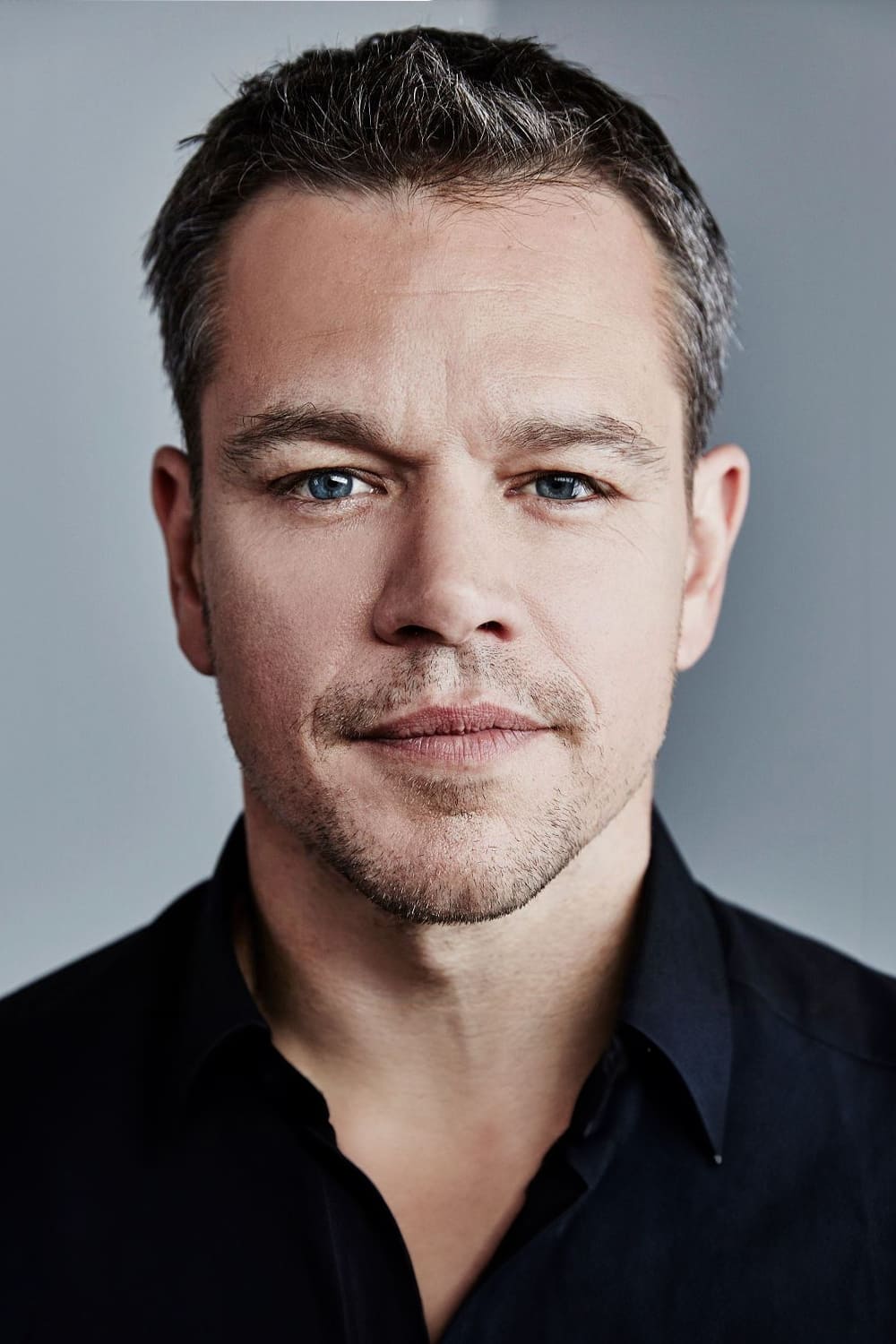
Damon has said mega-budget IP skews studio priorities, making it harder for other films to get greenlit. He’s noted that long franchise commitments can reduce creative latitude for actors and writers. Damon frames it as an economic reality that shapes what audiences eventually see.
Sean Penn
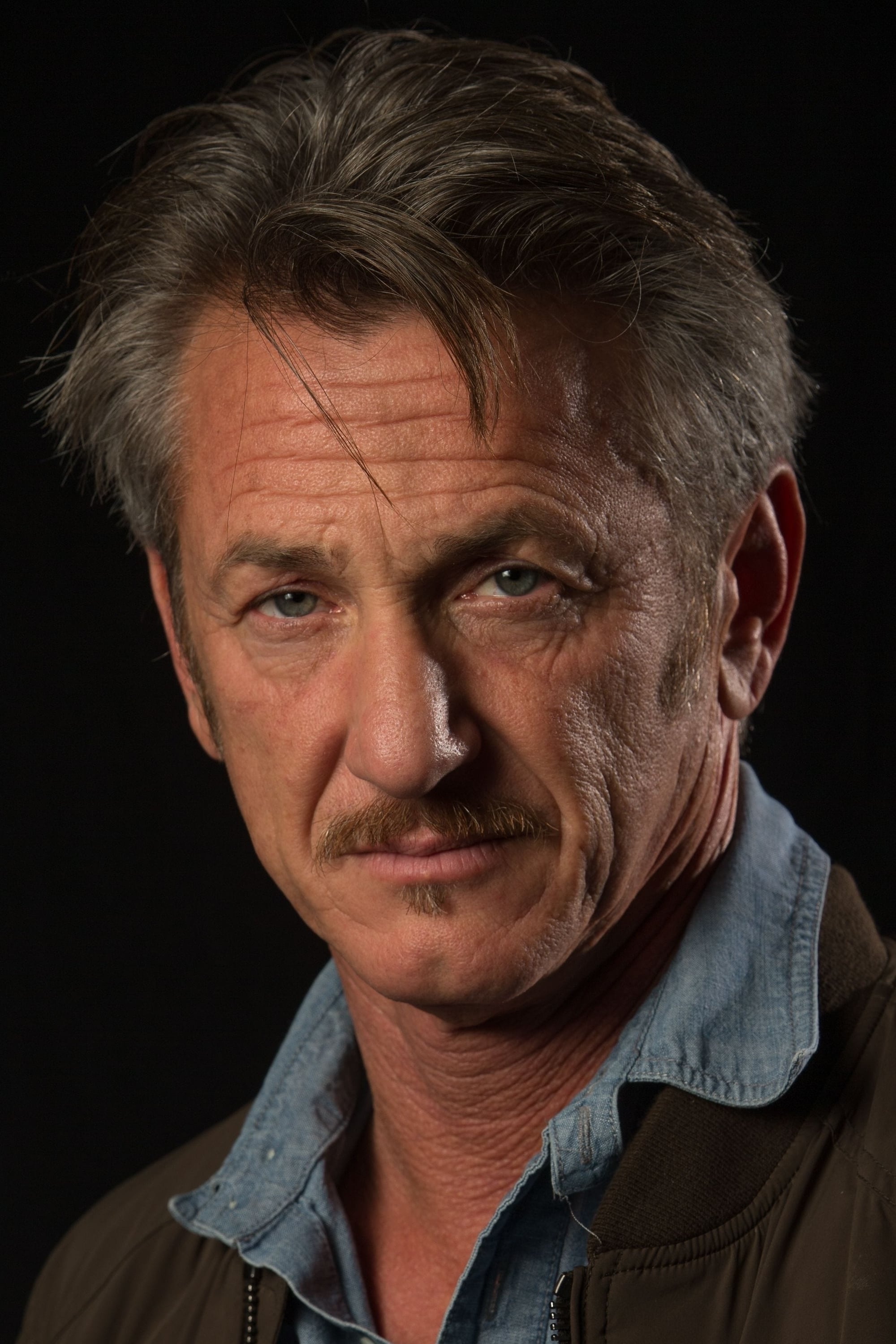
Penn has argued that comic-book dominance flattens Hollywood’s artistic ambition, pointing out in 2018 that branded entertainment often displaces riskier work. He’s urged studios to back tougher, more challenging material. His focus is cultural breadth, not one franchise.
John Boyega
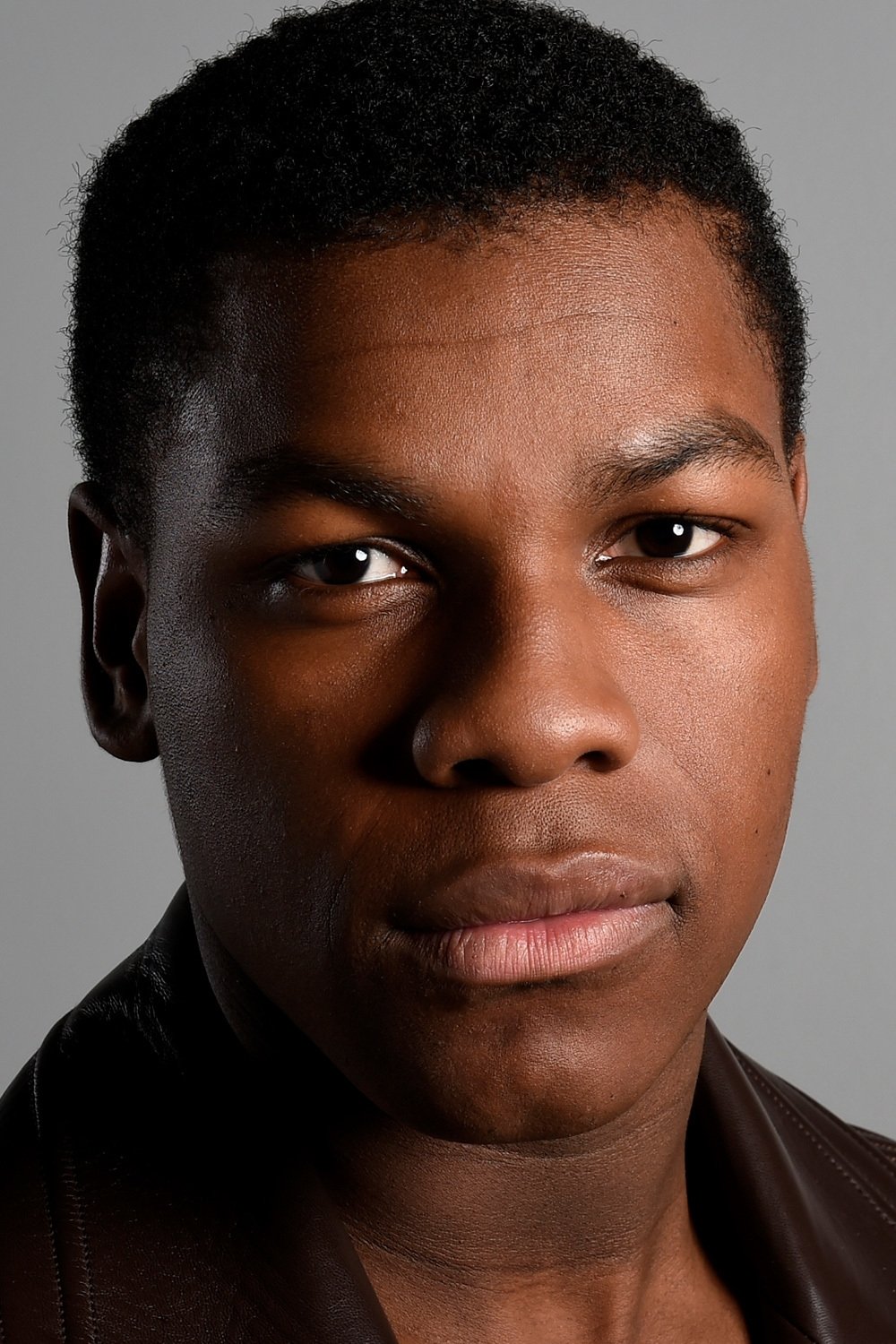
In 2022, Boyega said he wasn’t chasing Marvel roles and preferred director-driven films and original characters. He emphasized seeking grounded, specific parts rather than joining a sprawling universe. Boyega consistently points to independent cinema as his lane.
Kirsten Dunst

Dunst has been candid that superhero pay and status never made the work especially fulfilling for her, and she hasn’t sought a return. She’s discussed compensation disparities from her ‘Spider-Man’ era to illustrate how business realities shape choices. Dunst prioritizes roles with richer interiority.
Michael Shannon
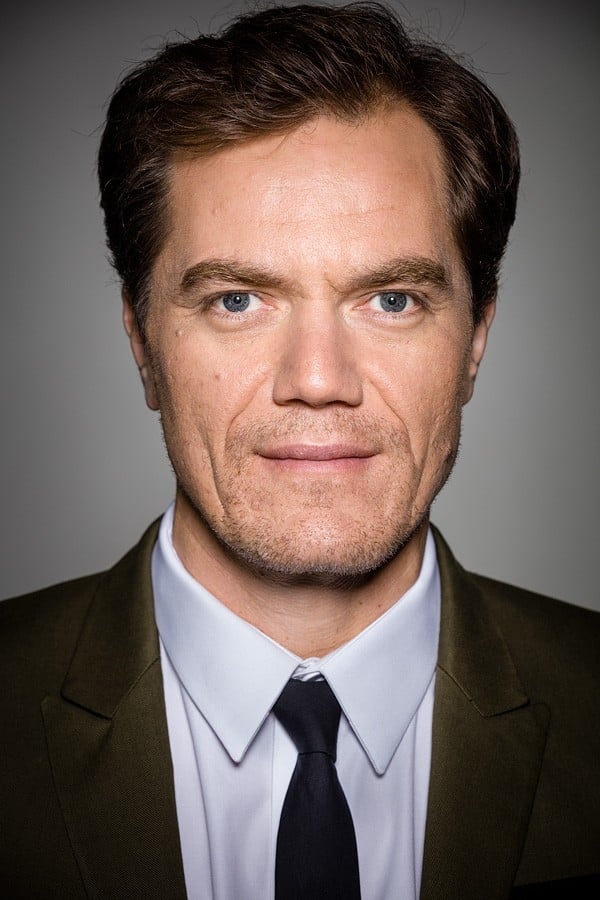
Shannon questioned the emotional stakes of multiverse-centric storytelling when promoting ‘The Flash’ in 2023, saying the experience felt less meaningful than earlier character-focused work. He’s wary when worldbuilding outweighs arc and motivation. Shannon gravitates to scripts with sharper dramatic cores.
Hugo Weaving
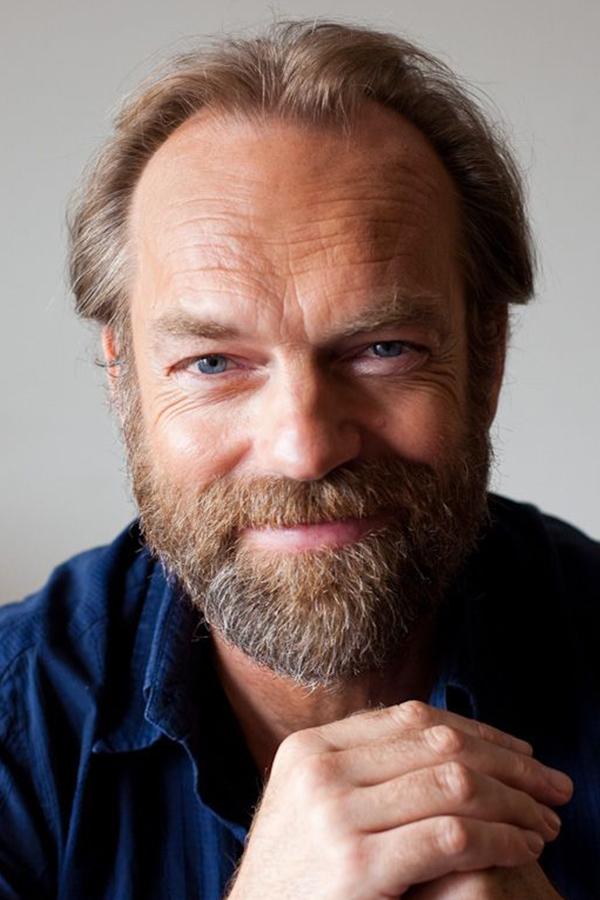
Weaving explained in 2020 that negotiations and enthusiasm gaps kept him from returning as Red Skull after ‘Captain America: The First Avenger’. He described the process as businesslike rather than artistically compelling. Weaving typically chooses projects with deeper collaborative rapport.
Eric Bana
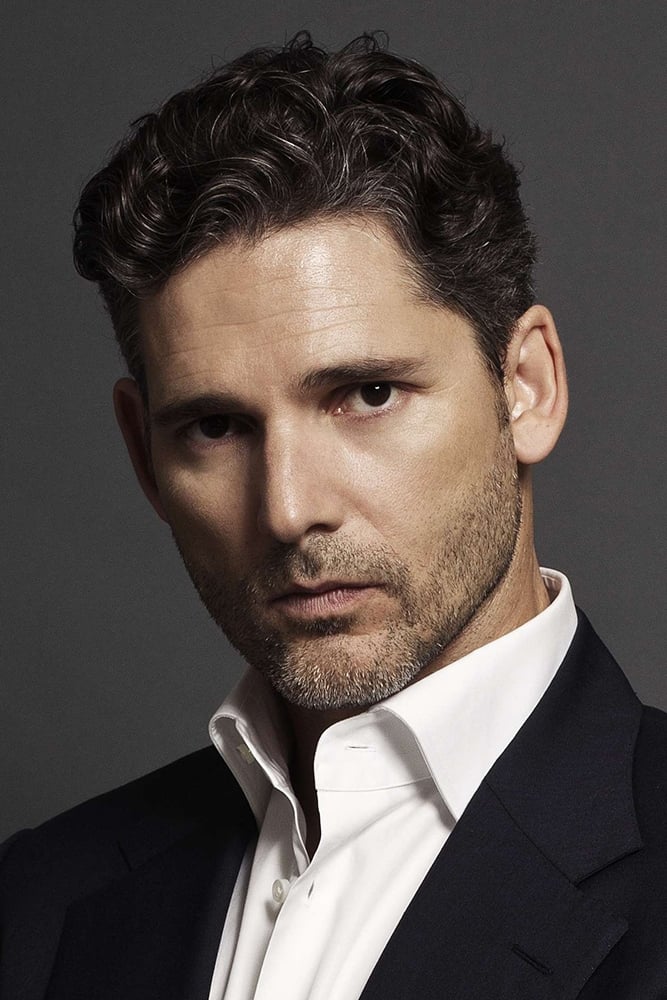
Bana has said the superhero machine didn’t particularly suit him after ‘Hulk’, and he’s not eager to revisit it. He’s implied the process left limited space for the sort of acting he enjoys. Since then, he’s focused on varied roles outside comic-book universes.
Timothée Chalamet
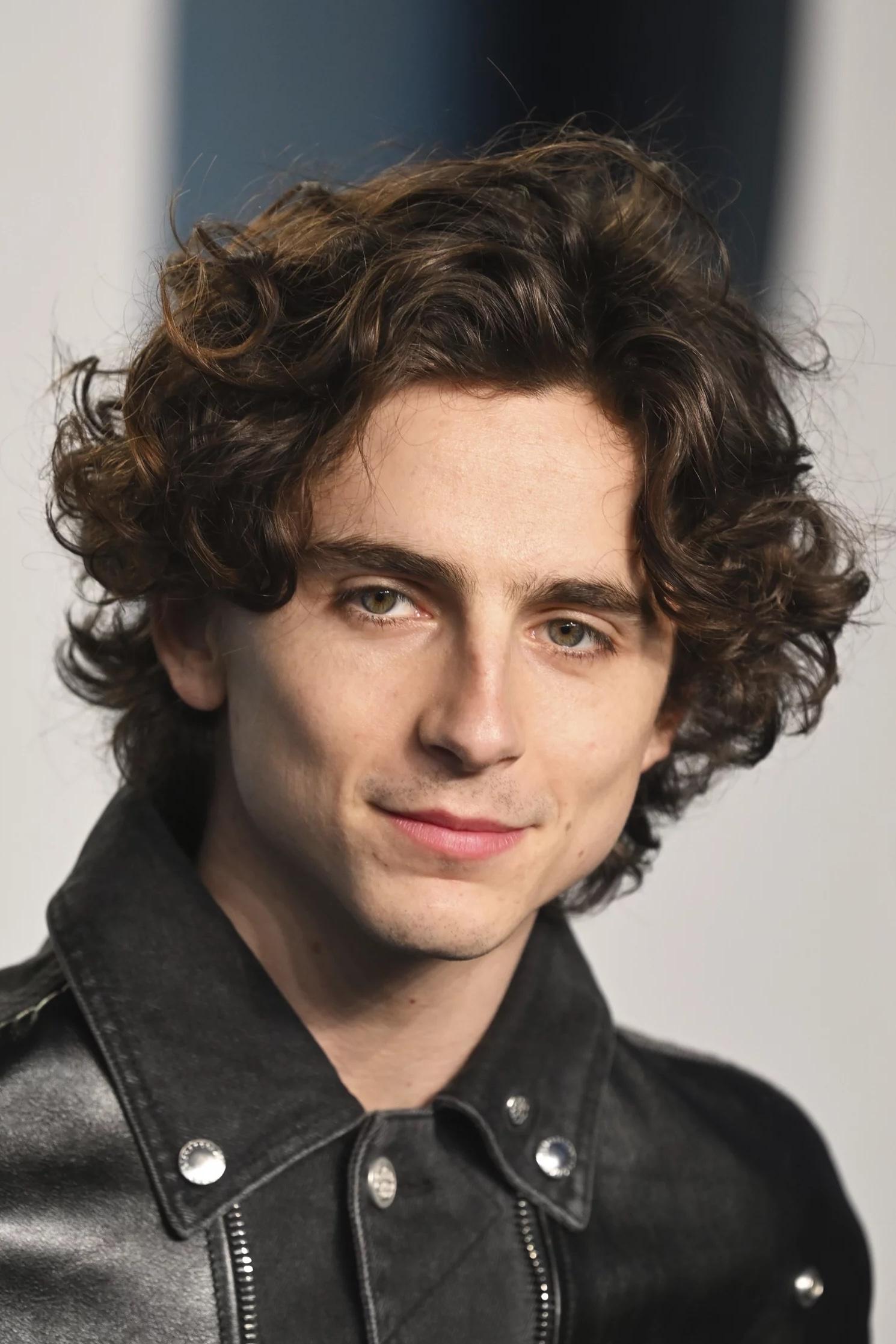
Chalamet has cited career advice he received—famously “no hard drugs and no superhero movies”—as a reminder to be cautious about long franchise locks, a comment he shared widely in 2021. He emphasizes filmmaker-led choices and growth over brand alignment. His slate has stayed anchored in auteur collaborations.
Anthony Hopkins
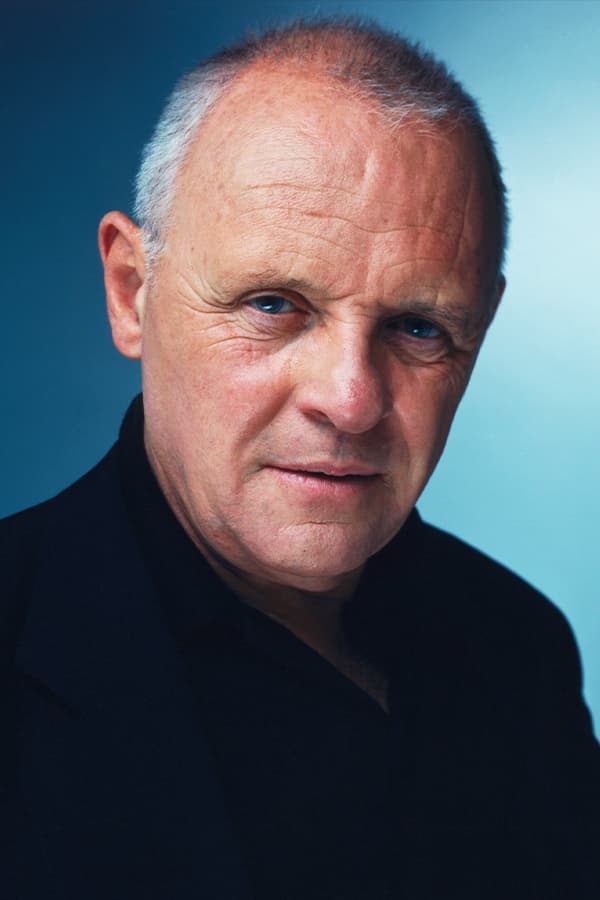
Hopkins has described heavy green-screen work on projects like ‘Thor’ as impersonal, saying it can feel like hitting marks rather than exploring character. He contrasts that with his preference for rehearsal and actor-director exchange. Hopkins tends to favor sets where performance discovery leads.
Shia LaBeouf
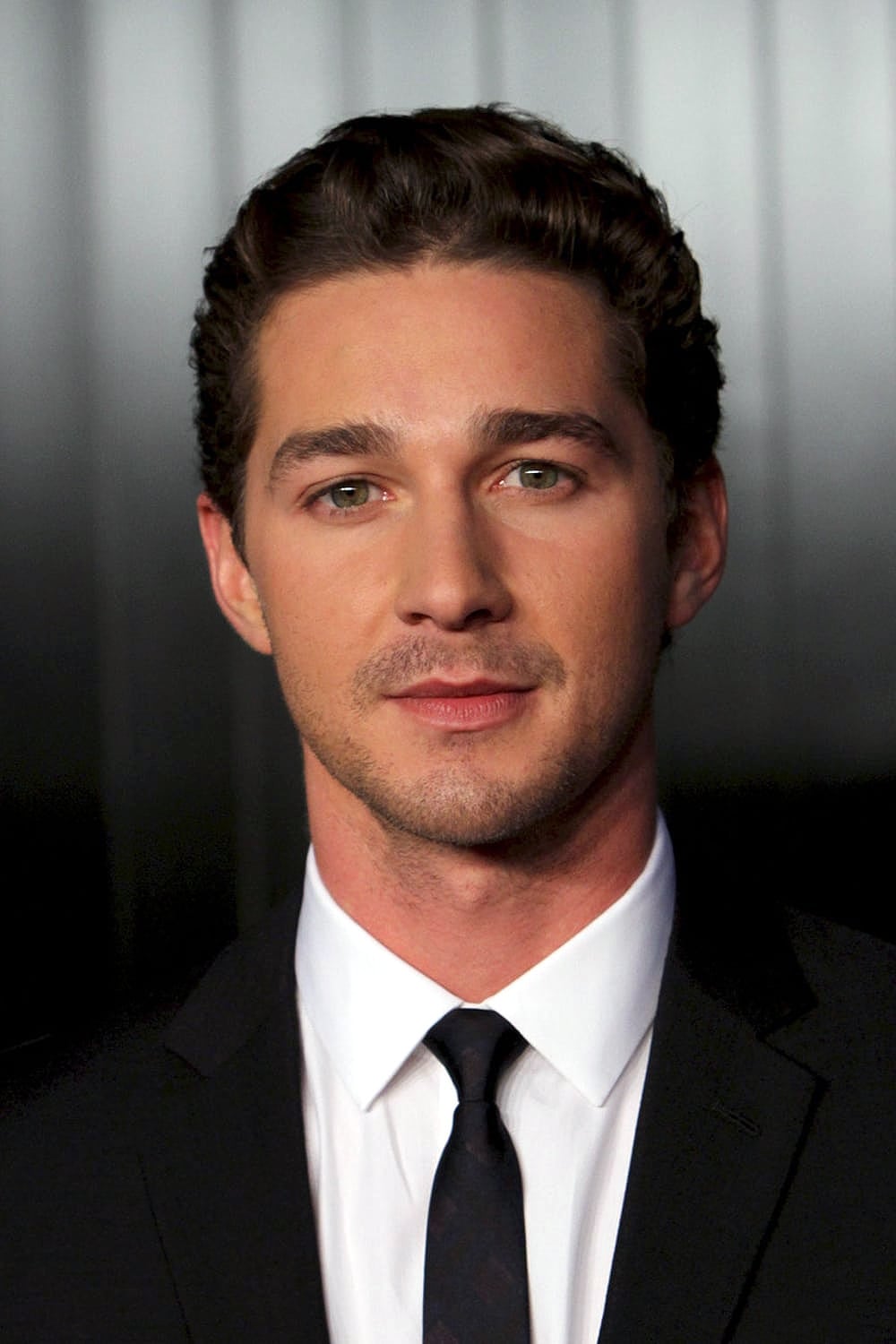
LaBeouf said in 2016 that big superhero franchises weren’t for him, arguing studio safeguards can sand down idiosyncrasy. He prefers riskier, less predictable material. LaBeouf often cites raw, small-scale productions as his creative comfort zone.
Joaquin Phoenix
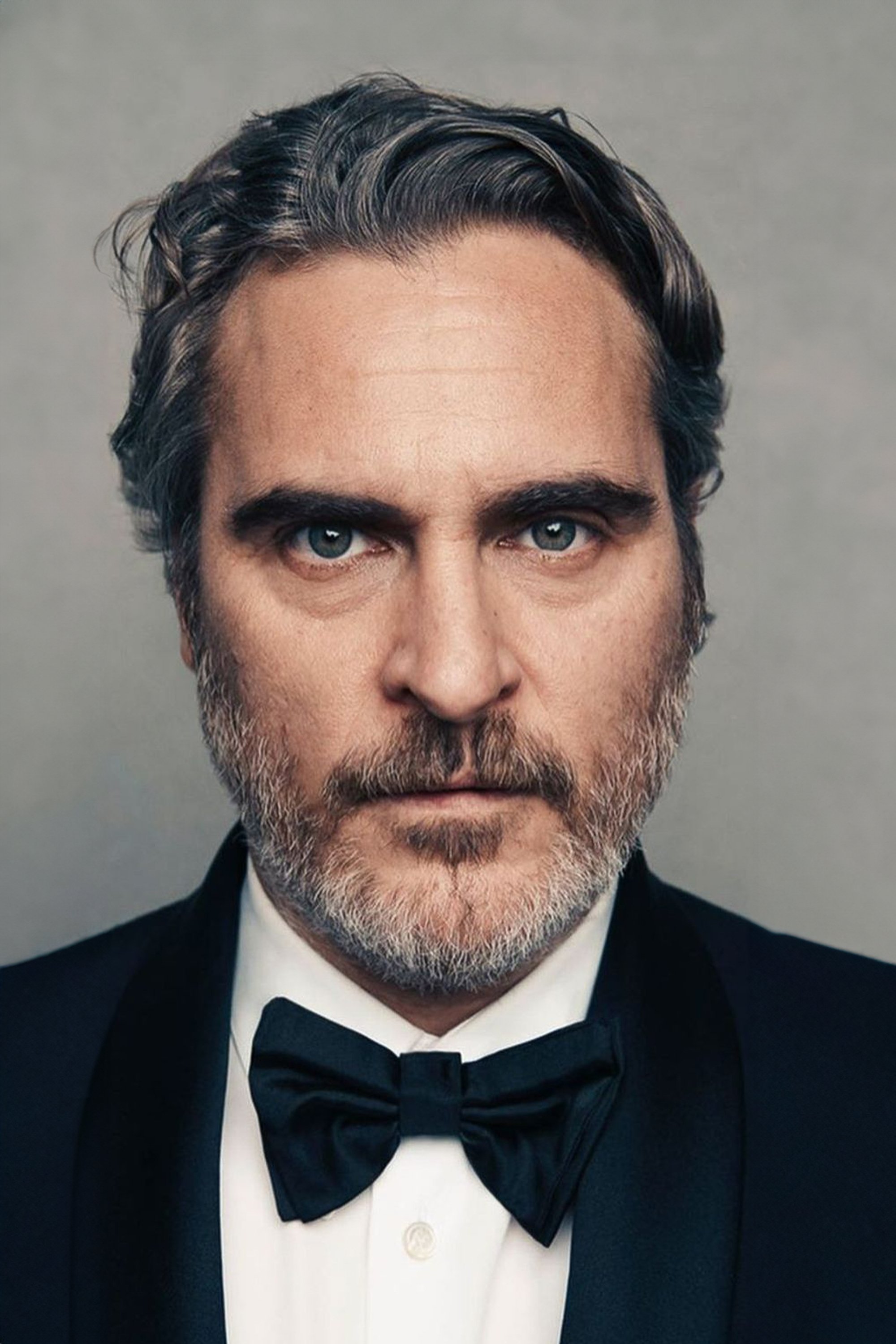
Before taking on ‘Joker’, Phoenix repeatedly said he wasn’t interested in standard superhero fare or multi-film obligations. He pursued ‘Joker’ precisely because it avoided shared-universe rules and let him do a character study. The distinction clarifies that his critique targeted the usual template, not every DC project.
Robert Pattinson

Earlier in his career, Pattinson voiced skepticism about caped-hero projects and the glare of franchise fame. He later chose ‘The Batman’ as a filmmaker-driven, self-contained take, distinguishing it from broader universe commitments. His comments were about timing and creative fit more than blanket refusal.
Mel Gibson
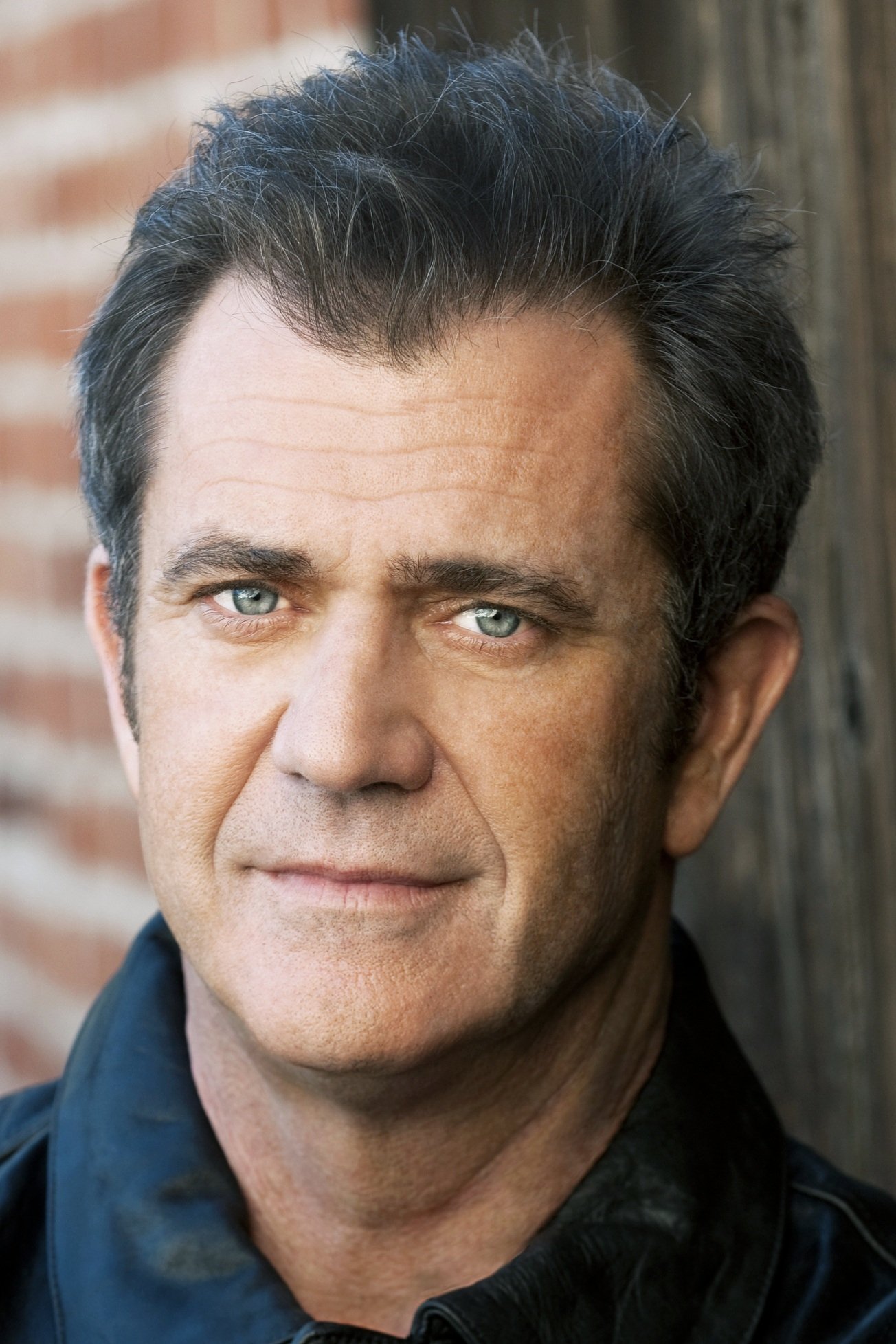
Gibson criticized ballooning superhero budgets in 2016, questioning whether massive spend and CG-heavy violence add meaningful substance. He’s said they’re “not my thing,” preferring classical craft and practical technique. His view underscores a taste for tradition over blockbuster scale.
Simon Pegg
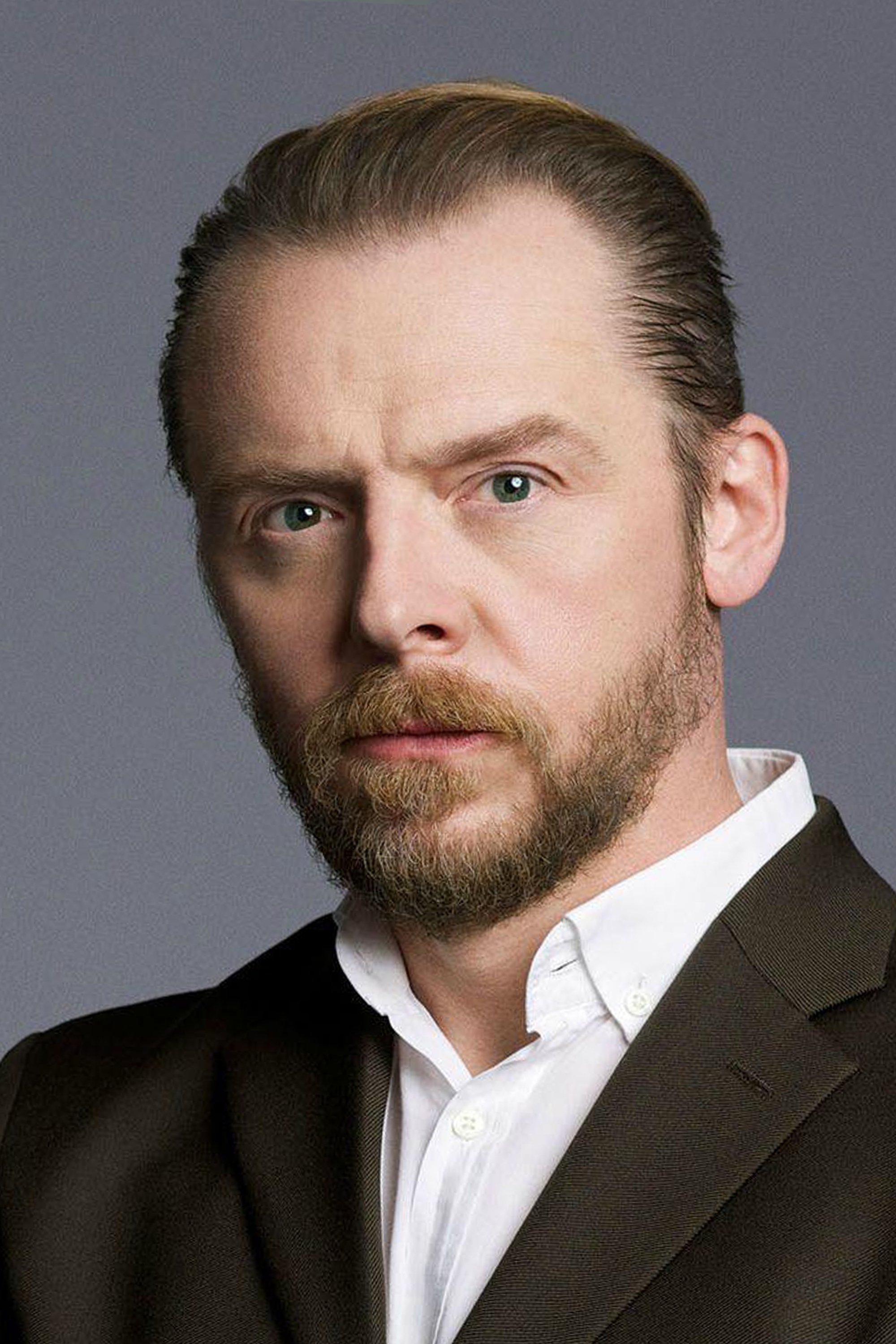
Pegg said in 2015 that pop culture’s fixation on superheroes might be “infantilizing,” though he later softened the stance while still calling for balance. He wants audiences to have a wide menu, not just capes. Pegg’s point is less contempt than cultural variety.
Liam Neeson
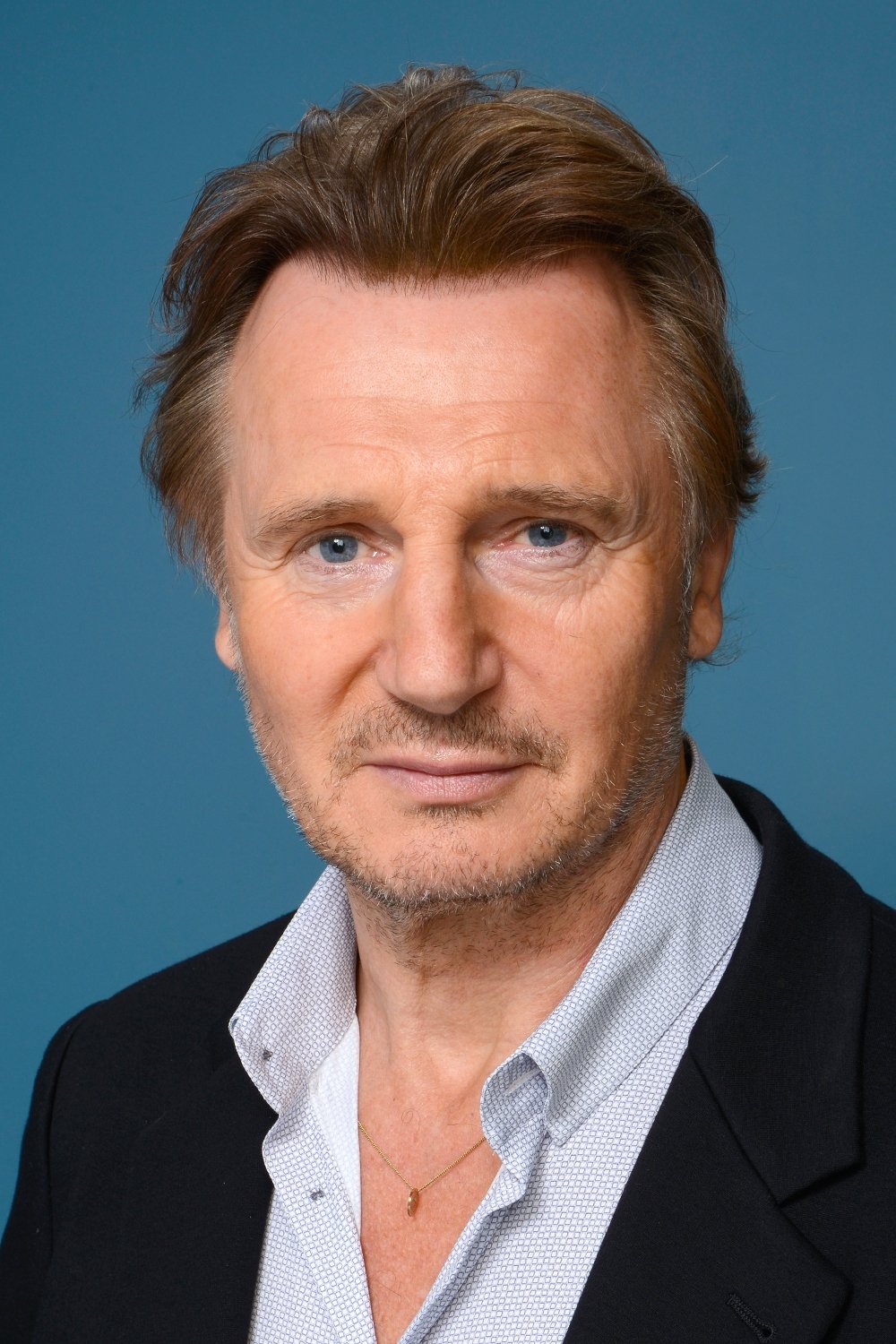
Neeson has said CGI-heavy superhero films don’t appeal to him and he’s not seeking a cinematic-universe role. He’s reiterated that he prefers grounded thrillers and character-driven dramas. It’s a matter of taste, not a crusade against the genre.
Edward Norton
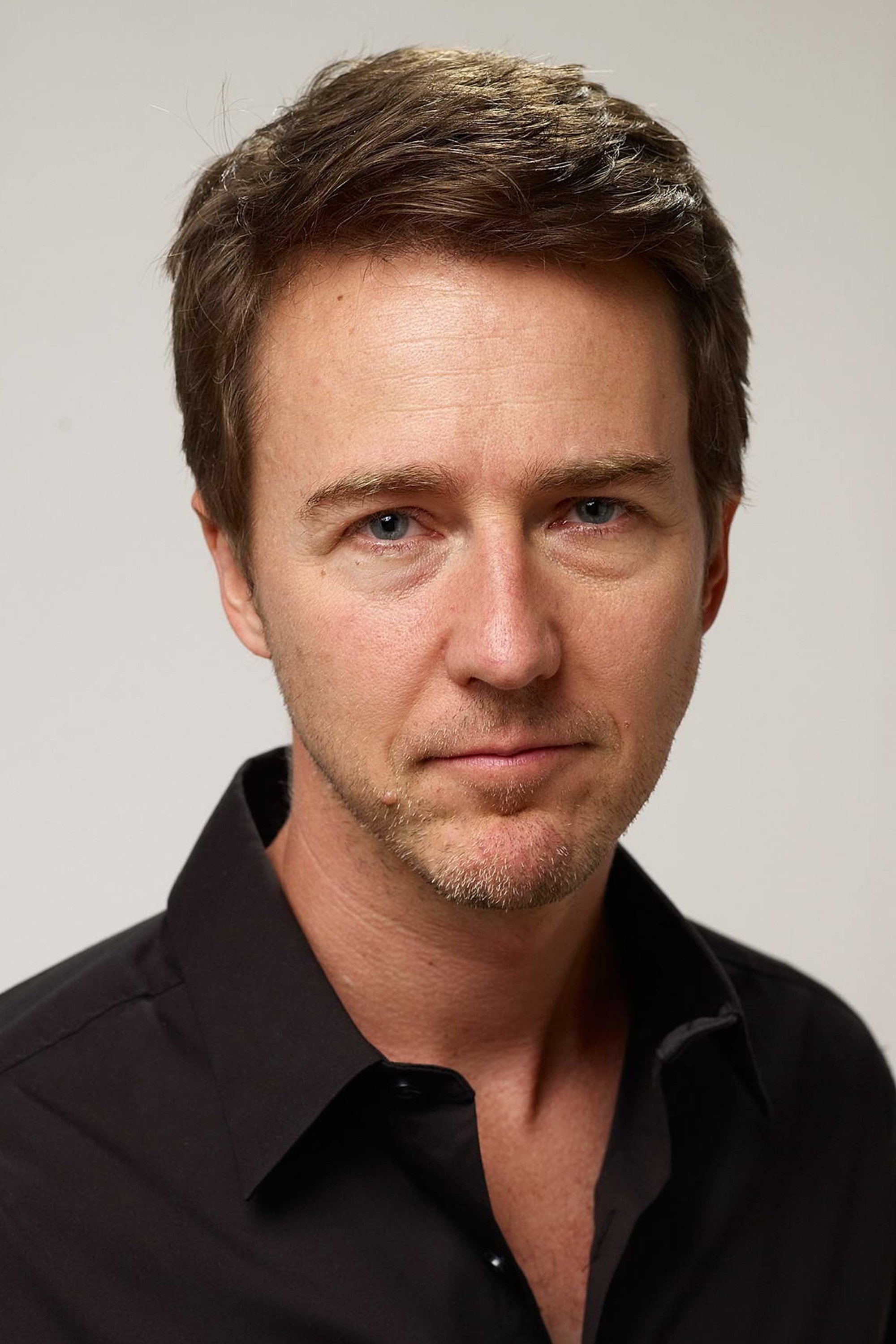
Norton has discussed creative clashes surrounding ‘The Incredible Hulk’, saying franchise frameworks limited the rewriting and experimentation he values. He’s been open about preferring stronger authorship and control. Norton generally looks for arrangements that give actors and writers more say.
Terrence Howard
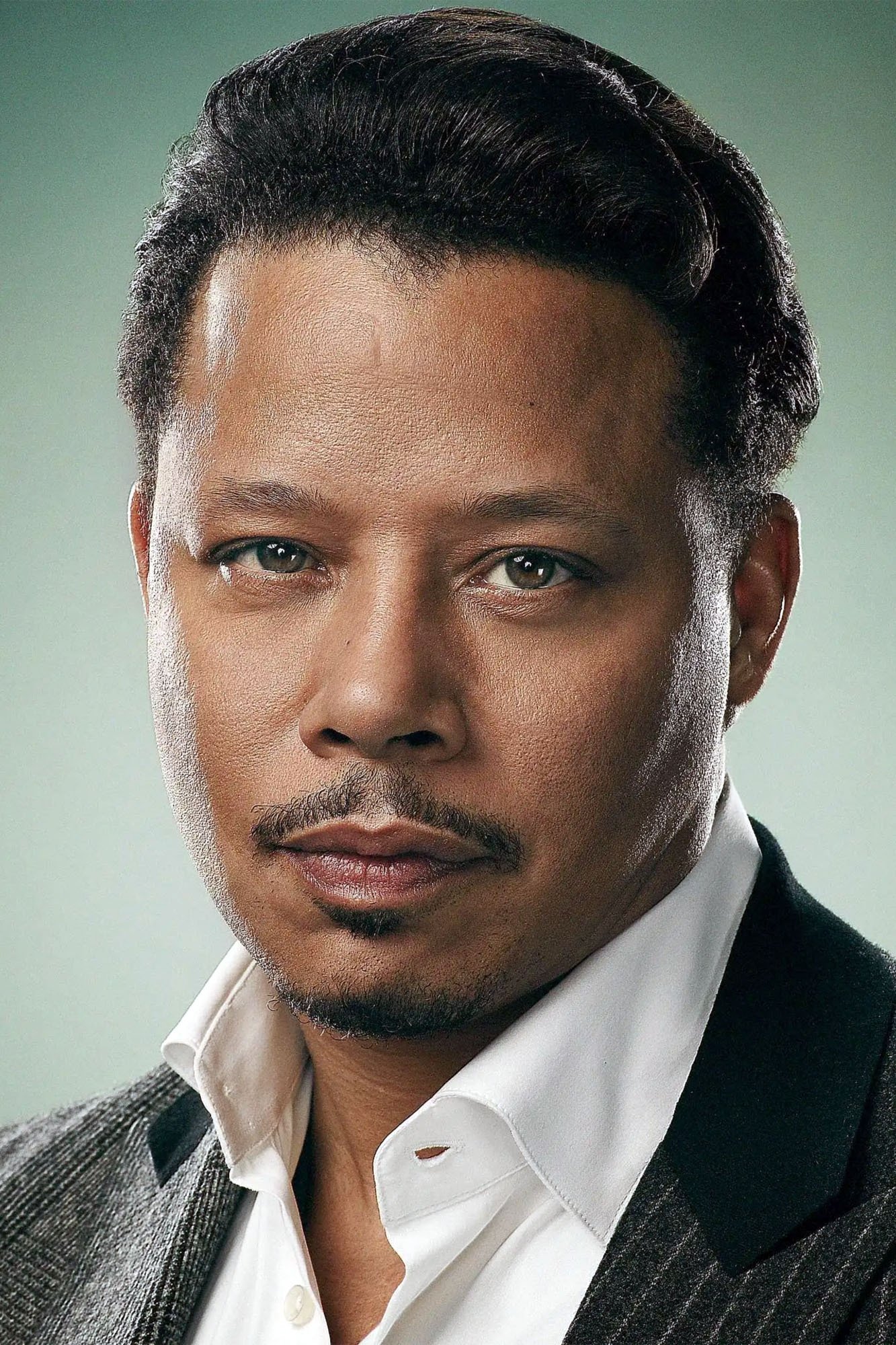
Howard has publicly described compensation and contract disputes tied to ‘Iron Man’, saying the experience soured him on continuing. His critique is about business treatment rather than the stories themselves. He’s used the episode to highlight pay-equity concerns in franchises.
Jessica Chastain

Chastain has said she passed on several superhero roles because they didn’t offer the layered complexity she wanted, even before taking a villain turn in ‘Dark Phoenix’. She’s been vocal about seeking multidimensional parts for women, not just costumes and powers. Chastain tends to choose scripts where motivation drives the plot.
Megan Fox

Fox has remarked that superhero films aren’t her taste and that she doesn’t chase those auditions. She’s said she prefers other genres and character types. Fox frames it as aligning opportunities with her personal interests rather than chasing franchises.
Tell us which quote or stance you found most persuasive—and why—in the comments.

