


Actors Who Hate Superhero Movies

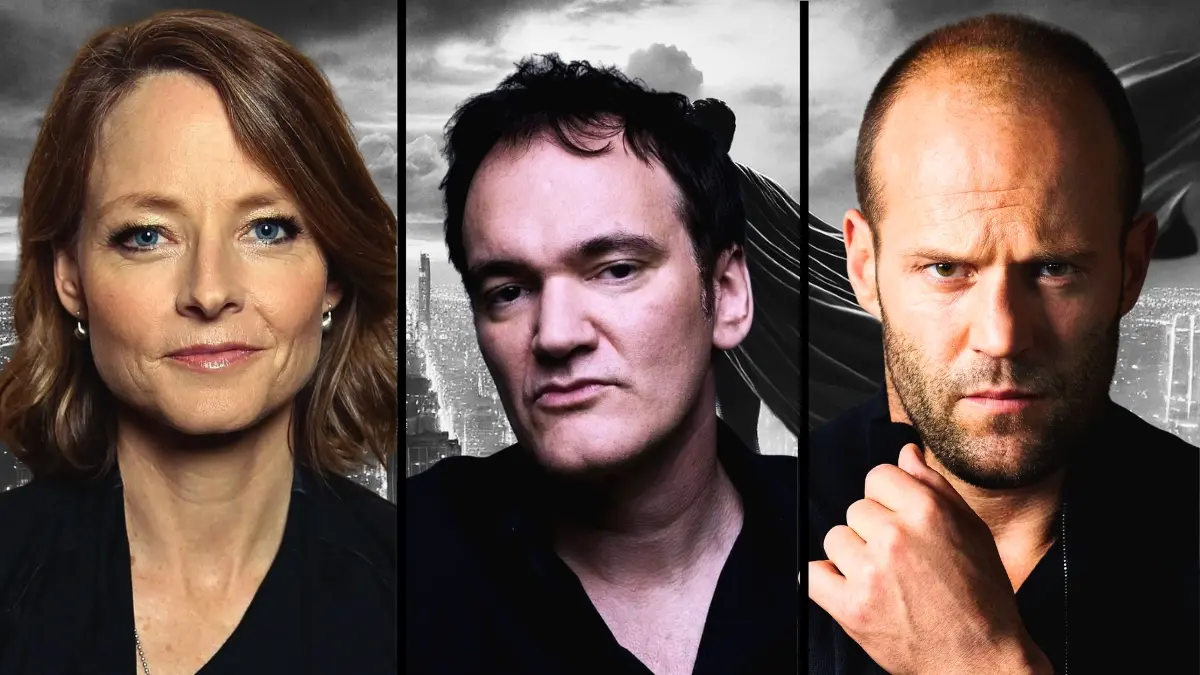


Some big-name actors have publicly pushed back on the superhero boom—criticizing the dominance of caped franchises, green-screen production, multi-film contracts, and how these projects crowd out mid-budget originals. Below are 25 actors who’ve voiced skepticism, frustration, or outright dislike for aspects of the genre, now tightened with clear sourcing lines and concrete references to interviews or public remarks.
Jodie Foster
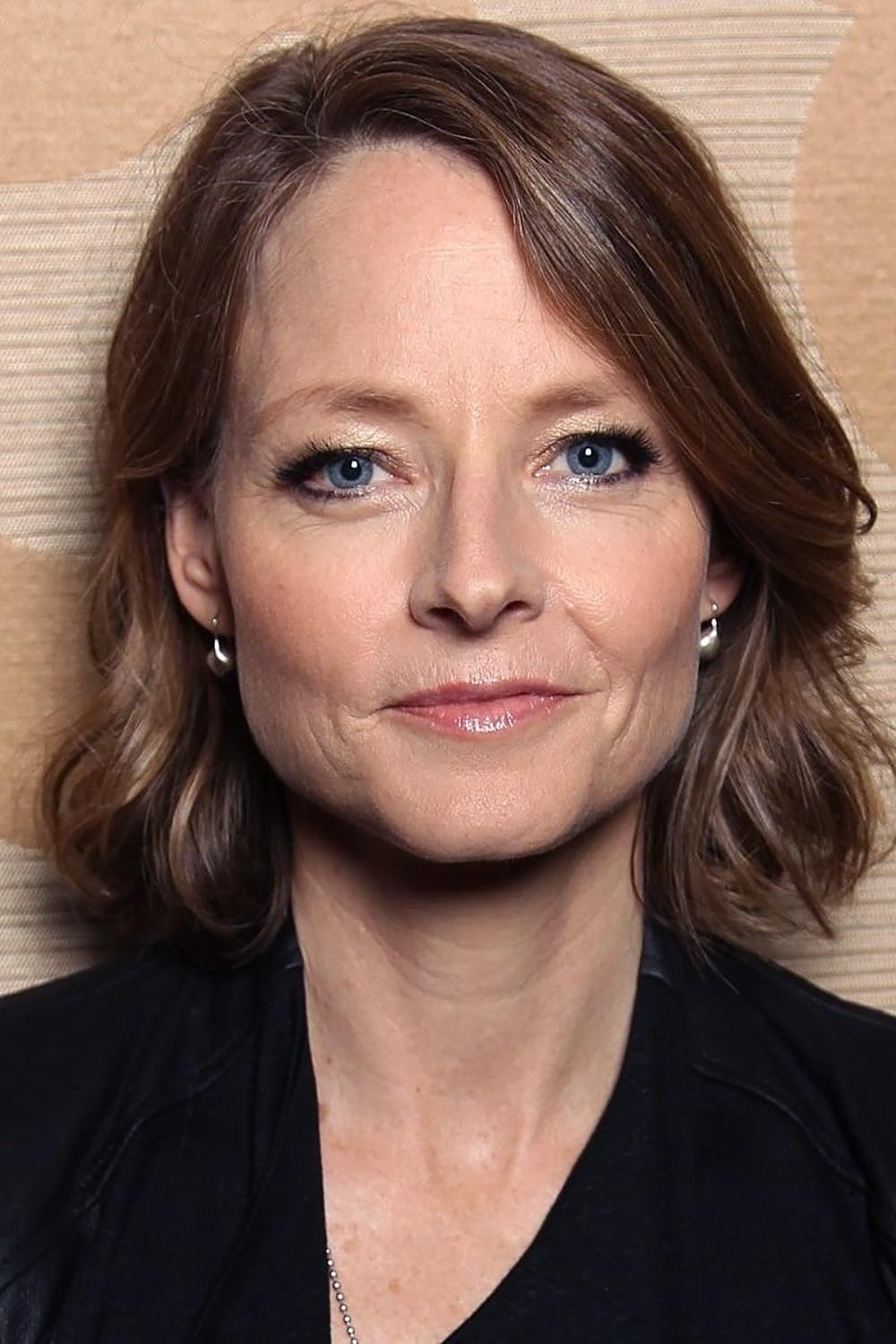
Foster criticized modern studio strategy in a 2017 ‘Radio Times’ interview, comparing superhero blockbusters to a destructive industrial model and warning about warped audience habits. She reiterated the concern in subsequent press pick-ups, saying big effects-driven films can crowd out originals. Her comments centered on the business model behind tentpoles rather than any single title.
Mel Gibson
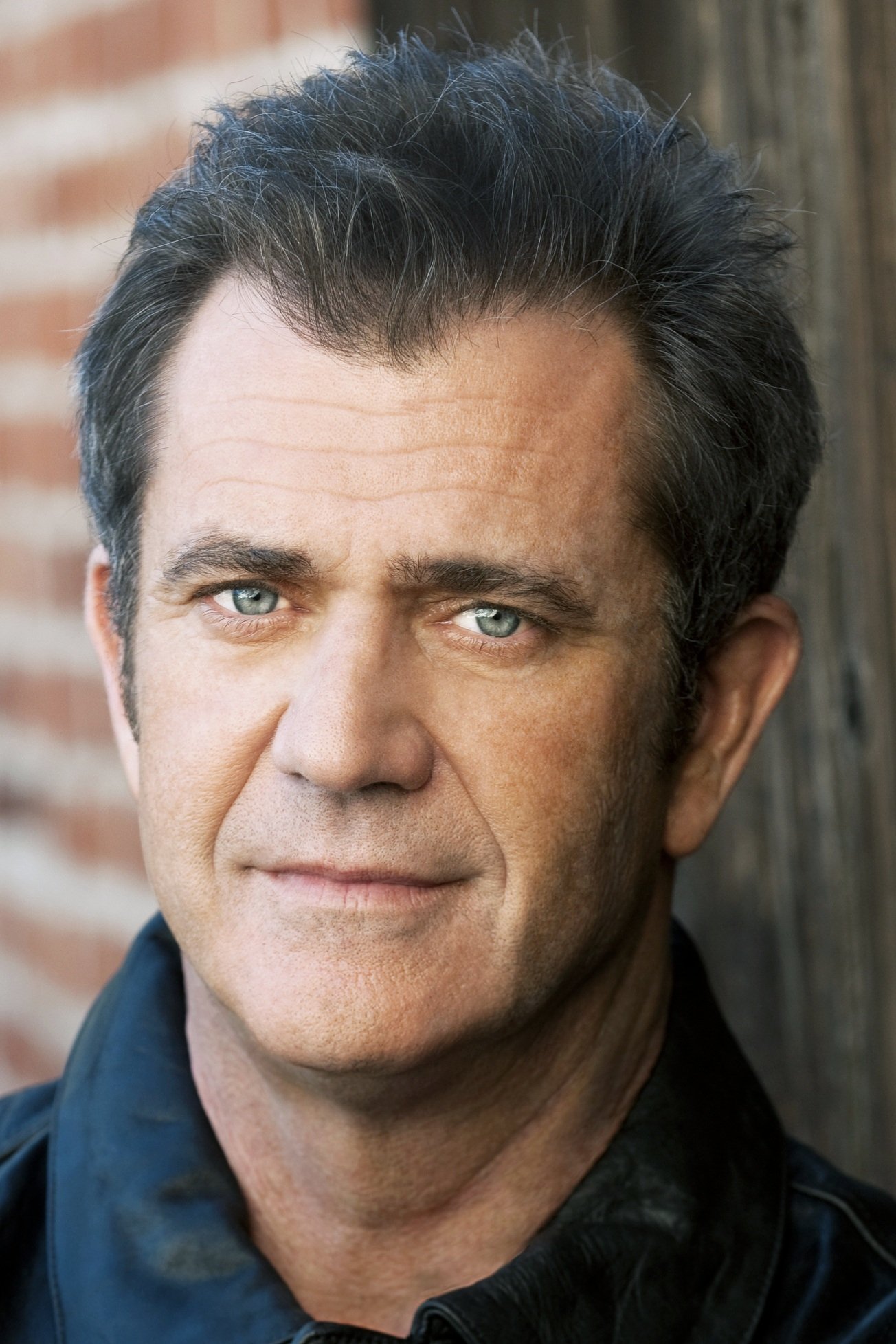
During ‘Hacksaw Ridge’ press in 2016, Gibson questioned superhero budgets and the handling of violence in the genre in interviews widely cited at the time. He contrasted large-scale spectacle with character-led stakes, suggesting the resources could be better used. He later acknowledged conversations about franchise work while maintaining the same reservations.
Stephen Dorff
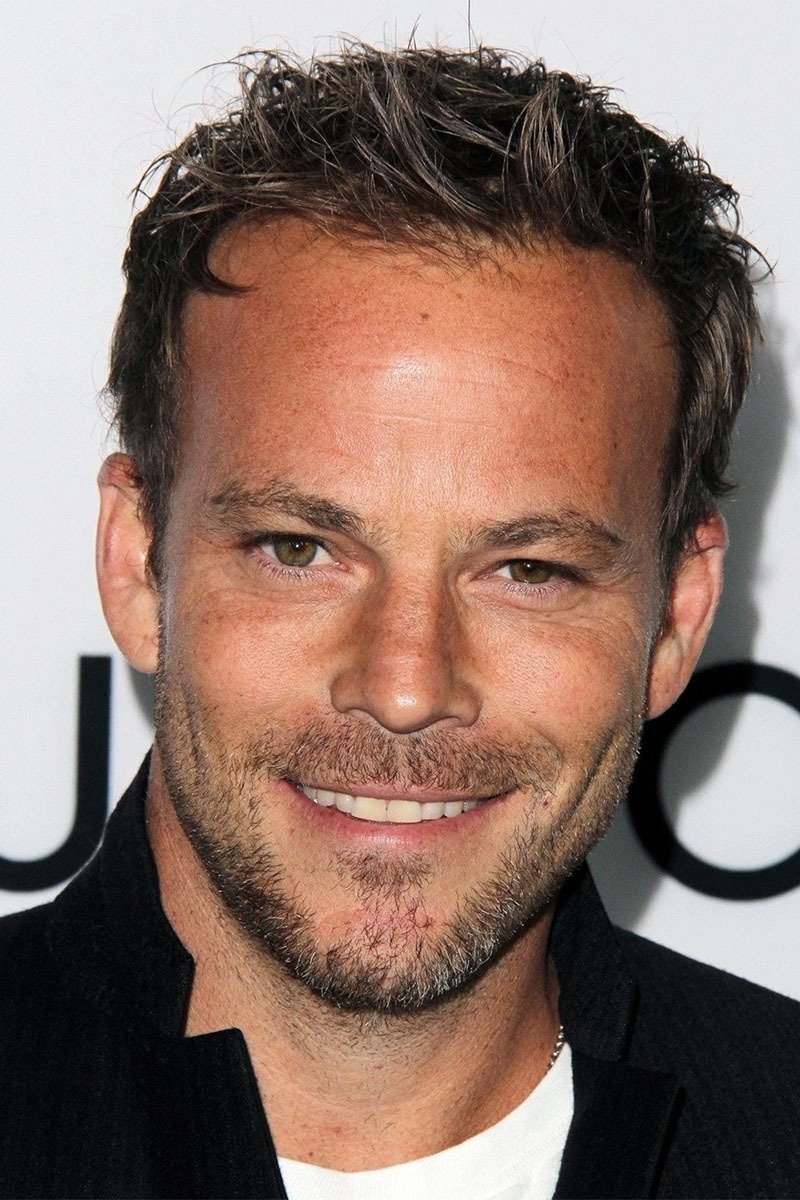
Dorff has repeatedly dismissed recent cape films—calling many of them “garbage” in 2021–2023 interviews, including one with ‘The Independent’. He contrasted newer entries with the tone of ‘Blade’, where he played the villain, and said he seeks edgier, director-driven material. His remarks often highlight script quality and originality.
Mickey Rourke
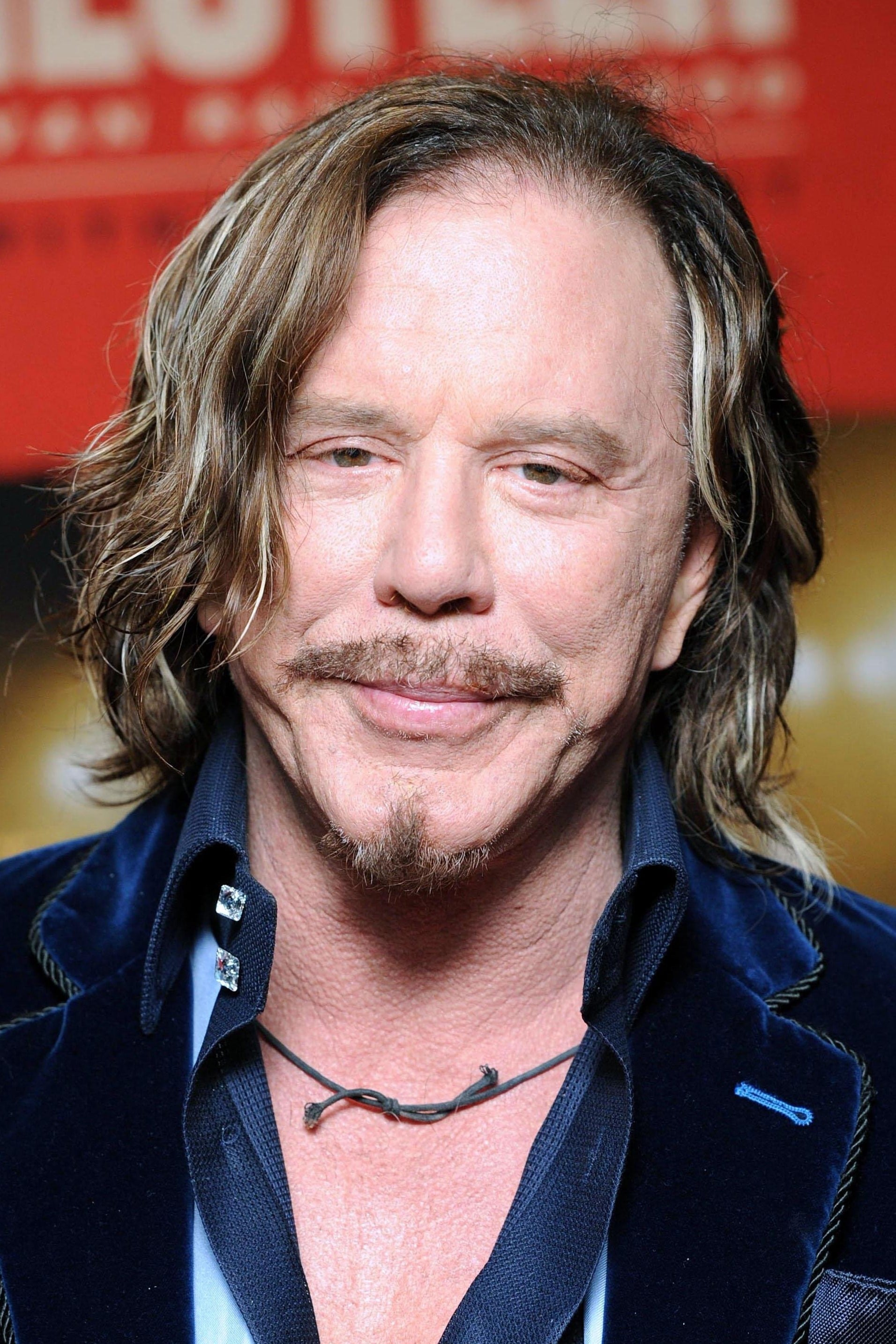
Rourke said Marvel cut character-building scenes from his performance in ‘Iron Man 2’, souring him on the experience, in early-2010s interviews later revisited in 2021 coverage. He contrasted what he filmed with what he felt survived in the final cut. He’s used that experience as an example of performance getting sidelined in effects-heavy projects.
Simon Pegg
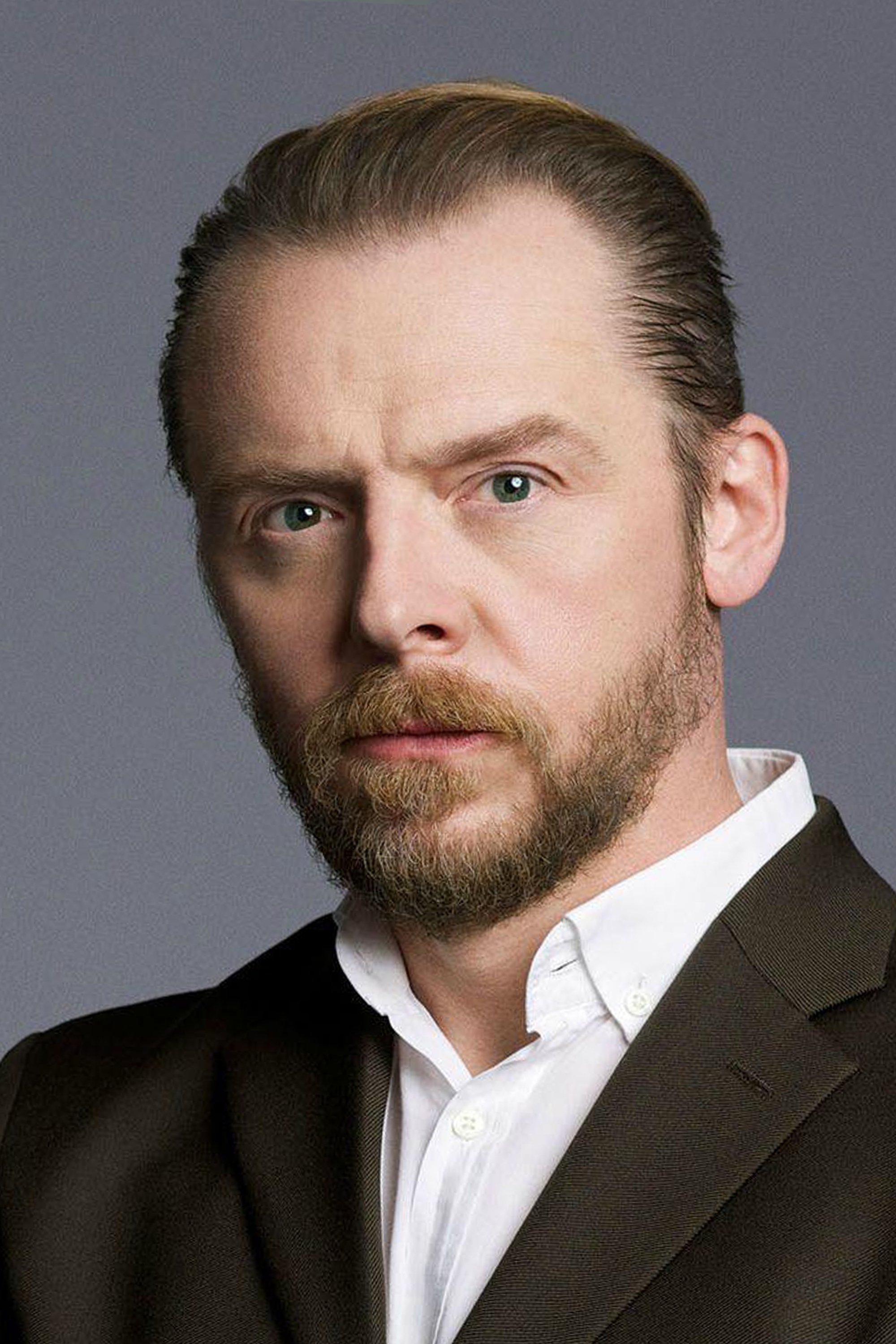
Pegg remarked in mid-2010s interviews that the culture had tilted toward franchise “geek” entertainment, citing superhero dominance as part of the shift. He later clarified he still enjoys some entries but worries about balance in mainstream cinema. He framed the issue as variety and the shrinking space for mid-budget originals.
Jason Statham
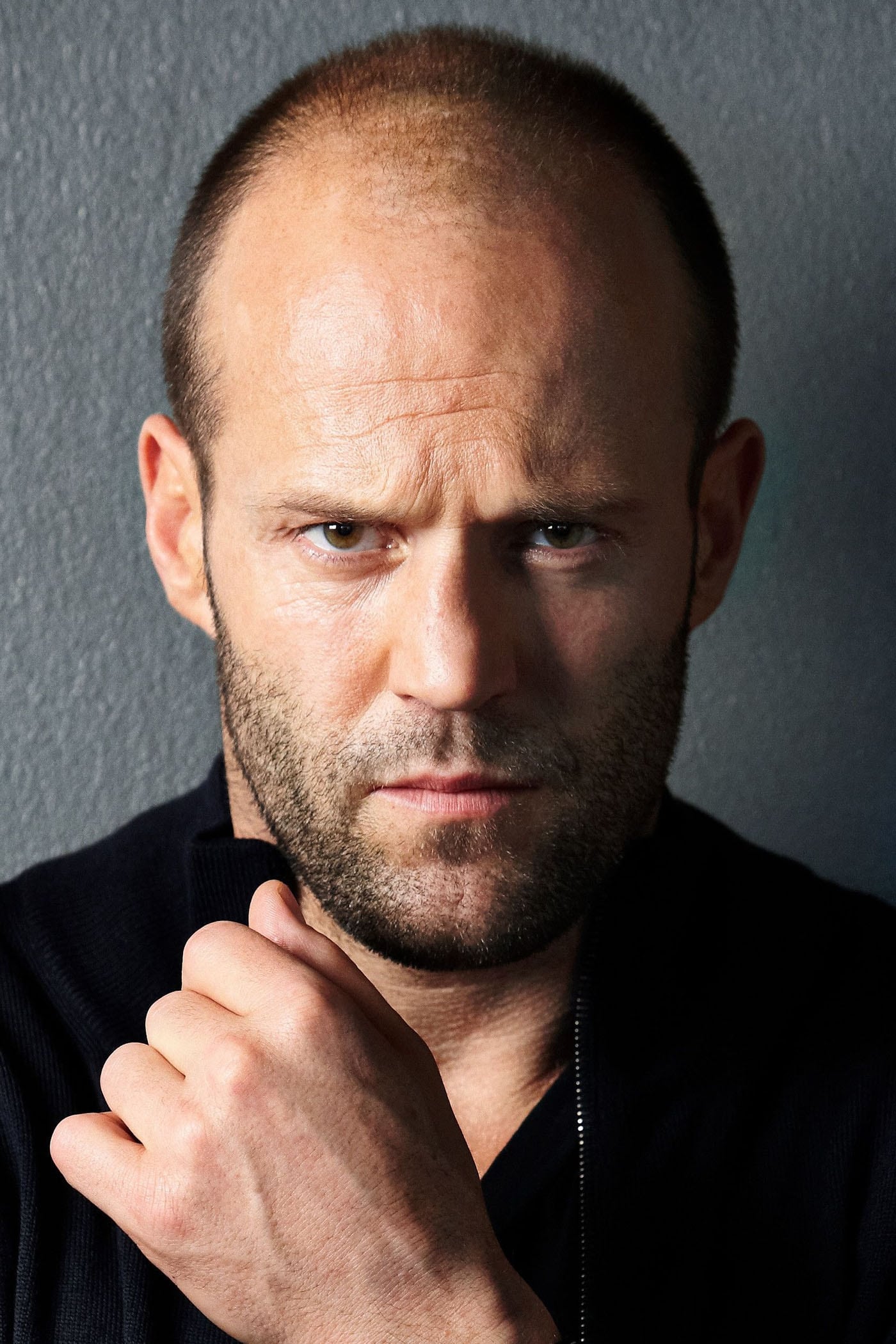
Statham has said in interviews that heavy wirework and CG in superhero films aren’t his style, emphasizing practical stunts and grounded choreography. He’s contrasted his approach with effects-driven action common in the genre. That preference explains why he has largely stayed outside caped franchises.
Jennifer Aniston
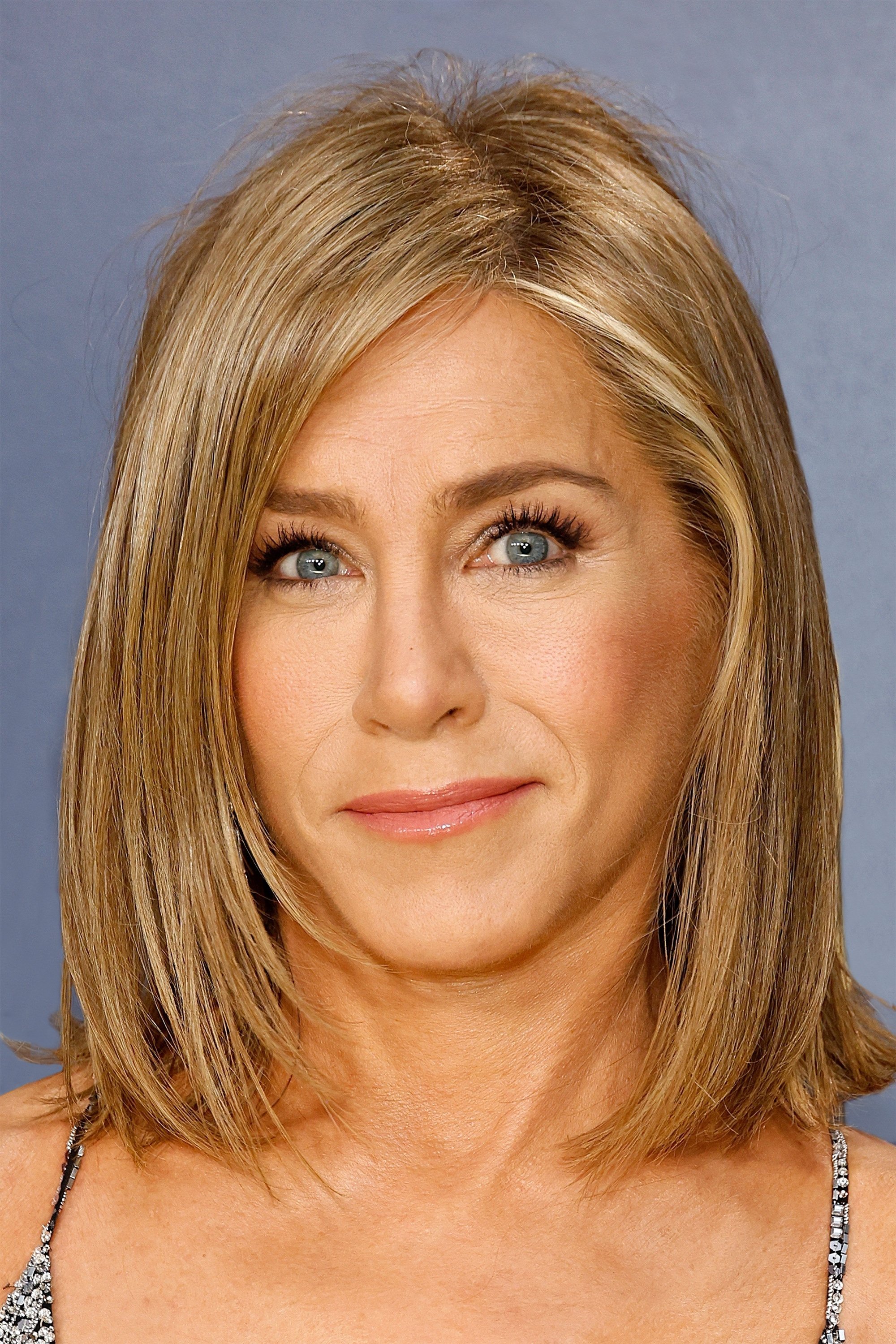
Aniston told trade outlets in late-2010s interviews that franchise spectacles—including superhero films—have squeezed out mid-budget comedies and dramas. She said she prefers character-driven projects to large green-screen productions. Her concern is about marketplace diversity and theatrical space for smaller films.
John Cusack
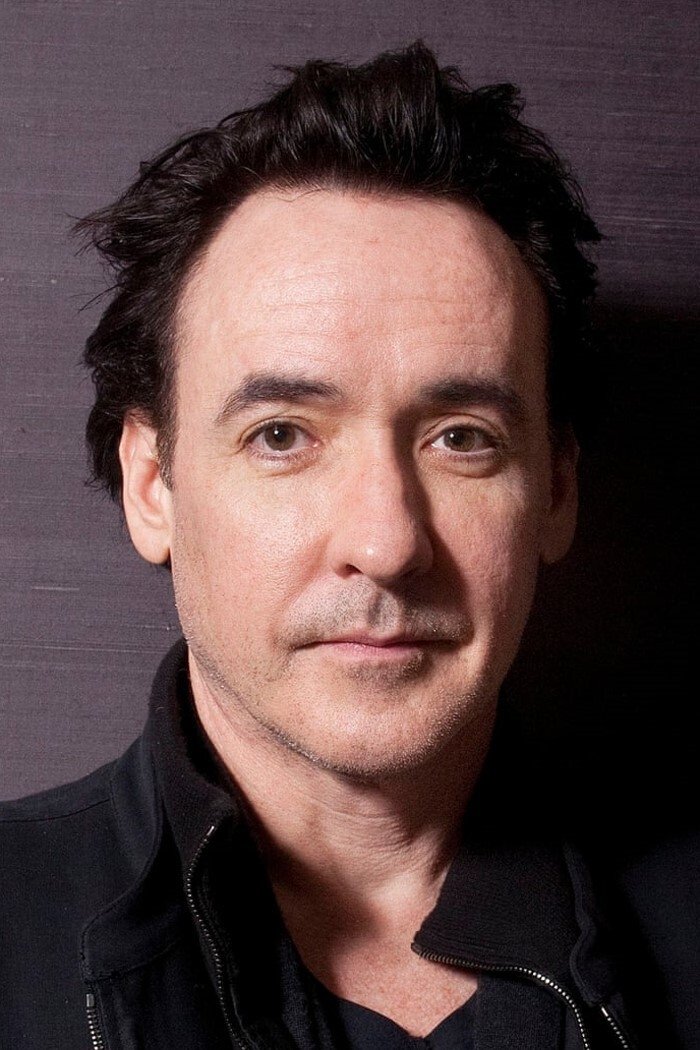
Cusack has criticized Hollywood’s fixation on IP, saying superhero franchises push aside adult dramas and socially engaged stories. His interviews link corporate priorities to what audiences get to see. He’s repeatedly advocated for risk-taking over brand-driven slates.
Ethan Hawke
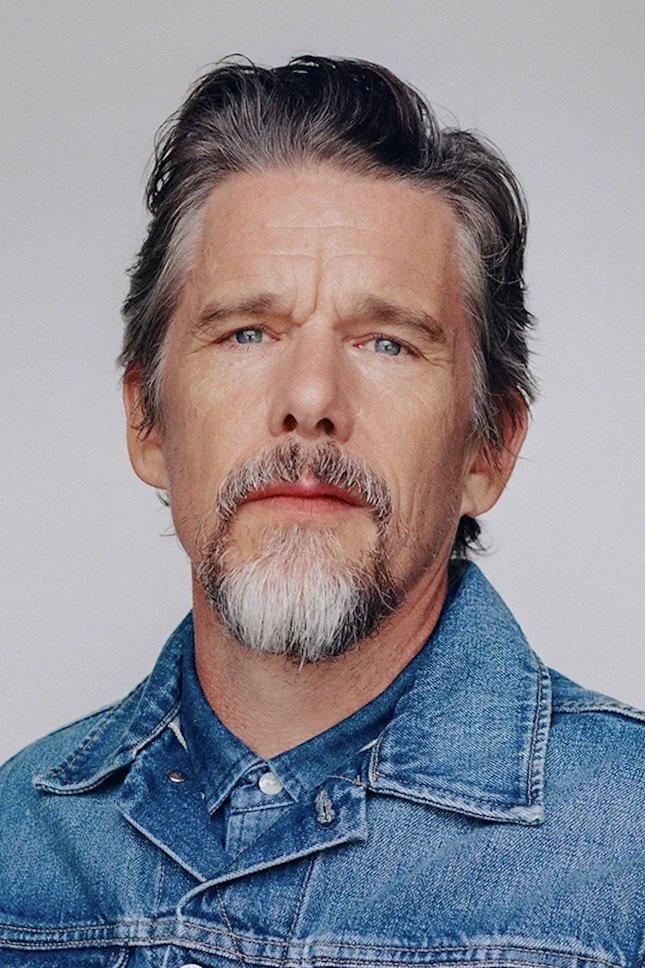
Hawke argued in 2018 interviews that popularity doesn’t automatically equal great art, using a hit superhero film as an example of how genre ceilings can limit assessment. He has said comic-book films can be good at what they do while remaining constrained by formulas. His framing is about standards and categories rather than box-office success.
Keira Knightley

Knightley has said in interviews that many superhero scripts she saw offered thin roles for women, which made them less appealing. She emphasized looking for richer character material. Her critique focuses on what the parts give actors to play.
Shia LaBeouf
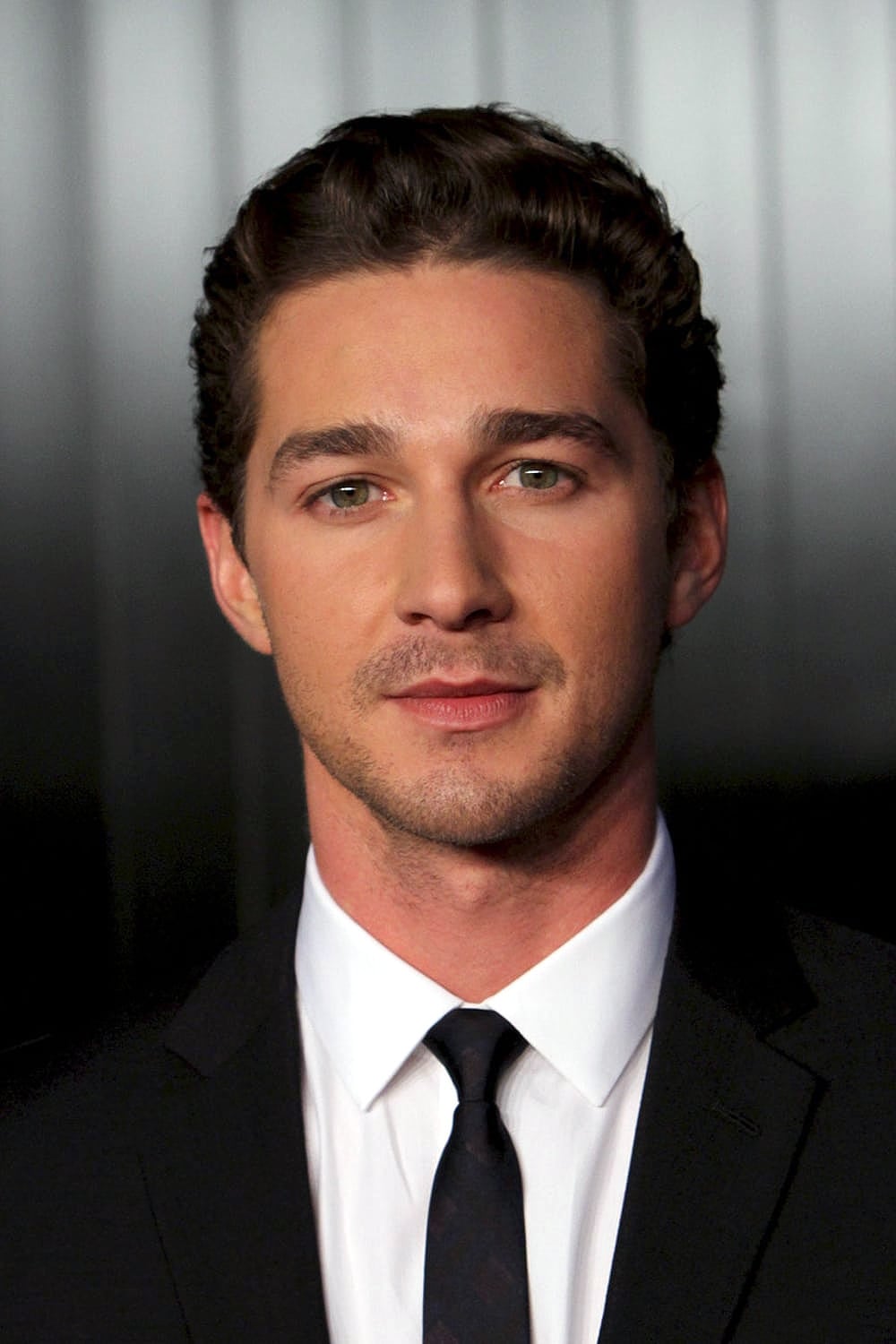
LaBeouf has stated that massive franchise machinery can dilute personal expression, which is why he avoids superhero offers. He’s said the process leaves little room for experimentation. That stance aligns with his move toward smaller, director-driven projects.
Quentin Tarantino
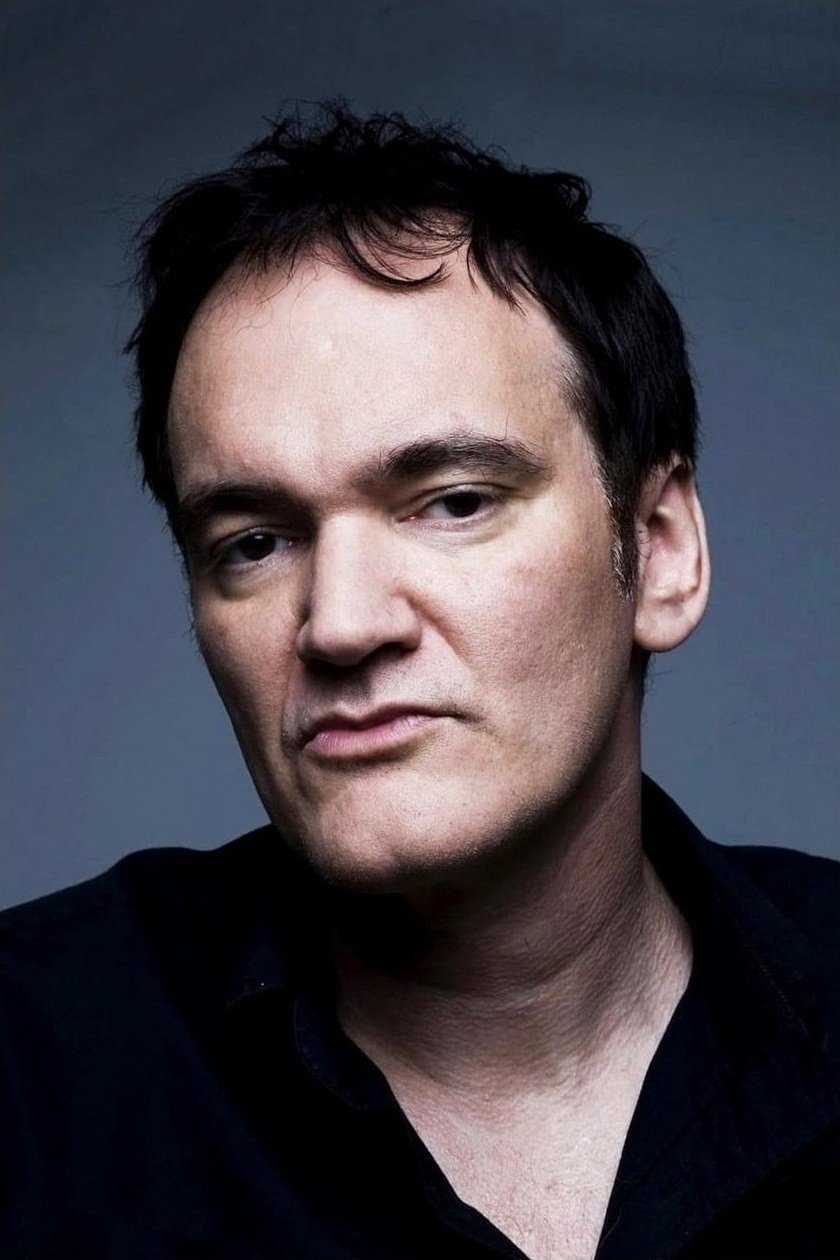
Tarantino has said in widely circulated 2022 interviews and podcasts that the era elevates brands over performers, with superhero characters overshadowing the actors. He’s been explicit that he has no interest in making one. His comments are about star power shifting to IP.
Hugo Weaving
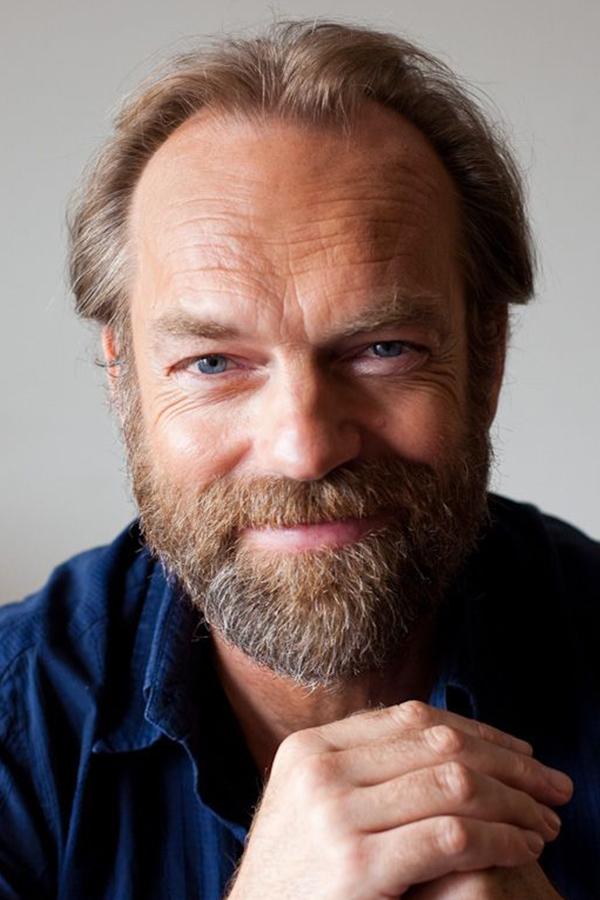
Weaving has described stalled negotiations and limited appeal in repeating his effects-heavy villain role from ‘Captain America: The First Avenger’ in later interviews. He cited contract issues and creative satisfaction as reasons for not returning. His remarks focus on process rather than the character.
John Boyega
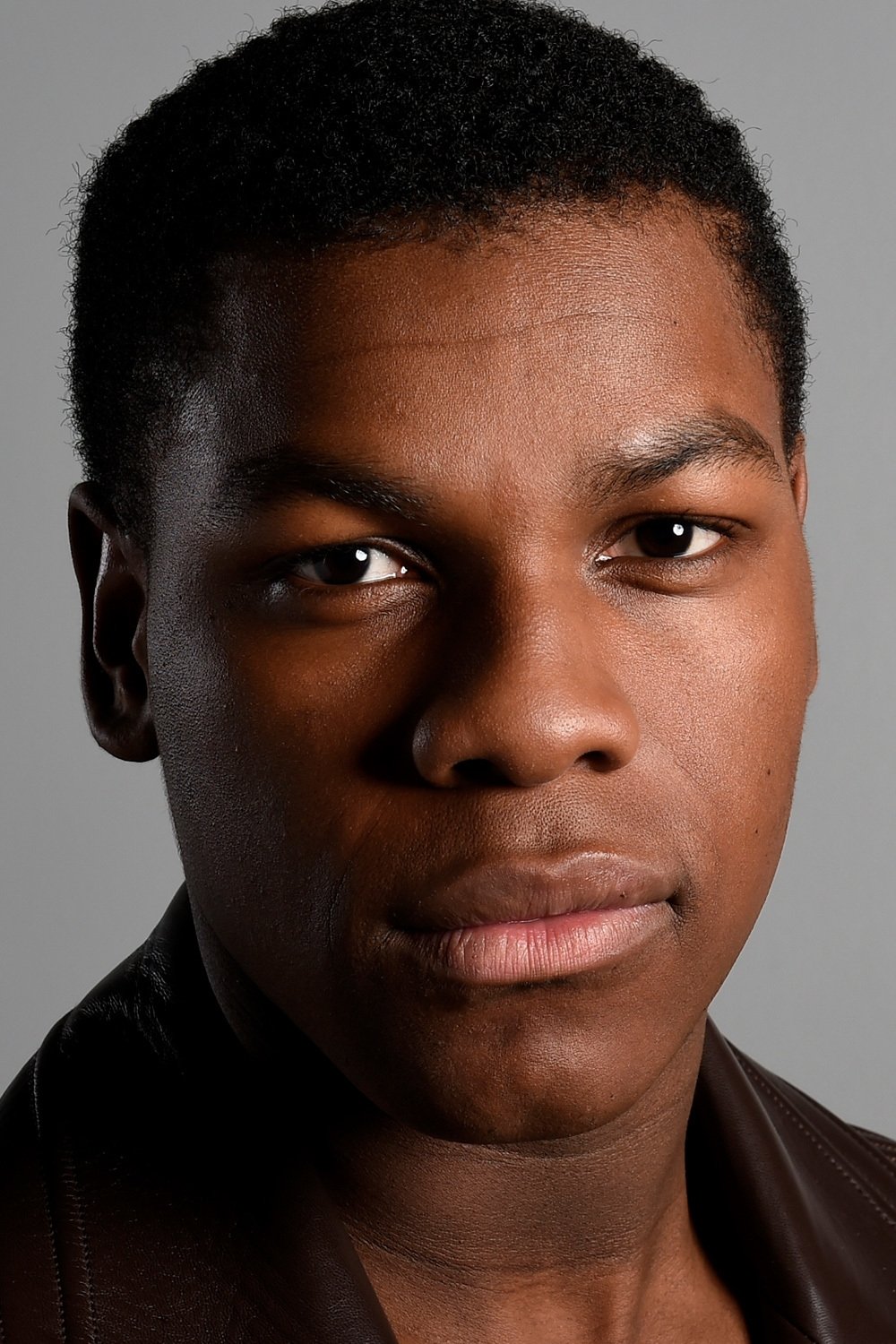
Boyega has said in interviews that he isn’t pursuing superhero roles, emphasizing loyalty to original, filmmaker-led stories. He’s repeatedly signaled he prefers fresh material to extended universes. Asked about joining a cape franchise, he has politely waved it off.
Kirsten Dunst
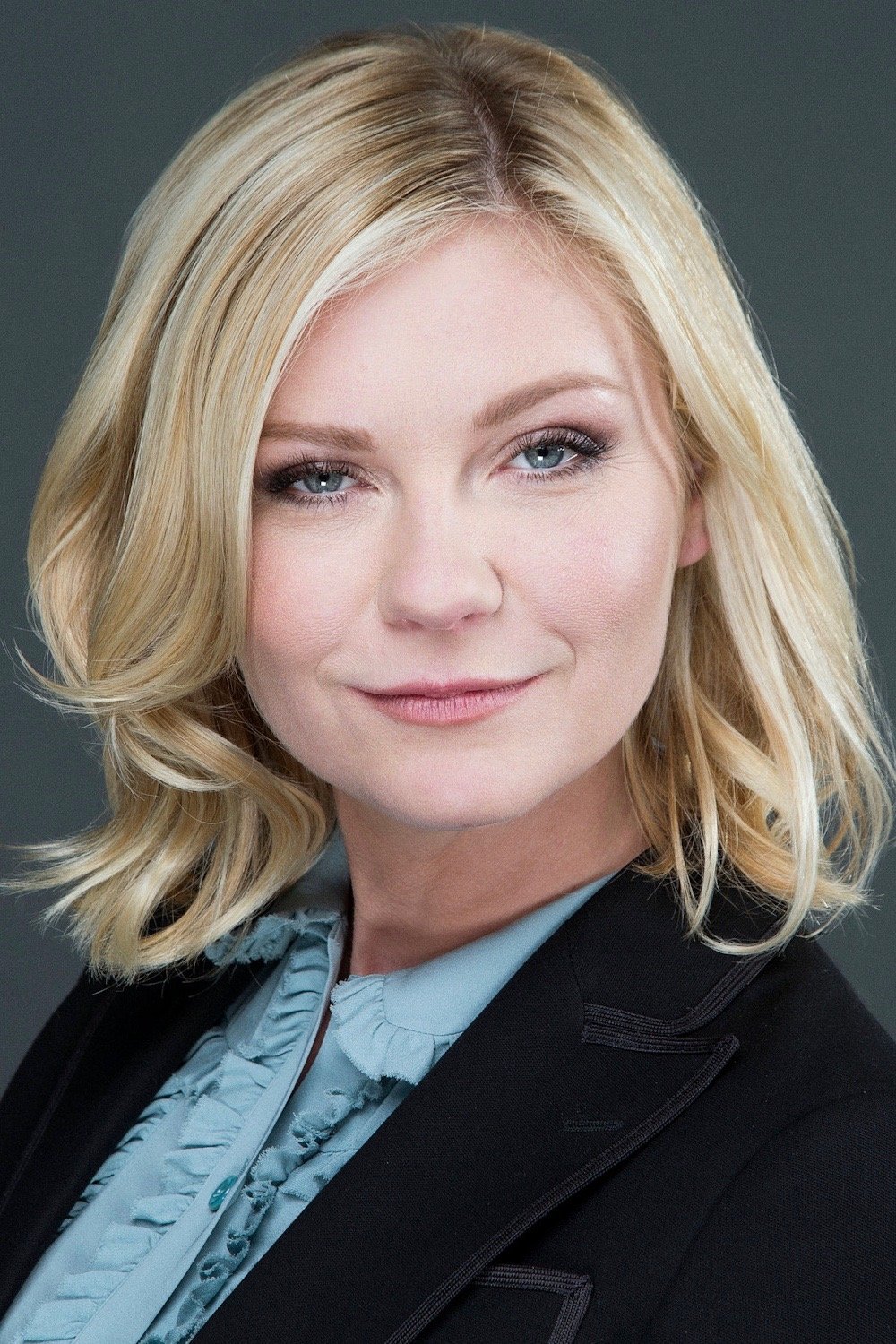
Dunst has criticized the churn of reboots and franchise repetition in interviews, pointing to new versions of stories she already made. She said studios lean too heavily on brands instead of fresh material. She’s still expressed pride in earlier work like ‘Spider-Man’ while noting remake fatigue.
Emma Thompson
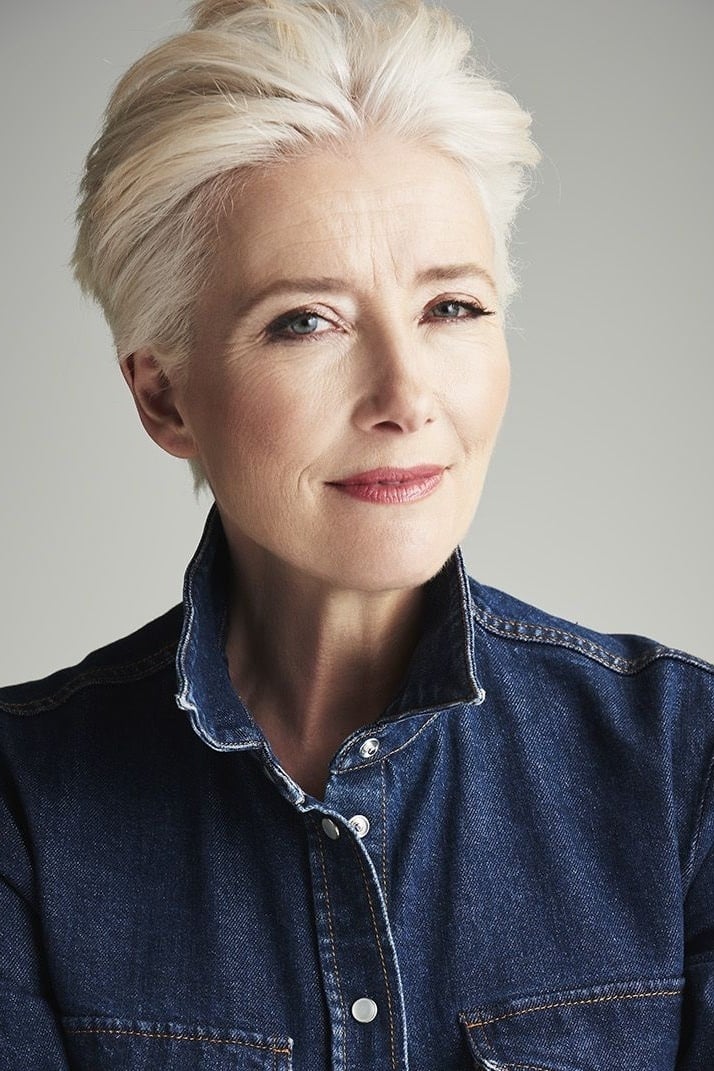
Thompson has argued in interviews that franchise dominance squeezes out mid-range scripts and adult stories. She said the economic model favors familiar IP over originality. Her critique centers on the health of the overall film ecosystem.
Sean Penn
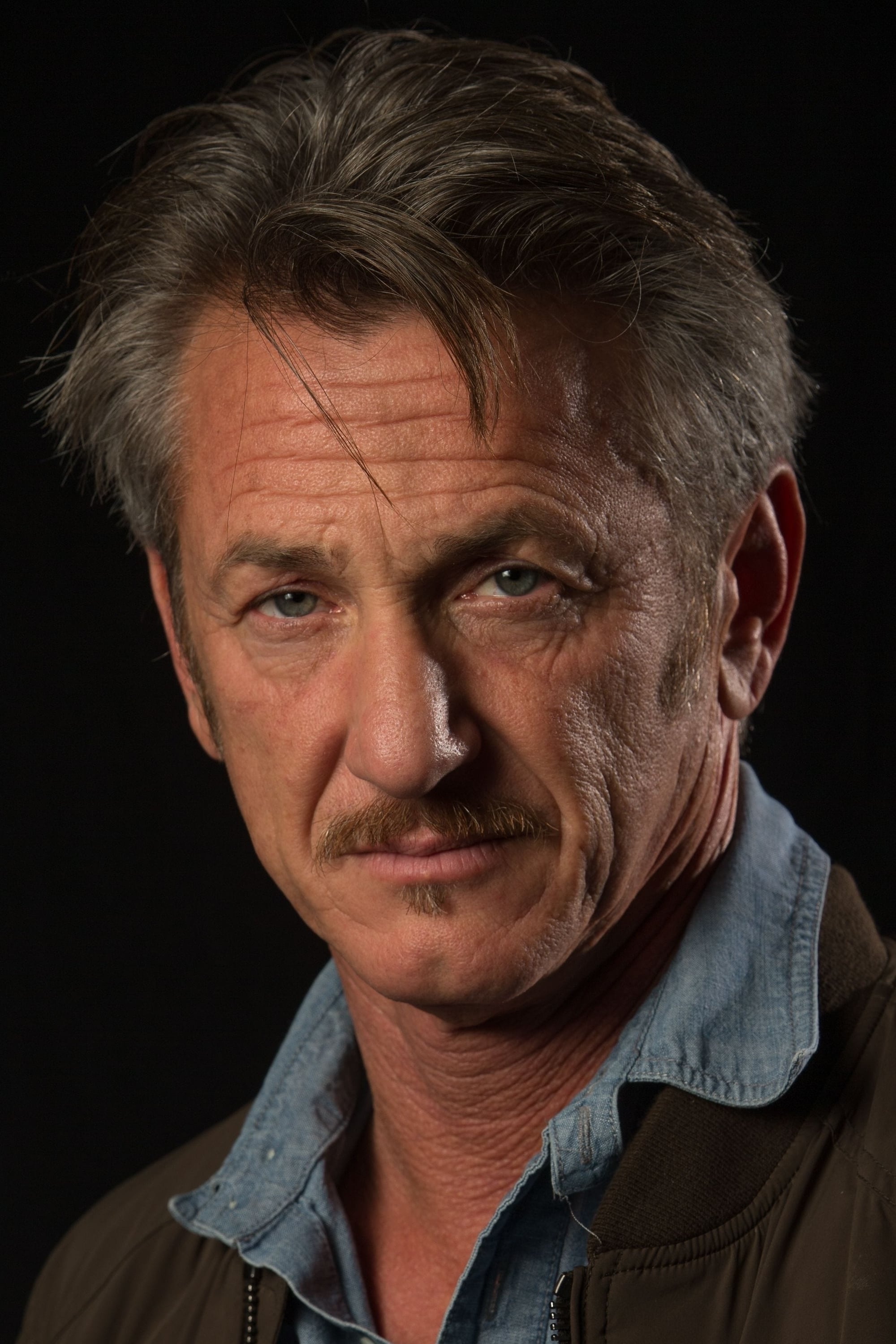
Penn has dismissed many superhero films as empty spectacle in various interviews, questioning their cultural value. He’s said the genre rarely offers the complex roles he seeks. His comments connect mainstream priorities to the kinds of parts available.
Tim Robbins
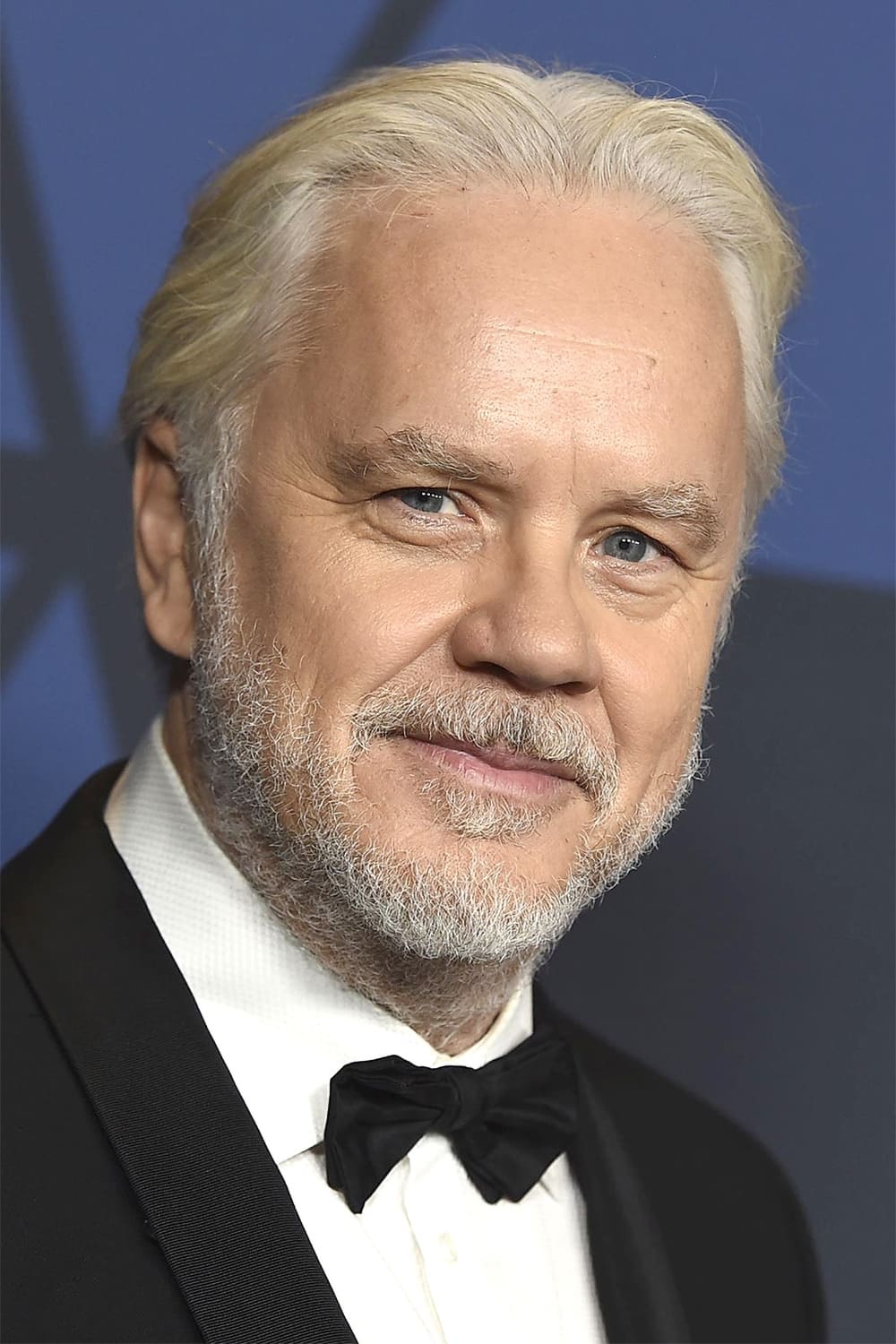
Robbins has said the IP cycle—superheroes included—has made it harder for unconventional dramas to get made. He’s expressed more interest in material with political or social urgency. Those views have steered him toward stage work and non-franchise films.
Gerard Butler
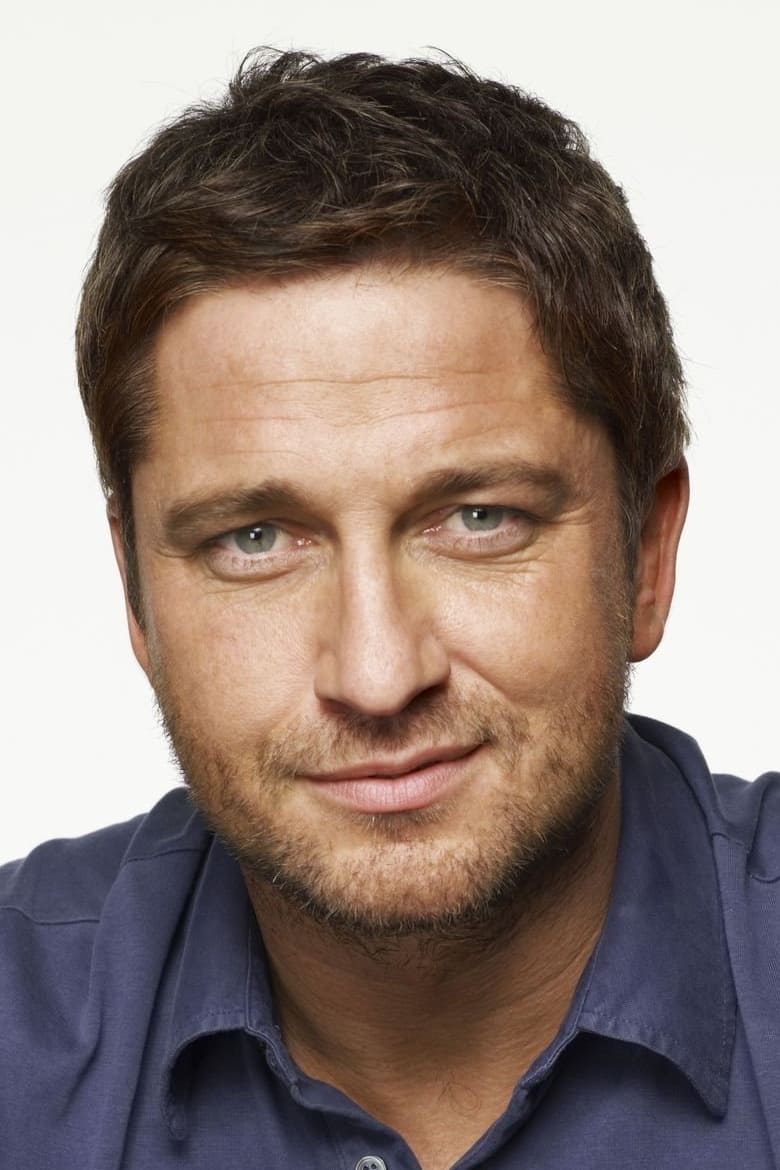
Butler has stated in interviews that he isn’t eager to join superhero universes, preferring gritty action anchored by practical set-pieces. He has said that approach aligns better with his sensibilities than effects-driven worlds. His project choices reflect that preference.
Vincent Cassel
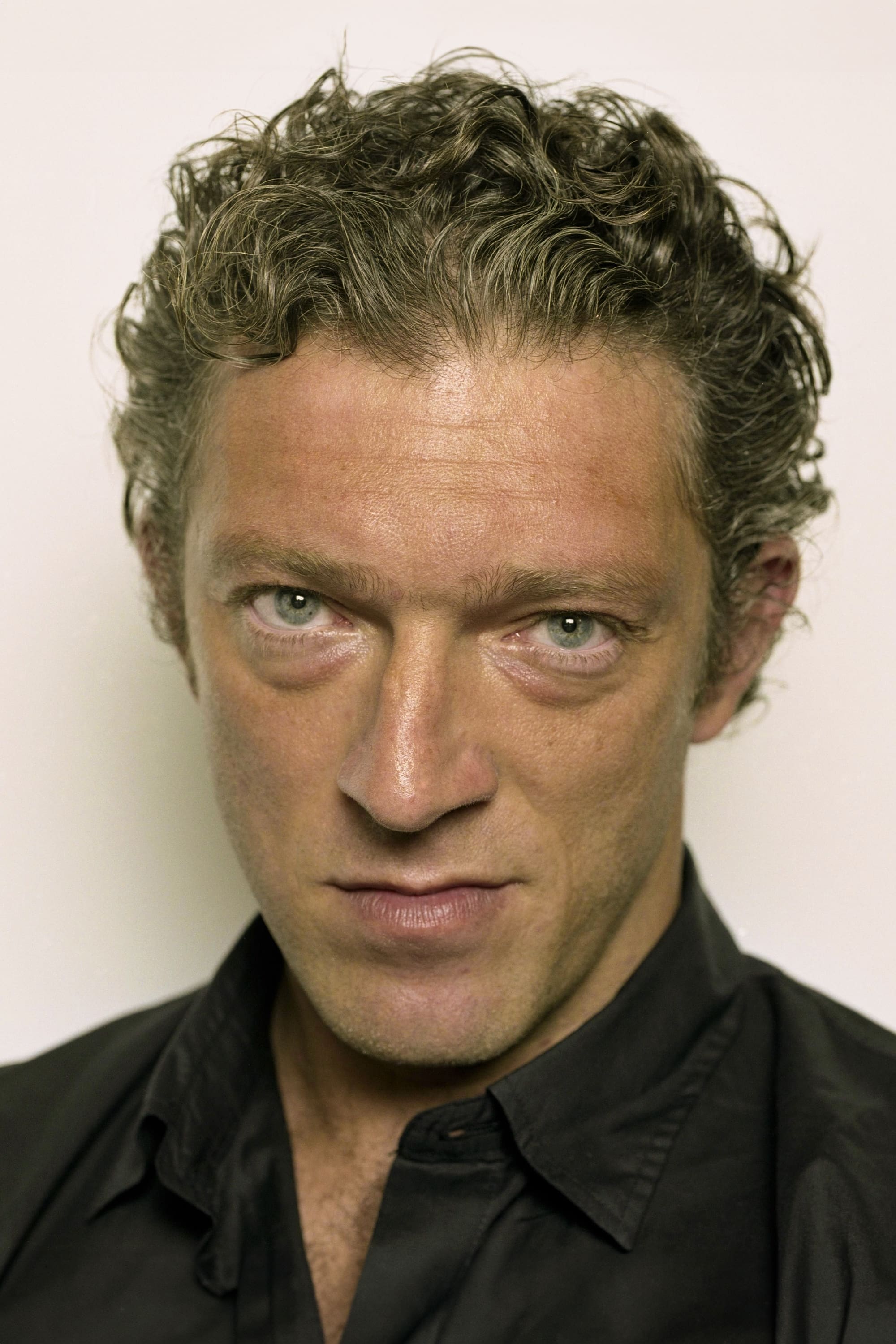
Cassel has said American superhero culture doesn’t appeal to him and that he seeks roles outside that mold. He has emphasized adult, auteur-driven cinema over franchise commitments. His remarks underscore a taste for tonal variety and risk.
Rose McGowan

McGowan has criticized studio dependence on comic-book IP in interviews and public posts, arguing it narrows the range of stories told. She has also called out the genre’s record on representation. Her advocacy links industry structures to who gets opportunities on- and off-screen.
Amanda Seyfried

Seyfried has said she declined a superhero offer because extensive green-screen work didn’t appeal to her, explaining this in mid-2010s interviews. She said the process wasn’t creatively exciting for her. That decision illustrates a broader hesitation about effects-heavy productions.
Daniel Craig
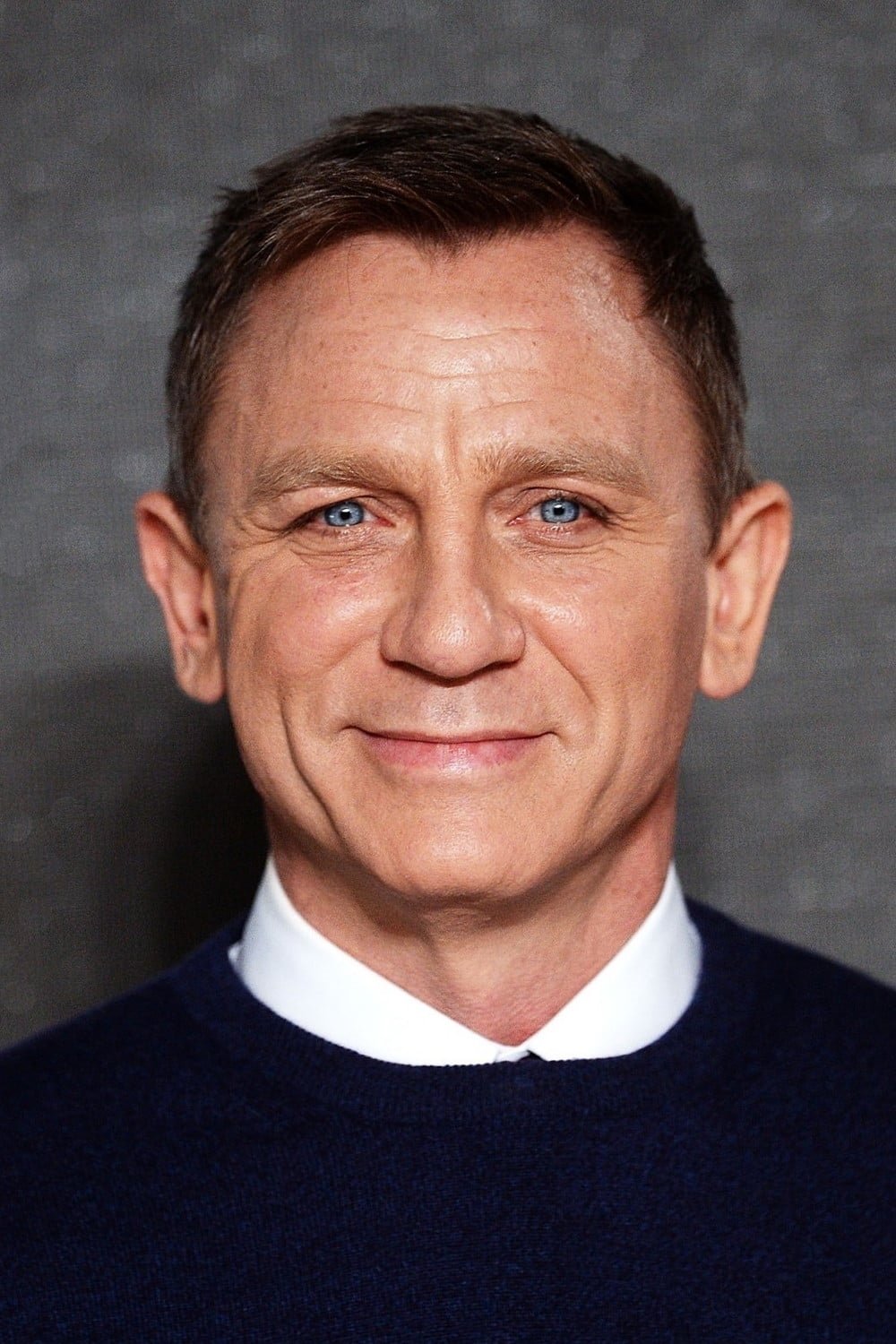
Craig has remarked in interviews that spandex-and-powers roles don’t interest him, saying he prefers grounded thrillers and dramas. He noted long franchise commitments can limit other opportunities. Those factors have kept him away from superhero universes.
George Clooney
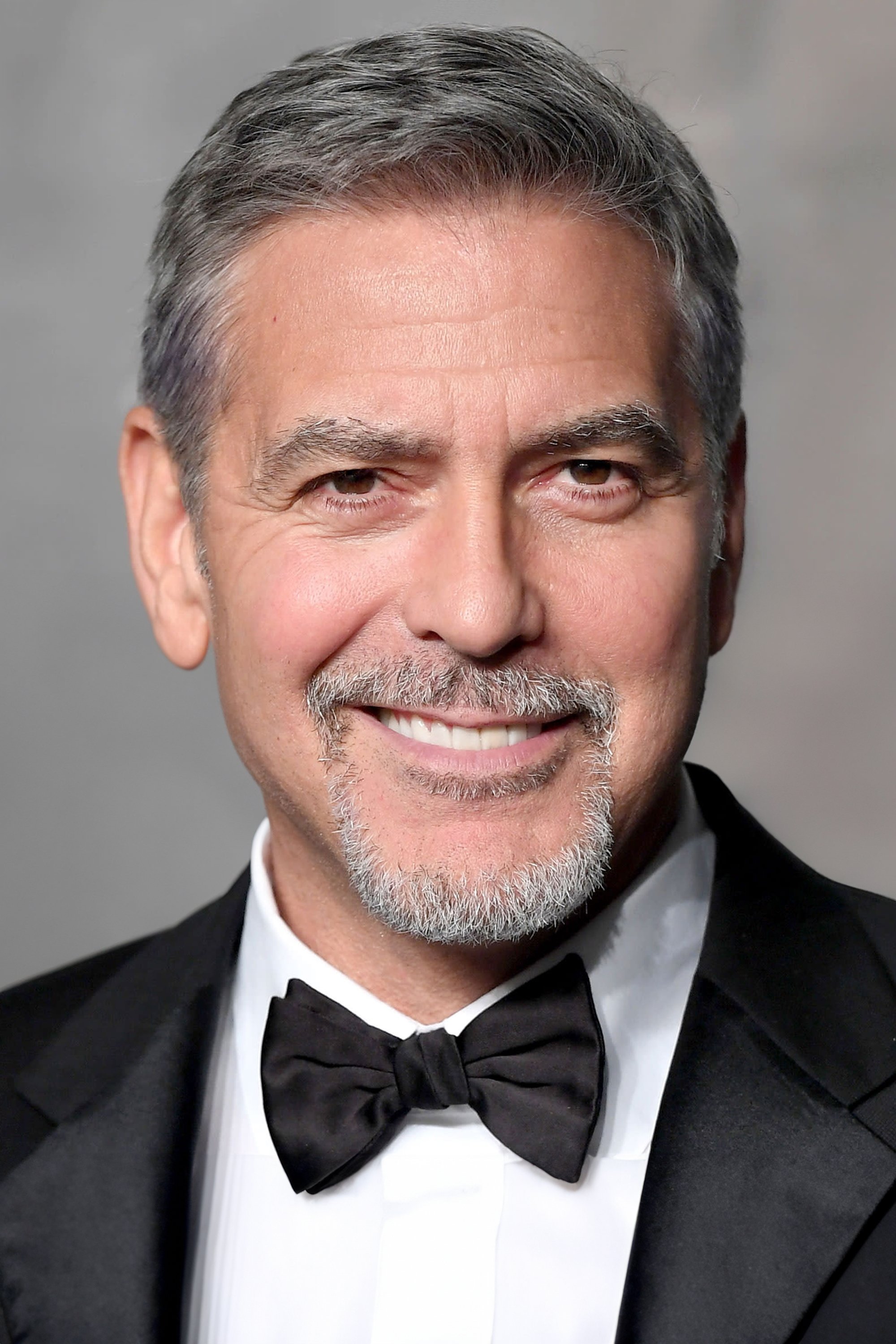
Clooney has repeatedly apologized for ‘Batman & Robin’ in interviews over the years, criticizing its tone and his performance. He has said the experience informed how he evaluates large-scale projects. He’s used it as a reference point when asked about superheroes.
Idris Elba
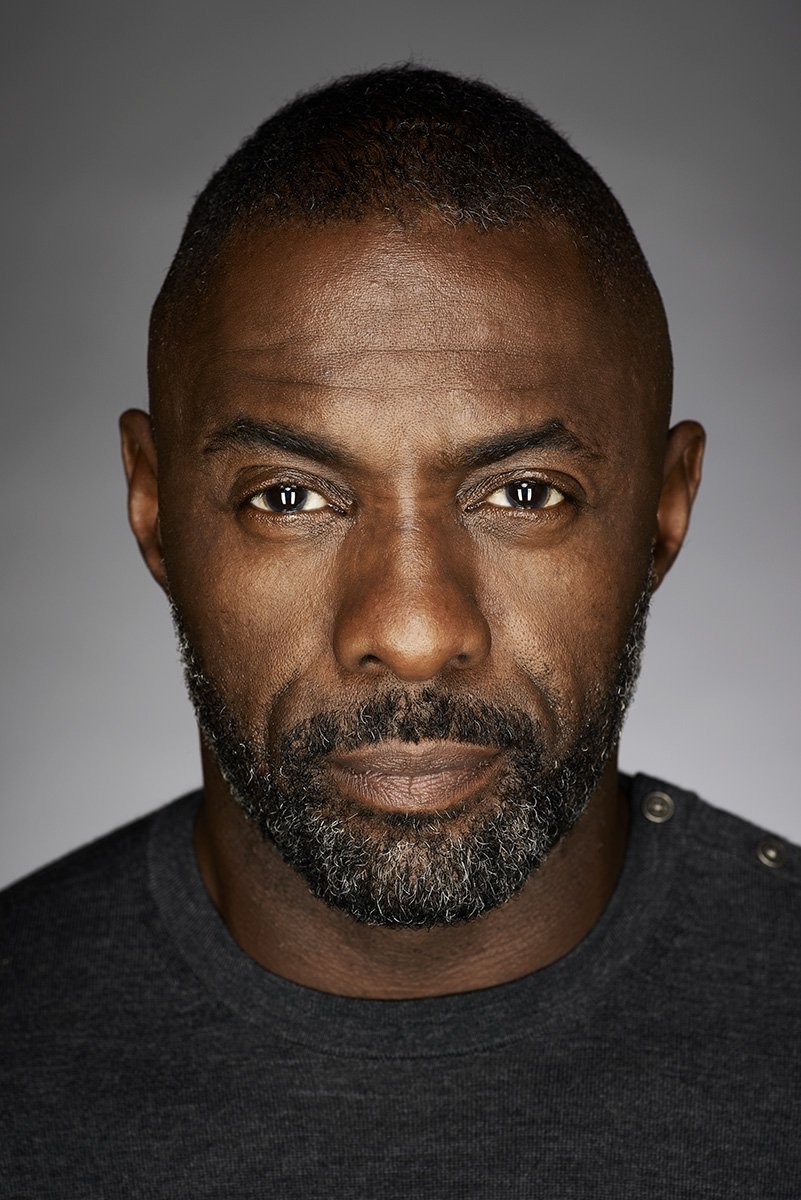
Elba has described certain effects-heavy reshoots on a superhero sequel as exhausting and demoralizing in mid-2010s interviews. He contrasted that process with projects that give actors more space to build character. While he has appeared in comic-book titles, he’s been candid about the downsides.
What did we miss—drop the quotes or interviews you’d add in the comments and tell us which actor’s take you find most convincing.

