


Actors Who Hate Test Screenings


Test screenings can shape a movie before it reaches theaters, but plenty of performers see them as blunt instruments that sand down bold choices. The names below have publicly questioned audience-testing culture, pushed for filmmaker-led cuts, or steered projects through producing and directing roles that favor creative intent over cards-and-scores feedback. You’ll notice many of them also wear producer hats, which is often where fights over endings, tones and runtimes happen. Here are the male actors most commonly linked with skepticism toward test screenings—and the concrete ways they try to keep movies out of the focus-group blender.
Ben Affleck
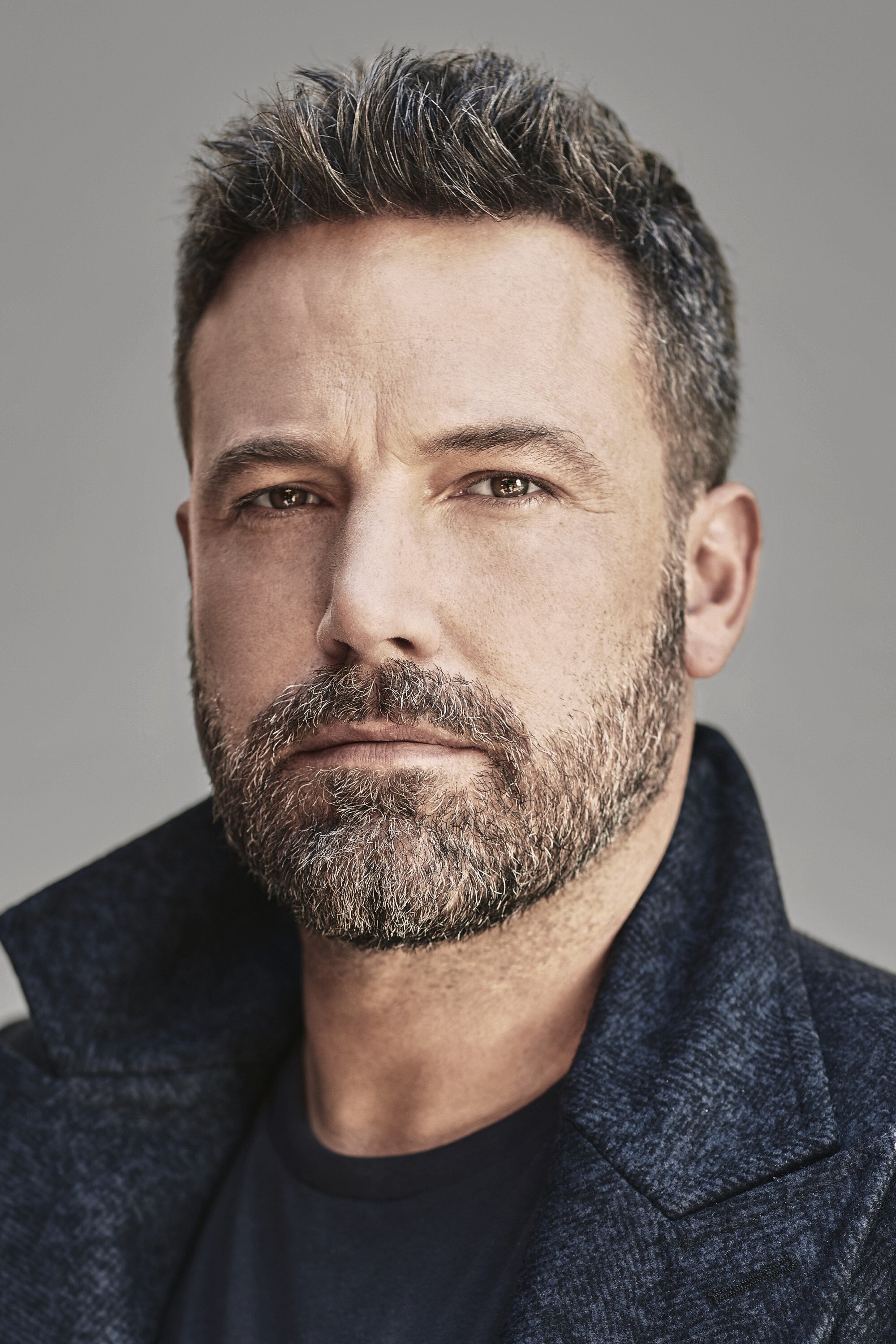
Affleck has long straddled acting, directing and producing, which puts him inside the edit bay where test screening notes land. On projects like ‘Argo’ and ‘Air’, he emphasized filmmaker control and previewed cuts selectively rather than chasing higher “scores.” He has described relying on trusted creatives and research screenings tailored to specific questions instead of broad audience cards. His production shingle has repeatedly backed adult dramas where endings weren’t rebuilt to chase test-audience laughs.
Matt Damon
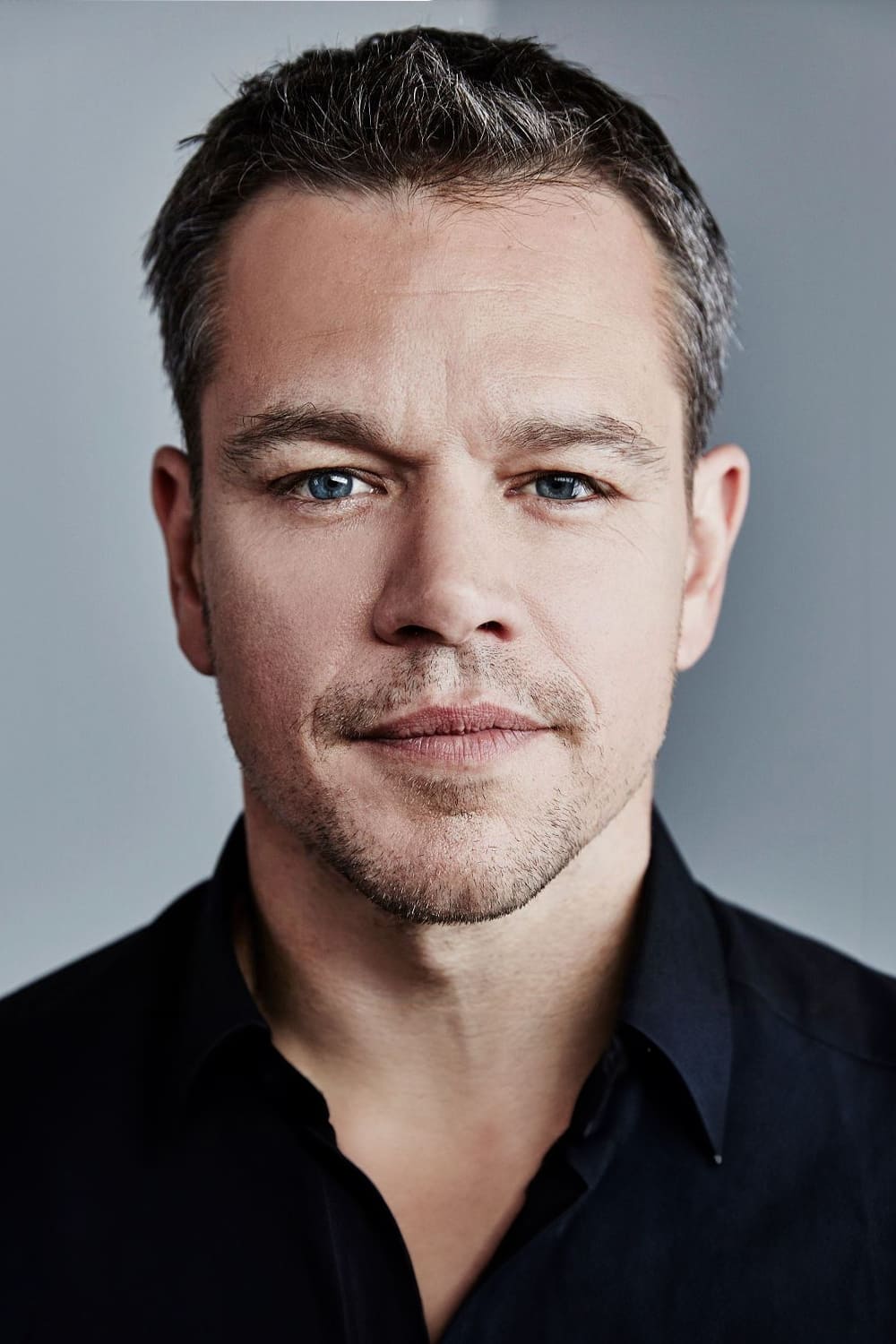
Damon’s producing work with Affleck has prioritized director-forward development, which typically limits reactive, late-stage changes from test cards. He’s spoken about protecting performance-driven scenes in character dramas where joke-per-minute metrics don’t apply. Damon often develops with writers early so pivots happen on the page, not after a lukewarm preview. His involvement in mid-budget, adult-skewing films means he’s frequently opted for curated screenings over mass test nights.
Joaquin Phoenix
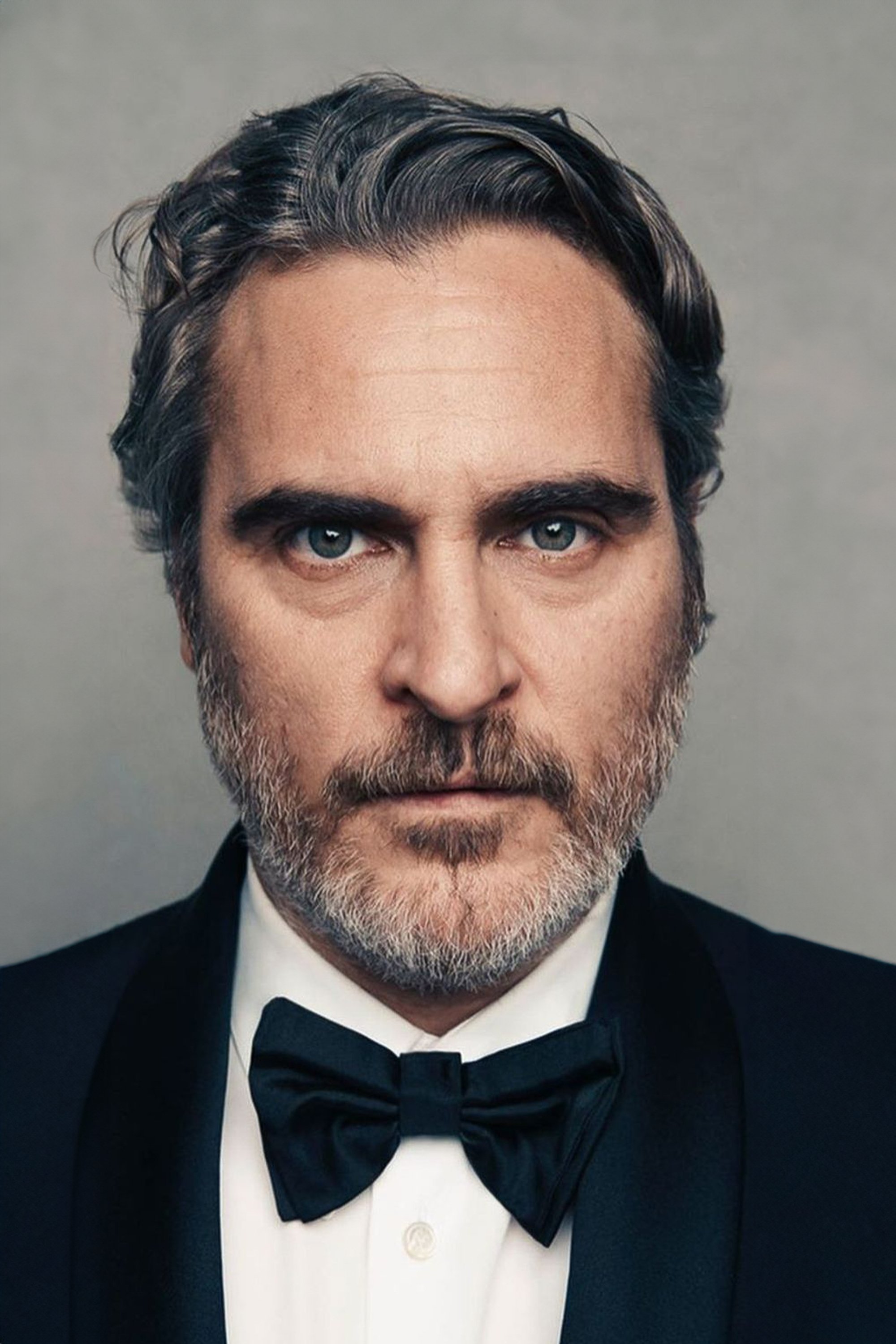
Phoenix is known for guarding tone and performance choices and for working with directors who hold tight reins on the cut. Films like ‘The Master’ and ‘Joker’ were shaped in close actor-director collaboration rather than broad audience polling. Phoenix rarely participates in publicity that leans on “audience-tested” talking points, favoring festival debuts and filmmaker Q&As. His process—long takes, discomfort with neat resolutions—doesn’t align with notes that push for tidy, upbeat fixes.
Denzel Washington

As an actor-director-producer, Washington builds projects to protect character work and moral ambiguity, areas often softened by testing. On films he directs, he favors internal screenings with creatives who understand the material. Washington’s collaborations frequently keep final cut close to the director, making sweeping, test-driven reshoots unlikely. His reputation for disciplined sets extends into post, where changes are purposeful rather than score-chasing.
George Clooney
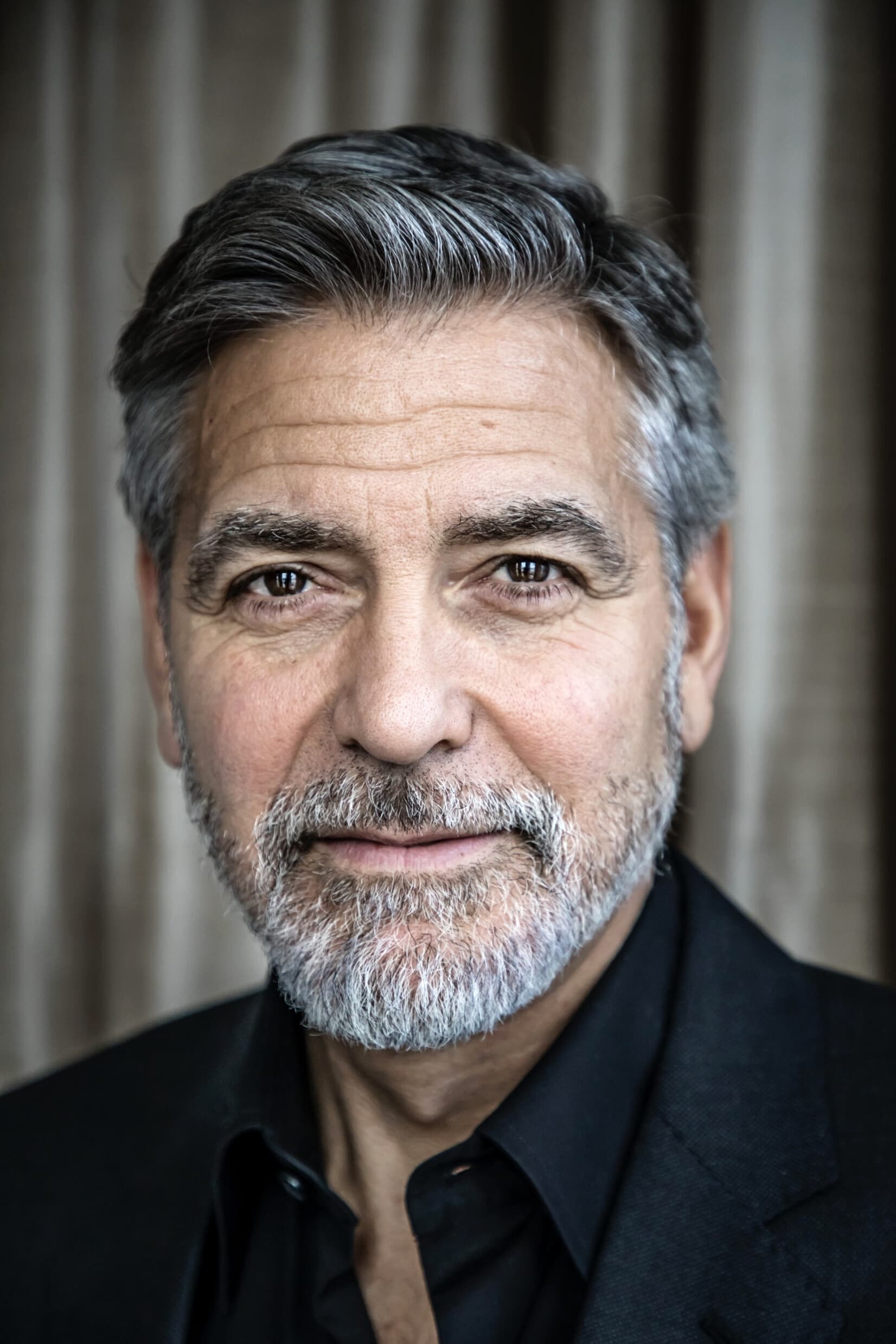
Clooney’s Smokehouse Pictures slate often backs political and journalism dramas that depend on quiet tension rather than big test-friendly beats. He uses small, trusted previews aimed at pacing and clarity, not for overhauling endings to appease cards. Clooney has discussed how audience testing can undervalue nuance and satire. His festival-first strategy lets films find press and cinephile reactions before any mass testing is considered.
Christian Bale
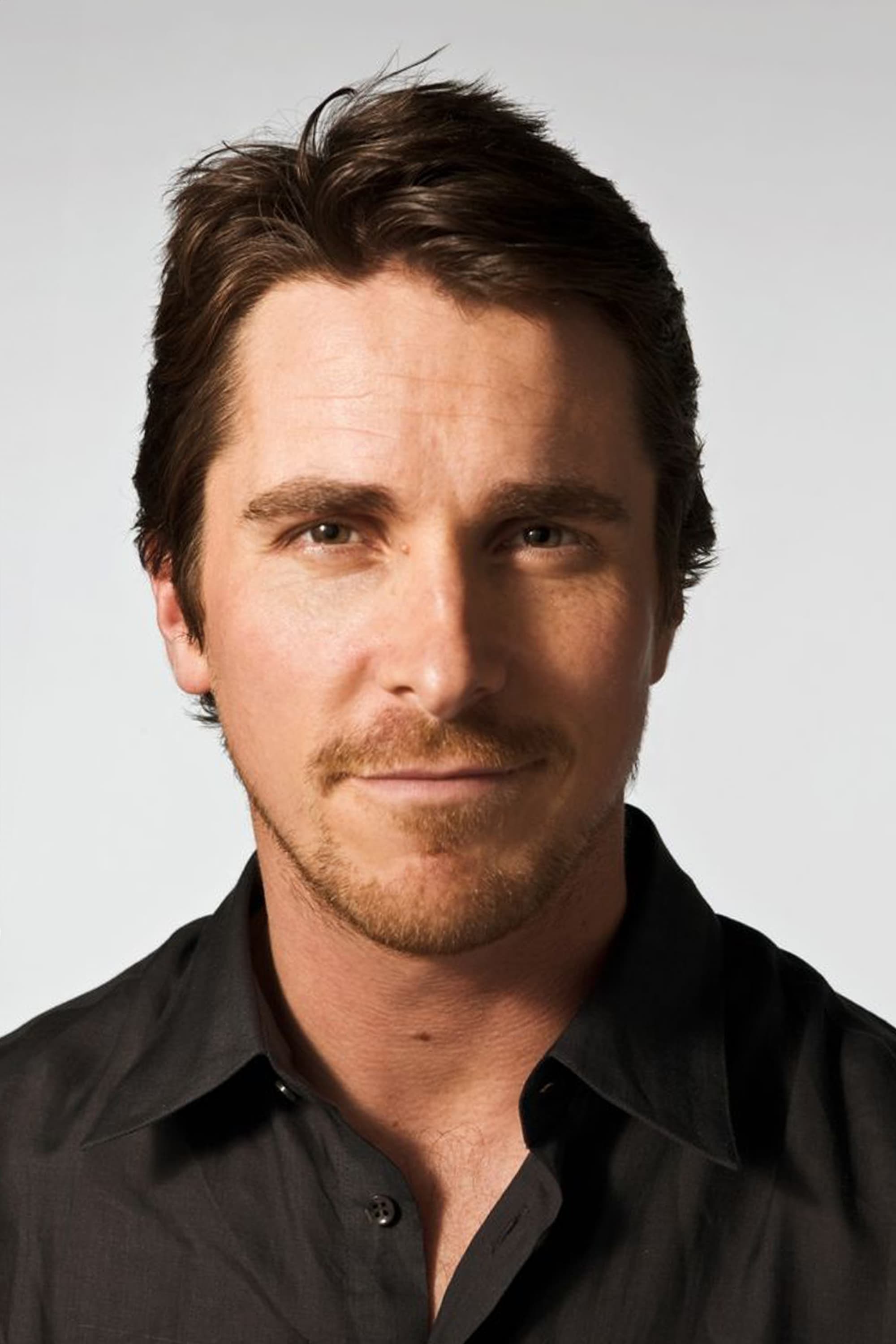
Bale’s projects regularly hinge on risky tonal balances and extreme performance choices that can suffer under homogenizing notes. He typically partners with directors who retain strong authorship in post. Bale’s work on films with intricate structure or messy protagonists benefits from surgical feedback, not wholesale test-led rewrites. His camp is known to prioritize consistency of character arc over punch-up requests from preview cards.
Adam Driver
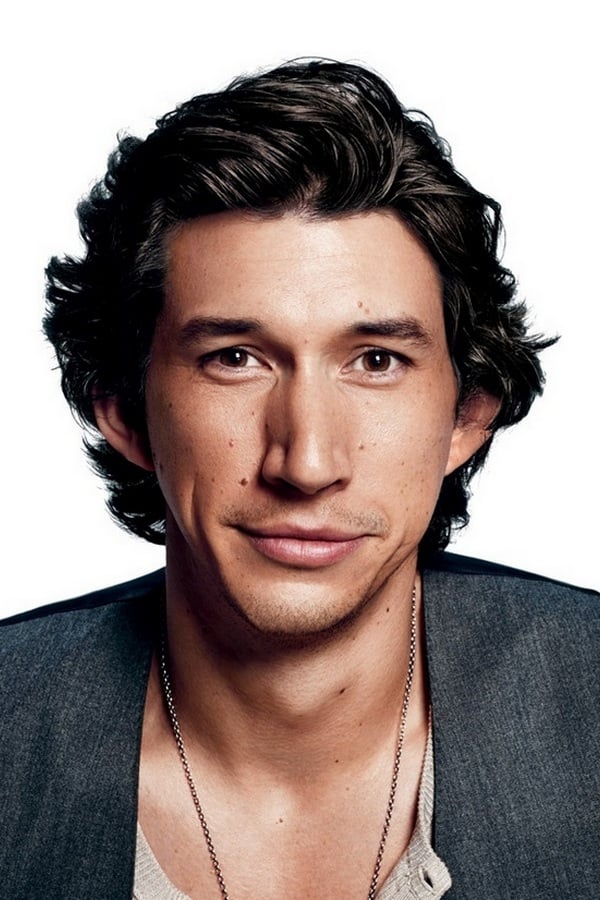
Driver frequently chooses auteurs and unconventional structures—from intimate character studies to operatic musicals—where typical testing rubrics misread intent. He’s advocated for protecting challenging scenes and asymmetrical pacing. Driver’s films often lean on festival circuits to calibrate rather than anonymous audience sheets. His producers tend to favor director’s intent checkpoints instead of large, general-audience trials.
Robert Pattinson

Pattinson’s post-franchise path through bold indies relies on director-forward editing rooms. He champions keeping strange textures and tonal risks intact, which can be hard to preserve when cards demand “clearer motivation” or “lighter tone.” Pattinson’s teams instead solicit targeted craft feedback from editors and filmmakers. Many of his films lock picture after limited, curated previews rather than broad test batteries.
Jake Gyllenhaal

Gyllenhaal’s producer credits and collaborations show a preference for specific, goal-oriented previews—checking legibility or sound—rather than open-ended test screenings. He has supported endings and character beats that play darker than typical card-driven revisions would allow. Gyllenhaal tends to workshop performance and rhythm with directors during reshoots planned for story reasons, not merely to “lift scores.” His film choices stay in budgets and genres where final-cut authority sits close to the filmmaker.
Keanu Reeves
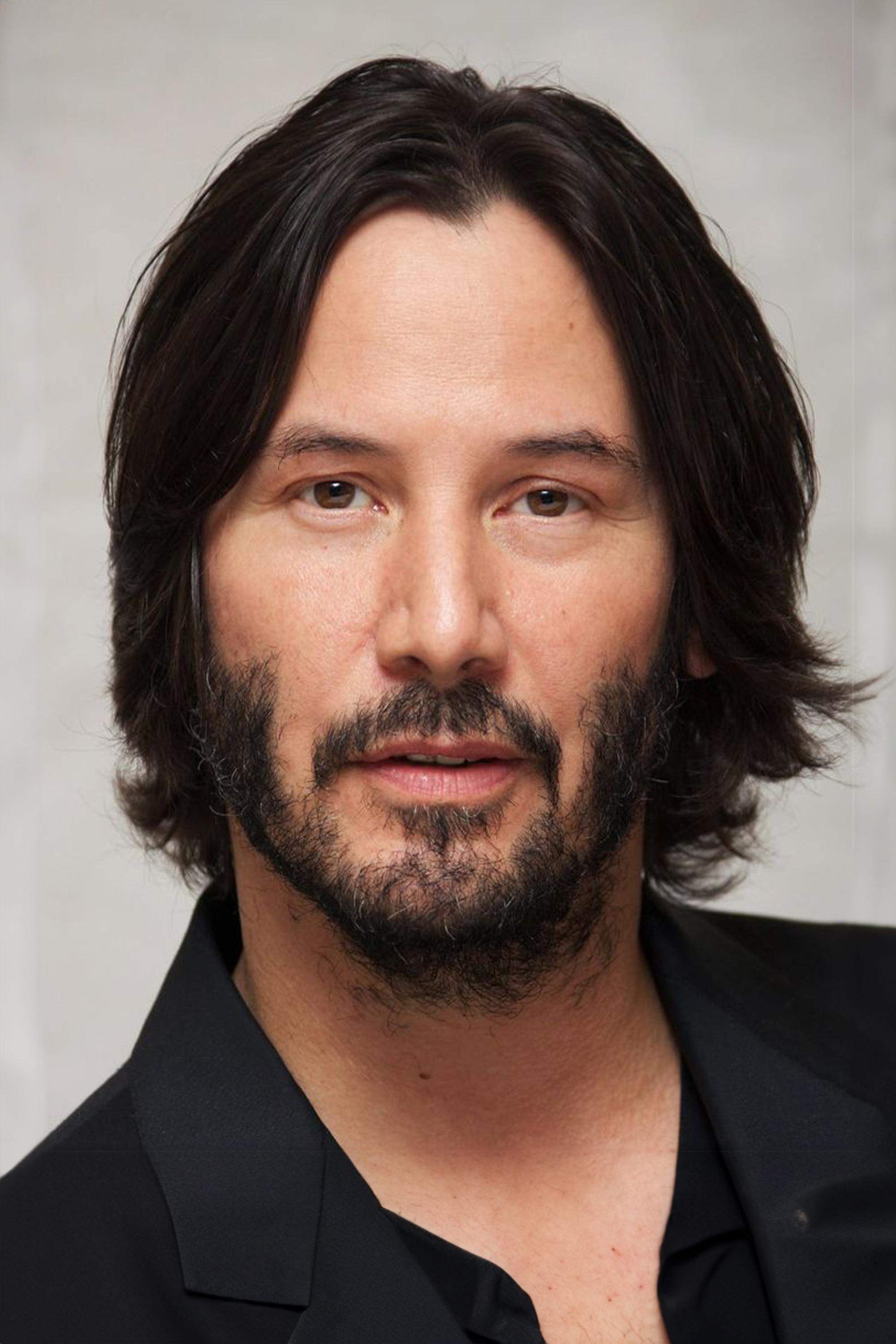
Reeves often anchors director-led action with distinctive cadence and long-take choreography that can get flattened by “more jokes/faster cuts” notes. On action franchises, he’s backed stunt-driven storytelling and clean geography, resisting re-editing sequences to chase jump-scare peaks common in test summaries. Reeves’ longtime collaborators rely on precision test passes—sound mix, continuity—over mass sentiment surveys. His influence helps keep action design intact through post.
Brad Pitt

Through Plan B, Pitt has bankrolled filmmaker-centric projects that rarely pivot to broad test dictates. He’s supported challenging structures and downbeat endings where audience cards historically push for “hopeful” revisions. Pitt’s approach favors early table reads and script labs to solve issues upstream. His teams routinely prioritize festival feedback and critical screenings over anonymous mass tests.
Tom Cruise
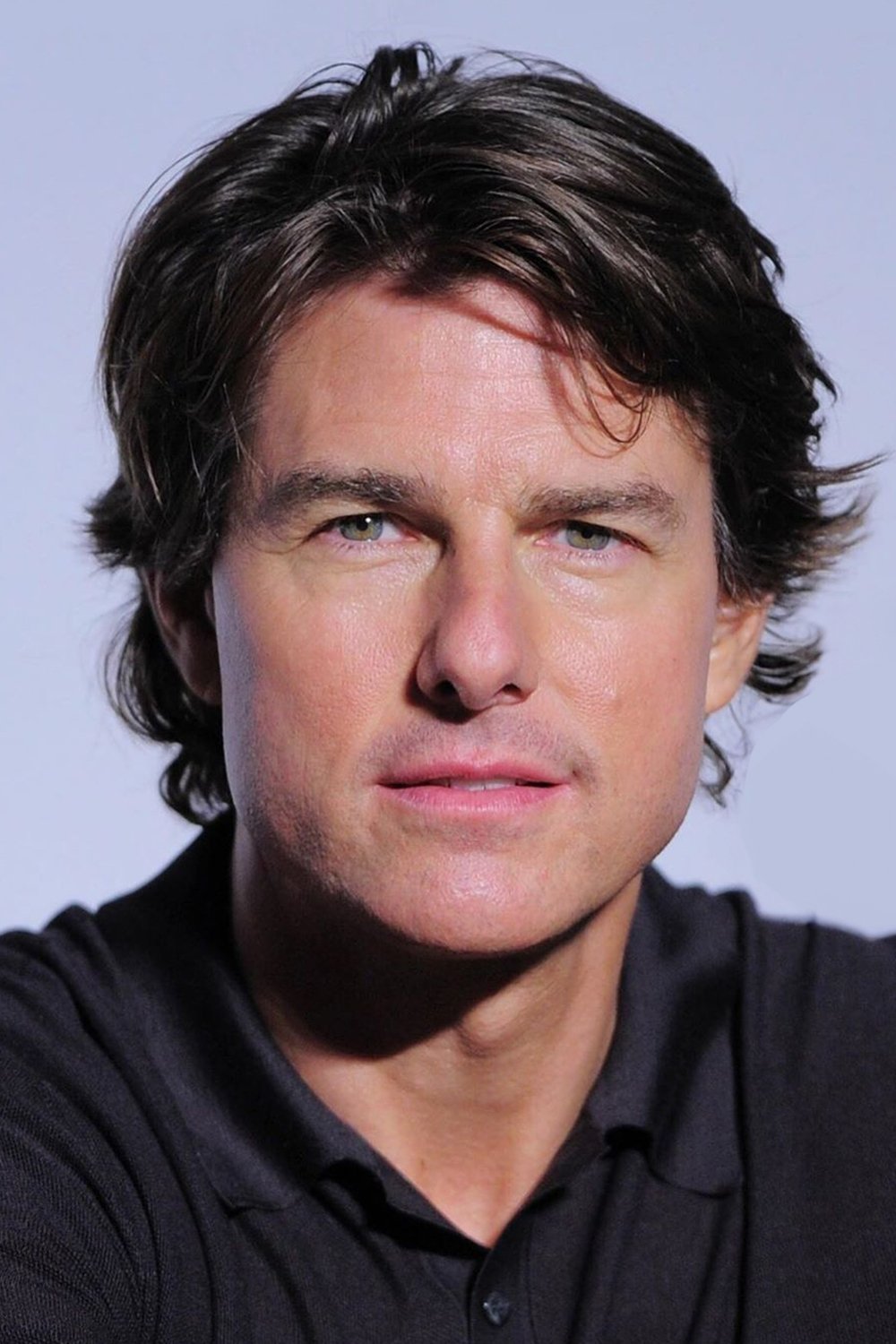
Cruise is deeply involved in postproduction but with a focus on craftsmanship—sound, VFX timing, IMAX readability—rather than changing character arcs to please test cards. Large-scale sequences are refined for clarity and tension via technical previews, not to overhaul tone. He often screens for exhibitors and crew to tune presentation variables. The process uses precision data while keeping narrative fundamentals stable.
Viggo Mortensen
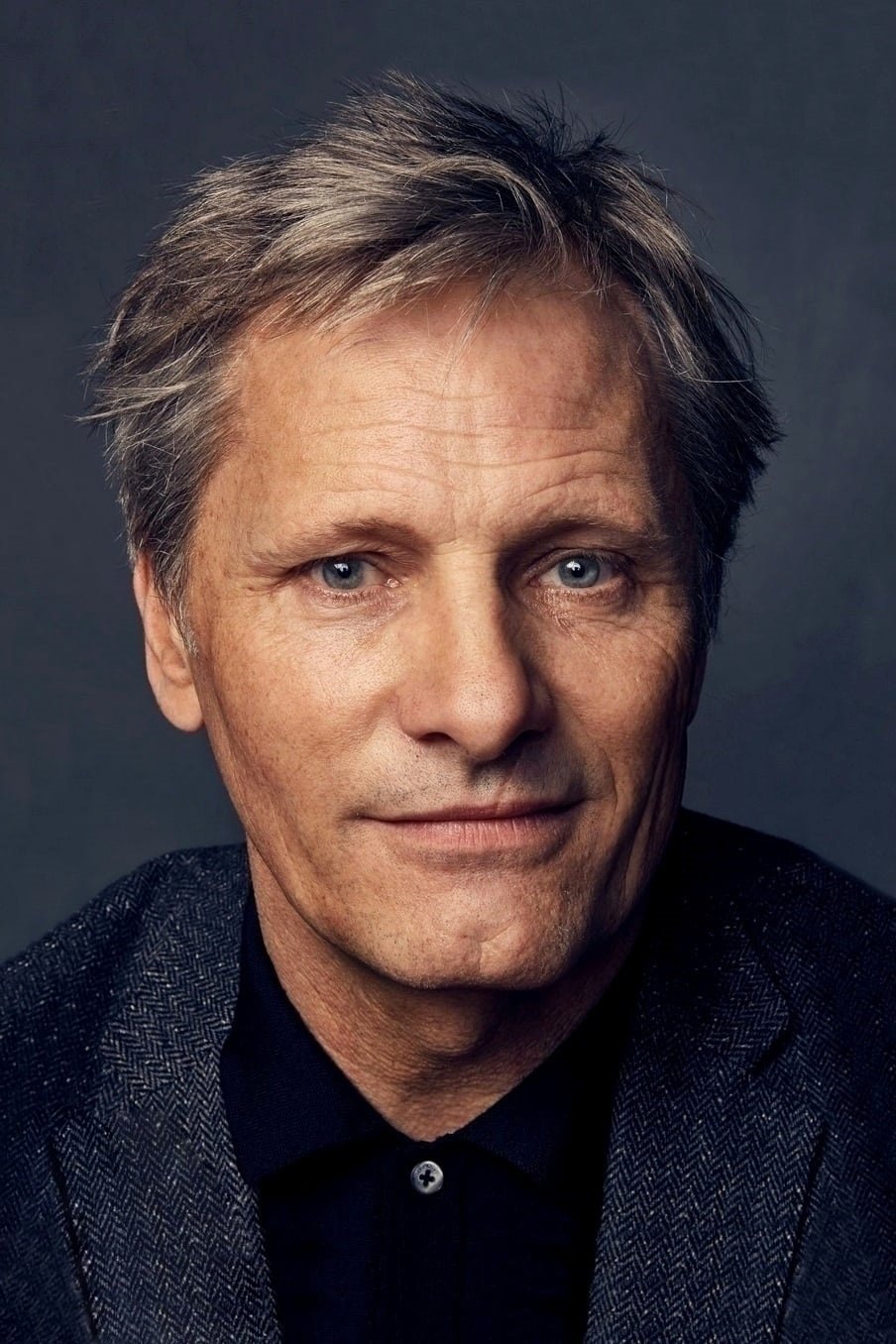
Mortensen’s producing and directing choices value artistic coherence, which can conflict with broad testing that favors simplification. He leans into languages, period detail and cultural specificity, elements often flagged in cards as “confusing.” Mortensen prefers intimate screenings with creatives who can give context-aware notes. His releases typically rely on festival discovery rather than test-led remapping.
Ethan Hawke
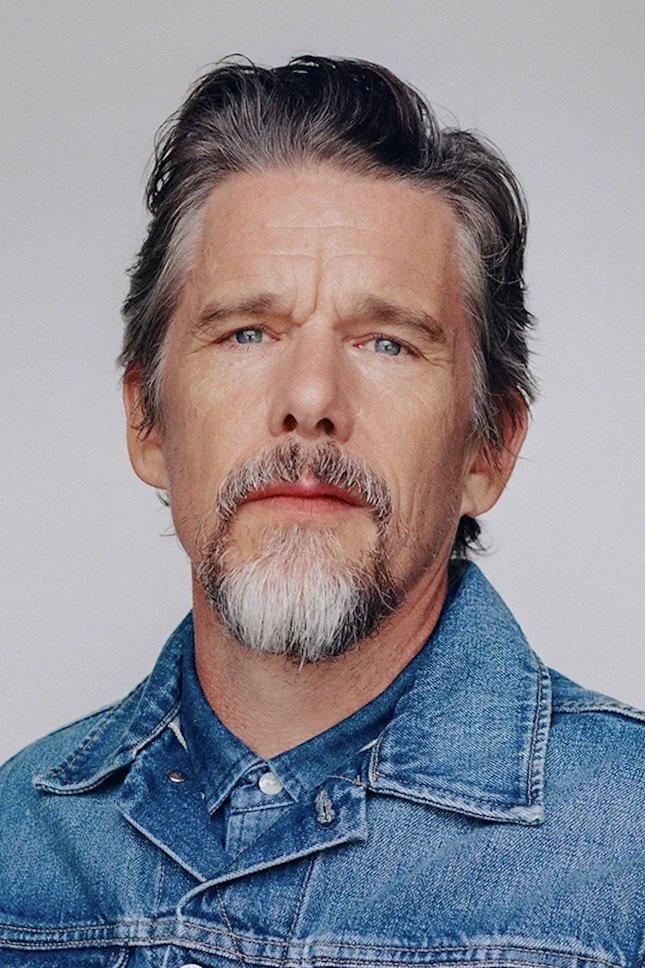
Hawke’s long collaboration with writer-directors on intimate dramas prioritizes script development and careful edits over late-stage testing. He runs small peer screenings to interrogate rhythm and scene truth instead of polling strangers. Hawke’s producing work backs films where final cut sits with the director or is negotiated narrowly. This approach limits the impact of generalized audience notes.
Robert De Niro
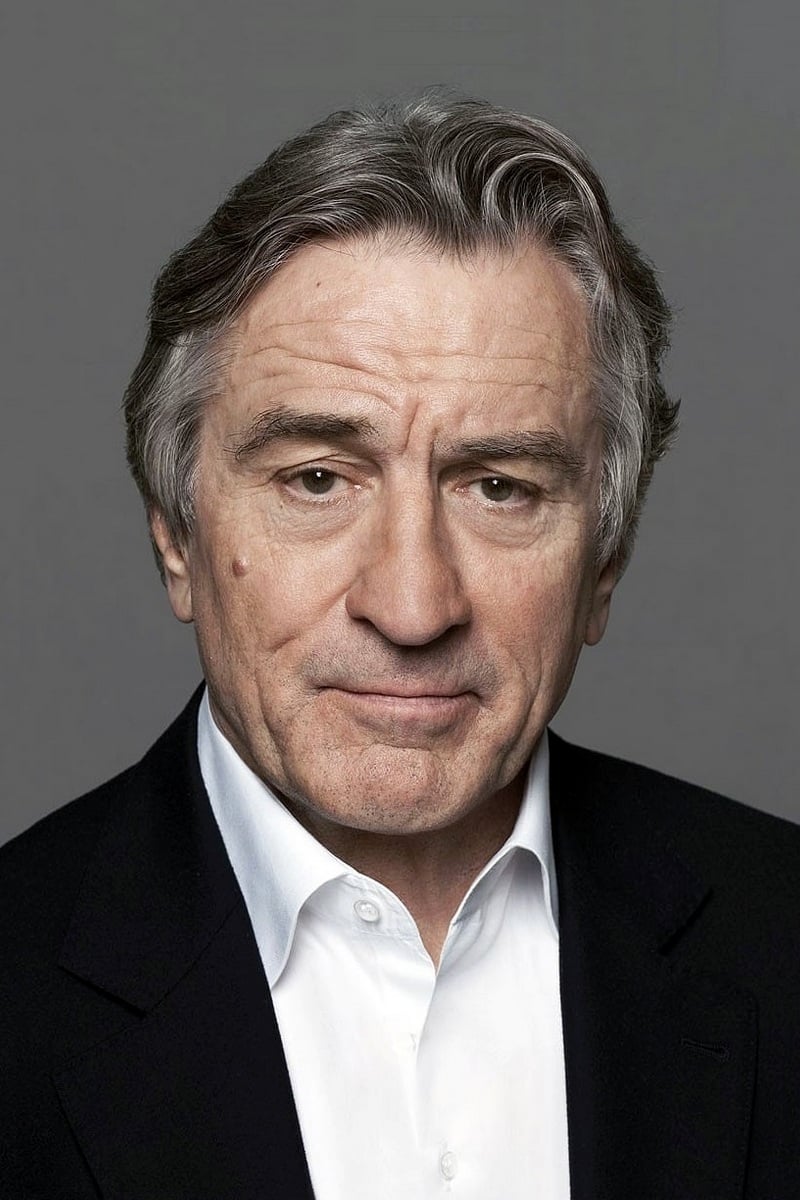
De Niro’s producer credits and partnerships on adult dramas often protect tougher endings and morally gray protagonists. He supports disciplined recuts aimed at pacing, not at chasing “likability” metrics. De Niro’s camp favors screenings with seasoned editors and filmmakers who can diagnose craft issues. His projects typically avoid wholesale reshoots triggered solely by test-screening cards.
Al Pacino
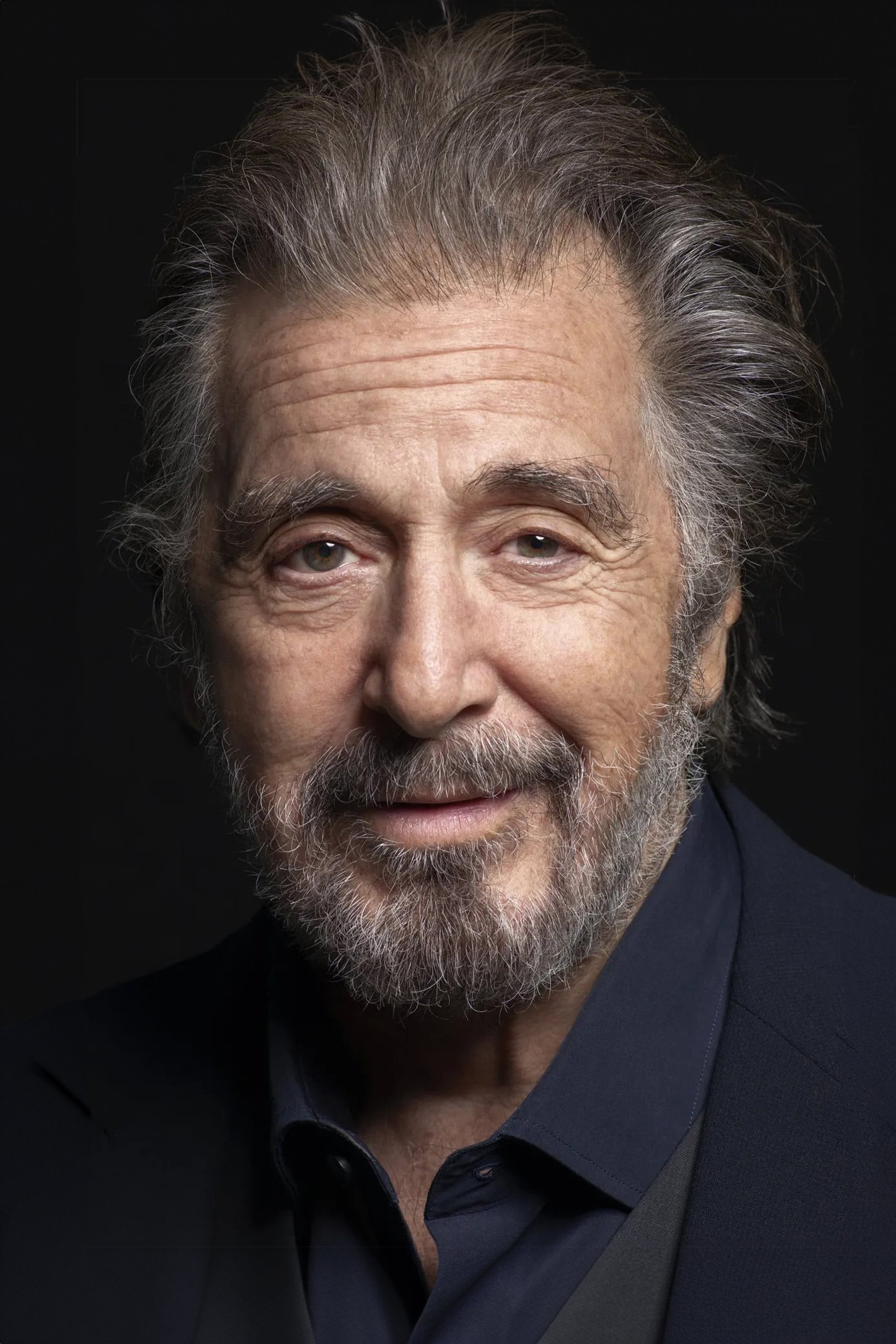
Pacino’s interest in theatricality and performance-driven cinema sits awkwardly with notes demanding faster exposition and simpler arcs. He gravitates toward directors who prefer minimal outside interference in post. Internal previews focus on scene-to-scene energy and clarity for dialogue-heavy sections. Pacino’s projects rarely undergo large-scale rewrites in response to general-audience scores.
Daniel Day-Lewis
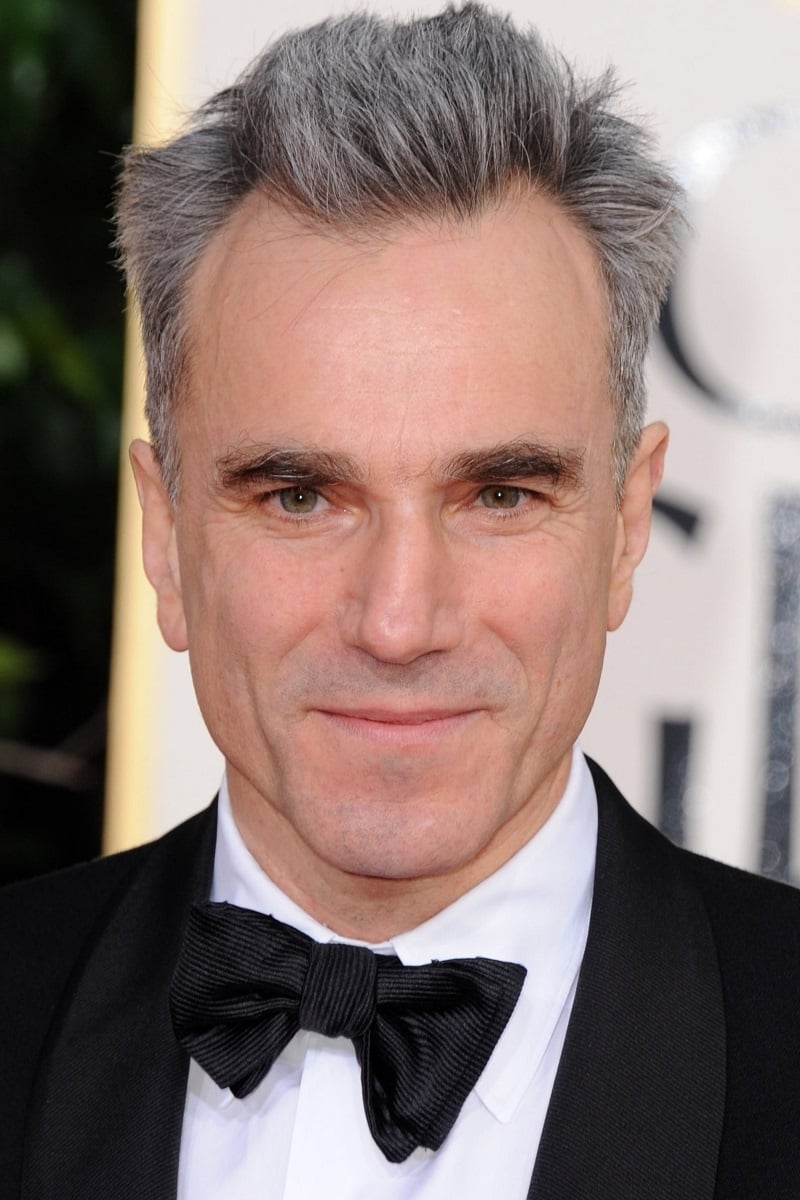
Day-Lewis’ meticulous process and long takes are calibrated in the edit with the director, not mass test groups. His films commonly debut at festivals, using critical discourse rather than anonymous cards to fine-tune. The productions he chooses tend to guarantee strong director authority. That structure limits reactive changes based on short-term audience feedback.
Mark Ruffalo
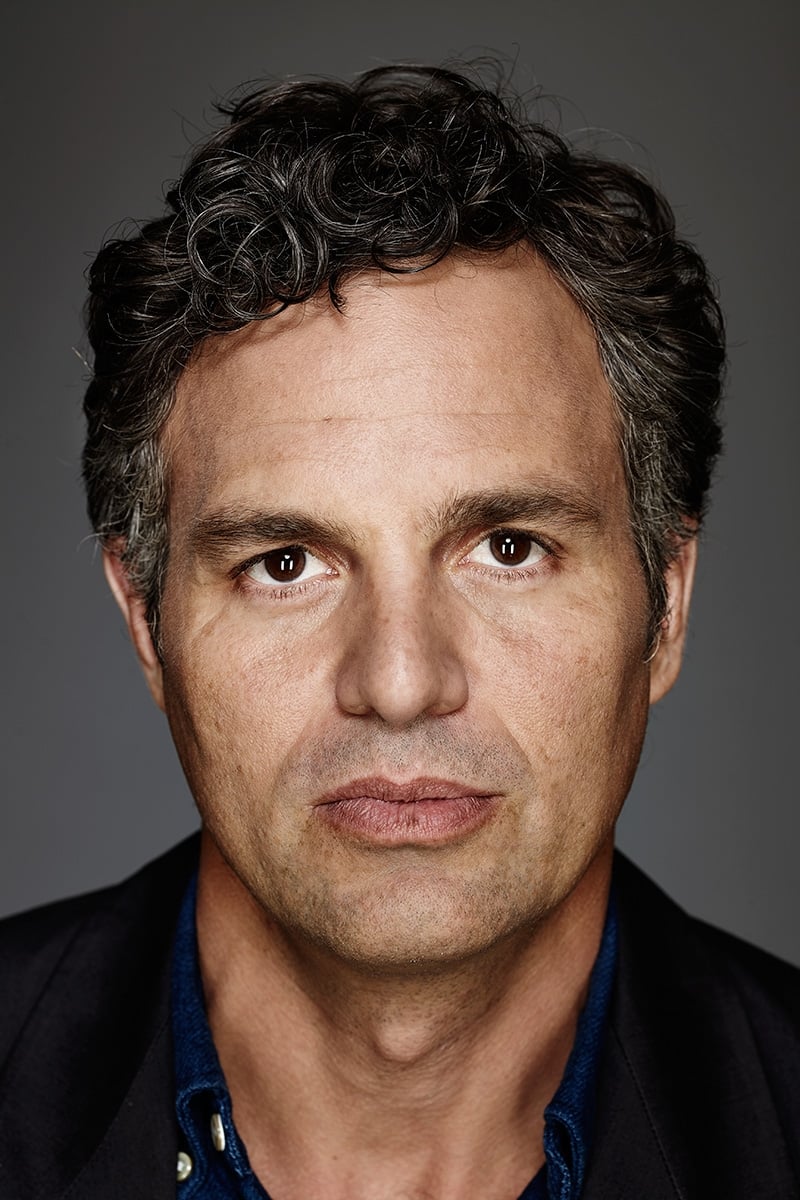
Ruffalo’s producer-actor roles in issue-driven dramas prioritize accuracy and tone over test-card “uplift.” He supports targeted screenings with subject-matter experts to validate details. Ruffalo often defends quieter, investigative structures that can test modestly yet land strongly with intended audiences. This workflow reduces the need for sweeping, test-led narrative changes.
Michael Fassbender

Fassbender’s collaborations frequently involve rigorous formal choices and exacting sound/image design that resist test-driven tinkering. He tends to work with filmmakers who cut for internal logic rather than preview-card beats. Early creative screenings are used to polish continuity and performance texture. His projects typically avoid generalized “add humor/clarify motivation” mandates.
Ryan Gosling
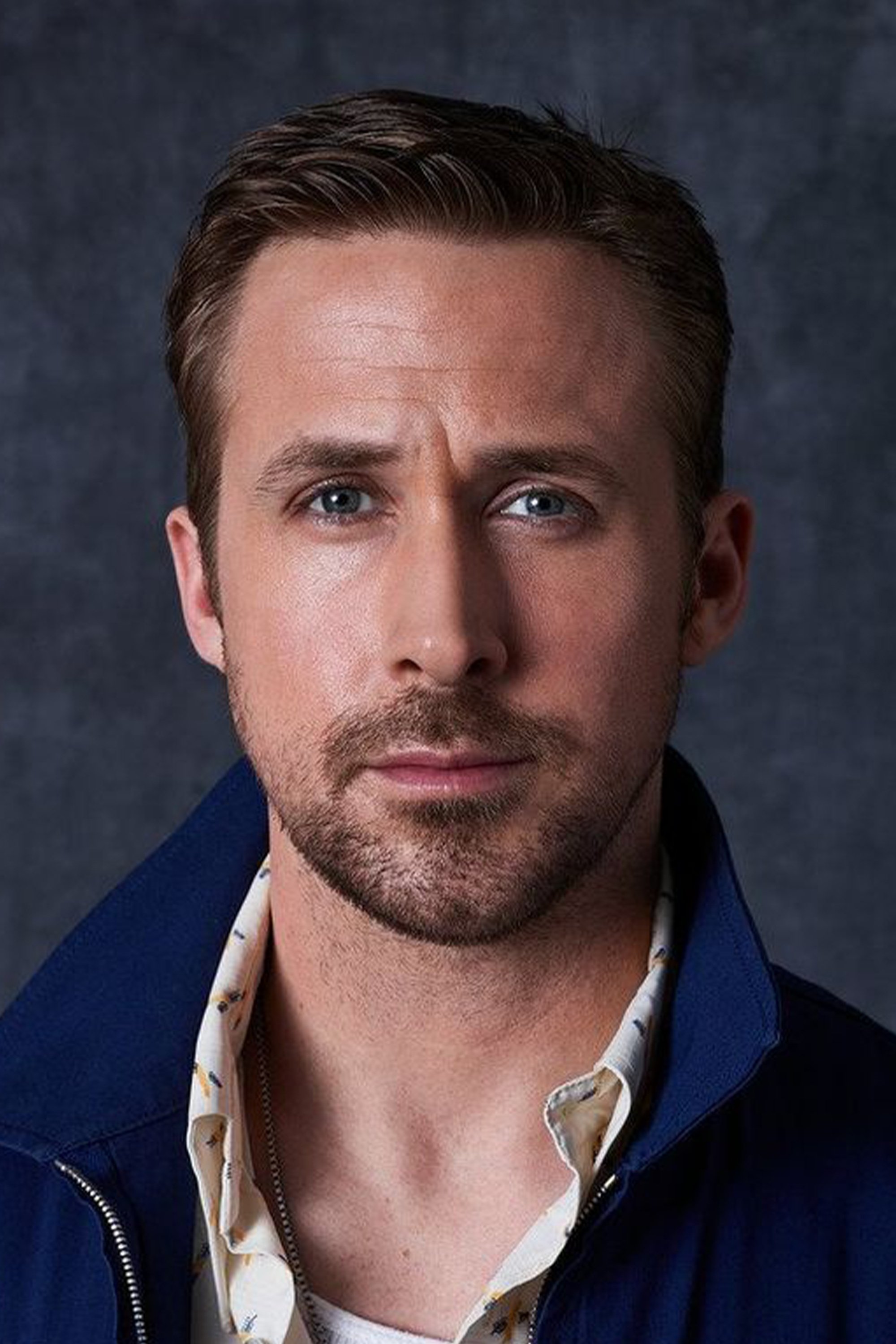
Gosling’s filmography includes stylized pieces where mood and pacing are core; those qualities are often dulled by “more conventional” test notes. He works with directors who keep tight control through post and who prefer festival feedback cycles. Gosling’s teams aim for select screenings focused on audio balance, structure and flow. The emphasis remains on preserving tone rather than retooling to chase safer audience scores.
Leonardo DiCaprio
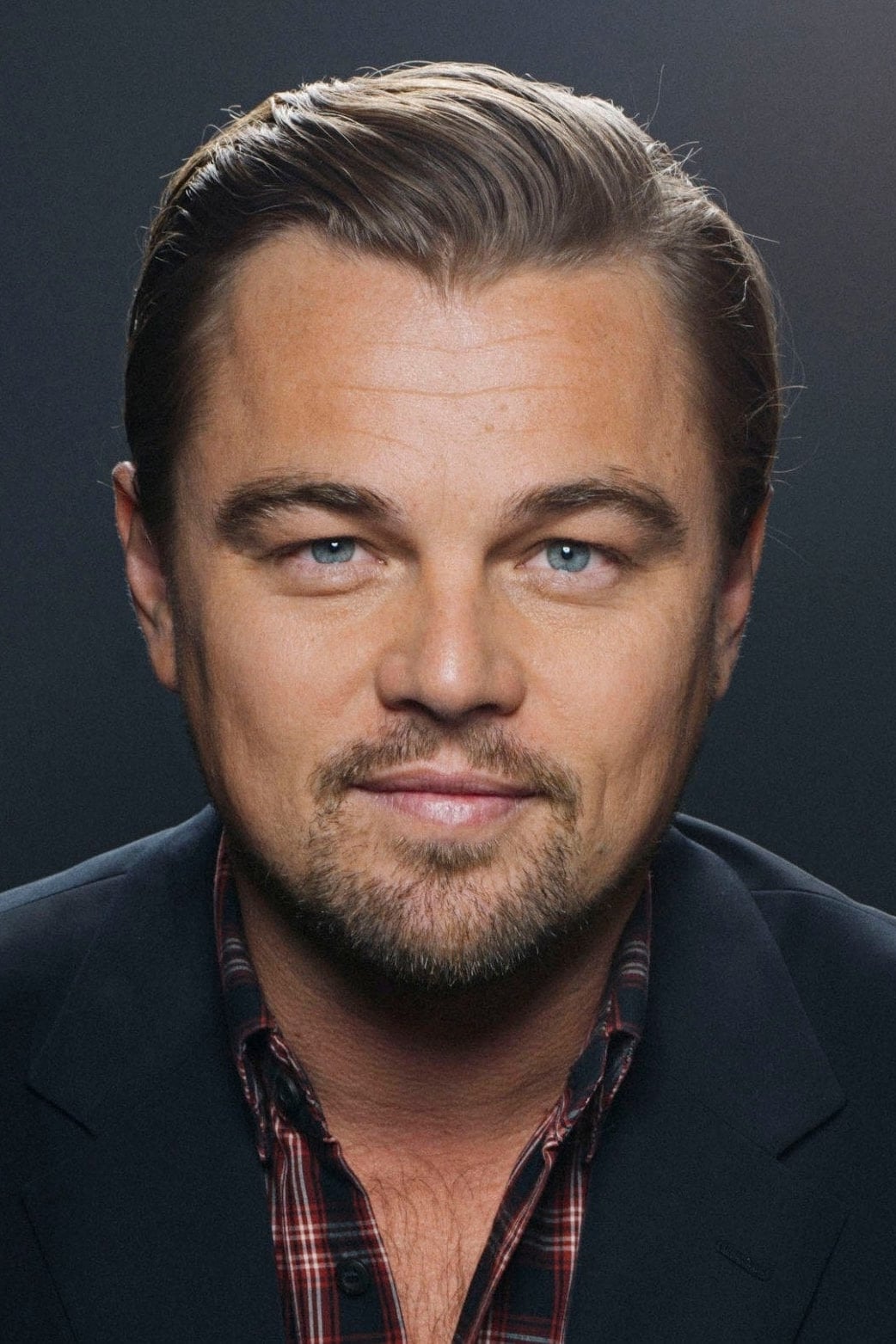
DiCaprio’s projects are typically mounted with director-first guardrails, which curtail sweeping changes driven by generalized test notes. He favors long collaborations in development so that structural fixes occur before cameras roll. Many of his films route through prestige festivals and limited-platform releases to gauge reception without relying on anonymous scorecards. As a producer, he has supported filmmakers who protect challenging endings and complex protagonists.
Tom Hanks
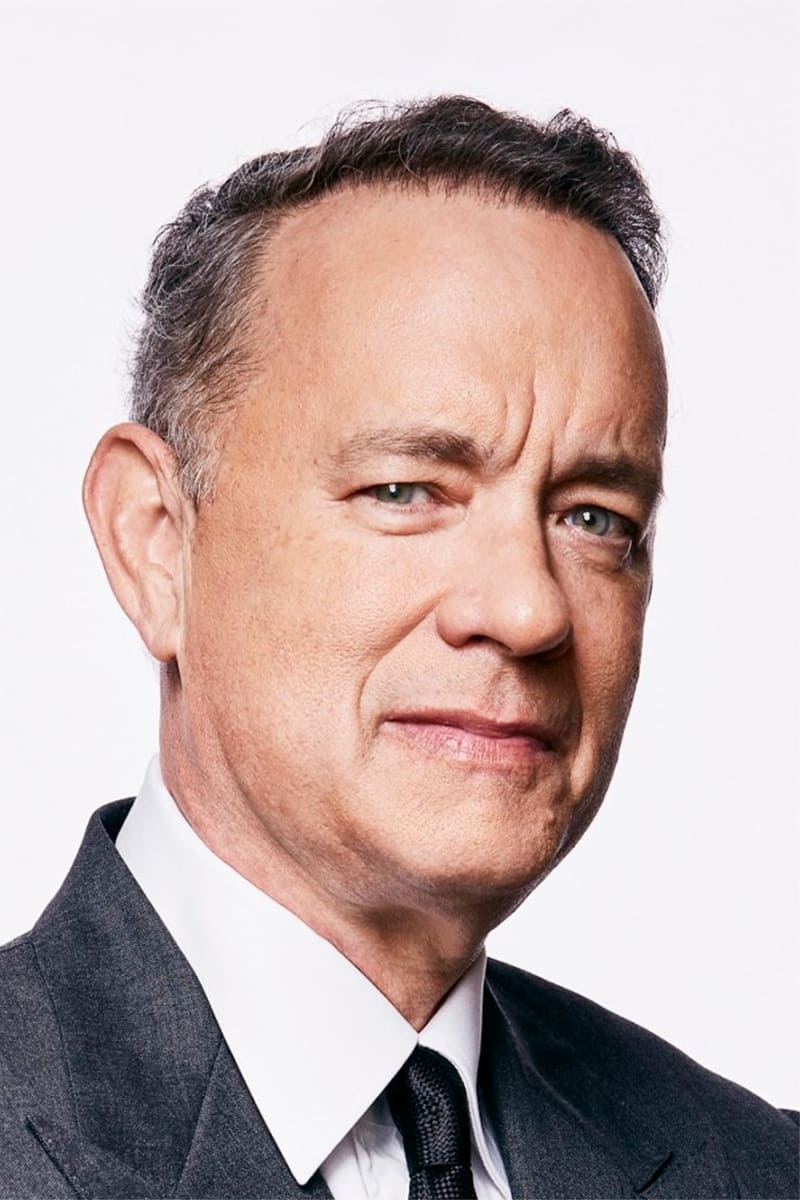
Hanks’ producing work emphasizes script clarity and character focus from the outset, reducing dependence on late test screenings. He often partners with directors known for firm control over final cuts. Feedback cycles on his projects lean toward invited screenings with creatives and historians when applicable. That approach privileges accuracy and tone over broad audience polling.
Samuel L. Jackson
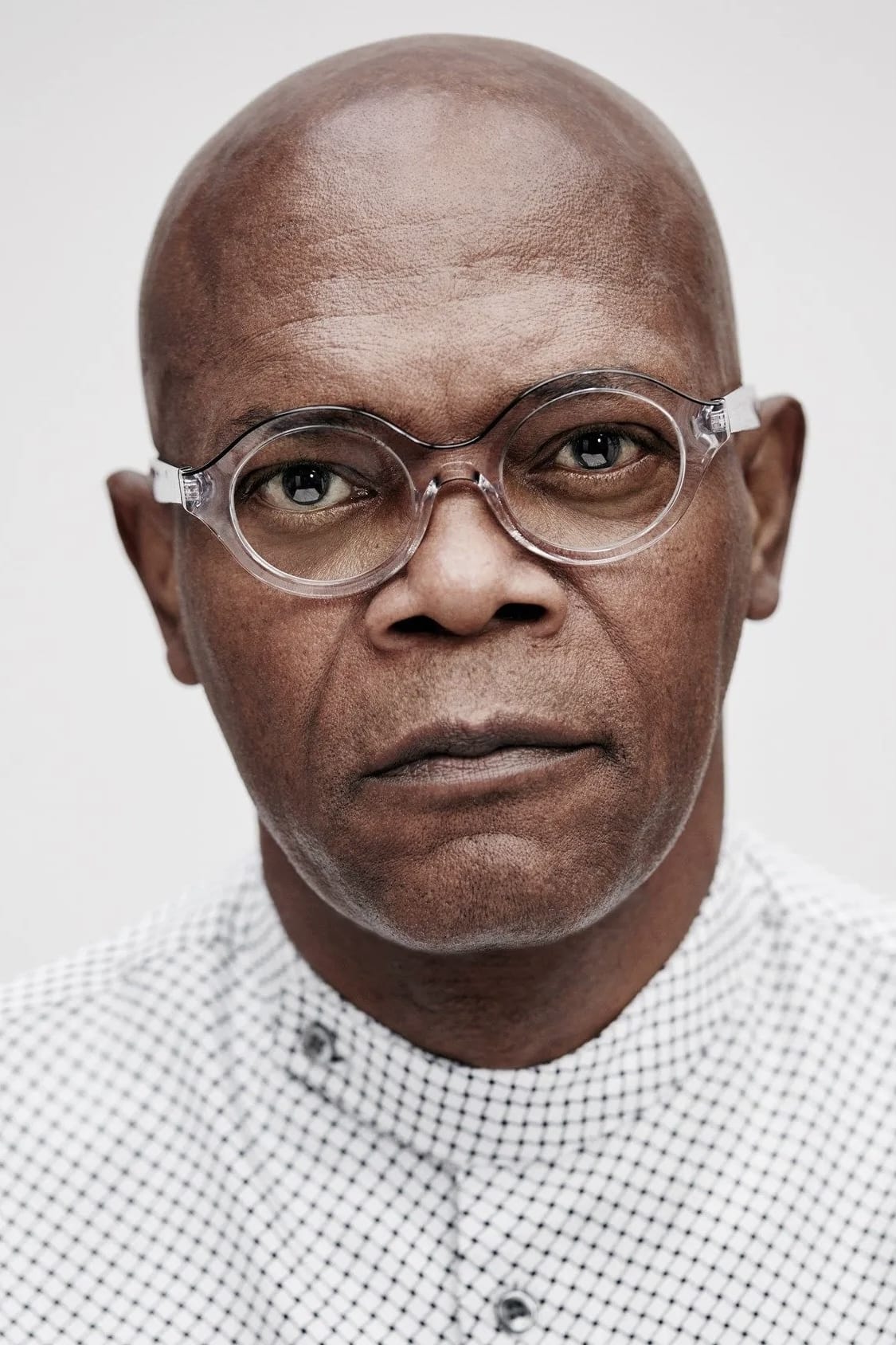
Jackson’s prolific career includes multiple collaborations where director authority remains central in post. He’s outspoken about maintaining character voice and rhythm, which broad testing can dilute. Productions he anchors commonly use small, purpose-built previews—sound, pacing, continuity—rather than open-ended test nights. The focus remains on protecting performance integrity over card-driven alterations.
Hugh Jackman
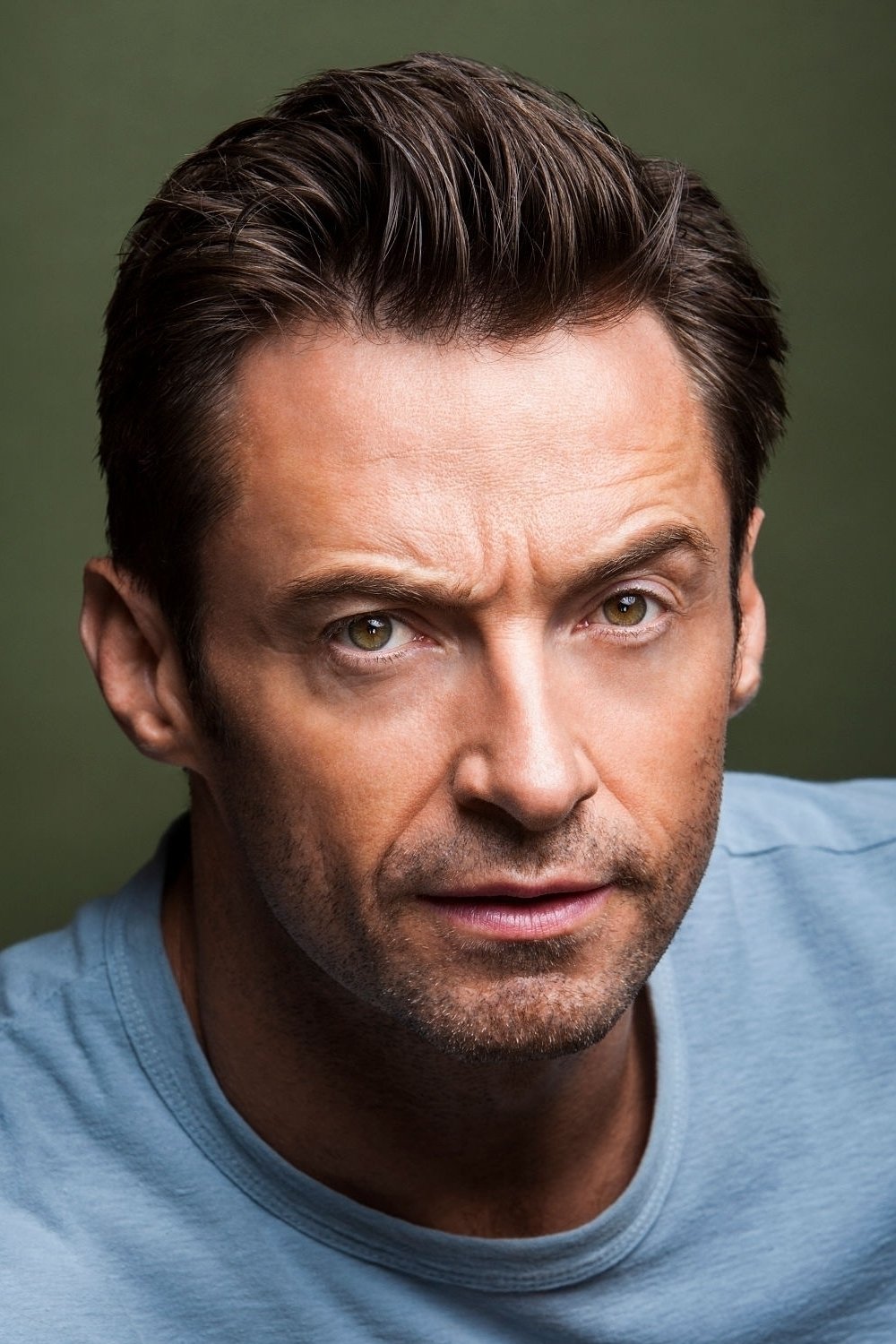
Jackman’s projects frequently balance genre spectacle with character work, so postproduction centers on calibrating performance and musicality rather than rewriting arcs by committee. He’s worked with producers who prefer targeted screenings to check flow and clarity. Large reshoots on his films are typically mission-specific and planned, not triggered solely by cards. This helps preserve the intended tone across edits.
Idris Elba
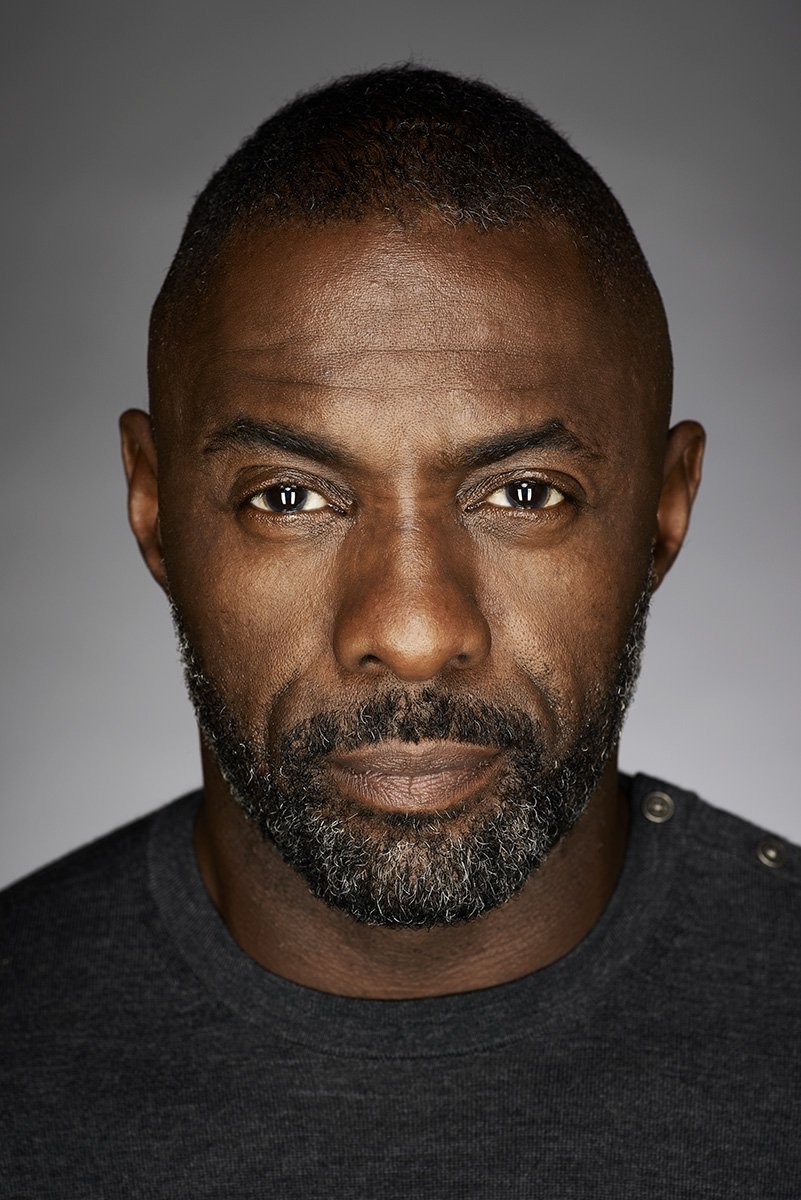
Elba’s actor-producer roles encourage early table reads and script workshops that lower the need for mass testing later. He prioritizes authenticity in dialect and setting, elements that generic notes often flag but which his teams seek to protect. Previews tend to be selective and expert-led when technical realism is involved. The result is incremental refinement rather than wholesale pivots.
Colin Farrell
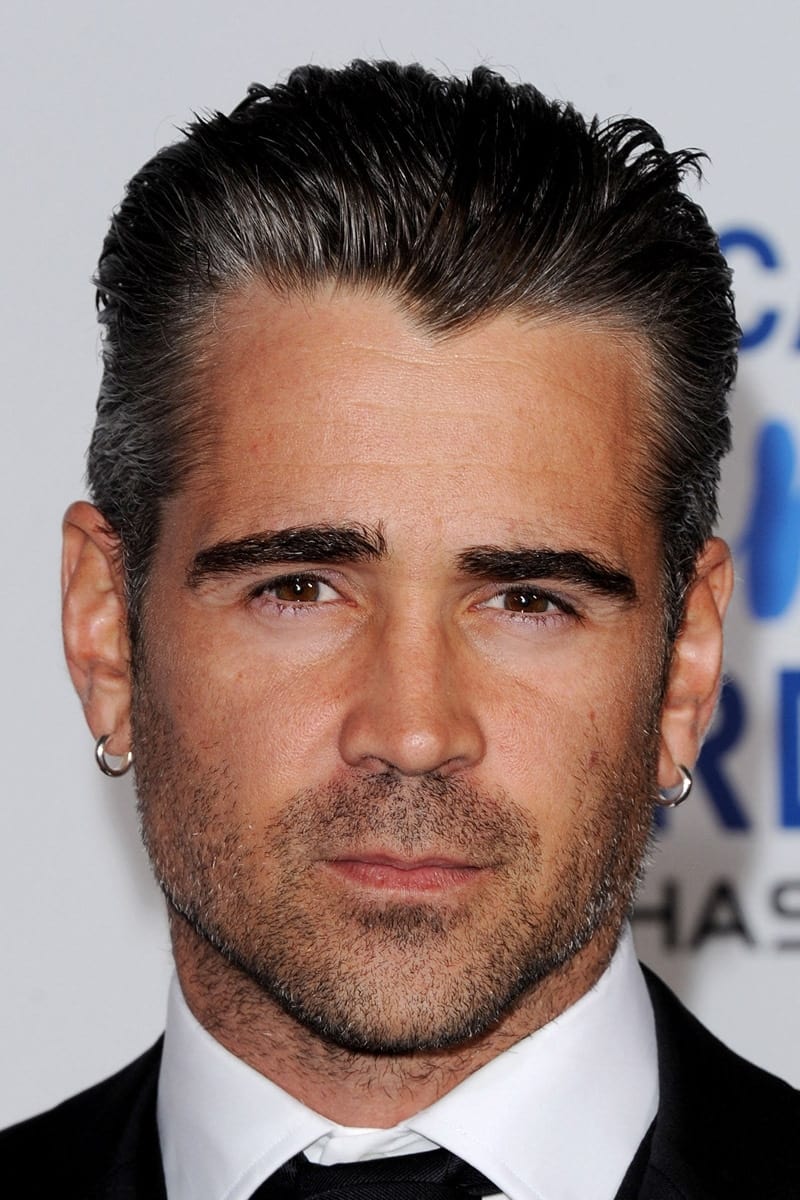
Farrell’s recent run with auteur-driven projects places emphasis on editorial restraint and small, trusted screenings. He’s supported keeping ambiguous character choices intact even if they test modestly. Producers he works with often favor festival discovery to build word-of-mouth. That pipeline sidelines mass audience cards as the primary decision-maker.
Cillian Murphy
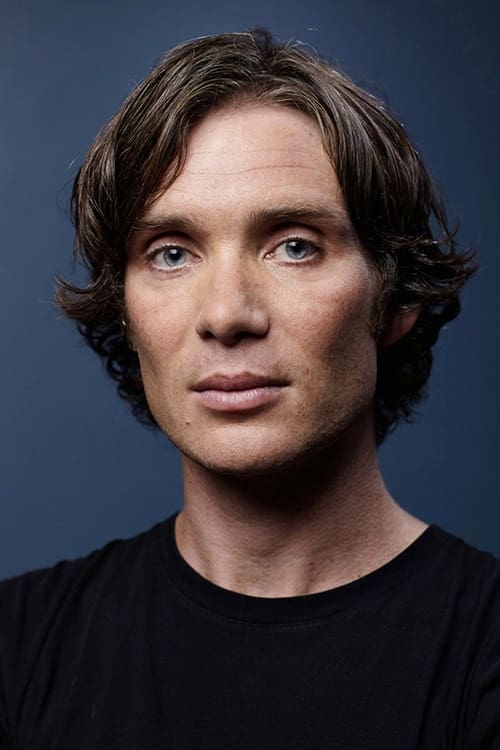
Murphy typically collaborates on films where final cut lies close to the director, limiting the leverage of generalized test notes. He favors precision passes for sound design and narrative legibility over broad surveys. Festival premieres and press screenings provide qualitative feedback without mandating score-based overhauls. This preserves deliberate pacing and tonal cohesion.
Gary Oldman
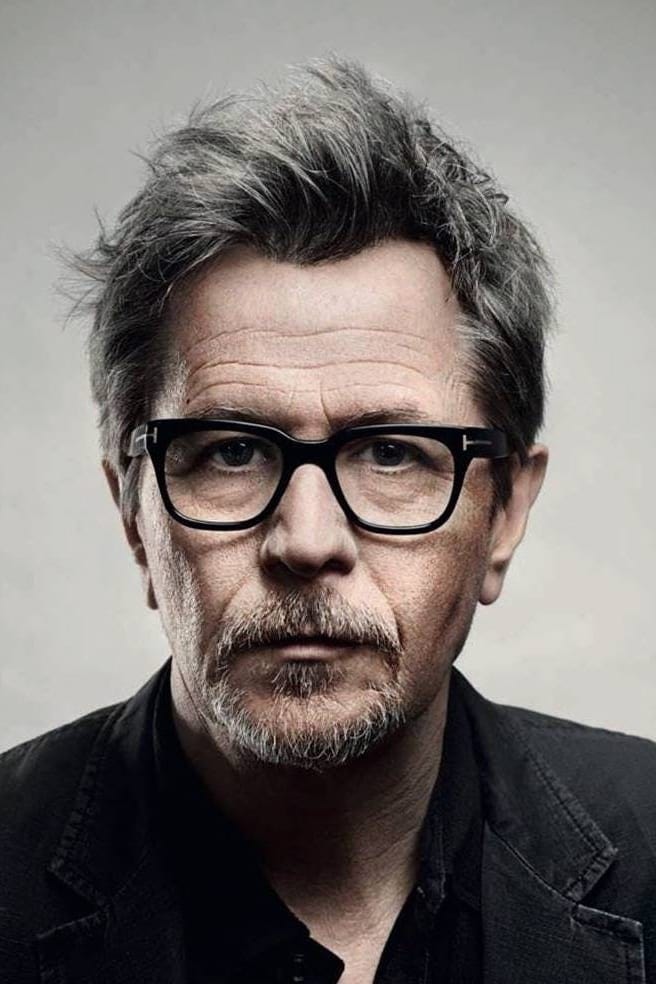
Oldman’s character-forward roles benefit from edits that protect performance modulation rather than chasing quicker jokes or exposition. He often works with directors and editors who run limited peer screenings to interrogate clarity. Broader testing is kept in check by strong postproduction leadership. Changes, when they happen, tend to be surgical.
Mahershala Ali
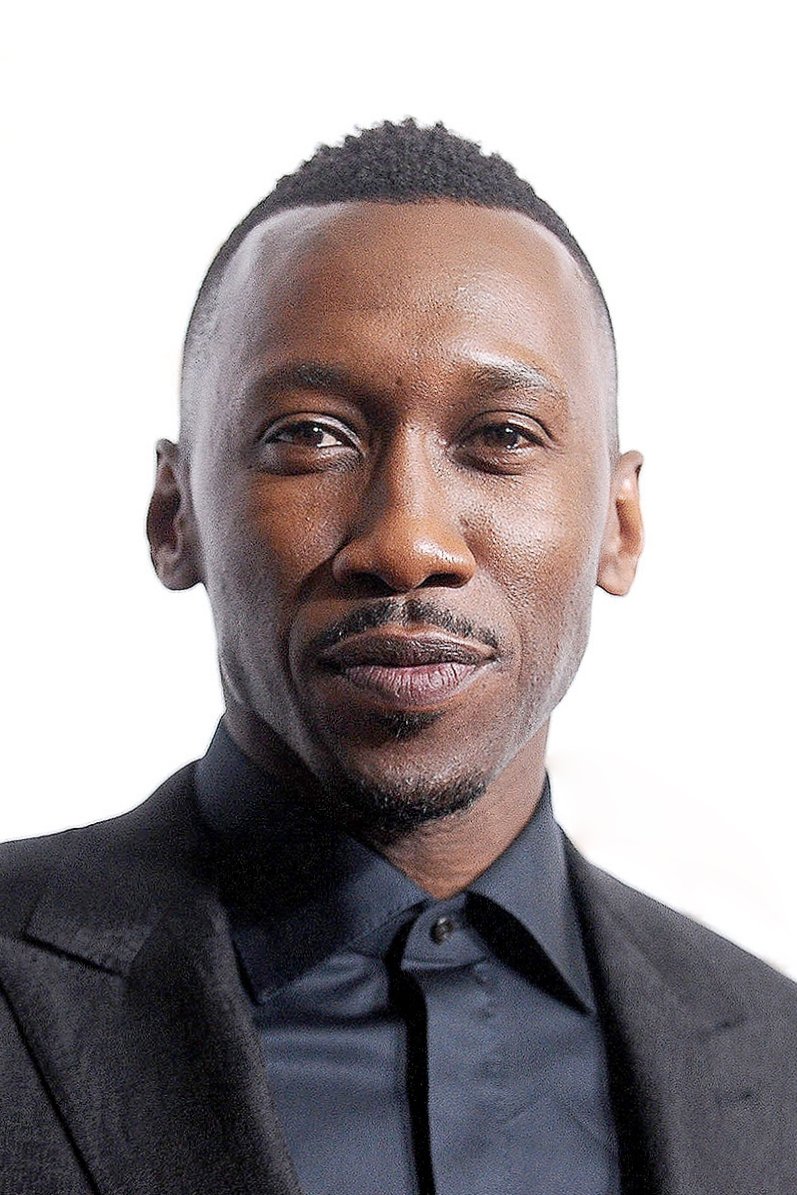
Ali’s projects emphasize moral texture and measured pacing, qualities that can suffer under homogenizing notes. He supports targeted screenings, including community and subject-matter consultations, when themes intersect with real-world issues. Editorial decisions prioritize resonance with intended audiences over broad four-quadrant polling. This yields focused adjustments instead of sweeping rewrites.
Oscar Isaac
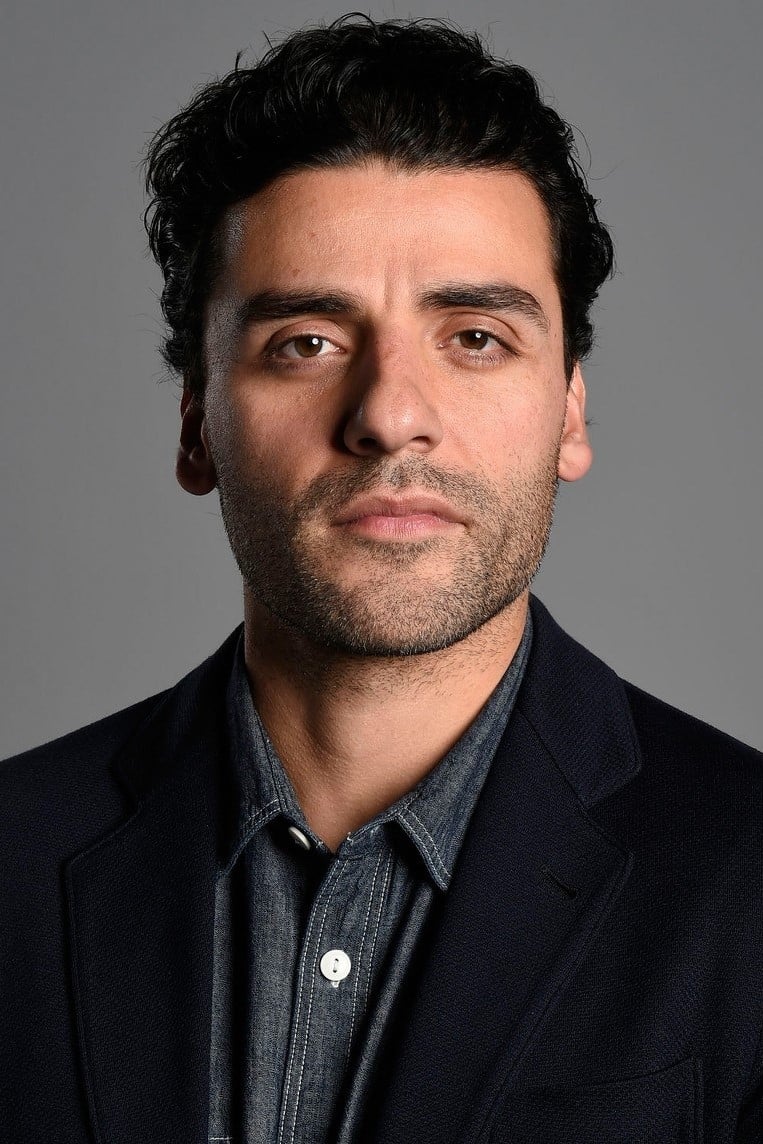
Isaac frequently chooses challenging, genre-bending material and partners with filmmakers who safeguard tone. Previews are typically small and purpose-built, focused on narrative clarity and sound. He’s backed protecting unconventional structures that might not “score” in mass tests. Festival-first rollouts often give his films room to breathe without test-led retooling.
Daniel Craig
Craig has leveraged producer input on major franchises to keep action geography, tone and character beats consistent despite test-era pressures. Technical previews address clarity and sound rather than rewriting arcs to chase higher cards. He’s advocated for coherent stakes over quick-fix humor insertions. This keeps large-scale sequences aligned with filmmaker intent.
Benedict Cumberbatch
Cumberbatch’s projects often rely on dense dialogue and precision pacing, which can be misread by generic test audiences. He favors invitations to expert viewers for feedback on historical or scientific detail. Editorial choices aim to protect specificity while tightening clarity. Mass test screenings play a limited role in those decisions.
Tom Hardy
Hardy’s approach to character and sound—accent choices, physicality—requires post workflows that respect experimentation. He collaborates with teams that use limited screenings to check intelligibility without flattening idiosyncrasies. Producers he works with prioritize director authority in the edit. Course corrections, if any, target legibility, not personality.
Robert Downey Jr.
Downey’s producing involvement gives him a say in how postproduction balances rhythm with character. He supports iterative internal screenings that refine structure and dialogue cadence. Large, general-audience tests are often supplemented—or replaced—by peer feedback from filmmakers and editors. This approach preserves voice while addressing clarity.
Joseph Gordon-Levitt
Gordon-Levitt’s creator-owned projects have long favored community and collaborator feedback loops over anonymous test cards. He leverages early development and table reads to resolve structural issues upstream. When previews occur, they’re small and intent-focused. The emphasis is on cohesion and authenticity rather than chasing higher scores.
Don Cheadle
Cheadle’s actor-director-producer experience leads to post pipelines that solicit expert notes—music, history, politics—before broad tests. He’s prioritized protecting complex tone in issue-driven stories. Any reshoots he champions tend to address specificity or pacing rather than to lighten endings. That philosophy reduces test-screening sway over final cuts.
Benicio del Toro
Del Toro’s moody, deliberate performances benefit from edits that resist simplification. He often partners with directors who keep tight control in post and who prefer festival calibration. Limited previews check continuity and narrative legibility. Wholesale changes based on mass cards are uncommon on his projects.
Paul Dano
Dano gravitates to character studies where small shifts in performance carry the film, making test-driven punch-ups risky. He supports editor-driven refinement and selective peer screenings. The goal is to clarify intention without sanding down edges. His collaborations commonly sidestep large, generalized audience tests.
John Boyega
Boyega has used producer clout to advocate for cultural specificity and thematic through-lines in post. He favors targeted screenings with community stakeholders when stories intersect with identity and politics. Broader, card-heavy testing is kept secondary to those dialogues. This keeps tone consistent while addressing clarity.
Michael B. Jordan
Jordan’s actor-director-producer role has centered on purposeful reshoots planned from script stage, not reactive changes from test cards. He integrates athlete-style feedback loops—performance review, tape study—within a small trusted circle. Public previews, when used, focus on sound, pacing and legibility. Mass testing rarely dictates story pivots on his projects.
Share your picks and behind-the-scenes stories about actors pushing back on test-screening culture in the comments!

