


Actors Who Have Gotten Worse at Acting Over Time



Careers in film and television rarely move in a straight line. Training, genre shifts, long franchises, and time away from the camera can change how any performer approaches roles. Audiences also meet actors at different stages—some arrive with a splash in award-circuit dramas, others find their footing in comedies or action films, and many eventually pivot toward directing, producing, or entrepreneurial work that pulls them partly off-screen.
Below is a look at 25 male actors whose later work has often been defined by different choices than their early breakthroughs. For each, you’ll find concrete context—formative roles, awards, collaborations, genre pivots, and off-screen commitments—so you can trace how their filmographies evolved without relying on hot takes.
Bruce Willis
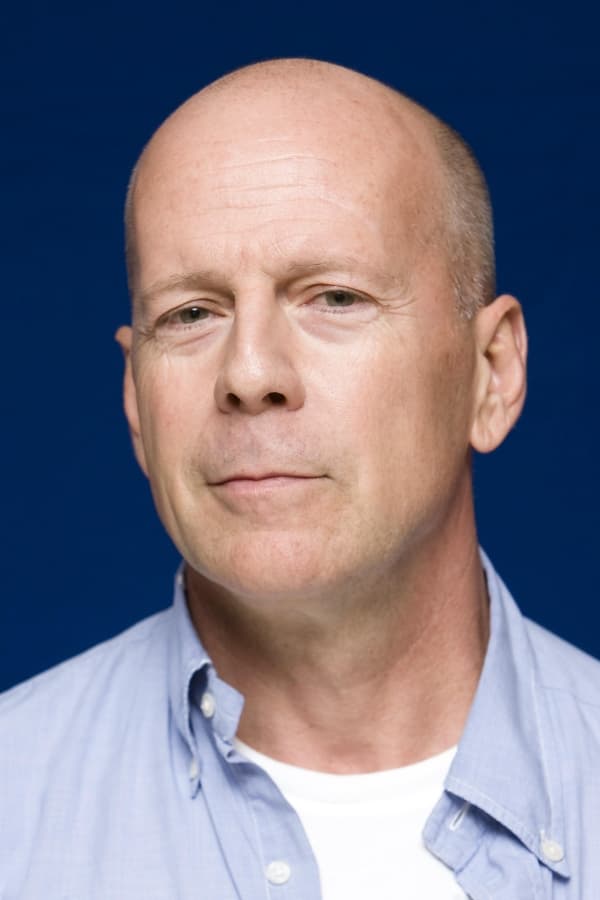
Willis became a household name with a mix of TV success on ‘Moonlighting’ and star-making action turns in ‘Die Hard’. He balanced large-scale hits with auteur collaborations, appearing in projects like ‘Pulp Fiction’ and ‘The Sixth Sense’, and he built a bankable image as a laconic, wise-cracking lead who could anchor thrillers and sci-fi.
In later years he appeared in a high volume of low-budget thrillers and action titles, many released direct-to-video or with limited theatrical runs. His family publicly shared his aphasia diagnosis and retirement from acting, while his earlier catalog continues to circulate on streaming and repertory circuits, introducing new audiences to his foundational work.
Steven Seagal
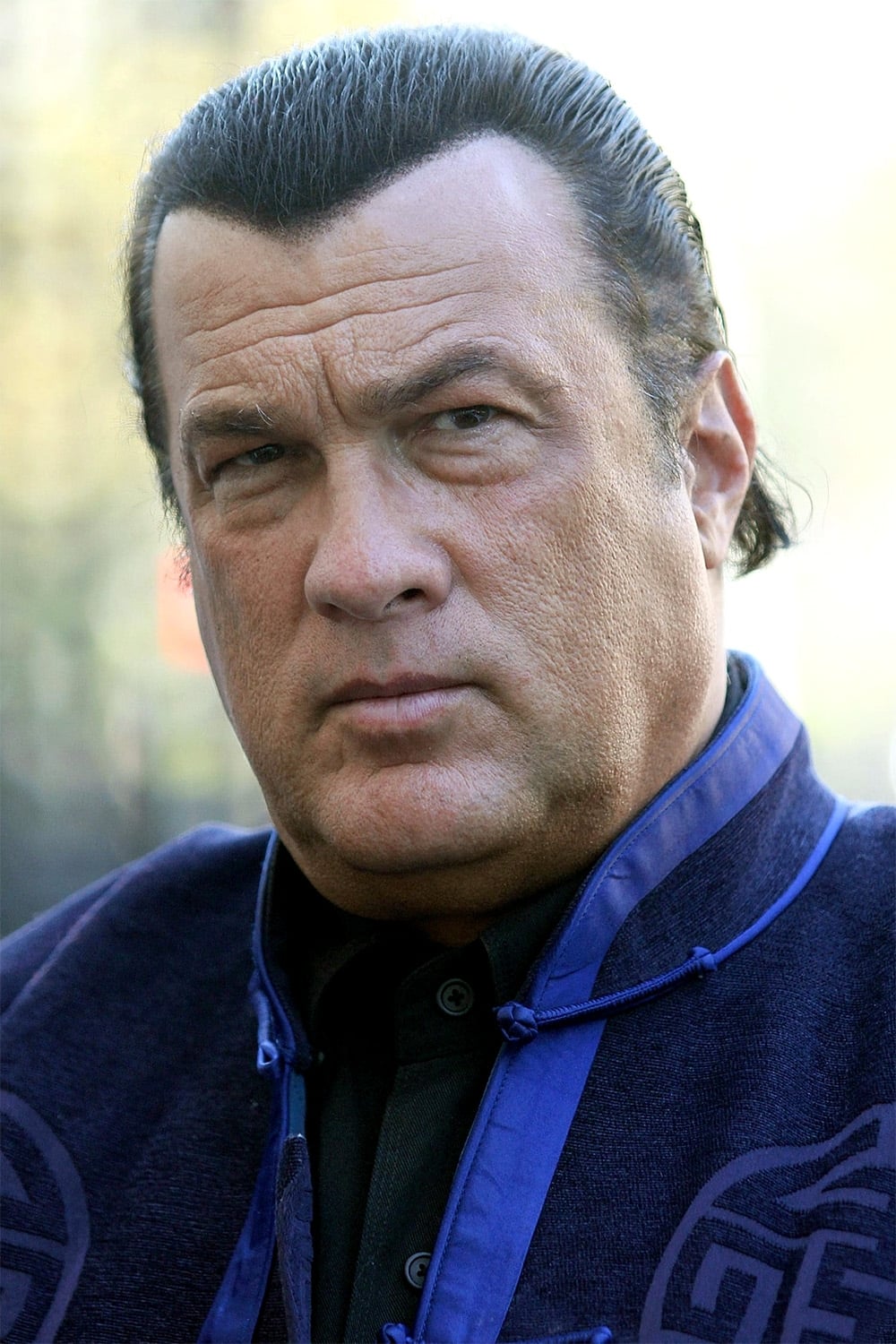
Seagal’s early filmography established him as an Aikido practitioner with a stoic, physically imposing screen persona, fronting action vehicles like ‘Under Siege’. Those films emphasized practical stunts, close-quarters choreography, and straightforward narratives where his character’s martial arts defined the set-pieces.
Later projects were frequently international co-productions with modest budgets and minimal theatrical presence. Many releases used body doubles, limited dialogue scenes, and abbreviated schedules, and he often took producer credits while filming in locations that offered favorable tax or production conditions.
John Travolta
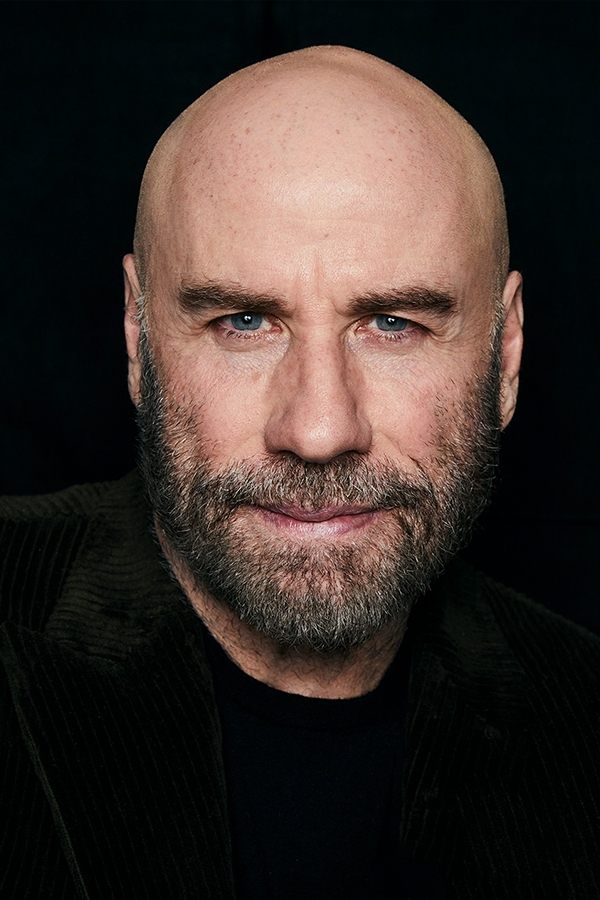
Travolta’s first major wave featured dance-driven and musical roles like ‘Saturday Night Fever’ and ‘Grease’, followed by a widely noted resurgence with ‘Pulp Fiction’. That comeback put him in demand for thrillers and big-studio spectacles throughout the following decade.
His subsequent résumé leaned into genre fare—crime capers, heist films, and action melodramas—alongside television anthologies. He also took on niche biographical projects and independent productions, frequently working as a producer and collaborating with emerging directors outside the traditional studio system.
Nicolas Cage
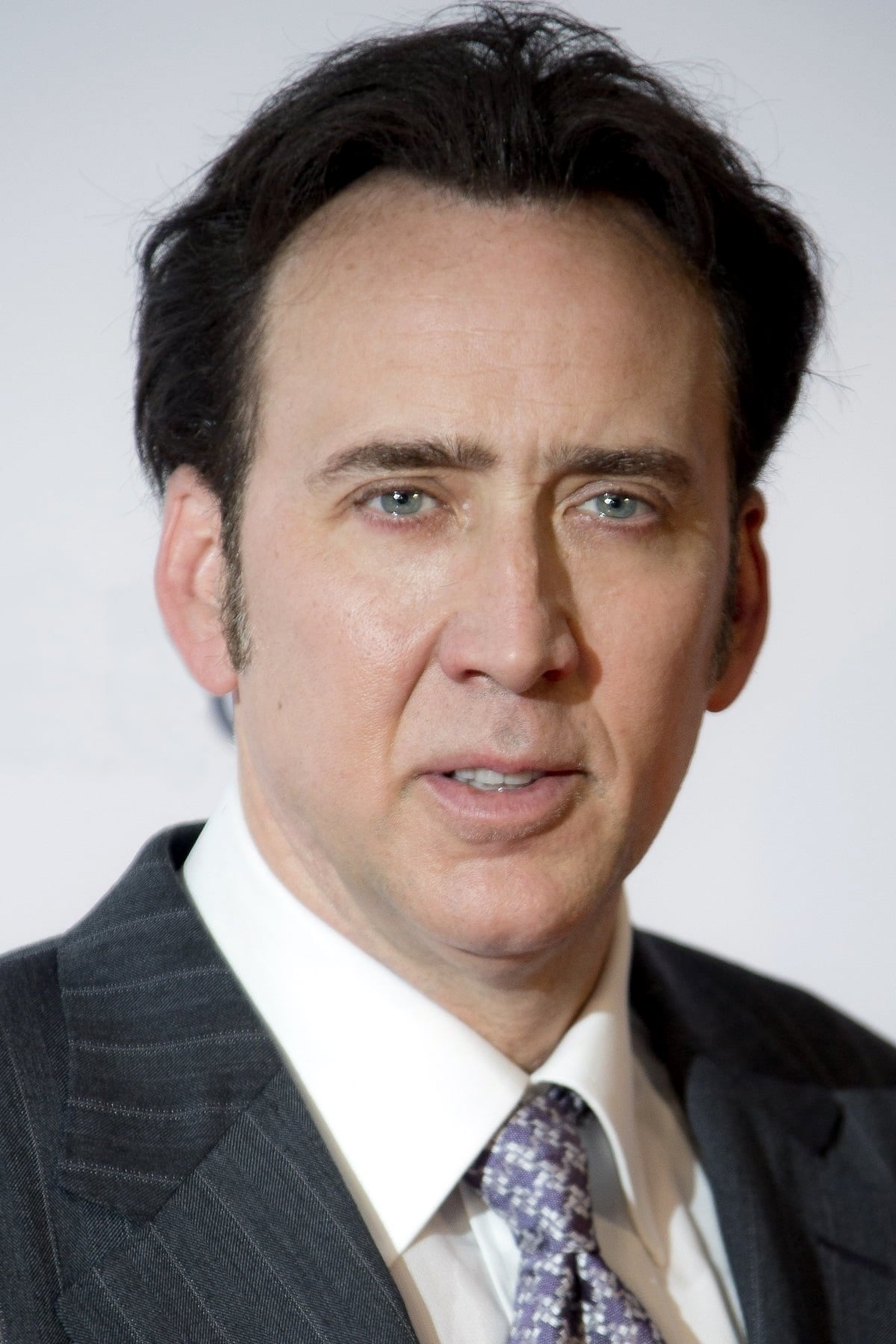
Cage built an eclectic profile, moving between off-beat comedies such as ‘Raising Arizona’, character-driven dramas like ‘Leaving Las Vegas’, and large-scale action titles including ‘The Rock’. That range made him a fixture across both awards conversations and box-office seasons.
In later periods he accepted a high throughput of independent and genre films, often shot on compressed schedules. He continued to oscillate between experimental projects like ‘Mandy’ and mainstream adventures, while also lending his voice to animated features such as ‘Spider-Man: Into the Spider-Verse’.
Adam Sandler
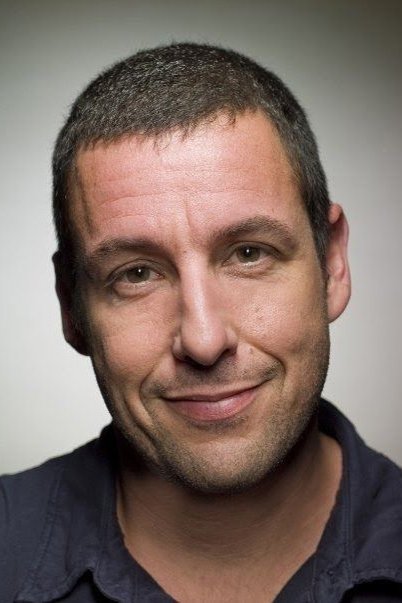
Sandler’s rise came through ‘Saturday Night Live’ to broad comedies like ‘Happy Gilmore’ and ‘The Waterboy’, building a company of recurring collaborators. He consistently parlayed that ensemble model into films that traveled well on home video and, later, streaming.
Across the 2010s he signed multi-picture streaming deals that emphasized accessible, high-concept comedies with familiar casts. Intermittently, he has taken prestige-leaning roles such as ‘Uncut Gems’ and ‘Hustle’, showing a parallel track of dramatic work amid his core comedy output.
Rob Schneider
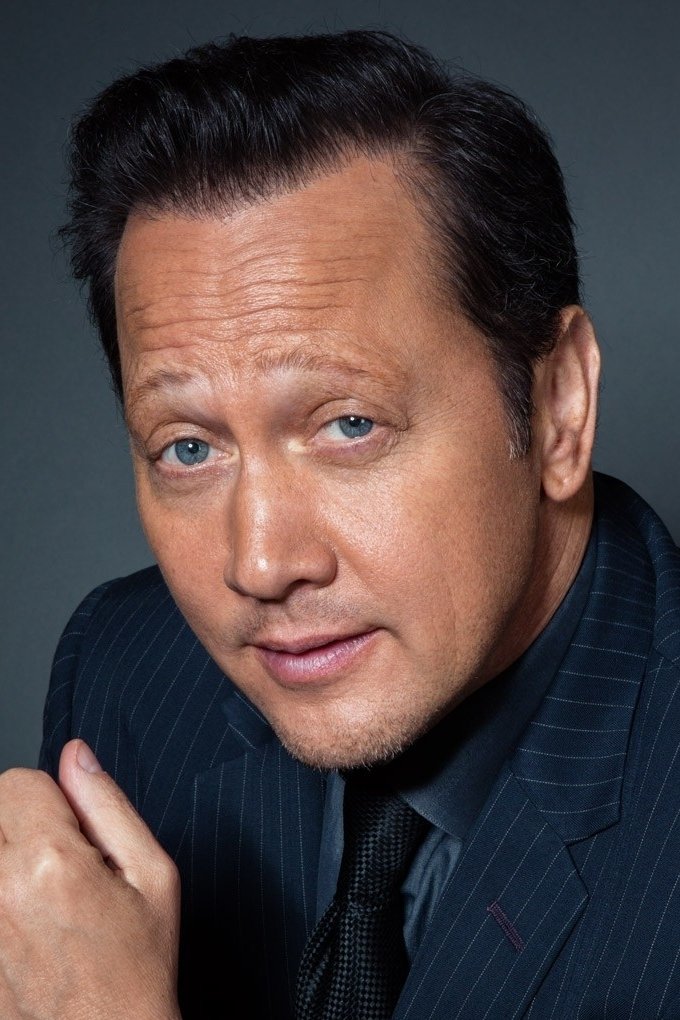
Schneider transitioned from ‘Saturday Night Live’ to lead vehicles like ‘Deuce Bigalow: Male Gigolo’, often co-starring with fellow SNL alumni. His films relied on broad premises, recurring character types, and cameo-filled ensembles.
He later focused on smaller comedies, stand-up tours, and television projects such as the meta-sitcom ‘Real Rob’. Much of his screen work has been produced outside major studio tentpoles, with distribution weighted toward streaming and international markets.
Kevin James
James gained widespread recognition through the sitcom ‘The King of Queens’, then headlined family-friendly comedies including ‘Paul Blart: Mall Cop’. His collaborations frequently overlapped with Adam Sandler’s production circle, which amplified his reach.
More recent roles include sports dramas like ‘Home Team’, action-thriller turns such as ‘Becky’, and continued voice work in animated franchises. He has also maintained a presence in stand-up, releasing specials that dovetail with promotional windows for his screen projects.
Gerard Butler
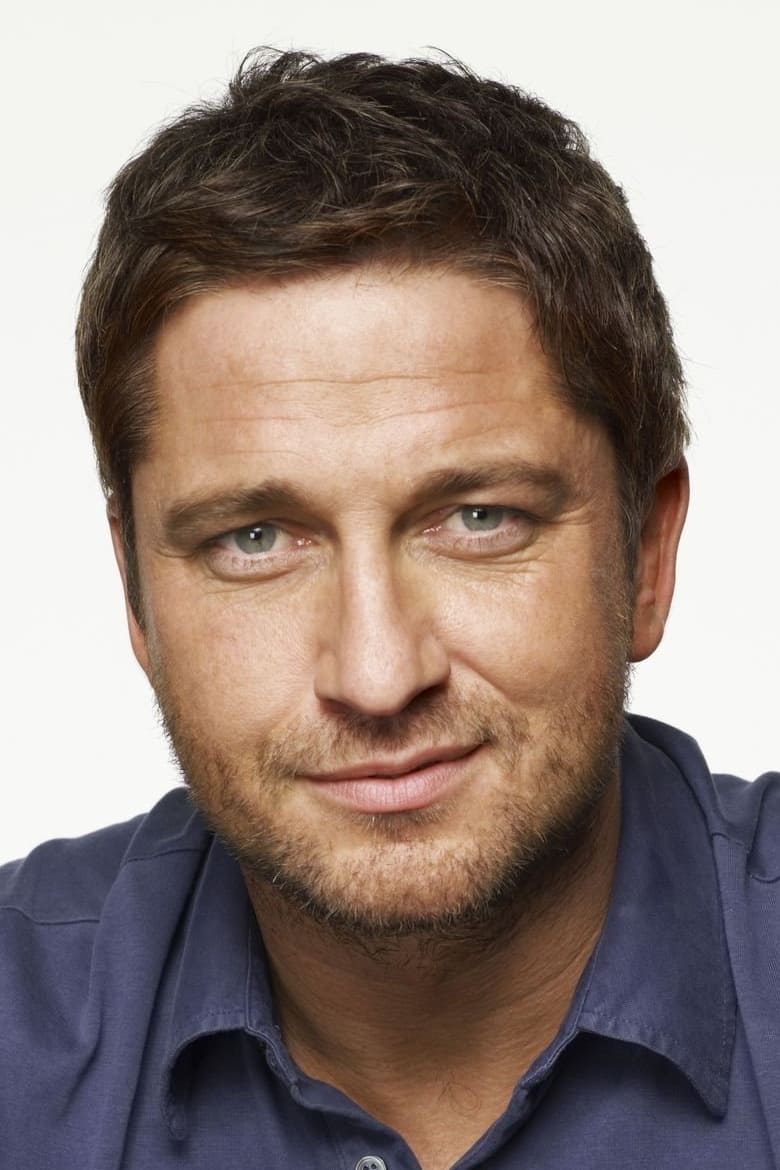
Butler crossed from historical epics like ‘300’ to romantic comedies and mid-budget actioners. He established a niche with rescue-and-revenge thrillers and disaster films that perform reliably in international markets.
His later career centers on franchise entries like ‘Olympus Has Fallen’ and travel-friendly action titles such as ‘Plane’ and ‘Greenland’. He often serves as producer, developing projects that align with his established audience for survival-driven narratives.
Arnold Schwarzenegger
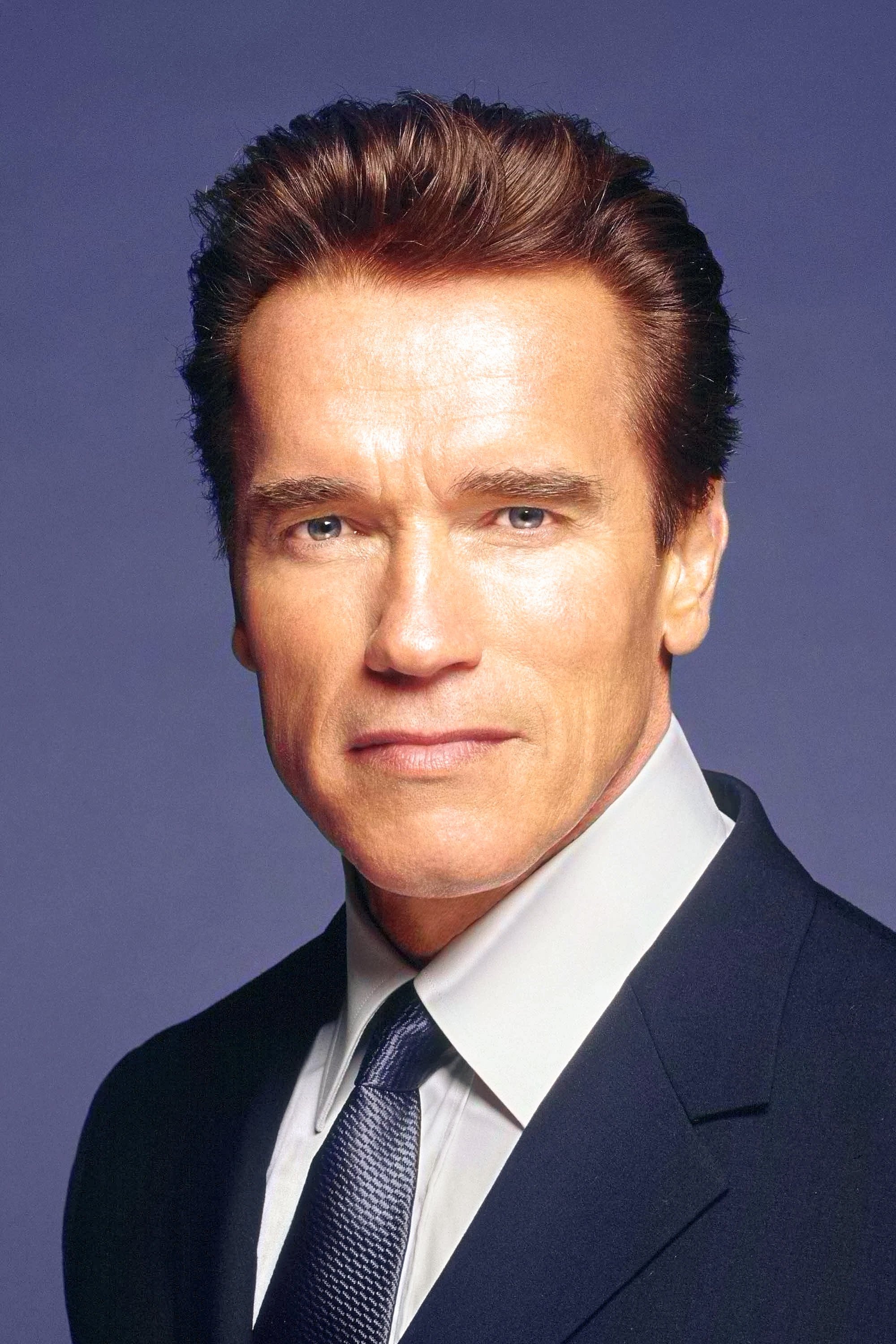
Schwarzenegger’s early stardom fused bodybuilding celebrity with action landmarks like ‘The Terminator’ and ‘Predator’. He broadened his profile with comedies such as ‘Twins’ while retaining his event-movie appeal.
After time in public office, he returned to the screen for ensemble action like ‘The Expendables’ and legacy sequels. He has since mixed streaming series work with sporadic film roles, frequently drawing on nostalgia for his iconic characters and catchphrases.
Sylvester Stallone
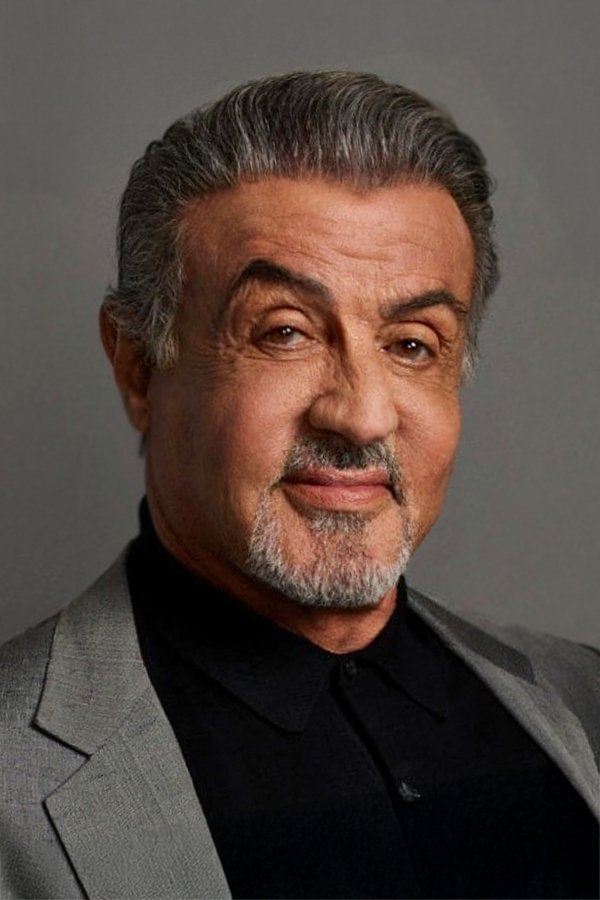
Stallone’s signature roles in ‘Rocky’ and ‘Rambo’ made him synonymous with underdog grit and explosive action. He parlayed that into writing, directing, and producing, shaping the creative direction of several franchises.
In later years he revisited legacy characters in entries like ‘Creed’ while also producing and starring in ensemble action projects. He has expanded into television with crime drama ‘Tulsa King’, continuing his presence across multiple platforms.
Orlando Bloom
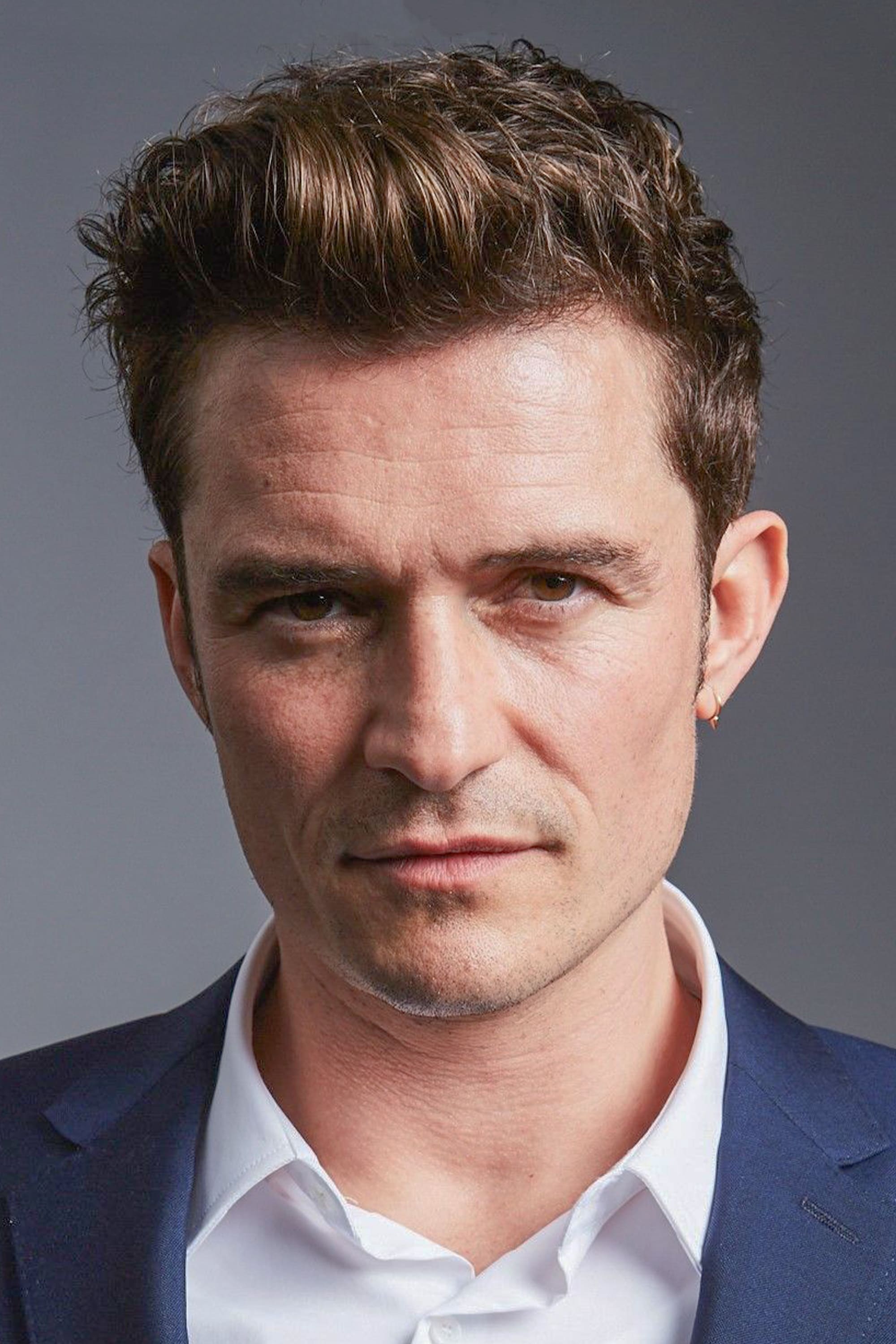
Bloom’s early career was anchored by back-to-back mega-franchises—’The Lord of the Rings’ and ‘Pirates of the Caribbean’—which introduced him to global audiences in adventure roles. He also appeared in historical epics and ensemble dramas during that period.
Subsequent work has included streaming series like ‘Carnival Row’, independent dramas, and supporting roles in war and survival stories such as ‘Unbroken’. His choices reflect a move away from franchise headlining toward varied medium-sized projects.
Hayden Christensen
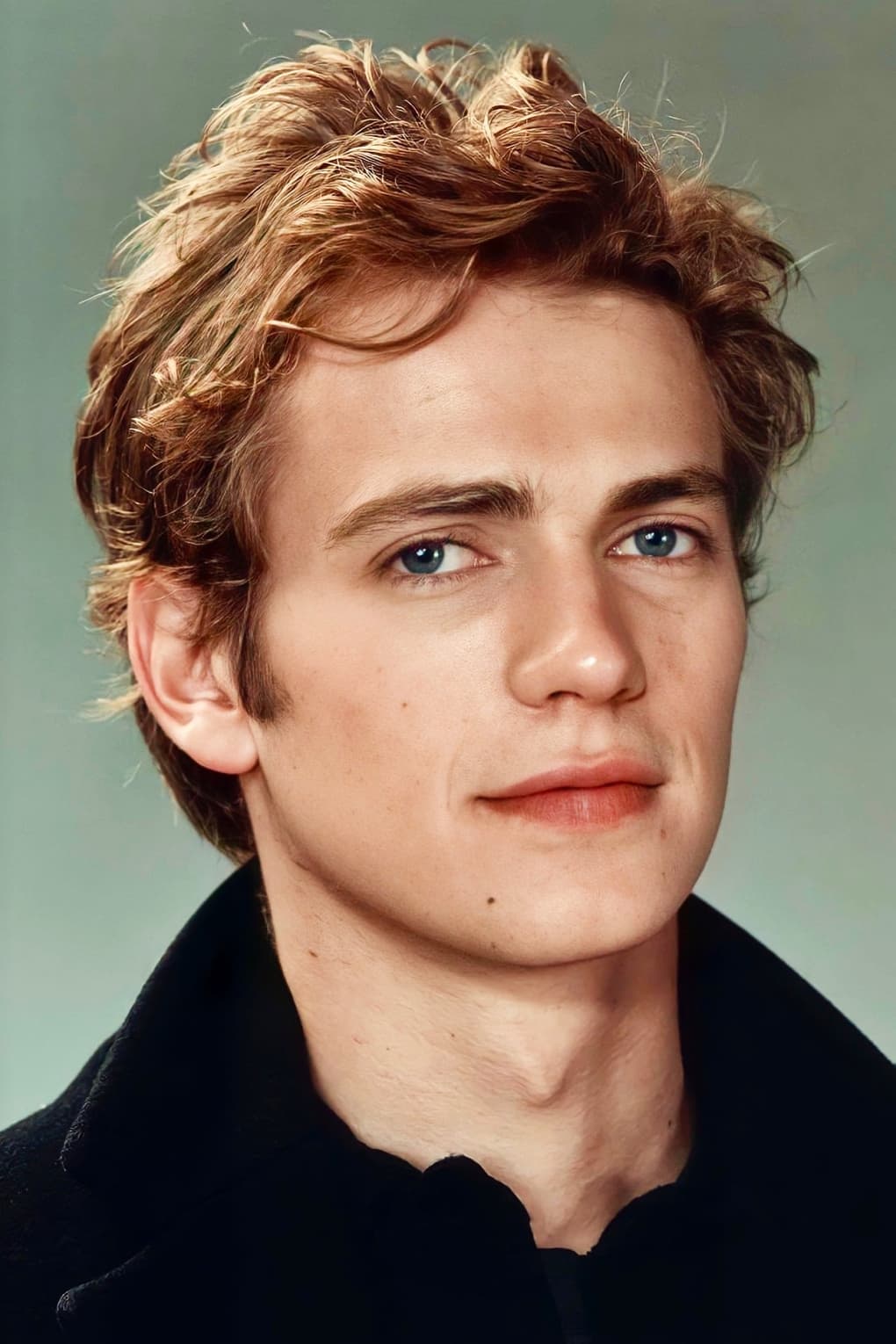
Christensen drew attention with dramas like ‘Life as a House’ before leading the ‘Star Wars’ prequel trilogy as Anakin Skywalker. That exposure gave him a lasting association with one of the most recognized characters in pop culture.
After a stretch of lower-profile thrillers and sci-fi titles, he recommitted to ‘Star Wars’ through series such as ‘Obi-Wan Kenobi’ and ‘Ahsoka’. Those appearances involved fight choreography and extensive costuming, aligning with the franchise’s evolving TV strategy.
Taylor Lautner
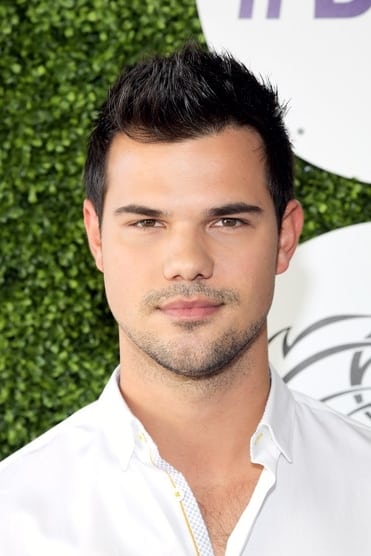
Lautner’s breakthrough came via the ‘Twilight’ saga, combining action-heavy sequences with teen-oriented romance. He used martial-arts training to handle stunt-driven set-pieces and built a sizeable fan base.
He later alternated between comedies like ‘The Ridiculous 6’, television work including ‘Scream Queens’ and ‘Cuckoo’, and select indie projects. Public appearances and hosting spots have complemented a screen schedule that remains occasional rather than constant.
Ashton Kutcher
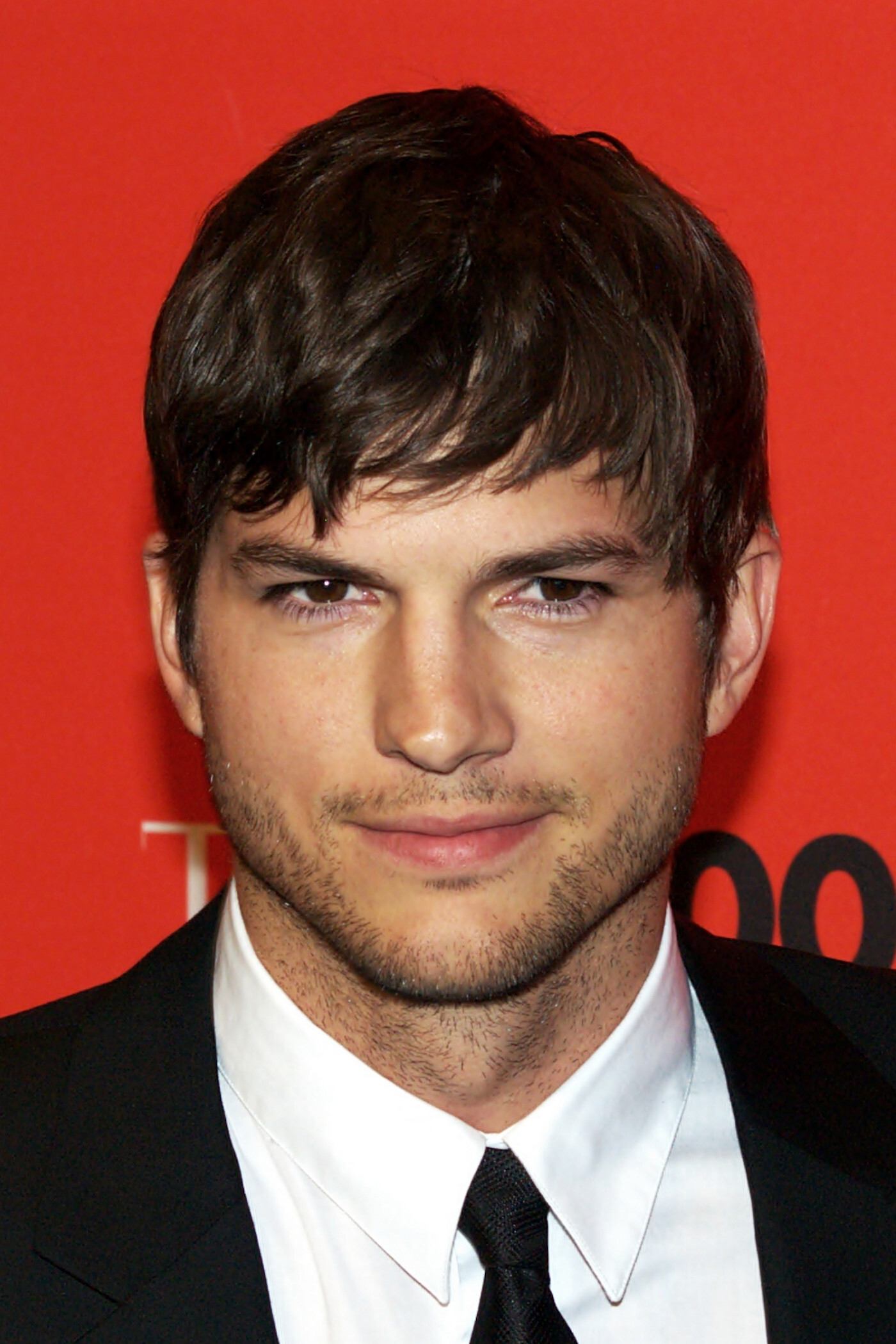
Kutcher moved from modeling into sitcom fame with ‘That ’70s Show’, then fronted comedies such as ‘Dude, Where’s My Car?’. He broadened into producing with ‘Punk’d’ and ventured into tech investing, building a profile beyond acting.
He anchored the sitcom ‘Two and a Half Men’ during a key run and appeared in biographical drama ‘Jobs’. In parallel, he has prioritized venture capital and philanthropy, taking fewer lead roles while contributing guest appearances and streaming projects.
Josh Duhamel
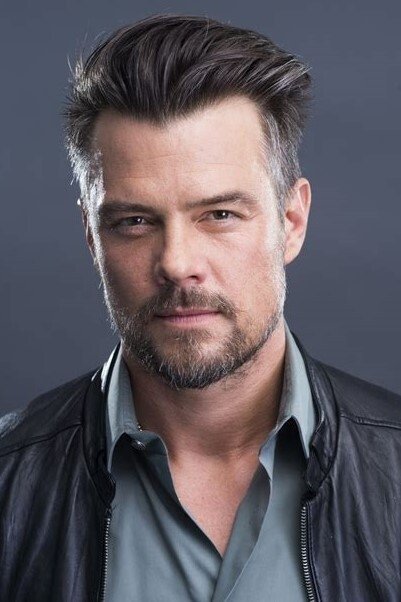
Duhamel first gained traction on television with ‘Las Vegas’ and transitioned to blockbuster scale as part of the ‘Transformers’ ensemble. He also headlined romantic comedies and light thrillers that fit his leading-man persona.
More recently, he has mixed family films, Hallmark-adjacent romances, and action features with voice roles in animation. He has stepped behind the camera with directing and producing efforts, adding off-screen responsibilities to his workload.
Sam Worthington
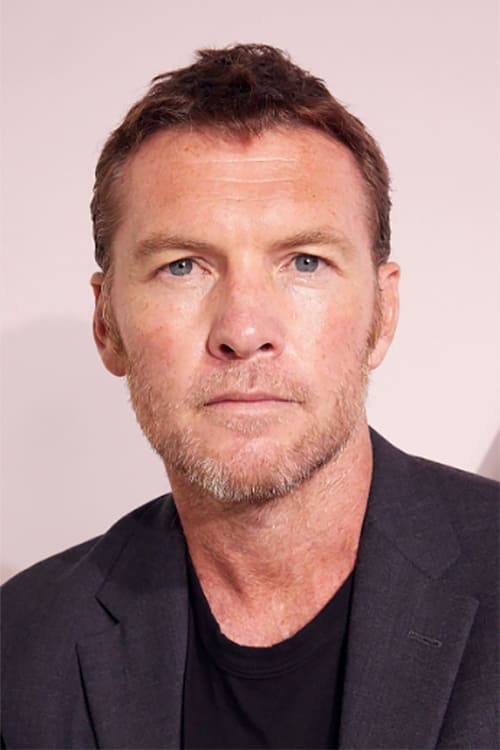
Worthington moved from Australian dramas to global prominence through ‘Avatar’. He followed with action and myth-driven adventures, often playing stoic, physically demanding roles across multiple franchises.
Later credits include streaming crime series like ‘Under the Banner of Heaven’, period thrillers, and continued involvement in large-scale sci-fi. He has balanced franchise obligations with character-centric television, broadening his portfolio across formats.
Jai Courtney
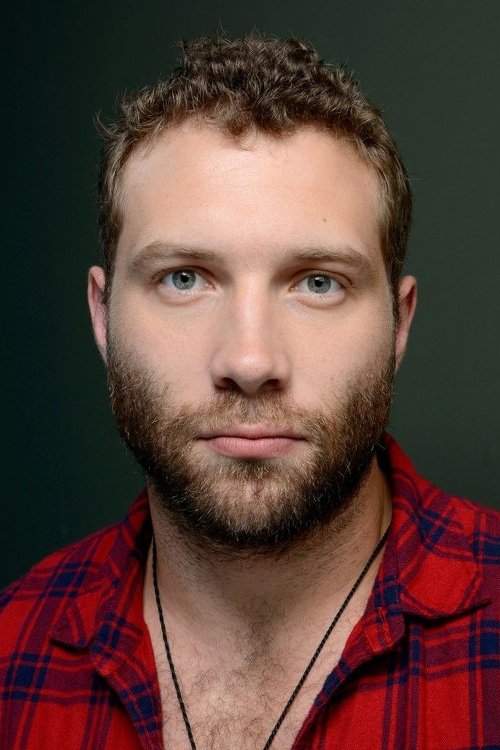
Courtney emerged from Australian television to supporting parts in action films such as ‘Jack Reacher’ before taking leading roles in franchise extensions like ‘A Good Day to Die Hard’. Casting frequently emphasized his physicality and military or law-enforcement types.
His subsequent work has encompassed comic-book ensembles like ‘Suicide Squad’, streaming series, and war dramas. He continues to appear in projects that leverage his action background while branching into television arcs with recurring characters.
Jason Statham
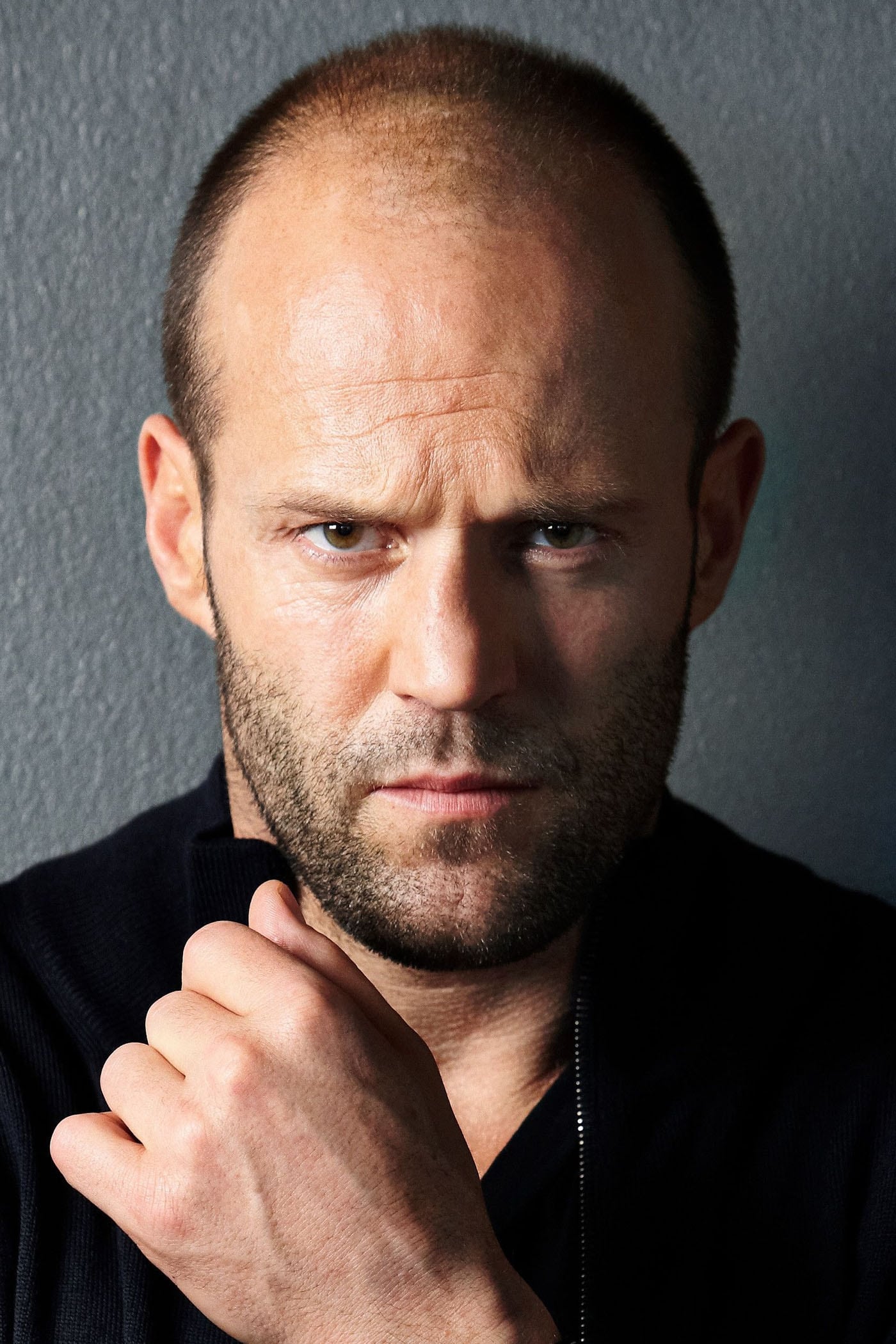
Statham’s early screen image grew out of British crime capers like ‘Lock, Stock and Two Smoking Barrels’, showcasing athletic stunt work and deadpan delivery. He quickly became a mainstay of transport-themed and heist-driven thrillers.
He has remained a consistent presence in franchise filmmaking, including ‘The Expendables’, ‘Fast & Furious’ spin-offs, and creature-feature adventures like ‘The Meg’. Producing roles and fight-team collaborations ensure continuity in his brand of action cinema.
Liam Neeson
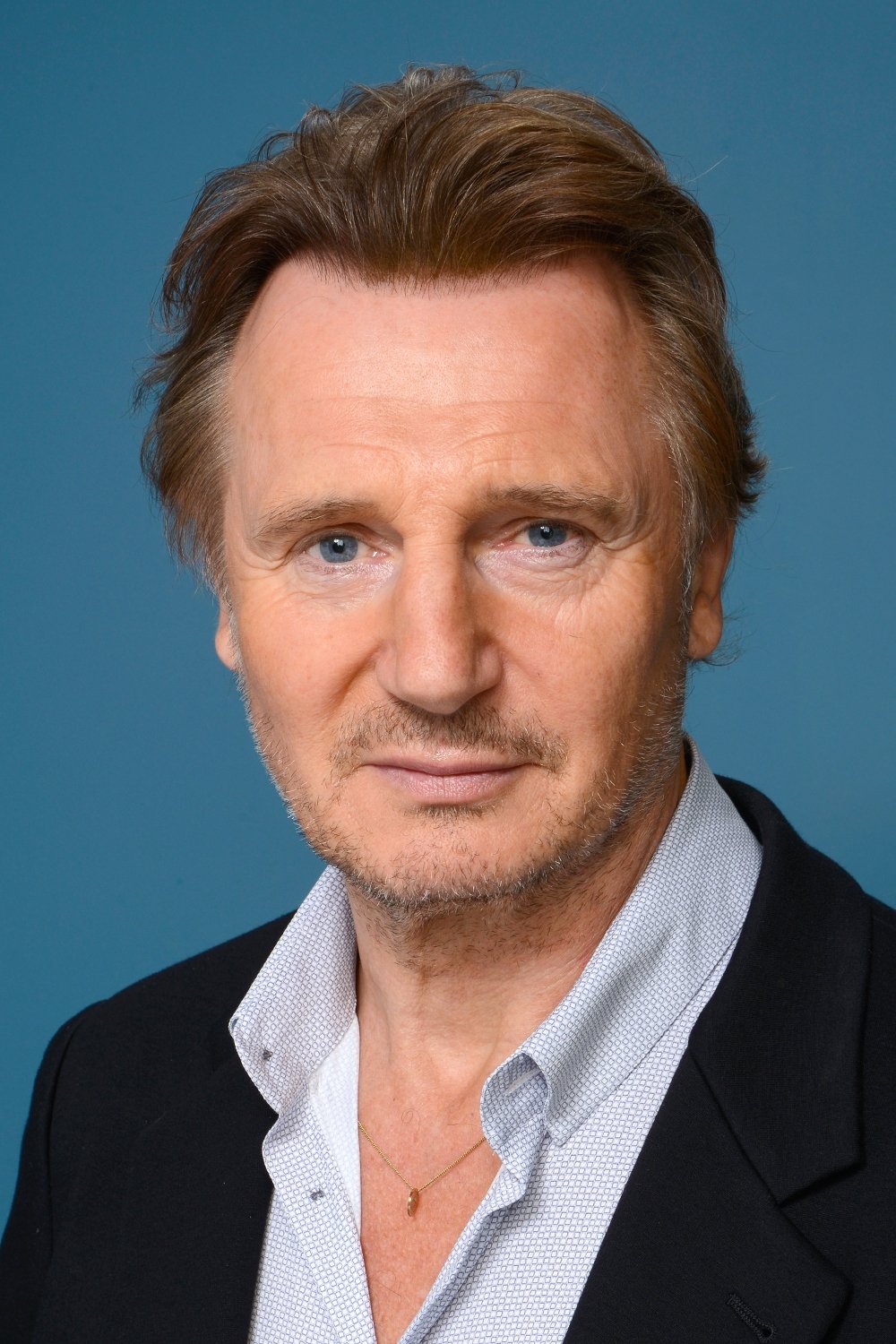
Neeson established himself with prestige dramas such as ‘Schindler’s List’ and historical epics, then shifted gears with the action-thriller ‘Taken’. That pivot led to a sustained run of rescue-mission narratives and high-concept suspense pieces.
In recent years he has continued to headline compact, location-driven thrillers while alternating with character roles in dramas. He also participates in voice work and occasional franchise cameos, maintaining output across theatrical and streaming releases.
Johnny Depp
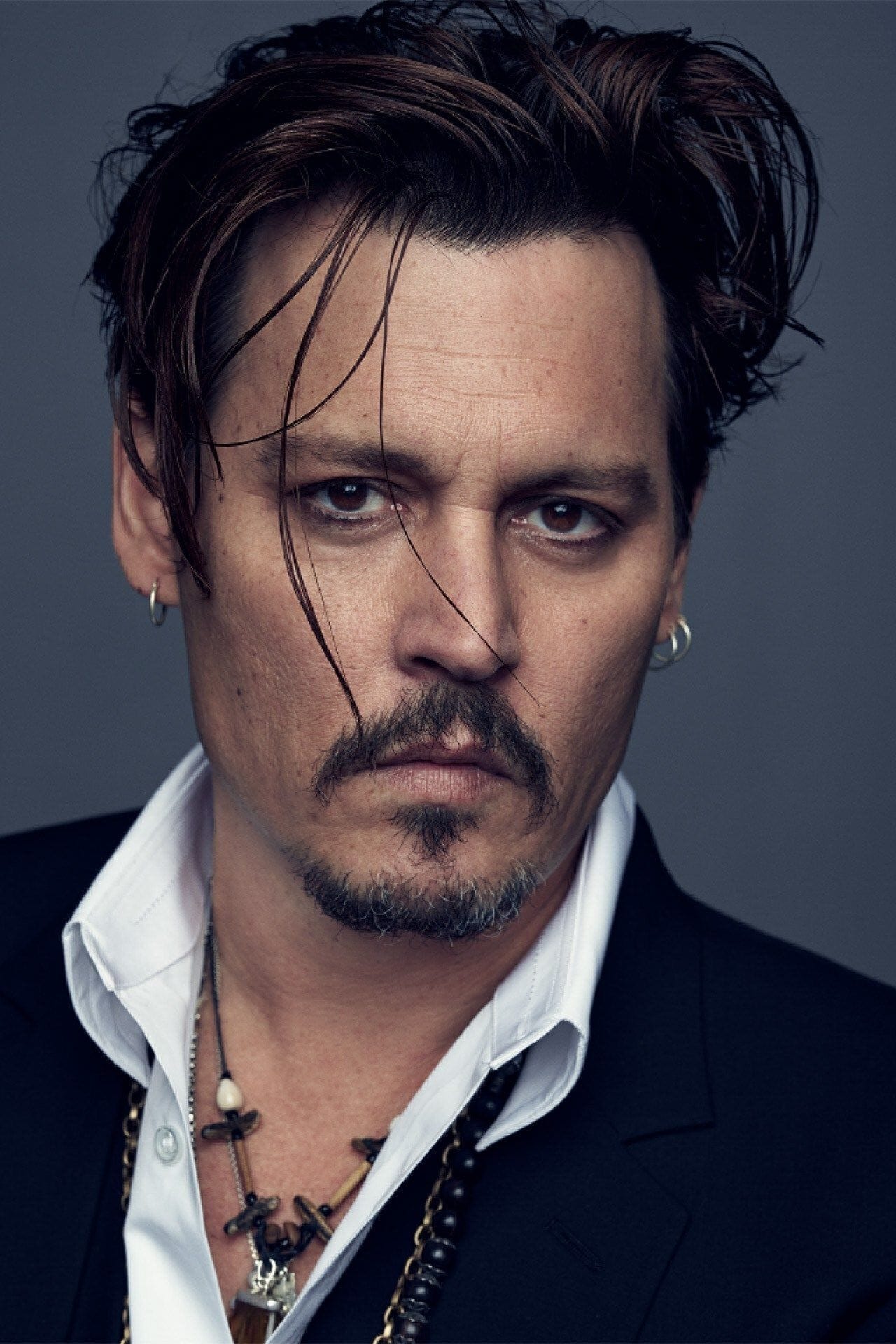
Depp’s early career balanced off-beat indies like ‘Edward Scissorhands’ with mainstream fare, often collaborating with distinctive directors. The ‘Pirates of the Caribbean’ series cemented his status as a global leading man.
Subsequent projects ranged from mystery and crime stories to fantasy adventures and biopics. He has pursued music, visual art, and directing, and he appears periodically at festivals where his films premiere outside traditional studio marketing cycles.
Russell Crowe
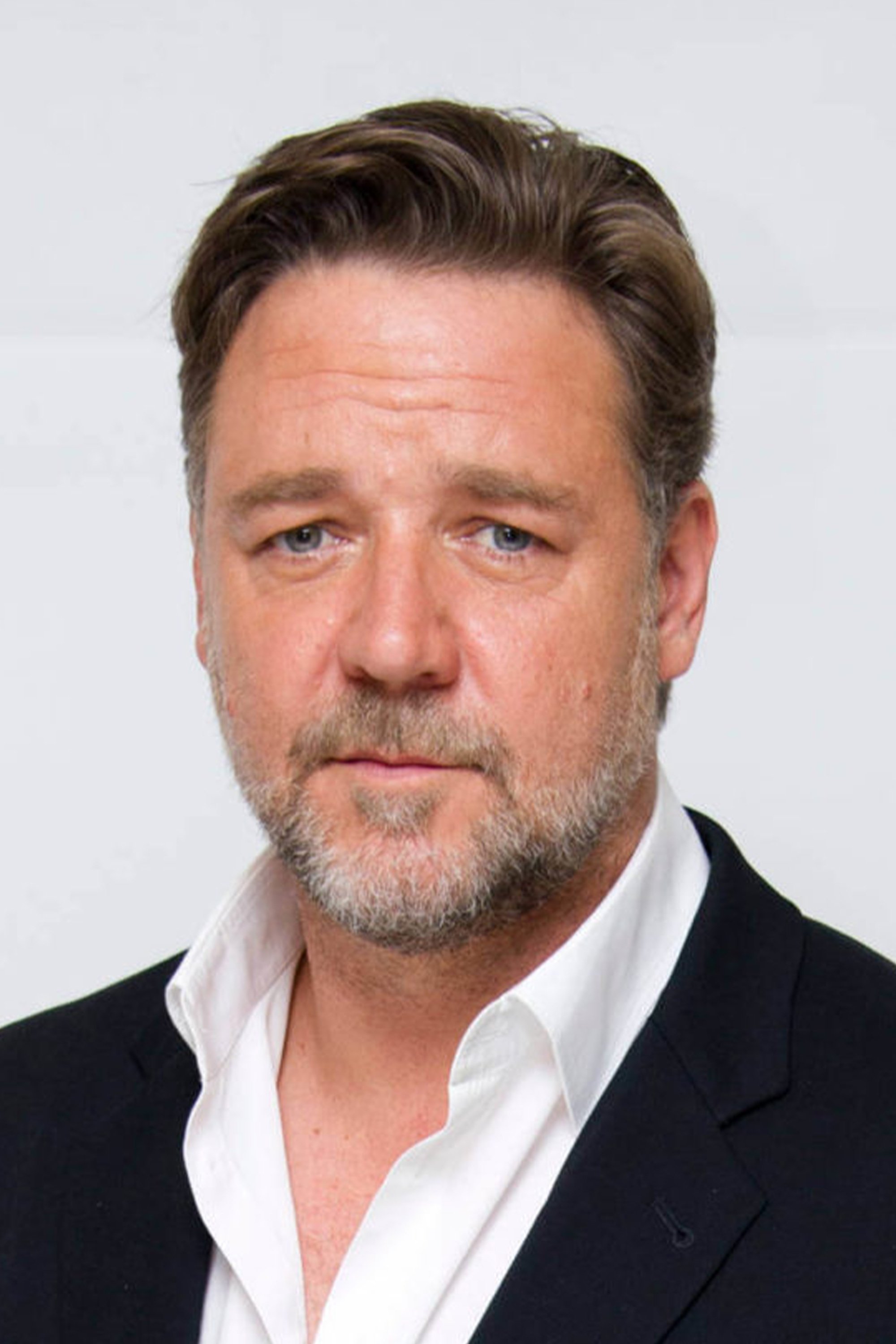
Crowe’s run through character dramas and historical epics—spanning titles like ‘L.A. Confidential’ and ‘Gladiator’—positioned him at the center of awards-season lineups. He also took contemporary thrillers and music-adjacent roles that highlighted his intensity.
Later credits include genre experiments such as ‘The Nice Guys’, superhero entries, and horror projects. He has combined acting with music tours and occasional directing, diversifying his time across multiple creative outlets.
Val Kilmer
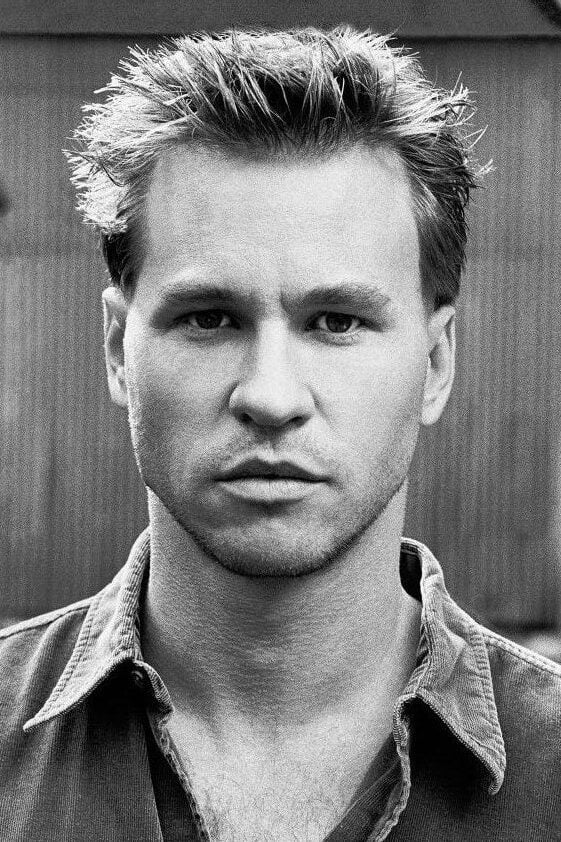
Kilmer became known for performances in ‘Top Gun’, ‘The Doors’, and ‘Heat’, showing a knack for both larger-than-life figures and coolly controlled supporting roles. He also headlined comic-book and adventure films that showcased his versatility.
Health challenges significantly reduced his on-screen output for a period. He returned to a legacy role in ‘Top Gun: Maverick’ with careful integration of his condition into the narrative, and he has participated in documentaries and voice projects that reflect on his career.
Cuba Gooding Jr.
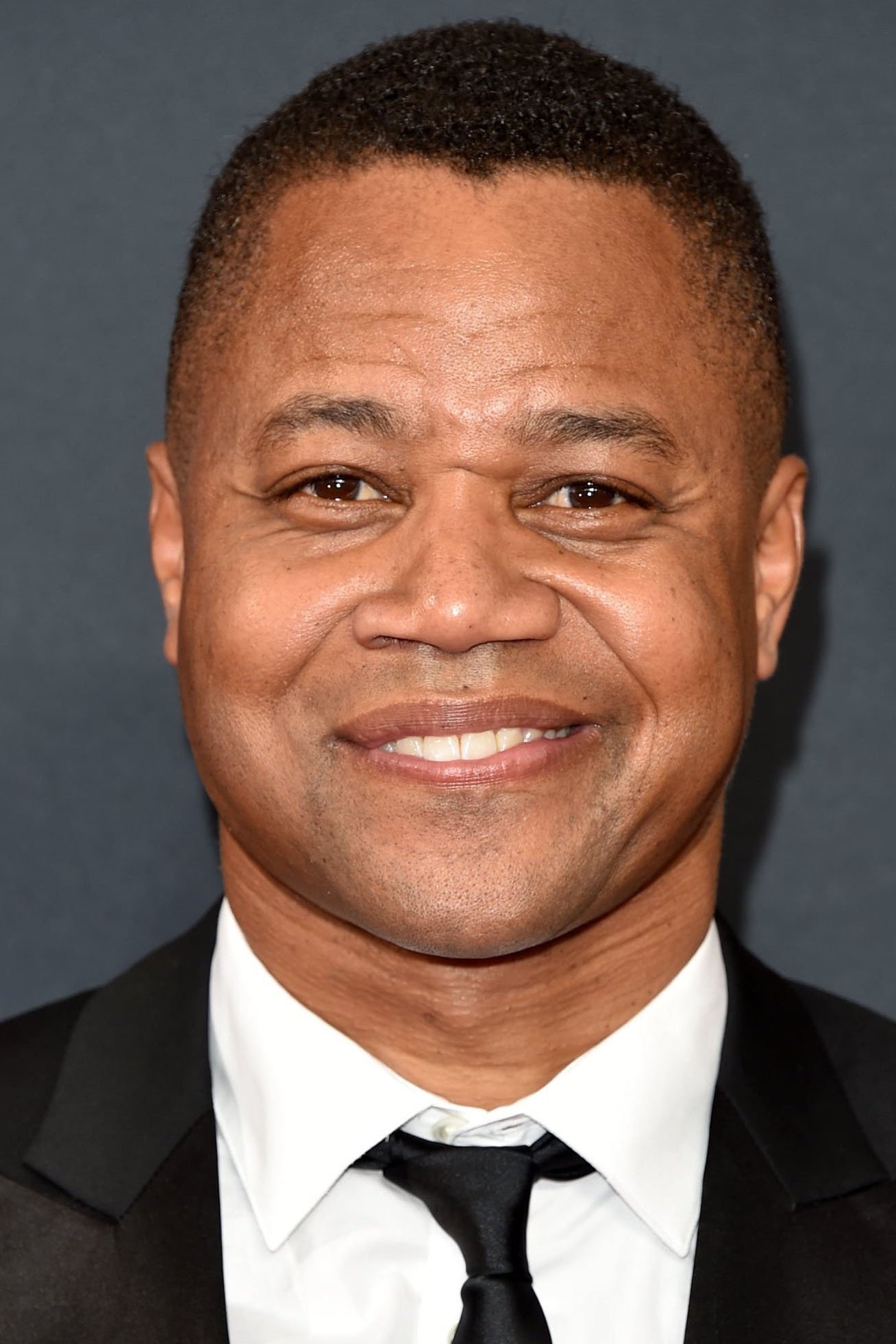
Gooding earned widespread attention with ‘Boyz n the Hood’ and later captured mainstream visibility with ‘Jerry Maguire’. He followed with a variety of dramas, sports stories, and comedies across major studios.
In later years he appeared in television anthologies like ‘The People v. O. J. Simpson’ and a slate of independent features. He has also worked on stage and in directing, distributing his efforts across mediums beyond studio star vehicles.
Pierce Brosnan
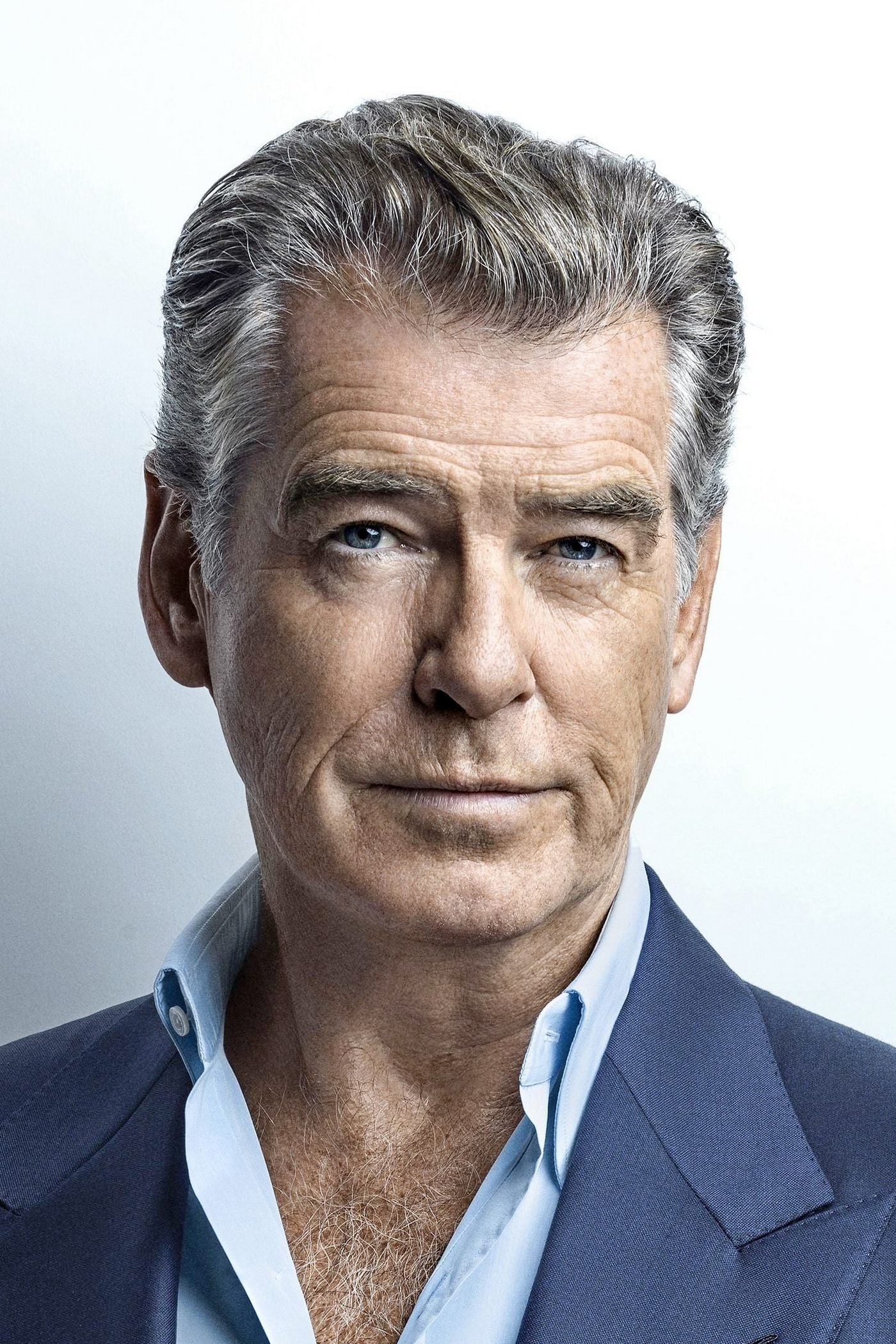
Brosnan’s tenure as James Bond made him an international figure, blending suave characterization with action spectacle. Parallel to that, he starred in thrillers, romantic dramas, and ensemble pieces that leveraged his screen persona.
More recent work includes lighthearted fare like ‘Mamma Mia!’ alongside comic-book appearances and TV miniseries. He frequently collaborates with European filmmakers and supports Irish and UK productions, keeping an active slate across continents.
Owen Wilson
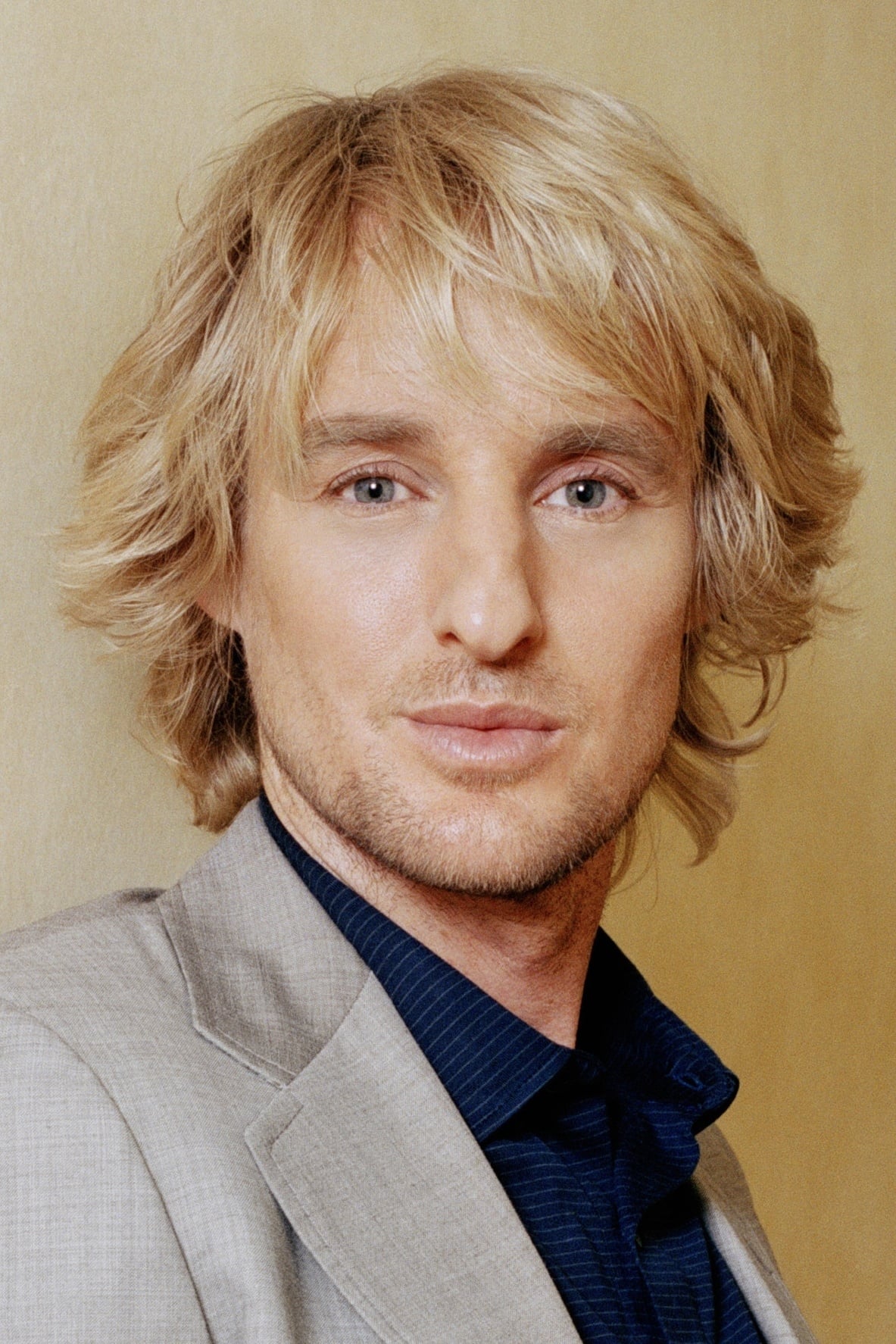
Wilson began with indie comedies and collaborations like ‘Bottle Rocket’ before becoming a go-to lead for buddy comedies and family films such as ‘Wedding Crashers’ and ‘Marley & Me’. His writing background informed several early projects.
He has since mixed franchise-adjacent roles like ‘Loki’ with voice work in animation and supporting turns in ensemble comedies. He continues to alternate between television and film while taking on occasional art-house collaborations with directors like Wes Anderson.
Think we missed someone or want to champion a performance arc we didn’t cover? Share your thoughts in the comments!

