


Actors Who Played the Same Character Across Decades

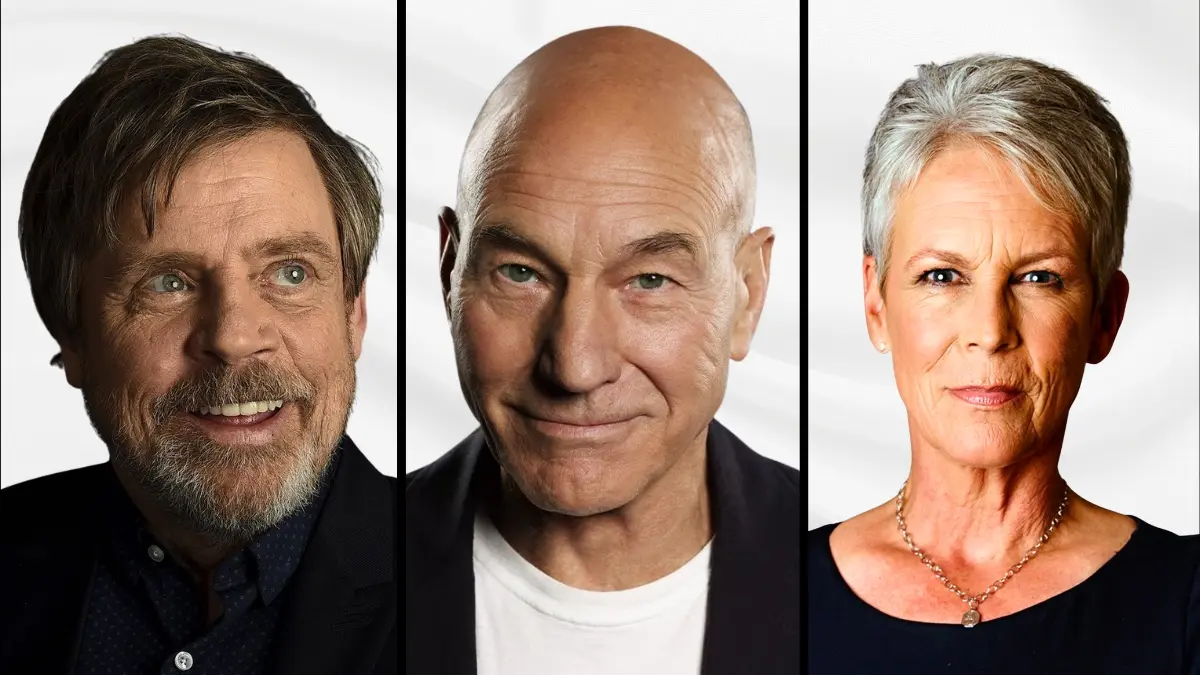


Some characters don’t end with a single story arc—they grow, change, and re-emerge over time. A handful of performers have returned to the same role across multiple eras, sometimes revisiting a character after long breaks and picking up the thread in a new cultural moment. It’s a unique blend of continuity and evolution that lets audiences follow a single persona through shifting genres, technologies, and storytelling styles.
Below are notable cases where the same actor stepped back into the same character well beyond a single run. You’ll see roles sustained across theatrical films, television revivals, and franchise reboots—evidence that certain characters are sturdy enough to carry decades of narrative development.
Harrison Ford as Indiana Jones
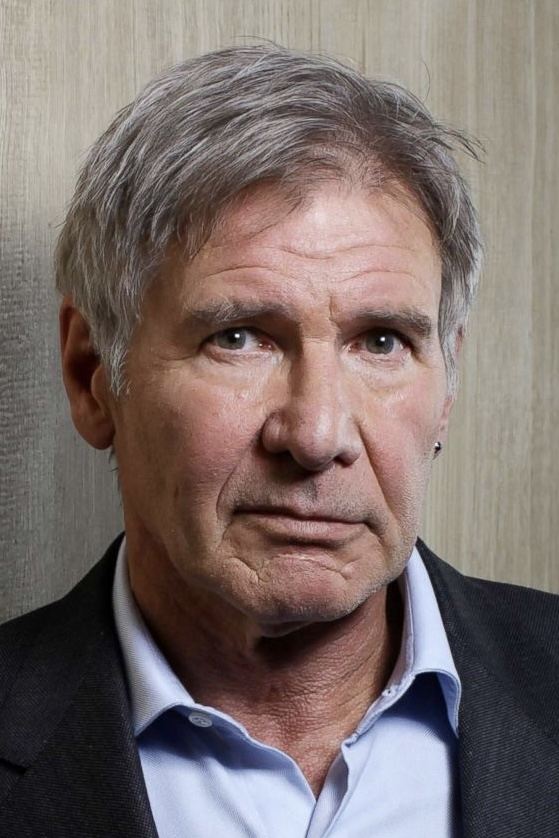
Harrison Ford portrayed the archaeologist-adventurer across five theatrical films, beginning with ‘Raiders of the Lost Ark’ and continuing through ‘Indiana Jones and the Temple of Doom’, ‘Indiana Jones and the Last Crusade’, ‘Indiana Jones and the Kingdom of the Crystal Skull’, and ‘Indiana Jones and the Dial of Destiny’. The character’s toolkit—fedora, bullwhip, and a meticulous academic background—anchors globe-trotting plots that span deserts, jungles, and historical mysteries.
Across those projects, the role aged in step with the performer, with later entries acknowledging wear, injury, and shifting institutional landscapes around museums and universities. The films maintained practical-effects heavy set-pieces while layering in new visual effects as technology advanced, keeping continuity through recurring allies like ‘Sallah’ and ‘Marcus Brody’ and recurring antagonistic forces tied to antiquities and power.
Sylvester Stallone as Rocky Balboa
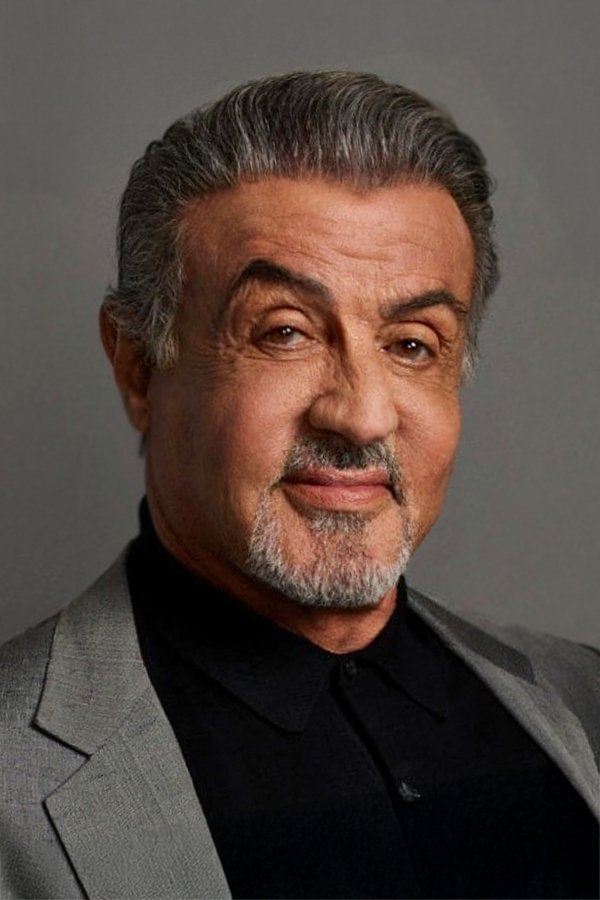
Sylvester Stallone first introduced Rocky Balboa in ‘Rocky’ and sustained the role through ‘Rocky II’, ‘Rocky III’, ‘Rocky IV’, ‘Rocky V’, and ‘Rocky Balboa’, then continued as a mentor in ‘Creed’ and ‘Creed II’. Over these appearances, the character transitions from working-class contender to veteran coach, with training montages, opponents, and boxing styles evolving alongside changes in the sport’s presentation.
The ‘Creed’ entries reposition the narrative around Adonis Creed while preserving Rocky’s medical history, personal relationships, and gym culture details. Production shifted between coasts and countries for different fights, and each era reflected contemporary boxing governance, weight-class discussions, and promotional practices that shaped how bouts are staged on screen.
Arnold Schwarzenegger as the T-800
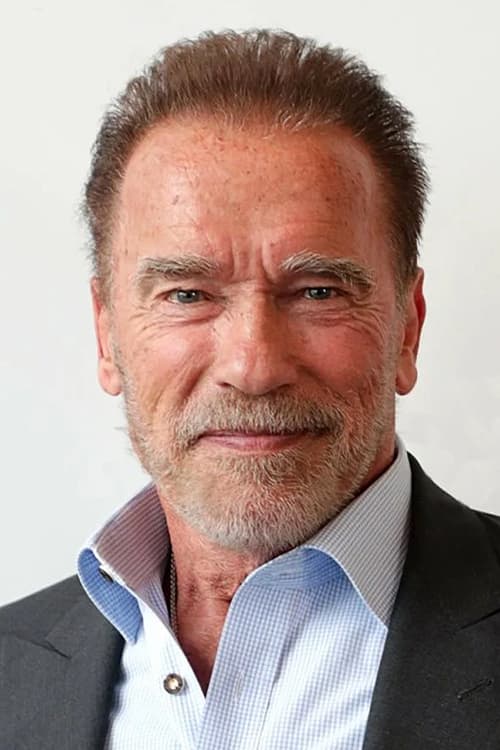
Arnold Schwarzenegger returned repeatedly as iterations of the Cyberdyne Systems Model 101, commonly referred to as the T-800, in ‘The Terminator’, ‘Terminator 2: Judgment Day’, ‘Terminator 3: Rise of the Machines’, ‘Terminator Genisys’, and ‘Terminator: Dark Fate’. The character alternates between antagonist and protector depending on the timeline, with plotlines built around Skynet, time displacement, and targets tied to future resistance.
Later appearances incorporated digital de-aging, motion-capture references, and in-story explanations for an older exterior covering over endoskeleton hardware. The films document model designations, CPU learning capabilities, and power-source details, expanding the franchise’s internal tech lore while maintaining the same performer at the center.
Jamie Lee Curtis as Laurie Strode
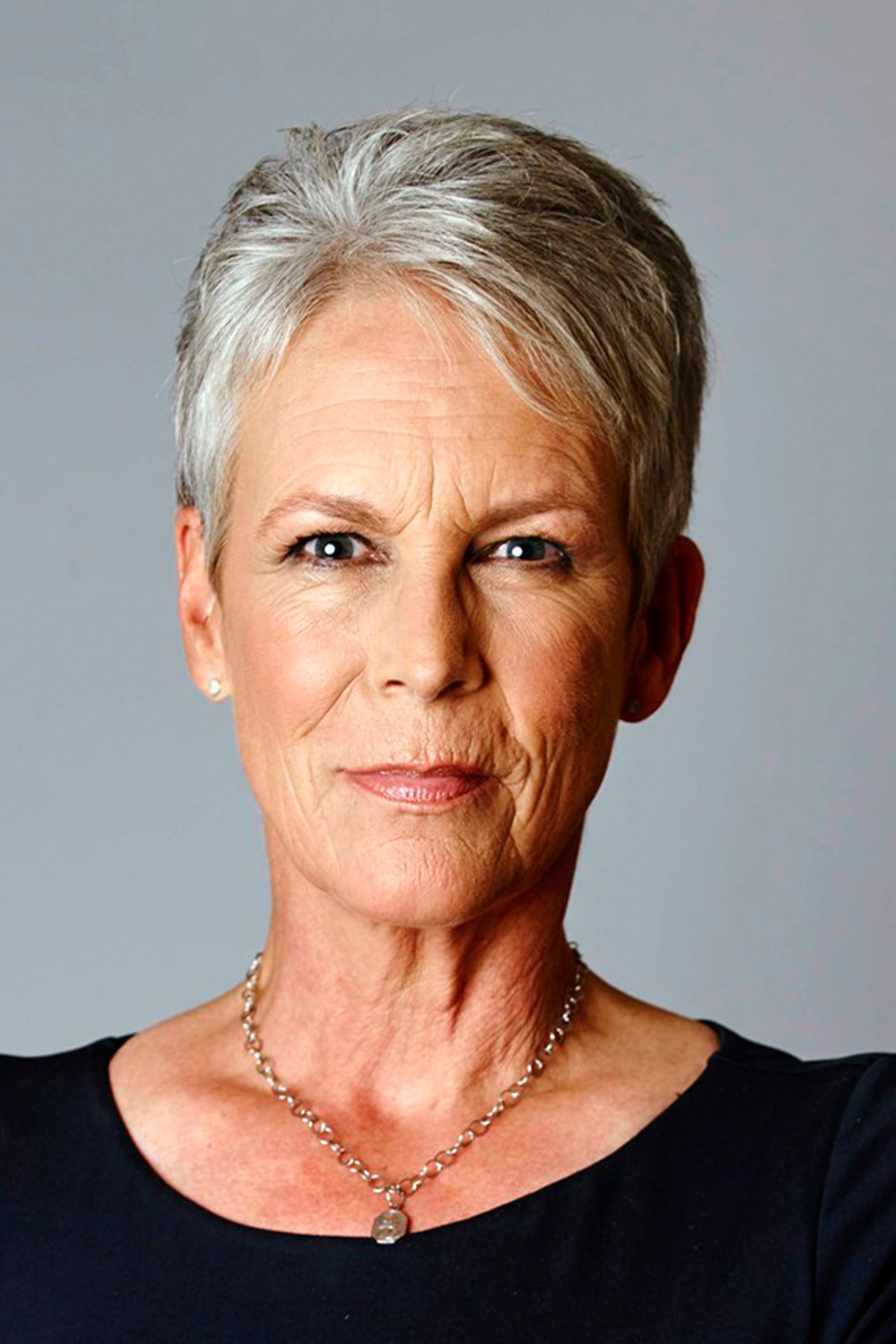
Jamie Lee Curtis’s Laurie Strode appears across multiple continuity branches of the ‘Halloween’ franchise, beginning with ‘Halloween’ and ‘Halloween II’, then revisited in the alternate path of ‘Halloween H20: 20 Years Later’ and ‘Halloween: Resurrection’, and later in the modern trilogy ‘Halloween’, ‘Halloween Kills’, and ‘Halloween Ends’. Each branch sets different outcomes for the character’s family and community, but retains core details about Haddonfield, the Myers case file, and law-enforcement procedures around the incidents.
The more recent arc explored trauma counseling, home-security design, and inter-agency coordination during emergency response, grounding the narrative in procedural elements. Throughout, Laurie’s history with the Haddonfield hospital, local schools, and the sheriff’s department provides a record of how the town institutionalizes lessons from past attacks.
Tom Cruise as Ethan Hunt
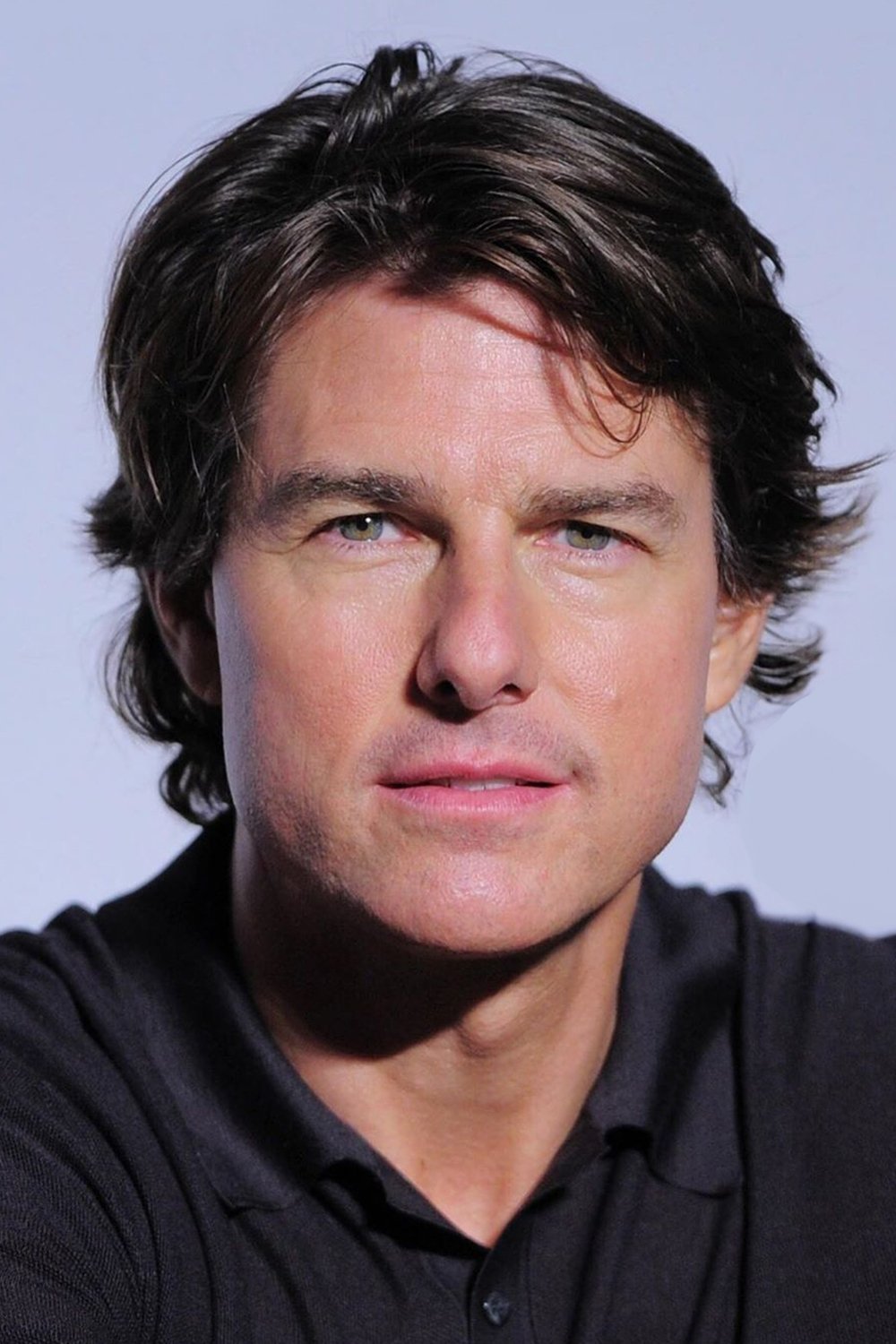
Tom Cruise has led ‘Mission: Impossible’ across a run of films with distinct directing styles while maintaining the character’s IMF protocols, team composition, and undercover tradecraft. The series tracks gadgets from analog microfilm and voice-morphers to biometrics and airborne data-heists, with the actor performing extensive practical stunts coordinated with evolving safety rigs and aircraft-based sequences.
Recurring teammates like Luther Stickell and Benji Dunn, and later Ilsa Faust, create continuity in mission planning, secure-comms procedures, and field improvisation. The franchise’s internal rules—mission brief destructions, cover identities, and oversight by various government committees—stay consistent even as global settings and antagonists change.
Hugh Jackman as Wolverine (Logan)
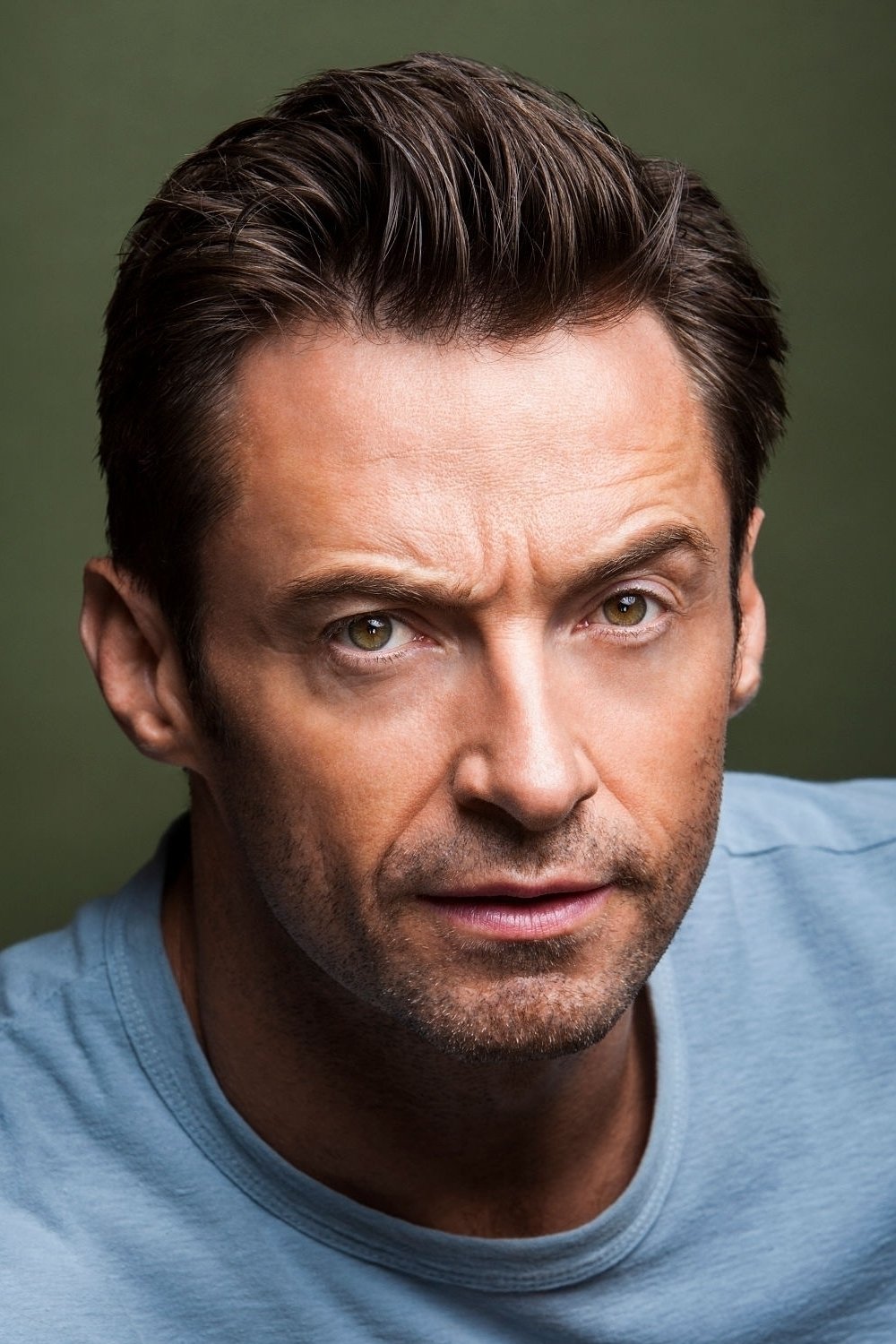
Hugh Jackman’s Wolverine spans ensemble entries and solo films, including ‘X-Men’, ‘X2’, ‘X-Men: The Last Stand’, ‘X-Men Origins: Wolverine’, ‘The Wolverine’, ‘X-Men: Days of Future Past’, and ‘Logan’, with a return alongside the same character in later crossover storytelling. The role details mutation classification, adamantium bonding, accelerated healing, and the Weapon X program, tying the character to in-universe military and scientific institutions.
Continuity resets within the franchise are addressed on screen through time-travel and branching timelines, allowing the same performer to portray different outcomes for the character. Production emphasized distinct fight choreography—bladed close-quarters combat, berserker sequences, and tactical teamwork—while maintaining consistent costuming cues like the hair configuration and claw deployment.
Patrick Stewart as Jean-Luc Picard
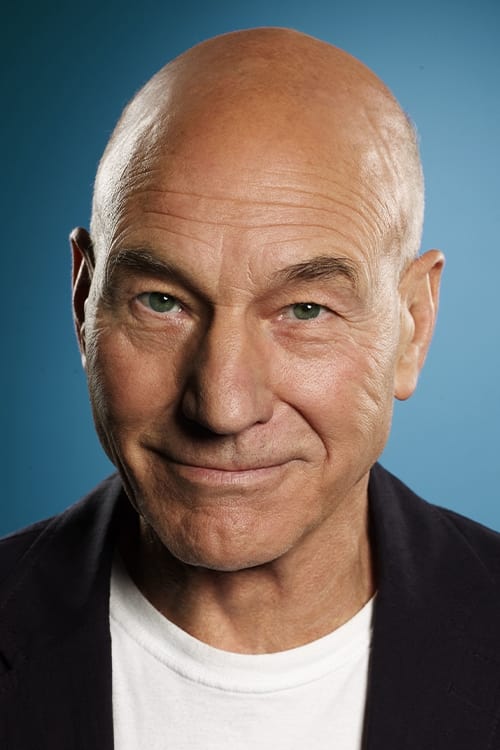
Patrick Stewart originated Jean-Luc Picard on television in ‘Star Trek: The Next Generation’ and continued through feature films such as ‘Star Trek: Generations’, ‘Star Trek: First Contact’, ‘Star Trek: Insurrection’, and ‘Star Trek: Nemesis’, later returning for ‘Star Trek: Picard’. The character’s service record within Starfleet, relationship to the United Federation of Planets, and command philosophy remain consistent, with updates to starship classes and bridge technology over time.
‘Star Trek: Picard’ extends the timeline to explore retirement, Romulan resettlement policy, and synthetic-life regulation, reconnecting with crewmates like ‘William Riker’, ‘Deanna Troi’, and ‘Data’. The series uses modern production design while preserving elements like Starfleet insignia conventions, ranks, and comm-badge protocols that tie back to the earlier era.
Mark Hamill as Luke Skywalker
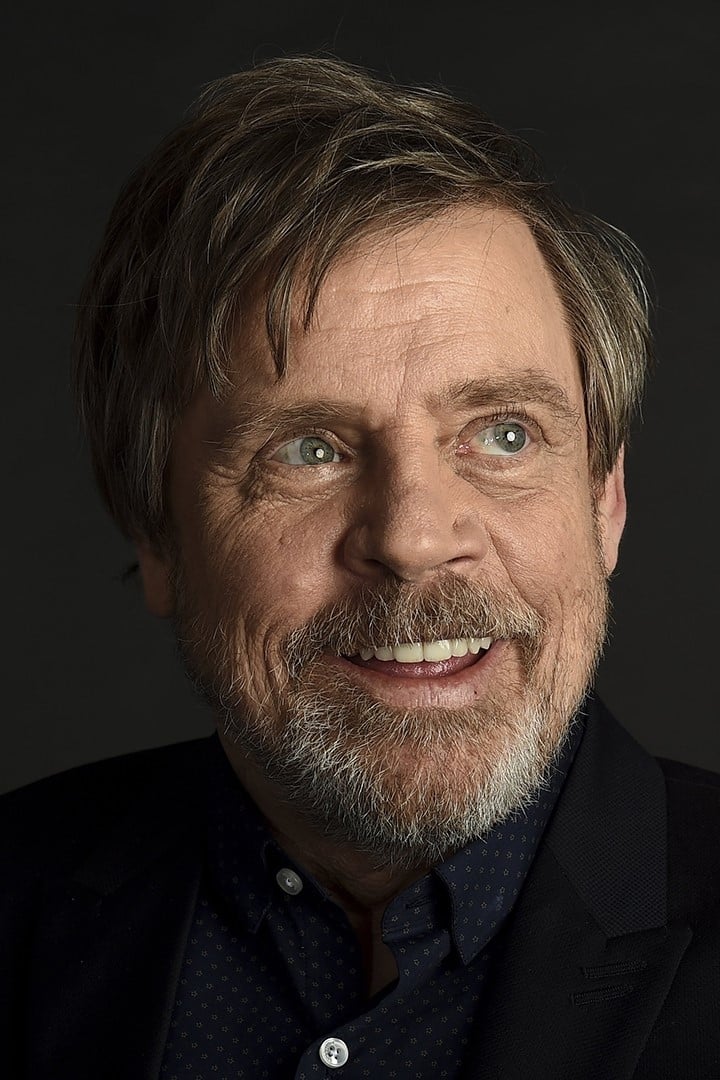
Mark Hamill portrayed Luke Skywalker across the original trilogy and the later sequel trilogy, then appeared again via digital de-aging techniques in ‘The Mandalorian’ and ‘The Book of Boba Fett’. The character’s progression documents Jedi training practices, lightsaber construction details, and the lineage of masters and apprentices within the Order.
His later appearances illustrate Force-projection concepts, archival preservation of Jedi texts, and the New Republic’s security architecture. The role also connects multiple productions under a unified canon, with consistent design language for starfighters, droids, and temple sites that trace back to the character’s early journey.
Linda Hamilton as Sarah Connor
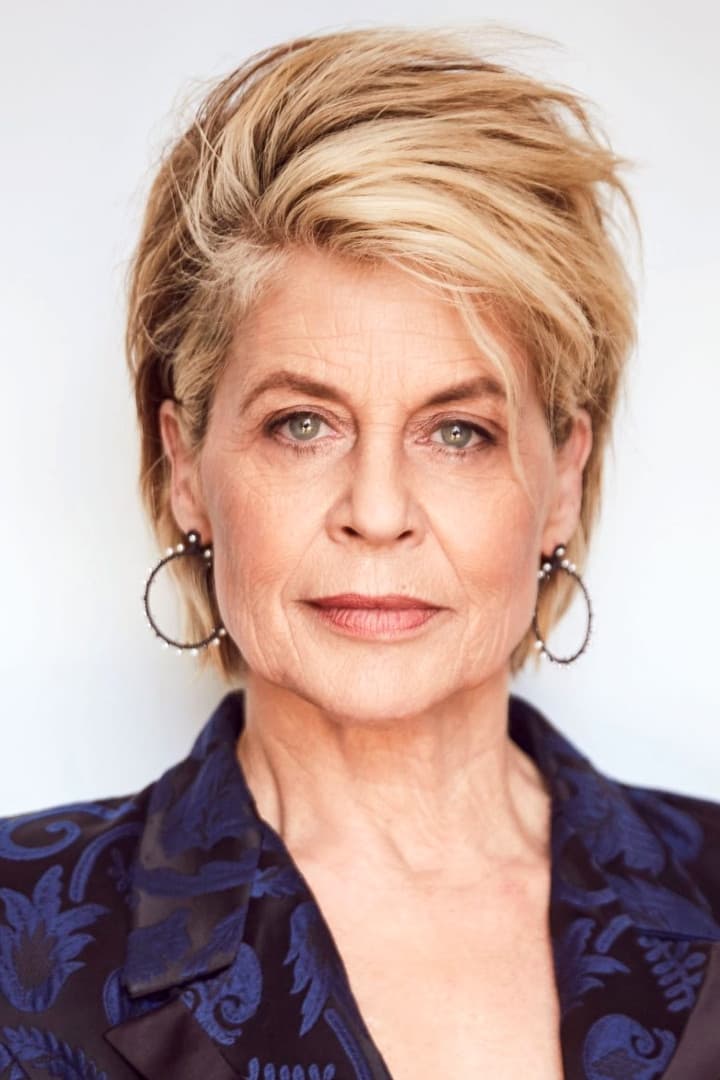
Linda Hamilton’s Sarah Connor anchors ‘The Terminator’, ‘Terminator 2: Judgment Day’, and ‘Terminator: Dark Fate’, presenting a continuous throughline focused on survival training, off-grid living, and counter-surveillance techniques. Her preparation covers weapons proficiency, safe-house logistics, and coordination with allies aware of the future war.
‘Dark Fate’ establishes a narrative fork that sets aside events from other installments, detailing new targets and defense strategies against an evolved AI threat. The character’s dossier includes law-enforcement interactions, institutionalization history, and the network of warnings she disseminates to potential targets.
Keanu Reeves as Neo
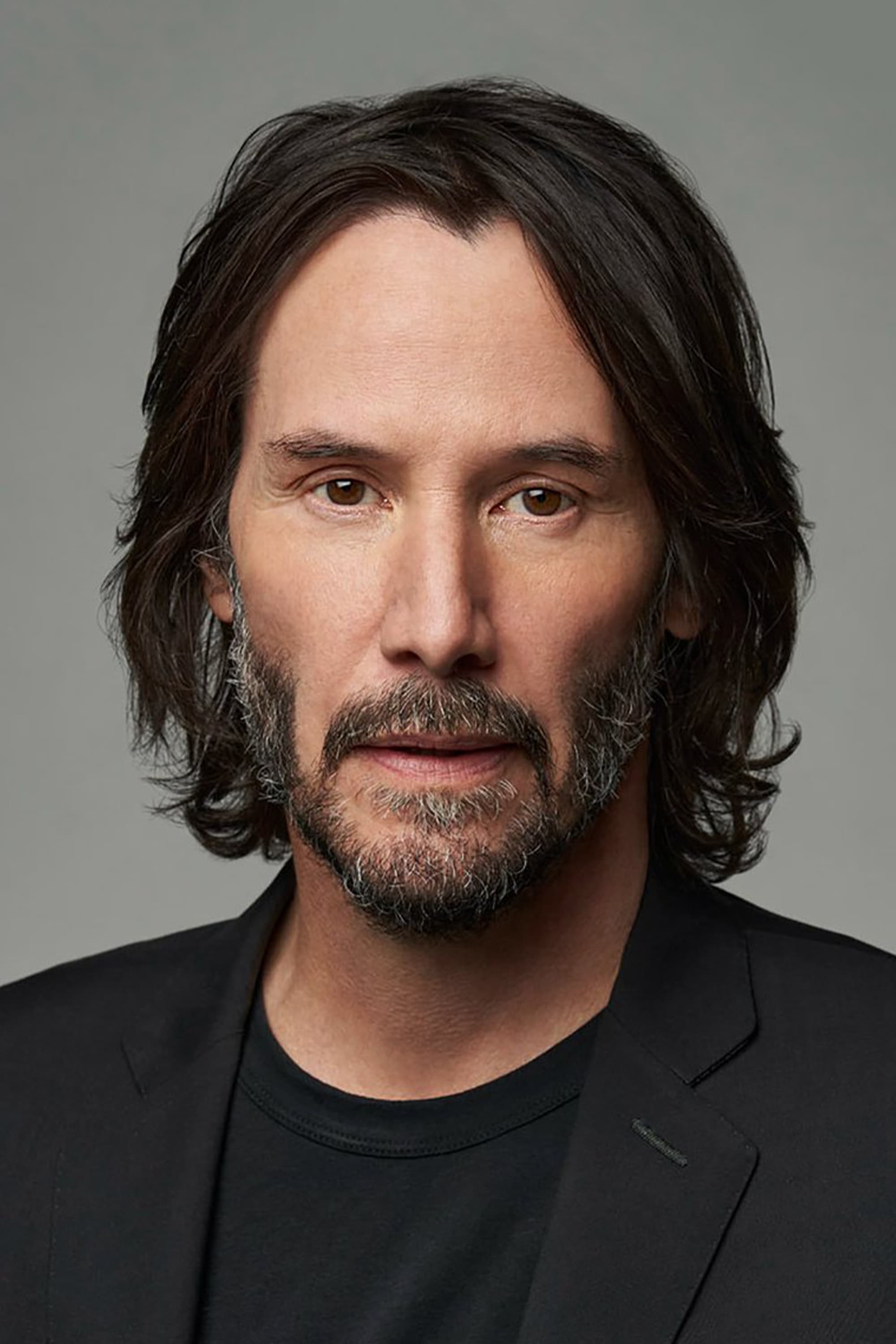
Keanu Reeves returned to Neo across four films: ‘The Matrix’, ‘The Matrix Reloaded’, ‘The Matrix Revolutions’, and ‘The Matrix Resurrections’. The role explores simulated reality architecture, operator-driven exfiltration methods, and machine-human negotiation frameworks, supported by martial-arts choreography and wire-work refined across entries.
The final installment reintroduces the character in a different status quo, mapping game-development cover identities, blue-pill pharmacology, and updated swarm-mode tactics within the simulation. Throughout, collaboration with co-stars like Carrie-Anne Moss and returning creative leads maintains continuity in fight grammar, costuming silhouettes, and the franchise’s command-line visual language.
Share your favorite long-running performance in the comments and tell us which return to a role you think added the most to the character’s story.

