


Actors Who Played Themselves in TV Shows



Sometimes the most entertaining role an actor can take on is their own name. When an actor shows up in a scripted series as himself, the story can blend fiction with reality in clever ways that reveal how shows are made, how fame works, or simply how a well known face can move a plot along without breaking the world of the series.
This list gathers male actors who stepped into television stories as themselves. Each entry explains where they appeared and what function their appearance served in the plot. You will find everything from one off cameos to recurring storylines where the performer’s real world identity becomes part of the narrative inside the show.
Matt LeBlanc
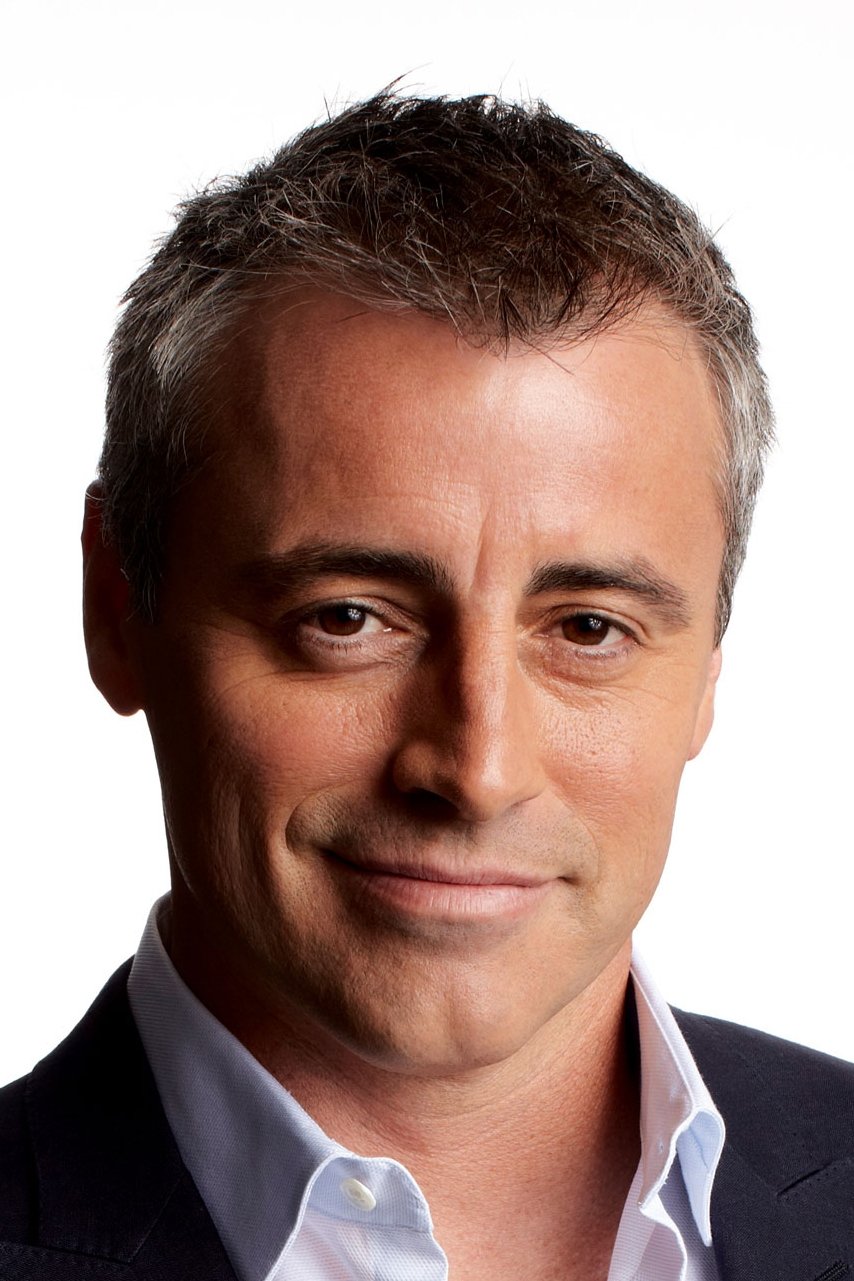
Matt LeBlanc headlined ‘Episodes’ as a fictionalized version of Matt LeBlanc who is cast in a remake of a British sitcom. The series follows two writers who move to Los Angeles to adapt their hit show and find their vision reshaped by network demands and by the star attached to the project.
Across multiple seasons ‘Episodes’ uses LeBlanc’s on screen persona to drive stories about casting, development, and ratings. His character’s relationships with the writers and executives show how power and leverage operate on a studio lot while keeping the action anchored to the mechanics of making a show.
James Van Der Beek
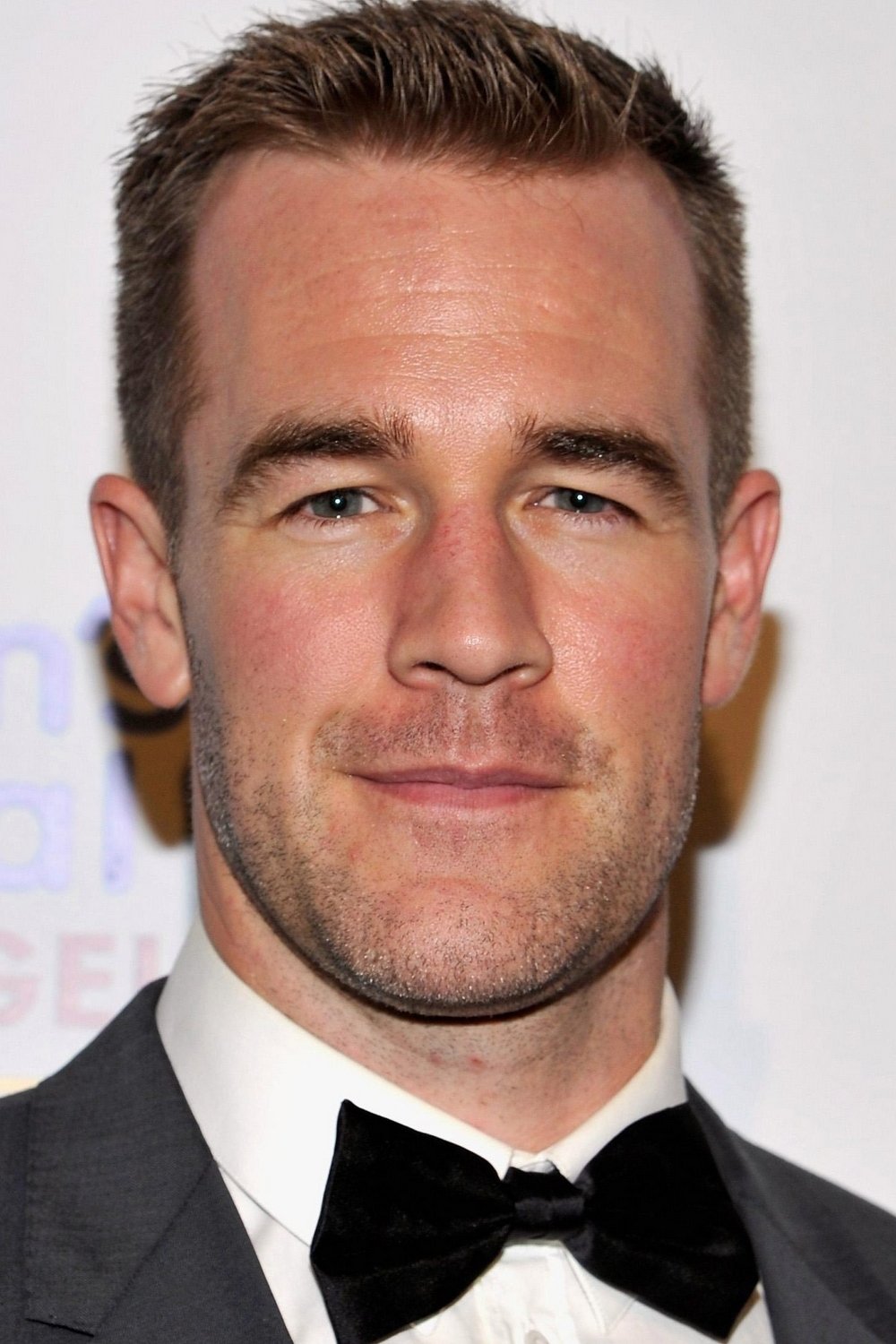
James Van Der Beek played James Van Der Beek in ‘Don’t Trust the B in Apartment 23’. He appears as a friend of Chloe who relies on his ‘Dawson’s Creek’ history for attention and career opportunities inside the show’s world.
His appearances include promotional stunts and self referential jokes that become plot engines for other characters. The show often places him in situations where past fame affects current work, which gives supporting characters a reason to chase publicity, stage reunions, and manipulate media moments inside the story.
Larry David
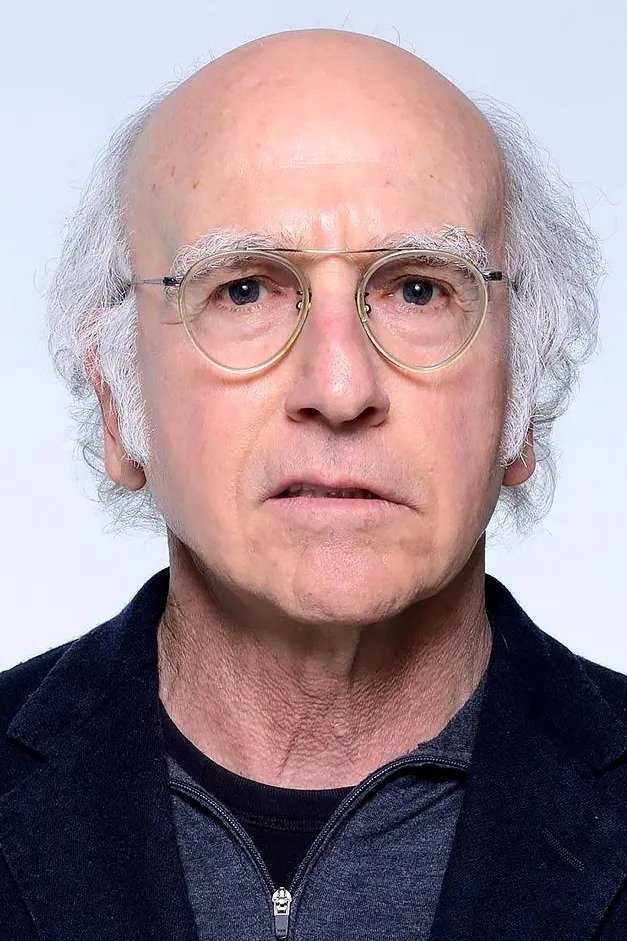
Larry David stars as Larry David in ‘Curb Your Enthusiasm’. The series follows his daily life in Los Angeles and New York while he navigates friendships, work offers, and etiquette disputes that spiral into larger conflicts.
Because real friends and colleagues appear under their own names, Larry’s version of himself negotiates deals for stage productions, charity events, and TV revivals inside the plot. The format lets the show depict meetings, rehearsals, and negotiations as part of the story while using Larry’s public identity to open doors that would not exist for a fictional stranger.
Jerry Seinfeld
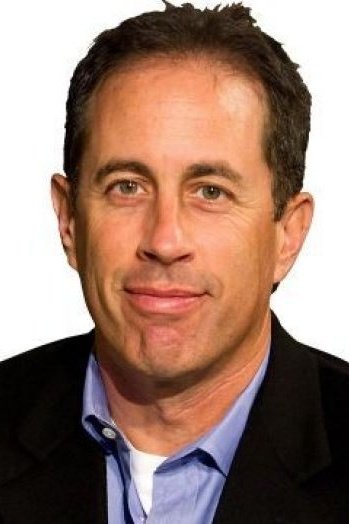
Jerry Seinfeld plays Jerry Seinfeld in ‘Seinfeld’. The show presents him as a New York stand up comic whose routines and apartment life intersect with the daily problems of his friends.
The series often turns real world show business into narrative fuel, including a storyline about a network ordering a meta sitcom called ‘Jerry’ within the show. That arc uses Jerry’s professional life to depict pitching, casting, and taping, which allows the character to remain himself while moving through recognizable parts of television production.
Daniel Radcliffe

Daniel Radcliffe appears as Daniel Radcliffe in ‘Extras’. He joins a film set where he attempts to project a grown up image and interacts with the background performers who anchor the series.
His scenes show how a high profile guest can alter the dynamics on a set, from behavior in downtime to expectations during takes. The cameo uses a real star’s presence to trigger miscommunication among crew and extras while giving the episode access to locations and protocols tied to a movie shoot inside the television narrative.
Patrick Stewart
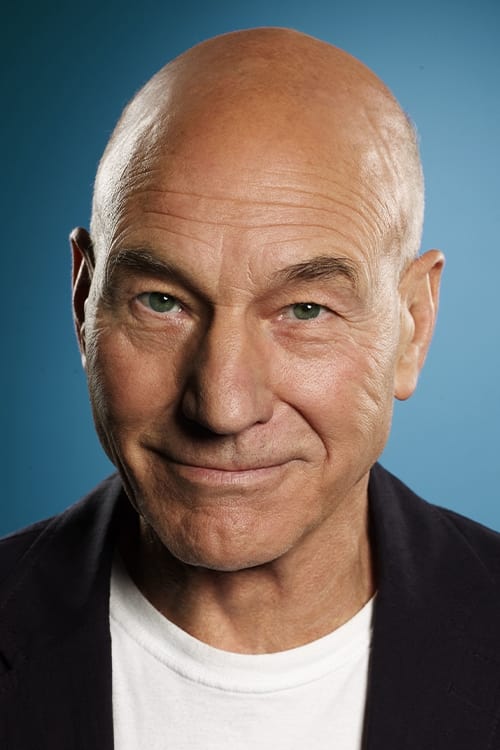
Patrick Stewart plays Patrick Stewart in ‘Extras’. He meets the main character during a conversation about potential projects and describes a script idea that he wants to make.
The encounter illustrates how star driven pitches can dominate a room and how a single meeting can change an aspiring actor’s priorities. By using Stewart’s real name and status, the episode demonstrates how attachments shape development and how access to a famous person can become a plot point that affects agents, auditions, and next steps.
Ian McKellen
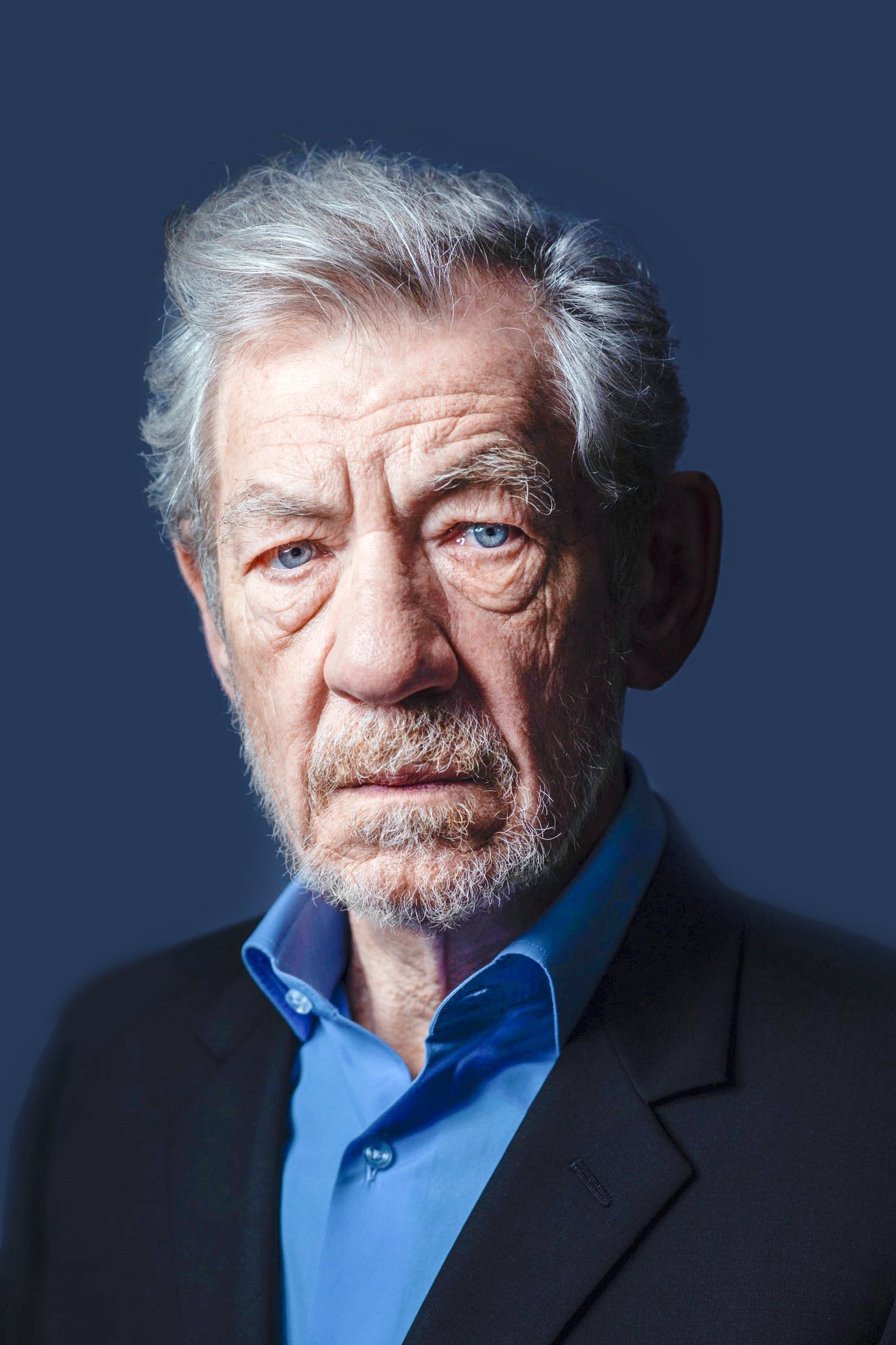
Ian McKellen appears as Ian McKellen in ‘Extras’. He advises the main character about stage work and explains his process while preparing a production inside the story.
The episode uses rehearsals and casting conversations to show how theater roles are assigned and how a director can influence performance choices. Because McKellen plays himself, the guidance and authority he shows in the scenes move the story forward without needing a fictional backstory to establish credibility.
Ben Stiller
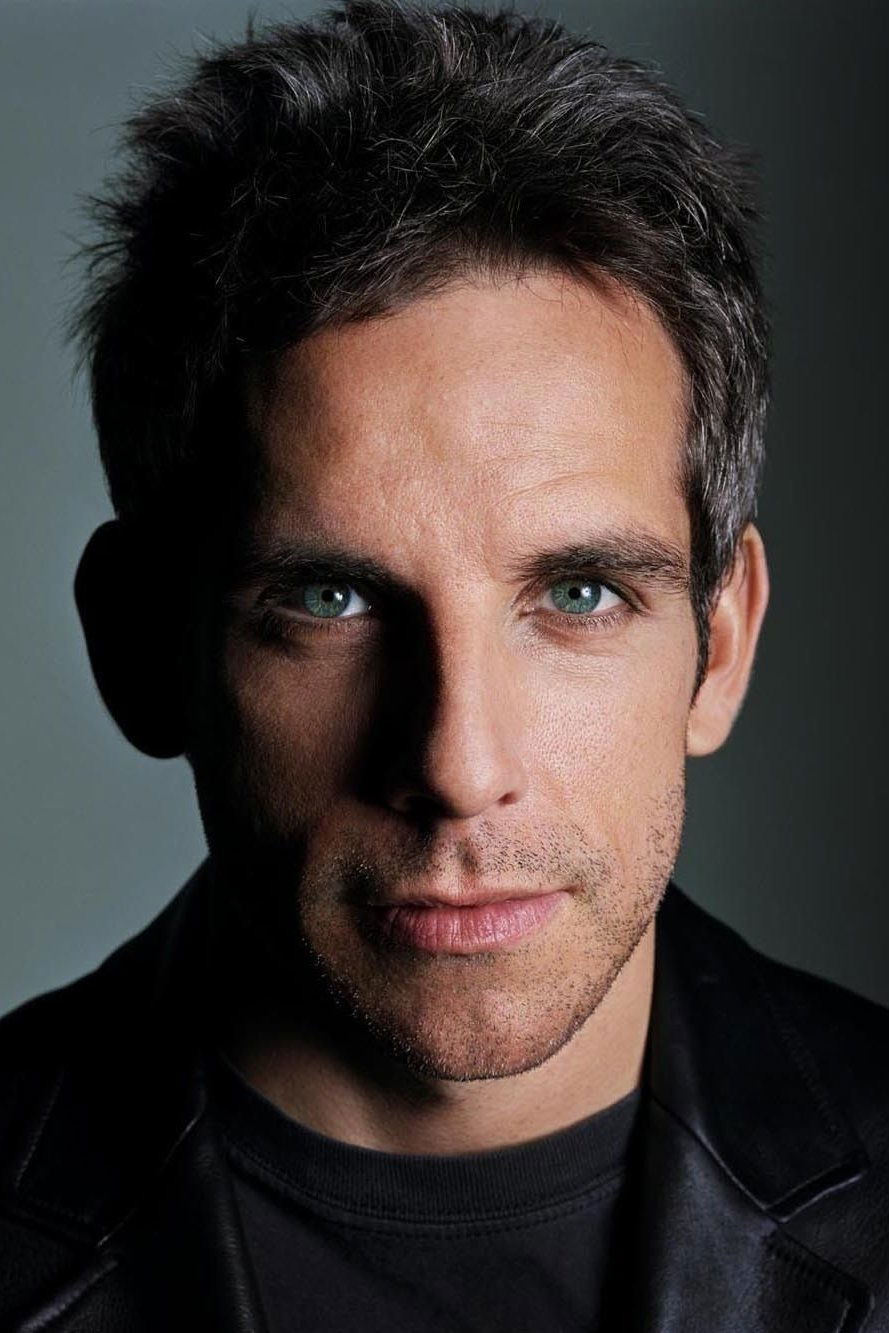
Ben Stiller shows up as Ben Stiller in ‘Extras’, where he directs a film and clashes with the main character over behavior on set. His presence demonstrates how a director with star power can control pace, tone, and discipline during a shoot.
Stiller also appears as Ben Stiller in ‘Curb Your Enthusiasm’ during a run of ‘The Producers’. The storyline uses rehearsals, casting decisions, and backstage etiquette to create conflicts that can only occur when real world reputations meet the day to day grind of a live production inside a television plot.
Mark Hamill
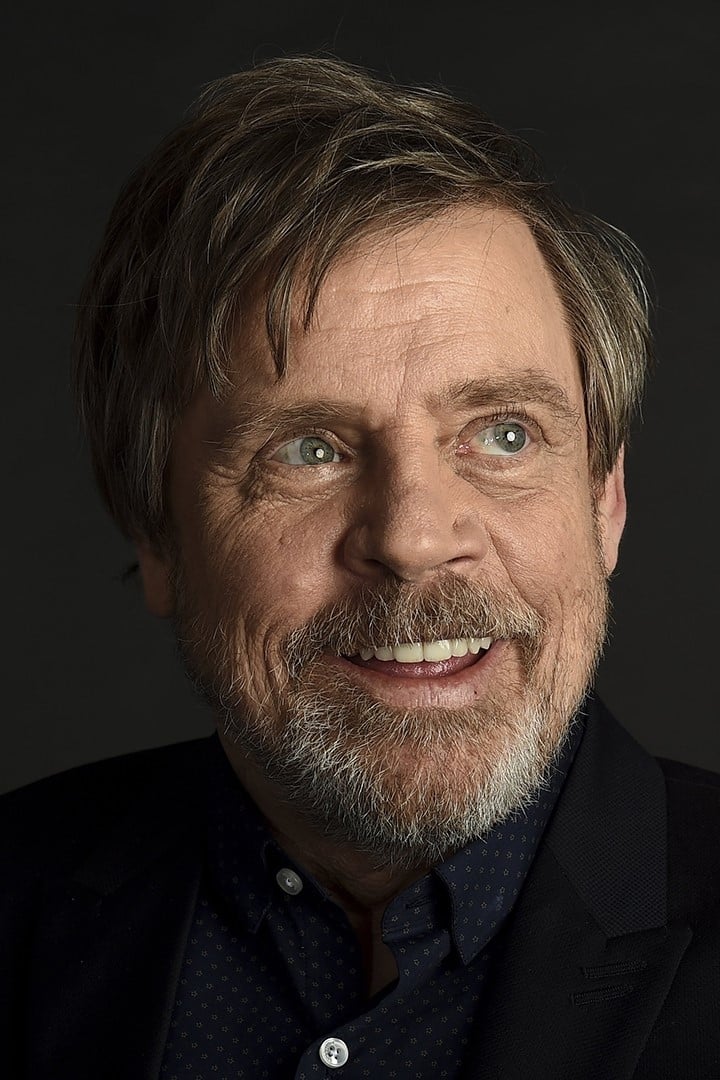
Mark Hamill appears as Mark Hamill in ‘The Big Bang Theory’. He enters the story through a chain of events connected to a lost dog and ends up officiating a wedding for two main characters.
He has also voiced himself in ‘The Simpsons’, where he performs at a convention and interacts with Springfield residents during a stage show. Both appearances use Hamill’s connection to fan culture to depict autograph lines, event logistics, and the way celebrity schedules are folded into everyday life inside the shows.
Wil Wheaton

Wil Wheaton plays Wil Wheaton in ‘The Big Bang Theory’. He begins as a rival to Sheldon at a card tournament and becomes a recurring figure who appears at comic conventions, store events, and social gatherings.
As the show progresses he moves between antagonist and ally while maintaining his real name, which allows episodes to explore podcast tapings, convention panels, and guest spots on in universe programs. His appearances provide a consistent way to bring industry settings into the lives of the main characters.
Jean-Claude Van Damme
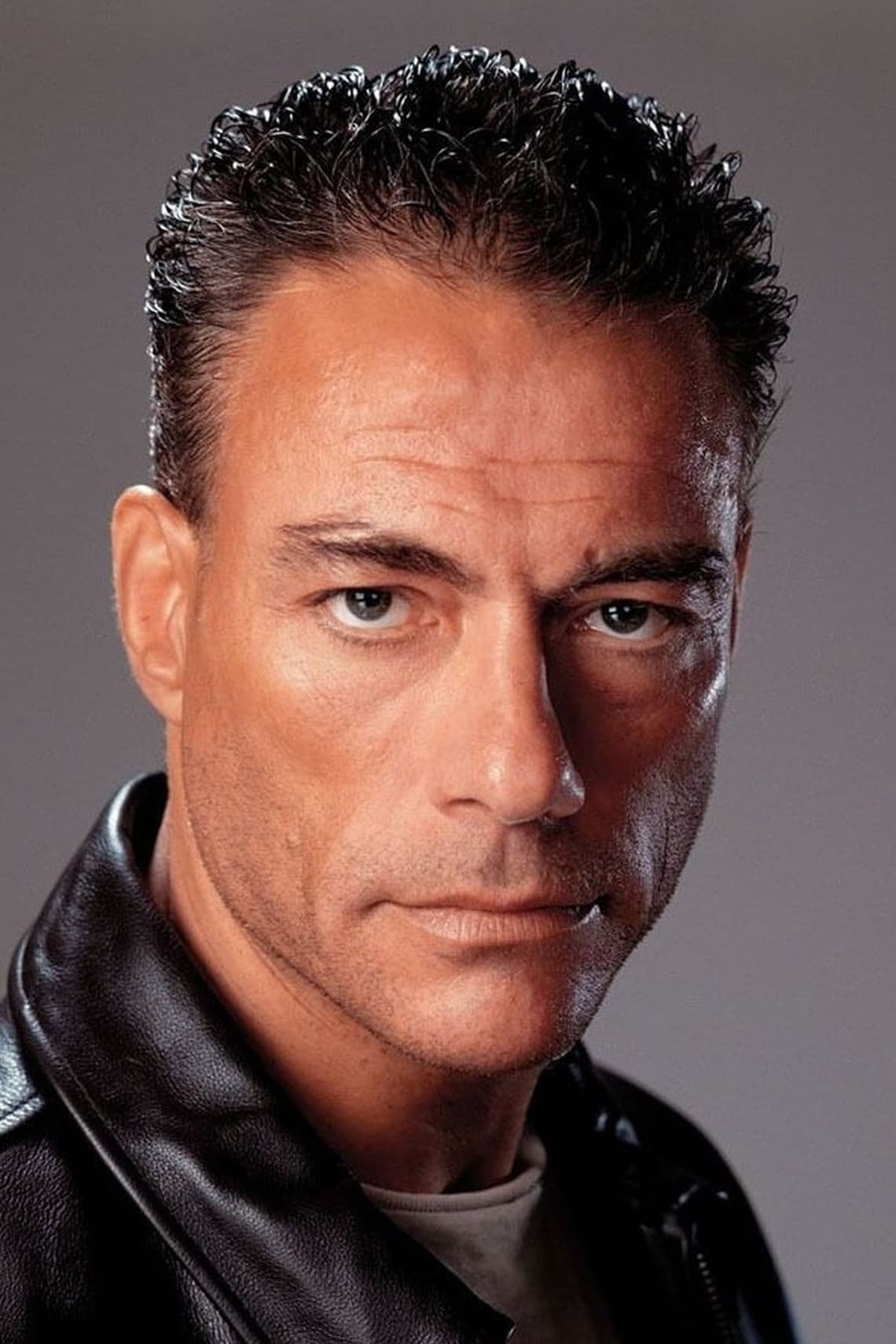
Jean-Claude Van Damme appears as Jean Claude Van Damme in ‘Friends’. He is shown filming a movie in New York while two main characters compete for a date with him, which pulls the group into location work and celebrity access inside the plot.
The episode places the cast near a set with practical constraints like security, downtime, and staged explosions. Van Damme’s presence gives the show a reason to explore how film crews operate on city streets and how a star’s availability can create short term opportunities that drive a sitcom story.
Tom Hanks
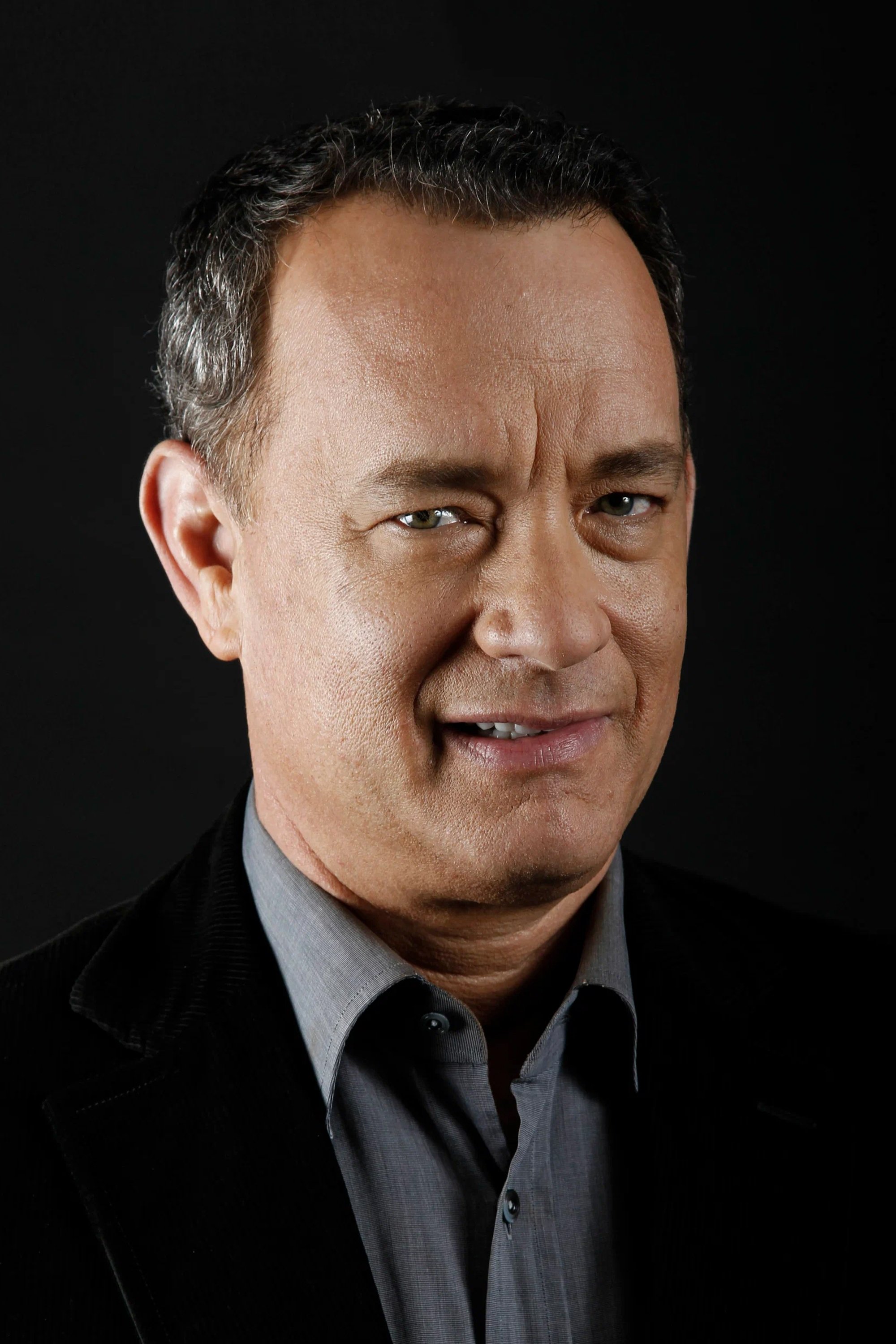
Tom Hanks appears as Tom Hanks in ’30 Rock’. His cameo connects to a message chain among famous people in response to a slight within the story that involves Tracy Jordan.
The scene uses a quick interaction to show how public figures might coordinate responses while staying inside a scripted world. By naming Hanks directly, the show can move a plot thread through text messages and brief cutaways without building a fictional character to carry the moment.
Seth Green

Seth Green plays Seth Green in ‘Entourage’. He turns up at parties and sets where he needles Eric about his relationship with Sloan and uses industry events to get under the group’s skin.
Because he appears repeatedly under his own name, the show can revisit Hollywood functions such as premieres, meetings, and networking situations. His role illustrates how friction between recognizable peers can surface during casting rumors and scheduling conflicts inside the show’s version of the business.
Matt Damon

Matt Damon appears as Matt Damon in ‘Entourage’. He recruits Vince for a charity effort and pushes the request with unexpected intensity, which pulls the group into press commitments and televised appearances inside the story.
The cameo ties together public service announcements and talk show booking, showing how a cause can leverage fame across platforms. By using Damon’s real clout, the episode can depict phone calls, handlers, and deadlines that mirror real promotional cycles inside a fictional narrative.
Gary Busey
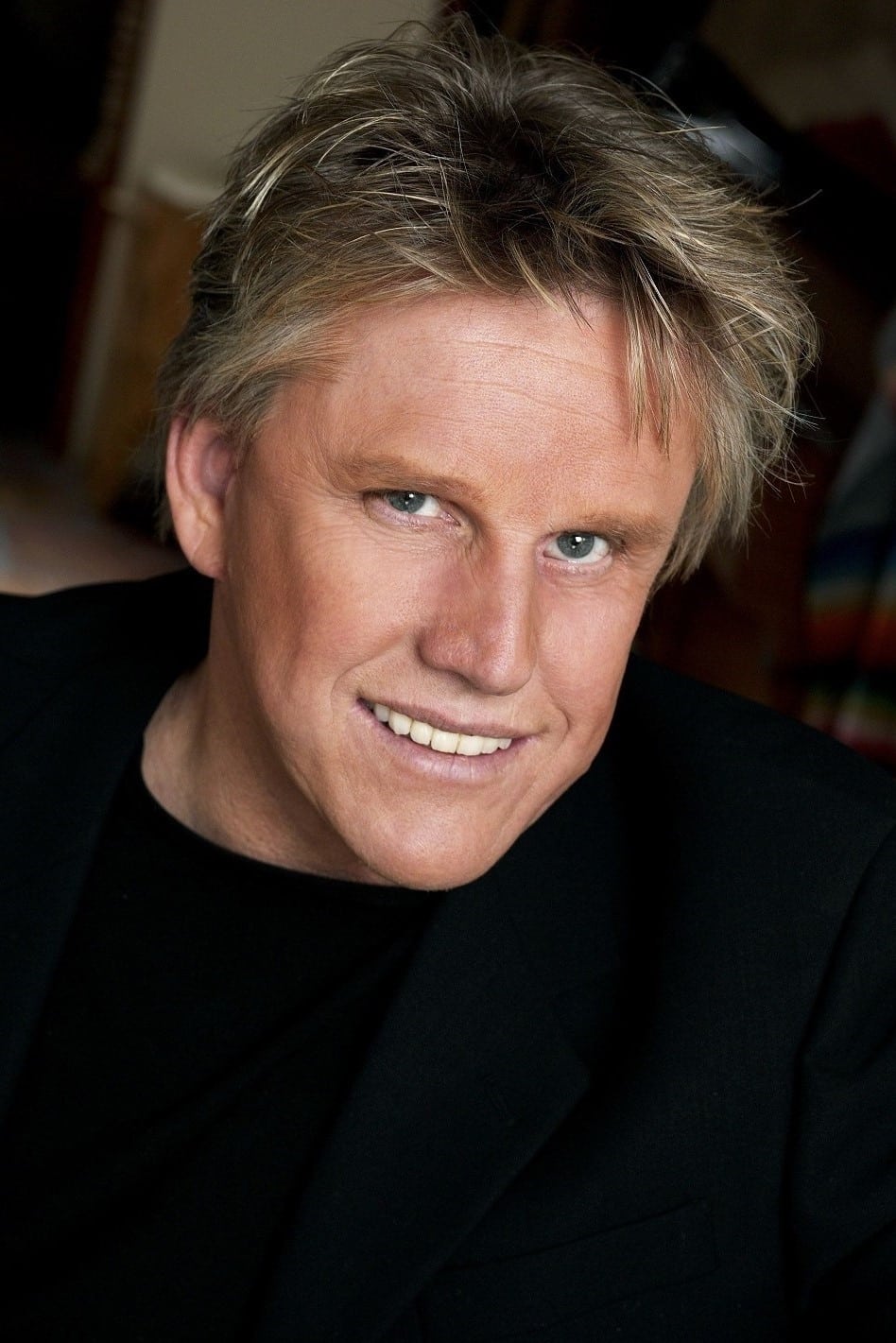
Gary Busey shows up as Gary Busey in ‘Entourage’. He meets the group at an art event and later reappears in scenes that reference his work and interests while maintaining his real identity.
His appearances allow the show to visit galleries, shoots, and Hollywood hangouts where access depends on name recognition. Because Busey is playing himself, the story can move directly into conversations about art sales, networking, and introductions that would normally require setup for a fictional character.
Lou Ferrigno
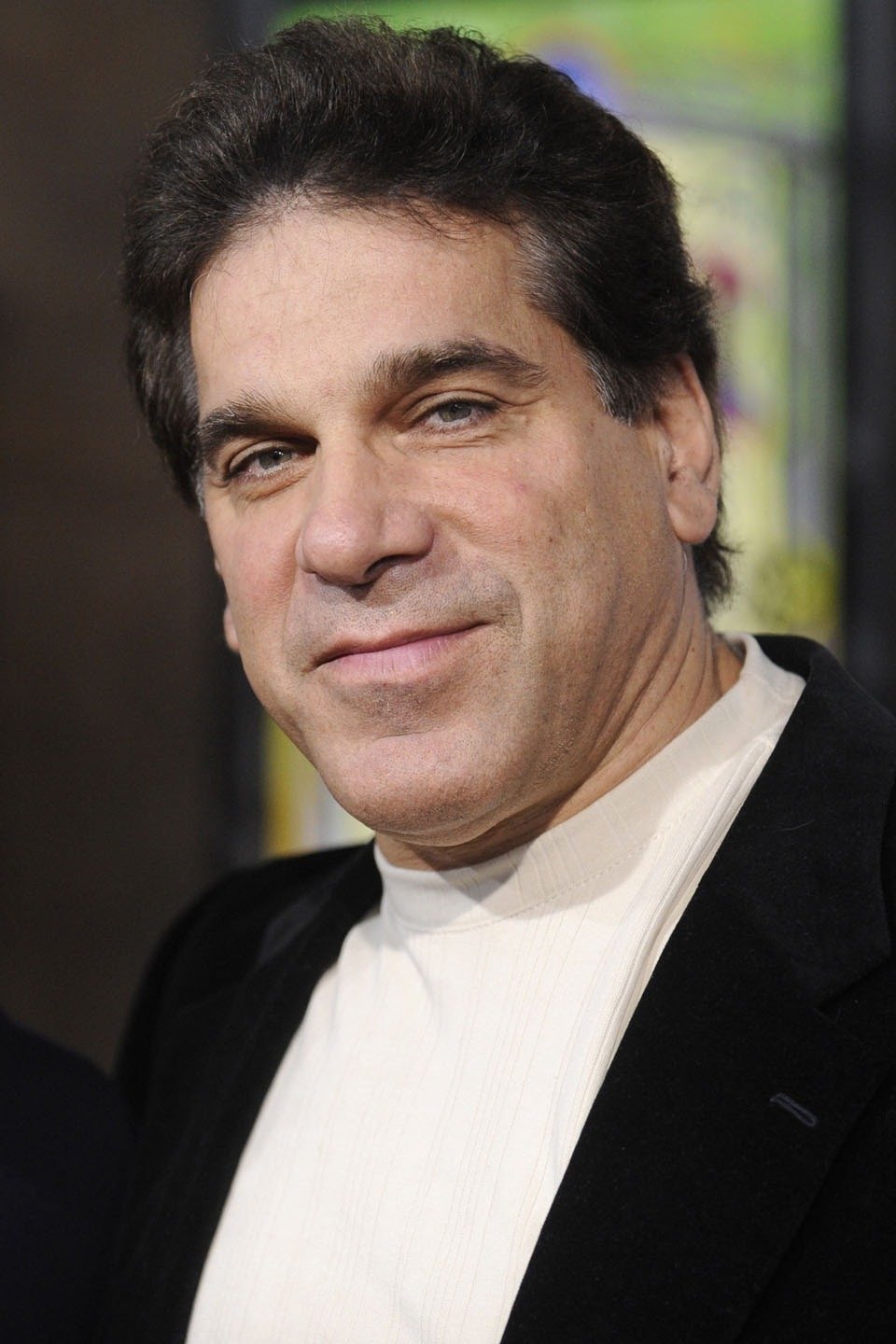
Lou Ferrigno appears as Lou Ferrigno in ‘The King of Queens’. He becomes a neighbor to Doug and Carrie, which gives the sitcom recurring access to a public figure living on the block.
Plots involving Ferrigno include home repairs, neighborhood disputes, and social favors that arise when a well known person lives nearby. The show uses his presence to explore autograph requests, privacy concerns, and community interactions without needing to invent a celebrity persona.
Ben Kingsley
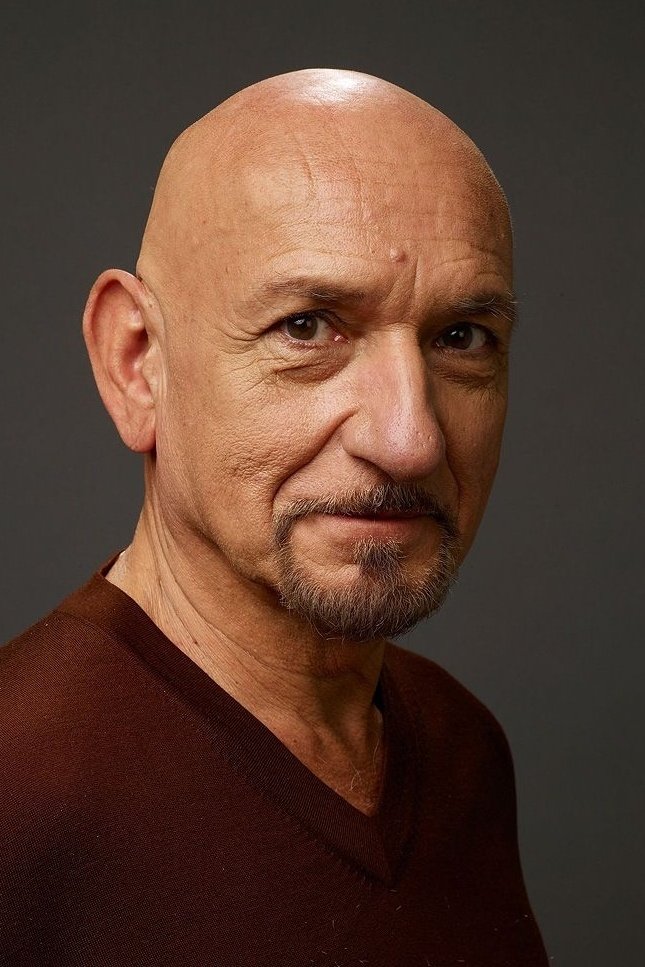
Ben Kingsley plays Ben Kingsley in ‘The Sopranos’. He takes a meeting with Christopher and Little Carmine about a film project and listens to their pitch while weighing whether to participate.
The episode uses studio offices, hotel suites, and awards events to depict how introductions are arranged and how representatives mediate requests. By keeping Kingsley under his own name, the show can dramatize the distance between aspiring producers and established talent within a realistic setting.
Burt Reynolds
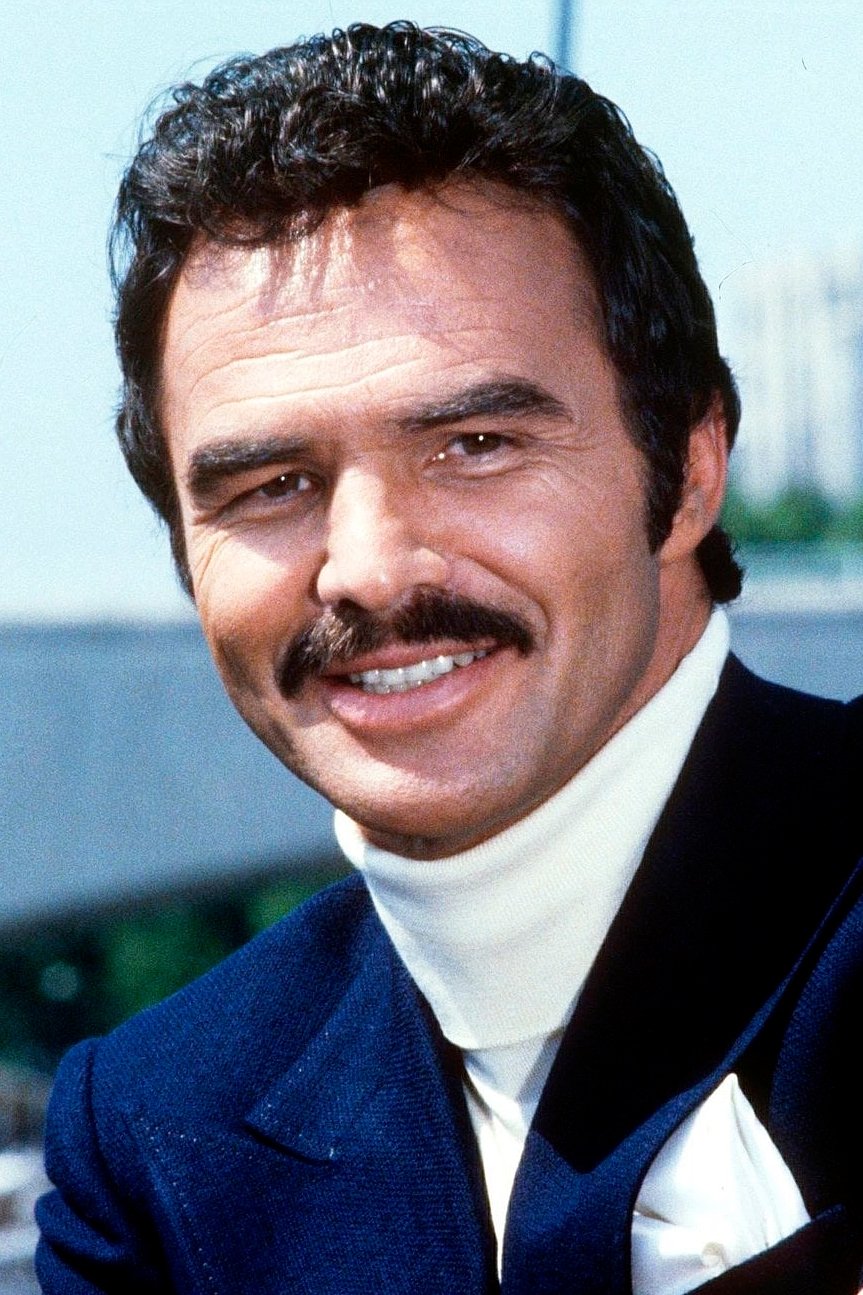
Burt Reynolds voices Burt Reynolds in ‘Archer’. He enters the story as someone close to Mallory Archer and spends time with Sterling Archer, which sets up action sequences and car chases inside the episode.
The appearance references past film roles while remaining within the animated show’s continuity. Because Reynolds is playing himself, the episode can include conversations about career highlights and stunt work as in world details that motivate choices during the mission.
Jensen Ackles

Jensen Ackles plays Jensen Ackles in ‘Supernatural’ during an episode where the characters are transported to a world where ‘Supernatural’ is a television show. He keeps his real name and interacts with crew members who treat him as the actor who plays Dean Winchester.
The plot uses sets, call sheets, and behind the scenes routines to show how an episode is shot. By letting Ackles play himself, the show can place the leads on a studio lot and move them through makeup trailers, blocking, and staged scenes while they try to solve a problem inside that environment.
Jared Padalecki

Jared Padalecki also plays Jared Padalecki in the same meta episode of ‘Supernatural’. He appears as the actor who plays Sam Winchester and deals with the confusion caused by characters who no longer recognize the rules of their normal world.
His participation allows the story to cover social media posts, publicity obligations, and personal life references in a way that fits the episode’s premise. Because he is using his real name, the show can explain production habits and crew hierarchy through natural interactions that advance the plot.
Share your favorite examples of actors playing themselves on TV in the comments so we can keep the list growing.

