


Actors Who Quit a Project Mid-Production

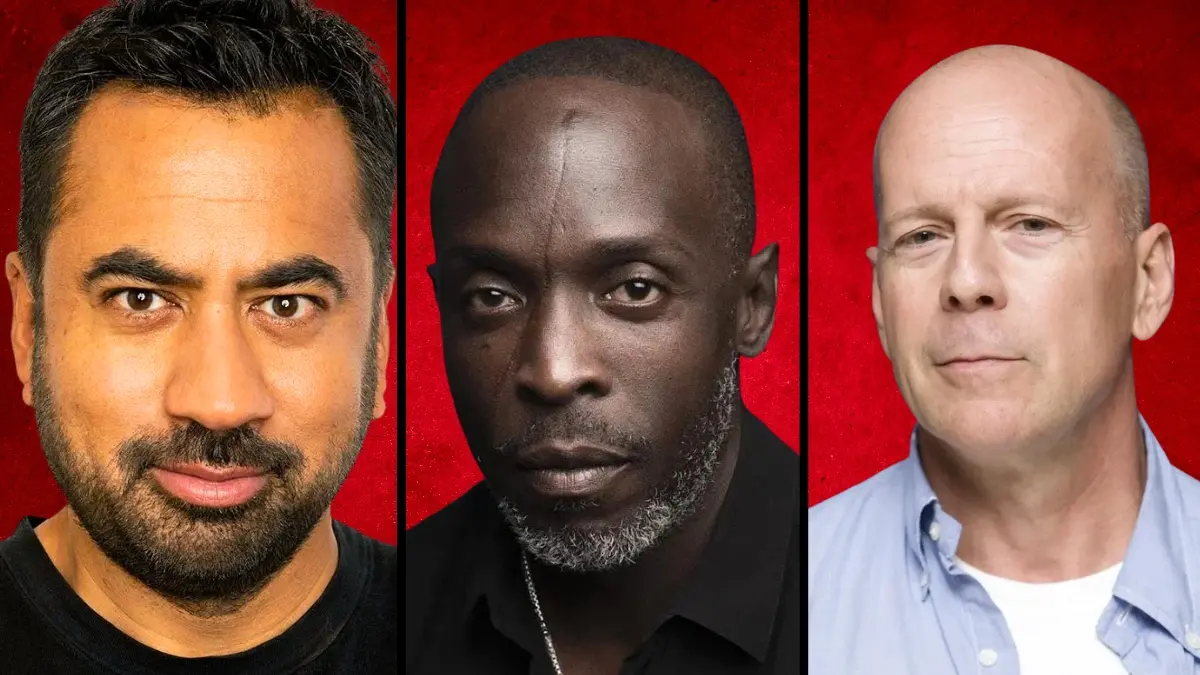


Sometimes a production is rolling, the cameras are up, and an actor still walks away. When that happens, crews scramble, scripts change, and release plans can shift overnight. These mid-stream departures have shaped everything from casting legacies to how shows write characters out on the fly.
Below are twenty-five cases—across film and television—where male actors left after work had already begun. For each one, you’ll see what triggered the exit and how the team kept the project moving, whether that meant reshoots, recasting, or rewriting whole storylines.
Bruce Willis
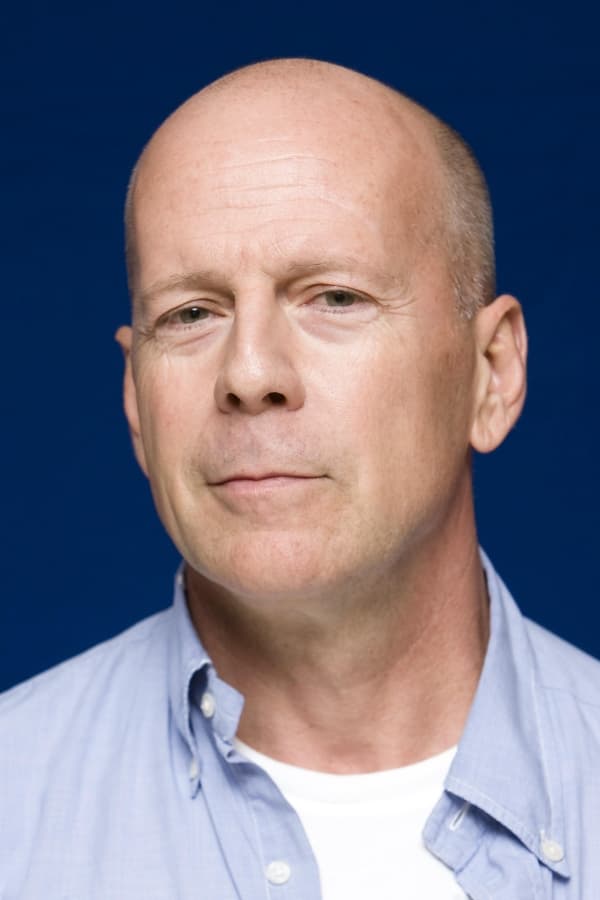
Bruce Willis exited Woody Allen’s ‘Café Society’ after filming began, with the production citing scheduling conflicts tied to his stage commitment for ‘Misery’. Scenes with Willis had already been captured on location, which forced the schedule to be reworked.
The role was recast with Steve Carell, and key setups were restaged so the new performance matched established coverage. Editorial and sound teams coordinated pickups to keep continuity intact without shifting the release plan.
Jean-Claude Van Damme
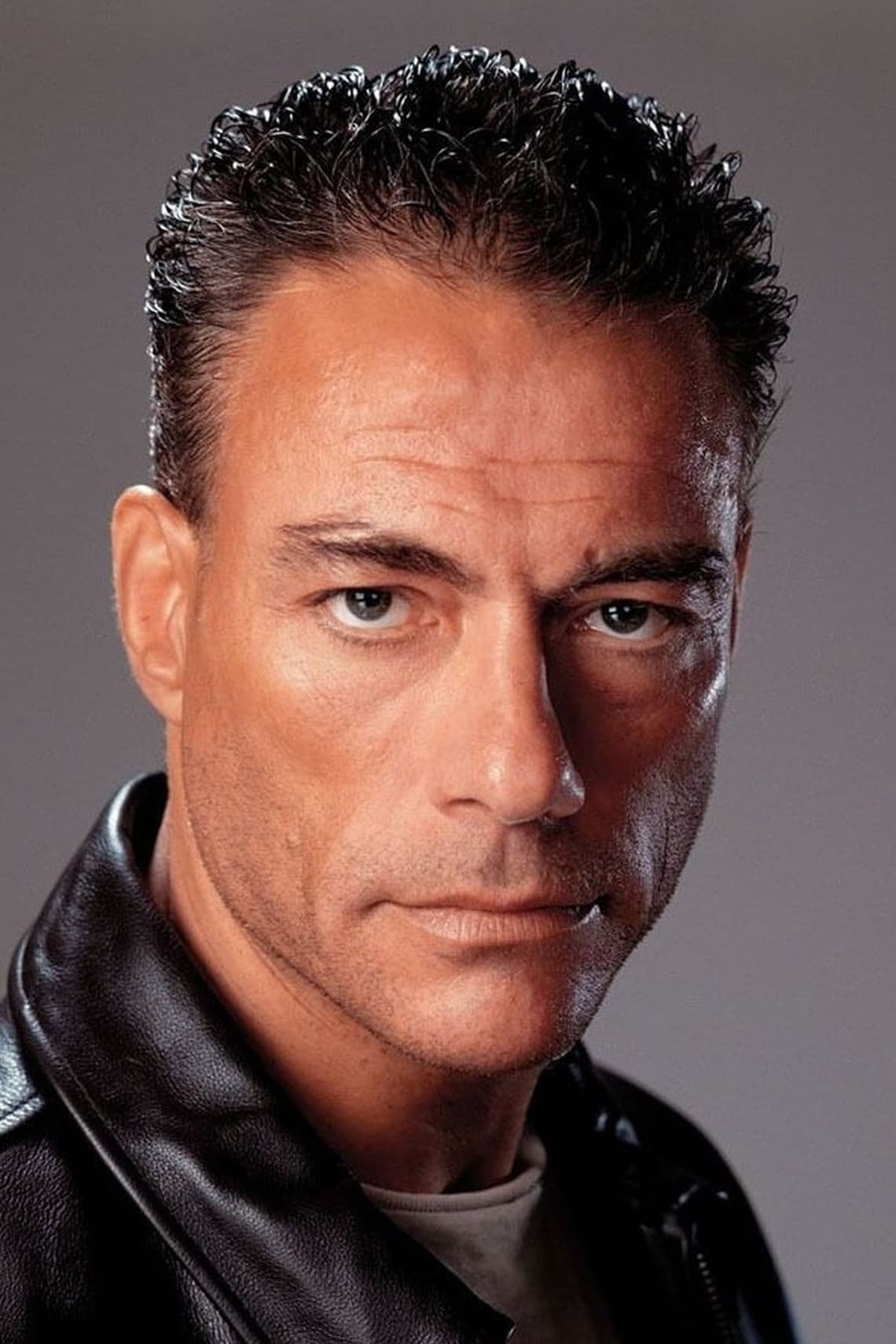
Jean-Claude Van Damme left ‘Predator’ early in production after trial footage and suit tests revealed practical and creative issues with the original creature concept. He had been performing inside a more agile creature design before the production changed direction.
Kevin Peter Hall replaced him after the creature was redesigned at a larger scale. Units returned to action beats to align eyelines and blocking with the updated silhouette, with new plates ensuring seamless integration.
James Purefoy
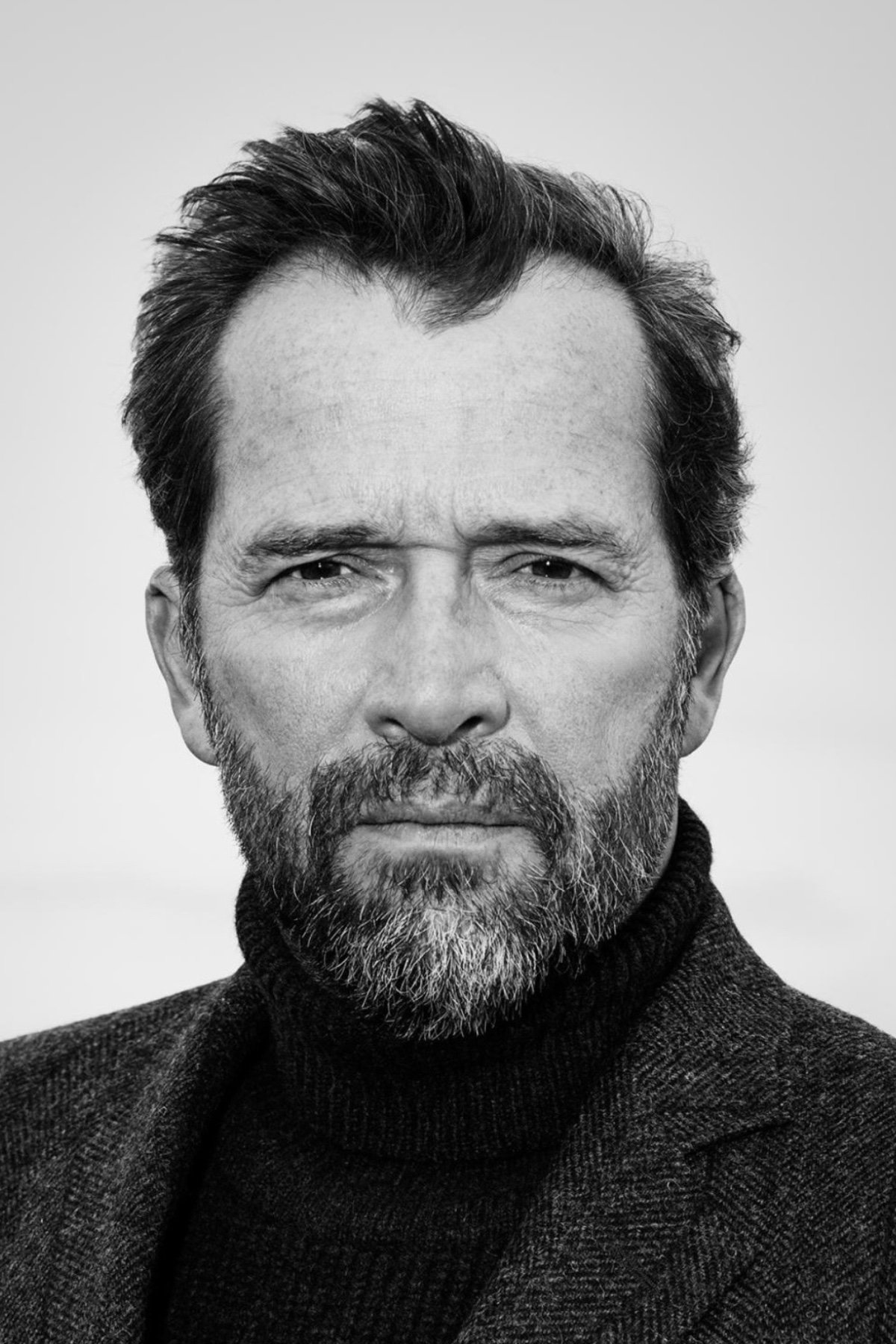
James Purefoy began work as V in ‘V for Vendetta’ but exited after several weeks of filming. The rigid mask and full-head costume limited facial expression and complicated the approach to the character’s physical performance.
Hugo Weaving stepped in, and much of V’s material was reshot. Dialogue was re-recorded to unify the character’s voice, while lighting and framing preserved a consistent on-screen identity across pickups.
Michael Kenneth Williams
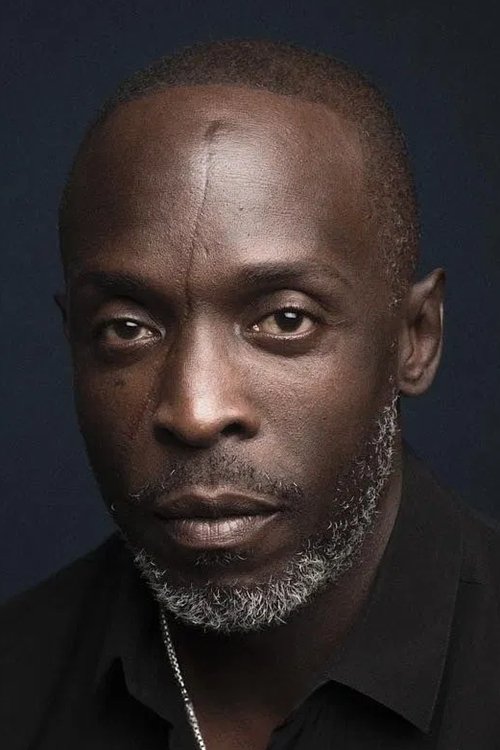
Michael K. Williams filmed a crime boss role in ‘Solo: A Star Wars Story’ but departed during the reshoot phase when schedules could not be aligned after the director change. His character had been conceived with a different visual profile using prosthetics and performance-capture elements.
Paul Bettany assumed a reimagined version of the role, shifting the character’s look while keeping the same narrative function. Reshoots integrated the new portrayal into existing scenes, with ADR and VFX smoothing continuity.
Buddy Ebsen
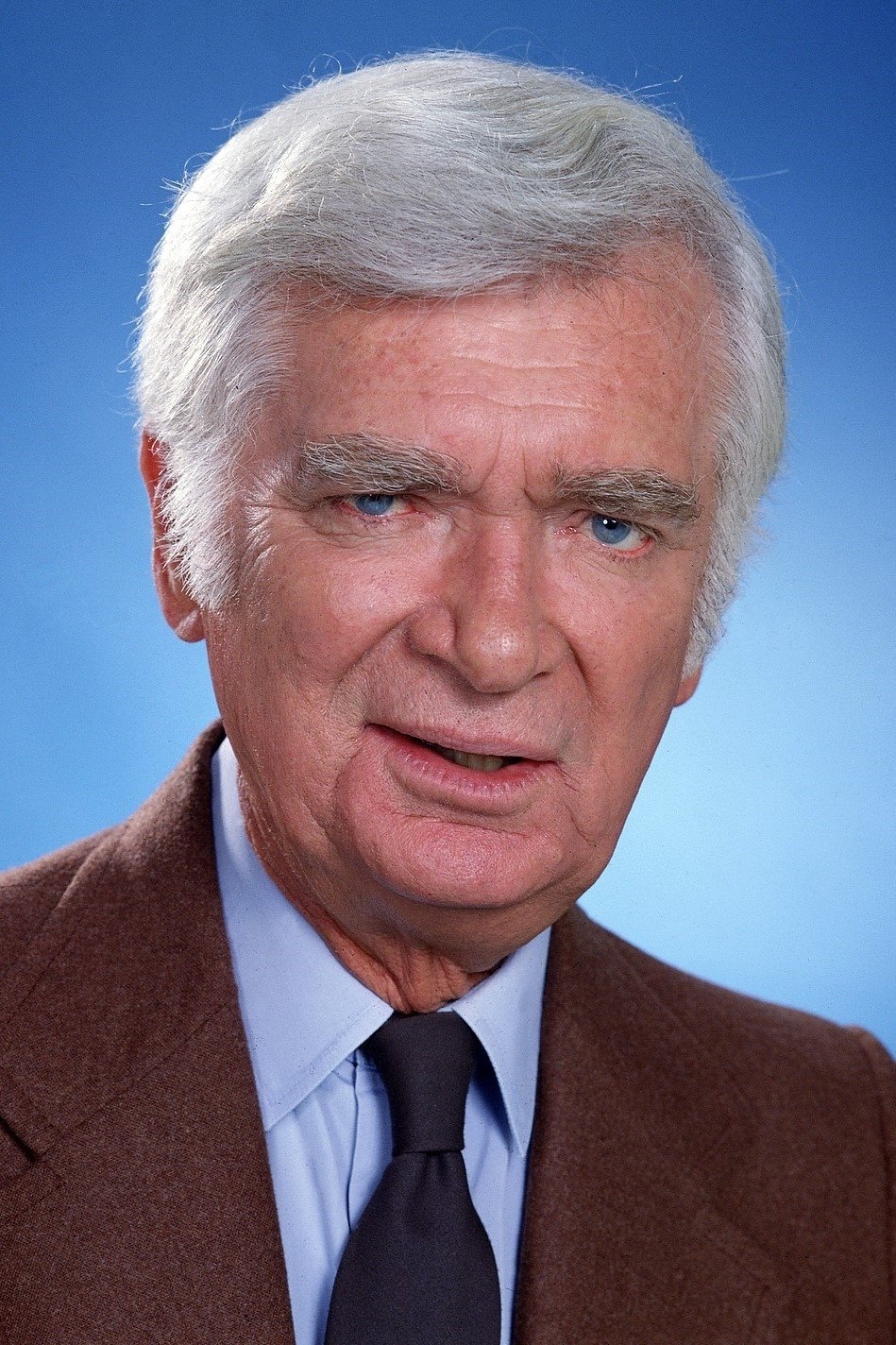
Buddy Ebsen left ‘The Wizard of Oz’ mid-production after a severe reaction to the Tin Man makeup sent him to the hospital. He had already recorded musical numbers and filmed material before the health emergency.
Jack Haley replaced him, and the makeup formulation was altered for safety. Musical tracks were re-recorded and choreography restaged so the transition would not be visible on screen.
Rob Morrow
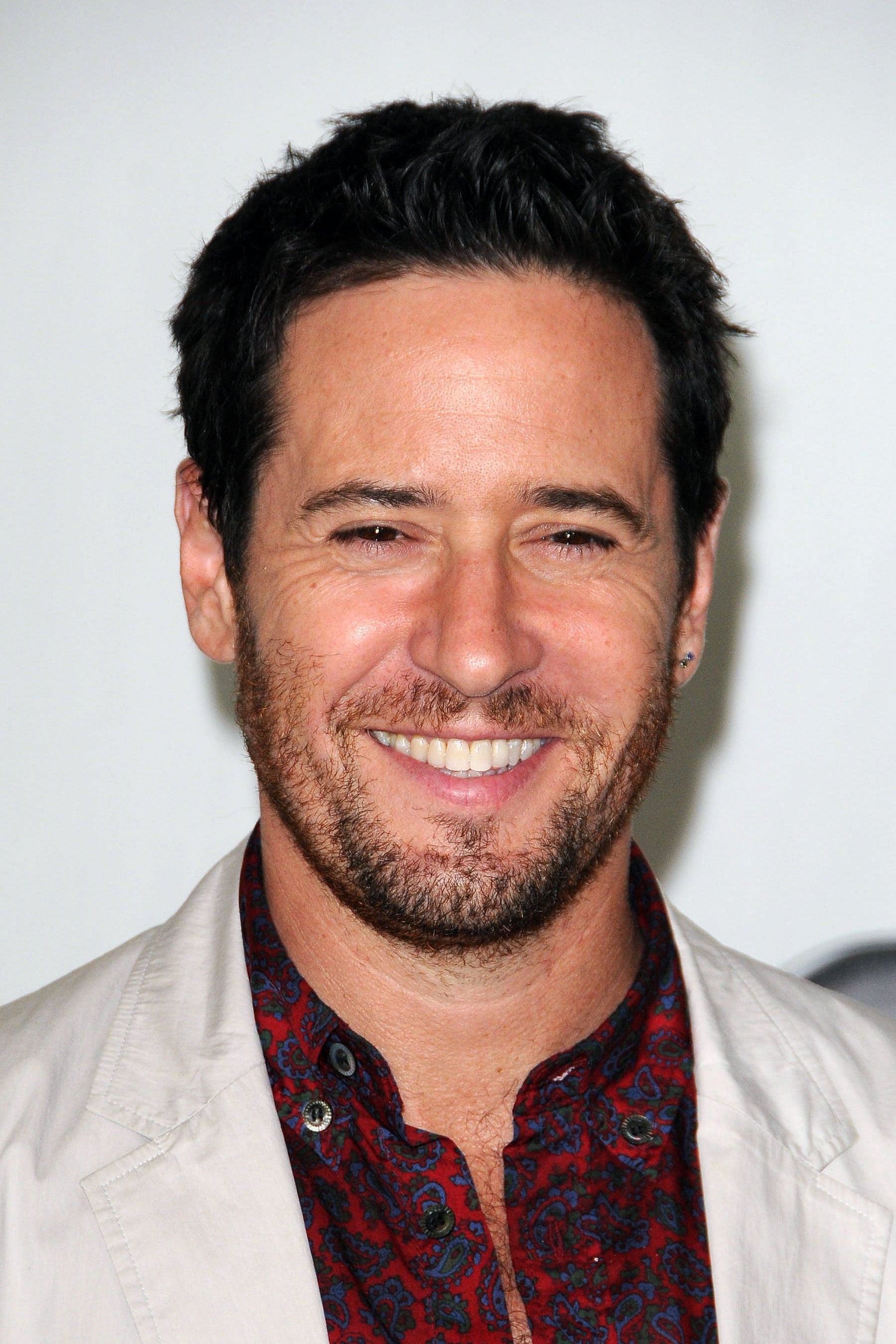
Rob Morrow quit ‘The Island of Dr. Moreau’ shortly after cameras rolled amid well-documented production turmoil. He had started principal photography in a lead capacity when he chose to leave.
David Thewlis took over, and the story was reoriented around the new lead. Revised pages and rescheduled set pieces let the production maintain momentum while matching previously established geography.
Al Pacino
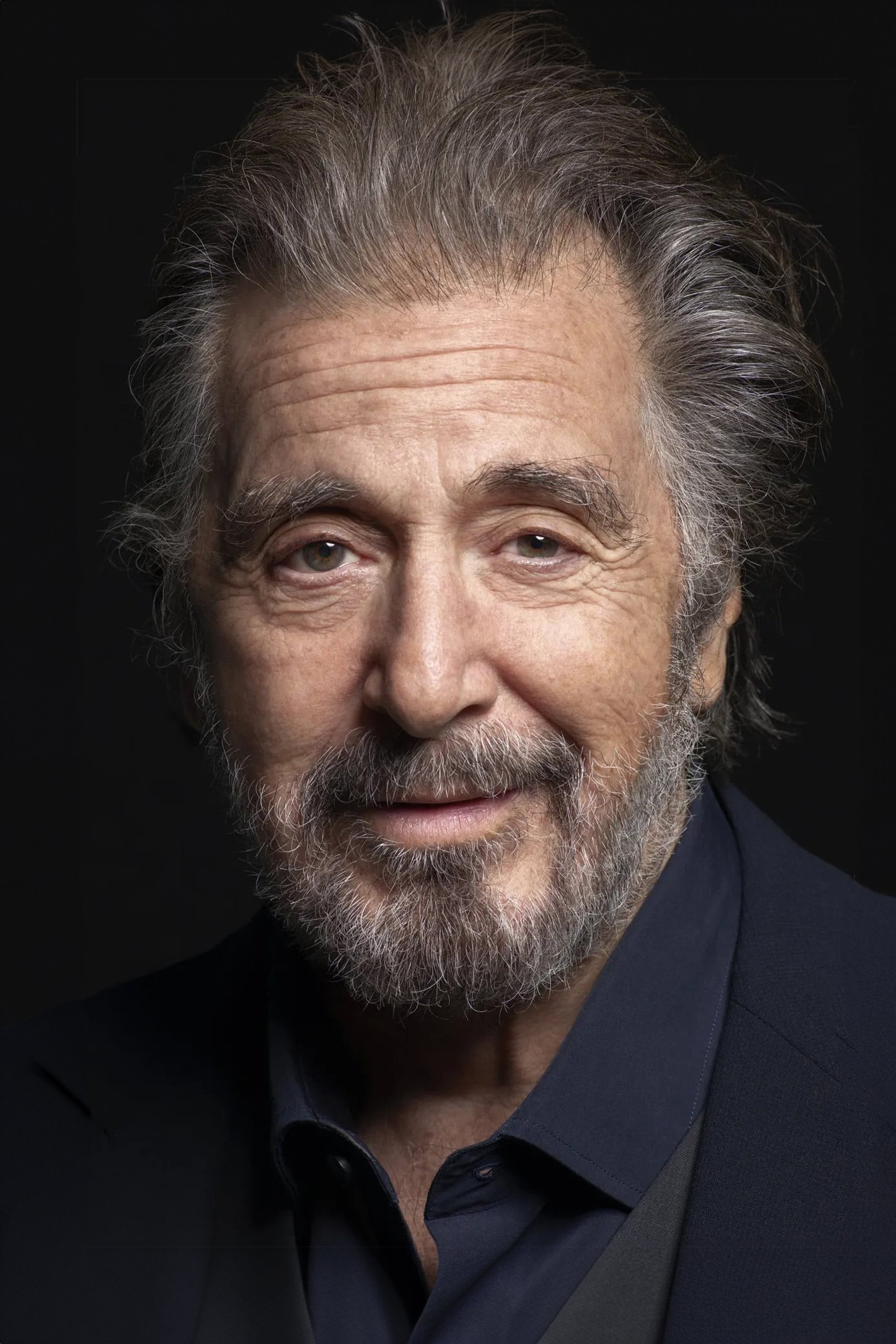
Al Pacino exited ‘Despicable Me 2’ during post-production after completing extensive voice work as the villain. His departure occurred when animation and timing were already locked in many sequences.
Benjamin Bratt re-recorded the role across the character’s entire arc. Sound editors and animators adjusted mouth shapes and timing in affected shots to fit the new performance without delaying localization.
Peter Sellers
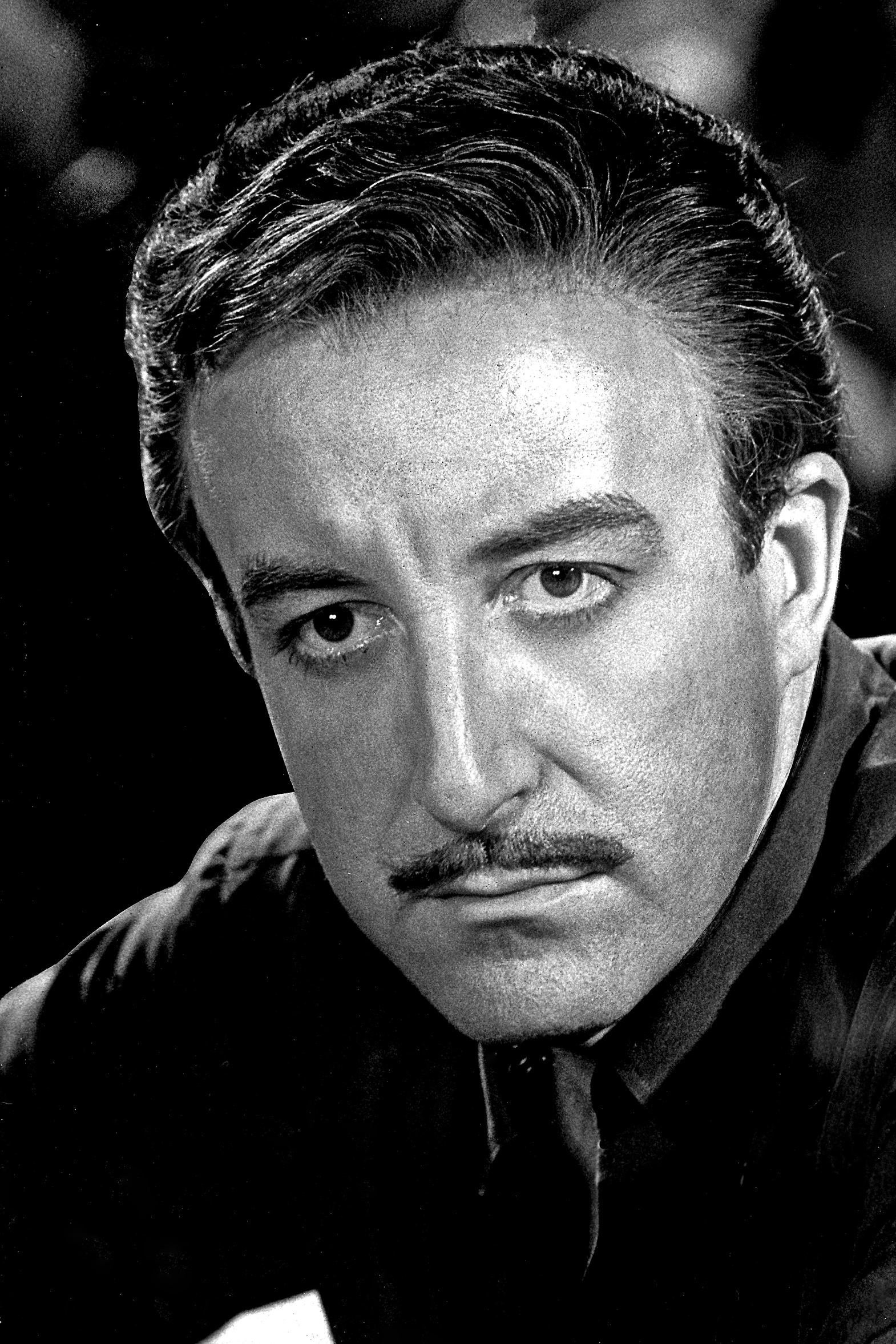
Peter Sellers left ‘Casino Royale’ during production after filming multiple scenes as Evelyn Tremble. His departure complicated a project already using multiple directors and tones in an anthology-like structure.
Editors reworked the narrative, employing body doubles and newly written material to bridge gaps. The film’s vignette format let the team fold in fresh sequences while preserving forward momentum.
David Caruso
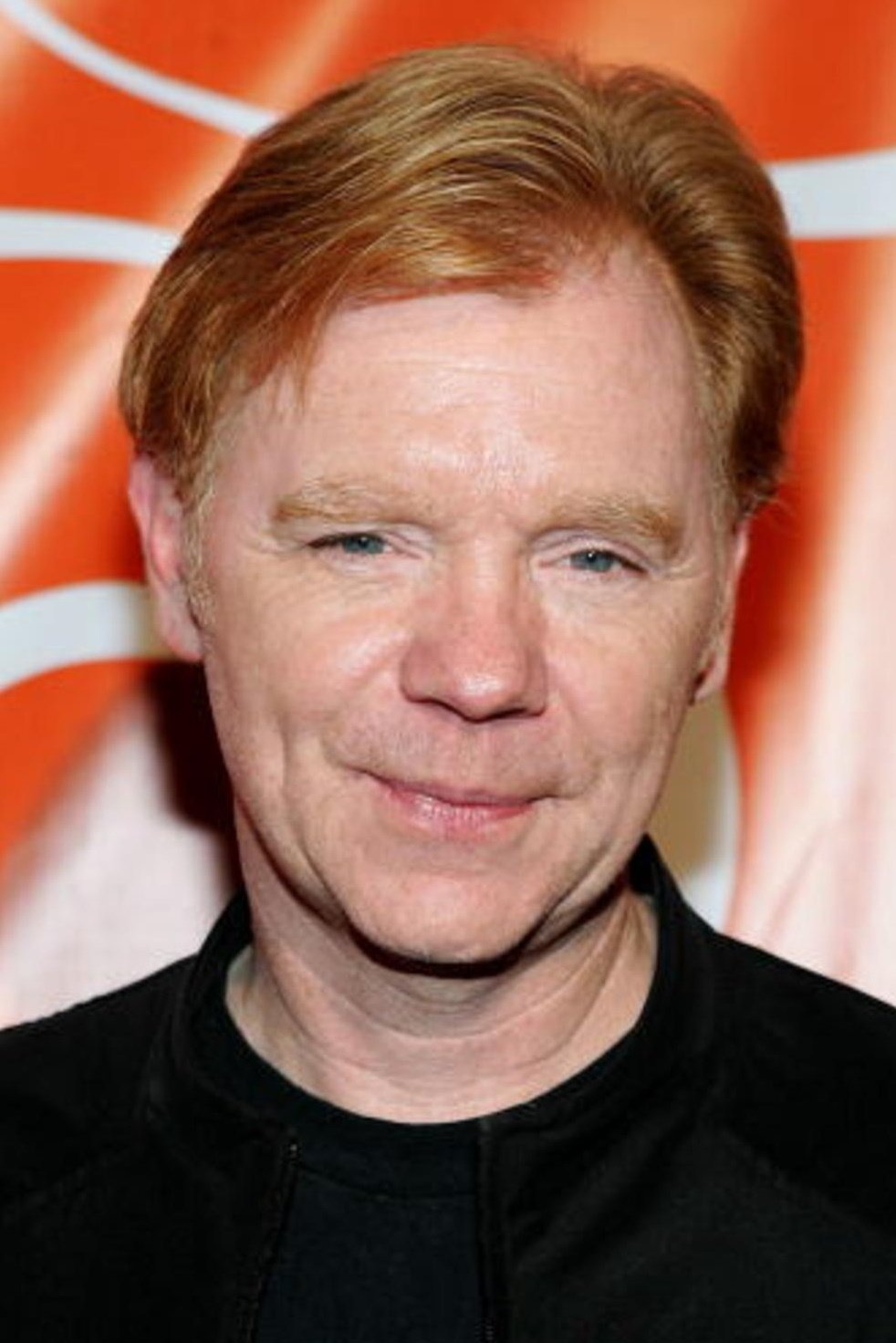
David Caruso quit ‘NYPD Blue’ early in its second season while episodes were still in production. He had been central to the show’s initial marketing and ensemble balance, so his exit required a quick leadership handoff.
Jimmy Smits joined the cast, and writing redistributed investigative and personal arcs. Production overlapped Caruso’s final appearances with Smits’s introduction to keep ongoing storylines coherent.
Rob Lowe
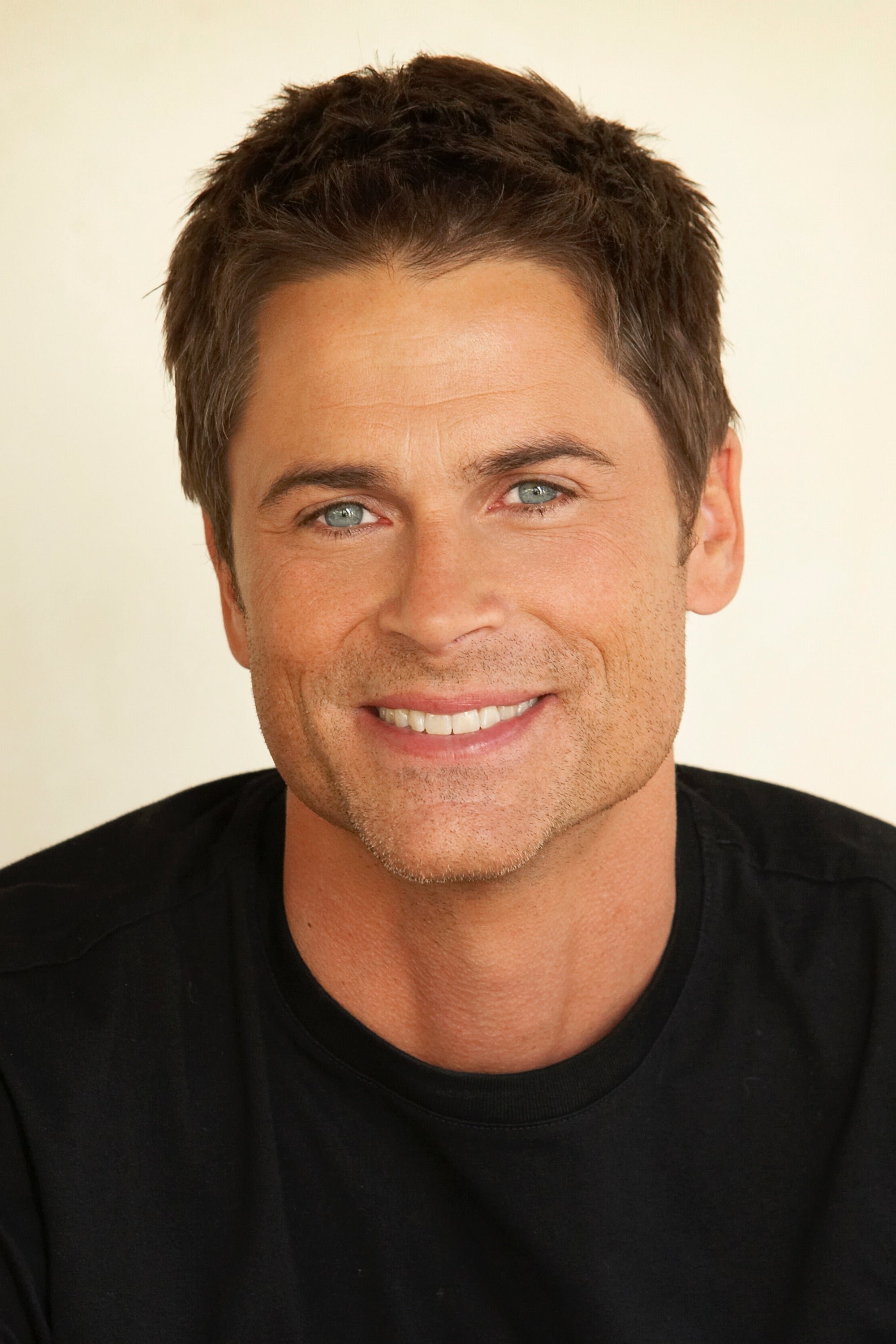
Rob Lowe left ‘The West Wing’ mid–season four after filming a substantial run of episodes that year. His character’s departure opened a gap in the communications bullpen during an active production block.
The series shifted focus to other senior staff and introduced new political plotlines to absorb responsibilities he previously carried. Call sheets were adjusted to give returning regulars expanded presence while preserving the show’s signature pacing.
Kal Penn
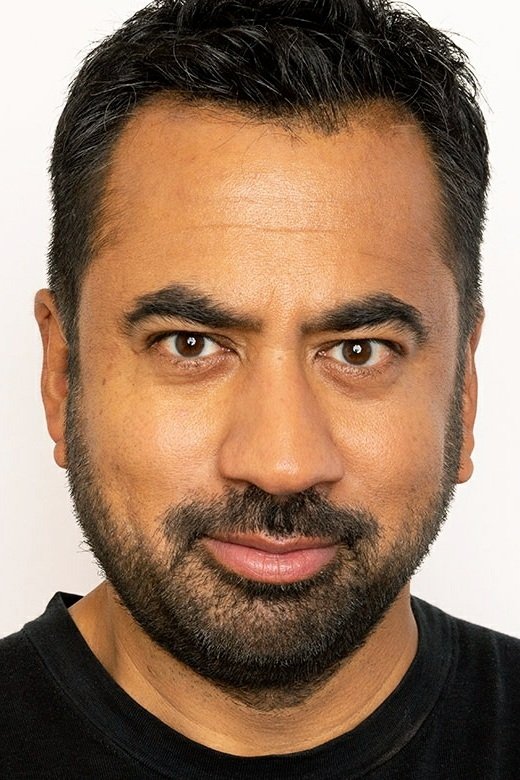
Kal Penn left ‘House’ during a late–season five run after requesting to be written out so he could take a role with the White House. The decision arrived while story threads were converging toward the season’s final arc.
The series closed his character’s storyline in a single episode and rebalanced the diagnostic team. Scheduling redistributed ensemble days to cover case-of-the-week scenes without extending the shooting calendar.
Donald Glover

Donald Glover departed ‘Community’ early in season five after fulfilling a limited-episode agreement. His character had been part of the core study group’s dynamic, so the exit reshaped the ensemble mid-year.
Writers introduced plot mechanisms to explain his absence and pivoted group interactions to other pairings. Production reassigned set pieces and bottle episodes to function smoothly without the character’s typical role.
Chevy Chase
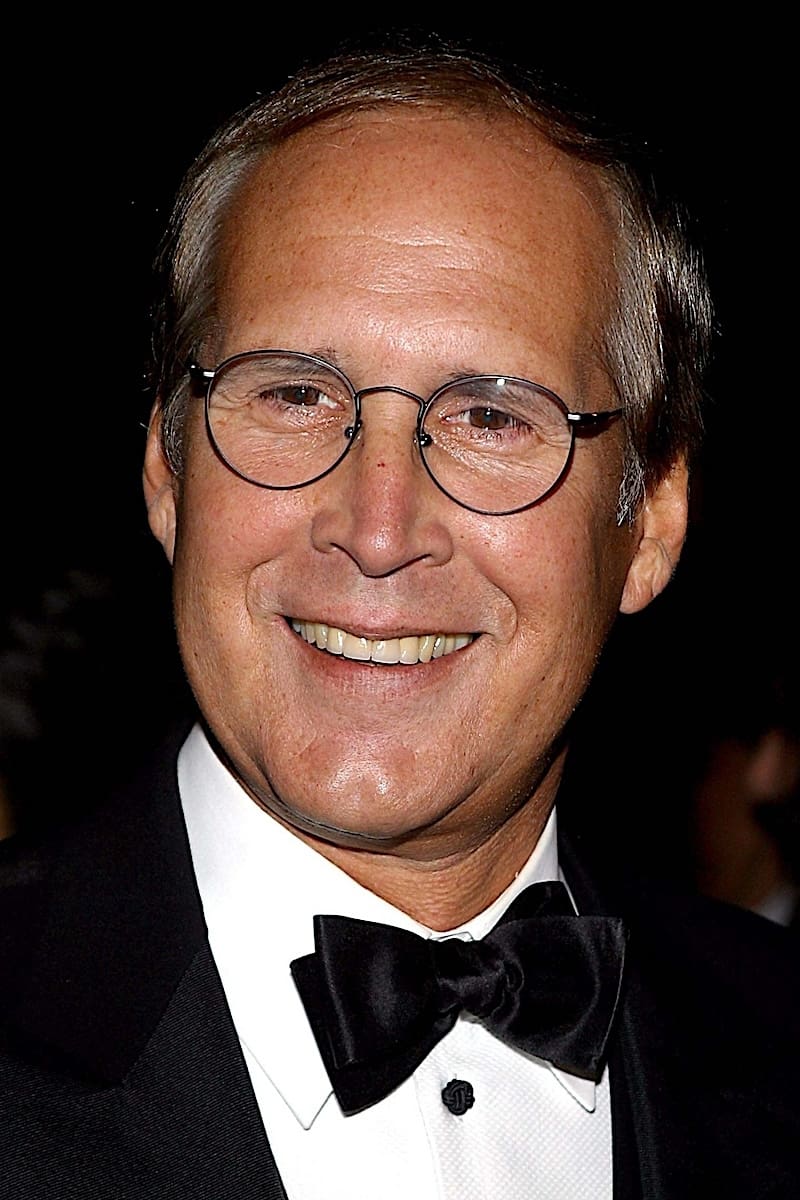
Chevy Chase left ‘Community’ during production on season four, exiting before the season wrapped. He had already filmed material that could be arranged to maintain his character’s presence where needed.
Editors incorporated completed scenes and restructured episodes to close the season’s planned arcs. Subsequent seasons referenced the character for continuity while the ensemble carried forward under revised configurations.
Andrew Lincoln
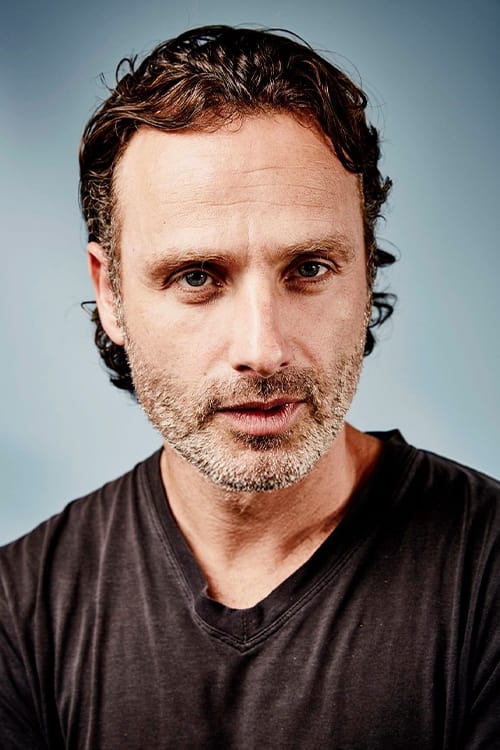
Andrew Lincoln left ‘The Walking Dead’ during the production of season nine, departing after a major mid-season episode. The exit was timed so ongoing arcs could pivot to the next leadership configuration.
A post-departure time jump re-centered the ensemble and redistributed action sequences among remaining leads. Second-unit resources helped cover set pieces while principal cast transitions were staged.
Mark Harmon
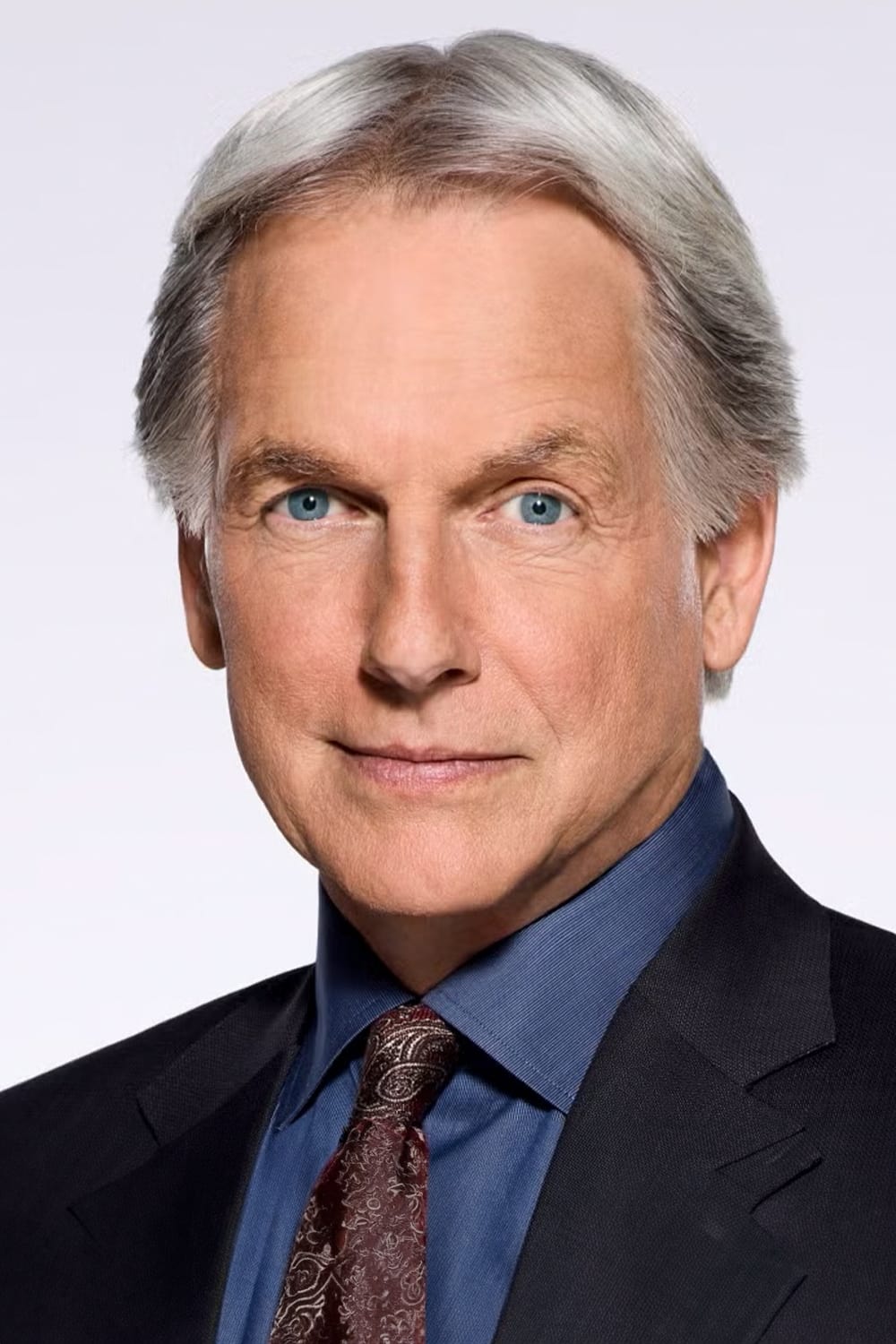
Mark Harmon stepped back from ‘NCIS’ early in season nineteen, concluding his run after the first few episodes had been filmed and aired. His exit required a careful handoff to preserve the procedural’s case flow.
The series elevated other team members and introduced new leadership angles to keep investigations intact. Filming blocks were reorganized so expository scenes could be captured with the updated core cast.
Shemar Moore
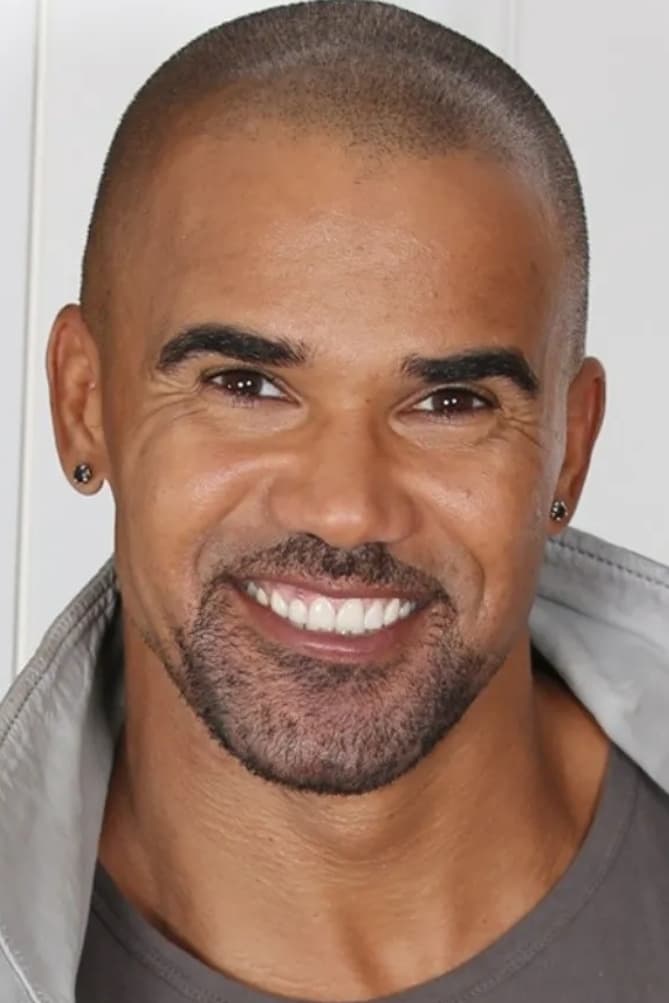
Shemar Moore left ‘Criminal Minds’ during season eleven, exiting after episode eighteen. His character had anchored both action beats and personal subplots that were still unfolding that year.
Producers positioned a farewell storyline and then rebalanced the profiler roster to maintain field coverage. Later guest appearances were scheduled to fit around his availability while leaving ongoing episode shoots unaffected.
Jason Priestley
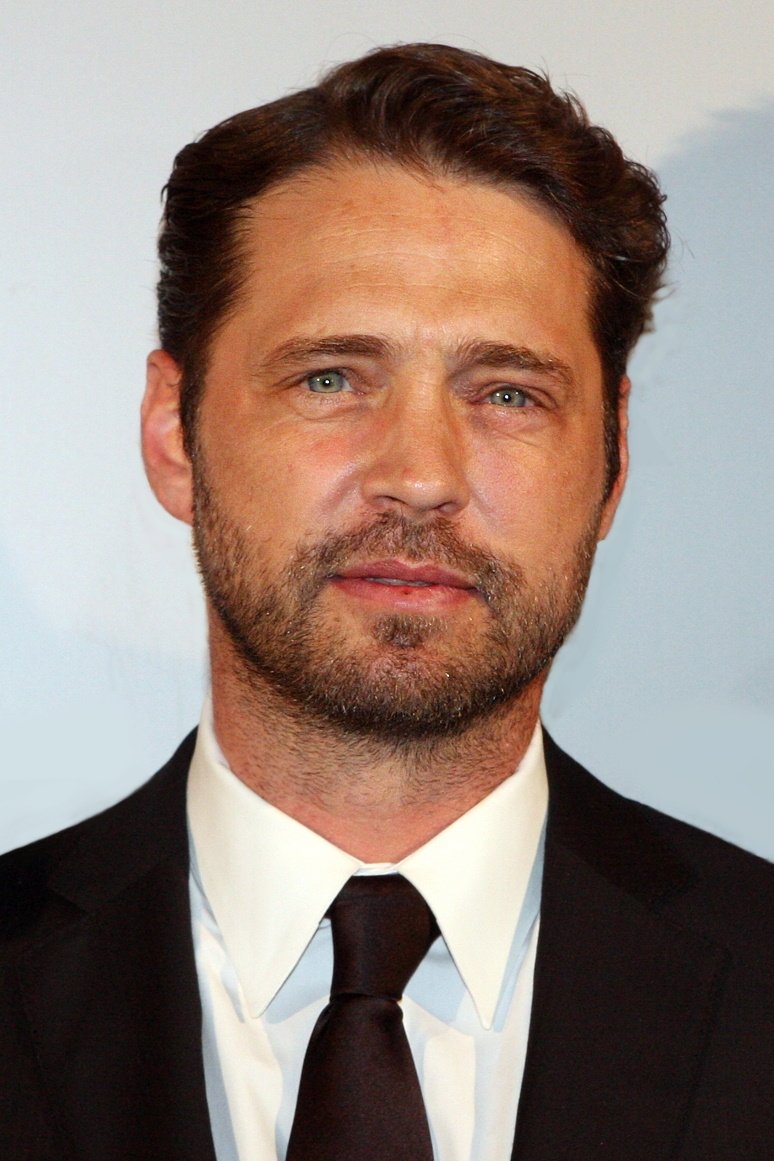
Jason Priestley left ‘Beverly Hills, 90210’ early in season nine while the production was shooting that year’s order. His character had long carried central A-plots that tied together work, friendship, and romance.
After he left, the series redistributed those arcs to other returning regulars. Location work and guest roles helped reframe multi-episode threads without pausing the schedule.
Damon Wayans
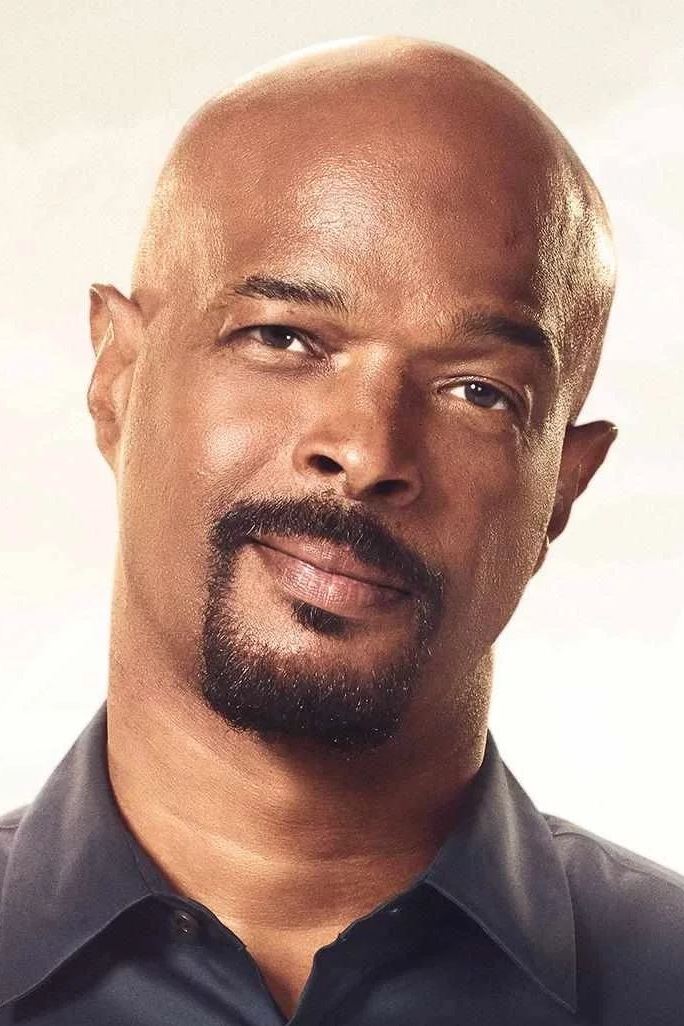
Damon Wayans announced his exit from ‘Lethal Weapon’ during the production of season three and completed a limited number of additional episodes. The series had already recast the other lead earlier in the run.
Production used that window to craft a send-off while assessing options for continuing the format. Remaining episodes were aligned to conclude ongoing cases and transition focus, with the series ultimately ending after that season.
Mandy Patinkin

Mandy Patinkin quit ‘Criminal Minds’ at the start of season three, leaving after filming had resumed for the new cycle. The exit arrived fast enough that early-season plans required rapid revision.
A new supervisory character replaced his functional role, and scenes originally designed for him were reassigned. The crew reblocked dialogue-heavy sequences to maintain continuity across sets already dressed for the week.
John Rhys-Davies
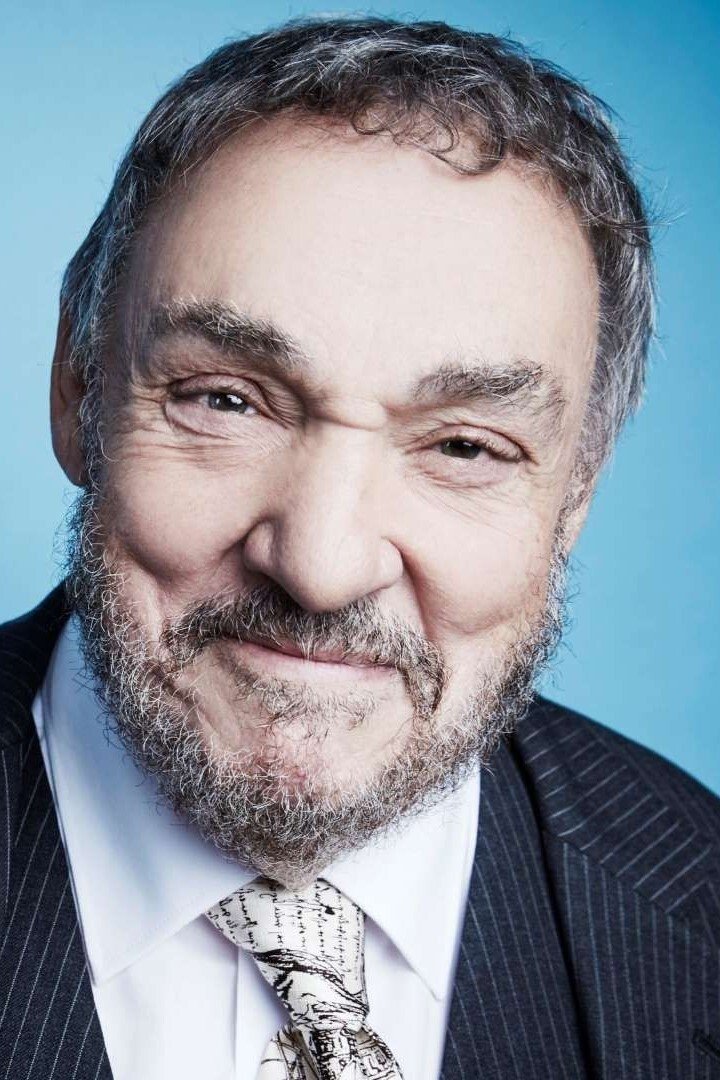
John Rhys-Davies left ‘Sliders’ during the production of season three, stepping away while episodes were underway. His scientist character had carried much of the series’ exposition up to that point.
Writers wrote the character out and brought in new regulars to shoulder mythology and adventure beats. VFX plans and standing sets were adjusted to match the altered team composition without slowing the episodic pipeline.
Wil Wheaton
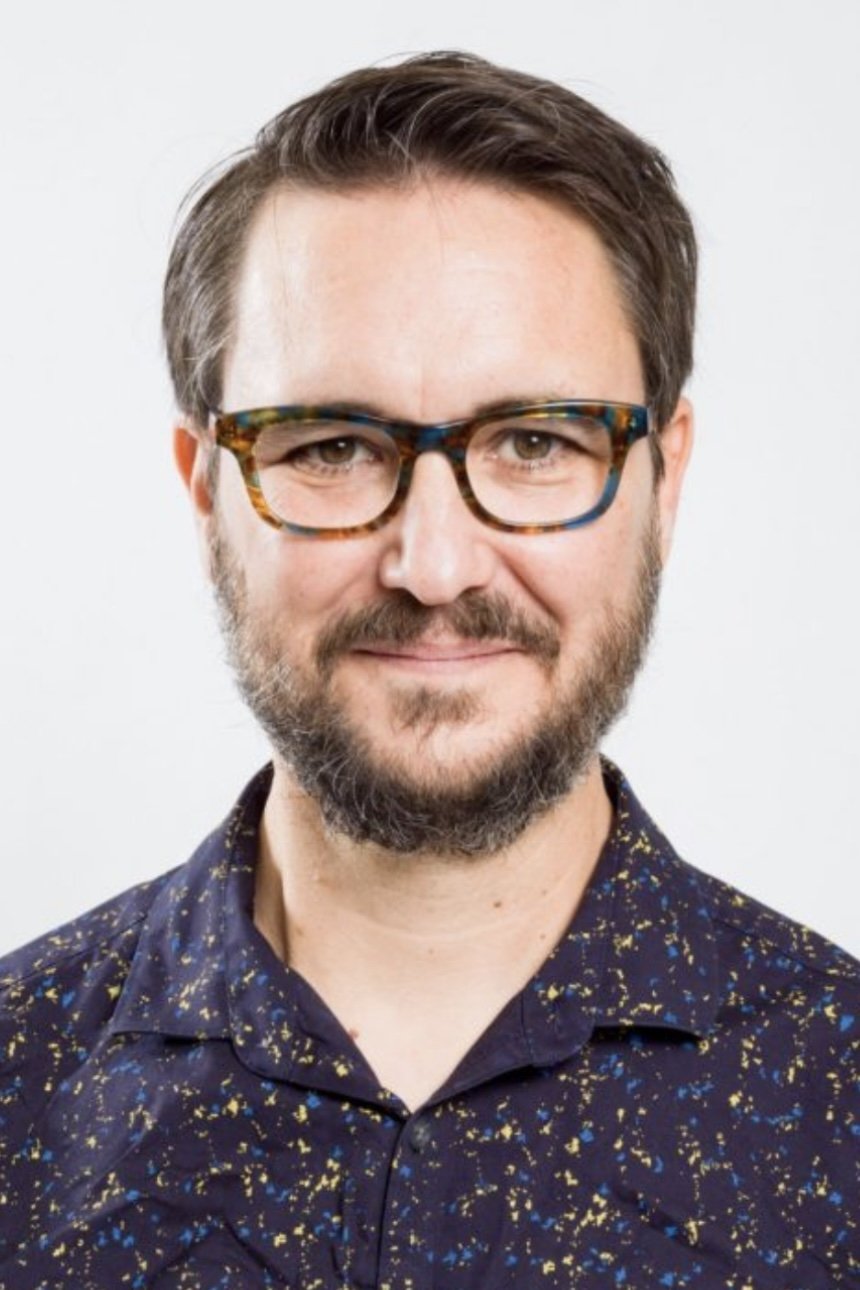
Wil Wheaton departed ‘Star Trek: The Next Generation’ during season four, leaving while production was in full swing. His educational arc had been interwoven with shipboard plots, so the transition needed careful timing.
The show wrote him out with an in-universe opportunity and later scheduled return appearances that fit around his availability. Technical dialogue was redistributed among the bridge crew and engineering staff to maintain story clarity.
Jesse Spencer
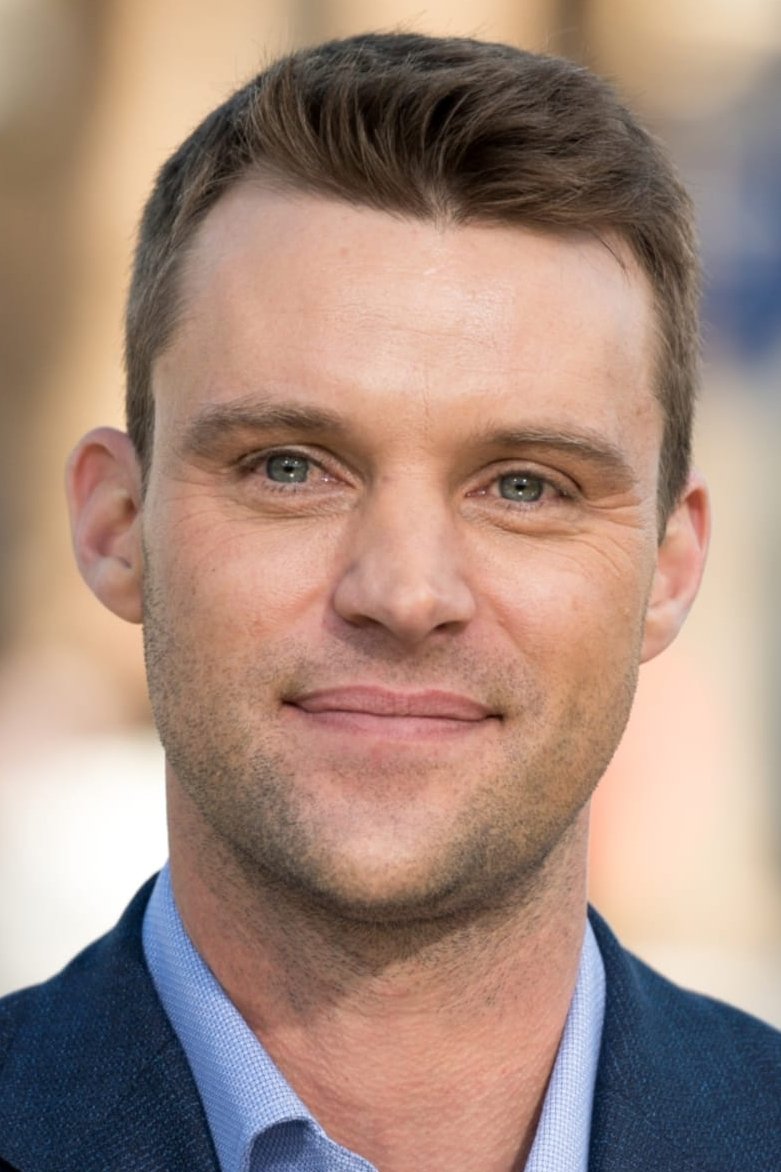
Jesse Spencer left ‘Chicago Fire’ during the production of season ten, exiting with the show’s two-hundredth episode. His firefighter character had been central to squad dynamics and multi-episode rescue arcs.
After his departure, leadership duties were reassigned and truck and squad storylines rebalanced. Ensemble coverage kept action set pieces operating smoothly while new character beats were integrated.
Justin Chambers
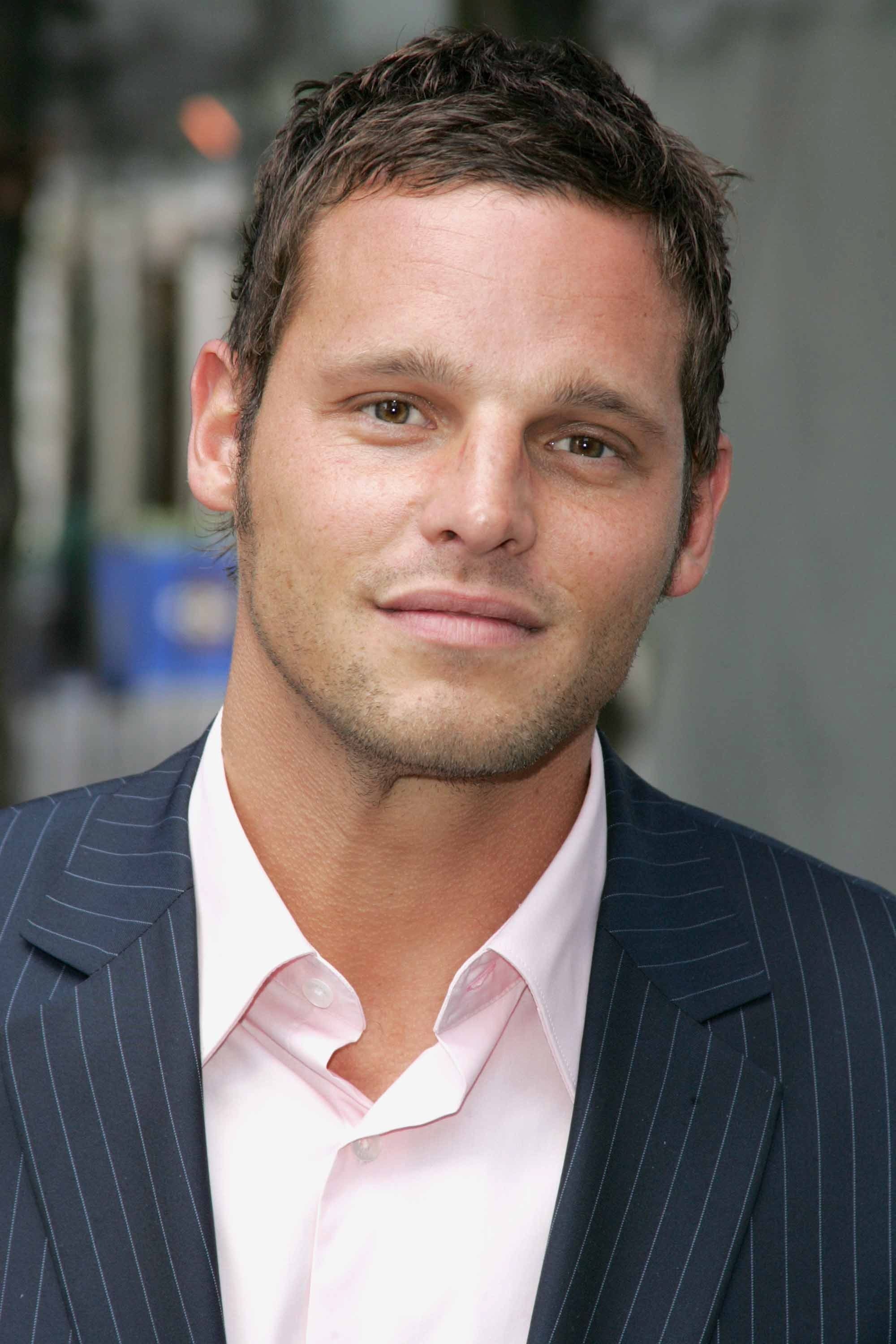
Justin Chambers left ‘Grey’s Anatomy’ mid–season sixteen, with his final on-screen appearance occurring earlier in the run. Because the exit followed episodes already shot, later installments used narration and off-screen explanations to resolve his arc.
Surgical cases and mentorship scenes were redistributed to other doctors. Production adapted call sheets and coverage plans to account for the change without adding hiatus days.
Frank Dillane
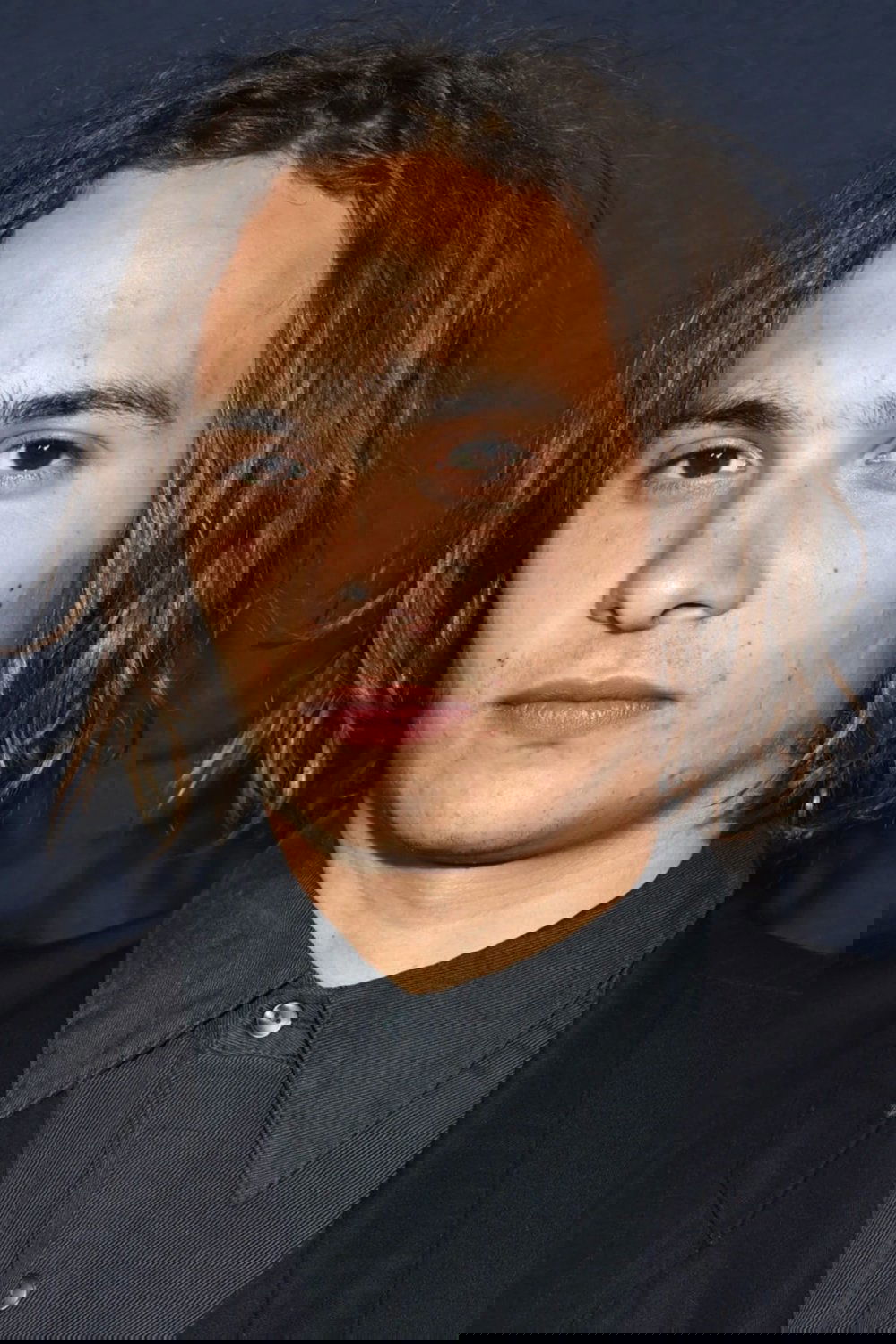
Frank Dillane exited ‘Fear the Walking Dead’ during the production of season four, requesting to leave while the season was in progress. His character’s storyline was closed in an episode timed alongside franchise crossover developments.
The show leaned on its shifting ensemble and franchise connections to carry forward the season’s themes. Location work and stunt scheduling were aligned so the departure did not disrupt ongoing set pieces.
Johnny Depp
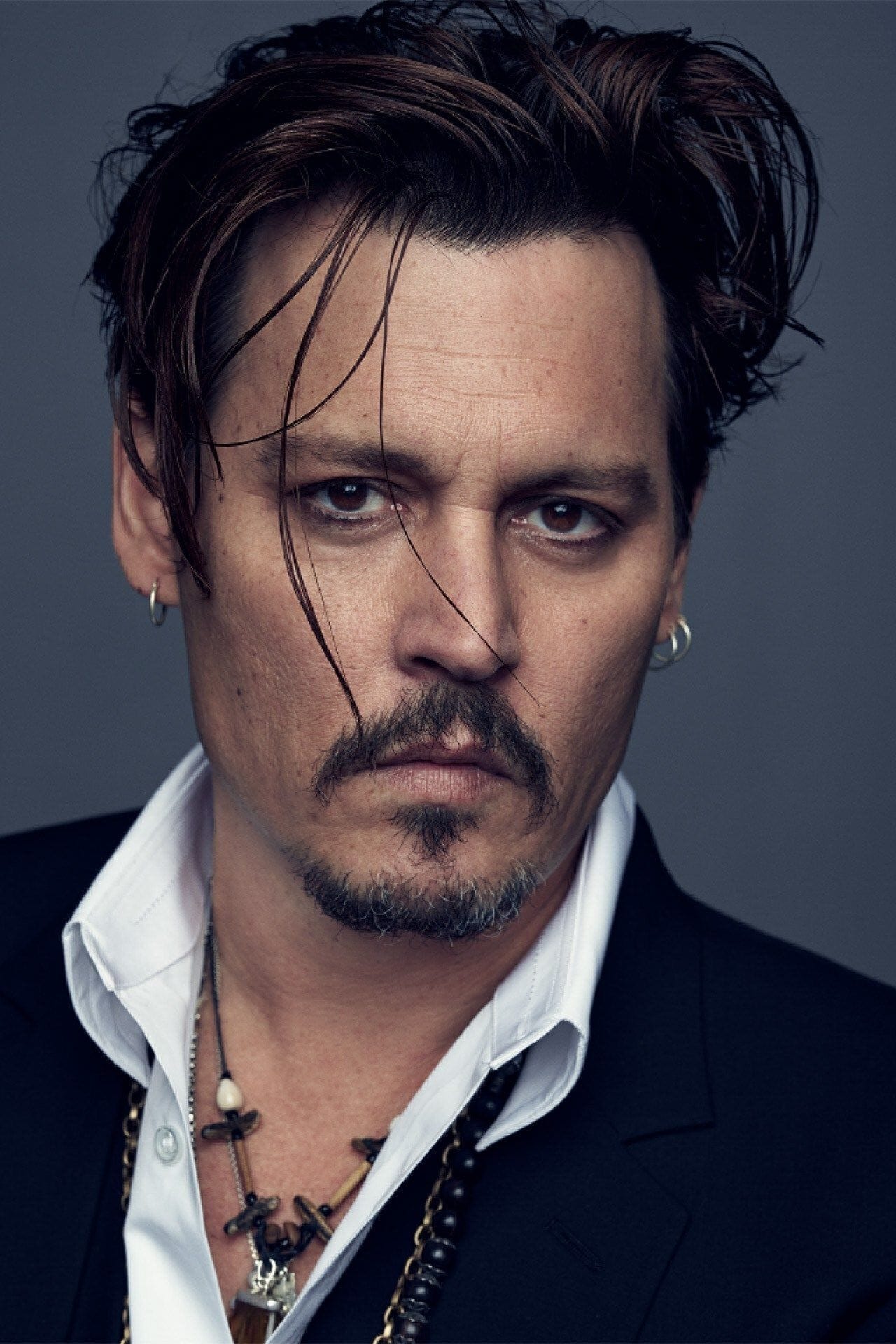
Johnny Depp resigned from ‘Fantastic Beasts: The Secrets of Dumbledore’ after filming had started, following a studio request. He had already shot material, which required production to address the vacancy during principal photography.
Mads Mikkelsen took over the role, and affected scenes were reshot to maintain narrative continuity. Editorial and visual effects teams coordinated transitions so the character’s presence remained consistent across the finished film.
Share any other mid-production exits you remember in the comments so everyone can compare notes!

