


Actors who Reinvented Themselves After a Long Hiatus

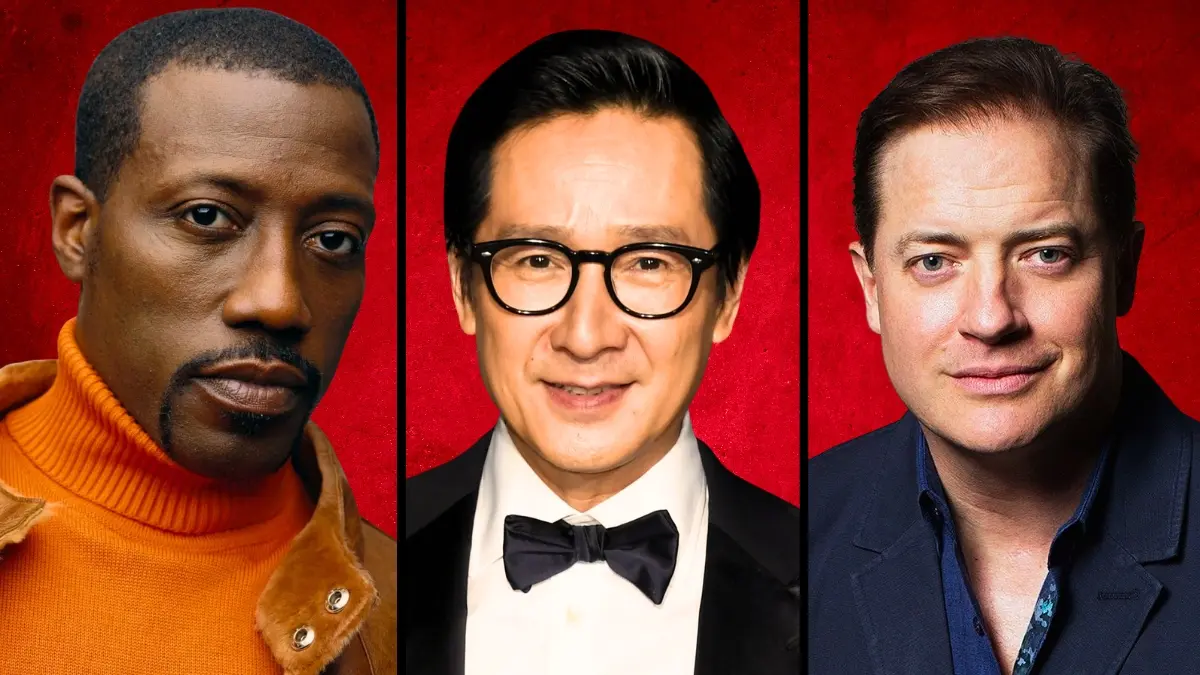


Taking a long break from acting can reset a career in unpredictable ways. Some performers step away because of limited opportunities, health issues, or a shift in personal priorities. When they return, the roles they choose and the skills they bring back often look very different from what made them famous in the first place.
This list focuses on male actors who paused their on-screen work for an extended stretch and then came back with a new lane—different genres, formats, or responsibilities such as producing and directing. Each entry highlights what they did before stepping away, what kept them off camera, and how they rebuilt their careers with fresh choices afterward.
Ke Huy Quan
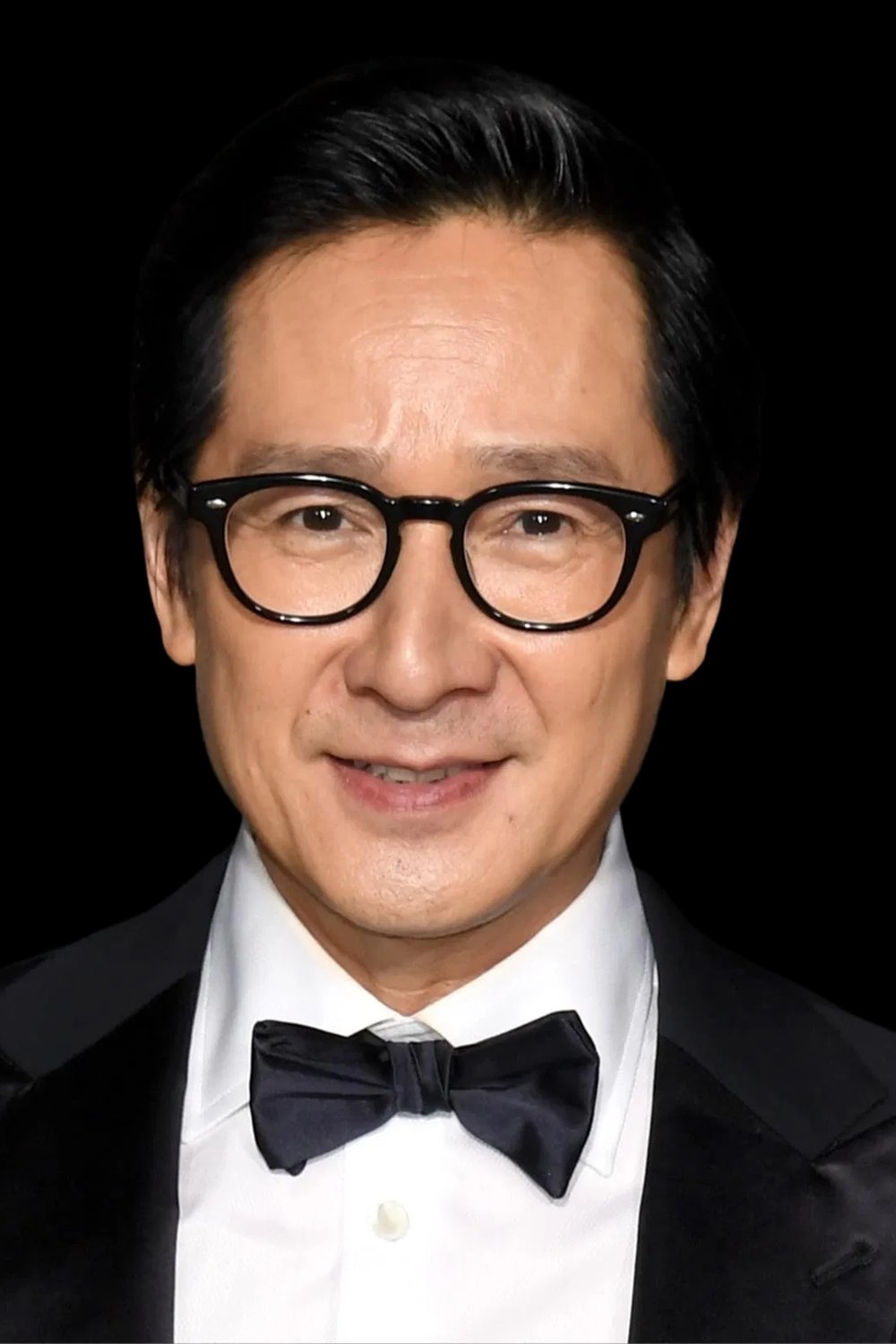
Ke Huy Quan started as a child actor in ‘Indiana Jones and the Temple of Doom’ and ‘The Goonies’, then moved behind the camera for years, working in fight choreography and as an assistant stunt coordinator on projects like ‘X-Men’ and ‘The One’. He stepped away from acting largely because of the scarcity of roles, developing technical and production experience while maintaining industry ties outside the spotlight.
He returned to acting with ‘Everything Everywhere All at Once’ and won the Academy Award for Best Supporting Actor. Quan then shifted into high-profile television, joining ‘Loki’ as Ouroboros and appearing in ‘American Born Chinese’, leveraging both his performance background and his action design skill set to shape a new phase of his career.
Brendan Fraser
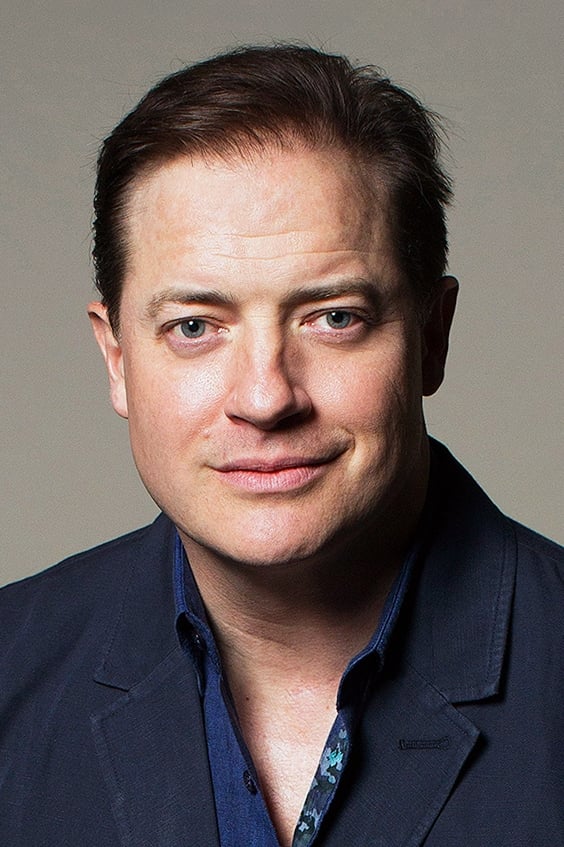
Brendan Fraser became widely known for adventure and comedy titles such as ‘The Mummy’, then reduced his workload while dealing with health challenges and personal setbacks. During this period he took fewer on-screen roles, spending time on recovery and selective television work like ‘Trust’.
Fraser re-entered the spotlight with ‘The Whale’, earning the Academy Award for Best Actor. He broadened his portfolio with character roles in ‘No Sudden Move’, a key supporting turn in ‘Killers of the Flower Moon’, and a sustained presence on television as Robotman/Cliff Steele in ‘Doom Patrol’, marking a move toward prestige drama and ensemble storytelling.
Mickey Rourke
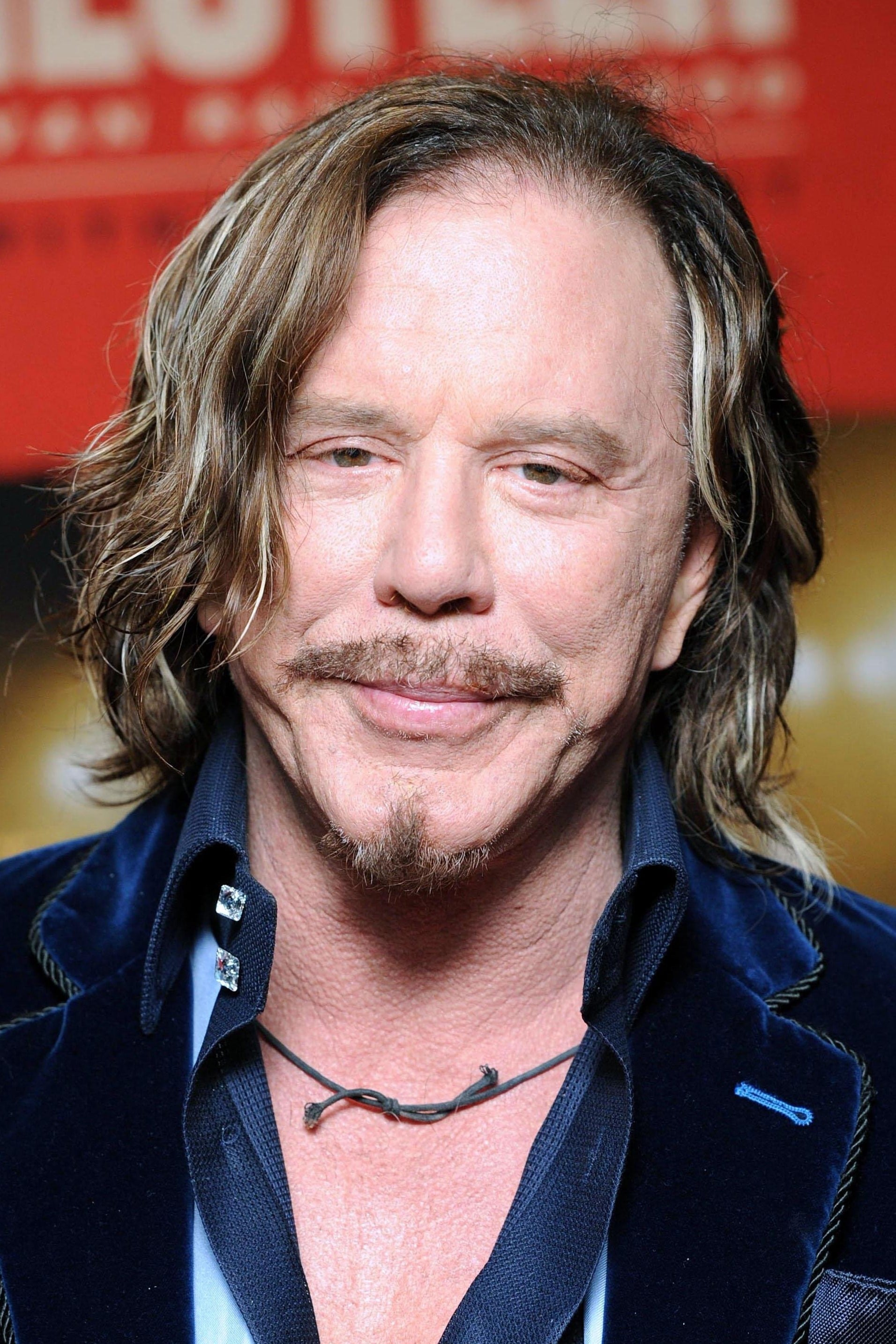
Mickey Rourke left acting to pursue professional boxing, a decision that led to time away from film sets and significant physical wear that complicated a return. Before the break he had built a reputation with roles in titles like ‘9½ Weeks’ and ‘Angel Heart’.
His comeback featured transformative work in ‘The Wrestler’, which brought major awards recognition, and a memorable turn as Marv in ‘Sin City’. Rourke followed with a mix of studio and independent projects, reestablishing himself through character-driven parts that drew on his athletic background and lived experience.
Joe Pesci
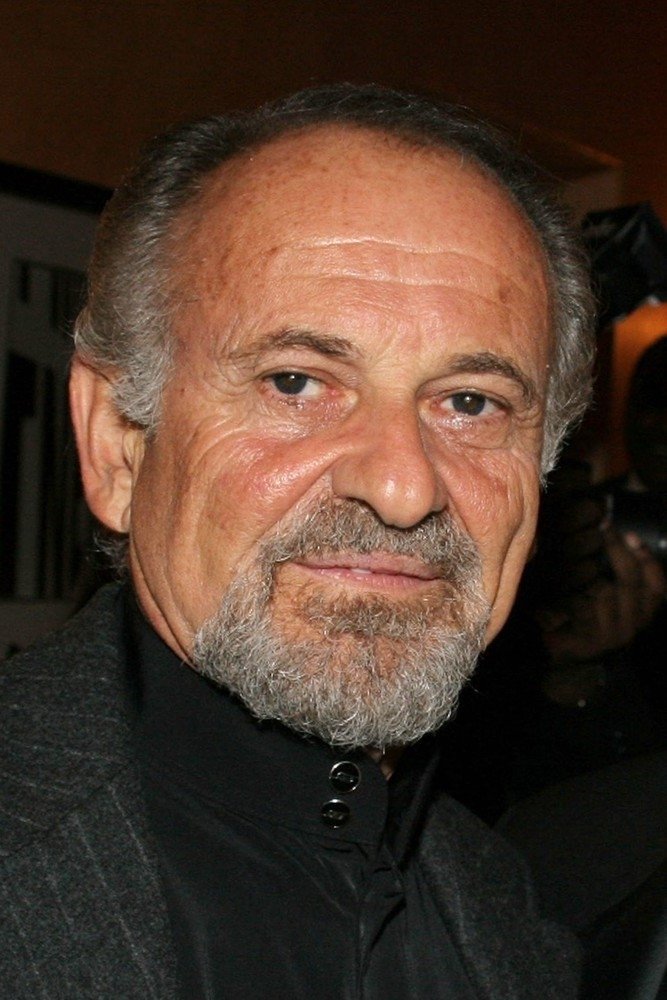
After decades of high-intensity roles in films like ‘Goodfellas’ and ‘Casino’, Joe Pesci largely stepped away from acting to focus on family and music projects. He made only occasional appearances, keeping a low profile in the industry.
Pesci returned to a central role in ‘The Irishman’, reuniting with longtime collaborators and earning major award nominations for a restrained performance style. He also released music during this period, illustrating a broader creative focus while selectively choosing screen work that fit his renewed approach.
Jason Bateman
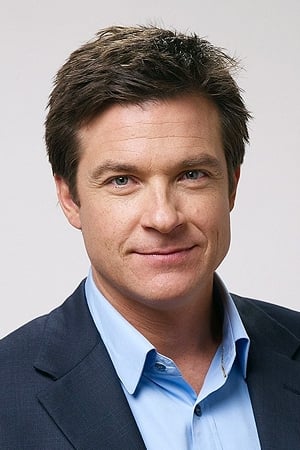
Jason Bateman worked steadily as a teen and young adult in shows like ‘Silver Spoons’ and ‘Teen Wolf Too’, then spent a long stretch bouncing among short-lived series and smaller parts. He used that time to learn directing fundamentals and regroup around behind-the-camera work.
His resurgence began with ‘Arrested Development’, which reintroduced him to a wide audience and opened doors to filmmaking. Bateman went on to star in and executive produce ‘Ozark’, winning a Primetime Emmy Award for directing, and expanded into feature directing with projects like ‘Bad Words’ and ‘The Family Fang’, firmly retooling his career around multi-hyphenate leadership.
Eddie Murphy
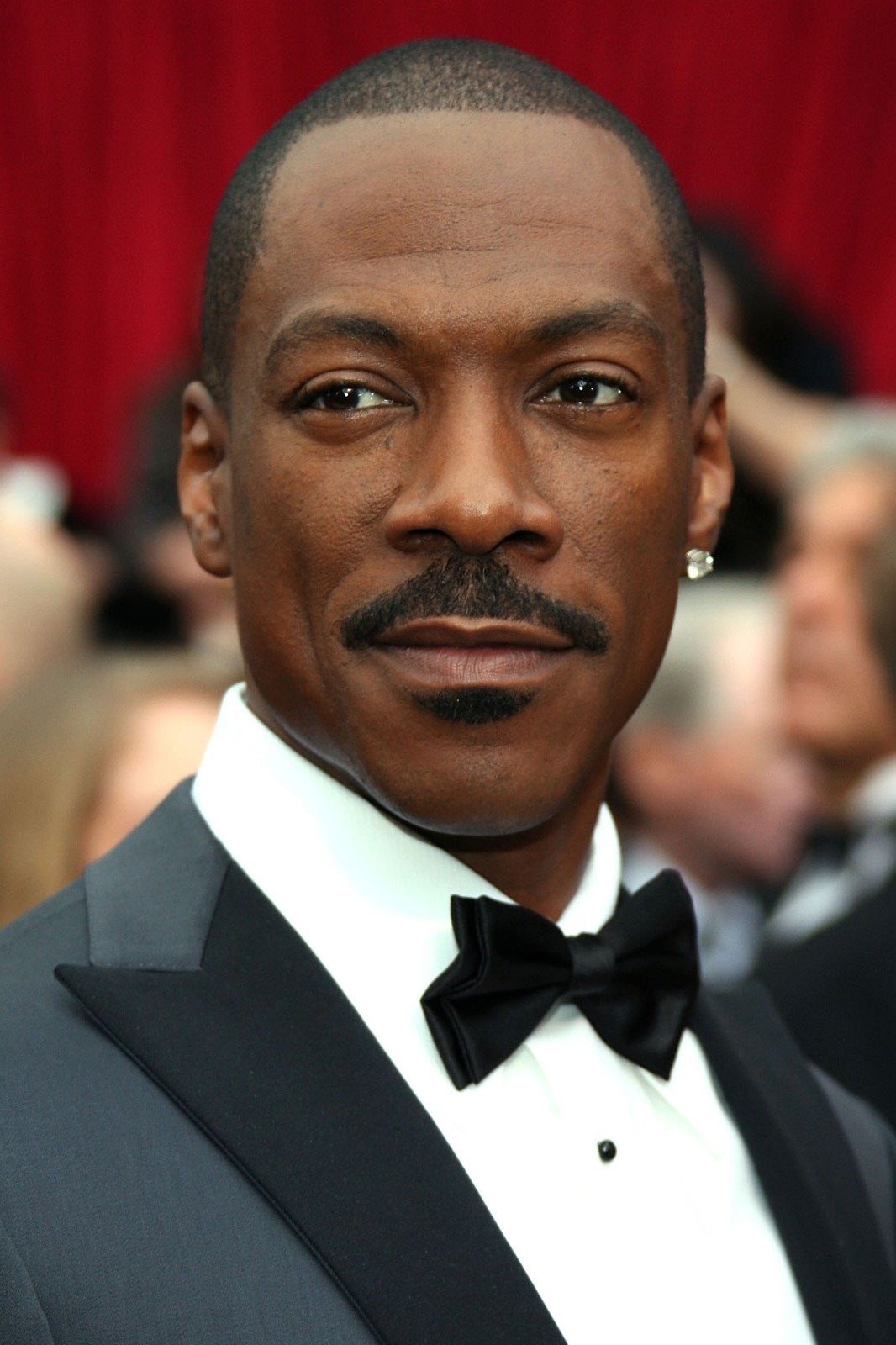
Eddie Murphy slowed his film output after a long run of comedies and family titles, stepping away from frequent on-screen appearances. He concentrated on personal projects and selective media work rather than maintaining a constant release schedule.
He returned with ‘Dolemite Is My Name’, taking on the lead role and producing, which led to renewed attention and a wave of new offers. Murphy followed up by hosting ‘Saturday Night Live’—earning an Emmy—and headlining sequels such as ‘Coming 2 America’ and ‘Beverly Hills Cop: Axel F’, shifting toward legacy projects and creator-driven vehicles.
Wesley Snipes
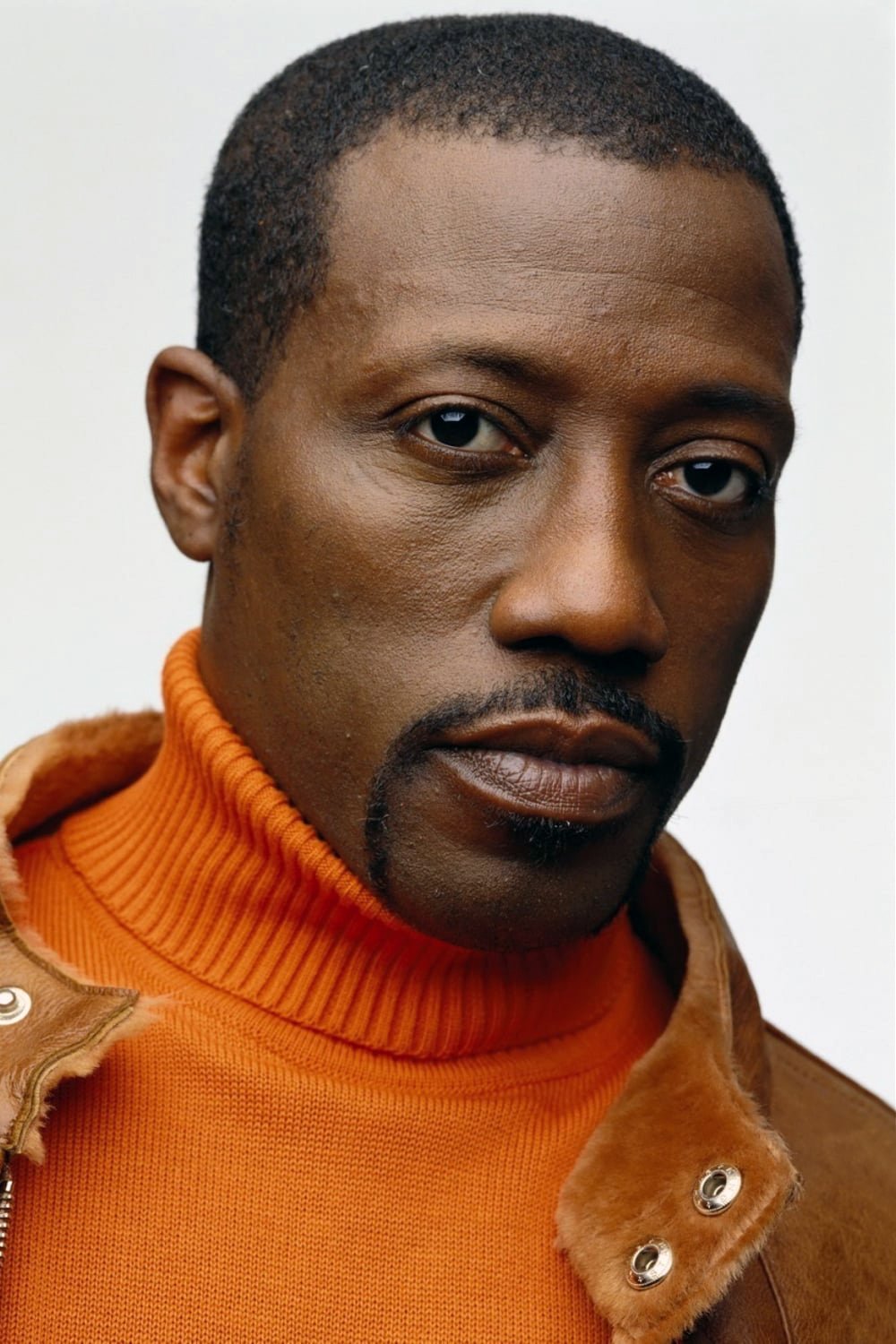
Wesley Snipes paused his career due to legal issues that kept him out of circulation for an extended period. Before the hiatus he was closely associated with action roles, including the ‘Blade’ franchise.
On his return he re-entered ensemble action with ‘The Expendables 3’ and diversified into comedy and biographical storytelling with ‘Dolemite Is My Name’ and ‘Coming 2 America’. This mix of genres signaled a recalibrated path, pairing his action background with scene-stealing supporting parts in high-visibility streaming releases.
Mike Myers
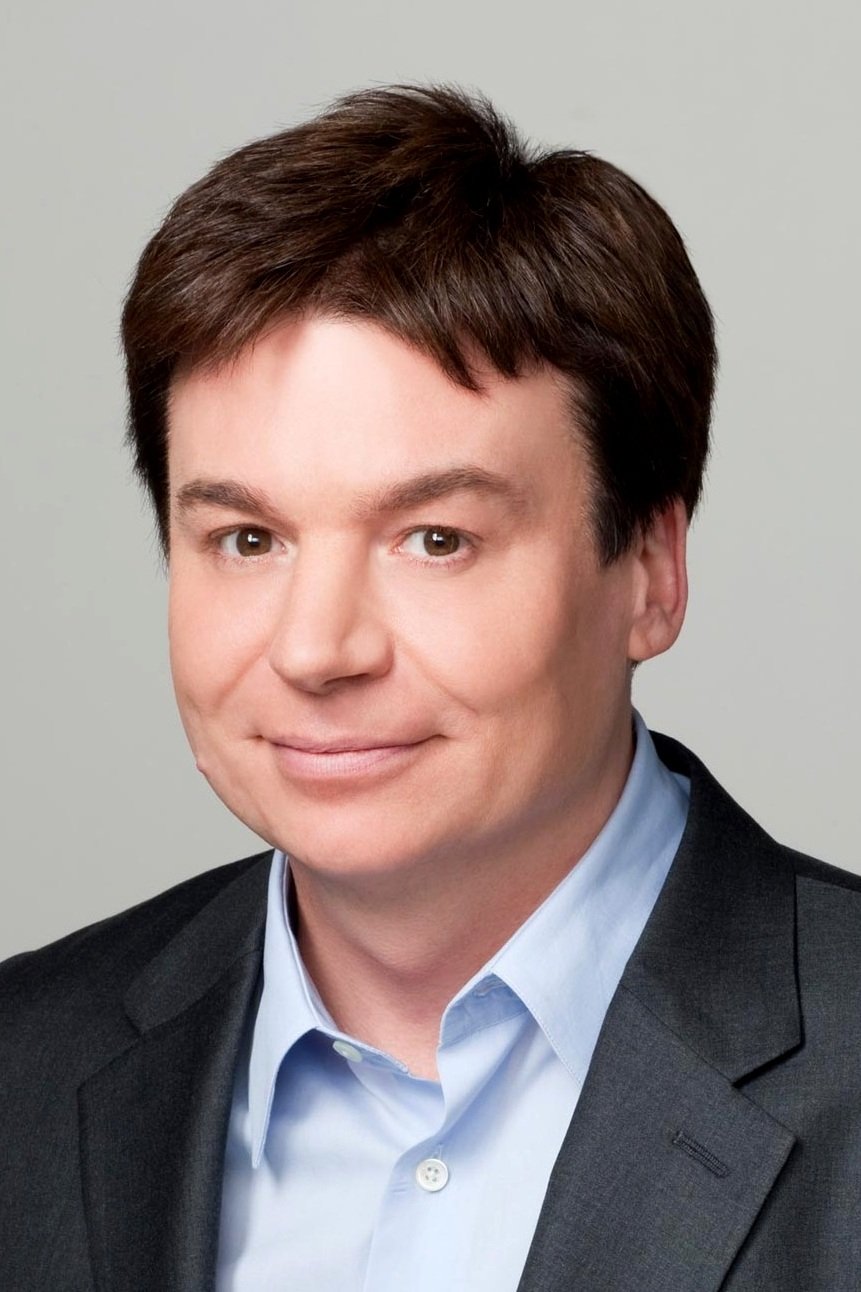
After leading franchises like ‘Austin Powers’ and ‘Shrek’, Mike Myers took a lengthy break from front-and-center screen roles. He used the time to develop concepts and explore entertainment outside traditional film leads.
Myers resurfaced with an undercover stint hosting ‘The Gong Show’ as the character Tommy Maitland, a cameo in ‘Bohemian Rhapsody’, and a multi-role streaming series, ‘The Pentaverate’, which he created and headlined. The move repositioned him as a creator-performer focused on television and limited series formats rather than only theatrical comedies.
Arnold Schwarzenegger
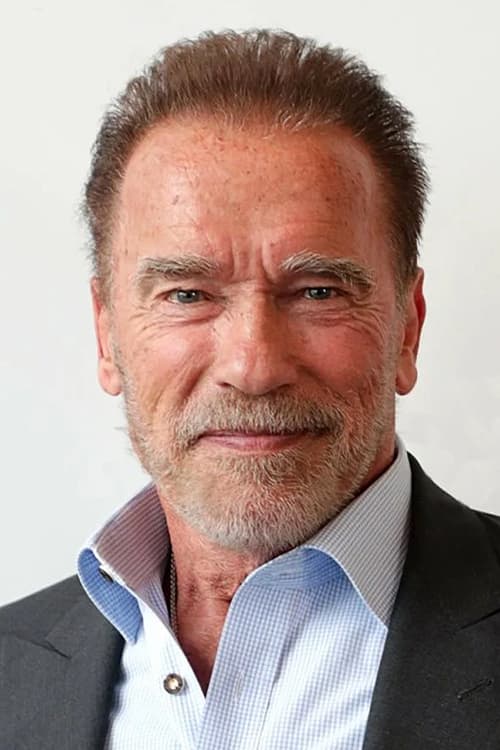
Arnold Schwarzenegger stepped away from acting while serving in public office, which kept him off sets for multiple years. Before that detour he was primarily known for headlining action franchises like ‘Terminator’ and ‘Predator’.
After returning, he balanced legacy film entries such as ‘The Expendables’ and ‘Terminator: Dark Fate’ with new television ventures, including the action-comedy series ‘FUBAR’ and the documentary ‘Arnold’. This period established him as an elder statesman of action who works across streaming and theatrical platforms with expanded producing responsibilities.
Val Kilmer
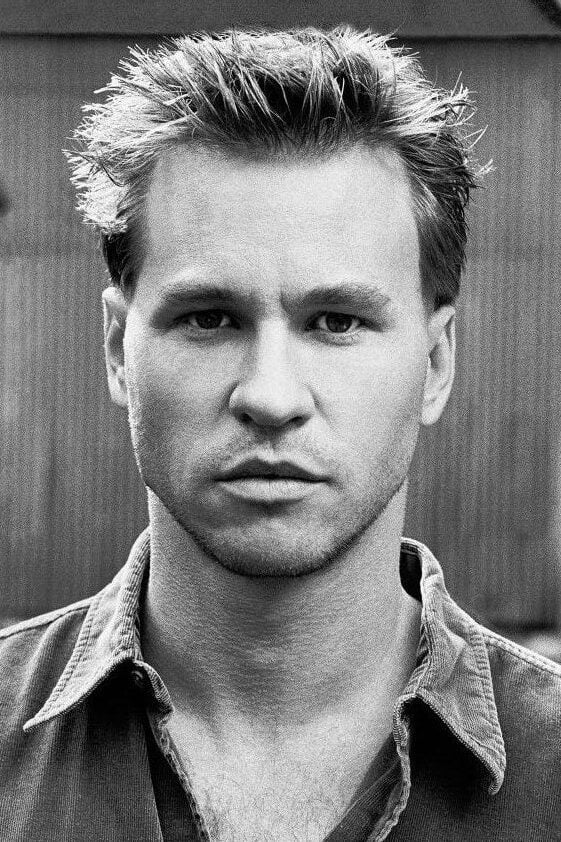
Val Kilmer reduced his workload while undergoing treatment for serious health issues that affected his voice and stamina. He remained connected to storytelling through art, writing, and selective appearances.
He returned to the screen in ‘Top Gun: Maverick’, with his dialogue crafted through careful on-set planning and voice technology support, and shared decades of personal footage in the documentary ‘Val’. These projects demonstrated a practical adaptation to new limitations and a curated approach to appearances that emphasize legacy and authorship.
Share your picks for other male actors who stepped away and came back in a new lane in the comments.

