


Actors Who Reinvented Themselves—and Won


Reinvention in acting is not about abandoning a past identity. It is about shifting skills and choices to meet a new moment. Some actors changed genres and found stronger footing. Others stepped behind the camera or returned from long breaks with roles that reset their careers.
This collection looks at performers who made clear pivots and then turned those choices into lasting gains. You will find career turns that led to major awards, powerful new franchises, and business ventures that expanded creative control. Each entry explains what changed and what the results were.
Robert Downey Jr.
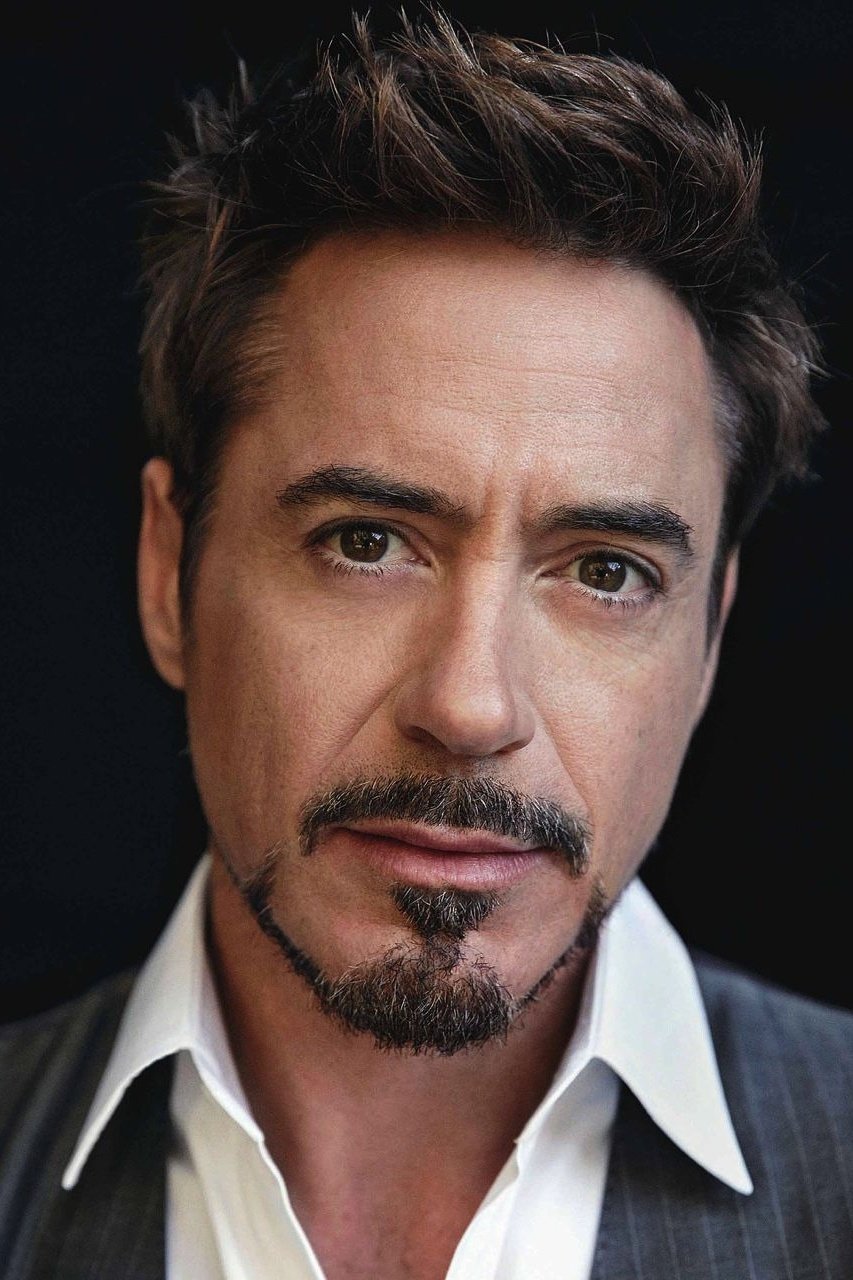
He moved from a turbulent period to a full career reset when he took on ‘Iron Man’. The role established a durable screen persona built on wit and technical precision and it placed him at the center of a global film universe that demanded long term planning and consistent performance.
The reinvention did not stop at one franchise. He secured top tier box office results across multiple releases and added producer responsibilities on several projects. He later won the Academy Award for Best Supporting Actor for ‘Oppenheimer’, which confirmed a mature phase that balanced commercial scale with prestige recognition.
Matthew McConaughey
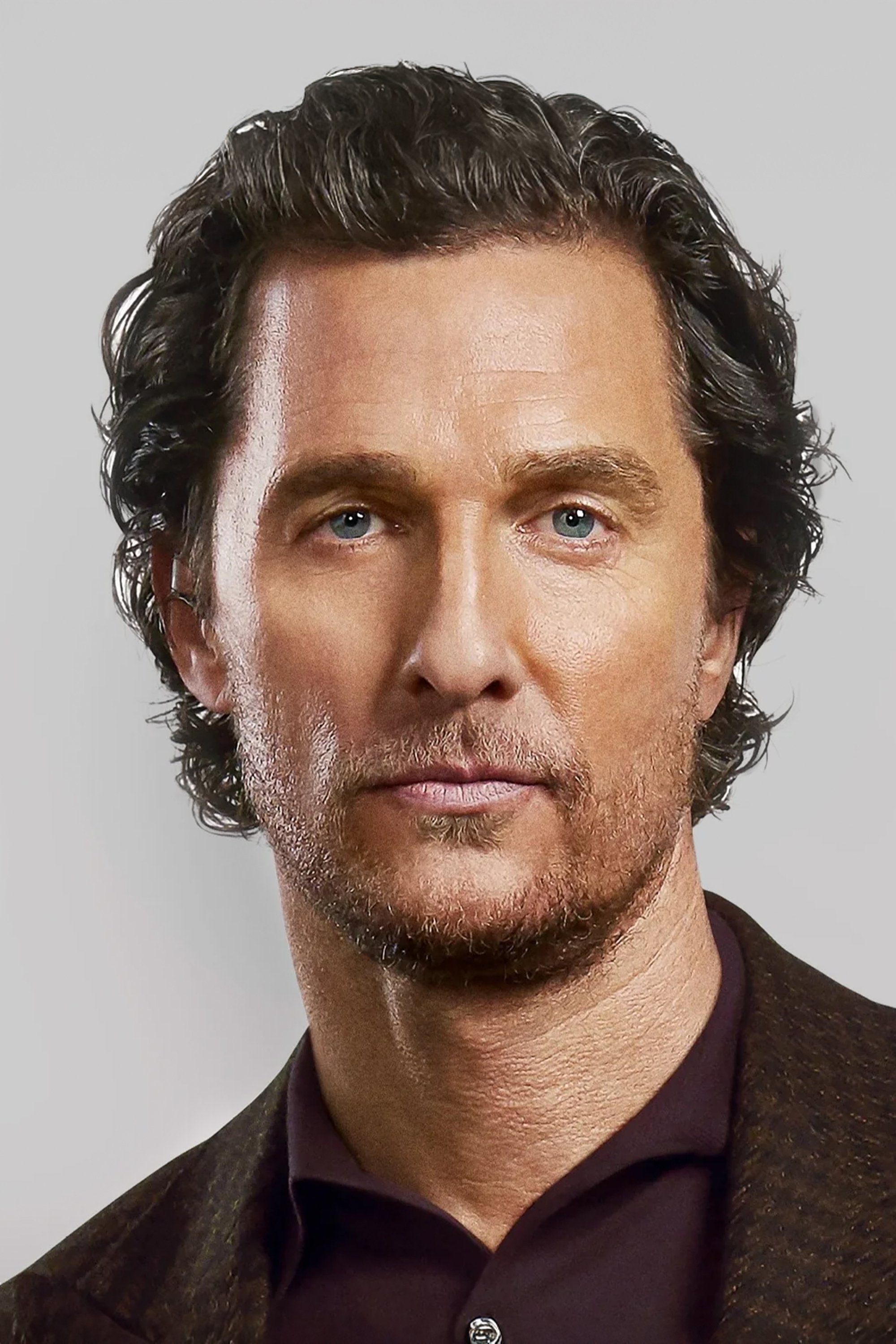
He shifted away from a run of romantic comedies and pursued demanding dramatic work with ‘Dallas Buyers Club’. The preparation required significant physical discipline and close collaboration with medical consultants to portray illness with accuracy.
The decision opened opportunities in limited series and true crime storytelling with ‘True Detective’. He won the Academy Award for Best Actor for ‘Dallas Buyers Club’ and converted the momentum into diverse roles that included voice work, historical drama, and space themed science fiction.
Bryan Cranston
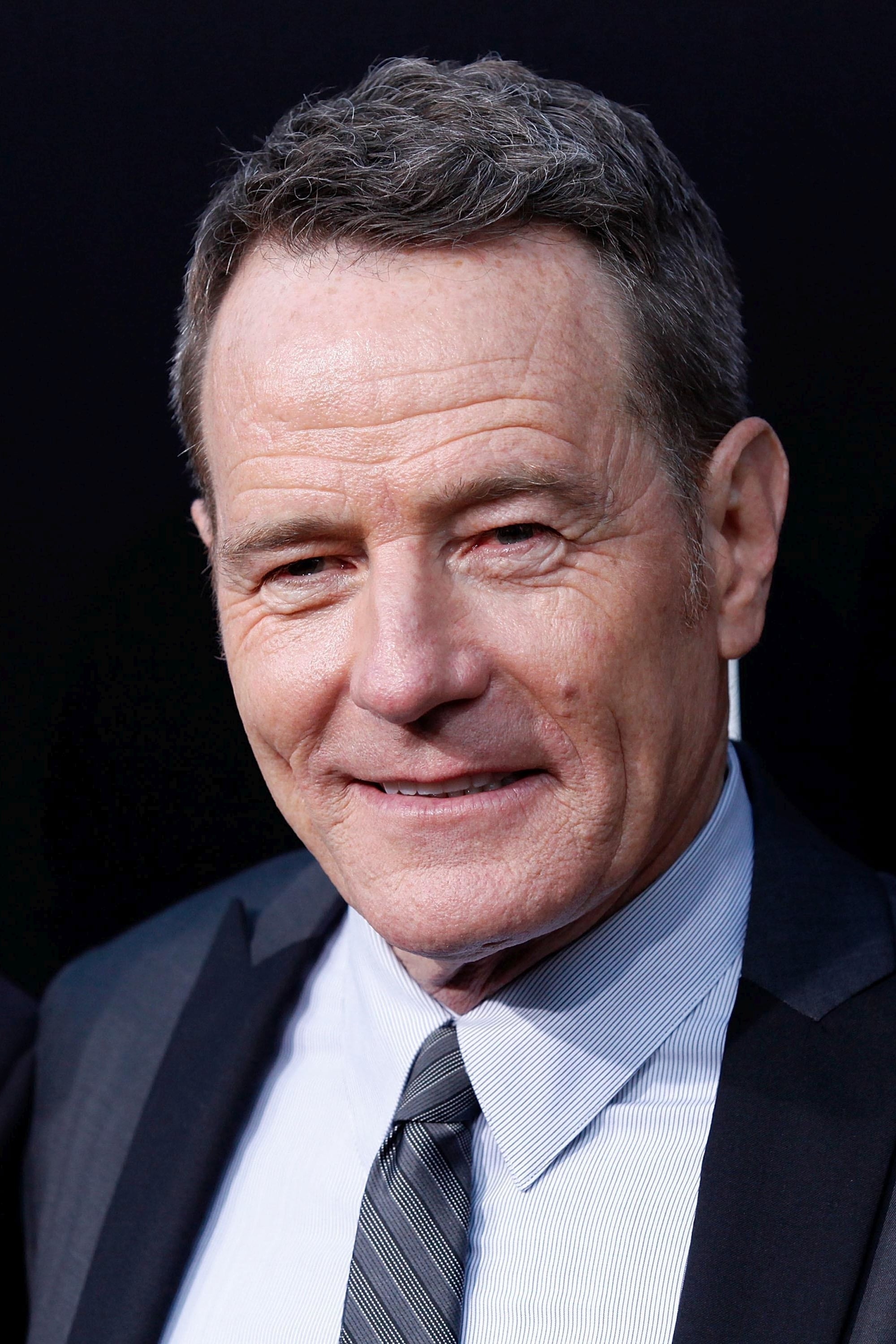
He spent years as a comedic supporting actor before taking the lead in ‘Breaking Bad’. The production required a compact shooting schedule and a detailed approach to character evolution from teacher to criminal figure.
The pivot delivered multiple Primetime Emmy wins for Outstanding Lead Actor in a Drama Series. He then moved into Broadway with ‘Network’ and won a Tony Award for Best Actor in a Play, proving that the reinvention translated across television, film, and stage.
Charlize Theron

She stepped away from glamorous roles and transformed her appearance and movement for ‘Monster’. The production involved research into criminal case files and coaching on speech patterns to match recorded material.
The performance won the Academy Award for Best Actress and widened her action profile with ‘Mad Max: Fury Road’ and ‘Atomic Blonde’. She also expanded her company Denver and Delilah Productions, which developed projects that placed women at the center of large scale action and topical drama.
Keanu Reeves
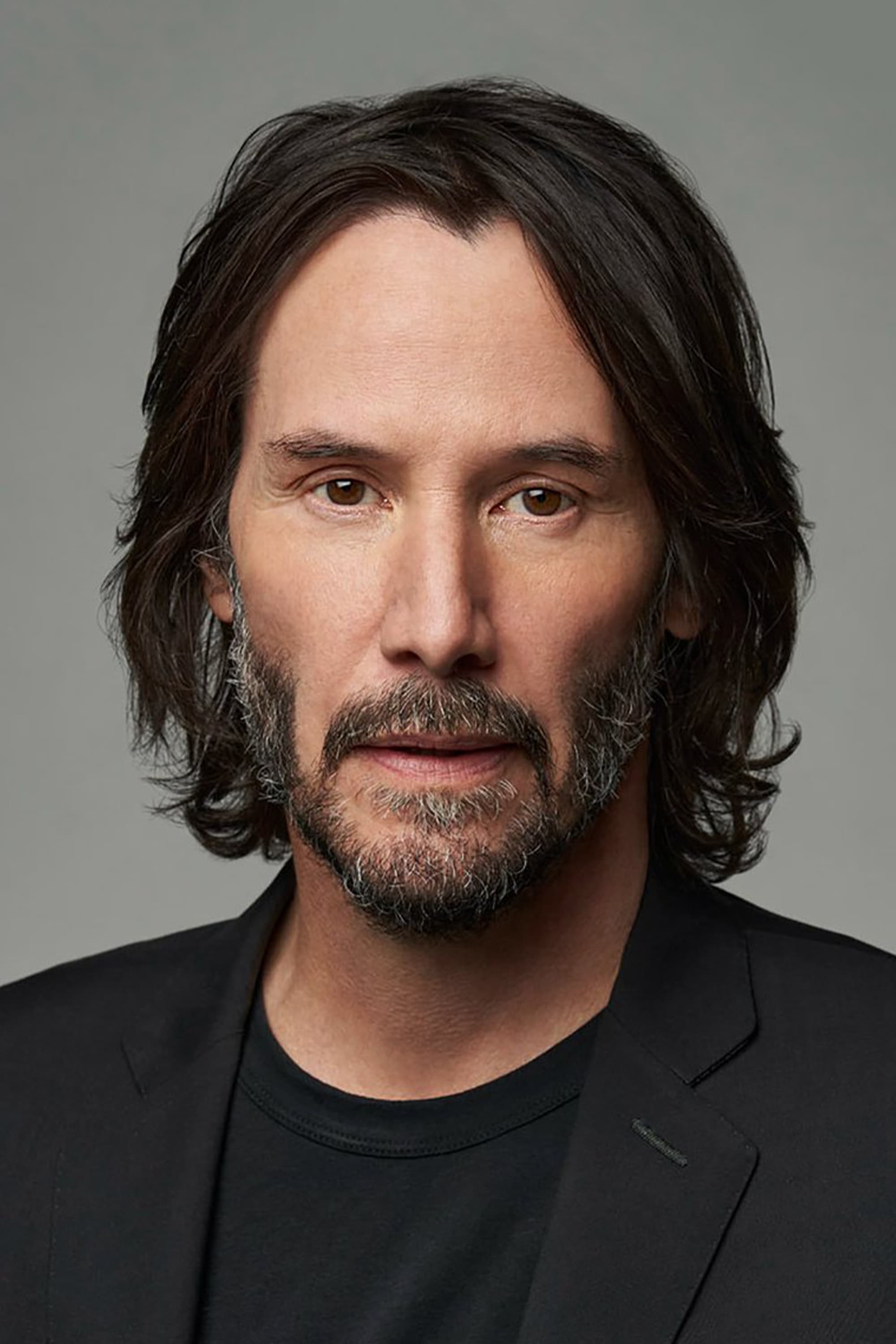
After a quieter period he rebuilt his screen identity through intensive martial arts and firearms training for ‘John Wick’. The fight choreography integrated judo, jiu jitsu, and tactical movement, which created a consistent style across sequels.
The franchise revived his status as a leading action star and led to stunt team collaborations that carried into later projects. The renewed momentum supported work in cyberpunk storytelling with ‘Cyberpunk 2077’ promotional media and sustained fan events tied to action training and world building.
Jennifer Lopez
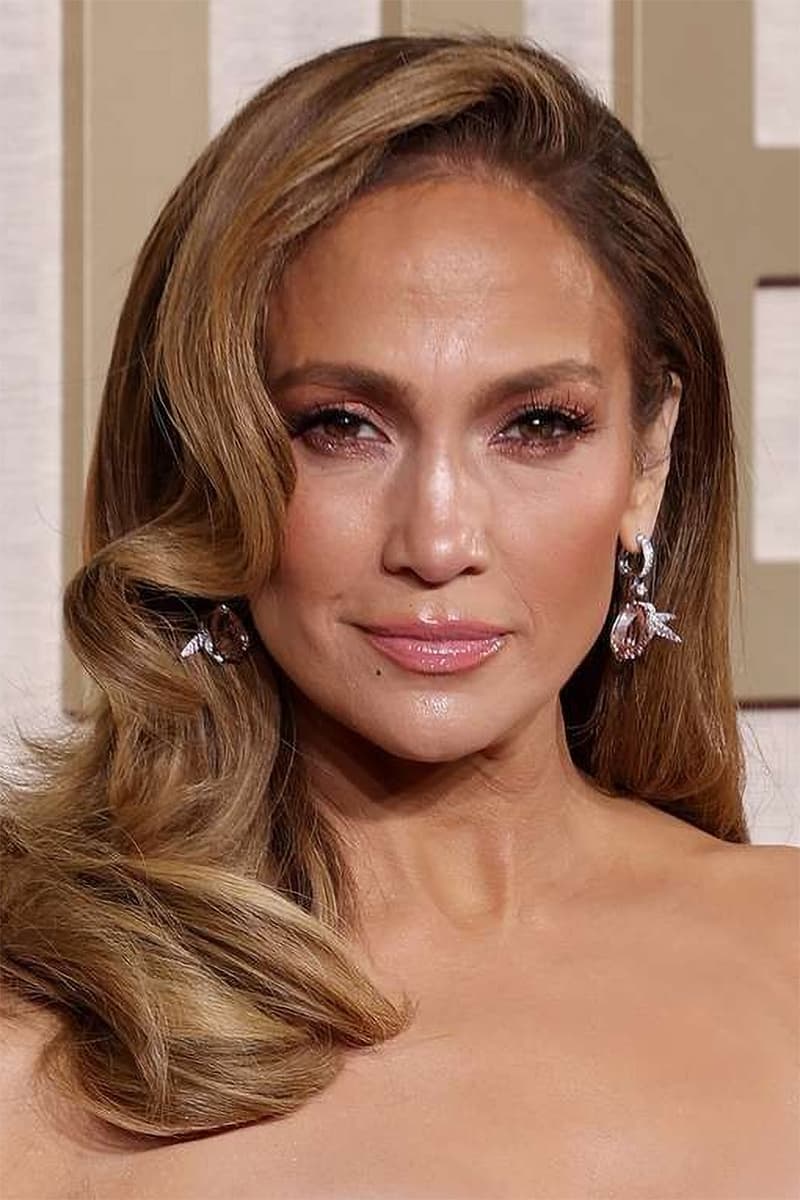
She leveraged her music career and early film credits and then pivoted to a demanding dramatic lead with ‘Hustlers’. The preparation included pole athletic training and close consultation with dancers on set to ensure technical authenticity.
The film expanded her reputation beyond pop centered projects and restored her position as a bankable lead. She continued to build Nuyorican Productions with a slate of films and series, while maintaining global touring and brand ventures in beauty and fragrance that reinforced market reach.
Ben Affleck
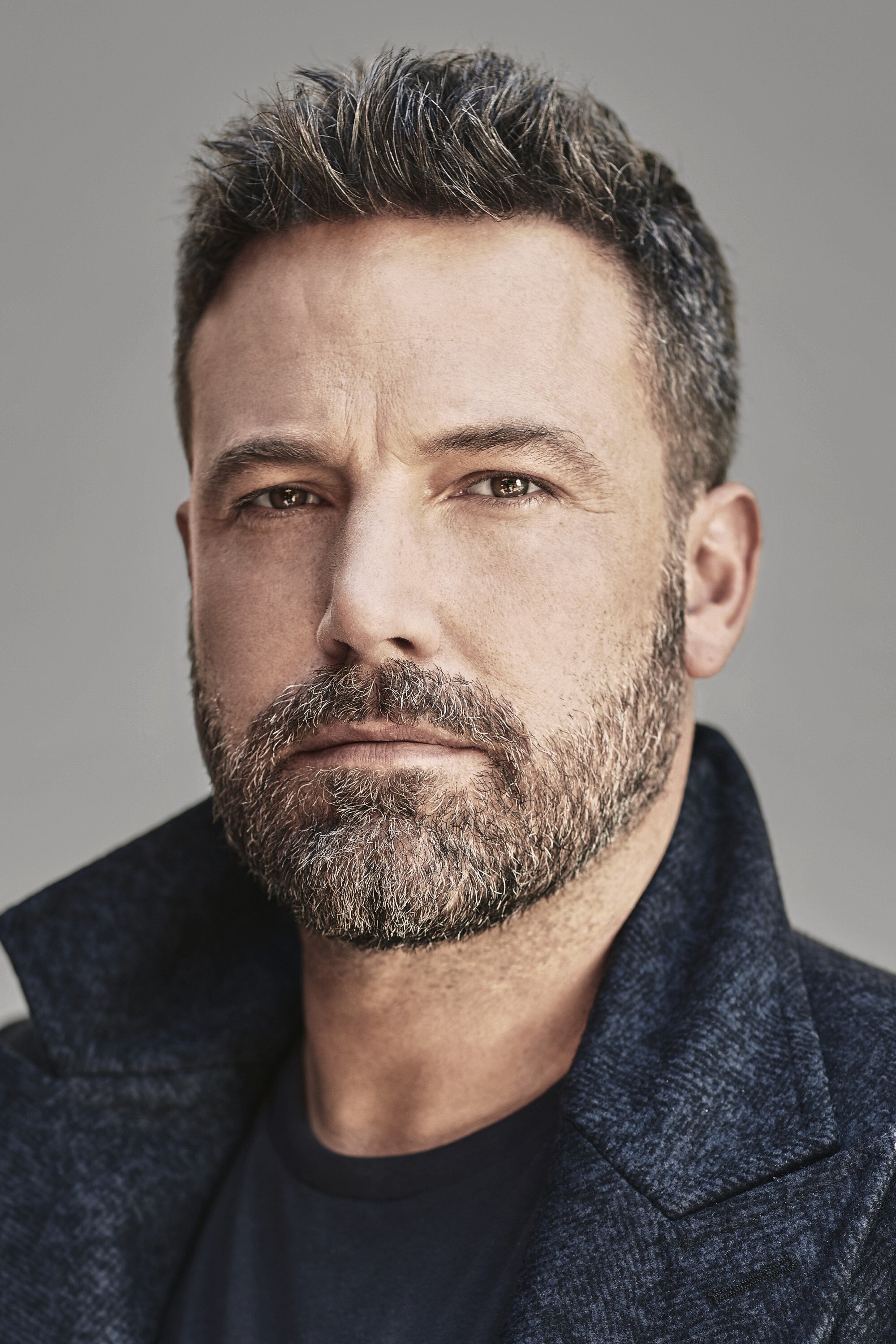
He moved past a difficult stretch by returning to writing and directing, culminating in ‘Argo’. The production required location coordination that blended period detail with modern logistics and it placed him behind and in front of the camera.
‘Argo’ won the Academy Award for Best Picture, which solidified his credibility as a filmmaker. He later took on Batman in a series of films and co founded Artists Equity with Matt Damon to create profit participation structures that give crews and creatives a larger stake in each project.
Brendan Fraser
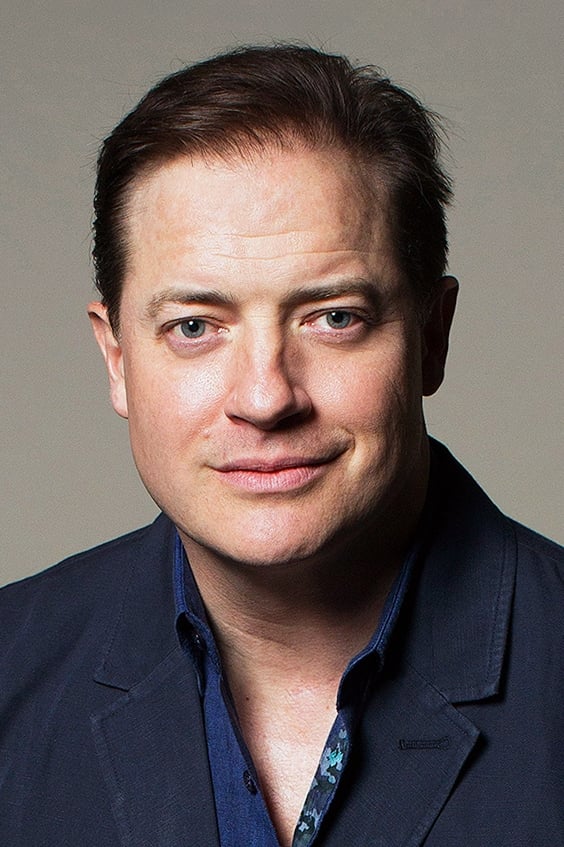
He began with adventure and comedy hits then stepped away from leading roles for an extended period. He returned with a physically restrained and emotionally intense performance in ‘The Whale’.
The role earned him the Academy Award for Best Actor and reintroduced him to major directors and festival audiences. He followed with key supporting work in large ensemble films and series and renewed partnerships with studios that had not employed him in many years.
Jim Carrey

He moved from high energy physical comedy into layered drama with ‘The Truman Show’. The shift required a quieter performance style and a focus on naturalistic reactions rather than broad sketches.
He followed with ‘Man on the Moon’ and ‘Eternal Sunshine of the Spotless Mind’, which showcased deep work with biographical material and psychological storytelling. He won two Golden Globes for acting and established a parallel career as a visual artist and author that complemented select screen appearances.
Chris Pratt
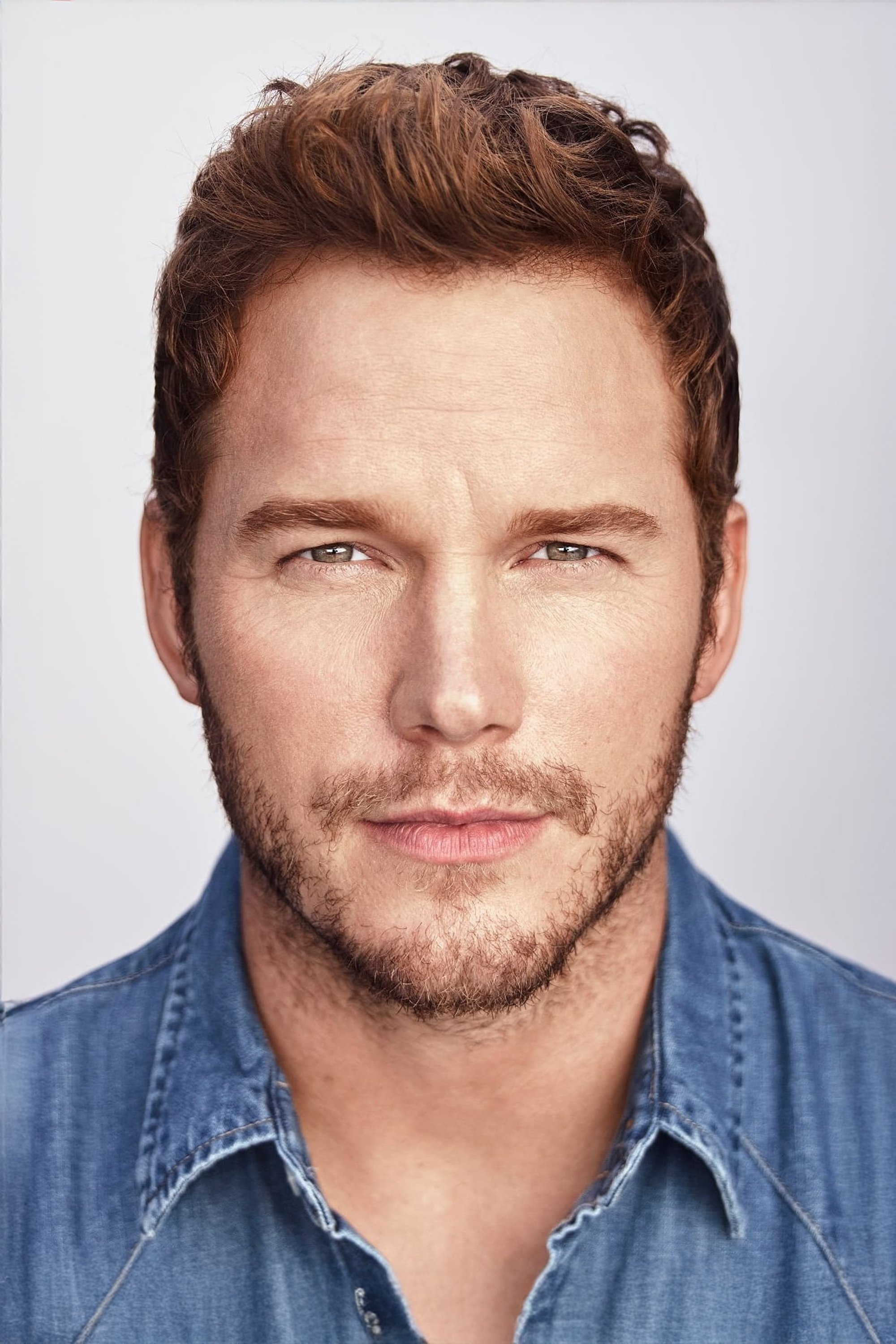
He transitioned from a lovable sitcom role on ‘Parks and Recreation’ to a new physical profile for ‘Guardians of the Galaxy’. The change included regimented nutrition, strength training, and weapons handling to meet blockbuster demands.
He then led ‘Jurassic World’ and maintained multiple franchise commitments with overlapping schedules. The shift positioned him as a reliable action lead and allowed him to secure voice roles in animation while continuing to appear at the center of tentpole releases.
John Travolta
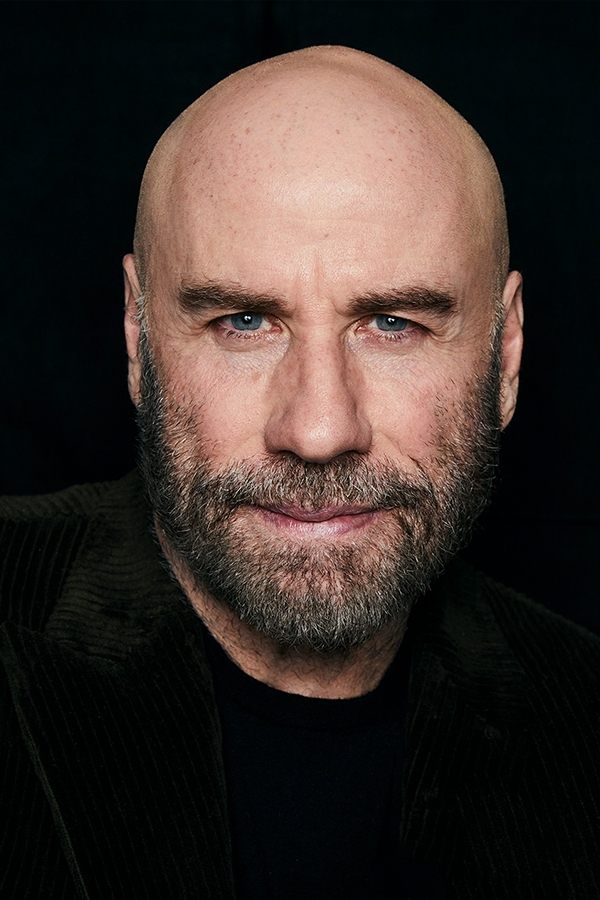
He rebounded from a career lull through the crime anthology ‘Pulp Fiction’. The project reunited him with top directors and placed him in an ensemble that emphasized sharp dialogue and timing.
The comeback produced an Academy Award nomination for Best Actor and renewed his bankability. He quickly added ‘Get Shorty’ and ‘Face Off’, which extended the revival across comedy and action and kept him in steady release cycles for several years.
Nicole Kidman

She complemented a long film career by moving decisively into prestige television with ‘Big Little Lies’. She served as star and executive producer, which gave her influence over scripts and hiring.
The series won multiple awards including Outstanding Limited Series at the Primetime Emmys. She continued the strategy with ‘The Undoing’ and ‘Nine Perfect Strangers’, while maintaining a film slate that ranged from experimental form to large studio projects.
Joaquin Phoenix
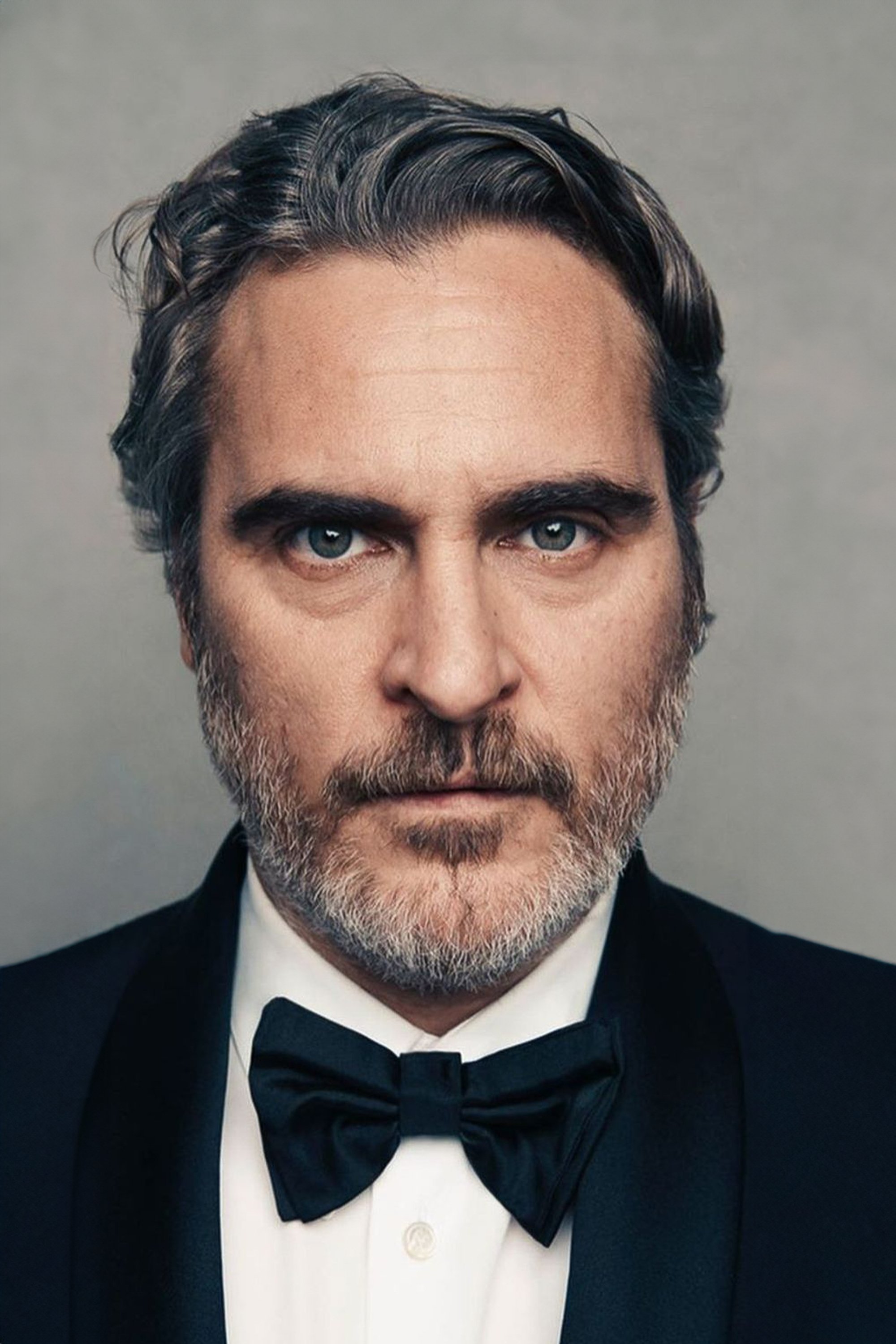
He concentrated on character transformations that required live performance elements, beginning with music training for ‘Walk the Line’. He later built a psychological study that became the core of ‘Joker’.
He won the Academy Award for Best Actor for ‘Joker’ and continued to collaborate with directors who prioritize rehearsal and research. The reinvention kept him in lead roles that demand extensive preparation and allowed him to select projects with significant creative latitude.
Reese Witherspoon
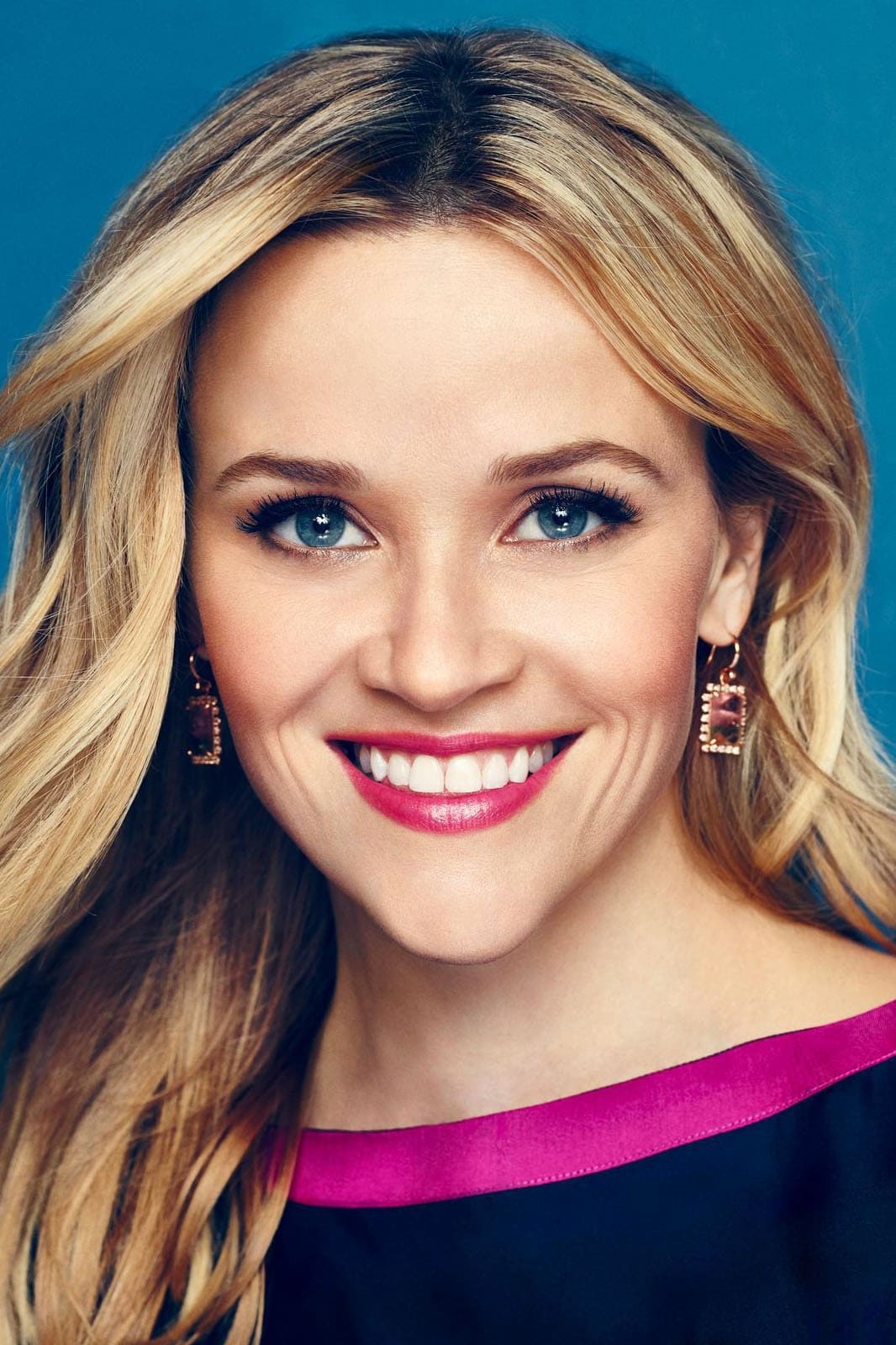
She shifted from romantic comedy leads to a dual track as producer and star. She founded Hello Sunshine and focused on adapting strong literary material with women at the center.
The company produced ‘Big Little Lies’, ‘The Morning Show’, and ‘Little Fires Everywhere’, and secured distribution partnerships that brought limited series to wide audiences. She won the Academy Award for Best Actress for ‘Walk the Line’ earlier in her career and then used the company to scale new work while expanding into book clubs and commerce tied to reading communities.
Daniel Craig
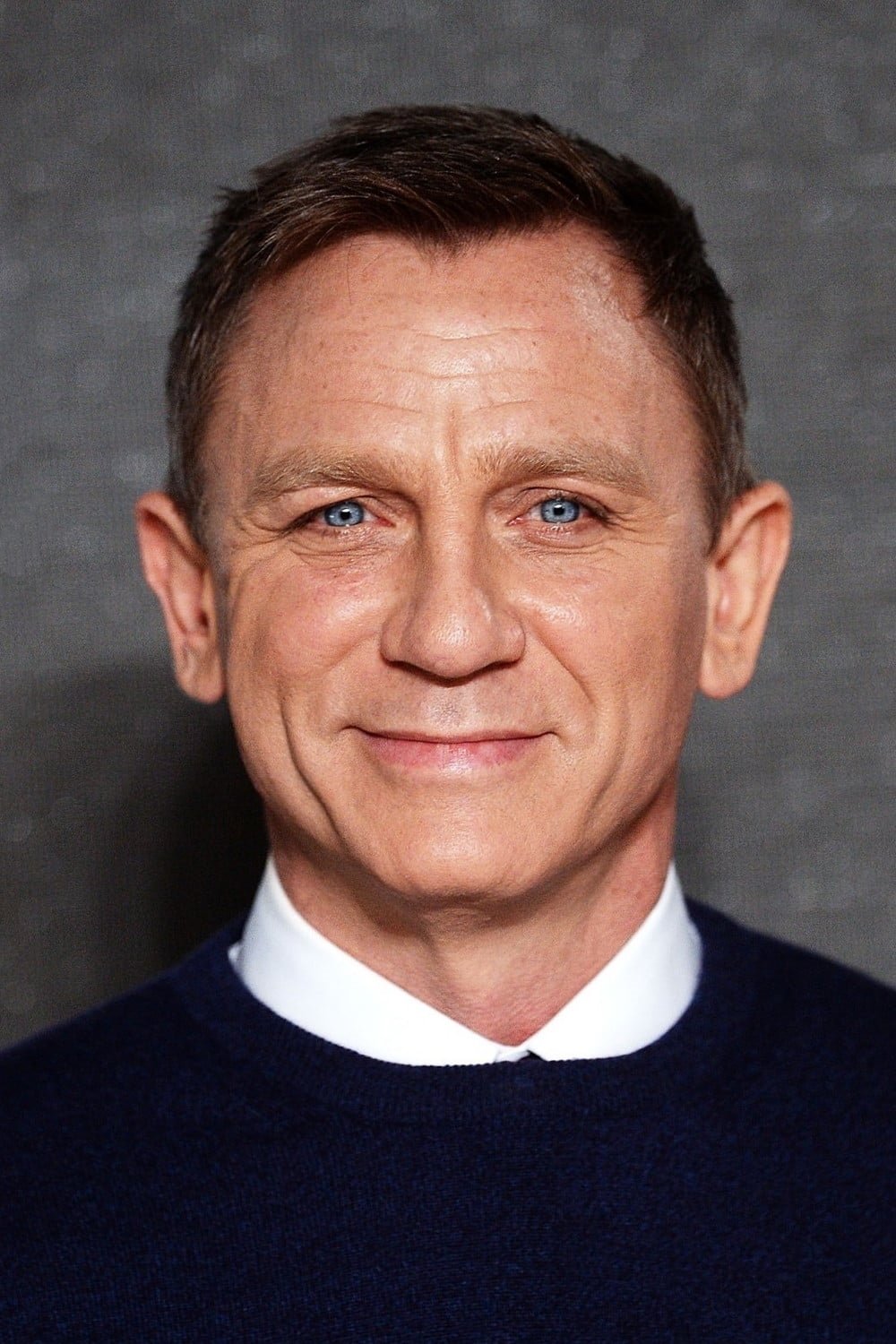
He moved from character roles into global prominence with his casting as James Bond in ‘Casino Royale’. The assignment required intensive physical training and long production windows.
After concluding his run as Bond he diversified with the detective role of Benoit Blanc in ‘Knives Out’ and its sequel. He also returned to the stage with ‘Macbeth’ and maintained producer credits on later Bond entries, which gave him greater say over stunt design and narrative choices.
Emma Stone

She started in comedic ensemble films and then trained in voice and dance to lead the musical ‘La La Land’. The film highlighted her range in singing and performance under live recording conditions.
She won the Academy Award for Best Actress for ‘La La Land’ and later won again for ‘Poor Things’. She co founded Fruit Tree with Dave McCary, produced projects across film and television, and expanded her portfolio with limited series work that paired her with creators known for experimental storytelling.
Hugh Grant
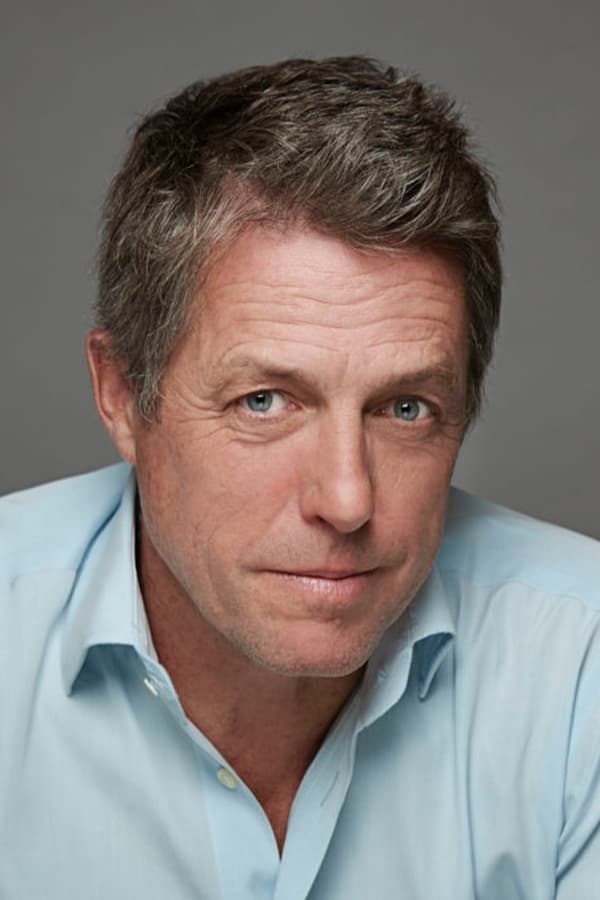
He refocused his career from romantic leads to character driven parts. He took on complex antagonists and morally ambiguous figures in ‘A Very English Scandal’ and ‘The Undoing’.
The new direction brought award nominations across television and film and introduced him to younger audiences through family features such as ‘Paddington 2’. He maintained steady output with heist and mystery projects that used his timing and delivery in fresh ways.
Liam Neeson
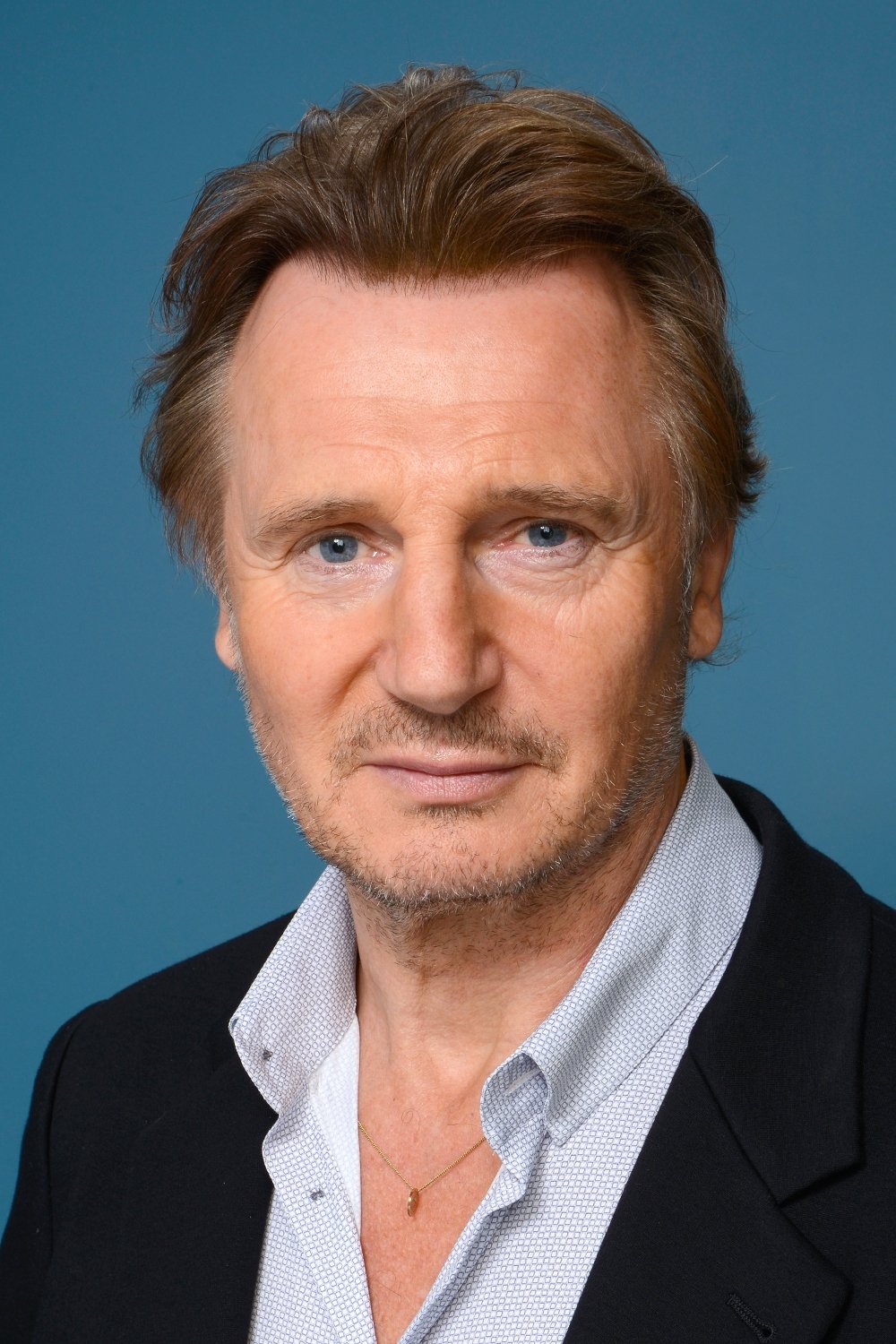
He recalibrated his career by embracing late career action with ‘Taken’. The film used practical stunts and close combat techniques that matched his height and reach.
The role led to a long sequence of action thrillers with tight budgets and consistent release schedules. He became a dependable lead for European and North American co productions and maintained a stable partnership with directors who specialize in fast turnaround location shooting.
Kate Winslet
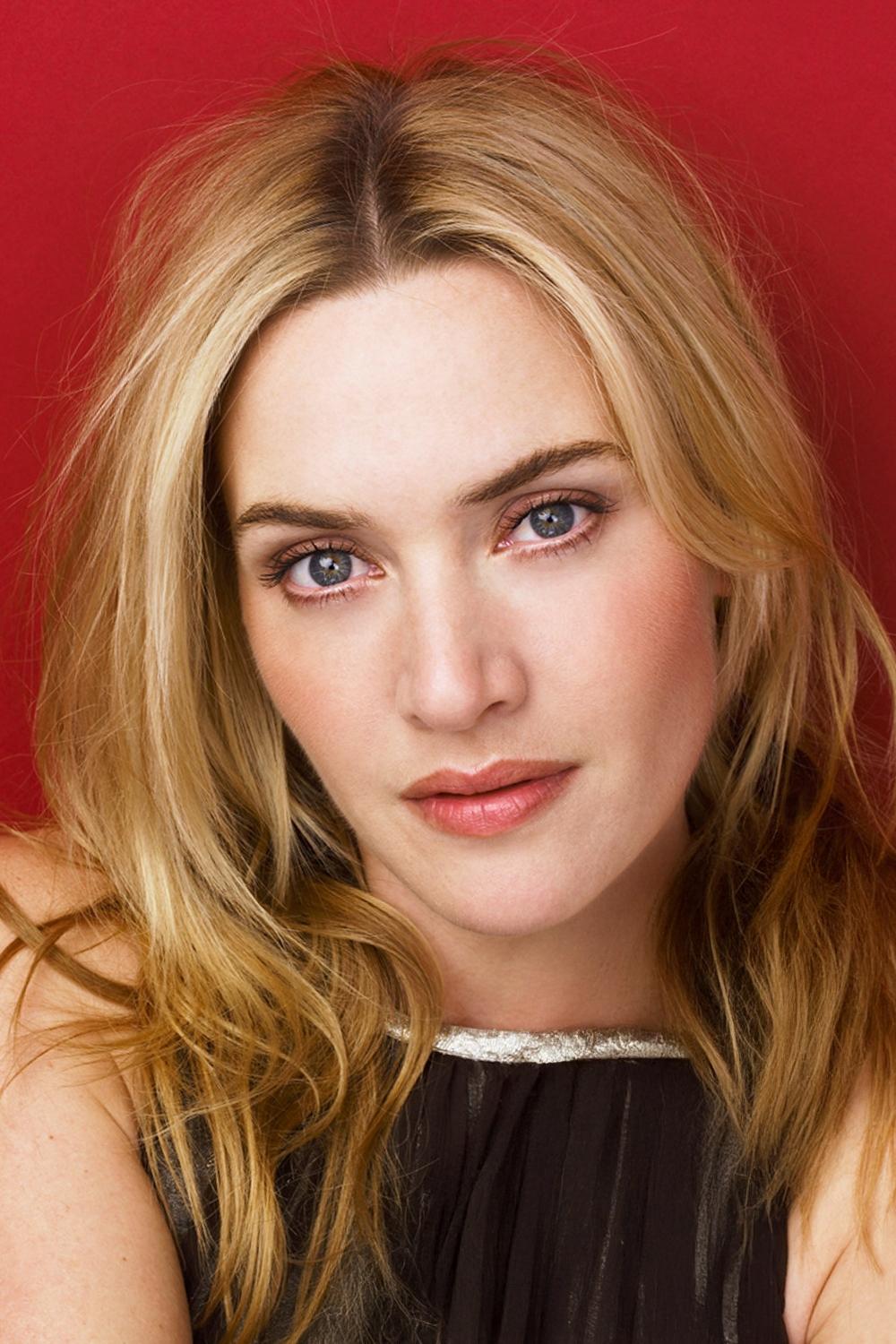
She extended a film focused career into television with ‘Mare of Easttown’. She worked with dialect coaches and local law enforcement advisors to build the procedural details.
She won the Primetime Emmy Award for Outstanding Lead Actress in a Limited Series for the role. She continued the expansion with performance capture work in ‘Avatar: The Way of Water’, which required underwater breath training and coordination with visual effects teams.
Andrew Garfield
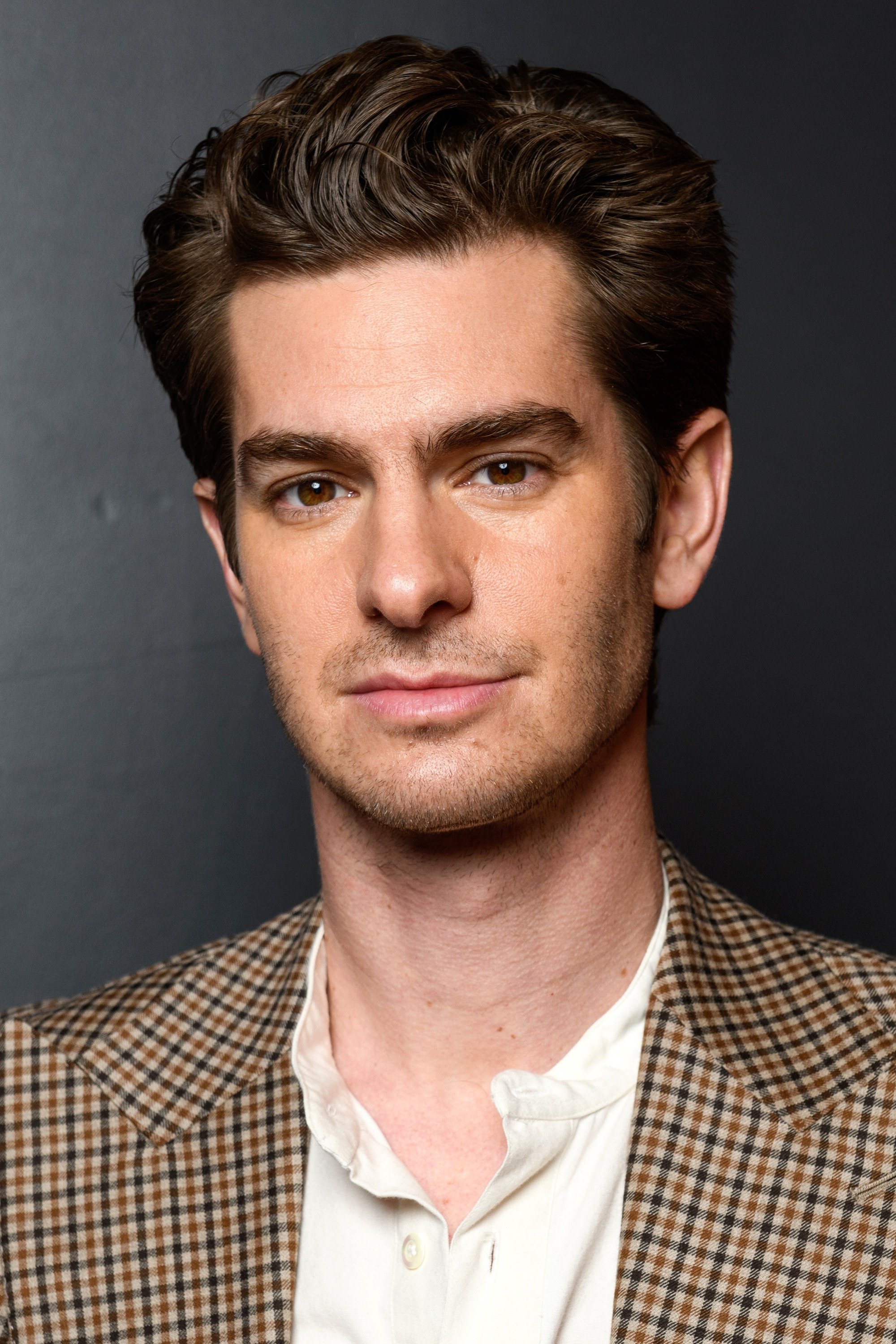
He moved past a major superhero franchise and turned to historical and faith centered drama with ‘Hacksaw Ridge’ and ‘Silence’. The work involved practical field training and consultations with historians and clergy.
He returned to music driven performance with ‘tick, tick… BOOM!’ and won a Golden Globe for the role while receiving an Academy Award nomination. The reinvention balanced stage informed technique with film production and led to more limited series opportunities.
Kristen Stewart

She exited a blockbuster young adult franchise and built an international art house profile. She took French language projects and collaborated with directors known for intimate sets, beginning with ‘Clouds of Sils Maria’.
She earned a César Award for that performance and later received an Academy Award nomination for ‘Spencer’. The path emphasized festival premieres and director led development, which cemented her reputation for risk taking material supported by careful research.
Adam Sandler
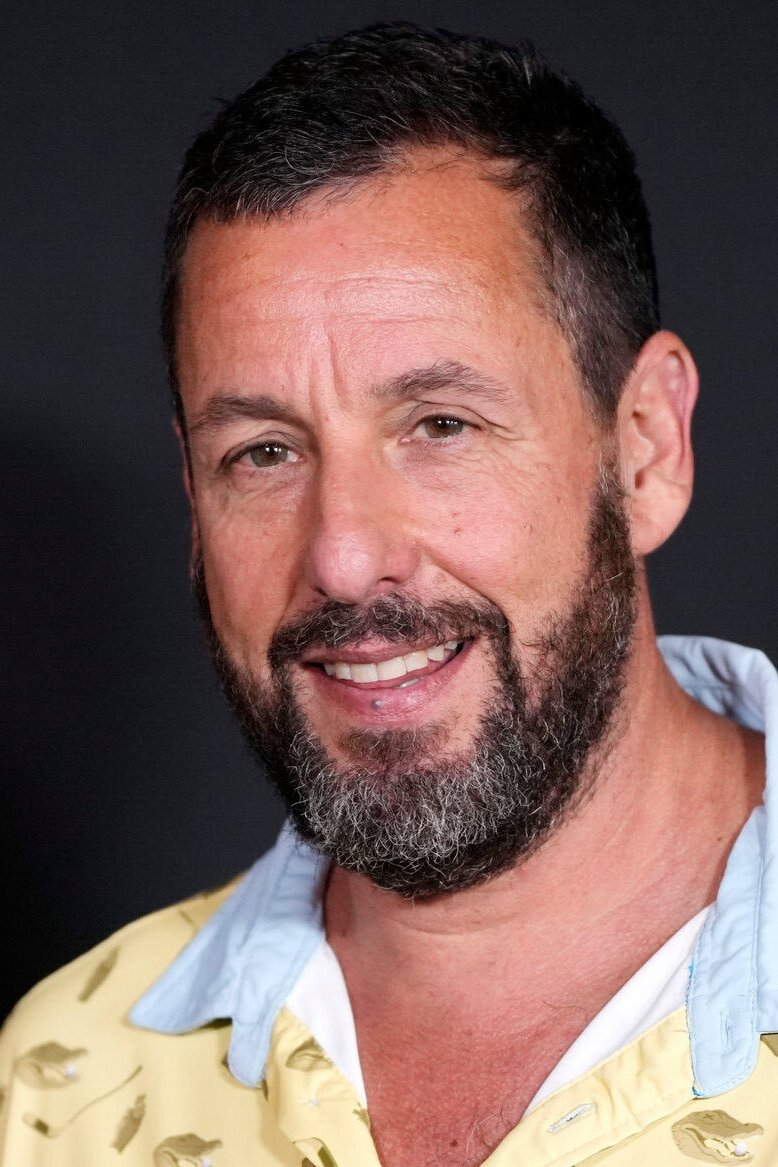
He retained his comedy brand while pursuing dramatic roles with independent directors. He tested this approach with ‘Punch Drunk Love’ and then returned to it with ‘The Meyerowitz Stories’ and ‘Uncut Gems’.
He won the Independent Spirit Award for Best Male Lead for ‘Uncut Gems’. He also signed a long running partnership with a major streamer that financed comedies and enabled occasional dramatic detours, giving him control over release timing and production scale.
Zendaya

She advanced from kids television to a challenging dramatic lead with ‘Euphoria’. The series demanded work as an actor and producer and involved ongoing consultation with addiction counselors to maintain accurate representation.
She won two Primetime Emmys for Outstanding Lead Actress in a Drama Series and became the youngest two time winner in that category. She also led major science fiction films with ‘Dune’ and built fashion and brand partnerships that expanded her influence beyond acting.
Michelle Yeoh

She moved from Hong Kong action cinema and supporting roles in English language films to a singular lead in ‘Everything Everywhere All at Once’. The production drew on her martial arts background while demanding rapid shifts among multiple character variations.
She won the Academy Award for Best Actress for the role and became the first Asian woman to receive that honor. The success led to executive producer credits and franchise offers while reinforcing a global profile built across several national film industries.
Ryan Reynolds
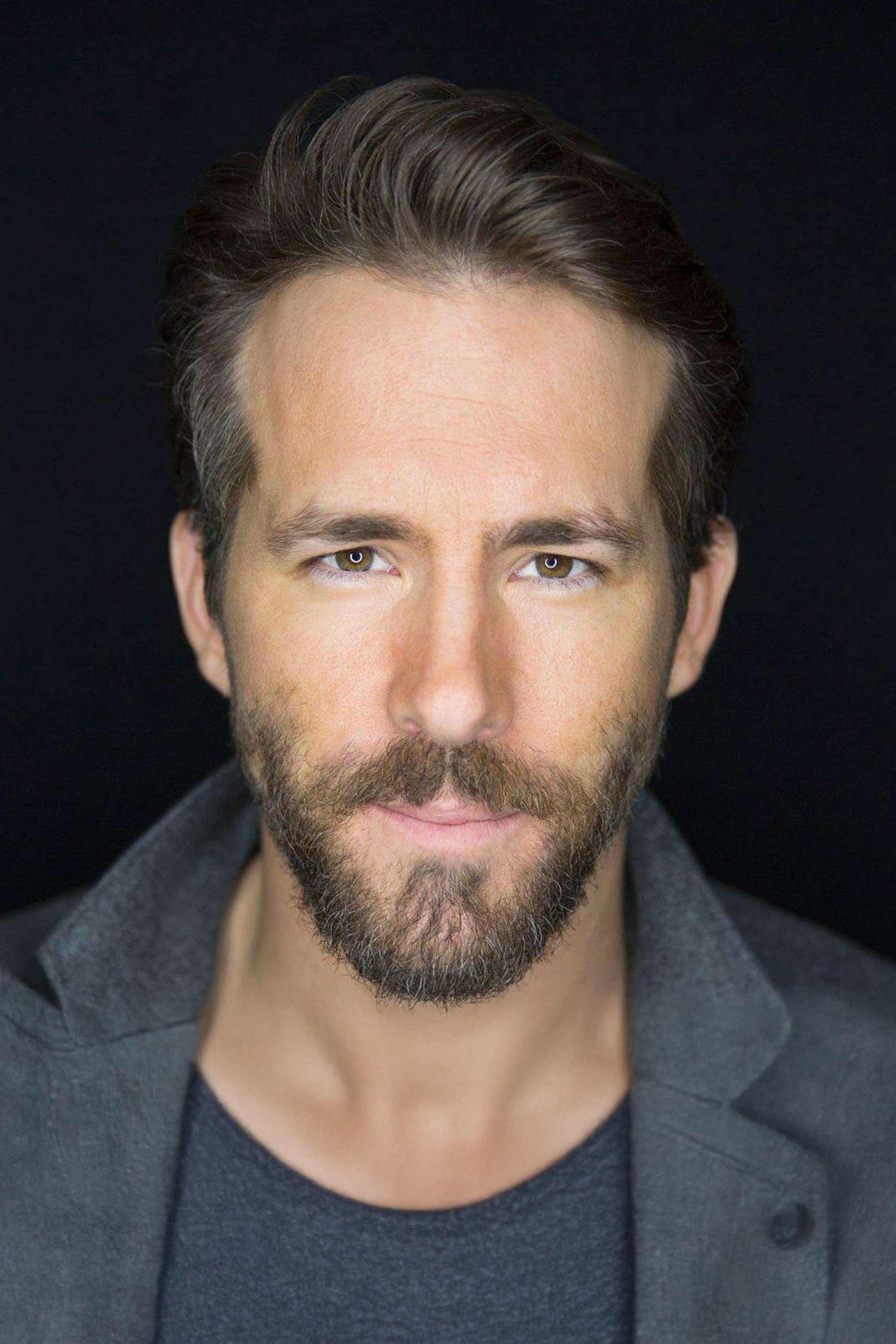
He recalibrated his career by leaning into a self aware comic action style with ‘Deadpool’. The project required years of development work, early test footage, and a marketing plan that used social media and character voice alignment across platforms.
He co founded Maximum Effort and expanded into ownership and promotion with Aviation American Gin and Wrexham AFC. He also produced ‘Free Guy’ and the series ‘Welcome to Wrexham’, integrating business ventures with on screen storytelling to create a unified personal brand.
Share your picks for great reinventions in the comments so everyone can compare notes on who made the boldest career turns.

