


Actors Who Returned After Being Written Out



Sometimes a character exits in a way that looks final—fired, killed off, transferred, or otherwise wrapped up—only for the actor to step back into the role later. Whether the return lasts a single episode or revives a franchise, these comebacks show how flexible TV and film storytelling can be when a familiar face is needed again.
Below are twenty-five male actors who were written out and later returned. Each entry explains how they left, why their exit looked definitive at the time, and what form their eventual comeback took—cameo, guest arc, lead role, or a new chapter in the same universe.
Christopher Meloni
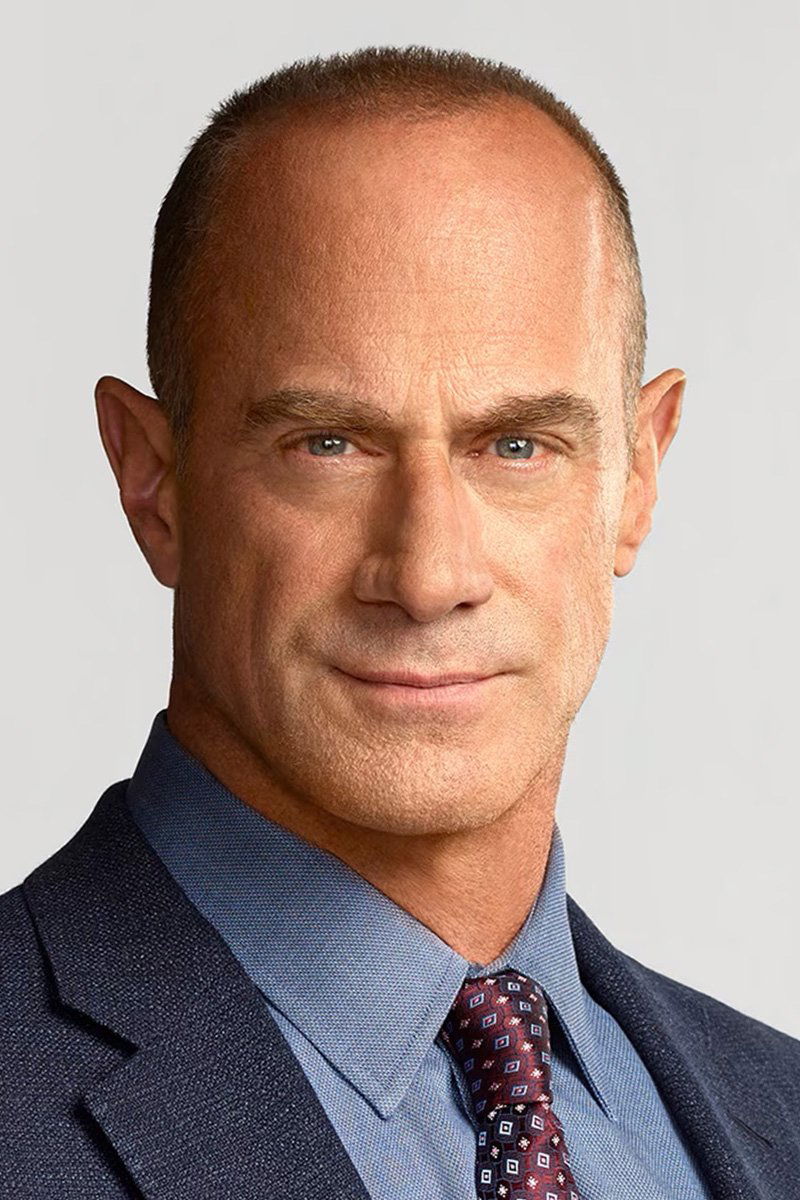
Chris Meloni departed ‘Law & Order: SVU’ after his character, Elliot Stabler, was written out off-screen following a shooting that led to his resignation from the NYPD. The exit closed the door on his partnership with Olivia Benson and removed him entirely from the precinct’s ongoing cases.
He later returned to the franchise with ‘Law & Order: Organized Crime’, reprising Stabler as the lead of a new task force and crossing over with ‘SVU’ in multiple episodes. His comeback placed Stabler back in major investigations and re-established on-screen connections with the characters he’d left behind.
David Duchovny
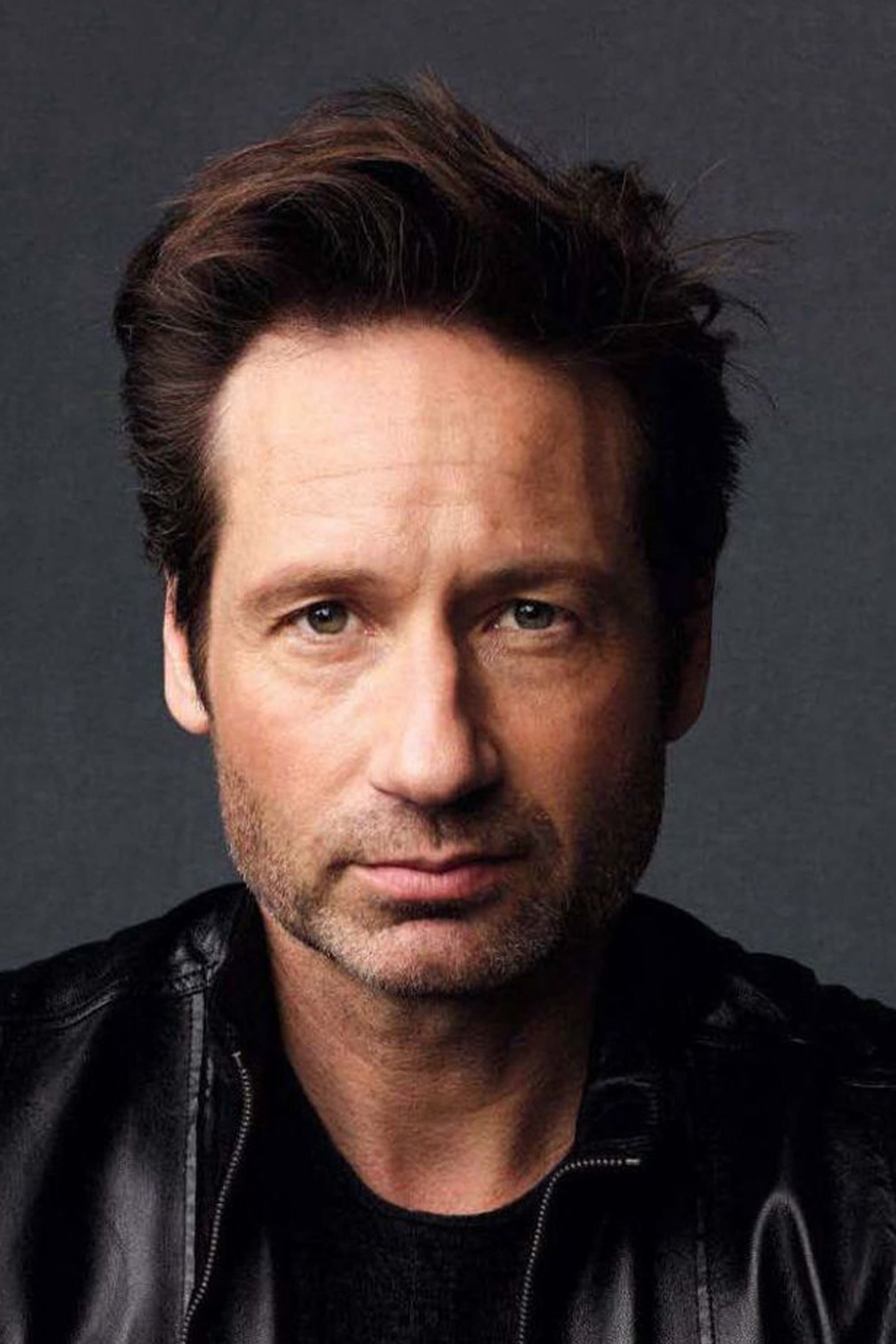
David Duchovny’s Fox Mulder was written out of ‘The X-Files’ as an abducted agent and then as a fugitive, which took him off the main investigative team for extended stretches. The series shifted focus to other agents while keeping Mulder’s absence central to the mythology.
Duchovny returned first for the original series’ finale and then for revival seasons that restored the core Mulder-Scully dynamic. His reappearance resumed ongoing conspiracy threads and allowed the show to resolve plotlines left open when Mulder was removed from the narrative.
Topher Grace
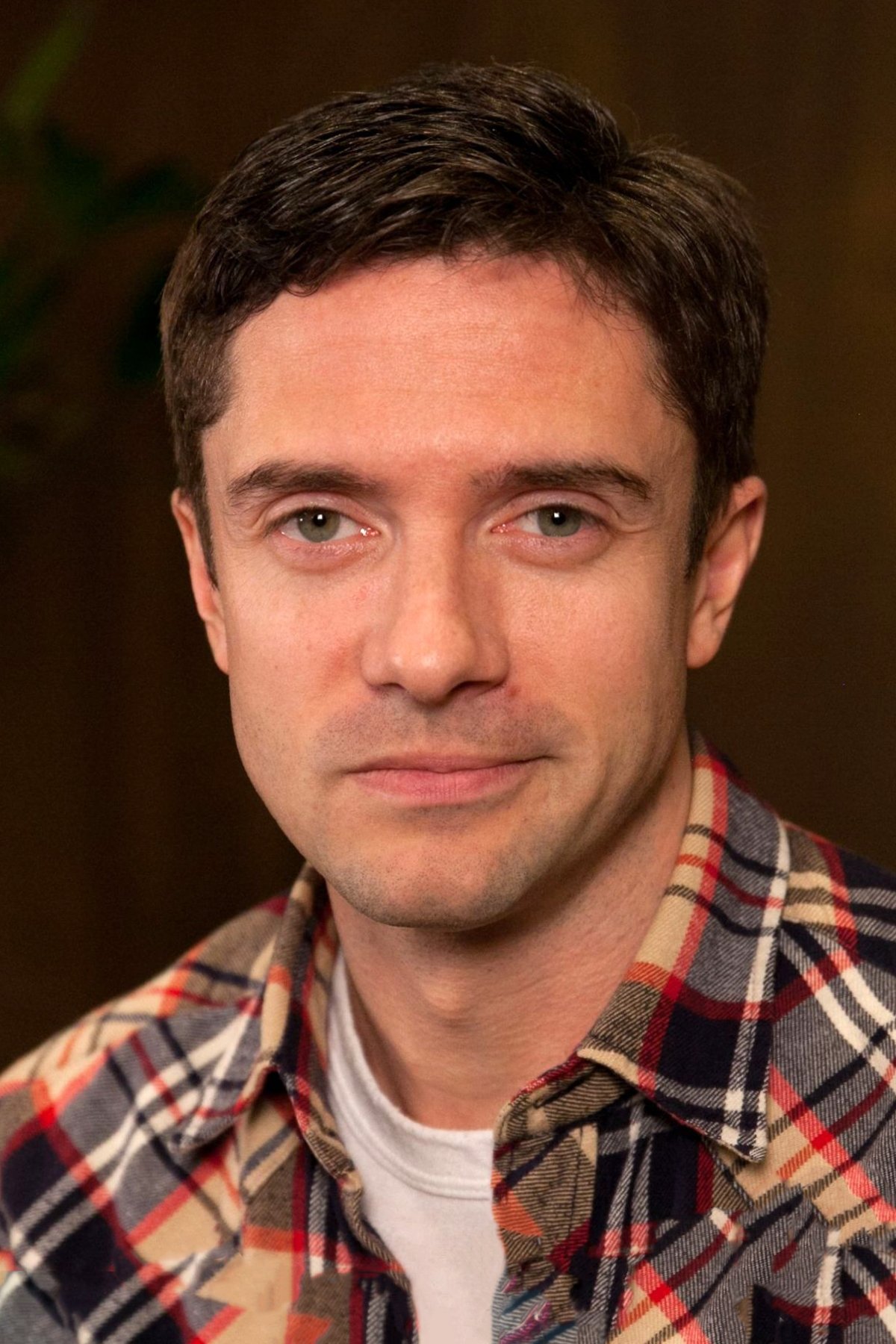
Topher Grace exited ‘That ’70s Show’ when Eric Forman left Point Place for a teaching program, writing the character out of the group’s daily life. The story moved forward without him, introducing new dynamics to fill the gap.
Grace later returned for the series finale, bringing Eric back to the Forman basement and reuniting him with key characters. The cameo restored continuity for the closing moments and tied off story arcs that had been paused at his departure.
Isaiah Washington
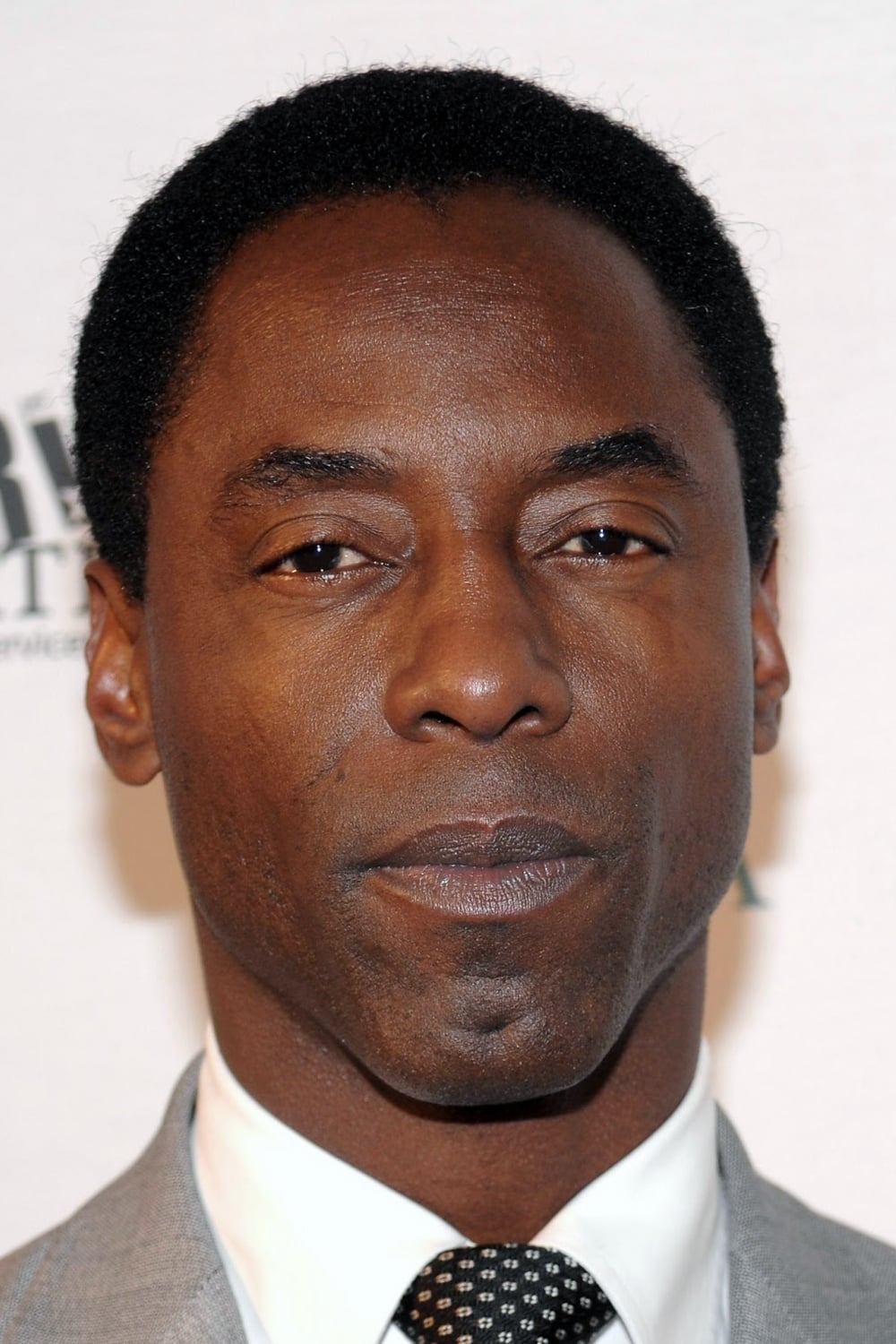
Isaiah Washington was written out of ‘Grey’s Anatomy’ after Preston Burke left Seattle Grace, ending his engagement and removing him from the surgical staff. The abrupt exit shut down his operating room storylines and connections to the core ensemble.
He returned for a pivotal episode that brought Burke back as a world-renowned surgeon, giving closure to his former relationship and offering a professional opportunity to another character. The one-episode comeback resolved lingering questions created when he was taken off the board.
Patrick Dempsey
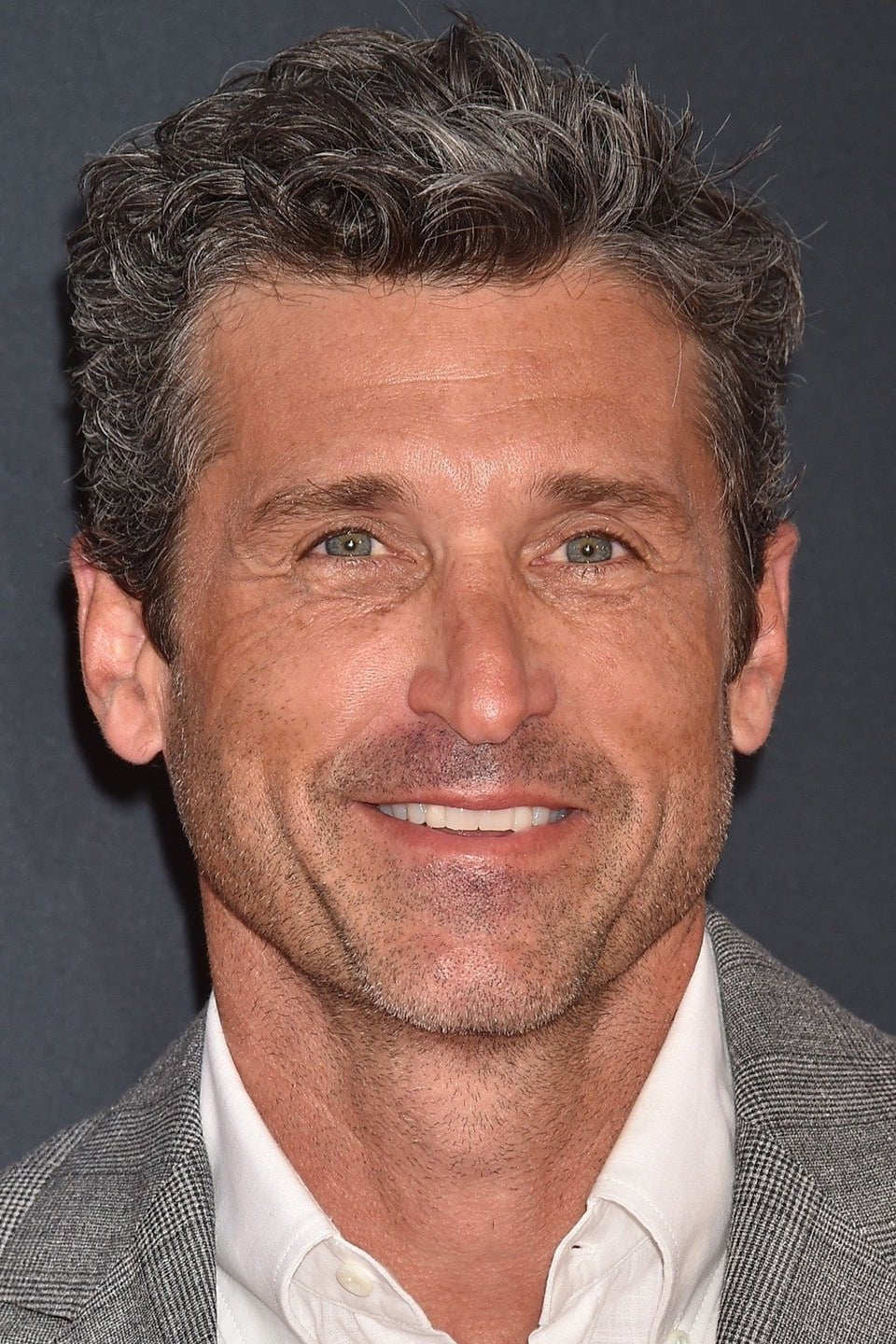
Patrick Dempsey’s Derek Shepherd was killed on ‘Grey’s Anatomy’, a definitive write-out that ended his role in ongoing hospital plots. The death removed him from the series’ present-day narrative and reshaped other characters’ personal and professional arcs.
Dempsey later returned in a dream-sequence beach arc and additional appearances that brought Derek back for conversations with his former partner. These scenes provided specific character beats and allowed unresolved emotional threads to be addressed without undoing the earlier exit.
Jon Bernthal
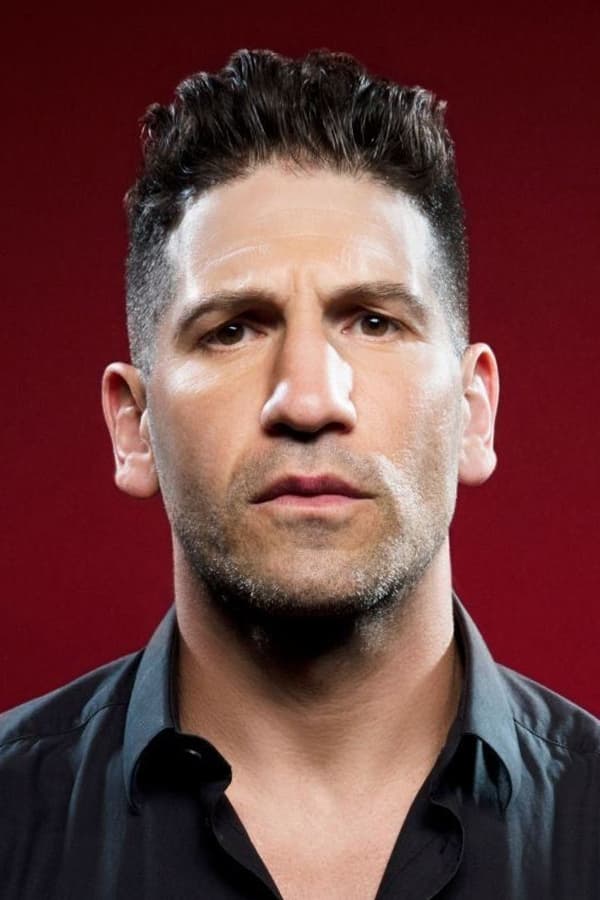
Jon Bernthal’s Shane Walsh was killed on ‘The Walking Dead’, concluding a rivalry that had driven early seasons. His death ended the character’s influence on group decisions and removed him from continuing survival stories.
Bernthal returned for a one-episode appearance as a hallucination that revisited Shane’s worldview and history with the lead. The comeback delivered new dialogue and context that reframed earlier conflicts while keeping the original write-out intact.
James Marsters
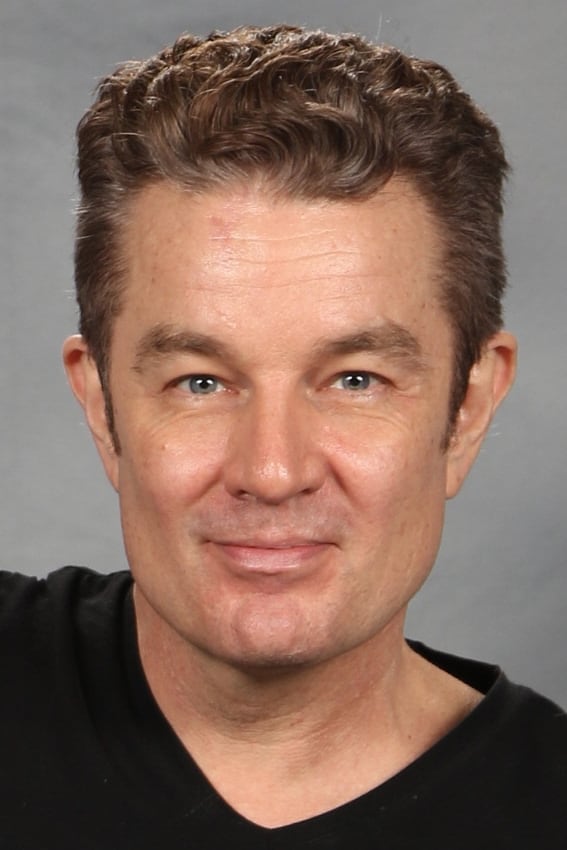
James Marsters’ Spike died in the series finale of ‘Buffy the Vampire Slayer’, sacrificing himself and closing his arc with the Sunnydale team. That ending wrote the character out decisively, eliminating him from the show’s ongoing battles.
Marsters then returned as Spike in ‘Angel’, restored to the screen with a supernatural twist that integrated him into a new ensemble. His presence introduced fresh dynamics at Wolfram & Hart and extended plotlines that had seemed finished when he vanished in the Hellmouth.
Michael Shanks

Michael Shanks left ‘Stargate SG-1’ when Daniel Jackson ascended, writing the character out by transforming him beyond the team’s day-to-day missions. The narrative continued with a replacement archaeologist while referencing Jackson’s new plane of existence.
Shanks returned as Daniel, first in guest appearances and then as a reinstated series regular. His comeback rejoined the core exploration unit and reopened ancient-culture threads that had been paused after his ascension.
Rob Lowe
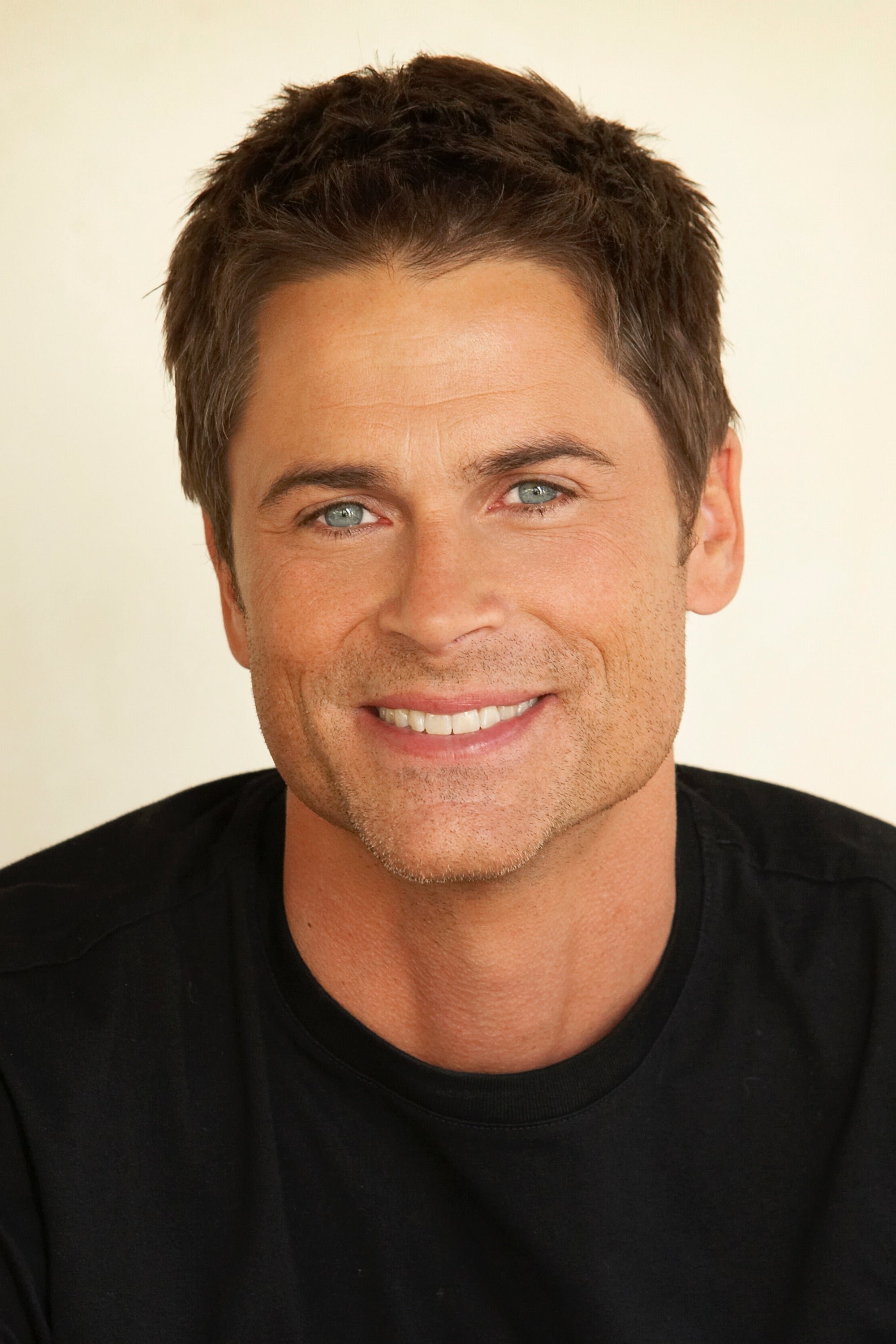
Rob Lowe exited ‘The West Wing’ when Sam Seaborn left the White House to run for office in California, taking him out of the daily communications bullpen. The departure removed him from policy debates and Oval Office strategy sessions.
Lowe later returned for a run of episodes that brought Sam back into the administration during the transition period. The comeback reinserted him into key staffing scenes and allowed unfinished professional relationships to play out on screen again.
George Clooney
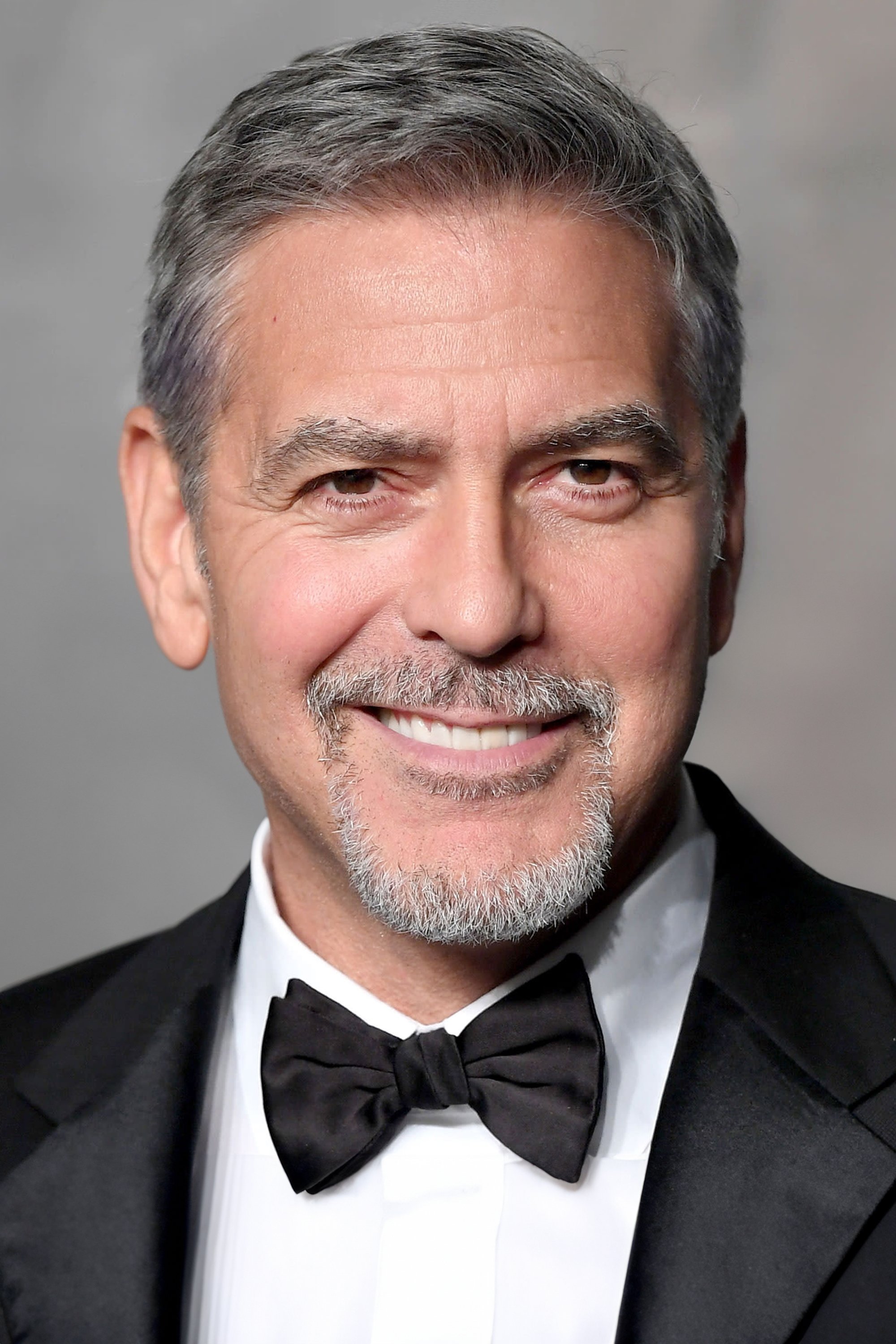
George Clooney left ‘ER’ when Doug Ross moved away and ended his relationship storyline at County General, removing him from emergency room plots. The show proceeded without his pediatric cases and without on-shift interactions with the main cast.
Clooney returned in a later-season episode that reunited Doug with a former colleague during a medical case. The appearance provided new, in-universe updates about his life and created a direct link between his off-screen years and the hospital’s current events.
Noah Wyle
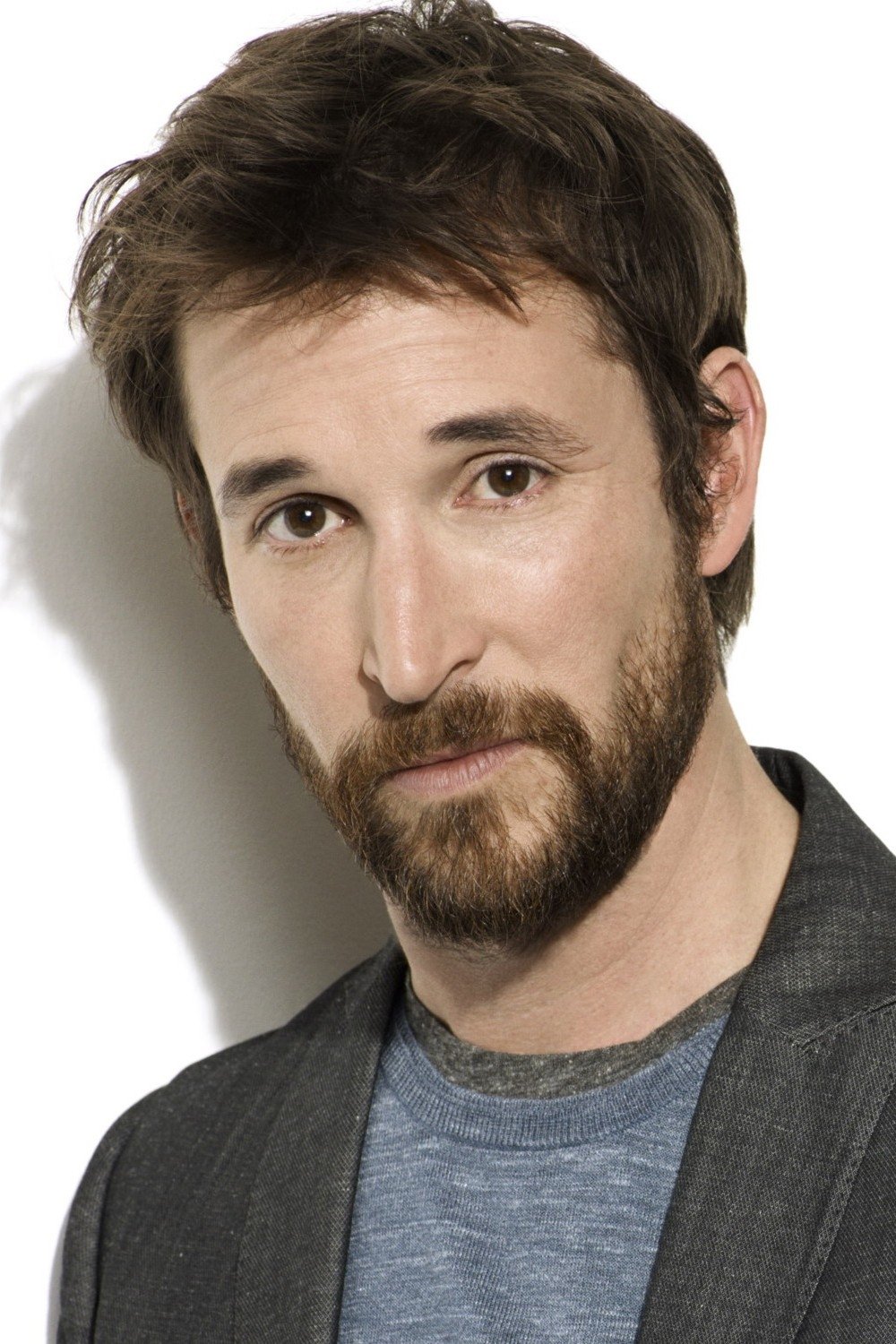
Noah Wyle’s John Carter was written out of ‘ER’ when he left the hospital to work abroad and then pursue new roles away from County. That transition took him out of weekly trauma cases and the residents’ mentorship chain.
Wyle returned for guest arcs and special episodes that placed Carter back in the emergency department and in medical philanthropy storylines. His reappearances moved several character arcs forward by connecting past and present staff through shared patients and programs.
Shemar Moore
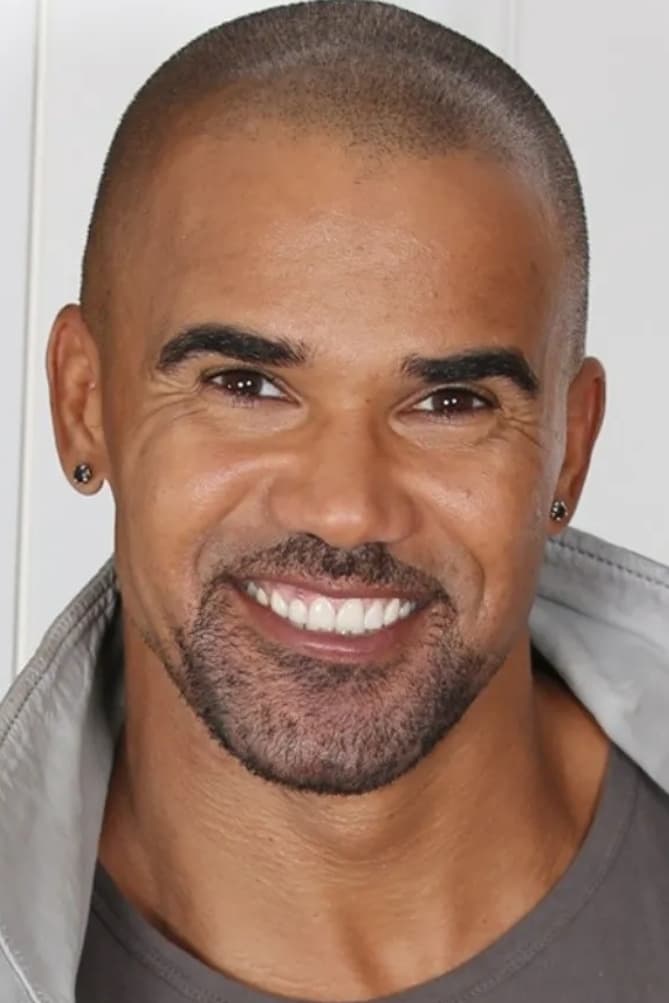
Shemar Moore’s Derek Morgan departed ‘Criminal Minds’ to focus on family, a write-out that concluded his profiling work with the Behavioral Analysis Unit. His exit ended his presence in ongoing unsub cases and changed the team’s field dynamics.
Moore later returned for guest spots that brought Morgan back to consult on investigations and support former teammates during crises. Those episodes provided case-specific contributions and restored character interactions that had ended when he left the unit.
Michael Rosenbaum
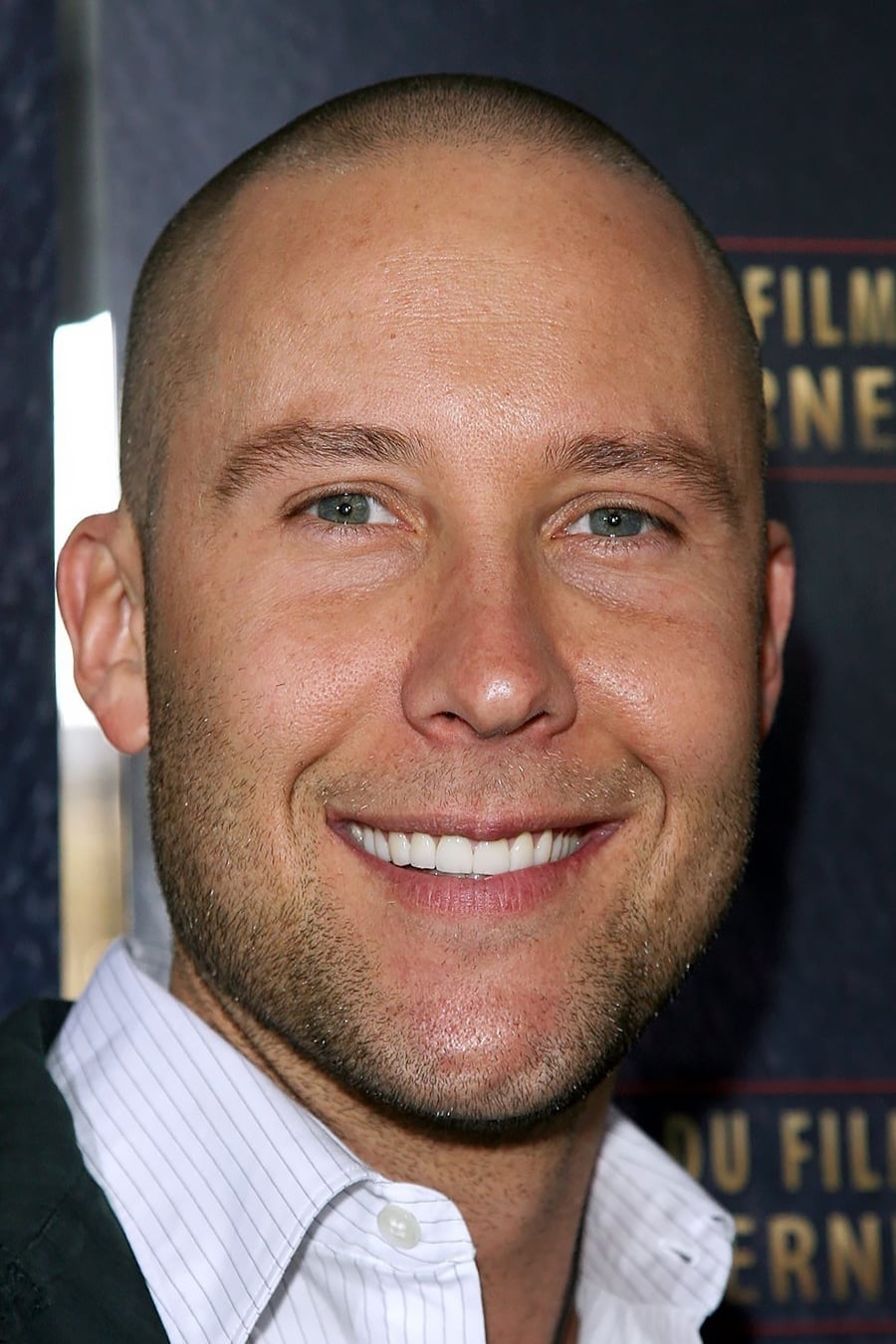
Michael Rosenbaum’s Lex Luthor left ‘Smallville’ after major events removed him from Clark Kent’s immediate life and from day-to-day villainy in the town. The narrative pivoted to other antagonists and successors while keeping Lex’s legacy alive.
Rosenbaum returned for the series finale, re-establishing Lex as a central adversary and setting up his future opposition to Clark. The appearance included new scenes that tied together long-running plot threads without undoing the earlier write-out.
Brent Spiner
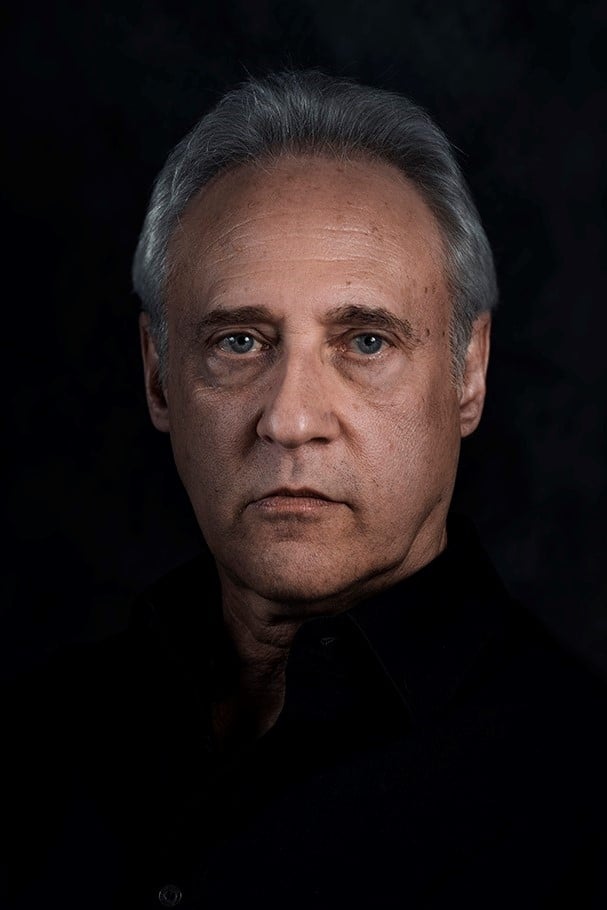
Brent Spiner’s Data was killed in ‘Star Trek: Nemesis’, writing the character out with a sacrificial end that concluded his human-aspiration arc. Subsequent stories referenced Data only in memory or through related characters.
Spiner later returned in ‘Star Trek: Picard’, first through visions and simulation-based encounters and then via portrayals of related Soong-type characters and iterations of Data. These returns advanced plotlines about synthetic life and gave on-screen closure to questions left by his original demise.
Harrison Ford
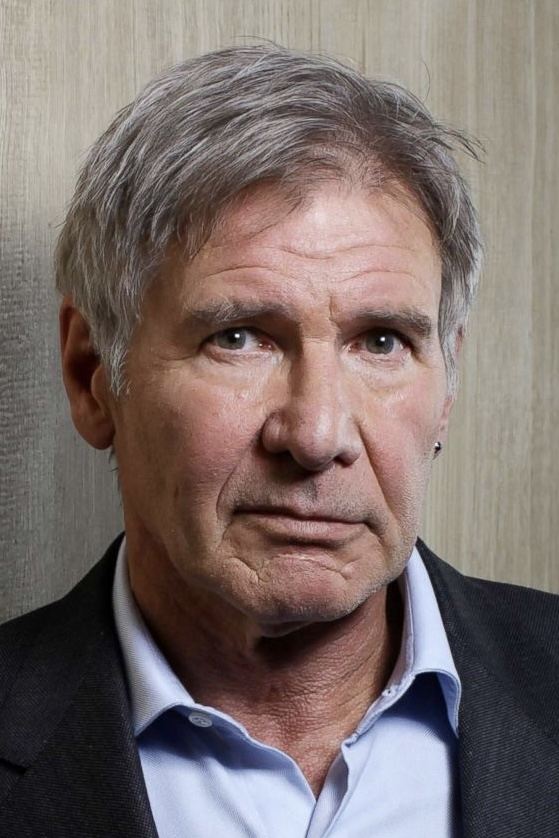
Harrison Ford’s Han Solo was killed in ‘Star Wars: The Force Awakens’, removing him from the Resistance’s active ranks and from future missions. The write-out closed a major chapter in the saga’s smuggling-to-hero storyline.
Ford returned in ‘Star Wars: The Rise of Skywalker’ for a memory-scene appearance that delivered new dialogue between Han and his son. The moment influenced a key character’s decisions and connected earlier events to the finale’s turning point.
Hayden Christensen

Hayden Christensen’s Anakin Skywalker concluded his main-timeline arc long before newer projects resumed, effectively writing the character out of active stories centered on Jedi survivors. His presence remained only in references across the franchise.
Christensen returned in ‘Obi-Wan Kenobi’ and later in ‘Ahsoka’, portraying Anakin in flashbacks, training sequences, and Force-based encounters. These appearances expanded canonical moments between Anakin and former allies, adding concrete scenes that had previously been off-screen.
Temuera Morrison
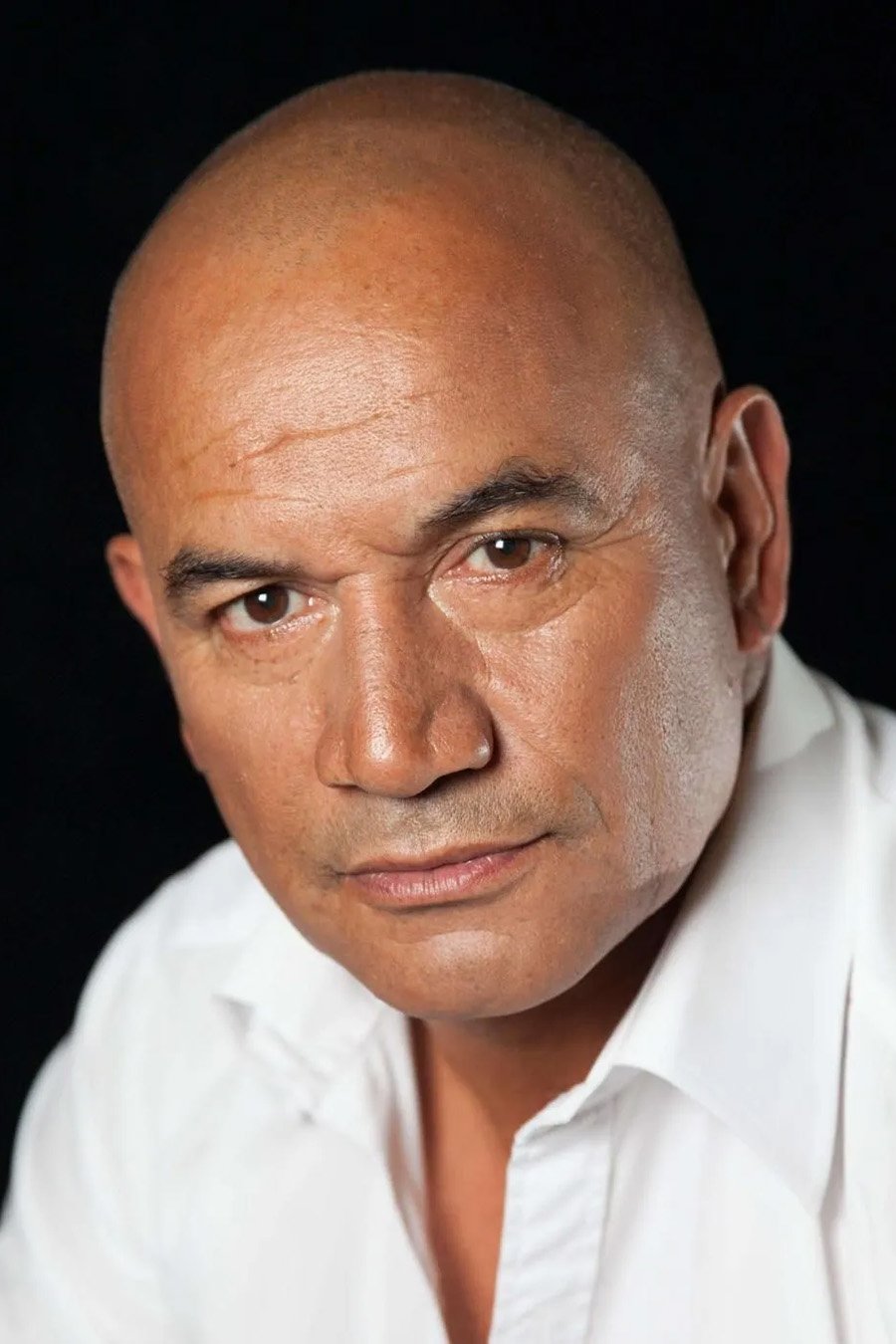
Temuera Morrison’s Boba Fett, long presumed dead after the Sarlacc incident, was effectively written out of ongoing ‘Star Wars’ narratives. For years, the character existed only through references, expanded-universe materials, and legacy merchandising.
Morrison returned in ‘The Mandalorian’, where Boba re-entered the timeline with armor reclaimed and new alliances forged. He then headlined ‘The Book of Boba Fett’, providing on-screen details about survival, recovery, and his rise to control a criminal territory.
Steve Carell
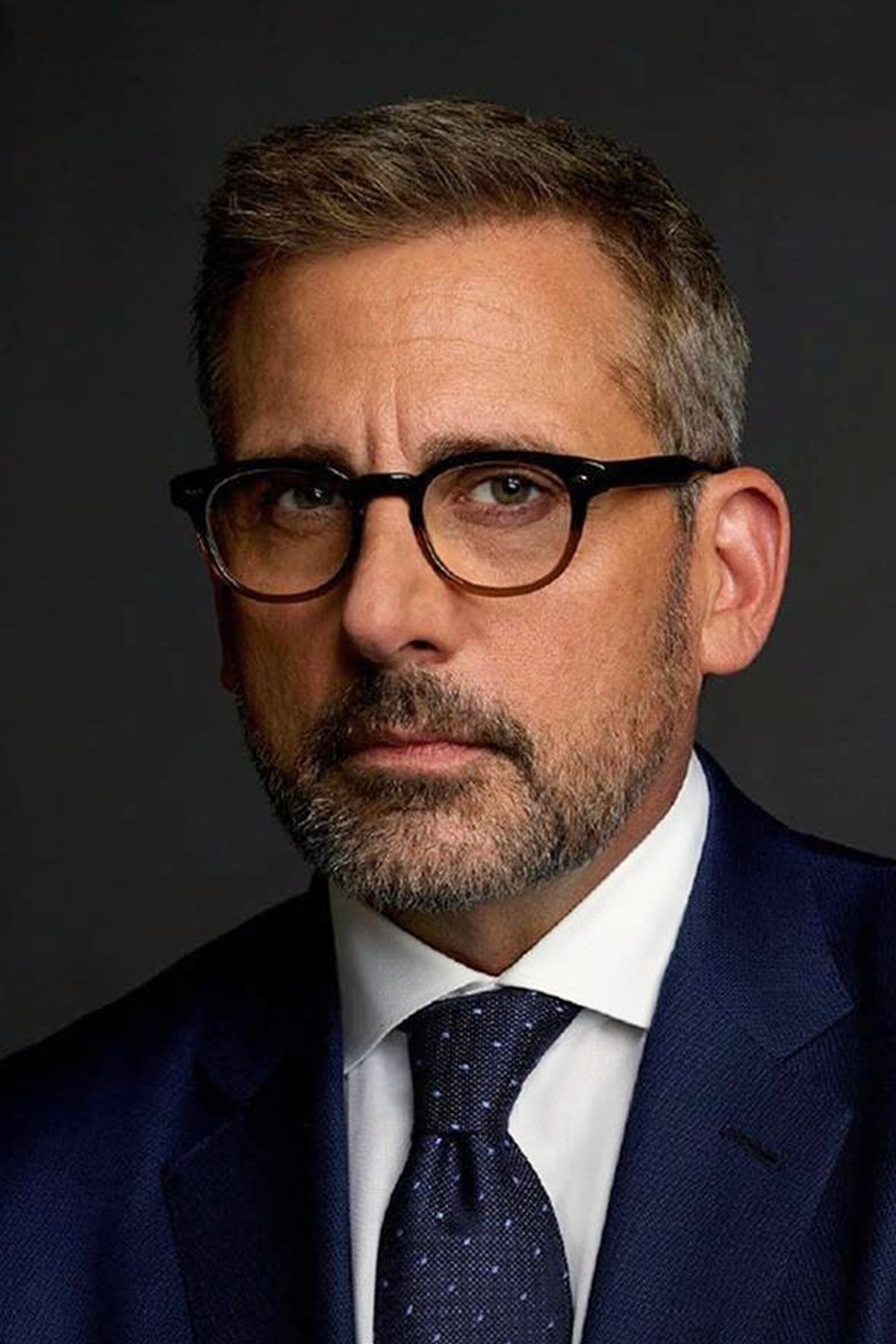
Steve Carell’s Michael Scott left ‘The Office’ by moving away, a write-out that ended his tenure as regional manager and his daily presence in Scranton. The narrative shifted leadership and redistributed workplace storylines among remaining staff.
Carell later returned for the series finale in a surprise appearance that placed Michael at a major life event for former colleagues. The cameo supplied specific lines and reactions that tied back to relationships he had left behind at his exit.
Wentworth Miller

Wentworth Miller’s Michael Scofield was written out of ‘Prison Break’ with an apparent death that capped the franchise’s original run and epilogue. That ending removed him from further escape plots and closed the central partnership at the story’s core.
Miller returned in the revival season, which explained his survival and inserted him into a new conspiracy that required fresh planning and fieldwork. The comeback restored on-screen collaboration with key allies and provided detailed steps for another high-stakes escape.
Paul Adelstein
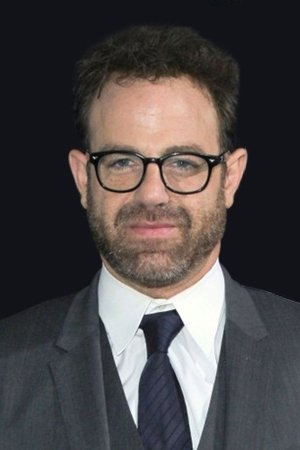
Paul Adelstein’s Paul Kellerman was written out of ‘Prison Break’ as dead, clearing him from later manhunts and political intrigue. The show advanced without him, treating his fate as settled.
Adelstein later returned when the character was revealed to be alive, re-entering the plot as a government operative with shifting loyalties. His reappearance added new interrogations, alliances, and turns that built directly on the earlier fake-out.
Jeffrey Dean Morgan
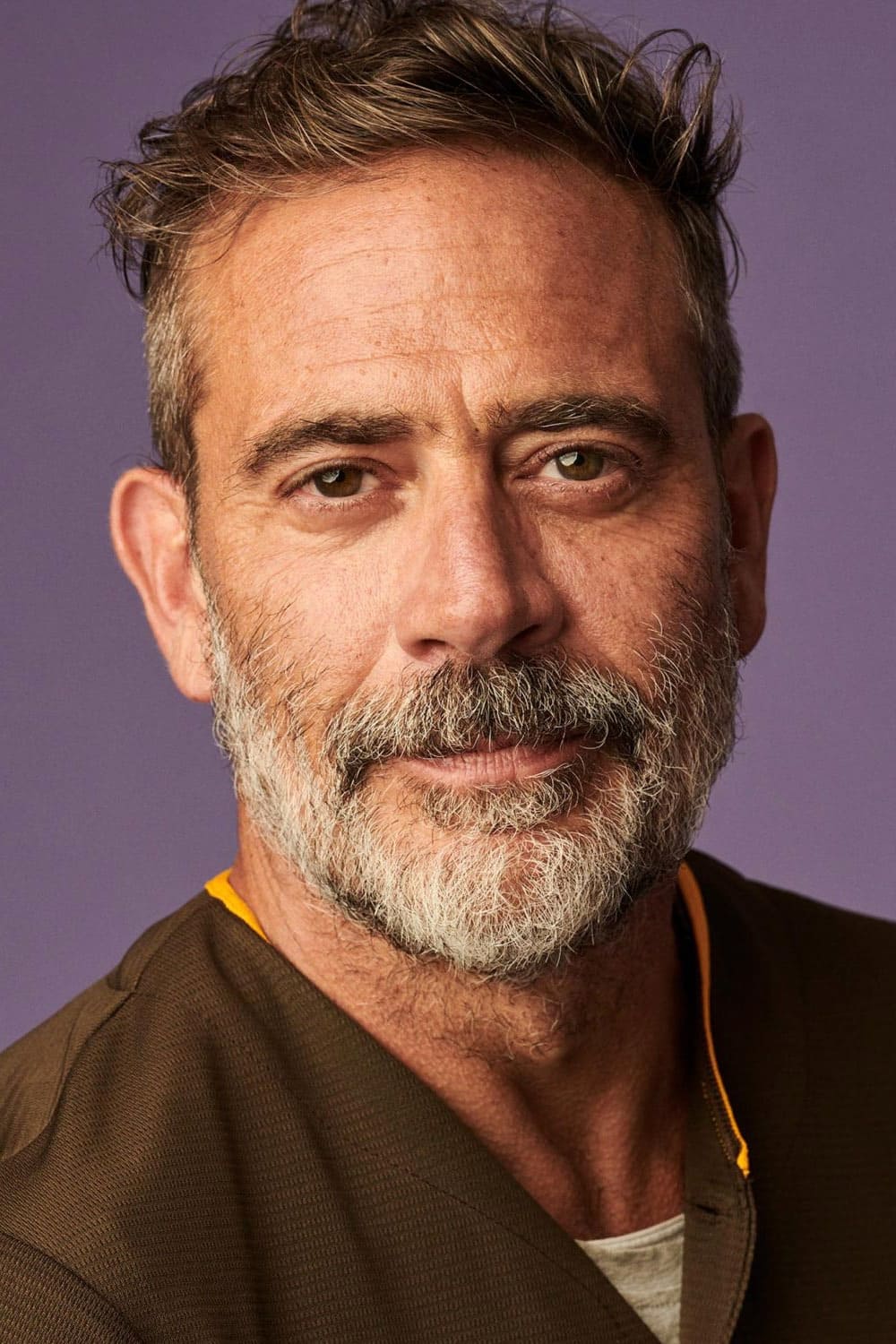
Jeffrey Dean Morgan’s John Winchester died early in ‘Supernatural’, writing him out of active hunts and family road trips. Subsequent seasons referenced him only through journals, flashbacks, and other hunters’ accounts.
Morgan returned for a milestone episode that reunited John with his sons through a time-bending case. The appearance included new scenes in the bunker and the Impala, giving explicit conversations that the original write-out had left impossible.
Matt Smith
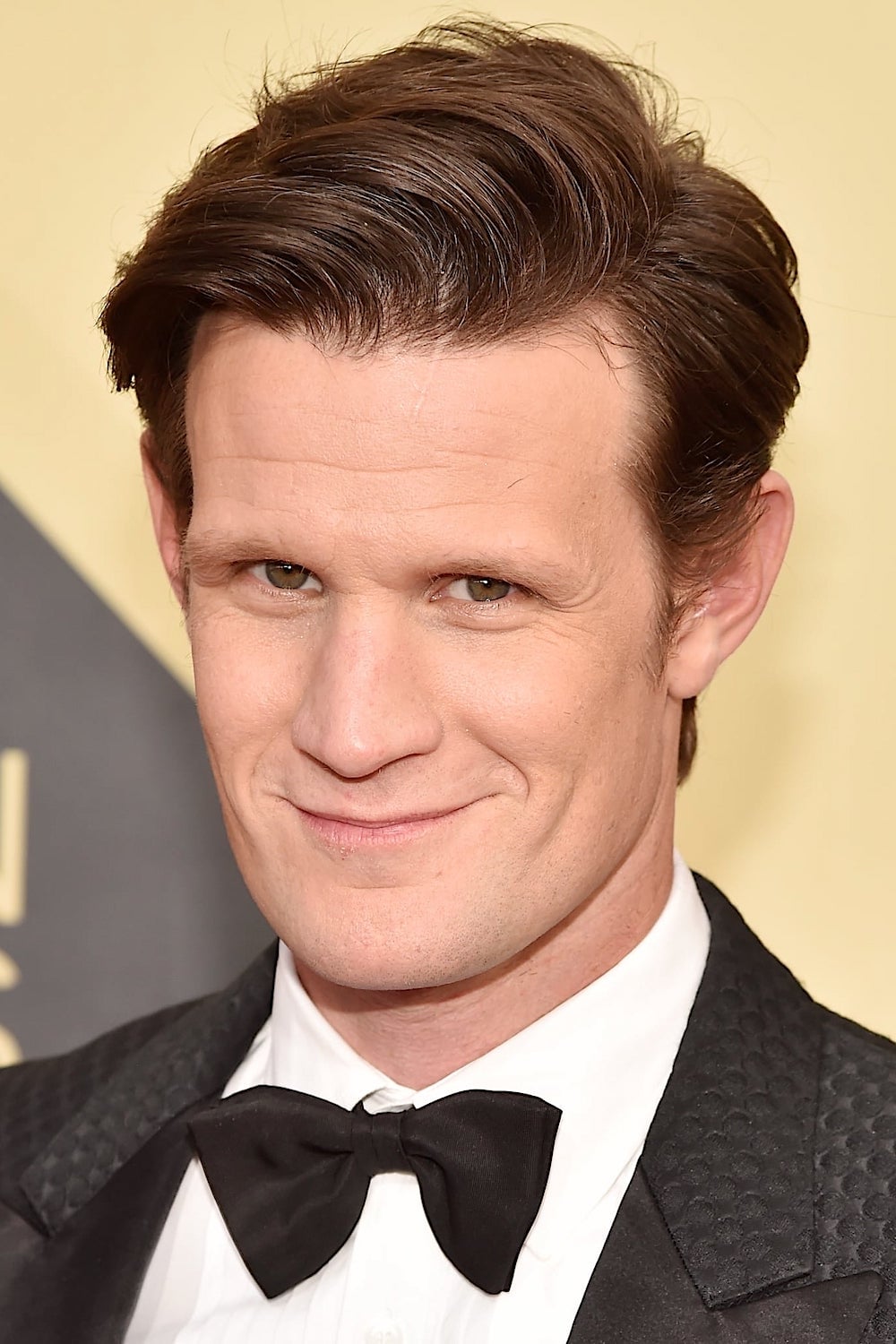
Matt Smith’s Eleventh Doctor regenerated, writing him out of ‘Doctor Who’ as the role passed to the next incarnation. The show moved forward under new leadership in the TARDIS while preserving the Doctor’s continuous identity.
Smith later returned for a cameo that placed the Eleventh in direct contact with his successor, delivering a phone call and guidance that bridged eras. The moment offered concrete in-universe dialogue that connected companions and ongoing plots across regenerations.
David Tennant
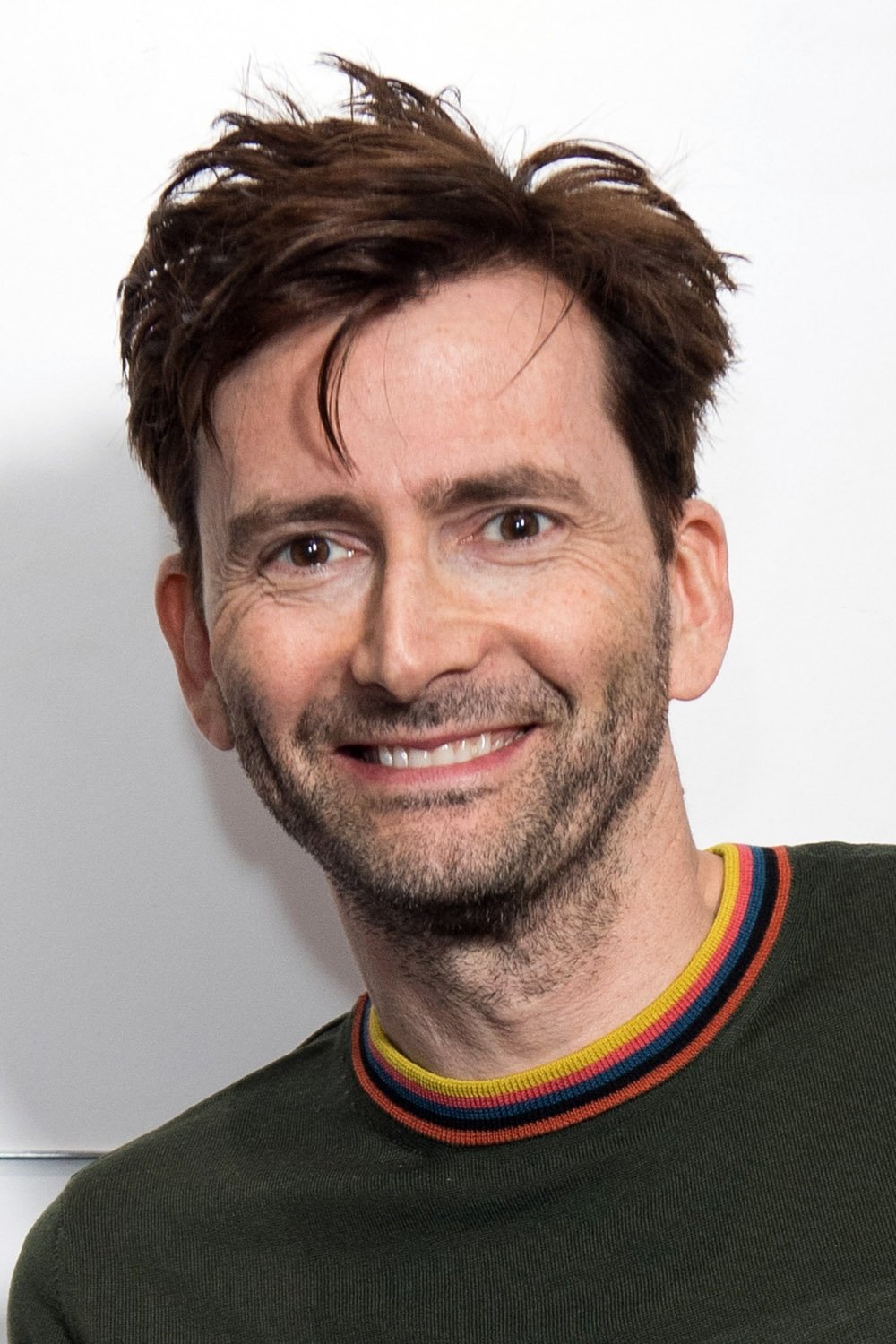
David Tennant’s Tenth Doctor left ‘Doctor Who’ through regeneration, removing him from weekly adventures as a current incarnation. The series continued with new Doctors and companions while referencing prior faces in lore.
Tennant returned multiple times, including anniversary specials and a later run of episodes that put him back at the center of new crises. These returns featured fresh stories, reunited him with familiar characters, and produced plot-critical scenes that advanced the wider canon.
William Petersen
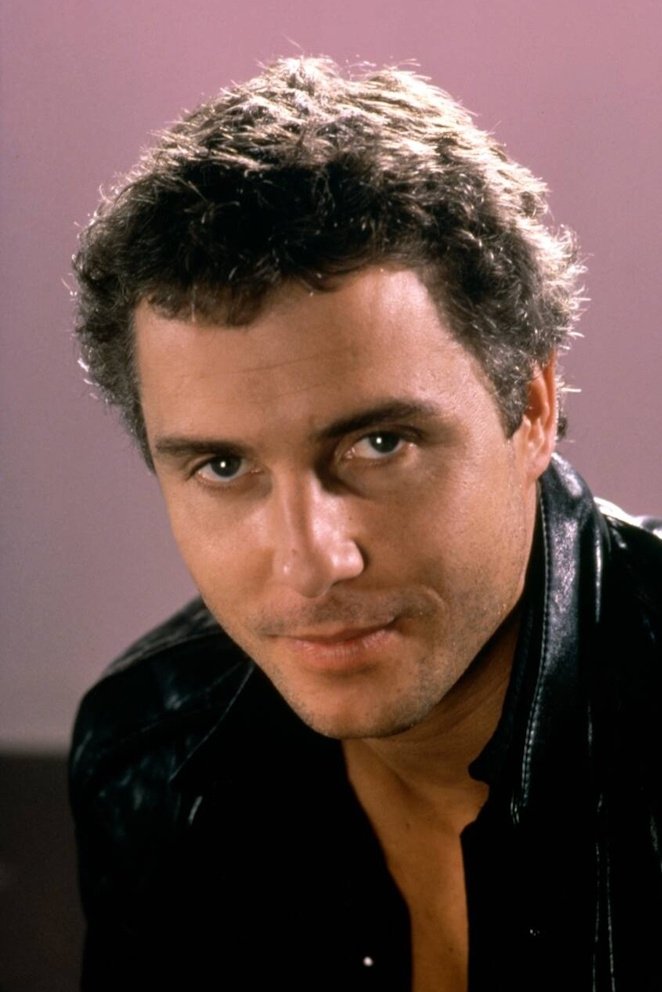
William Petersen’s Gil Grissom departed ‘CSI: Crime Scene Investigation’ when he left the Las Vegas lab, writing him out of day-to-day forensic cases. The team continued with successor leadership and new hires.
Petersen returned in ‘CSI: Vegas’, rejoining the franchise alongside other veterans to tackle a new series of lab challenges. His comeback reinstated on-screen collaboration with former colleagues and placed him in fresh investigations tied to the lab’s legacy.
Jesse Spencer
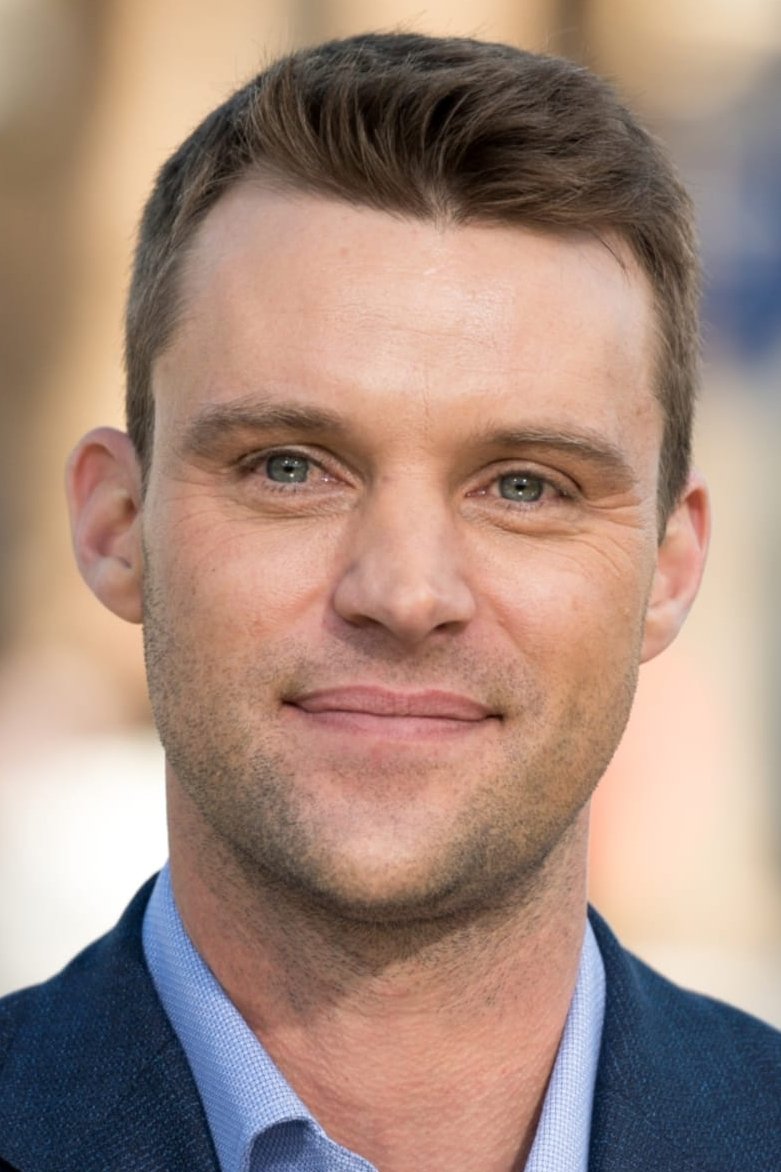
Jesse Spencer’s Matthew Casey left ‘Chicago Fire’ to take on duties away from Firehouse 51, a write-out that moved him out of the station’s response grid and team rotations. The shift changed command structures and call patterns in the house.
Spencer later returned for special episodes that brought Casey back to Chicago for major events and high-priority situations. Those appearances included specific calls, formal roles alongside former teammates, and story beats that acknowledged his off-screen assignment.
Michael Trevino
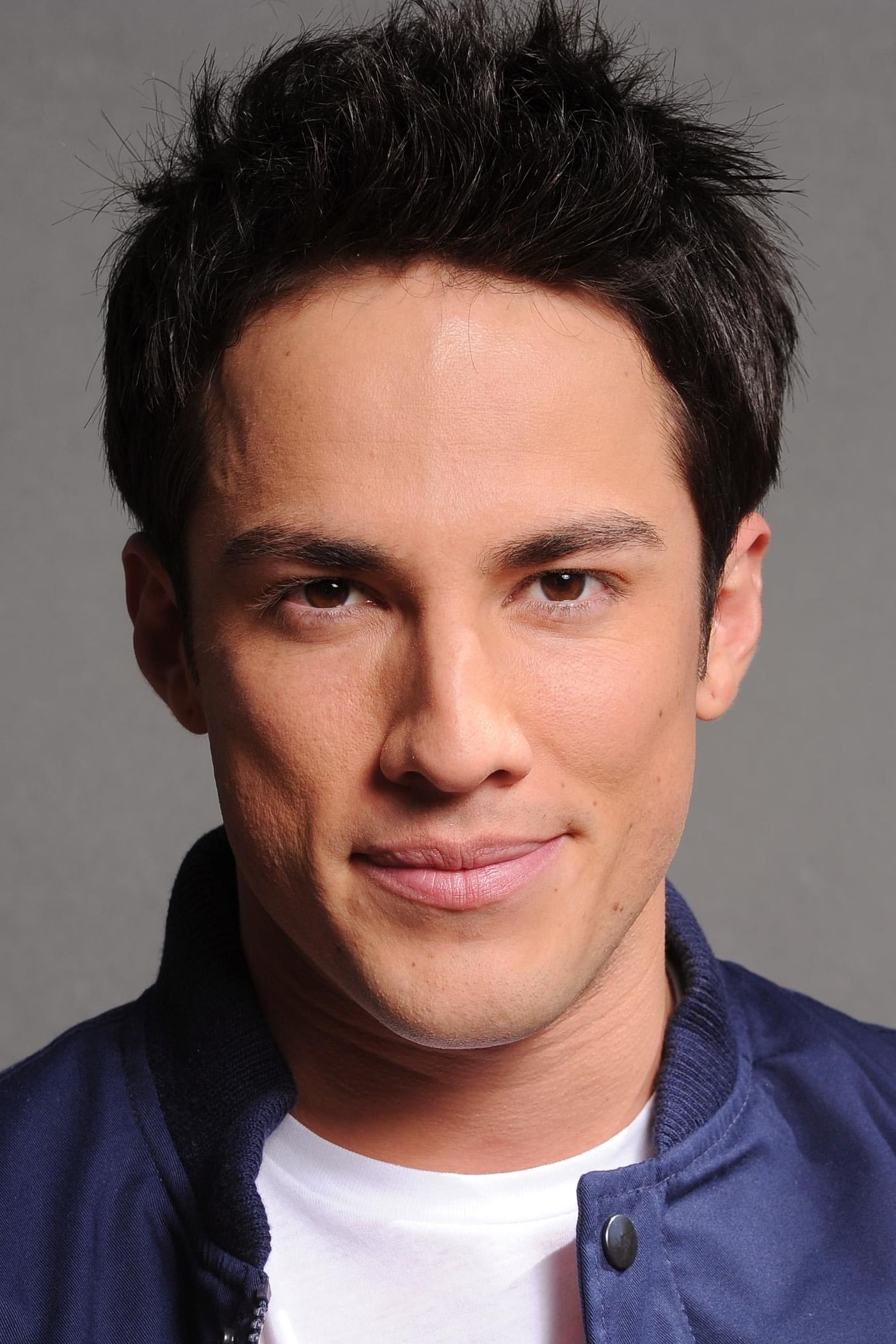
Michael Trevino’s Tyler Lockwood was written out of ‘The Vampire Diaries’ when the character left town and later through a death that removed him from the main conflict. His absence allowed the show to progress with other supernatural storylines.
Trevino returned in later episodes, re-entering the narrative with scenes that addressed previous relationships and territorial disputes. The comeback included direct confrontations and plot movements that linked his earlier exits to the show’s closing chapters.
Share your favorite “back-from-the-write-out” moments in the comments and tell us which comeback surprised you most!

