


Actors Who Spoke Out About the Dark Side of Hollywood

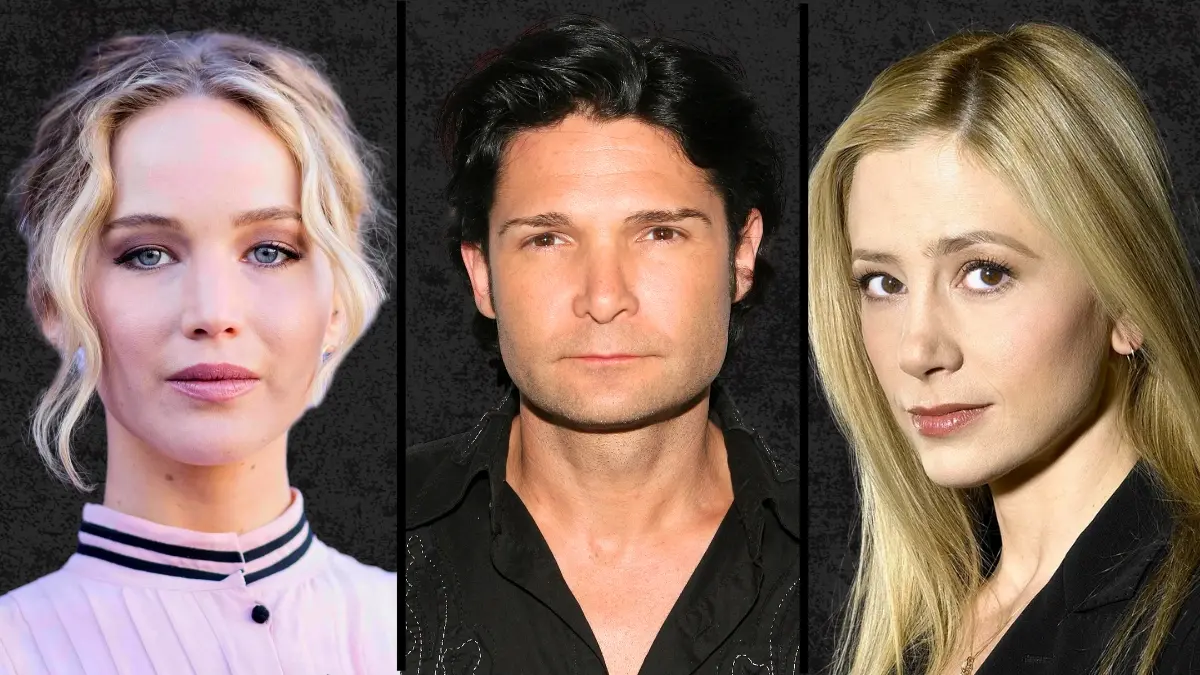


The conversation about how the entertainment business really works has been driven in part by actors who chose to describe what they saw and lived through. Their accounts cover a wide range of problems that existed on sets, in audition rooms, inside agencies, and behind closed doors at hotels. They also describe what happened when people spoke up, from career backlash to legal action to policy changes at major institutions.
These stories helped the public see patterns that had long been hidden by nondisclosure agreements, smear campaigns, and a culture of silence. They also spurred concrete steps such as new reporting channels, intimacy coordination on sets, stronger union guidelines, and wider conversations about power, pay, safety, and accountability.
Corey Feldman
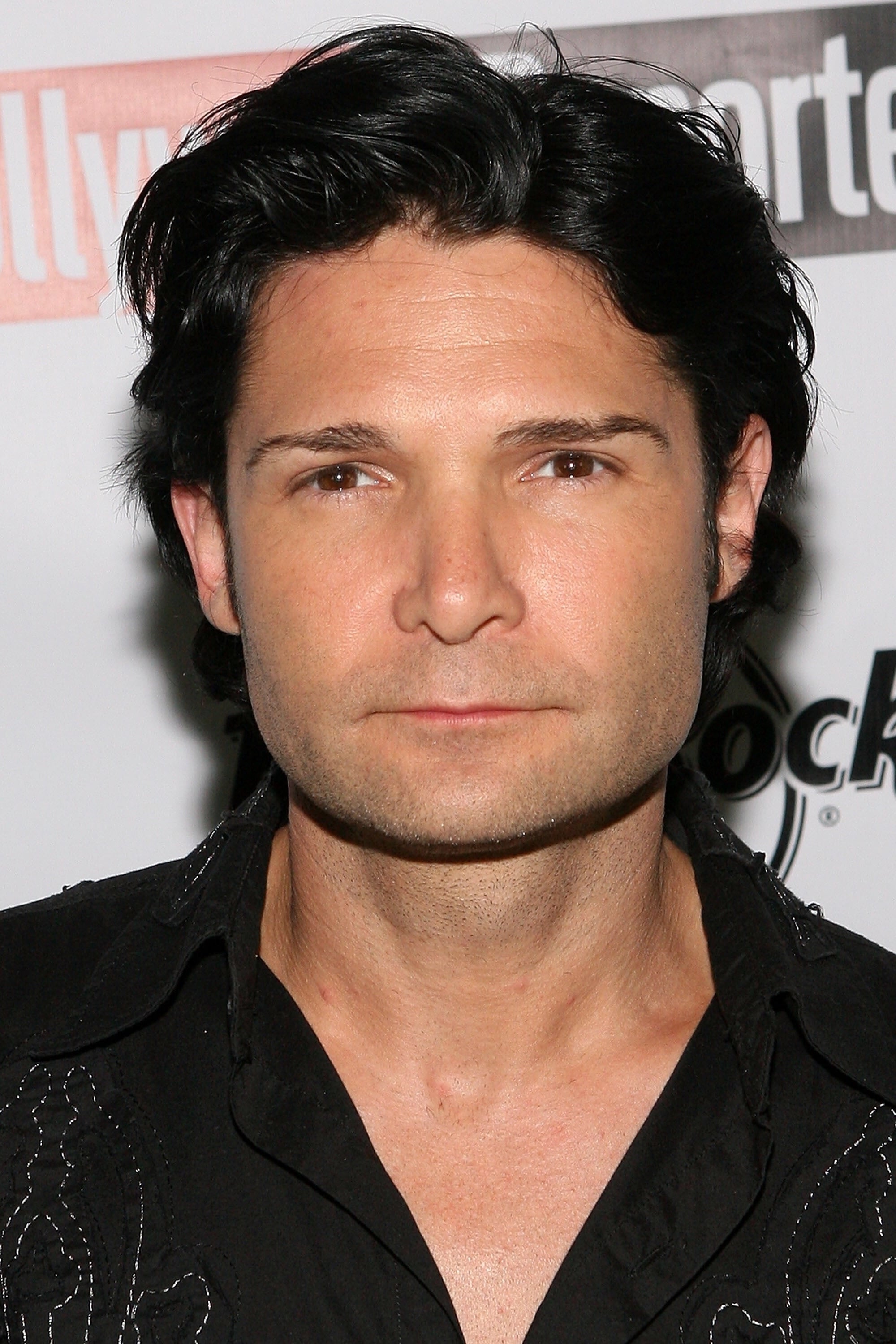
Corey Feldman has spoken for years about exploitation that he says he and other young performers faced while working as child actors. He detailed grooming tactics, told how adults gained access to kids on sets, and described how fear of losing jobs kept families quiet.
He launched projects to encourage reporting, backed legislative efforts that extend the time survivors have to bring claims, and worked with advocates who focus on child performers’ safety. He has also called for stricter set protocols and independent oversight when minors are employed in film and television.
Elijah Wood
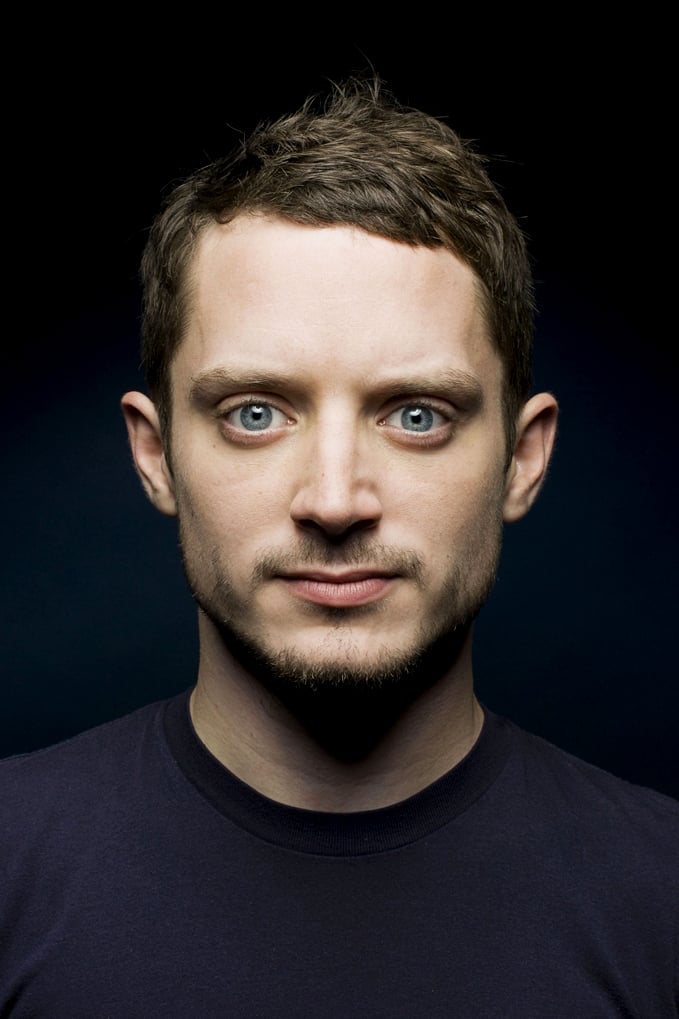
Elijah Wood discussed how child actors can be exposed to predators who gather around youth productions. He explained that he did not personally experience abuse but had learned about systemic problems through coverage of similar scandals abroad and through conversations in the industry.
He used interviews to call attention to the need for vigilance on sets that hire minors. He also emphasized the role of parents, guardians, and unions in monitoring work environments and encouraged studios to keep better records and enforce boundaries around casting and publicity events.
Brendan Fraser
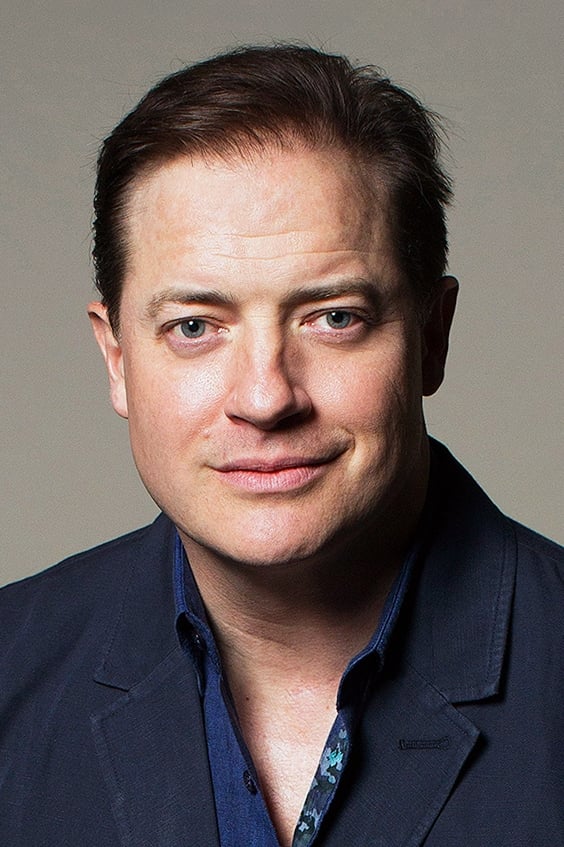
Brendan Fraser said a powerful industry figure groped him at a public event. He described the emotional and professional fallout that followed and said the experience contributed to a long period away from the spotlight.
He pursued the complaint through formal channels and received a statement acknowledging inappropriate behavior. His account drew attention to how retaliation and gatekeeping can function inside awards bodies and agencies, and it added momentum to efforts that limit private, closed door meetings as a condition of career advancement.
Terry Crews
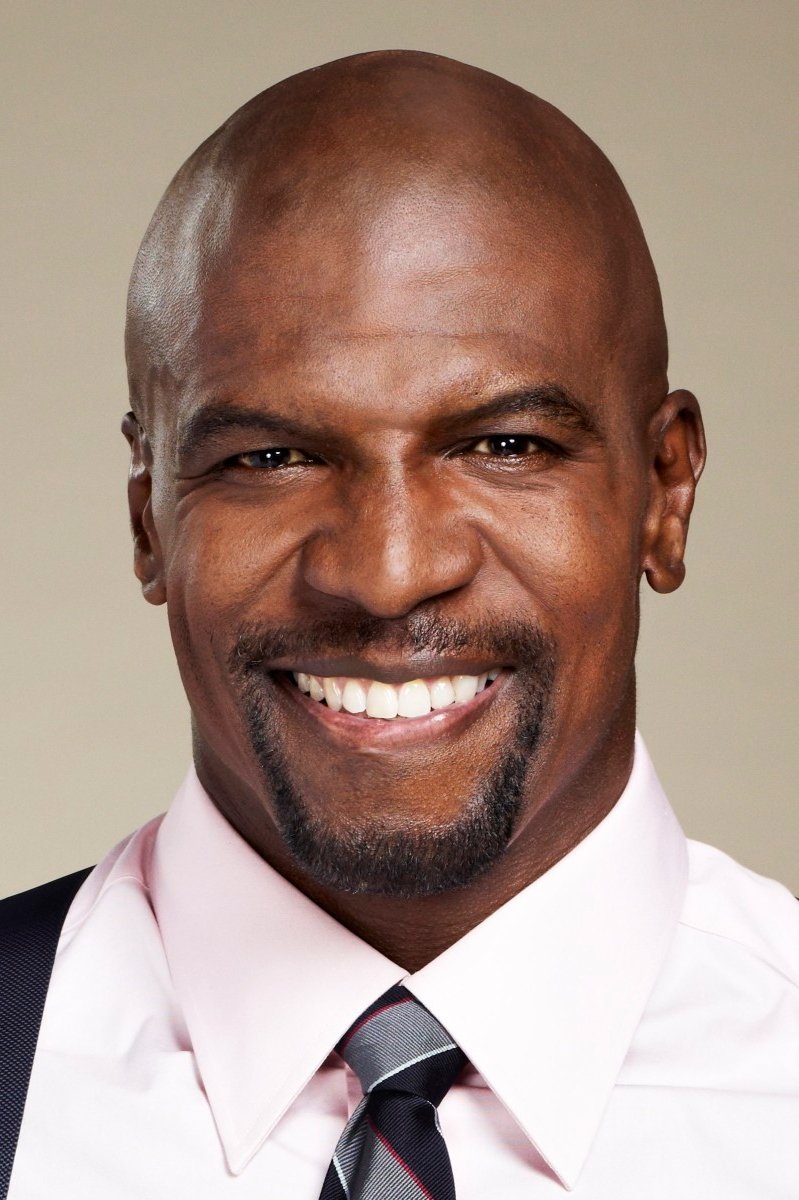
Terry Crews reported being groped by a top talent agent at a Hollywood party and filed a police report. He then brought a civil case and settled, while the agent faced internal discipline and eventually left the agency.
Crews testified before lawmakers about barriers that keep men from reporting sexual assault. He described intimidation, economic threats, and public shaming as deterrents and pushed for reforms that make arbitration optional and strengthen whistleblower protections in entertainment contracts.
Rose McGowan

Rose McGowan publicly identified a producer as her rapist and described how a settlement and a network of enablers kept her silent for years. She detailed surveillance, intimidation, and smear efforts that followed once she began speaking out.
Her disclosures helped spark broad industry scrutiny and a wave of on the record reporting. She has continued to share records, correspondences, and specific interactions, and she has supported other performers who chose to go public with their stories.
Ashley Judd
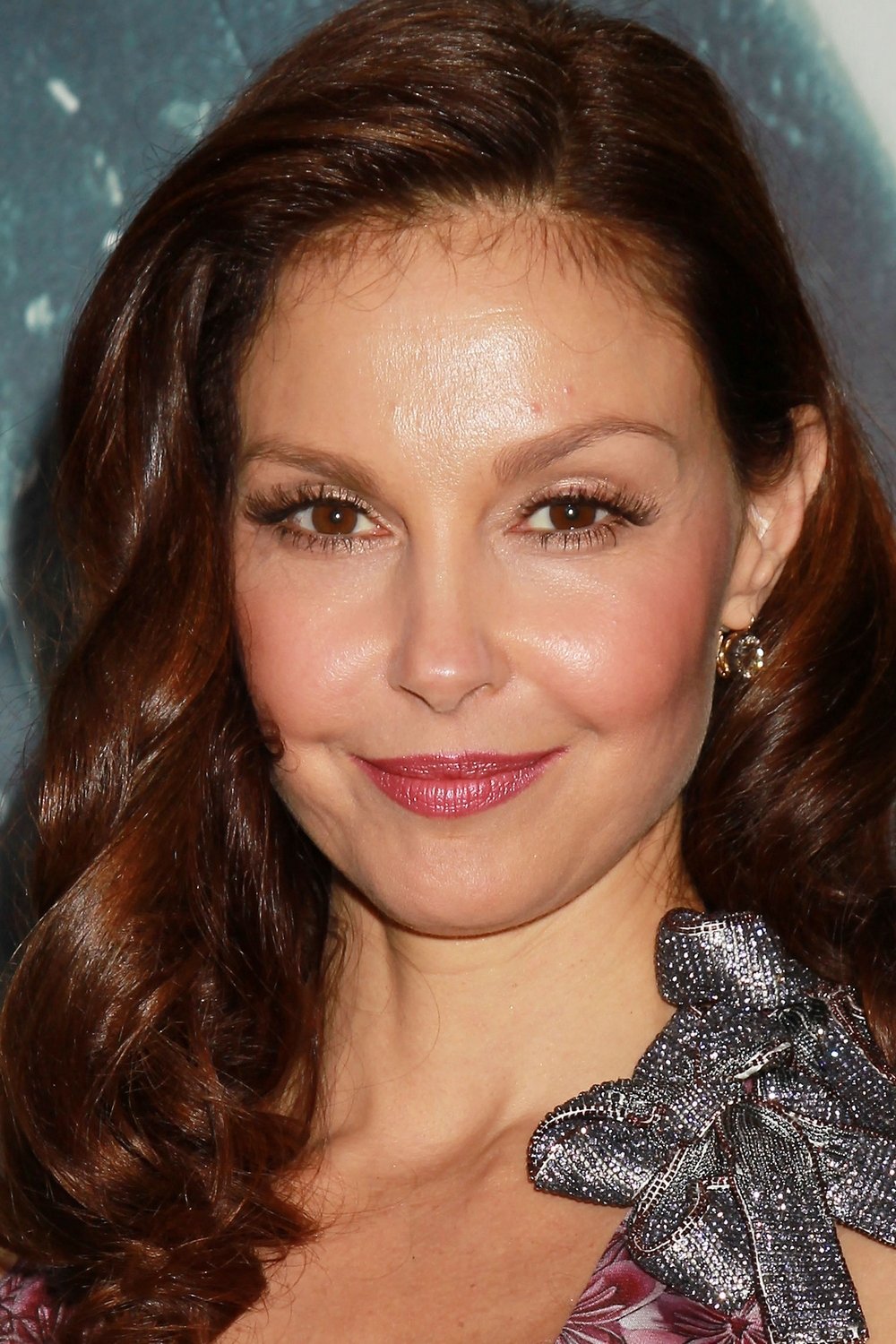
Ashley Judd recounted how a producer invited her to a hotel room and pressured her for sexual contact. She described how she resisted, then later learned of efforts to damage her reputation in casting circles.
Judd filed a civil suit that challenged both defamation and workplace discrimination and won a ruling that allowed parts of the case to proceed. Her litigation became a reference point for performers who seek remedies when informal blacklists and smear campaigns interfere with employment.
Mira Sorvino
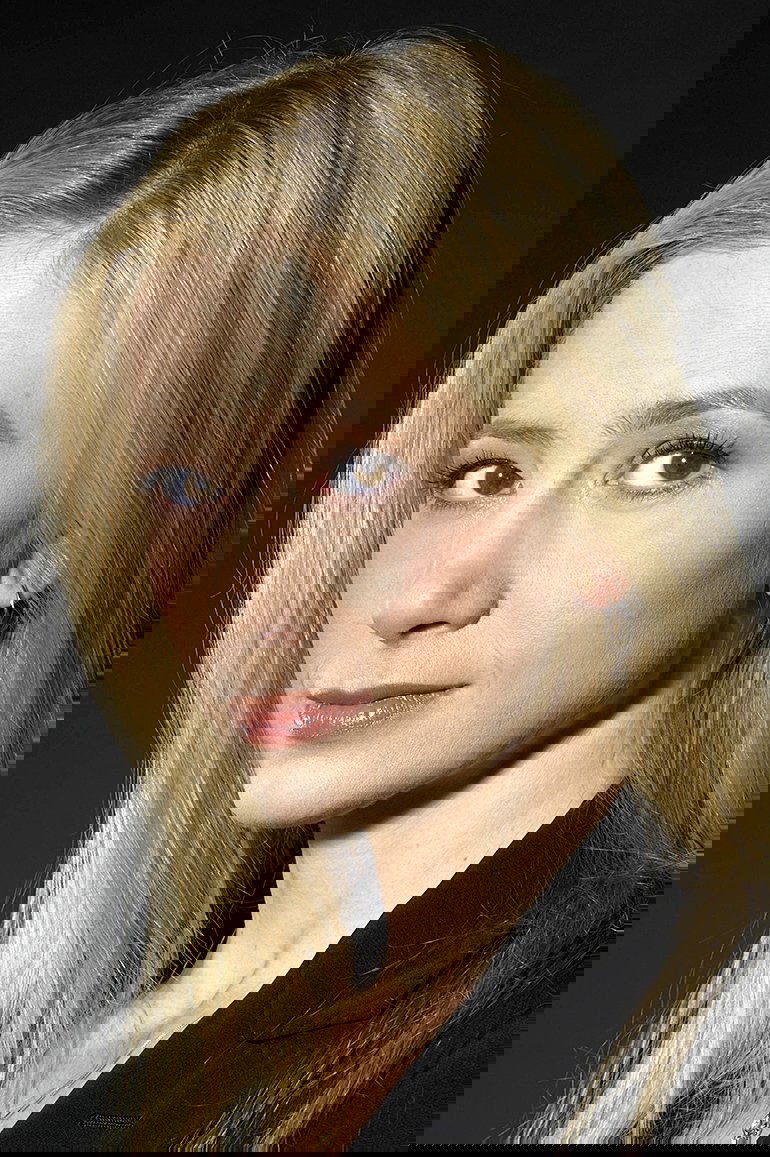
Mira Sorvino said she rebuffed advances from a powerful producer and then noticed projects disappearing. She later learned from a director that negative information had been passed to him during casting discussions for ‘The Lord of the Rings’.
Sorvino became an advocate for changes in hiring transparency. She pushed for casting records to be documented, for producers to disclose conflicts of interest, and for studios to audit the way informal recommendations can be used to manipulate who is seen and who is not.
Asia Argento
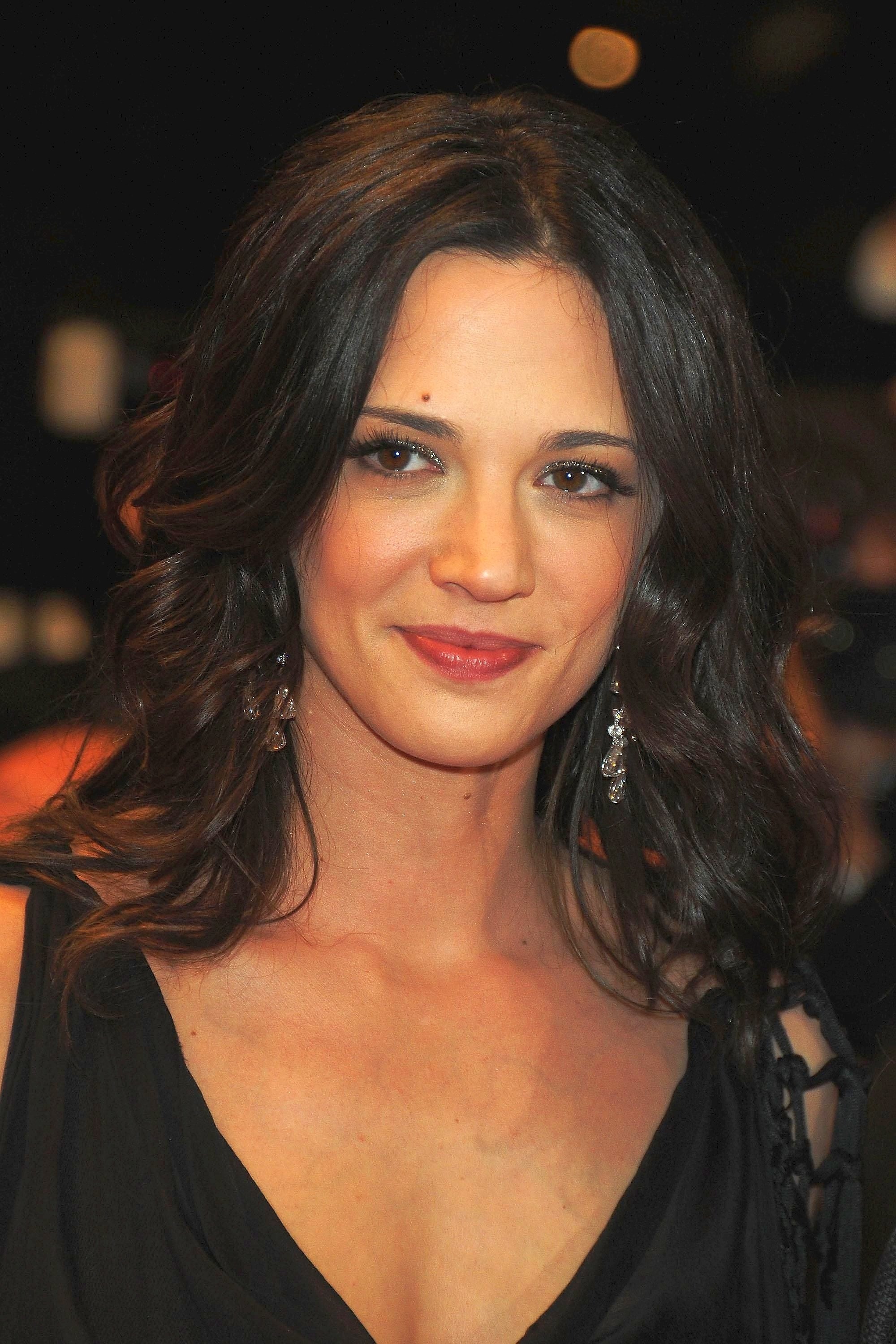
Asia Argento accused a producer of rape and described how the experience shaped her work and her decision to address abuse publicly. She spoke on major stages and used festival platforms to urge studios to stop protecting offenders.
Argento pointed to scenes in ‘Scarlet Diva’ as an early attempt to show what happened, years before wider reporting confirmed patterns of misconduct. Her testimony and public speeches focused attention on festivals, financing arrangements, and the international networks that had shielded predators.
Angelina Jolie
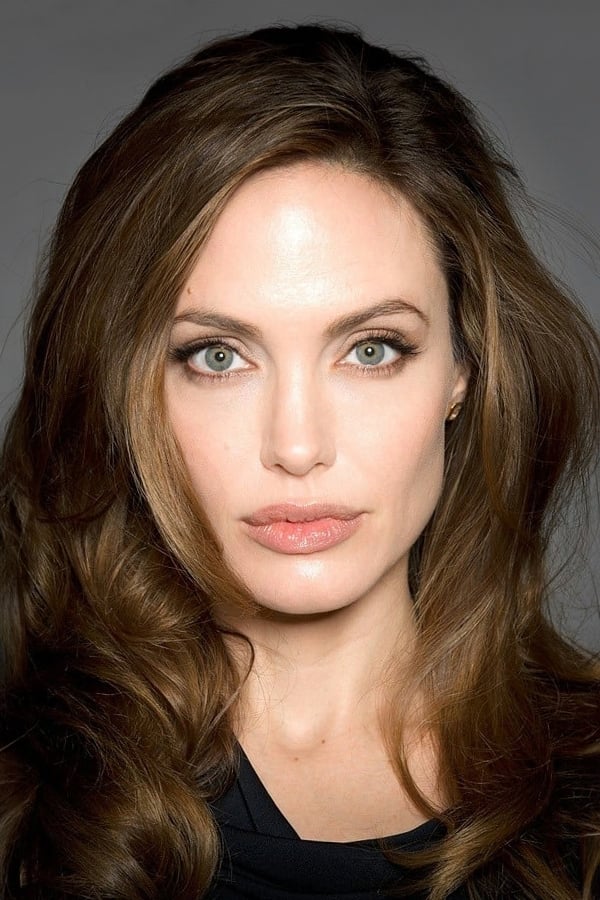
Angelina Jolie said she rejected advances from a producer early in her career and warned others not to work with him. She avoided future collaborations and documented the incident for her representation at the time.
She has advocated for stronger contractual rights that let performers refuse meetings in private hotel rooms. She also highlighted the need for written policies that require a third person in sensitive settings and for studios to keep meeting logs that can be audited.
Gwyneth Paltrow
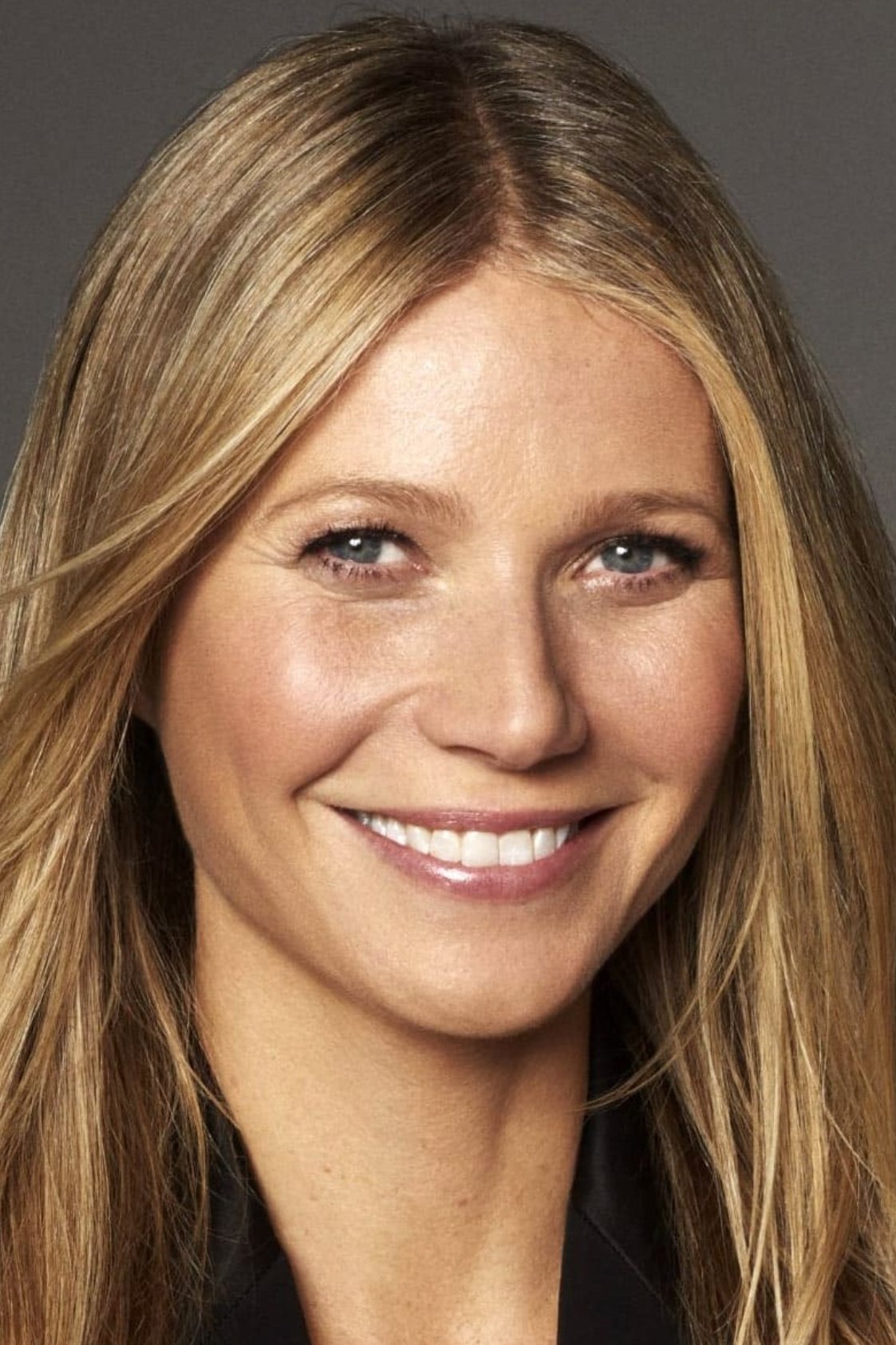
Gwyneth Paltrow recounted being summoned to a hotel suite by a producer who made an unwanted pass. She immediately told her partner and her agent and kept detailed notes of what happened.
She later described how the producer continued to exert power over her career through projects he financed. Paltrow supported newsroom investigations and encouraged other performers to cooperate with reporters, which helped create a public record that reached beyond rumor or anonymous tips.
Salma Hayek
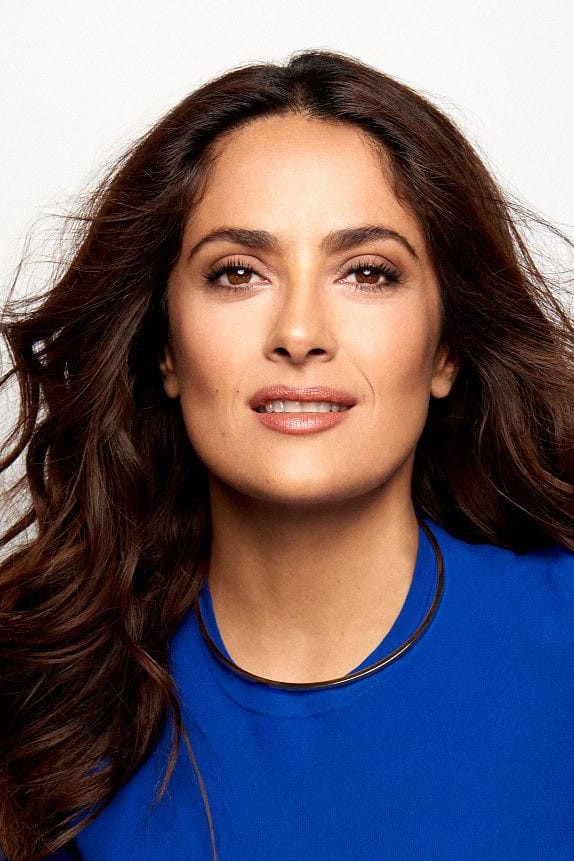
Salma Hayek wrote that while making ‘Frida’ she faced a series of demands, threats to shut down the film, and a sudden insistence on a nude scene after she refused sexual advances. She documented the production obstacles and described the toll on her mental health.
Her account showed how control over budgets, schedules, and release plans can be weaponized against performers who say no. She urged studios to give actors the right to bring an advocate into sensitive meetings and to escalate complaints outside a producer’s chain of command.
Lupita Nyong’o
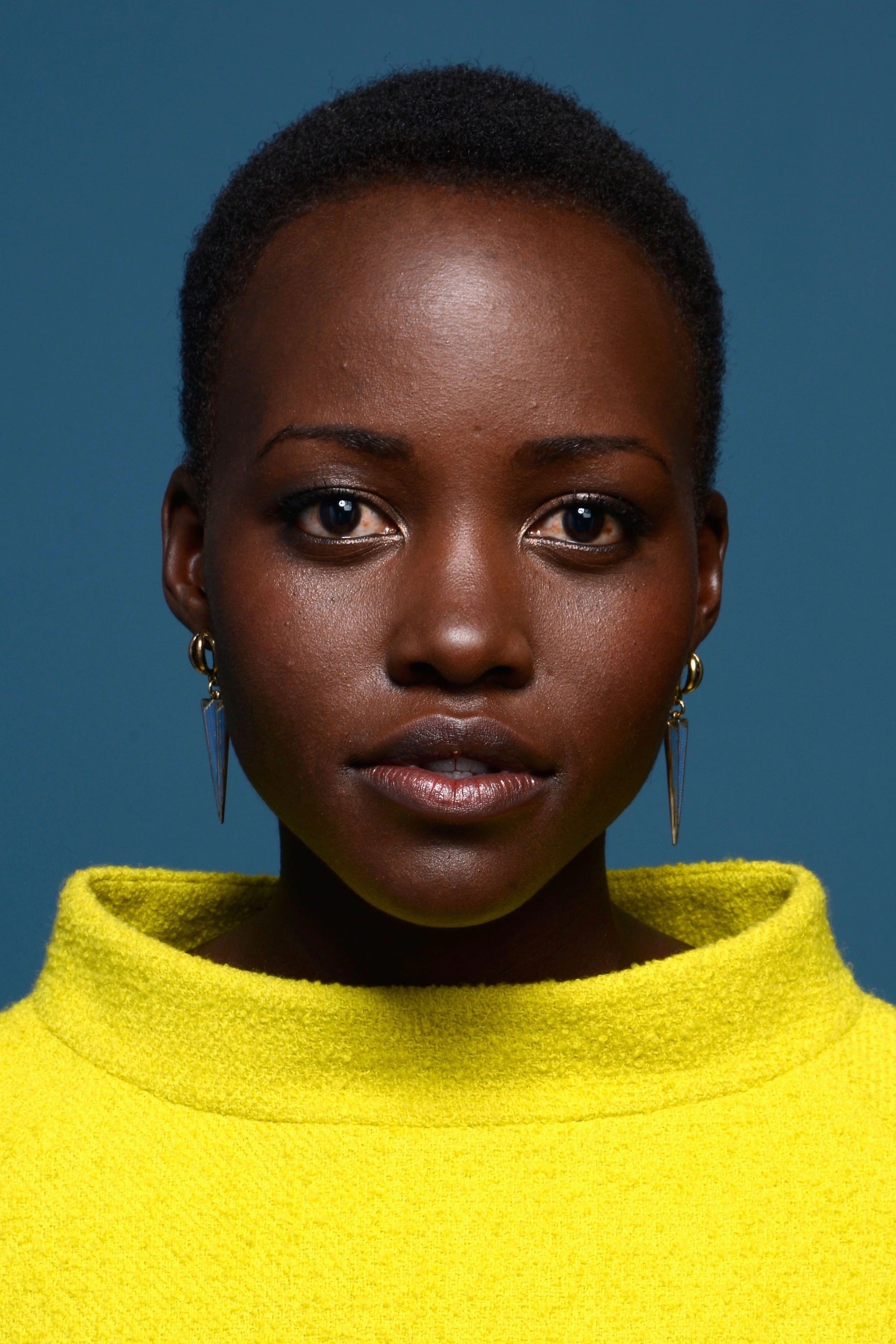
Lupita Nyong’o wrote about repeated invitations to private rooms and about how she set boundaries that were ignored by a producer. She explained why she chose not to work with him afterward and kept emails and dates to back up her account.
She advocated for clear meeting protocols at film festivals and press tours. She also called on schools and theater programs to educate young performers about pressure tactics they may encounter once they enter professional spaces.
Jennifer Lawrence
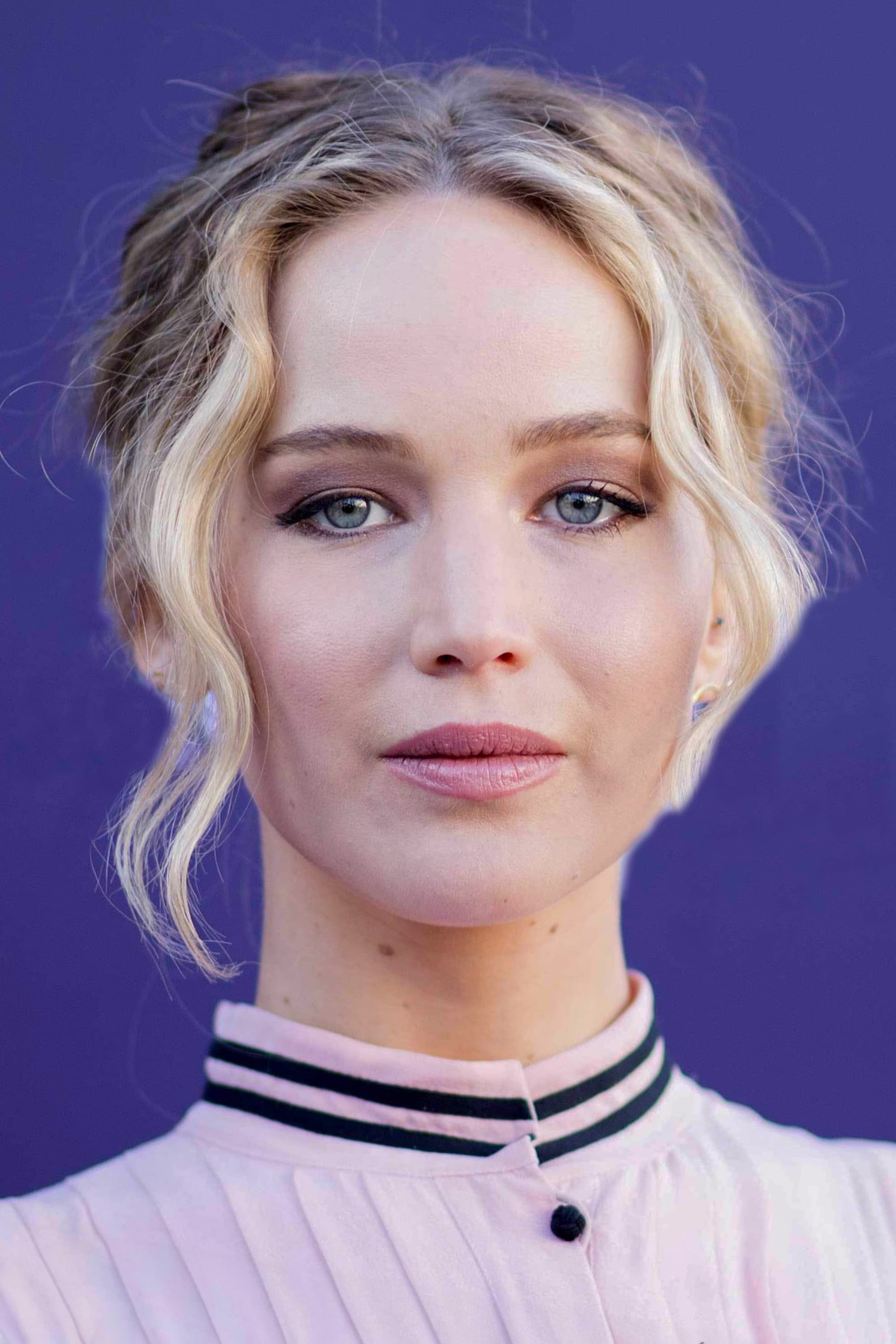
Jennifer Lawrence described being ordered to do a nude lineup during an early casting process and being told to lose weight in unhealthy ways. She explained how those experiences affected her sense of safety and agency at work.
Lawrence later spoke about pay disparities and about the difficulty of negotiating when producers control access to projects. She has supported efforts to remove nondisclosure clauses that silence discussions of harassment and to require independent HR reporting lines on productions.
Charlize Theron
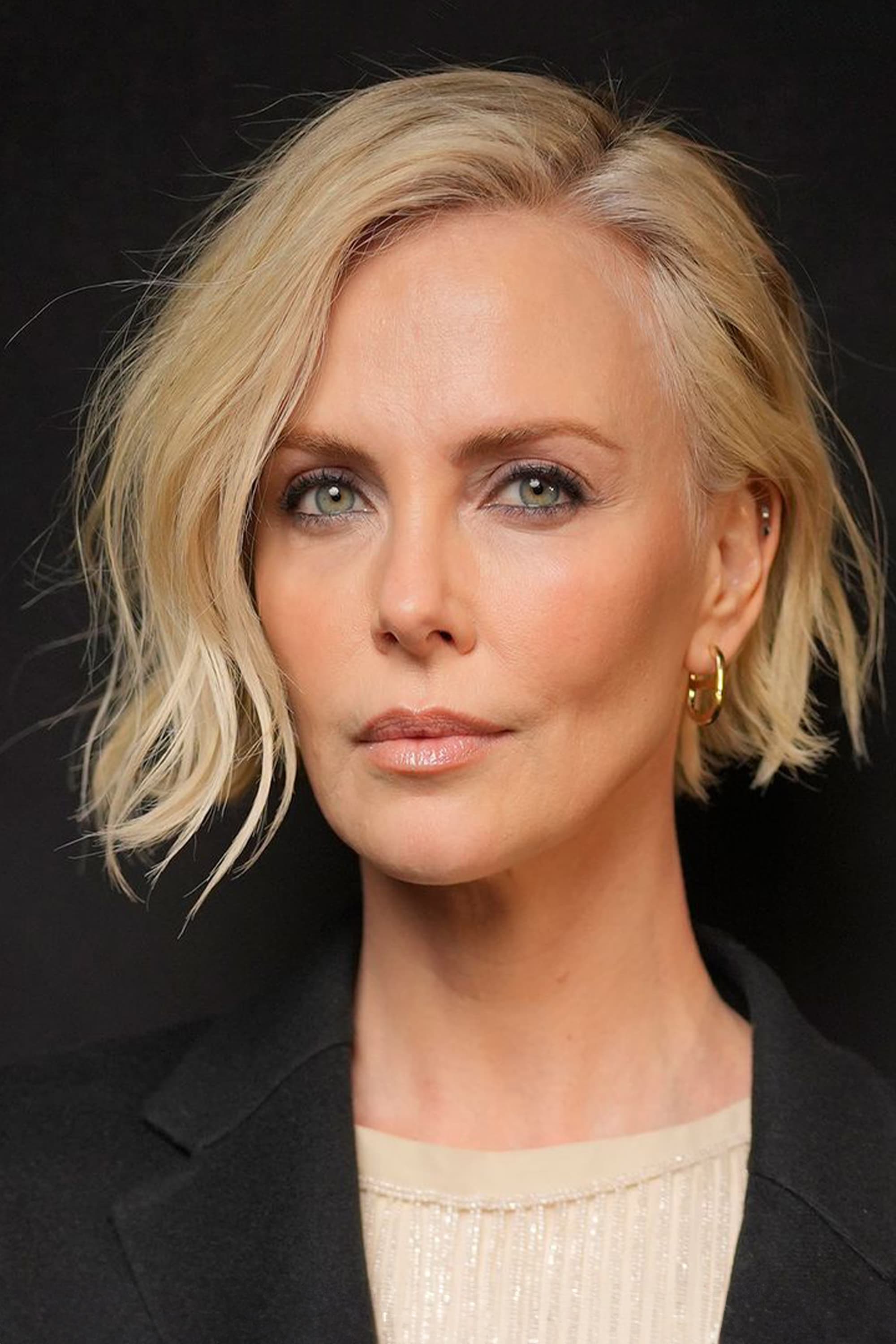
Charlize Theron has spoken about a meeting in which a man in power made sexual advances during what was presented as an audition. She left, documented the incident, and later used interviews to explain how coercion is often framed as part of getting a role.
Theron has supported training programs that teach performers how to exit unsafe meetings and how to report without fear of retaliation. She also pressed for background checks and for studios to track substantiated complaints when rehiring collaborators.
Kate Winslet
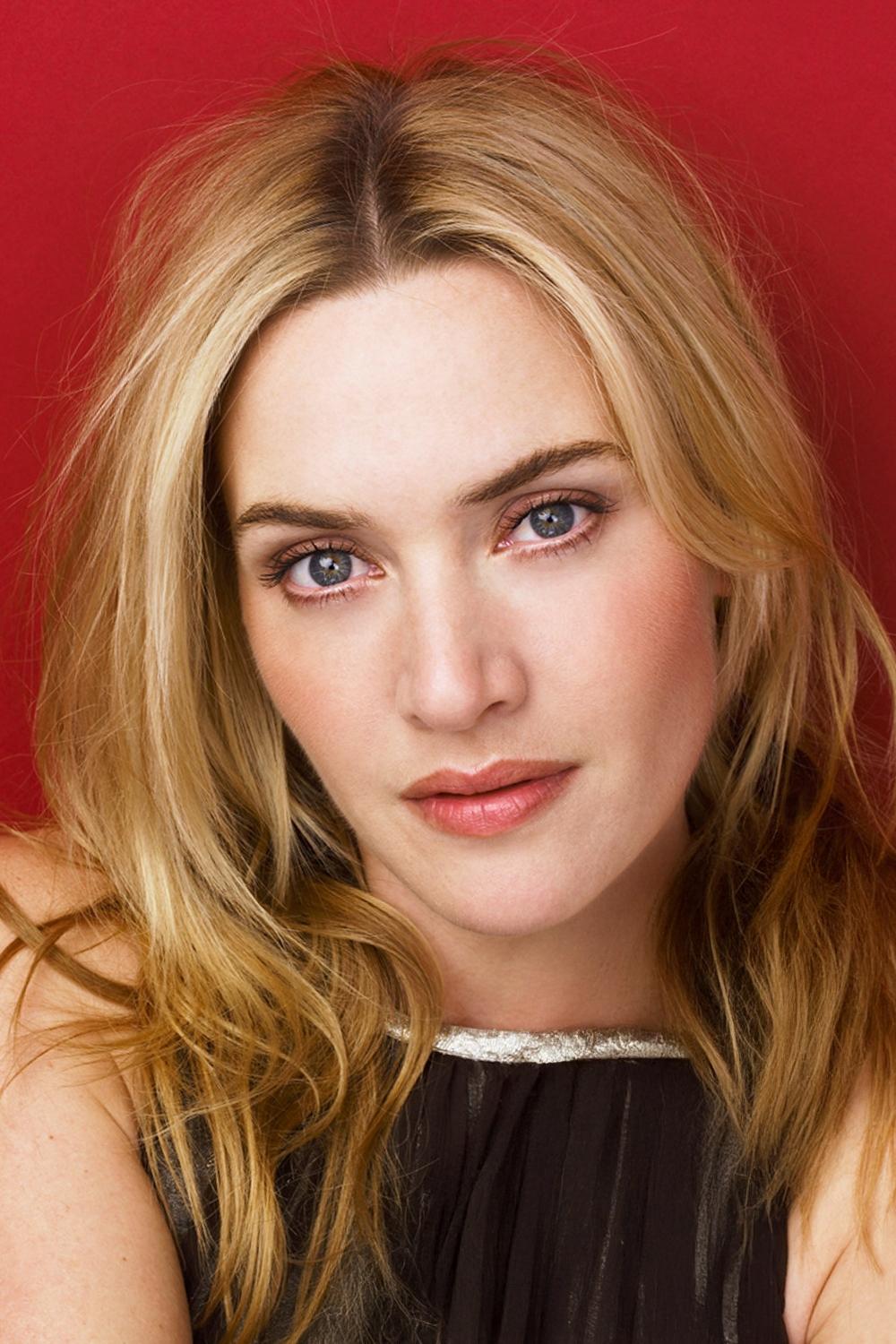
Kate Winslet has described pressure to lose weight and criticism of her body from industry figures at the start of her career. She also explained why she refused to publicly thank a producer during a major awards speech for ‘The Reader’.
Winslet urged young actors to insist on chaperones for sensitive meetings and to keep written records after uncomfortable encounters. She has worked with organizations that encourage studios to adopt clear anti bullying policies alongside anti harassment rules.
Uma Thurman
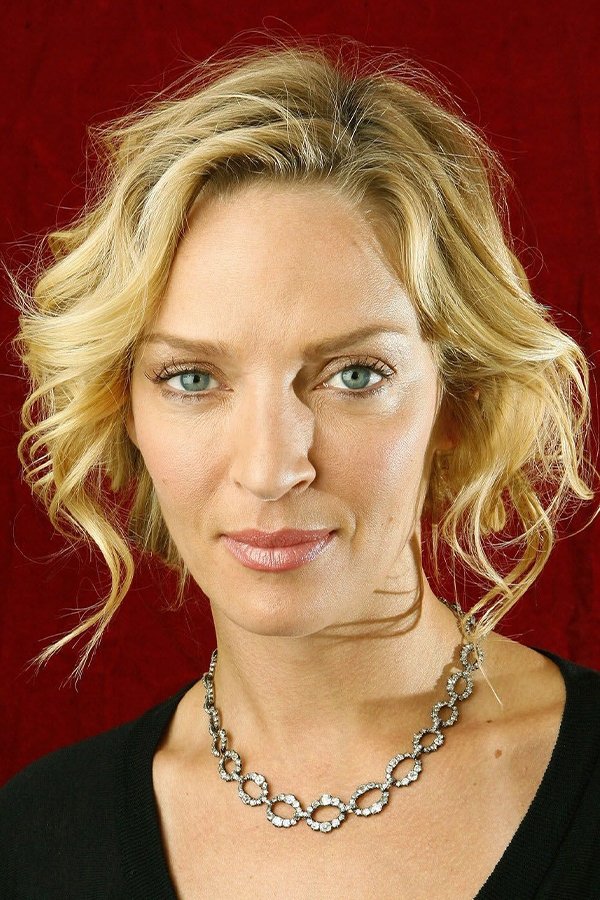
Uma Thurman described a serious on set car crash during ‘Kill Bill’ that left her injured and said she was pressured to perform the stunt. She later received footage of the crash and used it to press for accountability around set safety.
Thurman also recounted harassment by a producer and detailed the steps she took to protect herself on subsequent projects. Her account prompted discussions about stunt protocols, consent around dangerous work, and the documentation actors should receive before performing risky scenes.
Annabella Sciorra

Annabella Sciorra accused a producer of rape and testified about the assault during a high profile criminal trial. She described the intimidation that followed and the impact on her career.
Her testimony helped prosecutors establish patterns of behavior across multiple accusers. Even as legal results shifted over time, her detailed account remained part of the public record and continued to inform how investigators evaluate historical allegations.
Kate Beckinsale
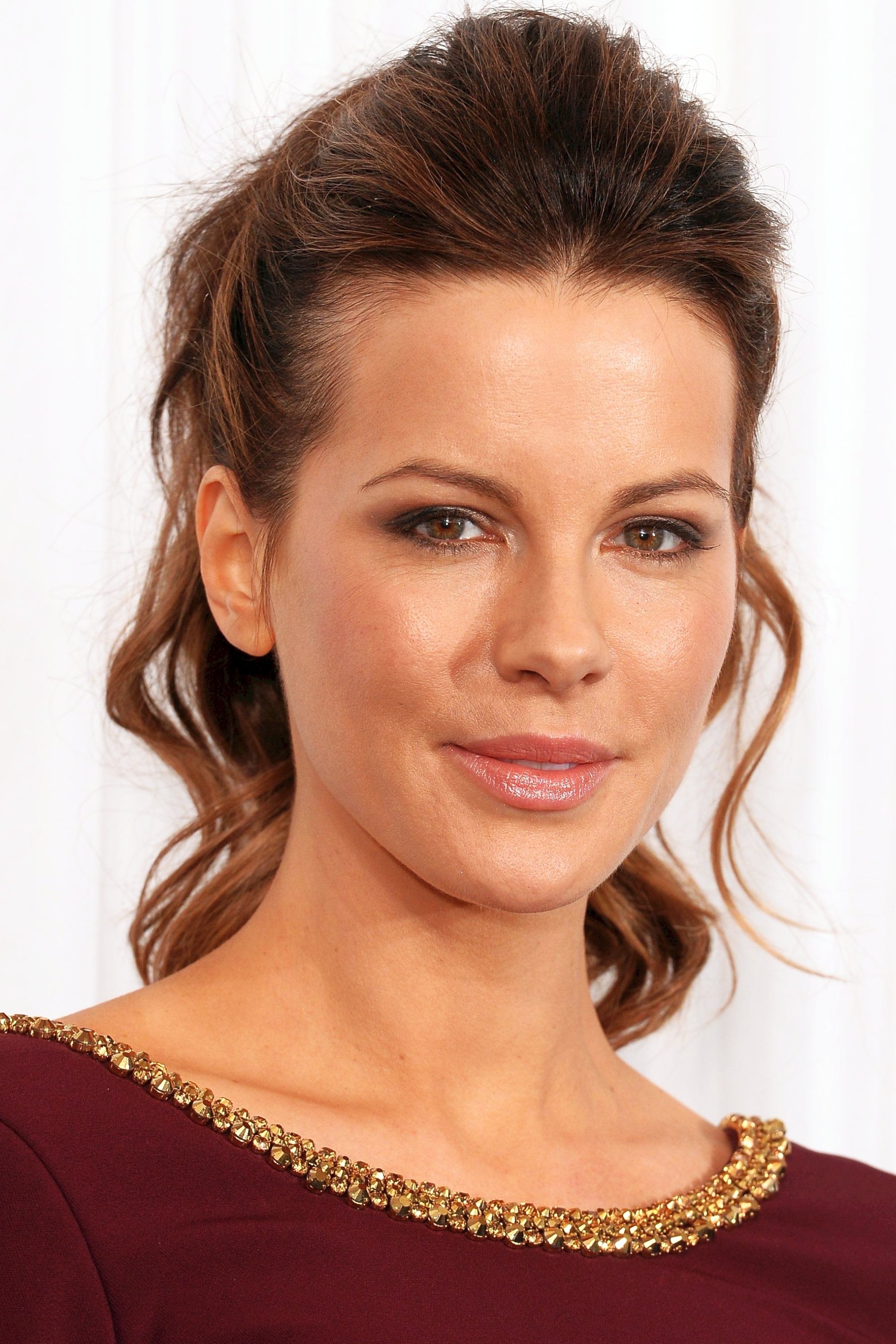
Kate Beckinsale said she was called to a hotel room by a producer when she was a teenager and offered alcohol before a meeting. She described how she left the situation and later chose to avoid private meetings in similar settings.
Beckinsale has urged studios to end hotel suite meetings and to provide office spaces with windows and sign in procedures for all talent sessions. She has also encouraged young performers to bring a guardian or representative to early career meetings.
James Van Der Beek
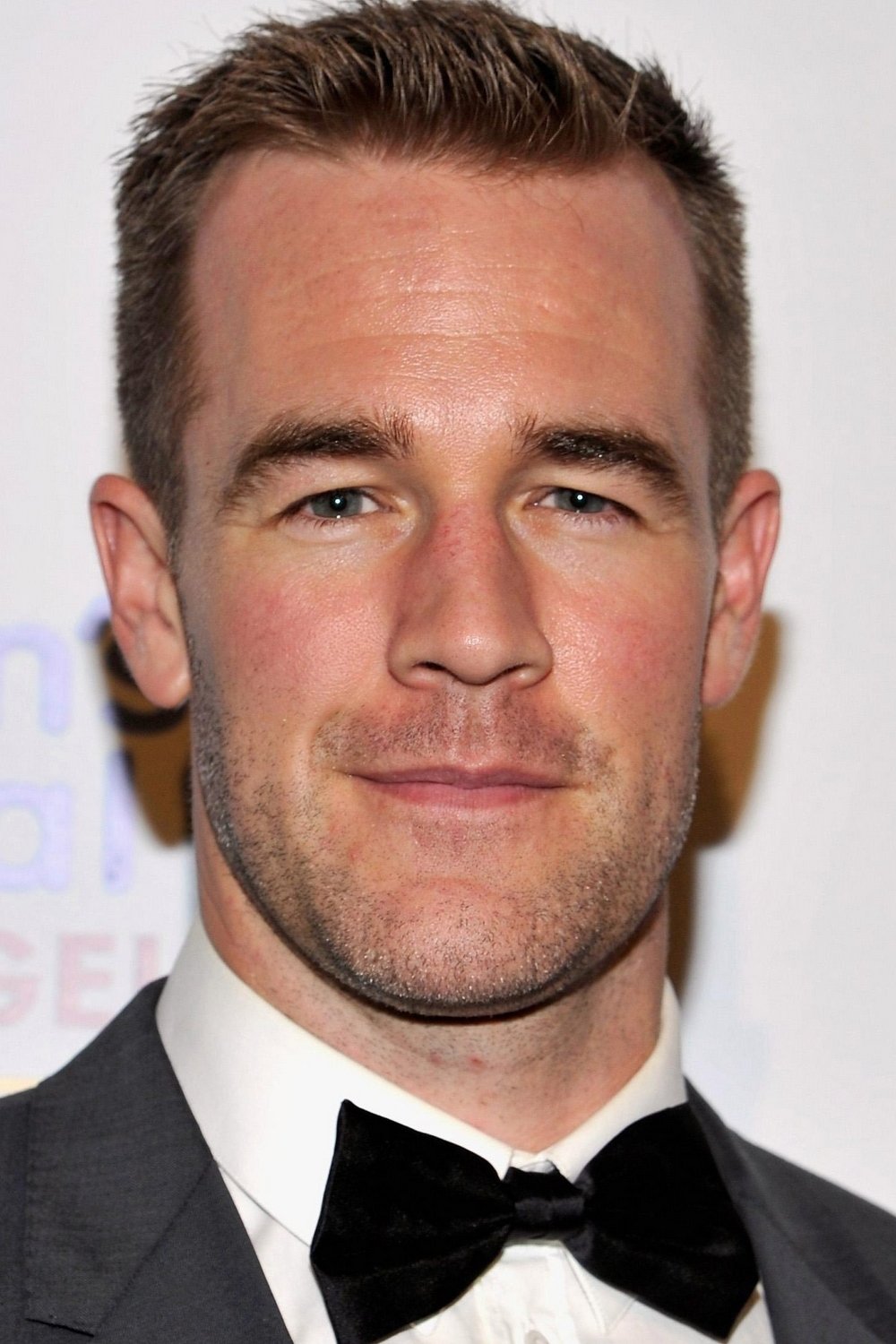
James Van Der Beek revealed that he had been groped by older, powerful men in the industry. He explained why he initially stayed silent and how fear of retaliation and embarrassment can keep male victims from reporting.
He used his platform to show that harassment cuts across gender and status. He urged unions to collect anonymous data from men and women alike and to publish aggregate findings so workers can see the scope of the problem without outing themselves.
Thandiwe Newton

Thandiwe Newton has described being abused during an audition as a teenager and said a director later showed the tape to colleagues. She documented the incident and spoke about how the humiliation affected her career choices.
Newton has pressed for recorded consent procedures in audition rooms and for a ban on sexually explicit improvisation requests without prior written notice. She has urged casting offices to adopt transparent rules that protect young actors.
Megan Fox

Megan Fox has talked about feeling sexualized and unsafe during early career experiences, including stories that were treated as jokes on talk shows. She later clarified details of a well known anecdote and pointed to the broader pattern of how young women are framed in marketing and publicity.
Fox connected these experiences to the reception of ‘Jennifer’s Body’, explaining how ridicule and hostility discouraged conversations about consent and agency. She has since emphasized the need for studios and publicity teams to rethink how they package teenage sexuality and to protect performers during press tours.
Elliot Page
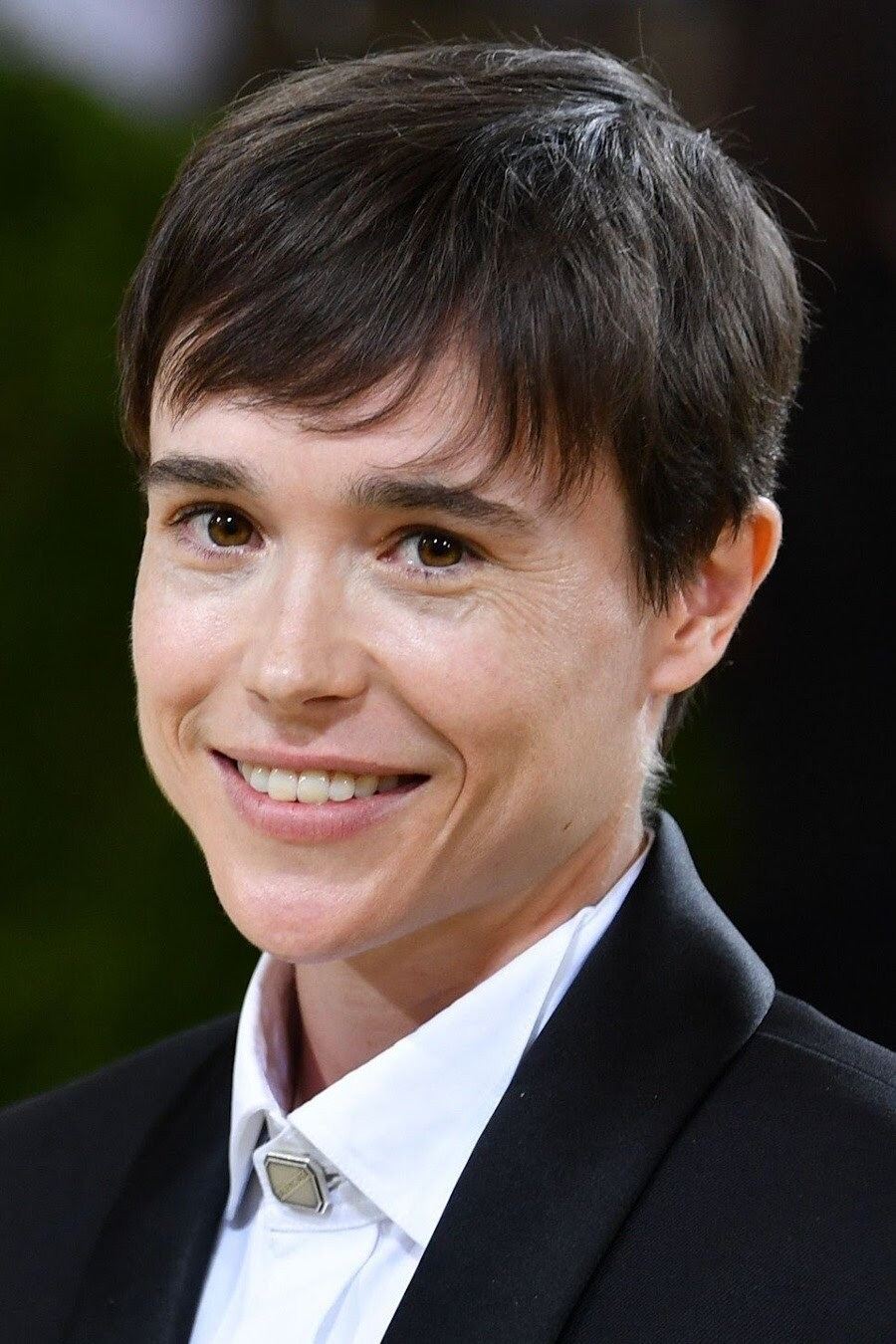
Elliot Page wrote that a producer outed him on the set of ‘X Men: The Last Stand’ and made derogatory comments. He described the long term impact on his mental health and career and how silence was encouraged.
Page has supported stronger on set conduct rules and urged studios to create clear consequences for homophobic and transphobic harassment. He also highlighted the need for third party reporting channels that bypass producers who control hiring.
Jane Fonda
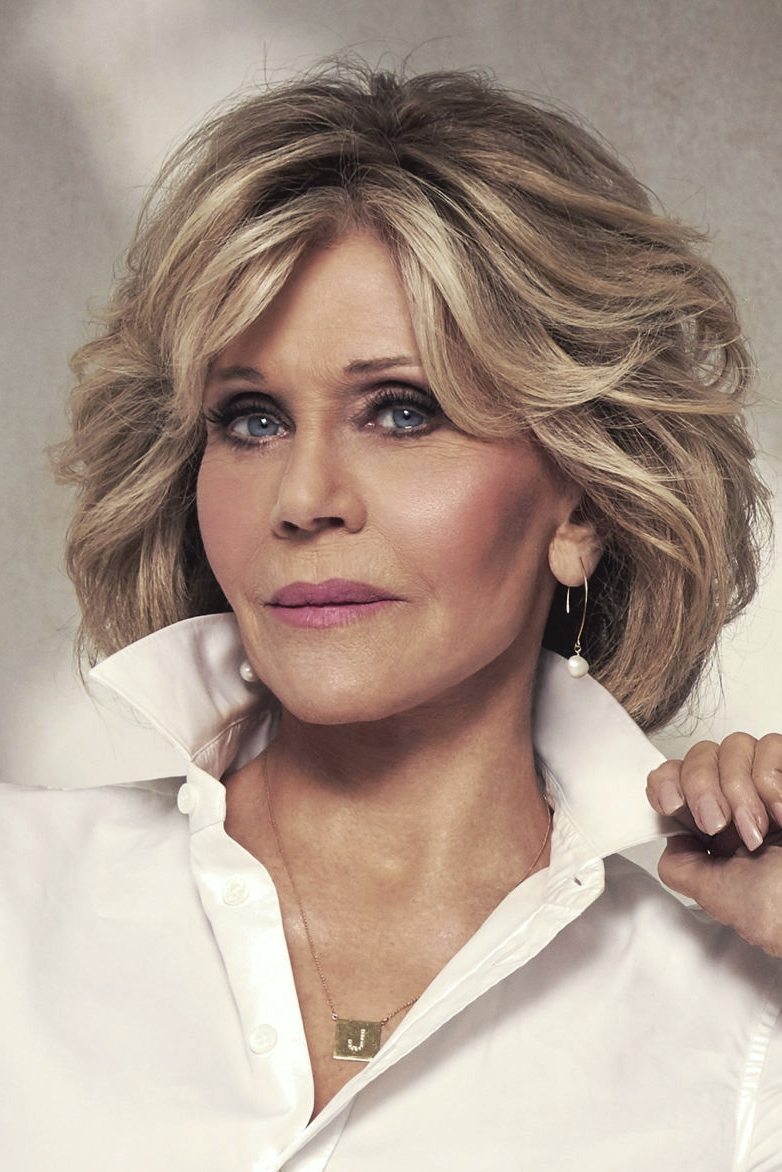
Jane Fonda has said she learned of a sexual assault against a young actress years before the wider public did and did not speak out at the time. She explained why she later chose to use her platform to advocate for survivors.
Fonda connected harassment to ageism and pay inequity that push women out of the business. She has supported worker led movements that demand safe reporting structures, fair pay scales, and representation in decision making roles.
Gemma Arterton

Gemma Arterton described receiving unwanted attention from a producer and getting repeated instructions to lose weight while working on high profile films such as ‘Prince of Persia’. She said she requested a chaperone on set and kept her distance during press events.
Arterton has worked with campaigns that promote dignity at work and that encourage studios to enforce anti harassment clauses. She also called for stronger protections in casting, including written briefs that ban surprise requests for sexualized auditions.
Brad Pitt
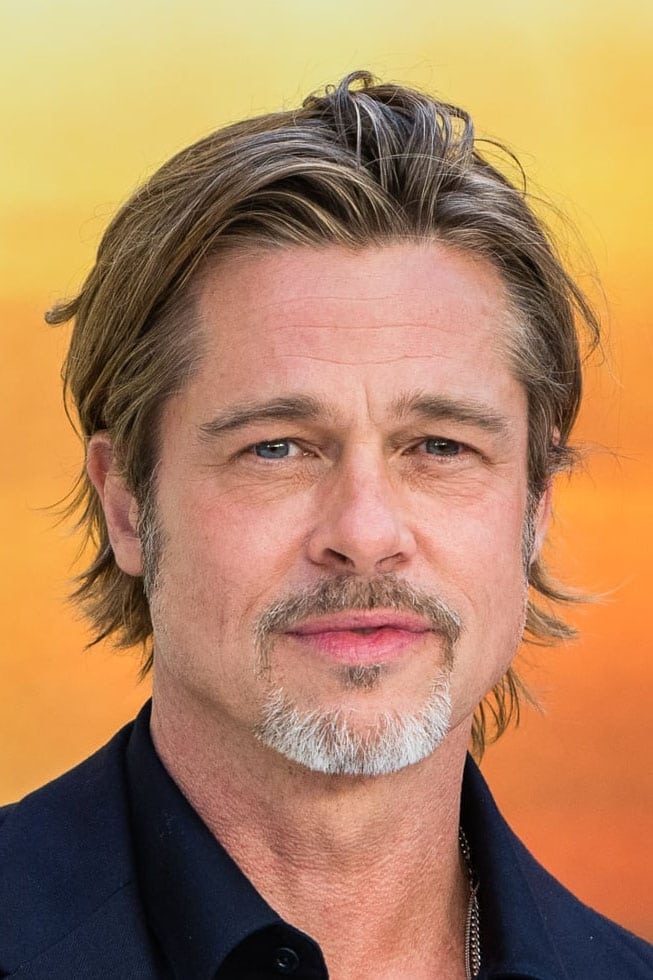
Brad Pitt confronted a producer after learning that his partner had been harassed and delivered a warning in person. He later used his production company to support projects that chronicle investigative reporting, including ‘She Said’.
Pitt has spoken about using producer status to set expectations for conduct on his own projects. He has supported policies that keep meetings in professional spaces and that put safety and documentation ahead of informal access to power.
Share your thoughts about which accounts changed your view of the industry in the comments.

