


Actors Who Sued Productions—And What the Courts Decided


Hollywood history is full of behind-the-scenes battles over contracts, credit, and compensation. Sometimes those disputes spill into court, where actors challenge studios, networks, and producers over everything from profit-participation math to abrupt firings and the use of their likeness. The results have shaped how deals are written, how shows are financed, and how streamers release films today.
Below are fifteen clear examples in which actors took productions to court (or arbitration) and got a concrete result—win, loss, dismissal, or settlement. For each case, you’ll see what triggered the suit and how the legal process ended, including awards, judgments, or confidential resolutions that changed the parties’ relationship going forward.
Scarlett Johansson

Johansson sued Disney after the day-and-date release of Marvel’s ‘Black Widow’, alleging the company’s streaming rollout breached her theatrical-based compensation structure. The complaint focused on how Premier Access could reduce box-office receipts tied to backend bonuses and sought damages for the alleged shortfall.
The parties reached a confidential settlement following public filings and statements. After the resolution, both sides indicated they would continue to work together on future projects unrelated to ‘Black Widow’, and no further litigation followed from this dispute.
Olivia de Havilland

De Havilland sued Warner Bros. over long-term studio contracts that were extended by suspensions, arguing that California’s seven-year rule limited personal-services contracts to seven calendar years regardless of suspension time. Her case directly challenged standard studio-era practices that kept actors bound beyond seven years.
A California appellate court ruled in her favor, establishing what is widely known as the “De Havilland Law.” The decision curtailed studios’ ability to extend contracts through suspensions and became a cornerstone for how performer agreements are structured in California.
Kim Basinger
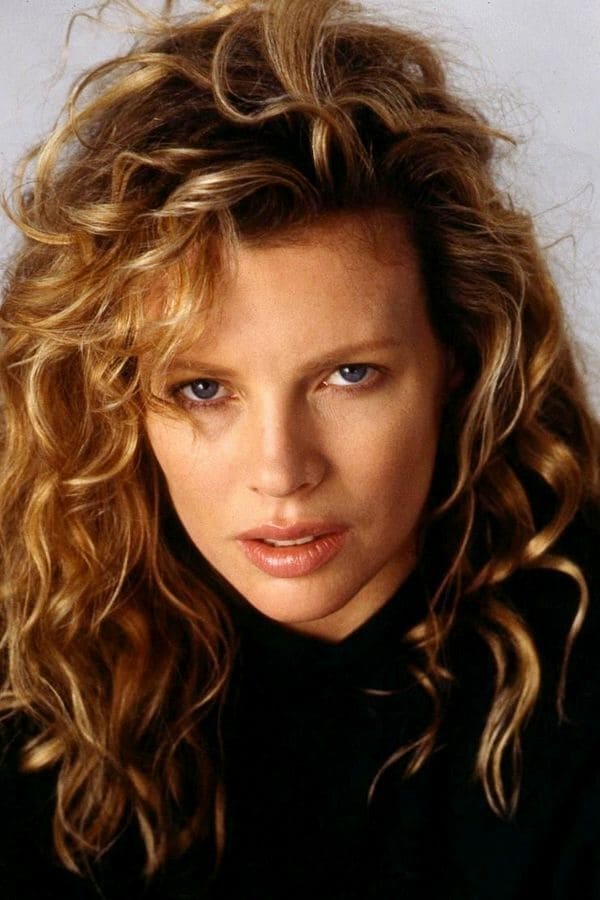
Basinger withdrew from ‘Boxing Helena’ after preliminary attachments, leading to a lawsuit over whether she had a binding commitment to star. A jury initially returned a substantial verdict against her, concluding that the producers relied on her agreement to finance and market the project.
An appellate court later ordered a new trial, and the parties settled for an undisclosed amount before retrial. The outcome reinforced how crucial it is to define when an actor’s attachment becomes a binding obligation and how such commitments affect financing.
Crispin Glover
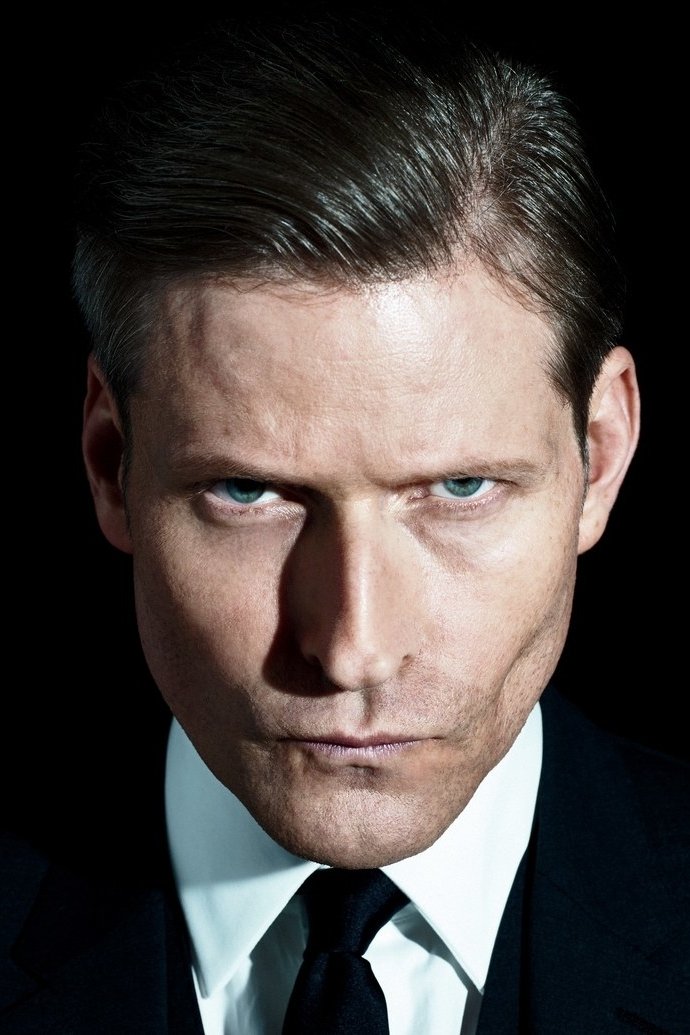
After Glover did not return for ‘Back to the Future Part II’, the production used a look-alike with prosthetics to imitate his character’s face and performance. Glover sued, alleging unauthorized use of his likeness and unfair competition tied to the substitution without consent.
The case settled, and the controversy prompted updates to union rules and production practices concerning simulated likenesses. Those changes inform how productions now handle doubles, archival material, and facial prosthetics when an actor is not engaged.
David Duchovny
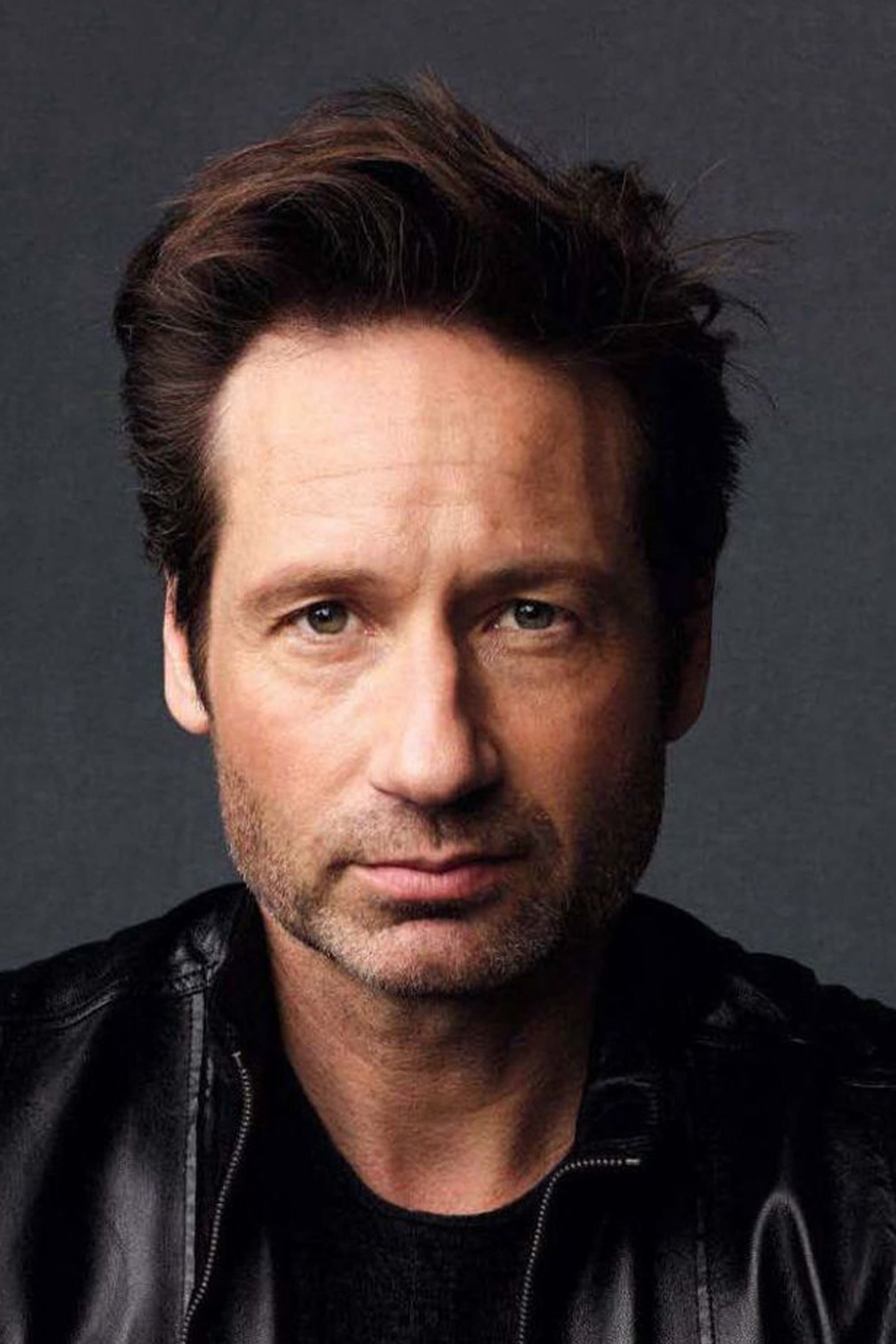
Duchovny sued over profit participation tied to ‘The X-Files’, alleging self-dealing and internal licensing arrangements that depressed his share. The complaint focused on distribution practices among affiliated entities and how revenue was accounted for across platforms.
The parties settled, ending the litigation without a trial. Following the settlement, compensation terms for related projects were clarified through updated agreements, and the franchise continued with defined accounting provisions.
Emily Deschanel and David Boreanaz
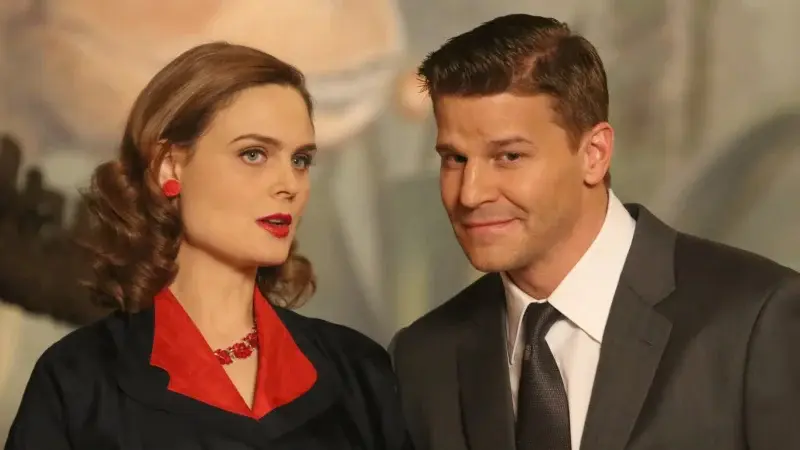
The stars of ‘Bones’ joined other profit participants in claims that related-party deals and accounting practices underpaid them. The dispute proceeded through arbitration, where the arbitrator issued a significant award that included compensatory damages and, at one stage, punitive components.
Subsequent court proceedings partly modified the award after challenges, and the litigation ultimately concluded with a confidential global settlement. The resolution closed years of disputes over backend definitions and set clearer expectations for participation statements on long-running series.
Charlie Sheen
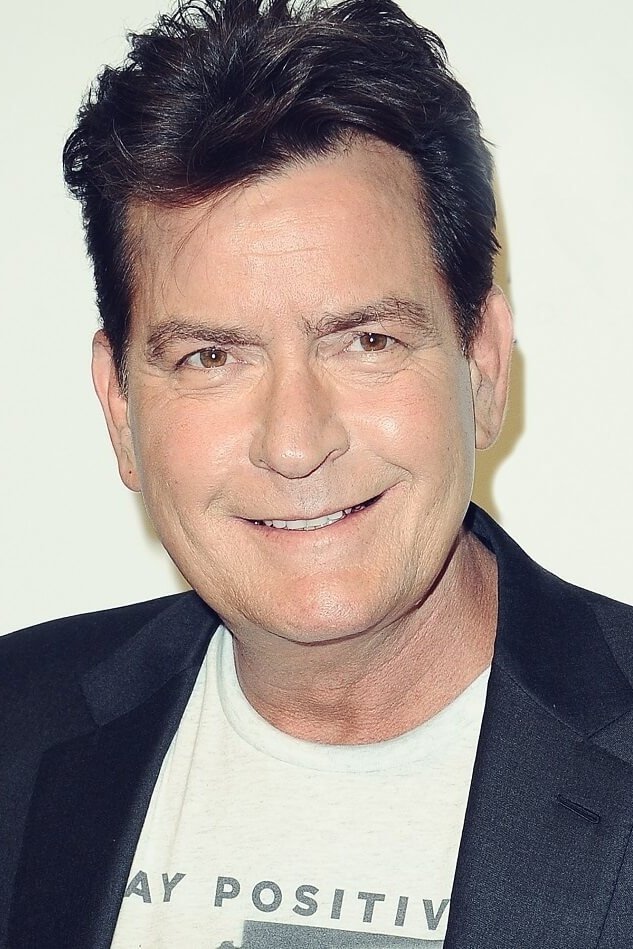
After his removal from ‘Two and a Half Men’, Sheen sued the studio and producer over termination and compensation tied to produced episodes and backend. His filings sought damages for alleged contract breaches and for interference with income connected to the series.
The case settled the same year it was filed. Sheen received a payment covering contested amounts, the show continued with a new lead, and the parties ended the dispute without further court proceedings.
Sylvester Stallone
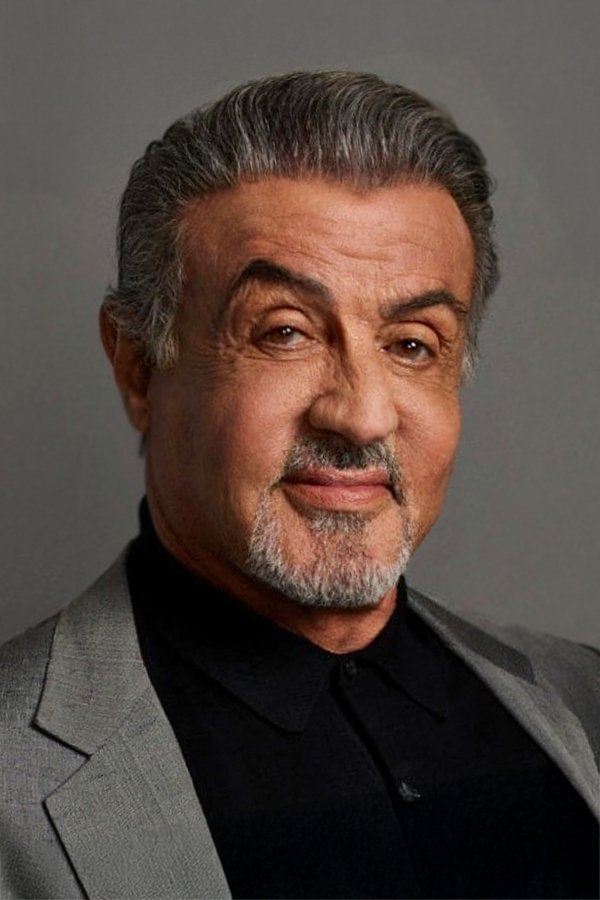
Stallone sued the studio behind ‘Demolition Man’, alleging underpayment of contingent compensation from home-video, television, and other exploitation avenues. Audit findings cited in the complaint identified shortfalls relative to his participation terms.
The dispute settled confidentially, with no trial. The matter highlighted how participation audits can uncover differences in accounting and led to closer monitoring of revenue streams on catalogue titles.
Harry Shearer (with Christopher Guest, Michael McKean, and Rob Reiner)
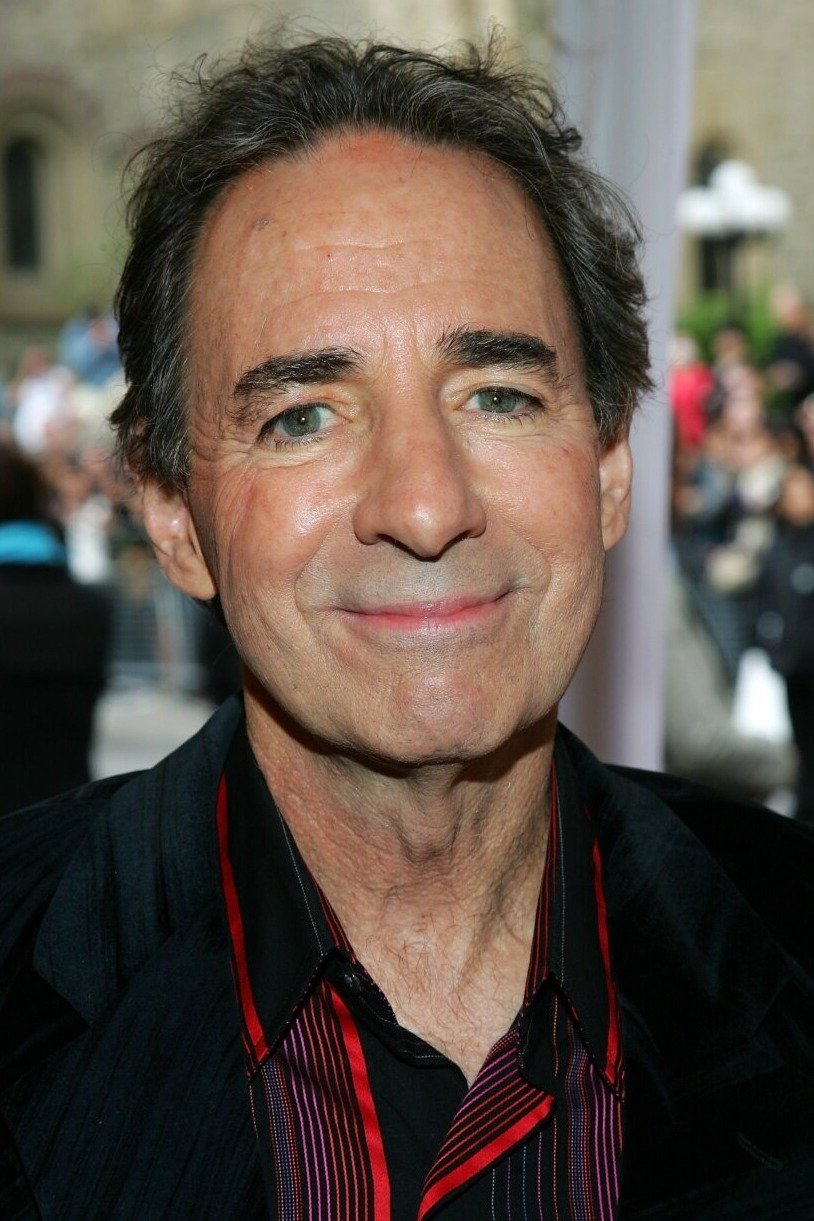
Shearer and collaborators alleged they had received minimal income from ‘This Is Spinal Tap’ despite long-term exploitation of the film, music, and merchandise. The claims targeted underreporting and the administration of rights across company affiliates.
The parties settled, and rights administration and revenue participation were revised under the agreement. The settlement clarified income flows from the film and its music catalogue and concluded the litigation.
The ‘Dukes of Hazzard’ Stars
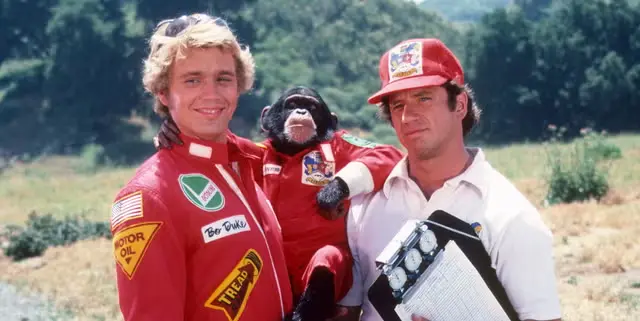
John Schneider and Tom Wopat sued over alleged unpaid merchandise royalties and proceeds tied to ‘The Dukes of Hazzard’. Their complaint pointed to contract language granting them a share of profits from licensed products and ongoing re-releases.
The parties settled after discovery and pretrial motions, and the case was dismissed pursuant to the agreement. The resolution led to tightened royalty-tracking procedures and updated reporting provisions for similar franchise merchandising.
Don Johnson
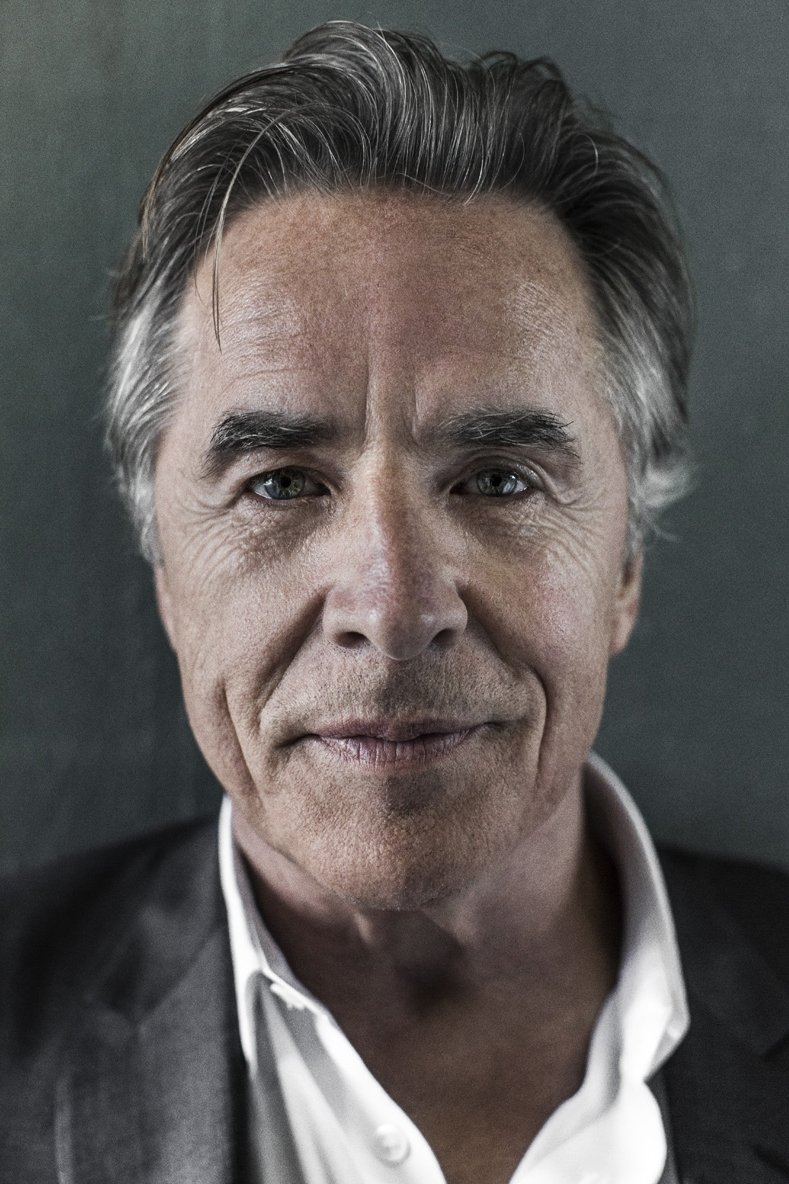
Johnson sued over profits from ‘Nash Bridges’, arguing that his contract granted him a creator-level percentage of net proceeds. A jury found in his favor and awarded a substantial sum, which led to post-trial motions and additional negotiations among related entities.
Parts of the judgment were upheld on appeal, and the litigation concluded with payments reflecting the jury’s findings and subsequent settlements. The case became a reference point for how creator and star participation can be enforced on long-running series.
Ingo Rademacher

Following his exit from ‘General Hospital’, Rademacher sued the production and network, alleging religious discrimination and related violations tied to the show’s vaccination policy. He sought damages and equitable relief, stating that his requested accommodation was improperly denied.
The court granted summary judgment for the defendants, dismissing the claims. The decision concluded the case in the production’s favor and left the vaccination policy intact for the workplace at issue.
Valerie Harper
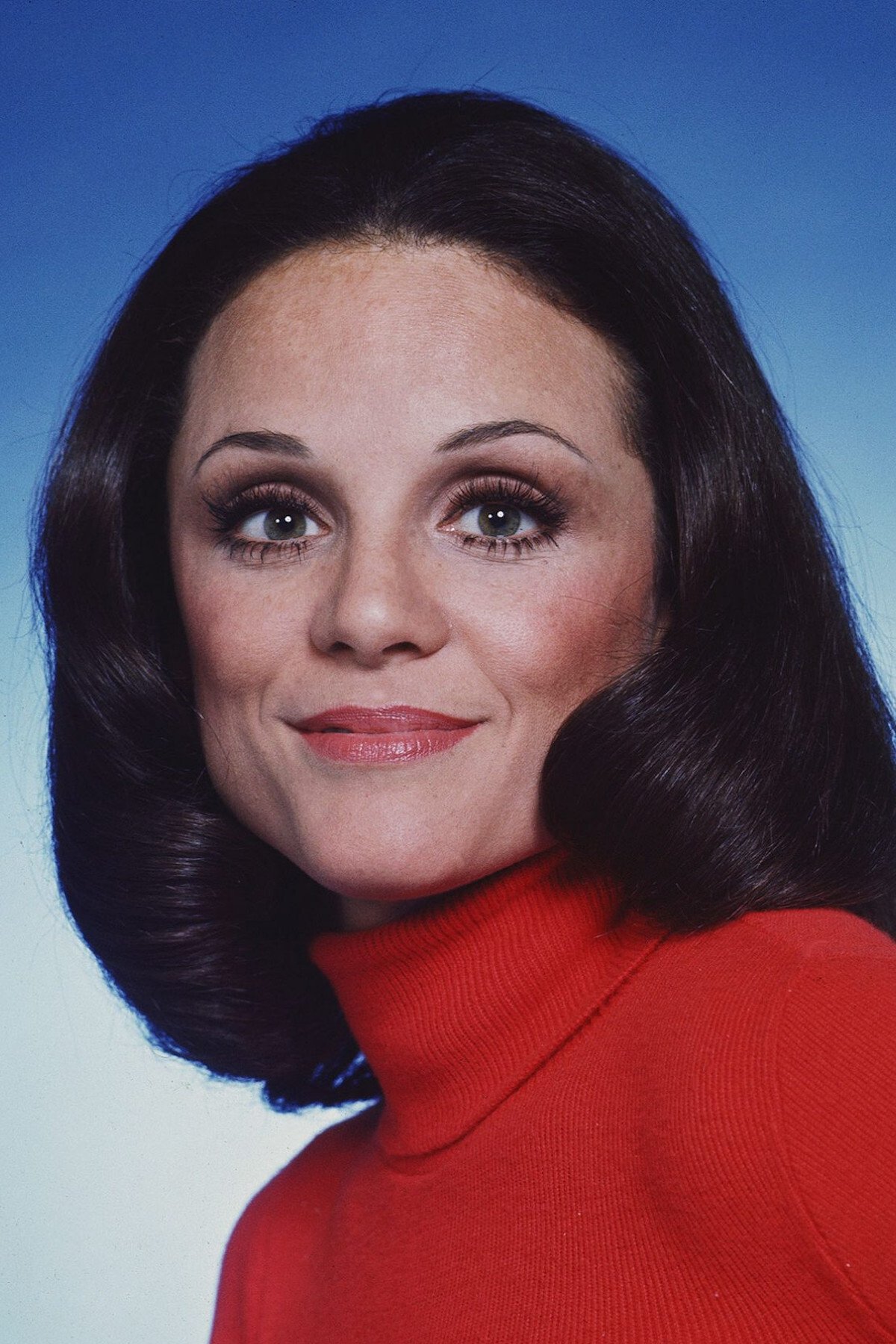
After her 1988 firing from the sitcom ‘Valerie’, which the studio continued under the new title ‘The Hogan Family’, Harper brought claims for breach of contract and related violations tied to her compensation and role. The dispute proceeded to arbitration under the agreement’s dispute-resolution clause.
The arbitrator awarded her significant damages, and a court later confirmed the award. The result established that her contractual protections for pay and credit remained enforceable despite the show’s retooling and the replacement of its lead.
The ‘Modern Family’ Cast

Adult cast members of ‘Modern Family’ sued to void their personal-services contracts, invoking California’s seven-year statute to challenge multi-season commitments. Their suit sought declaratory relief and leveraged the series’ production timetable.
The parties reached a settlement within days. The actors signed new agreements with salary increases and adjusted term language, and production resumed on schedule under the revised contracts.
Christopher Tierney

Tierney, an actor-dancer injured during a performance of the Broadway musical ‘Spider-Man: Turn Off the Dark’, sued various production entities after a widely reported onstage fall. His claims addressed safety protocols, harness practices, and responsibility among multiple contractors involved in the show’s technical operations.
The parties settled confidentially, and the case was dismissed pursuant to the agreement. The incident led to strengthened safety procedures for aerial work and stunts in live stage productions, clarifying how duties are allocated among producers and vendors.
Share your take on the most consequential case in the list—add your thoughts in the comments.

