


Actors Who Won’t Do Method Acting

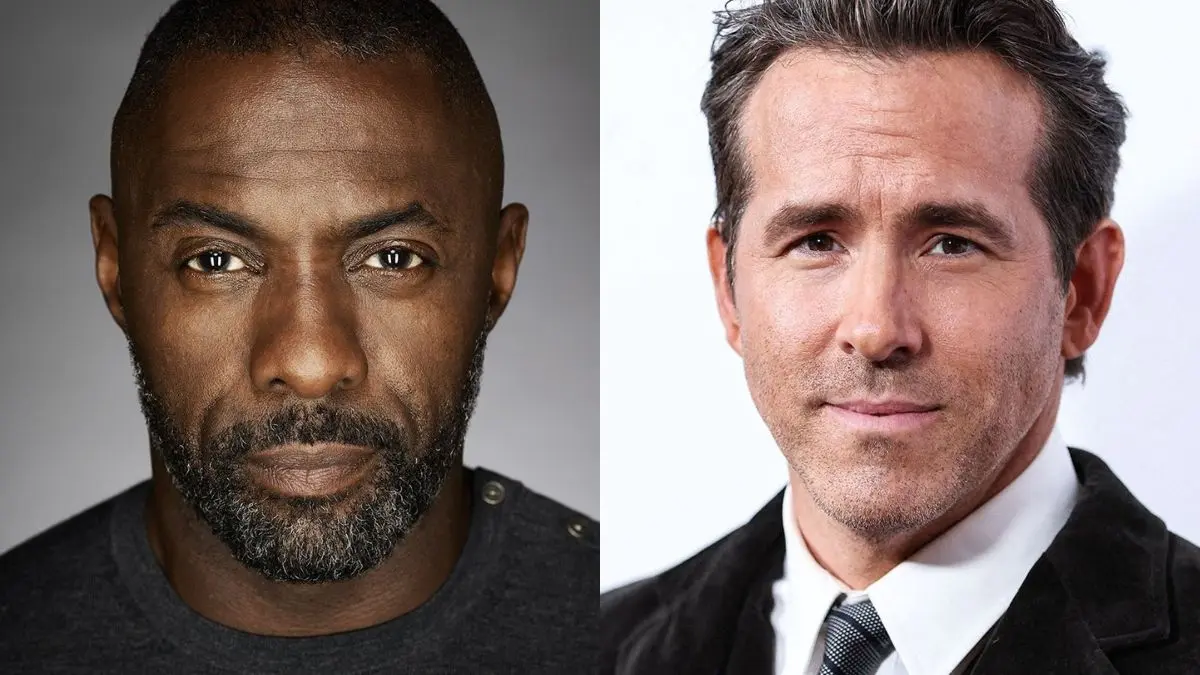


Some actors are open about skipping method acting in favor of craft they can turn on and off. They train, rehearse, and build characters with research and technique, then go home as themselves. This approach keeps sets calm and collaborative and it helps crews stick to schedules. Here are well known male actors who have spoken clearly about not working in a method style and how they get strong results without staying in character between takes.
Anthony Hopkins
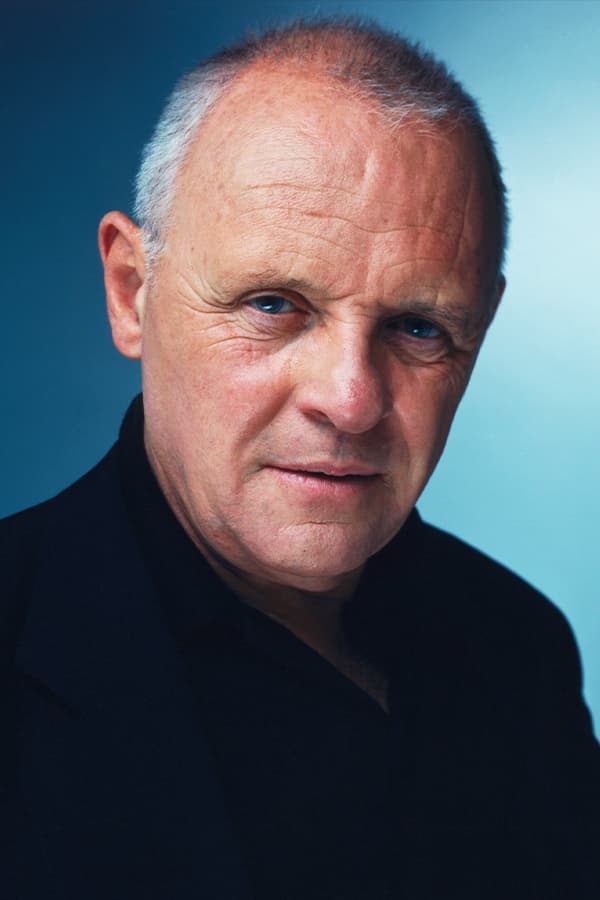
Anthony Hopkins has said he does not use method and relies on text work and precise preparation. He studies scripts extensively and marks beats to keep emotional shifts clear on set. His approach focuses on clarity of intention rather than living as the character off camera. He has maintained this style across films like ‘The Silence of the Lambs’ and ‘The Father’.
Ian McKellen
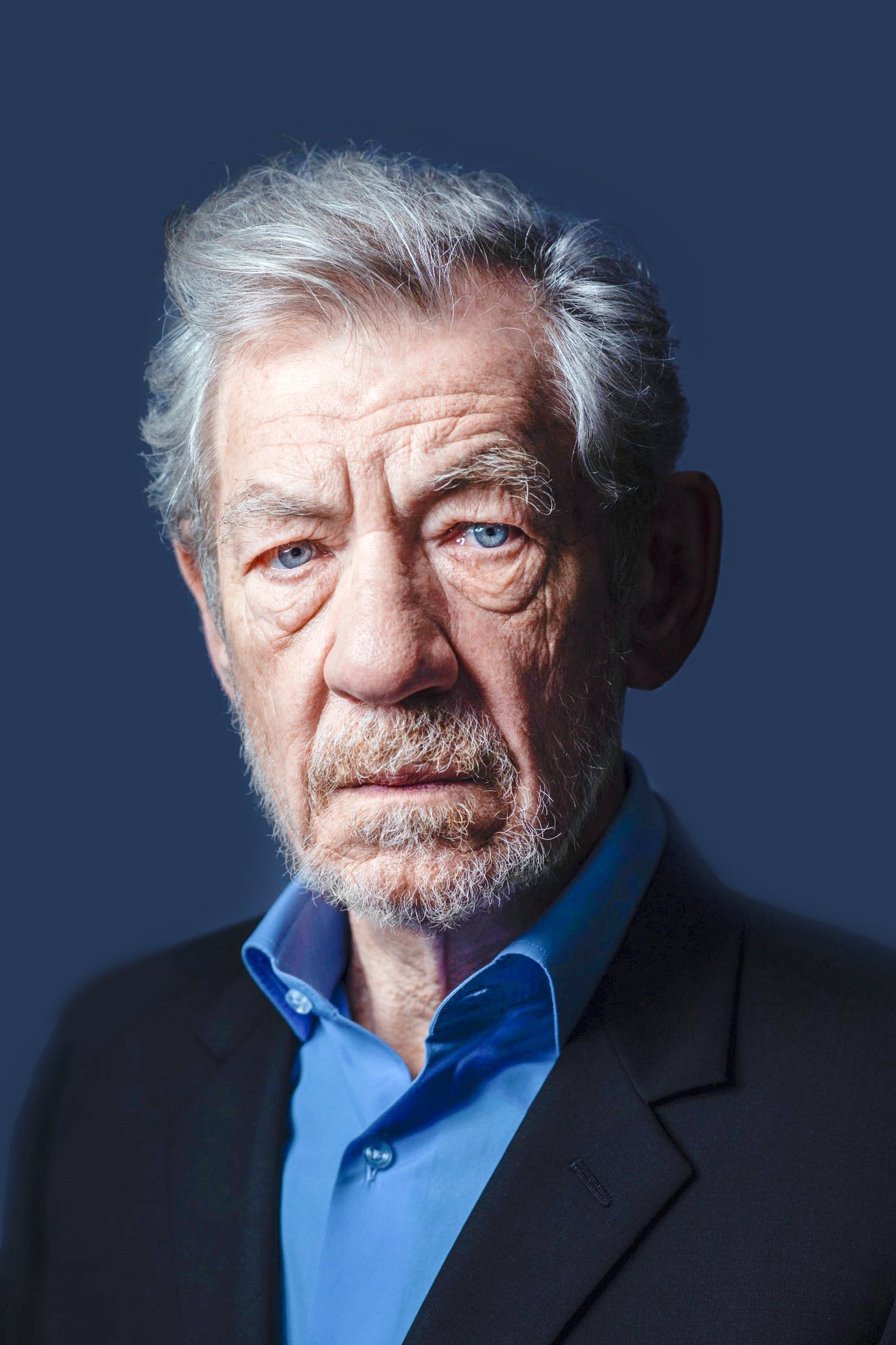
Ian McKellen has described acting as disciplined pretending rather than method immersion. He uses rehearsal and voice work to find a role’s rhythm and only performs when the camera rolls. He steps out of character between setups to collaborate with crew. Audiences know this approach from projects such as ‘The Lord of the Rings’ and ‘Gods and Monsters’.
Brian Cox
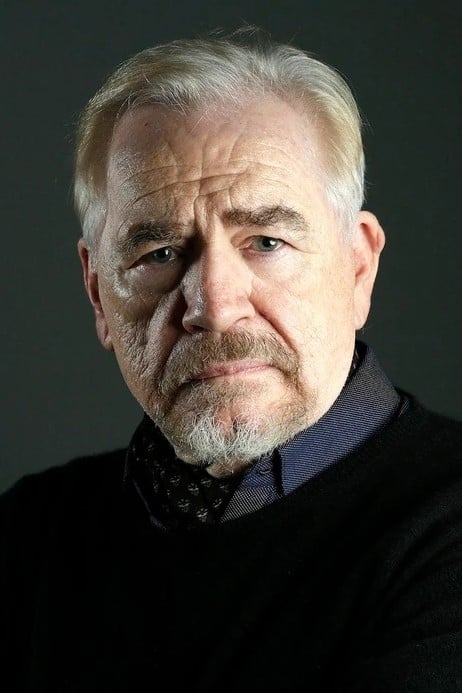
Brian Cox has publicly criticized method and favors technical craft shaped by rehearsal. He focuses on script analysis and partner work to build scenes efficiently. He prefers a relaxed set where actors can adjust quickly to direction. His approach is visible in work like ‘Succession’ and ‘Manhunter’.
Michael Caine
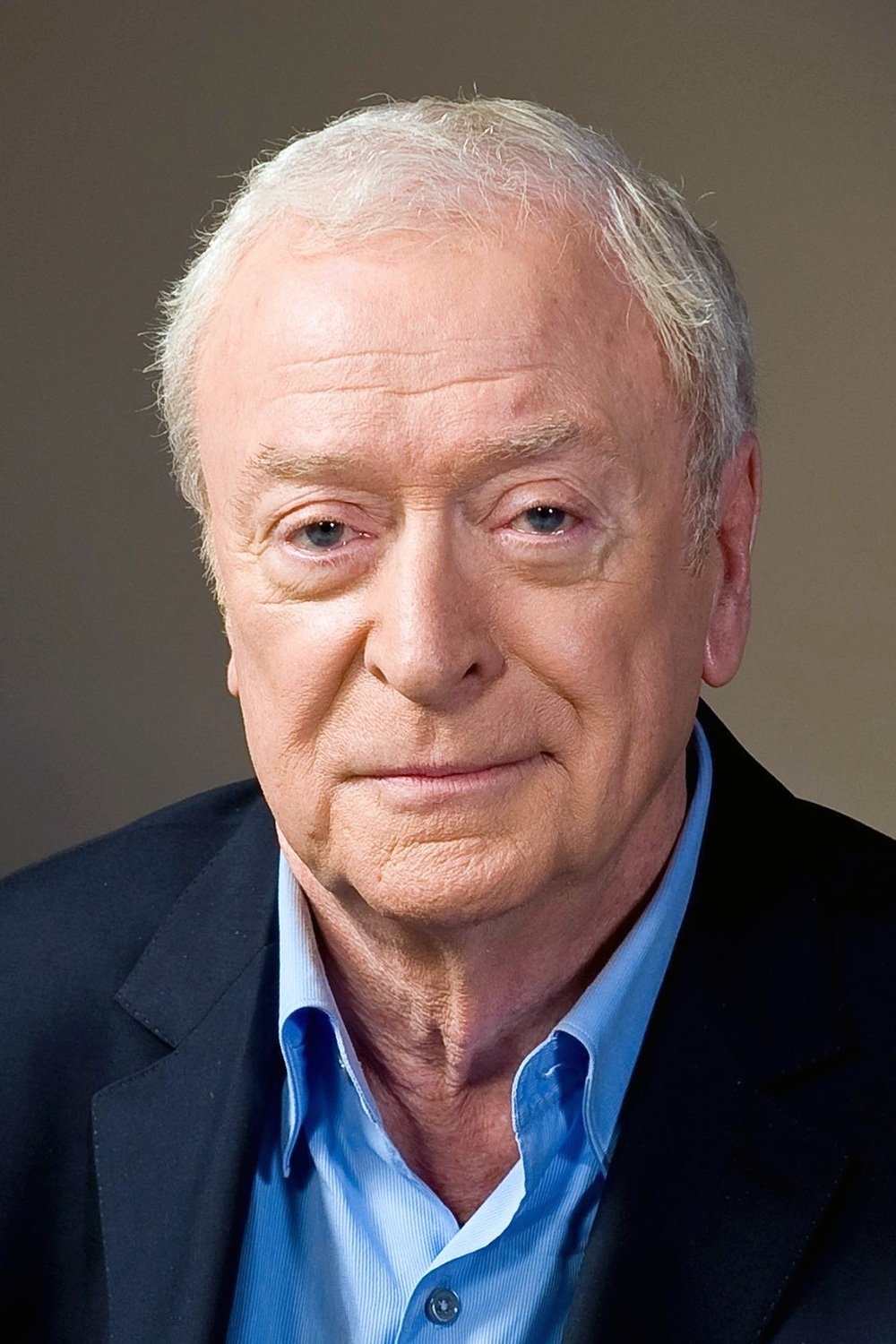
Michael Caine teaches practical, non method technique centered on listening and hitting marks. He emphasizes eye lines, breath, and camera awareness to deliver repeatable performances. He encourages actors to trust preparation instead of staying in character all day. Viewers can see this consistent craft in ‘The Cider House Rules’ and ‘The Dark Knight’.
Laurence Olivier
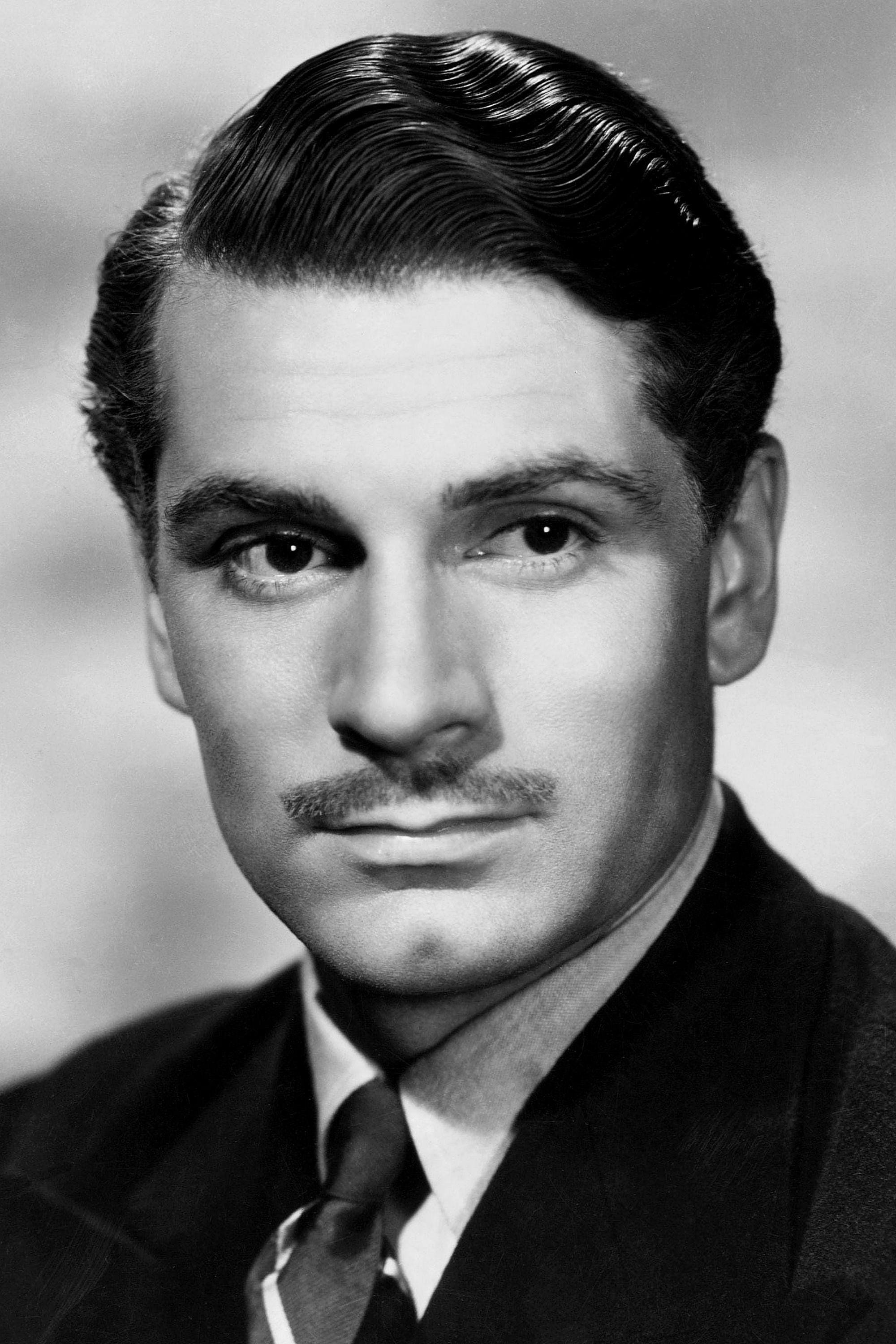
Laurence Olivier is often cited for urging colleagues to rely on technique rather than method. He built roles through vocal choices, movement, and makeup design after close reading of the text. He separated personal life from performance to protect energy on long shoots. His approach shaped classics like ‘Hamlet’ and ‘Marathon Man’.
Samuel L. Jackson
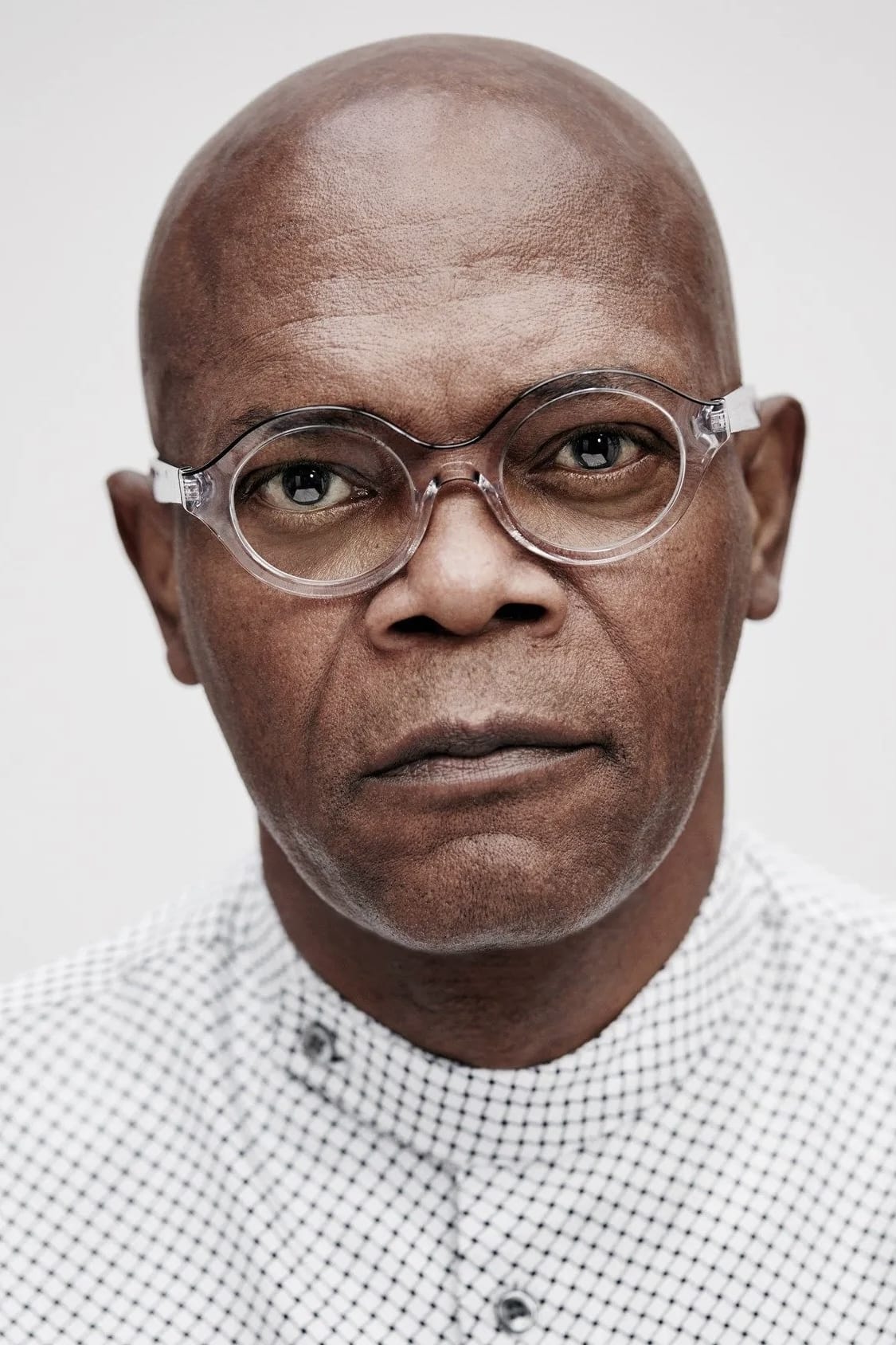
Samuel L. Jackson has said he is not a method actor and keeps the work professional between takes. He uses rehearsal to lock in tone and timing so scenes move efficiently. He values on set communication and adjusts performances to camera placement. This practice supports roles in ‘Pulp Fiction’ and ‘The Hateful Eight’.
Bryan Cranston
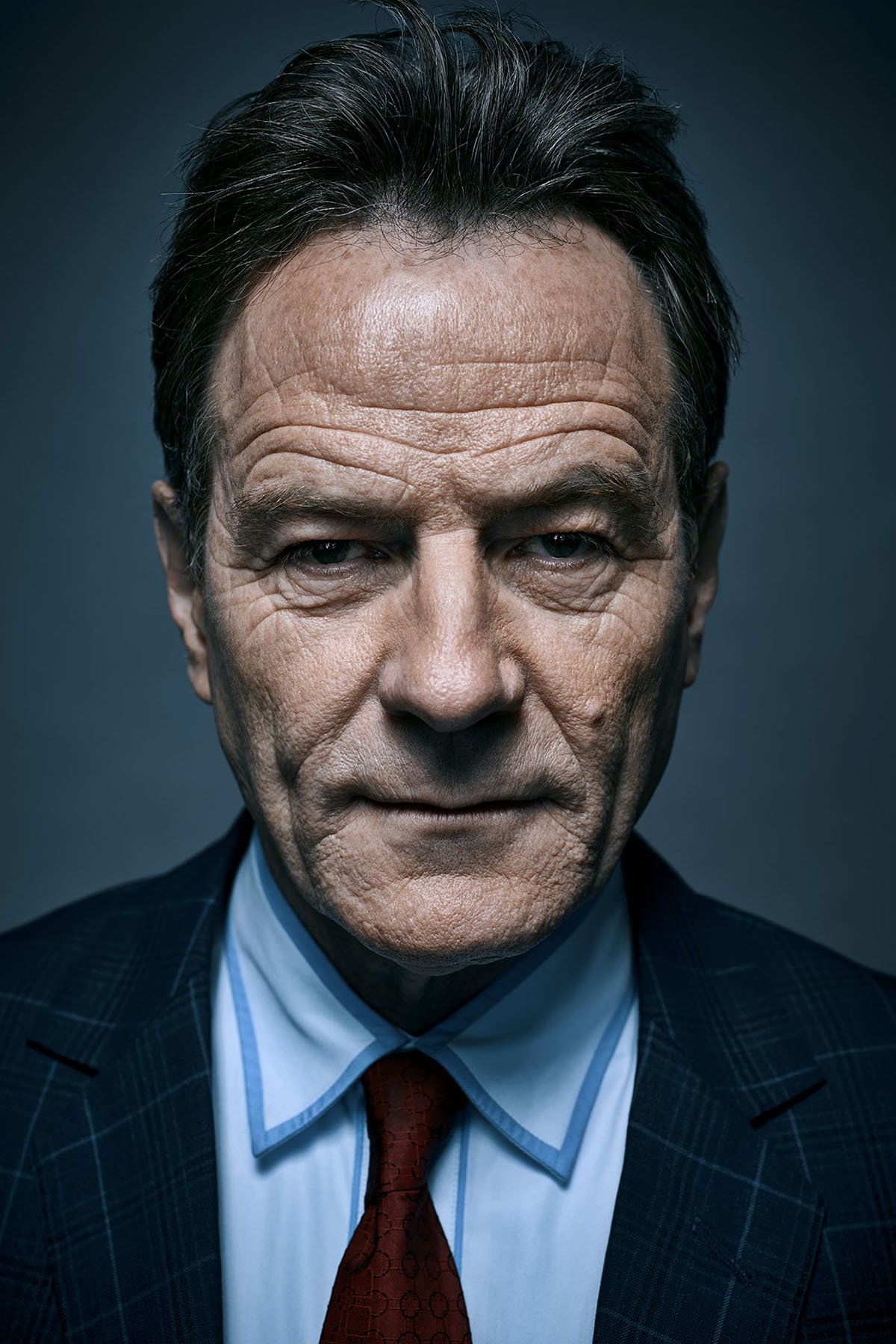
Bryan Cranston has explained that he leaves characters at work and returns to himself off set. He builds roles with objectives and actions instead of continual immersion. He reviews scenes each day and resets for new setups to stay flexible. This process is evident from ‘Breaking Bad’ to ‘Trumbo’.
George Clooney
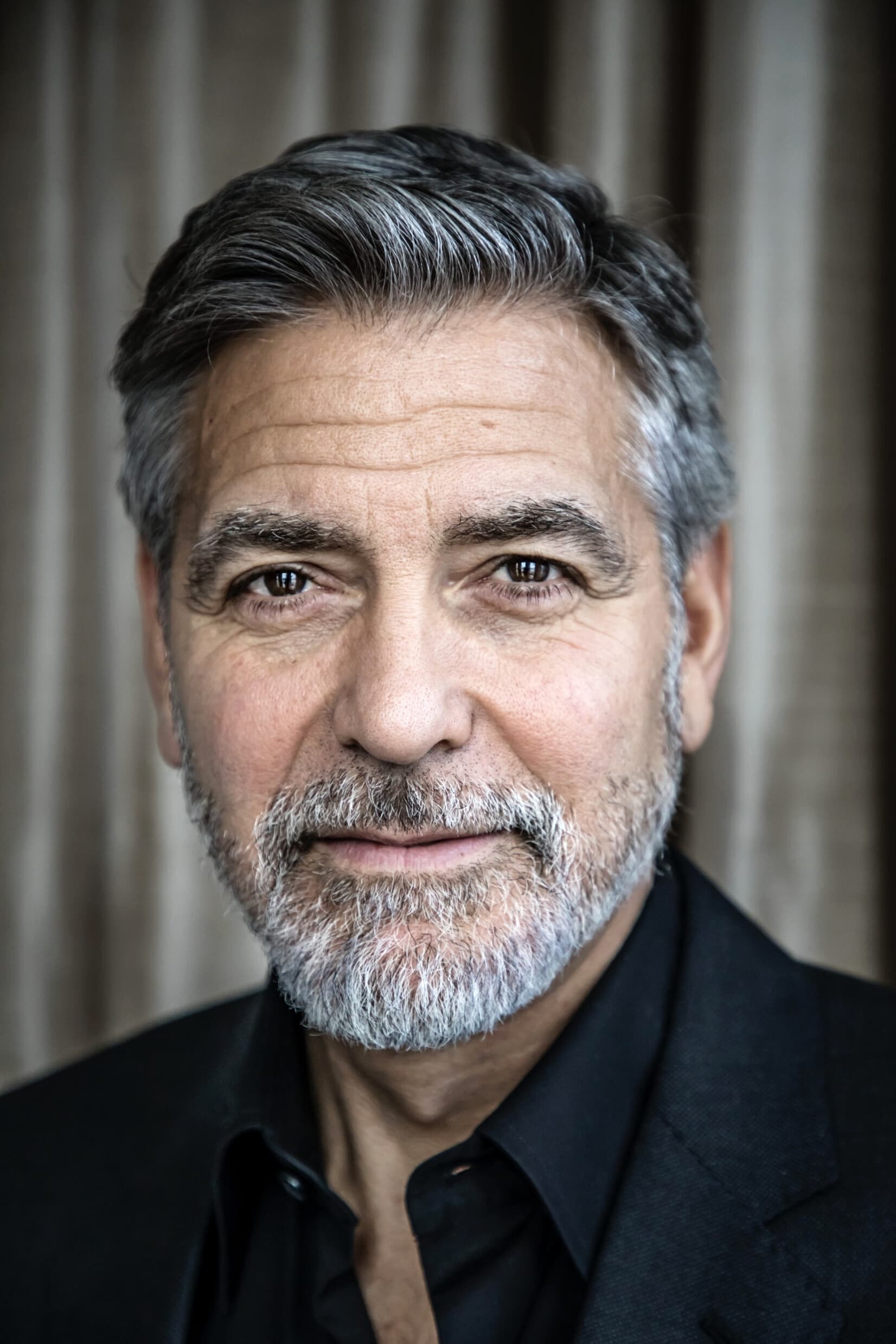
George Clooney has spoken against method behavior that disrupts crews and schedules. He prepares thoroughly and prefers straightforward collaboration with directors and department heads. He treats character choices as repeatable tasks rather than a state to maintain all day. That approach guides projects like ‘Michael Clayton’ and ‘Up in the Air’.
Mads Mikkelsen
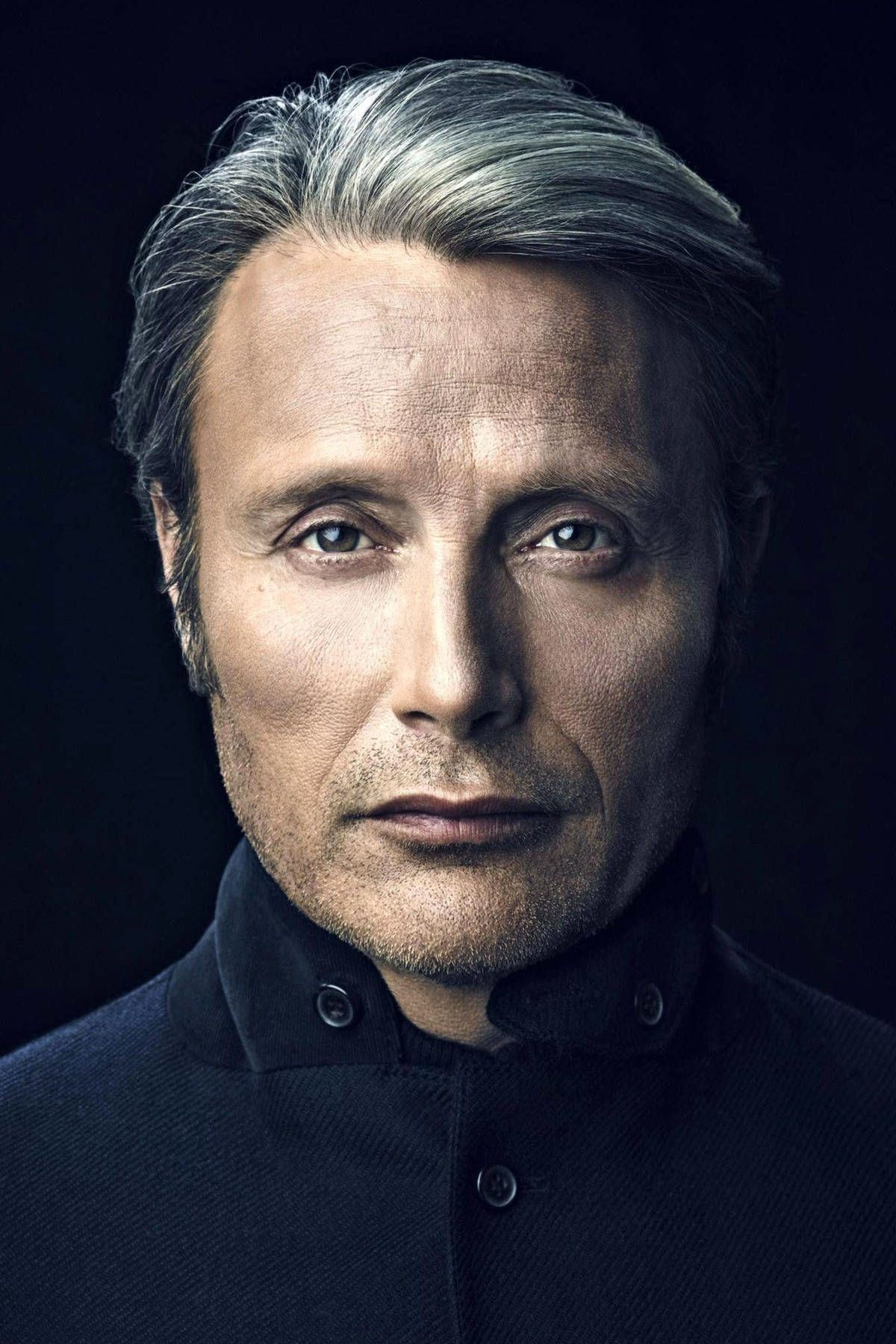
Mads Mikkelsen has called method unnecessary for his own process and focuses on craft he can switch on. He studies physicality and gesture for each role and keeps the set atmosphere focused. He favors creative play in rehearsal over staying in character off camera. You can see this discipline in ‘Another Round’ and ‘Hannibal’.
Patrick Stewart
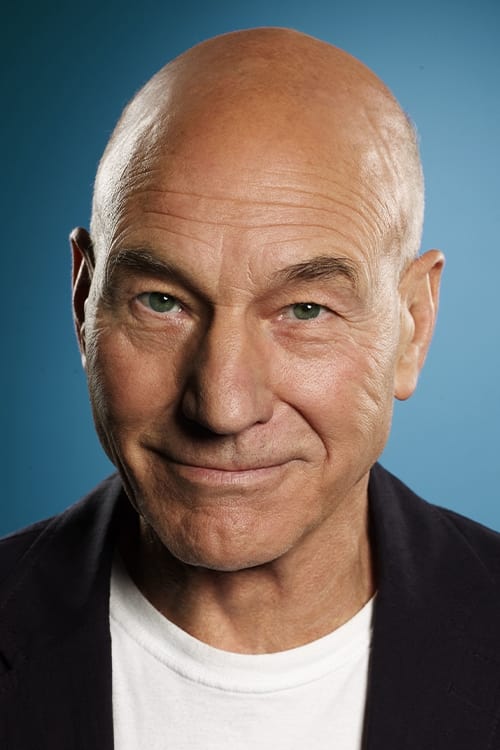
Patrick Stewart trains in classical technique and avoids method immersion. He builds characters through voice, posture, and precise text work developed in rehearsal rooms. He steps out of character to confer with crew and adjust technical elements. This consistency shows in ‘Star Trek: The Next Generation’ and ‘Logan’.
Richard E. Grant
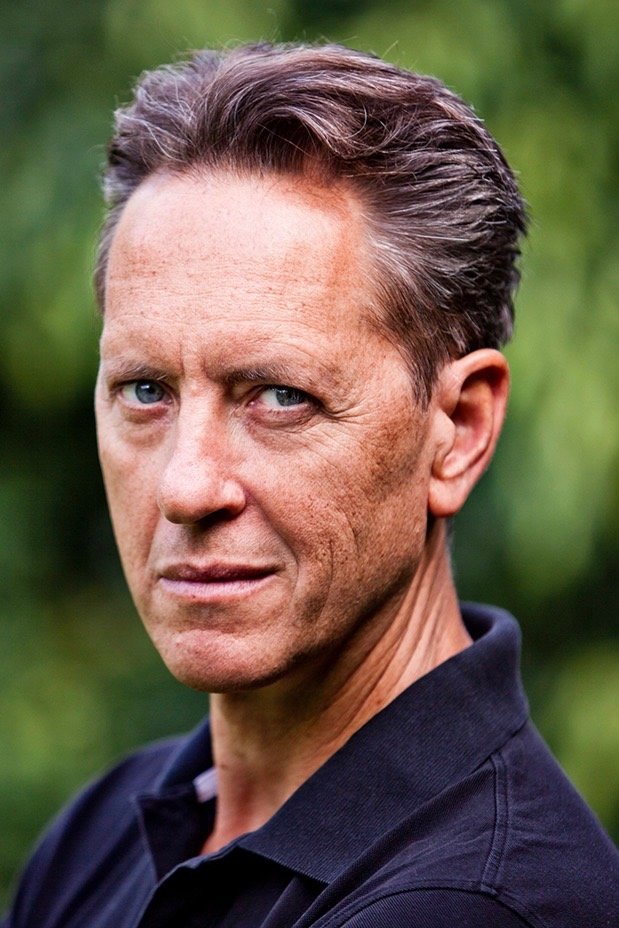
Richard E. Grant has criticized method and relies on script analysis and clear blocking. He treats performance as a repeatable craft that should not require off set immersion. He uses notes for continuity so emotional beats match across takes. His work in ‘Withnail and I’ and ‘Can You Ever Forgive Me?’ reflects this approach.
Bill Nighy
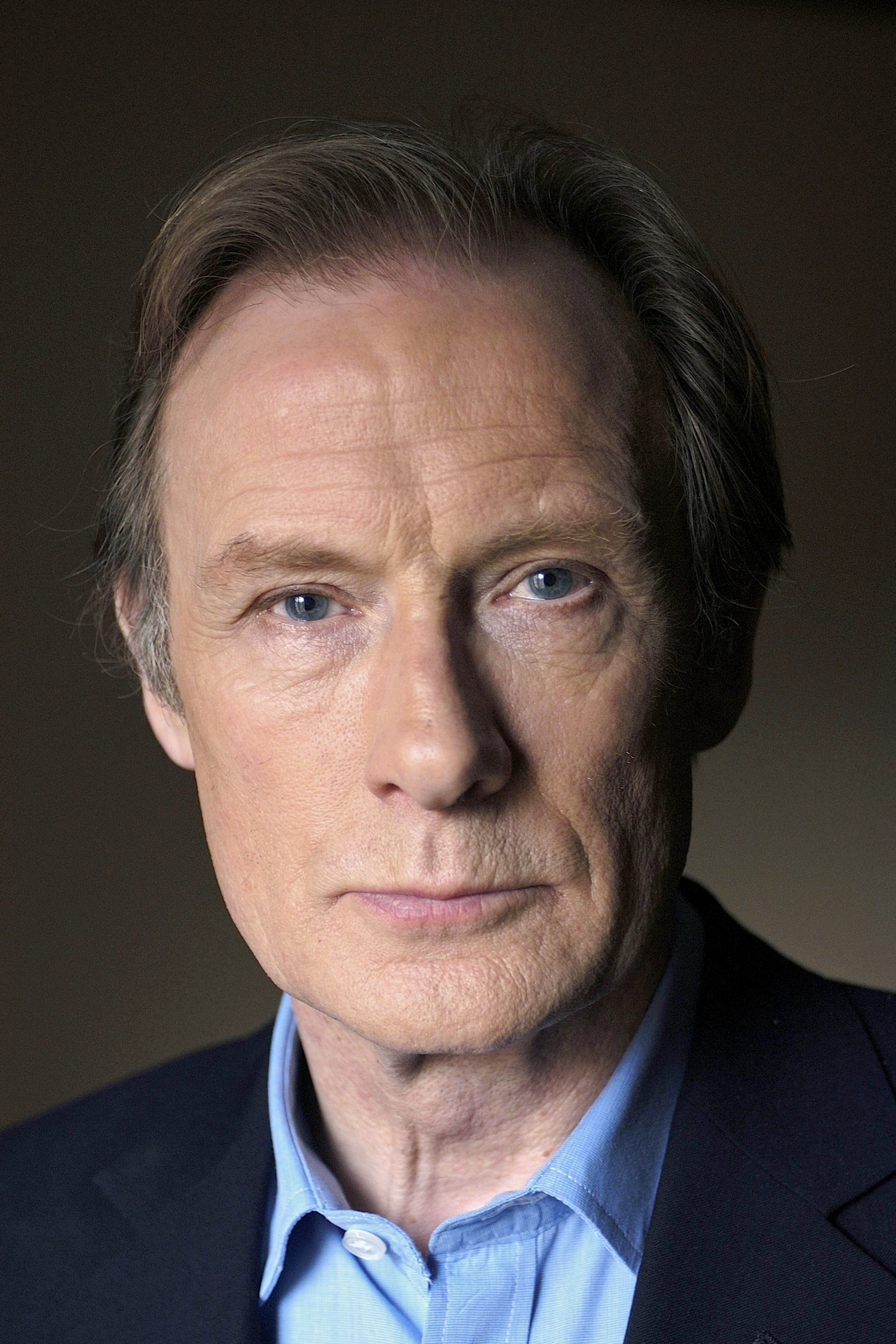
Bill Nighy has said he does not practice method and prefers light, precise rehearsal. He emphasizes timing, posture, and vocal detail to shape characters quickly. He communicates openly with directors to calibrate tone from scene to scene. Audiences see this in ‘About Time’ and ‘Living’.
Kenneth Branagh
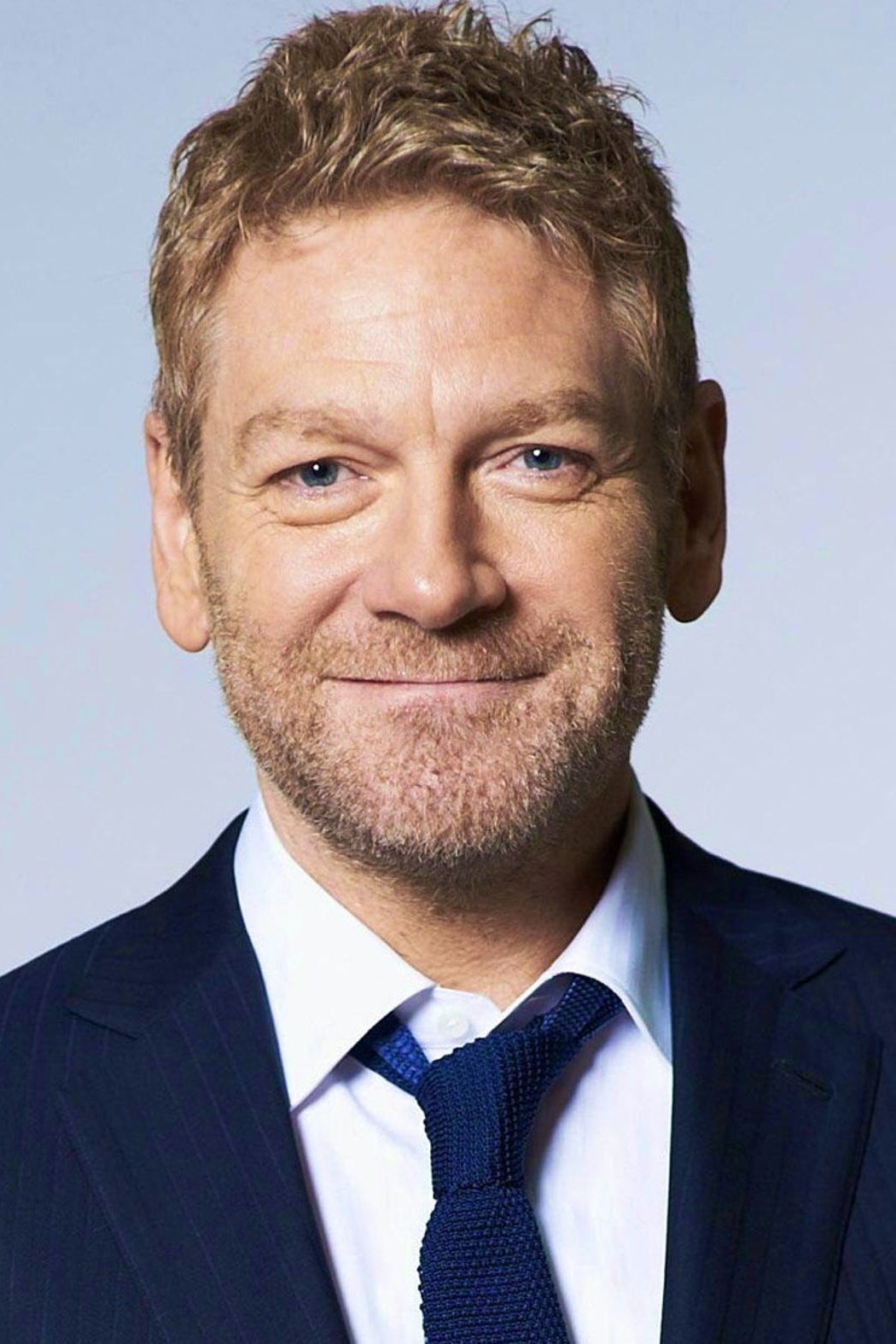
Kenneth Branagh works with classical training and script driven preparation rather than method. He studies meter, subtext, and blocking to build performances that hold under multiple angles. Between takes he resets for technical notes and keeps collaboration brisk. This practice runs through ‘Henry V’ and ‘Belfast’.
Tom Hanks
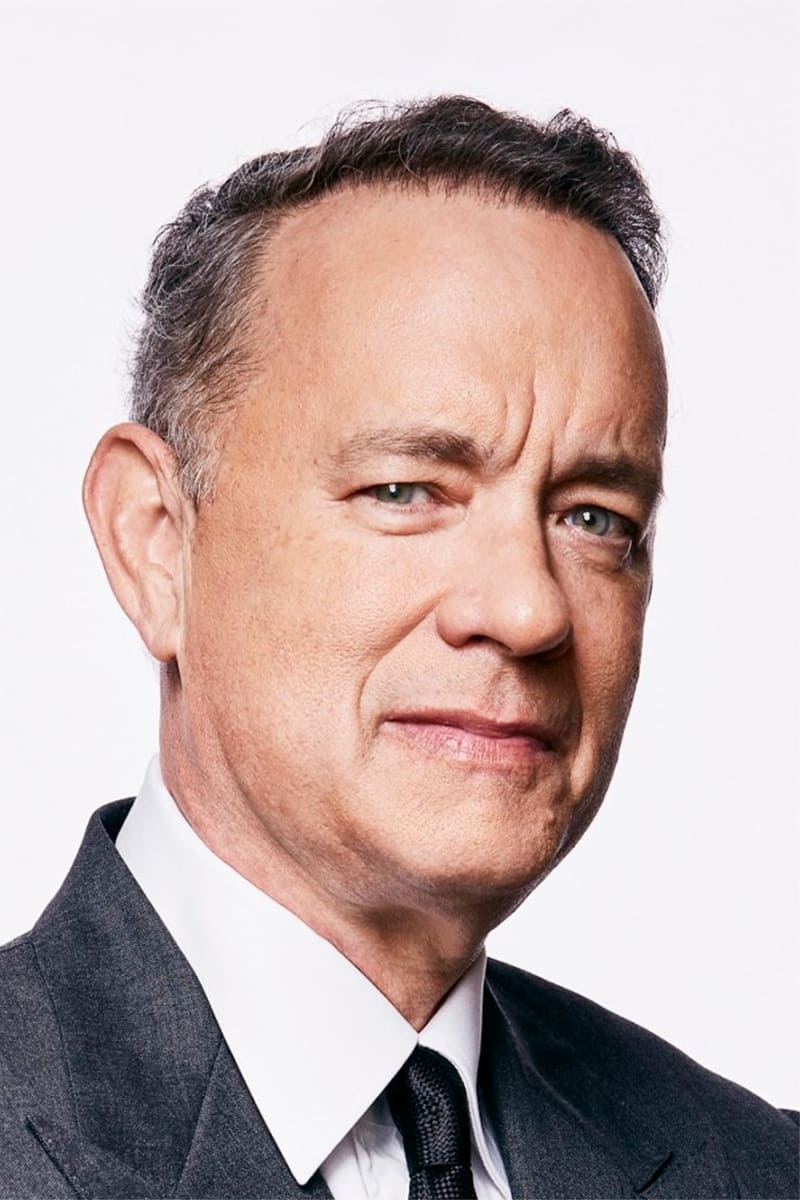
Tom Hanks has described his process as professional and non method. He researches extensively and then treats scenes as precise tasks to be repeated with consistency. He does not stay in character off set and keeps communication open with crew. This steady approach anchors films like ‘Apollo 13’ and ‘Cast Away’.
Keanu Reeves
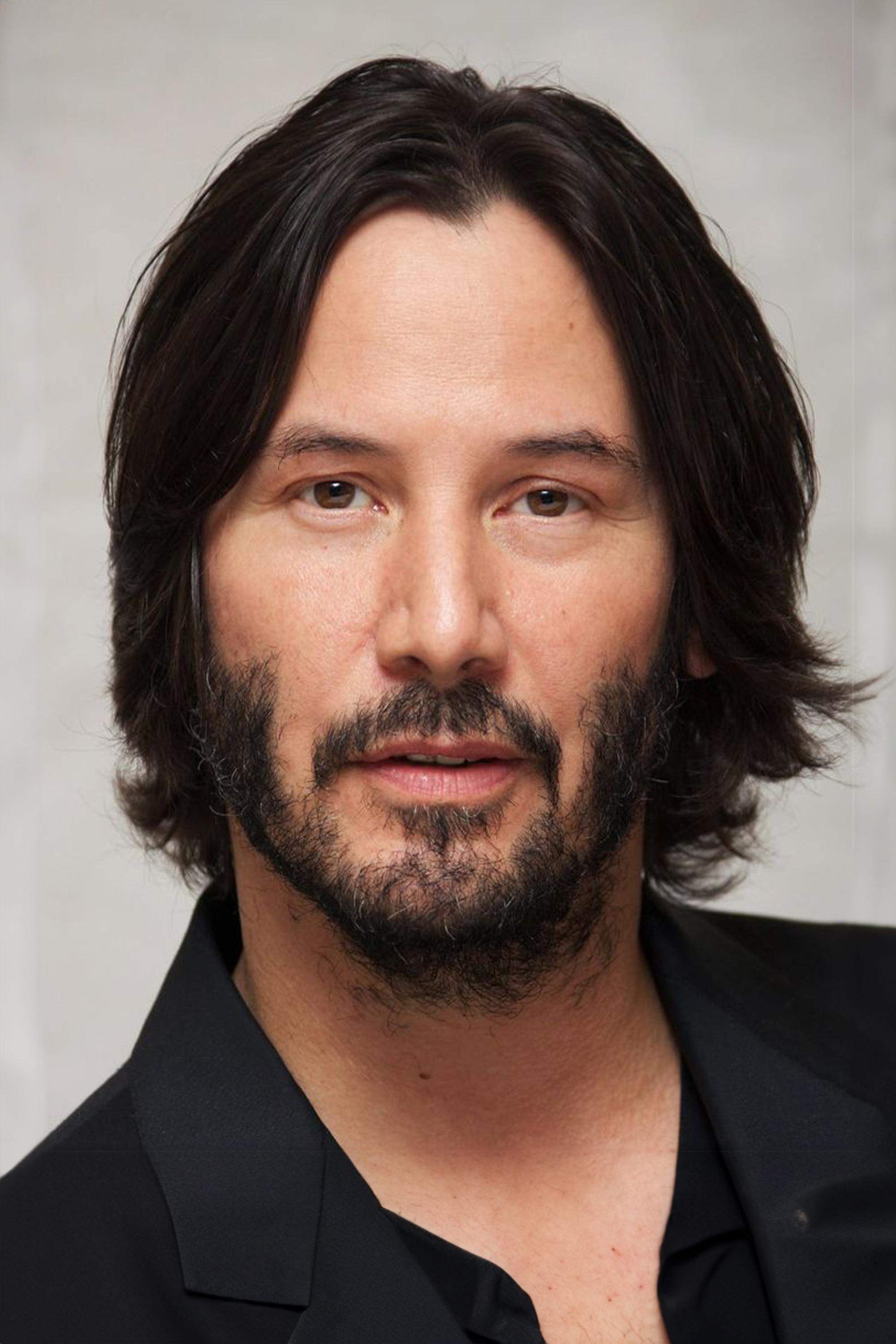
Keanu Reeves does not use method and prepares through physical training and technical rehearsal. He builds roles with stunt teams, dialect coaches, and script study to ensure reliability on set. He returns to himself between takes to review marks and safety. The results are clear in ‘John Wick’ and ‘The Matrix’.
Gary Oldman
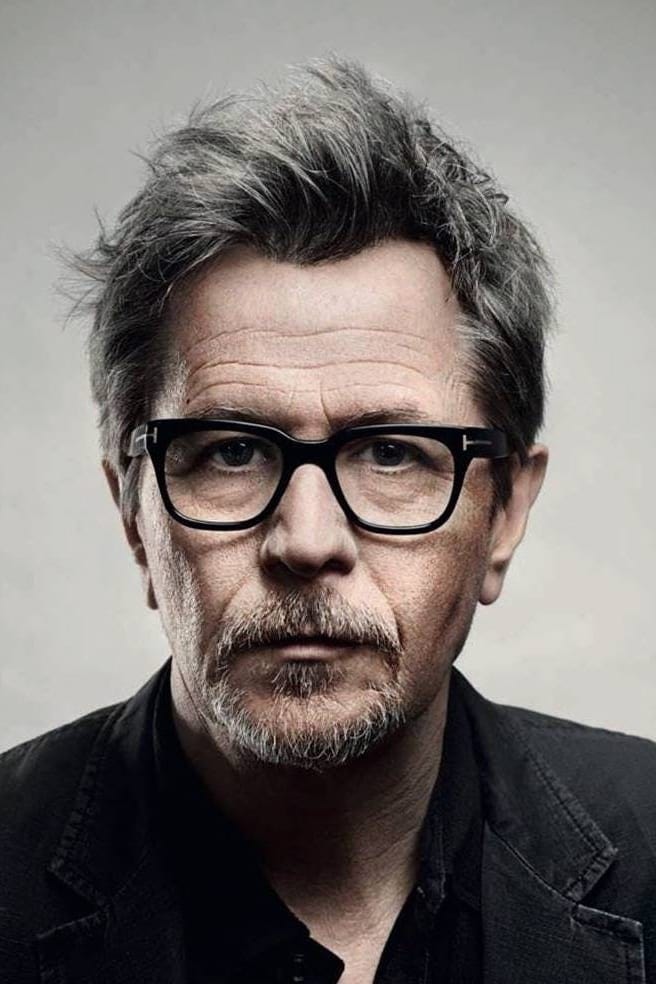
Gary Oldman has said he does not practice method and prefers flexible technique shaped by rehearsal. He studies speech patterns and physical detail to create distinct characters without staying in role between takes. He adjusts choices to camera and sound so performances stay consistent across angles. Audiences know this craft from ‘Darkest Hour’ and ‘Tinker Tailor Soldier Spy’.
Denzel Washington

Denzel Washington trains with classical scene study and avoids remaining in character off set. He focuses on objectives and partner work to keep scenes grounded and repeatable. He prepares through research and uses rehearsal to set tempo and emotional range. This approach is evident in ‘Training Day’ and ‘Fences’.
Robert Pattinson
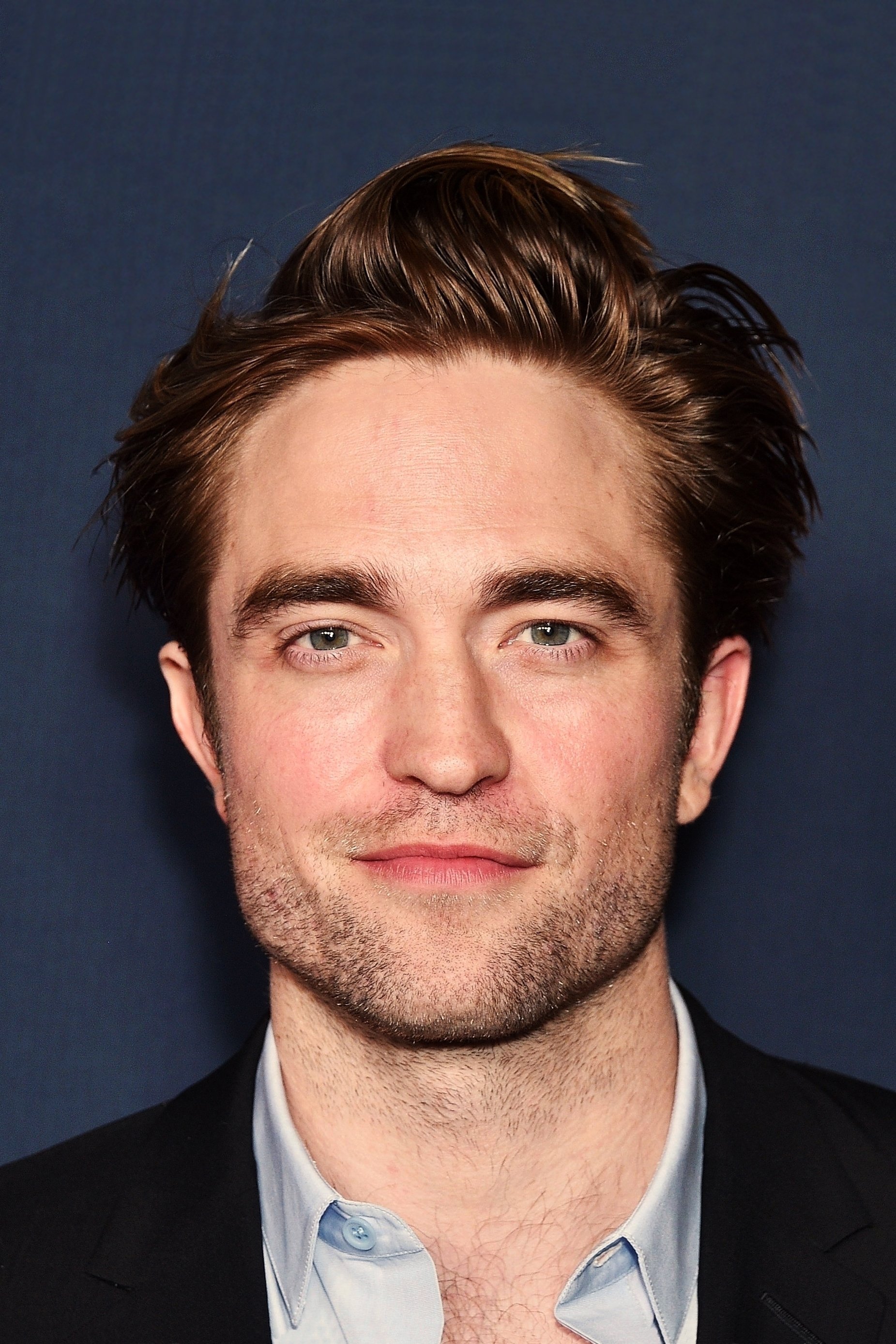
Robert Pattinson has said he does not believe in method for his own process and prefers play and discovery on set. He uses script analysis and collaboration with directors to calibrate tone. He resets between setups to keep focus on marks and framing. You can see the results in ‘Good Time’ and ‘The Batman’.
Christian Bale
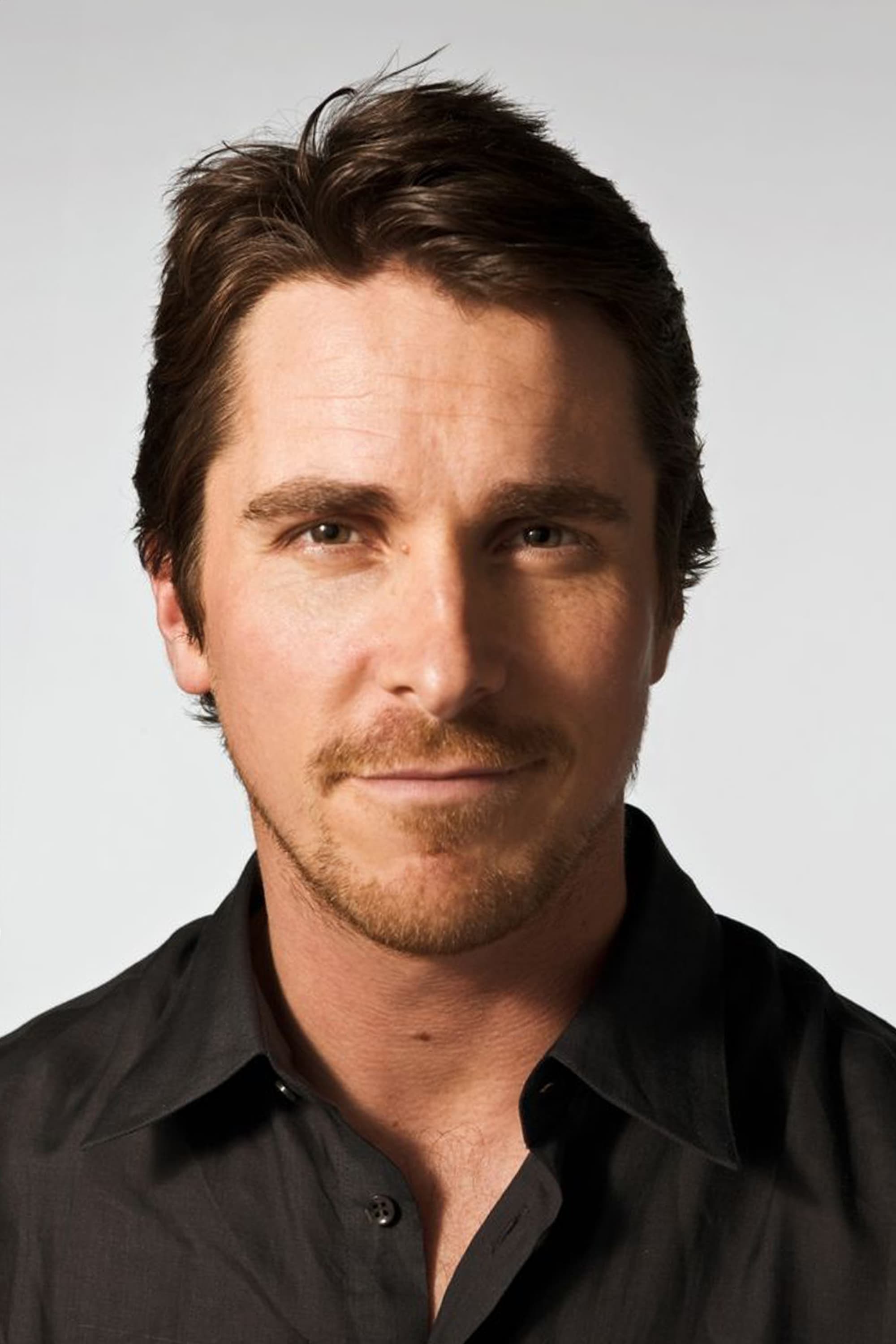
Christian Bale is known for transformation but has explained he does not use method and does not stay in character off camera. He prepares with physical training, dialect work, and detailed script notes. He tracks continuity so emotional shifts line up across coverage. This is clear in ‘American Psycho’ and ‘The Fighter’.
Tom Cruise
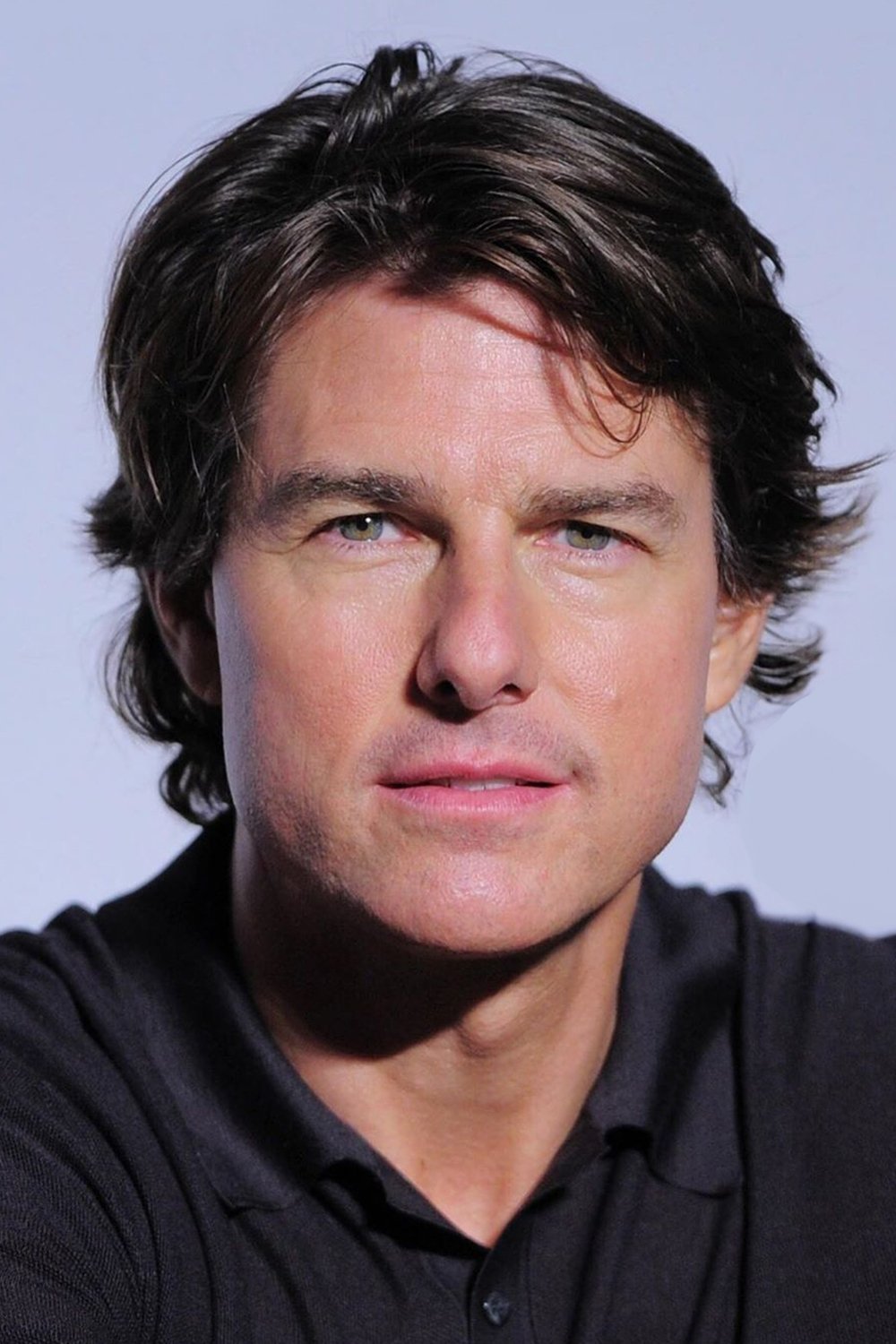
Tom Cruise works with intensive preparation and clear technical planning rather than method immersion. He rehearses stunts and dialogue to deliver repeatable beats for editors and crews. He keeps communication open with departments to adjust for safety and timing. This process powers films like ‘Top Gun: Maverick’ and ‘Mission Impossible’.
Matt Damon
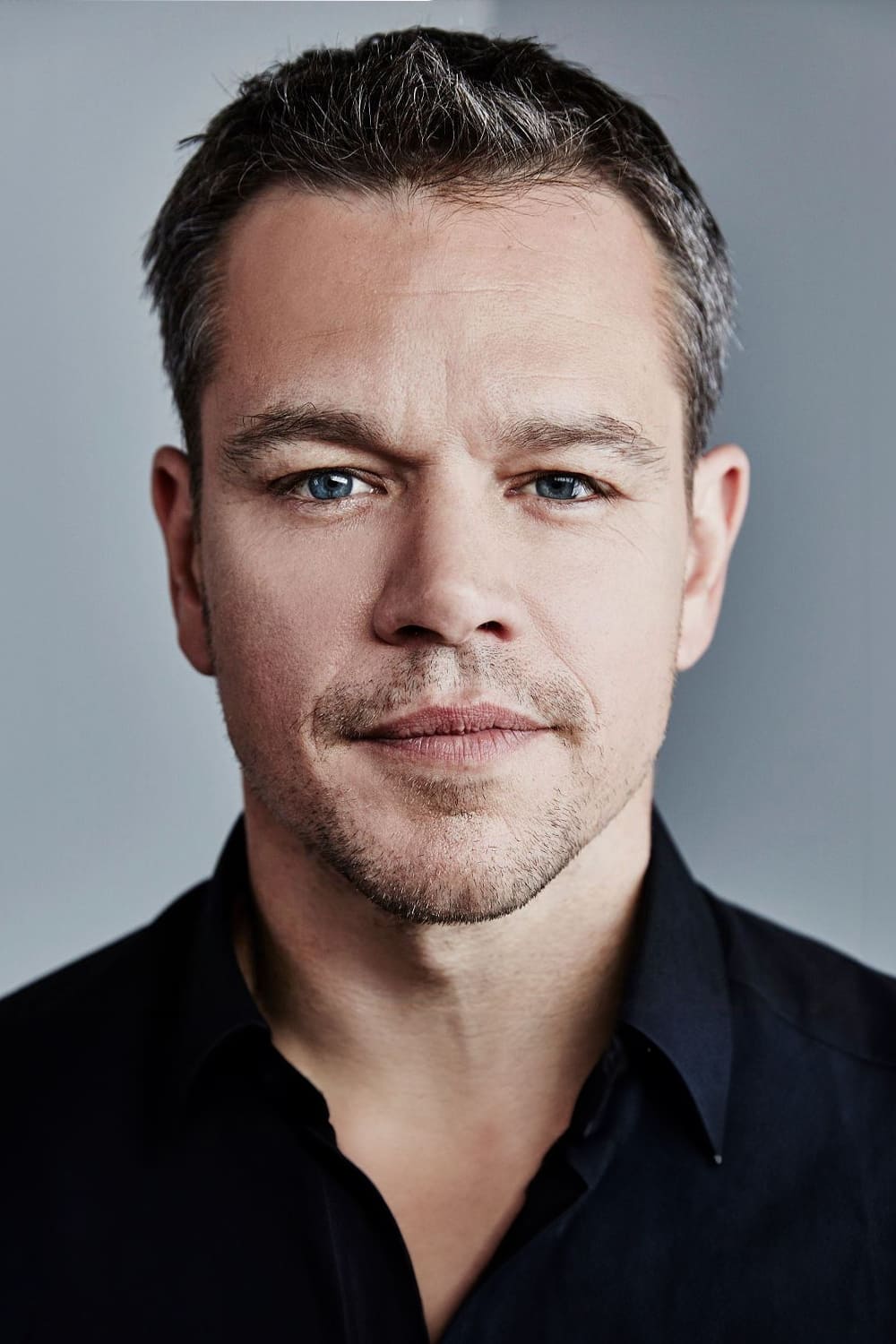
Matt Damon builds roles with research and scene objectives and steps out of character between takes. He reviews blocking and eye lines to maintain continuity across multiple camera setups. He favors rehearsal to set rhythm so adjustments are quick on the day. This is visible in ‘The Martian’ and ‘Jason Bourne’.
Harrison Ford
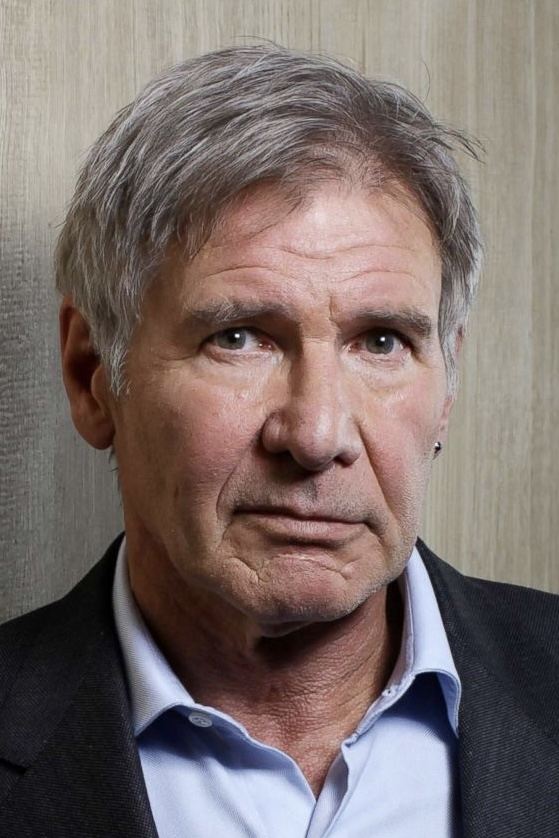
Harrison Ford has long emphasized practical craft and does not use method. He works closely with directors on blocking and props to ground character behavior in action. He keeps set time focused on delivering clean, usable takes. That steady approach anchors ‘Raiders of the Lost Ark’ and ‘Blade Runner’.
Morgan Freeman
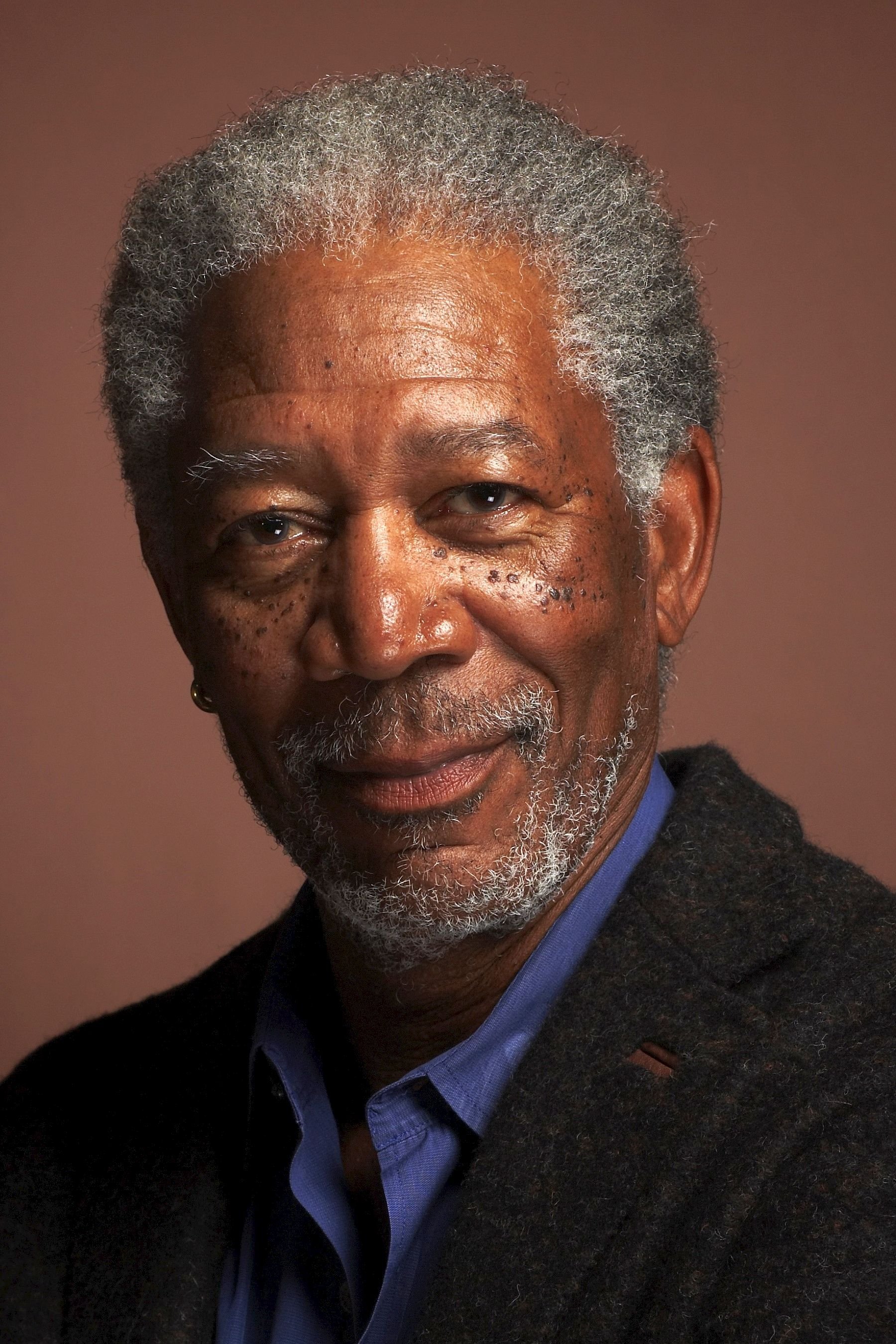
Morgan Freeman relies on voice, timing, and text rather than staying in character off set. He studies cadence and phrasing to deliver consistent performances across coverage. He values clear communication with camera and sound to match continuity. This can be seen in ‘The Shawshank Redemption’ and ‘Se7en’.
Alan Rickman
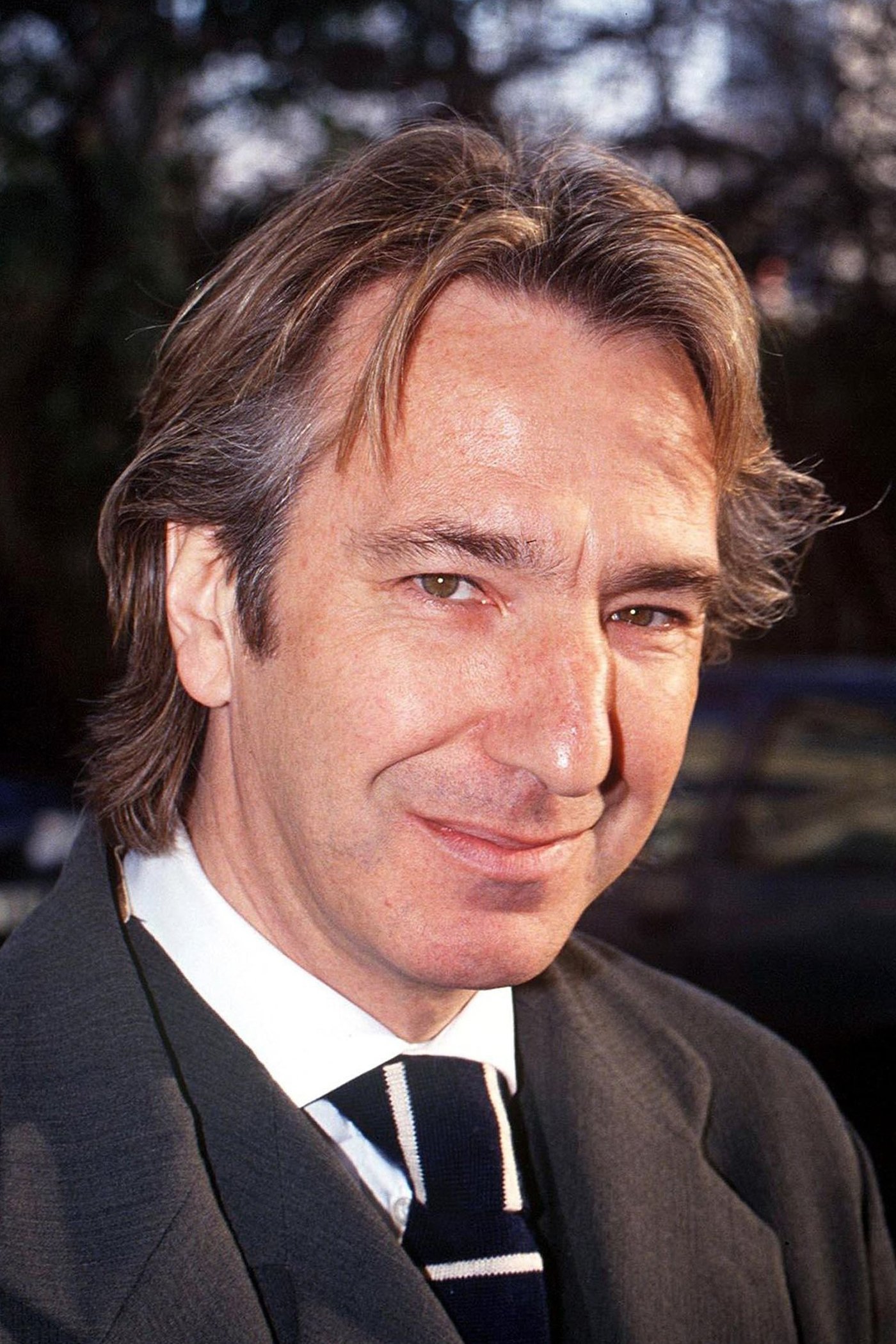
Alan Rickman trained in classical technique and avoided method immersion. He shaped roles through precise diction, posture, and careful beat work in rehearsal. He stepped out of character to coordinate with crew on timing and blocking. His consistency shows in ‘Die Hard’ and ‘Sense and Sensibility’.
Peter O’Toole
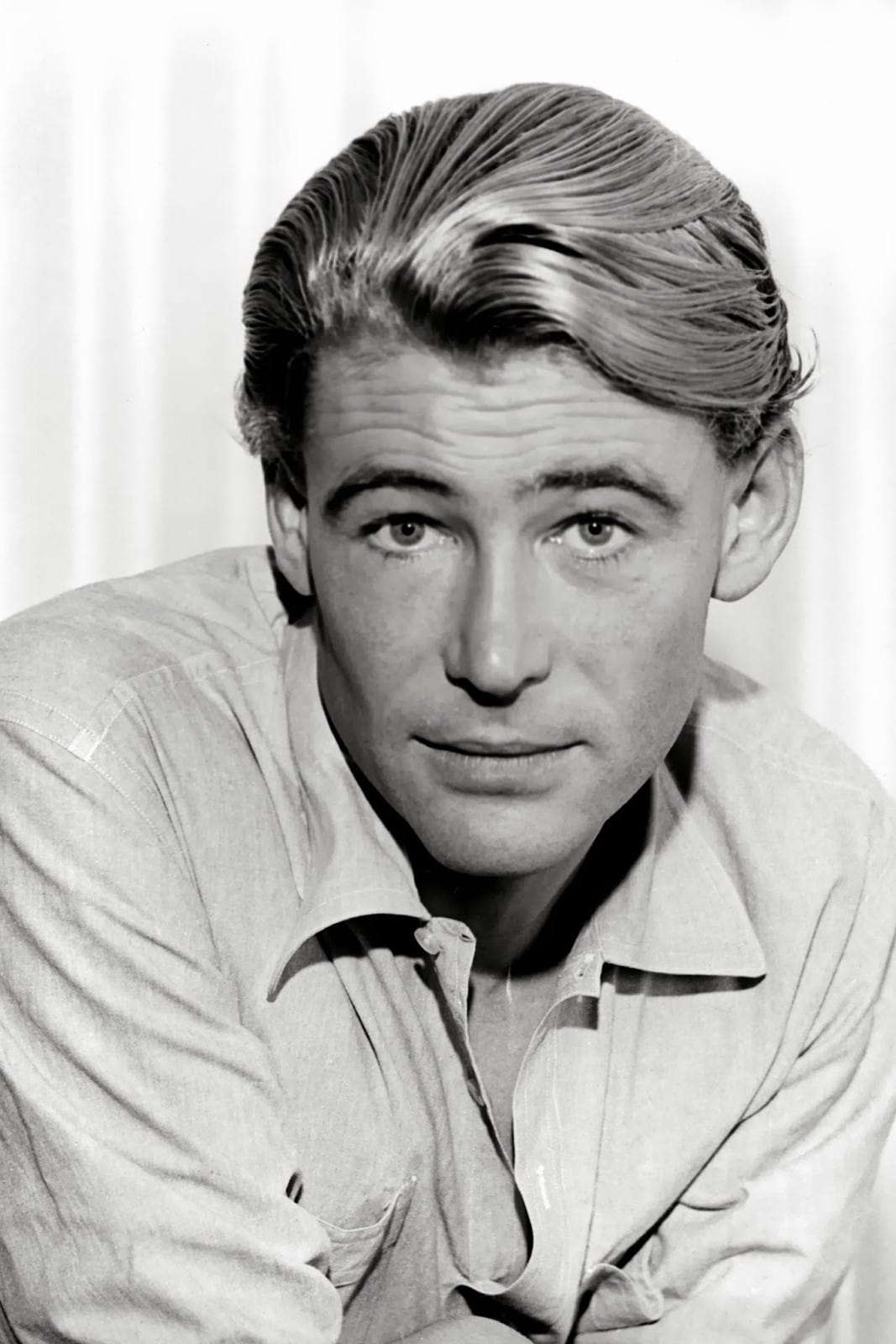
Peter O’Toole often spoke against method and favored technical choices refined in rehearsal. He used voice, movement, and text analysis to produce reliable performances under pressure. He separated personal life from set work to preserve energy for the camera. This discipline is clear in ‘Lawrence of Arabia’ and ‘The Lion in Winter’.
Gene Hackman
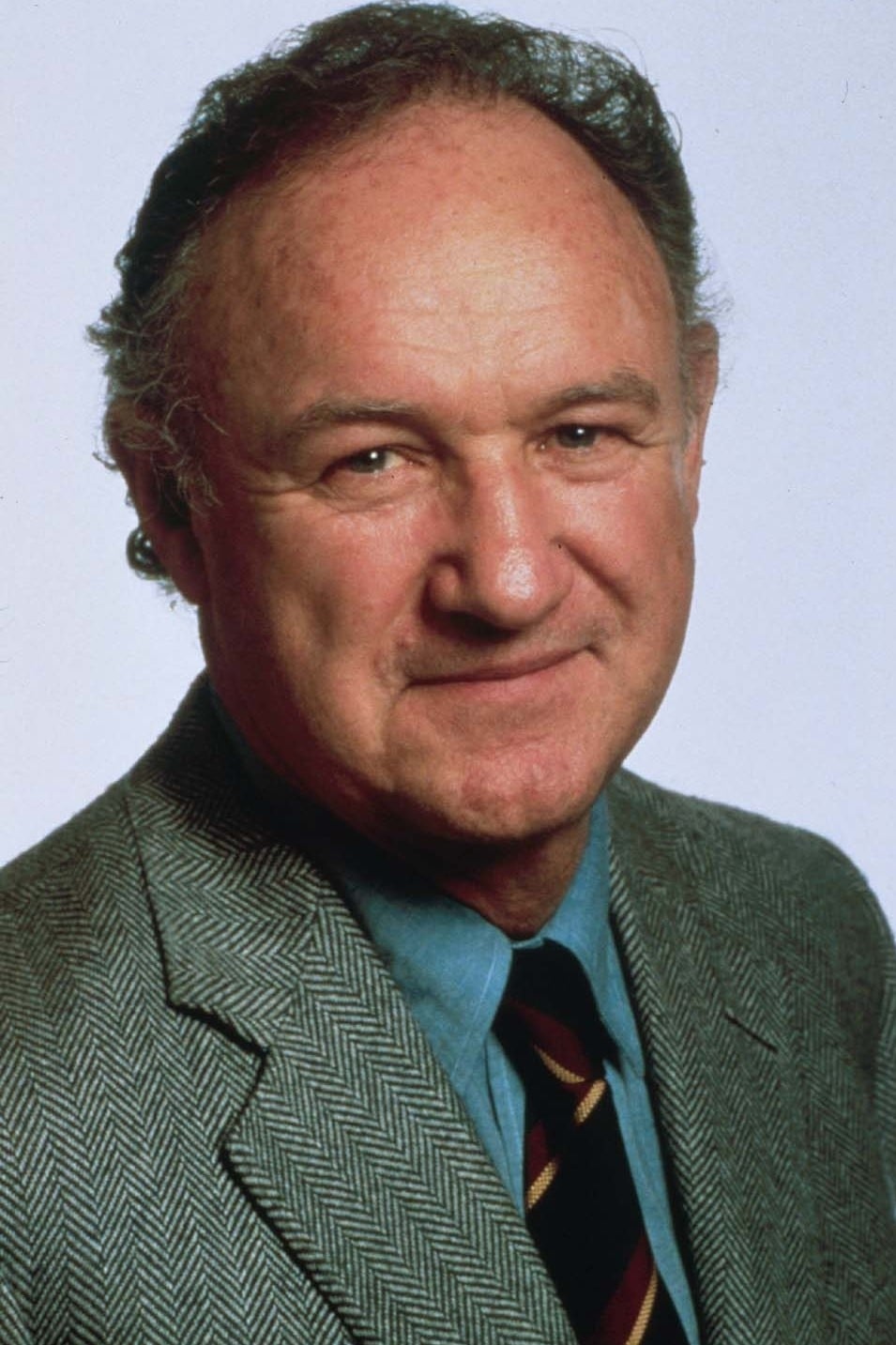
Gene Hackman focused on economy and precision rather than method. He prepared with notes on objectives and beats so scenes cut smoothly. He favored a calm set and quick adjustments to direction and framing. His work in ‘The French Connection’ and ‘Unforgiven’ illustrates this approach.
Paul Newman
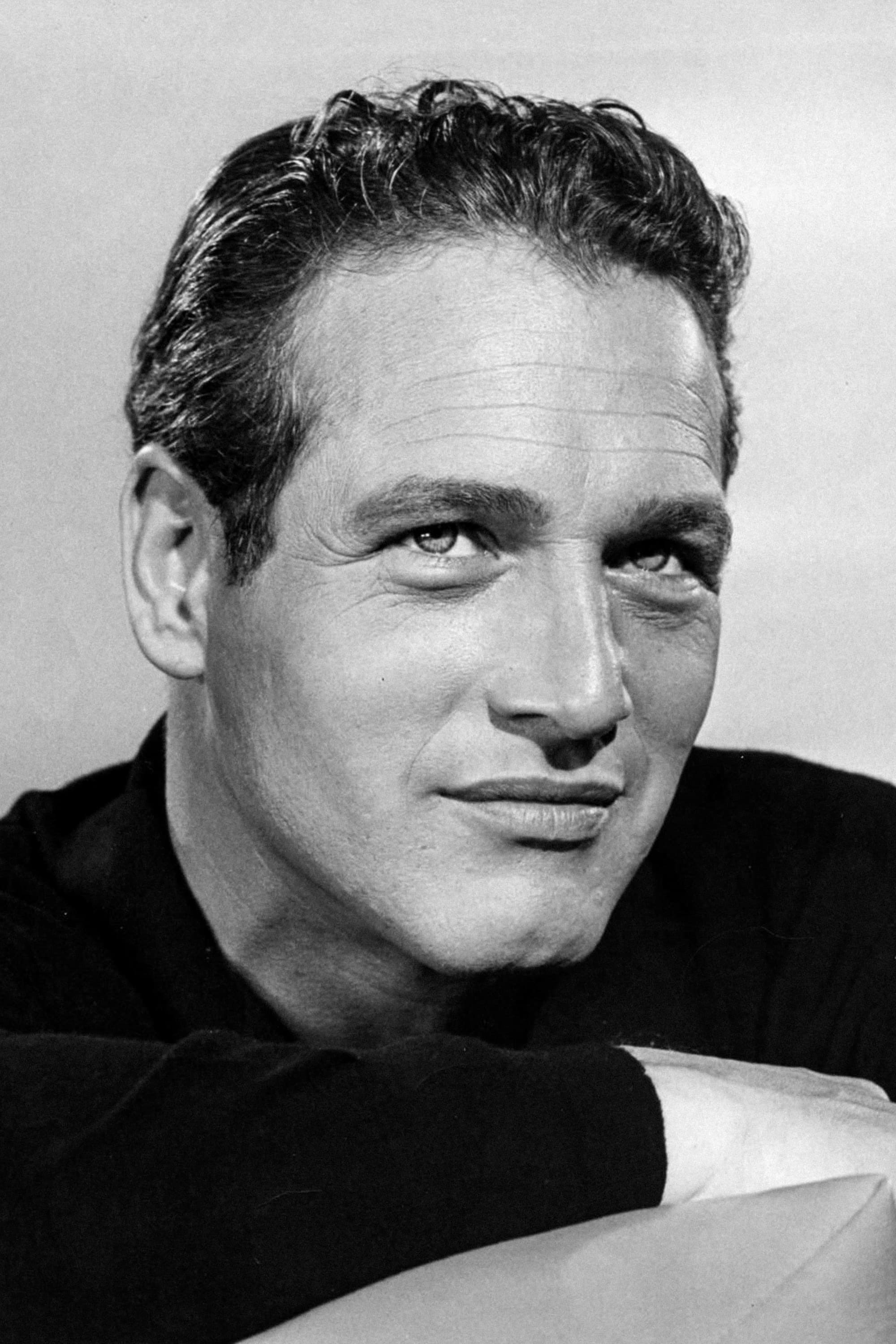
Paul Newman worked from script and circumstance and did not use method immersion. He studied behavior and gesture to keep performances natural and repeatable. He coordinated with camera teams to maintain continuity through multiple takes. This practice shaped ‘Cool Hand Luke’ and ‘The Color of Money’.
Ewan McGregor
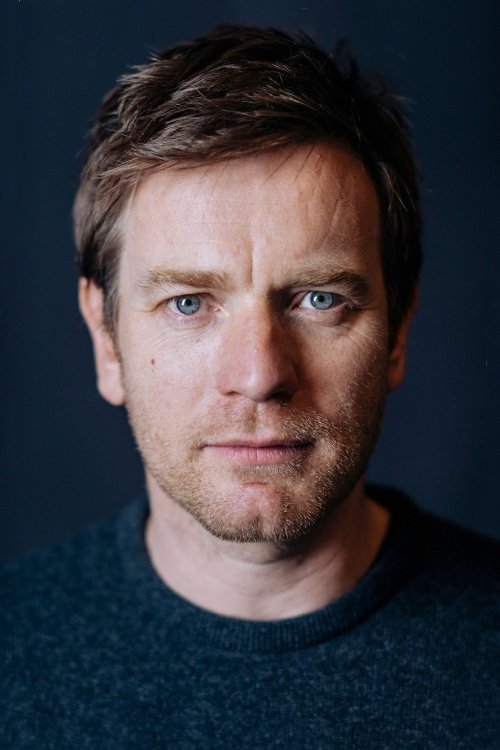
Ewan McGregor builds characters through rehearsal and research and does not stay in character off set. He collaborates closely with directors on tone and pacing so scenes fit the story’s rhythm. He uses dialect coaching and movement coaching to set repeatable choices. You can see this in ‘Moulin Rouge!’ and ‘Trainspotting’.
Ryan Reynolds
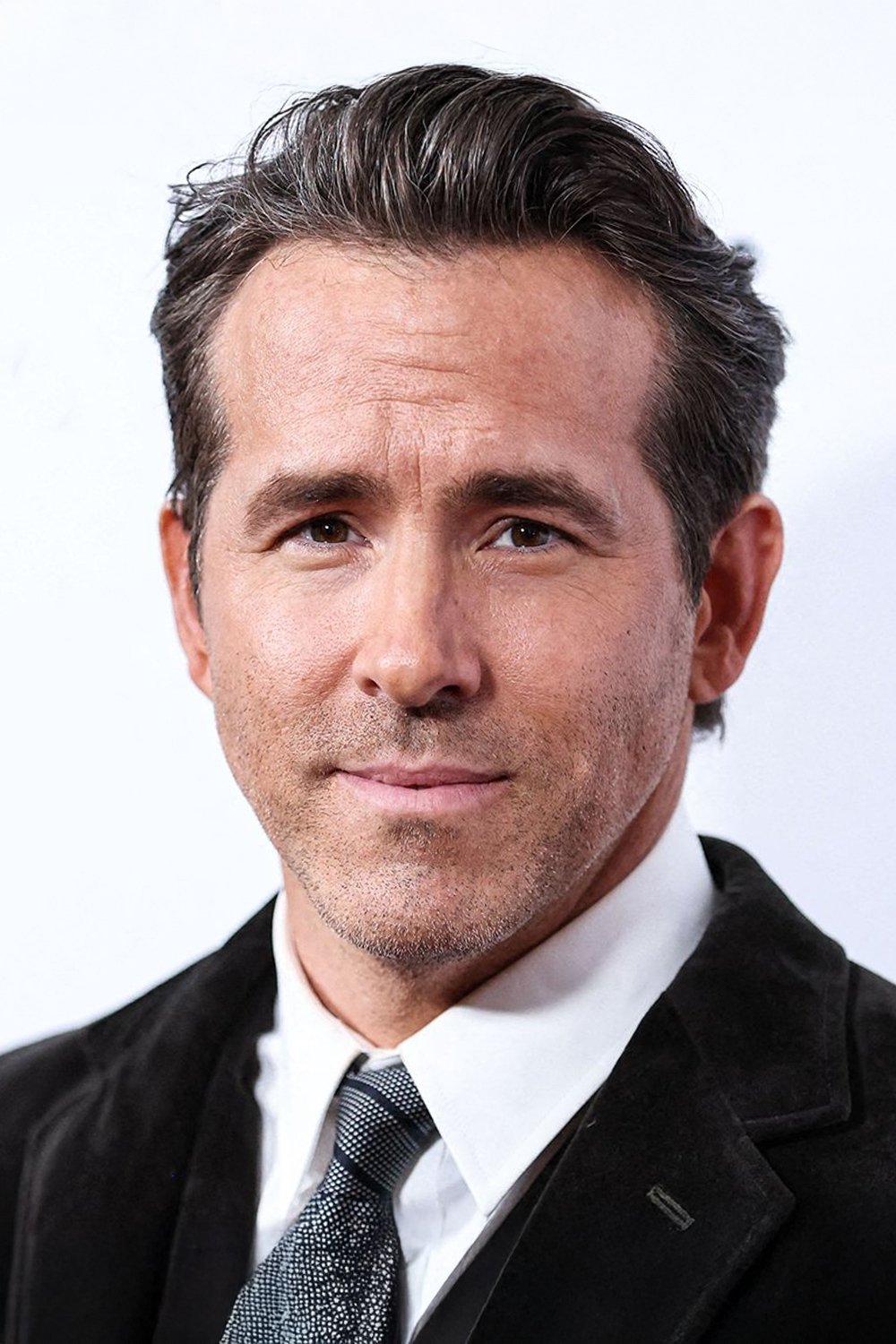
Ryan Reynolds prepares with table reads and technical rehearsal rather than method. He focuses on timing, improvisation within structure, and continuity for action and comedy. He steps out of character to coordinate with camera and effects teams. This process supports ‘Deadpool’ and ‘Free Guy’.
Mark Rylance
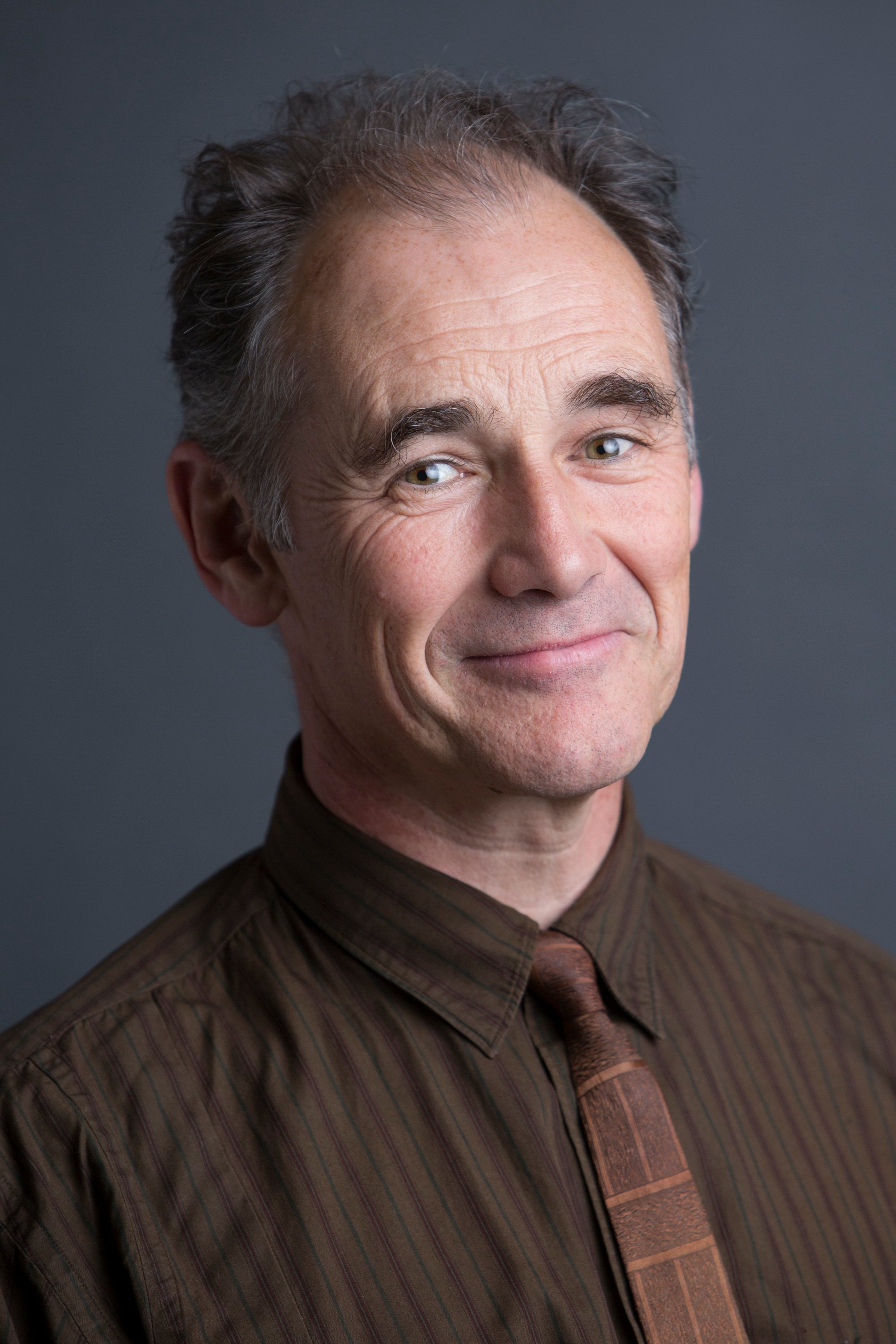
Mark Rylance comes from theater training that emphasizes play and presence instead of method immersion. He develops characters through voice, breath, and listening so performances stay responsive. He resets between takes to apply notes on blocking and eye lines. This is evident in ‘Bridge of Spies’ and ‘Dunkirk’.
Stanley Tucci
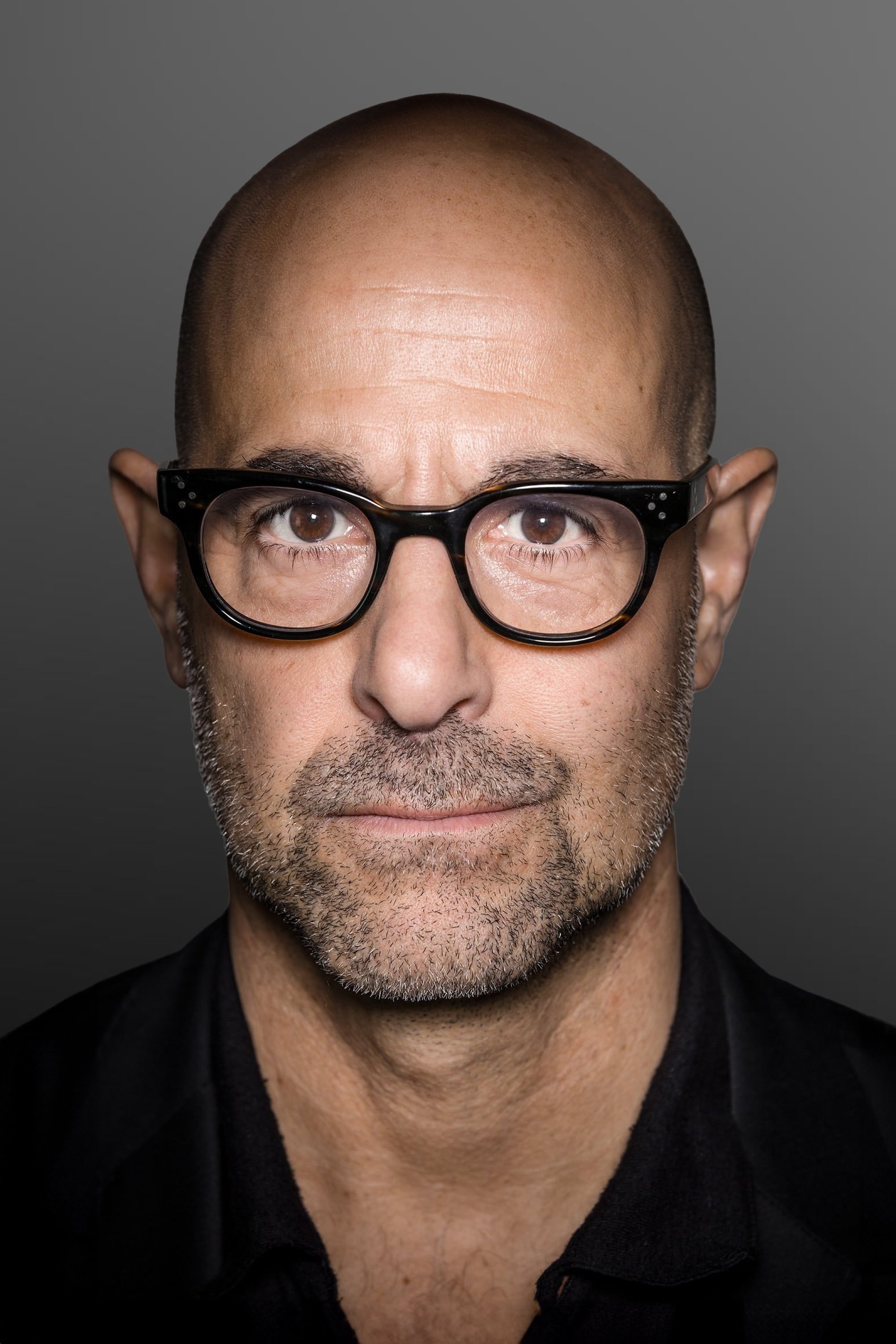
Stanley Tucci favors clear rehearsal and practical blocking instead of staying in character off set. He uses script analysis and timing to keep performances consistent across angles. He works closely with directors and crew to align tone and continuity for each scene. Audiences can see this disciplined approach in ‘The Devil Wears Prada’ and ‘Spotlight’.
Anthony Mackie
Anthony Mackie has spoken against disruptive method habits and keeps sets collaborative and efficient. He prepares with scene objectives and partner work so beats play the same every take. He steps out of character to coordinate safely with stunt and camera teams. This process is evident in ‘The Hurt Locker’ and ‘Captain America: The Winter Soldier’.
Robert Downey Jr.
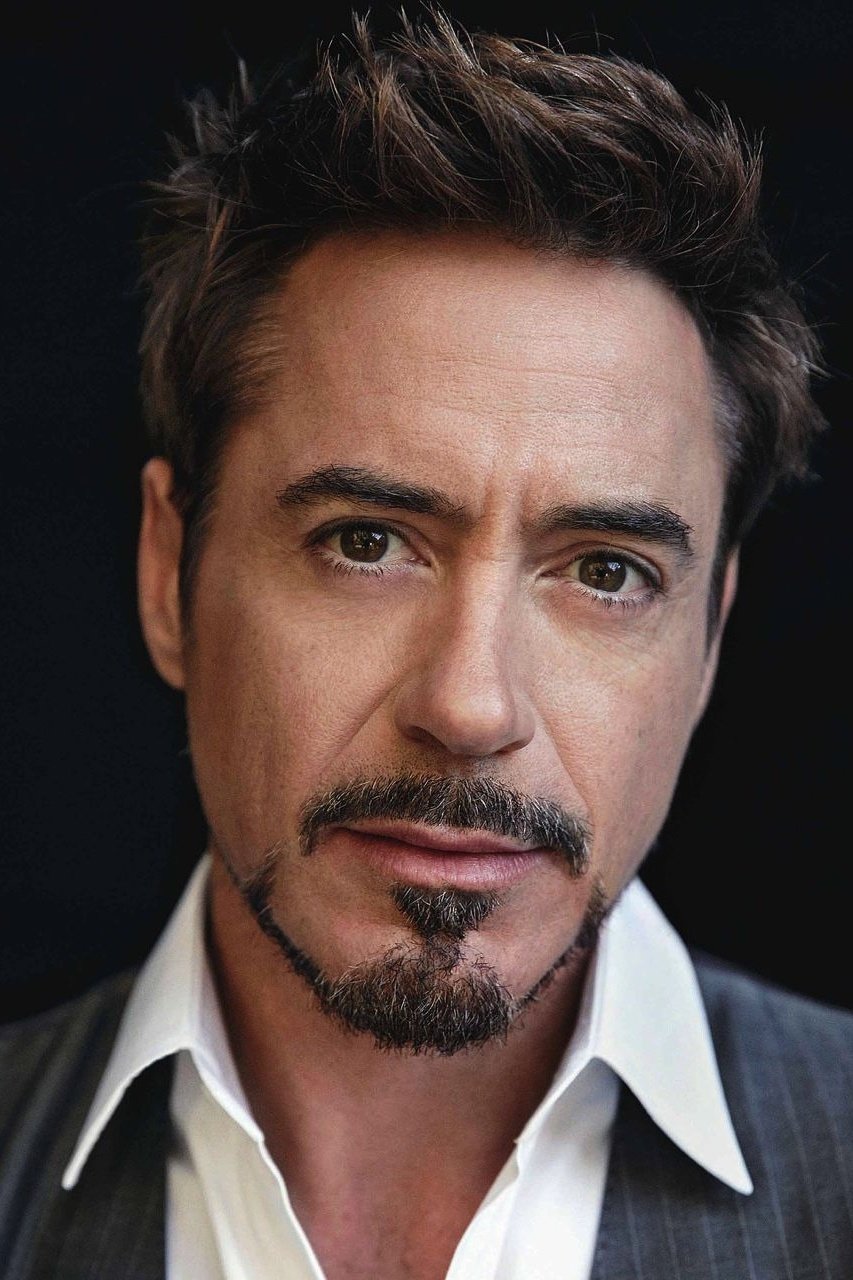
Robert Downey Jr. builds roles through research, table reads, and technical precision rather than immersion between takes. He calibrates rhythm and improvisation within the frame so editors have clean options. He relies on continuity notes to match emotional beats across coverage. This approach supports work in ‘Iron Man’ and ‘Oppenheimer’.
Chris Evans
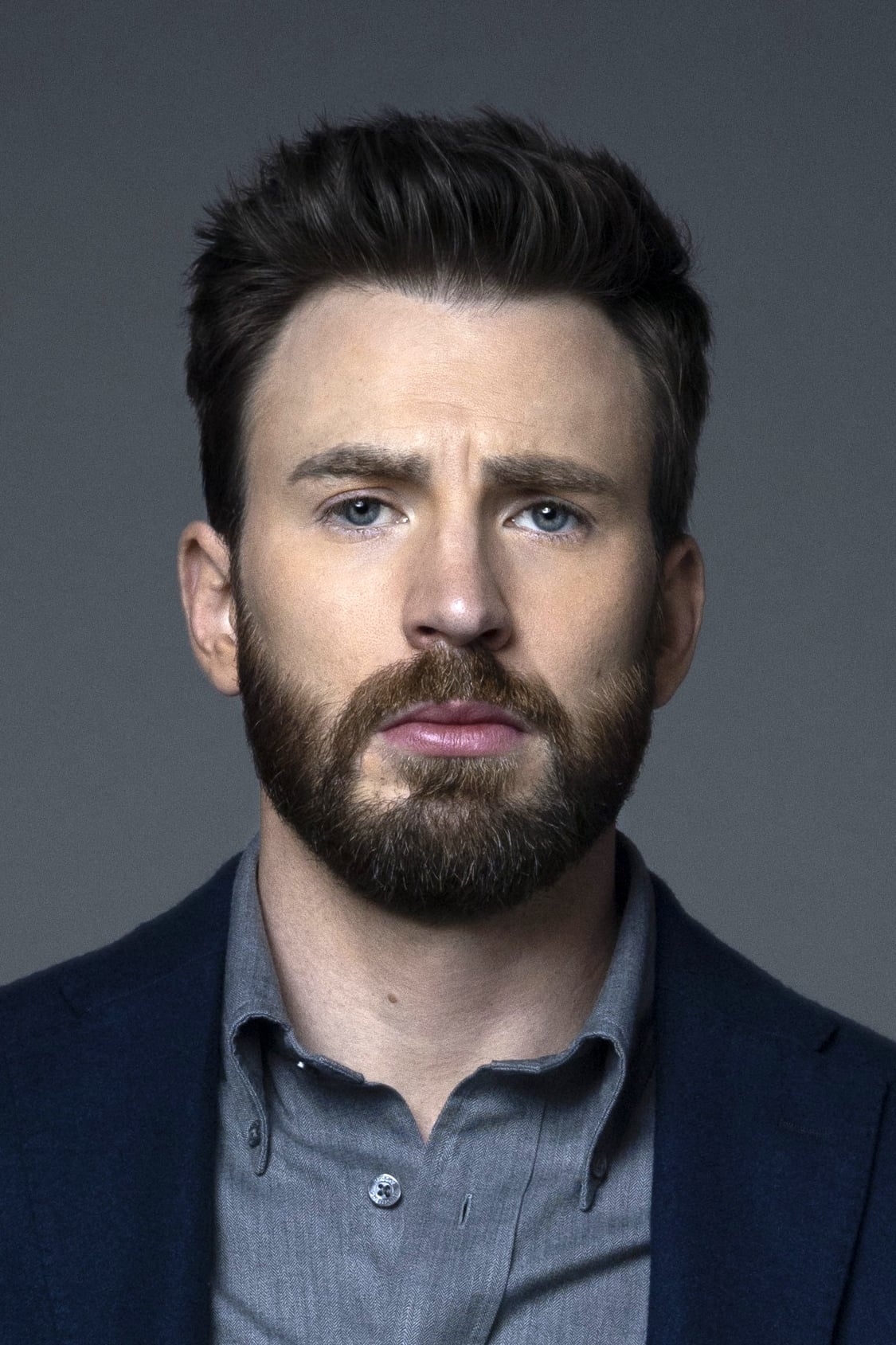
Chris Evans prepares through physical training, dialect practice, and detailed blocking without staying in character all day. He reviews eye lines and marks to keep action scenes readable. He coordinates with effects teams so timing and choreography remain repeatable. You can see the results in ‘Captain America: The Winter Soldier’ and ‘Knives Out’.
Colin Firth
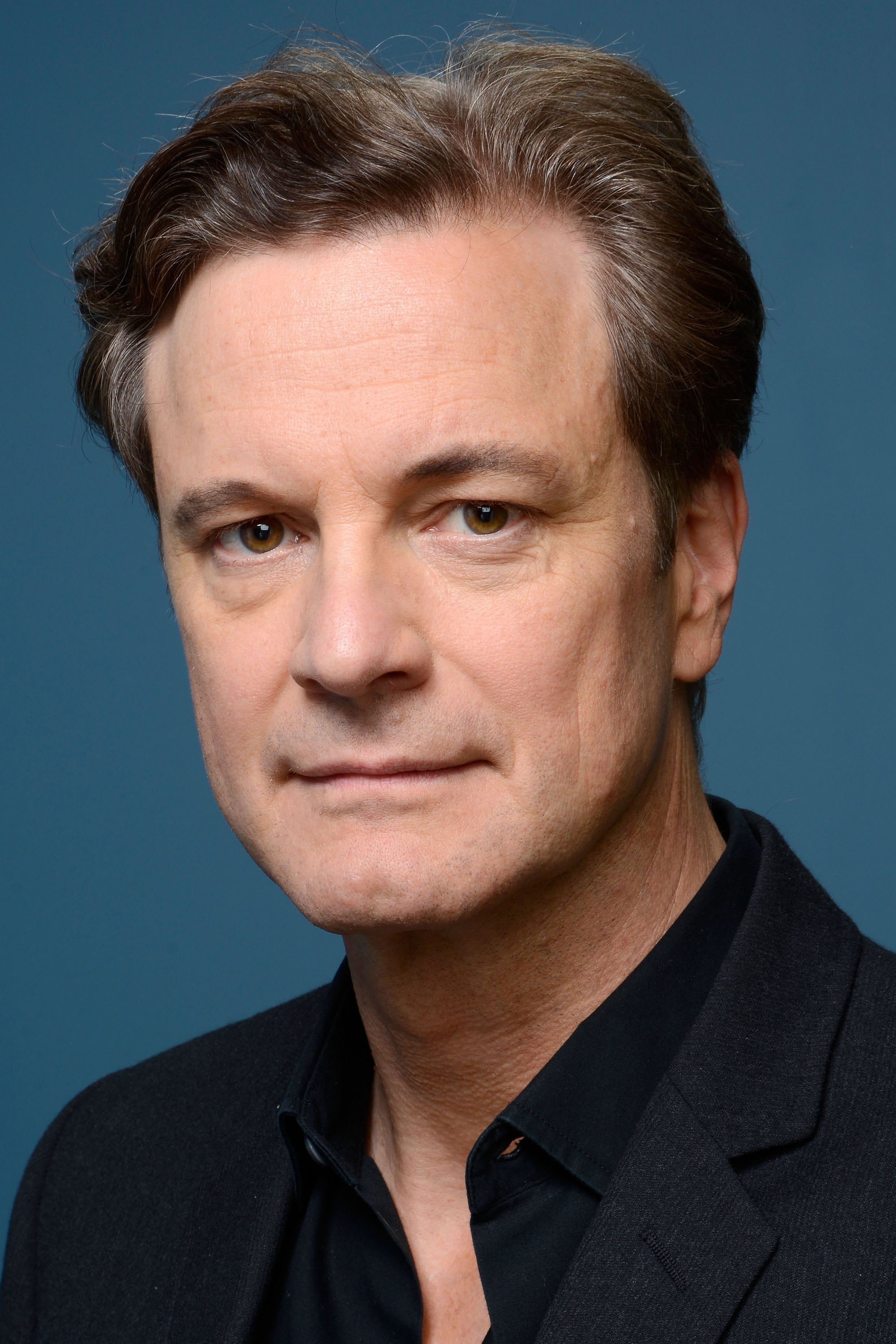
Colin Firth uses classical scene study and vocal work instead of method immersion. He focuses on posture, cadence, and subtle gesture that can be reproduced reliably. He resets between setups to absorb notes and adjust pacing. This steady preparation shows in ‘The King’s Speech’ and ‘A Single Man’.
Jeff Bridges
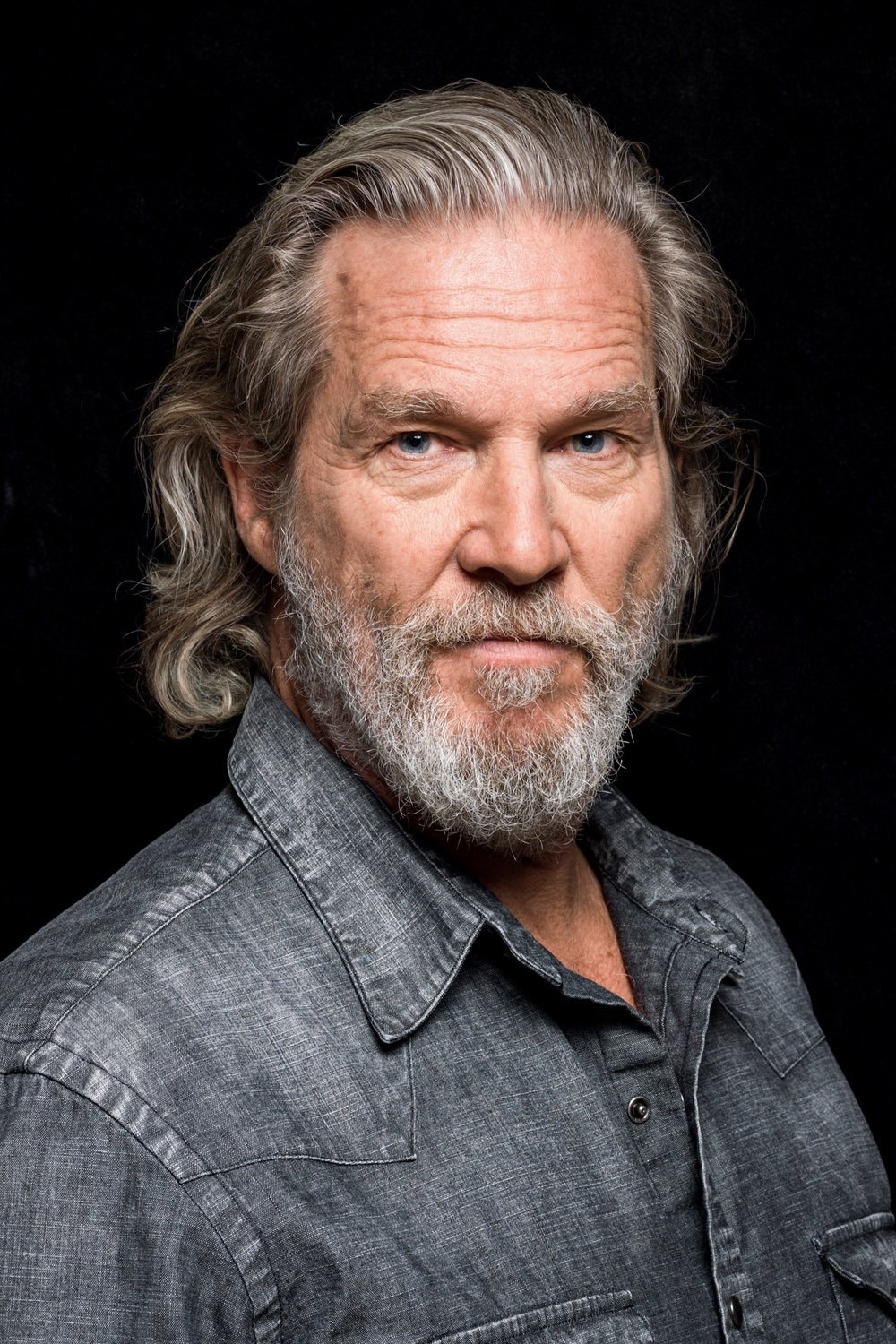
Jeff Bridges emphasizes listening, relaxed focus, and camera awareness rather than living as the character off set. He works with directors to find a scene’s tempo that can hold through multiple takes. He uses simple, trackable choices to protect continuity. His approach anchors ‘Crazy Heart’ and ‘Hell or High Water’.
John Goodman
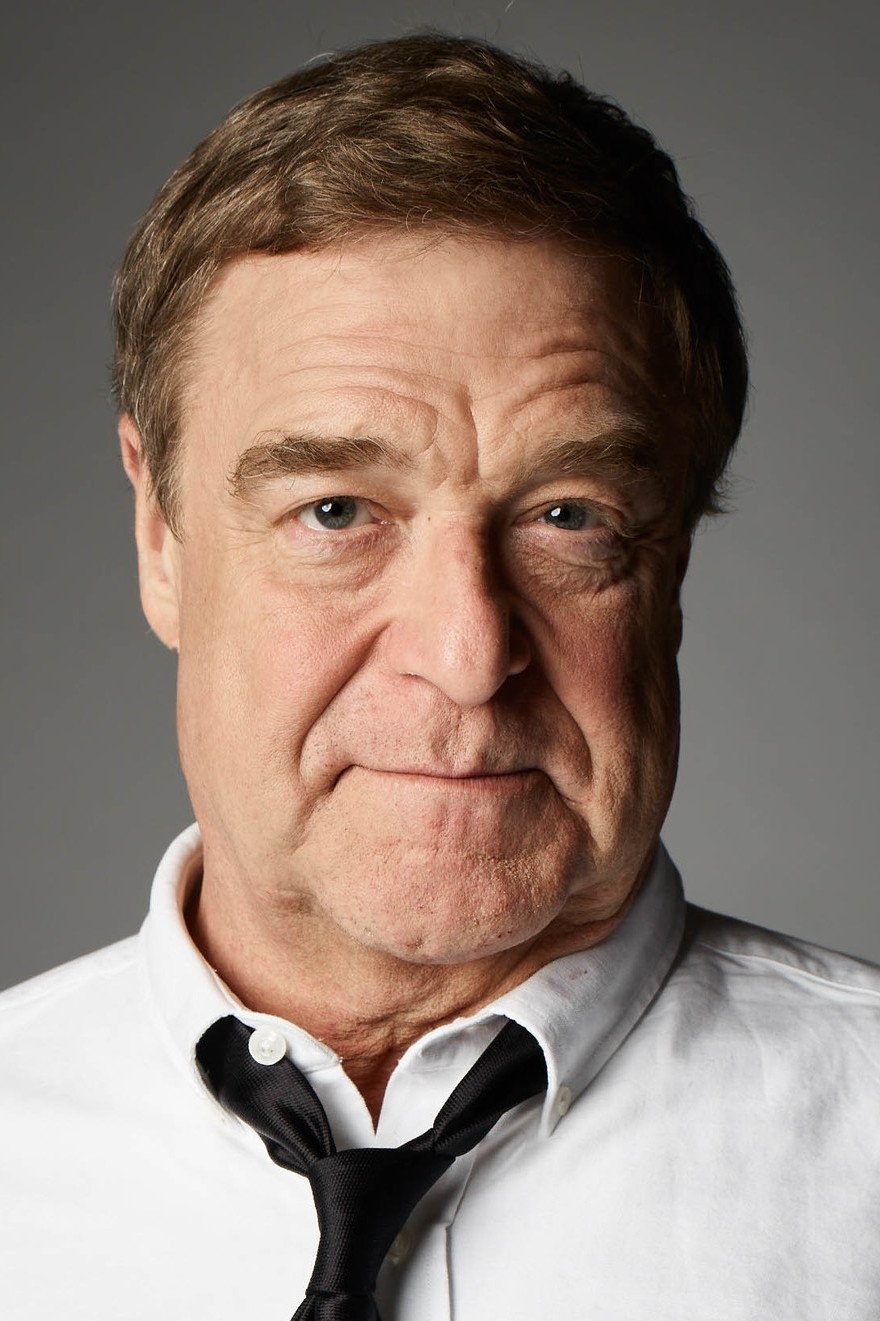
John Goodman relies on rehearsal and precise timing to keep performances sharp without method techniques. He coordinates closely with sound and camera so comedic and dramatic beats land cleanly. He steps out of character to refine blocking with crew. This professional rhythm appears in ‘Barton Fink’ and ‘10 Cloverfield Lane’.
Andy Serkis
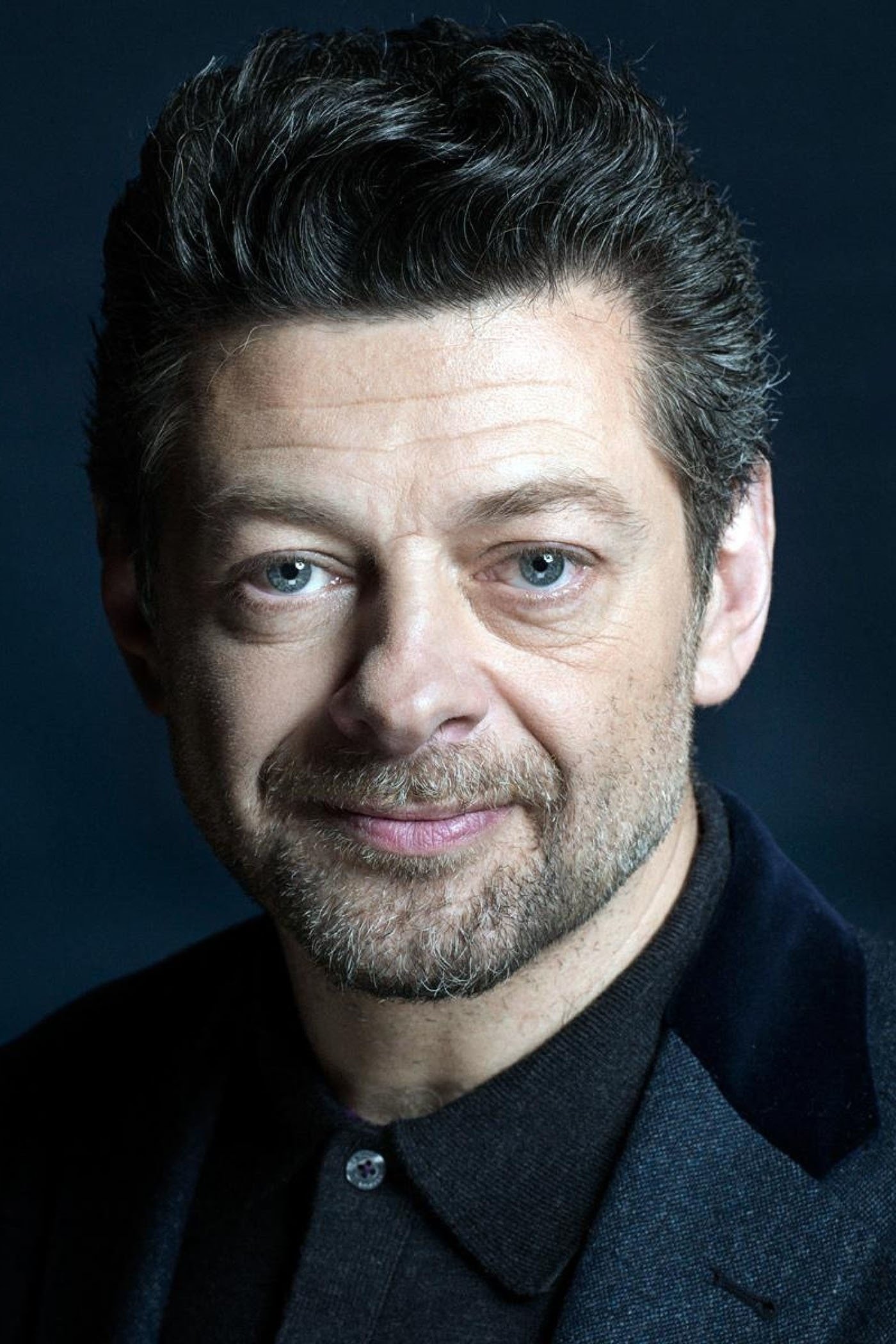
Andy Serkis develops characters through movement study, voice work, and performance capture planning rather than continuous immersion. He collaborates with visual effects teams to map repeatable beats for animators. He keeps notes on physical markers to maintain continuity across sessions. This craft is clear in ‘The Lord of the Rings’ and ‘War for the Planet of the Apes’.
Pedro Pascal
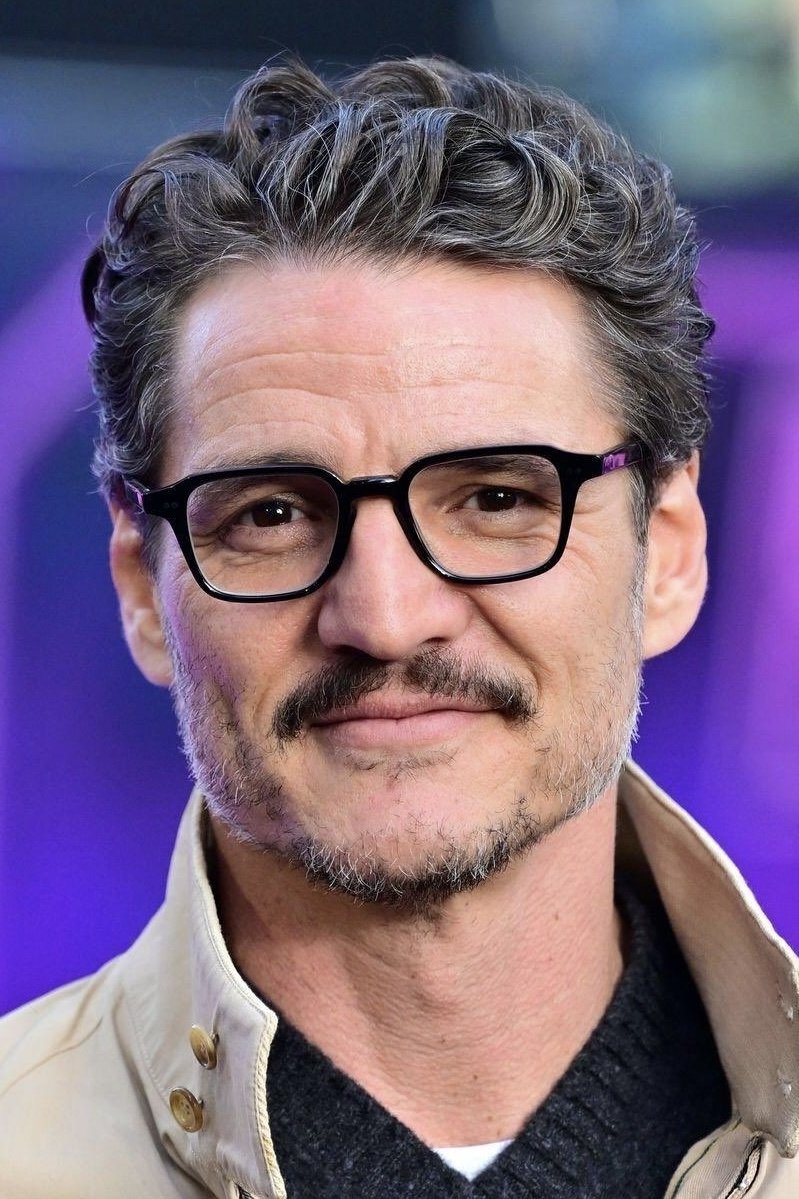
Pedro Pascal prepares with research and table reads and does not remain in character between takes. He aligns tone with directors so scenes play consistently across changing setups. He reviews blocking to keep action and dialogue clear for editors. This practice supports ‘The Mandalorian’ and ‘The Last of Us’.
Brendan Fraser
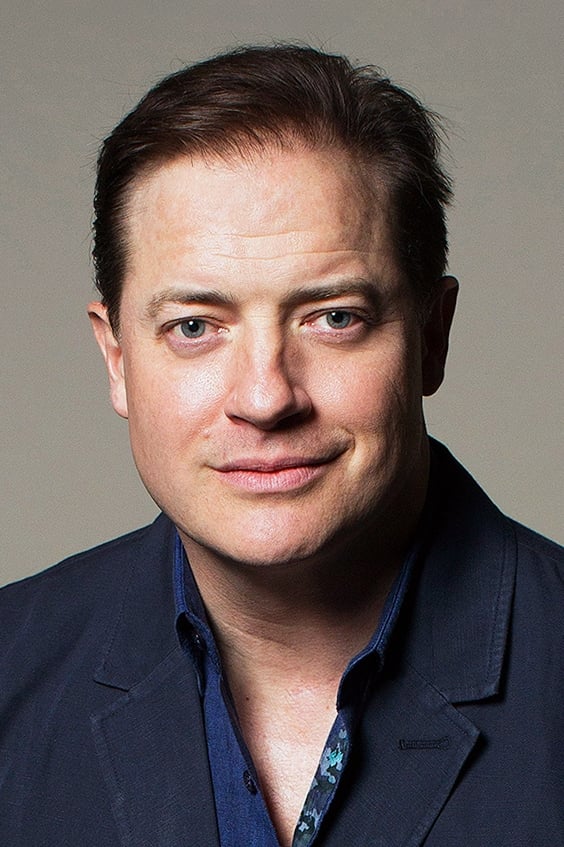
Brendan Fraser focuses on physical preparation, breath, and clear blocking rather than method immersion. He separates performance from off set time to preserve energy for complex sequences. He coordinates with stunt and prosthetics teams to keep choices repeatable. This methodical approach shows in ‘The Mummy’ and ‘The Whale’.
Idris Elba
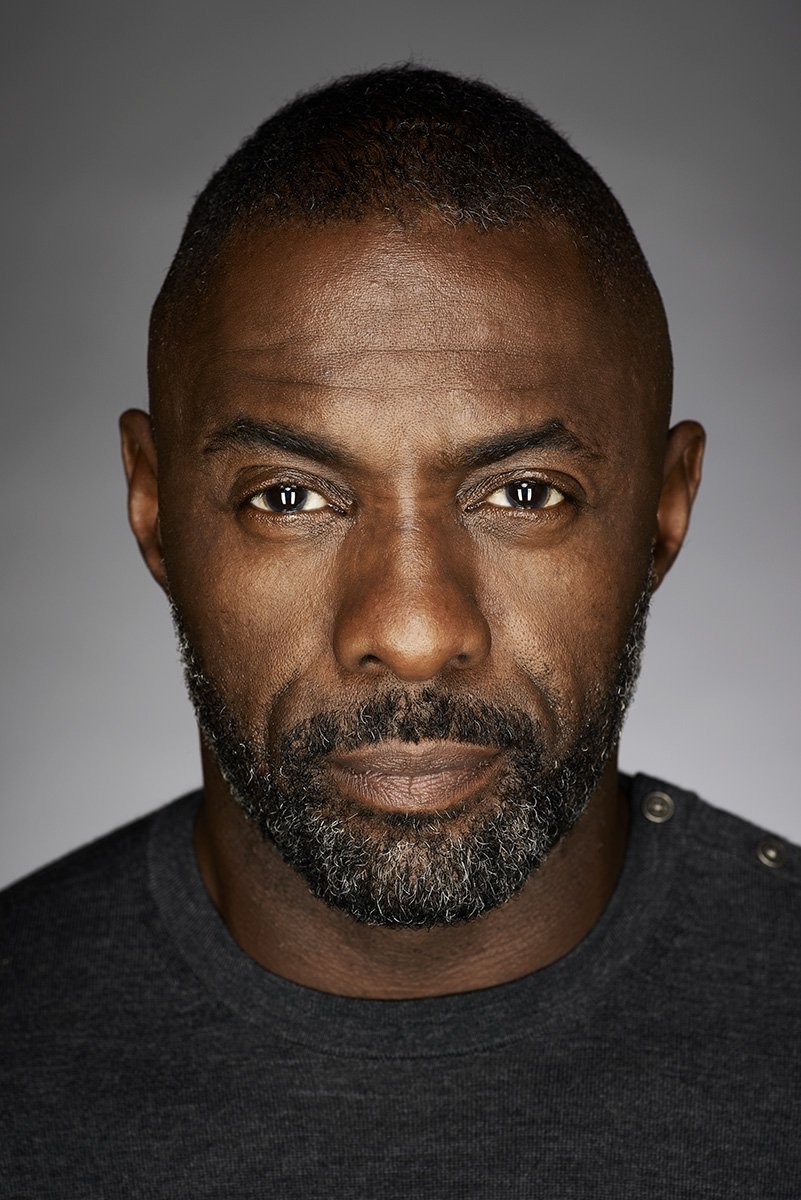
Idris Elba builds roles with dialect coaching, music driven rhythm, and practical rehearsal without staying in character all day. He keeps communication open with departments to match continuity and pace. He uses scene objectives to maintain focus through multiple camera angles. You can see this in ‘Beasts of No Nation’ and ‘Luther’.
Chris Hemsworth
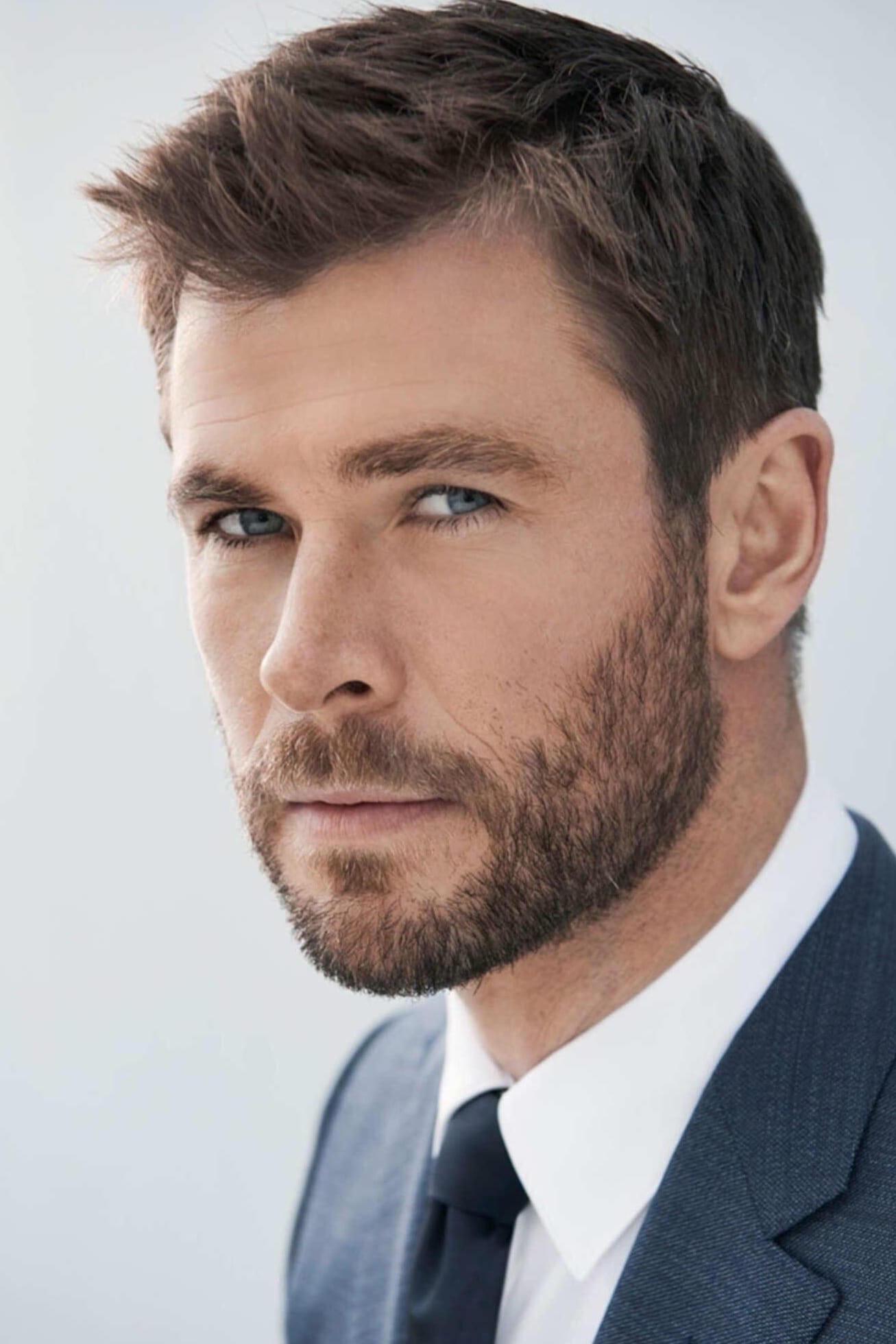
Chris Hemsworth trains extensively and works from technical planning instead of method techniques. He reviews choreography and eye lines so action reads safely and consistently. He steps out of character to adjust timing with stunt coordinators and camera teams. This approach is visible in ‘Thor: Ragnarok’ and ‘Extraction’.
Jackie Chan
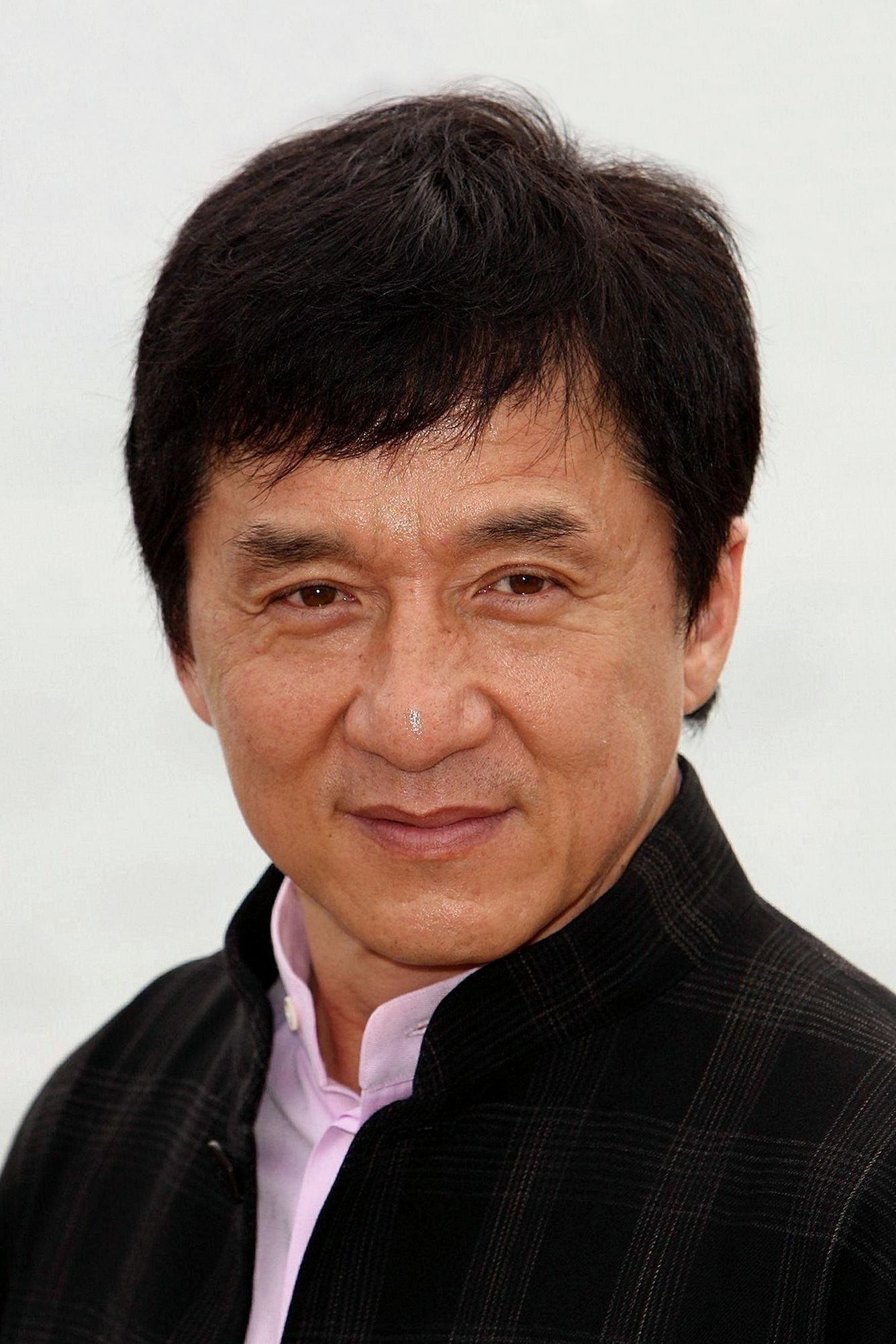
Jackie Chan relies on choreography, stunt design, and meticulous rehearsal rather than staying in character off set. He preplans action beats so editors can cut smoothly across takes. He coordinates with teams on safety and timing before dialing in dialogue. This disciplined process drives ‘Police Story’ and ‘Rush Hour’.
Don Cheadle
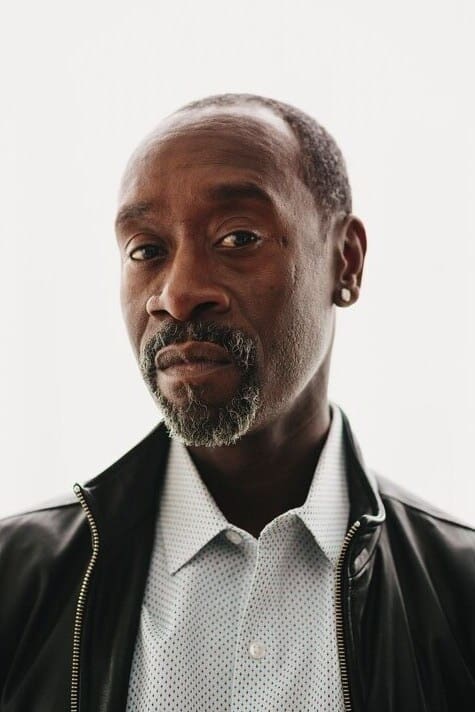
Don Cheadle prepares through script analysis and partner work and does not keep a character persona between setups. He uses continuity notes and camera blocking to preserve small choices. He adapts quickly to direction so coverage stays efficient. His work in ‘Hotel Rwanda’ and ‘Ocean’s Eleven’ reflects this practice.
Hugh Grant
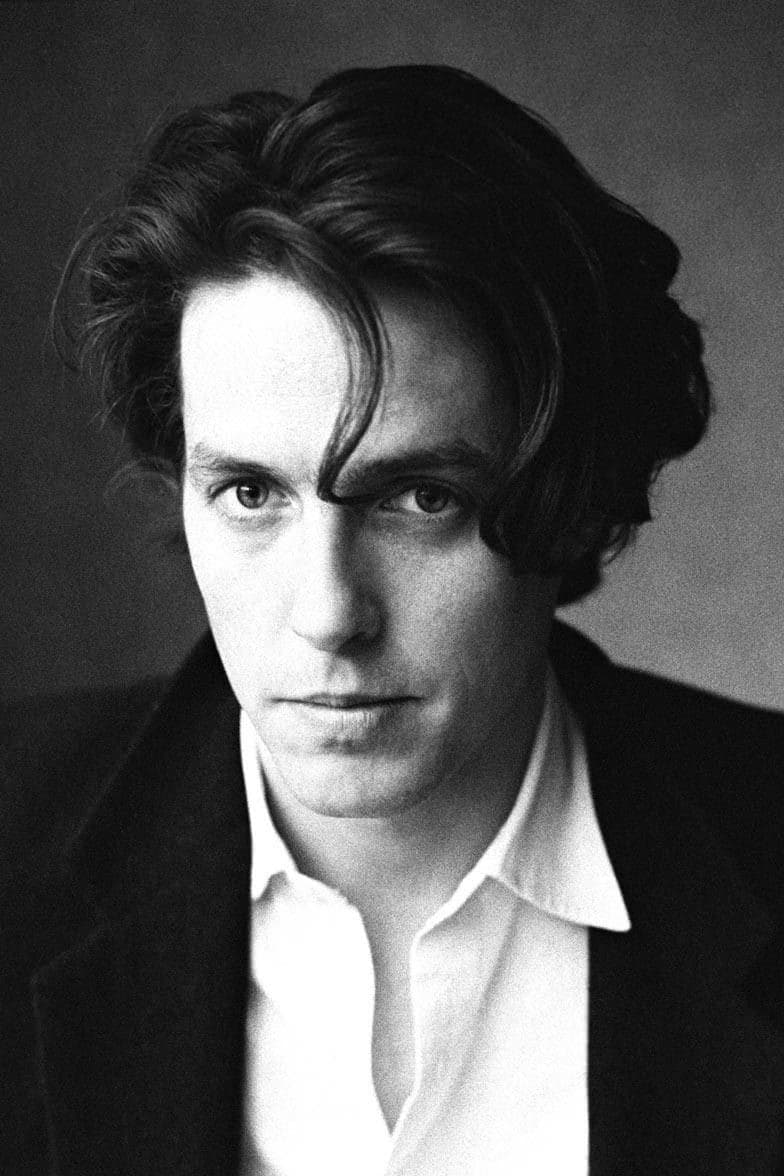
Hugh Grant favors light rehearsal, timing, and precise delivery instead of method immersion. He communicates with directors to set tone that can be repeated reliably. He steps out of character to adjust blocking and pacing for each angle. This consistent craft appears in ‘Notting Hill’ and ‘Paddington 2’.
Share the actors you would add to this list in the comments.

