


Actreses Who Tanked Their Own Movies With Bad PR

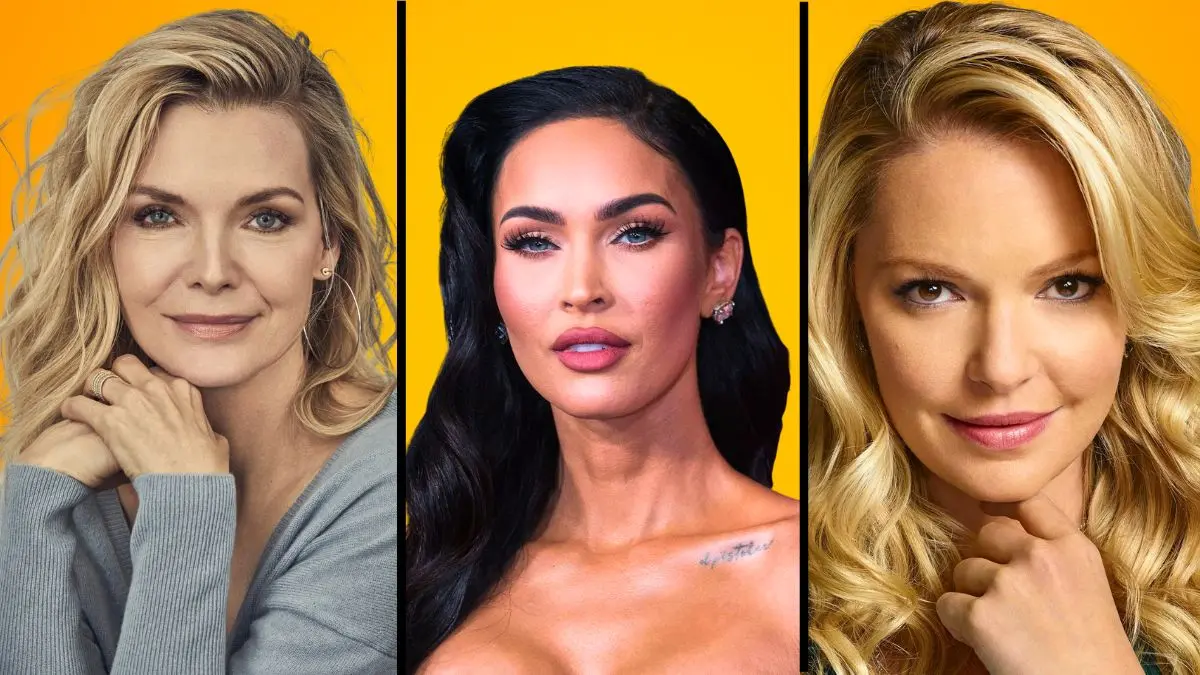


Sometimes a movie’s biggest problem is not the script or the budget but the headlines that swirl around it. When an actor clashes with a director, criticizes their own film, or gets caught in a wider cultural controversy, that noise can swallow the conversation about the work itself. In some cases the star later apologizes or laughs it off, and the movie slowly finds a cult audience. In others the bad buzz sticks, and the film becomes shorthand for career trouble or miscasting that everyone had to talk their way out of. Here are some of the most talked about examples where an actress and the PR around her ended up competing with the movie she was meant to sell.
Katherine Heigl
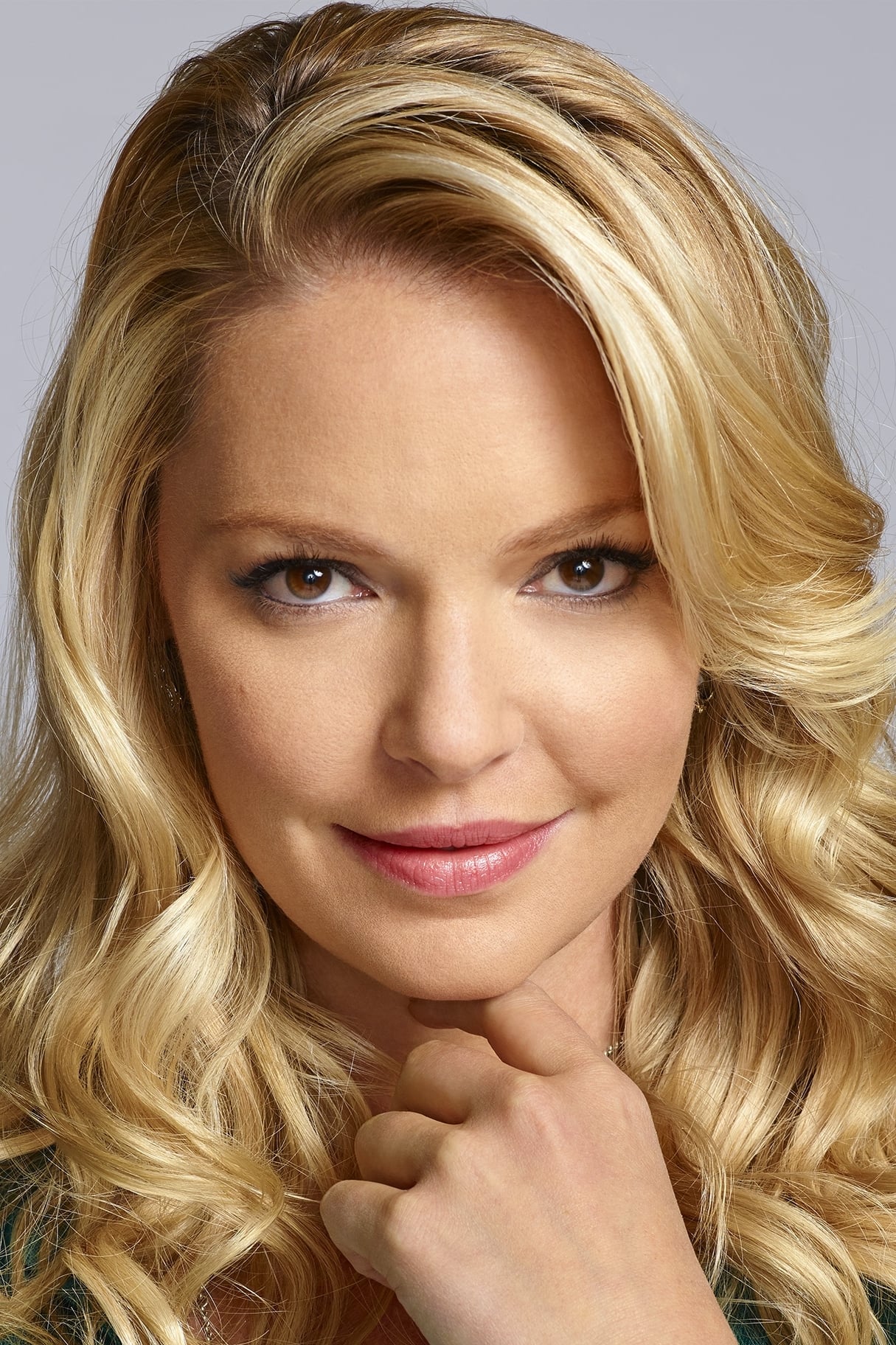
After starring in Judd Apatow’s hit comedy ‘Knocked Up’, Katherine Heigl told a magazine the film was “a little sexist” and that she had struggled with how women were portrayed compared with the male characters. The remarks quickly made headlines and created tension with both Apatow and co-star Seth Rogen, who later said he felt blindsided by the criticism. Instead of focusing on the film’s success and her breakout status, interviews turned into post-mortems about whether she had bitten the hand that fed her. The episode helped cement a reputation for being “difficult” that industry pieces still bring up when they talk about the later slowdown in her studio career.
Megan Fox
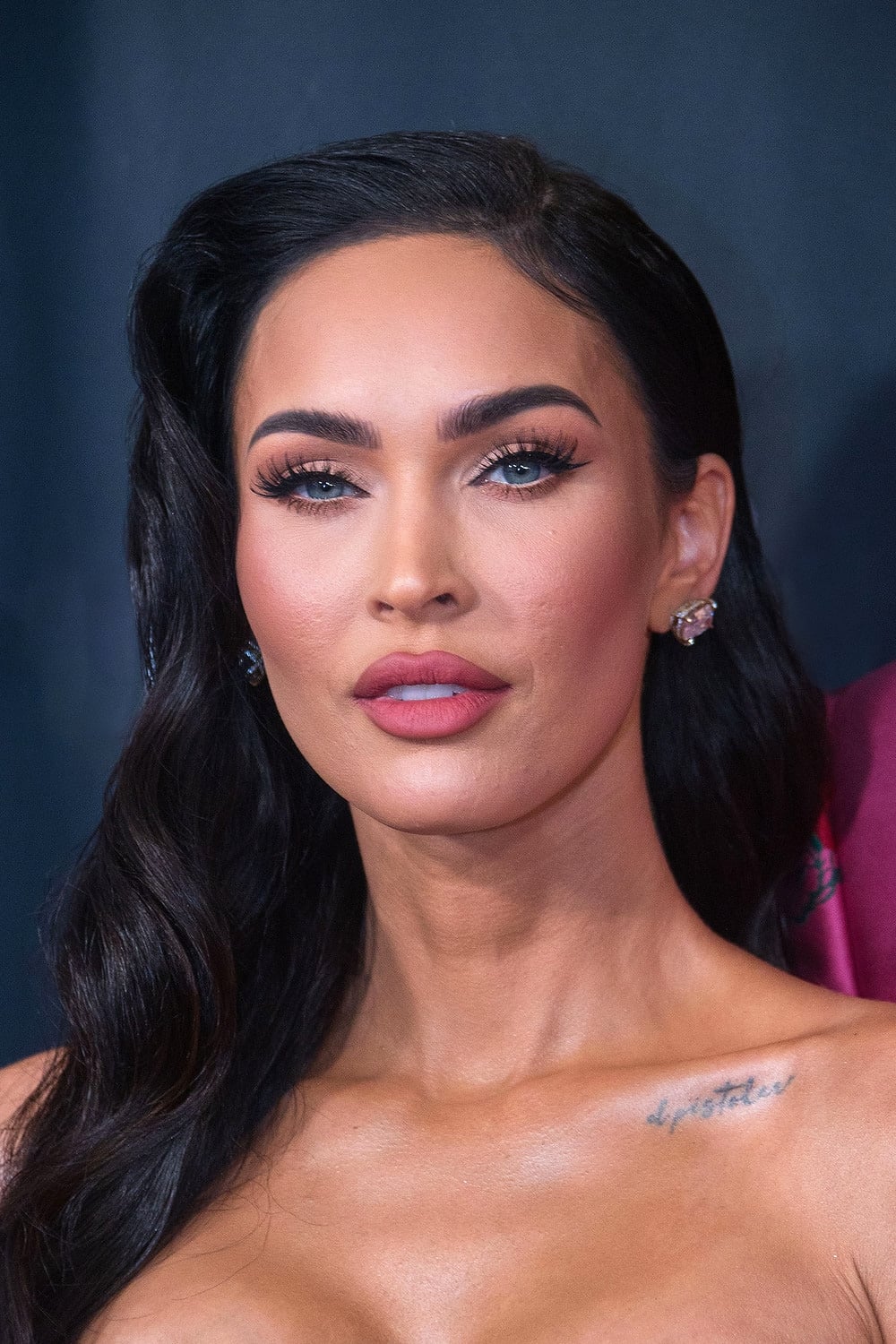
During promotion around the ‘Transformers’ series, Megan Fox compared director Michael Bay to a dictator in an interview and mentioned Hitler by name, which set off an enormous media storm. Producers publicly backed Bay and soon after she was no longer part of the franchise, with a different love interest introduced in the third film. The fallout became as big a story as the robots, with open letters and behind-the-scenes accounts of tension getting as much coverage as box office numbers. That feud still gets cited whenever people talk about how fast a single quote can change a blockbuster career.
Lindsay Lohan
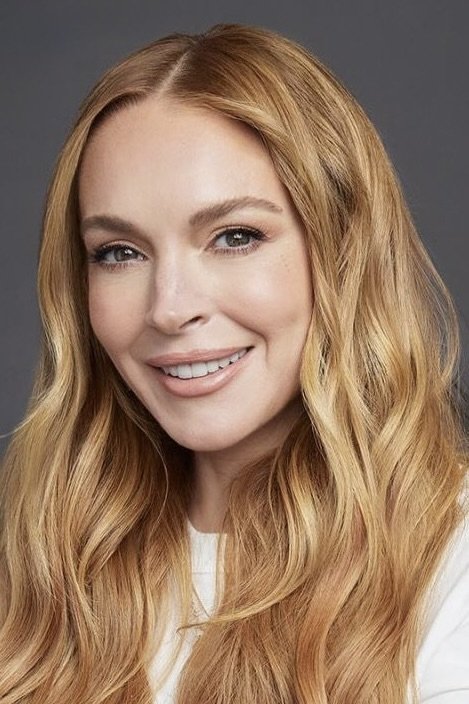
On ‘Georgia Rule’, Lindsay Lohan’s off-screen behavior became front-page news while the movie was still shooting. The head of the production company sent her a stern letter accusing her of being “discourteous, irresponsible and unprofessional” and of acting like a “spoiled child,” and that letter was leaked in full to the press. Stories about late arrivals, partying, and on-set absences overshadowed the fact that the film paired her with Jane Fonda and Felicity Huffman in what was meant to be a serious drama. By the time ‘Georgia Rule’ opened, many viewers already saw it as a symbol of Lohan’s career troubles rather than judging it on its own terms.
Halle Berry
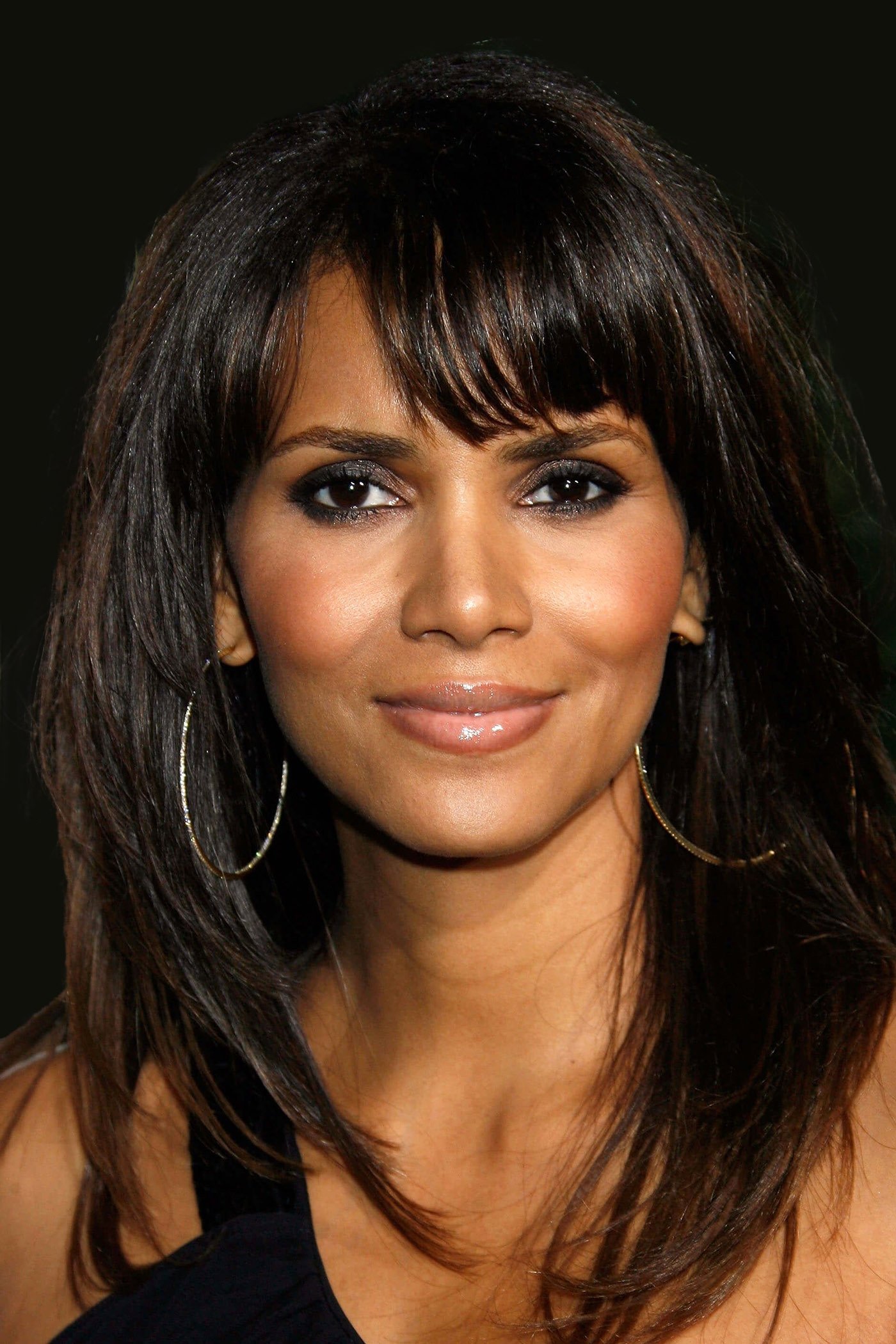
‘Catwoman’ became one of the most famous superhero misfires of the 2000s and Halle Berry leaned into the backlash in spectacular fashion. She actually turned up in person to accept the Razzie for Worst Actress, clutching her real Oscar and thanking the studio “for casting me in this piece of shit” in a speech that circulated everywhere. The film’s poor reviews and box office already hurt, but her gleeful demolition of it at the podium helped lock ‘Catwoman’ in the public mind as a legendary flop. In later interviews she has been frank about how the experience dented her momentum after winning an Oscar while also saying younger fans have since found things to love in the movie.
Sandra Bullock
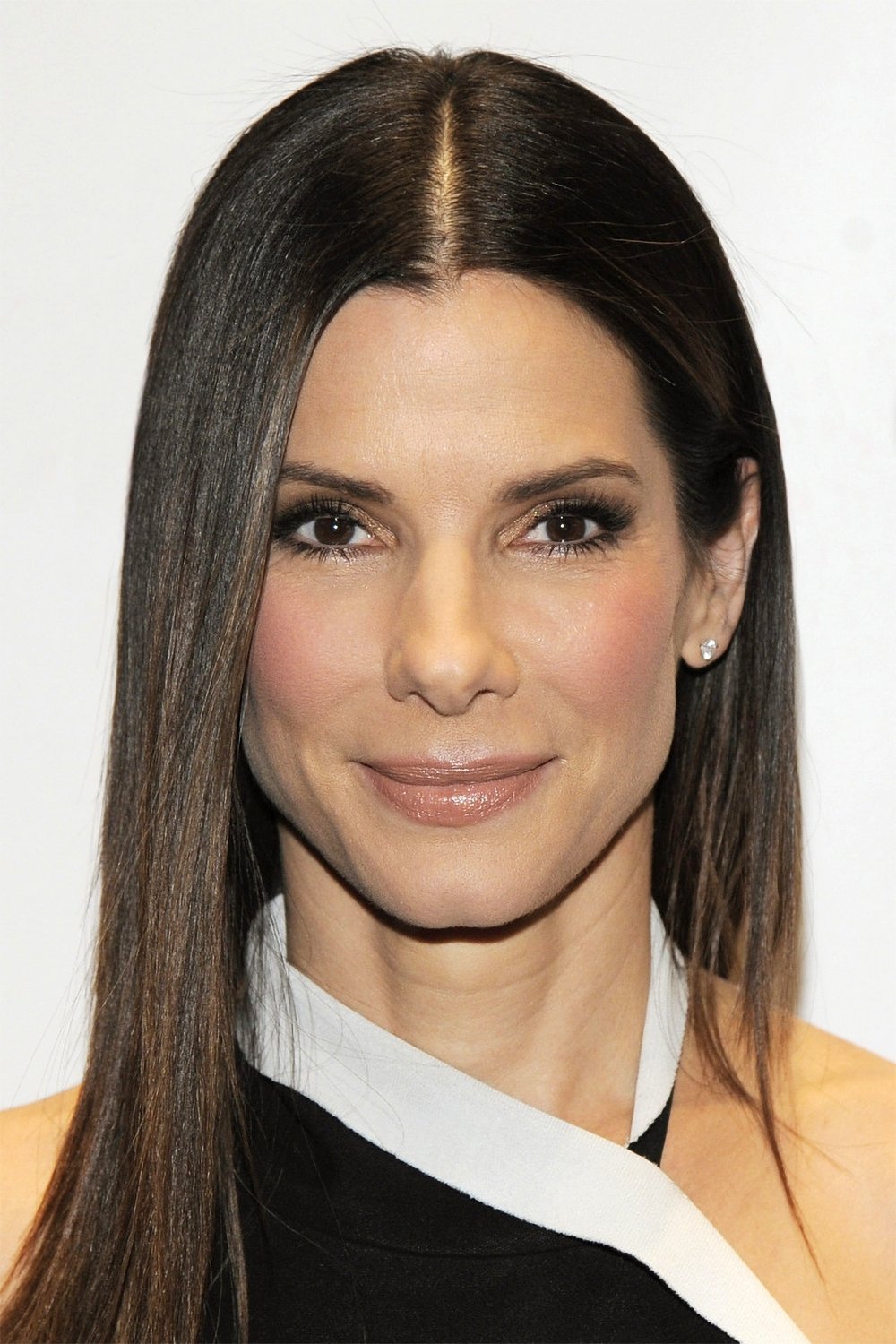
When ‘All About Steve’ was savaged by critics, Sandra Bullock did something unusual and turned the negative buzz into a talking point. She showed up at the Razzies pulling a wagon full of DVD copies of the film and handed them out, telling voters to actually watch it and decide whether her performance really was the worst. Her stunt became a media moment of its own, especially because she won an Oscar for a different film the very next night, and ‘All About Steve’ was suddenly known more for the Razzie circus than for its romantic comedy plot. That playful but pointed response kept the movie in the conversation longer than its modest release ever would have managed on its own.
Michelle Pfeiffer

Michelle Pfeiffer has been candid about how unhappy she was with ‘Grease 2’, the musical sequel that tried and failed to repeat the success of the original. In later interviews she described taking the job early in her career and being embarrassed by the finished film, which critics largely panned at the time. As the movie developed a campy following, quotes about her hating the experience became part of its legend and coloured how new viewers approached it. Fans who discovered it later often talked about it in the context of her regret rather than just another early-eighties musical. That tension between the star’s feelings and audience nostalgia is now baked into how people talk about ‘Grease 2’.
Charlize Theron
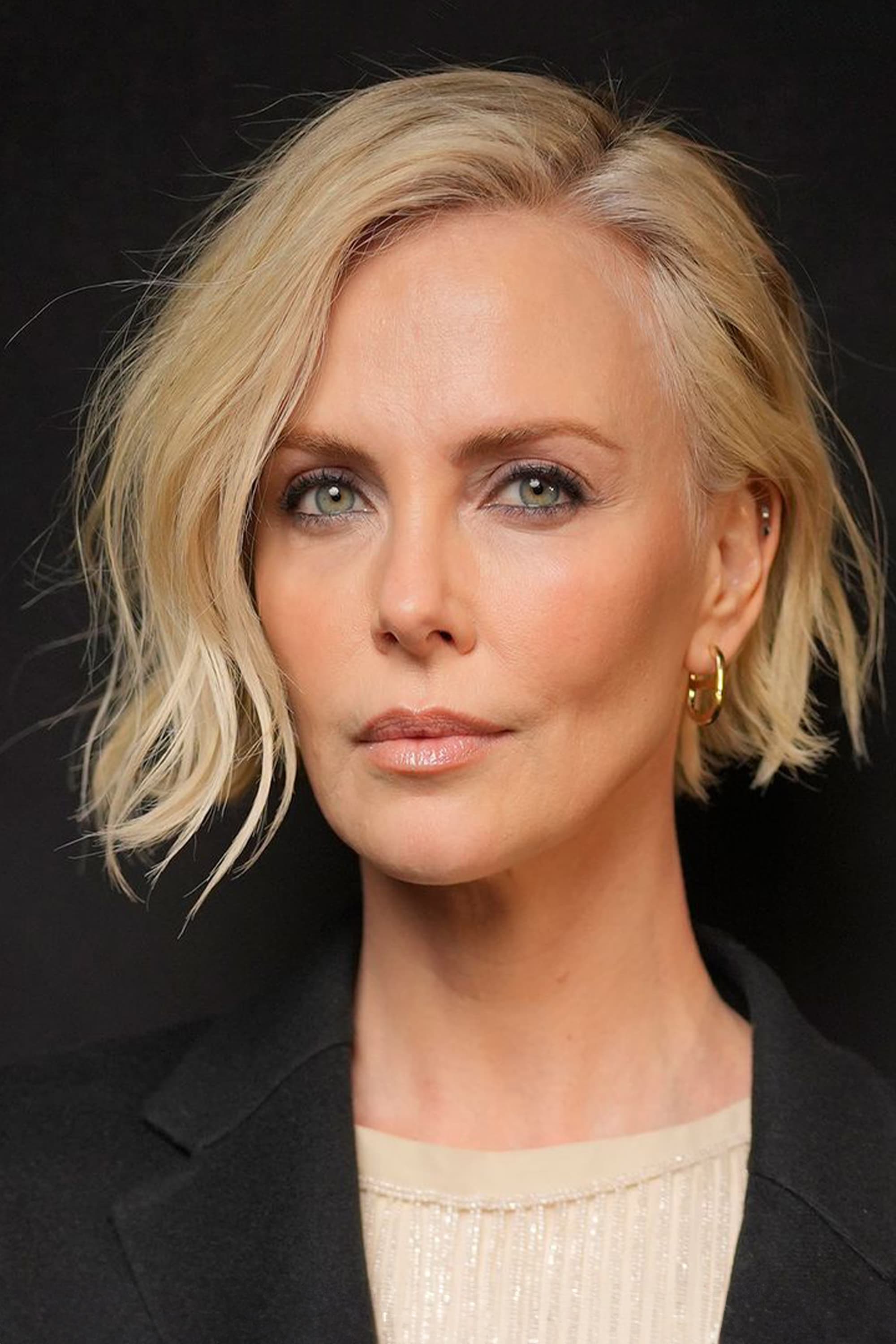
Charlize Theron has pointed to the thriller ‘Reindeer Games’ as a misstep, grouping it among the projects she took before she had real control over her career. Retrospectives about the movie frequently quote her calling it one of the weaker films on her resume and use that as a jumping-off point to discuss how she later became more selective. Those comments helped cement the movie’s status as disposable rather than something due for rediscovery. When people revisit it now, it is often through the lens of “even the star thinks this one does not work,” which is a tough starting point for any film.
Jennifer Lawrence
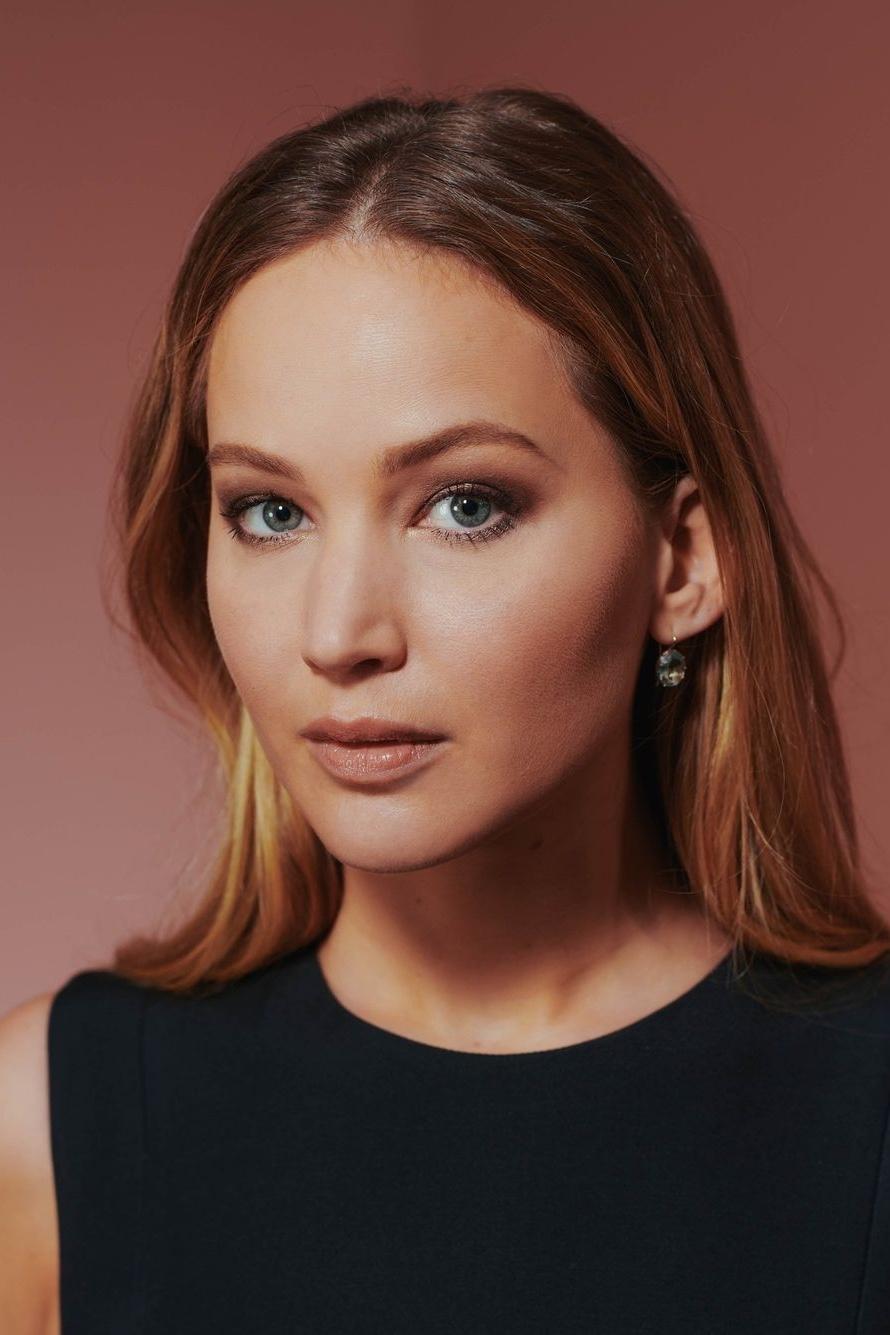
Science fiction romance ‘Passengers’ arrived with big stars and a glossy campaign but it soon drew criticism for its central relationship and ethical problems baked into the story. After the release, Jennifer Lawrence said in interviews that she had not fully registered how disturbing some viewers found the premise until she saw the finished movie and the reaction around it. That honesty turned into a second wave of coverage that framed ‘Passengers’ as something its own lead regretted doing. Articles that looked back on her career began to cite the film as an example of how even top actors can misjudge a script, keeping its negative perception alive long after it left cinemas.
Julianne Moore
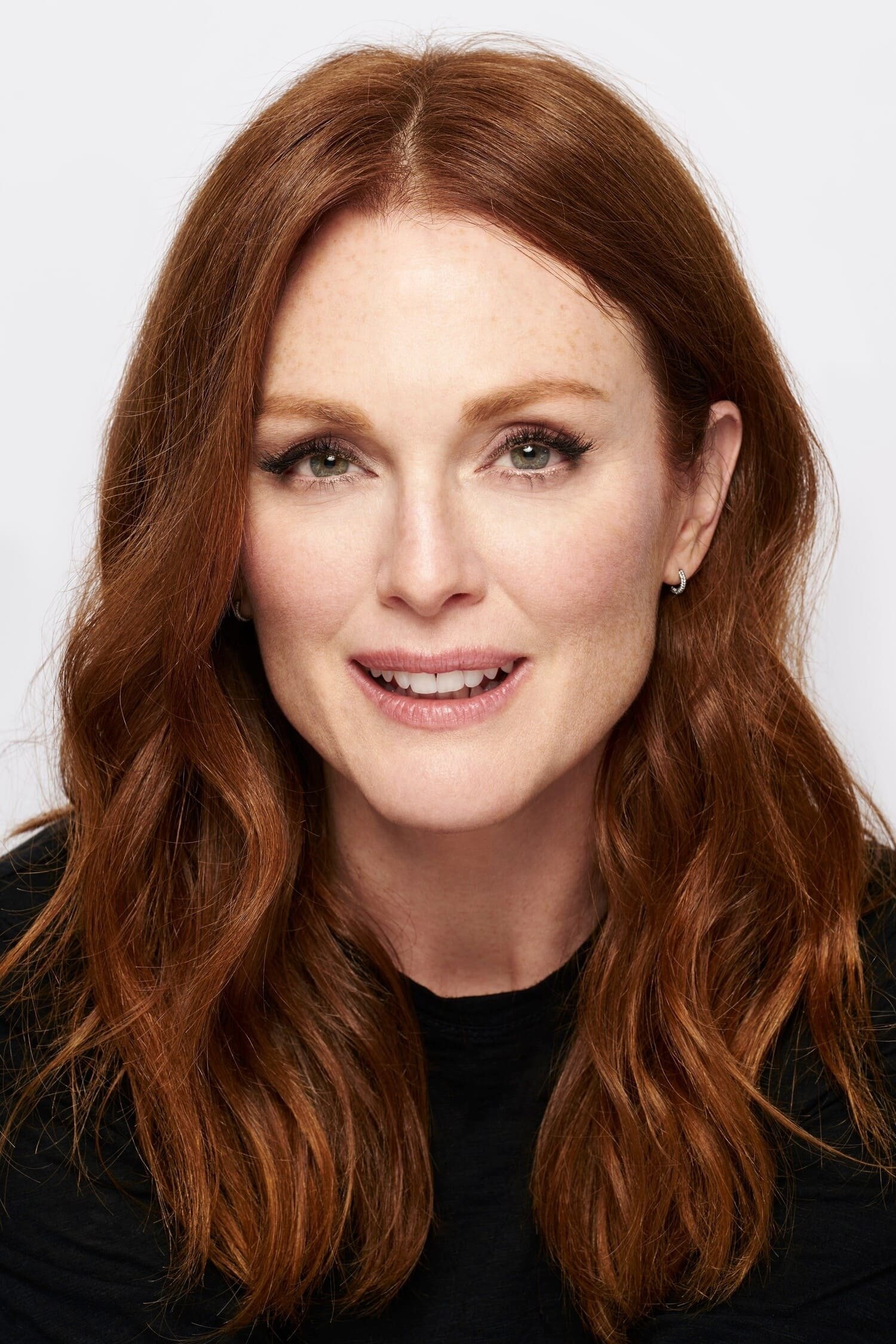
Julianne Moore has not been shy about calling the Nicolas Cage thriller ‘Next’ one of the worst projects she ever did. In a candid interview she flatly described it as “a bad movie” and listed it among the few roles she wished she had passed on. Those remarks circulated widely because they came from such a respected actor, and they helped fix ‘Next’ in the public mind as a clunker rather than a forgotten mid-budget release. When the film pops up in streaming queues today, it often does so with that quote attached in articles and listicles that revisit her career choices.
Scarlett Johansson
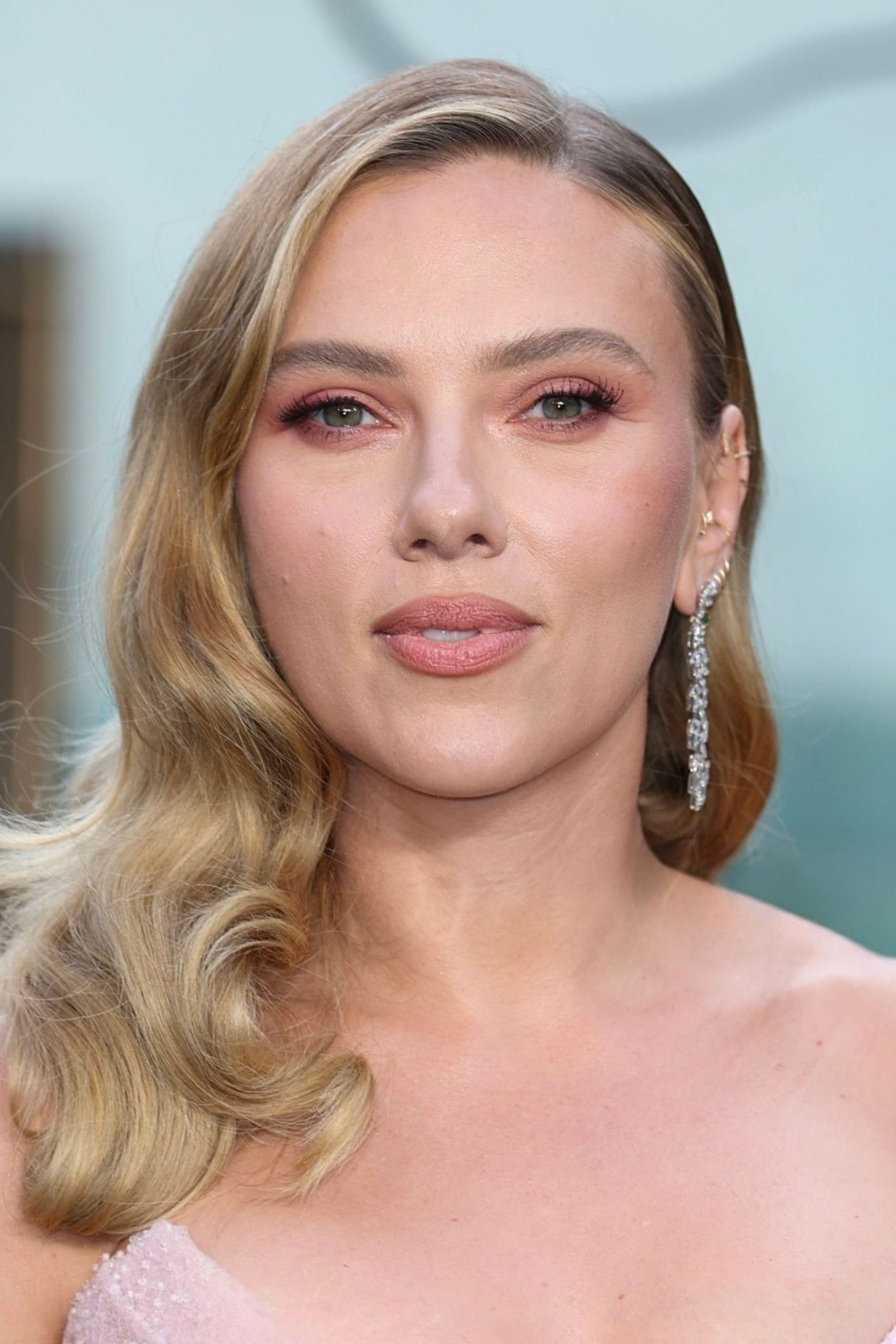
The live-action remake of ‘Ghost in the Shell’ became a flashpoint in the debate about whitewashing long before it opened and Scarlett Johansson’s casting was at the centre of it. Critics and advocacy groups argued that adapting a Japanese property with a white lead erased opportunities for Asian actors and reinforced industry patterns. Interviews with Johansson about the role turned into discussions about representation and intent, and that conversation largely drowned out questions about the film’s story or visuals. When it underperformed at the box office, many commentators linked that result to the months of negative press about the casting.
Brie Larson

Before and during the release of ‘Captain Marvel’, Brie Larson’s comments about wanting more diverse press coverage and critics at junkets were clipped and spread widely online. Some fans applauded her remarks while a subset of angry posters encouraged boycotts and flooded comment sections and rating sites, turning what should have been routine promotion into a culture war talking point. For weeks, coverage of the film focused as much on manufactured outrage and review bombing as on the movie itself. Even though ‘Captain Marvel’ had strong box office numbers, its press cycle is now often remembered as one of the clearest examples of how online backlash can try to smother a release.
Amber Heard
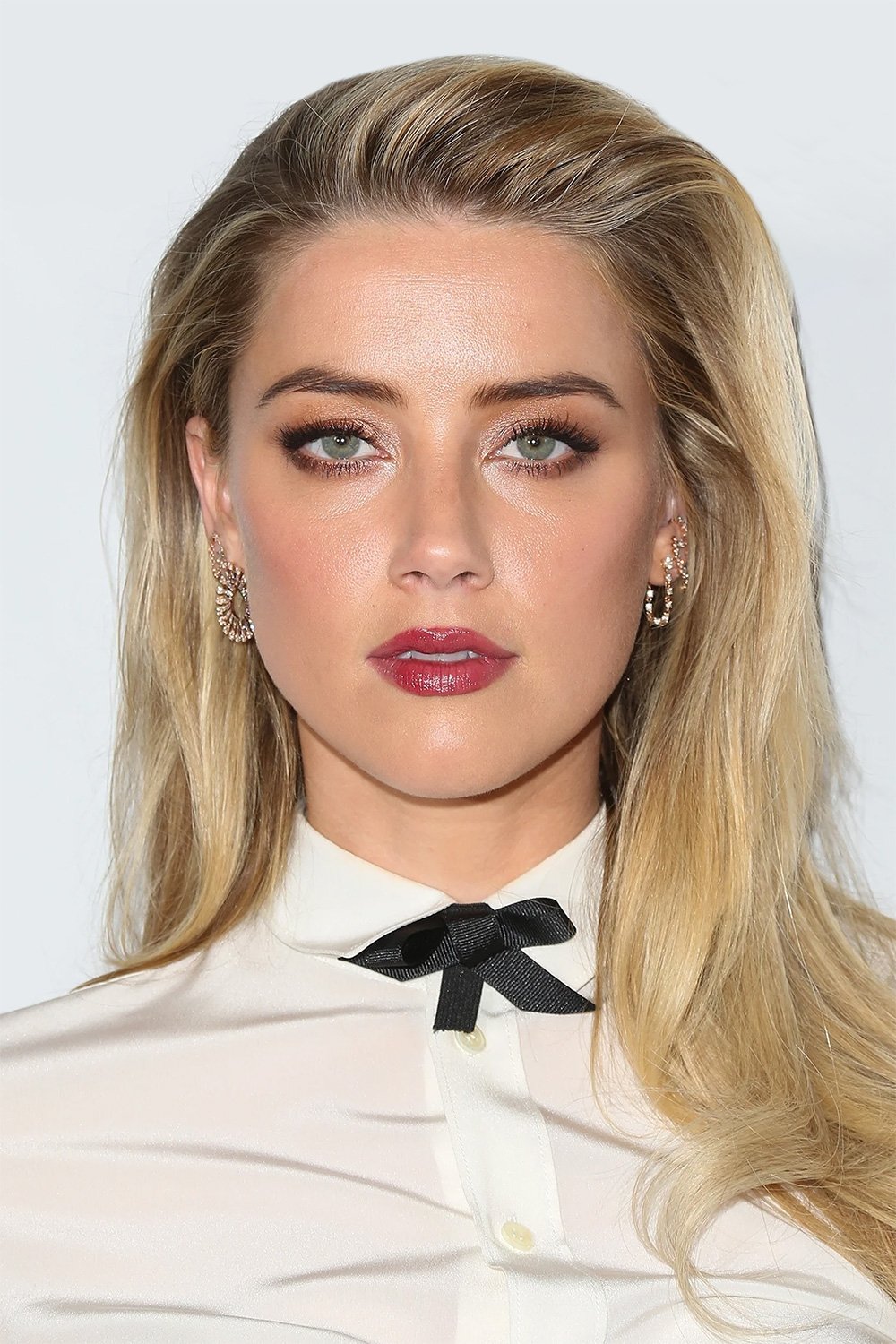
‘Aquaman and the Lost Kingdom’ arrived after years of intense public scrutiny of Amber Heard’s legal battles with Johnny Depp. The defamation trial was live-streamed and clips were re-edited across social media, spawning petitions and calls to remove her from the sequel entirely. Reports around the film’s release noted that her role had been reduced and that the studio kept her largely out of the marketing while trying to steer attention back to the superhero spectacle. Instead of talking about story choices or visual effects, many discussions of the movie focused on courtroom transcripts and fan campaigns, which shows how completely real-world drama can swallow the narrative around a blockbuster.
Letitia Wright
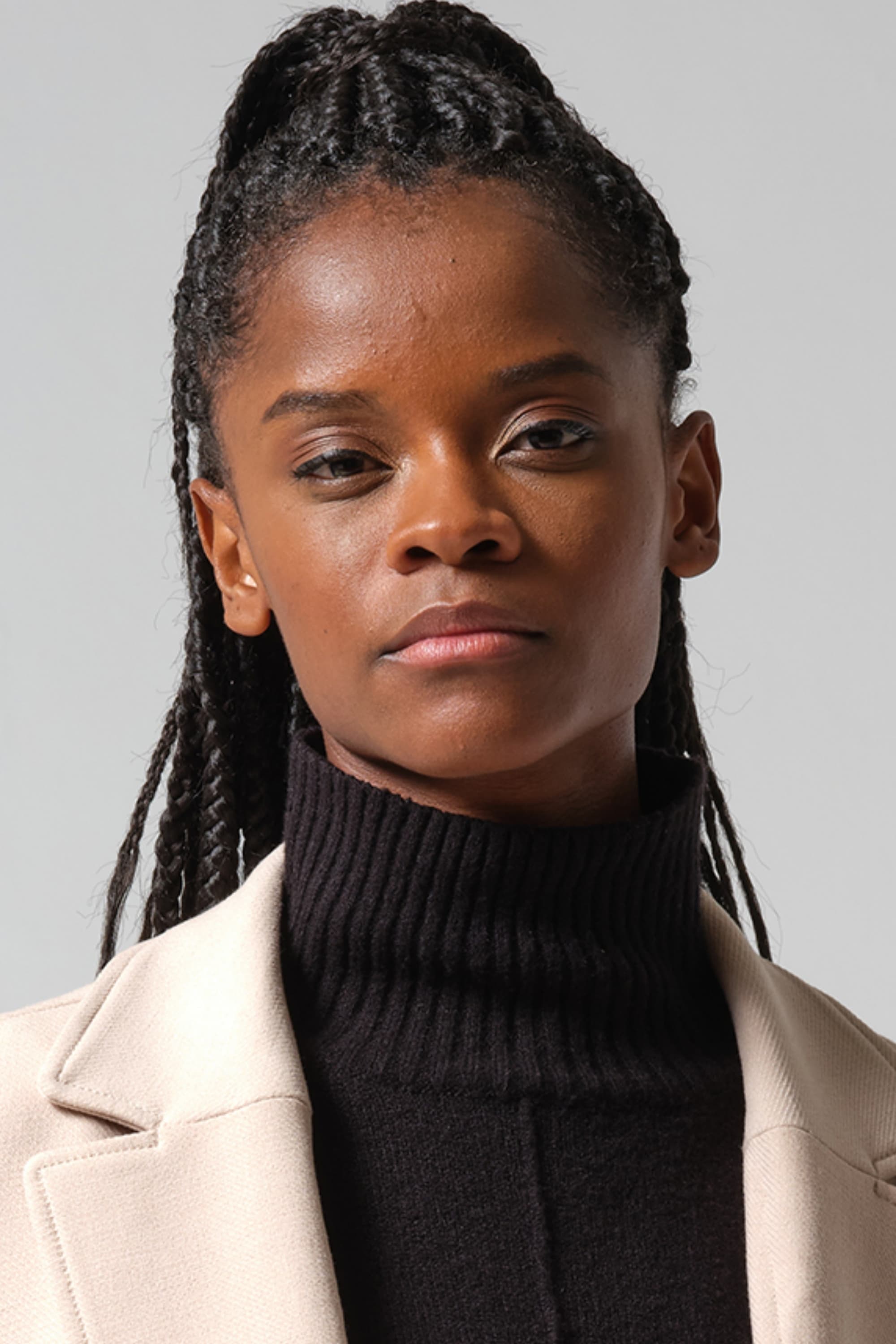
In the run-up to ‘Black Panther: Wakanda Forever’, Letitia Wright faced heavy online criticism after she shared a video that questioned COVID-19 vaccines and then pushed back on coverage of the incident. The controversy resurfaced during production, with reports that it contributed to delays and with think pieces pairing her name with broader debates about misinformation. Wright later said she had apologized and moved on, but the issue repeatedly came up during interviews about the sequel, forcing Marvel’s press tour to juggle franchise grief, story questions, and vaccine discourse all at once. The movie still drew big crowds, yet its promotion is remembered as another example of how a star’s social media activity can complicate a studio’s messaging.
Evangeline Lilly
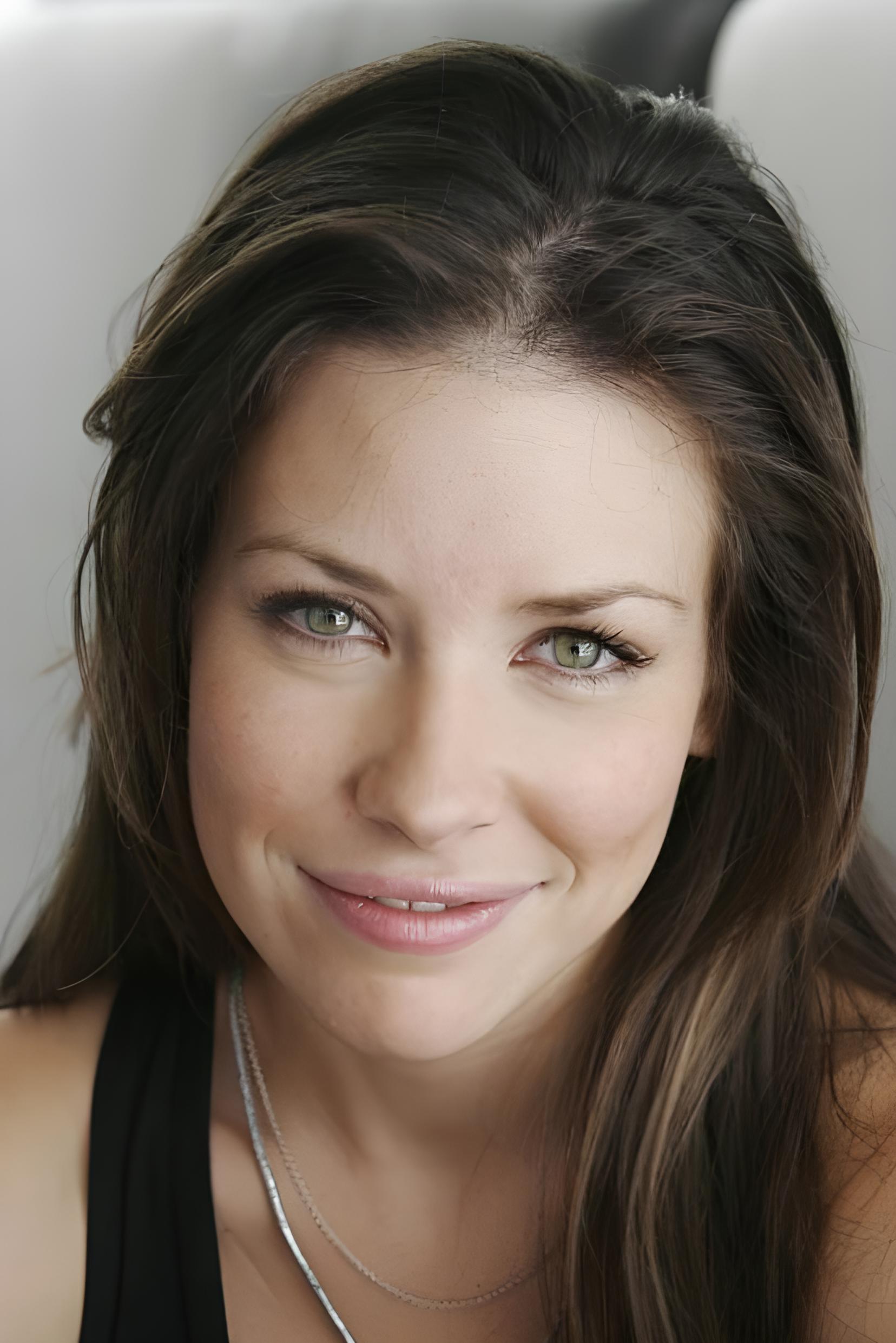
Around the same period, ‘Ant-Man and the Wasp: Quantumania’ star Evangeline Lilly drew attention for posts opposing vaccine mandates and for attending a rally in Washington in support of “bodily sovereignty.” Her stance sparked calls from some Marvel fans to recast her character and created speculation about whether the studio might distance itself from her. Articles comparing the reaction to Lilly and Wright framed both as part of a wider challenge for Marvel in managing public health debates tied to its stars. While the film’s story had its own issues, a notable slice of conversation around release stayed focused on those off-screen choices and how they might affect future installments.
Kristen Stewart
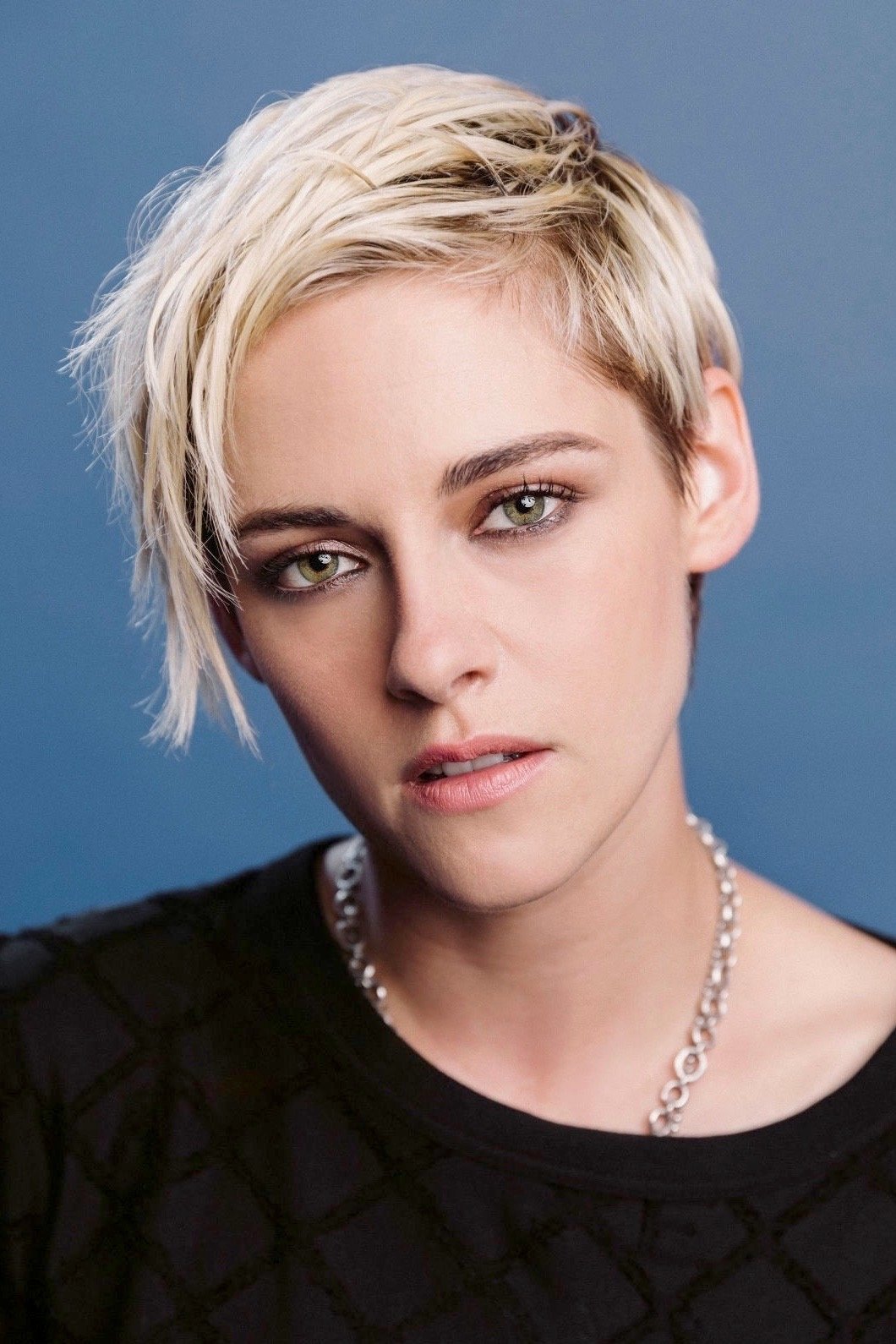
After ‘Snow White and the Huntsman’, Kristen Stewart’s widely publicized affair with director Rupert Sanders blew up into a tabloid storm. She issued a public apology, and within weeks there were reports she would not return for the planned follow-up, with commentators suggesting the scandal had made a straightforward sequel impossible. Later interviews with Stewart confirmed that the fallout affected her involvement with the franchise and that studio plans shifted as a result. The movie itself now often gets discussed in the same breath as that tabloid saga, which shows how quickly a personal situation can reshape the perceived future of a film series.
Jennifer Lopez

Romantic comedy ‘Gigli’ was already struggling with harsh critical reviews, but the media frenzy around Jennifer Lopez and Ben Affleck’s relationship magnified every misstep. Their high-profile romance, dubbed “Bennifer,” led to relentless tabloid coverage that blurred the line between the movie and their real-life image. When the film bombed and was branded one of the worst studio releases in years, Lopez absorbed much of the blame in commentary about diva reputations and overexposure. That reaction followed her into the next phase of her film career and is still brought up whenever ‘Gigli’ is mentioned as a cautionary tale about hype gone wrong.
Elizabeth Berkley

‘Showgirls’ is now a cult favourite, but at the time of release the backlash hit Elizabeth Berkley hard. Critics savaged the film, audiences stayed away, and she later described how the reaction left her “locked out” of auditions and mainstream roles. Director Paul Verhoeven has said the industry treated her unfairly and that the film’s failure derailed her career more than anyone else’s. For years, any mention of Berkley in the press came bundled with references to ‘Showgirls’, which shows how one film’s toxic reputation can overshadow a performer’s other work.
Emma Stone

In ‘Aloha’, Emma Stone played a character written as part Asian and part Hawaiian, which immediately drew criticism as another case of Hollywood whitewashing. Director Cameron Crowe publicly apologized for the casting, and Stone later said the experience taught her a lot about representation and how these choices land with audiences. She even yelled “I’m sorry” from the Golden Globes audience when host Sandra Oh joked about ‘Ghost in the Shell’ and ‘Aloha’ in a monologue about Asian leads, which turned into a viral moment. The film’s modest performance is now usually discussed alongside that controversy and the broader push for more accurate casting.
Zoe Saldaña
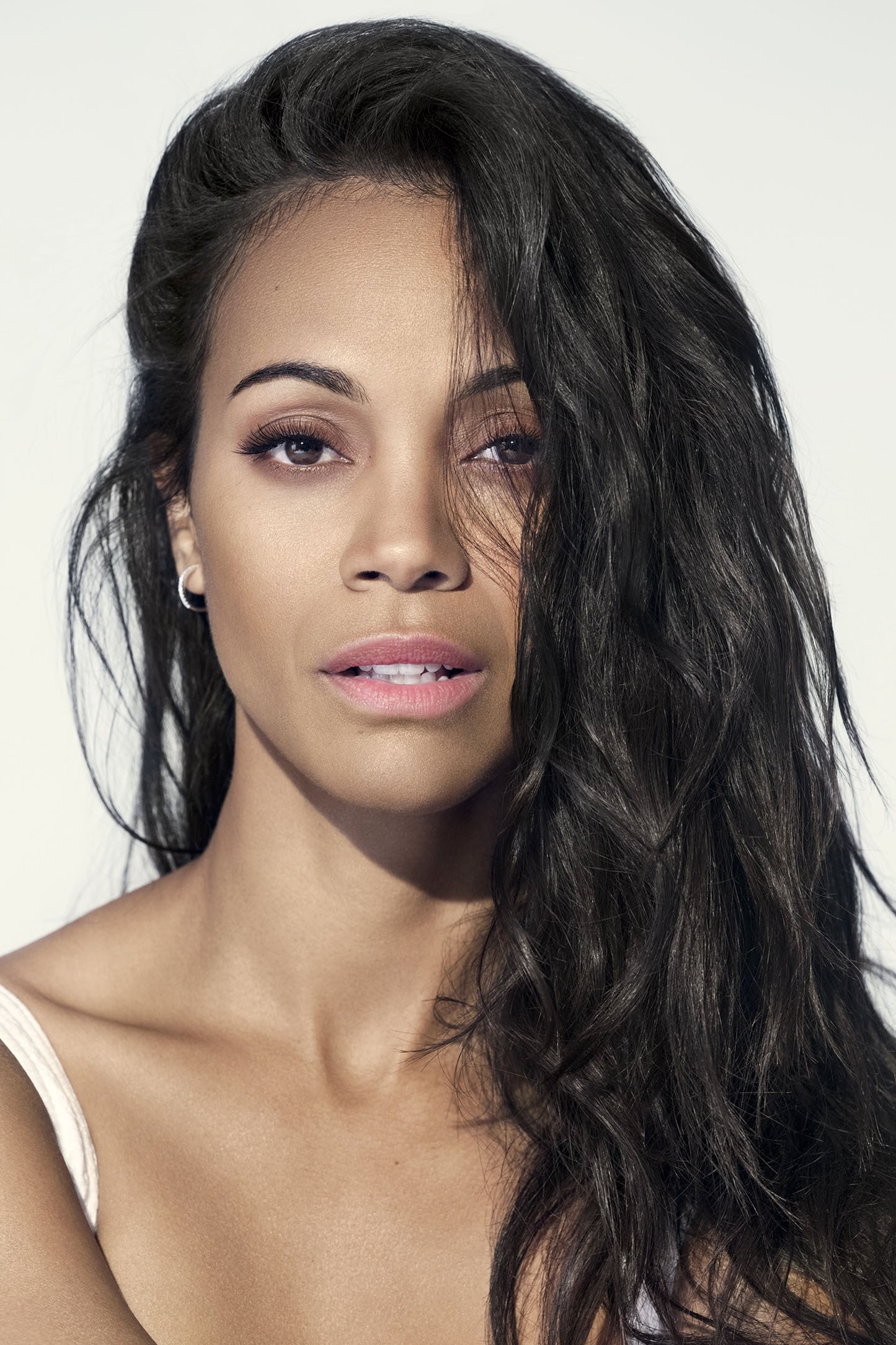
In the biopic ‘Nina’, Zoë Saldana played Nina Simone using darkened makeup and a prosthetic nose, which critics and Simone’s estate slammed as disrespectful and emblematic of colorism in casting. The backlash was immediate and intense, with many arguing that the role should have gone to a darker-skinned Black actress who more closely resembled the musician. Saldana has since publicly apologized, saying she should never have taken the role and that Simone “deserved better.” That mea culpa keeps ‘Nina’ in the news as an example of how casting choices can ignite long-running conversations about representation and responsibility.
Rooney Mara
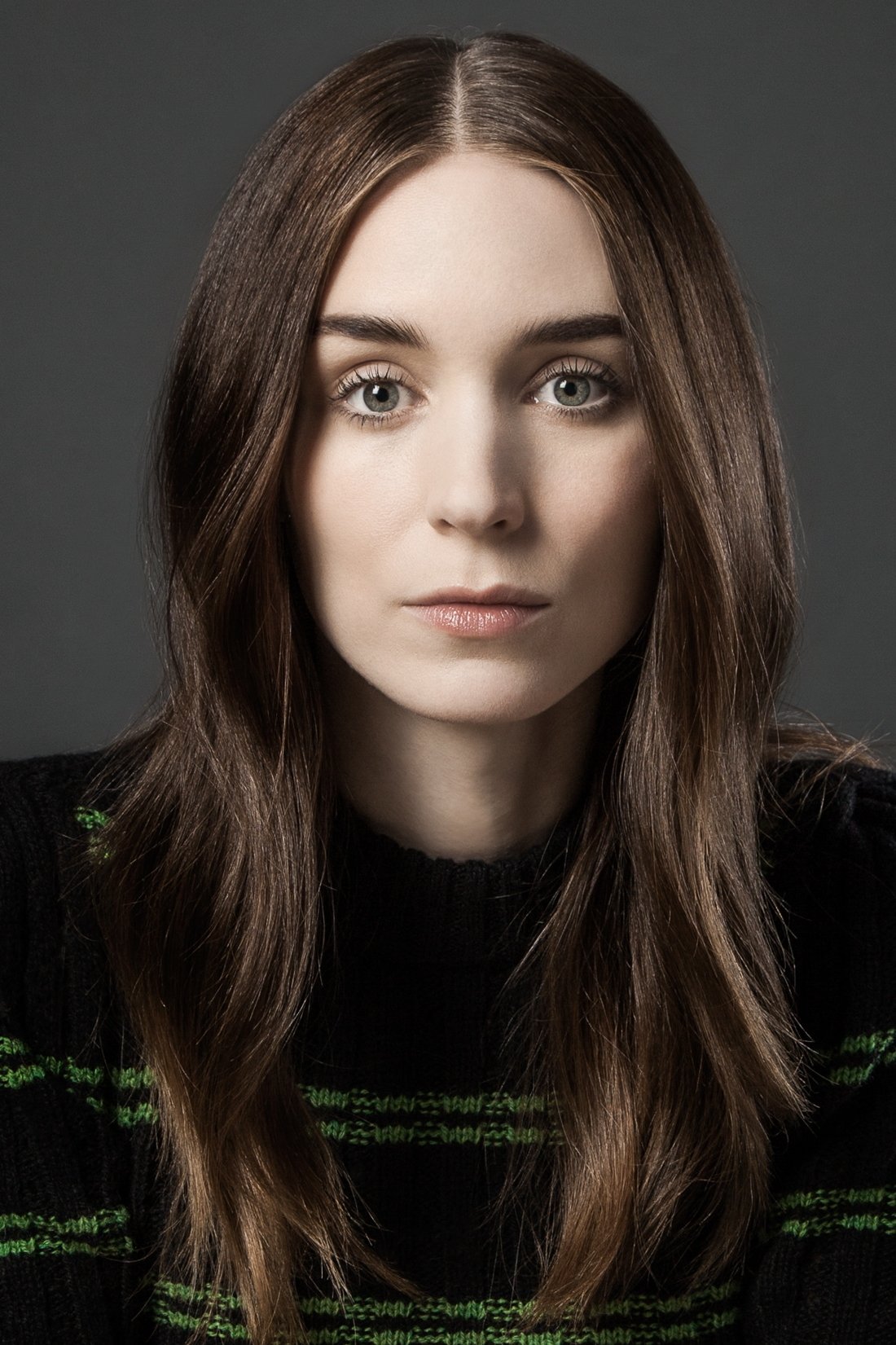
Rooney Mara’s casting as Tiger Lily in ‘Pan’ prompted petitions and widespread criticism because the character is traditionally depicted as Native American while Mara is white. The studio and director defended the decision at first, but the controversy never really cooled and often overshadowed discussion of the film’s story or visual effects. Mara later spoke about how uncomfortable she felt being at the centre of a whitewashing debate and said she understood why people were upset. Today, ‘Pan’ is frequently remembered less as a family adventure and more as a textbook case of misjudged casting that created a PR problem from the moment it was announced.
Tilda Swinton
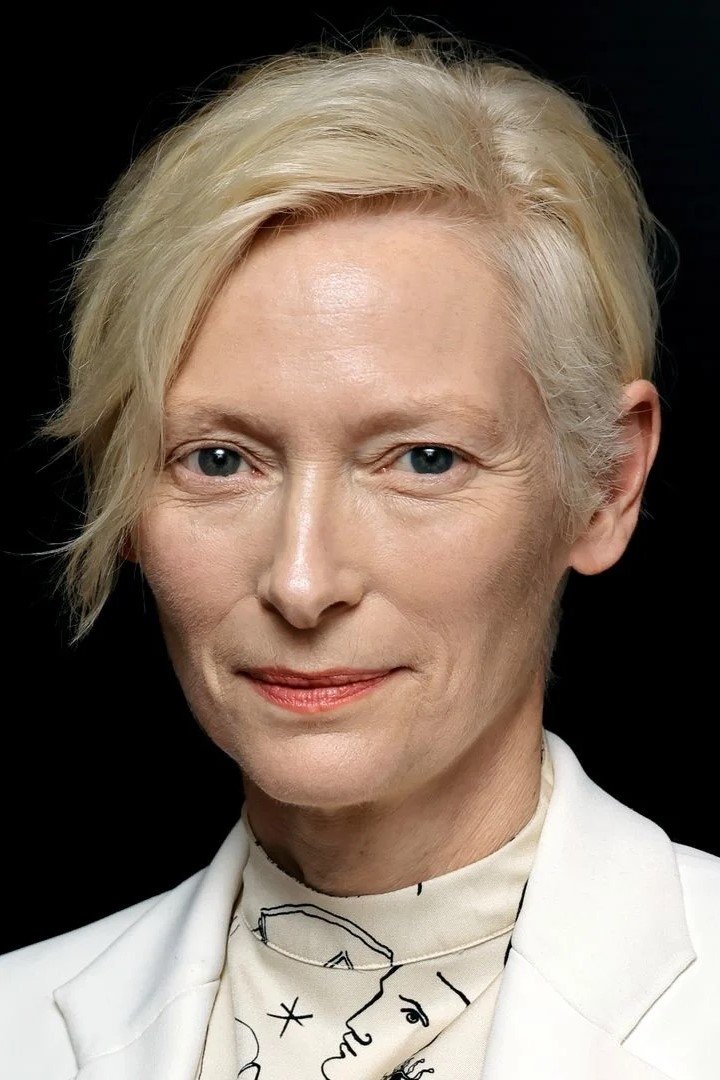
Marvel’s decision to cast Tilda Swinton as the Ancient One in ‘Doctor Strange’ drew immediate criticism since the character in the comics is an older Tibetan man. Advocacy groups accused the studio of whitewashing, and Swinton later said she had questioned the choice herself and was glad when Marvel boss Kevin Feige publicly admitted it had been a mistake. The debate became a reference point in later discussions about representation in superhero movies and often comes up in think pieces about Marvel’s growing pains. While the film succeeded commercially, the casting discourse is now inseparable from its legacy.
Faye Dunaway
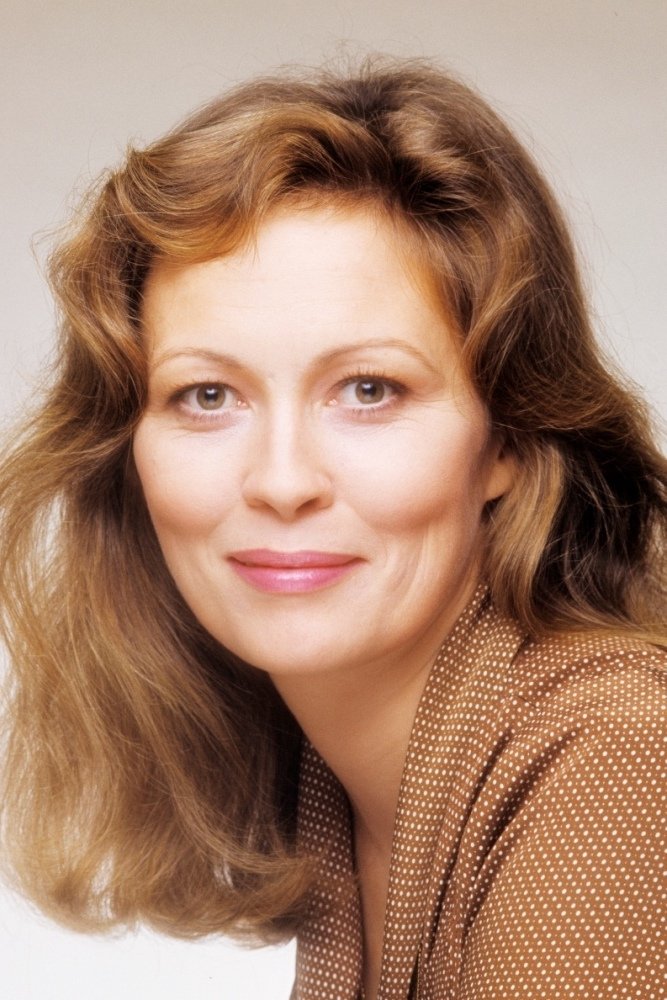
Faye Dunaway’s turn as Joan Crawford in ‘Mommie Dearest’ has become iconic, but the actress has repeatedly said she regrets doing the film and believes it hurt how people saw her. She has described expecting a complex portrait and instead feeling the movie veered into camp that overshadowed her other work. For years she avoided talking about it, and when she finally did, headlines focused on her calling the project a mistake. That candour has turned the film into a symbol of how a high-profile role can backfire, with her own words often leading any discussion of it.
Naomi Watts
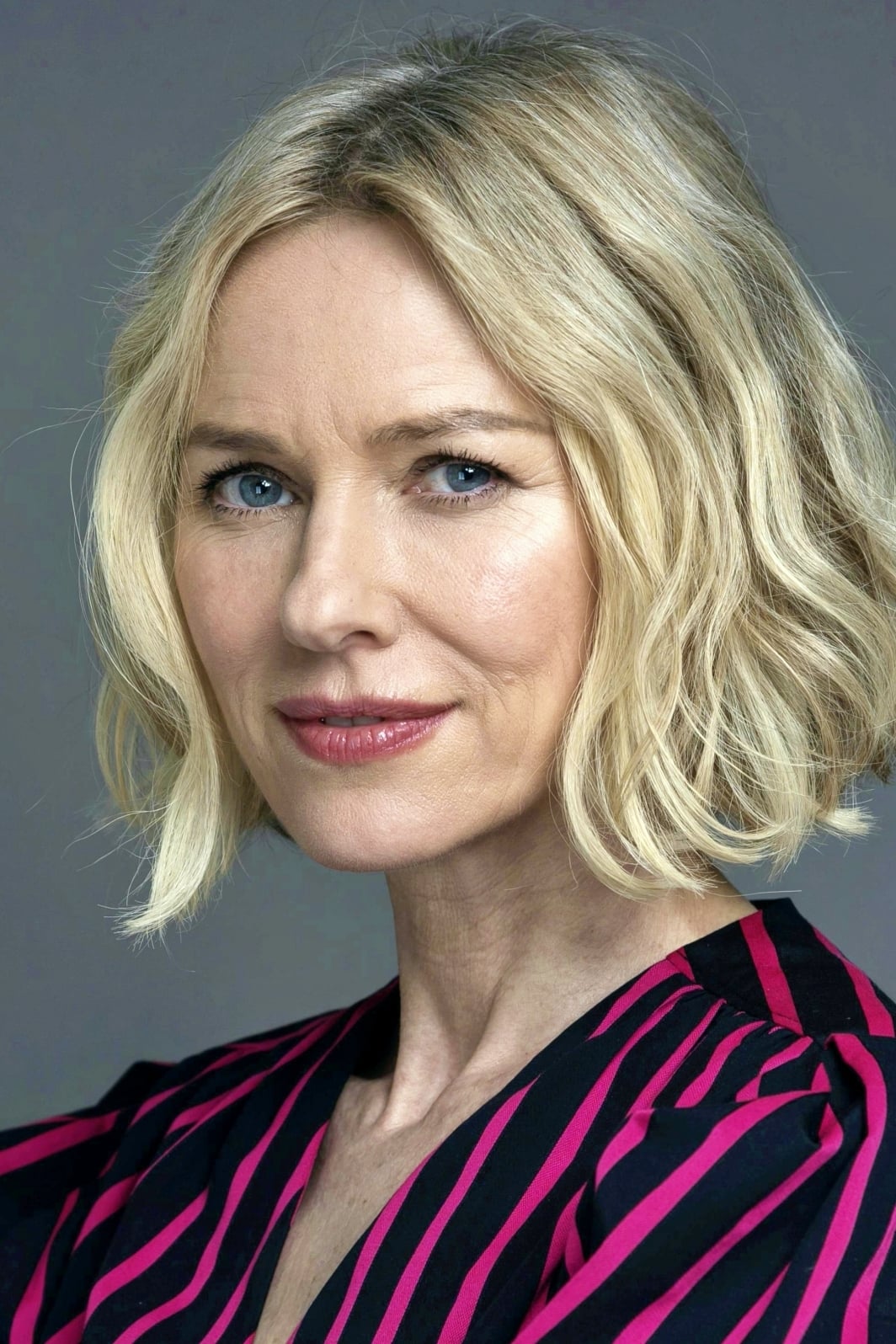
Naomi Watts has openly called her Princess Diana biopic ‘Diana’ a “sinking ship” and said the finished film went in a direction she had not hoped for. The movie was hammered by critics in the United Kingdom, who described it as cheap and unconvincing, and its box office returns were very modest for such a famous subject. Watts later said the experience left her wary of high-profile biopics and that the reception had been tough to live through. Those remarks helped fix ‘Diana’ as a high-visibility misfire where even the star publicly distanced herself from the result.
Jessica Alba

On ‘Fantastic Four: Rise of the Silver Surfer’, Jessica Alba has said a director’s comment during an emotional scene nearly made her quit acting altogether. She recalled being told her crying looked “too real” and being directed to make it prettier, which left her feeling that her performance did not matter. Those stories resurfaced in later interviews and features about the pressures on young actresses in superhero franchises. The film’s lukewarm reception combined with her own negative memories turned it into a reference point for how not to handle a leading woman in a big effects-driven series.
Gwyneth Paltrow
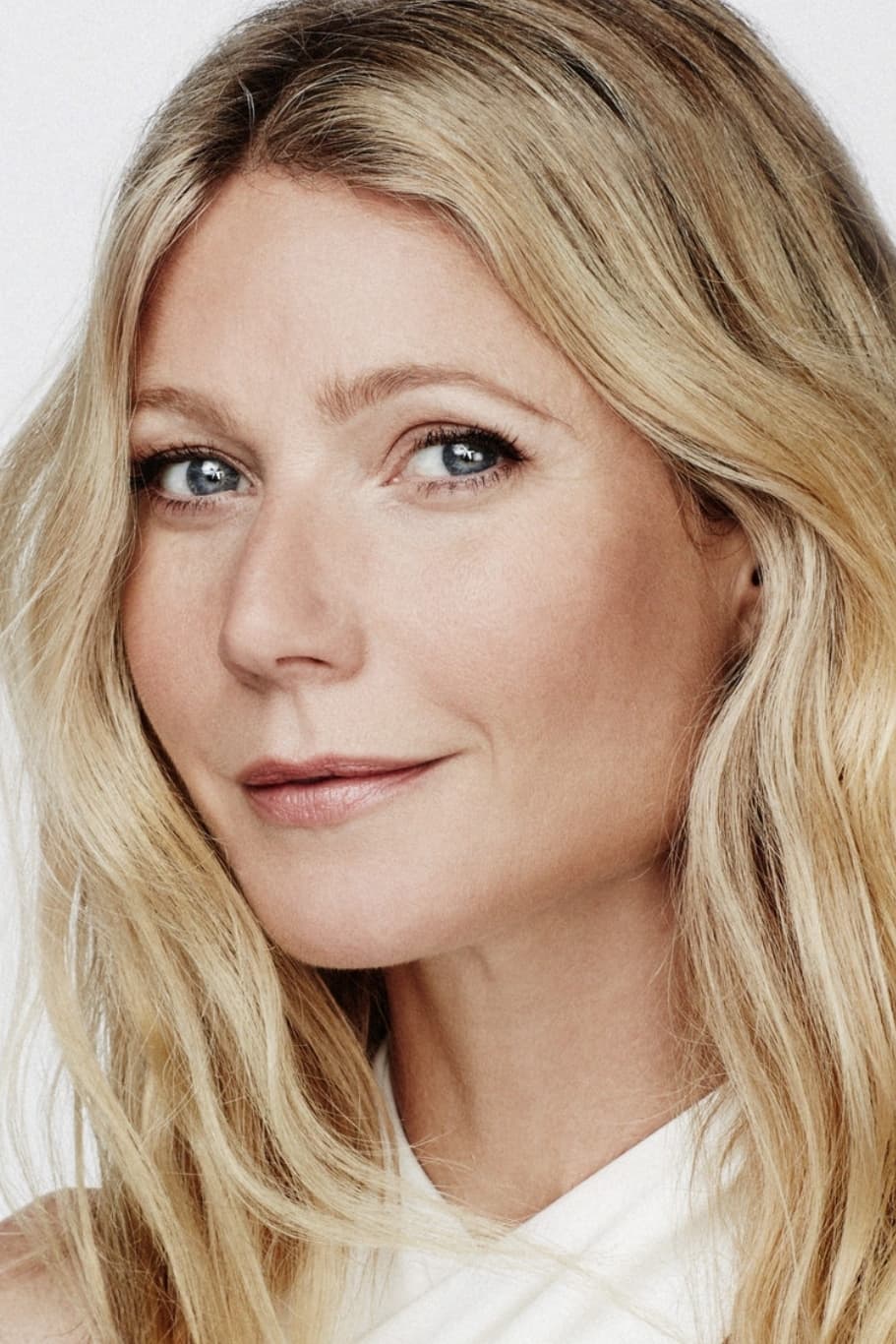
Romantic comedy ‘Shallow Hal’ cast Gwyneth Paltrow as a plus-size woman using an elaborate fat suit, and the marketing leaned heavily on sight gags about weight. Contemporary and retrospective pieces have criticized the movie for recycling fat jokes and reinforcing stereotypes about larger women, with some critics calling it one of the last studio comedies built around that kind of humour. During promotion and in later interviews, Paltrow talked about how uncomfortable she felt walking around in the prosthetics and described the experience as humiliating, which only sharpened focus on the film’s treatment of bodies. As conversations about representation and fatphobia in media have grown, ‘Shallow Hal’ is frequently cited as a high-profile example of dated comedy whose PR legacy now overshadows its box office success.
If you have your own examples of off-screen drama that overshadowed a film, share your picks and thoughts in the comments.

