


Actresses Who Turned Typecasting Into Stardom

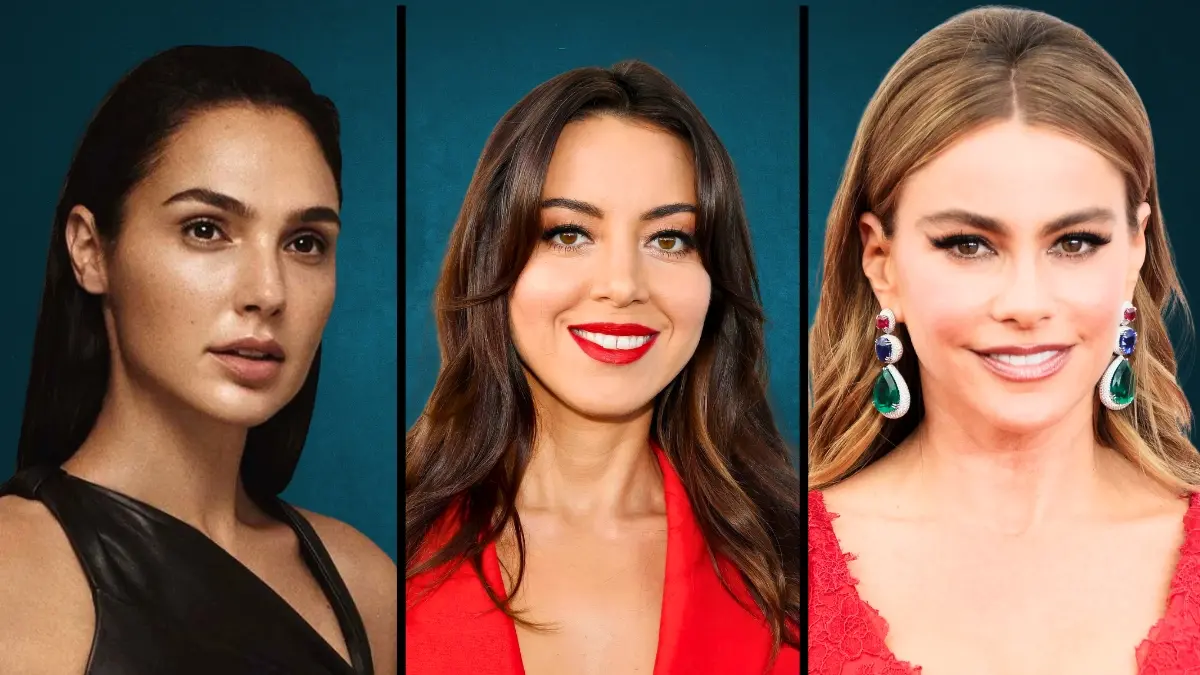


Typecasting can trap a performer in the same kind of role again and again. Yet many actresses turned those early labels into a launchpad by choosing projects that expanded their range, building production power, and sustaining momentum with smart career moves. The result was lasting visibility across film and television and measurable milestones such as major awards, long running series, and franchise leadership.
This list explores how each actress first became associated with a specific lane and then converted that lane into mainstream reach. You will find concrete titles, career pivots, producing banners, and award benchmarks that show exactly how typecasting can become a strategy rather than a ceiling.
Jennifer Aniston
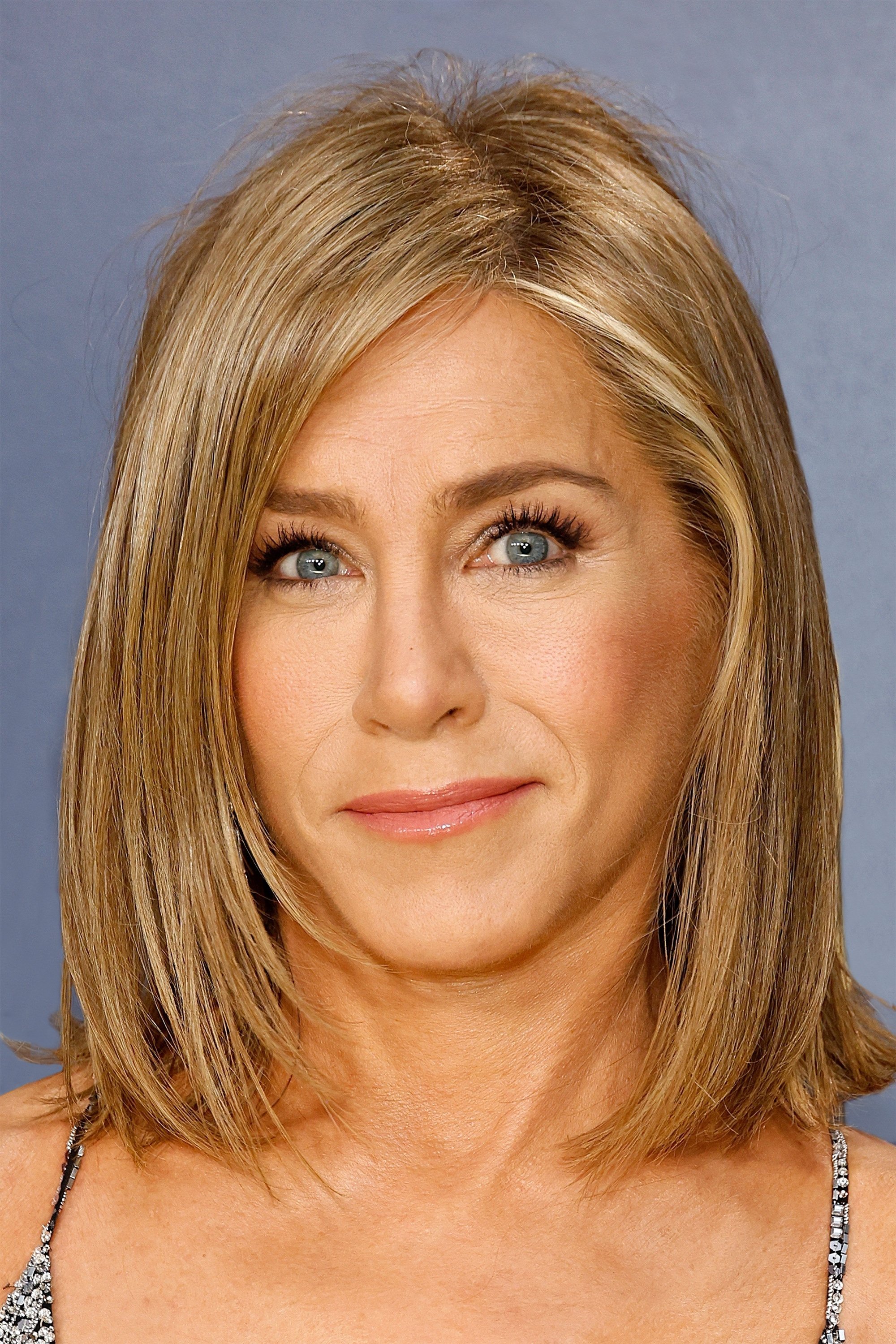
Early success as Rachel on ‘Friends’ established a relatable comedic image that shaped her first wave of studio comedies such as ‘Along Came Polly’, ‘The Break Up’, and ‘Horrible Bosses’. She earned an Emmy and a Golden Globe for ‘Friends’ and later secured a SAG Award for her performance on ‘The Morning Show’.
She diversified with dramatic work in ‘Cake’ and led hit features like ‘Marley & Me’ and ‘We Are the Millers’. Through Echo Films, she expanded into producing while continuing to star in ‘The Morning Show’, which cemented her return to prestige television.
Reese Witherspoon
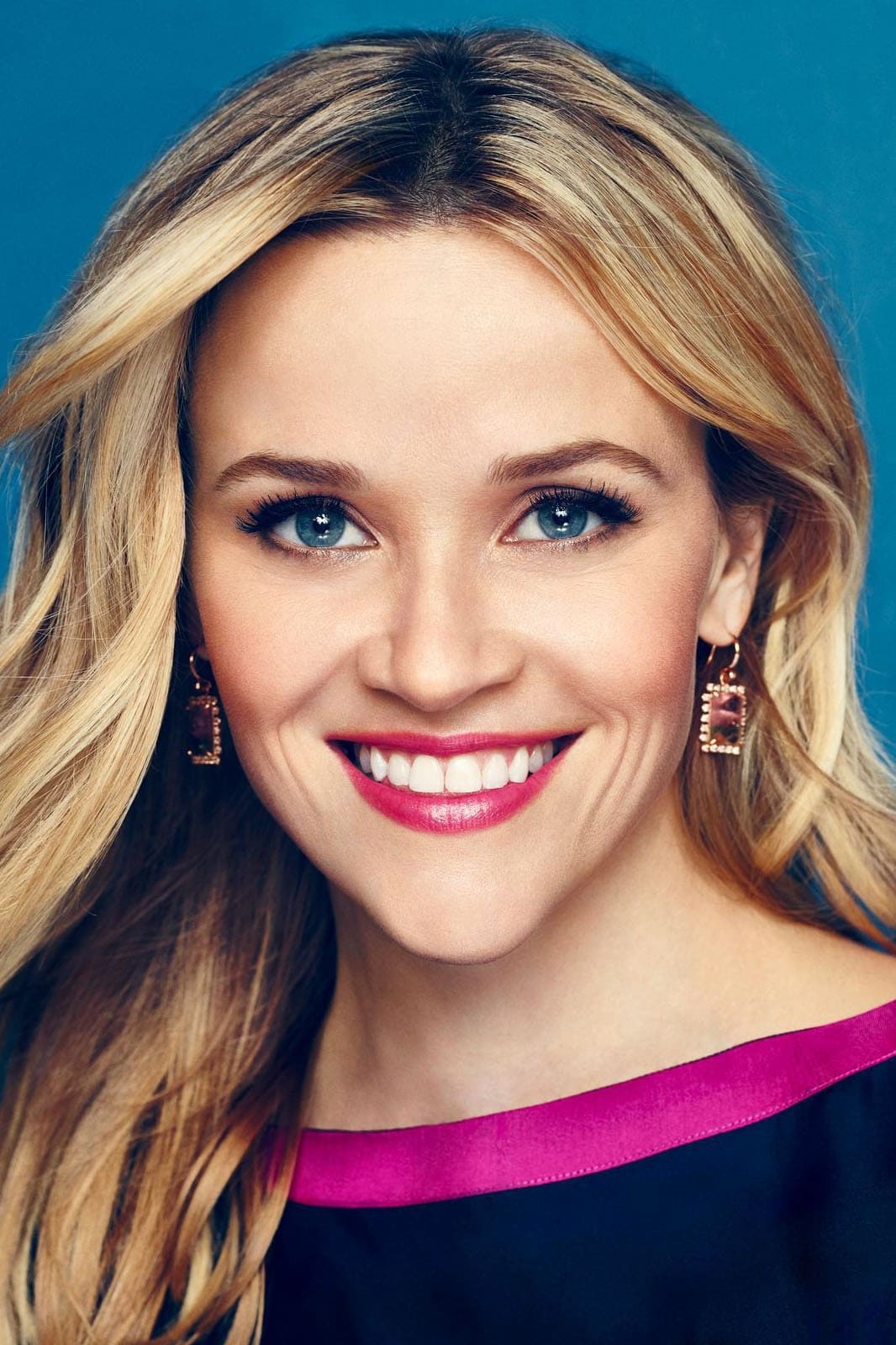
Early roles and ‘Legally Blonde’ linked her to upbeat comedic leads and campus or courtroom settings. She broke beyond that image with ‘Walk the Line’, which brought an Academy Award and positioned her for more complex work.
She used that momentum to build Hello Sunshine and produced and starred in ‘Big Little Lies’ and ‘The Morning Show’. Her company also backed ‘Little Fires Everywhere’ and ‘Daisy Jones and the Six’, which extended her influence as both a producer and a marquee performer.
Sandra Bullock
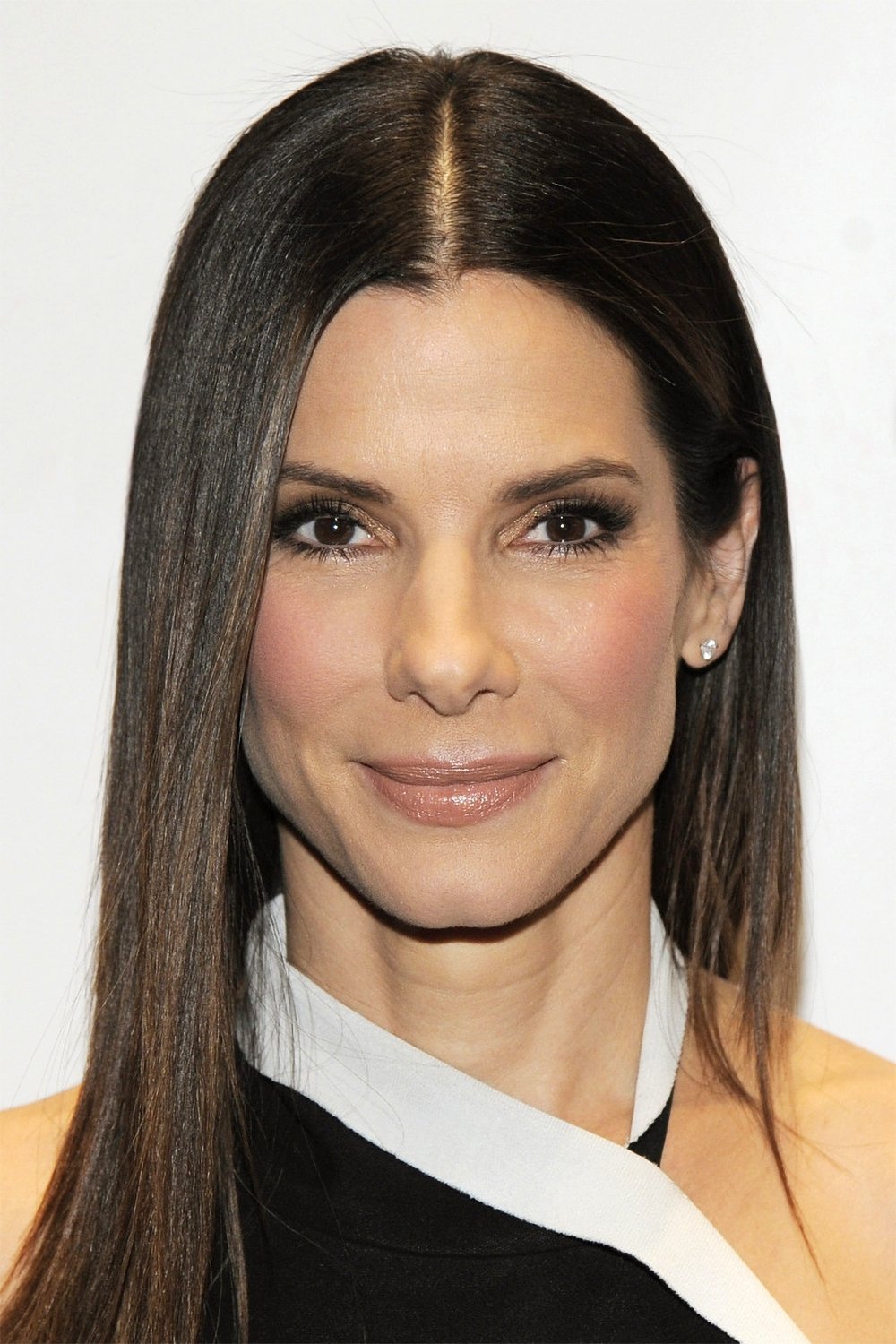
Romantic comedies like ‘While You Were Sleeping’ and ‘Miss Congeniality’ shaped her early star persona. She already showed range with ‘Speed’, then moved into awards territory with ‘The Blind Side’, which won an Academy Award, and ‘Gravity’, which earned another nomination.
She balanced prestige and mass audience projects with ‘Bird Box’, which set viewing records on streaming, and ensemble heist entry ‘Ocean’s 8’. Her production work included projects such as ‘George Lopez’ and selected films, reinforcing long term control over her slate.
Emma Stone
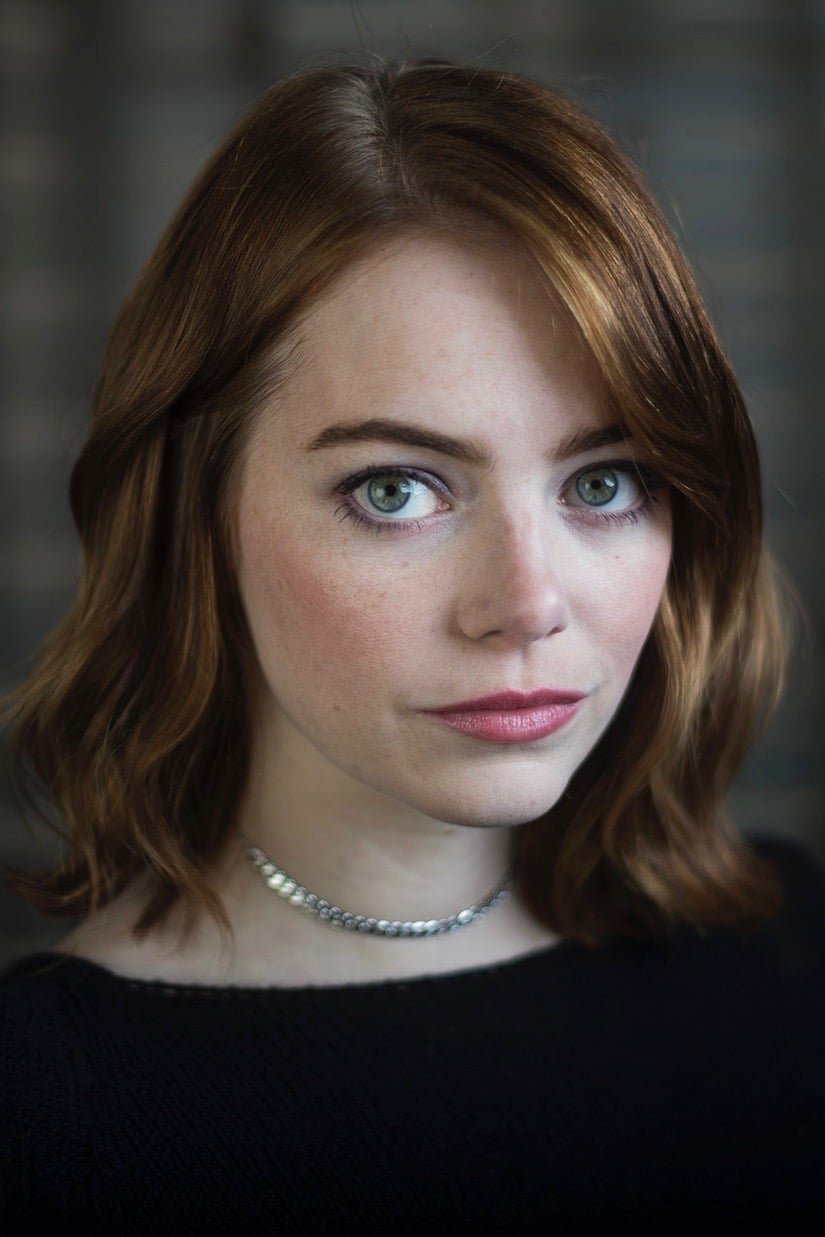
Smart comedic turns in ‘Superbad’ and ‘Easy A’ positioned her as a quick witted lead. She advanced into musical and period drama with ‘La La Land’, ‘The Favourite’, and ‘Poor Things’, resulting in multiple Academy Awards.
She sustained broad appeal through franchise work with ‘The Amazing Spider Man’ and a Disney origin story in ‘Cruella’. She also co produced select projects, aligning creative input with on screen roles.
Margot Robbie

Early visibility as a scene stealing bombshell in ‘The Wolf of Wall Street’ risked a narrow track. She reset expectations with ‘I, Tonya’, which brought an Academy Award nomination, and maintained range with ‘Bombshell’ and ‘Once Upon a Time in Hollywood’.
Through LuckyChap, she produced ‘I, Tonya’, ‘Promising Young Woman’, and ‘Barbie’. She headlined ‘Barbie’ and received a Best Picture nomination as a producer, combining box office leadership with awards positioning.
Anne Hathaway
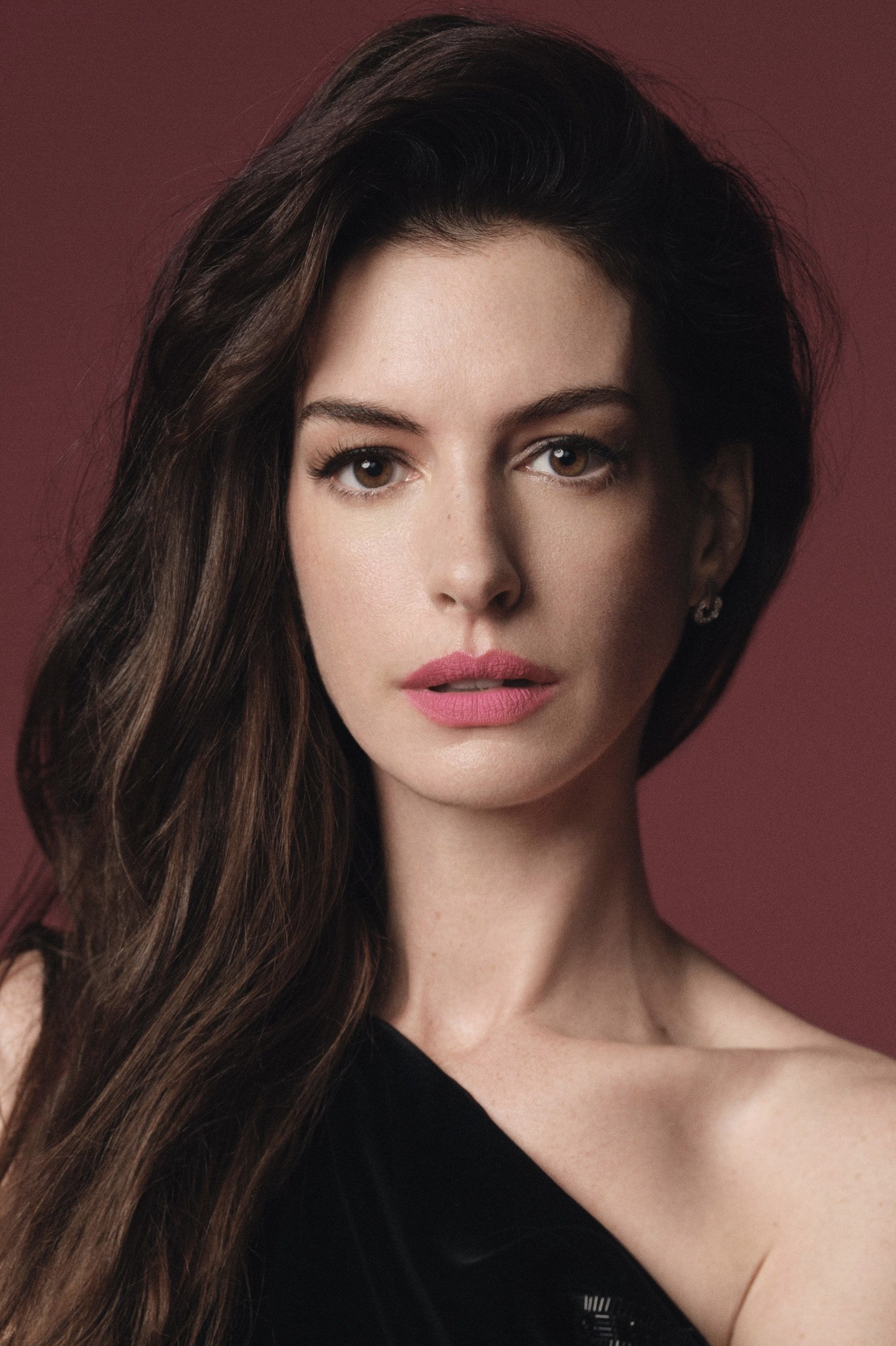
Coming of age hits like ‘The Princess Diaries’ and workplace comedy ‘The Devil Wears Prada’ placed her in polished fish out of water roles. She transitioned to dramatic and genre work with ‘Rachel Getting Married’, ‘Les Misérables’, and ‘The Dark Knight Rises’, earning an Academy Award.
She kept a presence in crowd pleasers such as ‘Interstellar’ and ‘The Intern’ while taking on limited series with ‘WeCrashed’. This mix kept her active across platforms and audiences.
Amy Adams
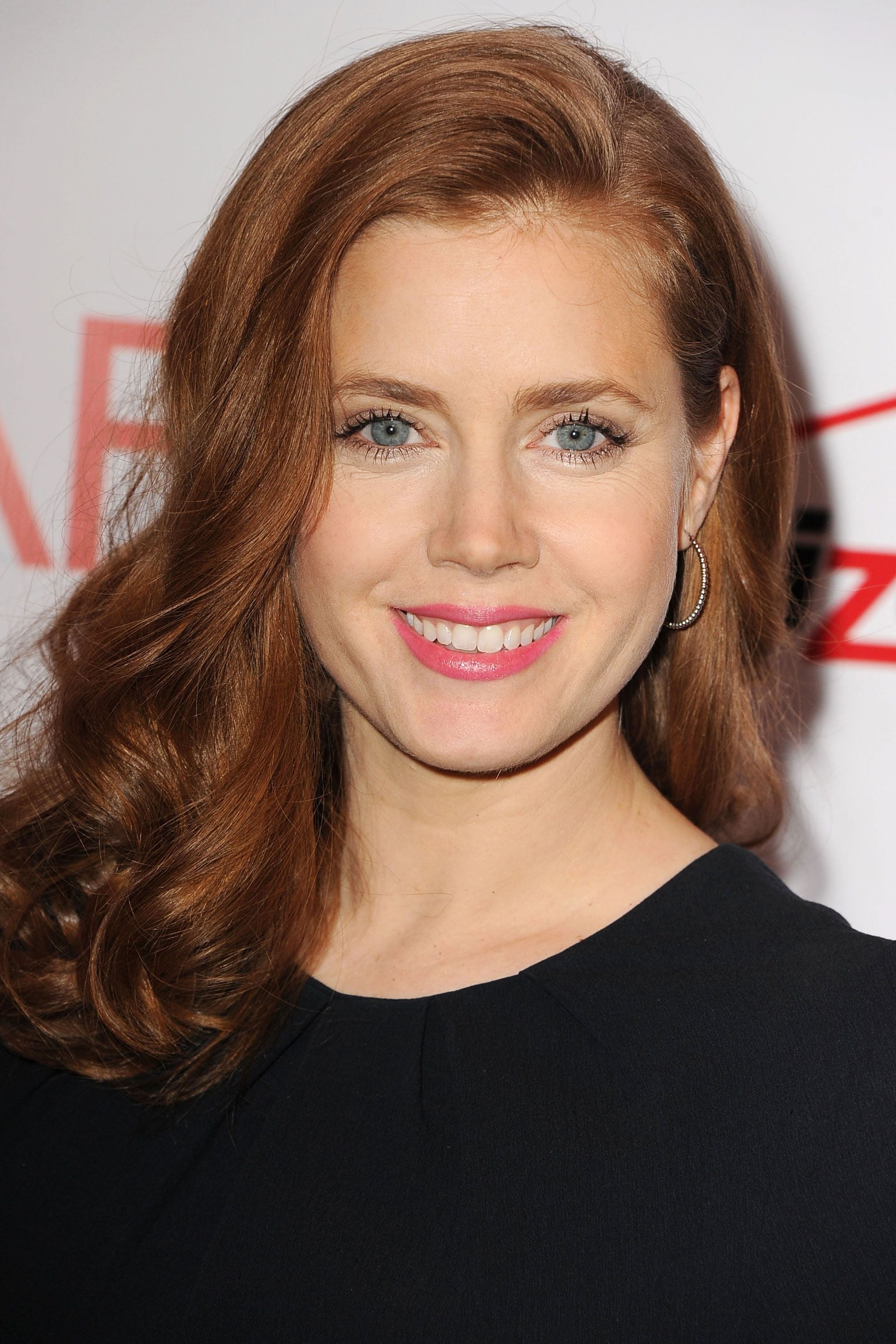
Early credits including ‘Junebug’ and ‘Enchanted’ linked her to warm and optimistic characters. She leveraged that familiarity into critically recognized performances in ‘Doubt’, ‘The Fighter’, and ‘American Hustle’, collecting multiple Academy Award nominations.
She expanded into science fiction with ‘Arrival’ and psychological drama with ‘Sharp Objects’. The combination of prestige films and event television helped maintain consistent awards attention.
Scarlett Johansson
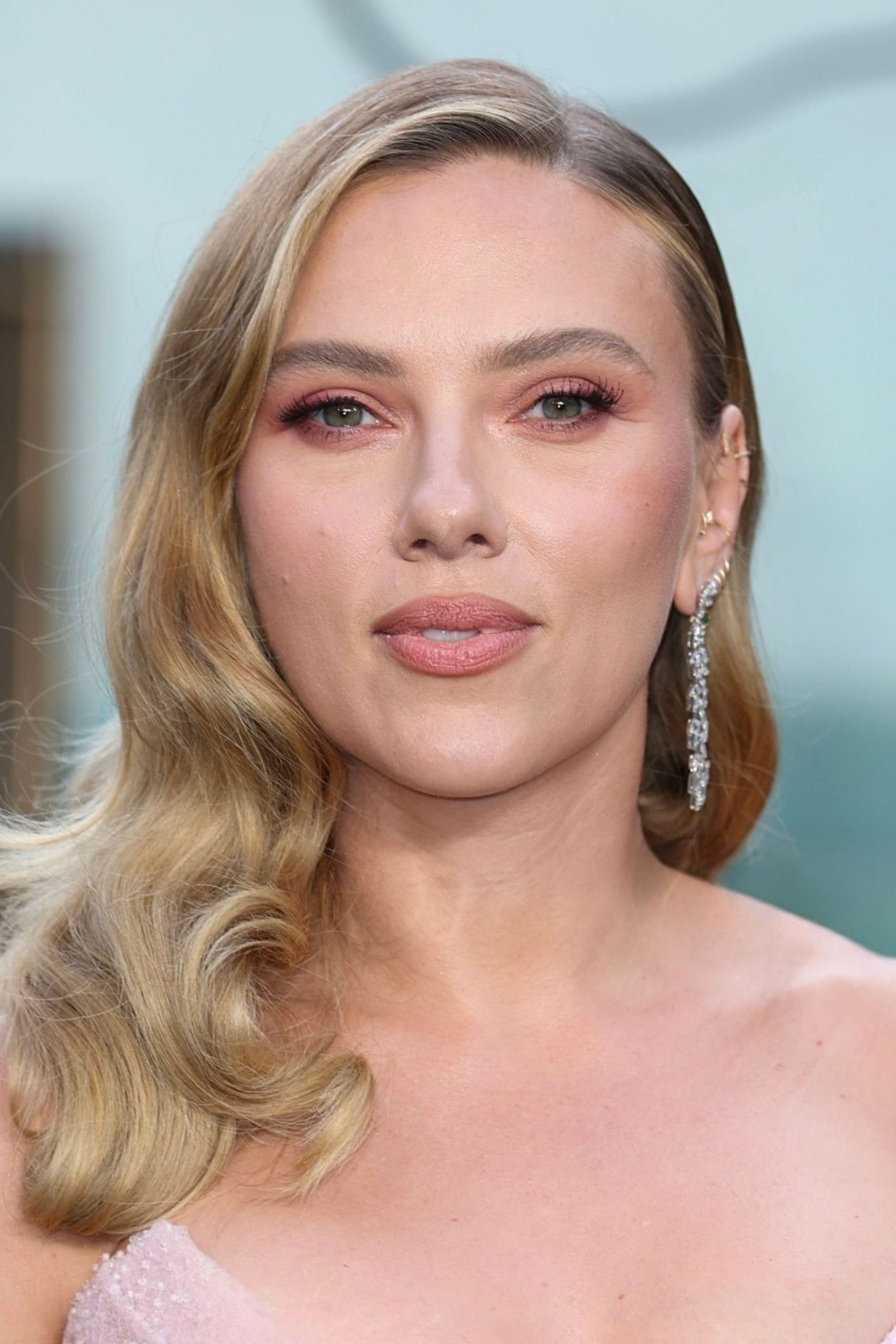
Her early image often cast her as the enigmatic ingenue. Joining the Marvel universe as Black Widow across ‘Iron Man 2’ and ‘The Avengers’ entries elevated her global profile and positioned her as an action lead.
She balanced franchise leadership with auteur driven work, earning dual Academy Award nominations in the same year for ‘Marriage Story’ and ‘Jojo Rabbit’. She also headlined ‘Lucy’ and provided voice performances in projects such as ‘Her’, broadening her portfolio.
Gal Gadot

A supporting run in the ‘Fast and Furious’ series introduced her to global audiences with a sleek action profile. She then anchored ‘Wonder Woman’ and its sequel as the lead face of a major comic book franchise.
Beyond the cape, she fronted big budget streaming features such as ‘Red Notice’ and espionage entry ‘Heart of Stone’. She also produced select projects, adding off camera leadership to her action driven brand.
Charlize Theron
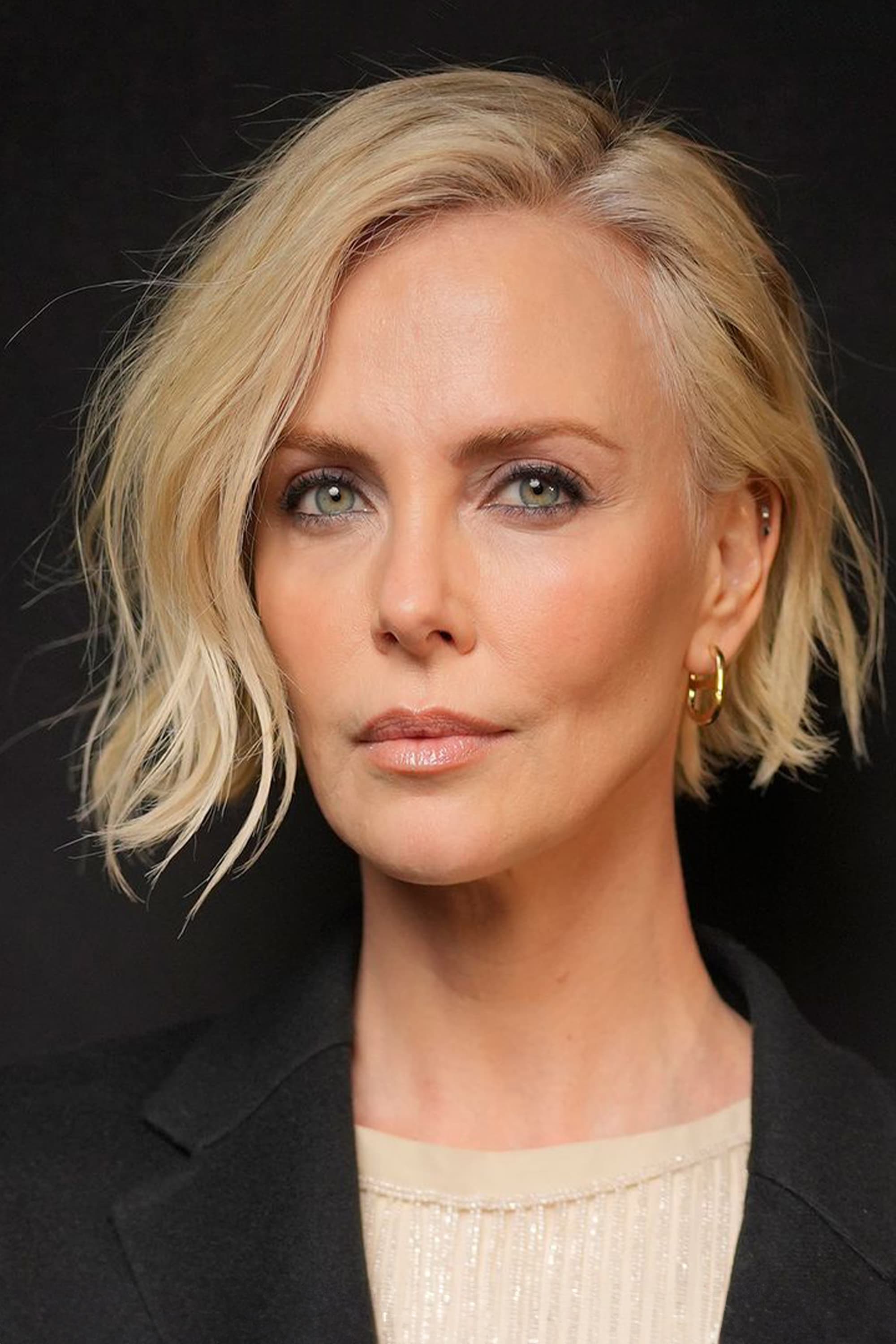
Early casting emphasized model turned actor appeal in films like ‘The Italian Job’. She altered that narrative with ‘Monster’, earning an Academy Award and resetting expectations for future choices.
She then led high intensity action with ‘Mad Max Fury Road’ and ‘Atomic Blonde’, while producing through Denver and Delilah. Credits included series and films where she shaped material from development through release.
Viola Davis
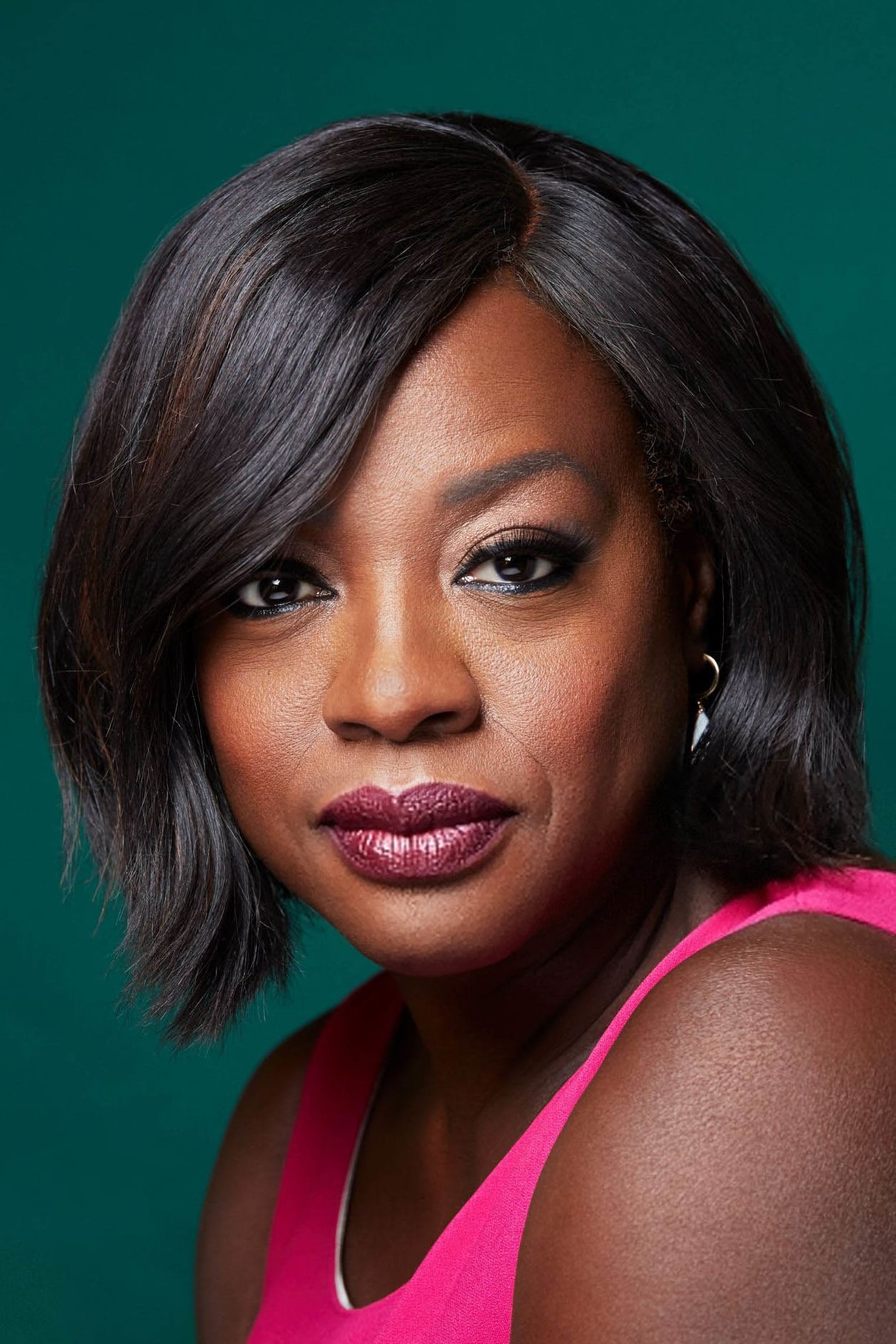
She built a reputation with grounded supporting turns in projects like ‘Doubt’ and ‘The Help’. Leading ‘How to Get Away with Murder’ brought an Emmy and long running visibility on broadcast television.
Her film work culminated in an Academy Award for ‘Fences’. She later headlined ‘The Woman King’ and achieved EGOT status with a Grammy for her audiobook ‘Finding Me’, reflecting broad recognition across media.
Zendaya

Disney Channel series ‘Shake It Up’ and ‘K.C. Undercover’ established a youthful comedic lane. She then led ‘Euphoria’ and won multiple Emmys, redefining her television presence.
She maintained event film visibility with ‘Spider Man’ entries and the epic scope of ‘Dune’ releases. Music and fashion collaborations supported cross platform reach that fed back into leading roles.
Aubrey Plaza

Deadpan comedy on ‘Parks and Recreation’ could have limited her to a single tone. She shifted into darker material with ‘Ingrid Goes West’, which brought an Independent Spirit Award, and continued that stretch with ‘Black Bear’.
She produced and starred in ‘Emily the Criminal’ and joined prestige television with ‘The White Lotus’. This run connected indie credibility with mainstream attention.
Jenna Ortega
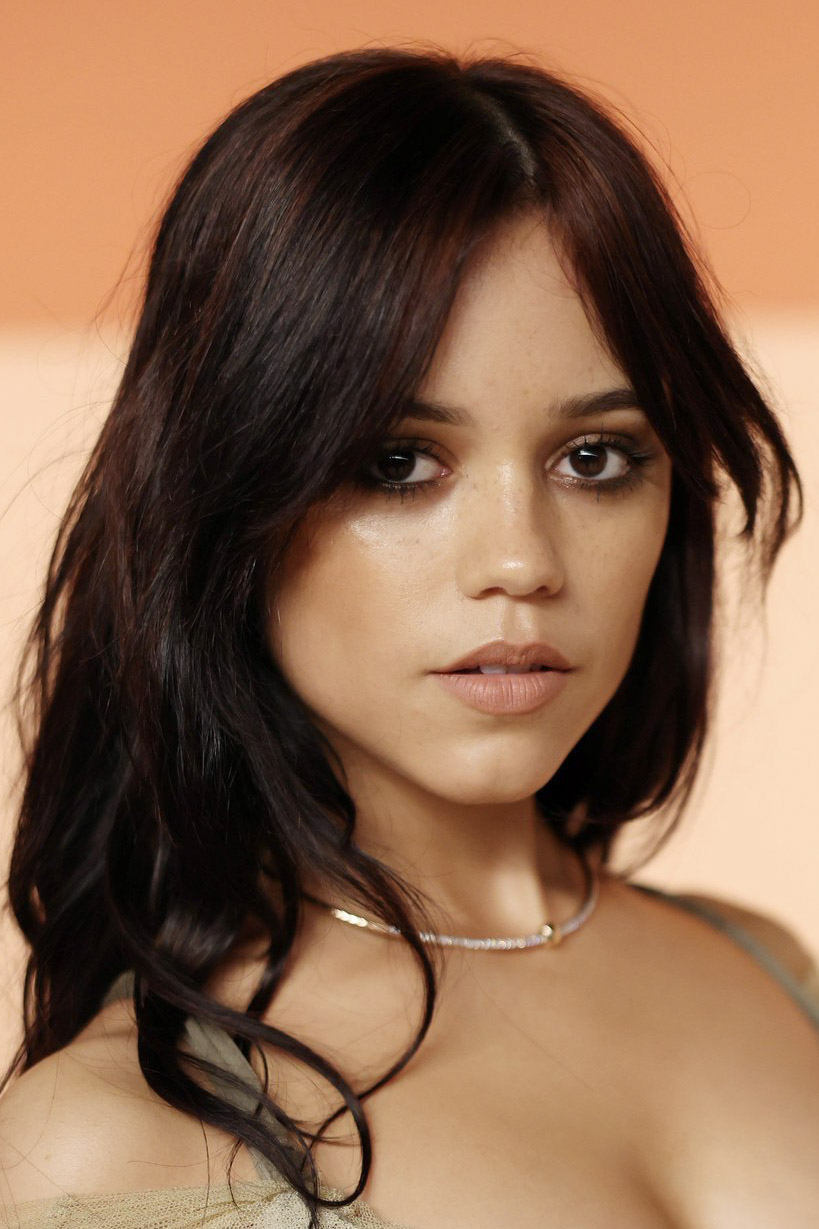
Early work in ‘Stuck in the Middle’ and recurring turns in suspense titles like ‘You’, ‘Scream’, and ‘X’ placed her within teen and thriller spaces. She then led ‘Wednesday’ and earned major award nominations, which established her as a top streaming star.
She continued to balance genre with broader projects while exploring producing opportunities. The result was a pipeline that includes both returning series work and theatrical roles.
Melissa McCarthy
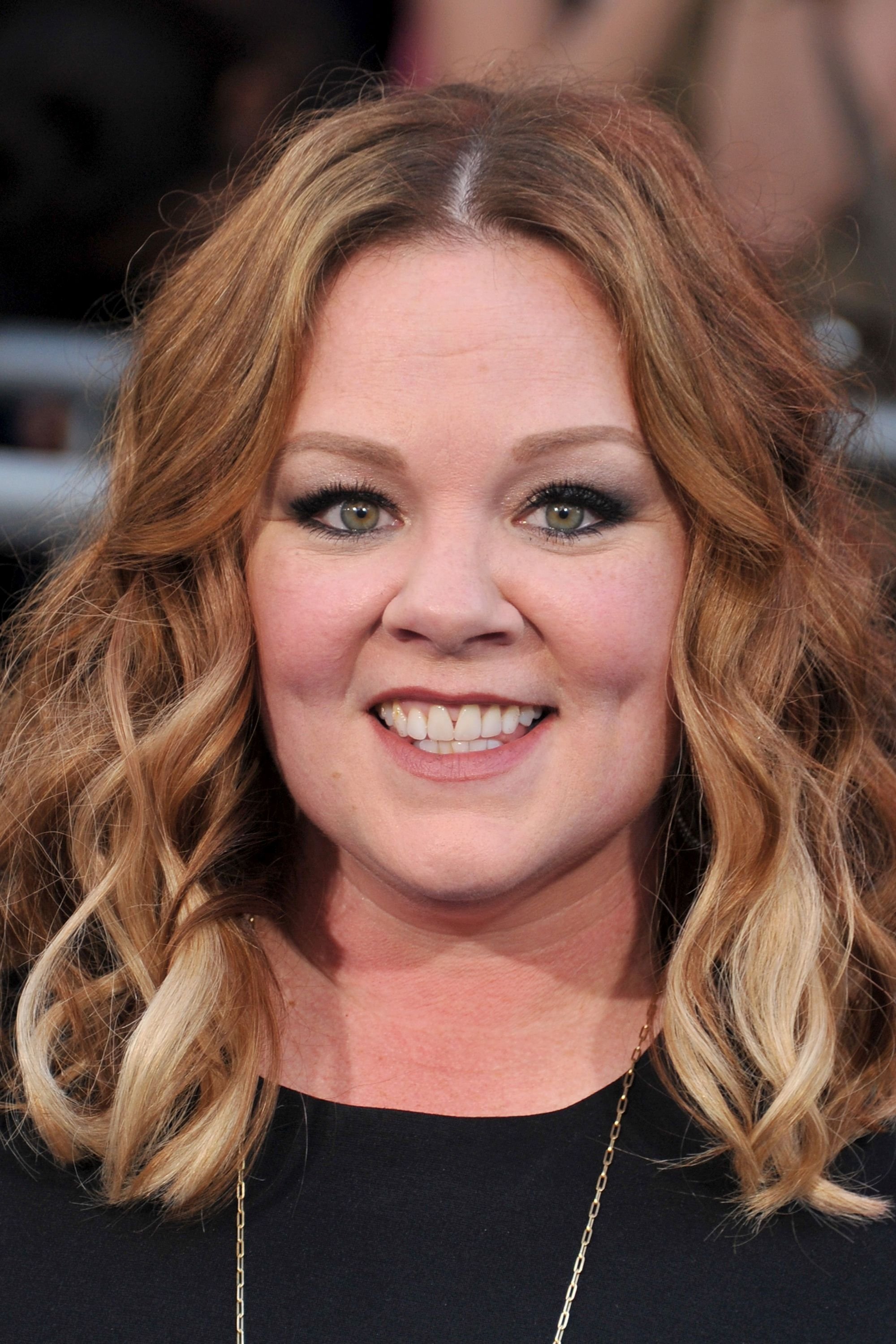
Supporting comedy on ‘Gilmore Girls’ and sketch adjacent projects led to a scene stealing turn in ‘Bridesmaids’, which brought an Academy Award nomination. She then headlined studio hits including ‘Identity Thief’, ‘The Heat’, and ‘Spy’.
She expanded into drama with ‘Can You Ever Forgive Me’, earning another Academy Award nomination. Through collaborations with Ben Falcone, she also produced features and series to sustain output.
Kristen Wiig
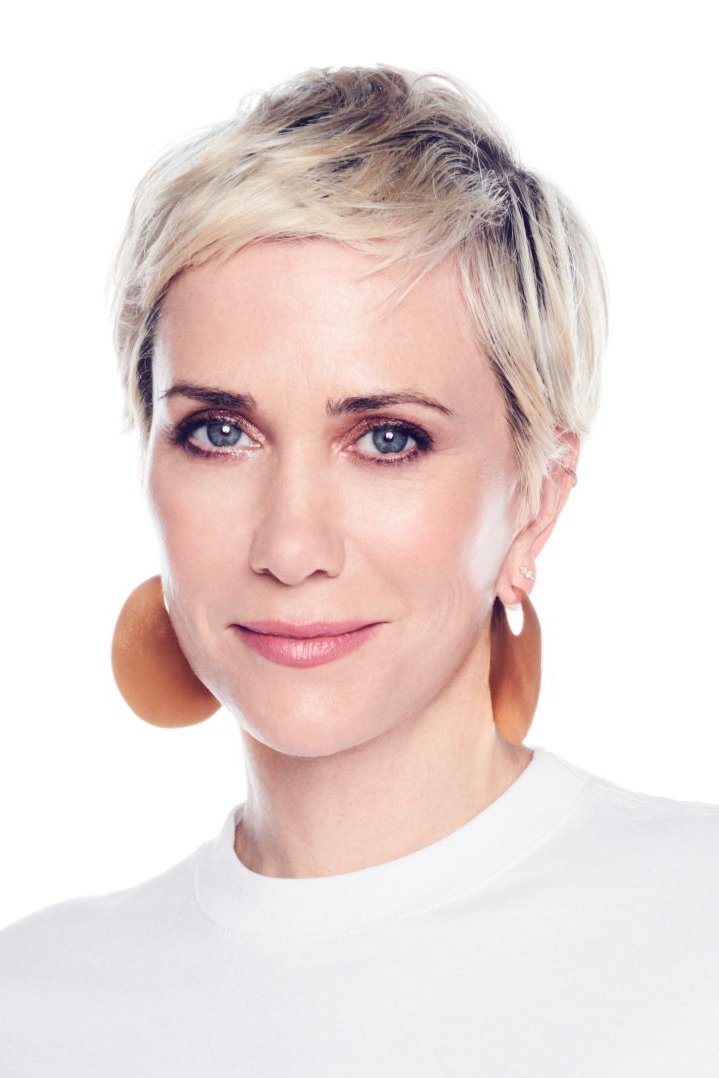
Her ‘Saturday Night Live’ tenure made her synonymous with character based comedy. She co wrote and starred in ‘Bridesmaids’, earning an Academy Award nomination for the script and opening doors for feature leads.
She diversified with ‘The Skeleton Twins’, ‘The Martian’, and ‘Barb and Star Go to Vista Del Mar’. Voice roles and animation work complemented live action projects and kept her active across formats.
Sofía Vergara
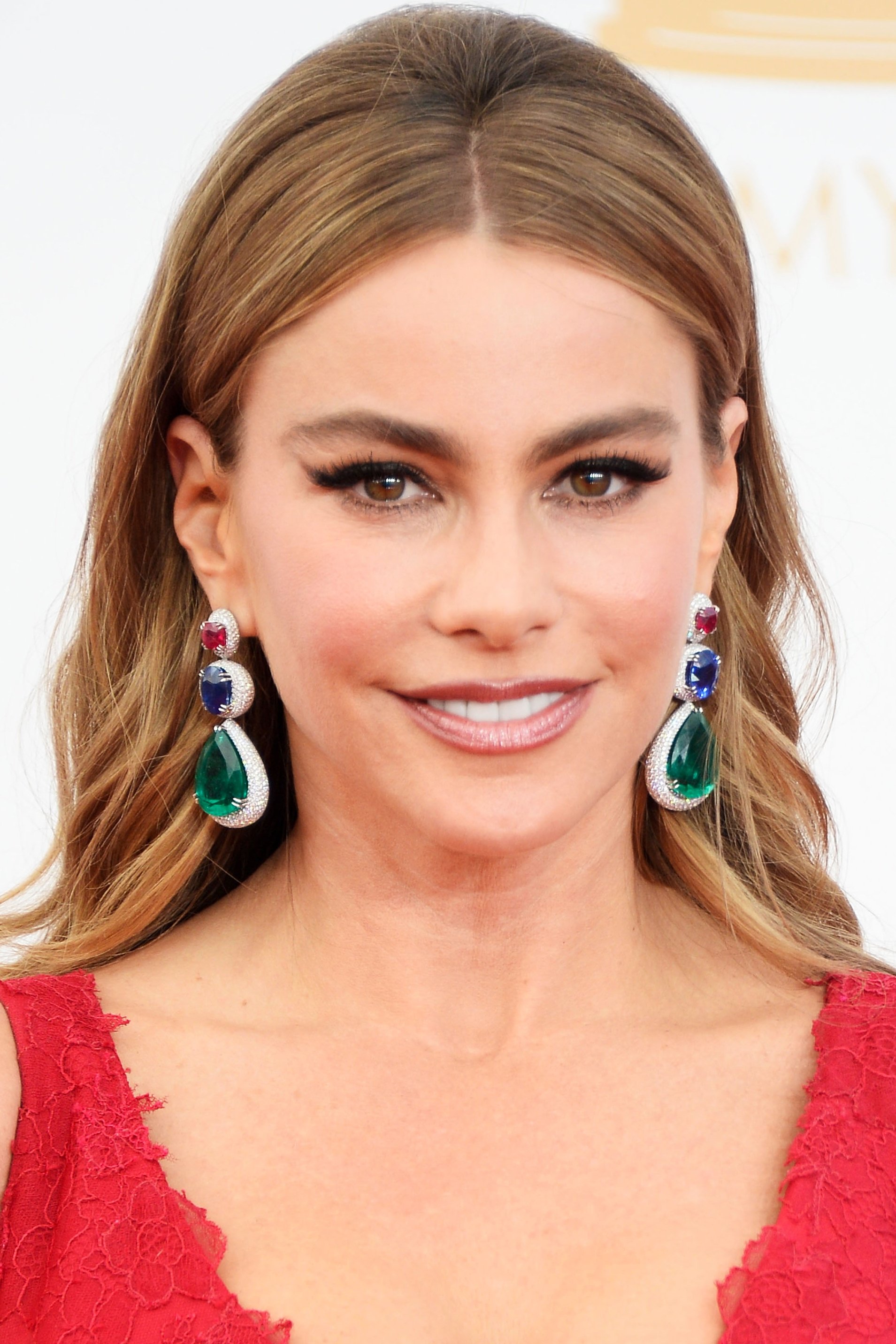
‘Modern Family’ defined her as a sitcom standout and brought multiple Emmy and Golden Globe nominations. That success created a durable television identity with global syndication and brand deals.
She later shifted to dramatic true crime with ‘Griselda’, serving as both star and producer. Feature work in ‘Chef’ and continued business ventures supported a profile that extends beyond scripted comedy.
Lucy Liu

High visibility as Ling Woo on ‘Ally McBeal’ and action features such as ‘Charlie’s Angels’ and ‘Kill Bill Vol. 1’ emphasized a stylish action focus. She transitioned to a long running procedural lead with ‘Elementary’, reimagining Watson for network television across seven seasons.
She maintained a steady franchise presence with voice performances in ‘Kung Fu Panda’ entries. She also directed episodes of various series, adding behind the camera credits to an already active career.
Keira Knightley
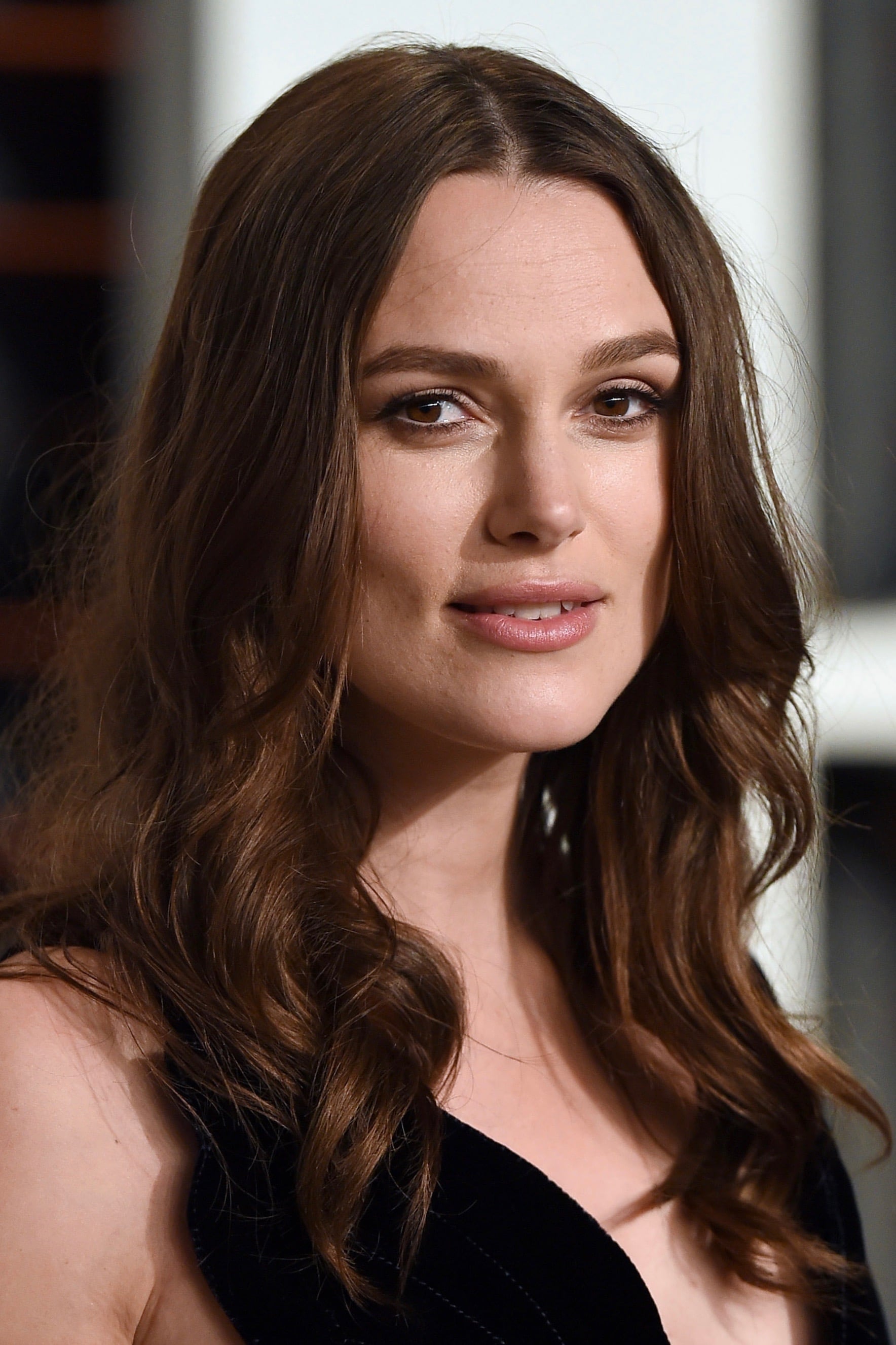
A mix of ‘Bend It Like Beckham’ and ‘Pirates of the Caribbean’ created a blend of period and adventure roles that followed her for years. She earned Academy Award nominations for ‘Pride and Prejudice’ and ‘The Imitation Game’.
She continued with period centered work in ‘Atonement’ and branched into modern dramas and thrillers such as ‘Colette’ and ‘Official Secrets’. This balance kept her linked to heritage cinema while allowing contemporary subjects.
Natalie Portman
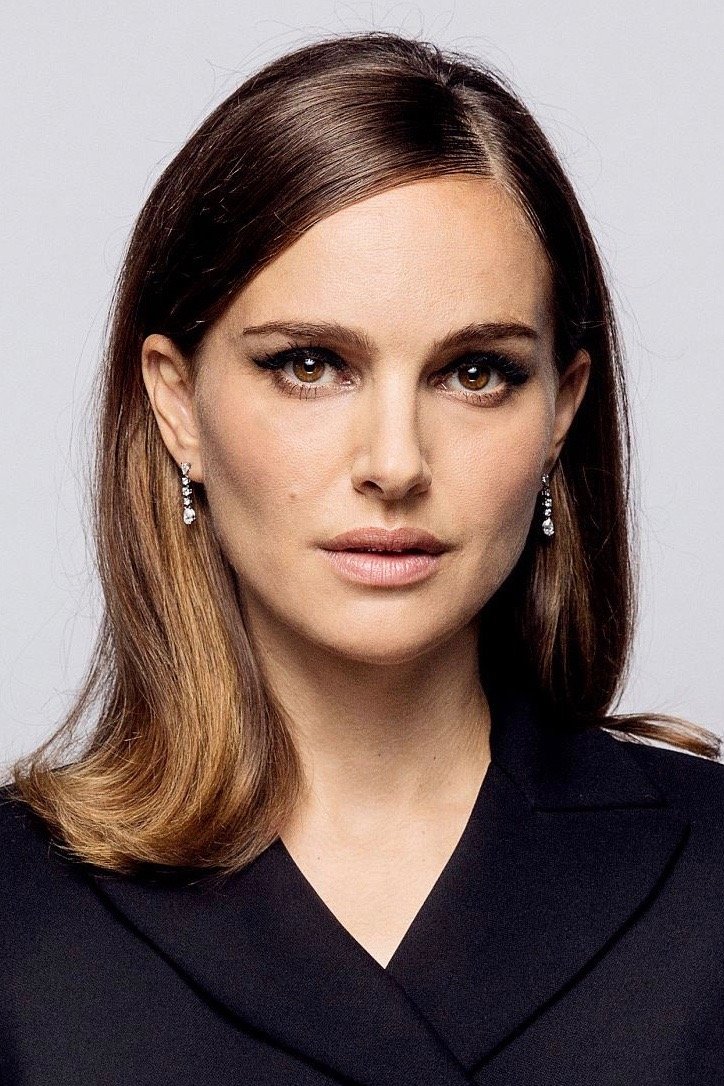
Early visibility in ‘Leon The Professional’ and the ‘Star Wars’ prequels set an ingenue template. ‘Black Swan’ brought an Academy Award and moved her decisively into psychological drama.
She followed with ‘Jackie’, which drew another nomination, and returned to large scale franchises with the ‘Thor’ series. Producing and directing credits accompanied selective festival premieres, keeping her present in both studio and independent circles.
Michelle Rodriguez
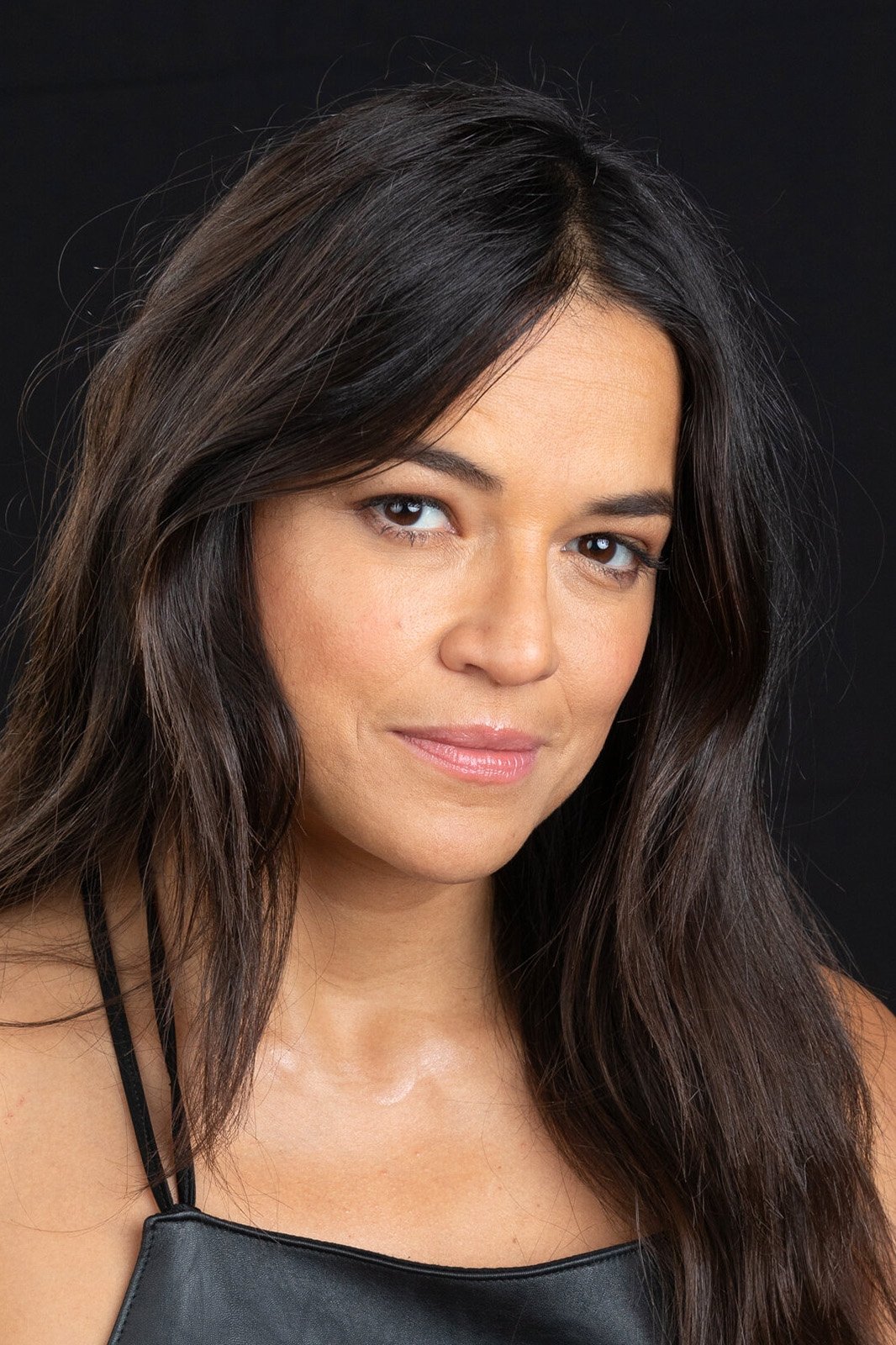
‘Girlfight’ introduced her as a formidable athlete and fighter. That physical intensity carried into ‘The Fast and the Furious’ series and action entries such as ‘Resident Evil’ and ‘S.W.A.T.’.
She parlayed that consistency into global franchises including ‘Avatar’ while continuing to anchor ensemble action films. Voice and documentary projects rounded out a career that embraces a tough persona as a marketable specialty.
Rachel McAdams
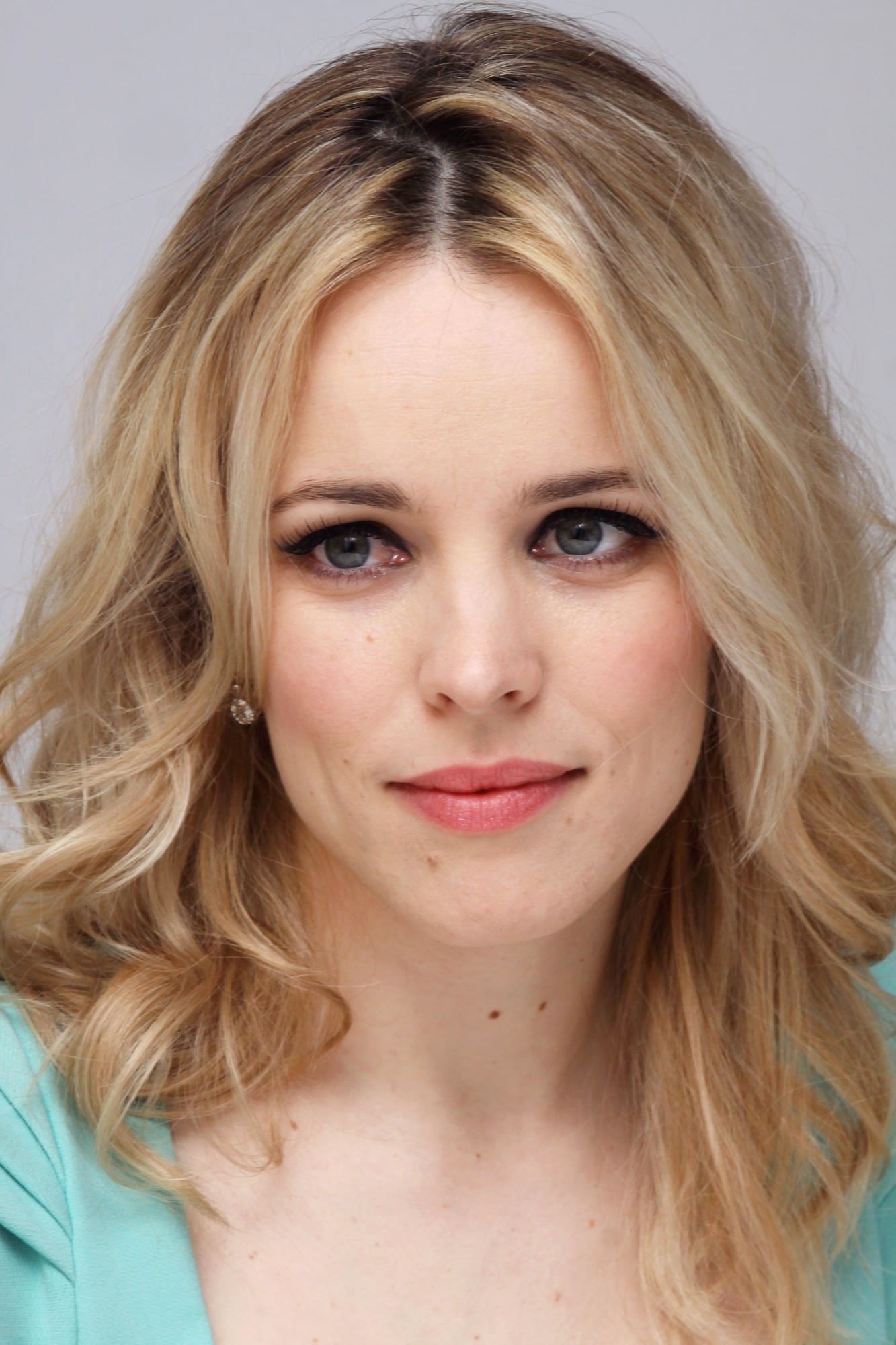
‘Mean Girls’ and ‘The Notebook’ shaped early expectations in teen comedy and romance. She then shifted into thrillers and mysteries with ‘Red Eye’, ‘Sherlock Holmes’, and ‘State of Play’.
She earned an Academy Award nomination for ‘Spotlight’ and joined superhero and multiverse titles with ‘Doctor Strange’ entries. That range kept her active in prestige ensembles and major franchises.
Elisabeth Moss
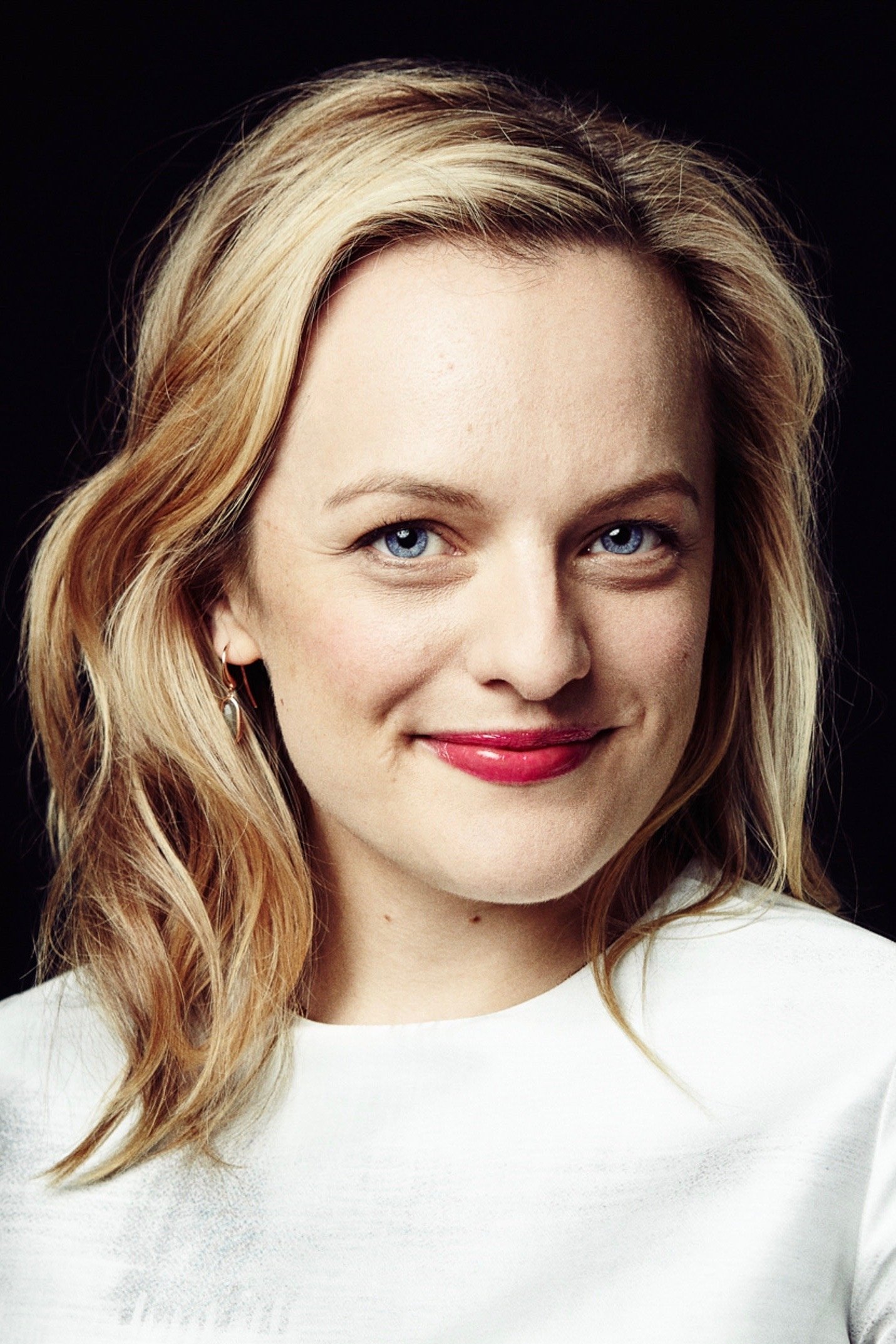
‘Mad Men’ set her as a nuanced supporting presence in period drama. She progressed to lead status with ‘The Handmaid’s Tale’, winning Emmys and Golden Globes and serving as a producer.
She built a genre footprint with ‘The Invisible Man’ and continued leading limited series such as ‘Shining Girls’ and ‘The Veil’. This path combined awards level television with commercially viable thrillers.
Priyanka Chopra Jonas

She arrived to American audiences through ‘Quantico’, which made her one of the few South Asian leads on network television. The series ran for multiple seasons and offered action and espionage visibility.
She balanced film roles like ‘Baywatch’ with producing work on ‘The White Tiger’, which earned an Academy Award nomination for its screenplay. She expanded into global franchise television with ‘Citadel’, sustaining an international profile.
Michelle Yeoh
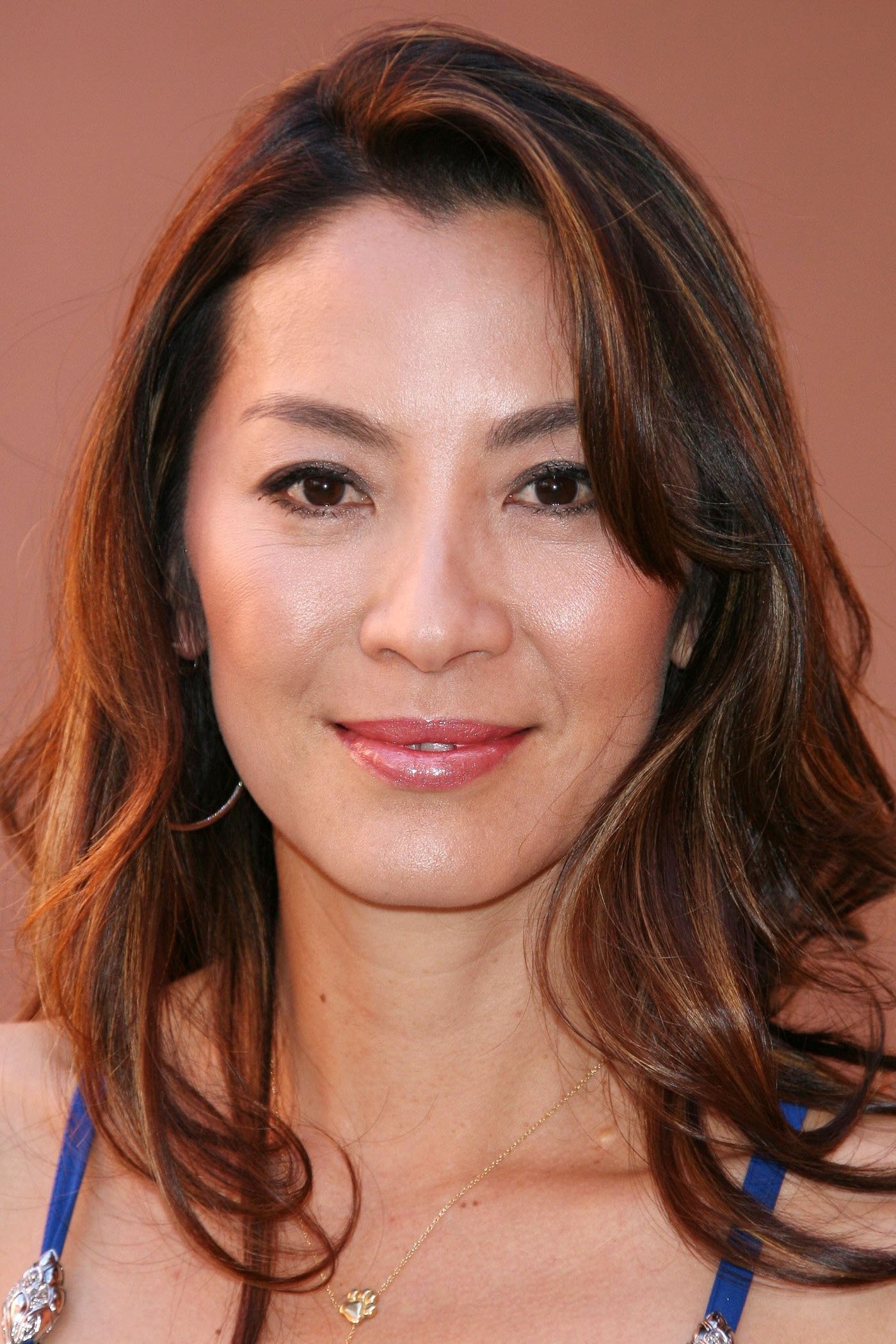
She built a reputation as a martial arts and action specialist with titles such as ‘Police Story 3 Supercop’ and ‘Crouching Tiger Hidden Dragon’. She later gained new momentum in ensemble hits like ‘Crazy Rich Asians’ and in television with ‘Star Trek Discovery’.
She led ‘Everything Everywhere All at Once’ and won the Academy Award for Best Actress. Continued work across franchises and auteur driven films confirmed long term audience demand for her leadership on screen.
Share your picks in the comments and tell us which performances you think best turned typecasting into lasting stardom.

