


Actresses Who Brought Multiple Characters to Life in One Show

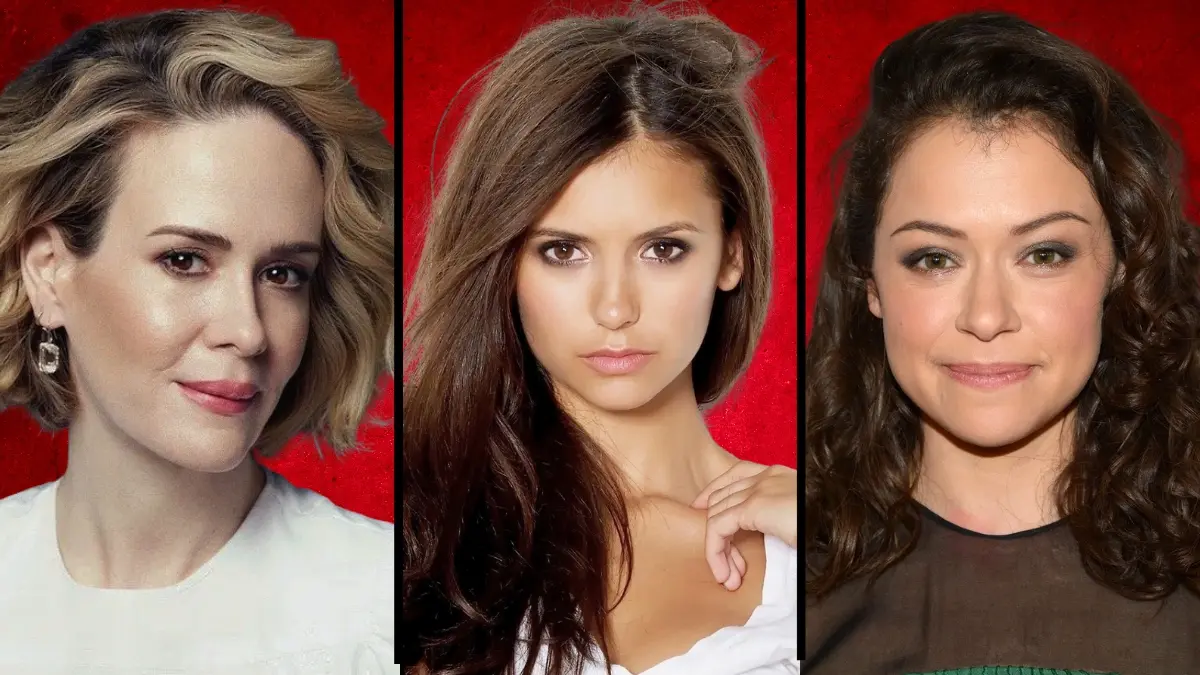


The television landscape has frequently challenged performers to step beyond a single role within the confines of a single production. Whether through science fiction concepts like cloning and parallel universes, or the structural flexibility of anthology series, certain actresses have demonstrated remarkable range by portraying multiple distinct individuals. These performances often require meticulous technical coordination and the development of unique physical and vocal traits for each character. From classic sitcoms to modern prestige dramas, the following list highlights women who successfully navigated the complexities of playing multiple parts in one show.
Tatiana Maslany
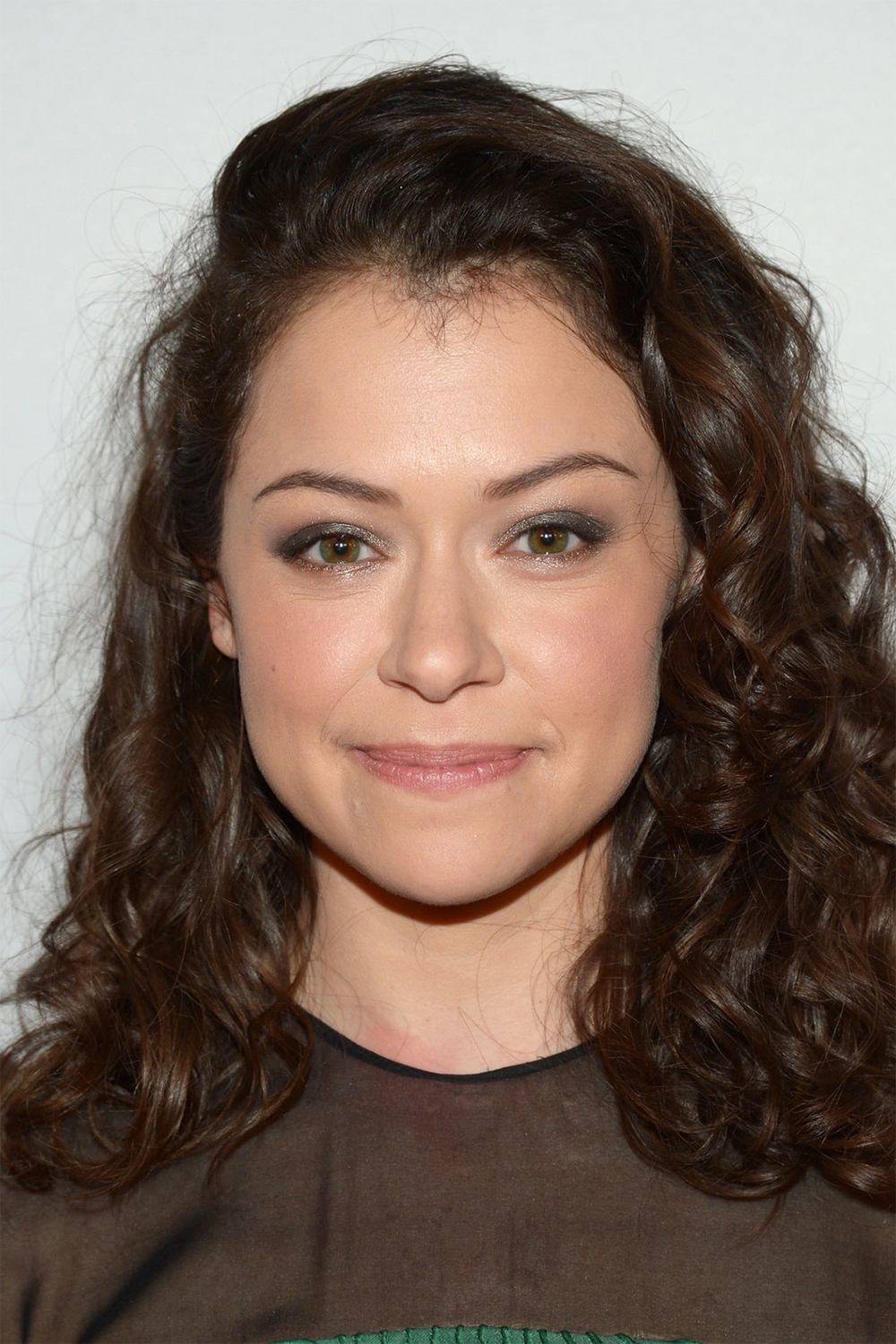
In the science fiction thriller ‘Orphan Black’, Tatiana Maslany portrayed over a dozen distinct clones, each with a unique background and personality. Her roles included the street-smart Sarah Manning, the disciplined Rachel Duncan, and the eccentric Helena. The actress utilized different accents and body language to differentiate the various versions of her characters, often acting against herself in complex scenes. Her performance in this series earned her a Primetime Emmy Award for Outstanding Lead Actress in a Drama Series. The production relied heavily on motion-control cameras to facilitate the seamless interaction of multiple clones on screen.
Sarah Paulson
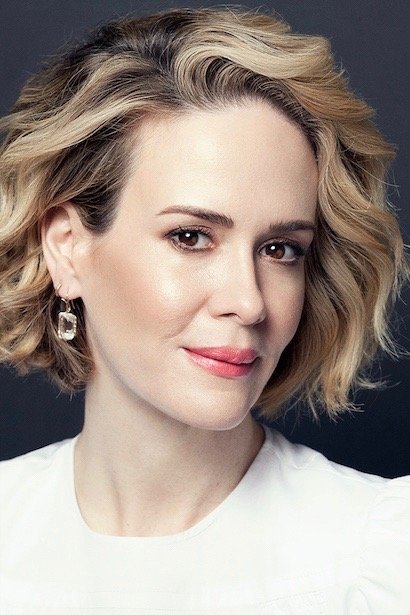
Sarah Paulson has played a wide variety of roles across the different seasons of the anthology series ‘American Horror Story’. In the season titled ‘Freak Show’, she simultaneously portrayed conjoined twins Bette and Dot Tattler, who possessed contrasting temperaments despite sharing a body. In ‘Apocalypse’, she took on three separate roles, including the return of her characters Billie Dean Howard and Cordelia Goode, as well as a new character named Wilhemina Venable. Her work across the franchise has seen her inhabit dozens of unique personas with distinct motivations and aesthetics. This frequent reassignment of roles has become a hallmark of her collaboration with the show’s creators.
Nina Dobrev
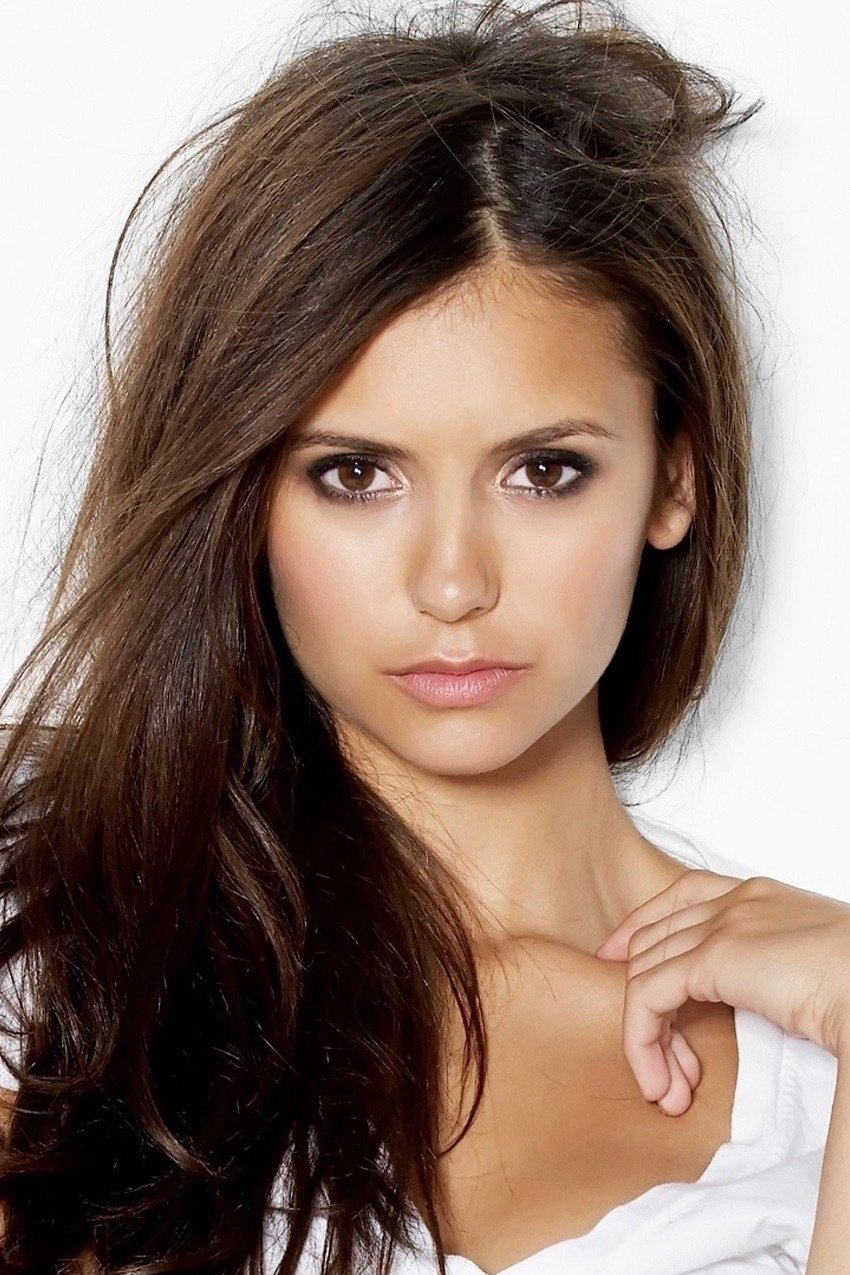
During her tenure on ‘The Vampire Diaries’, Nina Dobrev played several characters belonging to a line of supernatural doppelgängers. She primarily portrayed the protagonist Elena Gilbert, but also took on the role of the primary antagonist, Katherine Pierce, a centuries-old vampire with a ruthless survival instinct. Additionally, she appeared as the ancient progenitor Amara and the character Tatia, who existed in the series’ historical flashbacks. Dobrev utilized subtle shifts in facial expressions and posture to ensure viewers could distinguish Katherine from Elena even when they dressed alike. The narrative frequently centered on the psychological and physical conflicts between these identical-looking women.
D’Arcy Carden
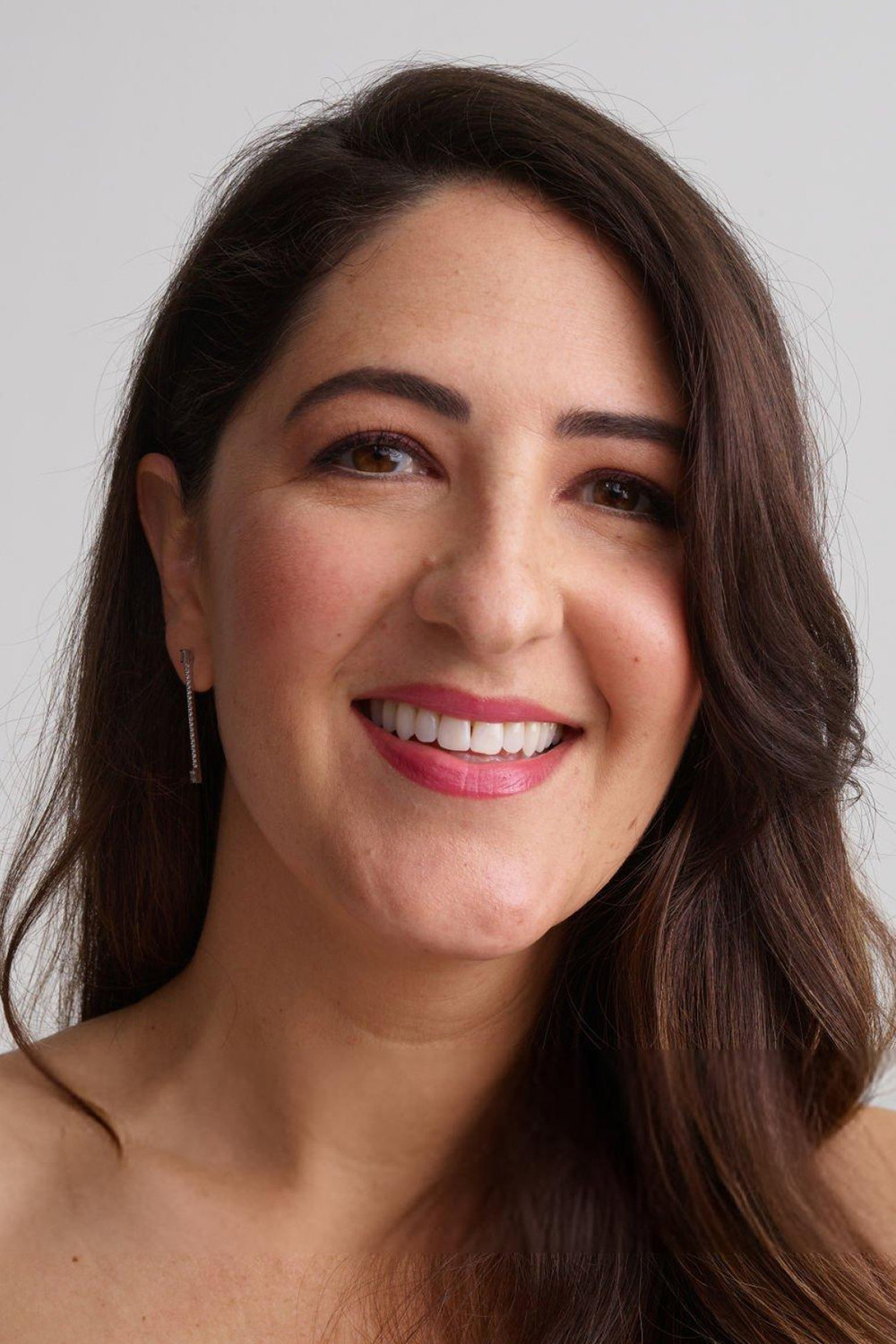
In the metaphysical comedy ‘The Good Place’, D’Arcy Carden portrayed Janet, a sentient informational assistant with various iterations throughout the afterlife. Beyond the standard “Good Janet,” she also played “Bad Janet,” “Neutral Janet,” and “Janet(s)” who had been rebooted or modified. One notable episode required Carden to play all four of the show’s main human characters when they were temporarily transformed into Janets. This required her to mimic the specific mannerisms and speech patterns of her fellow cast members. The variety of her roles allowed for significant comedic and dramatic range within a single production.
Patty Duke
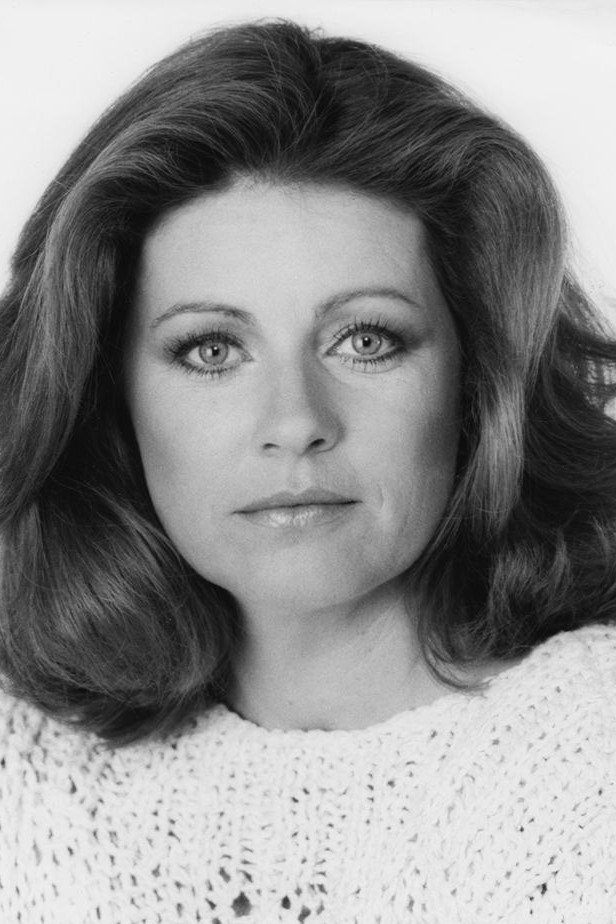
‘The Patty Duke Show’ featured the titular actress as two “identical cousins,” Patty Lane and Cathy Lane. Patty was depicted as a typical, fun-loving American teenager, while Cathy was her more sophisticated and reserved British relative. The show utilized split-screen technology and body doubles to allow the two characters to interact within the same frame. At the time of its airing, this was a significant technical undertaking for a weekly television sitcom. The contrast between the two characters’ personalities served as the primary driver for the show’s comedic scenarios.
Elizabeth Montgomery

In the classic sitcom ‘Bewitched’, Elizabeth Montgomery starred as the lead character, Samantha Stephens, while also playing her cousin, Serena. While Samantha was a housewife trying to live a normal life without using magic, Serena was a free-spirited witch who frequently caused trouble for the family. Montgomery often wore a dark wig and adopted a more flamboyant acting style to differentiate Serena from Samantha. The character of Serena was originally credited to “Pandora Spocks” as a playful inside joke for the audience. This dual role allowed Montgomery to showcase her versatility in both physical comedy and more grounded performance.
Barbara Eden
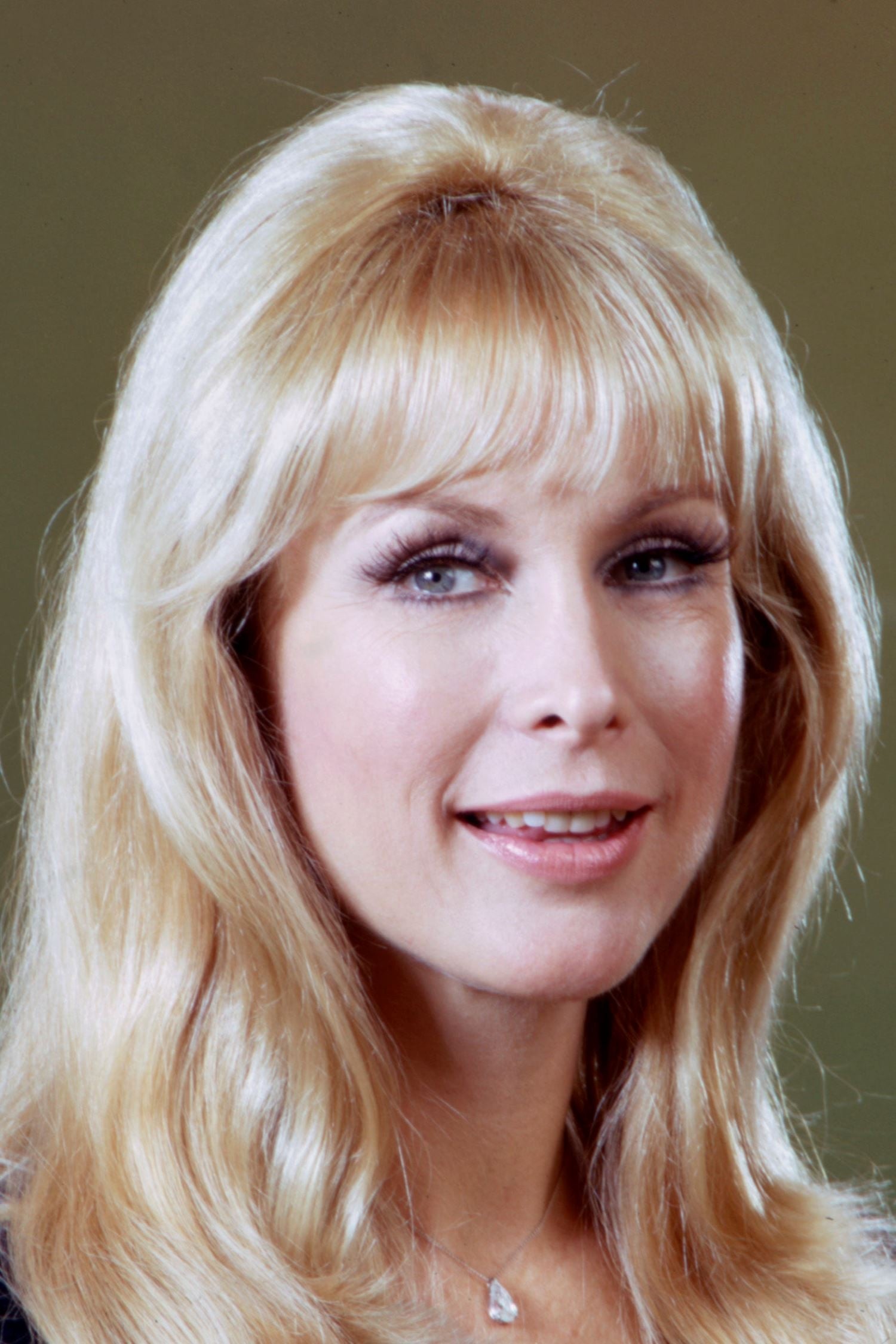
Barbara Eden is best known for her role in ‘I Dream of Jeannie’, where she portrayed the titular genie as well as her wicked sister, Jeannie II. The sister character was introduced as an antagonist who frequently attempted to ruin Jeannie’s relationship with Major Nelson. Jeannie II wore a green outfit and a darker wig to contrast with Jeannie’s iconic pink costume. The actress adjusted her vocal pitch and temperament to distinguish the sweet-natured lead from her conniving sibling. These dual-character episodes often involved elaborate special effects to show both sisters on screen simultaneously.
Sheryl Lee
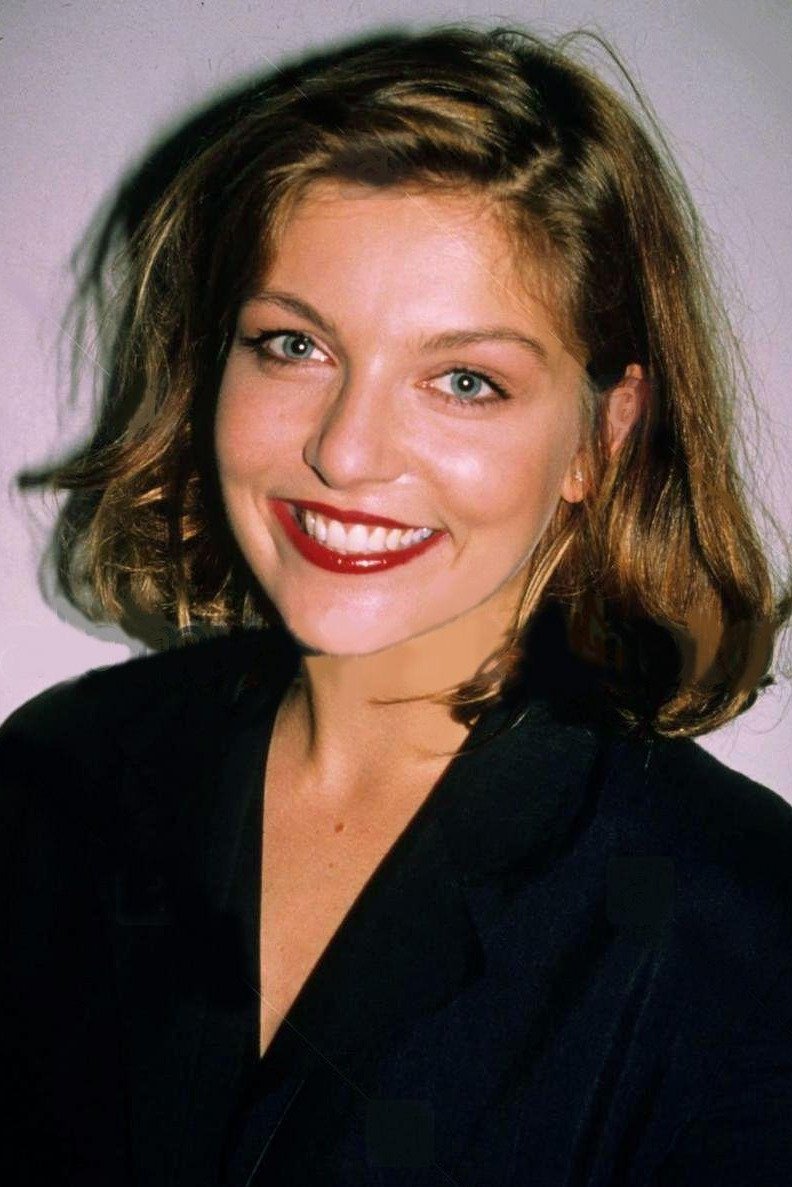
Sheryl Lee initially appeared in ‘Twin Peaks’ as Laura Palmer, the central figure whose death triggers the events of the series. After Laura’s death was established, Lee returned to the show to play Maddy Ferguson, Laura’s identical cousin who arrives in town for the funeral. This allowed the actress to participate in the narrative as a living character while still appearing as Laura in dream sequences and flashbacks. The two characters were distinguished by their different hair colors and psychological profiles. Lee eventually returned to portray Laura Palmer again in the 1992 film prequel and the 2017 series revival.
Lisa Kudrow
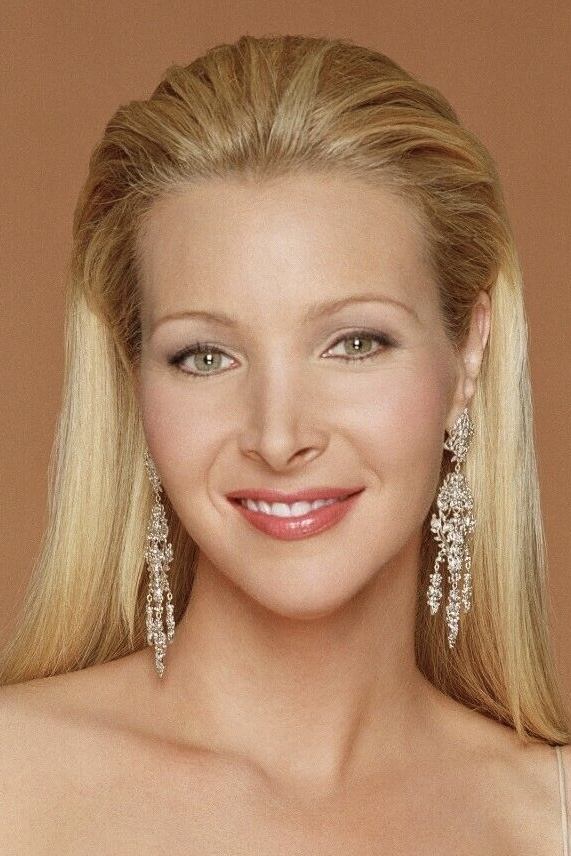
In the long-running sitcom ‘Friends’, Lisa Kudrow played the main character Phoebe Buffay and her twin sister, Ursula. The character of Ursula actually originated on the show ‘Mad About You’ before being integrated into the ‘Friends’ universe as Phoebe’s estranged sibling. Ursula was depicted as cynical and indifferent, providing a stark contrast to Phoebe’s eccentric but kind-hearted nature. Kudrow filmed scenes for both characters using split-screen techniques, often with her real-life sister acting as a body double. The dynamic between the twins was a recurring plot point that explored Phoebe’s complicated family history.
Dove Cameron
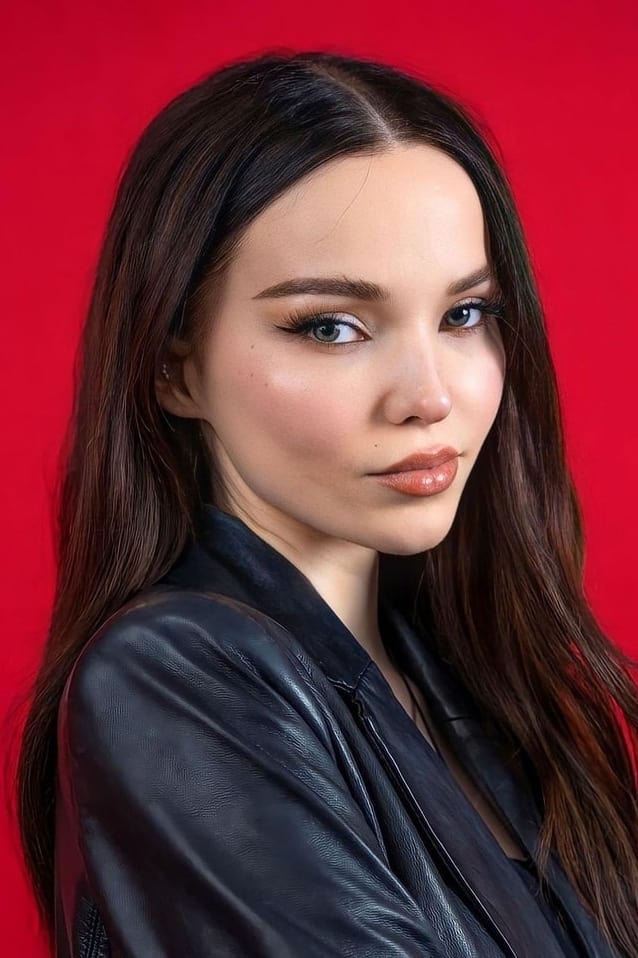
Dove Cameron starred in the Disney Channel series ‘Liv and Maddie’, portraying identical twin sisters with vastly different interests. Liv Rooney was depicted as a glamorous Hollywood actress returning home, while Maddie was a competitive high school basketball player. The show utilized advanced digital compositing to allow the two characters to physically interact, such as passing objects to one another. Cameron developed distinct physical traits for each twin, including specific ways of walking and standing. The series relied heavily on the actress’s ability to maintain these two distinct identities over four seasons.
Toni Collette
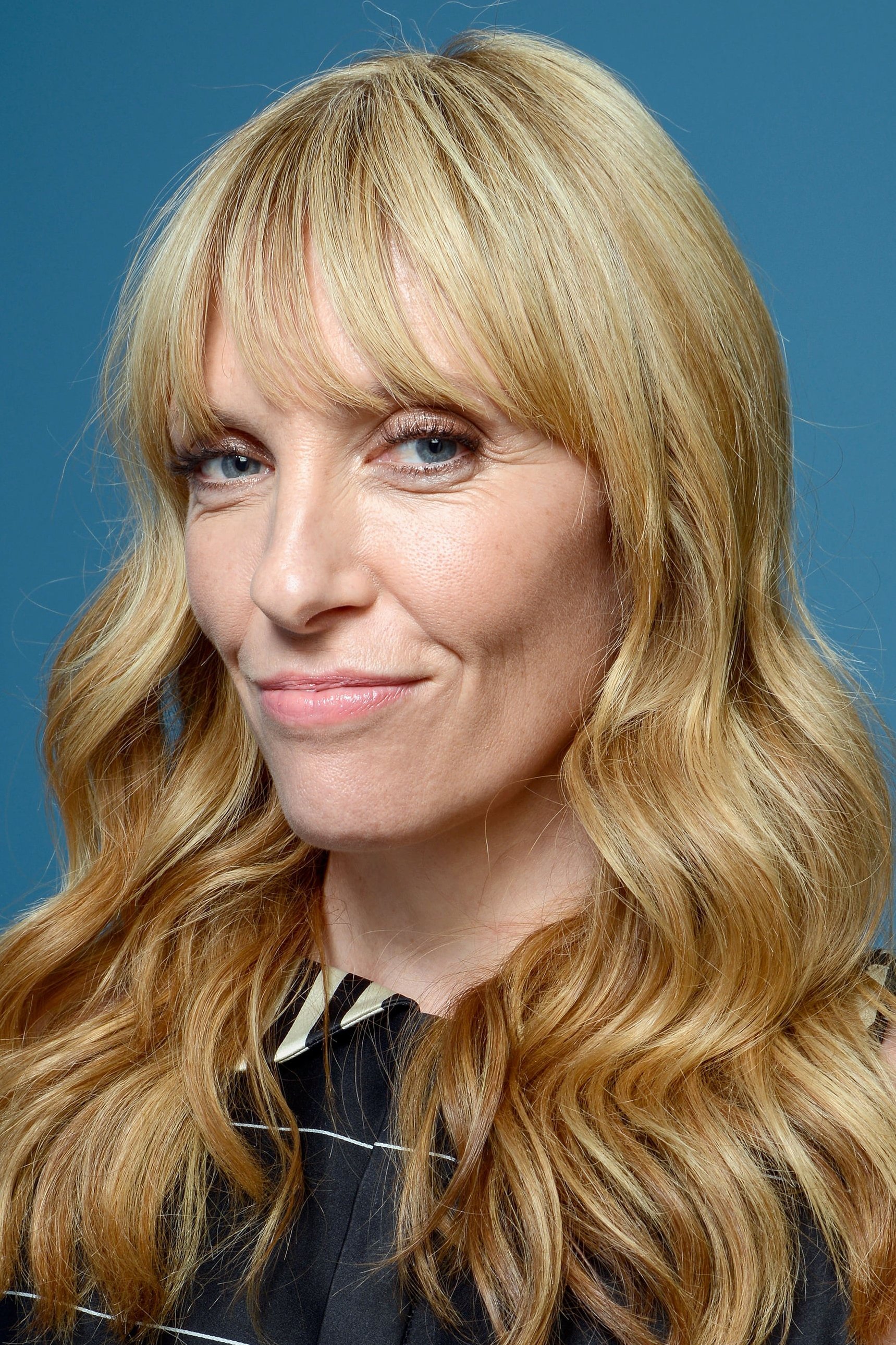
In ‘United States of Tara’, Toni Collette played a woman living with dissociative identity disorder, which manifested as several distinct “alters.” Her characters included a 1950s housewife named Alice, a rowdy male veteran named Buck, and a provocative teenager named T. Each alter had a unique wardrobe, voice, and set of behavioral patterns that required Collette to transition rapidly between roles. The show focused on how Tara and her family navigated the challenges posed by these frequent transitions. Collette received both a Primetime Emmy Award and a Golden Globe for her work on the series.
Sarah Michelle Gellar
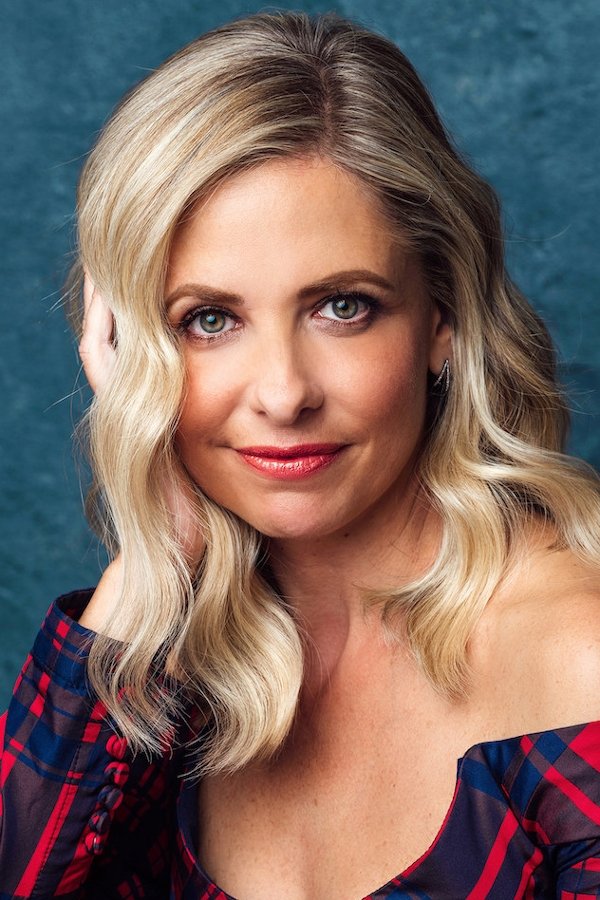
The drama series ‘Ringer’ featured Sarah Michelle Gellar as twin sisters Bridget Kelly and Siobhan Martin. After witnessing a murder, Bridget flees and assumes the identity of her wealthy twin sister, only to discover that Siobhan’s life is equally dangerous. Gellar played both the woman pretending to be her sister and the actual sister, who was revealed to be alive and operating in secret. The show required the actress to play characters who were essentially playing other characters, adding layers of complexity to the performance. This role marked Gellar’s return to a lead television role following her work on ‘Buffy the Vampire Slayer’.
Anna Torv
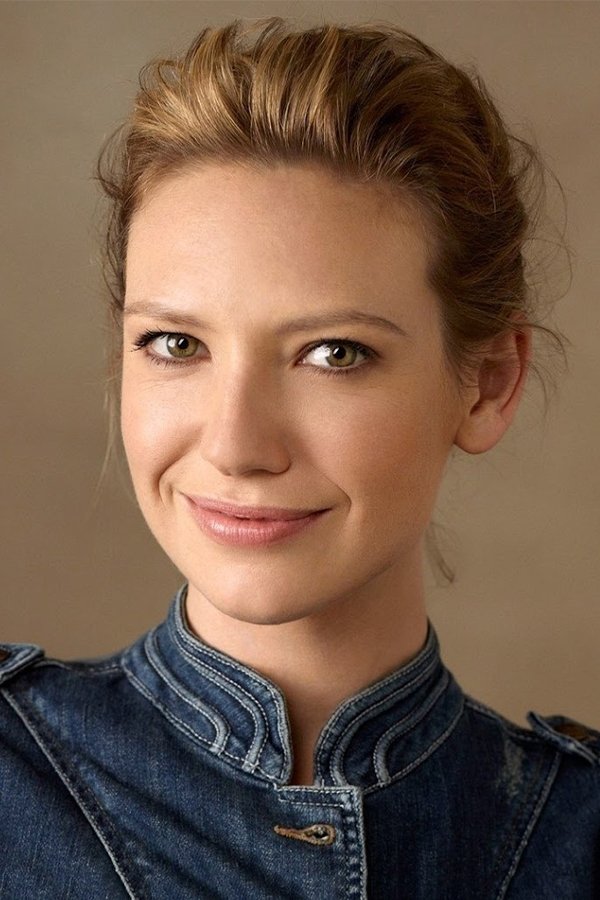
Anna Torv starred in the science fiction series ‘Fringe’ as FBI agent Olivia Dunham and her alternate universe counterpart. The second version of the character, often referred to as “Fauxlivia” by fans, possessed a different backstory and personality traits than the original Olivia. Torv used subtle changes in vocal resonance and posture to indicate which version of the character was on screen. The narrative often involved one character infiltrating the other’s universe, requiring Torv to play one version of herself pretending to be the other. This dual role was central to the series’ exploration of identity and parallel worlds.
Tricia Helfer
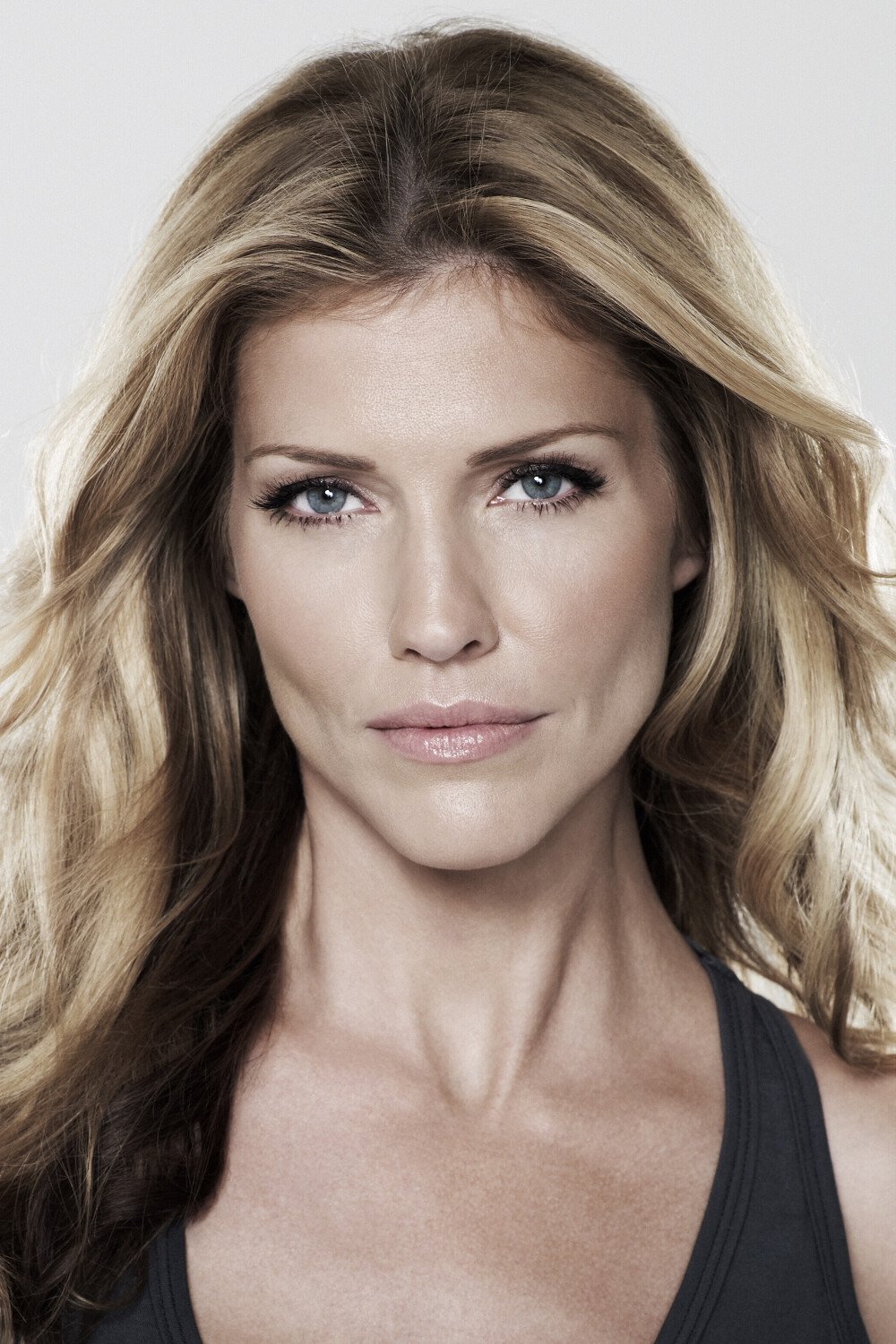
In the reimagined ‘Battlestar Galactica’, Tricia Helfer played multiple versions of the Cylon model known as Number Six. While each version shared the same physical appearance, they developed unique personalities based on their individual experiences. Helfer portrayed various iterations, including the manipulative Caprica Six and the more compassionate Shelly Godfrey. The show utilized the concept of “downloading” memories into new bodies to explain how these identical characters functioned within the story. Helfer’s performance was praised for giving each version of the character a distinct sense of self.
Grace Park
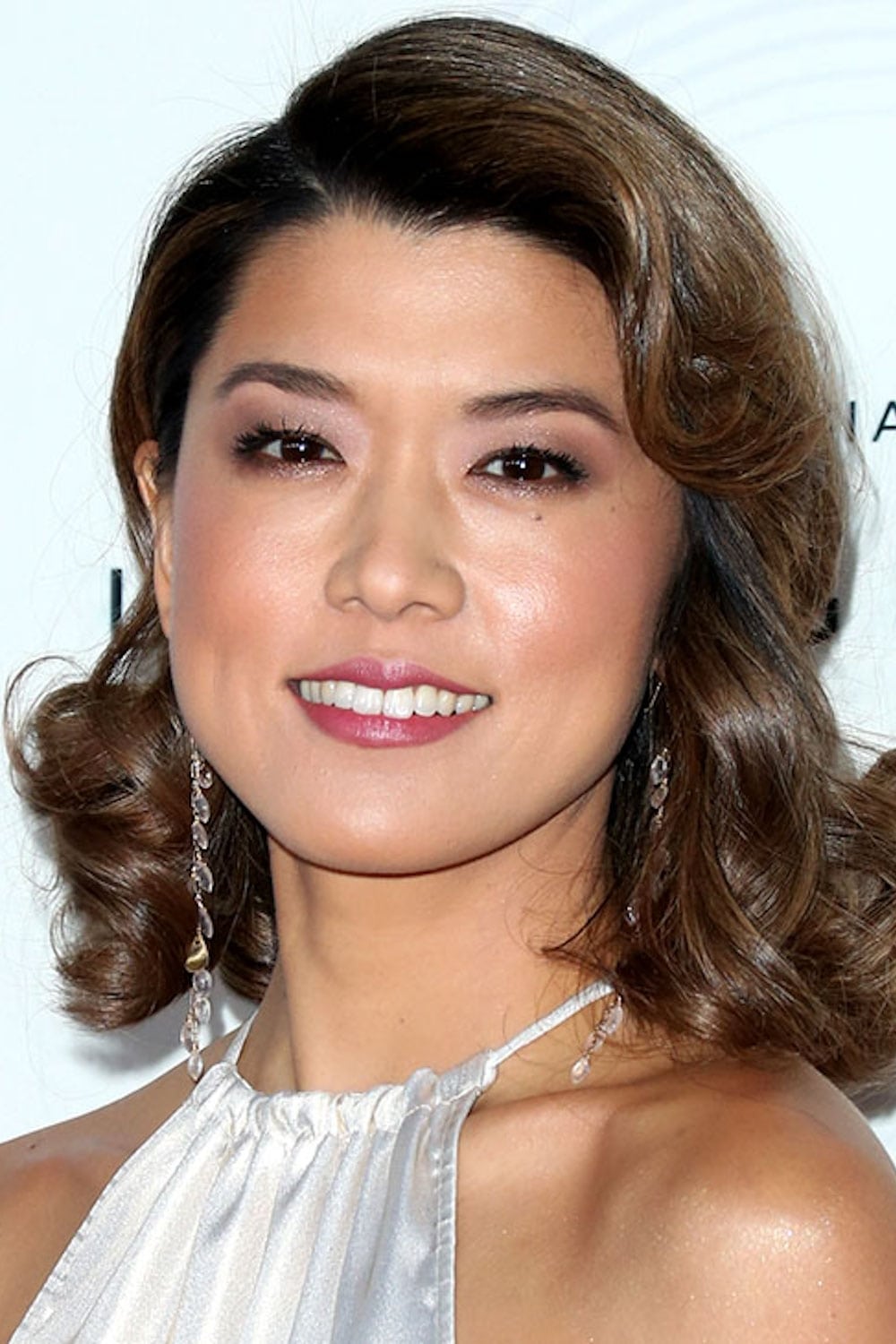
Grace Park played the Number Eight Cylon model in ‘Battlestar Galactica’, appearing as several different versions throughout the series. Her most prominent roles were Sharon “Boomer” Valerii, a sleeper agent who initially believed she was human, and Sharon “Athena” Agathon, who defected to join the human fleet. Park had to portray the psychological struggle of Boomer as she discovered her true nature, contrasted with Athena’s journey of integration and motherhood. The interaction between these different versions of the same model often highlighted the internal conflicts of the Cylon race. Like her co-stars, Park used specific character motivations to differentiate the identical-looking individuals.
Lana Parrilla
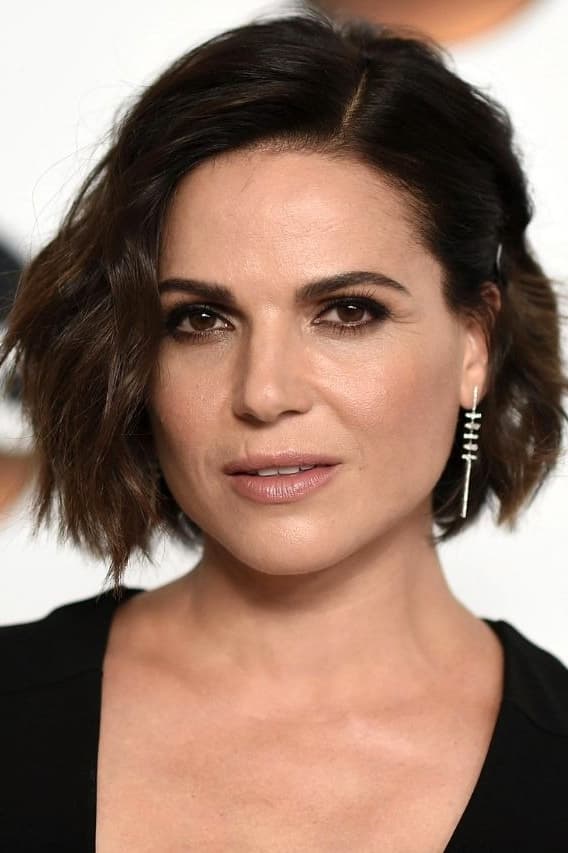
Lana Parrilla portrayed Regina Mills and her magical alter ego, the Evil Queen, in the fantasy series ‘Once Upon a Time’. While these were technically the same individual, the show treated them as distinct entities with different moral compasses and physical manifestations during certain story arcs. In later seasons, she also played a version of the character named Roni, who lived in a world without her original memories. Parrilla utilized a more theatrical and menacing tone for the Evil Queen compared to the more grounded Regina. The series frequently explored the redemption arc of the character through these various iterations.
Ginnifer Goodwin
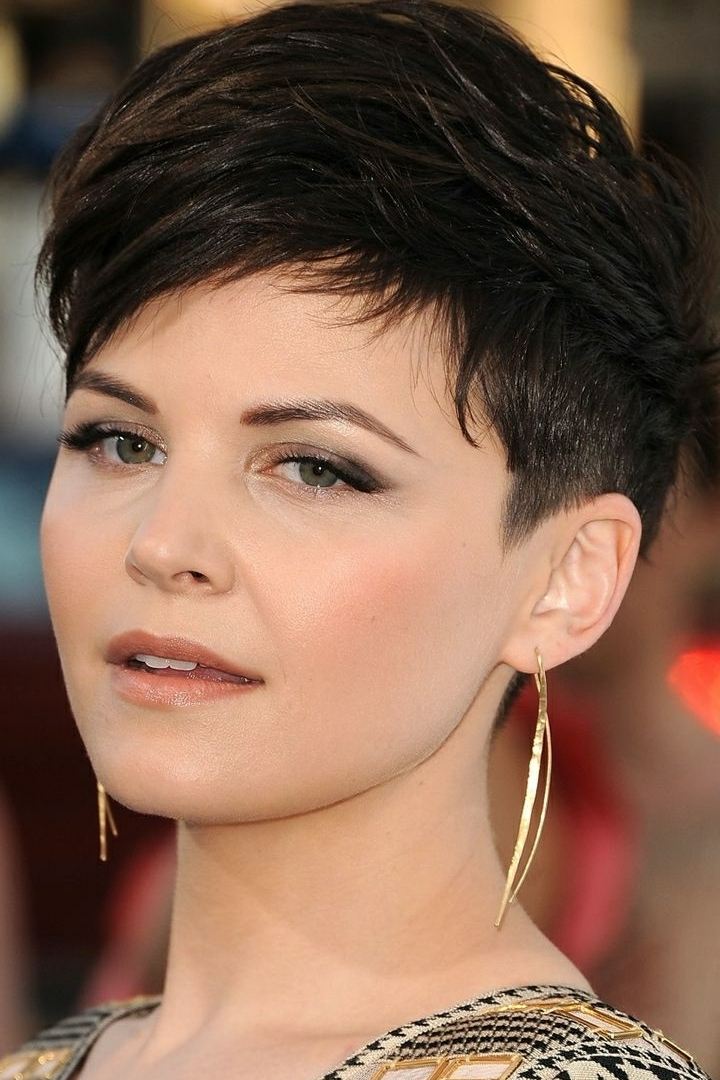
Ginnifer Goodwin played the dual roles of Snow White and Mary Margaret Blanchard in ‘Once Upon a Time’. Snow White was the classic fairy tale warrior, while Mary Margaret was her cursed counterpart living in the modern town of Storybrooke. Goodwin portrayed the contrast between the confident, archery-skilled princess and the more timid, lonely schoolteacher. As the series progressed and the characters’ memories were restored, the actress had to blend these two identities. This role required her to transition between elaborate period costumes and contemporary professional attire.
Sonequa Martin-Green
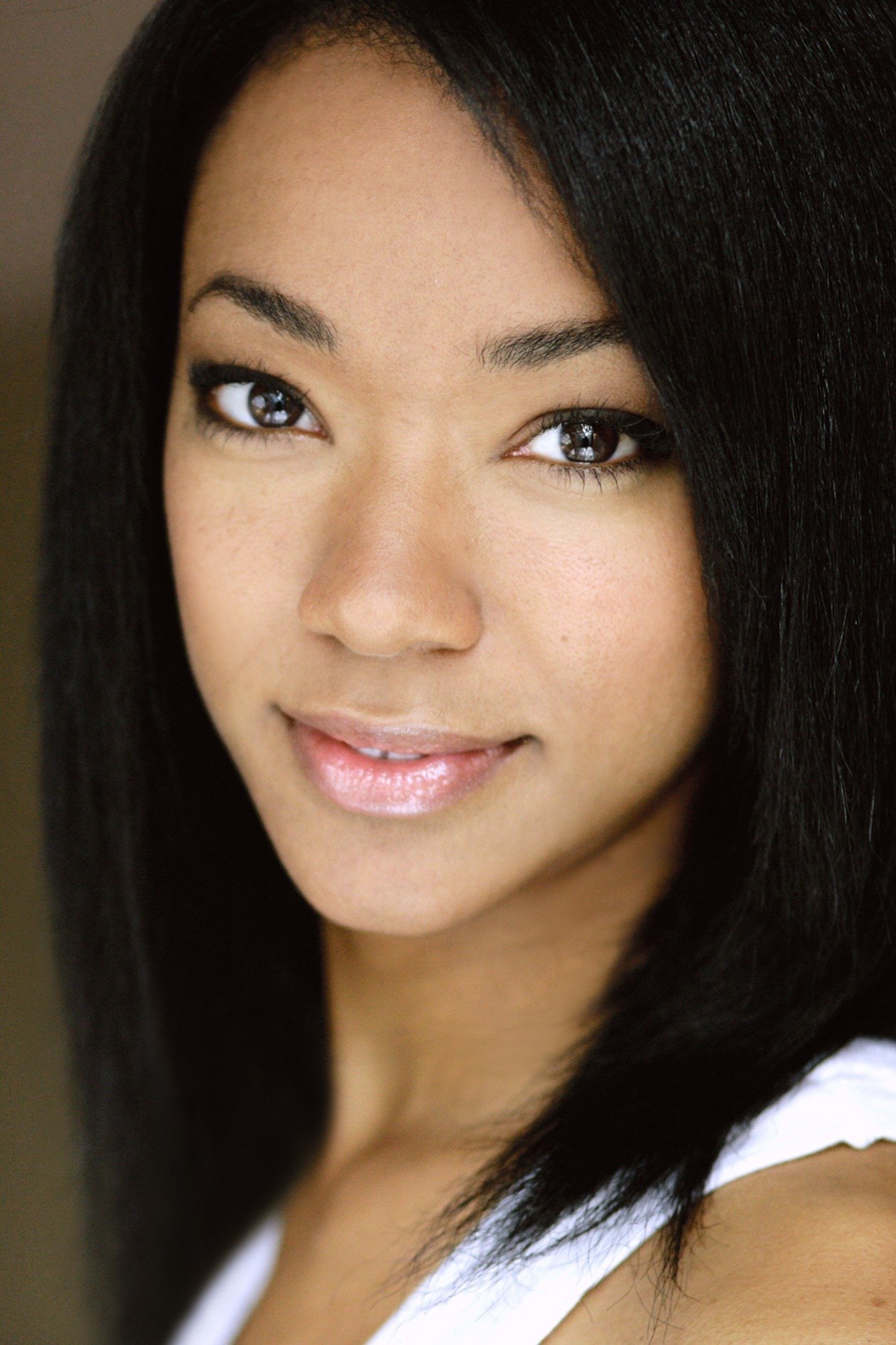
In ‘Star Trek: Discovery’, Sonequa Martin-Green portrayed the lead character Michael Burnham as well as her mirror universe counterpart. The mirror version of Burnham was a high-ranking officer in the Terran Empire, possessing a much more ruthless and aggressive demeanor than the primary version. Martin-Green adjusted her performance to reflect the hardened environment of the mirror universe, including a more severe vocal delivery. The interactions between the two versions of the character served to highlight Michael’s internal values and morality. This use of mirror universe doubles is a long-standing tradition within the ‘Star Trek’ franchise.
Michelle Yeoh
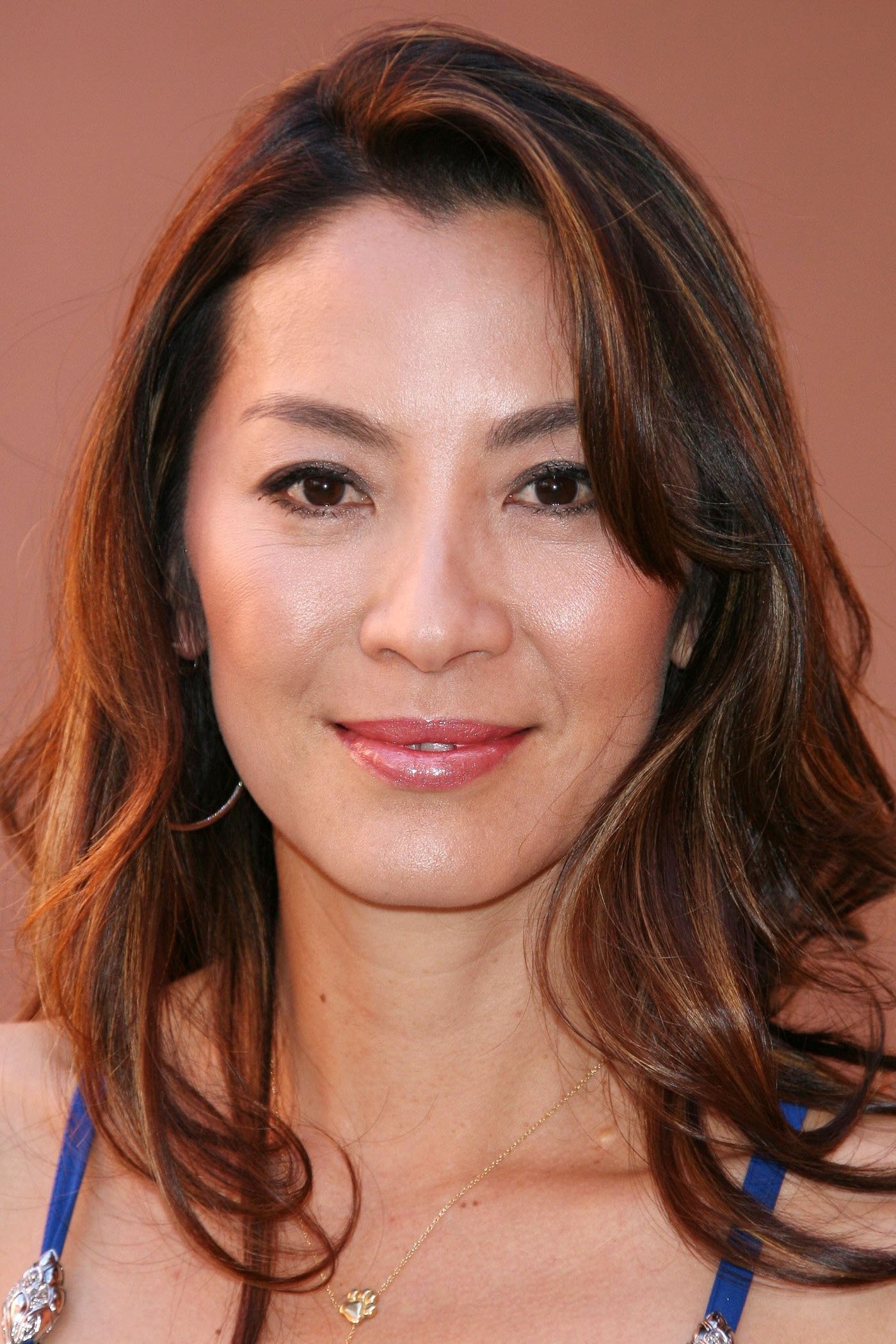
Michelle Yeoh played two distinct versions of Philippa Georgiou in ‘Star Trek: Discovery’. She first appeared as the noble and compassionate Captain Georgiou of the USS Shenzhou. Following that character’s death, Yeoh returned as the Mirror Universe’s Emperor Georgiou, a tyrannical and cunning ruler. The actress highlighted the vast differences between the characters through their vastly different leadership styles and ethical boundaries. Emperor Georgiou eventually became a recurring character in the primary universe, allowing Yeoh to further explore her adaptation to a less violent society.
Mary Wiseman
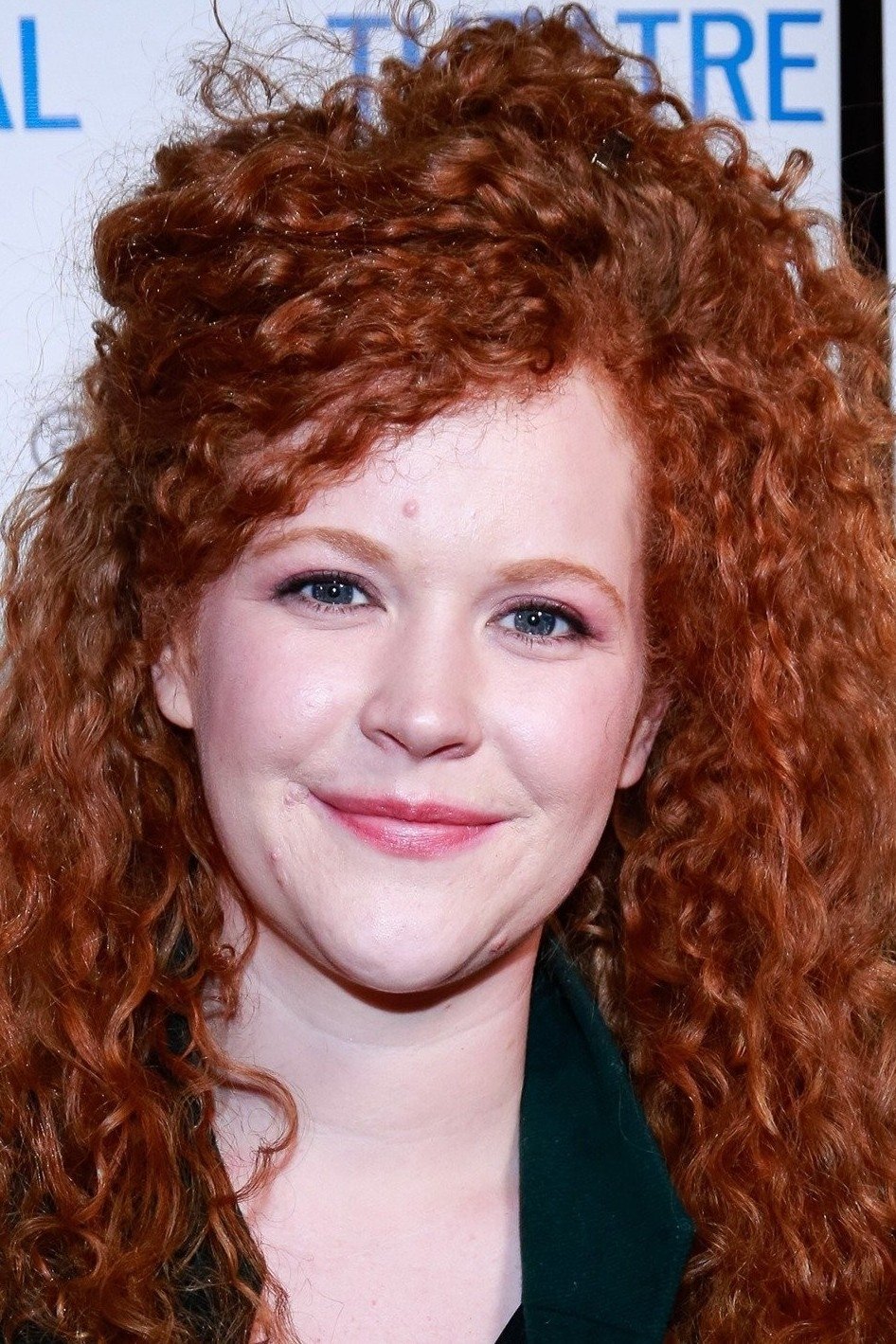
Mary Wiseman portrayed Sylvia Tilly, an optimistic and socially awkward ensign, in ‘Star Trek: Discovery’. When the crew traveled to the mirror universe, she took on the role of “Captain Killy,” a feared and brutal version of herself. Wiseman shifted from her character’s usual nervous energy to a commanding and intimidating presence. This transformation was used for both dramatic tension and comedic effect as the primary Tilly attempted to impersonate her dangerous double. The contrast between the two versions emphasized Tilly’s growth and latent potential for leadership.
Lily Rabe
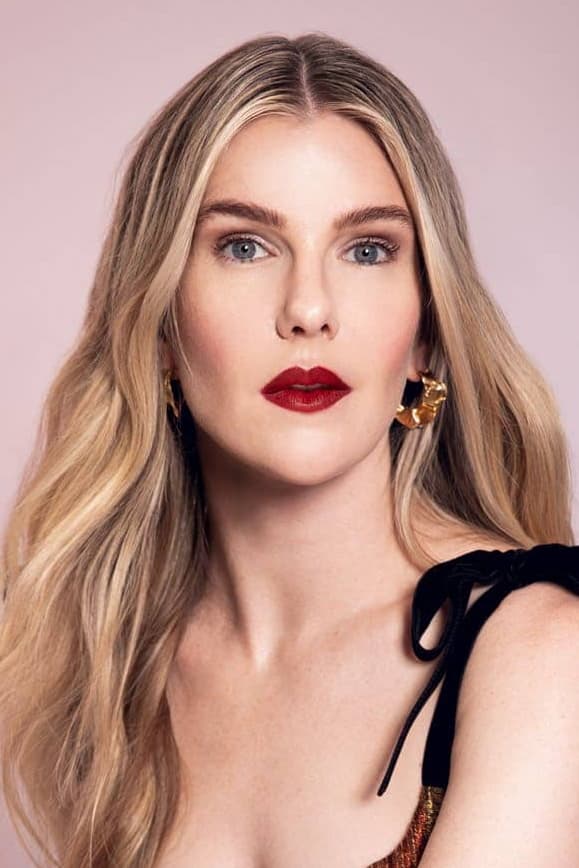
Lily Rabe has appeared in almost every season of ‘American Horror Story’, playing a different character in each narrative. Her roles have included the possessed nun Sister Mary Eunice in ‘Asylum’ and the bohemian witch Misty Day in ‘Coven’. In ‘Roanoke’, she played the “real-life” version of Shelby Miller, while another actress played the reenactment version of the same character. Rabe’s ability to transition from ethereal and innocent characters to dark and manipulative ones has made her a staple of the series. Each role features unique costuming and psychological depth tailored to the season’s specific theme.
Frances Conroy
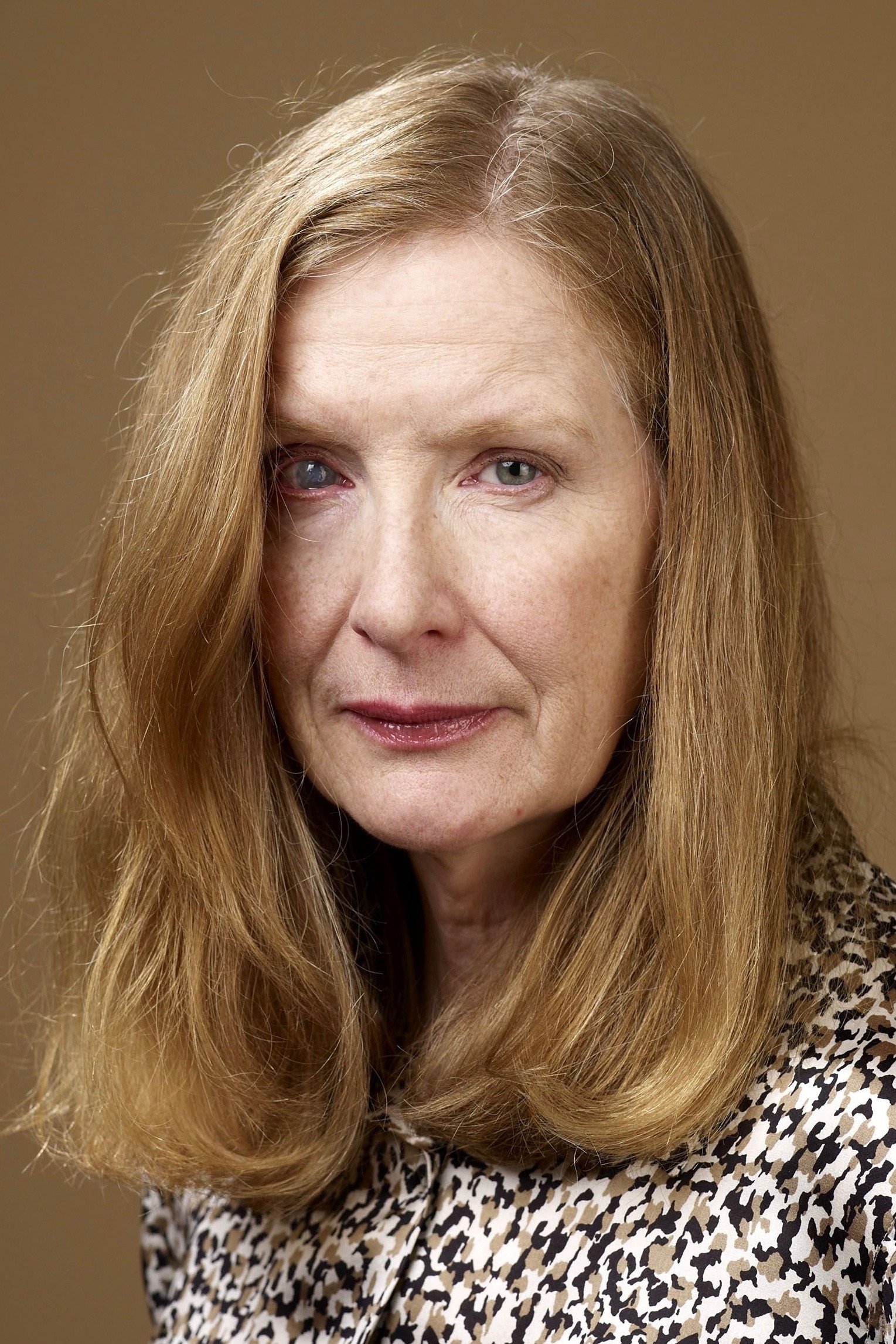
Frances Conroy is another frequent collaborator in the ‘American Horror Story’ franchise, having played a wide variety of roles. She began the series playing the older version of the maid Moira O’Hara, whose appearance changed based on who was looking at her. In later seasons, she portrayed the Angel of Death, the eccentric witch Myrtle Snow, and the cult member Bebe Babbitt. Conroy often utilizes distinct vocal affectations and physical mannerisms for each part, such as Myrtle Snow’s iconic high-fashion sensibilities. Her performances often provide a blend of gravitas and dark humor to the anthology.
Kathy Bates
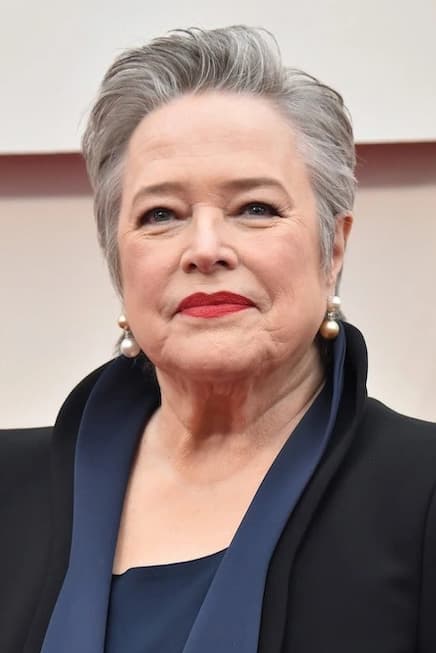
Since joining ‘American Horror Story’ in its third season, Kathy Bates has portrayed numerous historical and fictional figures. Her roles include the infamous socialite Delphine LaLaurie, the bearded lady Ethel Darling, and the sinister “The Butcher” in ‘Roanoke’. Bates often undergoes significant physical transformations for these roles, involving prosthetic makeup and elaborate period costumes. Her characters frequently oscillate between being victims and villains, requiring a broad emotional range. The actress has received critical acclaim and an Emmy Award for her contributions to the series.
Angela Bassett
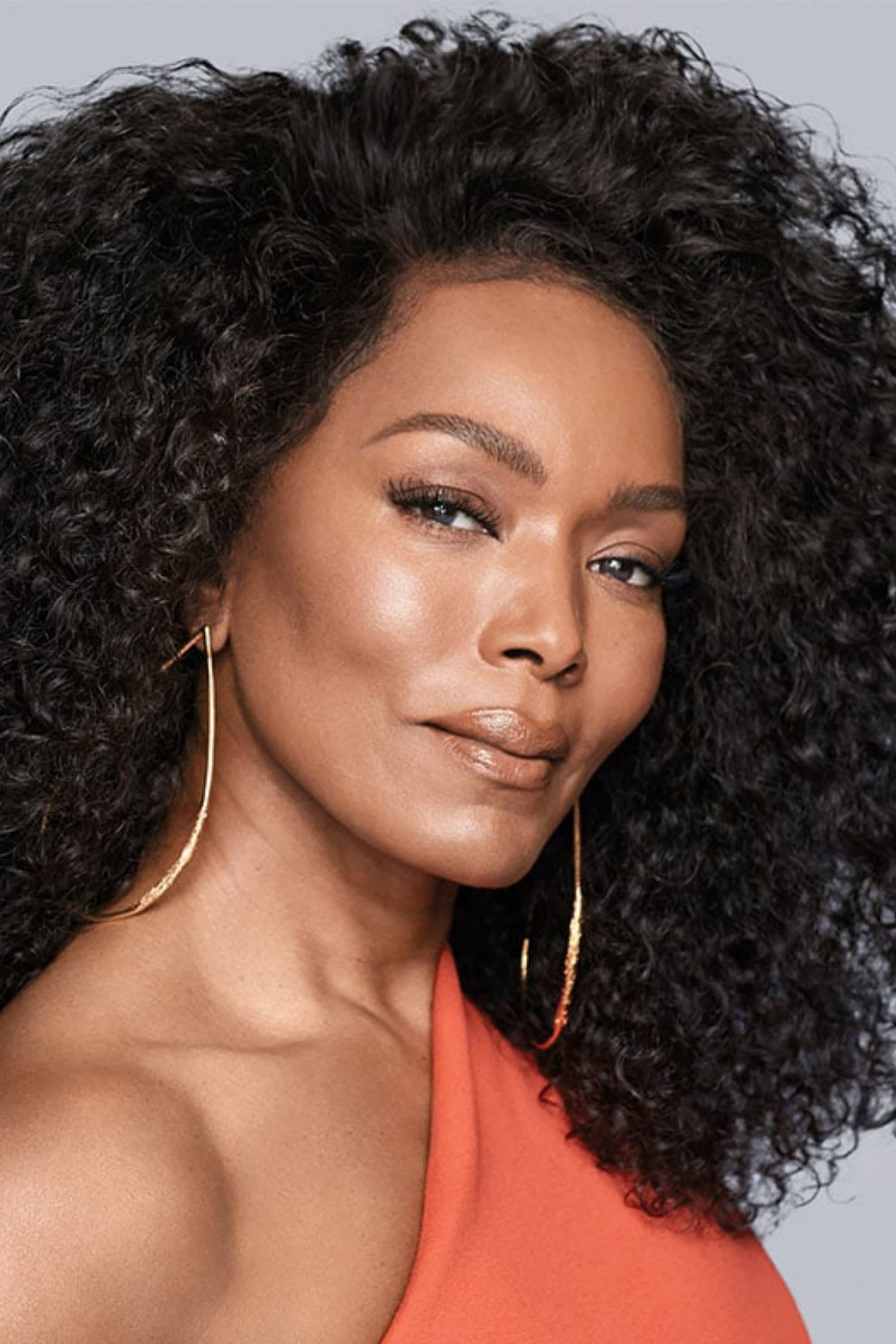
Angela Bassett has brought several powerful characters to life throughout the ‘American Horror Story’ anthology. She portrayed the real-life voodoo queen Marie Laveau in both ‘Coven’ and ‘Apocalypse’. Other roles include the three-breasted performer Desiree Dupree and the vampire film star Ramona Royale. Bassett’s characters are often defined by their strength, authority, and complex relationships with other supernatural beings. Her presence in the series has been noted for adding a commanding theatricality to the various storylines.
Jessica Lange
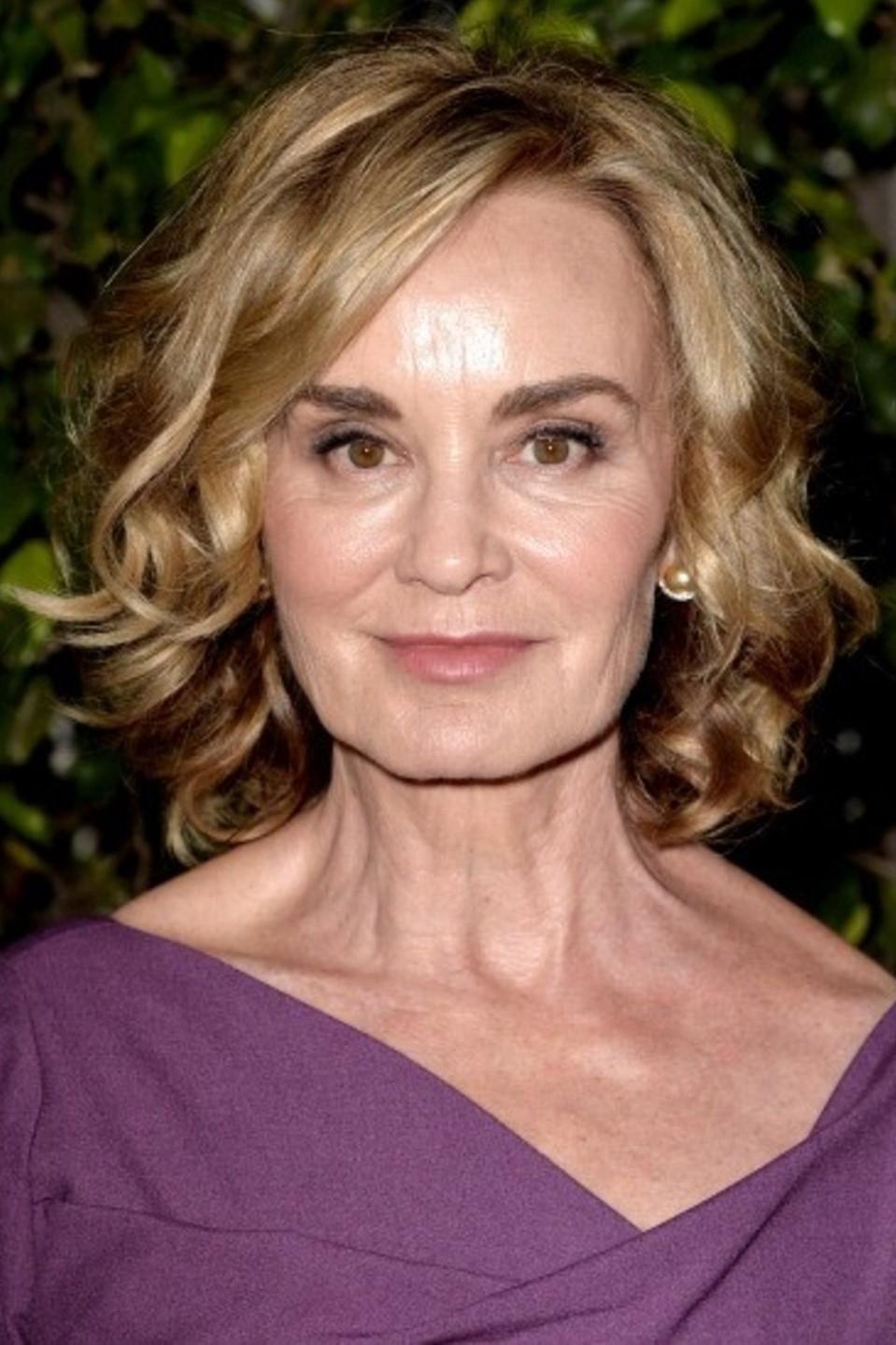
Jessica Lange was the central figure of ‘American Horror Story’ for its first four seasons, playing a major lead role in each. She portrayed the fading Southern belle Constance Langdon, the strict Sister Jude Martin, the supreme witch Fiona Goode, and the circus owner Elsa Mars. Each character was distinct in their motivations, though they often shared themes of vanity, regret, and the pursuit of power. Lange’s performances were instrumental in establishing the tone of the series and earned her multiple awards. Her departure from the main cast after the fourth season marked a significant transition for the show.
Adina Porter
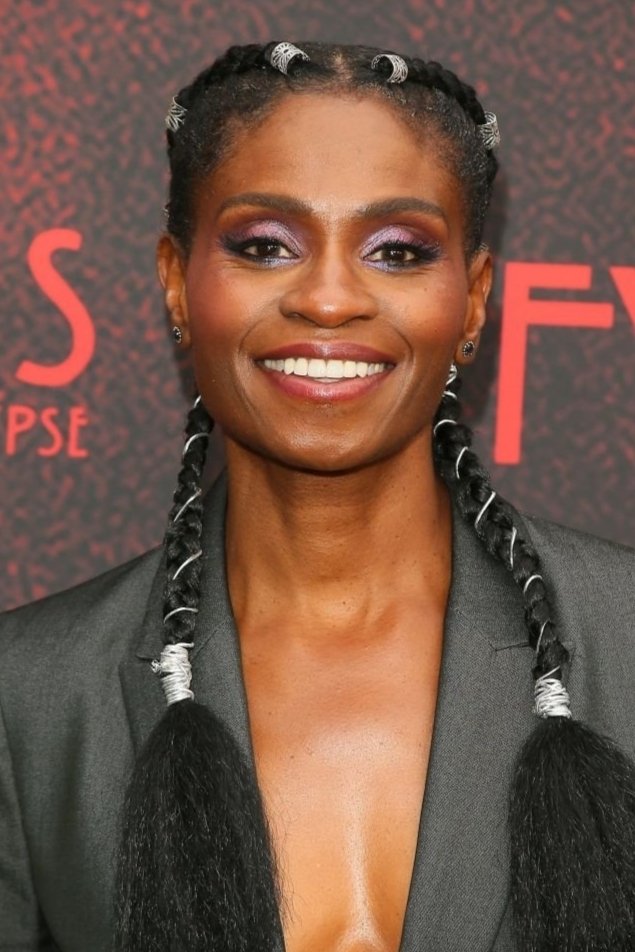
Adina Porter has transitioned from guest roles to lead positions within the ‘American Horror Story’ universe. She played the haunted Sally Freeman in the first season and later took on major roles like Beverly Hope, a television journalist turned cult member. In ‘Roanoke’, she portrayed the “real” Lee Harris, a woman struggling with her past and the supernatural events occurring at her home. Porter is known for her grounded and intense performances that provide a realistic counterpoint to the show’s more fantastical elements. She has been nominated for an Emmy for her work in the series.
Evan Rachel Wood
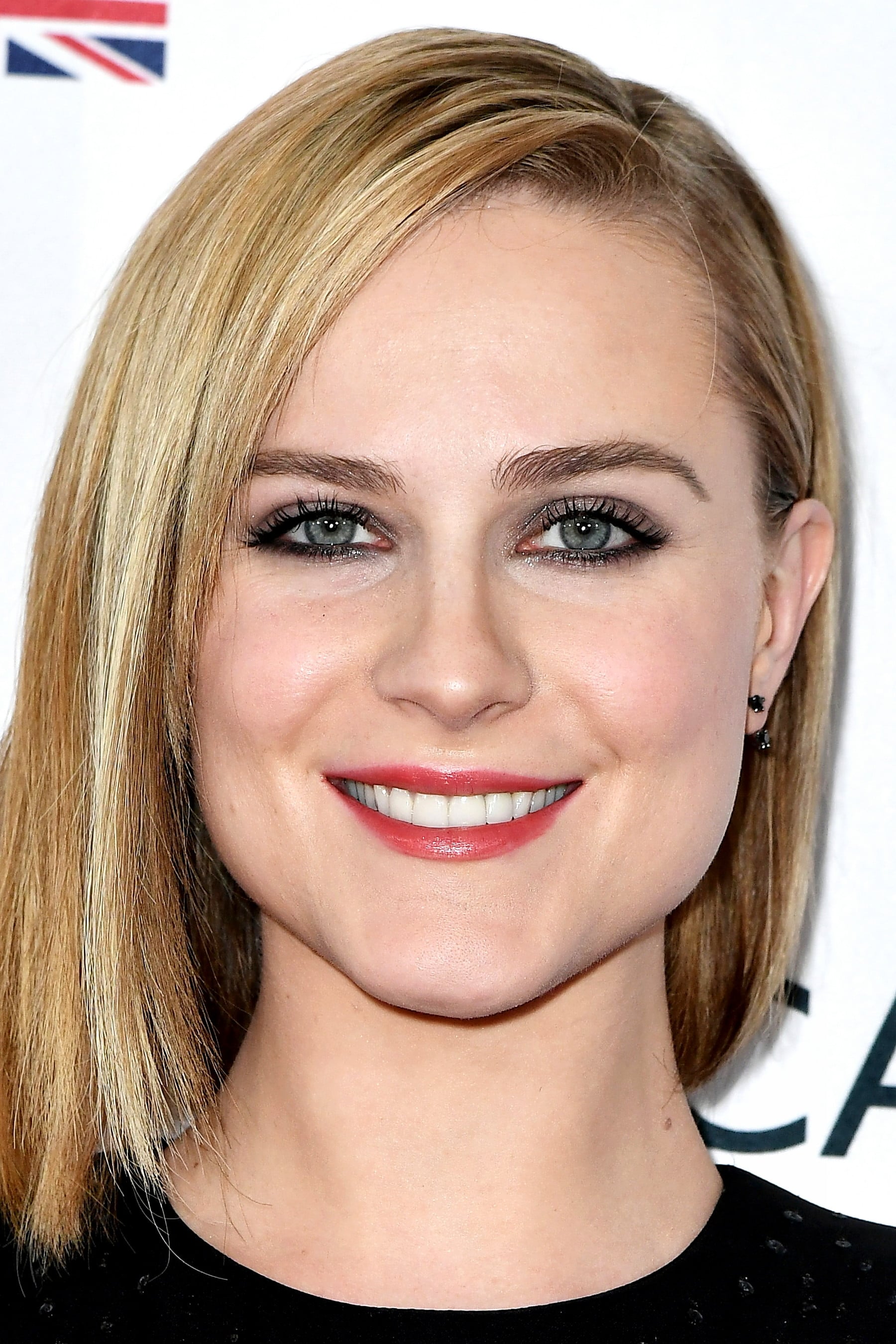
In the HBO series ‘Westworld’, Evan Rachel Wood played the android “host” Dolores Abernathy, who undergoes a complex evolution toward consciousness. As the character’s programming changes, Wood shifted her performance from an innocent rancher’s daughter to a revolutionary leader. In the show’s fourth season, she also played Christina, a woman living in a futuristic city who appears identical to Dolores but possesses a different identity. This required Wood to adopt a more contemporary and subdued persona compared to her earlier roles. The actress had to navigate the technical challenges of playing a machine that is gradually becoming human.
Tessa Thompson
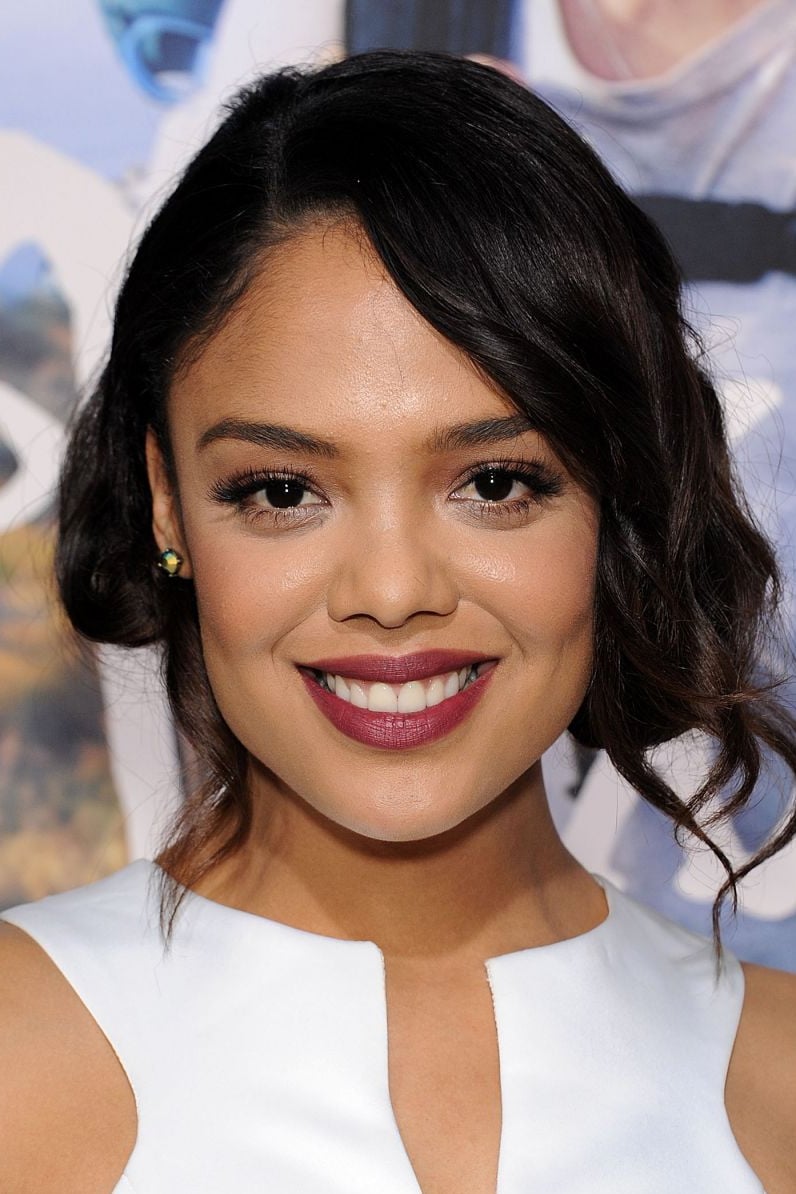
Tessa Thompson portrayed the executive Charlotte Hale in ‘Westworld’, but her role expanded as the series progressed. In the third and fourth seasons, Thompson played a version of Charlotte Hale that was actually a host inhabited by the consciousness of Dolores Abernathy. This required Thompson to mimic Evan Rachel Wood’s specific speech patterns and physical movements while maintaining the character’s outward appearance as Hale. Eventually, this version of the character developed its own distinct personality, separate from both the original Hale and the original Dolores. The performance explored themes of identity displacement and the divergence of artificial intelligence.
Majel Barrett
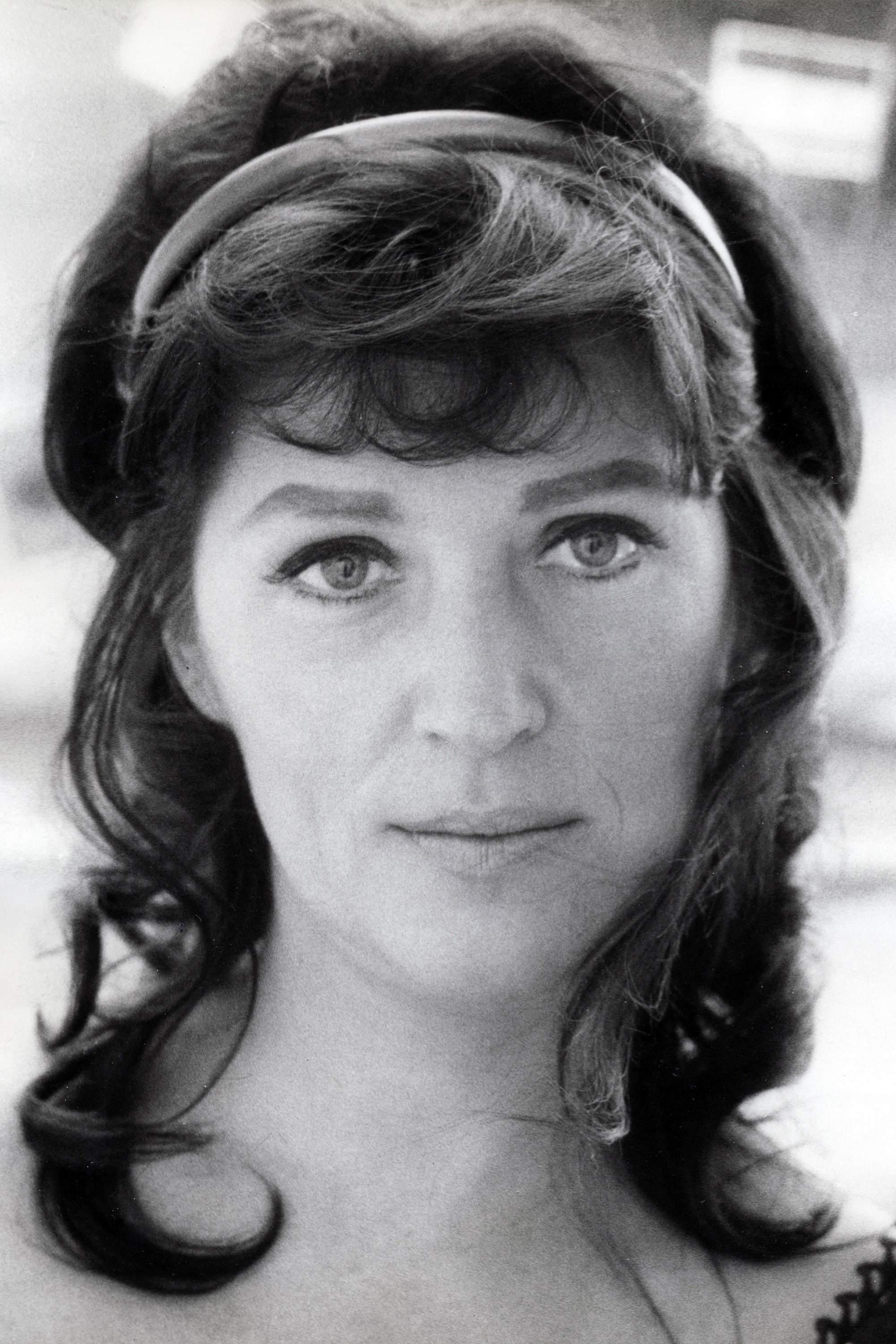
Majel Barrett held multiple roles within ‘Star Trek: The Original Series’ and the broader franchise. In the original pilot episode, she played the ship’s second-in-command, known only as Number One. When the series went into full production, she was cast as Nurse Christine Chapel, a recurring member of the medical staff. Later, in ‘Star Trek: The Next Generation’, she portrayed the flamboyant Lwaxana Troi, the mother of Deanna Troi. Barrett also provided the iconic voice for the Starfleet computers across several different series in the franchise.
Lucy Lawless
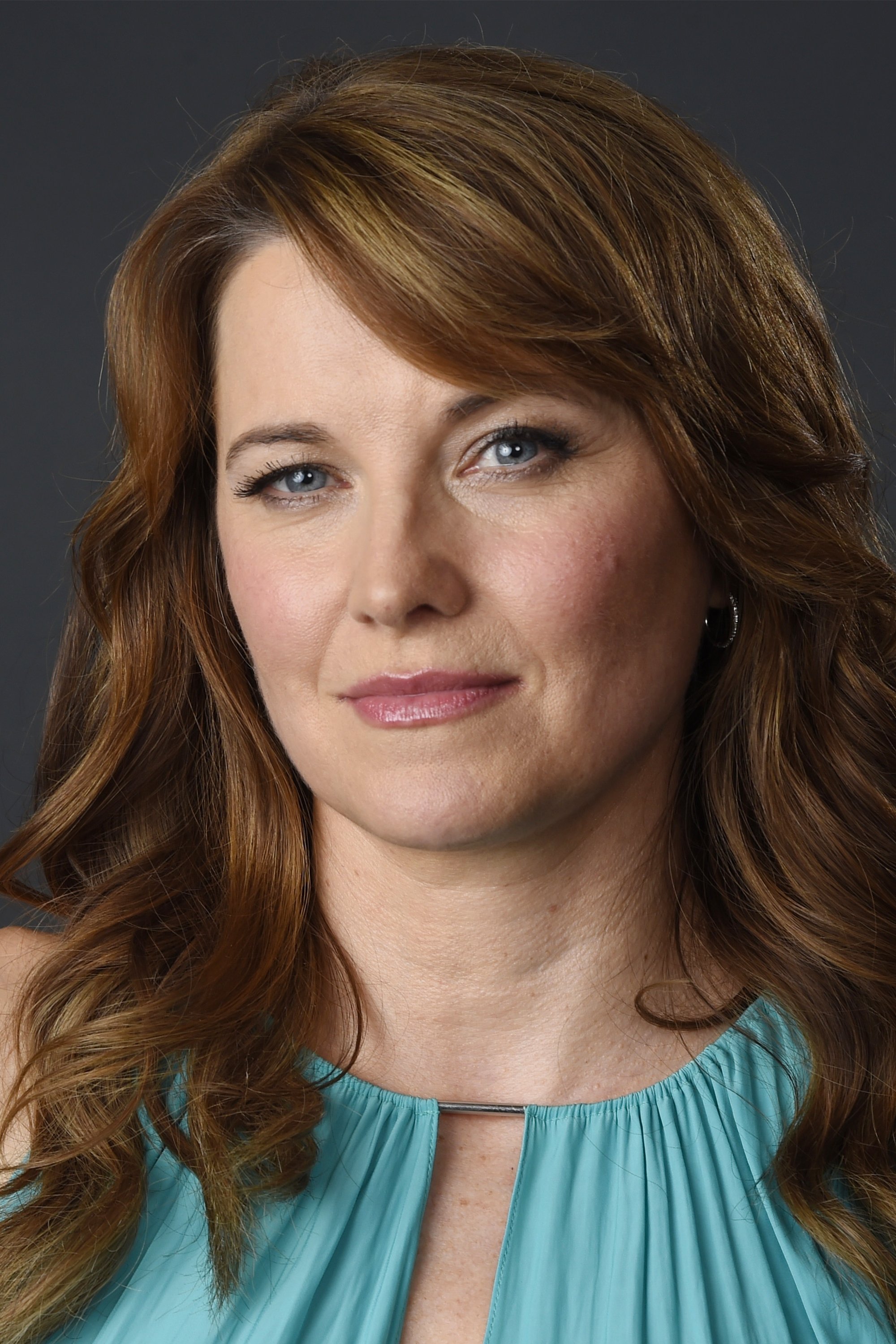
In ‘Xena: Warrior Princess’, Lucy Lawless primarily played the lead character Xena, but she also portrayed several lookalikes throughout the series. These included the ditzy Princess Diana, the tavern wench Meg, and the holy woman Leah. Each of these characters was visually identical to Xena but possessed entirely different voices and social standings. Lawless used these roles to showcase her comedic timing, which contrasted with the dramatic nature of her main role. The show frequently used these doubles for “identity swap” plots where Xena had to impersonate one of her counterparts.
Renée O’Connor
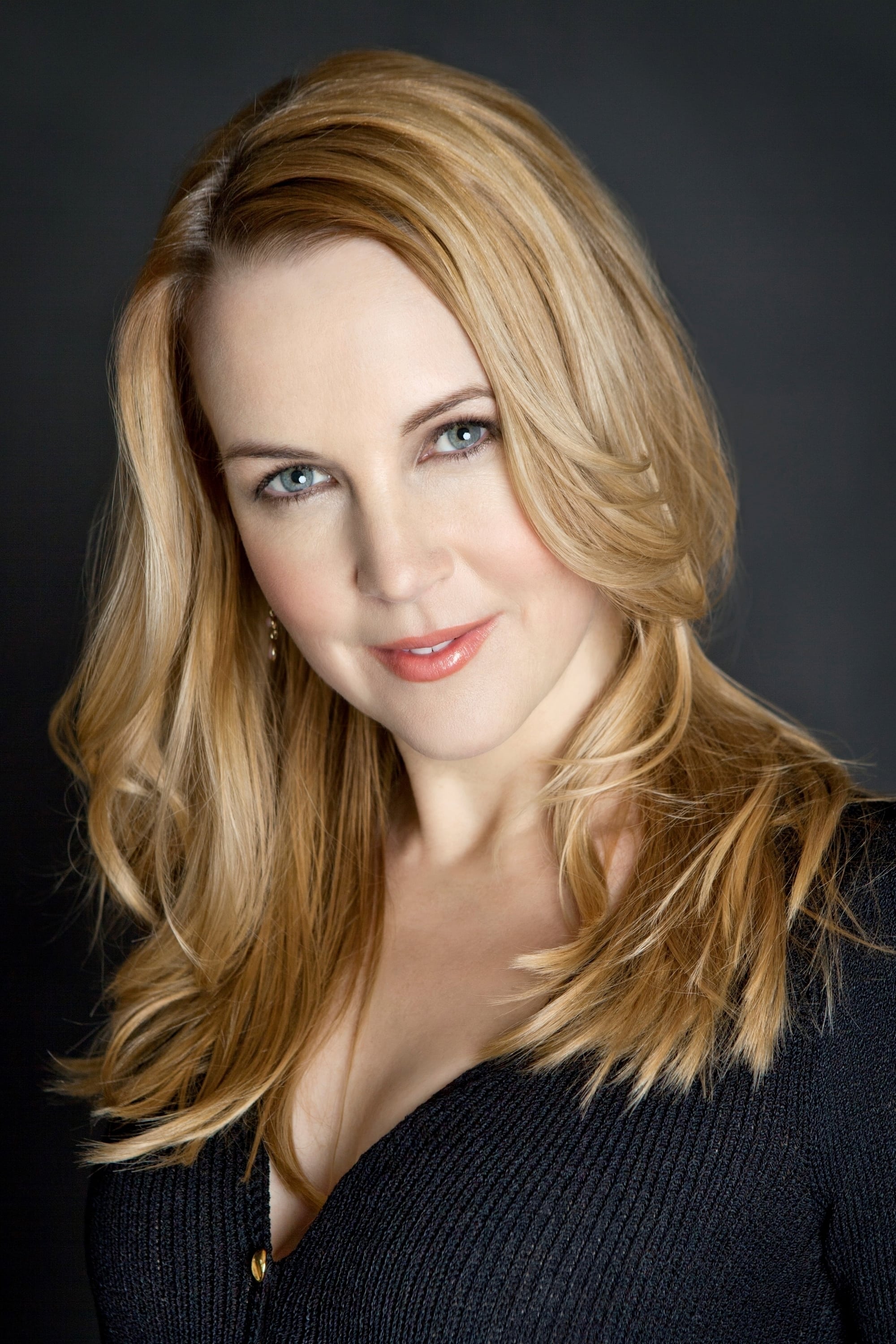
Renée O’Connor played the character Gabrielle in ‘Xena: Warrior Princess’, but also portrayed her own daughter, Hope. Because Hope was the offspring of a dark deity, she was an antagonist who shared Gabrielle’s physical appearance. O’Connor adopted a cold, menacing demeanor for Hope that was the opposite of Gabrielle’s evolving optimism and compassion. The conflict between the two characters created significant emotional tension for the show’s protagonists. This dual role allowed O’Connor to explore a villainous archetype within the framework of the series.
Eliza Dushku
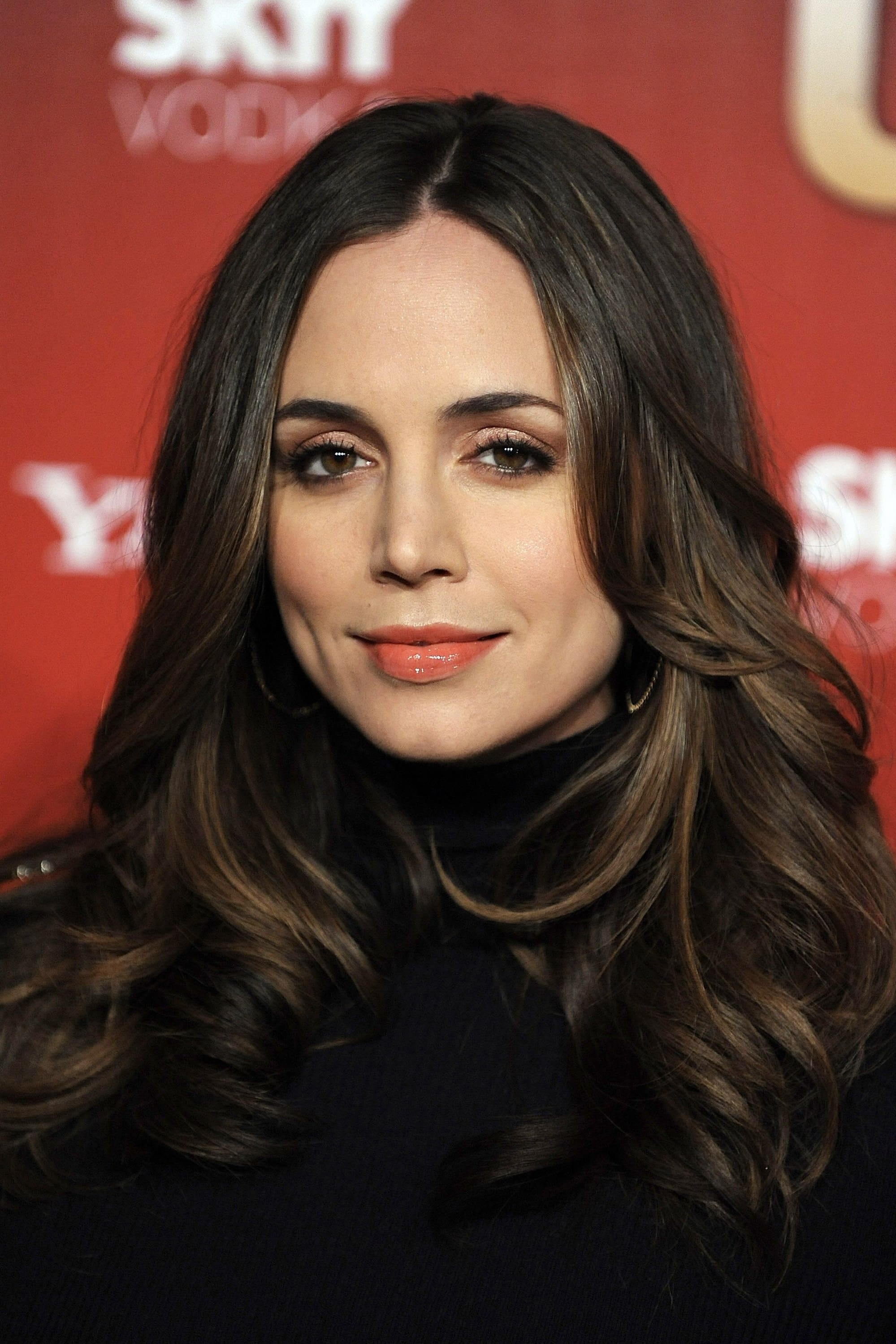
Eliza Dushku played the character Faith in ‘Buffy the Vampire Slayer’, a “Slayer” who eventually turned toward villainy. In a notable two-part episode, Faith and the lead character Buffy swapped bodies using a magical device. This required Dushku to play Buffy Summers trapped in Faith’s body, necessitating that she adopt Sarah Michelle Gellar’s specific mannerisms and speech habits. Conversely, Gellar had to play Faith in Buffy’s body. The performance was praised for how accurately the actresses mimicked each other’s established character traits.
Mallory Jansen
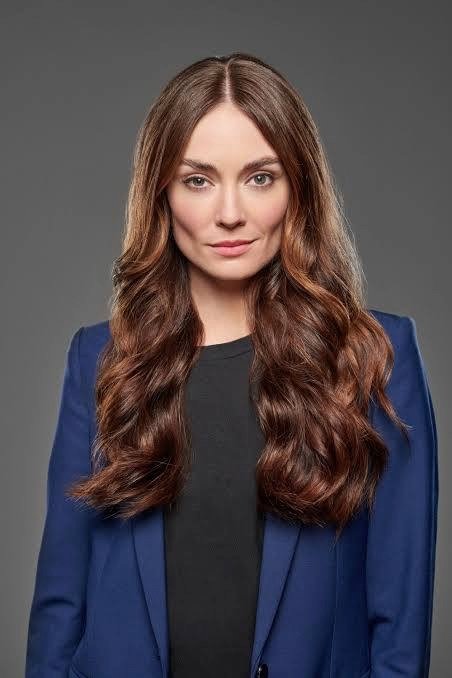
Mallory Jansen took on three distinct roles during the fourth season of ‘Agents of S.H.I.E.L.D.’. She played Aida, an advanced Life Model Decoy, as well as Agnes Kitsworth, the human woman upon whom Aida’s appearance was based. Additionally, when the characters entered a virtual reality known as the Framework, Jansen played Madame Hydra, a ruthless political leader. The actress had to differentiate between a cold machine, a terminally ill woman, and a fascist dictator. Her performance was a central element of the season’s exploration of artificial intelligence and alternate realities.
Ming-Na Wen
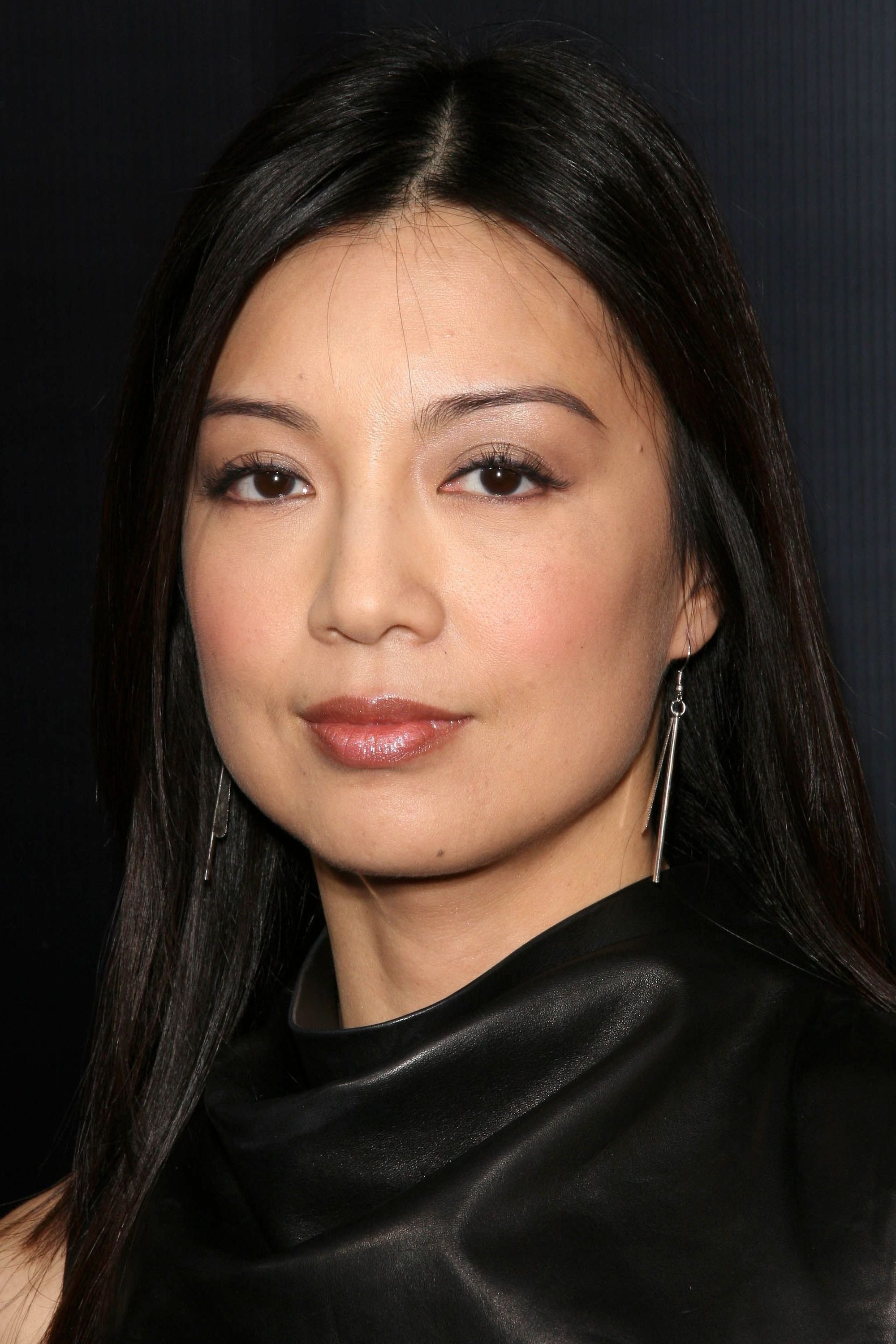
In ‘Agents of S.H.I.E.L.D.’, Ming-Na Wen portrayed the veteran agent Melinda May. During a specific storyline, she also played the antagonist Agent 33, a woman who used technology to steal May’s face and voice. This required Wen to play a character who looked and sounded like May but lacked her confidence and specific combat discipline. The two characters eventually engaged in a physical confrontation, requiring extensive use of stunt doubles and digital editing. Wen’s ability to portray the impostor’s vulnerability made the character distinct from the stoic May.
Jasika Nicole
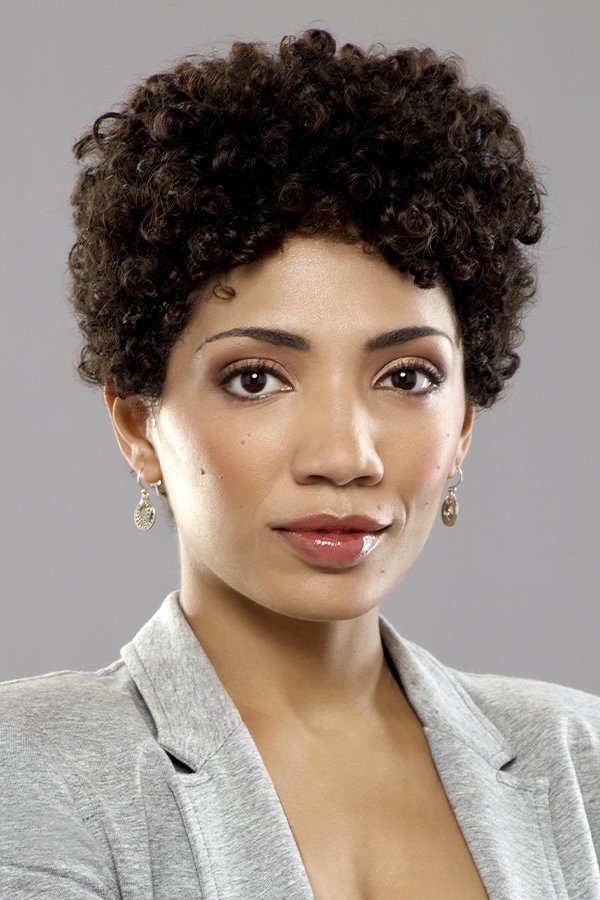
Jasika Nicole played the character Astrid Farnsworth in the science fiction series ‘Fringe’. Because the show explored parallel universes, Nicole also played the “alternate” version of Astrid, who worked for a different version of the FBI. The alternate Astrid was depicted as being on the autism spectrum, requiring Nicole to adopt different social cues and communication styles. The actress drew from her own family experiences to ground the performance of the alternate character. The two versions of Astrid occasionally met, highlighting the different paths their lives had taken in their respective worlds.
Eliza Taylor
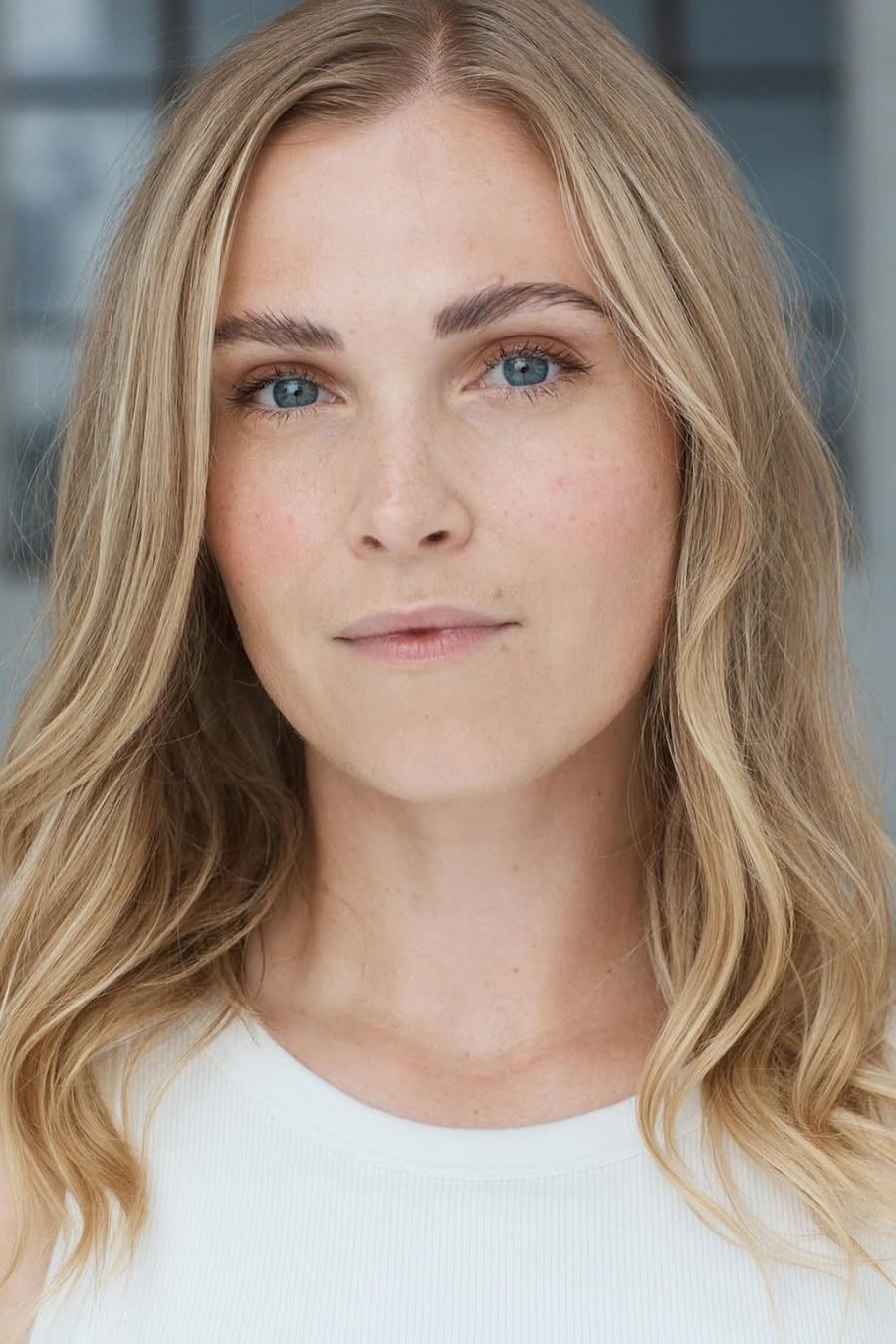
In the post-apocalyptic series ‘The 100’, Eliza Taylor played the primary protagonist Clarke Griffin. In the show’s sixth season, Clarke’s body was taken over by the consciousness of an antagonist named Josephine Lightbourne. Taylor had to perform as Josephine inhabiting Clarke’s body, using a more arrogant and sophisticated demeanor than Clarke. This included learning to speak French and adopting different physical habits, such as the way she held a pen or sat in a chair. The storyline involved a psychological struggle between the two consciousnesses sharing the same brain.
Olivia Williams
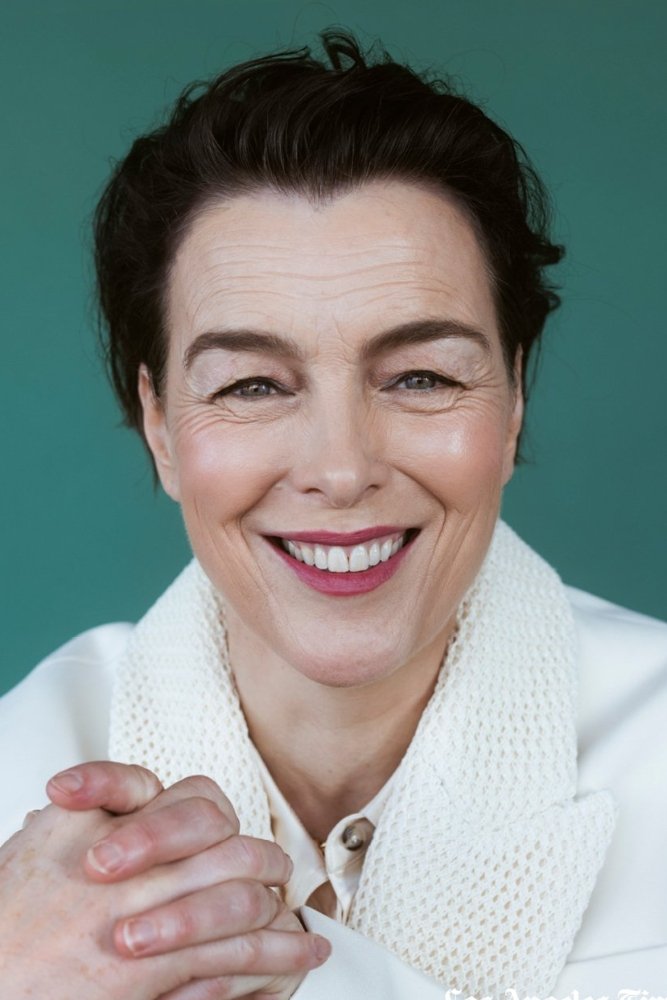
Olivia Williams starred in the series ‘Counterpart’, which focused on the discovery of a gateway between two parallel Earths. She played Emily Silk, the wife of the protagonist, as well as the version of Emily Silk from the other world. One Emily was a former intelligence operative who had been in a coma, while the other was an active and highly capable agent. Williams portrayed the differences in their professional lives and personal temperaments, as well as how they each related to the same man. The show used these parallel versions to explore the “nature versus nurture” debate.
Taissa Farmiga
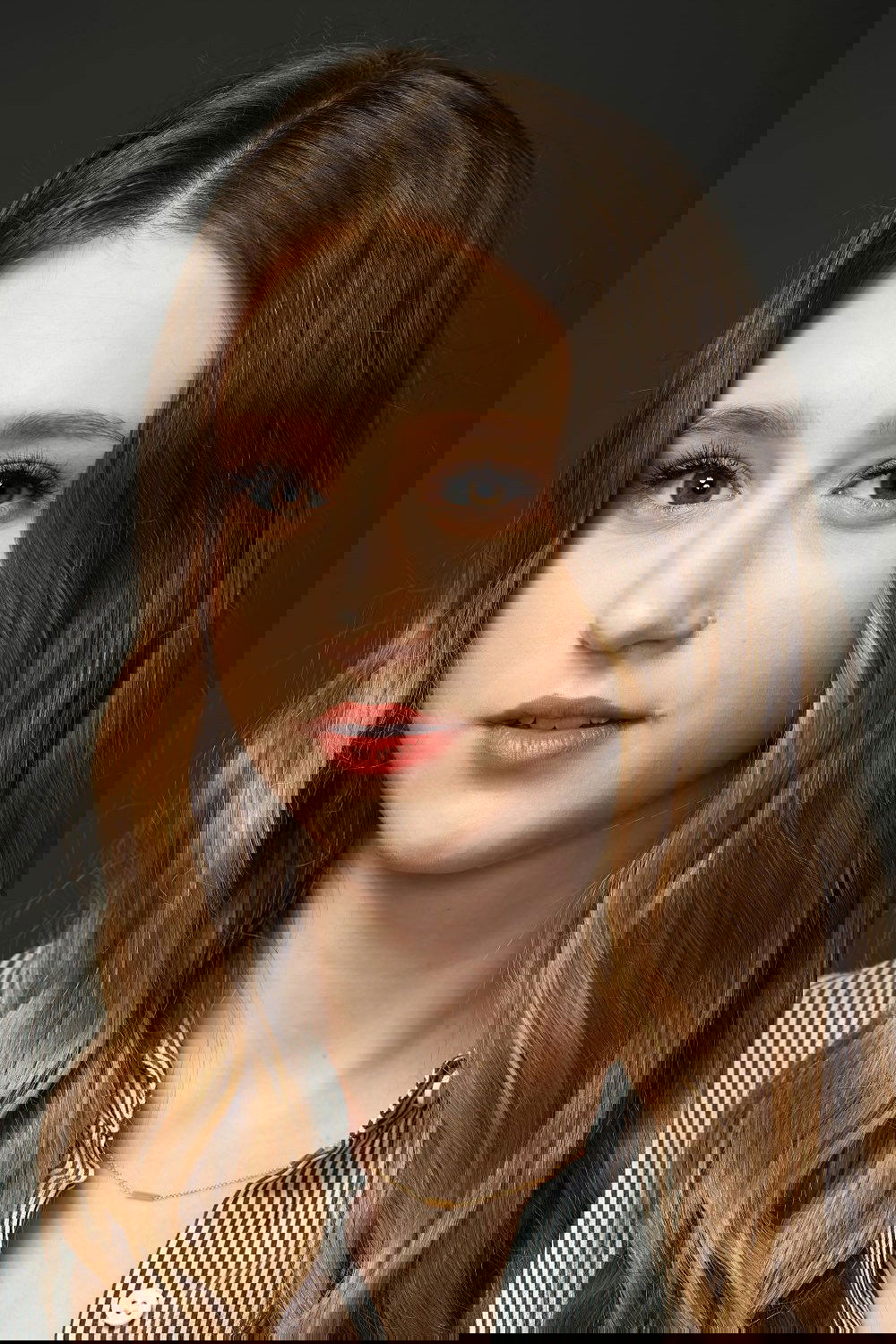
Taissa Farmiga has played two different lead roles in the ‘American Horror Story’ anthology. In the first season, ‘Murder House’, she played the depressed teenager Violet Harmon. In the third season, ‘Coven’, she returned to play Zoe Benson, a young woman discovering her powers at a school for witches. While both characters were young women facing supernatural circumstances, they possessed different backstories and motivations. Farmiga also briefly reprised her role as Violet in a later season that connected the different storylines.
Emma Roberts
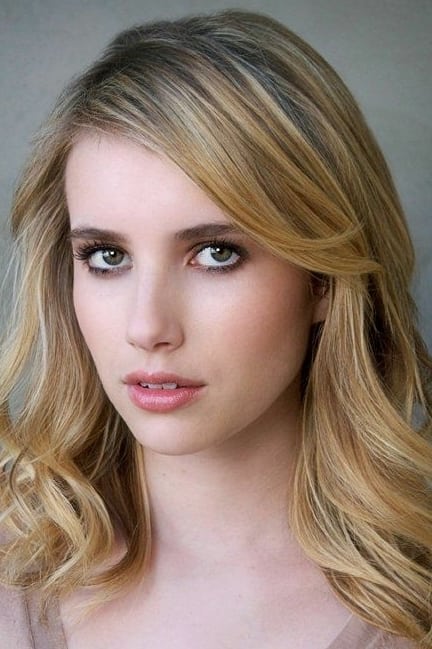
Emma Roberts joined ‘American Horror Story’ in its third season and has played several distinct characters since. Her most famous role is the spoiled and telekinetic Madison Montgomery in ‘Coven’ and ‘Apocalypse’. She also played the fortune teller Maggie Esmerelda in ‘Freak Show’ and the investigative reporter Brooke Thompson in ‘1984’. Roberts often plays characters with a sharp, sarcastic wit, but she has also explored more vulnerable roles within the series. Her characters often serve as catalysts for conflict within the various ensembles.
Billie Lourd
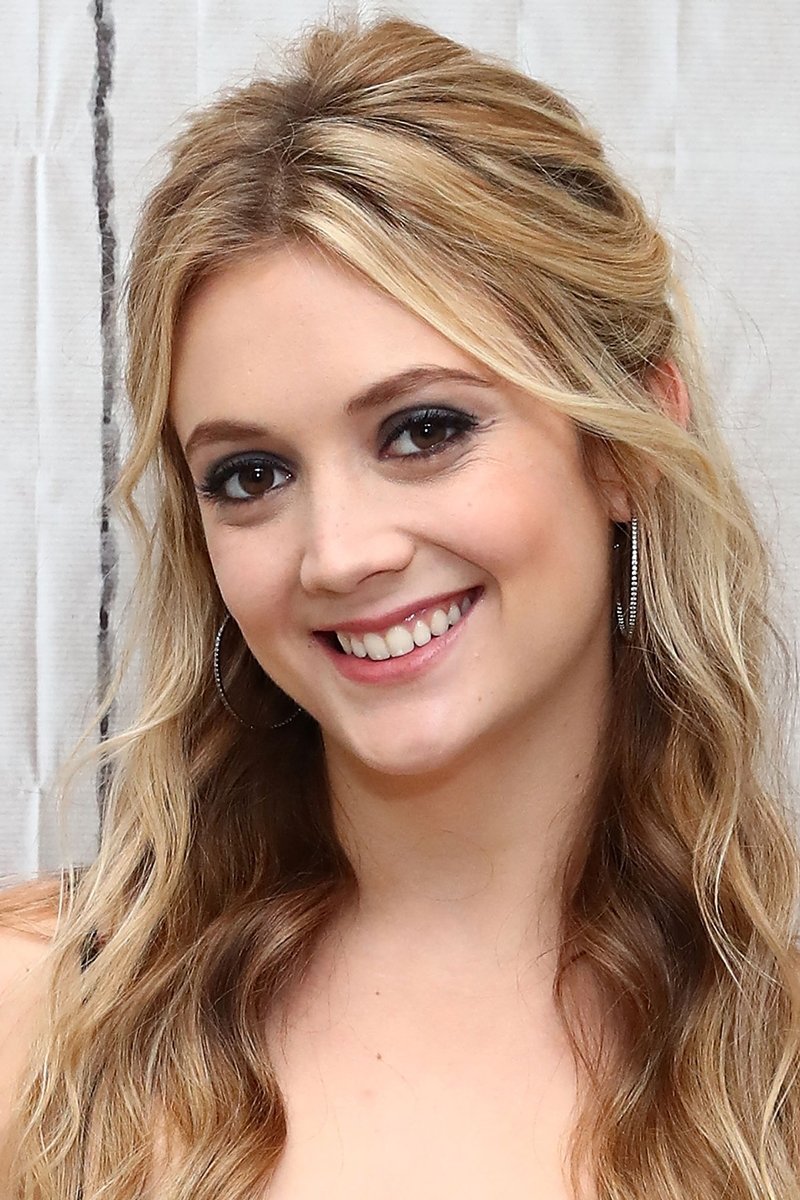
Billie Lourd has appeared in multiple seasons of ‘American Horror Story’, often playing characters with a stoic or detached personality. In ‘Cult’, she played Winter Anderson, a woman caught in a dangerous political movement. In ‘Apocalypse’, she portrayed Mallory, a powerful witch who becomes the key to saving the world. She also appeared in ‘1984’ as the rebellious Montana Duke and in ‘NYC’ as Dr. Hannah Wells. Lourd’s roles often involve significant plot twists that reveal the true nature of her characters.
Gabourey Sidibe
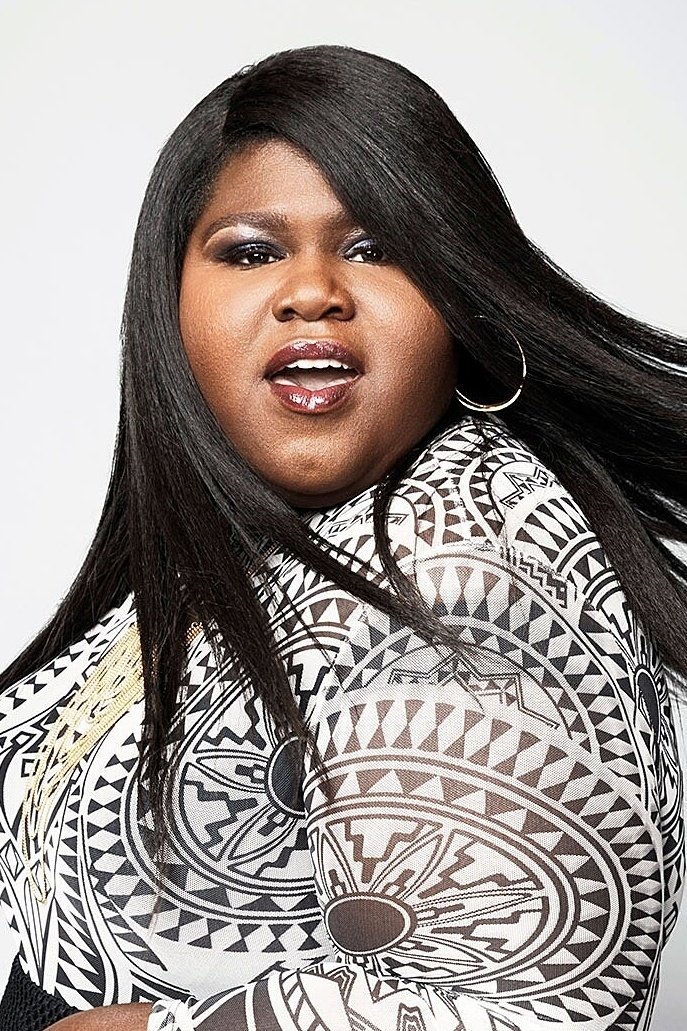
Gabourey Sidibe has portrayed multiple characters within the ‘American Horror Story’ franchise. She first appeared as Queenie, a witch with the power of a “human voodoo doll,” in ‘Coven’. She later played Regina Ross in ‘Freak Show’, a character searching for her missing mother. Sidibe reprised her role as Queenie in both ‘Hotel’ and ‘Apocalypse’, becoming one of the recurring figures that link the different seasons. Her characters often provide a grounded perspective amidst the show’s chaotic events.
Mare Winningham
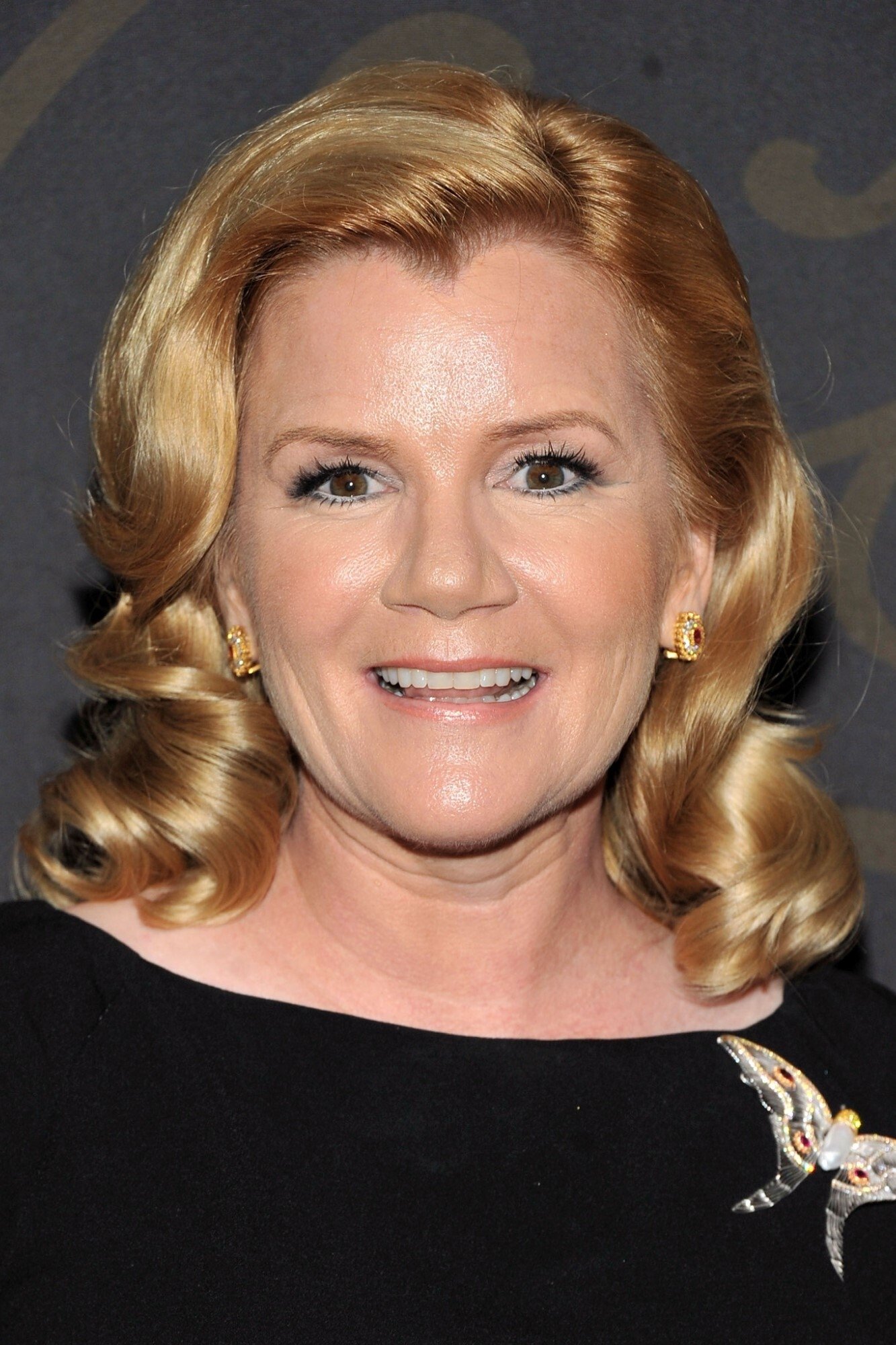
Mare Winningham is a recurring guest star in ‘American Horror Story’ who has taken on vastly different roles. She played a neglectful mother in ‘Coven’, a grieving sister in ‘Freak Show’, and the laundry worker Miss Evers in ‘Hotel’. In ‘Cult’, she appeared as Sally Keffler, a politician who opposes the central cult. Winningham is known for her ability to disappear into character roles, often requiring different accents or aging makeup. Her performances frequently contribute to the darker, more tragic elements of the show’s storylines.
Leslie Grossman
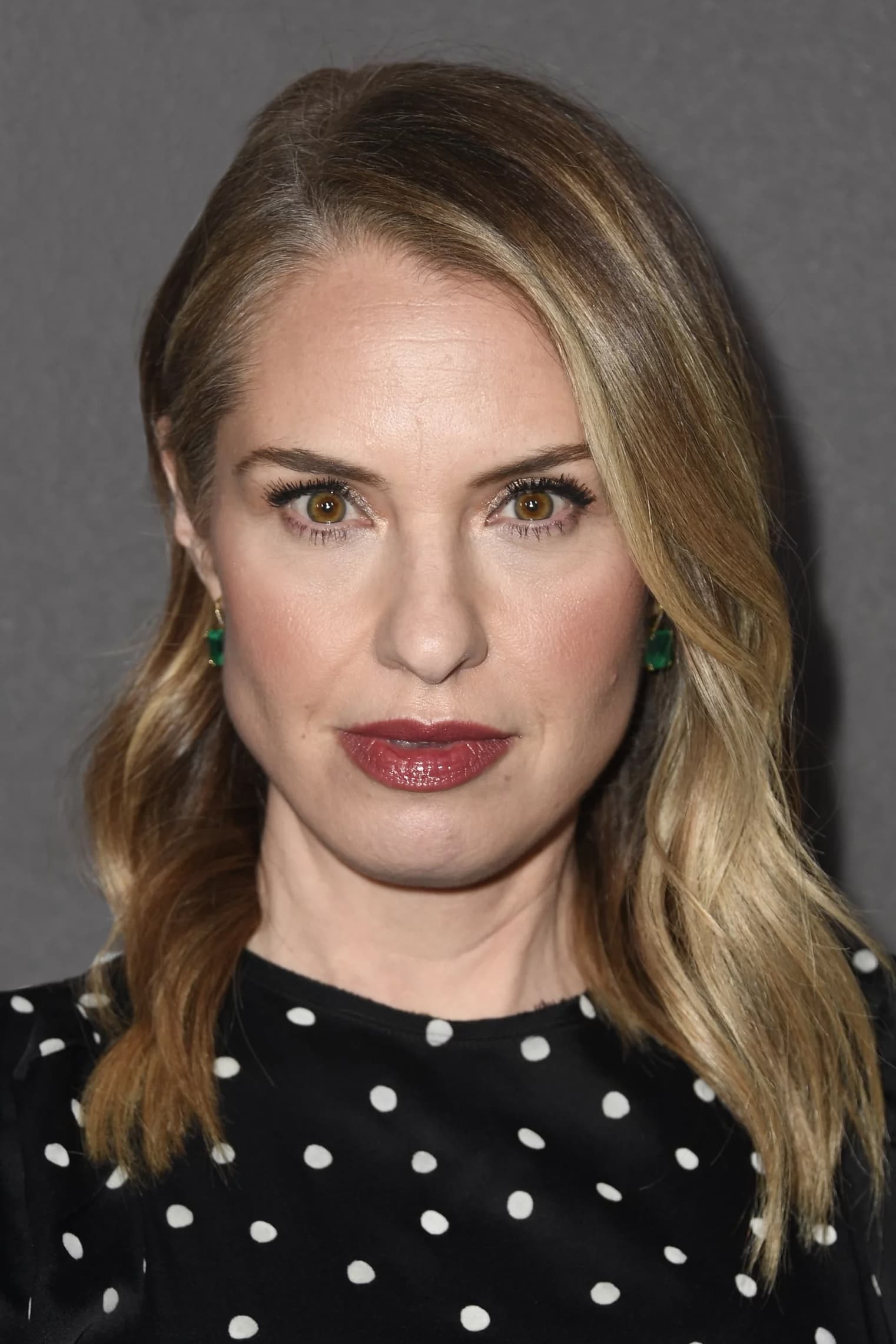
Leslie Grossman became a series regular in ‘American Horror Story’ starting with the ‘Cult’ season. She has played a wide range of characters, from the neurotic Meadow Wilton to the wealthy socialite Coco St. Pierre Vanderbilt. In ‘1984’, she portrayed the religious and vengeful Margaret Booth. Grossman often brings a comedic element to the horror series through her characters’ vanity and sharp dialogue. She has become one of the most recognizable faces in the latter half of the series’ run.
Chloë Sevigny
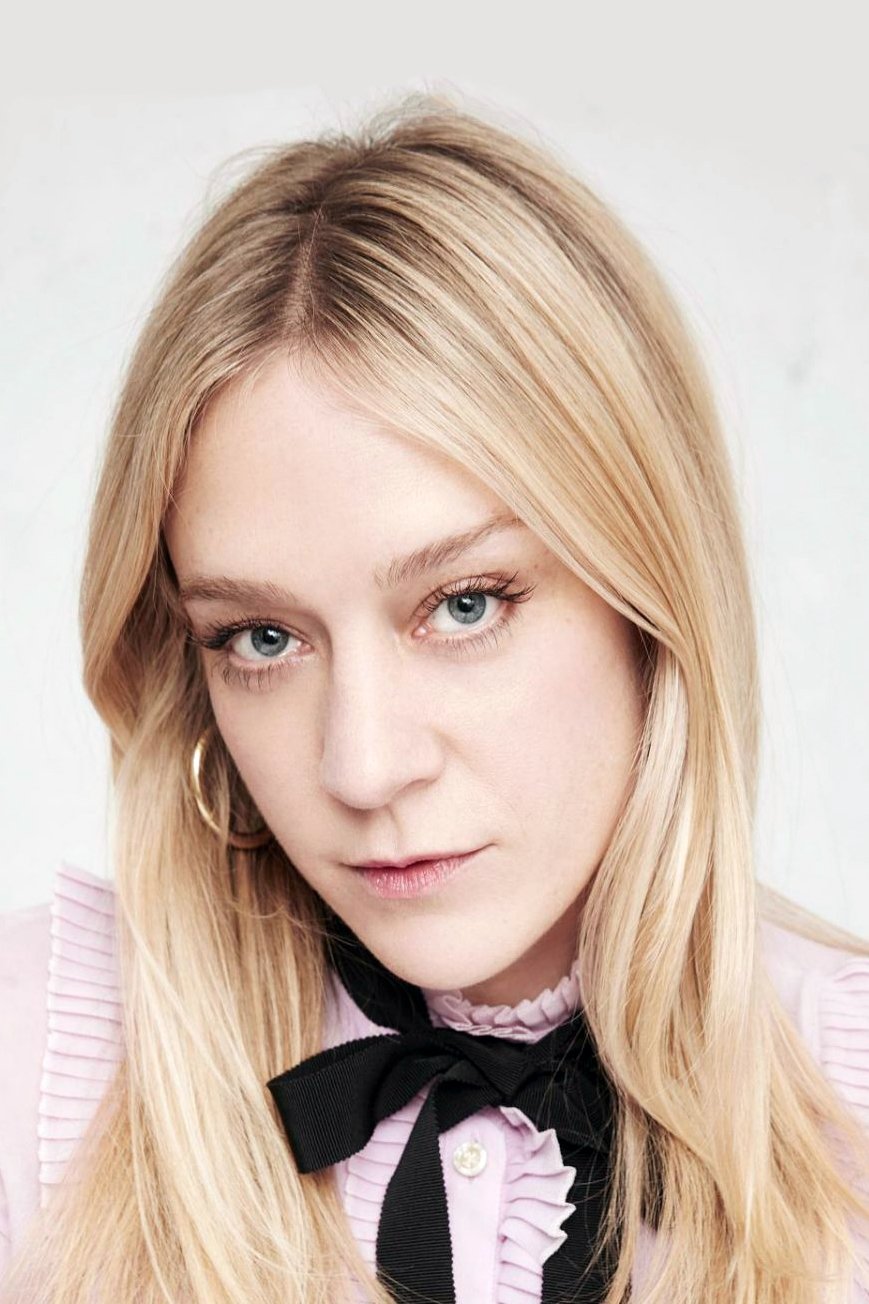
Chloë Sevigny appeared in two different seasons of ‘American Horror Story’ with very different outcomes for her characters. In ‘Asylum’, she played Shelley, a patient who suffers a gruesome fate at the hands of a mad doctor. In ‘Hotel’, she played Dr. Alex Lowe, a mother and pediatrician who becomes a vampire to stay with her lost son. Both roles required intense emotional performances centered on body horror and loss. Sevigny’s characters are often defined by their tragic circumstances and the extreme measures they take to survive.
Naomi Grossman
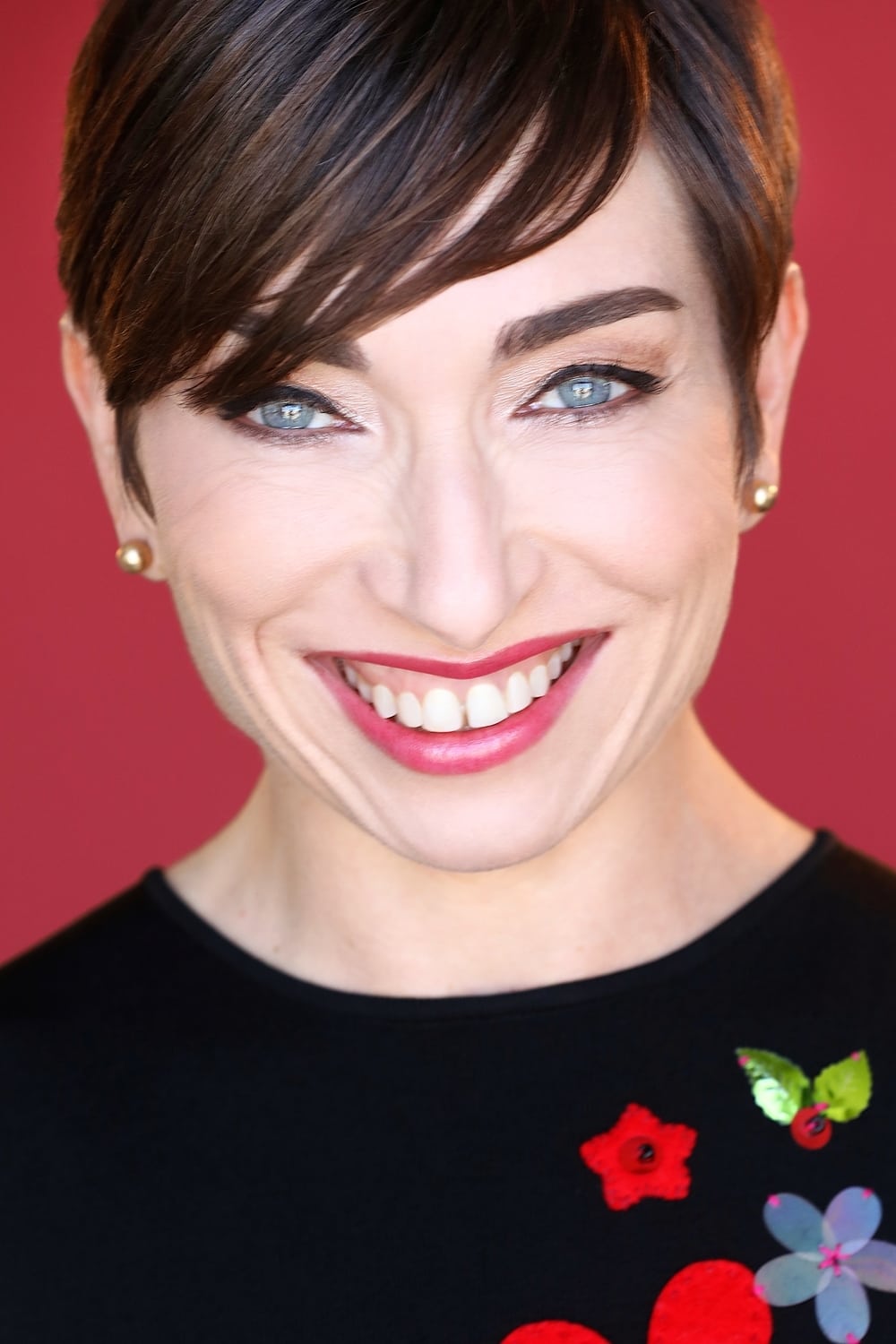
Naomi Grossman is best known for her role as Pepper in ‘American Horror Story: Asylum’ and ‘Freak Show’. This was the first time a character appeared in two different seasons, helping to confirm that the stories were part of a shared universe. Grossman underwent a massive physical transformation for the role, involving several hours of prosthetic makeup to change her facial structure. In the ‘Stories’ spin-off, she also played a different character named Samantha Crowe. Her portrayal of Pepper remains one of the most iconic and sympathetic in the history of the franchise.
Danielle Panabaker
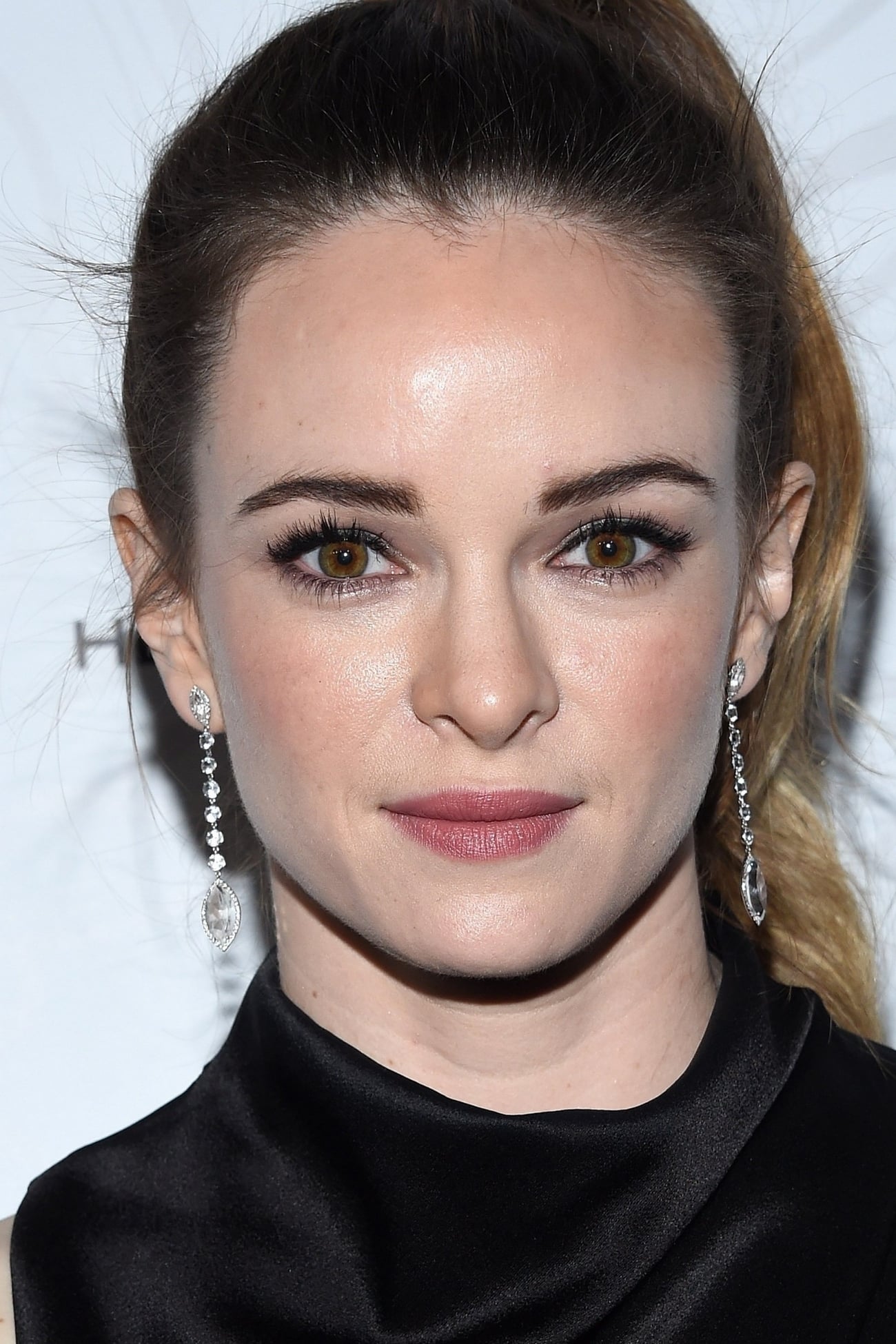
In the superhero series ‘The Flash’, Danielle Panabaker played Dr. Caitlin Snow, a brilliant bioengineer. As the series progressed, her character developed a second personality known as Killer Frost (later simply Frost), who possessed ice-based powers. Panabaker had to play the transition between the mild-mannered Caitlin and the more aggressive, white-haired Frost. Eventually, the two characters were physically separated into two different bodies, allowing the actress to play them as distinct individuals. This required her to act against herself in scenes where Caitlin and Frost consulted or argued with one another.
Lisa Vicari
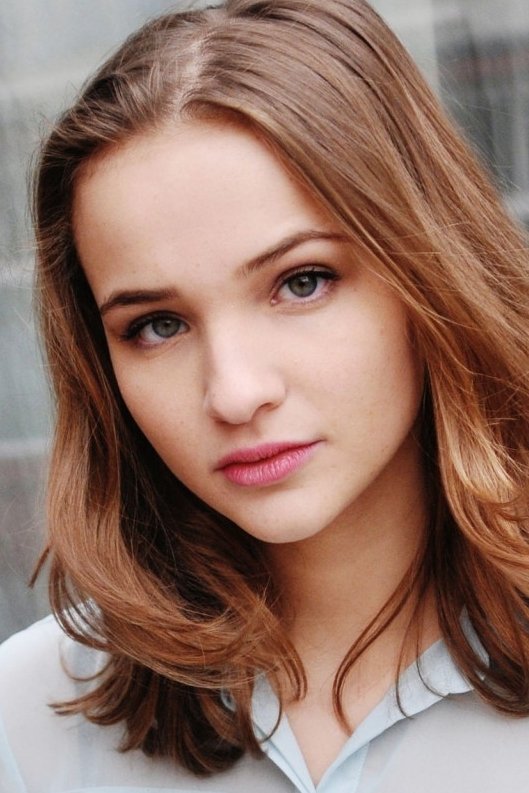
Lisa Vicari starred in the German Netflix series ‘Dark’, which utilized time travel and parallel realities as its primary narrative devices. She primarily played Martha Nielsen, a teenager caught in a cycle of tragic events. In the show’s third season, she also played the version of Martha from an alternate universe, who eventually grows up to become the series’ primary antagonist, Eva. Vicari had to portray various versions of Martha at different points in her life and from different worlds. The performance was central to the show’s complex exploration of fate and time.
Merritt Wever
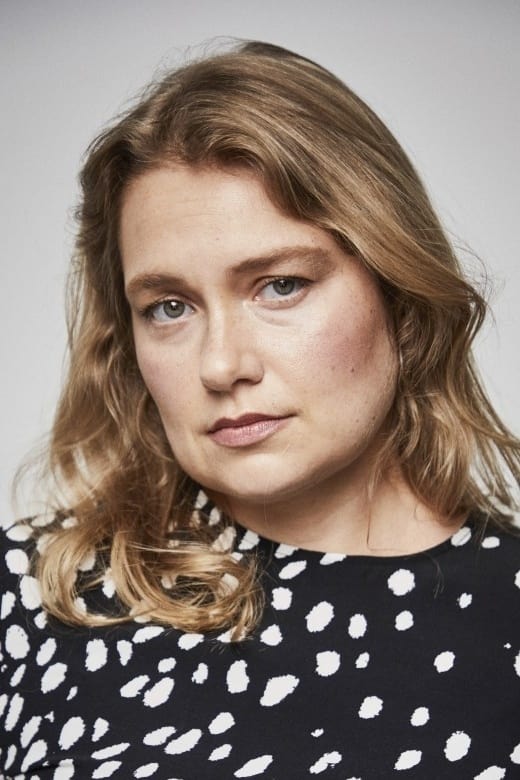
Merritt Wever appeared in the anthology series ‘Roar’, where each episode features a different story and set of characters. This format allowed her to play a unique lead role within the single show’s first season. The series uses magical realism to explore women’s experiences, and Wever’s performance was tailored to her specific episode’s tone. While she is well known for her single roles in shows like ‘Nurse Jackie’, anthologies have provided a platform for her to showcase her range. She has earned multiple awards for her versatile work in television.
Jennifer Saunders
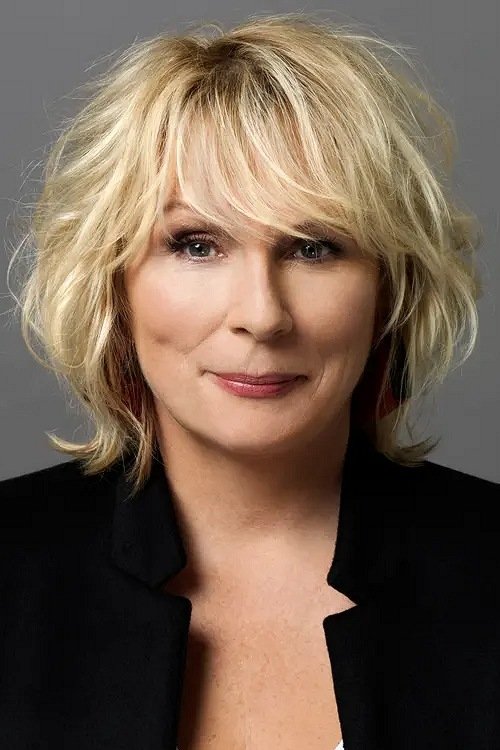
Jennifer Saunders frequently portrayed dozens of different characters within her sketch comedy series ‘French and Saunders’. Alongside her partner Dawn French, Saunders specialized in parodies of famous films and celebrities, as well as original recurring characters. Each sketch required a complete change in wardrobe, makeup, and vocal delivery to inhabit a new persona. The show relied on her ability to transform rapidly between high-energy comedic roles and more subtle character studies. This versatility made the series a staple of British television for over twenty years.
Tracey Ullman
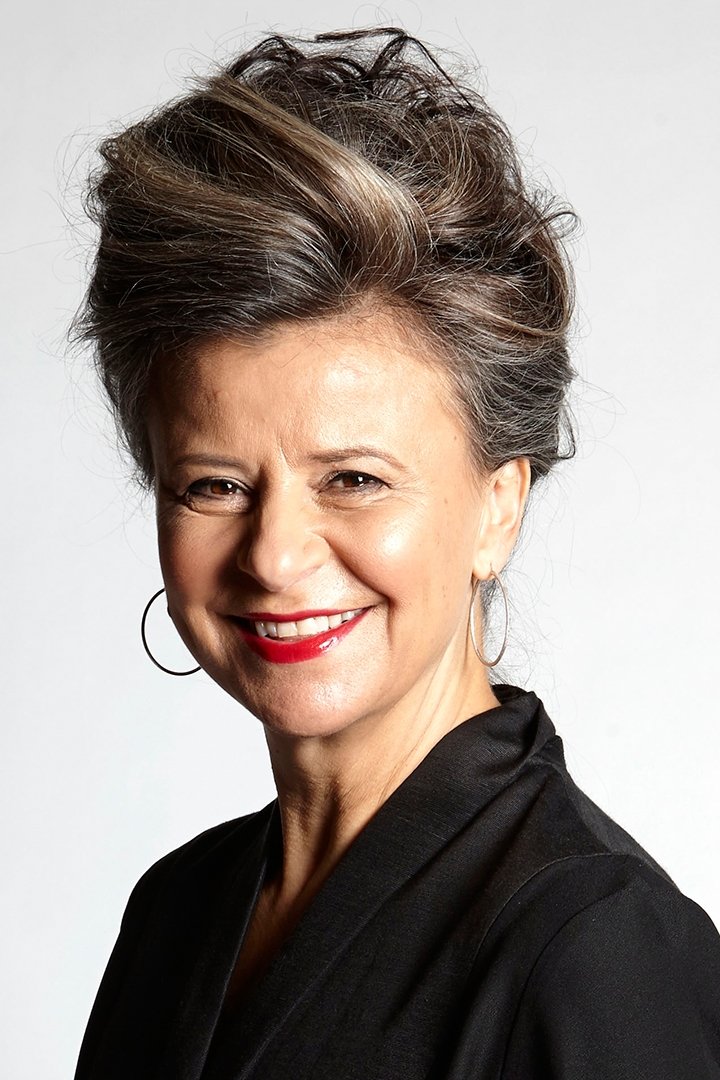
Tracey Ullman is famous for her ability to play a vast array of characters within a single program, most notably in ‘The Tracey Ullman Show’. Using elaborate prosthetics and costumes, she portrayed men and women of various ages, ethnicities, and social backgrounds. Each episode featured multiple sketches where Ullman was nearly unrecognizable from one role to the next. Her work on the show was so prolific that it earned her numerous Emmy Awards for her character work. This show is also significant for being the birthplace of ‘The Simpsons’, which originated as short segments between Ullman’s sketches.
Tell us in the comments which actress you think gave the most impressive multi-character performance.

