


Actresses Who Can Carry a Movie on Silence

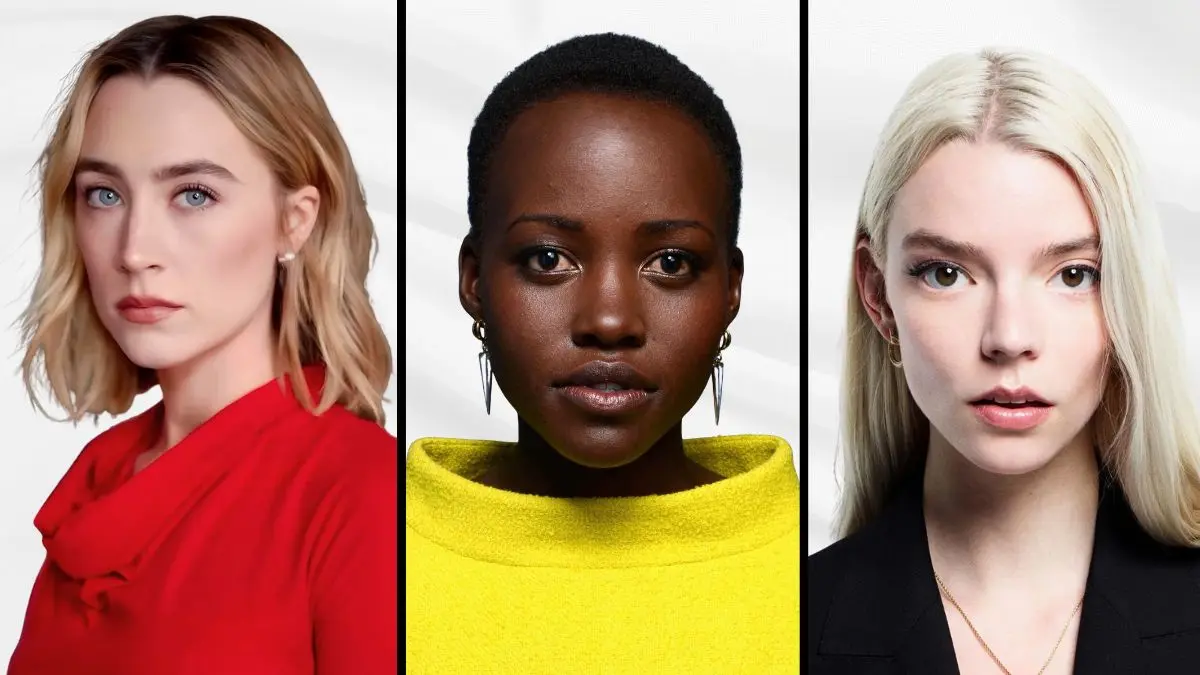


Sometimes the most powerful performances happen when an actress barely speaks at all, letting body language, expression, and stillness tell the story. Silent era legends, art house icons, and modern genre stars have all anchored films where silence is a core part of the experience. These performances often rely on long takes, closeups, and careful physical choices that keep the audience locked in without much dialogue. Here are actresses who have proven they can command the screen even when they say almost nothing.
Emily Blunt
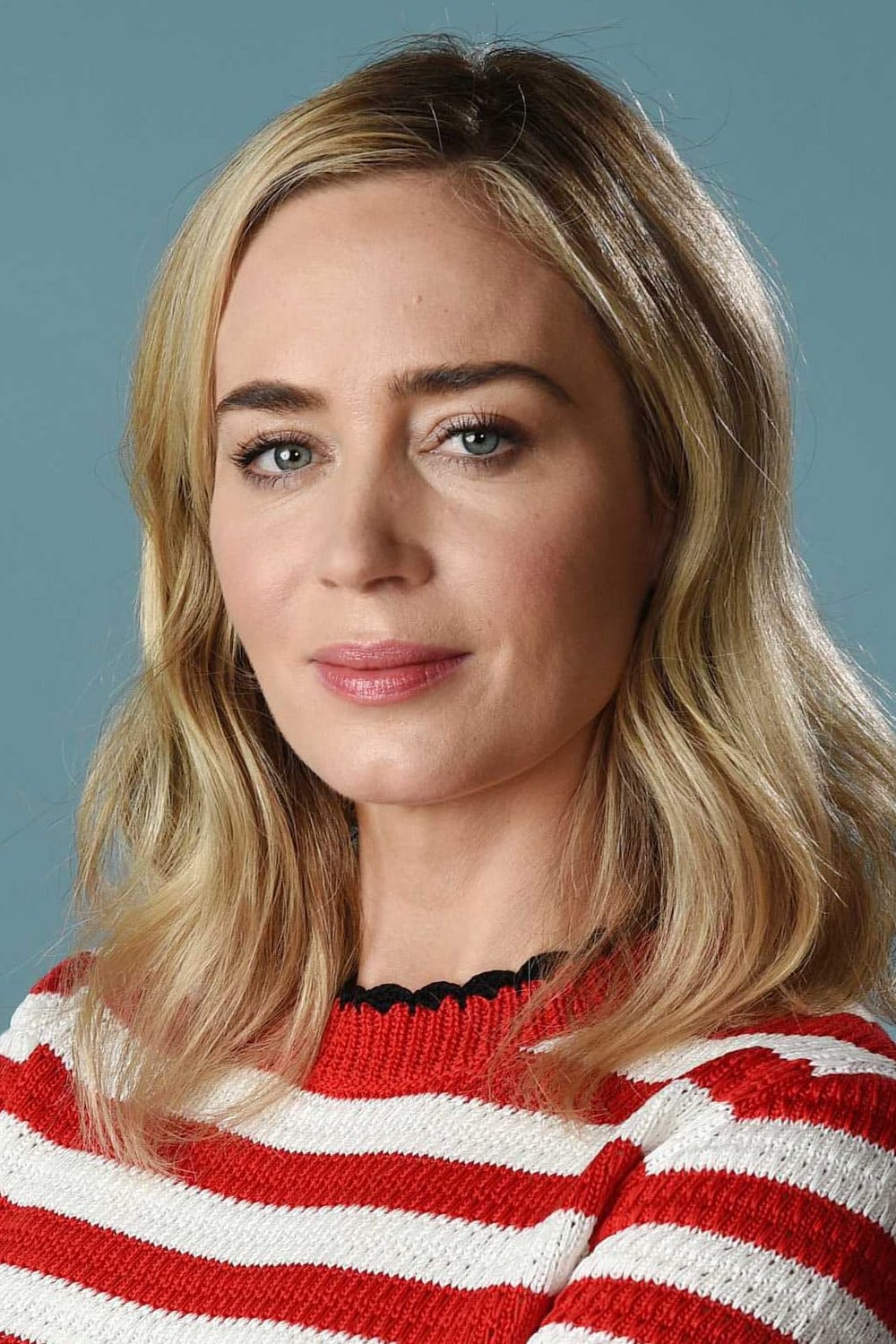
In ‘A Quiet Place’ Emily Blunt spends much of the film communicating through sign language and physical reactions because any sound can attract deadly creatures. Her performance leans heavily on subtle facial shifts as she navigates pregnancy and danger in near silence. The bathtub sequence shows her handling intense pain while trying not to make a noise. Throughout the film she uses small movements and eye contact to show fear, resolve, and parental protectiveness.
Sally Hawkins
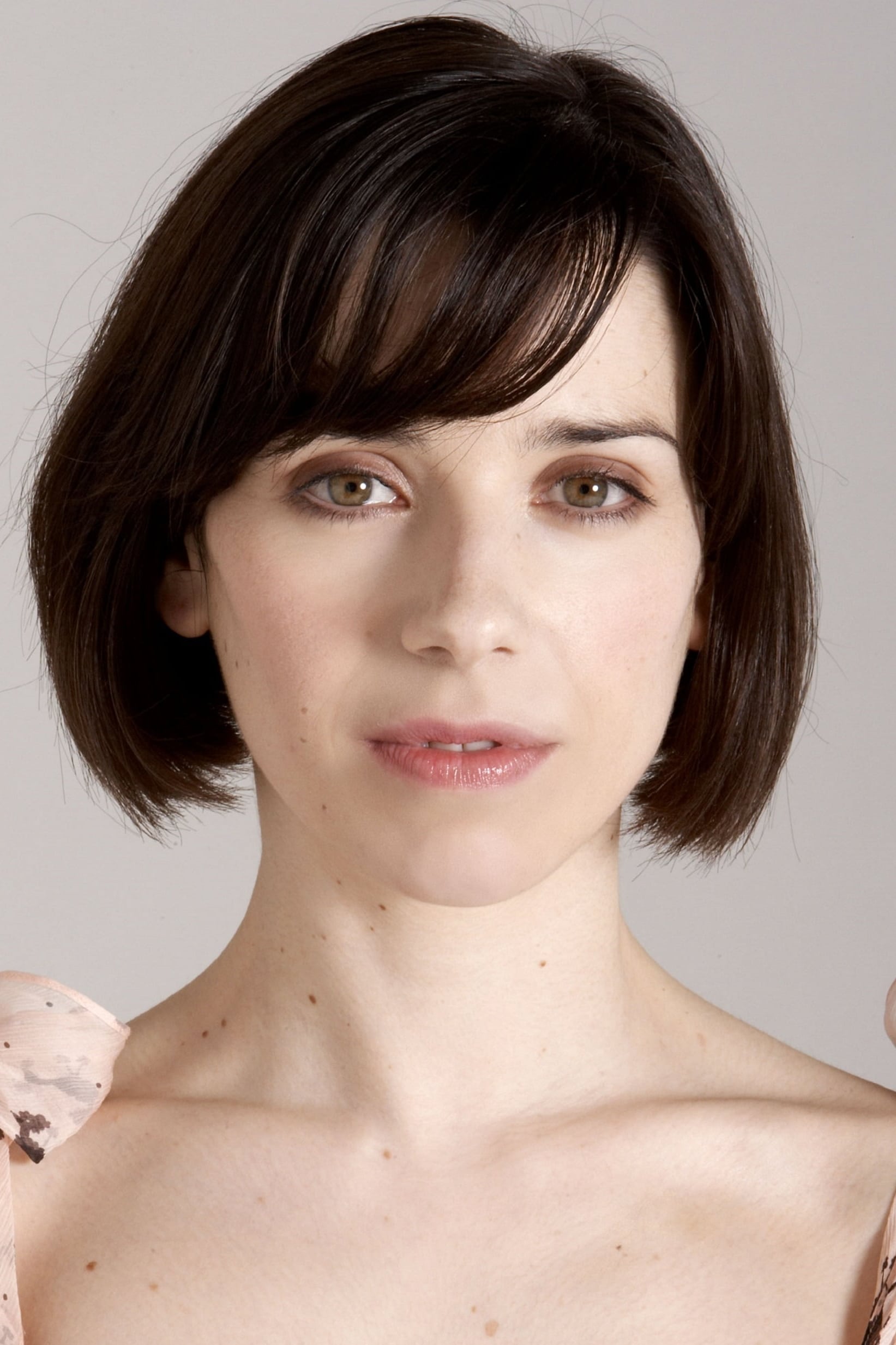
Sally Hawkins anchors ‘The Shape of Water’ as a mute cleaning worker who never speaks yet carries the emotional core of the story. She uses sign language, facial expressions, and small daily routines to build a fully realized character. Her scenes at home and on the bus show loneliness and curiosity without spoken lines. When she falls in love with the amphibious creature, her body language shifts into open affection and determination, making her feelings unmistakable without words.
Scarlett Johansson
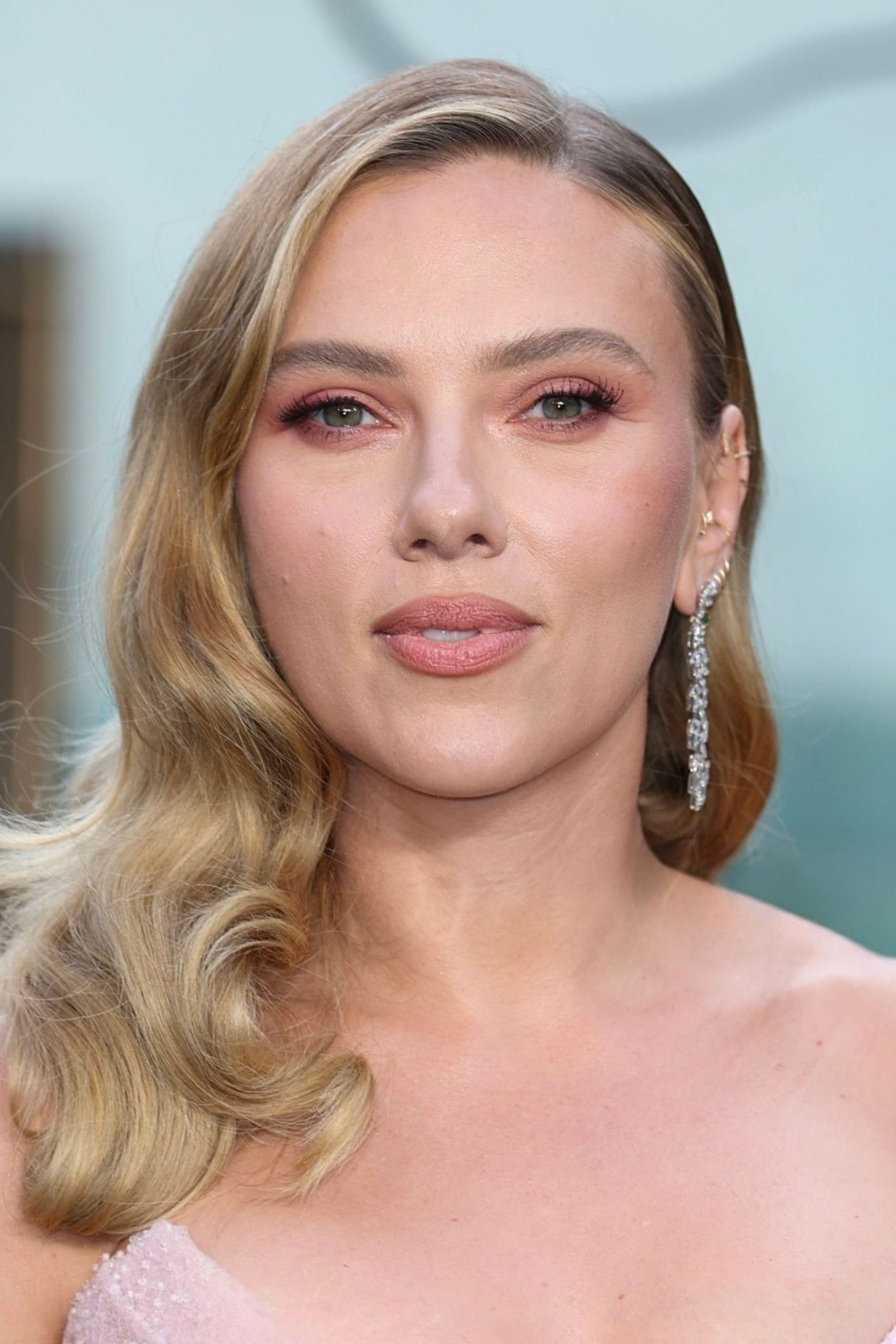
In ‘Under the Skin’ Scarlett Johansson spends long stretches of time driving, watching, and walking through Glasgow with almost no dialogue. The film follows her character as an alien studying human behavior, so the performance leans on observation and stillness. Her expression seldom changes, which fits the role of a being trying to understand emotions rather than naturally feeling them. The few moments where her face softens or shows confusion become key turning points that guide the story.
Rooney Mara
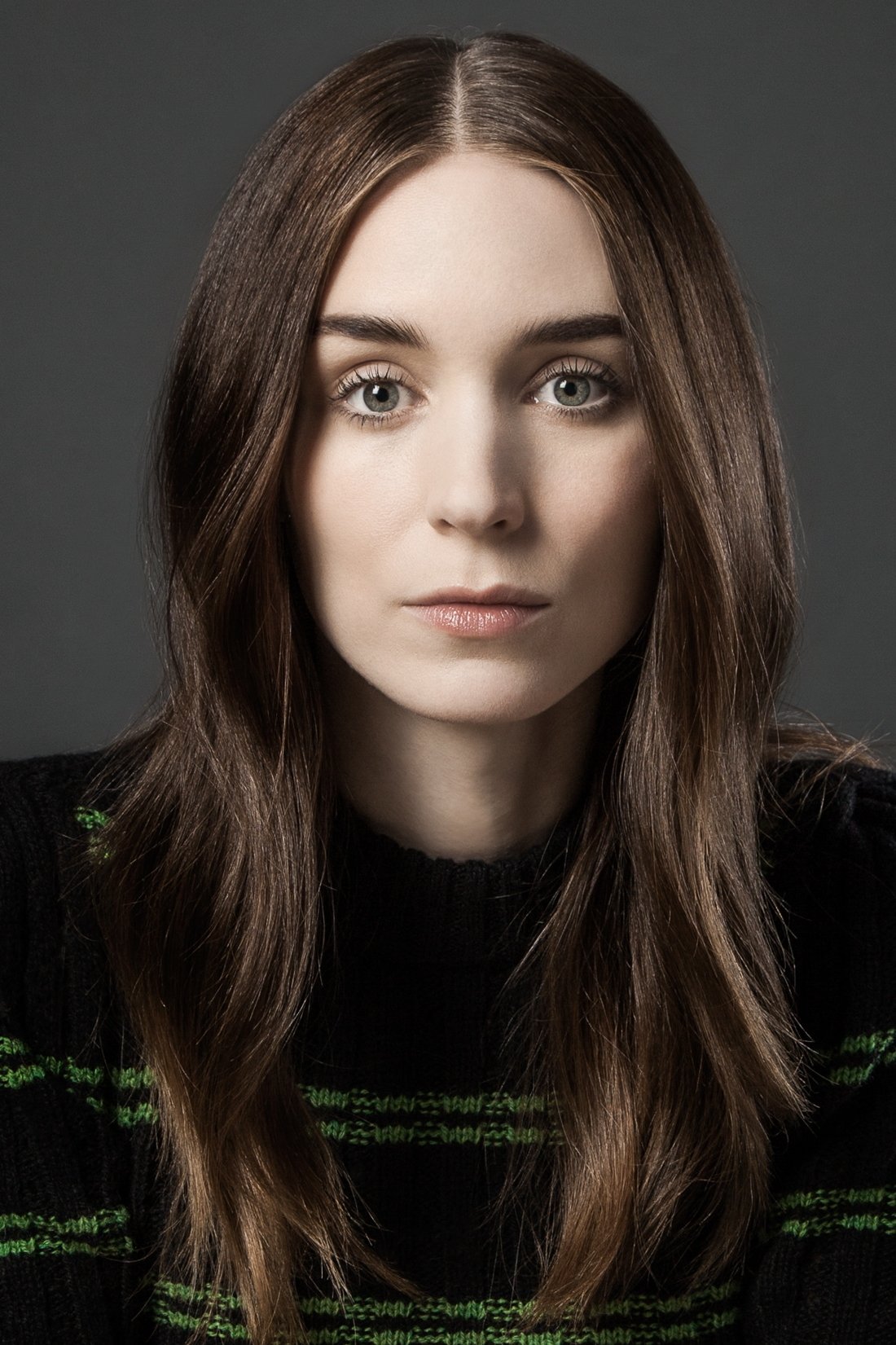
Rooney Mara often works in films that give her long quiet stretches, such as ‘A Ghost Story’ where she occupies a nearly wordless sequence eating pie in real time. The camera lingers while she processes grief through repetitive actions instead of dialogue. In ‘Carol’ many of her most important beats happen in glances across a room or through a car window. Her performances rely on small shifts in posture and gaze that show attraction, fear, or resignation without explicit explanation.
Tilda Swinton
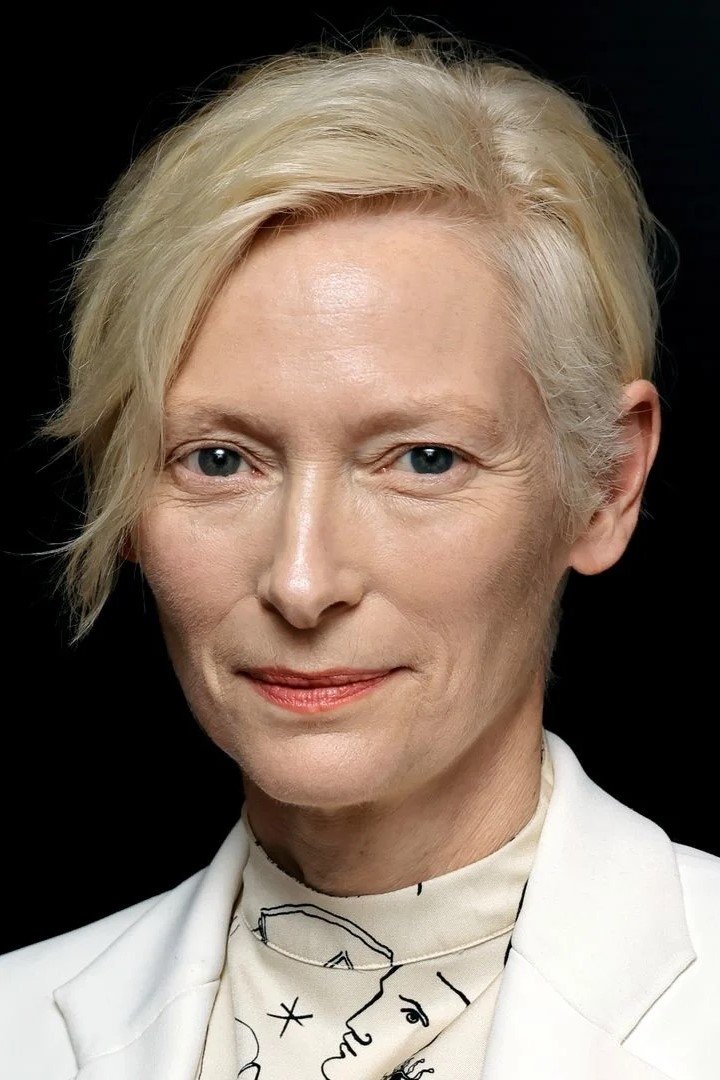
Tilda Swinton frequently plays characters defined more by presence than by speeches, such as in ‘Only Lovers Left Alive’ or ‘We Need to Talk About Kevin’. Her physical stillness often contrasts with the turmoil in the story around her. She uses posture, costume, and the way she moves through space to define a character’s status or emotional distance. In several roles she can stand silent in a frame and still signal authority, alienation, or exhaustion through controlled body language.
Florence Pugh
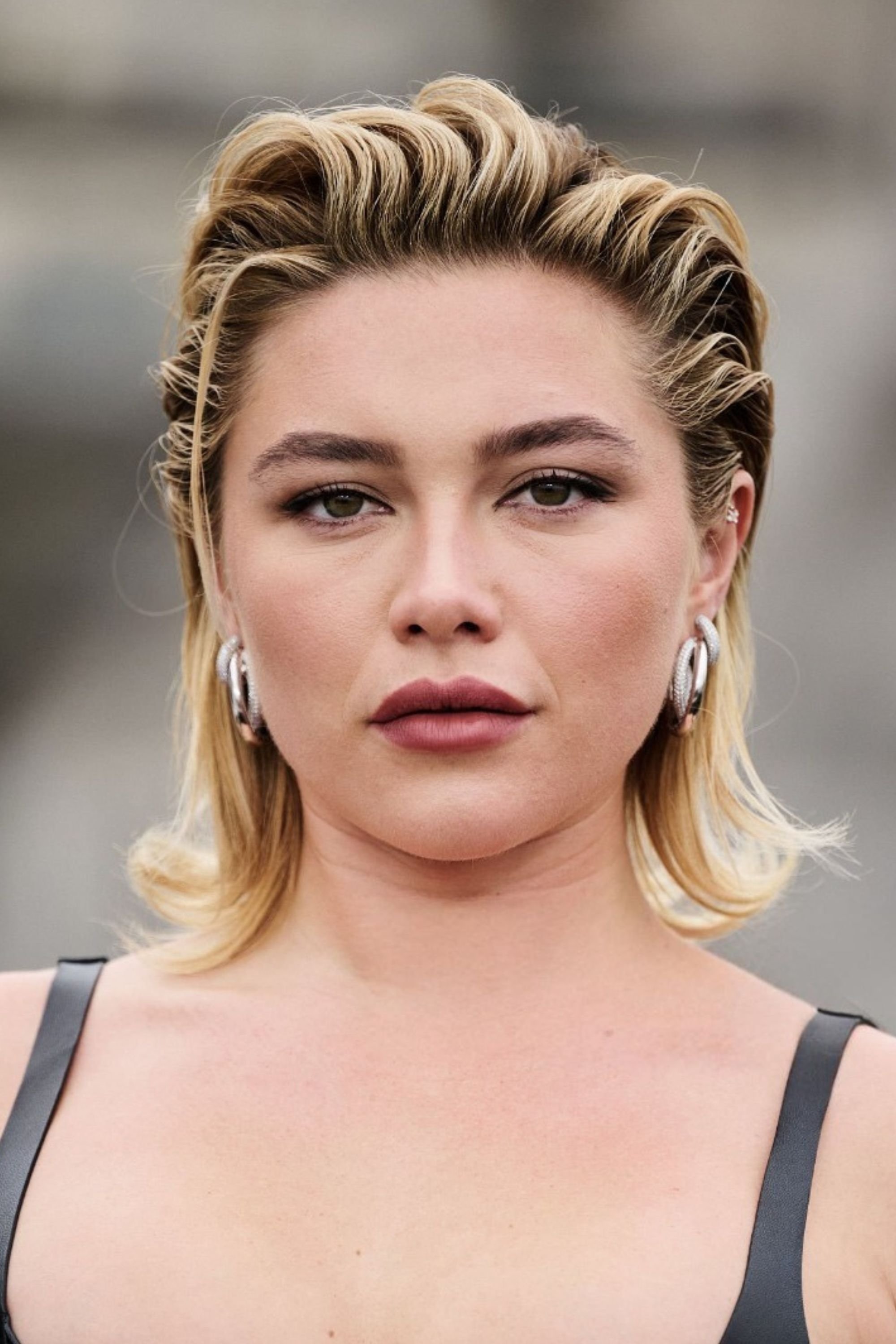
Florence Pugh’s role in ‘Midsommar’ depends heavily on her reaction shots and extended silent sequences where she processes trauma in a strange setting. The camera often holds on her face while rituals unfold around her, letting viewers read confusion and horror without many lines. Her breathing, crying, and physical collapse become key storytelling tools. The way she slowly adjusts to the community’s customs is shown more through how she participates in group scenes than through spoken explanations.
Kristen Stewart
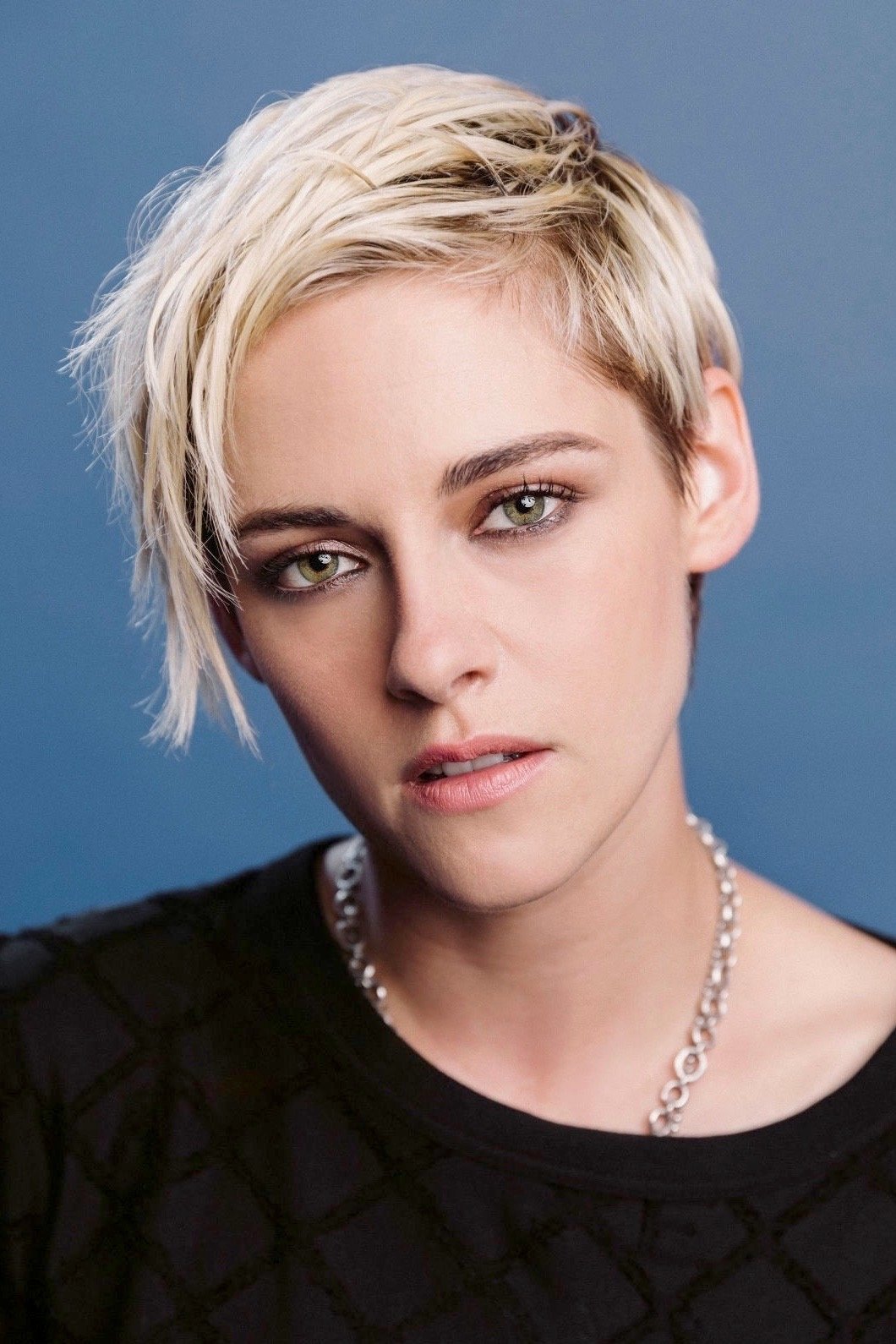
Kristen Stewart has built much of her career on internal, low dialogue performances that rely on subtle tension. In ‘Personal Shopper’ she spends long periods alone, walking or texting, with her anxiety revealed through pacing and restless gestures. Her famous habit of fidgeting and shifting her gaze becomes an intentional part of her character work. In quieter scenes across her filmography, she often lets silence stretch while a character decides whether to speak or to retreat.
Saoirse Ronan
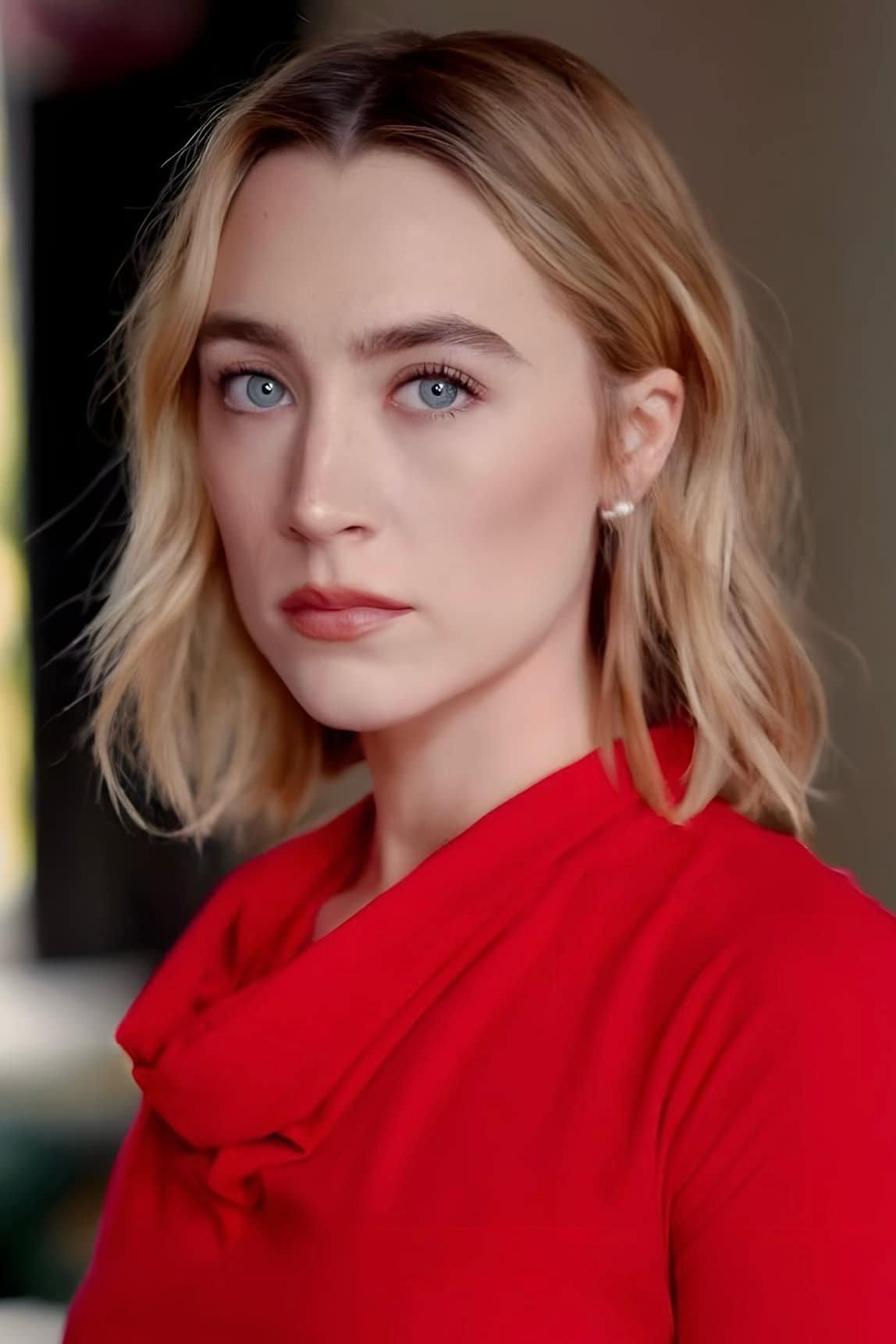
Even in dialogue heavy dramas, Saoirse Ronan often carries key moments with silence, especially in films like ‘Brooklyn’ and ‘Atonement’. Several turning points play out on her face as she reads a letter, boards a ship, or watches someone from across a room. Directors often frame her in closeup and let emotions register before any words follow. This makes her characters’ choices clear to the audience even when they keep their feelings hidden from others.
Toni Collette
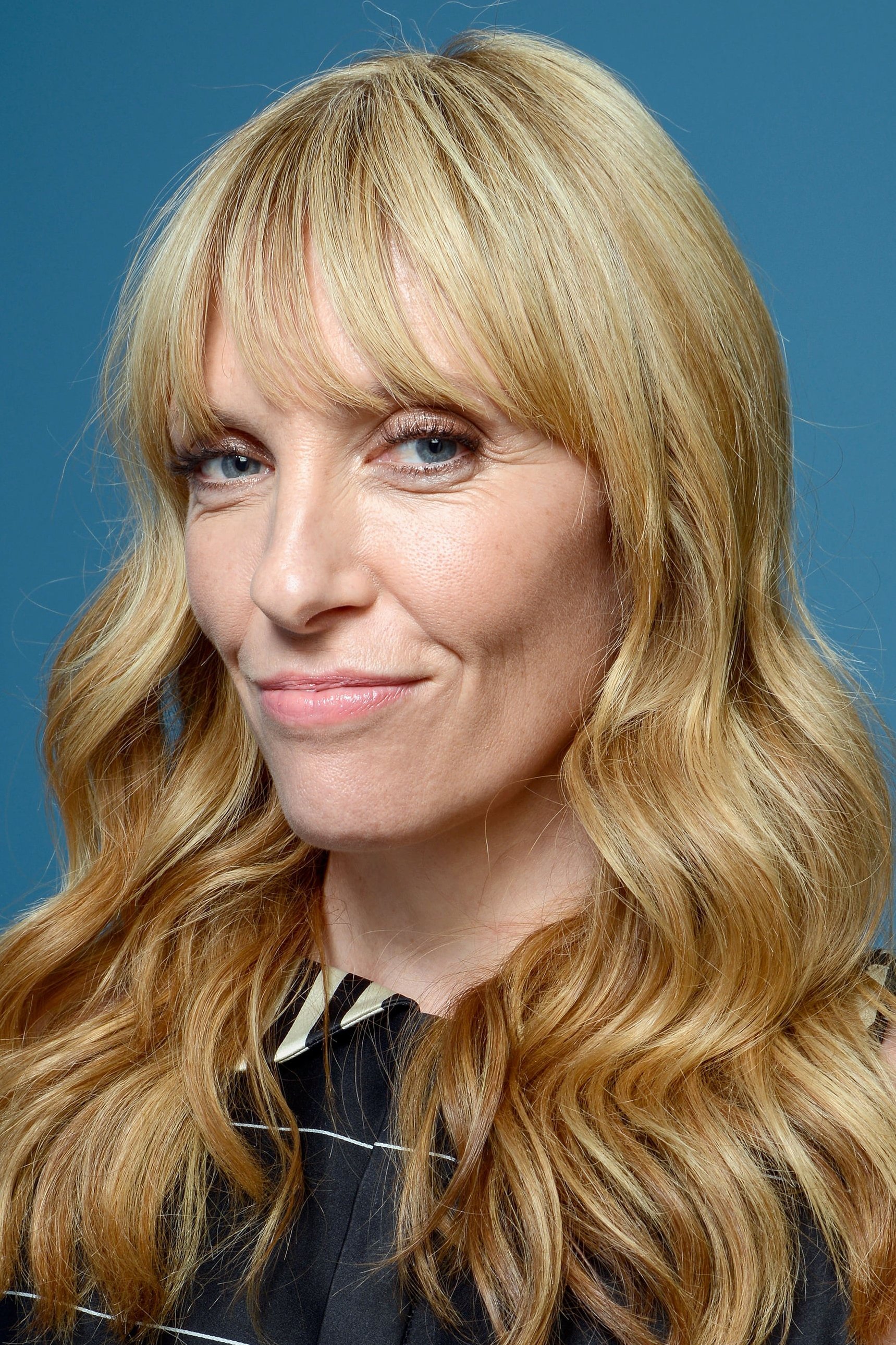
Toni Collette’s performance in ‘Hereditary’ includes long stretches where grief and rage sit quietly under the surface before exploding. She spends many scenes at a dinner table, in a workshop, or in bed with almost nothing to say, yet the tension is visible in her jaw and posture. The camera often catches her staring into the distance as if trying to process something too difficult to voice. Those silent moments make the later confrontations feel grounded in a continuous emotional state.
Lupita Nyong’o
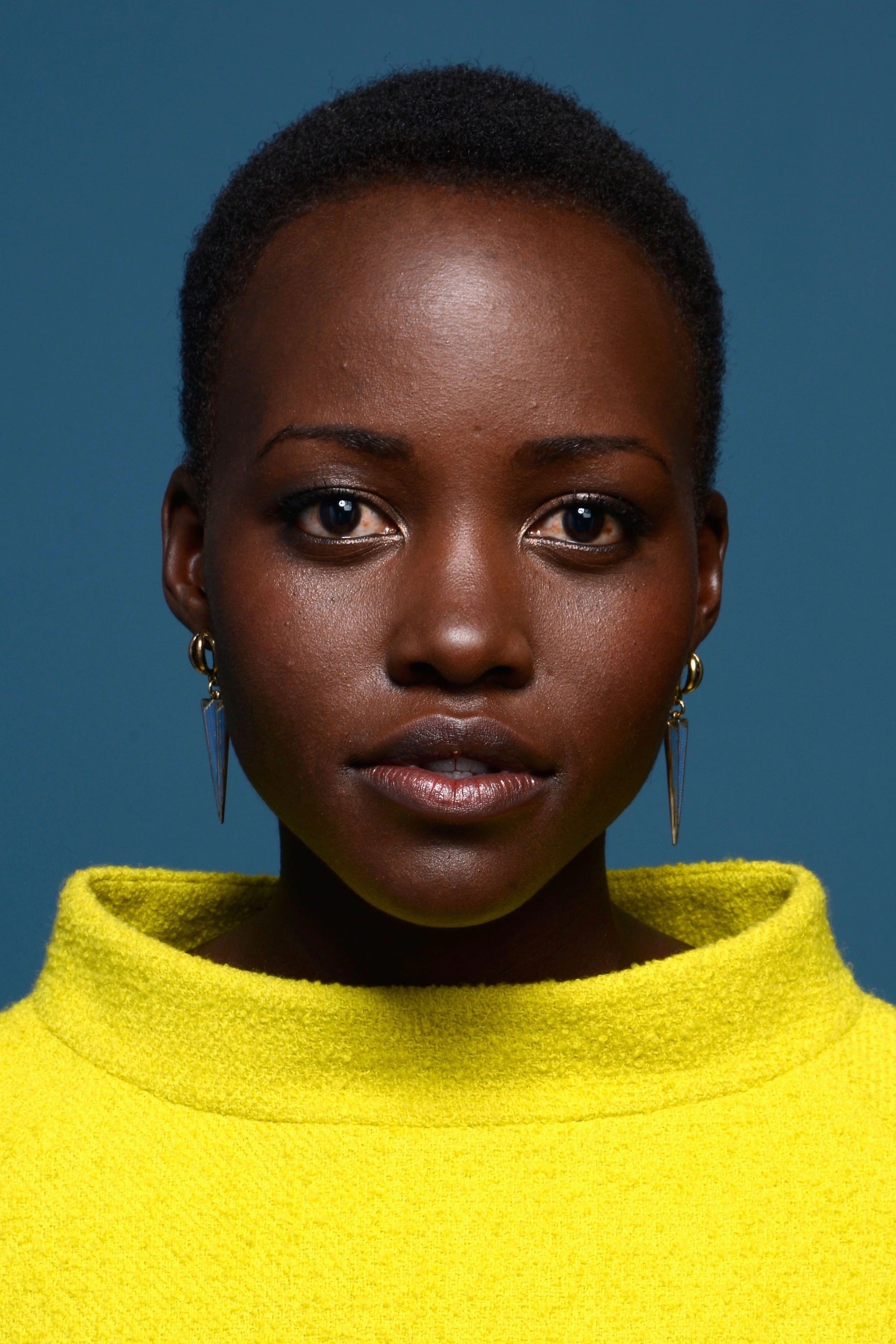
In ‘Us’ Lupita Nyong’o plays both a suburban mother and her voiceless double, so she has to differentiate them largely through movement and facial control. The double communicates through labored breathing and guttural sounds rather than clear speech. Her physical choices, such as the way she tilts her head or walks, create a distinct character that barely needs language. The contrast between her calm, silent menace and the speaking version of herself becomes central to the film’s impact.
Cate Blanchett
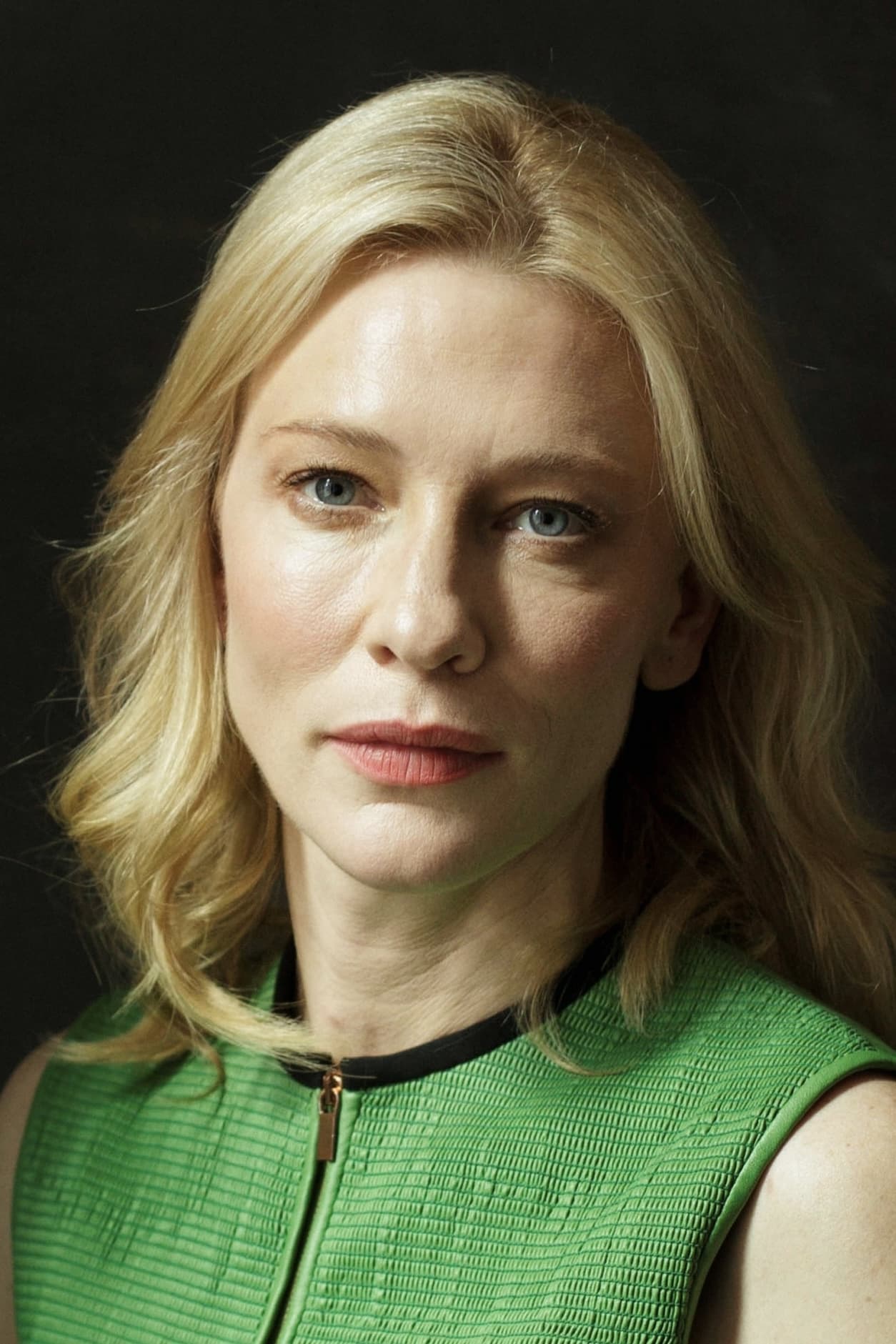
Cate Blanchett is often given monologues, but some of her most memorable moments are wordless, like the quiet breakdowns in ‘Blue Jasmine’ or the concert scenes in ‘Tar’. She can sit alone on a bench or stand backstage and let stress show through the way she holds her shoulders or clutches a bag. Directors frequently use extended closeups that capture her processing information without speaking. These nonverbal stretches supply crucial context that shapes how the audience understands later dialogue.
Margot Robbie
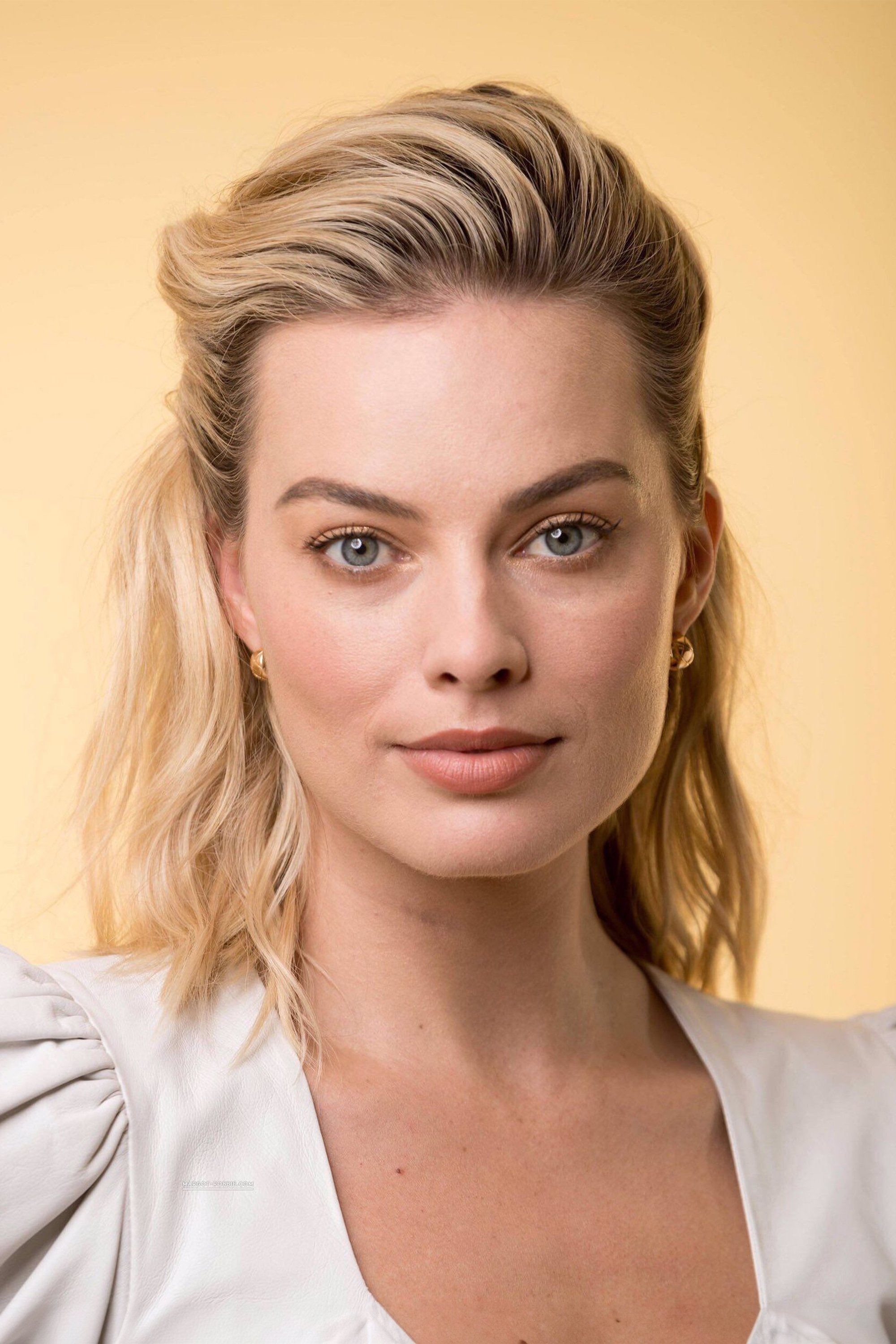
Margot Robbie has become known for fast talking characters, yet she also has standout silent stretches, especially in ‘I, Tonya’ and ‘Babylon’. The skating scenes rely on physical performance, with facial expressions doing the emotional heavy lifting as the music plays. In ‘I, Tonya’ a single shot of her looking into a mirror before a competition shows her cycling through doubt and forced enthusiasm without a word. These moments demonstrate how she can communicate a character’s whole inner monologue just by changing her eyes and smile.
Frances McDormand
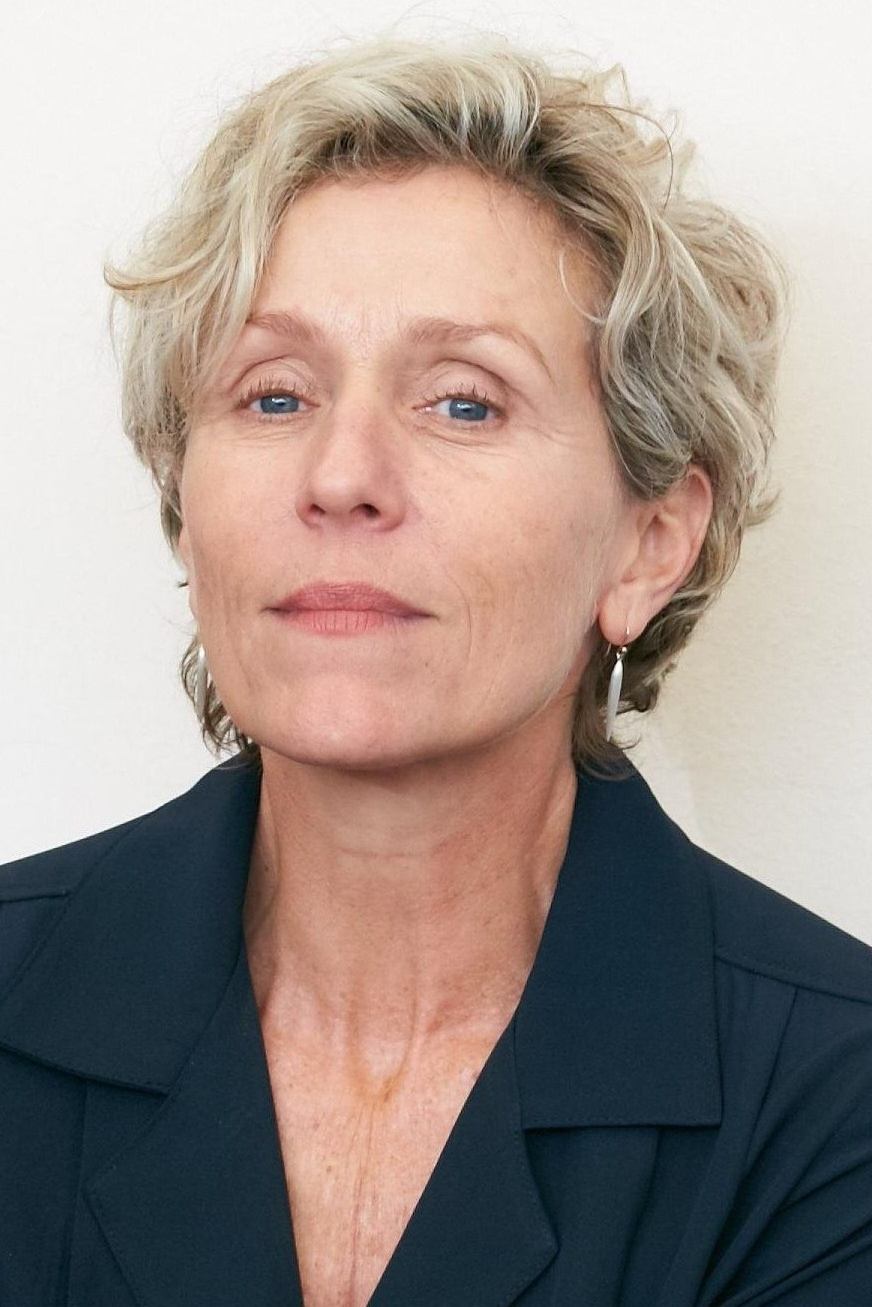
Frances McDormand leads ‘Nomadland’ with a performance that leans on observation and quiet interaction. She spends much of the film driving, working seasonal jobs, and listening to real nomads share their stories. Her reactions are often more important than anything she says, revealed through slight nods or a faint smile. The character’s grief and independence become clear from the way she moves through landscapes and living spaces more than from explicit exposition.
Holly Hunter
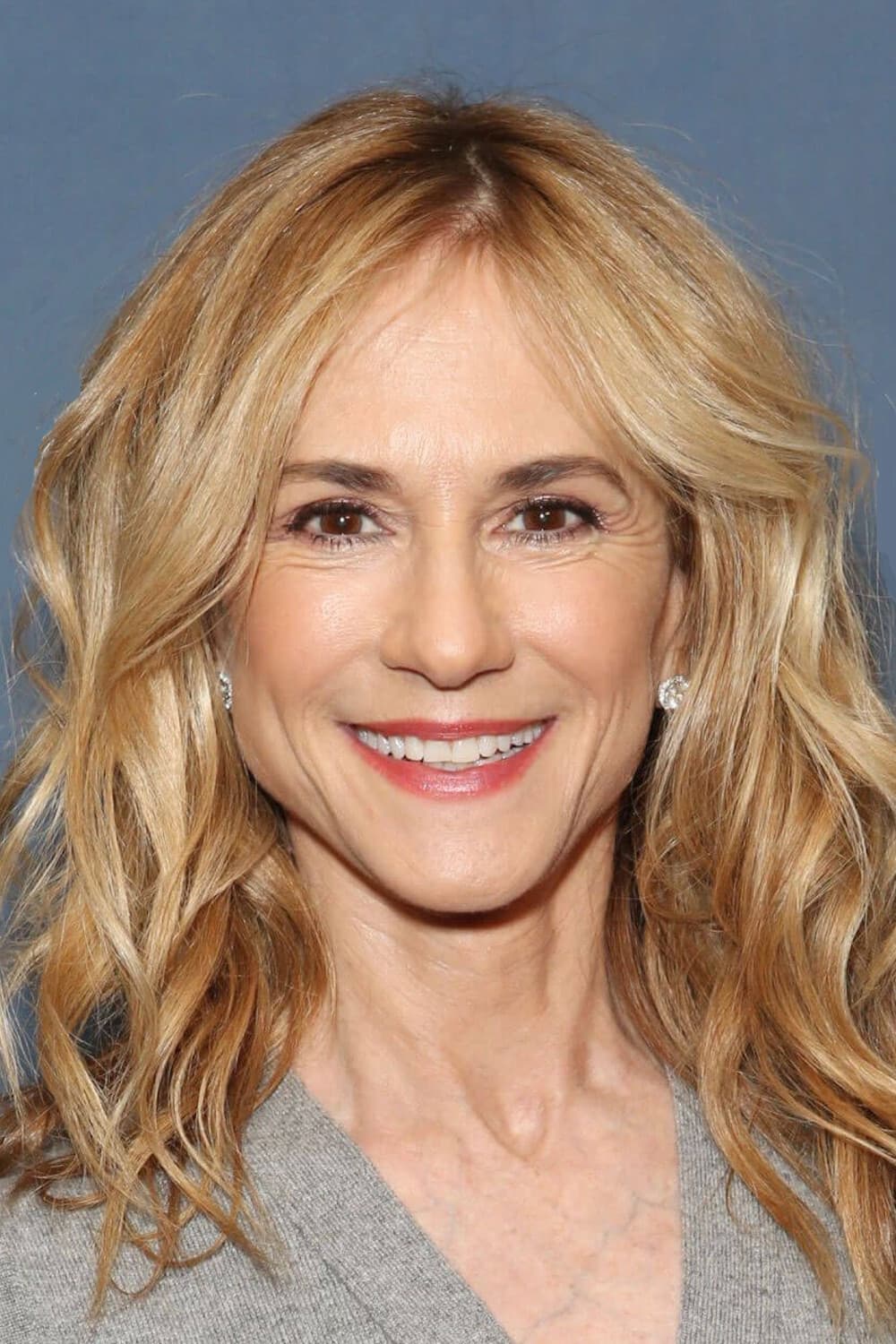
In ‘The Piano’ Holly Hunter plays a mute woman whose communication depends on sign language, music, and written notes. Her relationship with her young daughter and with the men around her unfolds through gestures and the way she touches the piano. The film uses closeups of her hands, eyes, and posture to show resistance, desire, and anger. Because she never speaks, every small physical choice becomes charged with meaning.
Marion Cotillard
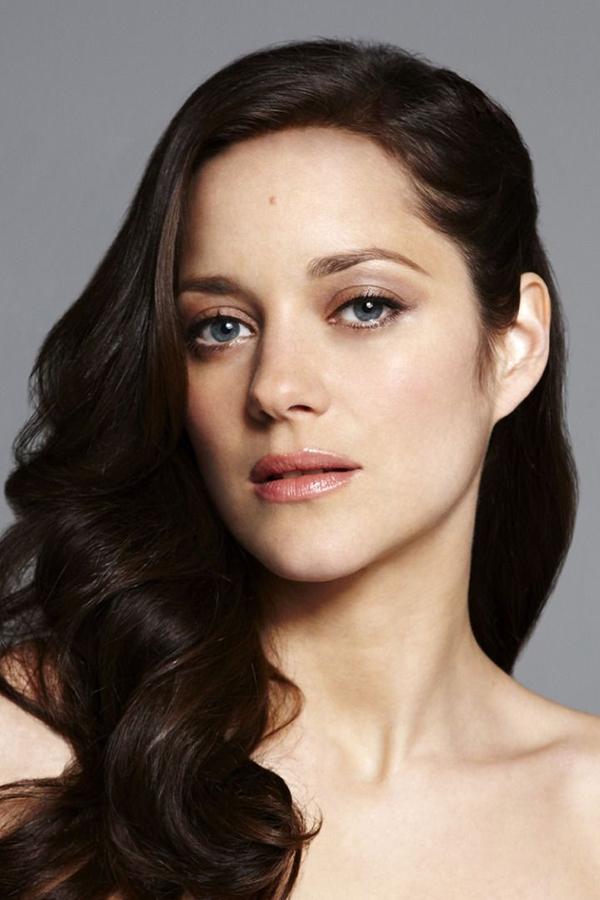
Marion Cotillard often plays characters in crisis, and many of those crises unfold in silence. In ‘Two Days, One Night’ the simple act of walking up to doors and waiting for them to open becomes a recurring quiet motif. She uses small shifts in her walk and gaze to show whether her character is hopeful, ashamed, or exhausted. In other films, like ‘Rust and Bone’, long wordless scenes allow her to show adaptation to loss and physical change through daily routines rather than explanation.
Isabelle Huppert
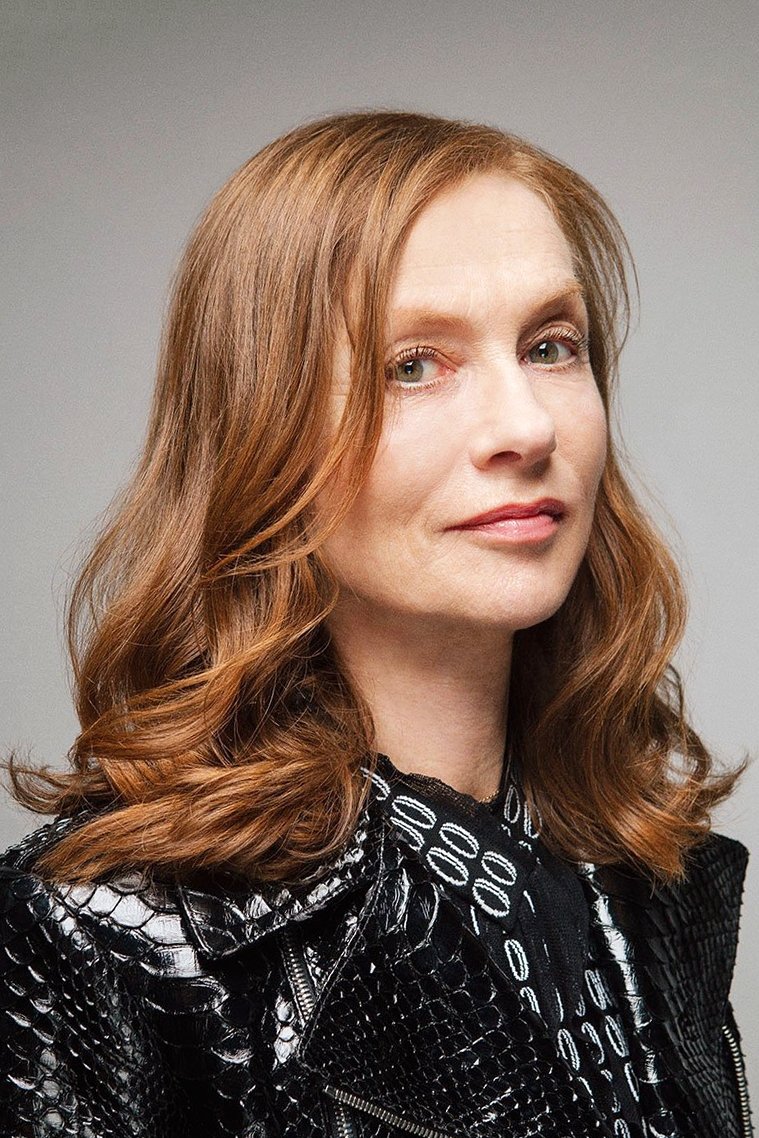
Isabelle Huppert has made a career in European cinema with reserved characters who reveal themselves slowly. Films like ‘The Piano Teacher’ or ‘Elle’ give her many moments where she simply watches others, letting a situation unfold before she responds. Her face rarely shows big reactions, so viewers learn to read minute changes in her eyes or mouth. This understated style allows her to anchor complex stories even when she spends long scenes saying almost nothing.
Juliette Binoche
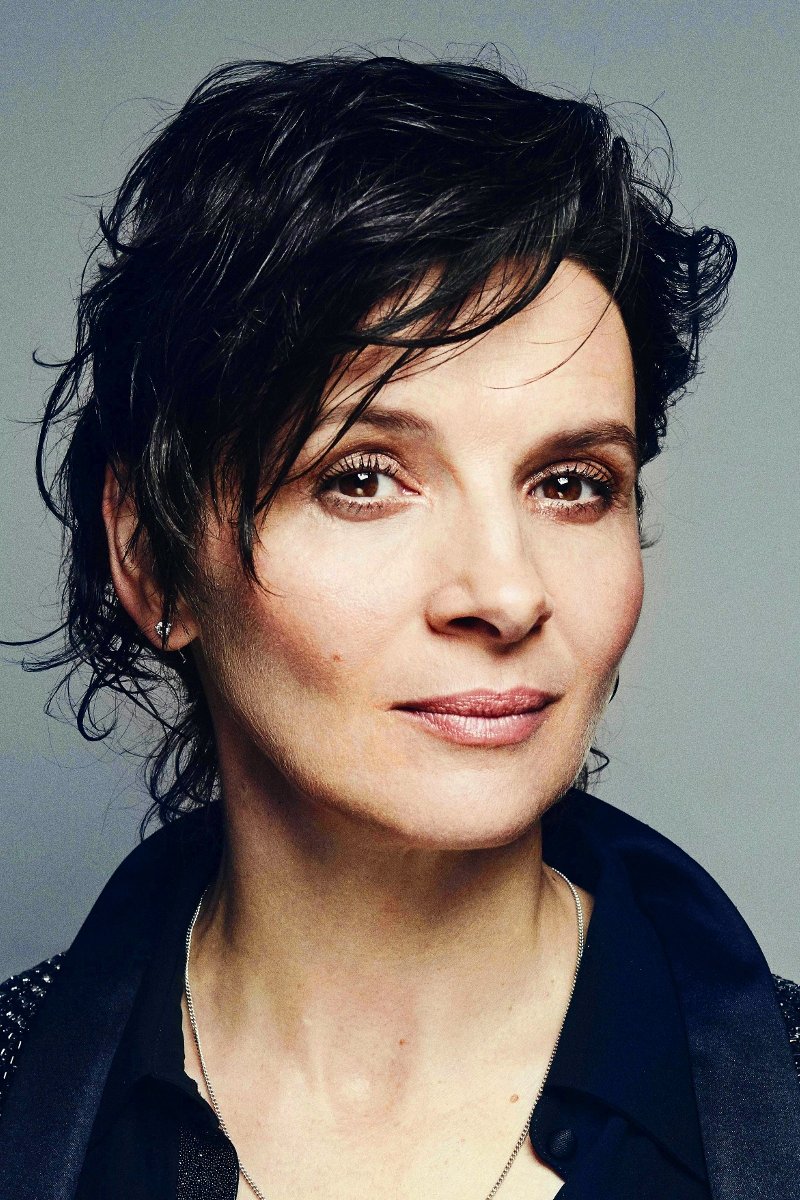
Juliette Binoche frequently appears in films that rely on quiet observation, such as ‘Blue’ and ‘Certified Copy’. In ‘Blue’ she spends much of the running time alone, dealing with loss and reshaping her life without narrating her feelings out loud. The film follows her as she swims, listens to music, and walks through the city, and her expressions track gradual emotional shifts. Her nonverbal work makes the character’s internal journey clear even when she gives very little away in conversation.
Charlotte Rampling
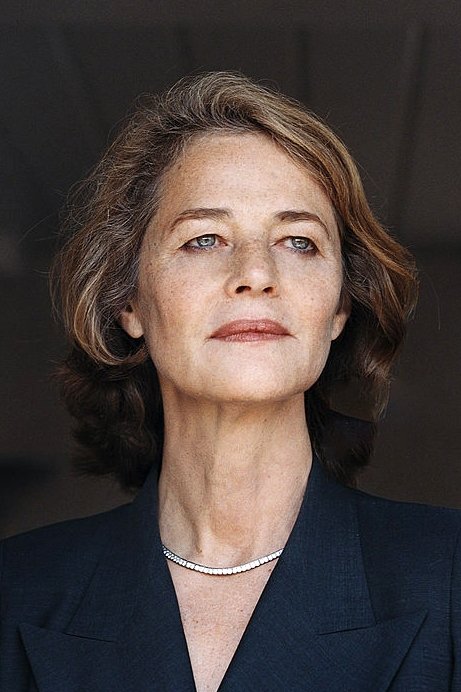
Charlotte Rampling’s screen presence often comes from a cool, watchful stillness. In films like ’45 Years’ she processes revelations about her marriage through silent contemplation rather than arguments. The camera lingers on her face at quiet moments, such as listening to music or looking at old photos, to show how new information reorders her memories. This reliance on silence lets the audience experience the weight of decades without lengthy dialogue.
Tessa Thompson
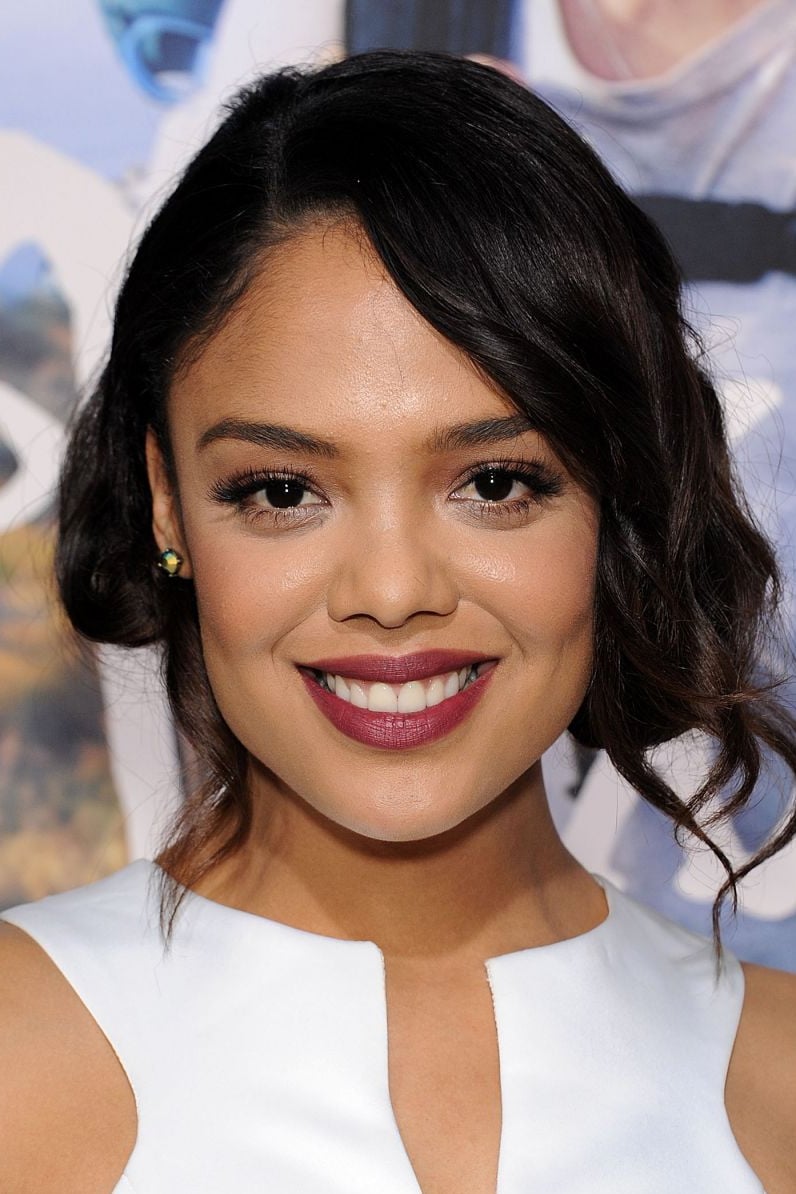
Tessa Thompson brings a controlled, interior style to roles in projects like ‘Creed’, ‘Passing’, and ‘Annihilation’. In ‘Passing’ much of the tension comes from how her character looks across rooms and streets, absorbing subtle social cues. Her posture and careful movements signal when she feels safe and when she feels scrutinized. Several key turning points depend on silent exchanges of glances, which she plays with precision.
Elisabeth Moss
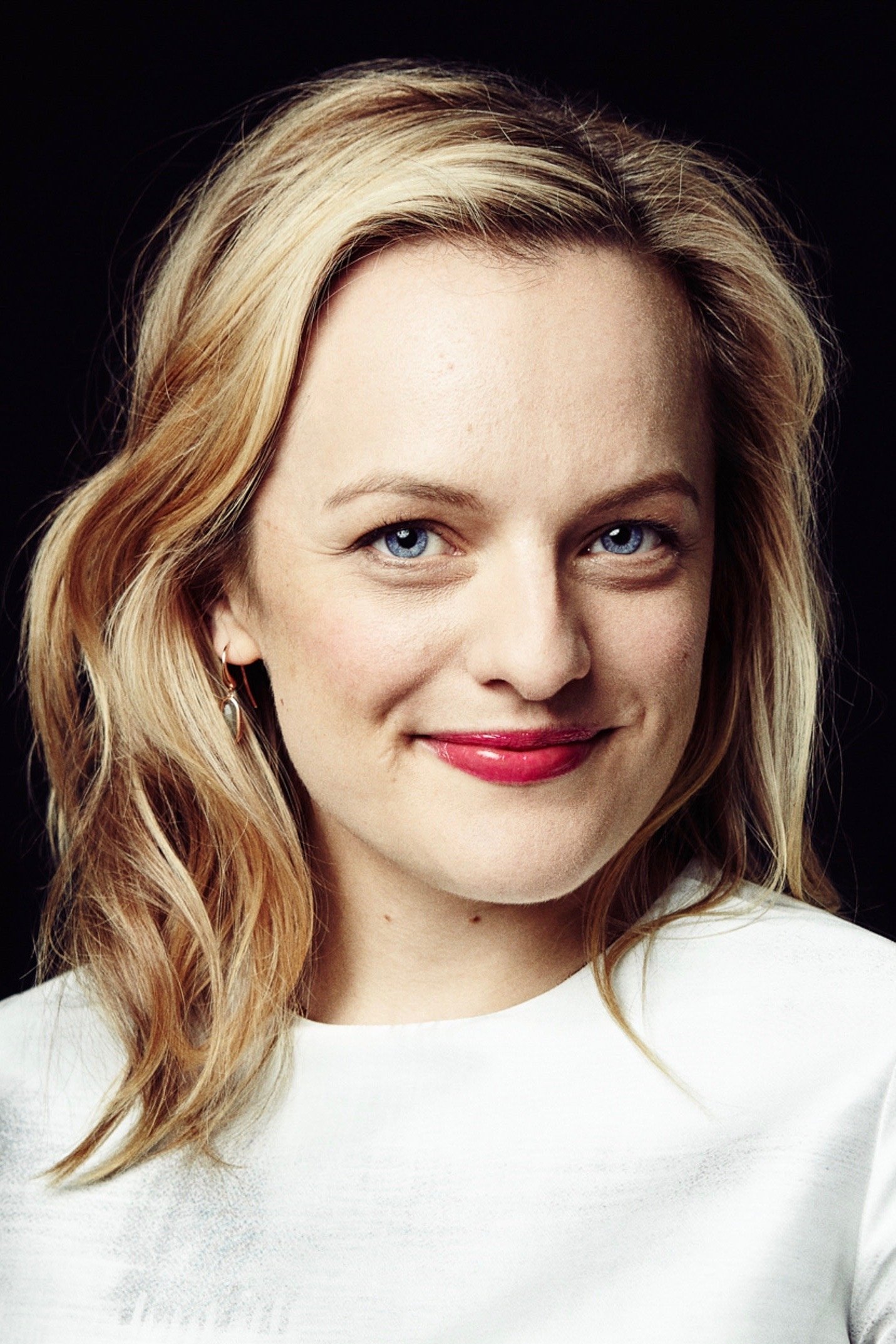
Elisabeth Moss is known for closeups where she says nothing while the audience watches her think. In ‘The Handmaid’s Tale’ many episodes end or begin with silent shots of her character in a rigid bonnet, eyes flicking with anger or fear. In ‘The Invisible Man’ she often appears alone in a frame, reacting to something the camera does not show, so her silent terror carries the scene. These moments rely on heavy breathing, trembling, and held stillness rather than dialogue to communicate threat.
Anya Taylor-Joy
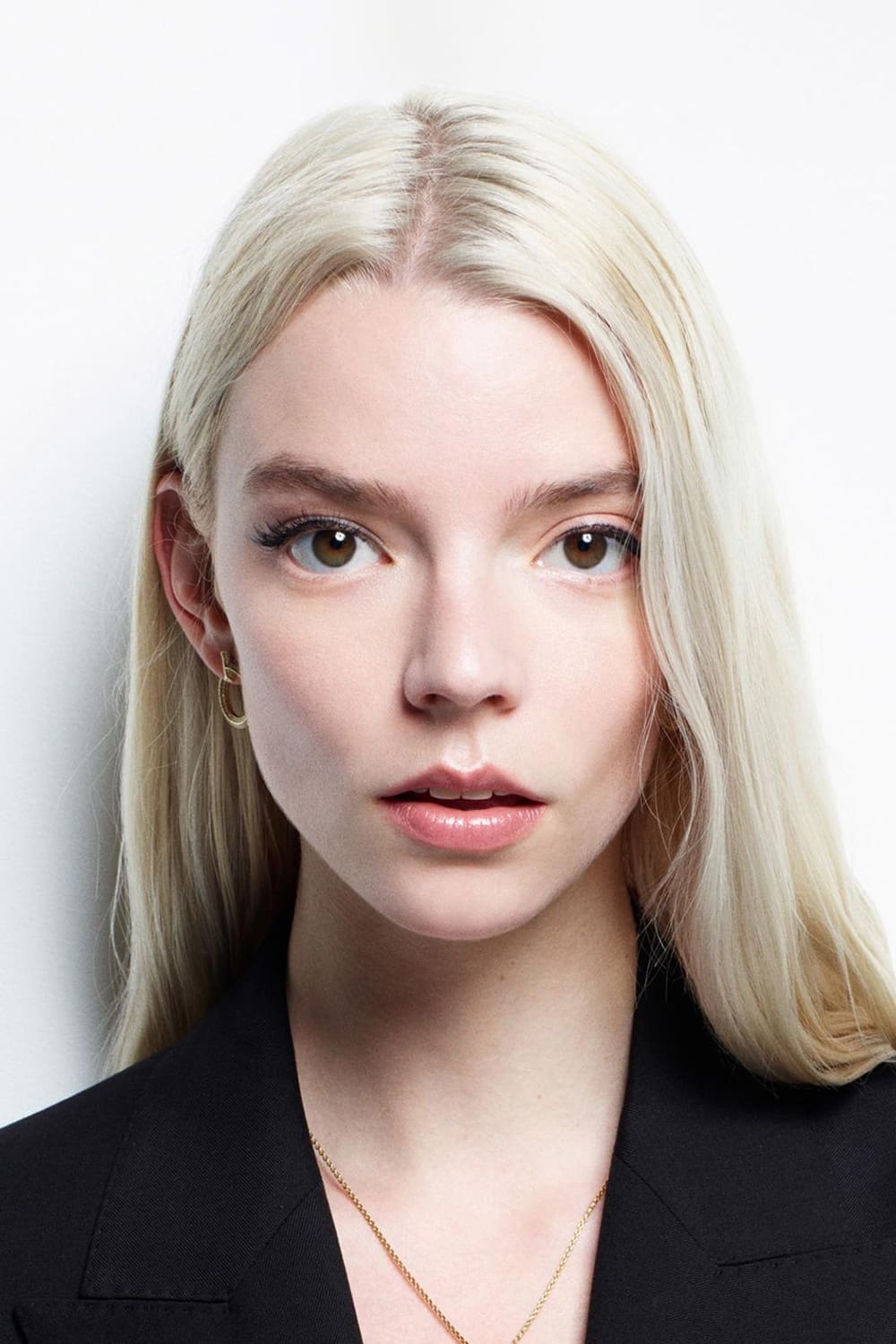
Anya Taylor Joy first drew wide attention in ‘The Witch’, where she spends much of the film reacting to events that isolate her from her family. The story gives her long stretches in dim rooms and forests with only ambient sounds and her expression to guide viewers. Her large eyes and deliberate movements make even a glance over her shoulder feel loaded with fear or suspicion. Later roles continue to use her ability to hold a shot in silence while the mood shifts around her.
Zendaya
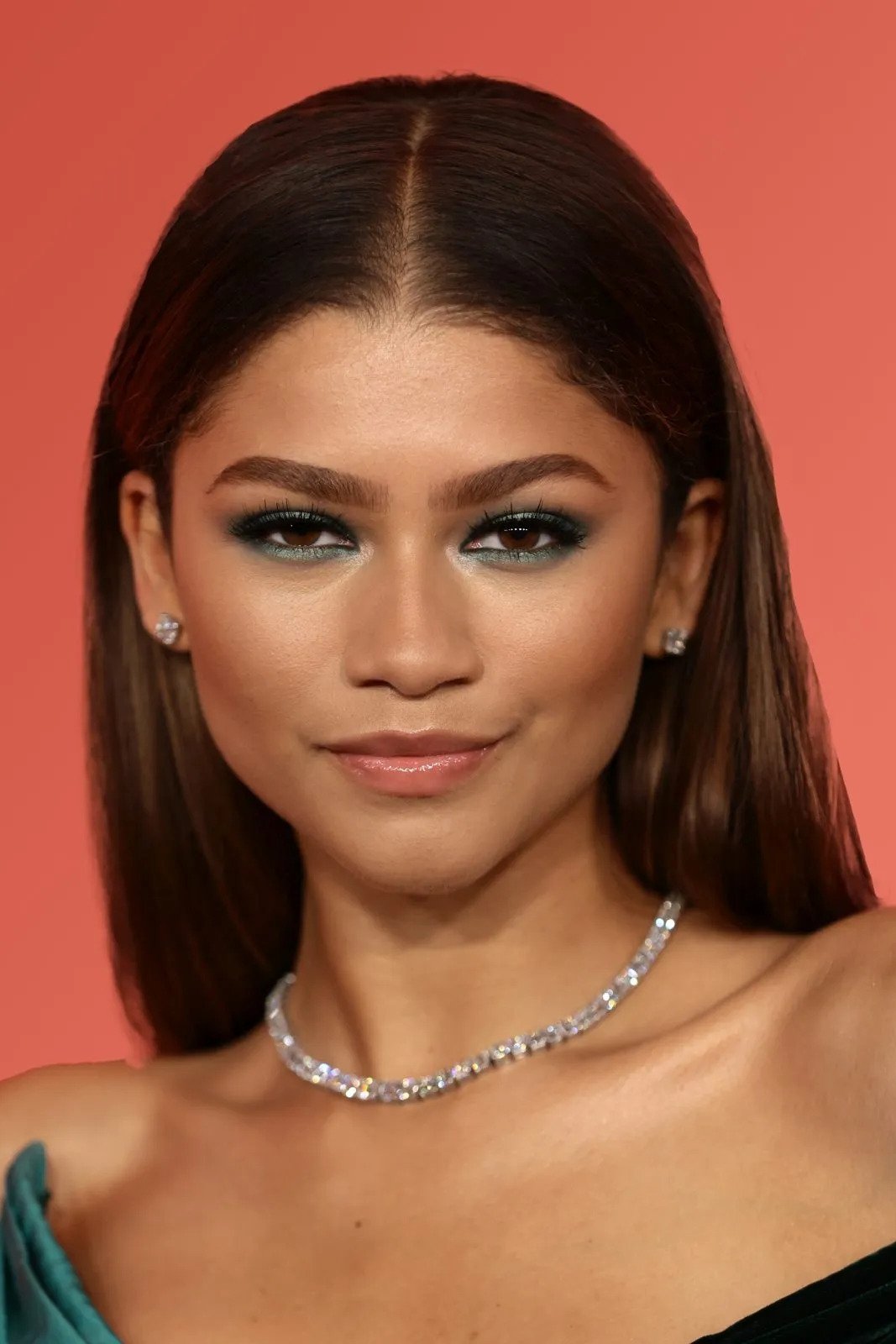
Zendaya has gained recognition for emotional work in both ‘Euphoria’ and ‘Dune’, with each project using silence in different ways. In ‘Dune’ she appears mostly in wordless visions and brief encounters, relying on eye contact and posture to suggest a future connection. In ‘Euphoria’ some of the most striking moments show her character numb and quiet after intense events, with the camera staying close as she withdraws from others. These scenes use movement and stillness to show internal collapse without spelling it out.
Sandra Bullock
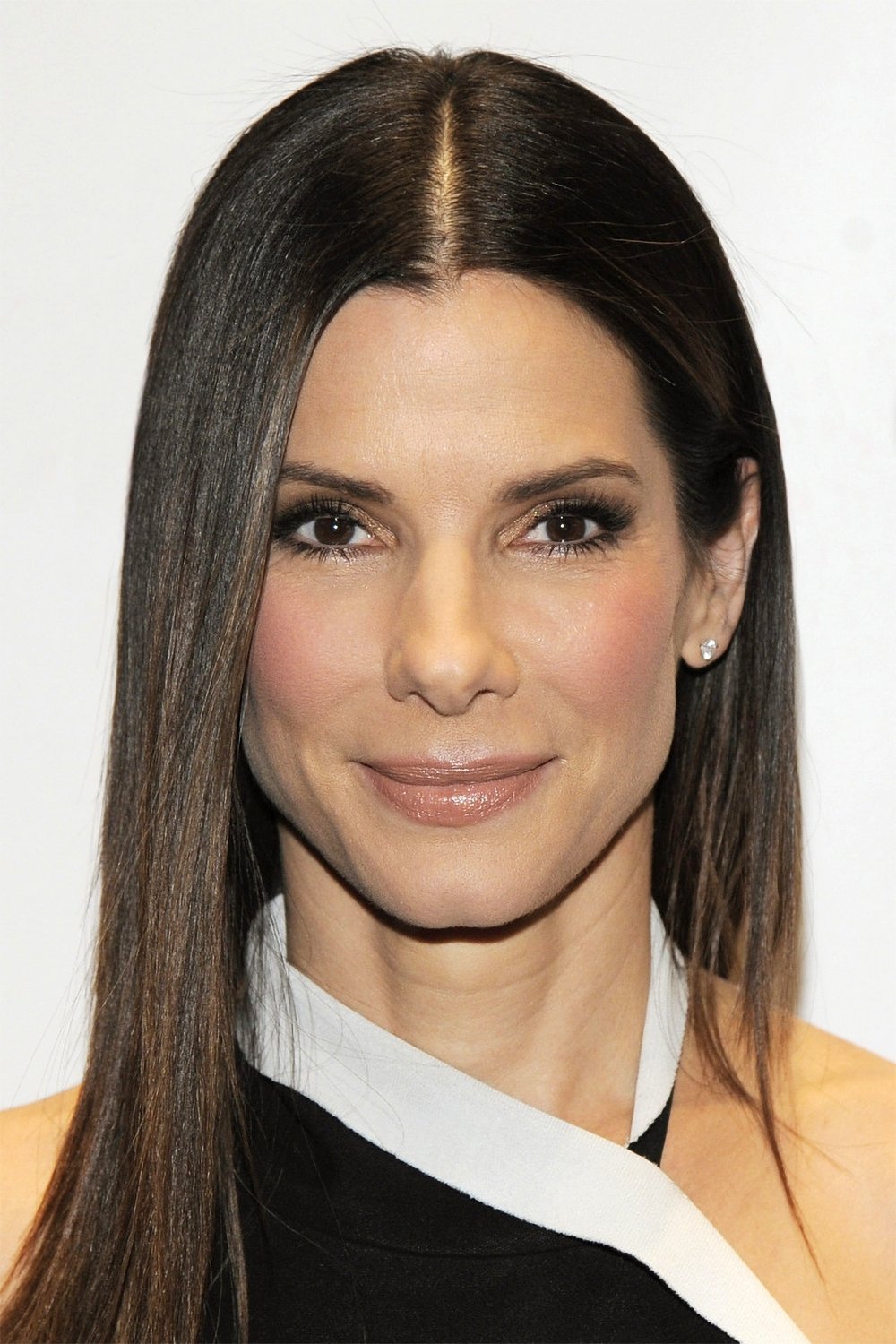
In ‘Gravity’ Sandra Bullock spends much of the film alone in space, with only breathing and occasional radio contact breaking the quiet. Her performance depends on how she navigates cramped capsules and weightlessness while panic and determination play across her face. The camera often frames her in closeup inside a helmet, so tiny shifts in her expression carry entire stretches of the story. This setup turns basic actions like grabbing a handle or firing a thruster into silent emotional beats.
Natalie Portman
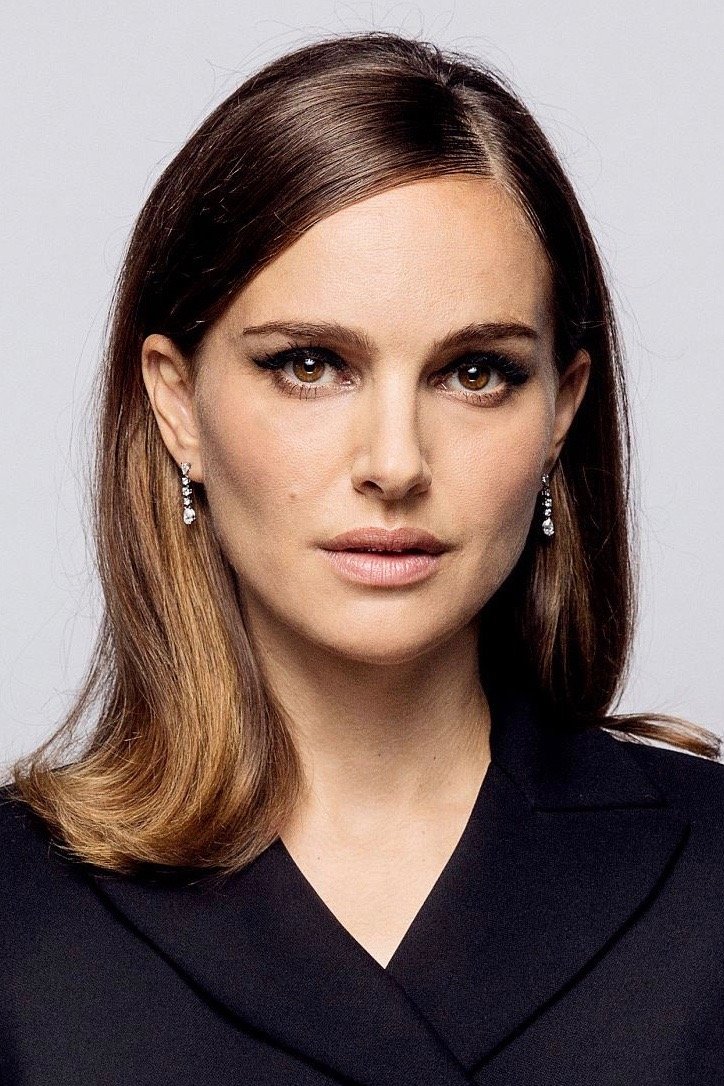
Natalie Portman’s role in ‘Black Swan’ relies heavily on physical performance, since much of her character’s stress comes through ballet rather than spoken confession. Rehearsal scenes show her pushing her body while keeping her face composed, then cracking in private moments where she finally lets fear show. The film uses mirrors and closeups to highlight these shifts without constant verbal explanation. Her transformation is charted through posture, movement quality, and increasingly strained expressions.
Jessica Chastain
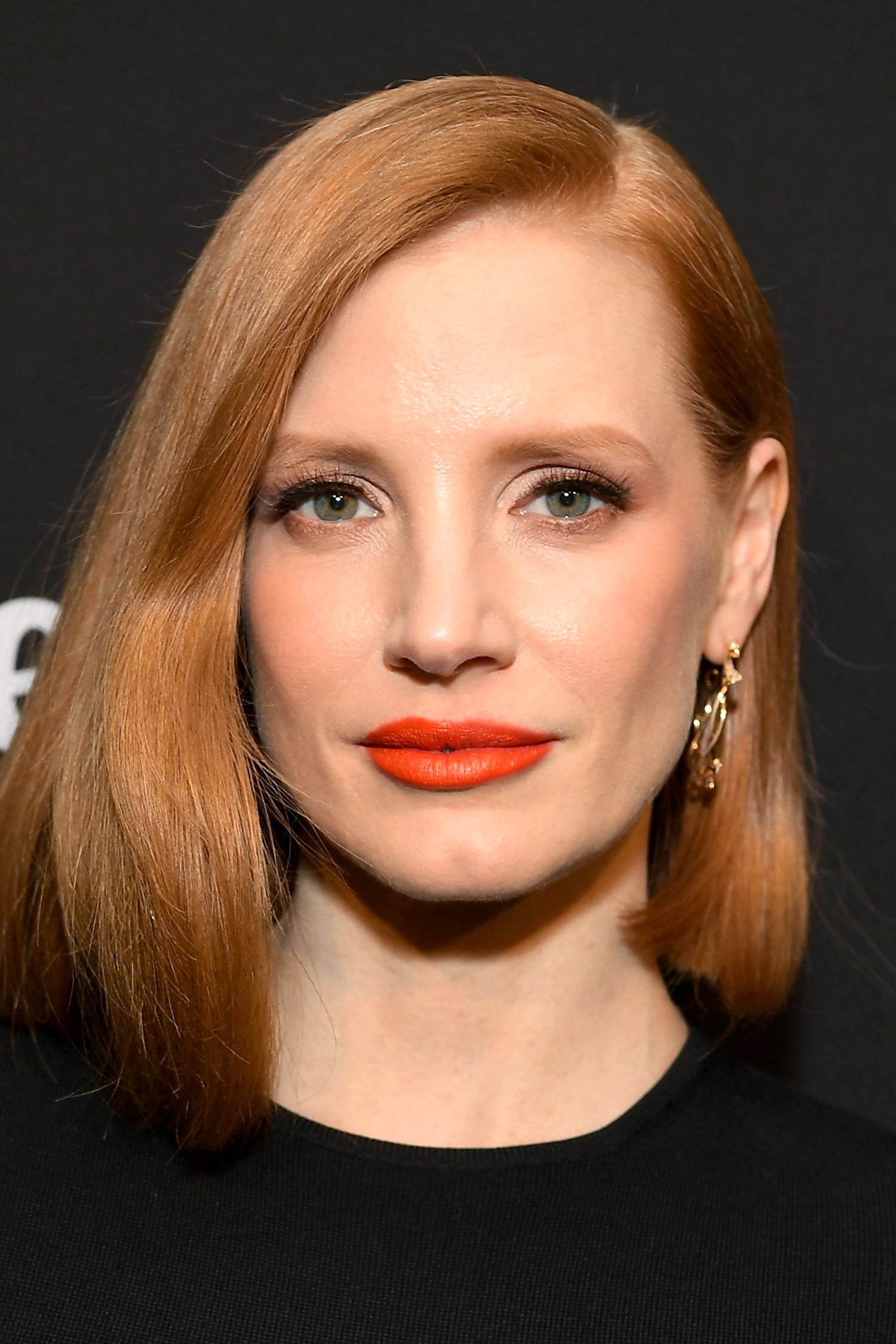
Jessica Chastain has appeared in many dialogue heavy roles, yet she also shines in films that require quiet resilience. In ‘The Tree of Life’ she often glides through domestic scenes with minimal speech, embodying a patient, almost ethereal presence. Her gestures with the children and the way she moves through the family home carry much of the emotional tone. Her work in other dramas often includes reflective shots where she listens more than she talks, letting silence suggest moral conflict.
Elizabeth Olsen
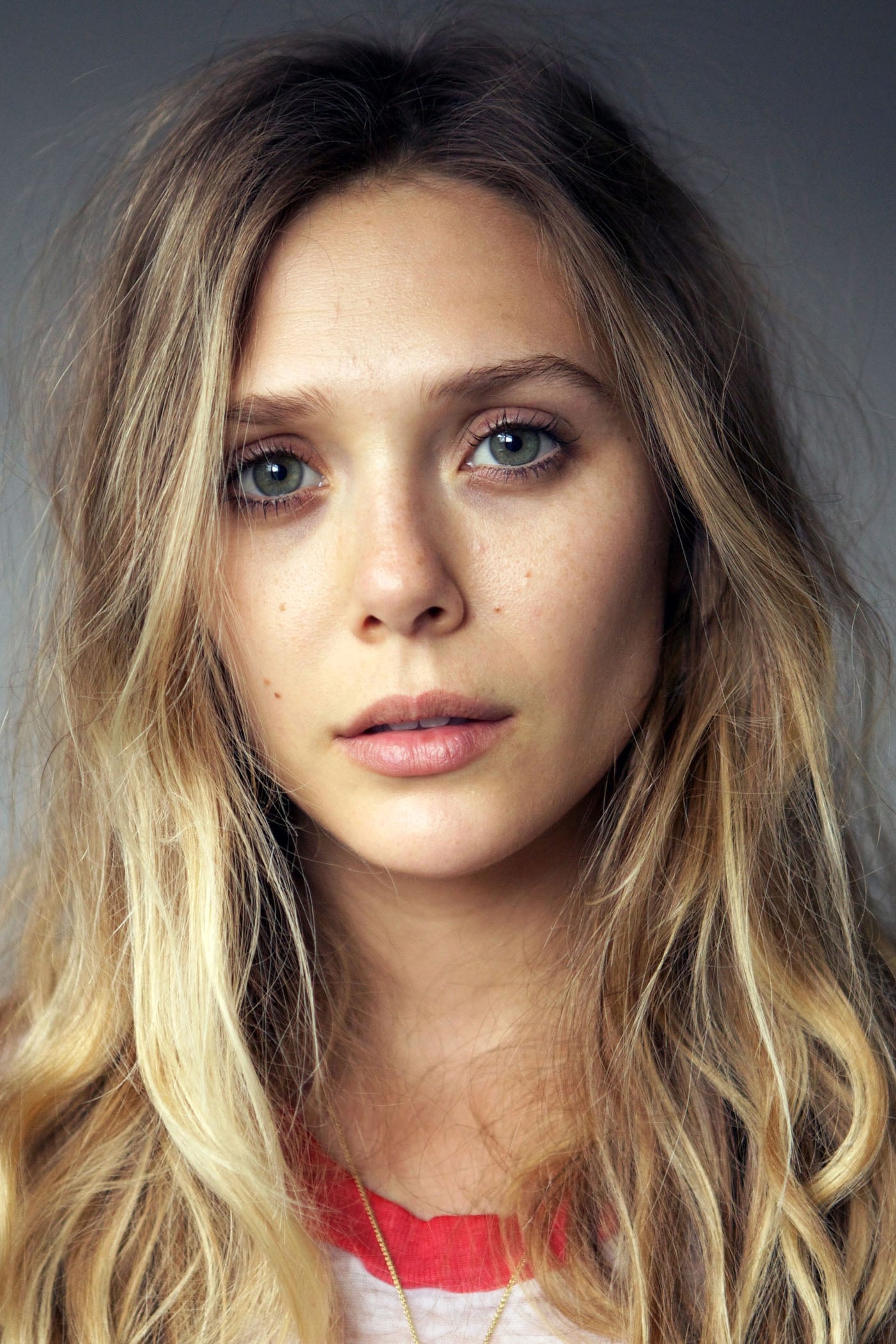
Elizabeth Olsen broke through with ‘Martha Marcy May Marlene’, which gives her long spans of screen time reacting to memories and intrusive thoughts. Her character often sits still while flashbacks intrude, and the audience reads her discomfort from how tightly she holds herself. Even in scenes where others talk, she frequently remains quiet, watching and calculating how safe she is. This reliance on silence suits a story about someone who struggles to verbalize trauma.
Rosamund Pike
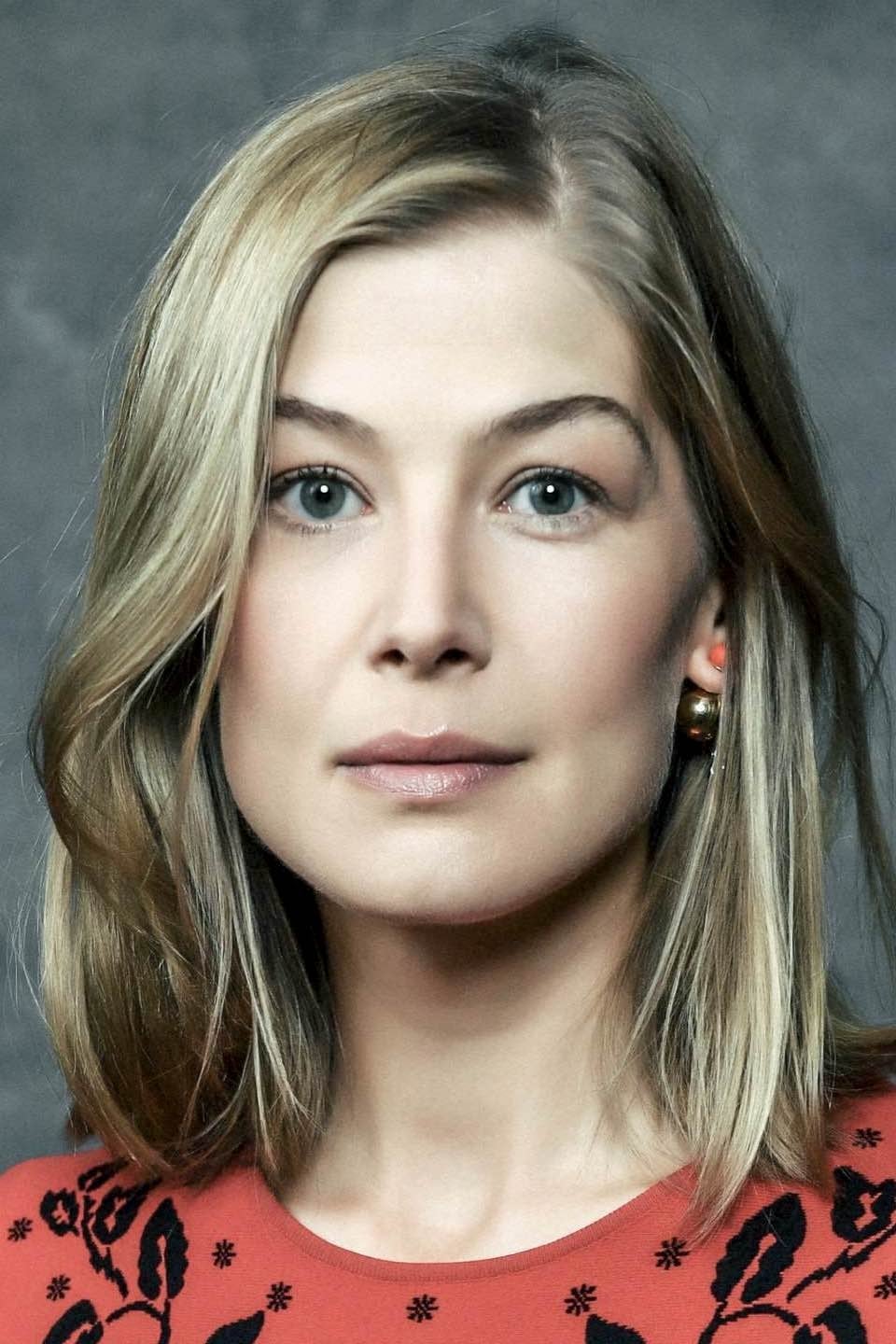
Rosamund Pike’s performance in ‘Gone Girl’ includes carefully controlled silent scenes that reveal a calculated persona. The diary writing montage shows her constructing a narrative in voiceover while her face stays composed and even blank in the visuals. Later, scenes of her watching news coverage or lying in bed communicate satisfaction or rage without dramatic speeches. The small adjustments in her smile and gaze make clear when she is staging emotions for others and when she is letting her guard down.
Gong Li
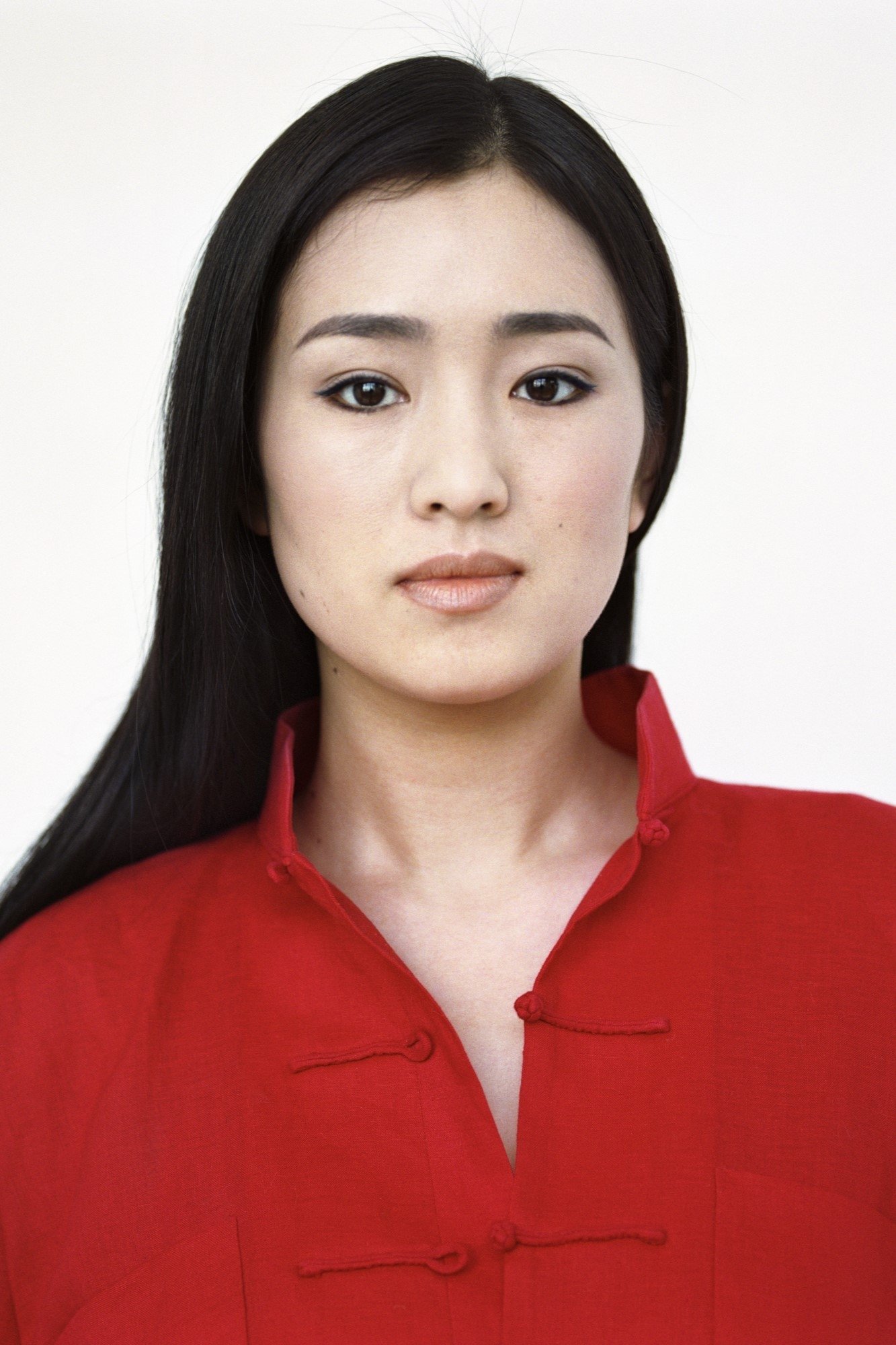
Gong Li is a central figure in Chinese cinema, often starring in films where suppressed emotion is key, such as ‘Raise the Red Lantern’ and ‘To Live’. These stories place her in restrictive environments where open confrontation is dangerous or impossible. She communicates defiance or resignation through how she walks, bows, or stands still in the presence of authority. The camera often catches her in quiet domestic tasks, letting her face and hands tell the story of changing loyalties and hopes.
Zhang Ziyi
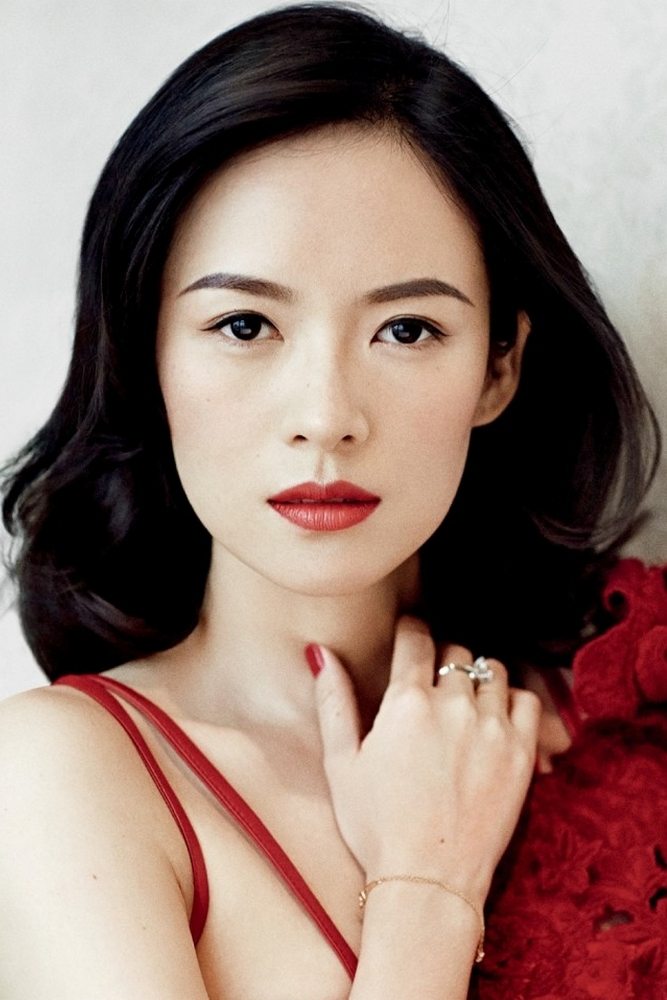
Zhang Ziyi became internationally known for roles in films like ‘Crouching Tiger, Hidden Dragon’ and ‘House of Flying Daggers’, where action and dance like movement replace lengthy dialogue. Fight scenes double as emotional conversations, with her body language expressing rebellion, shame, or longing. She often plays characters caught between duty and desire, and this conflict appears in the way she lowers her eyes or hesitates before attacking. Long silent shots of her in landscapes deepen these feelings without spoken explanation.
Yalitza Aparicio
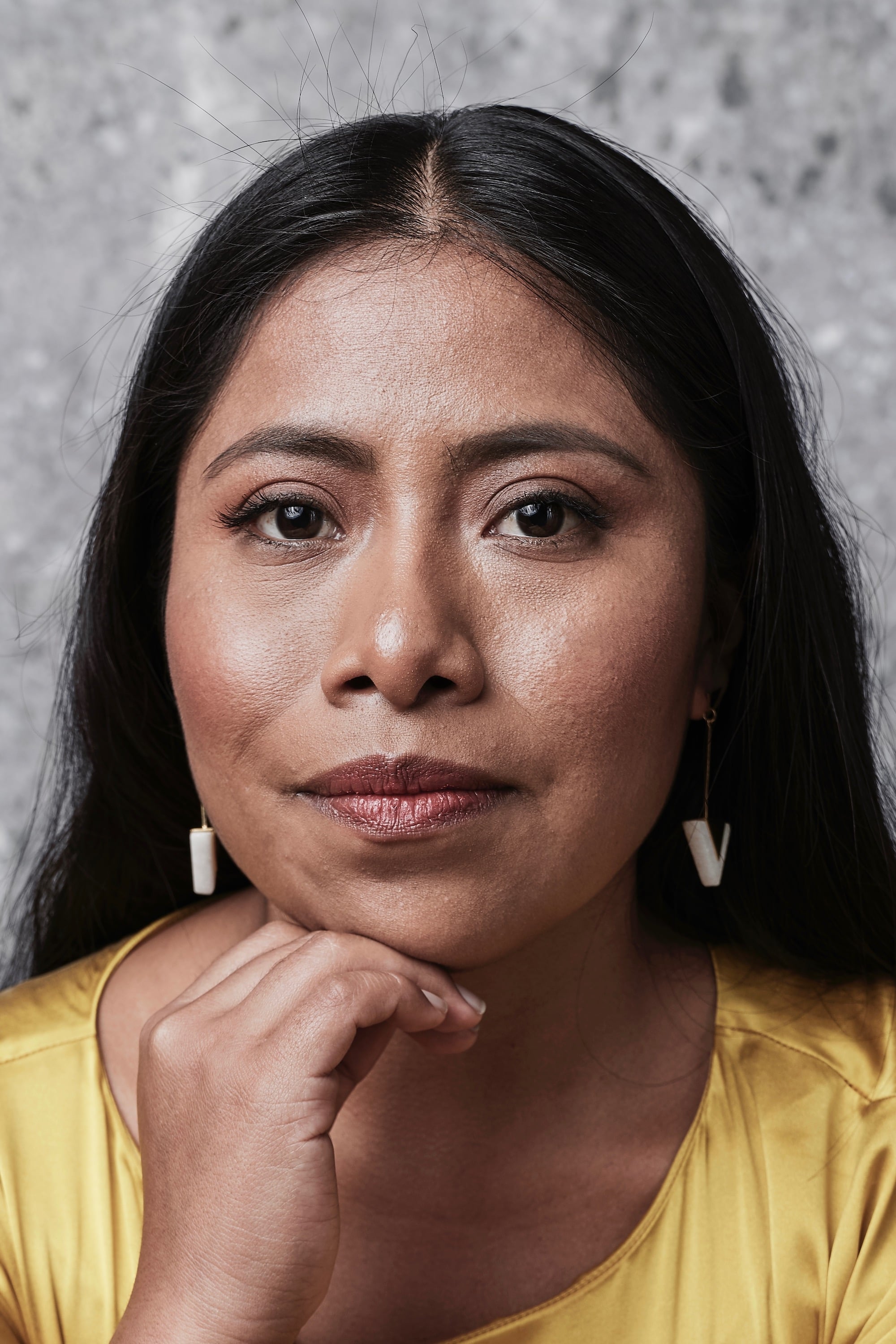
In ‘Roma’ Yalitza Aparicio plays a domestic worker whose routine tasks and quiet presence form the backbone of the film. Many scenes show her cleaning, caring for children, or walking through the neighborhood with minimal speech. The director uses these simple actions to reveal social hierarchies and emotional bonds. Her restrained reactions to major events, like family upheaval or disaster, make the rare moments of visible distress especially powerful.
Louise Brooks
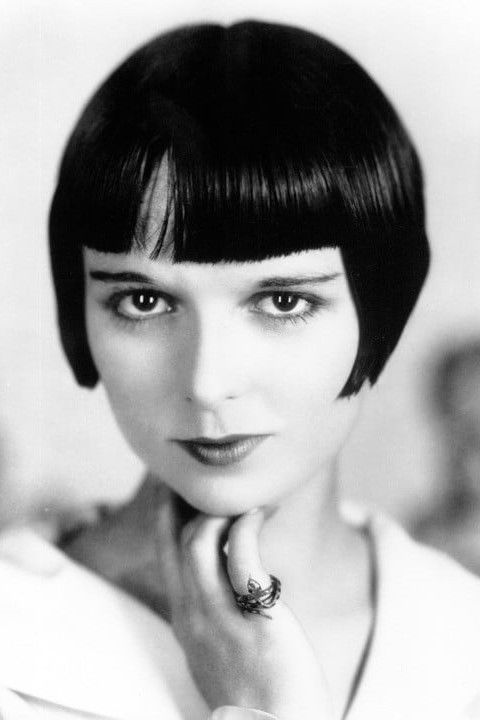
Silent era star Louise Brooks is best remembered for ‘Pandora’s Box’, where her expressive face and modern acting style stood out in a period of exaggerated gestures. Without spoken dialogue, she relied on eye contact, posture, and subtle movements to portray a complex, free spirited woman. The camera often stayed close to her, emphasizing how a small tilt of the head could signal defiance or vulnerability. Her work became a reference point for later film studies on naturalistic silent performance.
Lillian Gish
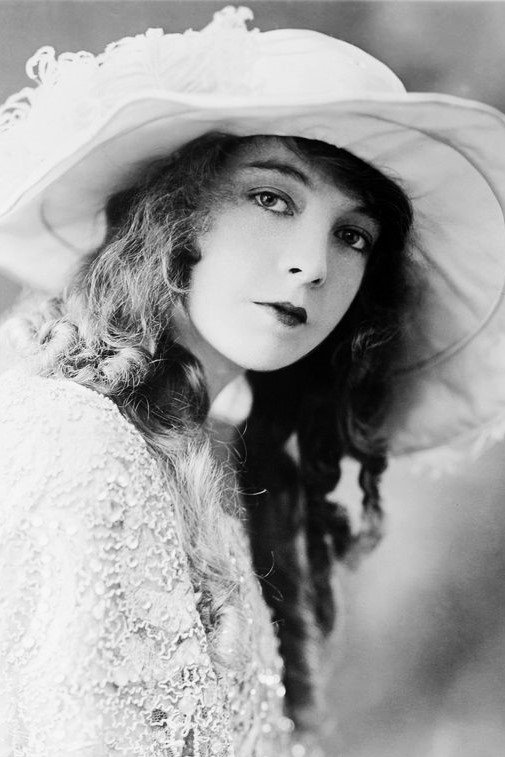
Lillian Gish was one of the defining actresses of early cinema, appearing in numerous silent films that demanded emotional clarity without words. Directors used her wide eyes and delicate gestures to embody innocence, suffering, and endurance. She often performed in harsh conditions, such as real snow and wind, which amplified the physical realism of her silent struggles. Her ability to hold a closeup for extended periods made her a favorite of pioneering filmmakers experimenting with film language.
Greta Garbo
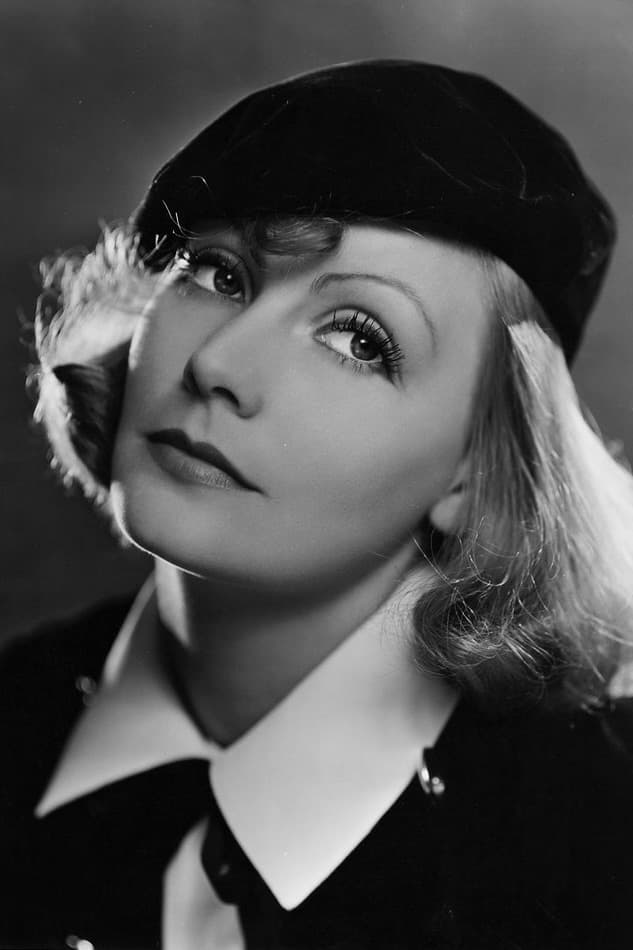
Greta Garbo successfully bridged silent and sound cinema, but even in her talkies she often communicated more through glances than speeches. In her silent films, intertitles carried only essential information while she supplied nuance through controlled expressions. Her famous on screen mystique came from the way she seemed to think while the camera rolled, not from elaborate monologues. Scenes of her simply looking away or turning her head created iconic images that critics still reference.
Maria Falconetti

Maria Falconetti’s performance in ‘The Passion of Joan of Arc’ is almost entirely built on closeups of her face. The film strips away sets and distractions so that every flicker of emotion during the trial is visible. Since there is no spoken sound, her tears, tremors, and steady stares must carry all the weight of faith, fear, and resolve. This single silent role has been cited for decades as a landmark in screen acting.
Setsuko Hara
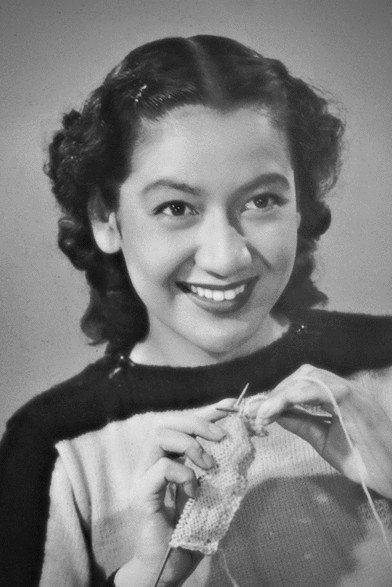
Japanese actress Setsuko Hara is closely associated with director Yasujirō Ozu, especially in ‘Tokyo Story’ and other family dramas. His films favor quiet domestic scenes and low camera angles, so her performances rely on small, grounded gestures. She often plays dutiful daughters or widows who hide their own desires, which she shows through brief pauses and gentle smiles. The understated style of these films means her moments of silence around a table or in a doorway convey as much as any speech.
Monica Vitti
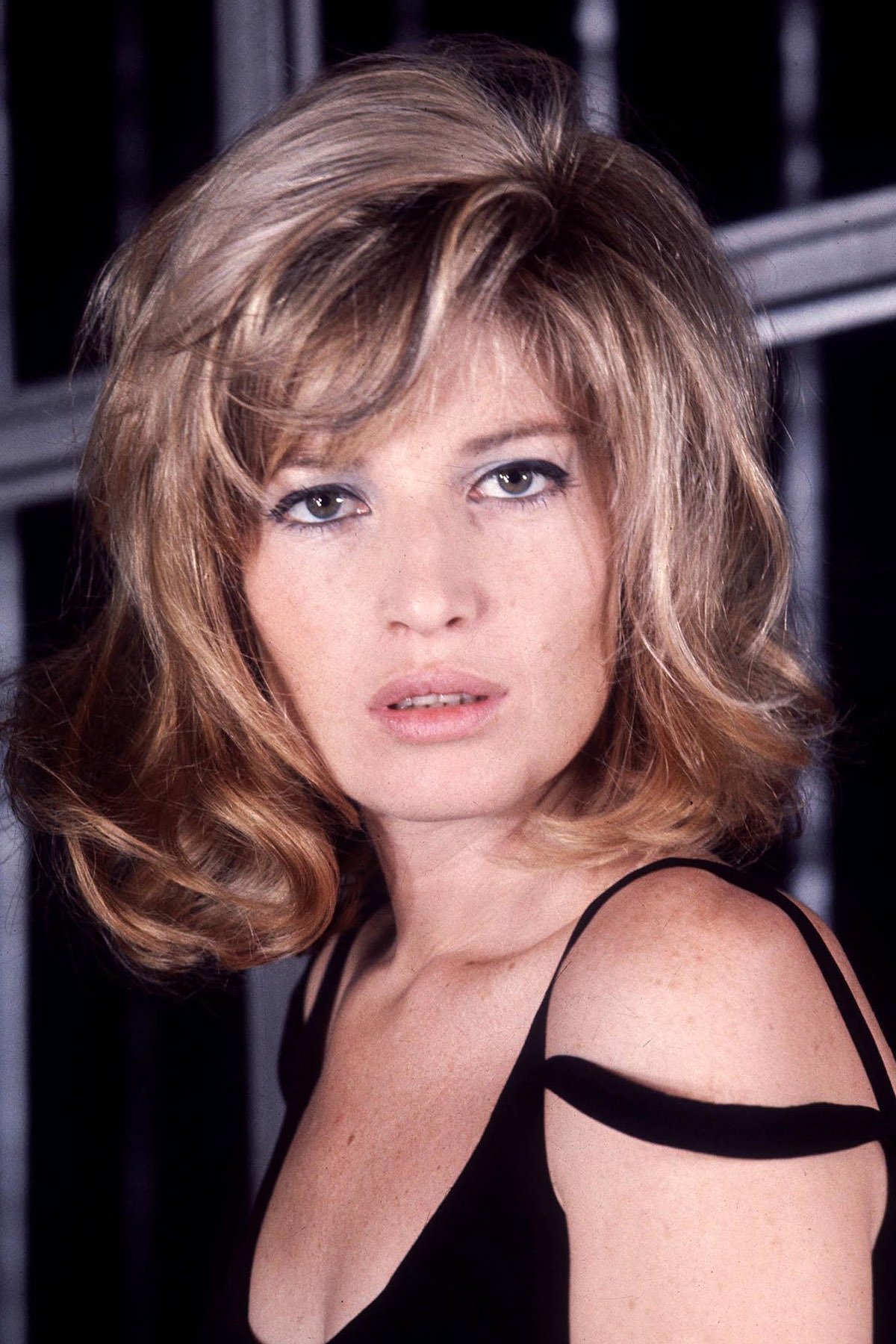
Monica Vitti was a key figure in Italian modernist cinema, especially in collaborations with Michelangelo Antonioni like ‘L’Avventura’. Those films are known for long stretches of characters wandering through landscapes with little or no dialogue. Vitti’s withdrawn posture and distant gaze reflect the emotional disconnection at the heart of the stories. Her performances show how silence and physical isolation can express existential uncertainty more clearly than direct explanation.
Ingrid Bergman
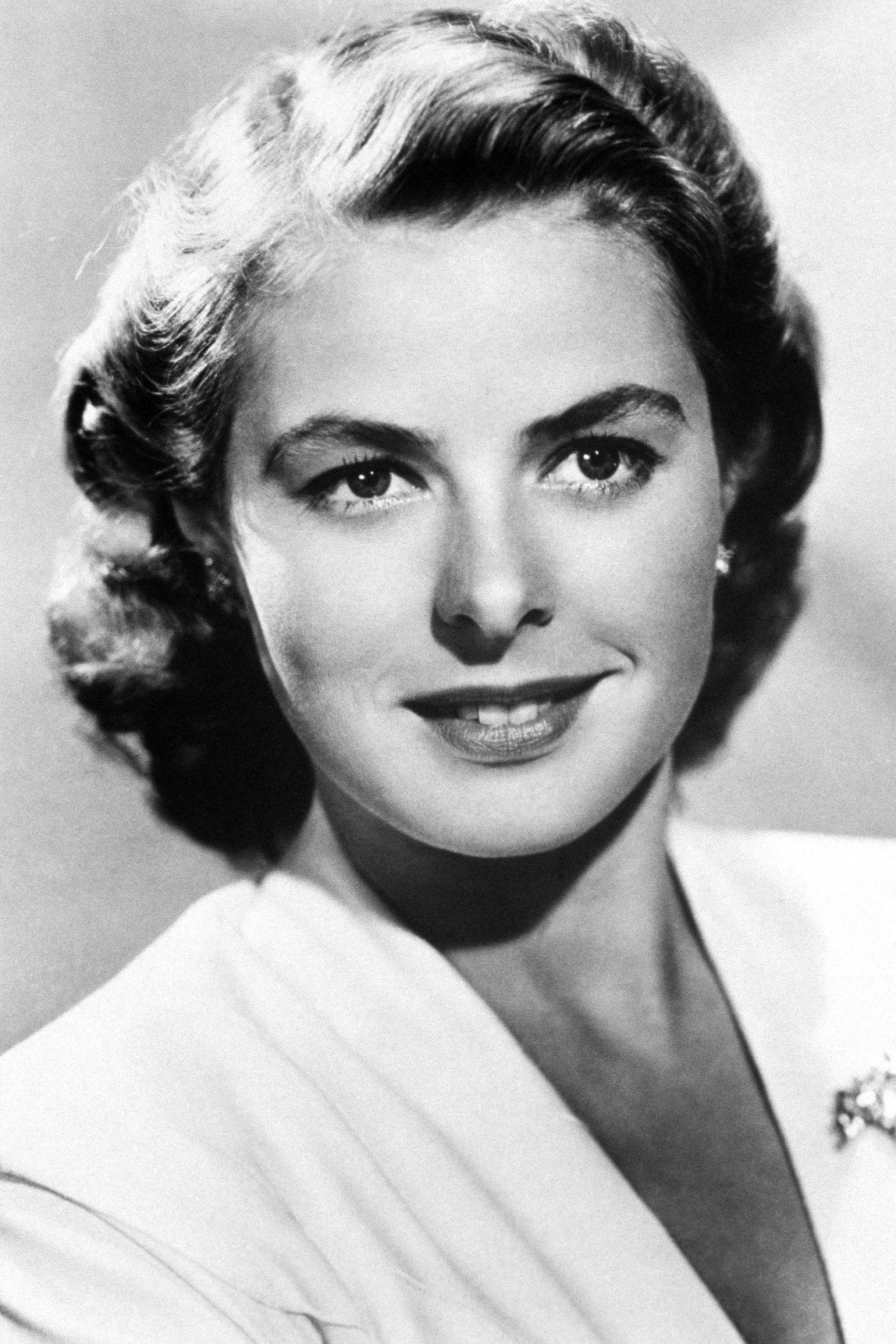
Ingrid Bergman worked in many languages, which made her especially skilled at conveying meaning nonverbally. In films like ‘Casablanca’ and ‘Notorious’ some of the most famous moments are quiet reaction shots as she listens to music or hears unexpected news. Her eyes often fill in the emotional subtext between the lines of dialogue. The combination of natural movement and expressive closeups allowed directors to trust her to carry scenes with very few words.
Jeanne Moreau
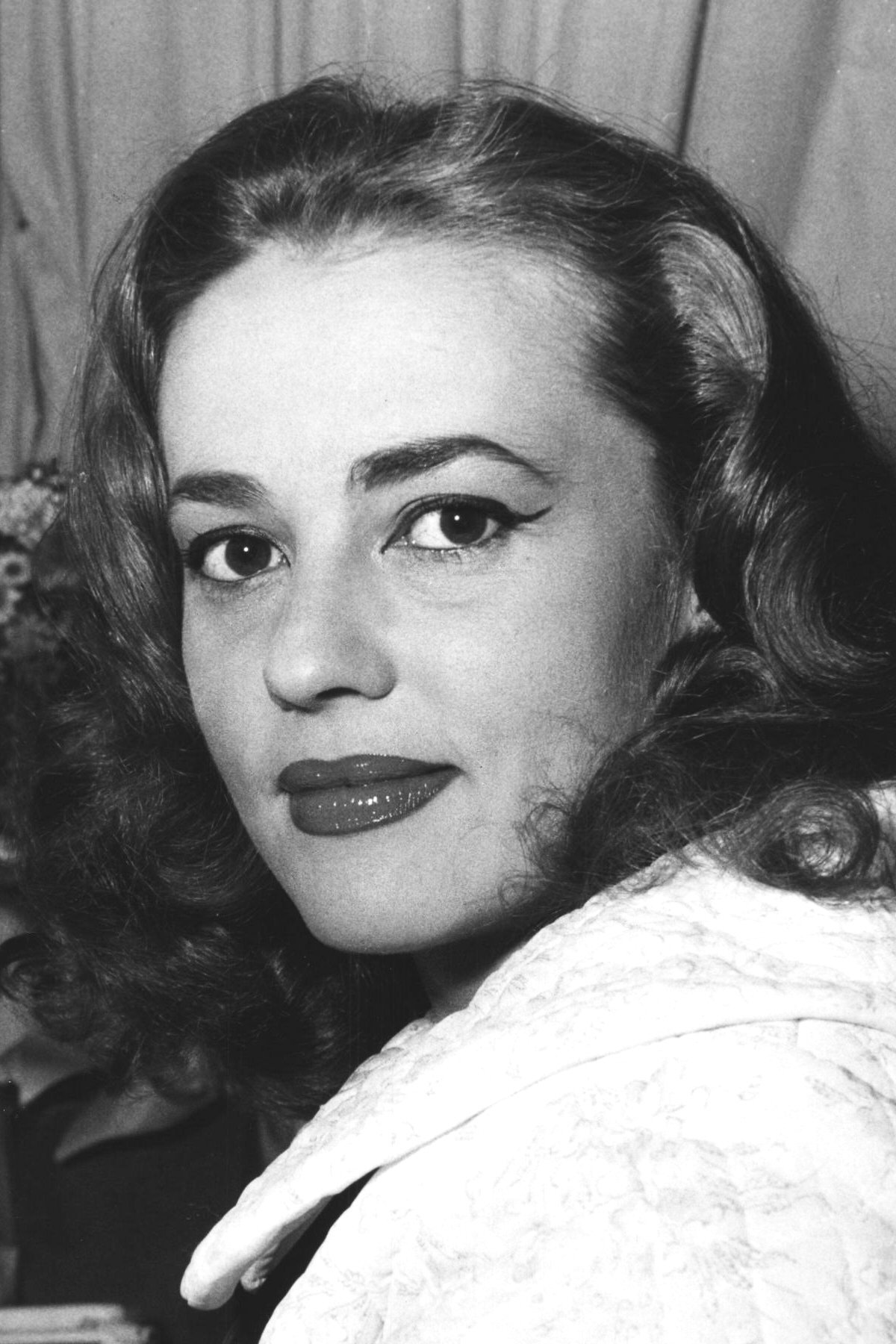
Jeanne Moreau helped define French New Wave cinema, appearing in films such as ‘Jules and Jim’ and ‘Elevator to the Gallows’. In these works, she often spends time walking through cities or sitting alone, accompanied by music rather than conversation. Her thoughtful gaze and relaxed posture give the impression of someone constantly reflecting on her own choices. Many of her characters’ conflicts are internal, so silence becomes the space where viewers see those conflicts play out.
Noomi Rapace
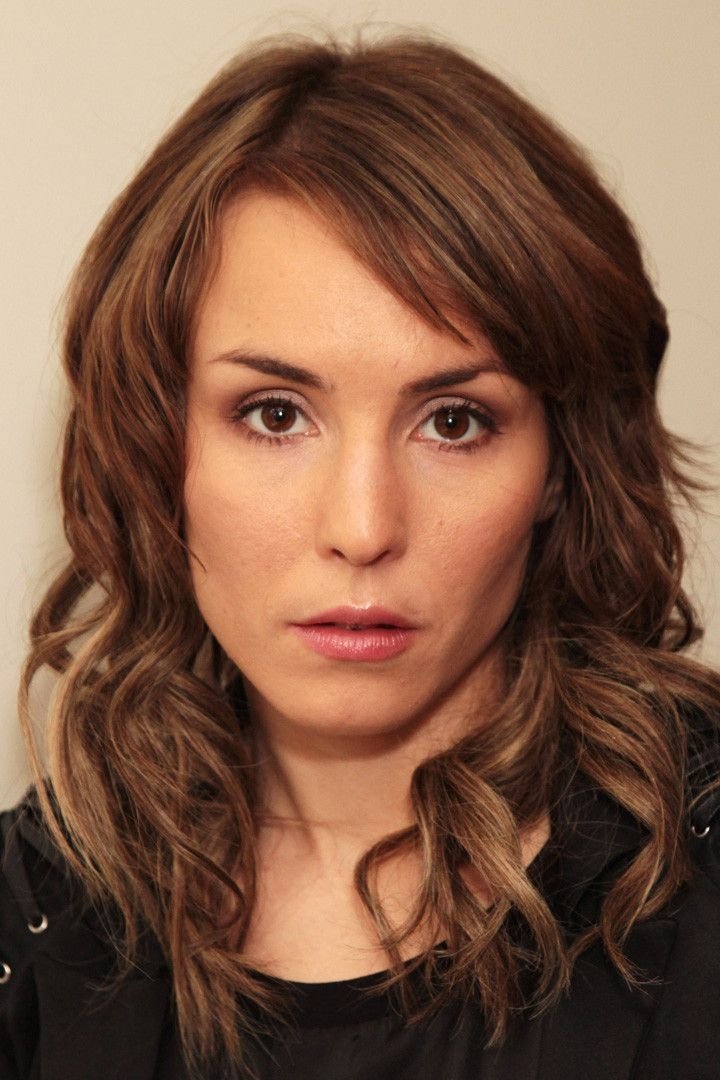
Noomi Rapace’s breakout role in the original ‘The Girl with the Dragon Tattoo’ trilogy involved many scenes where her character refuses to explain herself verbally. Instead, her emotions and decisions appear through how she dresses, sits, and responds physically to threats. She spends extended periods hacking or watching others in silence, with the camera reading tension from her body language. This approach fits a character who communicates better through action than through conversation.
Emily Watson
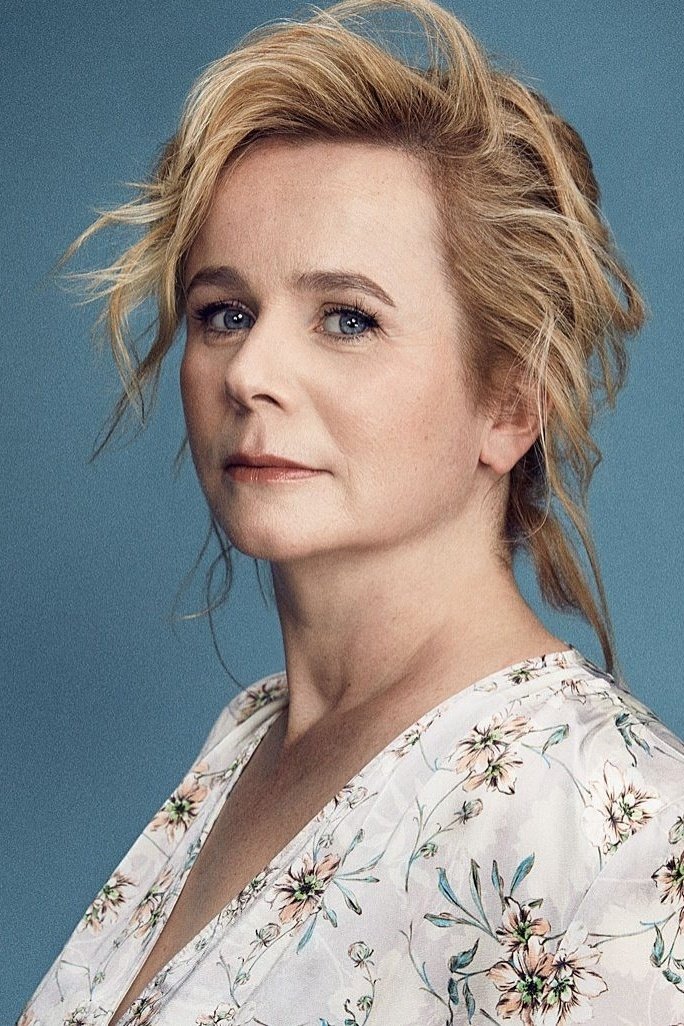
Emily Watson’s performance in ‘Breaking the Waves’ includes long, quiet moments where her character prays, waits, or simply stands in a harsh landscape. The film uses silence to emphasize her spiritual and emotional isolation. Watson’s expressions move quickly between doubt, joy, and despair without needing much dialogue to frame those shifts. Her willingness to sit in stillness while the camera searches her face makes the story feel intimate and immediate.
Mélanie Laurent
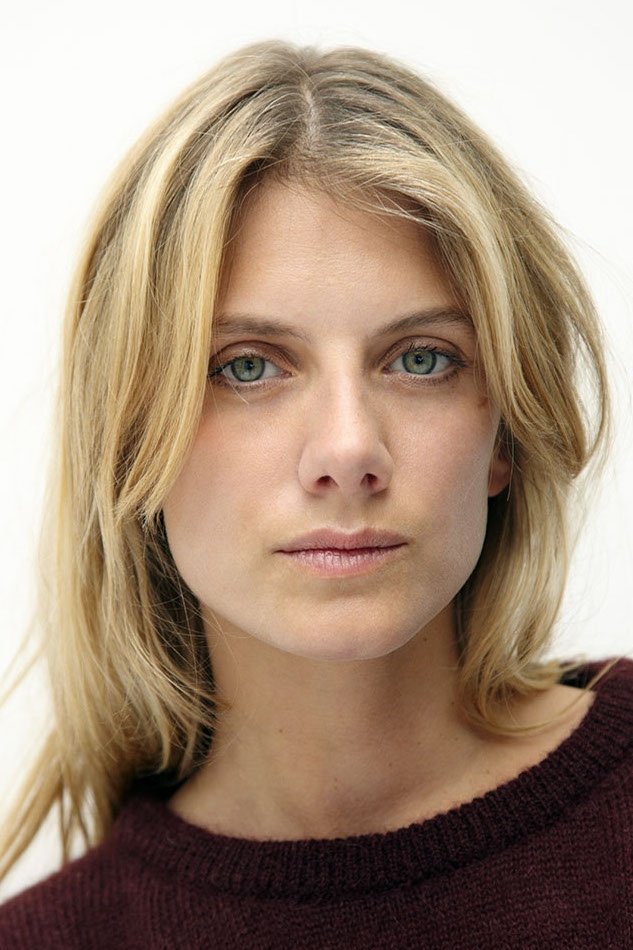
Mélanie Laurent has played numerous roles where silence does as much work as speech, including ‘Inglourious Basterds’ and ‘Enemy’. In ‘Inglourious Basterds’ the opening scene shows her character silently pretending calm while a hidden danger closes in, with her eyes and breathing betraying terror. Later, she plans revenge with very little spoken explanation, using controlled movements and measured reactions to show determination. Her performances often reserve words for key moments and let silence carry the rest.
Now that you have seen some of the actresses who can hold an audience with barely a word, share your favorite silent or low dialogue performances in the comments.

