


Actresses Who Hate Superhero Movies



Superhero movies set box office records and dominate studio schedules, but not everyone in Hollywood is excited about capes and cosmic stakes. Plenty of acclaimed performers have explained that the genre rarely lines up with the kinds of characters they like to explore or the way they prefer to work. Some simply do not enjoy the heavy visual effects and franchise demands. Others worry that giant releases crowd out the kinds of mid-budget projects where they built their careers.
Below are actresses who have openly pushed back on the superhero wave or steered clear of it on purpose. You will find practical details about what they have said or done, along with the kinds of roles and projects they choose instead. Taken together, their comments sketch a clear picture of why the genre is not for everyone and how different paths can thrive alongside mega-budget tentpoles.
Jennifer Aniston
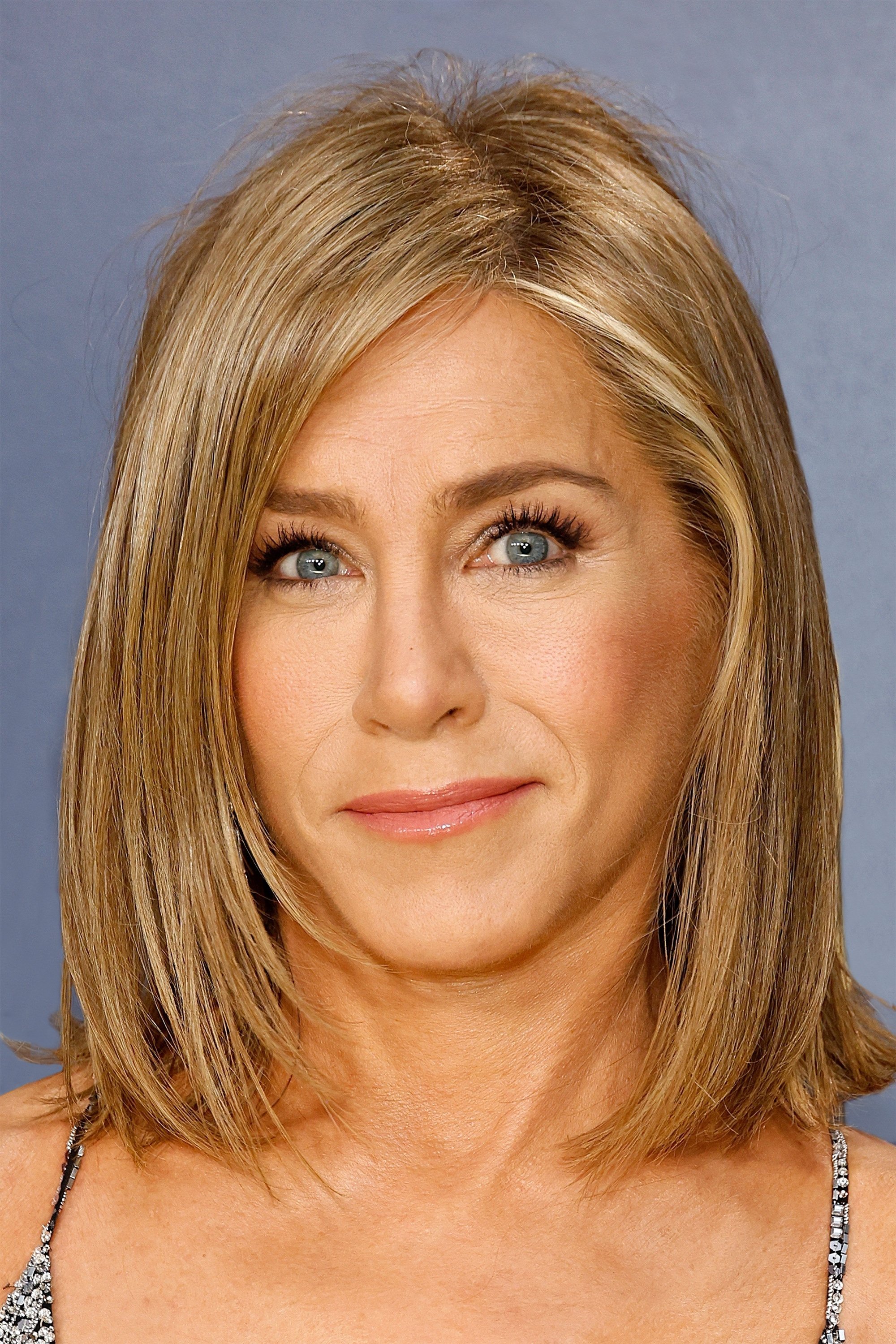
Aniston has repeatedly said she misses a marketplace filled with grounded adult stories and that the current slate of tentpole releases does not appeal to her. She has described looking for scripts that prioritize human scale conflict and character work rather than effects driven spectacle.
She continues to anchor character forward projects on streaming and in theatrical comedies, where she can develop relationships over set pieces. Her choices reflect a steady preference for scripts that live or die on dialogue, timing, and chemistry rather than world building across multiple installments.
Jodie Foster
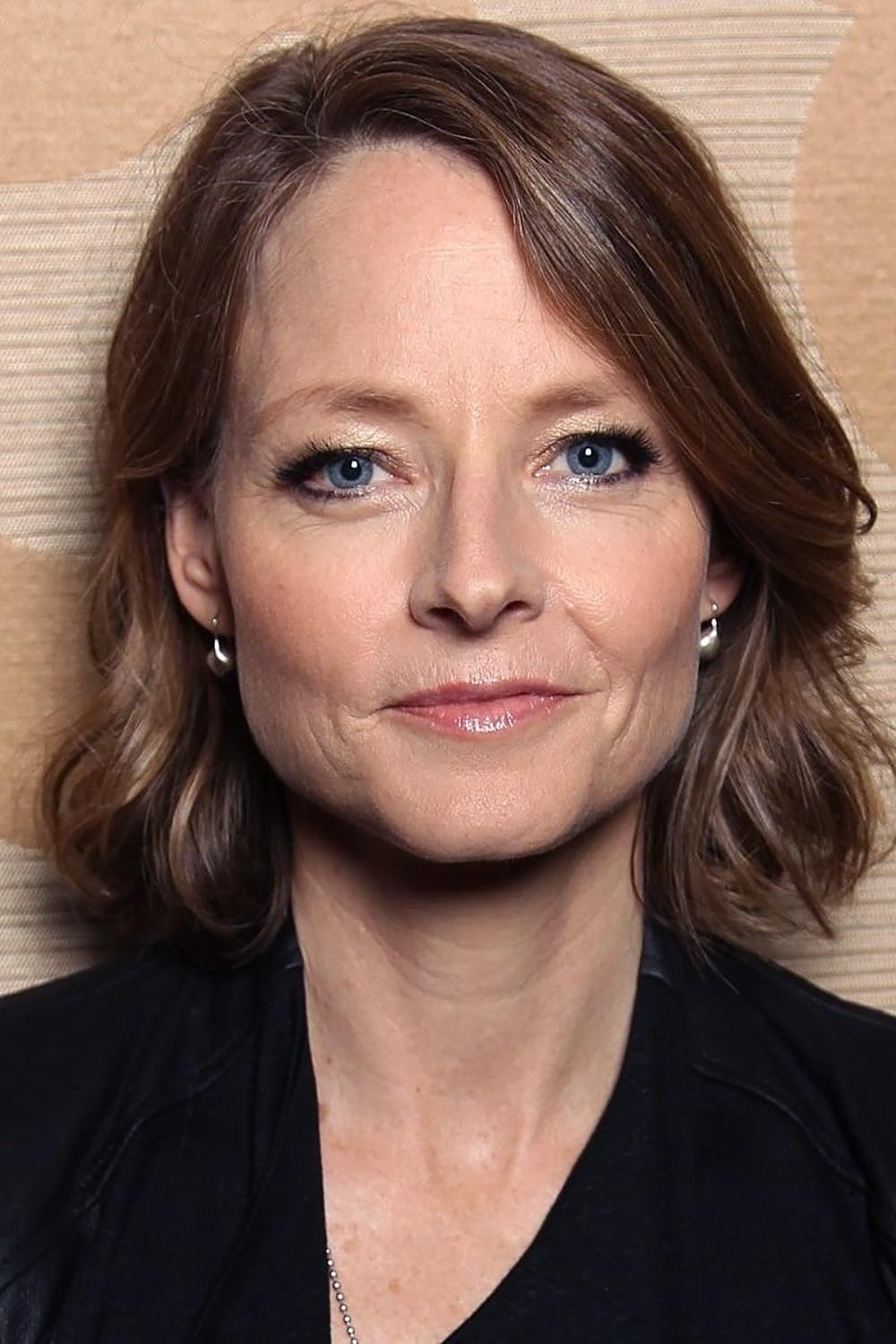
Foster has warned that oversaturation of superhero titles can make audiences less curious about other kinds of movies. She has argued that constant exposure to similar formulas discourages risk and narrows what studios finance.
Her own directing and acting slate emphasizes morally complicated material and intimate stakes. She tends to back projects that rely on performance, structure, and theme rather than shared universes, and she often works with filmmakers who treat genre as a tool for exploring character rather than an end in itself.
Emma Thompson
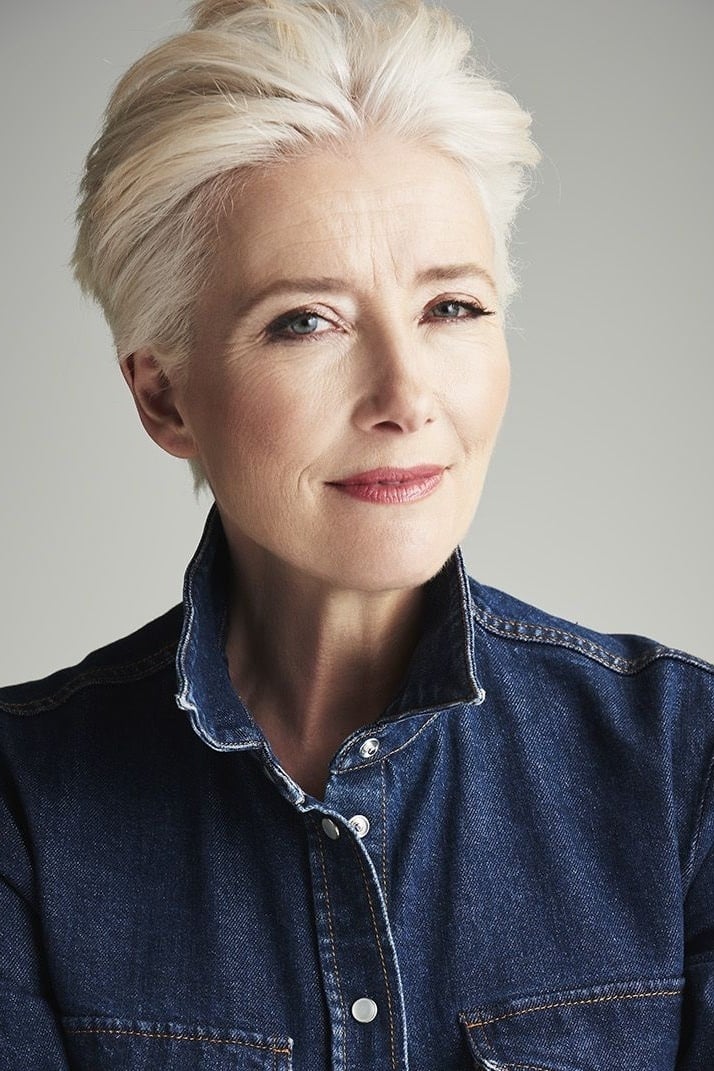
Thompson has been frank about preferring scripts that hinge on language and nuance rather than action heavy plotting. She has said that long franchise commitments are not attractive and that she looks for stories that can be told completely in one film.
Her career demonstrates that preference through a steady run of literary adaptations, relationship dramas, and witty originals. She also champions mid-budget filmmaking, where writers and directors can take swings without the pressure to set up sequels or vast timelines.
Emily Blunt
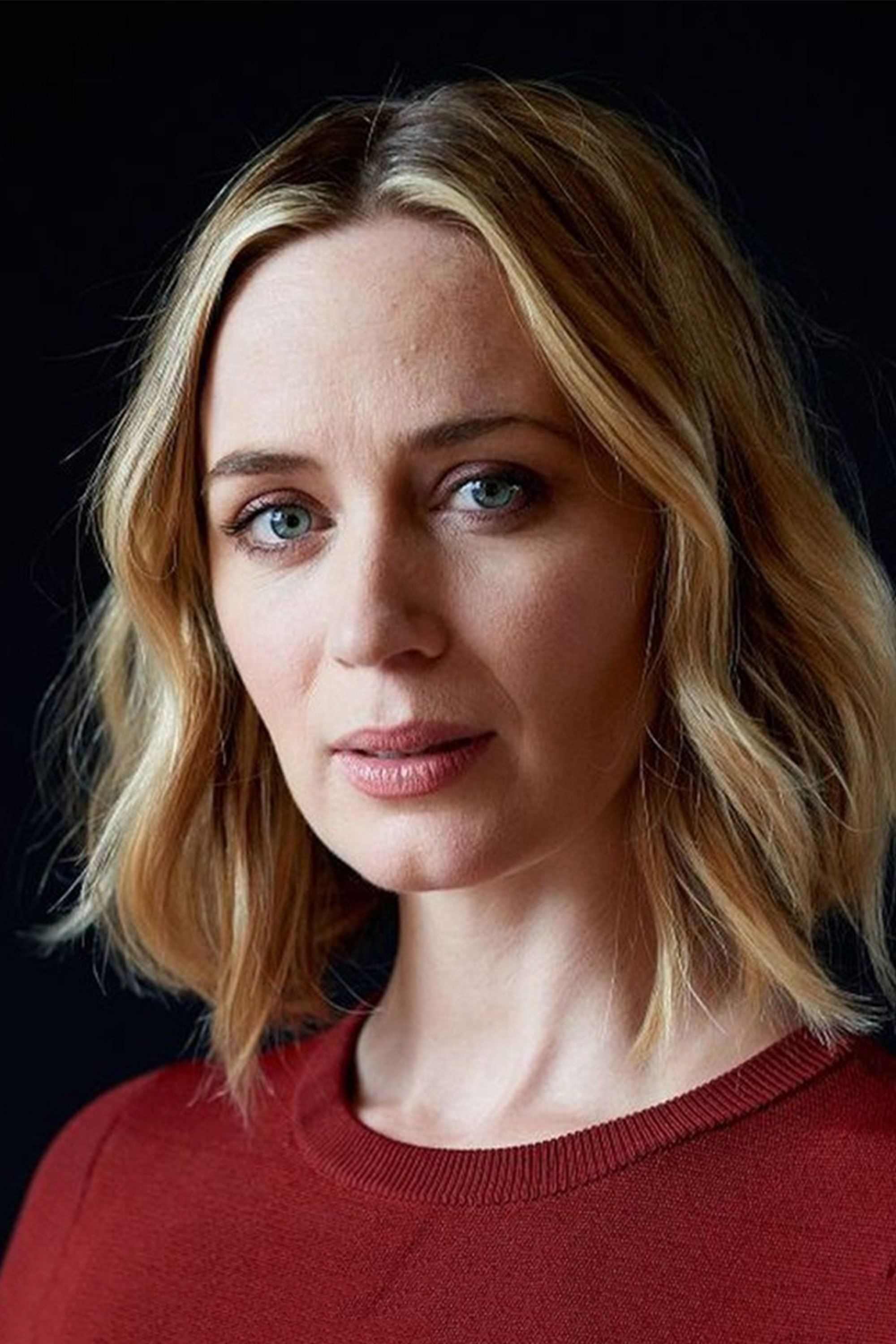
Blunt has explained that capes and spandex are not a fit for her sensibilities and that she is selective about effects heavy roles. She has spoken about wanting parts that feel tangible and human even in heightened situations.
Her filmography tracks that stance, leaning toward muscular thrillers, period adventures, and original sci-fi where character drives the premise. When she does large scale work, it is usually with filmmakers who ground the spectacle in practical action and performance first.
Amanda Seyfried
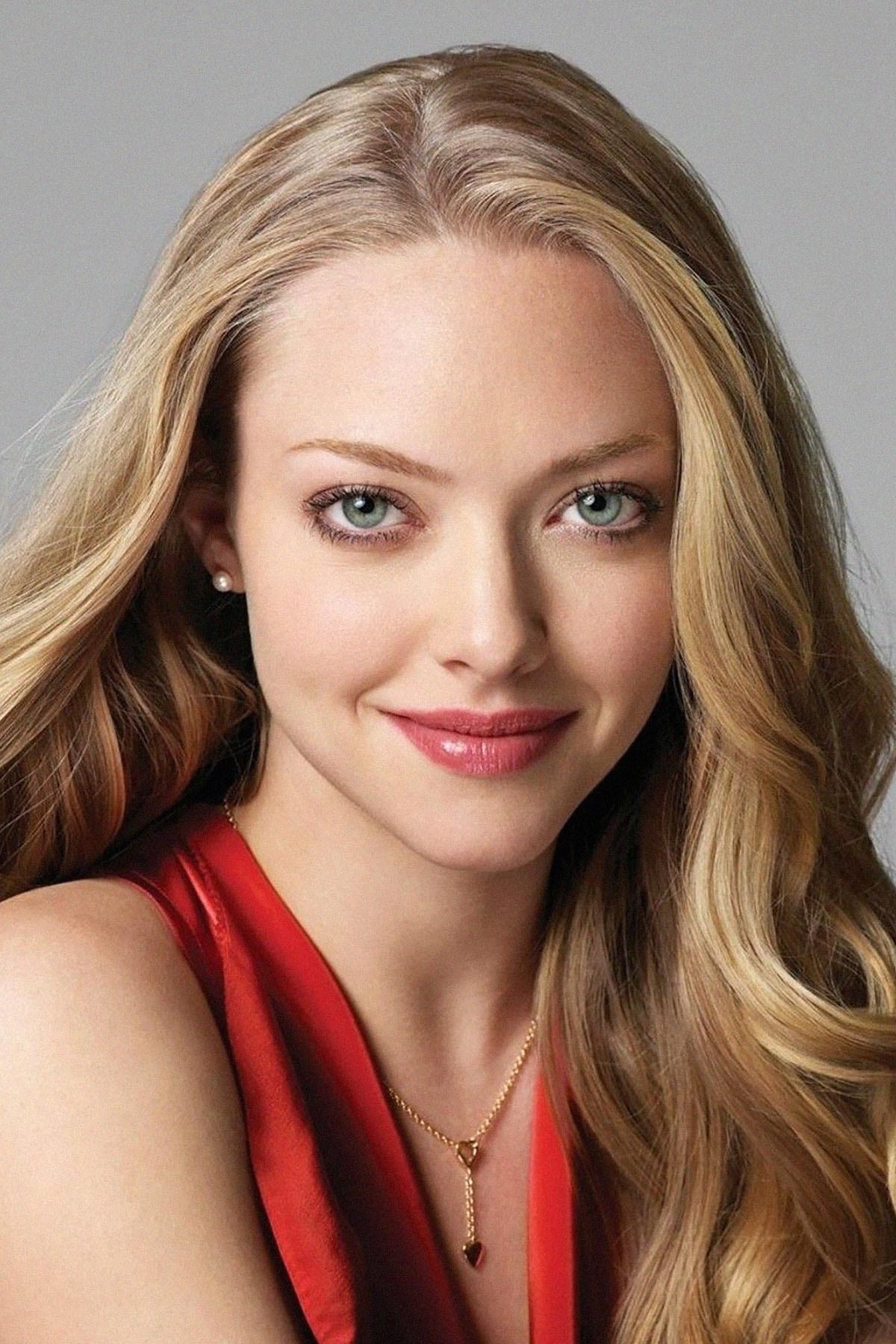
Seyfried has said she passed on a major superhero project because she was not excited about extensive green screen work. She also noted that the genre requires a kind of commitment and enthusiasm she did not feel at the time.
She keeps choosing roles that emphasize intimacy and specificity, from offbeat indies to prestige limited series. The throughline is an interest in complex women with interior lives rather than archetypal heroes or villains built to serve a franchise arc.
Sally Field
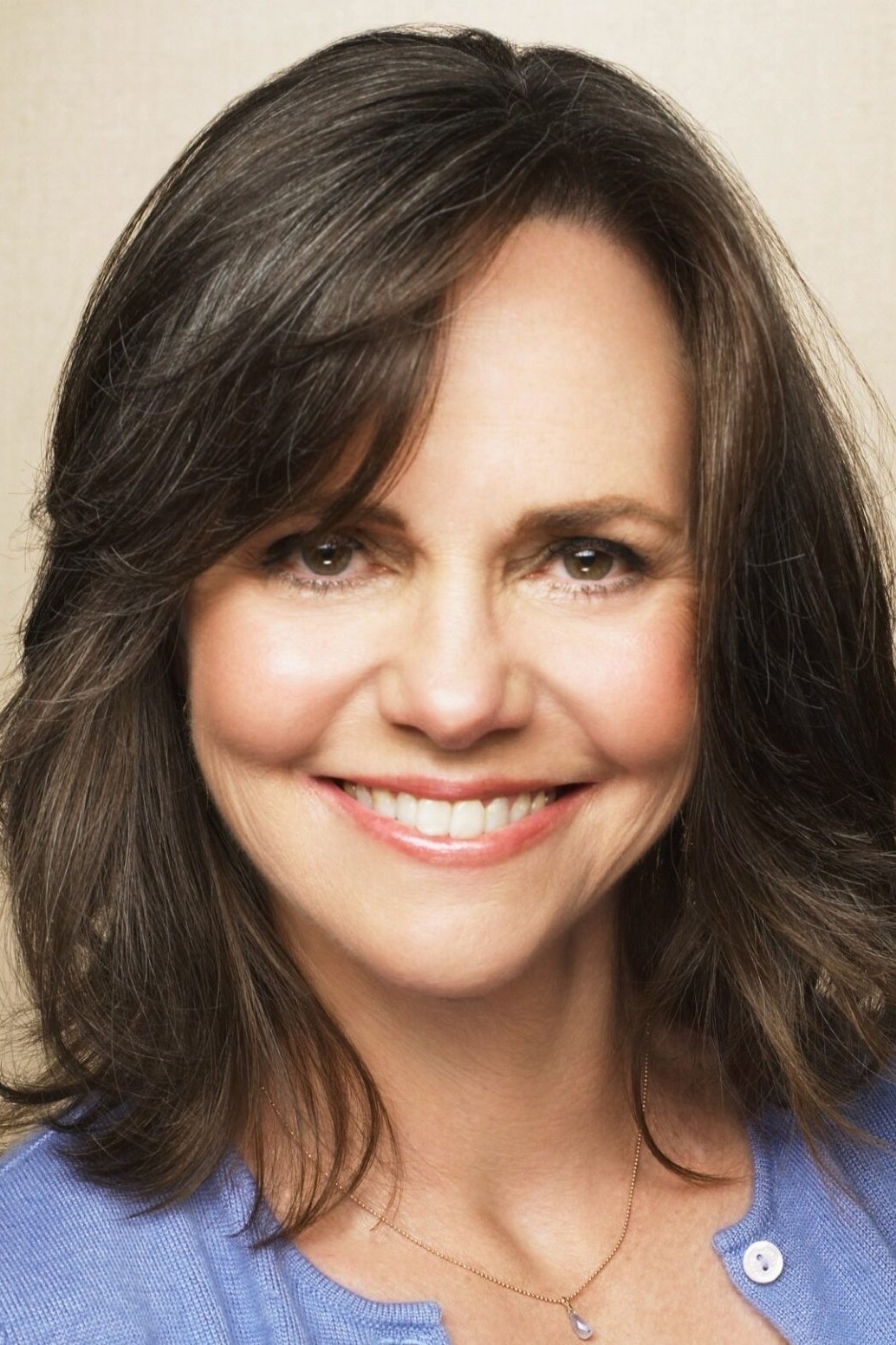
Field has been clear that supporting roles in superhero properties can feel thin on the page. She has described looking for scripts where even side characters have agency and room to breathe.
Her work continues to favor prestige dramas and character pieces where she can shape a person’s entire emotional journey. She often collaborates with writer directors who build scenes around behavior and subtext rather than large visual beats.
Kirsten Dunst
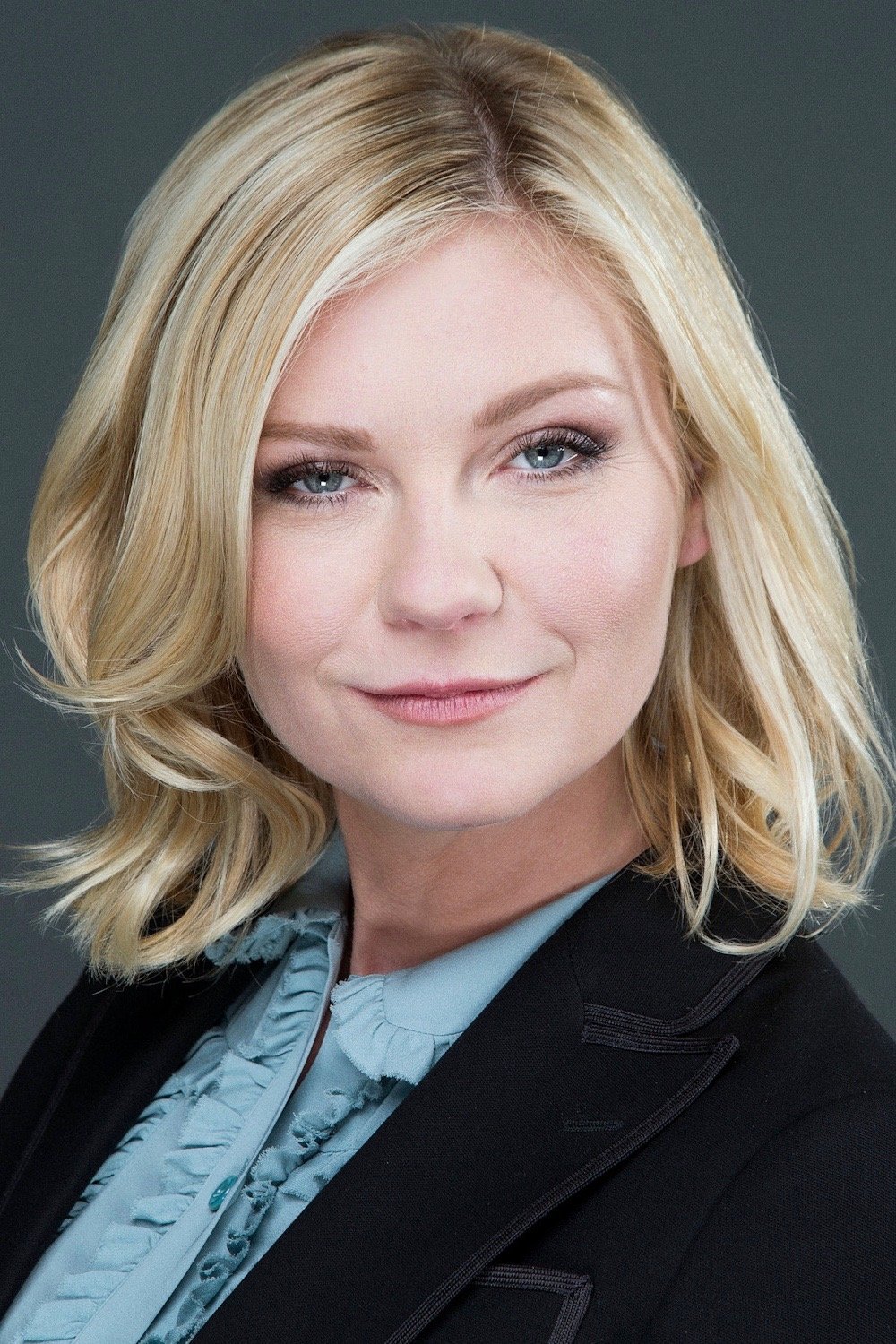
Dunst has spoken about superhero dominance squeezing the space for unusual, director led films. She prefers projects where tone and texture are as important as plot mechanics, and she has praised filmmakers who take small swings that feel personal.
Her choices lean into haunting dramas, period stories, and playful experiments that stand apart from franchise demands. She frequently teams with auteurs who build movies around atmosphere and performance instead of serialized storytelling.
Juliette Binoche
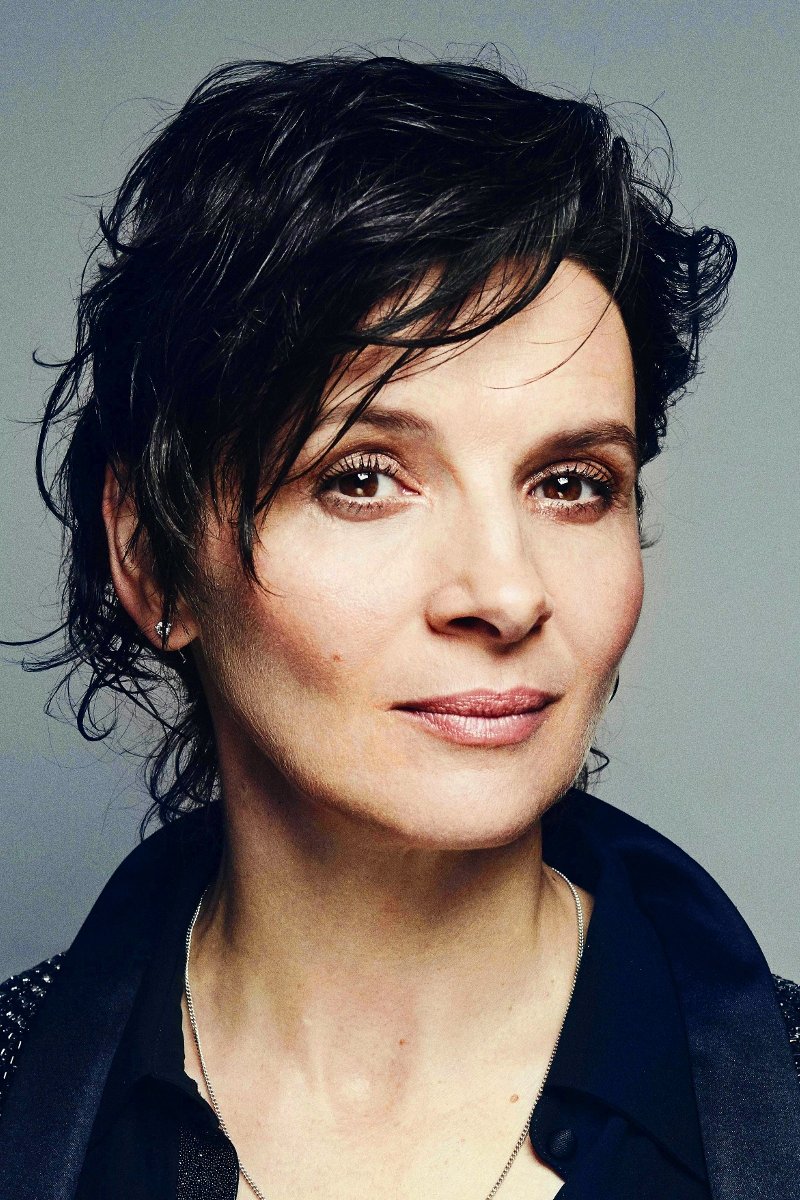
Binoche has said the pull of superhero franchises does not align with her interests and that she seeks cinematic language rooted in bodies, faces, and silence rather than effects. She views film as an art that thrives on detail and presence.
Her body of work remains anchored in European auteur cinema and carefully chosen English language projects. She gravitates toward directors who sculpt emotion through framing and rhythm, the opposite of the rapid cutting and spectacle common to superhero tentpoles.
Kristen Stewart
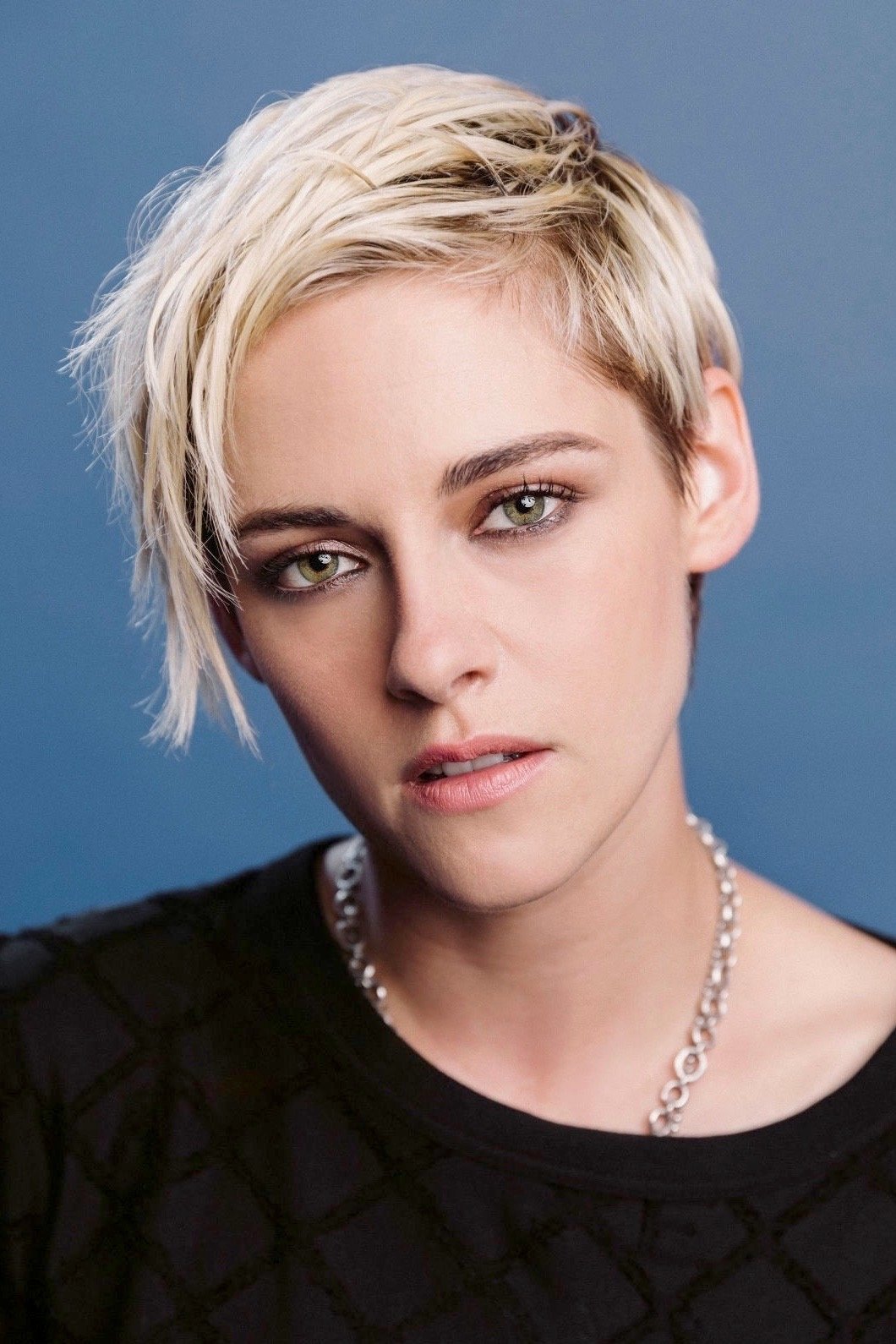
Stewart has explained that she is not drawn to the standard superhero playbook and that she prefers movies where she can experiment with form and character. She has emphasized the importance of trusting idiosyncratic voices over established formulas.
Her slate shows a pattern of intimate thrillers, queer romances, and boundary pushing dramas. Even when she explores genre, she picks projects that twist expectations rather than follow the beats associated with caped heroes.
Ruth Wilson
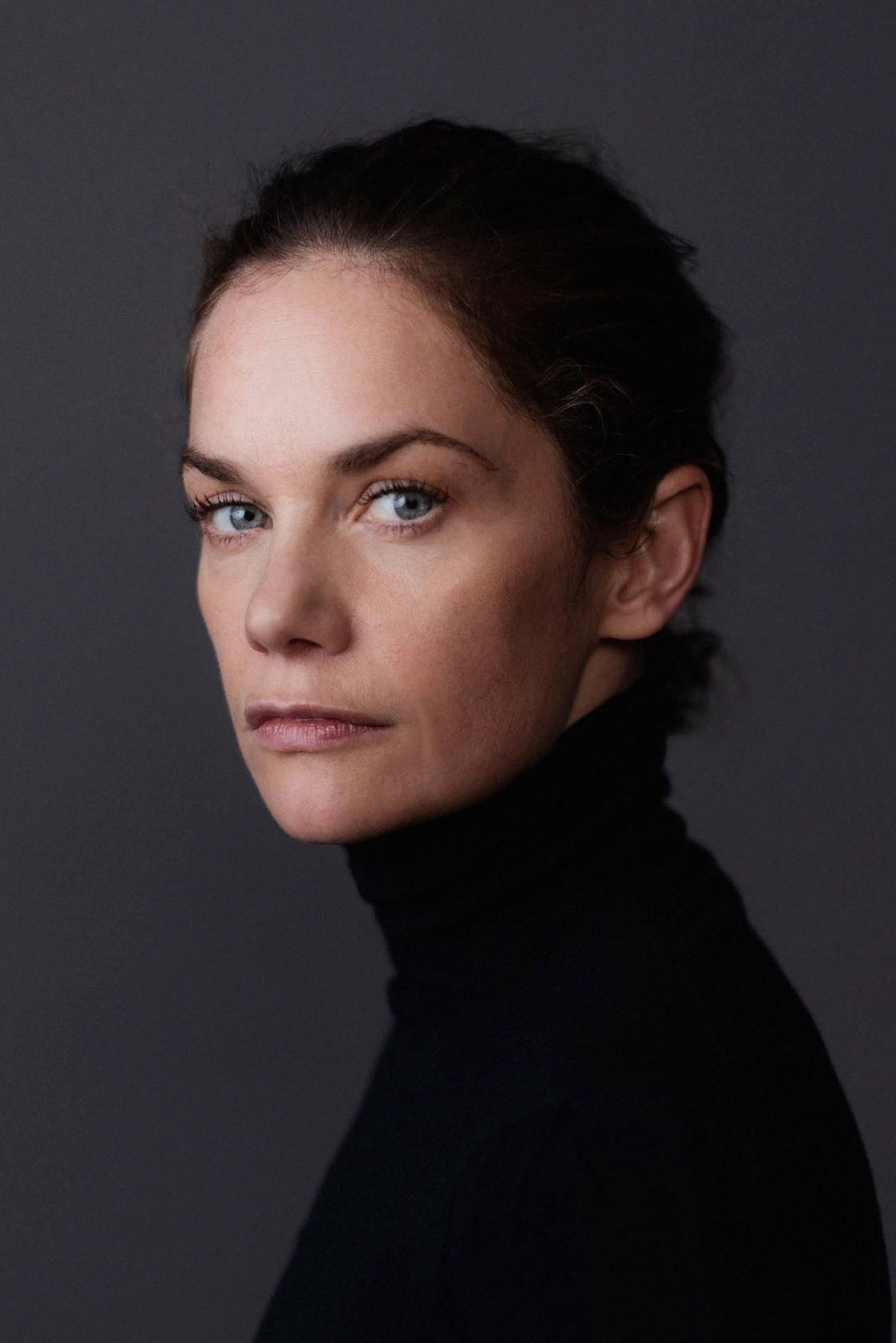
Wilson has stated that superhero roles rarely offer the ambiguity she likes to explore. She looks for characters with contradictions and secrets, and she favors narratives that do not telegraph every turn.
Her work on stage and screen skews toward psychological tension and morally gray territory. By prioritizing those qualities, she sidesteps offers that would tie her to a uniformed persona across multiple films.
Isabelle Huppert
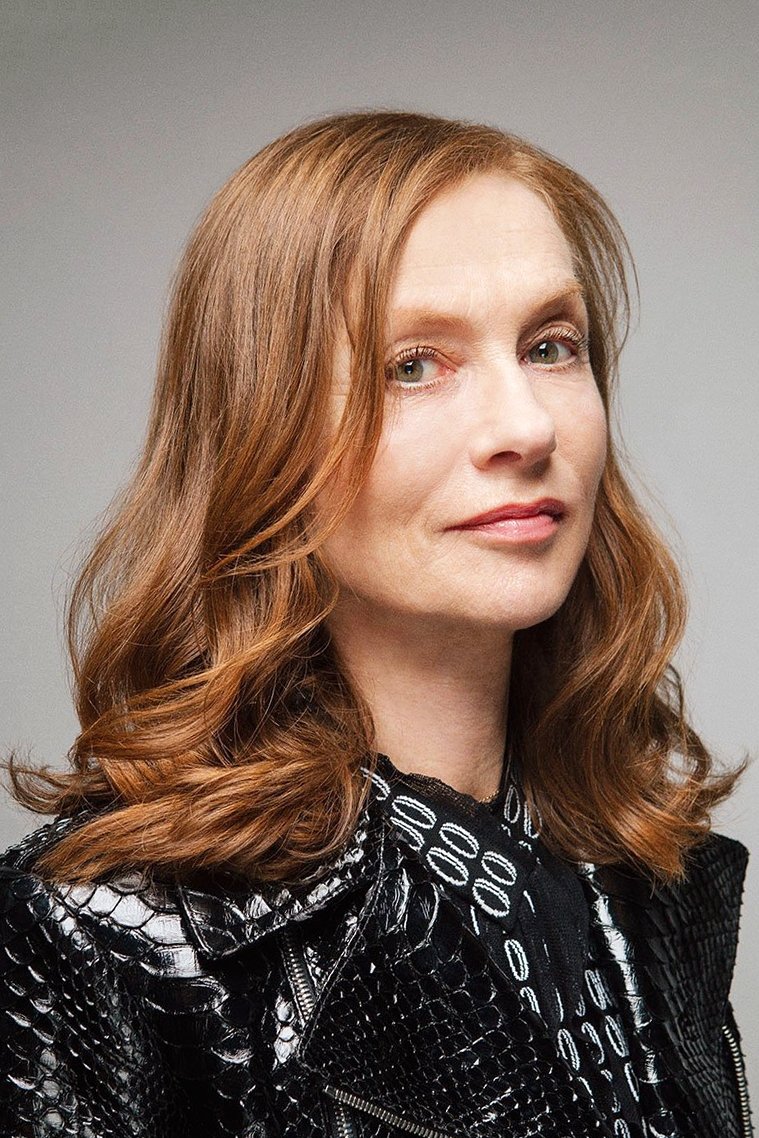
Huppert has said that franchise oriented productions do not interest her and that she prefers filmmakers who invite discovery in the moment. She sees performance as a live wire rather than something built to hit predetermined beats.
Her career remains a tour through director driven cinema, often in stories that resist neat resolution. That orientation leaves little room for superhero templates, which tend to standardize character journeys for maximum universality.
Bette Midler
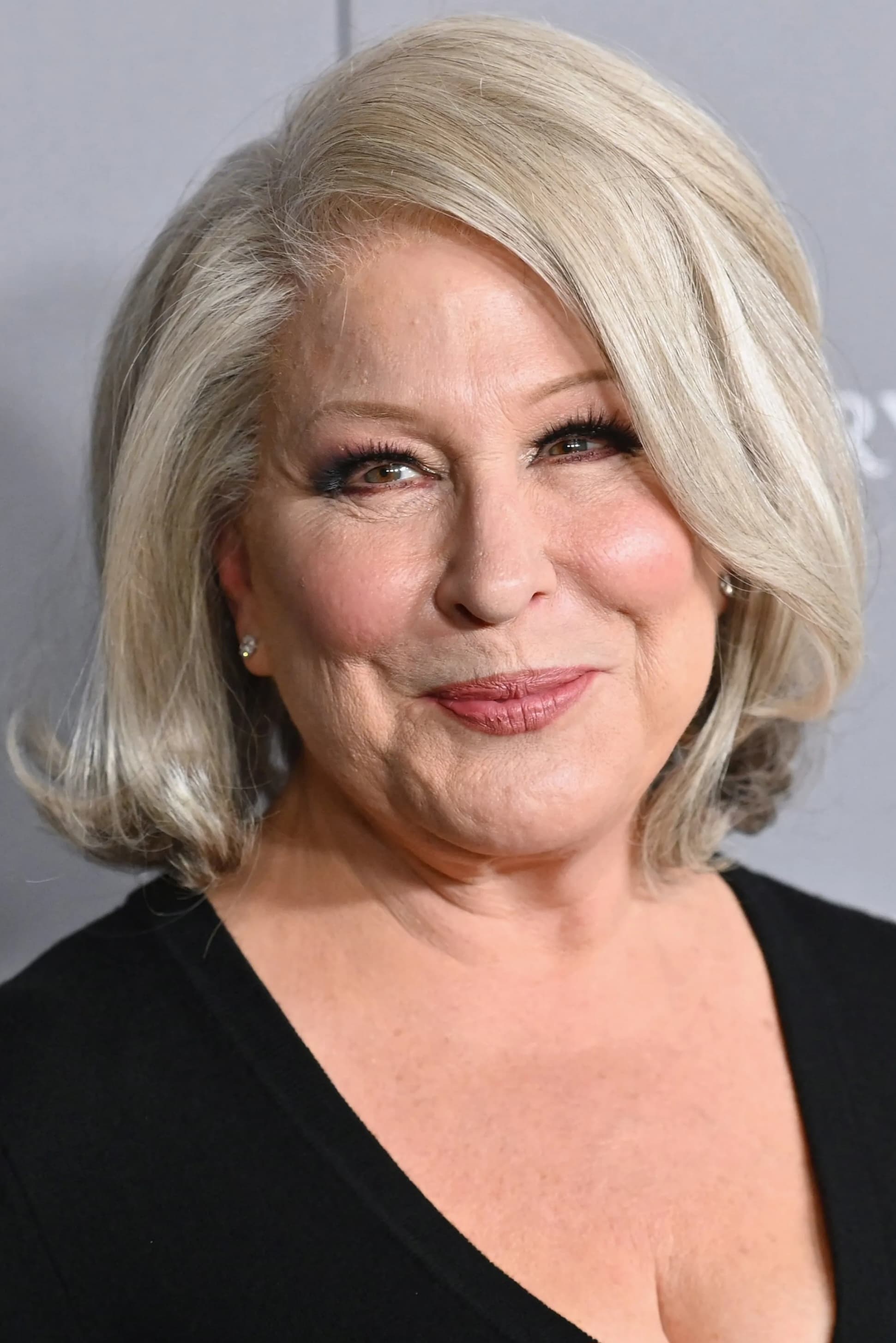
Midler has remarked that superhero saturation makes the movie landscape feel repetitive to her. She has questioned whether endless iterations leave room for musical storytelling and comedic invention on a theatrical scale.
She continues to invest her time in music forward projects, specials, and character comedies. The emphasis is on personality and performance craft rather than the choreography of large visual effects sequences.
Amanda Peet
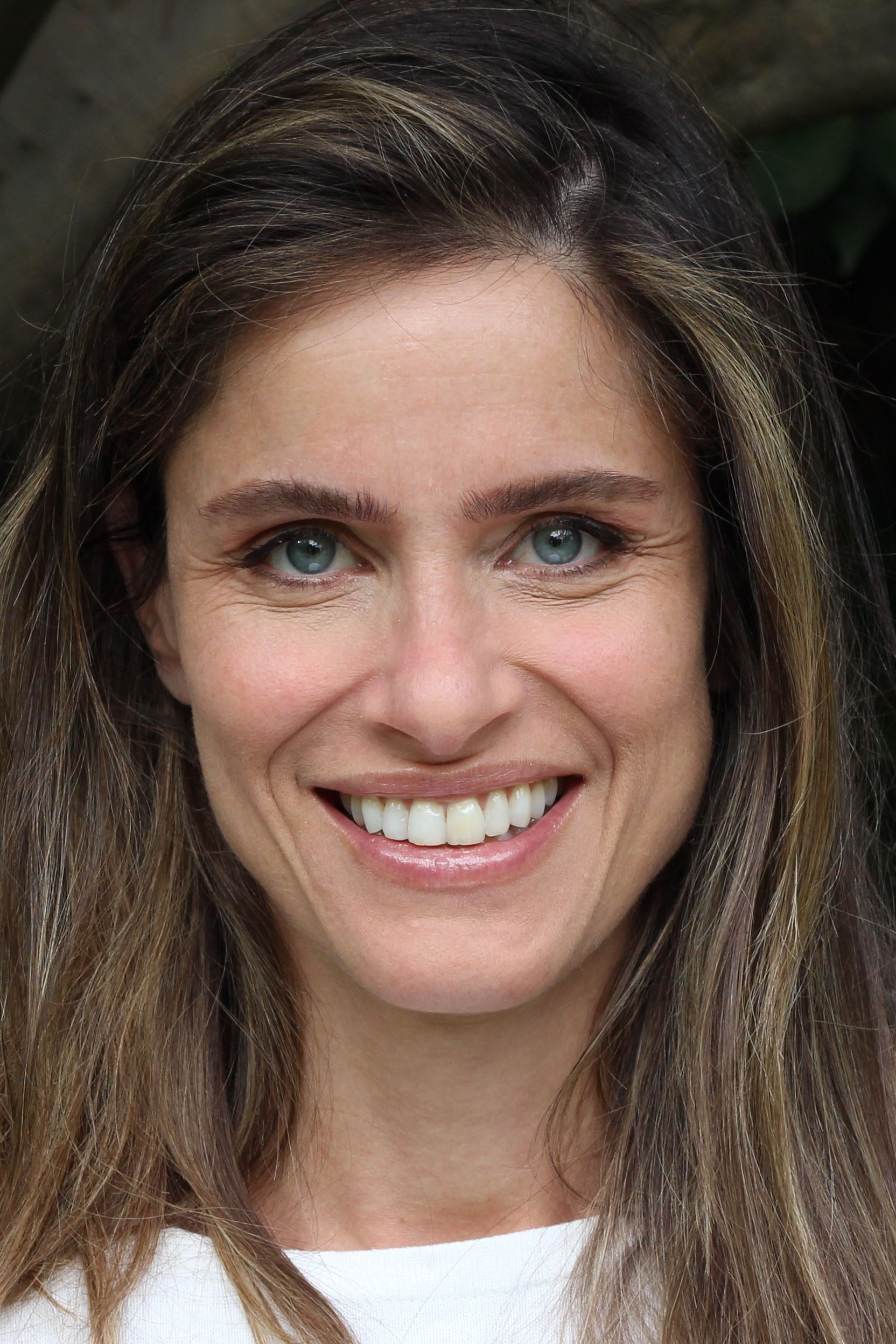
Peet has openly said she does not enjoy superhero movies and would rather watch and make romantic comedies and adult dramas. She has championed the return of smart mid-range stories that do not rely on mythology or superpowers.
Her creative output reflects that advocacy, including television ensembles and writer led features that live in recognizable worlds. She supports scripts that depend on timing, wit, and observation instead of franchise connective tissue.
Saoirse Ronan
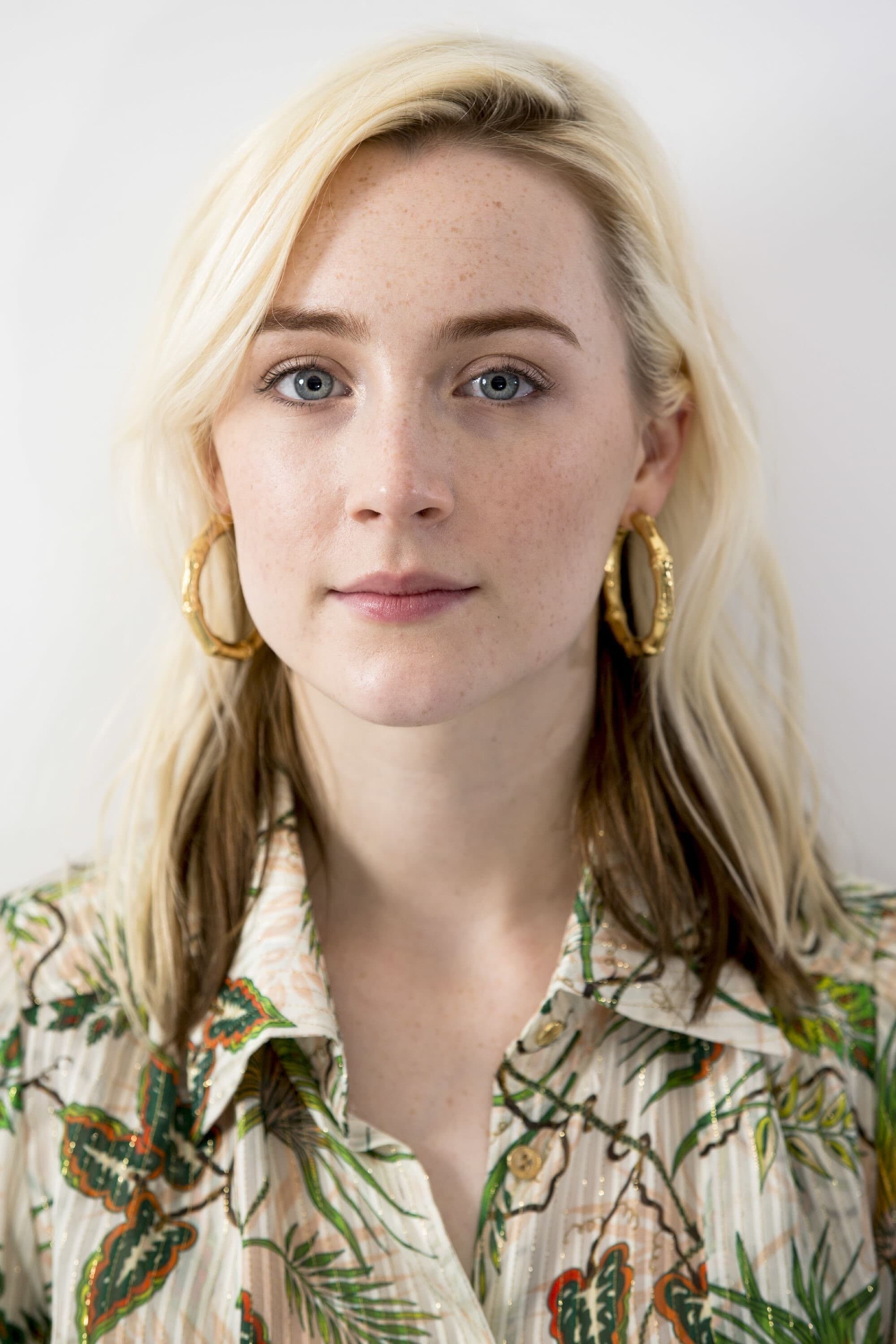
Ronan has indicated that long running franchise commitments do not line up with how she likes to build a career. She prefers projects that let her reset with each role and avoid repetition.
Her selections consistently favor literary adaptations, historical pieces, and contemporary dramas that stand alone. By staying mobile between tones and eras, she sidesteps the genre that most often locks actors into multi-picture deals.
Keira Knightley
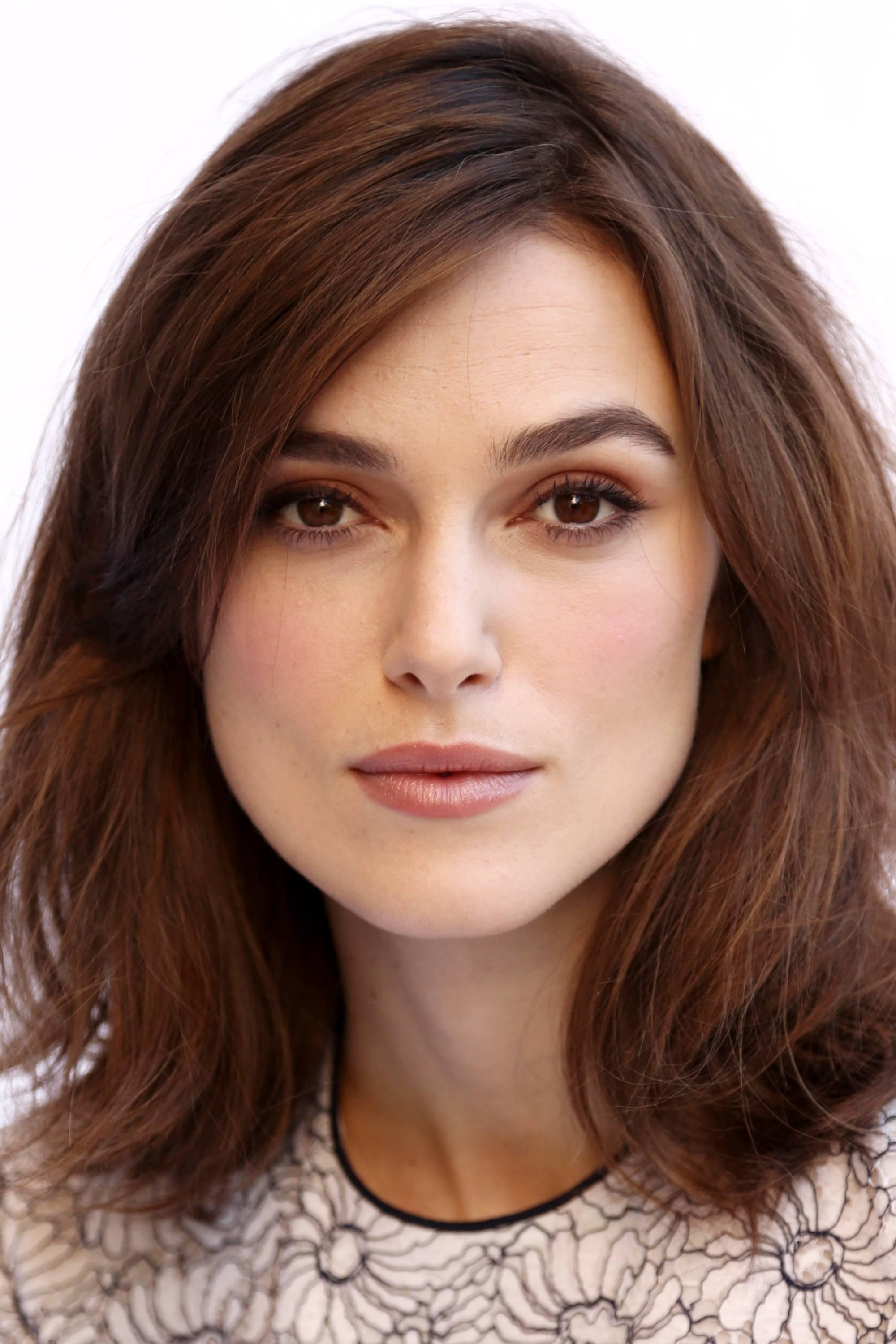
Knightley has said she is not especially drawn to superhero storytelling and that she prefers period material and contemporary dramas where the physical world does most of the work. She has emphasized the pleasure of inhabiting tactile spaces.
Her credits skew toward productions with practical sets and location shooting. This approach keeps her far from the heavy compositing and uniform visual grammar that define many superhero releases.
Carey Mulligan
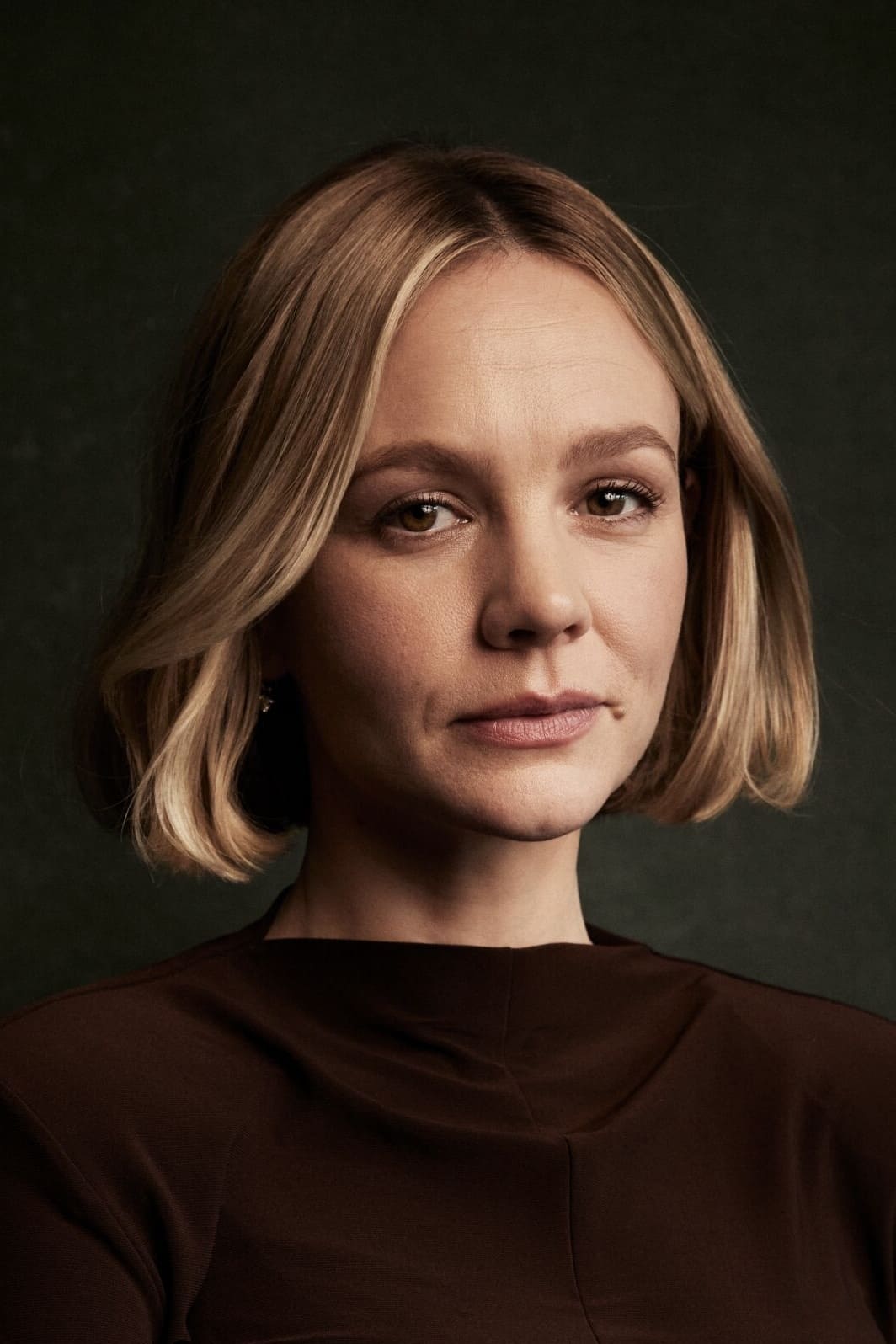
Mulligan has explained that she looks for material with sharp social observation and layered subtext. She has expressed little interest in roles built around powers or mythology.
Her projects often interrogate gender, class, or trauma through carefully calibrated performances. That focus is hard to reconcile with the broad archetypes common in superhero ensembles, so she chooses films where quieter choices carry the story.
Kate Winslet
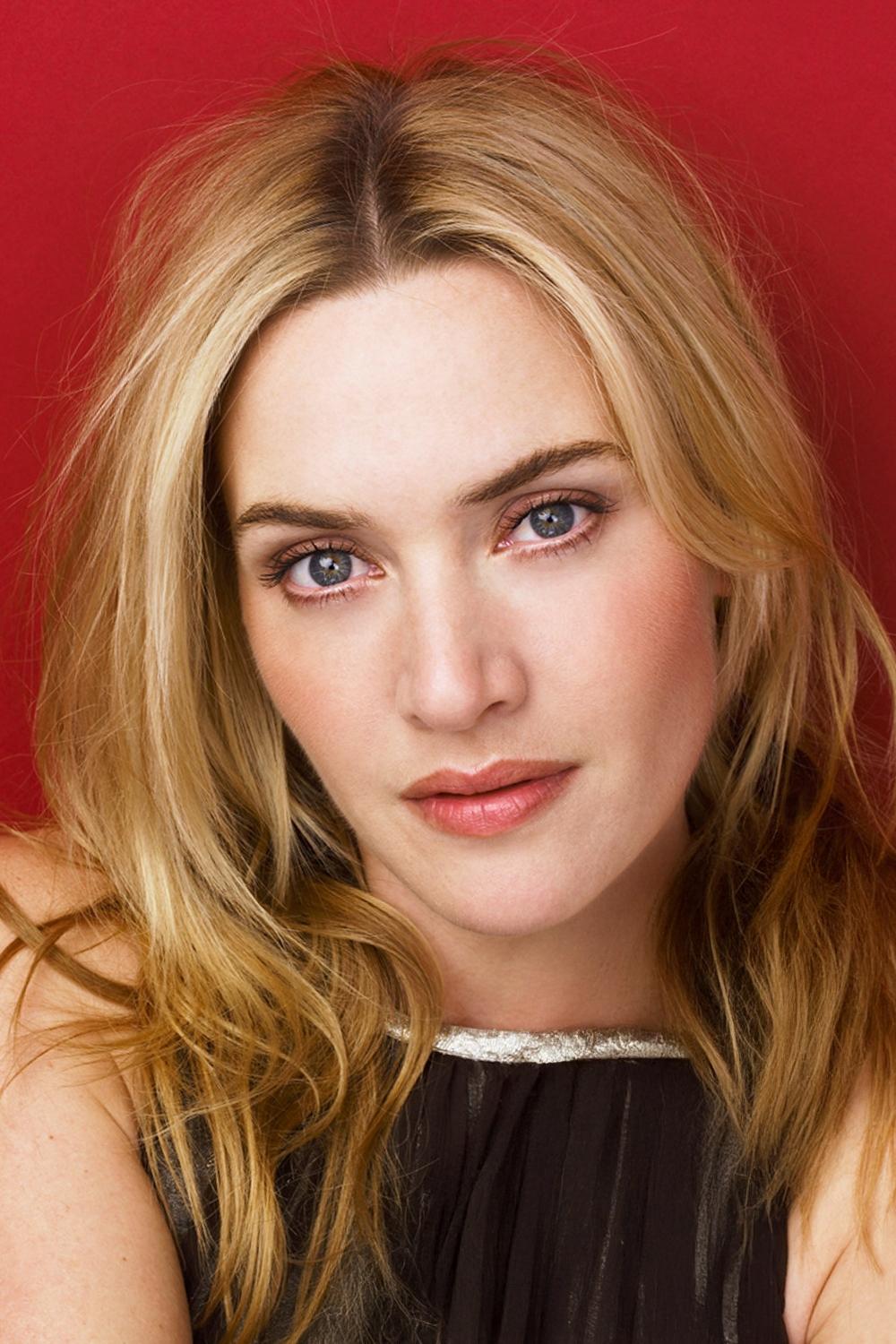
Winslet has noted that superhero franchises rarely offer the messy, flawed people she likes to play. She prizes scripts that let characters contradict themselves and grow in unexpected directions.
Her work continues to center on human scale stakes in both film and limited series. She tends to collaborate with writers who build tension from behavior rather than battles, which keeps her away from caped universes.
Diane Keaton
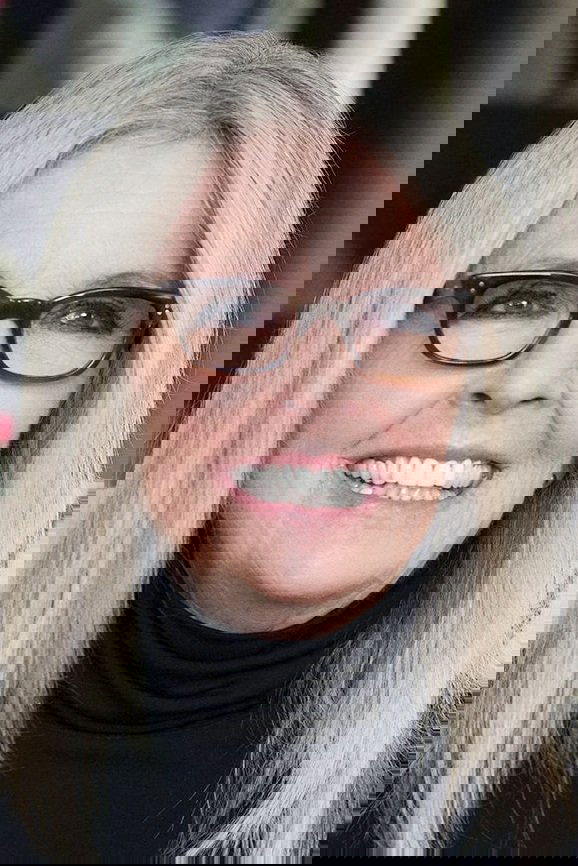
Keaton has signaled that she prefers eccentric, character first comedies and intimate dramas over high concept franchises. She has shown little appetite for the tone and structure typical of superhero plots.
Her ongoing projects play to that strength, highlighting offbeat relationships and everyday predicaments. The emphasis on specificity and timing leaves little room for the mythic scale expected in superhero fare.
Rooney Mara
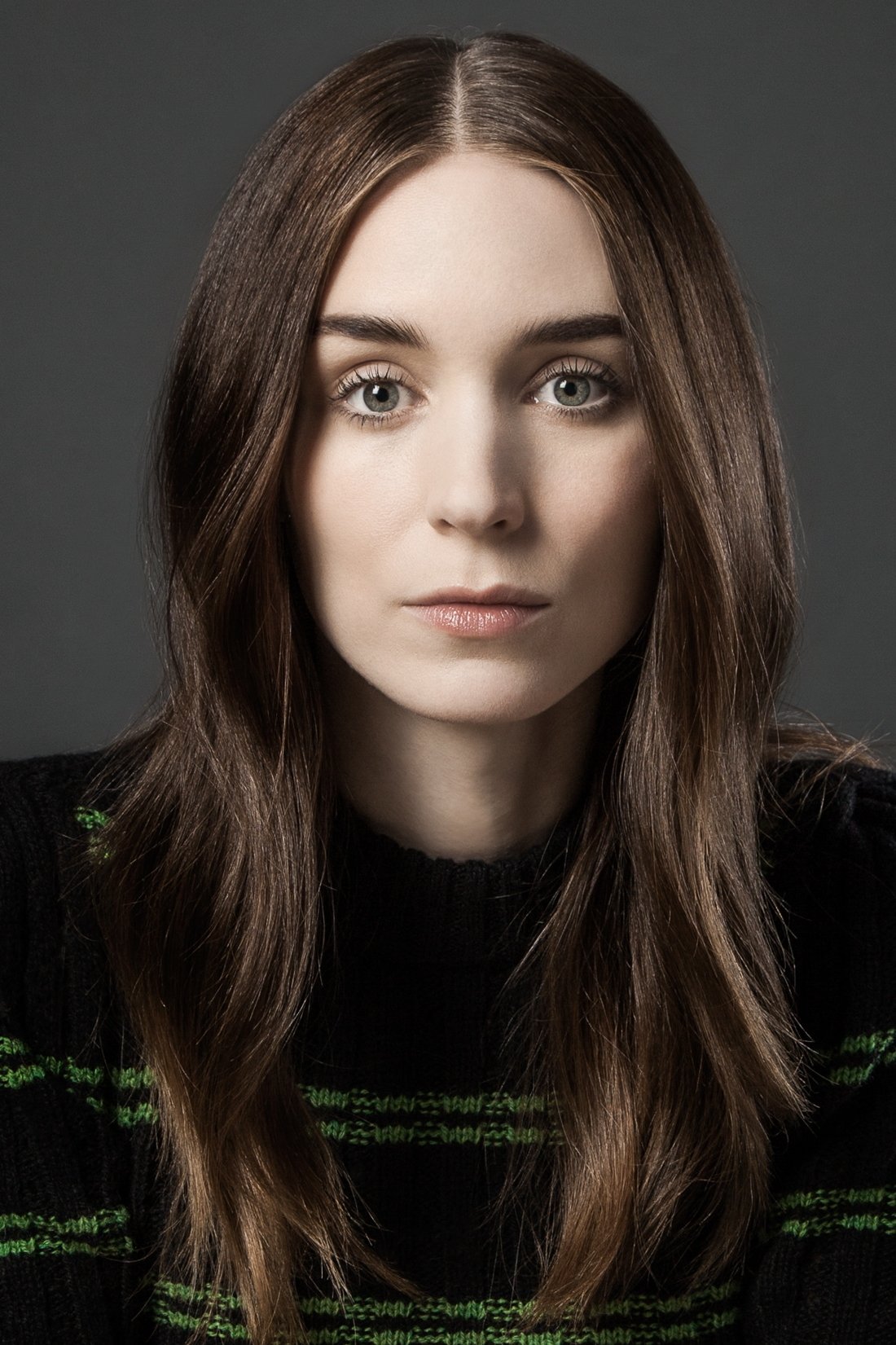
Mara has said she is careful about large scale commitments and gravitates toward directors with singular voices. She has not pursued roles that would anchor her to a multi-film superhero arc.
Her career features haunting indies and precise auteur collaborations where subtle choices matter more than spectacle. That landscape offers the creative control she values without the obligations attached to shared universes.
Tilda Swinton

Swinton has spoken about preferring projects that reinvent form and resist categorization. While she has appeared inside comic inspired worlds, she has also described minimal interest in conventional superhero beats.
She largely seeks out artists who treat cinema as a laboratory, which tends to pull her toward experiments, hybrids, and intimate oddities. Even when scale enters the picture, her focus is on ideas rather than codified hero journeys.
Jessica Lange
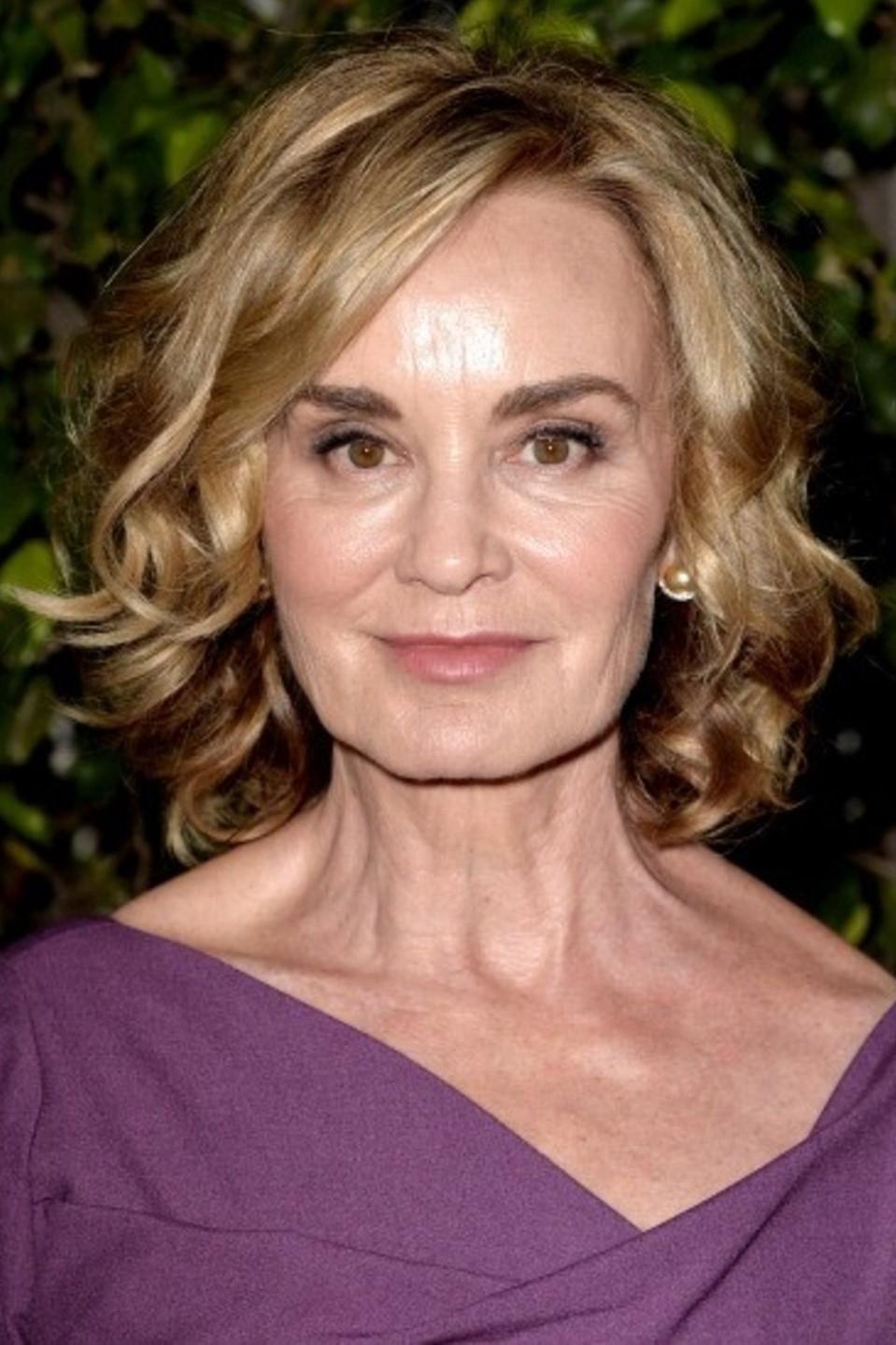
Lange has expressed skepticism about spectacle driven storytelling on television and in film, noting that character complexity often gets flattened. She has said she looks for roles that feel dangerous and alive.
Her choices continue to gravitate toward performances that carry entire narratives without the cushion of effects. That taste leaves her outside most superhero casting matrices, which prioritize larger plot machinery.
Toni Collette
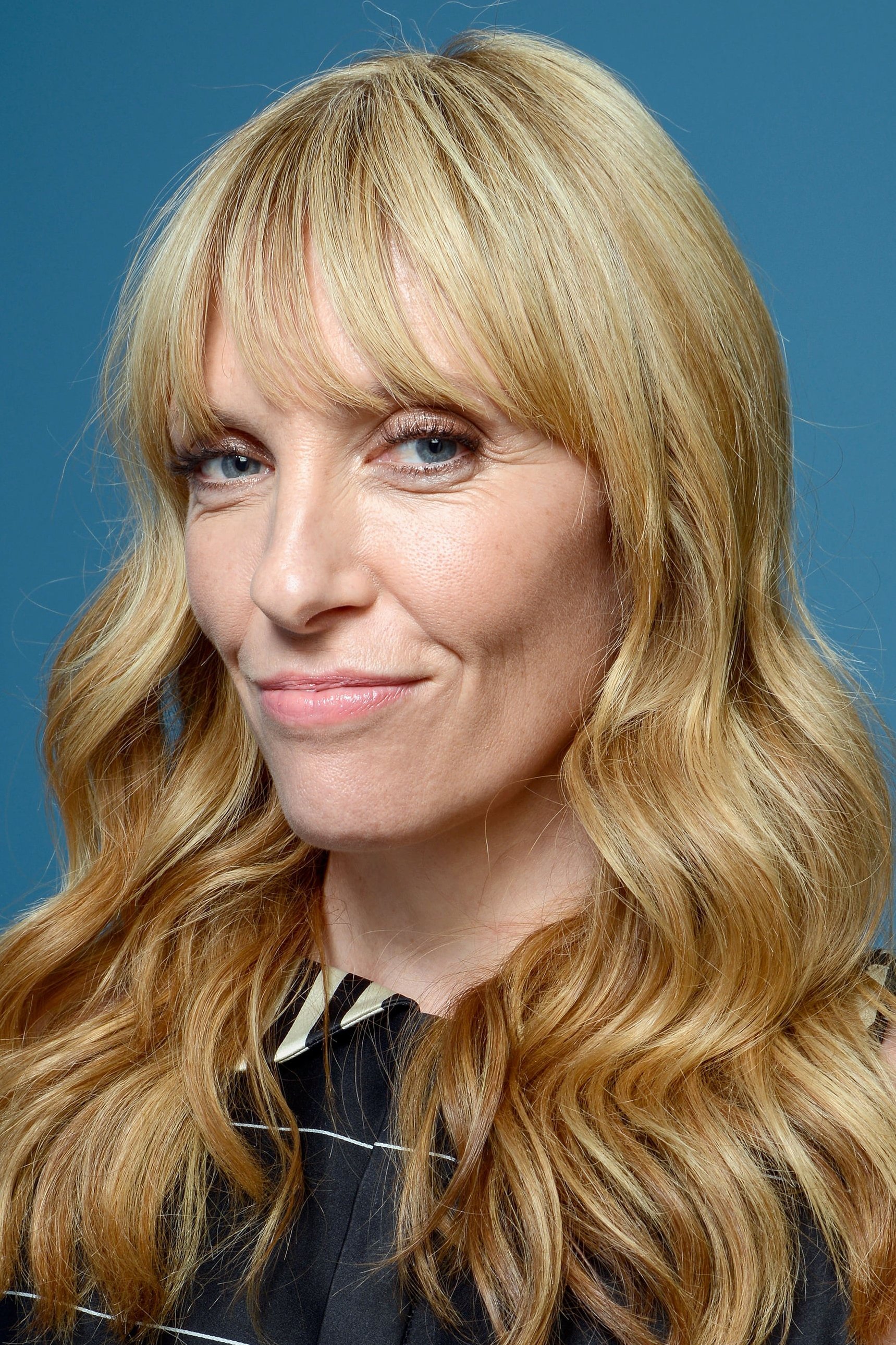
Collette has explained that she is happiest when scripts let her slip between tones and surprise audiences. She has shown little interest in playing a fixed heroic identity across a series.
She often picks projects with elastic genre borders, where humor and horror coexist. The result is a portfolio that skirts superhero territory in favor of smaller, stranger, and more personal worlds.
Rachel Weisz
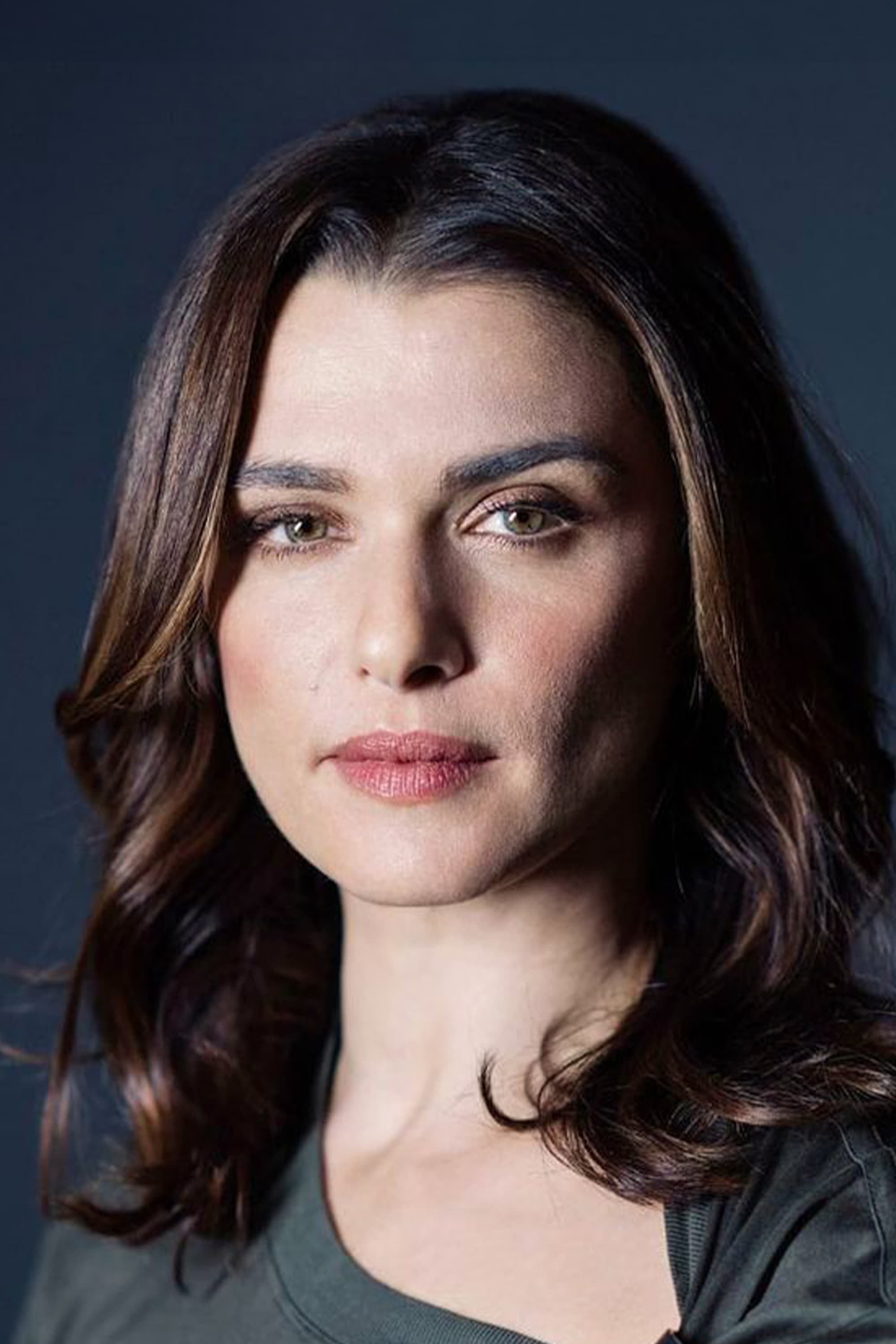
Weisz has spoken about valuing autonomy and carefully curating her workload. She has noted that large franchises can limit that freedom and narrow the range of parts available.
Her filmography emphasizes intimate dramas and sharp thrillers built around adults with competing desires. By keeping the focus on craft and variety, she seldom aligns with the expectations that drive superhero world building.
Emily Mortimer
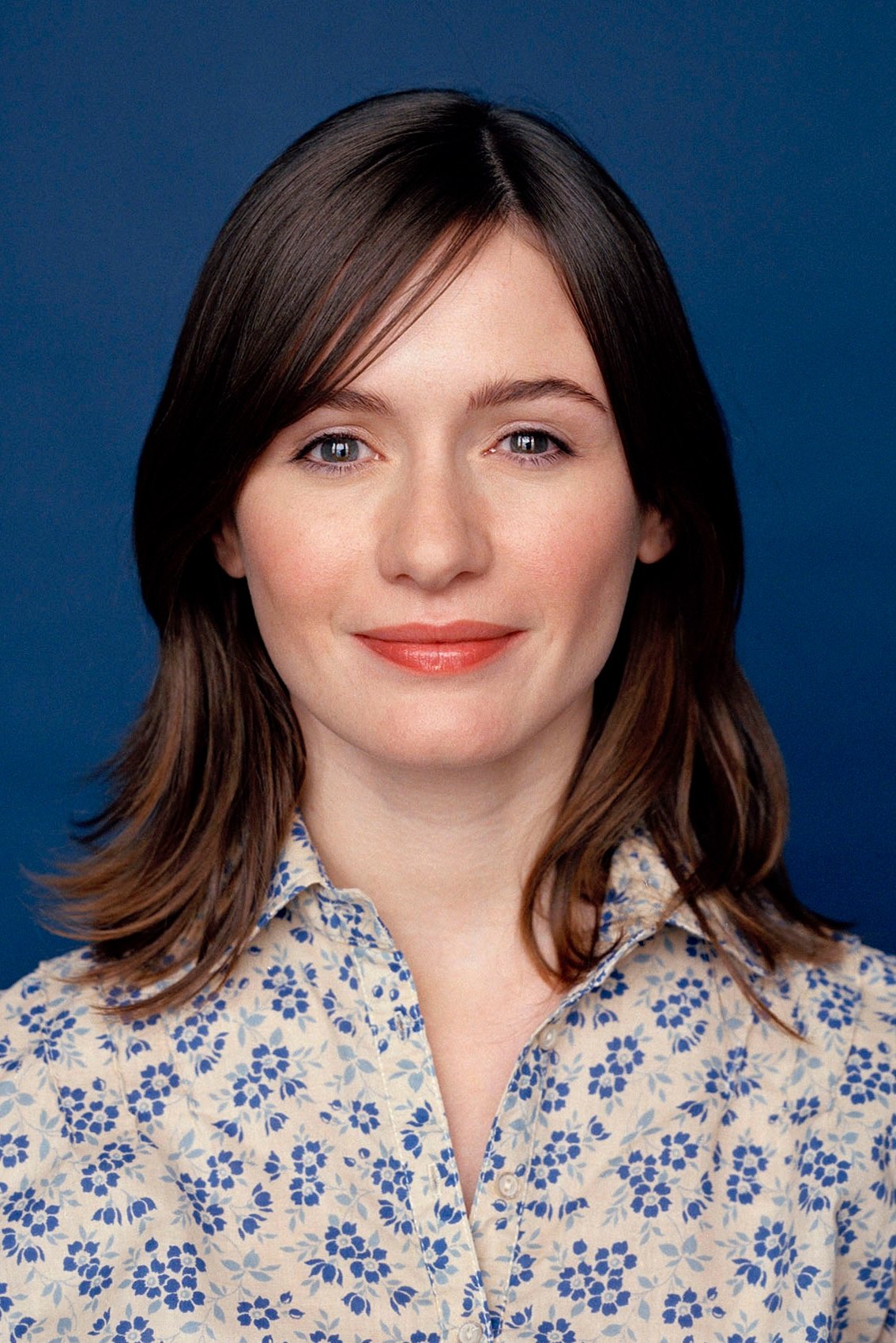
Mortimer has said she prefers material centered on language and behavior and that she is not drawn to roles that serve elaborate mythologies. She values the rehearsal process and discovery that comes with character pieces.
Her projects typically unfold in grounded settings where small choices have big consequences. That keeps her aligned with filmmakers who prize performance over pyrotechnics and away from superhero pipelines.
Susan Sarandon
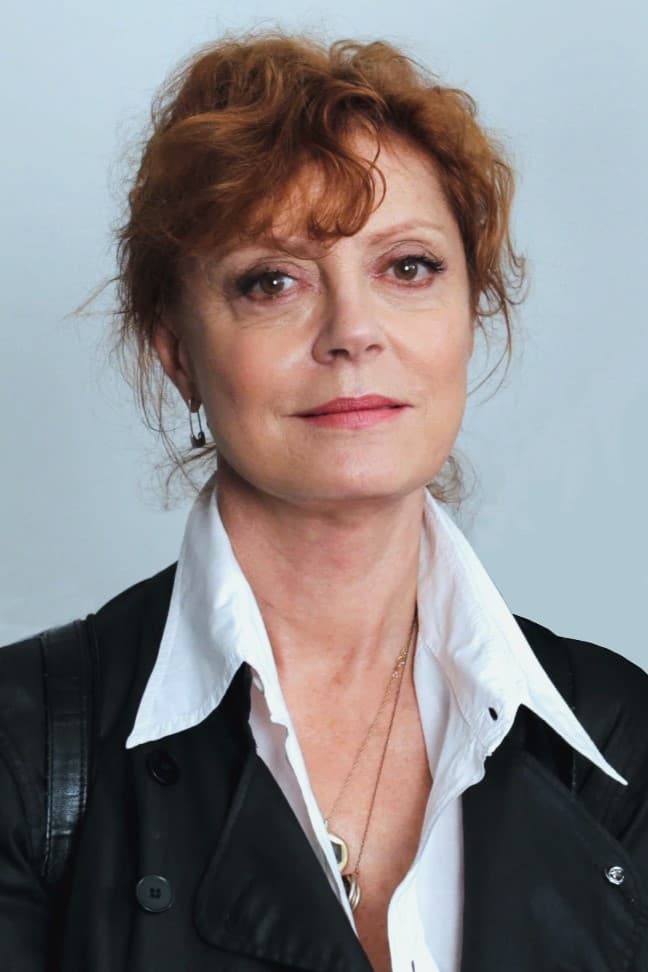
Sarandon has criticized the way massive franchises can eclipse smaller films and limit the stories that reach theaters. She has said she wants to support work that takes risks and speaks to the present.
Her recent choices include socially engaged dramas and independent productions that rely on ensemble chemistry. By backing those spaces, she makes clear that the superhero model is not where she wants to spend her time.
Share which names you expected to see and which surprises you think belong on the list in the comments.

