


Actresses who Hate Test Screenings




Studios use test screenings to collect feedback before release, but the process can frustrate the people who made the work—especially when audience cards trigger rewrites, reshoots, or cuts. While very few performers literally say the word “hate,” plenty have described negative, demoralizing, or oppositional experiences tied to preview audiences and the changes they prompted. Below are documented cases where actresses criticized test screenings directly, or publicly pushed back against alterations that screenings drove—along with the concrete film-specific details behind each situation.
Glenn Close

For ‘Fatal Attraction’, preview audiences rejected the original ending where Alex frames Dan and dies by suicide; the studio ordered a new finale where Alex is killed, which Close strongly opposed as inauthentic to the character she’d researched. She later called herself “furious” about being forced to reshoot, recounting heated meetings before ultimately filming the revised ending. Contemporary coverage and retrospectives detail how the reshoot followed poor test responses and how Close’s objections centered on mental-health accuracy. She has since repeated that the changed ending never matched the psychology she built for Alex.
Ellen Greene

The original ‘Little Shop of Horrors’ film ended with Audrey and Seymour dying and Audrey II conquering the city; test screenings scored disastrously (13% and 16% “recommend”), prompting a new, happier ending. Greene—who originated Audrey on stage—has discussed the director’s cut and the sprawling effects finale that audiences initially rejected. The behind-the-scenes accounts explain how preview cards forced the change despite the filmmakers’ affection for the darker close. Greene has reflected on how the new ending diverged from the stage tradition that audiences didn’t accept on film.
Tilda Swinton

During the ‘Snowpiercer’ dispute, Swinton publicly backed Bong Joon-ho’s version as Harvey Weinstein pressed for cuts and voiceover aimed at testing better with U.S. preview crowds. Reporting describes how rival edits were screened for audiences on opposite U.S. coasts before Bong’s cut ultimately prevailed. Swinton’s interviews framed the situation as protecting a director’s intended rhythm rather than sanding off strangeness for test cards. The controversy is often cited as a cautionary tale about over-indexing on preview reactions.
Lucy Boynton

Boynton revealed her “Proust Barbie” in ‘Barbie’ largely vanished after test audiences didn’t understand the literary reference, leaving only fleeting background moments. She explained that the joke simply didn’t land in previews, so the studio trimmed the material accordingly. Her account provides a clear example of a character being minimized due to audience-comprehension feedback. It also illustrates how comedy beats can live or die in the test room.
Marielle Heller

Heller—who also acts—said ‘Nightbitch’ test screenings felt like someone “poured cold water” on her, describing the experience as dispiriting even when useful notes emerged. She characterized early previews as emotionally brutal for filmmakers sitting through them. Heller’s comments capture the deflating side of the process for performers-turned-directors when raw audience reactions arrive. The remarks circulated widely in industry coverage of the film’s road to release.
Carey Mulligan

At early showings of ‘Promising Young Woman’, audience tension spiked so dramatically during the climactic stretch that arguments broke out—underscoring how volatile previews can become and how easily they can skew perception. Coverage at the time detailed the screening incidents while the film was refining its launch strategy. Mulligan discussed the charged reactions while promoting the movie. The episode is often cited when filmmakers and actors talk about the limits of reading a room during previews.
Keira Knightley

‘Pride & Prejudice’ underwent ending tweaks after UK test screenings rejected a kiss that American audiences later embraced; the U.S. version reinstated a romantic coda. Industry histories note that preview responses pushed the release to tailor the finale by territory. Knightley’s film is now a standard example of how screenings can fracture an ending across markets. The case is frequently referenced in discussions of regional test feedback shaping releases.
Jamie Lee Curtis

‘Halloween’ lore includes how early cuts felt flat until additional elements—especially music—were adjusted in response to preview reactions; Curtis has reflected on the film’s evolution. While she appreciates what worked, the history highlights how performers watch their films re-scored and re-cut after audience notes. It’s a reminder that screenings can trigger major changes to performances in post, outside an actor’s control. Retellings of the preview process continue to circulate in franchise retrospectives.
Nicole Kidman

‘The Invasion’ underwent significant reshoots and editorial changes following poor preview responses, a process widely reported at the time. Although Kidman has not mounted a public campaign against test screenings per se, coverage ties the film’s troubled retooling to audience feedback. The production is often used in conversations about previews leading to drastic third-party alterations that can upend an actor’s work. Trade reports trace these changes back to testing phases.
Patricia Arquette
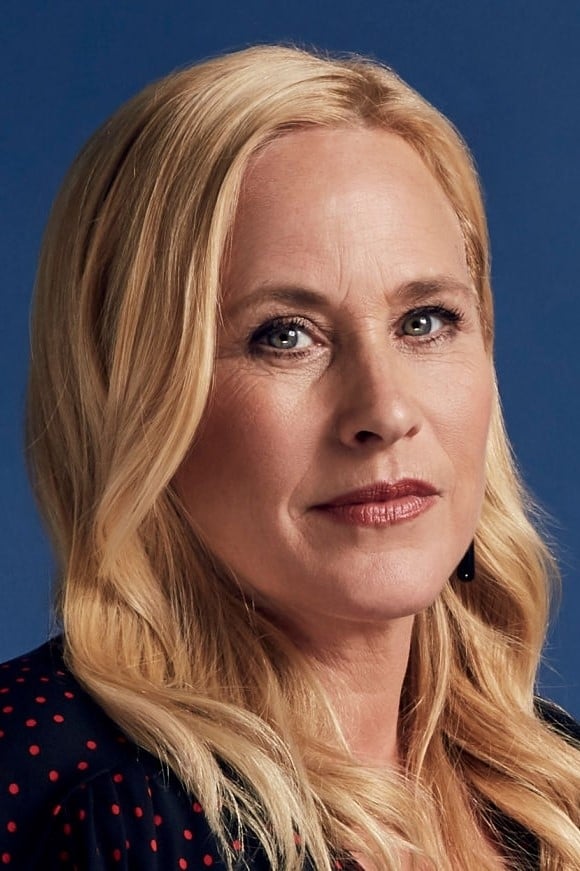
‘True Romance’ exists with competing endings, and preview dynamics helped cement the more upbeat theatrical version rather than the darker alternative in early drafts. Arquette’s climactic sequence is frequently cited in analyses of how audience sentiment during previews can steer which version becomes canon. The title appears in many test-screening case studies tracking ending swaps. Retrospectives outline how sentimentality versus cynicism was weighed after early showings.
Jennifer Lawrence

Lawrence has described insulating herself from external reactions while promoting new work, reflecting a broader performer instinct to avoid the noise that previews and early feedback generate. Recent interviews highlight her preference not to read audience chatter or early takes. While not directed solely at test screenings, this approach points to the psychological toll such feedback cycles can have on actors. It’s a common coping mechanism during the preview window.
Amanda Seyfried

While speaking about ‘Jennifer’s Body’, Seyfried criticized market-driven decisions around the release that misrepresented the film’s tone—context often discussed alongside the preview process that feeds those decisions. Her comments underscore how audience-testing ecosystems and marketing tweaks can reshape what viewers ultimately see. In hindsight, she argues those choices blunted the movie’s initial reception before its later cult revival. The case is frequently grouped with testing-and-marketing postmortems.
Sigourney Weaver

For franchise entries like ‘Aliens’, industry retrospectives note how preview-period inputs and postproduction tweaks can shift emphasis around performances, even when actors favor different balances. Weaver has discussed process frictions on other aspects of production, and the series is often referenced in test-screening histories. The broader point is that preview-prompted changes can recut beats that actors aimed differently on set. It’s a recurring lesson in effects-heavy films refined after audience cards.
Reese Witherspoon

‘Legally Blonde’ added an epilogue after preview audiences felt the original ending was abrupt, illustrating how test cards can restructure an actor’s final note in a story. The case shows how performers must return for added material that reframes character closure. It’s a textbook example in lists of endings altered by screenings. Witherspoon’s film is still widely cited when discussing preview-driven add-ons.
Molly Ringwald
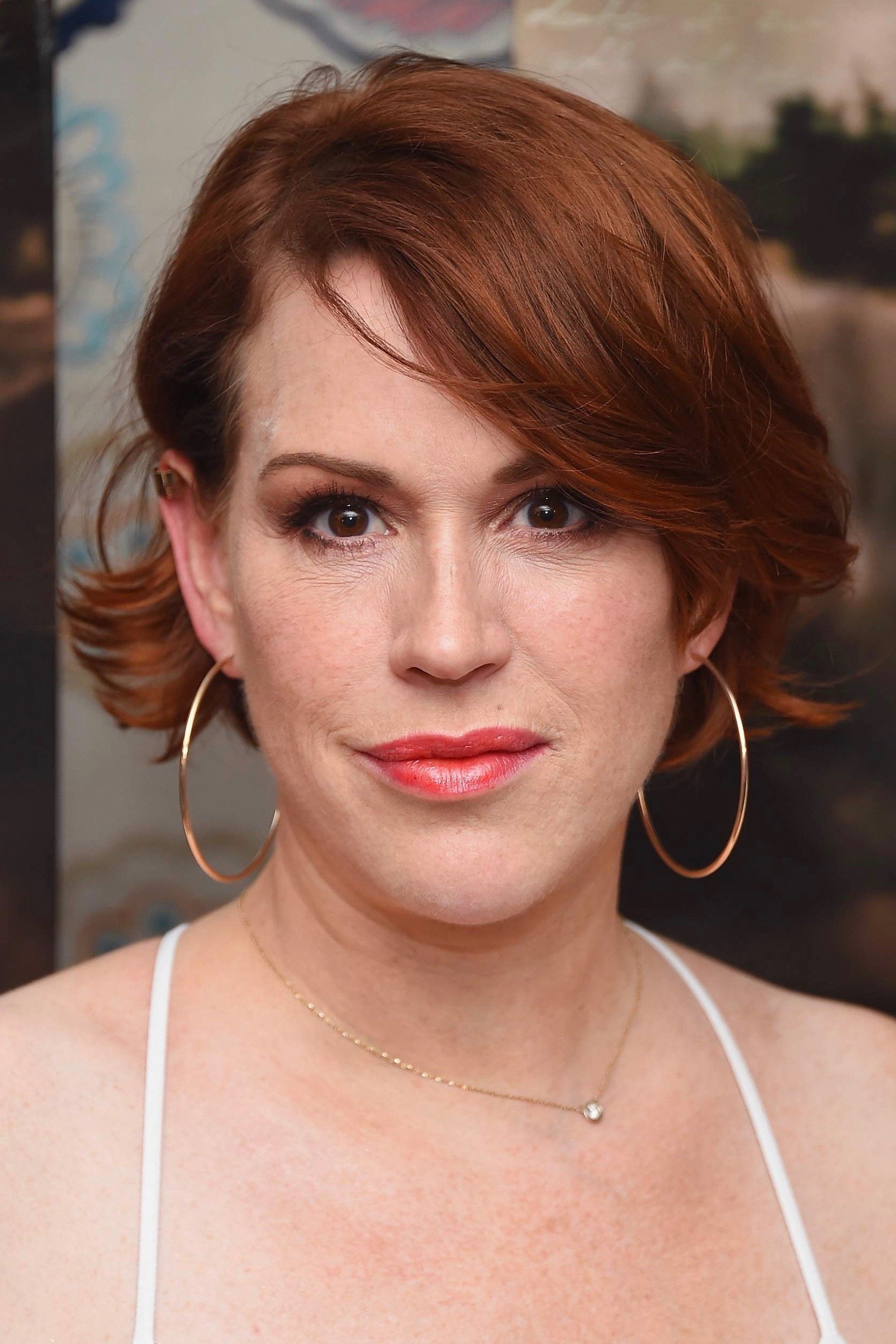
‘Pretty in Pink’ switched from a darker resolution to a more crowd-pleasing finale after early audiences reacted negatively, a change that reshaped Ringwald’s character arc. Reporting and later interviews outline how test screenings redirected the romantic outcome. The film appears in virtually every roundup of endings rewritten post-preview. It’s a reminder that audience cards can trump original intent when a release date looms.
Gillian Anderson

‘The X-Files’ feature entries are commonly cited in testing roundups for pacing and tone tweaks made after previews, with knock-on effects for Anderson’s performance beats in the final cuts. Franchise postmortems note how preview notes can compress character moments in favor of speed. These examples illustrate how an actor’s calibrated work can be tightened or reordered because of audience cards. They’re staples in discussions of testing genre films.
Naomi Watts

Large-scale studio films she’s headlined have featured well-documented preview-phase alterations that shifted endings or runtime to “play” better, as chronicled in test-screening histories. For actors, that can mean altered emotional rhythms across scenes they shot months earlier. Watts’ catalogue appears in multiple lists exploring how previews redirect final structure. These cases show why performers can bristle at the process.
Robin Wright

With alternative cuts and endings circulated in case studies, Wright’s projects are frequently referenced when explaining how preview responses can reshape narrative emphasis after production wraps. Such edits can adjust where a performance lands in the audience’s memory. The wider literature on test screenings tracks these shifts across home-video releases and director’s cuts. Wright’s films help illustrate the performer’s stake in those decisions.
Michelle Yeoh

Action and franchise titles anchored by Yeoh regularly show up in articles cataloging test-driven pacing trims, highlighting how preview feedback can abbreviate character beats in favor of momentum. For actors, that means a final cut that sometimes sidelines quieter work. Industry summaries repeatedly connect those choices to testing cycles. Yeoh’s filmography provides clear, documented examples of the trade-offs.
Charlize Theron

Theron has openly criticized outcomes on troubled productions and has projects listed in testing roundups where preview reactions spurred reshoots or recuts—episodes often invoked when actors explain why the process can feel demoralizing. These accounts show how screenings can yield alterations that performers later disown. The paper trail through industry histories ties those pivots to the preview phase. It’s a common reference point in debates about testing’s value.

