


Actresses Who Have Been Body Shamed

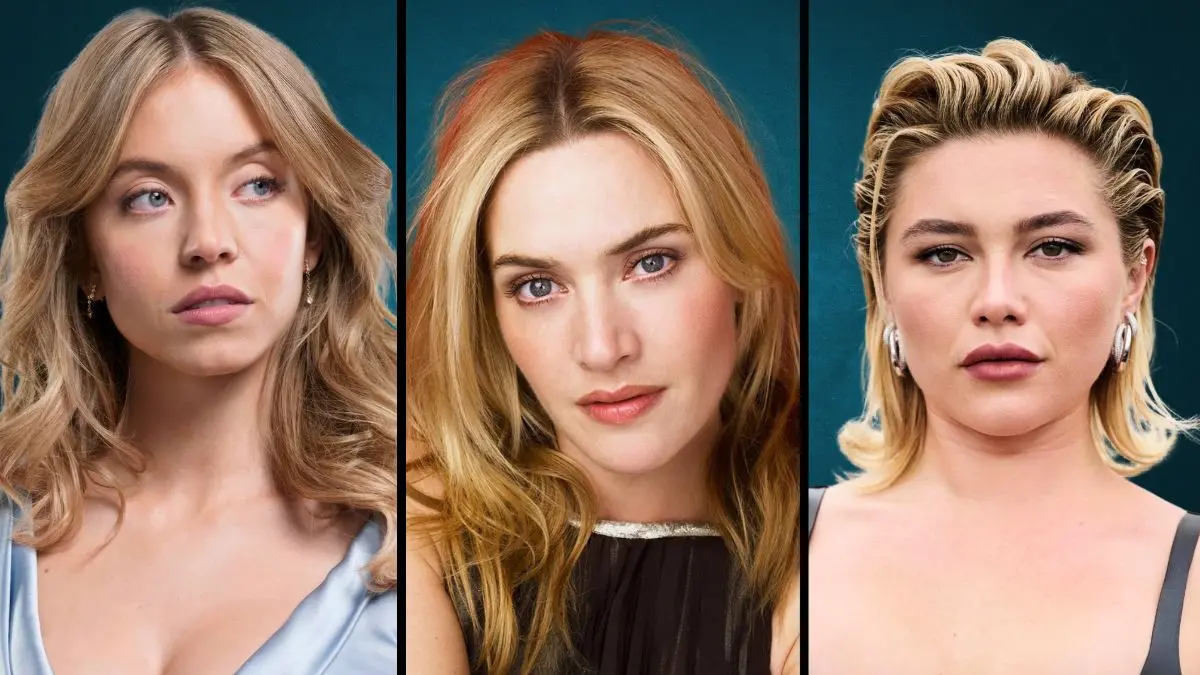


Body shaming has followed actresses across red carpets, set trailers, and social media, often ignoring context like health, roles, or life changes. Many have pushed back with clear statements about realistic bodies, postpartum recovery, chronic illness, and internet harassment. Their responses have helped audiences understand how costumes, camera angles, and editing shape what viewers see. Here are forty actresses who faced criticism and used the moment to explain what was really going on.
Anne Hathaway
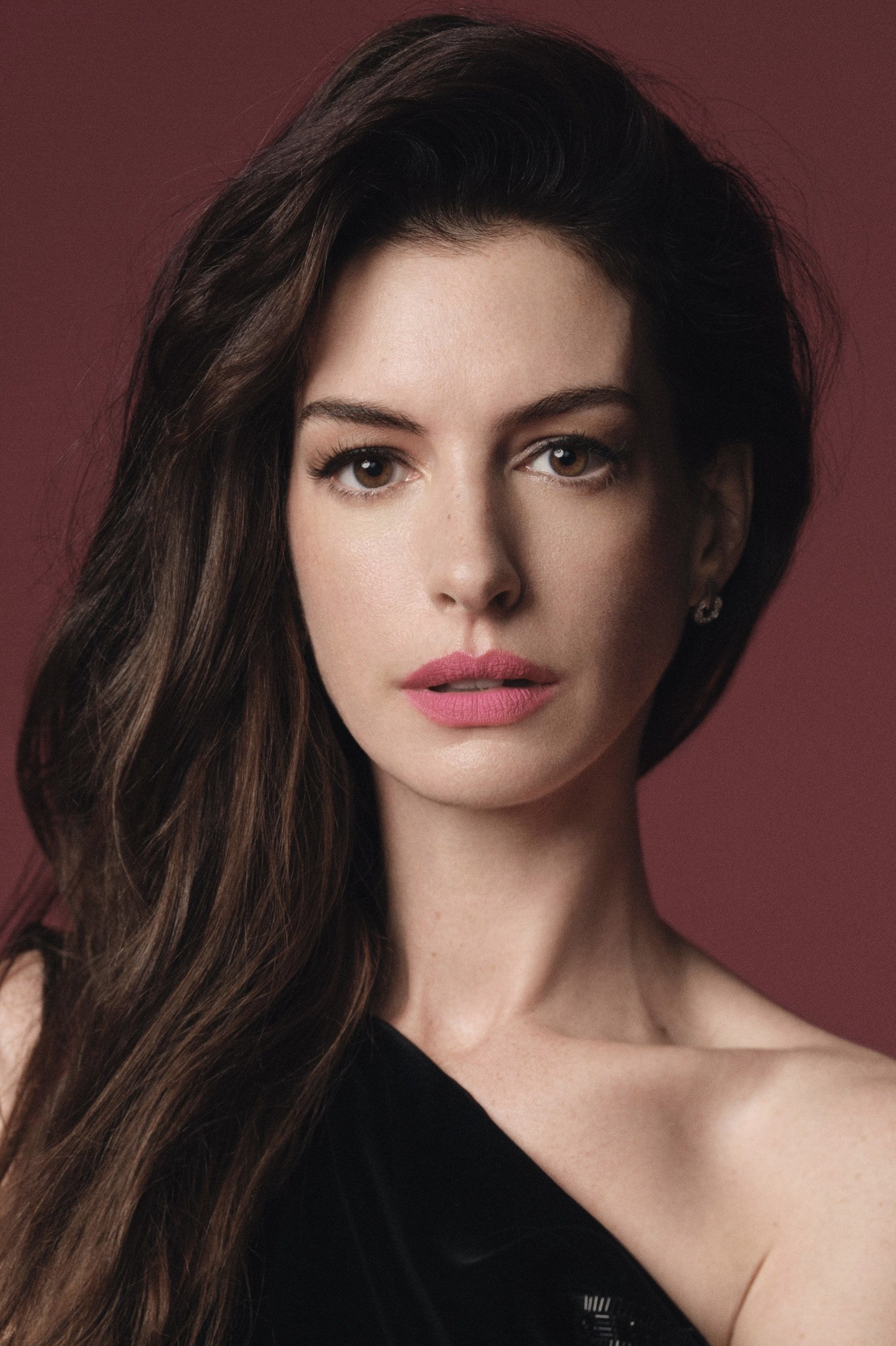
Anne Hathaway spoke openly about gaining and losing weight for roles and after pregnancy. She explained that time and privacy are needed for healthy changes rather than quick fixes. She urged fans to stop commenting on women’s bodies during transitional periods. Her remarks helped normalize slower, sustainable recovery.
Jennifer Lawrence
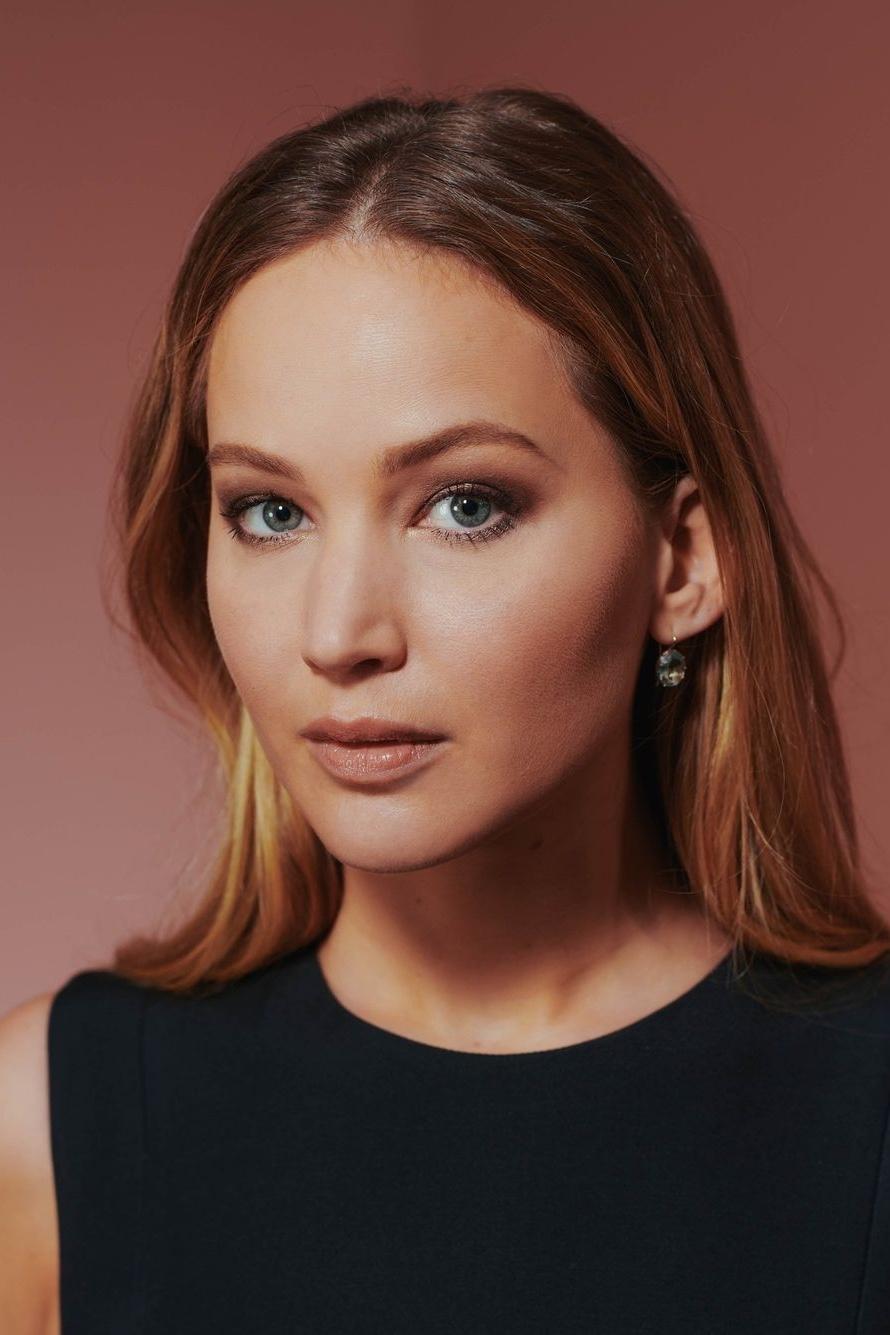
Jennifer Lawrence recalled early pressure to be thinner while auditioning. She has described setting boundaries about food and exercise demands that felt unsafe. She often points out how action costumes and lighting can distort expectations. Her stance encouraged younger performers to push back on unhealthy standards.
Kate Winslet
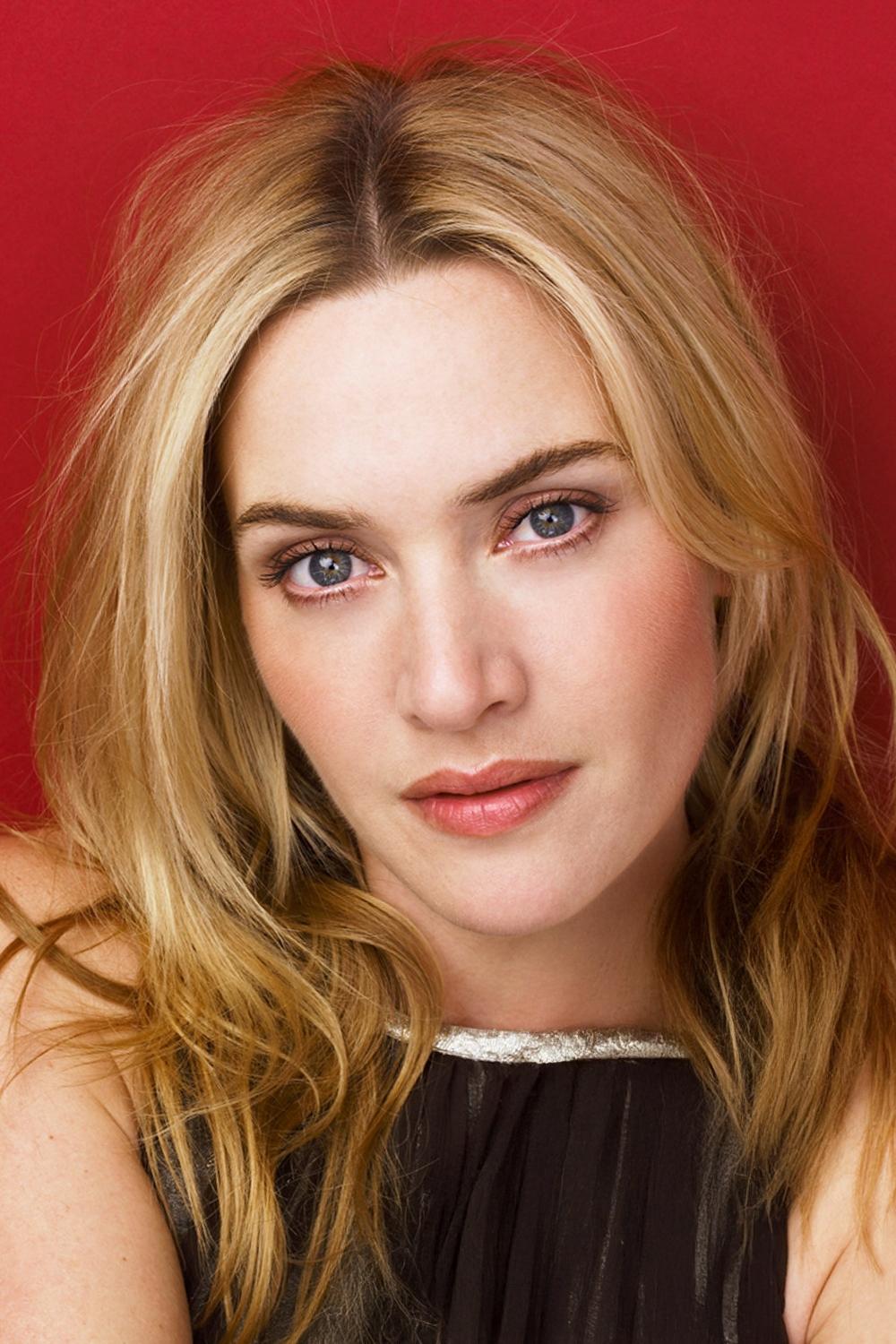
Kate Winslet has discussed being criticized for her body early in her career. She later put clauses in contracts to limit image manipulation. She has also supported better mental health protections for young performers. Her consistency turned a personal issue into a broader industry conversation.
Margot Robbie
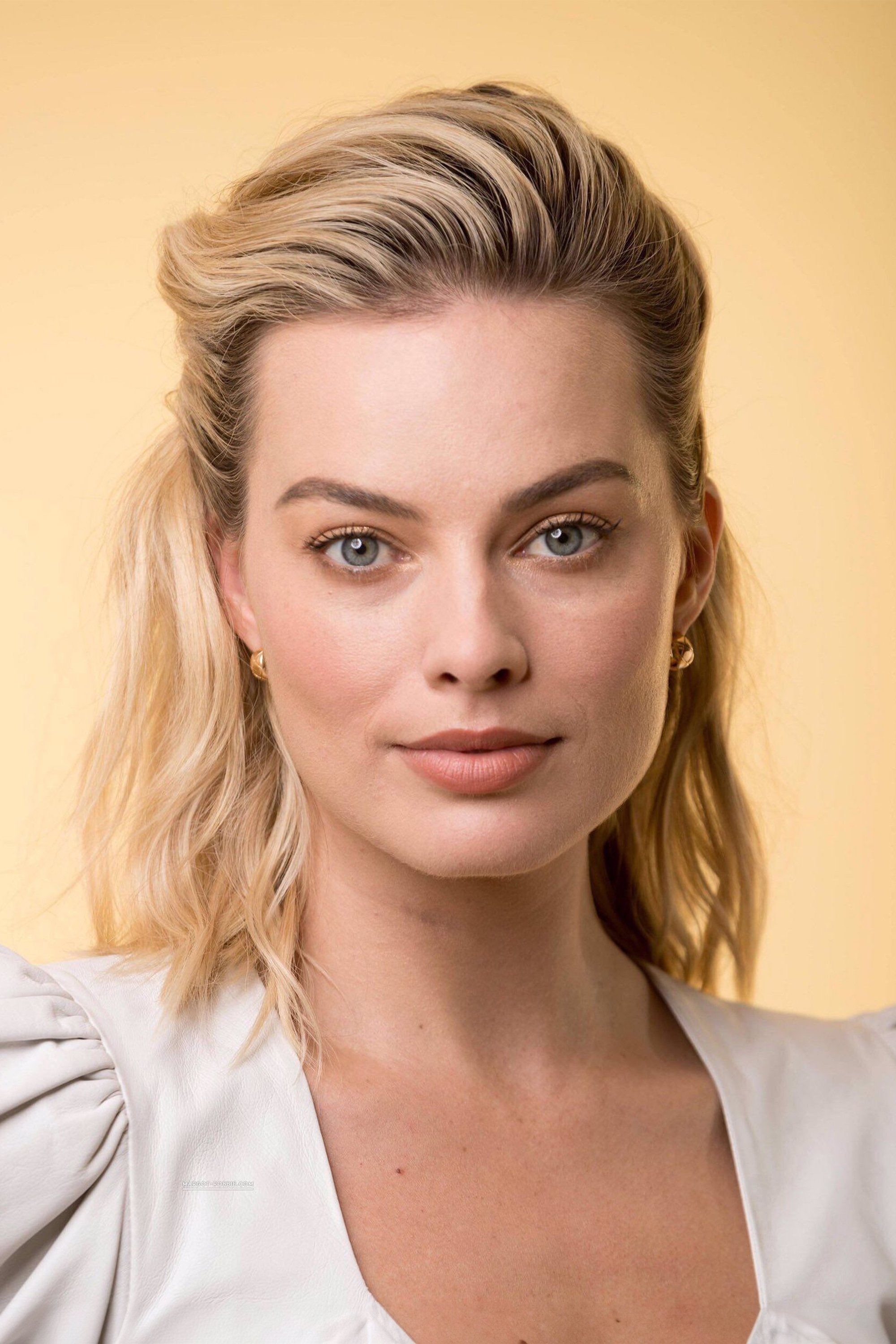
Margot Robbie fielded comments about her body around the time of ‘The Wolf of Wall Street’. She noted that her weight fluctuates with roles and lifestyle and that such shifts are normal. She reminded interviewers that character preparation can prioritize strength over size. Her responses reframed the discussion around performance rather than measurements.
Gal Gadot

Gal Gadot heard claims that she was too thin and not muscular enough to play ‘Wonder Woman’. She explained that her training focused on functional strength, mobility, and endurance. She also pointed out that comic proportions are not realistic for any human. Her preparation underscored how superhero roles rely on coaching and choreography more than a single body type.
Zendaya

Zendaya called out a retouched photo early in her career and asked for the original to be posted. She has said that sample sizes often exclude many bodies on red carpets. She works with stylists who tailor outfits to fit her frame instead of forcing her into standard cuts. Her approach shows how styling solves problems that criticism cannot.
Florence Pugh
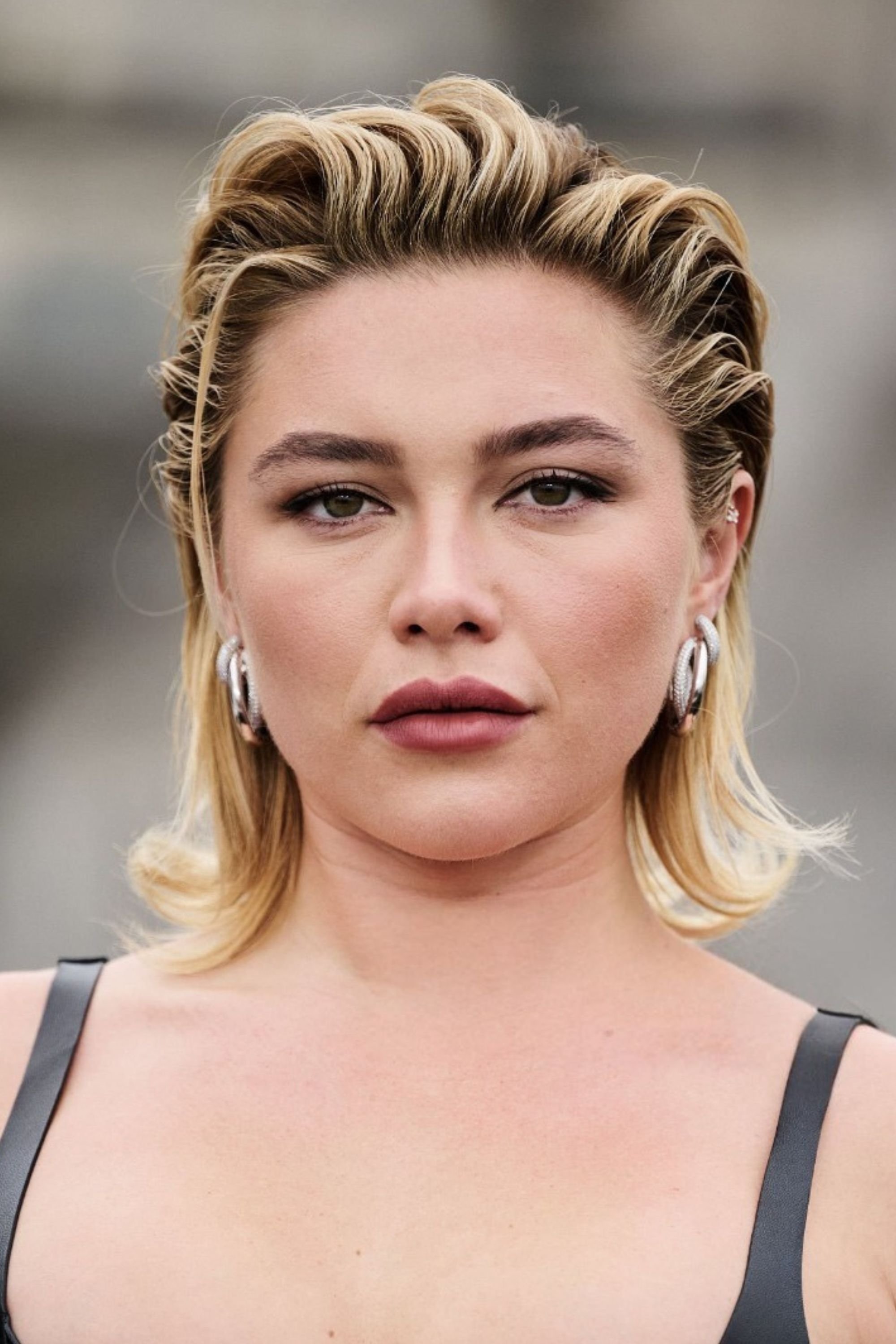
Florence Pugh responded to social media attacks after wearing a sheer dress to a fashion event. She emphasized autonomy over outfit choices and asked followers to reconsider why visible features prompt outrage. She reminded readers that healthy bodies come in different shapes. The exchange became a widely shared example of setting boundaries online.
Selena Gomez
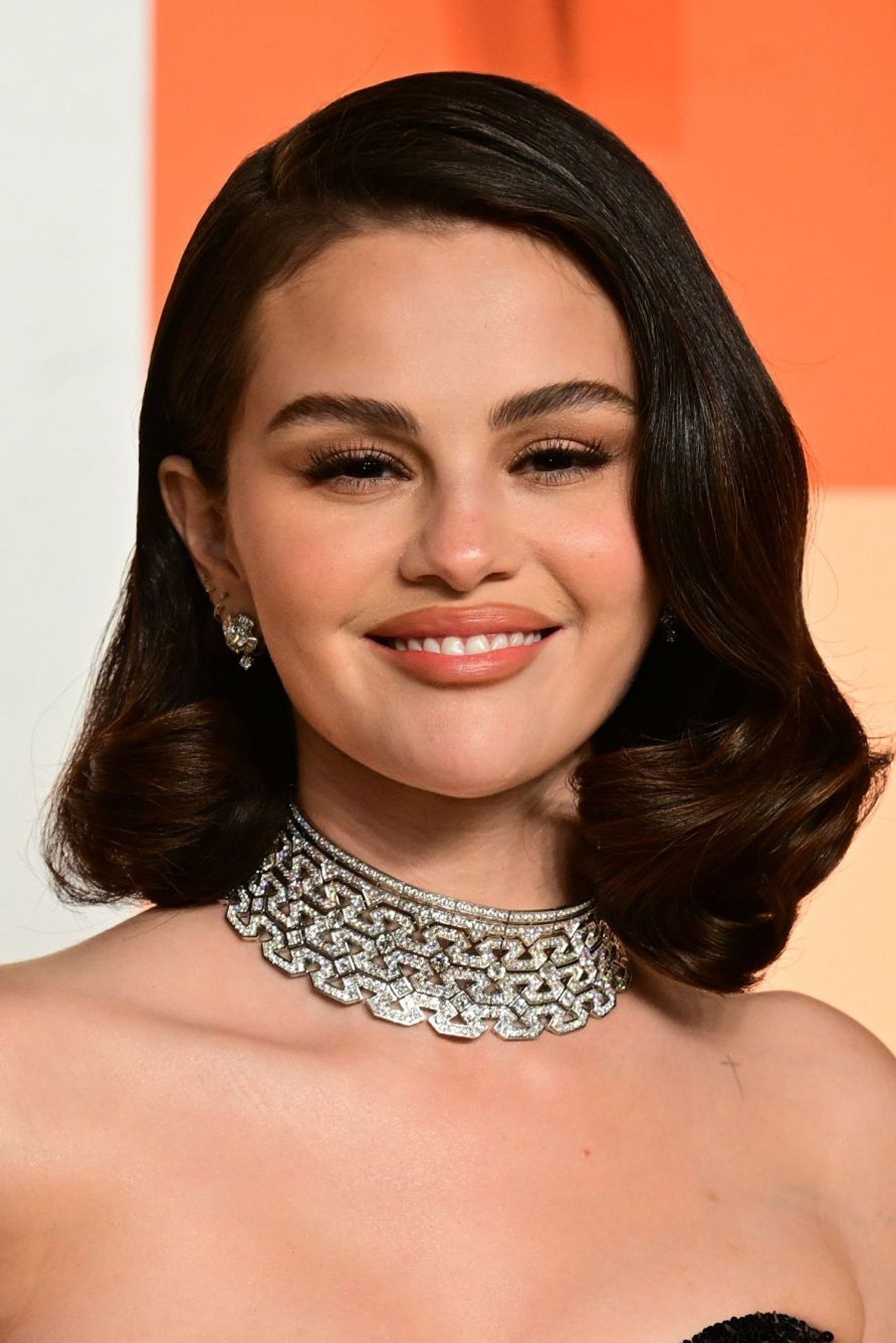
Selena Gomez has addressed weight changes linked to lupus and medication. She explained that treatment cycles affect water retention and appetite. She asked fans and media to avoid snap judgments during health management. Her transparency helped others understand how chronic illness intersects with public life.
Sydney Sweeney

Sydney Sweeney has faced repeated comments about her chest and outfits around ‘Euphoria’ events. She noted that costume choices serve character and story rather than personal branding. She also described the strain of reading objectifying posts about her body. Her comments encouraged respectful discussion about performance and privacy.
Hilary Duff
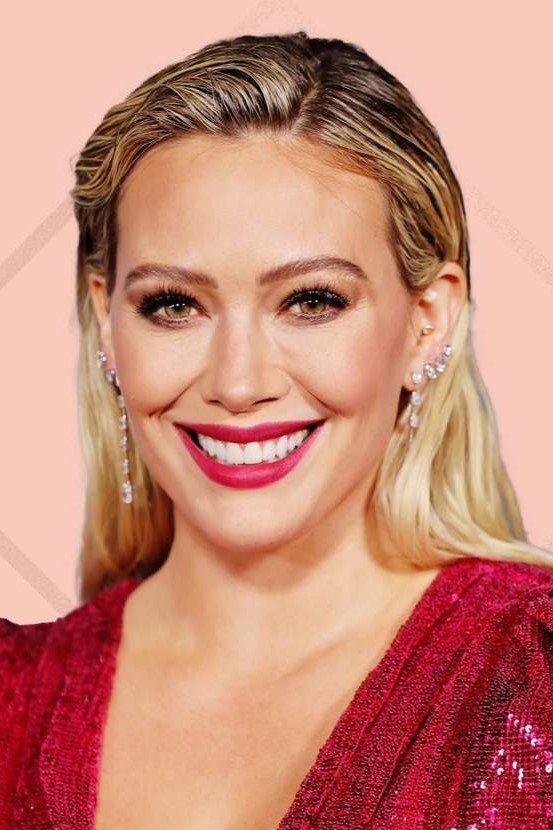
Hilary Duff responded to paparazzi photos that sparked unkind remarks about her swimsuit body. She posted a message about strength, motherhood, and realistic expectations. She thanked trainers who focused on mobility and mental health instead of crash goals. Her post became a frequently cited example of positive self-advocacy.
Christina Applegate
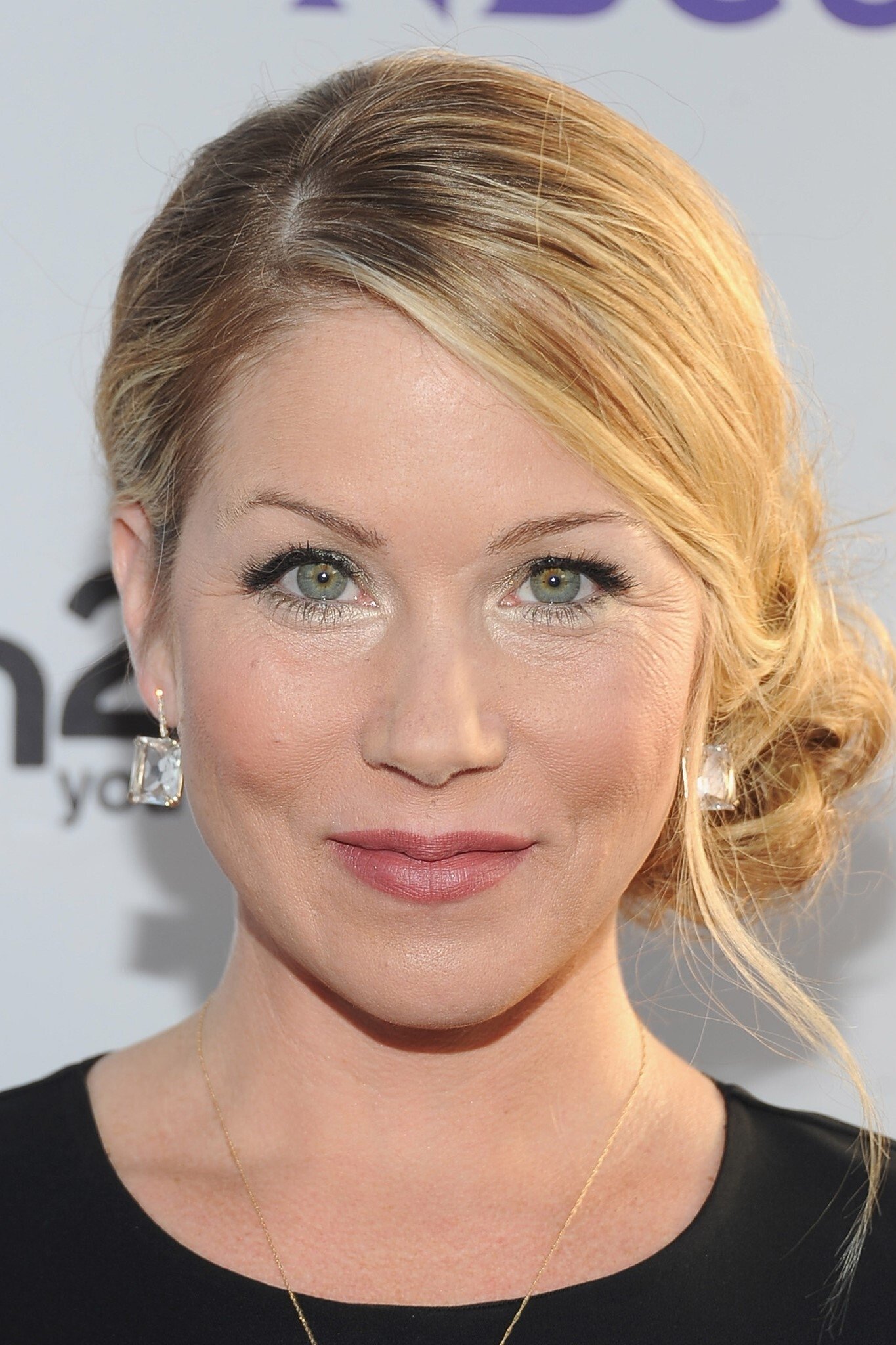
Christina Applegate dealt with body comments that arose after her multiple sclerosis diagnosis. She explained how medication and mobility challenges can change appearance. She asked fans to focus on accessibility and support rather than surface judgments. Her updates educated audiences about living and working with MS.
Alyssa Milano
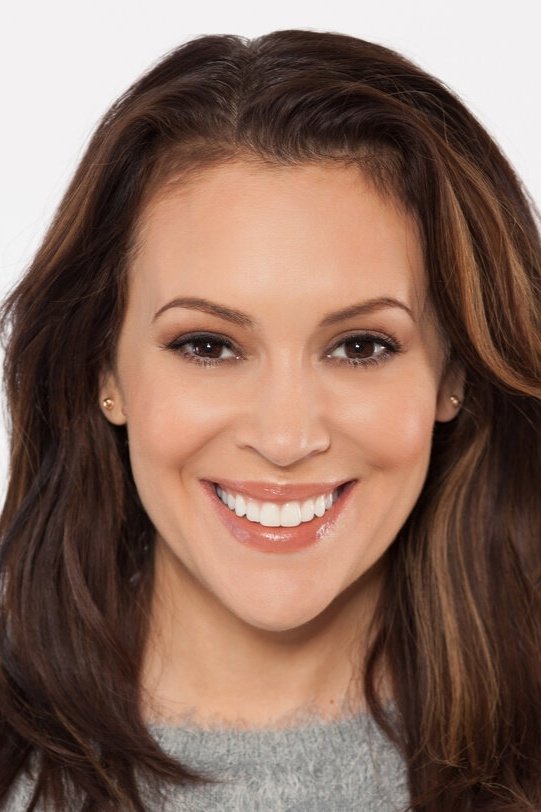
Alyssa Milano answered a radio host’s insult by sharing recent health and postpartum realities. She pointed out how breastfeeding and recovery affect weight and energy. She encouraged empathy for new parents in public jobs. The exchange highlighted how quick remarks can miss basic context.
Ariel Winter
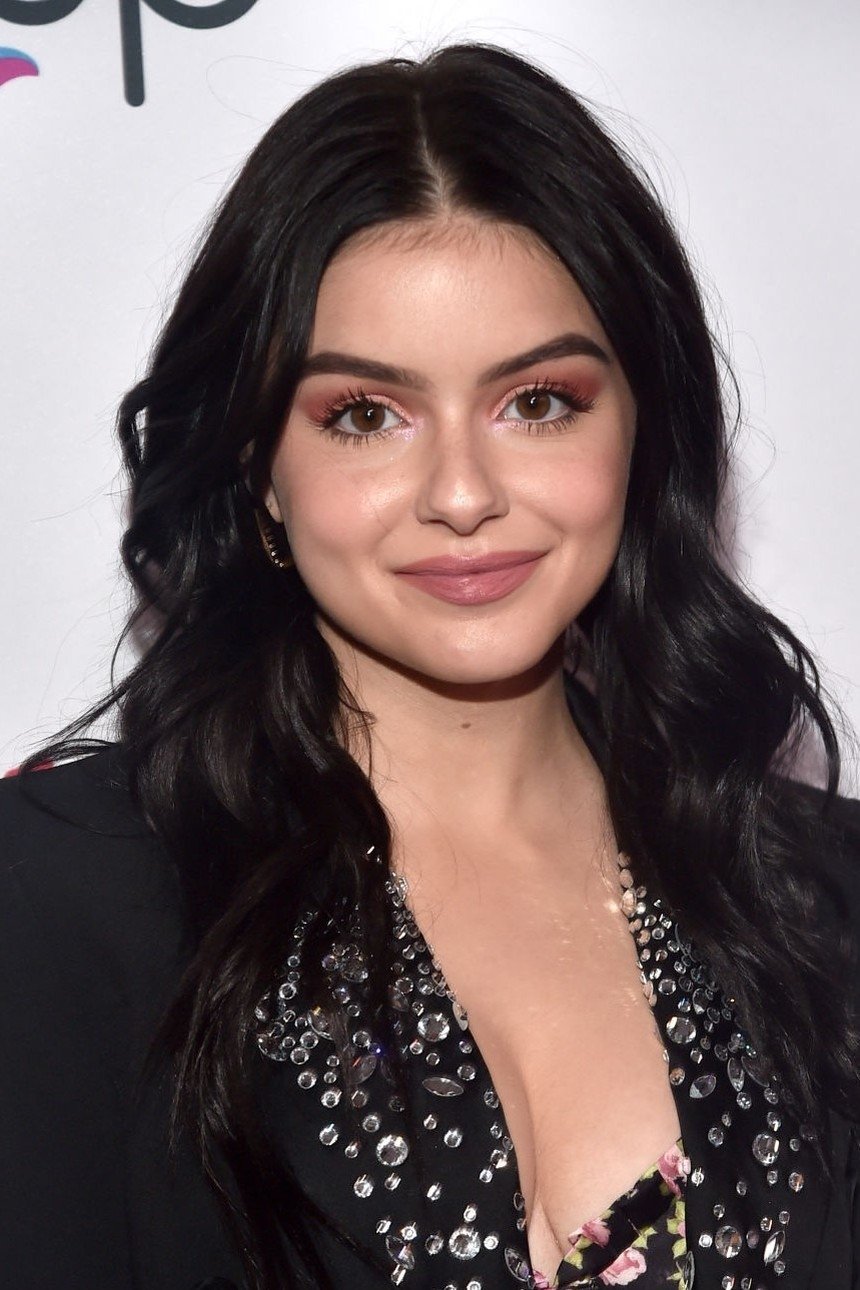
Ariel Winter experienced years of comments about her chest while on ‘Modern Family’. She discussed the medical reasons behind later surgery and the relief it brought. She also described wardrobe strategies used on set to minimize distraction. Her candor reduced speculation and centered health and comfort.
Mindy Kaling
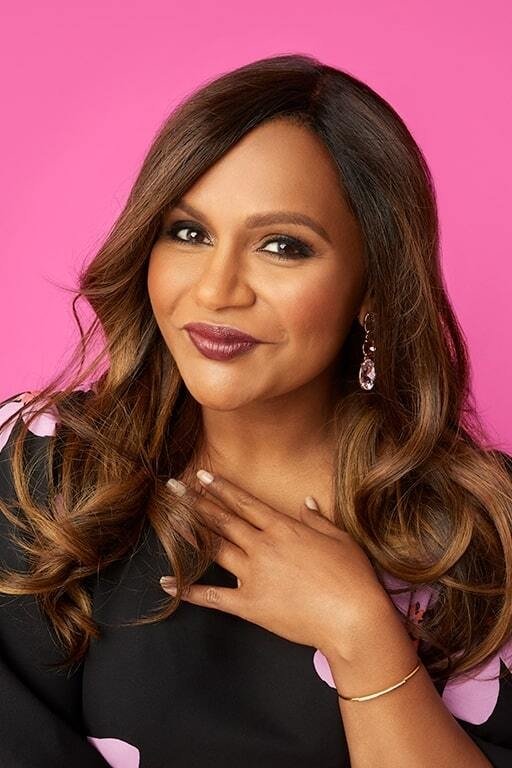
Mindy Kaling has described industry feedback about altering her body to fit narrow roles. She shifted the conversation by creating and producing projects where she set costuming and camera choices. She often credits tailoring and smart silhouettes over size changes. Her work shows how creative control can reshape what audiences see.
Camila Mendes
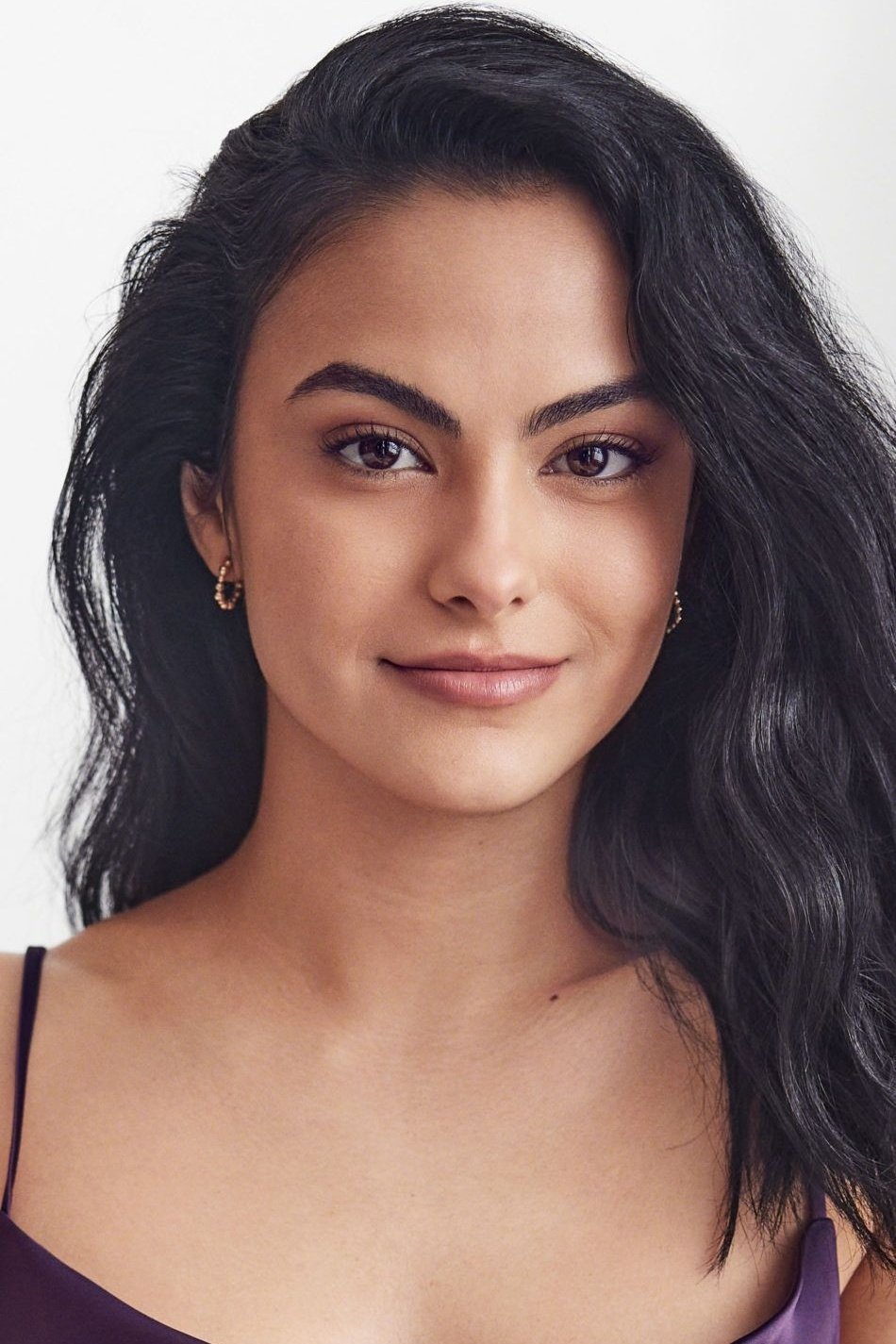
Camila Mendes spoke about recovering from an eating disorder and navigating body comments during ‘Riverdale’. She emphasized therapy, balanced nutrition, and setting boundaries on triggers. She also encouraged media to avoid glamorizing extreme dieting. Her perspective added practical tools for fans facing similar issues.
Lili Reinhart

Lili Reinhart addressed comments about her body when costumes revealed natural lines and curves. She explained how lighting and angles change how bodies appear on screen. She shared that she manages anxiety by limiting exposure to harsh commentary. Her posts taught followers to question edited images.
Rebel Wilson
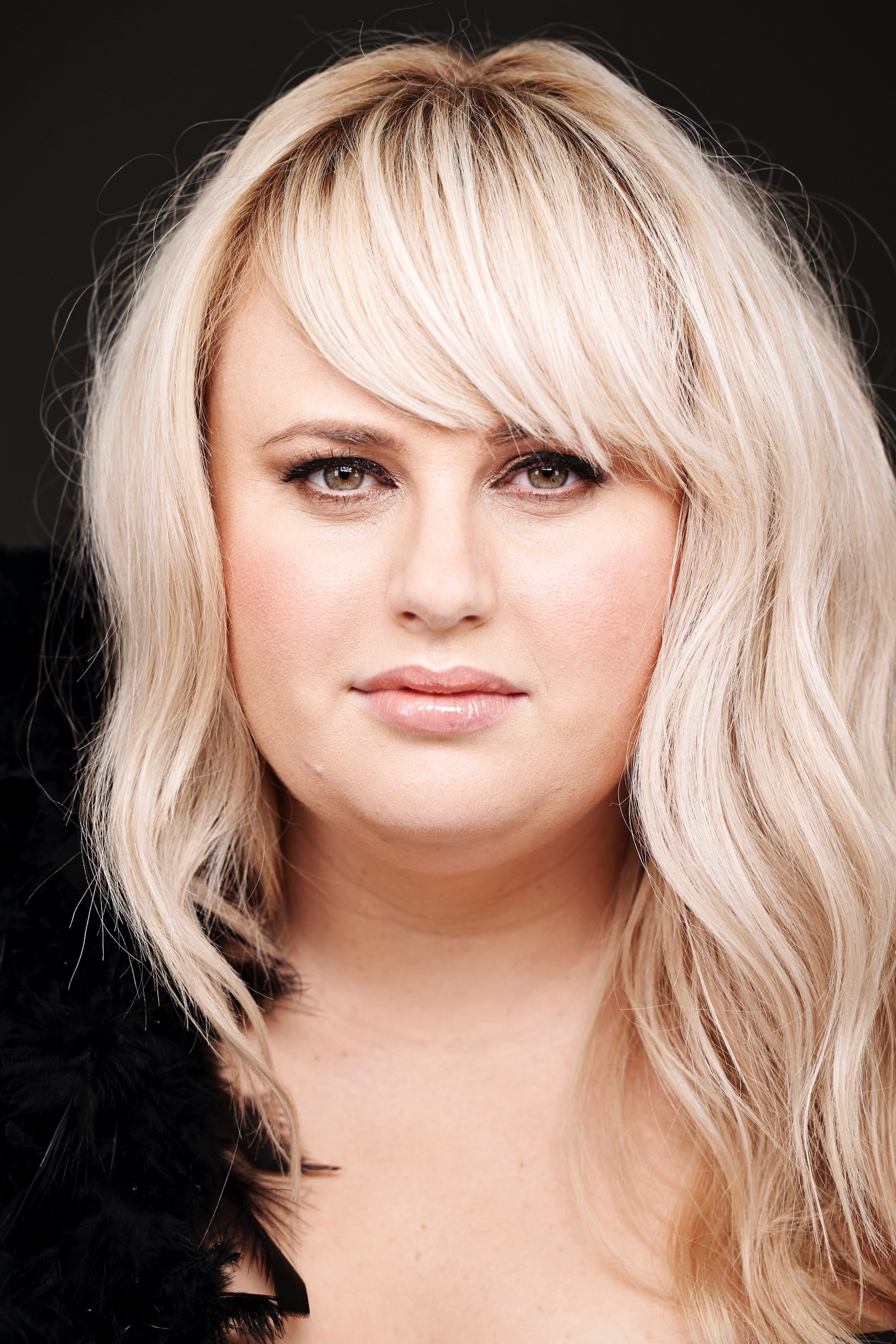
Rebel Wilson has documented her fitness goals while pushing back on labels tied to her comedy roles. She explained that changes were about health markers and stamina on set. She challenged assumptions that weight loss must align with career strategy. Her updates emphasized personal choice over public approval.
Melissa McCarthy
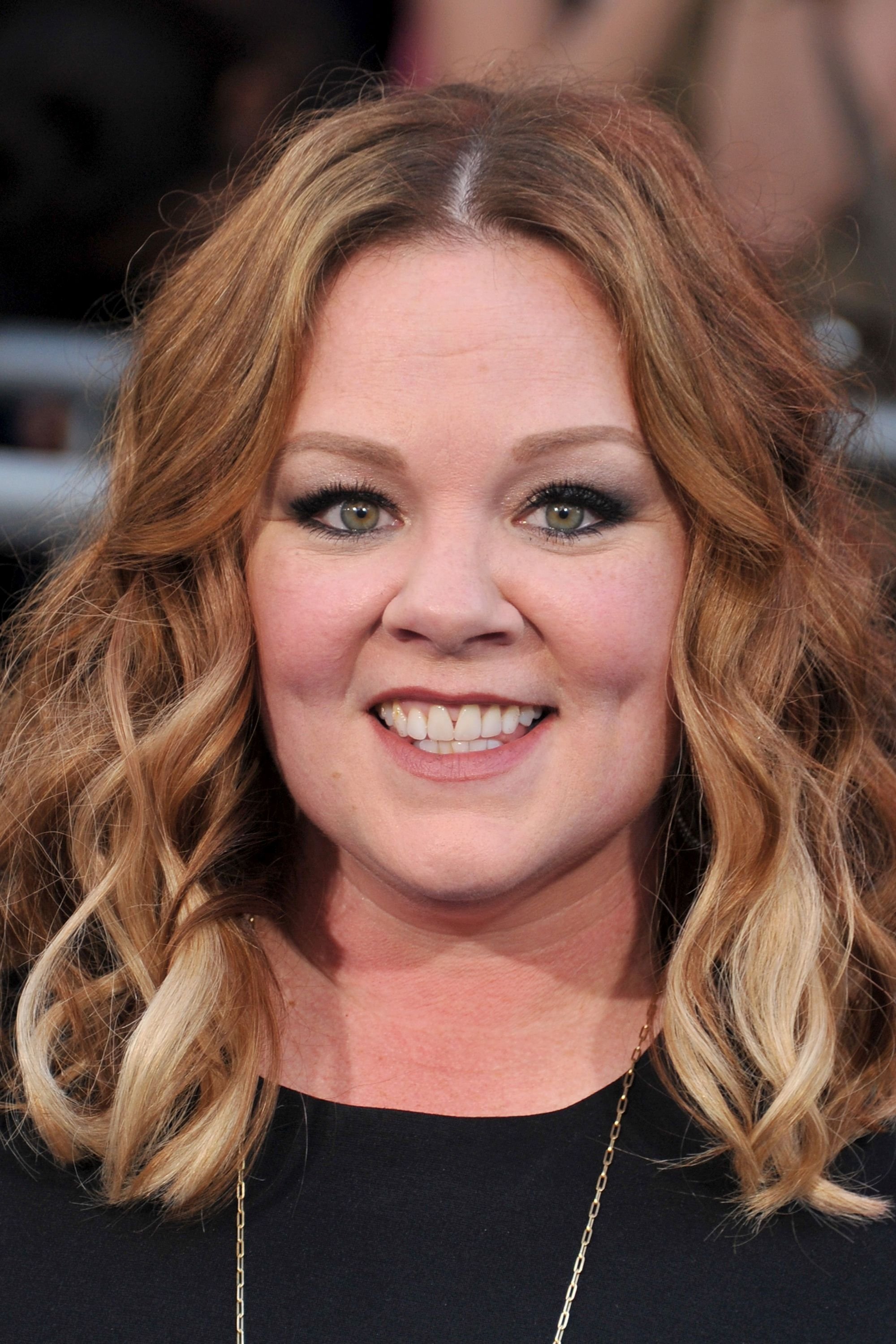
Melissa McCarthy recalled interviewers and designers dismissing her because of size. She later partnered with brands that produced inclusive red carpet options. She also stressed the importance of comfortable, functional costumes during long shoots. Her advocacy improved access to custom looks for more performers.
Lena Dunham
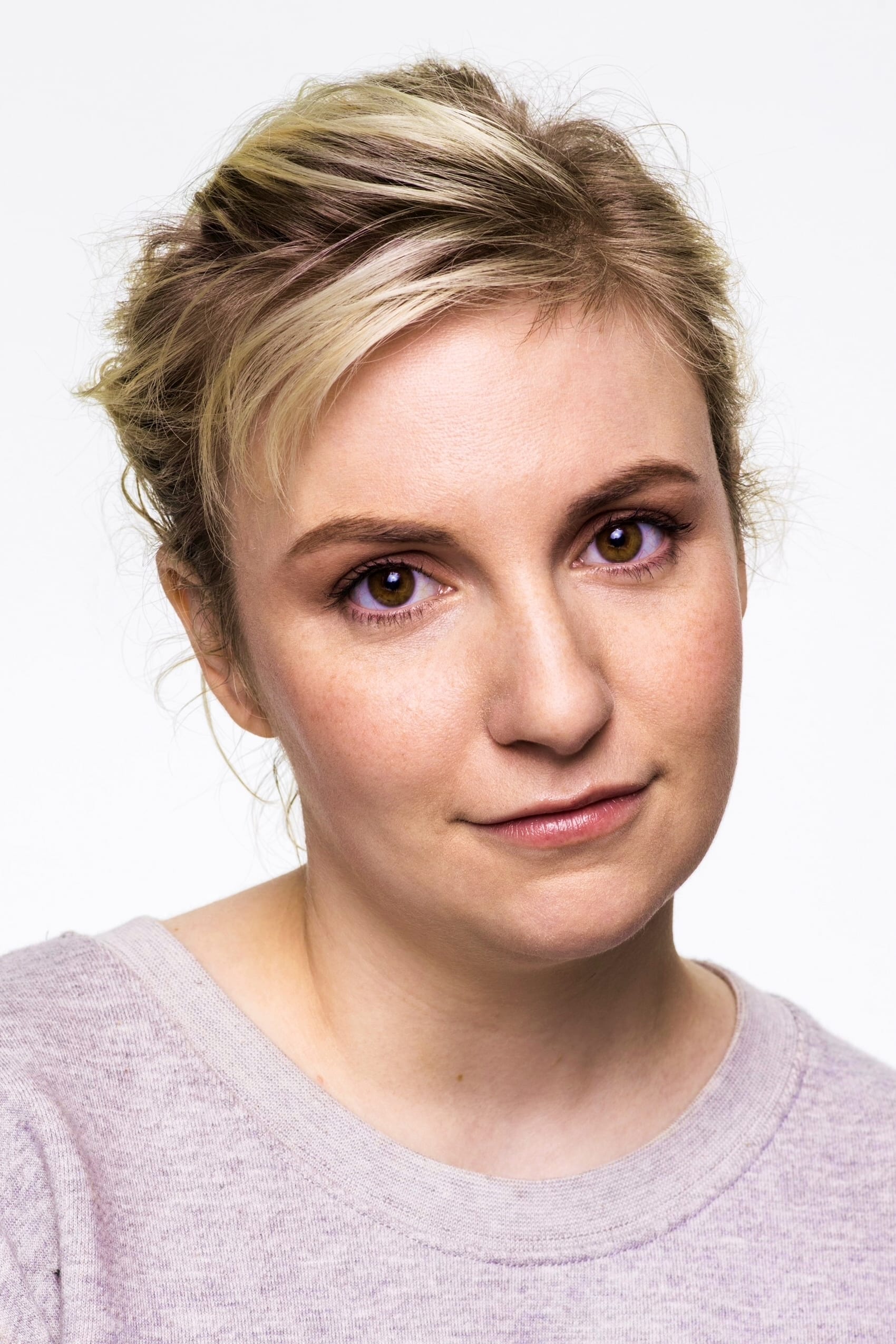
Lena Dunham faced ongoing comments during and after ‘Girls’. She explained how endometriosis and treatment affected her weight and energy. She asked outlets to respect medical privacy and avoid speculation. Her disclosures broadened understanding of chronic pain in creative work.
Barbie Ferreira
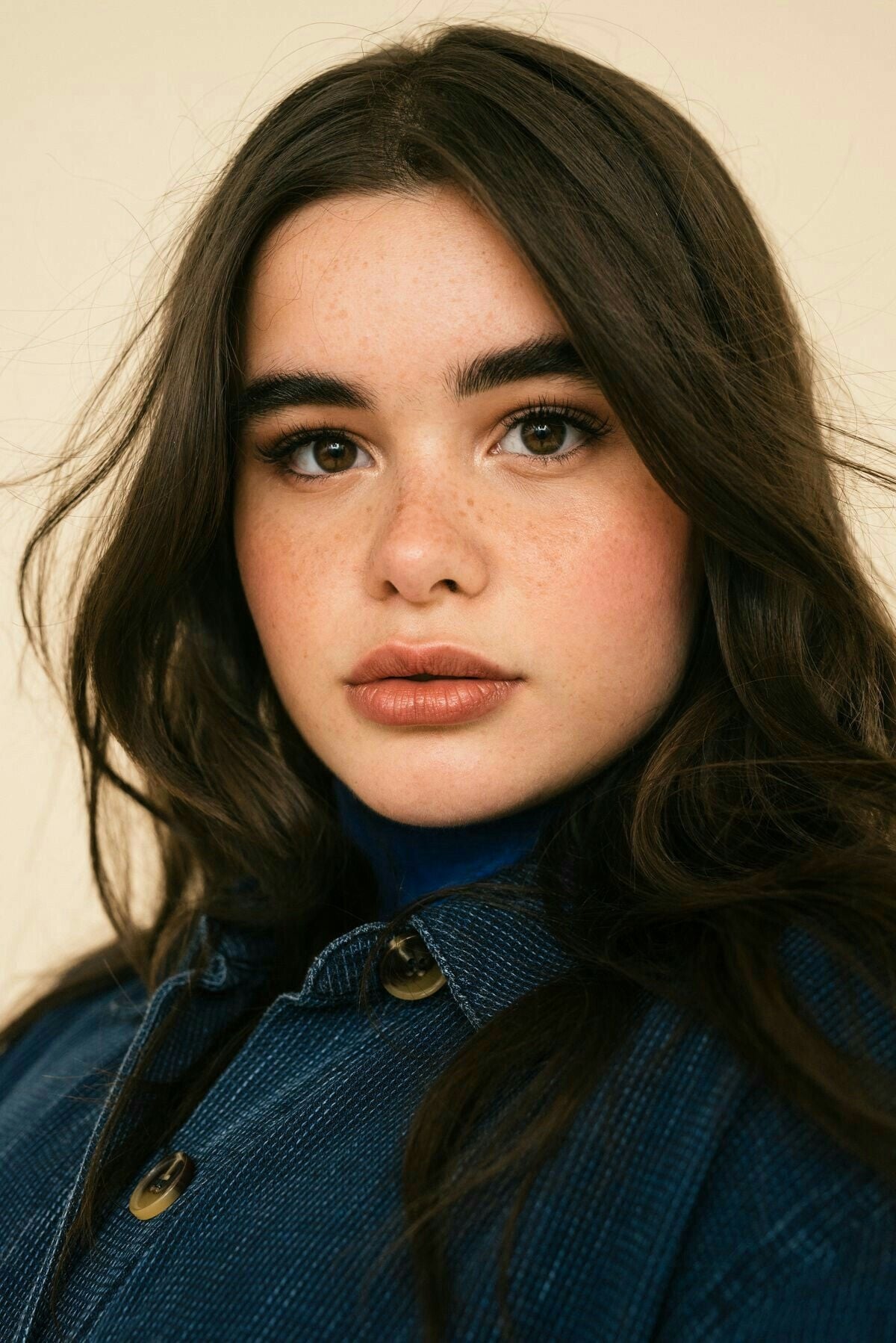
Barbie Ferreira dealt with online attacks related to her role in ‘Euphoria’. She highlighted how costuming teams fit clothing to actors rather than asking bodies to change. She encouraged fans to focus on character arcs and craft. The conversation underscored the value of inclusive wardrobe practices.
Gabourey Sidibe
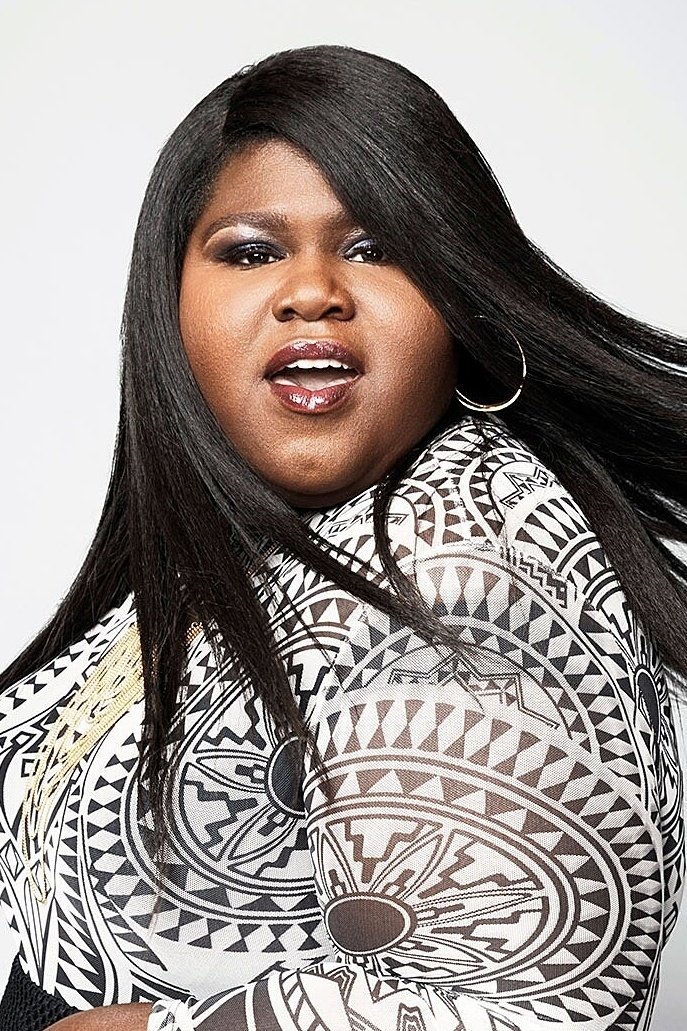
Gabourey Sidibe has been targeted since her breakout, leading her to discuss mental health and boundary setting. She credits supportive sets and therapy for resilience. She emphasizes skill, preparation, and scene work over appearance. Her message reframes success around craft.
Chrissy Metz
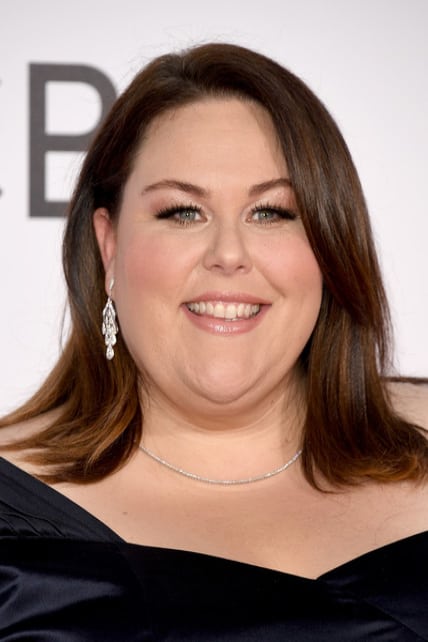
Chrissy Metz received constant scrutiny during ‘This Is Us’. She clarified that her contract did not mandate weight changes and that any goals were personal. She described safe training approaches focused on strength and wellbeing. Her comments corrected rumors and reduced pressure from viewers.
America Ferrera
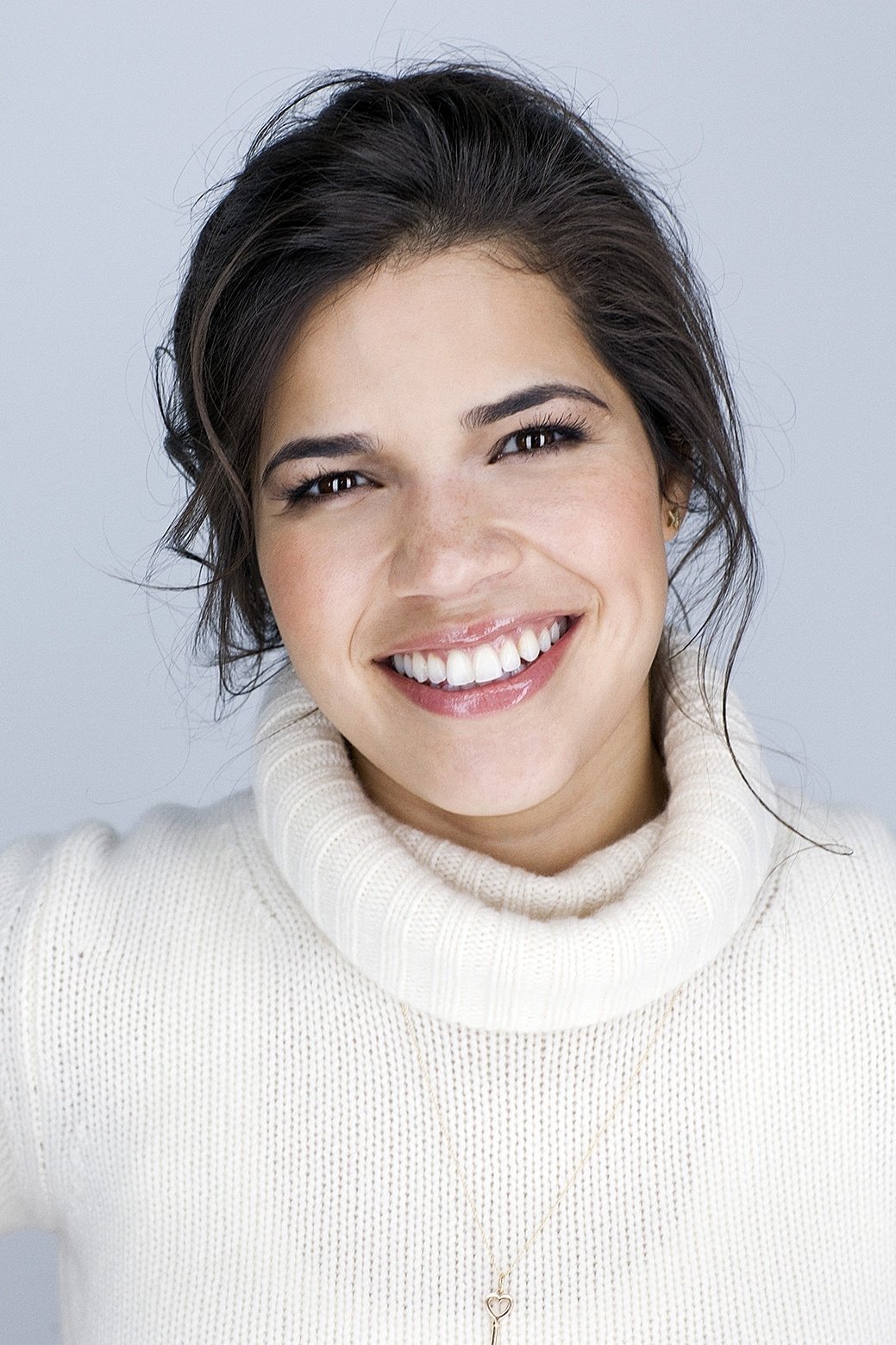
America Ferrera has spoken about casting feedback that centered on size rather than skill. She noted that scripts often assume one body type unless challenged. She now champions roles where character depth drives wardrobe choices. Her efforts opened doors for more varied representation.
Queen Latifah
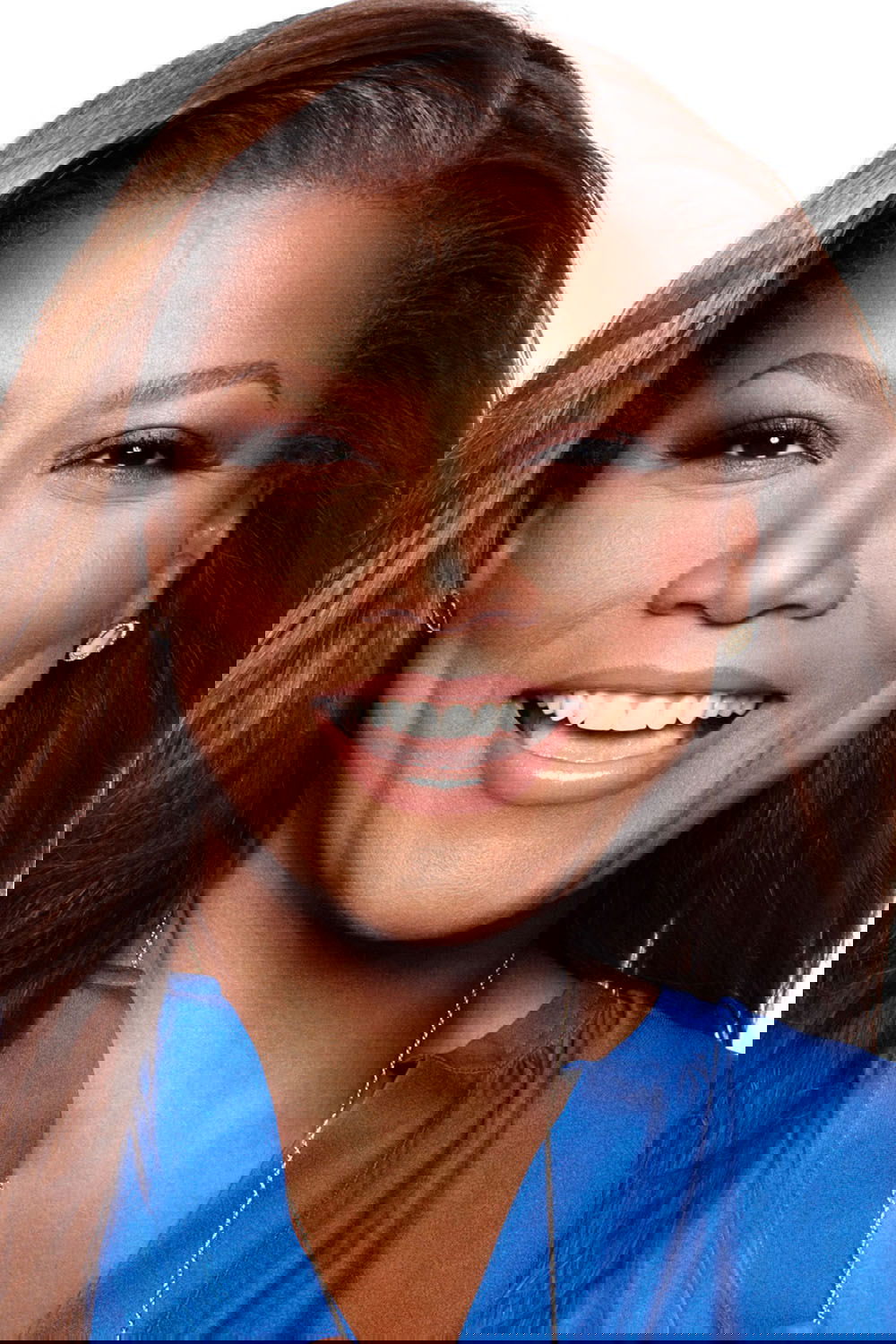
Queen Latifah described early requests to change her shape to fit musical and acting stereotypes. She emphasized health metrics and athletic training over scale numbers. She also praised stylists who tailor looks that support movement and comfort. Her longevity shows how talent and preparation outlast trends.
Keke Palmer
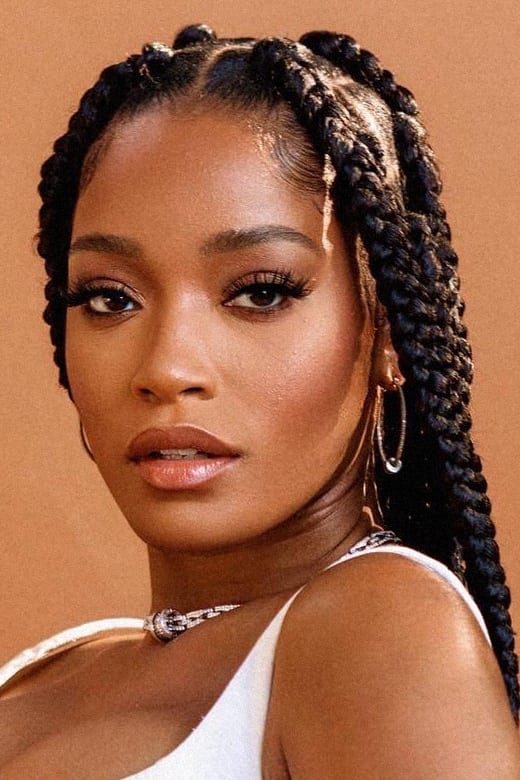
Keke Palmer faced commentary about her postpartum body and public outfits. She addressed the reality of recovery timelines and sleep deprivation. She pointed to pelvic floor therapy and strength work as practical steps. Her approach centered on health literacy rather than image.
Carrie Fisher
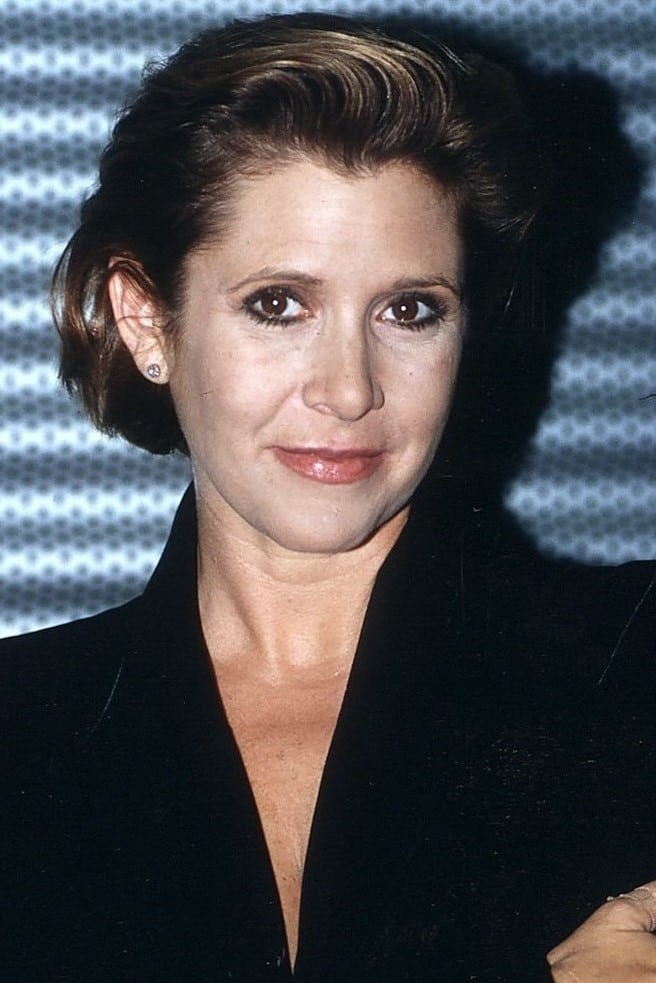
Carrie Fisher was body shamed after returning in ‘The Force Awakens’. She responded by reminding fans that aging is normal and not a flaw. She also noted how costumes and camera setups affect perception. Her remarks pushed the franchise conversation toward respect for veteran performers.
Daisy Ridley

Daisy Ridley has discussed seeing social media claims about her being too thin or too strong for ‘Star Wars’. She highlighted conditioning programs that prioritized injury prevention and stunt safety. She warned about comparing real people to stylized characters. Her comments stressed training quality over appearance.
Kelly Marie Tran
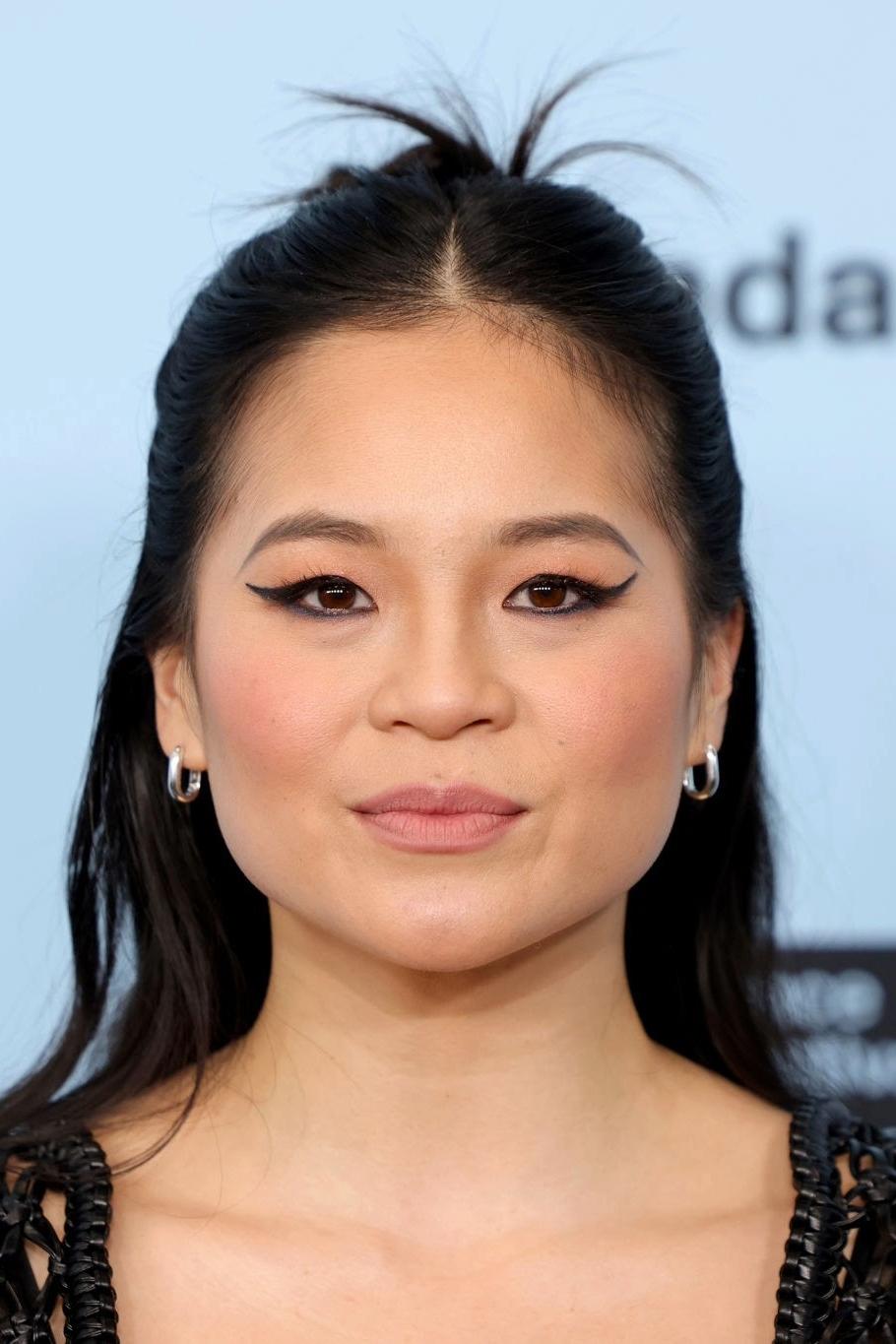
Kelly Marie Tran endured harassment after appearing in ‘The Last Jedi’. She stepped back from social media and later returned with boundaries and support. She urged fans to value kindness over nitpicking looks. Her exit and comeback illustrated self-protection as a valid choice.
Priyanka Chopra Jonas

Priyanka Chopra Jonas has talked about weight and nose comments early in her career. She explained how pageant-era expectations followed her into film sets. She now works with teams that tailor costumes across projects and countries. Her experience shows how standards shift across markets.
Sonam Kapoor Ahuja
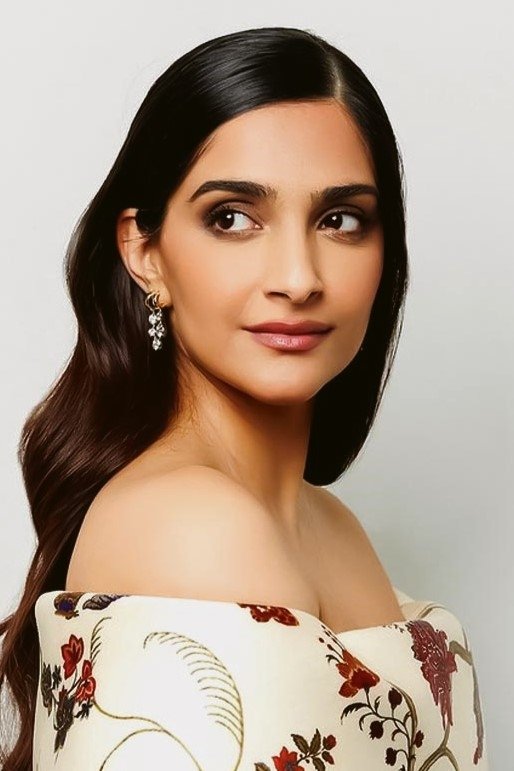
Sonam Kapoor wrote about being called too tall or too broad for certain roles. She credits good tailoring and fabric choices for red carpet success. She also discussed the toll that constant comparisons take on mental health. Her advice focuses on fit and comfort over chasing trends.
Aishwarya Rai Bachchan

Aishwarya Rai Bachchan was body shamed after pregnancy when she took time before public events. She prioritized family and gradual recovery. She returned to film work with custom styling that respected new measurements. Her choices normalized slower timelines after childbirth.
Keira Knightley

Keira Knightley faced accusations about extreme thinness and publicly denied having an eating disorder. She later used corsetry and structured designs that supported period roles without fueling speculation. She also pursued legal action when coverage crossed lines. Her case highlighted media responsibility.
Bryce Dallas Howard
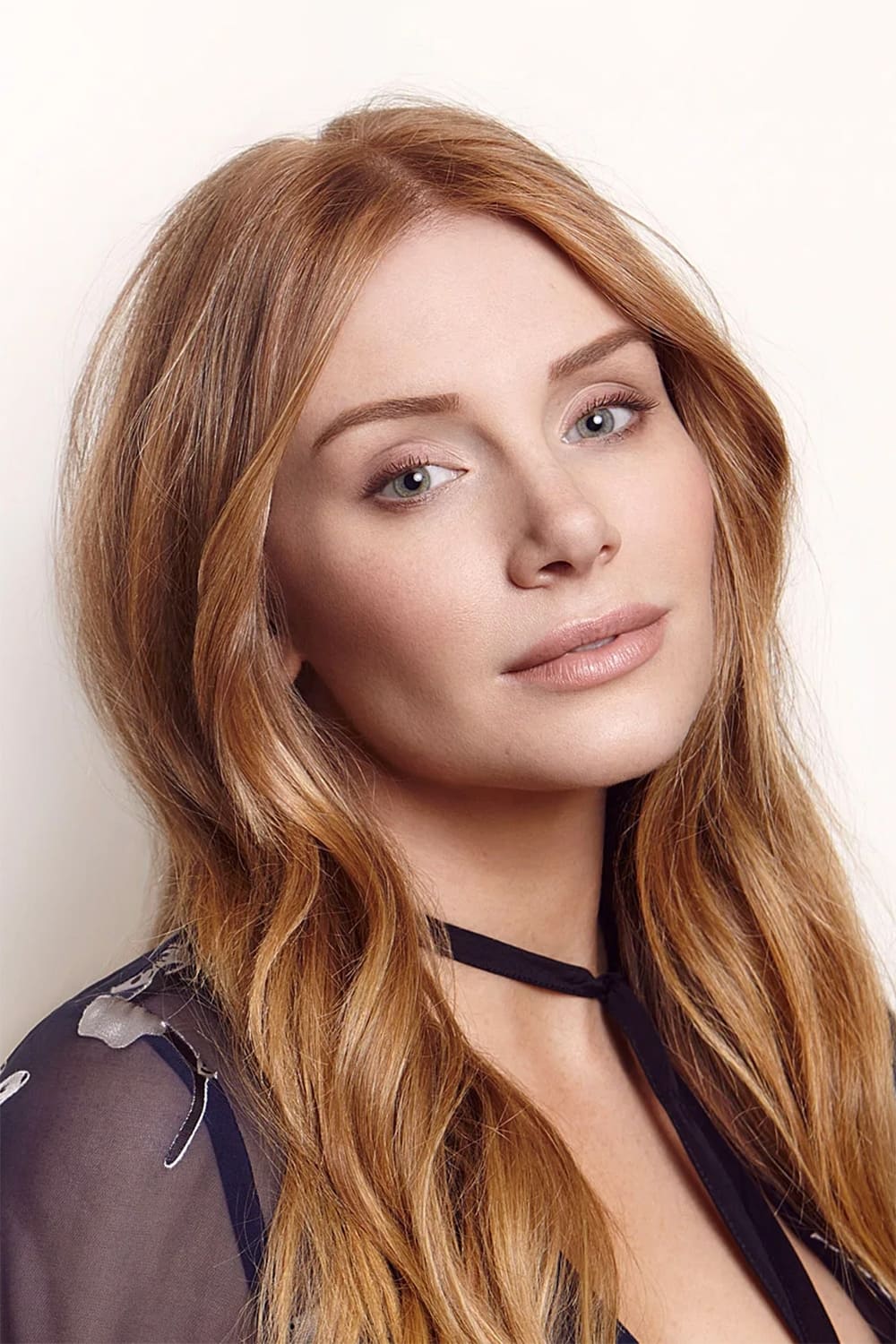
Bryce Dallas Howard has described navigating sample-size limitations for premieres. She often purchased her own gowns or worked with inclusive designers when loans were unavailable. She confirmed that strength and fit matter more than size on action-heavy shoots. Her solutions pushed for broader red carpet sizing.
Jamie Lee Curtis
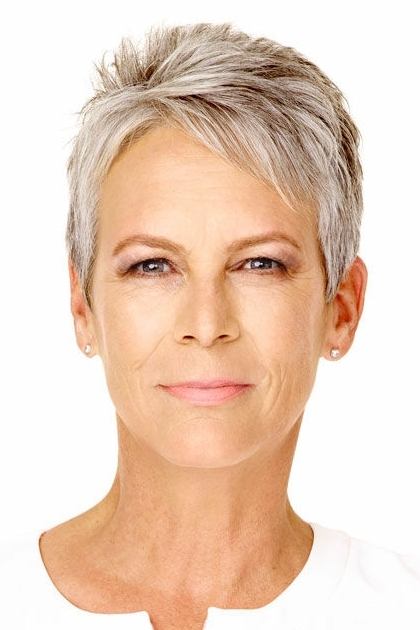
Jamie Lee Curtis has shared unretouched photos and stories about sucking in her stomach for scenes. She explained how wardrobe tricks and compression garments shape on-screen silhouettes. She encouraged productions to allow more realistic fits. Her openness demystified common set practices.
Amy Schumer
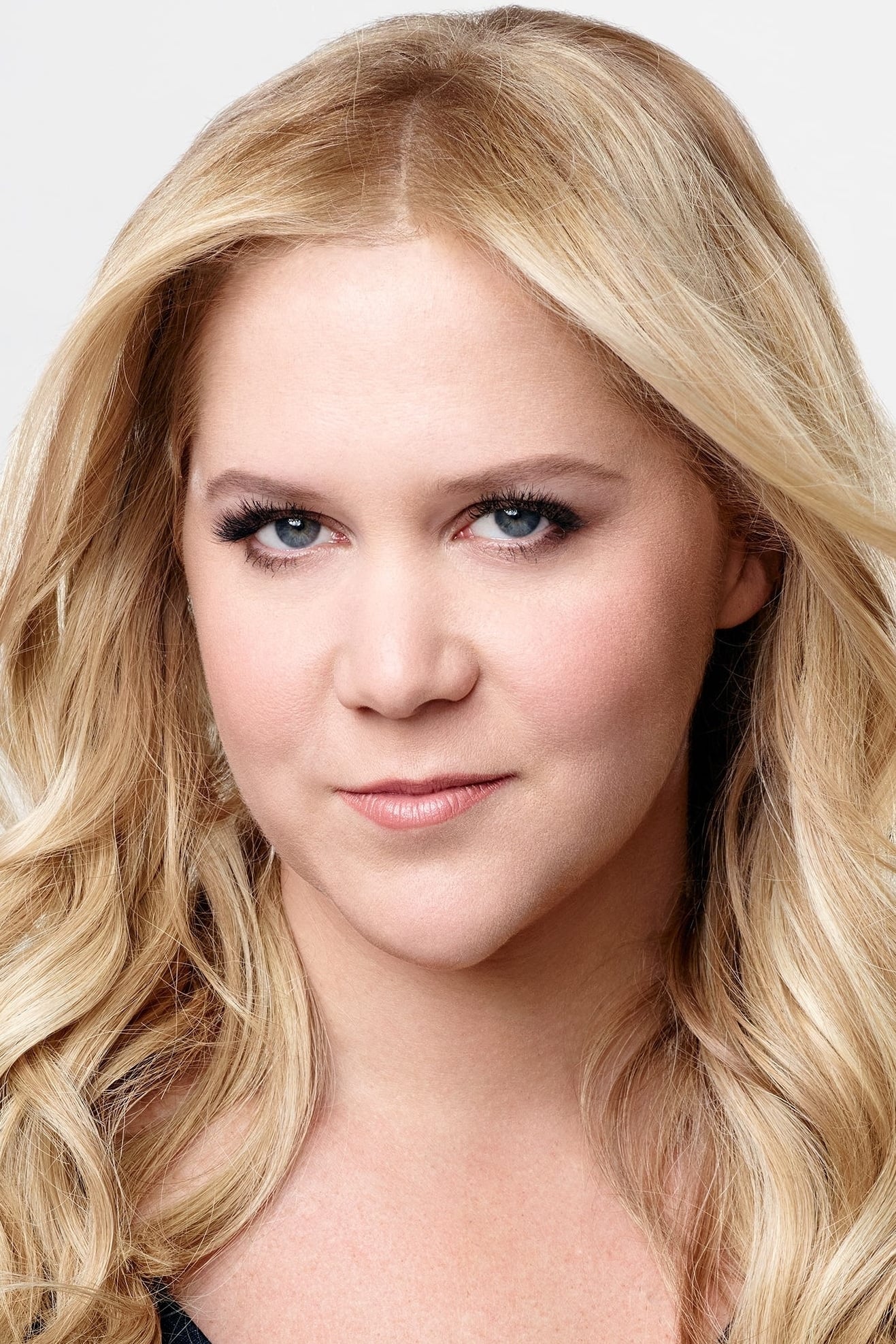
Amy Schumer has addressed comments about her body in stand-up, film press, and social posts. She points to health screenings and training as better indicators than appearance. She also calls out sizing inconsistencies between brands. Her remarks keep the focus on wellbeing and comfort.
Sarah Hyland

Sarah Hyland received body comments while managing kidney dysplasia and related treatments during ‘Modern Family’. She explained how medications affected weight and energy. She urged people to avoid diagnosing actors based on photos. Her updates increased awareness of invisible illnesses.
Pamela Anderson
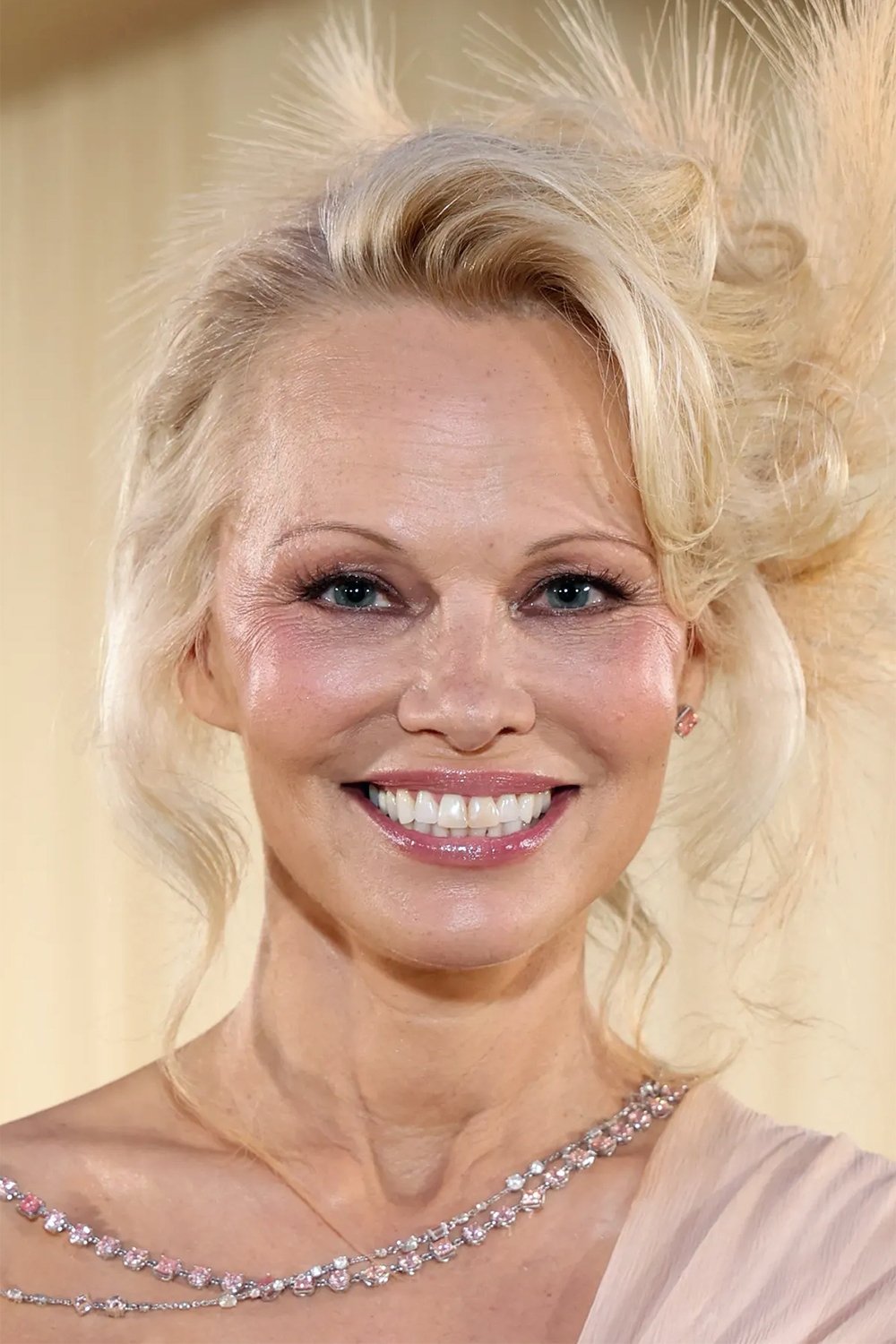
Pamela Anderson has faced decades of scrutiny tied to swimsuit imagery. She now appears at events with minimal makeup and simple styling to reset expectations. She describes prioritizing comfort and skin health over heavy preparation. Her choices show how presentation can evolve with time.
Nicola Coughlan

Nicola Coughlan addressed remarks about her shape during ‘Bridgerton’ promotions. She asked journalists to focus on plot and craft rather than her measurements. She works with designers who build looks that move well on long press days. Her approach reframed coverage toward the work.
Blake Lively
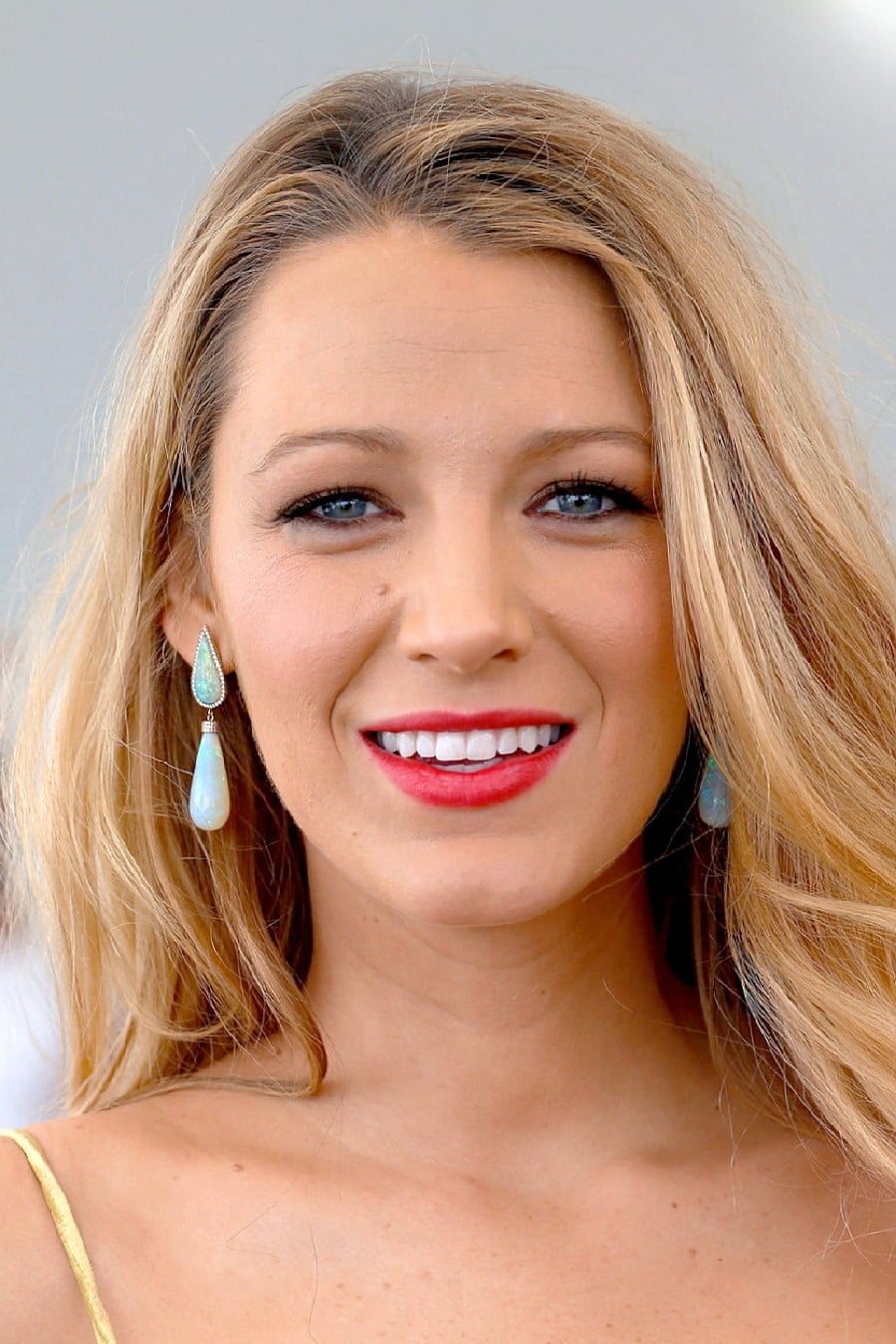
Blake Lively discussed the challenge of finding sample sizes after pregnancy while promoting projects. She thanked tailors who rebuilt outfits to fit her changing body. She explained that custom fitting is standard and not a reason for shame. Her notes helped normalize postpartum styling needs.
Salma Hayek
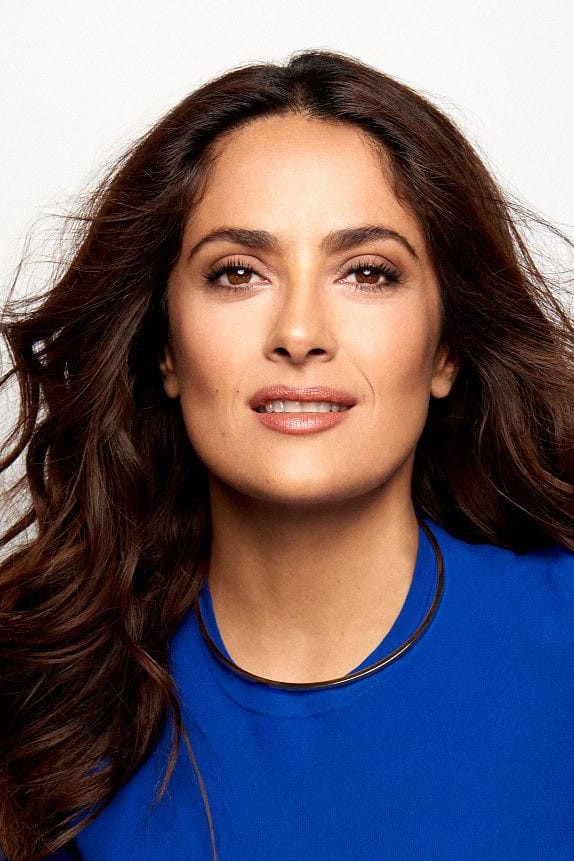
Salma Hayek has spoken about comments on her curves and age across action and drama roles. She credits strength training and careful stunt planning to protect joints and back. She favors costumes that balance movement with character authenticity. Her perspective ties longevity to smart prep rather than size.
Share which stories resonated most with you in the comments and tell us how the industry can keep moving toward healthier standards.

