


Actresses Who Make Villain Roles Weirdly Lovable

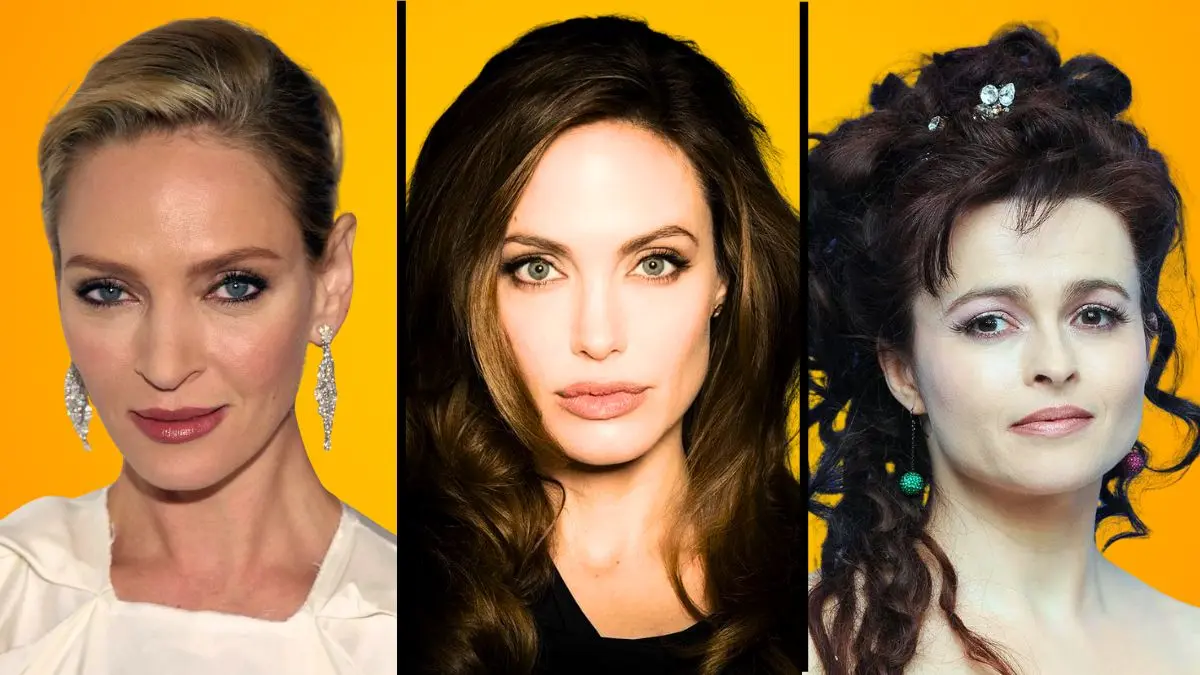


Some screen villains keep audiences rooting for them because the scripts give them memorable lines, layered motives, and standout style, and the actors ground all that with savvy choices. The performers below built antagonists who became cultural touchstones through sharp characterization, backstory detail, and scene-stealing presence. You will spot roles from comic-book worlds, fantasy epics, prestige TV, and cult thrillers. Each entry highlights marquee antagonists and what the projects put on the page that helped these characters connect.
Helena Bonham Carter
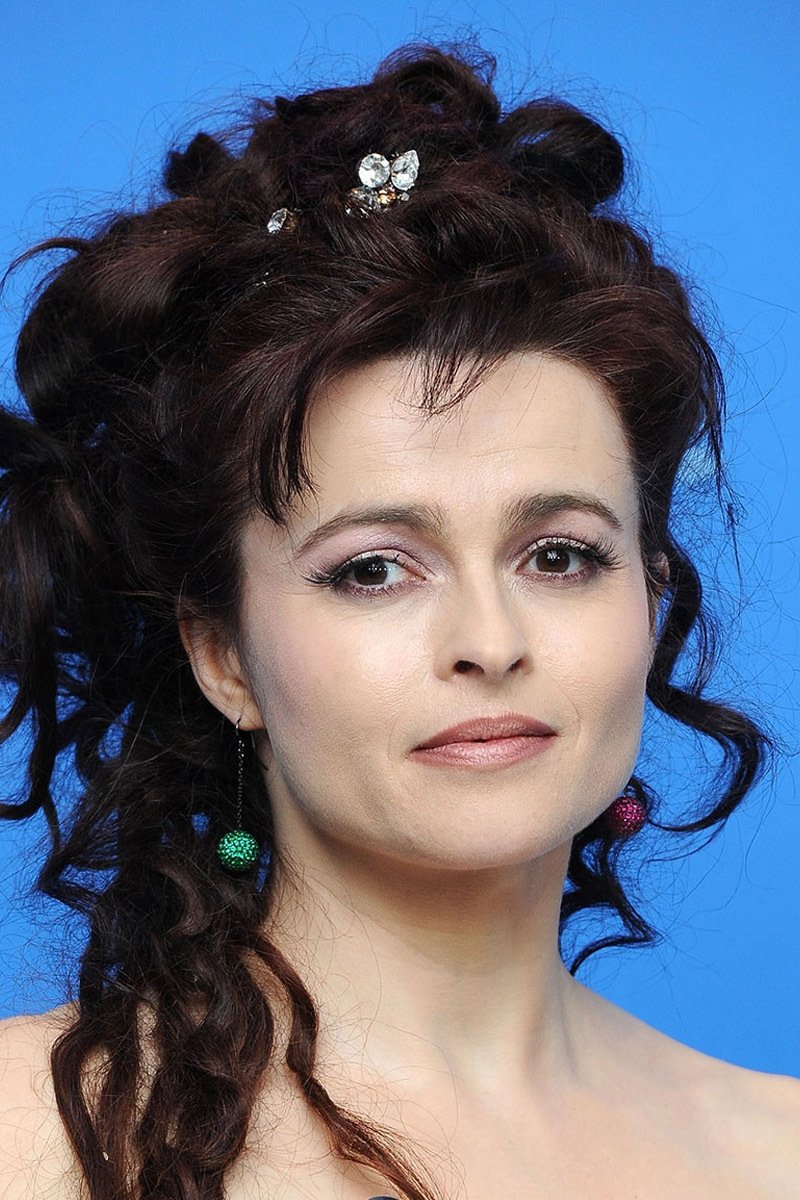
Her turn as Bellatrix Lestrange in ‘Harry Potter’ gives the Death Eater a clear allegiance, a distinctive look, and recurring set pieces that cement her as a primary foe. She also plays Mrs. Lovett in ‘Sweeney Todd,’ a conspirator whose songs and practical motives are laid out plainly. These roles pair flamboyant costuming with specific goals that drive the plot. The scripts consistently place her characters at the center of pivotal conflicts.
Cate Blanchett
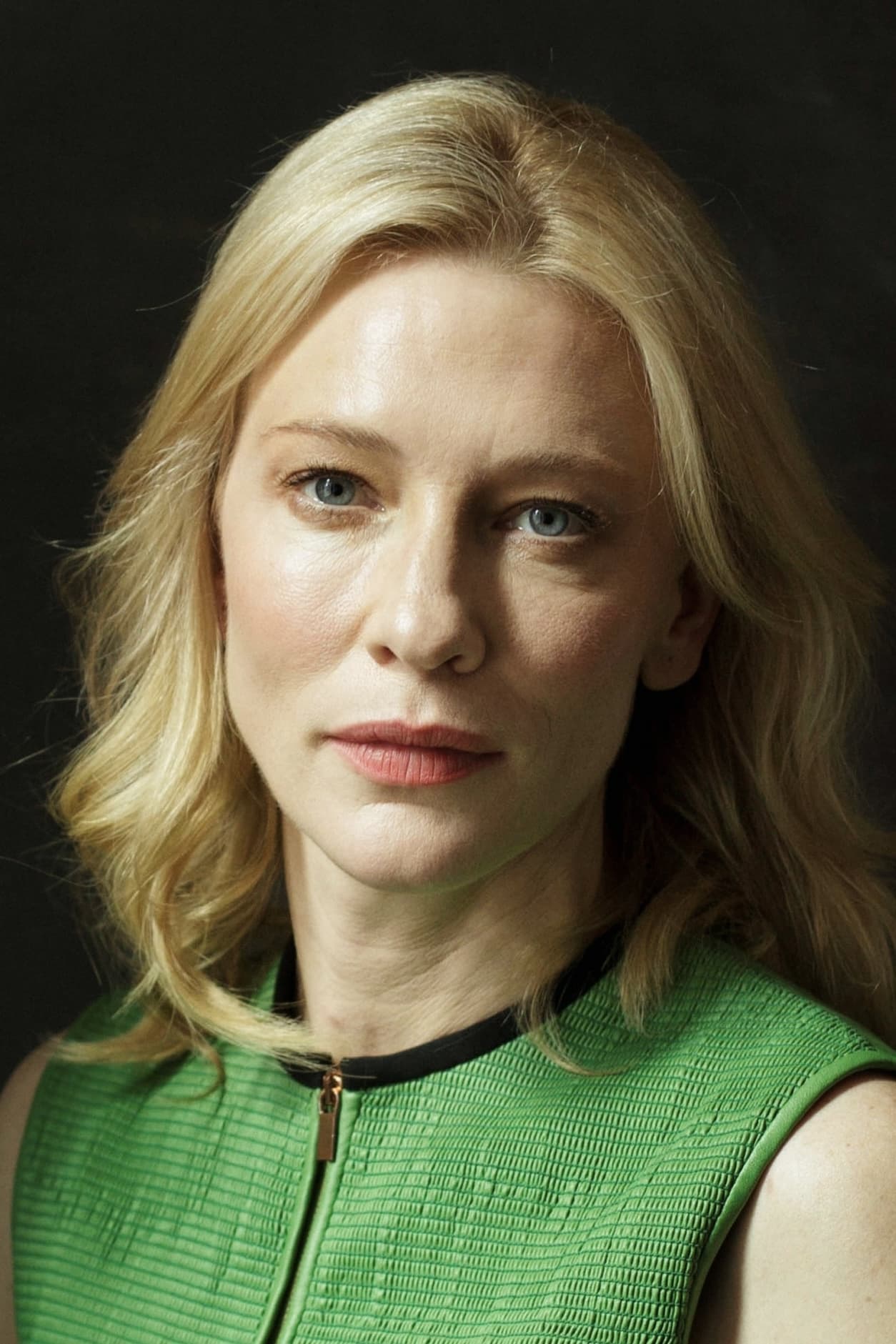
As Hela in ‘Thor: Ragnarok,’ she is introduced with explicit lineage and a stated claim to Asgard, giving the antagonist a defined rationale. ‘Cinderella’ casts her as Lady Tremaine, whose household power and rules are spelled out early. Both parts lean on clear hierarchies and legacy, letting audiences track why she does what she does. The films frame her as an organizing force in the story’s politics.
Michelle Pfeiffer

‘Batman Returns’ presents Selina Kyle with a workplace, an origin incident, and a transformation that clarifies her shifting loyalties. In ‘Stardust,’ Lamia’s pursuit of youth is tied to a magical system with rules the movie explains. These scripts supply steady markers for where she stands in each conflict. The characters’ objectives are reiterated through action scenes and repeated visual motifs.
Glenn Close
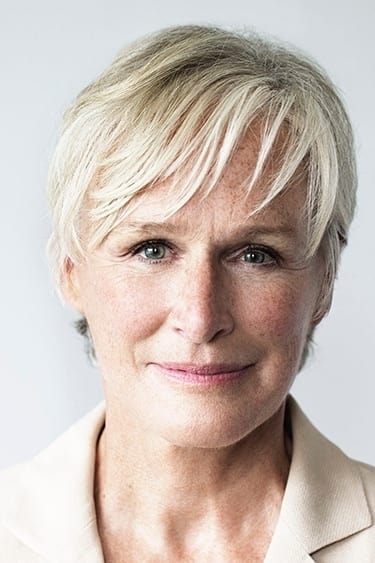
‘101 Dalmatians’ spells out Cruella de Vil’s fashion business and the fur scheme that triggers the plot. ‘Fatal Attraction’ details Alex Forrest’s relationship timeline and the escalation steps that follow. The films anchor her actions in specific plans, dates, and locations. That structure keeps her antagonists readable and oddly compelling to track.
Emma Stone

‘Cruella’ builds Estella’s history in London’s fashion scene and maps her rivalry with the Baroness through public stunts and design reveals. The film documents each move in her rise with heists, showcases, and press attention. Those beats make the character’s strategy visible. The audience follows a career arc as much as a feud.
Charlize Theron
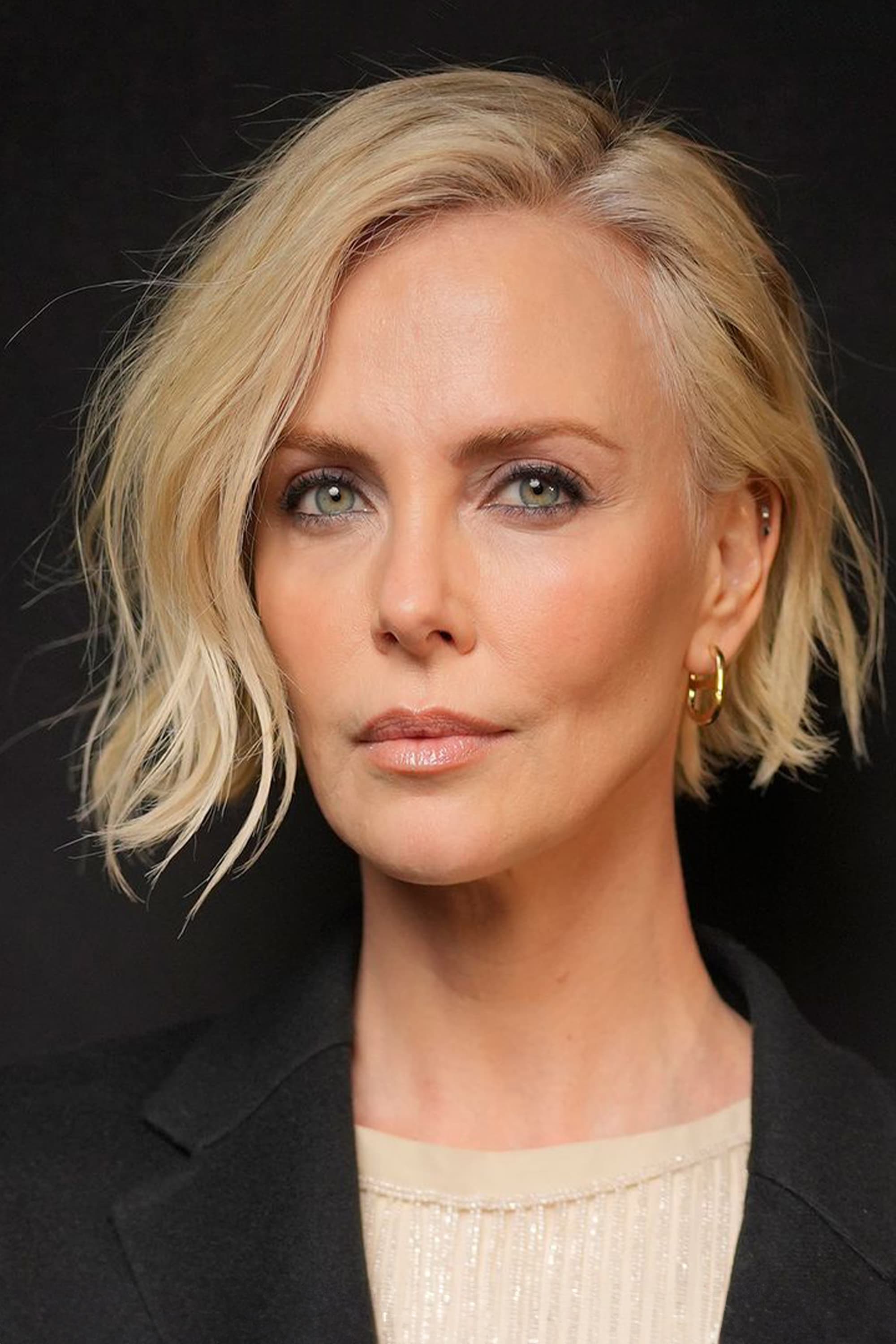
In ‘Snow White and the Huntsman,’ Queen Ravenna’s magic rules, vulnerabilities, and dependence on beauty are explained in dialogue and rituals. Her governance style is shown through decrees and court scenes. The sequel revisits that framework with alliances and family history. The worldbuilding consistently ties her power to specific costs.
Tilda Swinton
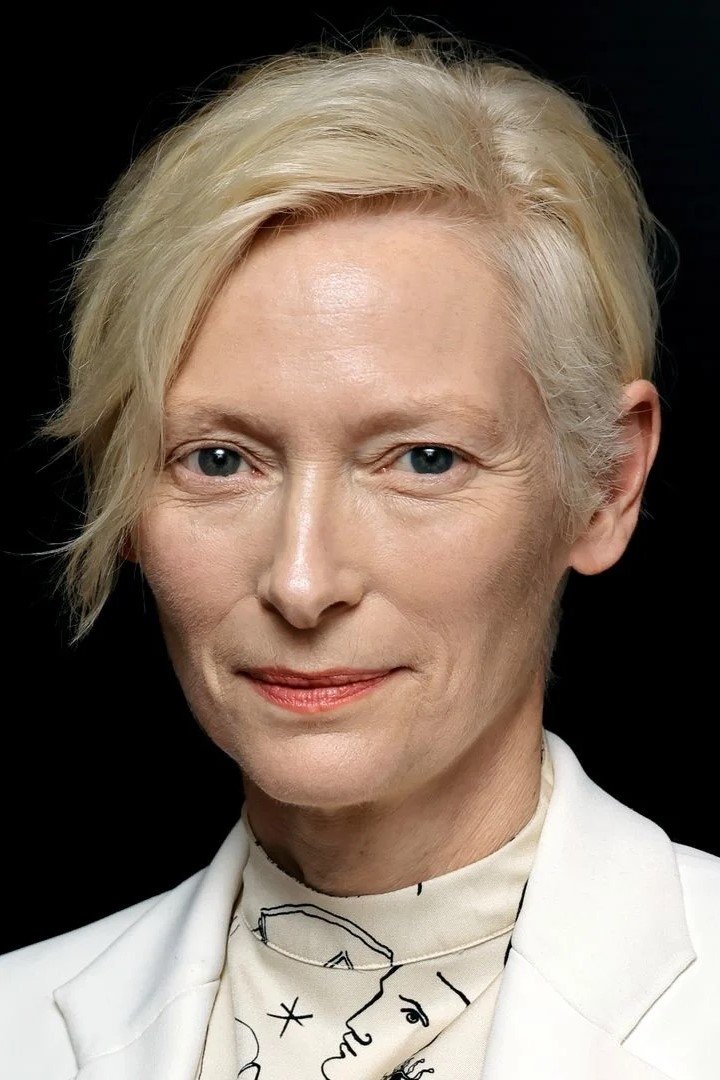
‘The Chronicles of Narnia’ outlines the White Witch’s origins, winter curse, and legalistic claim over Narnia through the Deep Magic. ‘Constantine’ presents Gabriel with a doctrine that guides every choice. Both texts give her antagonists a rulebook the audience can parse. Viewers can predict tactics because the stories state the boundaries.
Lena Headey
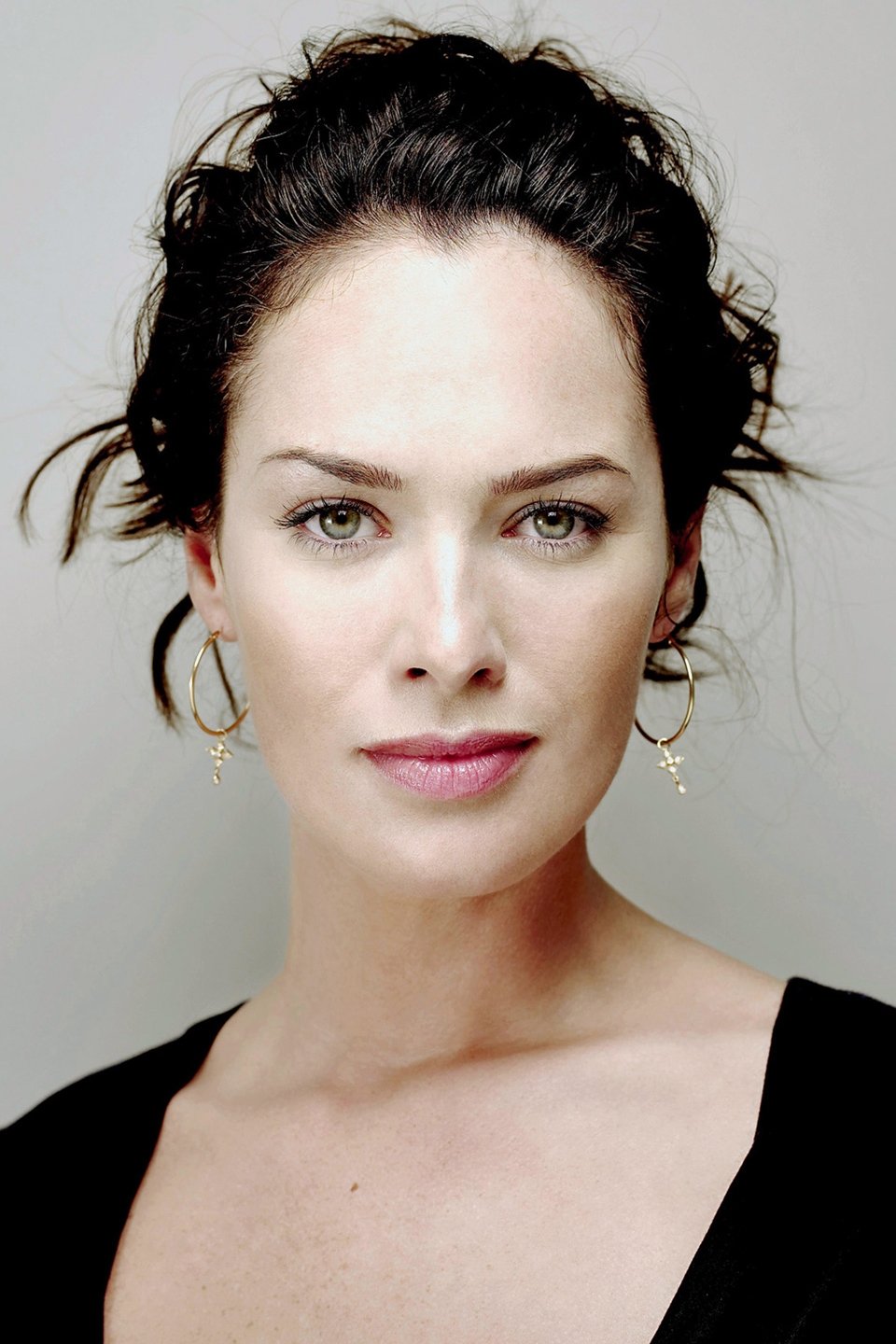
‘Game of Thrones’ tracks Cersei Lannister’s titles, alliances, and succession goals season by season. ‘Dredd’ defines Ma-Ma’s control of Peach Trees with territory maps, lieutenants, and a drug supply chain. Each antagonist operates within a system the narrative diagrams. That clarity turns their moves into tense chess.
Eva Green
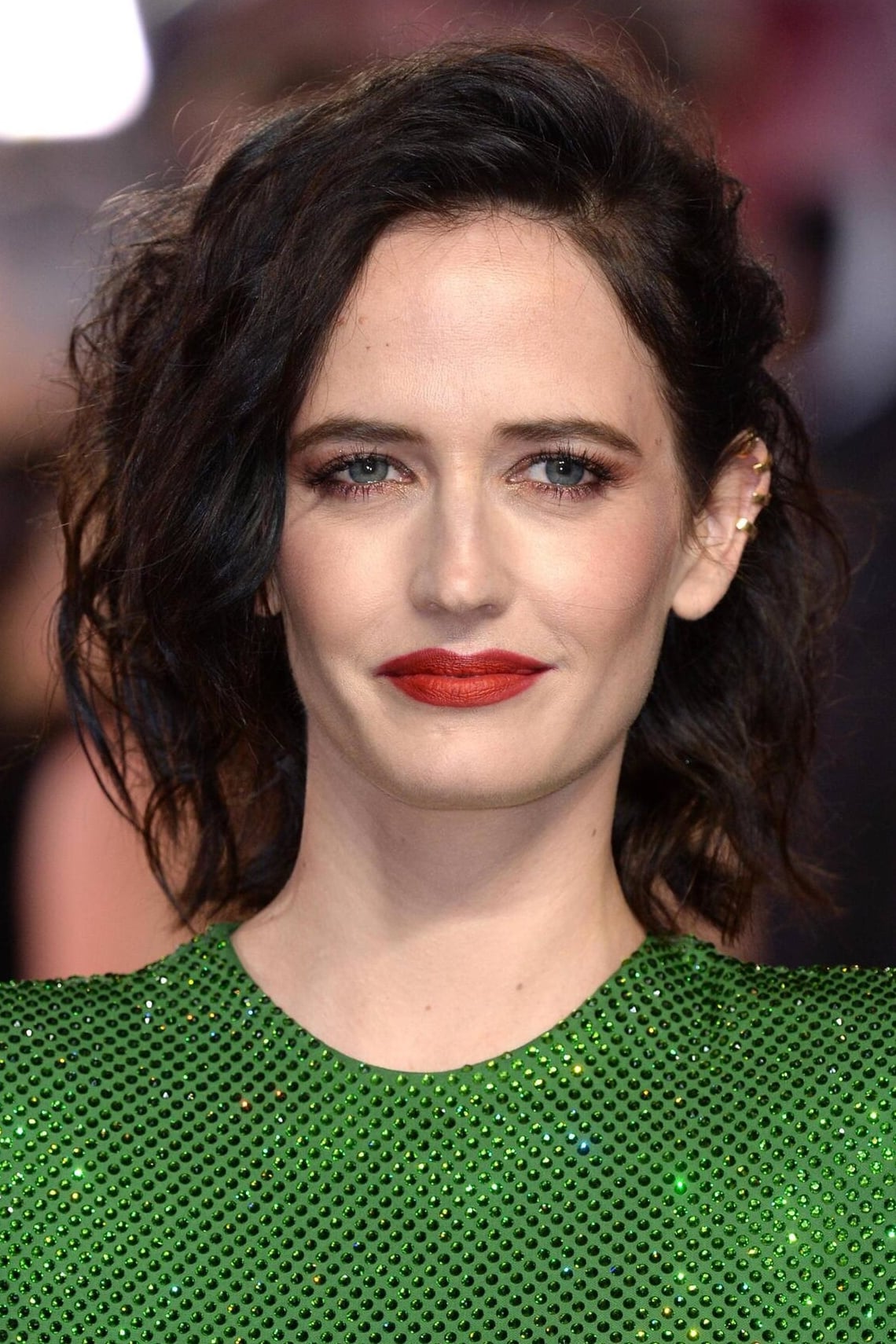
‘300: Rise of an Empire’ sets Artemisia’s naval command with tactics, ranks, and ship types laid out in battle sequences. ‘Camelot’ equips Morgan with clearly described magical practices and political leverage. The projects explain what resources she has and how she uses them. Strategy becomes the hook for her villains.
Rosamund Pike

‘Gone Girl’ documents Amy Dunne’s plans through diary entries, timelines, and step-by-step procedures. ‘I Care a Lot’ shows Marla Grayson’s guardianship grifts with court filings, facility operations, and contacts. These stories foreground logistics and legal mechanisms. Her antagonists captivate because the process is transparent.
Sharon Stone
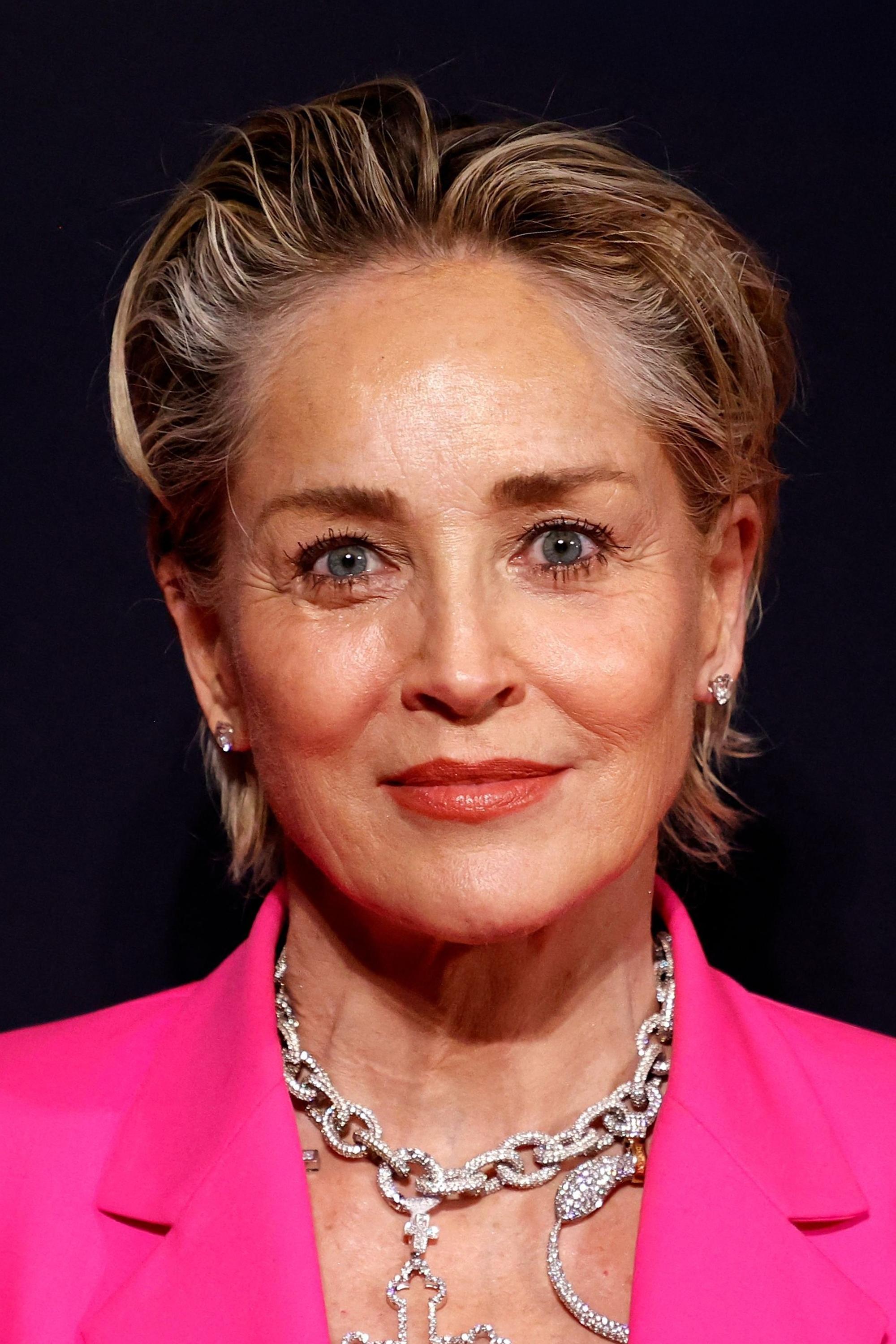
‘Basic Instinct’ charts Catherine Tramell’s bibliography, interviews, and police interactions to frame a suspect with a public persona. ‘Catwoman’ defines Laurel Hedare’s corporate role and product launch that drives the conspiracy. Both scripts surround her with media and business infrastructure. The villainy is tracked through records and public events.
Meryl Streep
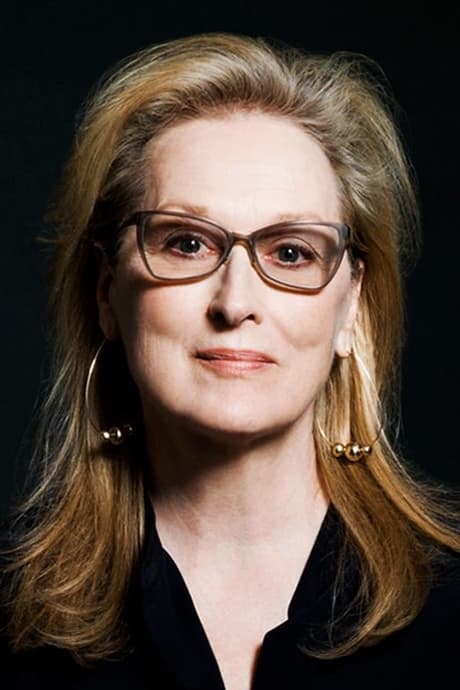
‘The Devil Wears Prada’ outlines Miranda Priestly’s editorial calendar, industry relationships, and decision-making power at a fashion magazine. ‘Into the Woods’ details the Witch’s curse, rules, and bargaining terms in song and dialogue. Each antagonist is backed by a system the audience understands. Their authority rests on institutions and deals.
Jessica Chastain
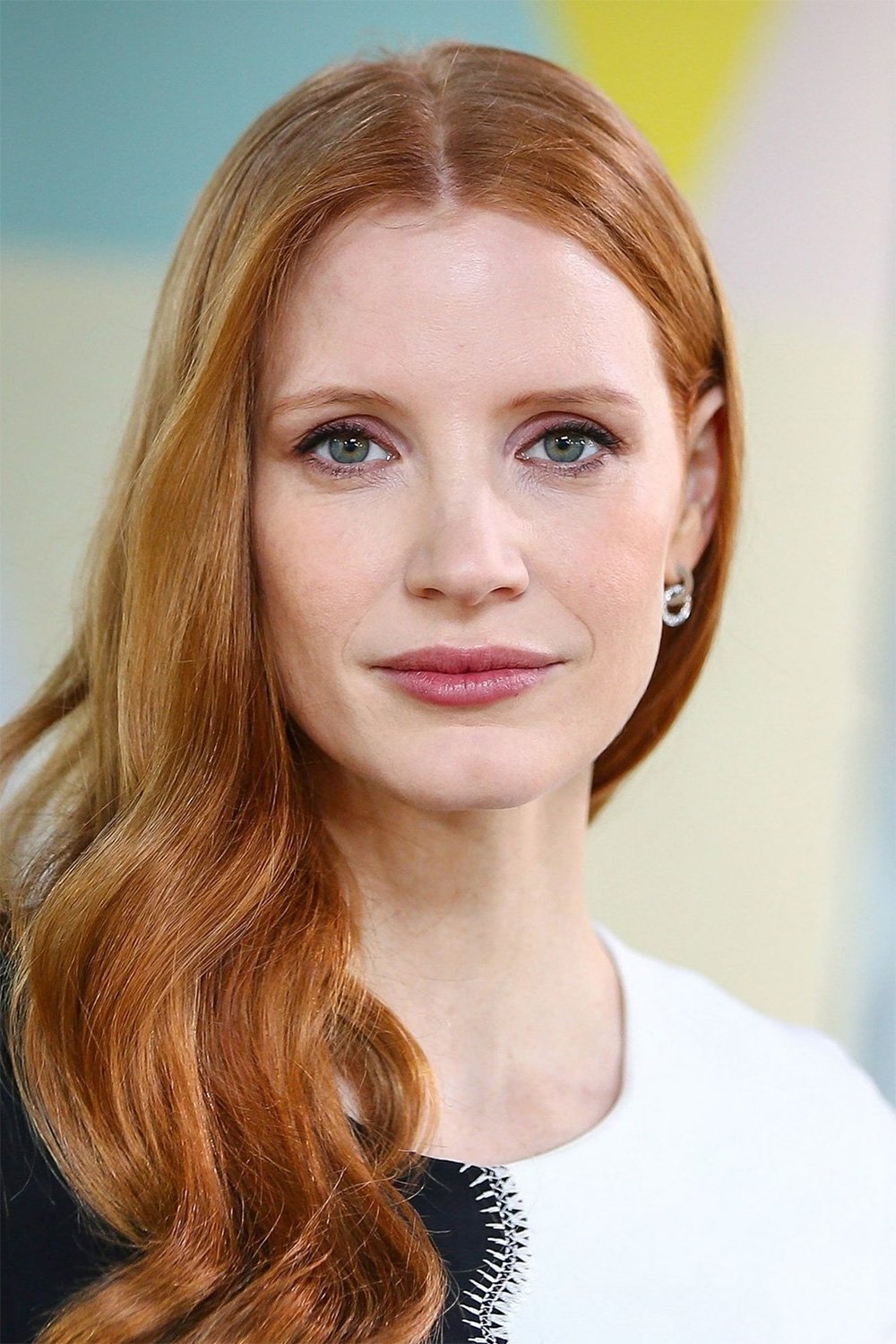
‘Crimson Peak’ explains Lucille Sharpe’s family history, finances, and the decaying house that shapes her choices. ‘Dark Phoenix’ outlines Vuk’s cosmic objective and species background. The films provide origin points and resources for her actions. That scaffolding makes her presence consistently consequential.
Nicole Kidman
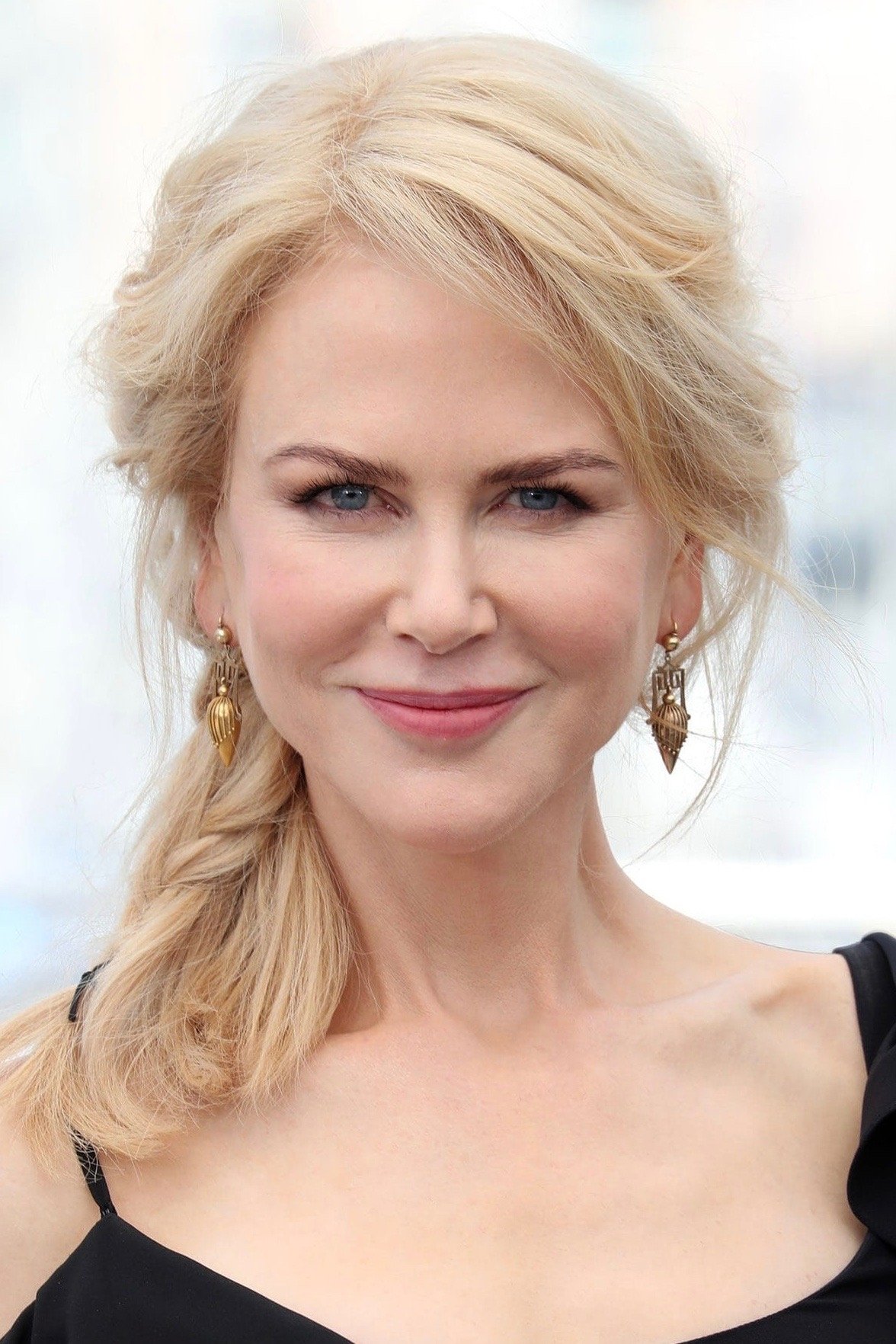
‘The Golden Compass’ introduces Mrs Coulter’s Magisterium ties, research aims, and the function of daemons. ‘Paddington’ lays out Millicent Clyde’s museum work and target acquisition methods. Each antagonist has a workplace, tools, and procedures. The films use those specifics to propel the chase.
Angelina Jolie
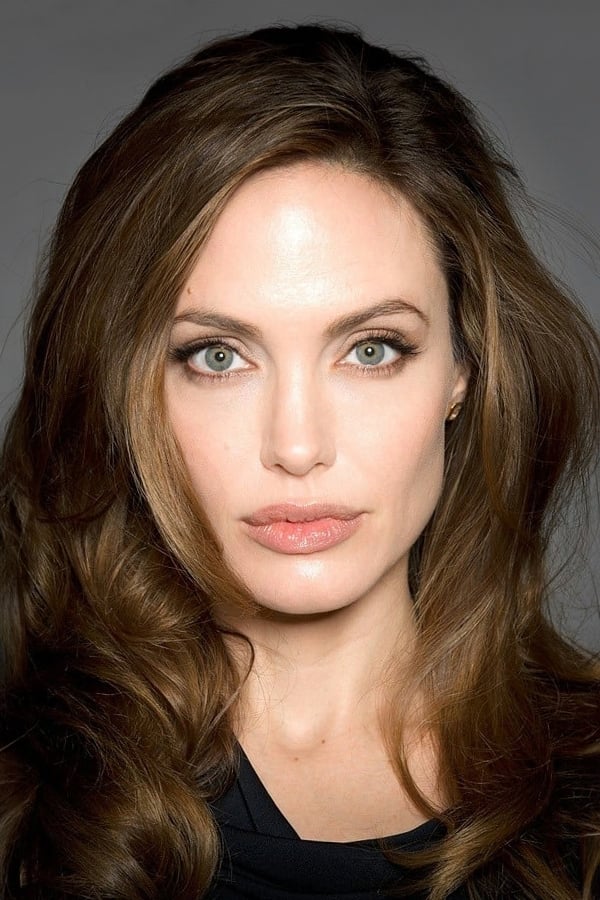
‘Maleficent’ records land treaties, betrayals, and guardianship duties that inform her stance toward the human kingdom. ‘Beowulf’ sets the character’s motives within a legend retold by the court. The narratives position her within myth and law. Her actions follow stated terms of magic and pact.
Rachel Weisz

‘Oz the Great and Powerful’ identifies Evanora’s role in the Emerald City’s leadership and the mechanics of her illusions. The story connects her choices to territory control and succession. Her goals are conveyed in councils and confrontations. The film keeps her influence visible in every major turn.
Uma Thurman
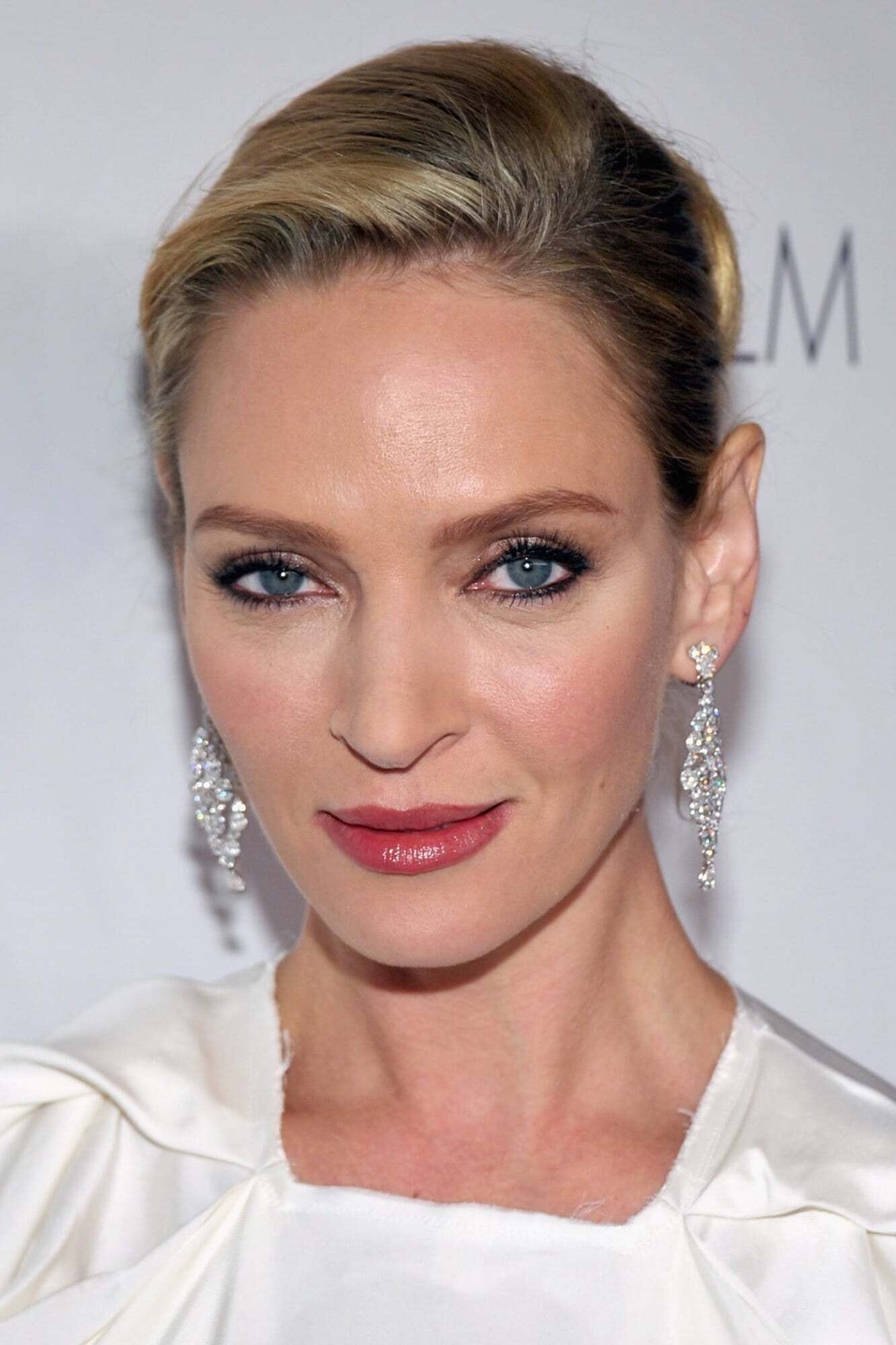
‘Batman and Robin’ gives Poison Ivy a lab origin, a partner in crime, and an ecological mission articulated in speeches. The movie lists her abilities and weaknesses in set pieces. Her plans depend on public appearances and alliances. The beats make her trajectory easy to follow.
Kathy Bates
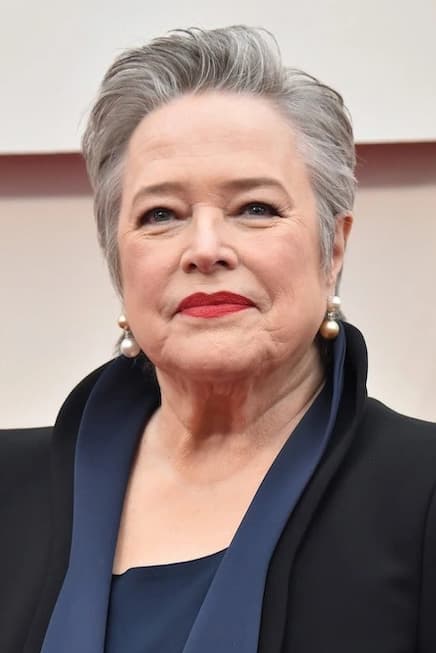
‘Misery’ presents Annie Wilkes with a home layout, medical training, and a clear obsession tied to a book series. ‘American Horror Story’ entries give her characters historical contexts and stated codes. The materials place her antagonists within routines and records. That grounding turns each outburst into a plot lever.
Judi Dench
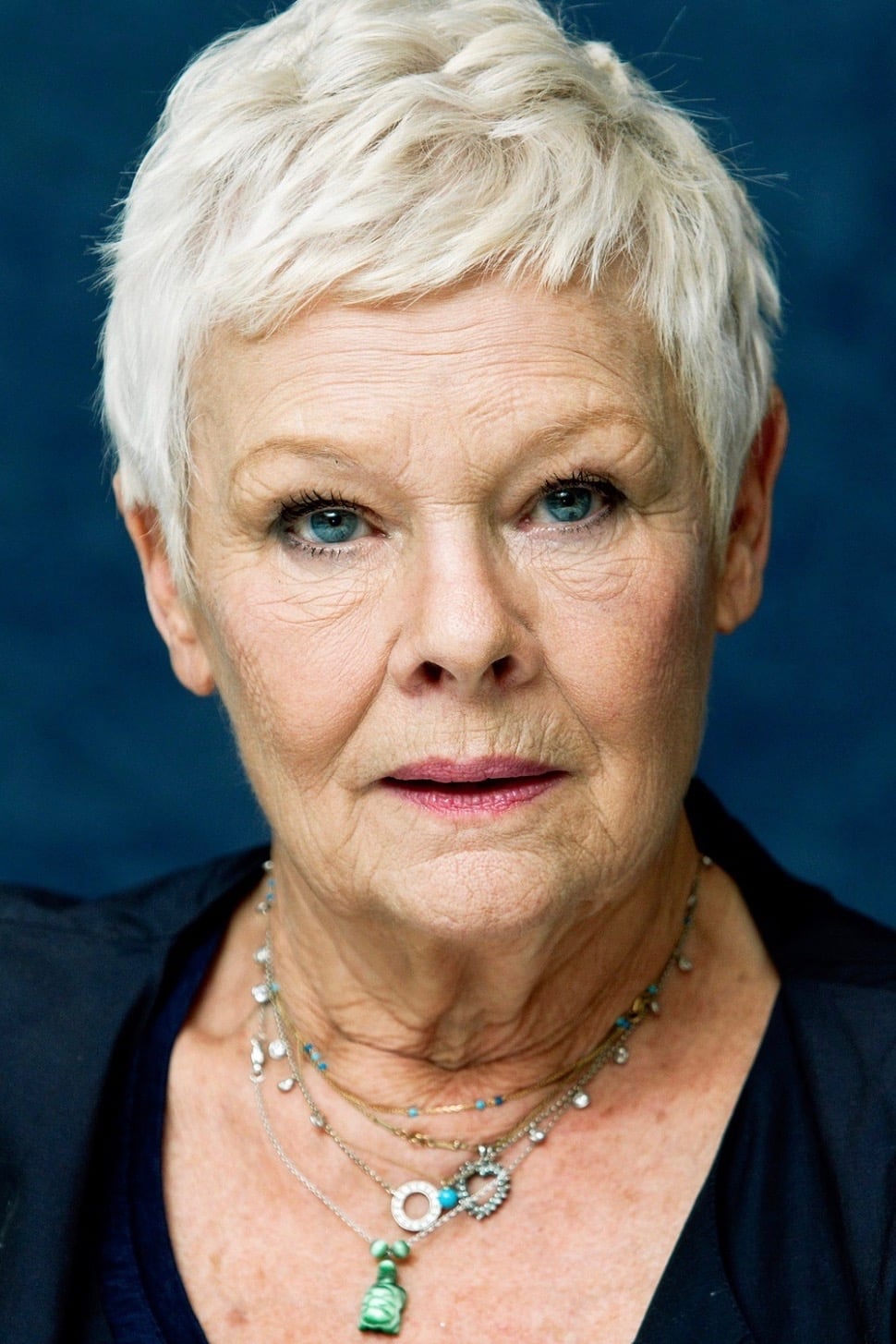
‘Notes on a Scandal’ logs Barbara Covett’s diary observations, job role, and proximity to the incident at school. The film organizes her influence through meetings and written accounts. Her access explains how situations escalate. The narrative uses her documentation to drive momentum.
Anne Hathaway
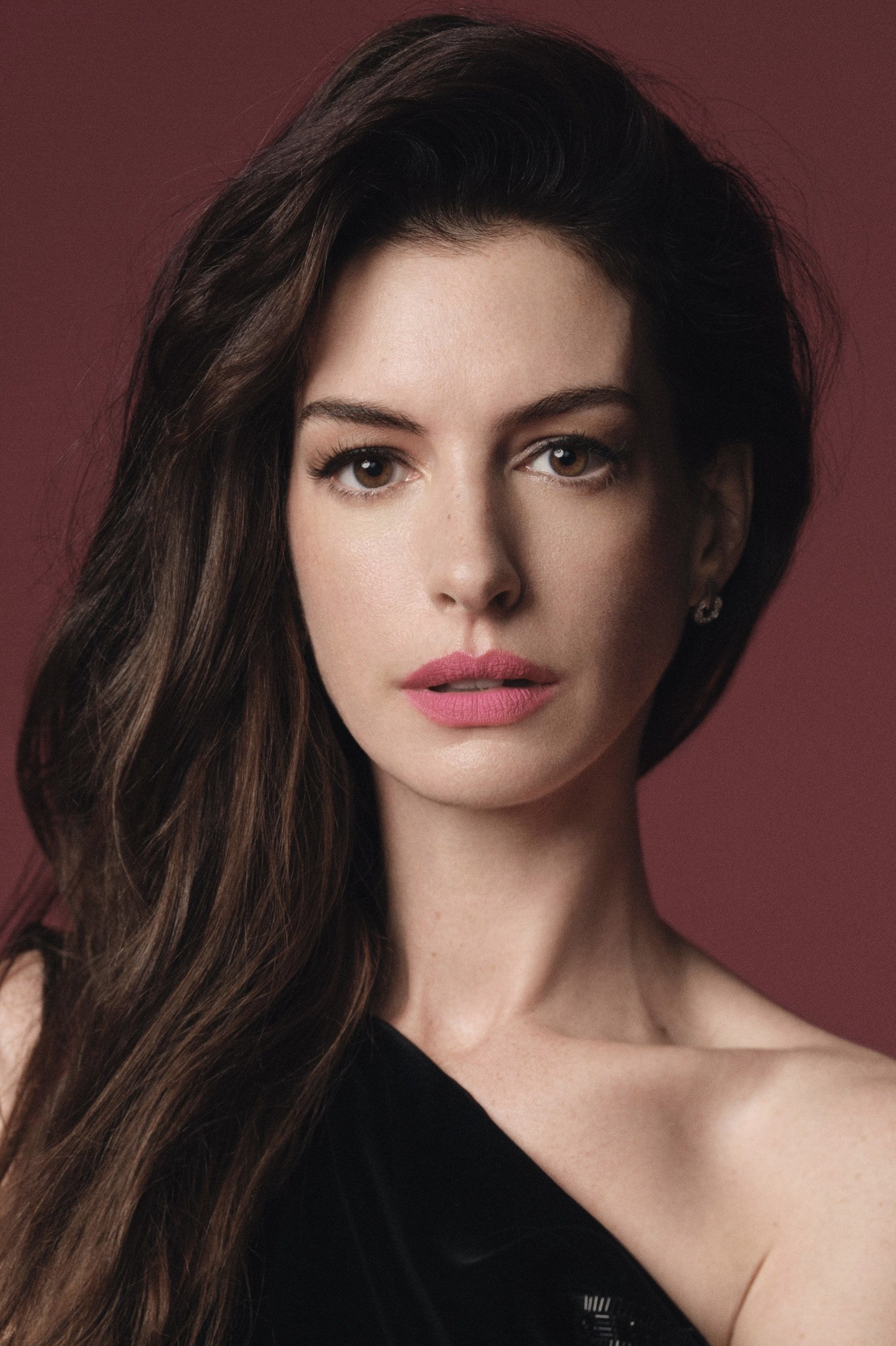
‘The Witches’ defines the Grand High Witch’s hierarchy, conventions, and plan for a hotel gathering. The film lists the potion’s rules and its intended scale. Her antagonist role is plotted through speeches, demonstrations, and orders. The structure makes every step of the scheme legible.
Lucy Liu

‘Kill Bill: Vol. 1’ traces O-Ren Ishii’s backstory with animated sequences, a syndicate chart, and a council scene. The film explains her authority and security protocols at the House of Blue Leaves. Her reach is mapped across districts and crews. Those details make her leadership tangible.
Julianne Moore
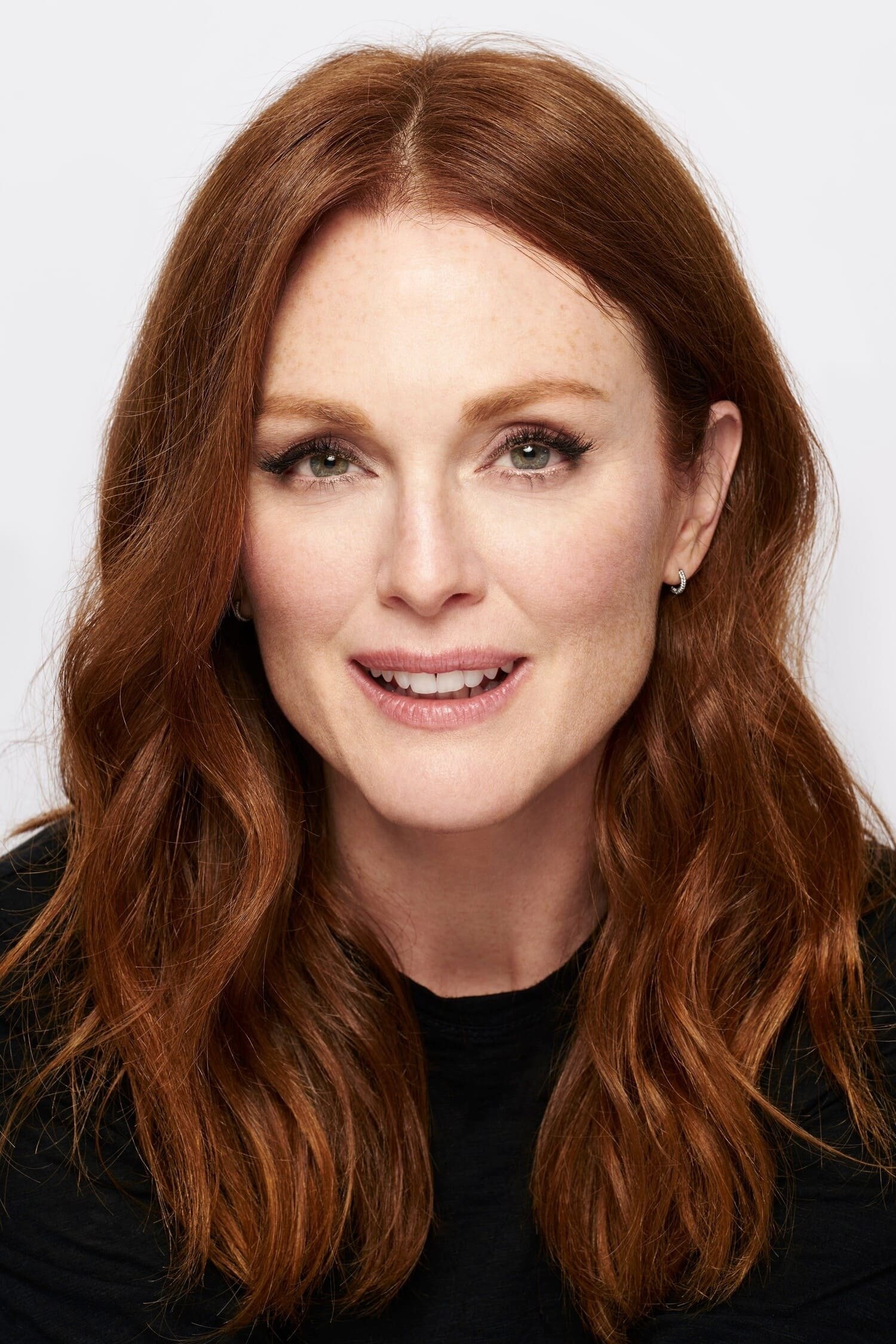
‘Kingsman: The Golden Circle’ introduces Poppy Adams with a remote base, a supply network, and a public ultimatum. ‘Carrie’ sets Margaret White’s beliefs through scripture, household rules, and community interactions. Each antagonist is encoded with rules that guide behavior. The stories tie conflict to their systems of control.
Patricia Clarkson

‘Sharp Objects’ sketches Adora Crellin’s social standing, home routines, and town influence. The series shows how caregiving becomes a vehicle for harm through habits and histories. Access and reputation are spelled out in every episode. The character’s power is administrative and local.
Priyanka Chopra Jonas

‘Baywatch’ assigns Victoria Leeds a beachfront development front and a trafficking pipeline that investigators uncover. The film shows her methods with bribes, henchmen, and timed shipments. The antagonist’s plan advances through civic events. The beats give a clean procedural spine to her moves.
Gong Li
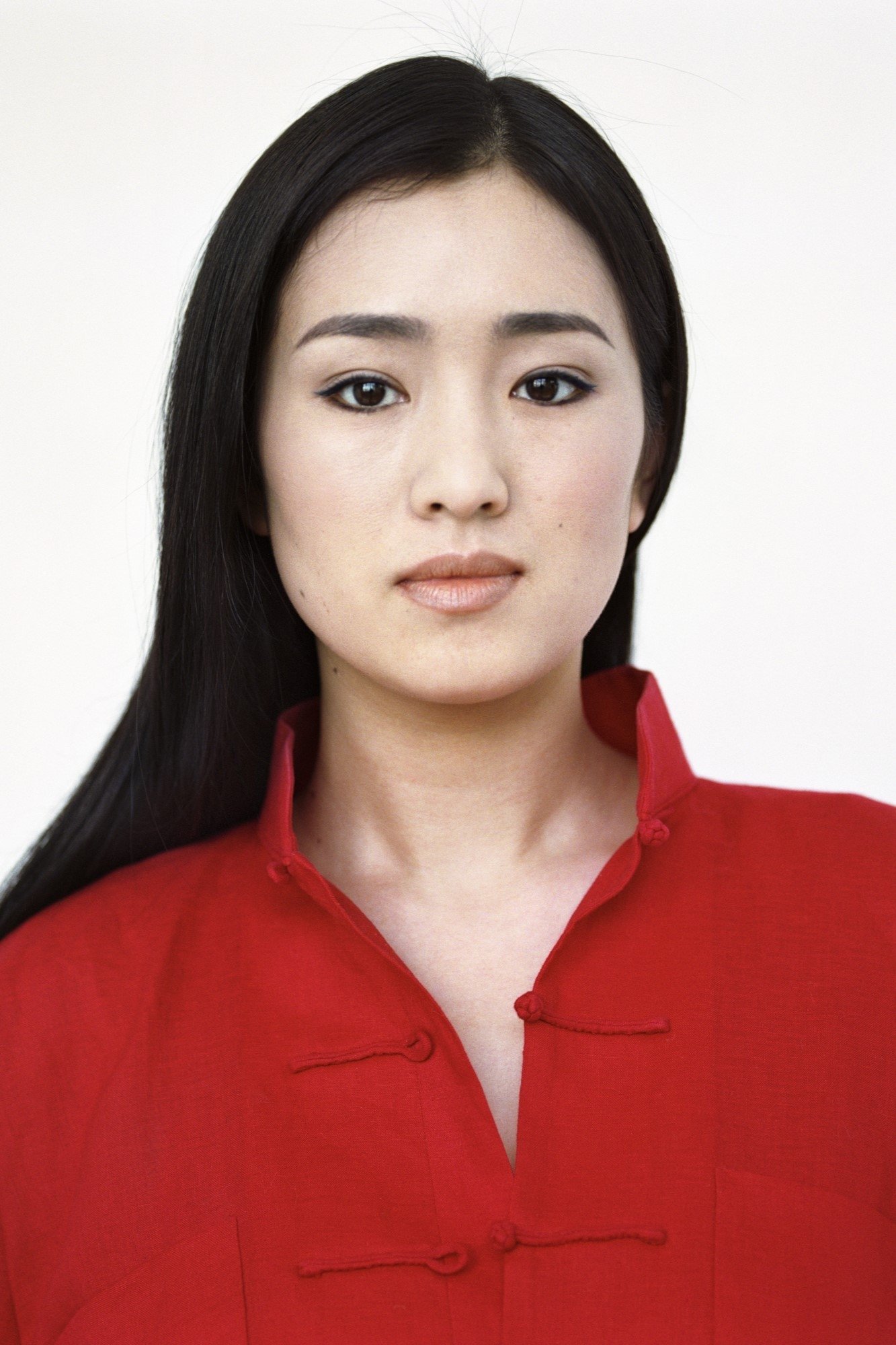
‘Mulan’ details Xianniang’s shapeshifting, her alliance terms, and her reasons for siding with Böri Khan. The film contrasts her status with imperial rules that limit her. Her goals are stated openly in pivotal conversations. The role sits at the intersection of tradition and personal cost.
Salma Hayek

‘From Dusk Till Dawn’ presents Santánico Pandemonium within a bar’s hidden hierarchy and a trap designed around patron routines. The reveal explains how each night is staged. Her presence is tied to the location’s operations. The setup turns the antagonist into the center of a system.
Sigourney Weaver
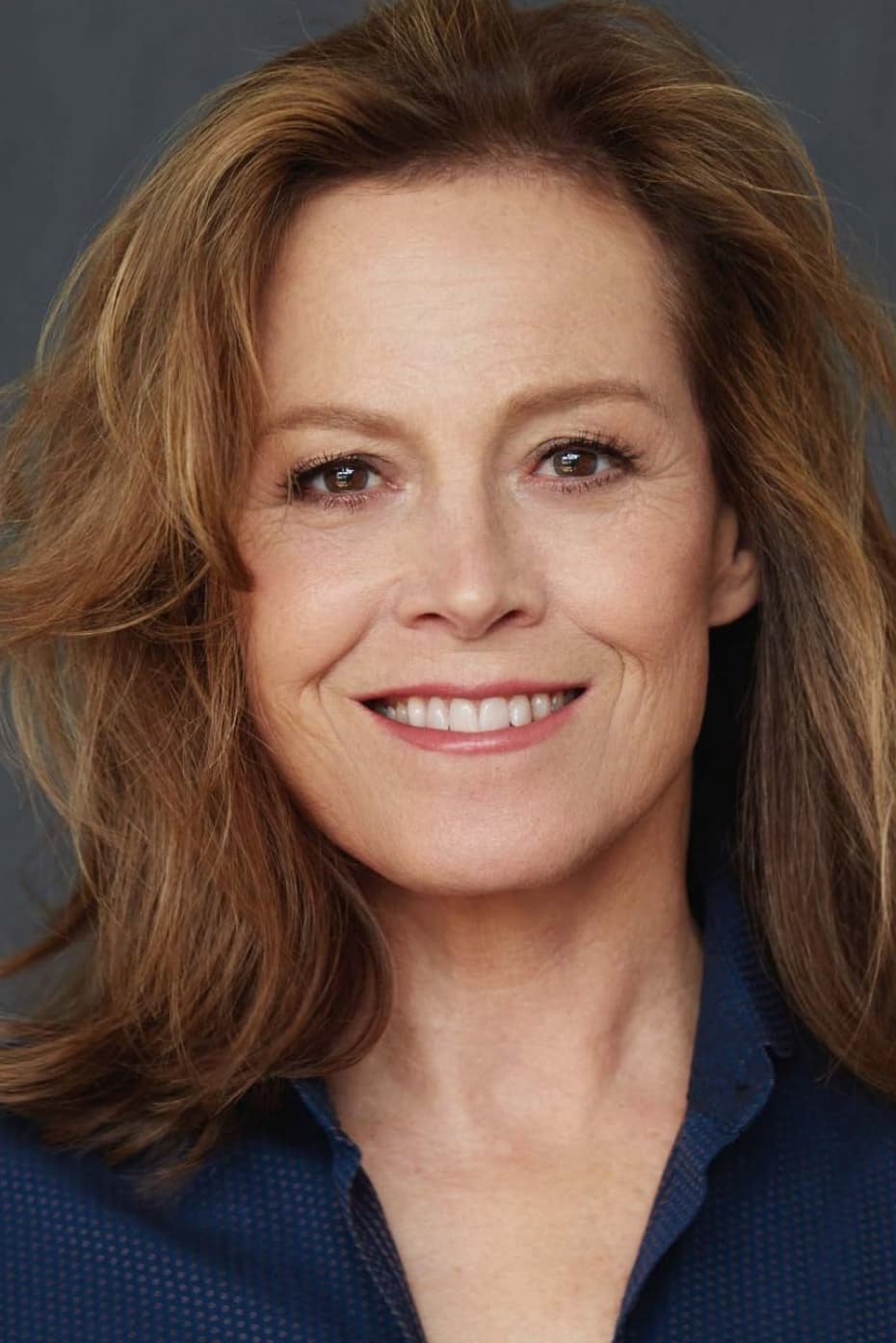
‘Marvel’s The Defenders’ positions Alexandra as the leader of the Hand with a board, resources, and a medical deadline. The series outlines her objectives across cities and centuries. Meetings and orders show how plans move from strategy to action. The infrastructure keeps her threat persistent.
Kate Winslet
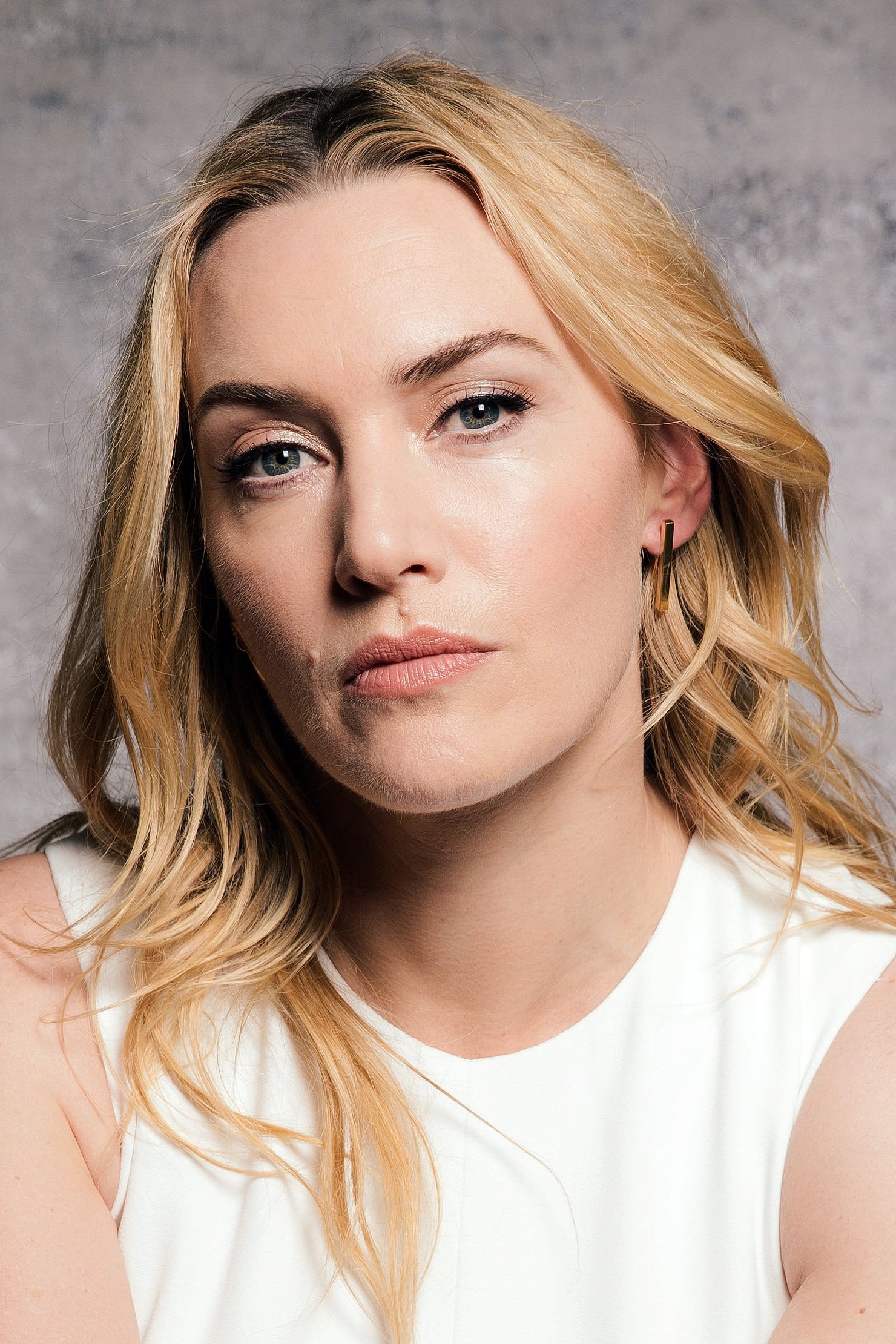
‘Divergent’ defines Jeanine Matthews with a faction ideology, a lab team, and trials that test subjects. The series uses screens and announcements to track her directives. Her reach is bureaucratic and technological. The conflict grows as her programs scale.
Elizabeth Banks

‘Power Rangers’ establishes Rita Repulsa’s history with Zordon, her search for the Zeo Crystal, and the way she builds a monster. The film shows resource gathering, recruitment, and a final timetable. Each step is diagrammed through encounters. The antagonist’s progress is easy to measure.
Gwendoline Christie
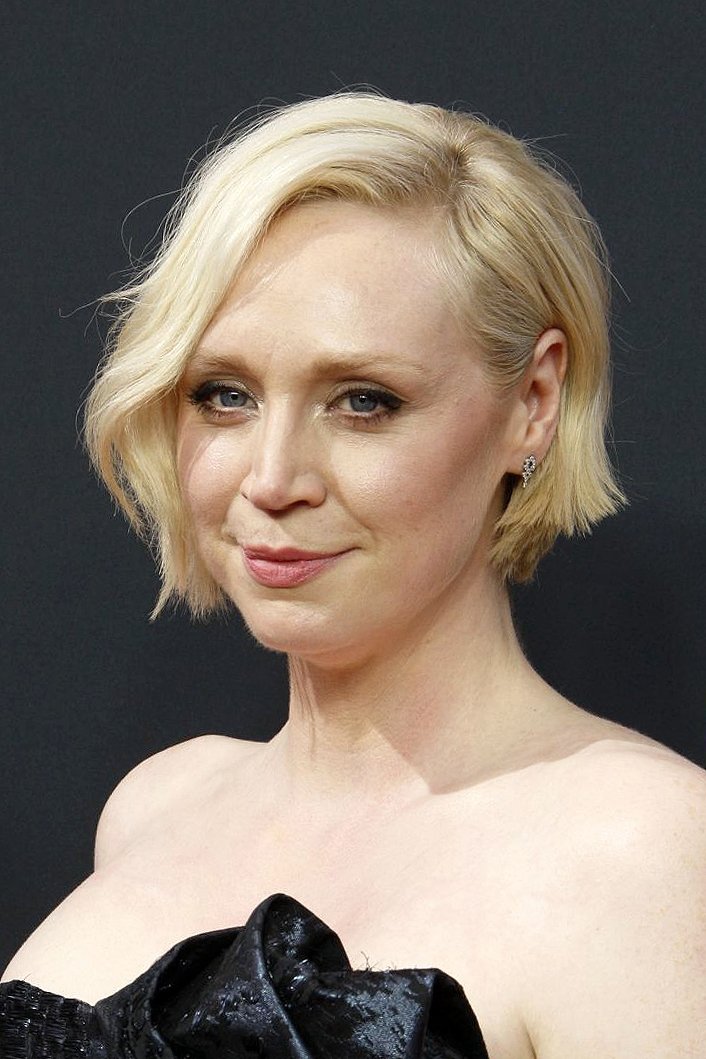
‘Star Wars’ entries identify Captain Phasma’s rank, armor, and command over stormtroopers with clear chains of order. Her actions are recorded in mission briefings and base protocols. The films situate her within military logistics. That context keeps the character’s authority precise.
Léa Seydoux

‘Mission: Impossible – Ghost Protocol’ introduces Sabine Moreau as a contract assassin with defined targets and handoffs. The movie outlines her role within a larger exchange. Her scenes revolve around timed deliveries and escapes. The assignment details make the antagonist presence crisp.
Emma Thompson
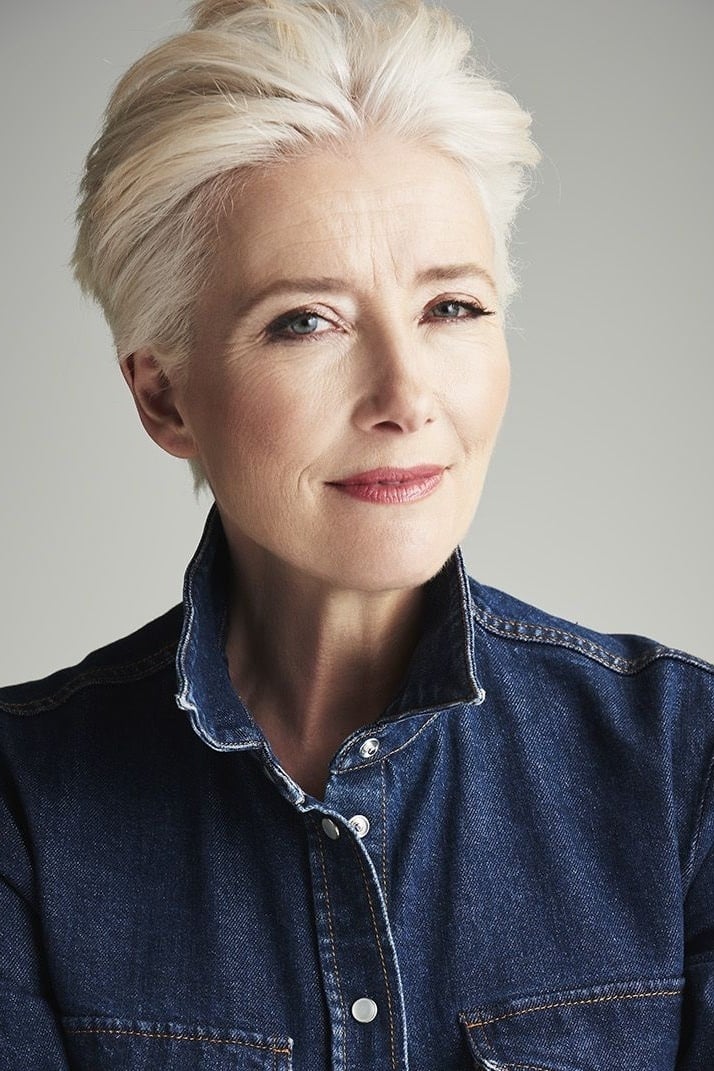
‘Cruella’ frames the Baroness von Hellman with a fashion house, a staff, and a set of rules for credit and authorship. The film shows her influence through galas, press, and sabotage. Her methods are professional and public. The profile is built out through industry rituals.
Famke Janssen

‘GoldenEye’ gives Xenia Onatopp identifiable weapons, a cover role, and a partnership with a larger plot. ‘Hansel & Gretel: Witch Hunters’ marks Muriel with spells, a coven, and an event timetable. Each antagonist operates within a plan with checkpoints. The stories turn their appearances into milestones.
Bryce Dallas Howard

‘The Help’ defines Hilly Holbrook’s community standing, club roles, and influence over employment and reputation. The film shows how policies turn into pressure on households. Scenes at gatherings and doorsteps map her reach. The character’s power is civic and social.
Allison Williams

‘Get Out’ lays out Rose Armitage’s recruitment function within the family enterprise with photos, trips, and cover stories. Her part is measured by evidence the protagonist finds. The plot threads her actions through routine hospitality. The documentation gives the antagonist a chilling clarity.
Natalie Dormer

‘Penny Dreadful: City of Angels’ positions Magda with multiple identities, stated goals about social unrest, and influence over key figures. Episodes delineate each persona’s task. The series treats her work as an orchestrated campaign. Timelines and city maps keep her impact concrete.
Monica Bellucci

‘The Brothers Grimm’ establishes the Mirror Queen’s curse conditions, required offerings, and deadlines. Her influence over the forest is laid out with rules that characters test. The plot counts down to a specific ritual. The antagonist is defined by terms everyone must meet.
Rebecca Ferguson
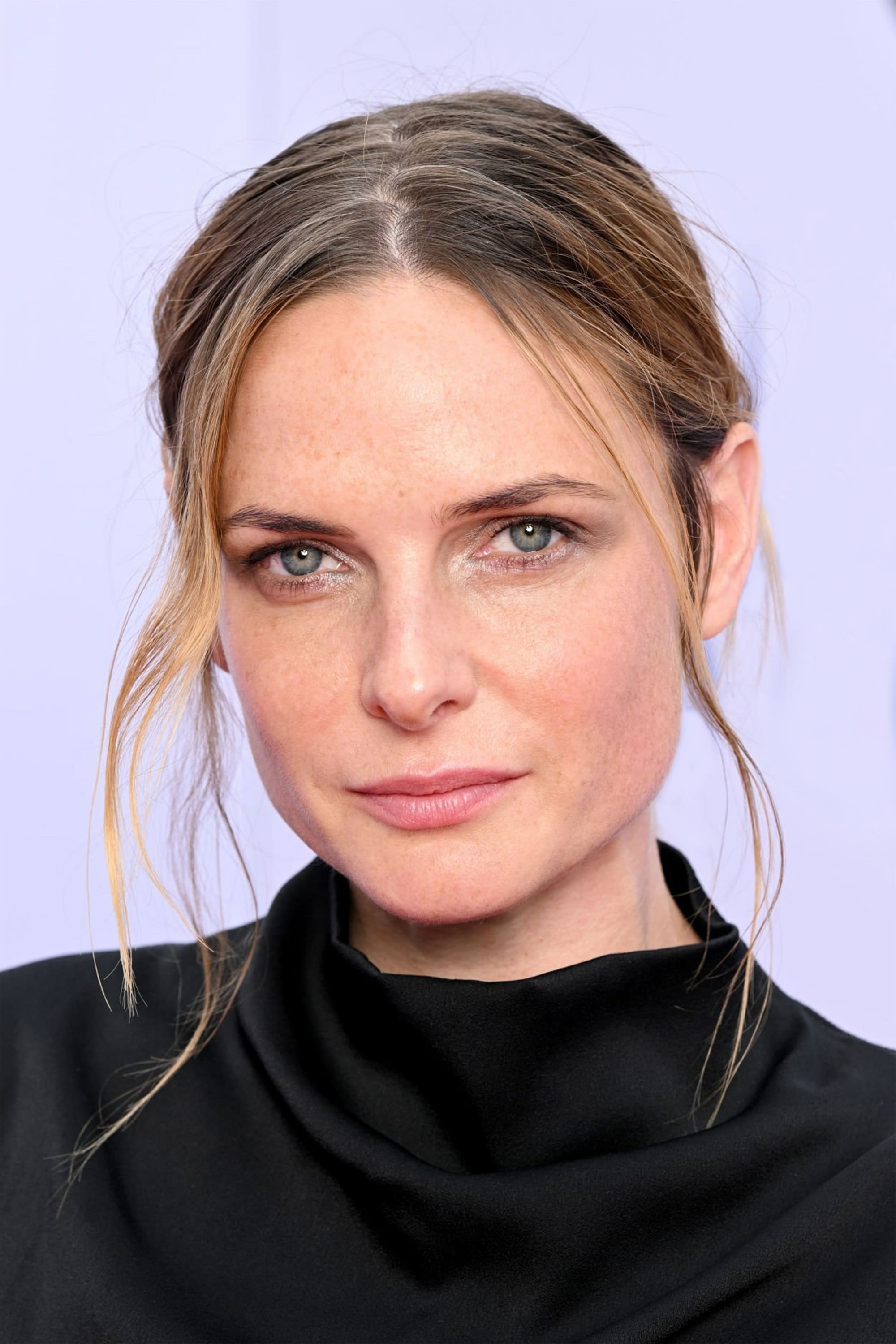
‘Doctor Sleep’ specifies Rose the Hat’s cult structure, feeding practices, and the tracking of gifted children. The film diagrams her crew’s travel and communication habits. Confrontations follow rules of power and distance. The antagonist’s threat level rises in measurable steps.
Anjelica Huston
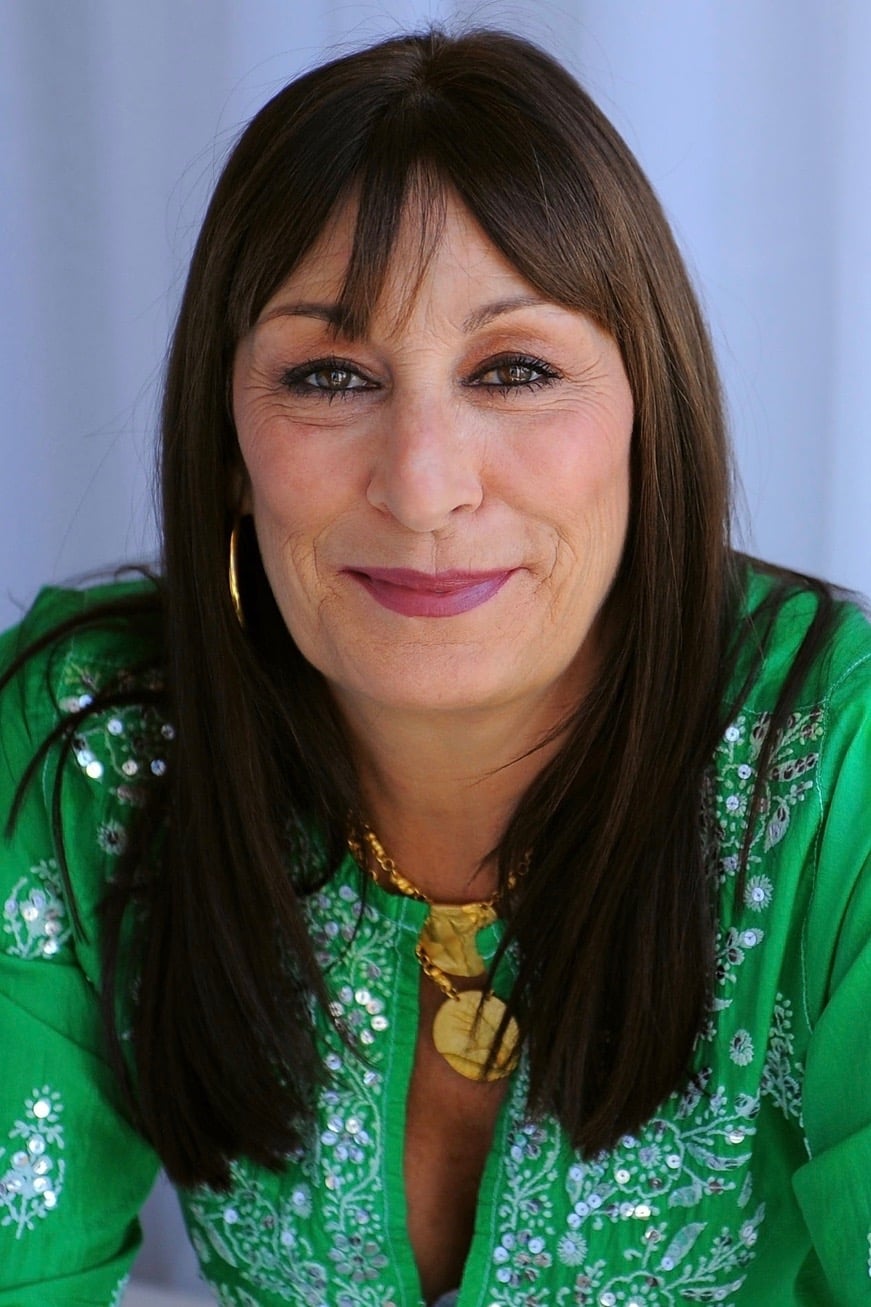
‘The Witches’ presents the Grand High Witch as the leader of an organization with a conference, a formula, and a distribution plan. The movie explains the recipe and the intended rollout. Her commands move through a clear hierarchy. That layout makes every scheme easy to chart.
Robin Wright
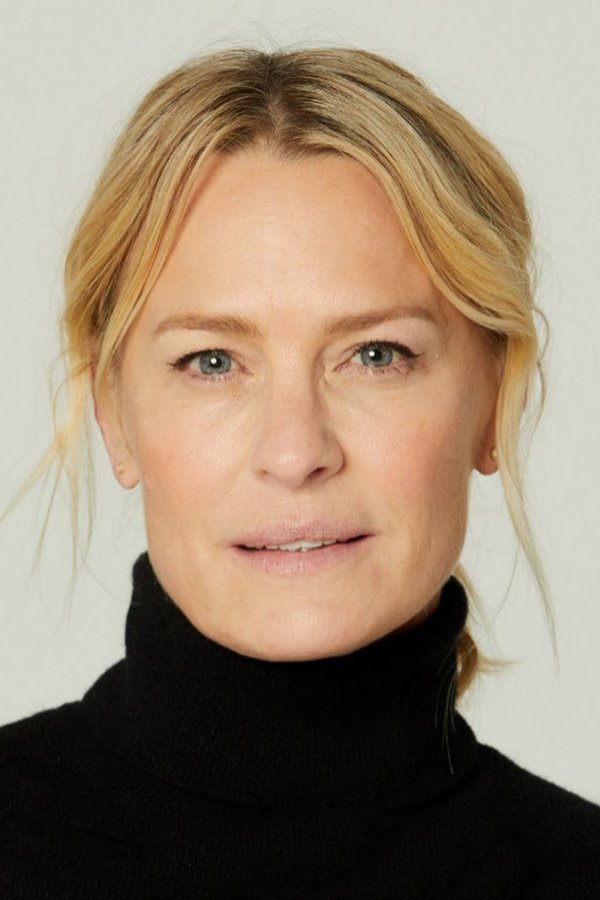
‘House of Cards’ catalogues Claire Underwood’s offices, legislative agendas, and public messaging across seasons. The show logs appointments, votes, and negotiations in detail. Her ascent is tracked through official announcements and ceremonies. The antagonist role is built from policy and process.
Share the villains and performances you think belong here in the comments so we can compare notes on the most unforgettable antagonists.

