


Actresses Who Refuse Green-screen Work




There’s a growing group of performers who push for real locations, practical effects, and hands-on stunt work instead of spending months inside a digital volume. These actresses build careers around projects that keep the camera in the real world as much as possible, which changes how they train, rehearse, and choose collaborators. That approach doesn’t always mean zero visual effects, but it does mean prioritizing sets, rigs, wire work, and on-location shoots so scenes feel tactile from the ground up.
Below you’ll find actresses who consistently favor productions that minimize green-screen time. They lean toward directors known for practical methods, prepare with fight coordinators and stunt teams, and learn skills that show up on screen without a layer of digital artifice. Their choices affect budgets, schedules, and even how scenes are written, since practical shots demand careful planning long before the cameras roll.
Charlize Theron

Theron’s action work is built on practical stunt design and training blocks that emphasize repeatable choreography. Large sequences in films built around vehicular combat or close-quarters fighting are staged with rigs, wire assists, and real pyrotechnics so performers interact with tangible hazards and debris. That approach requires longer prep but reduces dependence on plate photography and digital stand-ins.
Between projects she maintains a conditioning program that supports multi-take fights without relying on CG stitching to hide fatigue. Productions will often schedule stunt rehearsals like dance calls, mapping every beat with camera lines so editors can cut performance-first coverage rather than compositing around gaps later.
Rebecca Ferguson
Ferguson’s set pieces are designed to be captured in camera with specialty rigs, winches, and environmental gags. Long lens coverage and practical lighting let her play full bodies and faces through the beats, which limits the need for motion-control passes and green-screen clean plates. Scenes involving vehicles or heights are typically executed with partial safety builds in real locations.
Her prep includes weapons handling, breath work for underwater or breath-restricted setups, and repetition with stunt doubles to align timing. The result is coverage that favors wide and medium frames where she can complete the action, letting VFX focus on cleanup and set extension instead of creating entire environments.
Emily Blunt

Blunt gravitates toward directors who prioritize physical sets and natural light, which enables actors to hit marks in spaces with true depth and texture. Production designers build modular environments that can be reconfigured for multiple angles, avoiding the need for full greens. Practical lighting units also keep reflections and shadows accurate without digital relighting.
For action-leaning roles, she trains to perform connective tissue between big beats so editors can hold takes longer. Wire work, air rams, and ratchets are preferred over digital throws, and sound teams capture as much production audio as possible to preserve the breath and footwork that sell effort on screen.
Hayley Atwell
Atwell’s action scenes are engineered around real vehicles, street units, and second-unit pickups that integrate seamlessly with main-unit drama. She works extensive rehearsal periods on fight rhythm and foot placement, allowing the camera department to plan tracking shots that don’t require green-screen backgrounds.
Driving sequences often use pod cars or tow rigs to keep the performer physically present in traffic. When interiors are needed, productions opt for LED process or poor-man’s rigs instead of full greens, preserving practical reflections and sightlines for eye-line continuity.
Vanessa Kirby
Kirby builds physical vocabulary with stunt teams early in prep, focusing on transitions, balances, and realistic recovery beats. Fight sequences favor practical breakables and squib hits so the body’s reactions line up with real impacts. That reduces the need for digital body doubles and complex compositing passes.
Location shoots use controlled streets, stairwells, and rooftops with safety lines removed in post. Coverage prioritizes profiles and three-quarter angles so audiences can read her face through exertion, a choice that limits green-screen inserts and encourages longer unbroken takes.
Michelle Yeoh

Yeoh’s career is rooted in Hong Kong action traditions that emphasize choreography, timing, and camera geography. She collaborates closely with stunt coordinators to ensure that intricate beats land within a single setup, reducing reliance on digital stitching or background replacement.
Props teams supply practical weapons and environmental elements designed to break or flex safely on impact. Wire rigs are tuned for precise lifts and landings so the physics feel grounded, with VFX supporting wire removal and minor environment cleanups rather than fabricating entire spaces.
Anya Taylor-Joy

Taylor-Joy’s large-scale action work leans on desert, roadway, and industrial location units where wind, dust, and light are captured live. Vehicle gags and stunt driving are executed with specialist teams using reinforced builds and safety cages to allow real speed and inertia on camera.
Makeup and costume departments prep multiples that weather naturally across takes, preserving continuity without digital grime passes. The production plan favors day-for-night, ND filtration, and practical skies instead of green-screen skies, keeping horizons and lens flares authentic.
Zoë Kravitz

Kravitz tends to work on productions that prioritize full-scale sets and practical lighting, particularly for night shoots. Exterior scenes are staged with real rain towers, atmospheric haze, and interactive light sources so reflections and water behavior match the environment without digital augmentation.
Fight and chase sequences are blocked in real architecture, with stunt doubles used for hazardous beats but with continuity coverage that keeps her present in the geography. This reduces the number of background replacement shots and aligns with camera movements designed around actual walls, windows, and ledges.
Alicia Vikander
Vikander’s action training emphasizes mobility, vaulting, and climbing techniques that translate cleanly to practical obstacle setups. Production designers construct scalable walls, ledges, and beams to support real traversal, enabling longer takes without cutting to green-screen inserts.
For water and weather work, crews deploy rain bars, wind machines, and heated water rigs to capture elements in camera. That allows effects departments to limit CG to safety removals and subtle augmentations, keeping the performer interacting with actual forces on set.
Mary Elizabeth Winstead
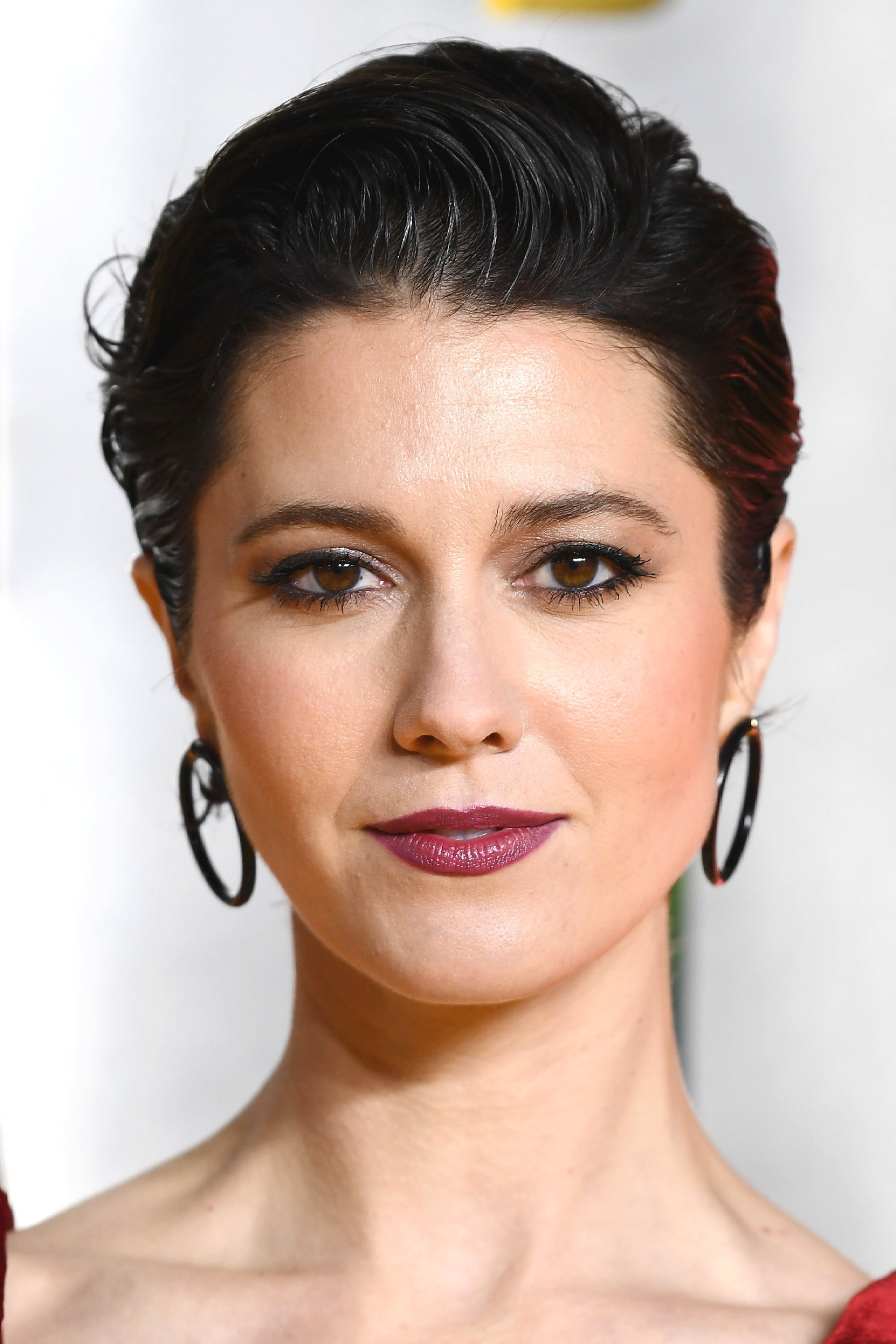
Winstead’s projects often stage fights in confined, real spaces like kitchens, hallways, and club back rooms. Choreography is tailored to the set’s dimensions so the camera can read impacts without cheat angles, limiting the need for digital environment continuity.
Props and stunt teams coordinate practical breakaways and controlled falls with padding hidden in the set. Editors receive coverage with clean action lines and consistent light sources, avoiding complicated composites that green-screen work would require for the same beats.
Keira Knightley
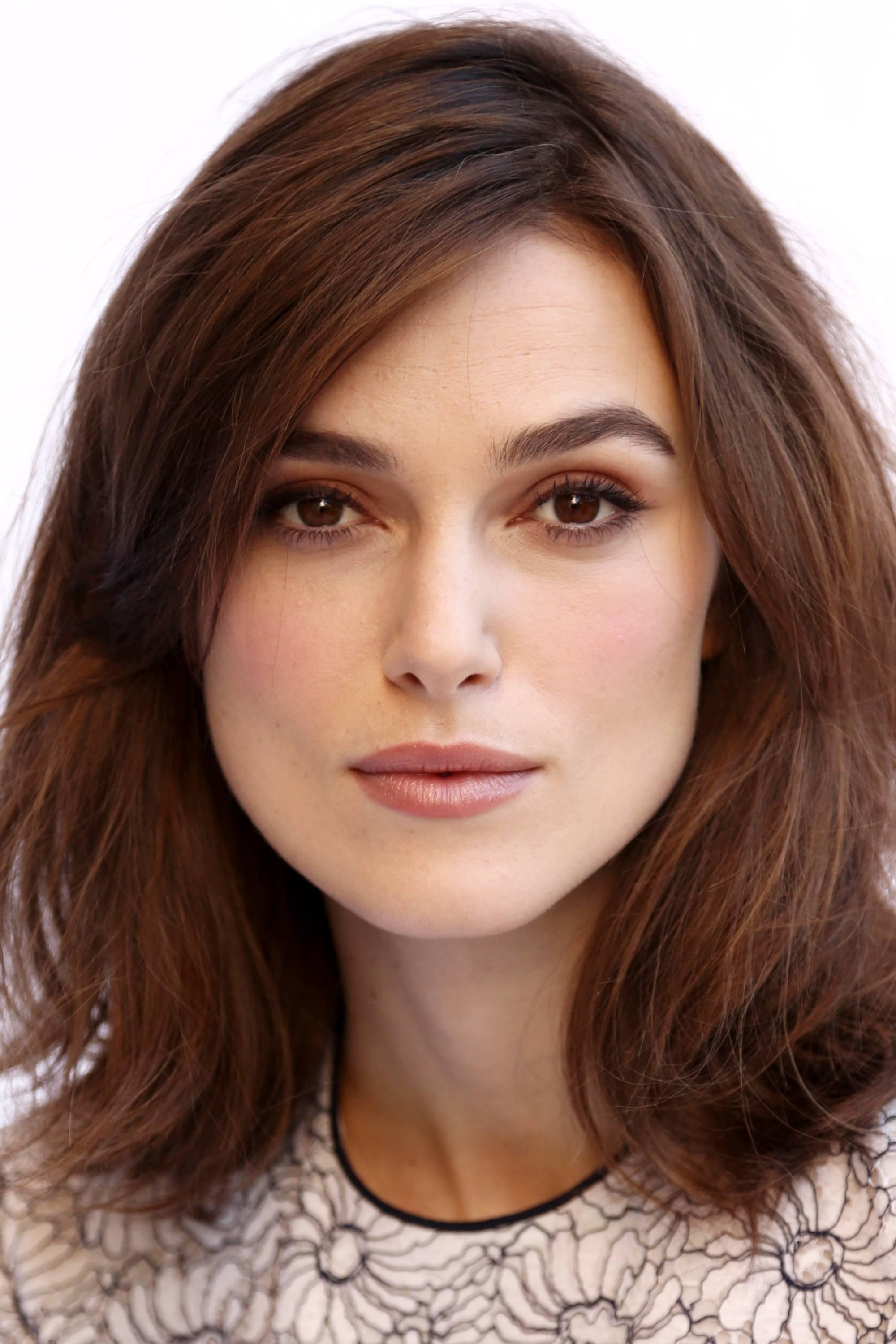
Knightley frequently chooses period and grounded contemporary dramas where authenticity comes from practical builds and on-location photography. Costume and set departments craft textures, patinas, and weathering that stand up to close focus, minimizing the need for digital set dressing.
When visual extensions are necessary, productions capture plates on location and rely on matte work rather than full green-screen stages. Natural light and candlelit interiors are captured with sensitive lenses and practical fixtures, preserving the atmosphere without synthetic replacements.
Saoirse Ronan
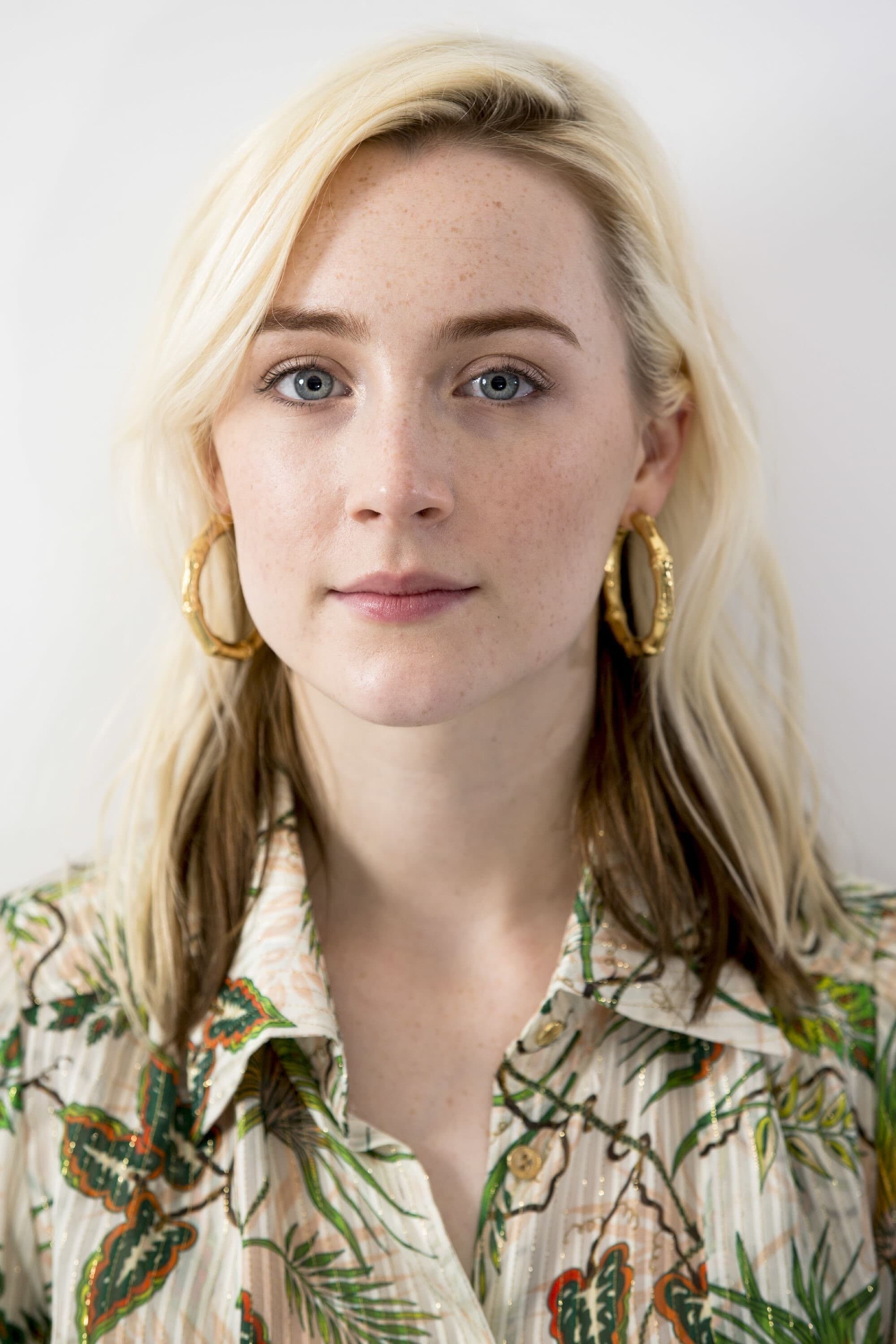
Ronan’s filmography centers on location-driven storytelling, with directors who prefer real homes, city streets, and coastal landscapes. Production calendars prioritize golden-hour and night exterior windows to catch natural conditions in camera, avoiding studio-bound green replacements.
Art departments design lived-in spaces with functional doors, windows, and practical light switches. This ensures blocking can adapt organically, allowing the camera to follow performances without the constraints that come with green-screen marks and preset composites.
Frances McDormand
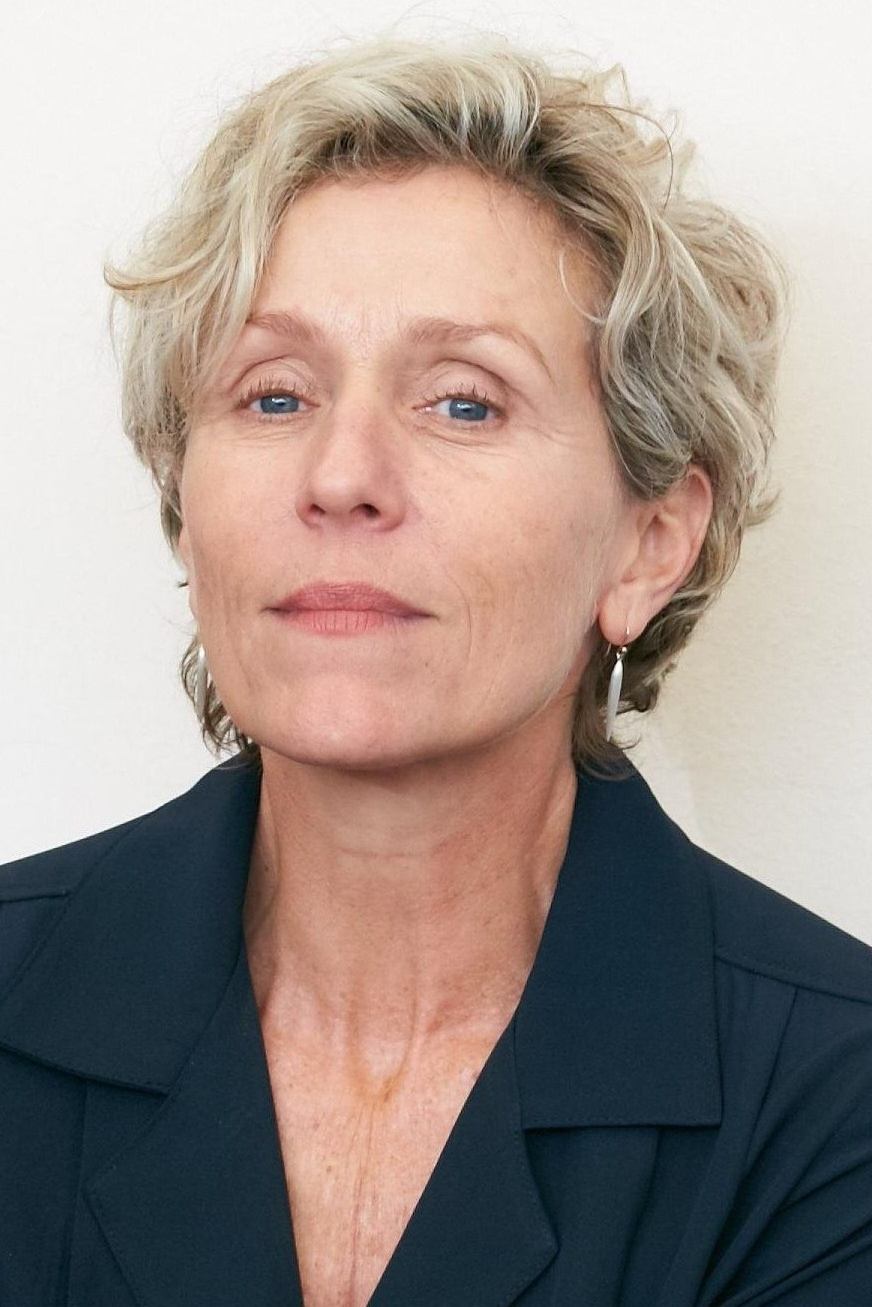
McDormand’s projects favor field units that capture real weather, working towns, and operational interiors. Sound teams record production ambience and dialogue to keep the sonic texture aligned with visible environments, lessening the need for ADR and digital fill.
Cinematographers plan minimal-unit moves that keep crews nimble and reactive. By avoiding stage builds and green backdrops, productions can pivot to catch serendipitous moments, with VFX limited to cleanup instead of environment creation.
Viola Davis

Davis often works in ensembles where physical presence and spatial relationships matter to performance. Sets are built to full scale with working staircases, doors, and sightlines so actors can play proximity and distance without artificial marks against green.
For action-adjacent scenes, productions lean on practical squibs, breakaway glass, and controlled pyrotechnics. This preserves real reactions and keeps editorial continuity anchored in footage captured on the day rather than digital reconstructions later.
Emily Mortimer
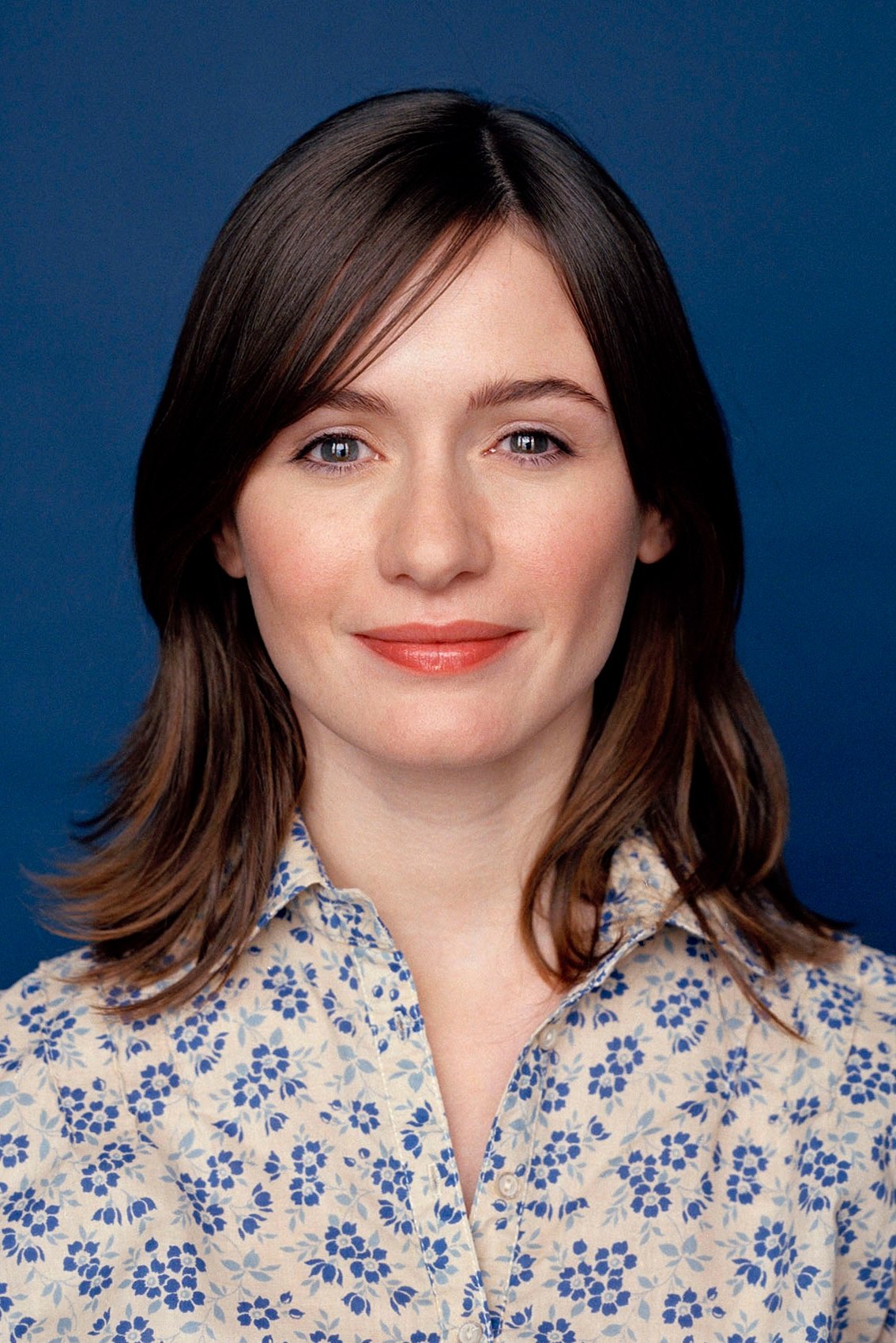
Mortimer’s choices trend toward director-driven projects that prioritize authentic locations and period-correct details. Departments coordinate to ensure that props, signage, and textures are camera-ready, avoiding digital set replacement.
Blocking rehearsals happen on the actual set to set eye lines, entrances, and exits. This practice reduces the need for green-screen composites to fix geography, keeping the performance connected to tangible space.
Jessica Chastain
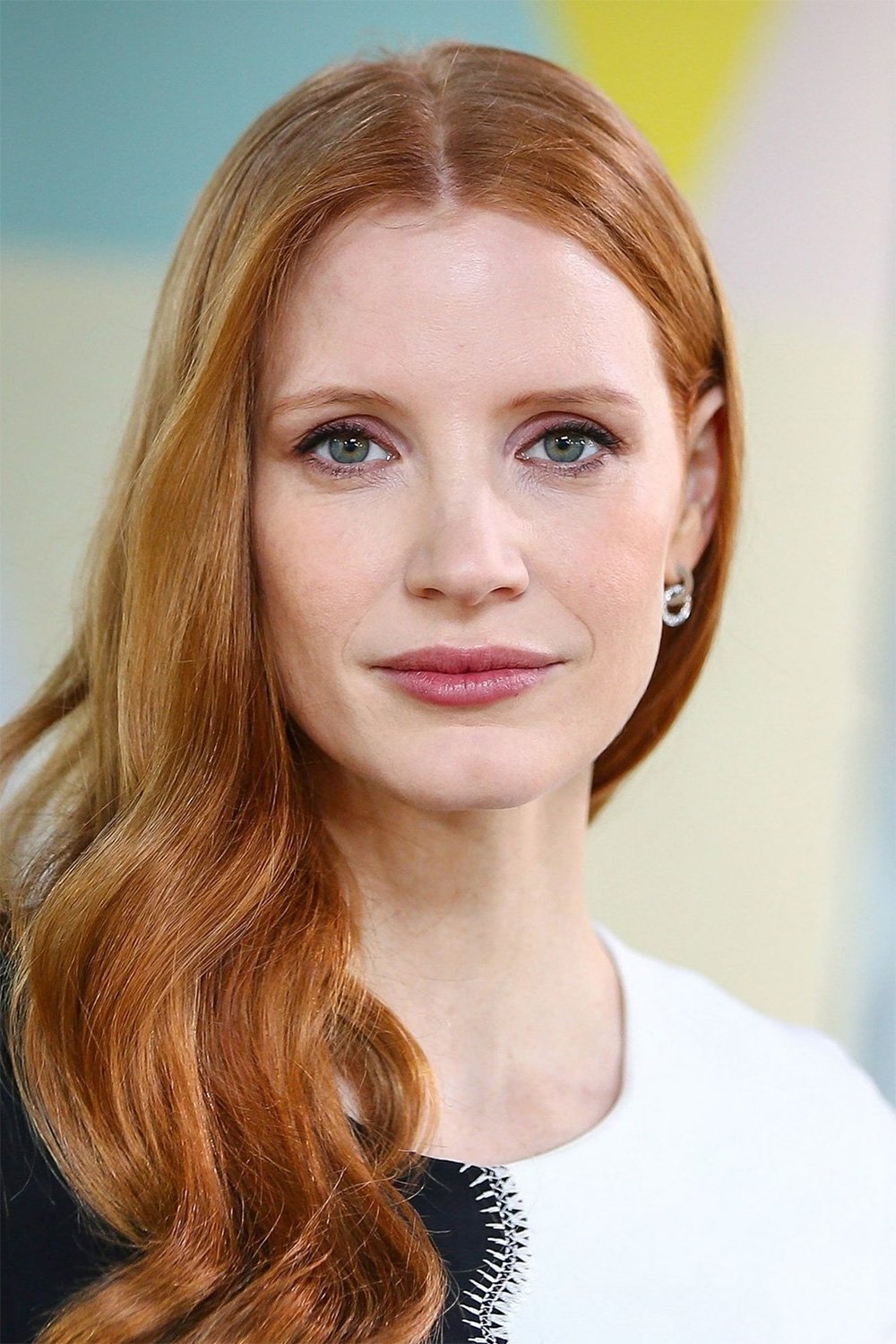
Chastain invests in research and physical preparation tailored to real-world settings, whether military, political, or investigative. Production teams secure access to functional spaces like offices, training facilities, and streets to capture operation-level detail without building virtual environments.
When large-scale shots are needed, second units gather aerials and plates in real locations. VFX support then focuses on signage changes and period cleanup rather than building backgrounds from scratch, limiting green-screen requirements.
Kristen Stewart
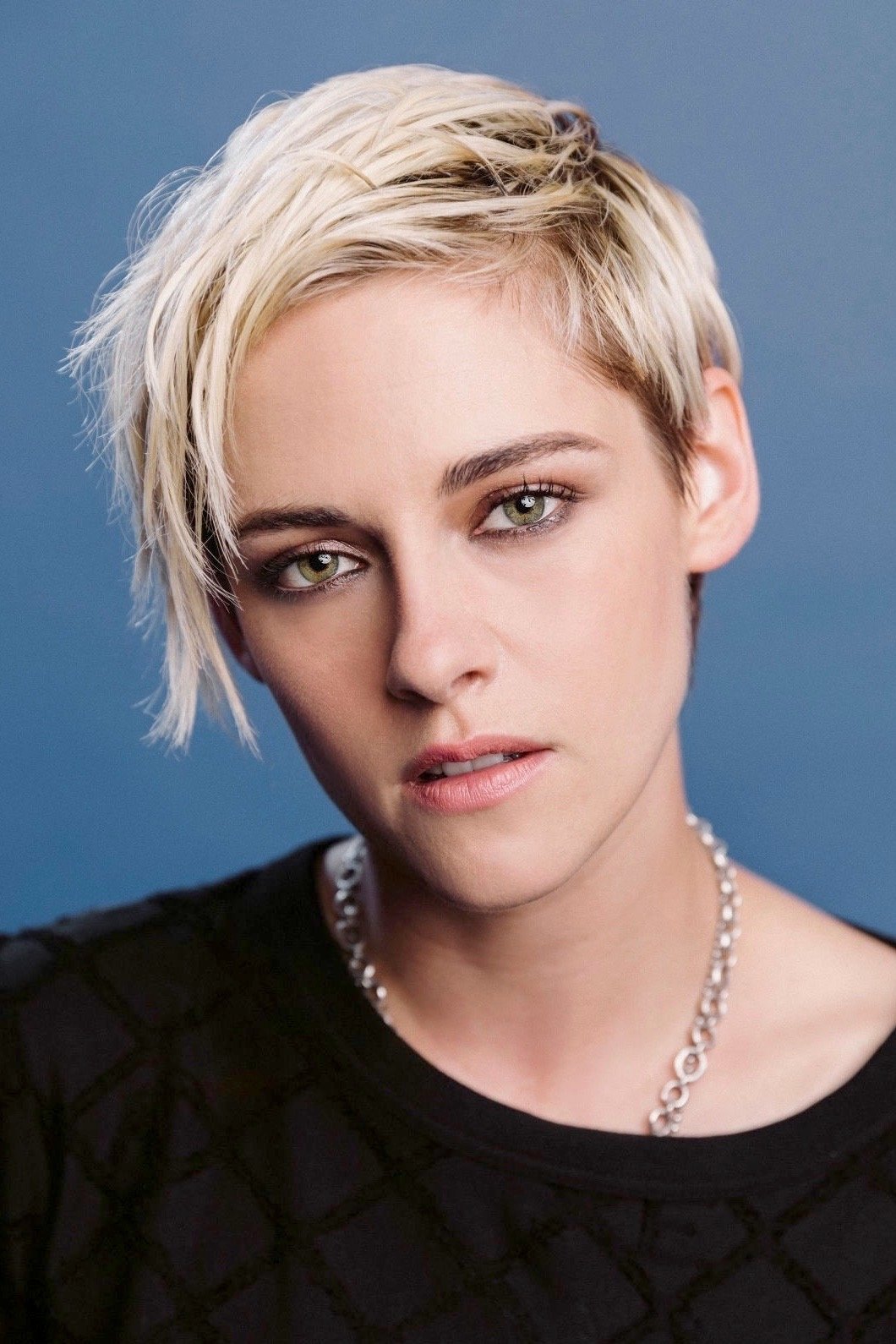
Stewart frequently collaborates with filmmakers who prefer naturalistic cinematography and practical locations. Scenes are rehearsed in situ so movement, framing, and focus pulls evolve with the environment rather than being pre-visualized for digital volumes.
Her work benefits from ambient light strategies and practical fixtures, which preserve skin tones and reflections naturally. That reduces the need for digital relighting passes typically associated with green-screen stages.
Lupita Nyong’o
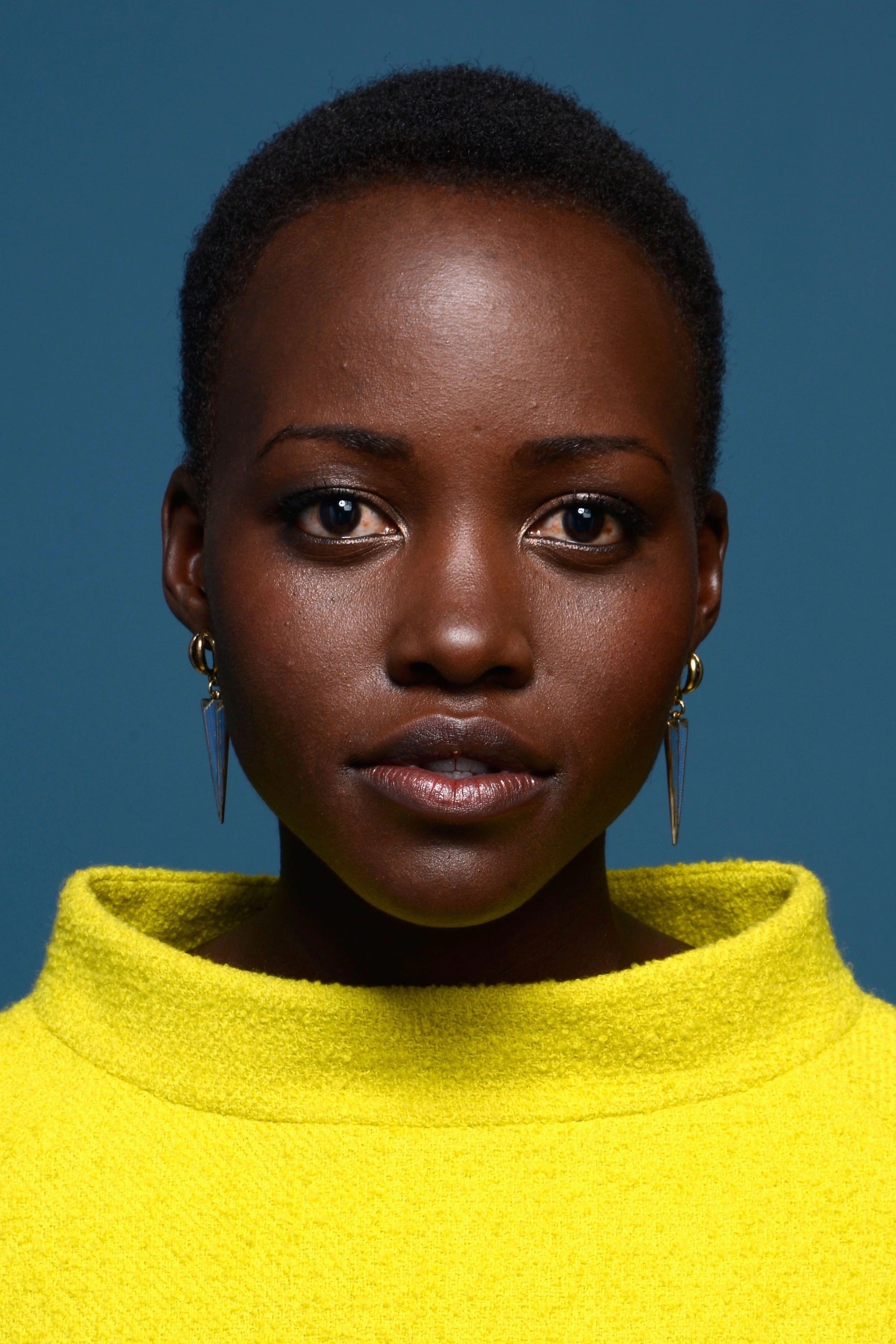
Nyong’o’s physical prep often includes combat training and movement coaching that play best in real environments. Productions design sets with varied elevations, narrow passages, and breakaway elements to keep action grounded on camera.
Hair, makeup, and costume teams provide multiples that age and distress practically through the day. This approach limits digital continuity fixes and supports long takes where sweat, dirt, and fabric behavior read as lived-in rather than composited.
Rebecca Hall

Hall’s collaborations skew toward location-heavy shoots where environment is a key narrative element. Crews scout for spaces that can carry sound and light naturally, enabling production audio and diegetic lighting to do the heavy lifting.
When visual effects are required, they are planned as enhancements to images already captured in camera. That production design philosophy reduces green-screen days and favors in-camera atmospherics such as haze, rain, and practical projection.
Annabelle Wallis

Wallis trains to connect beats across rooms and levels, allowing camera operators to track action in continuous moves. Set builds accommodate this with load-bearing platforms and safe fall zones, keeping the performer present through transitions that might otherwise be faked on green.
Driving and chase material uses physical rigs and real-world surfaces to preserve tire grip, suspension movement, and light flicker. This data gives post teams grounded references, shrinking the need for full digital replacements.
Noomi Rapace
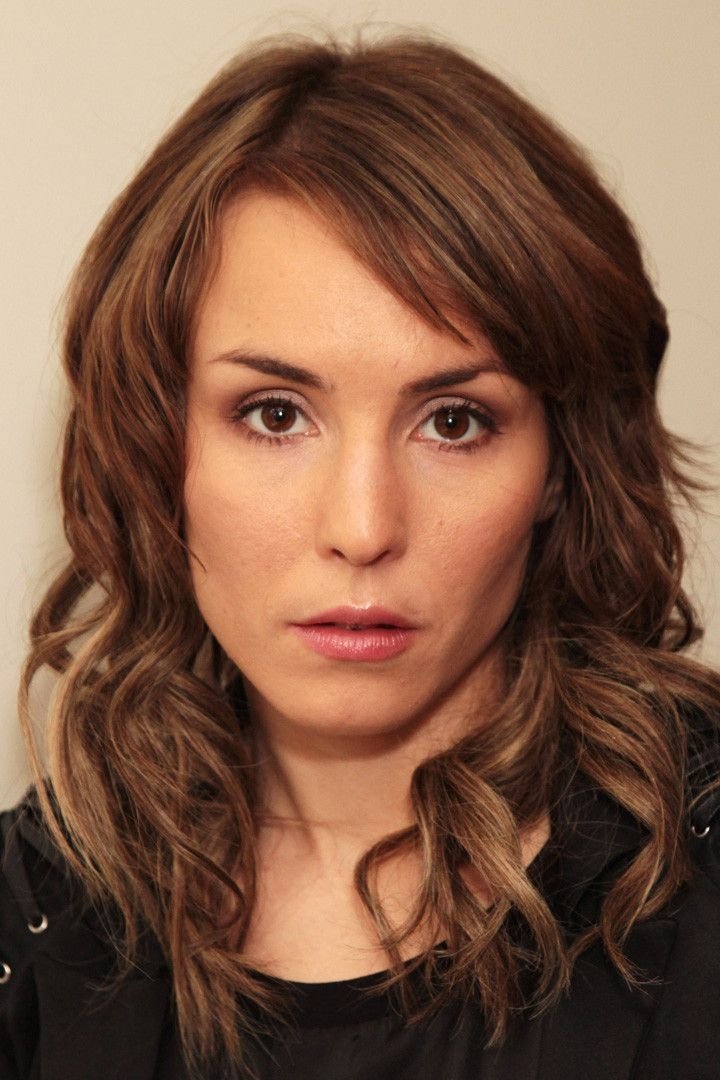
Rapace’s action-forward roles use intensive stunt rehearsals and close collaboration with fight coordinators to keep sequences practical. The priority is to shoot with wide frames that show geography and performer commitment, which reduces cutaways that would invite green-screen inserts.
Production often opts for real industrial sites, forests, and urban locations with controlled zones. Safety lines, pads, and crew reflections are cleaned in post, keeping VFX as a supporting tool rather than the backbone of the environment.
Mackenzie Davis
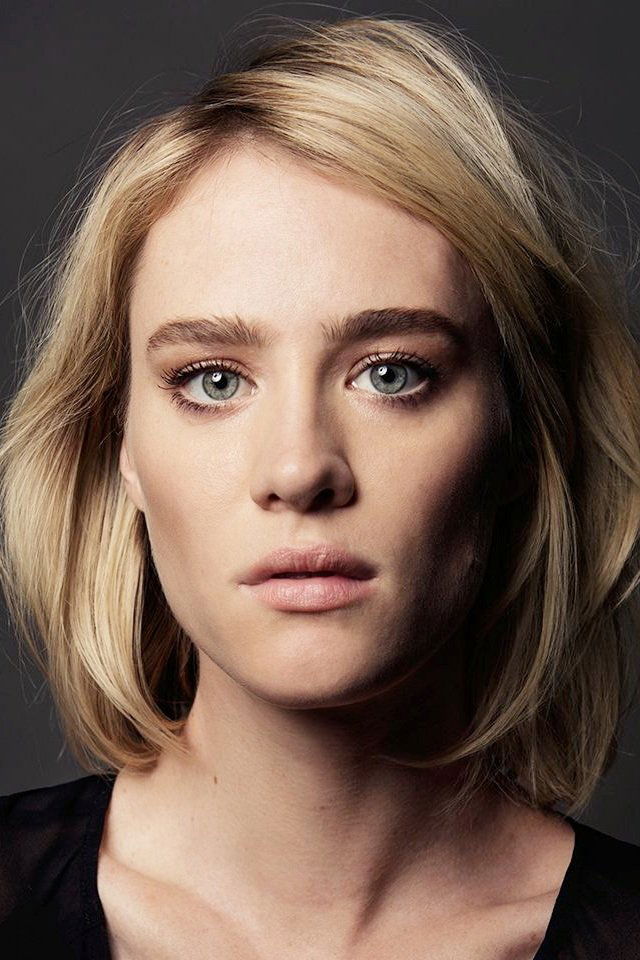
Davis favors projects that capture movement in functional spaces like factories, offices, and real homes. Camera blocking is built around available architecture, and practical lighting plans maintain continuity across angles without digital sky or window replacements.
When stunts are involved, teams use low-profile rigs and soft landing zones disguised within the set. This enables performers to complete full actions on camera, decreasing the need for digital doubles and green-screen composites.
Jodie Comer

Comer’s preparation includes dialect, movement, and weapons work designed to play cleanly on location. Productions invest in set pieces that operate mechanically, from doors and drawers to period vehicles, so interactions register authentically.
Exterior units chase real weather and light where feasible, with schedules built to catch specific times of day. The footage’s natural variability reduces the reliance on green-screen skies and digital lighting models.
Florence Pugh

Pugh trains for practical fight patterns that emphasize weight shifts, balance breaks, and realistic recovery times. Sets are dressed with real-world clutter and breakables so impacts read in camera, limiting the need for CG debris or environment patches.
Her projects often stack rehearsal days on the actual set, allowing performers and camera teams to integrate. This planning supports longer takes and steadicam passes that retain the environment’s integrity without green-screen stand-ins.
Tatiana Maslany
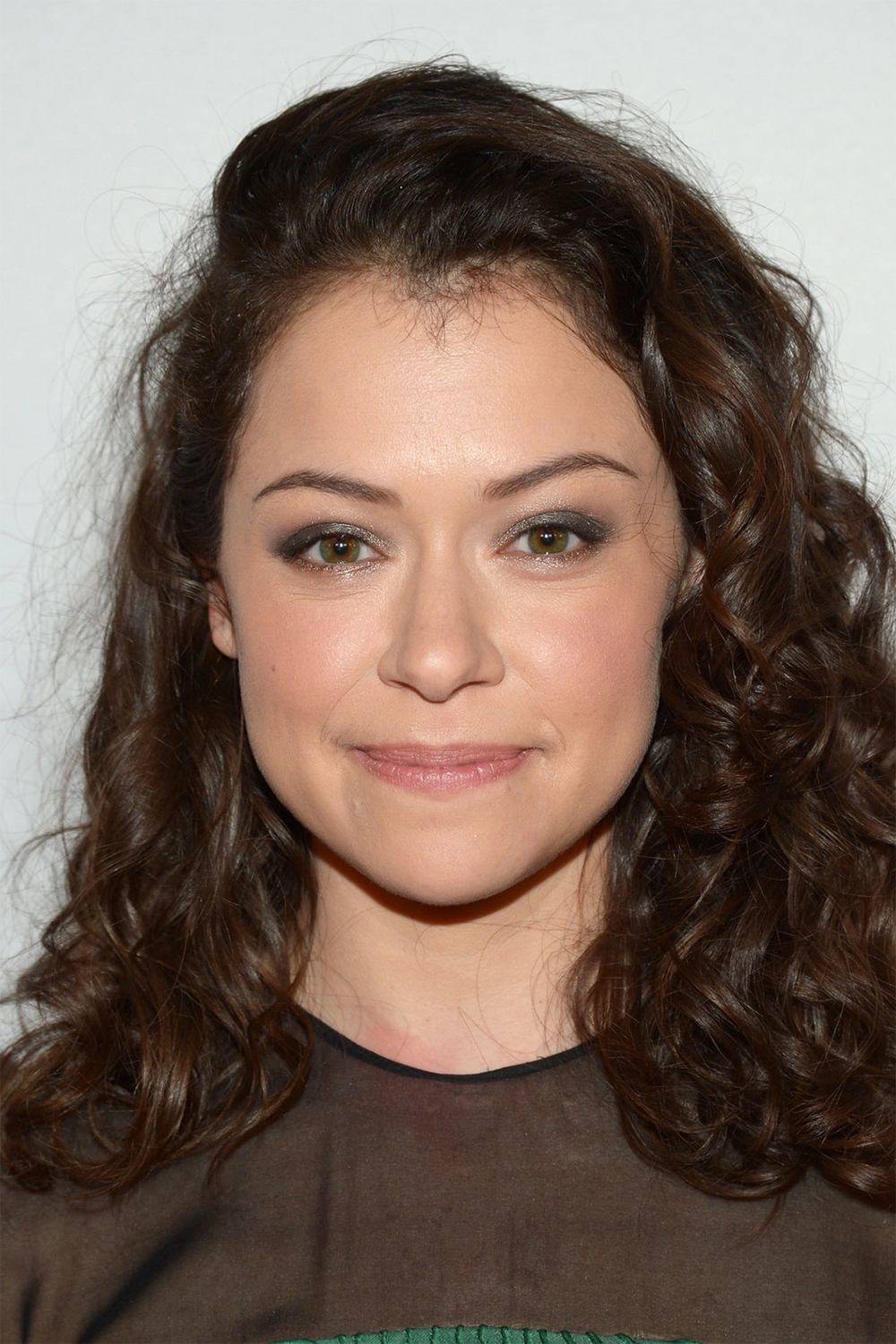
Maslany’s physical improvisation skills pair well with productions that build adaptable sets. Walls fly, stairs are reinforced, and floors are cushioned just enough to permit repeated falls and grapples while still reading as real surfaces.
Lighting teams rely on practical units and motivated sources so reflections, highlights, and shadows match actor movement. That consistency lowers the burden on post to reconcile mismatched composites that typically arise from green-screen plates.
Share your picks in the comments and tell us which performers you think are keeping big moments grounded in the real world.

