Actresses Who Refused to Deliver Lines That Completely Destroyed Their Characters



The process of bringing a character to life often involves a collaborative effort between actors and writers, but occasionally, stars find themselves at odds with the script. Many actresses have famously stood their ground, refusing to deliver lines they felt would compromise the integrity or the logical progression of their roles. These instances of creative friction often result in significant changes that preserve the character’s essence and ensure they remain true to the audience’s expectations. From removing unnecessary exposition to striking down scenes that sexualize or diminish their parts, these performers have played a vital role in shaping their most famous projects.
Jenna Ortega

During the production of ‘Wednesday’, Jenna Ortega frequently changed dialogue that she felt did not align with the character’s established persona. She famously refused to say a line where Wednesday expressed excitement over a dress, arguing it sounded too much like a typical teenager. Ortega felt the original script occasionally leaned too heavily into contemporary slang that betrayed the character’s gothic roots. Her intervention ensured that Wednesday remained consistently stoic and detached throughout the first season. These changes were made to keep the character grounded in the traditions of the Addams Family franchise.
Gal Gadot

During the filming of ‘Justice League’, Gal Gadot reportedly refused to film a scene involving a suggestive physical gag with the character Flash. The scene, which involved the Flash falling onto Wonder Woman in a sexualized manner, was ultimately completed using a stunt double. Gadot felt the moment was unnecessary and undermined the dignity of her character as a warrior. Her refusal highlighted her commitment to maintaining the integrity of Diana Prince within the DC Extended Universe. This incident became a public part of the discourse regarding the film’s production under director Joss Whedon.
Sarah Michelle Gellar
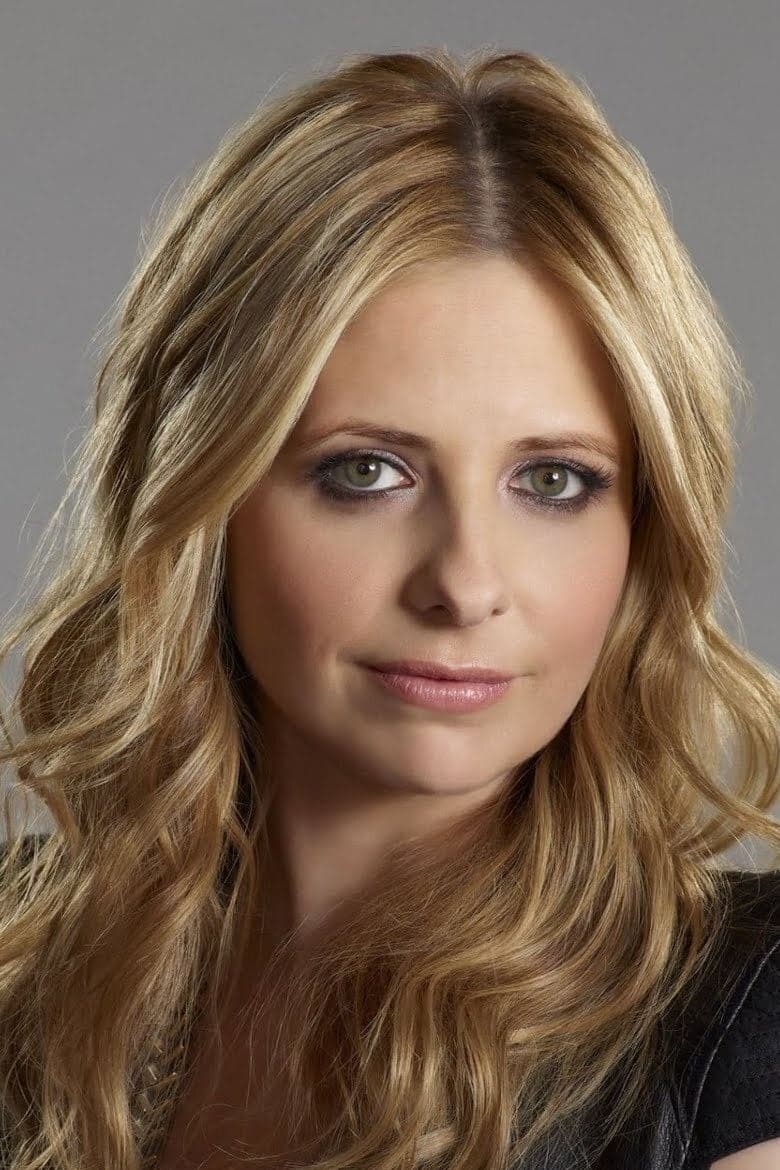
In the later seasons of ‘Buffy the Vampire Slayer’, Sarah Michelle Gellar became protective of her character’s moral compass. She expressed significant discomfort with several plot points and lines of dialogue in the sixth season, particularly regarding Buffy’s self-destructive behavior. Gellar felt that some of the written material drifted too far from the character established over the previous years. Her vocal opposition led to minor adjustments in how certain scenes were phrased to preserve the character’s core identity. She has since discussed the difficulty of portraying these specific narrative arcs in the show’s history.
Emily Blunt
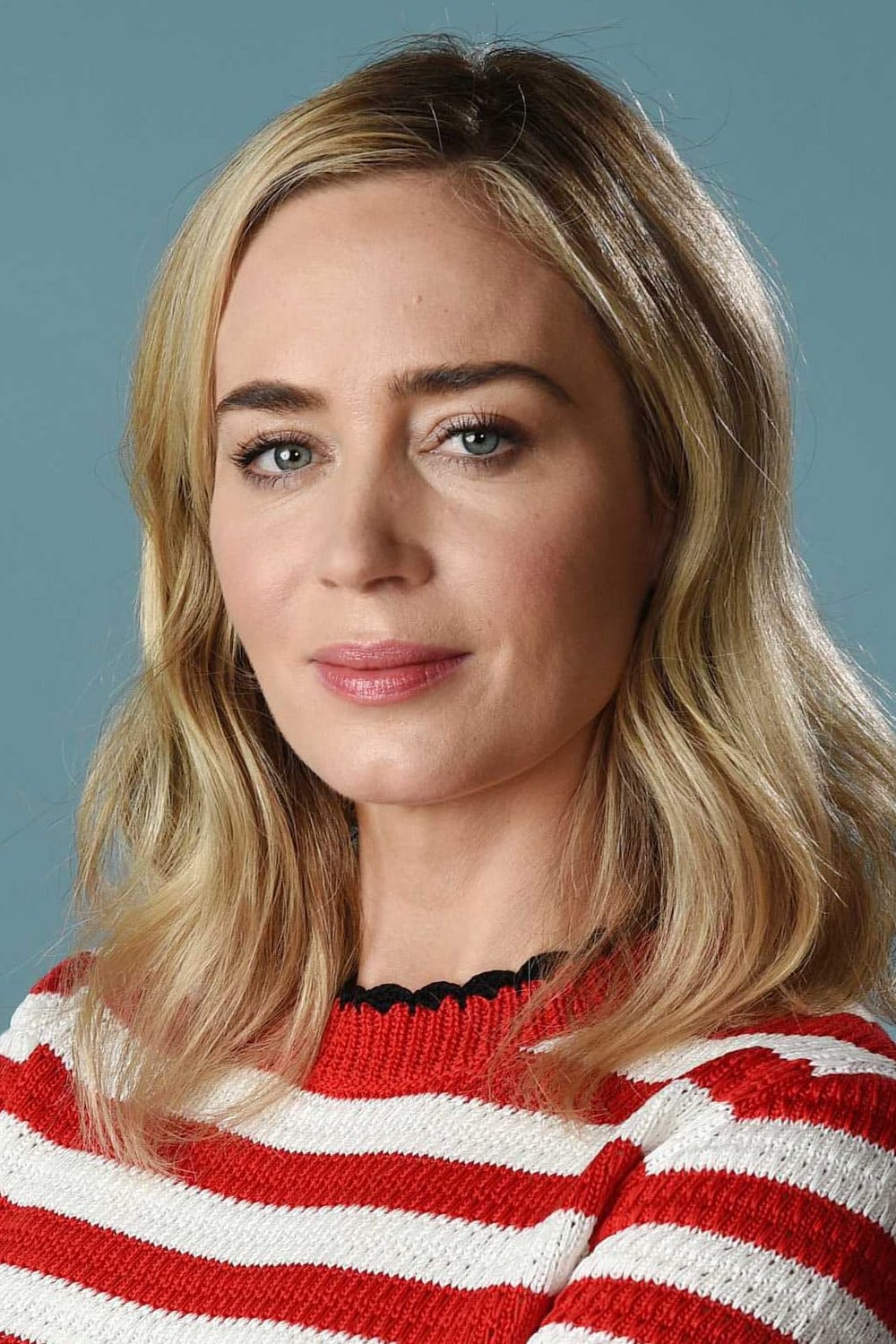
While filming ‘Sicario’, Emily Blunt worked closely with her co-stars to streamline the script and remove unnecessary dialogue. She specifically pushed back against lines that explained her character’s motivations too explicitly, believing that silence was more effective for the role. Blunt felt that Kate Macer should be defined by her actions and reactions to the escalating violence rather than through spoken exposition. This collaboration resulted in a more atmospheric portrayal of the character’s psychological state. The final performance relied on her physical reactions to convey the character’s internal conflict.
Blake Lively
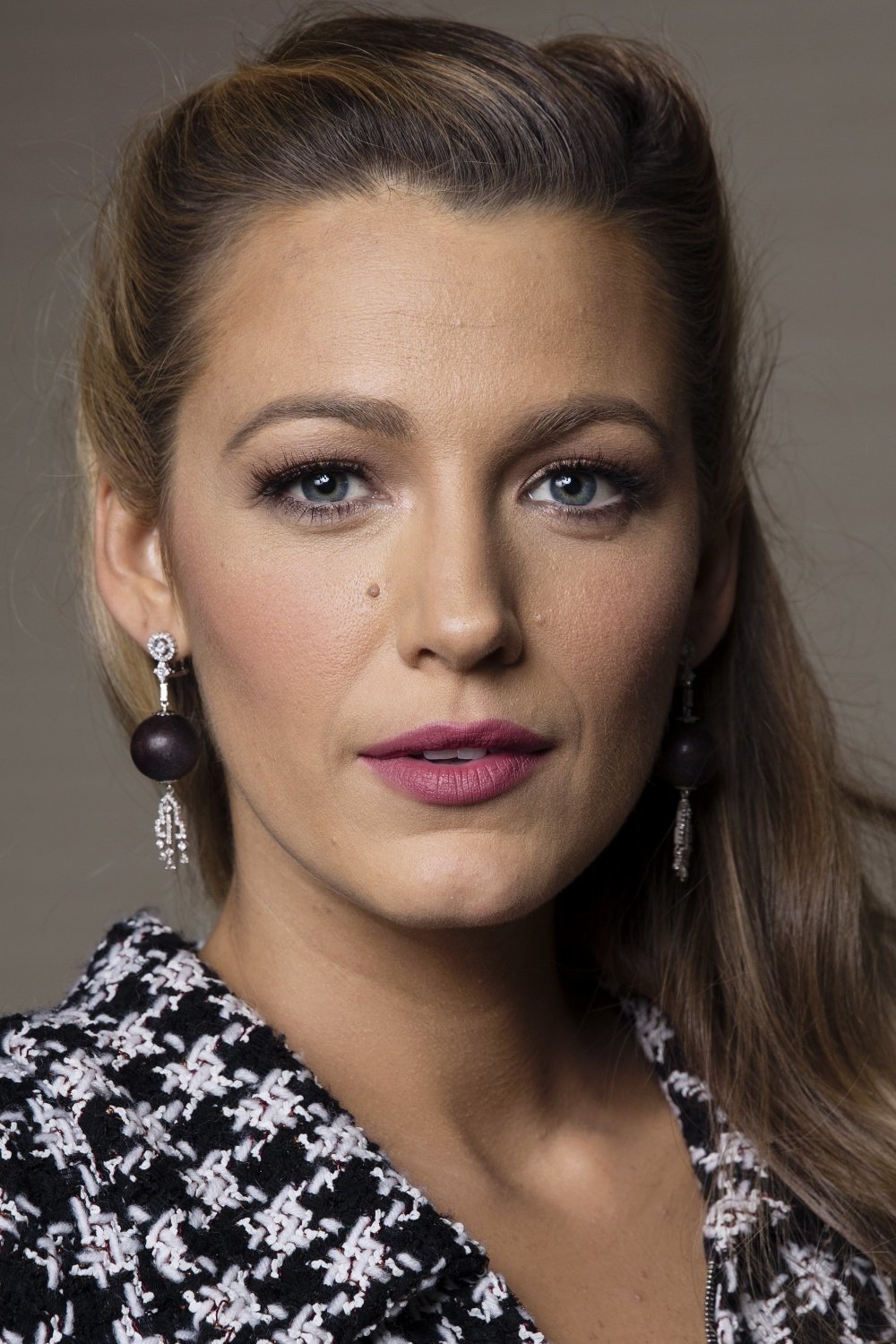
On the set of ‘Gossip Girl’, Blake Lively often questioned the writing when she felt Serena van der Woodsen was being portrayed inconsistently. She reportedly refused to deliver certain lines that made the character appear petty without proper narrative justification. Lively wanted to ensure that Serena’s choices felt authentic to a young woman navigating the pressures of the story’s setting. By advocating for these changes, she sought to maintain a level of logic for the character’s actions. Her influence on the dialogue was part of an effort to keep Serena as a central, grounded figure in the series.
Mila Kunis
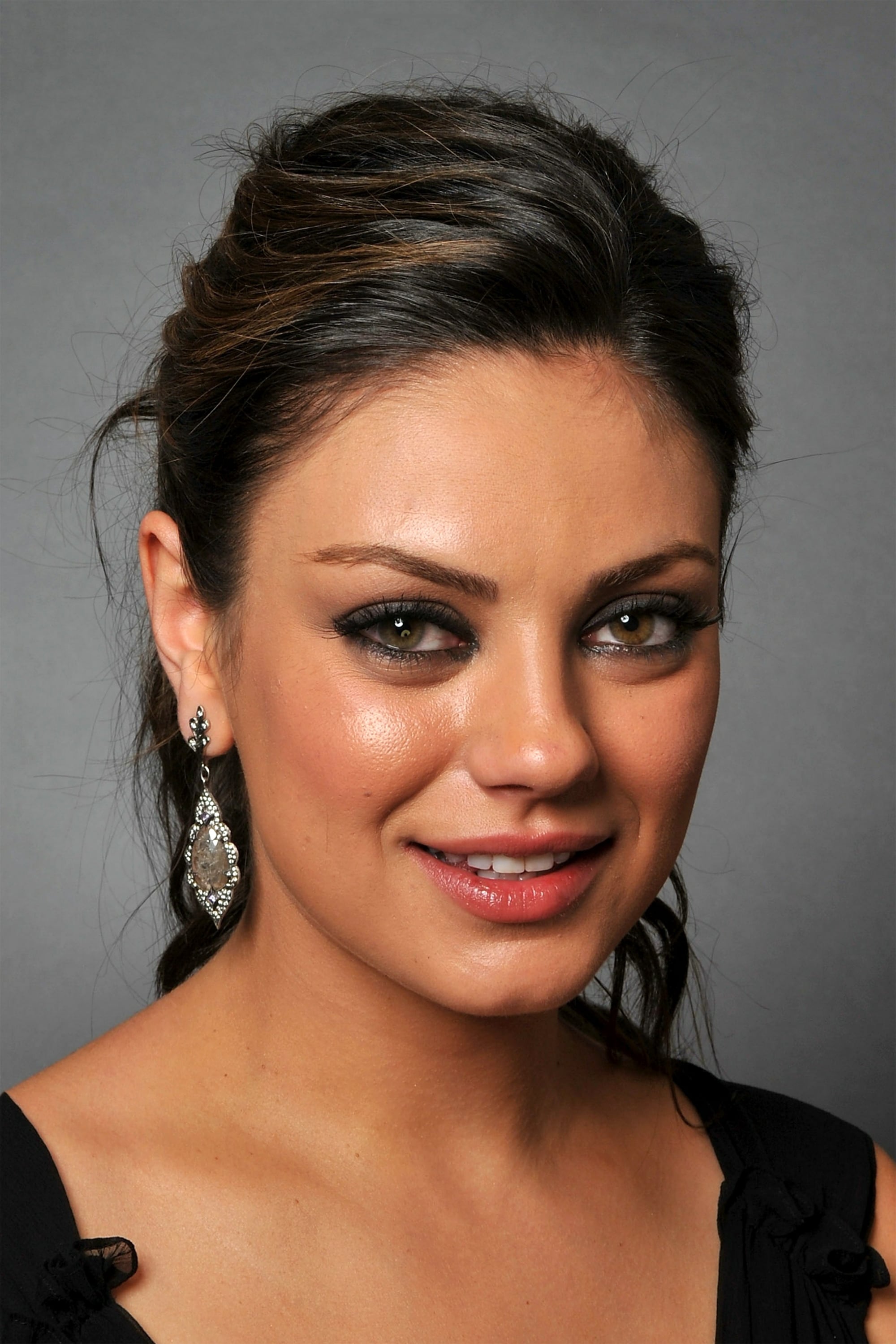
As the voice of Meg Griffin in ‘Family Guy’, Mila Kunis has occasionally pushed back against the show’s writers regarding her character’s treatment. She requested that Meg be allowed to stand up for herself or experience small victories rather than being the constant target of comedic abuse. Kunis argued that the character needed more development to remain a functional part of the cast over the long-running series. These changes prevented the character from becoming entirely one-dimensional in the context of the show’s humor. Her input led to scripts where Meg occasionally challenges the behavior of her family members.
Julia Roberts
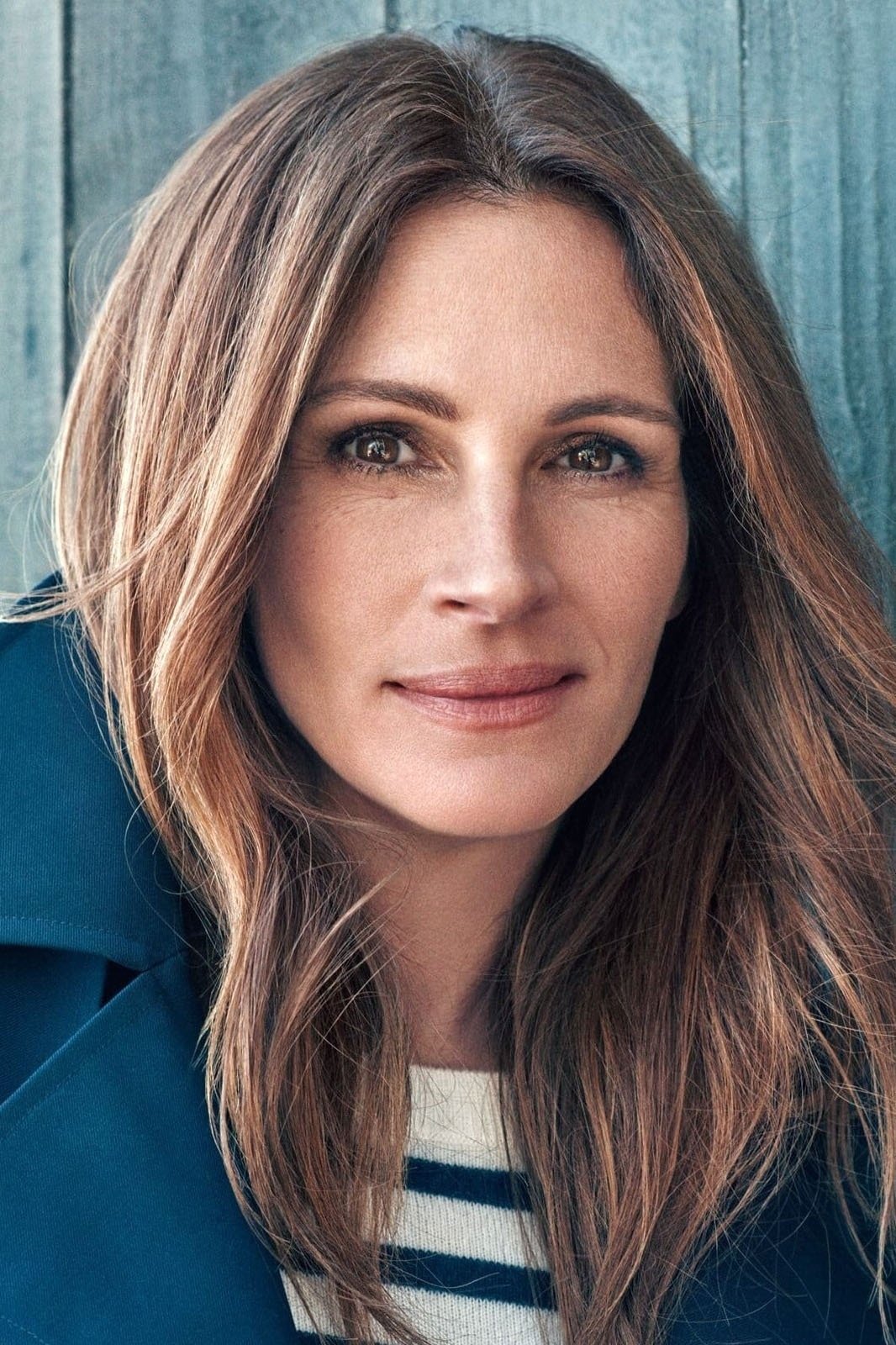
In the early drafts of ‘Pretty Woman’, the character of Vivian Ward was written with a much darker tone and more explicit dialogue. Julia Roberts insisted on removing lines that she felt were too crude or made the character seem less sympathetic. She worked to soften the dialogue to ensure the romantic elements of the story remained the primary focus. This input was instrumental in transforming the project from a gritty drama into its final format. Roberts’ vision for the character helped shape the dialogue used in the most famous scenes of the film.
Jessica Alba

During the production of ‘Fantastic Four: Rise of the Silver Surfer’, Jessica Alba faced directions that she felt undermined her character’s emotional depth. She specifically pushed back when a director told her to “cry prettier” and suggested using CGI tears instead of her actual performance. Alba felt that this direction stripped Sue Storm of her humanity and reduced her to a visual prop. This experience led her to question her career path and advocate for better treatment of female characters in action films. She eventually sought more control over her roles to ensure her characters were treated with respect.
Michelle Rodriguez
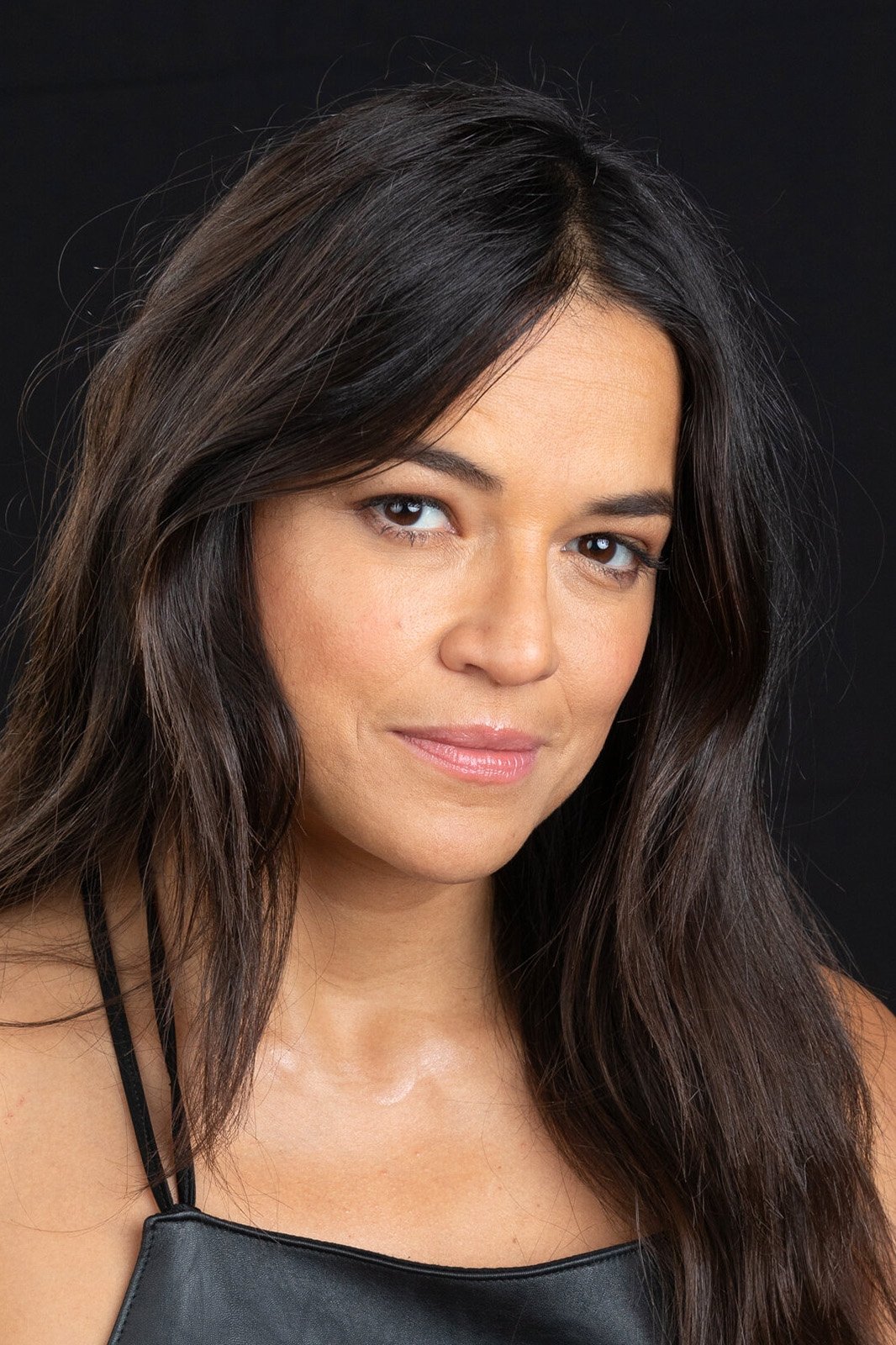
In the early script for ‘The Fast and the Furious’, the character of Letty was written as part of a love triangle that involved her cheating on Dominic Toretto. Michelle Rodriguez famously refused to deliver the lines and perform the scenes associated with this plot point, arguing it was out of character for a street-tough woman. She threatened to leave the production unless the writers changed the script to reflect Letty’s loyalty. Her ultimatum led to a complete overhaul of the character’s motivations and relationship dynamics. This change established Letty as a ride-or-die partner, which became a foundational element of the long-running franchise.
Please share your thoughts on these instances of actors protecting their characters in the comments.