


Actresses Who Were Drug Addicts

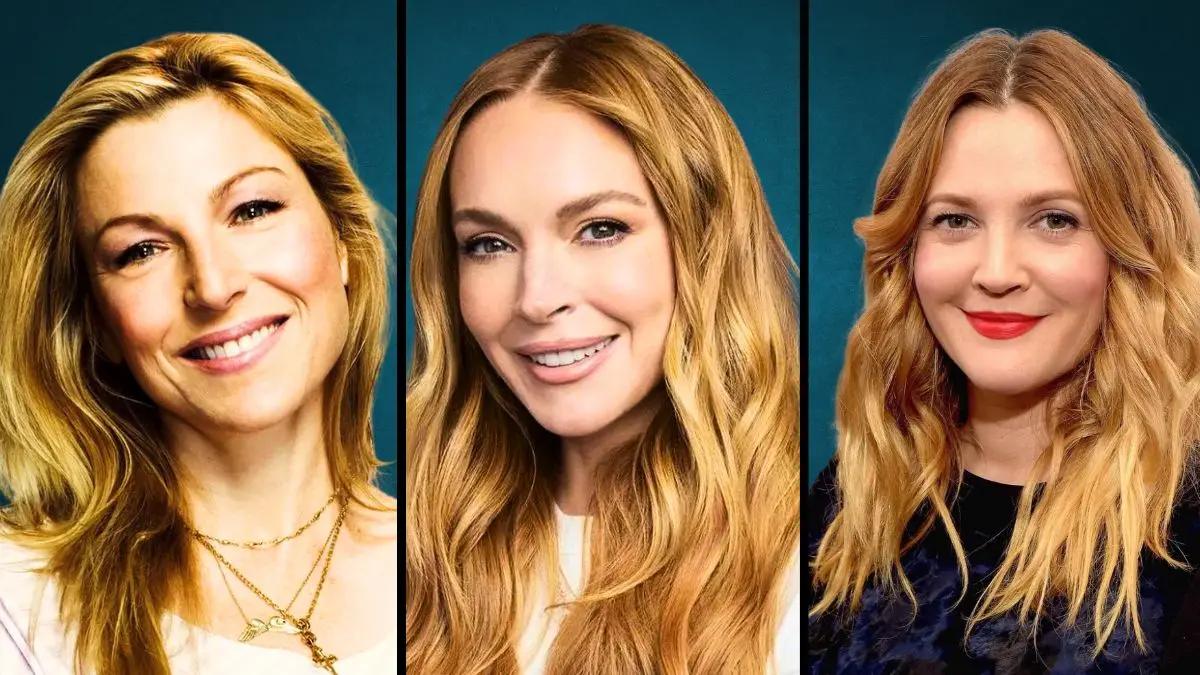


Plenty of actresses have spoken openly about addiction and recovery, helping to reduce stigma and point others toward treatment and support. Below are women who have publicly acknowledged substance use disorders in interviews, memoirs, or documentaries, along with the projects many know them for and the steps they took to get healthy. This is not a comprehensive list, but it highlights well-documented cases that led to advocacy, memoirs, or long-term sobriety. If you or someone you know is struggling, consider contacting a licensed professional or a local support service.
Drew Barrymore
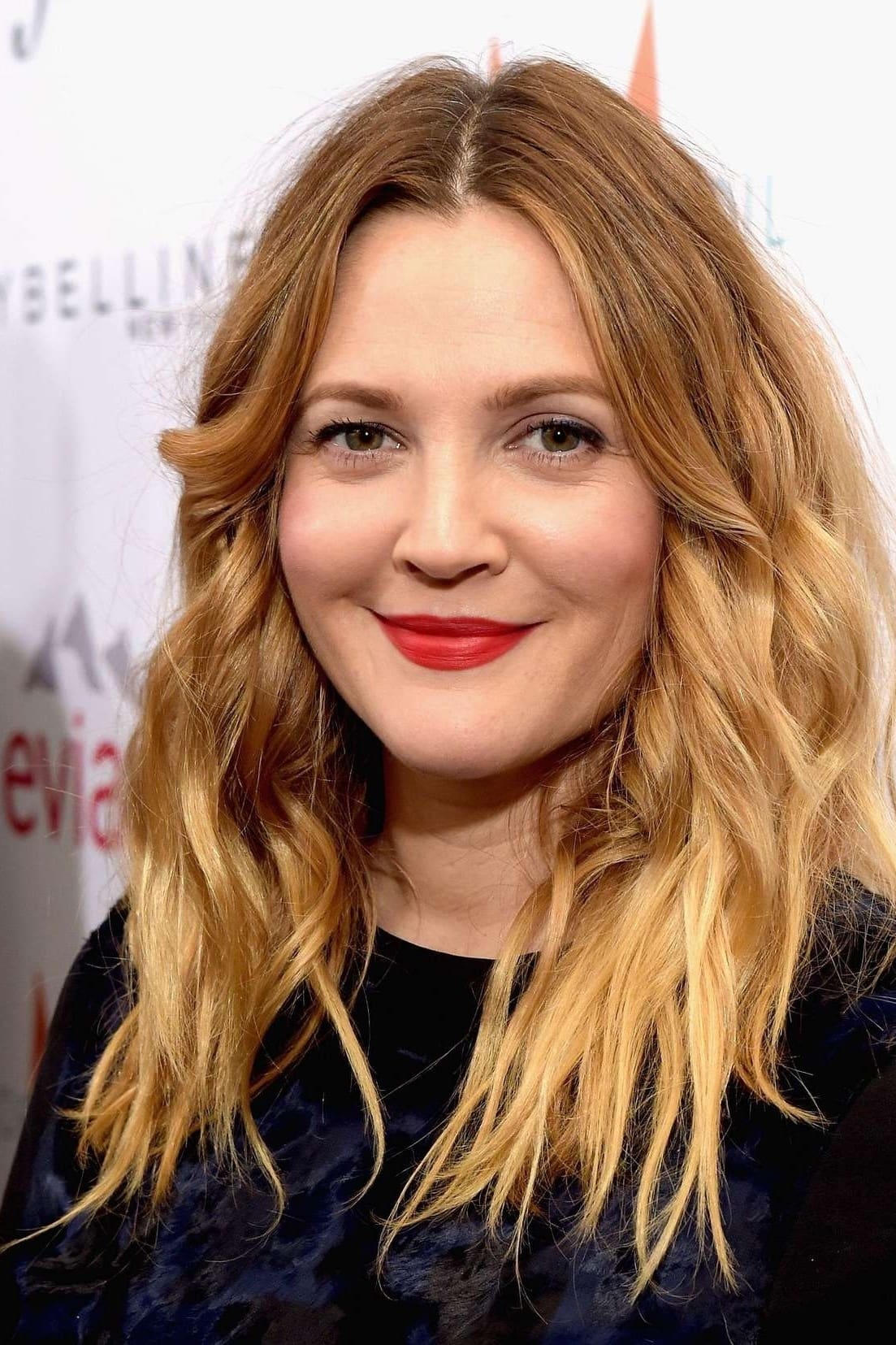
Drew Barrymore discussed early drug and alcohol use and entered rehab as a teenager, later writing about that period in her memoirs. She went on to rebuild a steady career in films like ‘The Wedding Singer’ and ‘Charlie’s Angels’, as well as the sitcom ‘Santa Clarita Diet’. Barrymore has credited therapy, boundaries, and support networks as pillars of her recovery. She now hosts ‘The Drew Barrymore Show’, where she has continued to speak candidly about mental health and sobriety tools.
Demi Lovato

Demi Lovato has described their experiences with addiction and relapse in documentaries including ‘Simply Complicated’ and ‘Dancing with the Devil’. After a life-threatening overdose, Lovato pursued treatment and adjusted their approach to recovery under medical supervision. They began acting on ‘Sonny with a Chance’ and later appeared in ‘Glee’ and ‘Will & Grace’. Lovato frequently uses interviews and performances to raise awareness about overdose risks, treatment options, and recovery resources.
Lindsay Lohan
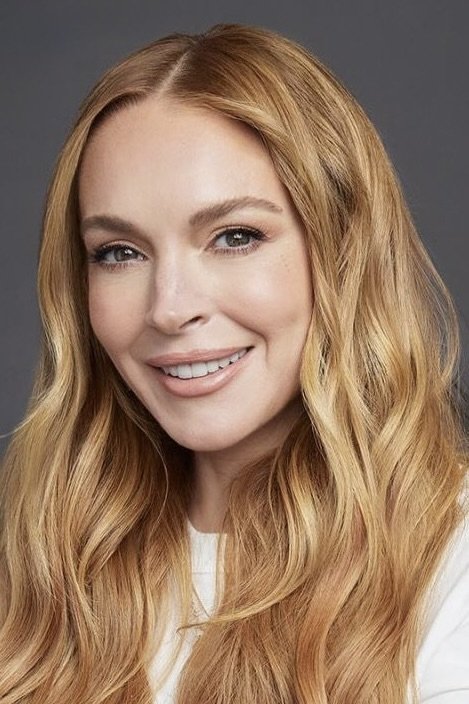
Lindsay Lohan’s substance use and multiple rehab stays were widely covered during her transition from child stardom to adult roles. Known for ‘Mean Girls’ and ‘The Parent Trap’, Lohan returned to screen work with projects like ‘Falling for Christmas’. She has credited structured support, family, and a quieter lifestyle for helping her maintain stability. Lohan has also discussed the pressures of early fame and the value of legal and clinical interventions in getting back on track.
Jamie Lee Curtis
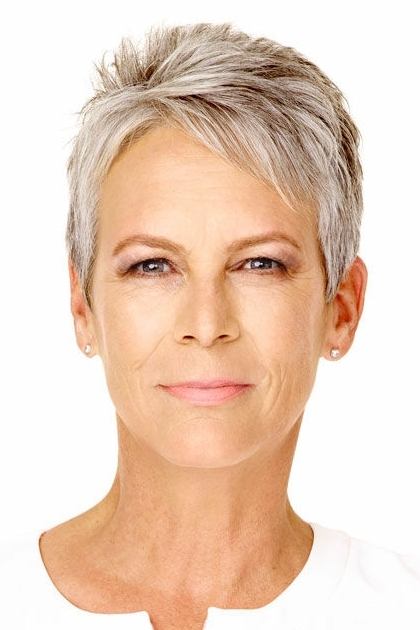
Jamie Lee Curtis revealed a years-long dependence on prescription opioids that began after a medical procedure. She sought help, maintained long-term sobriety, and later spoke about safe prescribing and the risks of hidden addiction. Curtis’s filmography—from ‘Halloween’ to ‘Everything Everywhere All at Once’—continued alongside her advocacy for recovery. She often highlights the role of family accountability, peer support, and medical guidance in preventing relapse.
Judy Garland

Judy Garland’s substance dependence is documented in biographies and histories of the studio era, where amphetamines and barbiturates were routinely used to manage performers’ schedules. Garland’s struggles affected her health during and after work on ‘The Wizard of Oz’ and other MGM productions. She experienced cycles of treatment attempts amid intense professional demands. Garland’s legacy has shaped how researchers and unions discuss safer, more humane working conditions for performers.
Elizabeth Taylor
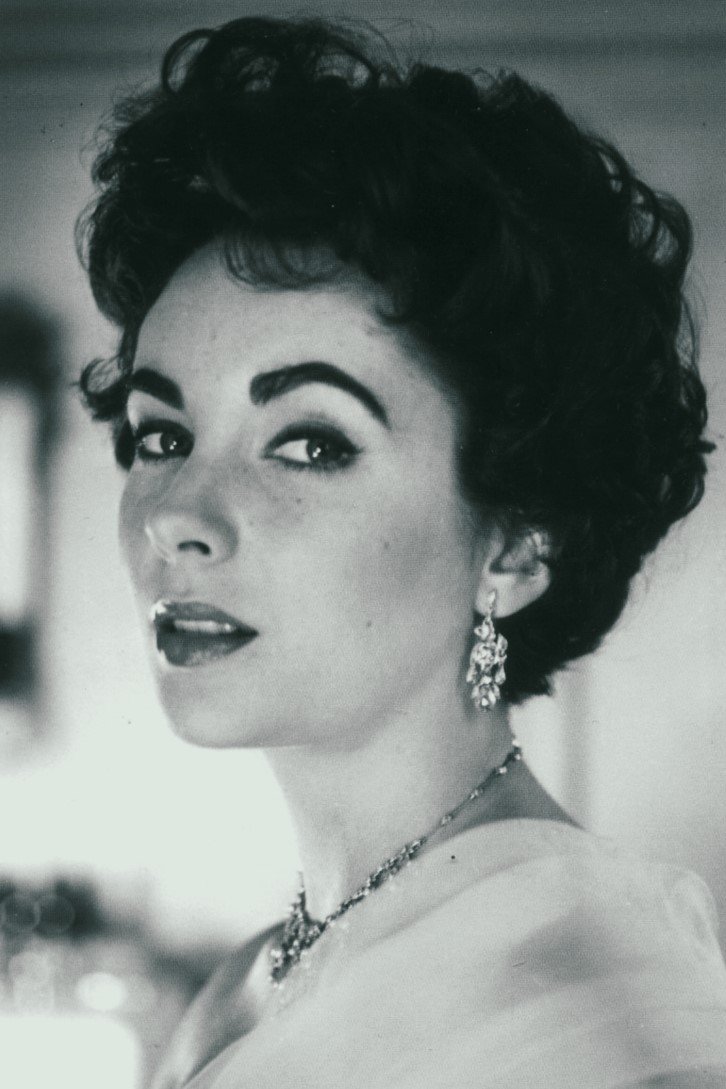
Elizabeth Taylor publicly addressed her alcoholism and dependence on prescription medications, entering the Betty Ford Center and later supporting others seeking treatment. Her screen credits include ‘Cleopatra’, ‘Who’s Afraid of Virginia Woolf?’ and ‘Giant’. Taylor used her platform to fundraise for health causes and to destigmatize rehabilitation. She emphasized clinical care, community, and aftercare as critical components of sustained recovery.
Carrie Fisher
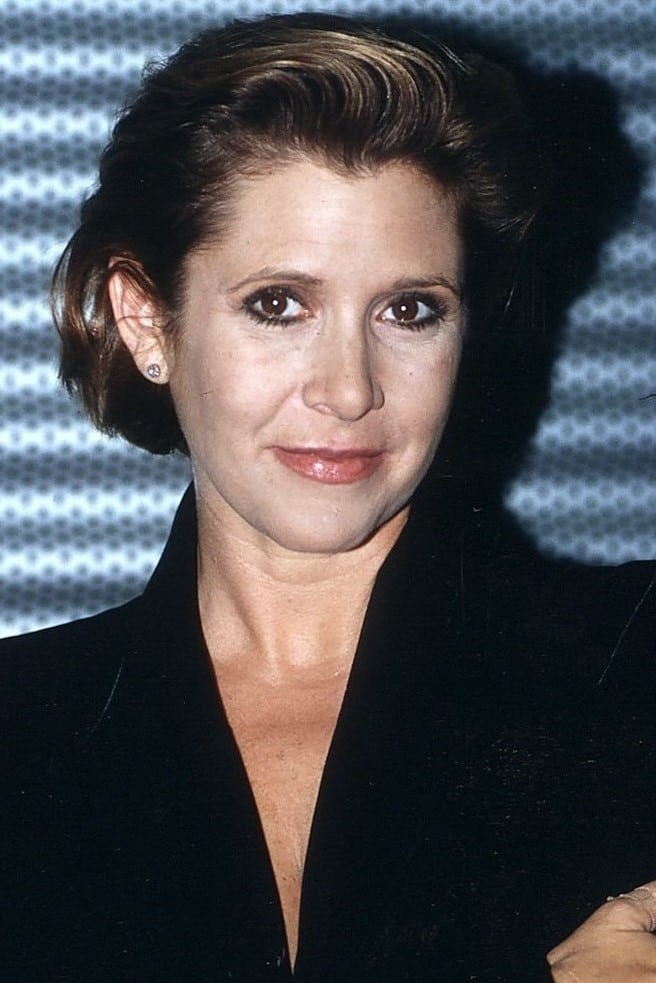
Carrie Fisher spoke extensively about addiction and bipolar disorder in interviews, stage work, and the HBO special ‘Wishful Drinking’. Best known for ‘Star Wars’, Fisher also worked as a script doctor and author while advocating for mental-health literacy. She described medication management, therapy, and support groups as foundational to stability. Fisher’s candor helped broaden public understanding of co-occurring mental health and substance use disorders.
Jodie Sweetin
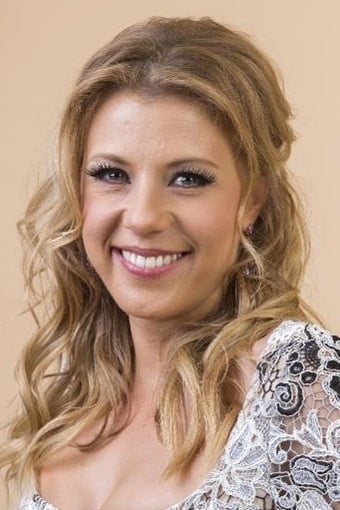
Jodie Sweetin wrote about her methamphetamine addiction and recovery in her memoir, later returning to acting and hosting. She is widely recognized for ‘Full House’ and ‘Fuller House’. Sweetin has worked with recovery organizations and speaks at events about relapse prevention and community support. Her outreach often centers on practical tools like sponsorship, routine, and accountability.
Natasha Lyonne
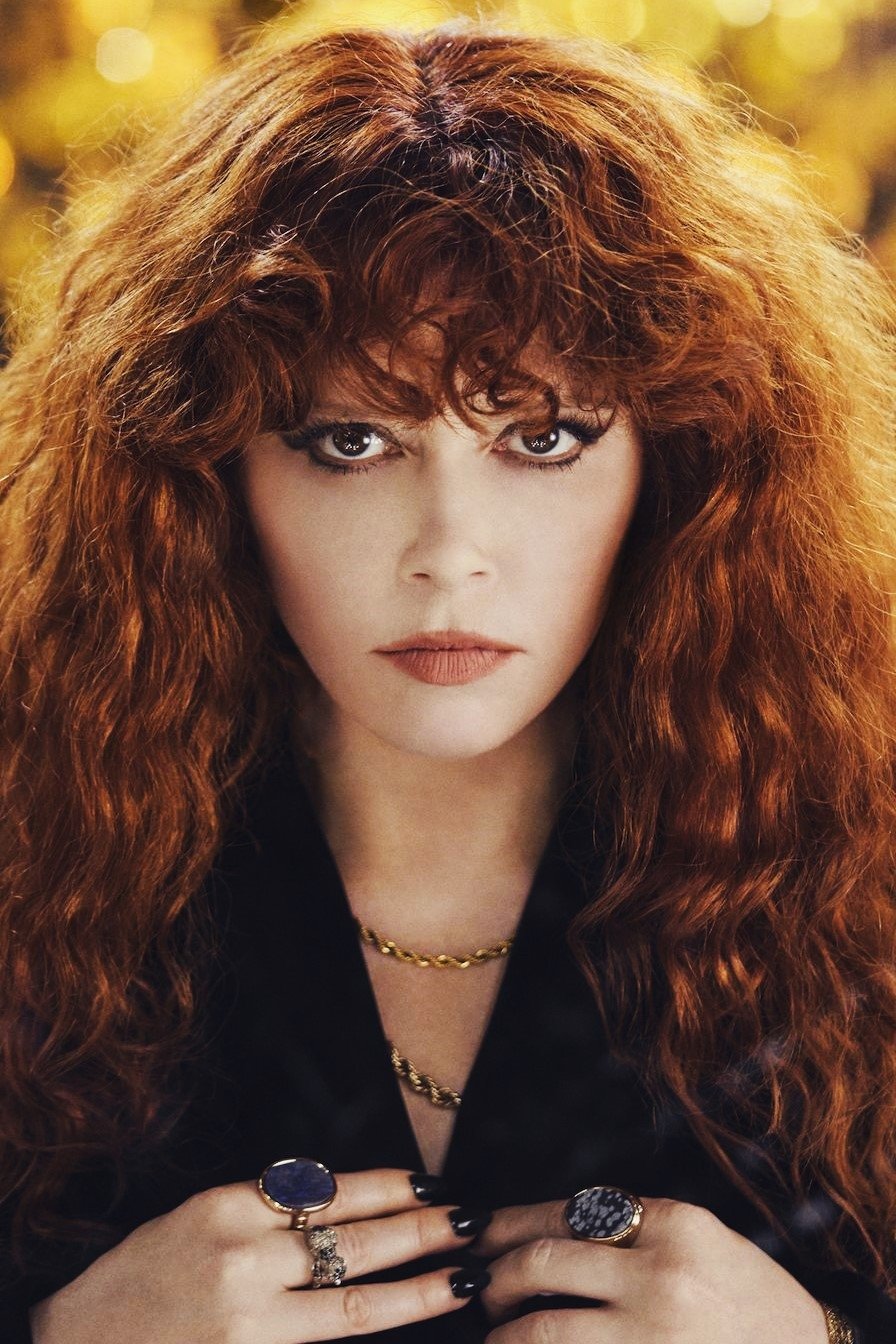
Natasha Lyonne’s heroin addiction and legal troubles in the early 2000s were followed by treatment and a gradual professional resurgence. She earned acclaim in ‘Orange Is the New Black’ and co-created and starred in ‘Russian Doll’. Lyonne has discussed long-term recovery strategies, including therapy, creative focus, and peer networks. Her trajectory is frequently cited as an example of sustained recovery supporting sustained creative work.
Tatum O’Neal

Tatum O’Neal has detailed her heroin addiction and subsequent arrests, later seeking treatment and pursuing recovery. Known for ‘Paper Moon’ and appearances on television, she has used interviews and writing to discuss family dynamics and substance use. O’Neal underscores the importance of medical care, therapy, and structured follow-up. Her public accounts have contributed to broader conversations about relapse and long-term maintenance.
Liza Minnelli
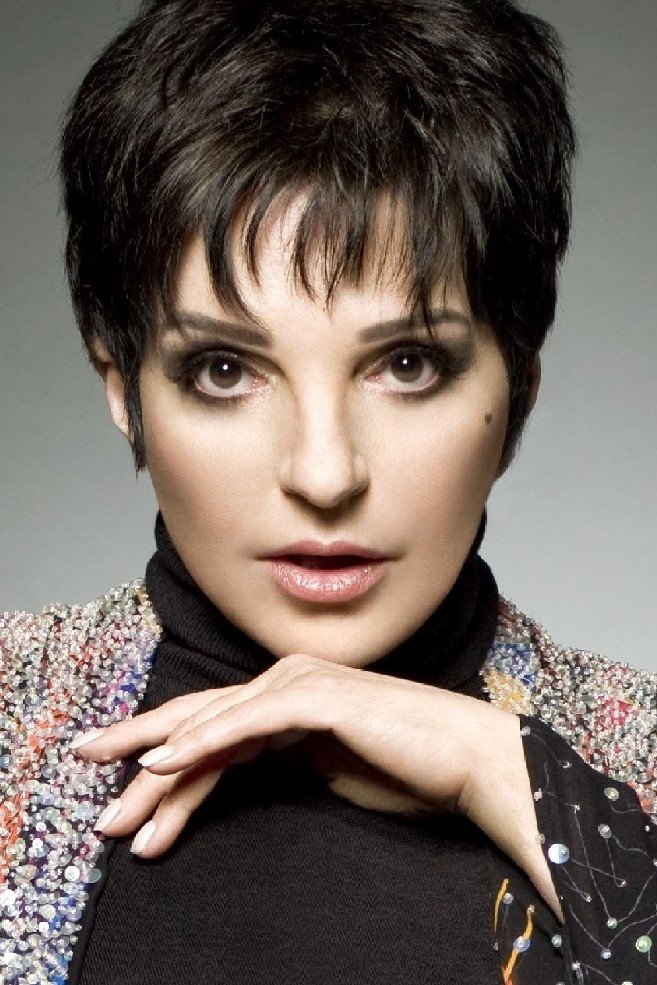
Liza Minnelli has acknowledged struggles with alcohol and prescription drugs, receiving treatment multiple times. Renowned for ‘Cabaret’ and stage work, she continued performing while managing health challenges. Minnelli has described inpatient care, ongoing medical oversight, and performance scheduling adjustments as part of recovery. Her experiences are often referenced in discussions about addiction within high-stress performance careers.
Melanie Griffith
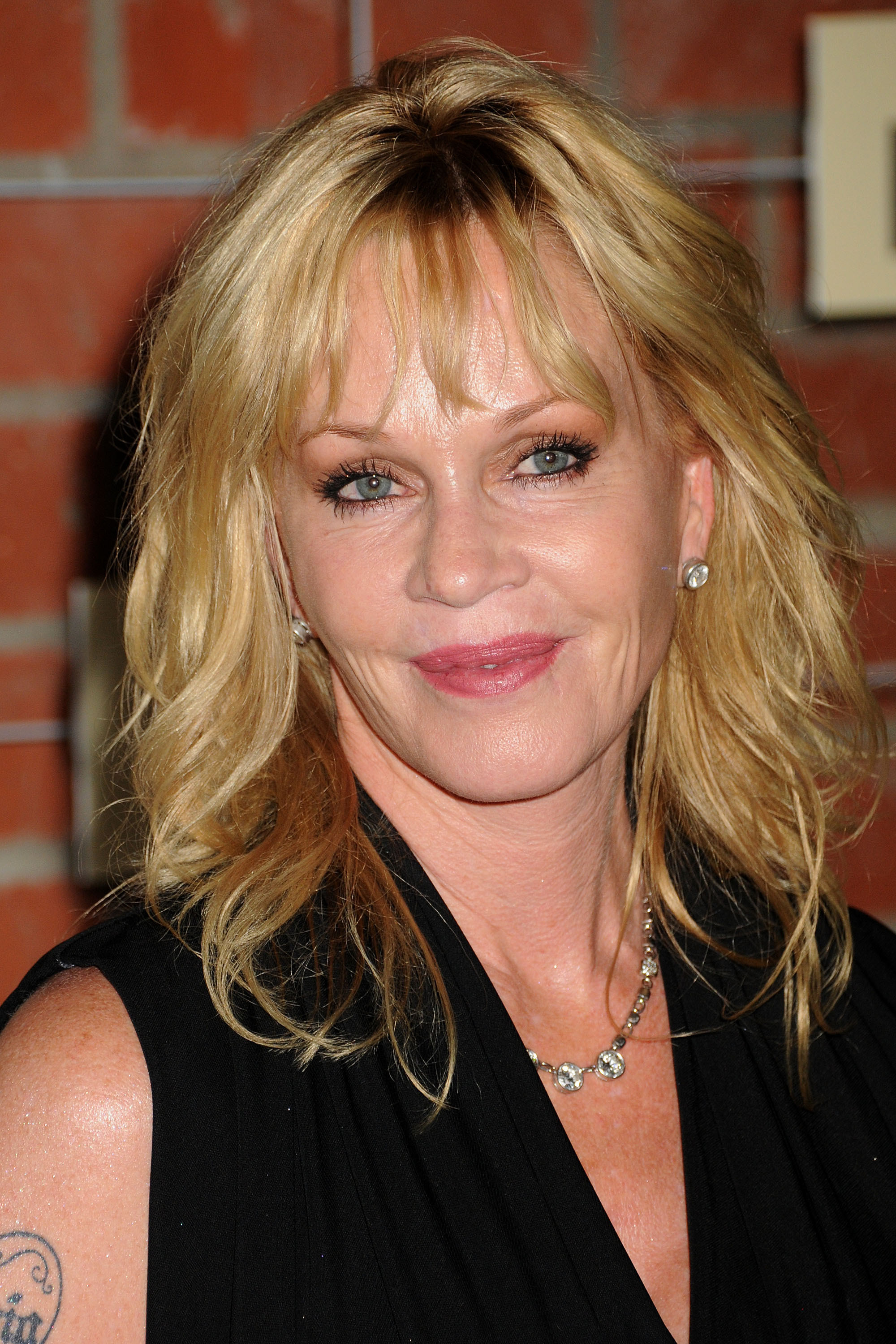
Melanie Griffith has spoken about dependence on alcohol and painkillers and entered rehab more than once. Her screen work includes ‘Working Girl’ and ‘Something Wild’. Griffith credits professional treatment, family support, and sustained aftercare for helping maintain sobriety. She has used interviews to encourage seeking help early and reducing stigma around relapse.
Mackenzie Phillips
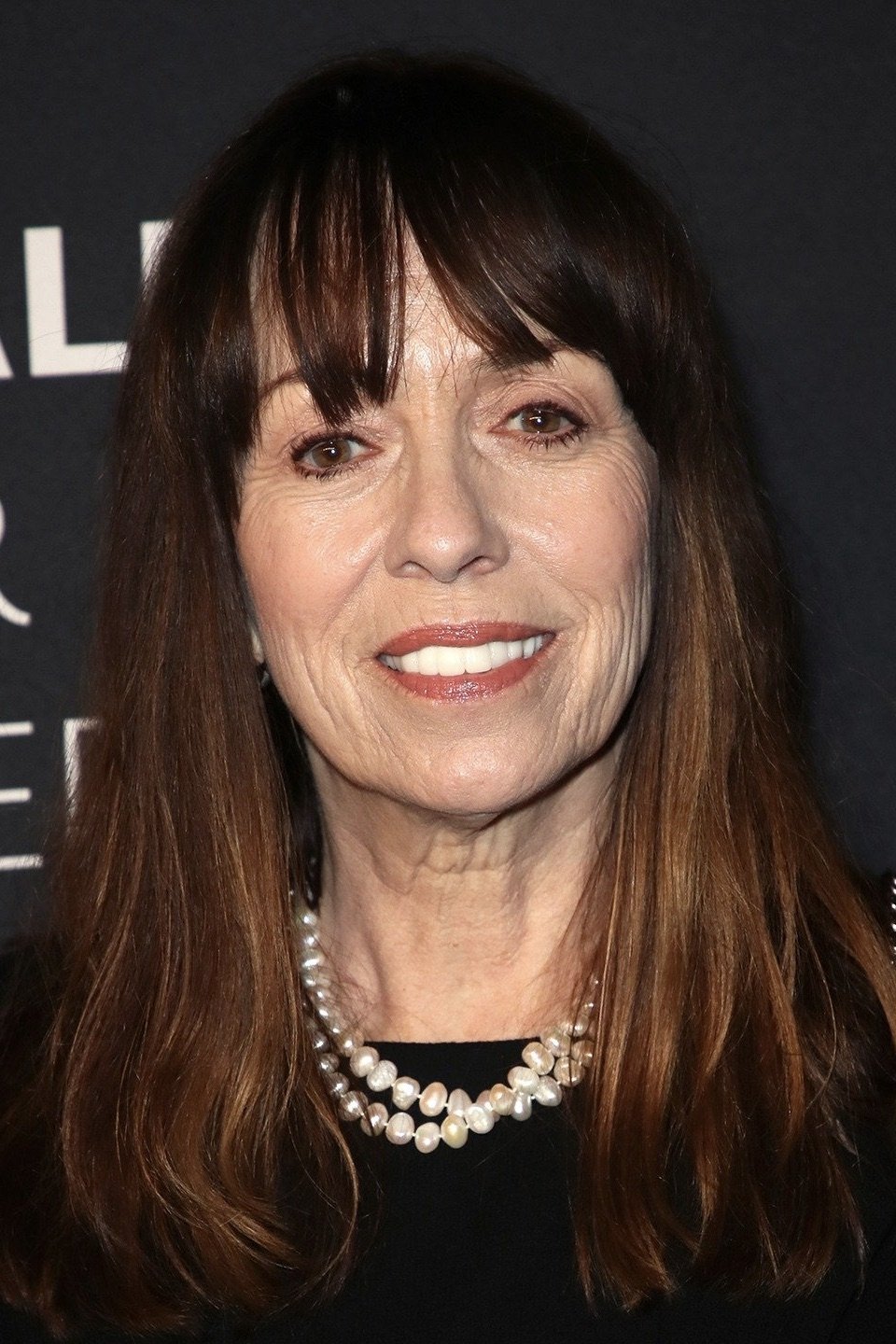
Mackenzie Phillips wrote about long-term addiction and recovery in her memoir, reflecting on early exposure to substances and the music/film environment. She is known for ‘One Day at a Time’ and ‘American Graffiti’. Phillips later trained as a substance use disorder counselor, working directly with patients. Her advocacy emphasizes trauma-informed care, detox safety, and consistent support systems.
Kristin Davis
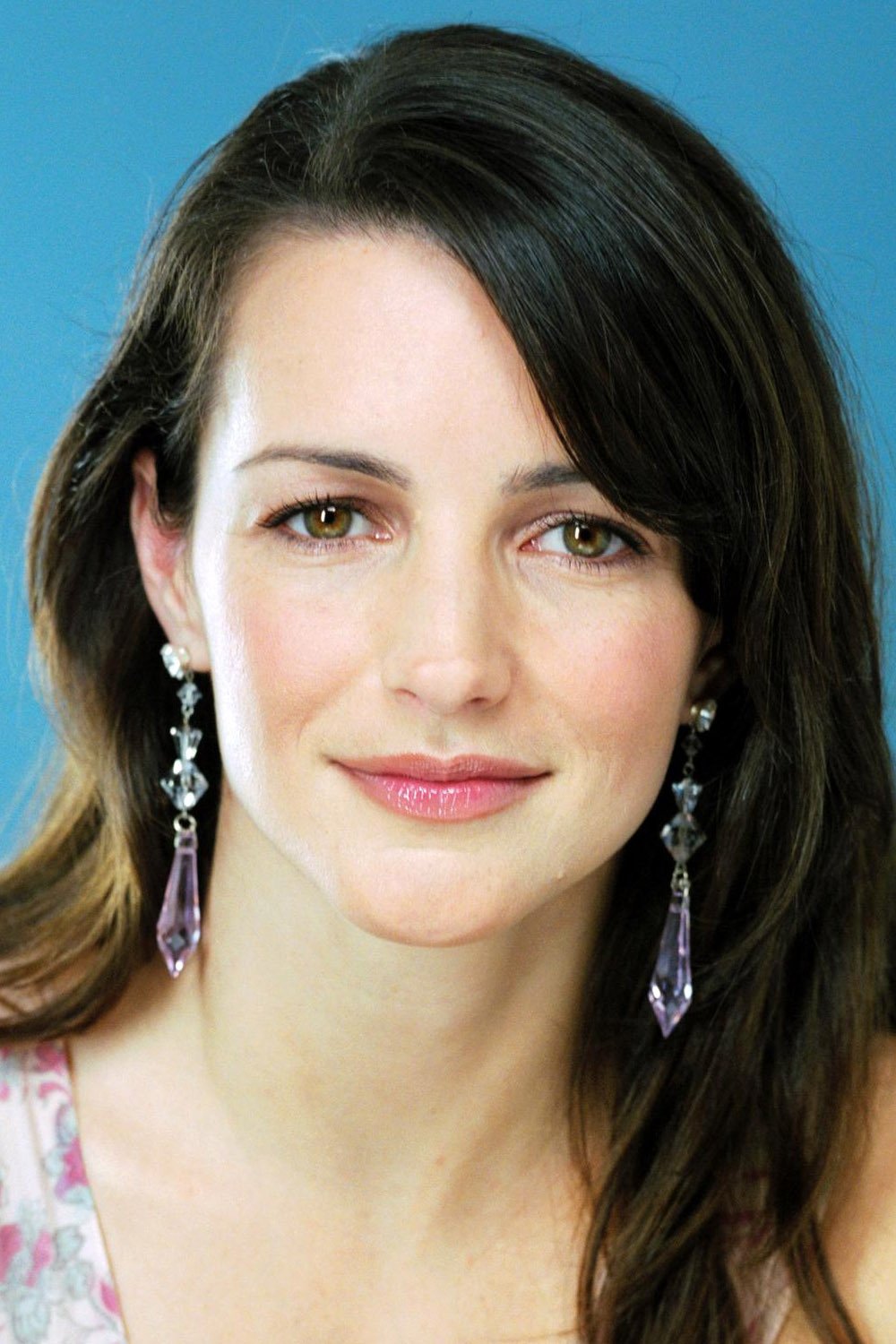
Kristin Davis has discussed alcoholism and early sobriety prior to her breakout on ‘Sex and the City’. She has described how abstinence, work structure, and supportive peers helped her maintain recovery. Davis has continued acting and philanthropy while speaking about healthy coping mechanisms for stress. Her story is often cited as an example of early intervention preventing escalation.
Amber Valletta

Amber Valletta, who moved between modeling and acting, has publicly described addiction beginning in adolescence and continuing into adulthood. Her acting credits include ‘Hitch’ and appearances in ‘Revenge’ and ‘Blood & Oil’. Valletta has advocated for mental-health screenings and employer education within fashion and entertainment. She highlights therapy, peer groups, and workplace awareness as keys to prevention and recovery.
Share your thoughts below: which other openly discussed recovery stories should we cover in the comments?

