


Actresses Who’ve Achieved Long-Term Sobriety


Many performers have spoken openly about addiction, treatment, and the work it takes to stay sober, helping reduce stigma and pointing others toward resources. Below are actresses who have publicly discussed achieving long-term sobriety and how they’ve sustained recovery—through treatment programs, support communities, service work, and by reshaping their careers around healthier routines. You’ll also find specifics like memoirs, advocacy, and projects where they’ve folded their recovery into their public life in constructive ways.
Jamie Lee Curtis
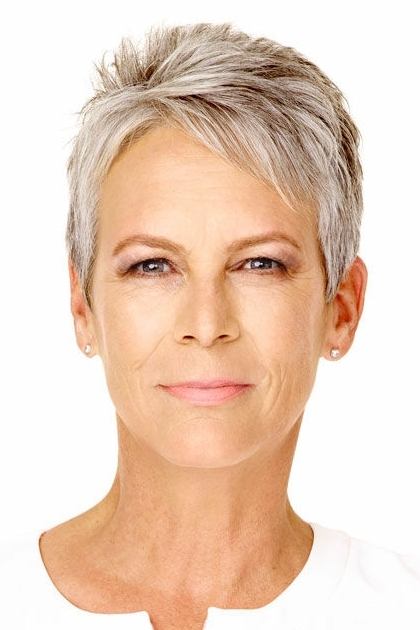
Curtis has described ending a secret opioid dependence in 1999 and has since marked more than two decades of continuous sobriety. She regularly credits recovery support networks and family accountability as key to maintaining her program. Curtis speaks at recovery events, urges safe prescribing practices, and highlights the risks of opioid misuse. She has called sobriety her greatest achievement and uses social media to encourage people seeking help to start with a meeting, a call, or a conversation.
Kristin Davis
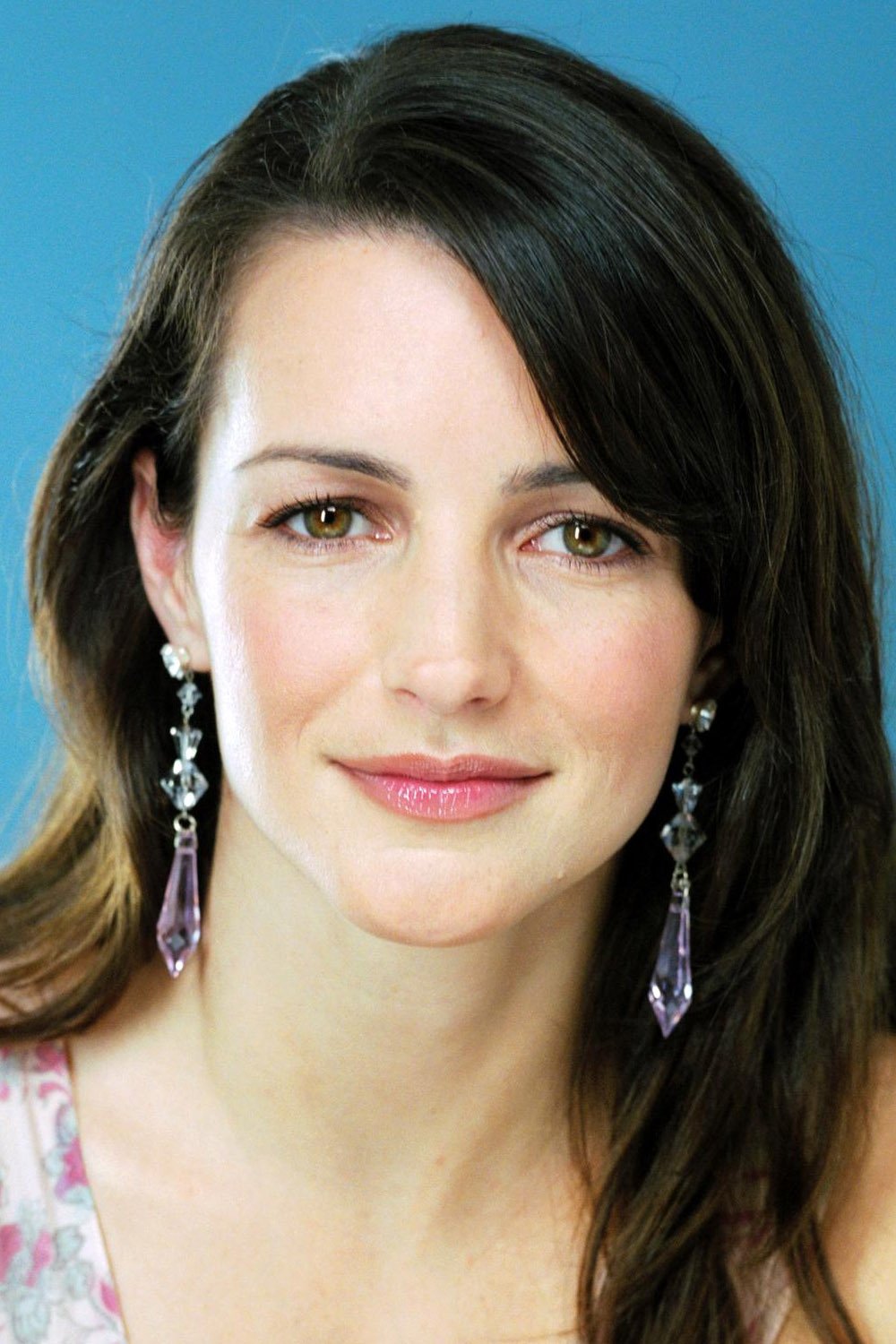
Davis has said she quit drinking in her 20s after recognizing alcohol was becoming life-threatening. She has maintained long-term sobriety throughout her career, discussing it candidly in interviews to counter glamorized drinking culture. Davis emphasizes how early intervention, therapy, and steady work were stabilizing forces. She often frames her story as one of ongoing recovery that requires daily commitment.
Eliza Dushku

Dushku has shared that she entered recovery in 2008 and remained sober long-term, later training in counseling and trauma-informed work. She has spoken to youth groups, colleges, and recovery communities about addiction, relapse prevention, and healing from trauma. Dushku underscores the role of community, 12-step participation, and therapy in sustaining sobriety. She has also used her platform to advocate for safer sets and worker protections after speaking up about harassment.
Jada Pinkett Smith

Pinkett Smith has discussed ending her heavy drinking years ago and sustaining long-term sobriety with the help of honest self-inventory and family support. On ‘Red Table Talk,’ she has hosted medical experts and shared practical education about alcohol-use disorder, especially its impact on women. She emphasizes the value of stopping “cold turkey” only with proper medical guidance and aftercare. Her conversations often point viewers toward treatment resources and open dialogue at home.
Jessica Simpson

Simpson has publicly marked multiple anniversaries after quitting alcohol in 2017, describing a structured recovery that includes therapy and journaling. In her memoir ‘Open Book,’ she details the decision to stop and how sobriety improved her physical and creative health. Simpson credits routine, parenting priorities, and professional boundaries with helping her maintain long-term change. She frequently encourages others to seek help and to document progress with tangible goals.
Natasha Lyonne

Lyonne has spoken about achieving sobriety in the mid-2000s after serious health complications, then rebuilding her life and career. She has said long-term abstinence from drugs—and later, major lifestyle changes—helped her focus on creative work like ‘Orange Is the New Black’ and ‘Russian Doll.’ Lyonne cites consistent support networks and medical follow-up as essential pieces of recovery. She often highlights harm awareness on sets and the importance of compassionate accountability.
Mackenzie Phillips
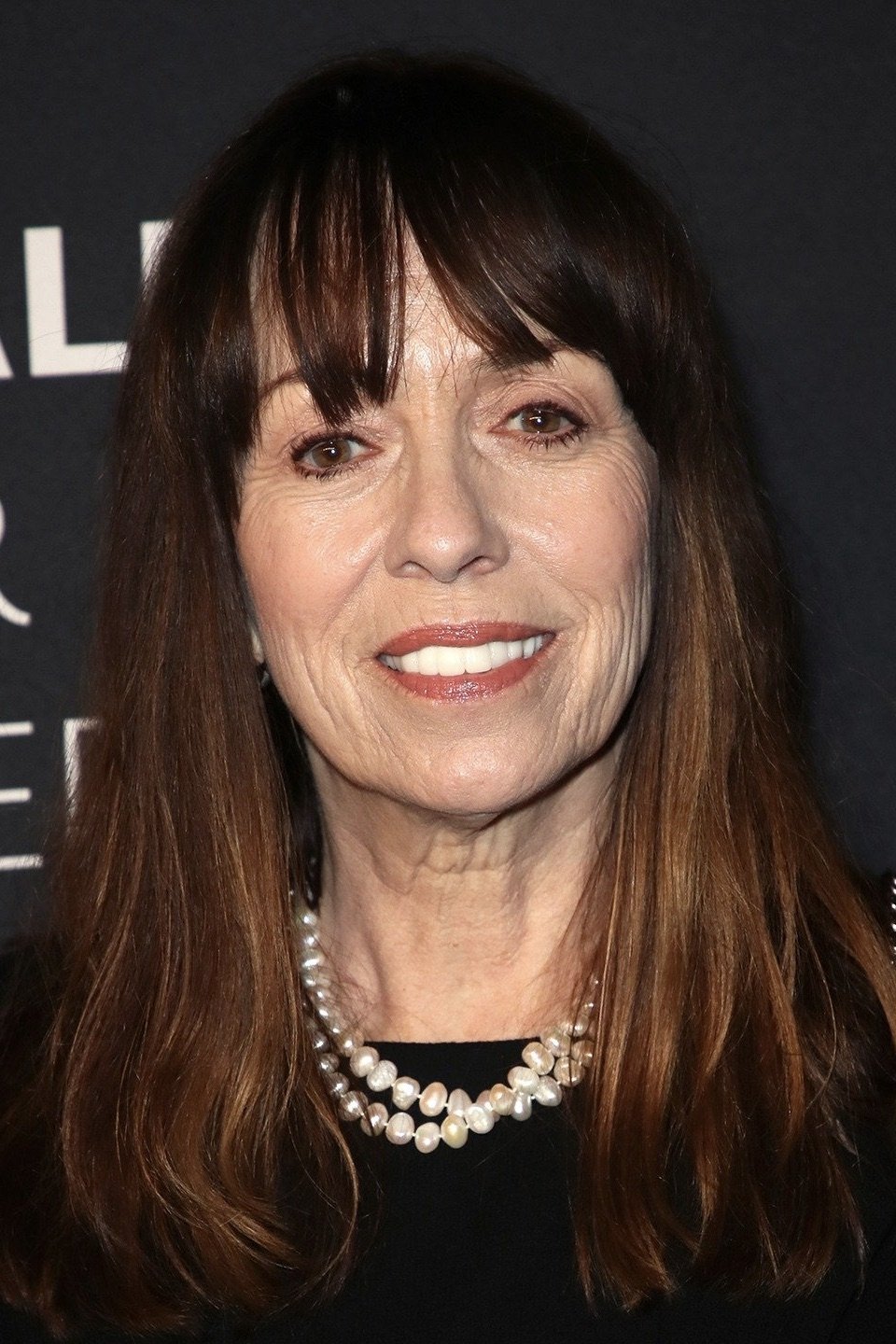
Phillips has long shared her recovery story, later becoming a certified counselor and program director at a treatment center. She uses her lived experience to teach relapse prevention, family systems, and trauma recovery. Phillips underscores the necessity of aftercare, peer support, and service to others in maintaining long-term sobriety. She has written and spoken extensively to normalize seeking help and to connect people with credible treatment options.
Katey Sagal
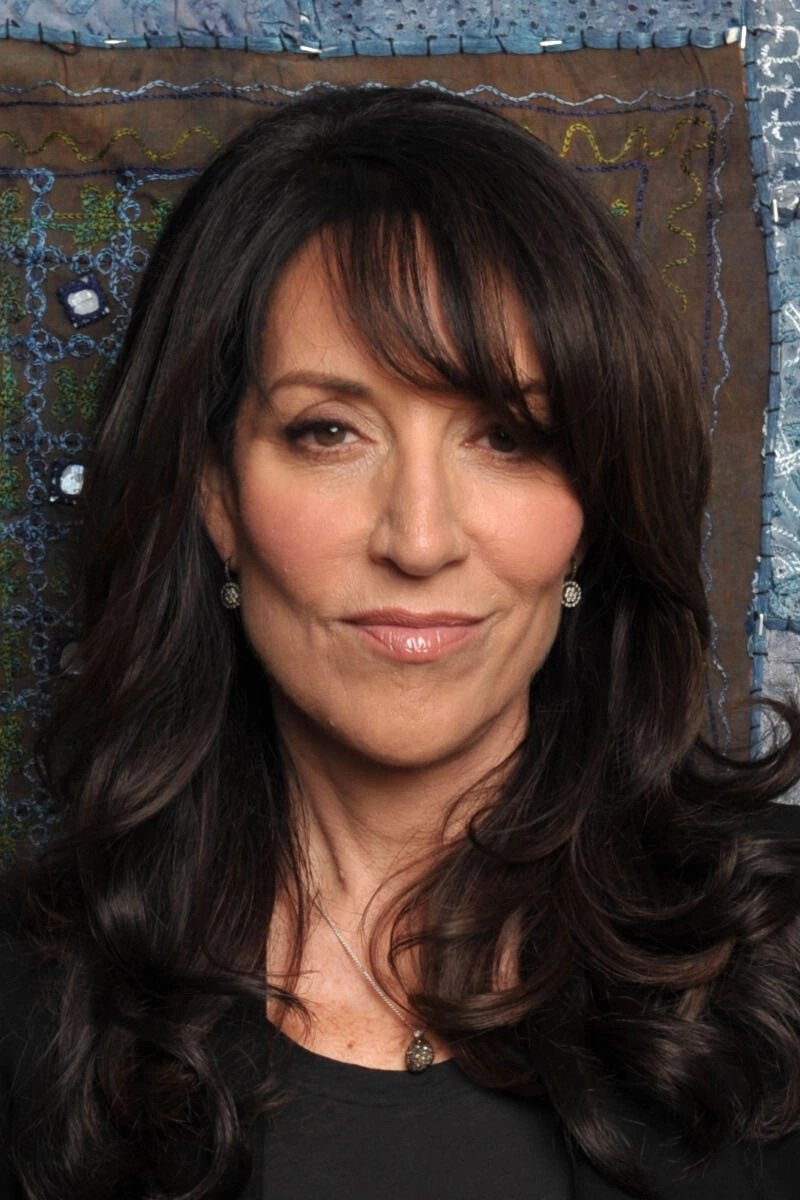
Sagal has detailed getting sober after years of alcohol and drug misuse that began in adolescence. She attributes her long-term recovery to community support, structured programs, and continued therapy. Sagal discusses how sobriety stabilized her health and work, and how she keeps communication open with her family about addiction risks. She encourages people to find a recovery community that fits—whether 12-step, therapy-led, or a combination.
Naomi Campbell

Campbell has credited recovery groups and a complete lifestyle reset with helping her maintain long-term sobriety from alcohol and drugs. She has spoken about grief as a trigger and the importance of addressing underlying trauma. Campbell points to routine, fitness, and mentorship as key supports in ongoing recovery. She also uses her platform to promote mental-health care and to discourage self-medication.
Demi Moore
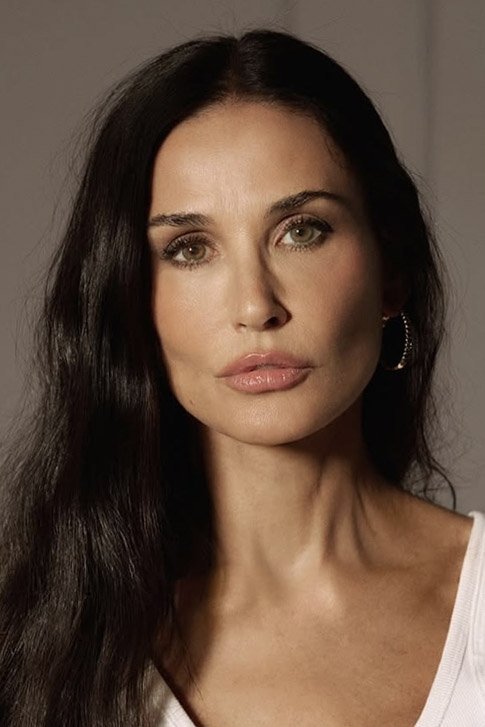
Moore has written about addiction and recovery in her memoir ‘Inside Out,’ describing cycles of sobriety and recommitment. In recent years she has emphasized renewed long-term sobriety supported by therapy, family reconciliation, and structured routines. She highlights triggers like stress and public scrutiny, and the need for strong boundaries. Moore frequently recommends memoir-writing, journaling, and support groups as practical tools.
Melanie Griffith
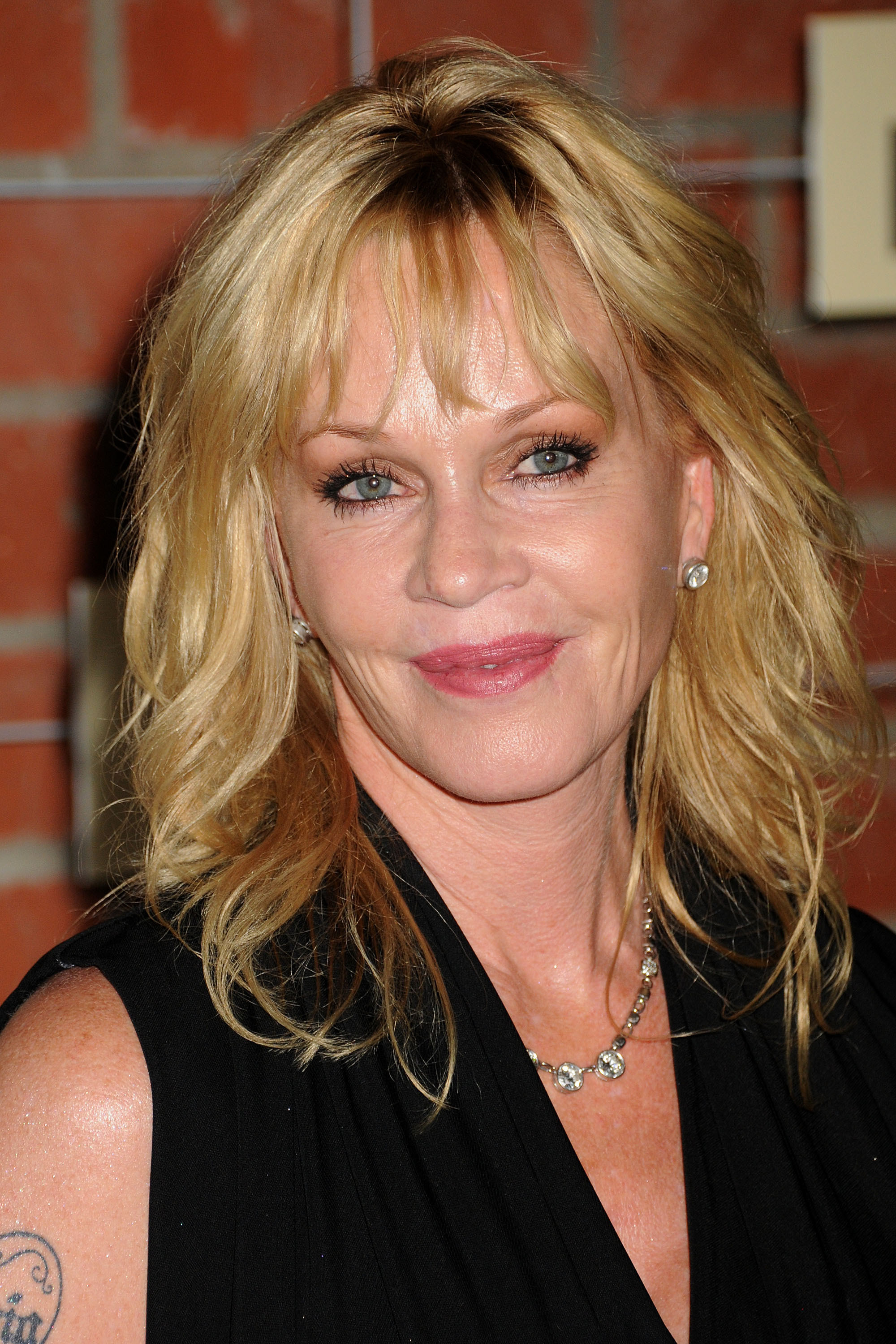
Griffith has discussed multiple treatment stays before achieving sustained sobriety, later speaking publicly to encourage others to seek help. She has credited medical detox, residential rehab, and long-term aftercare with helping her stabilize. Griffith stresses the role of family accountability and professional support in maintaining recovery. She often points to the importance of monitoring pain-management plans to avoid relapse risks.
Selma Blair
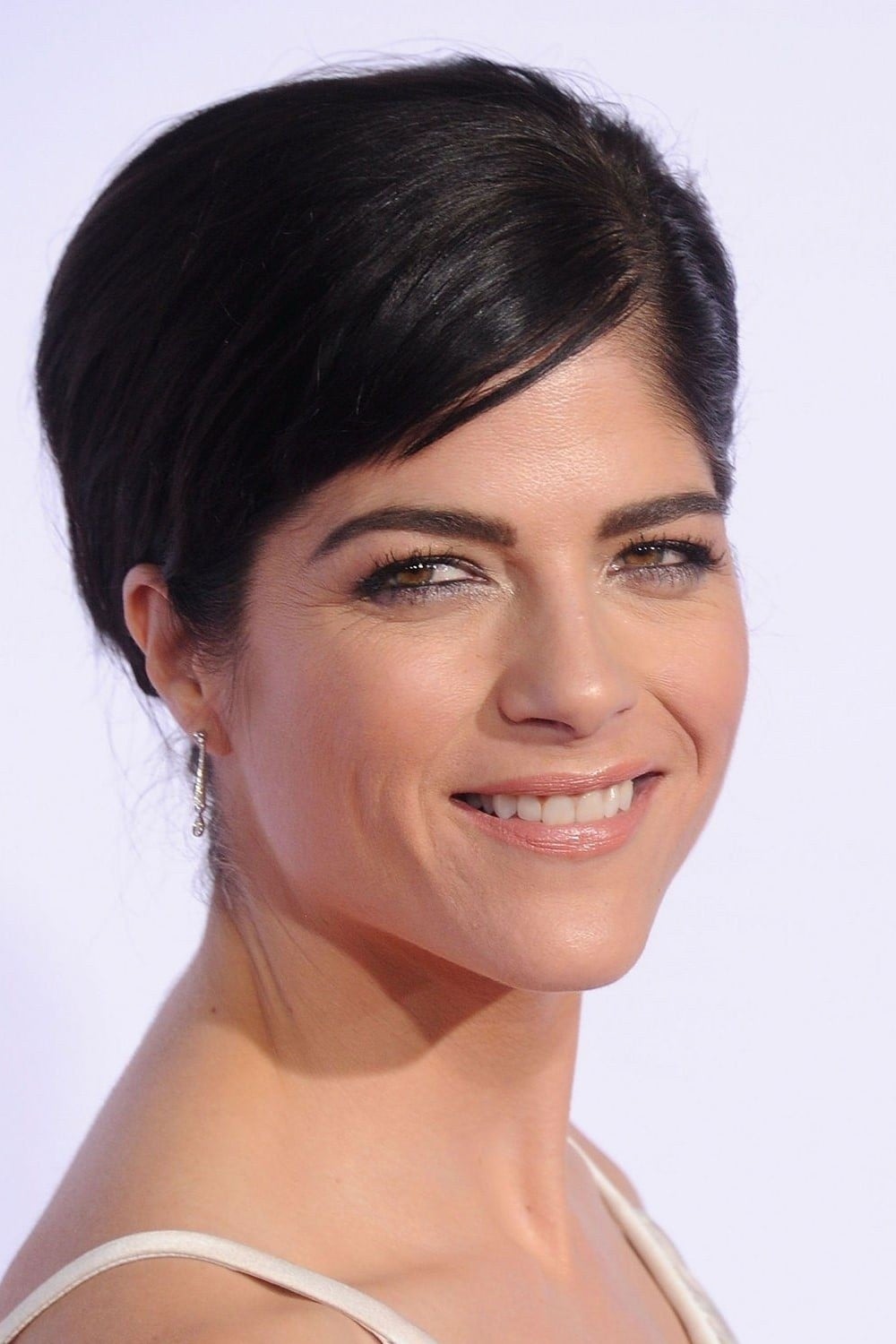
Blair has described quitting alcohol in 2016 and remaining sober long-term, which she says aided her eventual multiple sclerosis diagnosis and treatment. She cites therapy, structured routines, and parenthood as anchors in her recovery. Blair shares practical details—like removing access to alcohol, managing medications appropriately, and leaning on community—to help others. Her memoir ‘Mean Baby’ includes resources and frank discussion of early-onset alcohol misuse.
Jane Lynch
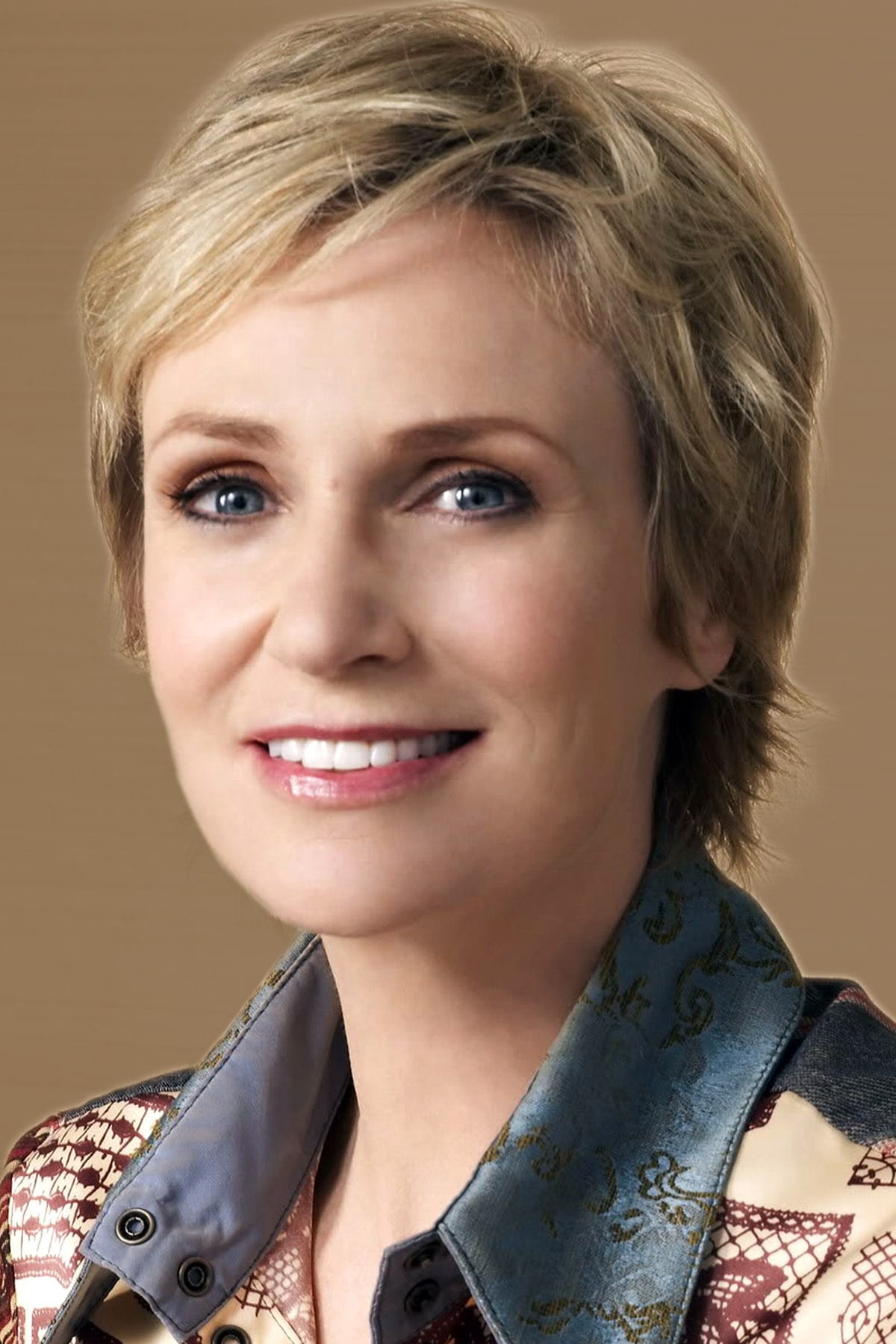
Lynch has spoken about getting sober in the early 1990s after recognizing escalating alcohol use. She attributes long-term recovery to meetings, mentorship, and daily structure that supports sobriety. Lynch has described how clarity and consistency improved her work habits on set. She continues to highlight accessible peer-support options for people beginning recovery.
Edie Falco
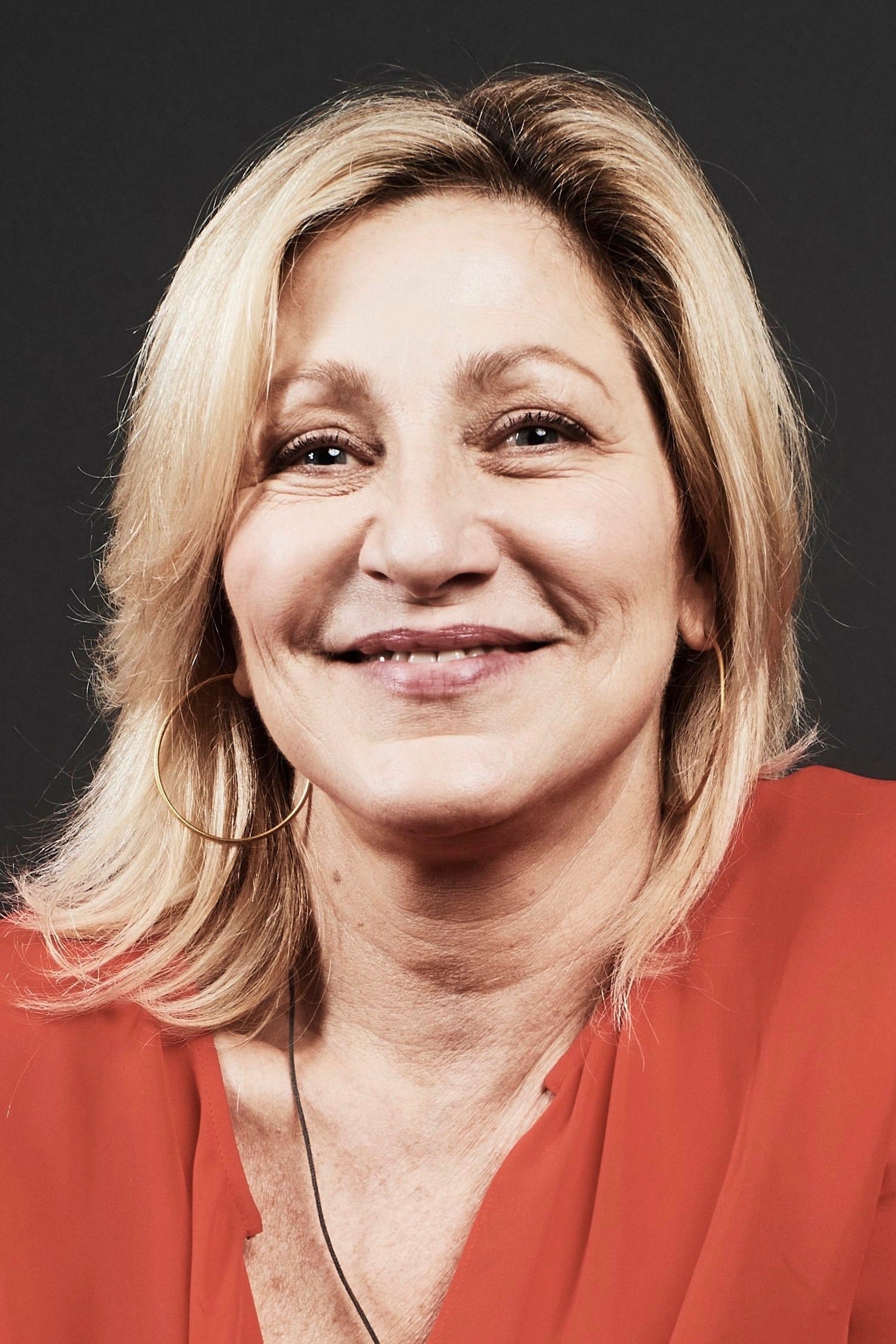
Falco has discussed becoming sober in the early 1990s and maintaining it through the heights of her television career. She credits a strong recovery network and a tight routine that prioritizes sleep, work, and exercise. Falco often stresses that recovery tools are portable—useful whether she’s on location or at home. She also talks about boundary-setting to protect health and stability.
Kristen Johnston
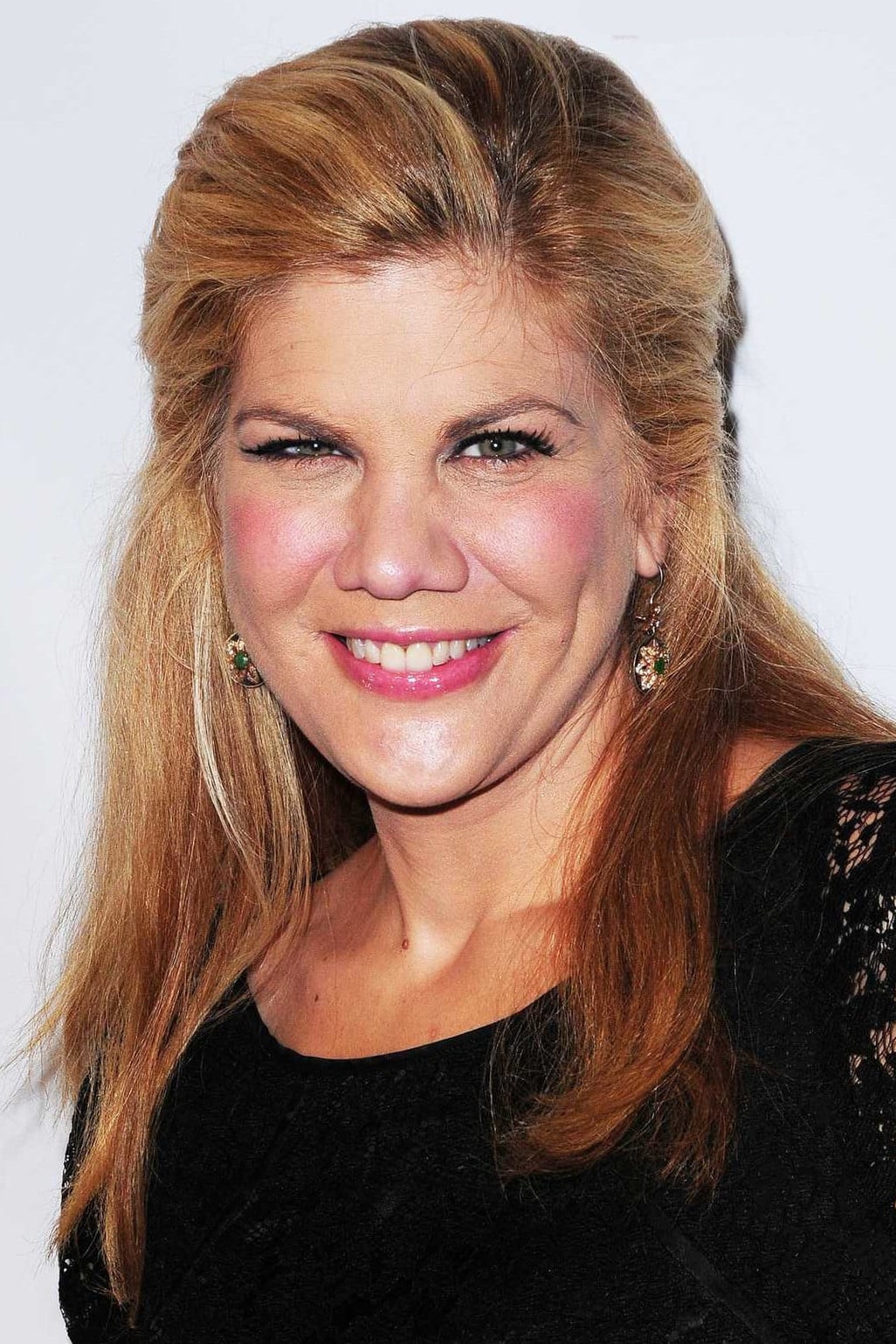
Johnston has been open about prescription-drug addiction that led to a serious health crisis, followed by long-term sobriety. She emphasizes honesty with medical providers and strict safeguards around medications. Johnston engages in advocacy and education, particularly about the stigma women face when seeking help. She points to community, therapy, and structured follow-up as pillars of her recovery.
Jodie Sweetin

Sweetin has shared a long arc of addiction and recovery that led to sustained sobriety and work as a speaker. She often highlights relapse-prevention planning and the importance of service in staying sober. Sweetin encourages people to build daily routines—meetings, exercise, and therapy—that support mental health. She has also participated in programs that connect young people with credible treatment resources.
Juliette Lewis
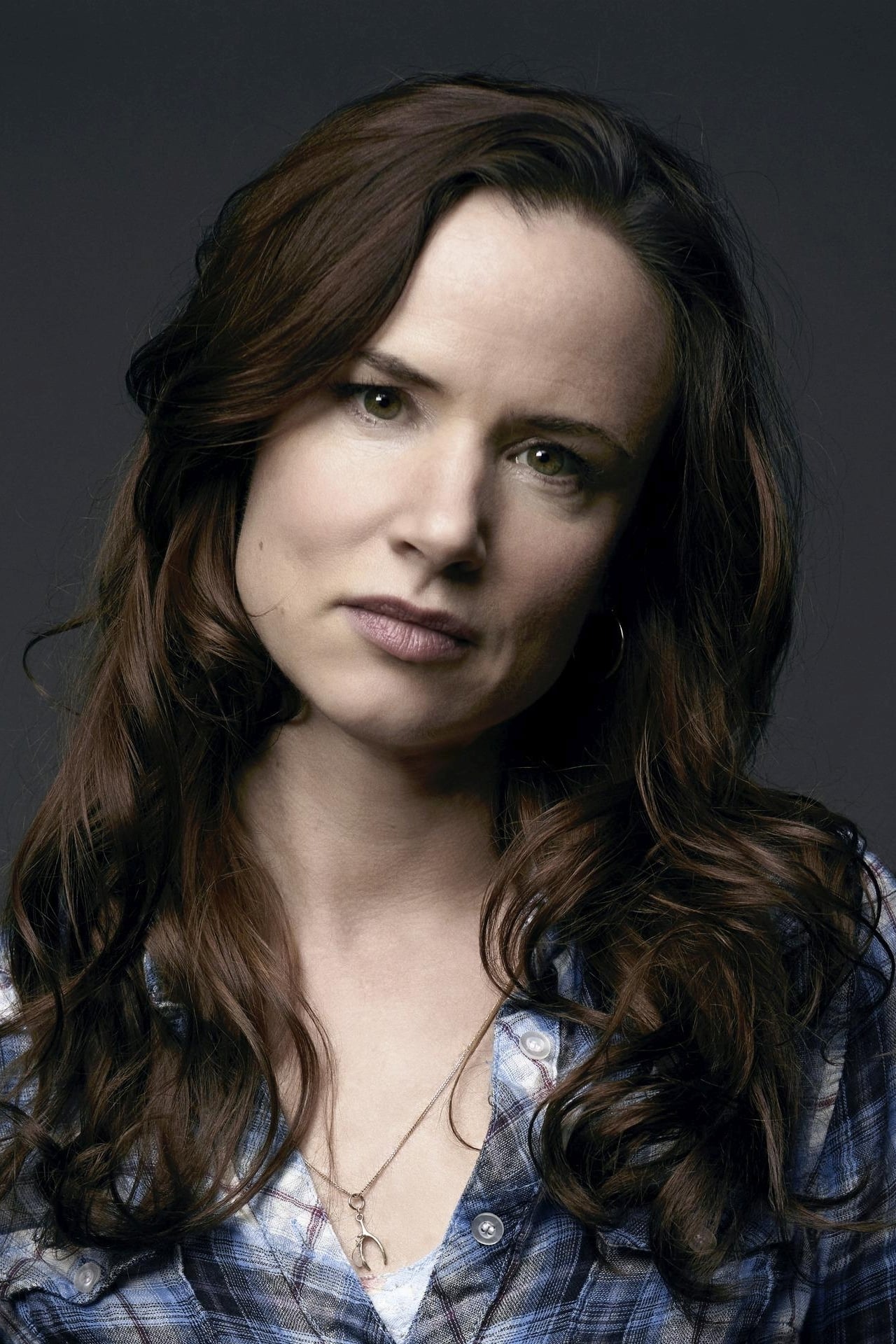
Lewis has described getting sober in the early 2000s and redirecting her energy into acting and music with healthy guardrails. She credits supportive peers, fitness, and avoiding high-risk environments as practical strategies. Lewis talks about how structure on tour and on set helps her maintain balance. She frequently frames recovery as a daily practice that protects creativity.
Tatum O’Neal

O’Neal has publicly chronicled addiction, treatment, and repeated recommitment to sobriety, ultimately achieving long-term stability. She has emphasized medical care, therapy, and careful attention to triggers. O’Neal often discusses rebuilding trust with family through consistent recovery actions. She points readers toward professional help and peer communities as complementary tools.
Hayden Panettiere

Panettiere has spoken about entering treatment for alcohol and opioids and later maintaining sustained sobriety with clinical support. She credits trauma therapy, medication oversight, and a strong wellness routine with supporting recovery. Panettiere has highlighted postpartum and workplace stress as risks that need proactive management. She uses interviews to normalize seeking help and to share vetted resources.
Drew Barrymore

Barrymore has discussed quitting alcohol in adulthood after earlier-life treatment experiences, later marking multiple years of abstinence. She credits therapy, clear boundaries, and a focus on parenting and work structure. Barrymore emphasizes that recovery can evolve over time, with renewed commitment when needed. She often guides audiences to start with medical advice and a peer-support meeting.
Lucy Hale

Hale has shared that she stopped drinking after recognizing patterns that were harming her health and relationships. She describes a recovery approach grounded in therapy, accountability, and routine. Hale highlights how social settings can be navigated with preparation—non-alcoholic options and exit plans. She uses her platform to reduce stigma and encourage early intervention.
Rumer Willis
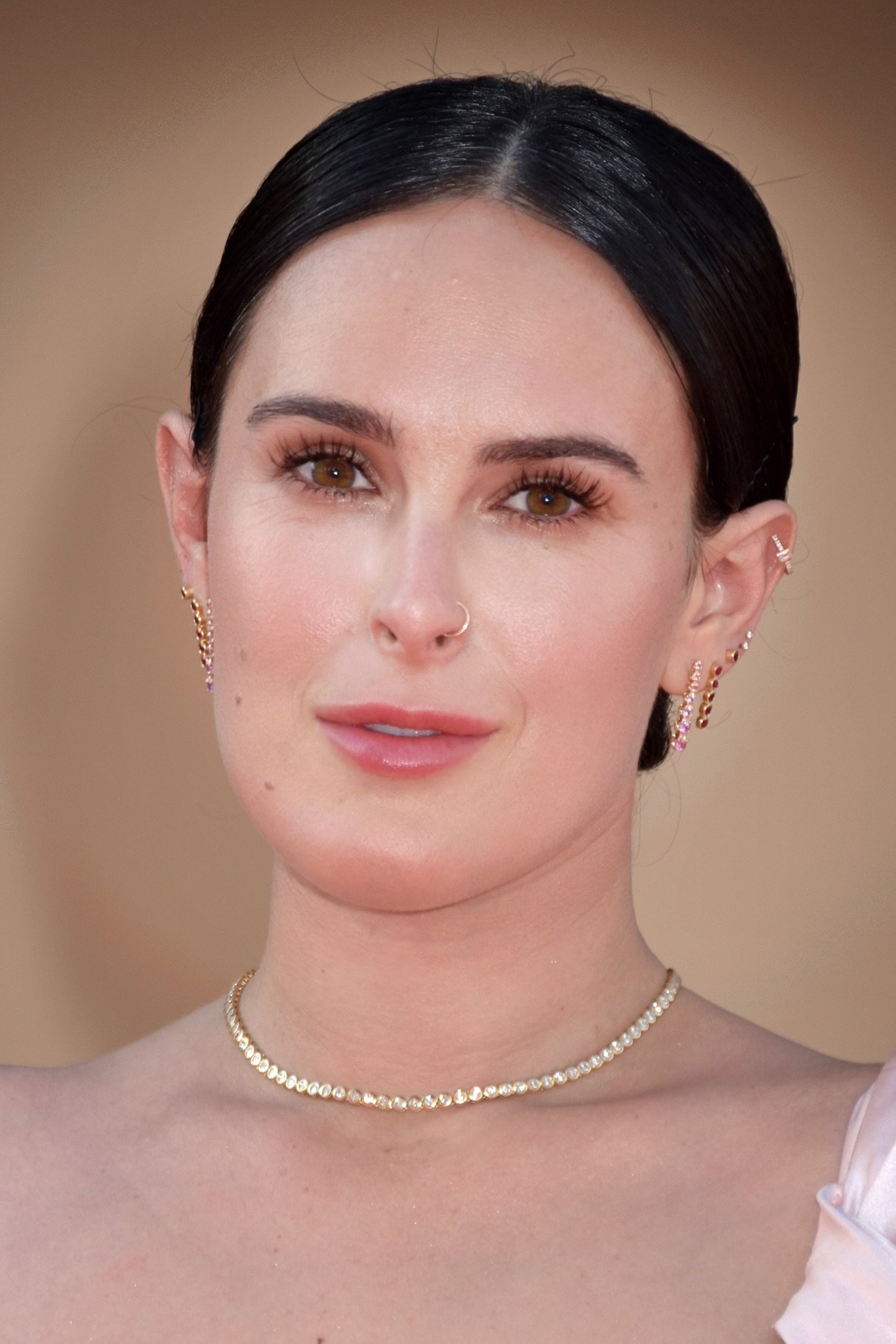
Willis has marked several years of sobriety, crediting community support and a strong focus on mental health. She emphasizes building daily habits—sleep, nutrition, and exercise—that reinforce stability. Willis discusses communication with family as a key accountability tool. She shares resources and encourages others to find a support model that fits their life.
Amber Valletta

Valletta has long described getting sober in her 20s after early exposure to substances, later sustaining recovery through service and advocacy. She highlights therapy, mentorship, and careful work-life boundaries. Valletta participates in public-health campaigns that address addiction stigma. She regularly points people toward evidence-based treatment and peer support.
Lena Dunham
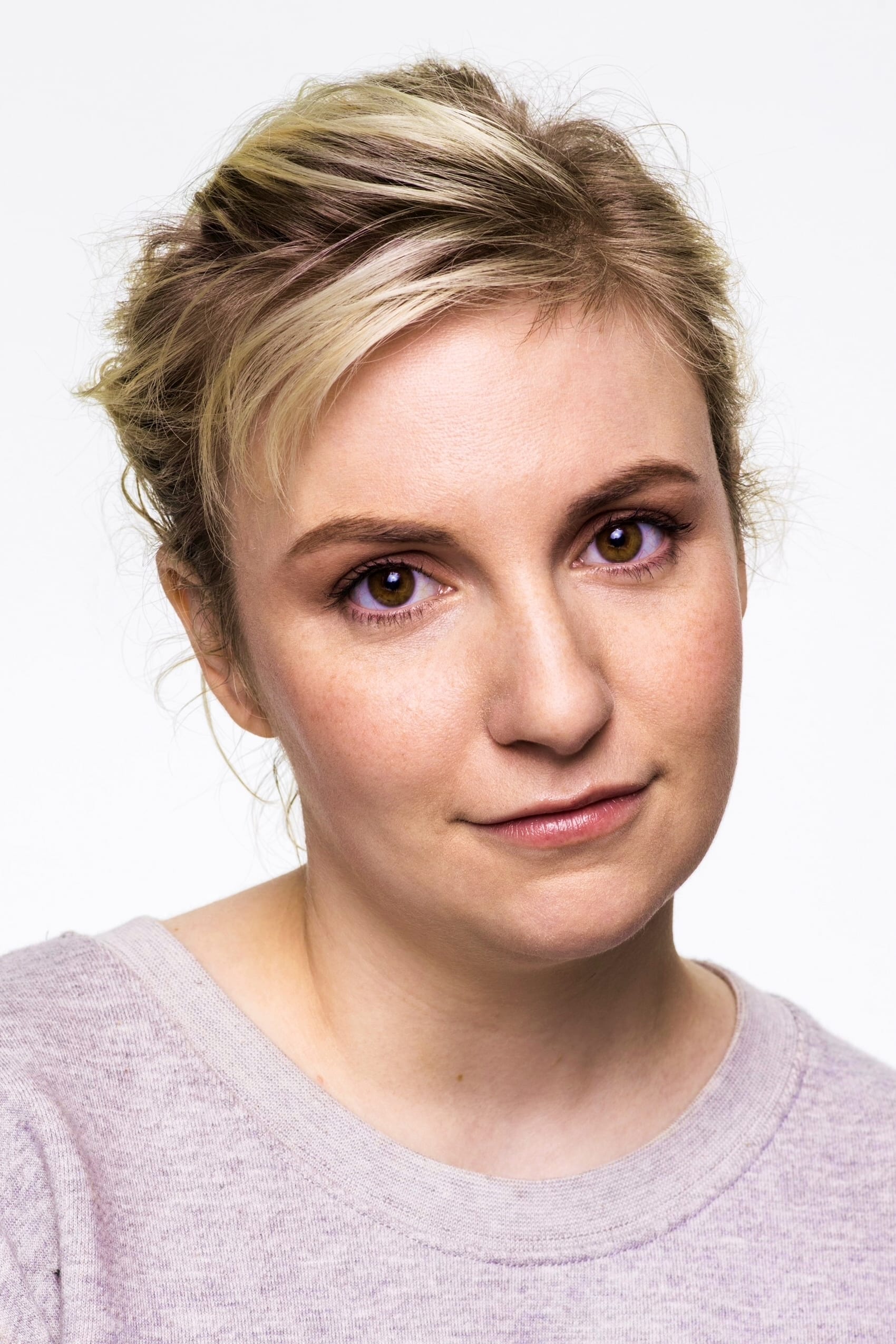
Dunham has discussed ending benzodiazepine use and maintaining sobriety with the help of medical supervision and therapy. She emphasizes transparency with doctors and the value of structured aftercare. Dunham notes that creative schedules can be made compatible with recovery through planning and rest. She encourages others to seek a combination of professional care and community.
Cara Delevingne

Delevingne has spoken about committing to sobriety following health and lifestyle concerns, then sustaining it with therapy and routine. She credits wellness practices, mentorship, and setting firmer boundaries in work travel. Delevingne points to early warning signs—sleep and mood shifts—and the need to act on them quickly. She has used interviews to steer fans toward credible information and help lines.
Heather Locklear

Locklear has addressed treatment and subsequent long-term sobriety, acknowledging the role of medical care and family support. She highlights the importance of minimizing access to triggers and building healthy daily structure. Locklear has spoken about stress management and ongoing therapy as part of her plan. She encourages people to work closely with clinicians when changing medications.
Lindsay Lohan

Lohan has credited therapy, family life, and a quieter routine with sustaining her sobriety in recent years. She has discussed how leaving high-risk environments and setting boundaries helped stabilize her health. Lohan points to planning—travel, social events, and rest—as central to relapse prevention. She often underscores that recovery is incremental and benefits from steady support.
Kelly Ripa

Ripa has said she quit drinking and maintained abstinence by reshaping her social habits and daily schedule. She emphasizes sleep, early mornings, and fitness as anchors. Ripa has discussed how replacing alcohol with structured wellness activities supports consistency. She encourages others to experiment with routines that make sober living easier to maintain.
Sia
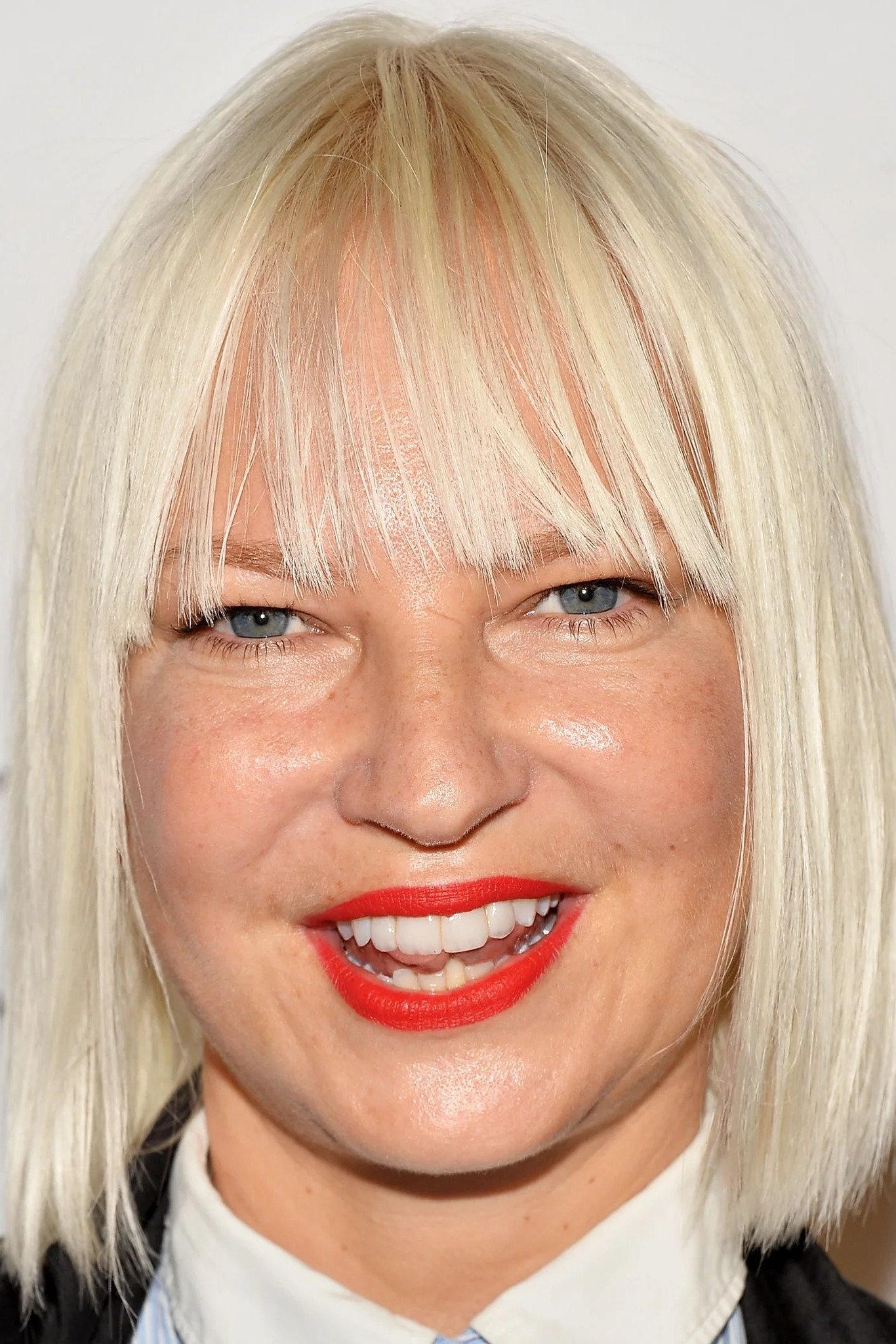
Sia, who acts as well as performs, has described long-term sobriety supported by therapy, meetings, and service. She stresses medication safety and communication with clinicians. Sia often points to creative outlets as healthy replacements for substance-driven coping. She uses her platform to direct followers toward hotlines and treatment providers.
Share your thoughts in the comments—who else’s recovery story would you add to this list?

