


African-American Actresses Who Withdrew from Movies Because of Political Reasons

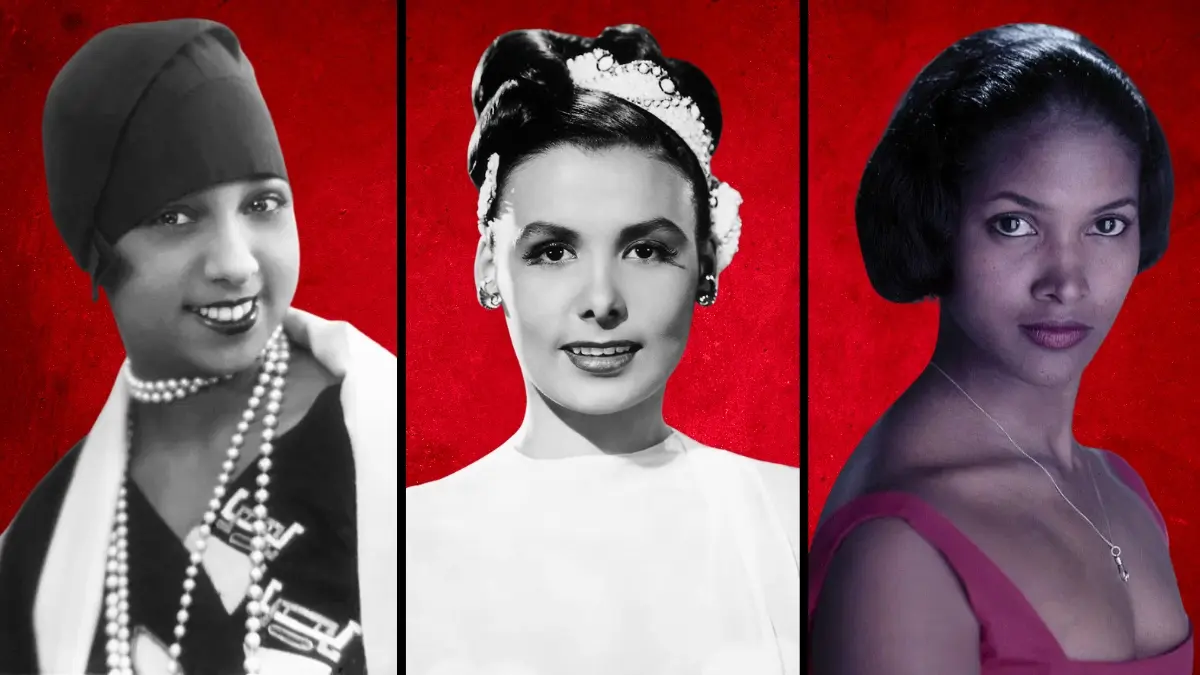


The history of African-American women in Hollywood is filled with immense talent often stifled by systemic racism, limited opportunities, and political suppression. Many brilliant performers faced a difficult choice: accept demeaning stereotypes or leave the industry entirely to preserve their dignity and safety. From the McCarthy-era blacklists to the refusal of “mammy” roles, these actresses prioritized their principles over their paychecks.
Lena Horne
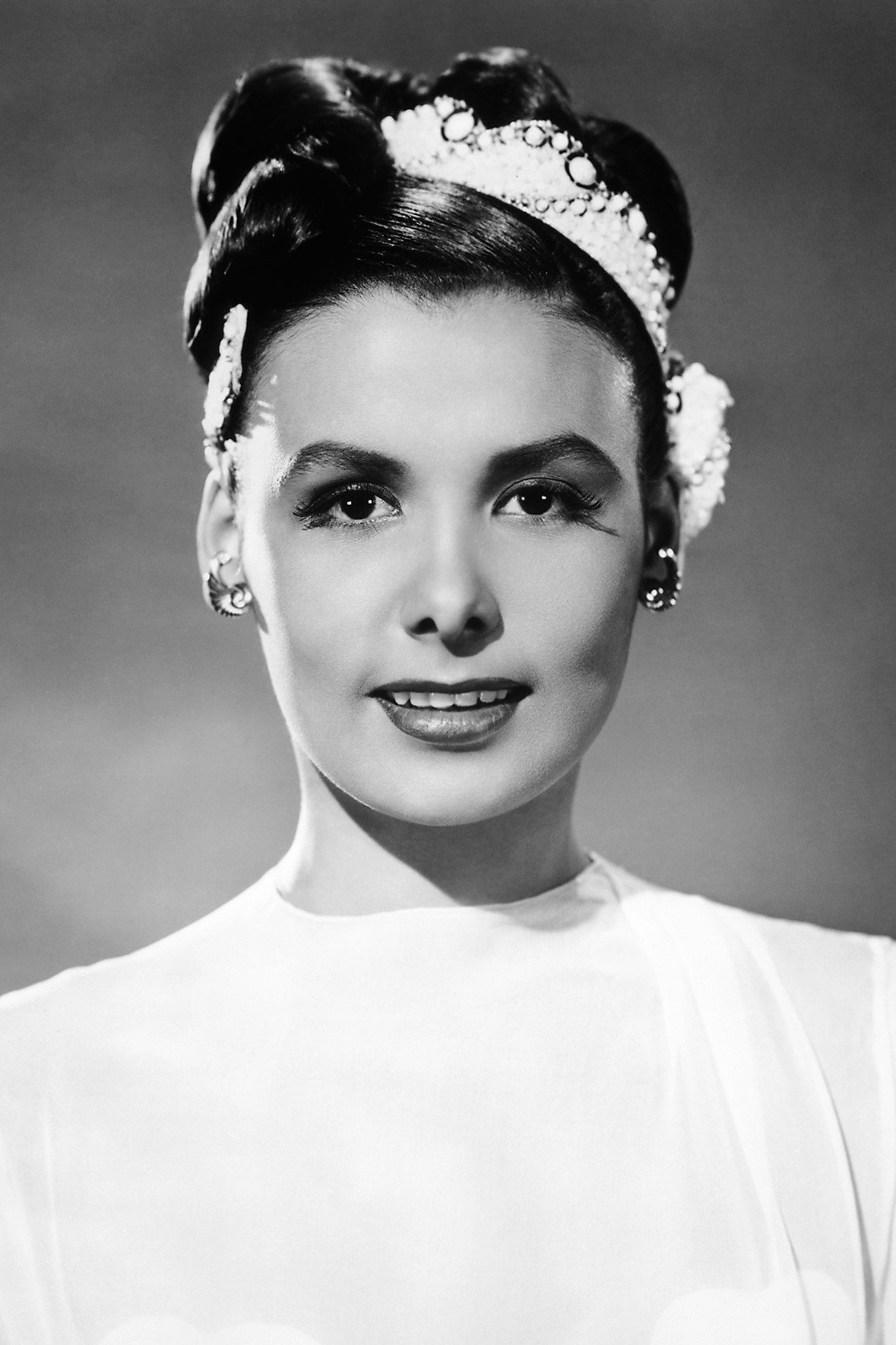
Lena Horne, one of the first African-American women signed to a long-term studio contract, faced severe professional consequences due to her civil rights activism. During the McCarthy era in the 1950s, she was blacklisted from film, radio, and television for her friendship with Paul Robeson and her involvement in “leftist” political groups. Studio executives and the House Un-American Activities Committee (HUAC) targeted her, effectively stalling her movie career for years. Refusing to denounce her friends or her beliefs, Horne turned to nightclub performing to earn a living until the political climate shifted.
Eartha Kitt
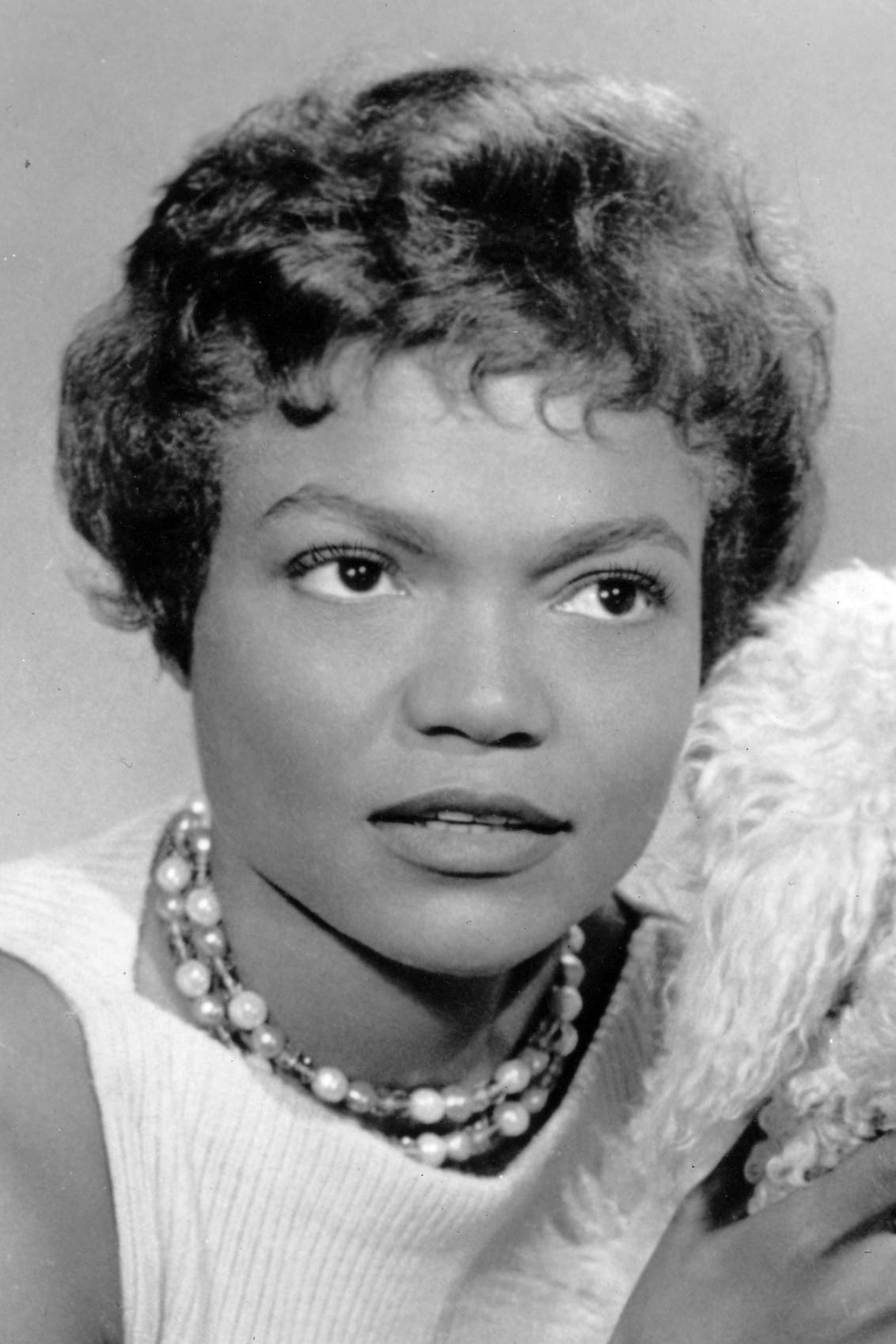
After a successful career in film and television, Eartha Kitt found herself blacklisted in the United States following a 1968 White House luncheon. When asked by Lady Bird Johnson about juvenile delinquency, Kitt famously criticized the Vietnam War, stating that the draft was causing rebellion among young men. Her comments reportedly infuriated President Lyndon B. Johnson, leading to a CIA dossier and a sudden cancellation of her American bookings. Kitt was forced to work primarily in Europe for nearly a decade before she could rebuild her career in the U.S.
Fredi Washington
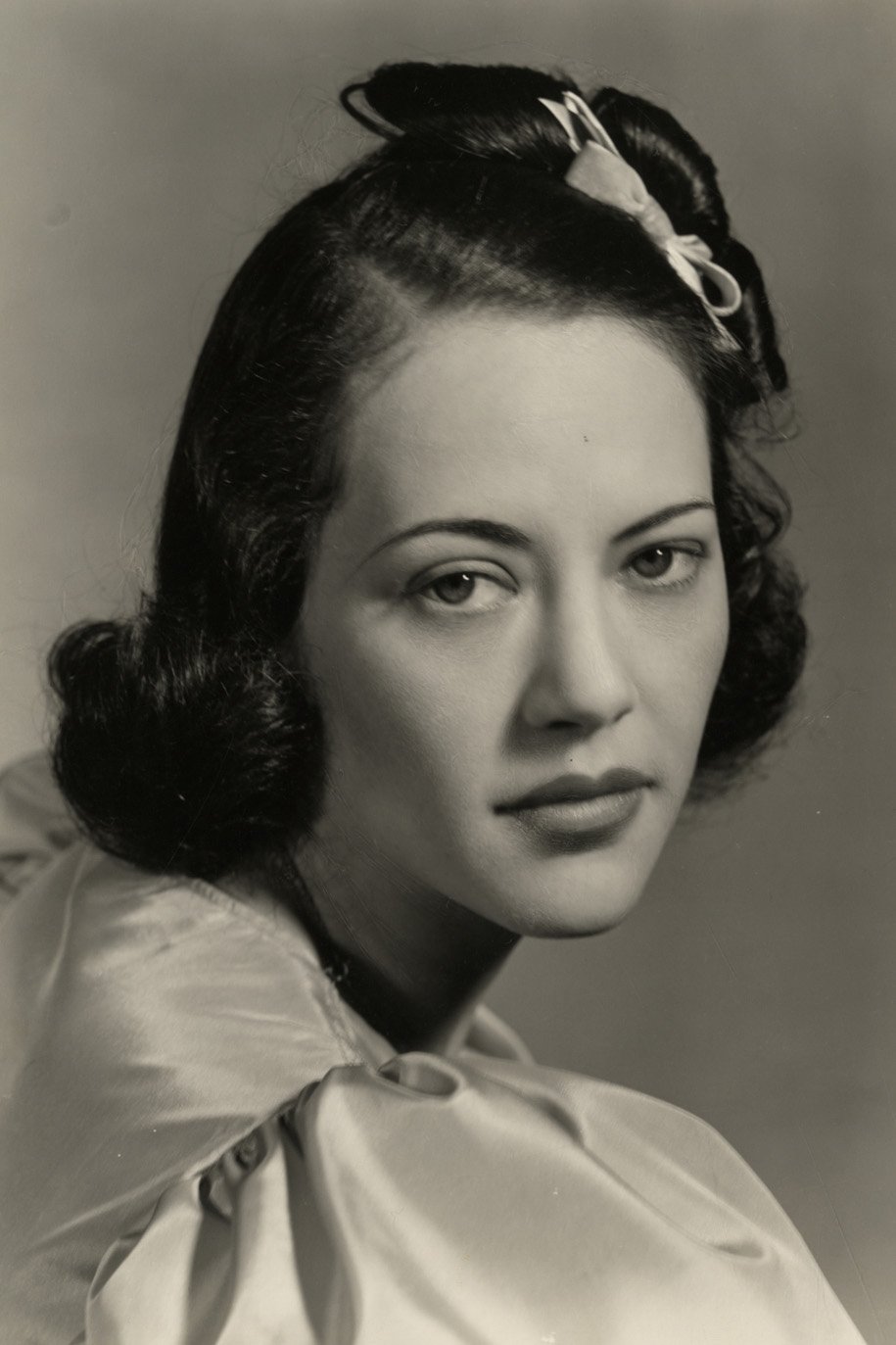
Fredi Washington, a light-skinned actress best known for the original version of ‘Imitation of Life’ (1934), quit Hollywood because she refused to “pass” for white to get better roles. Directors often told her she was “too light” to play a maid but “too black” to play a romantic lead opposite white actors due to anti-miscegenation codes. Unwilling to deny her heritage or accept demeaning stereotypes, Washington left the film industry to co-found the Negro Actors Guild of America. She dedicated the rest of her life to activism, fighting for fair employment practices for Black actors.
Butterfly McQueen
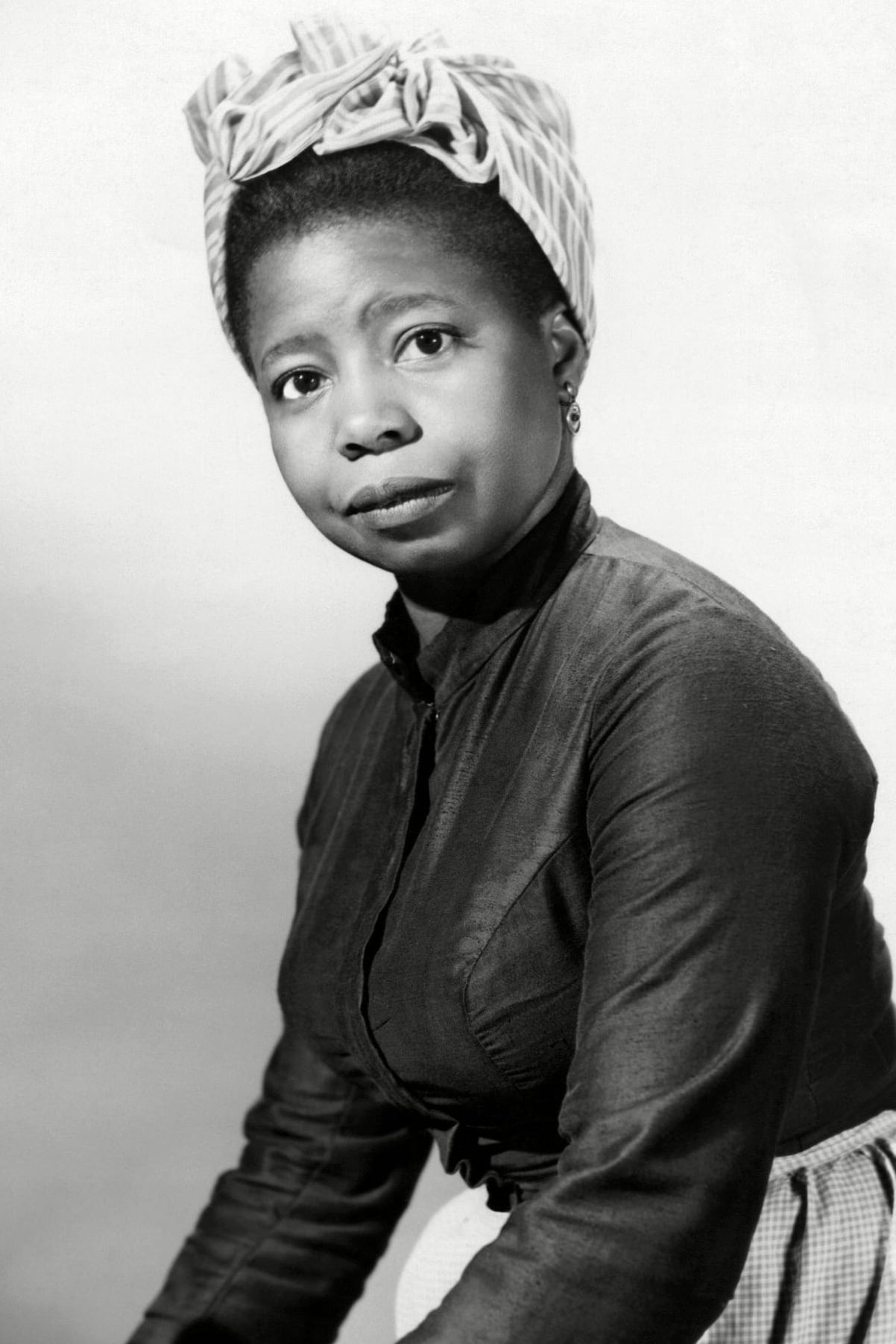
Best known as Prissy in ‘Gone with the Wind’ (1939), Butterfly McQueen eventually walked away from Hollywood in 1947 to escape the “handkerchief head” roles she was constantly offered. She grew tired of playing maids and slaves, finding the stereotypes demeaning and artistically limiting. McQueen famously stated she “didn’t mind playing a maid the first time… but I resented doing it over and over.” She later earned a degree in political science and devoted her time to community service and secular humanism rather than returning to a system that disrespected her.
Hazel Scott
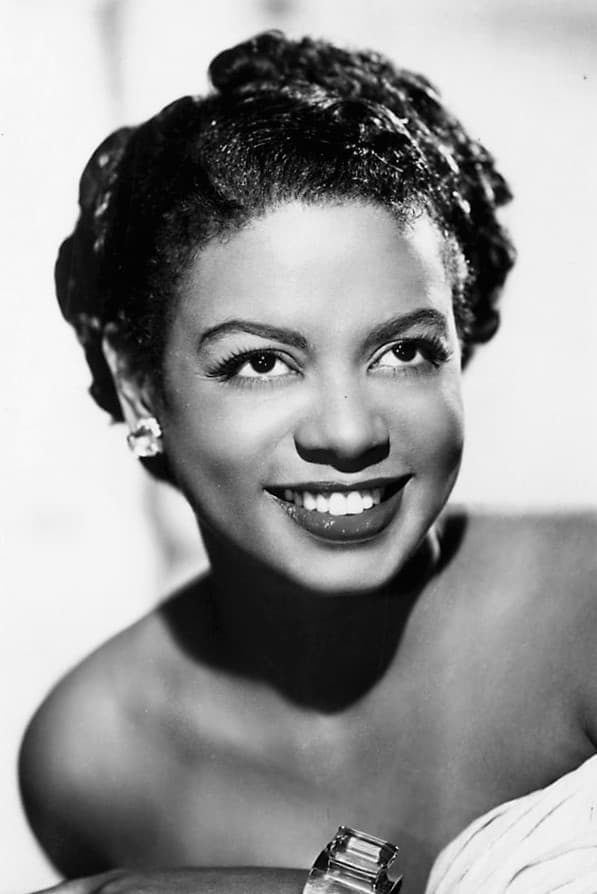
A piano prodigy and the first African-American woman to host her own network TV show, Hazel Scott’s career was derailed by the Red Scare. In 1950, her name appeared in the anti-communist publication Red Channels, and she voluntarily testified before the HUAC to defend her reputation and denounce the blacklist. Despite her testimony, her television show was cancelled, and movie offers evaporated. Scott moved to Paris to escape the political persecution and racism in the United States, continuing her career as an expatriate.
Hilda Simms
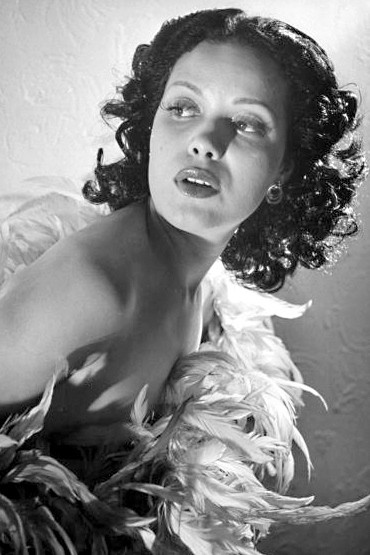
Hilda Simms broke barriers with her Broadway debut in ‘Anna Lucasta’, but her film career was cut short due to political surveillance. The U.S. government revoked her passport in the 1950s and monitored her activities because of her affiliation with leftist organizations and her outspoken civil rights advocacy. This blacklisting prevented her from accepting international film roles and performing for troops abroad. Simms eventually transitioned into government service, working as the creative arts director for the New York State Human Rights Commission.
Josephine Baker
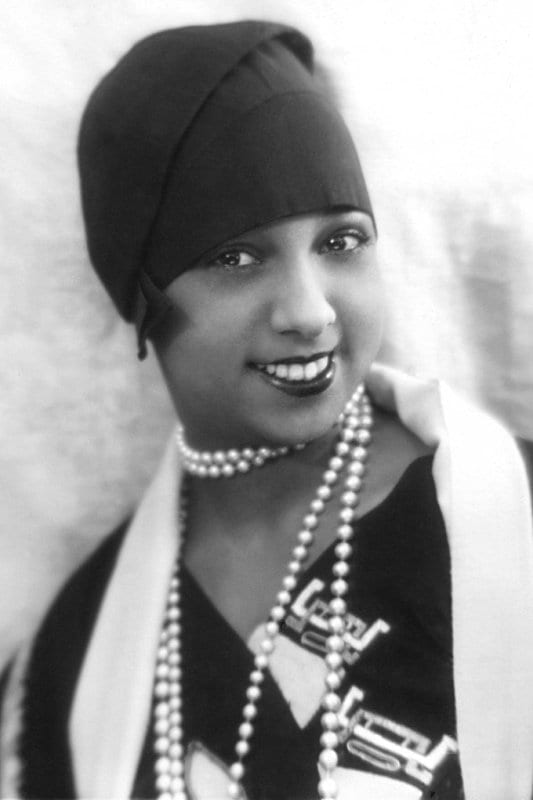
Although she found initial fame in the U.S., Josephine Baker left for France in the 1920s to escape American segregation and racism. She refused to perform for segregated audiences in the United States, a political stance that often led to conflict with American venues and media. Baker became a French citizen and a spy for the French Resistance during World War II, further cementing her distance from Hollywood politics. She returned to the U.S. occasionally for civil rights activism but remained an expatriate to avoid the systemic oppression of the American entertainment industry.
Cicely Tyson

While Cicely Tyson is a legend, she famously took a long hiatus from film in the late 1960s and 1970s as a form of protest. She refused to participate in the “Blaxploitation” era of movies, which she felt degraded Black dignity through violence and drug-related plotlines. Tyson stated she would rather not work than accept roles that did not set a positive example for the Black community. Her selective nature meant she often went years without a movie role, sacrificing income to maintain her political and moral standards regarding representation.
Frances E. Williams
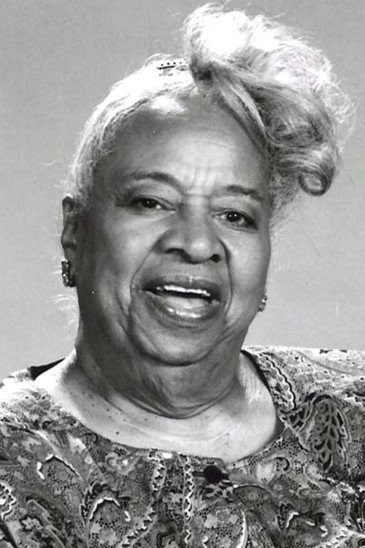
Frances Williams was a dedicated actress and activist who faced blacklisting during the McCarthy era for her involvement in labor unions and the civil rights movement. She was the first Black woman to run for the California State Assembly on the Progressive ticket, a move that alienated her from the conservative Hollywood establishment. Her political activities led to a scarcity of screen work during the 1950s, forcing her to focus more on theater and community organizing. Williams remained a staunch advocate for equity in the arts throughout her life.
Marpessa Dawn
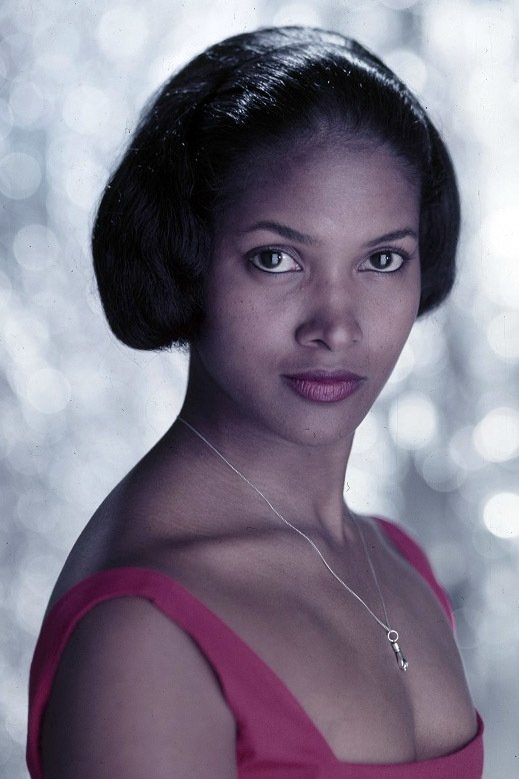
Born in Pennsylvania, Marpessa Dawn is best remembered for her role in the Academy Award-winning film ‘Black Orpheus’ (1959). However, she struggled to find work in the United States due to the racial barriers of the time and the industry’s reluctance to cast Black women in romantic leads. She moved to France, where she found greater acceptance and professional opportunities in European cinema. Her decision to work abroad was a direct response to the limitations placed on Black actresses in America.
Etta Moten

Etta Moten Barnett broke barriers by playing dignified roles in films like ‘Gold Diggers of 1933’, but she eventually stepped away from Hollywood to focus on civic engagement. She grew frustrated with the industry’s slow progress and chose to use her influence for international relations and women’s rights. Barnett became heavily involved in representing the U.S. in African nations and working with civic organizations. Her departure from film was a pivot toward direct political action and cultural diplomacy.
Esther Rolle
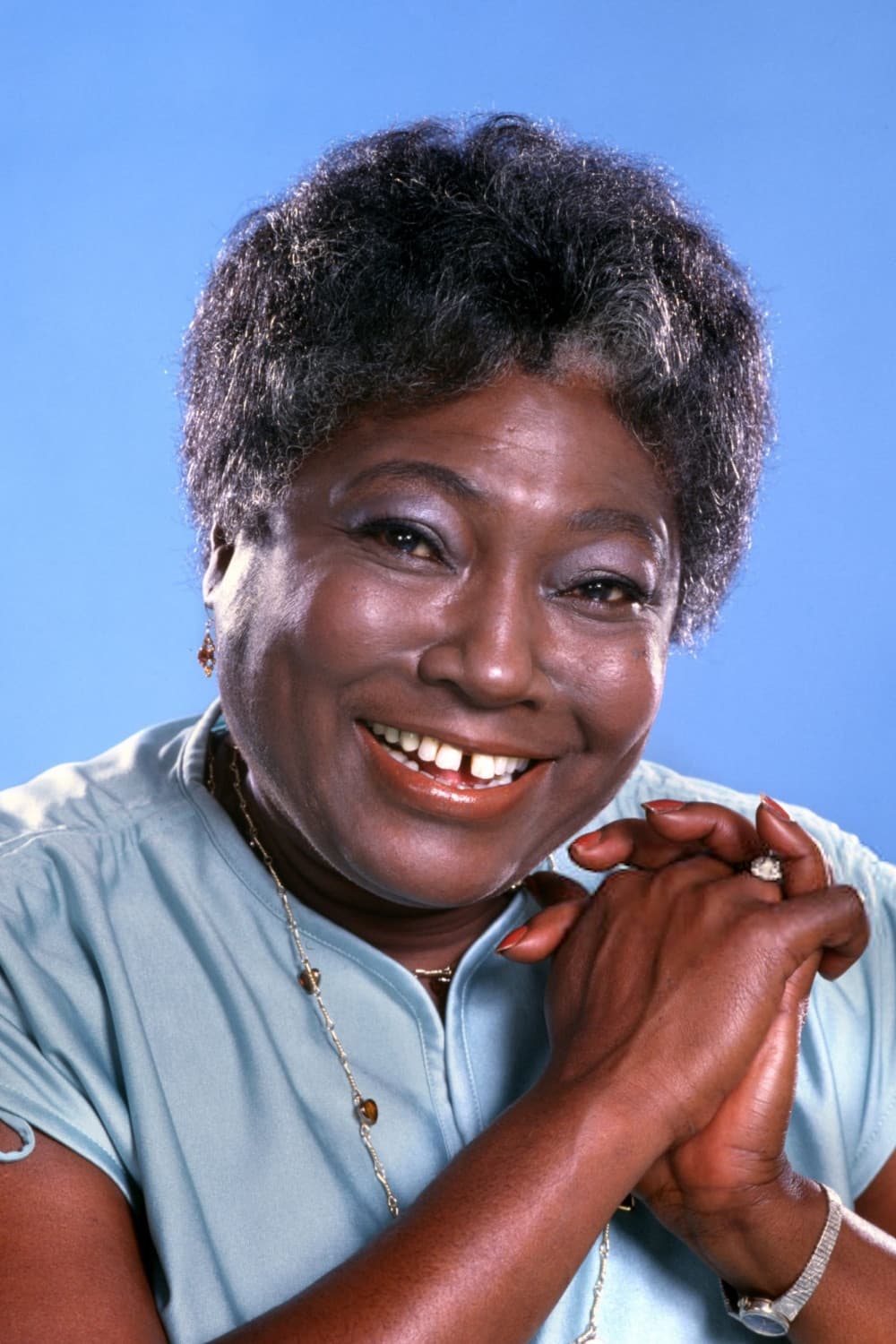
Esther Rolle, famous for her role as Florida Evans, took a principled stand against the buffoonish direction of the hit show ‘Good Times’. She quit the series after the fourth season because she felt the character of J.J. Evans was becoming a harmful stereotype that mocked Black families. Rolle publicly criticized the producers for degrading the show’s original intent of portraying a strong, struggling family. She only agreed to return for the final season after the producers promised to make the characters more responsible and dignified.
Carol Speed
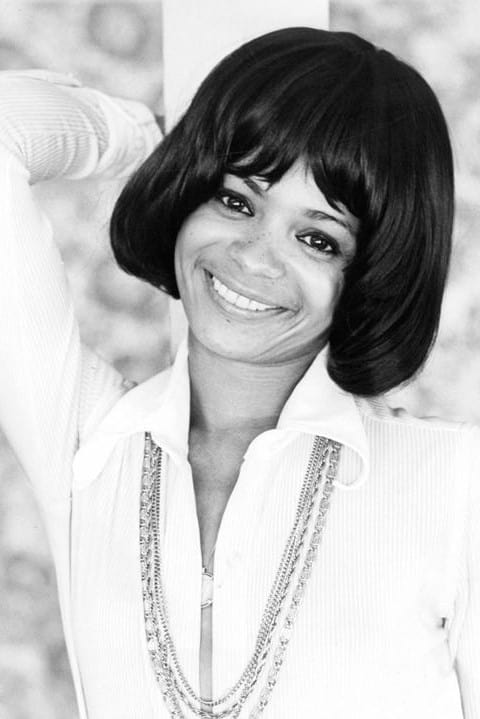
Known for her roles in 1970s cinema, Carol Speed famously turned down a role in Quentin Tarantino’s ‘Jackie Brown’ (1997) due to her discomfort with the script’s content. She had previously withdrawn from the limelight after the blaxploitation era, expressing dissatisfaction with how Black women were portrayed on screen. Speed wrote books and criticized the industry’s exploitation of Black bodies, choosing to distance herself from Hollywood’s modern narratives. Her refusal to return for a major Tarantino film highlighted her commitment to her principles over a career revival.
Ellen Holly
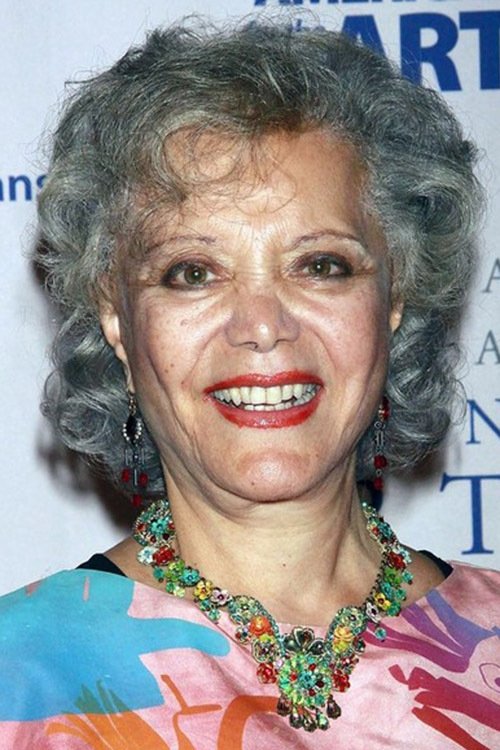
Ellen Holly, the first African-American actress to star in a daytime soap opera, left the industry after facing years of racism and marginalization. In her memoir, she detailed the systemic mistreatment she endured at the hands of executives and the difficulties of navigating a white-dominated industry. Holly eventually became a librarian, seeking a peaceful existence away from the toxicity of show business politics. Her withdrawal was a quiet protest against an industry that constantly undervalued her contributions.
Stacey Dash
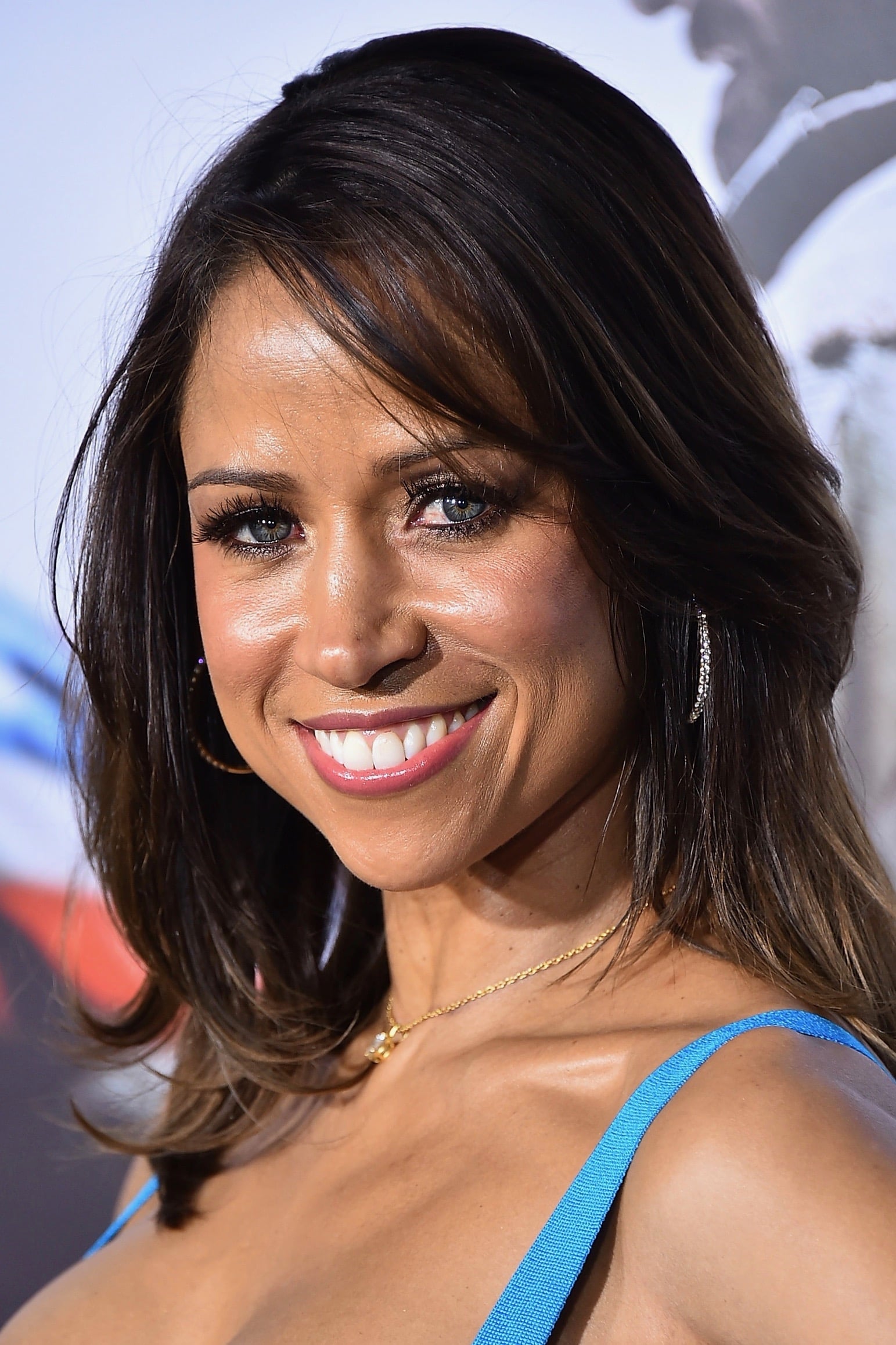
In a modern example of political withdrawal, Stacey Dash has claimed she was blacklisted by Hollywood for her conservative political views. The ‘Clueless’ (1995) actress became a vocal supporter of Republican candidates and a commentator for Fox News, positions that she says made her a pariah in the liberal entertainment industry. Dash has stated in interviews that her agents dropped her and casting directors refused to see her because of her ideology. While controversial, her career halt is a direct result of the friction between her politics and the movie industry.
Mo’Nique
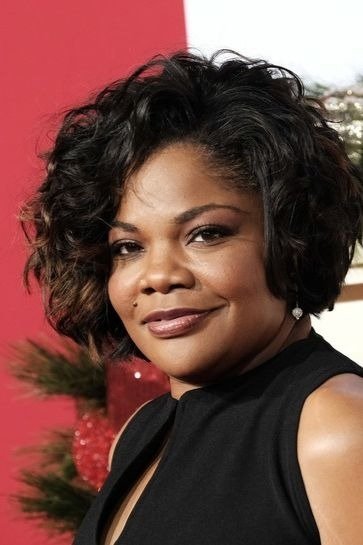
Academy Award winner Monique has faced a prolonged hiatus from major movie roles, which she attributes to being “blackballed” for refusing to play the industry’s political games. She declined to campaign for her Oscar unpaid, arguing that she should be compensated for her labor, a stance that challenged the Hollywood standard. Her subsequent lawsuit against Netflix regarding pay equity further solidified her position as a fighter for fair wages. Monique’s withdrawal from mainstream blockbusters is a battle for economic and professional respect within the studio system.
Please share your thoughts on these actresses and their bold decisions in the comments.

