


Al Pacino’s Career: From ‘Me, Natalie’ to ‘The Ritual’

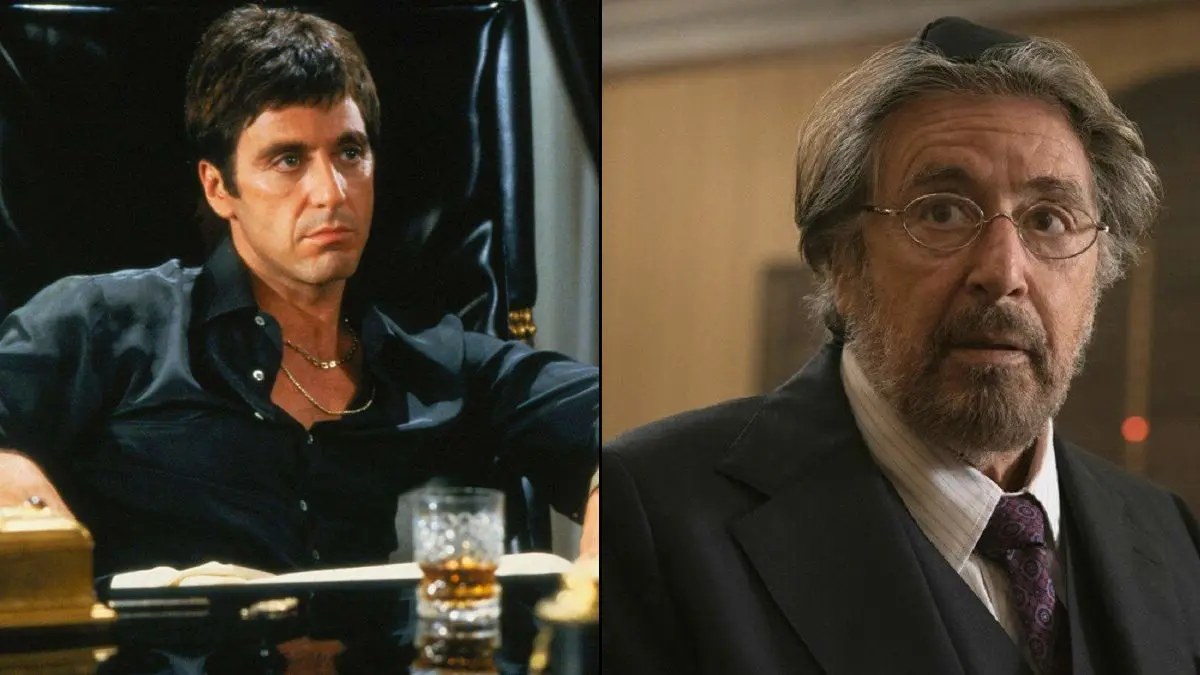


Al Pacino is one of the most celebrated actors in Hollywood history. He exploded onto the scene in the 1970s with a series of powerful and intense performances that defined a new era of American cinema. Known for his explosive energy and deep character immersion, Pacino has created some of the most unforgettable characters ever put on film.
Throughout his long career, Pacino has moved between stage and screen, showcasing his incredible range. He has played everything from quiet, brooding anti-heroes to loud, charismatic villains. His unique acting style, often marked by sudden bursts of emotion, has made him a true icon. His body of work represents a masterclass in acting, full of legendary roles and iconic lines.
Me, Natalie (1969)
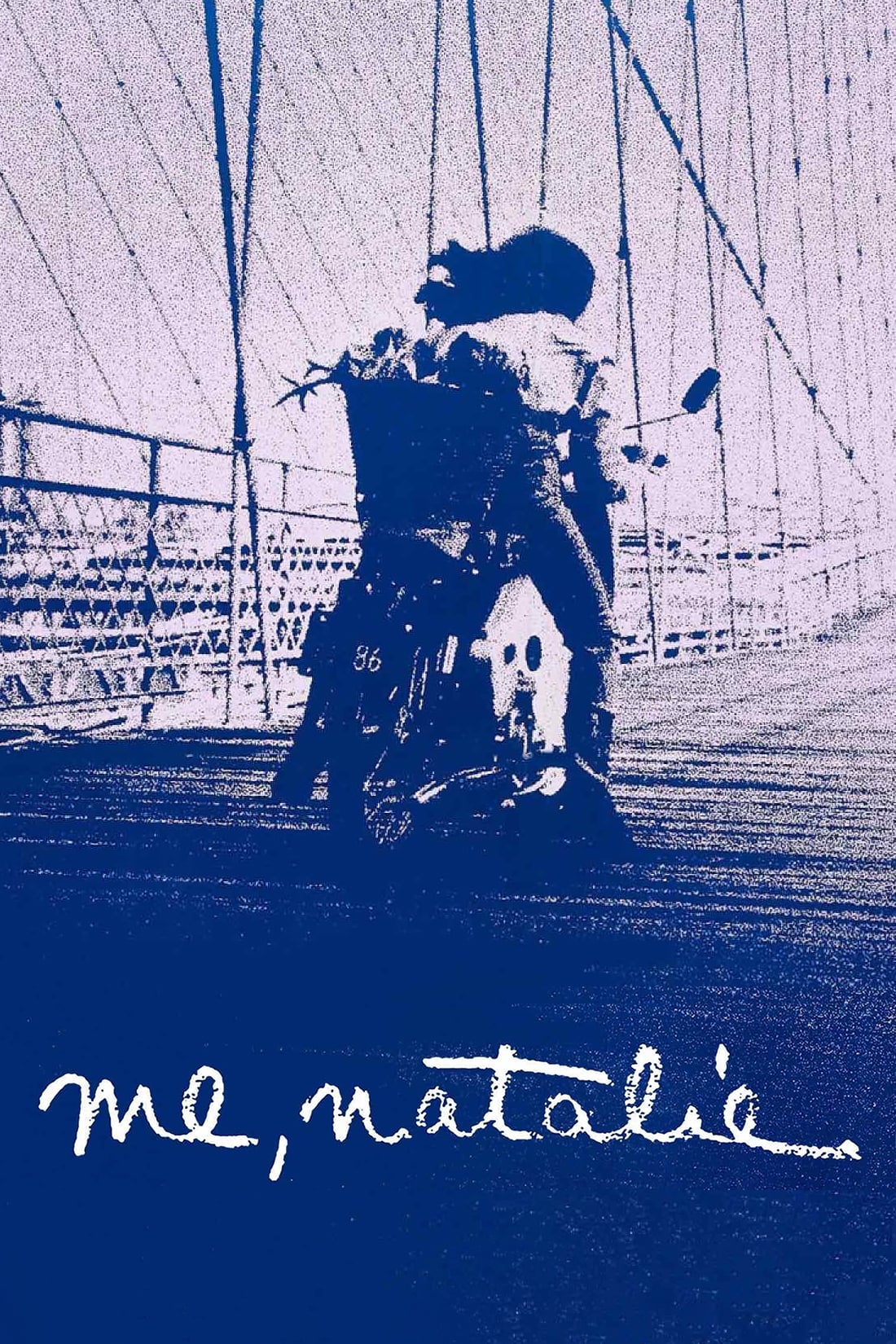
In his first film role, Al Pacino made a brief appearance as Tony. He played a young man who has a short-lived, pleasant encounter with the main character in her apartment building. It was a minor role, but it marked his official entry into the world of film.
The movie itself is a comedy-drama about a young woman struggling with her self-image and trying to find independence. Pacino’s small part offered an early glimpse of the natural charm and screen presence that he would later become famous for.
The Panic in Needle Park (1971)
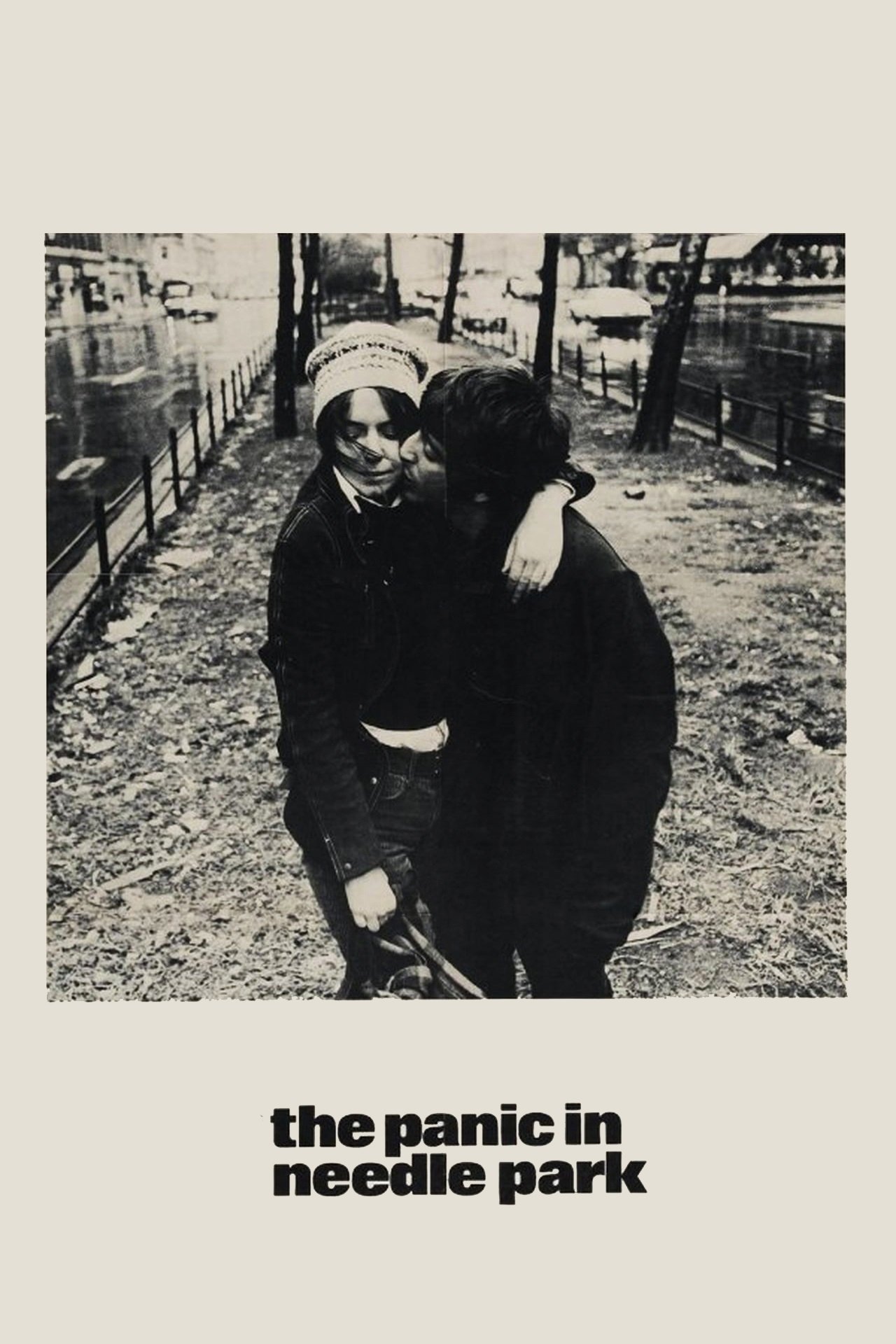
Pacino had his first starring role as Bobby, a small-time hustler and heroin addict in New York City. The film follows his destructive romantic relationship with another addict, showing the grim realities of their lives. His performance was raw, realistic, and deeply unsettling.
This gritty and unflinching drama cemented Pacino’s status as a serious and powerful new actor. His commitment to the role was intense, and his performance captured the desperation and charm of his character, earning him significant critical attention.
The Godfather (1972)
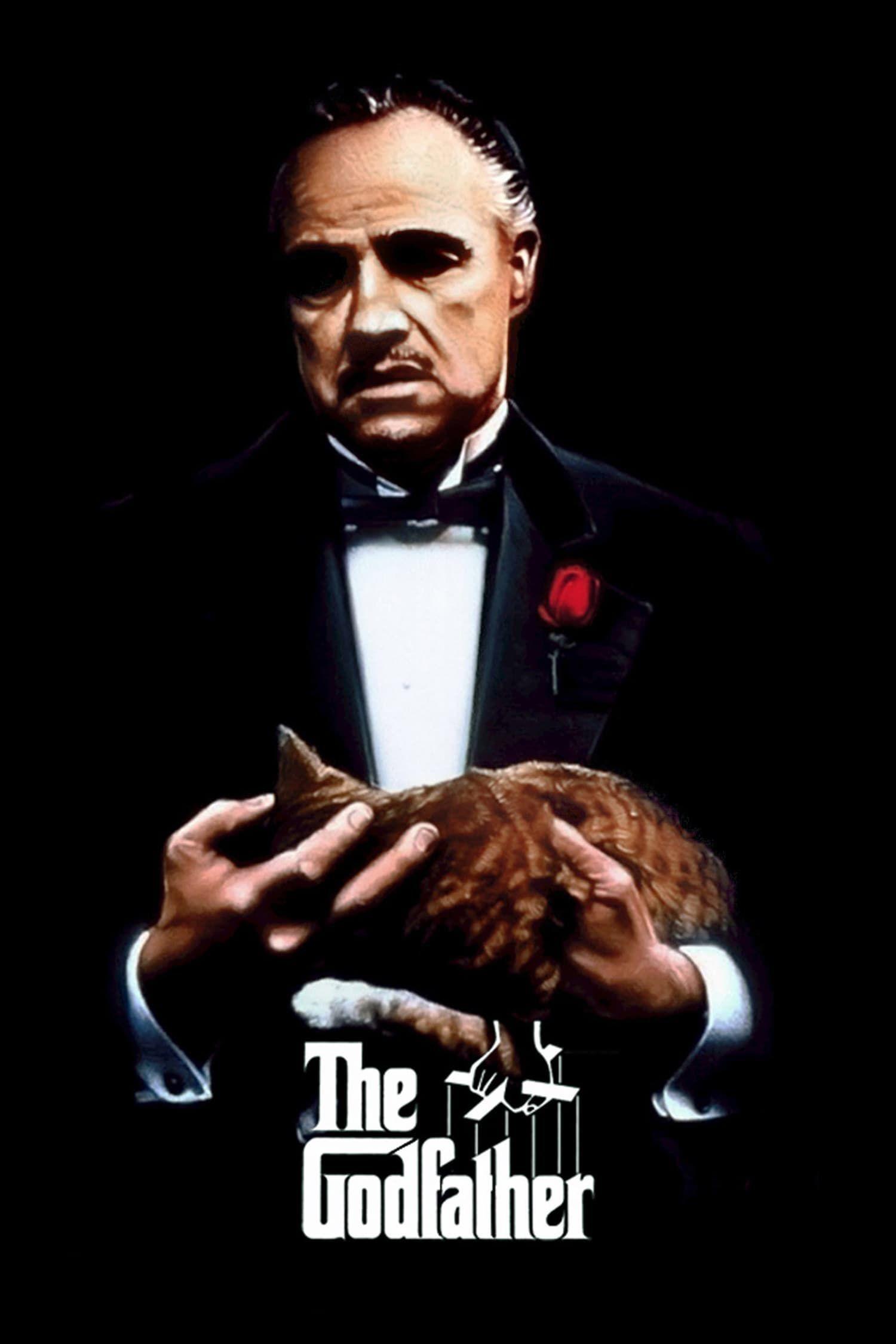
Al Pacino delivered a legendary performance as Michael Corleone, the youngest son of a powerful mob boss. The film traces his transformation from a clean-cut war hero who wants nothing to do with the family business to a cold and ruthless leader of the criminal underworld.
‘The Godfather’ is widely considered one of the greatest films ever made. Pacino’s quiet, brooding, and internally focused performance was the heart of the film, and it earned him his first of many award nominations.
Scarecrow (1973)
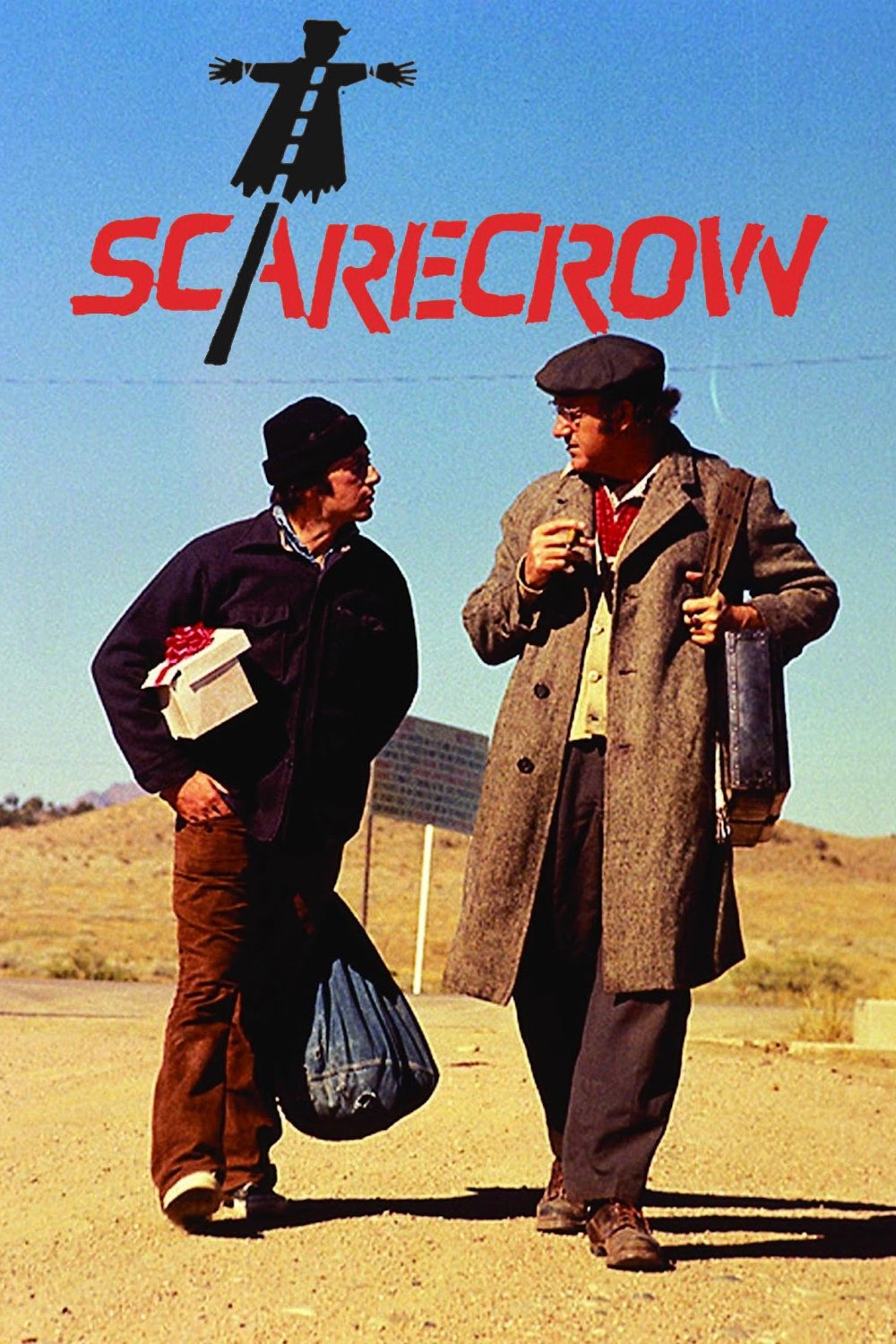
In this road movie, Pacino played Francis Lionel “Lion” Delbuchi, a goofy and childlike drifter. He befriends a tough ex-convict, and the two travel together with a dream of opening a car wash. The role showcased a more vulnerable and comedic side of Pacino.
‘Scarecrow’ is a character study about two lonely men who form an unlikely friendship. Pacino’s performance was praised for its sensitivity and charm, providing a stark contrast to the tougher roles he was becoming known for.
Serpico (1973)
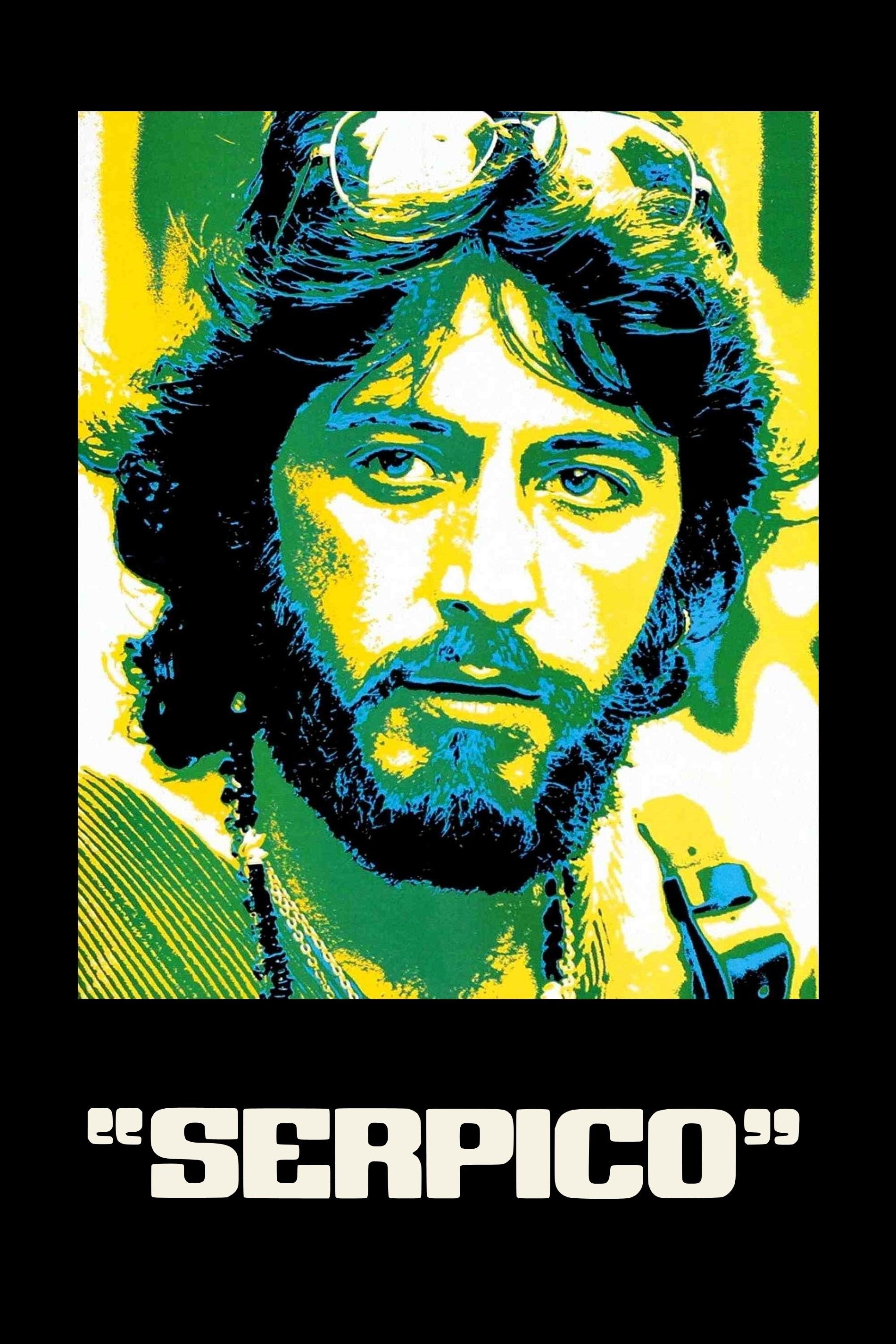
Pacino starred as Frank Serpico, a real-life NYPD officer who went undercover to expose widespread corruption within the police force. He portrayed Serpico as a dedicated and idealistic man who becomes increasingly isolated and paranoid as he stands against his colleagues.
The film is a gripping biographical drama that highlights the personal cost of integrity. Pacino’s intense and passionate performance was highly acclaimed, and his portrayal of the determined officer became another iconic role of the 1970s.
The Godfather Part II (1974)
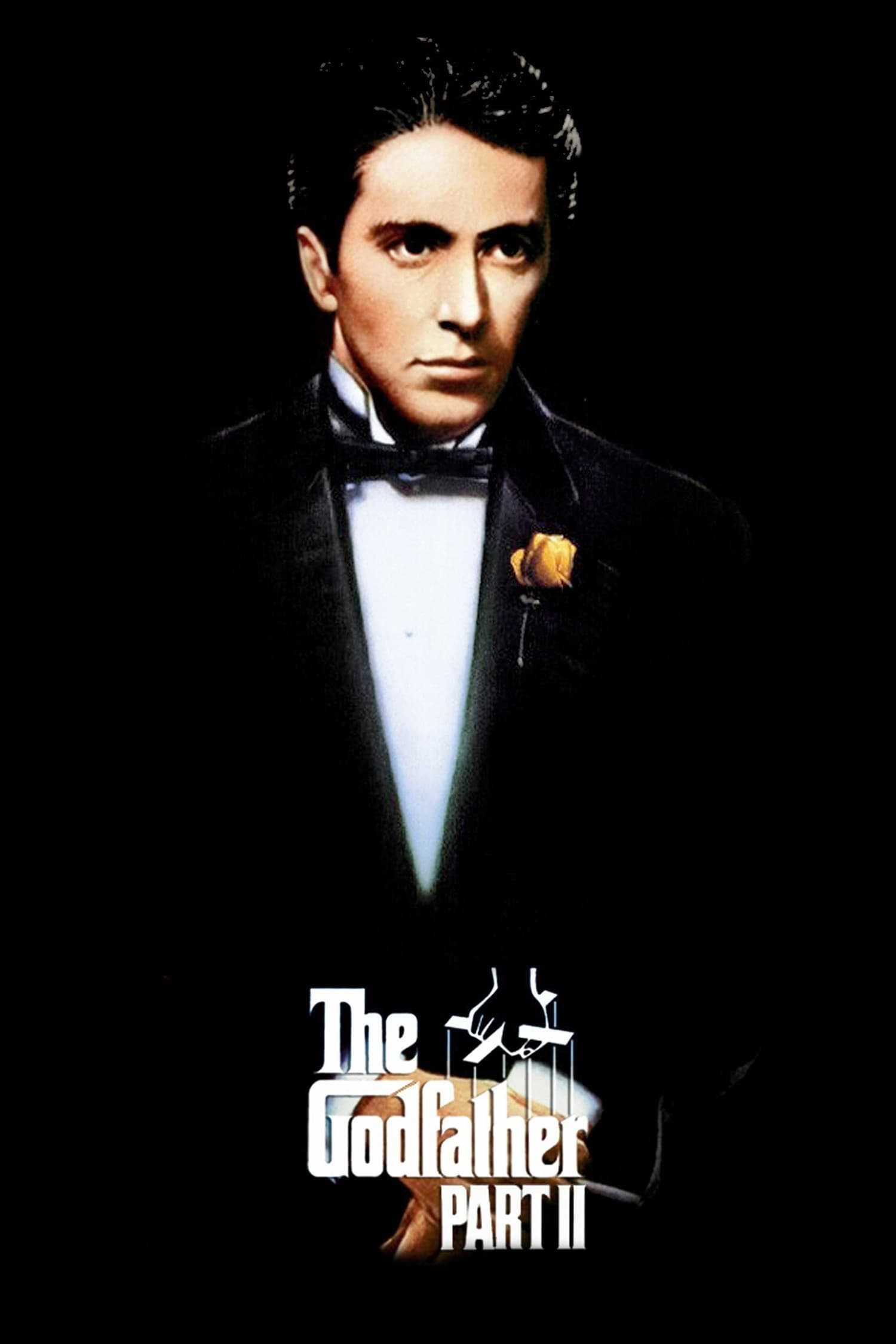
Pacino reprised his role as Michael Corleone, now the established and powerful head of the Corleone crime family. In this film, his character grows colder, more paranoid, and more isolated as he consolidates his power and deals with betrayal from those closest to him.
This celebrated sequel continues the saga of the Corleone family by intercutting Michael’s story with the early life of his father. Pacino’s performance was a masterful depiction of a man who has gained the world but lost his soul in the process.
Dog Day Afternoon (1975)
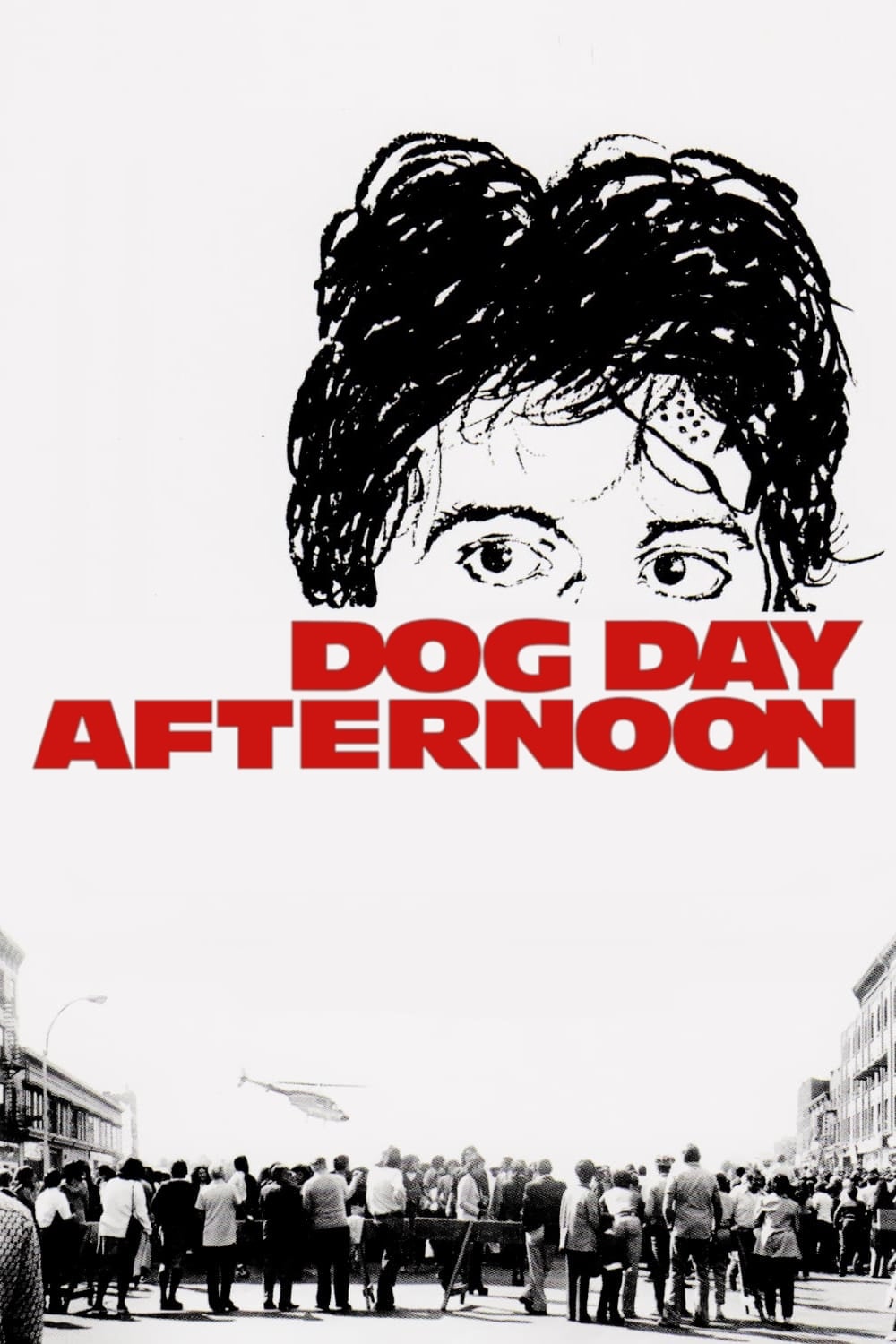
Based on a true story, Pacino played Sonny Wortzik, a man who attempts to rob a bank to pay for his partner’s gender-affirming surgery. The robbery quickly goes wrong, turning into a chaotic and media-frenzied hostage situation. His performance was manic, desperate, and deeply human.
The film is a tense and often darkly funny crime drama. Pacino’s electrifying and sympathetic portrayal of the unconventional bank robber earned him another major award nomination and is remembered for its raw energy.
Bobby Deerfield (1977)

In a departure from his usual roles, Pacino played Bobby Deerfield, a famous American race car driver living in Europe. His detached and carefully controlled life is turned upside down when he falls in love with a mysterious and terminally ill woman.
This romantic drama was a more subtle and introspective film for Pacino. It allowed him to explore themes of love and mortality in a story that was more about emotion than action.
…And Justice for All (1979)
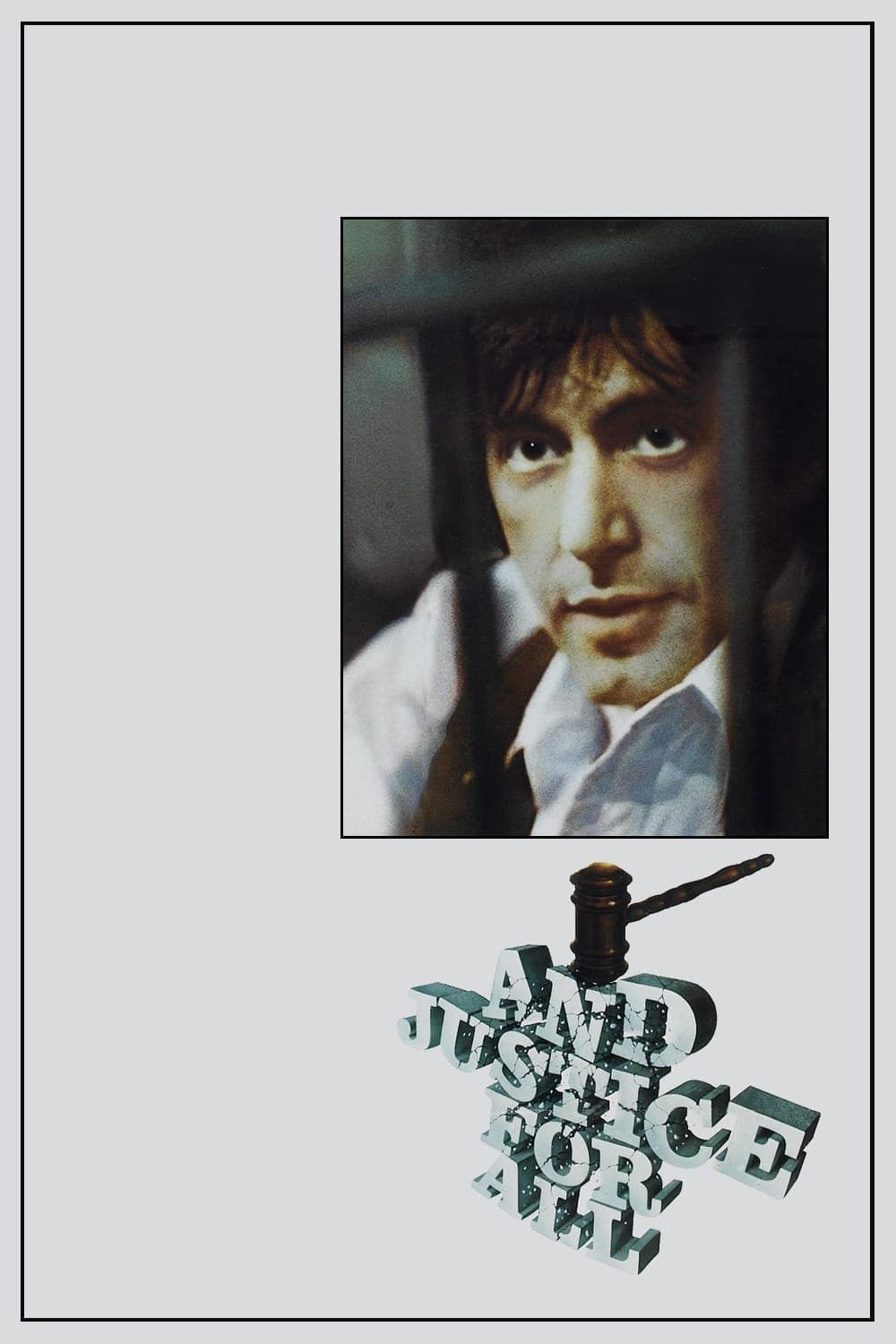
Pacino portrayed Arthur Kirkland, a principled and rebellious defense attorney who becomes fed up with the corruption and injustices of the legal system. The film culminates in his famous courtroom breakdown where he yells the iconic line, “You’re out of order!”
This legal drama is a satirical look at the failures of the justice system. Pacino’s performance was fiery and passionate, capturing the frustration of a man fighting a losing battle against a broken system.
Cruising (1980)
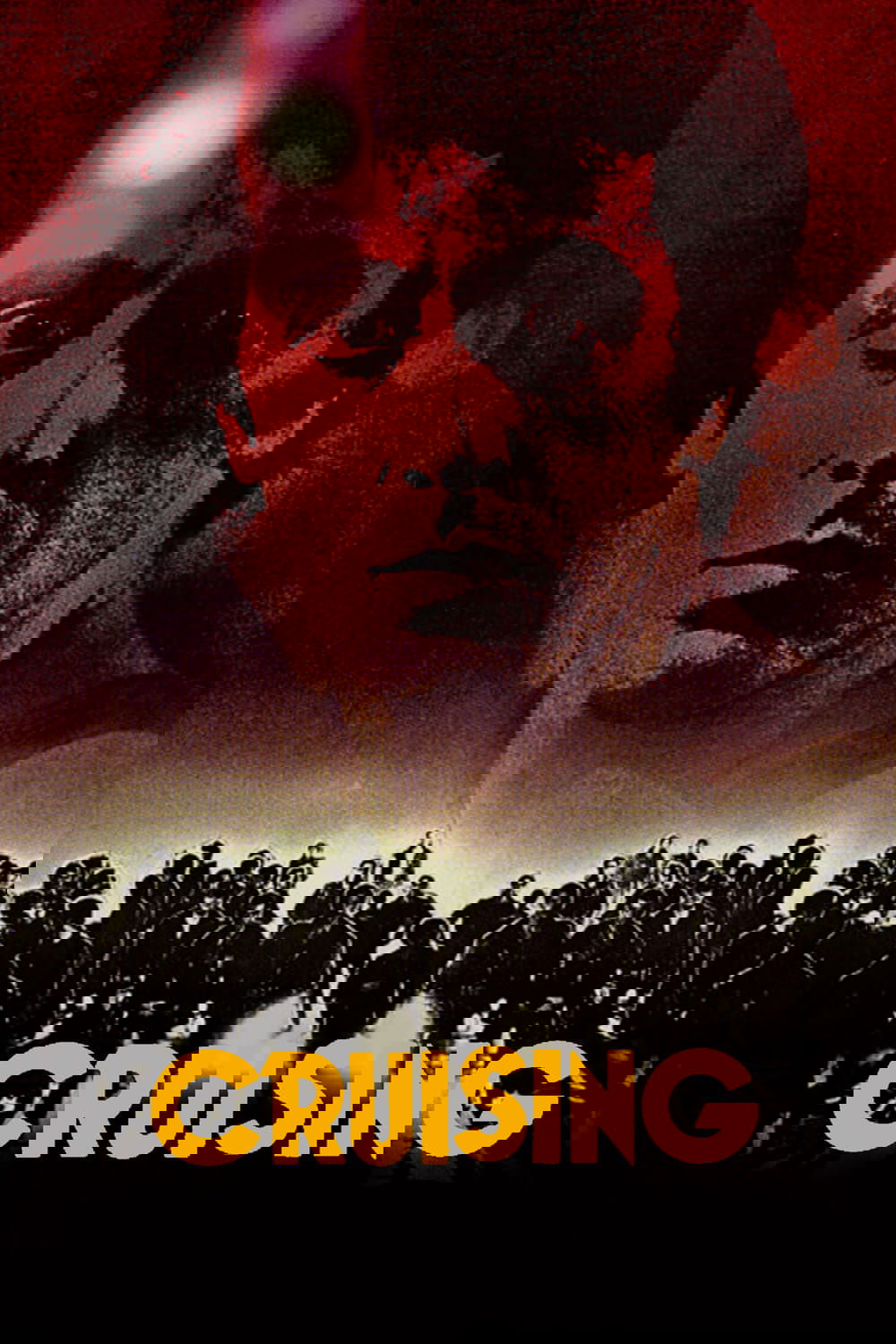
In this controversial thriller, Pacino played Steve Burns, an undercover cop who is tasked with infiltrating New York’s gay S&M scene to catch a serial killer. As he goes deeper into the subculture, the lines between his identity and his assignment begin to blur.
The film was met with protests and criticism for its depiction of the gay community. Pacino’s role was dark and complex, portraying a man who is profoundly changed by his disturbing investigation.
Author! Author! (1982)
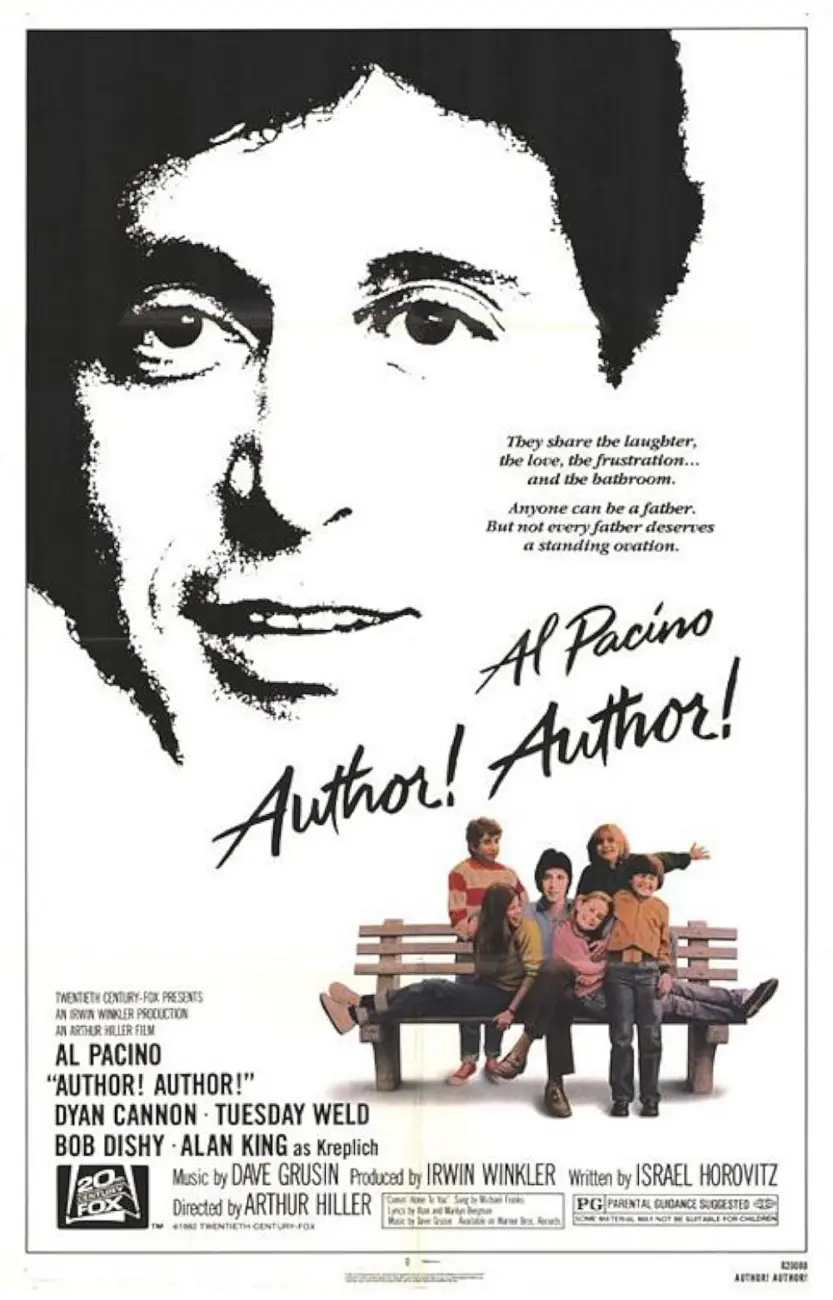
Pacino starred as Ivan Travalian, a Broadway playwright struggling to manage his chaotic personal life while trying to get a new play on its feet. His wife leaves him, and he finds himself taking care of her five children from previous marriages.
This comedy-drama offered Pacino a lighter, more comedic role. The film focused on family dynamics and the pressures of a creative career, showing a softer side of the actor.
Scarface (1983)

Pacino created one of his most iconic characters as Tony Montana, a Cuban refugee who arrives in Miami and builds a powerful drug empire. His performance was over-the-top, ferocious, and unforgettable, making Tony Montana a legendary figure in pop culture.
‘Scarface’ is a violent and stylish gangster epic. Though initially met with mixed reviews for its extreme violence, the film has since become a cult classic, celebrated for its bold style and Pacino’s larger-than-life performance.
Revolution (1985)
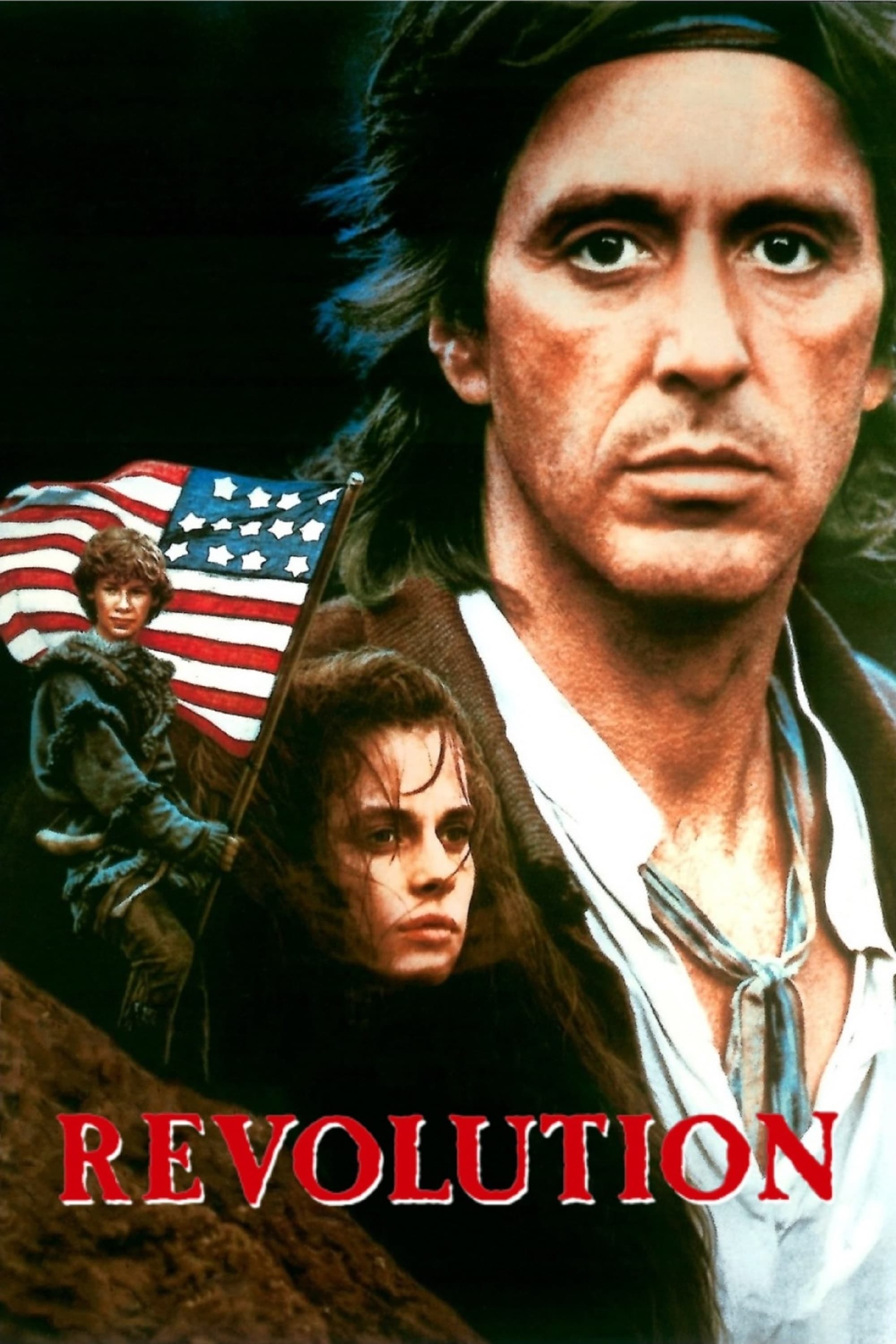
In this historical epic, Pacino played Tom Dobb, an uneducated fur trapper who gets swept up in the American Revolutionary War. He enlists in the army to protect his son, who has been drafted against his will.
The film was a major critical and commercial failure. Its troubled production and poor reception led Pacino to take a four-year break from filmmaking and return to the stage.
Sea of Love (1989)
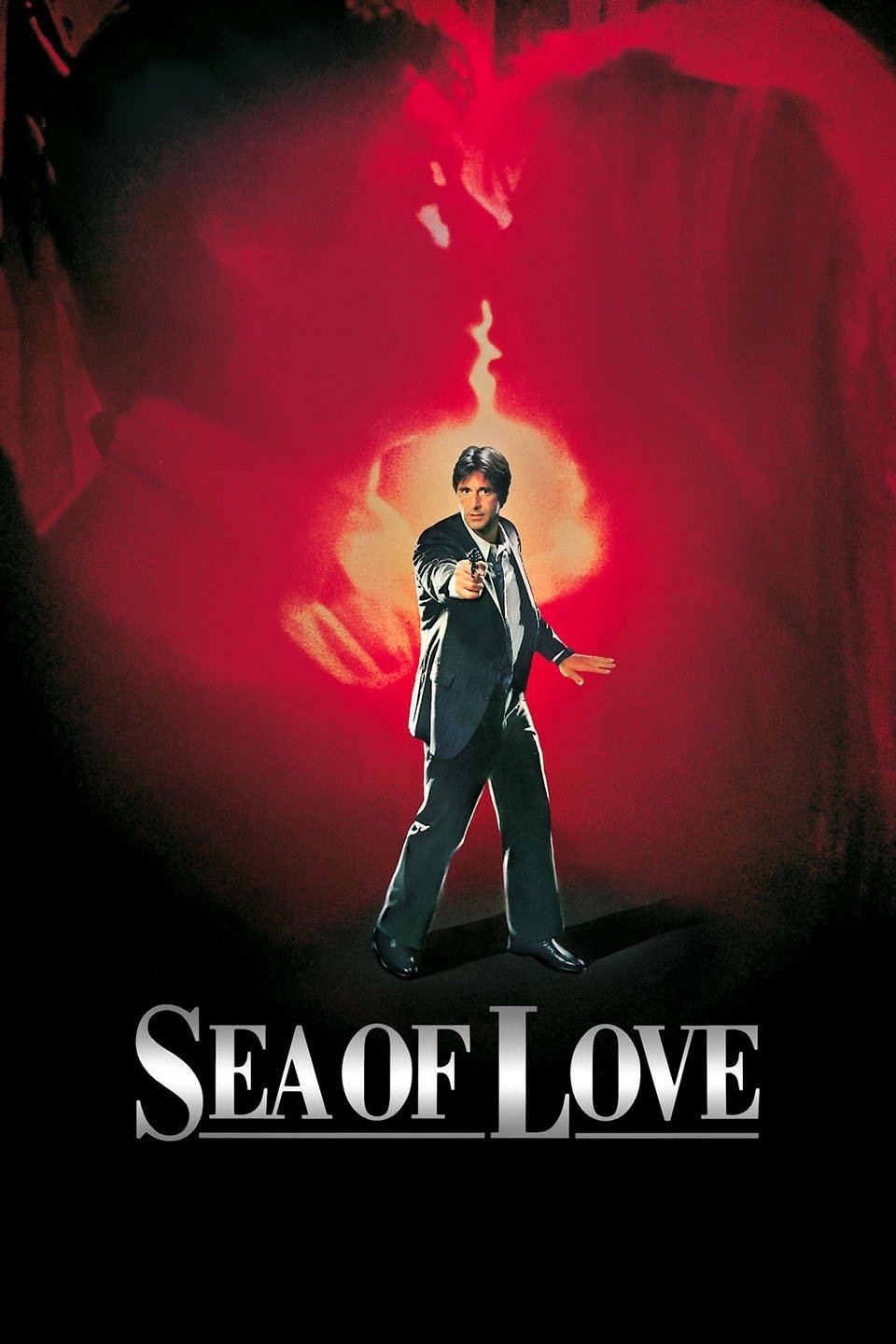
Pacino made a triumphant return to the screen as Frank Keller, a burned-out NYPD detective. He is hunting for a serial killer who finds victims through the personal ads and ends up falling for the prime suspect.
This stylish neo-noir was a critical and commercial success that revitalized Pacino’s film career. His performance as the world-weary but vulnerable cop was praised and reminded audiences of his powerful screen presence.
The Local Stigmatic (1990)
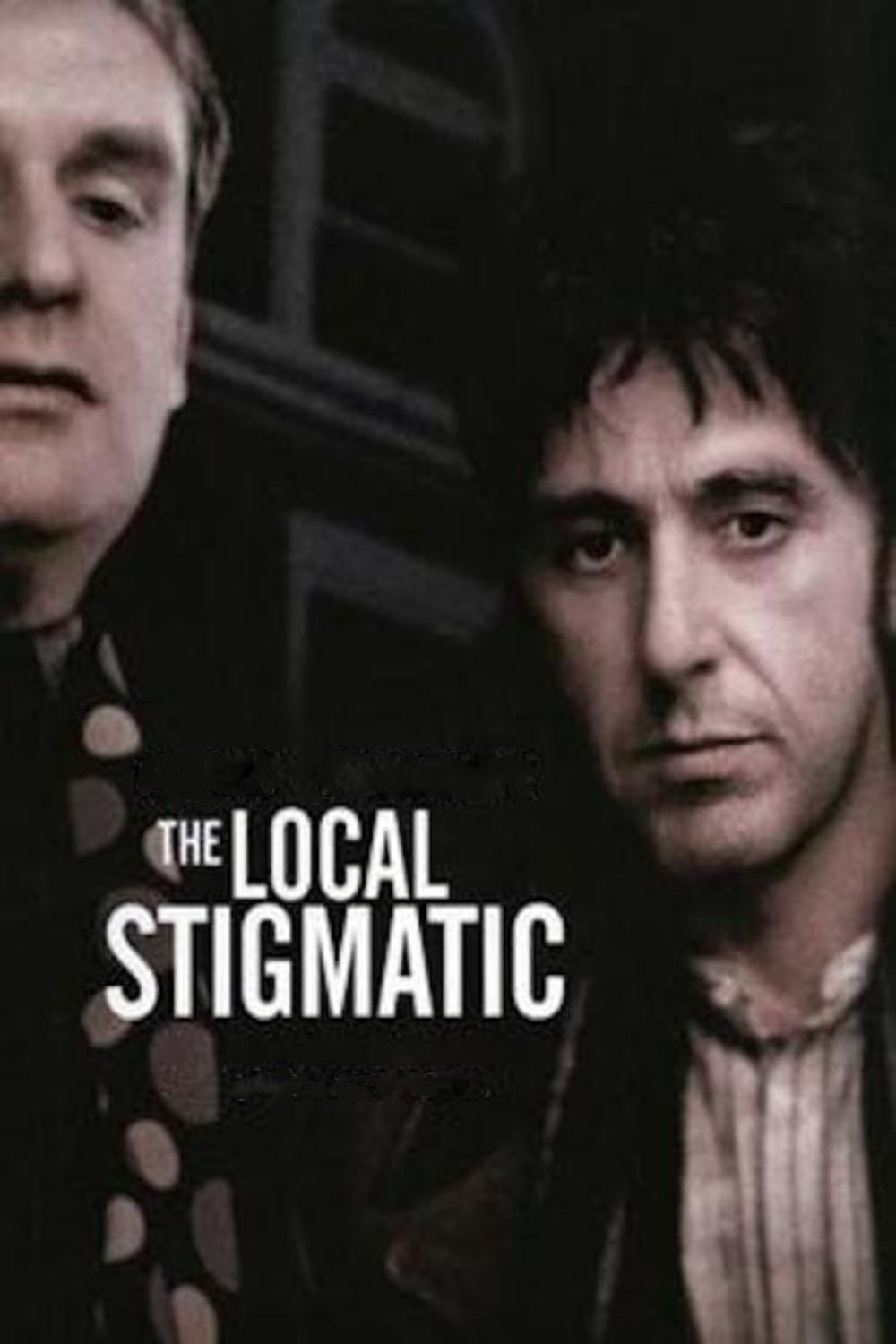
Pacino played Graham, one of two working-class British friends who wander the streets of London, talking about dog races and their peculiar philosophies. The film culminates in their unprovoked and brutal assault on a famous actor.
This was a personal passion project for Pacino, which he filmed in the 1980s and released years later. It is an experimental and disturbing piece based on a stage play, showcasing a very different and more abstract style of performance.
Dick Tracy (1990)
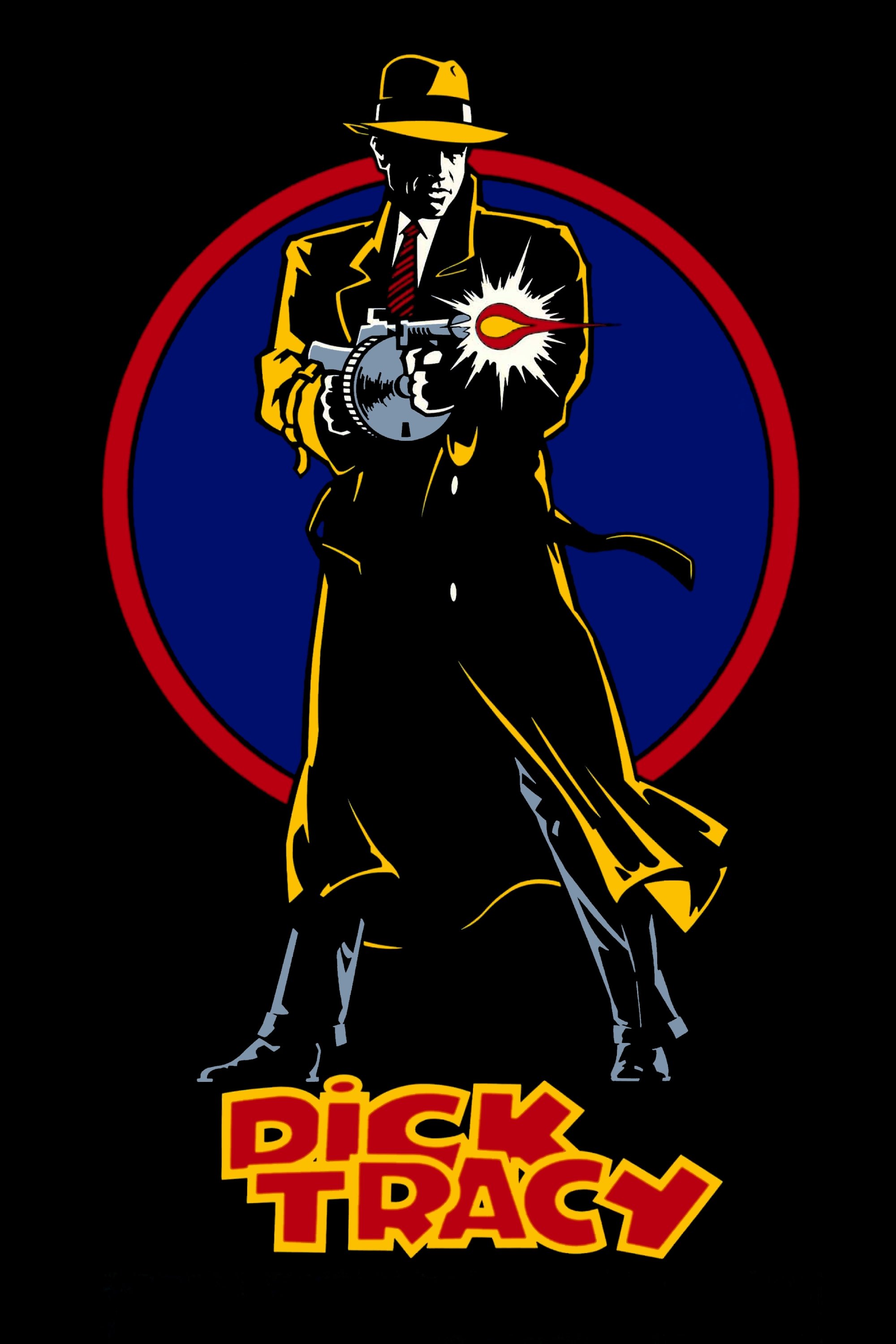
Under heavy prosthetics and makeup, Pacino delivered a scene-stealing performance as the villainous mob boss Alphonse “Big Boy” Caprice. He was loud, funny, and menacing, creating a character that was both a cartoonish caricature and a genuinely threatening antagonist.
This colorful and stylish comic book adaptation was a major blockbuster. Pacino’s comedic and wildly energetic performance earned him an award nomination and was considered a highlight of the film.
The Godfather Part III (1990)
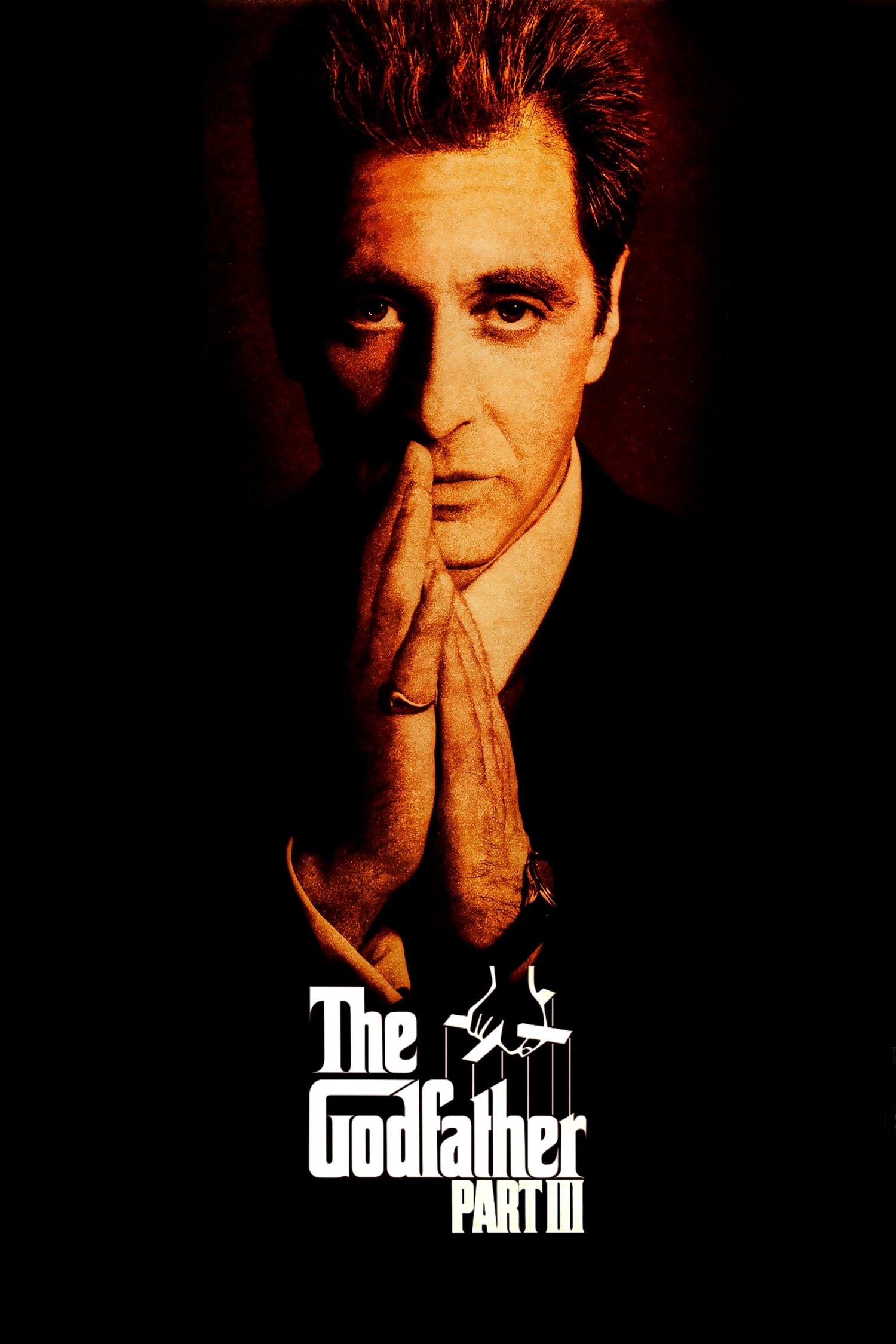
Pacino returned to the role of Michael Corleone for a final time. Now in his 60s, Michael is a powerful and legitimate businessman haunted by guilt and desperately seeking redemption for his past sins.
The film serves as an epilogue to the iconic saga, exploring themes of regret, family, and the impossibility of escaping one’s past. Pacino’s performance was a moving portrayal of an old man trying to make peace with his violent legacy.
Frankie and Johnny (1991)
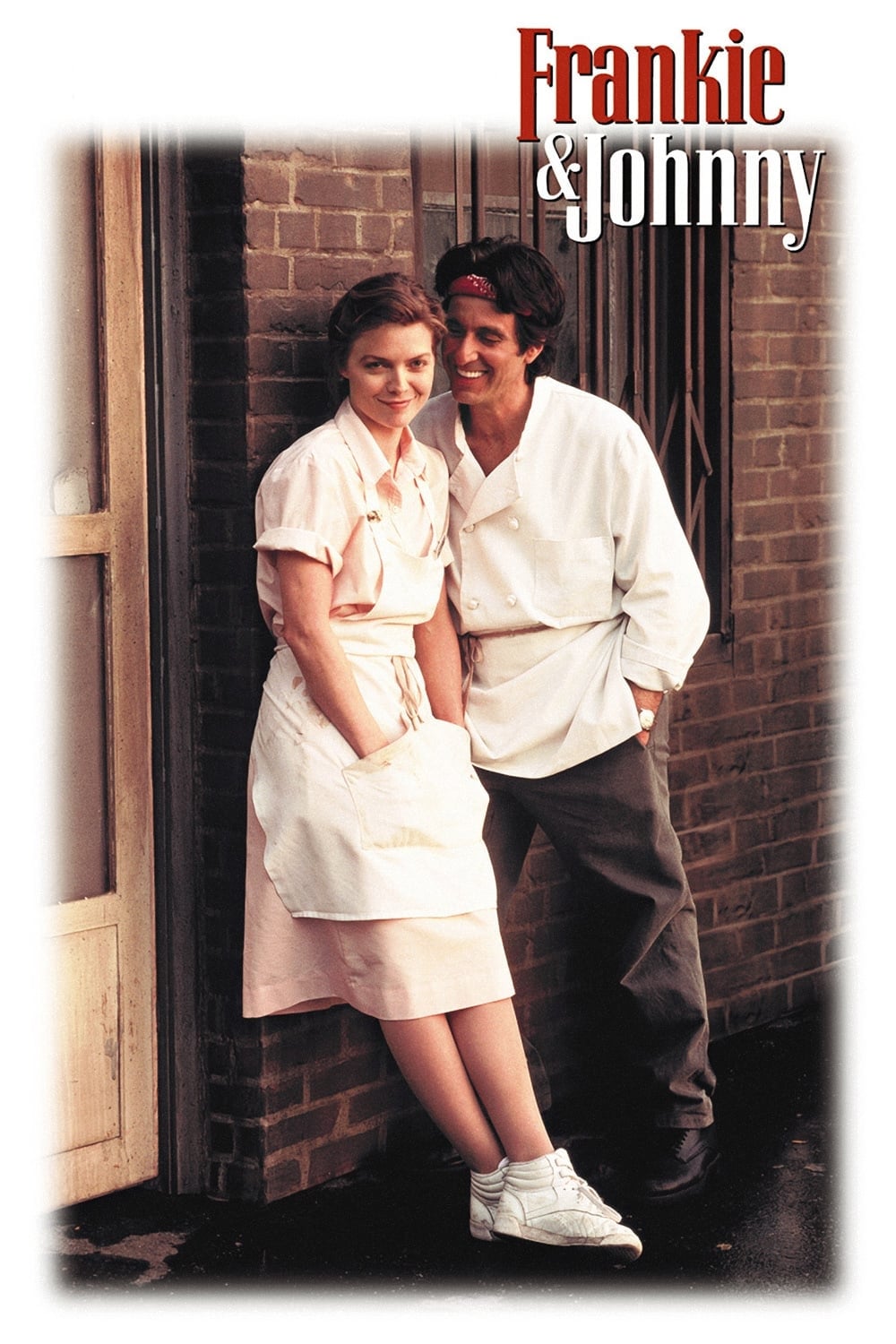
In this romantic film, Pacino played Johnny, a short-order cook just released from prison. He gets a job in a diner and falls for Frankie, a guarded and emotionally wounded waitress.
The film reunited Pacino with his ‘Sea of Love’ co-star. It was a gentle and hopeful story about two lonely people finding a second chance at love.
Glengarry Glen Ross (1992)
Pacino played Richard “Ricky” Roma, the slick, ruthless, and most successful salesman in a cutthroat real estate office. His character is charismatic and manipulative, delivering a powerful monologue that has become one of his most famous scenes.
Based on a Pulitzer Prize-winning play, this film is a showcase for its incredible ensemble cast. Pacino’s sharp and commanding performance as the top dog in a high-pressure environment earned him another award nomination.
Scent of a Woman (1992)
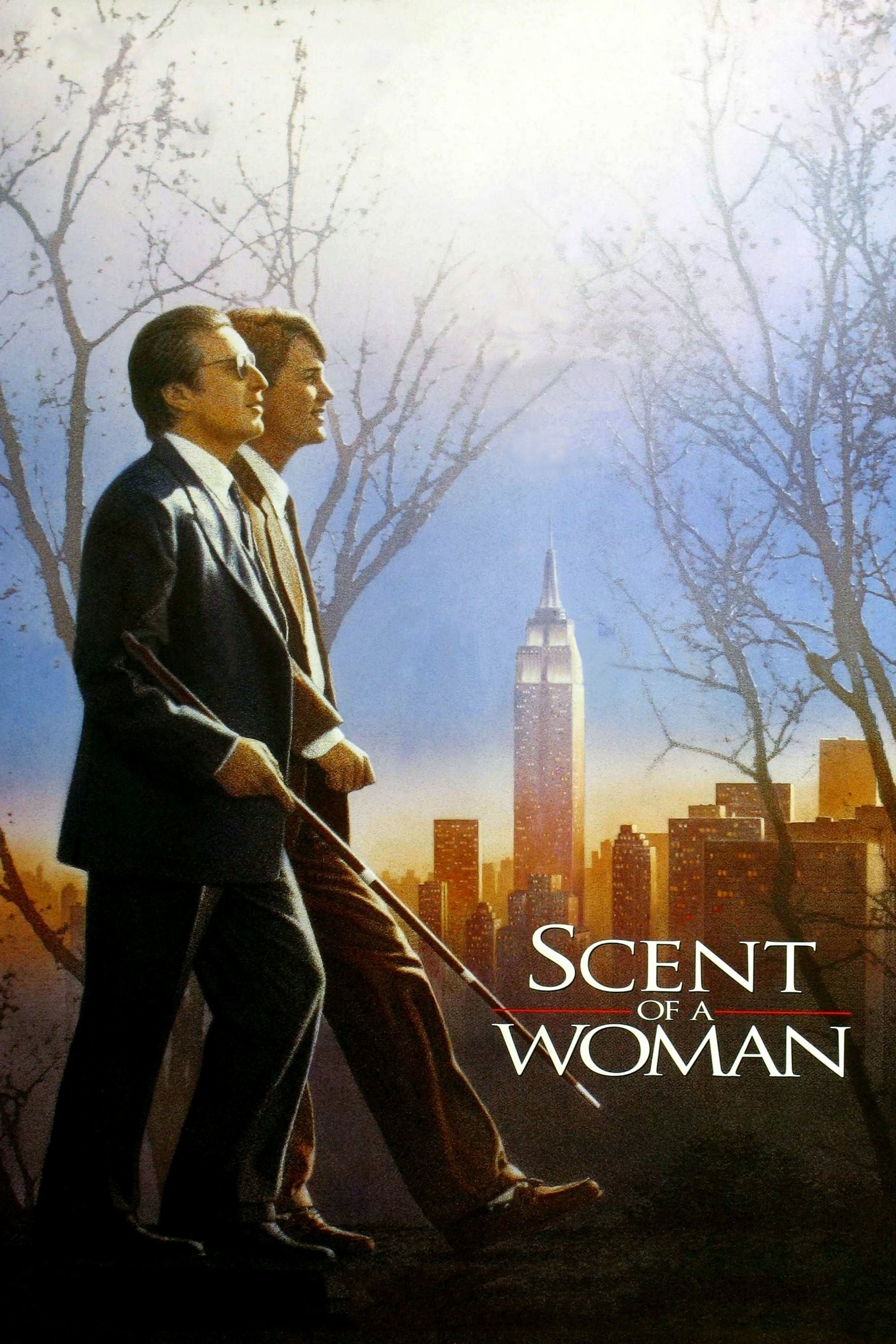
For his role as Frank Slade, a blind, cynical, and suicidal retired Army Colonel, Pacino finally won his first major acting award. He hires a young prep school student to look after him over a weekend in New York, during which he plans to end his life.
The film is a powerful story of an unlikely friendship. Pacino’s performance was explosive and charismatic, featuring iconic moments like his tango scene and his famous “Hoo-ah!” catchphrase.
Carlito’s Way (1993)
Pacino portrayed Carlito “Charlie” Brigante, a Puerto Rican ex-convict who is released from prison and vows to go straight. Despite his best efforts, he is dragged back into the criminal underworld by his past loyalties and his corrupt lawyer.
This stylish crime drama reunited Pacino with his ‘Scarface’ director. His performance was a tragic and compelling portrayal of a man trying to escape his destiny.
Two Bits (1995)
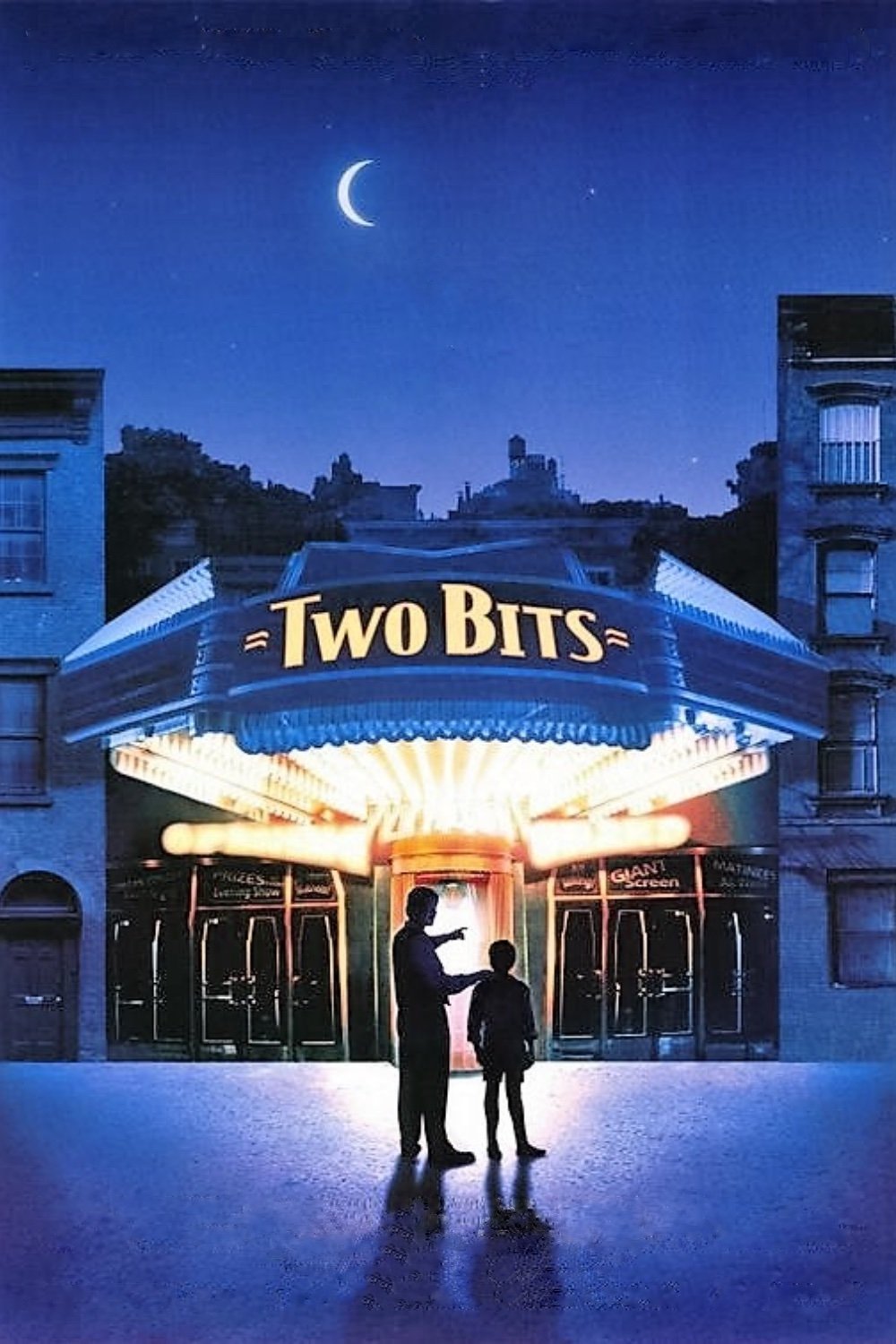
In this family drama, Pacino played Grandpa, a wise and dying man in Depression-era Philadelphia. He spends his last day with his young grandson, teaching him life lessons and promising him a quarter to go to the movies.
This was a smaller, more sentimental film for Pacino. His role was that of a loving patriarch sharing his final moments of wisdom with his family.
Heat (1995)
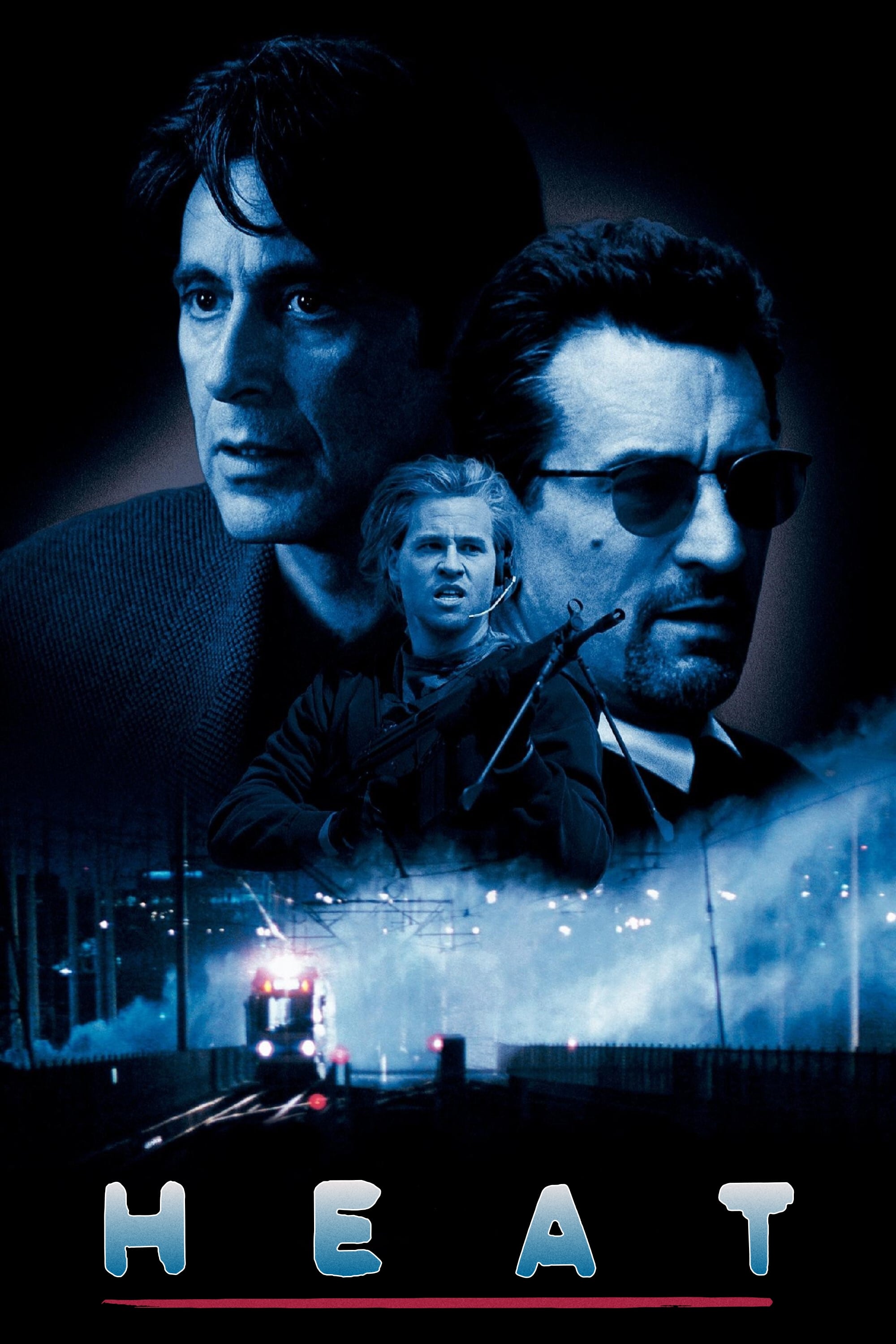
Pacino played Lieutenant Vincent Hanna, a relentless and obsessive LAPD robbery-homicide detective. He is on the trail of a highly skilled crew of professional thieves, and the film is famous for featuring the first on-screen scene between Pacino and Robert De Niro.
‘Heat’ is a stylish and epic crime saga. The legendary coffee shop scene, where Hanna sits down with the master thief he is hunting, is a masterclass in understated tension and one of the most celebrated moments in modern cinema.
City Hall (1996)
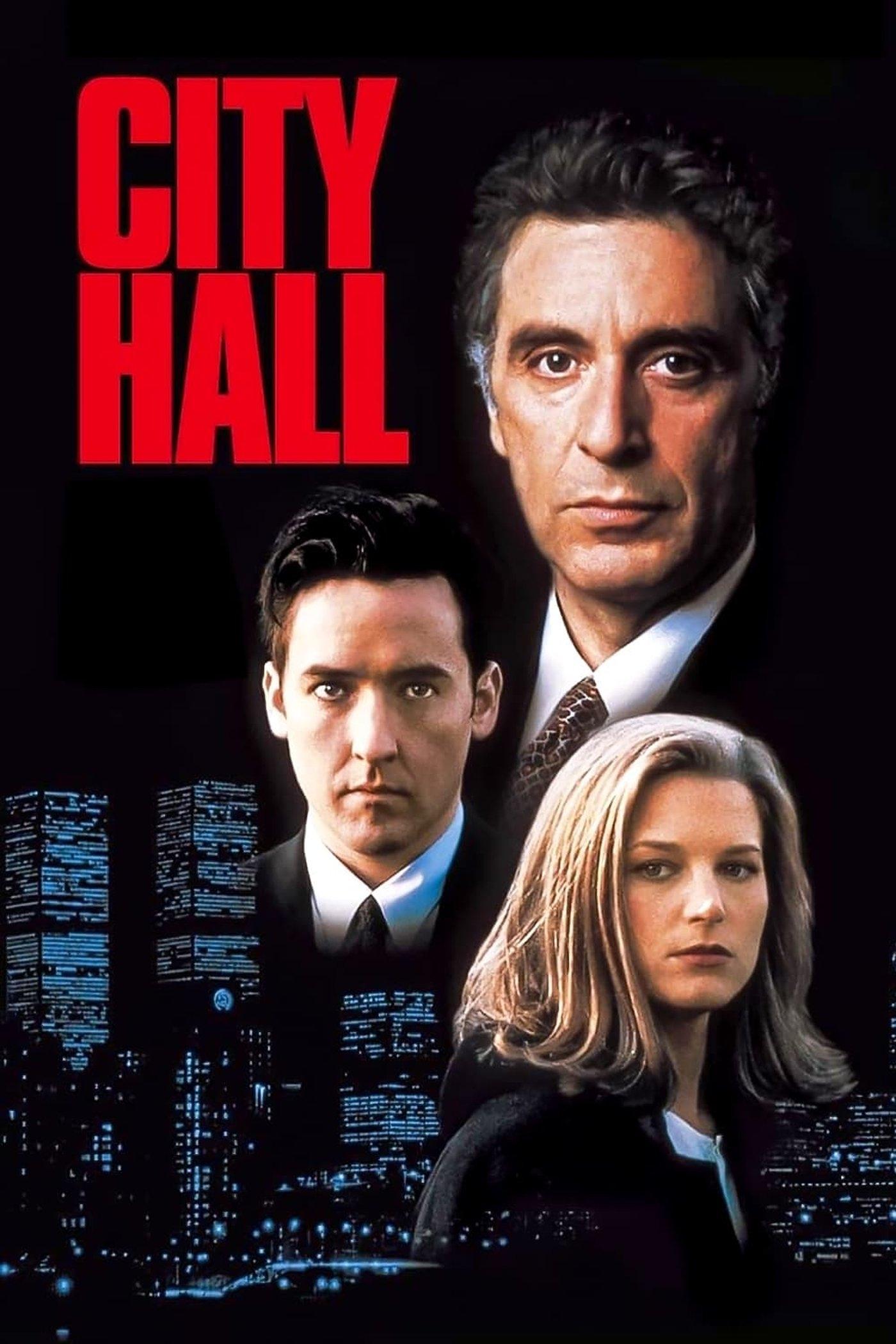
In this political thriller, Pacino played John Pappas, the charismatic and powerful mayor of New York City. His administration is thrown into crisis after a street shootout leaves a child dead, and his idealistic young deputy begins to uncover a web of corruption.
The film explores the moral compromises of power. Pacino’s performance captured the charm and authority of a beloved political leader whose legacy is threatened by dark secrets.
Donnie Brasco (1997)
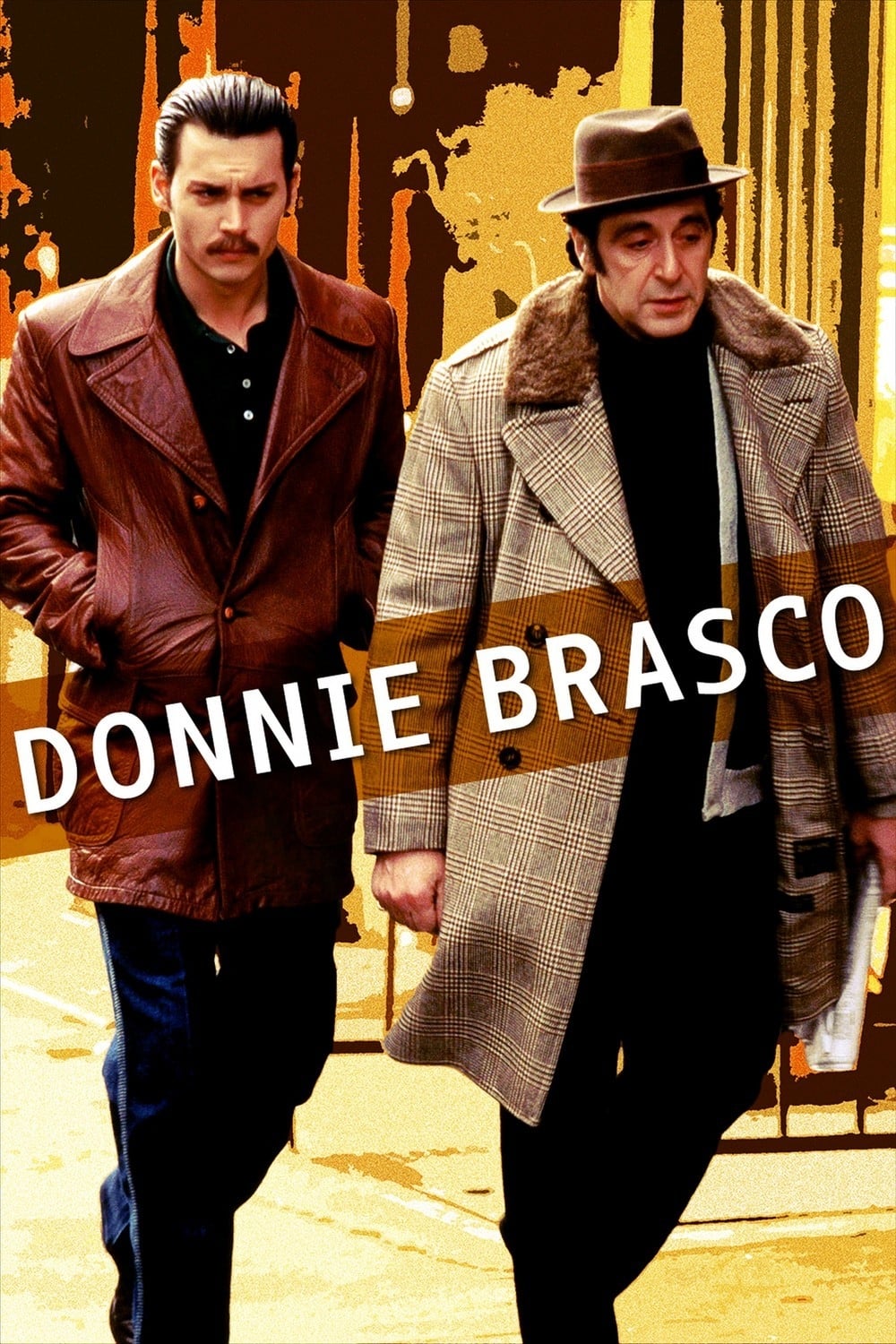
Pacino played Benjamin “Lefty” Ruggiero, an aging, low-level mobster who unknowingly takes an undercover FBI agent under his wing. He forms a genuine father-son bond with the agent, never realizing he is being betrayed.
Based on a true story, the film is a gripping crime drama. Pacino’s performance was a nuanced and heartbreaking portrayal of a weary foot soldier in the mafia, earning him widespread critical praise.
The Devil’s Advocate (1997)
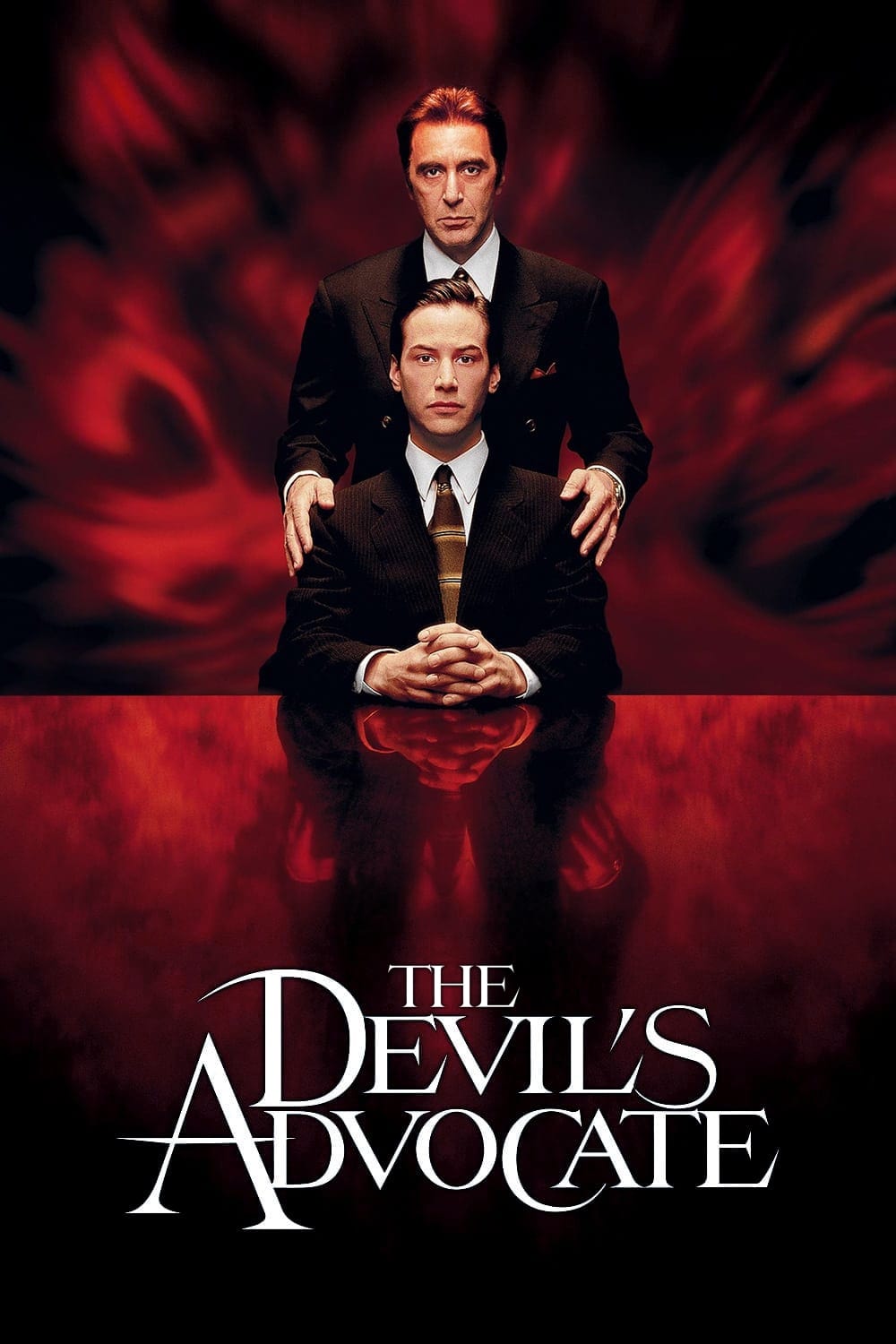
Pacino delivered a powerful and flamboyant performance as John Milton, the head of a prestigious New York law firm who is actually Satan in disguise. He recruits a brilliant young lawyer and seduces him with wealth and power, slowly corrupting his soul.
This supernatural thriller was a major box office hit. Pacino was clearly having fun in the role, delivering epic monologues with demonic glee and creating a charismatic and terrifying villain.
The Insider (1999)
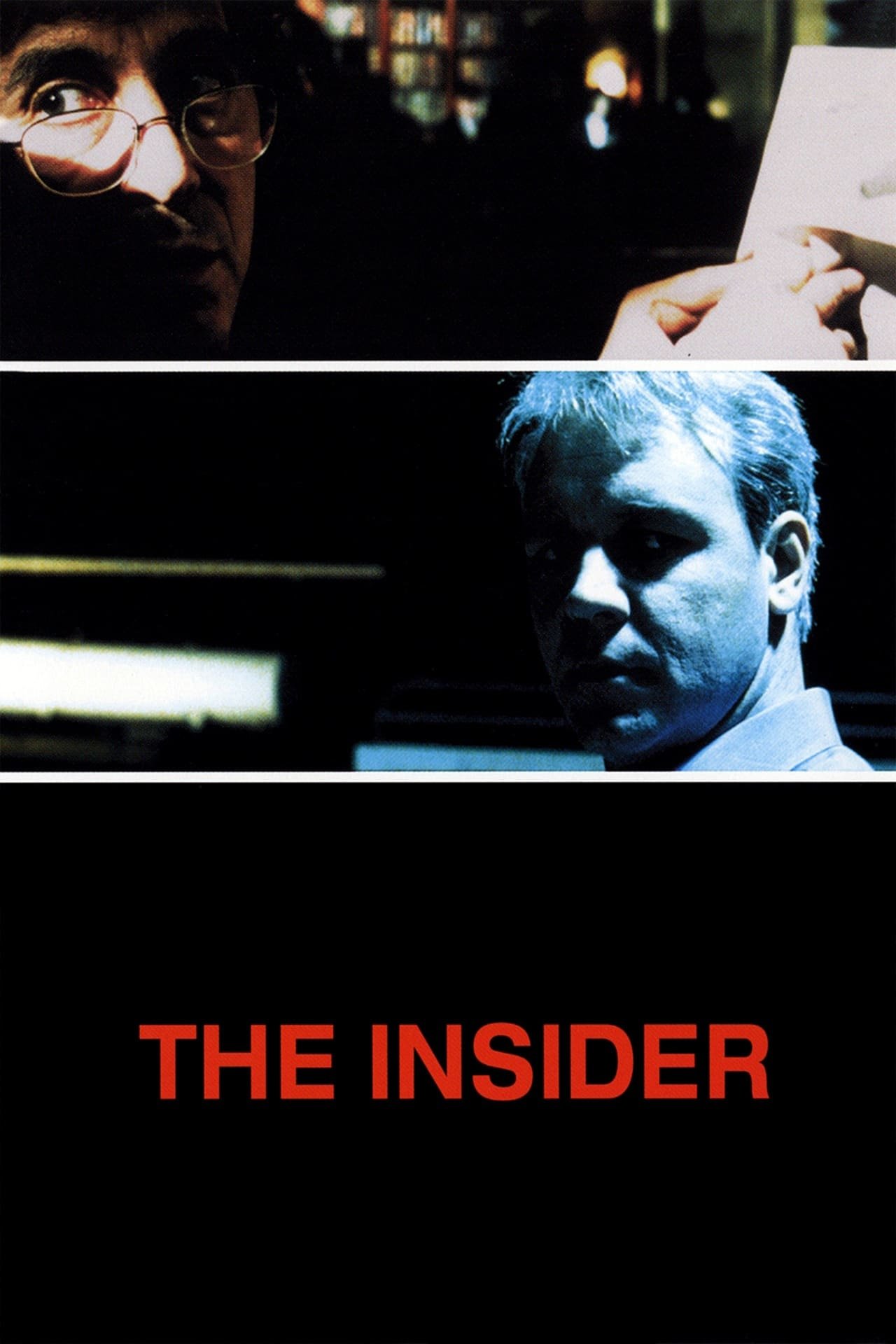
Pacino played Lowell Bergman, a determined producer for the news show ’60 Minutes’. He convinces a former tobacco industry scientist to become a whistleblower and expose the industry’s lies, then fights to get the controversial story on the air.
This tense drama is based on a true story about corporate malfeasance and journalistic integrity. Pacino’s performance as the passionate and principled producer was a key part of the film’s critical success.
Any Given Sunday (1999)
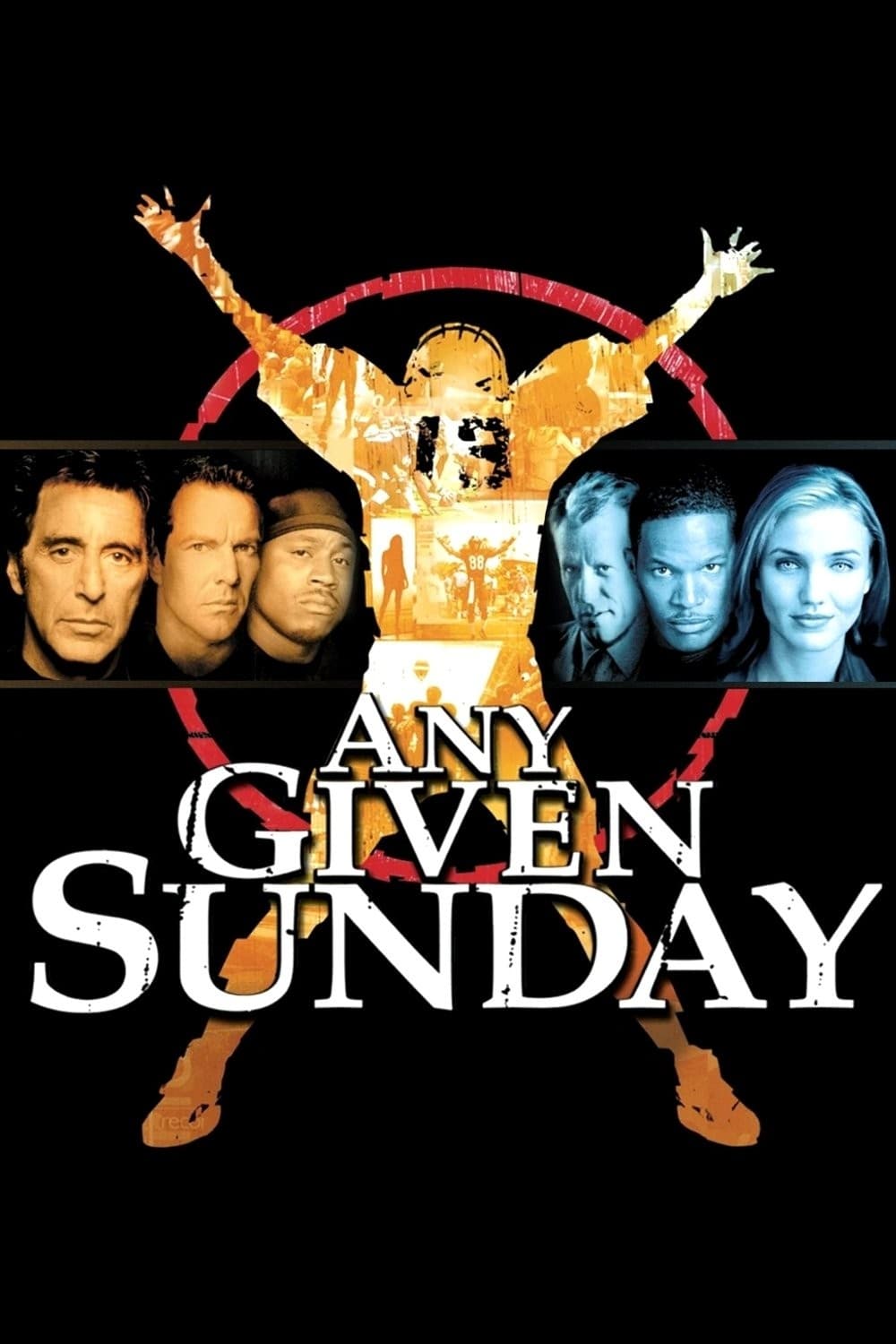
In this sports drama, Pacino starred as Tony D’Amato, the old-school head coach of a professional football team. He struggles with a meddling new owner, an aging star quarterback, and the pressures of the modern game. His inspirational pre-game speech is an iconic movie moment.
The film offers a visceral and intense look at the world of professional football. Pacino’s fiery performance as the passionate and world-weary coach was the heart of the movie.
Chinese Coffee (2000)
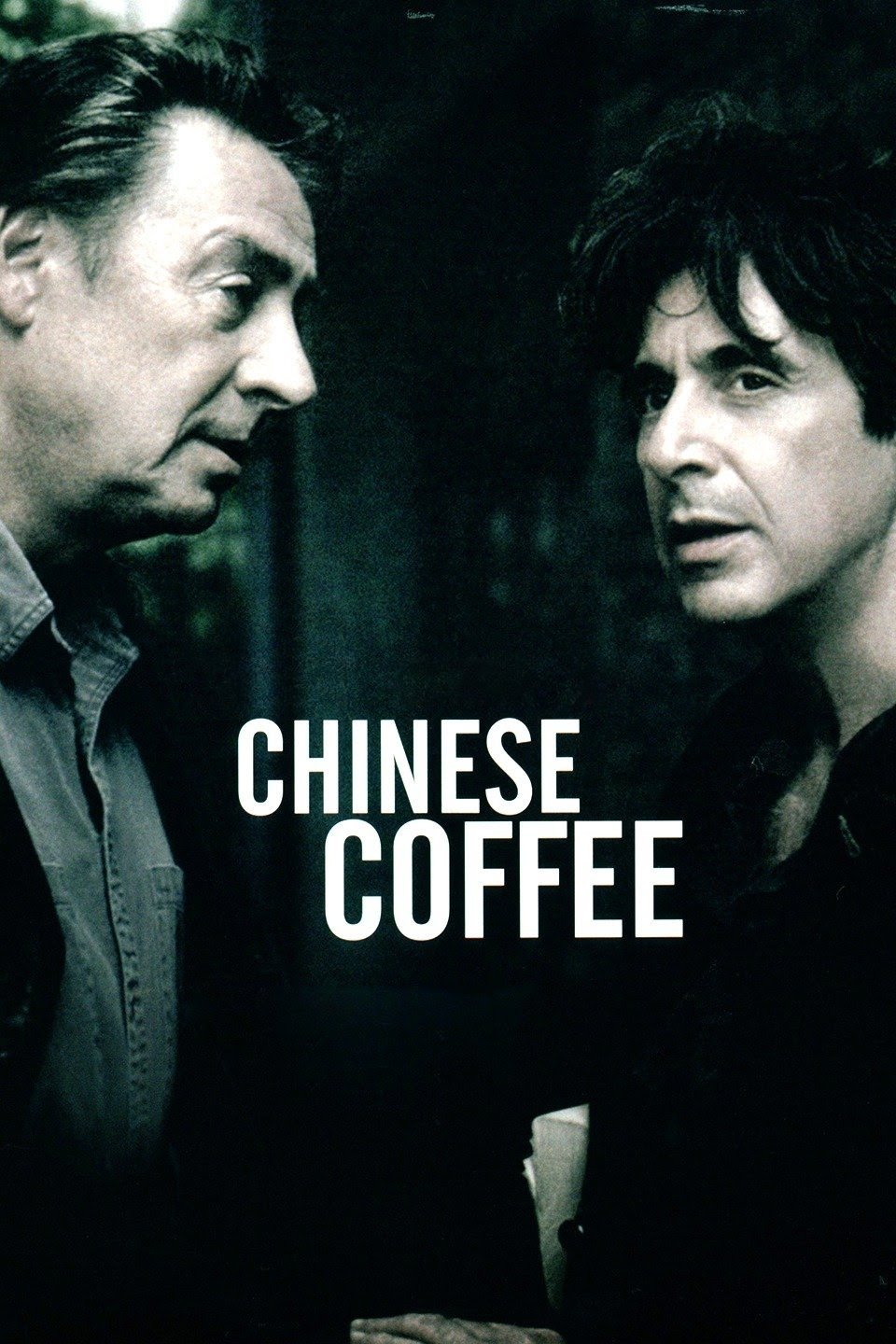
In a film he also directed, Pacino played Harry Levine, a struggling writer in New York City. The movie consists almost entirely of a long, intense conversation between him and a friend about art, failure, and betrayal after Harry reads his friend’s new manuscript.
This was a deeply personal, low-budget project for Pacino. Based on a play, it is a dialogue-driven character study that allowed him to focus purely on the craft of acting.
Insomnia (2002)
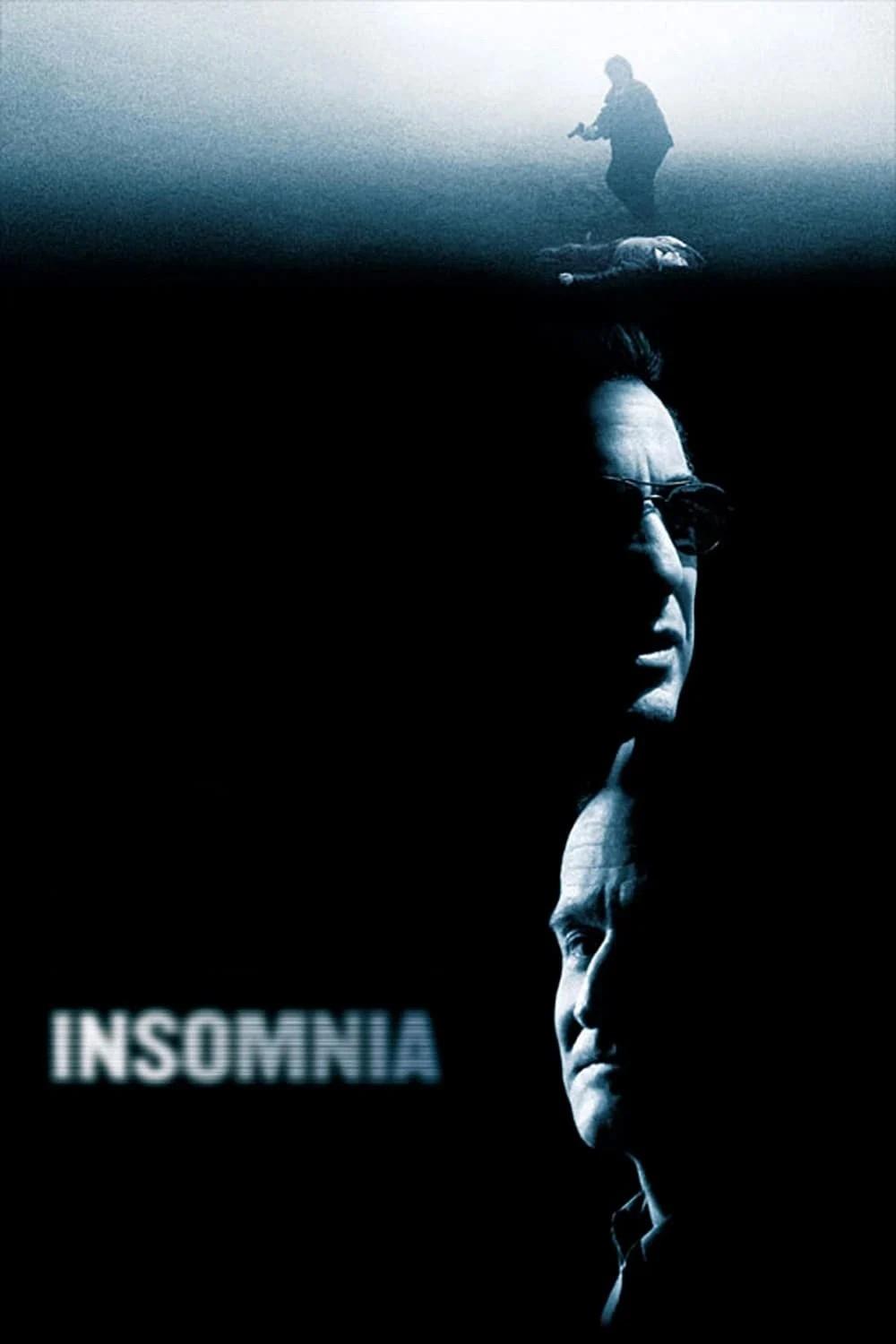
Pacino played Will Dormer, a highly respected Los Angeles detective sent to a small Alaskan town to investigate a murder. Plagued by a dark secret and unable to sleep due to the perpetual daylight, he begins to unravel mentally and morally.
This psychological thriller is a dark and atmospheric film. Pacino delivered a compelling performance as a good man tormented by guilt and disorientation.
S1m0ne (2002)

In this satirical comedy, Pacino played Viktor Taransky, a down-on-his-luck film director. After his star actress walks out, he secretly creates a completely digital, virtual actress named Simone to take her place. She becomes a huge star, and he must maintain the elaborate deception.
The film was a commentary on Hollywood and the nature of celebrity in the digital age. Pacino’s role was a comedic take on a desperate artist who gets in way over his head.
People I Know (2002)
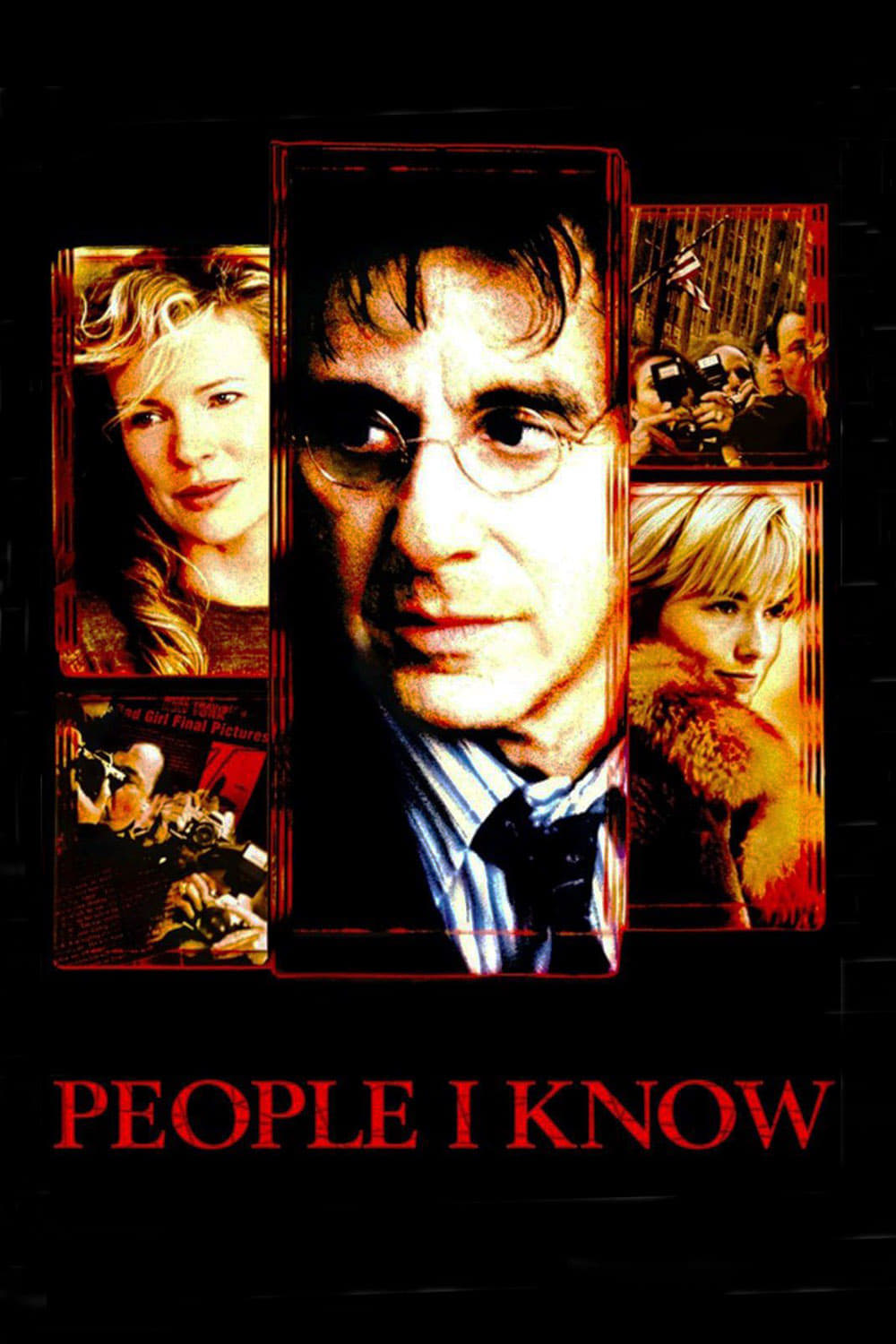
Pacino portrayed Eli Wurman, a washed-up, pill-popping publicist whose best days are behind him. Over the course of 24 hours, he tries to manage a charity event and clean up a mess for a celebrity client, all while his life spirals out of control.
This character study gave Pacino the chance to play a weary and defeated man. His performance captured the desperation of someone trying to hold on to relevance in a world that has passed him by.
The Recruit (2003)
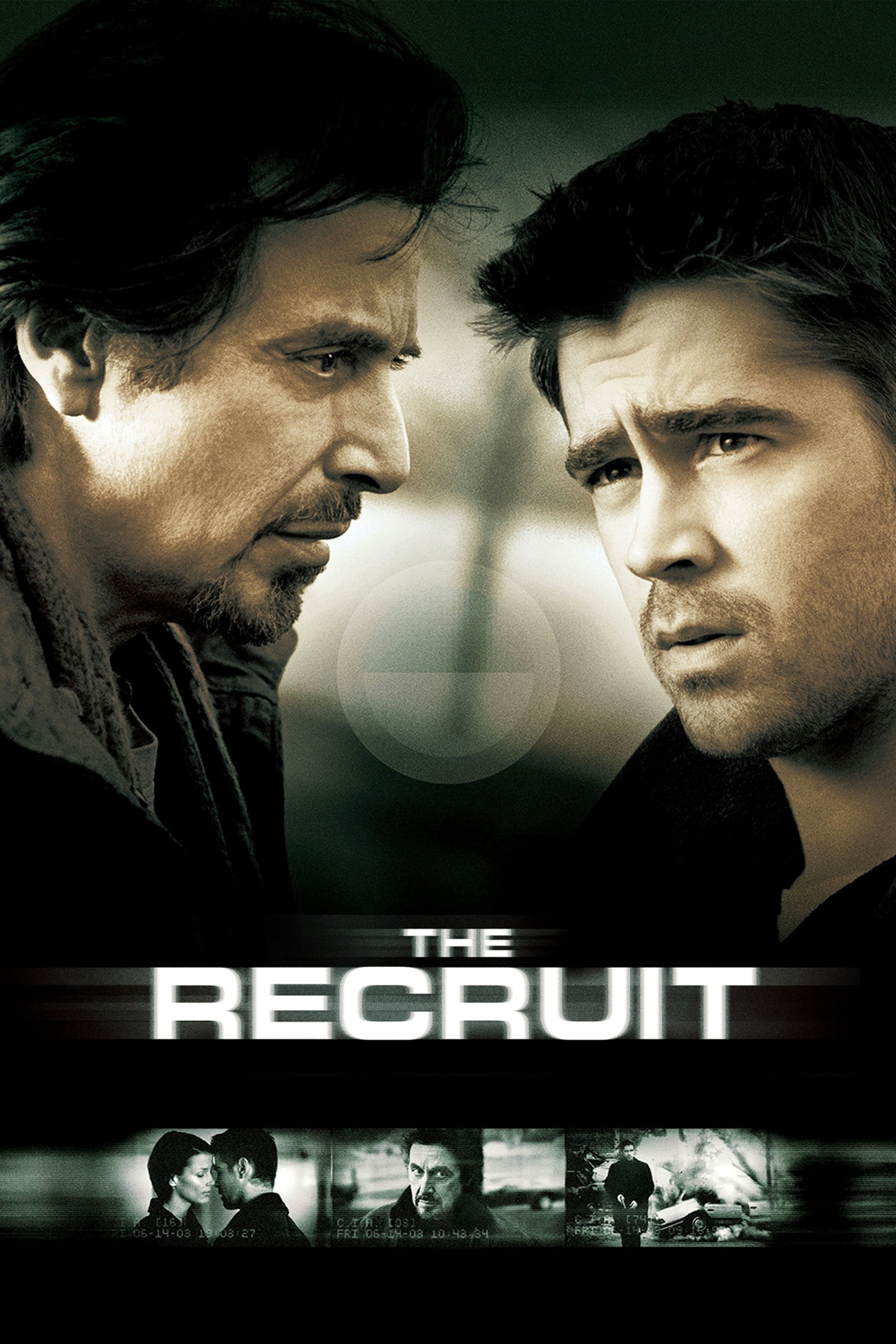
In this spy thriller, Pacino played Walter Burke, a veteran CIA recruiter who sees potential in a brilliant young bartender. He puts the new recruit through a grueling training program, where nothing is what it seems and no one can be trusted.
The film is a fast-paced thriller full of twists and turns. Pacino’s role as the manipulative and mentor-like figure kept the audience guessing about his true motives.
Gigli (2003)
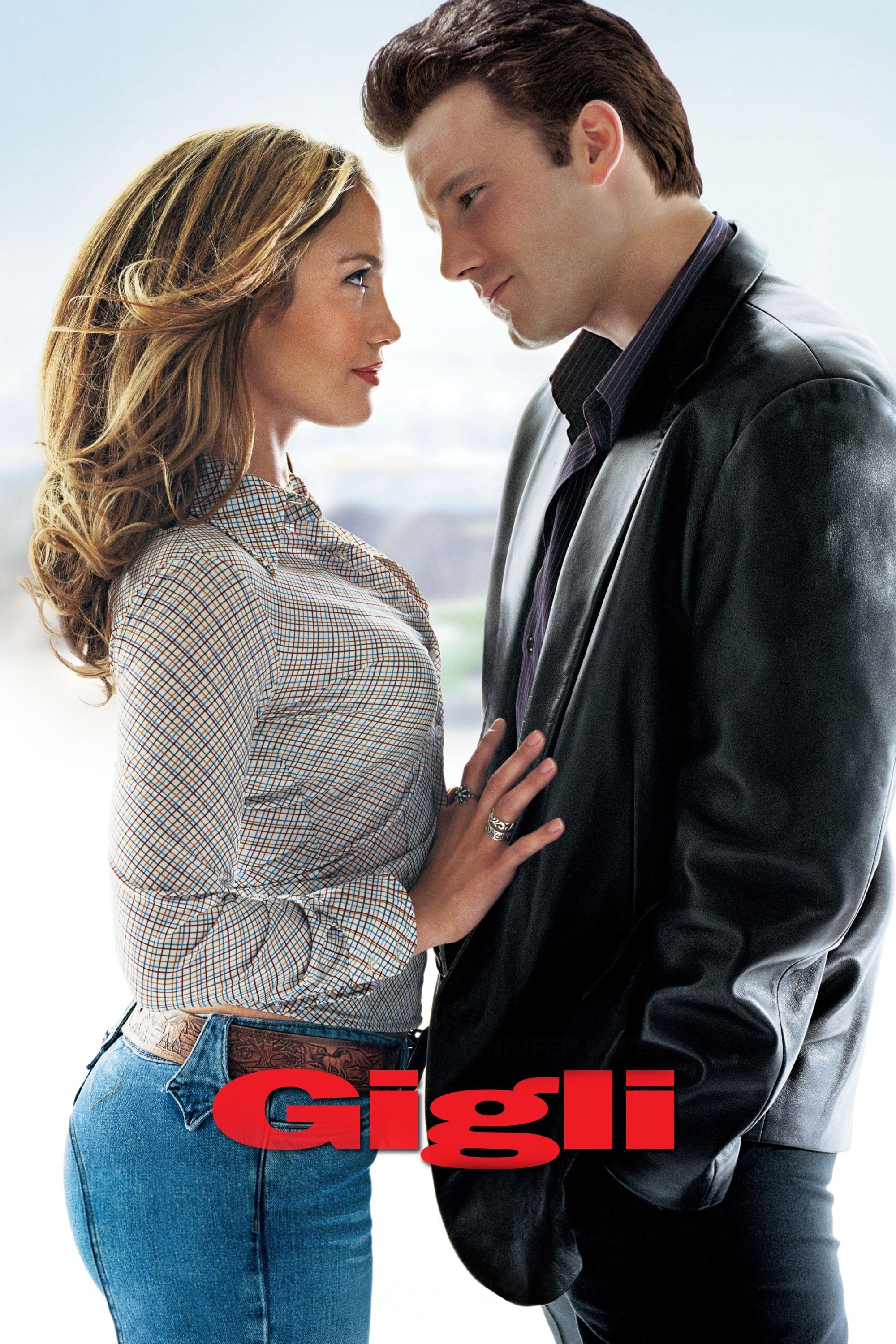
Pacino had a small but memorable supporting role as Starkman, a powerful and eccentric mob boss. He appears late in the film to deliver a threatening monologue to the main characters.
The film itself is a notoriously panned romantic comedy. Pacino’s brief, over-the-top cameo was considered by some to be one of its few interesting moments.
The Merchant of Venice (2004)
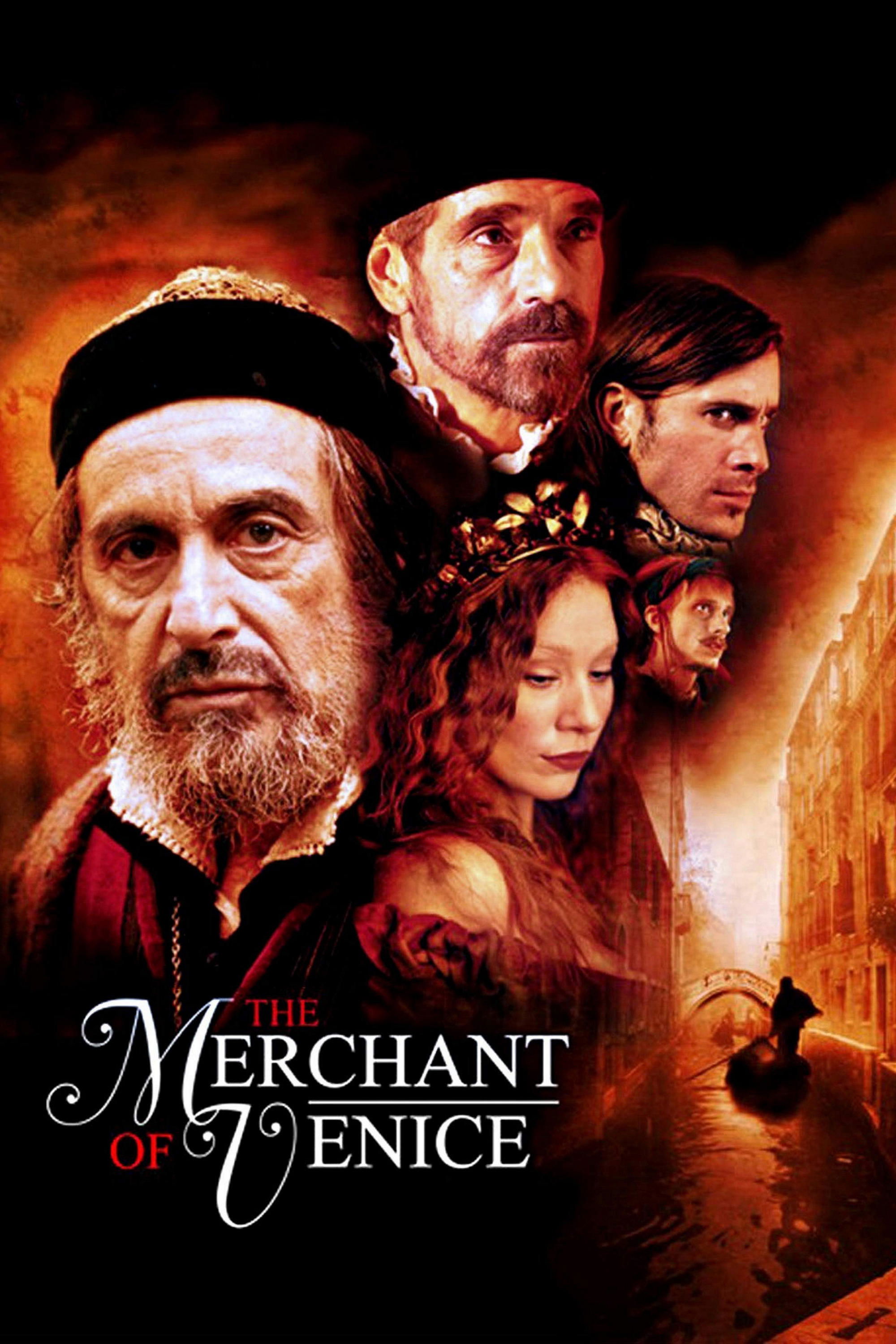
Pacino took on the classic role of Shylock, the Jewish moneylender in this film adaptation of the Shakespeare play. He is a tragic figure who seeks a pound of flesh as revenge against a merchant who has wronged him.
Having played the character on stage, Pacino brought depth and humanity to a complex and controversial role. His performance was praised for being powerful and sympathetic.
Two for the Money (2005)
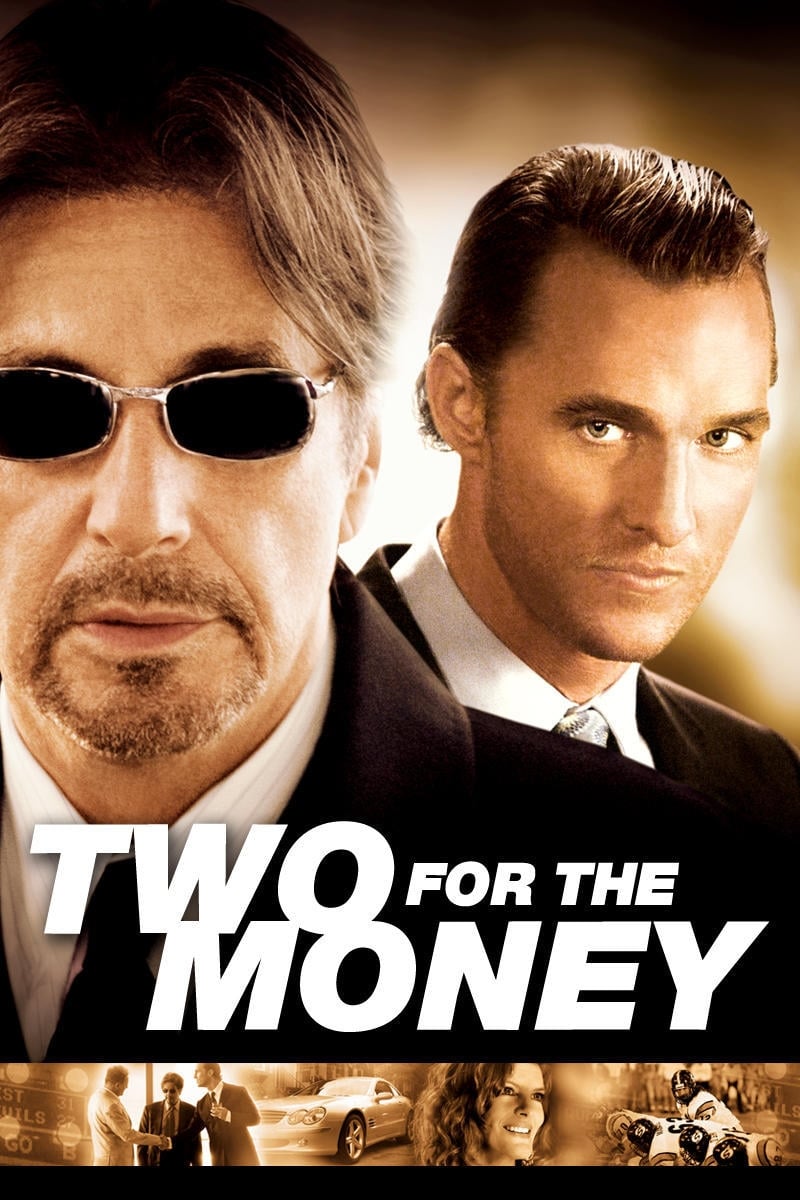
In this high-stakes drama, Pacino played Walter Abrams, the charismatic head of a sports gambling consulting business. He takes a gifted former college football star under his wing, mentoring him in the art of predicting game outcomes.
The film explores the addictive and dangerous world of high-stakes gambling. Pacino’s performance as the slick and persuasive mentor figure was full of his signature energy and intensity.
88 Minutes (2007)
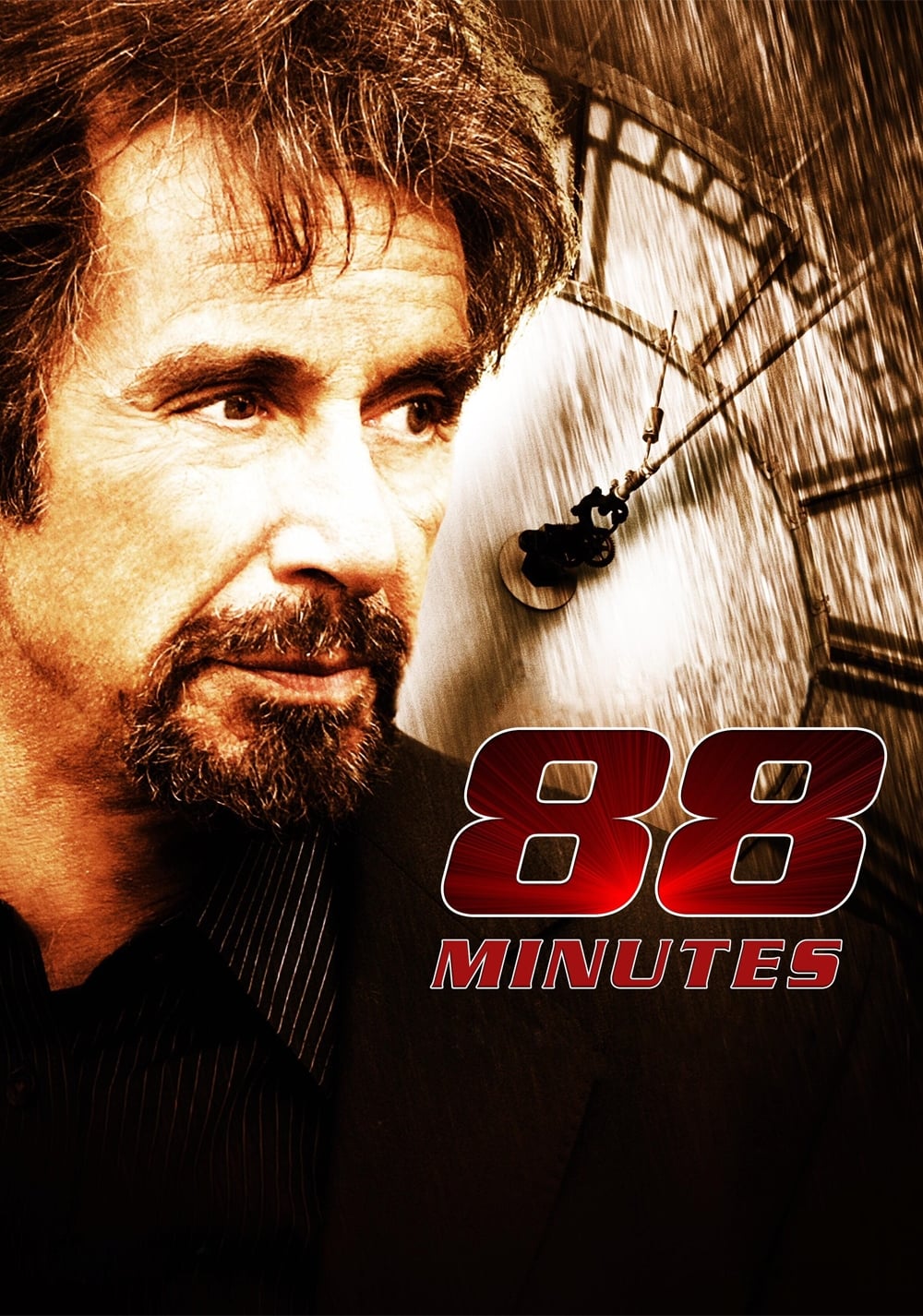
Pacino starred as Dr. Jack Gramm, a forensic psychiatrist and college professor. He receives a phone call telling him he has only 88 minutes to live, forcing him to use his skills to figure out who is threatening him in a race against time.
This real-time thriller was a fast-paced and suspenseful film. Pacino’s character must navigate a series of deadly puzzles to save his own life.
Ocean’s Thirteen (2007)
In the third installment of the popular heist series, Pacino played the villain, Willie Bank. He is a ruthless and arrogant hotel and casino tycoon who double-crosses one of the original crew members, prompting the team to unite for revenge.
Pacino joined the star-studded cast as the crew’s new target. He portrayed Bank as a slick and unlikeable antagonist, a perfect foil for the cool and charismatic heroes.
Righteous Kill (2008)
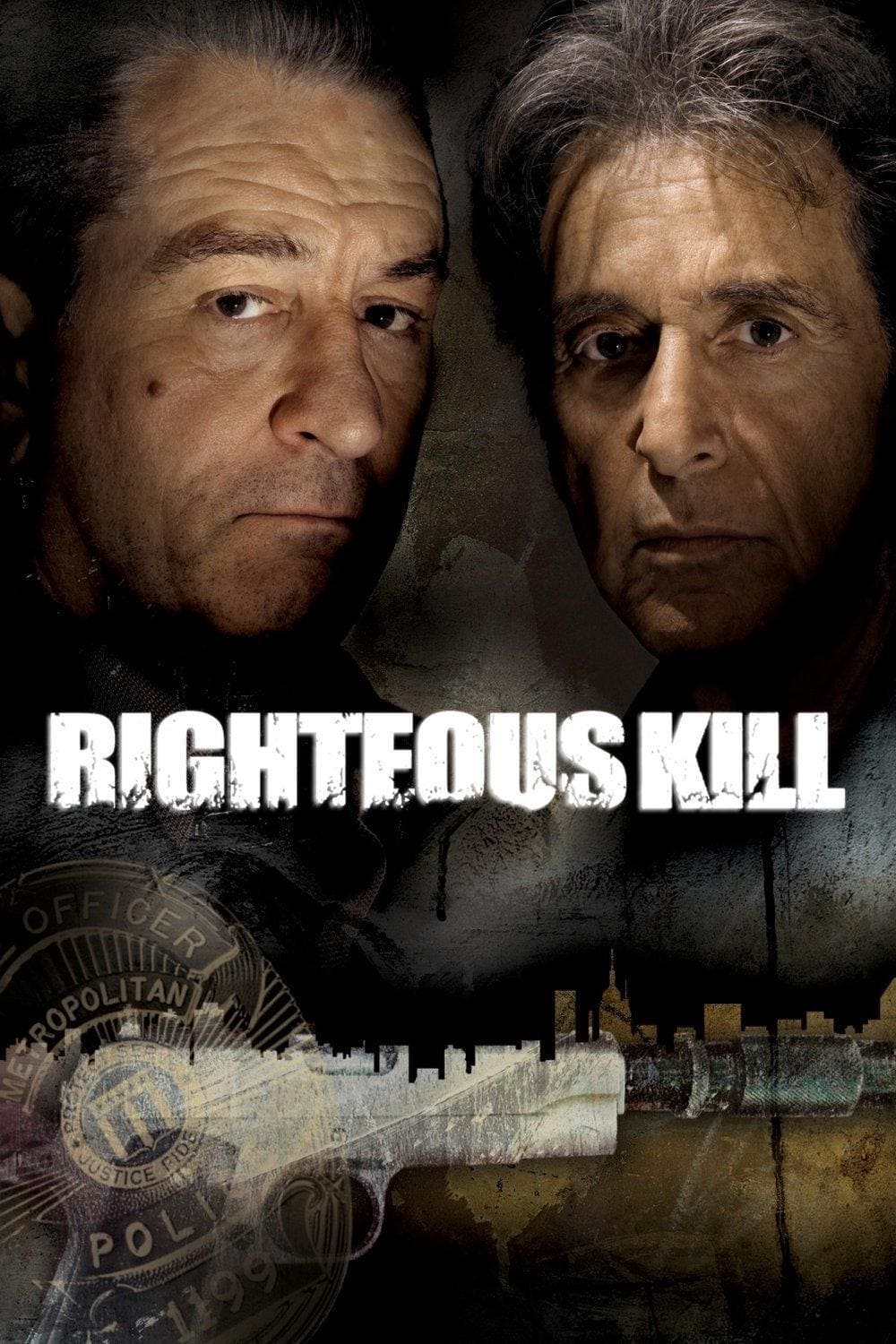
This thriller paired Pacino with Robert De Niro as longtime NYPD detective partners. Pacino played Detective David “Rooster” Fisk, who, along with his partner, is hunting a serial killer who targets criminals that the justice system has failed to convict.
The film was notable for having the two acting legends on screen together for the majority of the movie. The plot revolved around the investigation and the psychological toll it takes on the two veteran cops.
The Son of No One (2011)
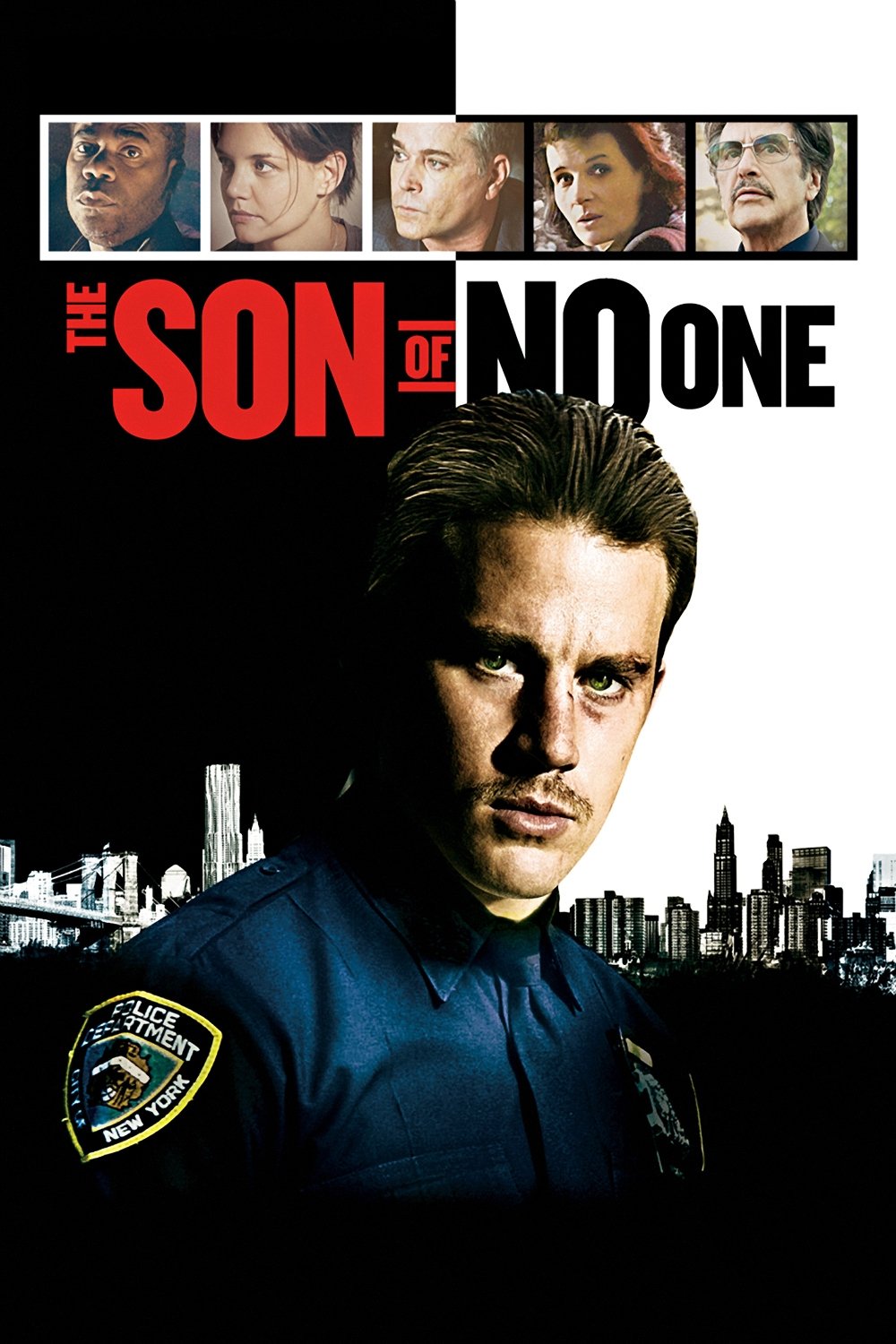
Pacino had a supporting role as Detective Charles Stanford. He is a police official involved in covering up a cold case from his old neighborhood, a case that a young officer is now investigating.
This crime drama featured a large ensemble cast. Pacino’s role was that of a figure from the past whose actions continue to affect the present day.
Jack and Jill (2011)

In a surprising comedic turn, Pacino played a fictionalized version of himself. He becomes the obsessive object of affection for the obnoxious twin sister of an advertising executive, who needs Pacino to star in a commercial.
The film is a widely panned comedy. Pacino’s self-parodying performance, which included him rapping in a coffee commercial, was seen as a bizarre and memorable cameo.
Stand Up Guys (2012)
Pacino played Val, an aging gangster who is released from prison after 28 years. He reunites with his old partners for one last wild night, knowing that one of them has been ordered to kill him by morning.
This action-comedy brought together several veteran actors for a story about friendship, loyalty, and facing the consequences of a long life of crime. The film had a mix of humor and melancholy.
Salomé (2013)

Pacino directed and starred as King Herod in this unconventional film. It is part documentary and part performance, exploring the themes of Oscar Wilde’s play ‘Salomé’ while also staging a dramatic reading of it.
This was another experimental passion project for Pacino. It blurred the lines between a play, a movie, and a behind-the-scenes look at the creative process.
Manglehorn (2014)
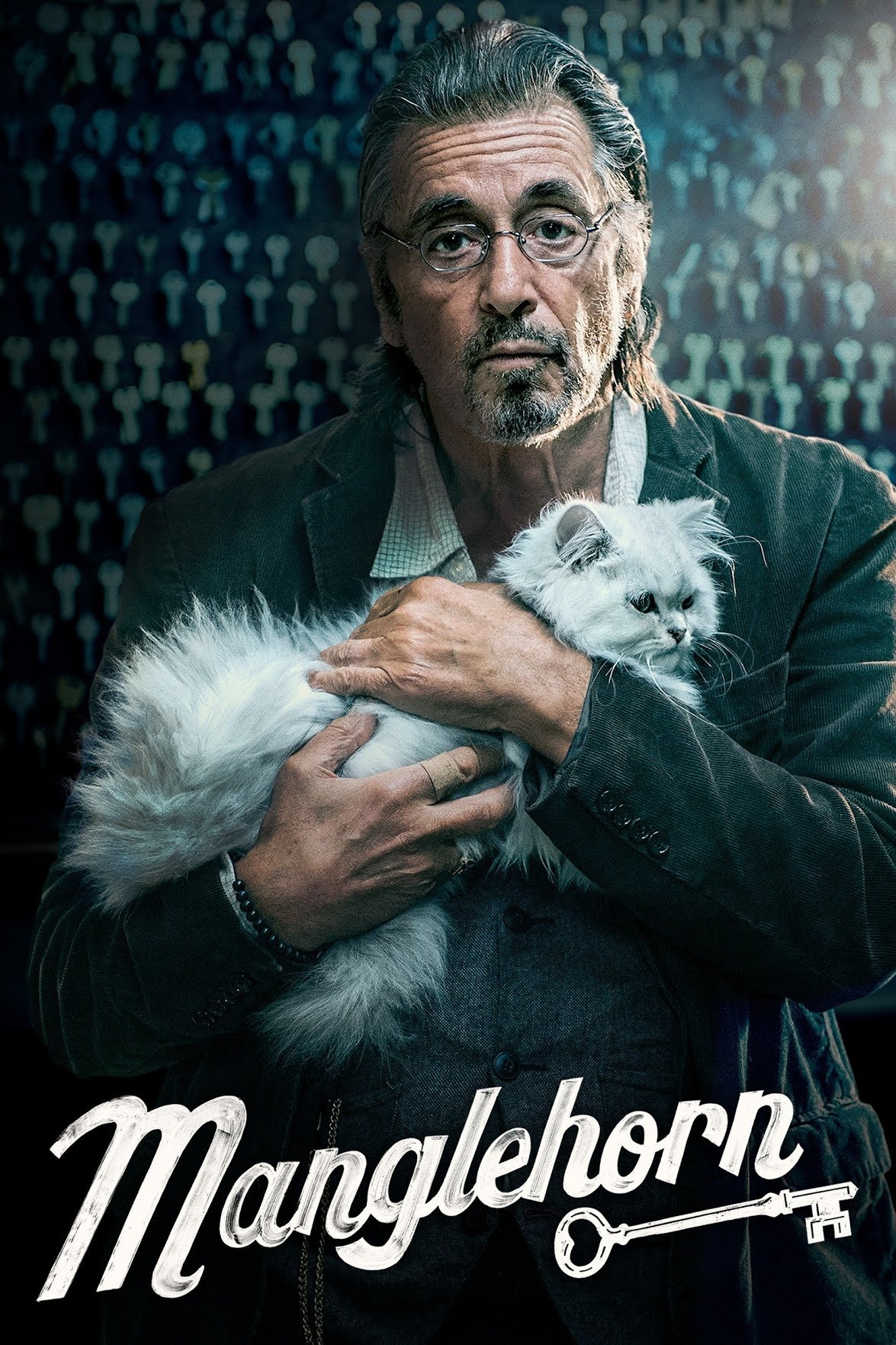
In this independent drama, Pacino played A.J. Manglehorn, a lonely and eccentric small-town locksmith. He spends his days caring for his cat and mourning a long-lost love, struggling to connect with the people around him.
The film was a quiet and melancholy character study. It featured a more subdued and introspective performance from Pacino, focusing on themes of regret and loneliness.
The Humbling (2014)
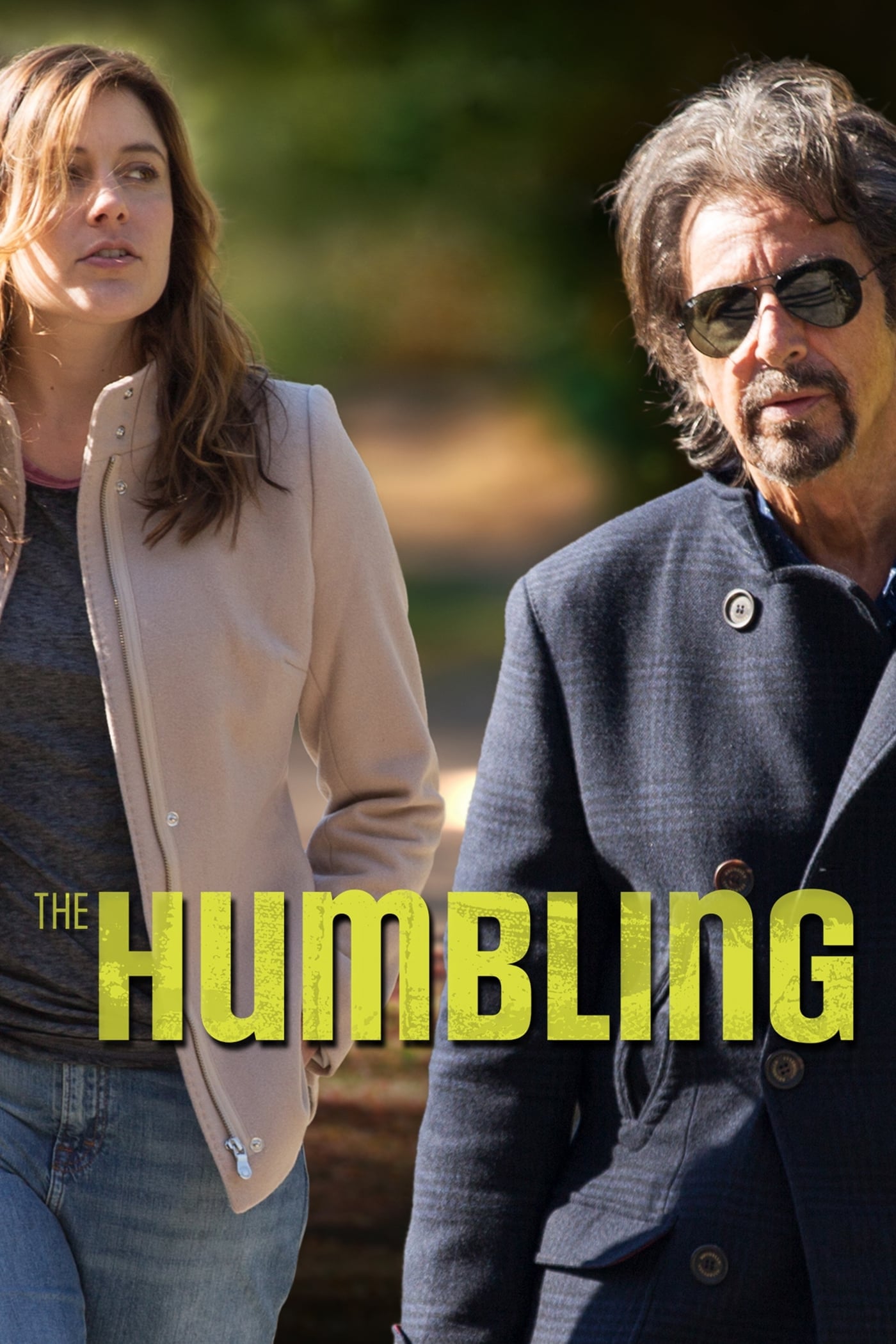
Pacino portrayed Simon Axler, a famous and aging stage actor who begins to lose his grip on reality. After having a breakdown on stage, he enters a psychiatric hospital and then begins a chaotic relationship with a much younger woman.
This dark comedy is based on a novel by a well-known author. Pacino’s role was a meta-commentary on acting and aging, exploring the fears of losing one’s talent and mind.
Danny Collins (2015)

Inspired by a true story, Pacino played Danny Collins, an aging 1970s rock star who is still coasting on his old hits. His life changes when he discovers a 40-year-old undelivered letter written to him by John Lennon, which inspires him to change his life and write new music.
This feel-good drama gave Pacino a chance to be charming and charismatic. His performance was praised for its heart and humor, as he played a man seeking a second chance at artistic and personal fulfillment.
Misconduct (2016)

Pacino had a supporting role as Abrams, a senior partner at a powerful law firm. He becomes entangled in a case of corporate blackmail and murder after a young, ambitious lawyer tries to take him down.
This legal thriller featured a complex plot of betrayal and conspiracy. Pacino’s role was that of a powerful and intimidating figure at the center of the film’s mystery.
The Pirates of Somalia (2017)

In this biographical drama, Pacino played Seymour Tolbin, a retired, legendary journalist. He acts as a mentor figure to a young, aspiring reporter who travels to Somalia to embed himself with the local pirates.
Based on a true story, the film is about journalistic ambition. Pacino’s character was the wise, grizzled veteran who inspires the young protagonist to chase a dangerous story.
Hangman (2017)
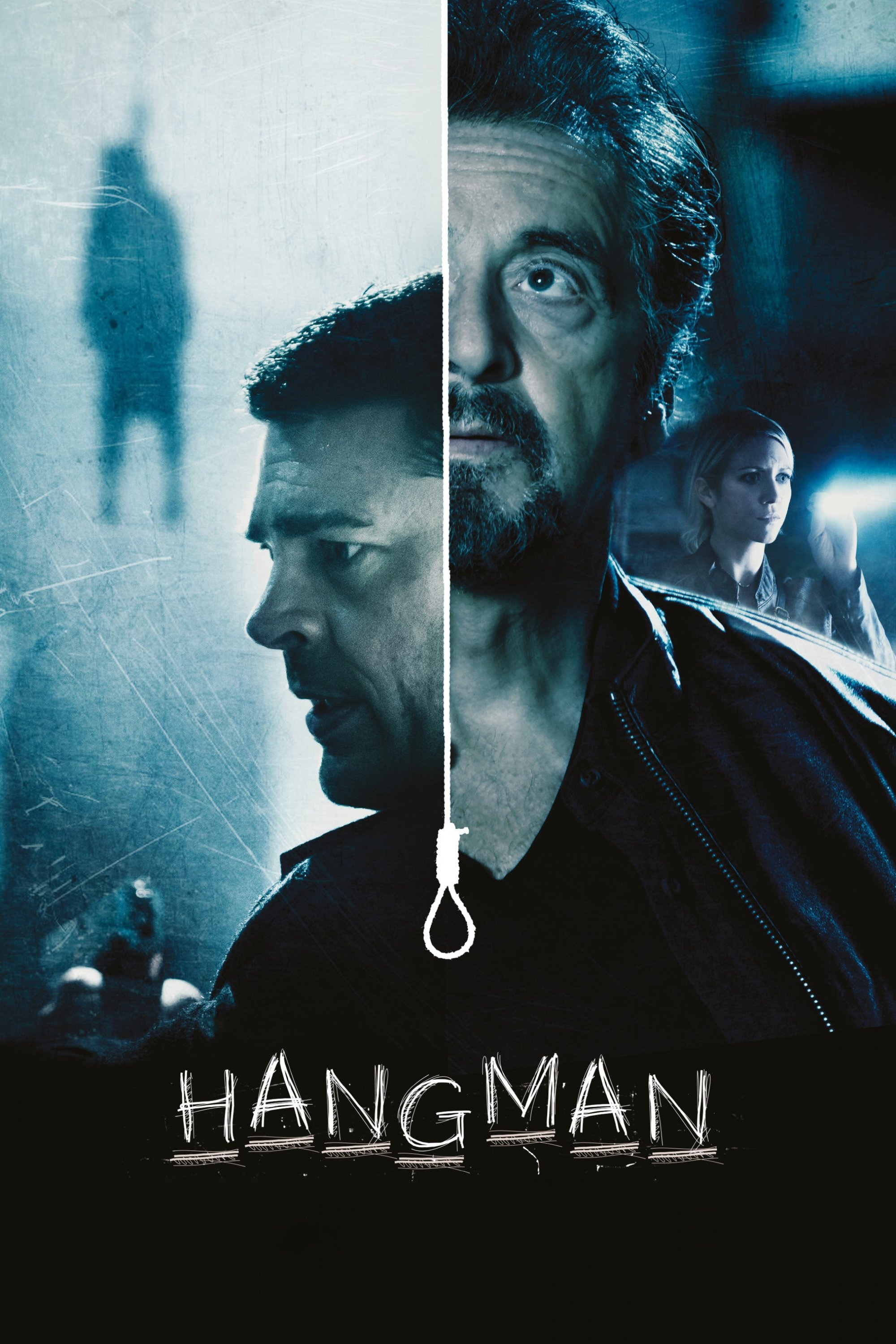
Pacino starred as Detective Ray Archer, a celebrated homicide detective who is forced out of retirement. He teams up with a criminal profiler to catch a serial killer who is modeling his crimes on the children’s game Hangman.
This crime thriller pitted a veteran cop against a clever and sadistic killer. Pacino’s character was a seasoned lawman drawn back into a dangerous world he had left behind.
Once Upon a Time… in Hollywood (2019)
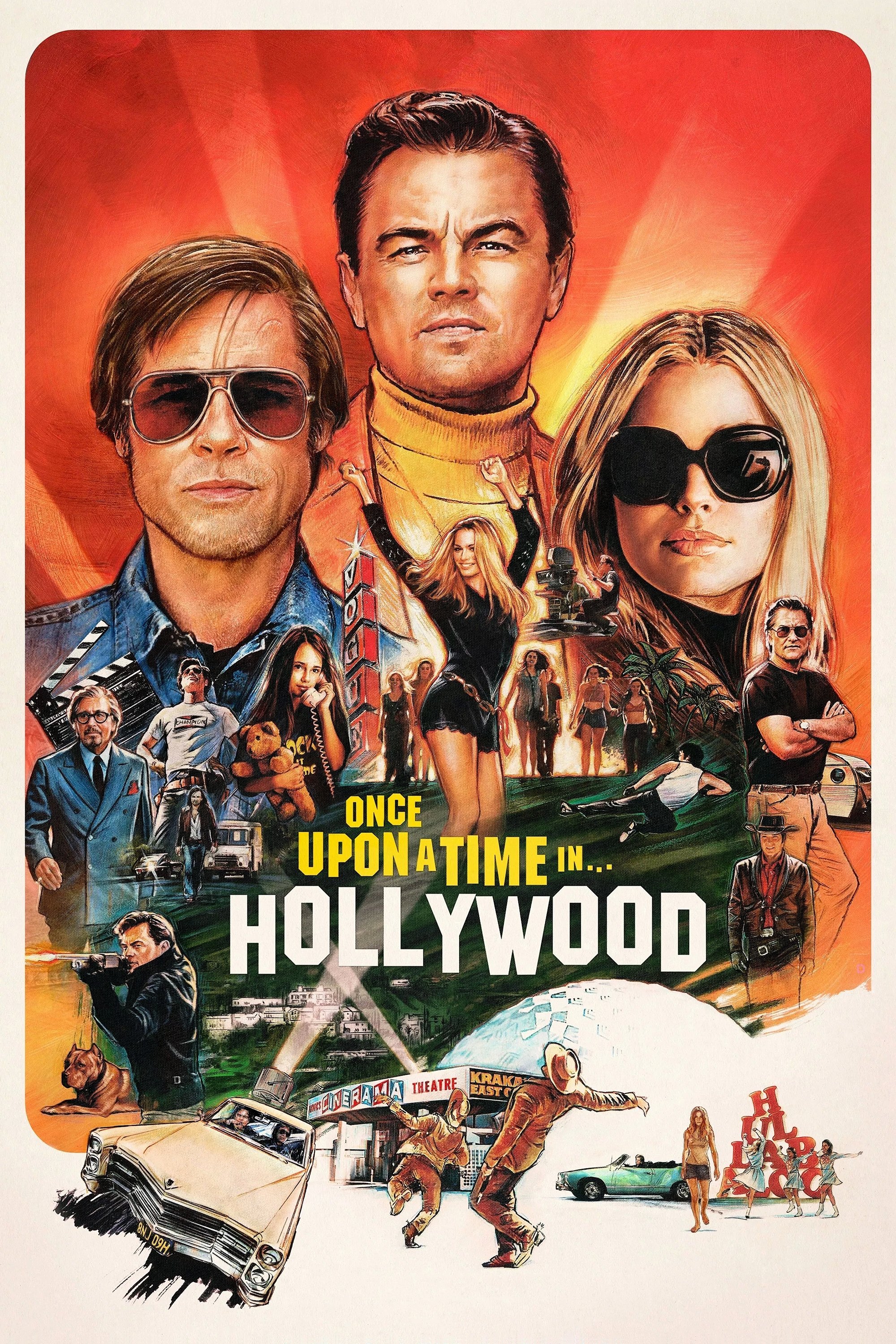
Pacino had a memorable cameo as Marvin Schwarz, a savvy Hollywood agent. In one key scene, he meets with a fading television star and bluntly lays out his career options, suggesting he go to Italy to star in Spaghetti Westerns.
The scene was a standout moment in the film. Pacino’s performance as the fast-talking, deal-making agent was a perfect addition to the movie’s depiction of 1960s Hollywood.
The Irishman (2019)
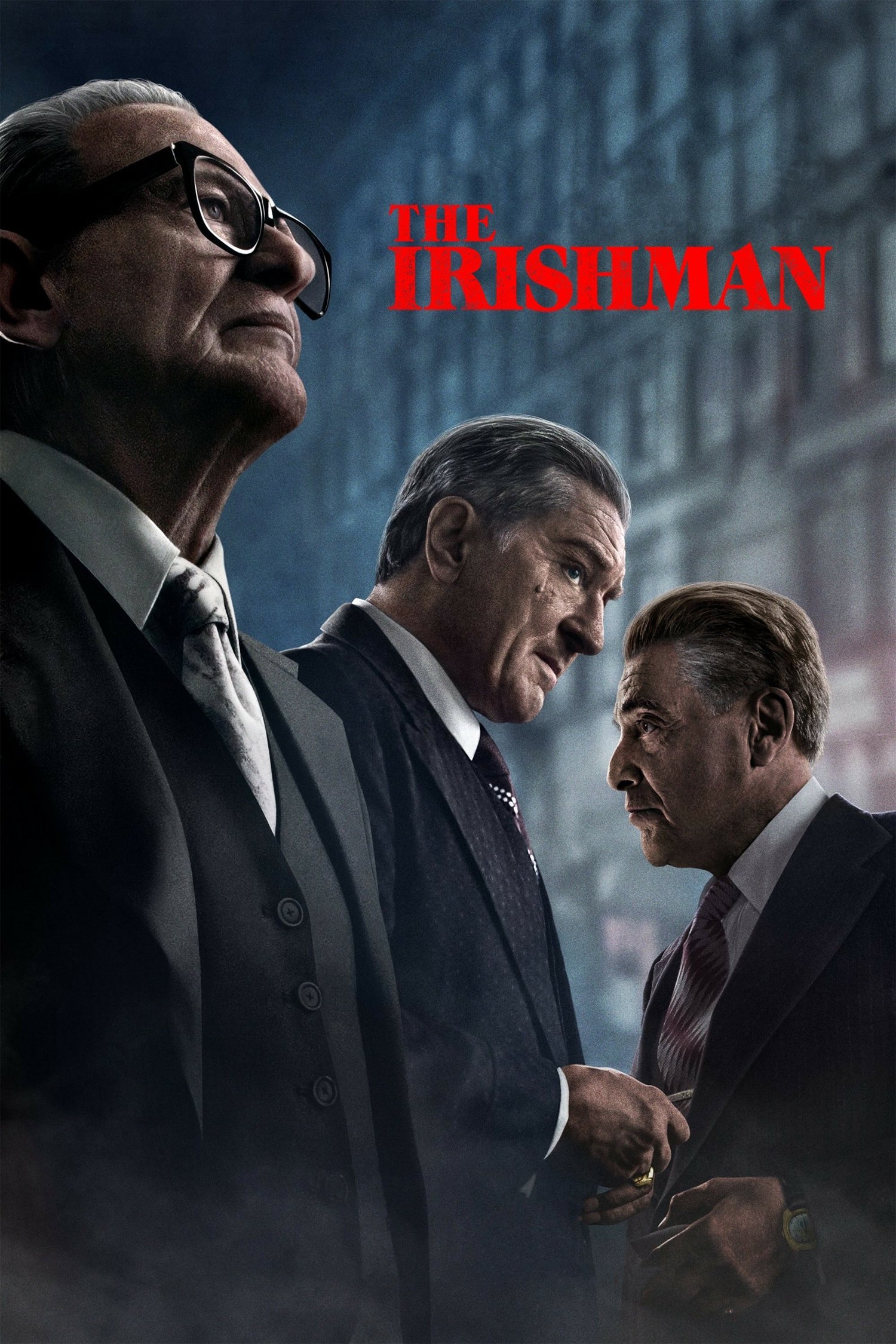
Pacino portrayed the famous and famously hot-headed Teamsters union leader, Jimmy Hoffa. The film chronicles his close but tumultuous friendship with a mob hitman and his eventual mysterious disappearance.
This epic crime drama marked Pacino’s first time working with director Martin Scorsese. His loud, charismatic, and ultimately tragic performance earned him an Academy Award nomination.
American Traitor: The Trial of Axis Sally (2021)
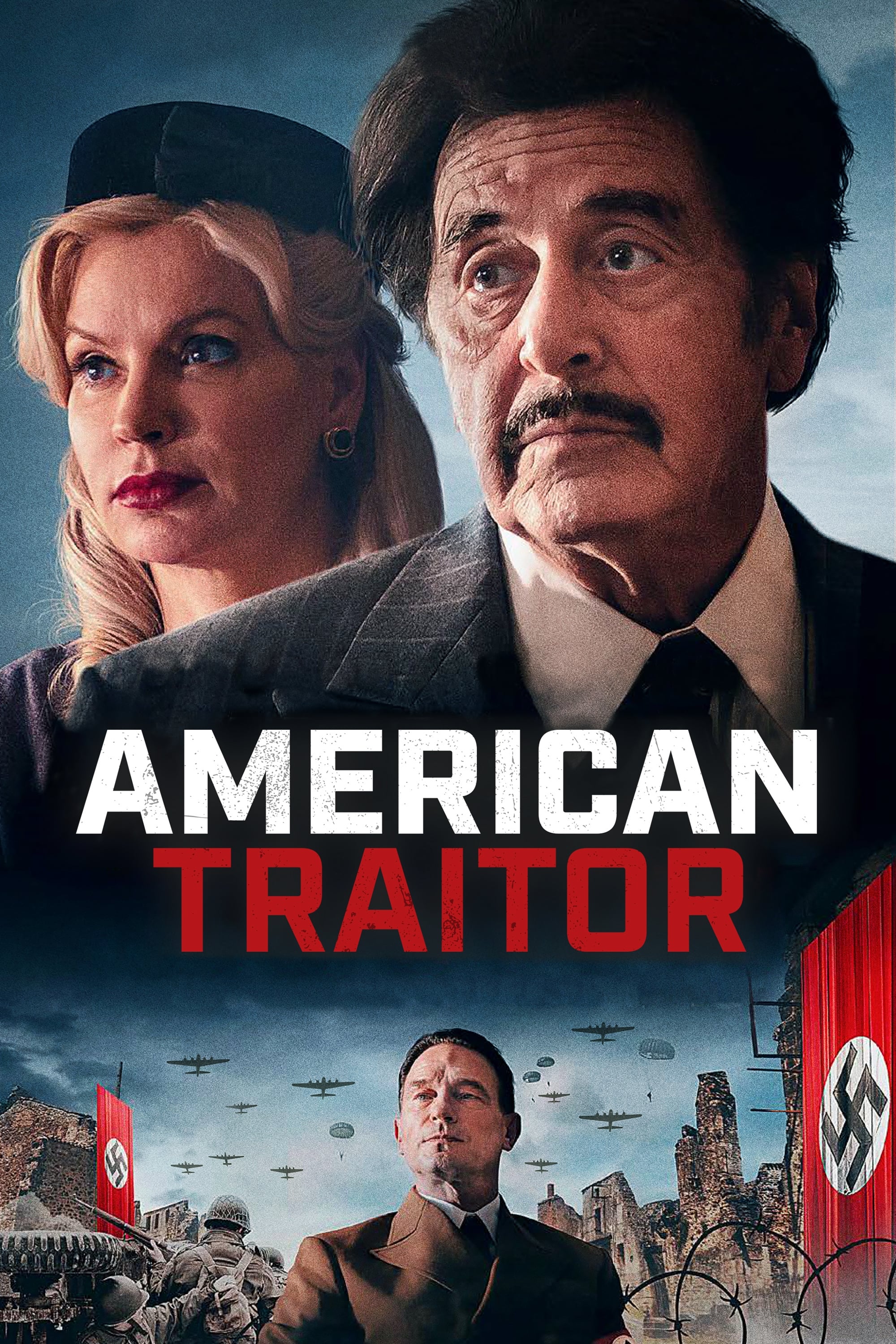
In this historical drama, Pacino played James Laughlin, the lawyer hired to defend Mildred Gillars. She was an American woman accused of treason for broadcasting Nazi propaganda during World War II. He takes on her unpopular case and tries to uncover the truth.
The film is a courtroom drama based on a true story. Pacino’s role was that of a determined lawyer fighting to give his client a fair trial against overwhelming public opinion.
House of Gucci (2021)
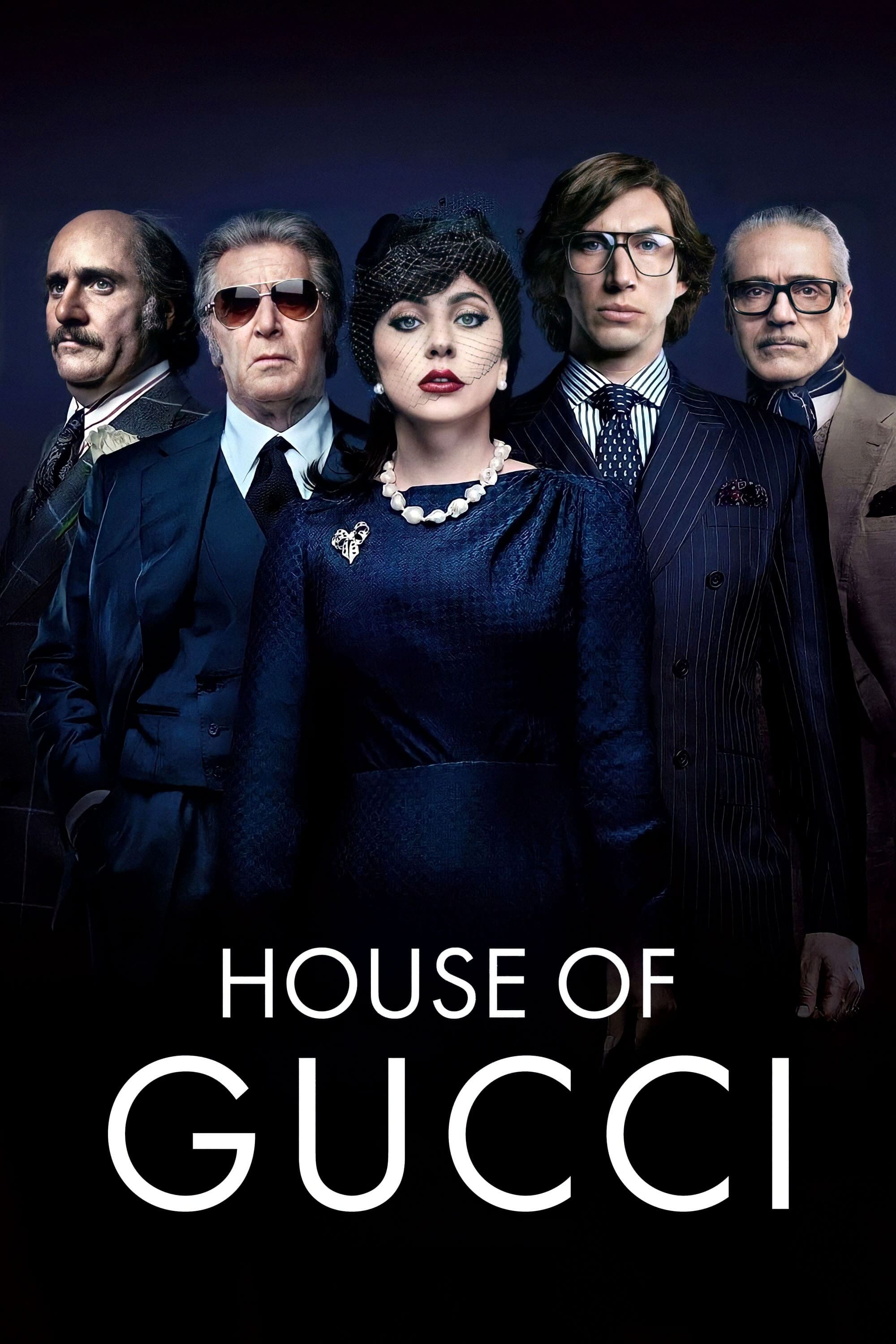
Pacino gave a flamboyant and dramatic performance as Aldo Gucci, the clever and charismatic patriarch of the Gucci fashion dynasty. He is instrumental in the brand’s global expansion but clashes with his family members over the company’s future.
This biographical crime drama was noted for its high-fashion and high-drama. Pacino’s larger-than-life portrayal of Aldo was a highlight, capturing the character’s mix of business savvy and theatrical personality.
Knox Goes Away (2023)
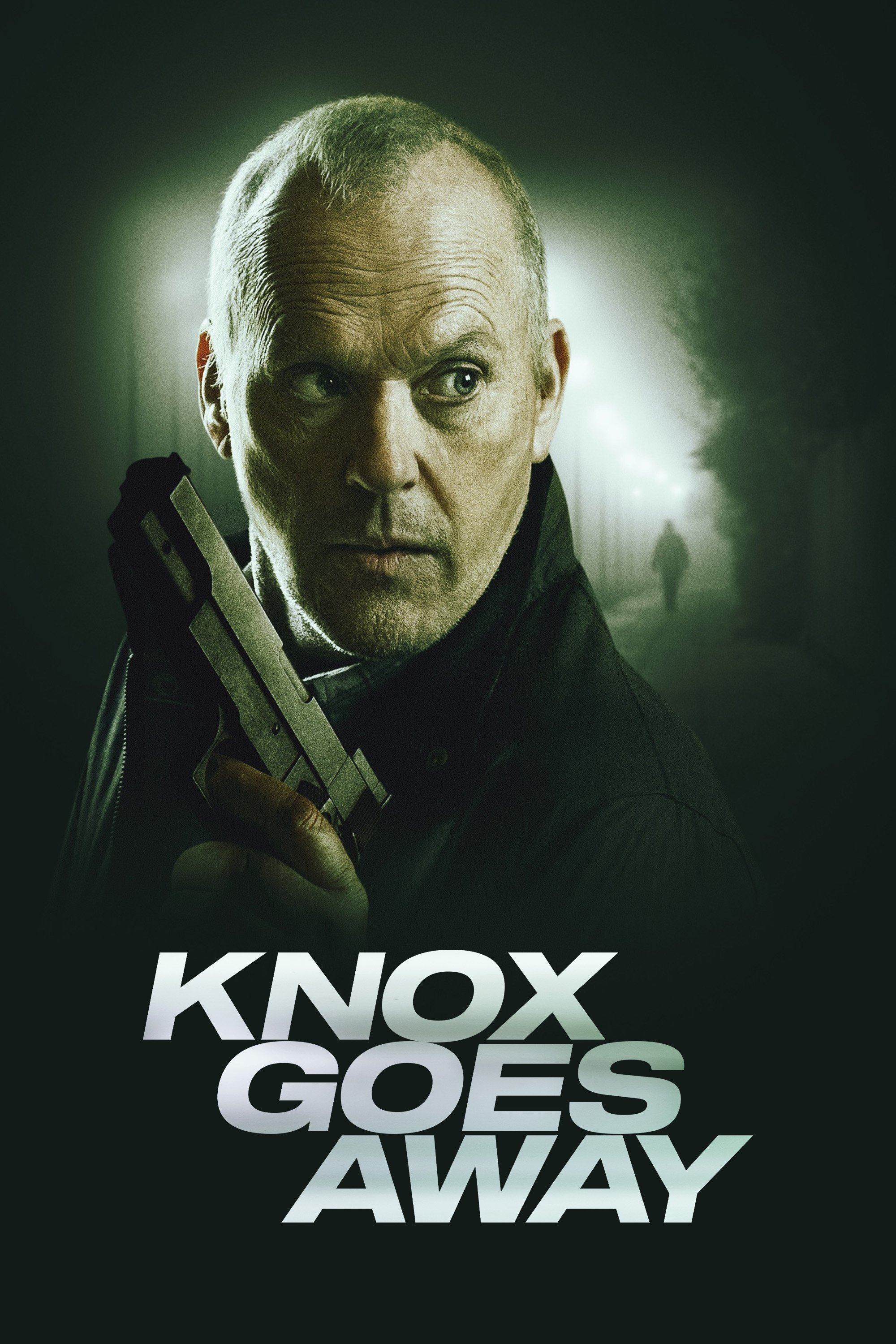
In this neo-noir thriller, Pacino played Xavier, a close friend and associate of a contract killer who is suffering from a fast-moving form of dementia. His character holds the key to a final, redemptive act his friend is trying to complete.
The film is a tense story about memory and morality. Pacino’s supporting role was crucial to the plot, providing a connection to the protagonist’s past.
Modì, Three Days on the Wing of Madness (2024)
Pacino portrayed Maurice Gangnat, a French art collector, in this biographical film about the artist Amedeo Modigliani. The movie focuses on a tumultuous 72-hour period in the artist’s life in Paris.
The film explores the life of a troubled artist. Pacino’s role as a key figure in the art world provides context for the painter’s struggles and ambitions.
The Ritual (2025)
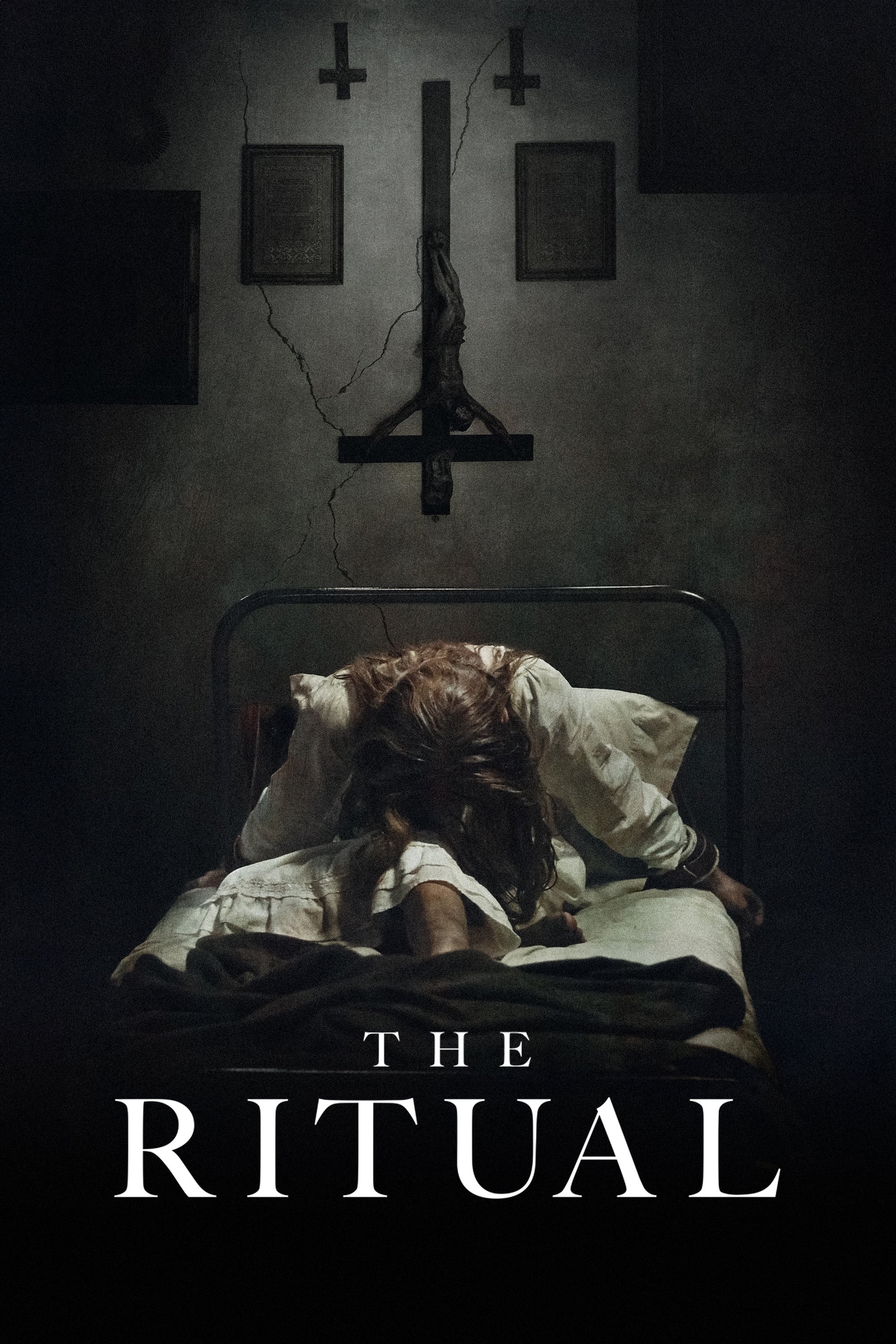
In this horror film, Al Pacino portrayed Father Theophilus Riesinger, a seasoned priest reckoning with a troubled past. The movie is based on the reportedly true story of the 1928 exorcism of a young American woman named Emma Schmidt.
The plot follows Pacino’s character and a younger, skeptical priest who must put aside their differences to save the possessed woman. Released in the summer of 2025, the film saw Pacino delve into the supernatural thriller genre in the role of a veteran exorcist.
Which Al Pacino film has left the biggest impression on you? Let us know your pick in the comments.

