


All 25 Movies & TV Shows Based on ‘The War of the Worlds’



H.G. Wells’ novel, The War of the Worlds, was first published in 1898. It tells the story of a Martian invasion of Earth. The book is a classic in science fiction and has had a major influence on the genre. It captured the public’s imagination with its tale of powerful alien invaders and humanity’s struggle to survive against overwhelming technology.
The novel’s story remains popular more than a century later. It has been adapted many times in many different forms, including films, radio dramas, and television shows. Each version reflects the time in which it was made, changing the setting and themes to match contemporary concerns. From a famous radio broadcast that caused a panic to big-budget Hollywood movies, the story of the Martian invasion continues to be told to new generations.
The War of the Worlds (1953)
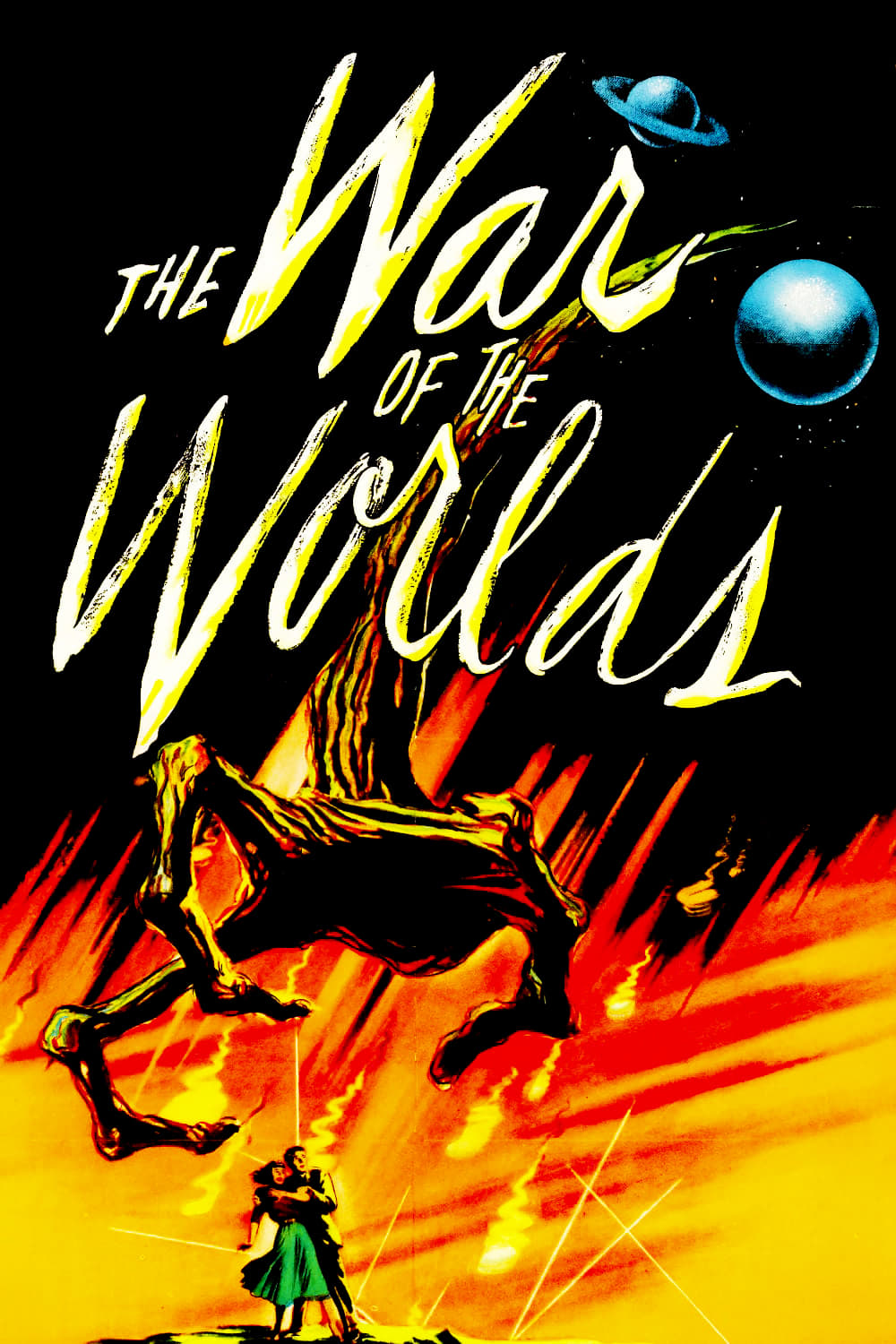
This film was produced by George Pal and released by Paramount Pictures. It updates the story’s setting from Victorian England to 1950s Southern California. The movie reflects the Cold War anxieties of its time, framing the invasion as a worldwide threat that unites humanity. It is famous for its special effects, which won an Academy Award, and its iconic swan-shaped Martian war machines.
Instead of the novel’s tripods, the aliens in this version use hovering fighting machines that fire destructive heat rays. The film follows a scientist as he witnesses the invasion and tries to find a weakness in the aliens’ technology. Like the book, the invaders are ultimately defeated by Earth’s microbes, to which they have no immunity.
The Night That Panicked America (1975)

This made-for-television film is not a direct adaptation of H.G. Wells’ novel. Instead, it tells the story of Orson Welles’ famous 1938 radio broadcast of The War of the Worlds. The movie dramatizes the events of that night, showing how the realistic radio play caused panic among some listeners who believed a real Martian invasion was happening.
The film switches between the actors performing the broadcast in the radio studio and the reactions of various people listening at home. It captures the atmosphere of the era and explores the power of mass media. The film serves as a historical account of a significant cultural event that was sparked by Wells’ original story.
The War of the Worlds: Next Century (1981)
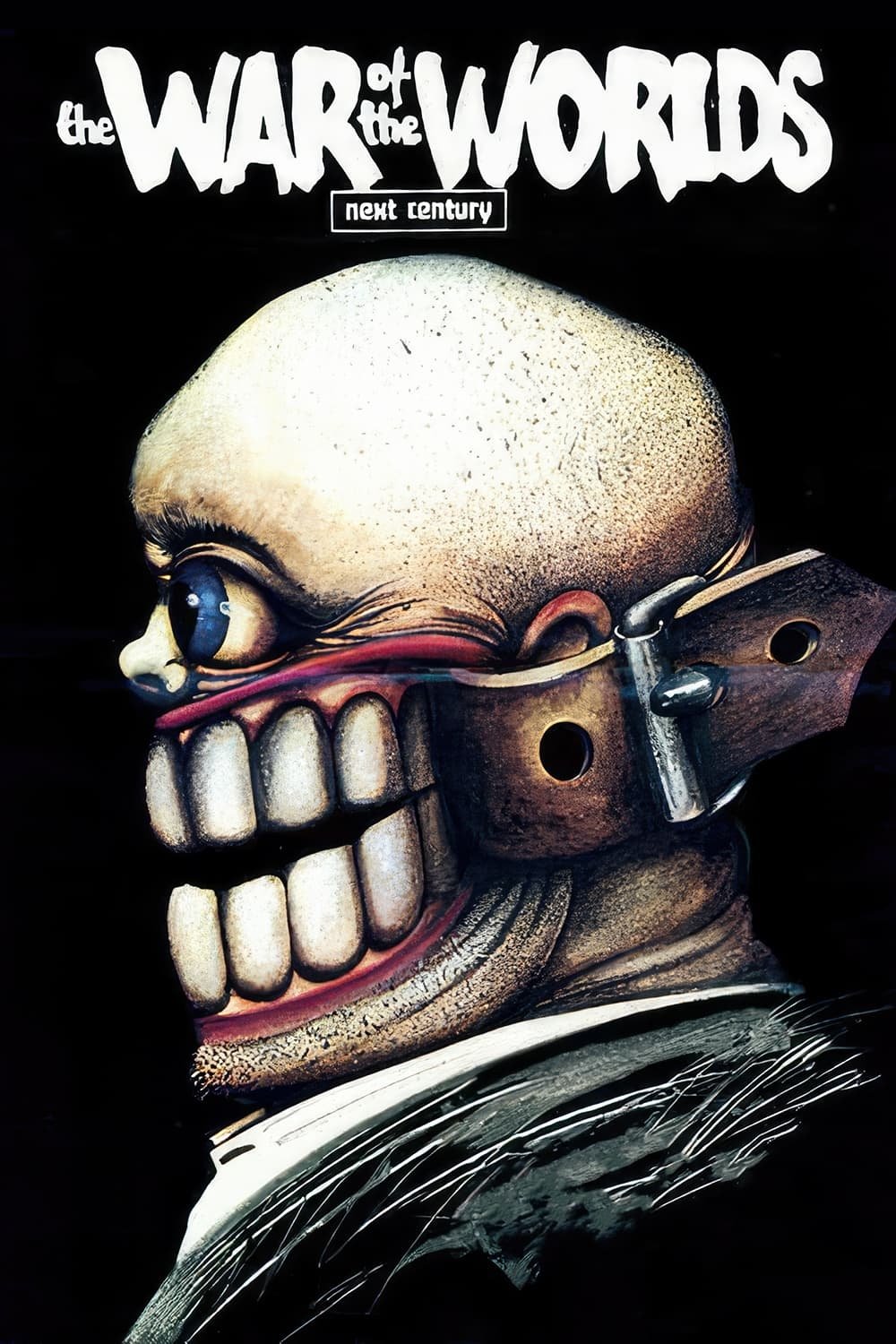
This Polish film, directed by Piotr Szulkin, offers a very different take on the source material. It uses the theme of a Martian invasion to explore totalitarianism and media manipulation. The story is set in a future Poland where the government is tightly controlled.
In the film, a television host reports on the arrival of Martians, who are initially welcomed by the government. However, the aliens’ intentions are not peaceful, and the state’s media begins to broadcast propaganda to control the public’s perception of the events. It is a dark and satirical adaptation that focuses on political commentary rather than action.
H.G. Wells’ The War of the Worlds (2005)
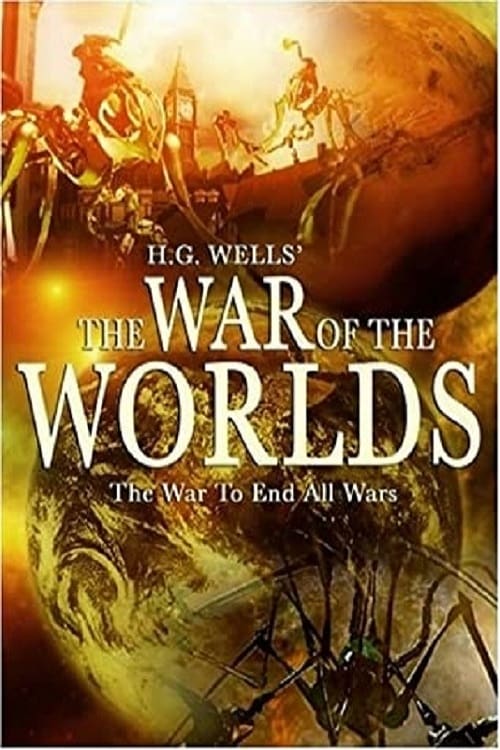
Directed by Timothy Hines, this film from Pendragon Pictures is known for being one of the most faithful adaptations of the novel. It keeps the original story’s setting in Victorian England and follows the book’s plot closely. The main character is a writer who struggles to get his wife to safety during the Martian invasion.
This version features the iconic walking tripods described by H.G. Wells, as well as other elements from the novel like the Red Weed and the Martians’ use of the Black Smoke. It was made on a much smaller budget than other 2005 adaptations but was praised by many for its dedication to the source material.
H.G. Wells’ War of the Worlds (2005)
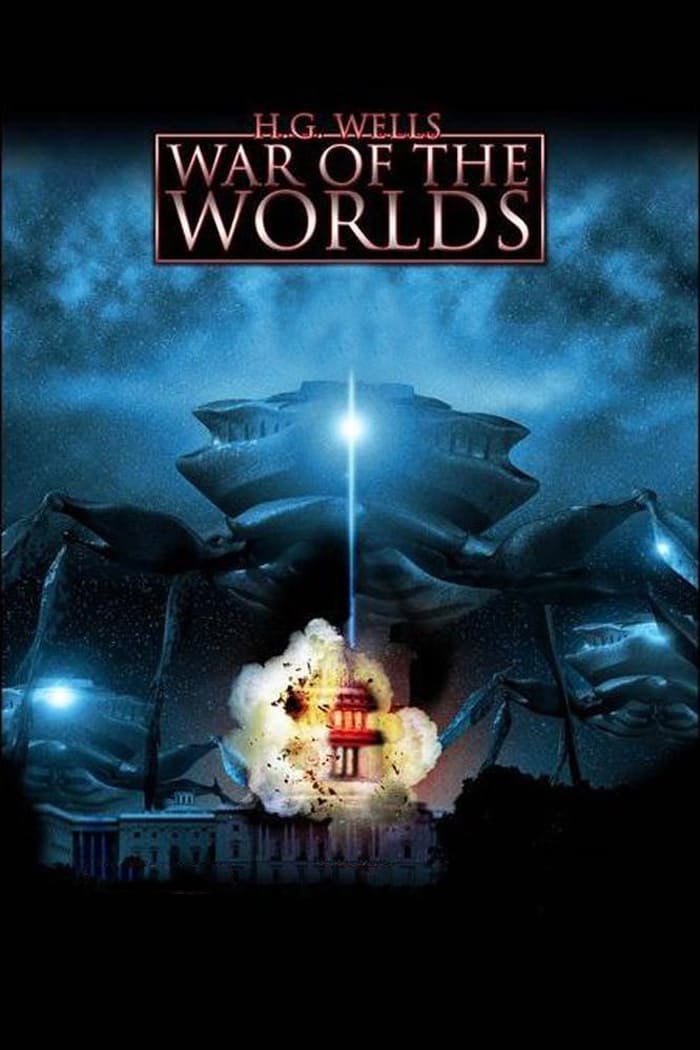
This film was produced by The Asylum, a studio known for making low-budget movies that often coincide with the release of major blockbusters. It was directed by David Michael Latt and released around the same time as Steven Spielberg’s major film adaptation. Internationally, this movie was sometimes titled Invasion or The Worlds in War.
The story is set in the modern-day United States and follows an astronomer who must save his family from the alien invasion. Unlike the tripods from the novel, the aliens in this version use giant, six-legged walking machines that resemble insects. The film has a much darker tone and a more grim ending than many other adaptations.
War of the Worlds (2005)
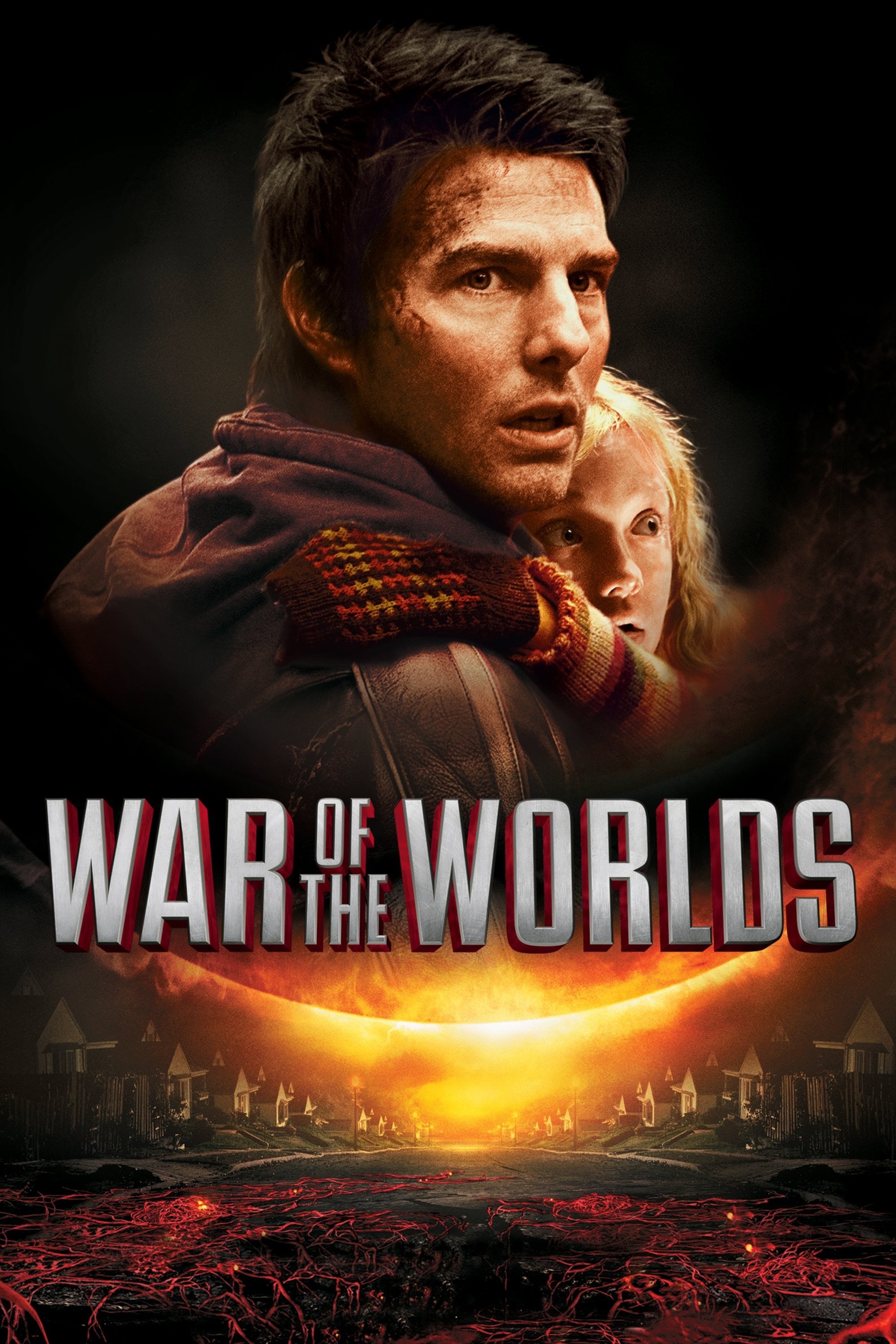
Directed by Steven Spielberg and starring Tom Cruise, this was a major blockbuster production from Paramount Pictures. The film moves the setting to the modern-day United States, focusing on a dockworker who tries to protect his children during a sudden and devastating alien attack. The movie is known for its intense action sequences and large-scale special effects.
This adaptation draws on post-9/11 anxieties, emphasizing themes of terror and the breakdown of society. The alien war machines are sleek, modern tripods that emerge from underground, where they have been buried for thousands of years. The film was a commercial success and introduced the classic story to a new generation of viewers.
War of the Worlds 2: The Next Wave (2008)
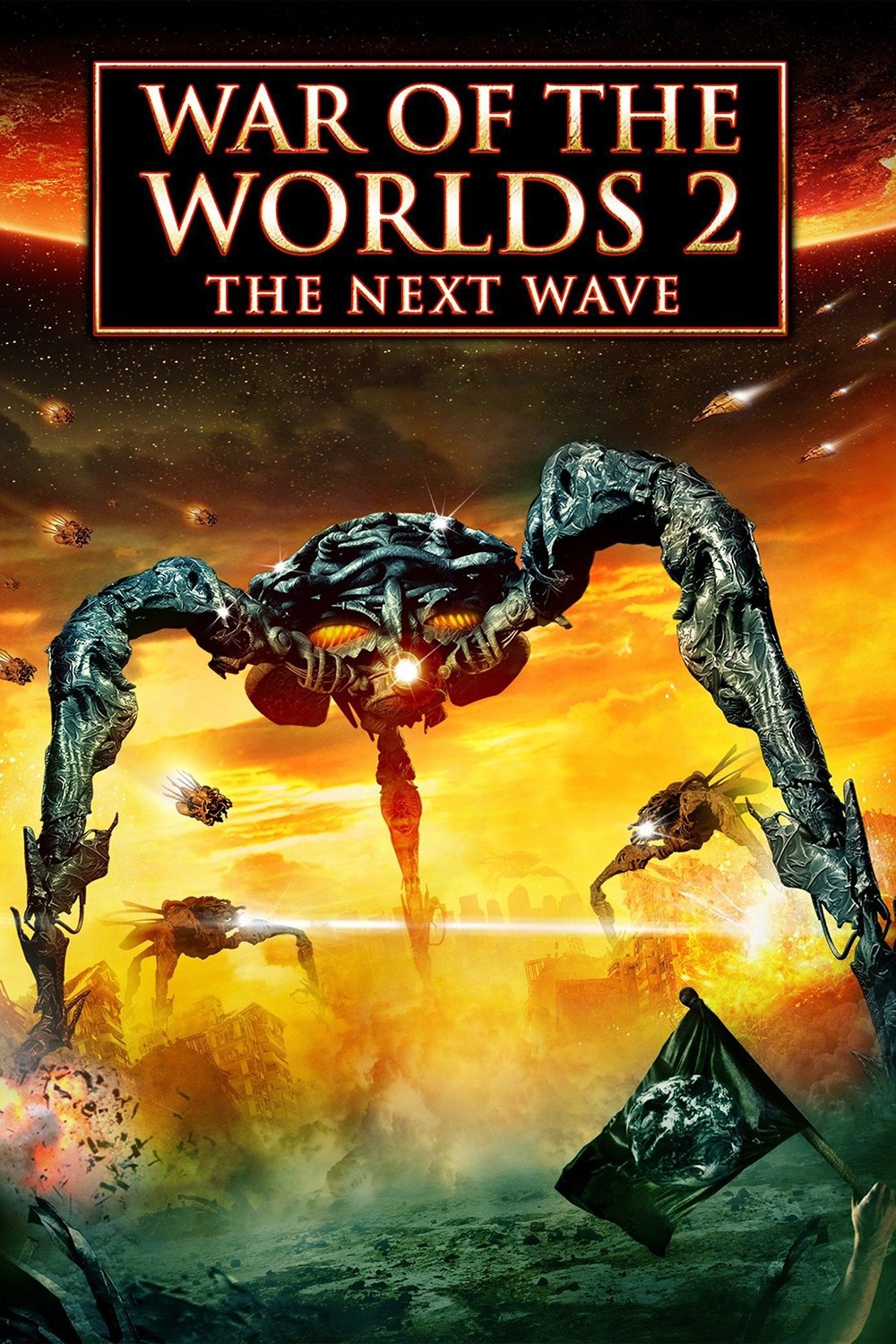
This film is a direct sequel to The Asylum’s 2005 movie, H. G. Wells’ War of the Worlds. C. Thomas Howell, who starred in the first film, returned to direct and act in the sequel. The story takes place two years after the initial invasion.
In this follow-up, a second wave of Martian invaders arrives on Earth, and it’s discovered that they have been creating human clones to aid their conquest. The movie follows a group of survivors as they try to fight back against the new alien threat. It continues the action-horror tone of its predecessor.
Alien Dawn (2012)
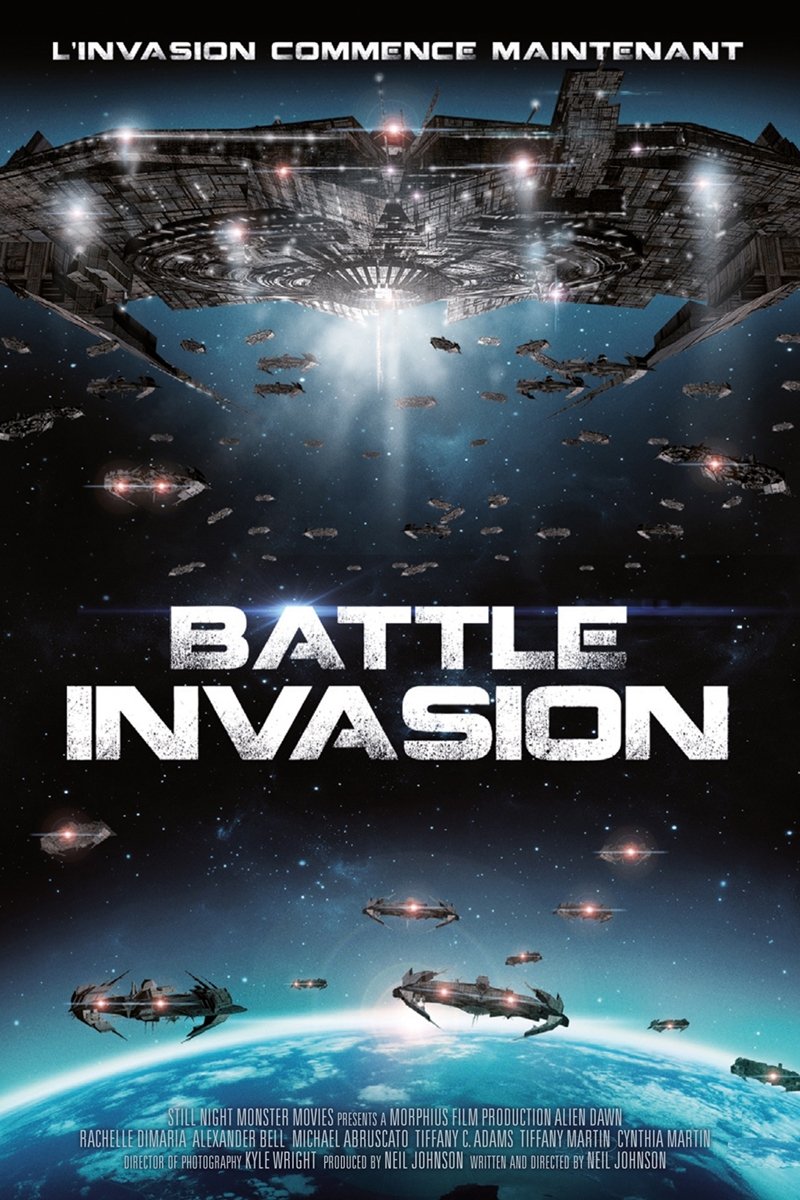
Alien Dawn is a low-budget film that is very loosely based on H.G. Wells’ novel. Directed by Neil Johnson, the story is set in Los Angeles and follows a group of people trying to survive an alien attack. The plot deviates significantly from the original book.
The film focuses on the chaos and destruction of the invasion from the perspective of the main characters. While it uses the basic premise of an alien invasion from The War of the Worlds, it creates its own narrative and has a different style and focus than more direct adaptations.
War of the Worlds – The True Story (2012)
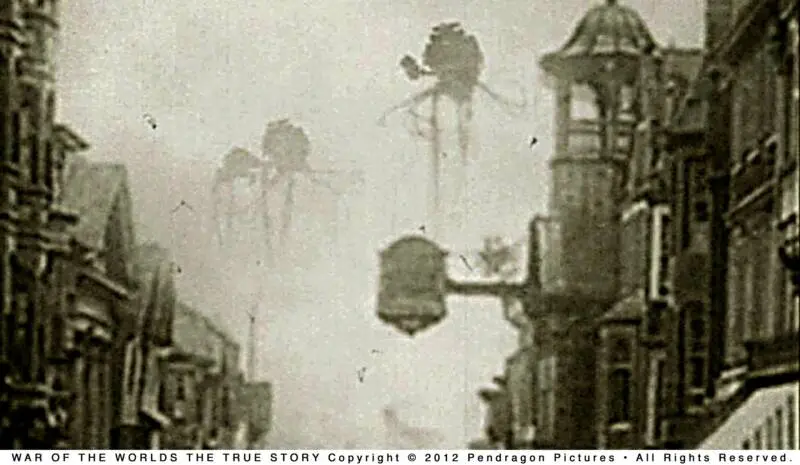
This film from Pendragon Pictures presents the story in the style of a mockumentary. It is framed as a historical documentary made up of recovered footage from the Martian invasion of 1900. The movie uses the last surviving witness of the war as its narrator.
The True Story combines elements of science fiction and historical drama to create a unique retelling. It aims to convince the audience that the events of H.G. Wells’ novel actually happened. The film uses digital effects to insert Martian tripods and destruction into real historical footage from the early 20th century.
War of the Worlds: Goliath (2012)
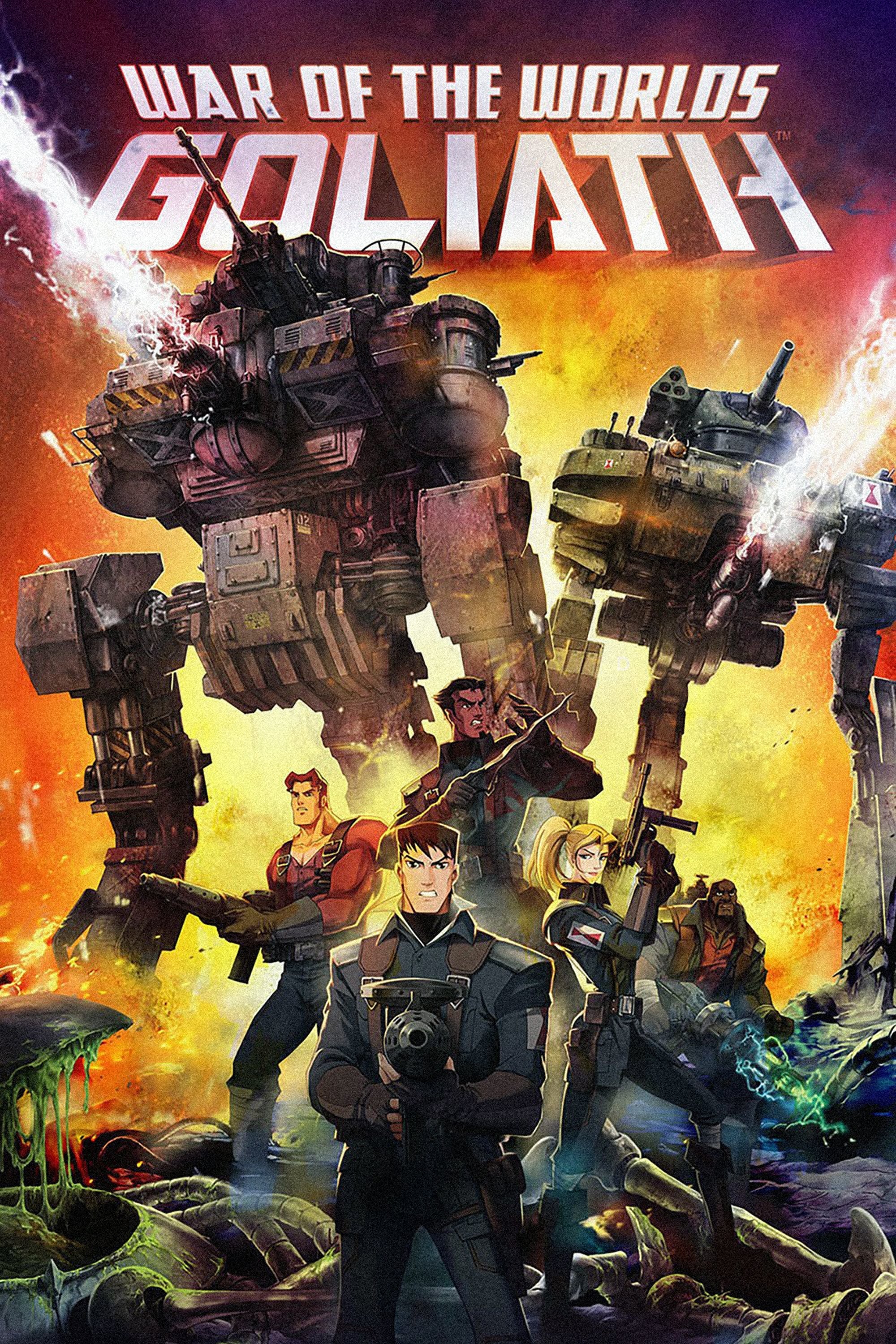
This is an animated steampunk-style film that serves as a sequel to the original novel. The story is set in 1914, fifteen years after the first Martian invasion. In this alternate history, humanity has reverse-engineered Martian technology to prepare for a second attack.
The world unites against the common enemy, building its own steam-powered tripods and combat vehicles to defend Earth. The main characters are a multinational group of soldiers who pilot a massive battle tripod called “The Goliath.” The film imagines a very different World War I, where humans fight against Martians instead of each other.
War of the Worlds: The Attack (2023)
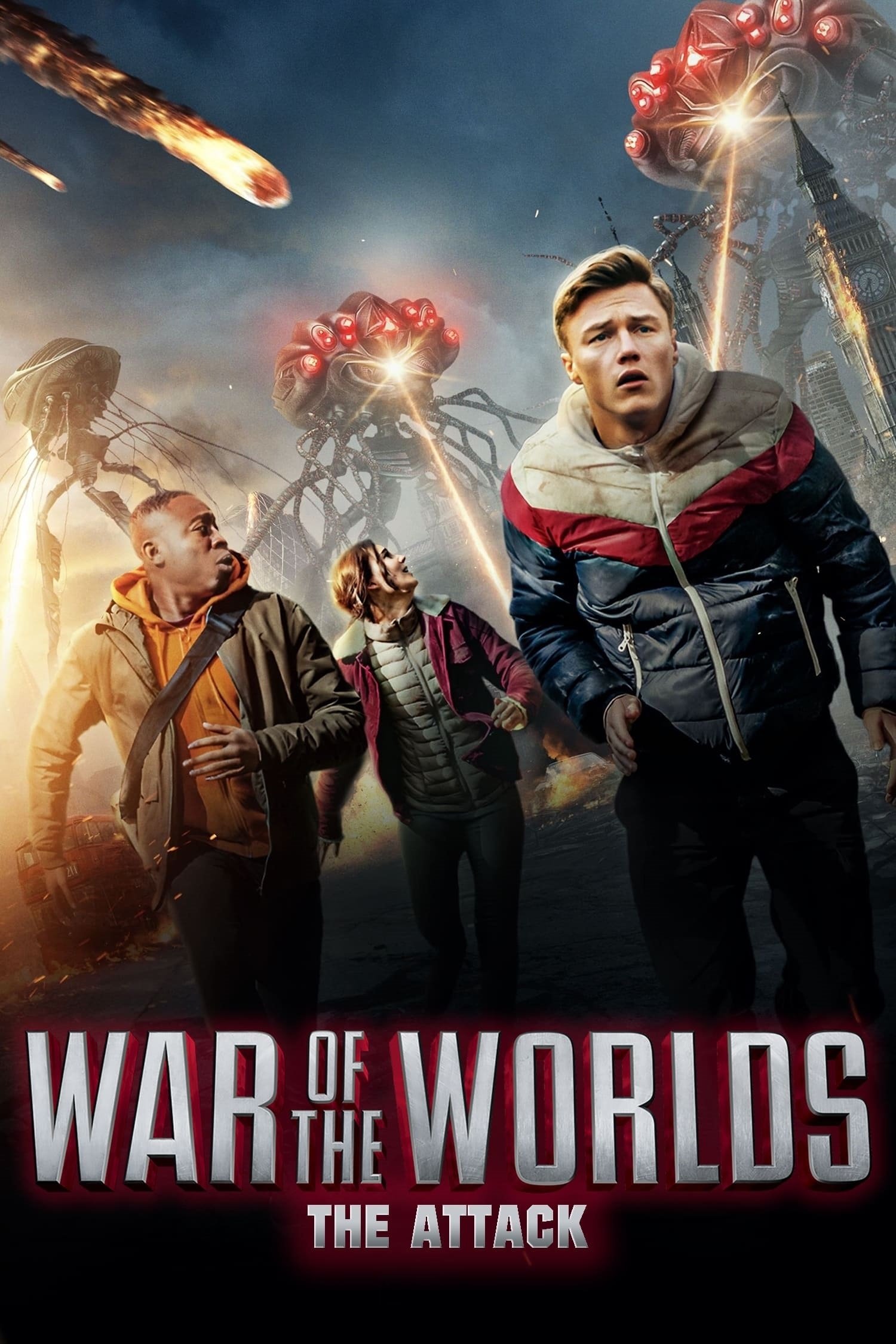
Directed by Junaid Syed, this is another modern adaptation of the classic story. The film follows three young astronomers who are among the first to discover that a meteor shower is actually the beginning of a massive Martian invasion.
The story is a contemporary retelling that focuses on survival and action. It brings the familiar elements of the Martian attack, such as the destructive heat rays and the relentless pursuit of the invaders, into a 21st-century setting.
War of the Worlds (2025)

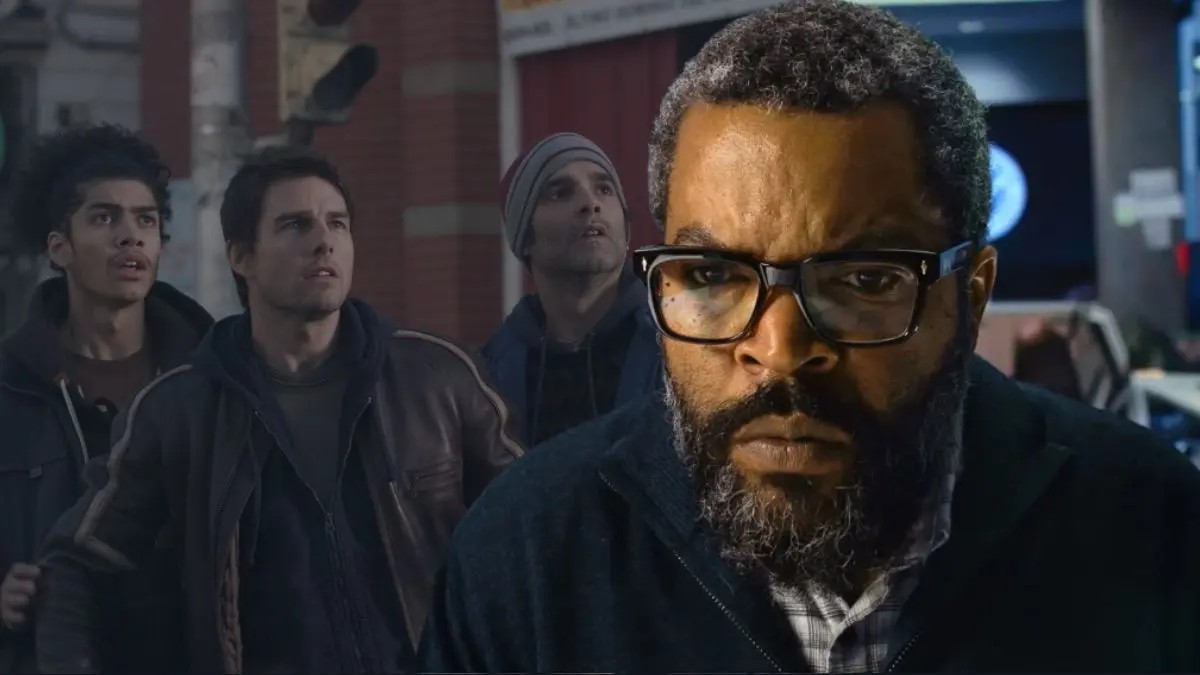
This upcoming film is planned for release by Universal Pictures. It is set to be directed by Rich Lee and will star Ice Cube. As a future production, many details about the plot and style are not yet widely known.
The project signals that the story of The War of the Worlds continues to be a source of inspiration for filmmakers. Its announcement shows the lasting appeal of H.G. Wells’ novel and its ability to be re-imagined for new audiences.
The Adventures of Buckaroo Banzai Across the 8th Dimension (1984)

This cult science fiction film is a homage to The War of the Worlds. In its story, Orson Welles’ 1938 radio broadcast was not fiction but an actual news report of an alien landing in New Jersey. The aliens in the film, the Lectroids, were real invaders.
The movie’s plot reveals that Welles was later forced by the government to claim the broadcast was just a play to prevent mass panic. This creative twist incorporates the famous radio show into its own mythology, blending real-world events with its fictional universe.
Spaced Invaders (1990)
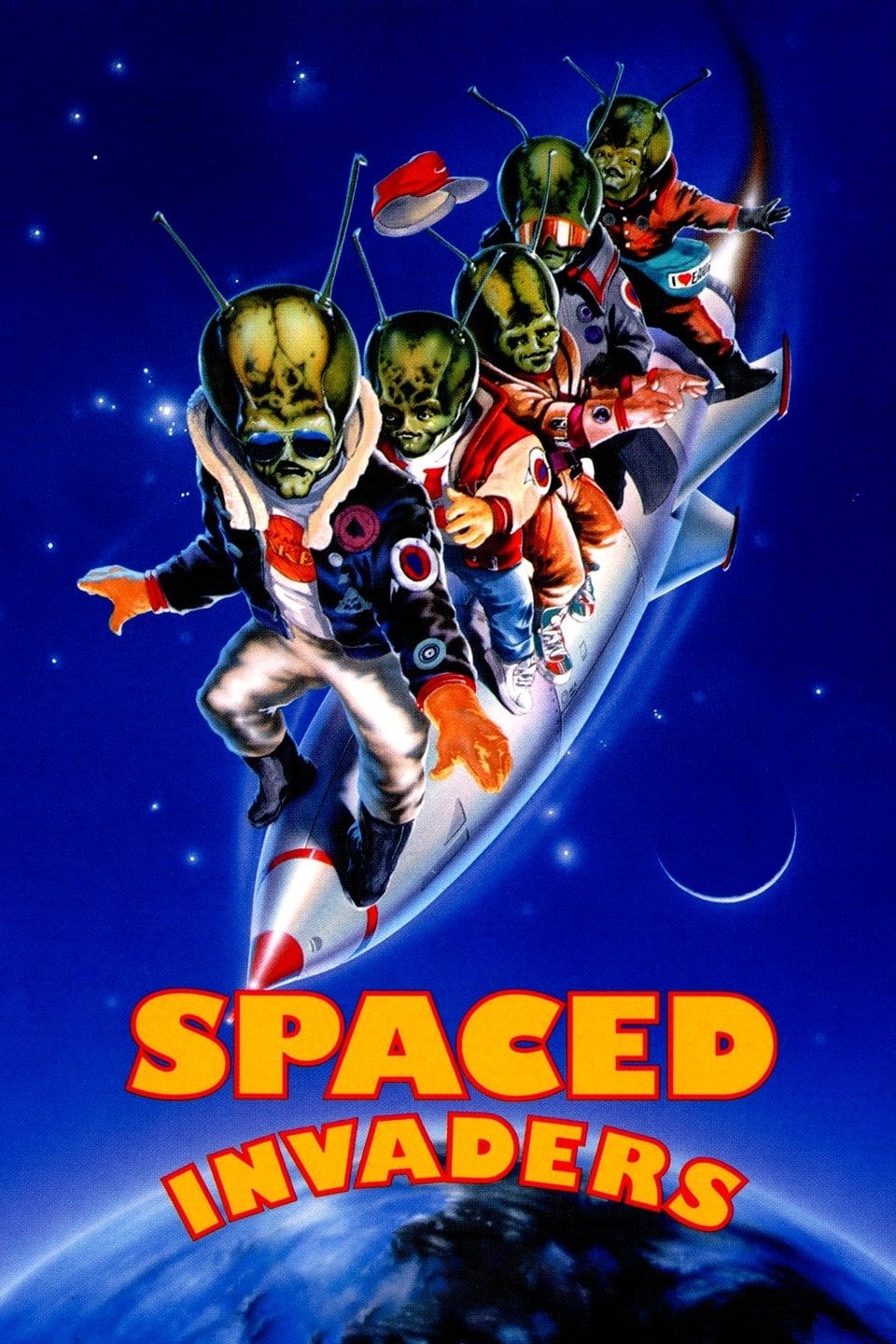
Spaced Invaders is a comedy film that directly references the 1938 radio broadcast. The plot involves a group of clumsy Martians who intercept a rebroadcast of Orson Welles’ radio play. Mistaking it for a real invasion plan from their fleet, they land in a small town in Illinois on Halloween night.
The town’s residents, caught up in Halloween festivities, initially think the Martians are just kids in costume. The film is a lighthearted parody that uses the premise of the radio drama to create a comedic fish-out-of-water story.
Mars Attacks! (1996)
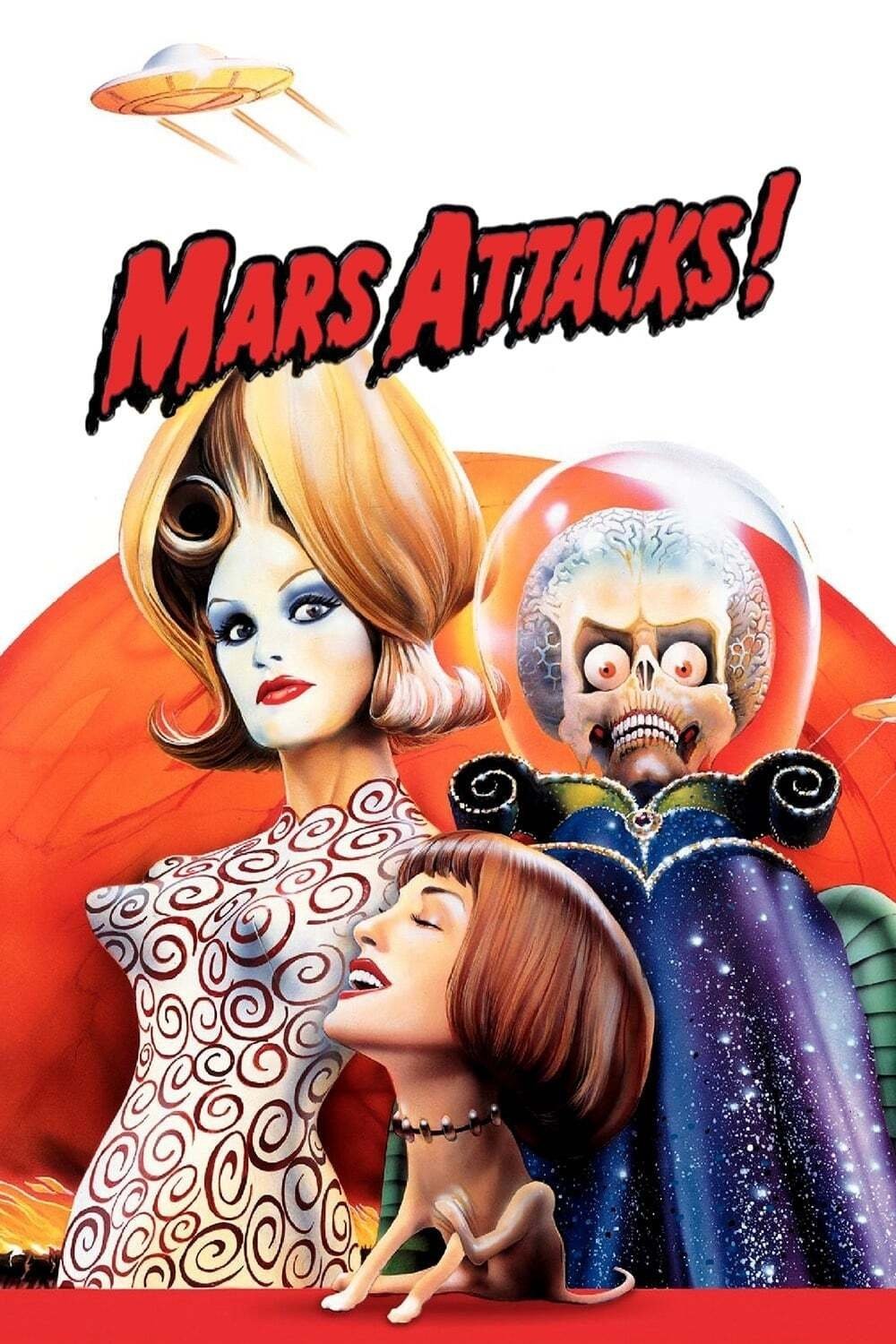
This science fiction comedy, directed by Tim Burton, is a spoof of 1950s alien invasion movies, with The War of the Worlds (1953) being a primary target of its satire. The film features large-headed, bug-eyed Martians who attack Earth with ray guns and flying saucers.
Like the 1953 film, Mars Attacks! shows a global invasion with scenes of widespread destruction. However, it is played for laughs with a dark, cartoonish sense of humor. The film spoofs many cliches of the genre, from the dramatic military response to the failed attempts at peaceful communication.
Independence Day (1996)
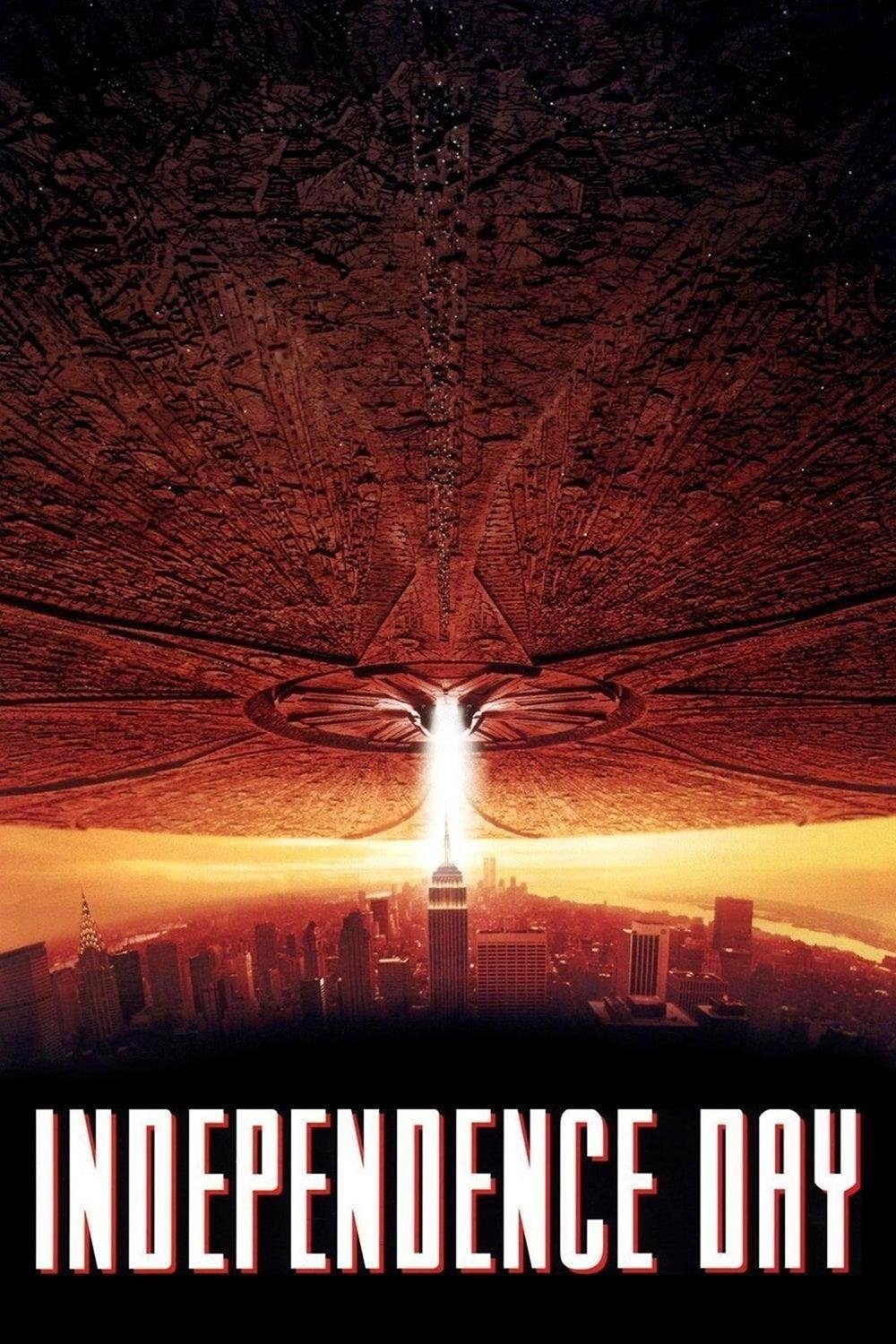
This blockbuster science fiction film deals with a large-scale alien invasion, similar to The War of the Worlds. While not a direct adaptation, it pays homage to H.G. Wells’ original story in a key way. In the novel, the Martians are defeated by common Earth bacteria.
Independence Day updates this concept for the computer age. The heroes of the film are able to defeat the technologically superior aliens by uploading a computer virus to their mothership. This disables their shields, allowing human forces to fight back, which is a modern take on the original story’s theme of a simple, unexpected solution.
Scary Movie 4 (2006)
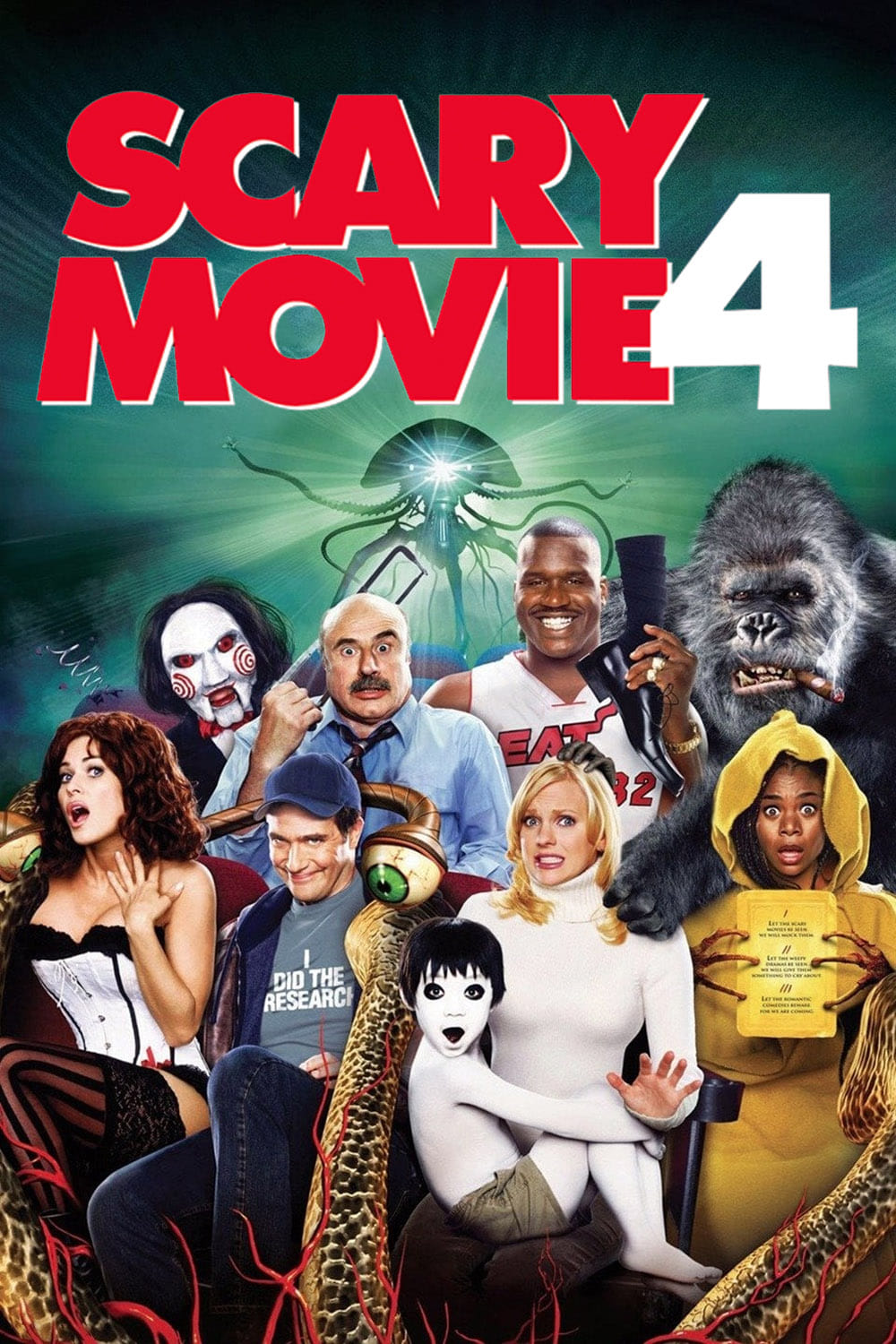
This film is a spoof comedy that is part of the Scary Movie franchise. Its main plot is a direct parody of Steven Spielberg’s 2005 film, War of the Worlds. The movie copies many of the major scenes and plot points from Spielberg’s version but adds slapstick humor and pop culture jokes.
The film features giant “TriPods” that emerge from the ground and begin vaporizing people. The main characters, played by Anna Faris and Craig Bierko, follow a storyline that closely mimics the journey of Tom Cruise’s character and his children, but with a comedic and absurd twist.
Brave New Jersey (2017)
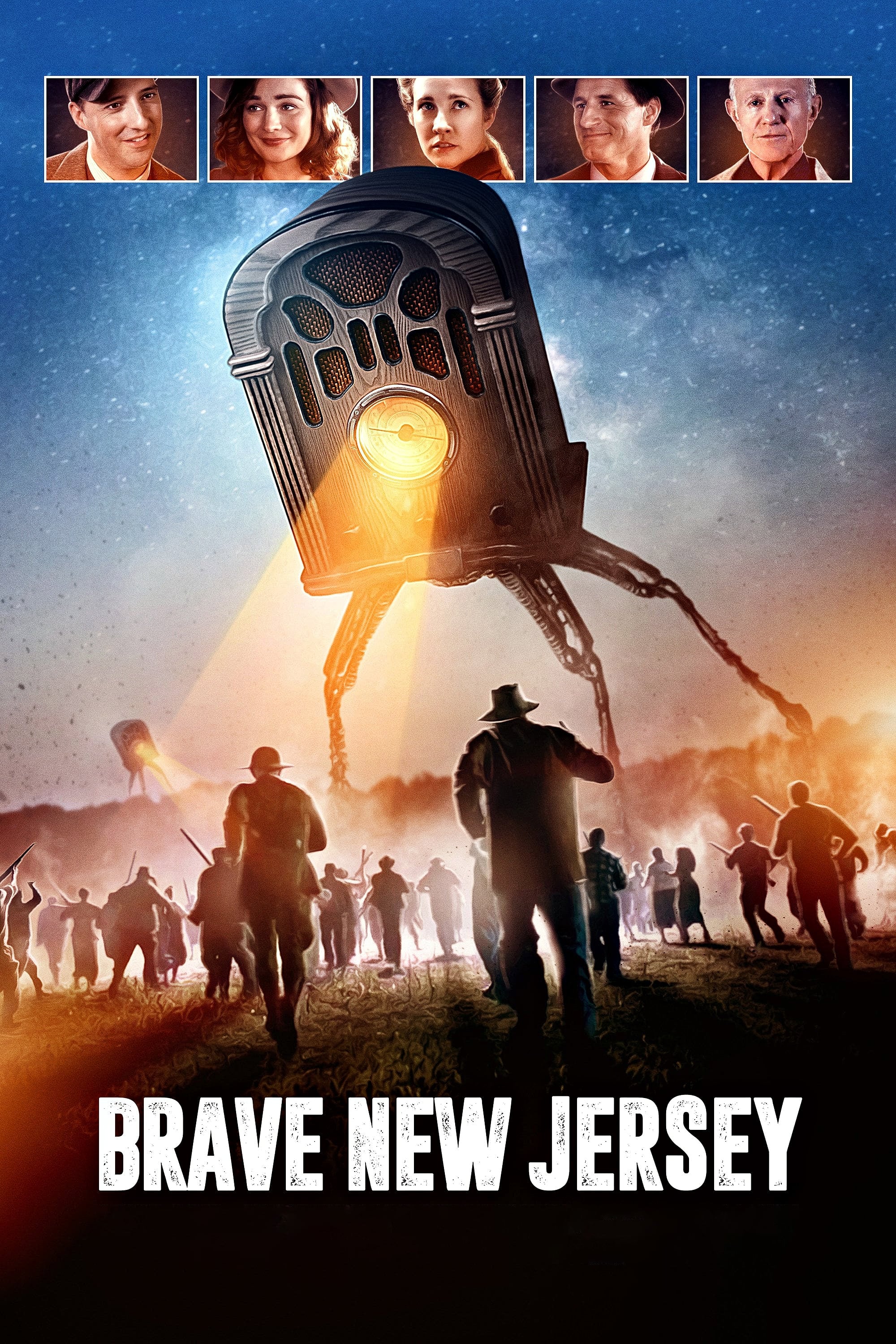
This comedy film focuses on the real-world panic caused by the 1938 Orson Welles radio broadcast. The story is set in a small town in New Jersey, Lullaby, on the night of the broadcast. The town’s residents hear the radio play and become convinced that a Martian invasion is truly happening.
The film explores how this single event impacts the lives of the townspeople, causing them to rethink their lives and relationships in what they believe are their final hours. It is a story about the reaction to the invasion scare rather than the invasion itself.
Studio One: “The Night America Trembled” (1957)
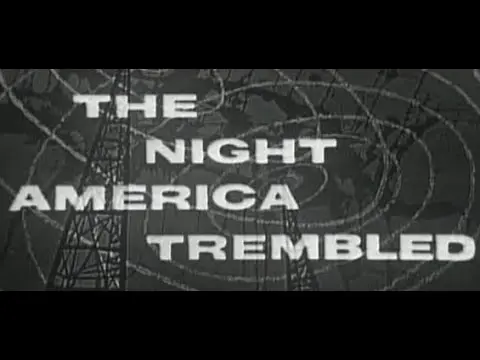
This episode of the television anthology series Studio One was a docudrama about the 1938 radio broadcast. It aired on the 19th anniversary of the original Orson Welles performance and aimed to recreate the events of that evening for a television audience.
The program showed actors performing the radio play while also depicting the panicked reactions of the American public who believed the broadcast to be real. It was presented in the style of a news report, which added to its authenticity and helped illustrate the impact of the original broadcast.
War of the Worlds (1988)
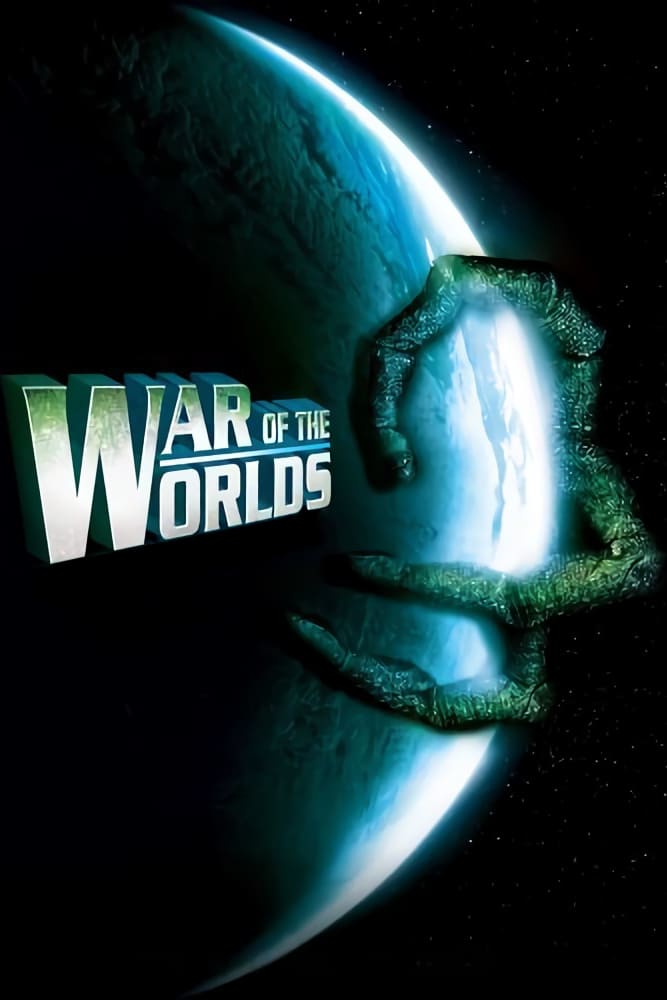
This television series serves as a sequel to the 1953 film The War of the Worlds, not a direct adaptation of the H.G. Wells novel. The show’s premise is that the aliens from the 1953 invasion were not all killed by microbes but instead fell into a state of suspended animation.
Set in the late 1980s, the series follows a team of scientists and military personnel who discover that the aliens are reviving. The invaders can now possess human bodies, and the team must fight a secret war against the aliens who are trying to conquer Earth from within. The series ran for two seasons.
Unproduced Animated Series (1993)
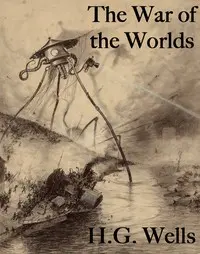
In the early 1990s, a new animated series based on The War of the Worlds was planned. It was going to be produced by New World Action Animation, which was a part of the same company that owned Marvel Productions at the time.
This series was never completed, so it did not air. The project shows that there was continued interest in bringing the story to different audiences, in this case, a younger audience for animated television. However, no episodes were ultimately released.
Justice League: “Secret Origins” (2001)
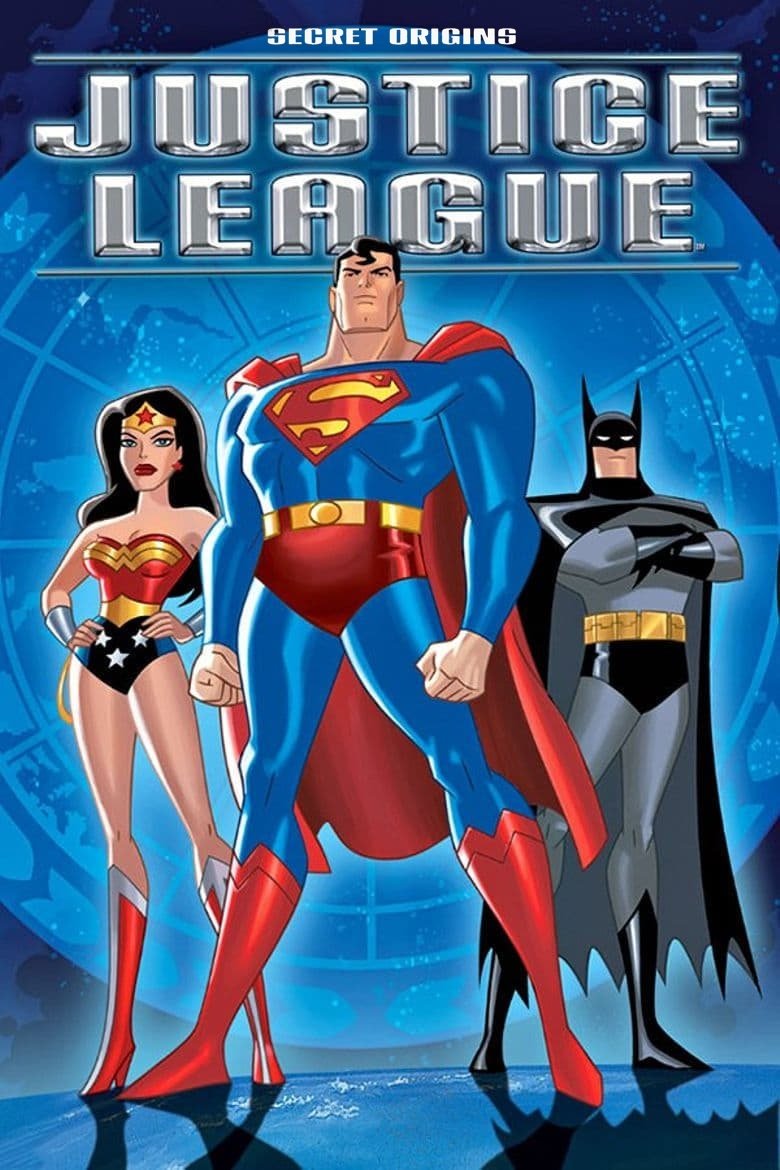
The animated series Justice League began with a three-part story called “Secret Origins” that is heavily based on The War of the Worlds. The plot involves an alien race that attacks Earth using giant walking tripods after having already destroyed Mars.
The story brings together the founding members of the Justice League, including Superman, Batman, and Wonder Woman, who must team up to stop the invasion. The visuals of the tripods and the large-scale destruction are direct homages to the novel and its previous adaptations.
The Simpsons: “Treehouse of Horror XVII” (2006)
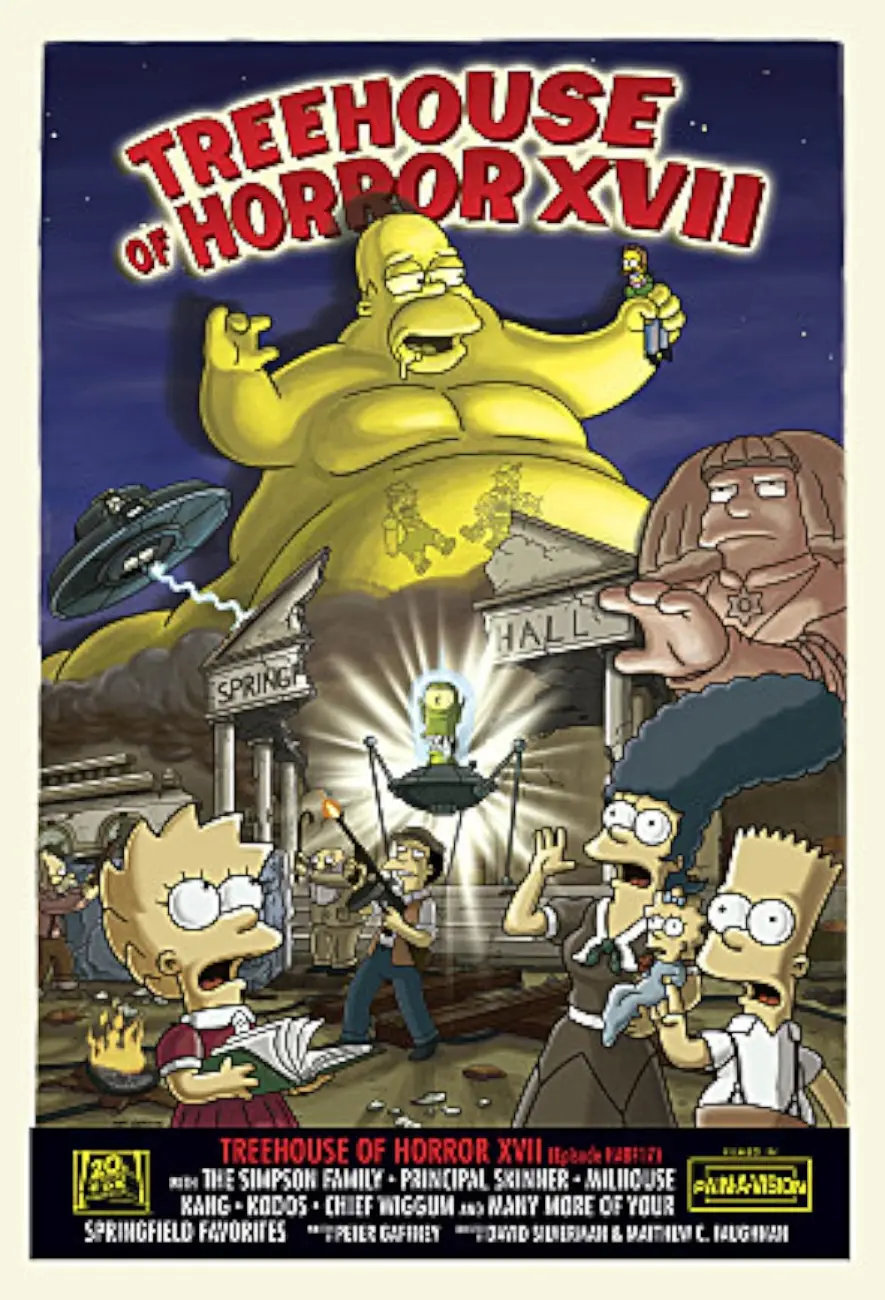
In this Halloween special, the episode “The Day the Earth Looked Stupid” parodies the 1938 radio broadcast panic. The story is set in 1938 Springfield, where the townspeople are fooled by Orson Welles’ radio show and believe a real invasion is underway.
After causing mass chaos, the townspeople realize it was a hoax and vow never to be fooled again. Immediately after, the classic Simpsons aliens, Kang and Kodos, actually invade and conquer the planet with ease because no one will believe it is real. The episode ends with the aliens wondering why they are not being celebrated as liberators.
The Great Martian War 1913–1917 (2013)

This television movie is presented as a historical docudrama. It reimagines World War I as a conflict between humanity and Martian invaders. The film is formatted like a program on a history channel, using fabricated archival footage and interviews with fictional veterans.
The story suggests that the Great War was not fought between human nations but was instead a united struggle to defend Earth from a technologically superior alien force. It creatively blends science fiction with real historical events and aesthetics from the World War I era.
The War of the Worlds (2019)
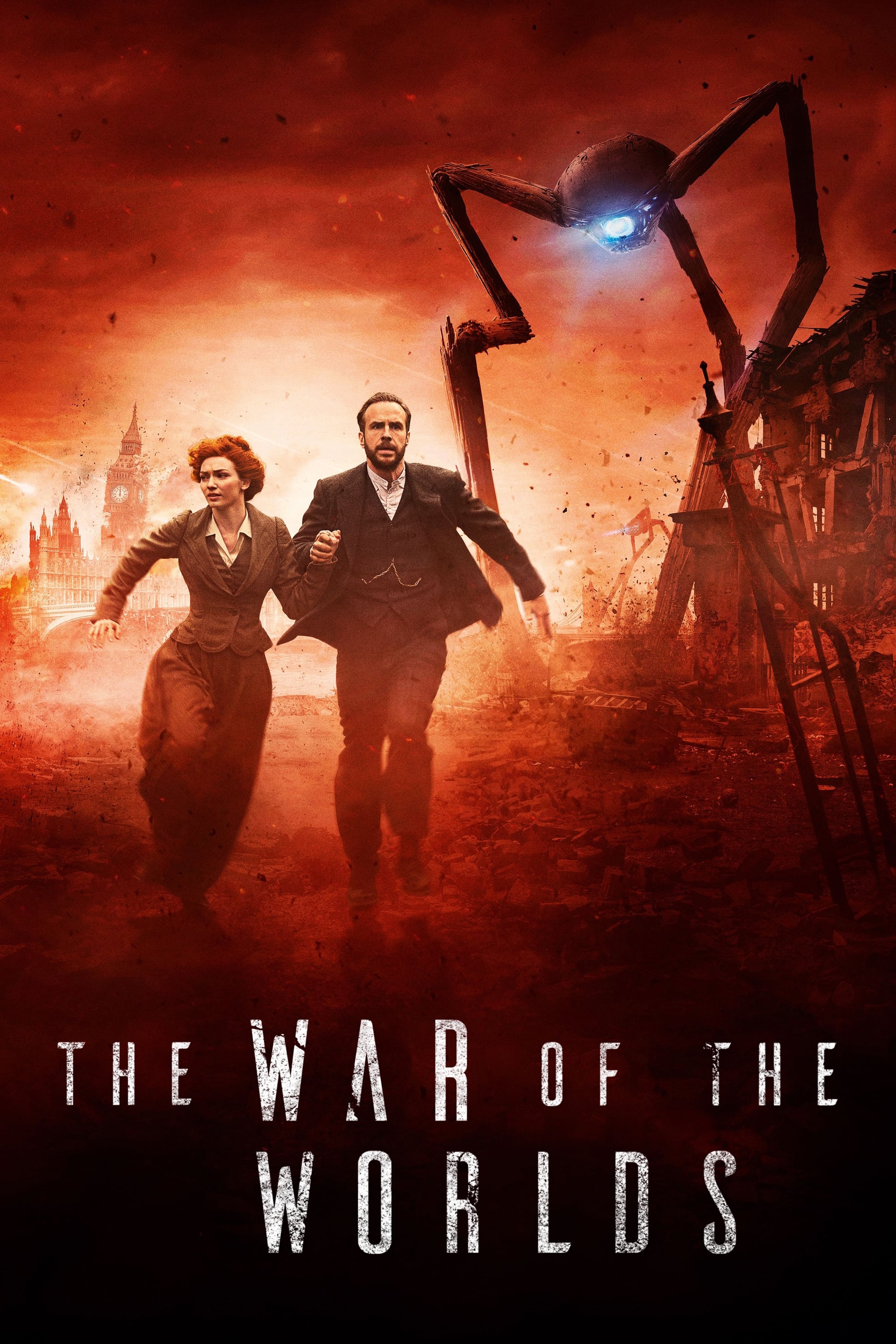
This three-part BBC miniseries is a faithful adaptation of the H.G. Wells novel. It is set in Edwardian England, staying true to the time period of the original story. The series stars Rafe Spall and Eleanor Tomlinson as a couple trying to survive the Martian invasion.
This version was praised for its period setting and its focus on the horror and human drama of the events. It features the iconic tripods and follows the main plot points of the novel, including the Martians’ eventual defeat by Earth’s bacteria.
War of the Worlds (2019–2022)
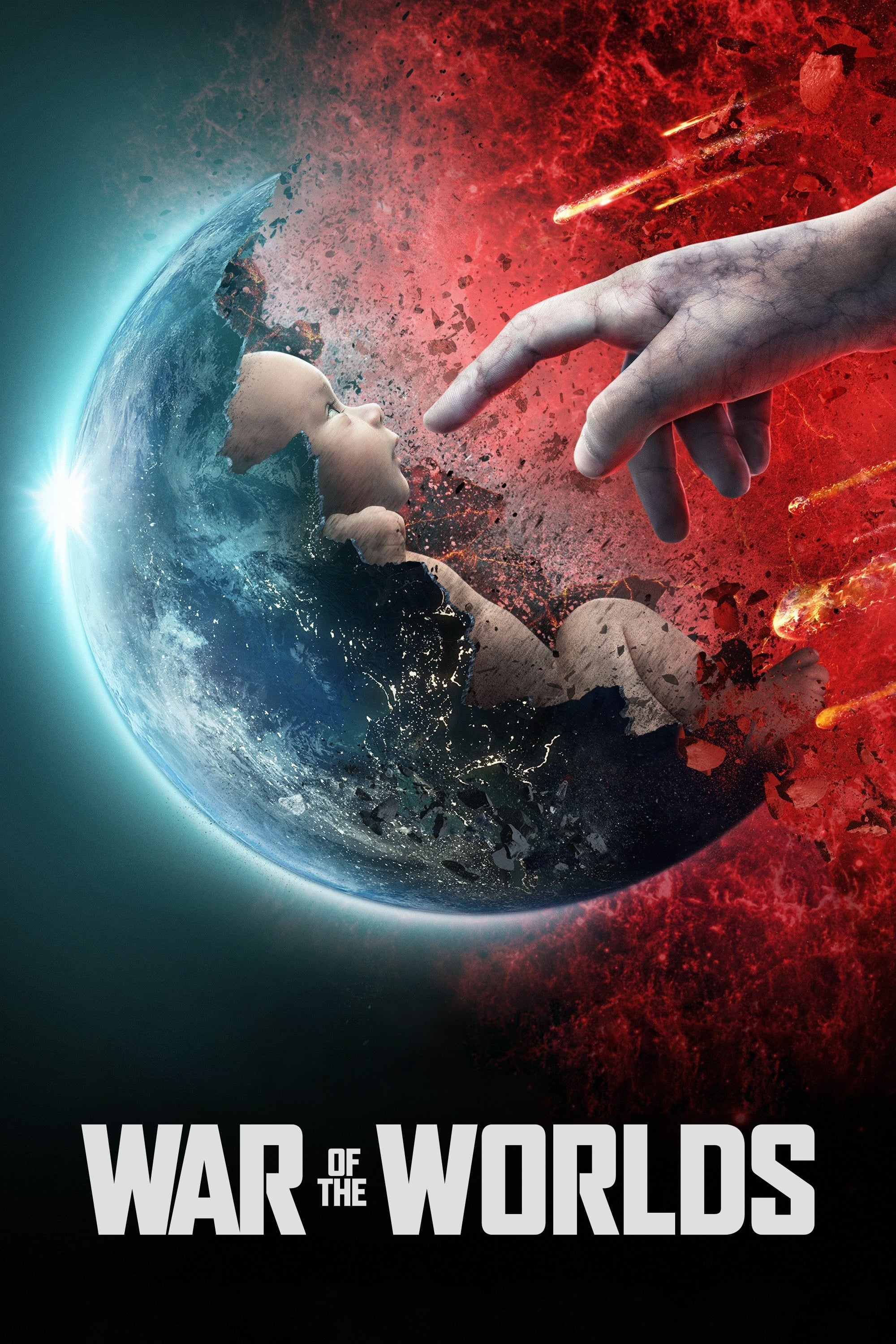
This television series, created by Fox and Studio Canal, is a modern-day adaptation set in contemporary Europe. The story begins when astronomers detect a transmission from another galaxy, providing proof of extraterrestrial life. Soon after, the world is attacked by alien invaders.
This version is less of a direct adaptation and more of a re-imagining of the premise. It focuses on the mystery of who the attackers are and why they are here. The series explores the lives of scattered survivors across France and the UK as they try to fight back. It ran for three seasons.

