


Amazon Prime Movies That Aren’t Afraid of Politics



Political storytelling can take many shapes and Amazon Prime hosts a wide mix of films willing to confront power structures and social conflicts head on. These movies explore government tensions, civil rights struggles and international conflicts through narratives rooted in real world issues. Many of them reveal how political systems shape individual lives while others examine the consequences of secrecy and corruption. Viewers who enjoy bold themes will find these titles unafraid to challenge institutions or spark debate. Each film offers a perspective that encourages audiences to think critically about the world around them.
‘The Report’ (2019)

This film follows the investigation into a controversial intelligence program that operated after major national security events. It focuses on how government oversight can be affected by internal resistance. The story highlights the challenges of uncovering classified information that officials would prefer to keep hidden. Viewers learn about the complexities involved when political interests interfere with transparency.
‘All the President’s Men’ (1976)
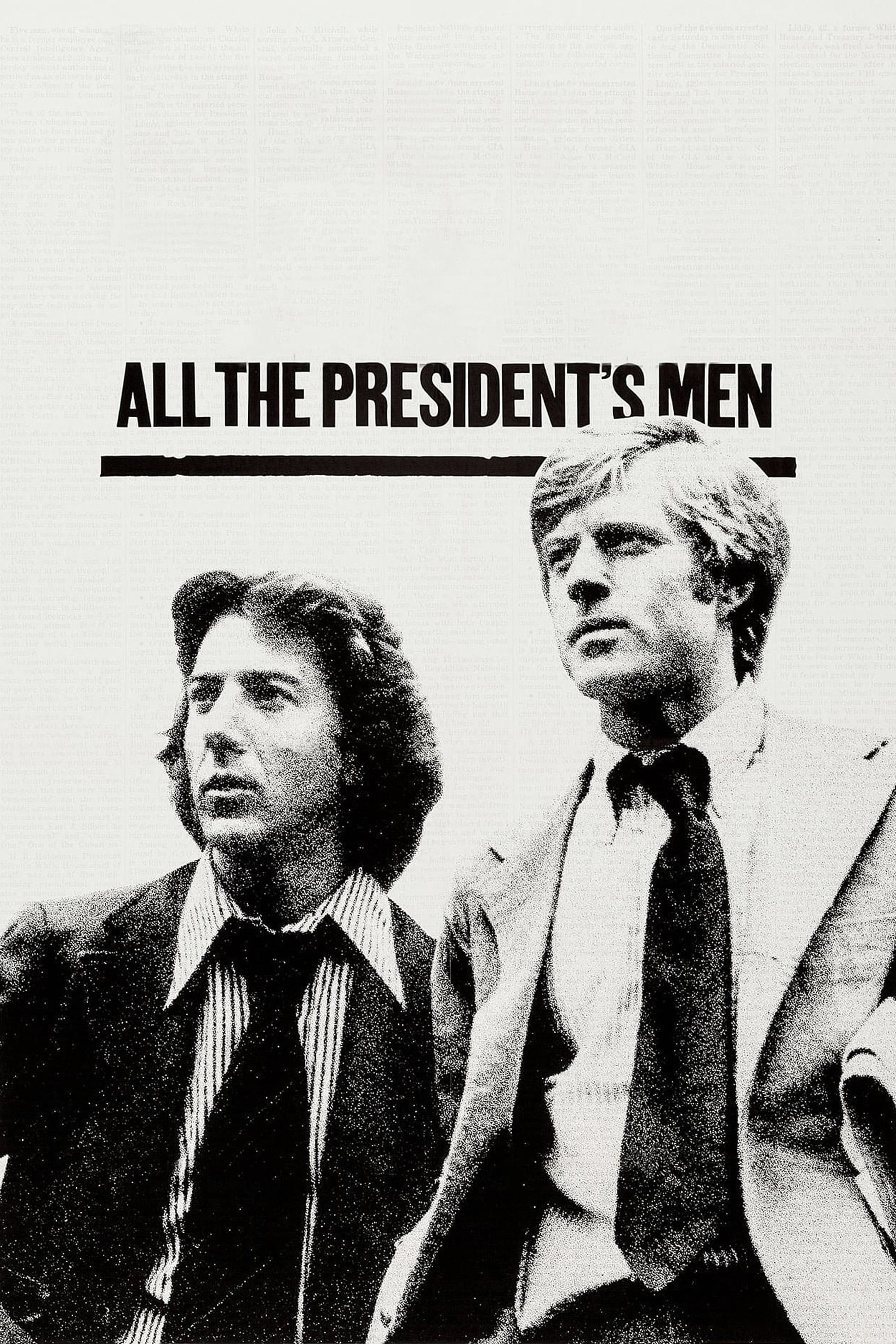
This film explores a landmark investigation that uncovered wrongdoing at the highest levels of government. It shows how journalists navigated political pressure to reveal a growing conspiracy. The story demonstrates how evidence gathering can be obstructed by powerful institutions. It illustrates how persistent reporting can reshape public perception and influence national events.
‘Milk’ (2008)

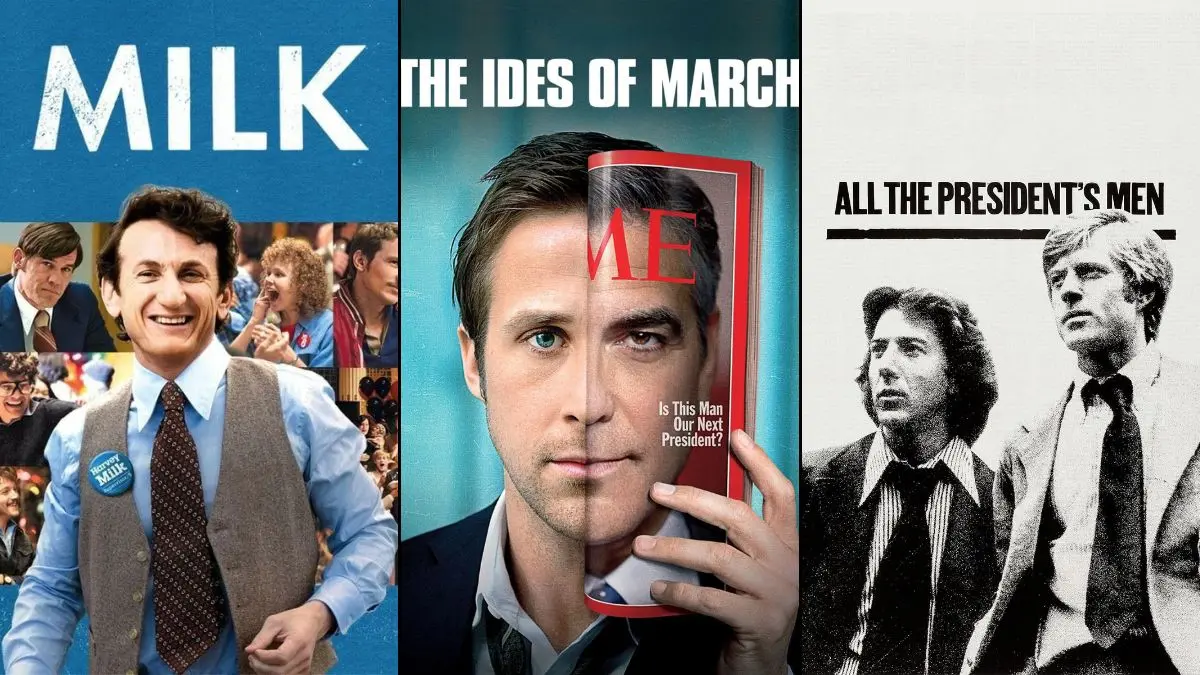
This film depicts the life of an activist who worked within local government to advance civil rights. It highlights the challenges faced while pushing for protections that were not widely accepted. The narrative examines political mobilization and the impact of grassroots organizing. It emphasizes how policy changes can be driven by community involvement.
‘Vice’ (2018)

This film portrays how a high ranking official shaped domestic and foreign policy decisions. It shows how political strategy can influence military actions and administrative structures. The story reveals the internal workings of a powerful officeholder and the effects of long term decision making. It encourages viewers to consider how authority can be expanded behind the scenes.
‘The Ides of March’ (2011)

This film examines the pressures faced by political staff during a critical primary campaign. It follows the balancing act between loyalty and ambition within the electoral process. The narrative explores how strategic messaging can collide with personal ethics. It illustrates how competition for influence can lead to difficult choices.
‘Bombshell’ (2019)

This film centers on employees confronting a media organization with significant political influence. It shows how workplace power dynamics can reflect broader societal structures. The story highlights the challenges in exposing misconduct when individuals fear professional consequences. It underscores how major institutions can shape national discourse.
‘Selma’ (2014)

This film focuses on a key moment in the civil rights movement that pushed for expanded voting protections. It depicts negotiations between activists and government officials who debated proposed changes. The story illustrates how public demonstrations influenced legislative outcomes. It shows the relationship between organized action and federal policy.
‘Official Secrets’ (2019)

This film follows a whistleblower who revealed intelligence practices that could affect international relations. It highlights how information leaks can challenge alliances and diplomatic plans. The narrative shows the legal consequences of opposing government secrecy. It illustrates how political decisions can conflict with personal conscience.
‘Detroit’ (2017)

This film examines events that unfolded during a period of urban unrest linked to long standing inequalities. It follows individuals caught between law enforcement actions and community anger. The story reveals how institutional practices can escalate tensions. It demonstrates how political conditions can shape local conflicts.
‘Charlie Wilson’s War’ (2007)

This film depicts how a member of Congress influenced foreign involvement through behind the scenes negotiations. It highlights the role of covert funding and international alliances. The story shows how legislative maneuvering can affect outcomes far from home. It illustrates how political decisions can generate long term consequences.
‘Snowden’ (2016)

This film portrays the actions of an intelligence contractor who disclosed surveillance activities. It explores the tension between national security interests and personal privacy rights. The narrative illustrates the risks faced when challenging classified programs. It encourages viewers to consider how technology affects global monitoring.
‘The Front Runner’ (2018)

This film examines how media coverage can shape a major election. It shows how personal controversies can become political battlegrounds. The story reveals how campaign teams respond to scrutiny that alters public perception. It presents the complexities of balancing policy messages with crisis management.
‘Dark Waters’ (2019)
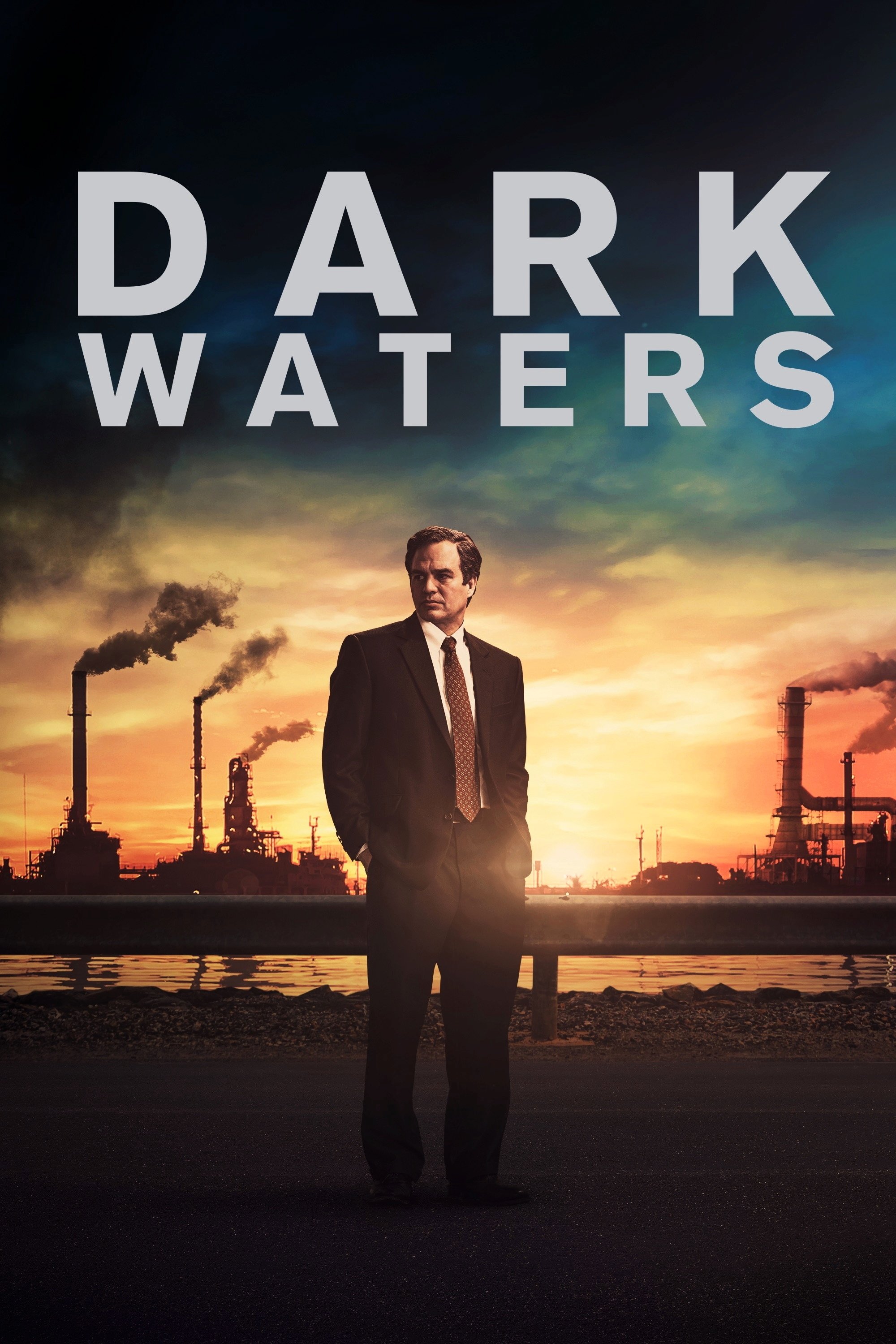
This film follows an attorney exposing corporate practices that affected public health. It shows how government agencies and companies interact during regulatory disputes. The narrative highlights the obstacles in holding large institutions accountable. It demonstrates how political influence can complicate environmental protections.
‘Lincoln’ (2012)

This film centers on efforts to pass a major constitutional amendment. It depicts how political negotiations and strategic planning shaped legislative success. The story illustrates how alliances are formed to advance critical policies. It emphasizes the complexities of decision making during national transformation.
‘The Constant Gardener’ (2005)

This film explores pharmaceutical practices affecting vulnerable populations in another country. It highlights how corporate actions intersect with government decisions. The narrative follows the pursuit of truth amid international bureaucracy. It reveals how political and economic interests can affect access to healthcare.
‘The Mauritanian’ (2021)

This film follows a detainee navigating a complex legal system connected to national security policy. It illustrates how prolonged detention can be influenced by political considerations. The story shows the challenges lawyers face in accessing classified information. It highlights the obstacles in pursuing due process within restricted environments.
‘The Trial of the Chicago 7’ (2020)

This film depicts a courtroom case influenced by tensions around public demonstrations. It shows how political motivations can affect legal strategies and judicial behavior. The narrative highlights conflicting views about protest movements. It reveals how trials can become symbolic battles over national identity.
‘Beirut’ (2018)

This film follows a diplomat returning to a region facing conflict influenced by international interests. It examines how negotiations unfold in volatile environments. The story illustrates how intelligence operations intersect with foreign diplomacy. It emphasizes the strategic importance of communication between rival groups.
‘The Post’ (2017)

This film focuses on journalists debating whether to publish sensitive documents challenging official narratives. It shows the conflict between national security concerns and the public’s right to know. The narrative illustrates the internal pressures within major news organizations. It highlights the role of investigative reporting in political accountability.
‘A Most Wanted Man’ (2014)

This film portrays intelligence agencies monitoring a suspected individual with potential ties to extremist activity. It shows how different countries pursue conflicting strategies in security operations. The narrative highlights the complexities of international cooperation. It illustrates how political priorities influence surveillance decisions.
‘Miss Sloane’ (2016)

This film follows a lobbyist navigating the competitive world of policy advocacy. It shows how interest groups shape legislative outcomes through persistent negotiation. The story demonstrates how political messaging is crafted to influence public opinion. It reveals the personal toll of working in high pressure environments.
‘Judgment at Nuremberg’ (1961)

This film depicts post war legal proceedings examining governmental responsibility during a major conflict. It shows how accountability is determined after widespread human rights violations. The narrative explores the relationship between individual actions and state policies. It illustrates how legal decisions shape historical memory.
‘The Iron Orchard’ (2018)

This film follows business owners navigating economic opportunities affected by political decisions. It highlights how regulations shape industry growth and competition. The narrative shows how alliances form between business leaders and government officials. It illustrates how economic development is tied to political influence.
‘The Ghost Writer’ (2010)

This film centers on a writer uncovering sensitive information linked to a former leader’s foreign policies. It illustrates how official documents can expose controversial decisions. The story suggests how political legacies can be shaped by new revelations. It underscores the risks involved in handling confidential material.
‘The Last King of Scotland’ (2006)

This film depicts a foreign advisor witnessing authoritarian leadership affecting everyday life. It shows how political power can be consolidated through control of institutions. The narrative examines how individuals become entangled in national crises. It reveals how internal conflicts escalate under oppressive systems.
‘Thirteen Days’ (2000)
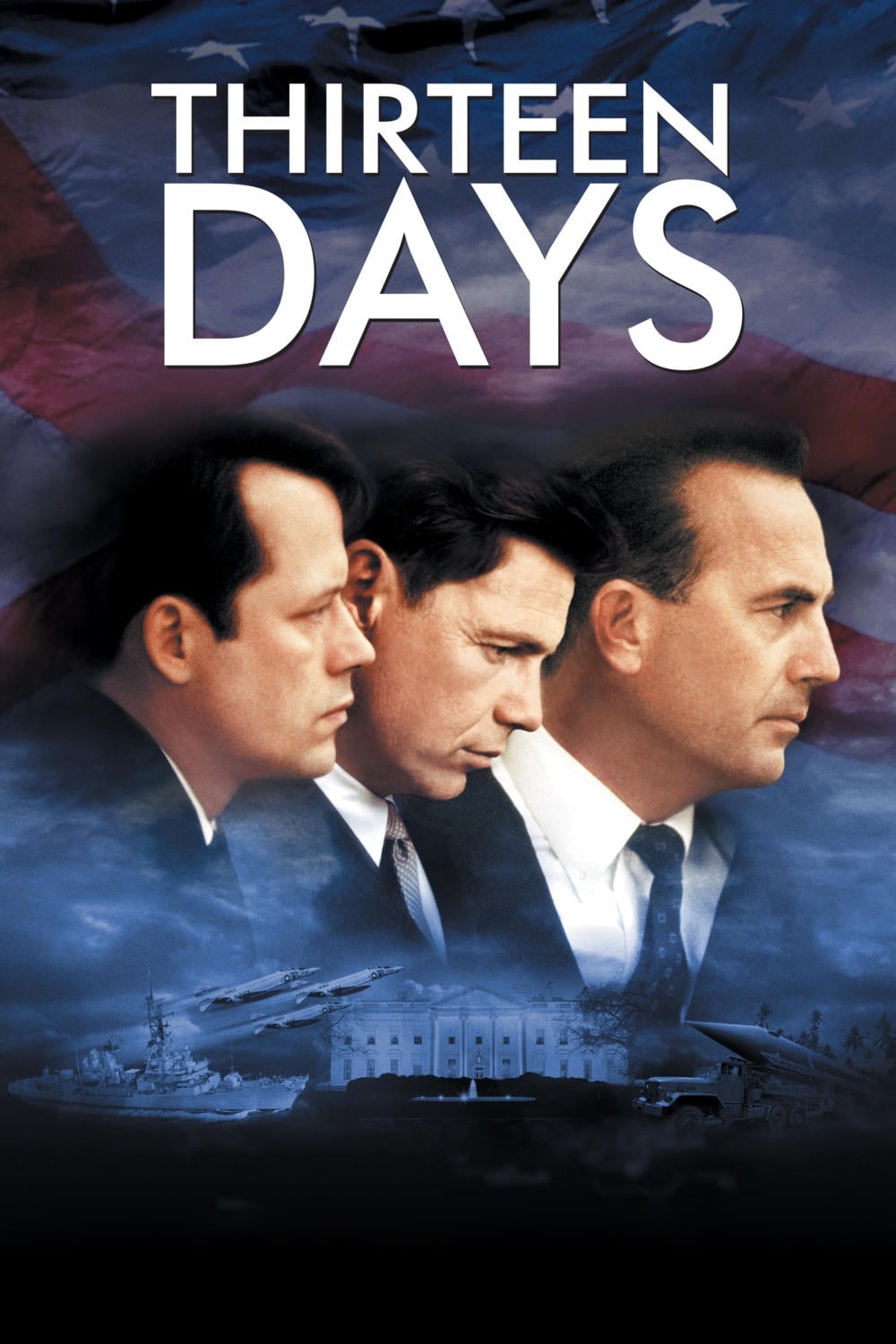
This film portrays decision makers navigating a major international standoff. It highlights how diplomatic communication can prevent catastrophic outcomes. The narrative demonstrates the importance of strategic restraint. It shows how political leaders manage competing pressures in urgent situations.
‘Enemy of the State’ (1998)
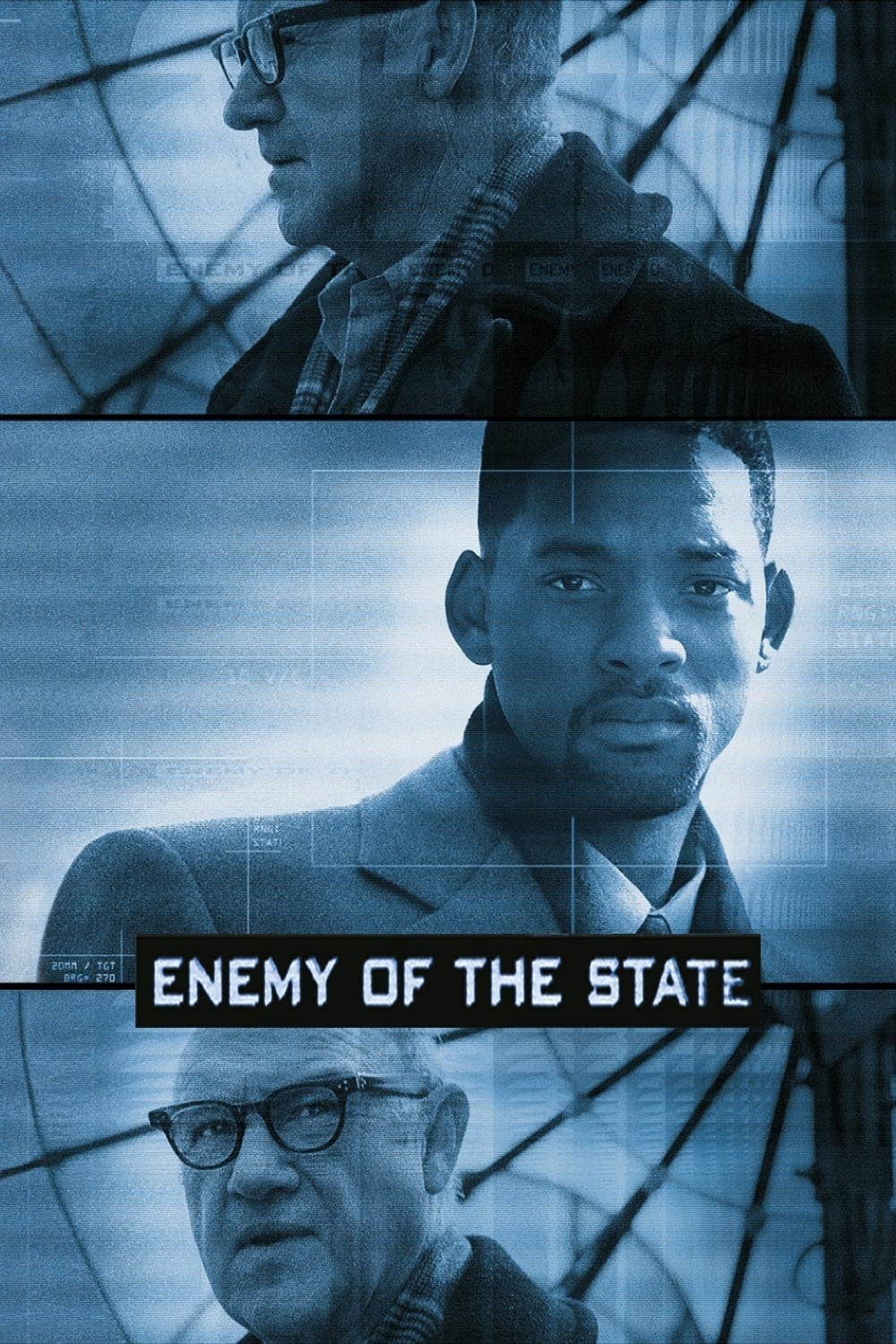
This film follows an attorney caught in a surveillance operation involving government officials. It shows how technology can be used to monitor private citizens. The narrative highlights how evidence can be manipulated to support political agendas. It emphasizes concerns about expanding intelligence capabilities.
‘The Reluctant Fundamentalist’ (2012)

This film portrays how global political events influence personal identity and professional life. It shows how suspicion can alter relationships within corporate and academic settings. The narrative examines cultural misunderstandings that arise during tense periods. It reveals how political climates affect daily interactions.
‘The Candidate’ (1972)

This film focuses on a political newcomer navigating campaign messaging and public expectations. It highlights how advisers shape candidate personas. The narrative examines how policy goals shift under pressure from consultants. It illustrates how elections depend on media presentation.
‘The Fifth Estate’ (2013)

This film examines the rise of a transparency organization releasing classified materials. It explores how digital platforms can influence international relations. The narrative shows the impact of large scale data leaks on global diplomacy. It illustrates the conflict between openness and security.
‘Zero Dark Thirty’ (2012)

This film follows intelligence analysts tracking a high value target across several countries. It shows how political decisions shape national security strategies. The narrative illustrates the challenges of coordinating global operations. It highlights how information gathering evolves during prolonged missions.
‘Land of Mine’ (2015)

This film explores post war efforts to clear dangerous remnants left behind by an occupying force. It highlights how political agreements determine the responsibilities of former adversaries. The narrative shows how local communities cope with past conflicts. It illustrates how reconciliation efforts unfold under difficult conditions.
‘The Interpreter’ (2005)

This film centers on a translator who overhears a conversation that may affect an upcoming diplomatic event. It highlights how international institutions handle sensitive threats. The narrative follows investigators attempting to determine credibility. It shows how political tensions can heighten security concerns.
‘Hyena Road’ (2015)

This film follows soldiers working within a region affected by shifting alliances and local politics. It illustrates how military operations depend on understanding cultural dynamics. The narrative highlights the influence of regional leaders on strategic decisions. It demonstrates how political landscapes shape conflict zones.
‘Tinker Tailor Soldier Spy’ (2011)

This film portrays intelligence officials searching for a mole within their organization. It illustrates how internal divisions weaken security operations. The narrative shows how political pressure affects high level investigations. It emphasizes the importance of accurate information during covert missions.
‘Hotel Mumbai’ (2018)

This film depicts how an international crisis unfolds during a coordinated attack. It shows the intersection of global politics and emergency response. The narrative highlights communication challenges between nations. It illustrates how geopolitical relationships influence security cooperation.
‘Syriana’ (2005)

This film interweaves stories connected to the global energy industry and its political implications. It highlights how corporate interests influence foreign policy. The narrative shows how economic dependencies shape diplomatic actions. It reveals how international markets affect regional stability.
‘State of Play’ (2009)

This film explores how investigative reporting uncovers connections between political figures and private industry. It illustrates how evidence gathering reveals hidden relationships. The narrative shows how public officials respond when confronted with damaging information. It demonstrates how journalism influences political outcomes.
‘The Manchurian Candidate’ (2004)

This film examines how psychological manipulation can be weaponized for political advantage. It highlights how elections can be affected by external interference. The narrative follows investigators uncovering the source of unusual behavior. It shows how power structures exploit technological advancements.
Share your thoughts in the comments and let everyone know which political films on Amazon Prime you think stand out the most.

