


Anime That Changed Main Characters and Levelled Up

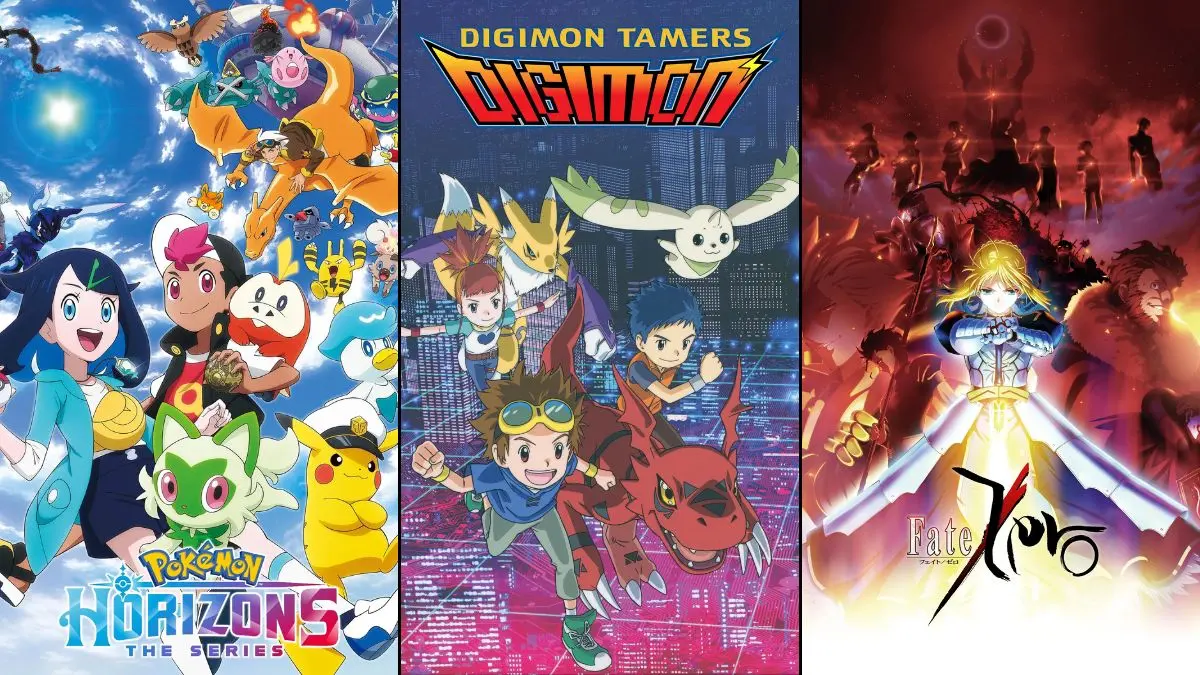


Changing a protagonist is a risky move that can alienate fans or disrupt the narrative flow of an established series. Some anime series take this gamble to explore new themes or expand their fictional universes through fresh perspectives. This narrative shift often revitalizes a franchise by introducing complex character dynamics and higher stakes. The following series successfully executed a main character swap and managed to elevate the overall storytelling experience.
‘Gurren Lagann’ (2007)
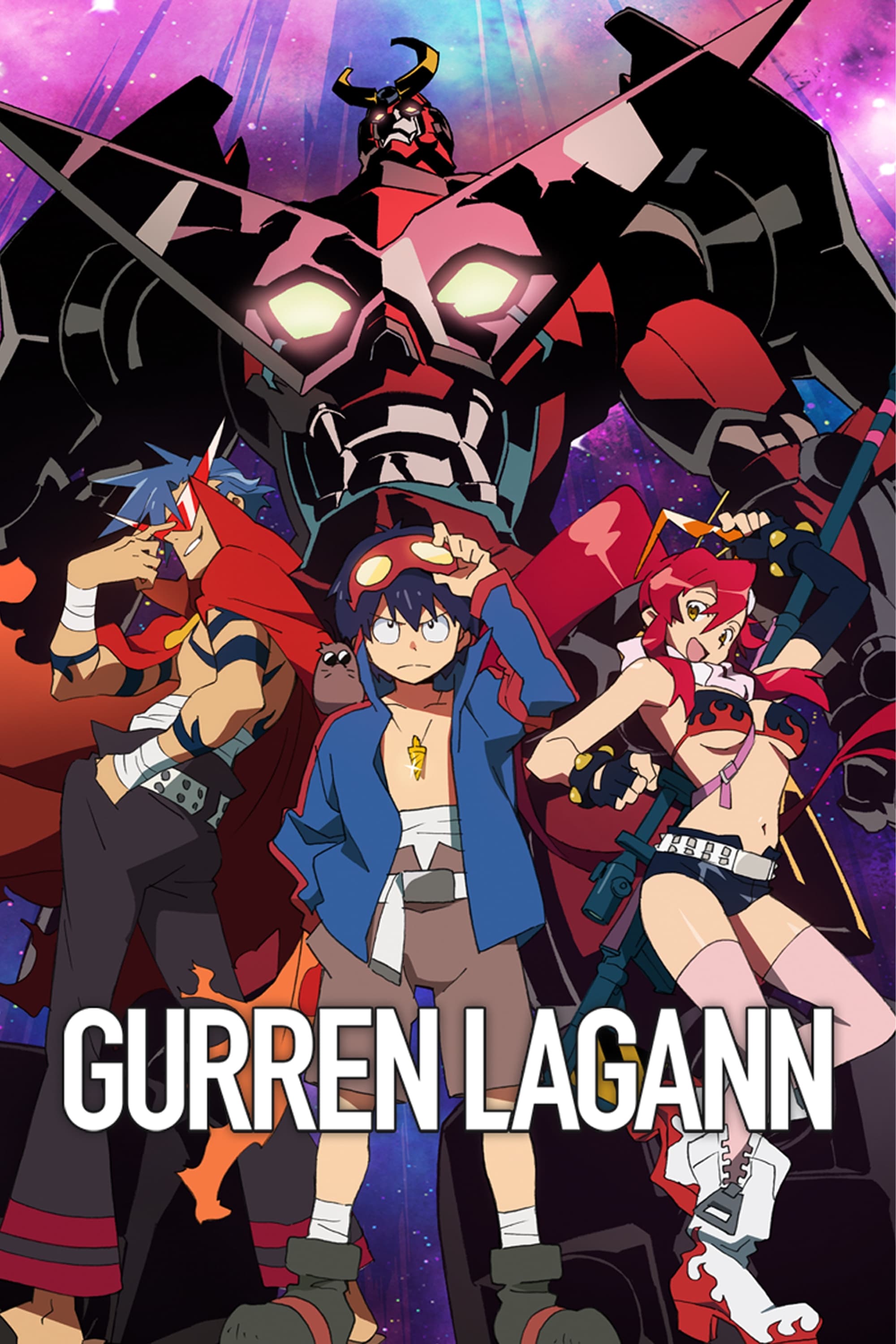
The series begins with the charismatic Kamina leading the charge against the Beastmen to reclaim the surface world. His sudden death serves as a catalyst for the true protagonist Simon to step out of his shadow and mature into a leader. The narrative shifts from a story of rebellion to an epic cosmic battle that explores evolution and the indomitable human spirit. Simon eventually surpasses his mentor in both strength and resolve to pilot the titular mecha to universal heights.
‘Dragon Ball Z’ (1989–1996)

Goku serves as the primary defender of Earth for the majority of the franchise until the Cell Games arc. The story transitions focus to his son Gohan who struggles to reconcile his gentle nature with his immense hidden power. This narrative pivot culminates in Gohan achieving Super Saiyan 2 and defeating Cell while his father offers support from the afterlife. The shift allows the series to explore the burden of legacy and the passing of the torch to a new generation.
‘JoJo’s Bizarre Adventure’ (2012–Present)
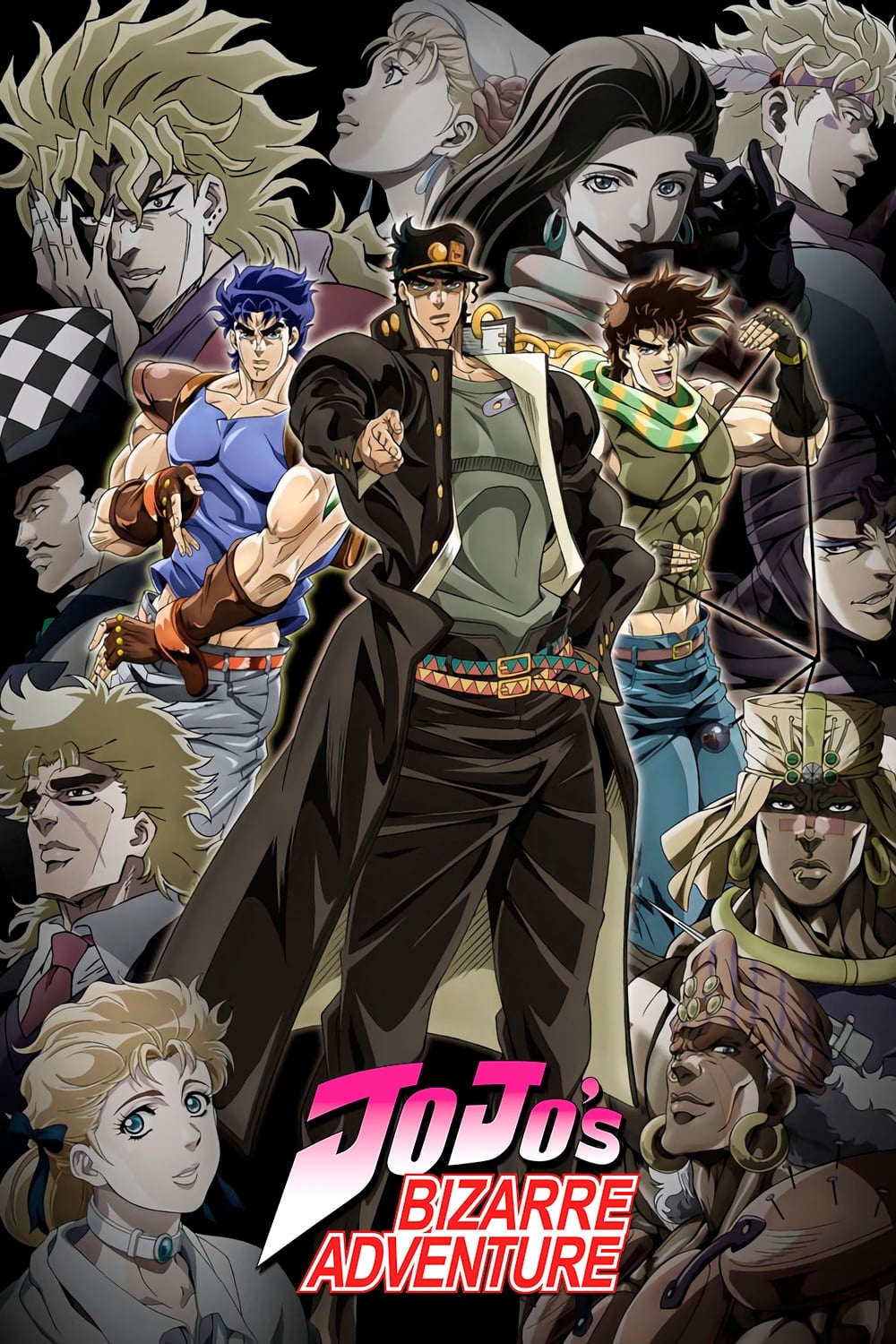
The franchise is defined by its generational structure where each new story arc features a different member of the Joestar lineage. Jonathan Joestar establishes the conflict with Dio Brando before the series jumps forward to his witty grandson Joseph in the second part. This anthology format keeps the series fresh by constantly reinventing the setting and power systems surrounding the new protagonist. Each transition brings a distinct tone that ranges from gothic horror to globe-trotting adventure and slice-of-life mystery.
‘A Certain Scientific Railgun’ (2009–2020)
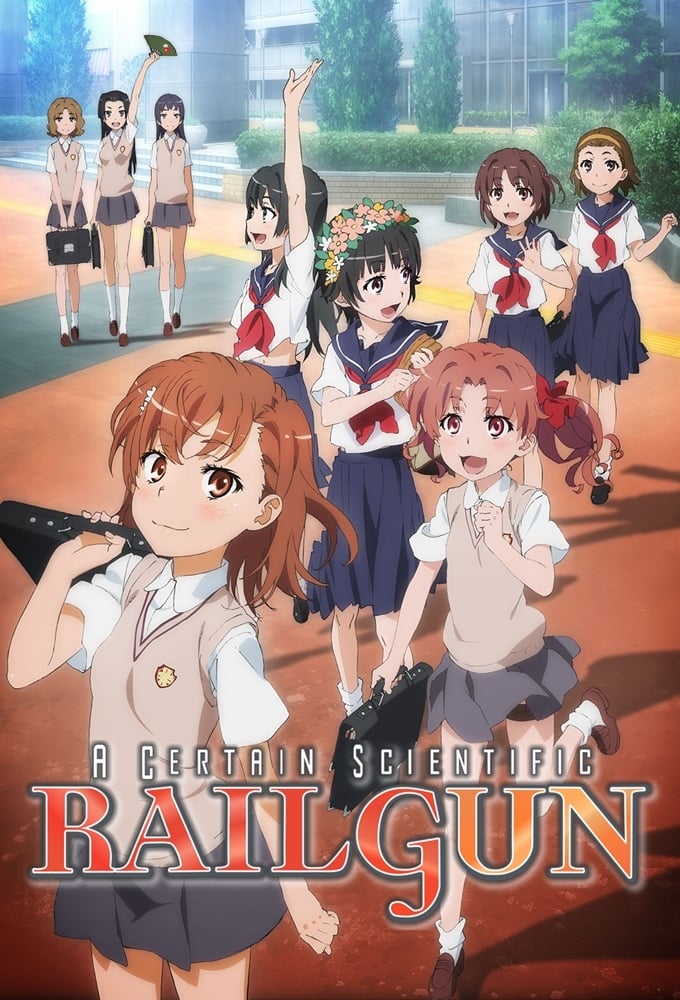
This spin-off shifts the perspective from Touma Kamijou to the electro-master Mikoto Misaka within the Academy City setting. The narrative focuses on the scientific side of the city and delves deeper into the darker experiments lurking beneath the surface. Mikoto offers a more proactive approach to conflict resolution compared to the original series protagonist. The show expands on the lore of the Espers and provides significant character development for the supporting cast.
‘Fate/Zero’ (2011–2012)
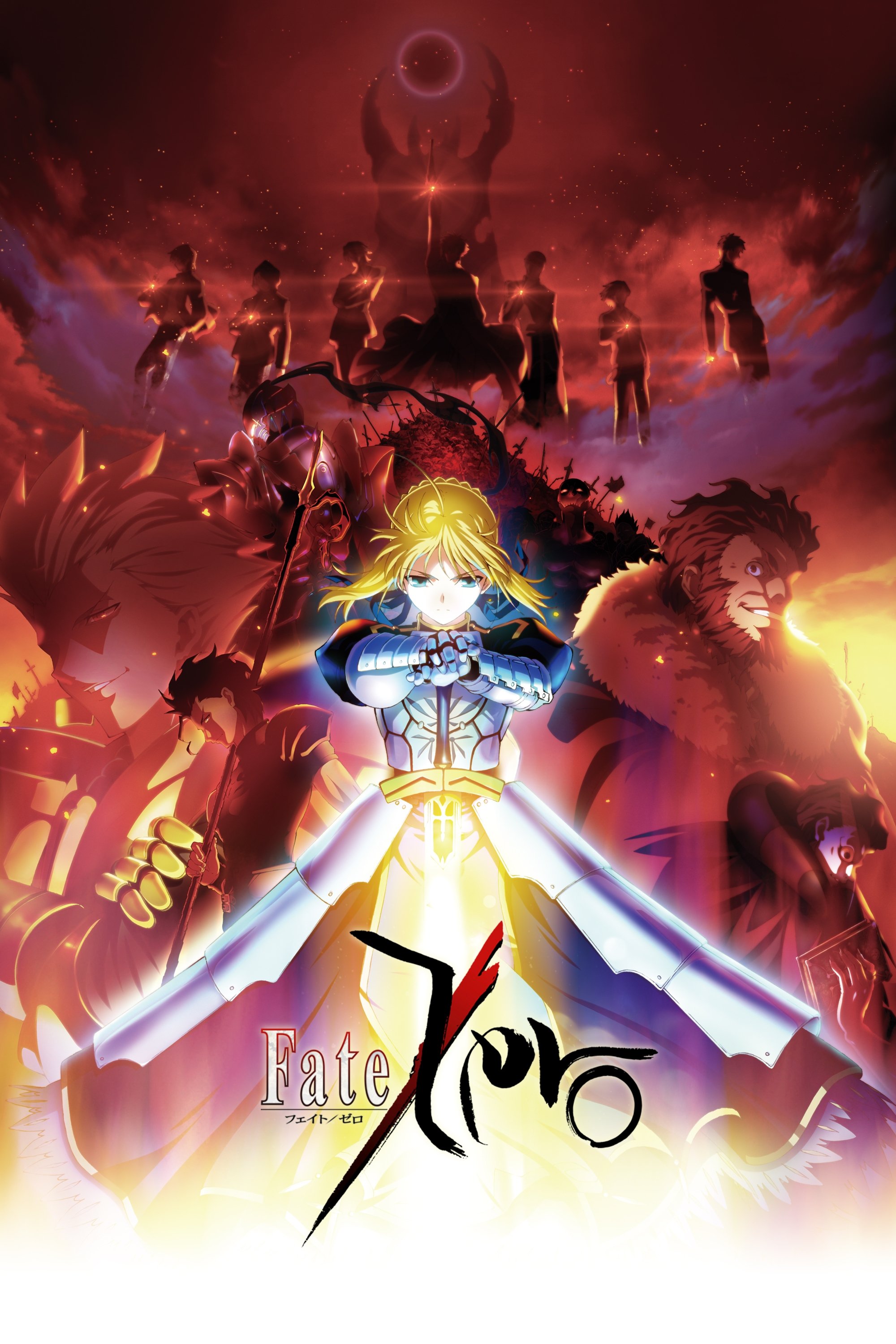
The prequel series focuses on Kiritsugu Emiya rather than his adoptive son Shirou who leads the original ‘Fate/stay night’ storyline. Kiritsugu operates as a ruthless mage killer who employs modern weaponry and pragmatic tactics to win the Holy Grail War. The tone is significantly darker and features a mature ensemble cast composed of historical figures and veteran sorcerers. This shift in perspective offers a tragic examination of heroism and the heavy cost of pursuing idealistic goals.
‘Digimon Tamers’ (2001–2002)
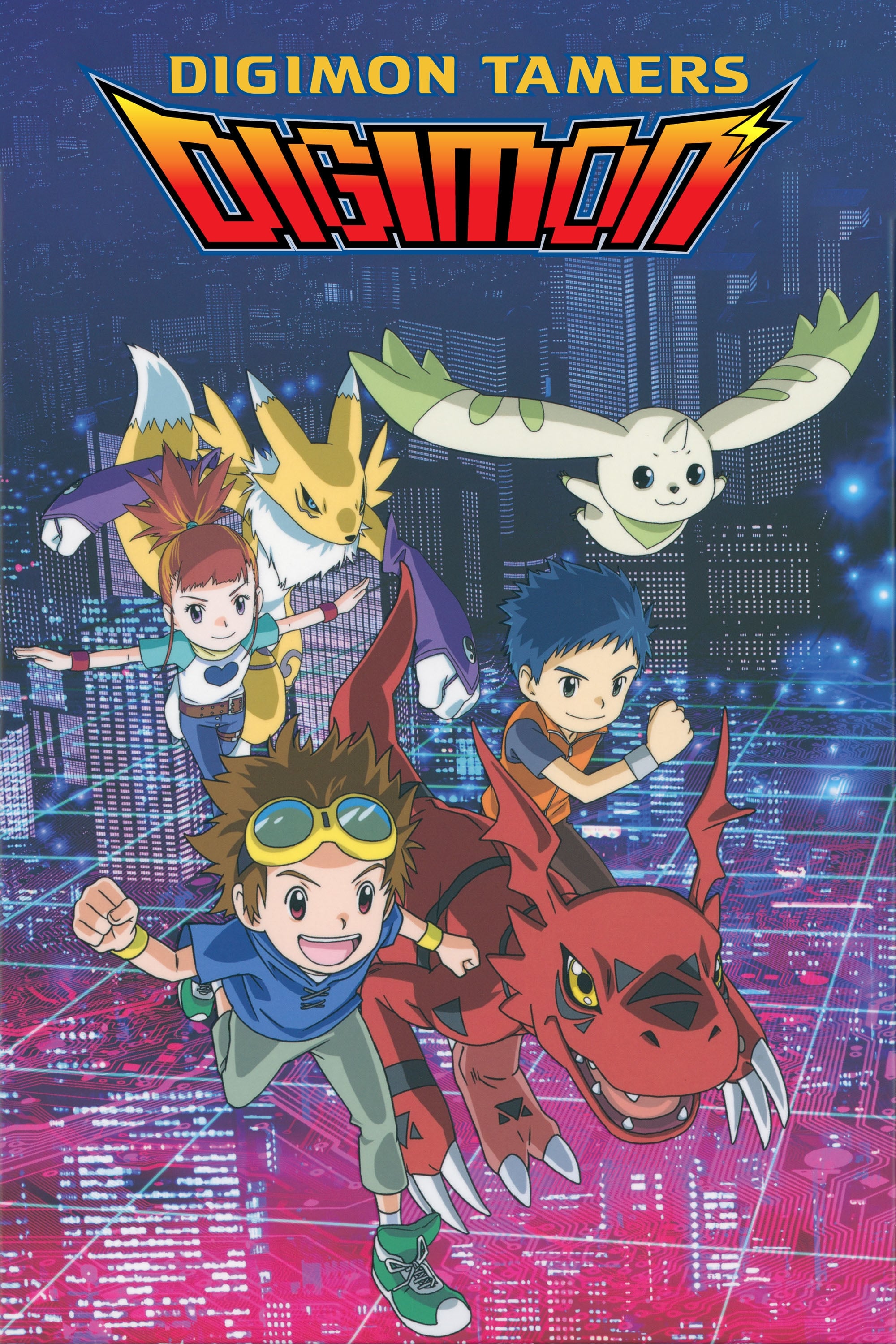
The third entry in the franchise breaks away from the continuity of the first two adventure series to introduce a new trio of children. Takato Matsuki begins as a fan of the card game before discovering that Digimon are real creatures that bio-merge with their human partners. The series adopts a somber tone that addresses the consequences of death and the responsibilities of artificial life. This distinct approach differentiates it from its predecessors by deconstructing the monster-taming genre elements.
‘Mobile Suit Gundam AGE’ (2011–2012)
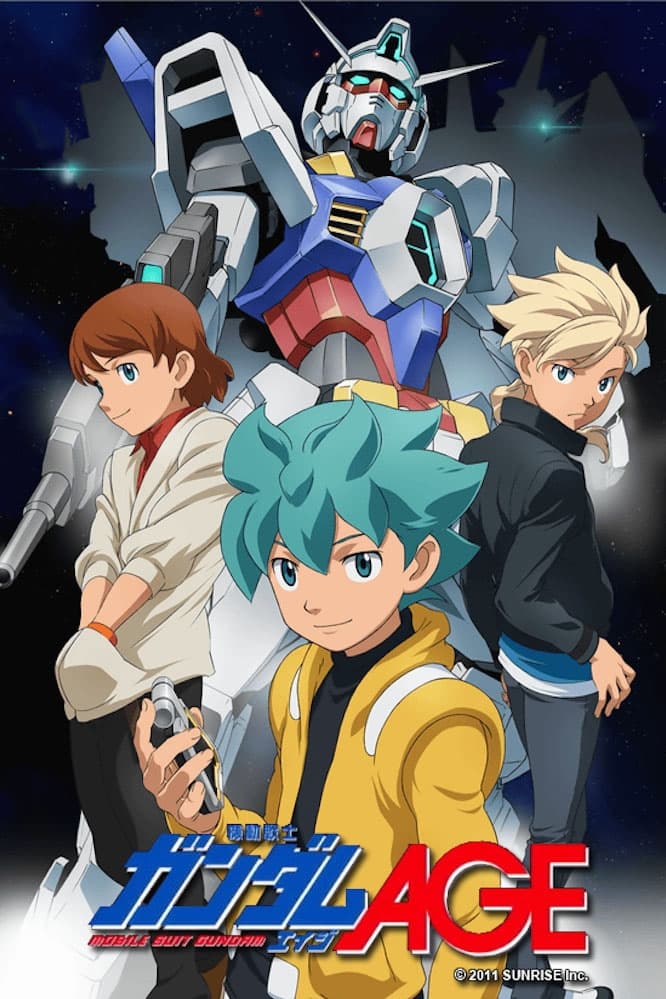
The narrative spans roughly a century of conflict and is divided into three distinct arcs that follow a lineage of pilots. Flit Asuno begins the war against the Unknown Enemy before passing the conflict down to his son Asemu and grandson Kio. Each generation brings a different philosophical viewpoint on the war regarding annihilation versus understanding. The changing protagonists allow the series to depict the long-term effects of a protracted intergalactic war on a single family.
‘Pokémon Horizons’ (2023–Present)
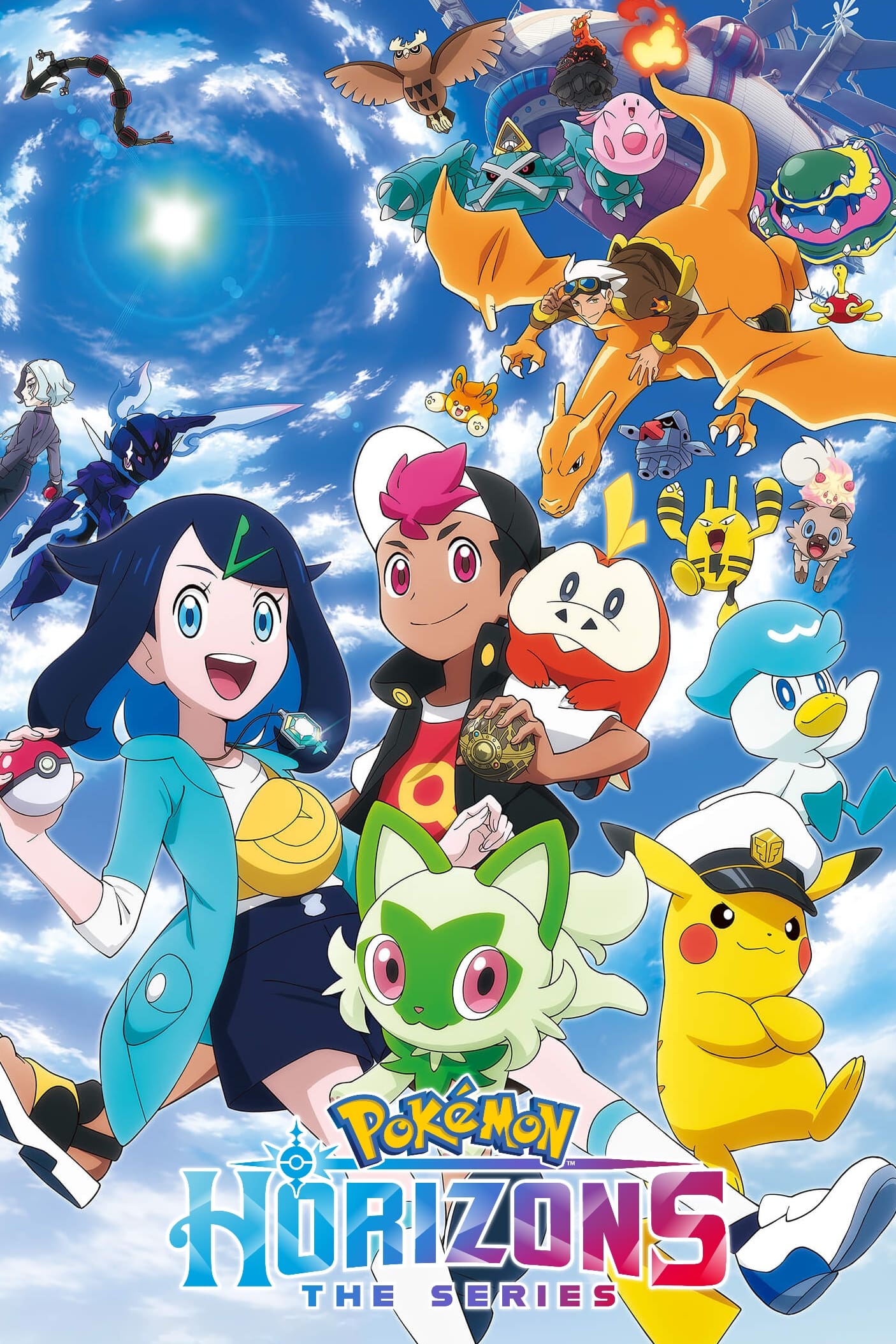
The retirement of Ash Ketchum after twenty-five years marks a massive structural change for the massive media franchise. New protagonists Liko and Roy embark on an adventure that focuses on mystery and exploration rather than the traditional gym badge collection. The series utilizes a serialized storytelling format that allows for consistent character growth and an overarching plot. This fresh direction revitalizes the world by moving away from the established formula of the previous era.
‘Major 2nd’ (2018–2020)
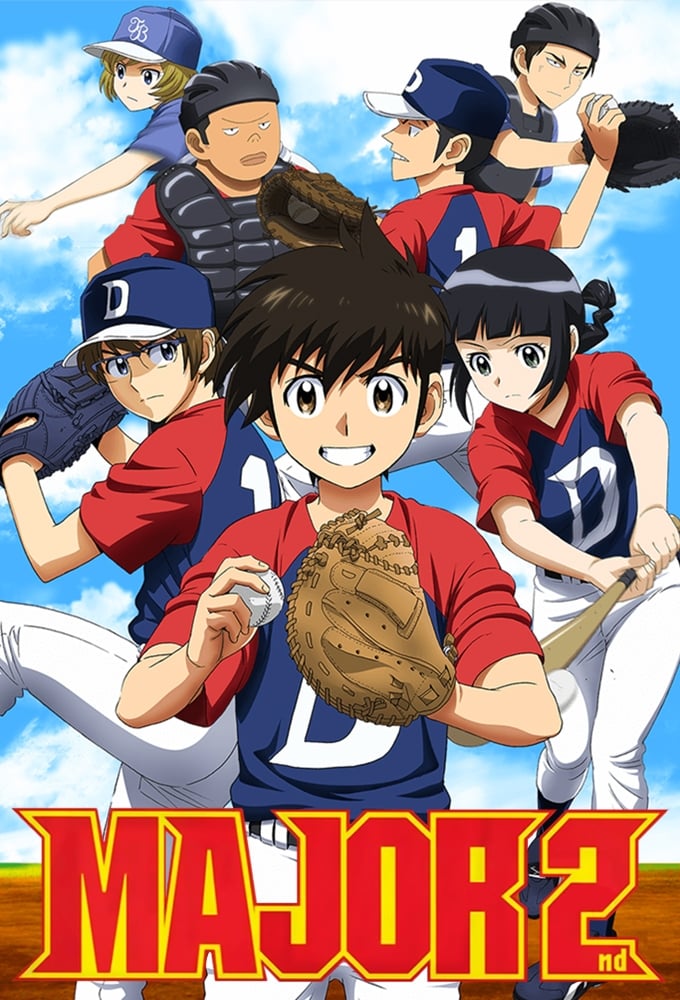
The sequel shifts the spotlight from the baseball prodigy Goro Shigeno to his son Daigo who lacks his father’s natural talent. Daigo must overcome his inferiority complex and find his own way to contribute to his team as a catcher rather than a pitcher. The story emphasizes strategy and teamwork over raw power or individual dominance on the field. This perspective change provides a grounded and relatable sports narrative about finding value in hard work.
‘Inazuma Eleven GO’ (2011–2014)
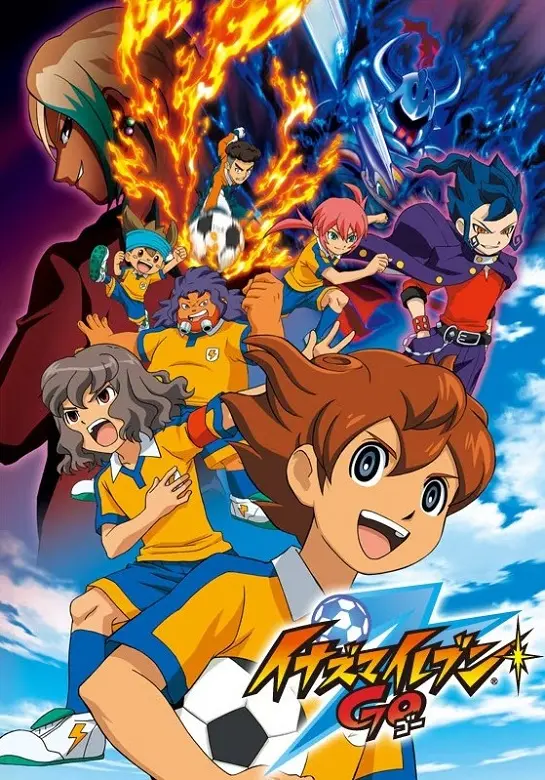
The series takes place ten years after the original story and introduces the enthusiastic midfielder Tenma Matsukaze. A corrupt organization known as Fifth Sector controls youth soccer and forces teams to play according to pre-determined match results. Tenma leads a revolution to bring authentic competition back to the sport with the help of the previous generation. The new cast breathes energy into the franchise while honoring the legacy of the original Raimon team.
Tell us which anime protagonist switch you believe was the most successful in the comments.

