‘Beef’ Season 2 Cast Habit Behind the Scenes Is Draining Netflix’s Budget

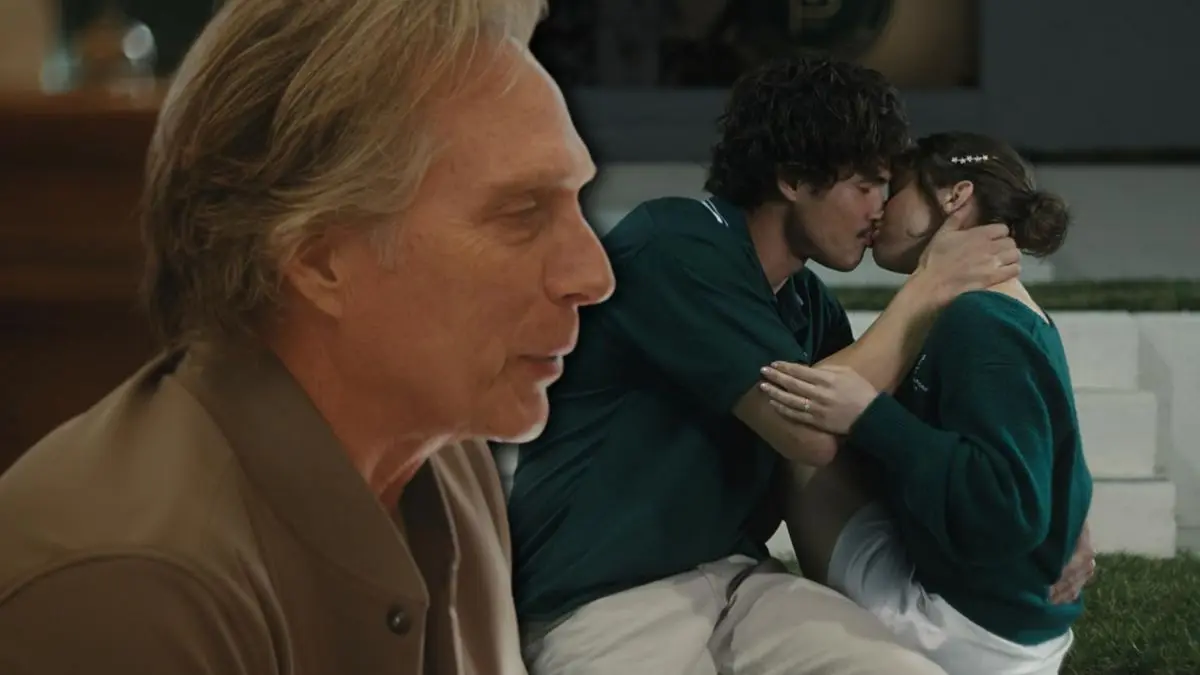

Carey Mulligan and Oscar Isaac have become part of an unexpected production headache on the second season of Netflix’s Beef. According to show creator Lee Sung Jin, their decision to act while wearing music-playing earbuds ended up creating a costly post-production job that no one planned for.
The idea sounds simple. Both actors used in-ear devices during filming so they could listen to music while performing their scenes. The goal was to shape emotion in real time. Instead of relying only on direction or memory, they built mood through sound while acting out key moments.
The problem came later in editing. Every time Mulligan or Isaac appeared on screen, their earbuds had to be digitally removed. Visual effects teams spent large amounts of time cleaning up shots to make it look like nothing was in their ears. According to Lee Sung Jin, this process became unexpectedly expensive.
The actors reportedly used music in very specific ways to guide their performances. In tense scenes, they chose complex tracks to heighten pressure and discomfort. In romantic moments, they picked songs designed to build emotion. Mulligan even described timing certain beats with physical actions in scenes, including a kiss, to match musical drops.
Her comments made it clear the method was intentional, not accidental. The performances were shaped in real time by rhythm and sound, with music acting almost like an unseen co-performer.
Still, the choice has sparked debate behind the scenes and outside the show. Some see it as an interesting experiment that may have helped create strong performances. Others question whether professional actors needed that kind of external trigger at all, especially when it created extra work for visual effects teams.
The situation also highlights a growing tension in modern film and television production. Digital effects teams are increasingly used not just for fantasy visuals, but for fixing small, everyday on-set decisions. In this case, a simple creative choice led to repeated frame-by-frame corrections.
The discussion around Beef has also reopened a broader conversation about actor preparation methods in Hollywood. Unusual approaches to performance are not new, and many past projects have been defined as much by off-screen stories as by what appears in the final cut.
Films like Suicide Squad are often remembered for extreme preparation stories involving cast members going far beyond traditional rehearsal methods. David Ayer’s Fury had similar attention, with reports about intense and sometimes disruptive character immersion techniques during filming.
Television has its own history of committed performances as well. James Gandolfini’s work on The Sopranos has long been described by co-stars as unpredictable and deeply immersive, with behaviour that extended far beyond scripted scenes. In a different example, Jeremy Strong’s approach on Succession became widely discussed after reports of intense role preparation, including extreme requests meant to stay in character.
Even fantasy television has seen similar dedication. Maisie Williams trained to fight left-handed for Game of Thrones after her character’s traits were defined in source material, even though it required her to adapt a natural physical instinct for the role.
Against that background, the Beef situation sits somewhere in the middle. It is not extreme method acting in a traditional sense, but it still reflects how far performers and productions are willing to go in search of authenticity. In this case, that search created a technical cost that only became visible after filming ended.
The show itself remains a tightly focused drama, and audiences are unlikely to notice the behind-the-scenes adjustments. But within the industry, the situation is being viewed as another example of how creative decisions on set can ripple into expensive post-production consequences.
This story shows how modern acting techniques can create unexpected problems for production teams. The idea of using music to improve performance is not strange on its own, but it becomes complicated when it affects editing workload and budget. It raises a fair question about balance between artistic freedom and practical production limits. At what point does a creative tool stop helping and start creating avoidable work for others?
What do you think about this kind of acting approach? Should actors be allowed to use whatever methods help their performance, even if it increases post-production costs, or should there be clearer limits on set practices? Share your thoughts in the comments.