Beloved Cult Classics That Critics Trashed on Release


Some of the most quoted, rewatched, and obsessively championed screen favorites didn’t launch to universal praise. Plenty of now-beloved titles arrived to chilly reviews, underwhelming ticket sales, or outright derision, only to find their audience later through midnight screenings, cable reruns, home video, and passionate word-of-mouth.
Below are 25 films that critics initially panned or shrugged off, yet went on to build reputations that dwarf their early notices. Each entry highlights how the reception unfolded, why the title struggled at first, and the concrete ways it clawed its way into cult status over time.
‘Blade Runner’ (1982)
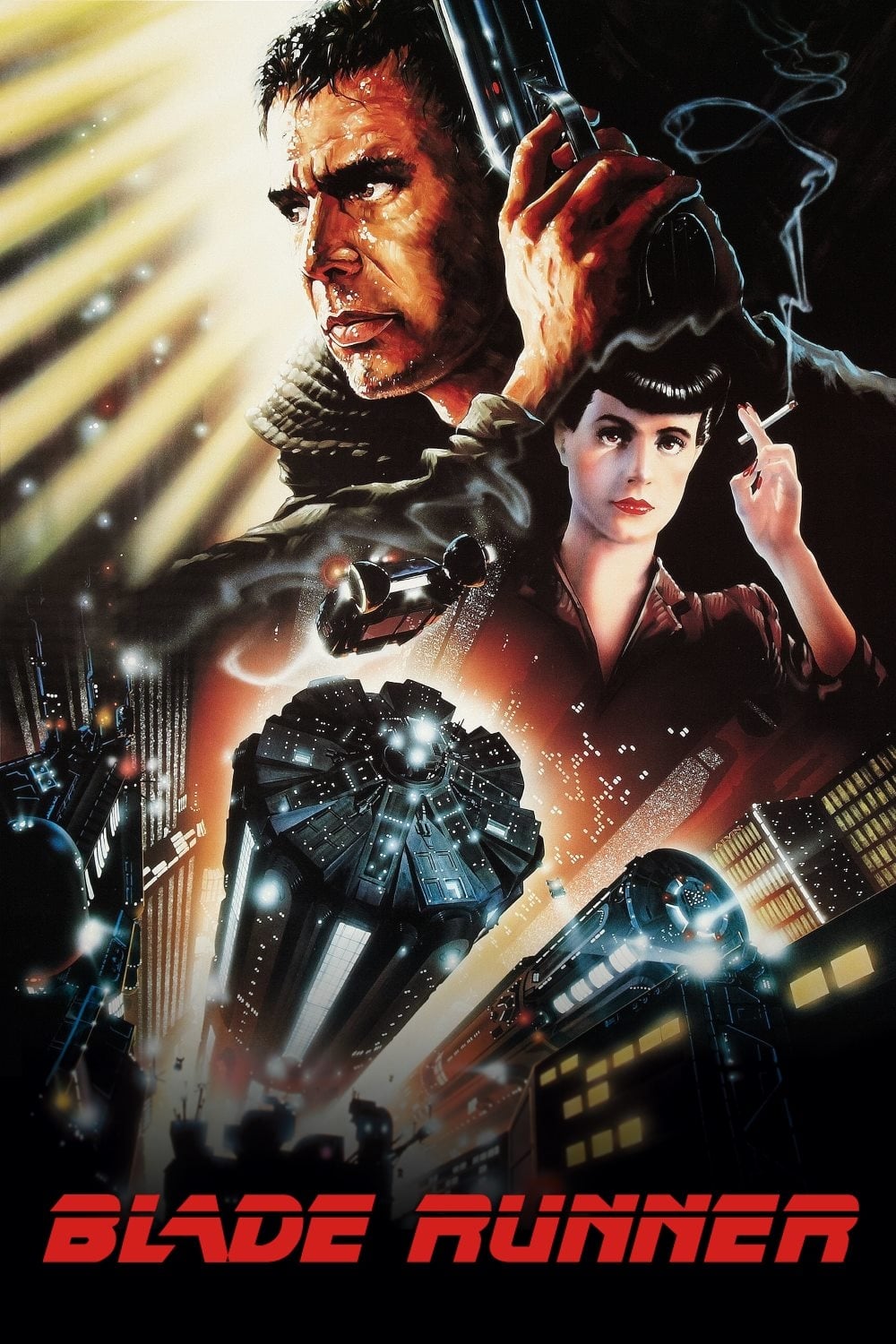
Early reviews criticized ‘Blade Runner’ for its deliberate pace and a theatrical cut shaped by studio mandates. The film also struggled at the box office against effects-heavy competition and left theaters without major awards traction.
Interest surged on home video and at repertory houses, then expanded with a ‘Director’s Cut’ and later ‘Final Cut’ that restored intended creative choices. Those versions fueled scholarship on production design and visual futurism, and the movie’s imagery became a touchstone for cyberpunk and neo-noir across games, music videos, and advertising.
‘The Thing’ (1982)
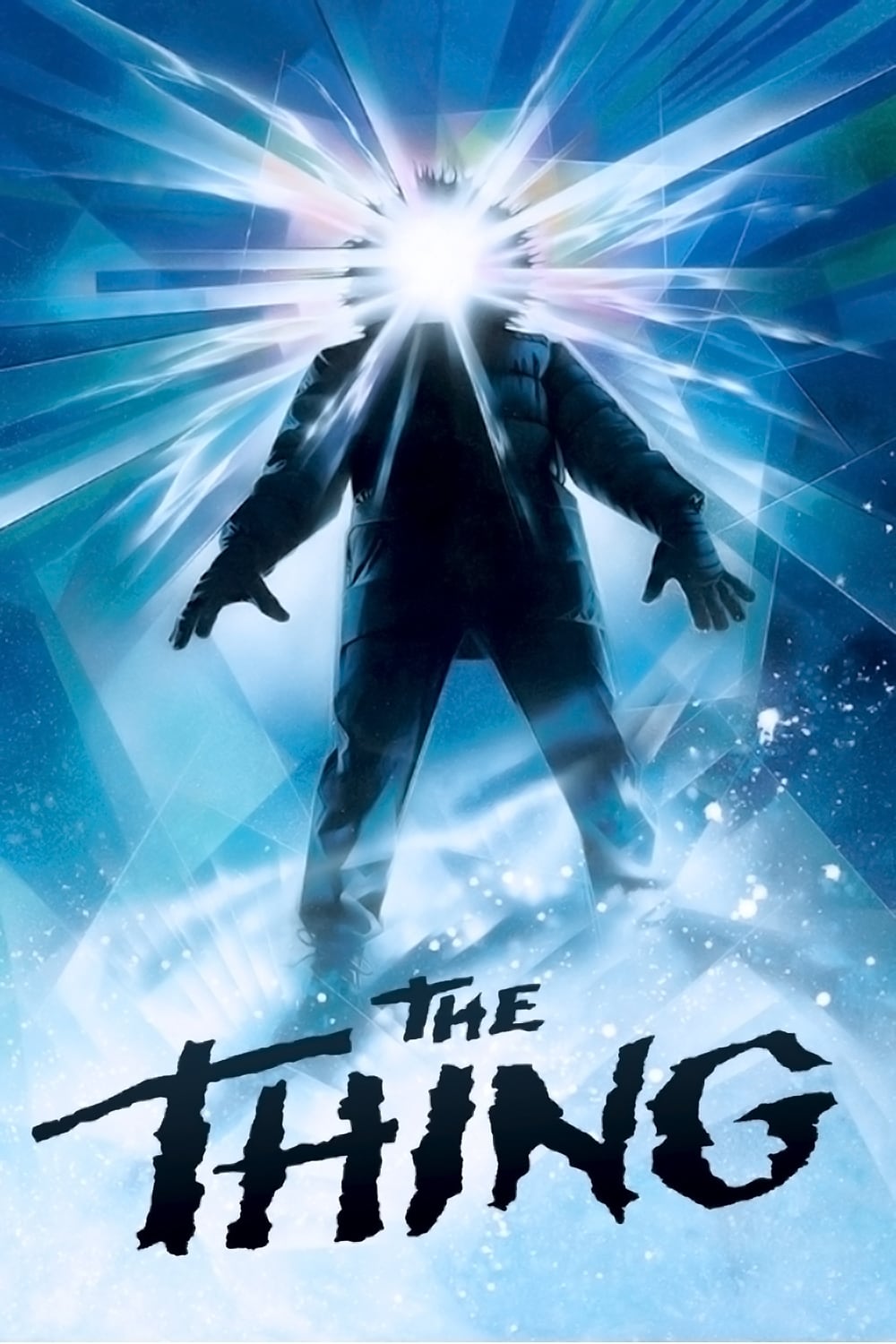
‘The Thing’ opened to harsh notices that focused on graphic effects and a bleak tone, with some prominent critics labeling it excessive. Initial theatrical turnout was limited and the film faded quickly from first-run engagement.
Over time, genre magazines, VHS rental culture, and practical-effects retrospectives championed its creature work and ensemble craft. Convention screenings and making-of features cemented its reputation, and it became a pillar of sci-fi horror programming at festivals and revival houses.
‘Big Trouble in Little China’ (1986)
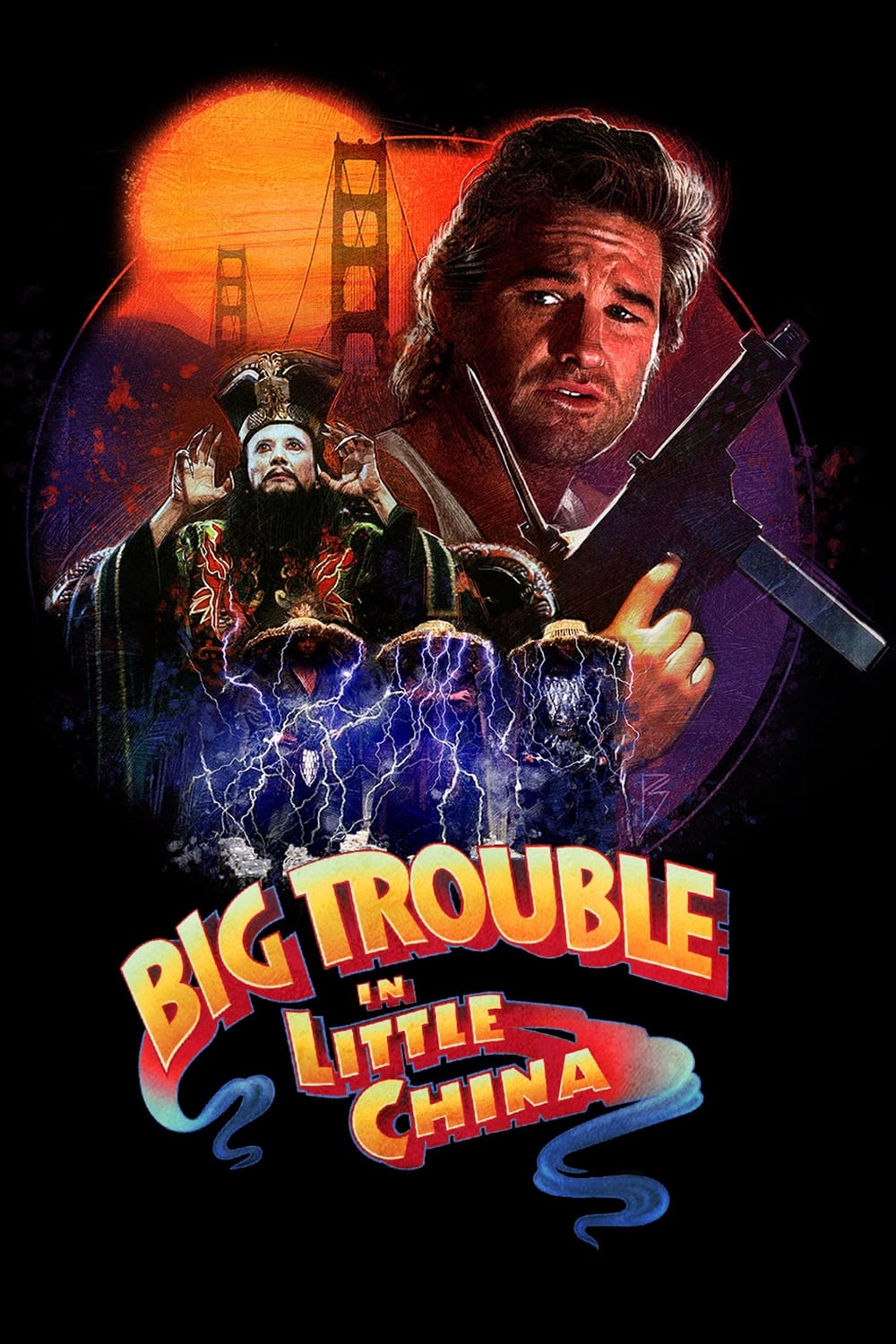
Upon release, ‘Big Trouble in Little China’ drew dismissive reviews that called out its tonal shifts and genre mash-up. The movie underperformed at the domestic box office and exited multiplexes without major studio follow-through.
Cable rotation and home video gradually built a loyal audience that embraced its stunt work, set-pieces, and ensemble chemistry. Fan conventions, oral histories, and soundtrack reissues kept it visible, and location tours turned several San Francisco sites into cult photo stops.
‘Highlander’ (1986)

‘Highlander’ received negative-to-mixed reviews that cited narrative confusion and an unusual blend of fantasy and rock-driven style. Its theatrical run was modest in several markets, and it didn’t initially resemble a franchise starter.
International TV play and videotape circulation transformed it into a repeat-watch staple, supported by a prolific soundtrack and a mythology that expanded through sequels and series spin-offs. Fan clubs, tournament-style screening events, and prop auctions sustained interest and turned its lore into long-running community trivia.
‘Showgirls’ (1995)

‘Showgirls’ was widely panned and quickly associated with awards that recognize poor quality, curtailing its mainstream run. Controversy surrounding rating and marketing overshadowed craft discussions and discouraged exhibitors.
A robust home-video market and midnight screenings reclaimed it as a participatory spectacle. Documentaries, cast interviews, and reappraisals unpacked its production history and exhibition strategies, while themed events and touring roadshows turned it into a camp landmark.
‘Starship Troopers’ (1997)
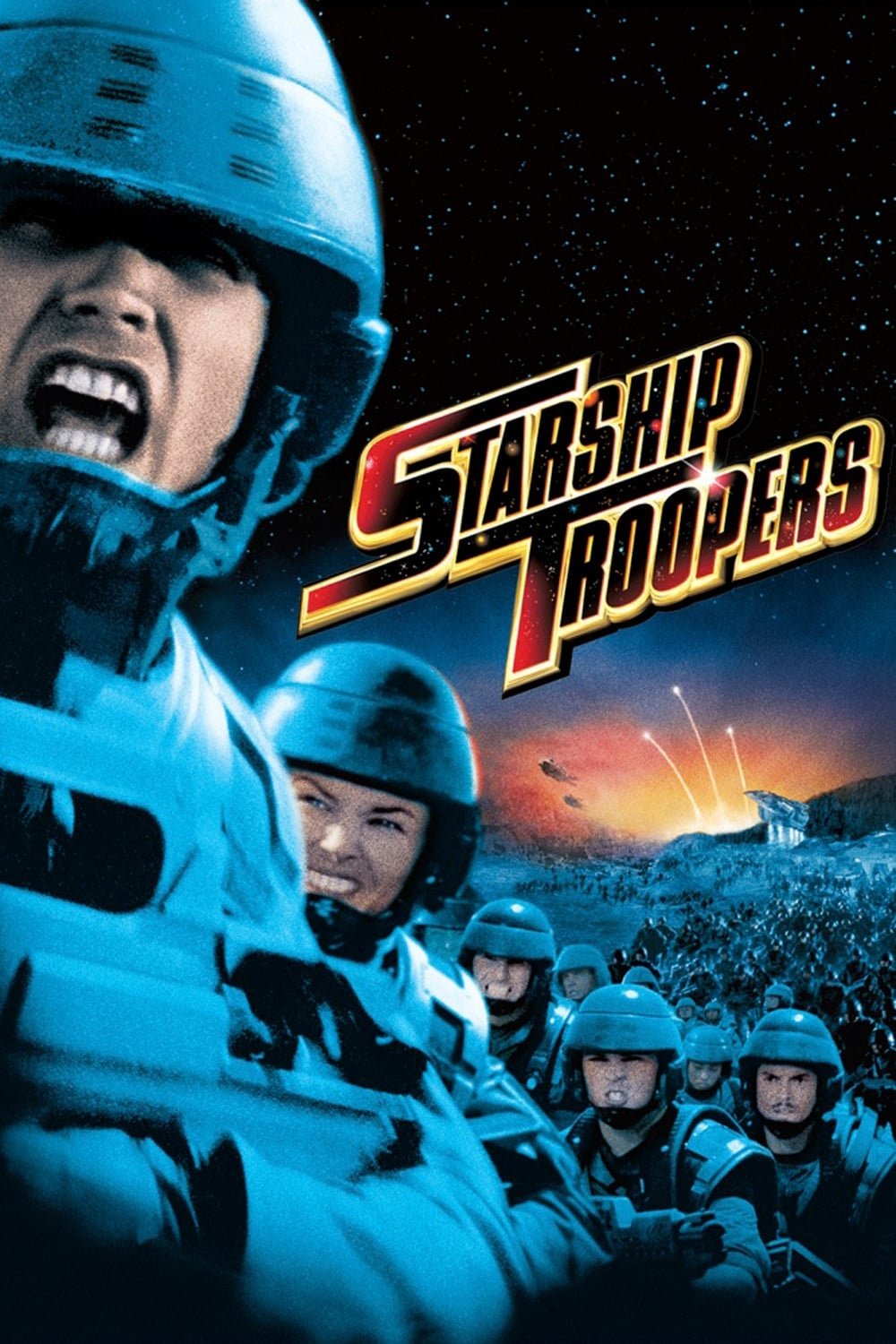
On opening, ‘Starship Troopers’ drew reviews that treated it as empty spectacle and missed its satirical framing. The box office was inconsistent across regions and it left first-run theaters without significant accolades.
Later essays and filmmaker interviews clarified the intent behind its propaganda interludes and uniformed aesthetics, prompting academic adoption in film and media courses. Franchise spin-offs, VFX retrospectives, and anniversary screenings broadened its audience and preserved its reputation as a polarizing studio gamble-turned-cult mainstay.
‘Speed Racer’ (2008)
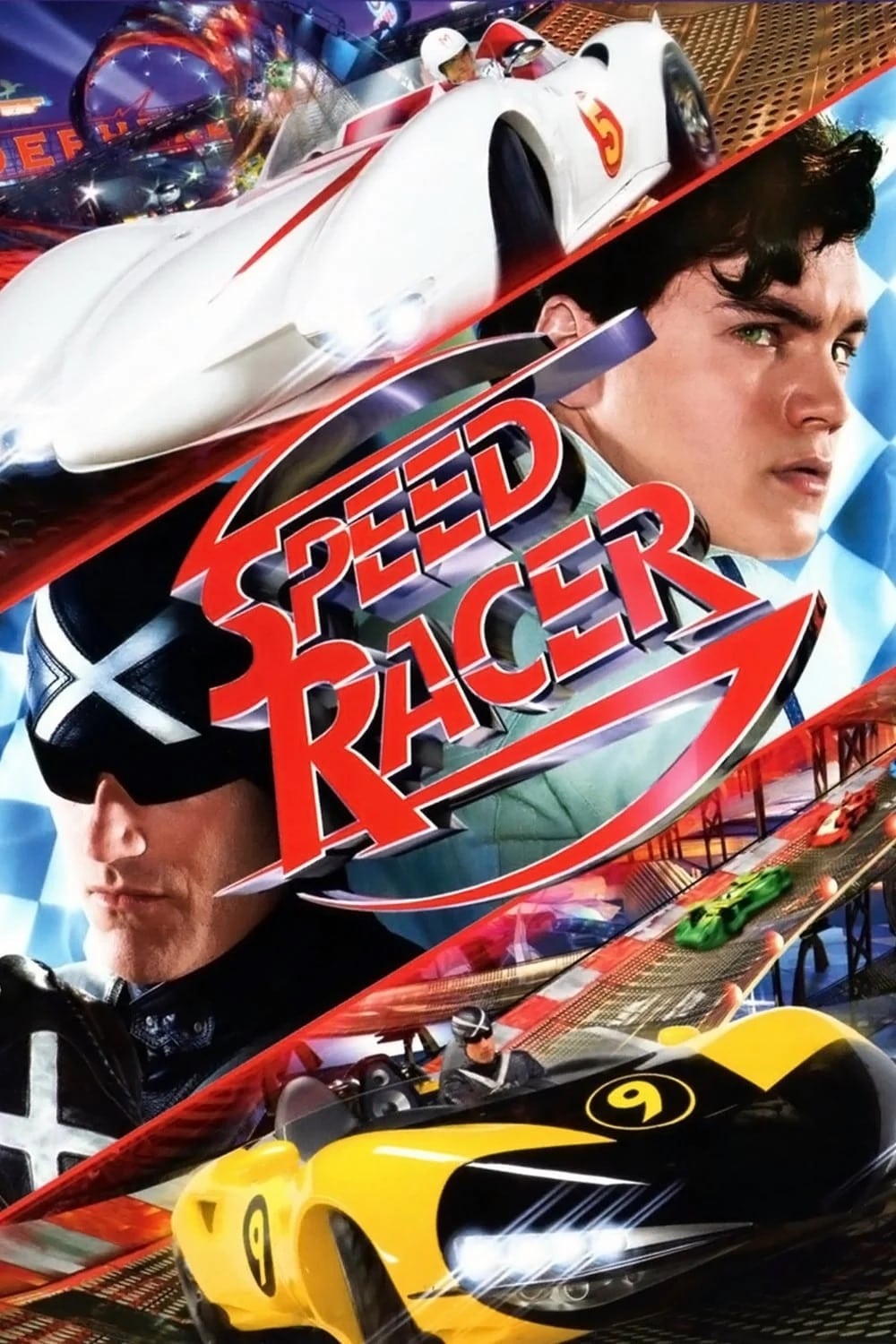
‘Speed Racer’ arrived to a wave of negative notices focused on its digital aesthetic and family-friendly tone. Ticket sales lagged behind its production scale and high-profile marketing.
As home screens and HD formats improved, viewers reassessed its color design, editing rhythms, and action geography. Craft interviews, art-of books, and VFX breakdowns circulated widely, and filmmaker testimonials credited it with pushing stylized live-action toward animation-informed techniques.
‘Jennifer’s Body’ (2009)
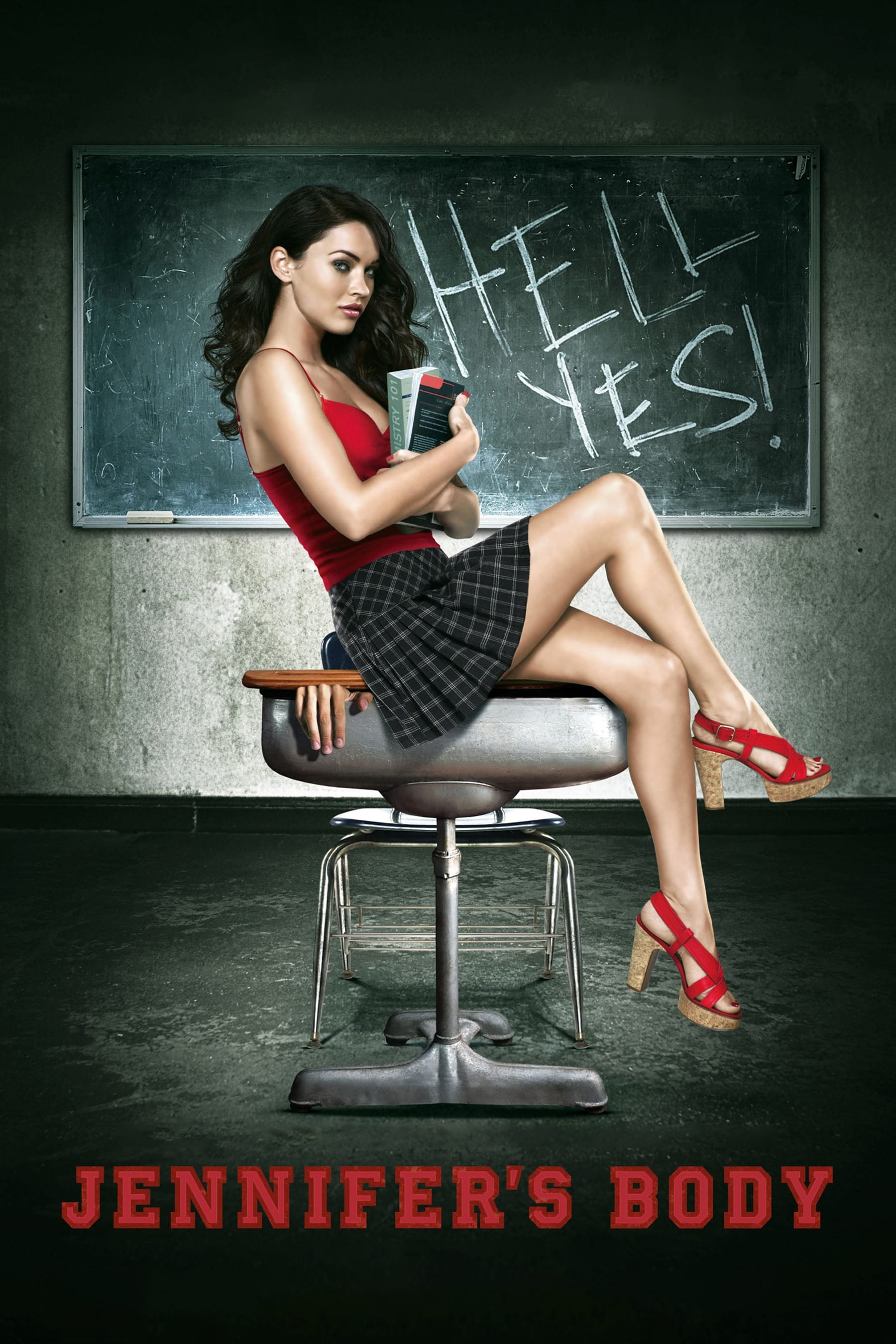
At launch, ‘Jennifer’s Body’ received dismissive coverage shaped by marketing that misrepresented its core themes. The theatrical rollout produced modest returns and limited early visibility.
Social-media advocacy and critical scholarship later repositioned it as a case study in misaligned promotion and genre expectations. Anniversary screenings, new interviews, and soundtrack reissues expanded its audience, and course syllabi in horror and media studies kept it in ongoing discussion.
‘Twin Peaks: Fire Walk with Me’ (1992)
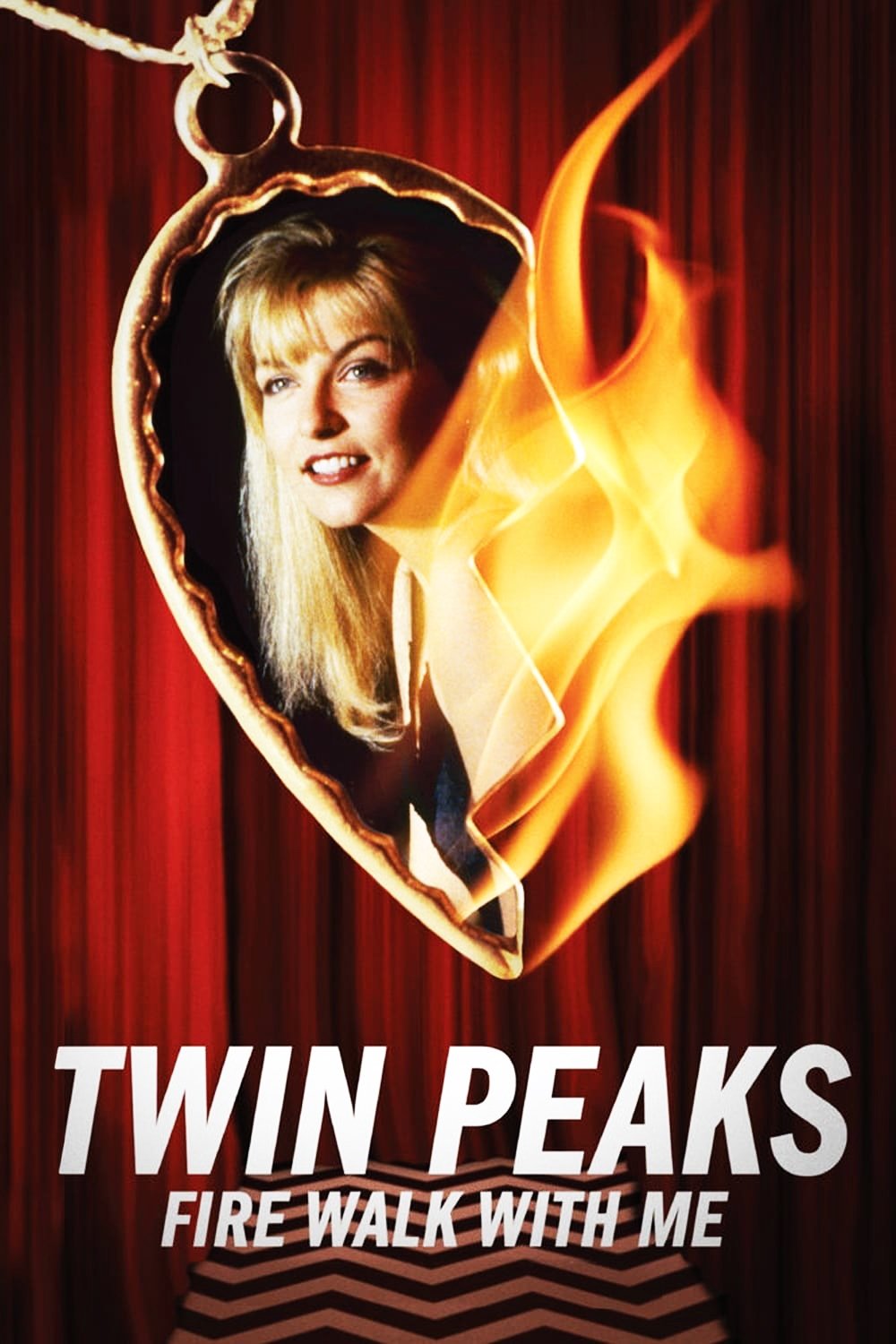
Upon release, ‘Twin Peaks: Fire Walk with Me’ was booed at a major festival and met with sharply negative press. Domestic grosses were low, and even some series fans were divided over its focus and intensity.
Restorations and the release of long-sought deleted scenes reframed it as essential to the series’ mythology. Critical reassessment emphasized its lead performance and depiction of trauma, while retrospectives tracked its shift from disappointment to cornerstone.
‘Clue’ (1985)
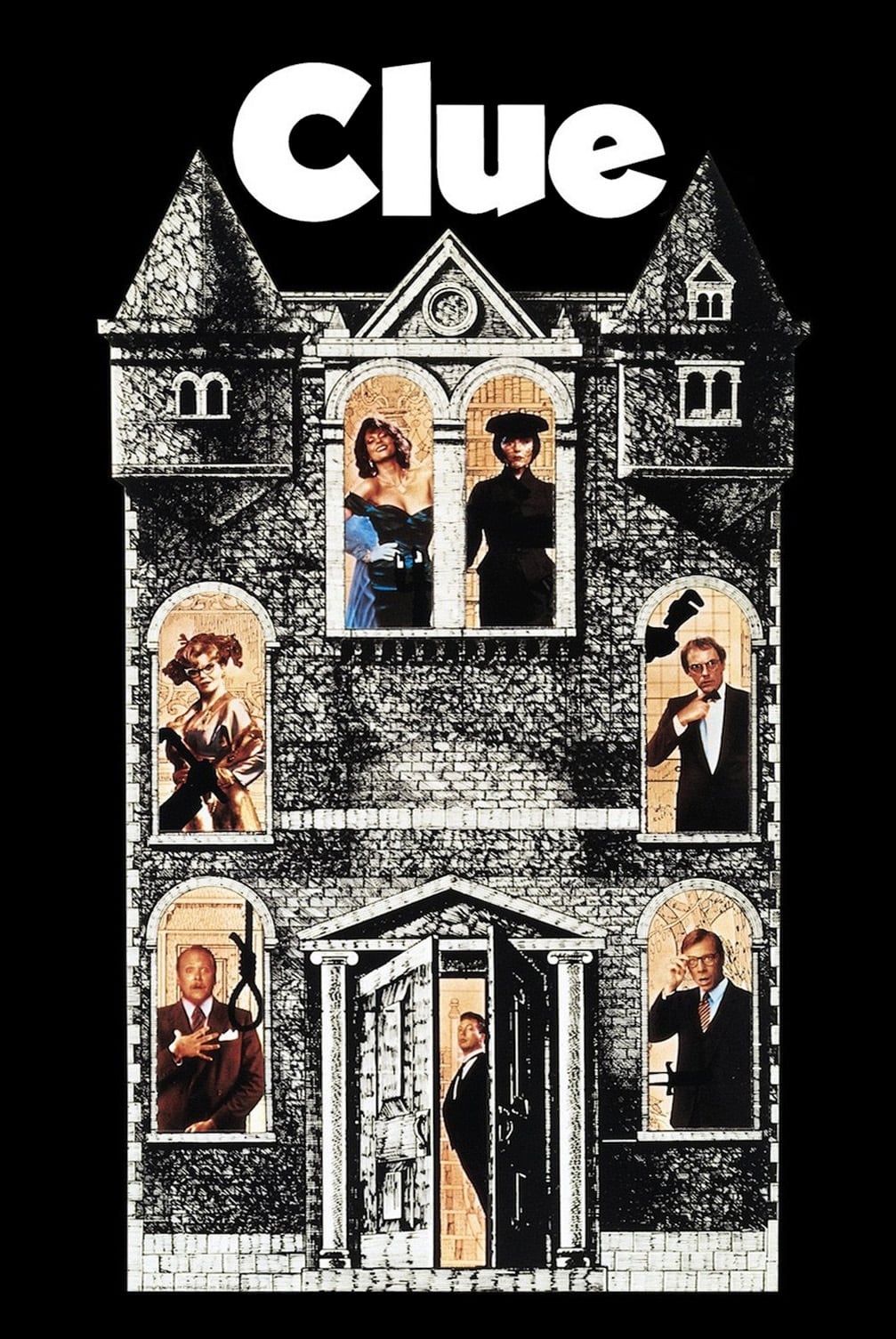
‘Clue’ earned tepid reviews and tried a theatrical gimmick with multiple endings that puzzled some viewers and exhibitors. The initial run was short and the film left multiplexes without strong word-of-mouth.
Television broadcasts and VHS created a committed audience that memorized dialogue and embraced the ensemble cast. Fan screenings with randomized endings, board-game tie-ins, and cast reunions turned it into a repertory favorite with enduring quote-along appeal.
‘Dune’ (1984)

‘Dune’ faced harsh criticism for narrative density and studio-imposed edits that compressed expansive source material. The first release was widely reported as the outcome of a difficult post-production, and ticket sales disappointed.
Collectors and sci-fi periodicals kept interest alive through production stills, concept art, and soundtrack releases. Longform articles on abandoned edits and television recuts sustained debate, and modern restorations and art exhibits highlighted its design legacies.
‘The Cable Guy’ (1996)
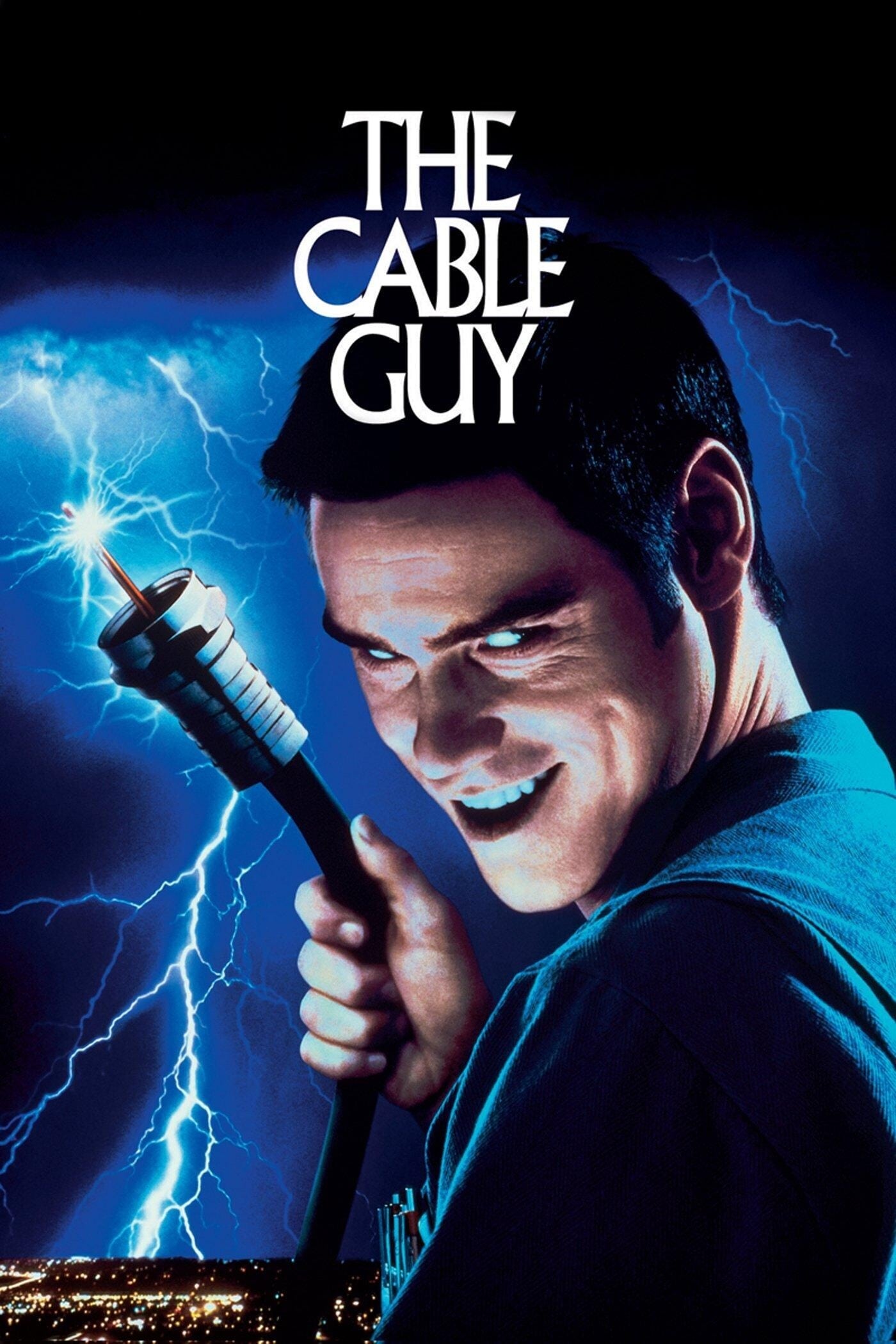
‘The Cable Guy’ arrived with reviews that balked at a darker tone from a headlining comic star. Attendance fell short of expectations, and the marketing became a case study in audience expectation management.
Director commentaries, cast retrospectives, and online clip circulation contextualized its satire of media obsession. Streaming availability and reunion panels brought wider exposure, encouraging reappraisal that placed it within a lineage of black comedies from major studios.
‘Josie and the Pussycats’ (2001)
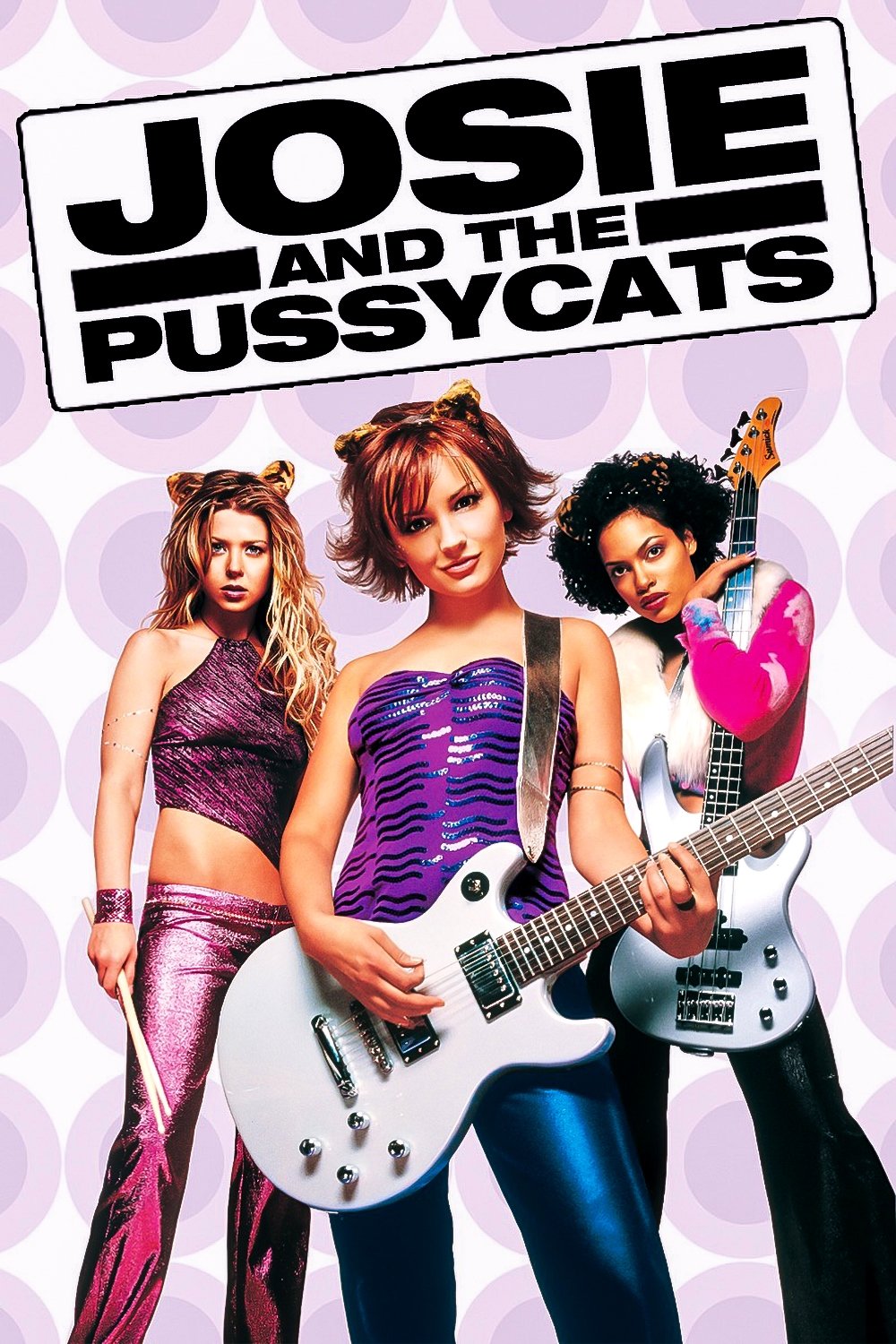
Critics were dismissive of ‘Josie and the Pussycats’ on release, and initial grosses were modest. The campaign struggled to communicate its meta angle, leaving many viewers unsure of the target.
Think pieces and fan podcasts later emphasized its satire of branding and manufactured pop. Vinyl and digital soundtrack revivals, along with cast-crew interviews, documented its production process, while festival bookings and special screenings introduced it to new audiences.
‘Plan 9 from Outer Space’ (1957)
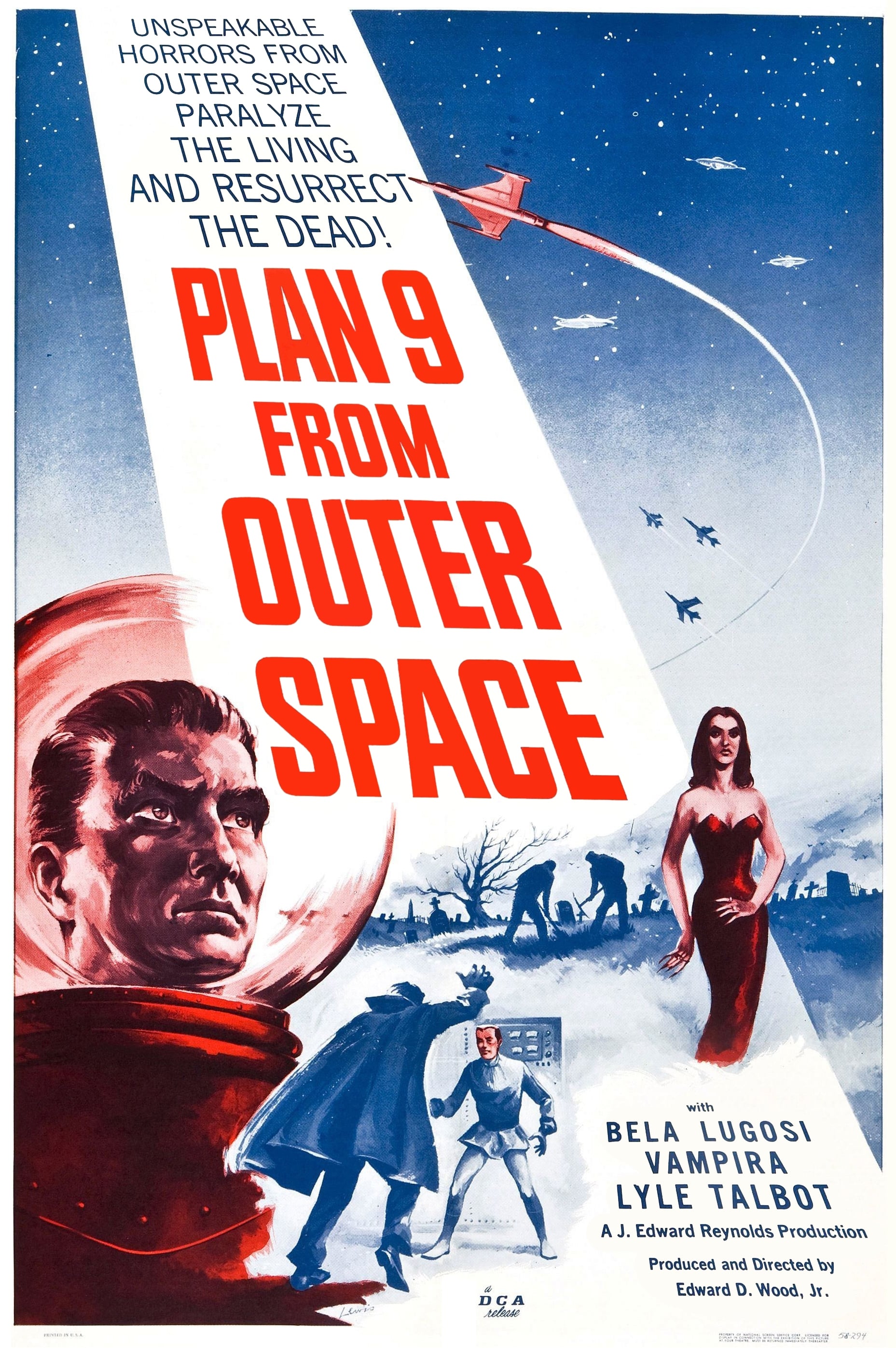
‘Plan 9 from Outer Space’ was derided by reviewers and largely ignored in mainstream exhibition. Early engagements drew limited attention beyond local markets.
Television packages and public-domain circulation made it easy to program, and it became a cornerstone of “so-bad-it’s-good” repertory. Books, documentaries, and fan restorations chronicled its production tales, and annual screenings turned it into a communal comedy event.
‘Idiocracy’ (2006)
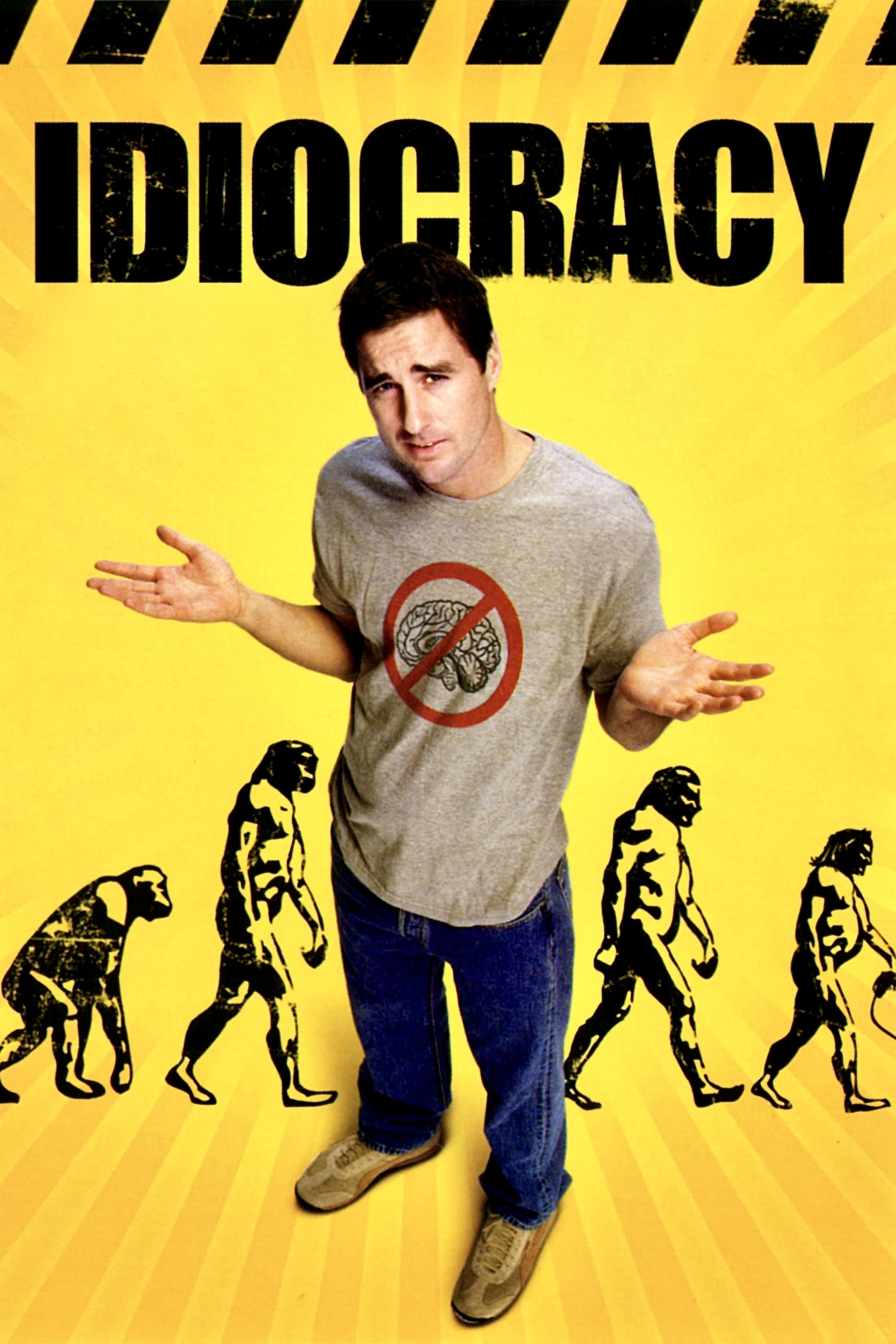
‘Idiocracy’ suffered from a minimal theatrical rollout and mixed-negative coverage, which depressed early impact. A small number of initial bookings limited word-of-mouth during the first release window.
DVD, streaming, and clip-sharing platforms fueled gradual discovery as audiences highlighted specific gags and world-building details. Interviews with the creative team clarified distribution decisions, and press retrospectives mapped its growth from near-invisible release to widely referenced satire.
‘Fear and Loathing in Las Vegas’ (1998)
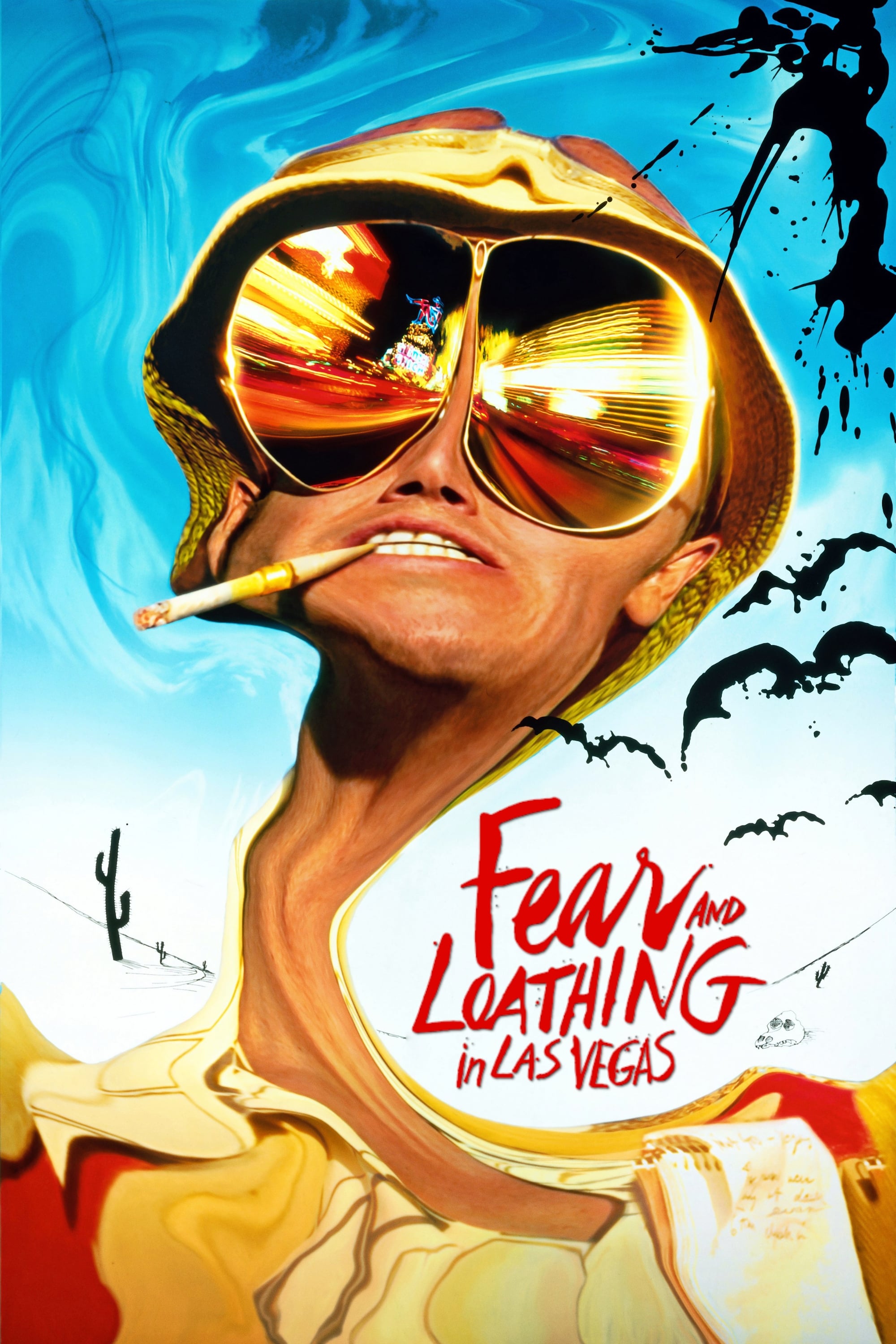
‘Fear and Loathing in Las Vegas’ opened to negative and puzzled reviews, with several outlets criticizing structure and excess. Theatrical returns remained modest and the film exited first-run engagements without major prizes.
Annotated editions, production diaries, and art-department showcases later reframed it as an ambitious literary adaptation. Festival tributes, soundtrack rediscoveries, and photo exhibits highlighted its craft, and revival screenings drew enthusiastic crowds that sustained its afterlife.
‘Event Horizon’ (1997)
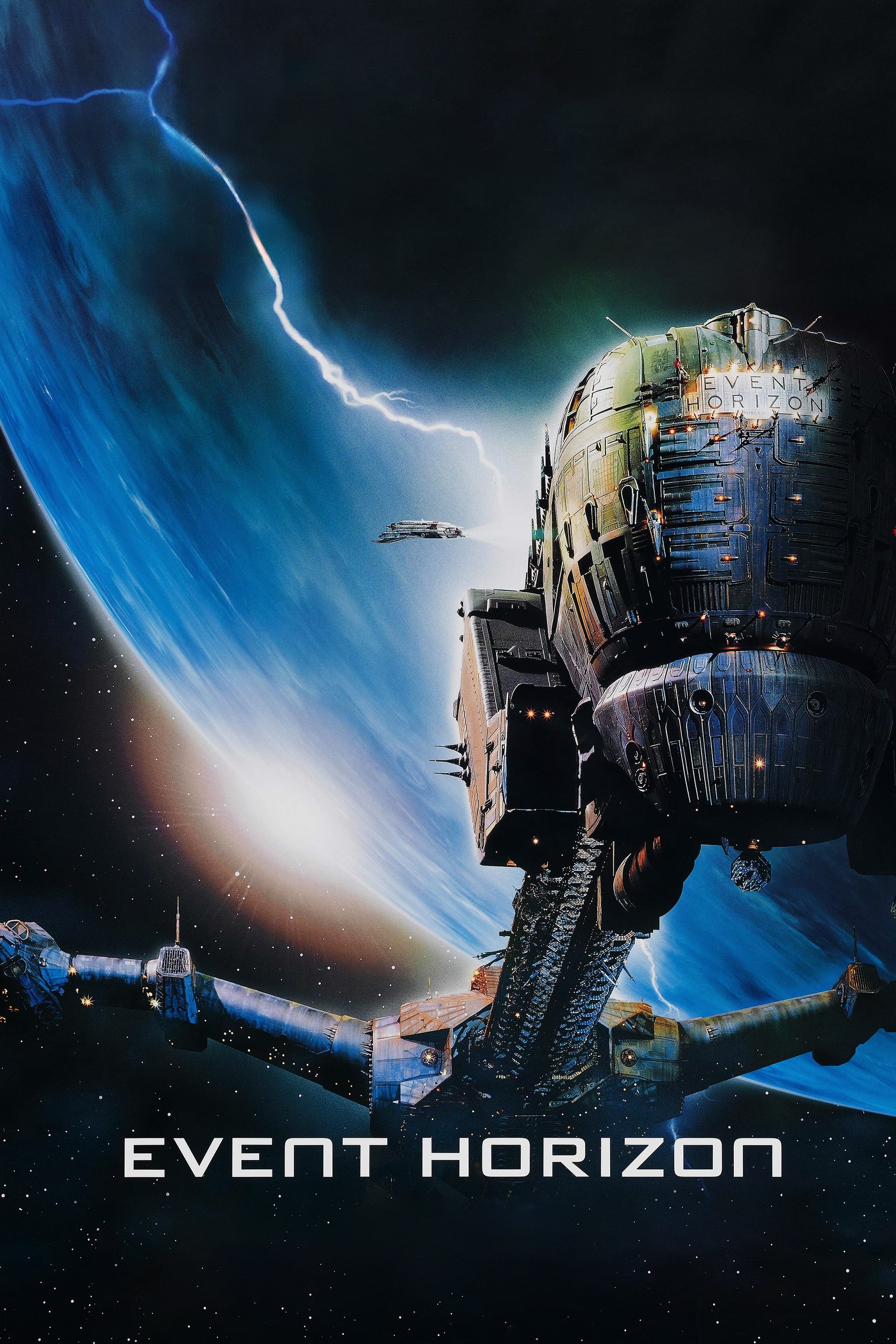
‘Event Horizon’ received poor reviews focused on its blend of sci-fi and gore, and it struggled during its initial run. Reports of hurried editorial cuts circulated, and the film left theaters without winning over critics.
Home-video schedules and late-night cable exposed it to genre fans who championed production design and sound work. Documentary features and interviews documented lost materials and influence on later space-horror entries, reinforcing its cult status.
‘The Room’ (2003)
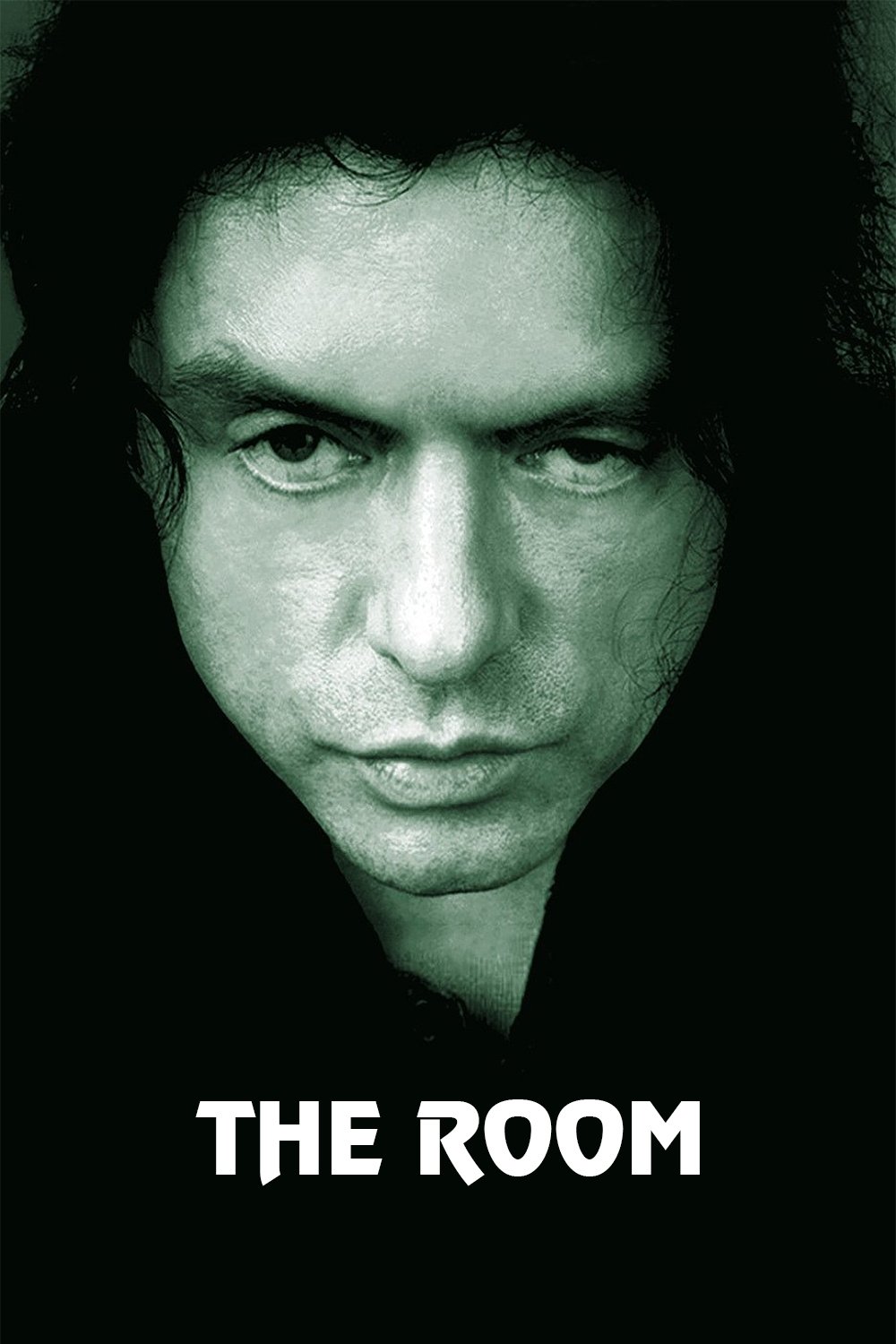
‘The Room’ premiered to overwhelmingly negative reviews and microscopic early grosses. Initial screenings were limited and word-of-mouth centered on continuity issues and unconventional performances.
Midnight showings with audience rituals—spoon throwing, call-backs, and dress-up—transformed it into an interactive phenomenon. A published making-of memoir, a dramatized account of its production, and touring roadshows by cast members sustained its profile across cities.
‘Hocus Pocus’ (1993)
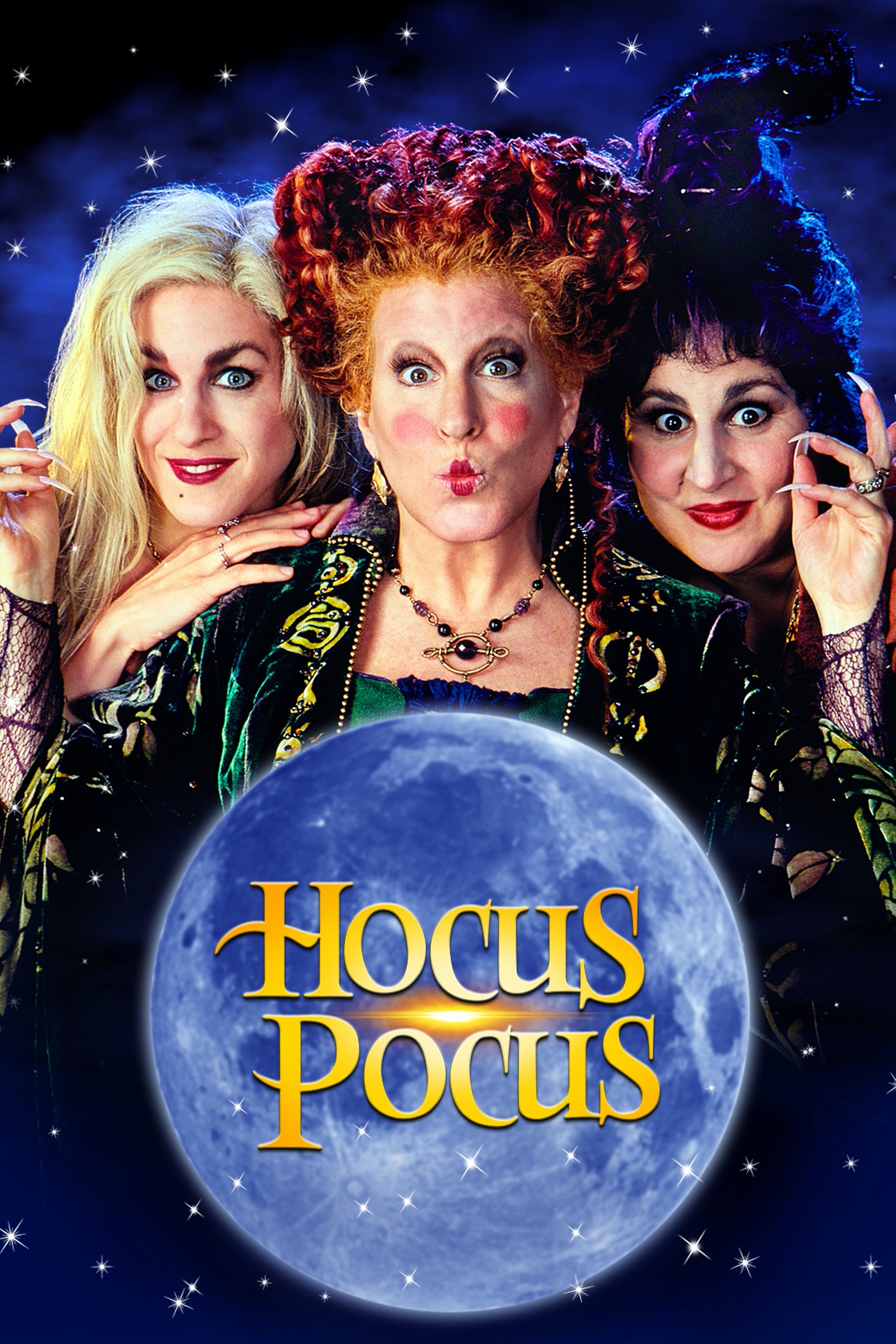
‘Hocus Pocus’ debuted to negative reviews that targeted tone and slapstick. The release window didn’t align neatly with seasonal demand, which muted initial attendance.
Television marathons and later streaming availability turned it into an autumn fixture. Merch cycles, location tours, and behind-the-scenes features elevated its afterlife, with costumes and songs becoming staples of seasonal events.
‘Hudson Hawk’ (1991)
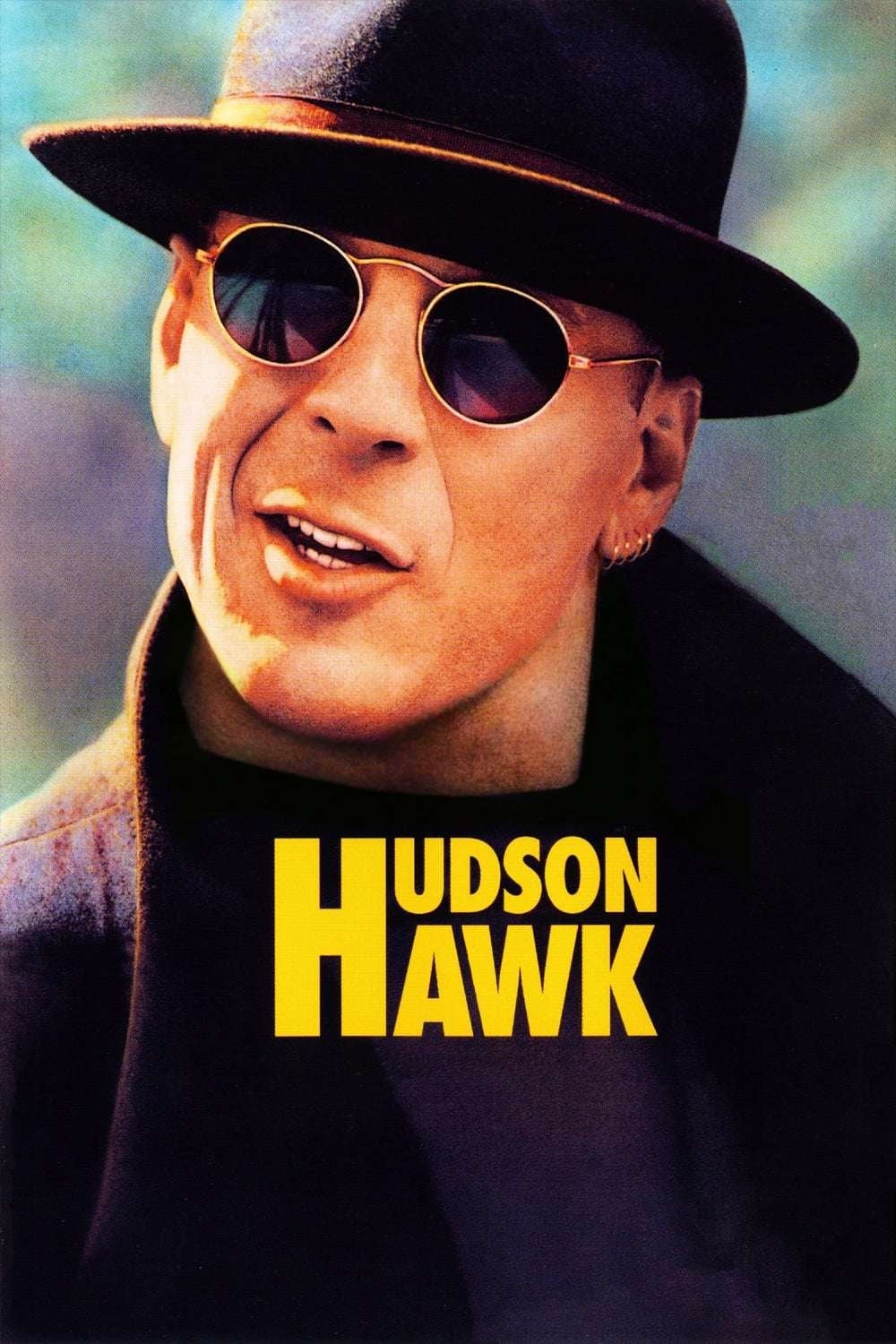
‘Hudson Hawk’ was a high-profile box office disappointment greeted by scathing reviews that highlighted tonal whiplash and elaborate setpieces. The press focused on budget-versus-return comparisons and production turbulence.
Cable play and video rentals gradually built a following that sought out its elaborate heist beats and music-timed sequences. Oral histories, prop sales, and anniversary pieces tracked its evolution from notorious flop to curiosity-screening staple.
‘Mallrats’ (1995)

‘Mallrats’ arrived to poor reviews and a weak initial turnout, especially compared with its creator’s prior indie breakout. The film’s mall-set approach and broad comedy drew little early critical enthusiasm.
A strong life on home video and cable reframed it as a connective tissue in a growing shared universe. Cast reunions, convention panels, and a later sequel project revived attention, while retail tie-ins and comic spin-offs kept it in circulation.
‘The Adventures of Buckaroo Banzai Across the 8th Dimension’ (1984)

On release, ‘The Adventures of Buckaroo Banzai Across the 8th Dimension’ baffled many critics and struggled to find a wide audience. Marketing challenges compounded the issue, and the theatrical run was brief.
Fan clubs, zines, and convention screenings cultivated a dedicated base that celebrated its eccentric ensemble and world-building. Soundtrack releases, prop replicas, and retrospective interviews documented its production, and special-edition home releases preserved deleted material and design ephemera.
‘Flash Gordon’ (1980)
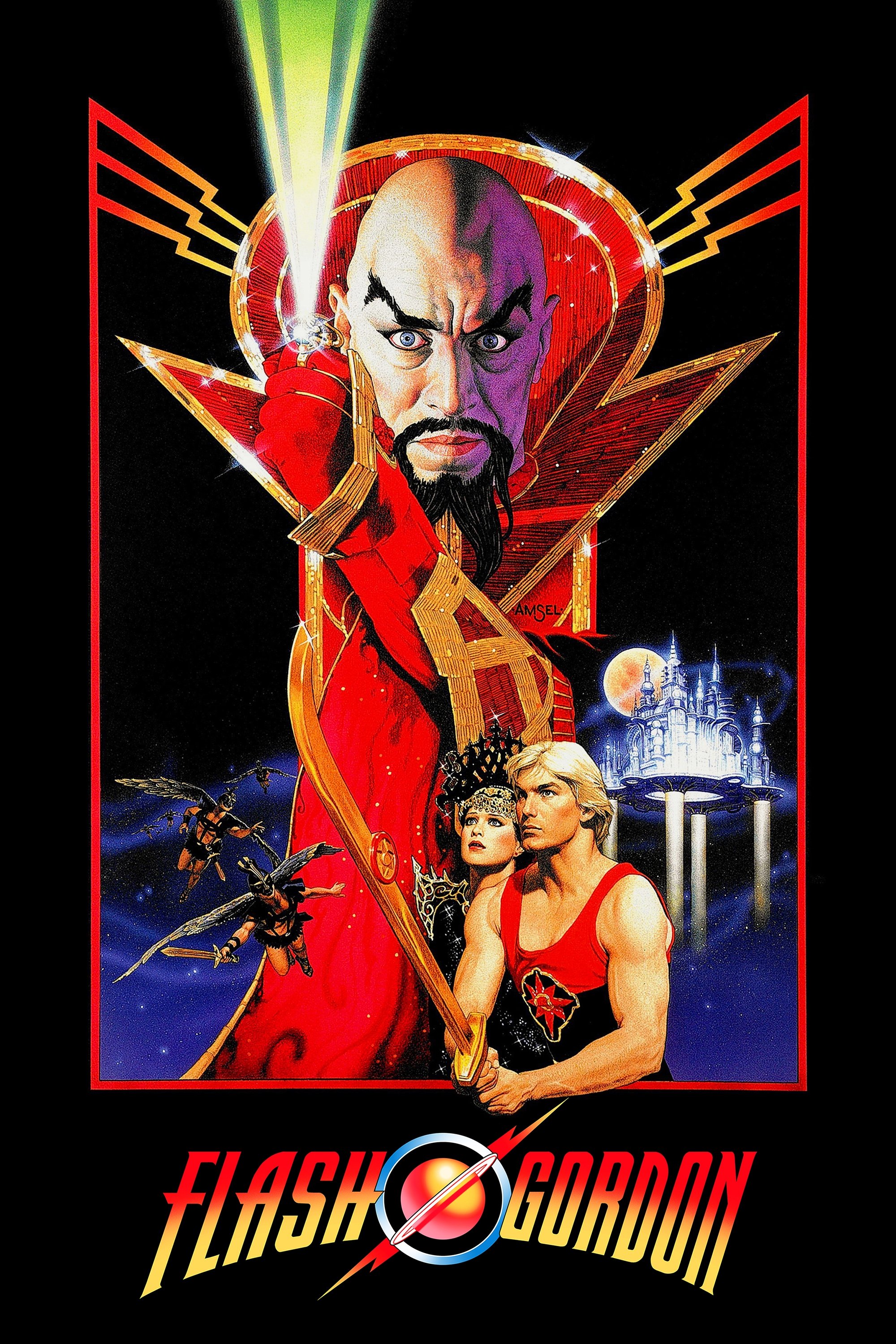
‘Flash Gordon’ drew mixed-negative notices that balked at its heightened style and comic-strip tone. The film’s domestic gross didn’t match expectations for a space adventure released during a sci-fi boom.
Across the years, soundtrack popularity, especially high-profile rock contributions, helped keep it in the public ear. Festival screenings, art-book coverage of costumes and sets, and creator Q&As turned it into a staple of retro programming blocks.
‘Road House’ (1989)
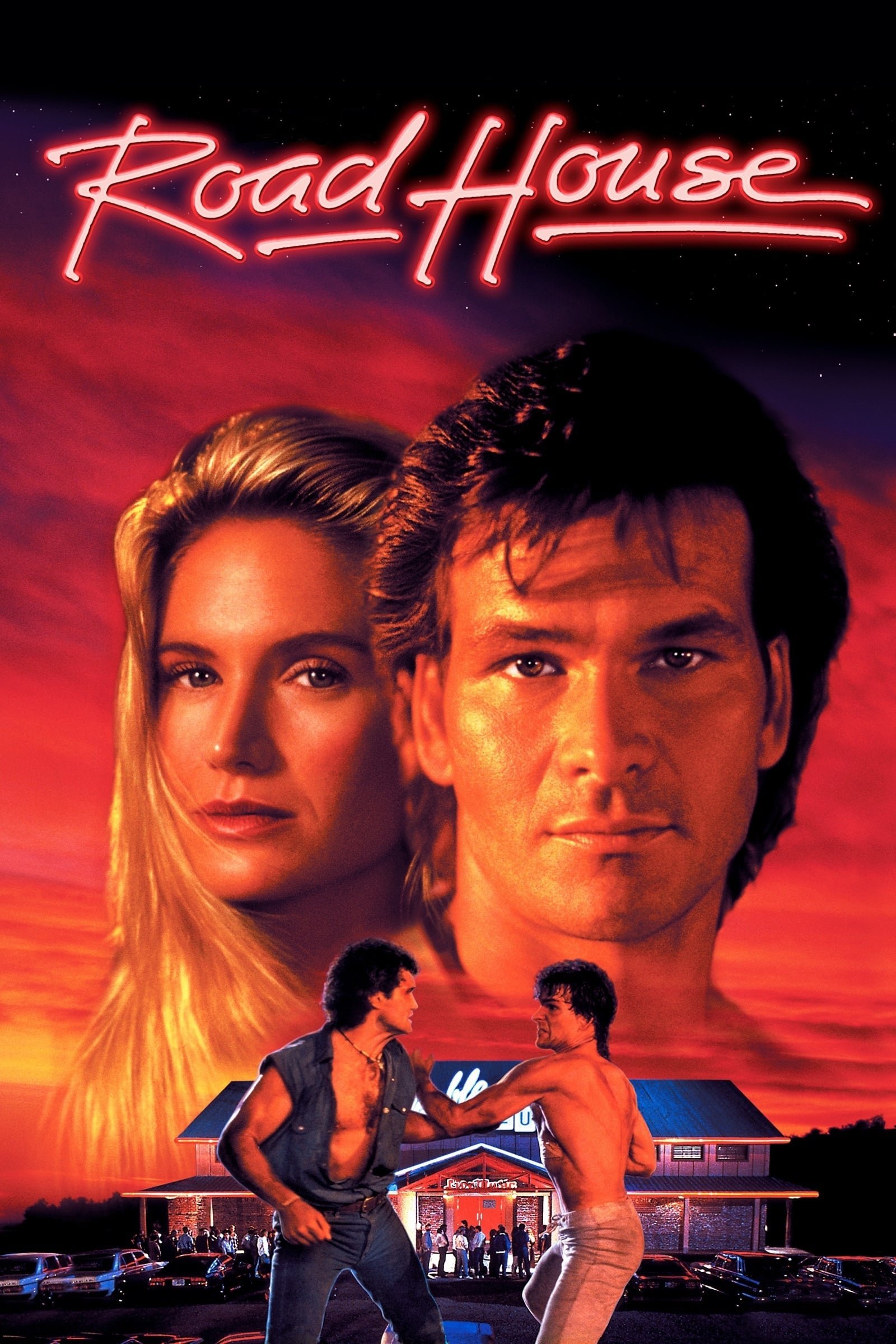
‘Road House’ was panned by many reviewers who zeroed in on its bar-brawl excess and melodramatic plotting. Initial award chatter skewed toward negative distinctions, and critics treated it as disposable action fare.
Repeated cable airings and home-video circulation fostered a dedicated viewership that embraced its stunt choreography and quotable lines. Location pilgrimages, fan merchandise, and documentaries on stunt teams supported its steady climb into cult territory.
‘Hackers’ (1995)
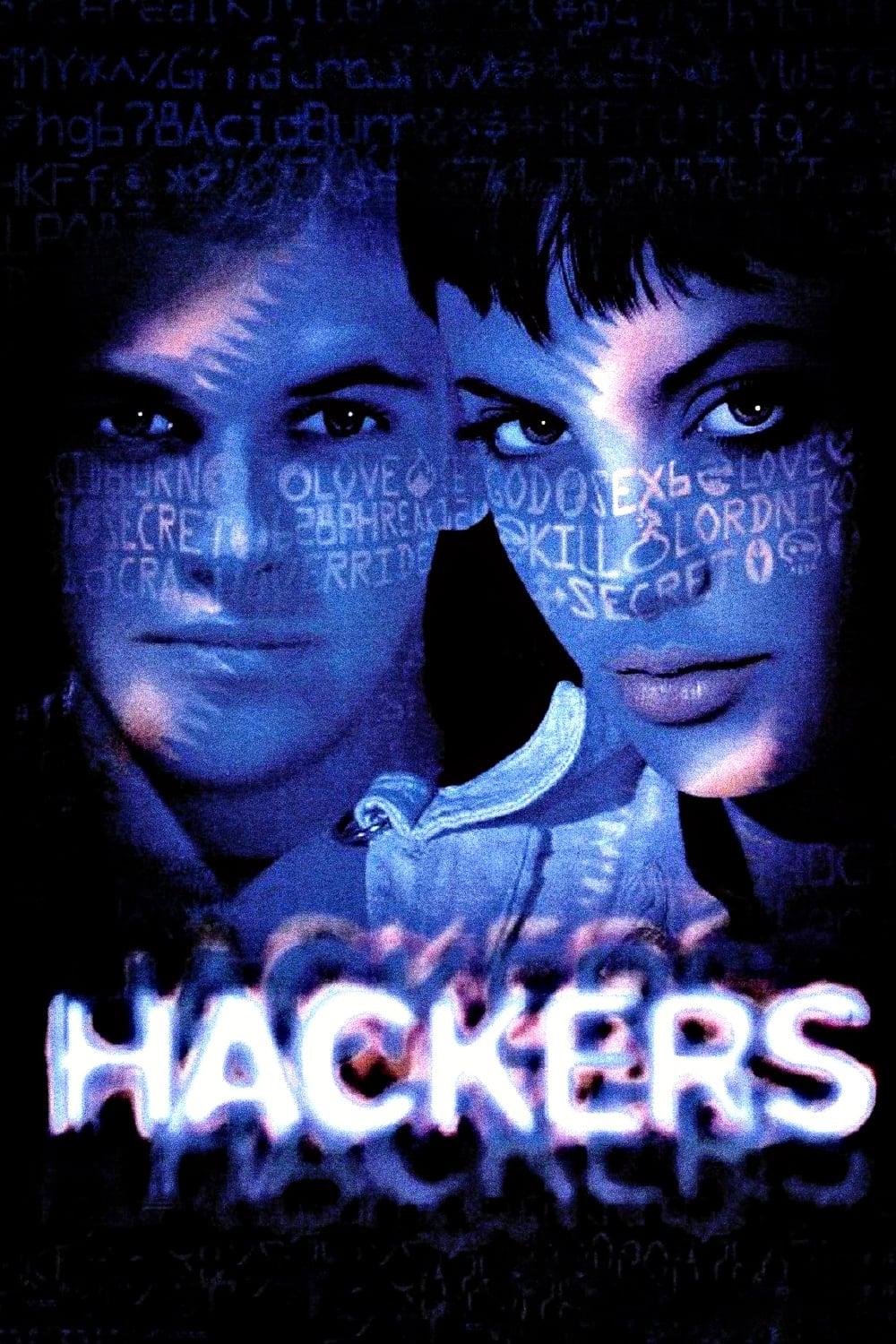
‘Hackers’ opened to poor reviews that mocked its depiction of computing culture and neon-soaked style. The theatrical run was short and the movie didn’t connect with mainstream audiences during its first pass.
As digital culture matured, the film’s production design and soundtrack drew renewed interest, and tech communities revisited its visual vocabulary. Soundtrack reissues, cast interviews, and anniversary screenings helped secure its place as a nostalgic touchpoint for early internet aesthetics.
Share the cult classic that won you over—tell us in the comments which title you discovered long after critics said to skip it!