


Best 1980s Movies You Probably Haven’t Seen Yet

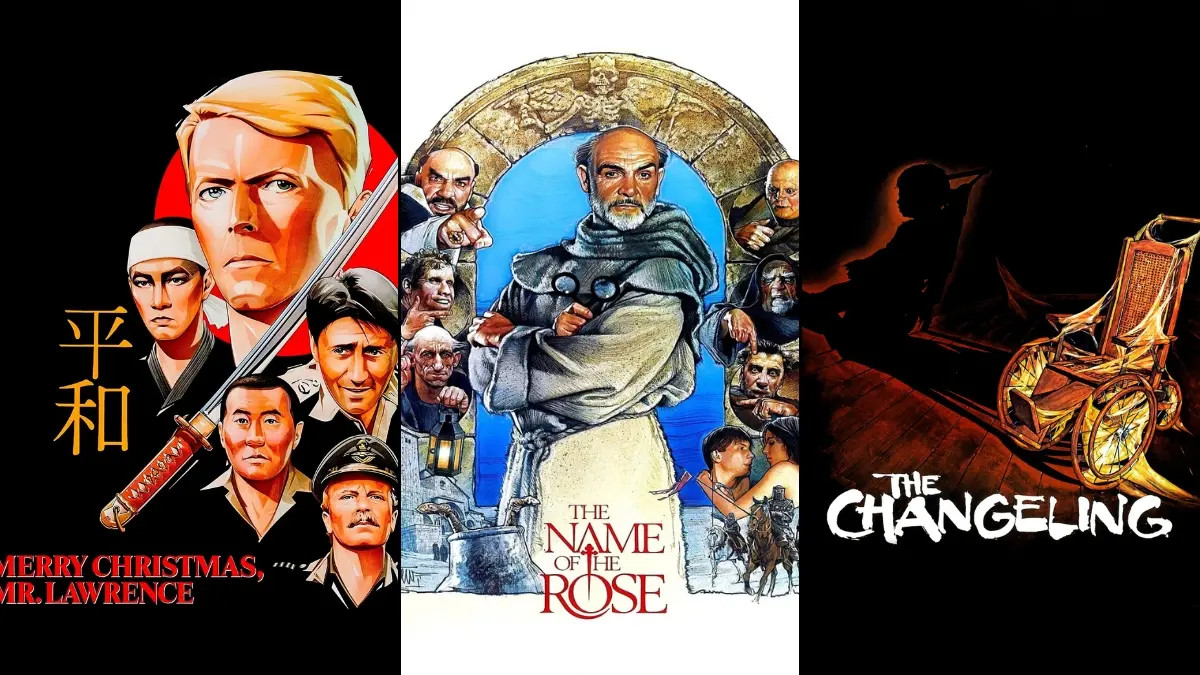


The eighties delivered a lot more than the blockbusters everyone quotes. Beyond the obvious hits, there is a deep bench of features from around the world that introduced bold directors, new stars, and stories that pushed genres into fresh territory. Many premiered at major festivals, earned awards, or influenced later filmmakers, yet they slipped past wide audiences at the time.
This list gathers under viewed gems across crime, horror, sci fi, drama, and adventure. You will find films made on shoestring budgets next to international prize winners, studio productions beside independent breakthroughs, and titles that traveled from art houses to midnight screenings. Each entry includes practical details to help you decide what to queue up next.
‘The Stunt Man’ (1980)
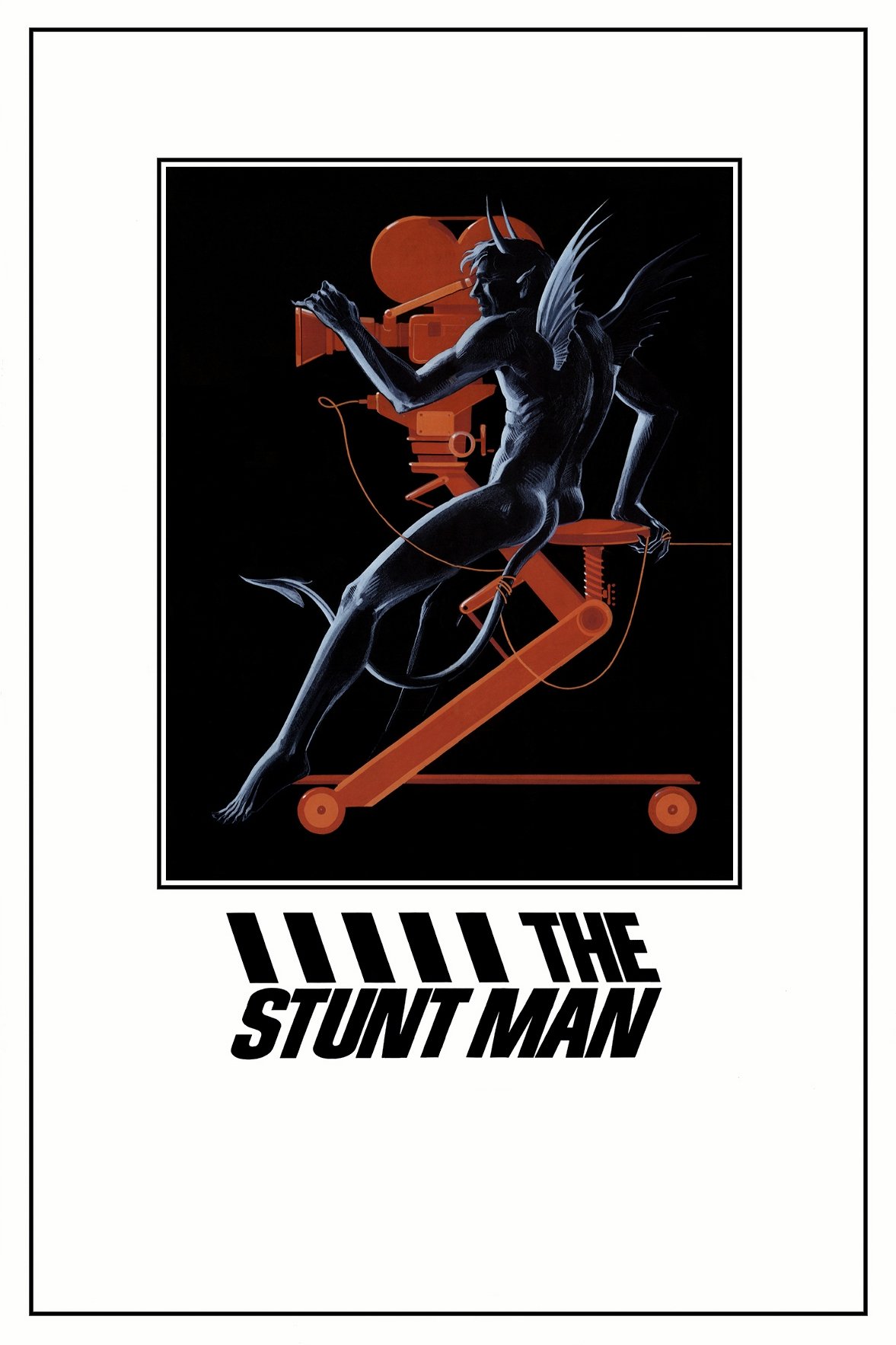
Richard Rush directs a story about a fugitive who stumbles onto a war film set and hides in plain sight by becoming a stunt performer. Peter O’Toole plays the mercurial director, with Steve Railsback and Barbara Hershey in key roles, and the film adapts Paul Brodeur’s novel of the same name.
Production made extensive use of practical stunt work and on location shooting at seaside locations in Southern California. The film earned Academy Award nominations for acting and directing and later became a case study in how independent productions navigated studio distribution in that era.
‘Breaker Morant’ (1980)
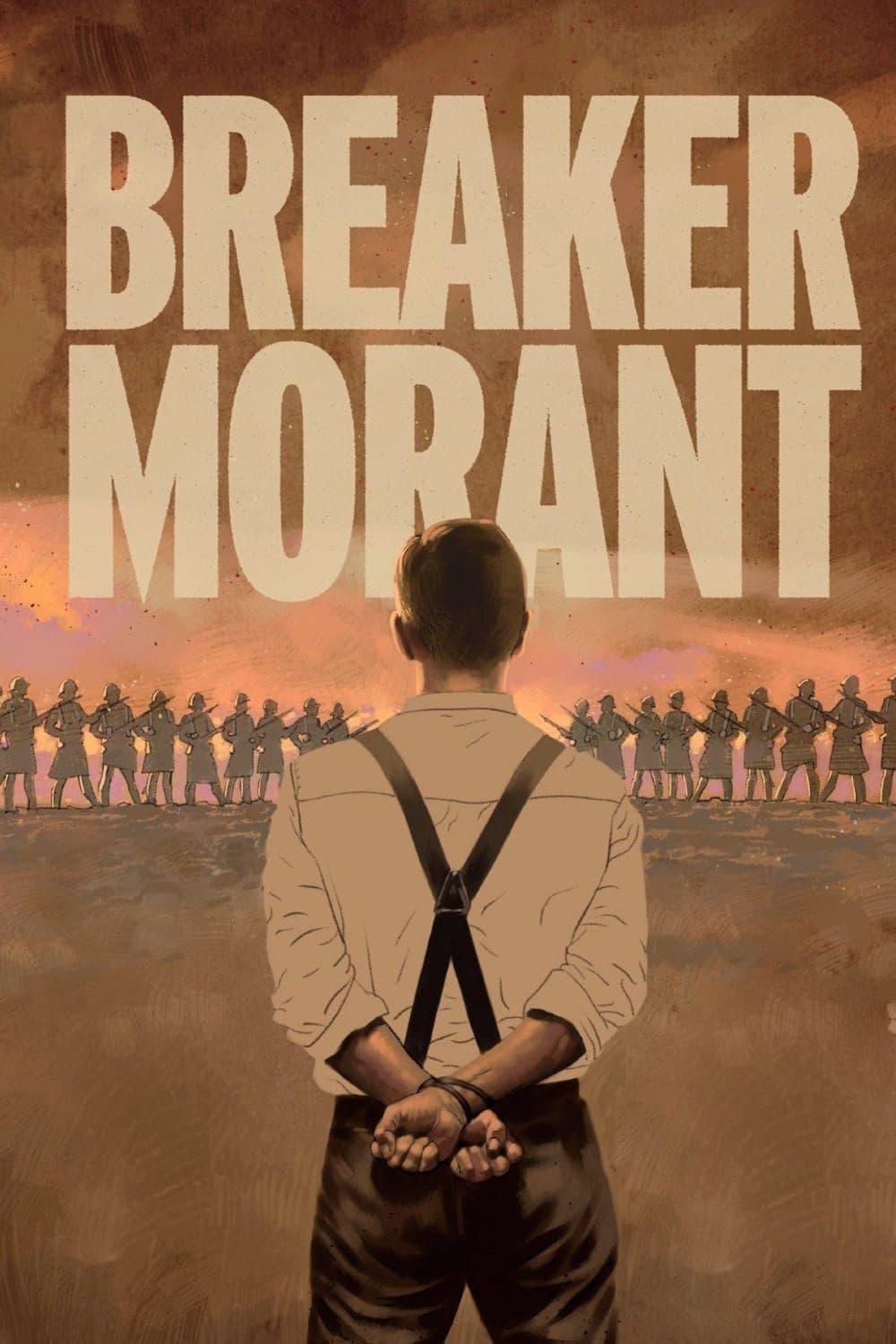
Bruce Beresford dramatizes the court martial of Australian soldiers during the Second Boer War, with Edward Woodward, Jack Thompson, and Bryan Brown leading the cast. The screenplay draws on the play by Kenneth G. Ross and examines military procedure and colonial politics through detailed courtroom sequences.
Shot in South Australia, the film used period uniforms and weapons sourced with assistance from local historical groups. It won major prizes from the Australian Film Institute and helped bring Beresford and several cast members to wider international attention.
‘The Long Good Friday’ (1980)
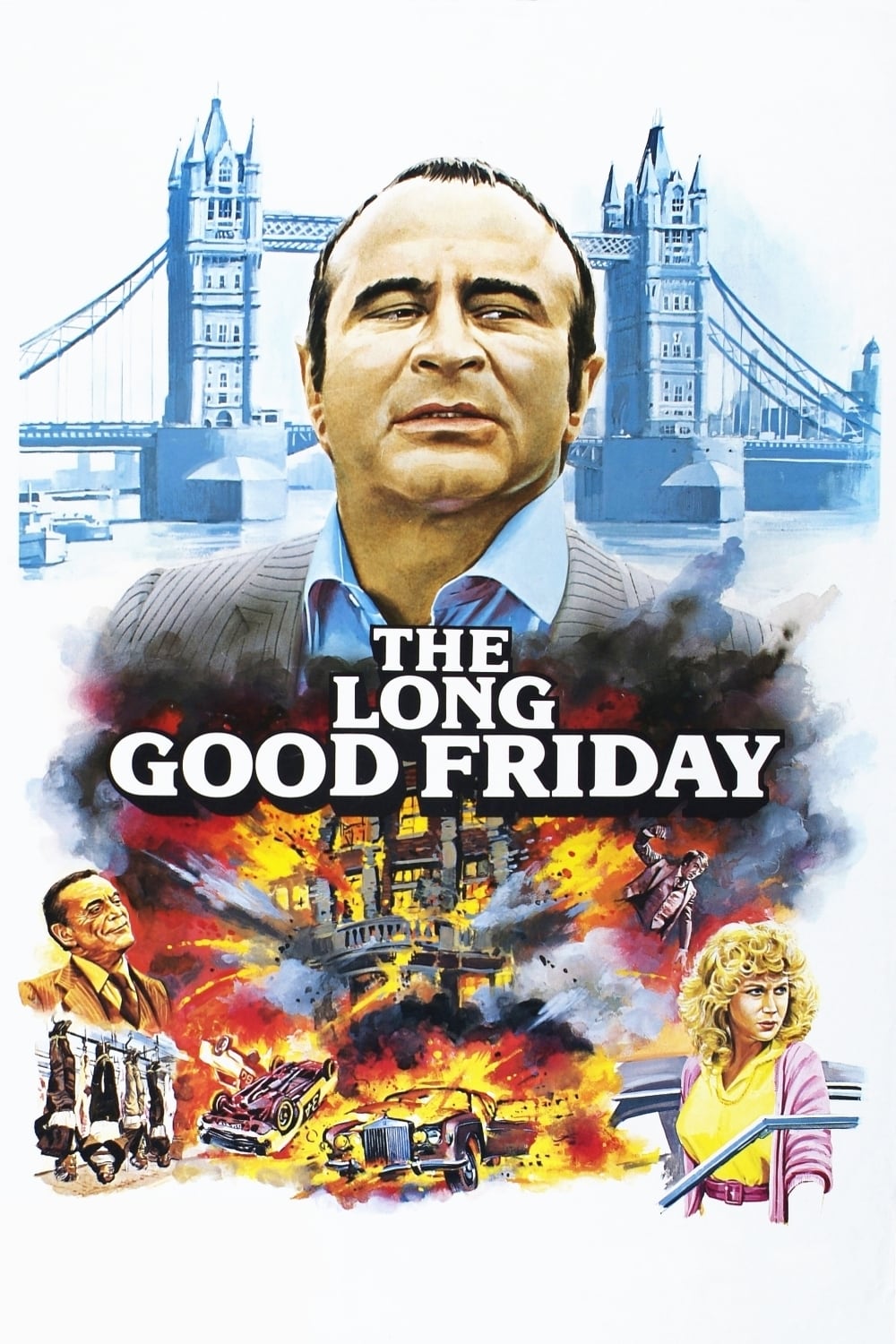
John Mackenzie’s London crime drama stars Bob Hoskins as an ambitious docklands kingpin whose empire faces an unknown threat over one turbulent Easter period. Helen Mirren co stars and Pierce Brosnan appears in an early screen role.
The release history is notable because the film changed hands before reaching theaters and eventually saw British distribution through HandMade Films. Its location work captures dockside landscapes before later redevelopment and its score by Francis Monkman gives the movie a distinctive sonic identity.
‘The Changeling’ (1980)
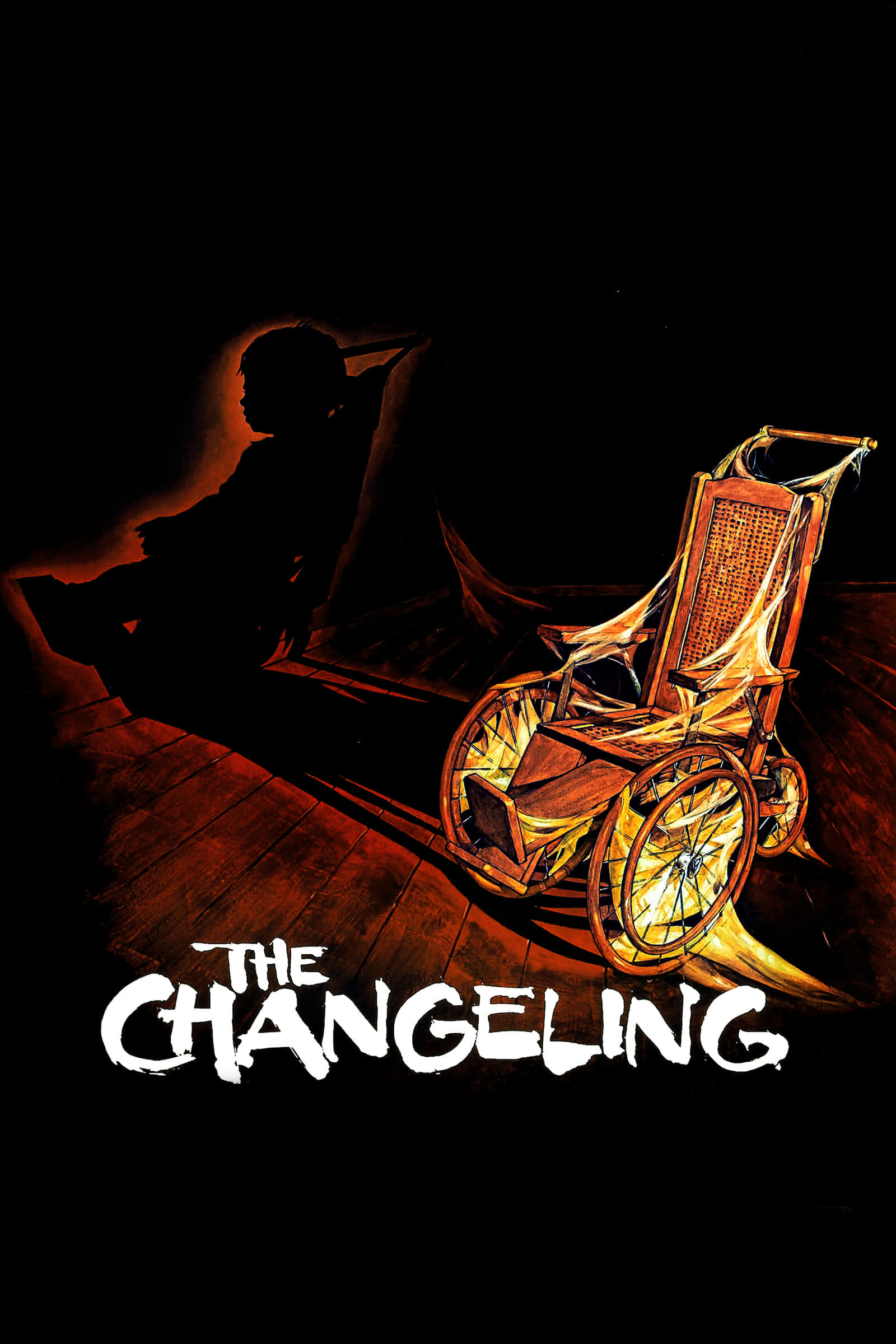
Peter Medak’s Canadian haunted house tale features George C. Scott as a composer who moves into an old mansion after a family tragedy. Trish Van Devere co stars and the story centers on a historical mystery uncovered through music, architecture, and a hidden room.
The production used Vancouver and Victoria locations, including the University of British Columbia for key interiors. It won multiple Genie Awards in Canada, including recognition for its sound design and production values, and is frequently cited in studies of supernatural cinema craft.
‘Cruising’ (1980)
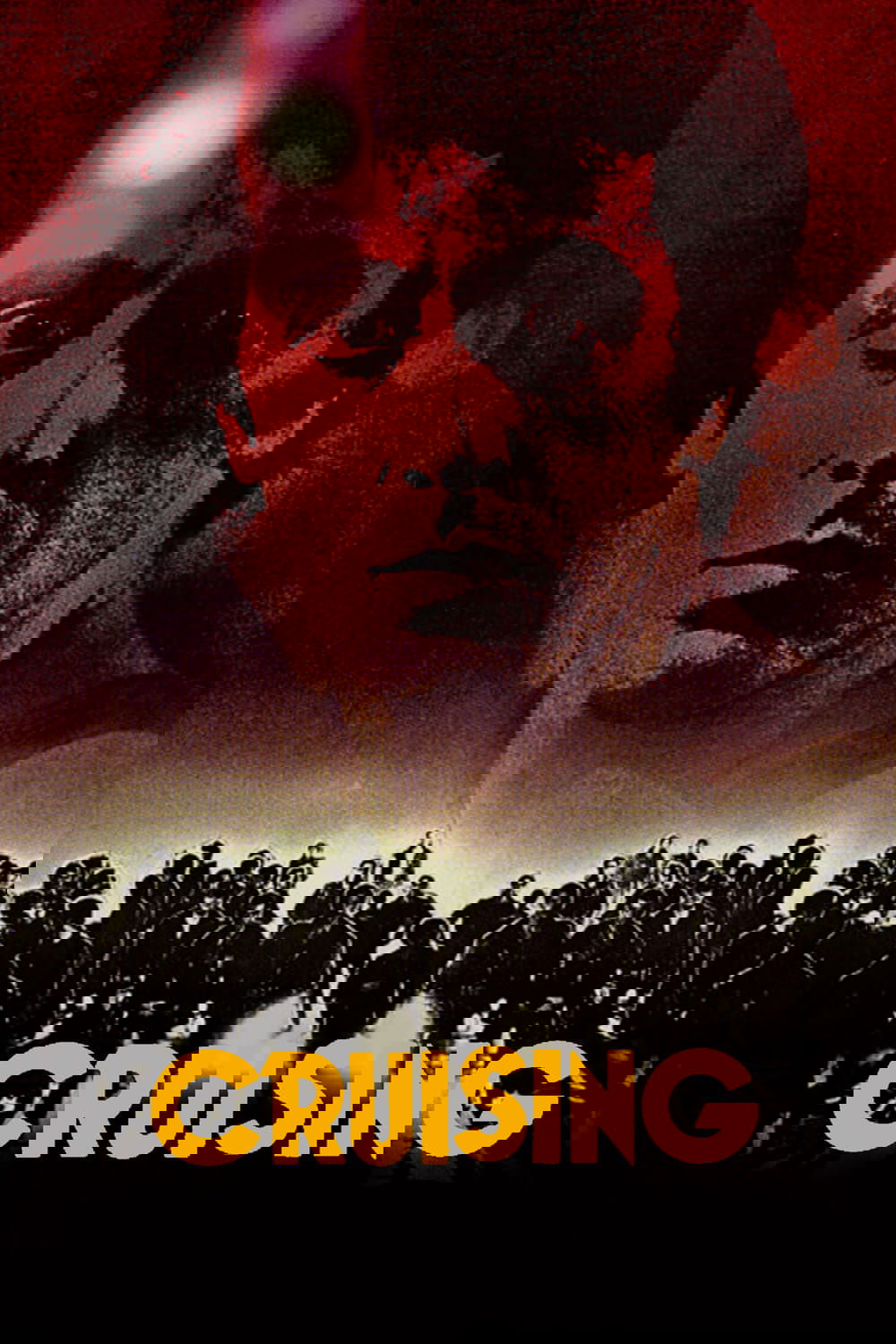
William Friedkin follows an undercover detective assigned to investigate murders within New York’s leather and S and M club scene, with Al Pacino in the lead and Paul Sorvino and Karen Allen in supporting roles. The film used real clubs and invited community participants to appear on screen.
Location photography captured a downtown nightlife that would soon change, while the soundtrack drew from post punk and no wave acts. The production generated significant debate before release and later cuts restored material that clarified character motivation and procedure.
‘Thief’ (1981)
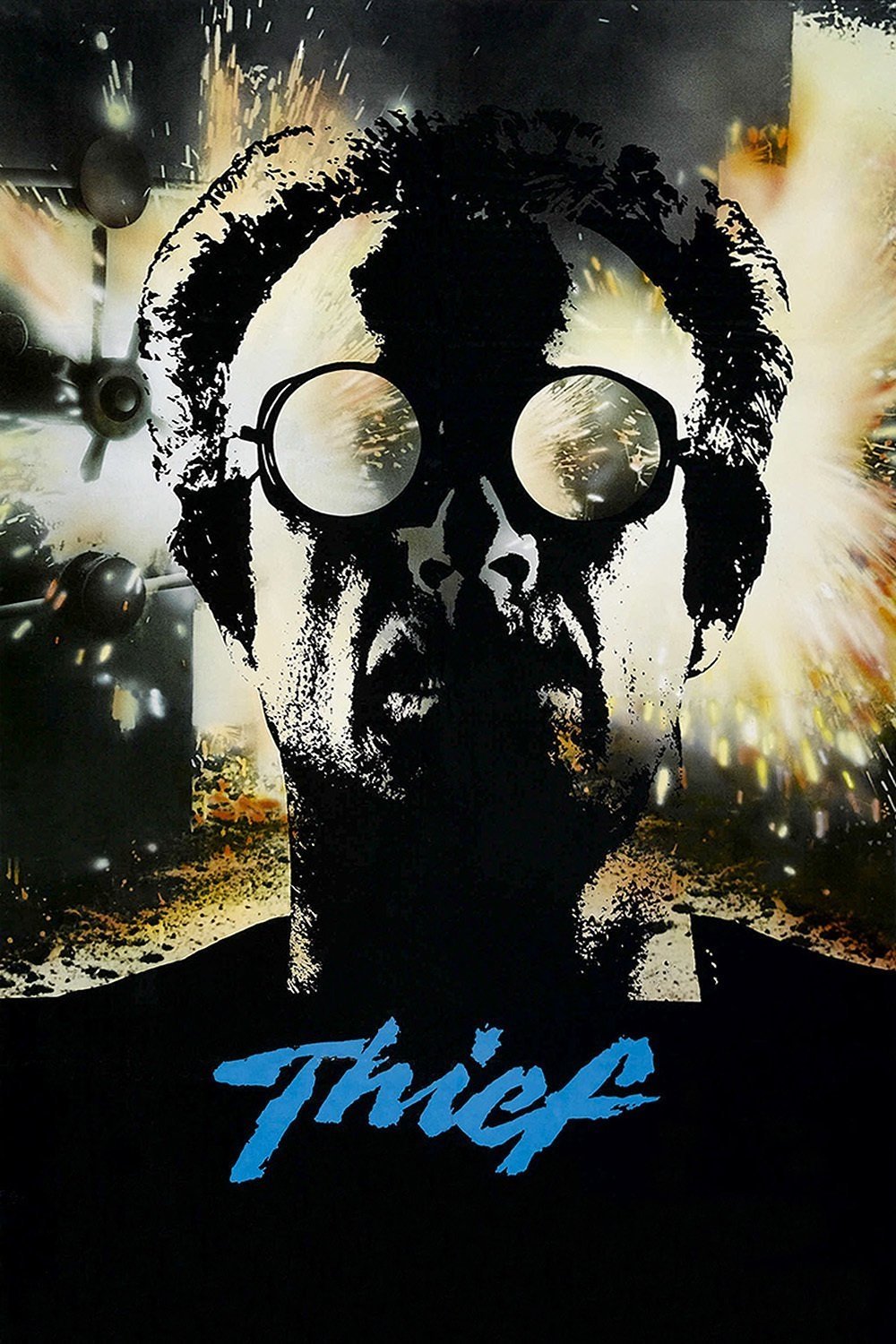
Michael Mann’s debut theatrical feature stars James Caan as a professional safecracker trying to close out his career, with Tuesday Weld, Willie Nelson, and Jim Belushi in the ensemble. The story is informed by Frank Hohimer’s nonfiction book ‘The Home Invaders’.
Consultants from law enforcement and the criminal world advised on safecracking methods, and actor John Santucci, a former thief, appears as a detective. Tangerine Dream composed the score, and the film’s night photography established visual techniques Mann returned to in later work.
‘Possession’ (1981)
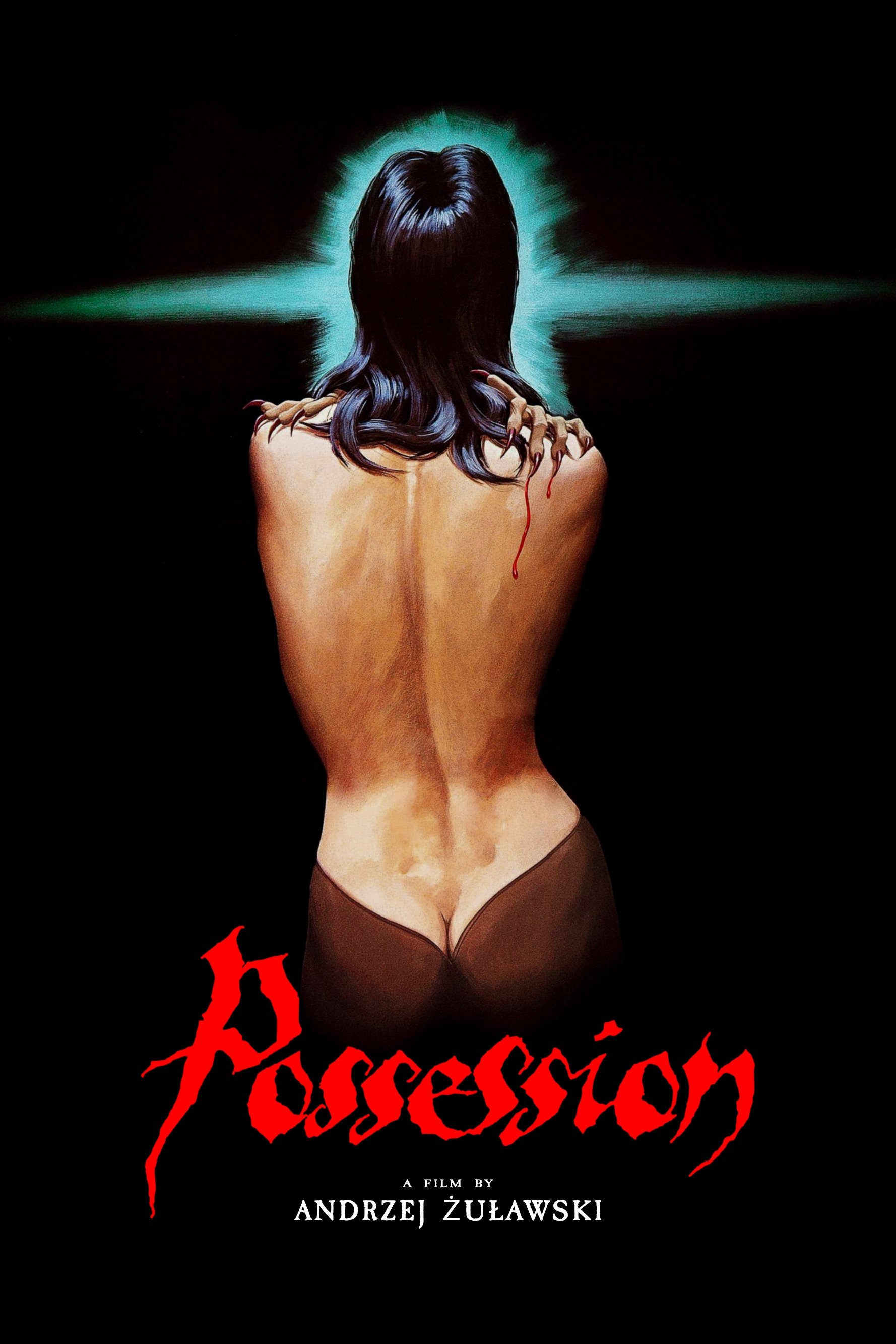
Andrzej Żuławski sets a marital breakdown against a divided Berlin, with Isabelle Adjani and Sam Neill in intense central performances. The script moves between psychological drama and body horror while using real city locations including subway stations and apartment buildings.
Adjani received the Best Actress award at the Cannes Film Festival and later won a César for the role. The production designed creature effects in collaboration with artist Carlo Rambaldi, and its European release differed from the heavily cut version first shown in some markets.
‘Cutter’s Way’ (1981)
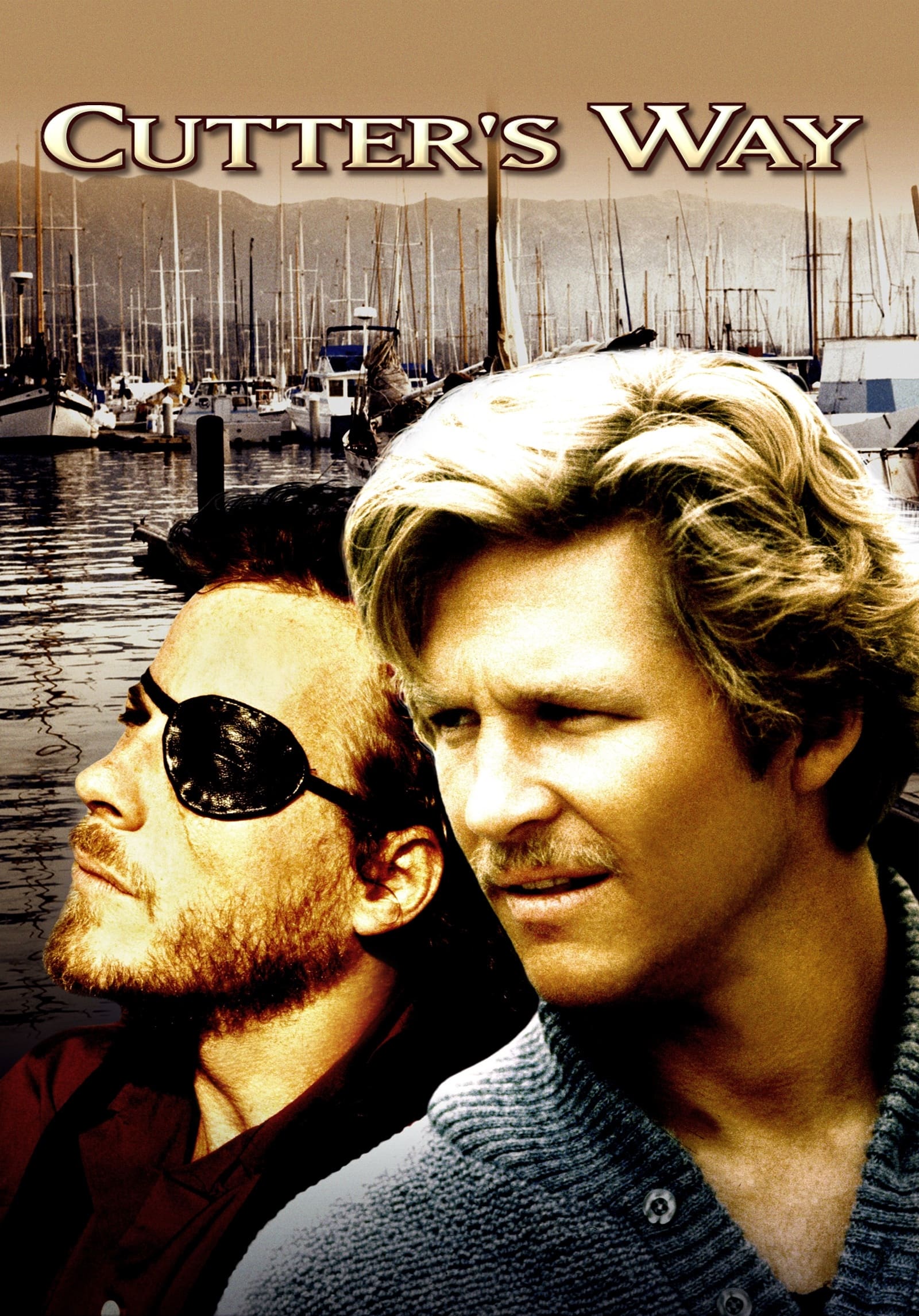
Ivan Passer’s neo noir pairs Jeff Bridges and John Heard as friends who become entangled in a possible murder involving a powerful local figure. The film adapts Newton Thornburg’s novel ‘Cutter and Bone’ and relocates the story to Santa Barbara for its coastal setting.
After a brief initial run under the novel’s title, the film was pulled, retitled, and reissued with a new campaign. Its distribution story became a textbook example for programmers and critics who championed underperforming titles that found audiences through word of mouth.
‘Chan Is Missing’ (1982)
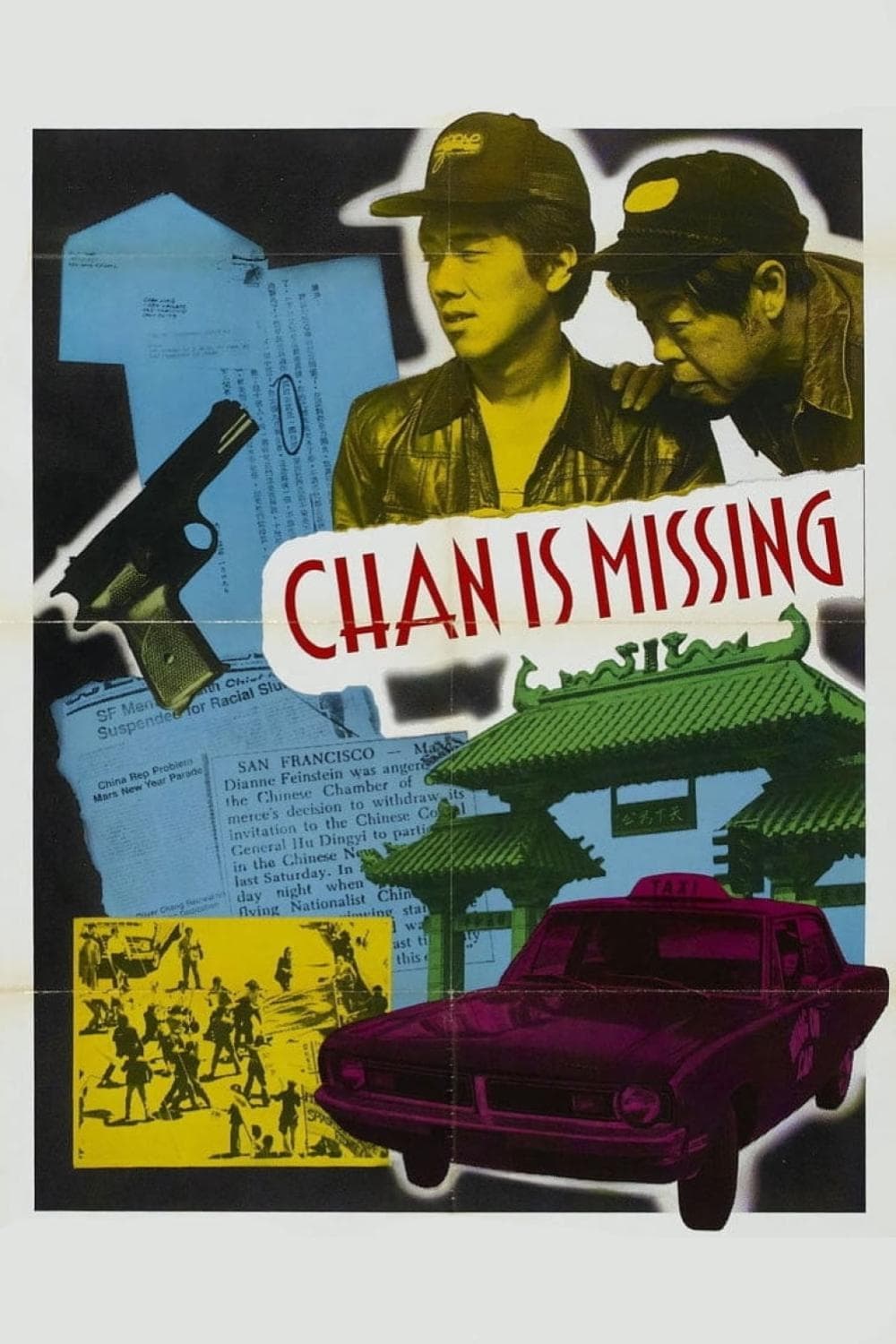
Wayne Wang’s breakthrough independent feature follows two cab drivers searching San Francisco’s Chinatown for a missing friend who may or may not be who they think he is. The film was made on a very small budget with a nonprofessional heavy cast and a flexible shooting schedule.
Shot in black and white on location, it captures cramped apartments, kitchens, and alleyways that rarely appeared in mainstream productions. The film is widely referenced in courses on Asian American cinema and independent production methods, and it secured broader distribution after festival play.
‘The Draughtsman’s Contract’ (1982)
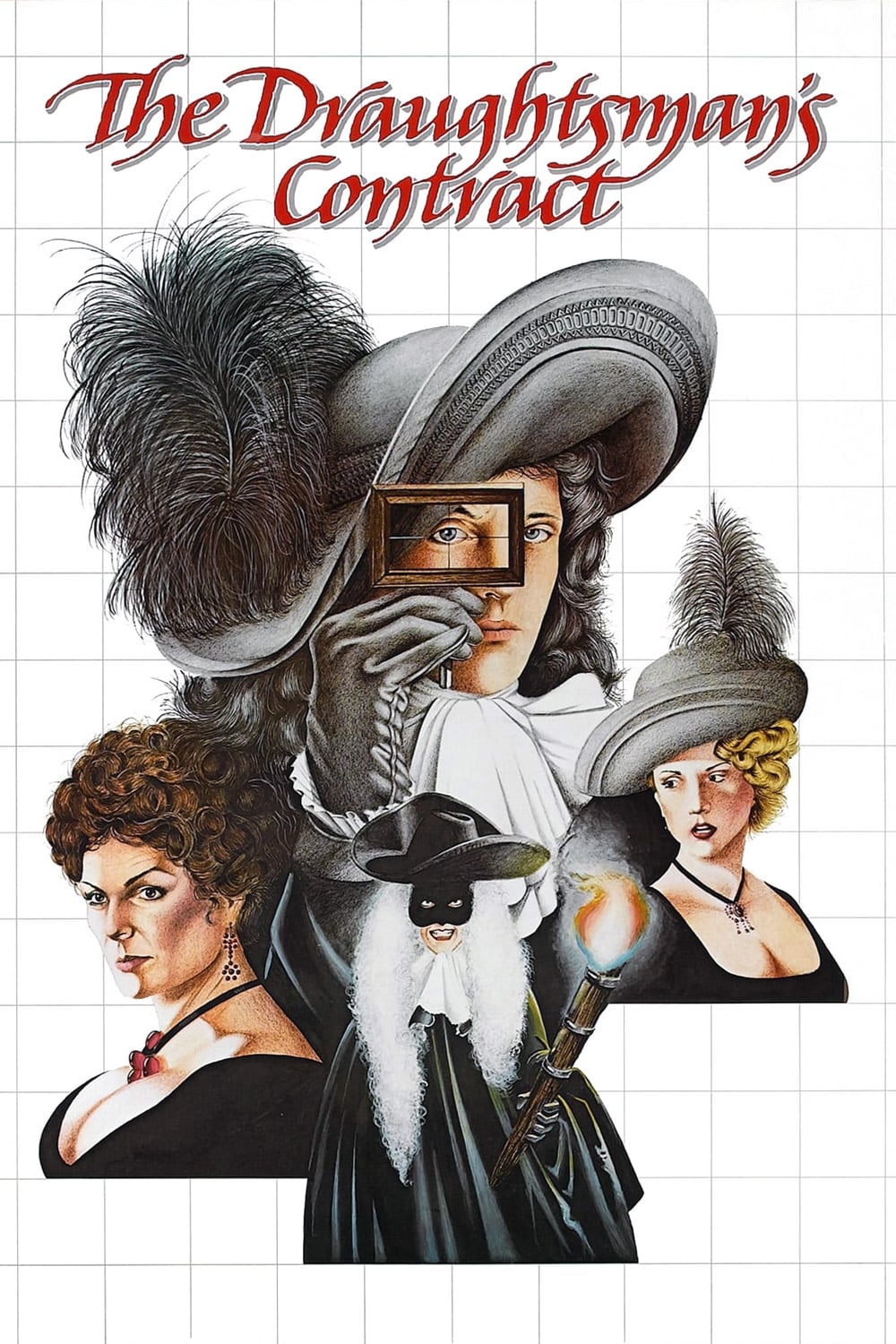
Peter Greenaway stages a baroque period mystery about an artist hired to sketch a country estate who is later implicated in a death on the property. The dialogue and compositions mirror the meticulous drawings at the center of the plot, and the costumes reflect late seventeenth century fashion.
Michael Nyman’s score builds on themes associated with Henry Purcell, and the music became a key element of the film’s identity. The production shot at Groombridge Place in Kent and used carefully arranged tableaux that align with the drawings the characters discuss.
‘Fitzcarraldo’ (1982)

Werner Herzog tells the story of a rubber baron who dreams of building an opera house in the jungle and decides to move a steamship over a hill to reach a remote river. Klaus Kinski stars, and the cast includes Claudia Cardinale and a large ensemble drawn from local communities.
The crew hauled a real vessel over land using block and tackle systems, and documentary coverage of the shoot later appeared in ‘Burden of Dreams’. The soundtrack features opera selections associated with Enrico Caruso, and the production worked deep inside the Peruvian Amazon.
‘Local Hero’ (1983)
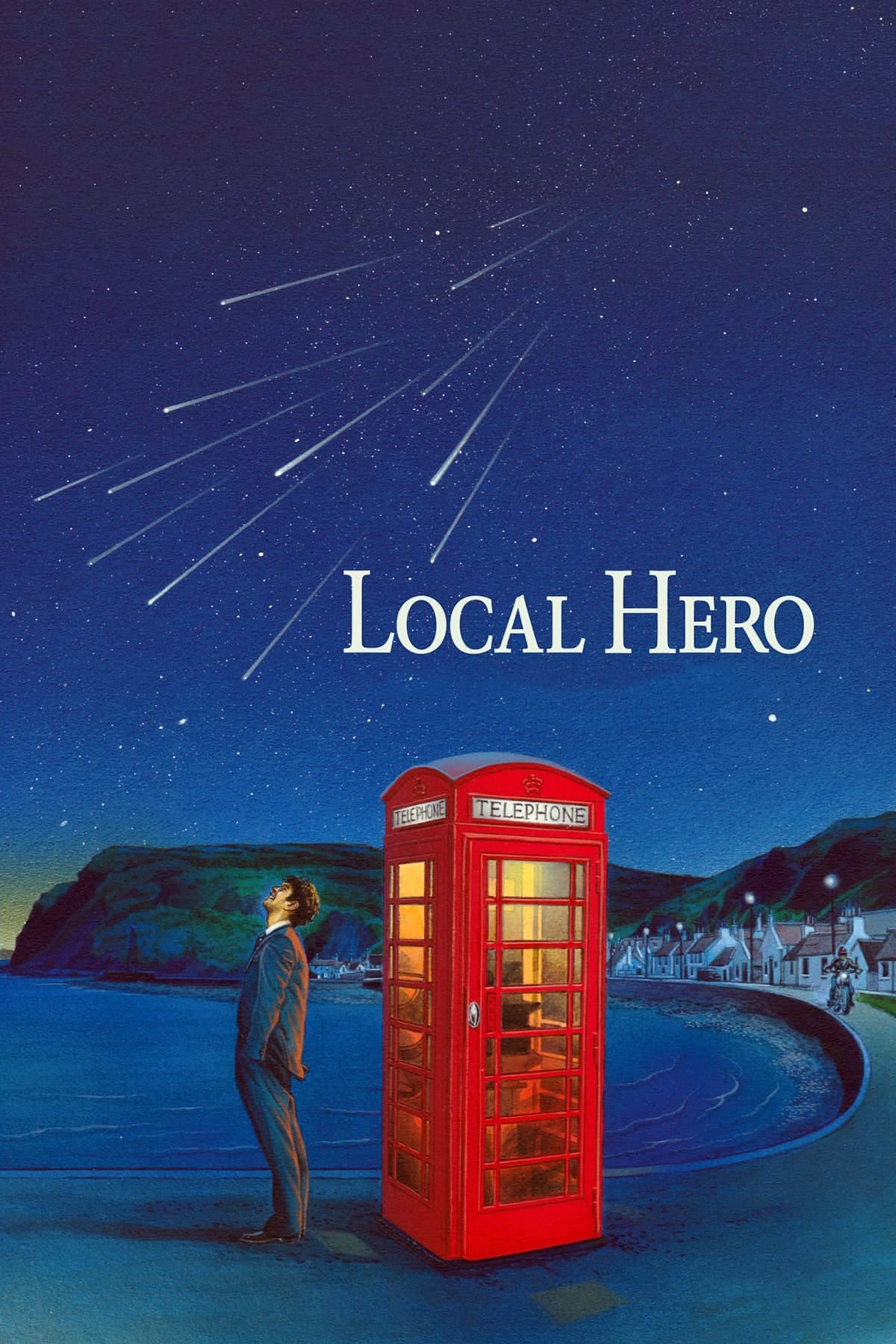
Bill Forsyth’s comedy drama follows an oil company representative sent to a Scottish village to negotiate a land purchase for a refinery project. Peter Riegert and Burt Lancaster lead the cast and the script balances corporate negotiations with village life through low key humor.
Location work in Aberdeenshire and the town of Pennan created a lasting tourism trail centered on a red phone box that became a landmark. Mark Knopfler composed the music, and the closing theme later found a second life as a stadium anthem for a football club.
‘Merry Christmas, Mr. Lawrence’ (1983)
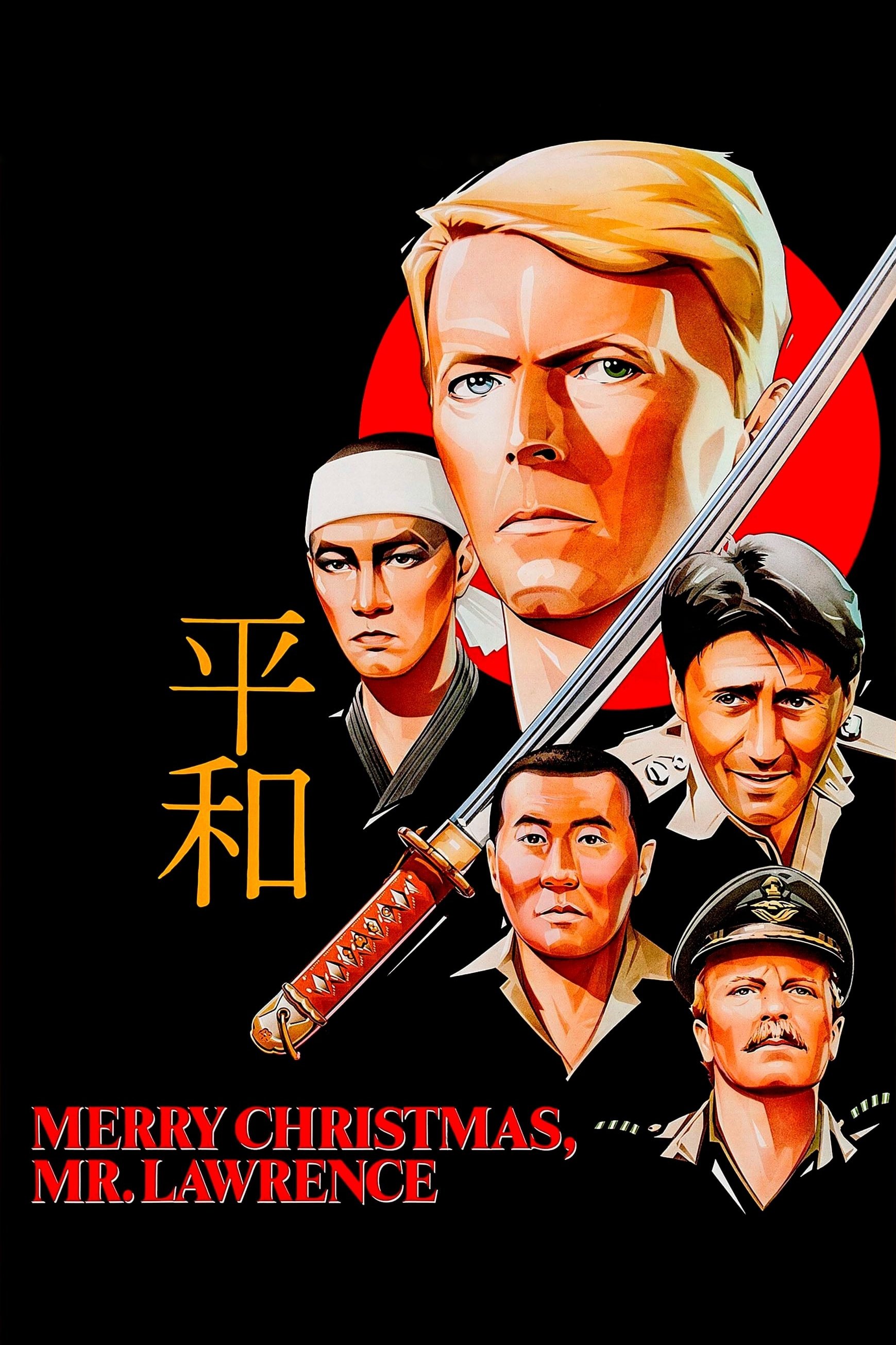
Nagisa Oshima adapts Laurens van der Post’s novels about Allied prisoners of war held by the Japanese during the Pacific conflict, focusing on the relationship between a camp commandant and a British officer. David Bowie, Ryuichi Sakamoto, Tom Conti, and Takeshi Kitano share top billing.
The production shot in New Zealand to stand in for island settings and built extensive camp sets for daily use. Sakamoto composed the score, which became one of his signature works, and the film introduced international audiences to Kitano before his later directing career.
‘The Hunger’ (1983)
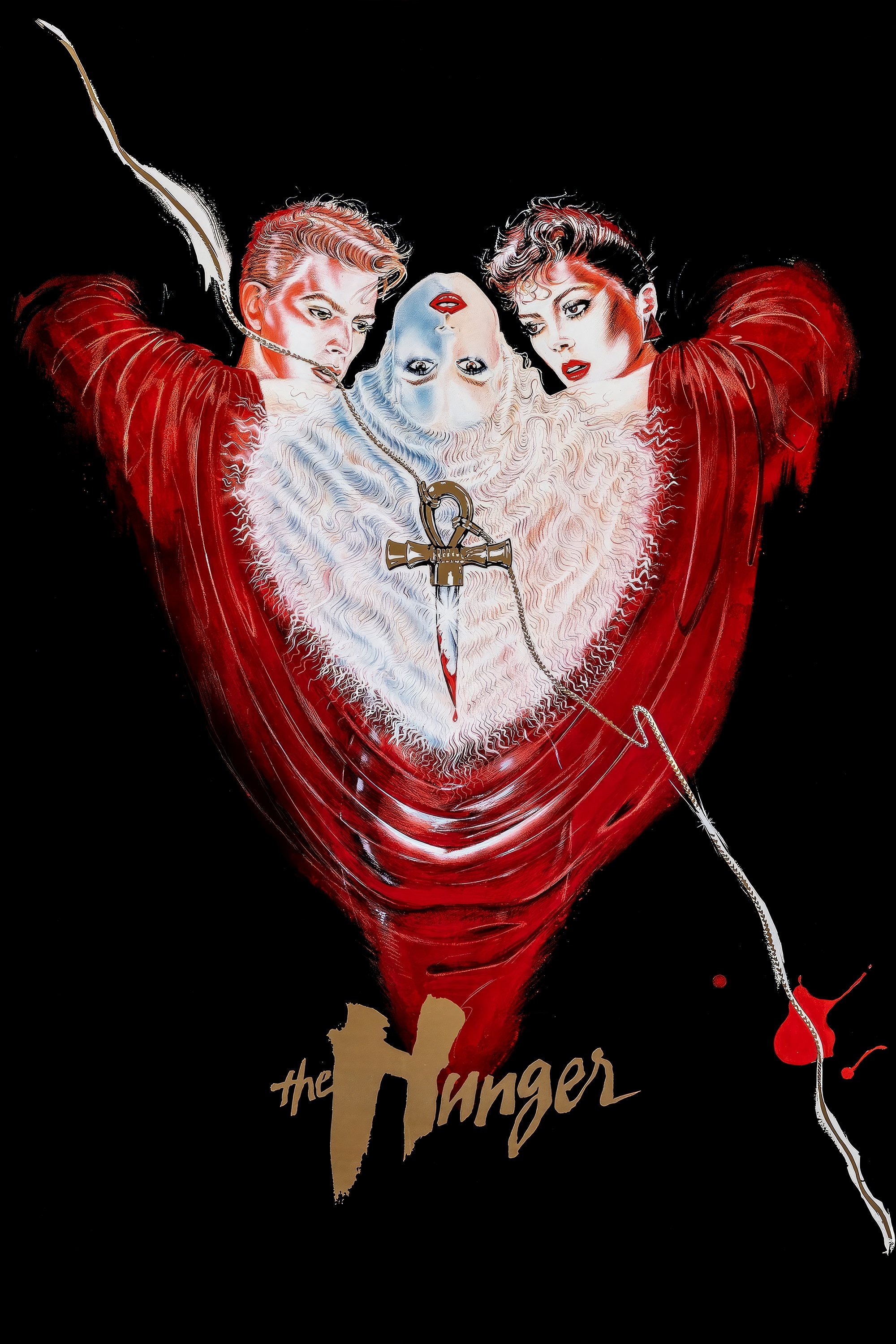
Tony Scott directs a stylish vampire story based on Whitley Strieber’s novel, with Catherine Deneuve and David Bowie as an immortal couple and Susan Sarandon as a doctor drawn into their world. The opening club sequence features the band Bauhaus performing ‘Bela Lugosi’s Dead’.
Makeup legend Dick Smith contributed aging effects that required extensive daily application on set. The film’s production design leans on sleek New York interiors and museum spaces, and costuming by Milena Canonero emphasizes sharp lines and dark fabrics to match the story’s tone.
‘Repo Man’ (1984)
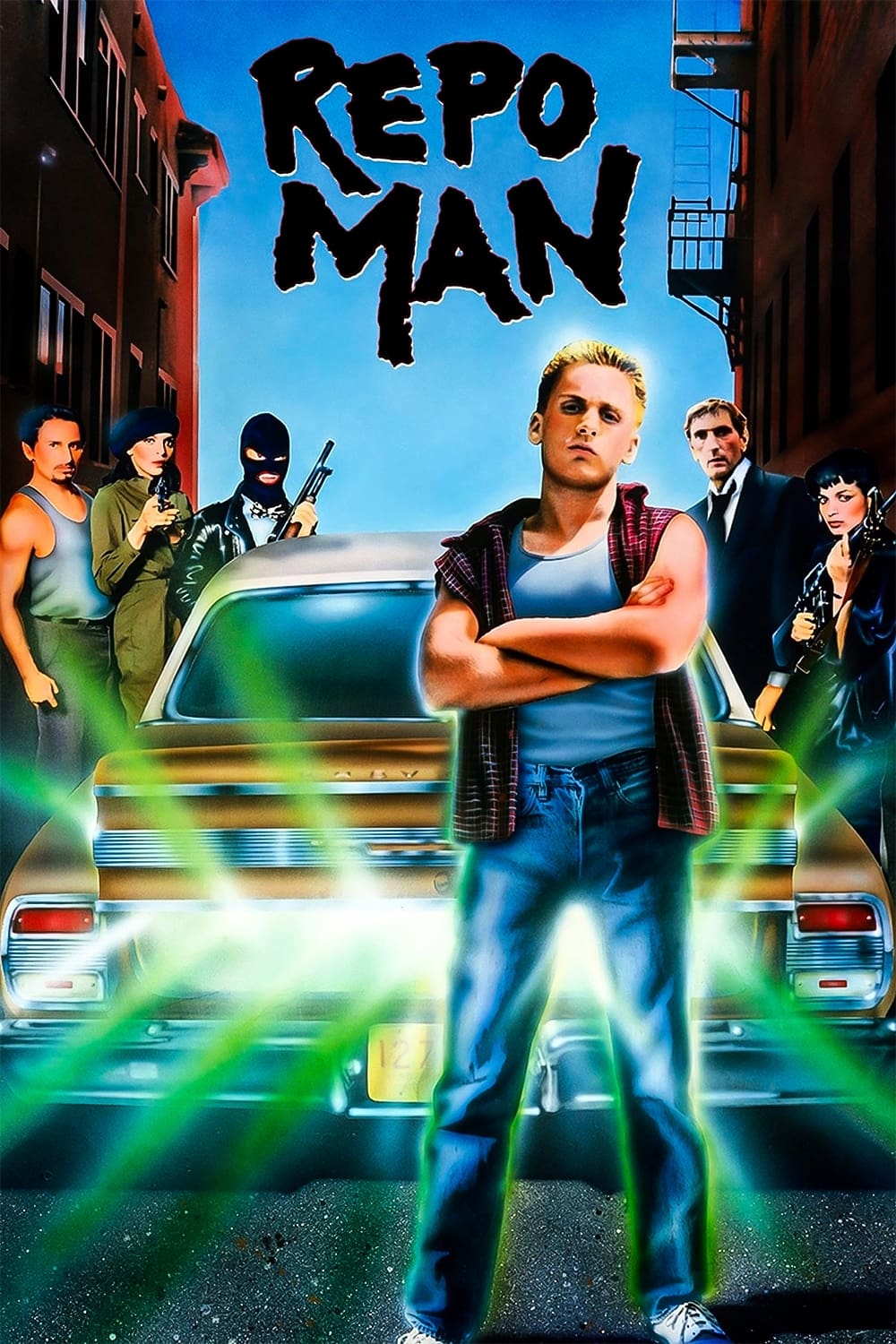
Alex Cox follows a young punk who takes a job repossessing cars in Los Angeles and ends up chasing a mysterious Chevy that might contain something dangerous in the trunk. Emilio Estevez and Harry Dean Stanton head the cast, with a roster of musicians and character actors filling out the world.
The soundtrack features Iggy Pop, Black Flag, Suicidal Tendencies, and The Circle Jerks, and the album became a strong seller. The film built an audience through midnight screenings, and its distinctive signage and product labels are frequently discussed in design circles.
‘Paris, Texas’ (1984)

Wim Wenders presents a road story about a man who reappears after a long absence and tries to reconnect with his young son and estranged partner. Harry Dean Stanton, Nastassja Kinski, and Dean Stockwell star, and the screenplay developed from a story by Sam Shepard.
Robby Müller’s cinematography uses wide open desert landscapes and neon lit city scenes, while Ry Cooder’s slide guitar score provides a spare musical backdrop. The film won the Palme d’Or at the Cannes Film Festival and was widely distributed in art houses across Europe and North America.
‘Runaway Train’ (1985)
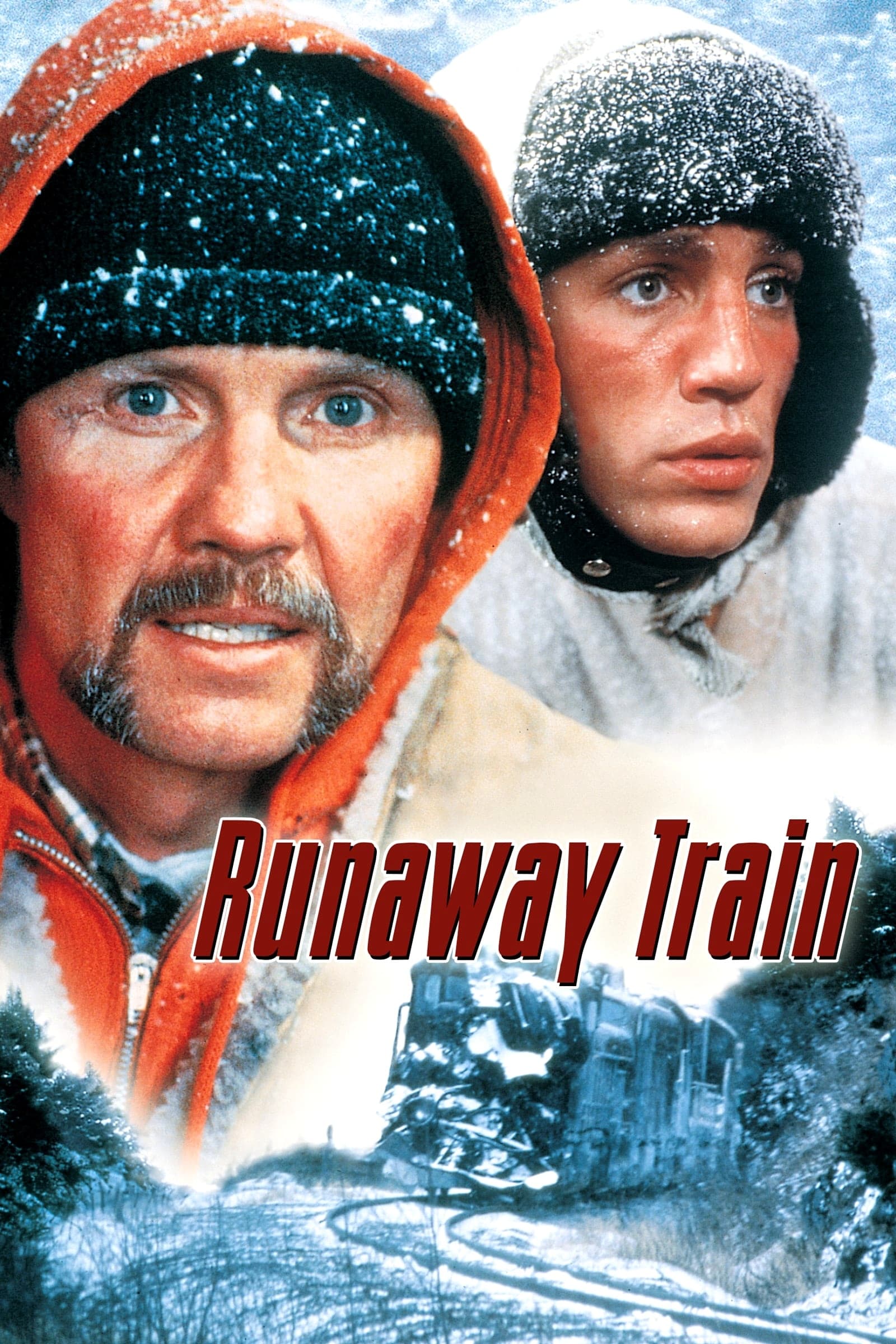
Andrei Konchalovsky directs a survival thriller about two escaped convicts who find themselves on a locomotive with no functioning brakes as it barrels through snow country. Jon Voight, Eric Roberts, and Rebecca De Mornay star, with supporting players drawn from a strong ensemble.
The story originated from an idea developed by Akira Kurosawa, and the production used real trains and harsh weather locations to stage the action. Voight won a Golden Globe for his performance and the film received multiple Academy Award nominations for acting and editing.
‘Mishima: A Life in Four Chapters’ (1985)
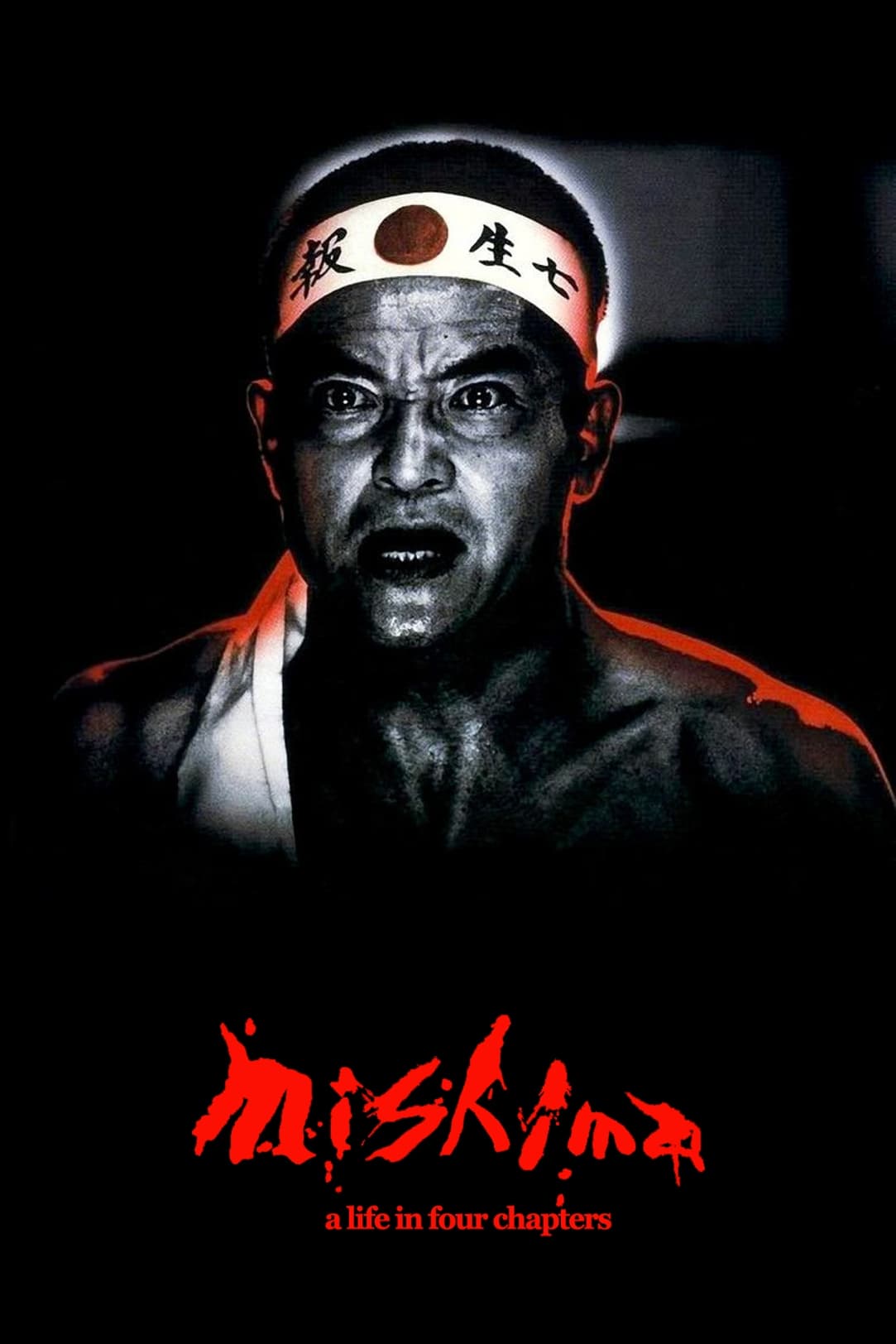
Paul Schrader structures this biographical drama in four parts that alternate between episodes from the life of Yukio Mishima and stylized stagings of his novels. The cast includes Ken Ogata as Mishima, and Francis Ford Coppola and George Lucas served as presenting producers.
Eiko Ishioka designed the striking sets and costumes for the novel segments, and Philip Glass composed a repetitive minimalist score that became one of his most performed works. The film premiered at Cannes, where it was honored for artistic contribution, and it faced distribution challenges in Japan.
‘The Quiet Earth’ (1985)
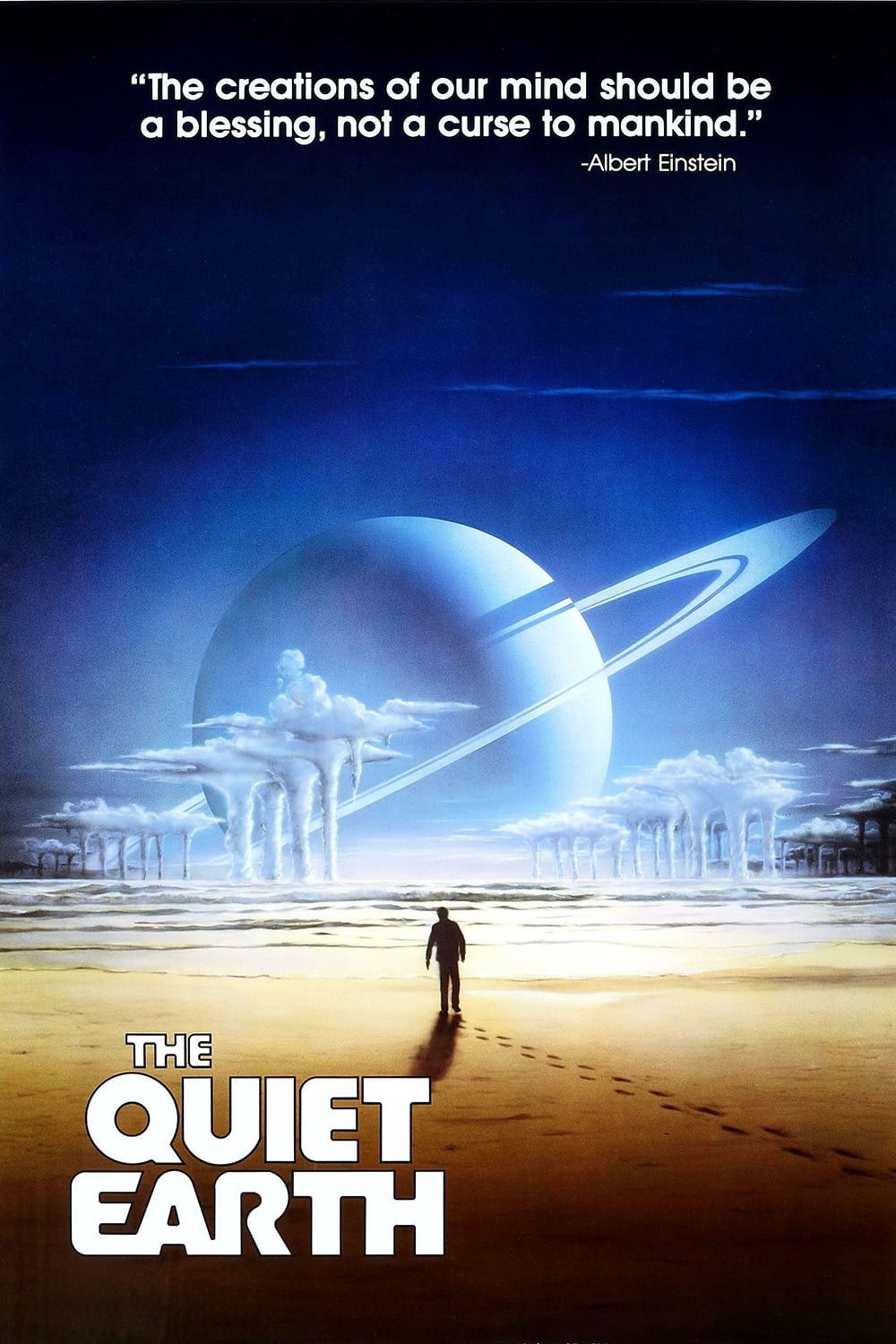
Director Geoff Murphy adapts Craig Harrison’s novel about a scientist who wakes up to find that most of humanity seems to have vanished. Bruno Lawrence leads the cast, supported by Alison Routledge and Peter Smith, and the story unfolds in and around empty city streets and rural spaces.
The crew shot in Auckland and Hamilton and used early morning call times to capture deserted roads and intersections. The film became a key entry in New Zealand cinema history and is frequently cited in discussions of resourceful visual effects and location planning on a modest budget.
‘To Live and Die in L.A.’ (1985)
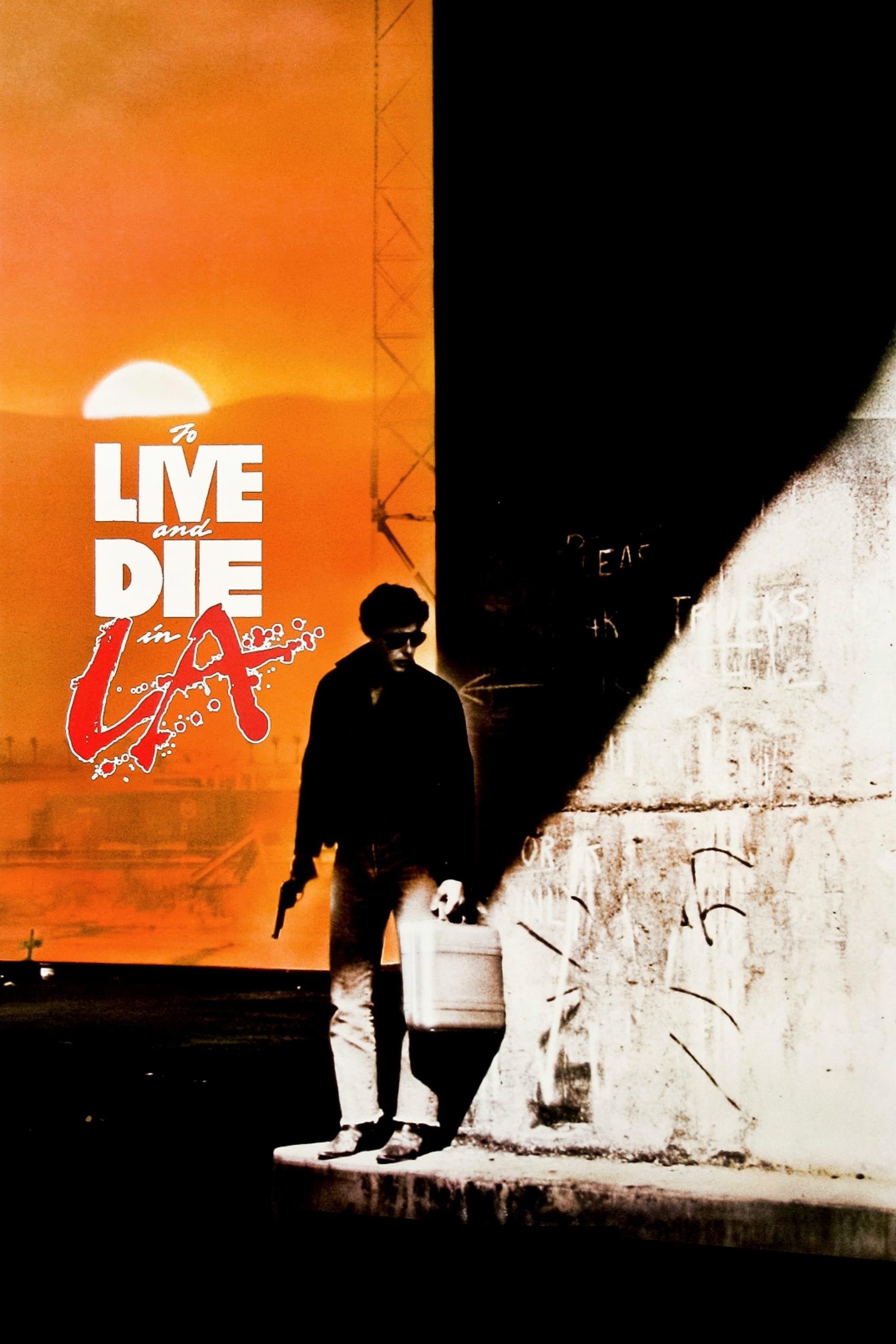
William Friedkin chronicles a Secret Service investigation into a master counterfeiter, starring William Petersen and Willem Dafoe with John Pankow and Debra Feuer in supporting roles. The film includes detailed close ups of counterfeit production that were staged with expert consultation.
A centerpiece car chase was staged on freeways and surface streets with careful traffic control and extensive second unit work. The soundtrack by Wang Chung was recorded specifically for the film, and the title track became one of the band’s signature songs.
‘Manhunter’ (1986)
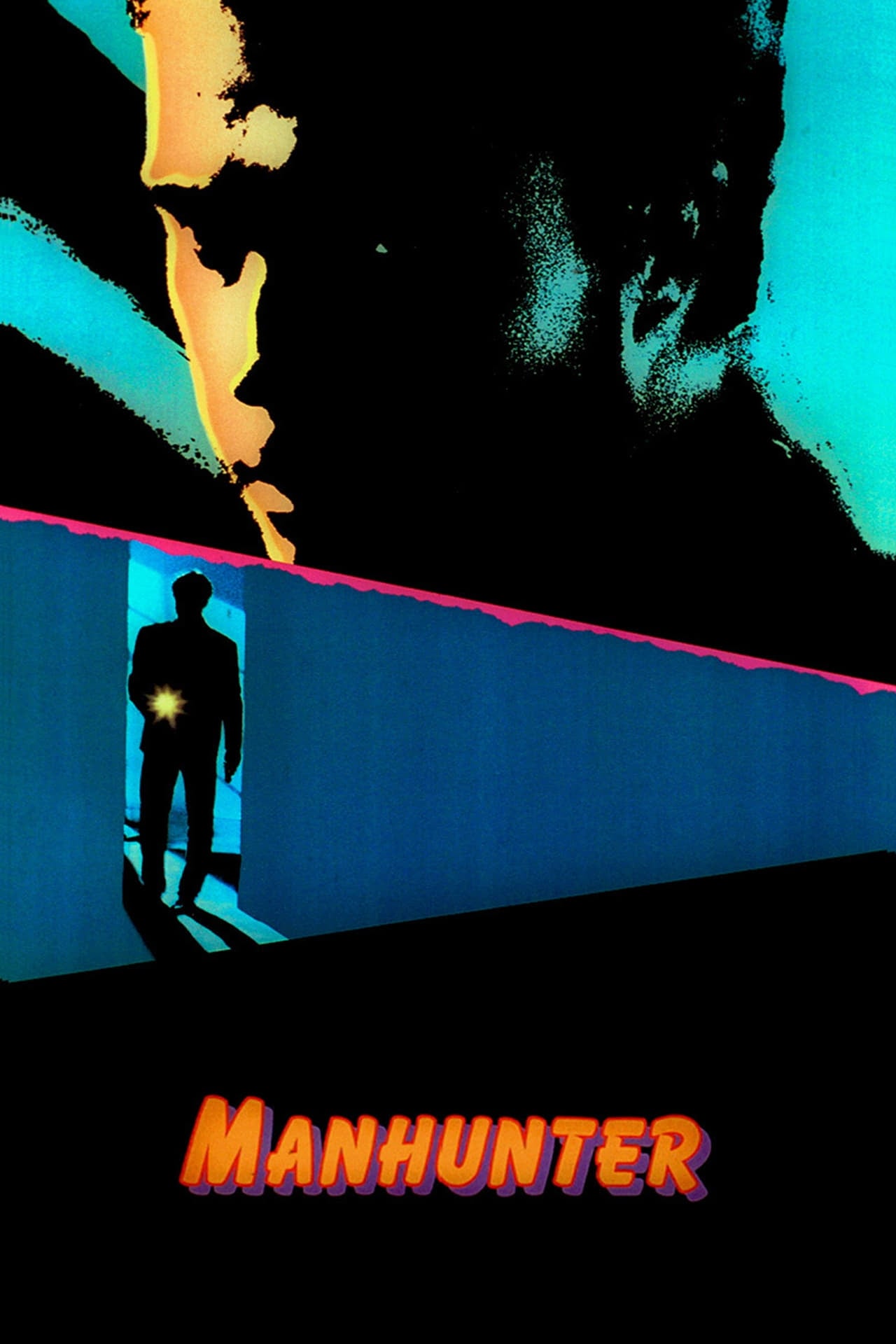
Michael Mann adapts Thomas Harris’s novel ‘Red Dragon’, introducing Hannibal Lecter to the screen under the spelling Lecktor, played by Brian Cox. William Petersen stars as profiler Will Graham, with Tom Noonan as the serial killer known as the Tooth Fairy.
Production used Miami and Chicago locations, modernist interiors, and a strong color design for mood and character. Music supervision combined tracks by The Reds, Shriekback, and Iron Butterfly, and the film’s crime lab scenes drew on consultation with real forensic personnel.
‘A Better Tomorrow’ (1986)
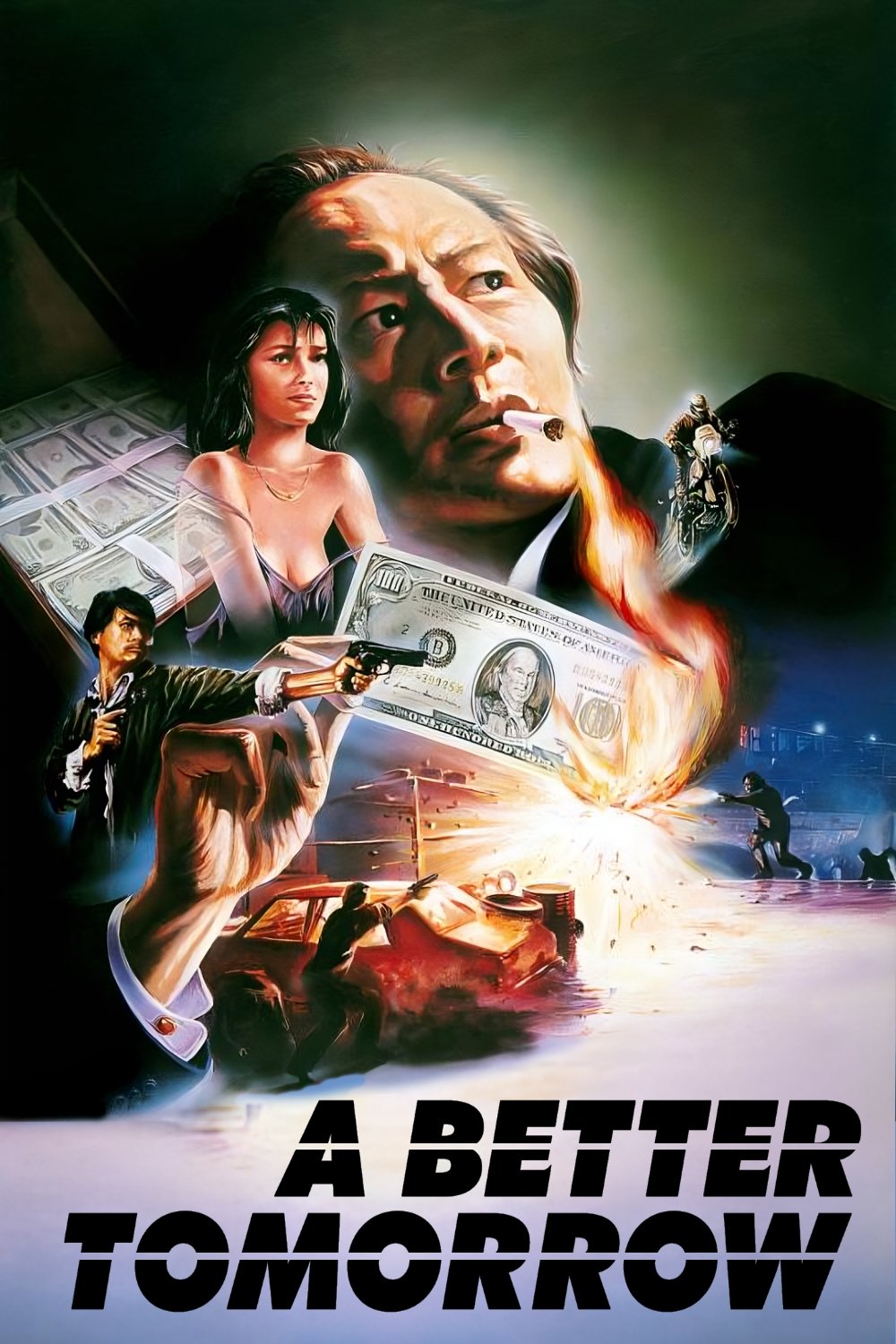
John Woo’s action landmark pairs Ti Lung and Leslie Cheung as brothers on opposite sides of the law, with Chow Yun fat as the charismatic mentor figure. The script blends triad crime, family loyalty, and redemption across Hong Kong cityscapes and harbors.
The film set box office records in its home market and popularized a style later known as heroic bloodshed. Its imagery influenced fashion and film staging, and the success led to sequels and a wave of action exports that raised the global profile of Hong Kong cinema.
‘The Name of the Rose’ (1986)
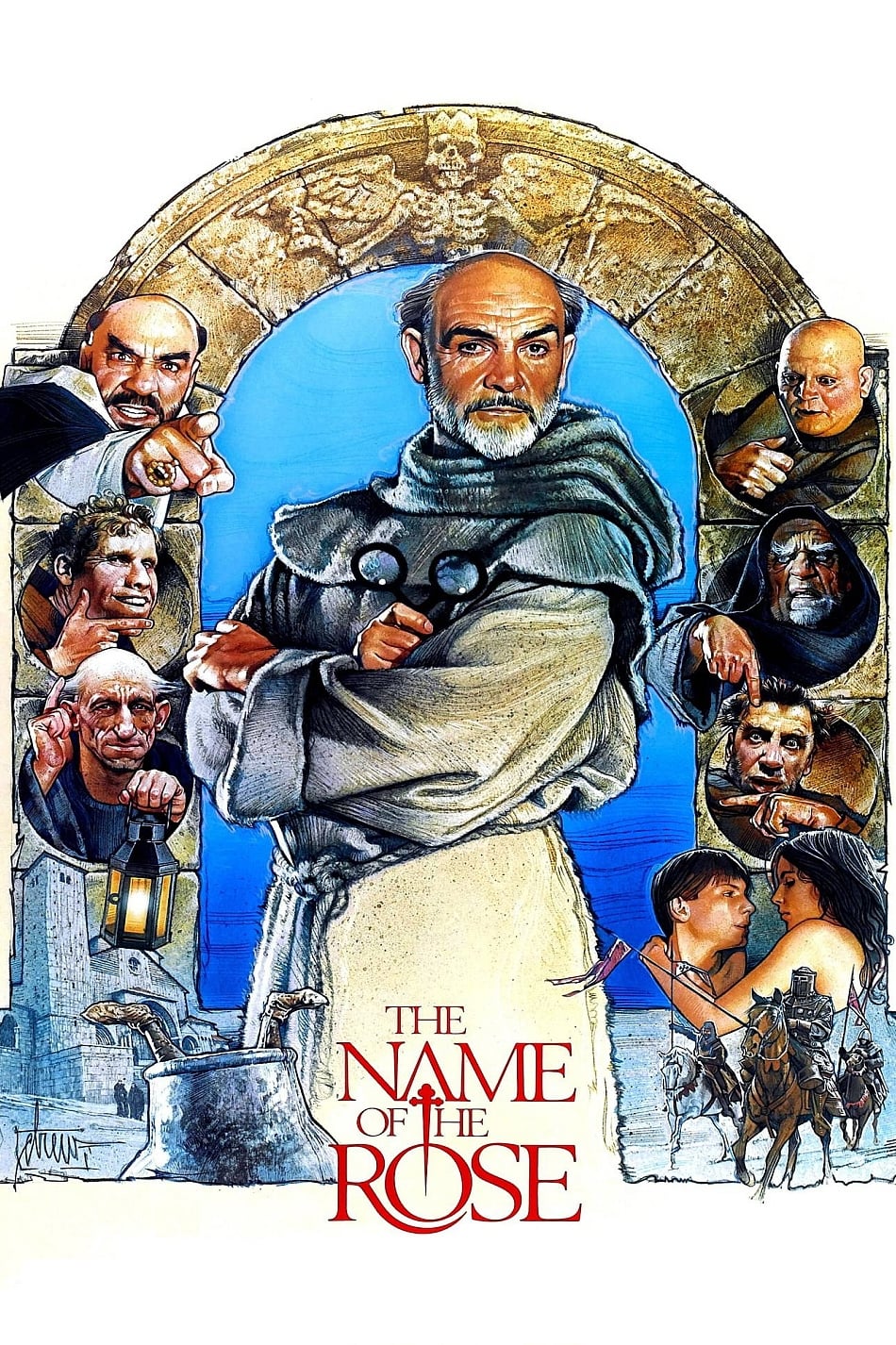
Jean Jacques Annaud adapts Umberto Eco’s novel about a Franciscan friar investigating mysterious deaths at a remote monastery. Sean Connery leads the cast as William of Baskerville, with Christian Slater as his novice and a large European ensemble in supporting roles.
Principal photography took place at Kloster Eberbach in Germany and at Cinecittà in Rome, where the team built extensive library and scriptorium sets. Connery received the BAFTA Award for Best Actor, and the film’s medieval production design has been highlighted in craft retrospectives.
‘Withnail & I’ (1987)
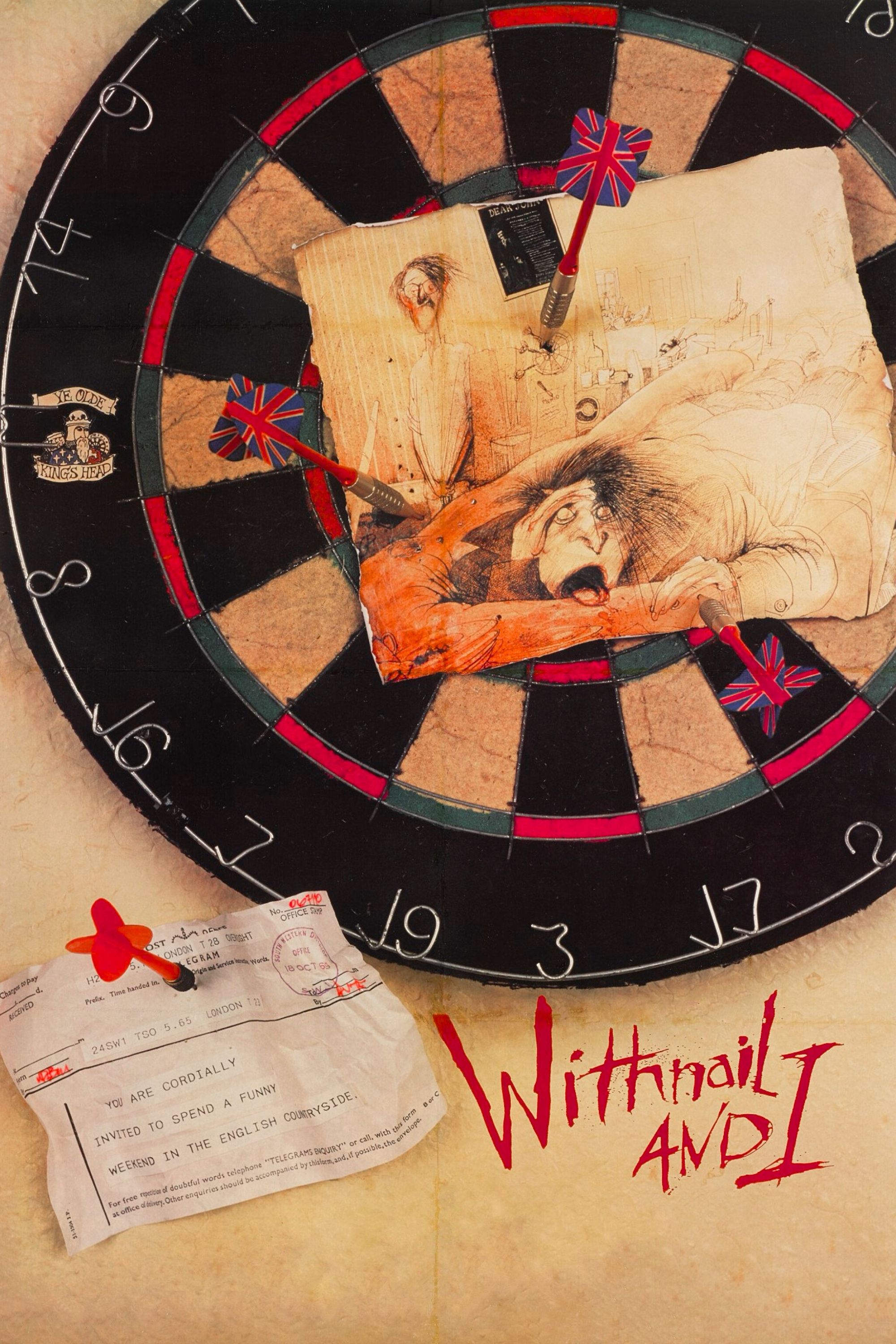
Bruce Robinson writes and directs a story of two unemployed actors in London who borrow a cottage in the countryside for a chaotic holiday. Richard E. Grant and Paul McGann star, with Richard Griffiths as Uncle Monty, and the film draws on Robinson’s early career experiences.
HandMade Films financed the production and shooting took place in Camden Town and the Lake District. The script’s period detail and soundtrack choices place the action in the final years of the sixties, and the release built long term popularity on home video and repertory screenings.
‘Near Dark’ (1987)
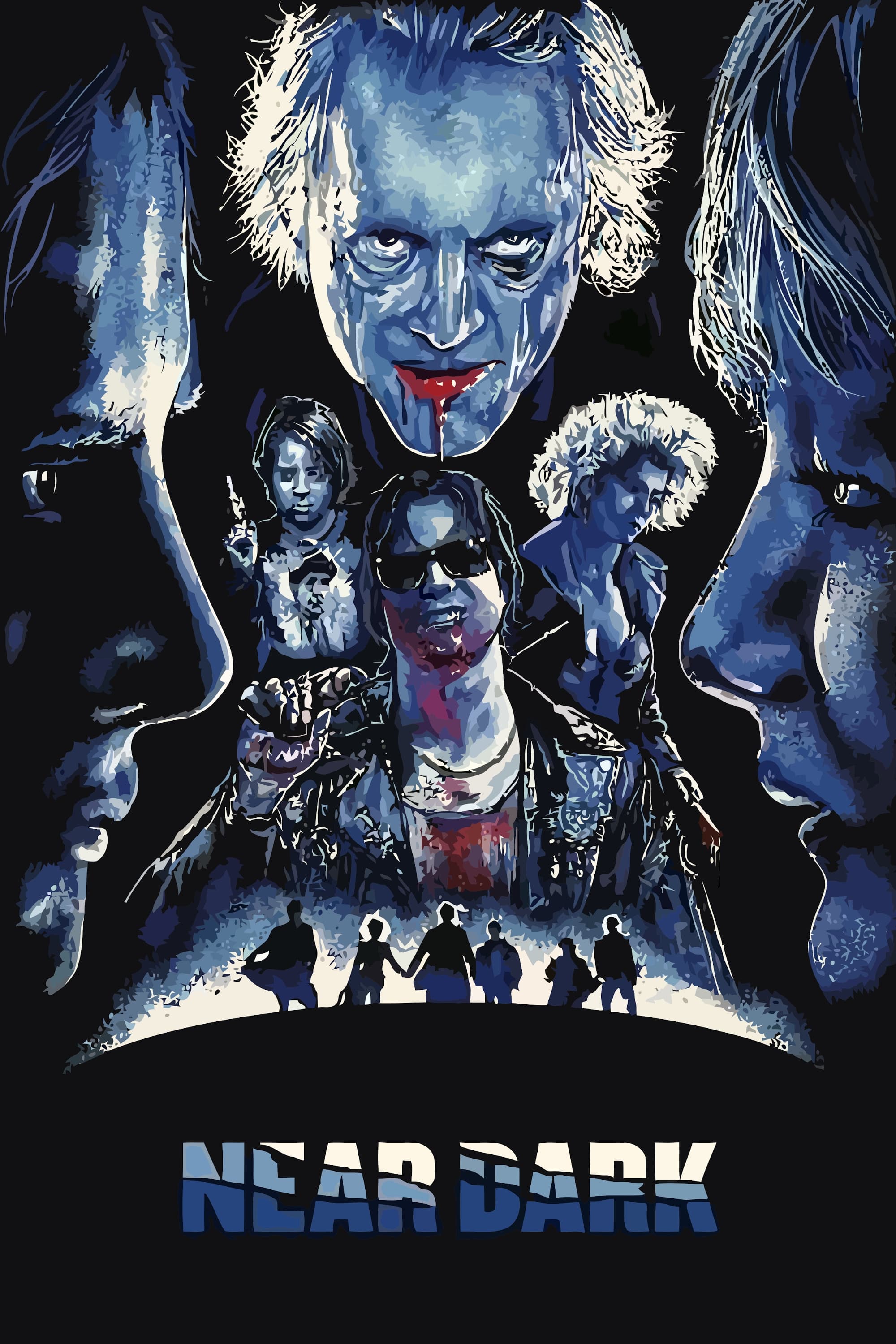
Kathryn Bigelow merges a Western road movie with a vampire tale, casting Adrian Pasdar and Jenny Wright alongside Lance Henriksen, Bill Paxton, and Jenette Goldstein. The story follows a drifter pulled into a tight knit clan of nocturnal outlaws traveling back roads and small towns.
The score by Tangerine Dream adds an eerie atmosphere to sun baked locations across the American Southwest. The film’s release was affected by the financial troubles of its distributor, and it later found a wider audience through video and cable play.
Share your favorite under seen eighties picks in the comments and tell us which titles you think deserve a spot here.

