


Best 1990s Movies You Probably Haven’t Seen Yet



The nineties delivered far more than the usual blockbusters. Tucked between festival discoveries and limited theatrical runs were films that built devoted followings only after home video and late night cable gave them a second life. Many came from independent scenes or international auteurs, which meant they played to smaller audiences even as they shaped how later filmmakers worked.
This list rounds up twenty five titles that earned strong reputations over time and that many viewers still miss. You will find crime stories, character studies, science fiction puzzles, and bold experiments from across the world. Each entry includes clear plot and production details to help you decide what to watch next.
‘Safe’ (1995)
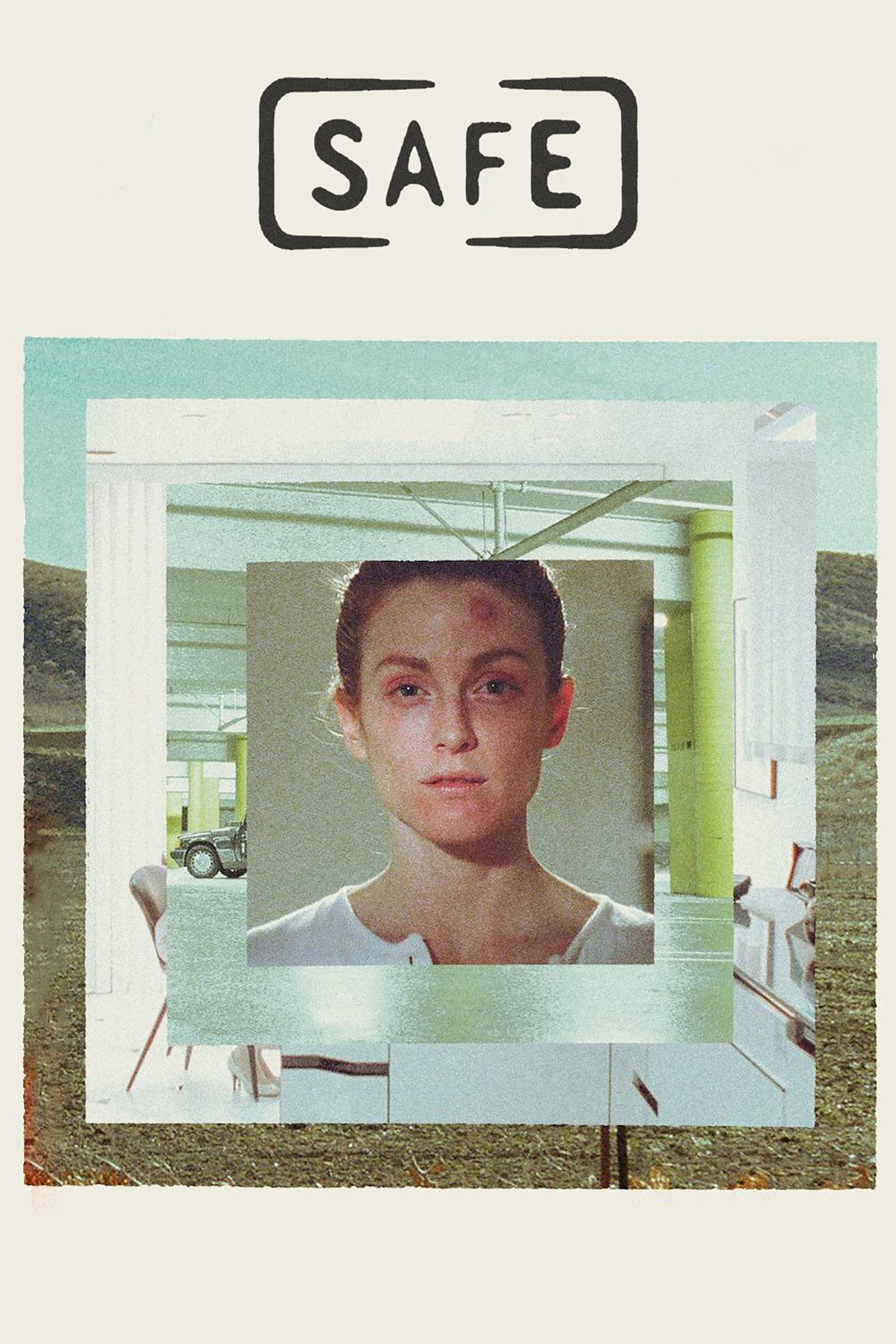
Todd Haynes directs this suburban drama about a woman named Carol White who begins suffering from mysterious symptoms she believes are caused by her environment. Julianne Moore plays the lead, with the story set around the San Fernando Valley and later a desert retreat called Wrenwood led by a counselor named Peter Dunning.
The film uses controlled framing and quiet sound design to track Carol’s daily routine and the new age therapies she pursues. It was produced through an independent financing model and became an early showcase for Haynes and Moore as collaborators.
‘The Last Seduction’ (1994)
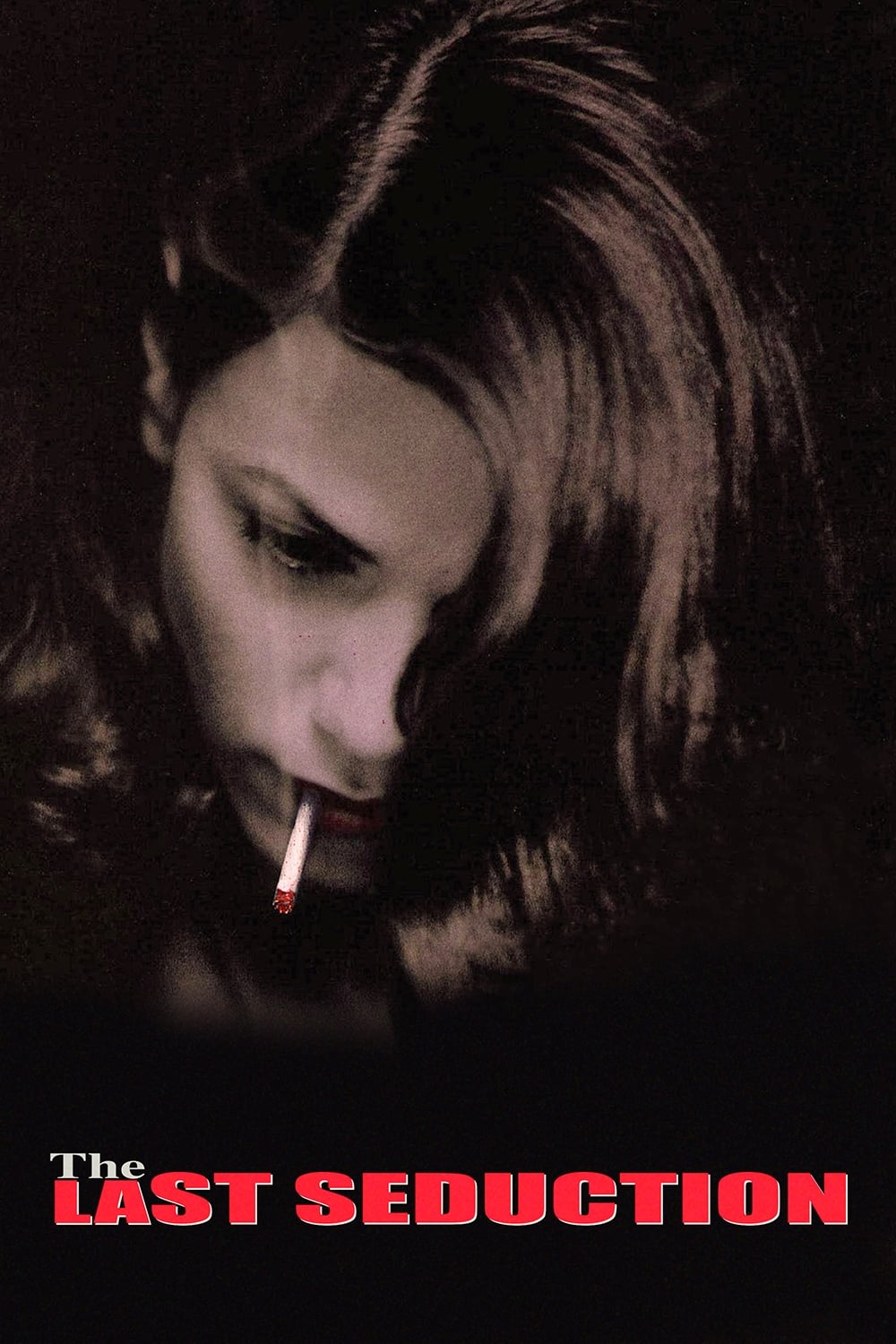
John Dahl’s neo noir follows Bridget Gregory after she steals drug money from her husband and disappears to a small town. Linda Fiorentino stars alongside Peter Berg and Bill Pullman, with a plot built around insurance fraud, pay phones, and a series of double crosses.
The project premiered on premium cable before its theatrical release, which affected awards eligibility at the time. Shot largely on location with a lean schedule, it became a touchstone for modern noir storytelling built around sharp dialogue and small scale settings.
‘Dark City’ (1998)
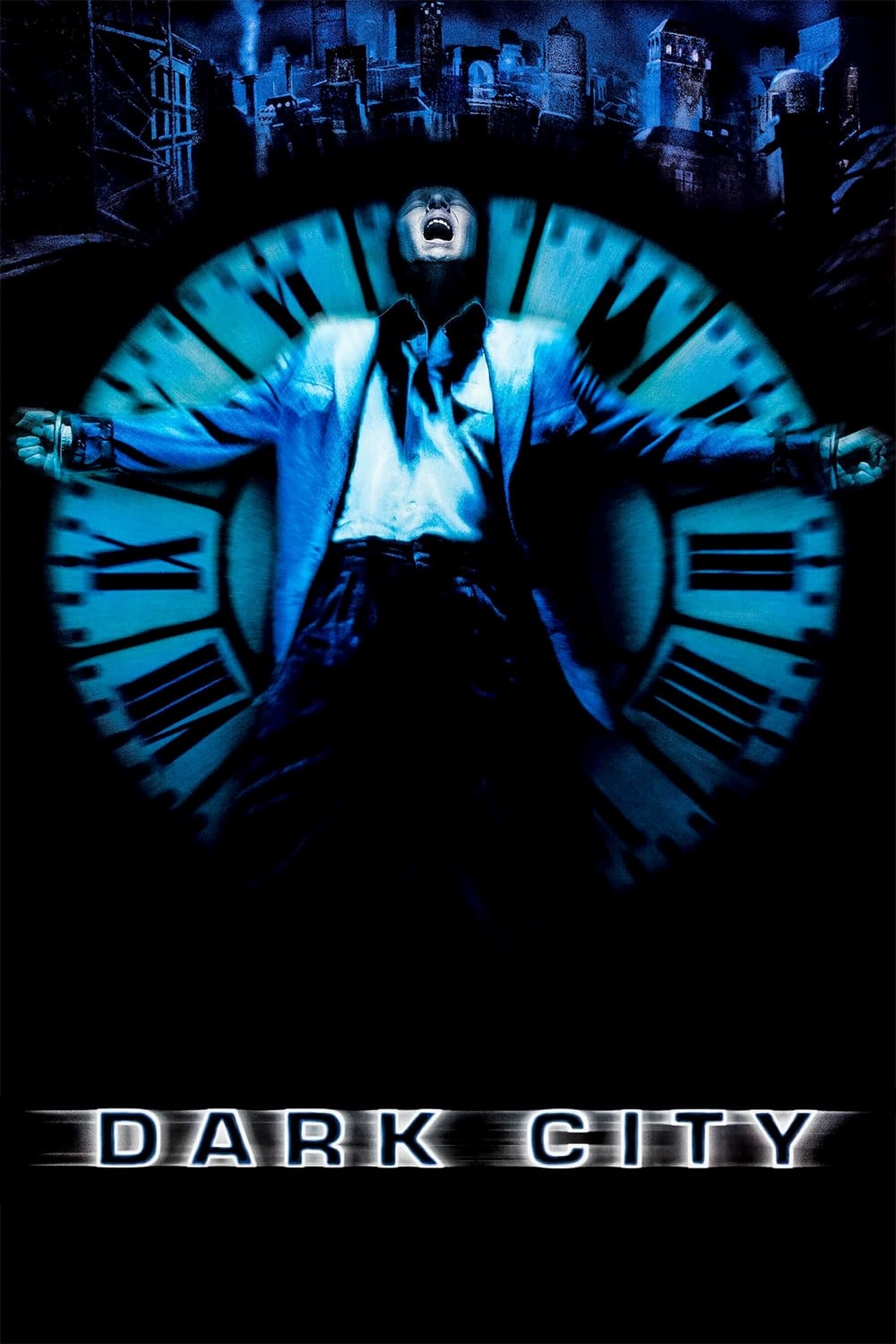
Alex Proyas crafts a science fiction mystery about a man who wakes up with no memory in a city where time stops each night. Rufus Sewell leads the cast with Jennifer Connelly, William Hurt, and Kiefer Sutherland as a doctor who understands how the place is controlled.
The production is known for elaborate sets, a blend of practical effects and miniatures, and a later director’s cut that restored scenes and altered the opening narration. Cinematography by Dariusz Wolski and a score by Trevor Jones support the film’s shifting architecture and mood.
‘Cube’ (1997)
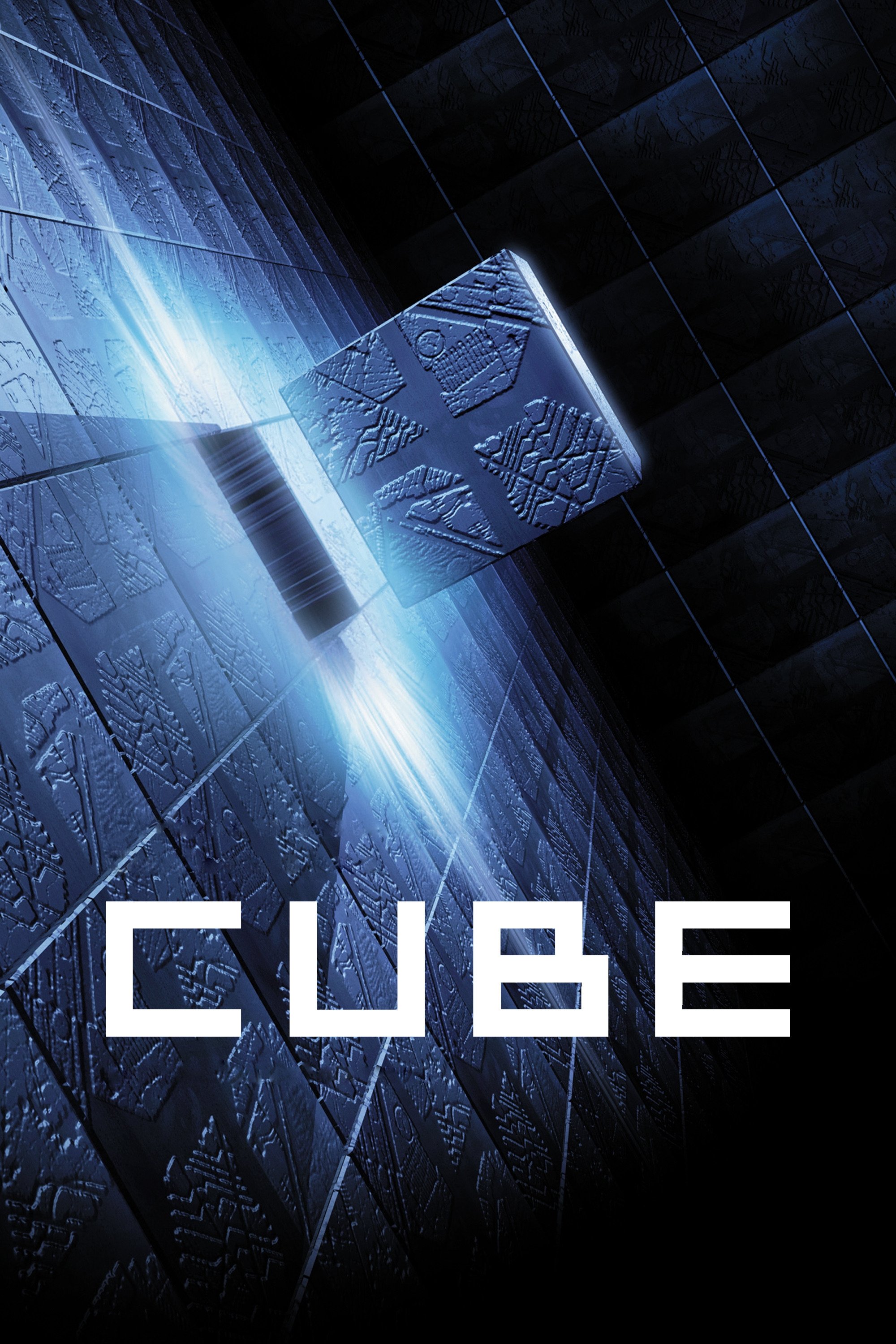
This Canadian thriller traps a group of strangers in a maze of cube shaped rooms rigged with deadly mechanisms. The characters include a cop, a doctor, a math student, and an engineer who try to map the pattern of safe passages using prime numbers and coordinate guesses.
Director Vincenzo Natali shot most scenes on a single set that crews redressed with different colored panels. The film’s micro budget approach, practical traps, and contained location became a model for later puzzle box stories.
‘Fresh’ (1994)
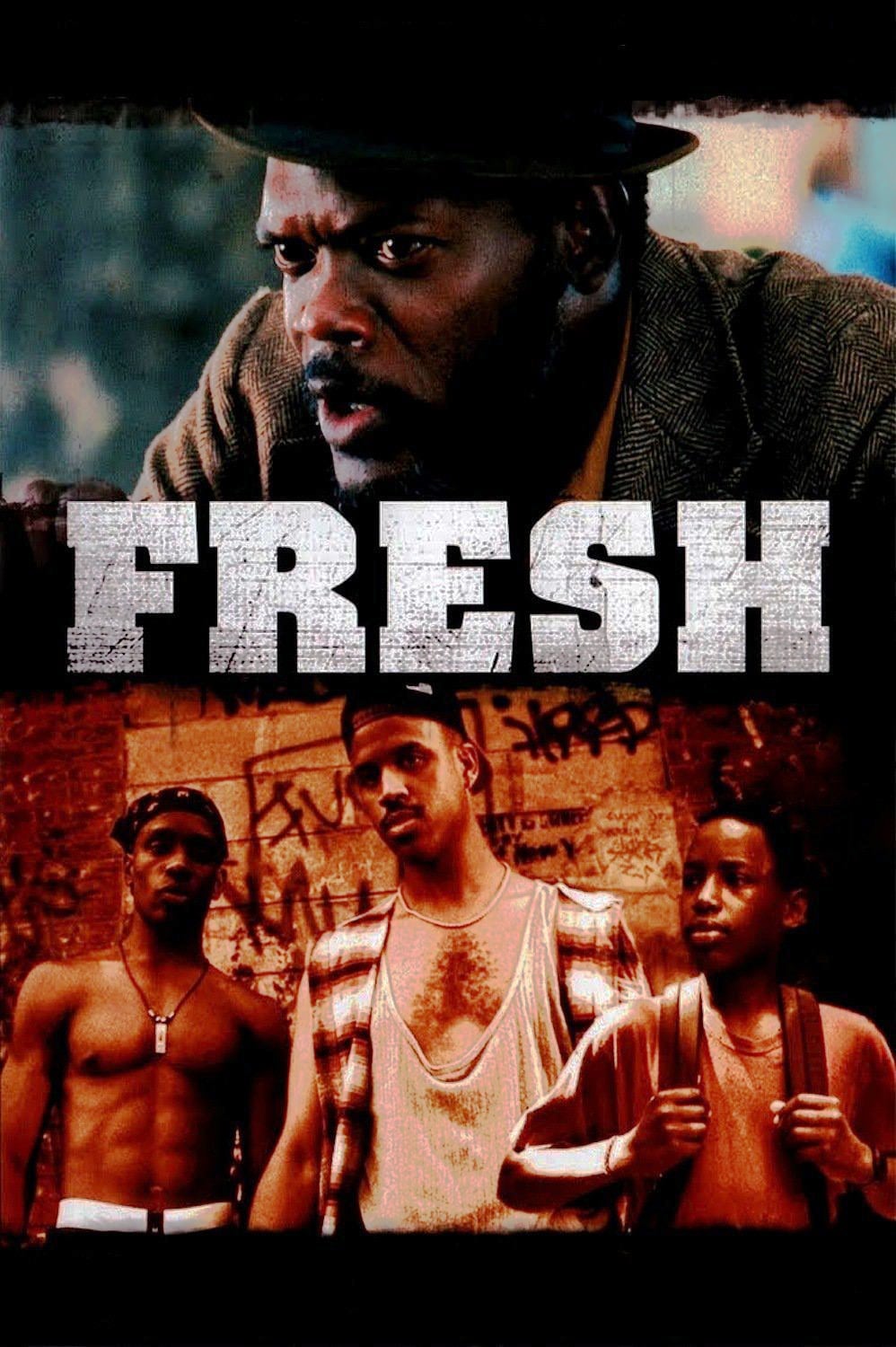
Boaz Yakin’s crime drama follows a twelve year old boy nicknamed Fresh who runs errands for dealers in Brooklyn. He studies chess with his father, played by Samuel L. Jackson, and adapts strategic thinking to protect his sister and remove himself from dangerous players.
The film balances street level detail with a tight focus on planning and cause and effect. Sean Nelson’s lead performance anchors a cast that includes Giancarlo Esposito and Annabella Sciorra, with on location photography capturing parks, schools, and housing courts.
‘Once Were Warriors’ (1994)
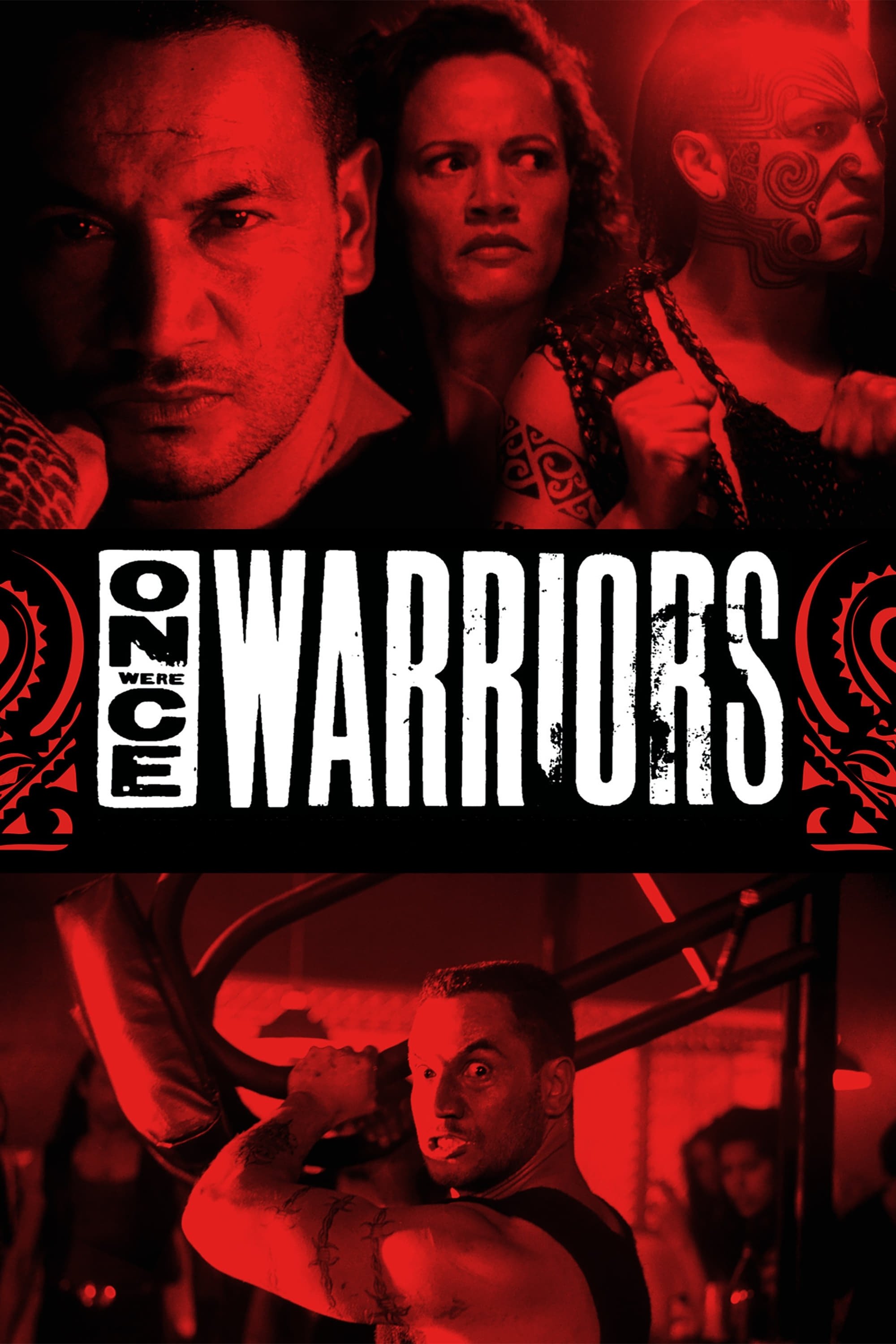
Director Lee Tamahori adapts Alan Duff’s novel about the Heke family in South Auckland. Rena Owen plays Beth Heke and Temuera Morrison plays Jake, with the story examining family bonds, community ties, and the impact of violence.
The production features extensive use of Māori language and customs alongside English dialogue. Its soundtrack mixes traditional elements with contemporary styles, and the film’s success led to renewed international attention for New Zealand cinema.
‘The City of Lost Children’ (1995)
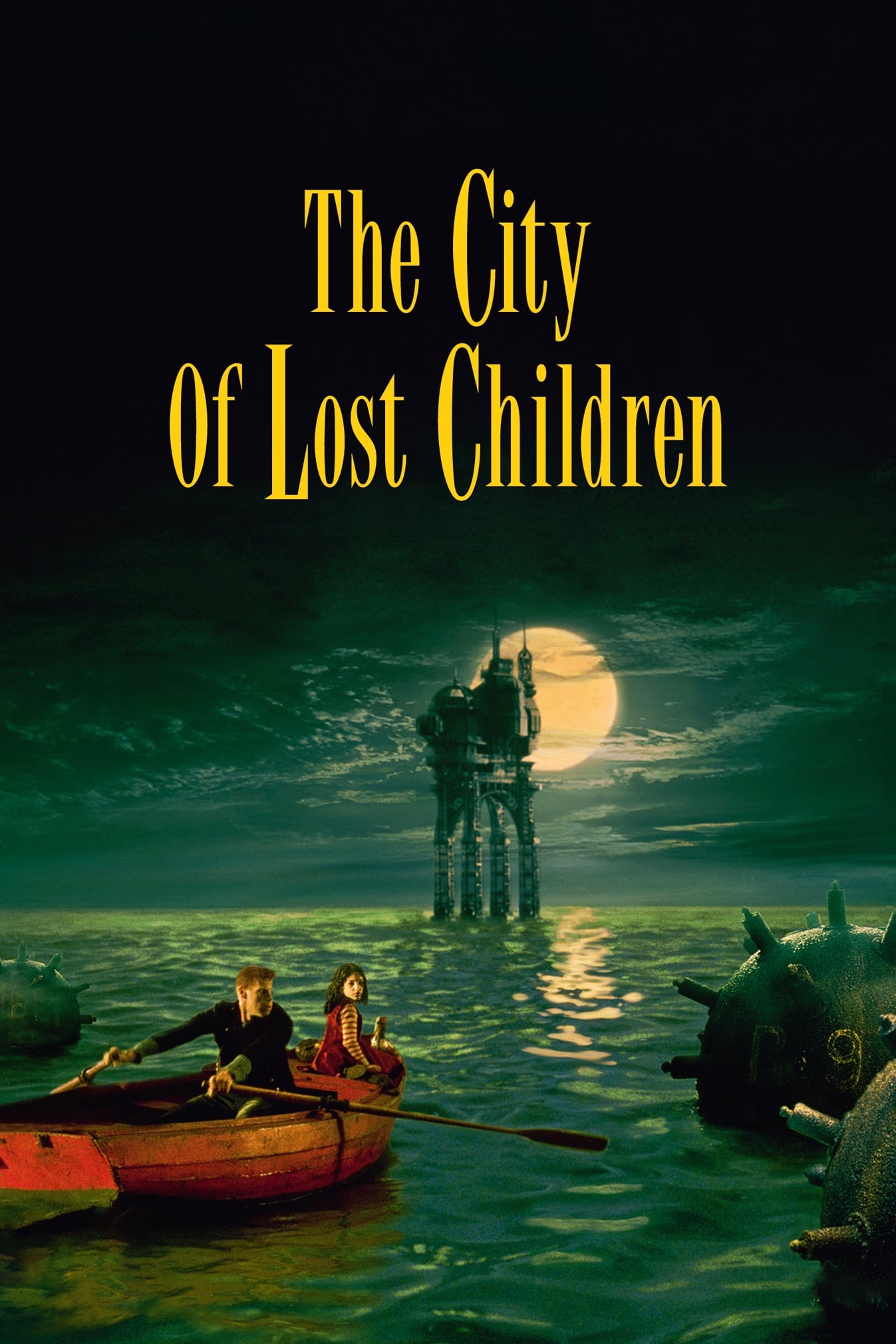
Marc Caro and Jean Pierre Jeunet direct this French fantasy about a scientist named Krank who steals children’s dreams in a seaside city filled with carnival performers and inventors. Ron Perlman stars as a strongman named One, with frequent Jeunet collaborator Dominique Pinon in multiple roles.
The production showcases handmade sets, animatronics, and richly textured costumes photographed by Darius Khondji. A score by Angelo Badalamenti and extensive optical work create a storybook look that predates the later global breakthrough of ‘Amélie’.
‘A Brighter Summer Day’ (1991)
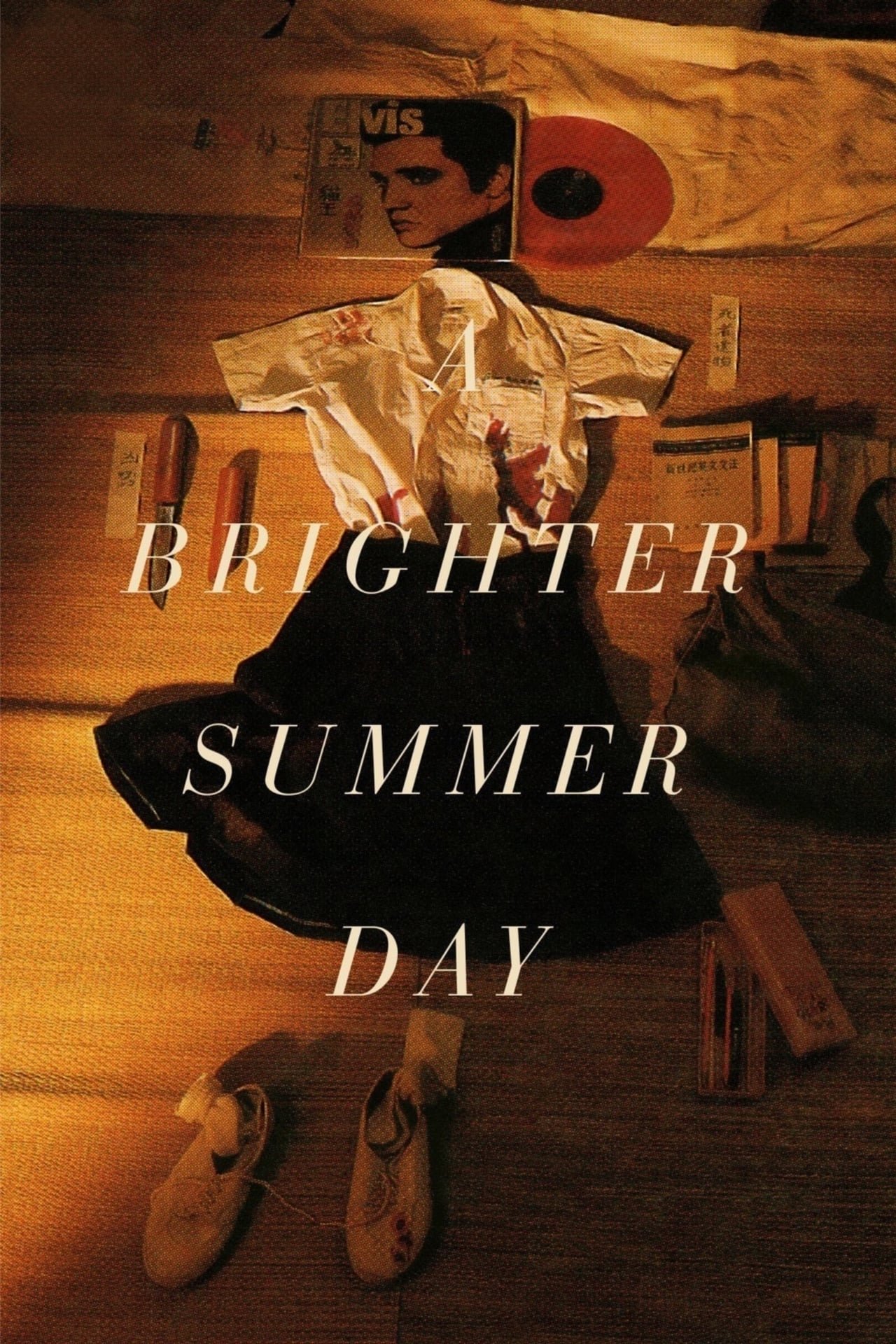
Edward Yang’s epic portrait of Taipei centers on a teenager nicknamed Xiao Si’r who drifts between school, family pressure, and rival youth gangs. The story draws from a real life case that Yang remembered from his own childhood.
The film was shot in Mandarin and Taiwanese with a large ensemble of mostly young performers. Its long running time is structured around neighborhood spaces, schoolyards, and nighttime streets, with careful sound design that highlights popular music and radio broadcasts.
‘The Long Day Closes’ (1992)
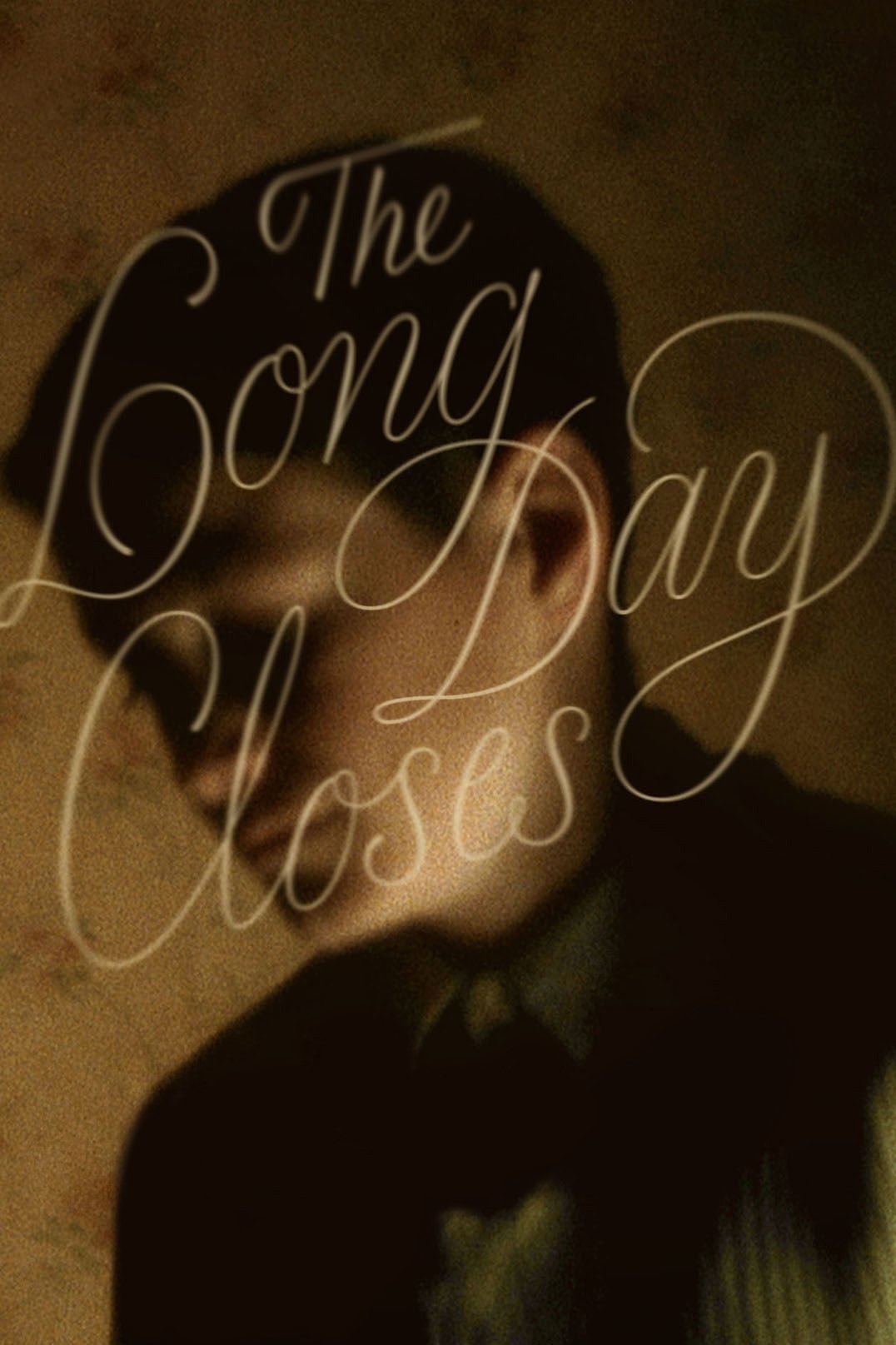
Terence Davies follows a Liverpool schoolboy named Bud as he navigates family life, cinema visits, and the comfort of music. Rather than a conventional plot, scenes unfold as connected memories shaped by songs, lighting transitions, and glimpses of movie screens.
The production team recreated period interiors and used slow camera moves to link domestic moments. A dense soundtrack of choral works, pop tunes, and film clips is woven through the action, reflecting how Davies builds narrative from sound and image.
‘The Double Life of Véronique’ (1991)
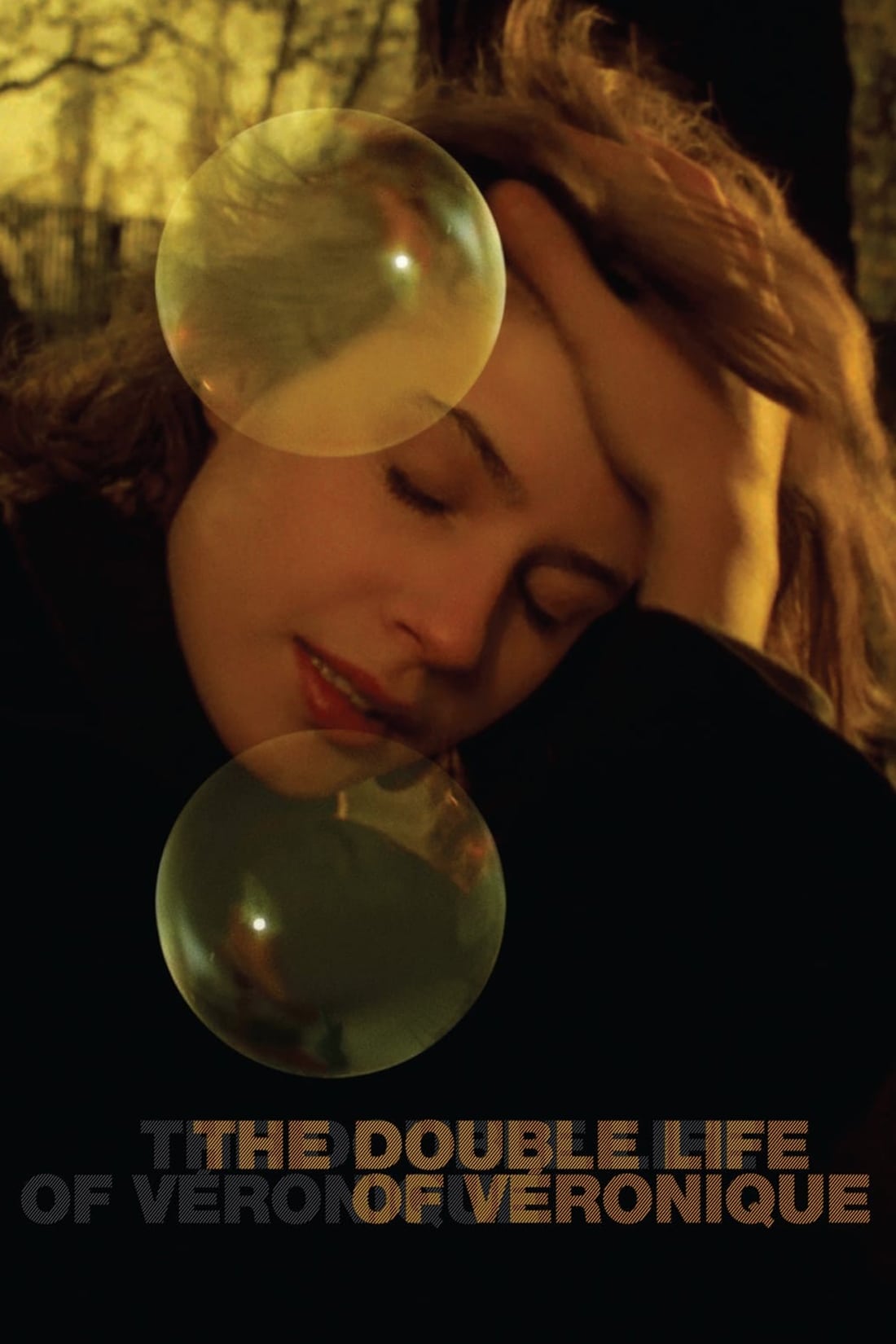
Krzysztof Kieslowski tells the story of two women who share a name and an uncanny connection, one living in Poland and one in France. Irène Jacob plays both roles, with the narrative built from small coincidences and changes in perspective.
Composer Zbigniew Preisner’s music and Sławomir Idziak’s warm filtered cinematography give the film its distinctive look. The production moves between Kraków and Paris and uses mirrors, reflections, and recurring motifs to suggest invisible links.
‘Beau Travail’ (1999)
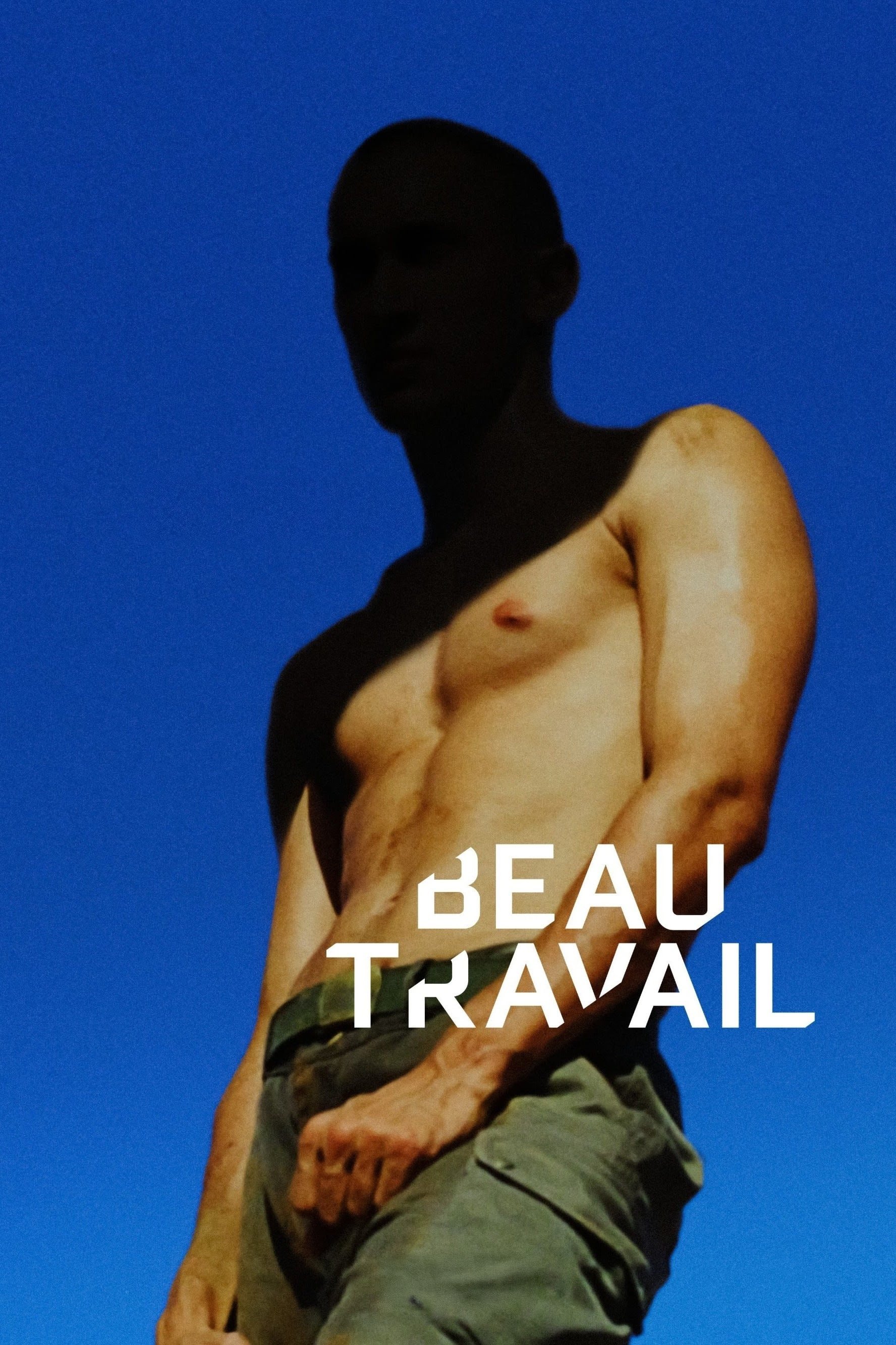
Claire Denis adapts ‘Billy Budd’ into a story about a Foreign Legion sergeant named Galoup. Set around training exercises in Djibouti, the film follows routines, inspections, and the arrival of a promising new recruit.
Shot on location with non professional performers alongside Denis Lavant and Grégoire Colin, the film emphasizes physical movement and ritual. Agnès Godard’s camerawork and a spare soundtrack frame the desert landscapes and the discipline of the unit.
‘Bullet in the Head’ (1990)

John Woo directs this Hong Kong drama about three friends whose small time crimes push them from home turf to war torn territories. The plot traces loyalty and betrayal as the group gets drawn into smuggling and combat zones.
The production blends action staging with a sweeping story that crosses countries and languages. Performers include Tony Leung Chiu wai, Jacky Cheung, and Waise Lee, with editor David Wu shaping large scale set pieces around character choices.
‘Hard Eight’ (1996)
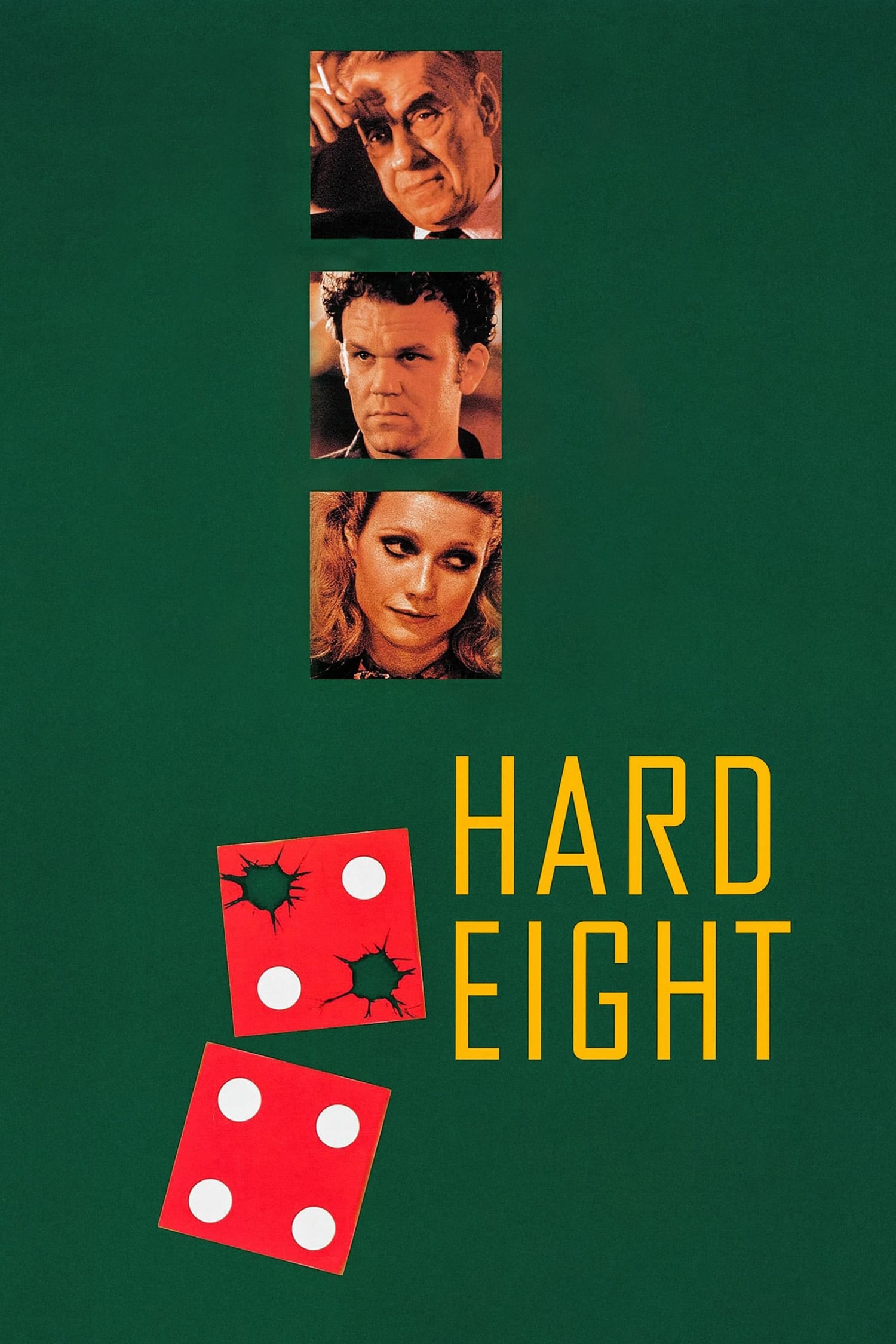
Paul Thomas Anderson’s debut feature follows a veteran gambler named Sydney who takes a drifter under his wing in Reno. Philip Baker Hall and John C. Reilly lead the cast with Gwyneth Paltrow and Samuel L. Jackson in key roles.
The script expands on Anderson’s short ‘Cigarettes & Coffee’ and uses casinos, diners, and motel rooms as recurring spaces. Long takes and dialogue driven scenes establish character backstories while keeping the focus on etiquette and unwritten rules.
‘The Sweet Hereafter’ (1997)
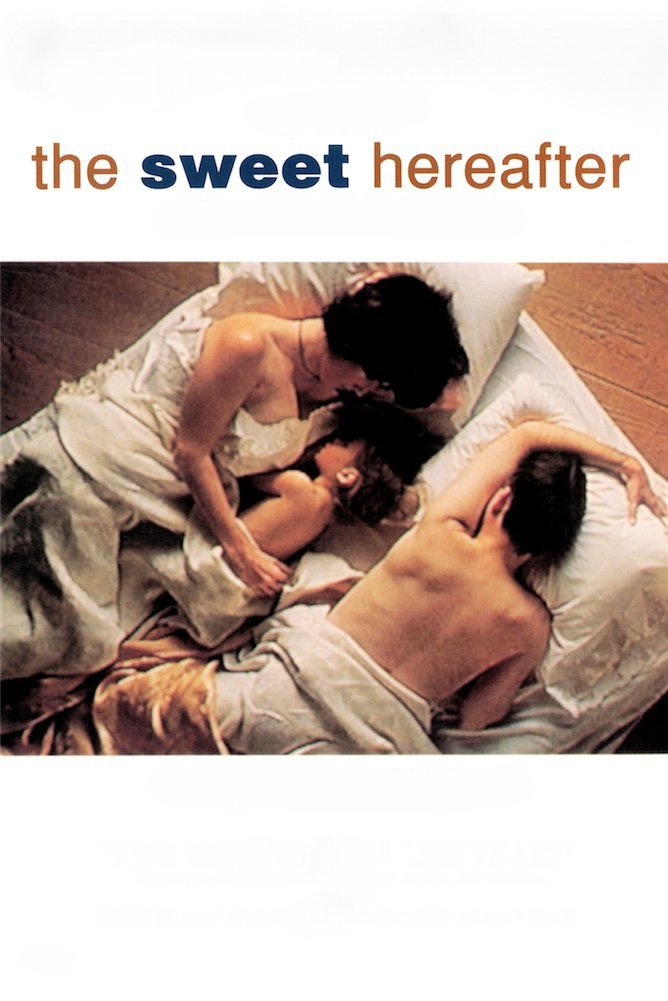
Atom Egoyan adapts Russell Banks’s novel about a lawyer who arrives in a small town after a tragic school bus crash. Ian Holm plays the attorney Mitchell Stevens, with Sarah Polley and Bruce Greenwood among the ensemble.
The film uses a non linear structure to move between the investigation and the lives of families affected by the event. Mychael Danna’s music and wintry landscapes create a calm surface for a story that centers on testimony and community meetings.
‘The Celebration’ (1998)

Thomas Vinterberg’s family drama takes place during a patriarch’s birthday gathering at a rural hotel. Over the course of speeches and meals, the adult children bring long buried history into public view.
Made under the Dogme 95 rules, the film uses handheld cameras, available light, and live sound. The approach gives the cast freedom to move through rooms and corridors while the story unfolds in real time spaces.
‘The Reflecting Skin’ (1990)
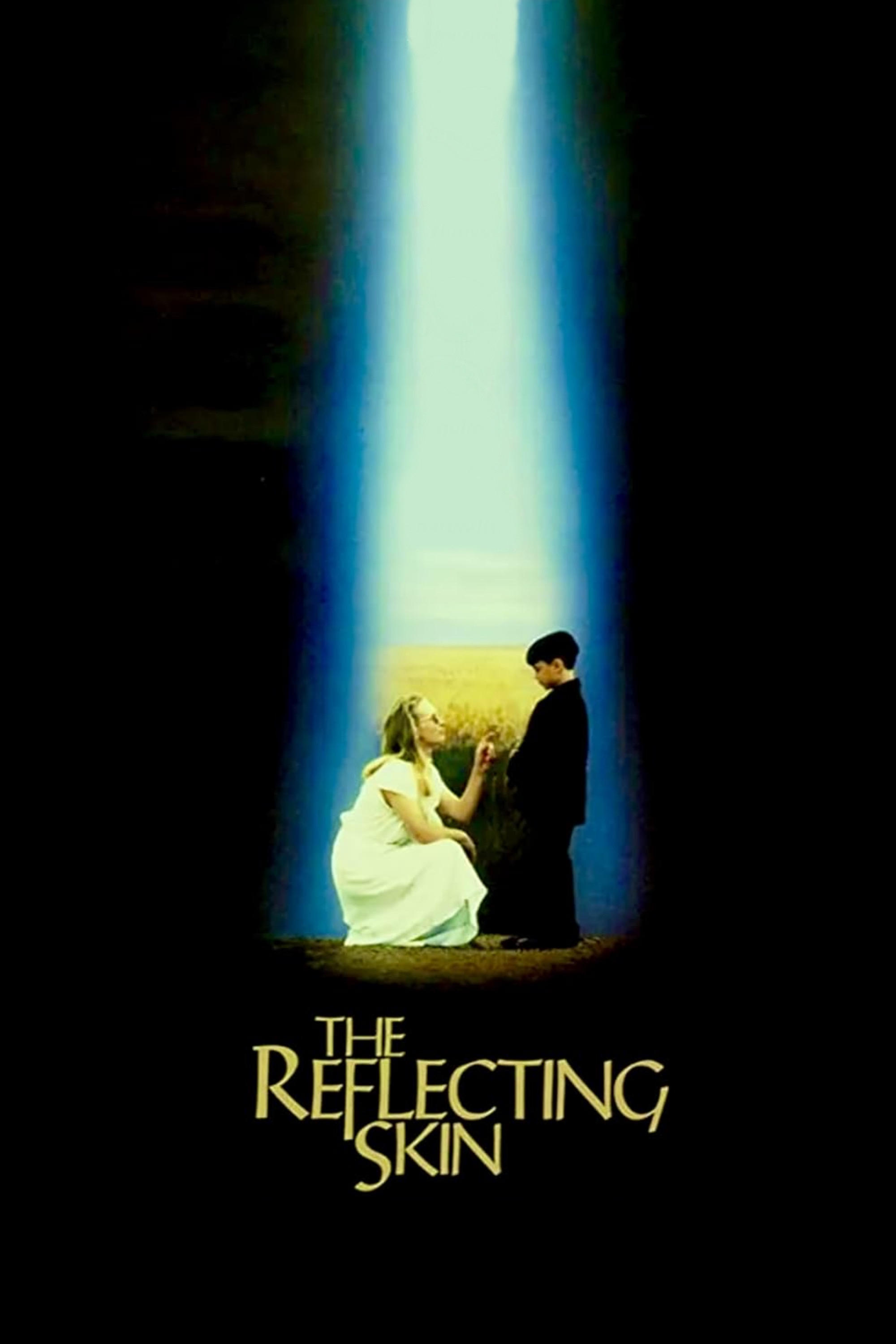
Philip Ridley’s gothic tale follows a farm boy named Seth Dove in the American Midwest as he becomes convinced a widow is a vampire. Viggo Mortensen appears as Seth’s older brother who returns from military service.
The production emphasizes wide open fields, sun baked exteriors, and rural interiors that feel almost theatrical in their staging. Its imagery draws on myth and childhood fears, with a score that underlines the contrast between innocence and violence.
‘Fallen Angels’ (1995)
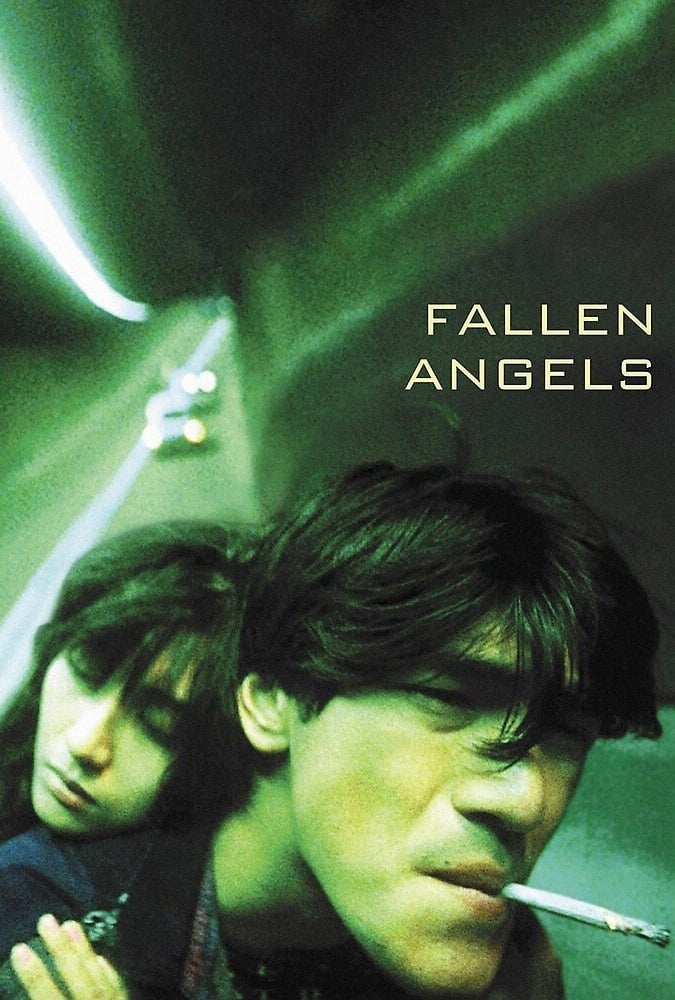
Wong Kar wai’s nocturnal companion to ‘Chungking Express’ tracks a contract killer, his handler, and a mute small time criminal through late night Hong Kong. Leon Lai, Michelle Reis, and Takeshi Kaneshiro lead the ensemble.
Christopher Doyle’s cinematography uses extreme wide angle lenses, fast film stocks, and fast shutter speeds to create a smeared city glow. Pop songs, voiceover narration, and quick scene changes give the film a collage structure built from urban drift.
‘Time Regained’ (1999)
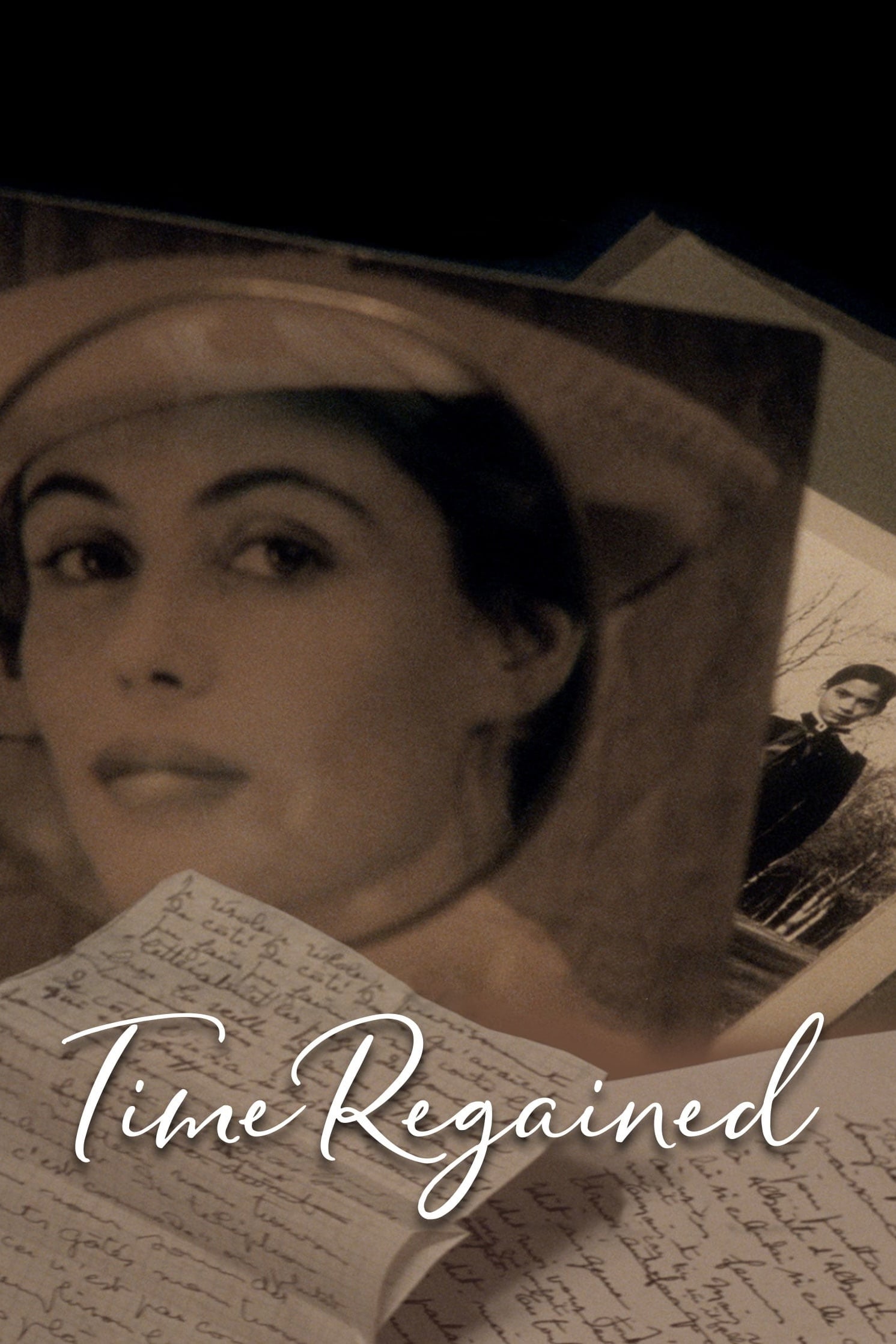
Raúl Ruiz adapts the final volume of Marcel Proust’s cycle into a flowing memory piece that follows writer Marcel through salons, front lines, and recollections of lost friends. The cast includes Catherine Deneuve, Emmanuelle Béart, and John Malkovich.
The film uses moving sets, dissolves, and visual tricks to fold one memory into another as if pages were turning on screen. Costumes and production design recreate Belle Époque rooms and wartime passages while keeping the camera in near constant motion.
‘The Apostle’ (1997)
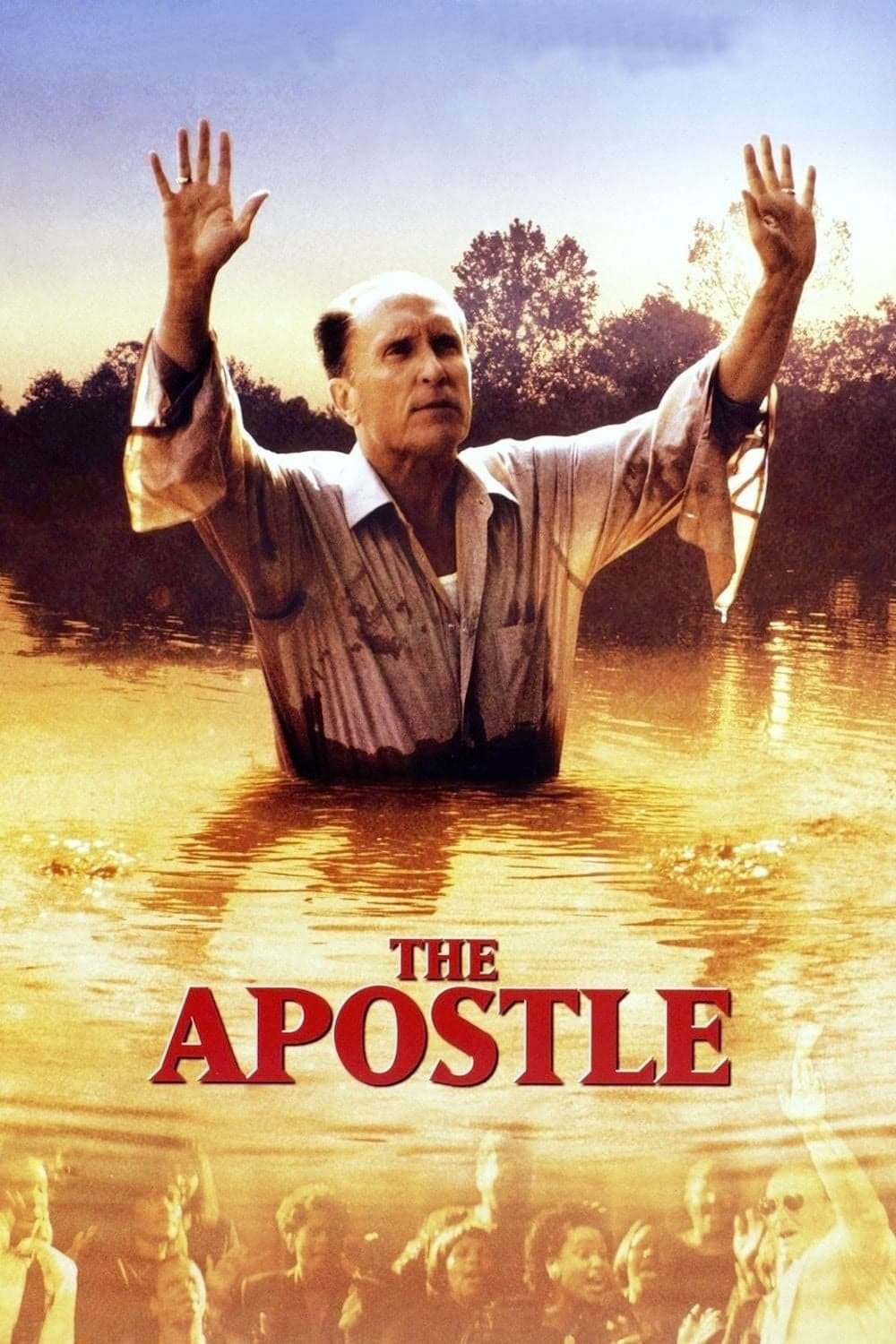
Robert Duvall writes, directs, and stars as a charismatic Pentecostal preacher named Sonny who leaves home after a crisis and starts a new congregation. Locations include small towns, open fields, and storefront churches across the American South.
The production relied on local extras and real congregations for services and baptisms. Duvall financed the project independently, which allowed him to shoot sermons and community events with minimal interference and an emphasis on ritual.
‘The Addiction’ (1995)
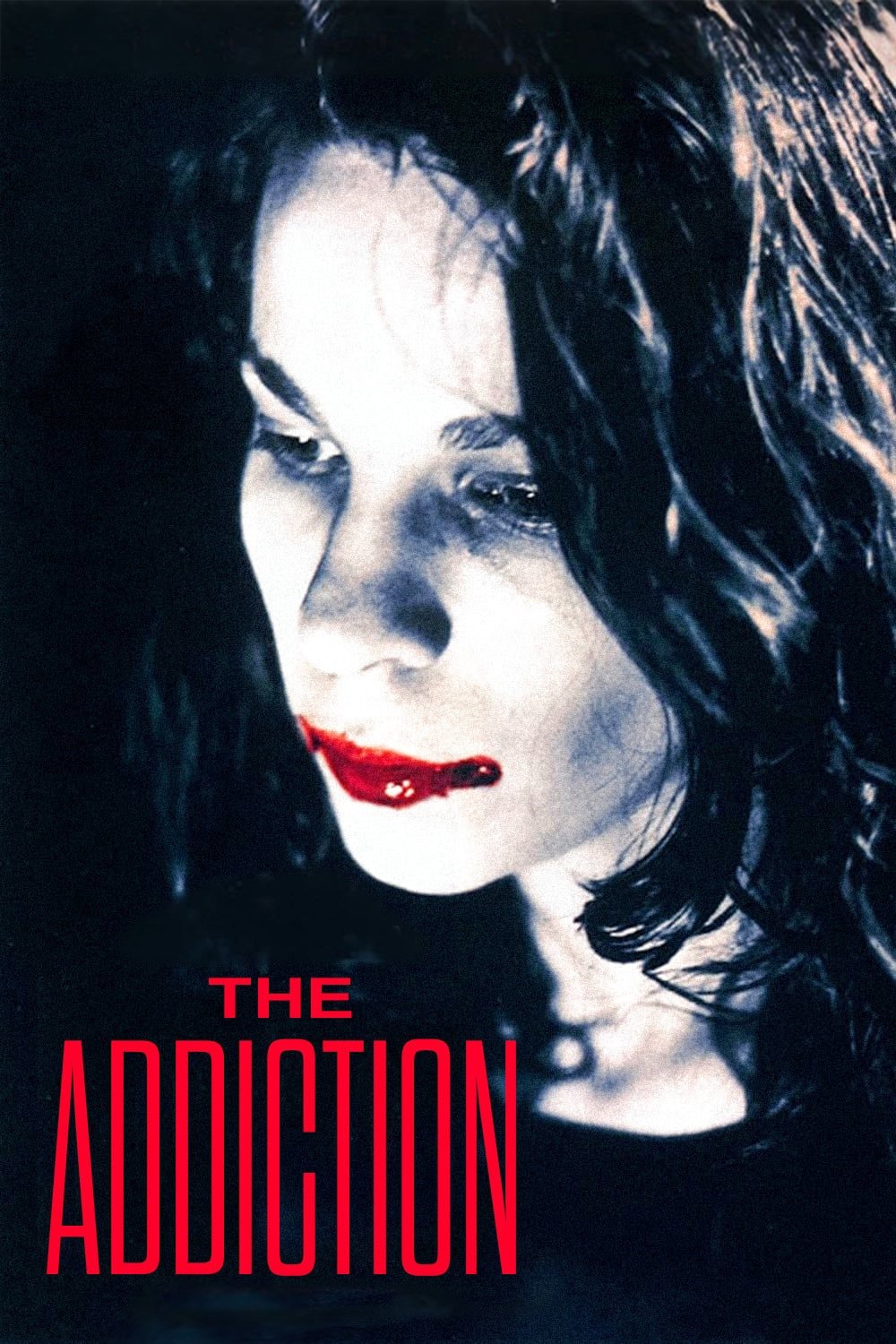
Abel Ferrara tells the story of a philosophy student who becomes a vampire after a chance encounter. Lili Taylor plays the lead, with Christopher Walken appearing as an older vampire who offers a different approach to survival.
Shot in black and white around New York City, the film references classroom debates and philosophical texts as part of the character’s inner monologue. Street locations, stairwells, and small apartments keep the focus on discussion and compulsion.
‘Cure’ (1997)
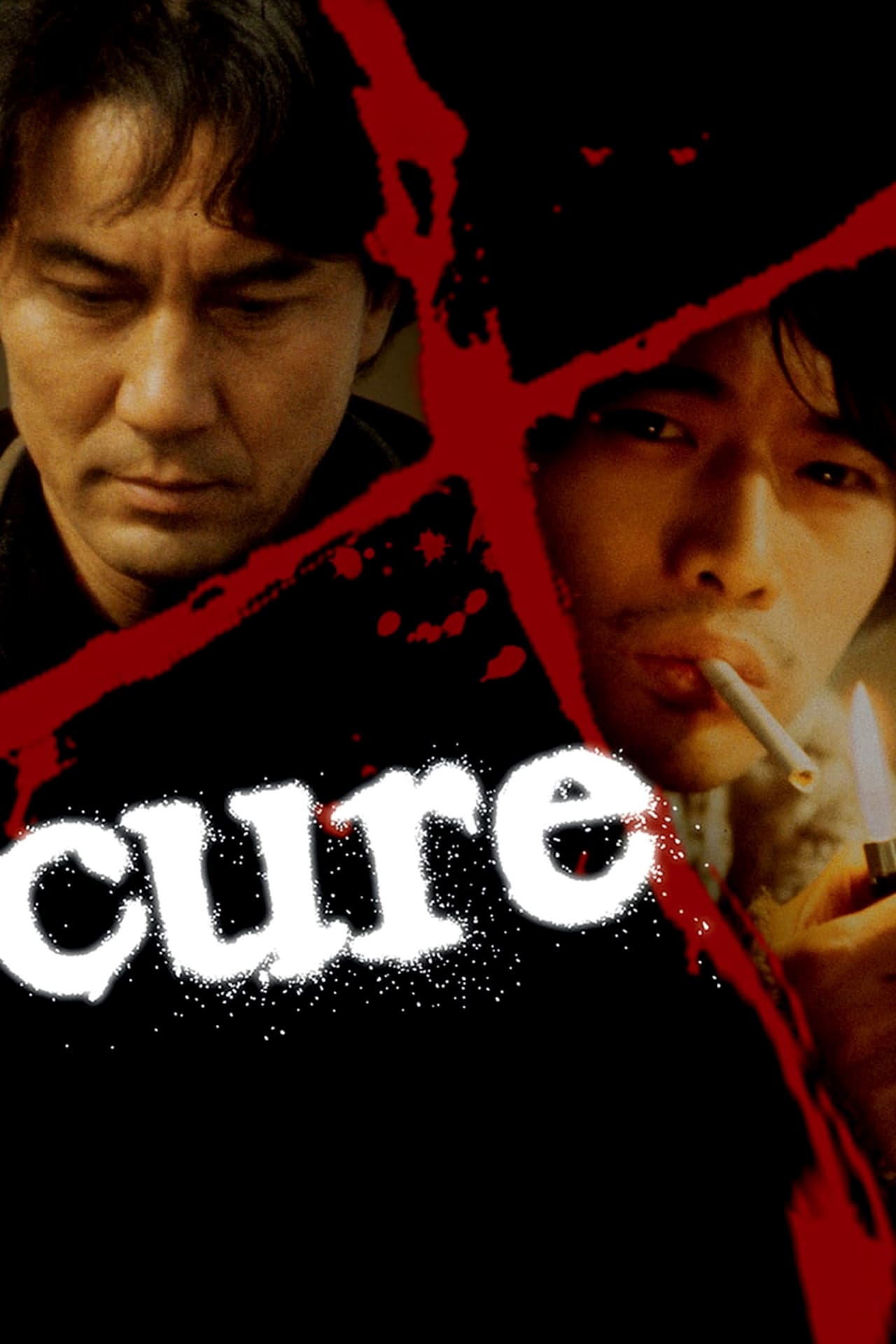
Kiyoshi Kurosawa’s police procedural follows Detective Takabe as he investigates a string of murders where each killer gives the same blank response. Koji Yakusho stars, with Masato Hagiwara as a drifter who seems to disarm people through suggestive talk.
The film is known for precise framing, wide static shots, and long pauses that place attention on breathing and ambient noise. It uses clinics, tunnels, and empty buildings to suggest a pattern that is hard to pin down in words.
‘Taste of Cherry’ (1997)
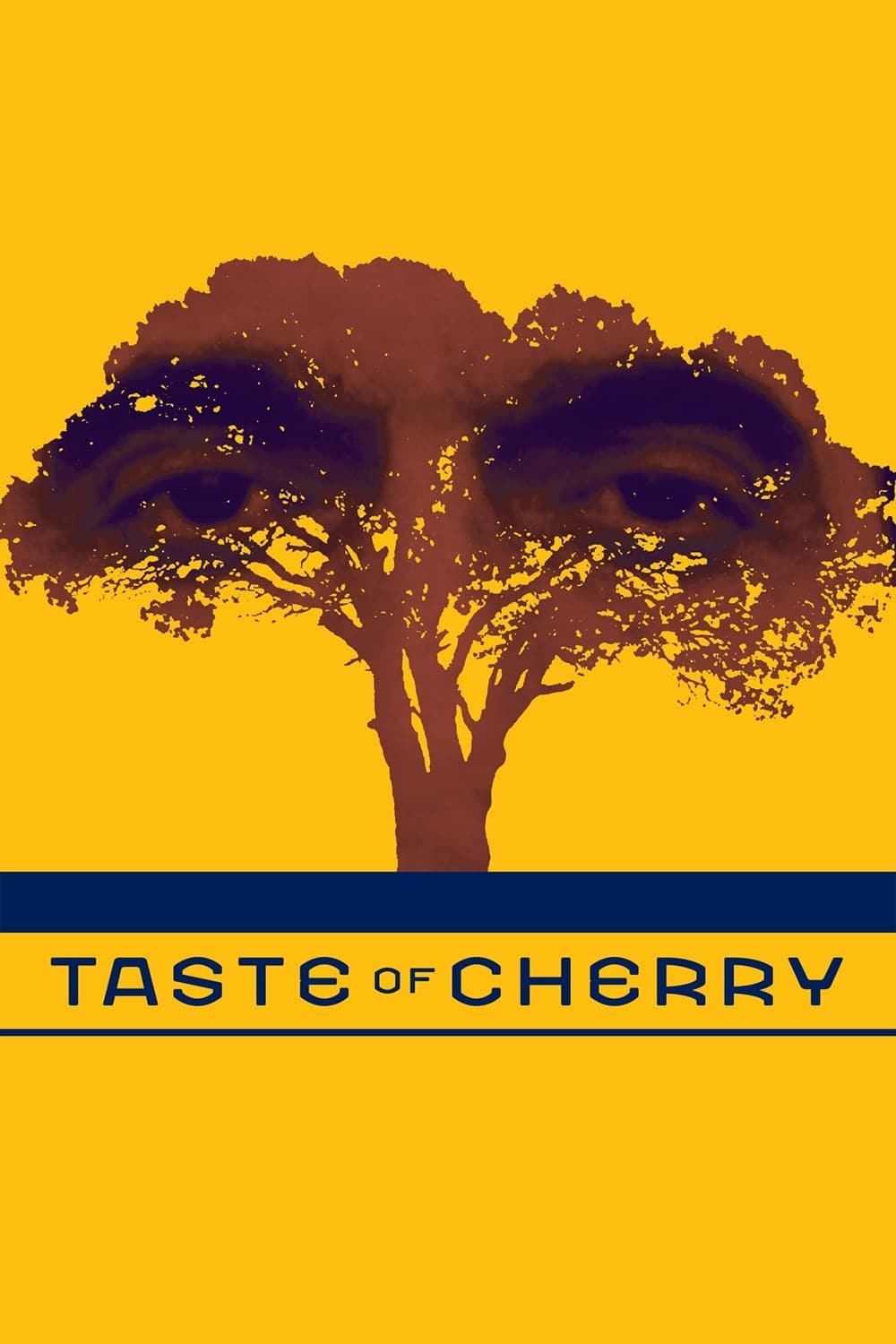
Abbas Kiarostami centers the story on a man who drives the hills around Tehran asking strangers for help with a personal plan. The encounters include a soldier, a seminarian, and a taxidermist who each respond from their own background.
The production makes extensive use of car interiors and roadside vantage points. Non professional performers and natural light keep the conversations grounded, with the ending drawing attention to the act of filming itself.
‘Underground’ (1995)

Emir Kusturica stages a sprawling allegory that begins with black market comrades in Belgrade and extends across decades of conflict. A group hides in a cellar workshop making weapons while believing the outside war never ends.
The film shifts between carnivalesque scenes and battlefield sequences using brass band music and elaborate set pieces. Its multilingual cast and large number of extras reflect the scale of the story’s historical backdrop.
‘Satantango’ (1994)
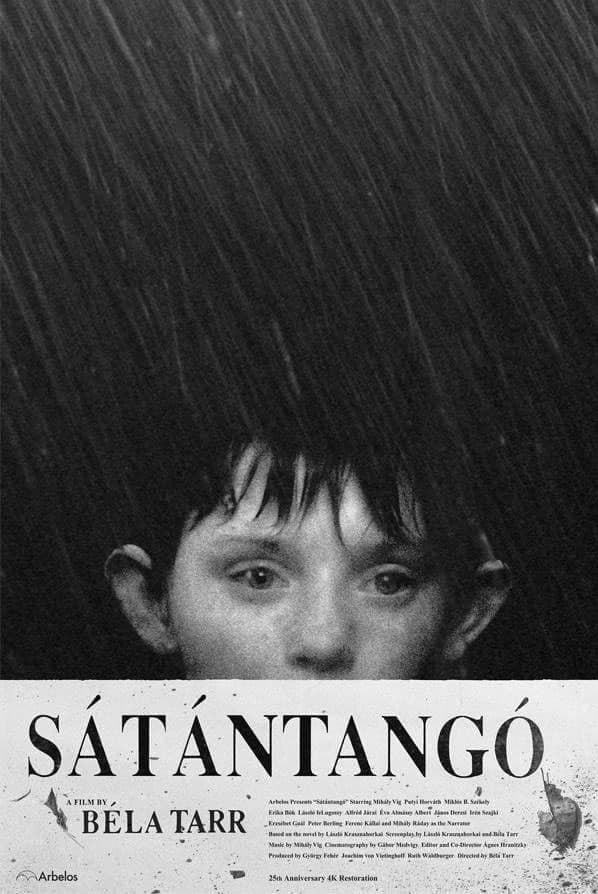
Béla Tarr adapts László Krasznahorkai’s novel into a village chronicle told through very long takes and a looping structure. The plot revolves around rumors of a windfall and the return of a figure named Irimiás.
The production uses slow tracking shots across mud flats, abandoned buildings, and rain swept roads. Black and white cinematography and a recurring accordion theme support a structure that moves forward and then reverses course.
‘The Limey’ (1999)
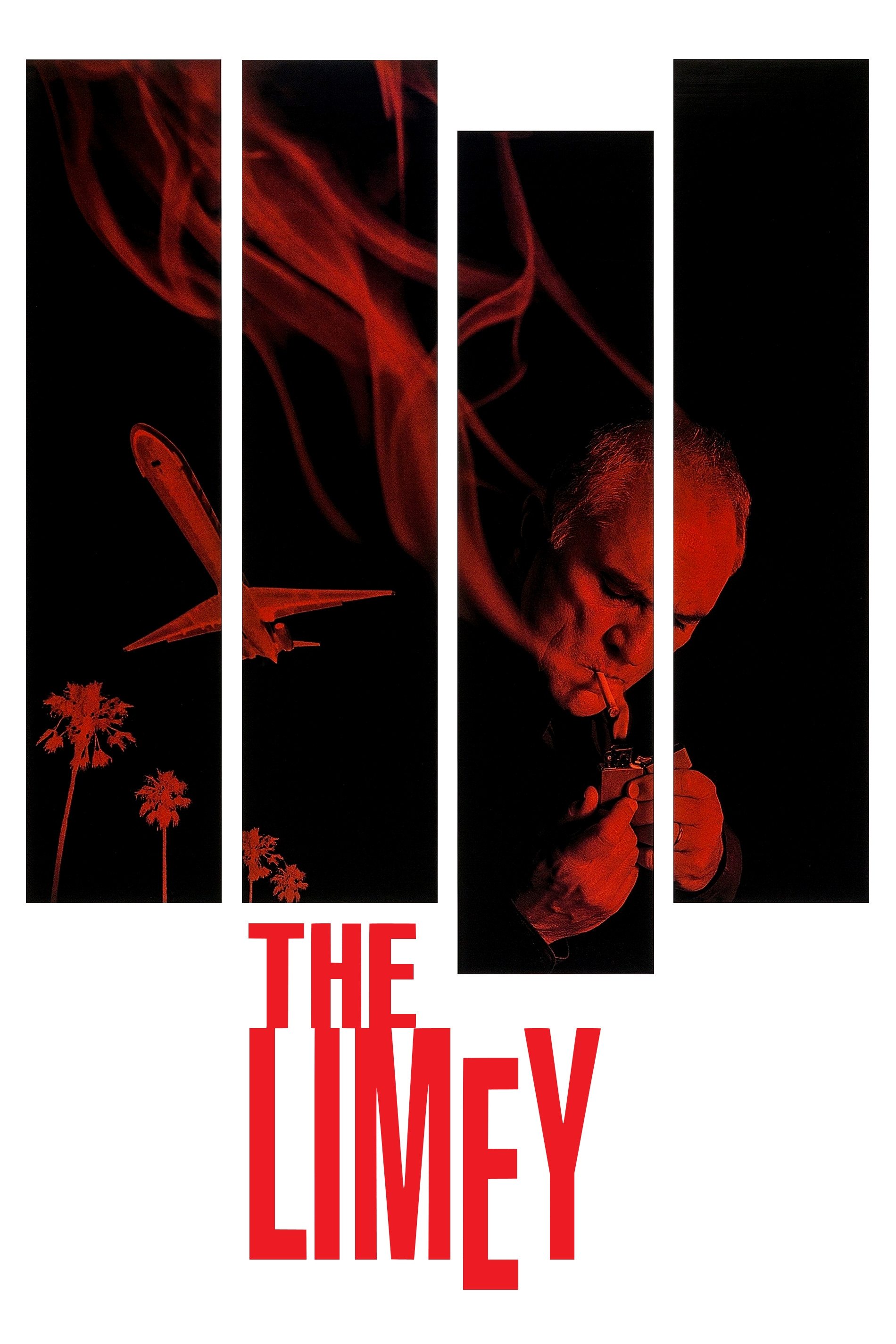
Steven Soderbergh directs this lean revenge story about a British ex con named Wilson who lands in Los Angeles to look into his daughter’s death. Terence Stamp stars with Peter Fonda and Lesley Ann Warren, while Luis Guzmán plays an ally who helps translate the city.
The film is known for elliptical editing and the use of vintage footage from ‘Poor Cow’ to show Wilson’s past. It was shot around warehouses, hillsides, and Hollywood homes with a score by Cliff Martinez that blends guitars and ambient textures.
Share your own overlooked nineties picks in the comments so everyone can compare watchlists.

