


Best 2000s Movies You Probably Haven’t Seen Yet



The 2000s delivered a deep bench of films that slipped under the radar despite striking stories, inventive craft, and bold voices from around the world. This list pulls together features that passed by many watchlists while leaving strong footprints across festivals, national cinemas, and genre scenes.
You will find thrillers, dramas, horror gems, and animated standouts, with quick facts on who made them, where they were shot, and why they matter in film history. Use it to discover new directors, revisit actors before they broke big, or explore movements like the Romanian New Wave and the resurgence of Korean crime cinema.
‘Timecrimes’ (2007)
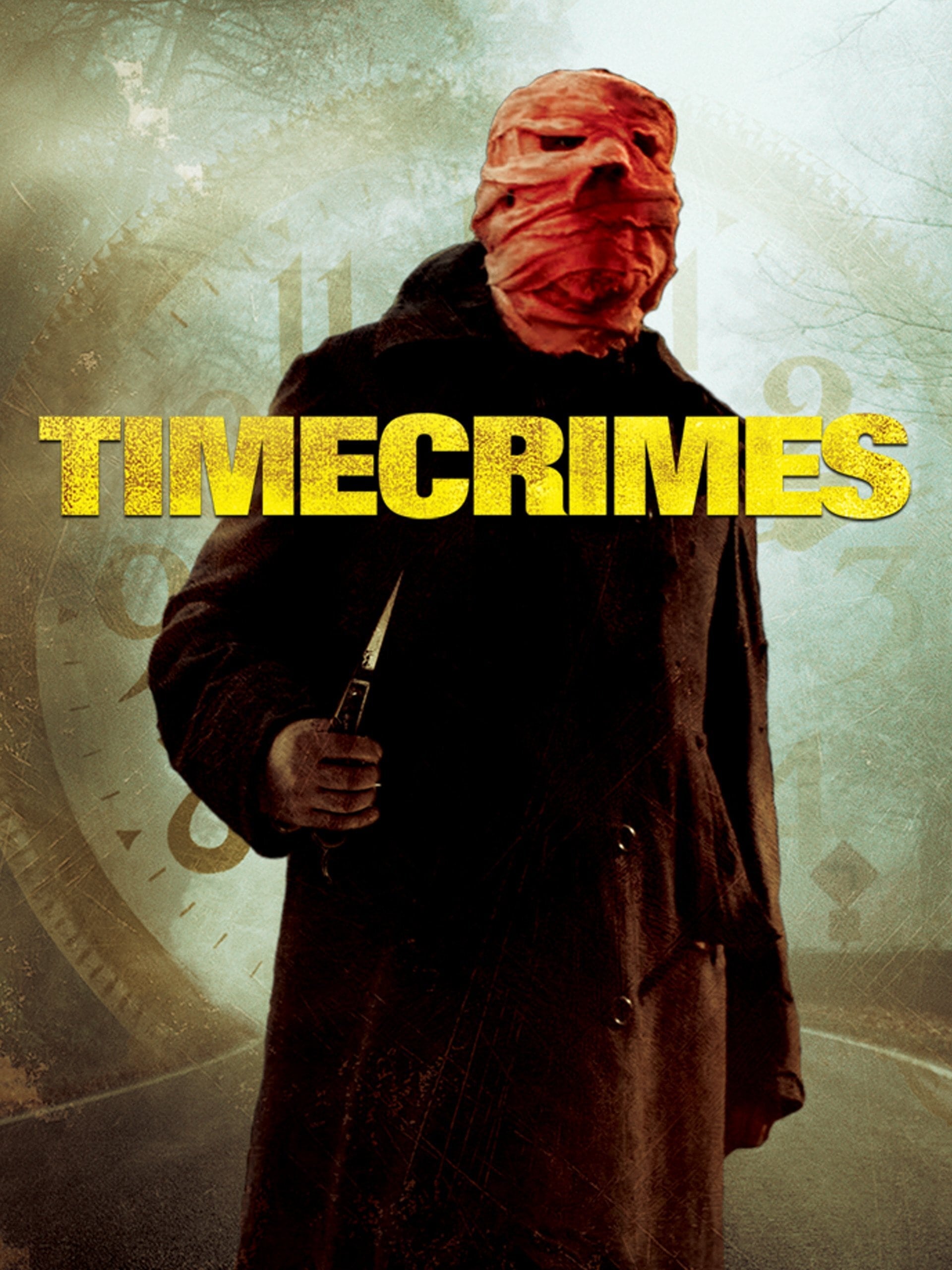
This Spanish science fiction thriller was written and directed by Nacho Vigalondo and stars Karra Elejalde, Candela Fernández, and the director himself. The story follows a man who stumbles into a rural lab and becomes trapped in overlapping time loops that unfold around a forest and country house.
The production was mounted in northern Spain with a compact crew and a small number of locations that emphasize cause and effect. Spanish language dialogue and practical effects support a puzzle structure built around props, geography, and repeated actions.
‘A Bittersweet Life’ (2005)
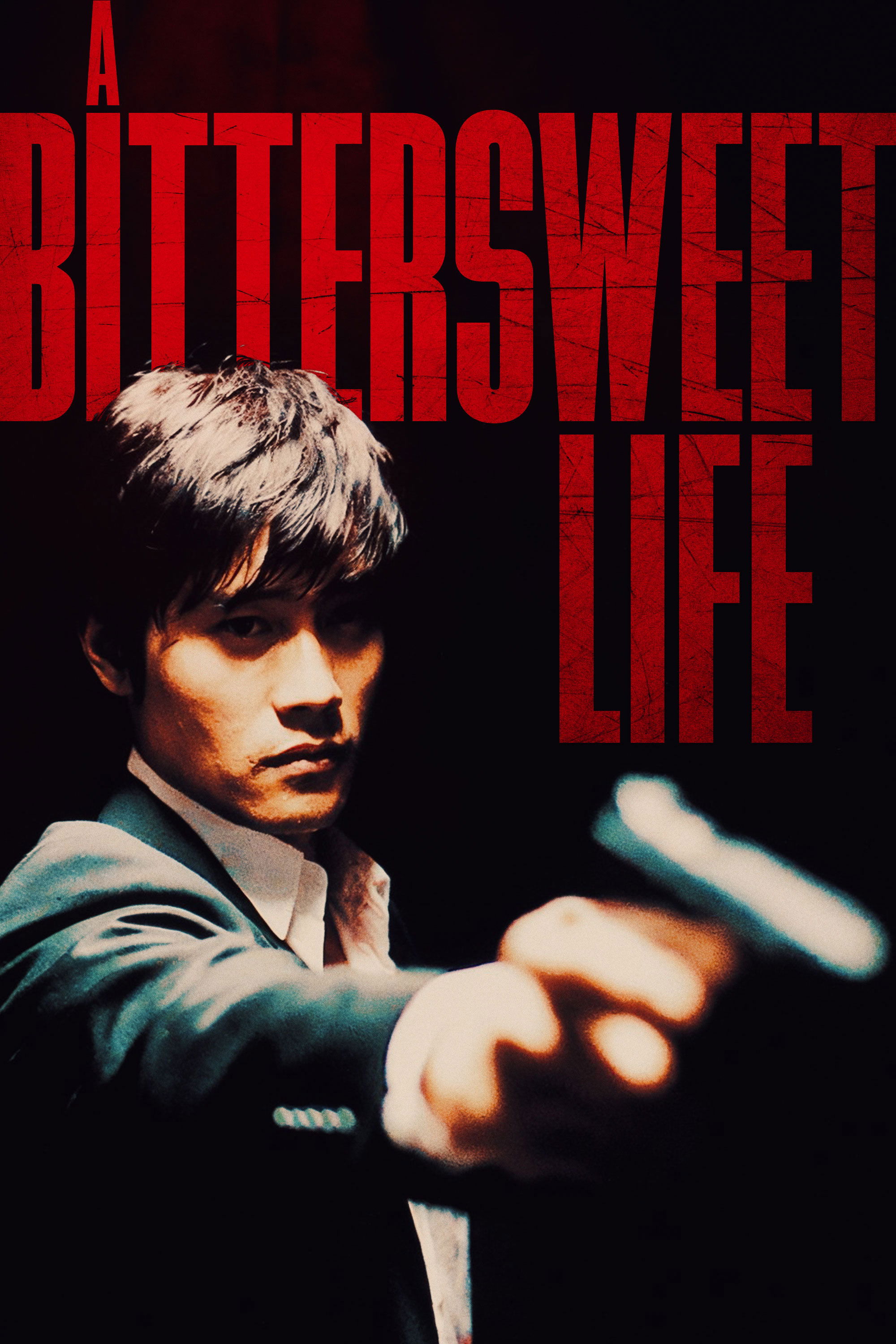
Director Kim Jee-woon crafts a Korean crime story led by Lee Byung-hun with support from Hwang Jung-min and Kim Yeong-cheol. The plot centers on an enforcer whose decision to defy his boss triggers a chain of reprisals inside a hotel and nightclub world.
The film uses careful camerawork and staged action that rely on real urban locations in Seoul. A jazz influenced score and precise sound work chart the lead character’s status within a hierarchy where small choices carry lasting consequences.
‘Lake Mungo’ (2008)
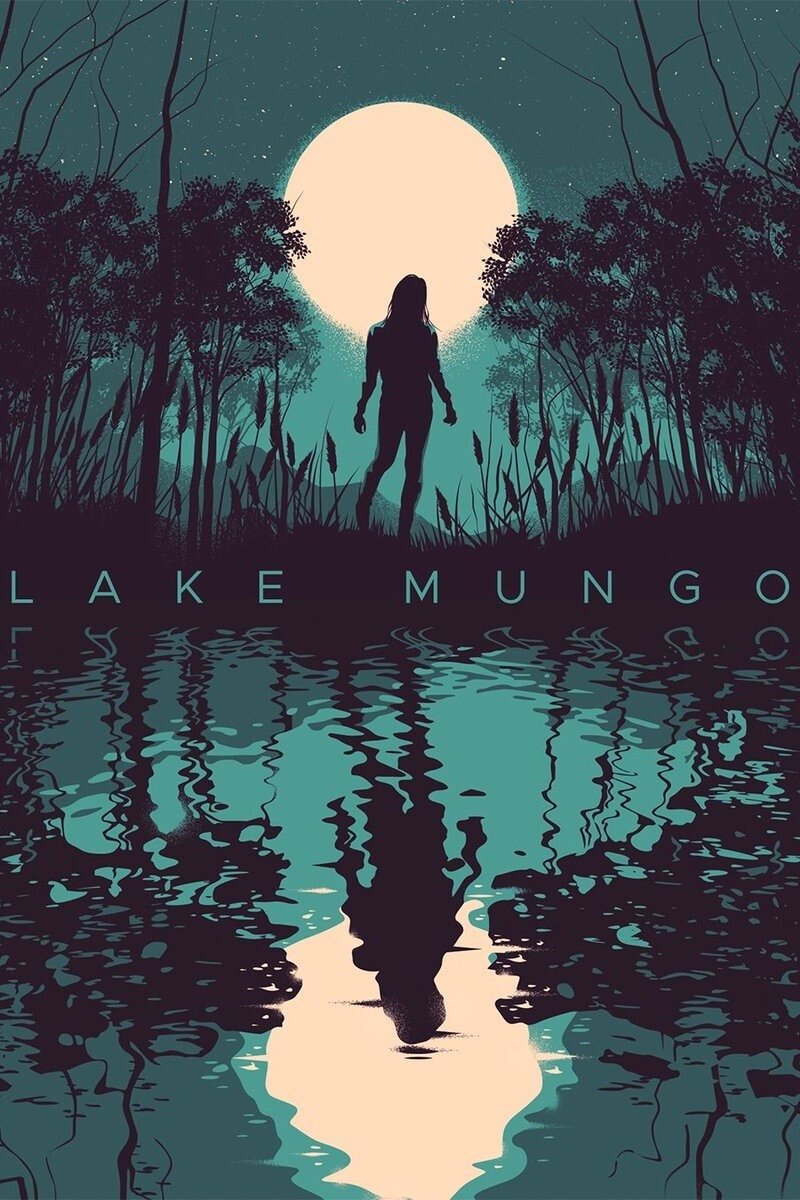
This Australian horror mystery by Joel Anderson uses a documentary style with interviews and found footage to examine a family tragedy in regional Victoria. Talia Zucker, Rosie Traynor, and David Pledger anchor the story as the narrative layers photographs, phone clips, and home videos.
The production worked with a modest budget that favored improvisation and close attention to sound. It screened at genre festivals and under the After Dark Horrorfest banner, where the editing places clues inside images that seem incidental at first glance.
‘Pontypool’ (2008)
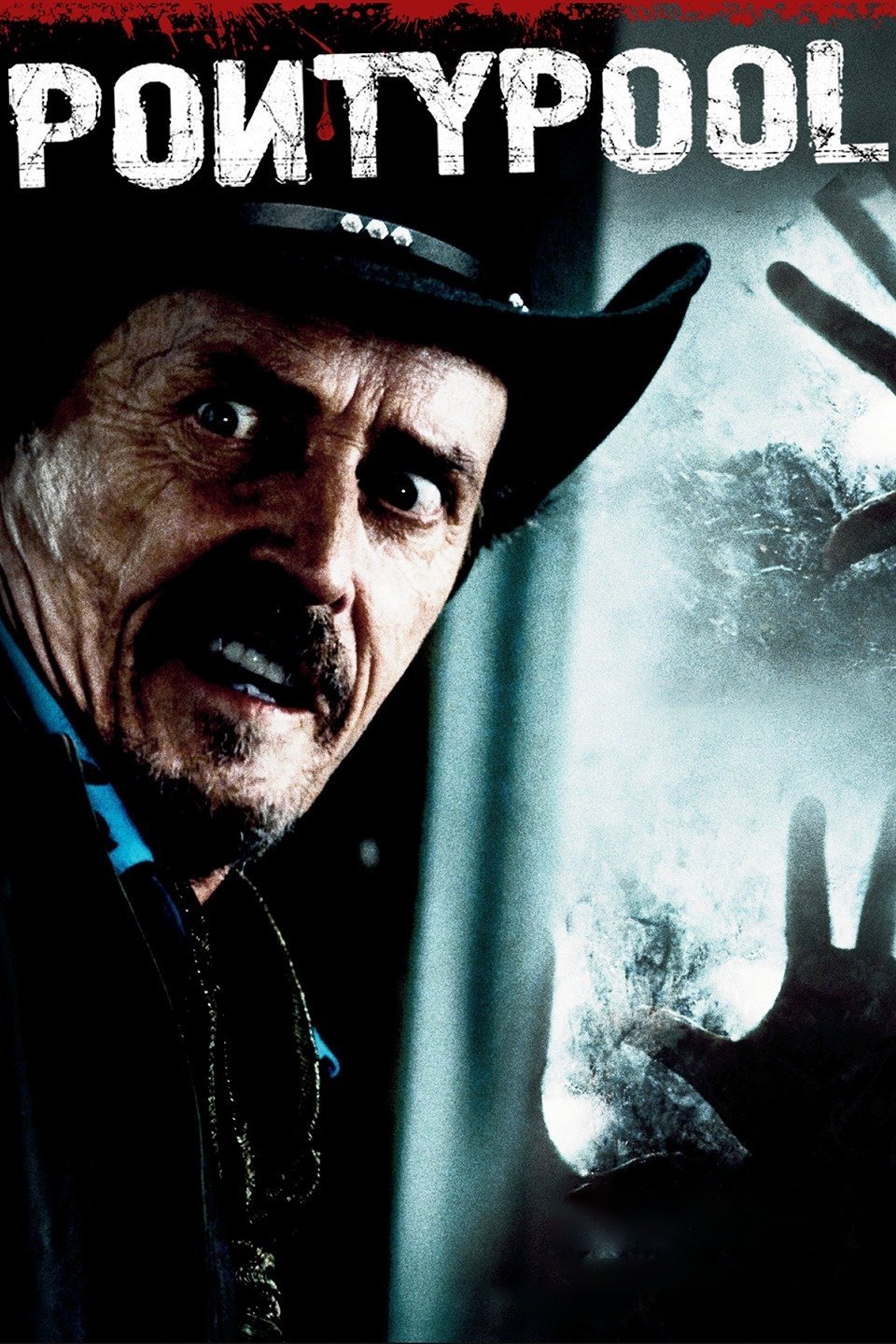
Bruce McDonald directs this Canadian chamber thriller adapted from Tony Burgess’s novel ‘Pontypool Changes Everything’. Stephen McHattie plays a small town radio host who covers a fast moving crisis while confined to a basement studio with his producer and technician.
The story foregrounds language as the source of contagion, so sound design and voice performance carry much of the tension. A single location approach and real time pacing show how news updates, caller reports, and repeated words can escalate a contained situation.
‘The Fall’ (2006)
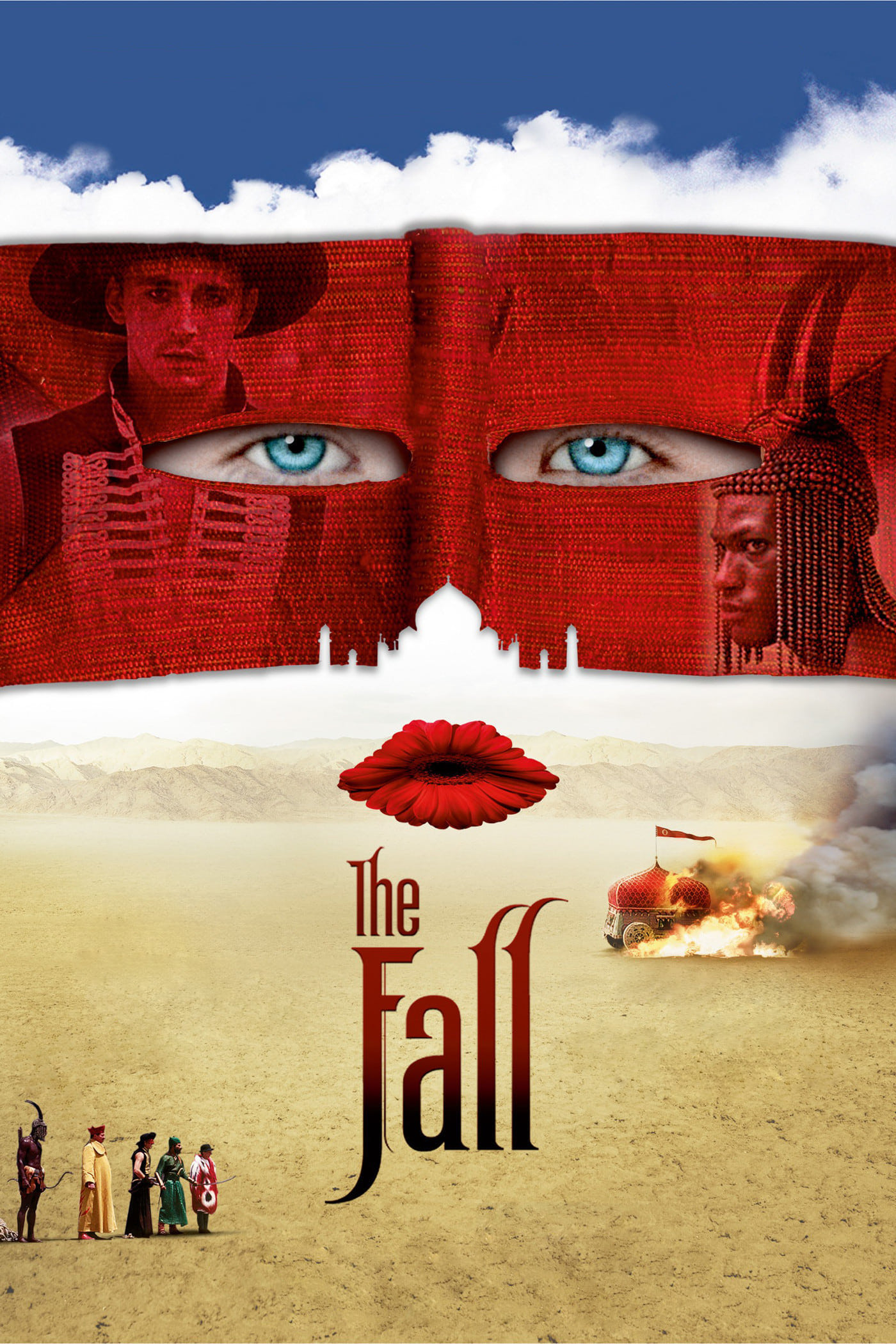
Tarsem Singh directs Lee Pace and Catinca Untaru in a fantasy adventure set within a Los Angeles hospital where a bedridden stunt performer tells a sprawling tale to a young patient. The production mounted location photography across multiple countries including India, Italy, and South Africa.
The director funded long stretches of the shoot to capture elaborate costumes and real architecture rather than digital backdrops. Extensive second unit work, wide angle compositions, and a classical music backbone tie the imaginary story to physical spaces.
‘The Chaser’ (2008)
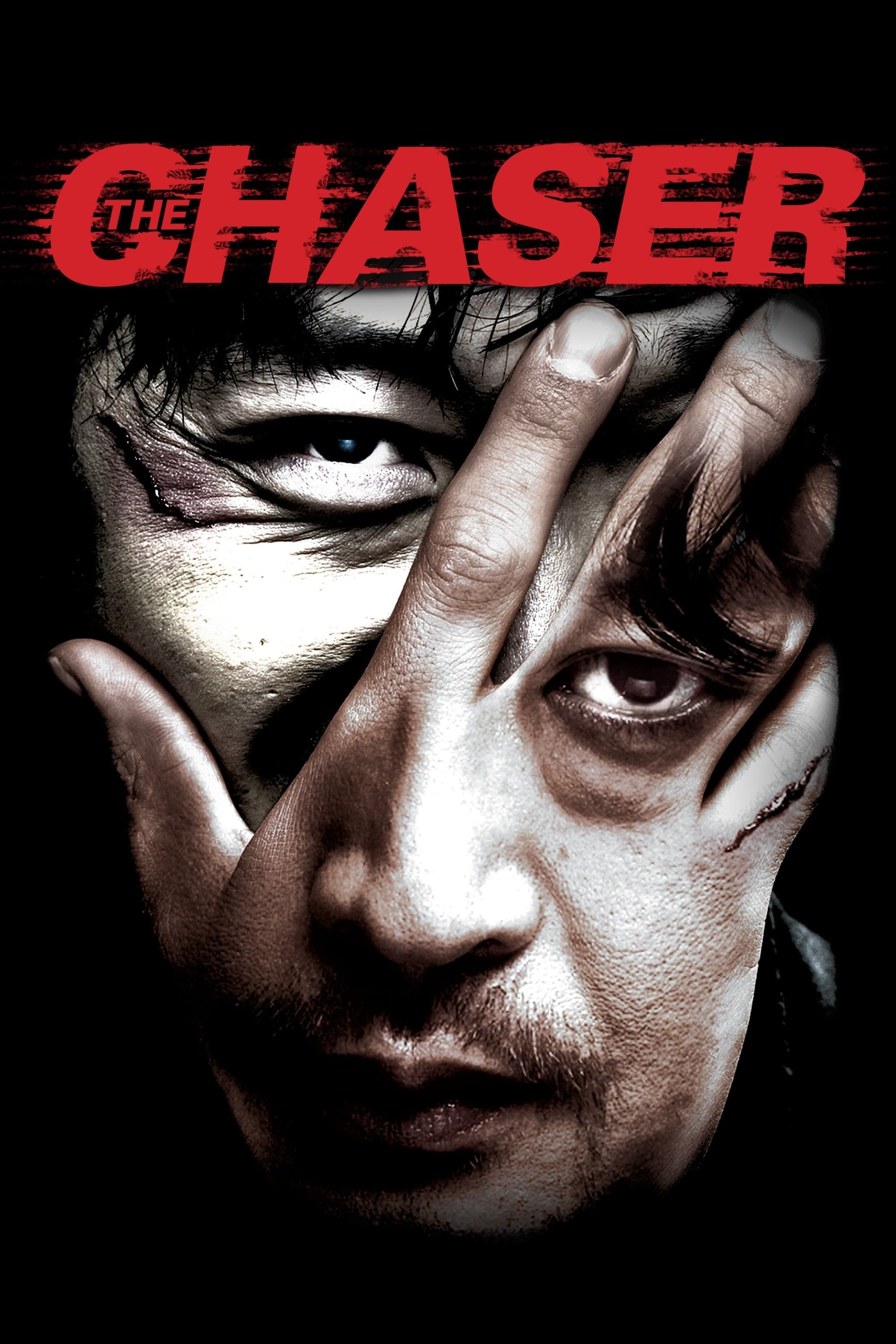
Na Hong-jin makes his feature debut with this Korean thriller starring Kim Yoon-seok as a disgraced detective turned pimp who hunts for missing women. Ha Jung-woo plays the predator whose calm routine complicates police procedures during the investigation.
The film uses narrow streets, hillside homes, and late night alleys in Seoul to keep the pursuit grounded in specific neighborhoods. Editing prioritizes foot chases, phone records, and door to door canvassing, and the script draws loosely from a real case that shocked local audiences.
‘The Bothersome Man’ (2006)
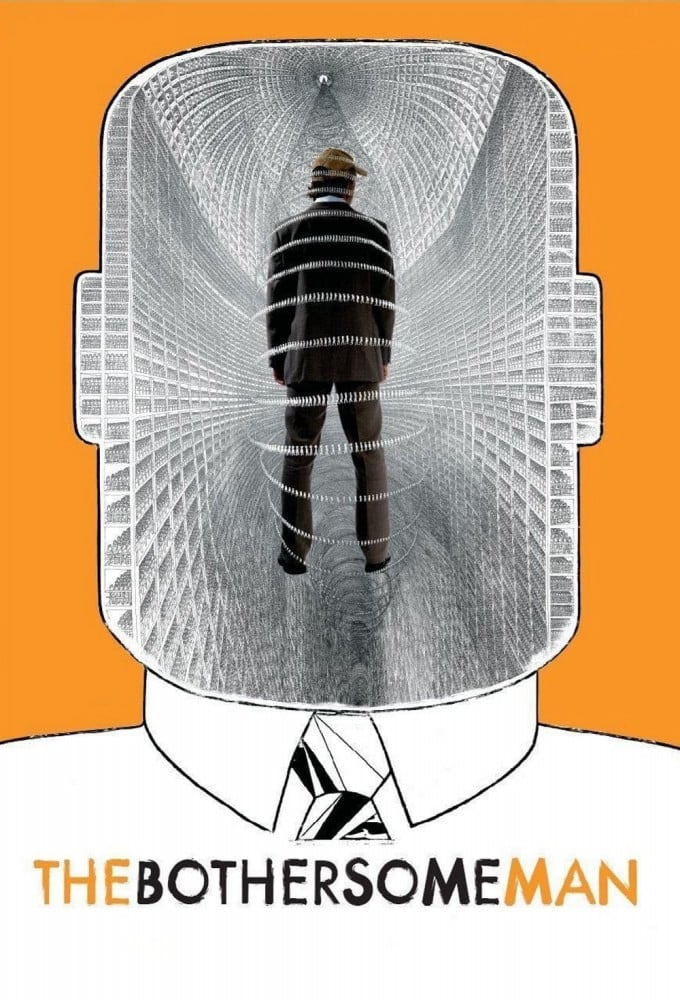
Director Jens Lien presents a Norwegian surreal parable headlined by Trond Fausa Aurvåg and Petronella Barker. A man arrives in a spotless city where food lacks flavor and people speak in polite phrases that never touch emotion, and he begins to search for a way out.
Clean modern interiors and muted color choices support the theme of enforced contentment. The film premiered in the Critics’ Week program at Cannes and continued through European festivals, where production design turns everyday offices and kitchens into unsettling spaces.
‘The Aura’ (2005)
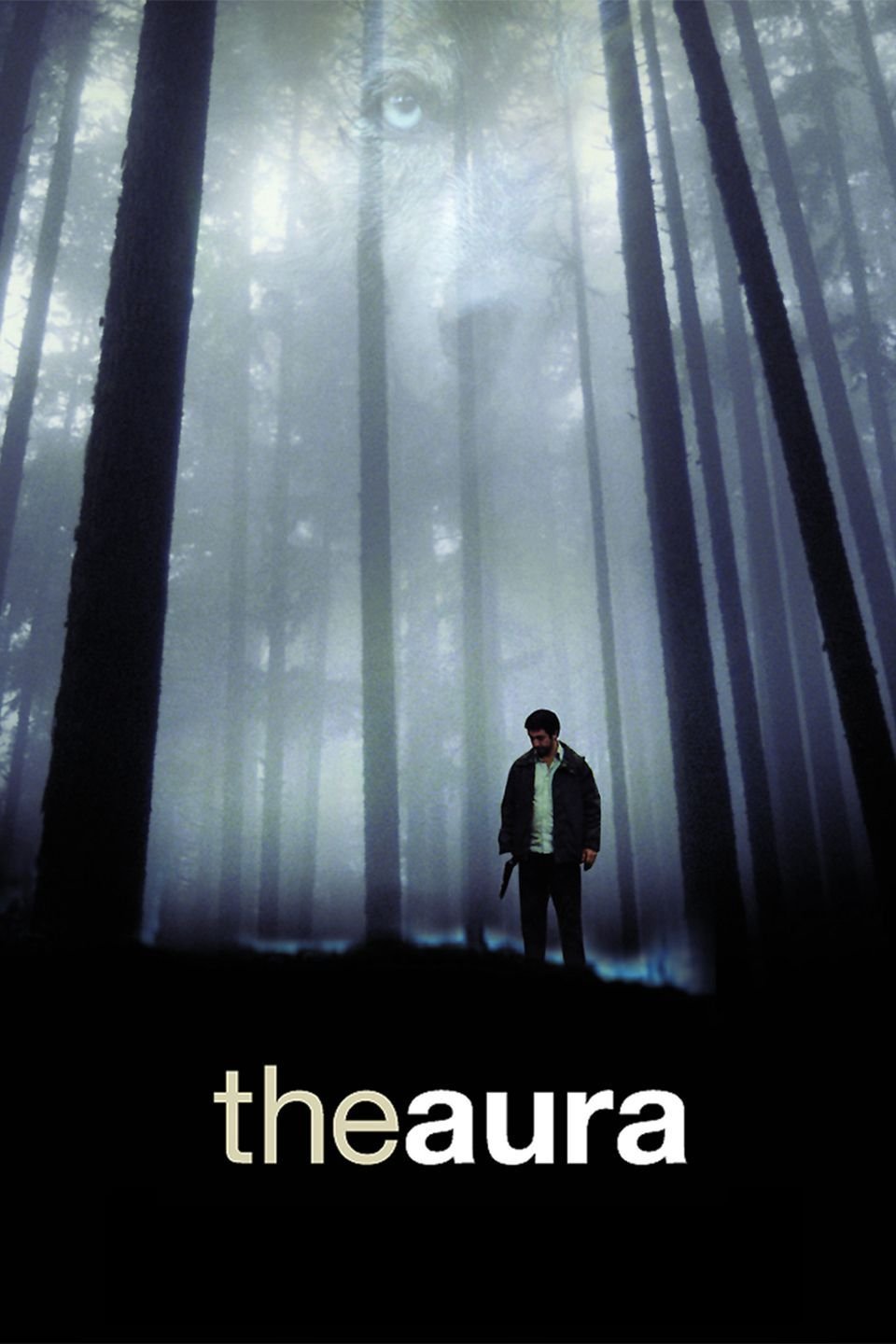
Fabián Bielinsky directs Ricardo Darín as a quiet Buenos Aires taxidermist who suffers from epileptic episodes and obsesses over the perfect heist. A chance encounter in Patagonia pulls him into a criminal plan that demands memory, observation, and improvisation.
Cinematography uses woodland terrain, cabins, and a rural abattoir to create an isolated chessboard where each step has a consequence. It became Bielinsky’s final film and is often cited in Argentine neo noir discussions for its calm pacing and attention to procedure.
‘The Return’ (2003)

Andrey Zvyagintsev’s debut follows two brothers whose absent father reappears and takes them on a trip across lakes and islands in northern Russia. Vladimir Garin and Ivan Dobronravov deliver naturalistic performances that anchor a story built around trust and authority.
The production shot on and around Lake Ladoga with a restrained palette that emphasizes water and sky. The film won the Golden Lion at Venice and introduced an approach to silence and landscape that Zvyagintsev continued in later work.
‘Turtles Can Fly’ (2004)

Bahman Ghobadi sets this Kurdish language drama in a refugee community on a border and centers it on a teen leader who installs satellite dishes for villagers. Non professional child actors portray kids who navigate minefields, informal trade, and shifting lines of control.
Filming took place on location in the Kurdistan region with support from local crews and community advisors. Handheld camerawork and natural light give the scenes a documentary texture while still following a clear narrative focused on survival and responsibility.
‘Last Life in the Universe’ (2003)
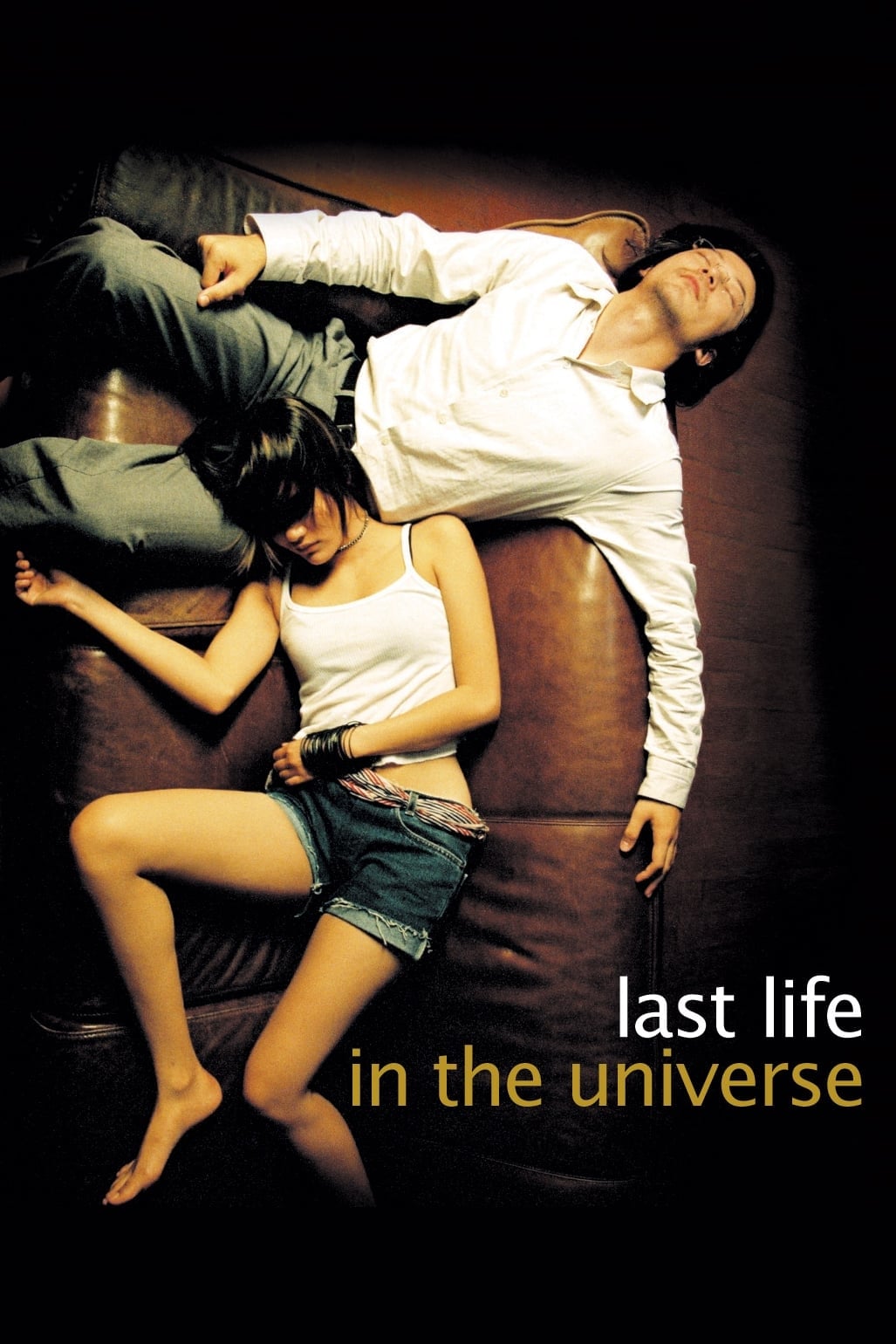
Thai director Pen-Ek Ratanaruang teams with cinematographer Christopher Doyle for a bilingual story starring Tadanobu Asano and Sinitta Boonyasak. A Japanese librarian in Bangkok crosses paths with a Thai woman, and the pair drift through apartments, beaches, and back streets as they form an unlikely bond.
The production blends Thai and Japanese dialogue with a score by Koji Ueno that marks quiet shifts in mood. Cameo appearances by well known regional actors and elegant composition choices link this film to a wave of cross cultural collaborations in Southeast Asian cinema.
‘The Death of Mr. Lazarescu’ (2005)
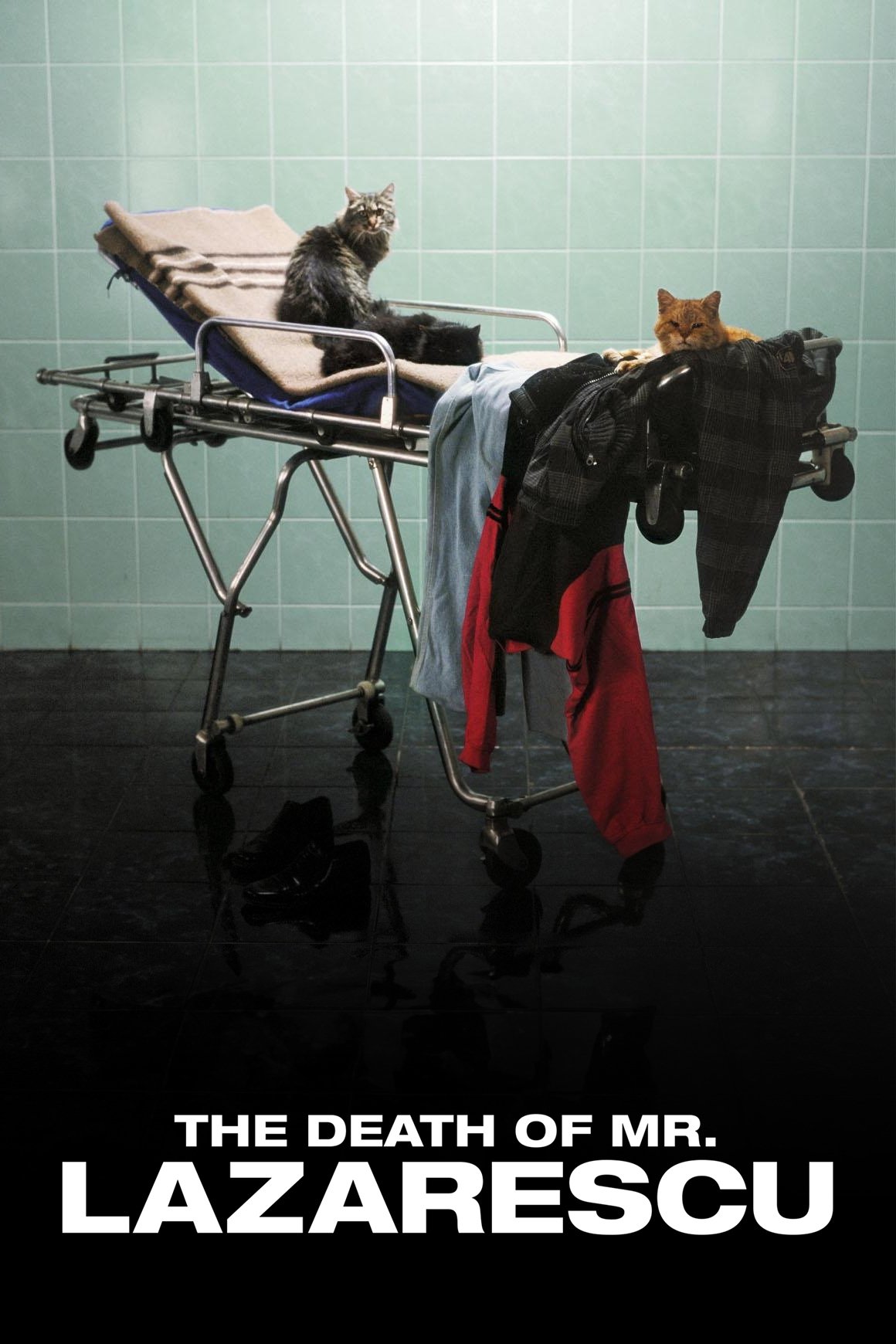
Cristi Puiu chronicles one long night in Bucharest as an ailing retiree is moved between emergency rooms by an overworked nurse. Ion Fiscuteanu and Luminița Gheorghiu play the central roles with performances shaped by long takes and restrained blocking.
The film is frequently cited as a key film of the Romanian New Wave due to its focus on institutions and its observational style. Hospital corridors, ambulance interiors, and apartment stairwells are staged with minimal music and precise sound capture to keep attention on routine procedures and bureaucratic friction.
‘The Proposition’ (2005)
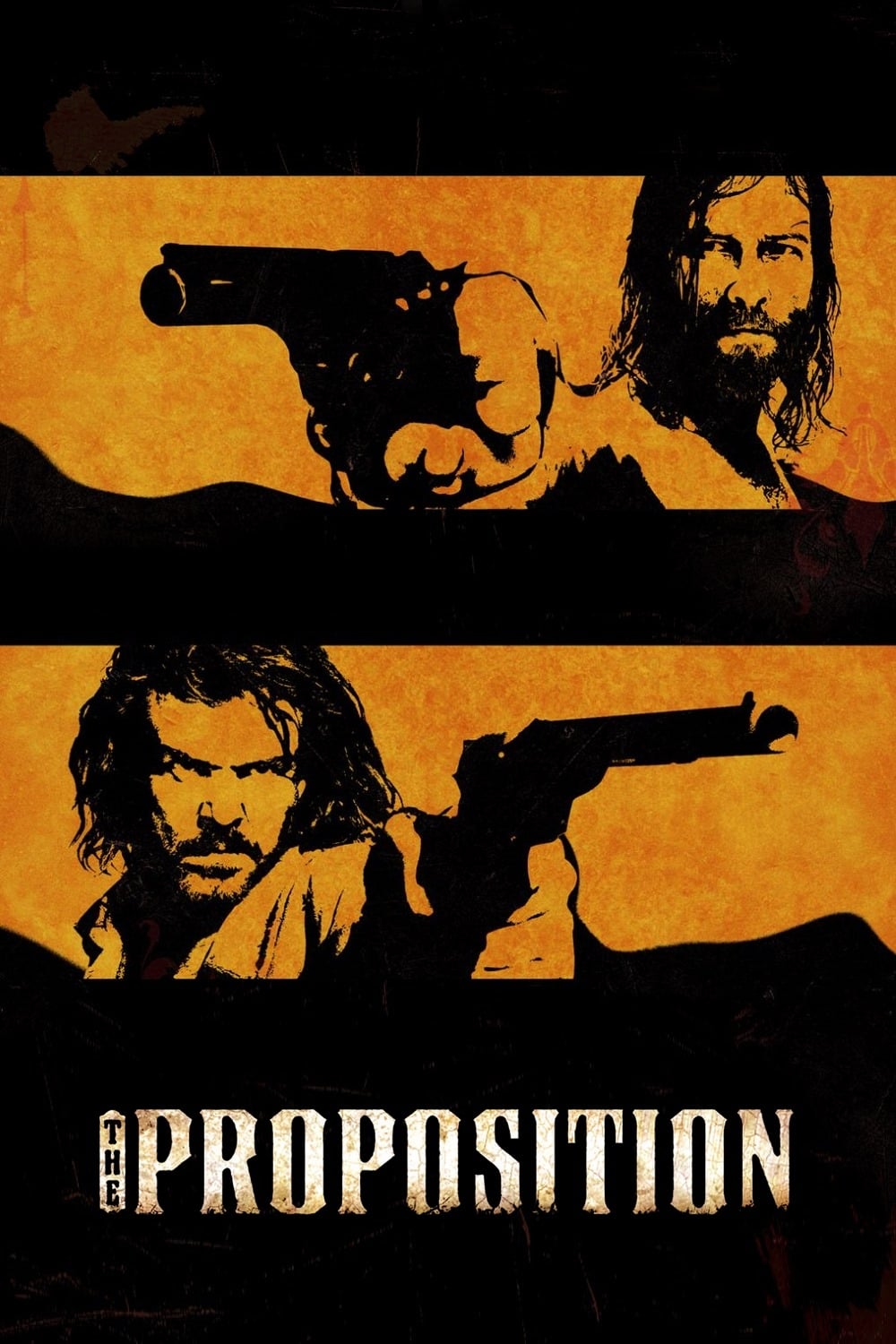
Director John Hillcoat and screenwriter Nick Cave build an outback story with Guy Pearce, Ray Winstone, and Emily Watson. The plot tracks a lawman who offers a deal to a captured outlaw that will test loyalties around a frontier town.
The score by Cave and Warren Ellis uses strings and sparse vocals alongside sun baked images shot in Queensland. Authentic wardrobe and period firearms, along with community extras and dust heavy locations, establish a colonial setting through detailed costuming and location work.
‘Joint Security Area’ (2000)
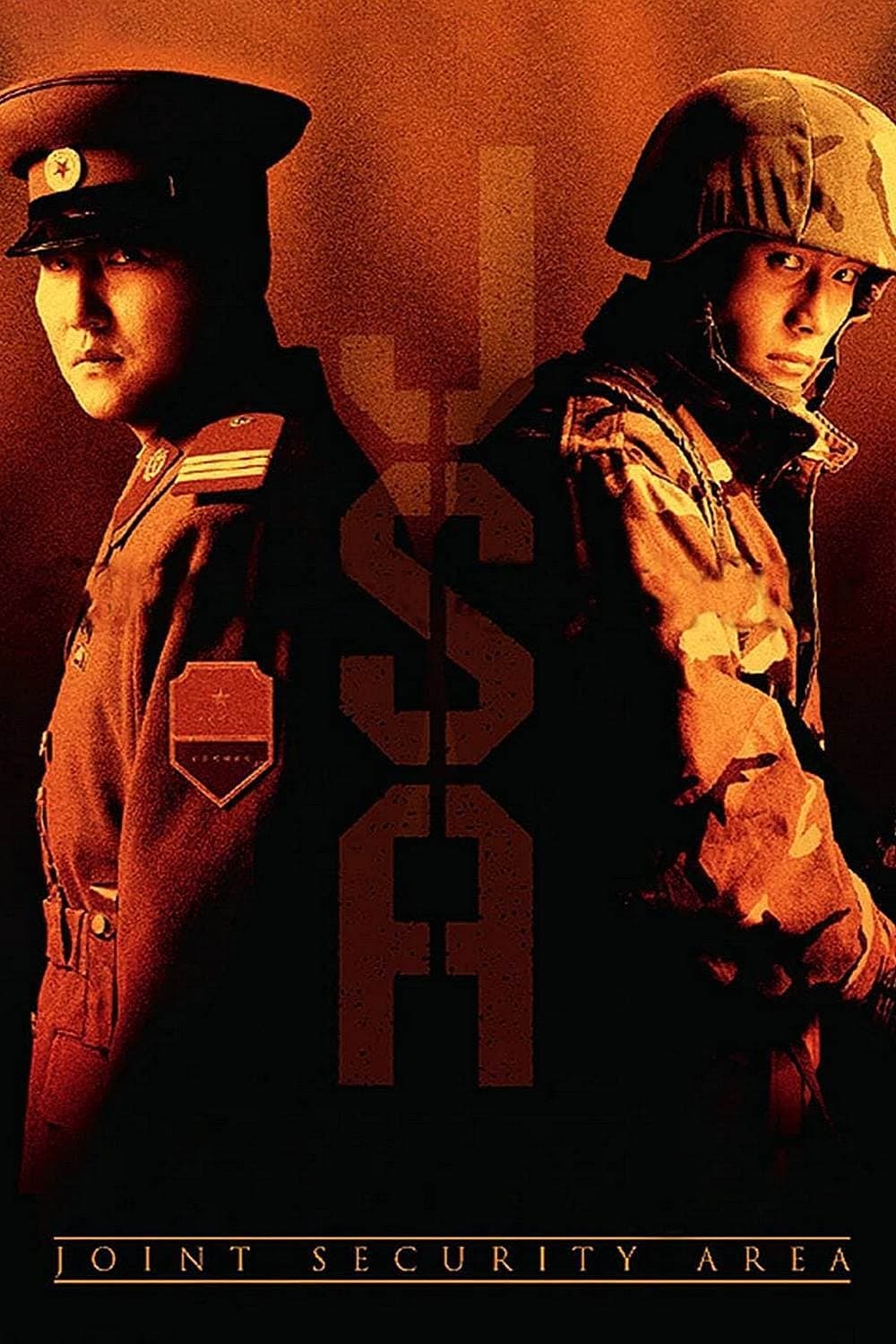
Park Chan-wook adapts a novel about a shooting inside the Demilitarized Zone that triggers a neutral investigation. Song Kang-ho, Lee Byung-hun, and Lee Young-ae lead a cast that traces friendships and rivalries across the border.
The production built detailed checkpoint sets and used real military uniforms to recreate protocols inside the Joint Security Area. A flashback structure and forensic scenes with interlocking witness accounts align the film with mystery traditions while engaging with Korean history and military culture.
‘Exiled’ (2006)

Hong Kong director Johnnie To gathers a Milkyway Image ensemble including Anthony Wong, Francis Ng, Nick Cheung, and Simon Yam. The story follows hitmen in Macau who reunite around a former colleague and face competing orders from a triad boss.
The film shoots on real Macau streets and tenement apartments with wide frames and carefully timed choreography for gunplay. A guitar driven score and recurring character entrances shape a ritual quality, and the staging echoes conventions of heroic bloodshed cinema through group movement and spatial symmetry.
’13 Tzameti’ (2005)
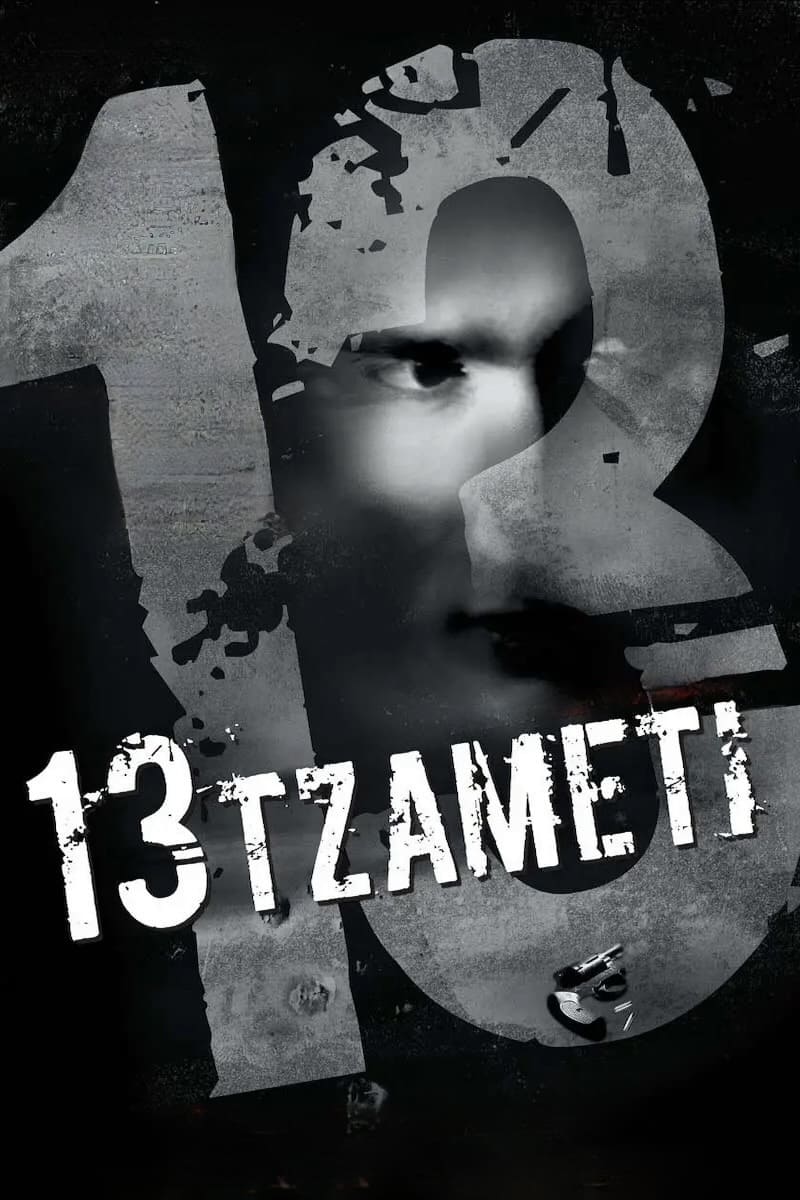
Géla Babluani directs this black and white thriller about a young worker who steals an identity and lands inside a gambling ring built on lethal stakes. George Babluani leads a cast of mostly first timers whose faces and gestures carry the tension.
Minimal dialogue and handheld camera choices keep the viewer close to the lead as he learns rules that are not explained. The director later remade the concept in English with a new cast, which shows how the premise can travel across markets.
‘The Beat That My Heart Skipped’ (2005)
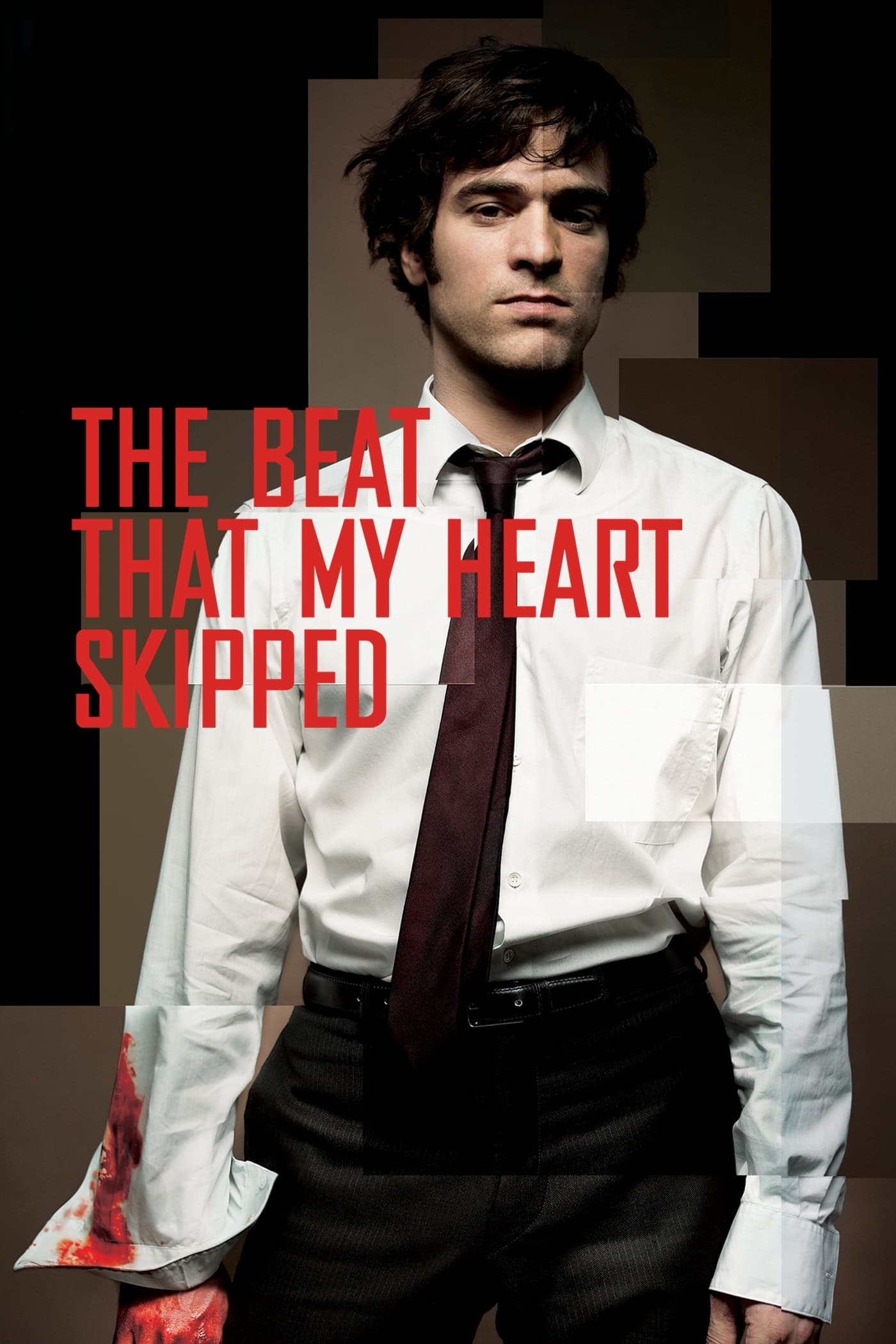
Jacques Audiard reimagines the film ‘Fingers’ with Romain Duris as a real estate fixer who pursues classical piano under a demanding teacher. The story examines divided identity through practice sessions, property deals, and family obligations.
Keyboard close ups and room tone capture the physical strain of performance while urban location sound grounds scenes between lessons. The film won major César Awards and helps define Audiard’s focus on characters who cross social worlds through craft and persistence.
‘The Man from Earth’ (2007)
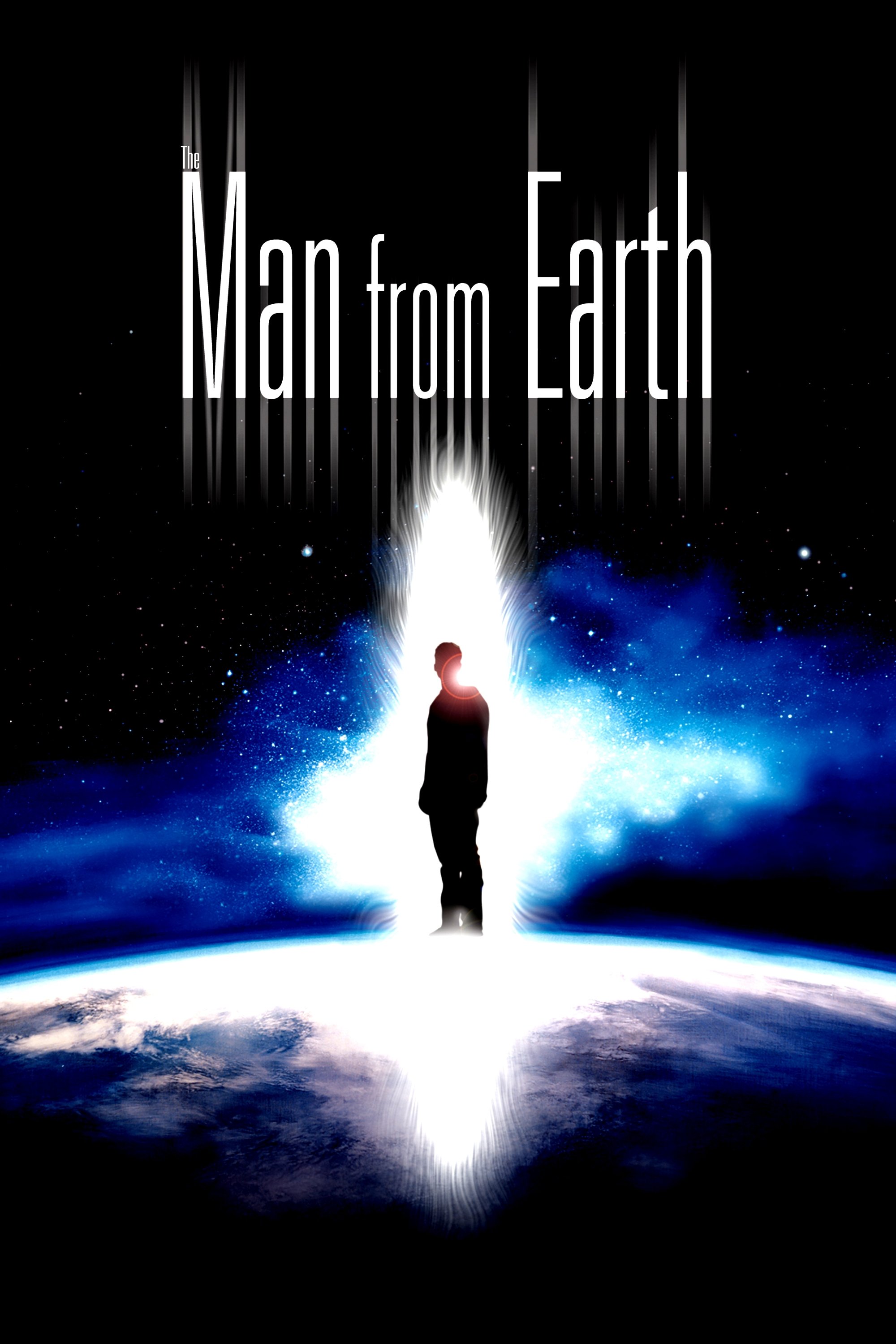
Richard Schenkman directs a dialogue driven science fiction drama based on a script by Jerome Bixby. A departing professor gathers colleagues in a cabin and claims to have lived for centuries, which prompts questions from an anthropologist, a biologist, and a theologian.
The project was produced on a small budget with most of the runtime set in a single room. It reached audiences largely through home video and online circulation, where file sharing and forums helped expand awareness beyond a limited theatrical footprint.
‘Ink’ (2009)

Jamin Winans writes, directs, edits, and composes for this independent fantasy about forces that fight for human souls during sleep. The story tracks a young girl and a drifter figure across a shifting urban dreamscape populated by Storytellers and Incubi.
The film was financed outside the studio system and uses in camera tricks, simple props, and rhythmic cutting to create scale. It built an audience through festivals and digital platforms, and online sharing increased visibility for the production and its creative team.
‘The Wayward Cloud’ (2005)
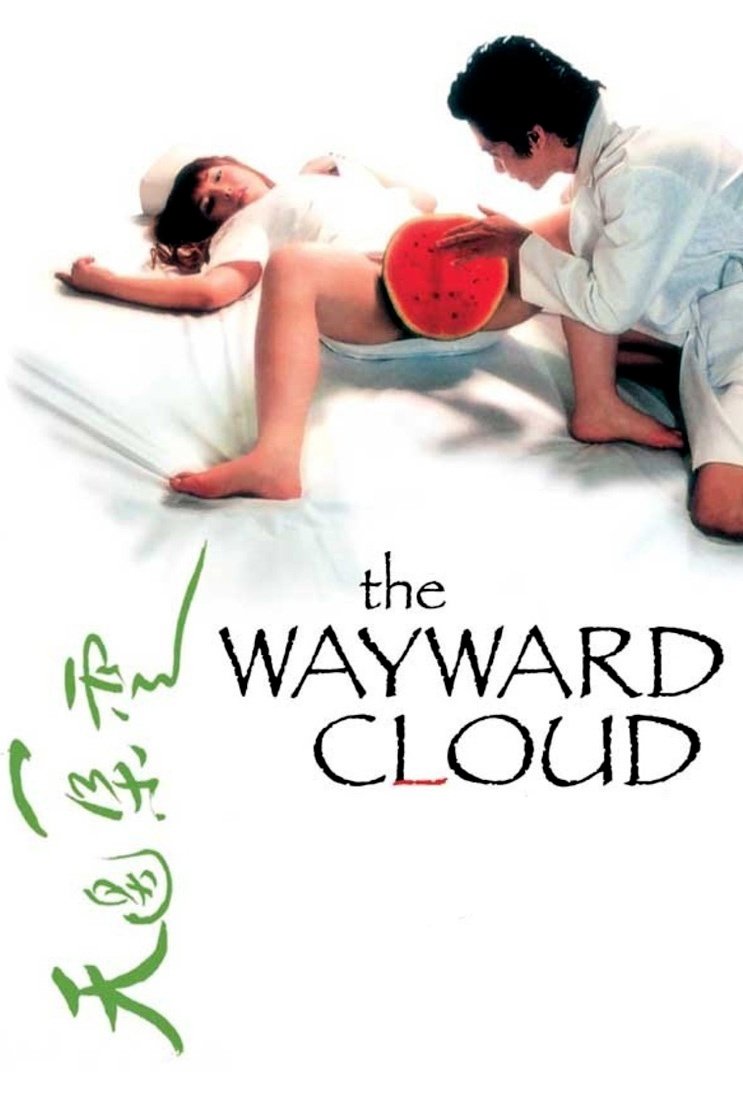
Tsai Ming-liang returns to characters from ‘What Time Is It There’ with Lee Kang-sheng and Chen Shiang-chyi in the leads. A water shortage in Taipei turns watermelons into a recurring motif while the characters work in and around the adult video industry.
The film combines long static shots with sudden musical interludes that play with color and gesture. Production design turns rooftops, hallways, and drainage spaces into stages that reflect isolation inside a crowded city.
‘The Square’ (2008)
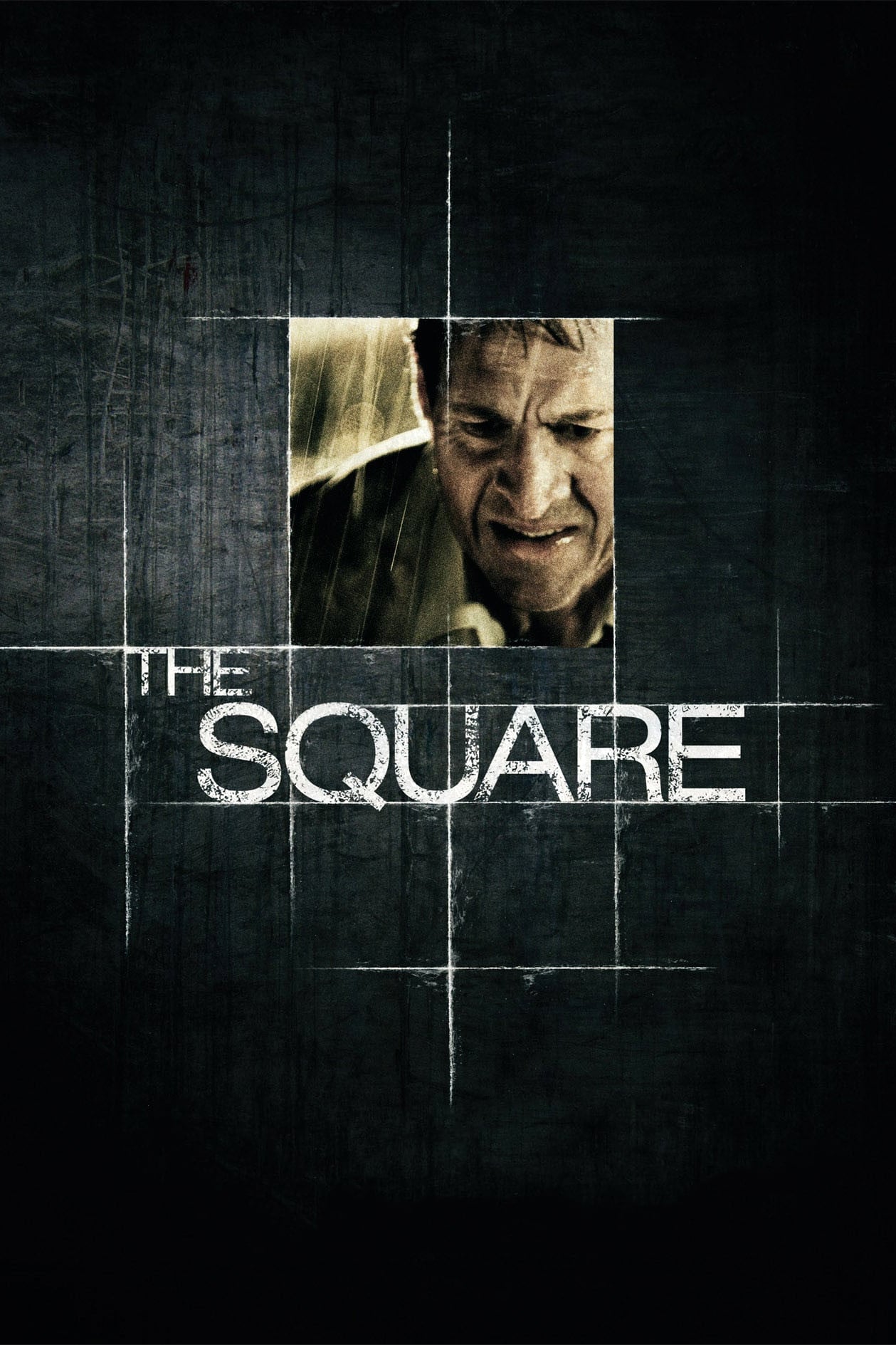
Australian filmmaker Nash Edgerton directs a noir tale starring David Roberts and Claire van der Boom, with Joel Edgerton in a key role. A construction foreman plans a theft that he believes will free him from a failing marriage, and overlapping decisions pull in multiple accomplices.
Blue-Tongue Films collaborators contribute stunt work and tight action beats that escalate without leaving suburban settings. The narrative favors practical problems like hidden cash, witness risk, and motel logistics, which gives each scene a concrete objective.
‘Stander’ (2003)
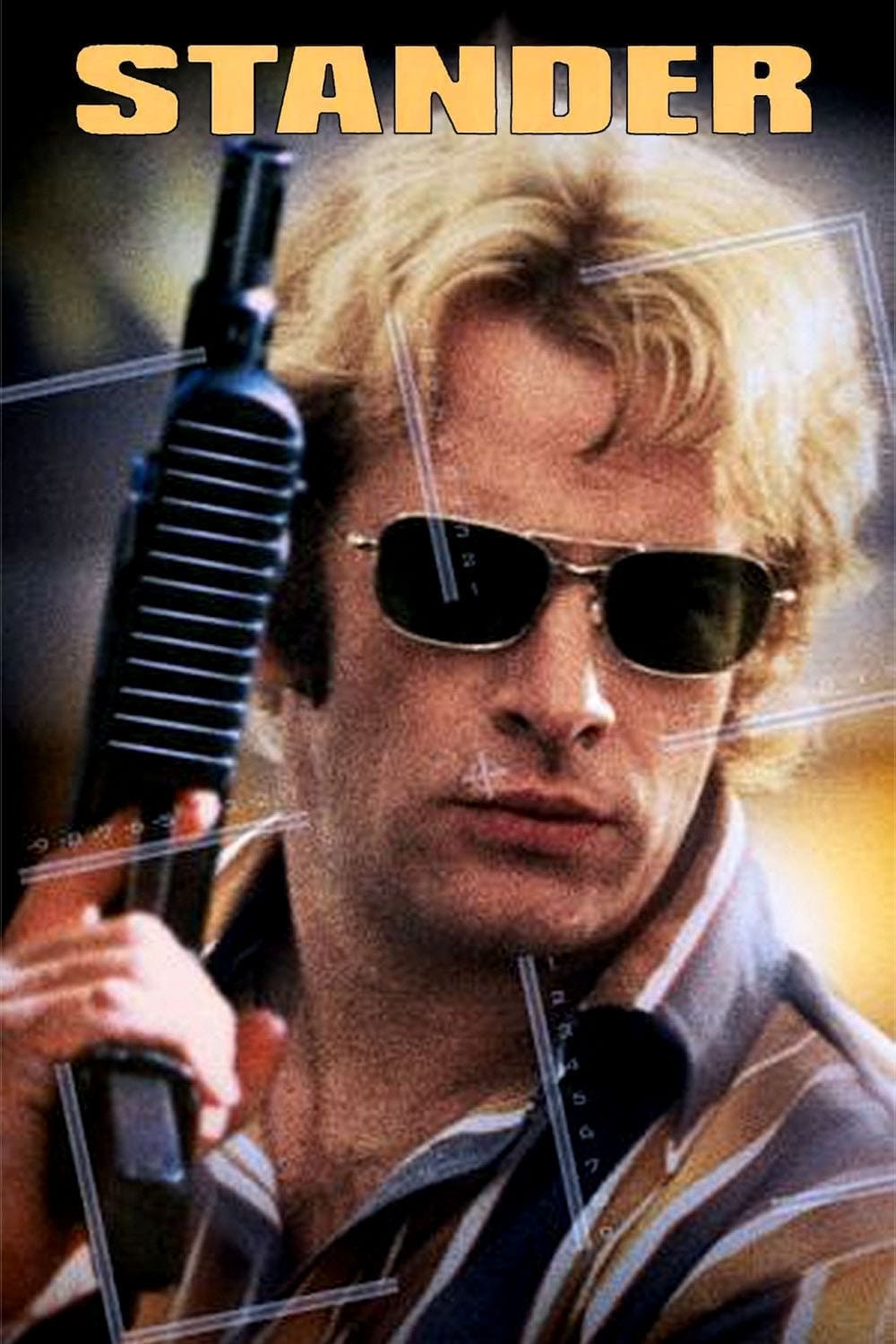
Bronwen Hughes tells the story of André Stander, a South African police captain who becomes a prolific bank robber. Thomas Jane leads the cast with supporting turns from Dexter Fletcher and David O’Hara as partners in a fast moving crew.
Filming took place in Johannesburg and Durban with period cars, uniforms, and bank interiors recreated through local production resources. The soundtrack uses regional music while the script charts the gap between public service and personal rebellion.
‘The Pool’ (2007)
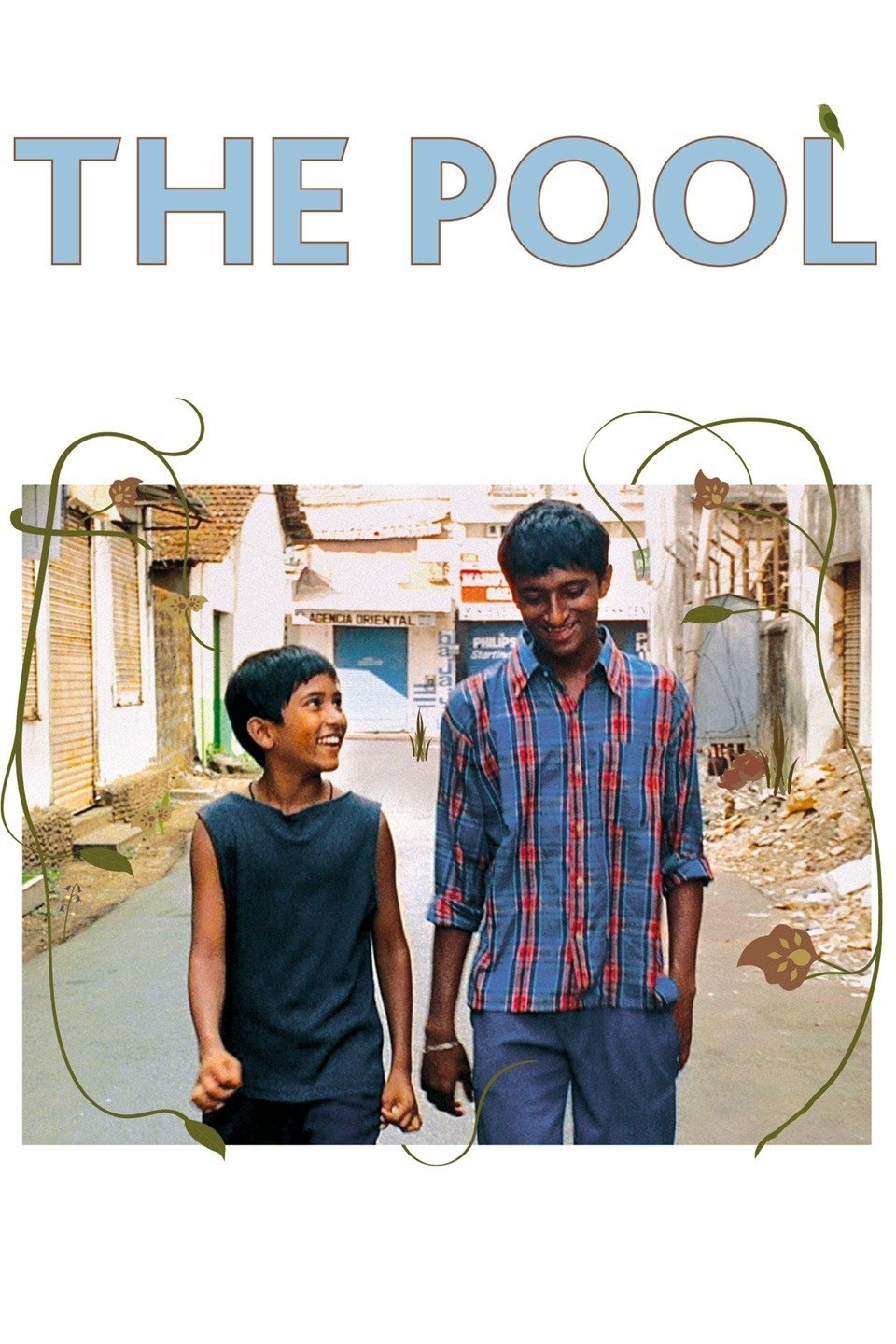
Documentary veteran Chris Smith shifts to narrative with a Hindi language feature shot in Panaji, Goa. Venkatesh Chavan plays a hotel worker who becomes fascinated by an older man’s hillside home and its shaded swimming pool, and he gradually forms a friendship with the man’s daughter.
Local non actors appear alongside Nana Patekar to give the city a lived in texture. Natural light, street noise, and a patient camera help the story observe class lines and small choices that change family routines.
‘Eureka’ (2000)

Shinji Aoyama follows survivors of a bus hijacking who reconnect and take a journey across Kyushu. The film uses a sepia toned black and white palette and a contemplative pace to track healing through shared travel.
Roadside diners, quiet beaches, and regional back roads function as recurring waypoints rather than dramatic landmarks. A spare score and long takes allow the narrative to open up around silence, gesture, and the repetition of daily chores inside a newly formed household.
‘The Taste of Tea’ (2004)
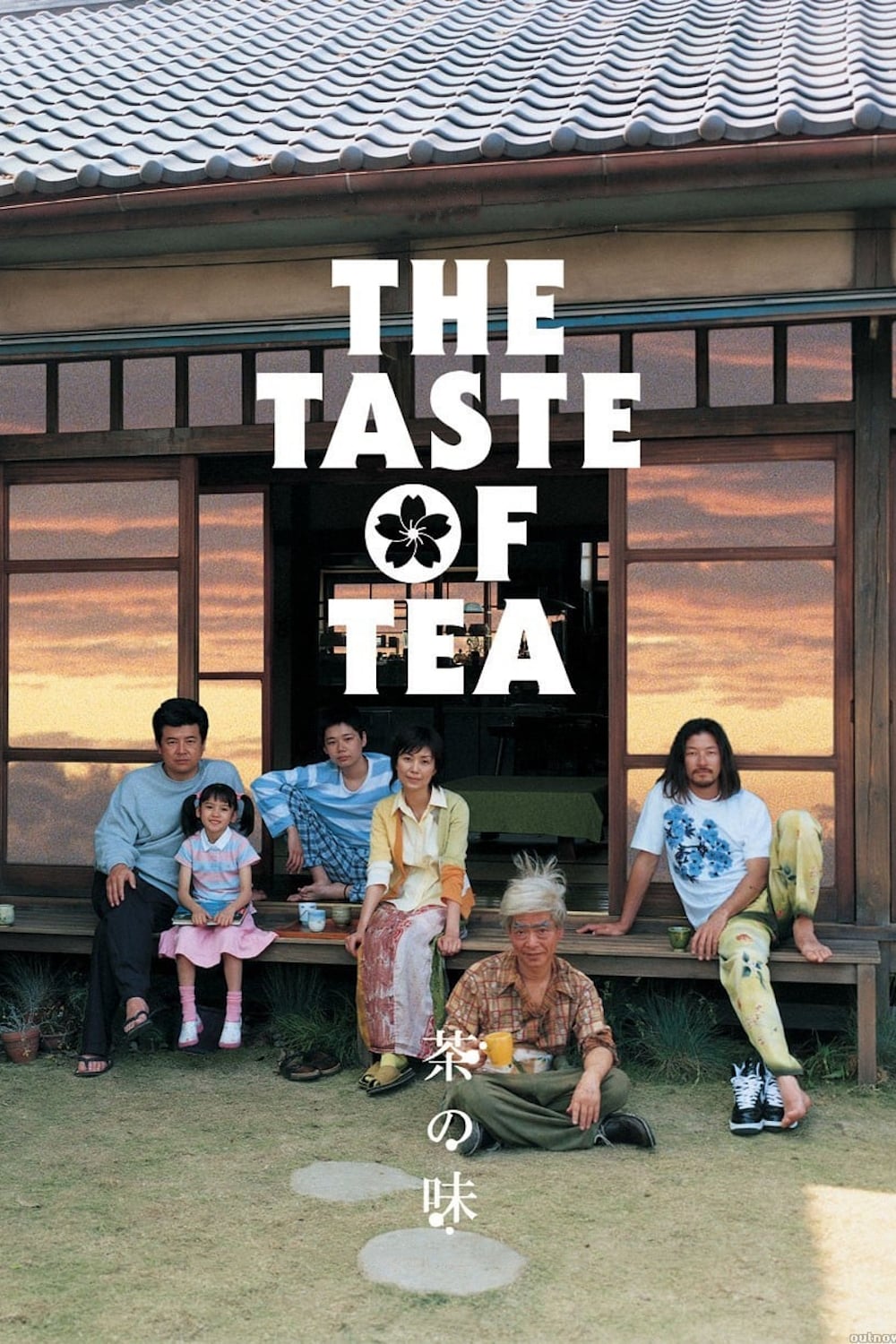
Katsuhito Ishii gathers an ensemble cast for a family story set in rural Tochigi. Scenes shift between an office worker, a schoolgirl troubled by a giant double of herself, and a manga artist uncle who moves back home.
The production blends grounded domestic spaces with whimsical visual ideas using simple special effects and gentle camera movements. A relaxed editing rhythm lets each character’s craft, from music practice to illustration, shape the flow of the day.
Share your favorite overlooked 2000s picks in the comments.

