


Best 2010s Movies You Probably Haven’t Seen Yet


The 2010s brought a wave of releases that slipped past wide audiences while building loyal followings through festivals and streaming. Many arrived with small marketing campaigns or limited theatrical runs before finding new life on digital platforms and through word of mouth. This list focuses on narrative features from around the world that fit that path.
Each entry includes basic production details and clear context so you can decide what to watch next. You will find directors, principal cast members, where and how the films were made, notable festival stops, distribution facts, and other straightforward information that helps you track each title down.
‘Coherence’ (2013)
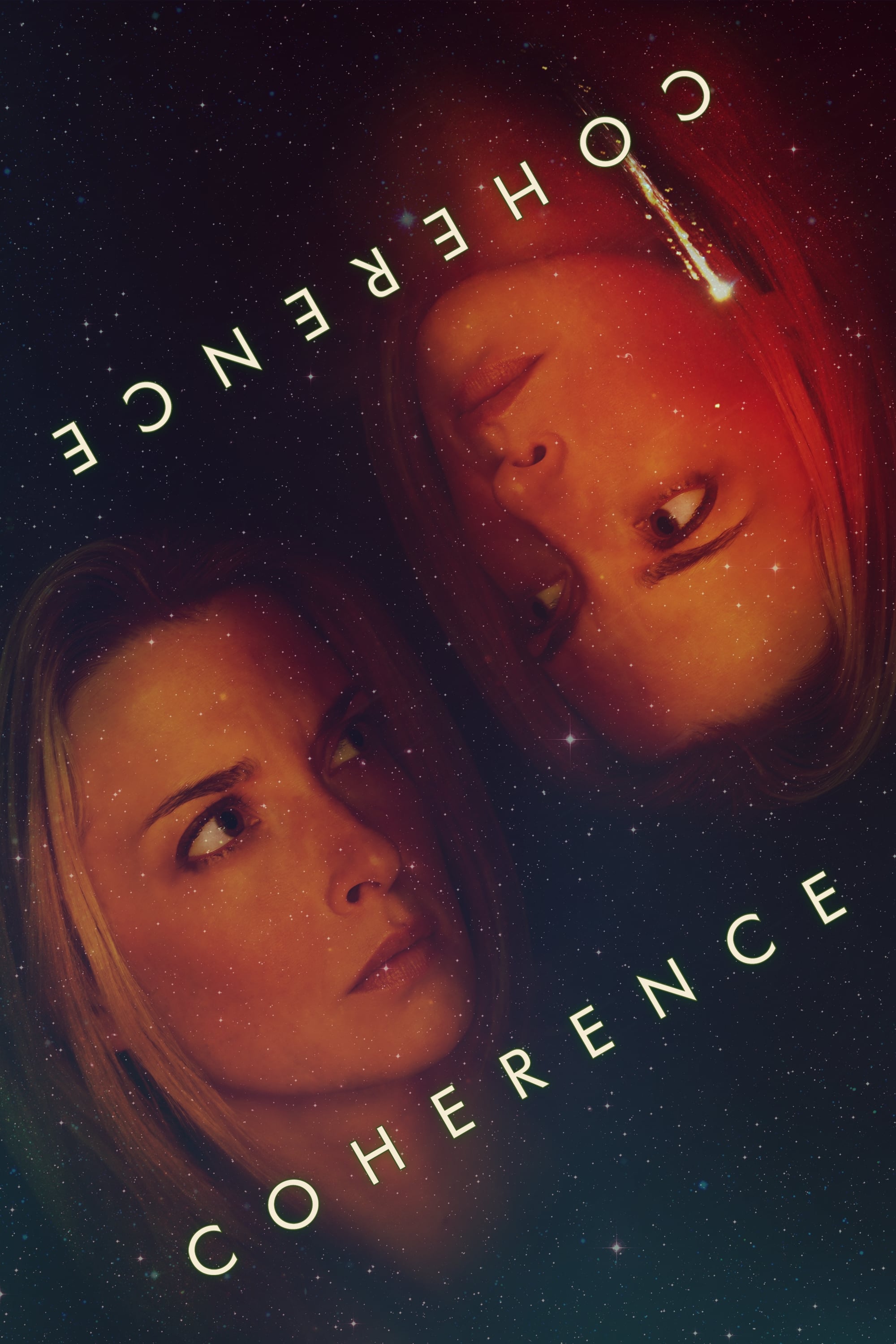
This science fiction chamber piece is directed by James Ward Byrkit and stars Emily Baldoni, Maury Sterling, Nicholas Brendon, and Elizabeth Gracen. The story follows a dinner among friends that is disrupted by a cosmic event and by the choices the group makes as the night fractures into overlapping possibilities. Most of the action takes place inside a single house which keeps the focus on character decisions and on small visual clues.
The production used an outline with improvised dialogue rather than a traditional script and was shot largely in the director’s home over a short schedule. Scenes were built around real time beats with minimal crew and practical lighting which allowed the cast to respond in the moment. The approach produced a feature that later reached wide audiences through digital platforms after a modest theatrical rollout.
‘Blue Ruin’ (2013)
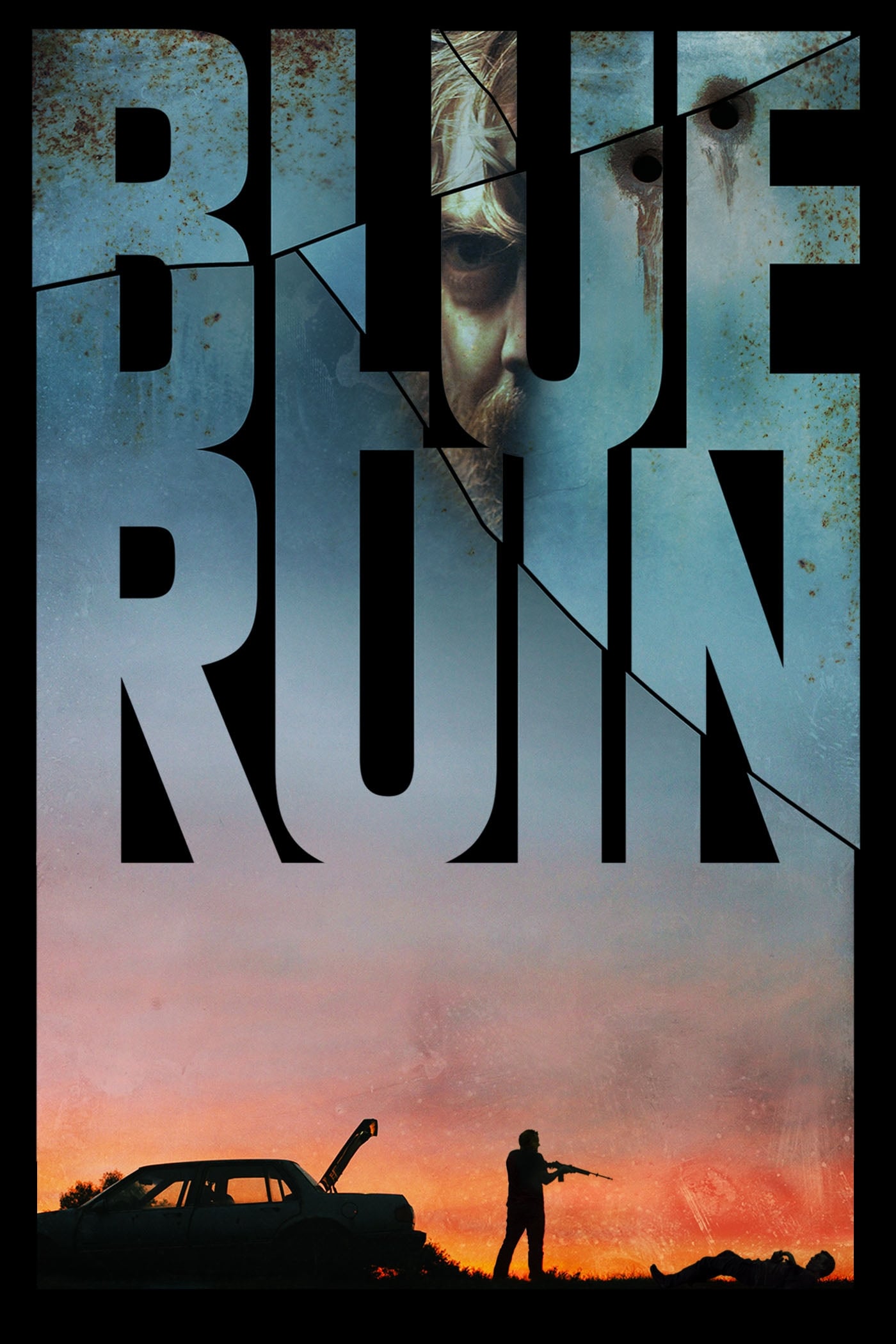
Writer director Jeremy Saulnier crafts a lean thriller anchored by Macon Blair with support from Devin Ratray, Amy Hargreaves, and Kevin Kolack. The plot centers on a drifter who returns to his hometown after a prison release reignites an old feud. The film tracks the consequences of each step with careful attention to procedure and location.
The project was financed in part through crowdfunding and premiered in the Directors’ Fortnight section at Cannes where it won a FIPRESCI prize. Distribution in North America included a limited theatrical release followed by streaming availability which helped the film reach a wider audience. Practical effects and naturalistic camerawork keep the focus on performance and setting.
‘The Invitation’ (2015)
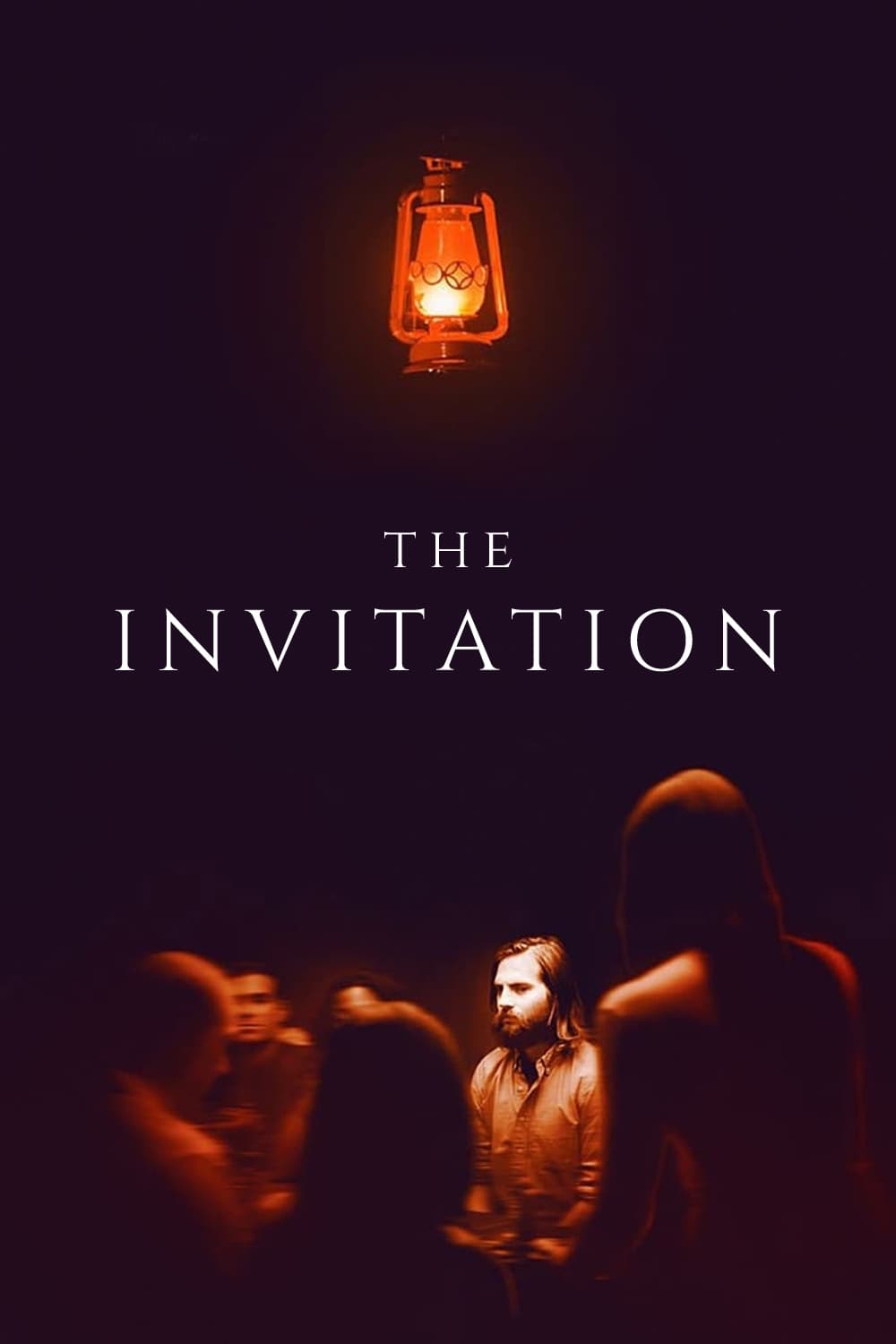
Director Karyn Kusama sets a tense dinner gathering in the Hollywood Hills with Logan Marshall Green, Tammy Blanchard, Michiel Huisman, and Emayatzy Corinealdi. The story follows former partners hosting a reunion that gradually reveals a new belief system and a troubling plan. The narrative stays inside one home which emphasizes behavior and conversation.
The film premiered at festivals including SXSW and was released by Drafthouse Films and XYZ Films in select theaters with a same day digital option. The contained location and small ensemble kept the budget efficient while delivering an exact production design that maps the space for viewers. The release strategy positioned the title for discovery through video on demand services.
‘Victoria’ (2015)
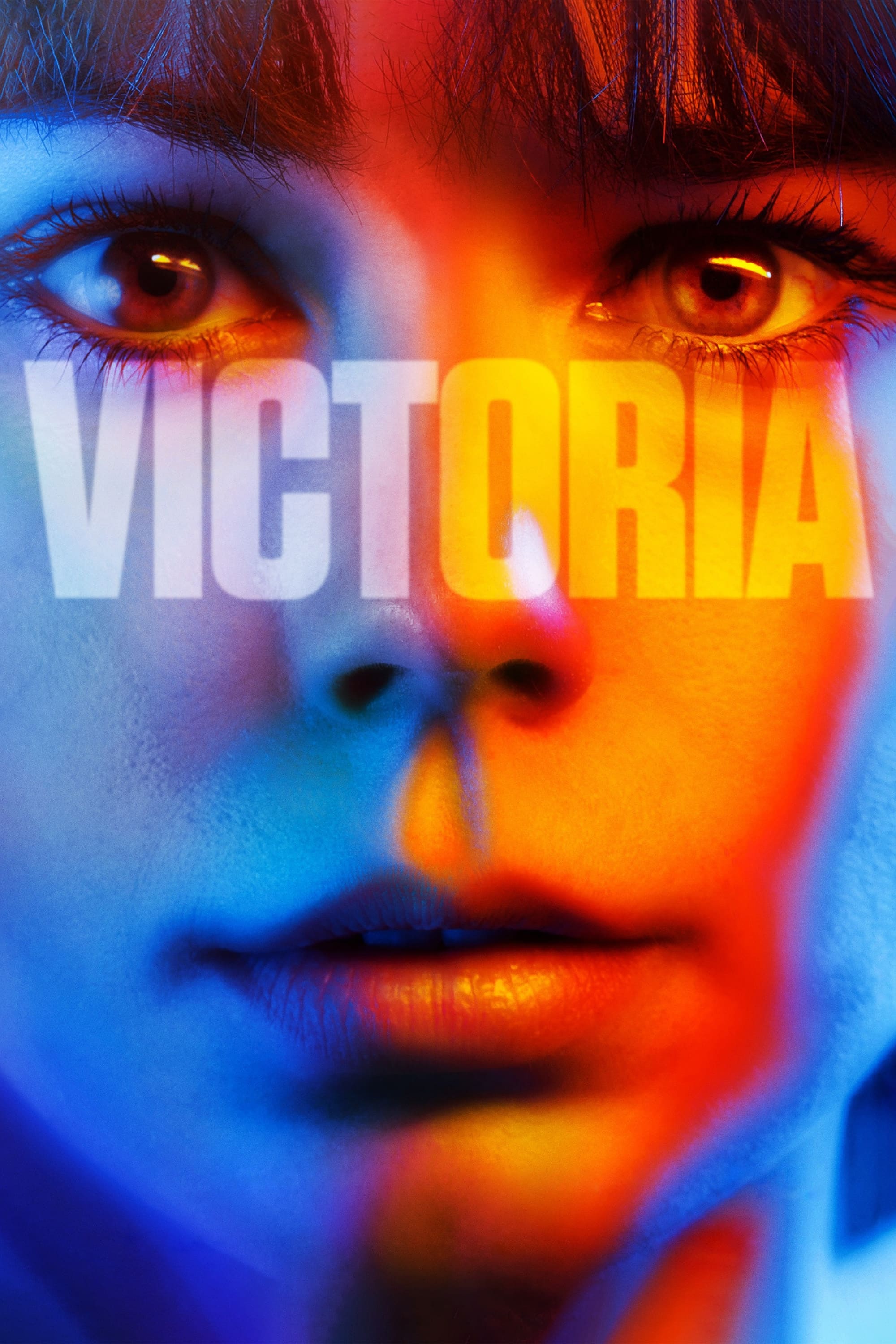
Sebastian Schipper directs Laia Costa and Frederick Lau in a one take crime drama that moves across Berlin from a nightclub to city streets and rooftops. The story follows a young woman who meets a group of locals and is pulled into a heist as morning approaches. Natural light and live sound capture the shift from late night to dawn.
Cinematographer Sturla Brandth Grøvlen executed the entire feature in a single continuous shot with no hidden cuts. The team rehearsed extensively to coordinate camera movement, street closures, and dialogue in real locations. The film won awards for cinematography and made a strong festival circuit run before expanding internationally.
‘The Wailing’ (2016)
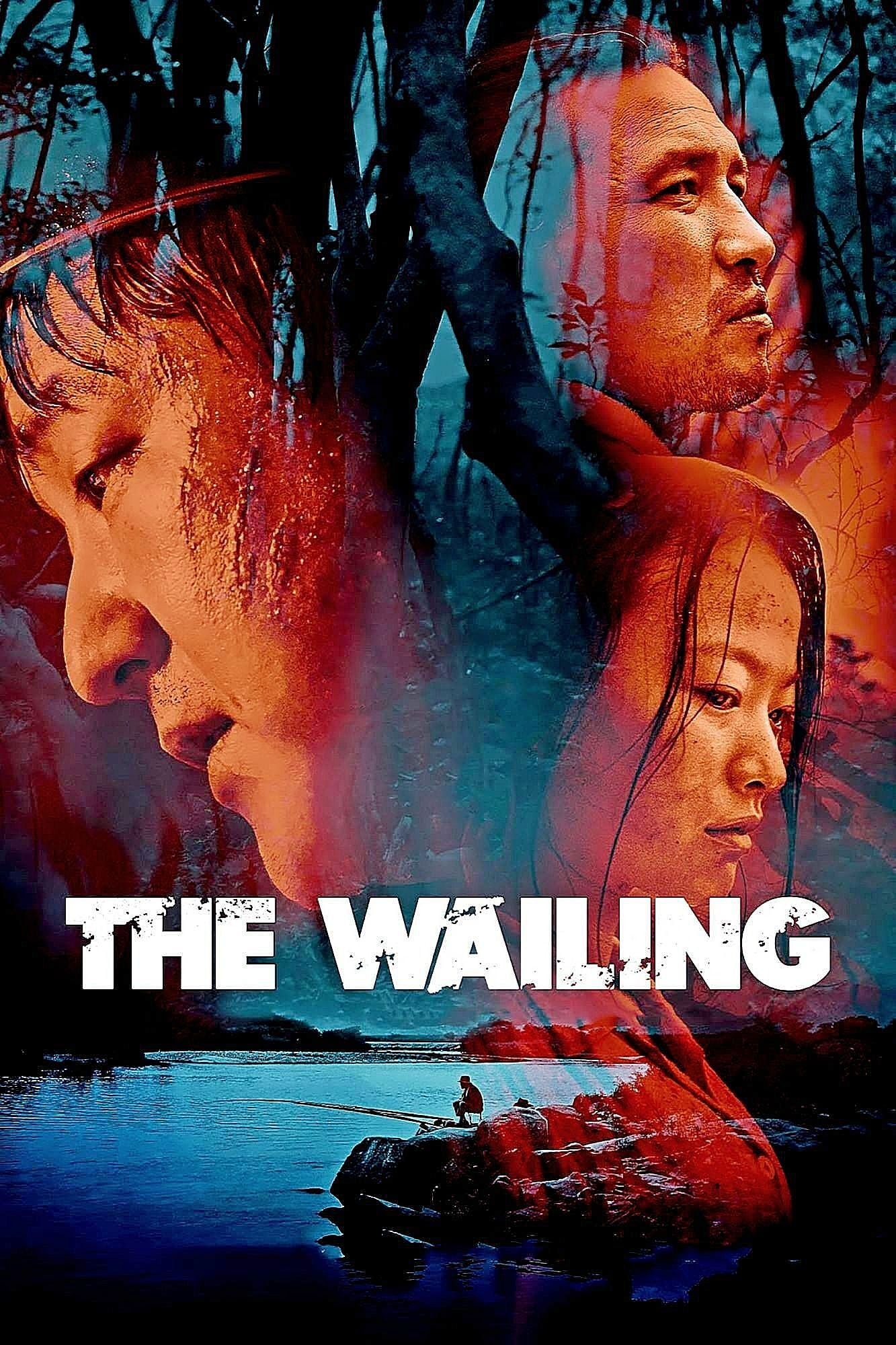
Na Hong jin directs Kwak Do won, Hwang Jung min, and Chun Woo hee in a rural police investigation that blends crime procedure with folklore. A series of unexplained deaths draws a local officer into a search that brings in a shaman and a mysterious outsider. The setting uses mountain villages and dense woodland to frame the investigation.
Produced in South Korea with support from Fox International Productions, the film uses practical makeup and sound design to build its unsettling events. The running time allows for detailed police work and for the inclusion of ceremonial sequences performed by specialists. The film opened domestically and later reached global audiences through specialty distributors and streaming.
‘Raw’ (2016)

Julia Ducournau directs Garance Marillier and Ella Rumpf in a coming of age drama set inside a veterinary school. The plot follows a first year student who undergoes hazing rituals and confronts unexpected cravings that challenge her identity and family ties. The film uses campus labs, dorms, and lecture halls to ground the story.
This French Belgian production premiered during Cannes Critics’ Week and later screened in genre focused programs at international festivals. Practical effects supervised by a dedicated makeup team created the clinical detail seen in classroom scenes and examinations. The release moved from limited engagements to platforms that carried uncut versions with original language audio.
‘A Girl Walks Home Alone at Night’ (2014)
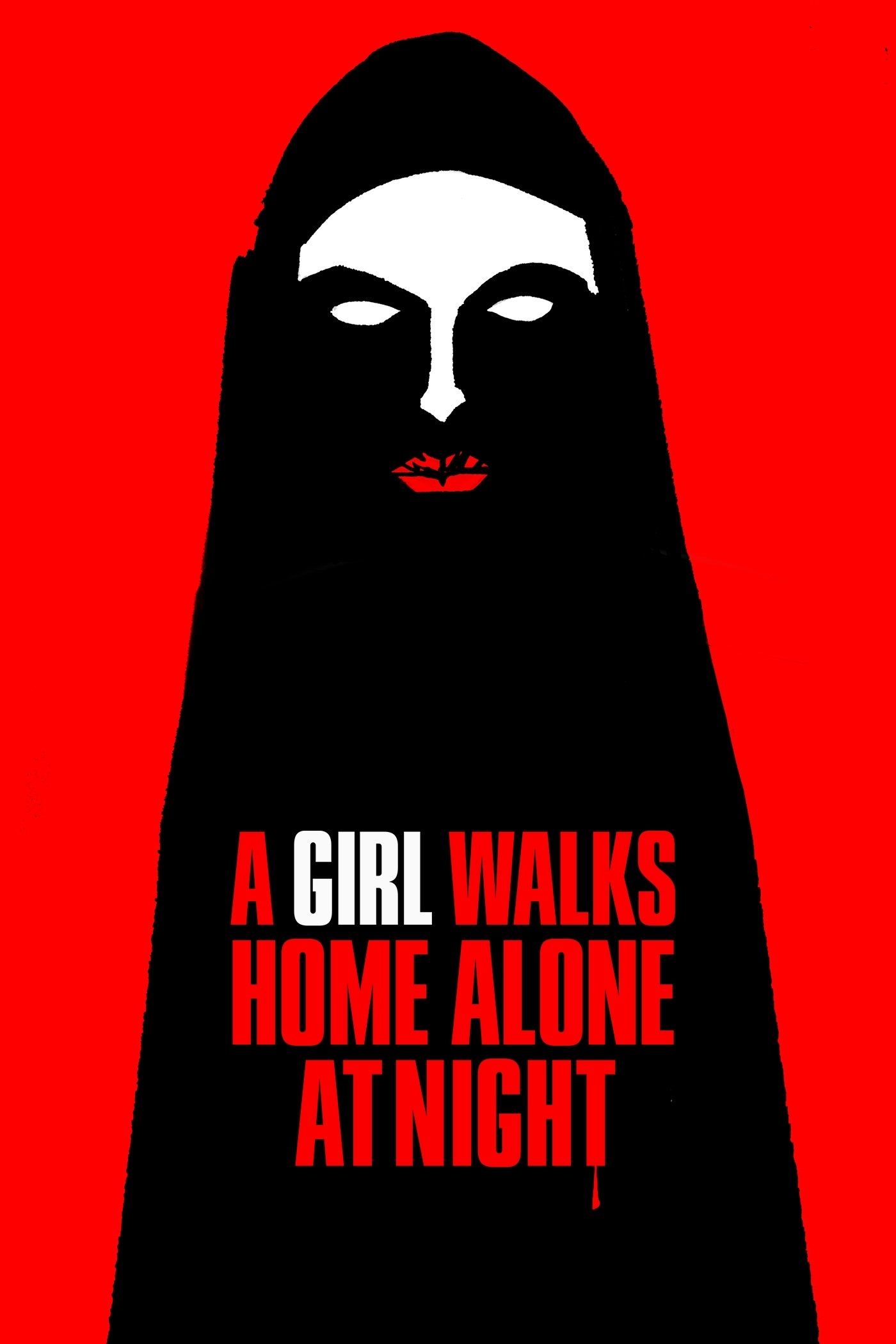
Ana Lily Amirpour directs Sheila Vand and Arash Marandi in a black and white Persian language vampire story set in the fictional Bad City. The narrative follows a solitary figure who moves through oil fields, backstreets, and a small community caught up in crime. The film uses long takes and a carefully curated soundtrack to shape mood.
Although the dialogue is in Persian, principal photography took place in California with sets built to evoke an industrial Iranian town. SpectreVision served as a producing partner and the film premiered at Sundance before moving through international festivals. It later received a boutique home video release with behind the scenes materials that highlight design choices.
‘The Rider’ (2017)
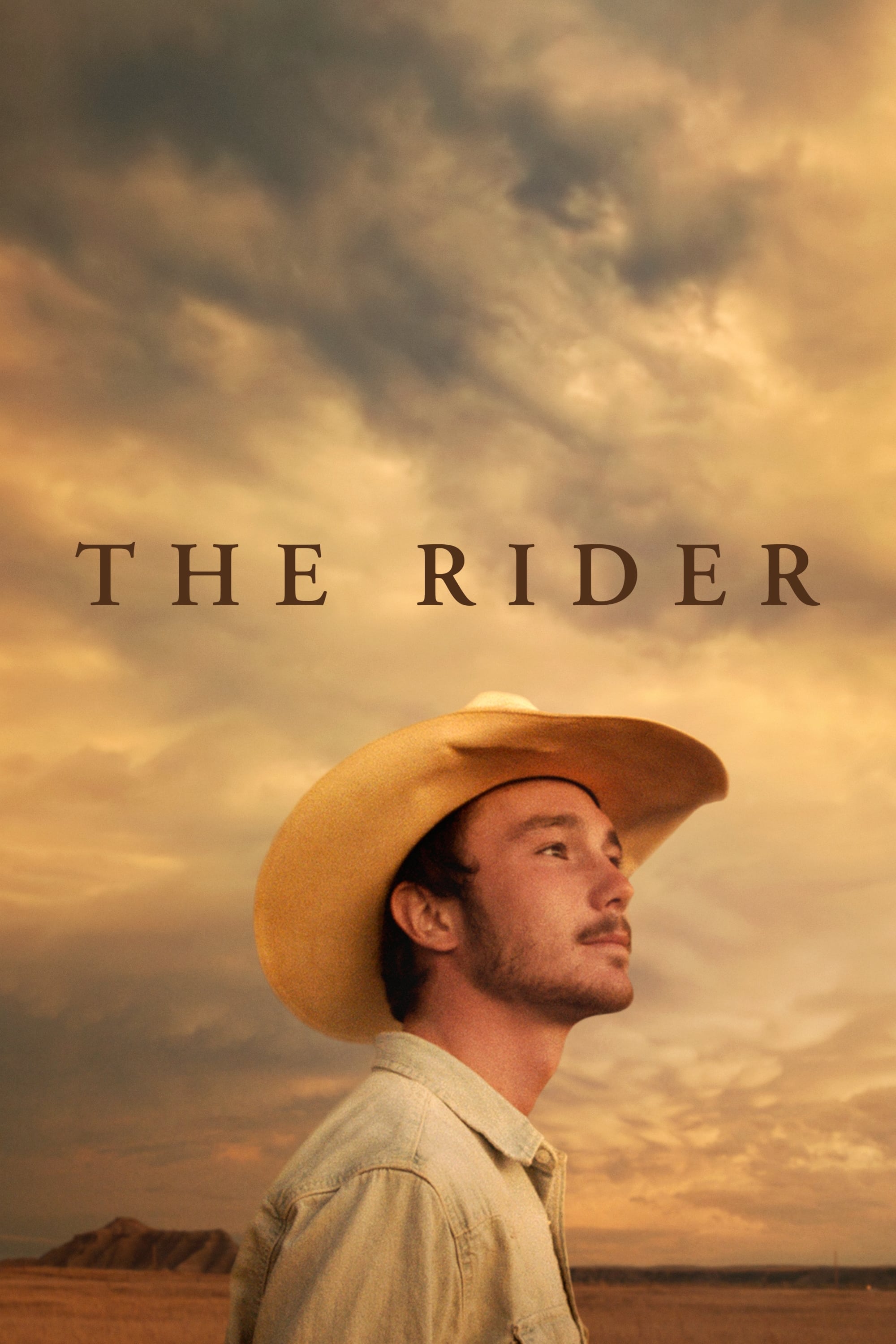
Chloé Zhao works with non professional actors including Brady Jandreau and members of his family to tell the story of a horse trainer recovering from a severe injury. Scenes take place on ranches and in rodeo arenas on and near the Pine Ridge Reservation. Real animals and real training practices appear throughout the film.
The production blends documentary methods with scripted scenes and uses natural light and wide open plains to place characters in their environment. Sony Pictures Classics handled distribution in the United States after a Directors’ Fortnight premiere at Cannes. The film’s approach helped establish Zhao’s ongoing collaboration with communities in the American plains.
‘Thunder Road’ (2018)
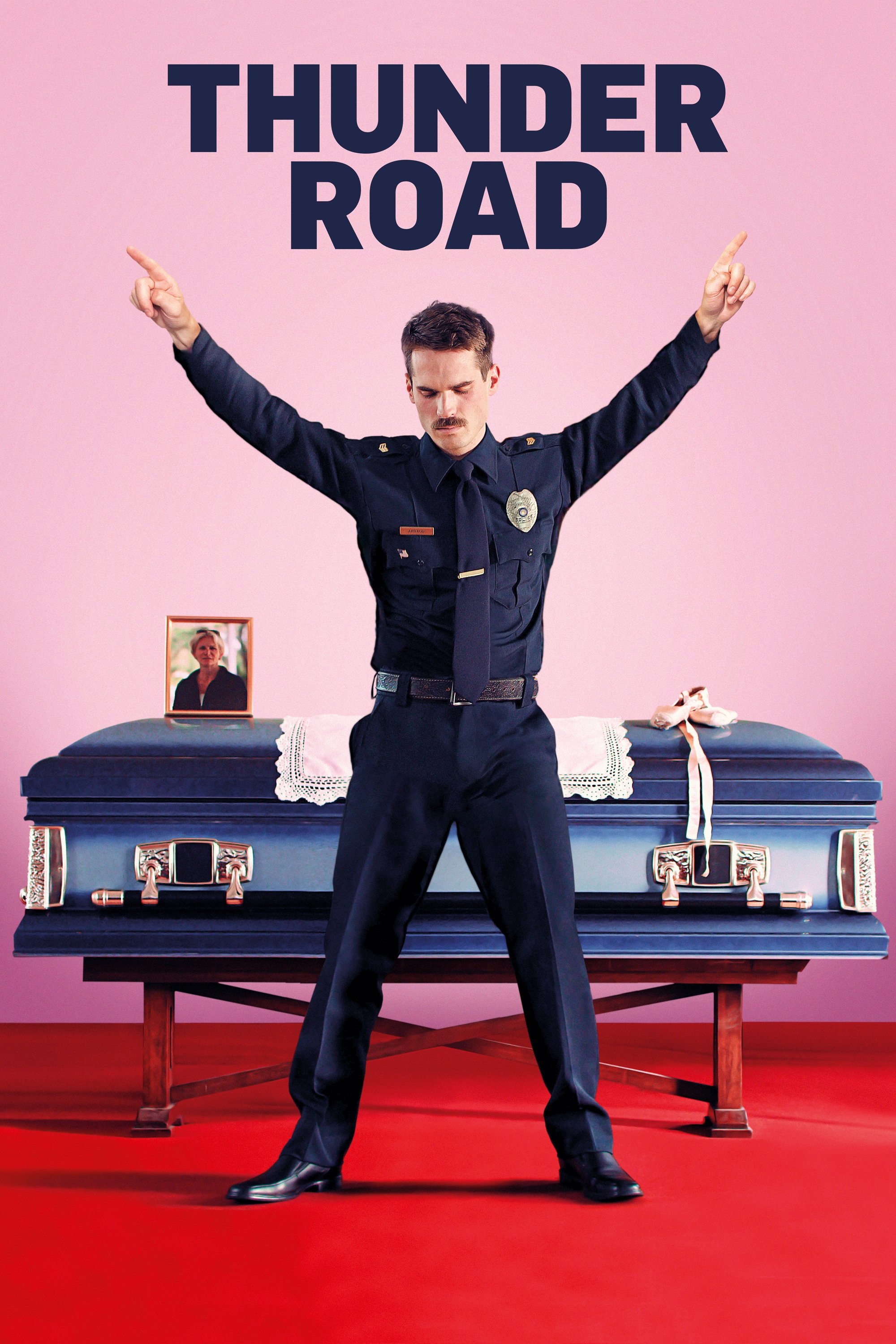
Jim Cummings writes, directs, and stars as a small town police officer facing personal and professional upheaval. The opening sequence unfolds in a single extended shot during a funeral service and sets the tone for the character study that follows. The supporting cast includes Kendal Farr, Nican Robinson, and Jocelyn DeBoer.
The feature expands on Cummings’ prize winning short of the same name and was produced with a combination of independent financing and in kind support. It premiered at SXSW where it won the Grand Jury Award for narrative feature. The release used a mix of theatrical bookings and direct digital sales handled by the filmmakers and partners.
‘The Duke of Burgundy’ (2014)
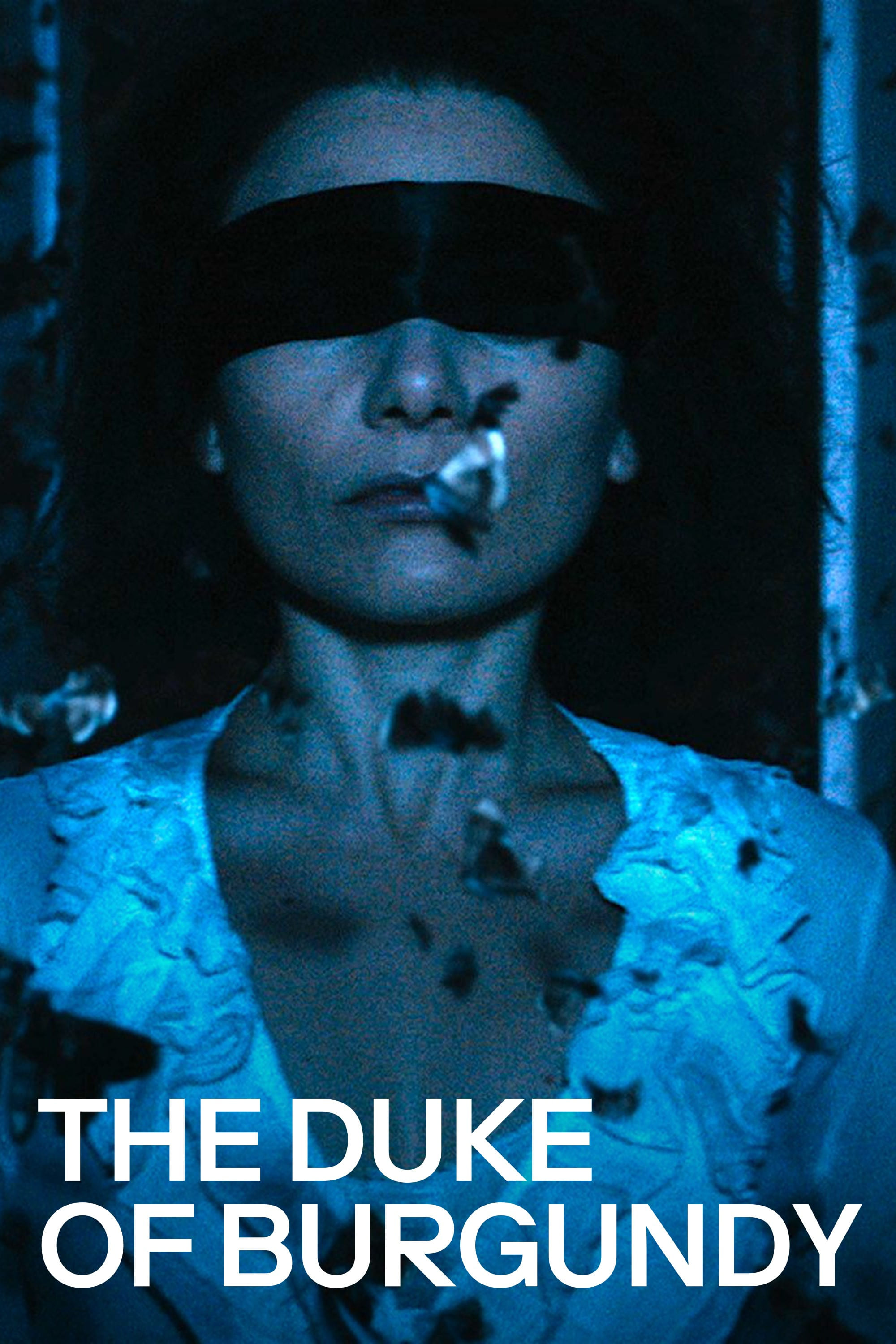
Peter Strickland directs Sidse Babett Knudsen and Chiara D’Anna in a study of two entomology enthusiasts whose relationship dynamics are defined by negotiated rules. The setting is an unspecified European locale with ornate interiors and an emphasis on vintage costuming and decor. Scenes feature insect collections and lecture sequences that reflect the characters’ work.
The film was shot in Hungary with a crew that had previously collaborated with the director. Music is by Cat’s Eyes which contributes to the period inspired atmosphere. The United States release came through IFC Films and the title later reached streaming with the original uncut version.
‘The Endless’ (2017)
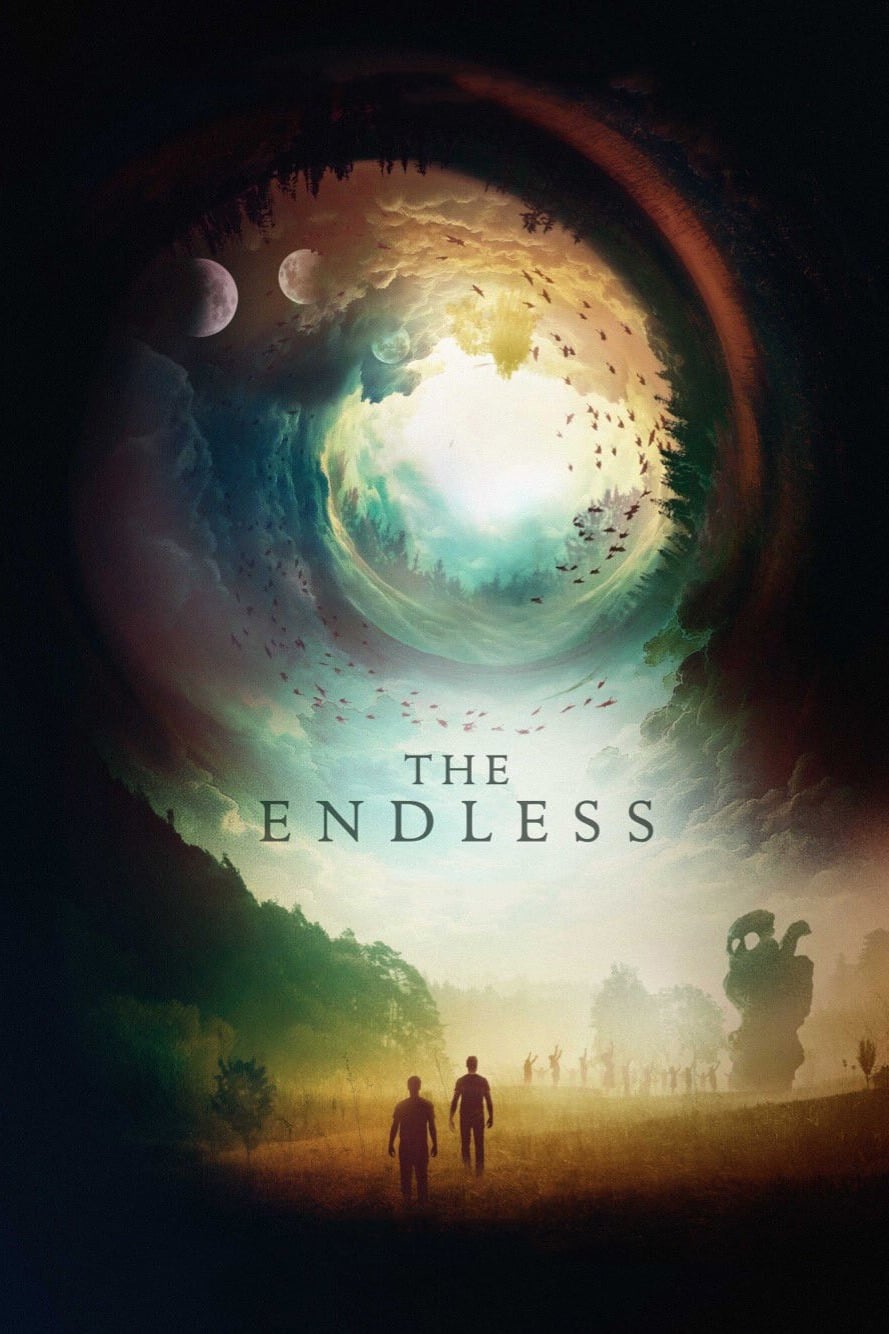
Filmmakers Justin Benson and Aaron Moorhead direct and also star in a science fiction story about two brothers who revisit a rural commune they left behind. The plot connects to the directors’ earlier film ‘Resolution’ and includes overlapping characters and events. Locations include a camp, a lake, and desert scrubland.
Principal photography took place in Southern California using natural exteriors and a compact effects pipeline designed by the directors. Well Go USA handled North American distribution with festival play at Tribeca and other genre showcases. The film includes material that connects with ‘Resolution’ while also functioning as a standalone story.
‘Embrace of the Serpent’ (2015)
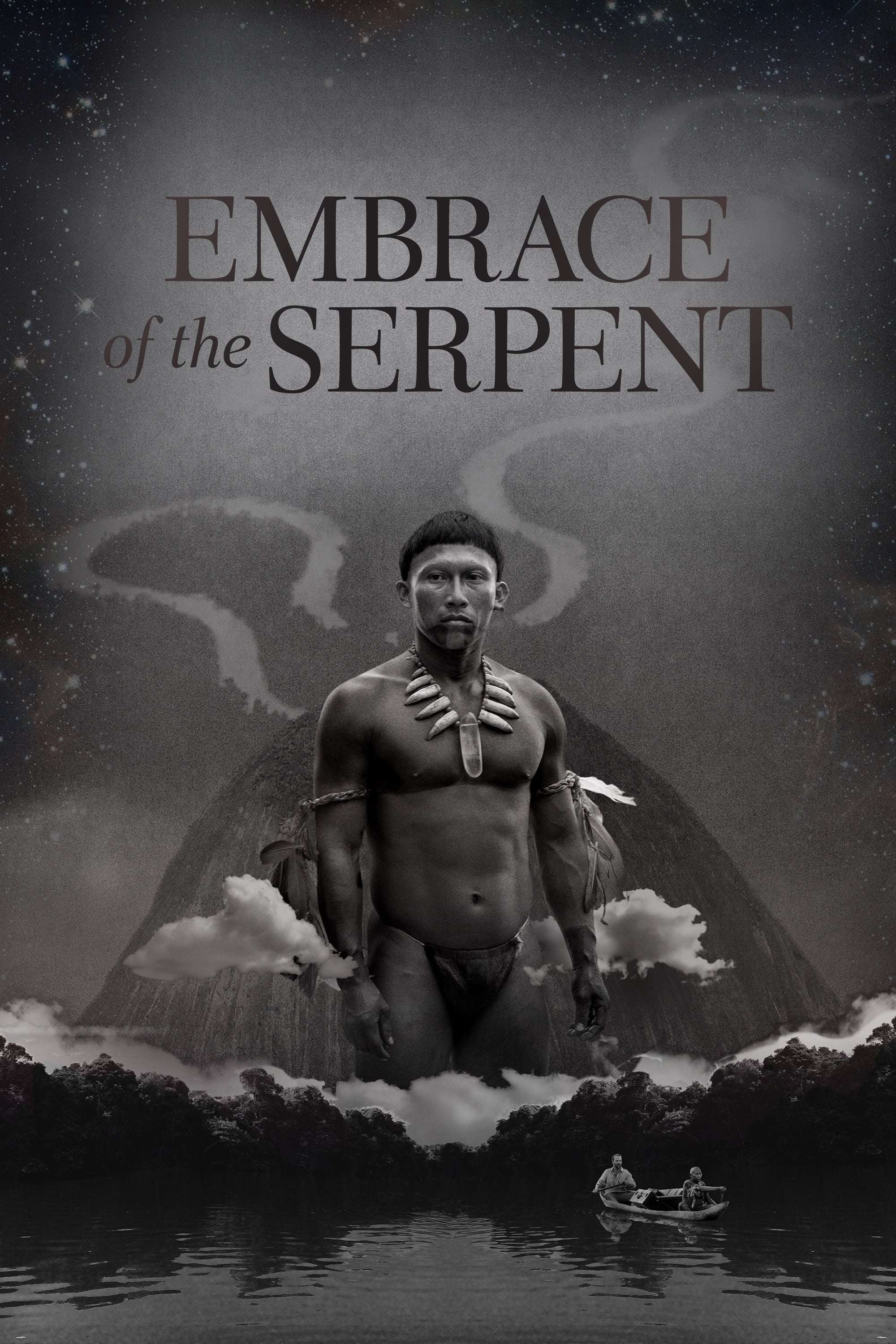
Director Ciro Guerra presents a journey along the Amazon that pairs an Indigenous shaman with two different Western scientists across parallel timelines. The cast includes Nilbio Torres, Antonio Bolívar, Jan Bijvoet, and Brionne Davis. Dialogue moves among several Indigenous languages along with Spanish, Portuguese, and German.
The film is photographed in black and white with period accurate props drawn from explorer journals by Theodor Koch Grunberg and Richard Evans Schultes. It premiered at Cannes in the Directors’ Fortnight section and later earned an Academy Award nomination for Best Foreign Language Film. Colombian and international partners supported a multi country shoot with local guides.
‘Borgman’ (2013)
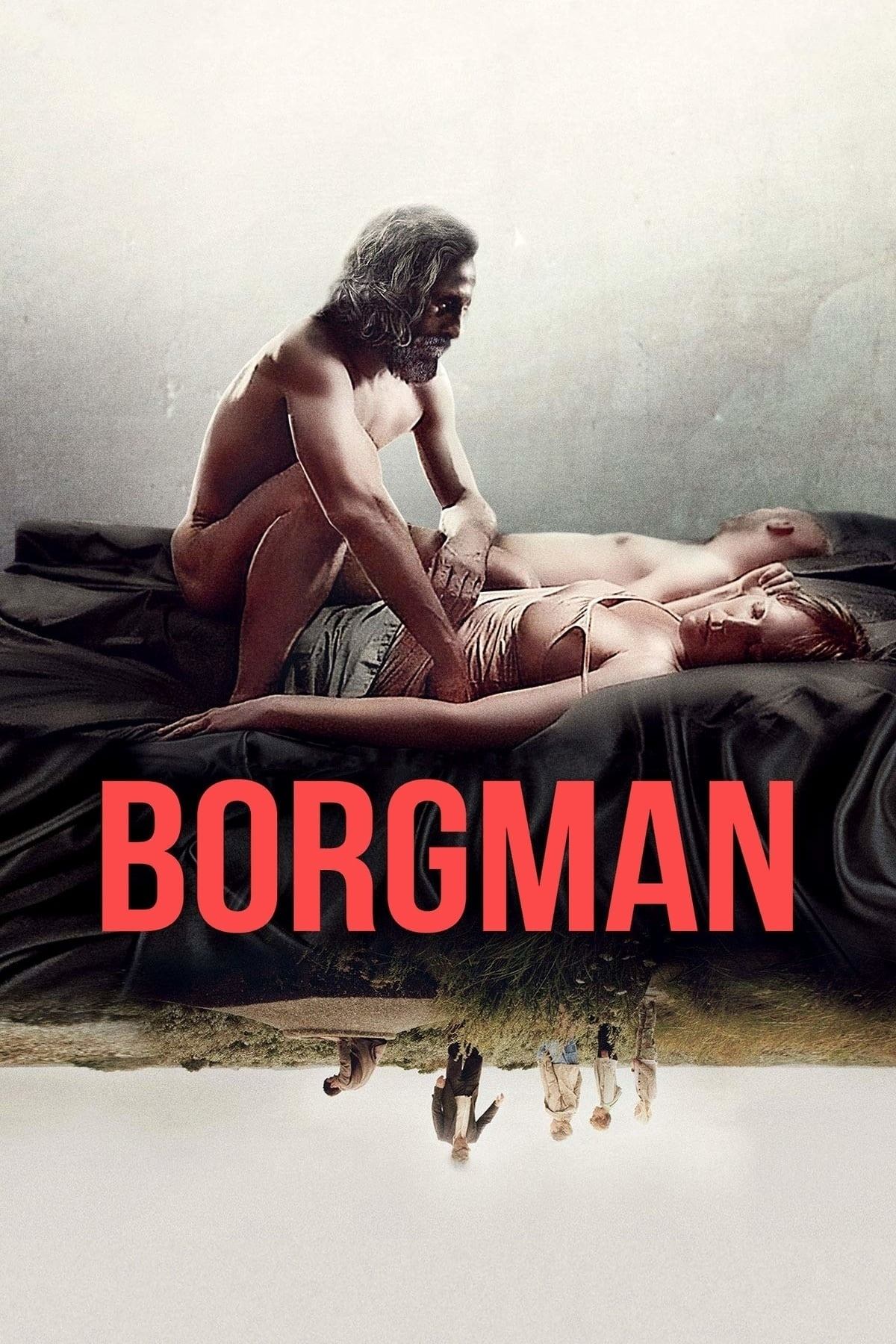
Alex van Warmerdam writes and directs this Dutch feature starring Jan Bijvoet, Hadewych Minis, and Jeroen Perceval. The story follows a mysterious drifter who insinuates himself into a wealthy household and alters the routines of everyone inside. Scenes use modern suburban architecture and carefully staged tableaux.
The film competed for the Palme d’Or at Cannes which marked a rare selection for a Dutch title in the main competition. It was produced in the Netherlands with support from national film funds and released in North America by Drafthouse Films. The production design uses neutral tones and symmetrical framing that remain consistent across interior and exterior scenes.
‘Thelma’ (2017)
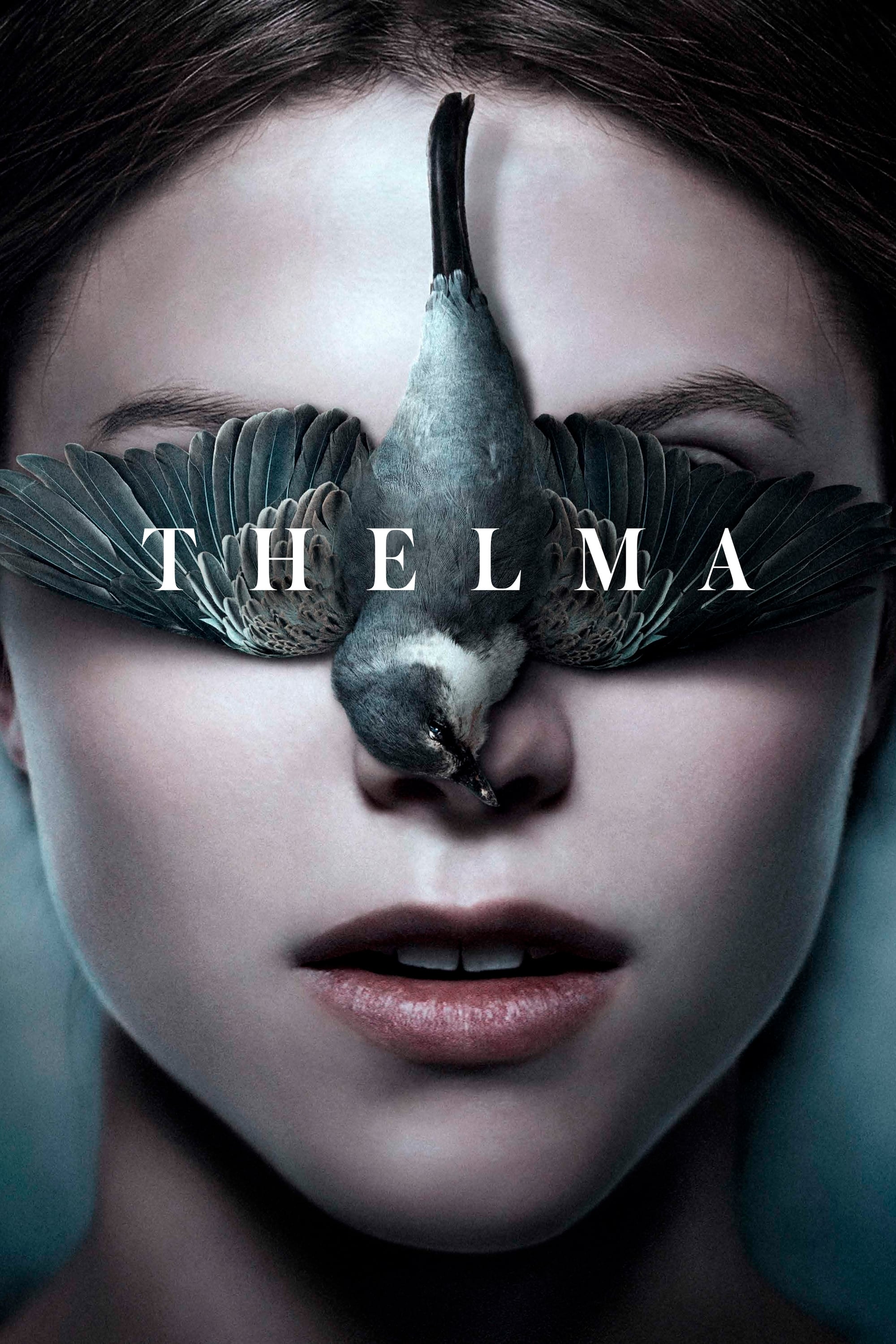
Joachim Trier directs Eili Harboe, Kaya Wilkins, and Ellen Dorrit Petersen in a supernatural drama set in Oslo and at a coastal family home. The plot follows a university student who experiences episodes that coincide with the emergence of long suppressed abilities. Laboratory scenes and library research anchor the investigation into her condition.
Norway selected the film as its official submission for the Academy Award for Best Foreign Language Film. The production involved visual effects supervised by a Scandinavian team to integrate subtle environmental changes and controlled stunts. The release moved from Nordic territories to international art house distribution and streaming.
‘One Cut of the Dead’ (2017)
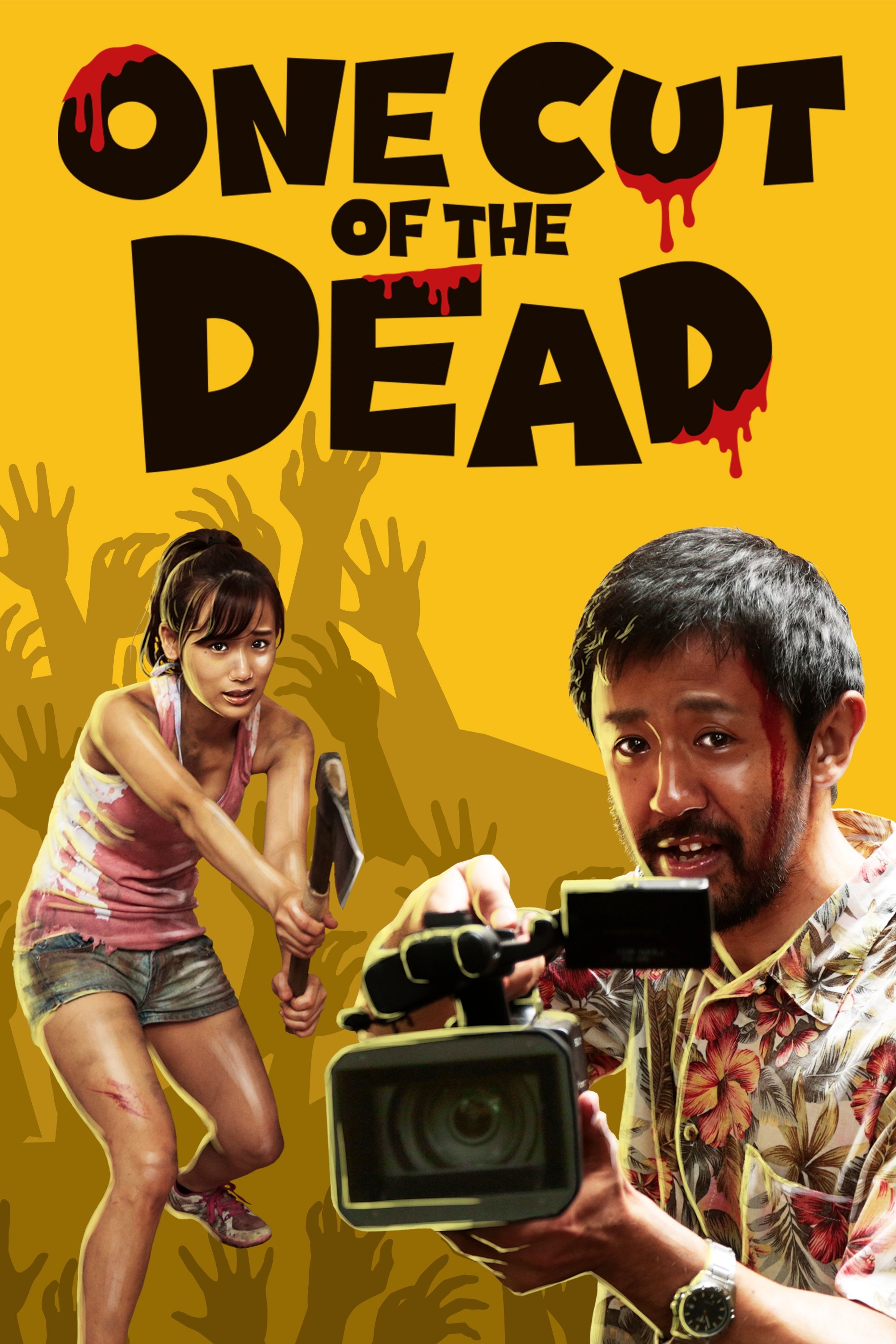
Shin’ichirō Ueda directs a cast of emerging actors from an acting workshop program in a zombie comedy that opens with a lengthy single take. The story follows a film crew shooting inside an abandoned facility where unexpected events disrupt the production. The structure shifts to reveal how the crew managed the chaos.
Made on a very small budget, the film opened at a tiny Tokyo theater before expanding to multiplexes after growing word of mouth. The opening shot runs for more than half an hour without a cut which required extensive rehearsal and precise camera choreography. International distribution brought the title to specialty labels and to streaming platforms.
‘The Nile Hilton Incident’ (2017)
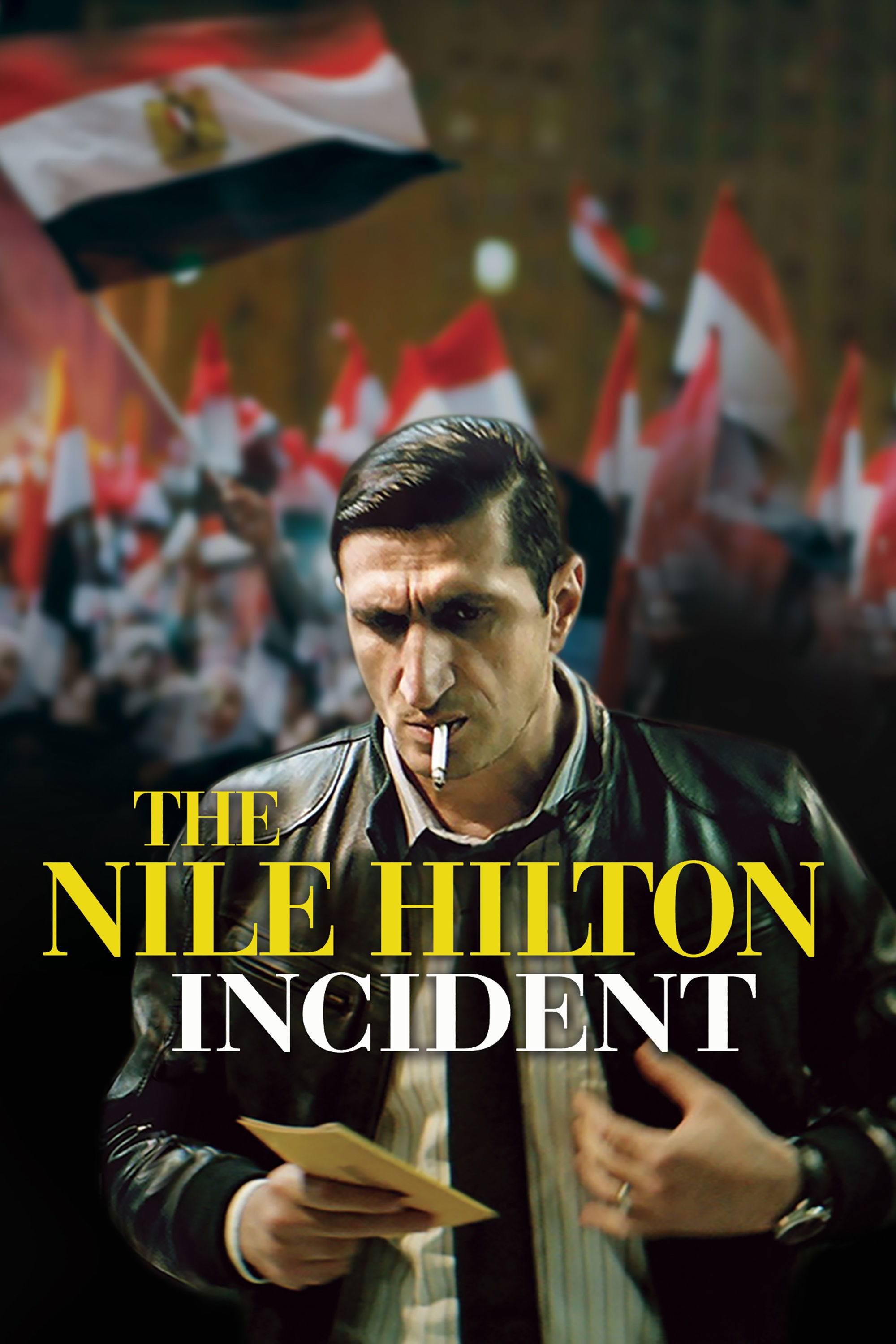
Tarik Saleh directs Fares Fares, Mari Malek, and Yasser Ali Maher in a police procedural set in Cairo on the eve of major protests. A hotel housekeeper becomes a key witness in a case that draws attention from powerful figures. The narrative uses neighborhoods, administrative offices, and luxury interiors to frame the investigation.
Production relocated to Morocco after permits in Egypt were not granted which required a detailed art direction plan to replicate Cairo streets. The film won the World Cinema Grand Jury Prize at Sundance and secured distribution in Europe, North America, and the Middle East. Dialogue includes Arabic, French, and English as characters move across social strata.
‘The Guilty’ (2018)
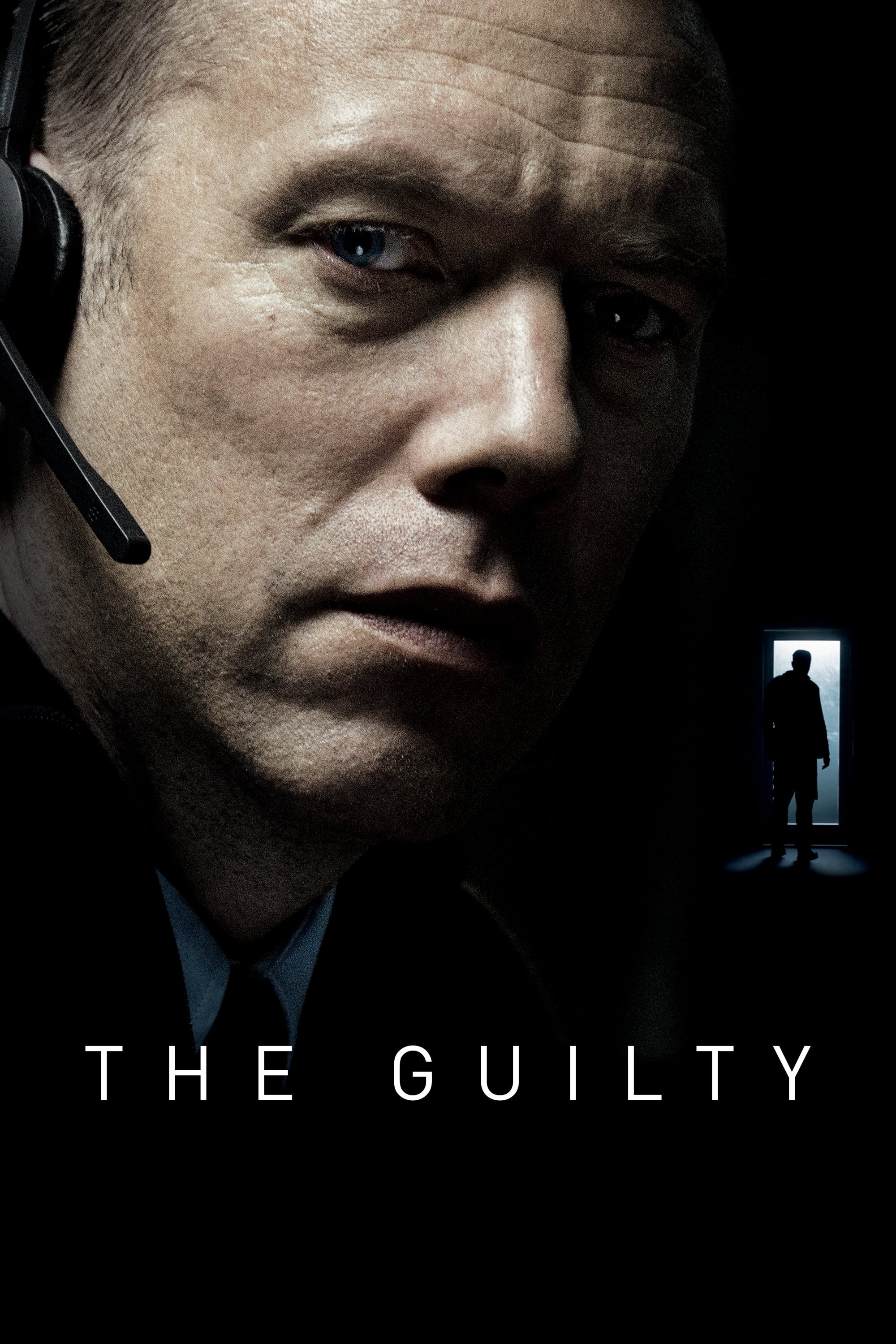
Gustav Möller directs Jakob Cedergren in a thriller set entirely inside an emergency dispatch center. The protagonist answers a call from a distressed caller and manages the evolving situation using only phones and computer systems. The voice cast includes Jessica Dinnage, Johan Olsen, and Omar Shargawi.
The single location approach kept production costs low and focused attention on sound design which carries action that remains off screen. The film won audience awards at major festivals and later inspired an English language remake led by Jake Gyllenhaal. Distribution included a strong streaming presence that preserved the original Danish audio with subtitles.
‘The Tribe’ (2014)

Myroslav Slaboshpytskyi directs a Ukrainian cast of deaf non professional actors in a boarding school drama presented entirely in sign language. There are no subtitles and no voiceover which places emphasis on gesture, blocking, and environmental sound. The story follows a new arrival who learns the school’s hierarchy and codes.
The film premiered during Critics’ Week at Cannes where it won top prizes for its section. Production used long takes and precise choreography to keep communication clear for viewers without translation. The approach drew attention from festivals worldwide and led to specialty distribution with content advisories for violence.
‘Locke’ (2013)
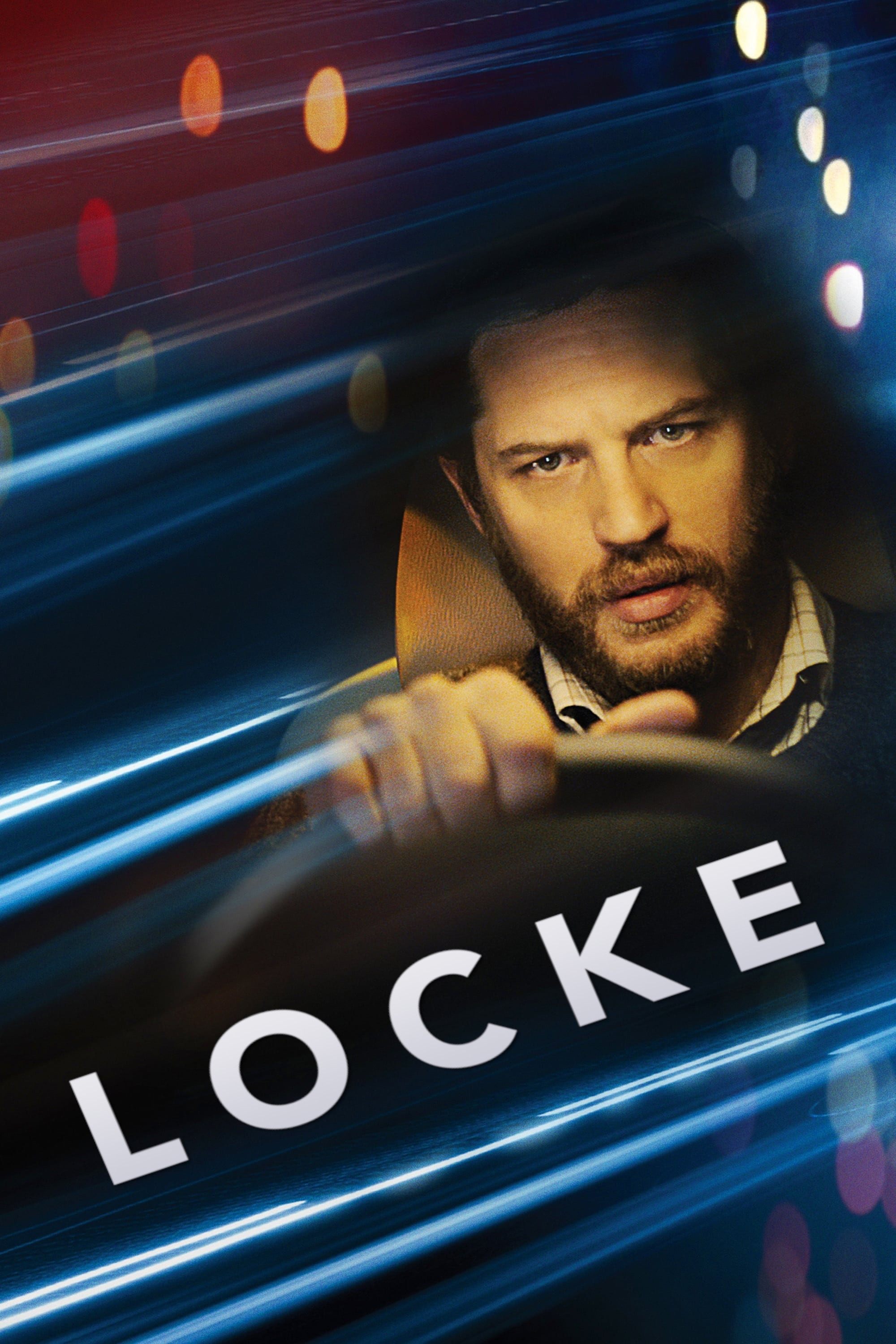
Steven Knight directs Tom Hardy in a real time story that unfolds inside a moving car during a night drive from the Midlands toward London. The character conducts a series of phone calls that reshape his personal and professional life while traffic and road noise fill the soundtrack. The voice cast includes Olivia Colman, Ruth Wilson, and Andrew Scott.
The production mounted multiple cameras inside the vehicle and ran the calls live with actors in separate rooms to preserve timing. Shooting took place over a handful of consecutive nights on closed sections of motorway with police support. The compact runtime and single location design aligned with a limited theatrical release followed by digital availability.
‘Blindspotting’ (2018)

Carlos López Estrada directs Daveed Diggs and Rafael Casal who also wrote the screenplay. The story follows two best friends in Oakland navigating the last days of probation and the pressures of work, housing, and friendship. The film uses real neighborhoods and incorporates verse and rhythmic speech within dialogue.
Production partnered with local crews and community organizations to secure locations and reflect the city’s art scene. Lionsgate handled distribution and the film played Sundance before expanding to theaters and streaming. The soundtrack blends original compositions with Bay Area artists and underscores key scenes that involve performance.
‘Calibre’ (2018)
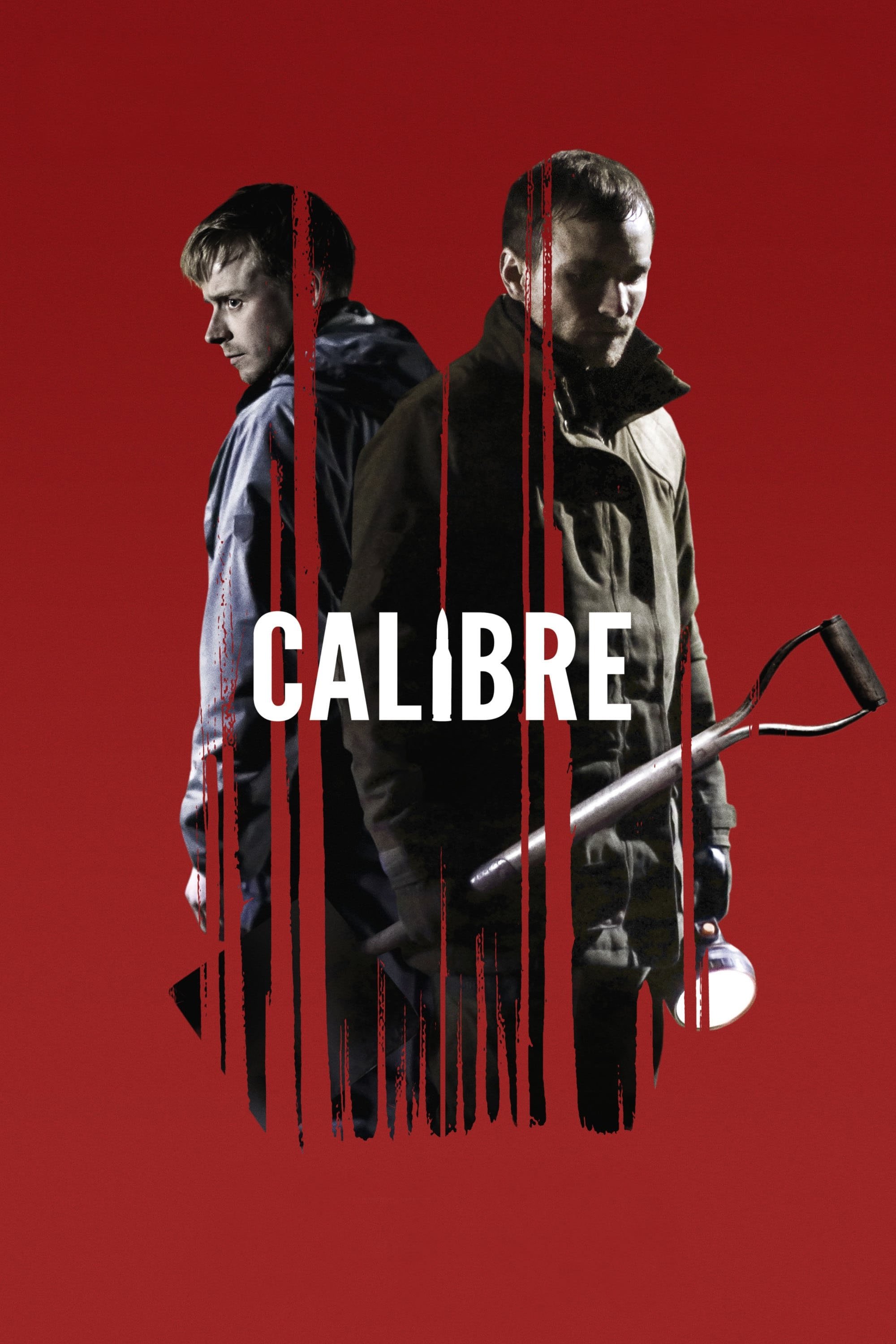
Writer director Matt Palmer sets a survival thriller in the Scottish Highlands with Jack Lowden and Martin McCann in the lead roles. Two friends on a hunting trip make a split second decision that pushes them into a conflict with a small village. Forest tracks, pubs, and guesthouses serve as central locations.
The film premiered at the Edinburgh International Film Festival where it won the Michael Powell Award for Best British Feature Film. Netflix acquired worldwide rights which positioned the title for immediate global access. The production used remote locations that required compact crews and careful coordination with local authorities.
‘The Autopsy of Jane Doe’ (2016)
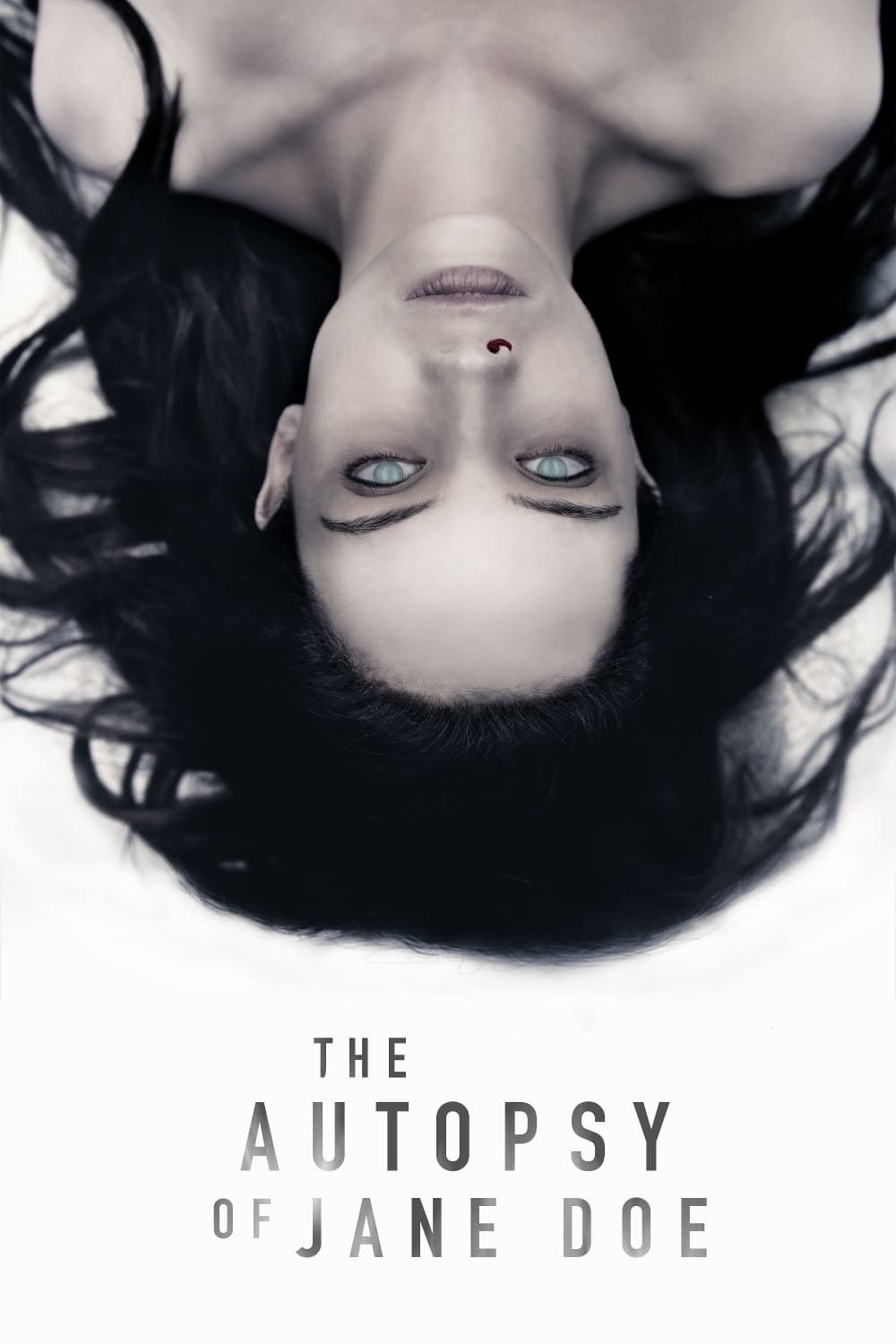
André Øvredal directs Brian Cox and Emile Hirsch as a father and son team of pathologists who receive an unidentified body with unusual findings. Most scenes take place inside a family run morgue where procedures unfold step by step. The cast also includes Ophelia Lovibond and Michael McElhatton.
The film premiered in the Midnight Madness program at the Toronto International Film Festival and secured distribution through IFC Midnight for North America. Production design focused on medical accuracy in instruments and lab spaces while visual effects enhanced specific discoveries. The contained location allowed for controlled lighting and sound recording.
‘Columbus’ (2017)
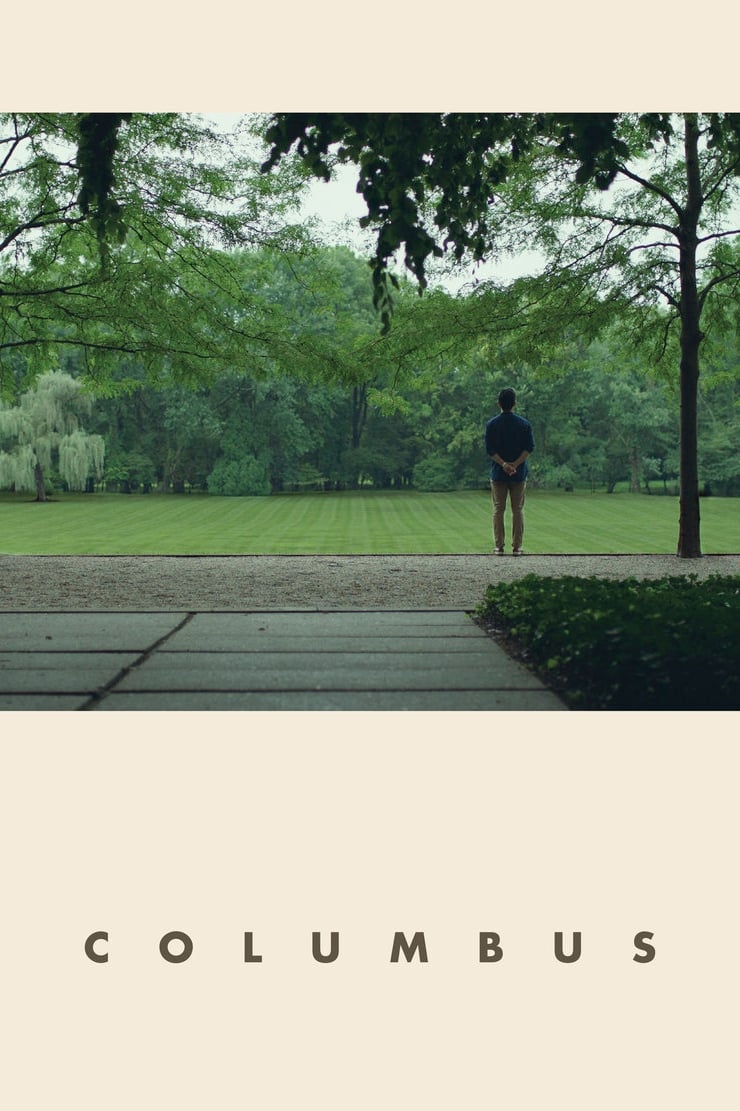
Kogonada directs Haley Lu Richardson and John Cho in a quiet drama set in Columbus Indiana which is known for its modernist architecture. The story follows a translator’s son and a local library worker who explore landmark buildings by designers such as Eero Saarinen and I M Pei. The film features guided tours, archival references, and careful framing of public spaces.
The production worked with the Columbus community and local institutions to film in libraries, churches, and civic buildings. The release came through Sundance Selects with a rollout to art house theaters and later streaming services. The cinematography emphasizes lines and light that interact with the built environment.
‘Embers’ (2015)

Claire Carré directs Jason Ritter, Iva Gocheva, and Tucker Smallwood in a science fiction drama set after a global memory loss event. The narrative follows several groups including a teacher and a child, a couple trying to remember their connection, and a man who lives in an underground shelter. Abandoned factories and winter woods create a consistent visual world.
The film premiered at the Slamdance Film Festival and screened at genre events across North America and Europe. Practical production design reused real industrial sites rather than building sets which kept costs down and added texture. Distribution included a small theatrical presence and a broad digital release.
‘Cold Fish’ (2010)

Sion Sono directs Mitsuru Fukikoshi, Denden, and Asuka Kurosawa in a crime drama inspired by real cases involving a tropical fish shop owner. The story charts the manipulation of a family business by a charismatic competitor and the escalation of criminal acts. The setting moves among storefronts, warehouses, and outlying neighborhoods.
The film was part of a cycle of titles Sono made in quick succession and it premiered at international festivals including Venice. North American release came through independent labels with both subtitled and dubbed options. Practical special effects and precise blocking create a detailed portrait of routine intersecting with violence.
Share the hidden gems you plan to watch next in the comments.

