


Best Action Movies You’ve Never Seen



There are countless action gems that slipped past the spotlight, even though they deliver inventive set pieces, bold storytelling, and memorable characters. This list rounds up titles from around the world that reward a fresh watch with sharp choreography and clever ideas. You will find everything from close quarters brawls to high speed chases and wild genre mashups. Use it as a map to expand your queue with action films that hit hard and leave a mark.
‘A Bittersweet Life’ (2005)
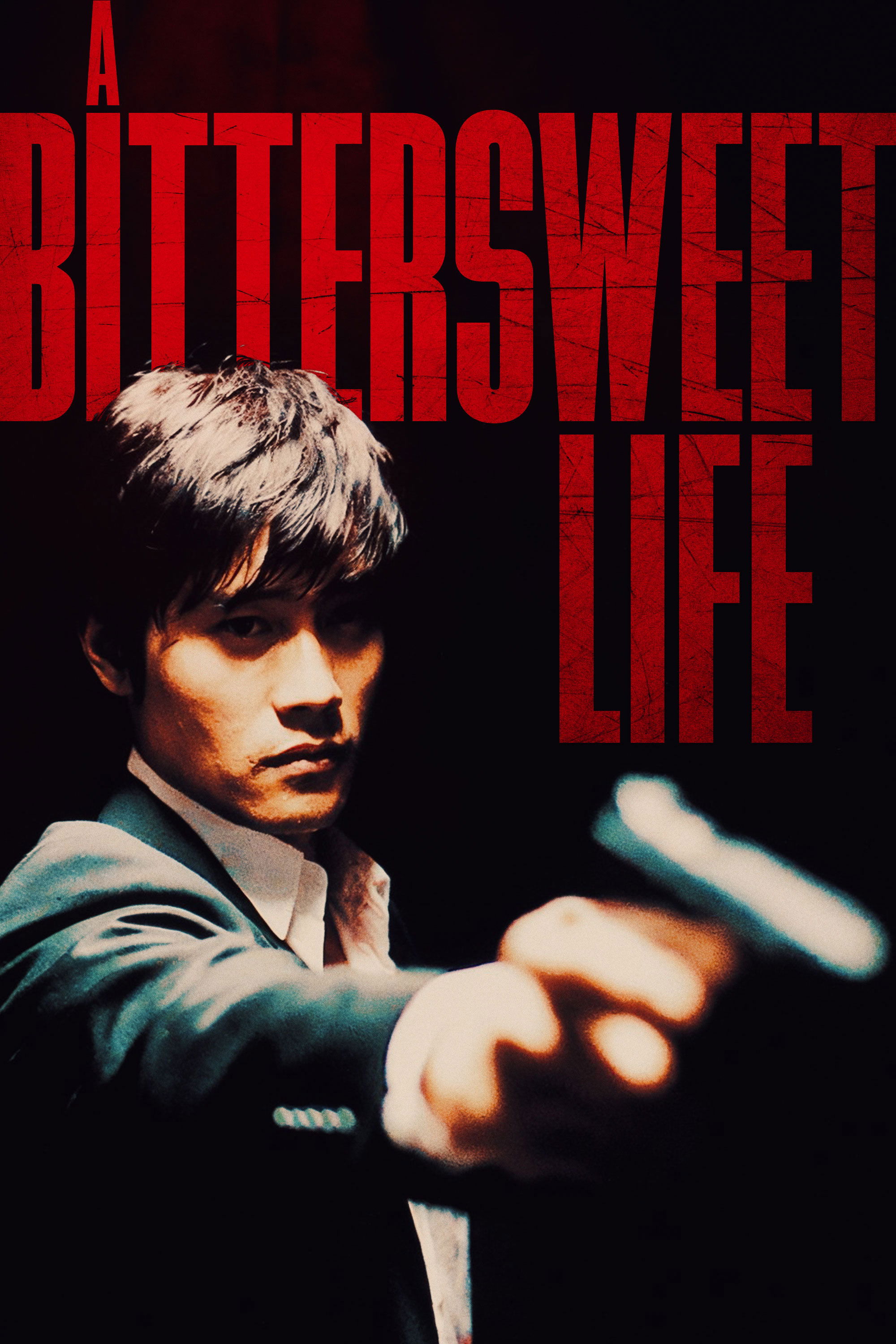
Director Kim Jee woon follows a loyal enforcer whose quiet precision unravels after a single mistake with the boss’s mistress. The film balances contained hand to hand fights with crisp shootouts that move through hotels and nightclubs. Lee Byung hun carries the story with restrained intensity that builds into explosive confrontations. The production is known for elegant framing that emphasizes clean geography during action.
‘The Man from Nowhere’ (2010)
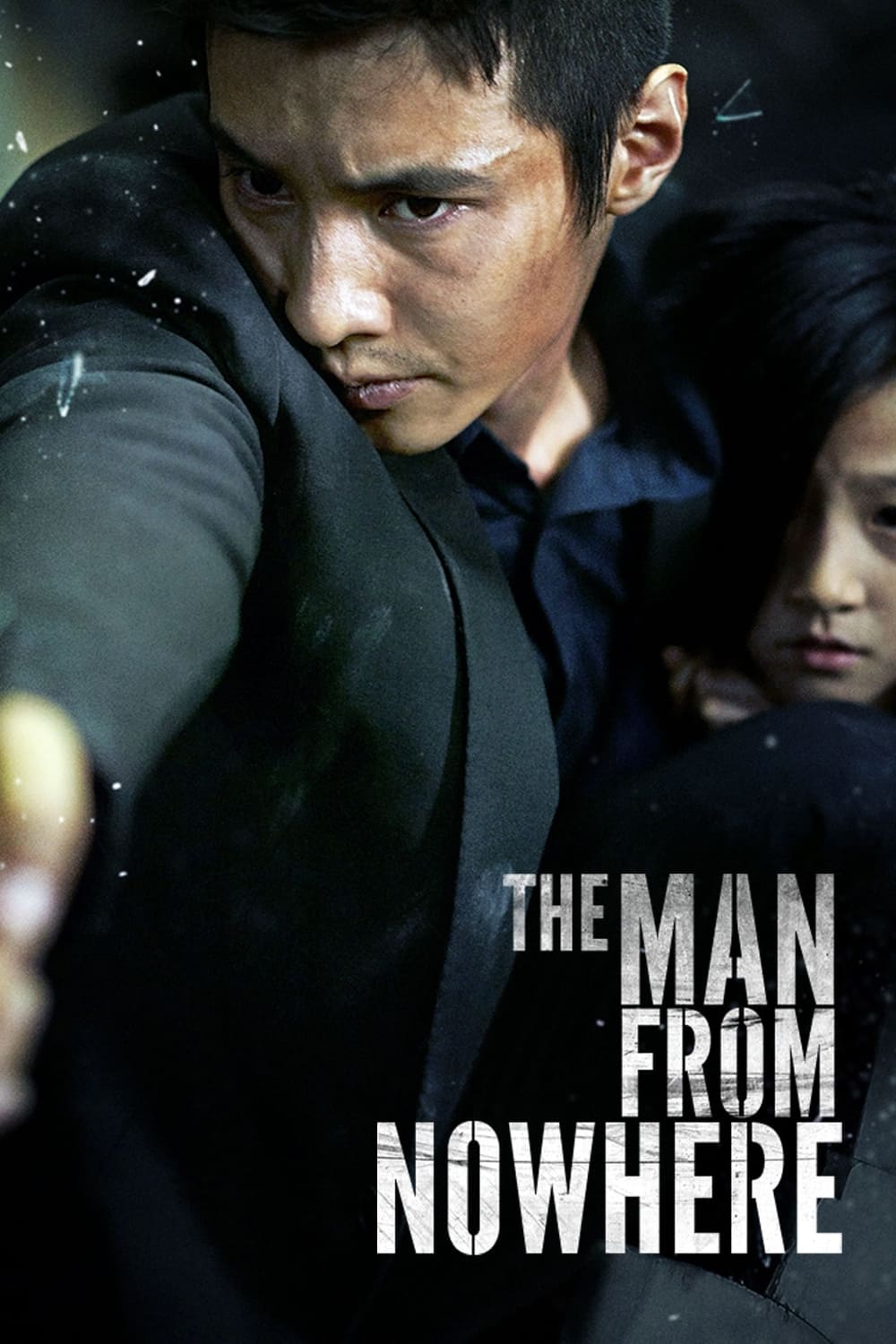
Won Bin plays a withdrawn pawnshop owner who goes after a trafficking ring after a neighbor’s child is taken. The action escalates from cramped knife work to a final assault through a drug den. The choreography favors quick footwork and tight angles that keep every blade visible. It became one of South Korea’s biggest domestic hits and introduced many viewers to modern Korean action style.
‘The Night Comes for Us’ (2018)

Joe Taslim and Iko Uwais lead an Indonesian crime saga about a triad enforcer who turns against his own crew. The fights feature improvised weapons and brutal close quarters tactics staged inside apartments, butcher shops, and hallways. Timo Tjahjanto pushes practical gore effects and long takes that highlight performer stamina. The film released worldwide on Netflix and drew international attention to Indonesian choreography teams.
‘SPL: Sha Po Lang’ (2005)
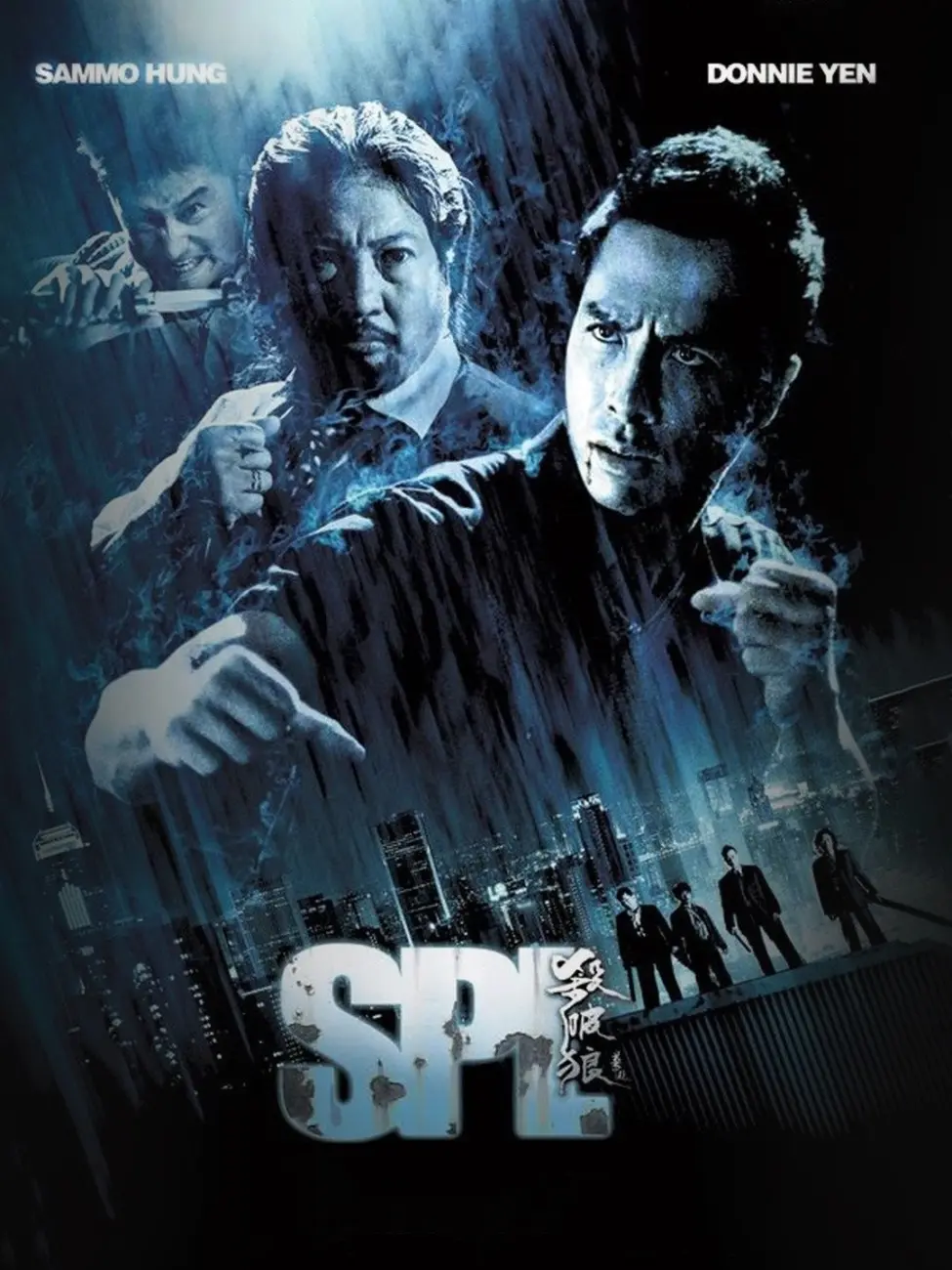
Wilson Yip directs a Hong Kong crime story about a cop squad closing in on a ruthless crime boss. Donnie Yen’s baton versus knife alley fight with Wu Jing is studied for its rhythm and footwork. Sammo Hung appears on both sides of the camera, bringing veteran timing to strikes and grapples. The finale layers hand to hand exchanges with heavy impact falls that showcase classic Hong Kong stunt craft.
‘Time and Tide’ (2000)
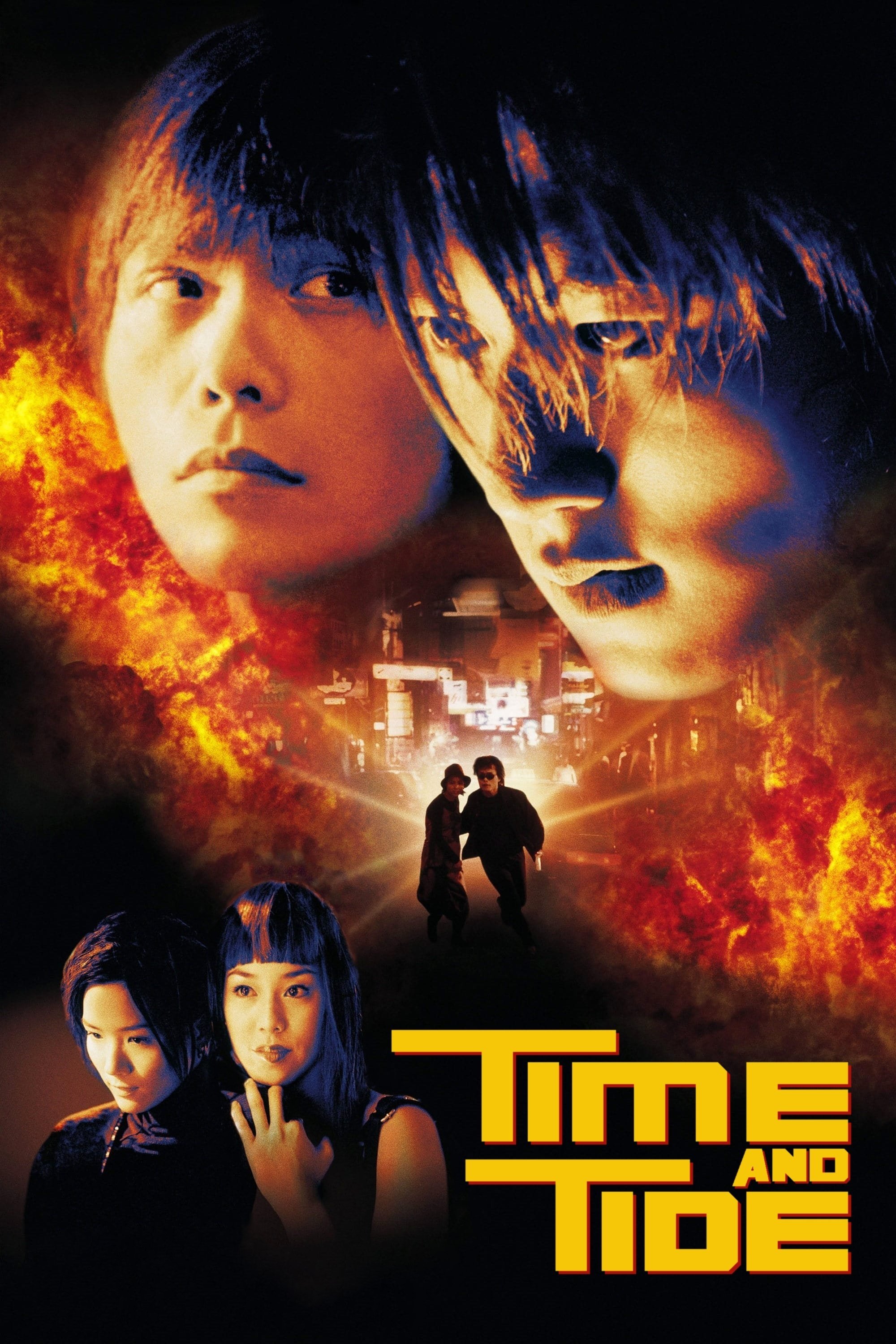
Tsui Hark delivers a breathless tale about a bodyguard and a mercenary caught in a South American gang feud that spills into Hong Kong. The camera races through apartments, stadium tunnels, and rooftops with bold wire assisted gags. Nicholas Tse and Wu Bai pull off athletic movements that keep the momentum relentless. The production blends practical explosions with sweeping crane shots that define its kinetic style.
‘Chocolate’ (2008)
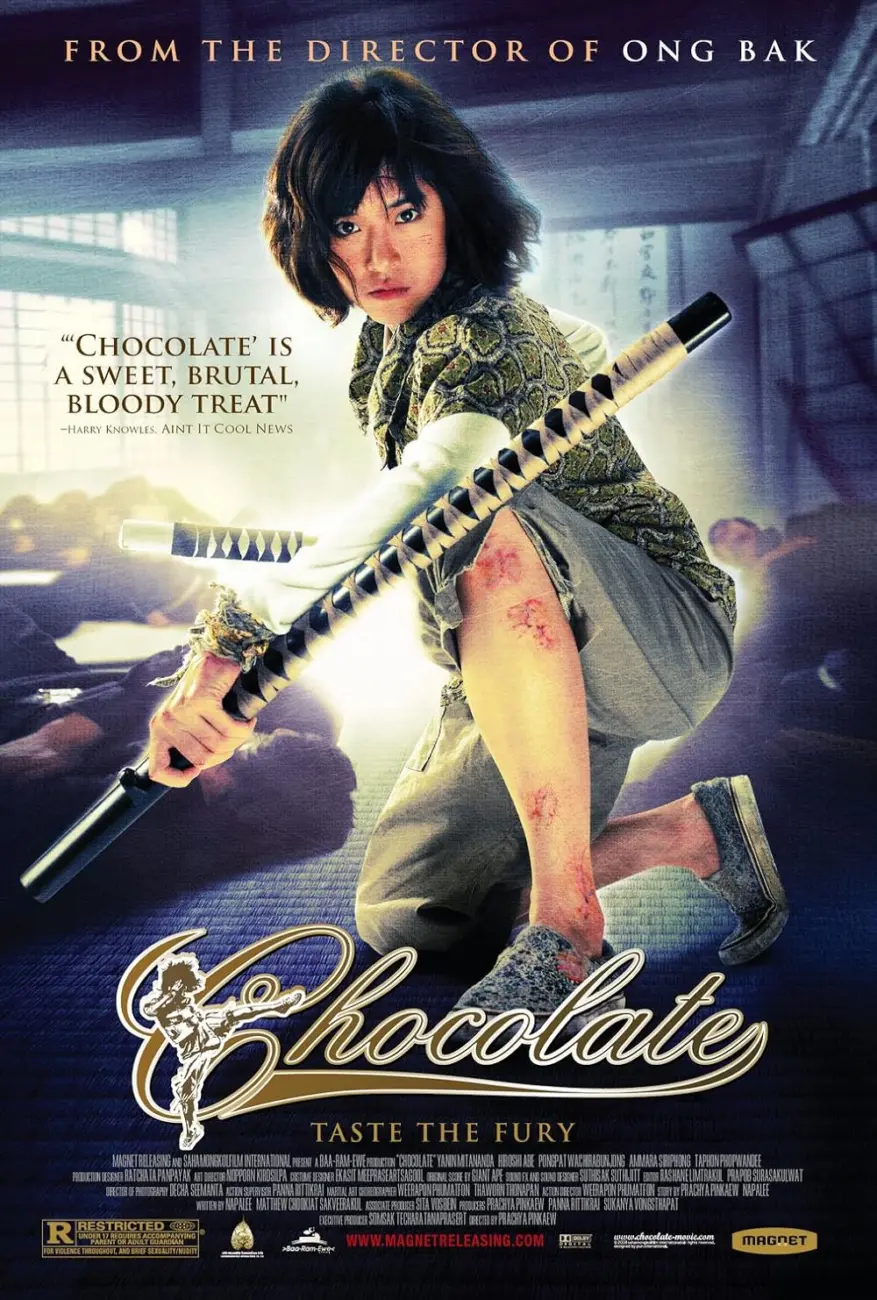
Jeeja Yanin stars as a young woman who channels her obsession with martial arts films into real world fighting. The story tracks her mission to collect debts, which becomes a series of escalating showdowns in markets, ice factories, and a high rise exterior. The stunt team engineers falls onto unforgiving surfaces that are shown without quick cuts. Prachya Pinkaew and Panna Rittikrai design fights that spotlight clean kicks, elbows, and timing.
‘Wheelman’ (2017)
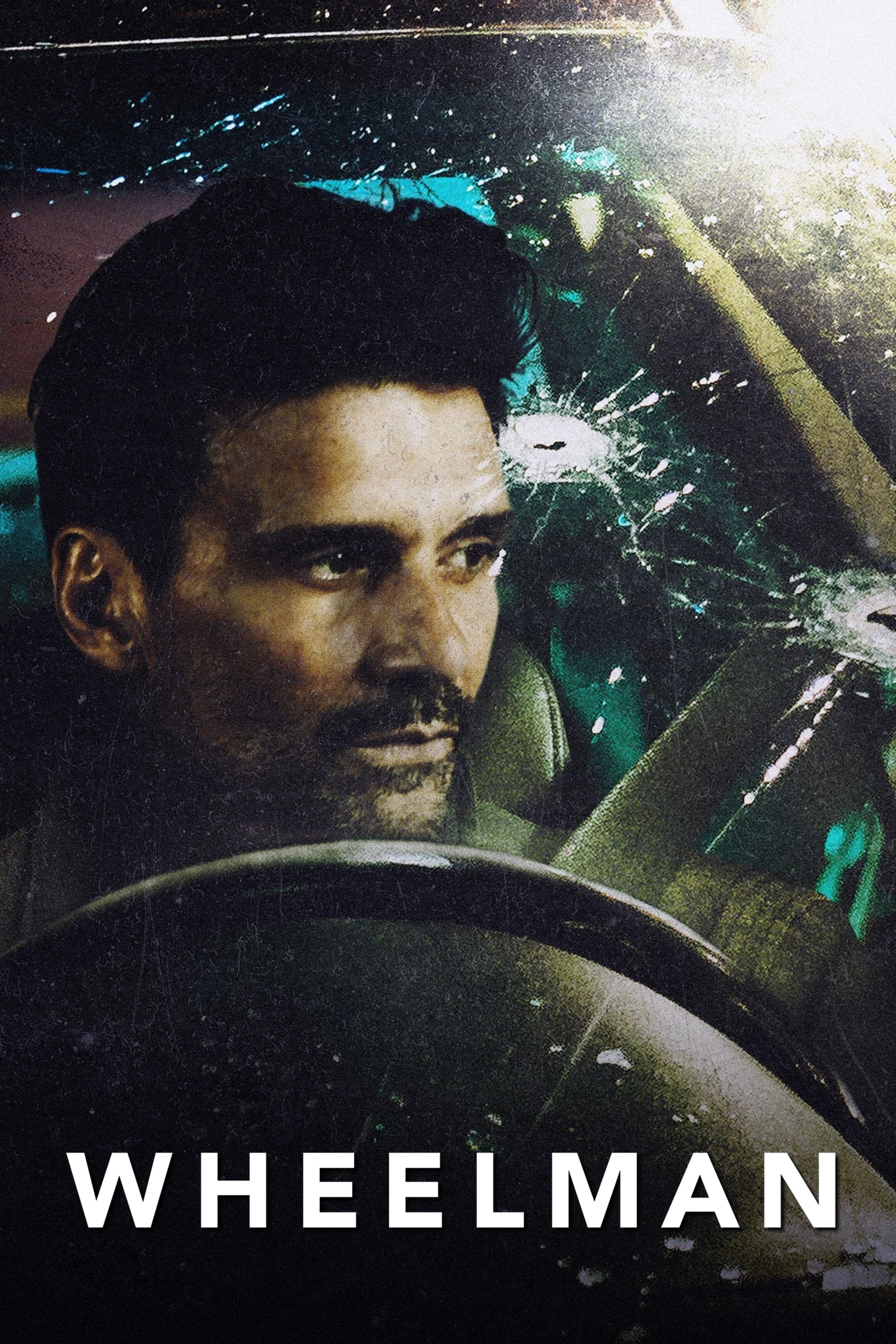
Frank Grillo plays a getaway driver who never leaves his car while the night spirals into double crosses. The camera stays inside the vehicle for most of the runtime, turning phone calls and sudden turns into set pieces. Boston streets become a maze of rendezvous points and ambushes that unfold in real time. The film relies on practical driving and careful sound design to sell speed and danger.
‘Centurion’ (2010)
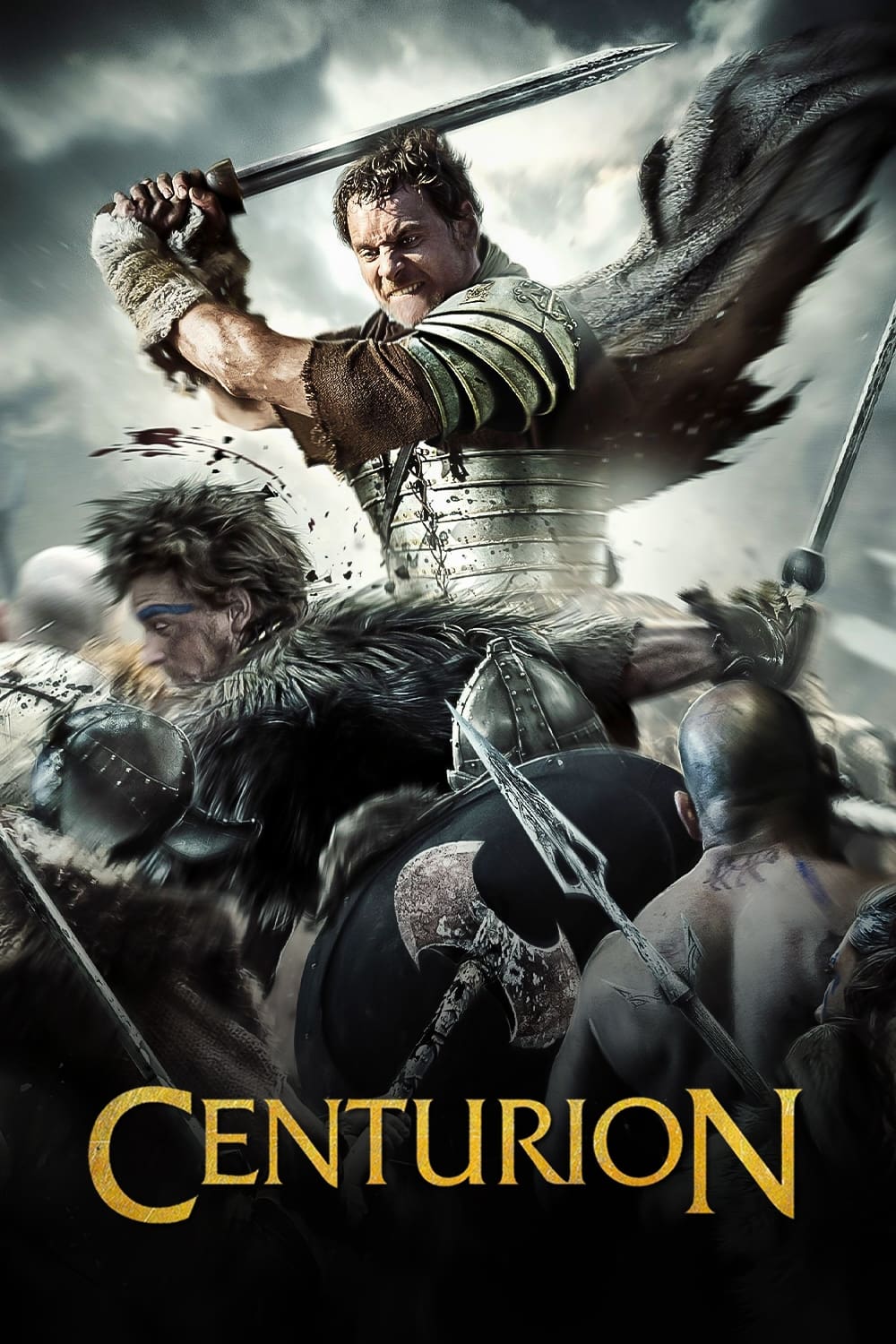
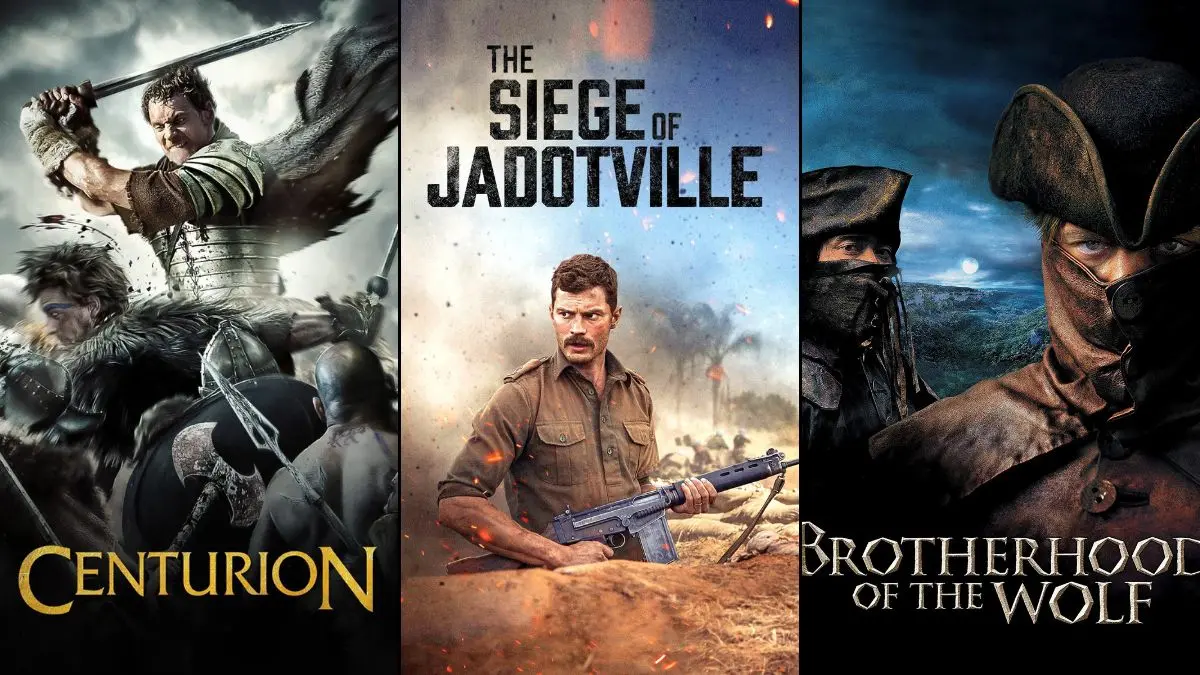
Neil Marshall stages a survival chase as a small Roman unit tries to escape hostile territory after a disastrous mission. Michael Fassbender leads the retreat through forests, mountains, and rivers under constant pursuit. The combat uses short blades, spears, and shields with attention to formation breaks and ambush tactics. Location shooting and practical effects keep the mud, snow, and blood grounded.
‘The Way of the Gun’ (2000)
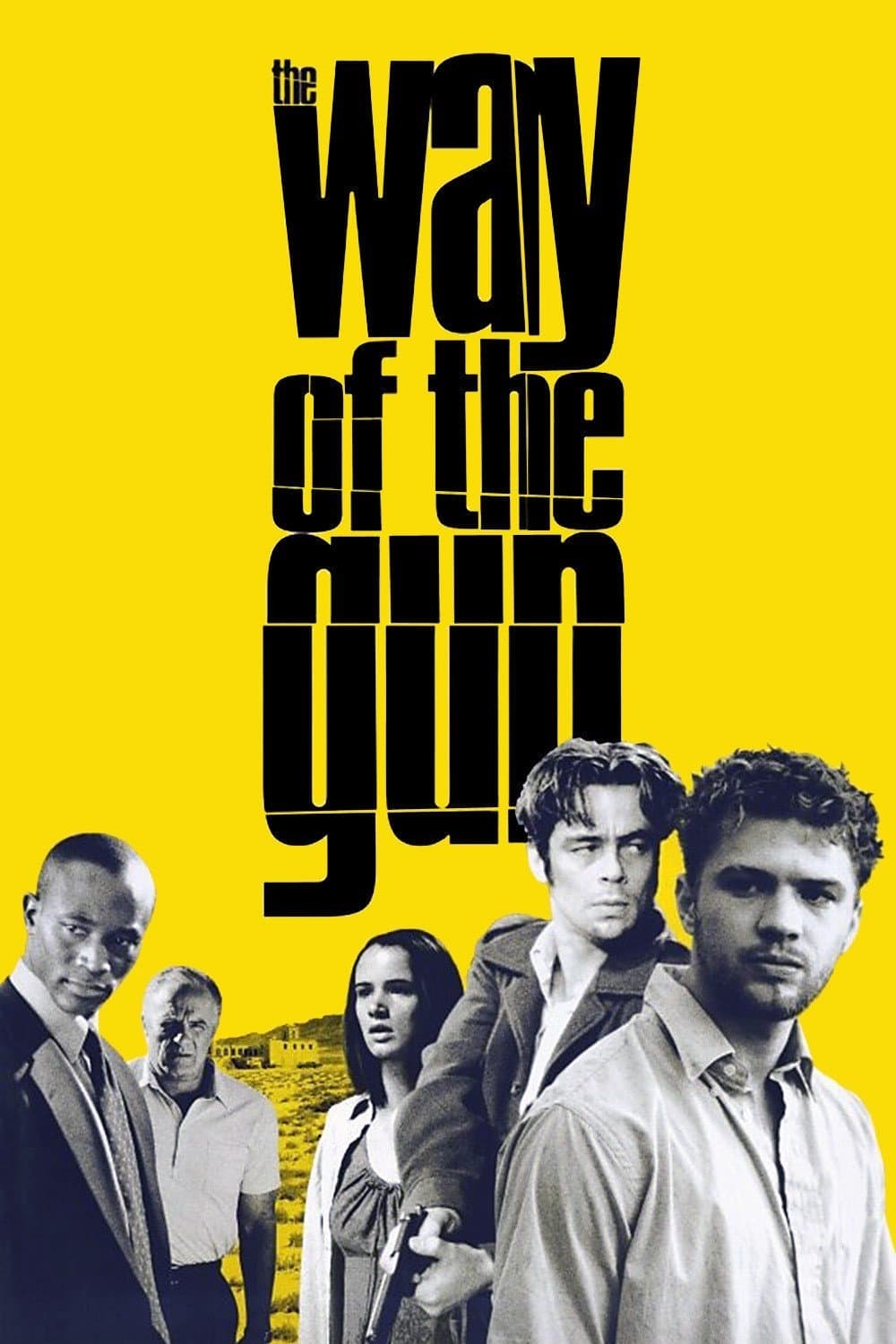
Christopher McQuarrie builds a kidnap plot that twists into shifting alliances among criminals and private security. Ryan Phillippe and Benicio del Toro move through tight alleys, parking lots, and a dusty hacienda where line of sight matters. The gunfights emphasize reloading, cover, and communication rather than flashy moves. Dialogue and tactics work together so geography and stakes stay clear.
‘The Hidden’ (1987)
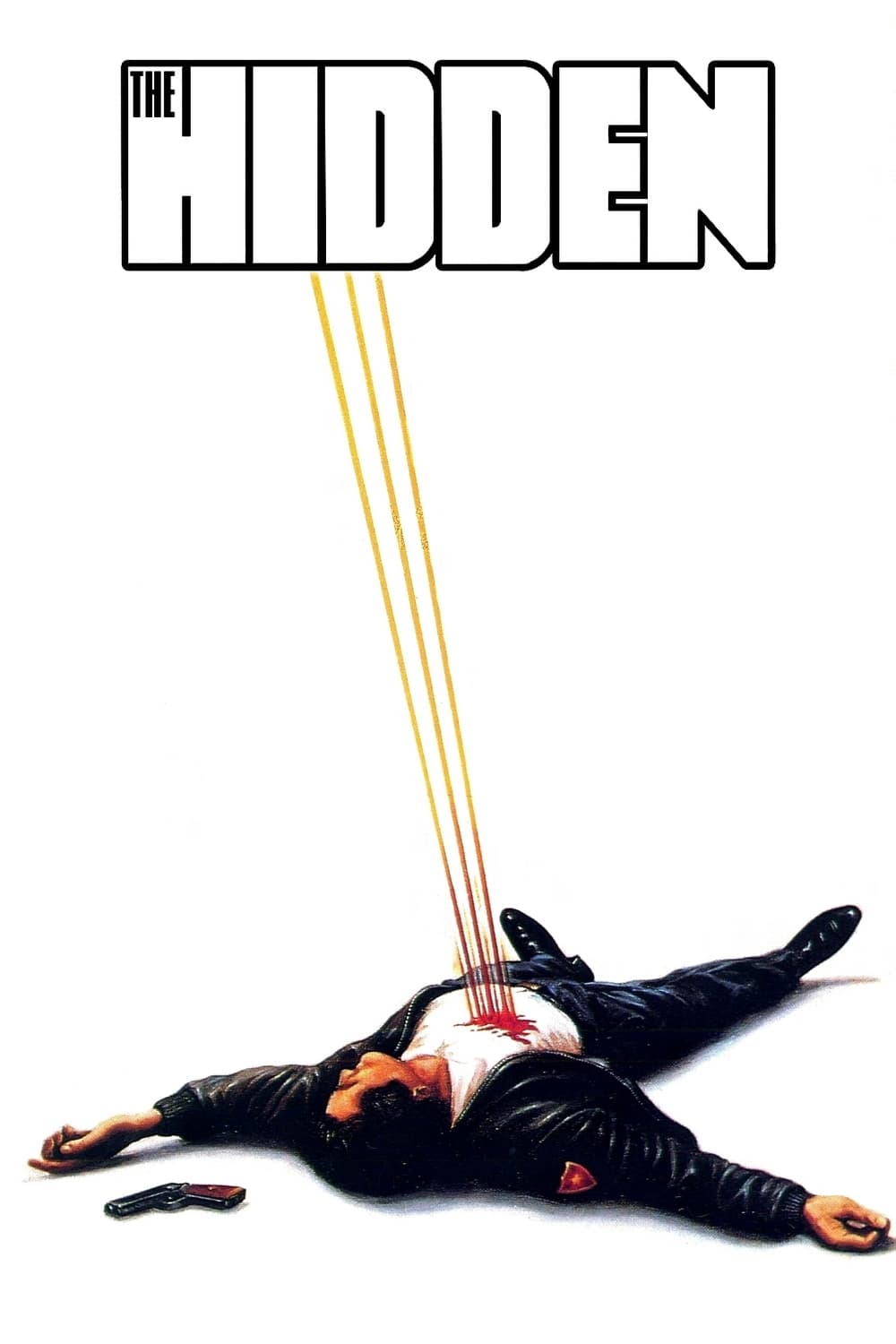
A body hopping alien turns Los Angeles into a crime spree while an FBI agent and a detective try to trap it. The creature craves fast cars, loud music, and heavy weapons, which fuels a trail of robberies and shootouts. Practical effects sell the parasitic transfers and the damage left behind. The film blends sci fi and cop thriller beats into a lean pursuit structure.
‘Versus’ (2000)
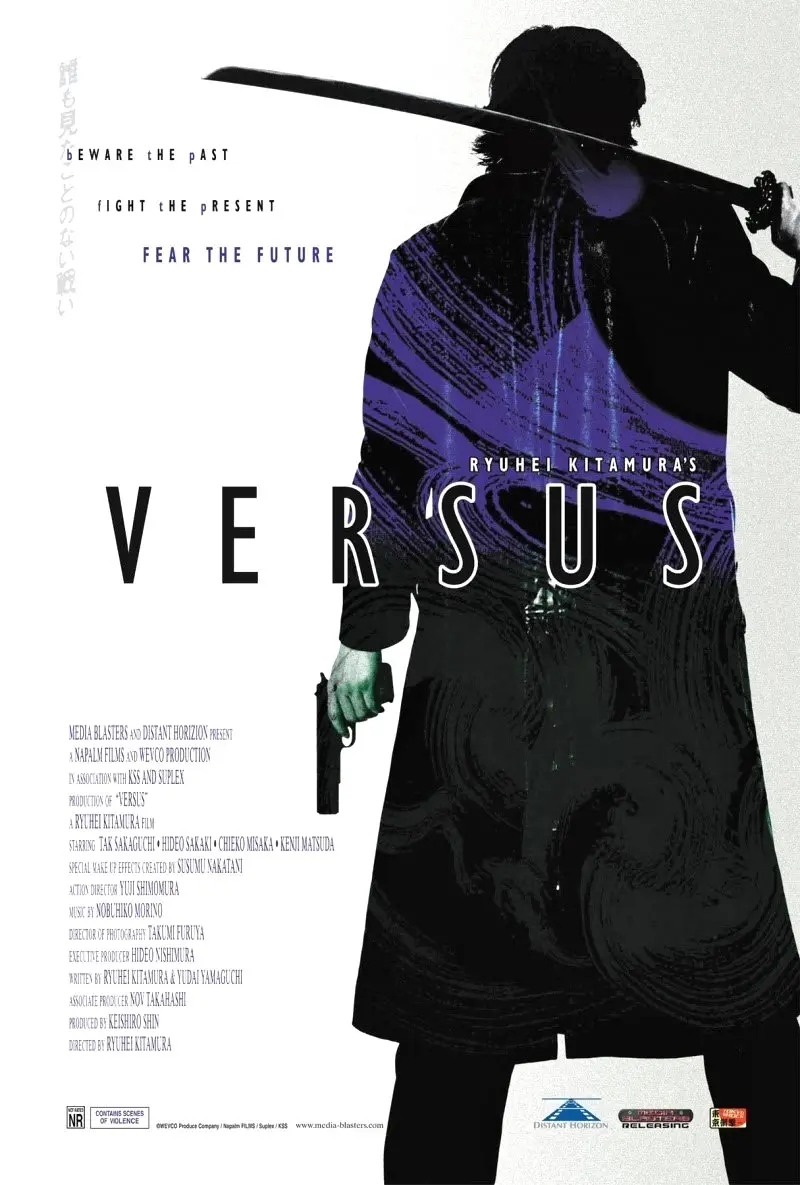
Ryuhei Kitamura pits ex cons and yakuza against undead foes inside a cursed forest that never ends. The action switches between gunplay and swordplay with sudden bursts of acrobatics. A micro budget approach adds energy through inventive staging and on location brawls. The cult following grew from festival screenings and import videos that highlighted its do it yourself attitude.
‘Runaway Train’ (1985)
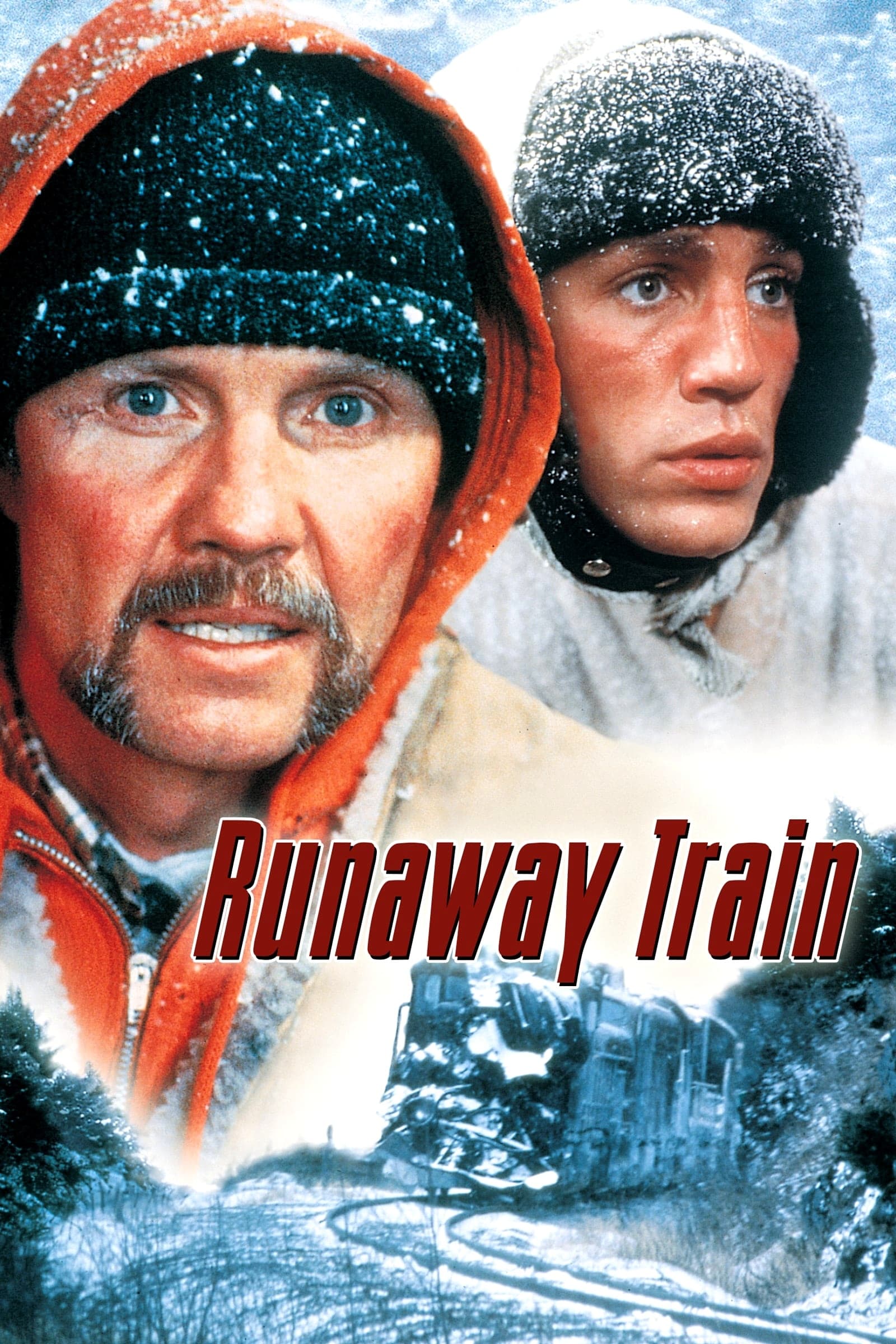
Two escaped convicts end up on a locomotive with no functioning brakes as winter closes in. Jon Voight and Eric Roberts anchor the tension while a crew on land struggles to stop the runaway. The film is based on a concept developed by Akira Kurosawa and was shot in harsh conditions to capture real ice and steam. Practical rail work and helicopter footage give the action heavy weight.
‘Headshot’ (2016)
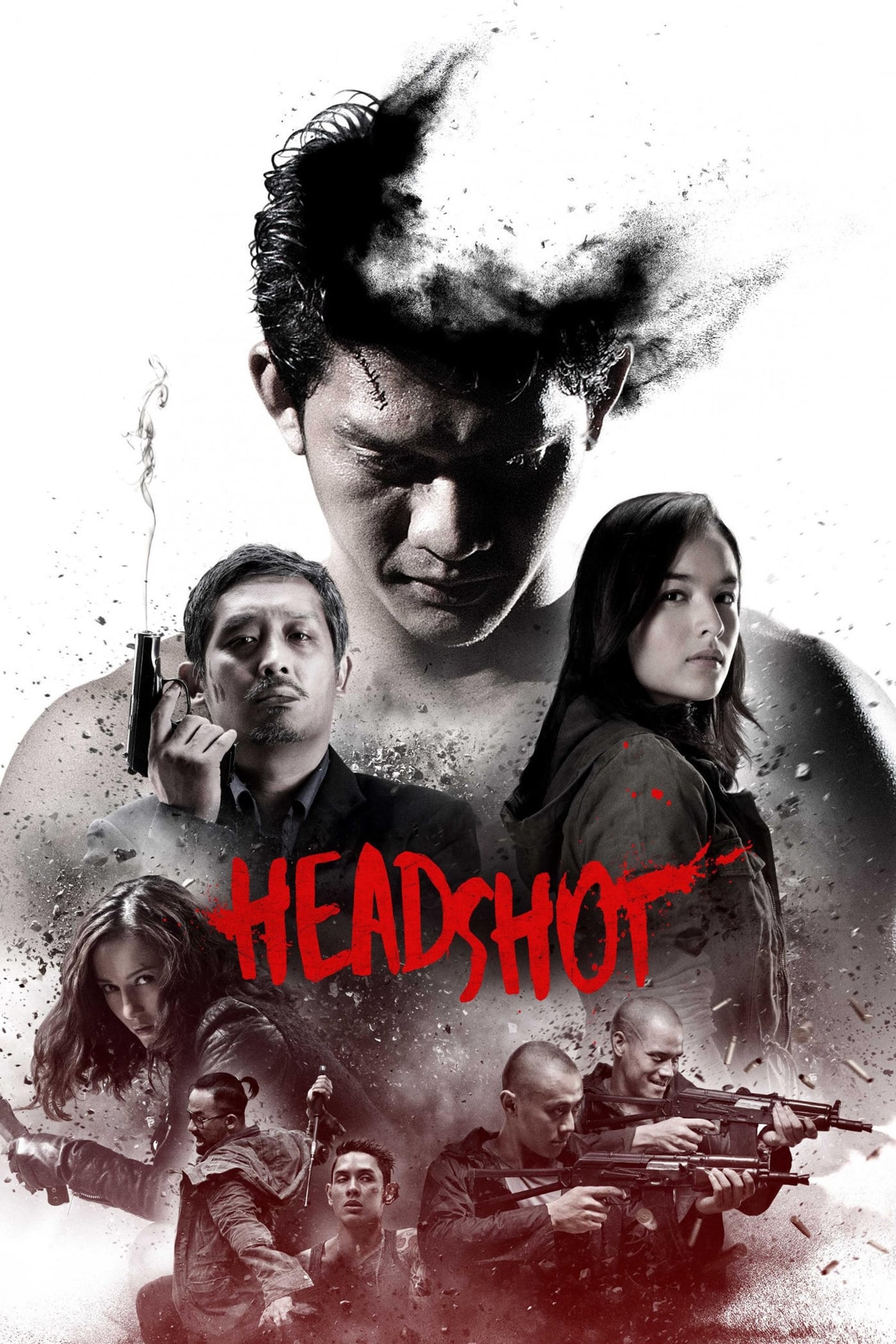
Iko Uwais wakes up with amnesia and becomes the target of a gang whose techniques match his own. The Mo Brothers stage fights in clinics, beaches, buses, and warehouses with breakneck tempo. The choreography features takedowns, joint locks, and close range strikes that showcase silat fundamentals. The camera holds just long enough to see impacts before the next exchange lands.
‘The Villainess’ (2017)
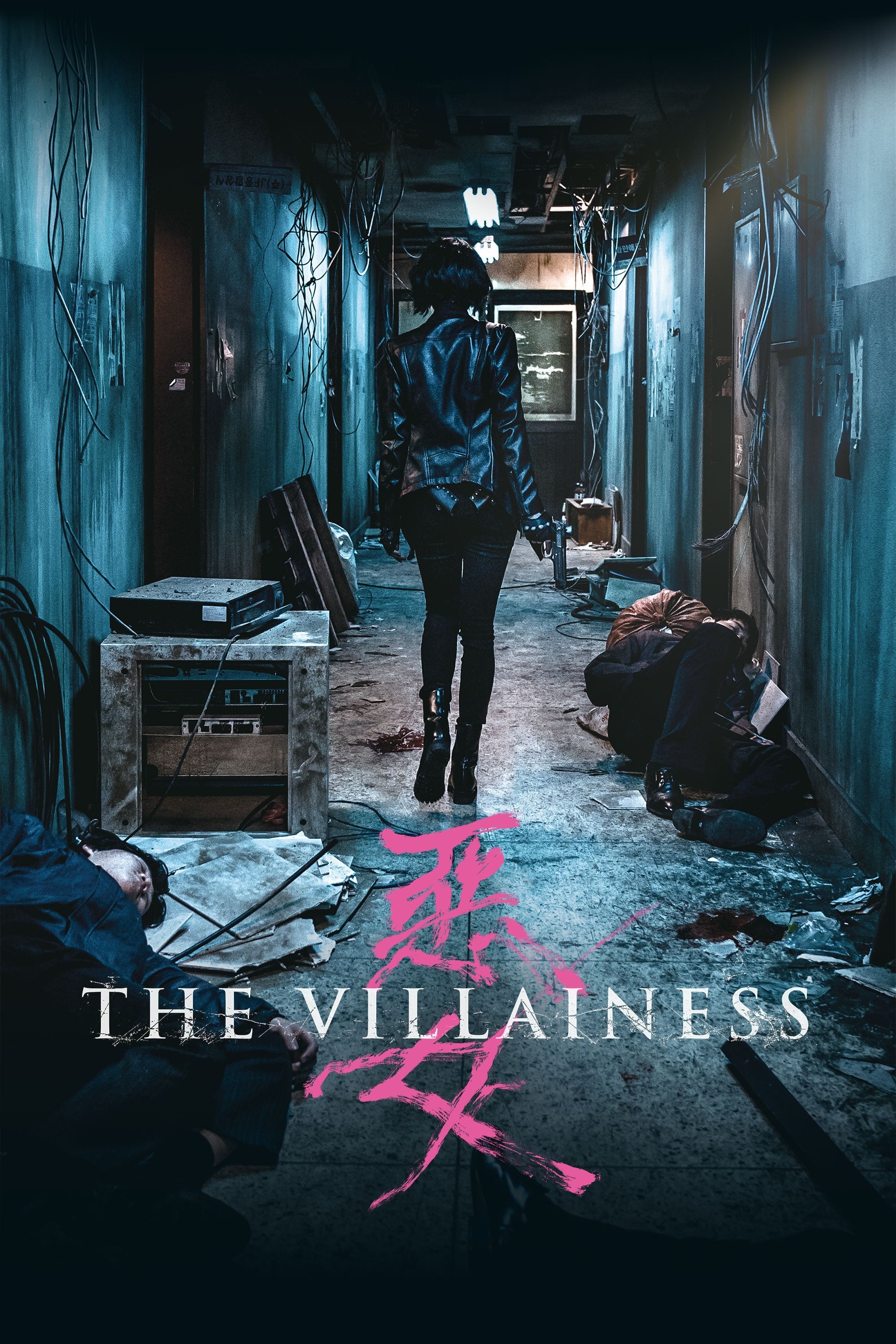
A government trained assassin seeks a way out as rivals and handlers close in from every angle. The opening sequence uses a first person perspective that flows into a backstage sword fight and a theater rooftop chase. Later set pieces include motorcycle duels and apartment battles that combine wires and precise edits. Jung Byung gil coordinates long takes that slide between hidden cuts to maintain momentum.
‘Brotherhood of the Wolf’ (2001)
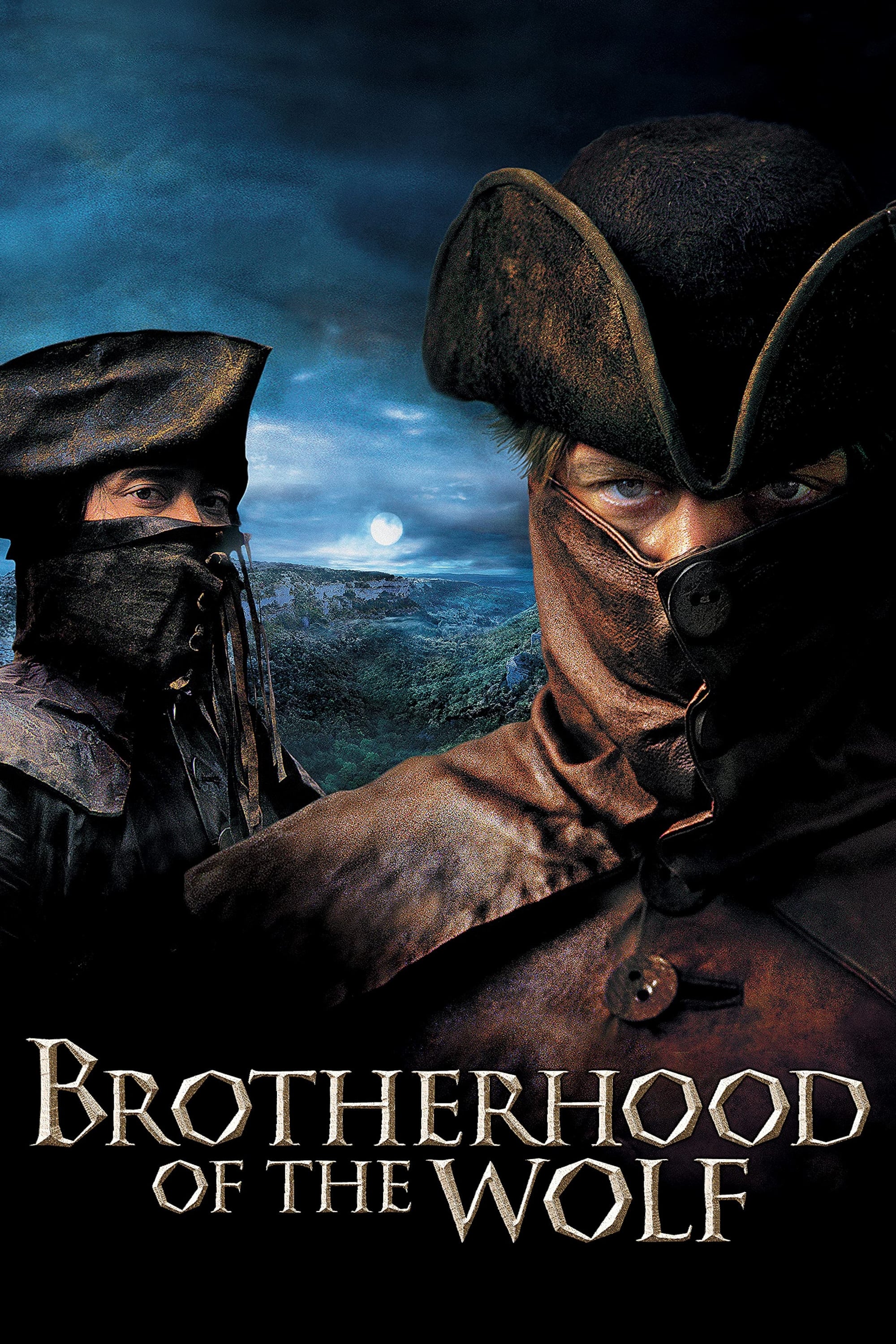
Set during the reign of Louis XV, this story follows a knight and his companion sent to investigate a series of killings in rural France. The film mixes period drama, monster mystery, and martial arts in lavish costumes and sets. Mark Dacascos brings fluid choreography that contrasts with muskets and blades. Large scale location work and creature effects create a distinctive atmosphere for the action.
‘District B13’ (2004)
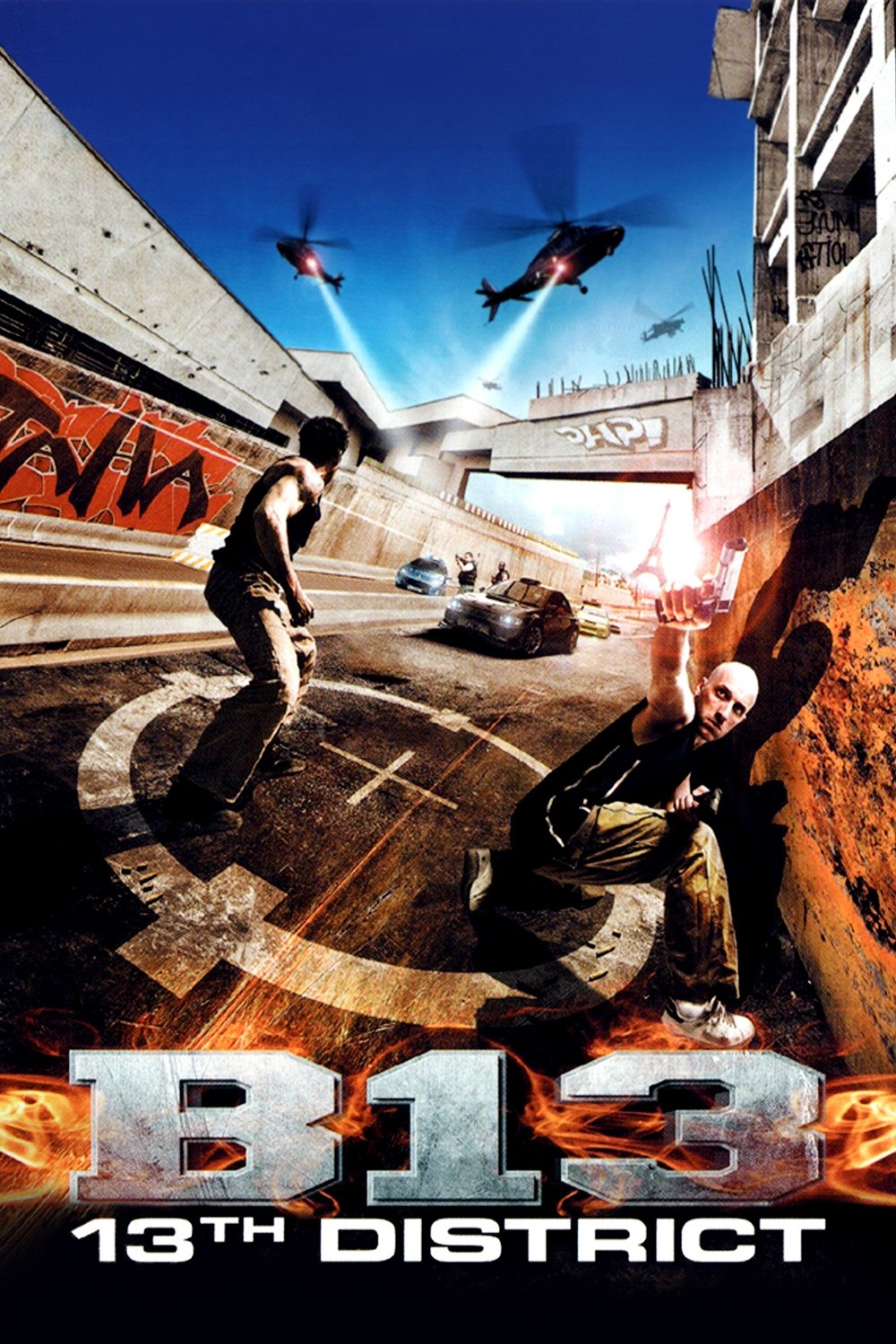
Set in a walled Paris district, this parkour driven thriller follows a cop and a local trying to stop a bomb. The action uses real freerunning across rooftops and through tight interiors to keep momentum high. David Belle’s movement turns chases into vertical puzzles that rely on speed and precision. Wide shots and minimal cutting let jumps and wall runs play in full.
‘Ninja: Shadow of a Tear’ (2013)
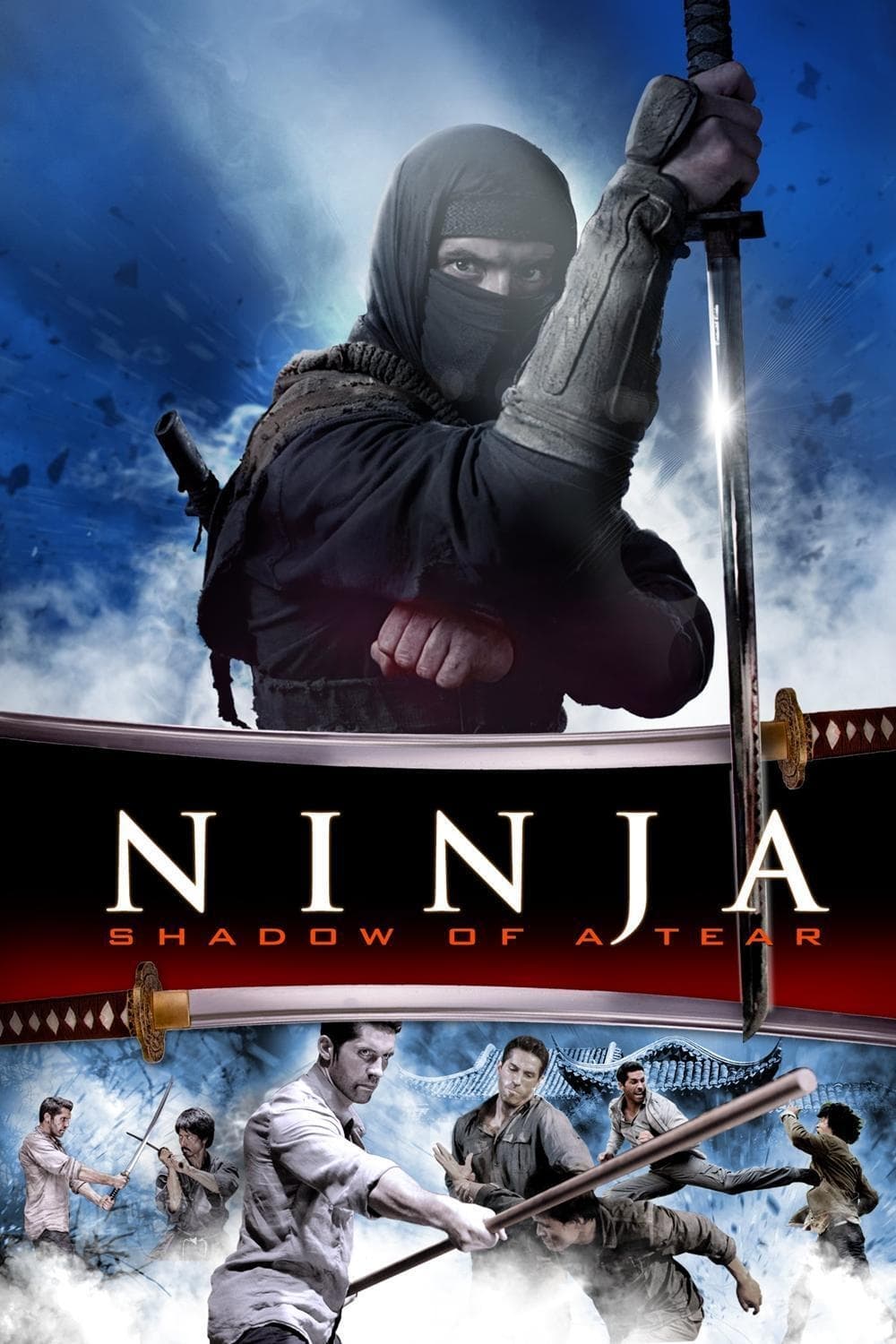
Scott Adkins stars as a martial artist who follows a trail of crime across Southeast Asia. The fight design focuses on clean combinations, sweeps, and weapon transitions that stay readable. Training scenes and ambushes build toward longer one on one showdowns that highlight stance changes. Tight framing keeps footwork and timing front and center.
‘The Berlin File’ (2013)
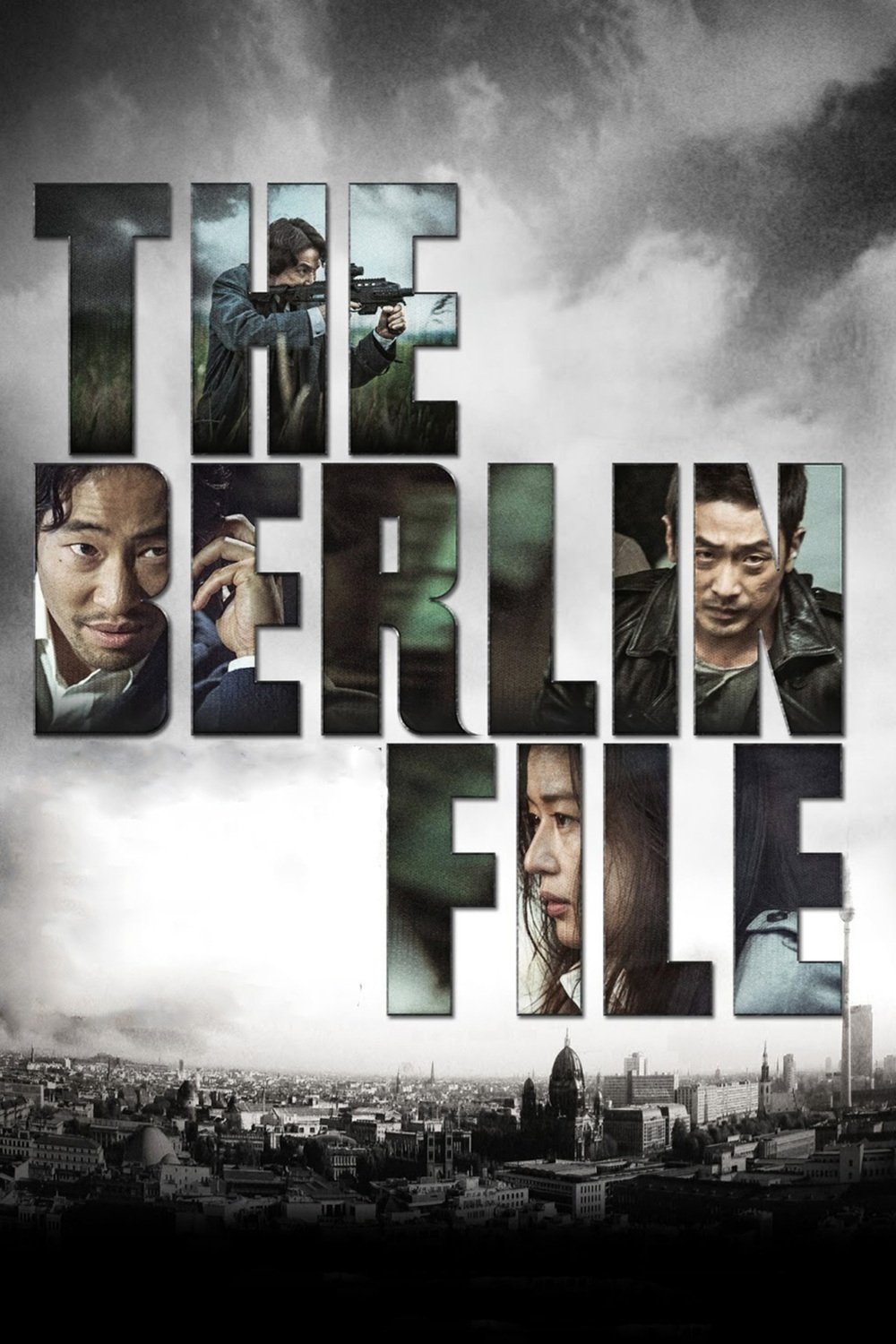
A covert operation in Berlin unravels as multiple intelligence agencies collide. The film mixes close quarters shootouts with public chase sequences through hotels and marketplaces. Director Ryoo Seung wan emphasizes practical stunts and handheld coverage to maintain urgency. The plot uses shifting loyalties to move action between safe houses and open streets.
‘BuyBust’ (2018)
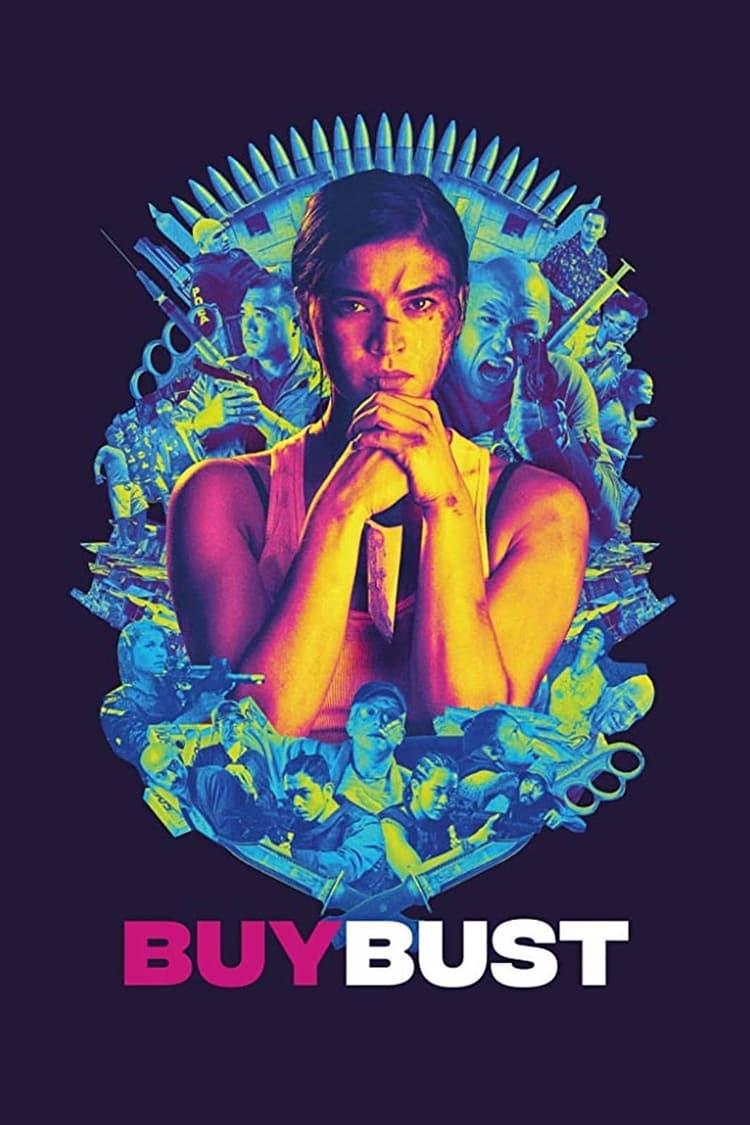
An anti narcotics team gets trapped in a labyrinthine Manila neighborhood during a failed sting. The action builds through alleyway brawls, rain soaked streets, and cramped stairwells. Long passages track squads as they push through crowds and improvised barriers. Lighting and production design turn neon and floodlights into visual markers for pursuit.
‘A Company Man’ (2012)
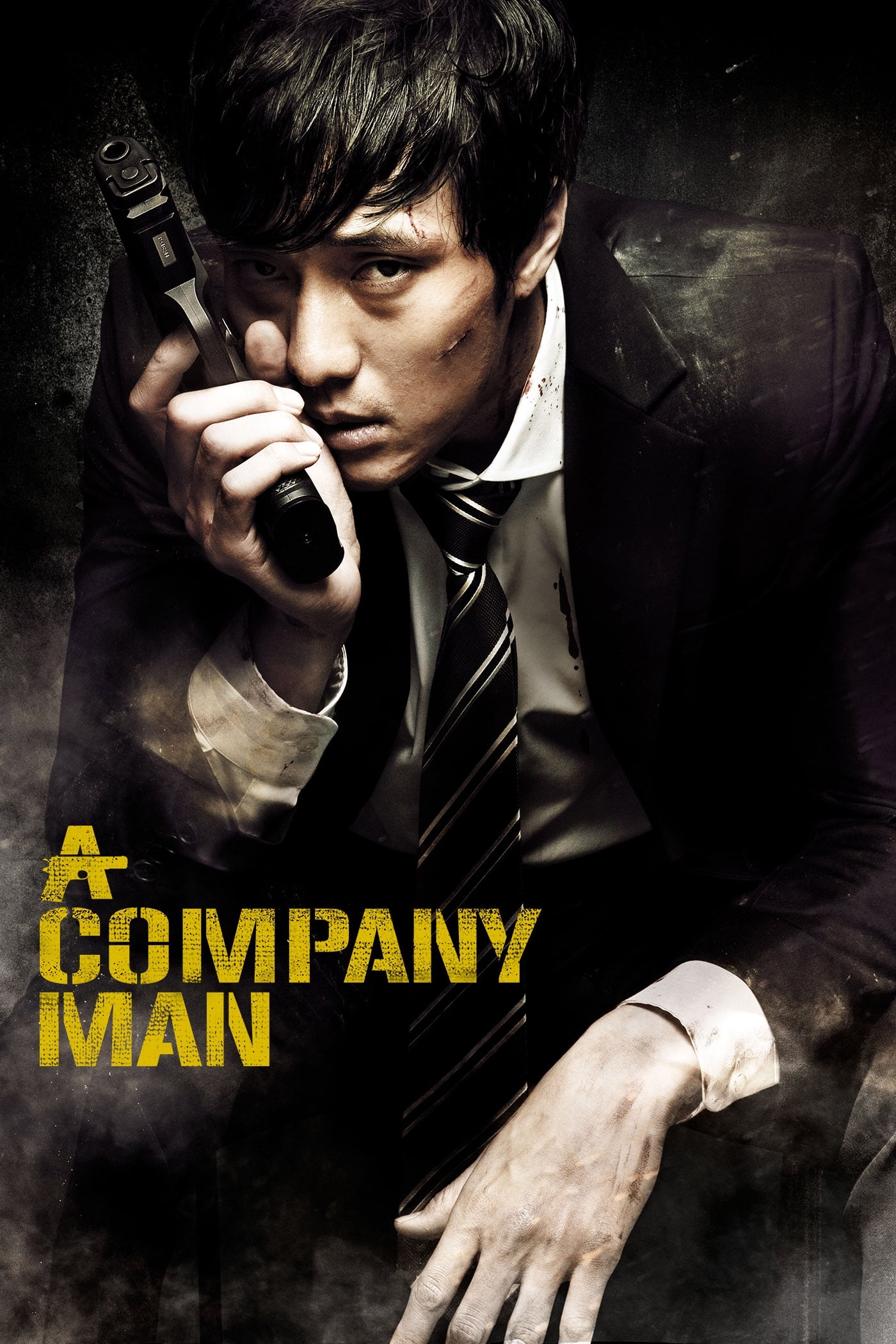
A professional hitman employed by a corporate style assassination firm tries to leave the business. Office culture rules collide with tactical operations that unfold in garages, apartments, and elevators. Gunfights focus on reloads, cover, and short bursts rather than spectacle. The structure uses deadlines and procedures to escalate each encounter.
‘The Swordsman’ (2020)
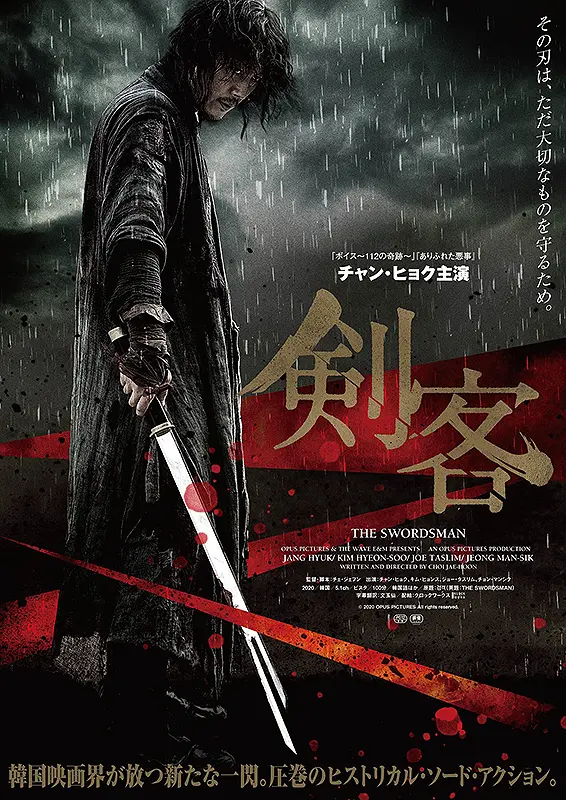
A retired royal guard is forced back into conflict when his family is threatened. Swordplay favors swift cuts, parries, and footwork that prioritize speed over flourish. Fog, forests, and courtyards become arenas that shift visibility and range. The choreography highlights transitions between single targets and multiple attackers.
‘The Blade’ (1995)
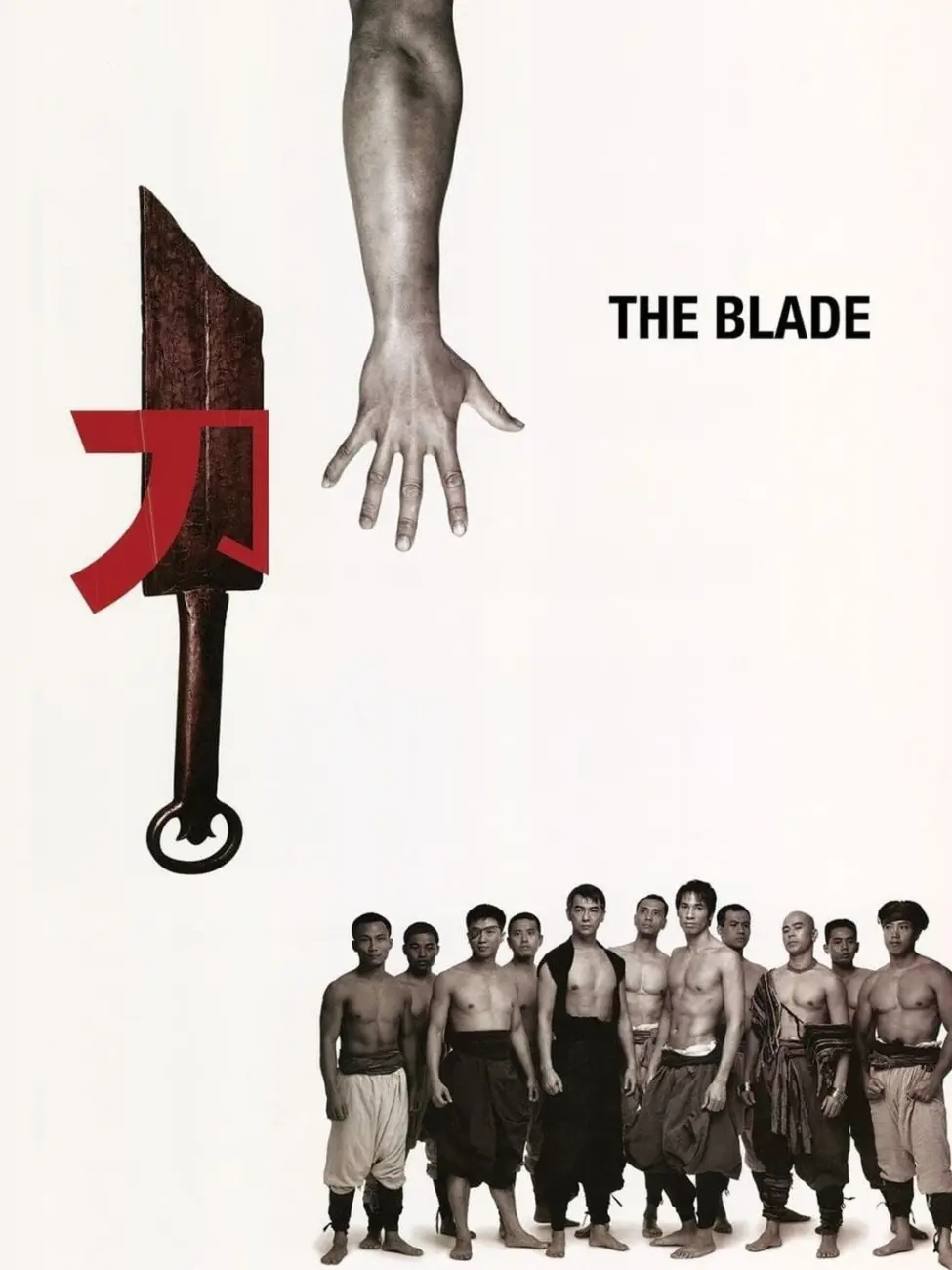
Tsui Hark reimagines a classic revenge tale with raw handheld energy and gritty swordwork. The fights use broken blades, spinning mills, and narrow bridges to shape movement. Editing favors quick flashes of impact followed by wider angles to reestablish spacing. Dust and smoke effects deepen the sense of weight and risk.
‘SPL 2: A Time for Consequences’ (2015)

This spiritual follow up weaves prison drama with organ trafficking and cross border policing. Set pieces include a one take prison riot, a baton and knife duel, and glass shattering falls. Tony Jaa and Wu Jing bring contrasting styles that meet in tight corridors and open yards. The camera often tracks through multiple levels to keep geography clear.
‘Accident Man’ (2018)
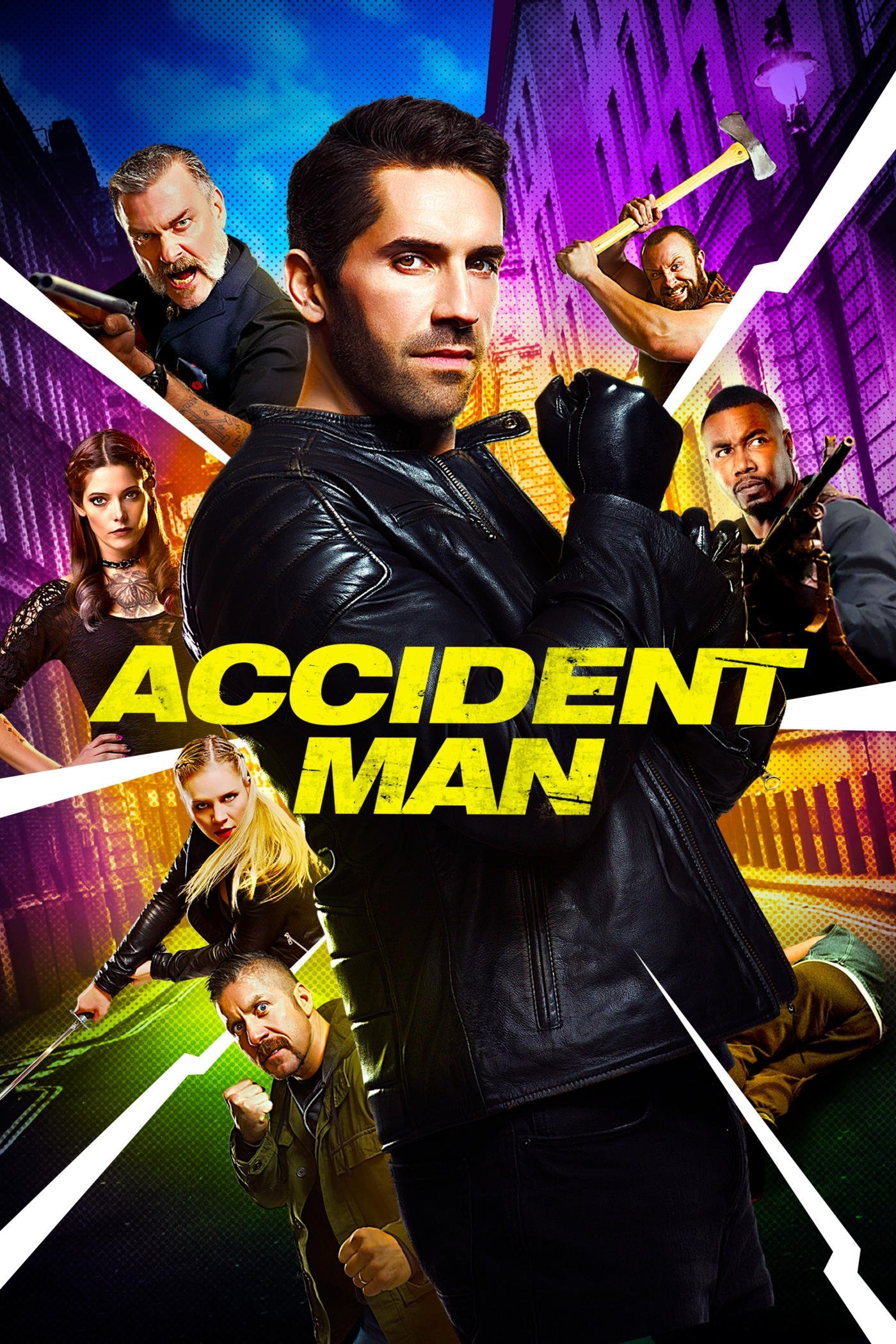
A contract killer who stages deaths as accidents investigates a hit within his own circle. Fights move through pool halls, workshops, and offices with clean exchanges and counters. Each opponent brings a different specialty that shapes spacing and rhythm. Practical gags and environmental props give the choreography specific beats to land.
‘The Paper Tigers’ (2020)
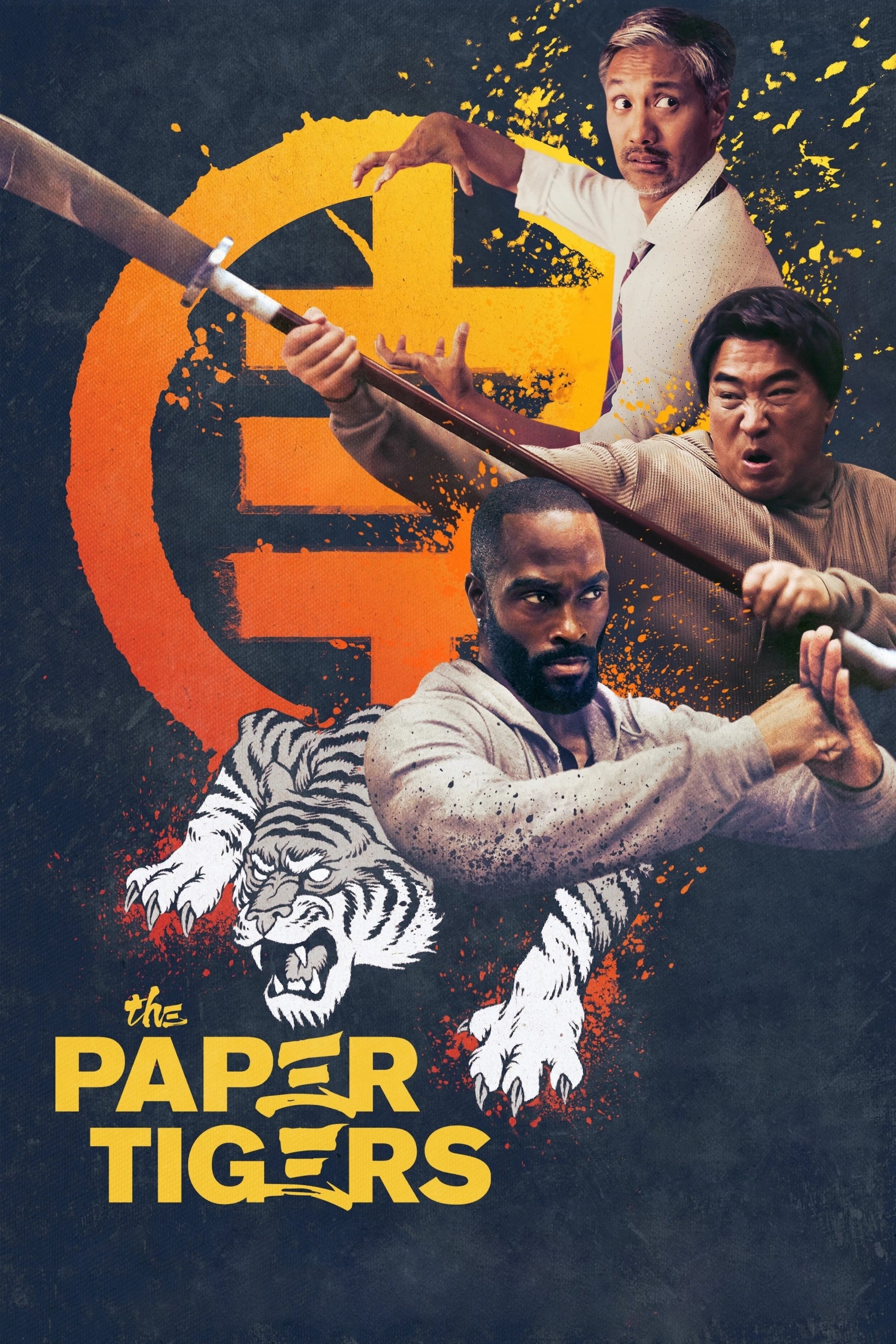
Three former kung fu prodigies reunite as middle aged dads to solve a mystery around their teacher. The film stages sparring, parking lot scraps, and a final duel that respects technique and timing. Weariness and injury factor into strategy as fighters adjust to slower reactions. Training memories and modern realities meet in grounded, readable bouts.
‘The Suspect’ (2013)

A defector framed for murder runs through Seoul while trying to clear his name. The action mixes foot chases, car crashes, and knife work inside offices and transit hubs. Kinetic camera moves keep up with sprinting and grappling without losing orientation. Surveillance tech and field craft details push the cat and mouse forward.
‘Revenger’ (2018)
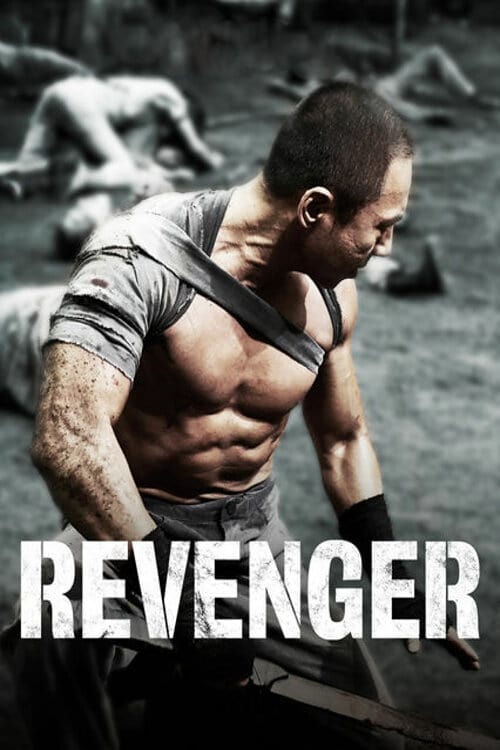
An ex detective infiltrates a prison island ruled by gangs to reach a crime boss. Bruce Khan’s screen fighting emphasizes straight line power, sweeps, and explosive takedowns. Beaches, shanties, and cliffs become simple arenas that showcase clean silhouettes. The pacing alternates crowd fights with short, punishing duels.
‘The Brink’ (2017)
A hotheaded marine police officer hunts gold smugglers across Hong Kong and the open sea. Underwater clashes, shipboard pursuits, and market shootouts provide varied terrain. Wire assisted moves and practical splashes sell height and impact during dockside falls. Weather and tide conditions are used to complicate timing and visibility.
‘The Salvation’ (2014)
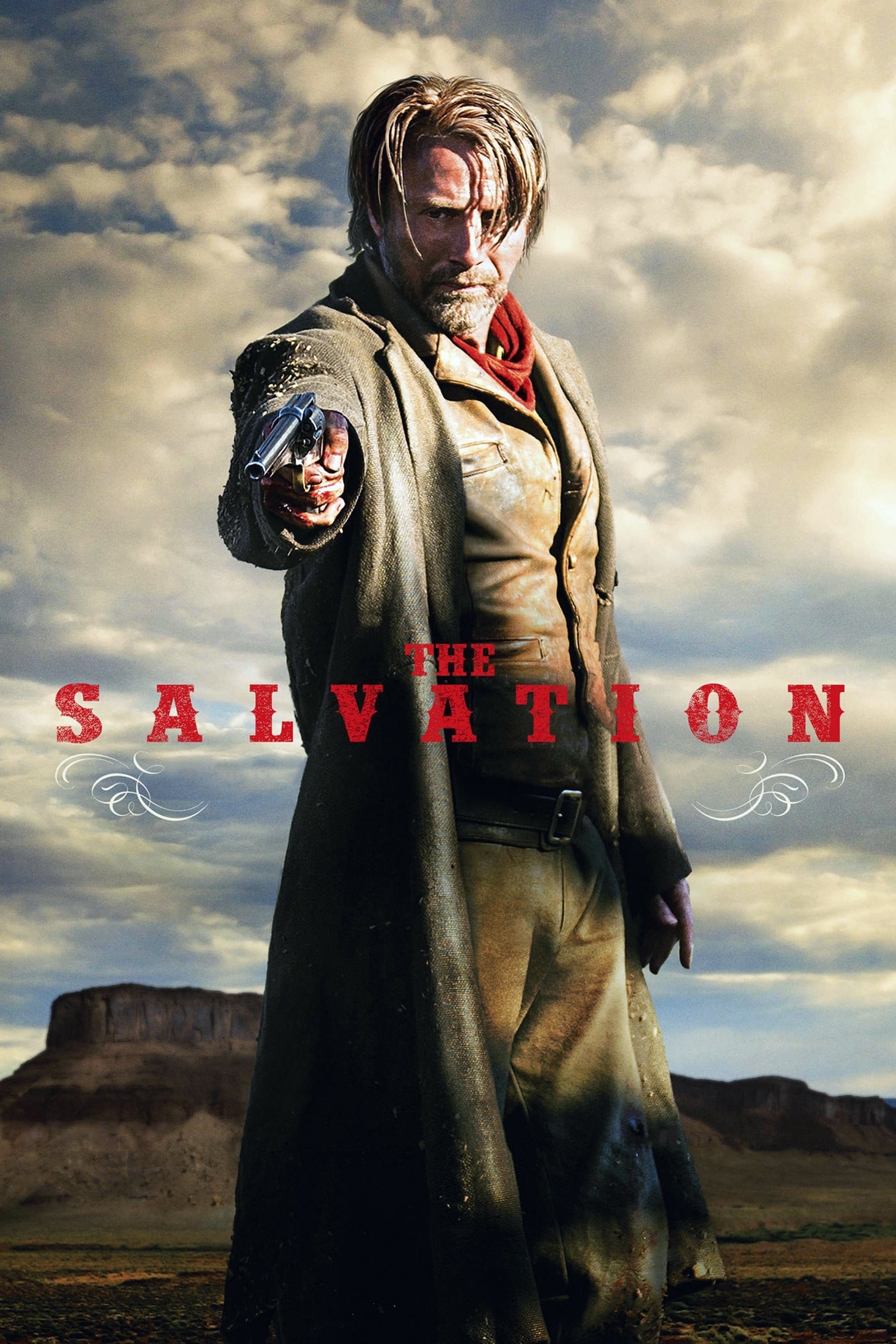
A Danish settler seeks justice in the American frontier after a family tragedy. The action relies on period appropriate firearms, ambush tactics, and horseback pursuit. Town layouts, rail lines, and open plains influence cover and movement choices. Production design and practical effects ground shootouts in dust and splinters.
‘Breaking News’ (2004)
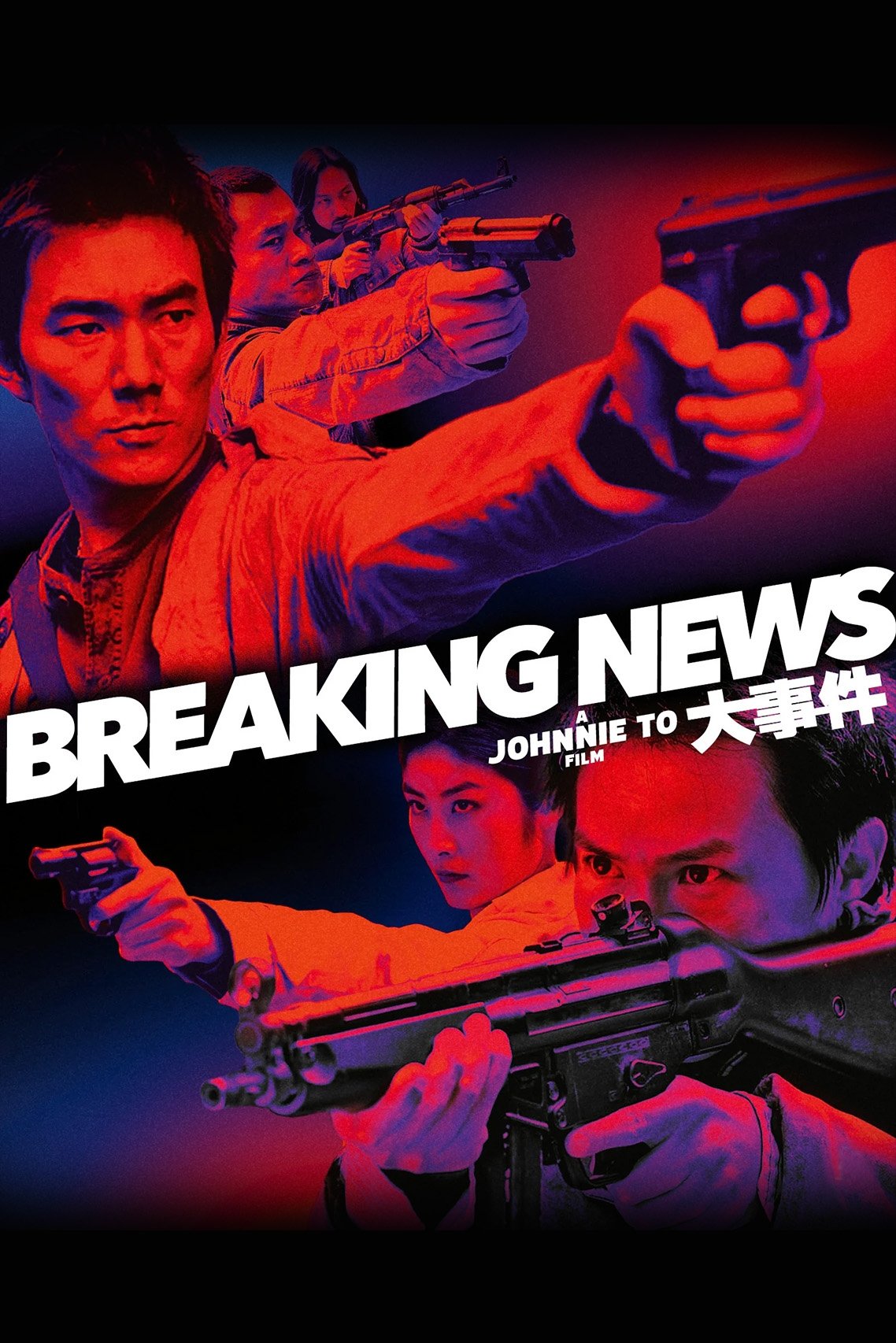
A botched arrest turns into a live televised siege as a gang hides in an apartment block. The famous opening tracks a street battle in a long take that establishes positions and stakes. Later exchanges move between stairwells, kitchens, and balconies with tight blocking. Media presence and shifting public perception drive tactical decisions on both sides.
‘Point Blank’ (2010)
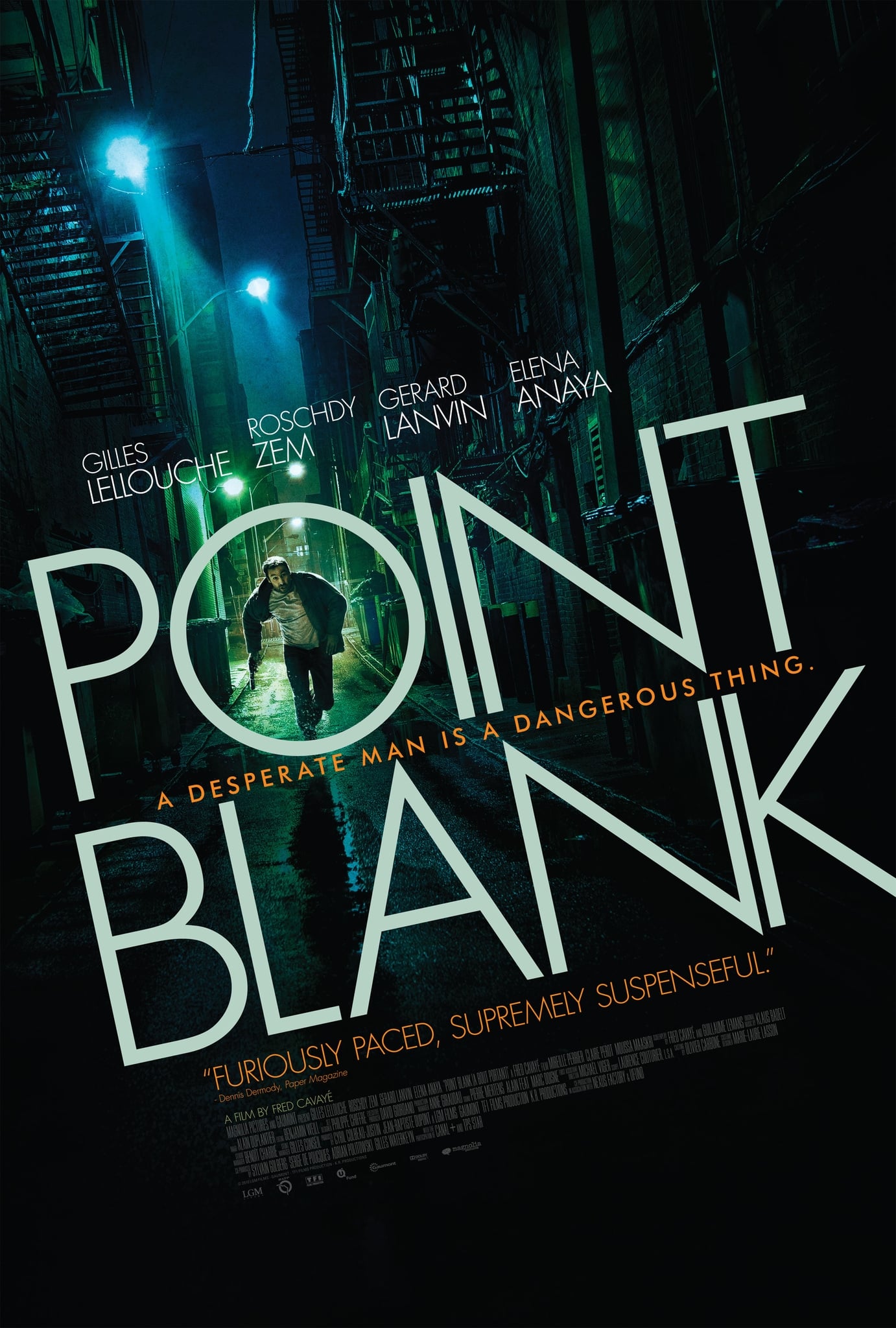
This French thriller follows a nurse who is forced to help a wounded criminal escape when his pregnant wife is taken. The story moves through hospitals, metro stations, and crowded streets with short bursts of hand to hand fighting and foot chases. Director Fred Cavayé keeps the timeline tight so every location change raises pressure. Crisp stunt driving and practical gags anchor the action in real spaces.
‘Sleepless Night’ (2011)
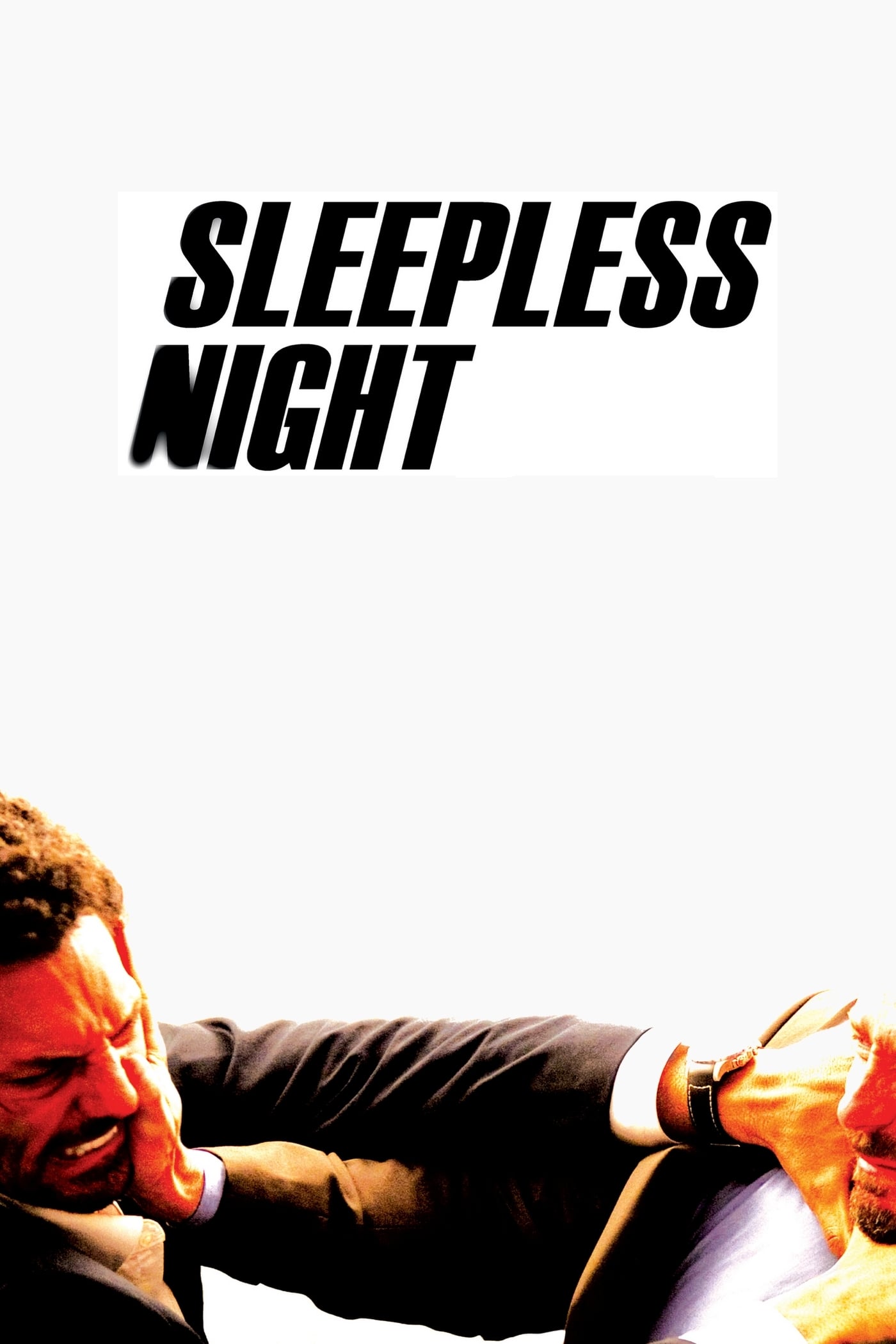
A stolen bag of drugs sends an undercover cop into a nightclub where most of the film takes place in real time. Stairwells, kitchens, and dance floors become arenas that shape the flow of fights. The camera sticks close to the actors so grapples and weapon grabs stay readable. Tight geography and clear stakes keep the momentum high without cutting away.
‘Exiled’ (2006)

Set in Macau, this Johnny To ensemble centers on a hitman visited by two teams of former colleagues. The film stages shootouts around doorframes, dining tables, and alleys with precise blocking. Music and movement create patterns that guide the eye through bursts of gunfire. Locations and props are used to control angles and lines of sight during each exchange.
‘Flash Point’ (2007)
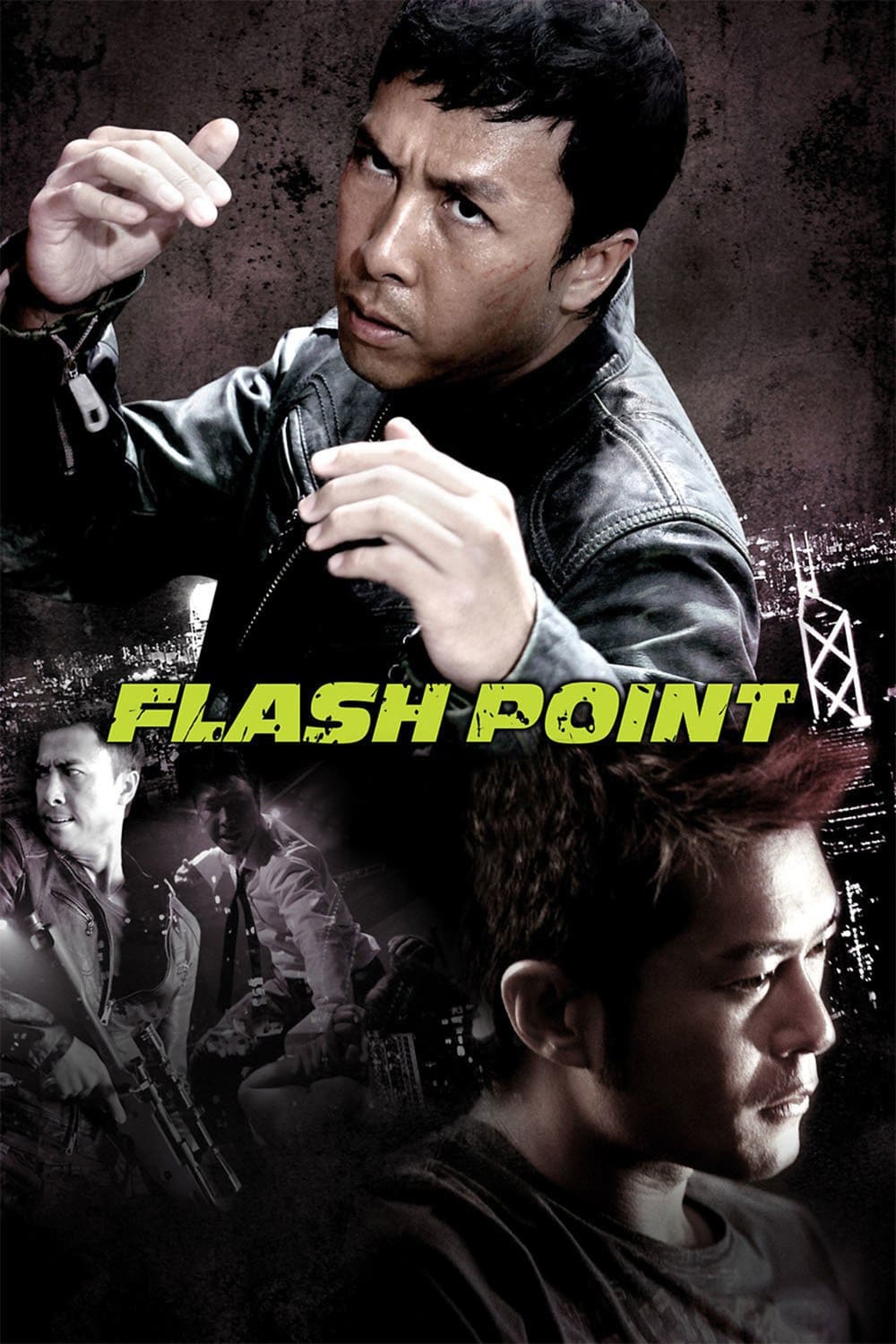
Donnie Yen plays a hard charging cop up against a Vietnamese crime syndicate operating in Hong Kong. The action blends gun disarms, throws, and full contact strikes that land with heavy impact. The finale pits Yen against Collin Chou in a fight built around mixed martial arts techniques. Real locations and minimal wire work keep hits and falls grounded.
‘Avengement’ (2019)
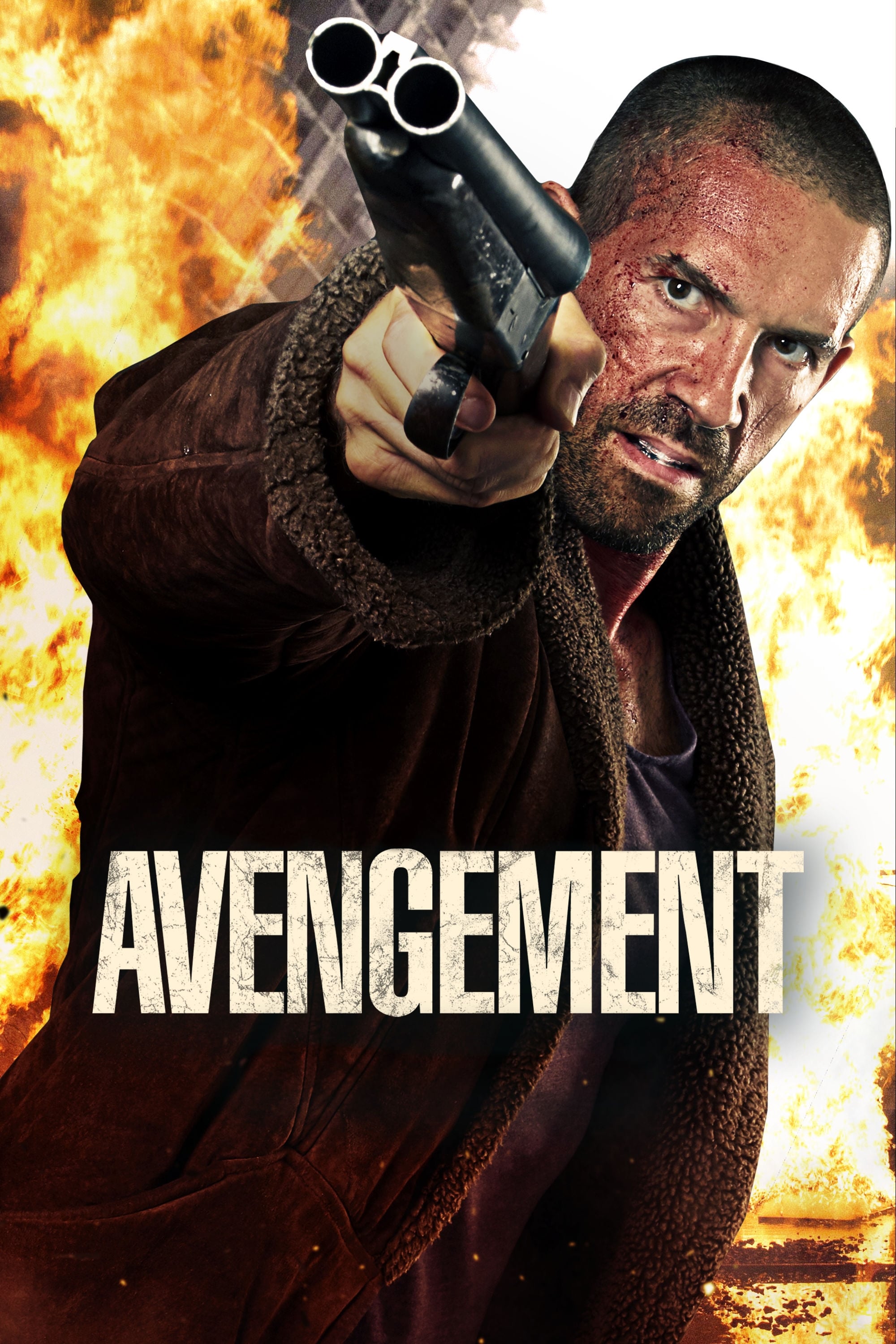
Scott Adkins portrays a small time crook who survives brutal years in prison and returns to settle scores. Fights are staged in pubs, kitchens, and back rooms with elbows, knees, and clinch work. The choreography favors combinations that show balance, guard breaks, and follow up strikes. Flashbacks fill in training and injuries that shape his approach to close quarters combat.
‘Kaithi’ (2019)
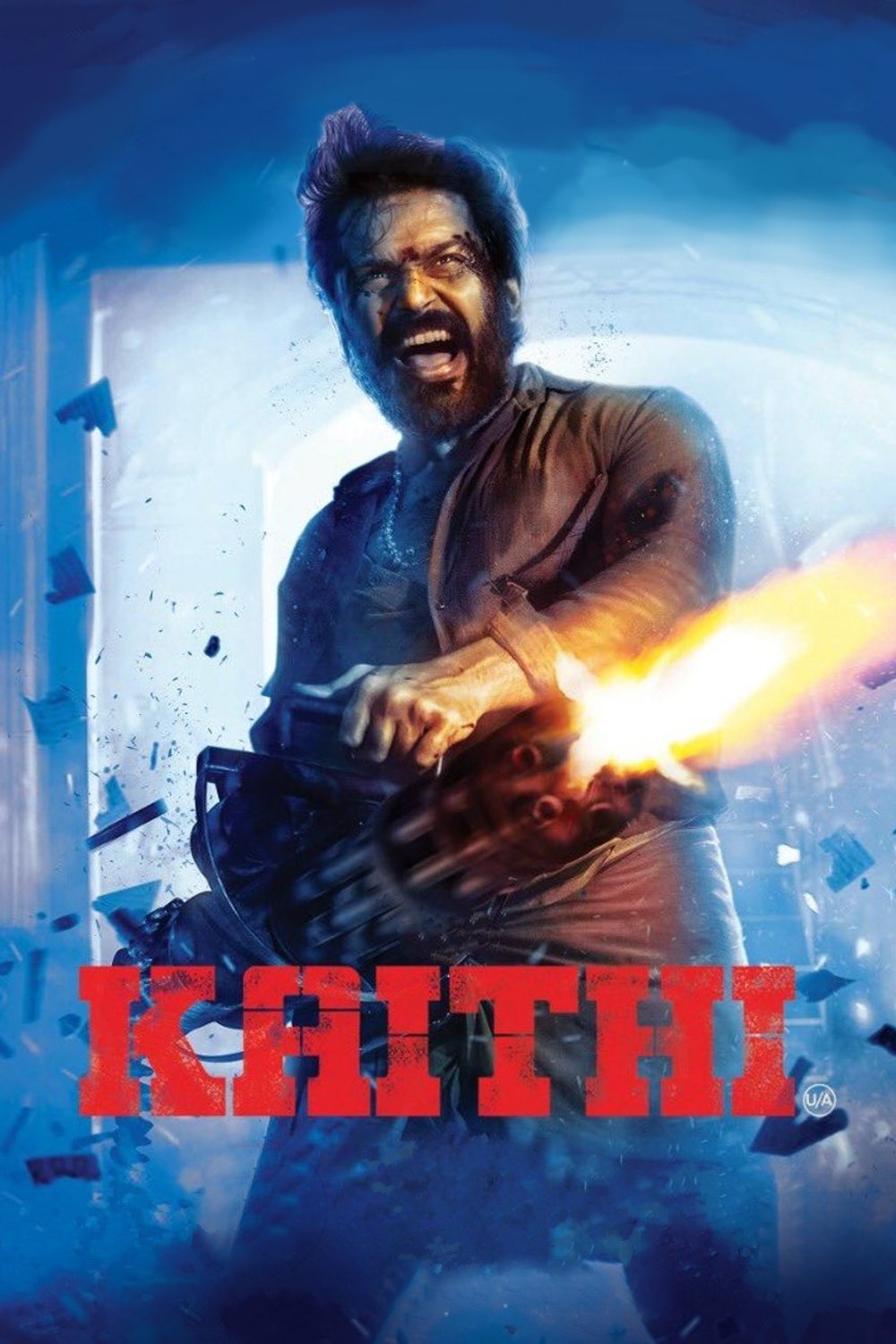
A recently paroled man is pulled into a one night mission to help a police unit transport a truck full of unconscious officers. The story uses highways, checkpoints, and rural roads as moving stages for ambushes. Weapons range from rifles to improvised tools pulled from the truck itself. The timeline unfolds without songs or romance, which keeps focus on tactics and movement.
‘Furie’ (2019)
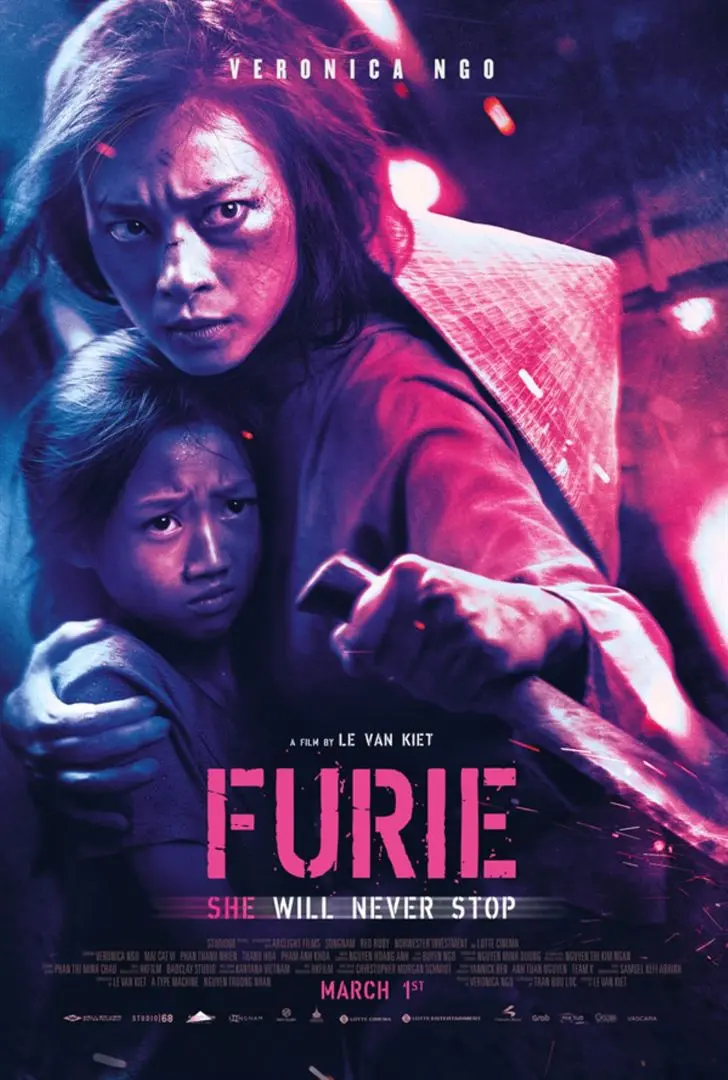
Vietnamese star Veronica Ngo plays a former gangster who pursues traffickers after her daughter is abducted. Set pieces take place on trains, docks, and markets with a focus on elbows, sweeps, and joint control. The camera holds wide enough to see footwork while following momentum through crowds. Rural and urban backdrops provide different surfaces and obstacles for takedowns.
‘Haywire’ (2011)
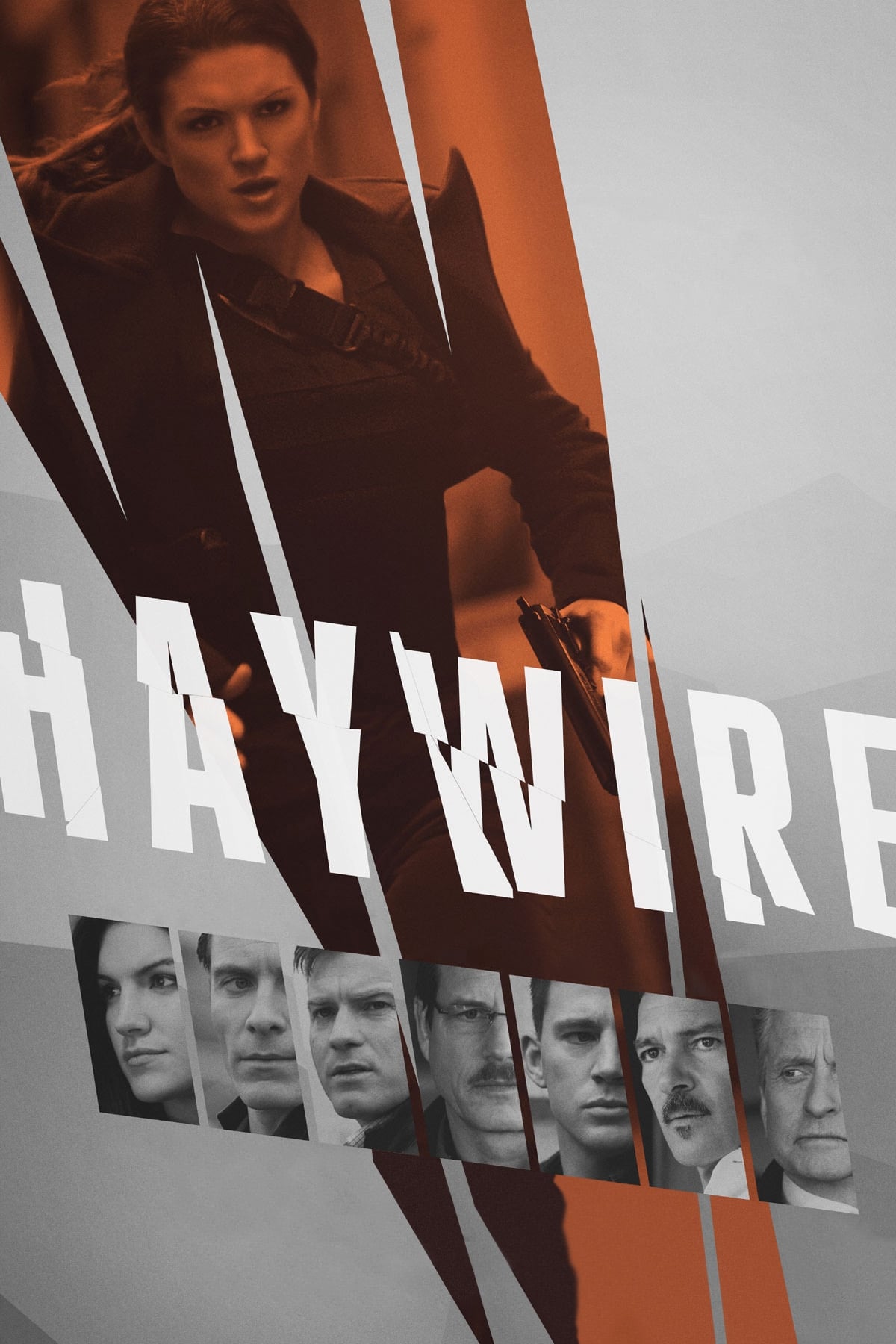
Gina Carano leads as a black ops agent targeted by her own handlers. The action relies on clean grappling, throws, and close range strikes filmed without heavy cutting. Real sound captured on set highlights impacts and movement in each fight. European locations and simple wardrobe choices help sell a grounded, procedural feel.
‘Shadow’ (2018)
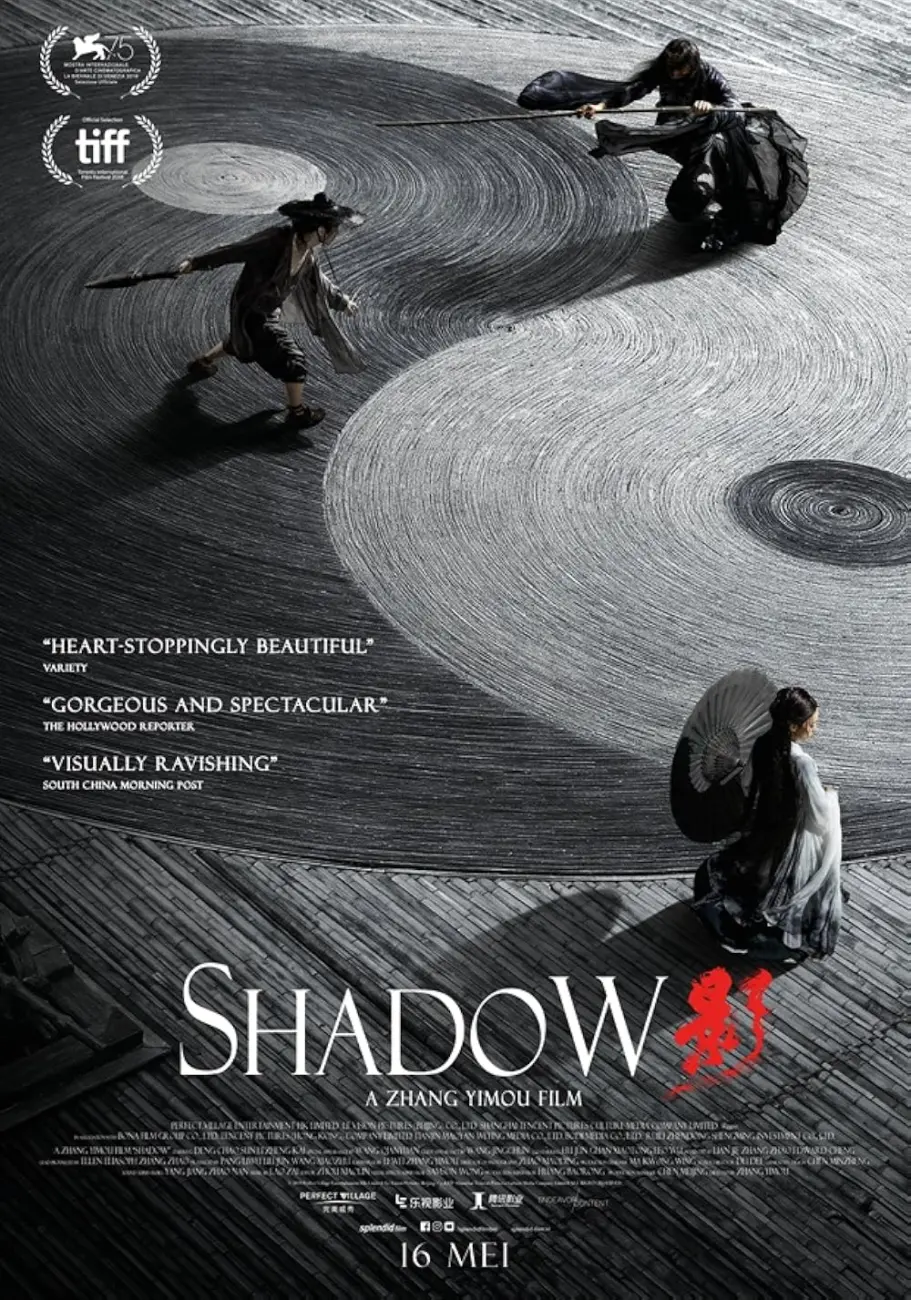
Zhang Yimou sets a power struggle during the Three Kingdoms era with a focus on strategy and terrain. Umbrella blades, pikes, and shields shape formations as battles unfold in rain soaked courtyards and narrow passages. Monochrome production design makes weapon arcs and footwork easy to follow. The choreography builds around feints and positioning rather than wire heavy spectacle.
‘The Siege of Jadotville’ (2016)
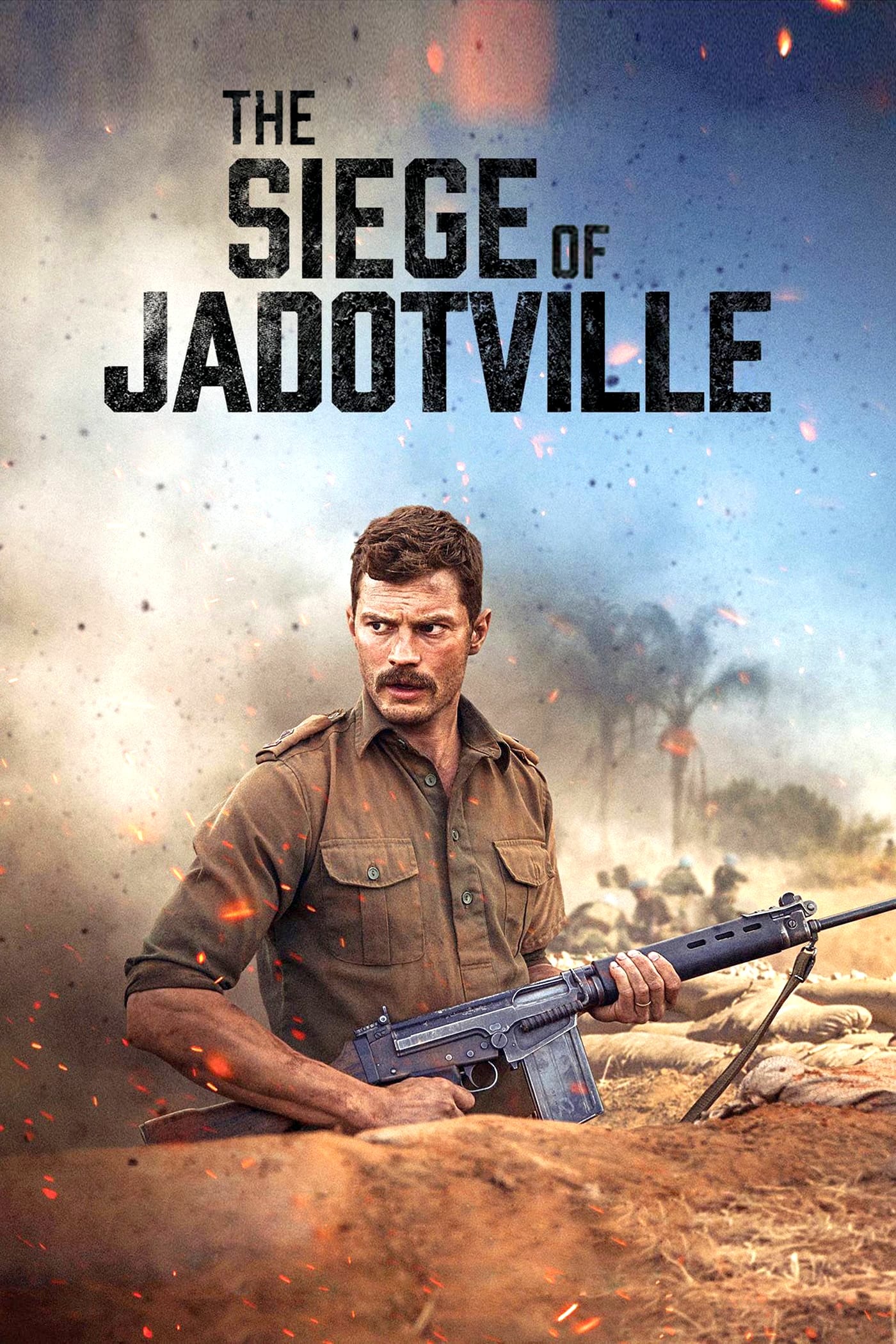
This war drama recounts an Irish UN company’s defense of a remote mining town in the Congo in the early 1960s. The film details field fortifications, rationing, and radio communications during sustained attacks. Small unit tactics and accurate period weapons anchor the firefights. Aerial and artillery threats are used to alter strategy across the siege.
‘Brawl in Cell Block 99’ (2017)
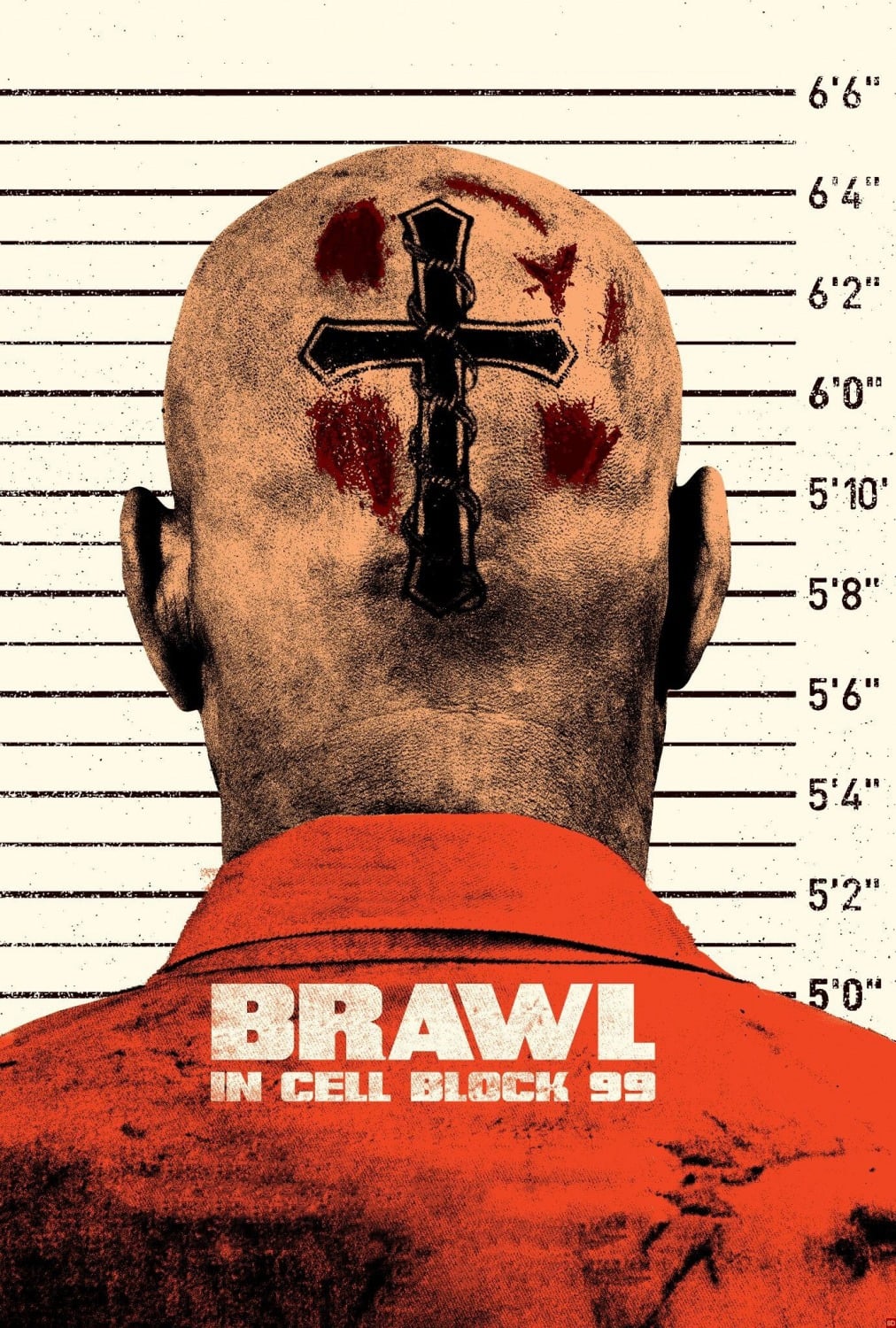
Vince Vaughn plays a former boxer pushed into a violent prison gauntlet after a drug deal collapses. The action uses controlled pacing that shows stance, guard, and limb control before each takedown. Sound design emphasizes bone on concrete and the heavy weight of impacts. Sparse locations keep attention on technique and space management.
‘Upgrade’ (2018)
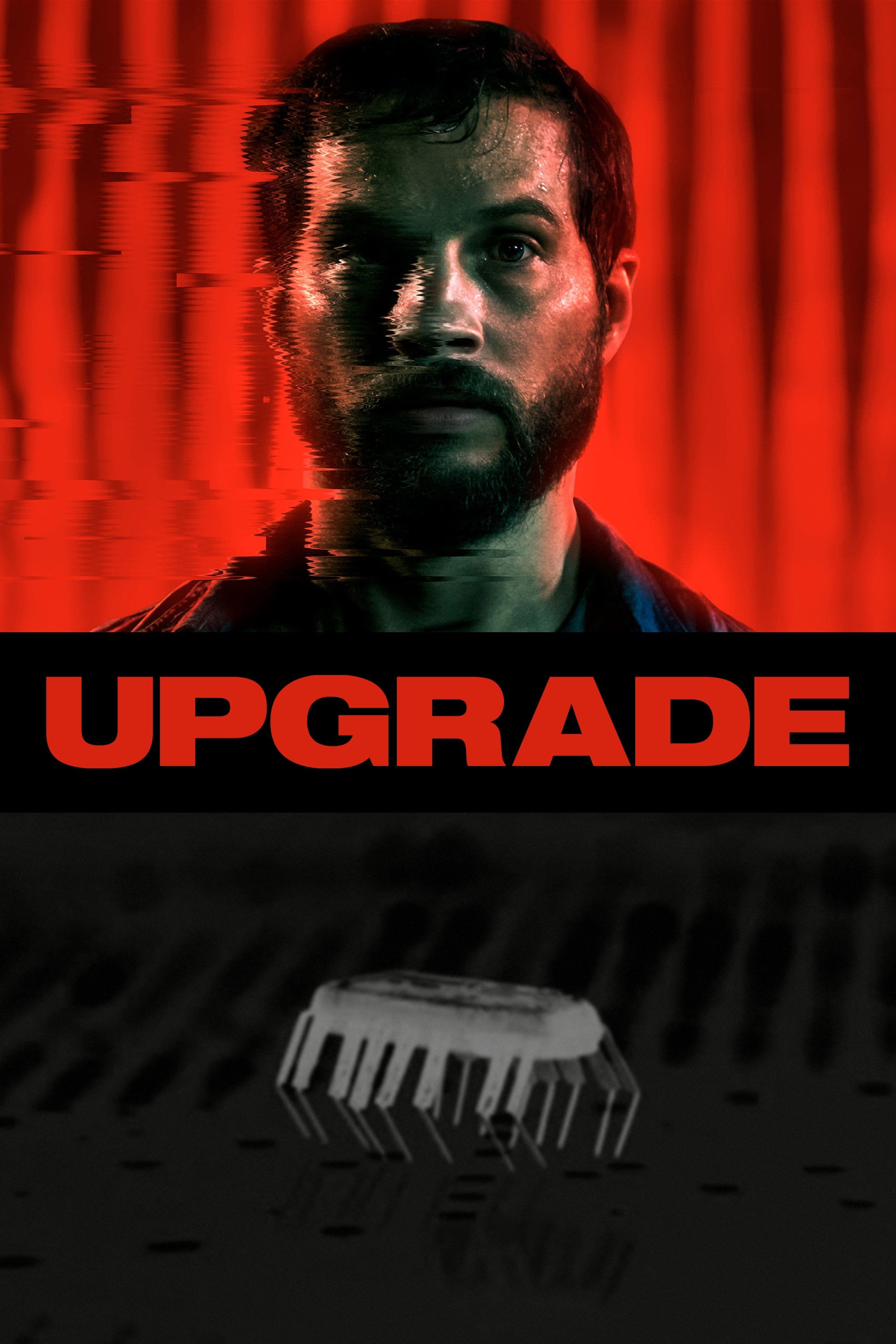
After a mugging leaves him paralyzed, a man receives a clandestine implant that restores his movement with unexpected side effects. Fights highlight sudden posture shifts and precise limb targeting that mirror machine like timing. Production design uses tight apartments and workshops to limit range and amplify force. Robotic camera moves track with the character to underline changes in balance.
‘Rurouni Kenshin’ (2012)
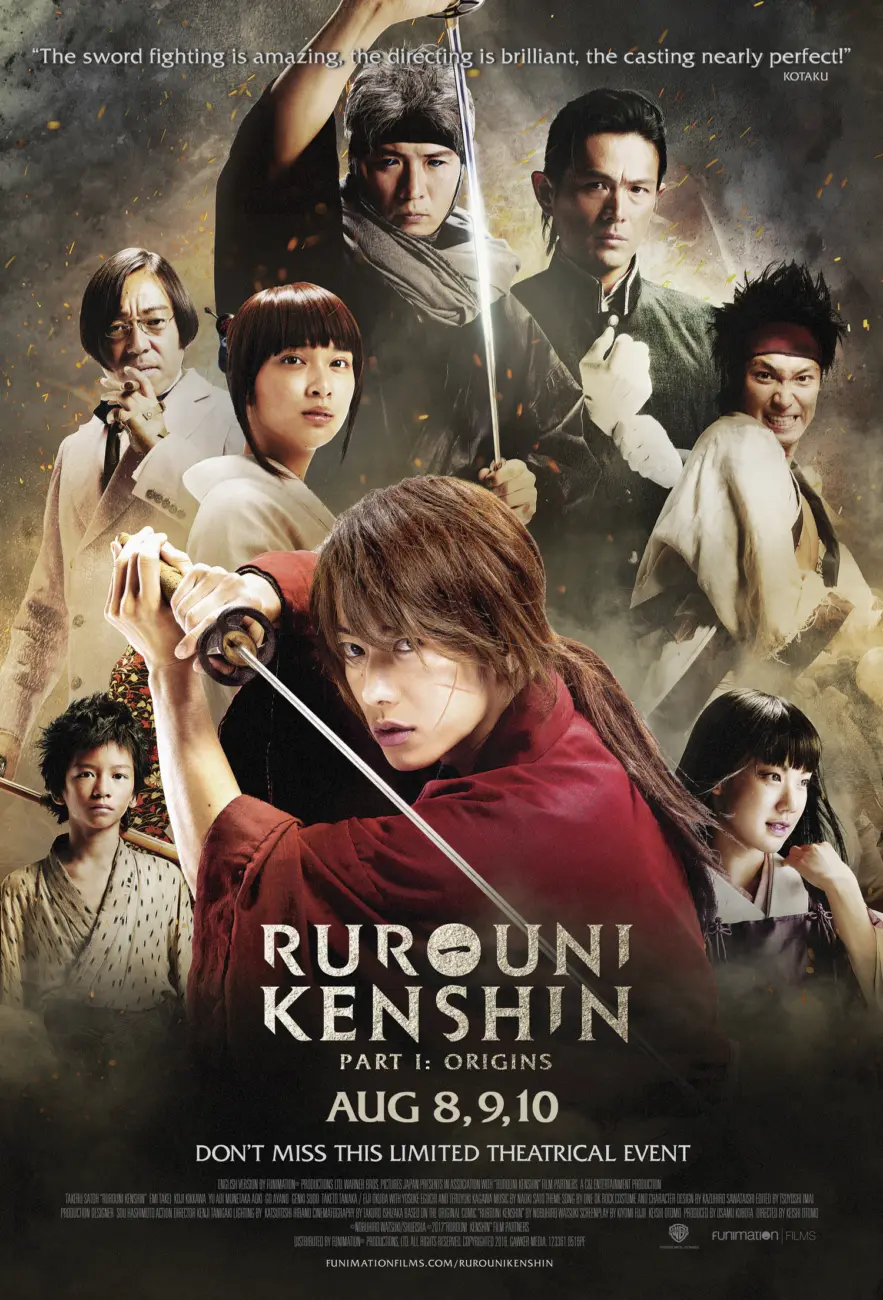
This live action adaptation follows a former assassin who now vows to use a blunt edge while protecting civilians. Sword fights stress distance, angles, and bursts of speed across markets, mansions, and rural compounds. The stunt team favors practical wire assists that keep arcs clean and readable. Costume and set choices support clear silhouettes for each clash.
‘The Mission’ (1999)
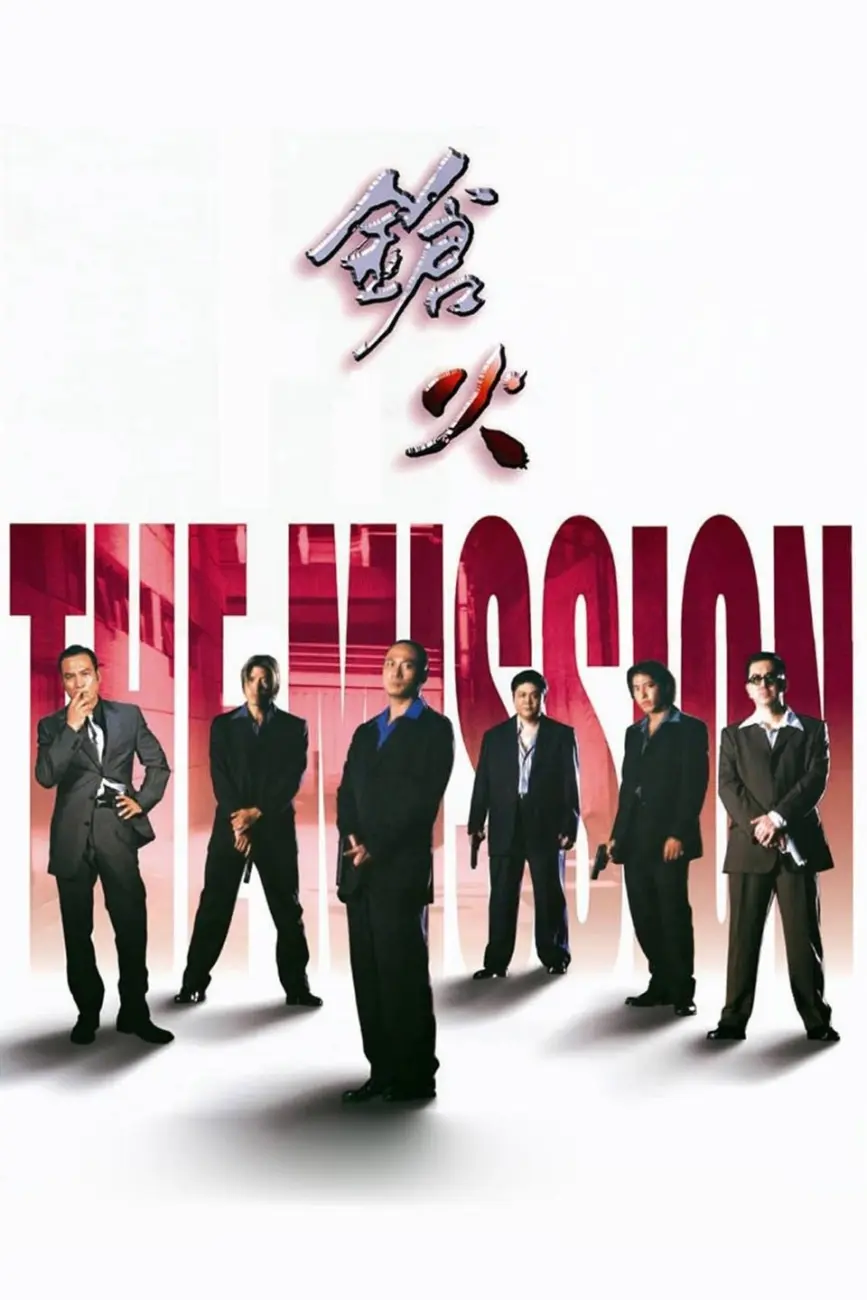
A group of low profile bodyguards protect a triad boss during a turf conflict that plays out in shops and offices. Johnny To shapes shootouts around formation changes and disciplined movement. The famous mall sequence uses escalators, pillars, and glass to set sightlines and cover. Minimal dialogue lets choreography and spacing carry the information.
‘The Good, the Bad, the Weird’ (2008)
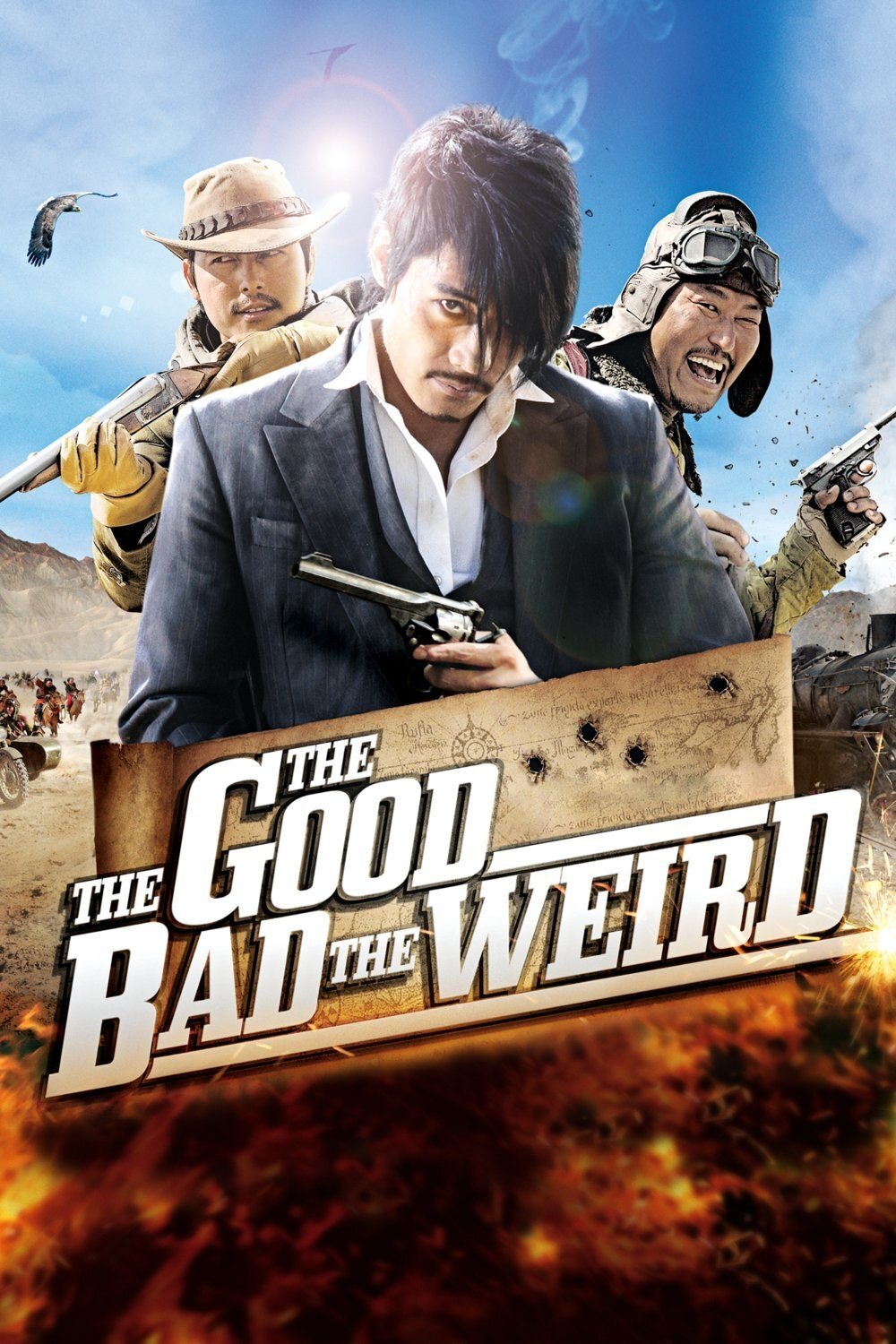
Set in 1930s Manchuria, this Korean western follows three outlaws chasing a treasure map. Large scale chases use horses, motorcycles, and trains across open desert and tight rail corridors. Practical effects combine with long telephoto shots to keep speed and distance clear. The finale turns a battlefield into a moving maze that pulls all factions into one rolling pursuit.
Tell us which hidden action picks you would add to the list and what set piece made you a fan in the first place.

