


Best Dramas You’ve Never Seen

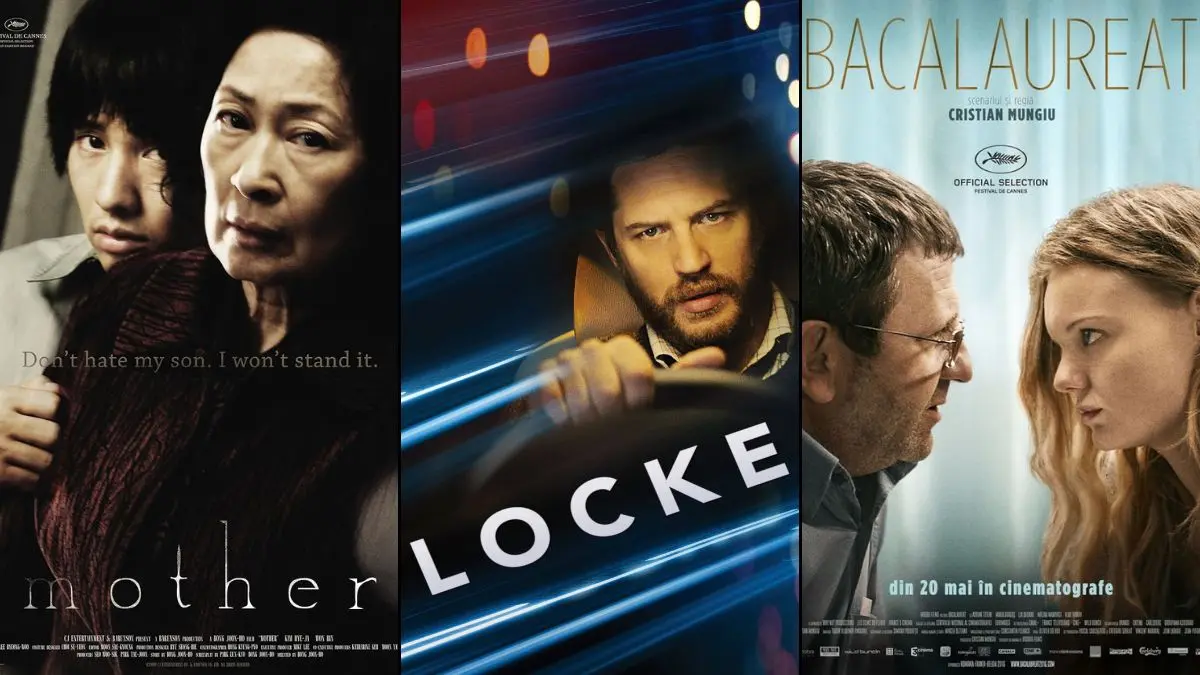


Some remarkable dramas never broke into the mainstream, yet they deliver gripping stories, standout performances, and inventive craftsmanship. This list gathers films from around the world that earned festival prizes, critical respect, or cult admiration without becoming household names. You will find quiet character studies, tense mysteries, and intimate journeys that showcase directors working at the top of their game. Each entry includes practical details about who made it, who stars, and what makes the story tick so you can pick your next watch with confidence.
‘The Consequences of Love’ (2004)
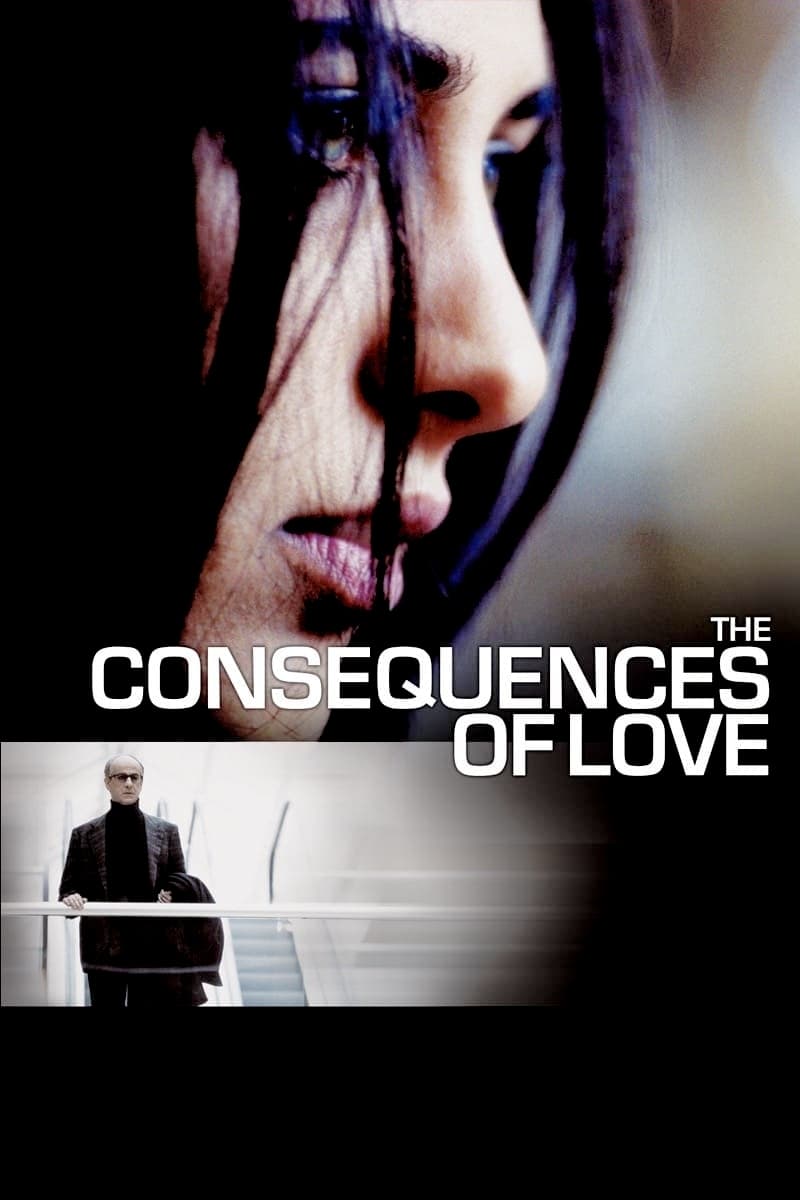
Paolo Sorrentino directs this Italian drama about a solitary man living in a Swiss hotel who maintains a cryptic routine tied to organized crime. Toni Servillo leads the cast with a restrained performance that anchors the film’s meticulous structure and mood. The production uses long tracking shots and precise compositions to mirror the character’s controlled life. It premiered at Venice and picked up multiple David di Donatello awards for its filmmaking and acting.
‘Phoenix’ (2014)
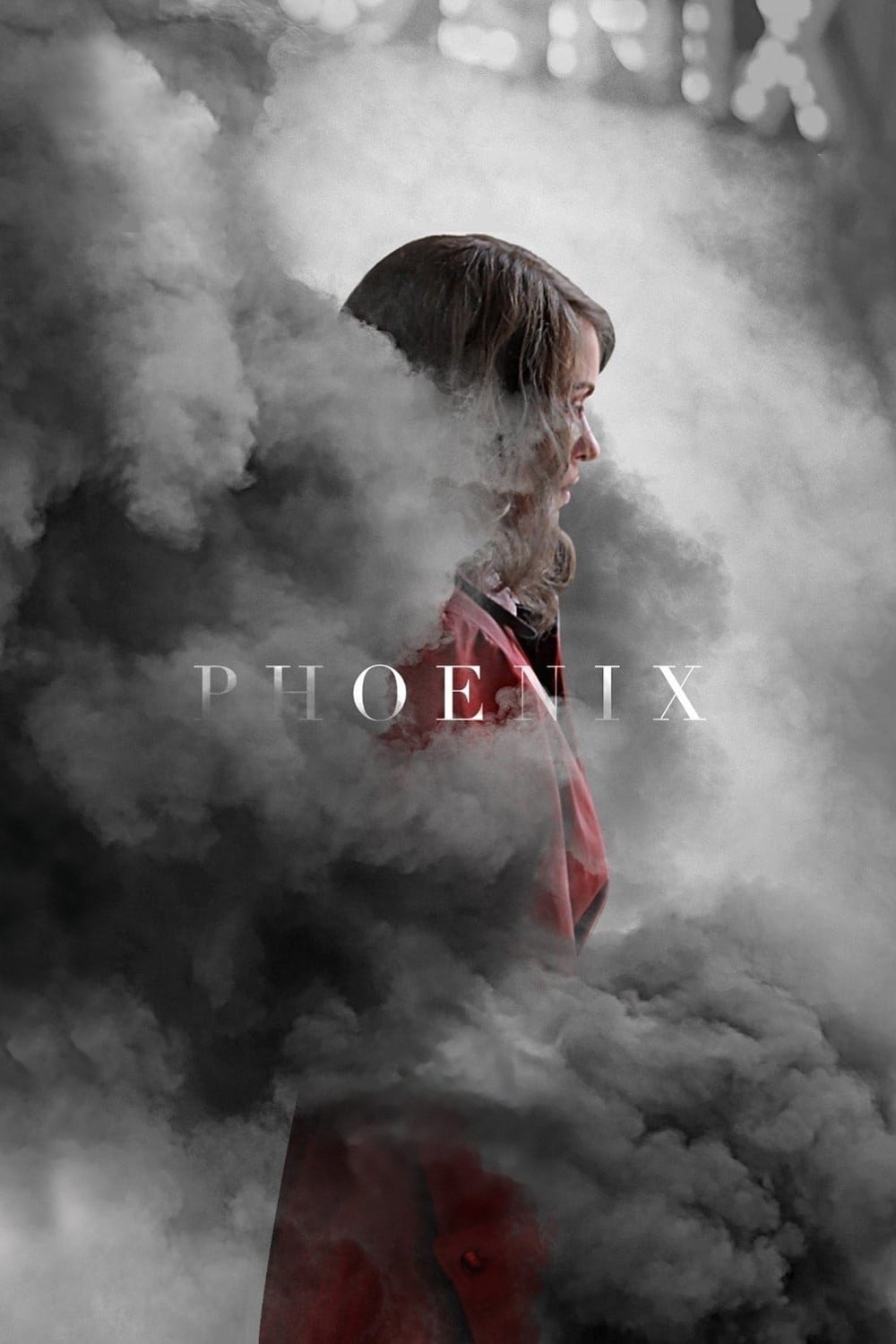
Christian Petzold’s German drama follows a nightclub singer who returns to Berlin after severe wartime injuries and undergoes facial reconstruction. Nina Hoss portrays the survivor whose husband may or may not recognize her, while Ronald Zehrfeld plays the man with conflicting motives. The story adapts themes from Hubert Monteilhet’s novel and explores identity through carefully staged encounters. It screened at Toronto and won accolades from European critics for Hoss’s performance and Petzold’s direction.
‘Burning’ (2018)
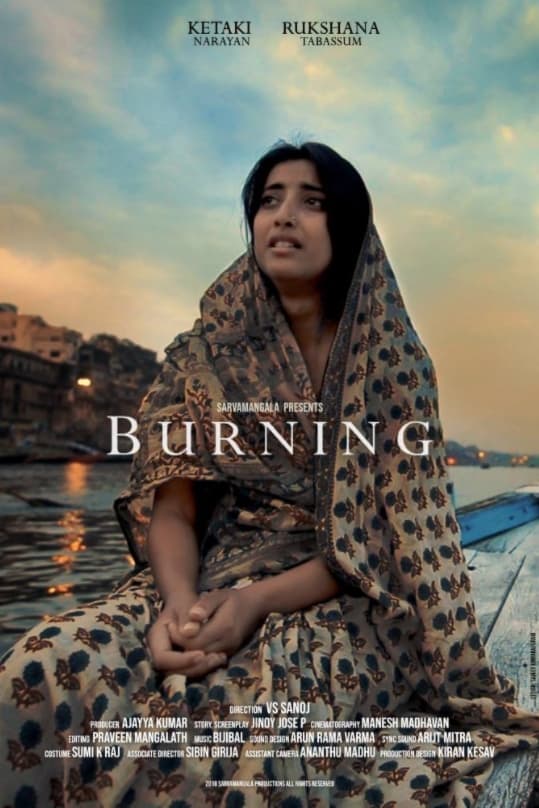
Lee Chang-dong adapts Haruki Murakami’s short story into a slow-burn mystery set in contemporary Seoul and the countryside. Yoo Ah in, Steven Yeun, and Jeon Jong seo headline a triangle that drifts toward obsession and ambiguity. The film’s sound design and lingering camerawork heighten small details that later become central clues. It competed at Cannes and topped several year end critics’ polls around the world.
‘The Edge of Heaven’ (2007)
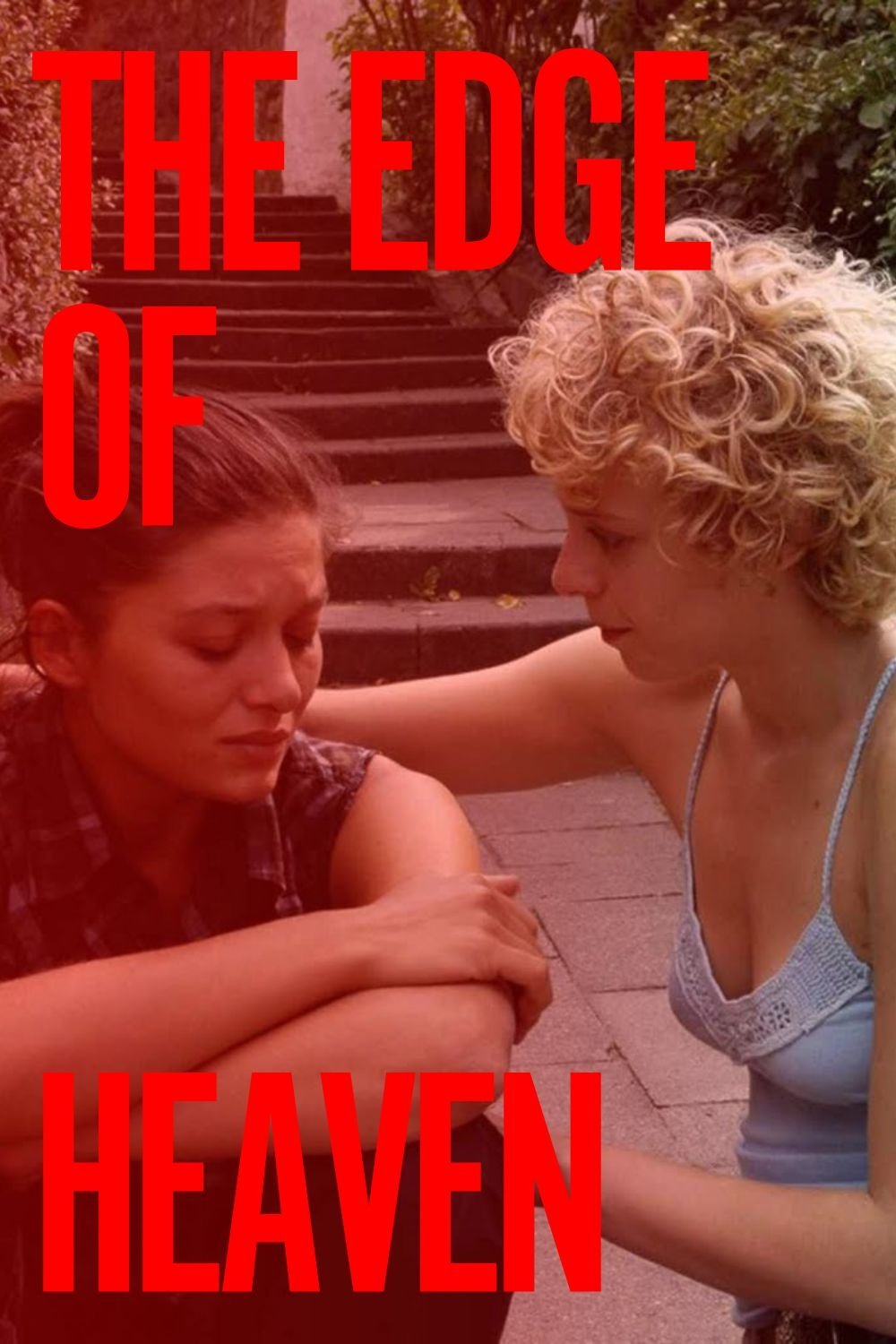
Writer director Fatih Akin interweaves stories connecting German and Turkish characters separated by distance and time. The narrative structure follows three chapters that overlap through chance meetings and tragic choices. Actors including Baki Davrak, Hanna Schygulla, and Nurgül Yeşilçay carry parallel arcs that gradually converge. It won Best Screenplay at Cannes and the European Parliament’s Lux Prize.
‘The Beat That My Heart Skipped’ (2005)

Jacques Audiard reimagines the American film ‘Fingers’ as a French drama about a real estate enforcer who pursues classical piano. Romain Duris trained intensively at the keyboard to play a character pulled between crime and art. The film uses nervous handheld camera work and jump cuts to mirror his divided life. It earned eight César Awards including Best Film and Best Director.
‘Wadjda’ (2012)
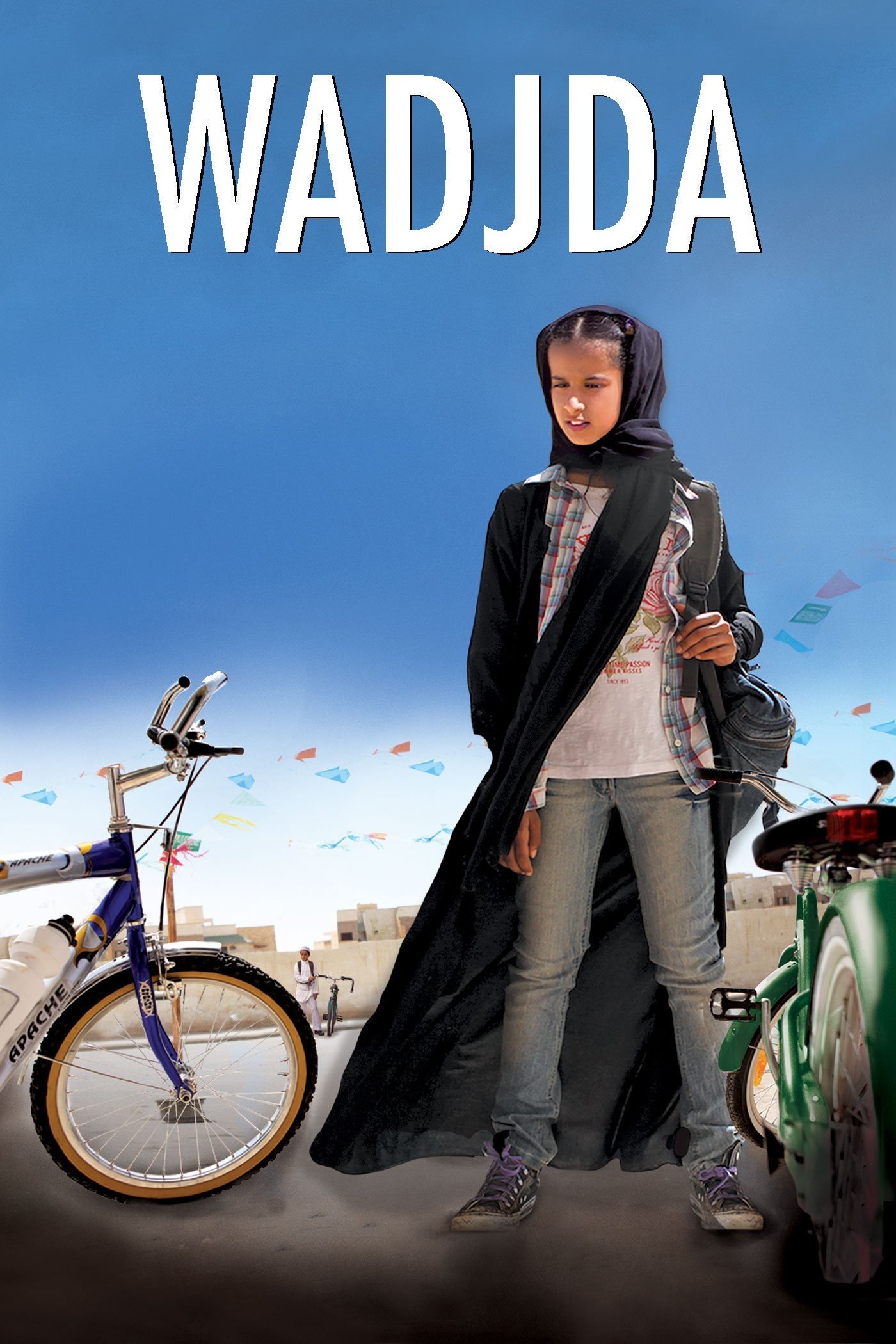
Haifaa al Mansour directs the first feature made in Saudi Arabia by a woman, shot largely on location in Riyadh. Waad Mohammed plays a spirited girl who enters a school competition to buy a bicycle despite local customs. The production navigated strict on set limitations with inventive solutions, including directing from inside a van during exterior scenes. It premiered in Venice and became a festival favorite for its clear eyed depiction of everyday life.
‘Nobody Knows’ (2004)
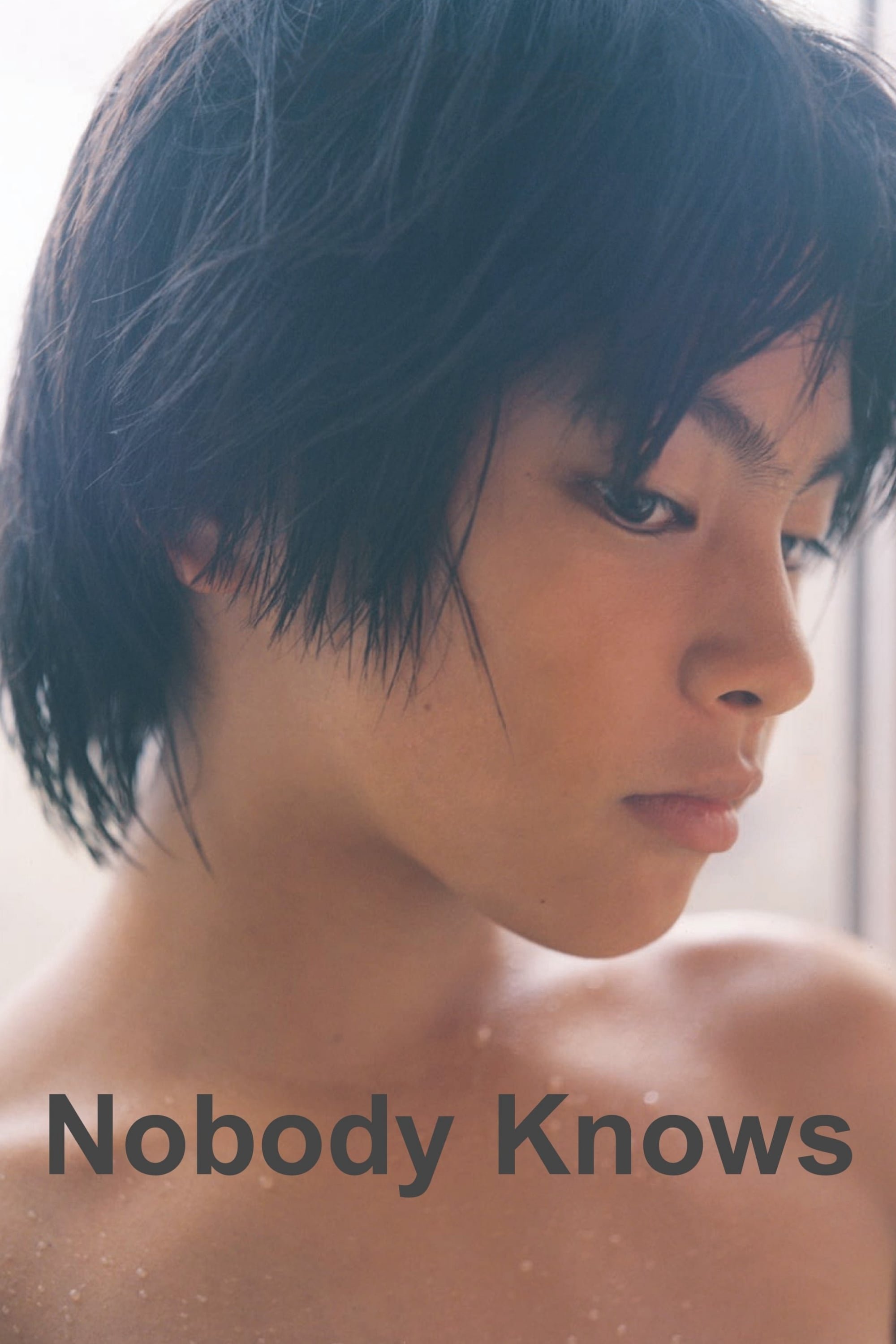
Hirokazu Kore eda draws from a real Tokyo child abandonment case to depict four siblings surviving in a small apartment. Yūya Yagira won Best Actor at Cannes for his portrayal of the eldest boy who takes charge. The director worked with nonprofessional child actors and filmed over nearly a year to capture growth and seasonal change. Natural light and minimal music keep the focus on routine and resourcefulness.
‘Incendies’ (2010)
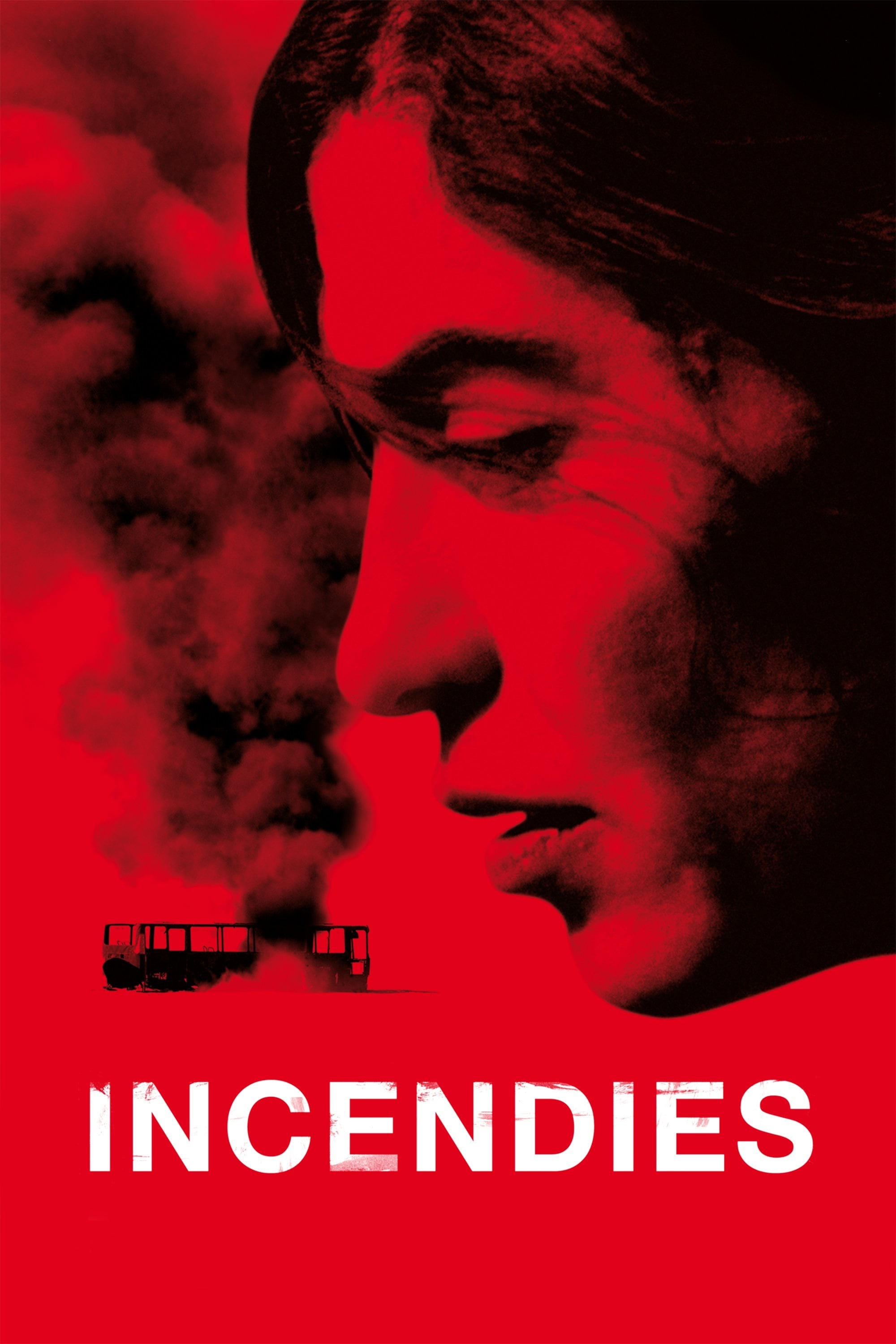
Denis Villeneuve adapts Wajdi Mouawad’s play into a cross continent mystery that begins with a mother’s unusual will. Lubna Azabal, Mélissa Désormeaux Poulin, and Maxim Gaudette trace family history from Canada to the Middle East. The narrative unfolds through parallel timelines that reveal the origins of a longstanding feud. It earned an Academy Award nomination for Best Foreign Language Film and won multiple Genie Awards.
‘Mother’ (2009)
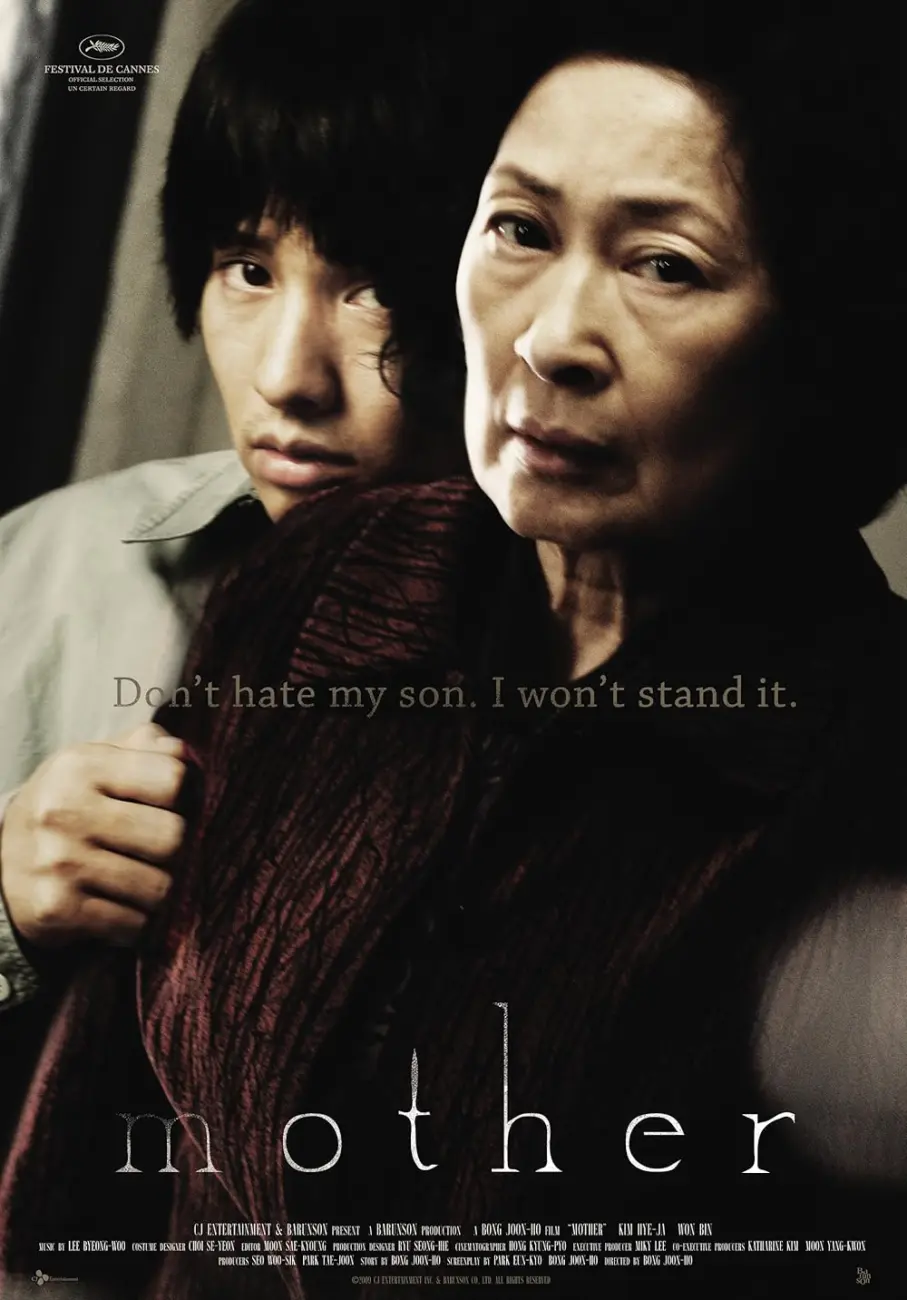
Bong Joon ho centers the story on a devoted parent who starts her own investigation after her son is accused of murder. Kim Hye ja delivers a widely praised performance, supported by Won Bin as the son with limited social skills. The production uses rural locations and narrow interiors to build pressure around a small community. It premiered in Un Certain Regard at Cannes and collected major prizes in Korea and abroad.
‘Locke’ (2013)
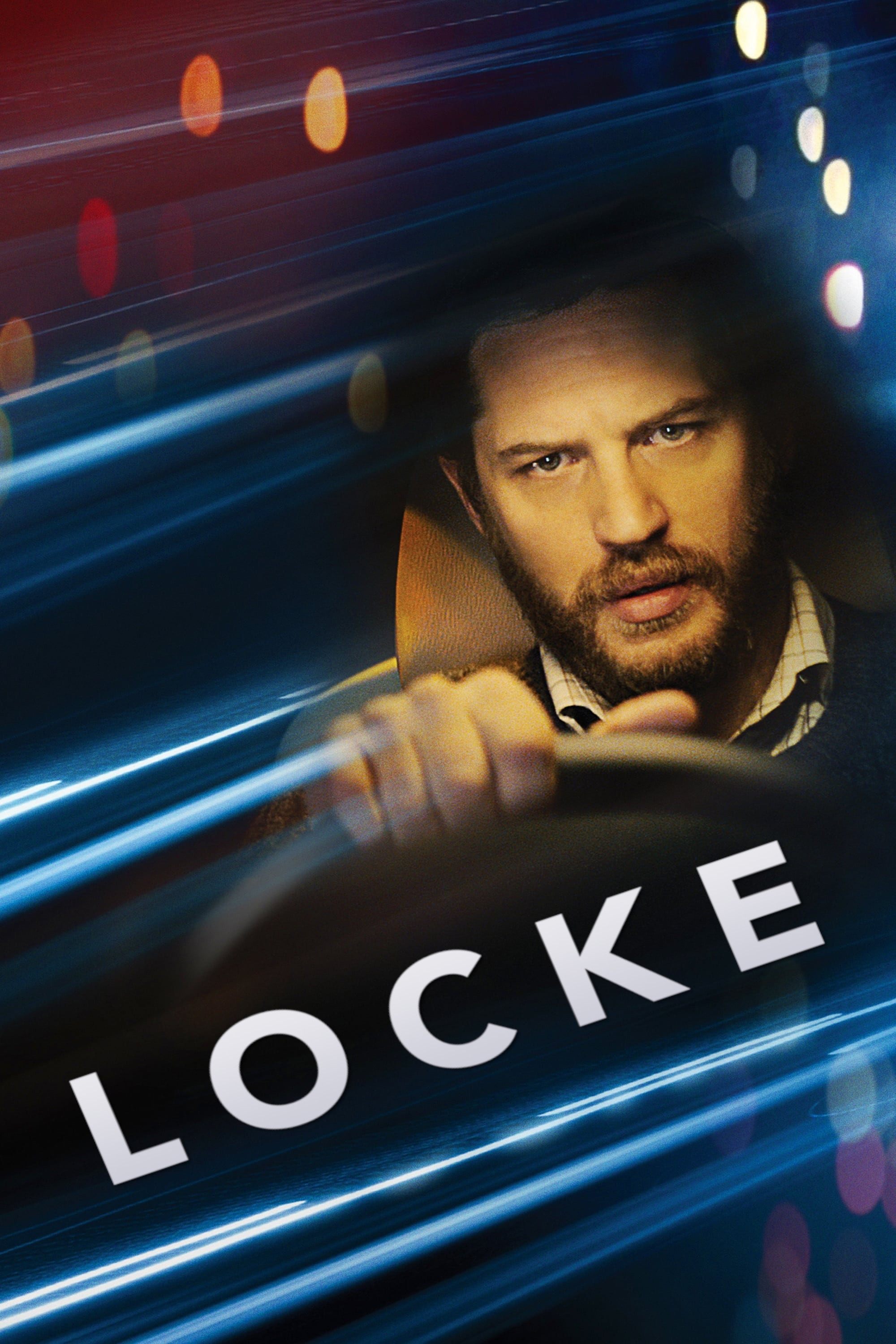
Steven Knight crafts a real time drama set entirely inside a moving car with Tom Hardy as the only on screen presence. The film was shot on consecutive nights with cameras mounted in the vehicle and supporting actors calling in live. Its dialogue driven plot unfolds through a series of phone conversations that upend work and family. The minimalist approach highlights performance, voice direction, and precise sound mixing.
‘A Prophet’ (2009)
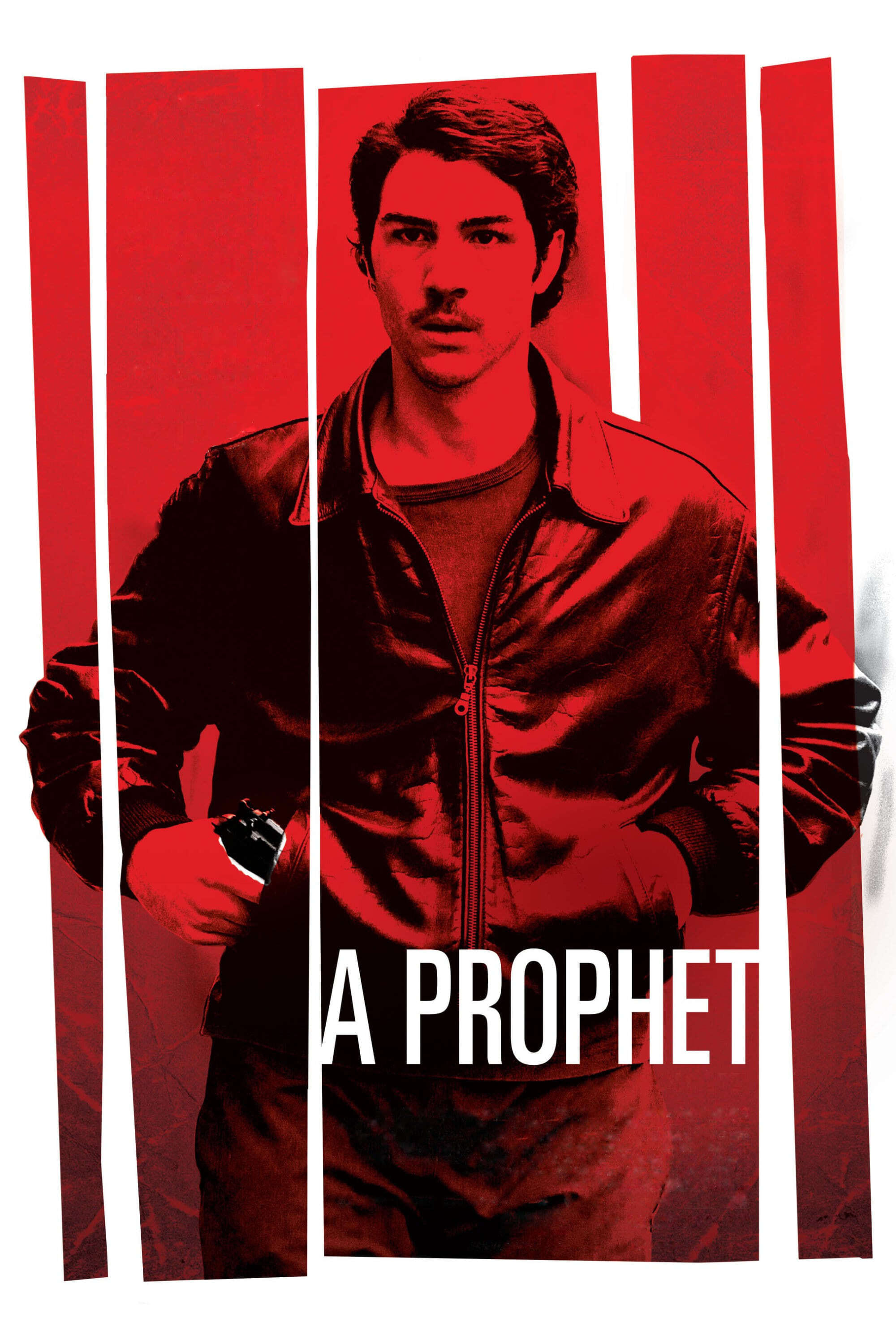
Jacques Audiard follows a young inmate who learns criminal codes and climbs the hierarchy inside a French prison. Tahar Rahim anchors the story with Niels Arestrup as a Corsican boss who imposes brutal tasks. The film blends multiple languages and cultural groups to portray shifting alliances behind bars. It won the Grand Prix at Cannes and received an Academy Award nomination for Best Foreign Language Film.
‘The Return’ (2003)
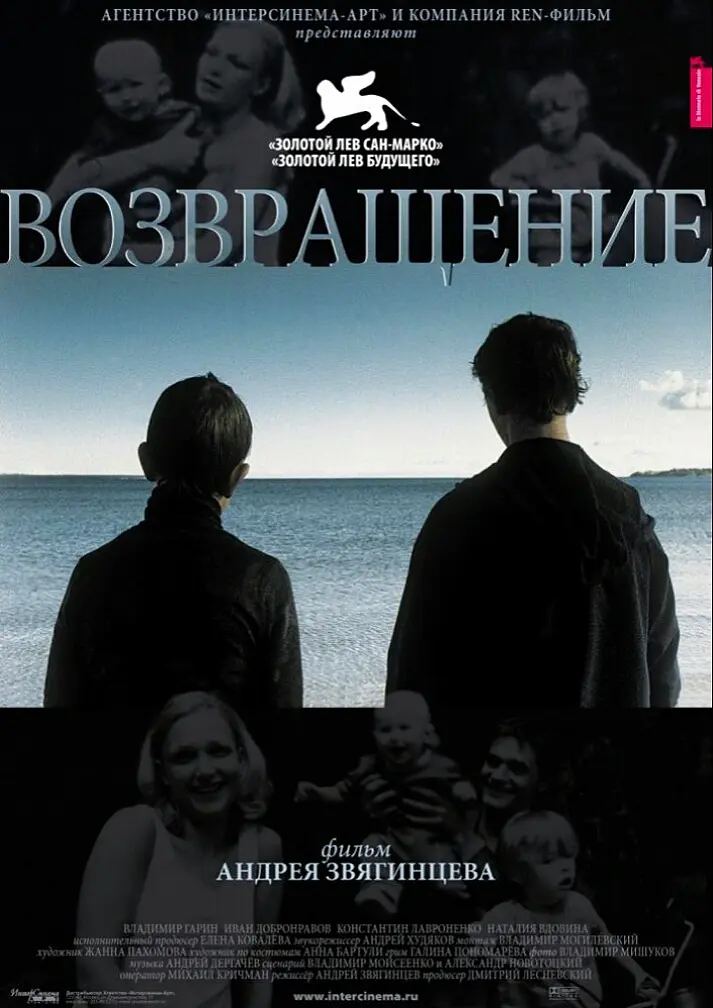
Andrey Zvyagintsev’s debut opens with two brothers whose absent father unexpectedly comes back and takes them on a trip. Vladimir Garin and Ivan Dobronravov play the boys navigating fear and curiosity as they head to remote waterways. The production makes striking use of northern landscapes and overcast skies to emphasize isolation. It won the Golden Lion at Venice and drew attention for its austere visual style.
‘Son of Saul’ (2015)
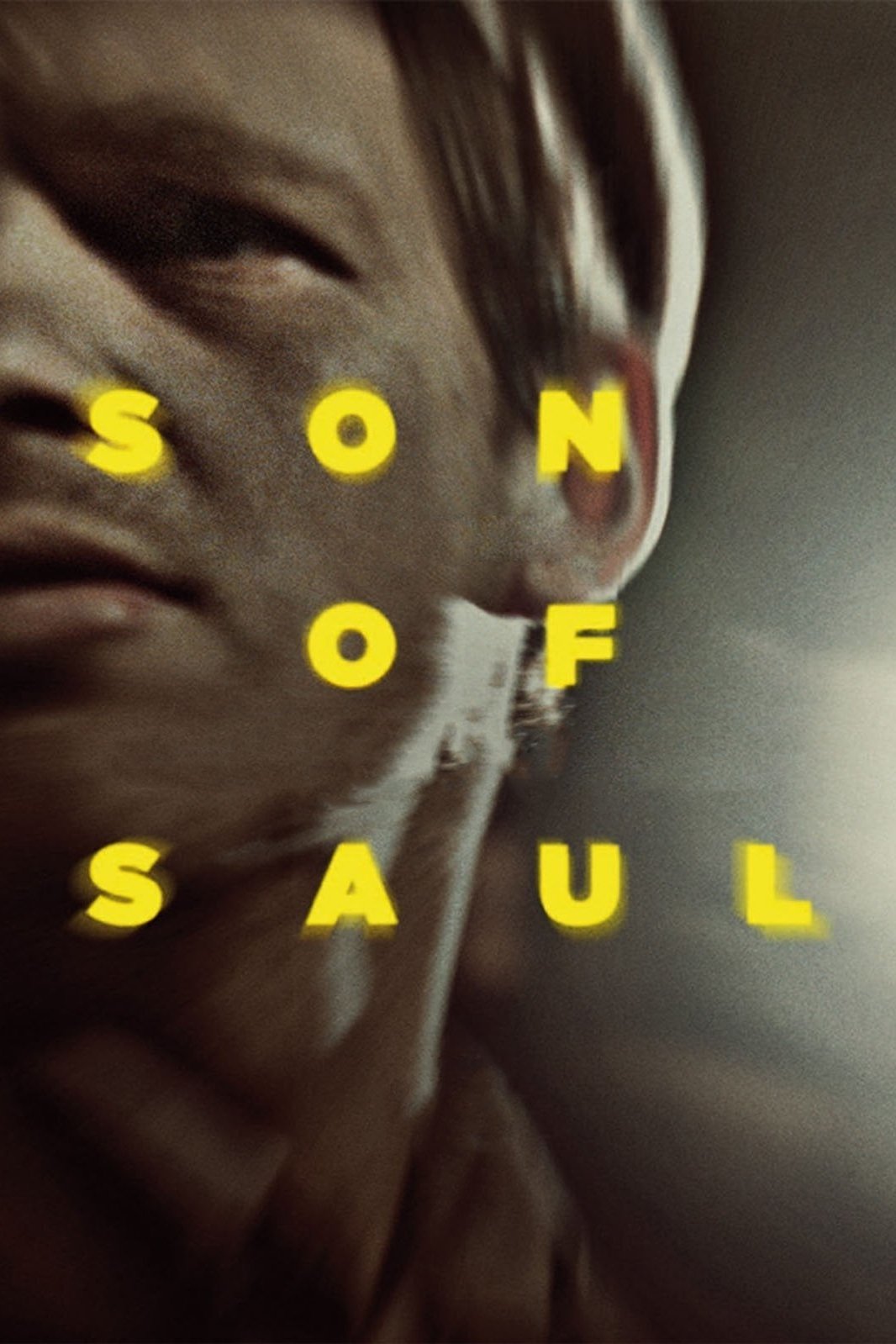
László Nemes presents a tightly focused story inside a concentration camp, using shallow depth of field and close tracking shots. Géza Röhrig plays a prisoner assigned to forced labor who fixates on a single task. The film uses the Academy aspect ratio and offscreen sound to limit what the viewer sees while conveying constant threat. It won the Academy Award for Best Foreign Language Film after premiering at Cannes.
‘The Diving Bell and the Butterfly’ (2007)
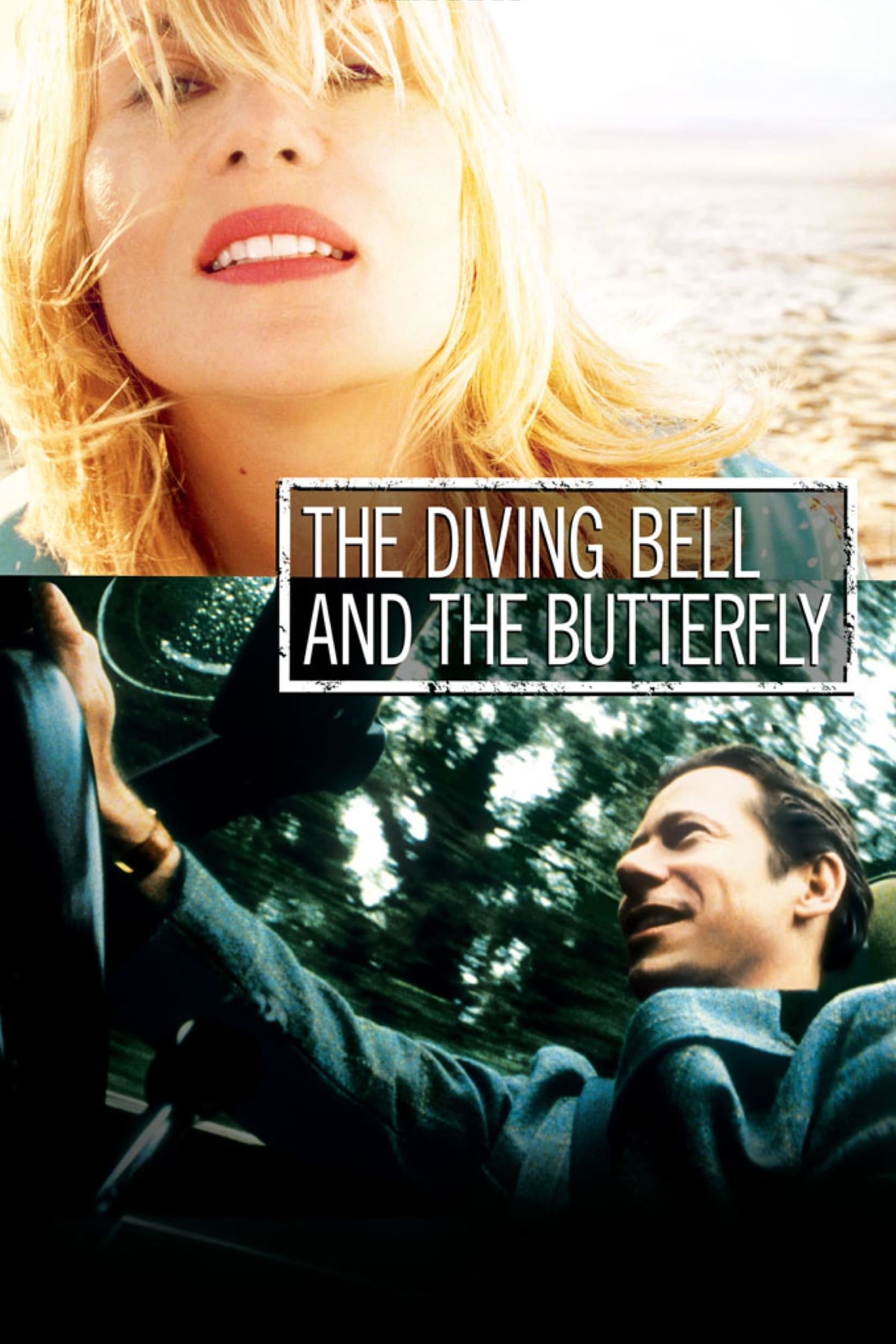
Julian Schnabel adapts Jean Dominique Bauby’s memoir about life after a massive stroke that leaves him with locked in syndrome. Mathieu Amalric stars, with Emmanuelle Seigner and Marie José Croze supporting his caretaking circle. Cinematographer Janusz Kamiński employs point of view techniques to place the audience inside the protagonist’s restricted vision. The film won prizes at Cannes and the Golden Globes for its direction and language category.
‘The Secret in Their Eyes’ (2009)
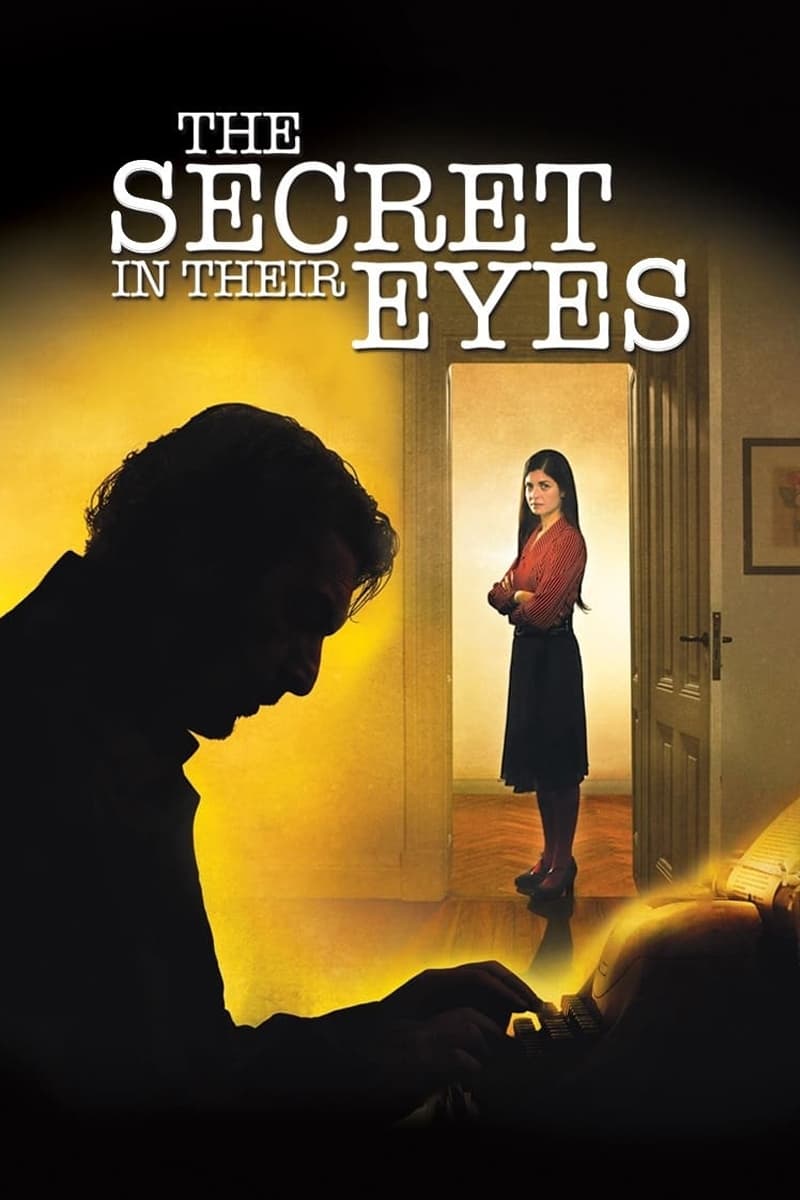
Argentine director Juan José Campanella blends a decades spanning investigation with an unresolved love story inside a court office. Ricardo Darín and Soledad Villamil lead a cast that includes Guillermo Francella and Pablo Rago. A celebrated stadium sequence appears to unfold as a single shot and required extensive planning and visual effects. It won the Academy Award for Best Foreign Language Film and became a national box office hit.
‘An Elephant Sitting Still’ (2018)
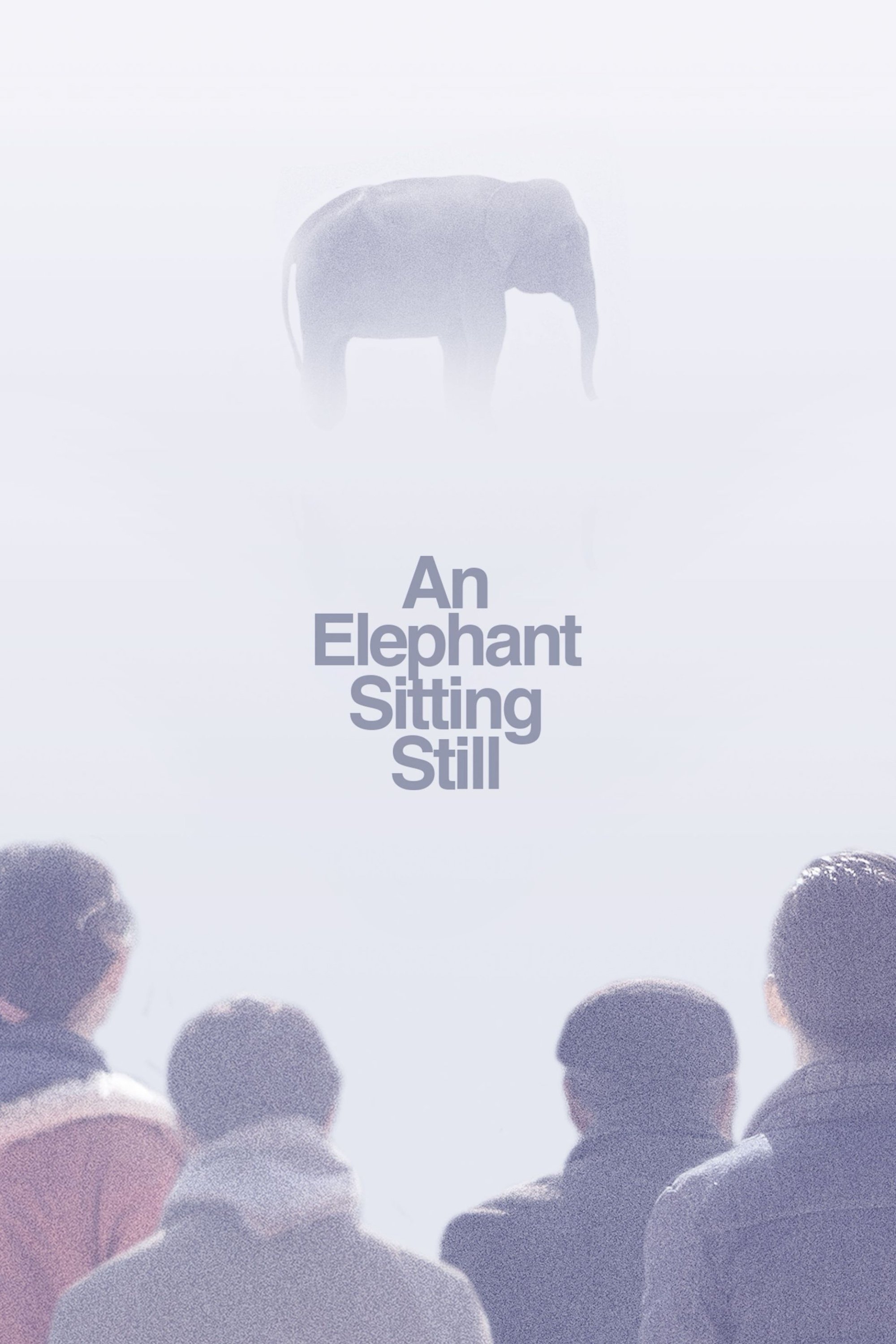
Hu Bo’s only feature follows four people over one day in a decaying industrial city in northern China. Peng Yuchang, Wang Yuwen, Zhang Yu, and Li Congxi lead a cast drawn from stage and screen. The production runs nearly four hours and uses long takes to track characters across streets, stairwells, and trains. It premiered in the Forum section at Berlin and received international awards after the director’s death.
‘A Touch of Sin’ (2013)
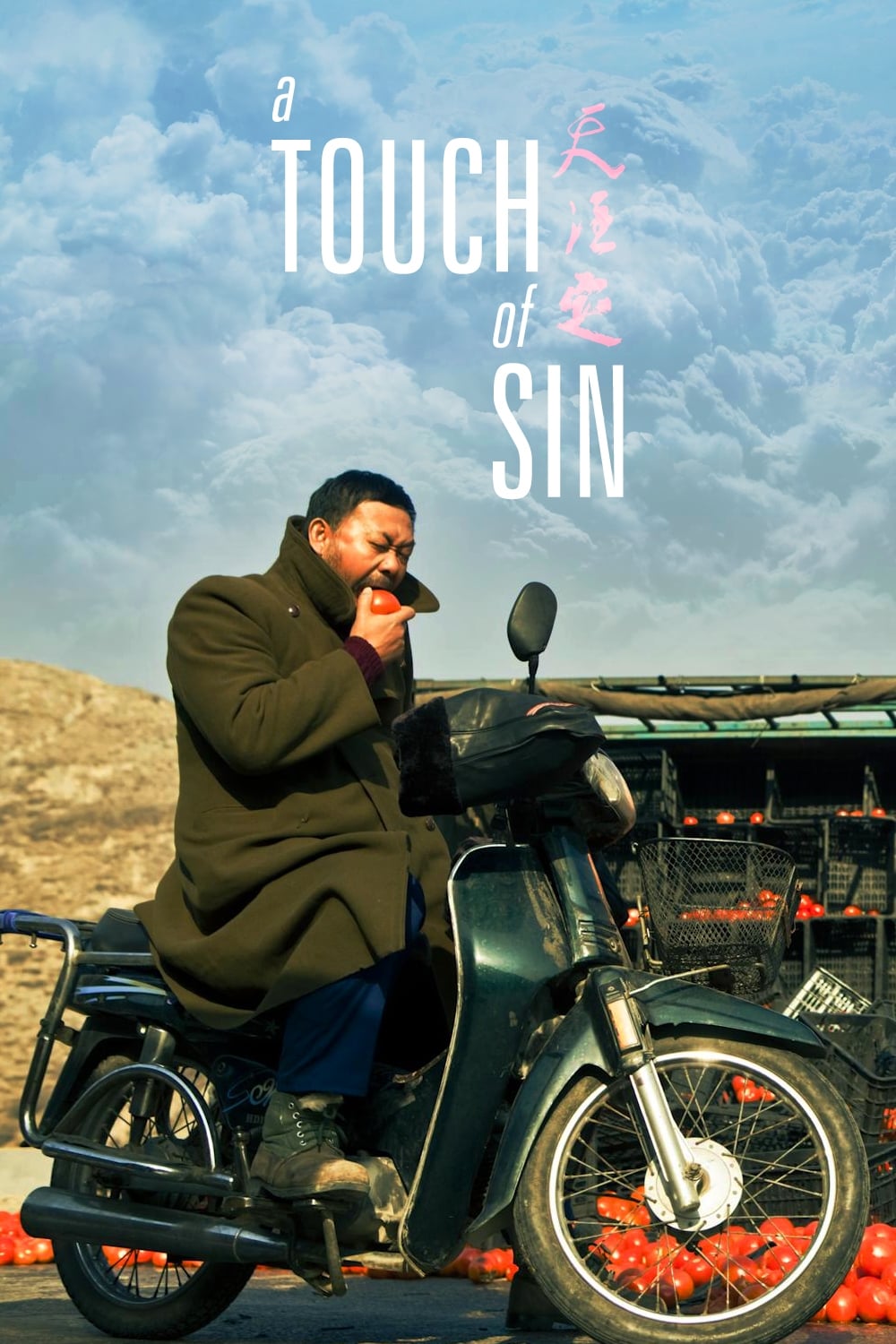
Jia Zhangke structures the film as four stories inspired by widely discussed incidents across China. Zhao Tao, Jiang Wu, Wang Baoqiang, and Luo Lanshan appear in segments that move from Shanxi to Guangdong. The production mixes professional actors with local nonprofessionals and shoots in real locations. It won Best Screenplay at Cannes and saw limited release due to its subject matter.
‘King of Devil’s Island’ (2010)
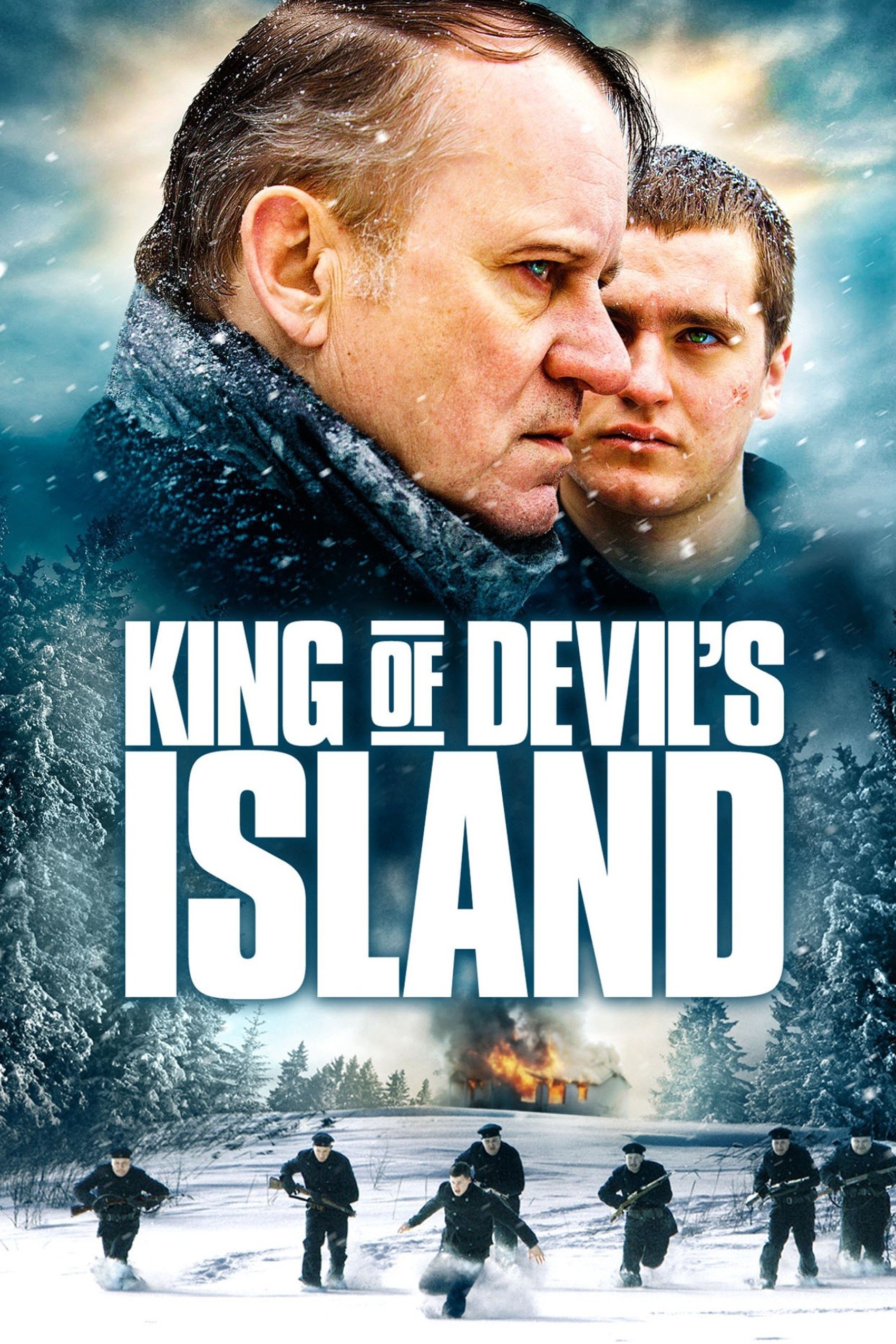
Marius Holst dramatizes a 1915 uprising at the Bastøy reform school off the coast of Norway. Stellan Skarsgård plays the governor opposite Benjamin Helstad and Kristoffer Joner as key figures among the boys. The film uses winter landscapes, wooden dormitories, and period uniforms to recreate the island colony. It was a home country box office success and earned multiple Amanda Award nominations.
‘The Selfish Giant’ (2013)
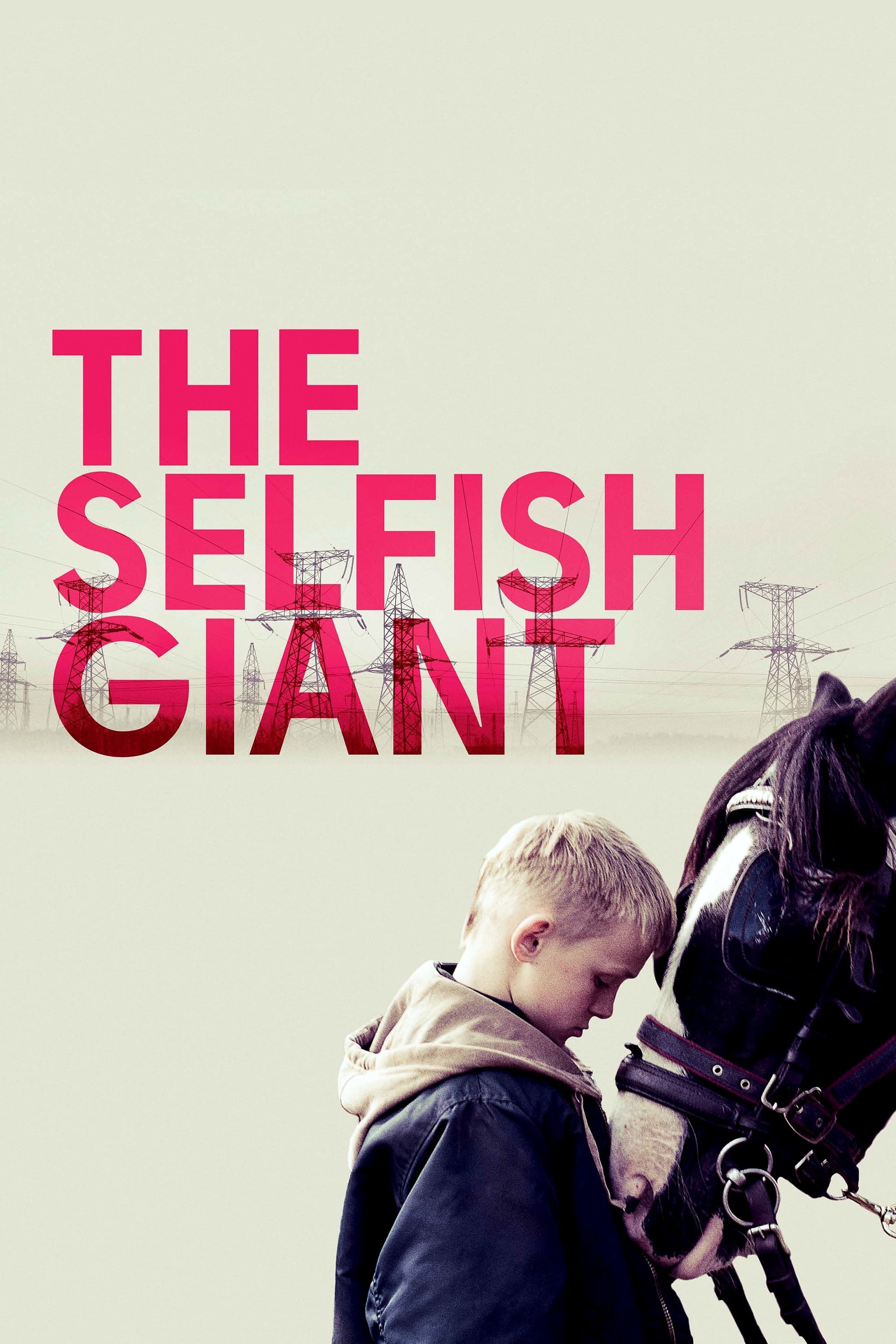
Clio Barnard sets the story in Bradford and follows two schoolboys who collect scrap metal for a local dealer. Conner Chapman and Shaun Thomas lead the cast with Sean Gilder as the scrapyard owner. The production shot on council estates and uses natural light to match the northern setting. It premiered at Cannes Directors’ Fortnight and won the Europa Cinemas Label award.
‘The Painted Bird’ (2019)
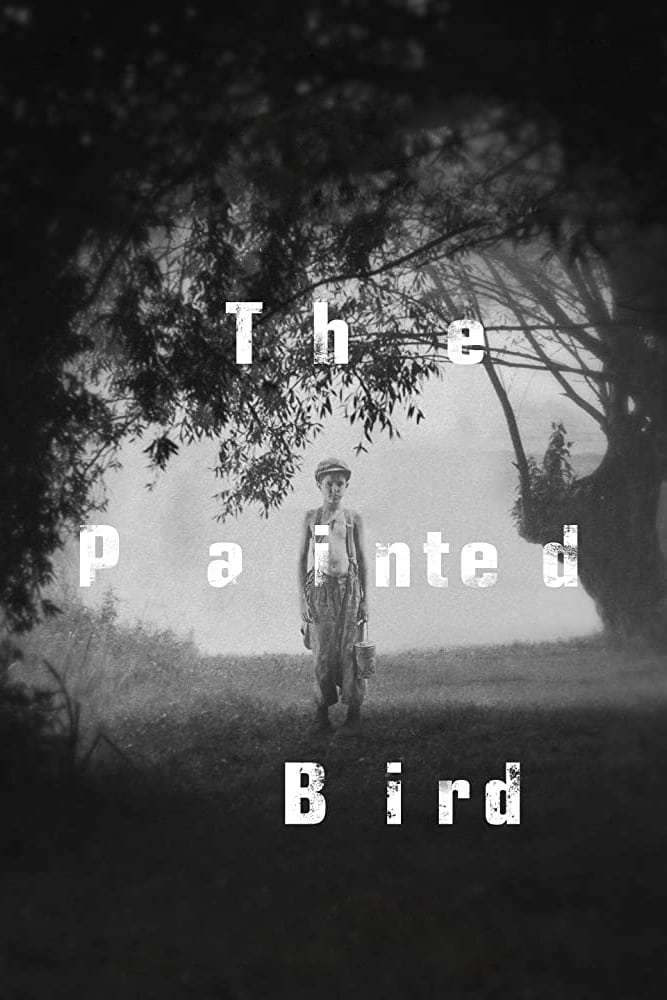
Václav Marhoul adapts Jerzy Kosiński’s novel into a black and white odyssey across wartime Eastern Europe. Petr Kotlár appears in nearly every scene, with cameos from Stellan Skarsgård, Udo Kier, and Harvey Keitel. The dialogue spans several Slavic languages to reflect shifting borders and villages. It competed at Venice and stirred debate for its graphic depiction of conflict and displacement.
‘Ilo Ilo’ (2013)
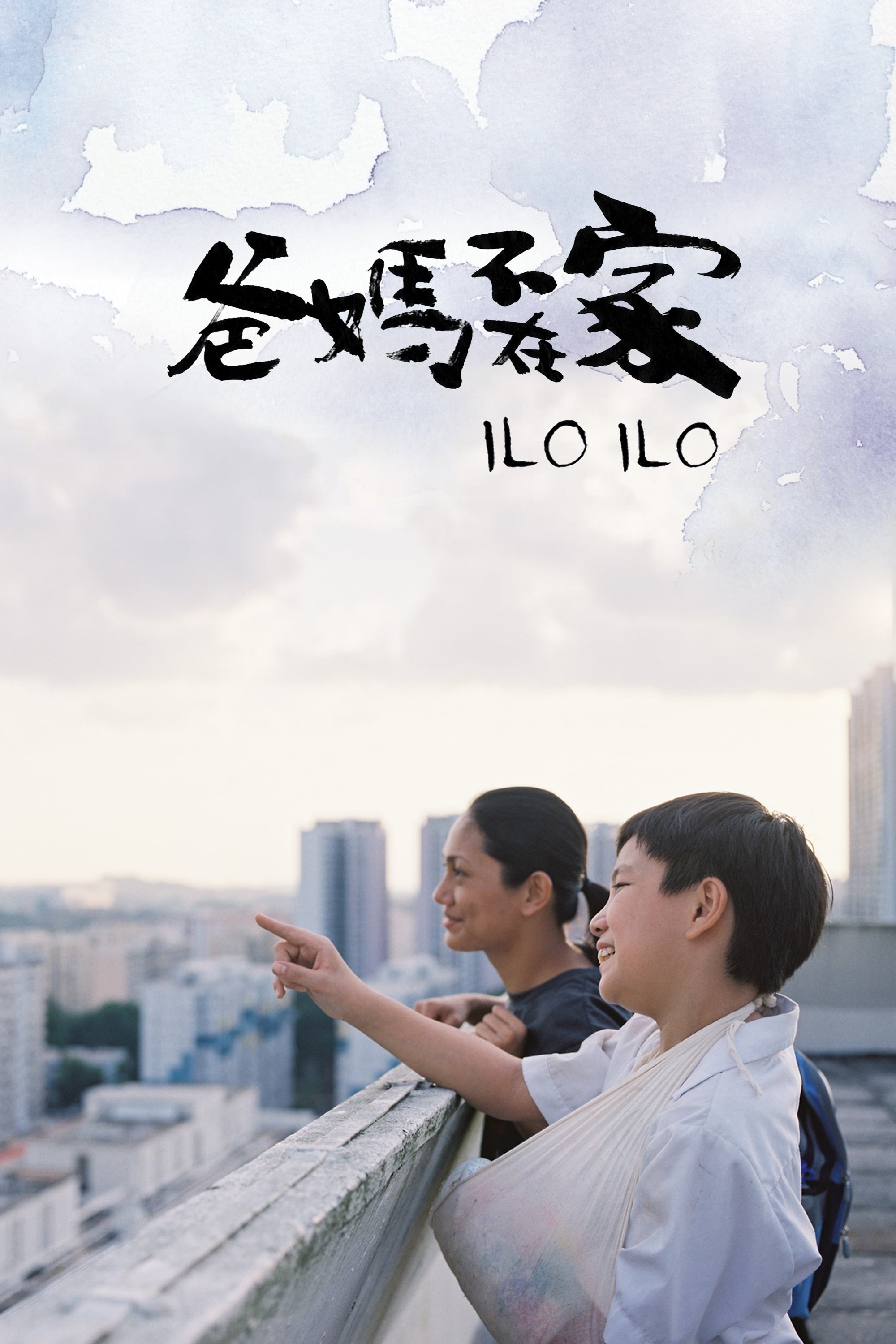
Anthony Chen draws on personal experiences to portray a Singapore family hiring a Filipino domestic worker during the late 1990s Asian financial crisis. Yeo Yann Yann, Chen Tianwen, Angeli Bayani, and Koh Jia Ler form the central quartet. The shoot took place in HDB flats and recreation of period details includes pagers and office layoffs. It won the Camera d’Or at Cannes and several Golden Horse Awards.
‘Theeb’ (2014)
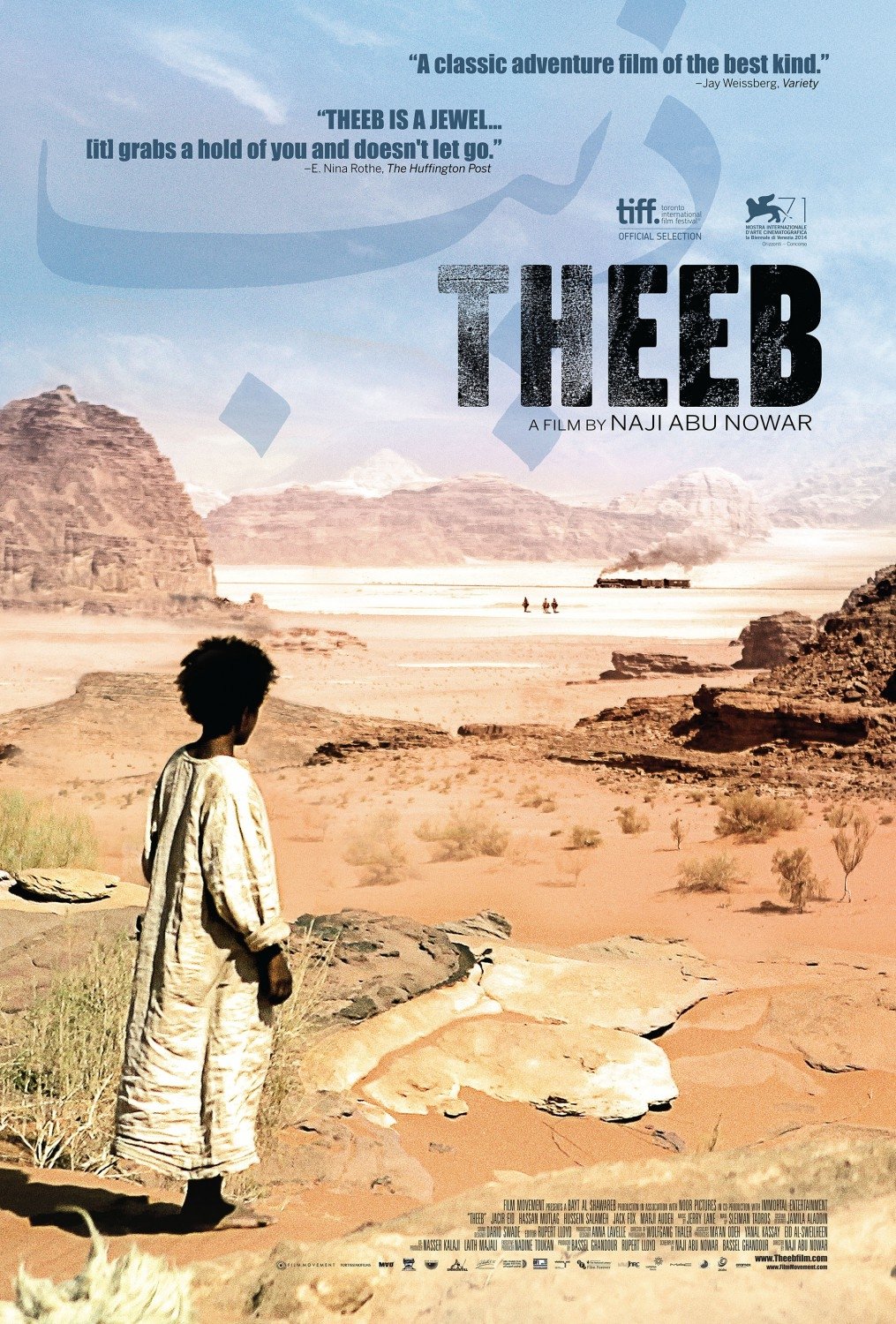
Naji Abu Nowar sets this desert adventure in the Ottoman era and casts Bedouin nonprofessional actors. Jacir Eid Al Hwietat plays a young boy guiding a British officer along a perilous route. Filming took place in Wadi Rum and Wadi Araba with local tribes supporting production logistics. It earned Jordan’s first Academy Award nomination for Best Foreign Language Film.
‘System Crasher’ (2019)
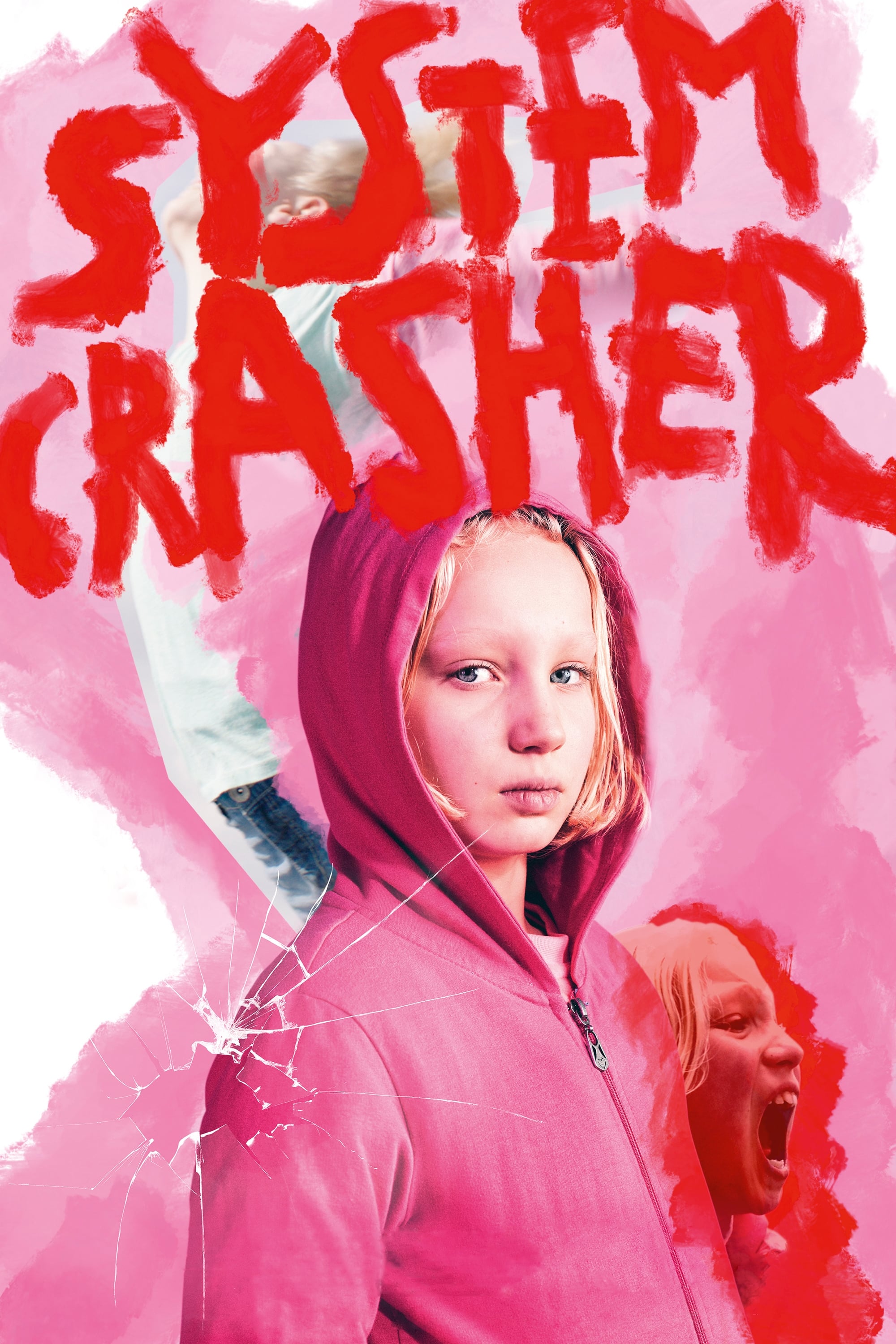
Nora Fingscheidt follows a nine year old whose explosive behavior overwhelms schools and care facilities in Germany. Helena Zengel plays the lead with Albrecht Schuch and Gabriela Maria Schmeide as adults trying to stabilize her routine. The production consulted child welfare experts and shot in active institutions with strict supervision. It won the Silver Bear Alfred Bauer Prize at Berlin and later received national film awards.
‘Krisha’ (2015)
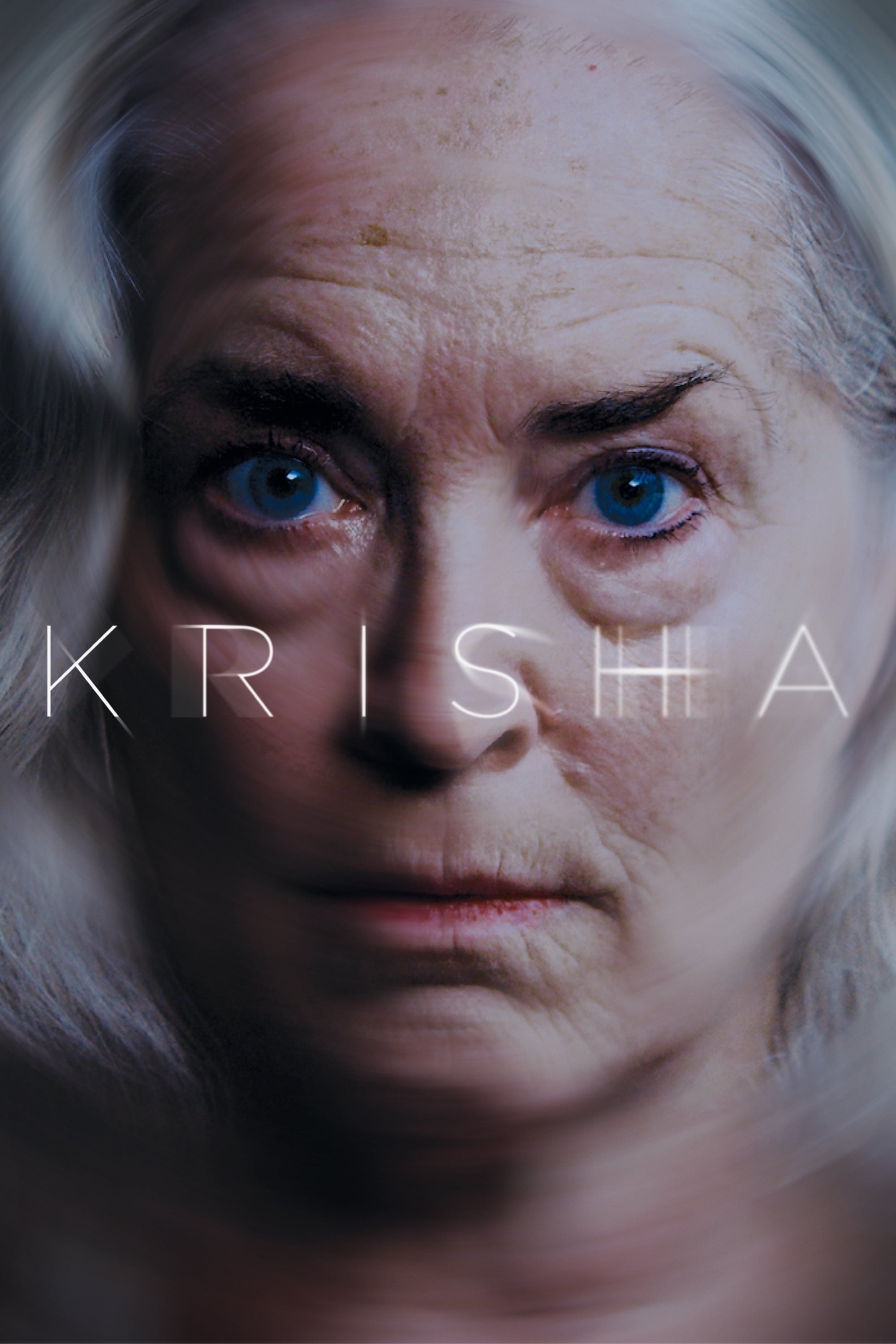
Trey Edward Shults expands his short into a feature shot largely at his family’s Texas home during a holiday gathering. Krisha Fairchild leads the ensemble that includes relatives and collaborators from the short film. The shoot used a small crew and a brief schedule to keep costs low. It won the Grand Jury and Audience awards at SXSW and secured distribution through festival buzz.
‘Victoria’ (2015)
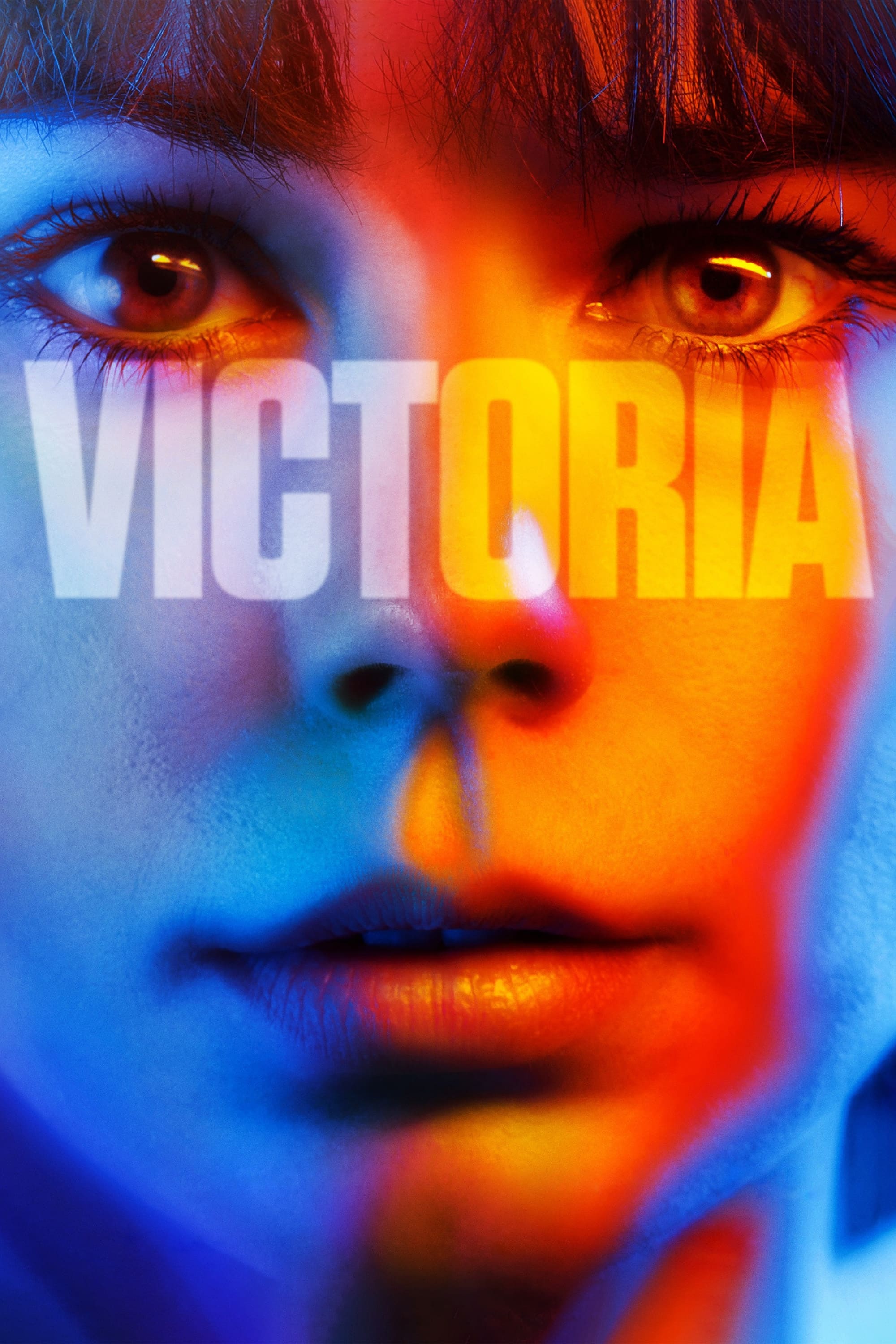
Sebastian Schipper filmed the entire story in a single continuous take across Berlin in the early morning hours. Laia Costa and Frederick Lau anchor the cast that navigates nightclubs, rooftops, and bank offices without cuts. The production rehearsed for months and completed the final take on the third full attempt. It won multiple German Film Awards including Best Film and Best Direction.
‘The Lunchbox’ (2013)
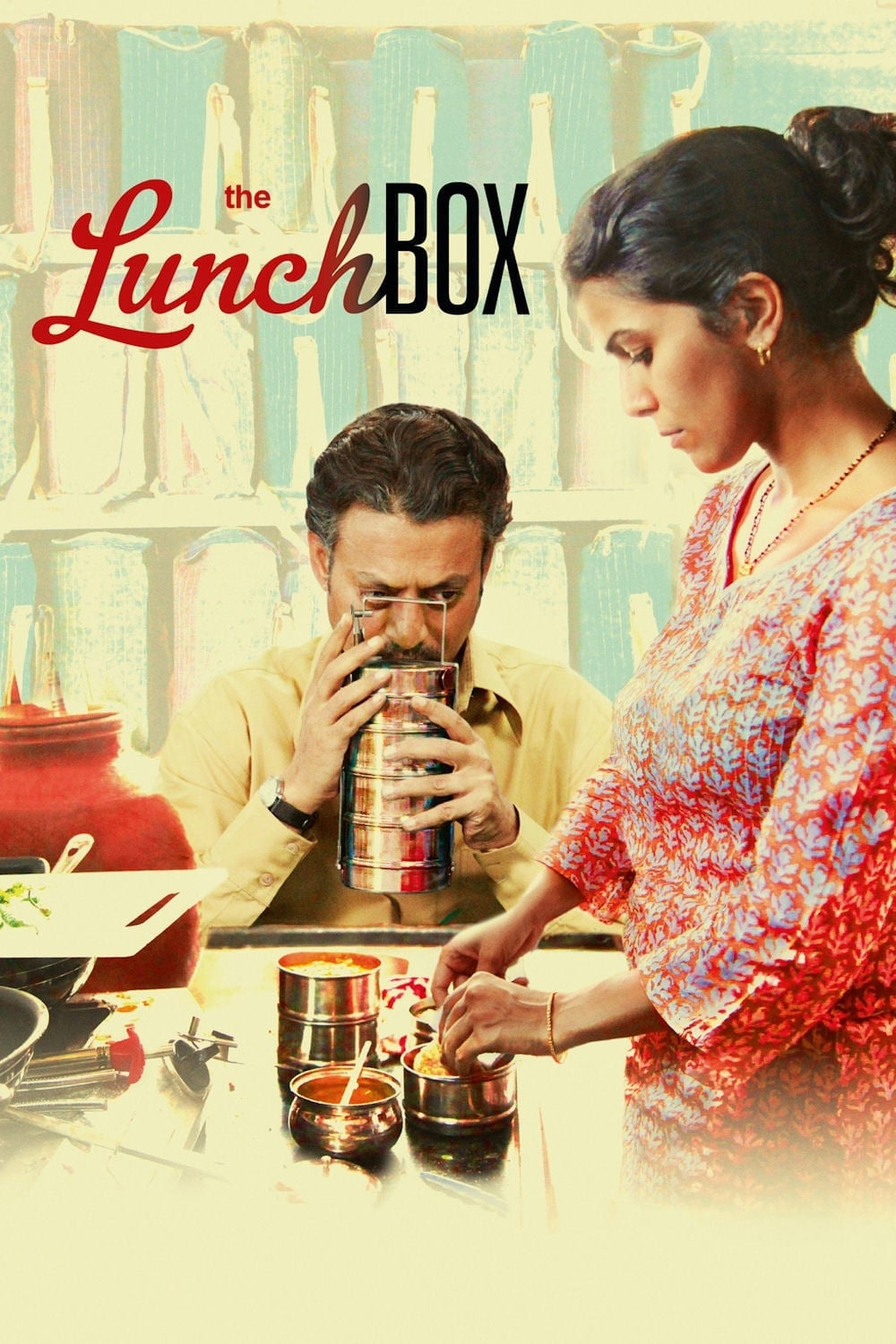
Ritesh Batra uses the Mumbai dabbawala network as the spark for an unexpected epistolary connection. Irrfan Khan and Nimrat Kaur exchange notes through meal deliveries while Nawazuddin Siddiqui plays a trainee learning the system. The production coordinated with real delivery teams to stage carriers, bicycles, and sorting hubs. It premiered at Cannes Critics’ Week and became a festival circuit favorite before wider release.
‘Graduation’ (2016)
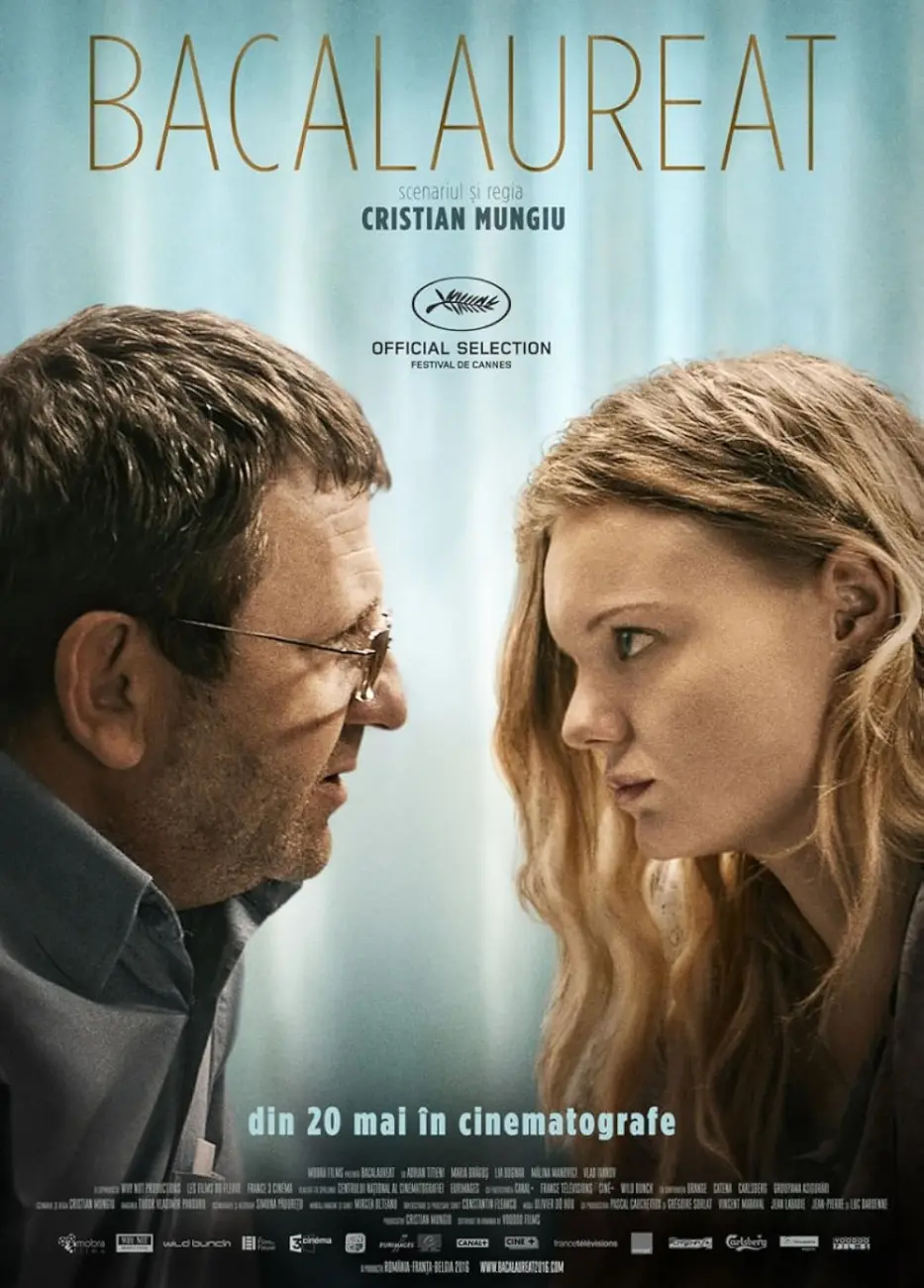
Cristian Mungiu follows a doctor who faces corruption and moral choices after his daughter is assaulted before an important exam. Adrian Titieni and Maria Dragus play the father and daughter with Lia Bugnar and Vlad Ivanov in supporting roles. The story unfolds through police visits, school offices, and hospital corridors in Cluj Napoca. It won Best Director at Cannes and continued the director’s focus on institutional pressures.
‘The Rider’ (2017)
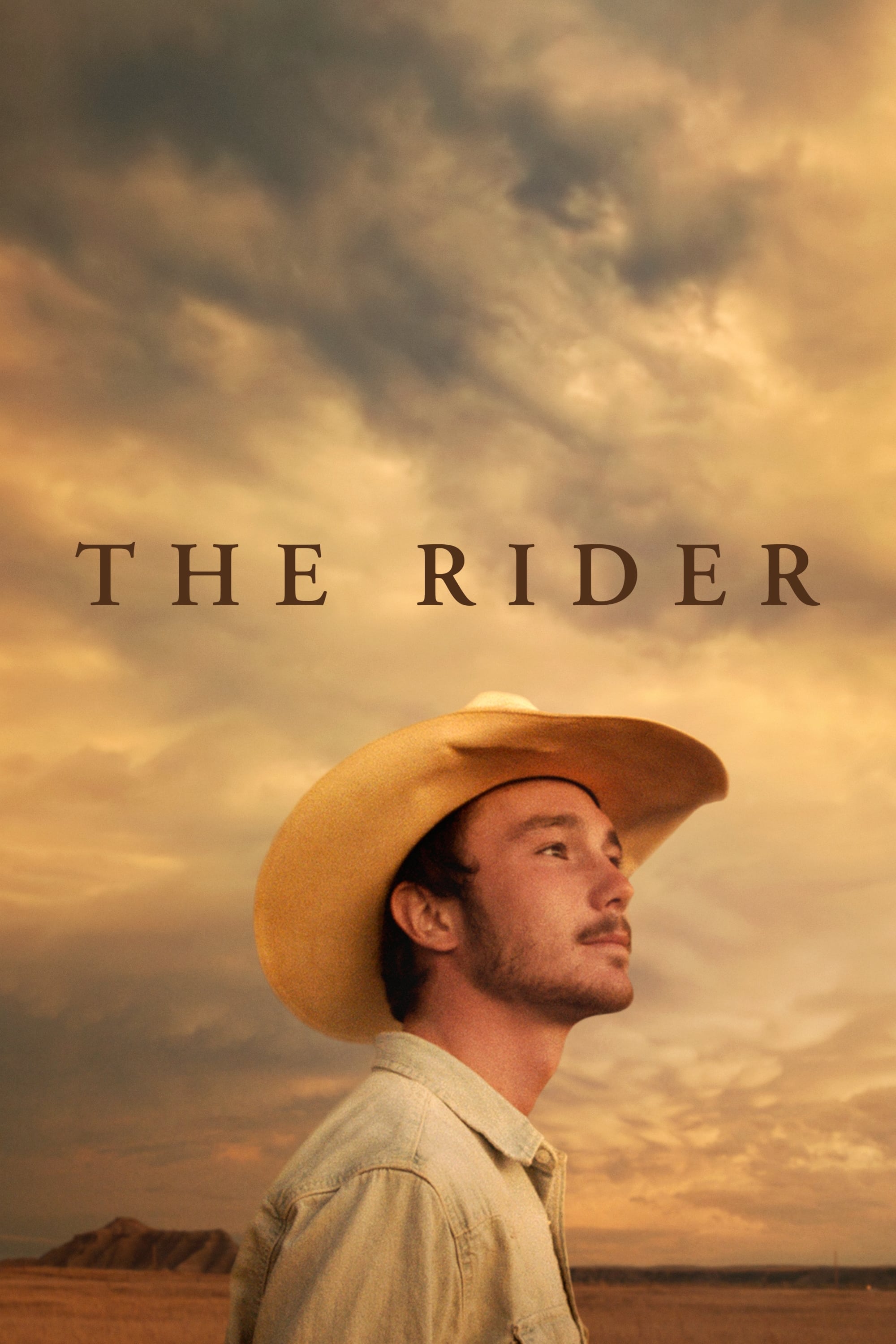
Chloé Zhao casts real Lakota cowboys to depict a bronc rider recovering from a head injury on the South Dakota plains. Brady Jandreau stars alongside his family and friends who play versions of themselves. The production blends scripted scenes with documentary methods and shoots at actual rodeo grounds. It won the Art Cinema Award at Cannes Directors’ Fortnight and appeared on numerous critics’ year end lists.
‘Loveless’ (2017)
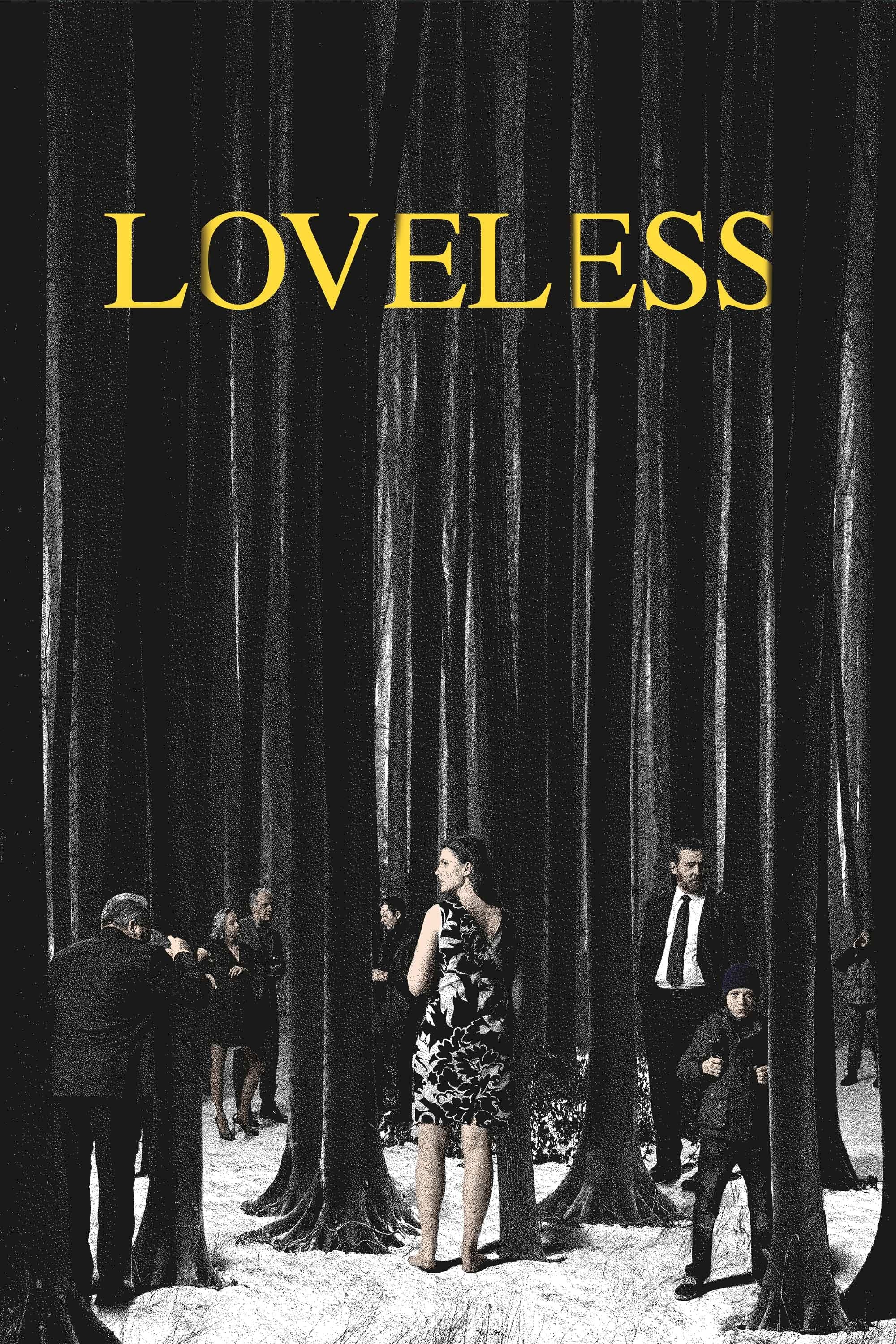
Andrey Zvyagintsev centers on separated parents searching for their missing son in contemporary Moscow. Maryana Spivak and Aleksey Rozin portray a couple navigating police procedures and volunteer search groups. The production uses location photography in new high rise developments and wooded riverbanks. It won the Jury Prize at Cannes and received an Academy Award nomination for Best Foreign Language Film.
‘Happy as Lazzaro’ (2018)
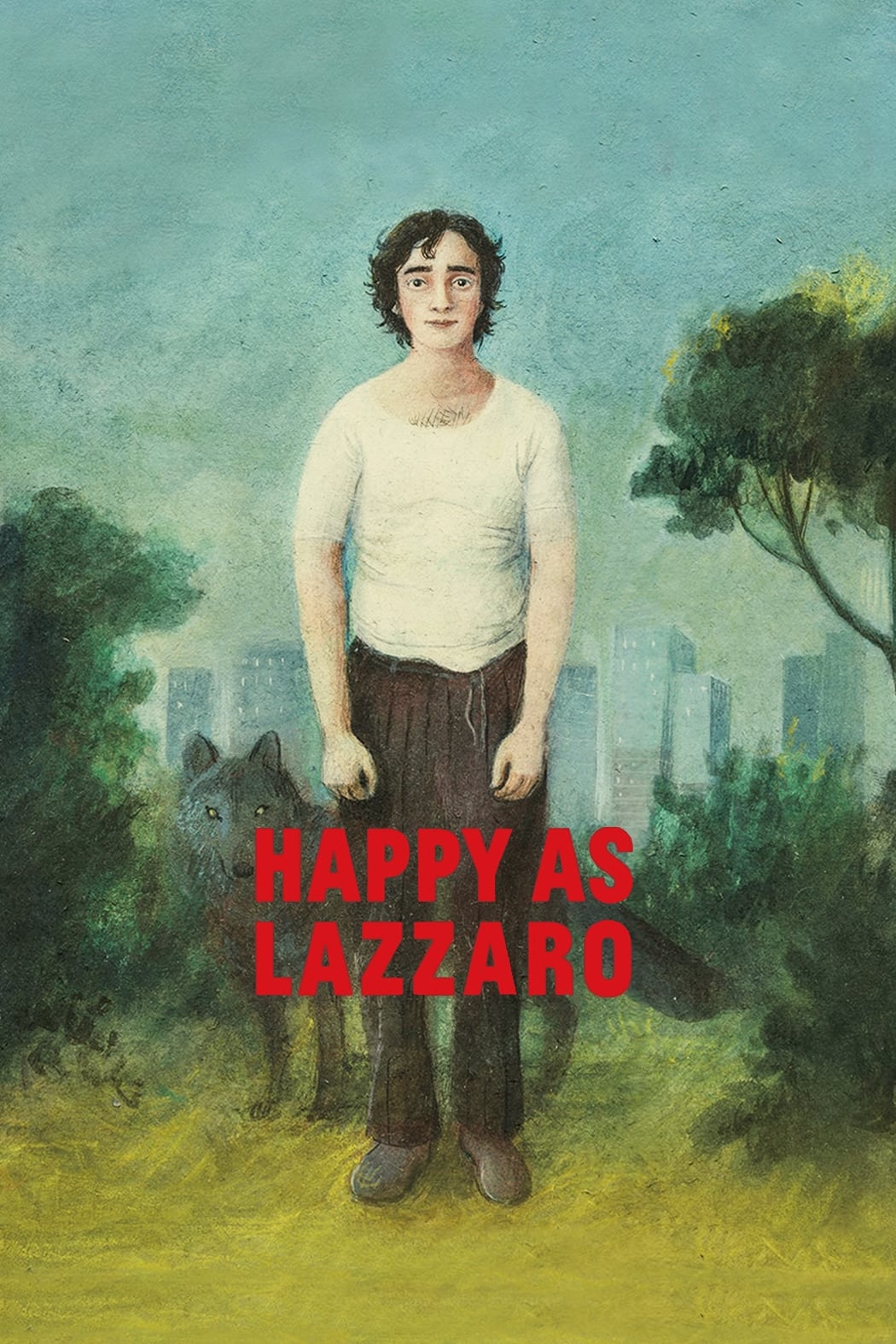
Alice Rohrwacher intertwines rural sharecroppers with modern urban life through the journey of a kindhearted farmhand. Adriano Tardiolo makes his debut in the title role with support from Alba Rohrwacher and Nicoletta Braschi. The film shoots on Super 16 to give textured grain across fields, caves, and Roman suburbs. It won Best Screenplay at Cannes and earned widespread festival play.
‘Oslo, August 31st’ (2011)
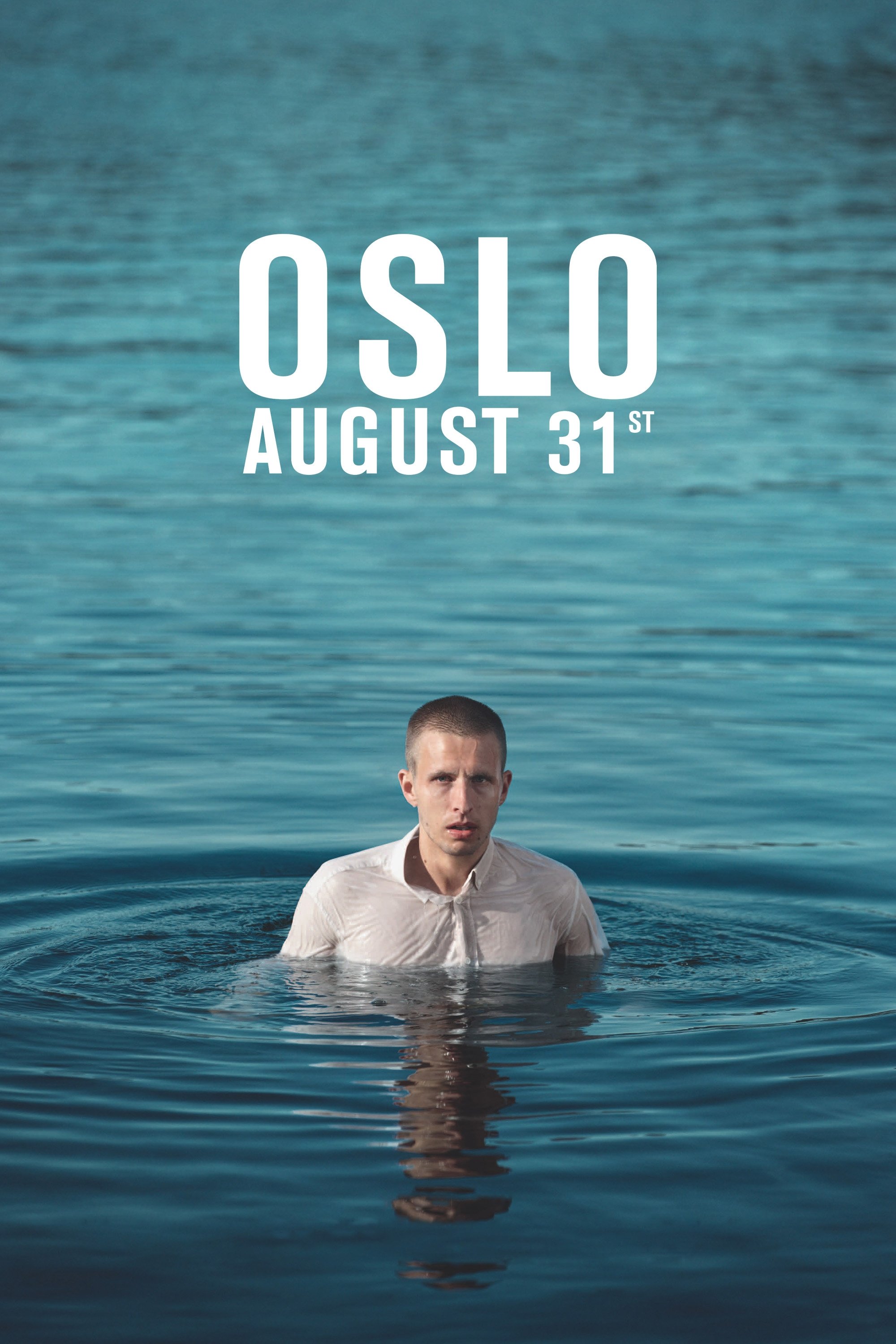
Joachim Trier adapts Pierre Drieu La Rochelle’s novel into a day in the life of a recovering addict in the Norwegian capital. Anders Danielsen Lie leads with a performance built around quiet observation and long conversational scenes. The film shoots in real apartments, cafes, and streets to document the city at summer’s end. It premiered in Cannes Un Certain Regard and later earned multiple Amanda Award nominations in Norway.
‘A White, White Day’ (2019)
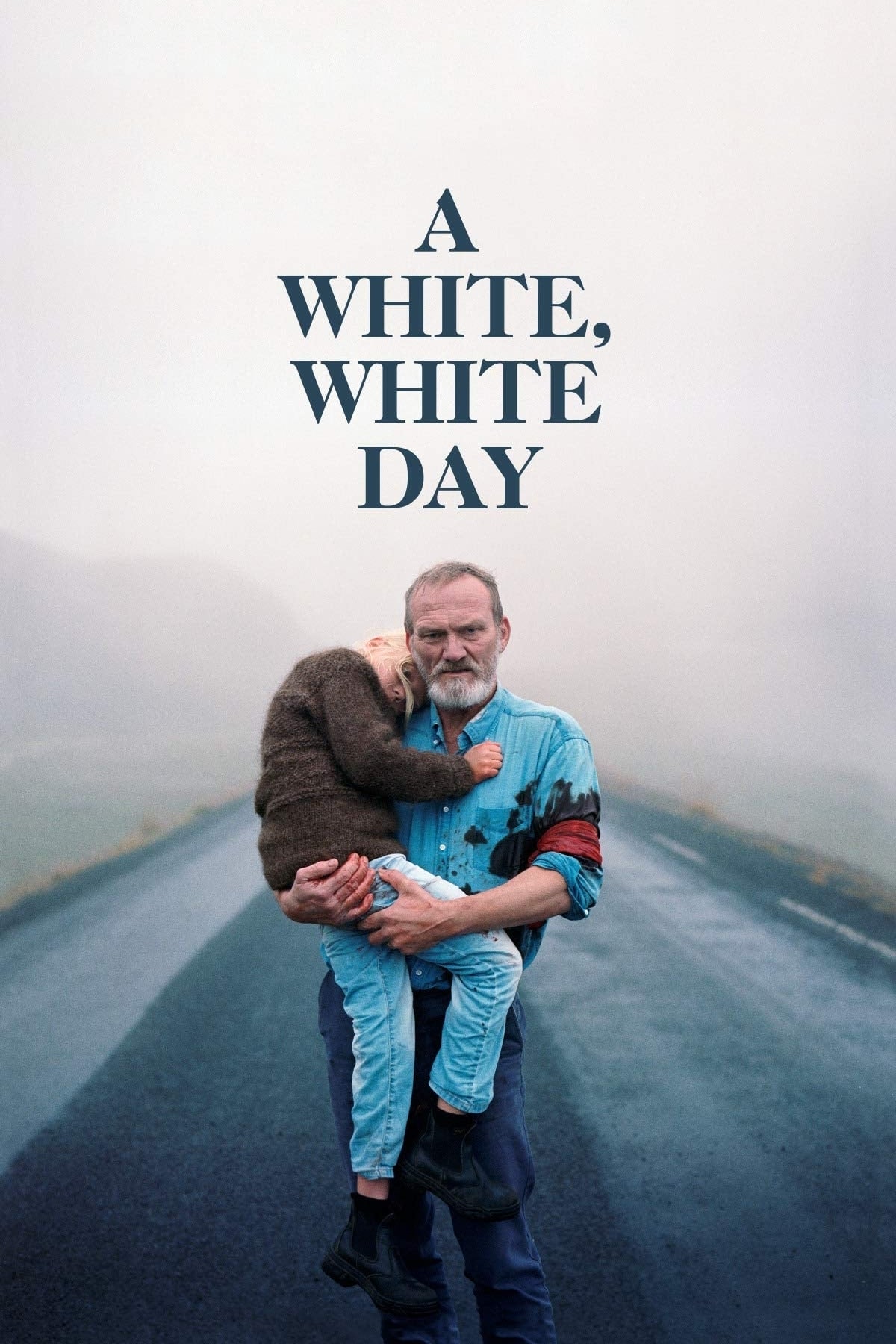
Icelandic director Hlynur Pálmason follows a widowed police chief who grows suspicious about his late wife’s past. Ingvar E. Sigurðsson carries the role through stoic routines and controlled outbursts. The production filmed on the Snæfellsnes Peninsula with weather that shapes the foggy palette. It premiered in Cannes Critics’ Week where Sigurðsson won the Rising Star Award.
‘Corpus Christi’ (2019)
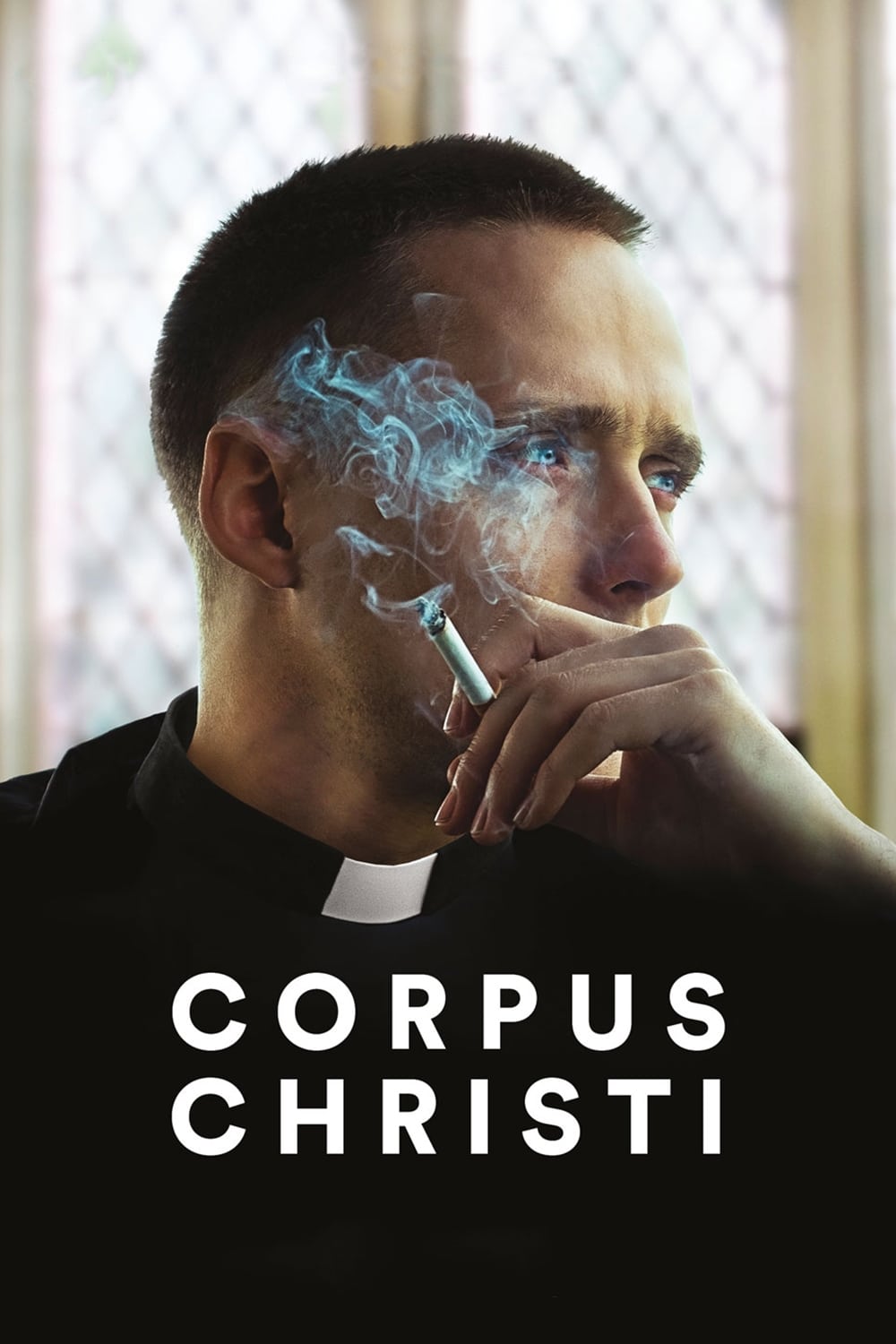
Jan Komasa tells the story of a juvenile inmate who impersonates a priest in a small Polish town. Bartosz Bielenia anchors the film with physical stillness and sudden intensity. Location shooting in rural parishes and community halls builds an authentic small town rhythm. It premiered in Venice, expanded through Toronto, and received an Academy Award nomination for International Feature.
‘The Light Thief’ (2010)
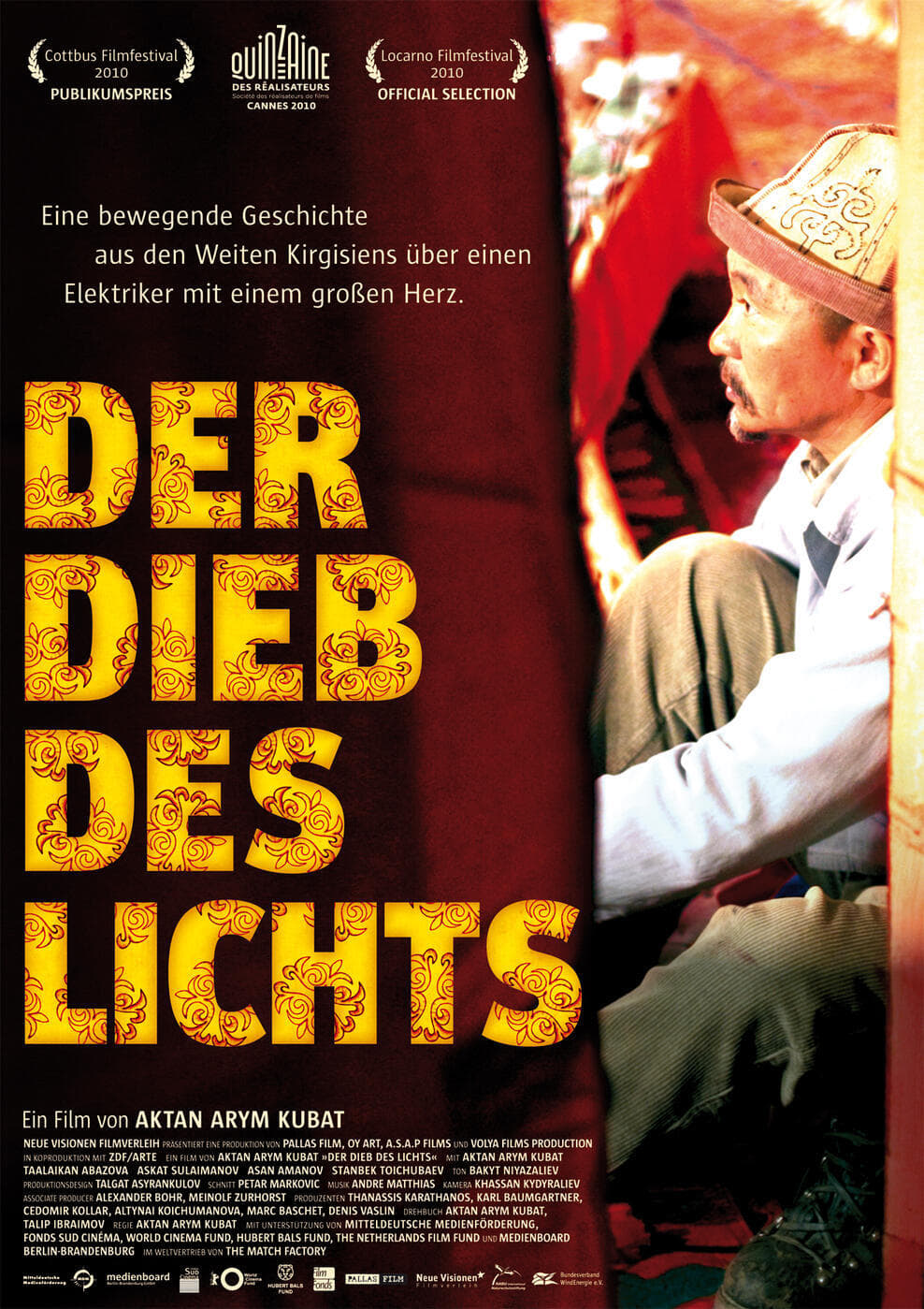
Aktan Arym Kubat directs and stars as a village electrician trying to keep power flowing in rural Kyrgyzstan. The production uses nonprofessional locals and natural light to record daily life and civic pressure. Scenes were staged around actual transformers and farm equipment to ground the story in manual work. It screened in Cannes Directors’ Fortnight and traveled widely on the festival circuit.
‘Lilya 4-ever’ (2002)
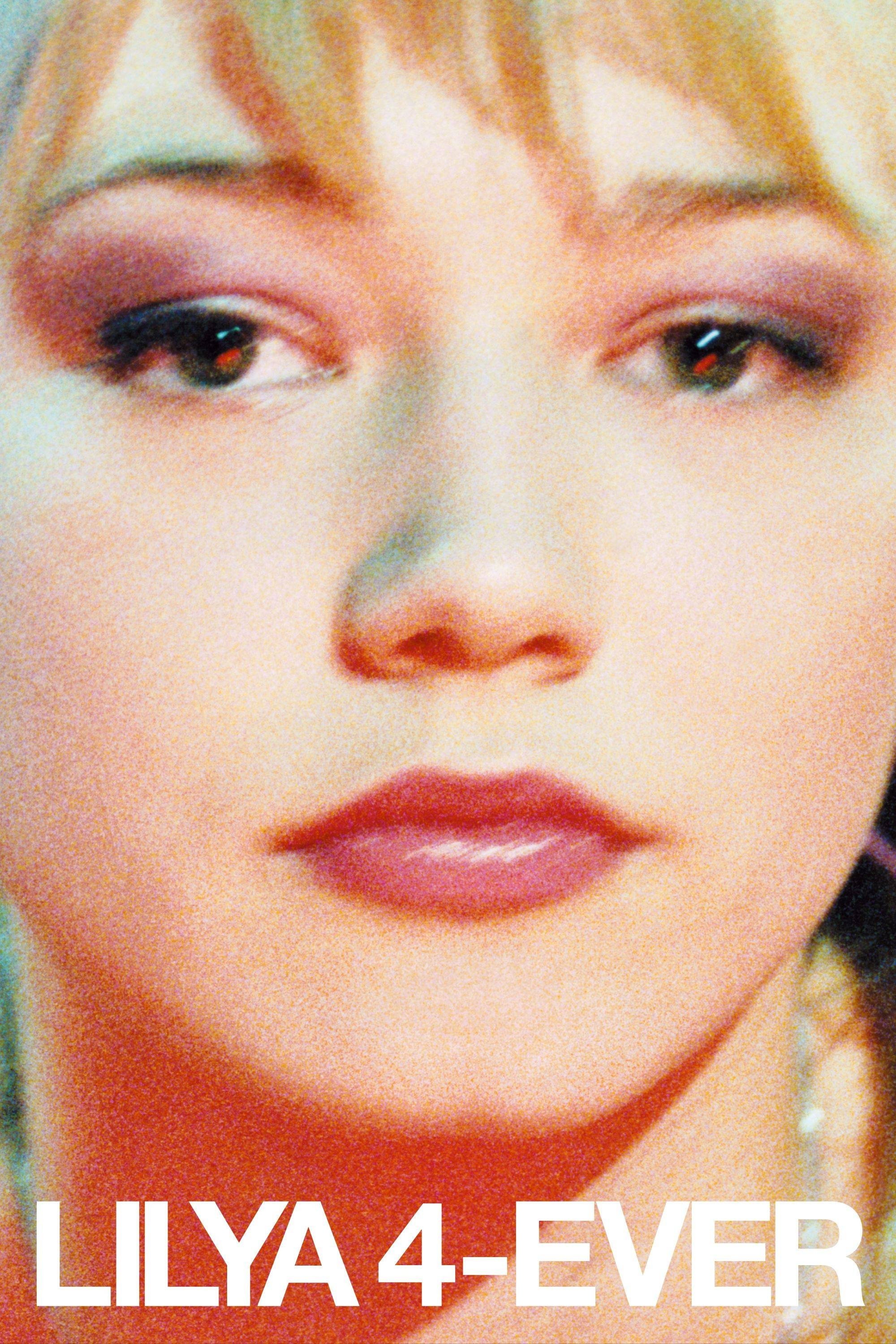
Lukas Moodysson follows a teenager in a post Soviet town whose path leads into exploitation. Oksana Akinshina and Artyom Bogucharsky lead a cast that blends first time actors with seasoned performers. Filming took place in Estonia and Sweden with locations doubling for industrial outskirts. It won several Guldbagge Awards and drew international attention for its stark presentation.
‘The Eel’ (1997)
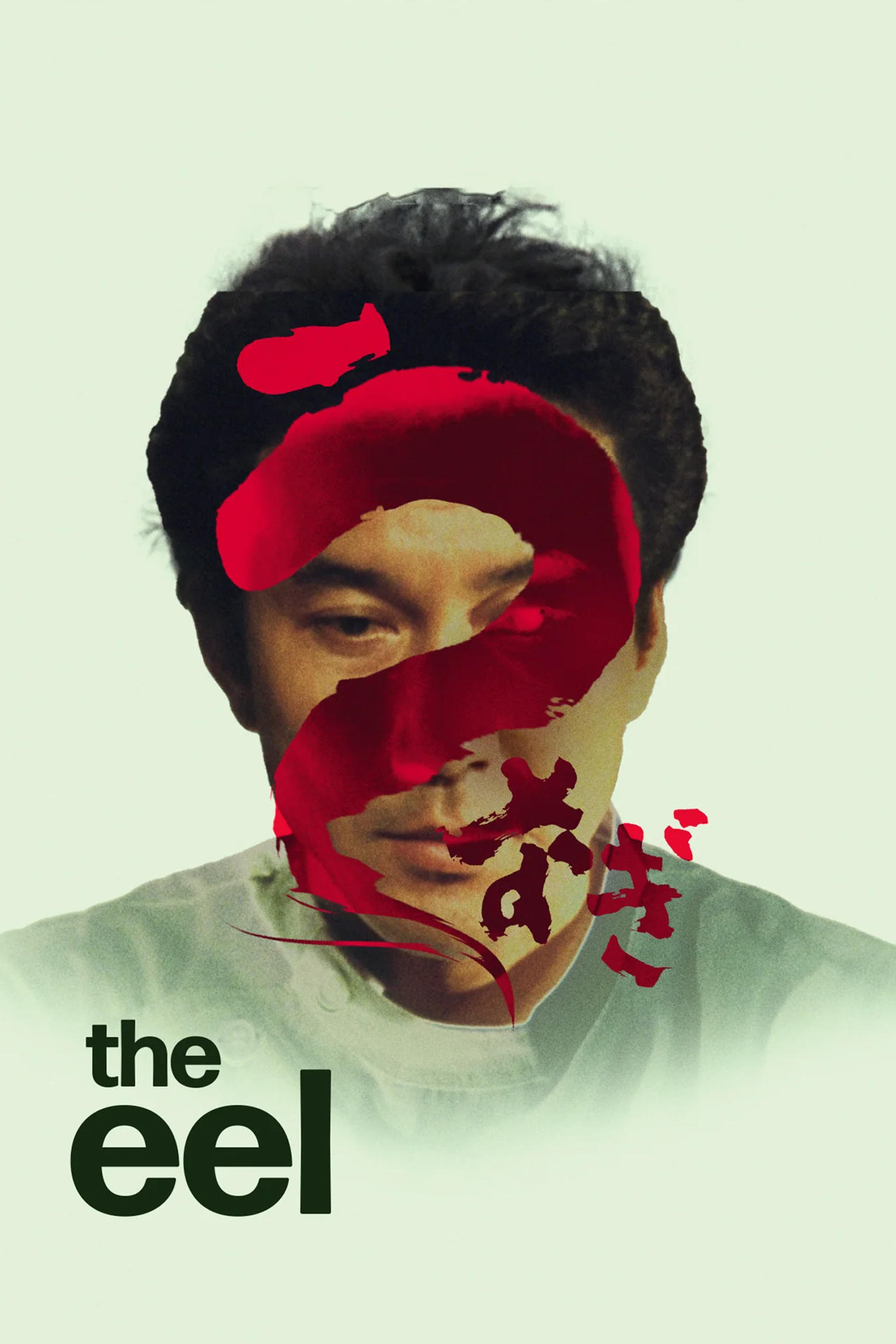
Shohei Imamura charts the rehabilitation of a man who starts a barbershop after release from prison. Koji Yakusho plays the lead and brings quiet humor to scenes of work and routine. The production mixes studio interiors with riverside exteriors around Chiba Prefecture. It shared the Palme d’Or at Cannes and received multiple Japanese Academy Prize nominations.
‘After Life’ (1998)
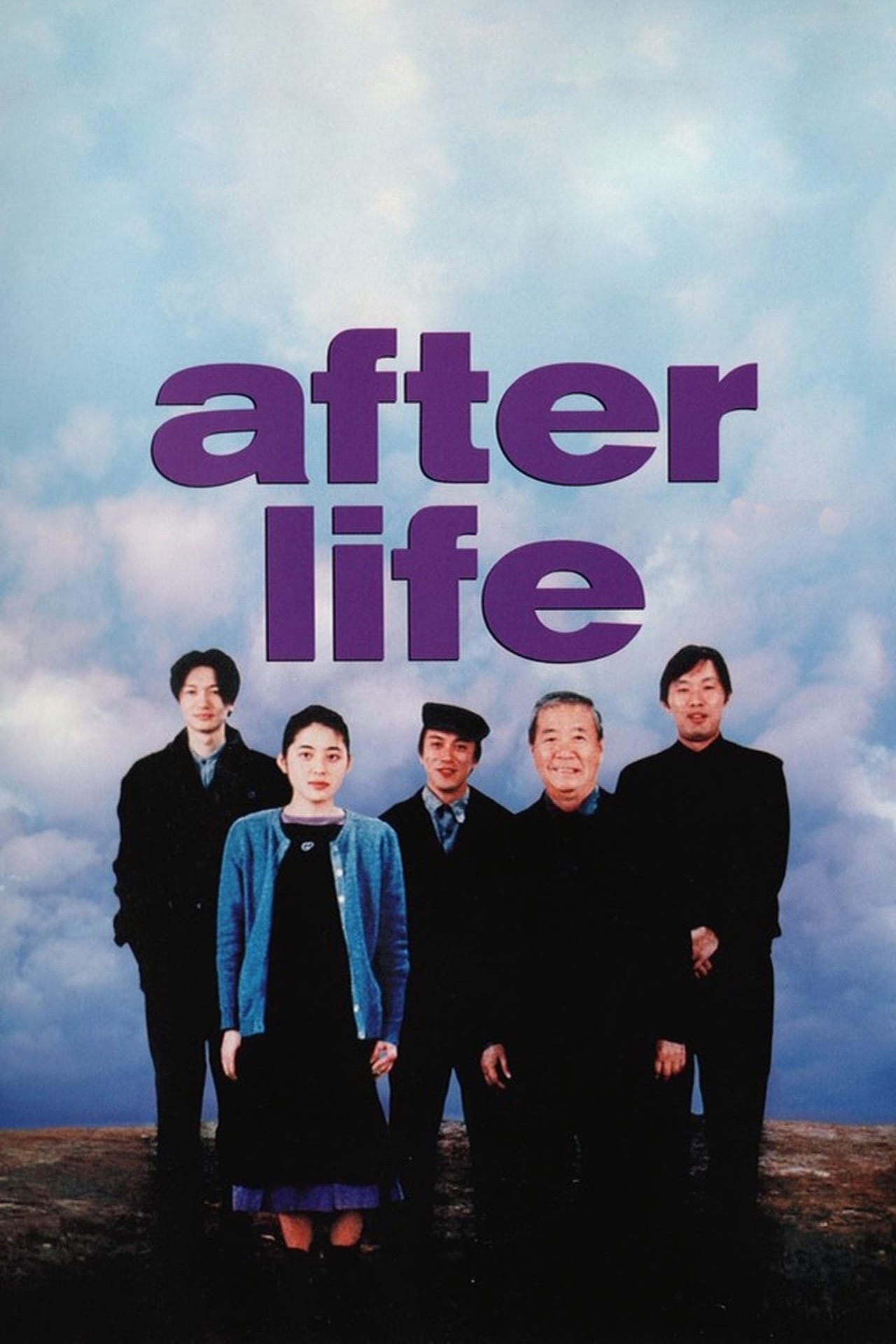
Hirokazu Kore eda imagines a way station where the recently deceased select a single memory to carry forward. The crew interviewed nonprofessional participants and incorporated their recollections into scripted scenes. Minimal sets, 16 millimeter textures, and gentle sound design shape a contemplative atmosphere. It premiered at Toronto and established the director’s hybrid fiction documentary approach.
‘Time of the Gypsies’ (1988)
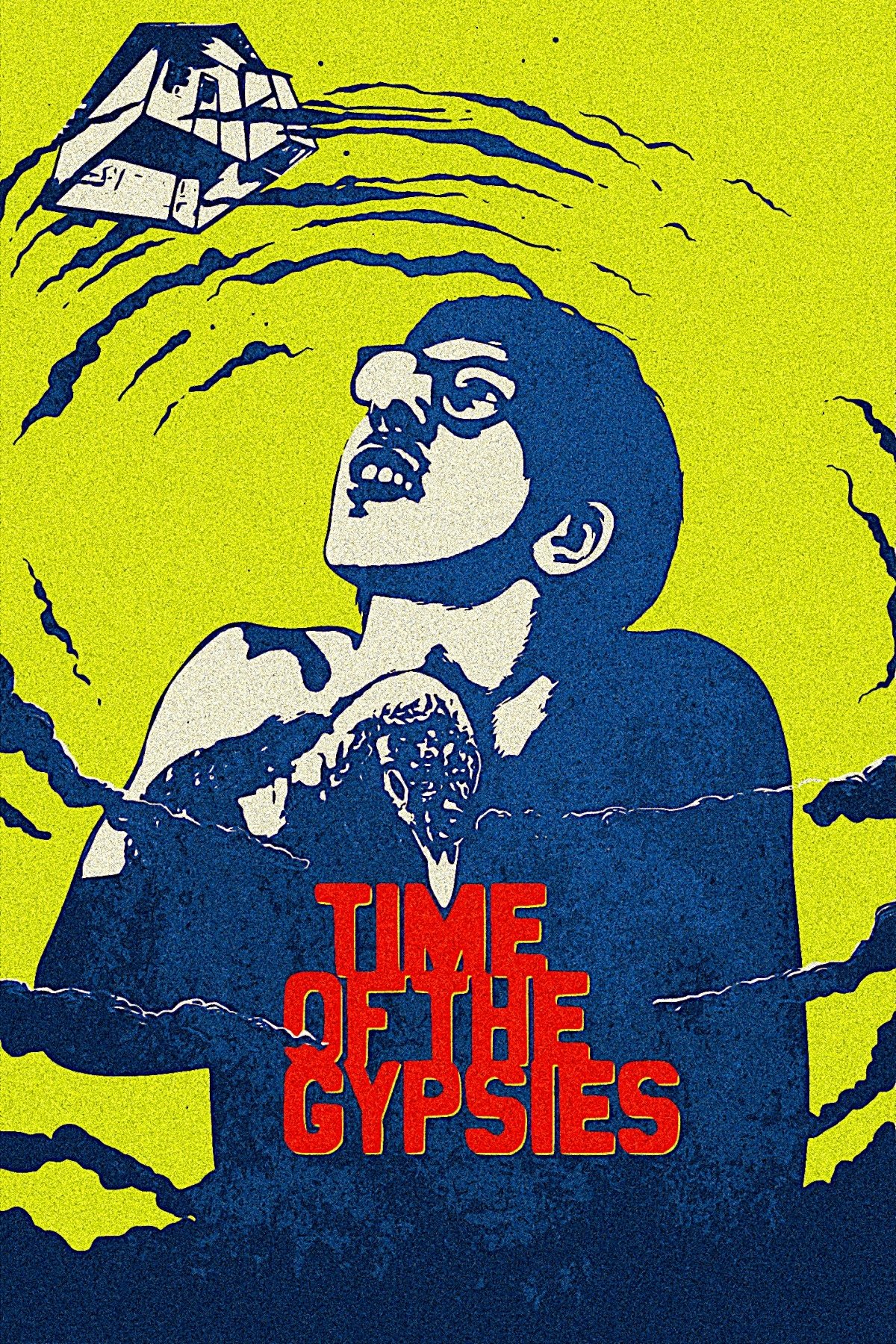
Emir Kusturica centers the story on a Romani teenager with a gift that draws him into crime. The production recorded dialogue in Romani and Serbo Croatian and used real community members alongside actors. Shooting took place in Skopje and Sarajevo with elaborate wedding and river sequences. Kusturica won Best Director at Cannes for the film’s intricate staging.
‘The Orphanage’ (2007)
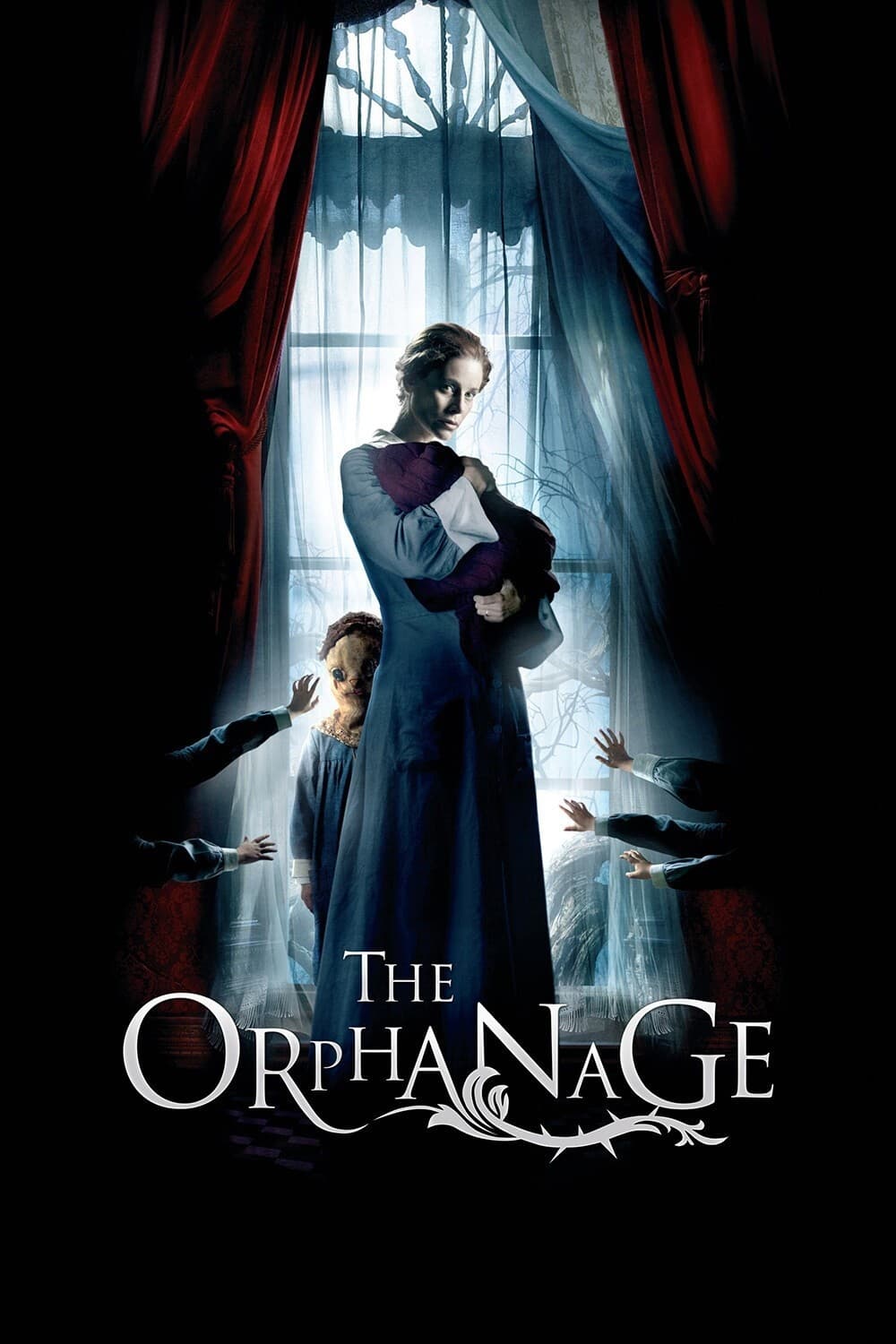
J. A. Bayona crafts a Spanish drama with supernatural elements about a woman who returns to her childhood home to open a care facility. Belén Rueda leads a cast that includes Fernando Cayo and Roger Príncep. The production worked with a coastal mansion in Asturias and practical effects to design its set pieces. It earned strong domestic box office and won multiple Goya Awards.
‘Cold Fish’ (2010)

Sion Sono draws from a notorious Japanese case to portray a tropical fish shop owner pulled into violence. Mitsuru Fukikoshi, Denden, and Asuka Kurosawa headline performances that shift between politeness and menace. The film used real pet shop locations and crowded suburban streets in Saitama. It premiered in Venice and earned genre festival awards for screenplay and direction.
‘Waltz with Bashir’ (2008)
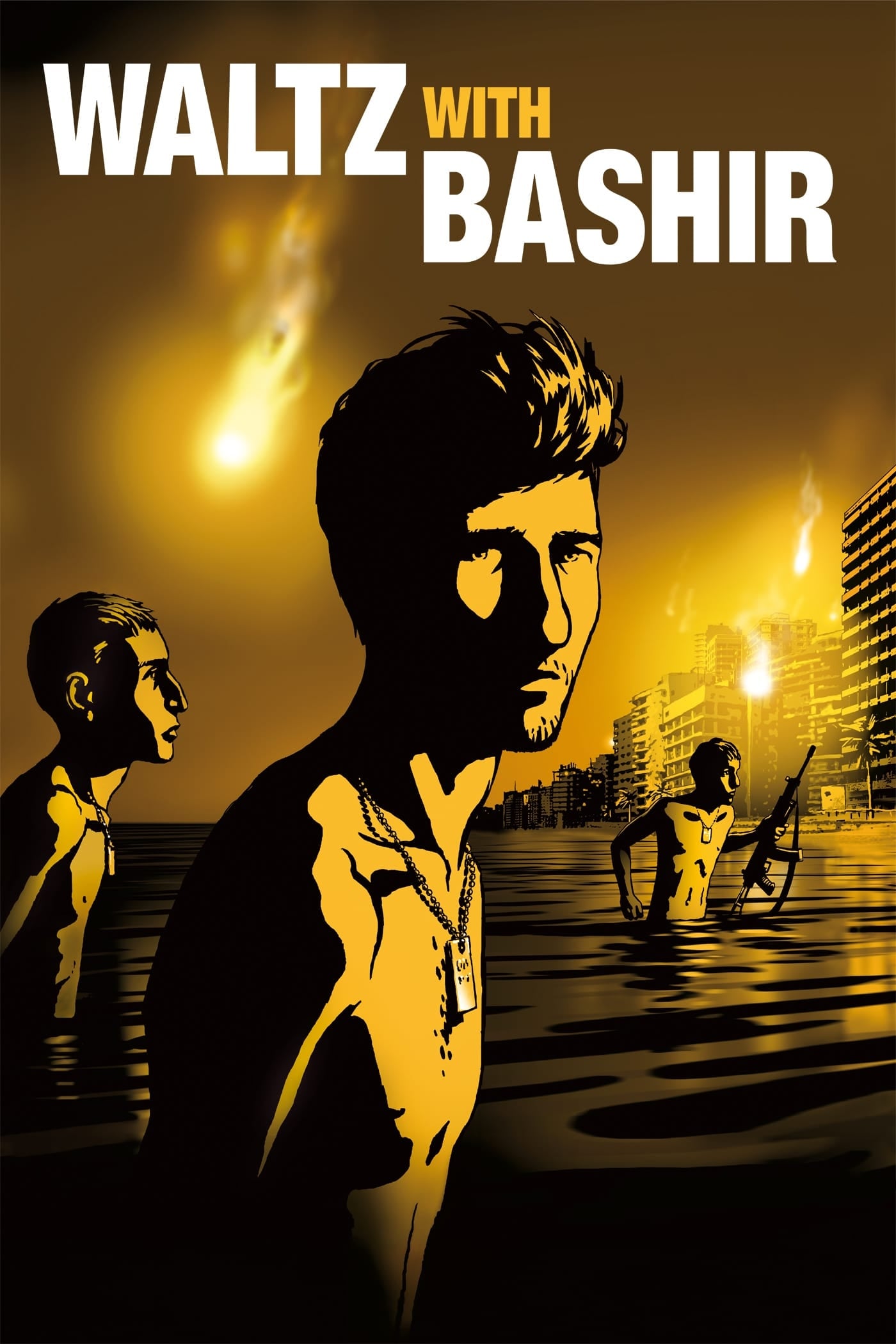
Ari Folman reconstructs wartime memories through an animated feature that combines interviews and rotoscoped imagery. The production team developed a pipeline of video, illustration, and Flash animation to achieve its look. Composer Max Richter scores the film with recurring motifs that tie episodes together. It won the Golden Globe for Foreign Language Film and was nominated for an Academy Award.
‘The Secret of the Grain’ (2007)
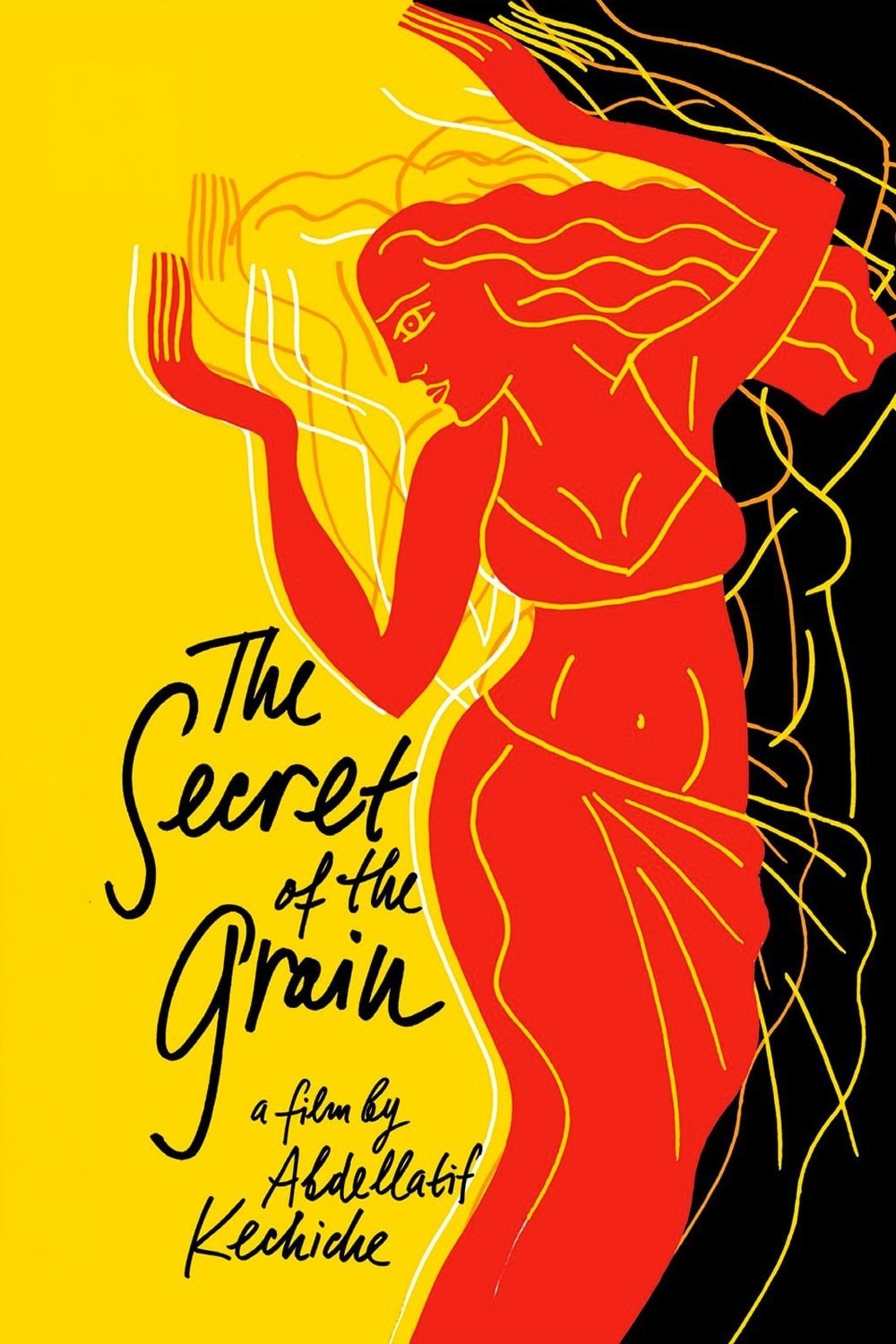
Abdellatif Kechiche follows an extended family in Sète as they work to open a couscous restaurant on a boat. The cast includes Habib Boufares, Hafsia Herzi, and a large ensemble of relatives and coworkers. Long scenes of meetings and food preparation were staged with overlapping dialogue and handheld cameras. It won the Special Jury Prize in Venice and several César Awards including Best Film.
‘The Club’ (2015)
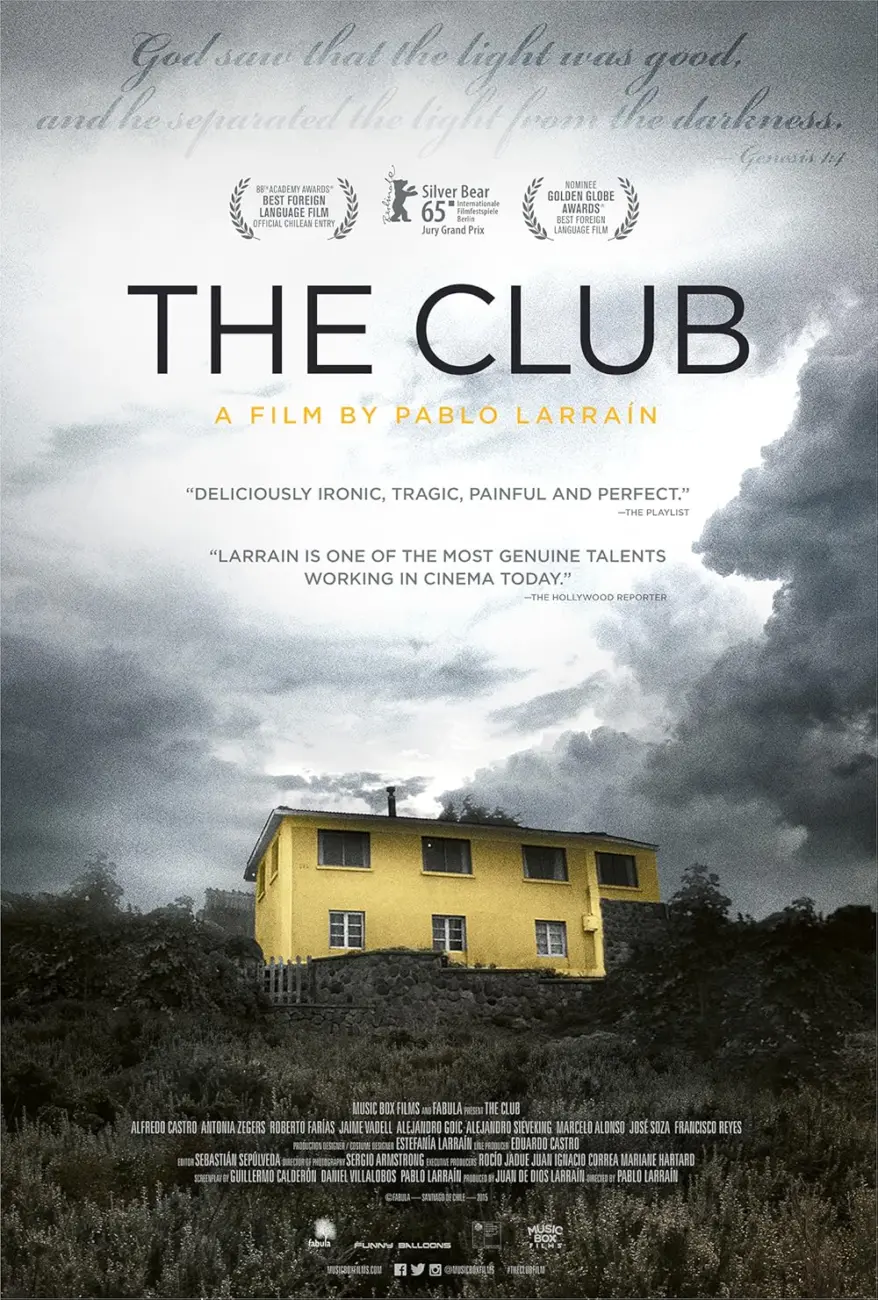
Pablo Larraín focuses on a secluded house where former priests live under church supervision after disciplinary cases. Alfredo Castro and Roberto Farías lead the ensemble as new accusations bring investigators to the town. The film shot in the coastal community of Bucalemu and used a flattened lens look to mute bright light. It won the Silver Bear Grand Jury Prize at Berlin.
‘In the Fog’ (2012)
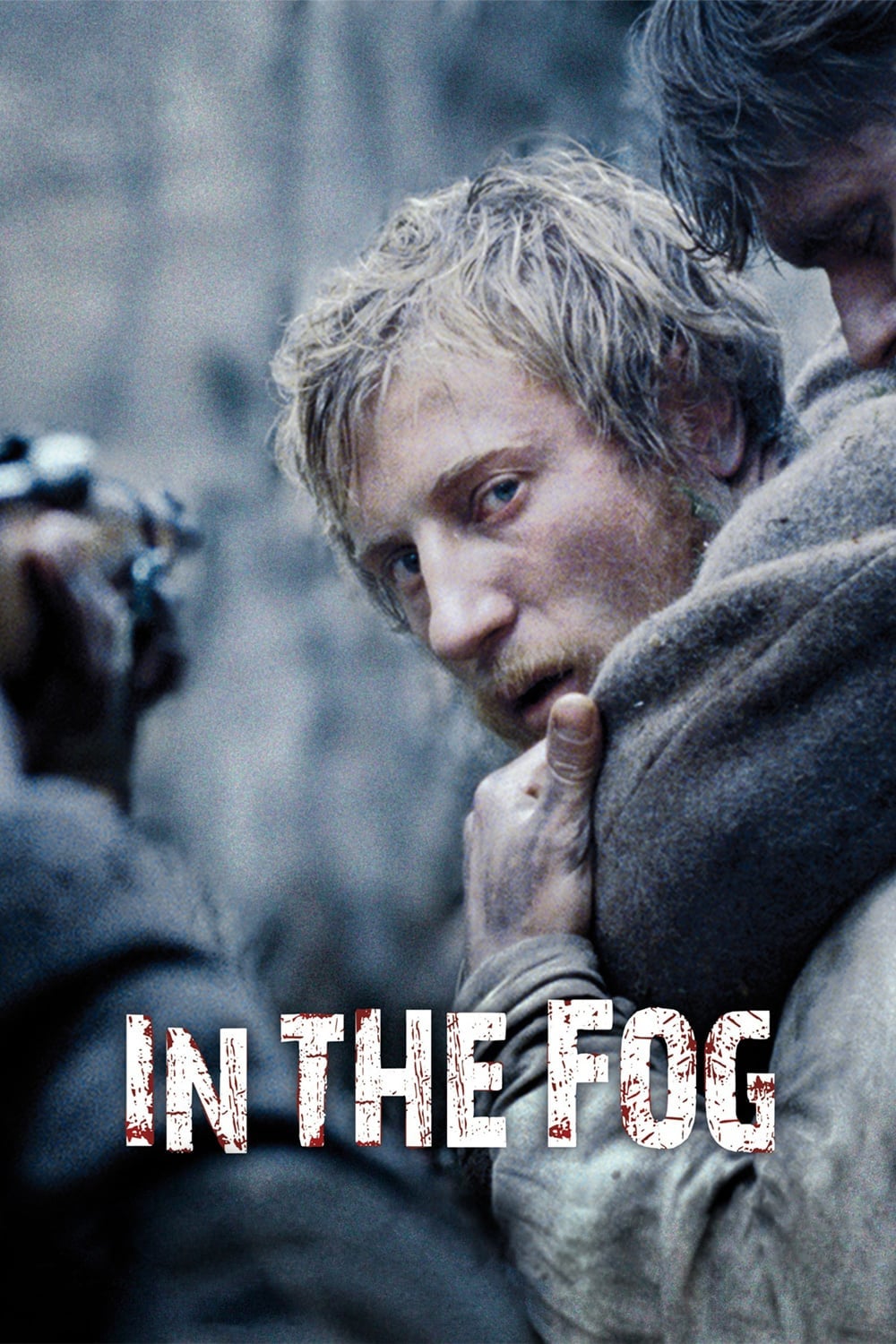
Sergei Loznitsa sets a wartime story in occupied Belarus where a railway worker faces accusations of collaboration. The production emphasizes long takes in forest clearings and village paths with minimal musical scoring. Nonprofessional faces appear alongside Vladimir Svirskiy and Vladislav Abashin to ground the period setting. It won the FIPRESCI Prize at Cannes and continued the director’s focus on moral ambiguity.
‘Silent Light’ (2007)
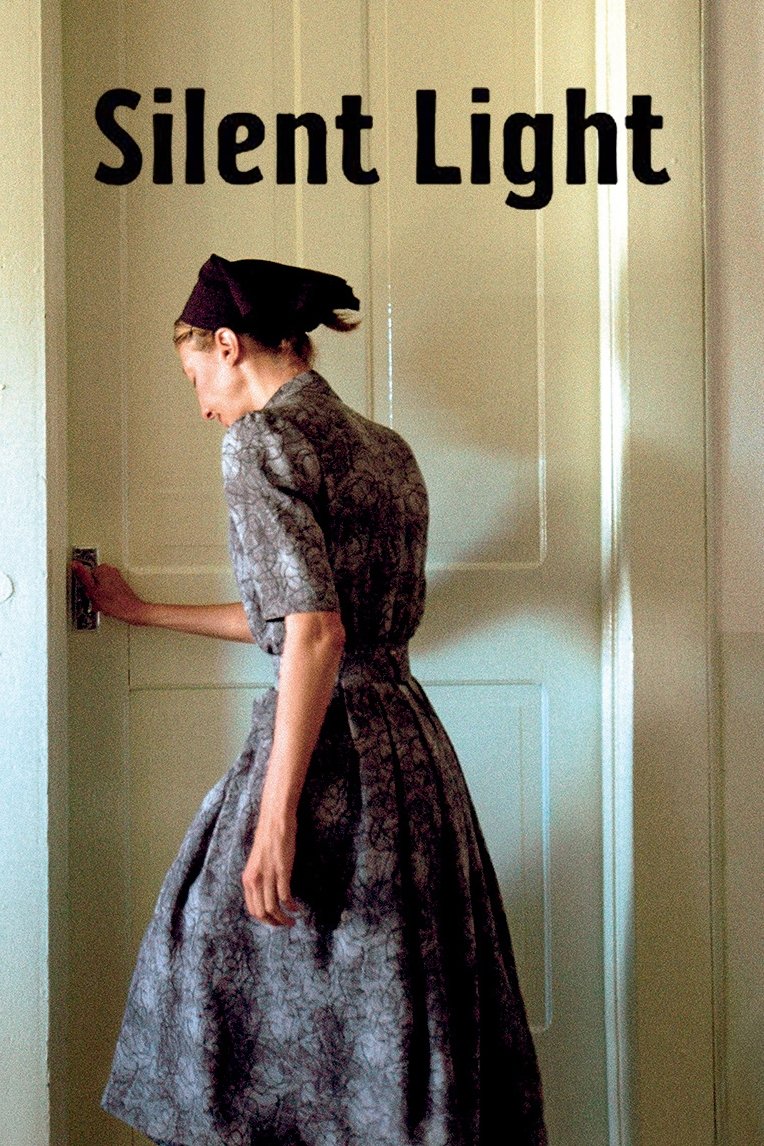
Carlos Reygadas films in a Mennonite community in northern Mexico using Plautdietsch language and nonprofessional actors. The production opens with a time lapse sunrise and relies on available light for much of its imagery. Farmhouses, fields, and modest interiors provide the frame for a story of marital strain and faith. It won the Jury Prize at Cannes and received praise for its meticulous camerawork.
Share the films you would add to this list in the comments so everyone can discover more hidden gems.

