


Best Forgotten Horrors from the 2000s (that Require an Immediate Rewatch)

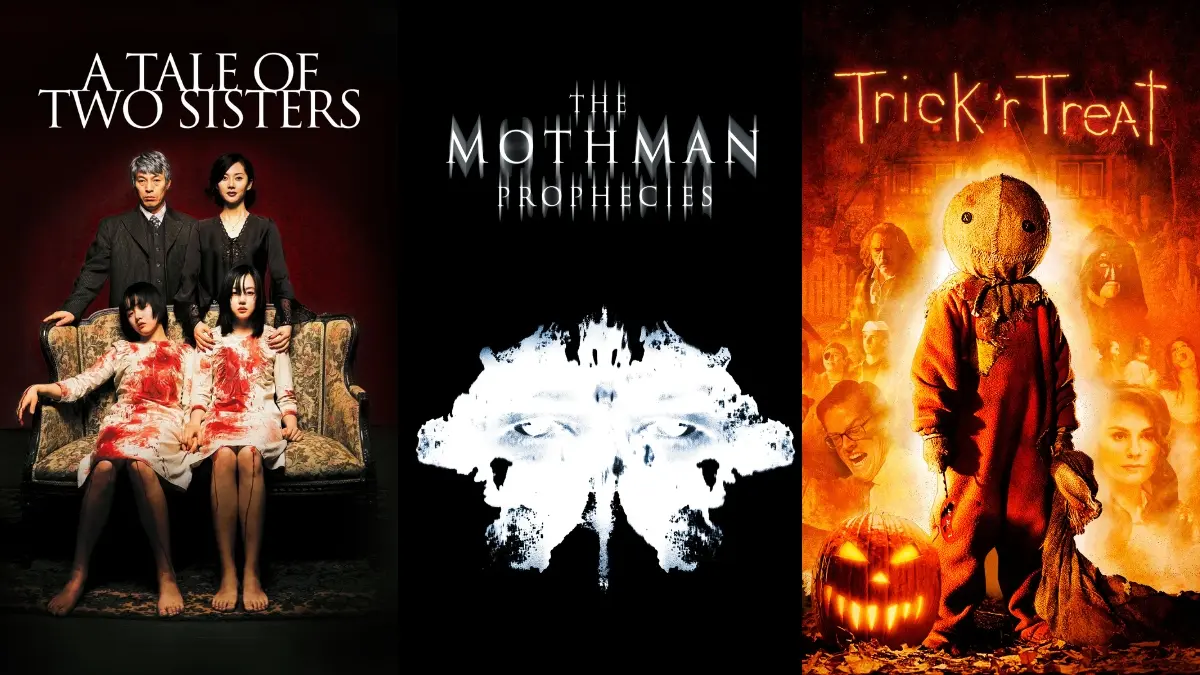


The 2000s delivered a deep bench of horror that slipped under the radar while bigger franchises hogged the spotlight. Tucked between remakes and found-footage frenzies, these titles pushed form, refreshed old folklore, experimented with structure, and quietly influenced the decade that followed. This list gathers projects from the US, UK, and international scenes that reward a fresh look for their craftsmanship, unusual premises, and memorable technical choices.
Below, you’ll find feature films and a couple of TV entries presented with key production details, who made them, who starred in them, where they were shot, how they were distributed, and what makes their construction noteworthy. Each entry sticks to the essentials—directors, writers, cast, format, setting, production background, and other concrete facts—to make your next queue-build effortless.
‘Session 9’ (2001)
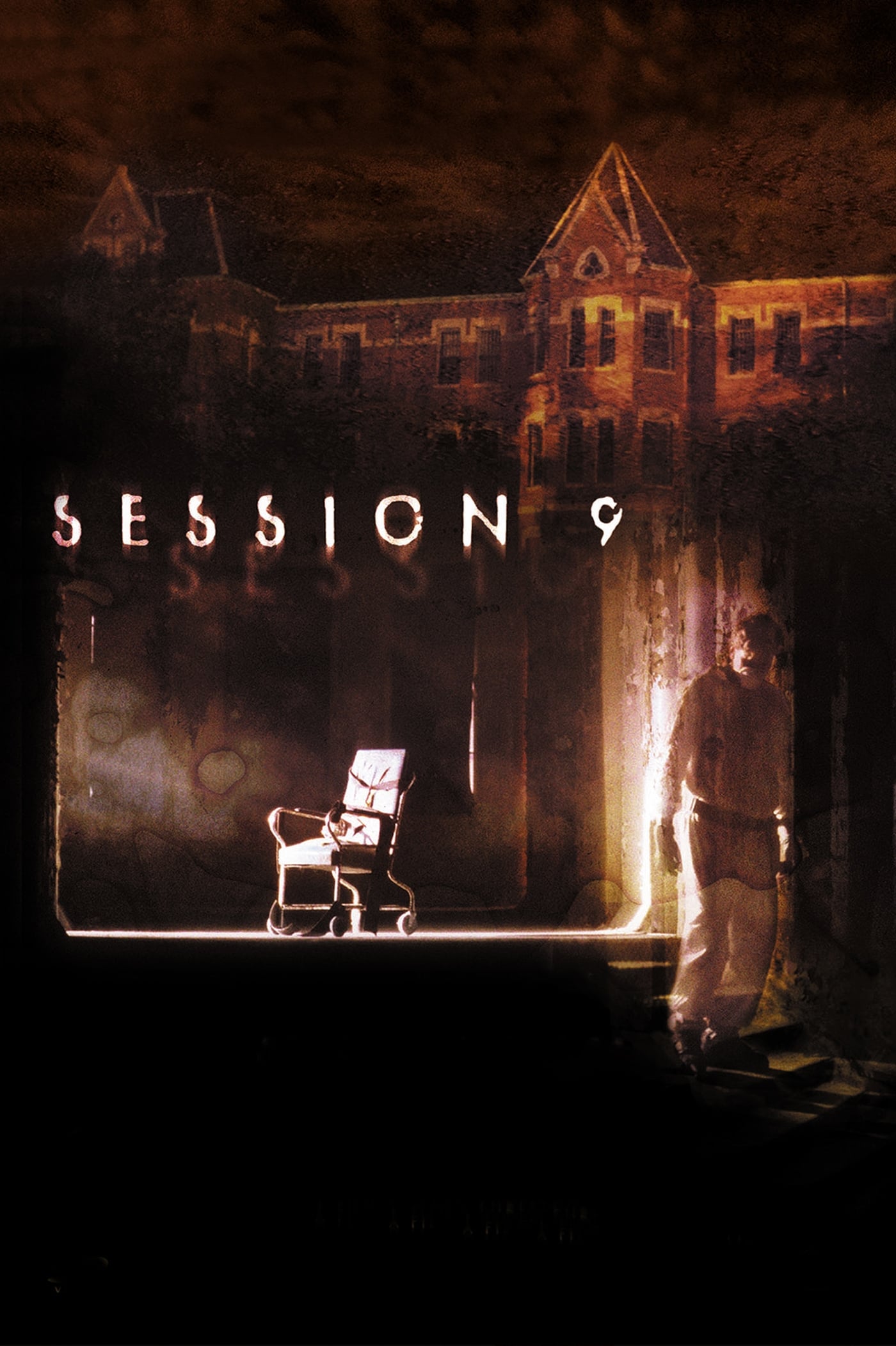
Shot on high-definition digital video at the real Danvers State Hospital in Massachusetts, ‘Session 9’ is directed by Brad Anderson and written by Anderson with Stephen Gevedon. The film follows an asbestos-abatement crew led by David Caruso and Peter Mullan, with Brendan Sexton III, Josh Lucas, and Stephen Gevedon rounding out the team. Cinematography by Uta Briesewitz leverages the sprawling, decommissioned location’s tunnels and wards, favoring natural light and long takes.
The production used minimal sets, relying on the hospital’s intact architecture and found objects. Sound design emphasizes location ambience and recorded therapy reels central to the plot’s structure. USA Films handled distribution, and the feature has since become a reference point for location-driven psychological horror craft.
‘The Mothman Prophecies’ (2002)
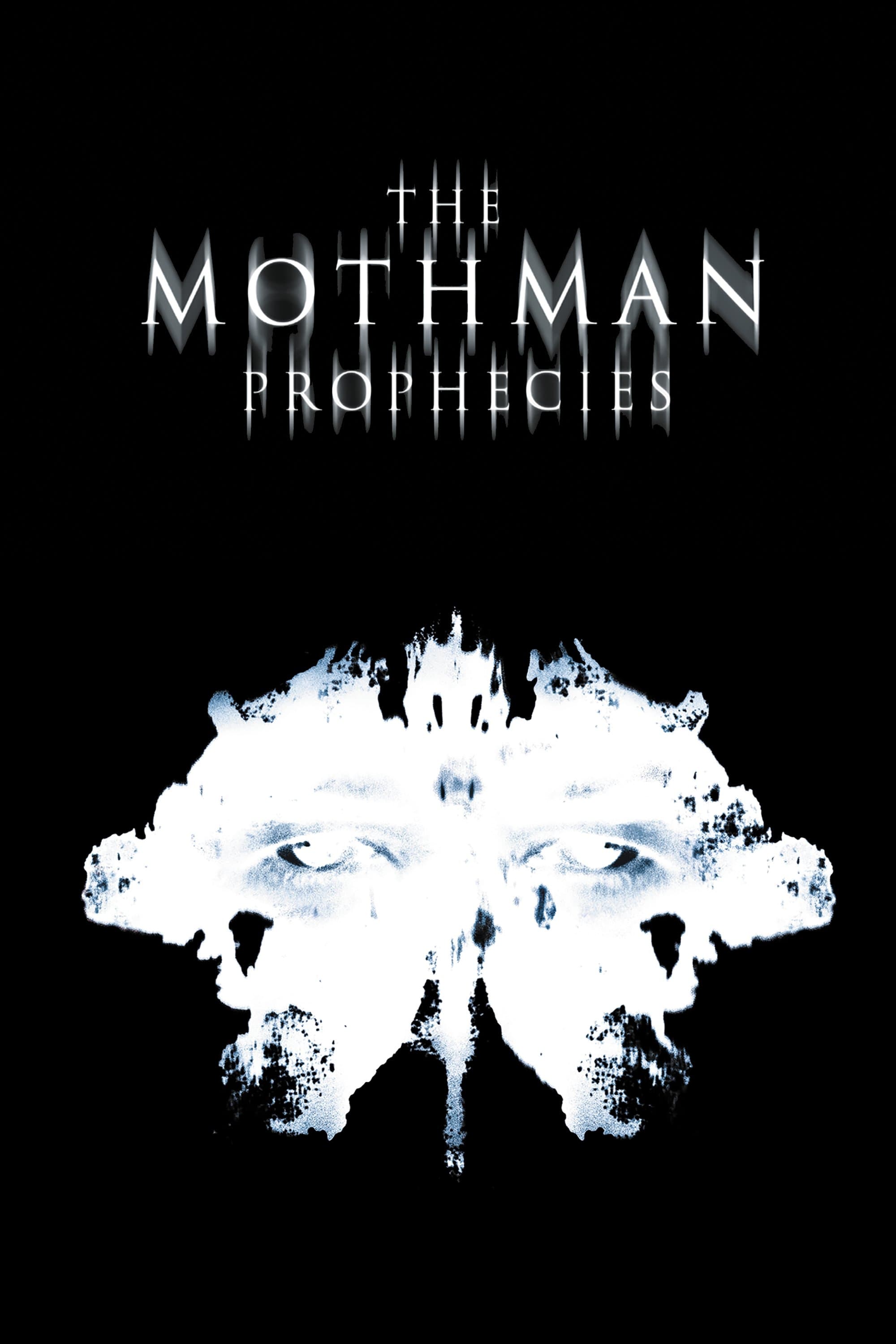
Directed by Mark Pellington and adapted by Richard Hatem from John A. Keel’s nonfiction book, ‘The Mothman Prophecies’ stars Richard Gere, Laura Linney, and Will Patton. The narrative relocates the source material to Point Pleasant, West Virginia, tracking a journalist’s encounters with local reports and a series of unusual calls.
The production blends investigative drama with supernatural elements, using riverfront and small-town locations to ground the story. Music by Tomandandy and cinematography by Fred Murphy underscore the film’s radio-transmission motif and phone-call set pieces. Screen Gems managed the release, with subsequent home-video editions expanding the audience.
‘May’ (2002)
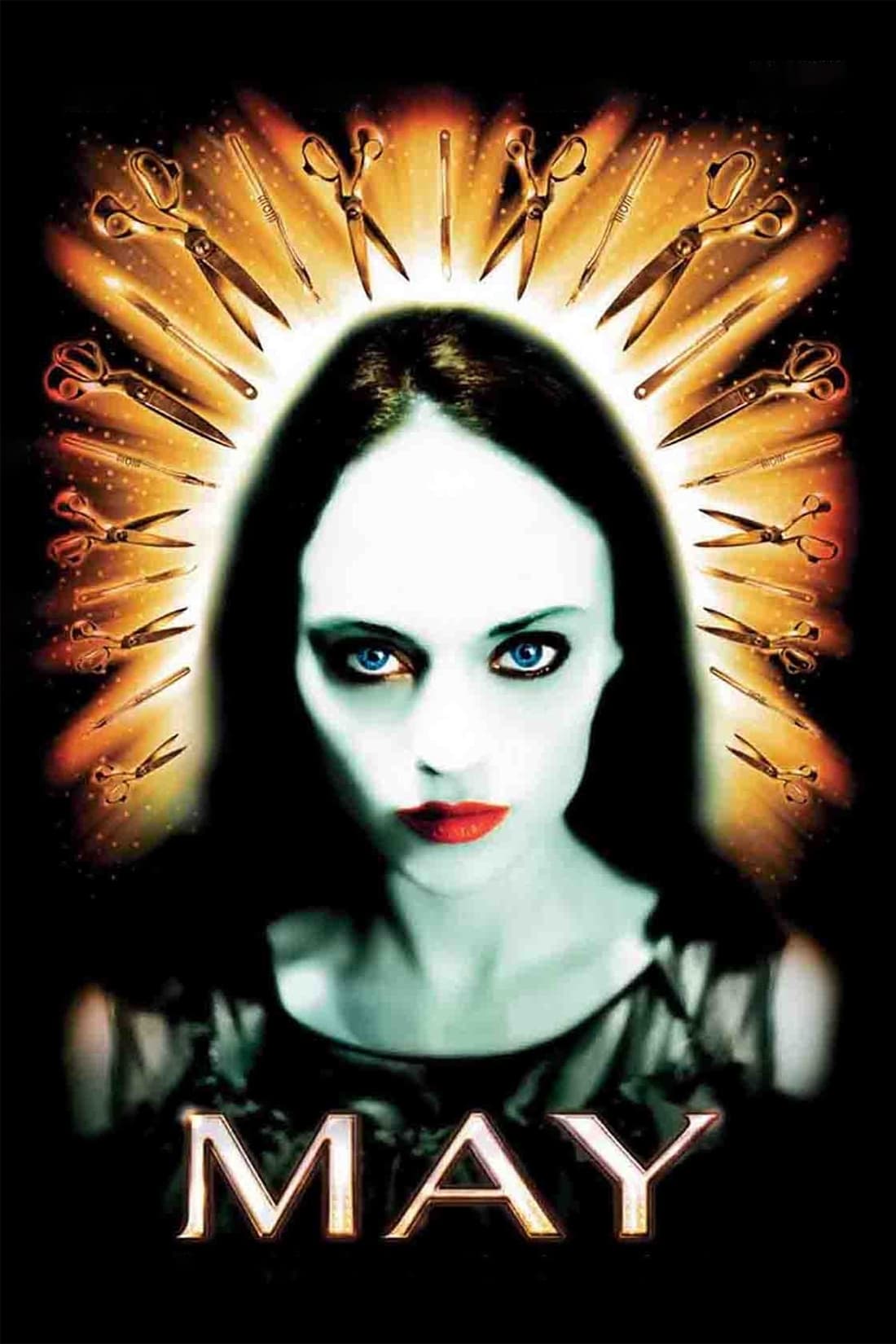
‘May’ is written and directed by Lucky McKee and stars Angela Bettis in the title role, with supporting turns by Jeremy Sisto, Anna Faris, and James Duval. The film is a character-driven horror piece focused on an isolated young woman’s attempt at connection through increasingly extreme methods.
Kevin Ford’s editing and Steve Yedlin’s cinematography favor tight coverage and close-quarters interiors to reflect the protagonist’s limited world. Production took place in Los Angeles with a modest budget, and Lions Gate handled distribution. The film’s practical effects and makeup work are central to its final act.
‘Dead End’ (2003)
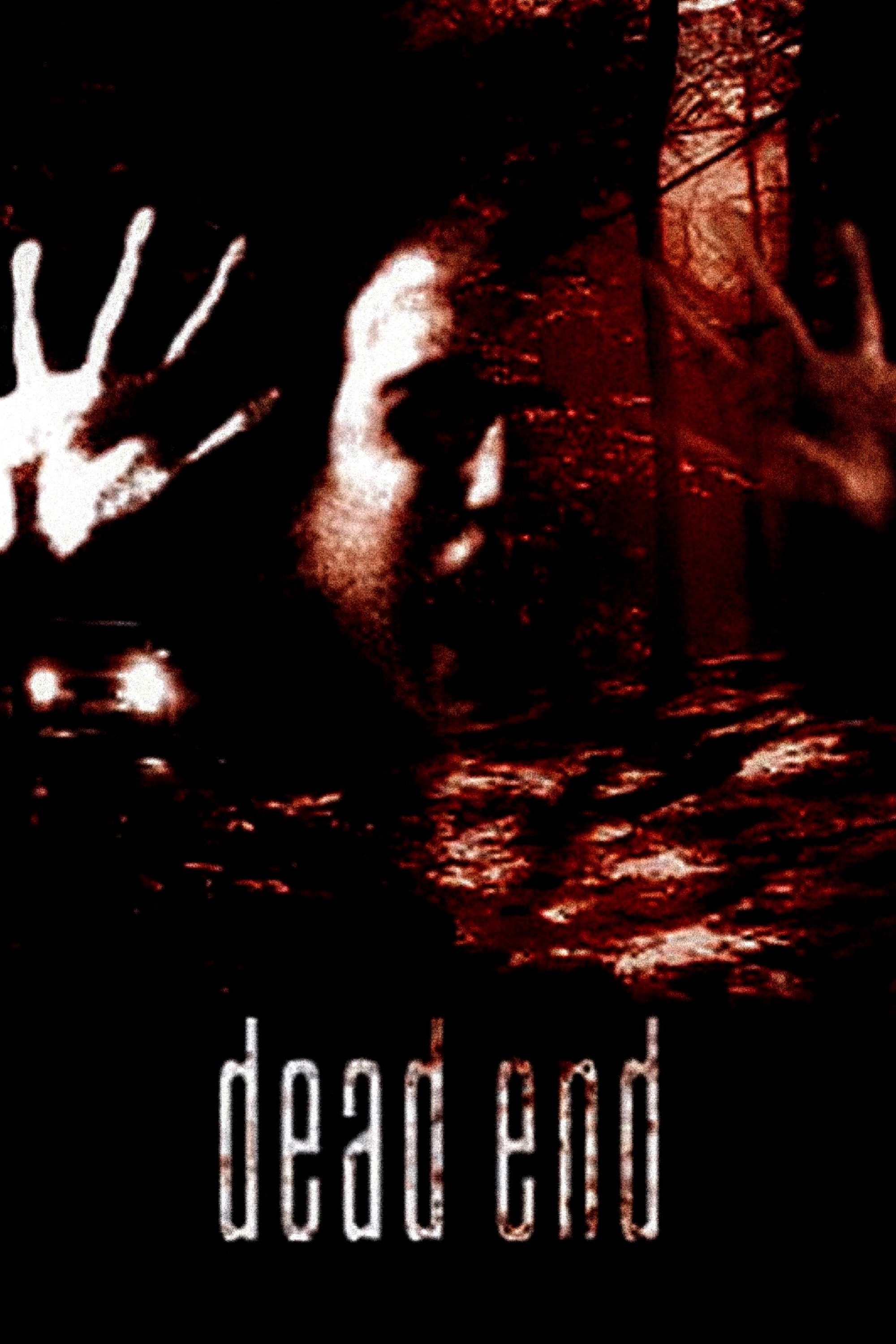
Co-written and co-directed by Jean-Baptiste Andrea and Fabrice Canepa, ‘Dead End’ stars Ray Wise, Lin Shaye, Mick Cain, and Alexandra Holden. The story follows a family driving to a holiday gathering who take a back road that seems to loop endlessly, with repeated encounters along a forested route.
Shot primarily on night roads and contained sets, the production relies on a small ensemble and recurring locations. Dialogue-driven scenes alternate with practical gags, and the film uses a compact shooting schedule to emphasize repetition as a formal device. ‘Dead End’ was distributed internationally through various regional partners, finding an audience through DVD circulation.
‘A Tale of Two Sisters’ (2003)
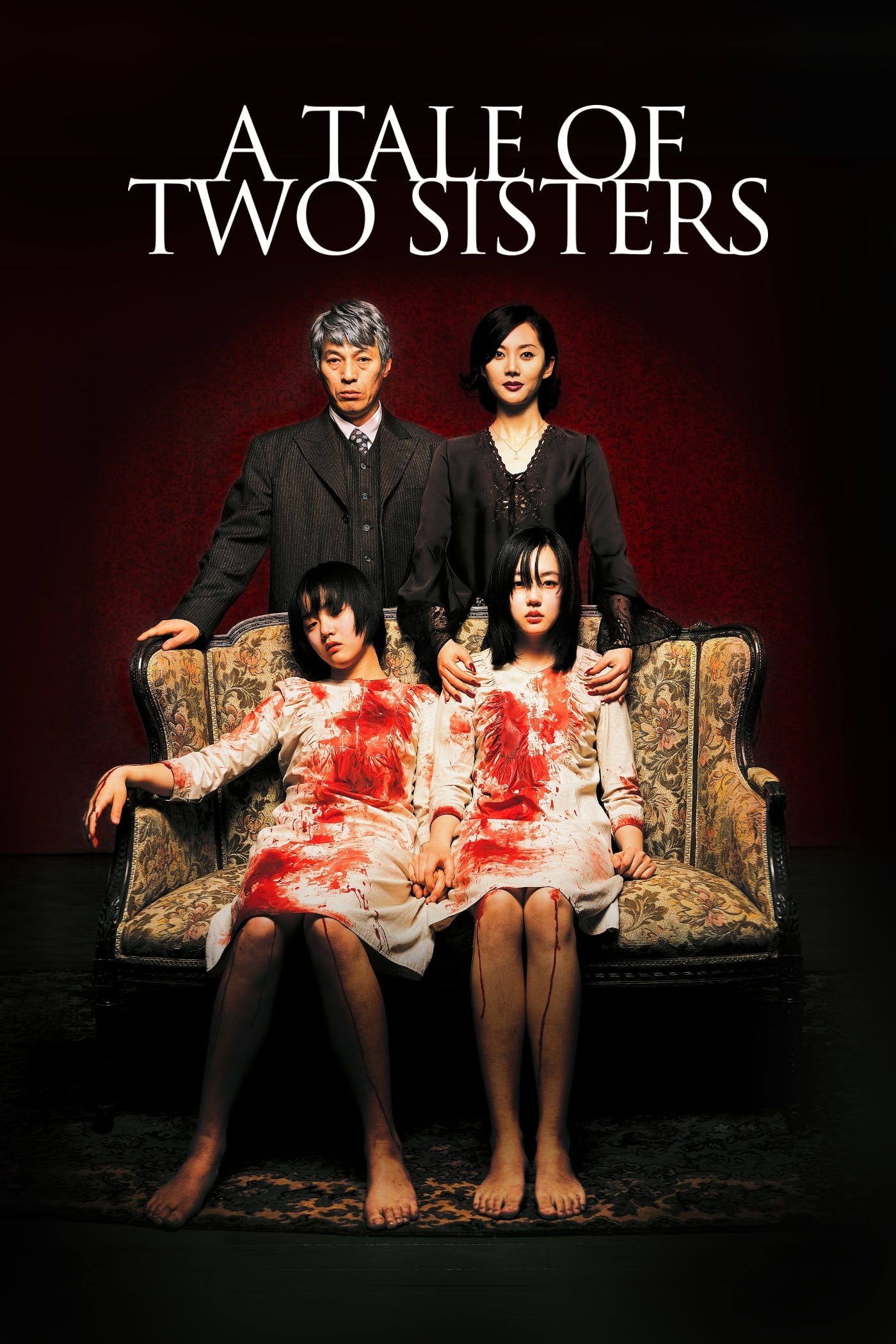
‘A Tale of Two Sisters’ is written and directed by Kim Jee-woon, starring Im Soo-jung, Moon Geun-young, Yum Jung-ah, and Kim Kap-soo. The story adapts the folk tale “Janghwa Hongryeon jeon,” centering on two sisters returning to a country house under the care of a demanding stepmother.
The production features detailed art direction and costuming to differentiate domestic spaces and states of mind. Lee Byung-woo’s score and Lee Mo-gae’s cinematography support an approach that integrates melodrama and horror. The film was released domestically by ShowEast and reached international viewers through festival play and home media.
‘Shutter’ (2004)

Directed by Banjong Pisanthanakun and Parkpoom Wongpoom, ‘Shutter’ stars Ananda Everingham, Natthaweeranuch Thongmee, and Achita Sikamana. The plot follows a photographer and his partner who discover unexplained images in developed prints and negatives.
Key production elements include staged photographic effects, in-camera tricks, and post-production image manipulation reflecting the narrative’s visual motif. The film was a commercial success in Thailand and traveled internationally via regional distributors, later inspiring remakes and localized adaptations. The soundtrack and sound design lean heavily on camera shutters, film advance noises, and lab ambience.
‘Creep’ (2004)
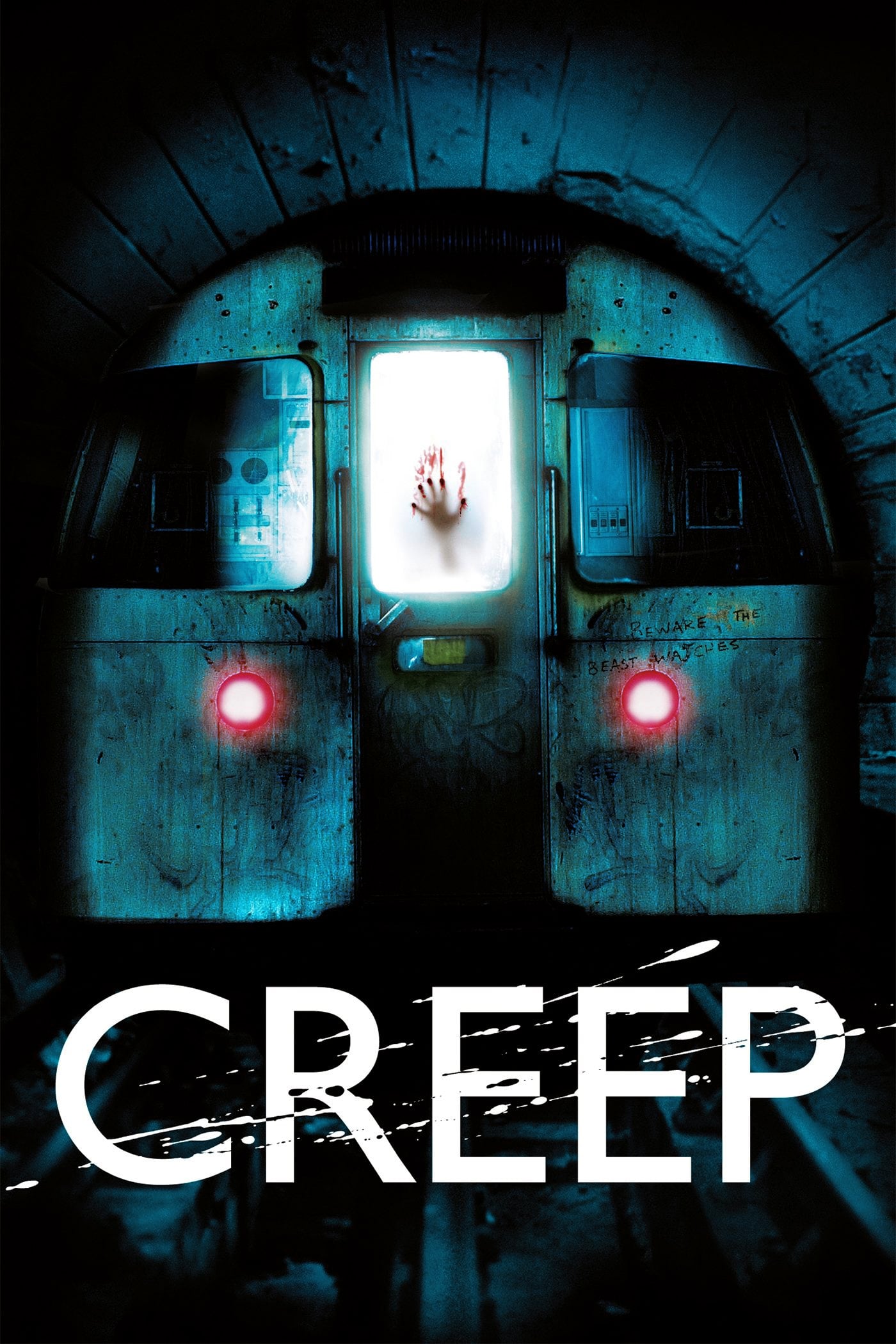
‘Creep’ is written and directed by Christopher Smith and stars Franka Potente, Sean Harris, and Vas Blackwood. Set largely in the London Underground after hours, the feature traps a single protagonist within closed platforms, tunnels, and maintenance corridors.
The production used decommissioned or off-hour transit locations and constructed tunnel sets for stunt work. The film emphasizes industrial lighting, wet surfaces, and ventilation spaces, with cinematography by John Pardue. Pathé and Lions Gate distributed the film in different territories, with home video extending its reach.
‘The Skeleton Key’ (2005)
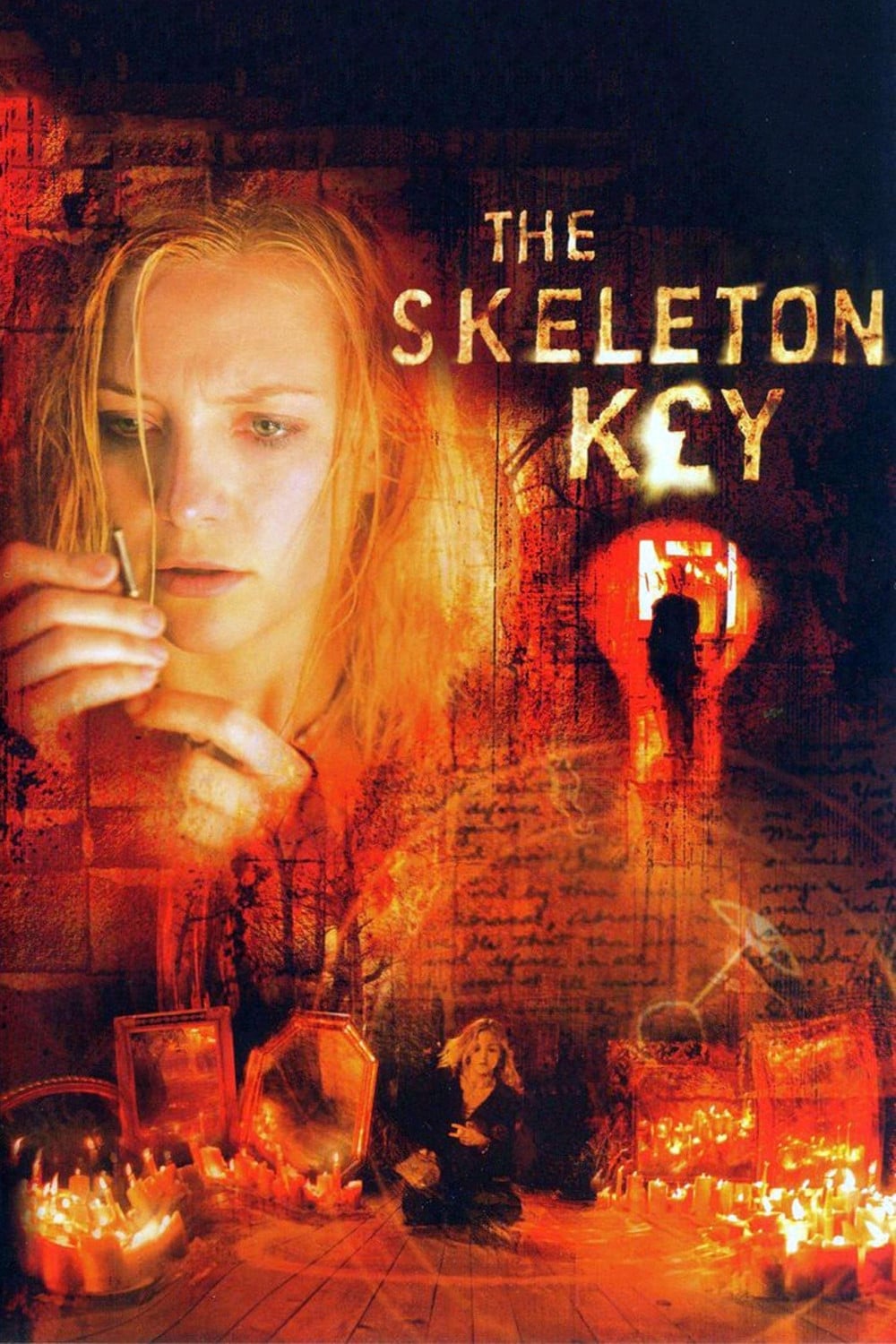
Directed by Iain Softley and written by Ehren Kruger, ‘The Skeleton Key’ stars Kate Hudson, Gena Rowlands, Peter Sarsgaard, and Joy Bryant. The story places a hospice nurse in a decaying Louisiana plantation house where local folk practices and protective rituals intersect with caretaking duties.
Production took place in southern Louisiana, using plantation structures, bayou exteriors, and practical set dressing. The film integrates traditional songs, charms, and household architecture into narrative beats. Universal Pictures released the feature, with original marketing emphasizing folk-magic elements and the locked-rooms premise.
‘Noroi: The Curse’ (2005)

‘Noroi: The Curse’ is a found-footage feature directed by Kōji Shiraishi, presented as a documentary assembled by a paranormal investigator. The cast includes Jin Muraki, Tomono Kuga, Rio Kanno, and Satoru Jitsunashi, among others who appear as interview subjects and experts.
The production stitches together staged TV clips, location interviews, archival ephemera, and long-take stakeouts. Sound design and VHS-era visuals are central to its format, with deliberate dropouts, dead air, and camcorder audio. The film circulated primarily through festival programming and home release before gaining broader international attention.
‘The Orphanage’ (2007)
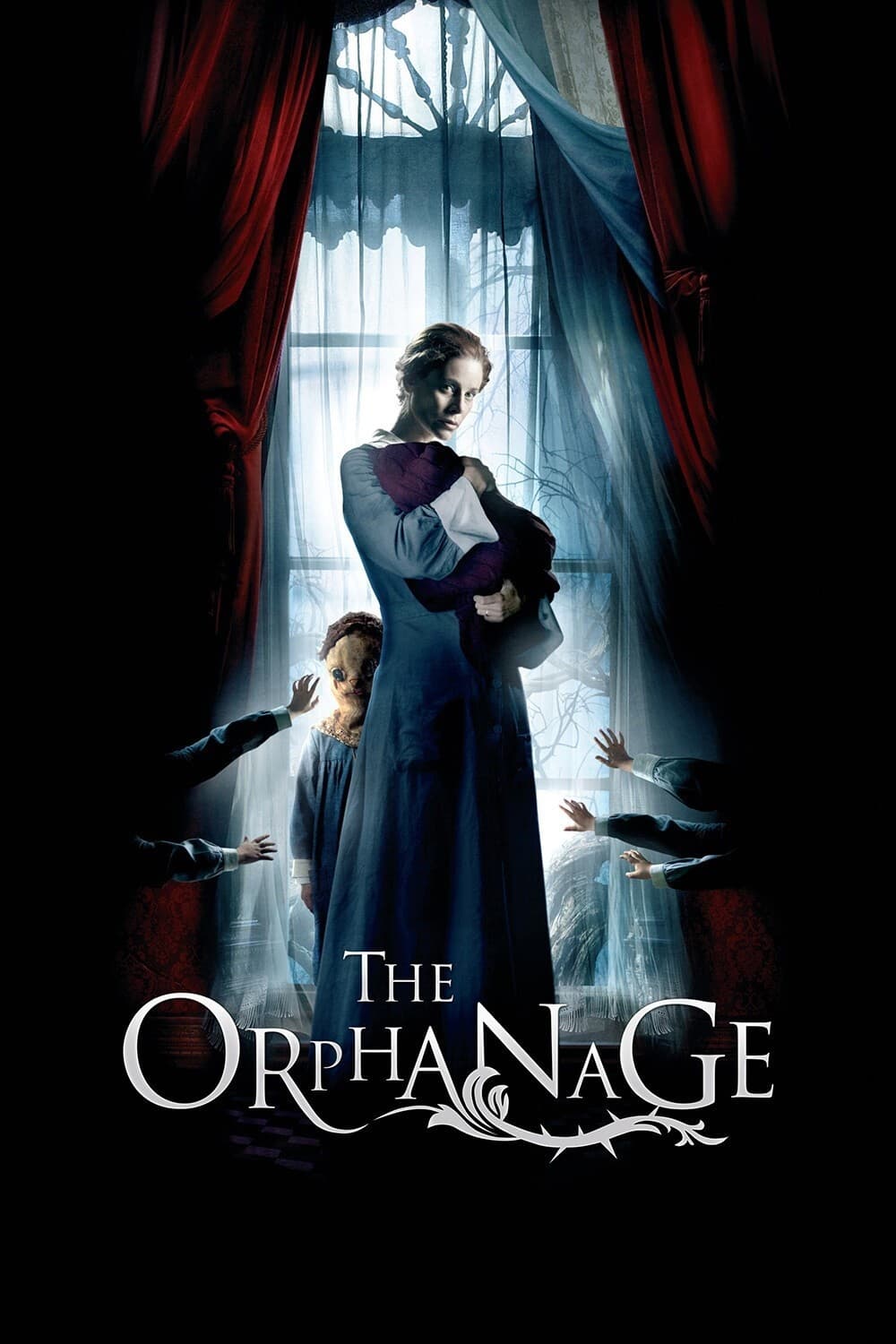
Produced by Guillermo del Toro and directed by J. A. Bayona from a screenplay by Sergio G. Sánchez, ‘The Orphanage’ stars Belén Rueda, Fernando Cayo, and Roger Príncep. The narrative follows a woman who returns to the seaside children’s home where she was raised, with the site’s history shaping present-day events.
Production design by Josep Rosell and cinematography by Óscar Faura emphasize coastal exteriors and grand interior spaces. The feature combines period details with contemporary social services procedures, anchoring the story in a realistic administrative framework. Distribution included a wide Spanish release and international rollouts through specialty labels.
‘The Ruins’ (2008)
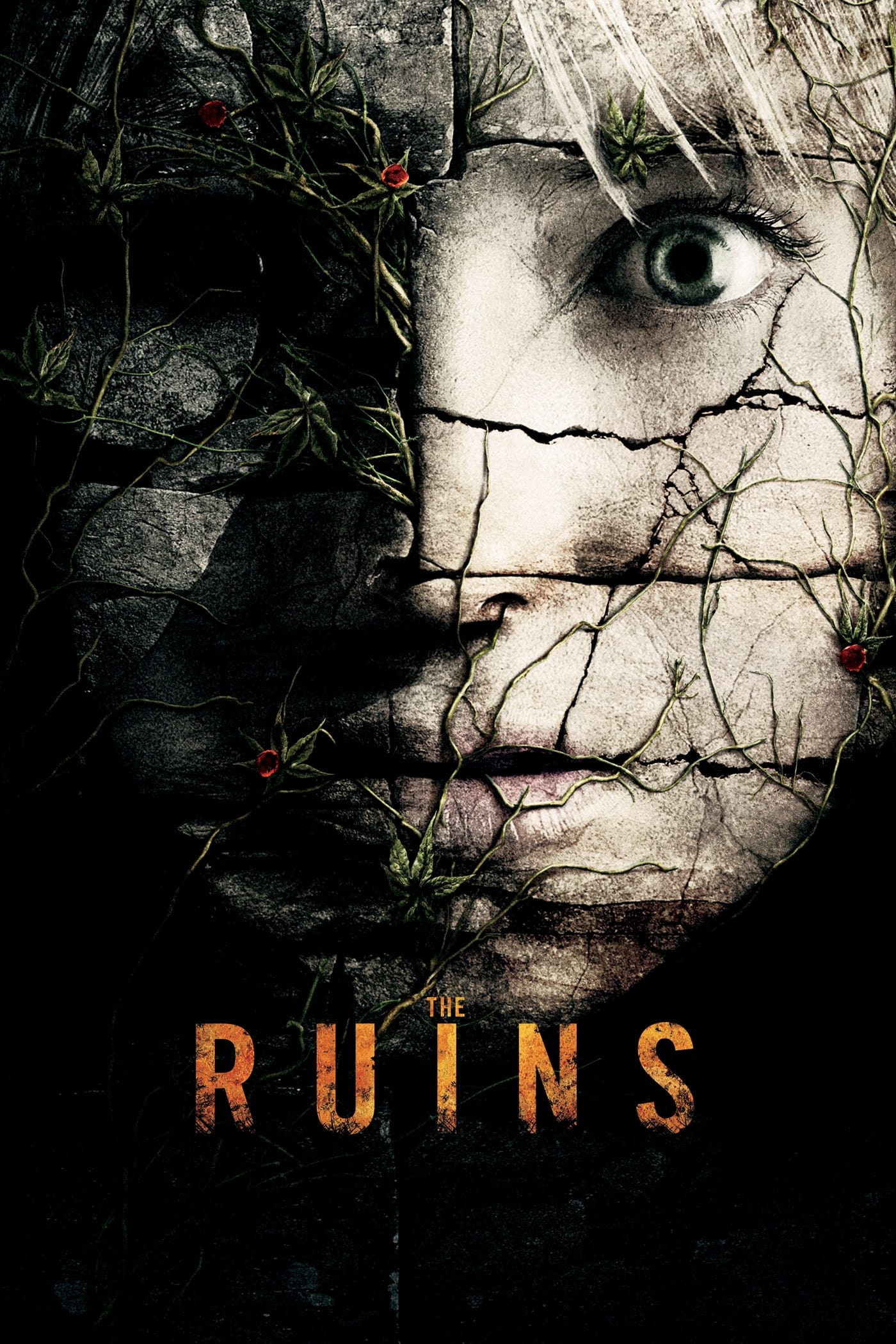
‘The Ruins’ adapts Scott Smith’s novel, with Smith writing the screenplay and Carter Smith directing. Jonathan Tucker, Jena Malone, Laura Ramsey, and Shawn Ashmore star as travelers who enter an archaeological site in the jungle and encounter a hostile presence.
The production used location shoots and constructed sets to represent the hillside dig and temple structure. Practical effects and makeup were coordinated with plant rigs and prosthetics to realize the central concept. The film was released by DreamWorks/Paramount with accompanying behind-the-scenes featurettes detailing stunt coordination.
‘Pontypool’ (2008)
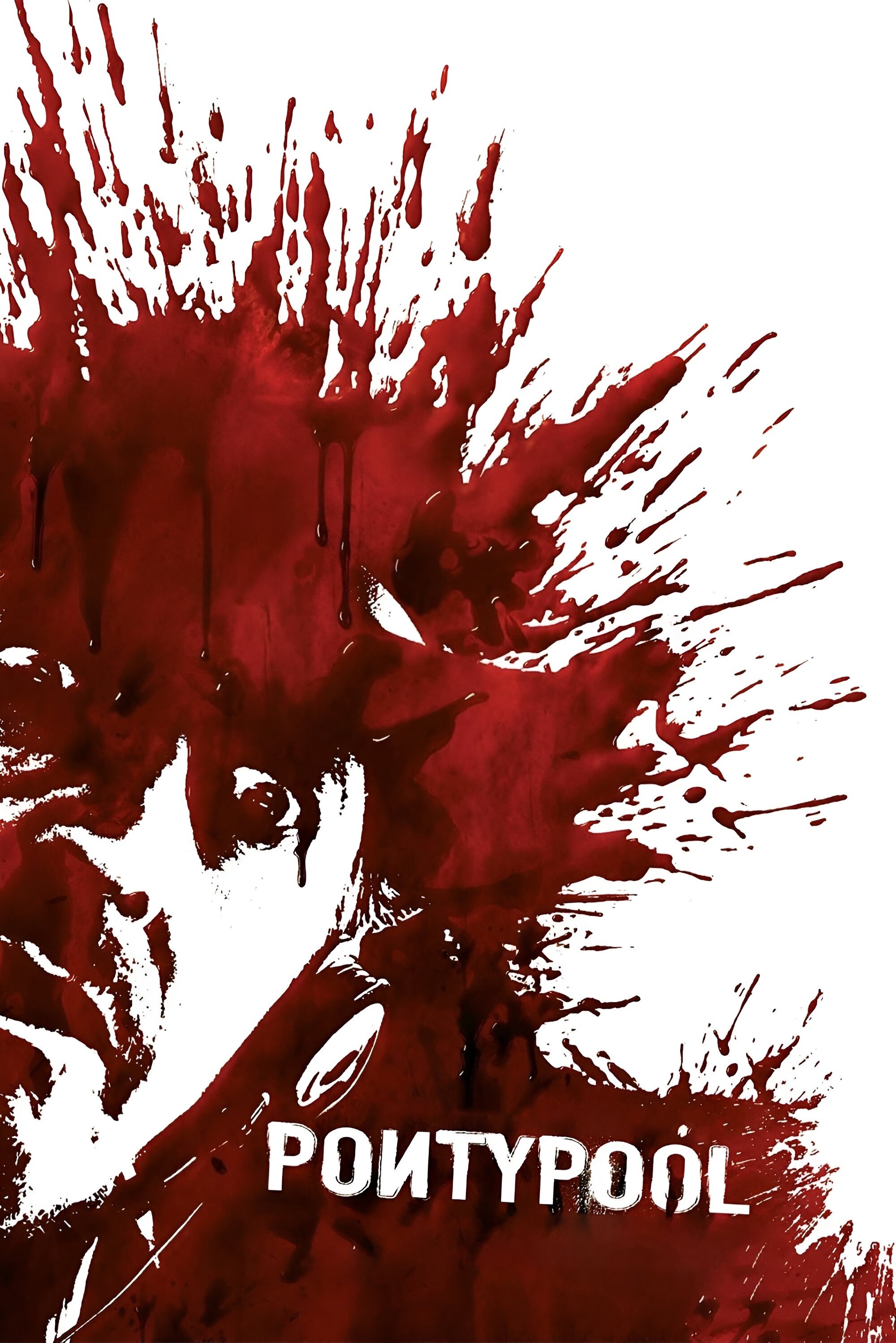
Directed by Bruce McDonald and written by Tony Burgess from his own novel, ‘Pontypool’ stars Stephen McHattie, Lisa Houle, and Georgina Reilly. The story confines most action to a small-town radio station, where an on-air team processes reports of a linguistic contagion.
The production design centers on a single broadcast booth, auxiliary rooms, and a church basement, using radio equipment as primary props. Granting the cast extended takes allowed dialogue-heavy sequences to play out in real time. Distribution included Canadian theatrical play and a steady international home-media life.
‘Lake Mungo’ (2008)
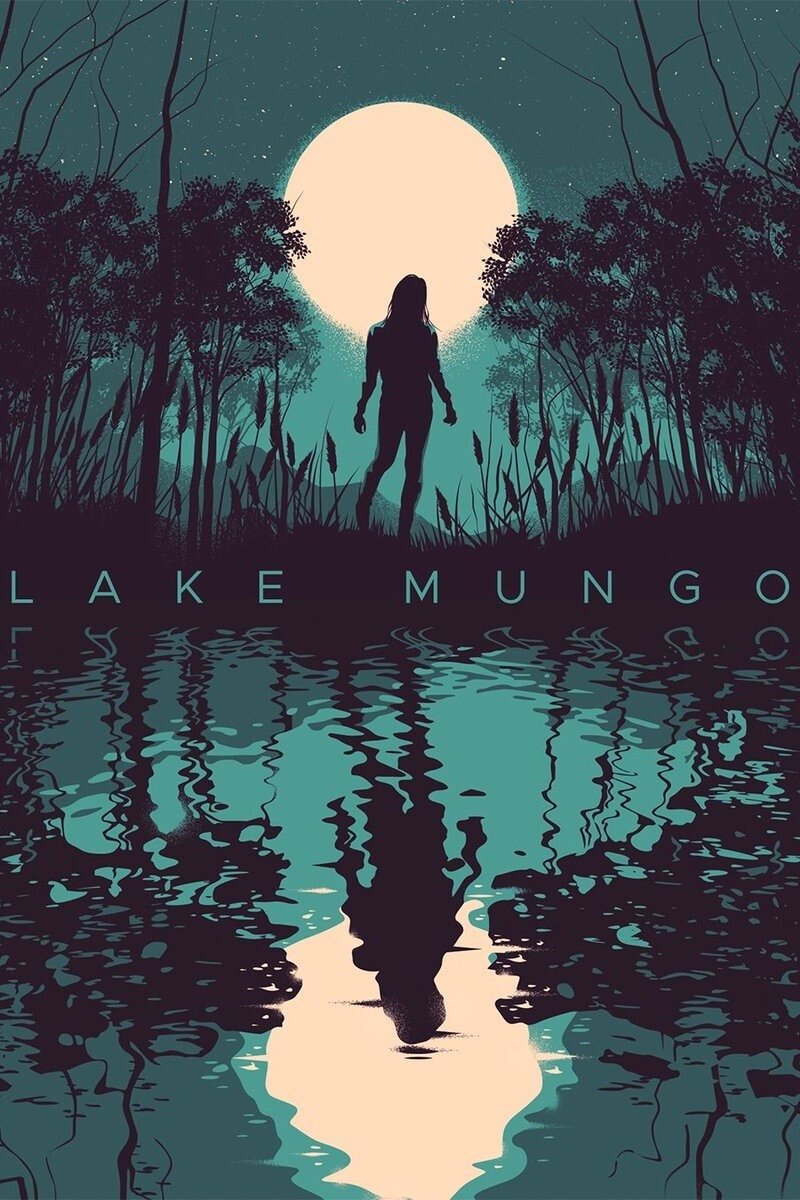
‘Lake Mungo’ is an Australian mockumentary written and directed by Joel Anderson, featuring Talia Zucker, Rosie Traynor, David Pledger, and Martin Sharpe. The film is presented as a television documentary assembled from interviews, phone videos, and still photographs.
Cinematography by John Brawley embraces domestic interiors and suburban exteriors, with deliberately flat newsmagazine framing. The production’s composite structure uses fabricated news footage, diary clips, and audio recordings. The film achieved cult status through DVD and repertory screenings, with ongoing critical discussion of its format.
‘Eden Lake’ (2008)
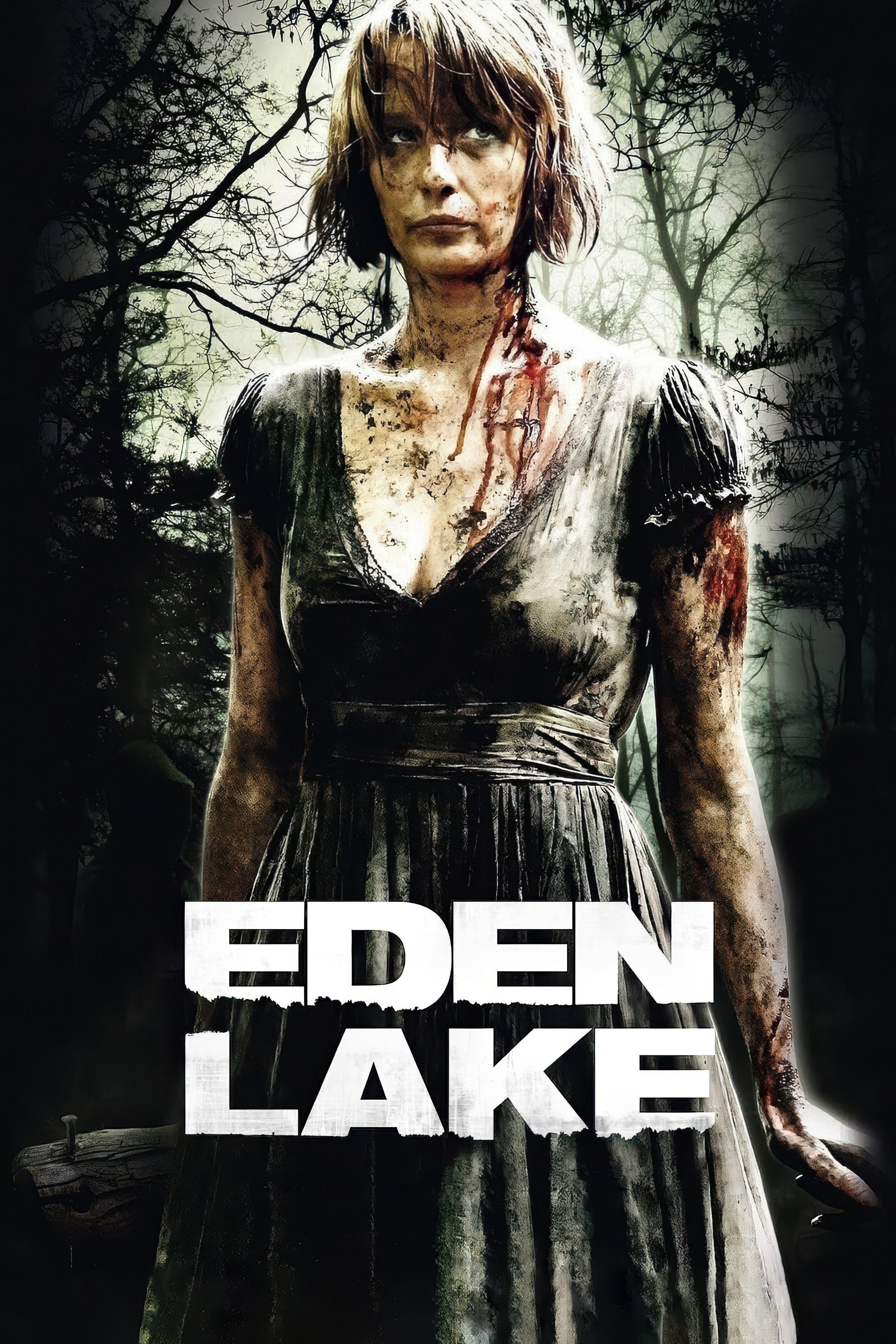
Written and directed by James Watkins, ‘Eden Lake’ stars Kelly Reilly and Michael Fassbender, with Jack O’Connell among the supporting cast. The story follows a couple on a weekend trip to a quarry lake who encounter escalating hostility from local youths.
The production leans on woodland locations, a flooded pit, and handheld cinematography to keep scenes close-quarters. Stunt coordination involved water work, vehicle sequences, and confined-space choreography. Optimum Releasing and Dimension Extreme handled distribution in their respective markets, with home releases carrying cast and crew commentary.
‘Splinter’ (2008)
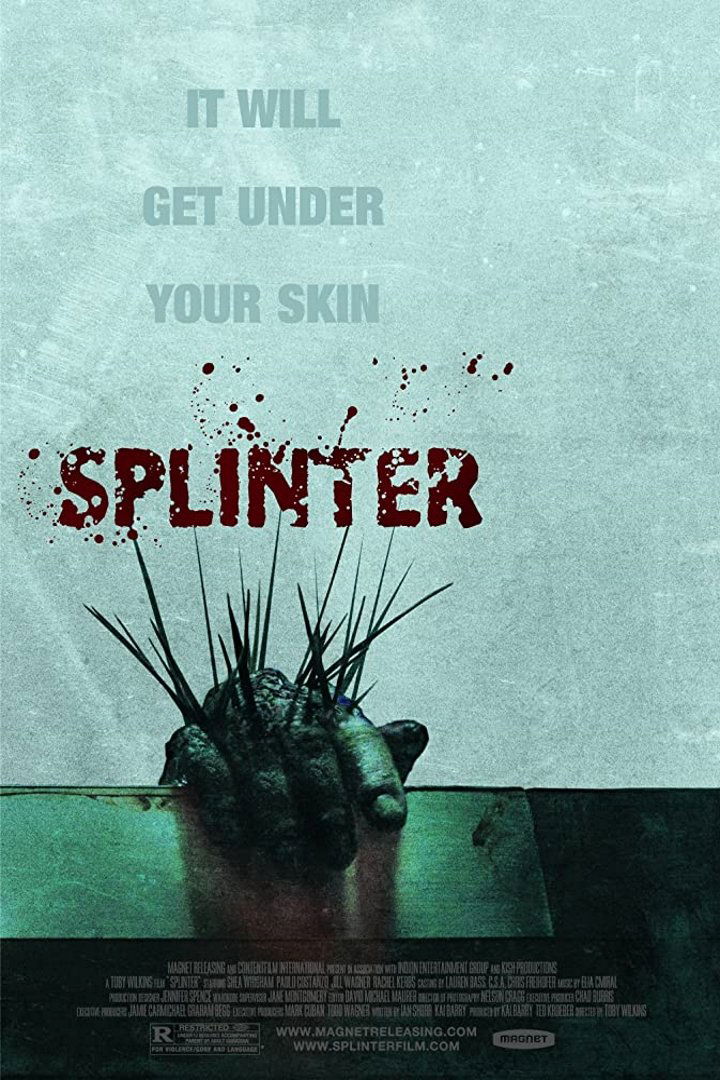
Directed by Toby Wilkins and written by Kai Barry, Ian Shorr, and Wilkins, ‘Splinter’ stars Shea Whigham, Jill Wagner, and Paulo Costanzo. The plot strands characters at a remote gas station where a parasitic organism transforms and reanimates hosts.
The production is noted for practical creature effects, reverse-motion techniques, and sharp-edged prosthetics designed by a small effects unit. Contained locations and limited cast allowed for a focused shooting schedule. Magnet Releasing distributed the film, which gained visibility through genre festivals and VOD.
‘The Midnight Meat Train’ (2008)
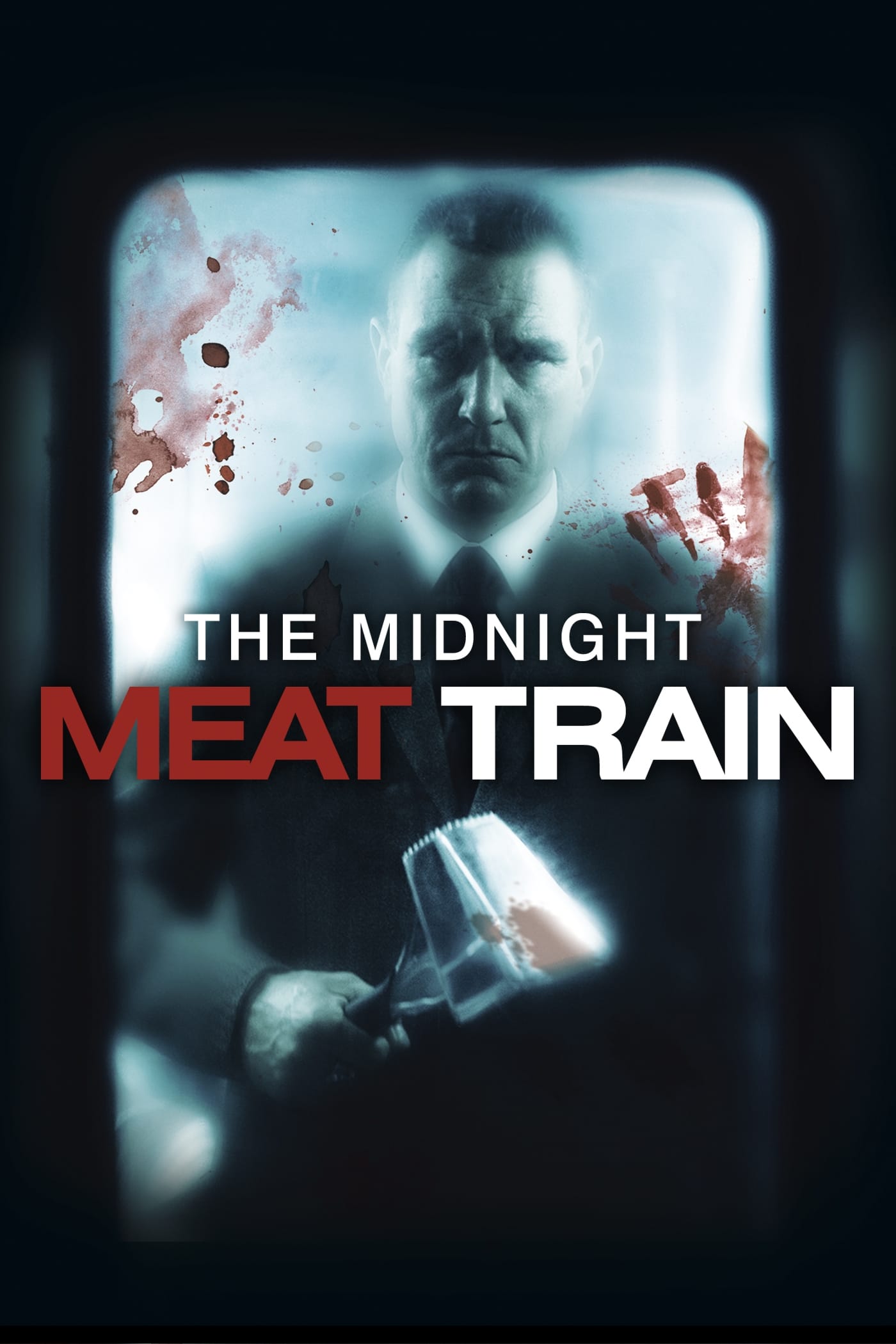
Based on Clive Barker’s short story, ‘The Midnight Meat Train’ is directed by Ryūhei Kitamura with a screenplay by Jeff Buhler. Bradley Cooper, Leslie Bibb, and Vinnie Jones lead the cast, centered on a photographer who stalks the city’s late-night subway system.
The production features extensive night shooting, refrigerated set pieces, and heavy use of practical gore augmented by digital work. Patrick Tatopoulos provided creature and set designs, while Lionsgate handled distribution. The film’s release strategy emphasized unrated home editions that restored effects work.
‘Dead Set’ (2008)
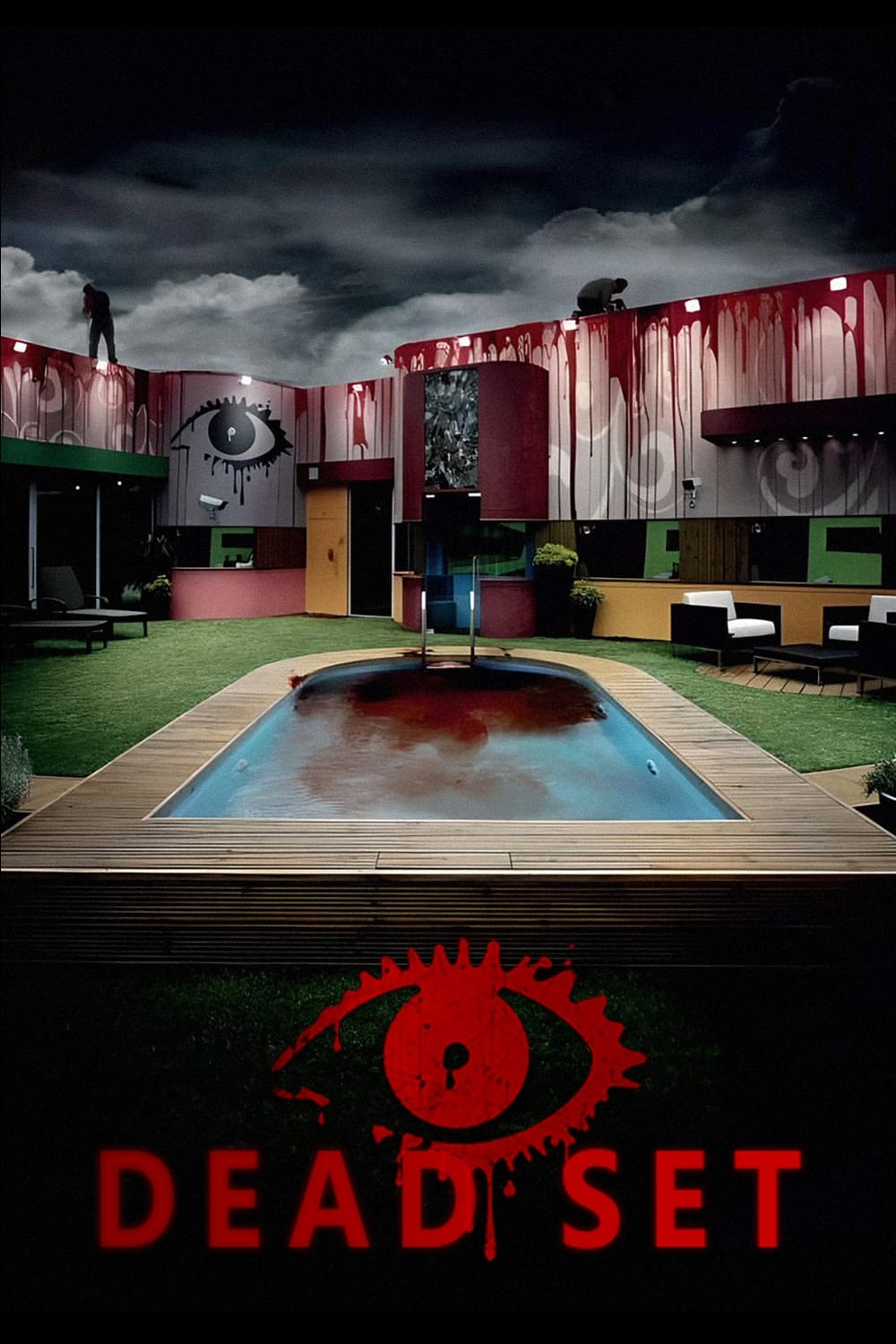
Created by Charlie Brooker, ‘Dead Set’ is a UK television miniseries set within a reality show house that is cut off during a nationwide crisis. Jaime Winstone, Riz Ahmed, and Andy Nyman star, with cameos from real presenters and personalities.
The production uses the actual ‘Big Brother’ house and control rooms for authenticity, integrating multicam reality infrastructure with scripted action. Broadcast on E4 with a tight multi-night rollout, the series later arrived on DVD with making-of features. Its compact format and single-location approach make it a distinctive TV entry for the decade.
‘Triangle’ (2009)

Written and directed by Christopher Smith, ‘Triangle’ stars Melissa George, Liam Hemsworth, Michael Dorman, and Rachael Carpani. The narrative follows a group of friends whose yacht excursion intersects with a deserted ocean liner.
Principal photography combined water-tank work with ship-set interiors built to enable repeated staging and camera blocking. The film’s structure relies on continuity details, duplicated props, and carefully reset wardrobe to support the plot’s design. Icon Film Distribution and Magnolia Pictures were among the labels that brought it to international markets.
‘The House of the Devil’ (2009)
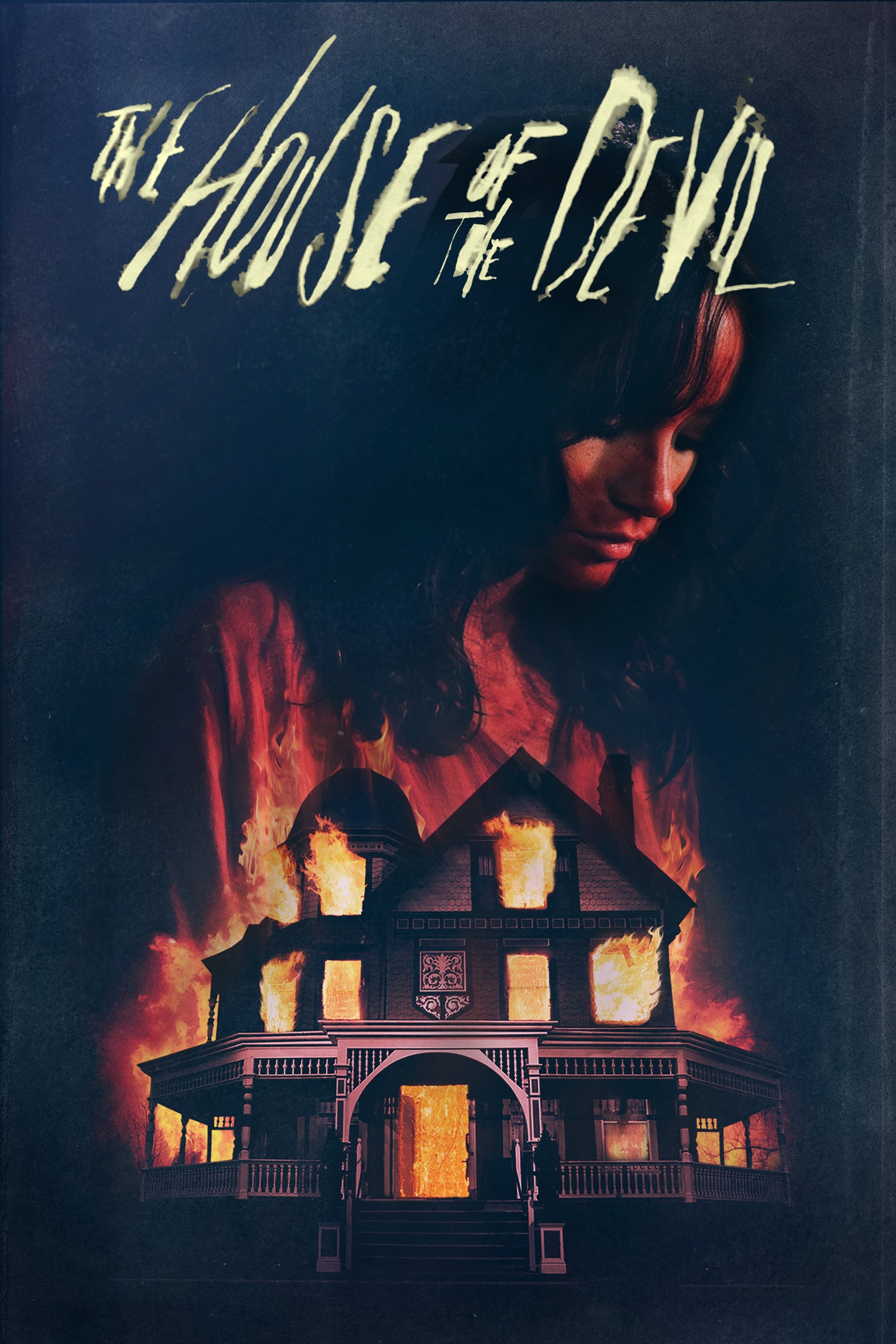
‘The House of the Devil’ is written, directed, and edited by Ti West, starring Jocelin Donahue, Tom Noonan, Mary Woronov, and Greta Gerwig. The story follows a college student who accepts a babysitting job at an isolated home.
The production embraced period-accurate props, wardrobe, and analog equipment, with Ken Eisenmann overseeing production design. Soundtrack choices and on-set audio recording support the era-specific texture, while the release strategy included a limited theatrical run alongside home-video editions. Glass Eye Pix produced, with MPI/Dark Sky Films distributing.
‘Trick ‘r Treat’ (2007)
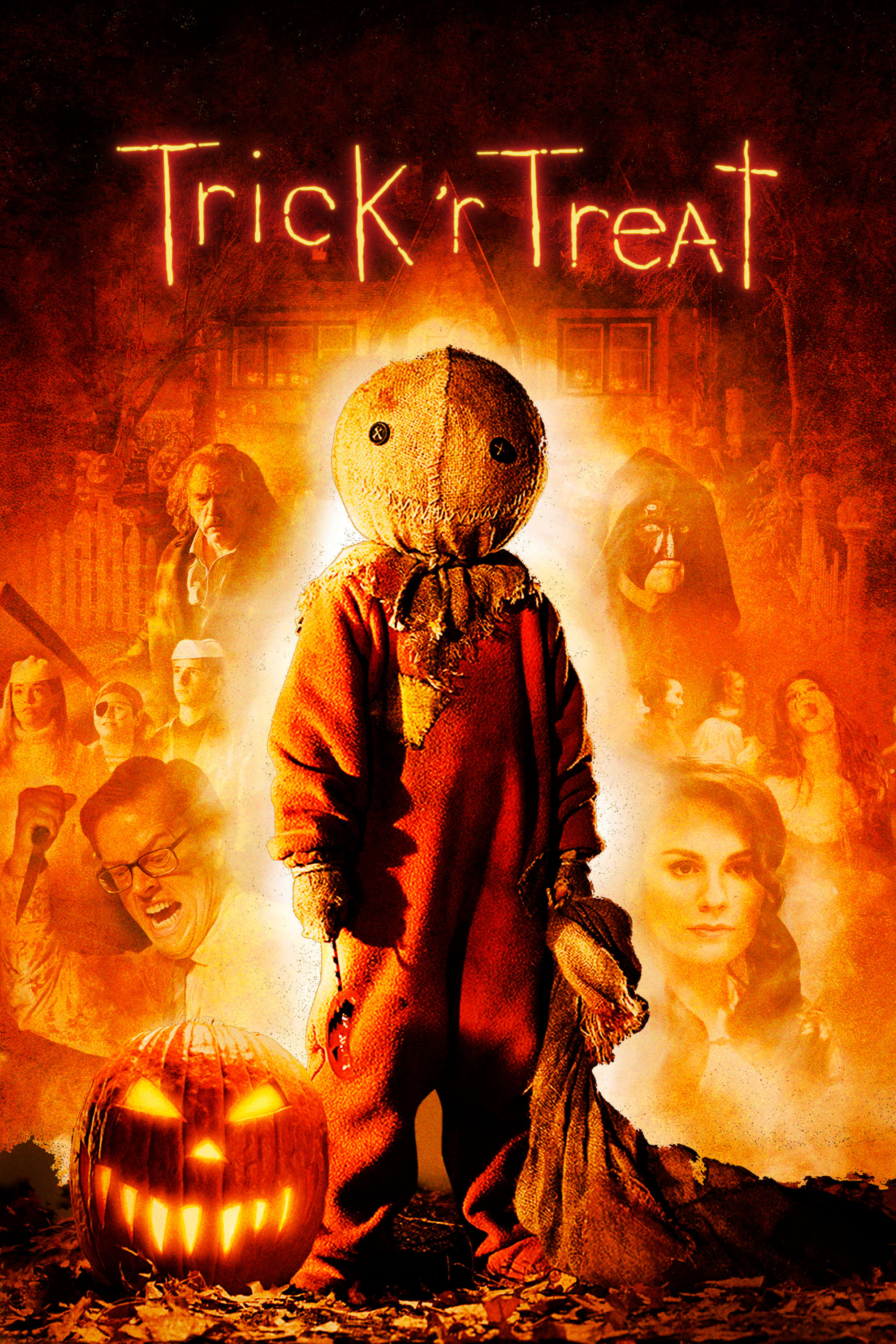
Written and directed by Michael Dougherty, ‘Trick ‘r Treat’ interweaves multiple Halloween-night stories set in the same town. The ensemble cast includes Dylan Baker, Anna Paquin, Brian Cox, and Leslie Bibb, with Quinn Lord as the recurring figure Sam.
The production shot primarily in Canada with seasonal set dressing, elaborate masks, and practical makeup effects. The anthology structure required parallel art-direction teams to maintain continuity across intersecting segments. Warner Bros. handled distribution, and the film’s home-media release expanded its following through bonus-material deep dives into props and lore.
‘Harper’s Island’ (2009)
‘Harper’s Island’ is a US network limited series created by Ari Schlossberg, starring Elaine Cassidy, Christopher Gorham, Katie Cassidy, and C. J. Thomason. The premise centers on a destination wedding on a Pacific Northwest island with a history that resurfaces over the event.
Filming took place around Vancouver and nearby coastal locations, utilizing forests, docks, and ferry routes. The production scheduled episodes to unveil character backstories while maintaining a steady elimination structure. CBS broadcast the series with an officially mapped ensemble, and home release collected episode-specific featurettes.
‘Open Water’ (2003)
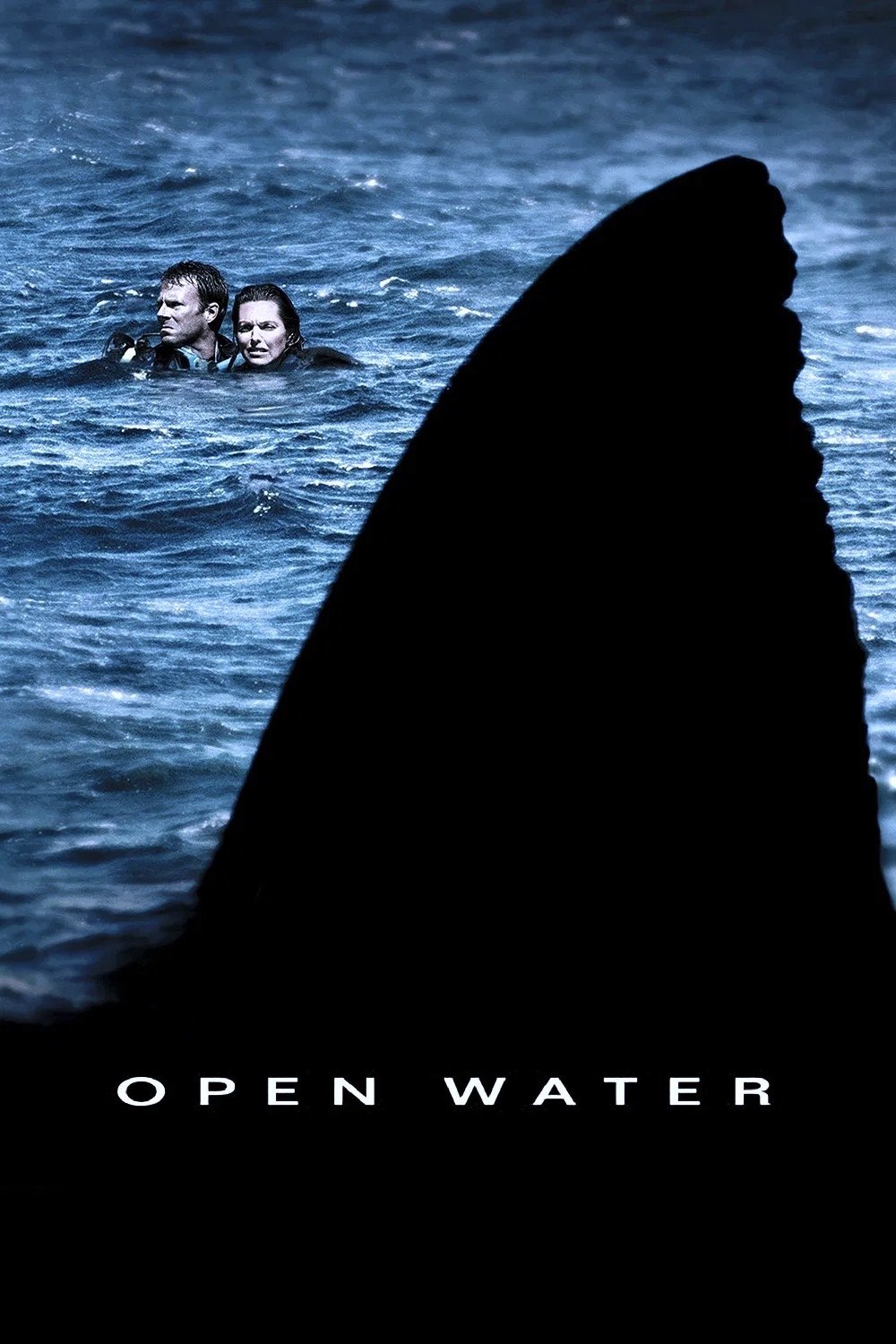
‘Open Water’ is written and directed by Chris Kentis, starring Blanchard Ryan and Daniel Travis as divers accidentally left behind during a group excursion. The film was inspired by real-world events, though it presents a fictionalized account.
Notable production elements include open-ocean shooting with live sharks under controlled conditions, using minimal visual effects. The microbudget production was acquired for distribution after festival play, with Lions Gate Films leading the wider rollout. The soundtrack and sound mix emphasize waves, wind, and distance to convey isolation.
‘Dark Water’ (2002)
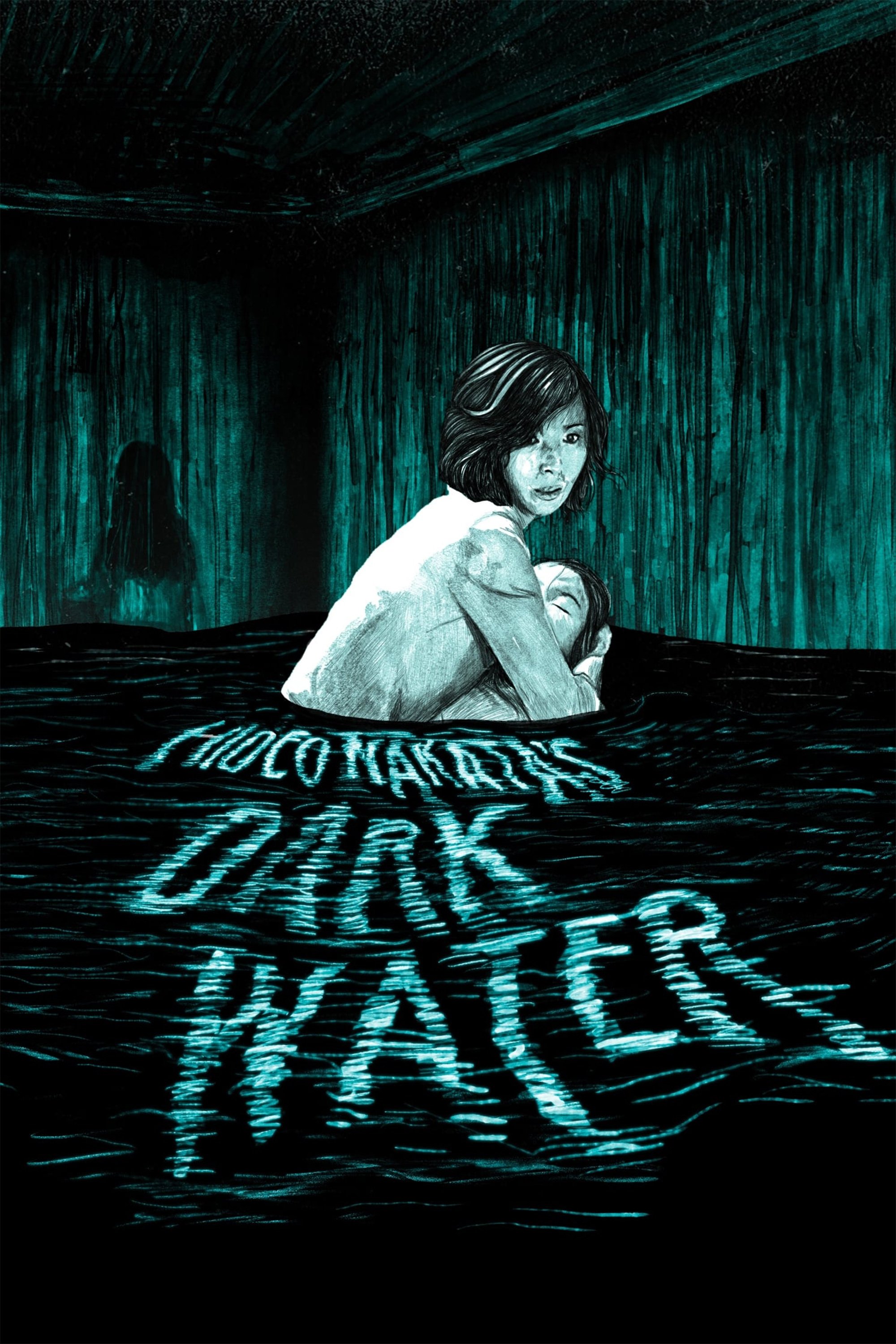
Based on a story by Kōji Suzuki and directed by Hideo Nakata, ‘Dark Water’ stars Hitomi Kuroki, Rio Kanno, Mirei Oguchi, and Isao Yatsu. The plot follows a mother and daughter who move into a rundown apartment where water leakage and a missing child’s belongings point to unresolved events.
Production design centers on damp corridors, elevator shafts, and rooftop tanks, supported by subdued lighting and muted palettes. Kenji Kawai composed the score, and Toho handled domestic distribution with international releases following. The film later inspired a US remake and further home-media editions.
‘The Eclipse’ (2009)
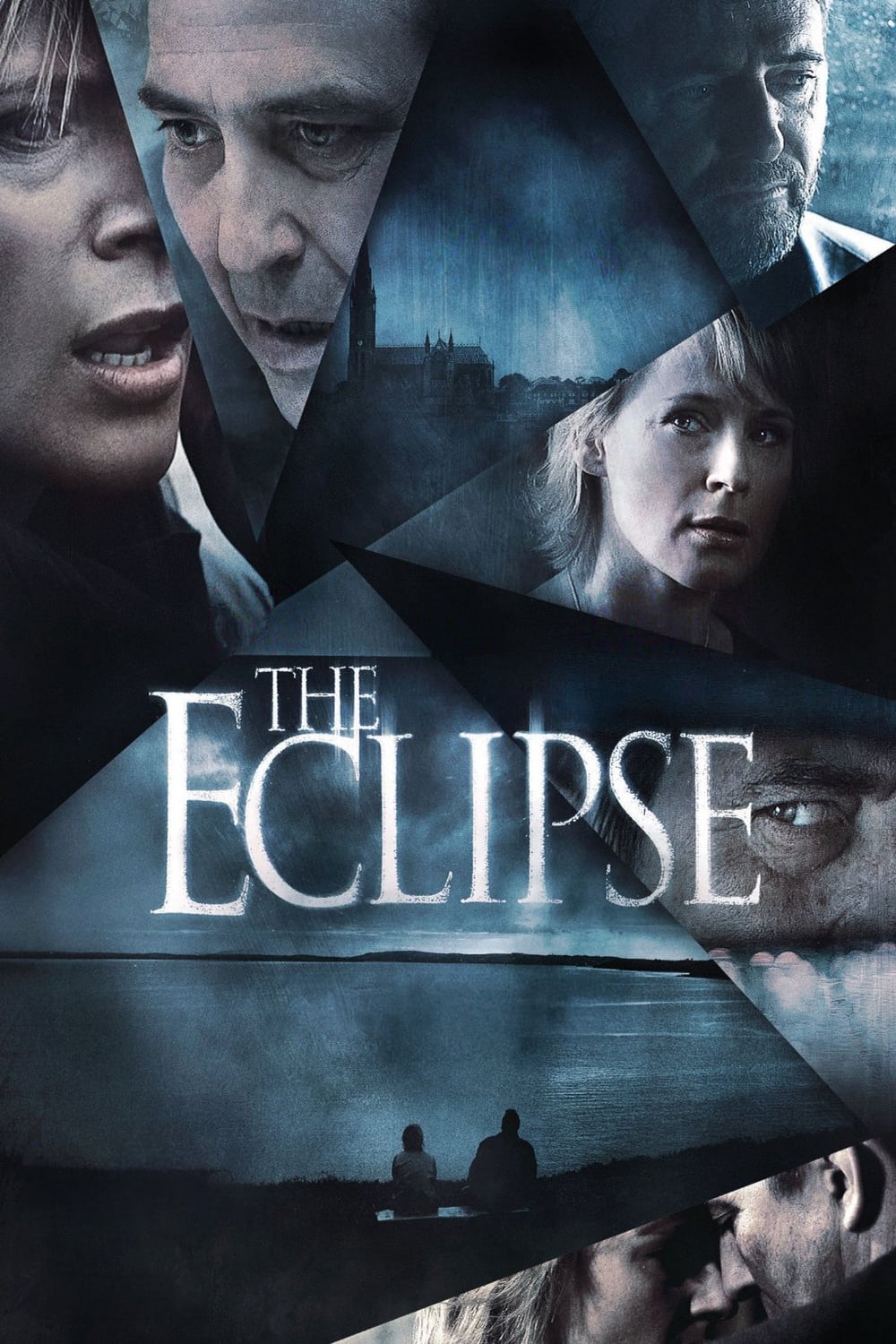
‘The Eclipse’ is an Irish supernatural drama directed by Conor McPherson, starring Ciarán Hinds, Iben Hjejle, and Aidan Quinn. The story takes place in a coastal town during a literary festival, where a widowed teacher volunteers as a driver for visiting authors.
Production leaned on Cobh and other harbor locations, with overcast maritime weather incorporated into the schedule. The film blends intimate dialogue scenes with restrained effects, favoring practical in-camera approaches. Magnolia Pictures distributed in North America after festival premieres.
‘The Broken’ (2008)
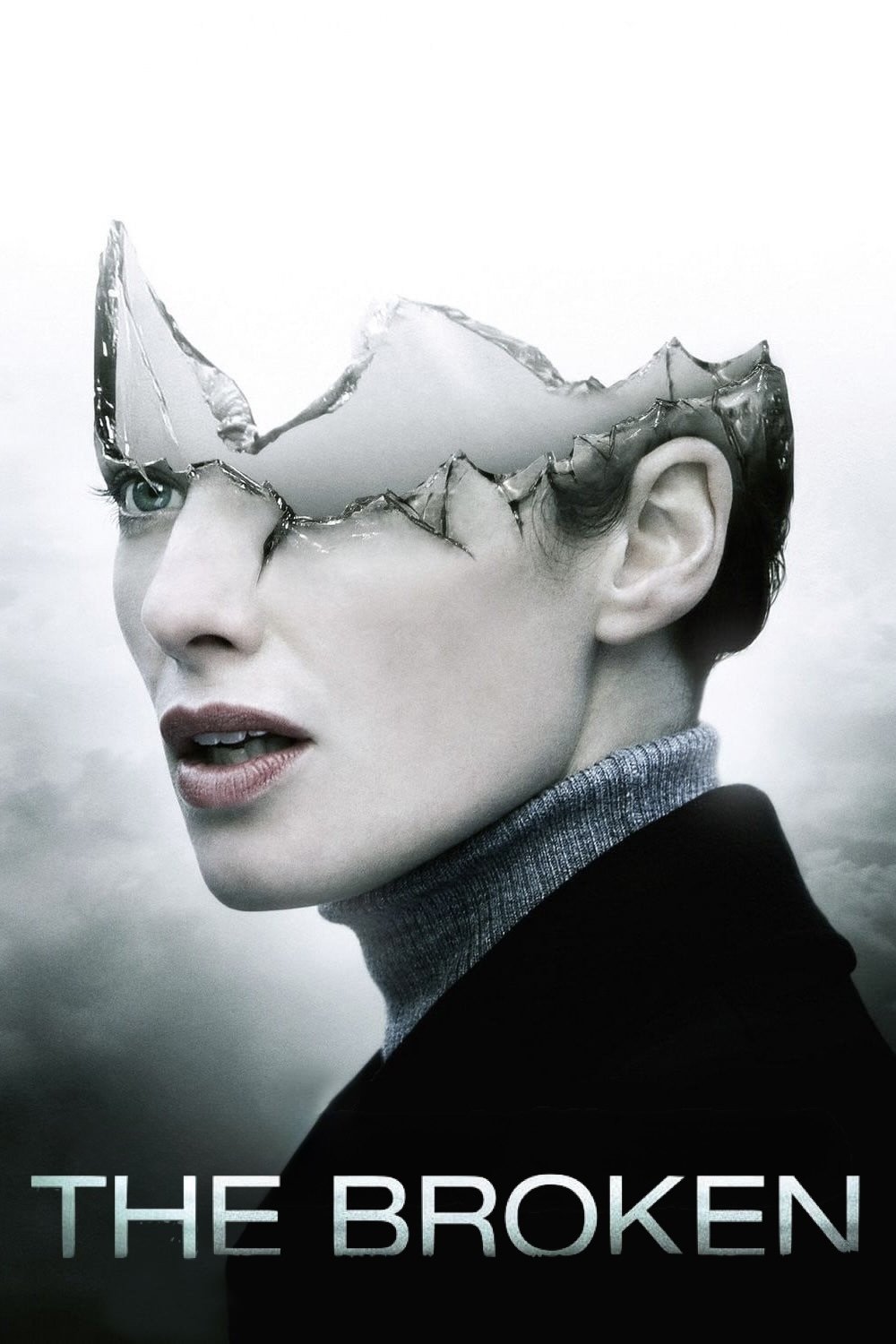
Written and directed by Sean Ellis, ‘The Broken’ stars Lena Headey, Ulrich Thomsen, and Michelle Duncan. Set in London, the story follows a radiologist who begins to suspect someone identical to her is moving through her life.
Cinematography by Angus Hudson favors reflective surfaces, glass, and clinical interiors, with sound design highlighting urban ambience and hallway acoustics. The production used central London streets and apartment interiors, and Icon Film Distribution managed releases in several territories. Practical effects and minimal CGI support the film’s doppelgänger imagery.
Share your overlooked favorites from the decade in the comments so everyone can compare notes and add to the watchlist.

