


Best Forgotten Sci-Fi Movies from the 1980s (that Require an Immediate Rewatch)

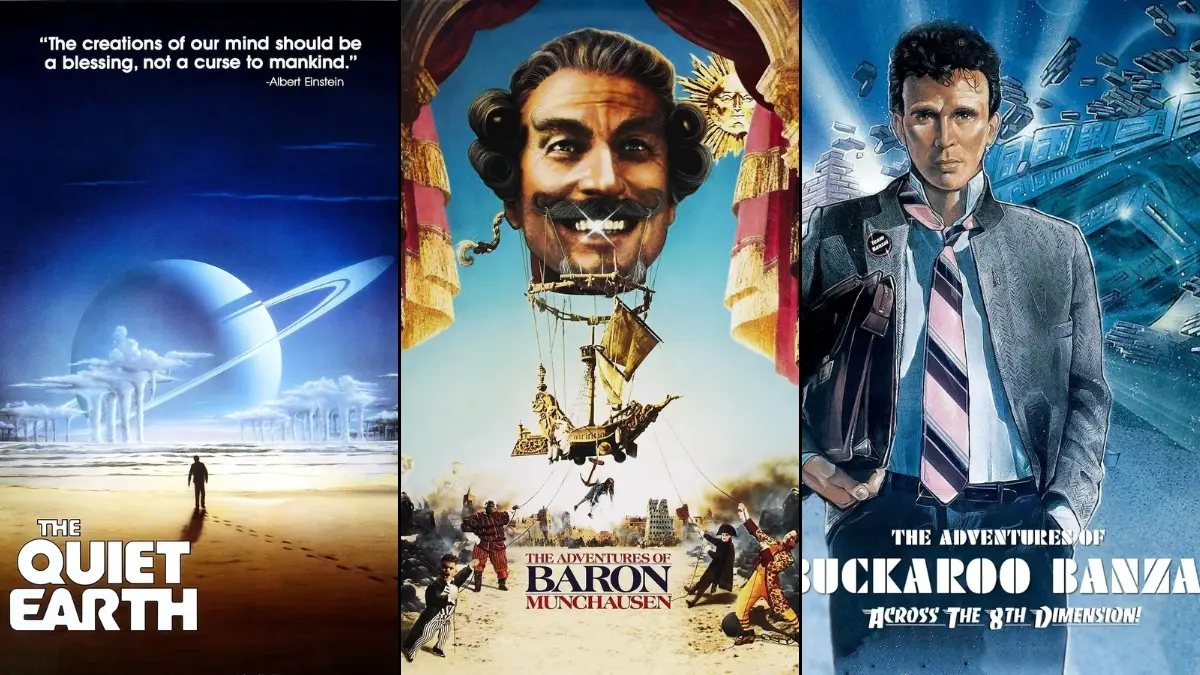


The 1980s delivered a huge spread of science-fiction, from space opera and cyberpunk experiments to underwater creature features and time-bending thrillers. Beyond the obvious blockbusters, studios large and small backed imaginative one-offs, international co-productions, and effects showcases that expanded what the genre could do on the big screen. Many of these releases slipped quietly through theaters, then found later life on cable and home video—where they built steady followings.
This list gathers distinctive sci-fi films from that era that flew under the radar compared with the decade’s marquee titles. You’ll find interstellar survival stories, desert-planet adventures, experimental lab nightmares, and offbeat comedies—each with concrete production details, cast and crew information, and the premise that drove the project. If any are new to you, the background below makes a solid springboard for a focused rewatch.
‘The Quiet Earth’ (1985)
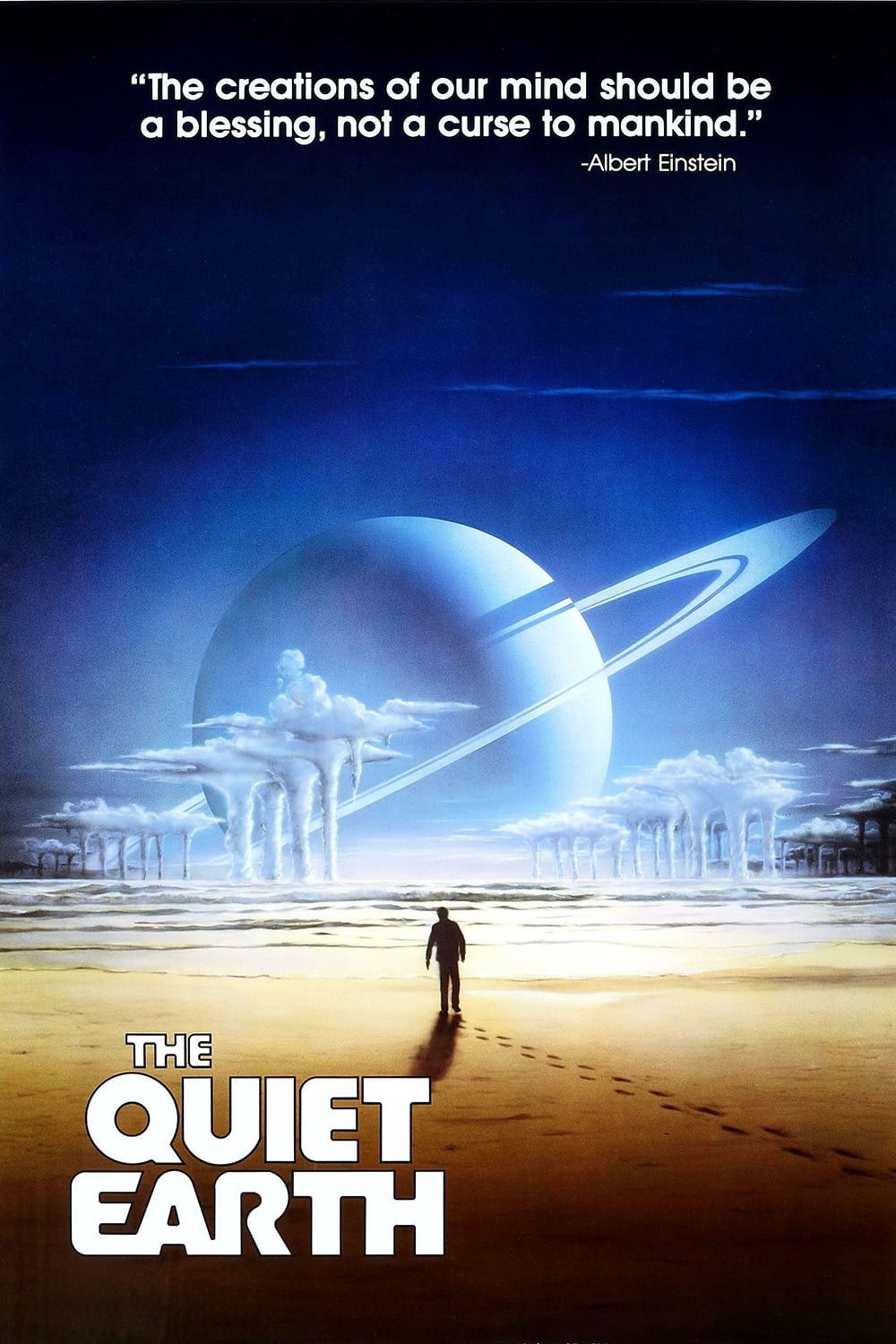
Directed by Geoff Murphy and produced with support from the New Zealand Film Commission, ‘The Quiet Earth’ centers on a scientist who wakes to find humanity apparently gone after a global energy project’s mysterious failure. Bruno Lawrence headlines, with Alison Routledge and Peter Smith in key roles, and the film was shot around Auckland and Hamilton to capture empty urban spaces and open countryside.
Adapted loosely from Craig Harrison’s novel of the same name, the production emphasizes an eerie, sunlit post-event world rather than effects-heavy destruction. Cinematographer James Bartle’s wide compositions and John Charles’s score underline the isolation, while the narrative explores the consequences of a planetary test program gone wrong and the ethical fallout among the survivors who eventually converge.
‘Enemy Mine’ (1985)
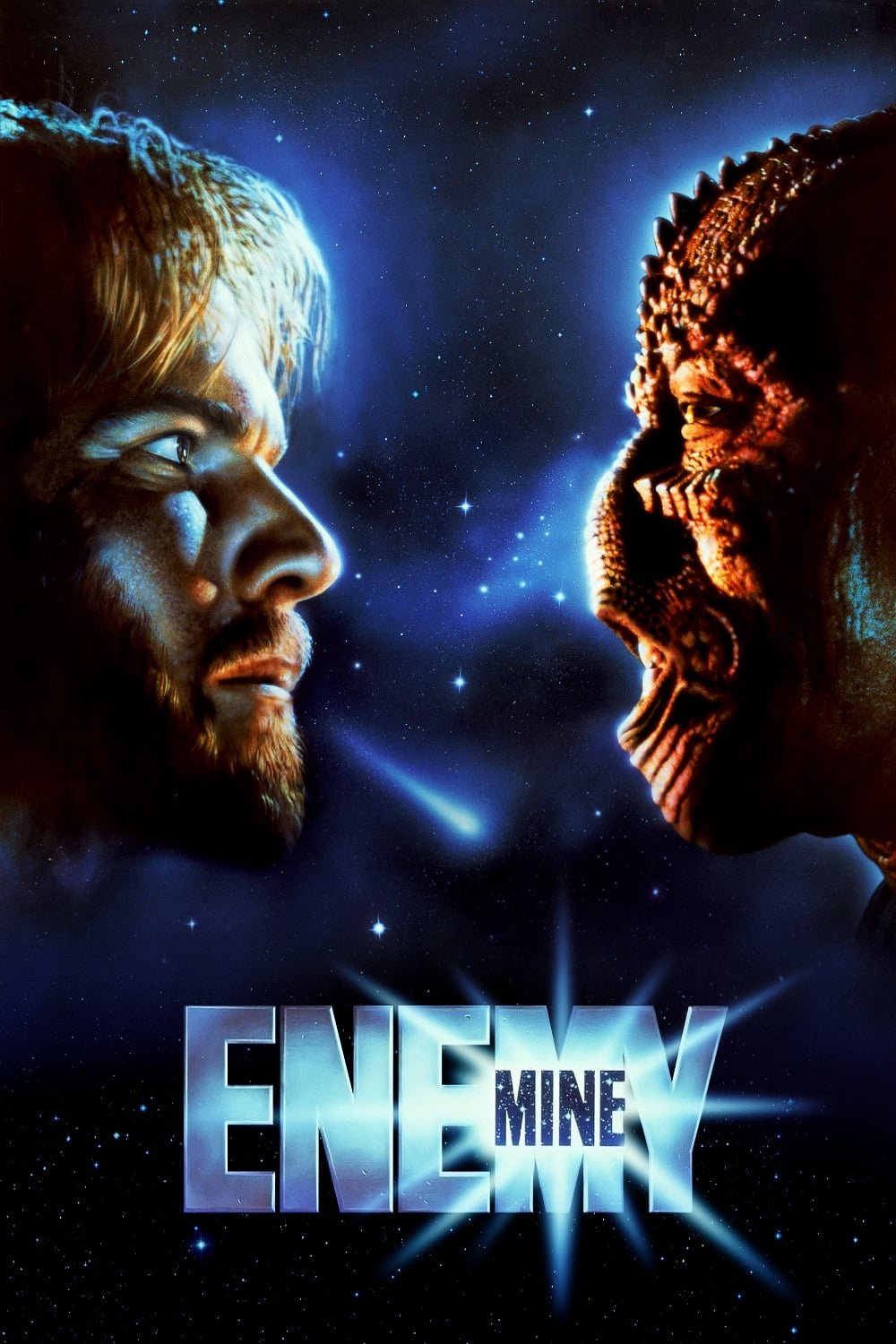
‘Enemy Mine’ presents a human pilot and an alien soldier stranded on a hostile planet after a brutal dogfight, forcing them into an uneasy alliance. Directed by Wolfgang Petersen for 20th Century Fox, it stars Dennis Quaid and Louis Gossett Jr., whose elaborate makeup creates the distinctive Drac character central to the story.
The production famously restarted after an initial shoot with a different director, rebuilding sets at Bavaria Studios and reshaping the film’s look. Maurice Jarre composed the score, and the effects team combined miniature work with on-set environmental builds to sell the planet’s harsh climate and dangerous native wildlife.
‘The Hidden’ (1987)
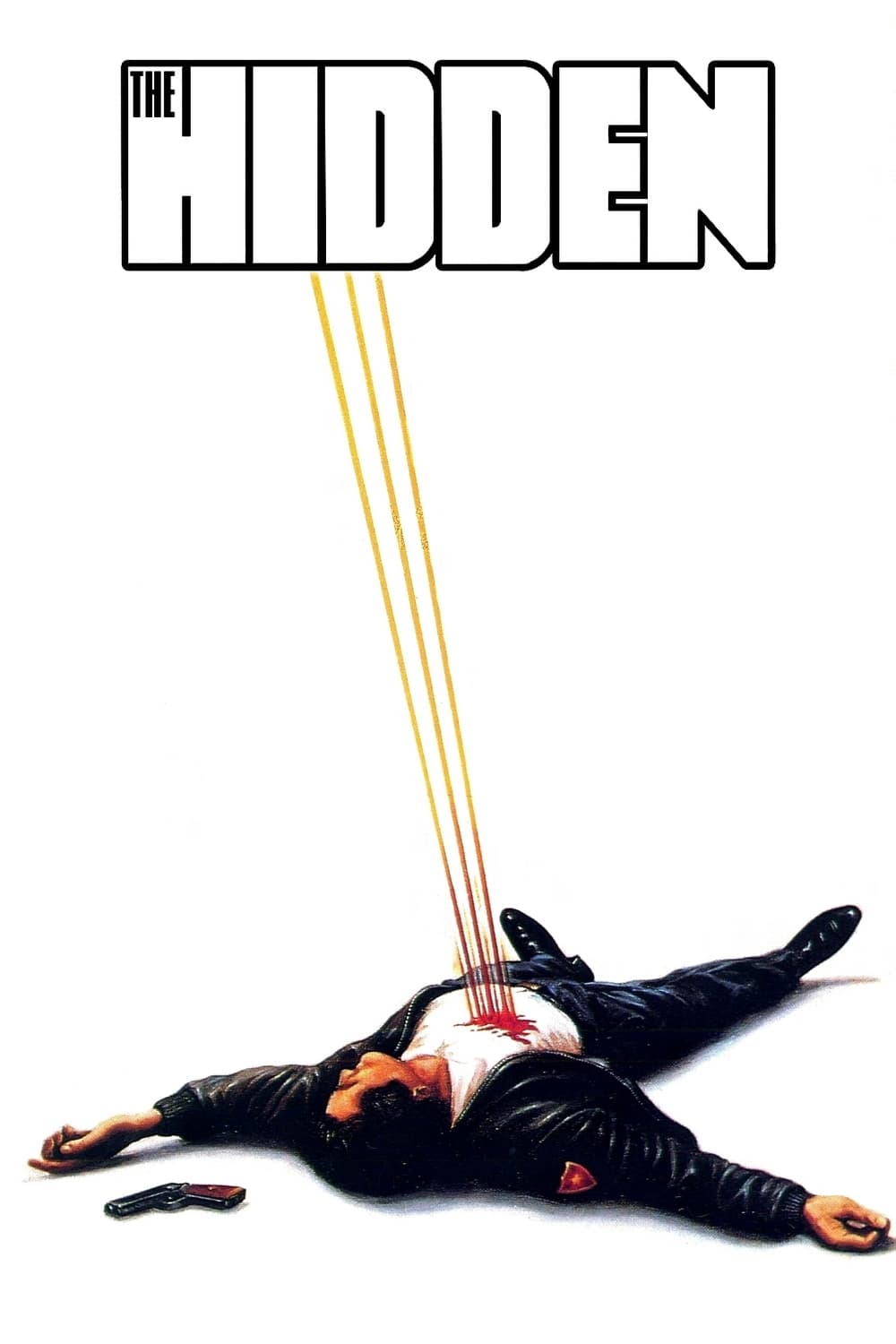
Jack Sholder’s ‘The Hidden’ follows an unlikely pair—a Los Angeles detective and an FBI agent—tracking a body-hopping extraterrestrial criminal that steals fast cars and inhabits new hosts. Kyle MacLachlan and Michael Nouri star, and New Line Cinema backed the release, leaning into a blend of crime-procedural structure and science-fiction conceit.
Composer Michael Hoenig provides an electronic score that threads through car-chase set pieces and hospital-corridor suspense. Practical effects, prosthetics, and in-camera gags sell the alien parasite’s transfers between human hosts, while the production’s downtown locations ground the story in recognizable urban spaces.
‘Lifeforce’ (1985)
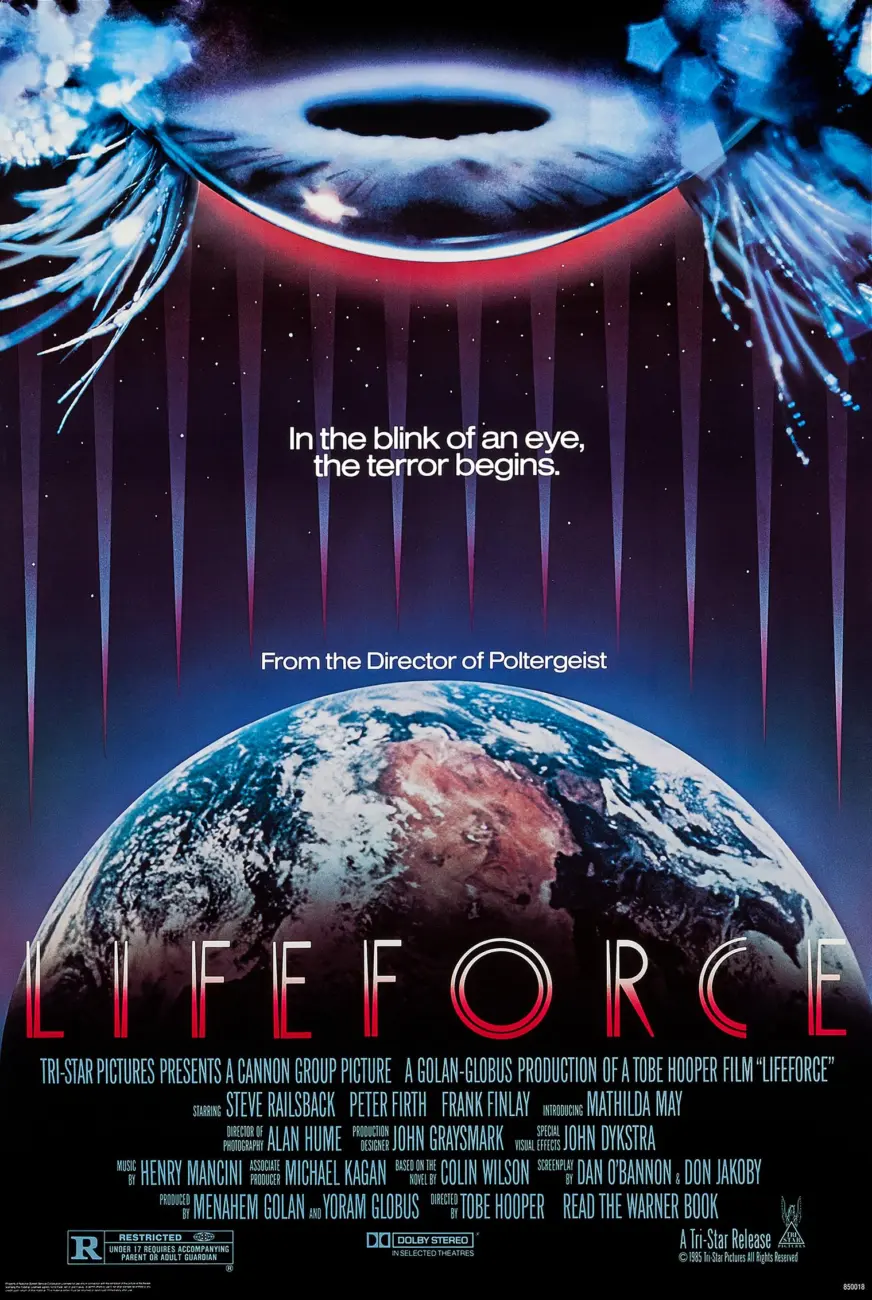
From director Tobe Hooper and Cannon Films, ‘Lifeforce’ adapts Colin Wilson’s novel ‘The Space Vampires’ into a story about an alien presence brought to Earth via a space shuttle mission. The cast includes Steve Railsback, Mathilda May, Peter Firth, and Patrick Stewart, with large-scale London sets and a mix of optical and animatronic effects.
Henry Mancini’s orchestral score supports the film’s shift from deep-space discovery to quarantine-era panic. Large glass-tubed props, intricately rigged corpses, and citywide crowd scenes were built to depict an escalating energy-drain epidemic, while the effects team layered miniature shots over location plates to show spacecraft near Halley’s Comet.
‘Night of the Comet’ (1984)
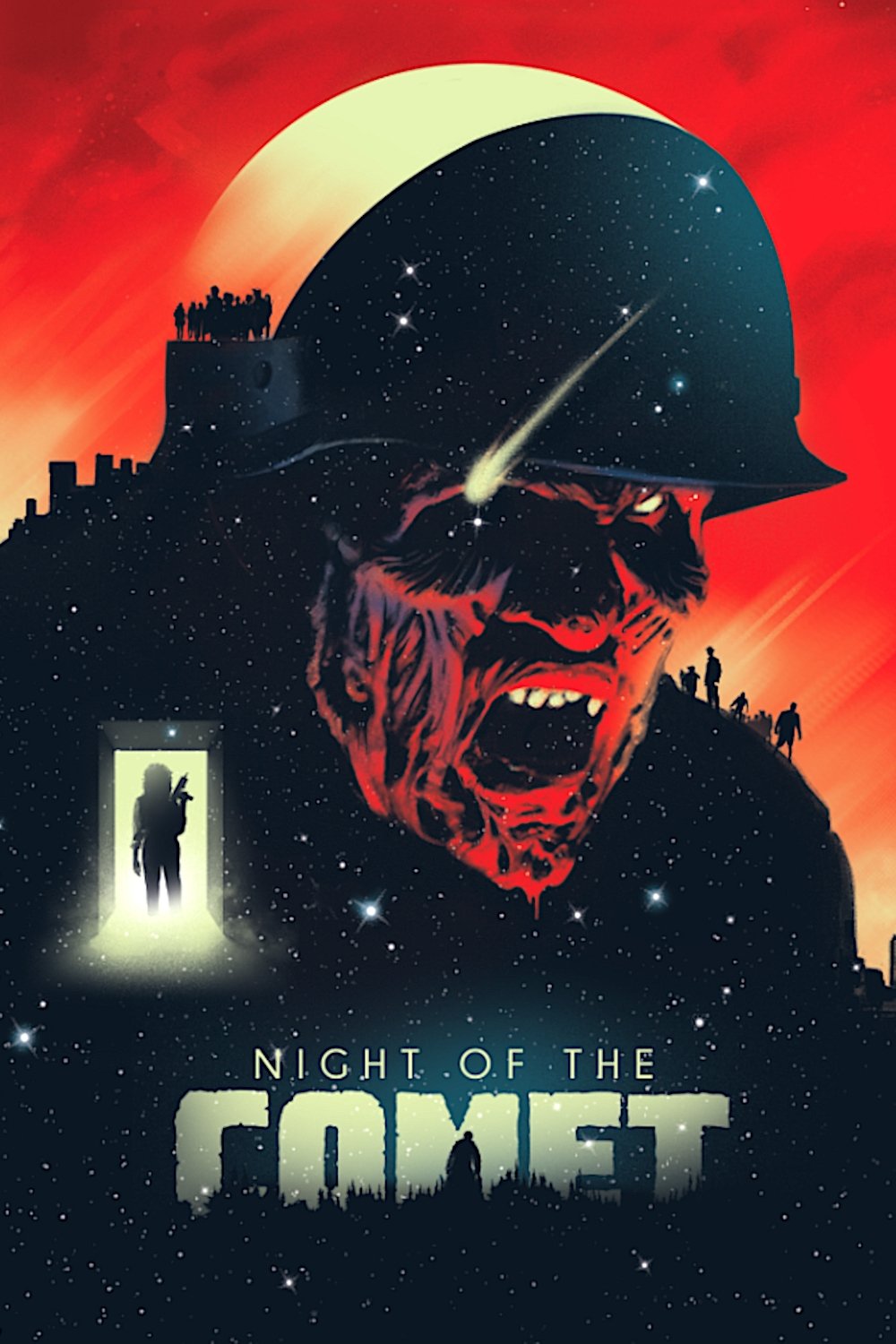
‘Night of the Comet’ tracks two sisters navigating a neon-lit Los Angeles after a celestial event leaves the city nearly deserted and turns some survivors into hostile threats. Written and directed by Thom Eberhardt, the film stars Catherine Mary Stewart and Kelli Maroney, with Robert Beltran and Mary Woronov in supporting roles.
The production used early-morning lockdowns and traffic control to capture empty downtown streets, while a bright color palette and mall locations emphasize the surreal quiet. Atlantic Releasing handled distribution, and the film’s premise hinges on a passing comet’s fallout, military containment efforts, and a research facility seeking a cure.
‘Explorers’ (1985)
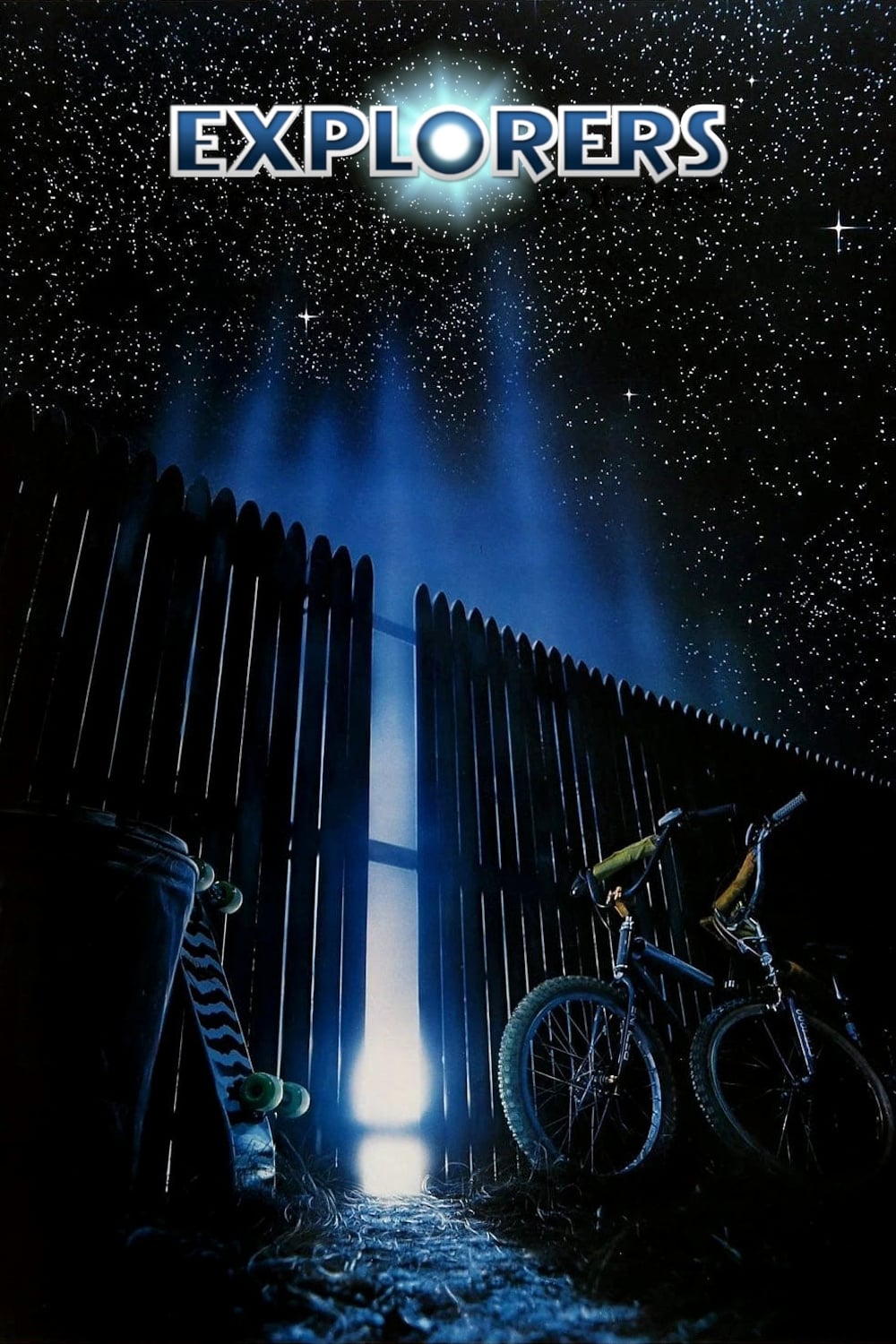
Joe Dante’s ‘Explorers’ follows three kids who decode a mysterious signal and build a craft that takes them on an unexpected cosmic encounter. Paramount Pictures released the film, introducing audiences to Ethan Hawke and River Phoenix, with Jason Presson rounding out the trio.
Industrial Light & Magic supplied imaginative effects for the makeshift spacecraft and its protective “bubble,” while Rob Bottin’s team created the whimsical alien designs. Jerry Goldsmith composed the score, and the production’s suburban sets, school labs, and scrapyards ground the DIY engineering that powers the story.
‘Spacehunter: Adventures in the Forbidden Zone’ (1983)
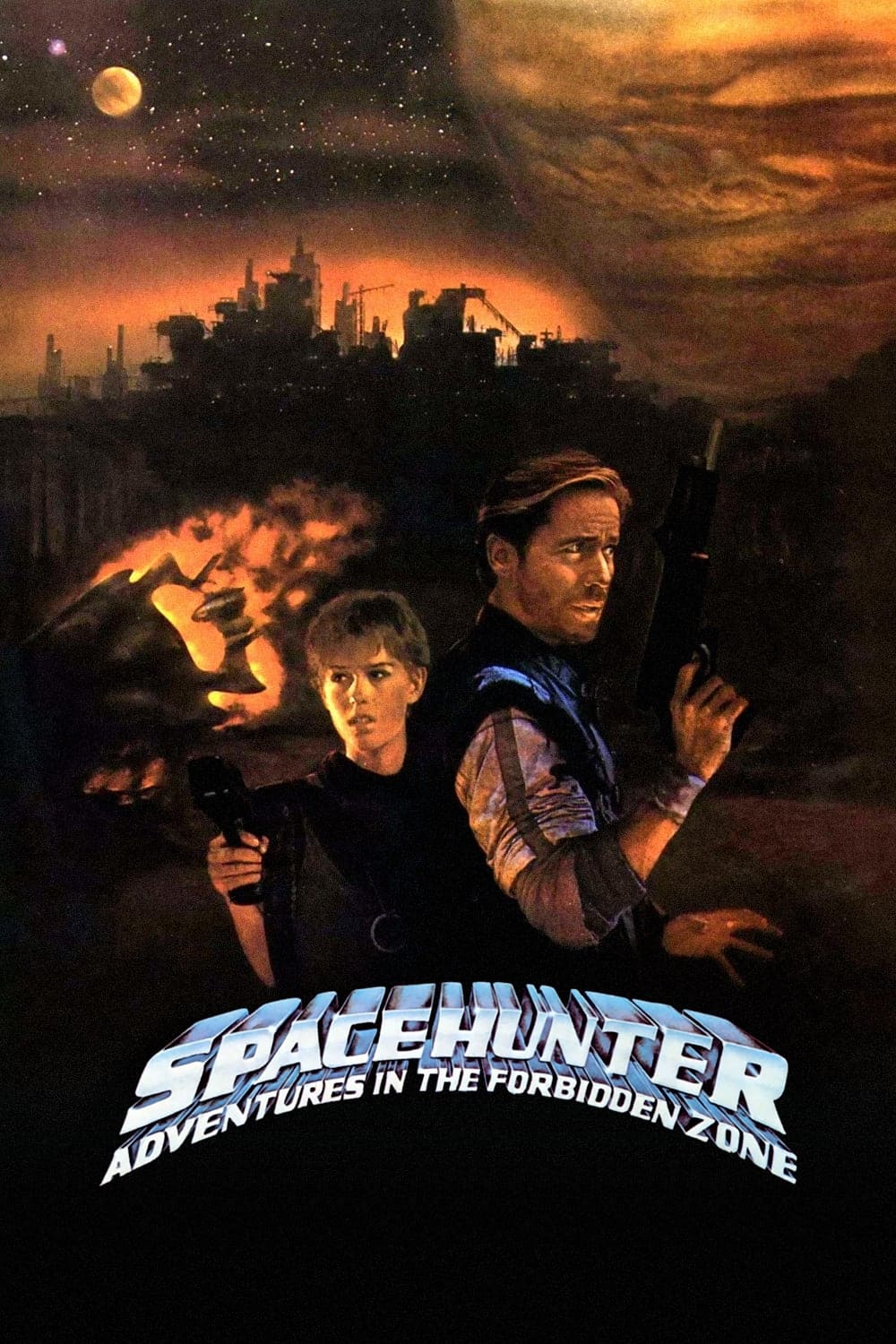
Shot and released in 3-D, ‘Spacehunter: Adventures in the Forbidden Zone’ stars Peter Strauss as a salvage pro who teams up with a scrappy survivor, played by Molly Ringwald, on a hazardous planet ruled by a tyrant. Directed by Lamont Johnson and released by Columbia Pictures, it blends desert location work with elaborate industrial sets.
The production used Canadian and Utah locales to achieve a blasted-world look, with stunt sequences staged across spiked vehicles and factory catwalks. Elmer Bernstein scored the film, while costuming leans on leather-and-metal ensembles and masks to define factions scattered across the planet’s wastelands.
‘Saturn 3’ (1980)
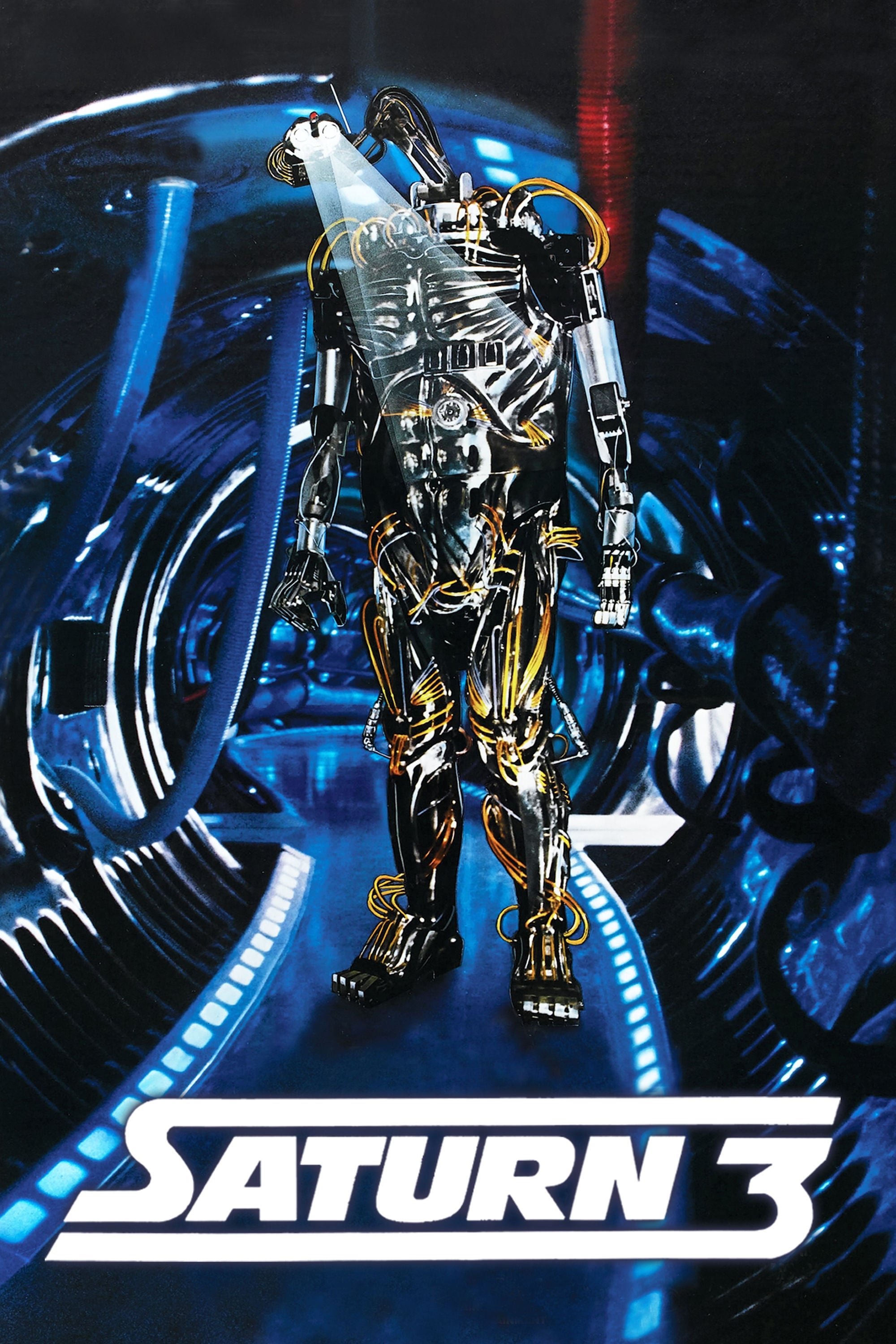
Set on a remote research outpost, ‘Saturn 3’ pairs Kirk Douglas and Farrah Fawcett with an intrusive new arrival, played by Harvey Keitel, who brings a prototype robot named Hector. Produced by ITC Films, the project began under production designer John Barry and continued under director Stanley Donen, resulting in distinctive, curved-line set architecture.
The robot’s physical presence comes from full-scale mechanical builds and puppeteering, showcased on polished, white-and-chrome laboratory sets. Elmer Bernstein composed the score, and the film emphasizes the hazards of experimental AI hardware, security overrides, and interference from corporate oversight at an isolated station.
‘Outland’ (1981)
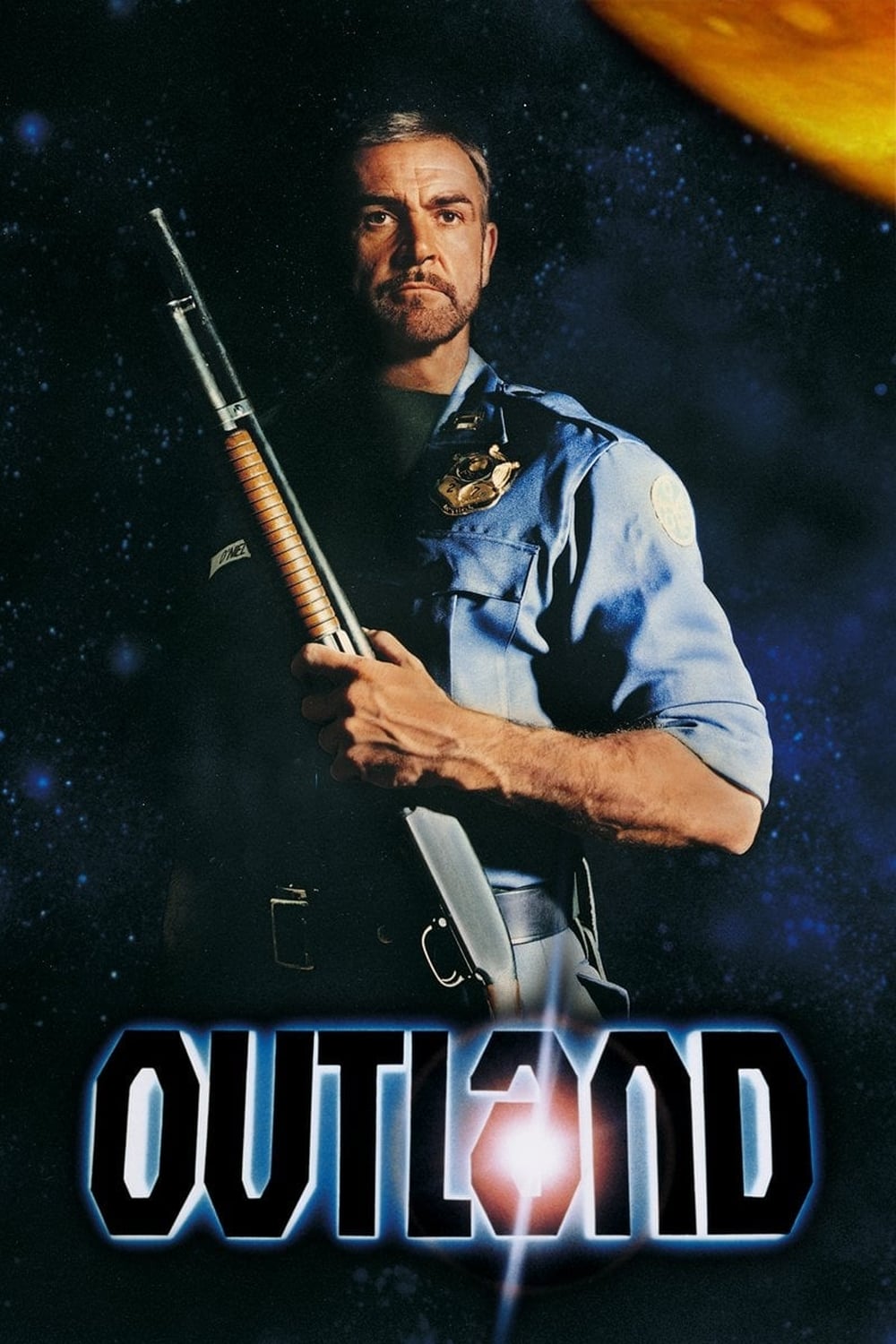
Peter Hyams’s ‘Outland’ places a federal marshal, played by Sean Connery, at a titanium mining colony on Jupiter’s moon Io, where a drug-related conspiracy surfaces. The production integrates pressurized walkways, domed atriums, and industrial shafts across large Pinewood Studios soundstages.
Jerry Goldsmith’s score accompanies motion-control miniature shots of the station and shuttle craft. The film’s narrative focuses on corporate contracts, hazardous-duty rotations, and the logistical realities of policing a far-flung outpost, with Frances Sternhagen and Peter Boyle in key supporting roles.
‘Dreamscape’ (1984)
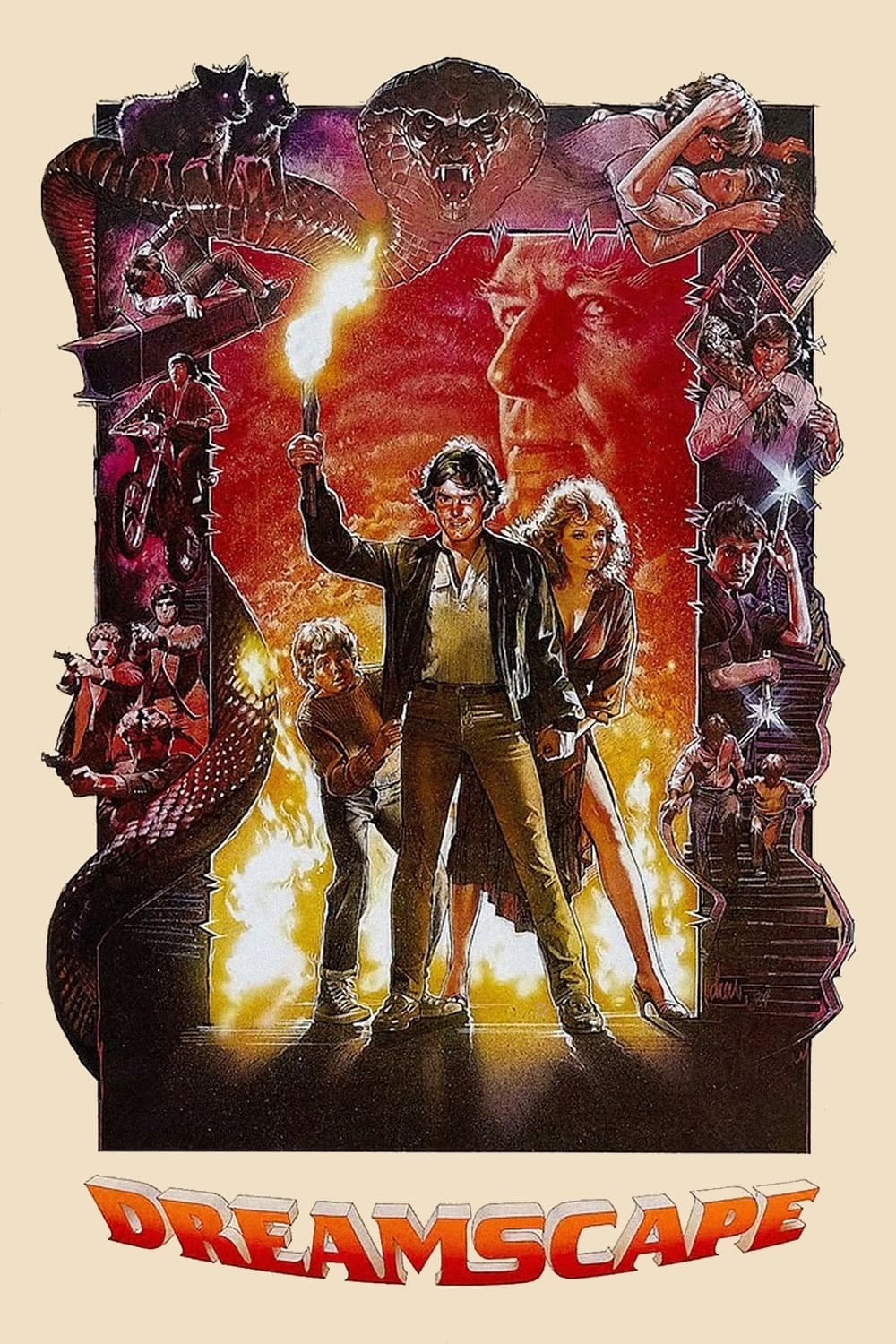
In ‘Dreamscape’, a government-linked research program recruits a psychic, played by Dennis Quaid, to enter patients’ dreams with a technology that visualizes and manipulates subconscious imagery. Joseph Ruben directs, with Max von Sydow and Christopher Plummer overseeing the project from inside the story.
TriStar Pictures released the film, which uses matte paintings, stop-motion work, and optical effects to realize dream environments and a recurring nightmare creature. The plot tracks internal security protocols, political pressure on the lab, and the risks attached to weaponizing therapeutic research.
‘Strange Invaders’ (1983)
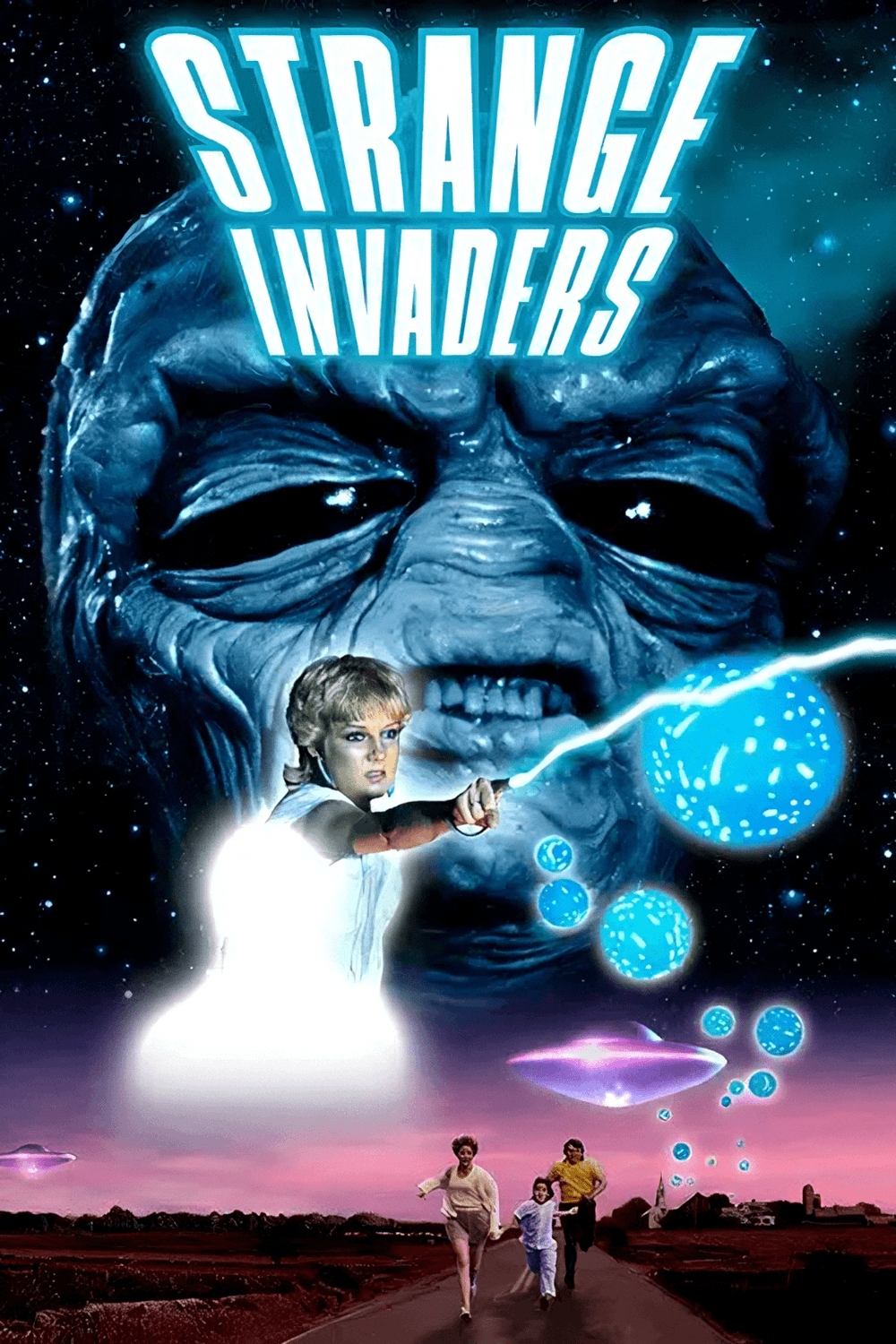
‘Strange Invaders’, directed by Michael Laughlin, follows a professor who travels to a small town to search for his ex-wife and encounters residents with an otherworldly secret. The film stars Paul Le Mat, Nancy Allen, and Louise Fletcher, with a supporting appearance by Wallace Shawn.
Orion Pictures handled distribution, while the production design leans into mid-century Americana to reflect the town’s preserved past. Practical effects depict skin-peeling reveals and energy blasts, and the story weaves a federal-agency thread through the investigation of long-term alien infiltration.
‘Trancers’ (1984)
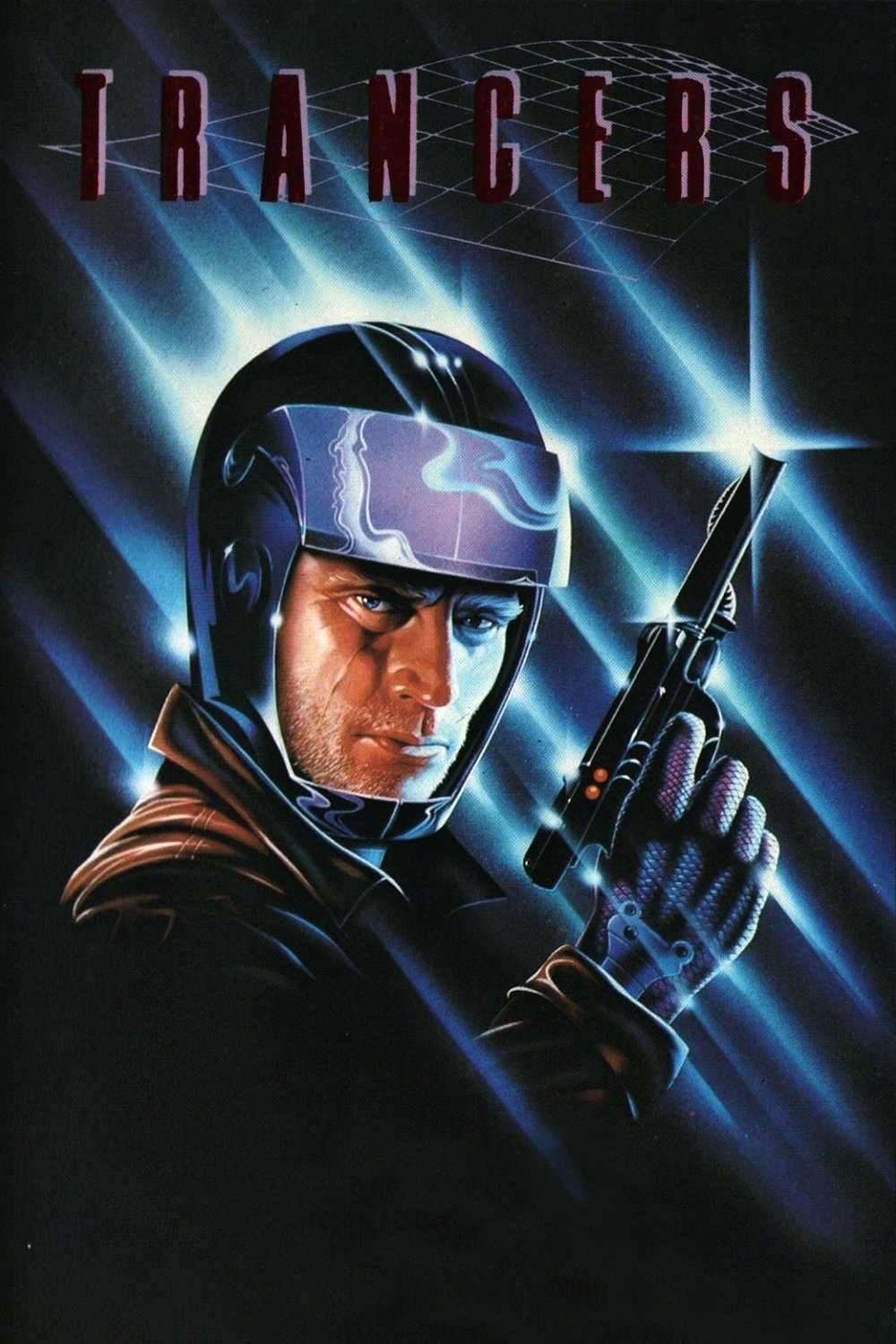
Charles Band’s ‘Trancers’ sends a hard-nosed cop, played by Tim Thomerson, back along a genealogical time line to stop a criminal who can control hypnotized followers known as “Trancers.” Helen Hunt co-stars, and Empire Pictures produced and distributed the film.
Shot around downtown Los Angeles, the production uses alleys, nightclubs, and piers for grounded locations, with minimal-but-inventive effects for time displacement. Sequels and spinoffs followed, but this initial entry establishes the transfer method, the target ancestor premise, and a police-procedural frame for the chase.
‘Repo Man’ (1984)
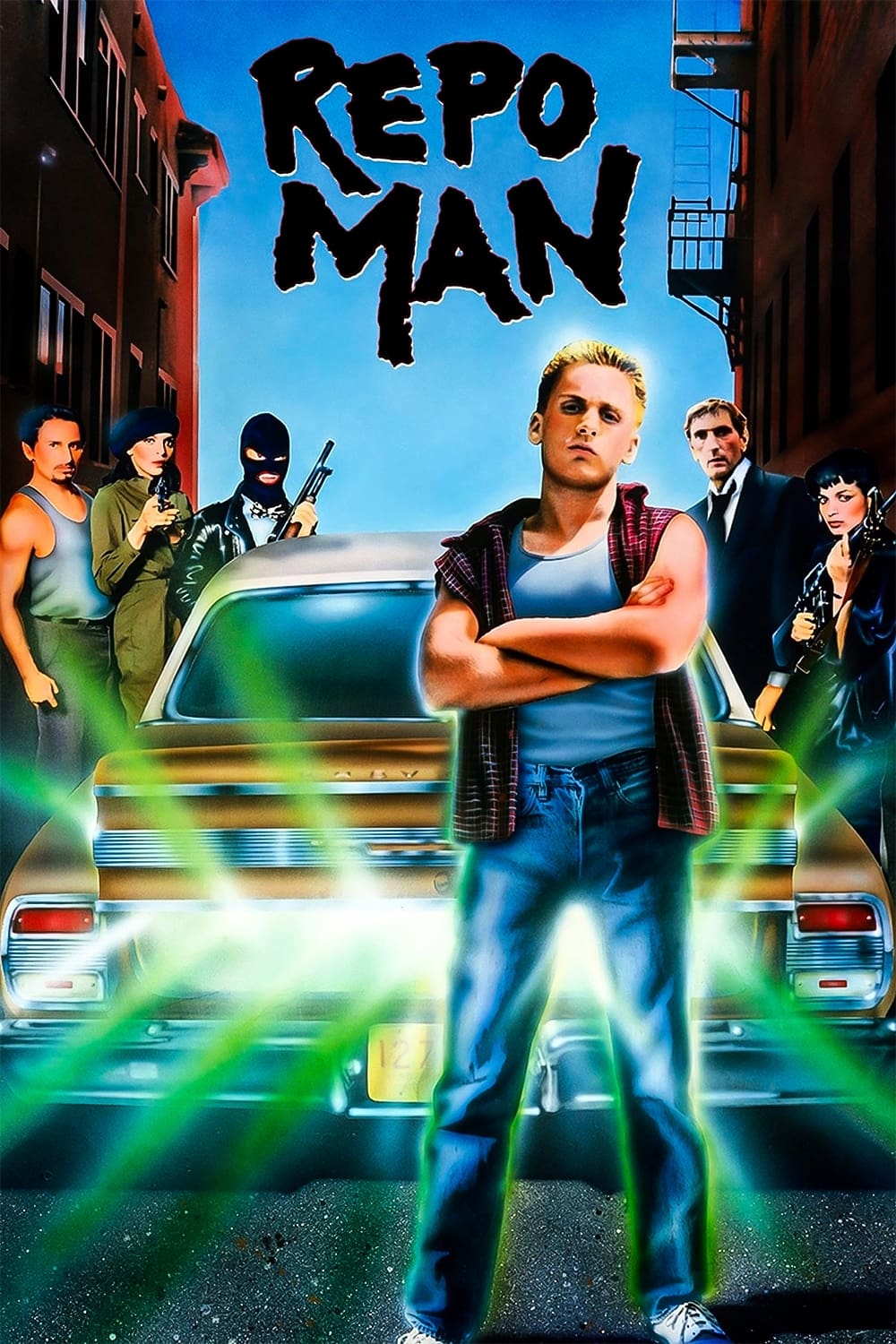
Written and directed by Alex Cox, ‘Repo Man’ tracks a young repo trainee, played by Emilio Estevez, and a veteran, played by Harry Dean Stanton, who get mixed up with a glowing-trunk Chevy Malibu linked to classified cargo. Universal Pictures released the film, pairing punk-scene backdrops with genre elements.
The soundtrack features bands central to the Los Angeles punk landscape, and the production employs practical car-stunt work, rear-projection gags, and location shooting across industrial corridors. Government agents, rival repo crews, and coded labels (“food,” “beer”) flesh out a world that collides bureaucratic secrecy with street-level hustling.
‘The Adventures of Buckaroo Banzai Across the 8th Dimension’ (1984)

Directed by W. D. Richter, ‘The Adventures of Buckaroo Banzai Across the 8th Dimension’ stars Peter Weller as a physicist-neurosurgeon-rock-musician who stumbles into an interdimensional plot involving the Red Lectroids. John Lithgow, Ellen Barkin, Jeff Goldblum, and Clancy Brown round out an ensemble cast.
20th Century Fox distributed the film, which leans on inventive production design, synth-driven scoring by Michael Boddicker, and deadpan press-conference interludes to explain the oscillation overthruster and its cross-dimension consequences. Comic-book tie-ins and planned sequels expanded the project’s lore after release.
‘Leviathan’ (1989)
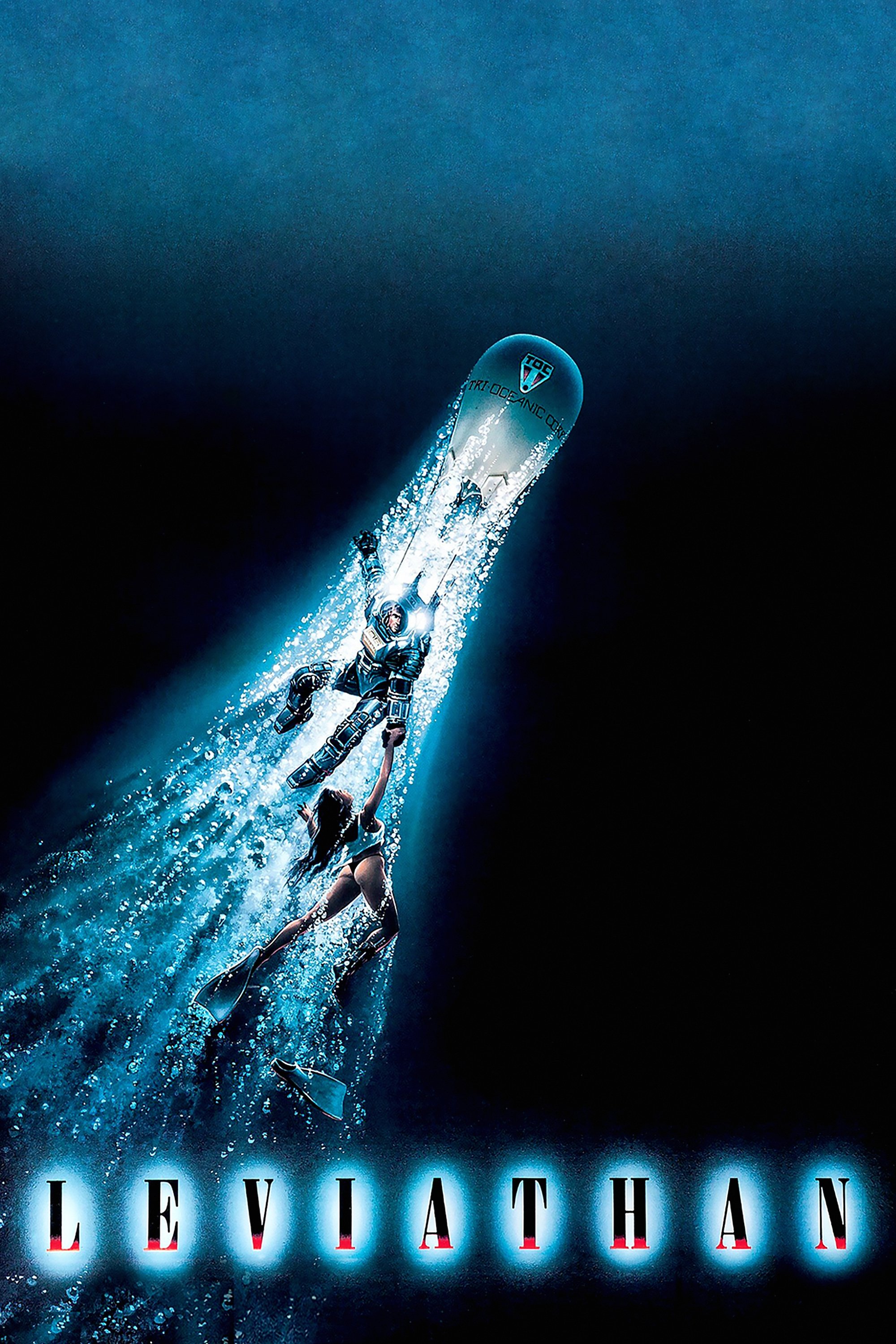
Set at an undersea mining facility, ‘Leviathan’ follows a crew that uncovers a sunken wreck and unleashes a mutagenic organism. Directed by George P. Cosmatos and released by TriStar Pictures, the film stars Peter Weller, Richard Crenna, Amanda Pays, and Ernie Hudson.
Creature work from Stan Winston’s studio integrates animatronic limbs, full-body suits, and cable-controlled appliances, while Jerry Goldsmith provides the score. Watertight set modules, suspended-particle tank work, and miniature exteriors depict the ocean-floor environment and the company’s extraction hardware.
‘DeepStar Six’ (1989)
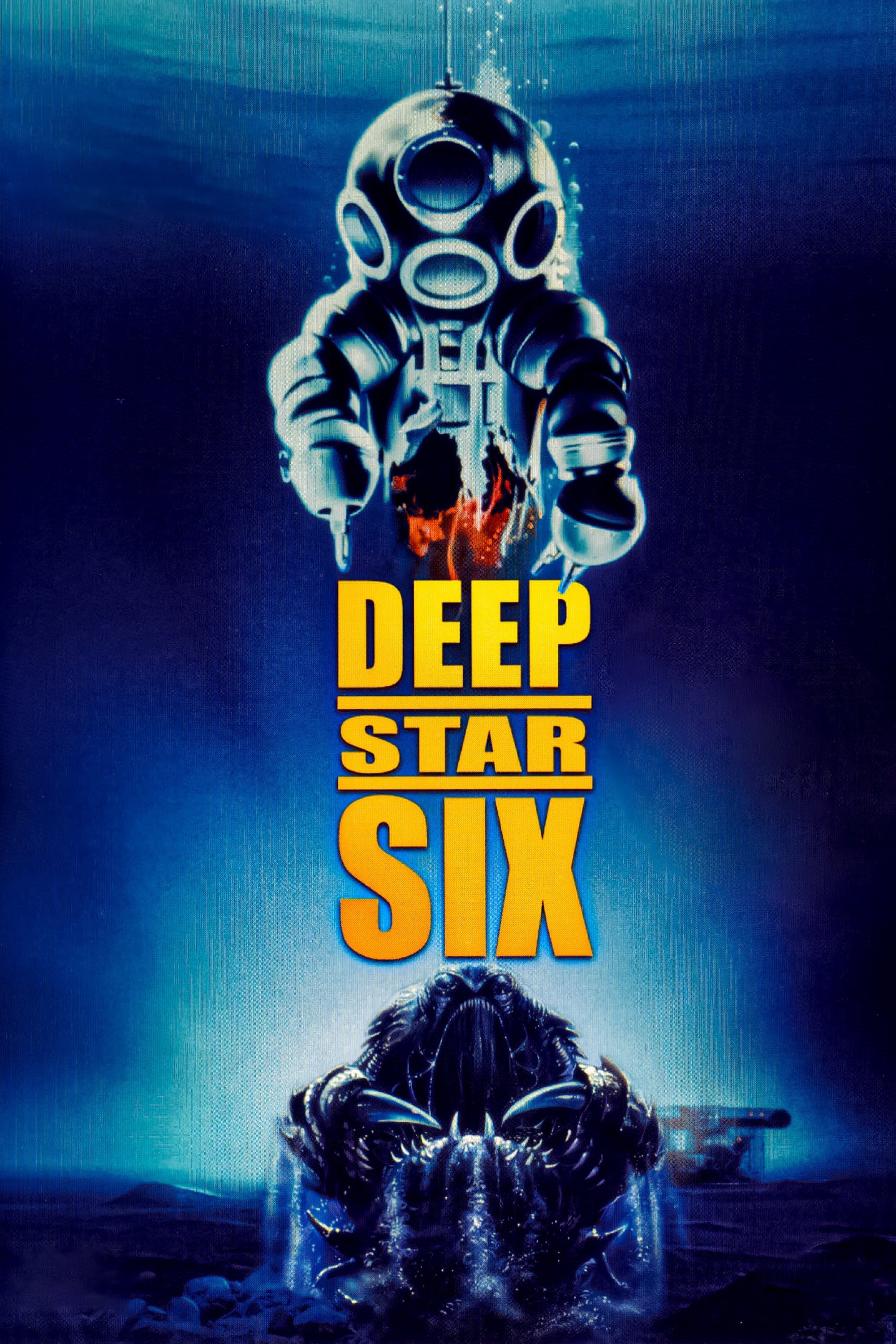
‘DeepStar Six’, directed by Sean S. Cunningham, centers on a U.S. Navy-contracted undersea habitat crew that encounters a prehistoric predator during base-construction operations. Greg Evigan, Nancy Everhard, and Miguel Ferrer lead the ensemble, with TriStar Pictures handling distribution.
The film’s production built modular pressurized rooms connected by narrow corridors, enabling staged flooding and decompression sequences. Composer Harry Manfredini scores the action, while model work and suitmation bring the deep-sea creature to life as the base’s drilling, missile-silo preparations, and evacuation protocols go awry.
‘My Science Project’ (1985)
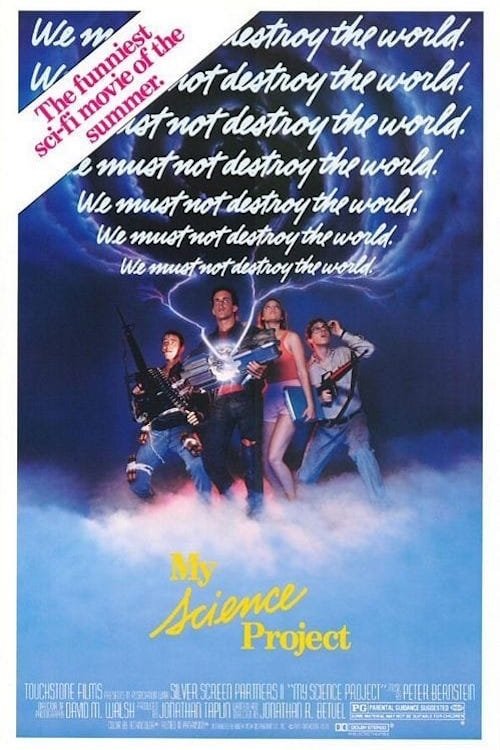
In ‘My Science Project’, a high-school gearhead, played by John Stockwell, finds a strange energy device that opens rifts in time within his school. Fisher Stevens and Danielle von Zerneck co-star, with Dennis Hopper appearing as an eccentric teacher. Touchstone Pictures released the film.
The production’s effects team combines creature cameos, period dislocations, and a gymnasium set turned into a cross-era battleground. Neon-lit hallways, an auto shop, and a desert test site serve as recurring locations, while the script lays out the device’s escalating power draw and the risks of tampering with its core.
‘The Philadelphia Experiment’ (1984)
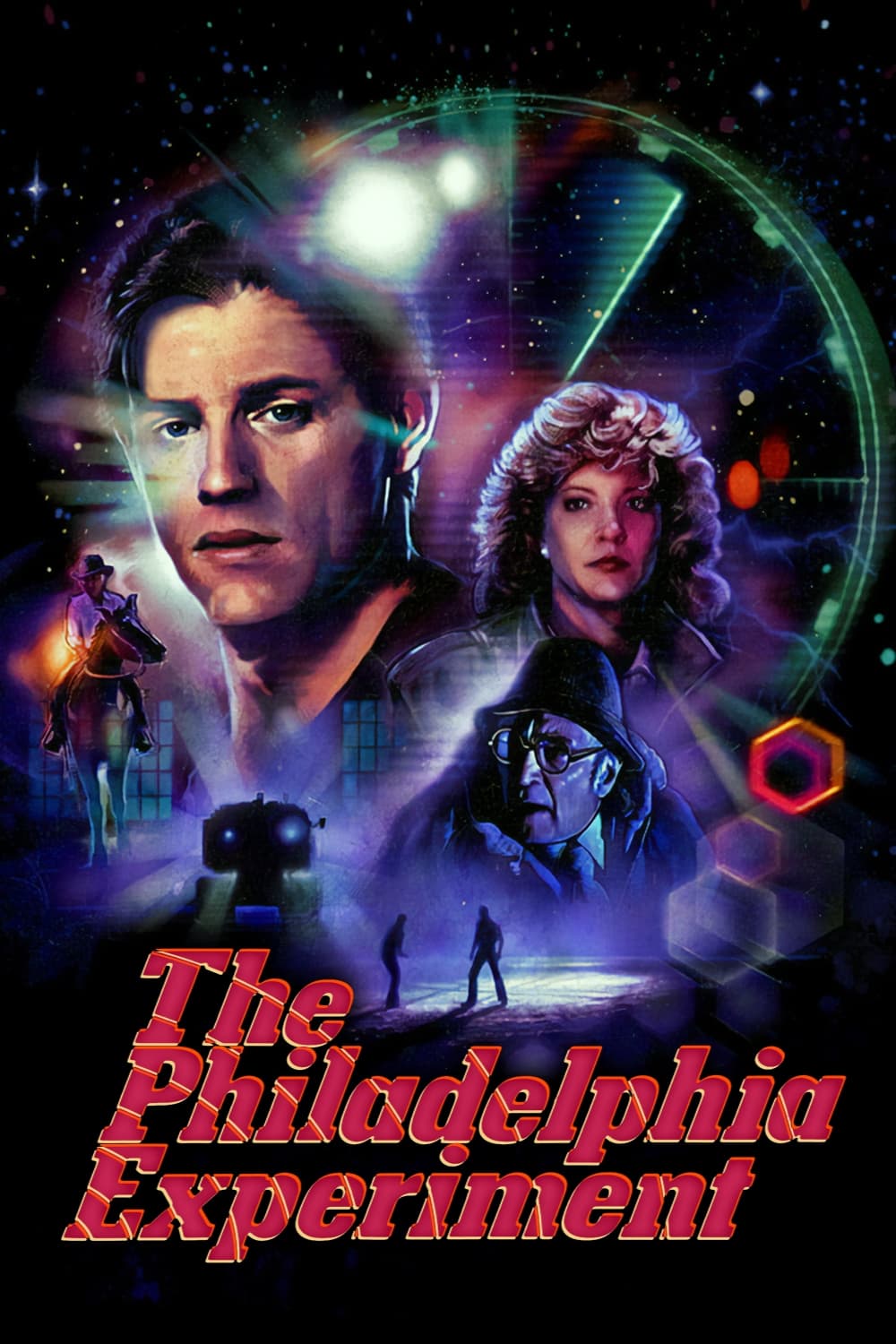
‘The Philadelphia Experiment’ dramatizes a rumored naval test that causes a destroyer escort to vanish, sending two sailors forward in time and into a classified chase. Stewart Raffill directs, with Michael Paré and Nancy Allen starring, and New World Pictures distributing.
Location work in the American Southwest doubles for military research installations, while period shipboard scenes contrast with modern aerospace infrastructure. The film maps out the experiment’s generator design, residual field effects, and a plan to stabilize the anomaly before it expands.
‘Project X’ (1987)
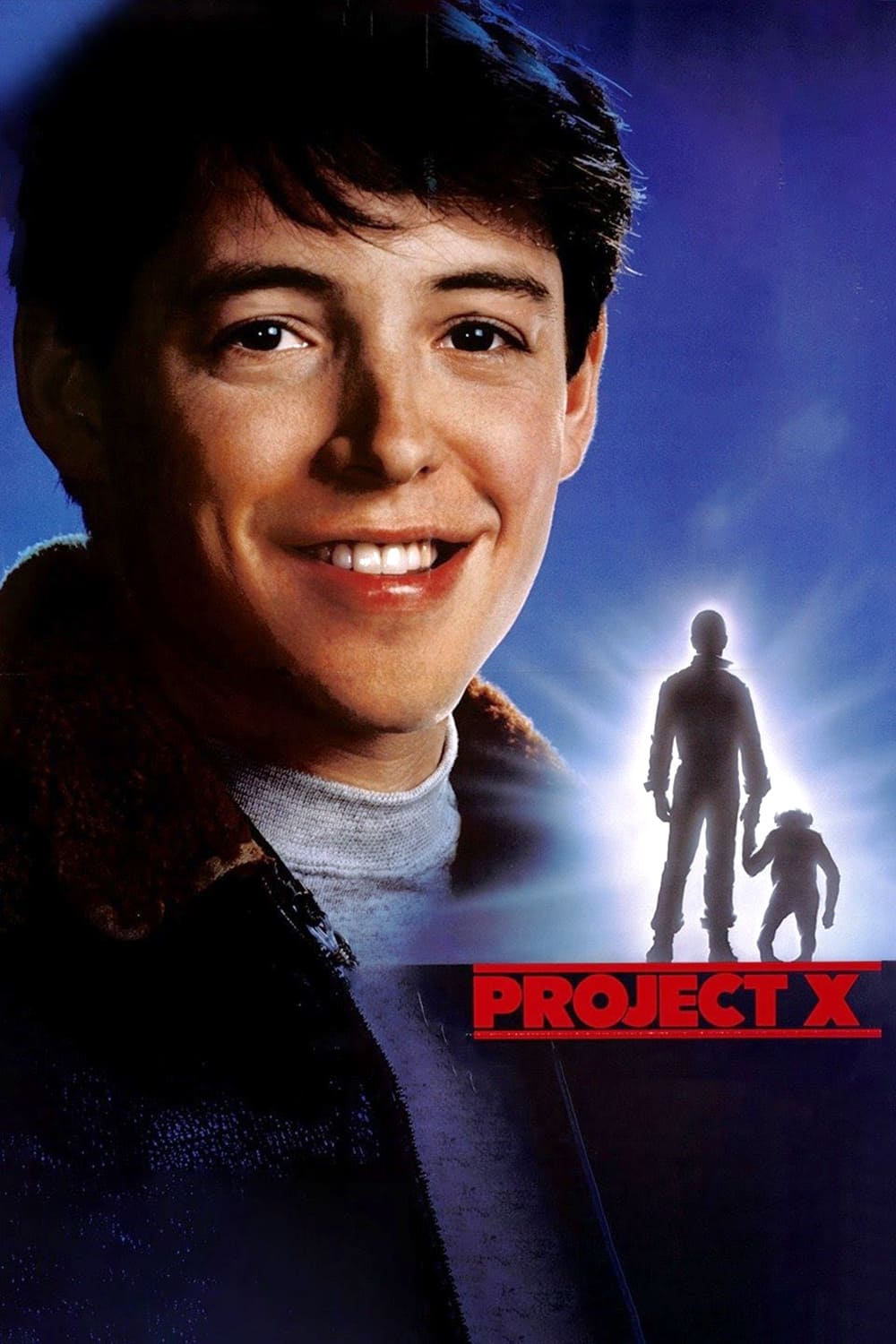
‘Project X’ follows an Air Force trainee, played by Matthew Broderick, assigned to a program that uses chimpanzees in flight simulators to study pilot survival during extreme conditions. Helen Hunt co-stars as a graduate student who tracks the animals’ welfare and the project’s true purpose. 20th Century Fox released the film.
James Horner composed the score, and the production mixes real aircraft, gimbaled cockpits, and point-of-view displays to replicate training runs. The narrative details clearance levels, data collection on radiation exposure, and the chain of command overseeing the test flights.
‘Millennium’ (1989)
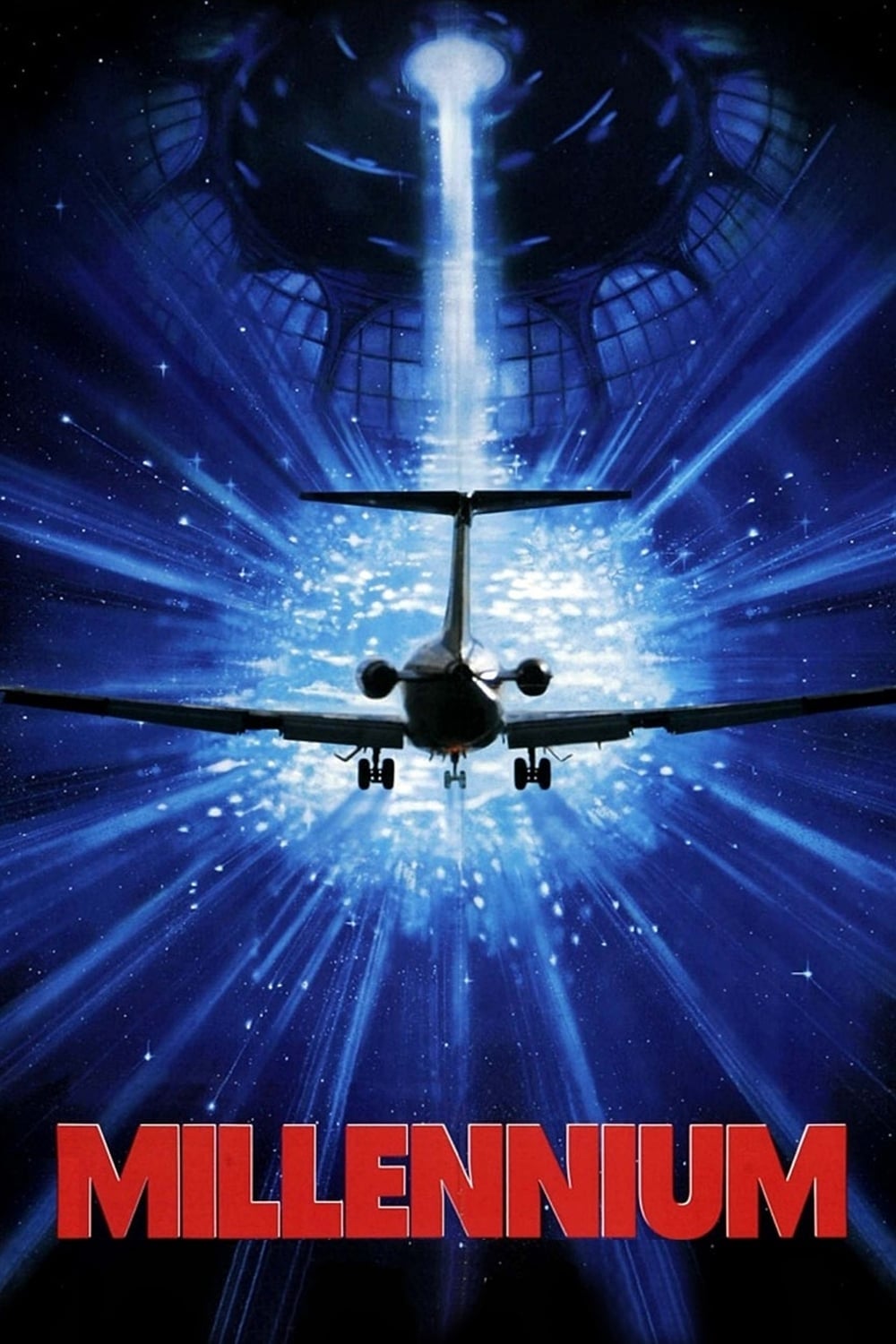
Michael Anderson’s ‘Millennium’, based on John Varley’s short story ‘Air Raid’, follows an investigator played by Kris Kristofferson who uncovers evidence that passengers on doomed flights are being replaced by replicas. Cheryl Ladd co-stars as an operative from a future timeline manipulating events.
Orion Pictures released the film, which uses a combination of physical sets for a dystopian future and optical effects for time-gate transitions. The script outlines temporal “stratagems,” paradox management, and the technology used to swap passengers, while the investigative thread catalogs anomalies left behind.
‘Altered States’ (1980)
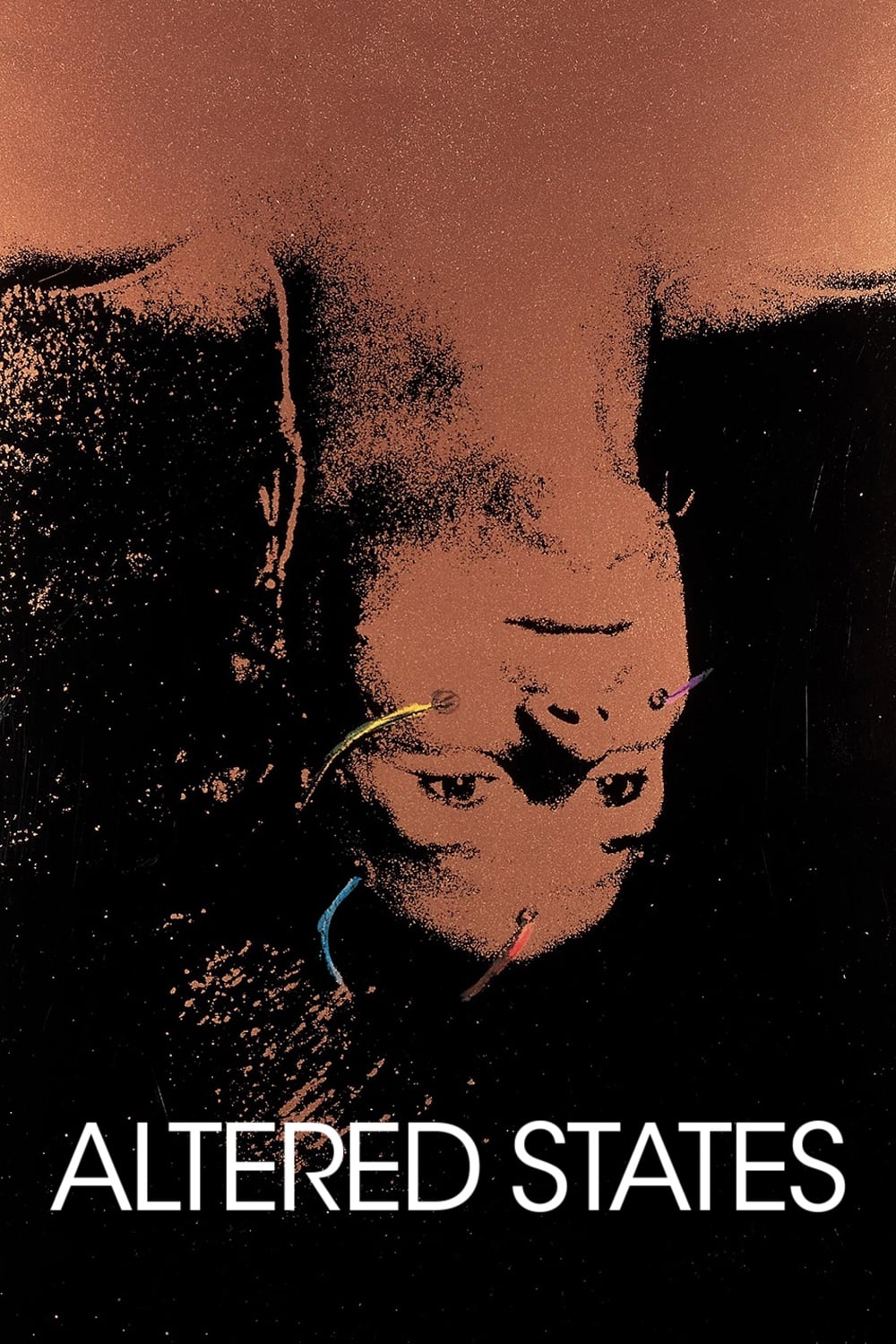
Directed by Ken Russell, ‘Altered States’ stars William Hurt as a Harvard researcher experimenting with isolation tanks and psychoactive substances to probe human consciousness. Blair Brown and Bob Balaban co-star, with the screenplay adapted from Paddy Chayefsky’s novel under a pseudonym.
Warner Bros. released the film, featuring sound design and makeup effects that visualize physiological regression and hallucinatory states. Composer John Corigliano’s work supports sequences that blend laboratory protocols, university oversight hearings, and the escalation of self-experimentation.
‘The Final Countdown’ (1980)
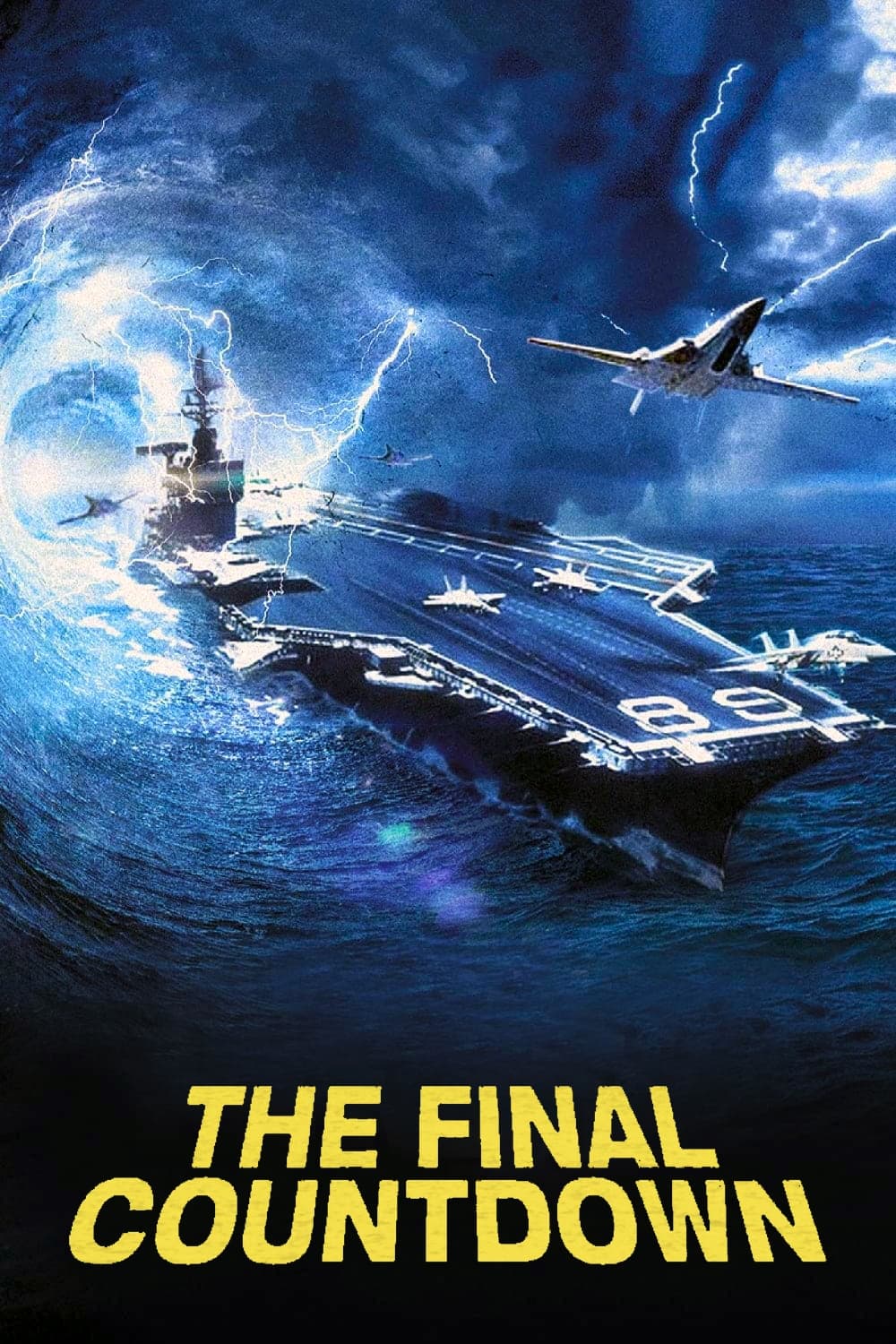
‘The Final Countdown’ places the aircraft carrier USS Nimitz in a temporal vortex, sending the ship and crew back to the eve of a pivotal Pacific conflict. Don Taylor directs, with Kirk Douglas and Martin Sheen leading the cast. The production had cooperation from the U.S. Navy, enabling flight-deck operations and aerial photography.
United Artists distributed the film, which integrates real carrier takeoffs and landings with optical effects for the storm phenomena. The plot tracks command decisions, intercepted radio traffic, and debates over engagement protocols as the crew confronts the implications of their displacement.
‘Slipstream’ (1989)
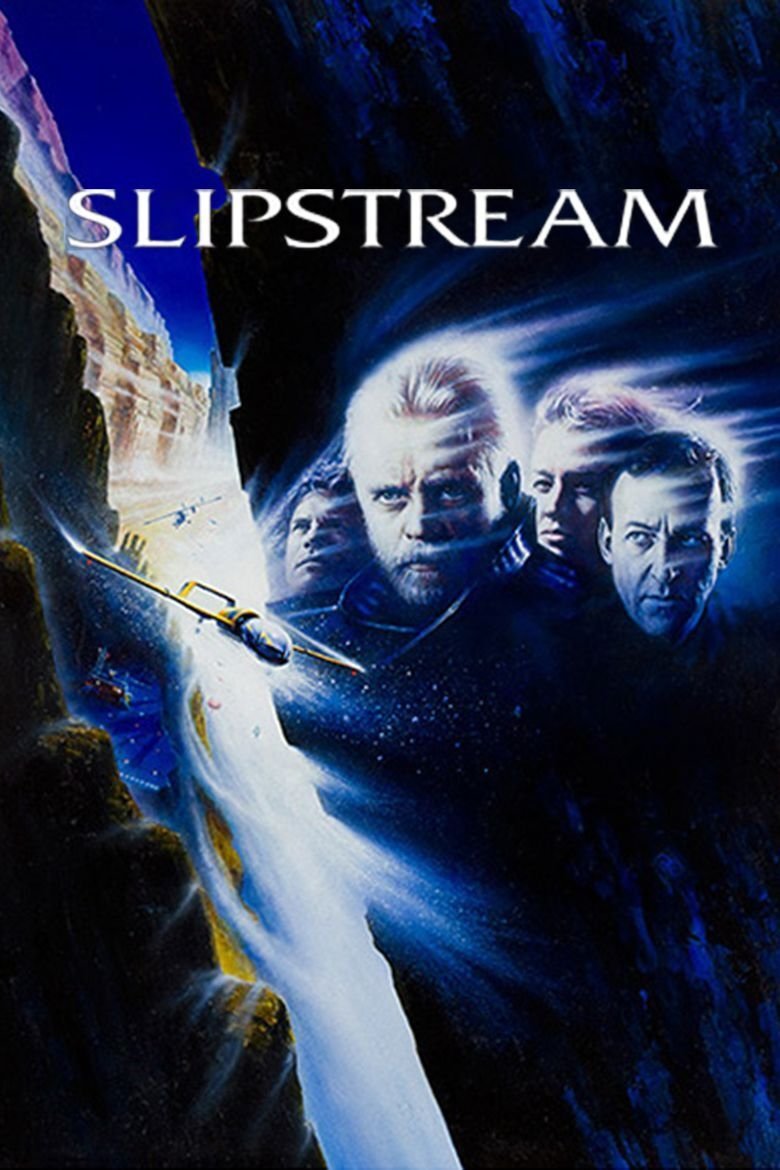
From director Steven Lisberger and producer Gary Kurtz, ‘Slipstream’ is set after atmospheric upheavals reshape the planet’s winds, enabling aircraft that ride powerful jet streams. Mark Hamill, Bill Paxton, and Kitty Aldridge star, with Bob Peck and Ben Kingsley in supporting roles.
The film shot across striking landscapes in Turkey and the United Kingdom, using custom ultralight and hybrid aircraft designs to visualize wind-rider travel. Distribution varied by territory, and the story details a law officer’s custody transfer gone wrong, an android’s hidden history, and the logistics of navigating unstable air corridors.
‘Krull’ (1983)
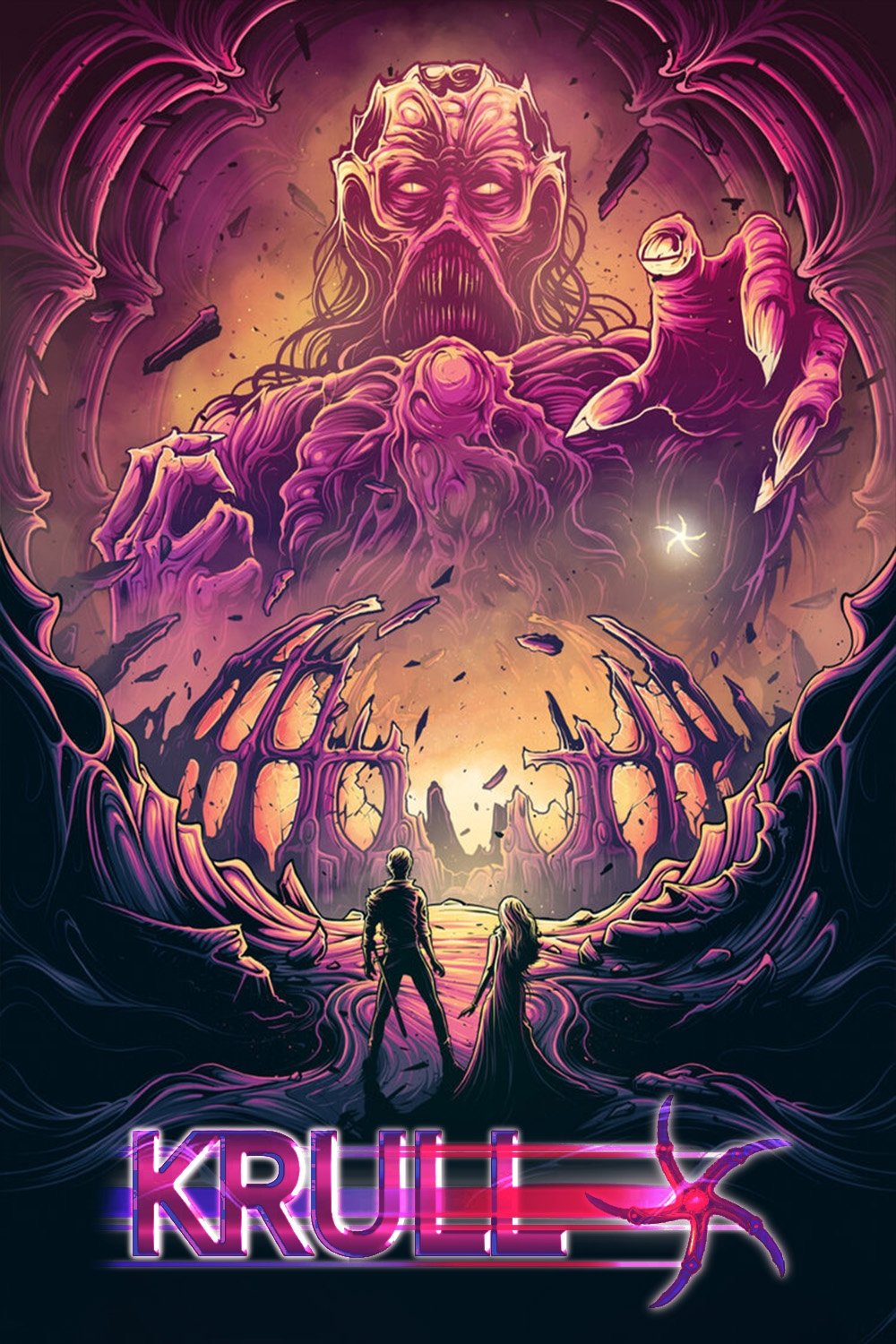
‘Krull’ blends science-fiction and fantasy as Prince Colwyn assembles allies to battle the alien Beast and its Slayers across a varied landscape. Directed by Peter Yates and released by Columbia Pictures, it features Ken Marshall, Lysette Anthony, Freddie Jones, and a young Liam Neeson among the ensemble.
Large soundstage builds at Pinewood Studios created swamps, caverns, and the Black Fortress interiors, while the Glaive—a five-bladed artifact central to the quest—anchors the film’s design identity. James Horner composed the score, and the production uses optical beams, stop-motion inserts, and pyrotechnics to depict extraterrestrial technology amid medieval settings.
‘The Adventures of Baron Munchausen’ (1988)
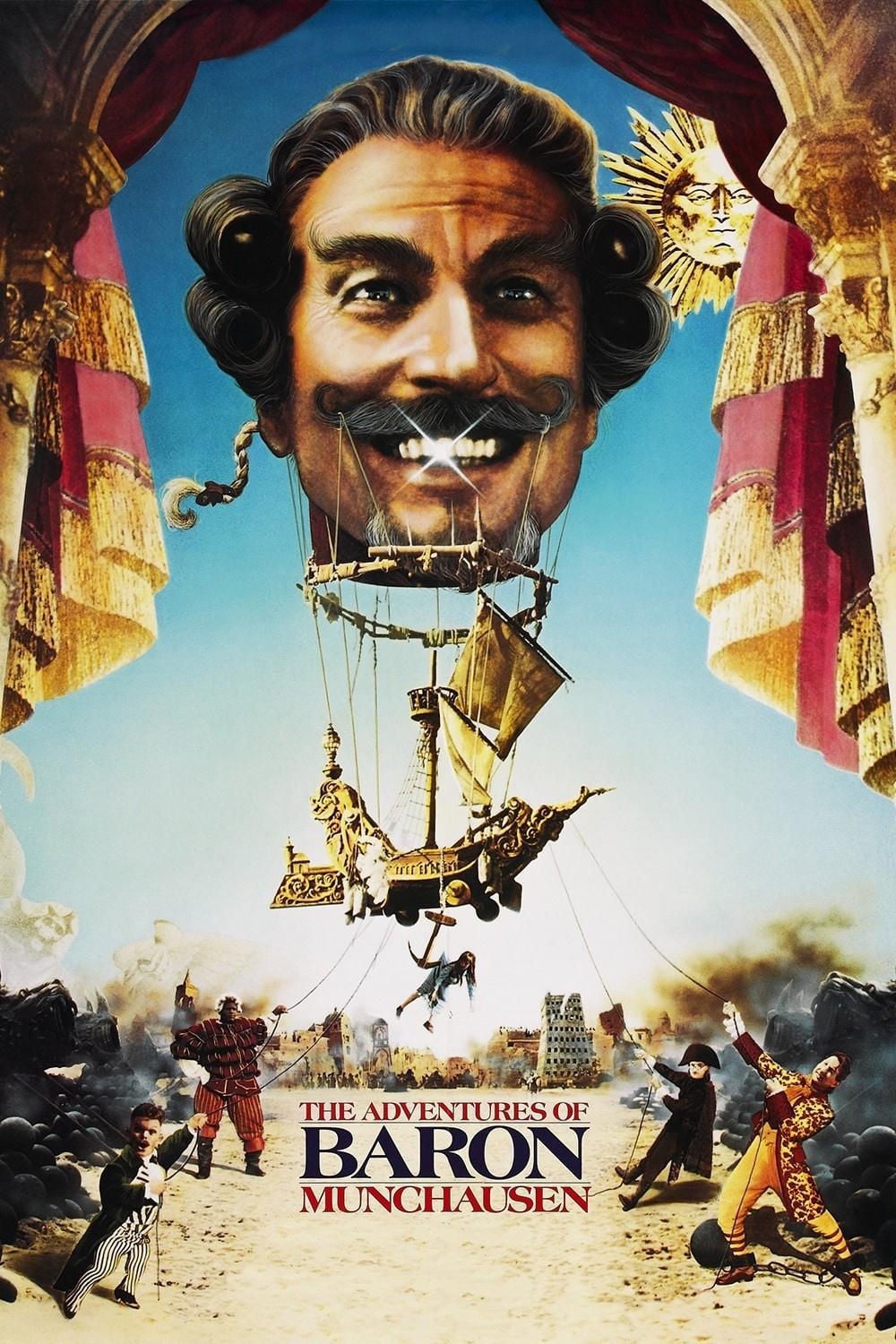
While often shelved with fantasy, Terry Gilliam’s ‘The Adventures of Baron Munchausen’ incorporates strong science-fiction trappings through voyages to the Moon and mechanical contraptions. The film stars John Neville, Sarah Polley, Uma Thurman, and a supporting cast including Eric Idle and Oliver Reed.
Columbia Pictures released the film, which features large-scale set pieces, intricate miniatures, and award-nominated design work. The lunar sequence introduces technological and celestial themes that intersect with the Baron’s tall-tale structure, while the production’s elaborate costumes and props reflect Enlightenment-era experiments and speculative machines.
Share your favorite overlooked 80s sci-fi picks in the comments and tell everyone which ones deserve a spot on this list.

