


Best Forgotten Sci-Fi Movies from the 1990s (that Require an Immediate Rewatch)

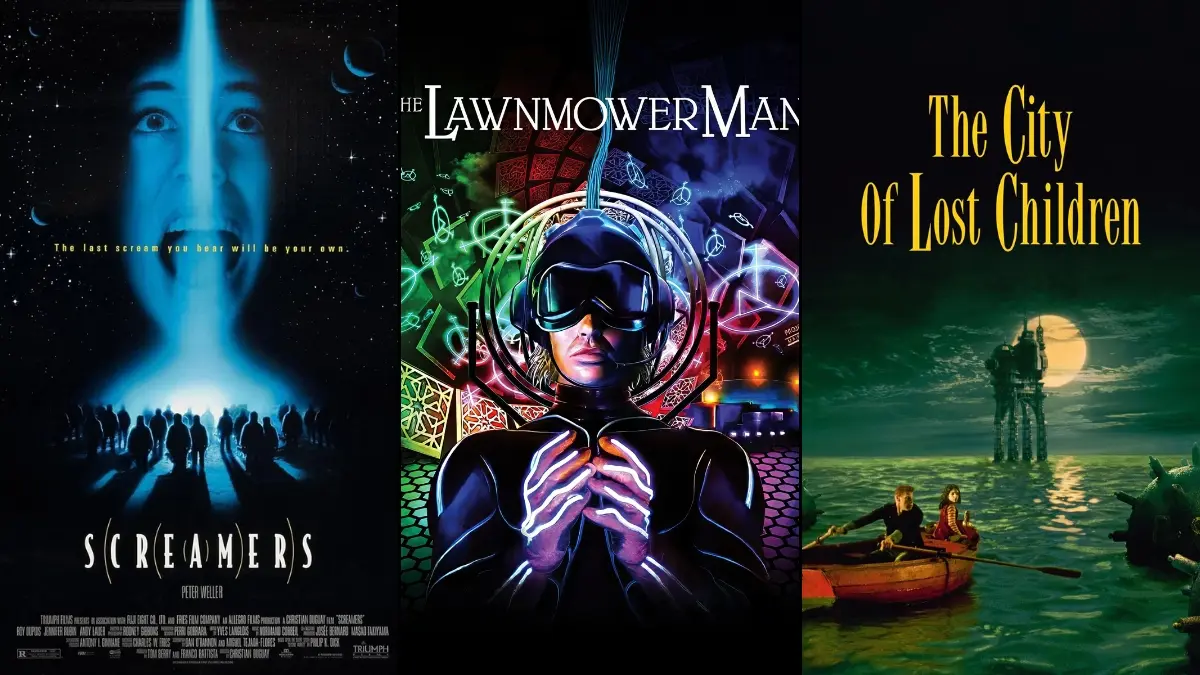


There’s a treasure trove of science-fiction from the ’90s that slipped through the cracks—films with ambitious world-building, practical effects, miniature work, early CGI experiments, and inspired casts who took big swings with high-concept ideas. Many launched careers, pushed visual techniques forward, or adapted notable authors in ways that quietly shaped the genre’s next era.
This list spotlights projects that deserve fresh attention for their craftsmanship, production stories, and the creators behind them. You’ll find cyberpunk thrillers, dystopian prison breaks, brain-bending reality puzzles, and cautionary tales about tech that suddenly feels very current. Each entry includes concrete details about how the film was made, who made it, and what it set out to do—so you can line up your rewatch with context that enriches the experience.
‘Hardware’ (1990)
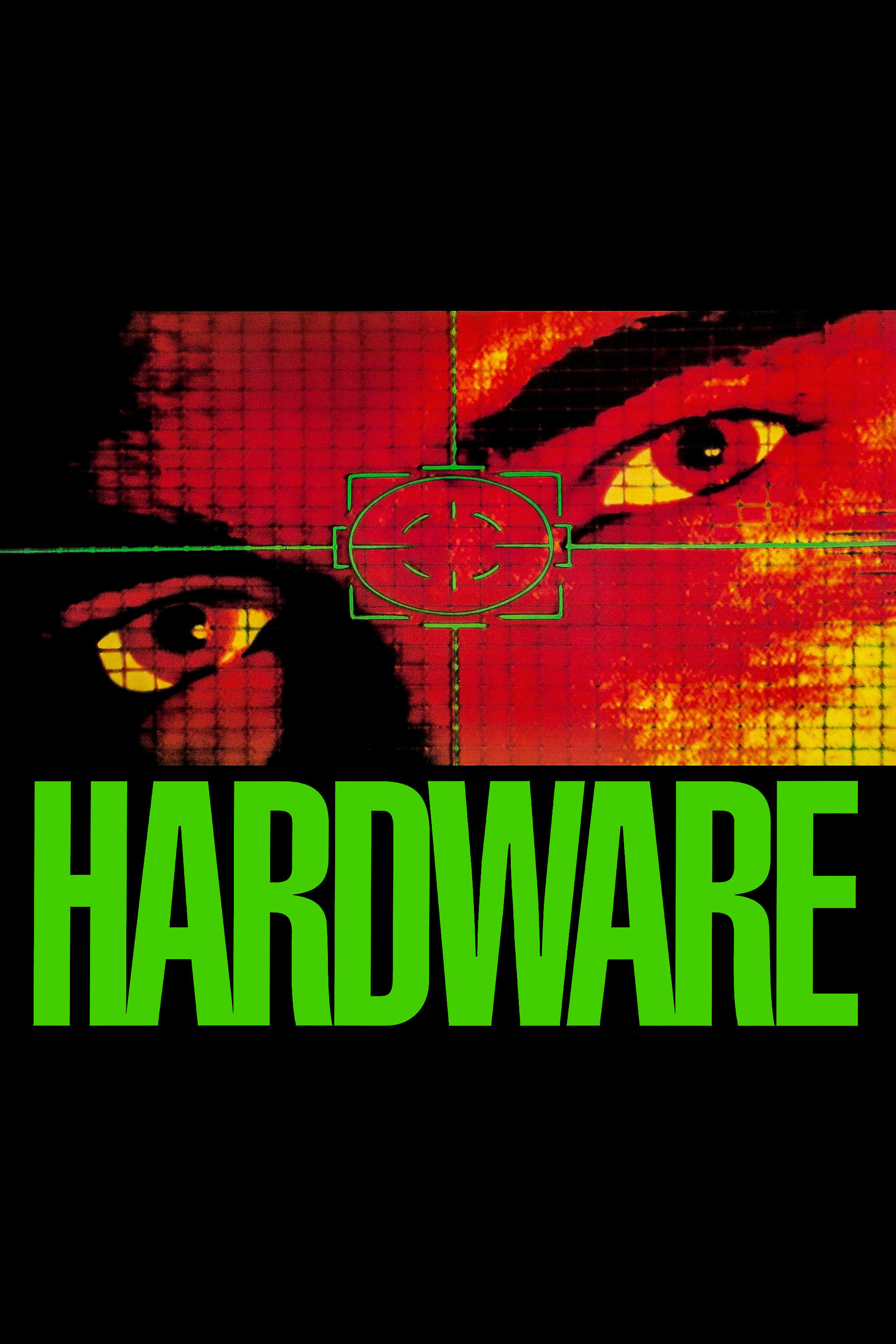
Richard Stanley wrote and directed this post-apocalyptic thriller, drawing inspiration from a short story and shooting largely on stylized sets that emphasize scrap-metal textures and heavy color gels. The film stars Dylan McDermott and Stacey Travis, with voice work by Iggy Pop and a cameo by Lemmy Kilmister, and it pairs industrial production design with animatronic effects to bring its killer droid to life.
The production leaned on low-budget ingenuity—miniatures, smoke, and tight framing—to sell a larger world, while Simon Boswell’s score anchors the film’s industrial tone. The distributor positioned it as edgy, late-night cinema, and home-video circulation helped it cultivate a following beyond its theatrical footprint.
‘Split Second’ (1992)
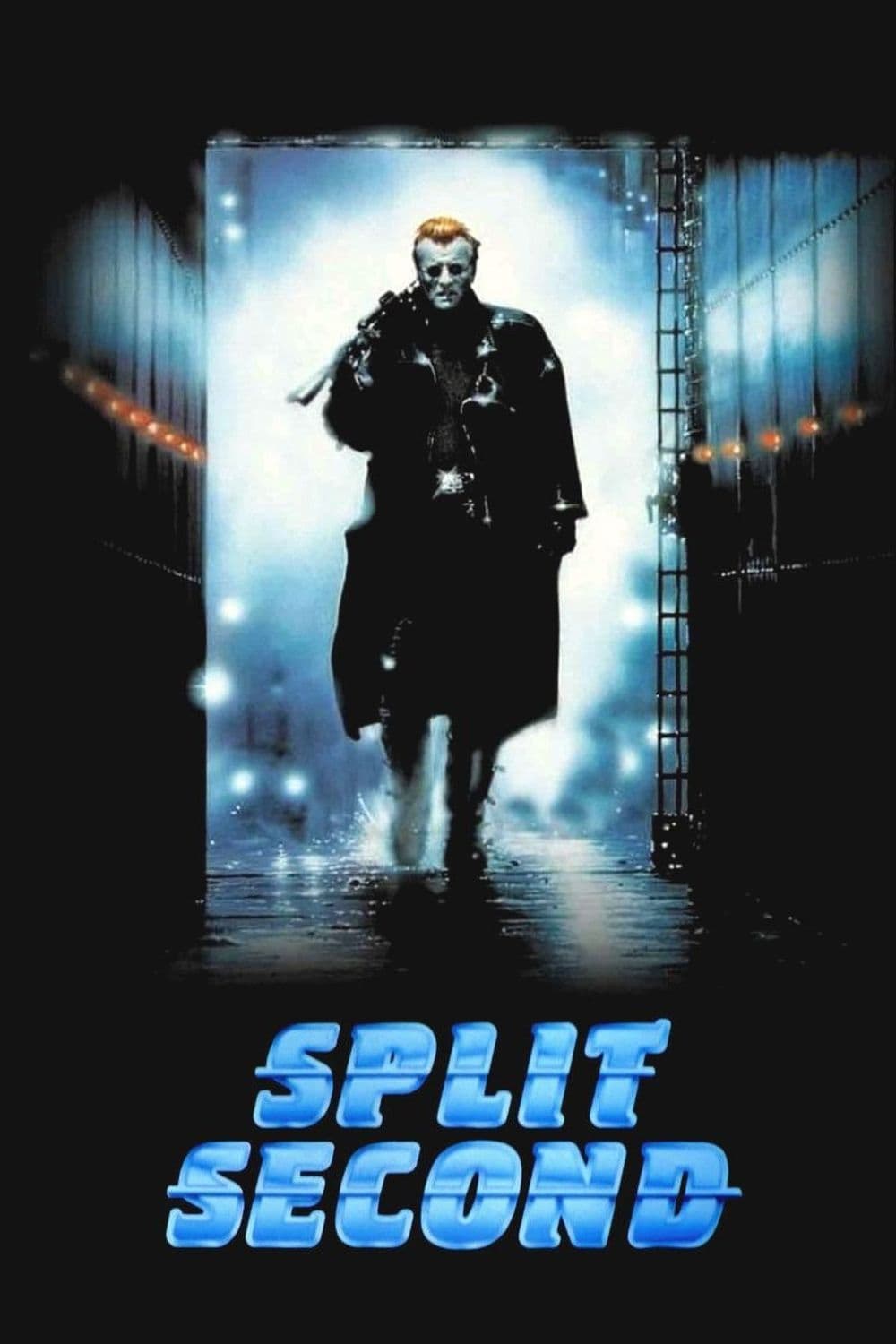
Shot largely in London with Rutger Hauer headlining, this future-noir pairs flooded city streets with a creature-feature backbone. The film’s art direction emphasizes practical rain effects and neon signage to create atmosphere on a modest budget, while Kim Cattrall and Alastair Duncan round out the supporting cast.
The creature design blends suit work and prosthetics, saving full reveals for late scenes to maximize suspense. Location work in the Docklands area gives the action a distinctive look, and the production mixes police procedural beats with speculative environmental backstory to frame its man-versus-monster hunt.
‘Fortress’ (1992)
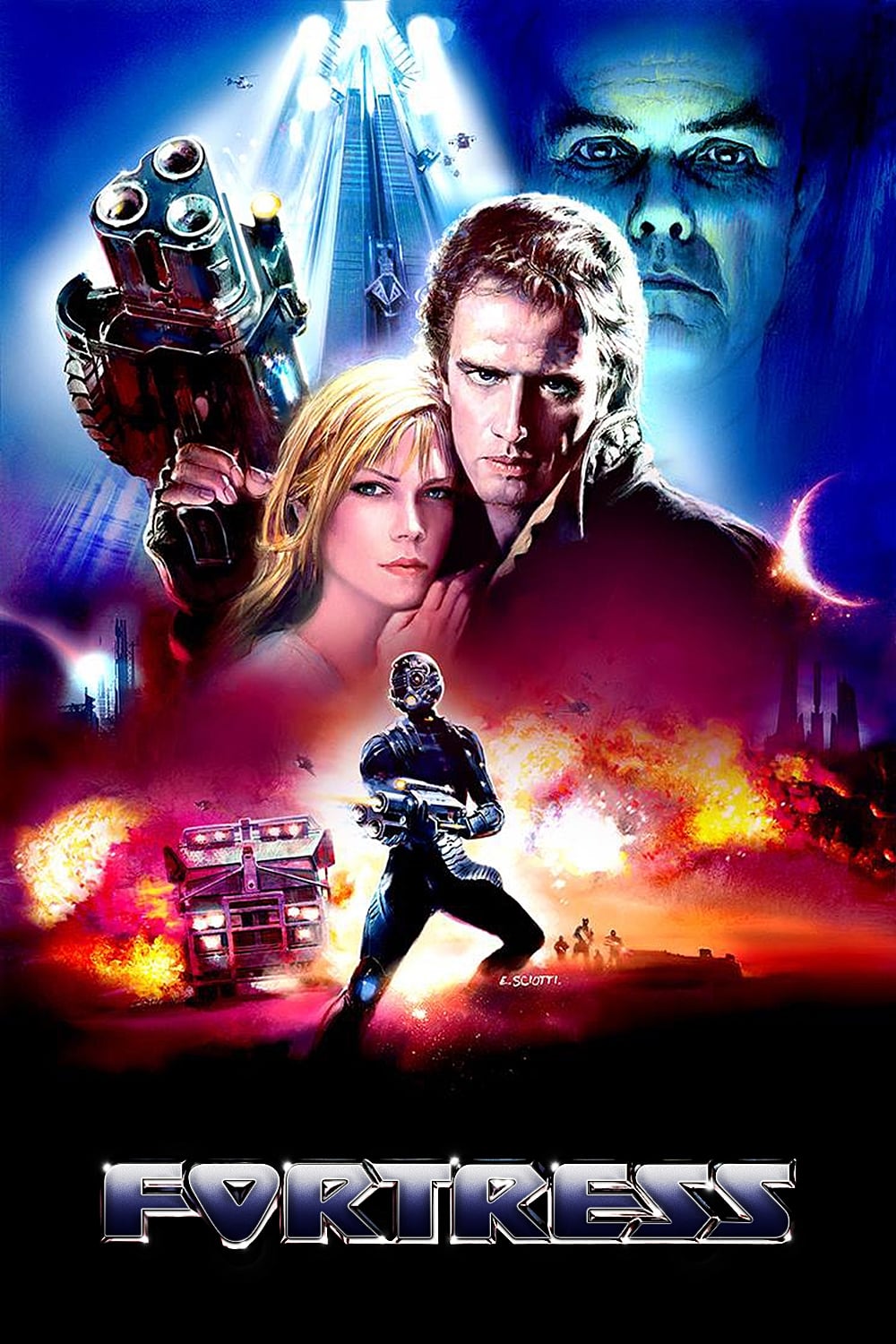
Stuart Gordon directs Christopher Lambert in a techno-prison escape story that makes extensive use of futuristic sets, motion-control surveillance props, and in-camera effects. The script imagines a corporate-run incarceration system with body-mod tech, automated enforcement, and implanted control devices.
Principal photography used large interior stages to create the prison’s multi-level layout, enabling long tracking shots through corridors and control rooms. Vernon Wells and Kurtwood Smith add genre credibility, and the film’s success on home video led to follow-up entries expanding the setting.
‘Freejack’ (1992)

Adapted loosely from Robert Sheckley’s novel, this body-snatch sci-fi stars Emilio Estevez, Mick Jagger, and Rene Russo, with Anthony Hopkins as a powerful executive. The story hinges on near-future tech that extracts people at the instant of death, transferring consciousness for wealthy clients.
Production shot in urban locations dressed with retrofitted vehicles and billboard-heavy skylines to suggest a corporate-ruled future. The film’s stunt work emphasizes high-speed chases and practical pyrotechnics, while the prop design team created medical rigs and restraints to visualize its consciousness-transfer concept.
‘Timescape’ (1992)

Also known as ‘Grand Tour: Disaster in Time’, this adaptation of a Robert Silverberg tale was written and directed by David Twohy, who later became known for high-concept sci-fi thrillers. It follows a small-town innkeeper who encounters time-tourists visiting moments before historical catastrophes.
Shot in rural settings with a focus on character dynamics, the film uses understated visual effects to avoid spectacle while keeping the time-travel rules clear. The narrative structure relies on clues, diaries, and anachronistic details, and the production leans into practical location work over extensive stage builds.
‘The Lawnmower Man’ (1992)
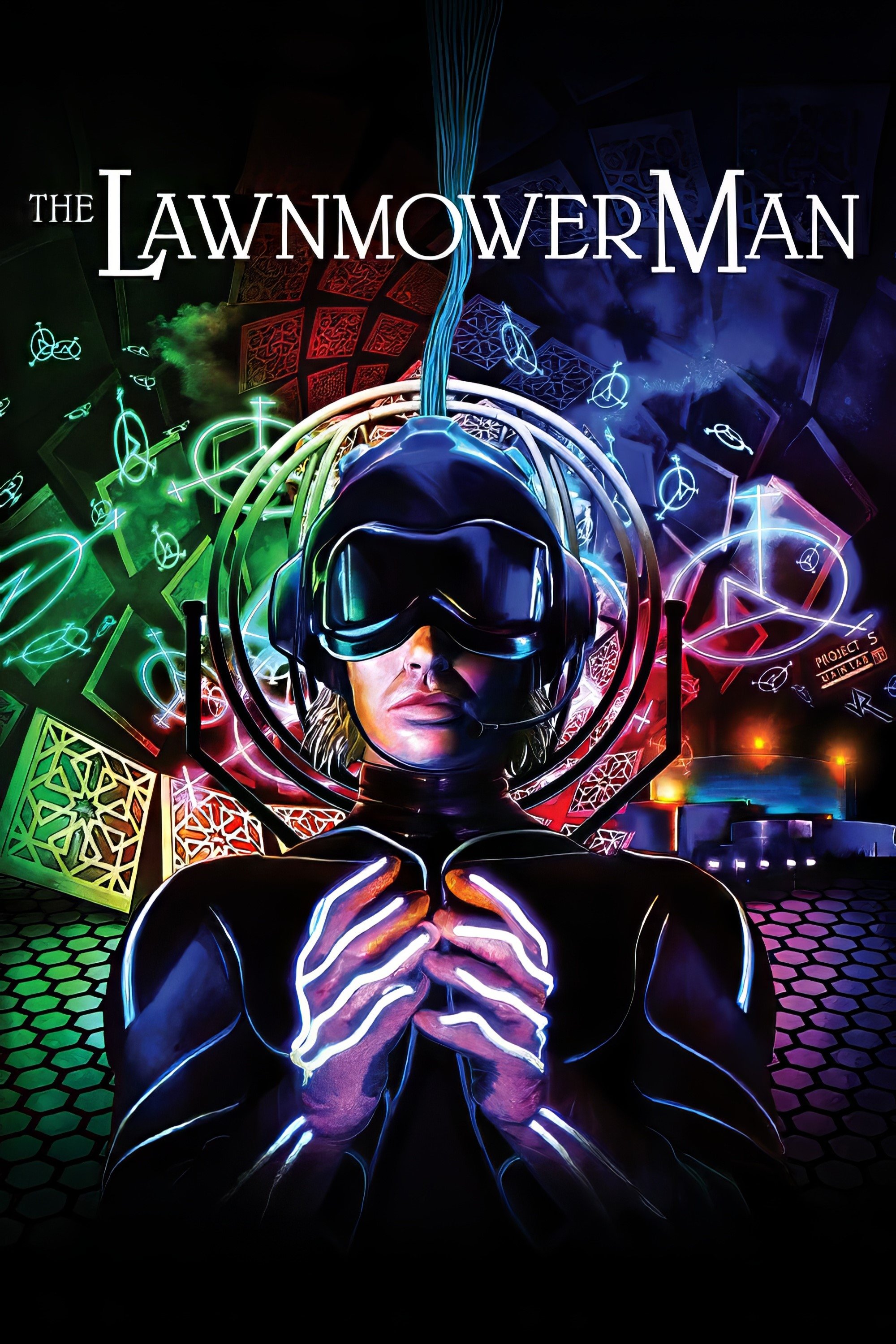
Brett Leonard directs this virtual-reality thriller starring Jeff Fahey and Pierce Brosnan, notable for early, fully CGI sequences that visualize cyberspace as morphing, kaleidoscopic vistas. The production collaborated with multiple effects houses to render motion-capture-assisted transformations and digital environments.
The film’s marketing heavily featured its computer-generated imagery, which became a talking point for emerging VR concepts in mainstream cinema. A longer director’s cut adds narrative material that expands character motivations, and the title later spun off into a sequel that continued to explore networked consciousness.
‘Brainscan’ (1994)
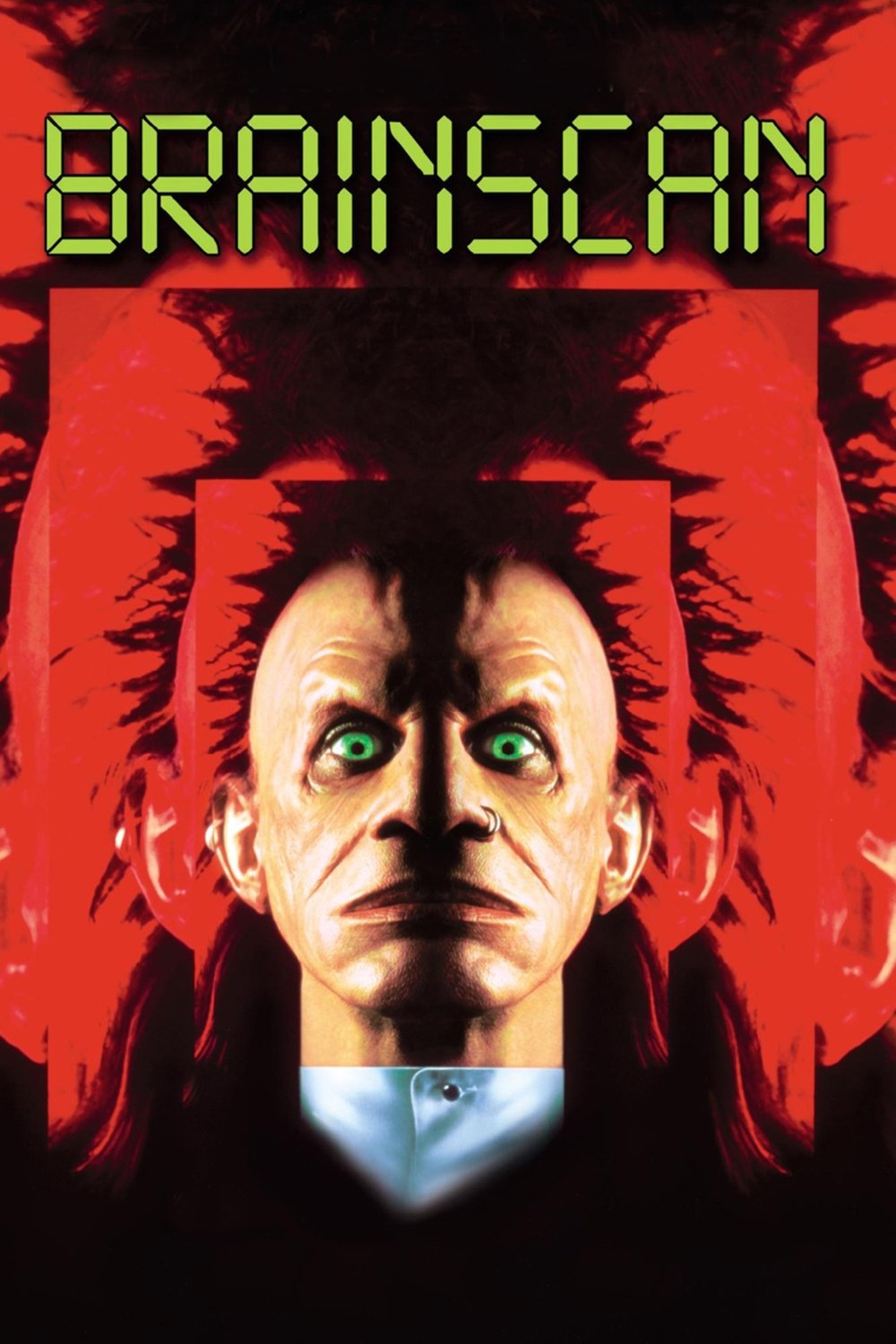
Edward Furlong leads this techno-horror about an interactive game that blurs lines between participation and reality. The production team created the Trickster character with prosthetics and costuming that allowed exaggerated movement without resorting to digital enhancements.
The film integrates then-novel CD-ROM aesthetics into its prop design and on-screen UI, reflecting the era’s multimedia boom. Location shooting in suburban neighborhoods supports a grounded scale, while the score and sound design emphasize audio cues that tie gameplay prompts to real-world consequences.
‘No Escape’ (1994)
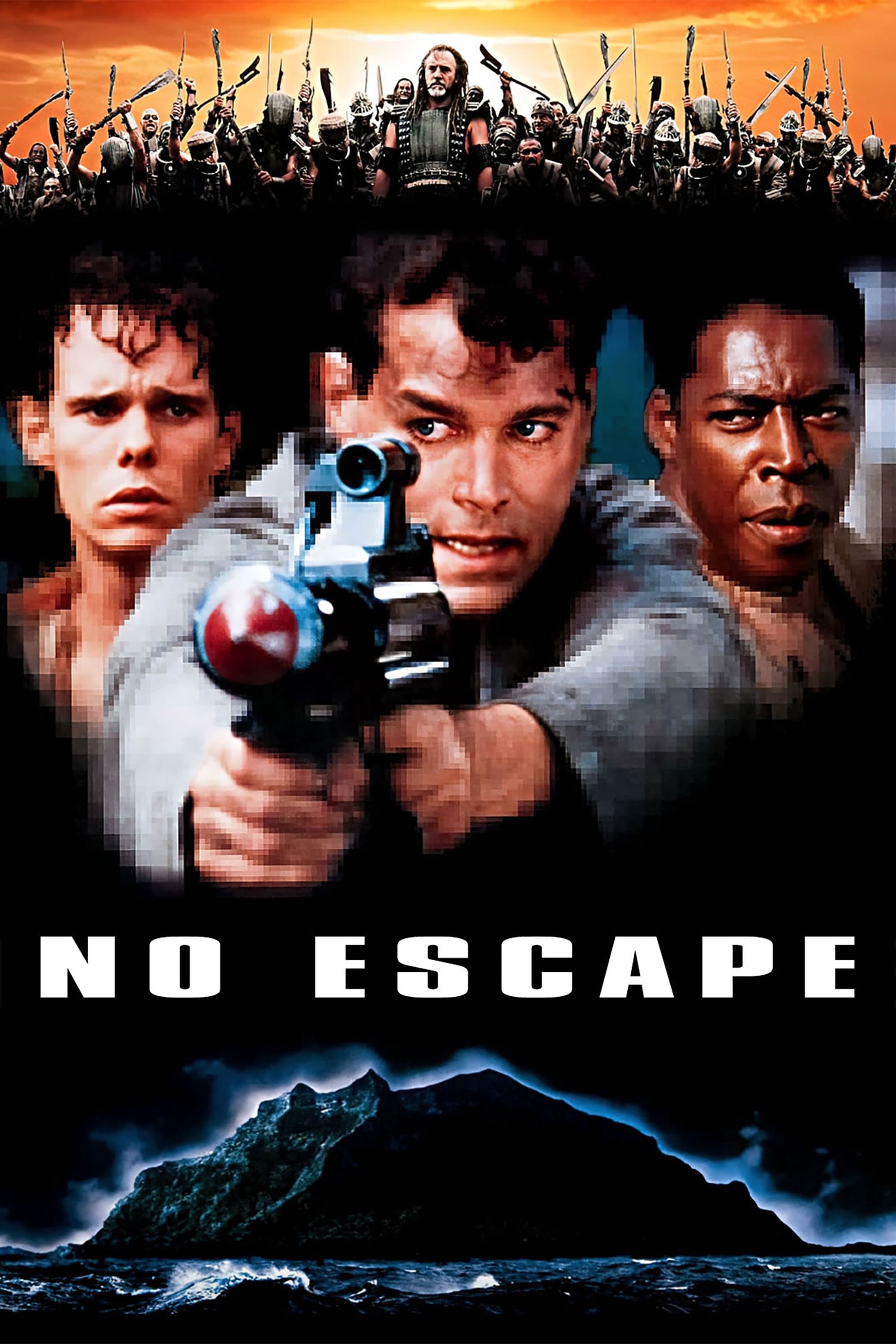
Also marketed as ‘Escape from Absolom’, this dystopian action piece stars Ray Liotta and was directed by Martin Campbell. The film places a military prisoner on an island populated by factions, requiring extensive outdoor shoots with large camps, tribal costuming, and handcrafted weapon props.
Cinematography favors sweeping shots of coastal terrain and dense jungle to create a sense of isolation. The stunt coordination involves large melees and practical explosives, and the production design differentiates rival groups through architecture, materials, and ornamentation for clear on-screen readability.
‘The Puppet Masters’ (1994)
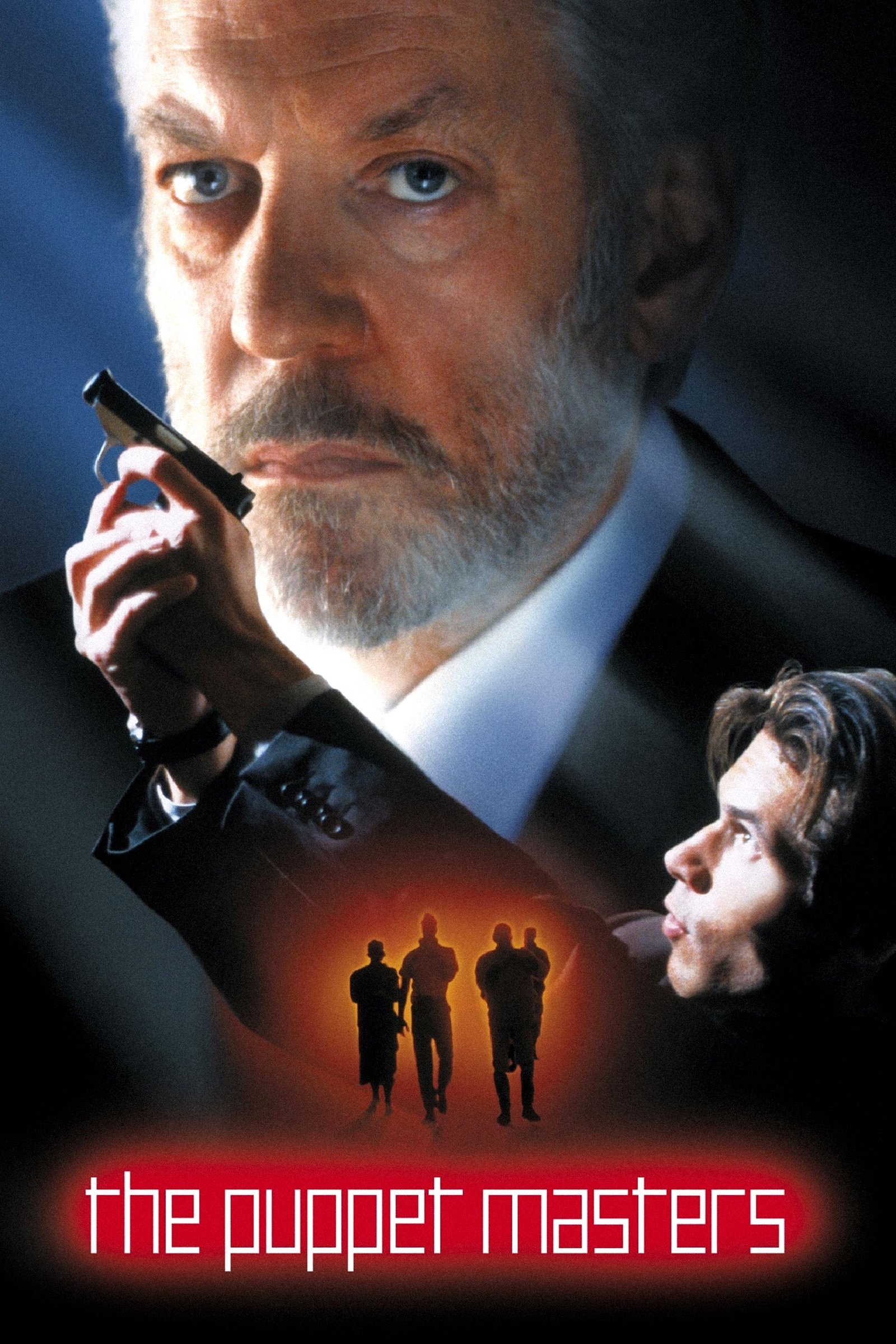
Based on Robert A. Heinlein’s novel, this adaptation stars Donald Sutherland, Eric Thal, and Julie Warner, focusing on parasitic aliens that control human hosts. The effects team combined animatronic “slugs” with puppetry and gel-based textures to achieve tactile movement on camera.
Government briefings, containment labs, and hazmat gear feature prominently in the production design, reflecting procedural containment tactics. The adaptation streamlines the novel’s scope into a contained investigation with set-piece extractions and autopsies, keeping attention on practical creature work and infiltration mechanics.
‘Johnny Mnemonic’ (1995)
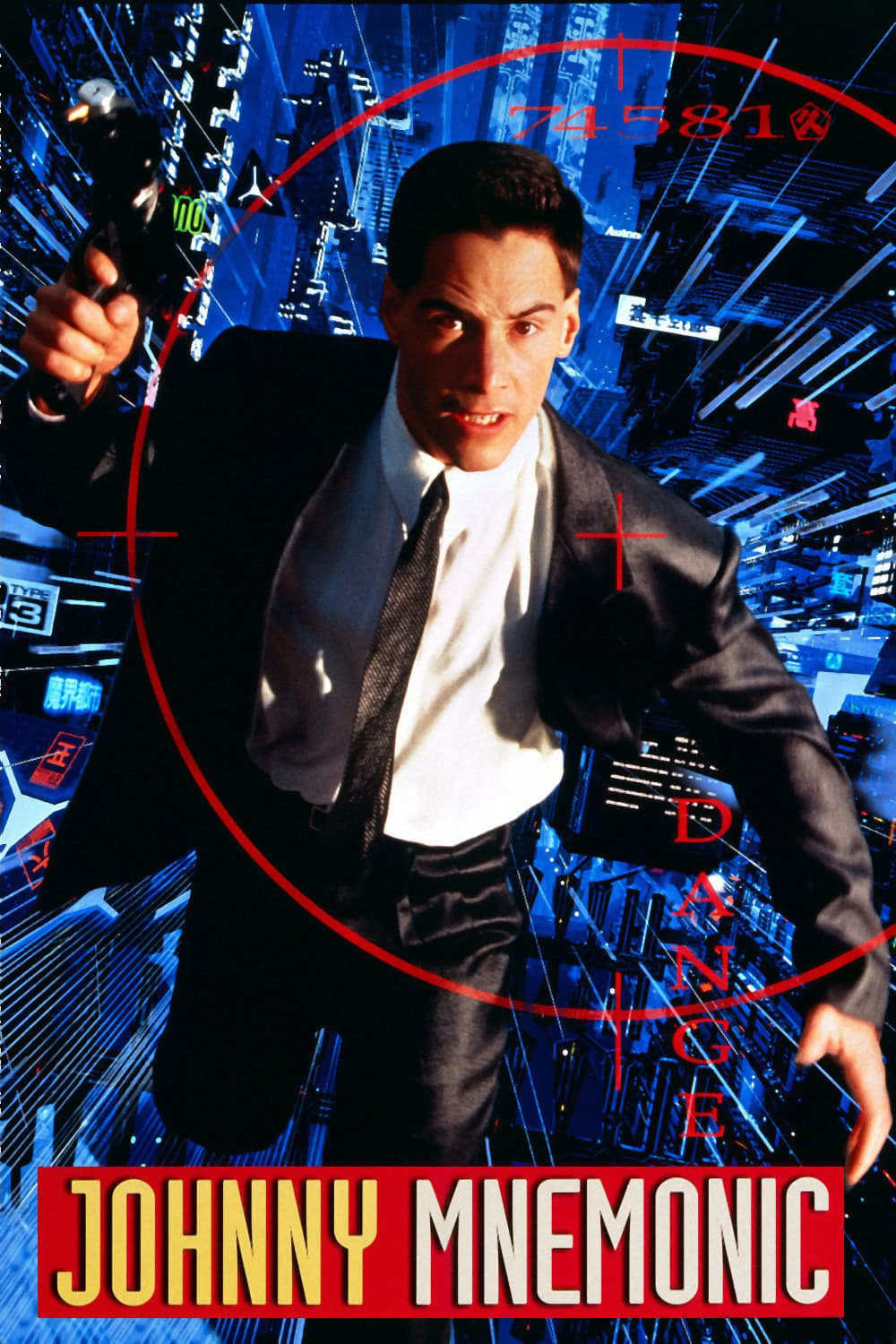
Keanu Reeves headlines this cyberpunk thriller adapted from William Gibson’s short story, with design cues drawn from tech-noir and underground art scenes. The film showcases data-courier hardware, Yakuza cybernetics, and black-market clinics, with production builds featuring neon-lit alleyways and repurposed industrial interiors.
The international cut varies from the domestic release, altering tone and pacing. Supporting performances by Takeshi Kitano, Dina Meyer, Ice-T, and Udo Kier broaden the subculture tapestry, and the soundtrack curates industrial and alternative artists to match the film’s urban digital underworld.
‘Screamers’ (1995)
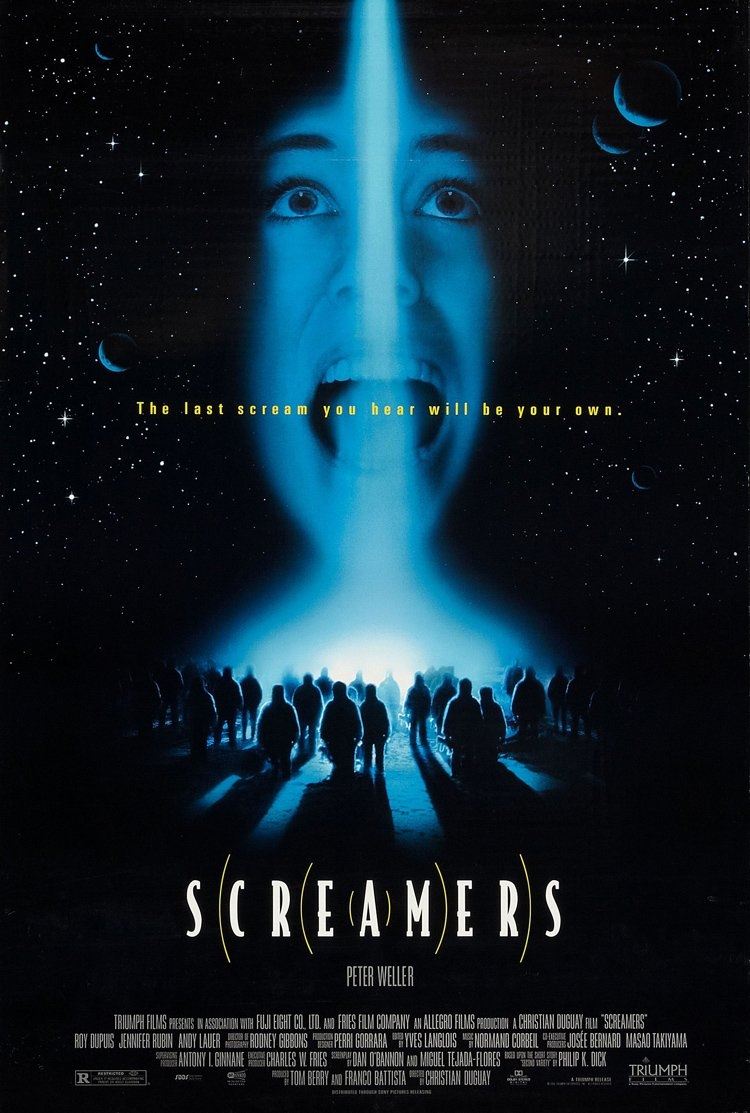
Adapted from Philip K. Dick’s ‘Second Variety’, this film stars Peter Weller and explores autonomous weapons evolving beyond their original programming. Shooting leaned on wintry exteriors and deserted outposts, using practical trenches and bunkers to situate the conflict.
Creature-prop builds for the various “screamer” iterations combine mechanical components with puppetry to depict incremental design changes. The production emphasizes radar rooms, power cores, and scavenged tech, grounding its battlefield logic in equipment checks, resource scarcity, and shifting identification protocols.
‘Virtuosity’ (1995)
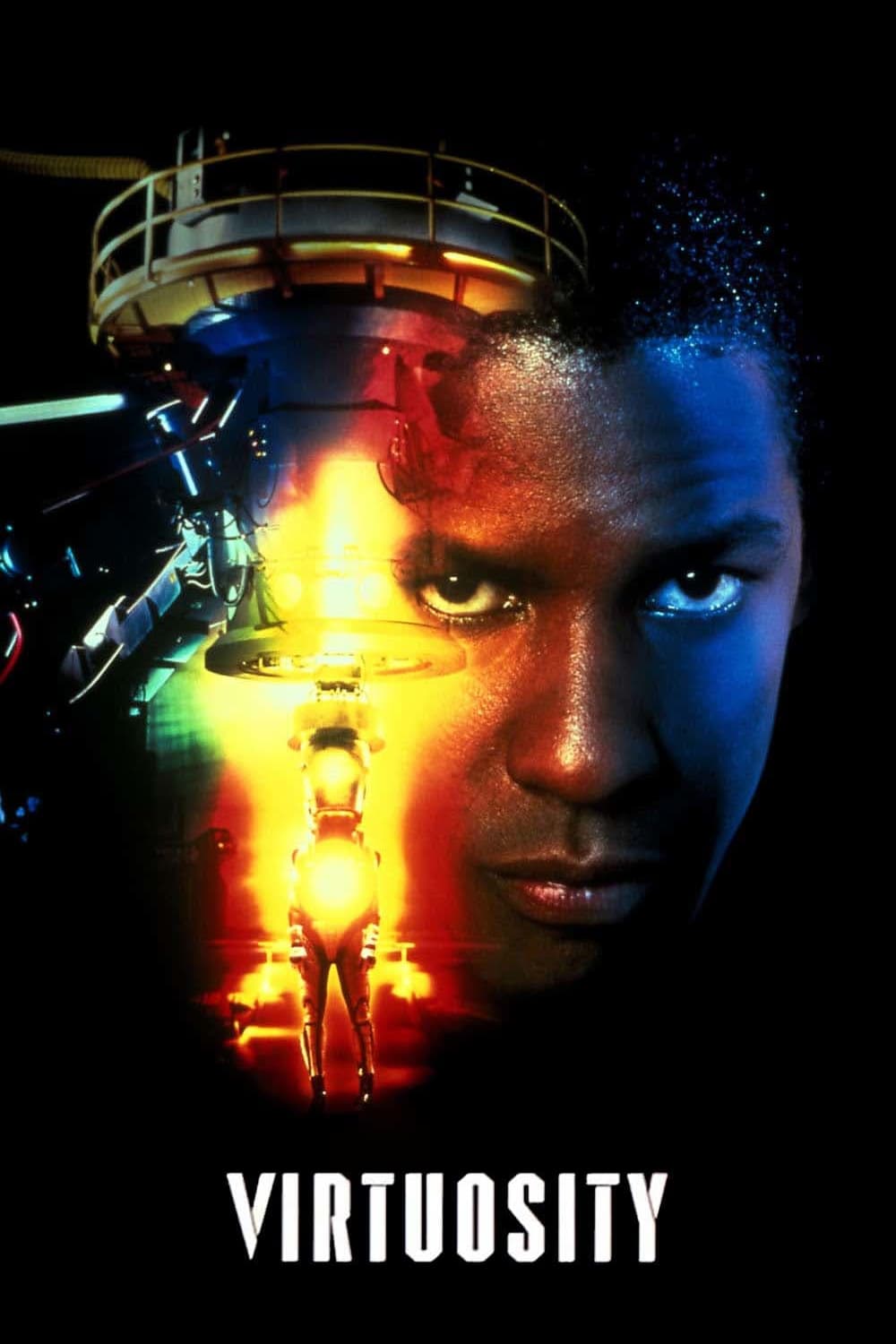
Denzel Washington and Russell Crowe face off in a story about a synthetic entity trained on composite criminal profiles. The film’s effects mix early CGI HUDs with practical sets for labs, courtrooms, and broadcast studios to support its media-saturated premise.
Director Brett Leonard stages set pieces around public spaces—subway trains, nightclubs, and TV stages—to contrast analog crowds with digital manipulation. Costuming for the antagonist highlights reflective materials and sharp silhouettes, visually linking the character to the system’s glitch-heavy visual language.
‘Strange Days’ (1995)
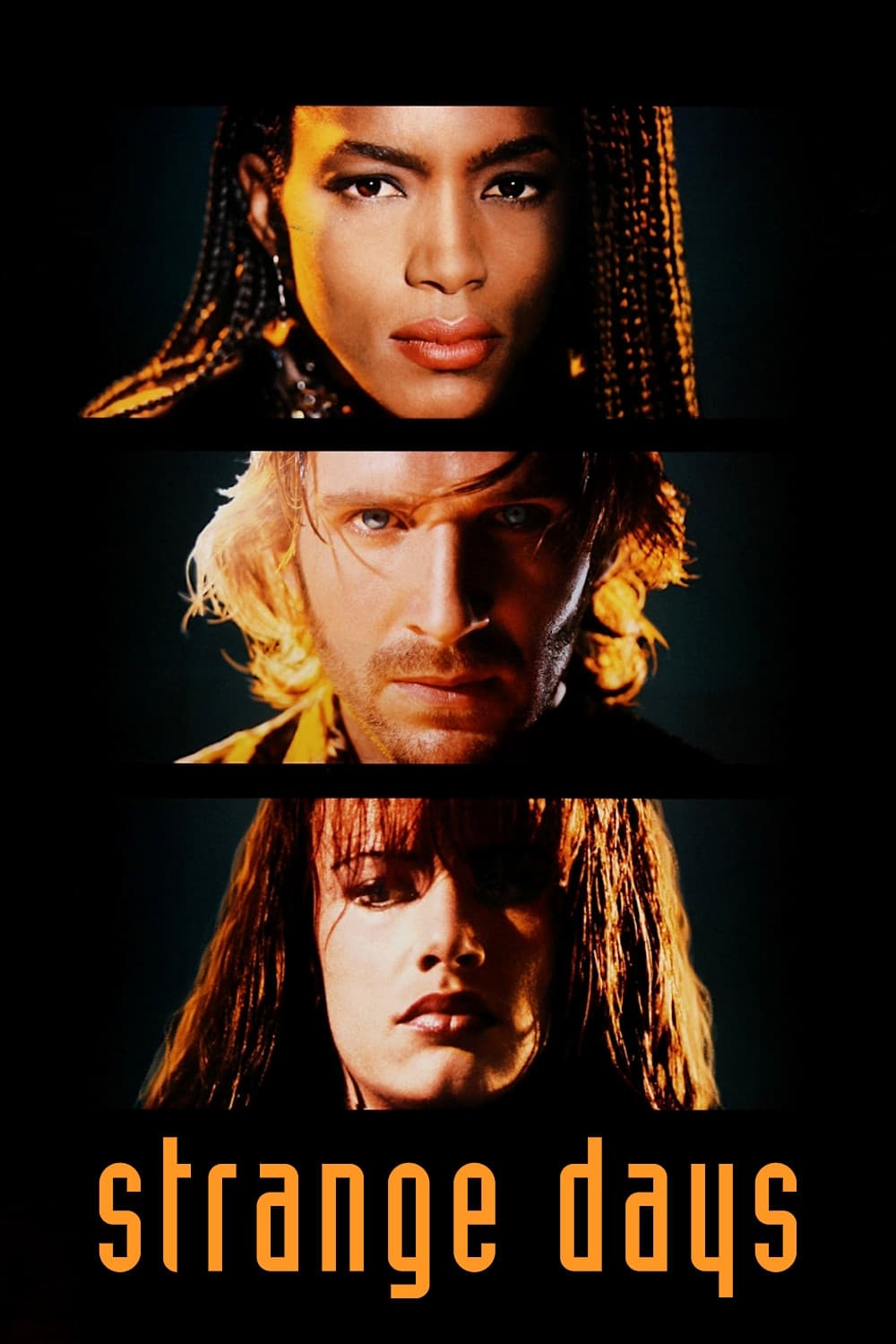
Kathryn Bigelow directs this Los Angeles-set tech thriller centered on a device that records and plays back human experiences. The film is notable for elaborate point-of-view sequences achieved with custom-rig camera rigs and meticulously choreographed long takes.
Ralph Fiennes, Angela Bassett, and Juliette Lewis lead the cast, with production design that blends street-level grit and high-pressure nightlife. The soundtrack features alternative and hip-hop acts, while the narrative uses police procedures, black-market dealing, and media exploitation to contextualize the memory-recording tech.
‘The City of Lost Children’ (1995)
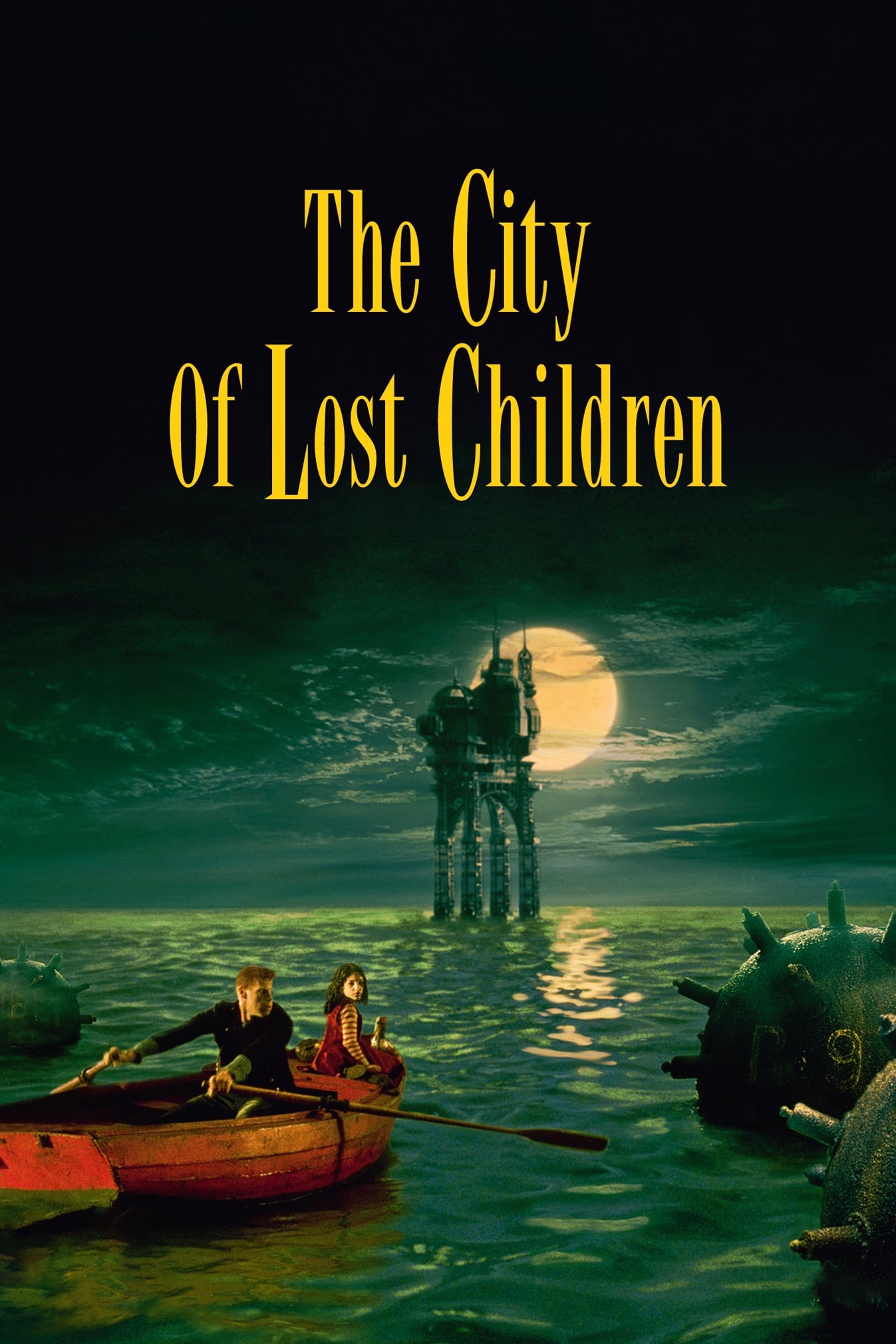
From directors Jean-Pierre Jeunet and Marc Caro, this French production stars Ron Perlman and Daniel Emilfork, showcasing baroque sets, sepia-leaning palettes, and intricate mechanical props. Miniatures and practical effects are foregrounded, supported by carefully lit studio interiors.
The film’s world-building includes a steampunk-style laboratory, a harbor platform, and orphans’ quarters, each designed with dense textures and analog machinery. Angelo Badalamenti provides the score, and the costume department crafts silhouettes that emphasize the storybook-grotesque tone.
‘The Arrival’ (1996)
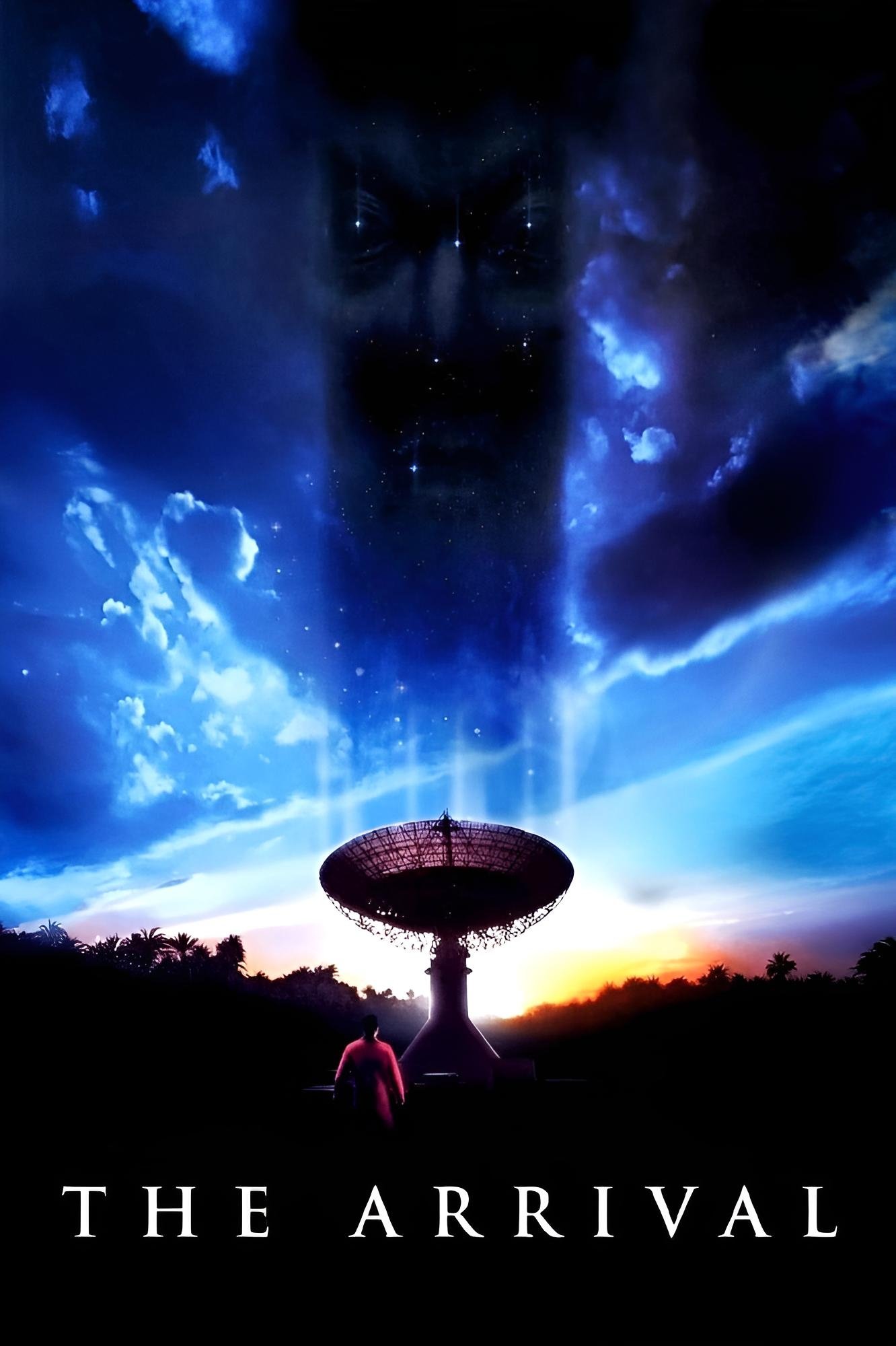
Charlie Sheen leads this science-mystery about a radio astronomer who intercepts a signal and uncovers an engineered climate agenda. Production travels from high-tech observatories to remote desert installations, using real facilities and built sets to visualize data analysis and covert operations.
The film’s sound design underlines signal processing with modulated tones and static bursts. Supporting players like Ron Silver and Lindsay Crouse add bureaucratic and scientific counterpoints, and the screenplay structures the investigation around anomalies, maintenance logs, and power-usage footprints.
‘Escape from L.A.’ (1996)
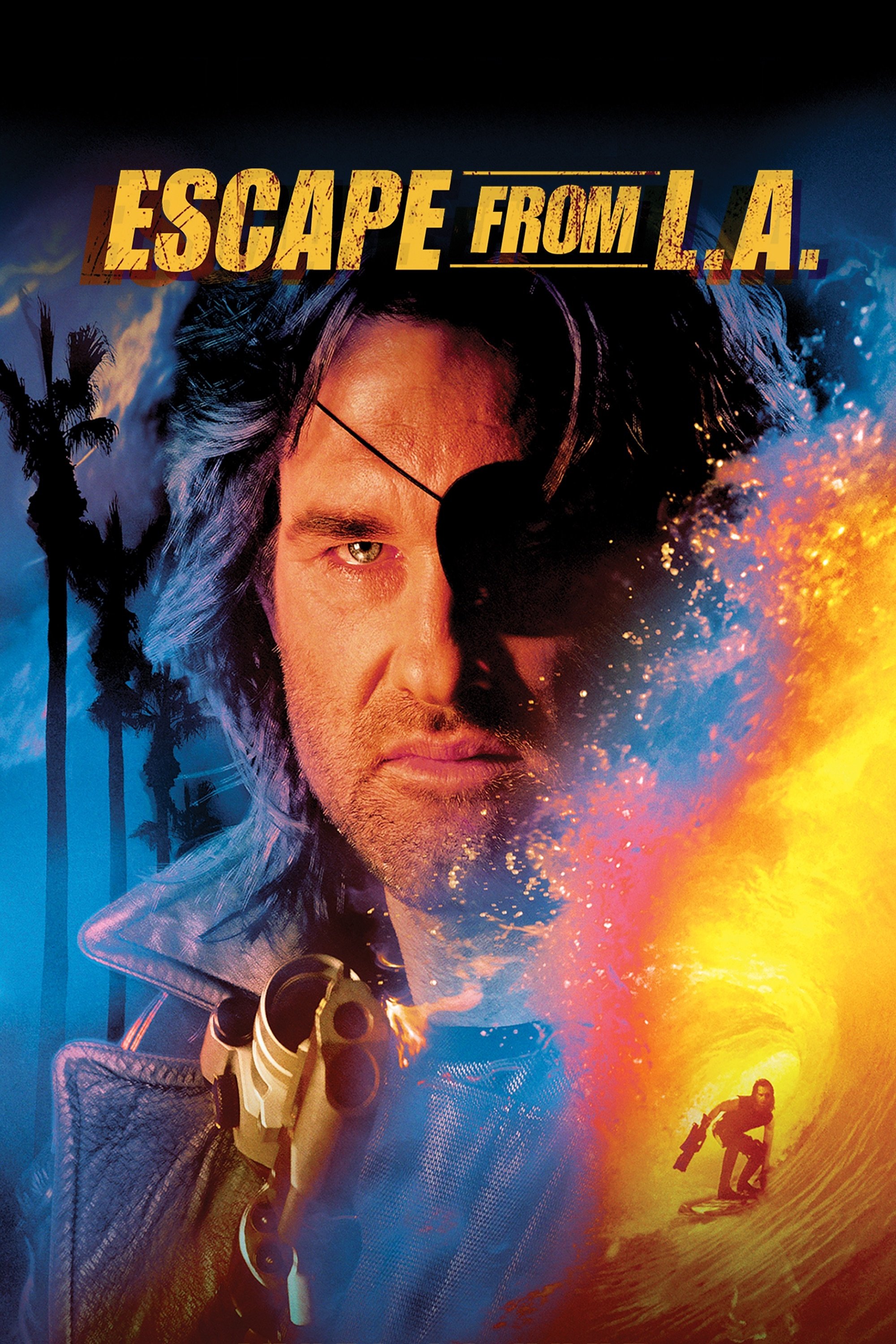
John Carpenter returns with Kurt Russell as Snake Plissken in a sequel that expands the franchise’s satirical near-future setting. The production blends matte work, miniatures, and digital composites to stage large-scale set pieces across a disaster-scarred cityscape.
Art direction emphasizes themed zones—amusement-park ruins, authoritarian checkpoints, and underground arenas—each with props that extend the world’s rules. The score, co-composed by Carpenter, integrates percussive motifs with synth textures, and the film’s wardrobe updates iconic character pieces while adding tactical variations.
‘Cube’ (1997)
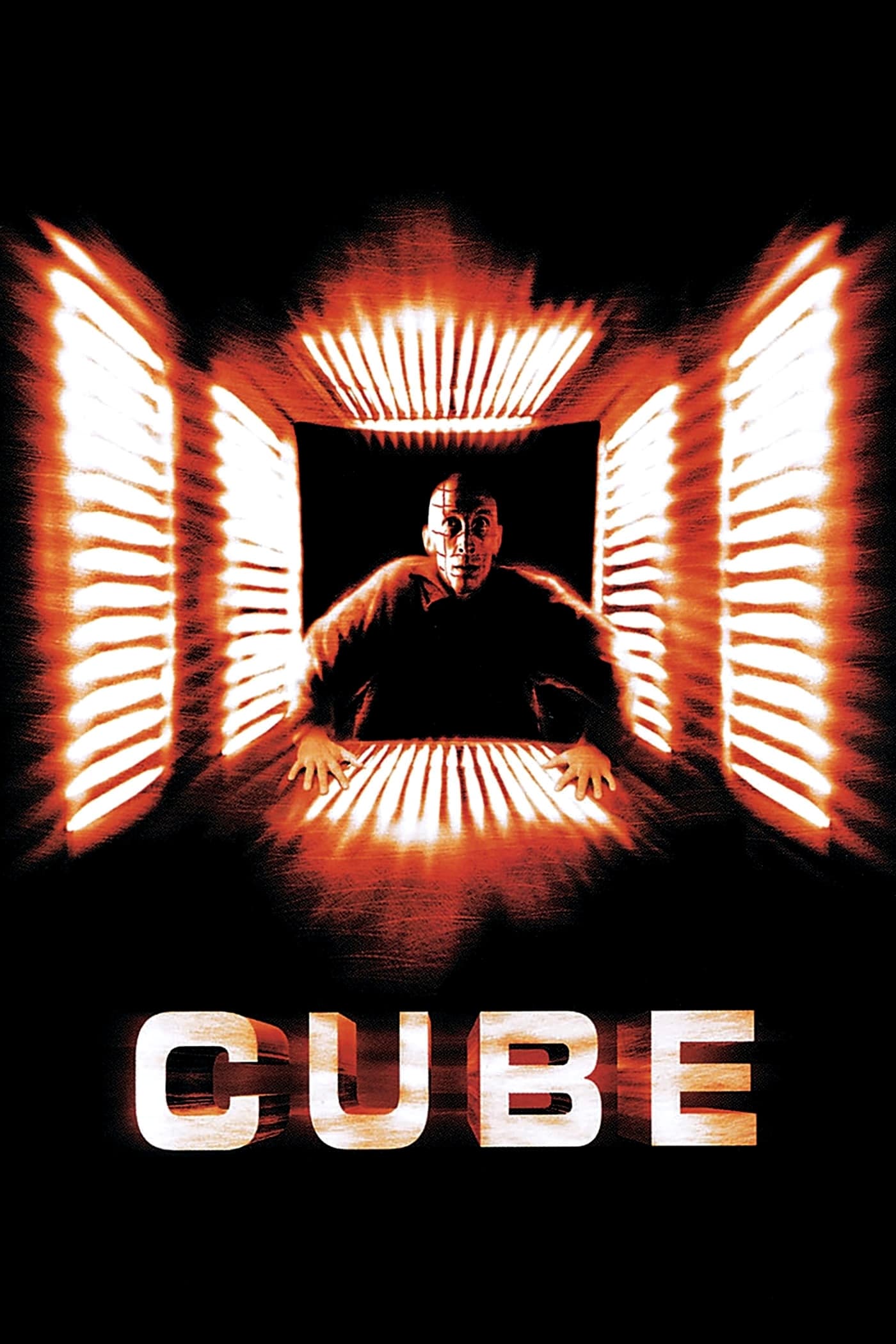
This Canadian independent feature from director Vincenzo Natali confines its cast to a modular labyrinth built from repeating set panels. Clever lighting gels and removable wall sections allow the single set to pass for hundreds of rooms, keeping costs contained while preserving spatial continuity.
The film’s trap mechanics are grounded in math puzzles, motion sensors, and chemical triggers, visualized through practical effects and sound cues. Casting favors a small ensemble, and the production schedule optimized resets between rooms, with a prop kit of ropes, boots, and test devices that recur throughout.
‘Event Horizon’ (1997)
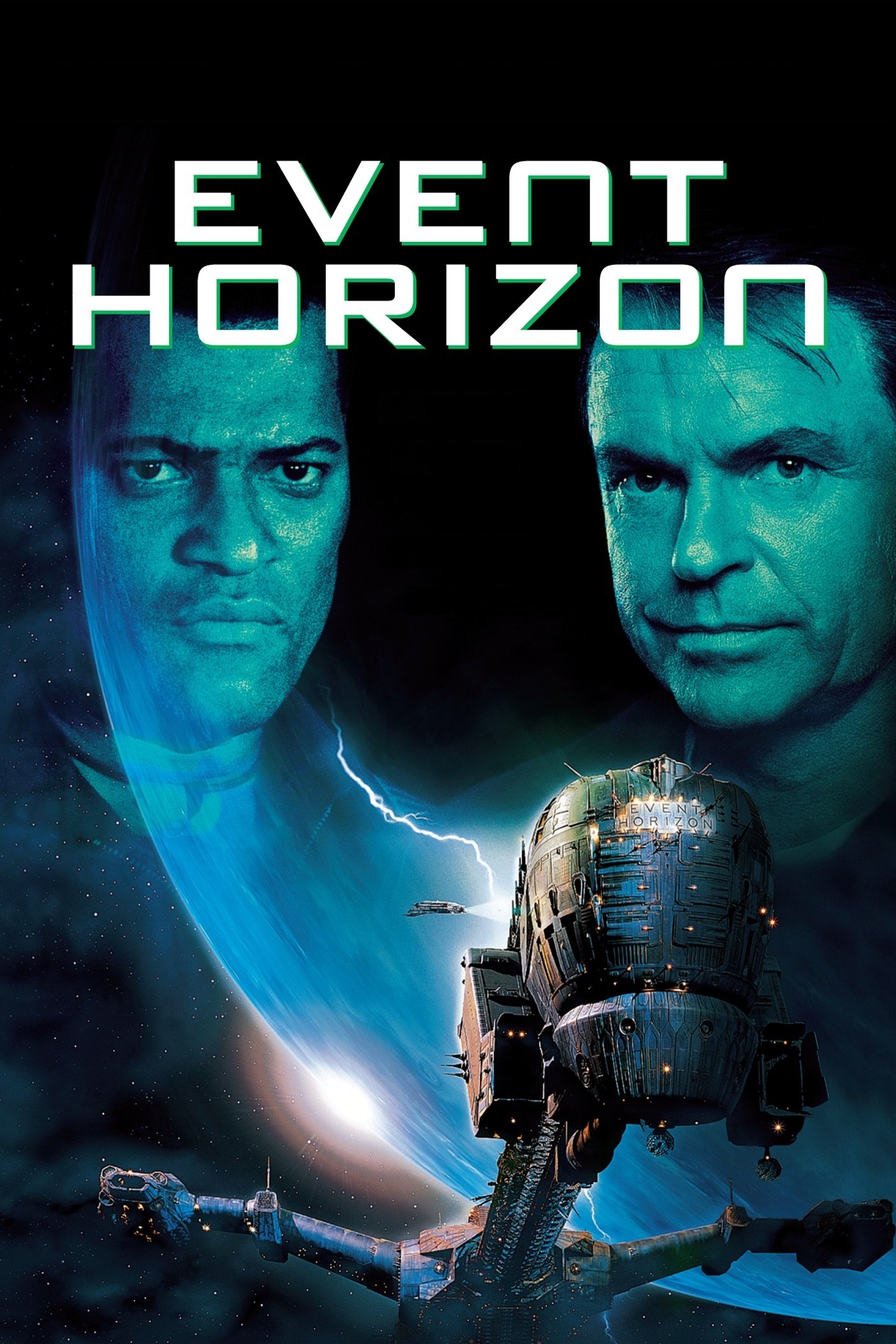
Paul W. S. Anderson directs this deep-space horror piece starring Laurence Fishburne and Sam Neill, with production design that mixes Gothic motifs and industrial hardware. Set construction included a gravity-drive chamber with rotating components and sharp-edged architecture to produce disorienting perspectives.
Cinematography employs colored fog, strobe elements, and tight lenses to heighten claustrophobia, while the effects department blends prosthetics with brief digital shots. The sound mix layers metallic groans and sub-bass pulses to sell the ship’s unstable core, and an alternate edit history has circulated among fans.
‘Gattaca’ (1997)

Andrew Niccol’s near-future drama features Ethan Hawke, Uma Thurman, and Jude Law in a genetically stratified society. The production uses modernist architecture—particularly sleek corporate campuses—to achieve a timeless look, with color timing that leans into cool, controlled palettes.
Costume design favors tailored lines and ID badges to convey institutional order. The film’s props—blood samplers, urine test rigs, and biometric gates—were built with clean, functional aesthetics, and Michael Nyman’s score underscores the methodical tempo of its selection-driven world.
‘Dark City’ (1998)
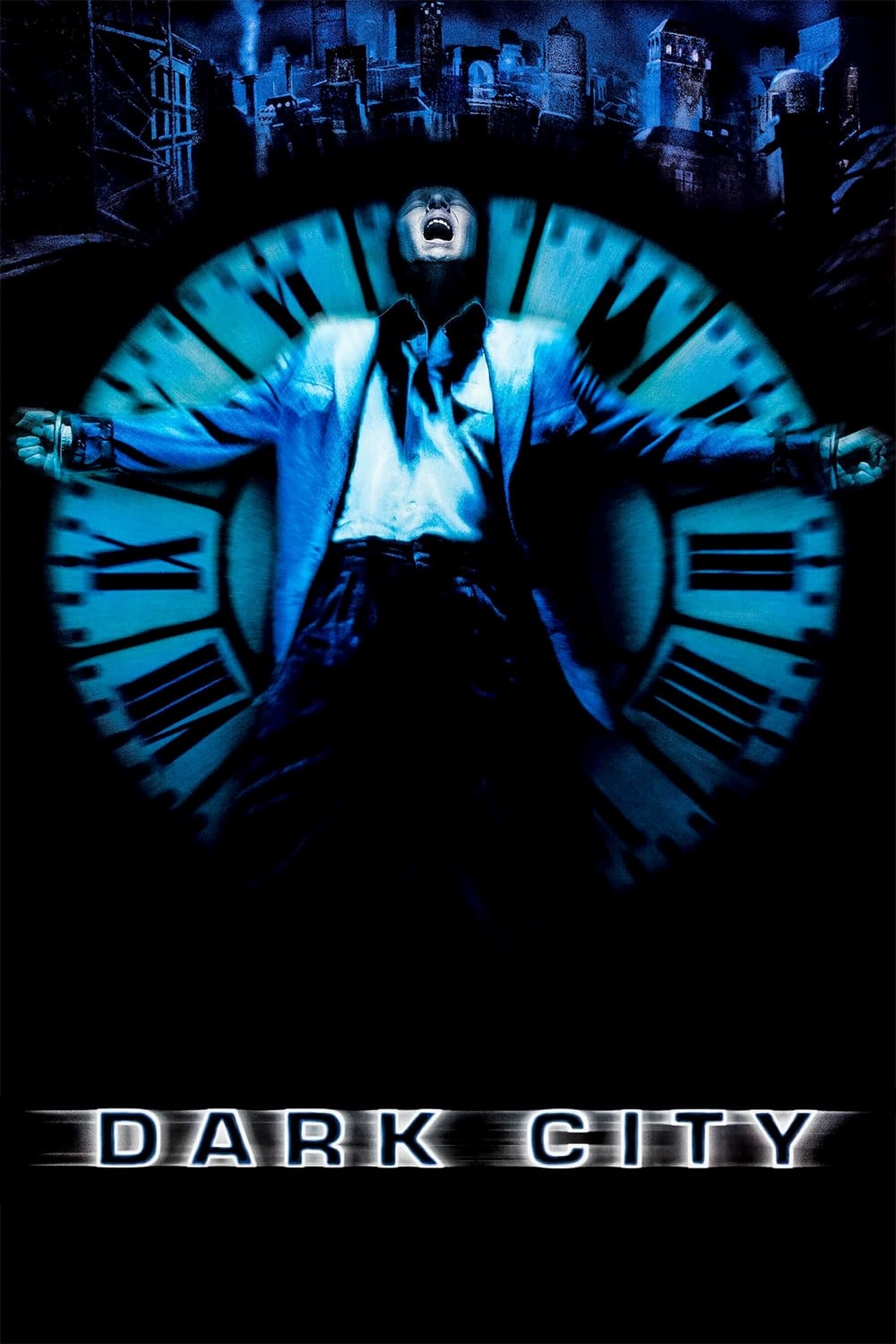
Alex Proyas directs this reality-bending noir with Rufus Sewell, Jennifer Connelly, and Kiefer Sutherland. Rotating city sets, forced-perspective street sections, and on-stage building facades enabled seamless transitions during the story’s “tuning” sequences.
The effects pipeline combined miniatures with digital matte paintings to modify skylines and architecture on the fly. Production design pulls from German Expressionism and classic noir, while the extended cut restores narrative elements and reorders exposition to emphasize mystery over explanation.
‘Soldier’ (1998)

Directed by Paul W. S. Anderson and written by David Peoples, this film places Kurt Russell as a genetically selected combatant reassigned as obsolete. The production constructed a scrapyard colony in desert locations, with practical armored vehicles and heavy-duty wardrobe for civilian survivors.
Russell’s preparation emphasized physical specificity, limiting dialogue and relying on posture, drills, and weapon handling. The screenplay includes nods to other genre works through character names and campaign references, and second-unit teams staged large pyrotechnic runs for the final siege.
‘eXistenZ’ (1999)
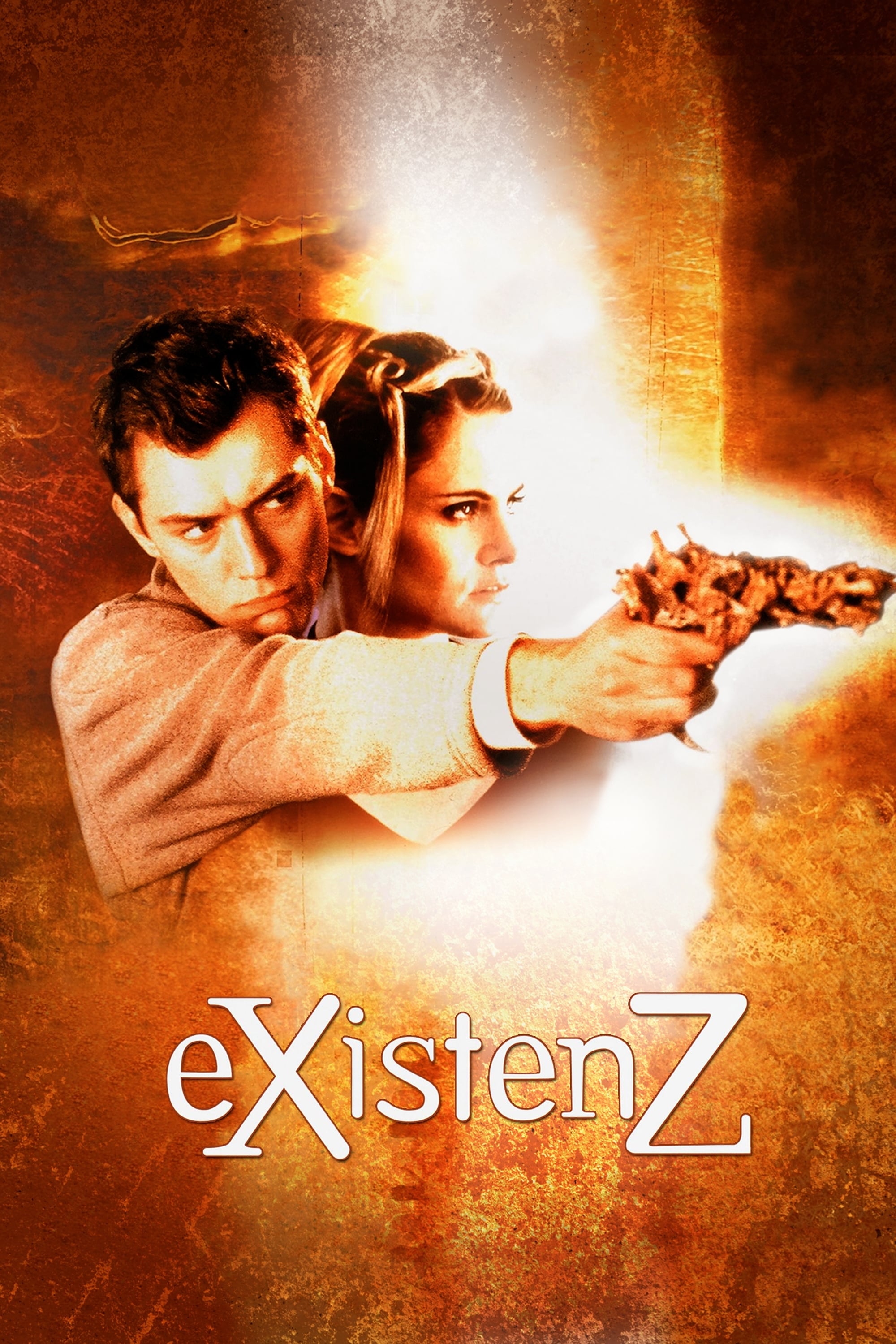
David Cronenberg explores organic game consoles and bio-ports with a cast led by Jennifer Jason Leigh and Jude Law. The props department fabricated fleshy controllers and umbilical-like connectors, integrating animatronics for subtle movements and sound effects for tactile feedback.
Locations range from rural lodges to industrial plants, allowing the production to shift tones as reality layers stack. The film’s editorial approach intentionally blurs boundaries between session and world, while Howard Shore’s score adds an eerie undercurrent to the biotech aesthetic.
‘The Thirteenth Floor’ (1999)
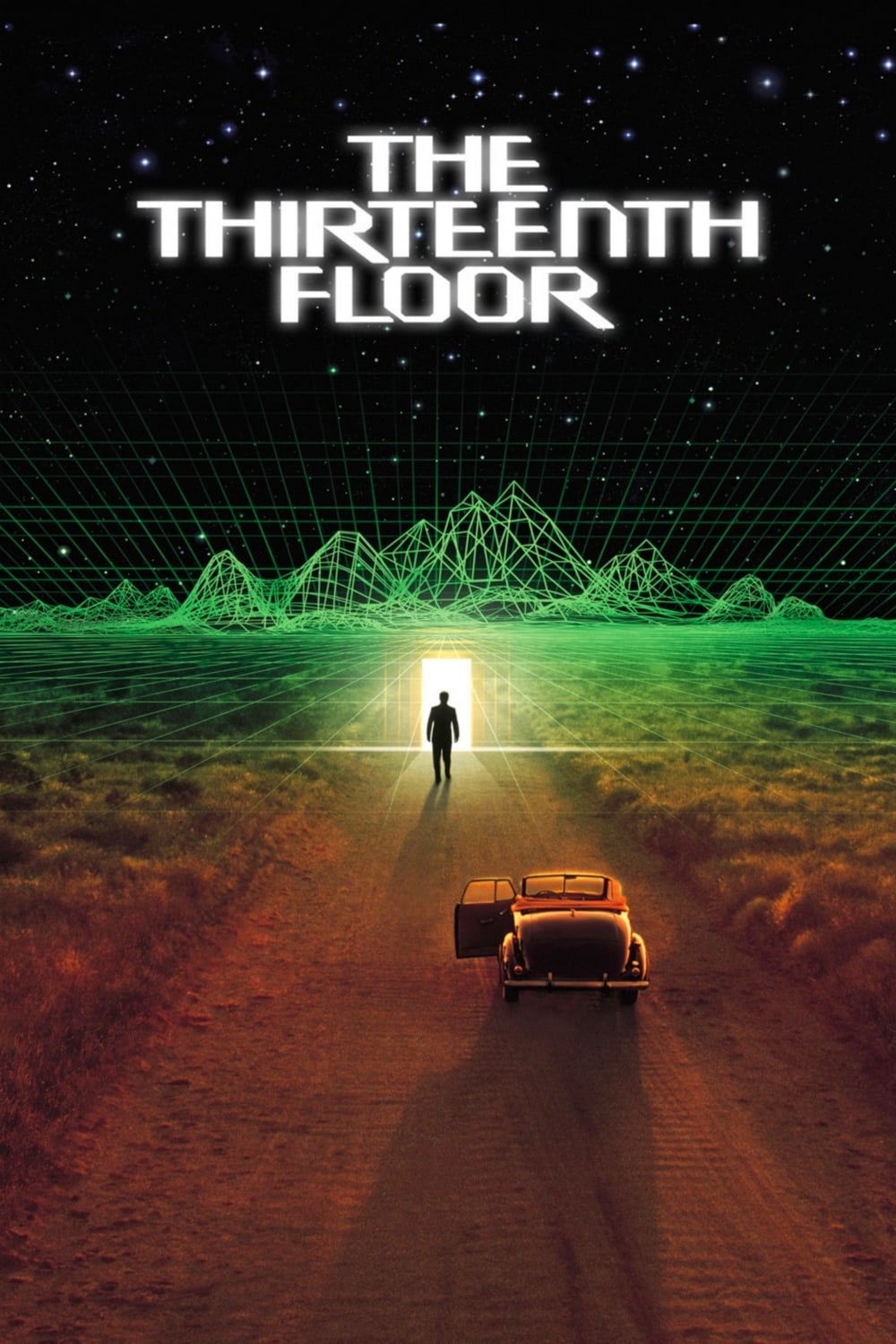
This simulation thriller from director Josef Rusnak features Craig Bierko, Armin Mueller-Stahl, and Gretchen Mol. The production uses motion-control shots and digital set extensions to transition between a period cityscape and a contemporary office environment.
Art departments built partial street blocks and interior lounges that could be redressed to match different layers of reality. The narrative employs server farms, data tapes, and terminal interfaces as concrete props, and the editing rhythm emphasizes handoffs between avatars and their operators.
‘The Faculty’ (1998)
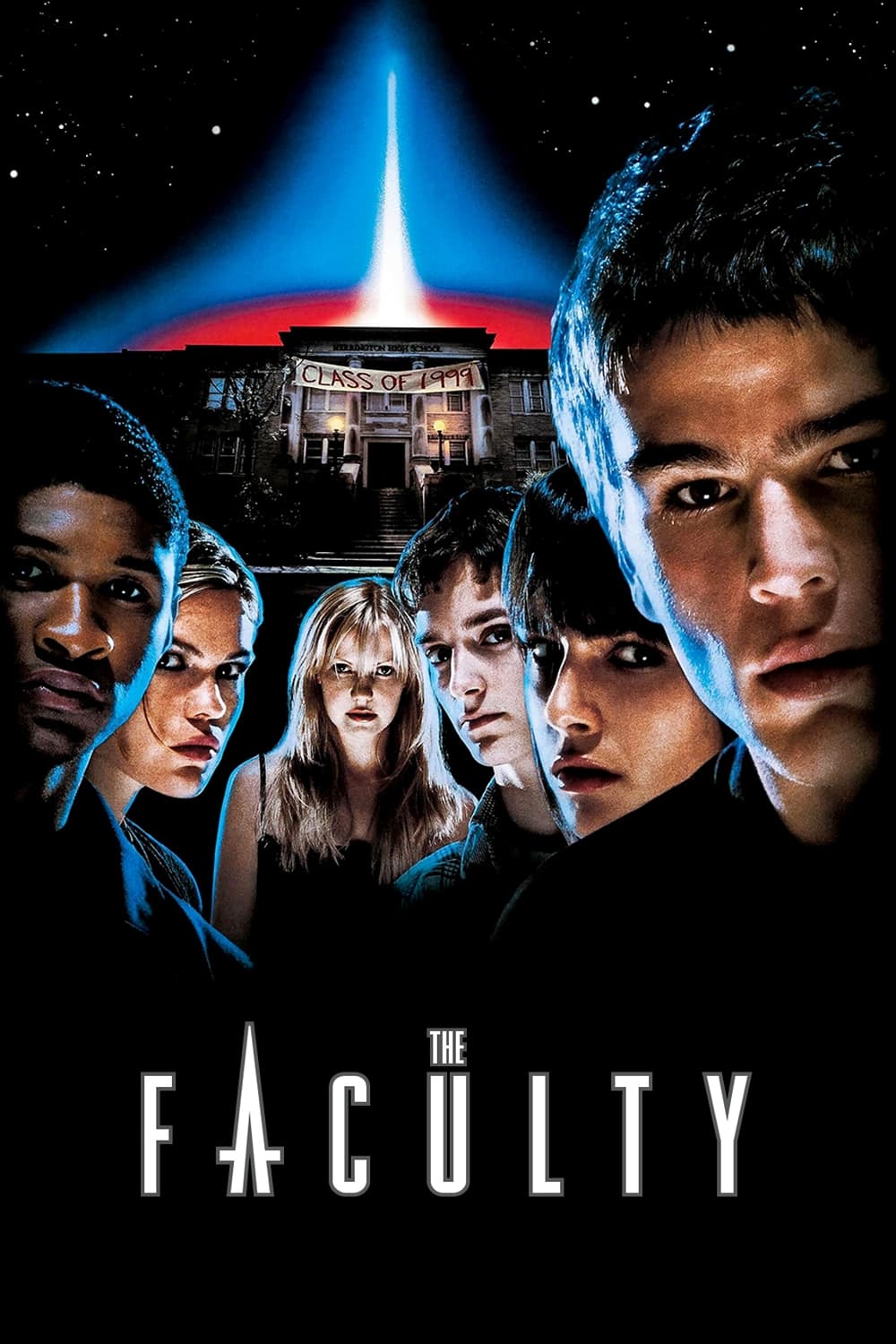
Robert Rodriguez directs this high-school invasion story with a cast that includes Josh Hartnett, Jordana Brewster, Clea DuVall, and Elijah Wood. Effects teams combined rubber appliances for host transformations with CGI enhancements for tentacle and parasite shots.
The film’s setting uses real school corridors, locker banks, and a football stadium for scale, with production scheduling arranged around night shoots and weekend access. Kevin Williamson’s screenplay threads staff meetings, science-lab tests, and locker-room searches to map out infection patterns and suspect lists.
‘Retroactive’ (1997)
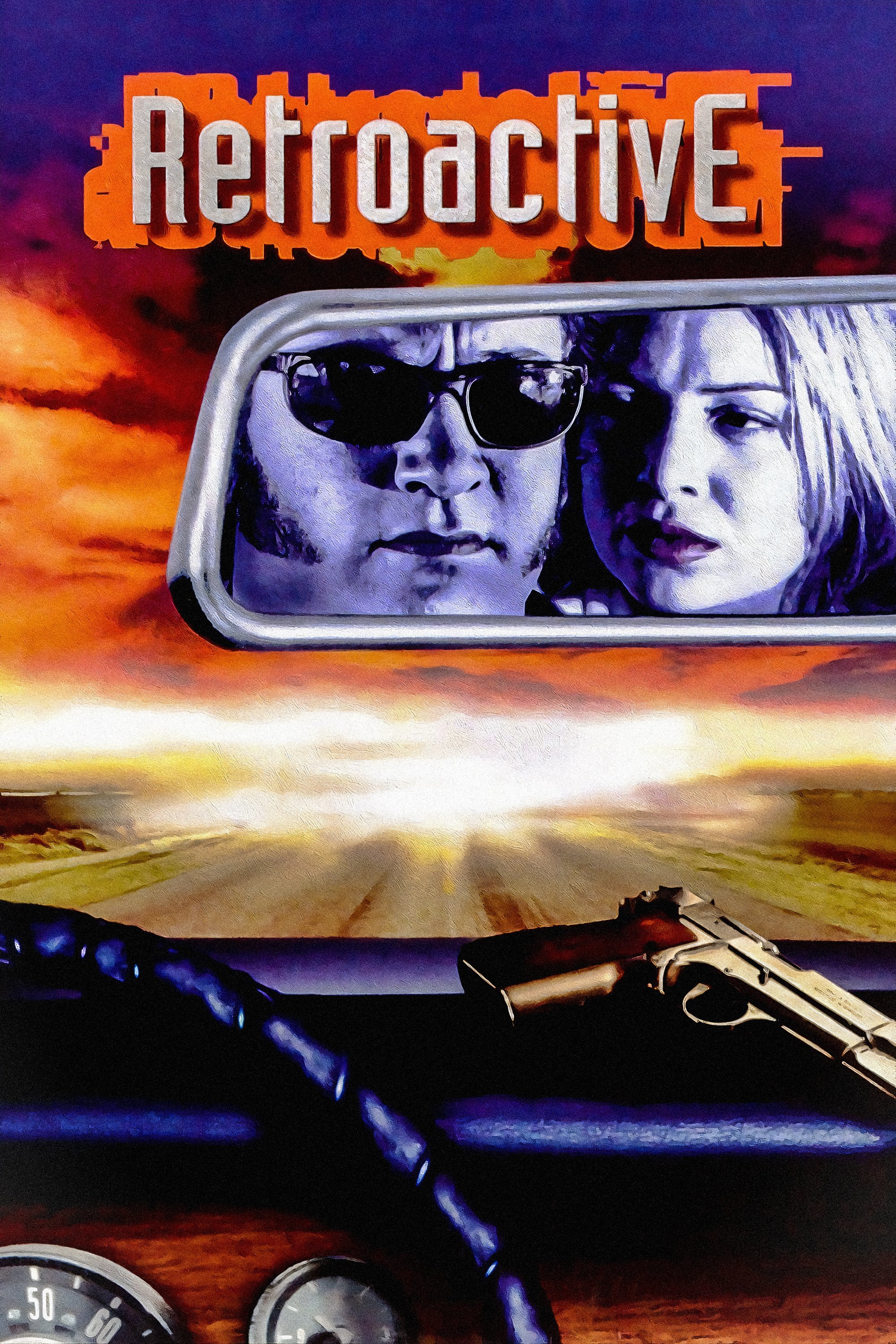
Directed by Louis Morneau and starring Kylie Travis, James Belushi, and Frank Whaley, this time-loop thriller centers on an experimental device that allows short hops into the past, repeatedly revisiting a deadly encounter on a desert highway. The production leans on practical stunts—car chases, roadblocks, and pyrotechnic hits—staged across arid locations to keep resets readable on screen.
The editing pattern emphasizes the incremental changes in each loop, using match cuts and repeated setups to show cause-and-effect variations. Prop builds include a portable temporal apparatus with oscillating coils and a lab rig for diagnostics, and the score punctuates each reset cue to orient viewers as the timeline iterates.
‘Virus’ (1999)
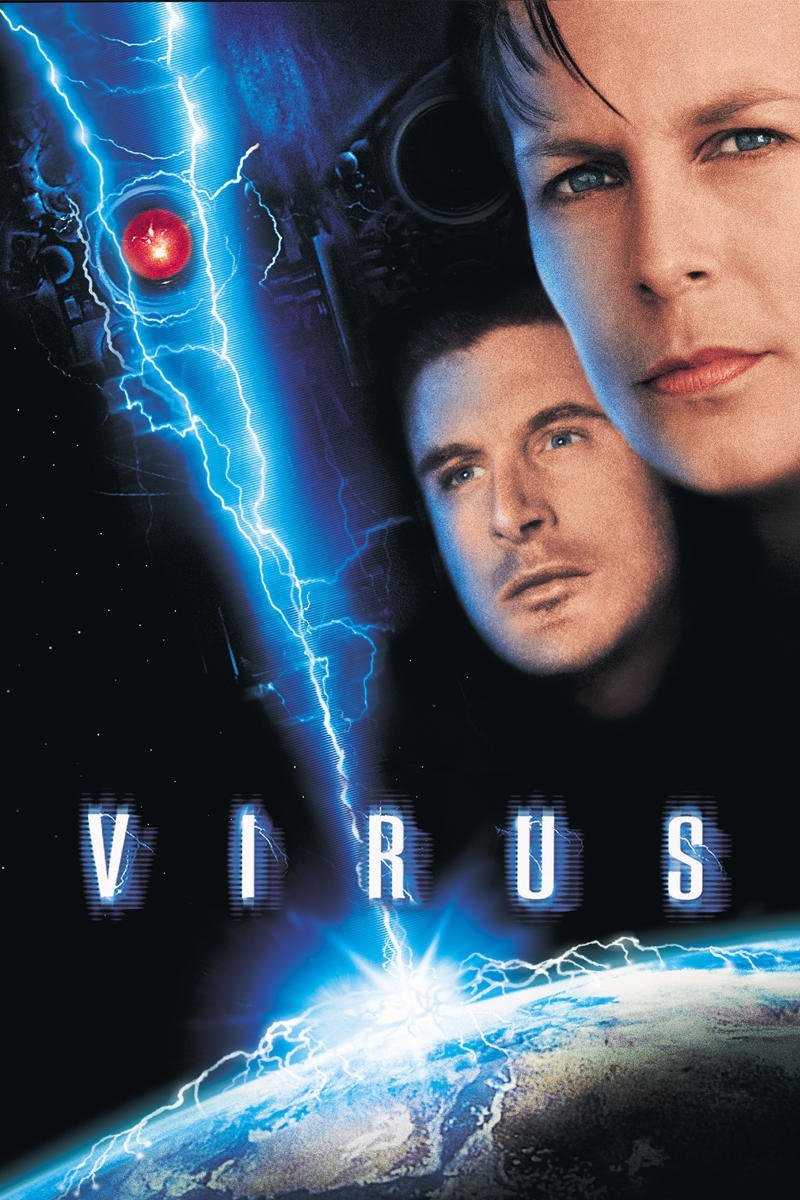
Directed by longtime visual-effects supervisor John Bruno and headlined by Jamie Lee Curtis, William Baldwin, and Donald Sutherland, this sea-set sci-fi assembles a mix of animatronics, prosthetics, and servo-driven puppets to depict a machine-augmented organism that repurposes crew members and ship hardware. Large interior sets of the research vessel were constructed on stages in Wilmington, North Carolina, with water effects, sparking cables, and flooded compartments used for atmosphere.
Stan Winston Studio supplied the biomechanical builds for hybrid drones and weld-up cyborg forms, while the production dressed engineering bays with industrial piping, cranes, and cable runs to sell the ship’s silhouette. Miniature inserts and digital comps handle exterior storms and hull shots, and the narrative tracks system-by-system failures through control panels, breaker rooms, and improvised barricades.
Share your own overlooked ’90s sci-fi picks in the comments so others can add them to their rewatch list!

