


Best Forgotten Sci-Fi Movies from the 2000s (that Require an Immediate Rewatch)

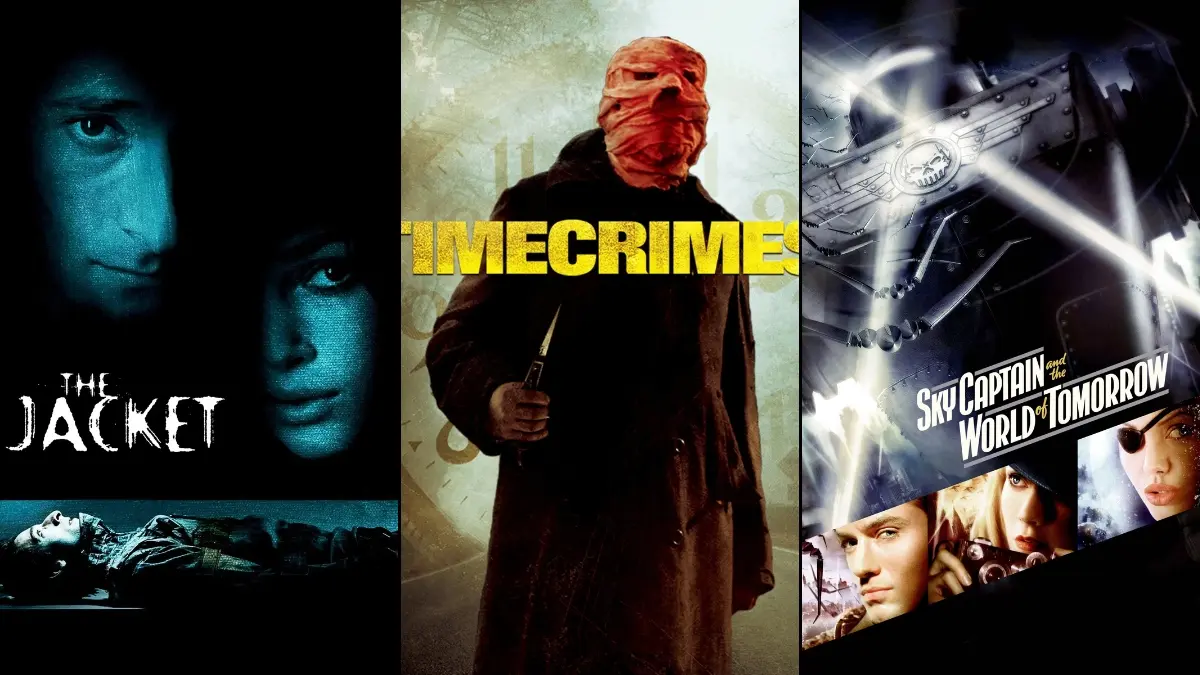


The first decade of the new millennium produced a wave of science-fiction that mixed analog craftsmanship with early-digital experimentation, spun bold ideas out of modest budgets, and smuggled big questions into compact thrillers. Some titles landed quietly, others were overshadowed by franchise juggernauts, but together they mapped out a distinct moment when filmmakers were testing the limits of visual effects, hybrid animation, and high-concept storytelling.
This list gathers feature films from that era—studio releases and indies alike—that slipped from the wider conversation yet still showcase inventive world-building, adventurous casts, and production teams working at full tilt. Each entry notes who made it, who starred, how it was put together, and what core idea drives it, so you can zero in on what to queue up next.
‘Sunshine’ (2007)
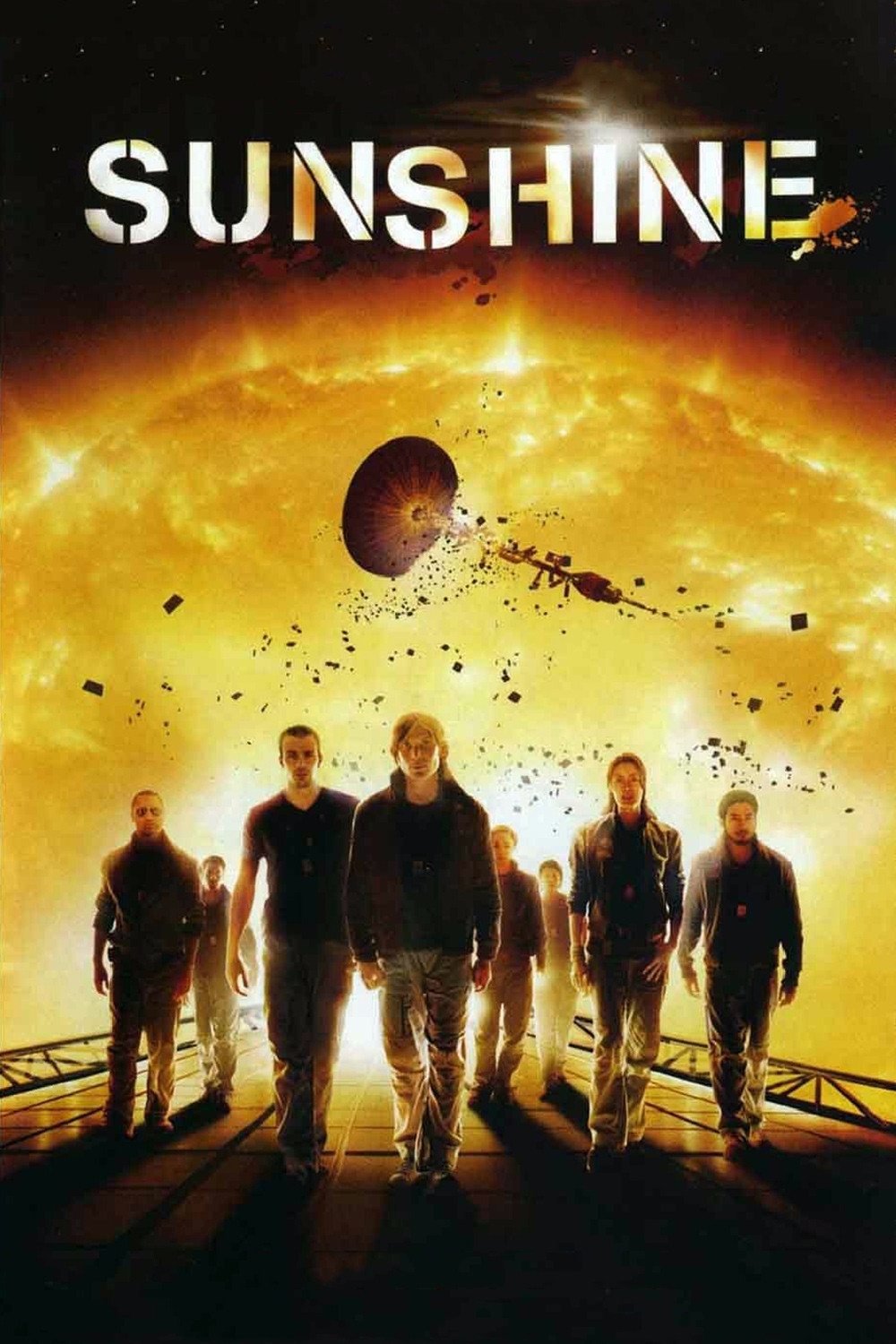
Directed by Danny Boyle and written by Alex Garland, ‘Sunshine’ follows an international crew aboard the Icarus II on a high-risk mission to rekindle a dying star. The ensemble includes Cillian Murphy, Rose Byrne, Michelle Yeoh, Chris Evans, and Hiroyuki Sanada, with visual effects led by Moving Picture Company and a score by John Murphy and Underworld’s Karl Hyde.
Production blended practical spaceship sets with digital simulations of stellar phenomena, using scientific advisors to shape the mission’s procedures and onboard tech. Principal photography took place at 3 Mills Studios in London, with cinematography by Alwin Küchler emphasizing contained spaces and harsh light to mirror the crew’s escalating pressures.
‘A Scanner Darkly’ (2006)
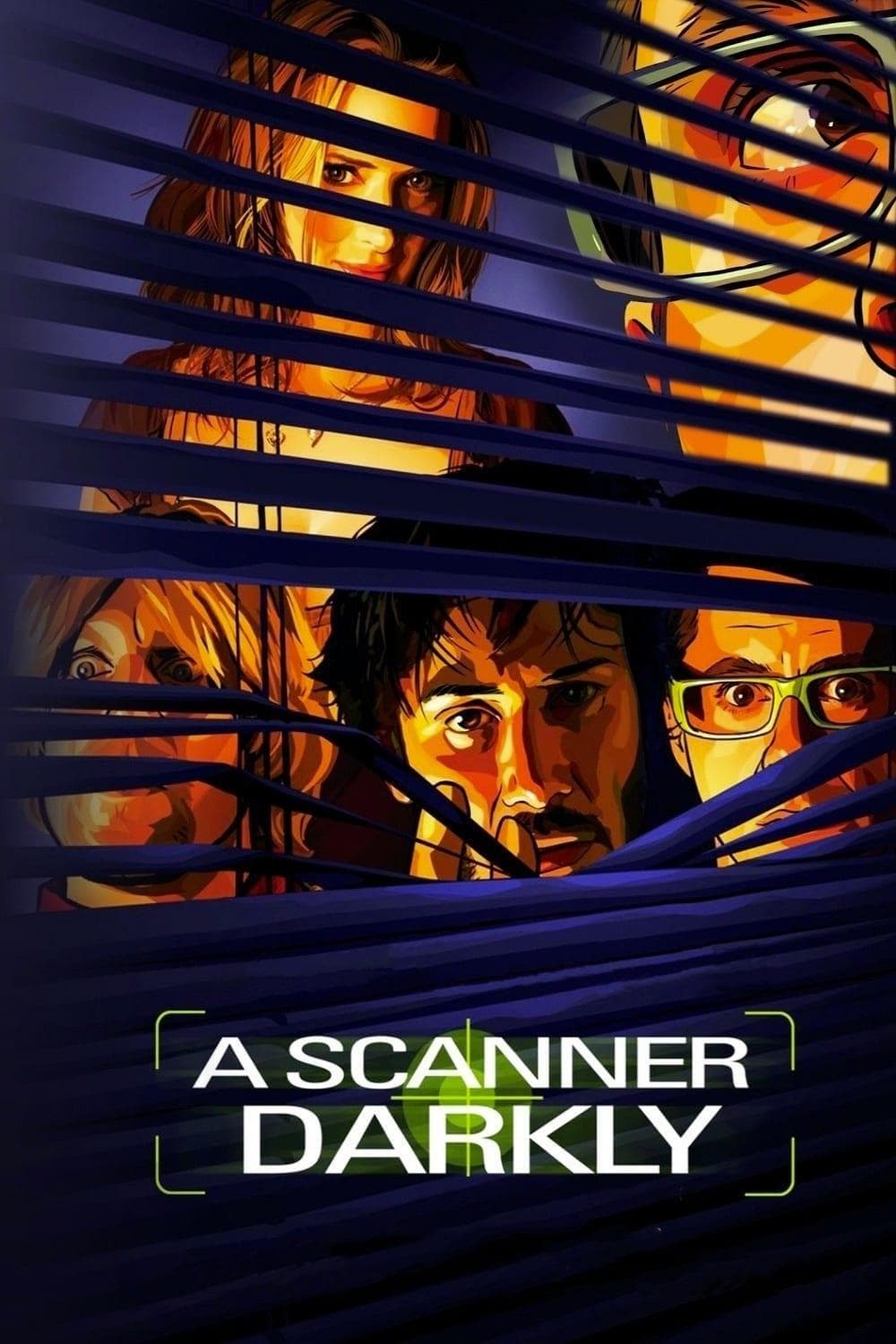
Richard Linklater adapts Philip K. Dick’s novel with a cast featuring Keanu Reeves, Winona Ryder, Robert Downey Jr., and Woody Harrelson. ‘A Scanner Darkly’ centers on an undercover agent whose identity fractures under the influence of a powerful drug and pervasive surveillance.
The film employed interpolated rotoscope animation over live-action performances, continuing Linklater’s technique from ‘Waking Life’ with a more controlled, graphic look. Production captured performances digitally before animators layered stylized line work and textures, creating a shifting, paranoid visual language aligned with the story’s perspective.
‘Equilibrium’ (2002)
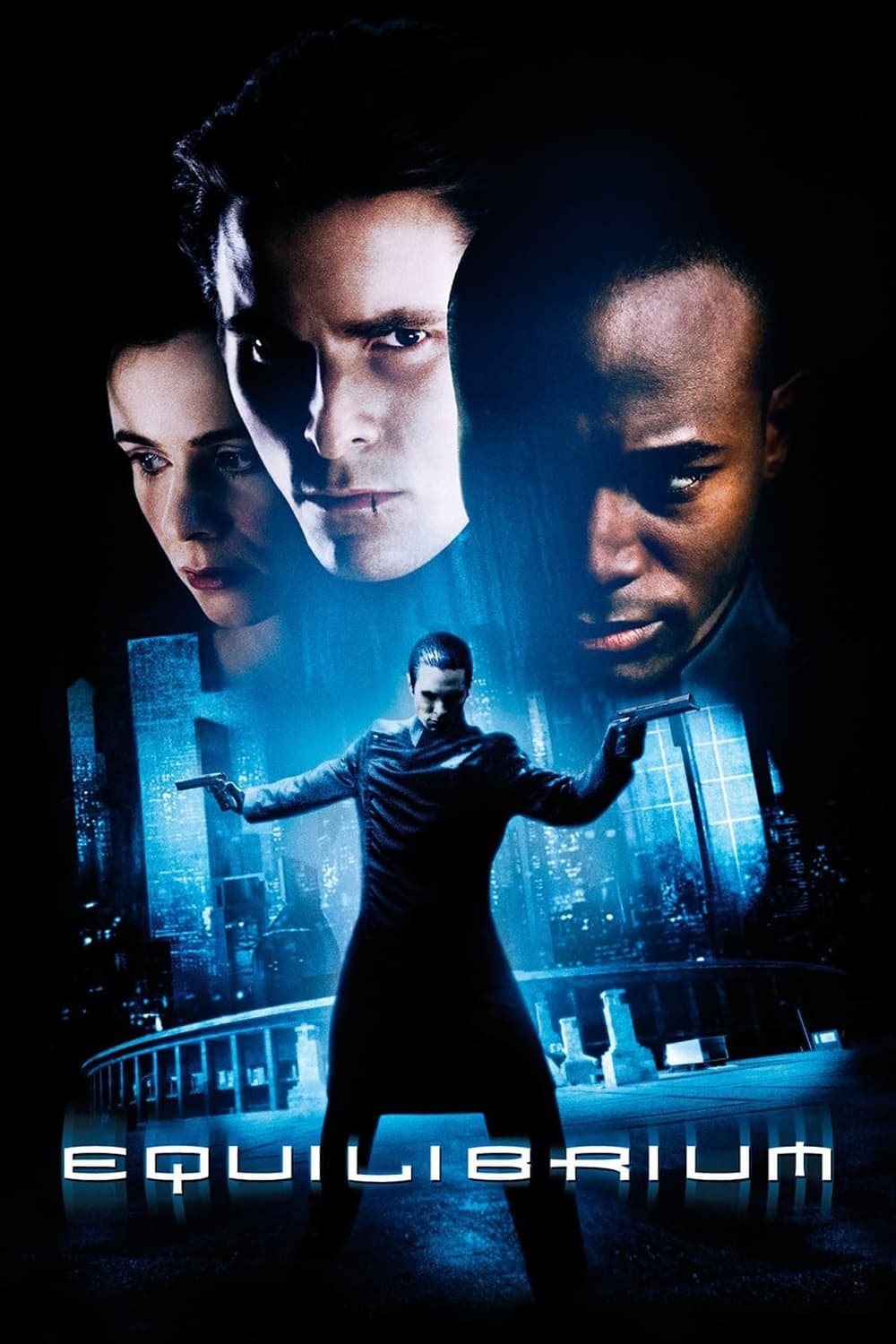
Written and directed by Kurt Wimmer, ‘Equilibrium’ stars Christian Bale, Taye Diggs, Emily Watson, and Sean Bean in a totalitarian society that suppresses emotion to maintain control. Bale plays an elite enforcer whose duties and personal revelations collide.
The production designed a distinct martial-arts firearm style called “Gun Kata,” choreographed to meld geometry and ballistics into stylized action. Shot primarily in Berlin and Rome, the film’s locations—modernist architecture and industrial interiors—reinforce its regime’s austere aesthetic.
‘Primer’ (2004)
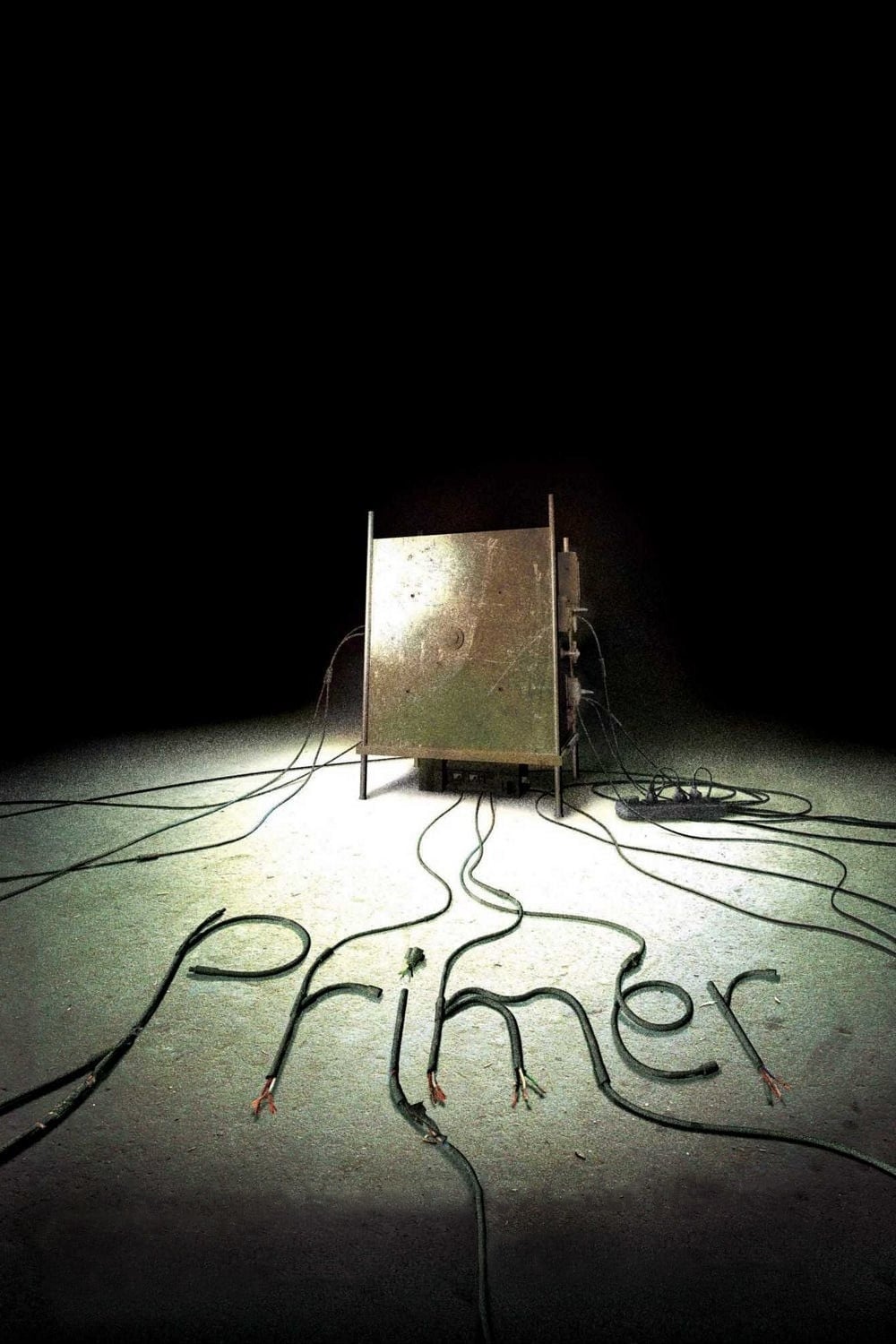
Shane Carruth wrote, directed, scored, and starred in ‘Primer’, a tight, dialogue-driven story about two engineers who stumble upon a device with unexpected temporal effects. The cast is small, the settings are garages and office parks, and the script foregrounds technical jargon and process.
Made on a microbudget, the film used available locations, non-professional actors in some roles, and naturalistic lighting. Its approach emphasizes engineering culture—whiteboards, prototypes, and troubleshooting—while the sound design and overlapping dialogue track the characters’ increasingly complex iterations.
‘Moon’ (2009)
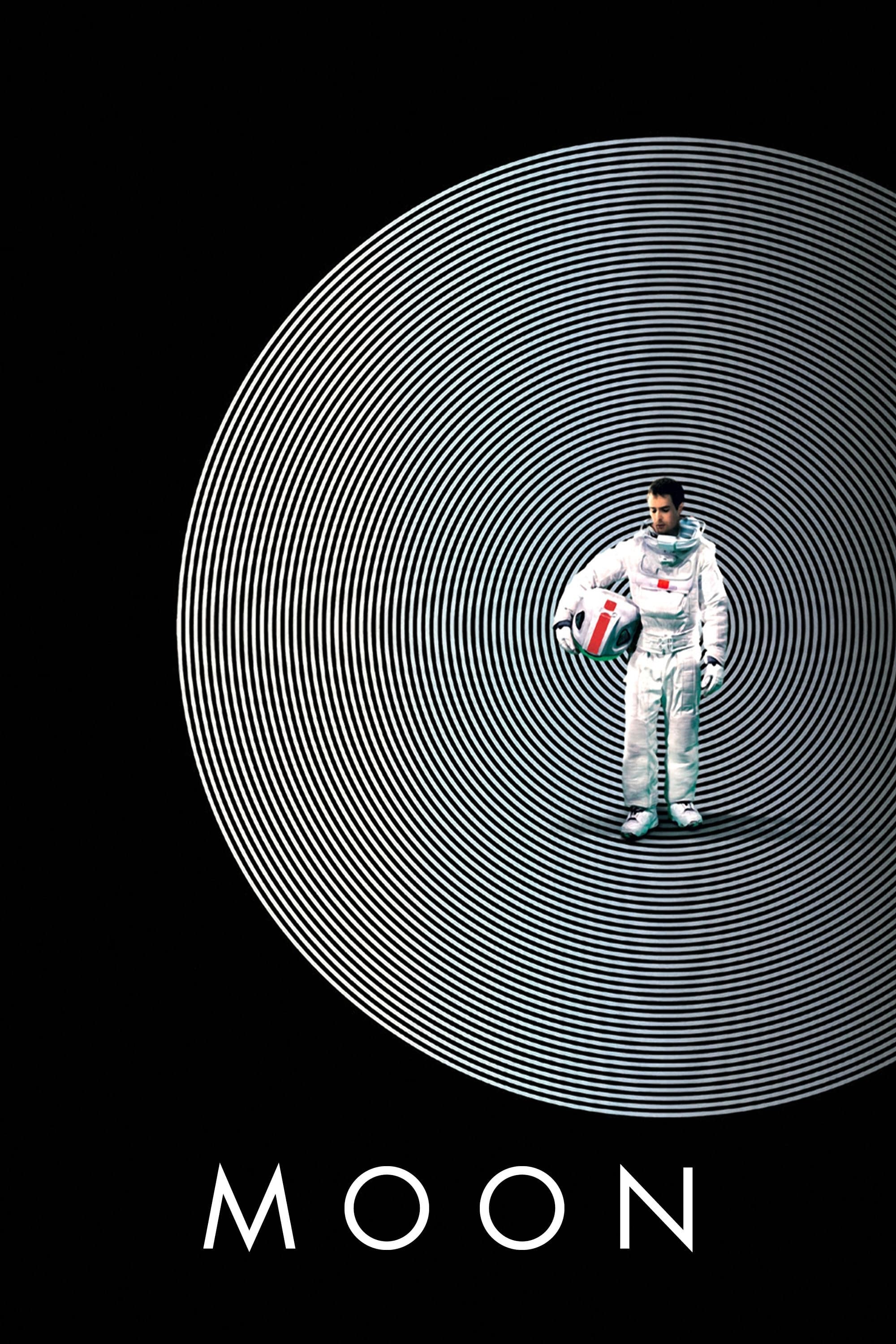
Duncan Jones directs ‘Moon’, starring Sam Rockwell as a lunar miner nearing the end of a solitary work contract, with Kevin Spacey providing the voice of the base’s AI assistant. The story explores corporate oversight, identity, and the logistics of off-world industry.
The film leaned on practical effects, miniatures, and in-camera solutions to depict the lunar surface and rover operations. Shot at Shepperton Studios, it used motion-controlled model work and composite techniques, with cinematography by Gary Shaw and a score by Clint Mansell to anchor its atmosphere.
‘Pandorum’ (2009)
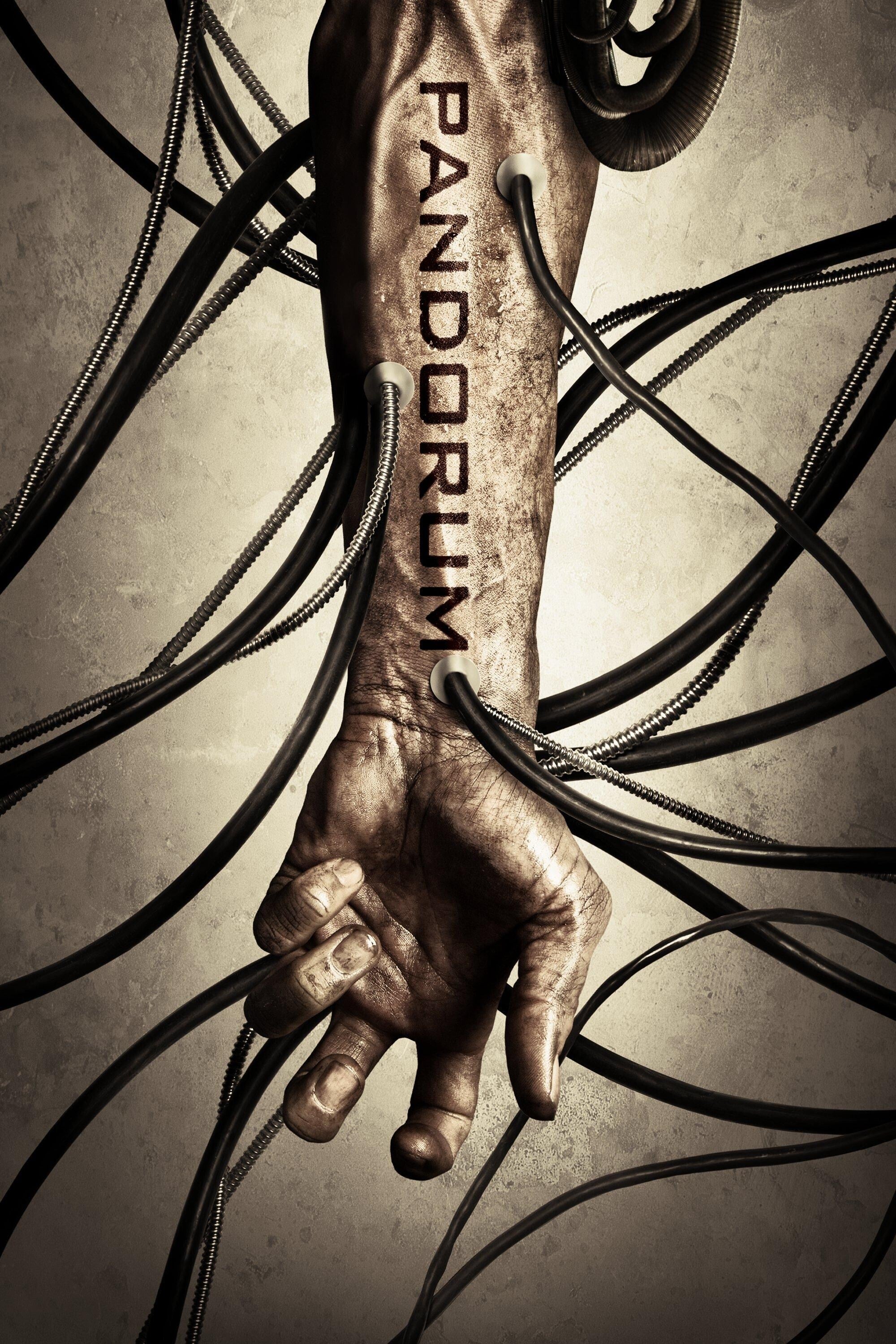
‘Pandorum’ is directed by Christian Alvart and headlined by Dennis Quaid and Ben Foster, placing two crew members on a vast spacecraft with failing systems and fragmented memories. Antje Traue, Cung Le, and Cam Gigandet round out the cast in a narrative that folds survival, colony planning, and psychometrics into a single setting.
Production combined massive practical corridors and engineering bays with creature effects and stunt work. Shot at Babelsberg Studio, the film’s design team emphasized analog readouts, corroded textures, and modular compartments to suggest a long-haul vessel pushed past its limits.
‘The Fountain’ (2006)
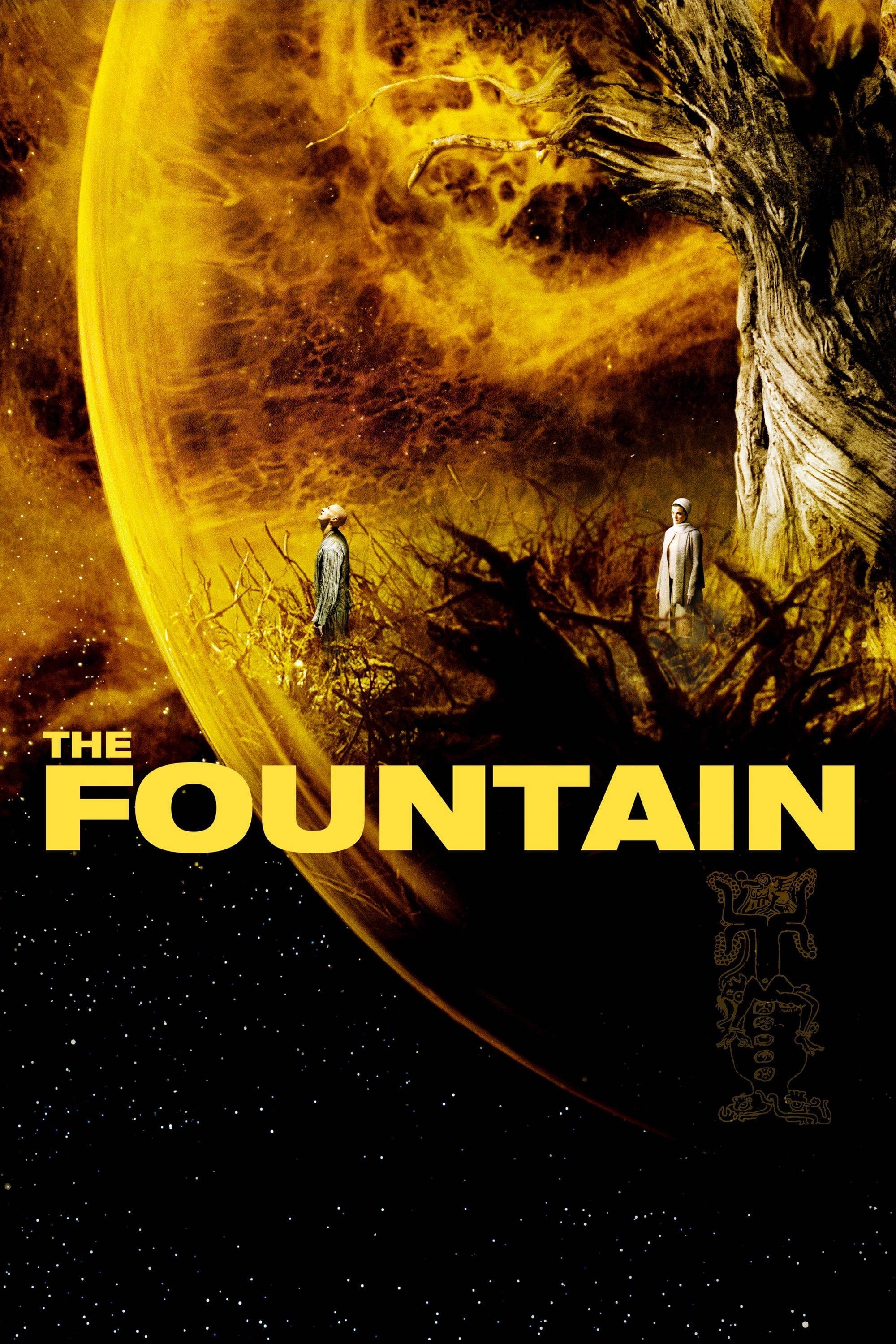
Darren Aronofsky’s ‘The Fountain’ stars Hugh Jackman and Rachel Weisz in intertwining narratives that link medical research, historical exploration, and speculative travel. The film uses mirrored motifs to connect its threads across distinct settings.
Notable for its reliance on macro-photography of chemical reactions instead of large-scale CGI for many cosmic visuals, the production created organic nebulae and cellular imagery in a tabletop environment. Composer Clint Mansell collaborated with Kronos Quartet and Mogwai, integrating recurring themes across timelines.
‘Serenity’ (2005)
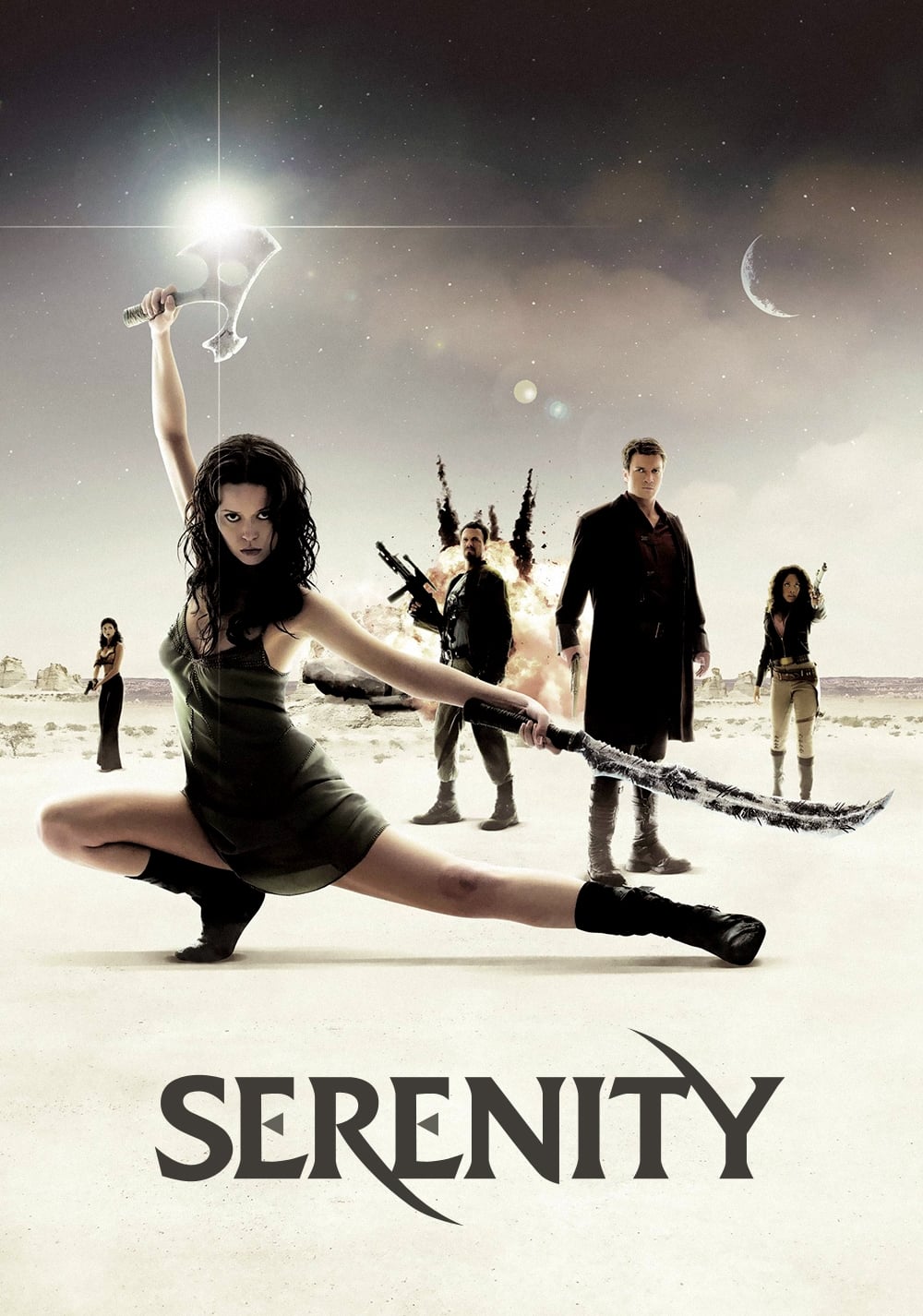
Written and directed by Joss Whedon, ‘Serenity’ continues the story of the crew from the television series ‘Firefly’, with Nathan Fillion, Gina Torres, Morena Baccarin, and Chiwetel Ejiofor among the principal cast. The plot follows a heist-ship family pulled into revelations about government experiments and frontier politics.
The production rebuilt and expanded sets for the ship’s interior to enable long takes across connected compartments. Visual effects rendered the Reaver fleets and planetary vistas, while the fight choreography showcased River Tam’s kinetic sequences, aligning the film with its series’ blend of western and spacefaring elements.
‘The Man from Earth’ (2007)
Written by Jerome Bixby and directed by Richard Schenkman, ‘The Man from Earth’ centers on a departing professor who claims an extraordinary lifespan during a farewell gathering. David Lee Smith leads a cast that includes Tony Todd, Annika Peterson, and John Billingsley.
The film is essentially a single-location chamber piece, emphasizing dialogue, academic disciplines, and cross-examination. Minimal production design and unobtrusive camera work support the script’s conversational structure, allowing competing hypotheses to surface in real time.
‘Timecrimes’ (2007)
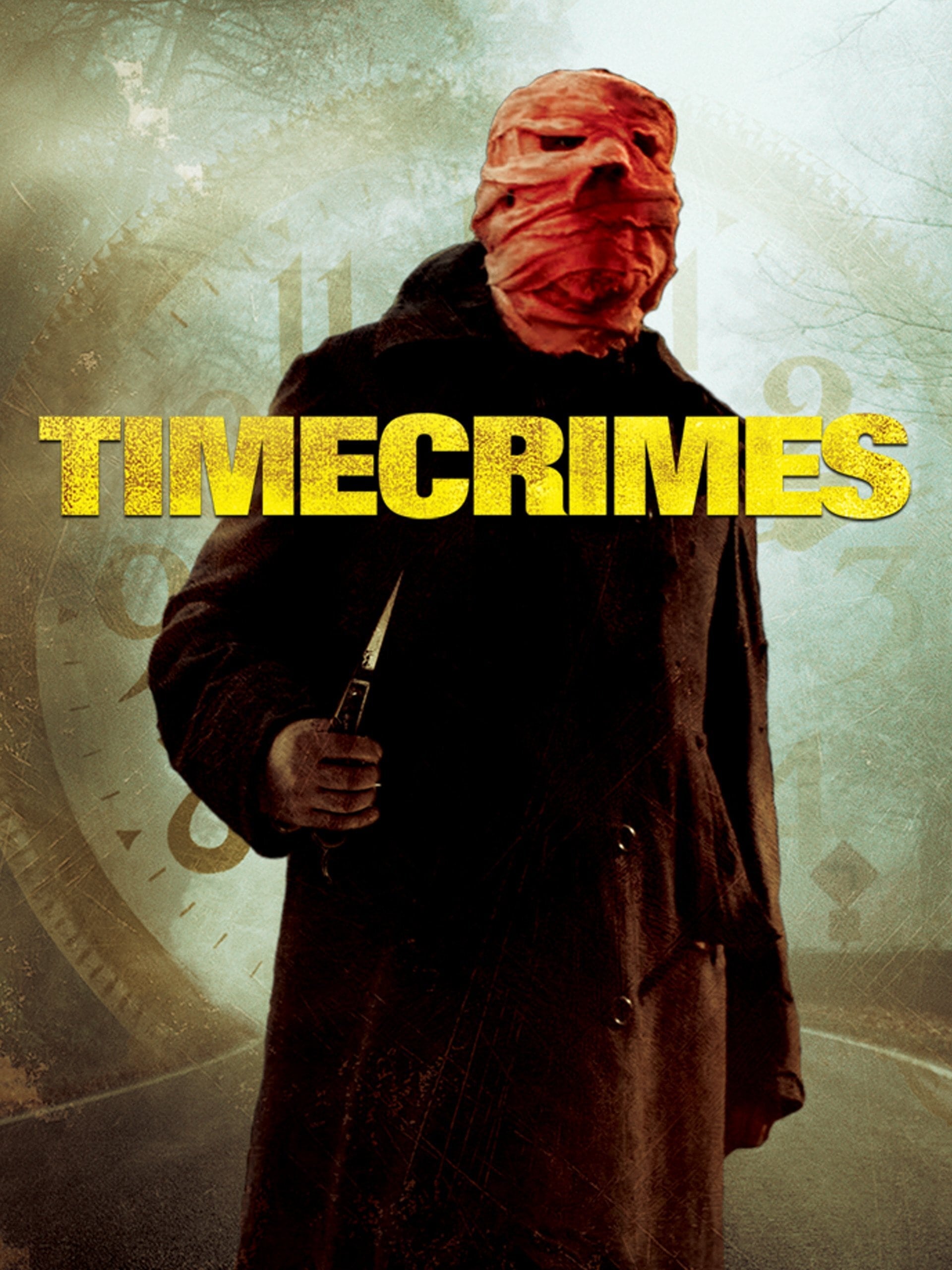
Nacho Vigalondo’s ‘Timecrimes’ follows a man who stumbles into a recursive loop after a chance encounter near his home. Karra Elejalde stars, with Vigalondo appearing in a key supporting role.
The production uses rural locations, a small cast, and precise blocking to stage multiple passes through the same spaces. Practical makeup effects and costuming turn simple elements—bandages, binoculars, a pink hoodie—into crucial timeline markers that guide the viewer through layered cause and effect.
‘Sky Captain and the World of Tomorrow’ (2004)
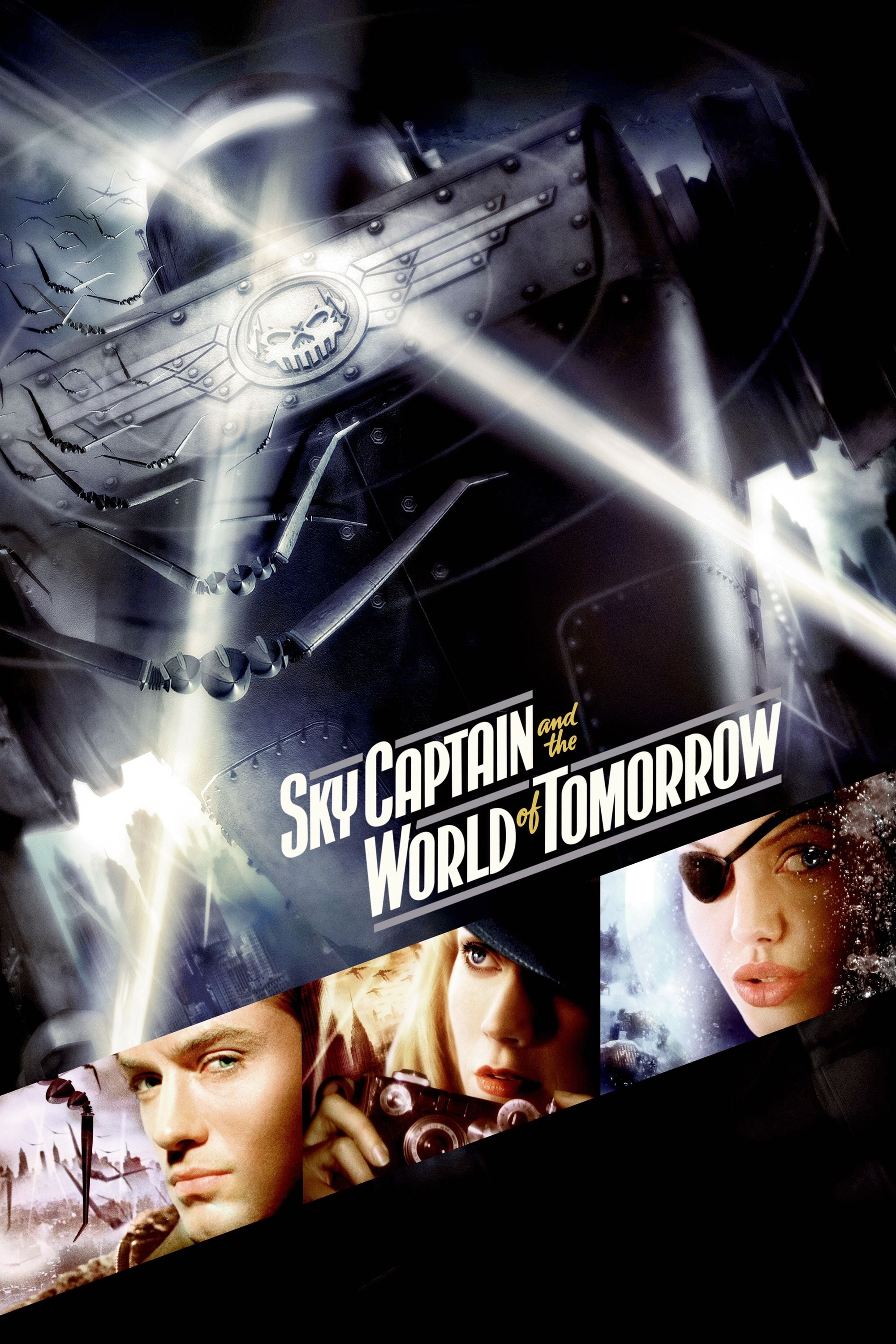
Written and directed by Kerry Conran, ‘Sky Captain and the World of Tomorrow’ stars Jude Law, Gwyneth Paltrow, and Angelina Jolie in a pulp-inspired adventure involving robots, missing scientists, and globe-spanning clues. The film pays homage to serial storytelling and early aviation aesthetics.
It was shot almost entirely against blue screen, with environments created digitally to evoke retro-future architecture and machinery. The production pioneered a workflow where actors performed on minimal sets while art departments built expansive backgrounds in post-production.
‘Code 46’ (2003)
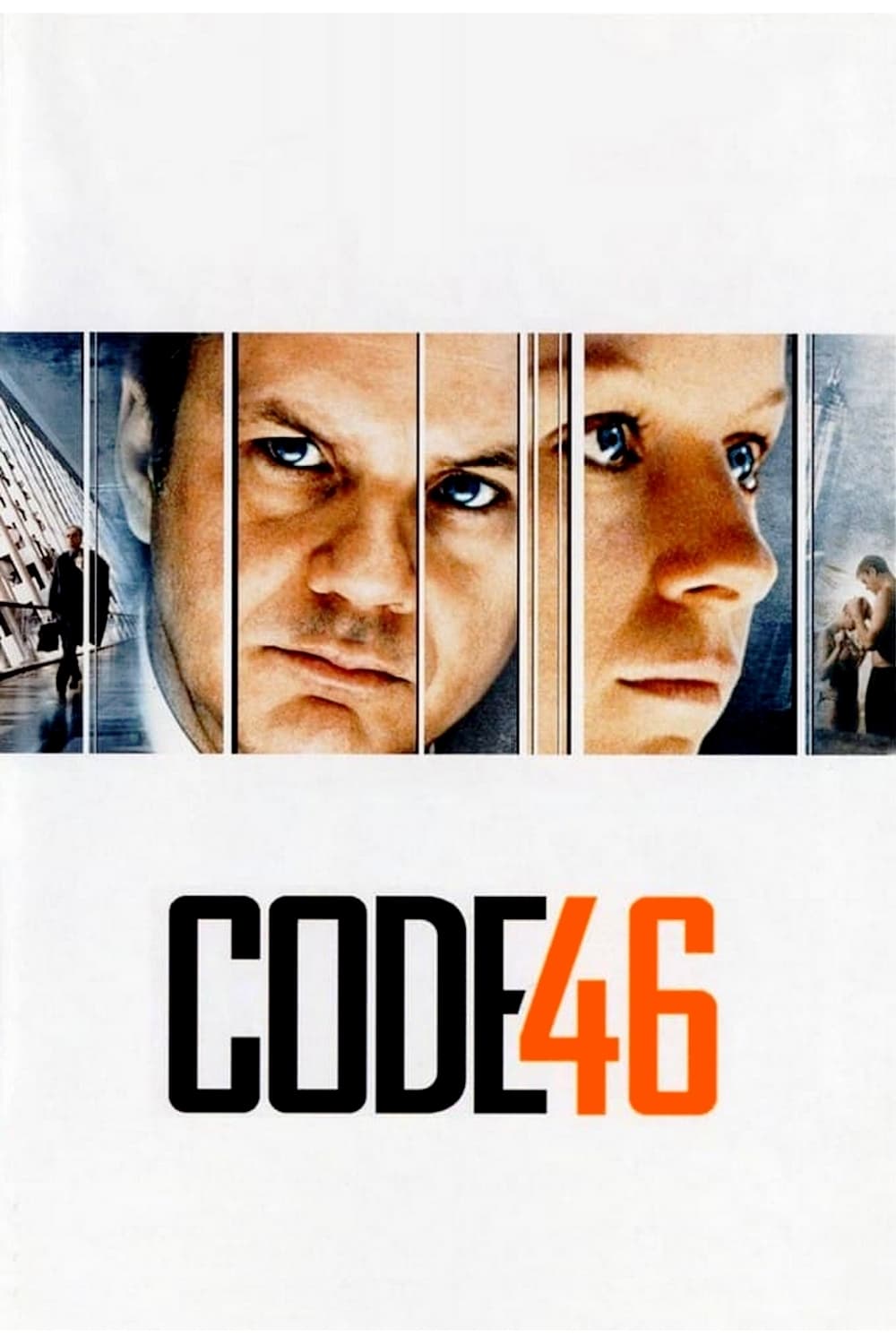
Directed by Michael Winterbottom and written by Frank Cottrell-Boyce, ‘Code 46’ pairs Tim Robbins and Samantha Morton in a near-future story framed by genetic regulations and globalized travel. The narrative explores the bureaucratic and personal ramifications of tightly managed reproduction laws.
Production filmed in multiple international cities—Dubai, Shanghai, and London among them—to craft a seamless transnational backdrop. The soundtrack mixes layered ambient pieces with regional textures, while handheld cinematography and natural lighting ground the speculative premise in recognizable urban life.
‘Solaris’ (2002)
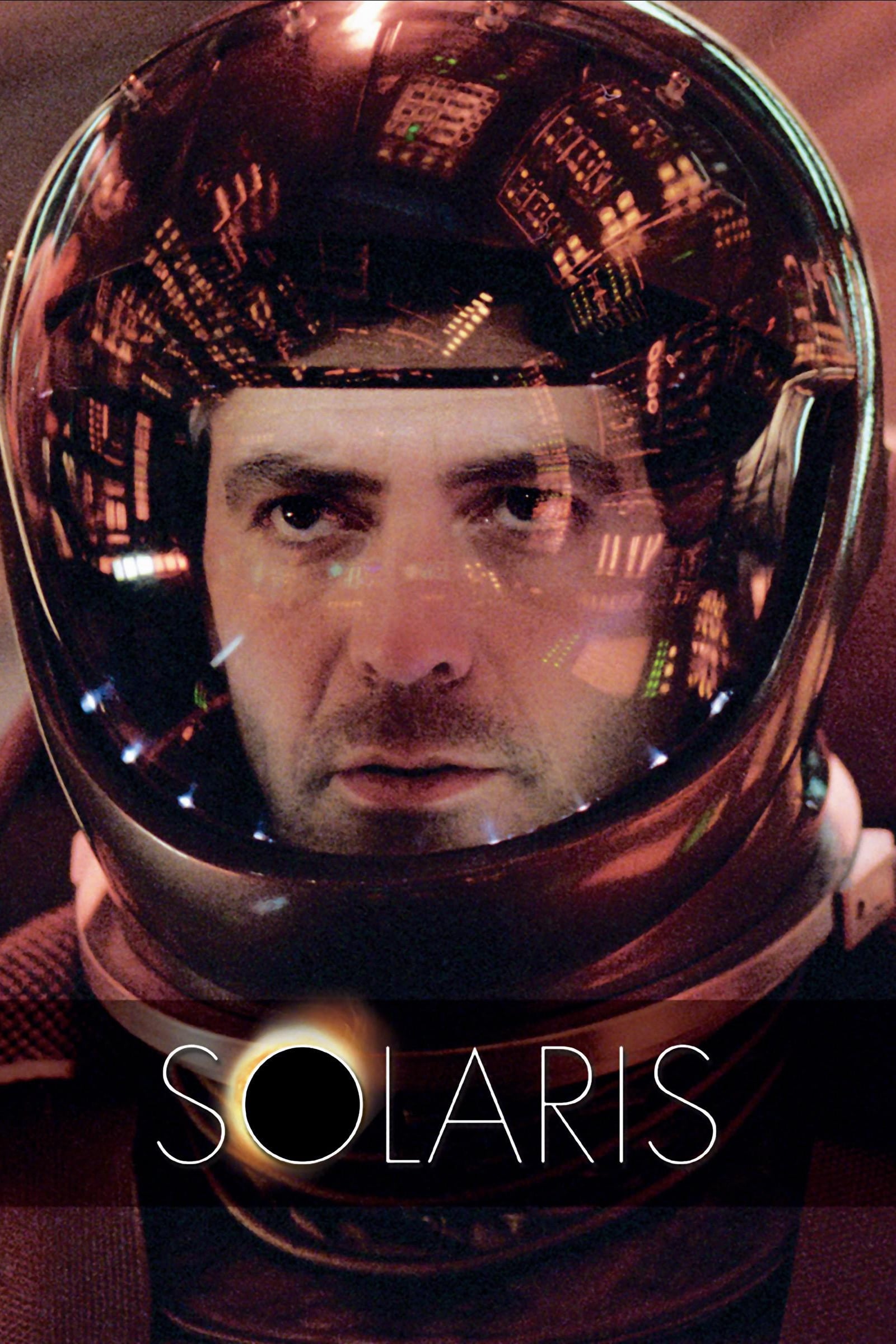
Steven Soderbergh adapts Stanisław Lem’s novel in ‘Solaris’, starring George Clooney and Natascha McElhone. The story sends a psychologist to a space station orbiting a mysterious planet that materializes human memories.
The production favored minimalist set design—curved corridors, soft illumination, and reflective surfaces—over heavy technical exposition. With Cliff Martinez’s ambient score and Harris Savides’s cinematography, the film builds its atmosphere through sound, color, and restrained visual effects.
‘Renaissance’ (2006)
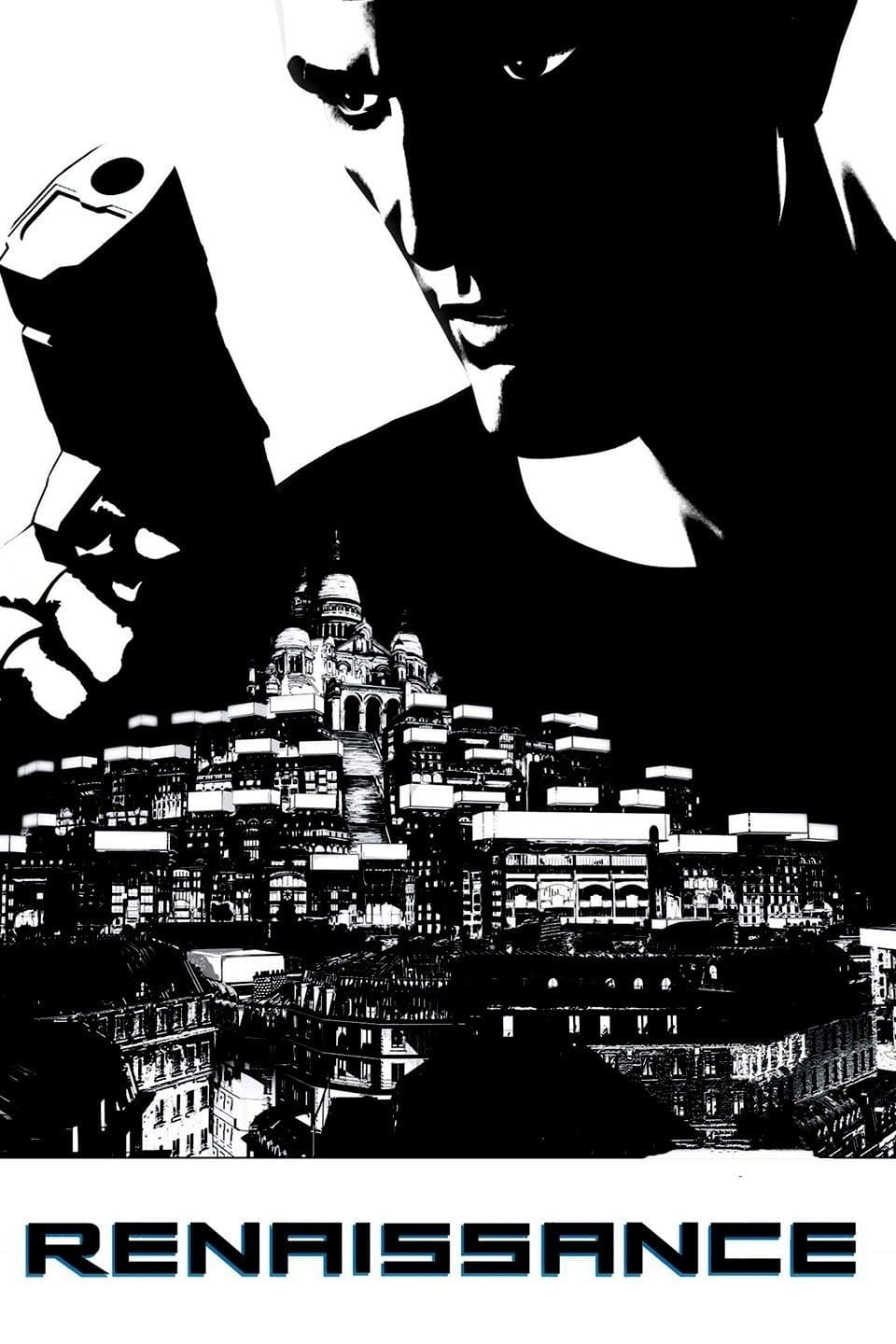
‘Renaissance’, directed by Christian Volckman, is a black-and-white animated feature set in a corporate-dominated Paris. The voice cast for the English-language version includes Daniel Craig, Romola Garai, and Jonathan Pryce.
The film employs motion capture and high-contrast rendering to produce a stark, graphic-novel aesthetic. Its production pipeline integrated performance capture with stylized shading, emphasizing silhouettes and architectural lines to create a distinctive visual identity.
‘Final Fantasy: The Spirits Within’ (2001)
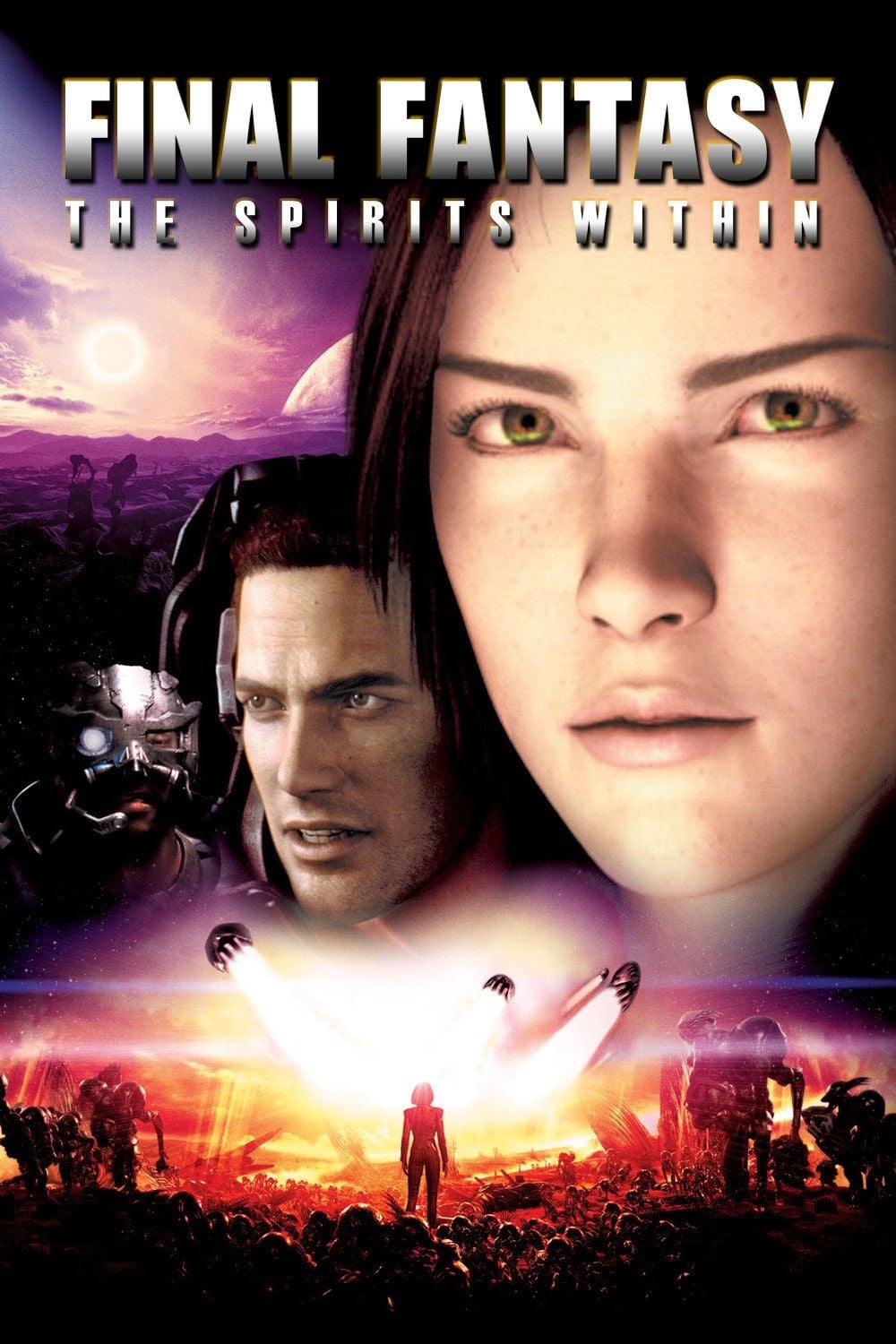
Helmed by Hironobu Sakaguchi and Motonori Sakakibara, ‘Final Fantasy: The Spirits Within’ features voice performances by Ming-Na Wen, Alec Baldwin, Ving Rhames, and James Woods. The plot involves spectral entities and a scientific effort to counter them using an energy-based theory.
The project was a landmark in photorealistic computer animation, focusing on detailed human models, hair simulation, and material rendering. Square Pictures developed proprietary tools for skin translucency and facial rigging, pushing digital character technology forward despite substantial production costs.
‘Titan A.E.’ (2000)
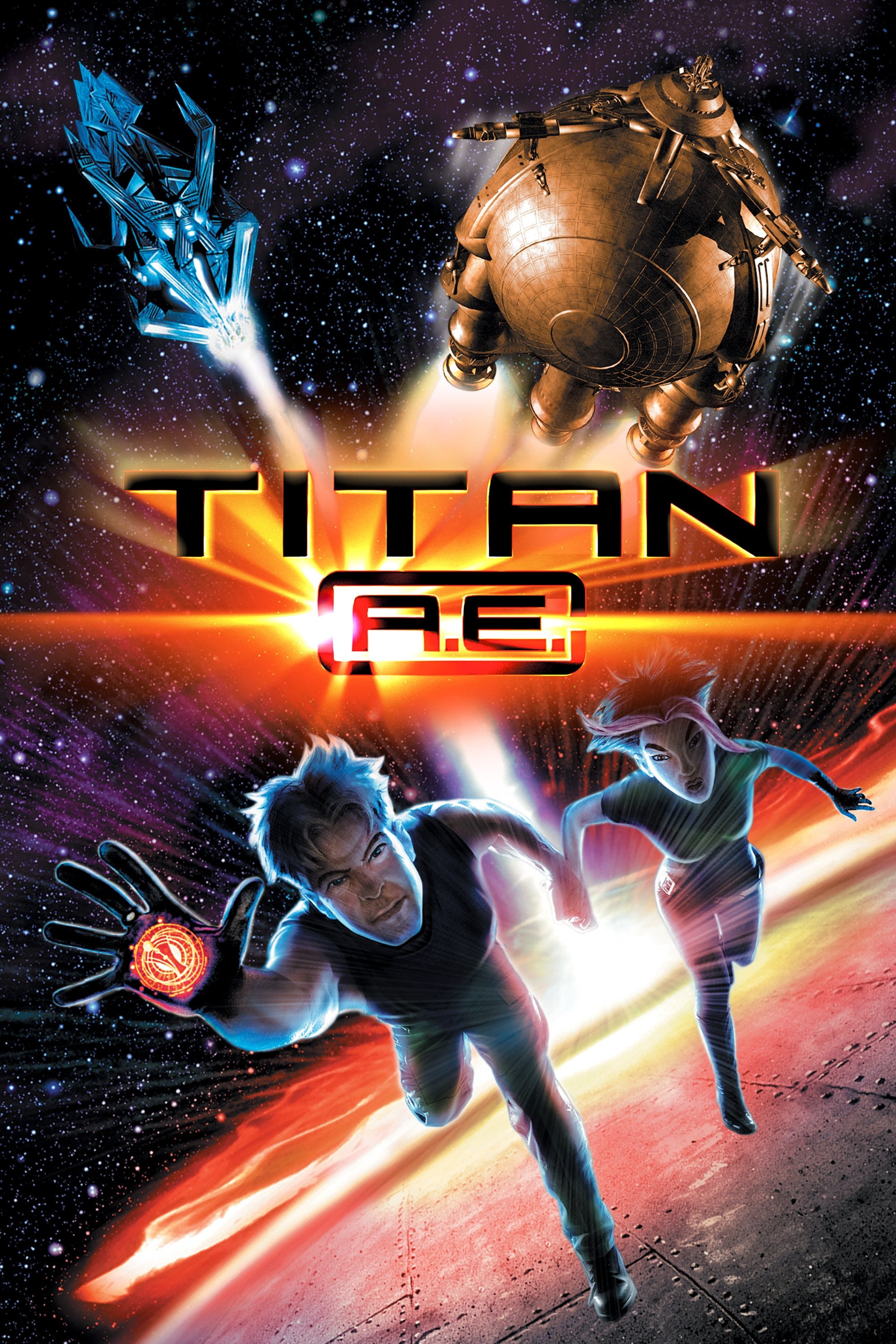
Directed by Don Bluth and Gary Goldman, ‘Titan A.E.’ blends traditional animation with computer-generated environments. The voice cast includes Matt Damon, Drew Barrymore, Bill Pullman, and Nathan Lane, following survivors of Earth’s destruction searching for a transformative starship.
The production integrated hand-drawn characters with 3D spacecraft, nebulae, and planetary backdrops. Its pipeline combined scanning, compositing, and digital ink-and-paint systems to harmonize cel animation with dynamic camera moves through virtual space.
‘Battle for Terra’ (2007)
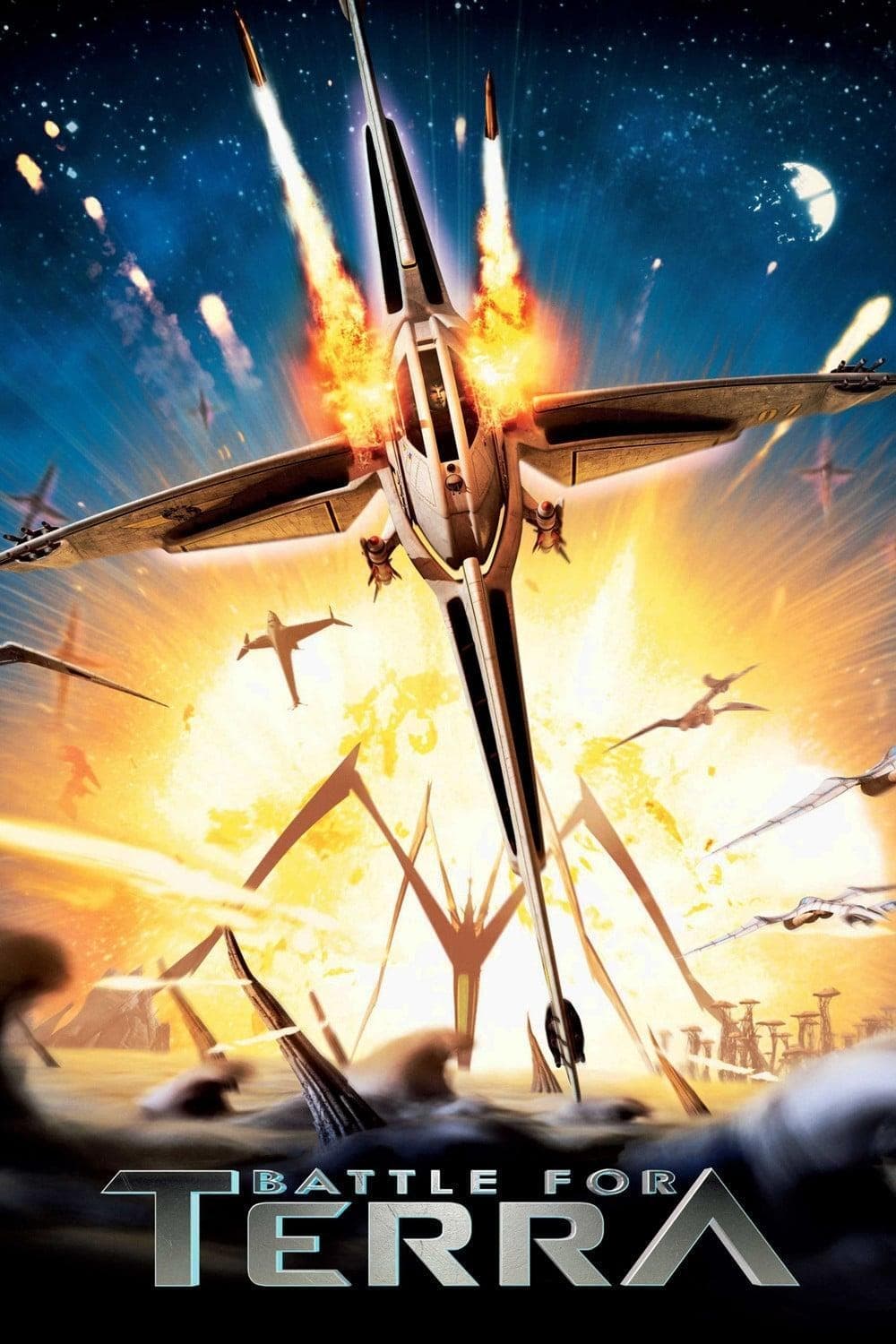
Aristomenis Tsirbas directs ‘Battle for Terra’, an animated feature where human colonists and native inhabitants of a distant planet confront incompatible survival needs. Voices include Evan Rachel Wood, Luke Wilson, Brian Cox, and David Cross.
The film’s design emphasizes layered aerial ecosystems, floating cities, and non-humanoid character anatomy. A combination of independent production tools and streamlined rendering workflows allowed an effects-heavy world on a comparatively modest budget, with stereoscopic releases prepared for certain markets.
‘Southland Tales’ (2006)
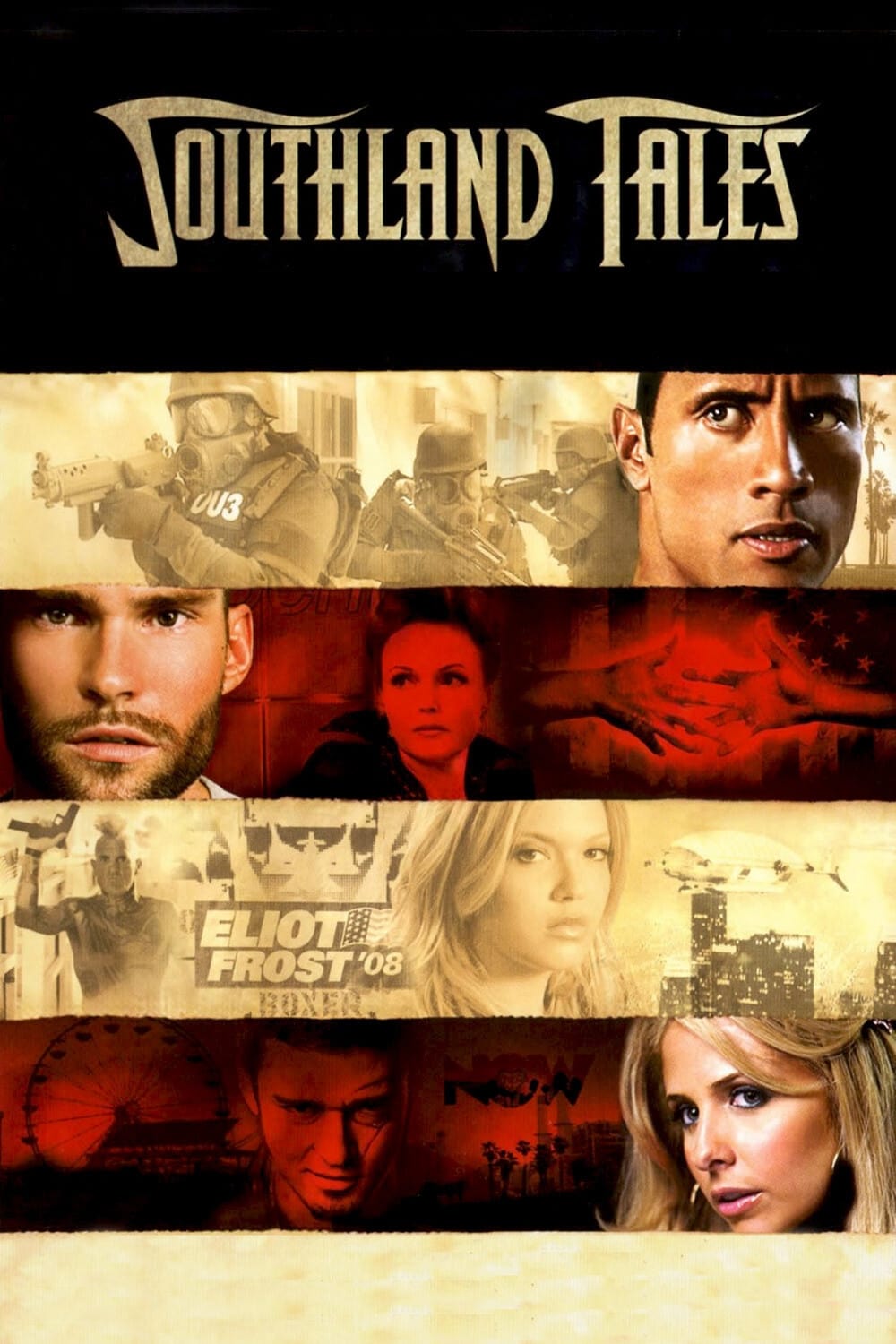
Richard Kelly’s ‘Southland Tales’ is an ensemble sci-fi satire set in a media-saturated Los Angeles, featuring Dwayne Johnson, Seann William Scott, Sarah Michelle Gellar, and Justin Timberlake. The narrative interweaves alternative energy, surveillance, and entertainment industry theatrics.
Production created a transmedia framework that included graphic novels aligned with the film’s chapters. The project’s design merges political theater, branded spectacle, and experimental music cues, using multiple formats—news crawls, commercials, and stage performances—inside the film’s structure.
‘Push’ (2009)
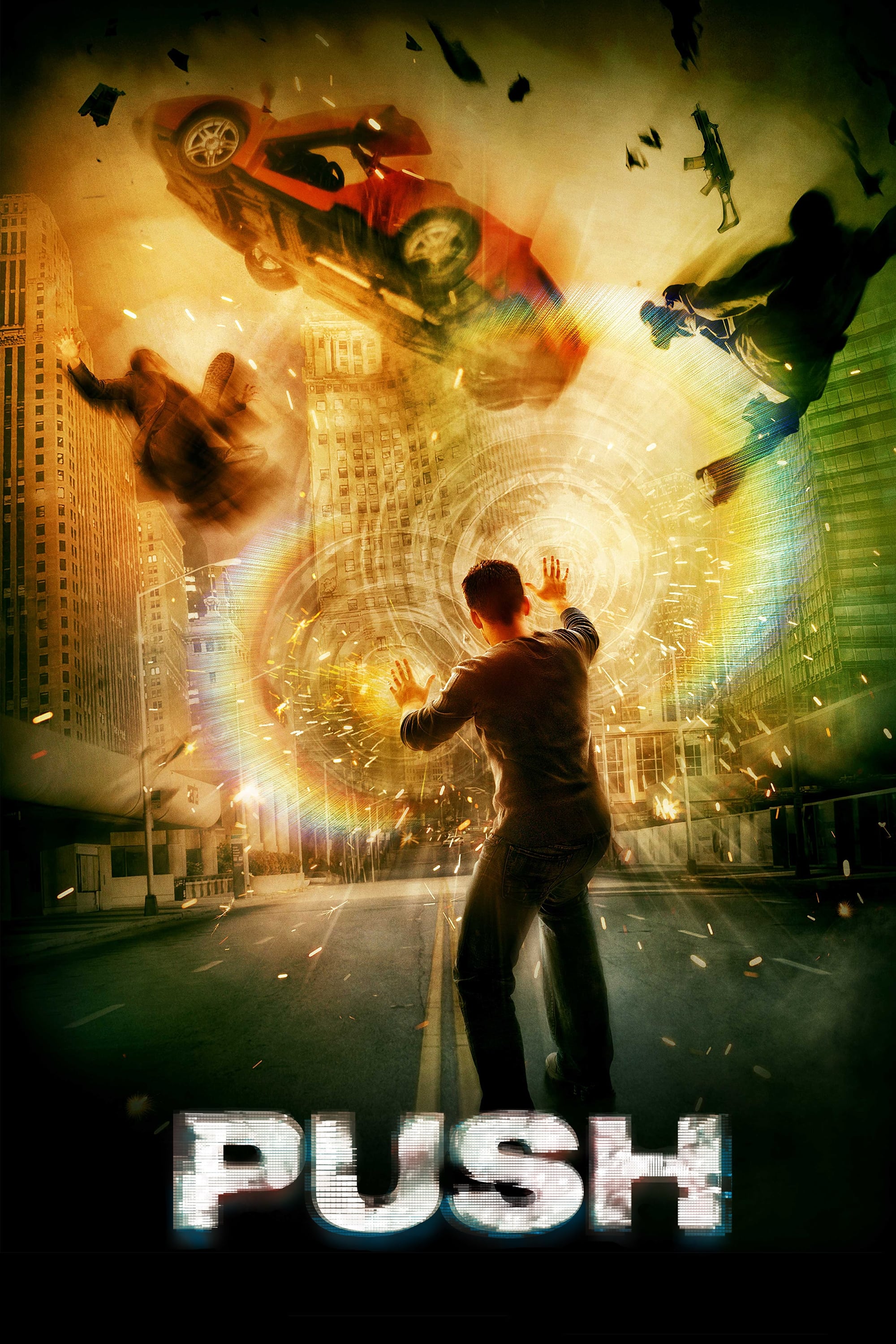
Directed by Paul McGuigan, ‘Push’ follows individuals with classified psychic abilities targeted by a clandestine agency. Chris Evans, Dakota Fanning, Camilla Belle, and Djimon Hounsou lead the cast.
The production shot extensively on location in Hong Kong, using street-level photography, markets, and high-rise vistas to embed superpowered conflicts in everyday spaces. Effects teams combined wire work, practical debris rigs, and digital augmentation to stage telekinetic and precognitive set-pieces.
‘The Jacket’ (2005)
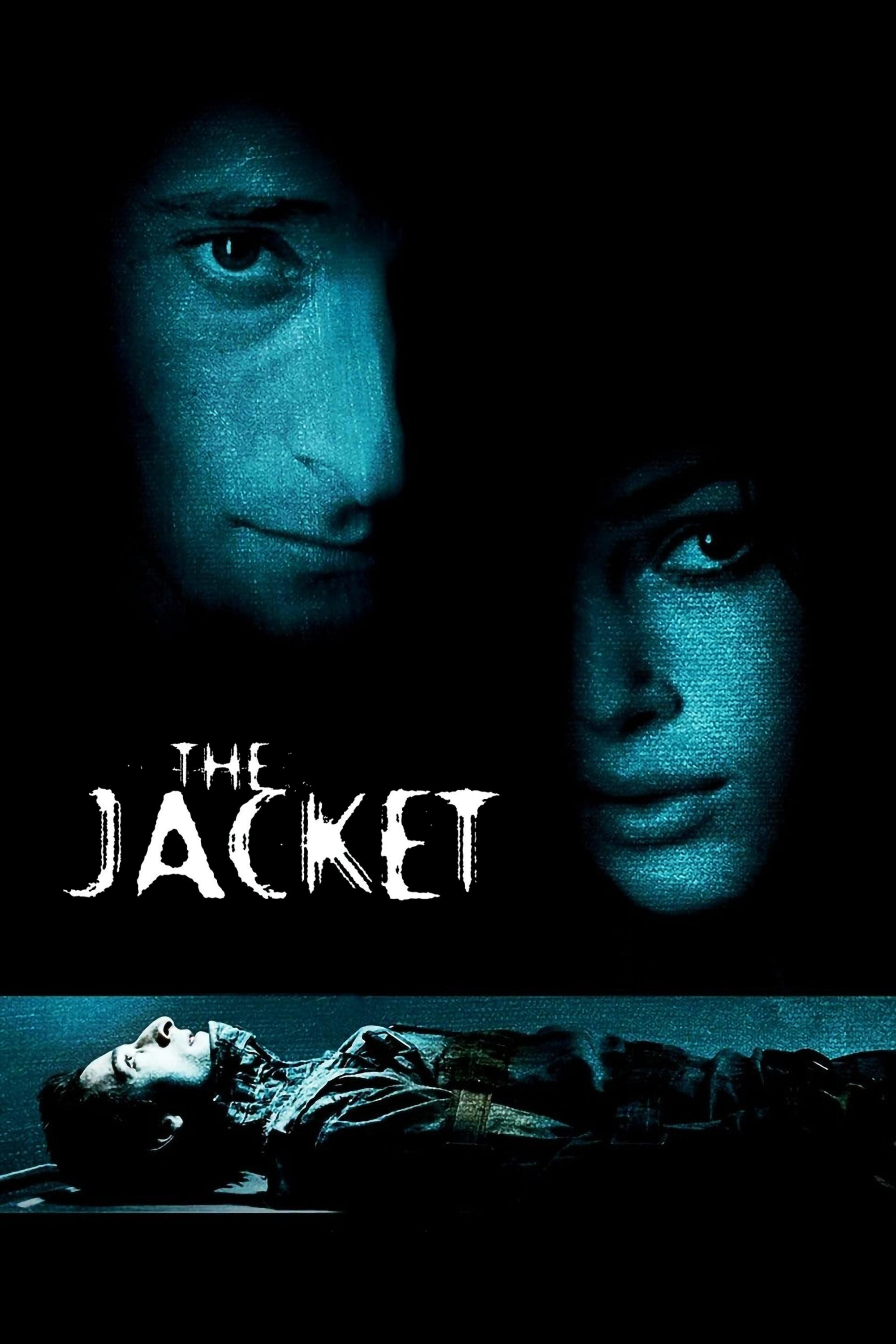
‘The Jacket’, directed by John Maybury and starring Adrien Brody and Keira Knightley, mixes psychological drama with speculative elements as a military veteran undergoes experimental treatment. The supporting cast includes Kris Kristofferson, Jennifer Jason Leigh, and Daniel Craig.
Production design employs institutional corridors, restraints, and extreme close-ups to situate viewers within the procedure’s sensory constraints. Editing and sound use abrupt transitions and mechanical textures to convey altered states, while location work in winter landscapes underlines the character’s dislocation.
‘S1m0ne’ (2002)
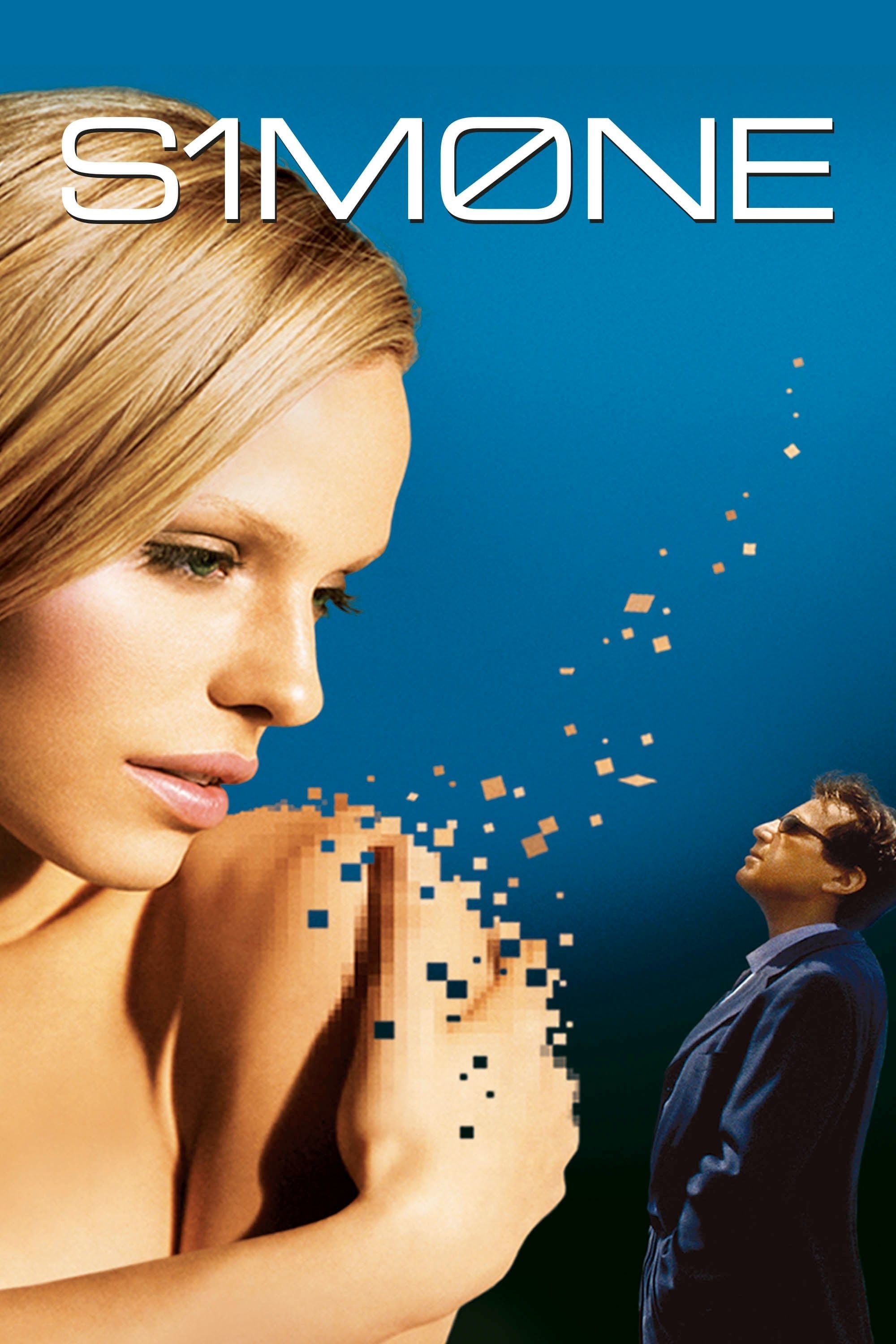
Andrew Niccol writes and directs ‘S1m0ne’, with Al Pacino as a filmmaker who launches a fully digital actress into stardom. The film examines authorship, image rights, and the machinery of publicity around virtual performers.
Visual effects teams crafted the eponymous star through compositing, digital doubles, and post-production clean-up to maintain the illusion of a non-existent celebrity. The production showcases press junkets, awards circuits, and broadcast control rooms to map the infrastructure that sustains artificial personas.
‘Cypher’ (2002)
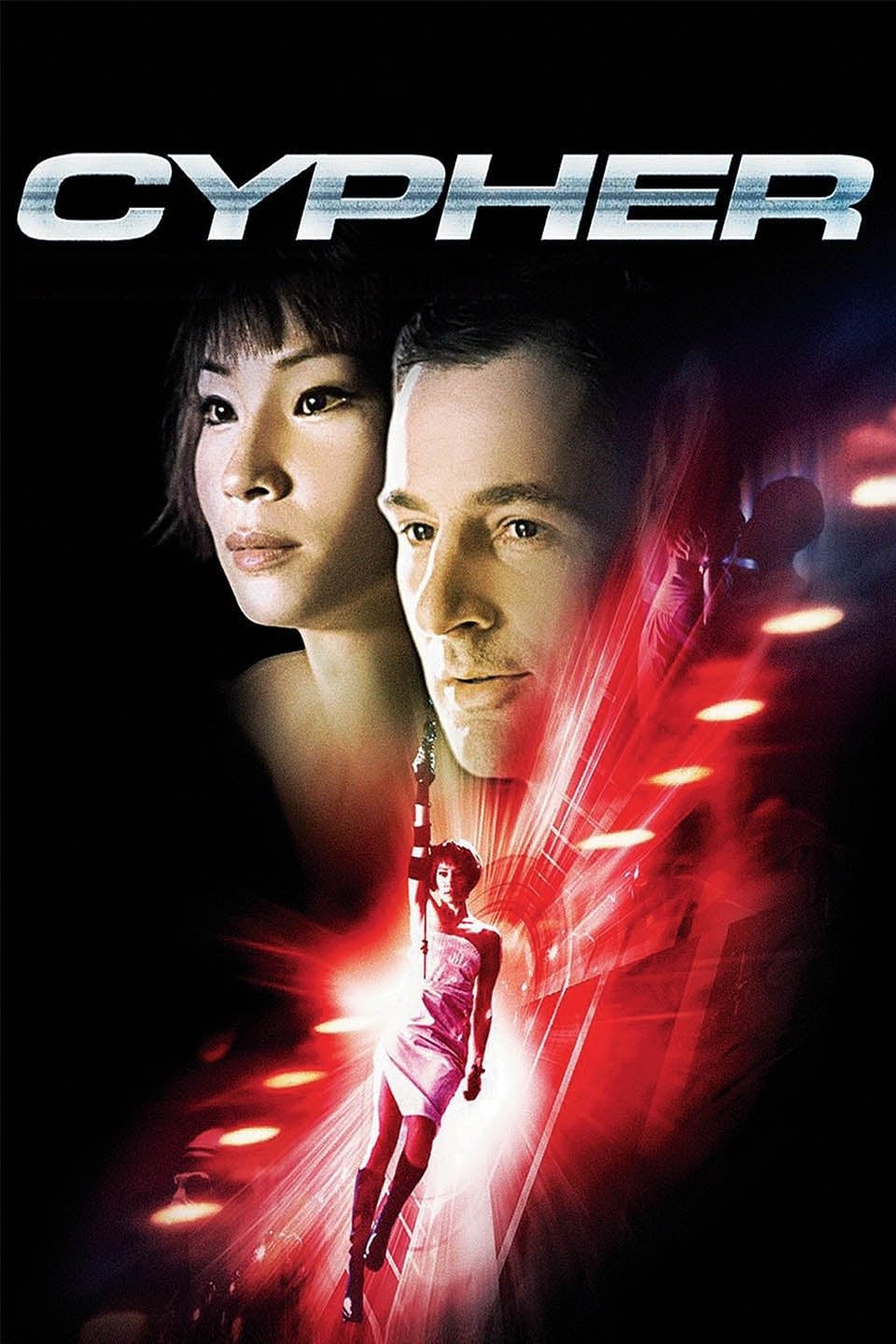
Vincenzo Natali’s ‘Cypher’ stars Jeremy Northam and Lucy Liu in a corporate-espionage story where identity erodes through repeated reconditioning. The narrative navigates recruitment seminars, clandestine exchanges, and layered cover stories.
Shot in Toronto and surrounding areas, the film leverages minimalist conference rooms, anonymous lobbies, and warehouse spaces. Production design and costuming use neutral palettes and repeating patterns to echo the protagonist’s shifting allegiances and manufactured routines.
‘The Cell’ (2000)
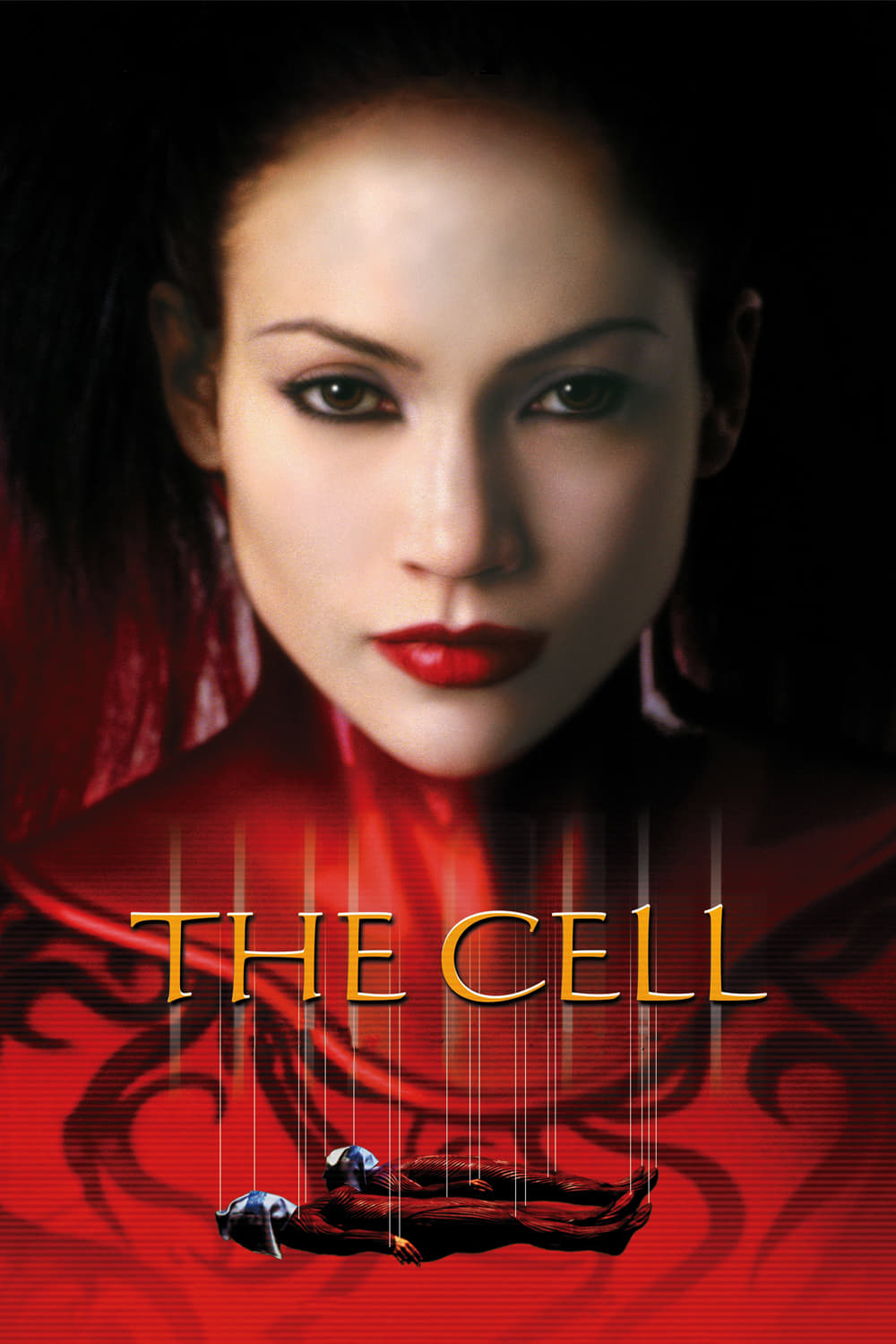
Directed by Tarsem Singh and starring Jennifer Lopez, Vince Vaughn, and Vincent D’Onofrio, ‘The Cell’ follows a child therapist who enters a comatose mind to locate a captive. The film mixes procedural investigation with dream-logic environments.
Its production is known for elaborate sets, couture-inspired costuming, and extensive makeup effects. The visual effects pipeline blended practical sculptures with digital matte work and compositing to realize large-scale symbolic spaces and transitions between consciousness layers.
‘Surrogates’ (2009)
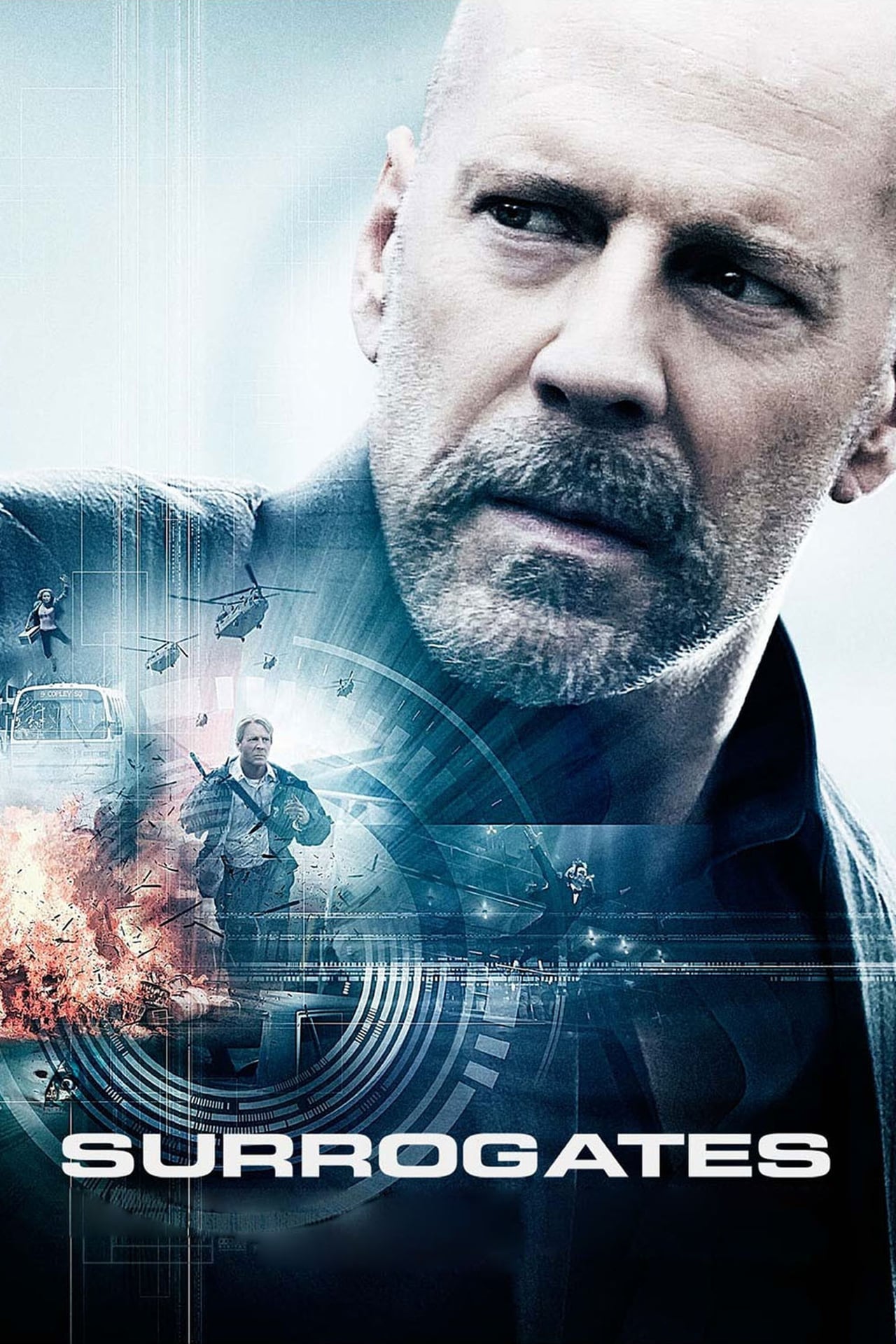
Jonathan Mostow directs ‘Surrogates’, featuring Bruce Willis, Radha Mitchell, and Rosamund Pike in a society where remote robotic bodies handle daily life. The plot tracks a homicide case that points to vulnerabilities in widespread avatar dependence.
Makeup, costuming, and subtle VFX smoothing created a standardized, idealized look for proxy bodies, contrasting with operators at home stations. Location work in Boston provided civic backdrops, while stunt teams integrated vehicle rigs and breakaway components to depict mechanical failures in public settings.
‘The Island’ (2005)

‘The Island’, directed by Michael Bay and starring Ewan McGregor and Scarlett Johansson, centers on residents of a controlled facility who uncover the purpose behind their confinement. Supporting roles by Sean Bean, Djimon Hounsou, and Steve Buscemi link the facility’s operations to outside interests.
The production combined large-scale practical stunts—maglev sign crashes, armored transports, and wire-assisted drops—with digital set extensions. The art department’s sterile interiors and biometric checkpoints outline a closed ecosystem, while exterior sequences move into urban infrastructure and industrial corridors to broaden the story’s scope.
Share your own overlooked favorites from the decade in the comments so everyone can compare watchlists.

