


Best Horror Actors of All Time

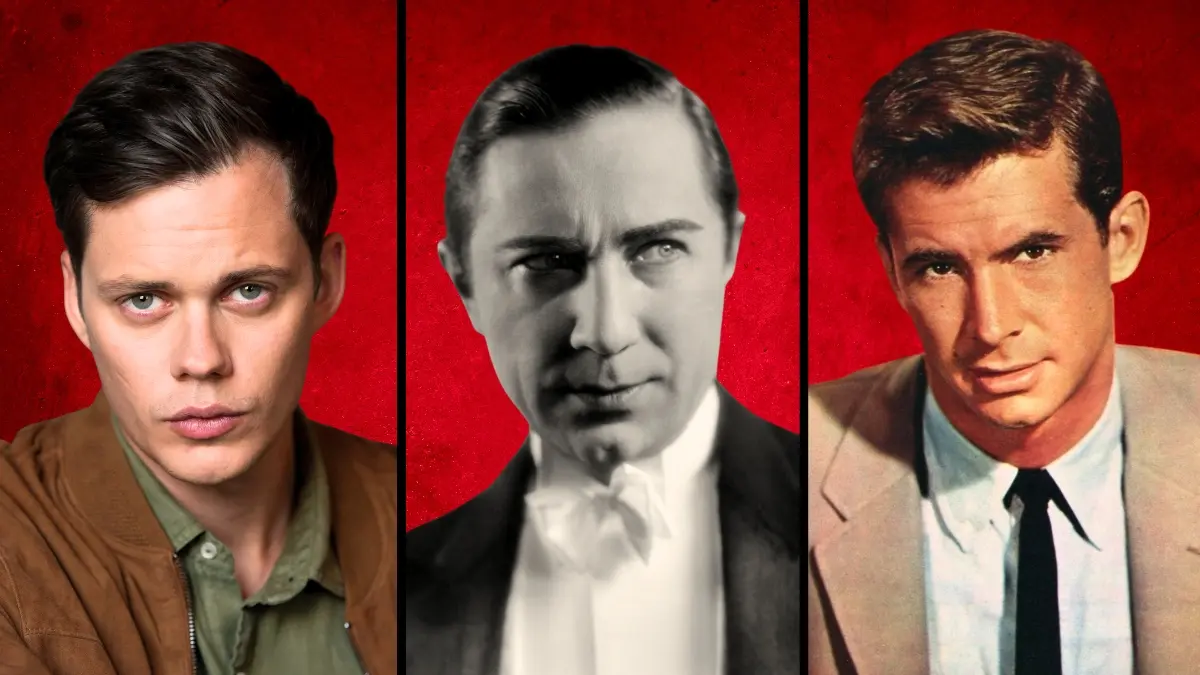


Horror has thrived on unforgettable performances that shaped monsters, haunted houses, and psychological nightmares into lasting cultural touchstones. The actors below helped define major cycles—from Universal’s classic creature features and mid-century Gothic revivals to slasher booms and modern elevated scares—across film and television. Their work spans franchise anchors, singular breakouts, and versatile character turns that set the tone for entire subgenres. Each entry highlights career signposts, signature roles, and collaborations that fans still revisit whenever they want a good scare.
Boris Karloff
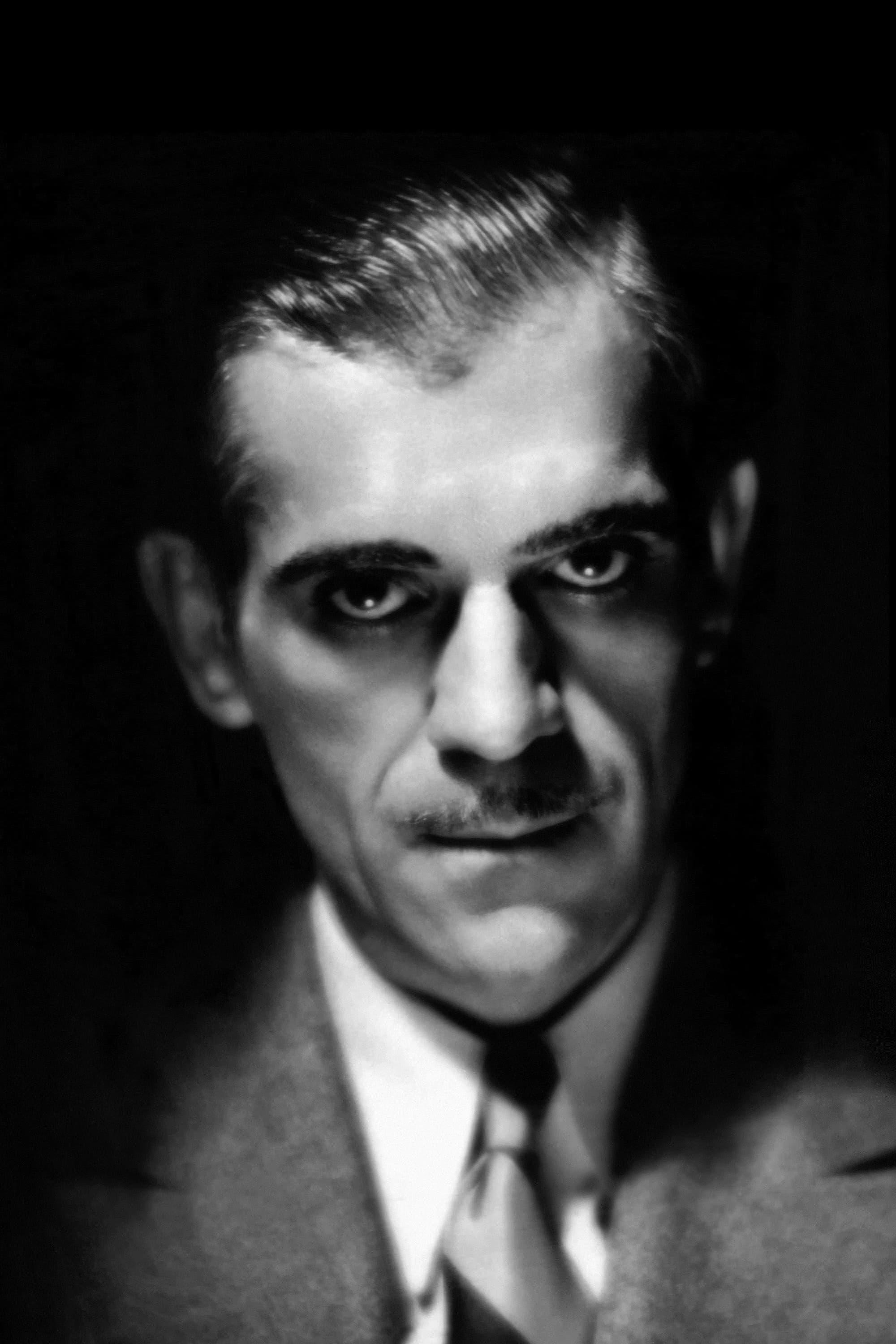
Boris Karloff became an international figure through Universal’s cycle of creature films, especially as the creature in ‘Frankenstein’ and its follow-ups. He also headlined ‘The Mummy’ and delivered notable menace in anthology and independent productions. Karloff moved between stage, radio, and television, keeping horror in the mainstream across formats. His collaborations with directors and effects artists helped cement the look and feel of early cinematic monsters.
Bela Lugosi
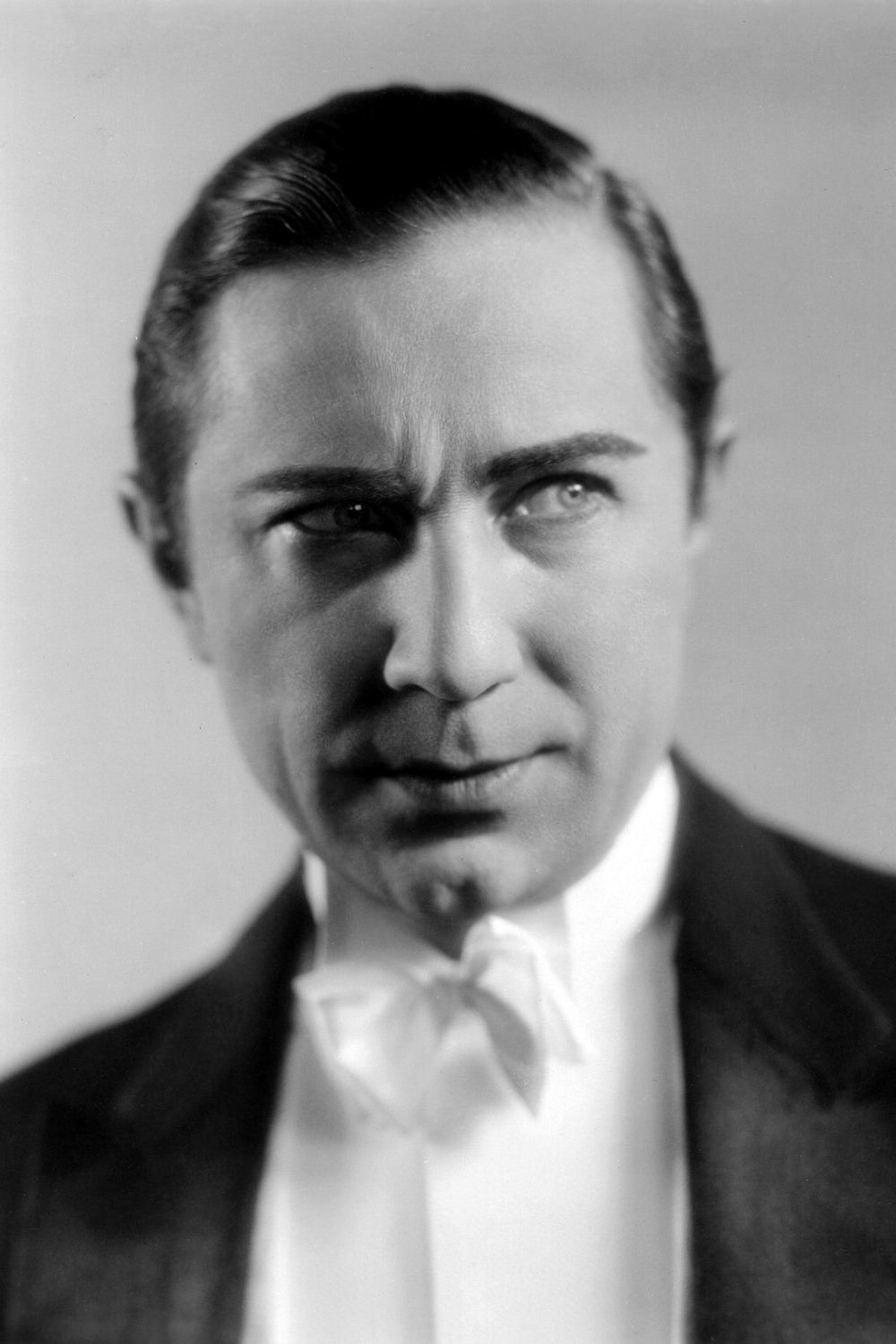
Bela Lugosi’s portrayal of the Count in ‘Dracula’ set a template for aristocratic terror that carried across films and stage revivals. He worked repeatedly with Universal and appeared in ‘The Black Cat’ and ‘Son of Frankenstein’, among others. Lugosi’s accent and physicality became part of horror’s visual vocabulary. His late collaborations with independent producers kept him active in low-budget genre fare that reached cult status.
Lon Chaney
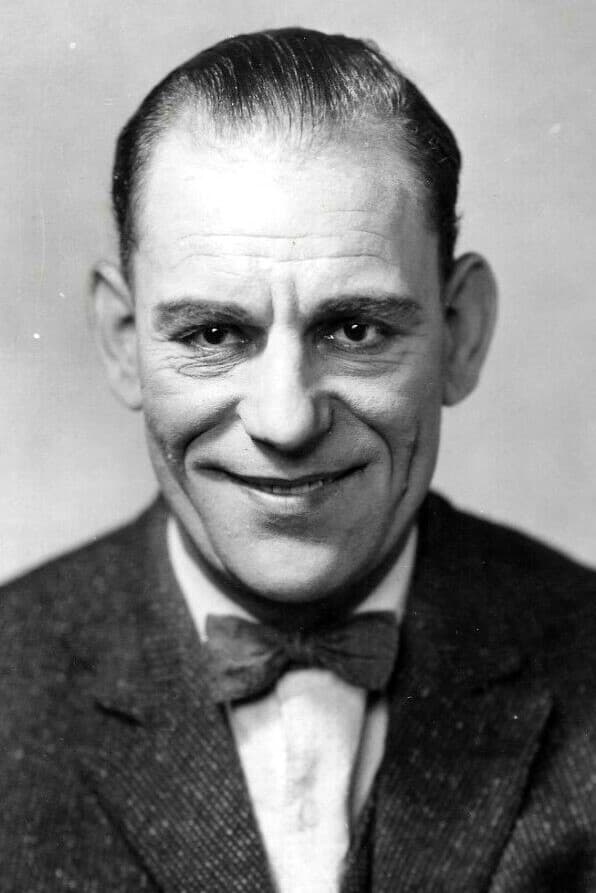
Lon Chaney Sr., known as “The Man of a Thousand Faces,” used transformative makeup and physical performance in ‘The Phantom of the Opera’ and ‘The Hunchback of Notre Dame’. His techniques influenced studio makeup departments and later creature design. Chaney’s willingness to push prosthetics and contortion expanded what silent-era horror could depict. His legacy continued through formal credits and extensive documentation of his methods.
Lon Chaney Jr.
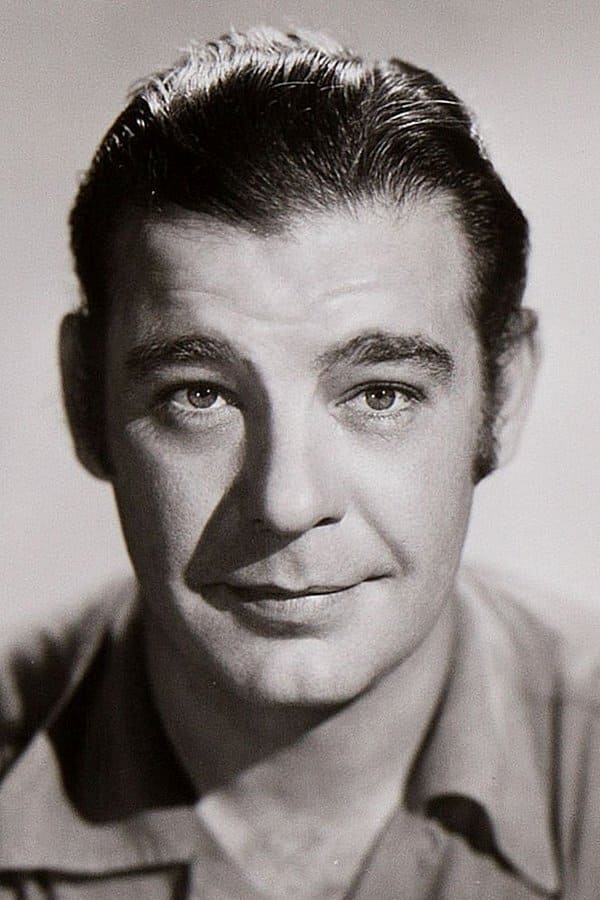
Lon Chaney Jr. anchored Universal’s later monster cycle with ‘The Wolf Man’ and crossed over into ‘Frankenstein’ and ‘The Mummy’ series. He balanced tragic pathos and ferocity across multiple franchises. Chaney worked steadily in thrillers, westerns, and television, returning often to horror. His recurring studio collaborations made him a versatile utility player for mid-century genre production.
Vincent Price
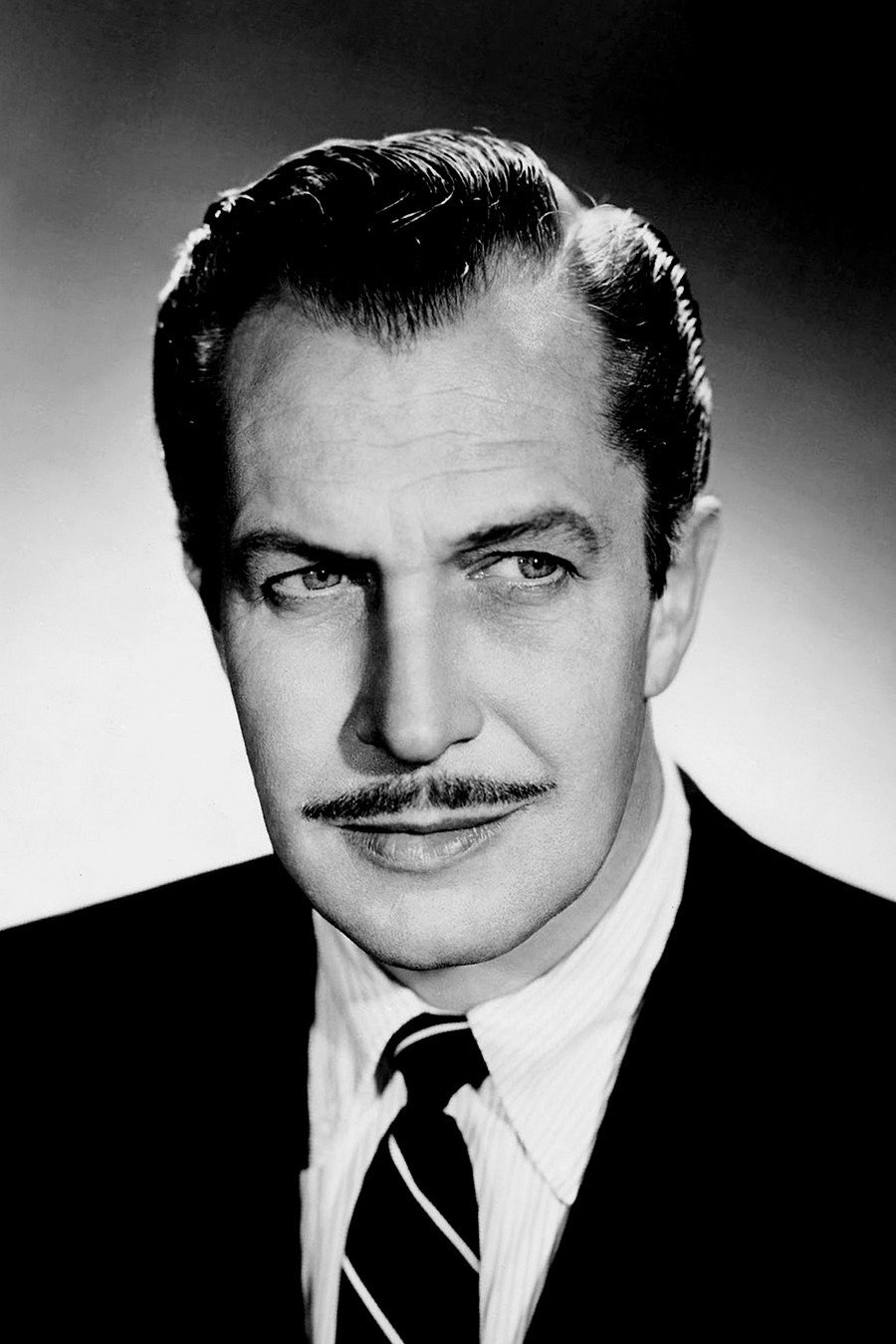
Vincent Price’s voice and poise defined Gothic horror through films like ‘House of Usher’, ‘The Pit and the Pendulum’, and ‘The Masque of the Red Death’. He collaborated closely with Roger Corman on Edgar Allan Poe adaptations that shaped American International Pictures’ brand. Price moved seamlessly into black comedy and anthology television such as ‘The Twilight Zone’. His museum background and public-facing persona made him a frequent host and narrator for genre programming.
Christopher Lee
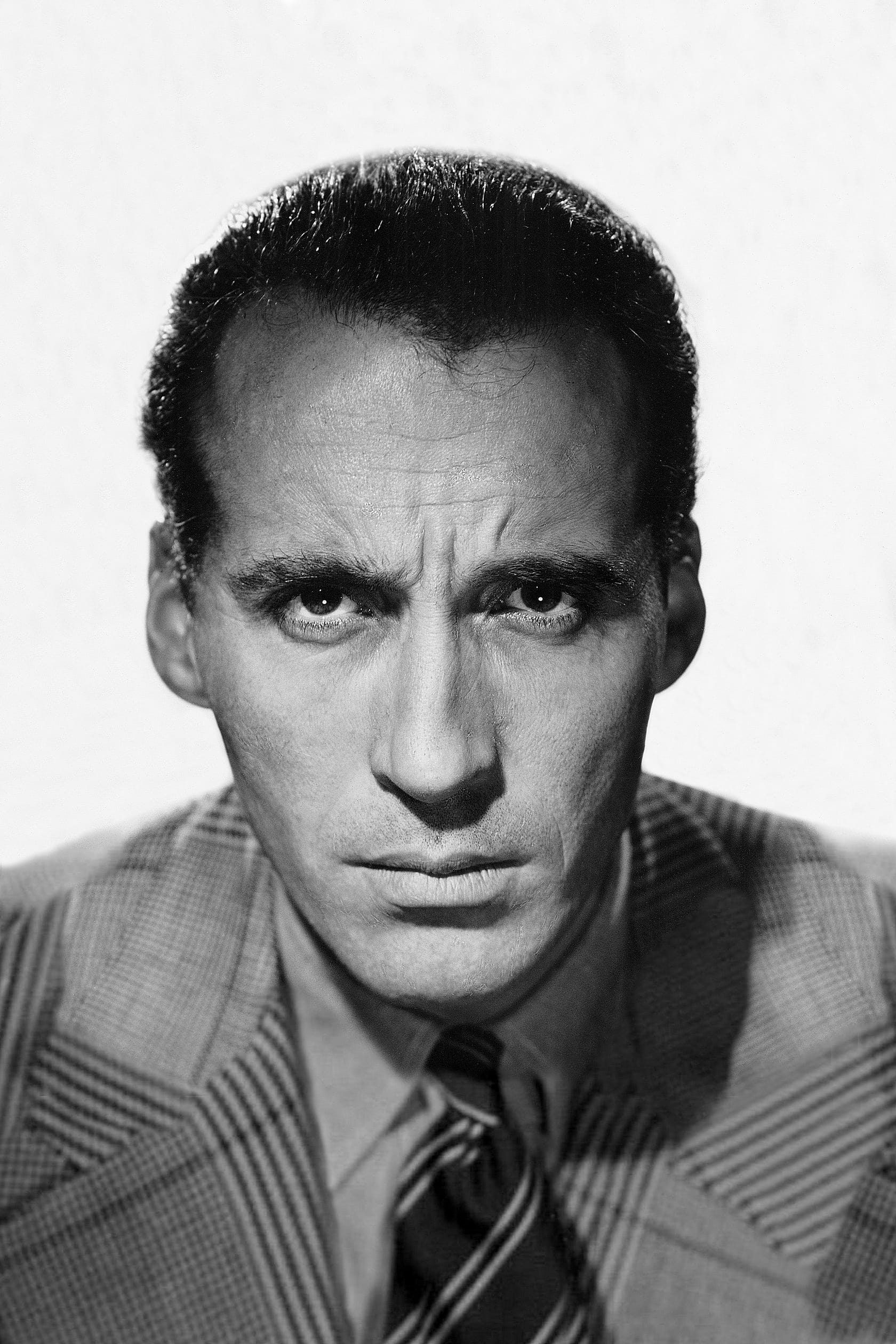
Christopher Lee’s height and gravitas powered Hammer Studios’ revival of Gothic cinema in ‘Dracula’ and numerous sequels. He diversified into ‘The Wicker Man’ and other cult titles that broadened his range within horror and folk-horror. Lee worked across European co-productions, bringing multilingual capability to international sets. Later career roles in fantasy and mystery kept him connected to genre audiences worldwide.
Peter Cushing
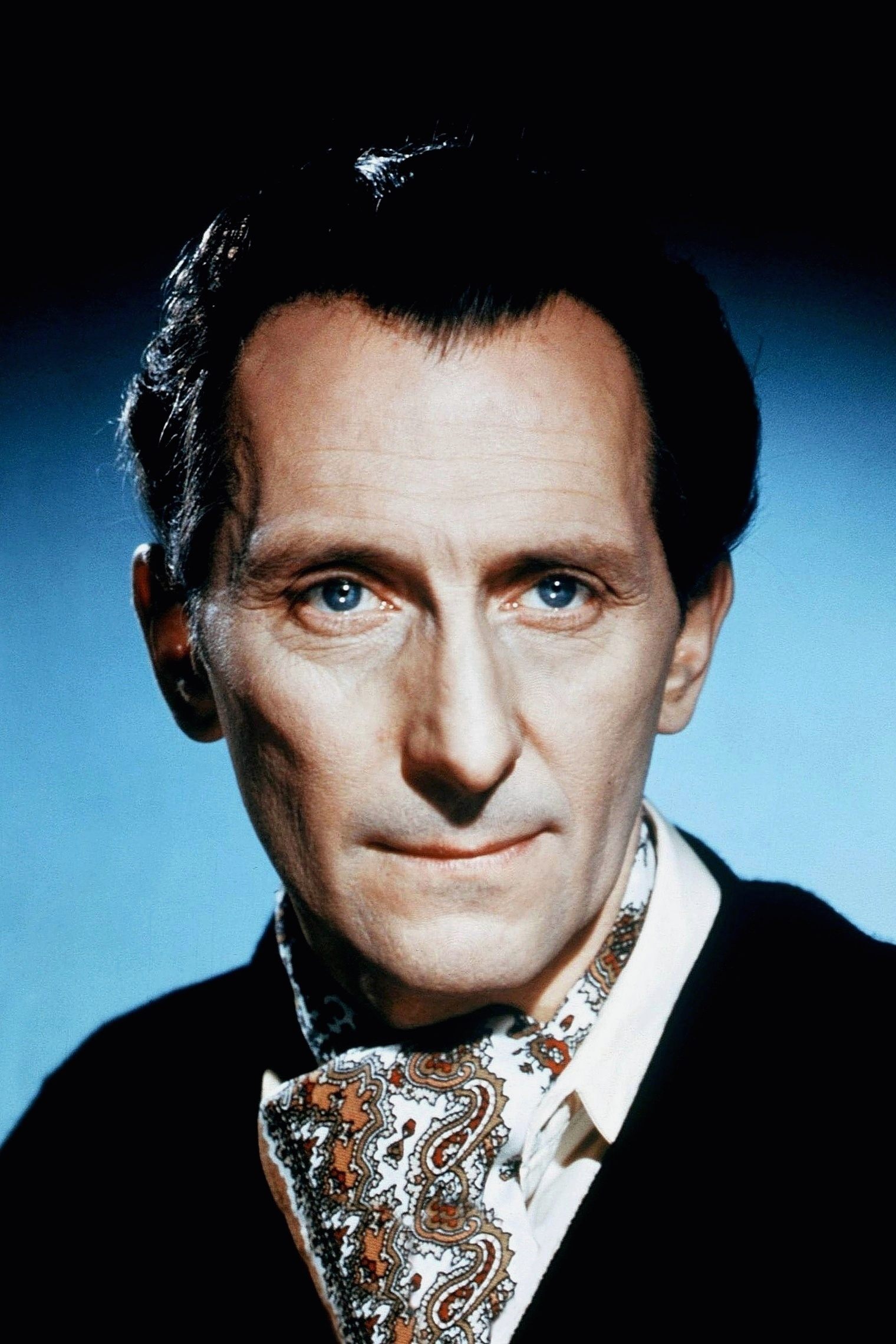
Peter Cushing partnered with Hammer on ‘The Curse of Frankenstein’ and ‘Horror of Dracula’, often portraying a sharp, driven Van Helsing. His precise screen presence extended to science-fiction horror and television anthologies. Cushing and Christopher Lee formed one of horror’s most enduring studio pairings. He also contributed to British television drama, maintaining a steady career that crossed mediums.
Max von Sydow
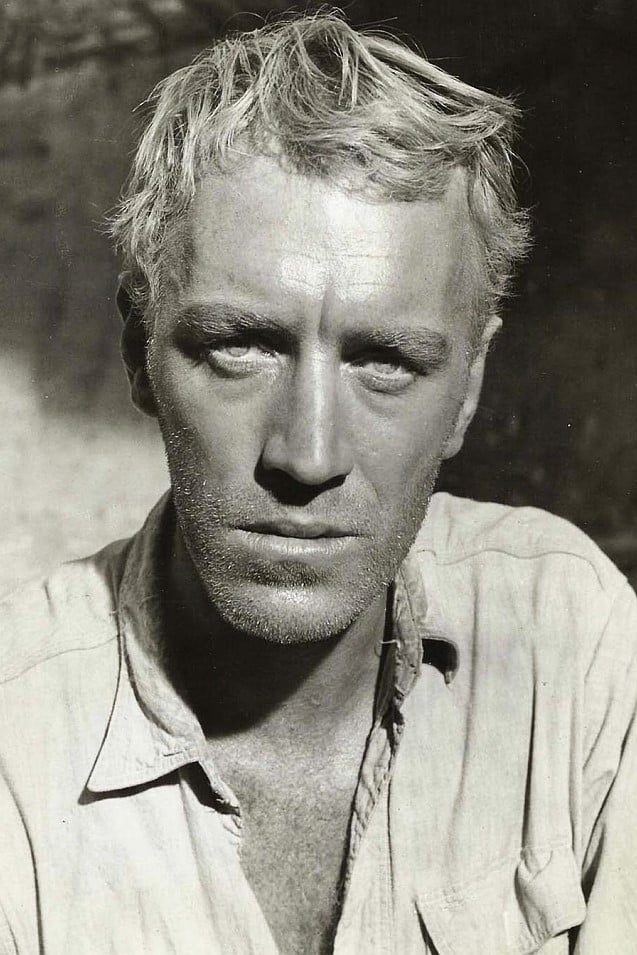
Max von Sydow brought quiet intensity to ‘The Exorcist’ and played varied roles in supernatural and psychological stories. His European art-house background gave his genre work additional credibility and depth. Von Sydow moved between Hollywood productions and Nordic cinema, expanding horror’s international reach. He continued to appear in prestige projects that often included dark or uncanny elements.
Anthony Perkins
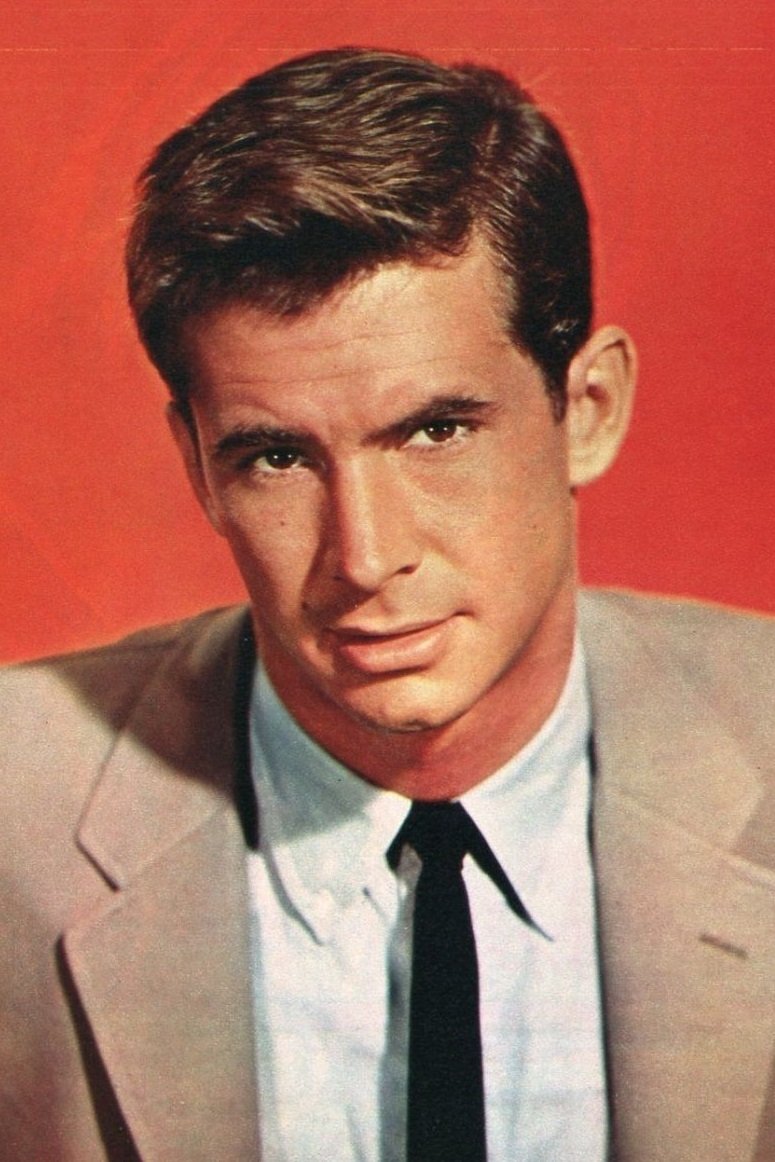
Anthony Perkins redefined screen menace with Norman Bates in ‘Psycho’ and returned for later installments that explored the character further. His stage and television experience informed his precise, inward performance style. Perkins alternated between thrillers and dramas, often engaging with psychologically complex material. He also directed within the franchise, adding behind-the-camera contributions to the series’ continuity.
Donald Pleasence
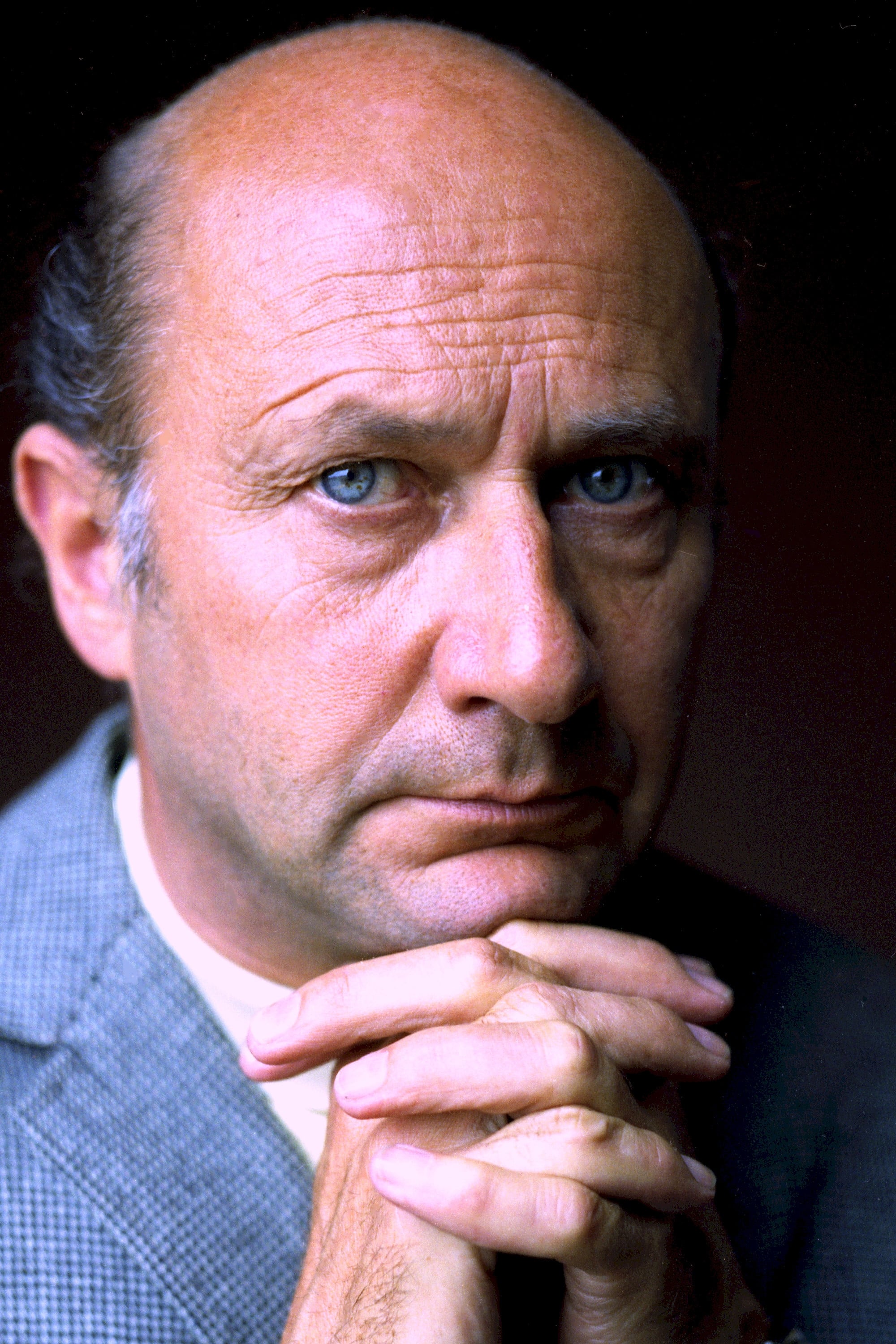
Donald Pleasence became a cornerstone of slasher cinema through ‘Halloween’ and multiple sequels. His filmography spans British television, war dramas, and suspense pictures, giving him wide exposure before his genre run. Pleasence worked with numerous producers who specialized in independent horror and exploitation. His recurring role tied together shifting casts and tones across the series.
Klaus Kinski
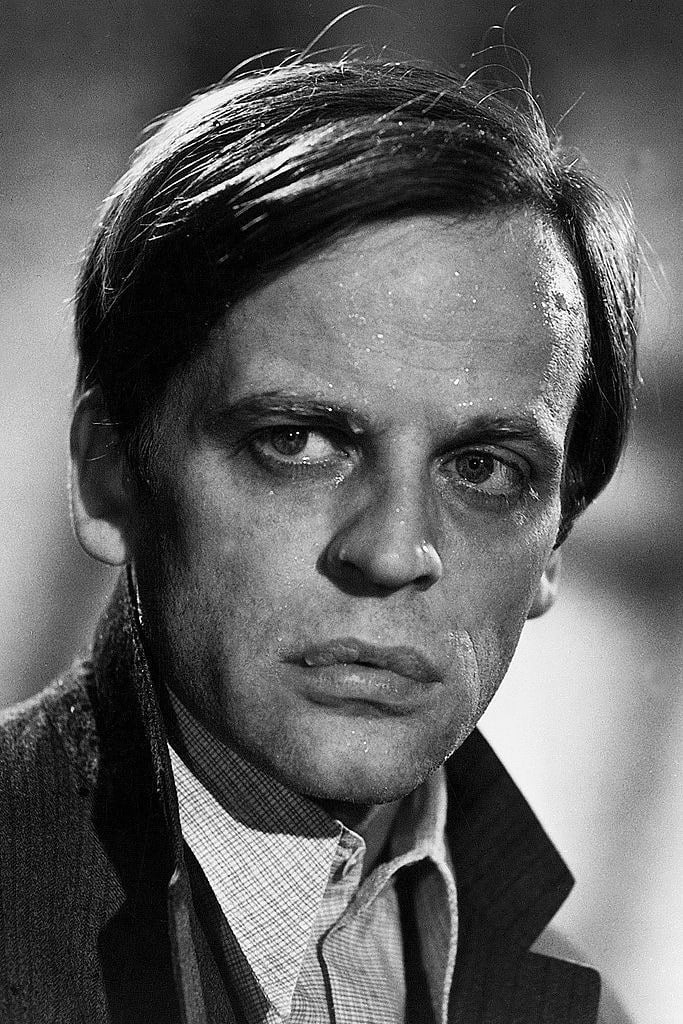
Klaus Kinski’s collaboration with Werner Herzog yielded modern Gothic entries like ‘Nosferatu the Vampyre’. He worked extensively in European genre cinema, including giallo and occult-themed productions. Kinski brought art-house cachet to international co-productions that circulated widely on home video. His intensity made him a frequent choice for volatile or supernatural antagonists.
Bruce Campbell
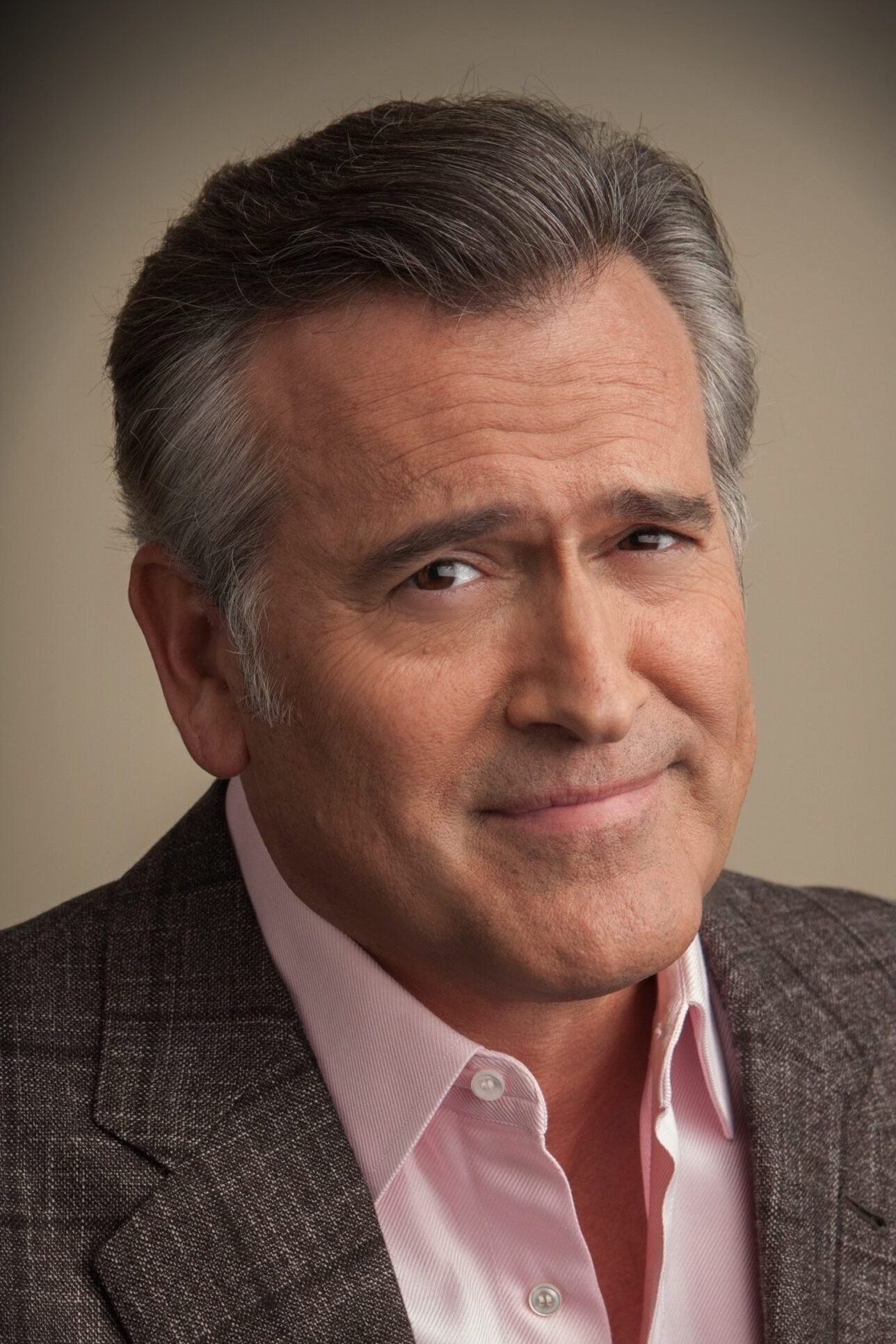
Bruce Campbell’s breakout with ‘The Evil Dead’ series linked him to the rise of cult horror on tape and midnight-movie circuits. He expanded the character in ‘Army of Darkness’ and returned to television with ‘Ash vs Evil Dead’. Campbell’s memoirs and convention presence helped build a durable fan ecosystem around the franchise. He also supported independent productions as a producer and cameo performer.
Robert Englund
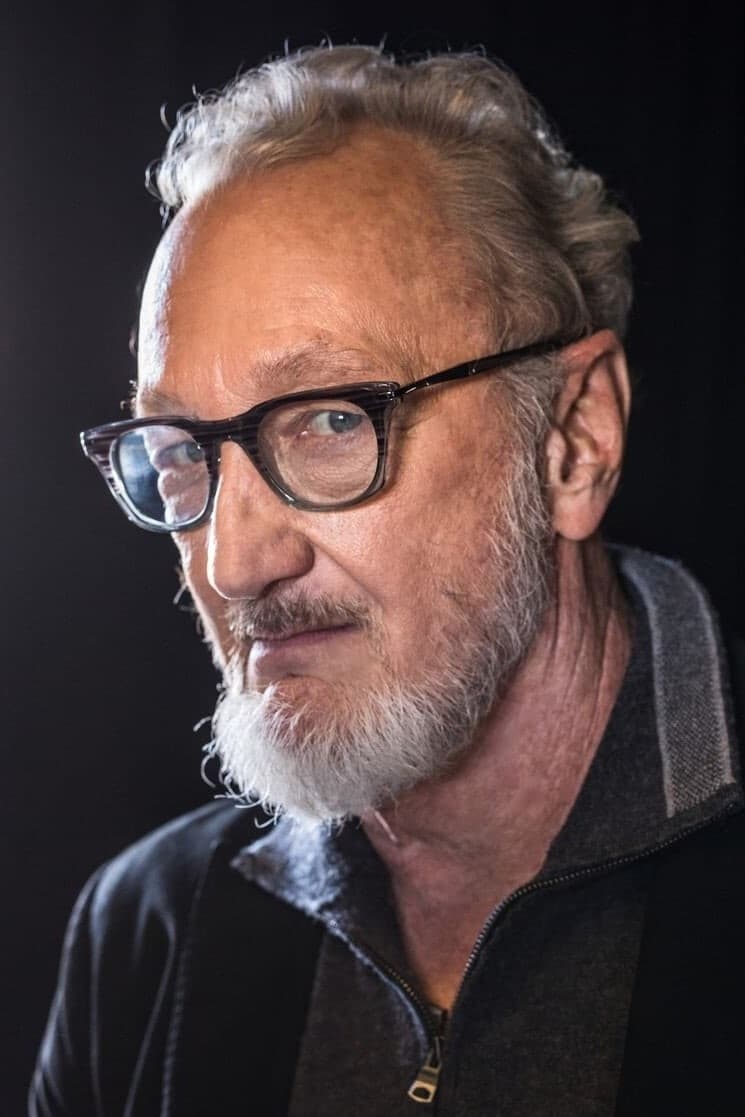
Robert Englund originated Freddy Krueger in ‘A Nightmare on Elm Street’ and carried the character through numerous sequels and crossovers. He trained in theater and television before establishing himself in horror. Englund’s voice work and guest appearances keep him closely associated with genre culture. He also directed features and documentaries that explore horror history.
Doug Bradley
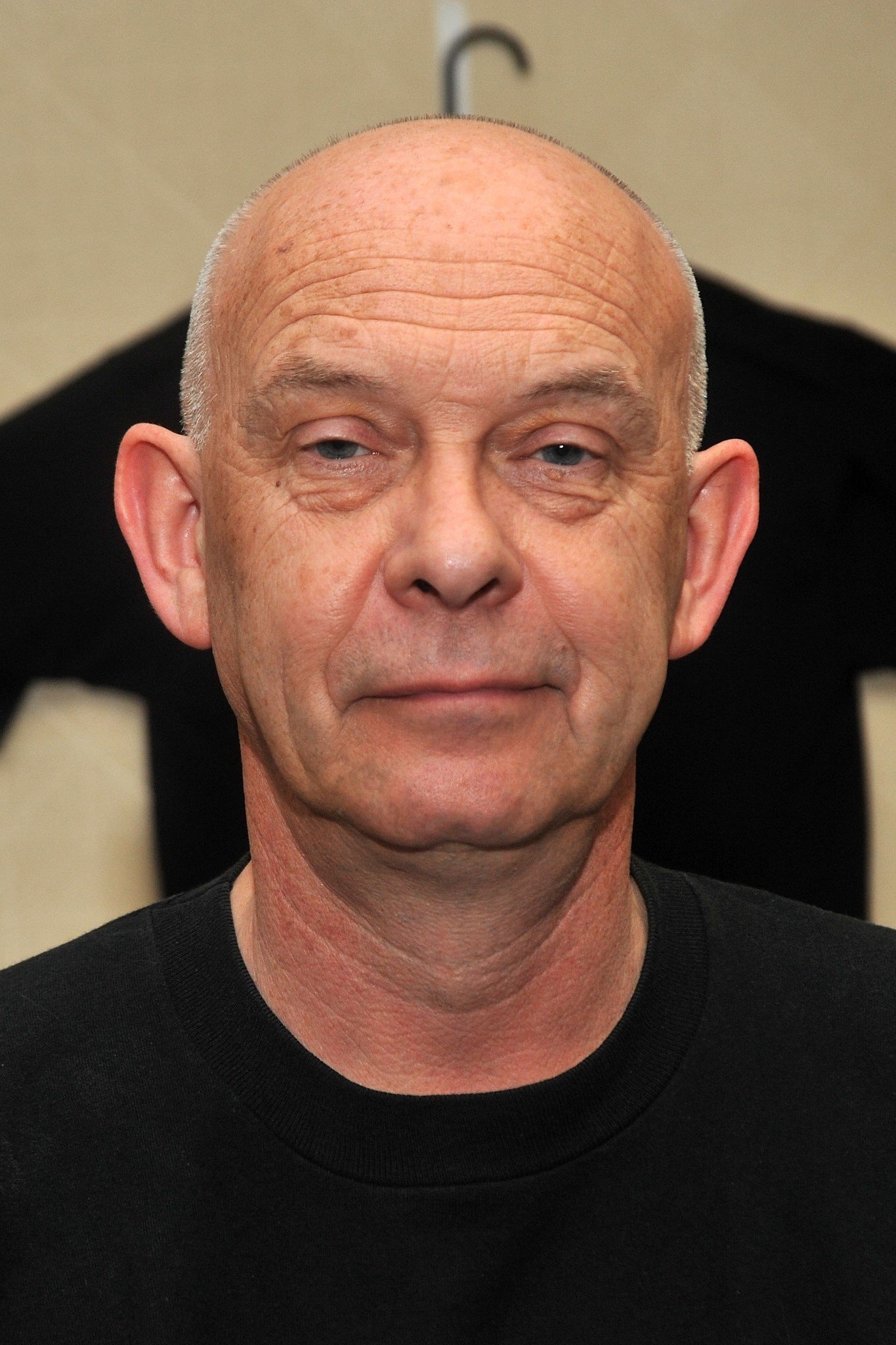
Doug Bradley portrayed Pinhead across much of the ‘Hellraiser’ franchise, collaborating with Clive Barker on the series’ early development. His meticulous prosthetics work and vocal delivery were integral to the character’s presence. Bradley participated in convention circuits and audio projects related to dark fiction. He remains a reference point for discussions of practical effects and makeup performance.
Tony Todd
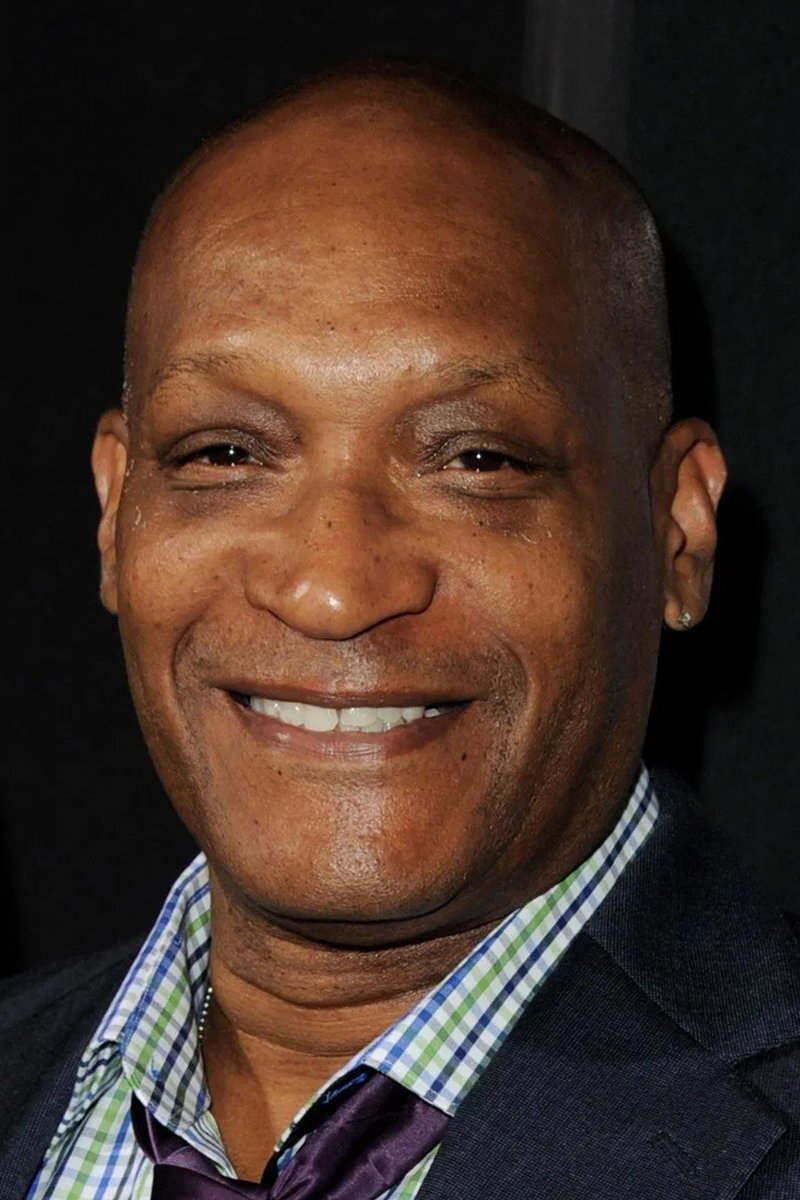
Tony Todd led ‘Candyman’ and appeared in ‘Final Destination’, ‘The Crow’, and numerous television episodes with supernatural elements. He trained at the Eugene O’Neill Theater Center and brought stage discipline to screen roles. Todd’s deep voice and measured cadence made him a frequent narrator for genre documentaries. He supports independent horror through short films, festival appearances, and mentorship.
Brad Dourif
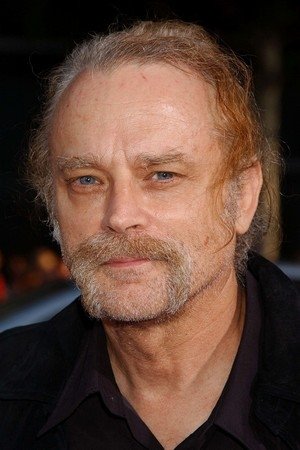
Brad Dourif voiced Chucky in the ‘Child’s Play’ series and appeared on screen in multiple entries. He has worked with directors known for psychological and supernatural material, adding prestige credits to his genre résumé. Dourif’s television roles include long-running arcs in series with dark or uncanny themes. He continues to contribute to franchise expansions via voice and live-action appearances.
Jeffrey Combs
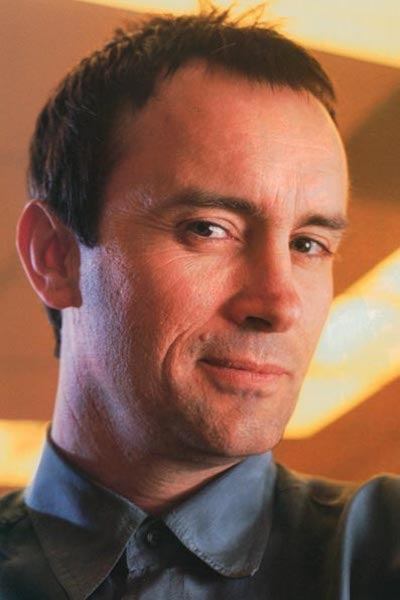
Jeffrey Combs is closely associated with ‘Re-Animator’ and subsequent H. P. Lovecraft adaptations. He collaborated frequently with Stuart Gordon and appeared in anthology television and audio dramas. Combs also worked in science-fiction series that intersect with horror aesthetics. His stage performances and one-man shows demonstrate a wide range beyond screen roles.
Tim Curry
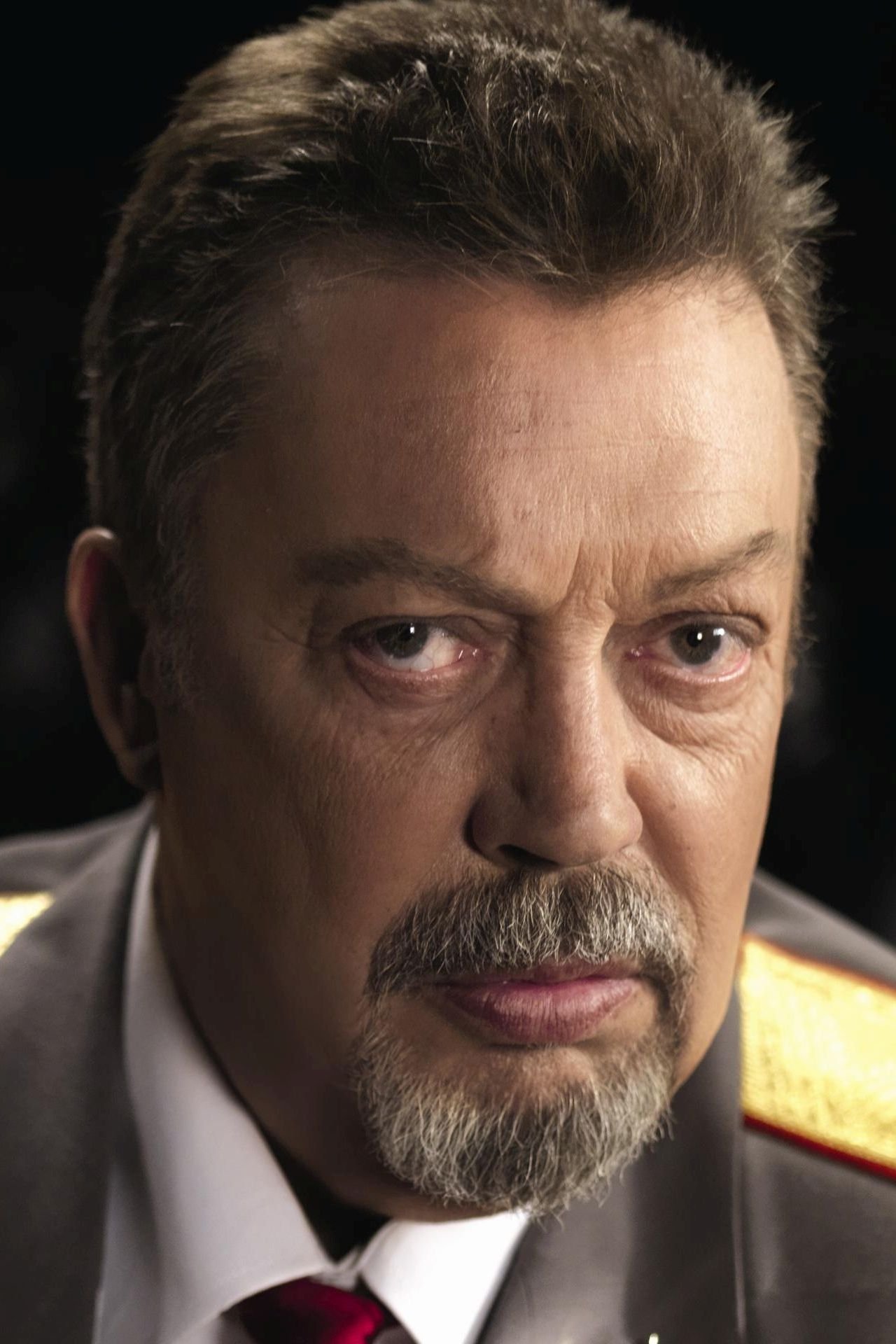
Tim Curry delivered a definitive television turn as Pennywise in ‘It’ and later appeared in genre musicals and suspense pictures. He navigated film, TV, stage, and voiceover, maintaining a strong connection to cult audiences. Curry’s work in comedic and sinister roles often overlapped with horror-adjacent projects. He remains a fixture in retrospectives and reunion events for genre productions.
Patrick Wilson
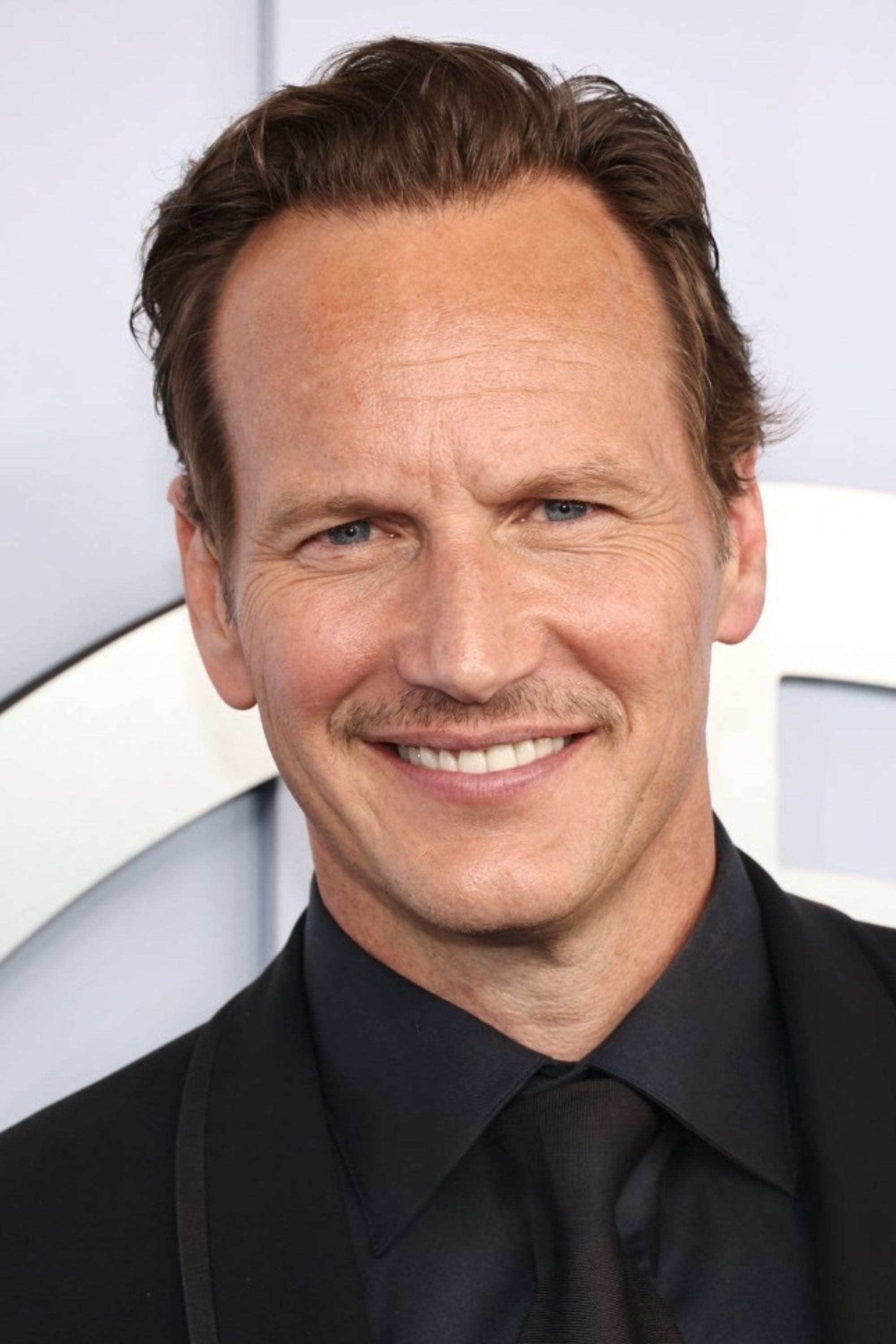
Patrick Wilson became a modern franchise mainstay through ‘The Conjuring’ series and ‘Insidious’. He has balanced acting with directing duties within these properties. Wilson’s musical theater training and dramatic roles gave him a broad foundation for supernatural narratives. He continues to anchor studio releases that sustain contemporary haunted-house cinema.
Ethan Hawke
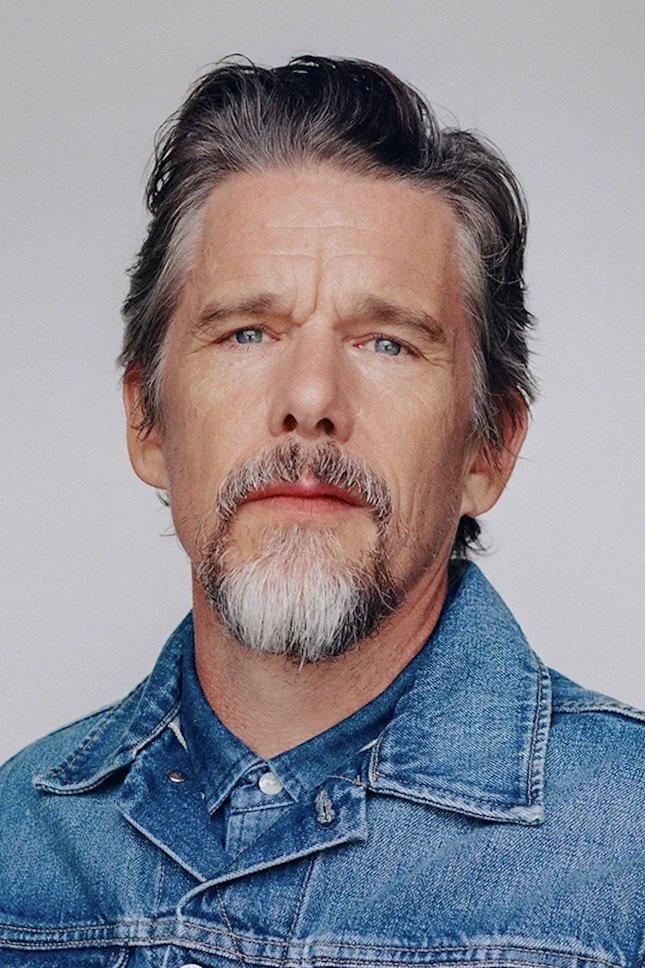
Ethan Hawke expanded into horror with roles in ‘Sinister’, ‘The Purge’, and ‘The Black Phone’. He alternates between independent dramas and genre projects, bringing high-profile visibility to studio and mid-budget thrillers. Hawke collaborates with directors who merge crime and supernatural elements. His participation has helped several titles reach wide audiences beyond core horror fandom.
Cillian Murphy
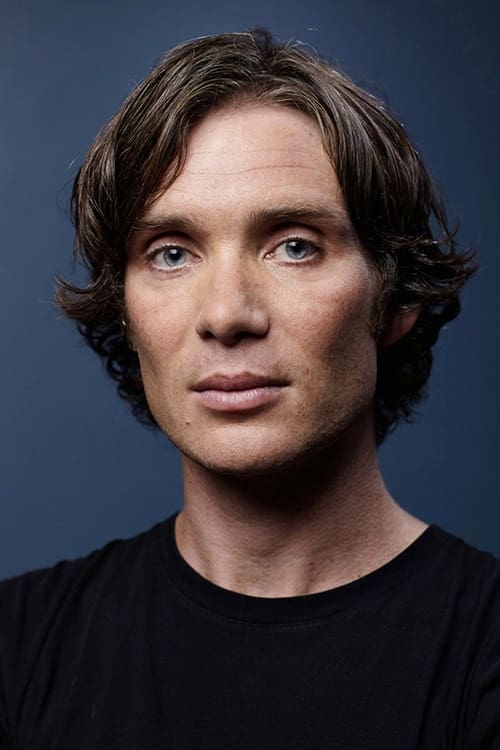
Cillian Murphy headlined the outbreak thriller ’28 Days Later’ and has returned to psychologically intense material across film and TV. His background with independent filmmakers led to genre work that influenced modern survival horror. Murphy’s television success increased his international profile, feeding interest in darker screen roles. He frequently chooses projects that blend character study with dread and tension.
Daniel Kaluuya
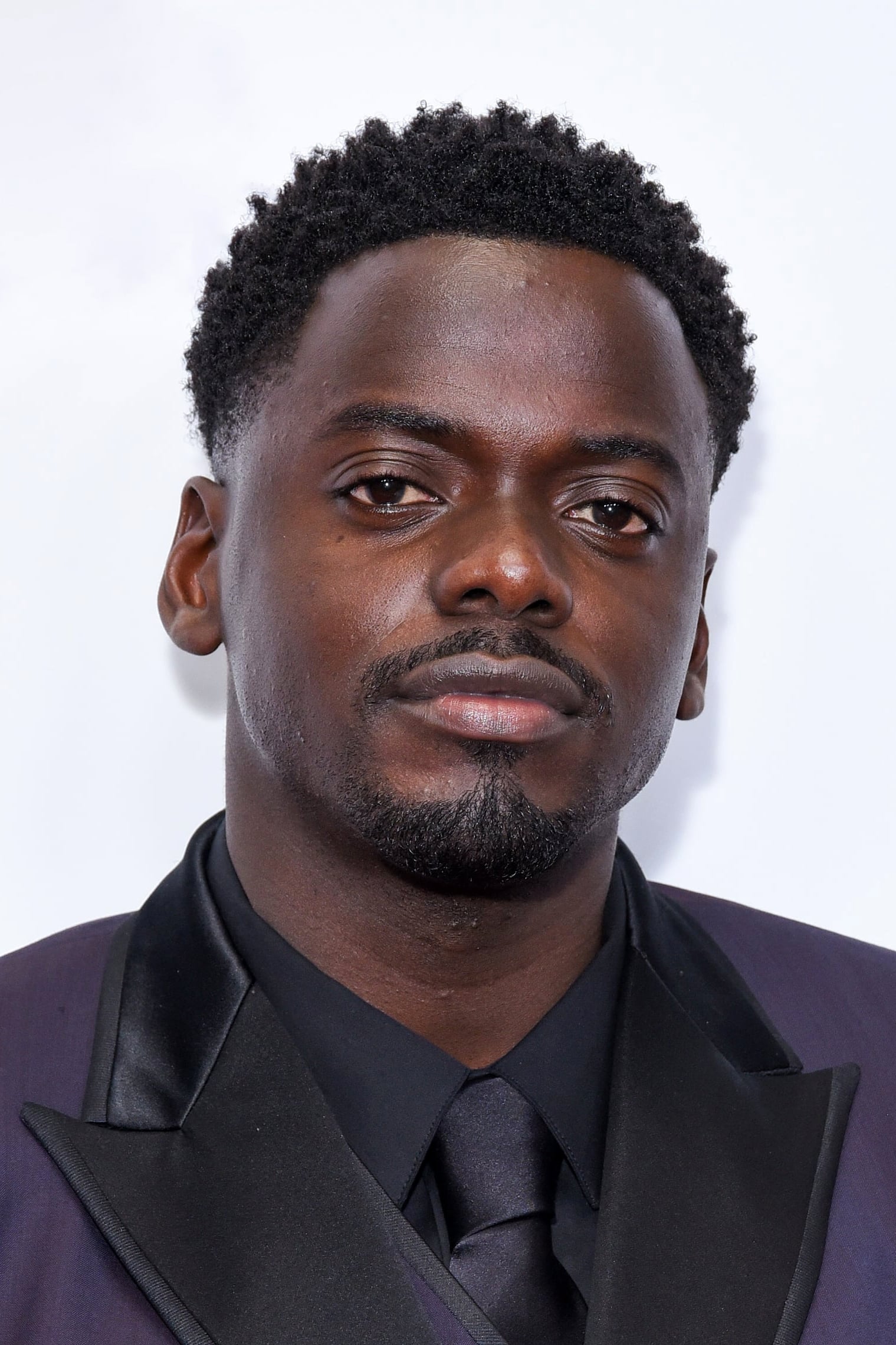
Daniel Kaluuya’s breakthrough in ‘Get Out’ placed him at the center of a culturally significant horror release. He has worked with directors who fuse social commentary and genre frameworks. Kaluuya continues to take roles that explore fear, control, and survival across different settings. His producing interests also extend to projects that experiment with horror conventions.
Bill Skarsgård
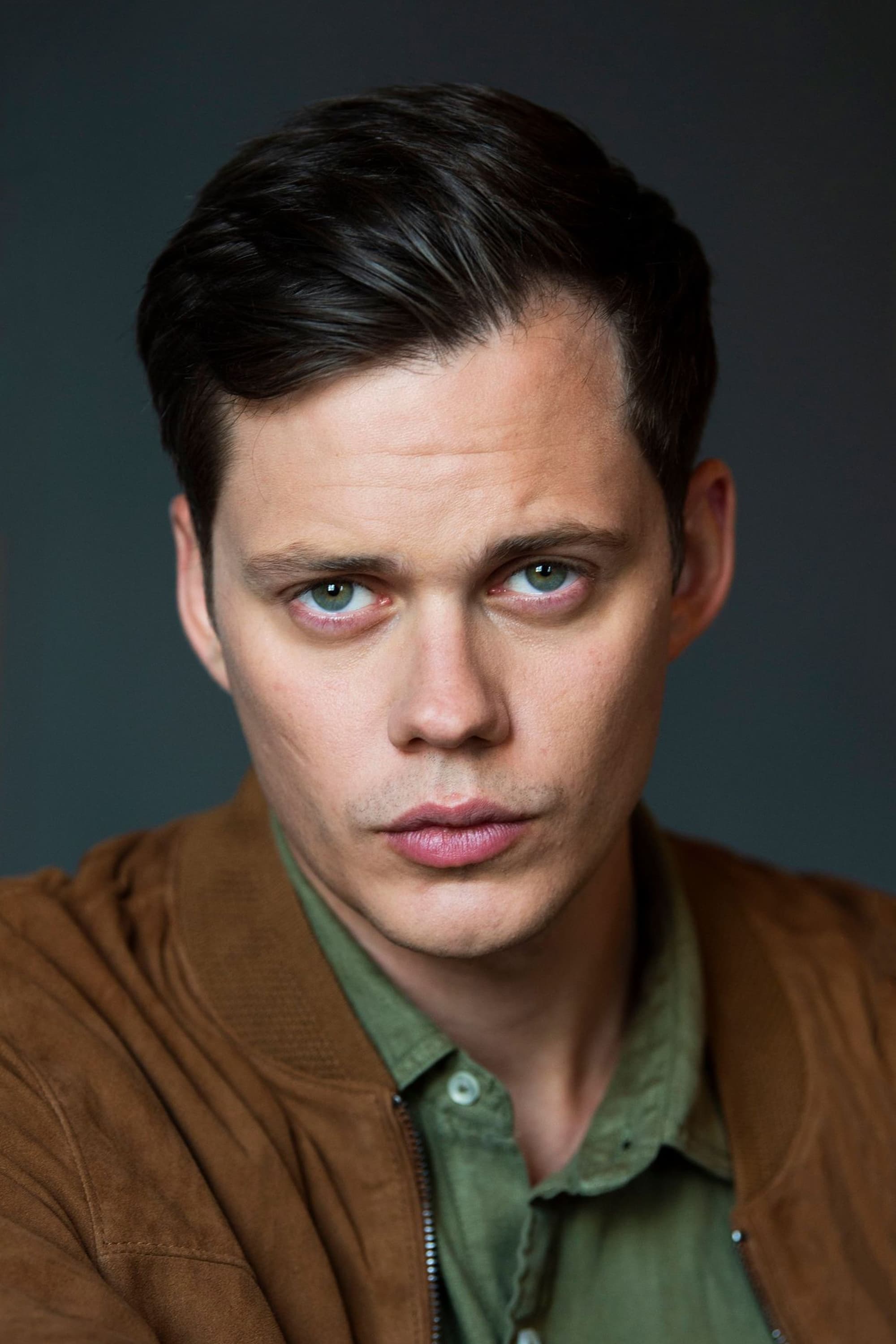
Bill Skarsgård reinvented a famous literary clown in ‘It’ and later shifted into creature and psychological roles in ‘Barbarian’ and ‘Hemlock Grove’. He draws from a family of performers with international credits. Skarsgård alternates between studio features and streaming series that emphasize atmosphere and transformation. His choices often involve heavy makeup, physical performance, or tonal volatility.
Lance Henriksen
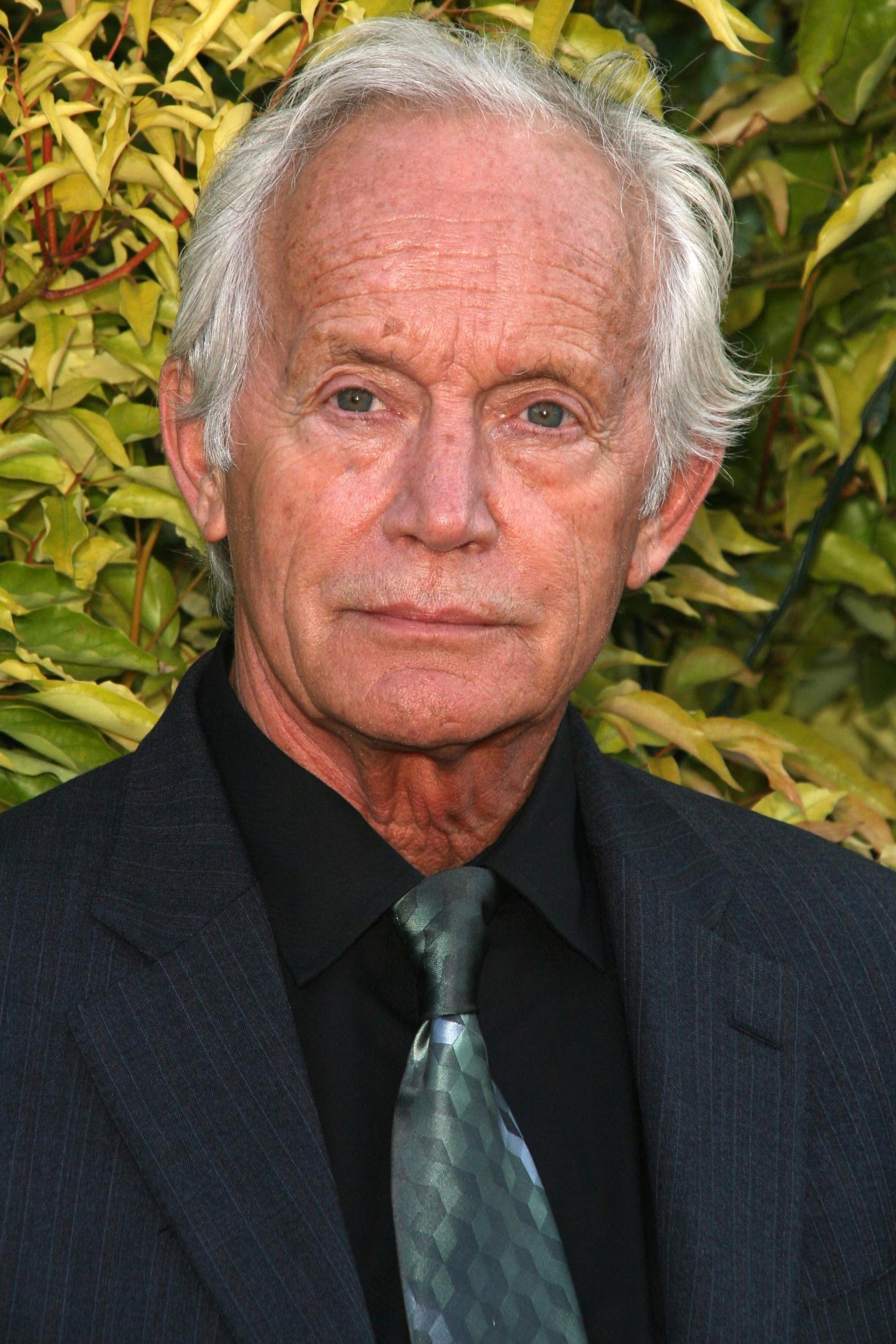
Lance Henriksen bridged science-fiction and horror with appearances in ‘Aliens’, ‘Near Dark’, and ‘Pumpkinhead’, later leading the TV series ‘Millennium’. He worked with effects-driven productions that relied on practical creature work. Henriksen’s background in ceramics and visual art intersects with genre conventions at fan events and galleries. He remains active in independent features that circulate on streaming platforms.
Udo Kier
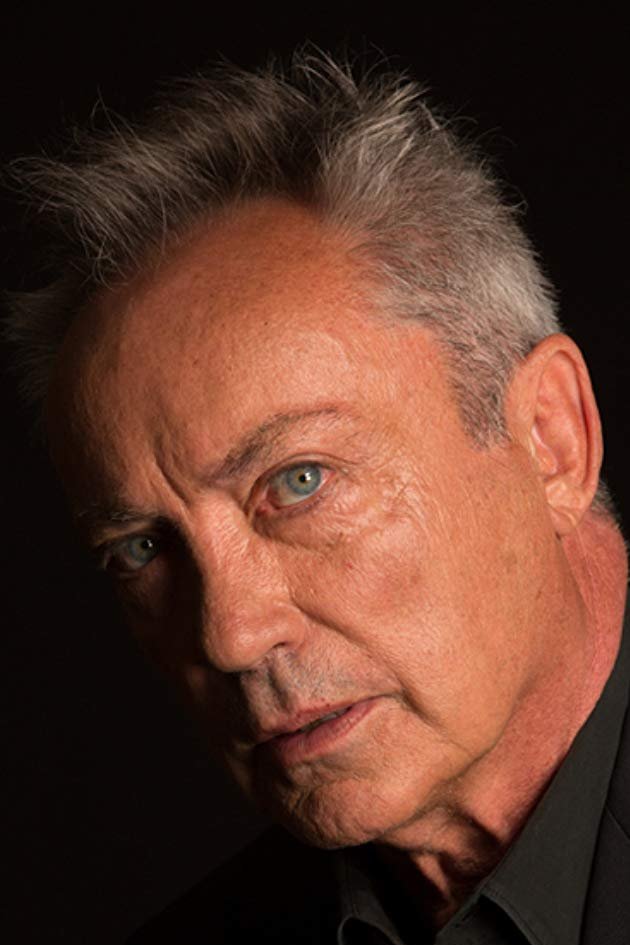
Udo Kier built a long career in European and American horror with roles in ‘Flesh for Frankenstein’, ‘Suspiria’, and numerous festival titles. He collaborates frequently with art-house directors who explore surreal or occult motifs. Kier’s multilingual work has linked genre scenes from Germany, Italy, and the United States. His filmography illustrates how horror travels across national industries and production models.
Peter Lorre
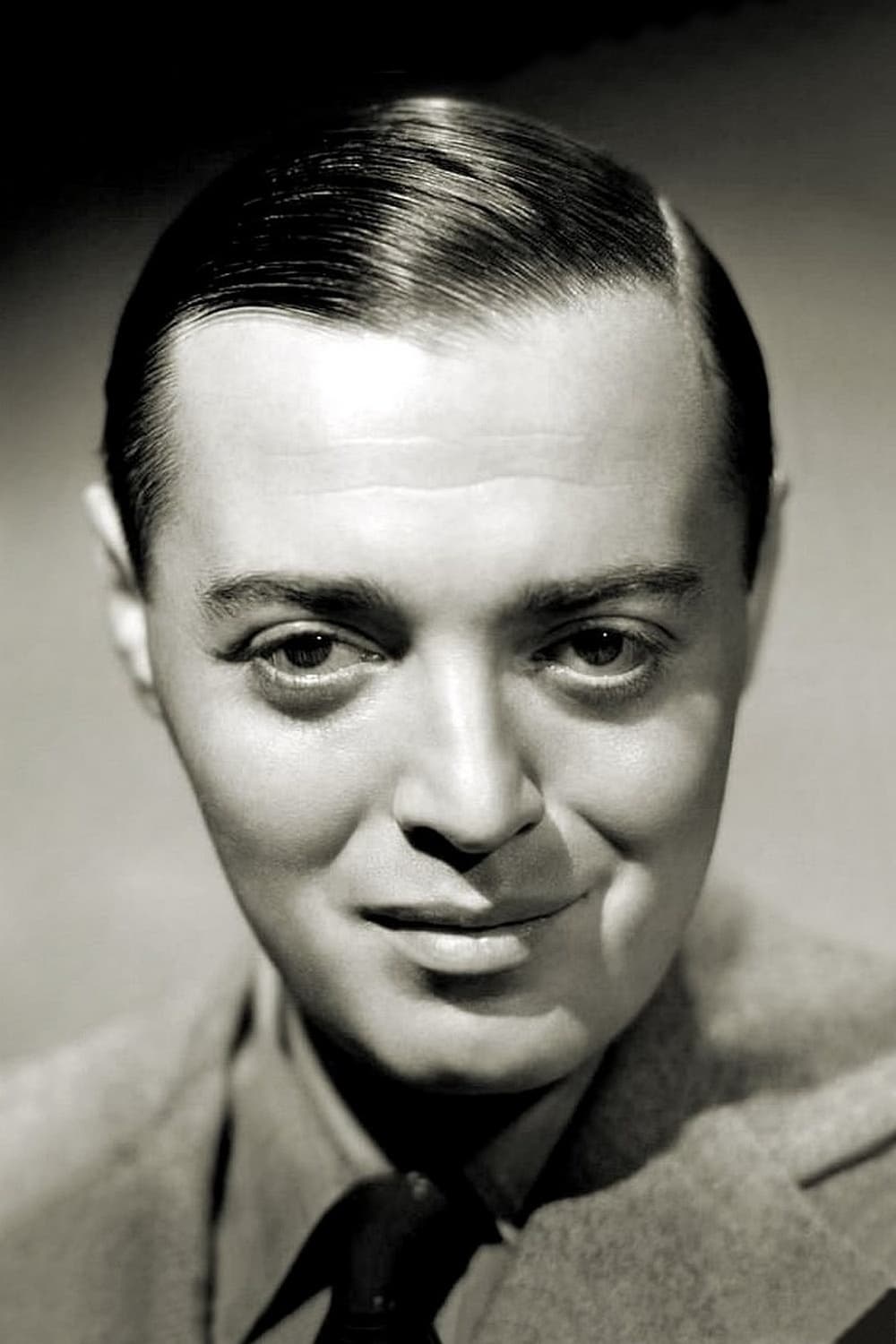
Peter Lorre became a defining presence in early sound-era thrillers and horror with performances that emphasized psychological unease. He starred in ‘Mad Love’ and appeared in influential suspense films that shaped the genre’s visual language. Lorre worked across European and Hollywood productions, bringing a distinctive voice and physicality to sinister roles. His radio work and anthology appearances helped carry horror motifs into popular broadcast formats.
John Carradine
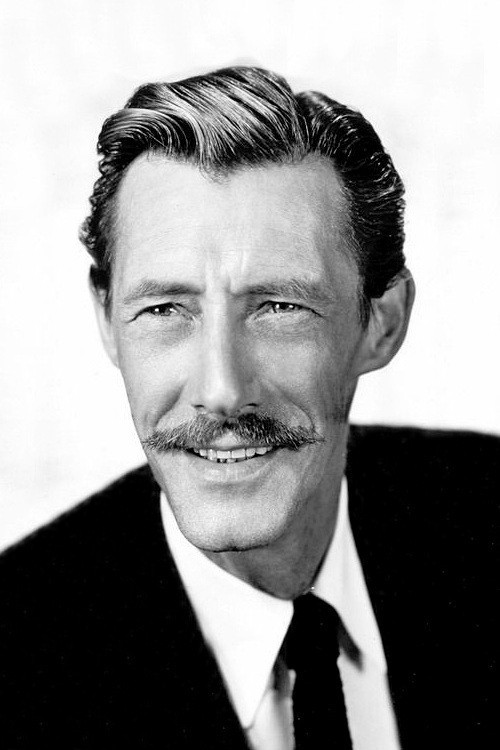
John Carradine built a prolific career that included key appearances in Universal and later independent horror films. He took on roles tied to Gothic settings and classic monsters, contributing to the continuity of mid-century genre cycles. Carradine frequently collaborated with low-budget producers who kept horror active during shifting studio priorities. His family’s multigenerational involvement in acting extends his legacy across film and television.
Oliver Reed
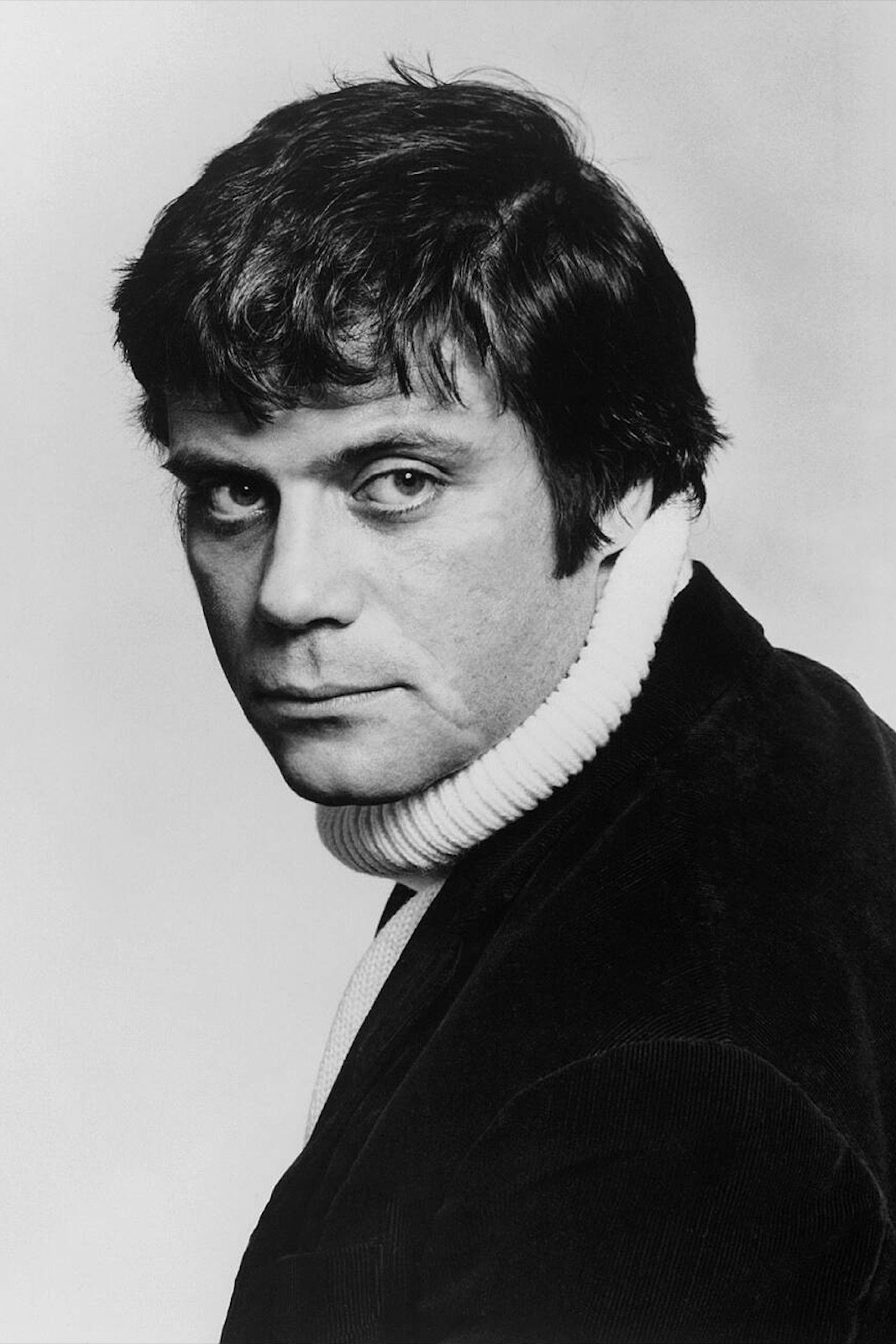
Oliver Reed headlined ‘The Curse of the Werewolf’ for Hammer and returned to horror and dark fantasy throughout his career. He brought physical intensity to roles that balanced charisma with menace. Reed’s work with British studios connected Gothic traditions to modern production styles. He also appeared in international co-productions that broadened the reach of British horror.
Angus Scrimm
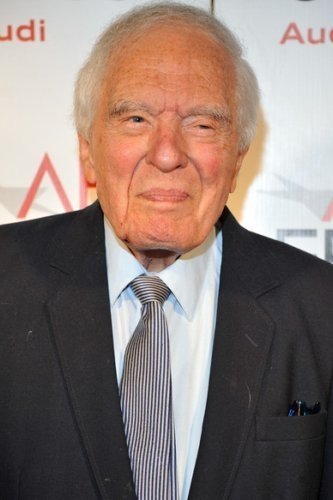
Angus Scrimm became iconic as the Tall Man in ‘Phantasm’, anchoring multiple sequels over decades. His imposing presence and precise delivery defined the series’ dreamlike menace. Scrimm worked in journalism and classical music spheres before establishing himself in genre film. His convention appearances and interviews helped preserve behind-the-scenes knowledge about practical effects and independent production.
Kane Hodder
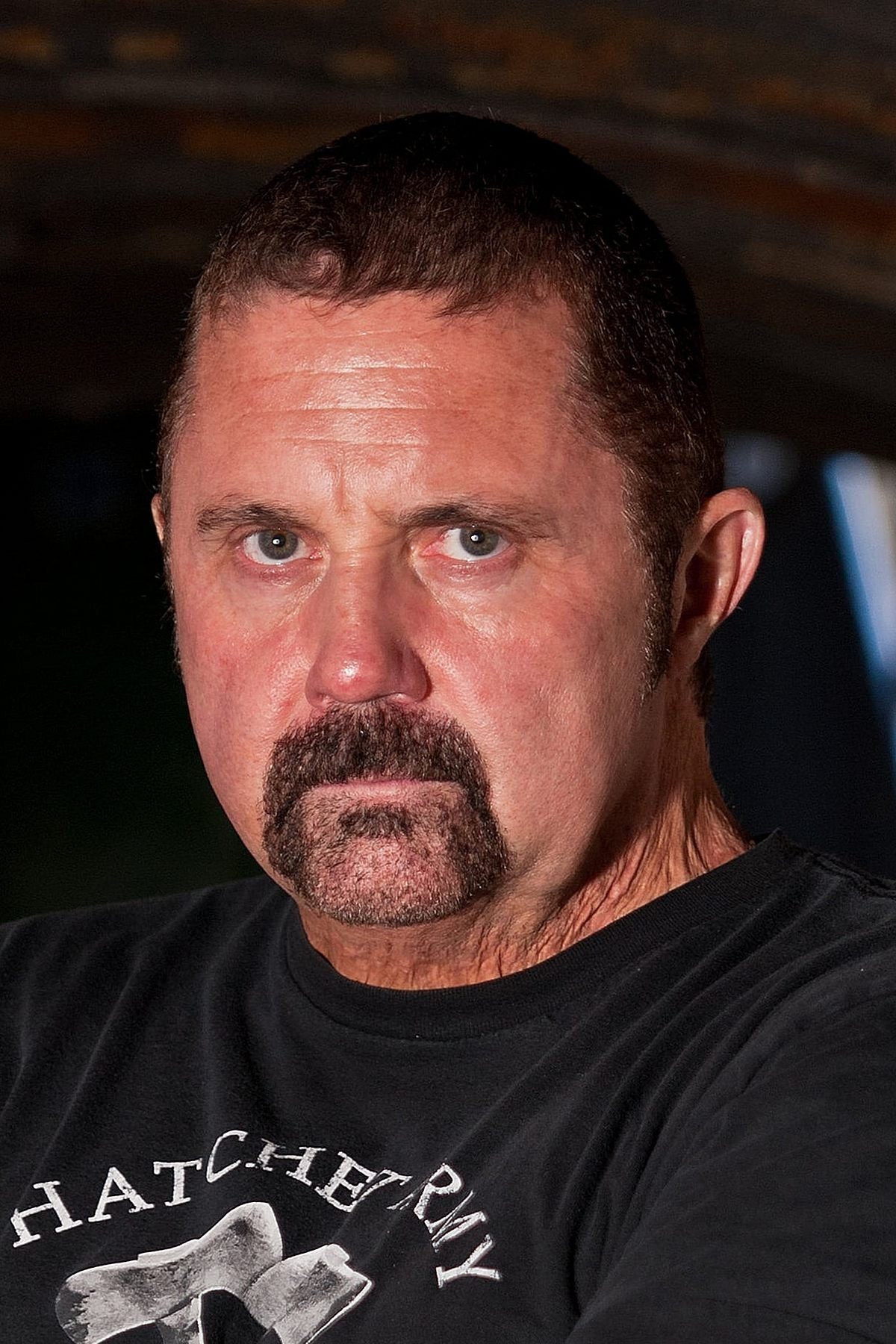
Kane Hodder is best known for playing Jason Voorhees in several ‘Friday the 13th’ entries, combining stunt expertise with performance. He later portrayed Victor Crowley in ‘Hatchet’, solidifying his status as a slasher mainstay. Hodder’s background in stunt coordination informs his approach to heavily choreographed sequences. He remains active in documentaries and fan events focused on practical effects and stunt safety.
Gunnar Hansen
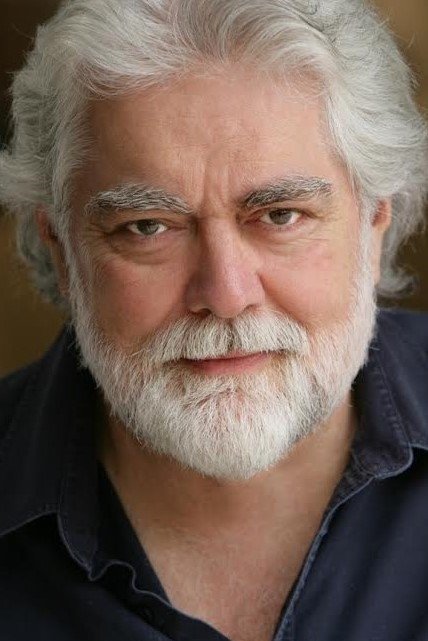
Gunnar Hansen originated Leatherface in ‘The Texas Chain Saw Massacre’, working under challenging conditions that showcased practical effects and physical storytelling. He contributed to behind-the-scenes literature that documents independent horror production. Hansen continued to act in genre projects and participated in academic and fan discussions of the film’s cultural impact. His work remains central to studies of the slasher subgenre.
Sid Haig
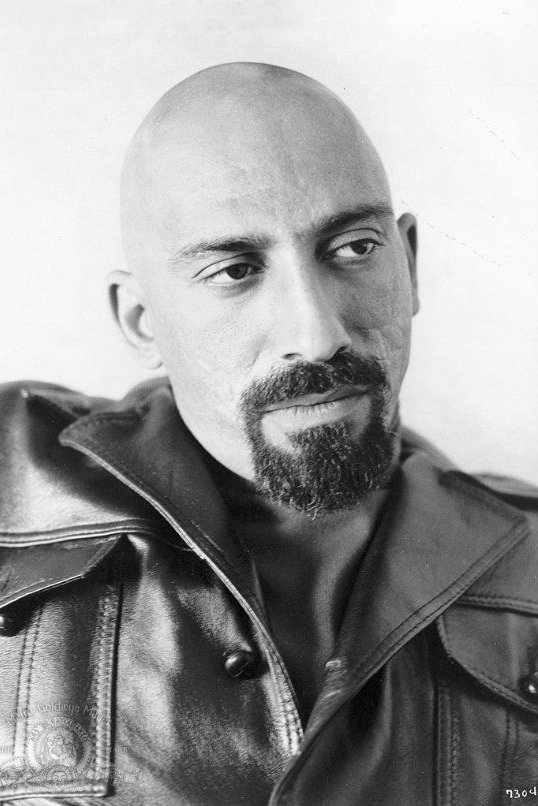
Sid Haig became a cult favorite through ‘House of 1000 Corpses’ and ‘The Devil’s Rejects’, collaborating closely with director Rob Zombie. He previously amassed numerous television and exploitation-film credits that intersect with horror and crime. Haig’s roles often combined grim humor with brutality, fitting into grindhouse traditions. He maintained an active presence at conventions and supported independent filmmakers with cameos and guidance.
Tom Atkins
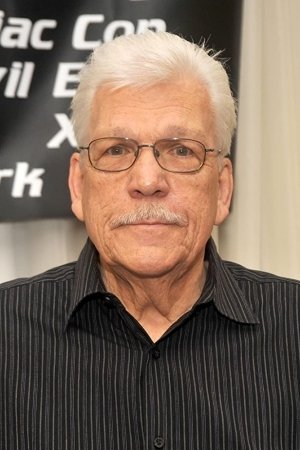
Tom Atkins contributed to a run of notable genre titles, including ‘Halloween III: Season of the Witch’, ‘The Fog’, and ‘Night of the Creeps’. He often portrayed working-class heroes and investigators in supernatural or science-fiction horror. Atkins’ collaborations with John Carpenter and other genre directors linked multiple production companies and eras. He continued to appear in stage and screen projects that kept his cult following engaged.
John Saxon
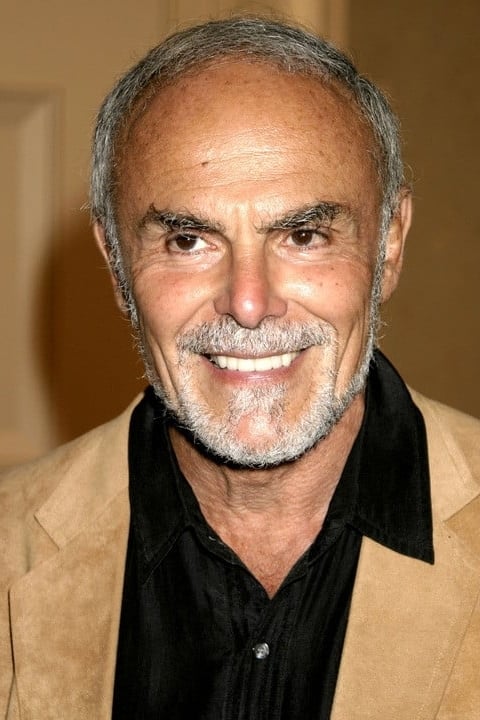
John Saxon appeared in ‘A Nightmare on Elm Street’ and returned for later entries that connected changing casts across the series. He also starred in ‘Black Christmas’, a foundational slasher that influenced subsequent holiday-themed horrors. Saxon’s career spanned international co-productions, including Italian genre cinema. His martial-arts and detective roles added versatility that carried over into suspense and horror.
Doug Jones
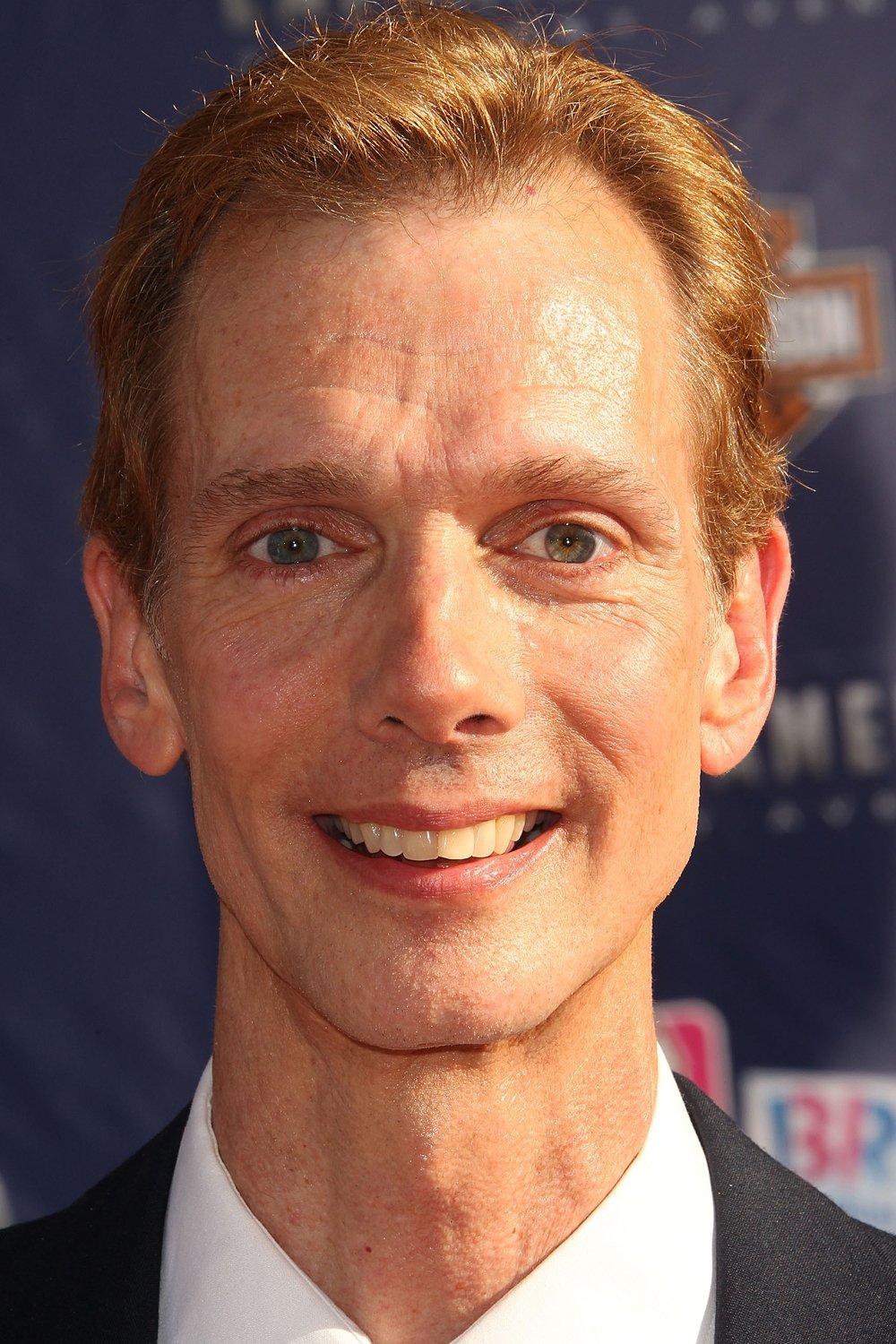
Doug Jones specialized in creature performance, bringing elegance and detail to roles under extensive prosthetics and makeup. He portrayed pivotal beings in ‘Pan’s Labyrinth’ and worked on dark fantasy and horror projects that relied on practical design. Jones frequently collaborated with Guillermo del Toro, aligning performance with intricate effects work. His training as a mime and contortionist supports the fluid movement required for nonhuman characters.
Javier Botet
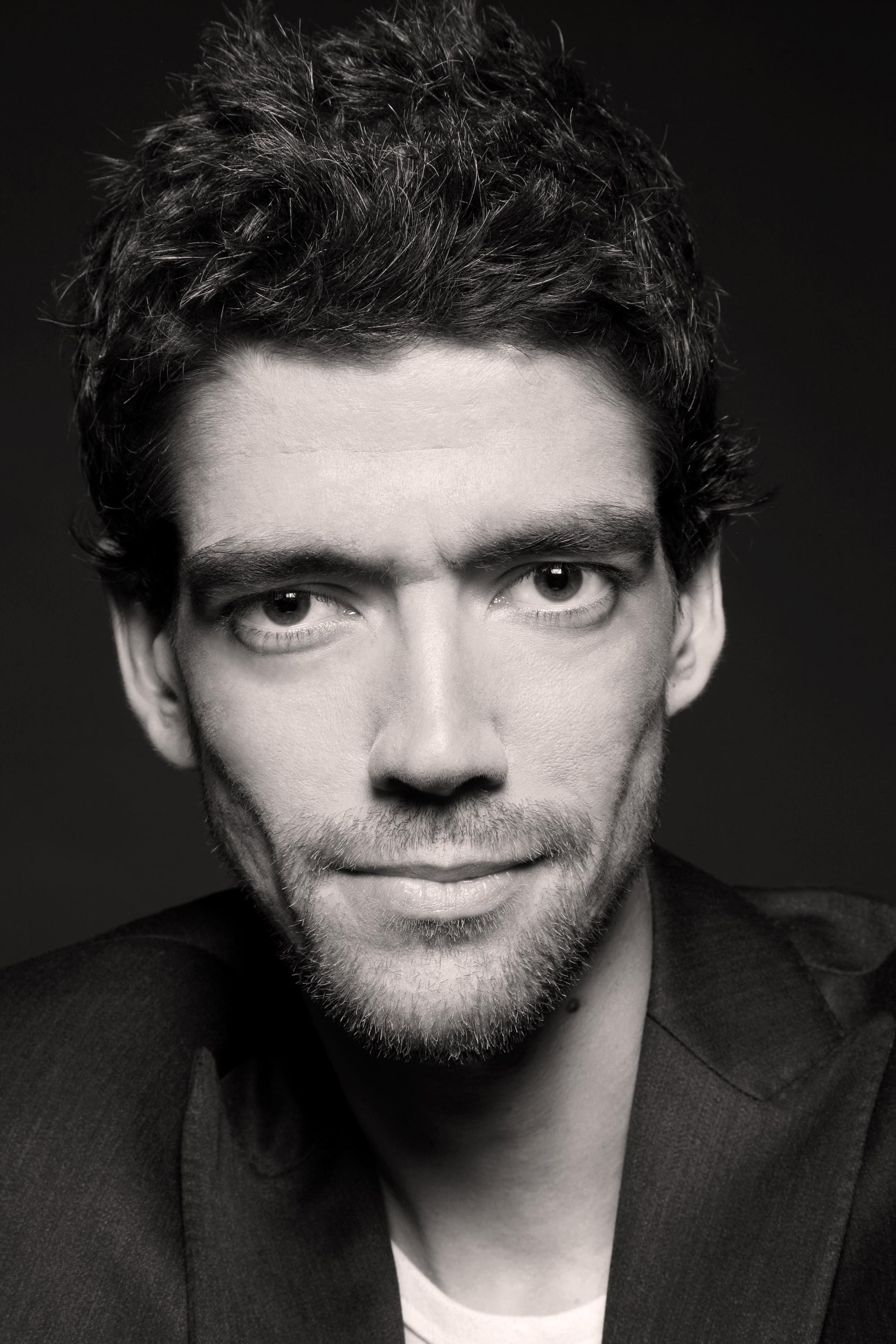
Javier Botet became a go-to performer for emaciated, otherworldly creatures thanks to his unique physicality. He played primary entities in ‘REC’, ‘Mama’, and contributed to ‘It’ and other studio horror releases. Botet’s collaborations with international directors show how creature performance crosses language barriers. He often works alongside effects teams to integrate practical makeup with digital enhancements.
Donald Sutherland
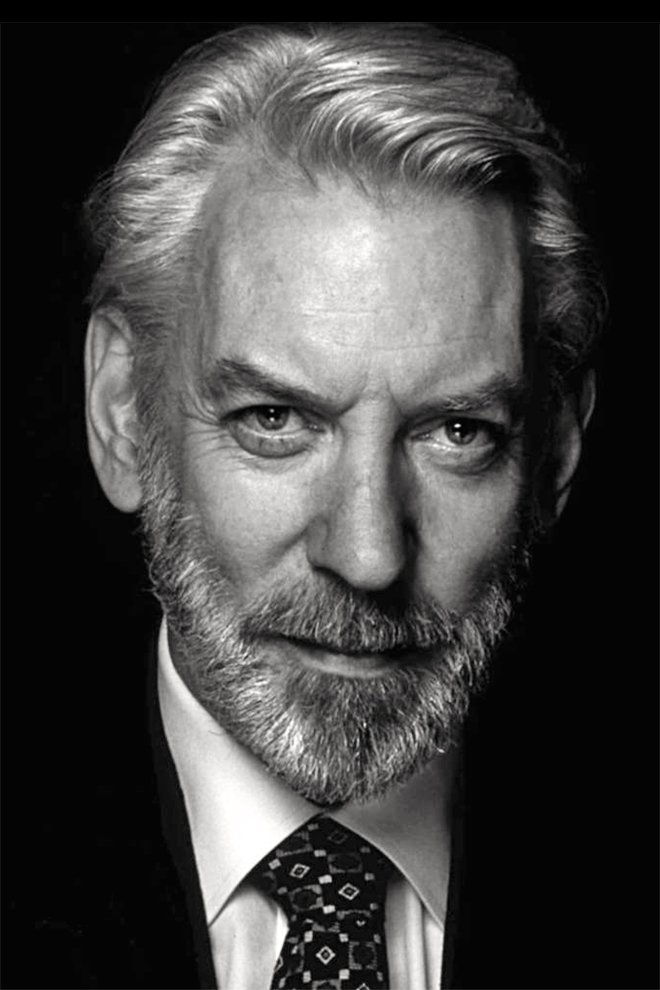
Donald Sutherland anchored ‘Don’t Look Now’ and starred in ‘Invasion of the Body Snatchers’, two highly influential supernatural and sci-fi horror titles. He balanced genre roles with prestige dramas, keeping a broad audience profile. Sutherland’s performances often emphasized psychological tension and ambiguity. His international filmography helped bring European sensibilities to North American horror projects.
Christopher Walken
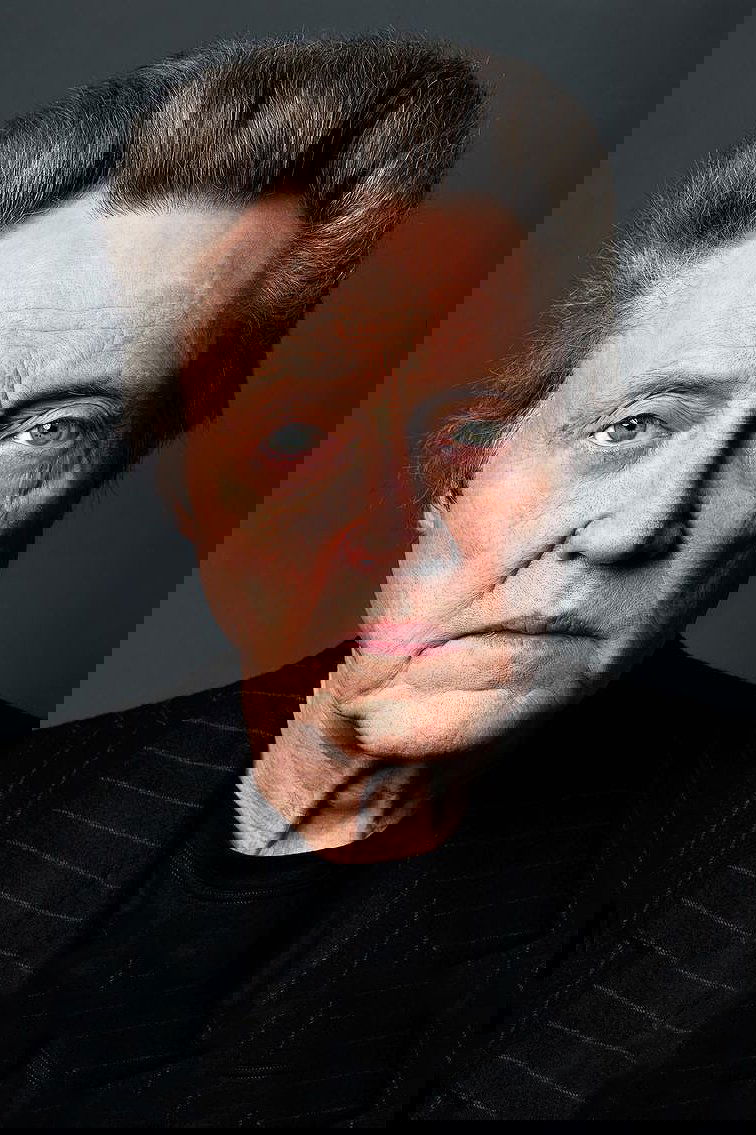
Christopher Walken delivered memorable turns in ‘The Dead Zone’ and ‘Sleepy Hollow’, combining austere presence with offbeat line readings. He has worked with directors who blend horror, fantasy, and noir elements. Walken’s background in stage and musical performance informs his precise timing in suspense scenes. He remains a sought-after figure for roles that require eccentric menace.
Kurt Russell
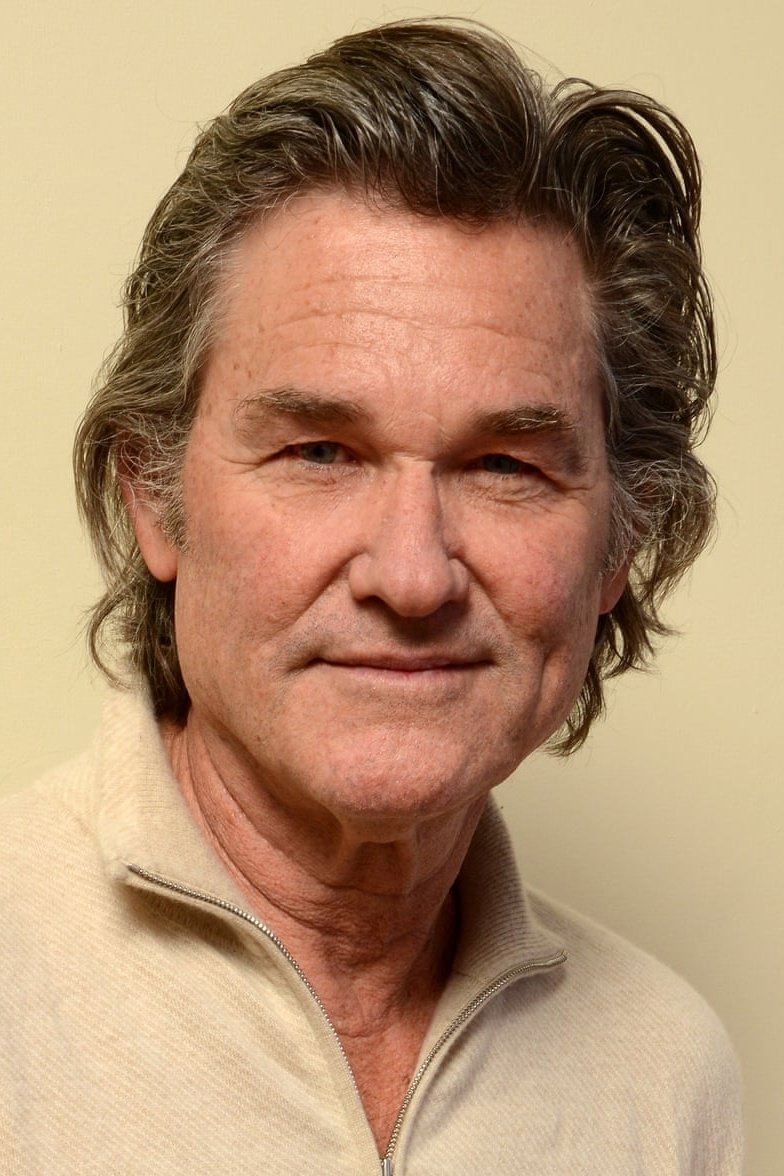
Kurt Russell led the ensemble in ‘The Thing’, a landmark of practical-effects-driven horror. He has collaborated multiple times with John Carpenter, maintaining strong ties to genre filmmaking. Russell’s work spans action, westerns, and suspense, frequently overlapping with horror atmospheres. His participation in cult favorites keeps those titles in active circulation through restorations and repertory screenings.
Nicolas Cage
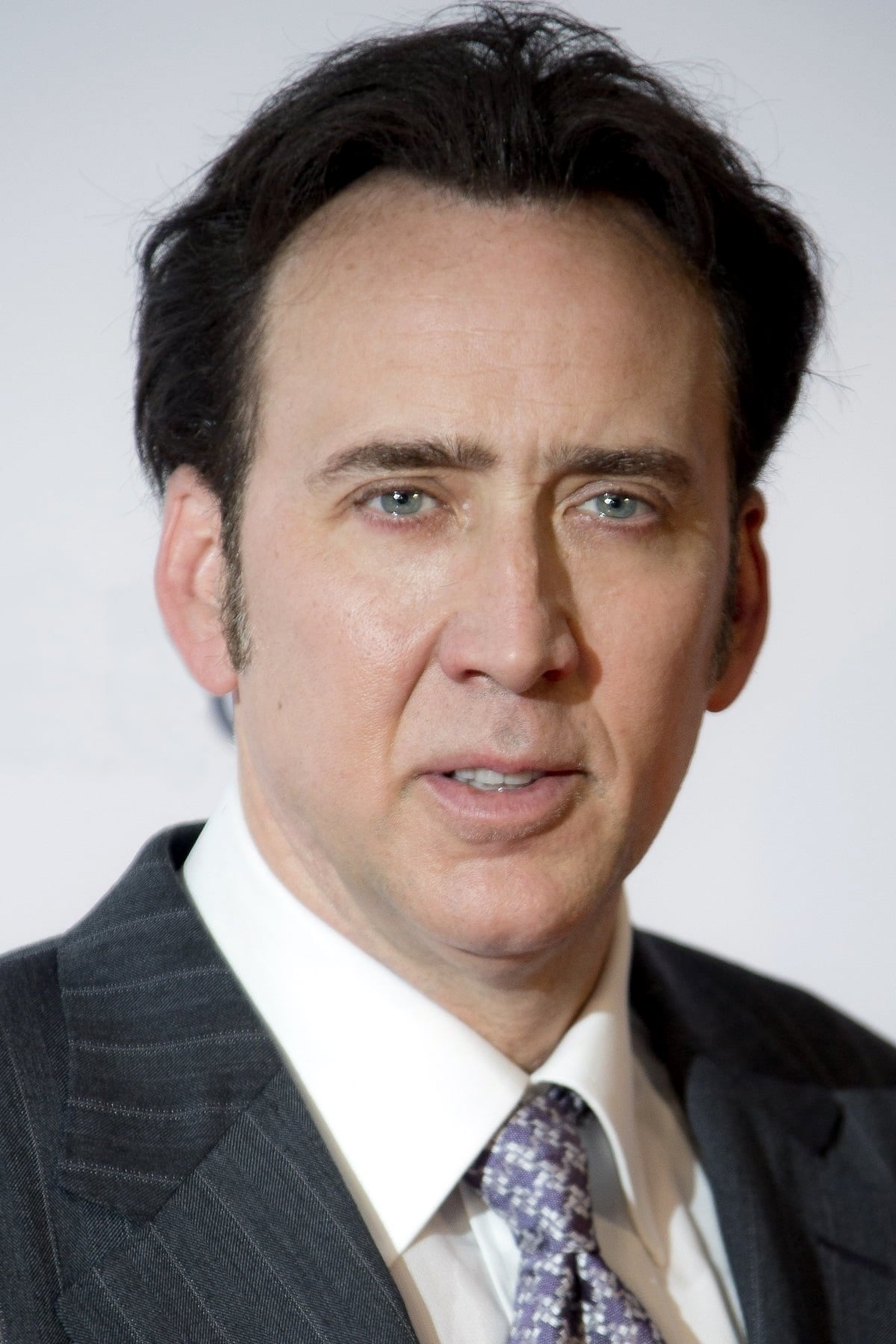
Nicolas Cage expanded his filmography with modern cult horror entries like ‘Mandy’, ‘Color Out of Space’, and ‘Willy’s Wonderland’. He often chooses projects that experiment with tone, blending surreal imagery and intense character work. Cage’s collaborations with independent directors have brought additional attention to mid-budget and festival-driven horror. His willingness to tackle unconventional roles keeps him central to conversations about contemporary genre cinema.
Share your own favorites and the performances you revisit most in the comments below.

