Best Korean Movies on Amazon Prime You Shouldn’t Skip


Korean cinema blends bold storytelling with meticulous craft, and it’s earned a global audience for good reason. If you’re diving in for the first time—or filling gaps in your watchlist—this roundup spotlights essential titles across thrillers, dramas, historical epics, and genre-benders, all rich with standout performances and memorable filmmaking voices.
Availability on Amazon Prime Video changes frequently, and catalogs can differ by country, so some titles below may not appear in your library at this moment. It’s worth checking your local Prime Video app or region settings, since licensing windows and regional rights shift over time.
‘Parasite’ (2019)
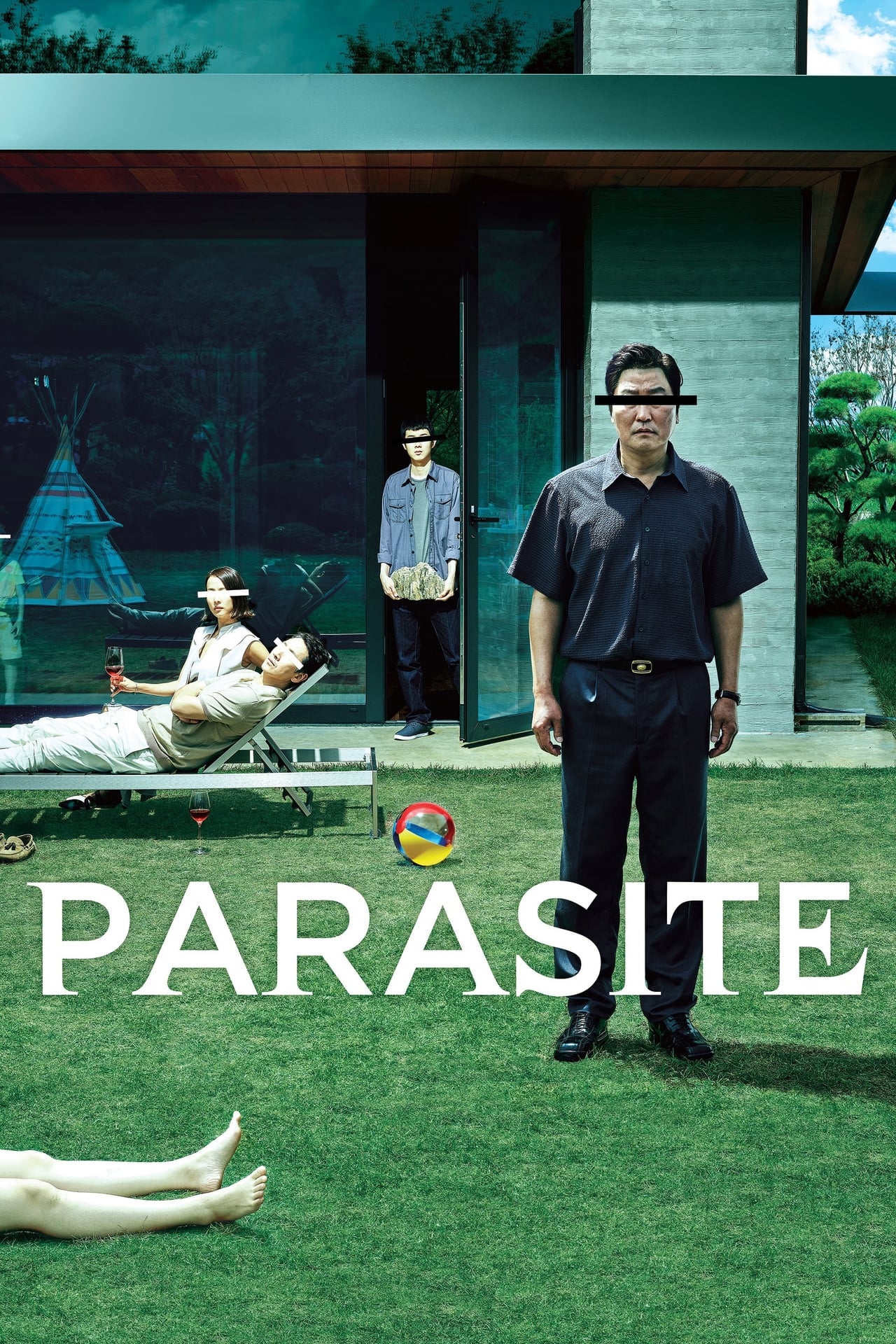
Directed by Bong Joon-ho and led by Song Kang-ho, Choi Woo-shik, Park So-dam, Cho Yeo-jeong, and Lee Sun-kyun, ‘Parasite’ follows two families whose lives entangle through a risky plan that spirals into class warfare. The film became the first Korean title to win the top prize at Cannes and later swept major international awards, including Best Picture at the Academy Awards, cementing its status as a watershed moment for Korean cinema worldwide.
Production design and cinematography play vital roles in how ‘Parasite’ maps social hierarchies onto physical space, with the Parks’ modernist home functioning as both stage and symbol. The screenplay balances dark humor and suspense with precise character work, while Jung Jae-il’s score and Yang Jin-mo’s editing build a slow, unnerving escalation that culminates in a tightly orchestrated finale.
‘Train to Busan’ (2016)
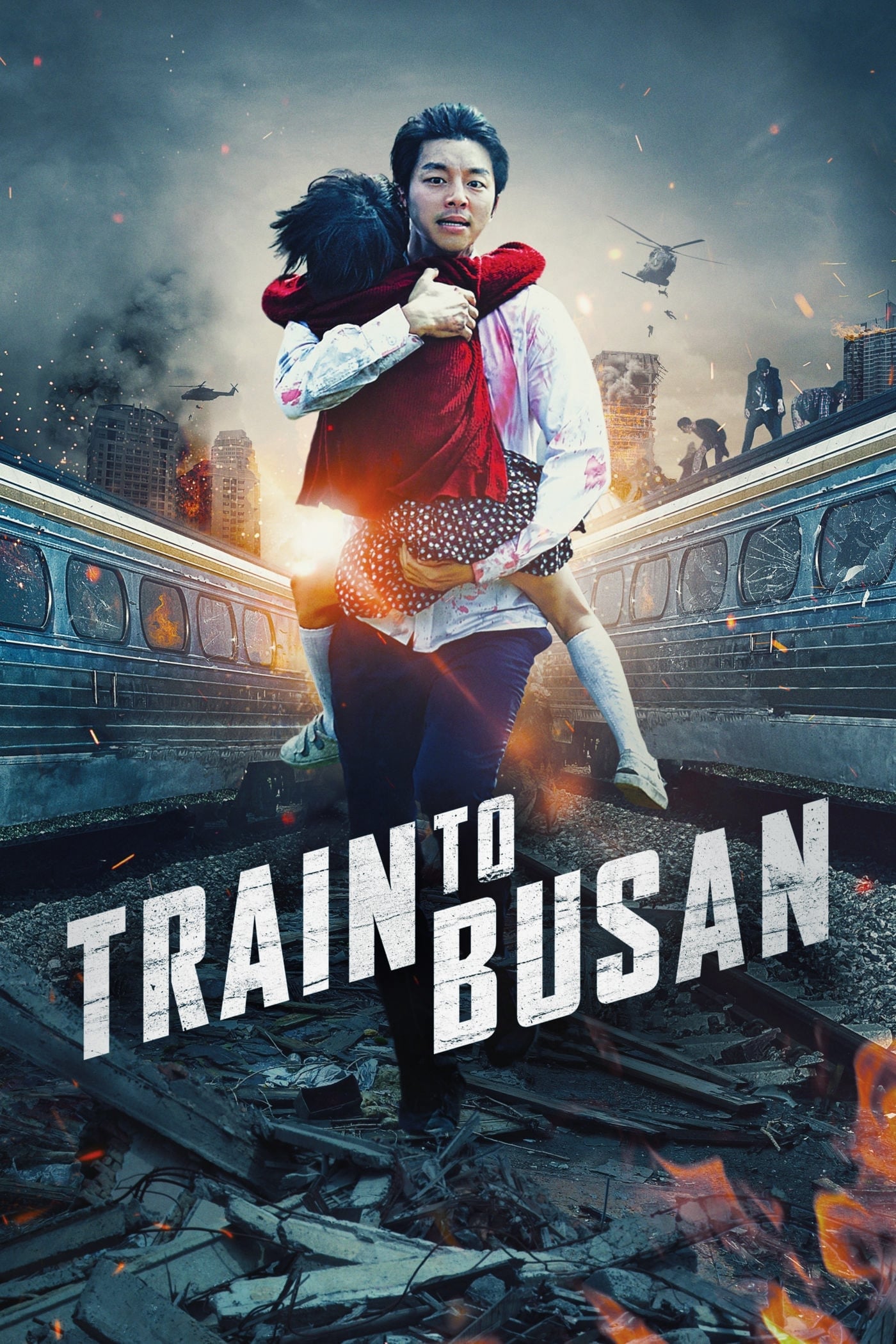
Yeon Sang-ho’s ‘Train to Busan’ stars Gong Yoo, Jung Yu-mi, Kim Su-an, and Ma Dong-seok in a high-speed survival story set mostly on a moving train during a sudden zombie outbreak. Its tight setting heightens the stakes as passengers from different backgrounds confront moral choices alongside the physical threat, with ensemble dynamics powering the narrative.
Practical effects and kinetic action choreography keep the momentum relentless, while the film’s structure uses carriage-by-carriage progression to shape distinct mini set pieces. Composer Jang Young-gyu’s pulses of tension, coupled with punchy sound design, amplify the claustrophobic atmosphere, making each tunnel, stop, and door a tactical crossroads.
‘Oldboy’ (2003)
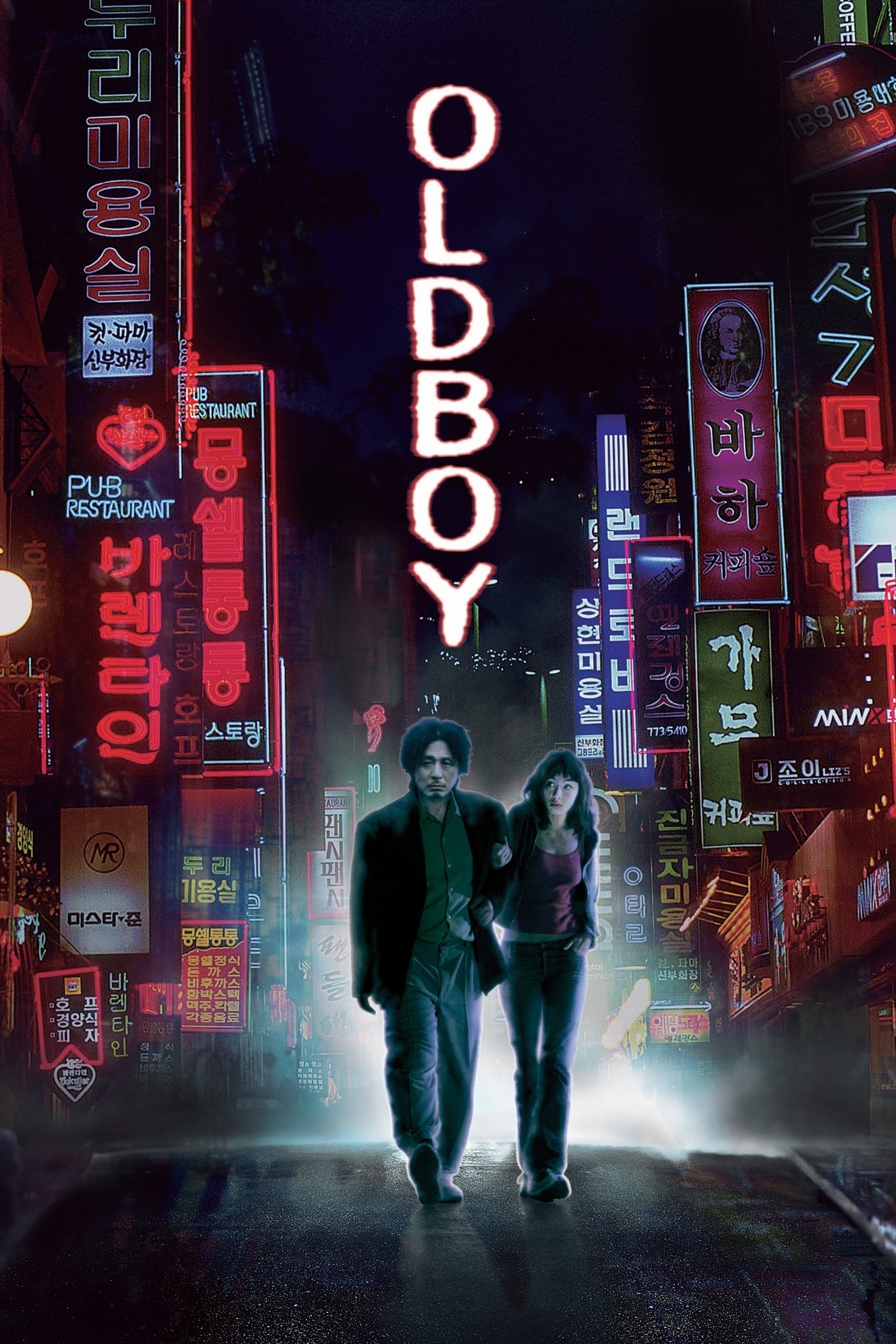
Park Chan-wook’s ‘Oldboy’ features Choi Min-sik, Yoo Ji-tae, and Kang Hye-jung in a revenge mystery about a man abruptly imprisoned for years and released with money, a phone, and a deadline to find his captor. Its propulsive narrative and meticulous visual grammar, including the famous hallway sequence, influenced filmmakers worldwide and earned the film a major jury prize at Cannes.
Adapted loosely from a Japanese manga, ‘Oldboy’ refines the thematic core into a Korean neo-noir that explores guilt, memory, and identity. Jo Yeong-wook’s score, Ryoo Seong-hie’s production design, and Chung Chung-hoon’s cinematography work in concert to build a stylized yet emotionally charged world that lingers long after the final reveal.
‘The Handmaiden’ (2016)
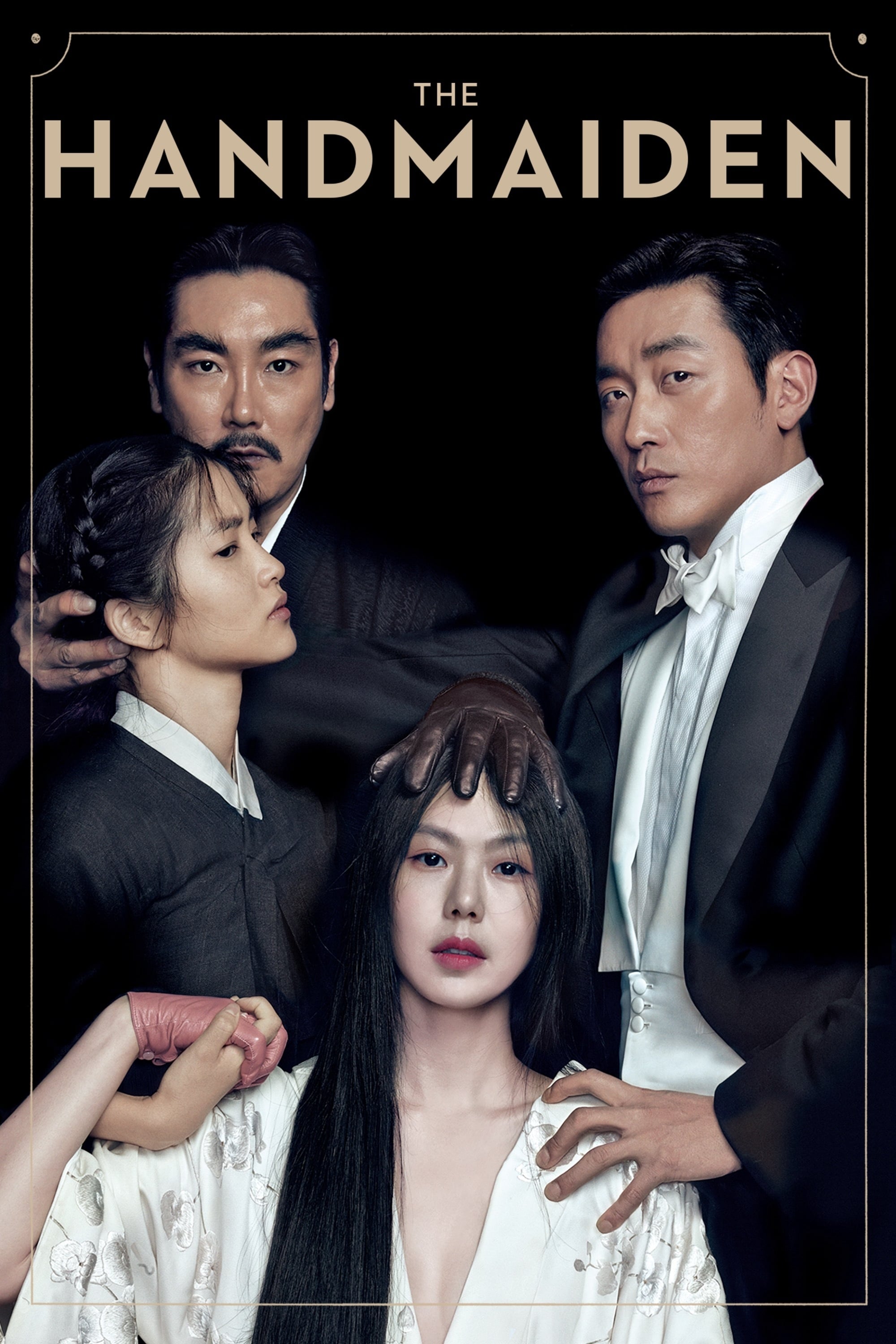
‘The Handmaiden’ is Park Chan-wook’s lush psychological thriller starring Kim Min-hee, Kim Tae-ri, Ha Jung-woo, and Cho Jin-woong. Inspired by Sarah Waters’ novel ‘Fingersmith’ but relocated to Korea under Japanese rule, it unfolds through layered perspectives as a con artist, a pickpocket, and a wealthy heiress become enmeshed in schemes and counter-schemes.
The film’s tripartite structure is a showcase of narrative engineering, where shifting viewpoints reframe earlier scenes with new information. With costumes by Jo Sang-gyeong, production design by Ryu Seong-hee, and a refined score by Jo Yeong-wook, ‘The Handmaiden’ pairs meticulous period detail with elegant suspense and intricate character motivations.
‘Memories of Murder’ (2003)
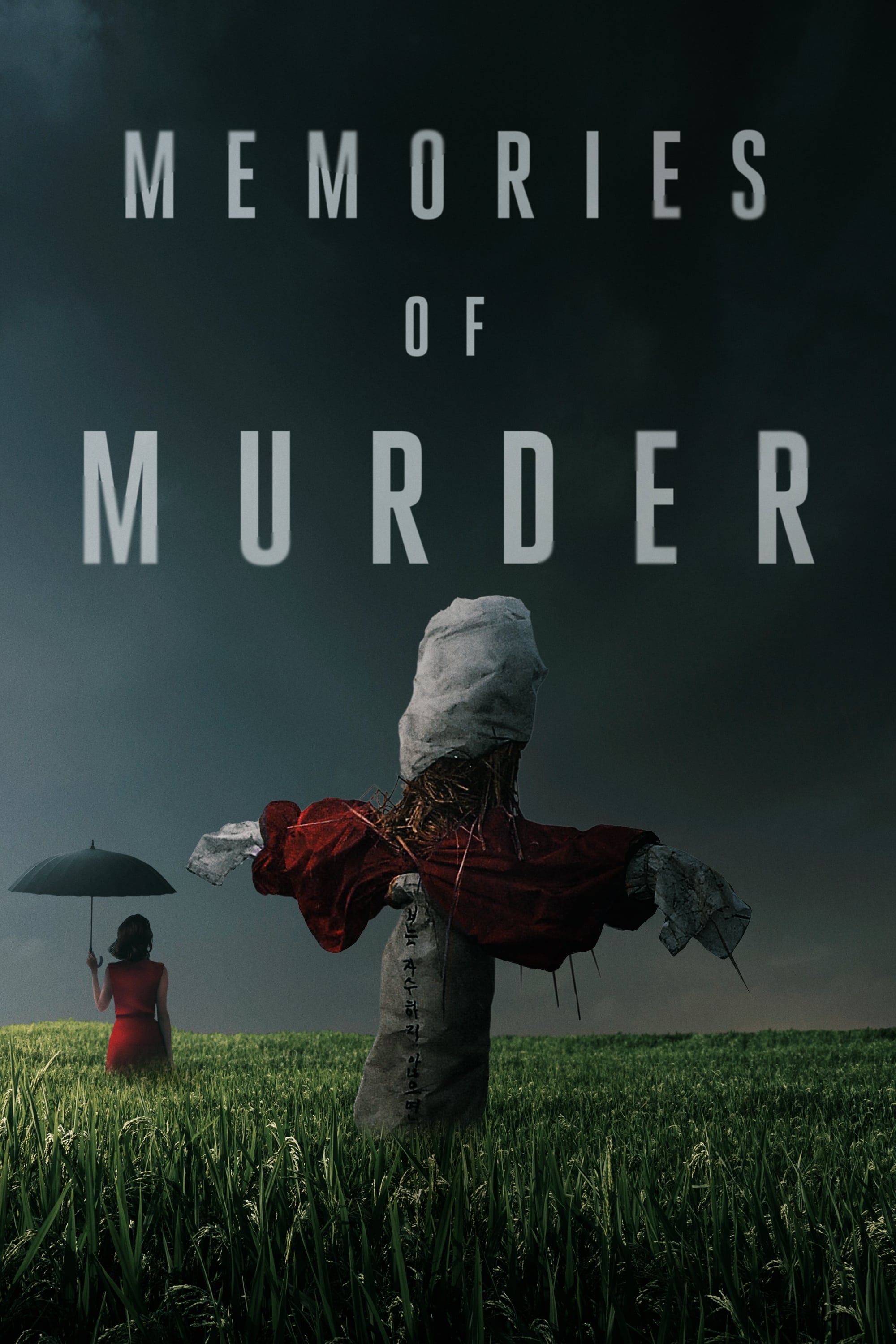
Bong Joon-ho’s ‘Memories of Murder’ stars Song Kang-ho and Kim Sang-kyung as detectives investigating a series of killings in a rural community. Based on the real Hwaseong case, the film blends police procedural elements with social observation, tracing investigative frustrations and institutional limitations.
Notable for its careful tonal control, ‘Memories of Murder’ uses weather, landscape, and recurring visual motifs to externalize uncertainty and dread. The performances and staging emphasize small, revealing gestures, while the editing and sound design thread together scenes that range from darkly comic to harrowingly tense.
‘I Saw the Devil’ (2010)
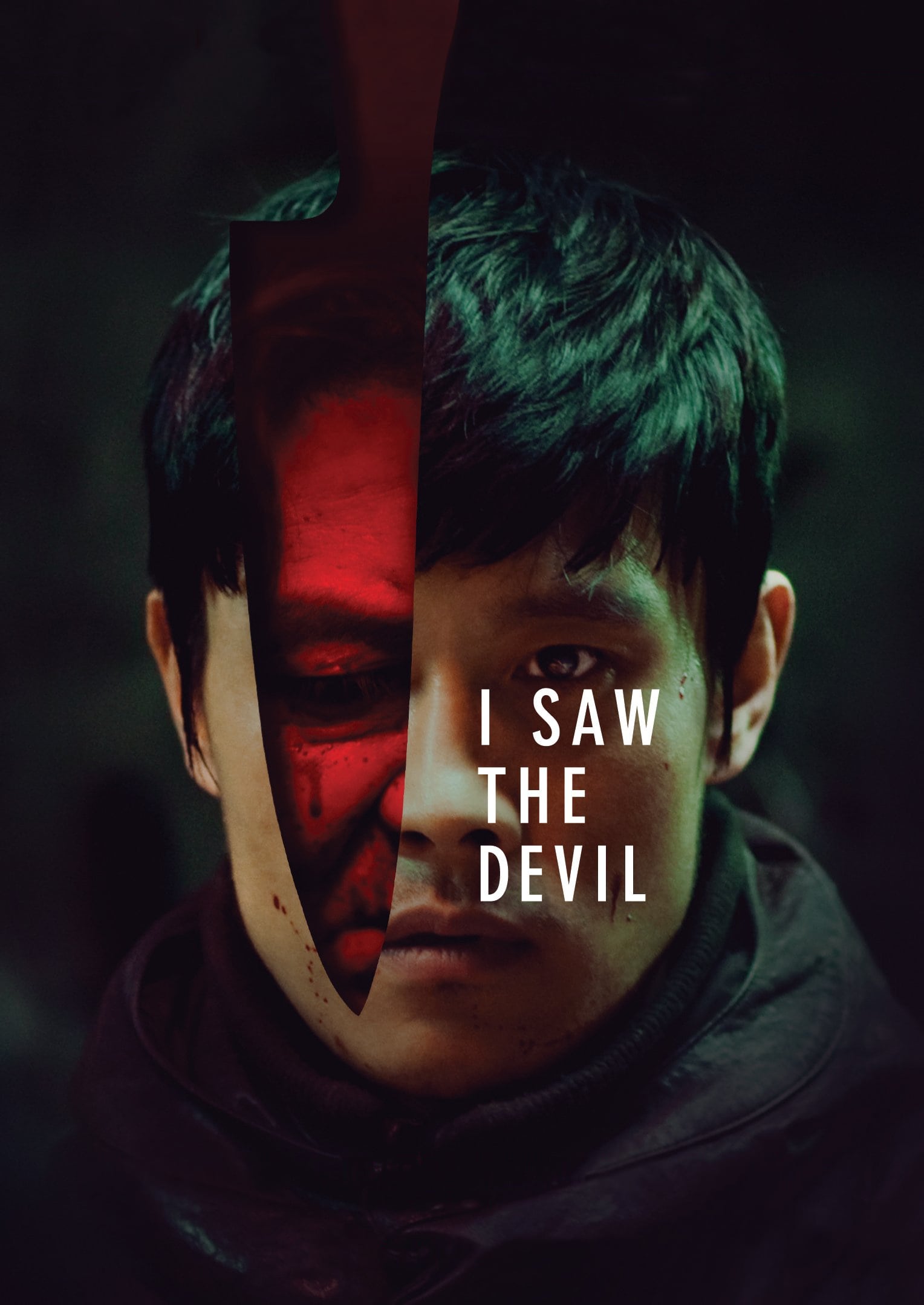
Directed by Kim Jee-woon and starring Lee Byung-hun and Choi Min-sik, ‘I Saw the Devil’ follows a secret agent who tracks a serial murderer and enacts a methodical, escalating retaliation. The cat-and-mouse structure transforms into a meditation on cycles of violence, anchored by two commanding lead performances.
Cinematographer Lee Mo-gae crafts stark, night-soaked frames that highlight proximity and pursuit, while deft practical effects ground the brutality without distracting from character beats. The film’s pacing alternates between tightly coiled suspense and sudden explosions of motion, creating a relentless rhythm that mirrors obsession.
‘The Man from Nowhere’ (2010)
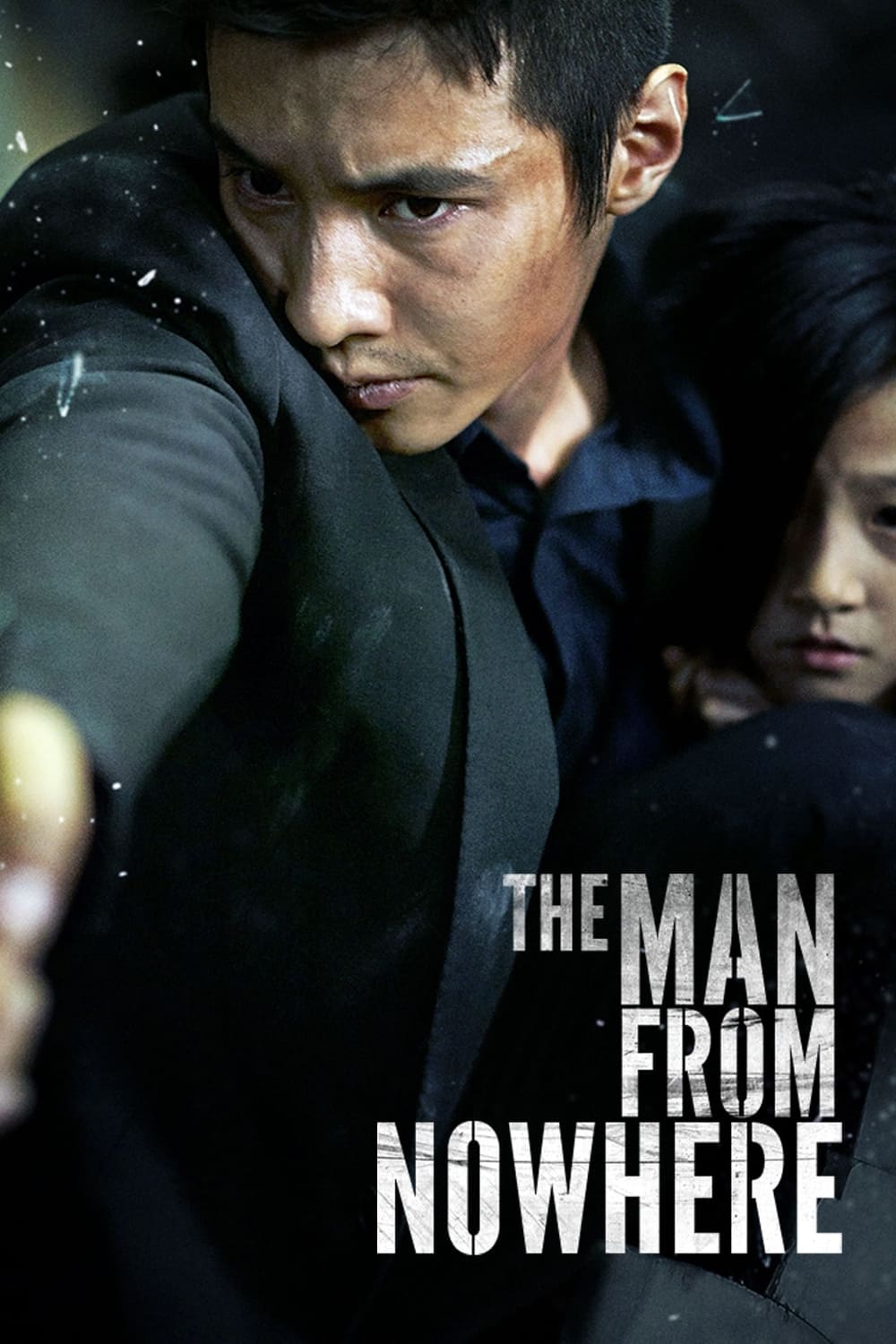
Lee Jeong-beom’s ‘The Man from Nowhere’ features Won Bin as a withdrawn pawnshop owner with a hidden past who intervenes to protect a neighbor girl, played by Kim Sae-ron, from a criminal network. The plot weaves undercover moves, corrupt connections, and organ trafficking into a streamlined rescue mission.
The film is known for crisp, close-quarters action and clean geography in chase and fight scenes, including a corridor knife sequence that highlights performance and stunt precision. Its sound design isolates small details—footfalls, blade draws, breath—to heighten focus, while the score underscores the central bond driving each decision.
‘A Bittersweet Life’ (2005)
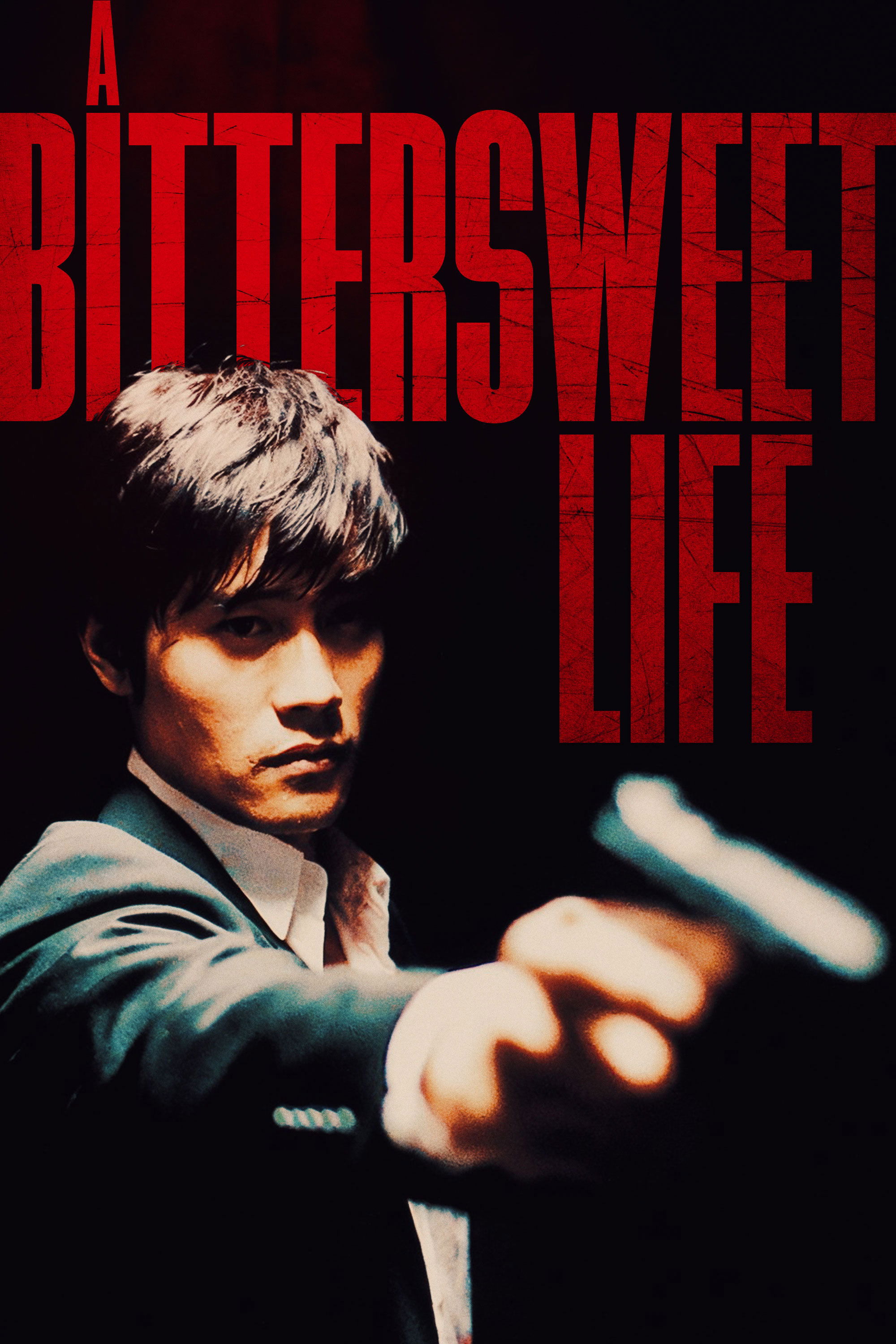
Helmed by Kim Jee-woon, ‘A Bittersweet Life’ stars Lee Byung-hun as a loyal enforcer whose split-second choice sets off a cascade within a criminal organization. The narrative tracks loyalties, betrayals, and consequences across elegant interiors and stark urban exteriors.
Cinematography emphasizes negative space and architectural lines, reflecting the character’s controlled demeanor gradually slipping toward volatility. The film’s attention to wardrobe, framing, and tempo turns each confrontation into a carefully staged ritual, with editing rhythms that sharpen the tension without sacrificing clarity.
‘The Chaser’ (2008)
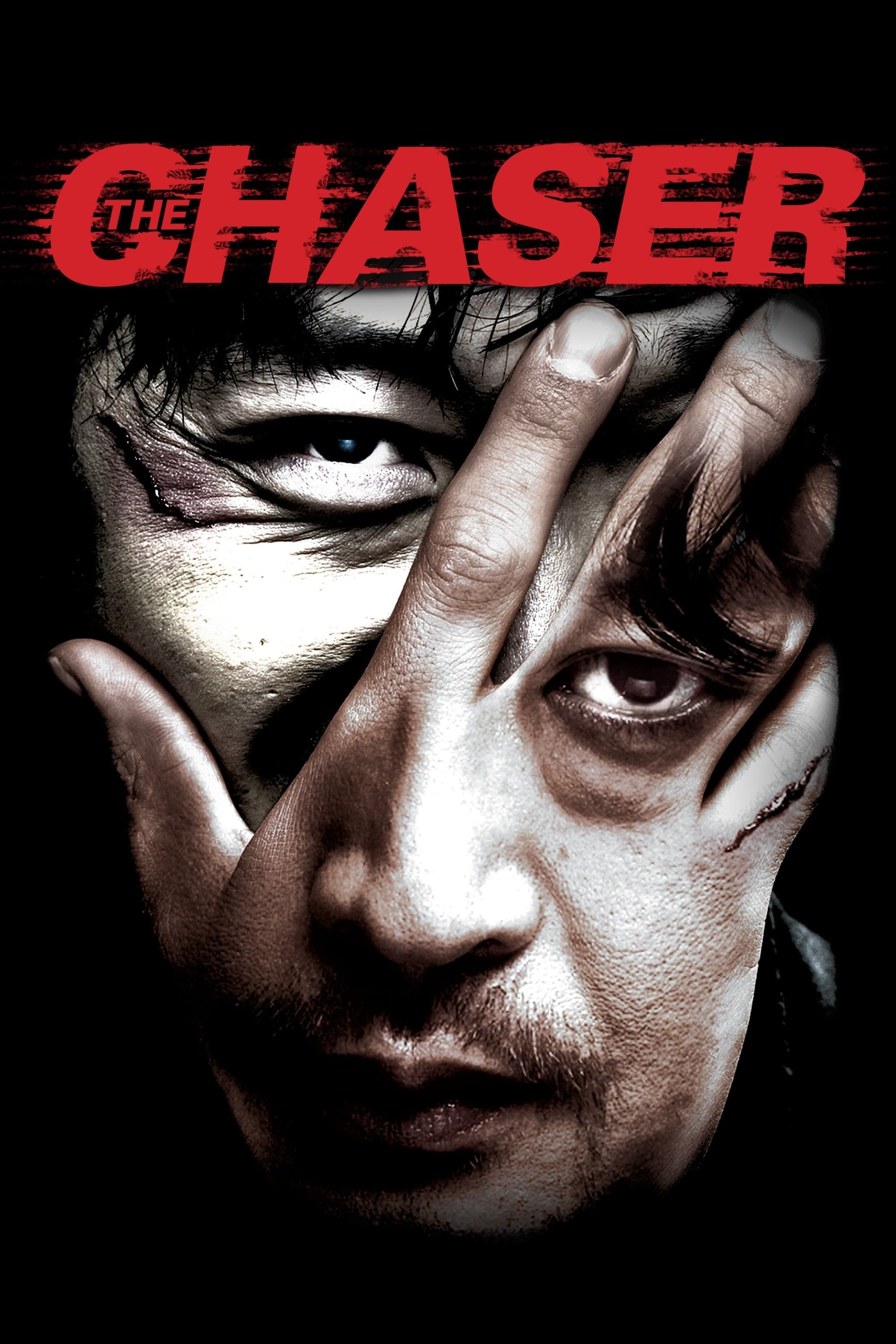
Na Hong-jin’s ‘The Chaser’ casts Kim Yoon-seok as a former detective turned pimp and Ha Jung-woo as a chilling suspect whose casual confessions complicate the investigation. Inspired by real crimes, the story stresses time pressure as the protagonist races to locate a missing woman.
Handheld camerawork and location shooting supply immediacy, while the script anchors suspense in procedural obstacles—jurisdictional limits, evidence rules, and bureaucratic delays. The film layers street-level logistics with character-driven choices, resulting in a manhunt that feels tactile and unnervingly plausible.
‘The Wailing’ (2016)
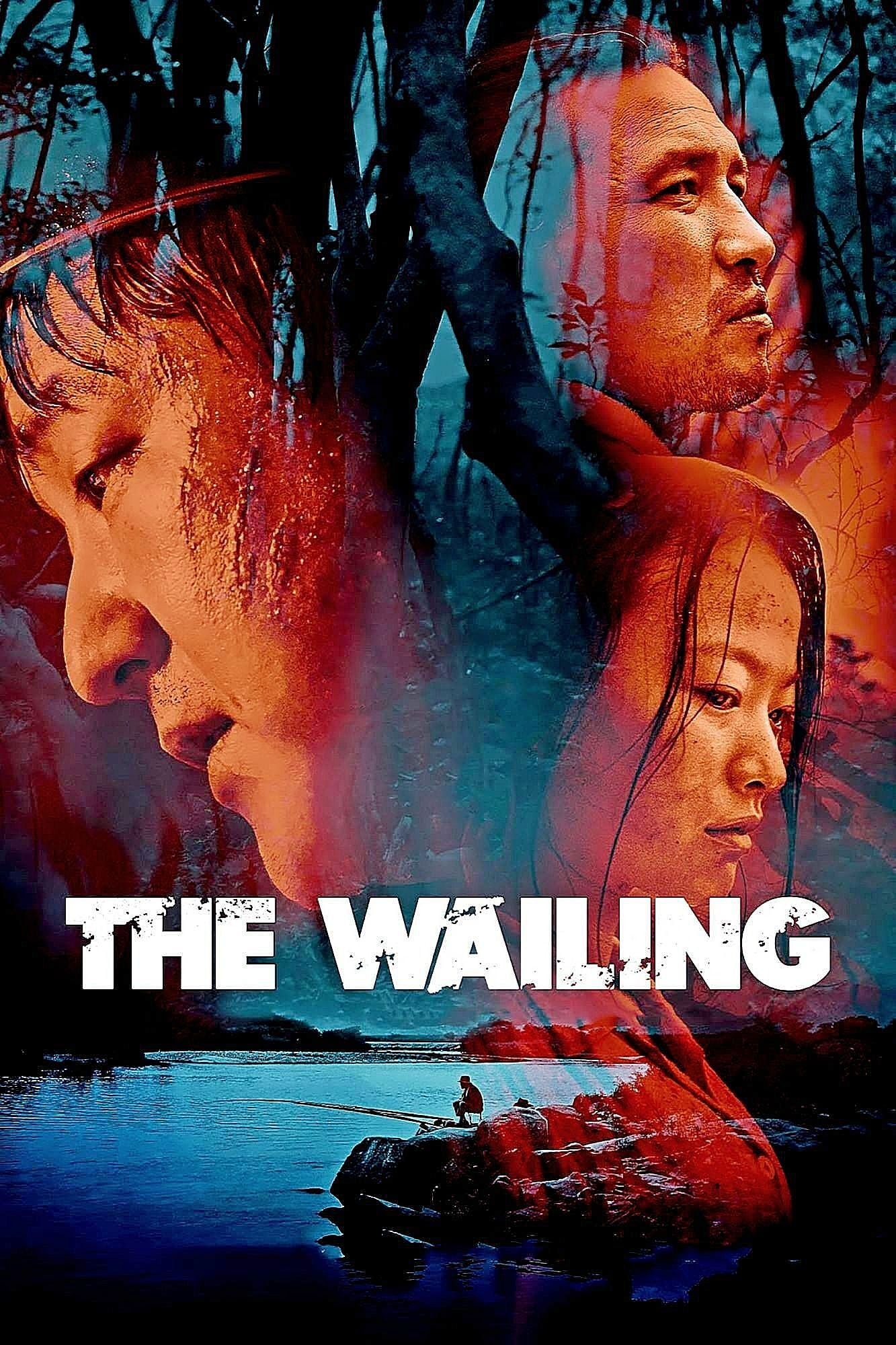
In ‘The Wailing’, Na Hong-jin blends folk horror and police procedural as a rural officer, played by Kwak Do-won, confronts a wave of unexplained deaths and illnesses. Hwang Jung-min and Chun Woo-hee add crucial turns as a shaman and a mysterious figure, pushing the narrative into spiritual and psychological territory.
The film’s soundscape—ritual chants, sudden silences, environmental textures—builds cumulative unease, while extended ritual sequences function as set-piece investigations. Its visual palette leans into mist, rain, and shadowed interiors, reinforcing ambiguity until key confrontations force hard, consequential choices.
‘Burning’ (2018)
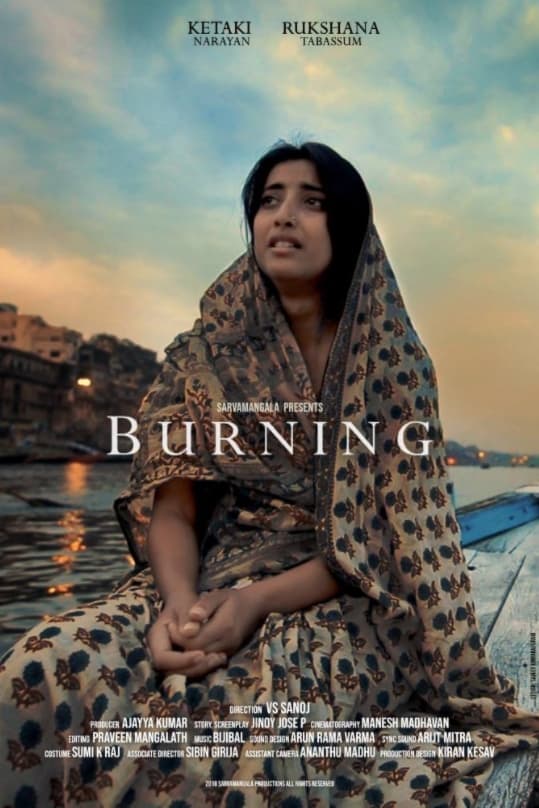
Lee Chang-dong’s ‘Burning’, adapted from Haruki Murakami’s short story ‘Barn Burning’, stars Yoo Ah-in, Steven Yeun, and Jeon Jong-seo. A chance reunion and a new friendship give way to a disappearance that reshapes the protagonist’s perceptions of class, desire, and invisibility.
Subtle performances and long takes invite close attention to gesture and subtext, with Hong Kyung-pyo’s cinematography guiding perspective without overt signals. The film received widespread critical recognition, including major critics’ prizes and international nominations, for its precise storytelling and haunting ambiguity.
‘Mother’ (2009)

Bong Joon-ho’s ‘Mother’ centers on Kim Hye-ja as a devoted parent who embarks on her own investigation when her son, played by Won Bin, is accused of a terrible crime. The narrative positions everyday spaces as sites of discovery, highlighting persistence as a driving force.
The film’s compositions use doorways, alleys, and rooftops to frame character isolation and determination. With nuanced blocking and recurring visual motifs, ‘Mother’ balances investigative detail with a portrait of a community’s dynamics, culminating in revelations shaped by the choices of ordinary people.
‘Silenced’ (2011)

Hwang Dong-hyuk’s ‘Silenced’, also known as ‘The Crucible’, stars Gong Yoo and Jung Yu-mi in a dramatization of abuse cases at a school for hearing-impaired children. Based on a nonfiction account, the film follows teachers and advocates as they confront systemic failure and legal hurdles.
Public response to ‘Silenced’ was significant, contributing to legal reforms popularly referred to as the ‘Dogani Law’ that stiffened penalties and closed loopholes around sex crimes against minors and the disabled. The film presents investigative steps, court proceedings, and institutional resistance in clear, procedural detail.
‘The Host’ (2006)

Bong Joon-ho’s ‘The Host’ features Song Kang-ho, Bae Doona, Park Hae-il, and Go Ah-sung in a monster tale born from chemical dumping in the Han River. A family’s search for a missing daughter anchors the story, blending creature-feature thrills with sharp social context.
Visual effects from international teams integrate a distinct creature design into Seoul’s riverside spaces, while action beats make use of bridges, banks, and parks for dynamic geography. The film’s balance of crisis-management, media response, and public safety protocols adds texture to the chase.
‘Poetry’ (2010)

Lee Chang-dong’s ‘Poetry’ stars Yoon Jeong-hee as a grandmother who enrolls in a poetry class while navigating a family crisis that demands moral clarity. The film explores observation as a discipline, inviting attention to textures, sounds, and fleeting details in ordinary life.
The screenplay emphasizes step-by-step processes—class assignments, caregiving routines, and investigative tasks—over big gestures. With measured pacing and luminous natural light, ‘Poetry’ builds its emotional power through small decisions and the language the protagonist learns to shape.
‘A Taxi Driver’ (2017)

Jang Hoon’s ‘A Taxi Driver’ follows a Seoul cab driver, played by Song Kang-ho, who ferries a foreign journalist, portrayed by Thomas Kretschmann, into the city of Gwangju during a historic uprising. The film reconstructs routes, checkpoints, and on-the-ground reporting under dangerous conditions.
Supporting performances from Yoo Hae-jin and Ryu Jun-yeol flesh out networks of helpers and obstacles, while production design recreates streets, vehicles, and press equipment of the era. The film received broad domestic acclaim and strong box office, bringing international attention to the real reporter’s footage and the event’s human stories.
‘New World’ (2013)
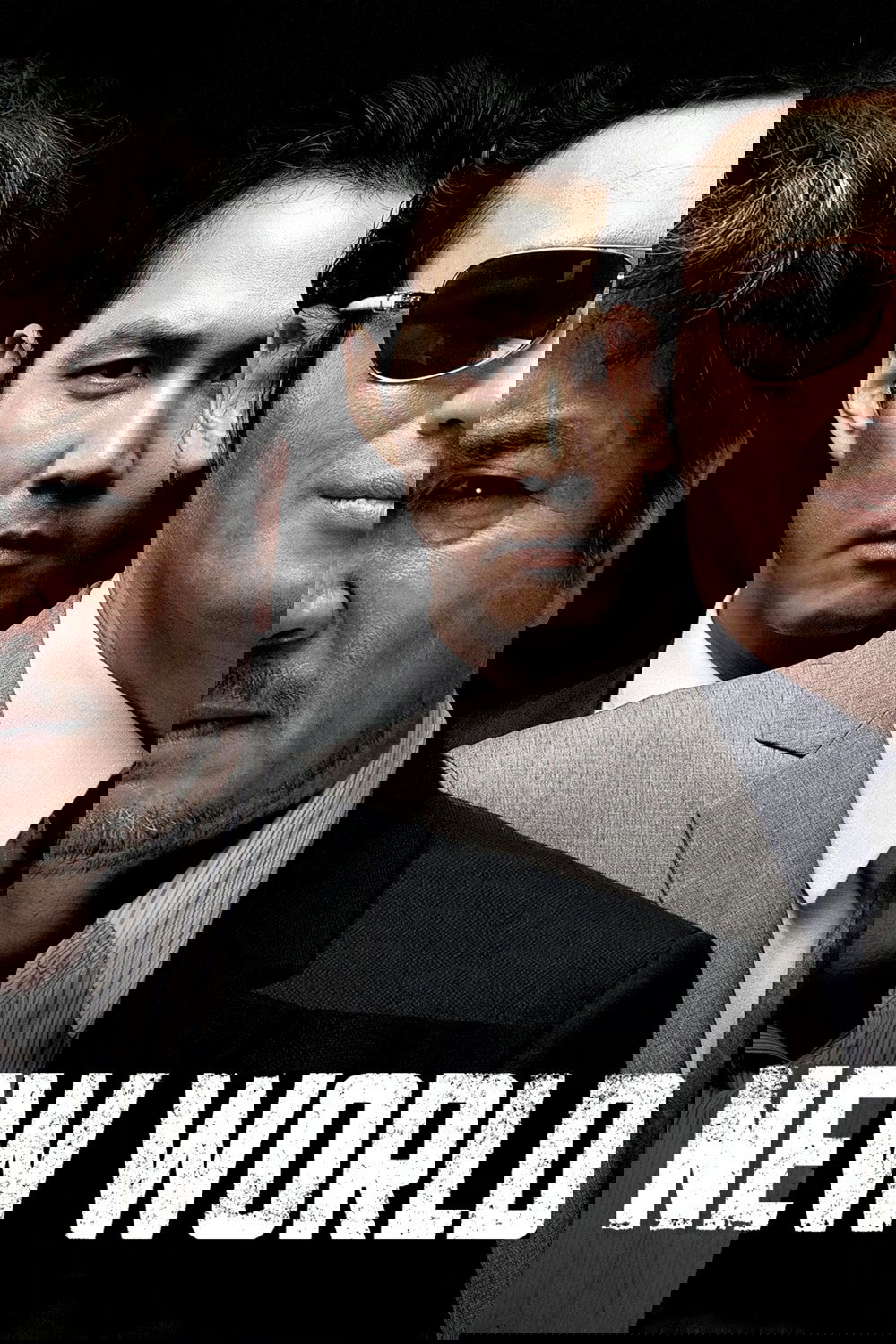
Park Hoon-jung’s ‘New World’ stars Lee Jung-jae as an undercover officer embedded in a powerful crime syndicate, with Choi Min-sik and Hwang Jung-min as rival power brokers. The plot tracks succession struggles inside the organization as law enforcement manipulates outcomes from the shadows.
The film’s tension rests on long-form strategy—boardroom politics, coded communications, and improvised contingencies—rather than constant action. Sharp suits, glass interiors, and subdued color design align with a moody score, giving ‘New World’ a sleek underworld aesthetic grounded in procedure and hierarchy.
‘Joint Security Area’ (2000)
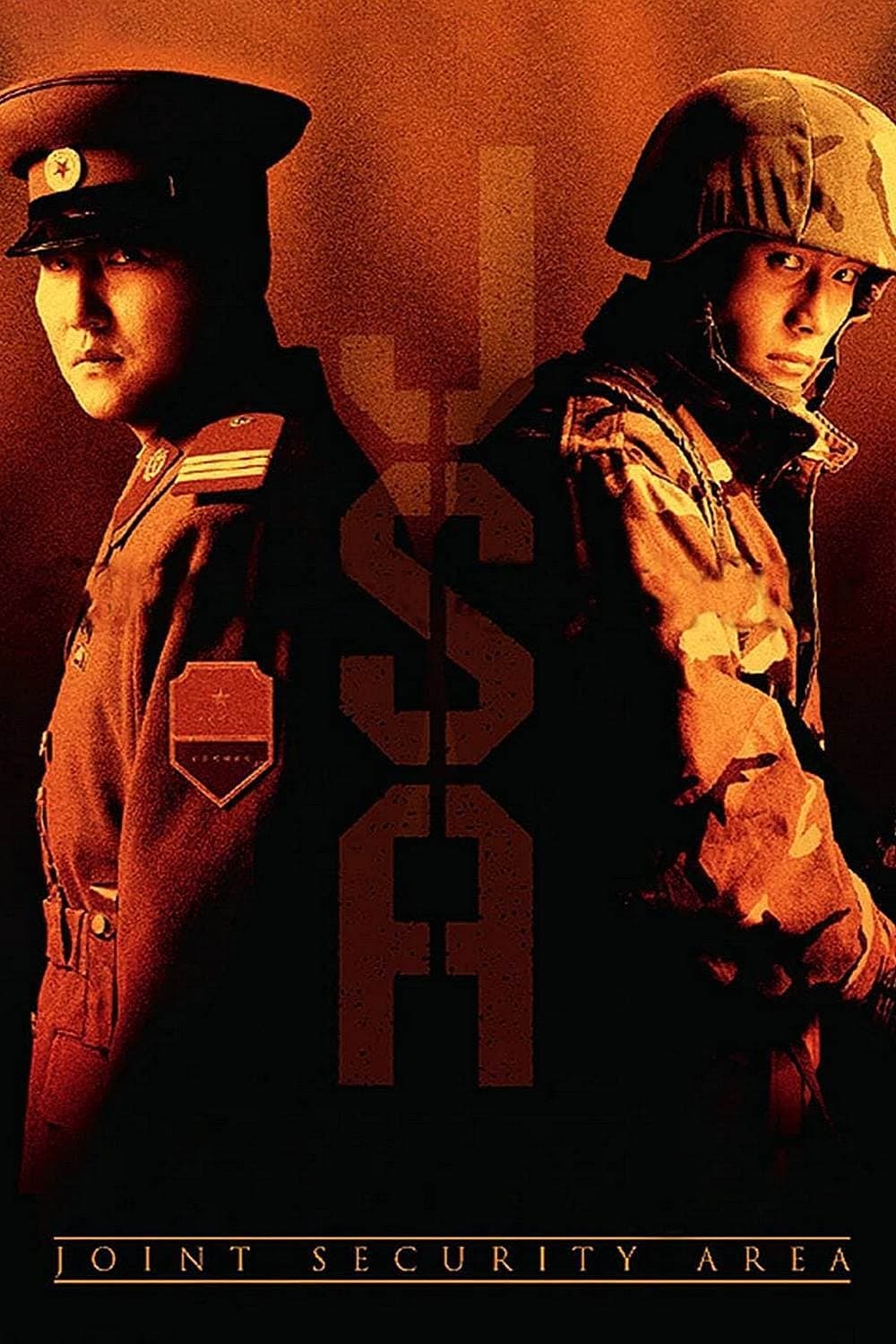
Park Chan-wook’s ‘Joint Security Area’ stars Lee Byung-hun, Song Kang-ho, Lee Young-ae, and Shin Ha-kyun in an investigation of a fatal incident at the Demilitarized Zone. A neutral officer conducts interviews that reveal an unexpected web of relationships behind official narratives.
Based on the novel ‘DMZ’, the film uses flashbacks and shifting testimonies to reconcile conflicting accounts. Careful attention to military protocol, geography of the border posts, and forensic details supports a measured reconstruction of events leading to the shooting.
‘Peppermint Candy’ (1999)

Lee Chang-dong’s ‘Peppermint Candy’ traces the life of Yong-ho, played by Sol Kyung-gu, moving backward through pivotal moments that shaped him. Moon So-ri co-stars in a narrative that connects personal choices to national upheavals across multiple eras.
Reverse chronology sharpens cause-and-effect, with production design and costuming marking social and economic transitions. The film’s structure invites viewers to reconsider earlier scenes in new light as it steps through work, relationships, and traumas that accumulate into a portrait of one man’s undoing.
‘Secret Sunshine’ (2007)
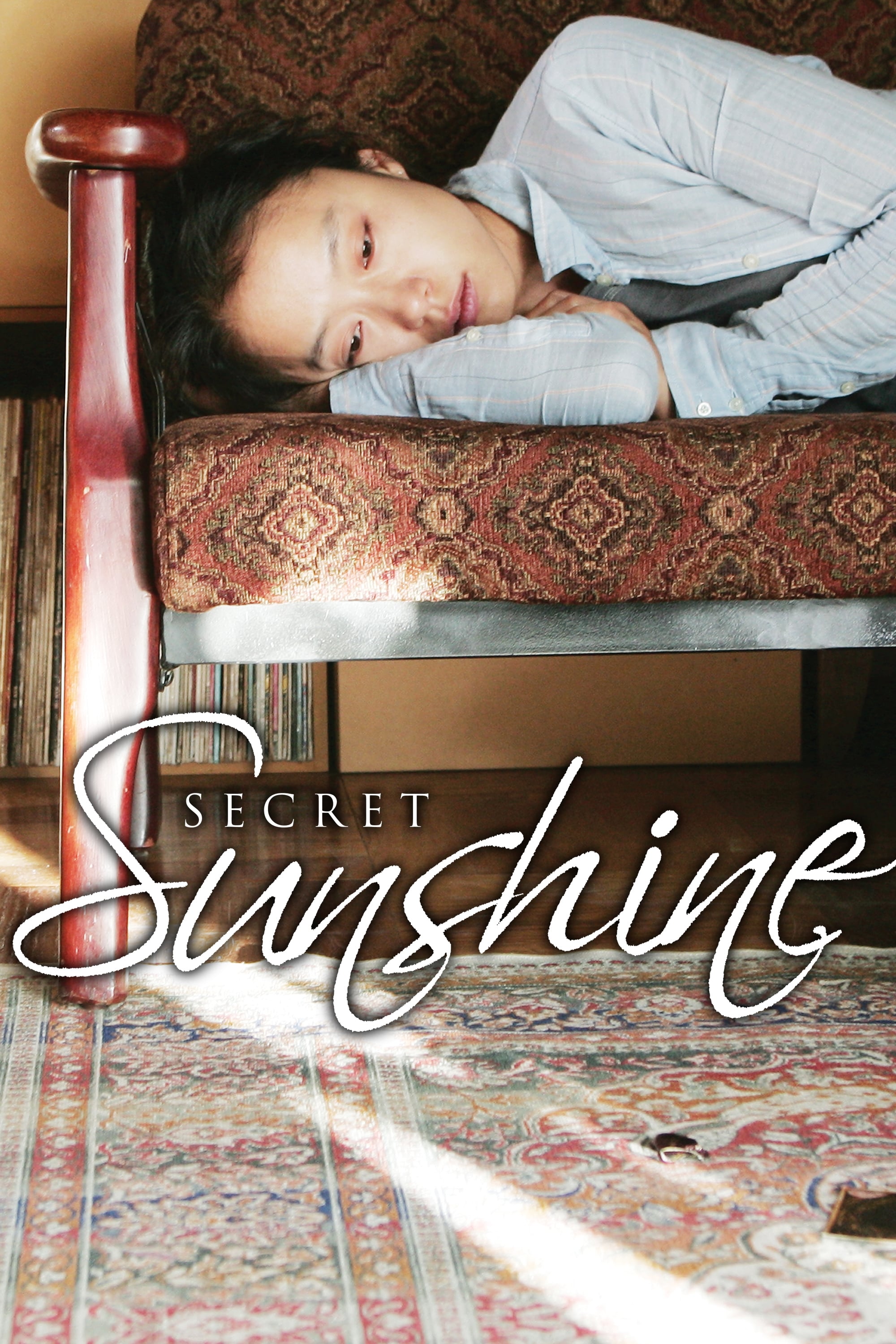
‘Secret Sunshine’ from Lee Chang-dong features Jeon Do-yeon and Song Kang-ho in a study of grief, faith, and community in the city of Miryang. Jeon’s performance won the Best Actress prize at Cannes, reflecting the film’s focus on interior shifts as the character searches for meaning.
Cinematography favors naturalistic light and everyday spaces—music studios, small streets, modest homes—while the script methodically maps social interactions that help and hinder recovery. The film’s patient pacing and careful blocking keep emotions grounded in recognizable routines and rituals.
‘The Age of Shadows’ (2016)
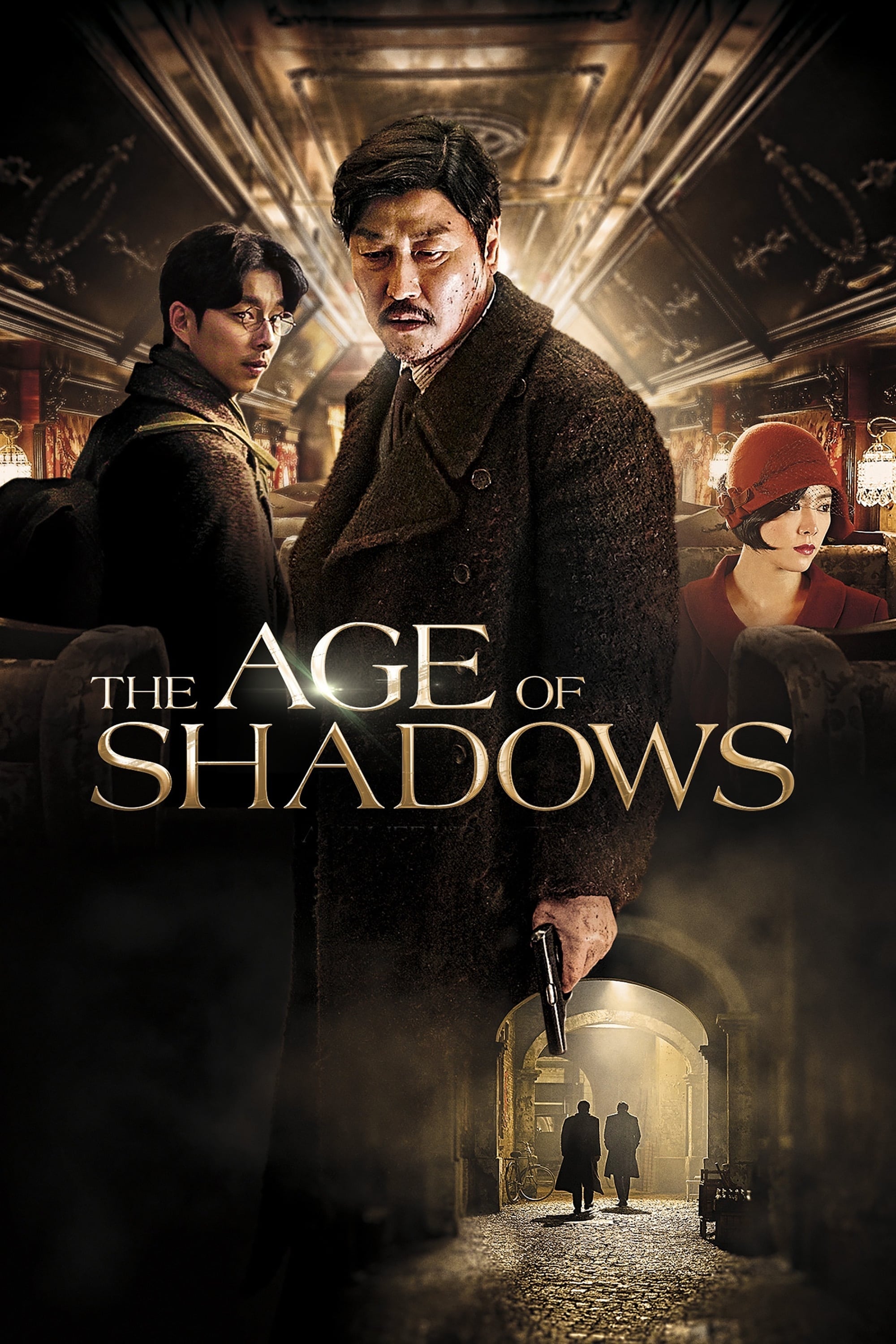
Kim Jee-woon’s ‘The Age of Shadows’ pairs Song Kang-ho and Gong Yoo in a resistance-versus-police espionage thriller set during Japanese occupation. A high-stakes rail journey and urban safe houses serve as key arenas where agents test loyalties and tradecraft.
Warner Bros. Korea backed the production, and the film was chosen as South Korea’s submission to the Academy Awards for International Feature. Costume and set departments deliver meticulous period detail, while composer Mowg’s score and restrained sound mixing heighten stealth and sudden action.
‘The Good, the Bad, the Weird’ (2008)
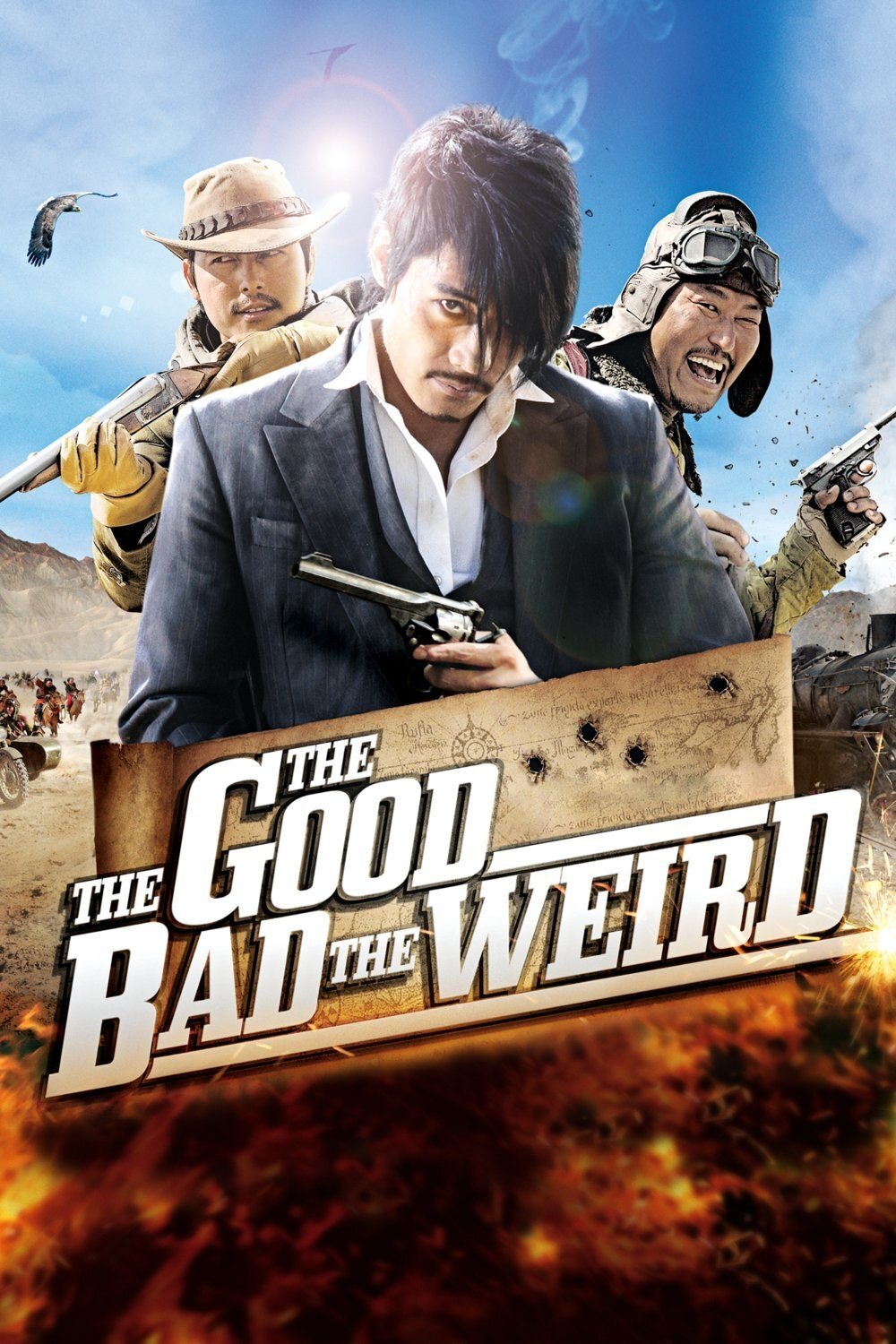
Also directed by Kim Jee-woon, ‘The Good the Bad the Weird’ stars Song Kang-ho, Lee Byung-hun, and Jung Woo-sung in a kinetic riff on the western, staged across Manchurian deserts. A treasure map drives intersecting pursuits among outlaws, bounty hunters, and armies.
Set pieces—train heists, marketplace brawls, and horseback chases—are choreographed with clear sightlines and playful stunt work. The production integrates practical pyrotechnics and large-scale extras, while the score pays homage to classic genre motifs with a distinct Korean flair.
‘Ode to My Father’ (2014)
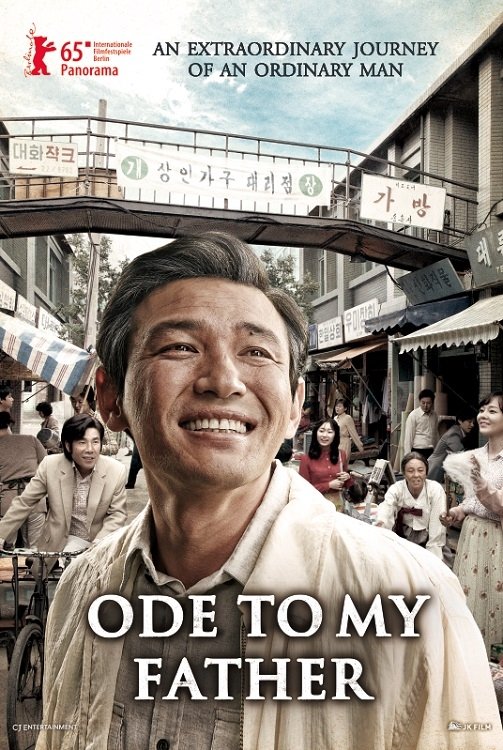
Yoon Je-kyoon’s ‘Ode to My Father’ chronicles Deok-soo, played by Hwang Jung-min, whose life spans major national events from the Hungnam evacuation onward. Kim Yunjin and Oh Dal-su co-star in a sweeping family saga that crosses continents through labor migration and reunion efforts.
The film’s episodic structure connects domestic scenes with historical milestones, using newsreel-style inserts and large crowd staging. Its strong box-office performance reflected broad local resonance, and the production scale includes extensive period sets, makeup transitions, and location shoots abroad.
‘The Yellow Sea’ (2010)
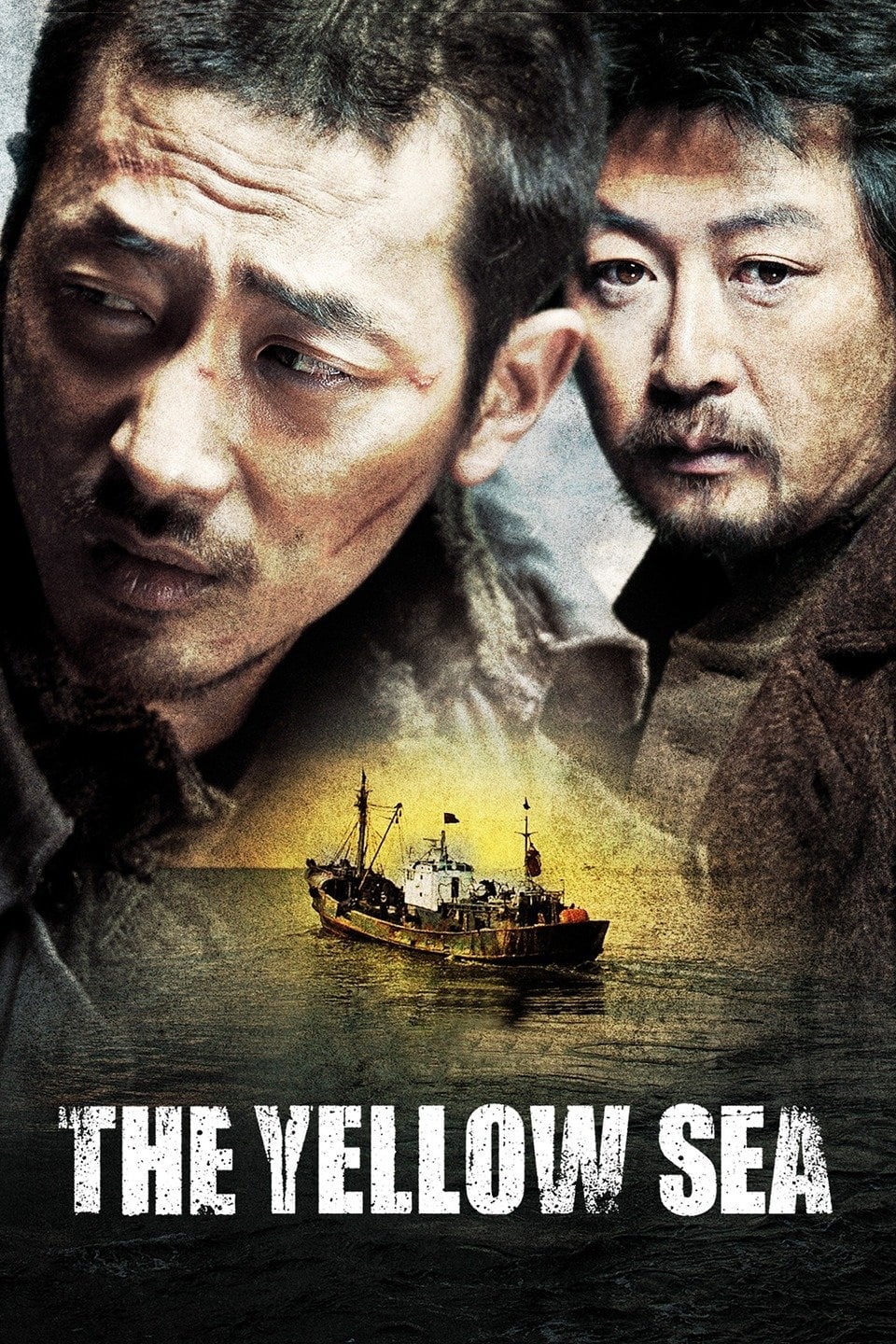
Na Hong-jin’s ‘The Yellow Sea’ stars Ha Jung-woo as a Korean Chinese taxi driver recruited for a contract killing, with Kim Yun-seok as a ruthless fixer. The plot traverses borders and criminal networks, turning a single job into a spiraling survival gauntlet.
Handheld chase sequences through alleys, docks, and construction sites emphasize fatigue and desperation, while improvised weapons and close-quarters brawls keep combat grounded. The film extends themes from ‘The Chaser’, focusing on economic pressure, migration, and the ripple effects of one dangerous decision.
‘The Admiral: Roaring Currents’ (2014)

Directed by Kim Han-min and starring Choi Min-sik, Ryu Seung-ryong, and Cho Jin-woong, ‘The Admiral: Roaring Currents’ dramatizes Admiral Yi Sun-sin’s outnumbered naval victory at the Battle of Myeongnyang. The narrative tracks tactical planning, morale-building, and ship-to-ship engagement under extreme odds.
Large-scale maritime cinematography, practical ship sets, and dense sound design recreate currents, cannon fire, and hull impacts with unusual specificity. The film set domestic box-office records on release, and its emphasis on command decisions and formation maneuvers makes it a standout in naval warfare staging.
Share your favorite Korean films you’ve found on Prime in the comments—what did we miss, and which picks should everyone watch next?