


Best LGBTQ+ Anime You Must Watch

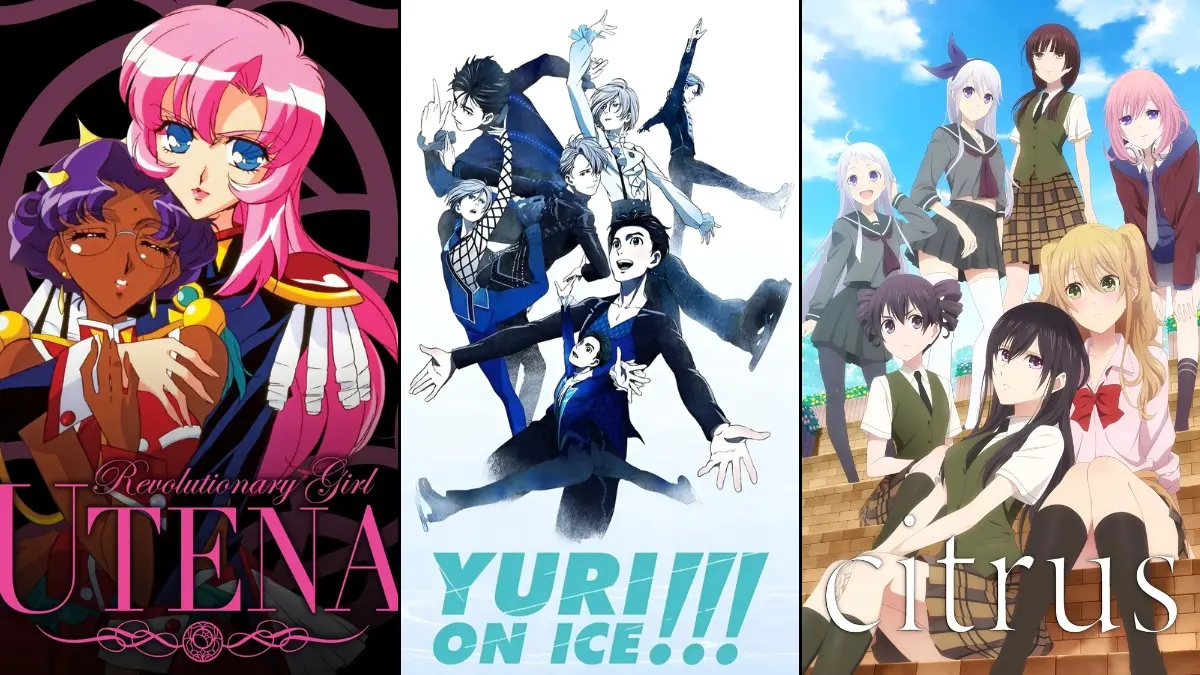


The landscape of Japanese animation has expanded significantly over the years to include diverse stories regarding gender identity and sexual orientation. Modern anime offers a wide array of narratives that range from wholesome romances to complex psychological dramas centering on LGBTQ+ characters. These series provide representation and explore the nuances of human relationships in ways that resonate with audiences globally. Viewers looking for impactful storytelling and memorable characters will find these titles essential for their watchlists.
‘Yuri!!! on Ice’ (2016)
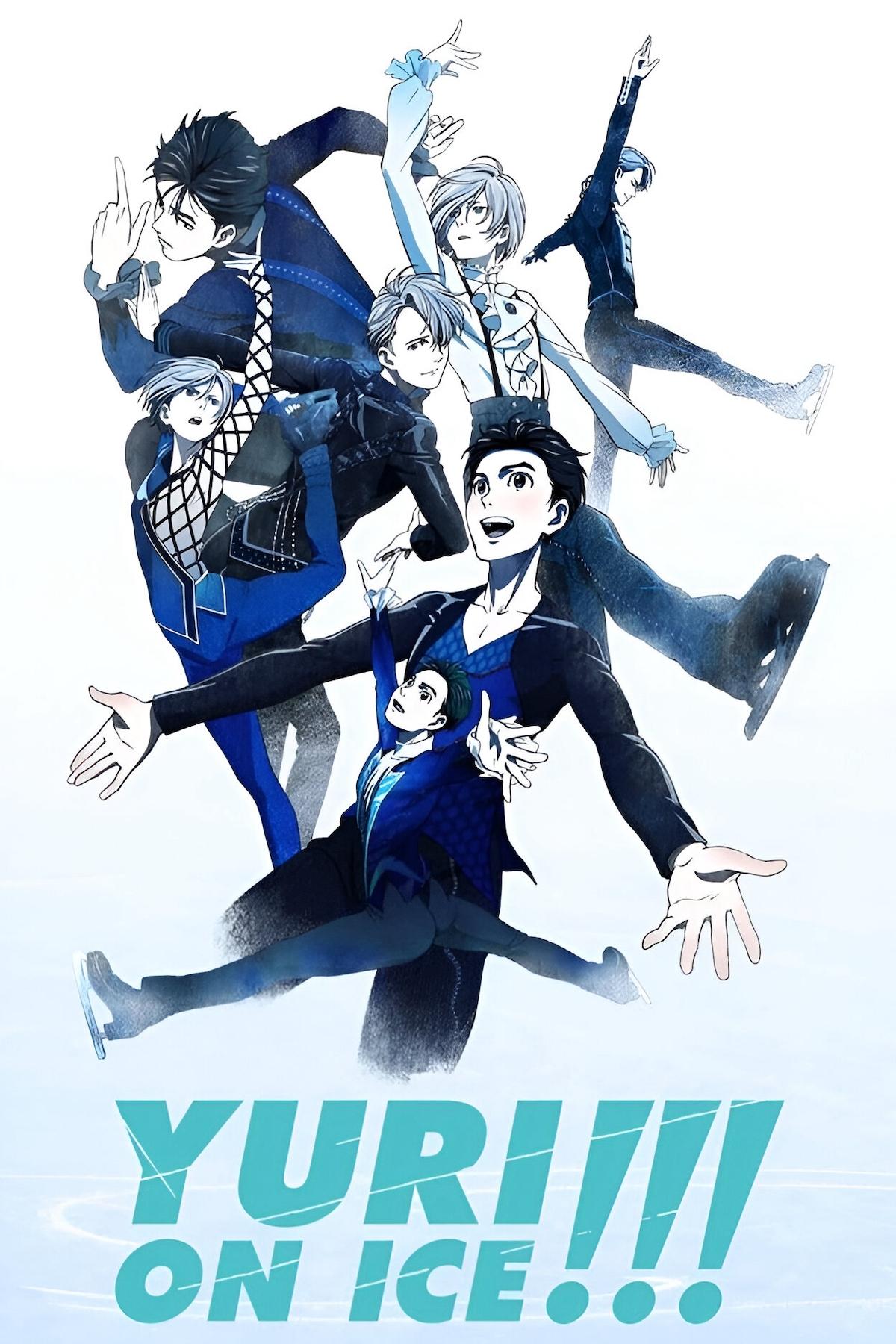
Japanese figure skater Yuri Katsuki faces a crushing defeat and considers retiring from the sport he loves. He finds renewed inspiration when Russian champion Victor Nikiforov arrives in Japan to become his coach. The two men develop a deep emotional bond that evolves into a romantic relationship amidst the pressure of competitive skating. This series received worldwide acclaim for its realistic depiction of professional sports and its respectful handling of same-sex romance.
‘Given’ (2019)
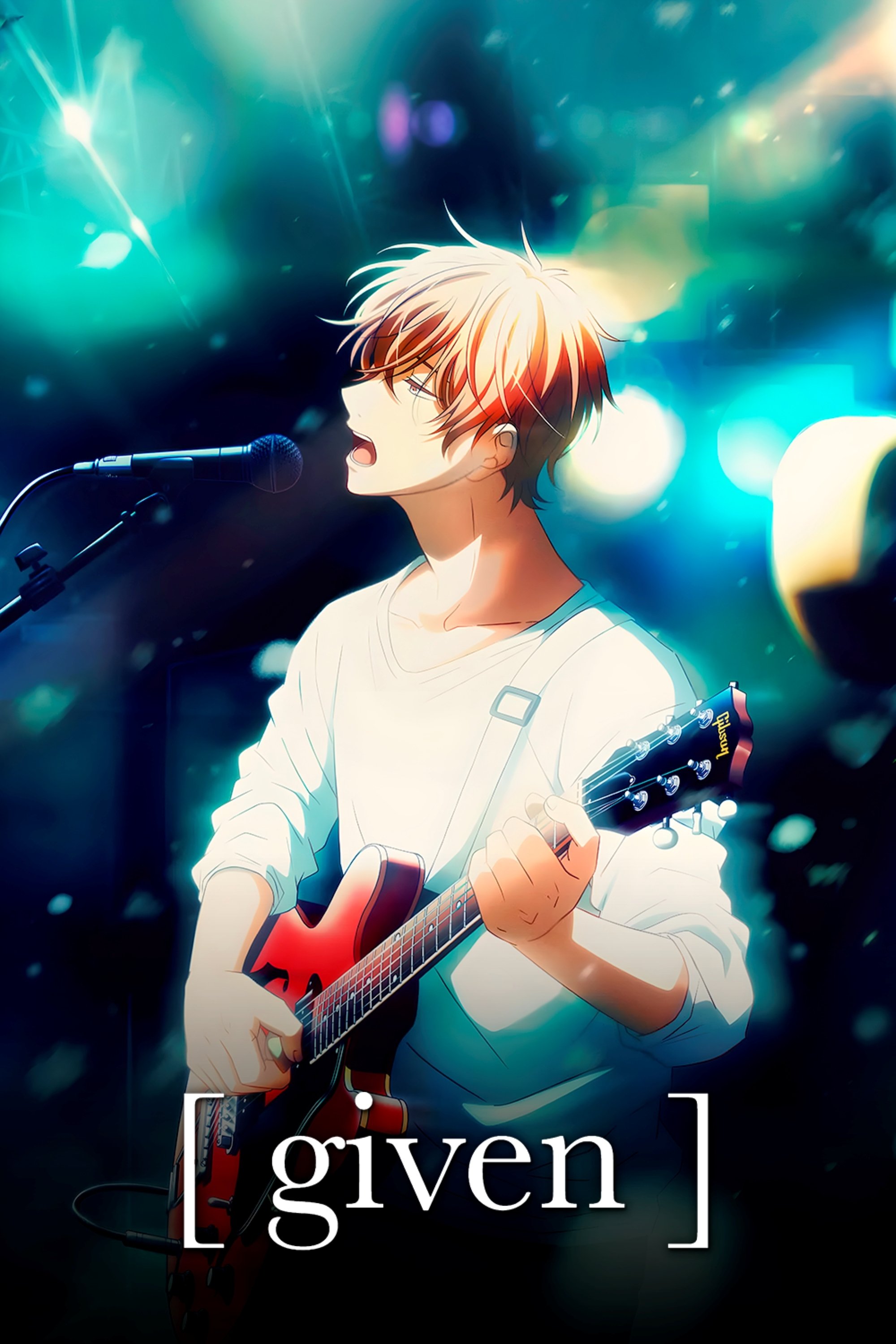
Mafuyu Sato creates a spark in the life of guitarist Ritsuka Uenoyama when he asks him to fix his guitar. Ritsuka eventually invites Mafuyu to join his band after hearing the novice singer perform a hauntingly beautiful melody. The story follows the band members as they navigate past traumas and burgeoning romantic feelings for one another. Music serves as a central vehicle for the characters to express emotions they cannot articulate with words alone.
‘Banana Fish’ (2018)
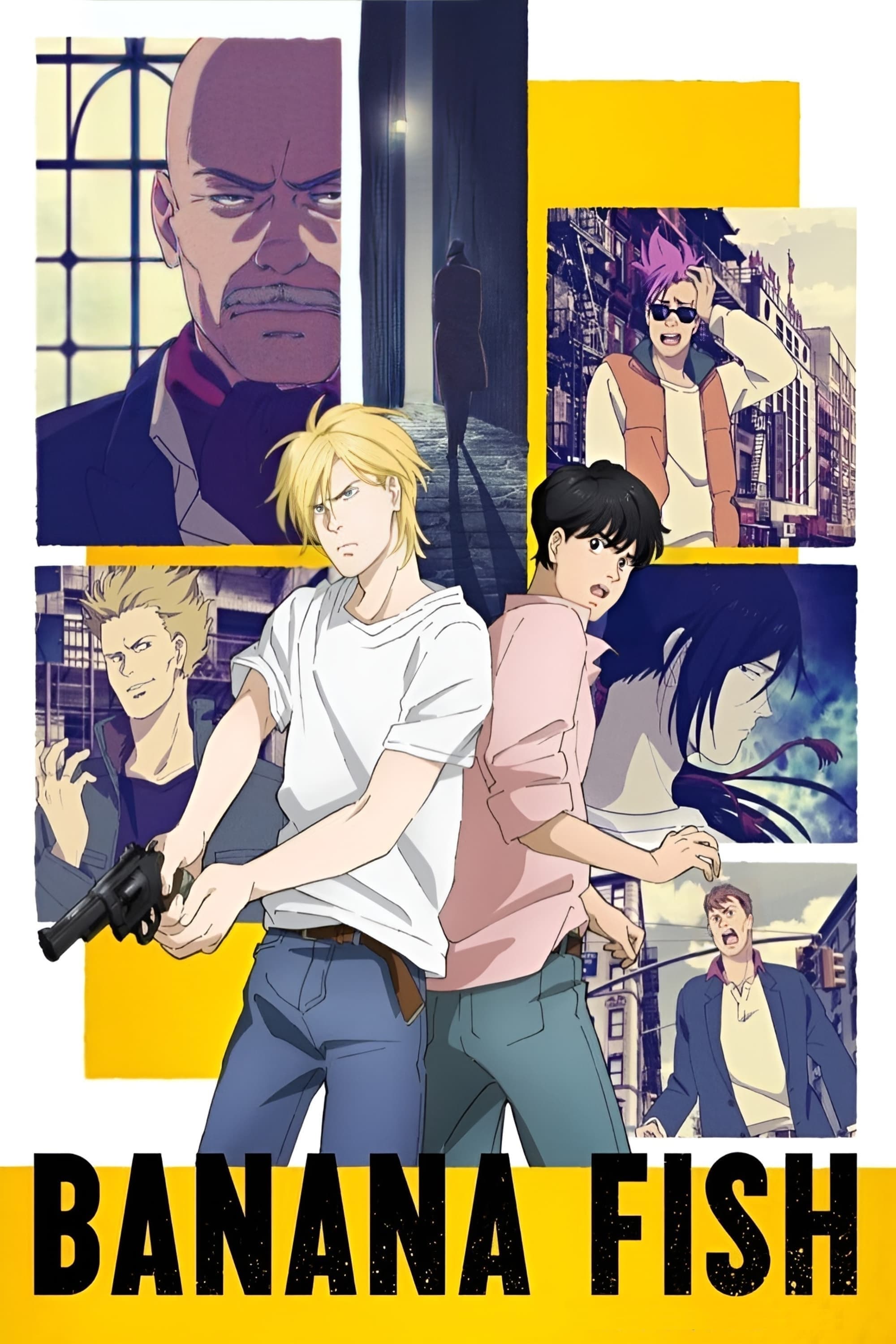
Ash Lynx is a young gang leader in New York City who uncovers a dangerous conspiracy involving a mysterious drug. He crosses paths with Eiji Okumura who is a Japanese photographer assistant visiting America for a report. The two develop a profound and protective relationship as they survive violent encounters with the mafia and corrupt officials. This action thriller explores themes of trauma and healing through the lens of their intense connection.
‘Bloom Into You’ (2018)
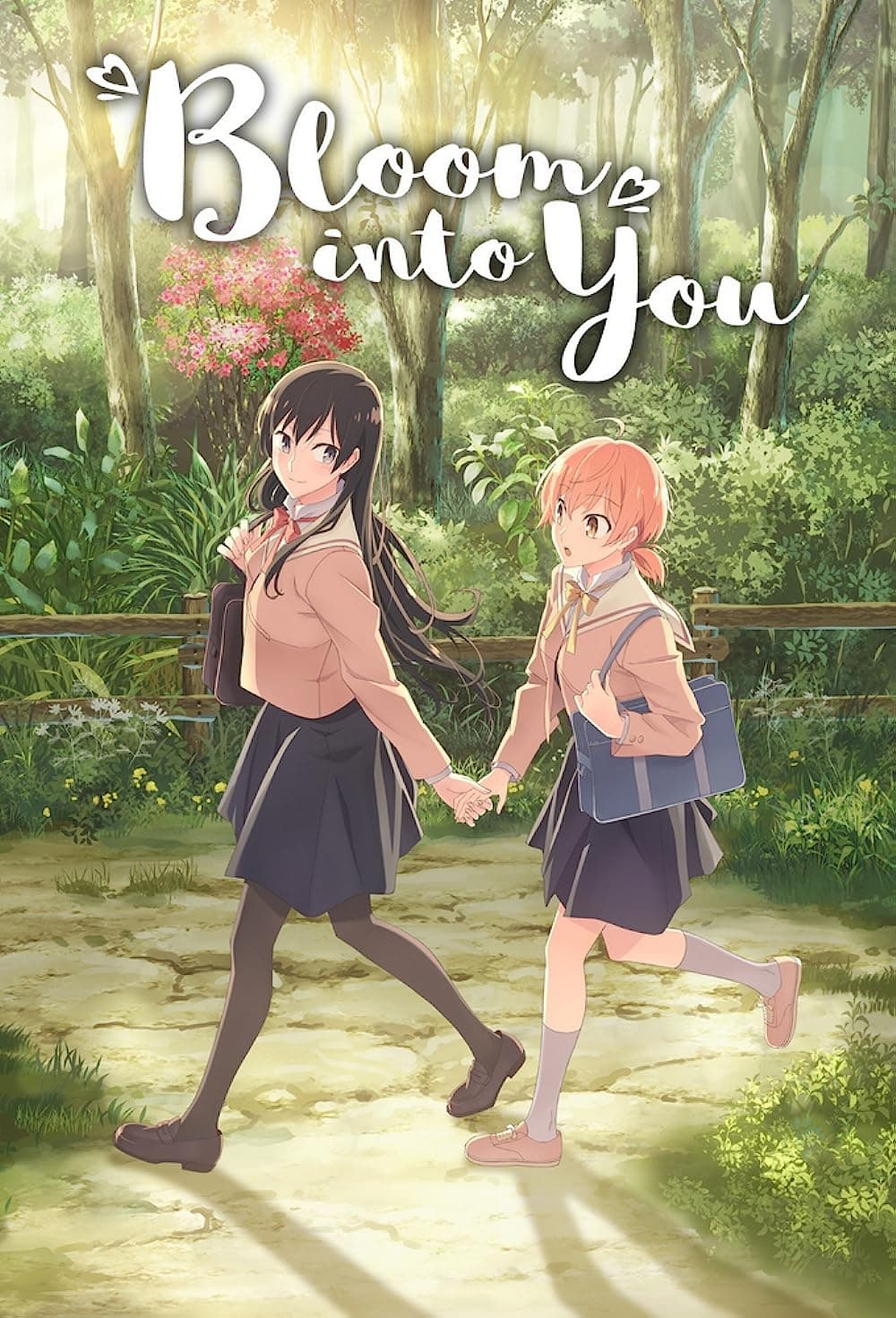
Yuu Koito loves shoujo manga but feels nothing when a boy confesses his love to her upon graduation. She meets student council president Touko Nanami who also rejects confessions because she does not desire a relationship. Yuu discovers that Touko has fallen for her and the two begin a complex dynamic regarding love and expectations. The series provides a thoughtful examination of asexuality and the different ways people experience romantic attraction.
‘Revolutionary Girl Utena’ (1997)
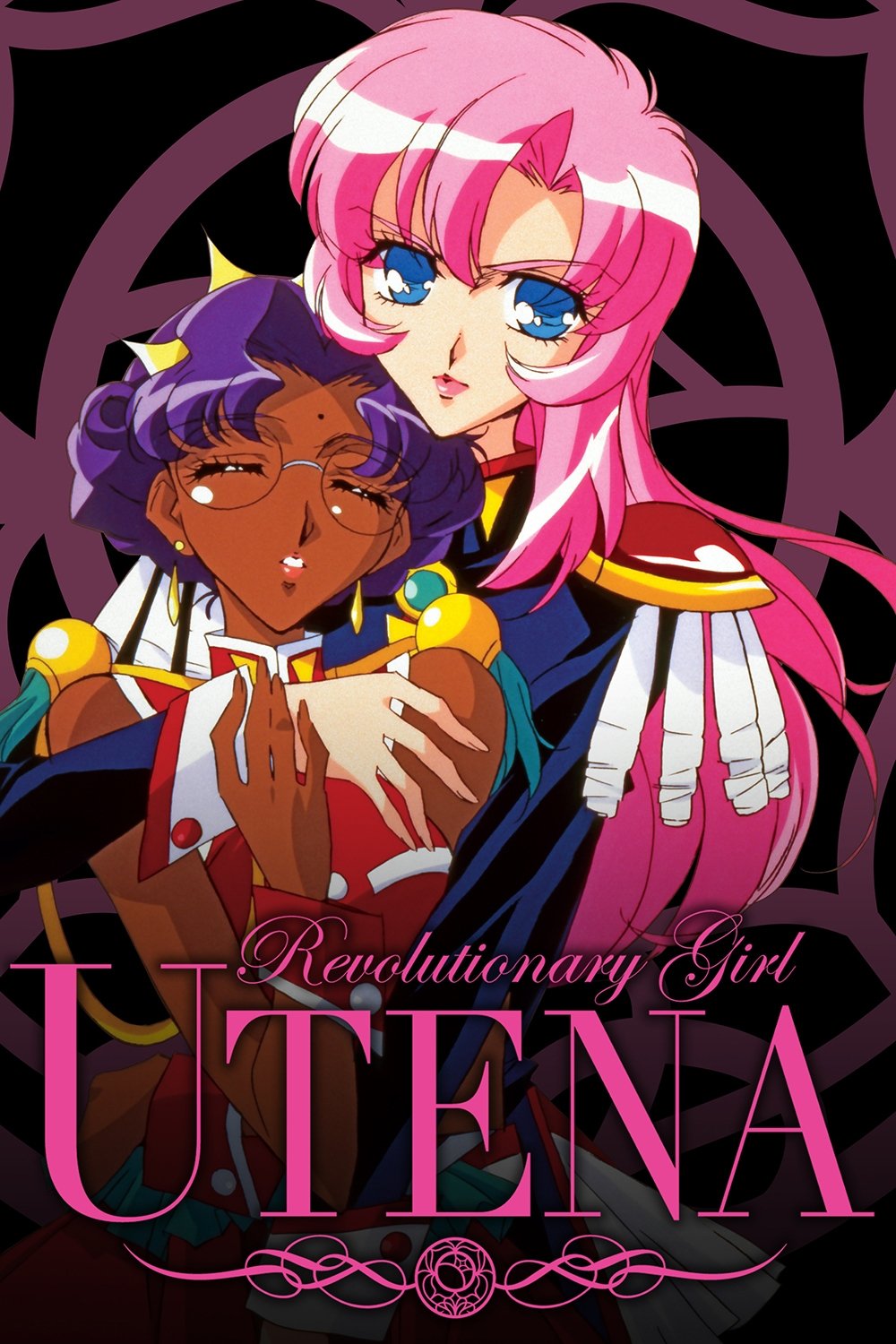
Utena Tenjou vows to become a prince after being saved by one during her childhood. She attends Ohtori Academy where she is drawn into a series of surreal duels to protect a girl named Anthy Himemiya. The narrative deconstructs traditional fairy tale tropes and gender roles through heavy symbolism and allegorical storytelling. This classic anime remains a cornerstone of LGBTQ+ media for its bold exploration of identity and sexuality.
‘Sasaki and Miyano’ (2022)
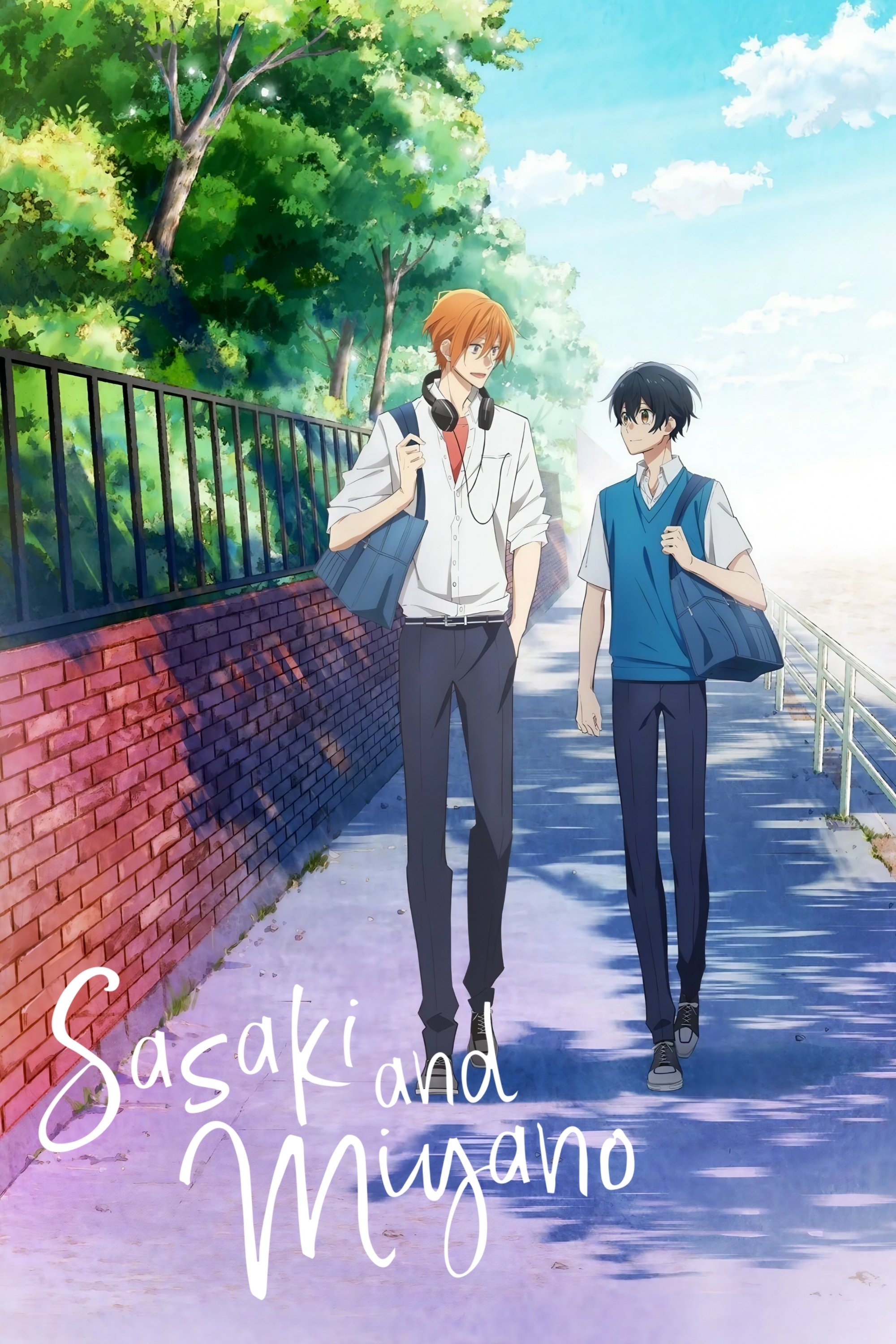
Miyano is a high school student who secretly loves reading Boys Love manga but hides this hobby from his peers. He meets a delinquent upperclassman named Sasaki who takes a genuine interest in his manga collection. Their friendship slowly blossoms into a gentle romance as they navigate the awkwardness of first love. The series is celebrated for its wholesome tone and the healthy communication between its main characters.
‘Wandering Son’ (2011)
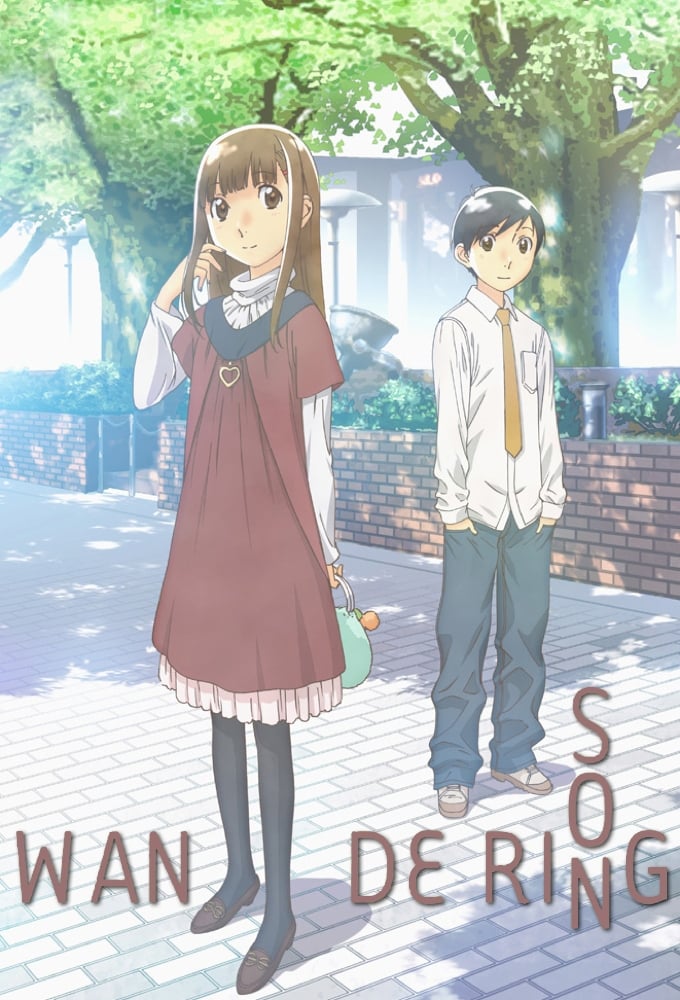
Shuichi Nitori is a young boy who wishes to be a girl and meets Yoshino Takatsuki who is a girl wishing to be a boy. The two middle school students support each other as they grapple with puberty and social expectations regarding gender. The anime utilizes a unique watercolor art style to complement its delicate and sensitive storytelling. It offers a rare and poignant look at transgender identity during the formative years of adolescence.
‘Dou kyu sei – Classmates (2016)
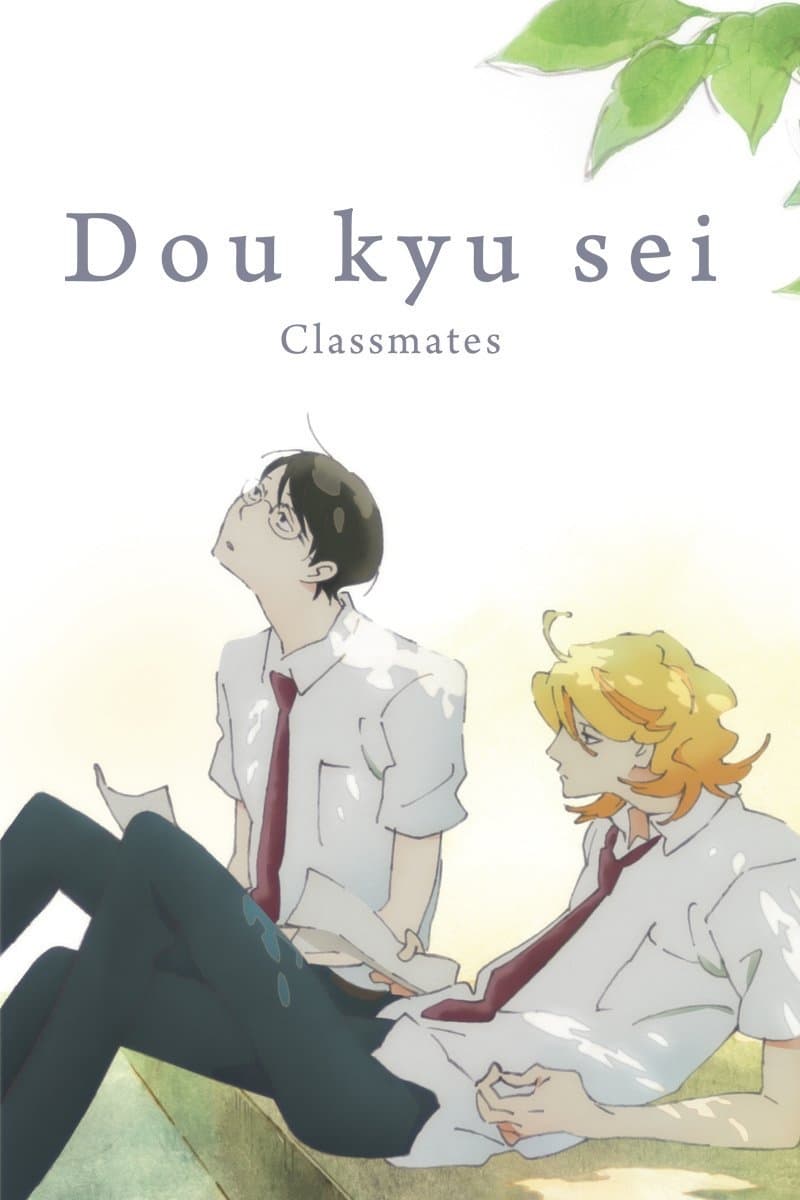
Rihito Sajo is an honor student who meets the free-spirited Hikaru Kusakabe during choir practice preparations. Hikaru offers to help Rihito learn the song and their time together sparks a tender romance. The film depicts the progression of their relationship through the changing seasons and the anxieties of future university plans. Its distinct animation style and focus on intimate moments make it a standout title in the romance genre.
‘Adachi and Shimamura’ (2020)
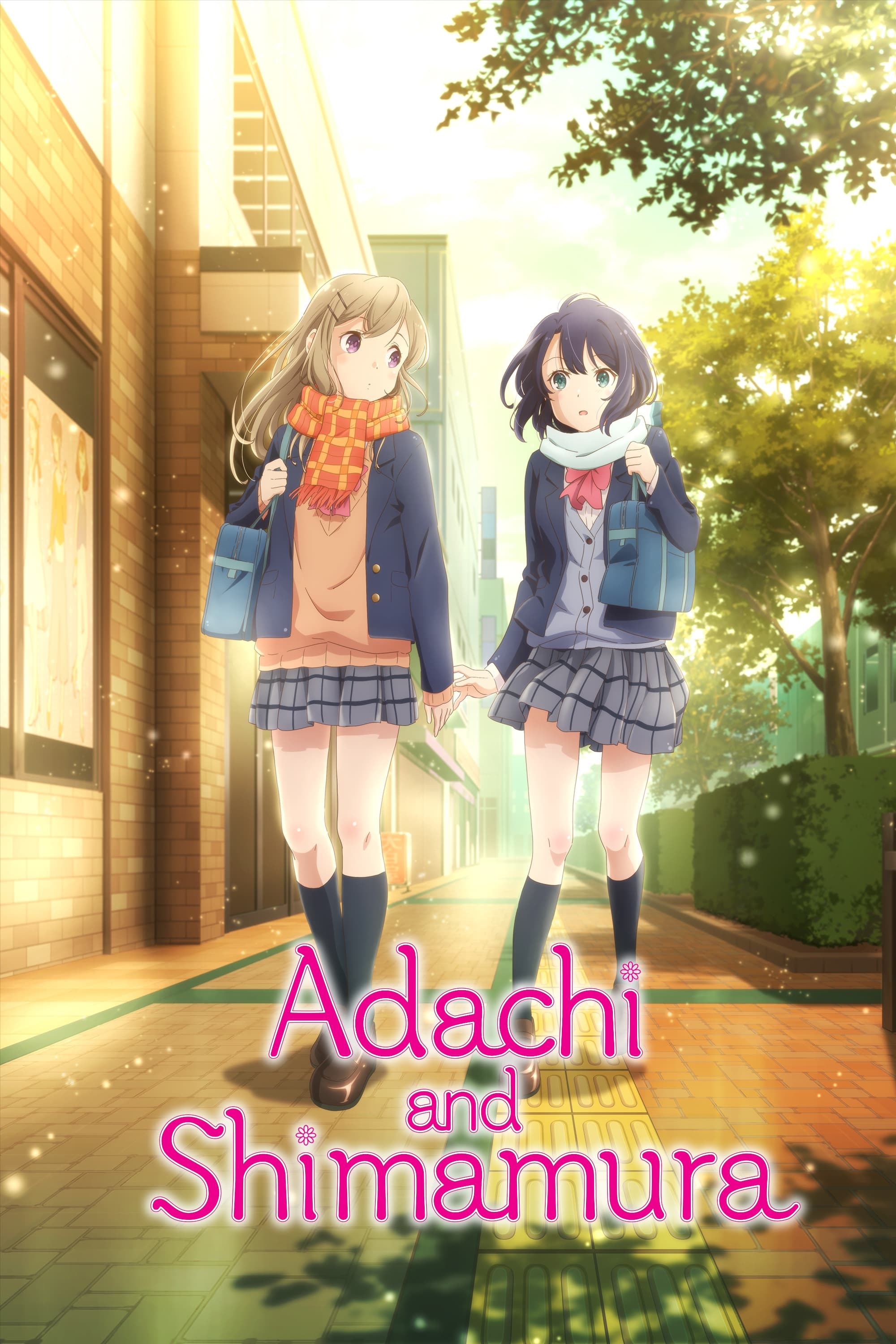
Adachi and Shimamura are two high school girls who frequently skip class to hang out in the gym loft. Their friendship begins with playing ping pong but slowly shifts as Adachi develops stronger feelings for her companion. The narrative focuses heavily on the internal monologues and insecurities of the characters as they struggle to define their relationship. It portrays the slow burn of realization and the fear of disrupting a comfortable friendship.
‘Mobile Suit Gundam: The Witch from Mercury’ (2022–2023)
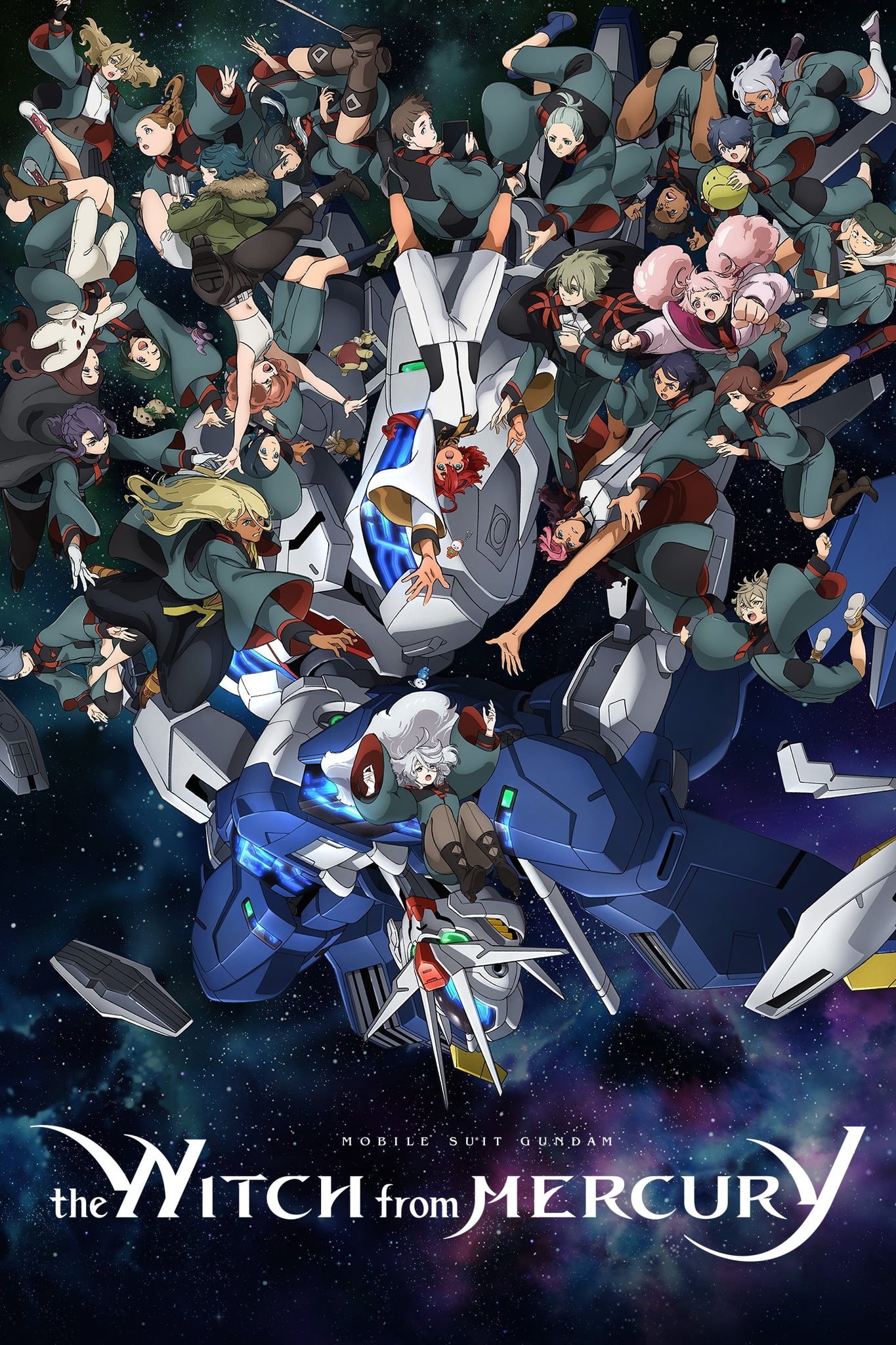
Suletta Mercury transfers to the Asticassia School of Technology where disputes are settled through mobile suit duels. She accidentally becomes the fiancé of Miorine Rembran after winning a duel to defend her. The two girls must navigate corporate politics and the horrors of war while deepening their reliance on each other. This entry in the Gundam franchise placed a same-sex engagement at the forefront of a major sci-fi narrative.
‘Neon Genesis Evangelion’ (1995–1996)
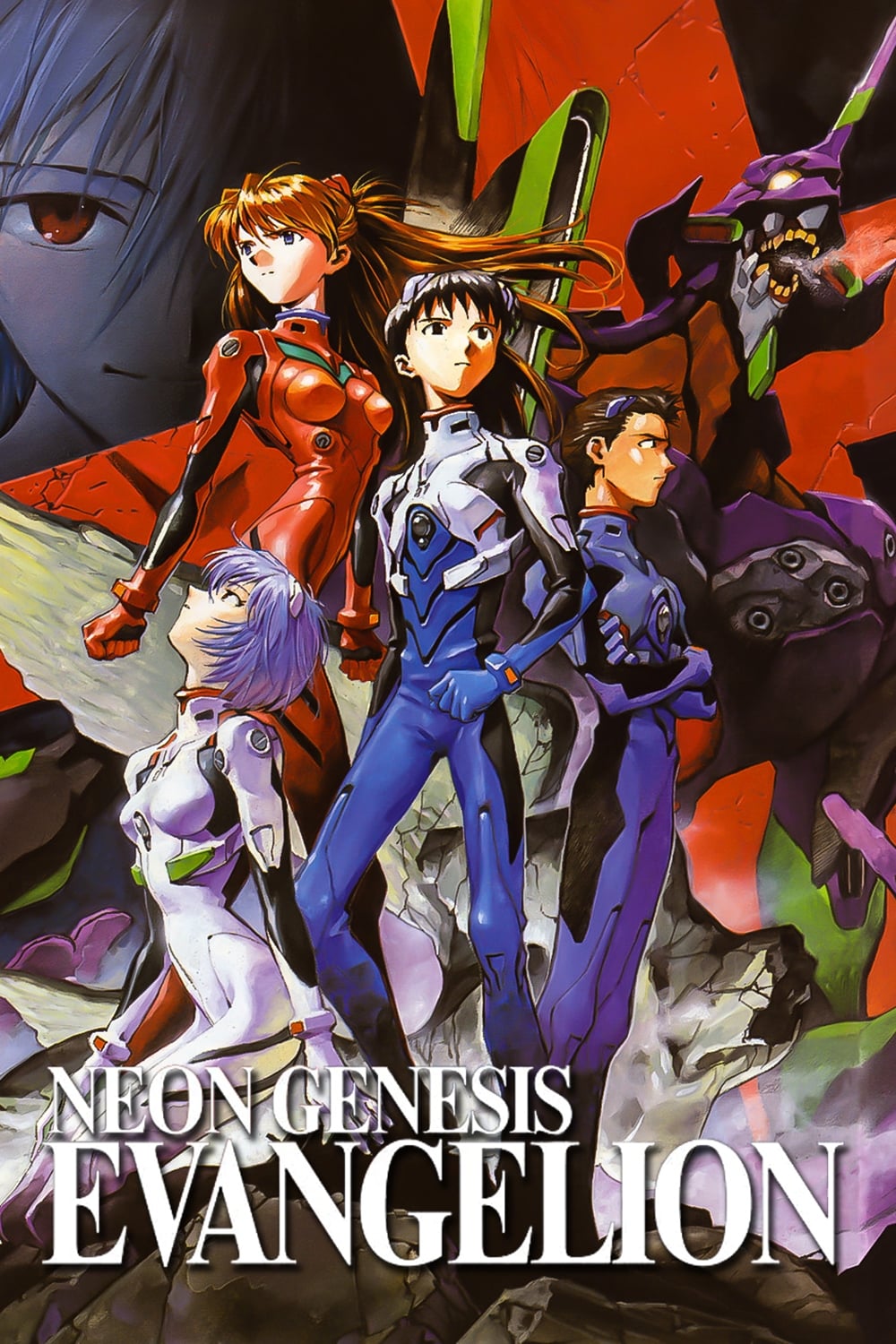
Shinji Ikari pilots a giant bio-machine called an Evangelion to protect humanity from monstrous entities known as Angels. He meets Kaworu Nagisa near the end of the series and experiences a brief but profound connection with him. Kaworu offers Shinji unconditional affection during a time of extreme psychological distress. The relationship between the two remains one of the most discussed and iconic interactions in anime history.
‘Sailor Moon’ (1992–1997)
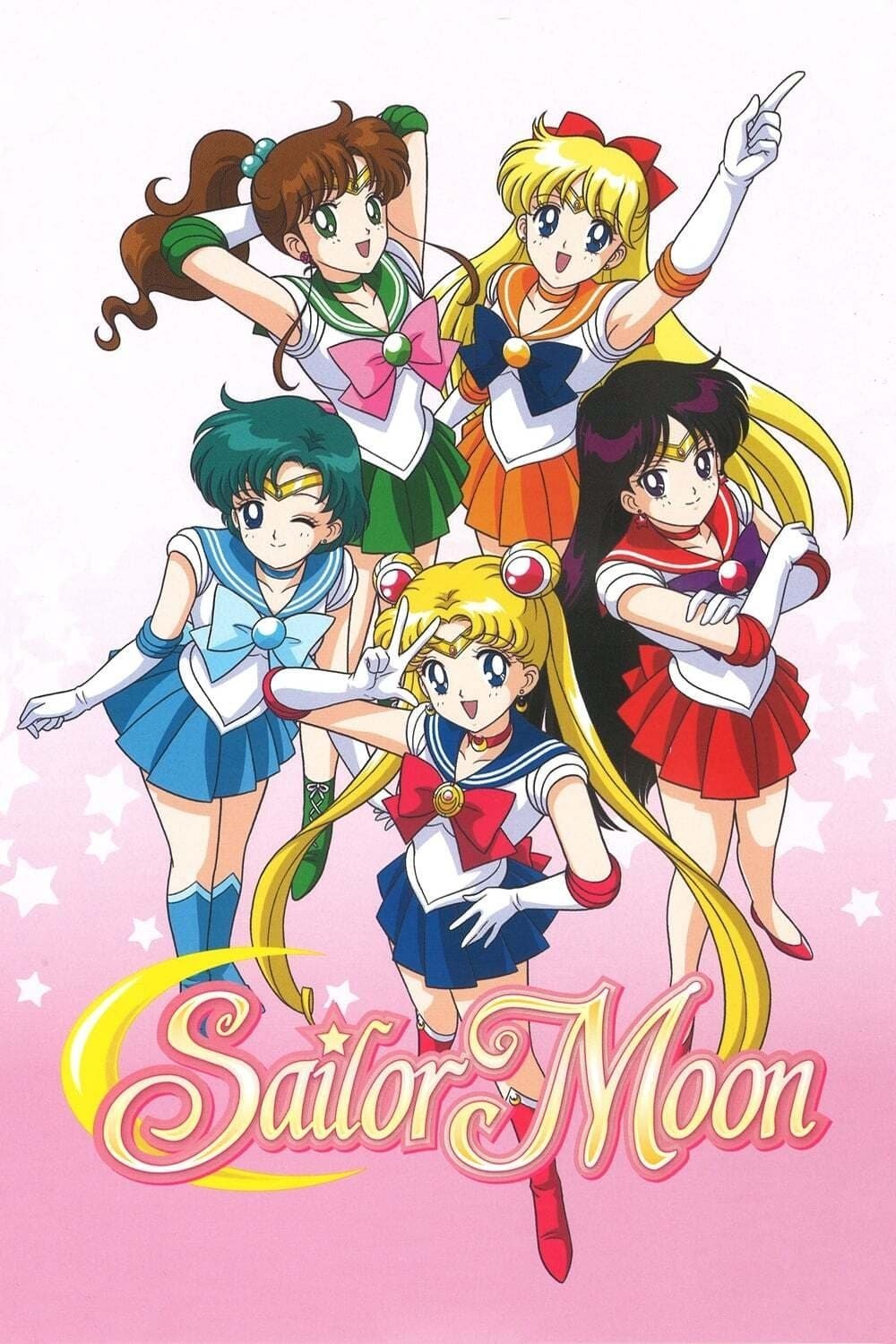
The classic magical girl series features Sailor Uranus and Sailor Neptune who are partners in both battle and life. Haruka and Michiru exhibit a mature and devoted relationship that stood out significantly during the original broadcast. They often prioritize their mission and each other above the rest of the Sailor Guardians. Their inclusion paved the way for future representation in children’s animation.
‘Cardcaptor Sakura’ (1998–2000)
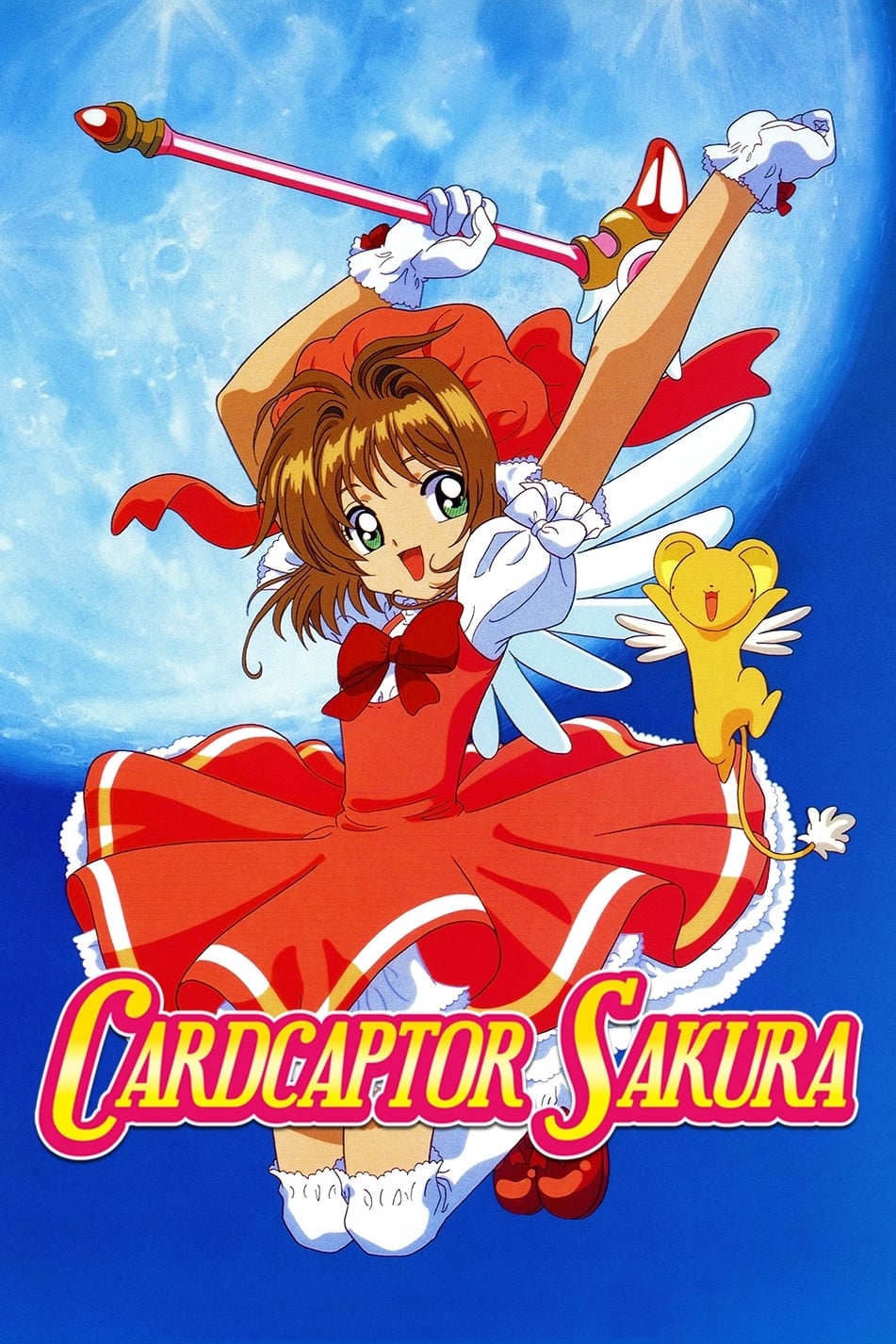
Sakura Kinomoto inadvertently releases magical cards and must retrieve them to prevent a catastrophe. The series features a prominent relationship between her brother Touya and his best friend Yukito. Their bond is depicted as the most significant connection for both characters within the story. The creator group CLAMP designed the universe to emphasize that love transcends gender and age.
‘No. 6’ (2011)
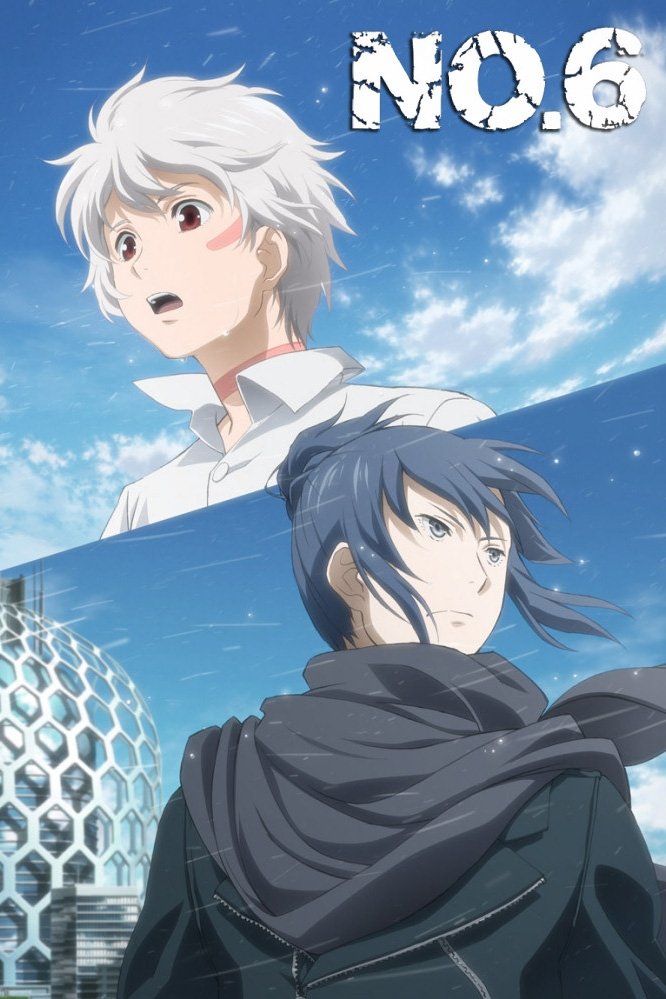
Shion lives a privileged life in a utopian city until he shelters a fugitive boy named Nezumi during a storm. They reunite years later and Shion is exposed to the dark secrets lurking beneath the perfect surface of the city. The two young men rely on one another for survival as they attempt to dismantle the corrupt system. Their relationship serves as the emotional anchor amidst a plot filled with dystopia and science fiction elements.
‘The Stranger by the Shore’ (2020)

Shun Hashimoto is a gay novelist living in Okinawa who meets a quiet high school student named Mio Chibana. Mio leaves the island but returns three years later with a confession of love for Shun. The film explores the challenges Shun faces in accepting himself and his relationship with his family. It creates a warm atmosphere with its beautiful island setting and focus on domestic happiness.
‘Sweet Blue Flowers’ (2009)
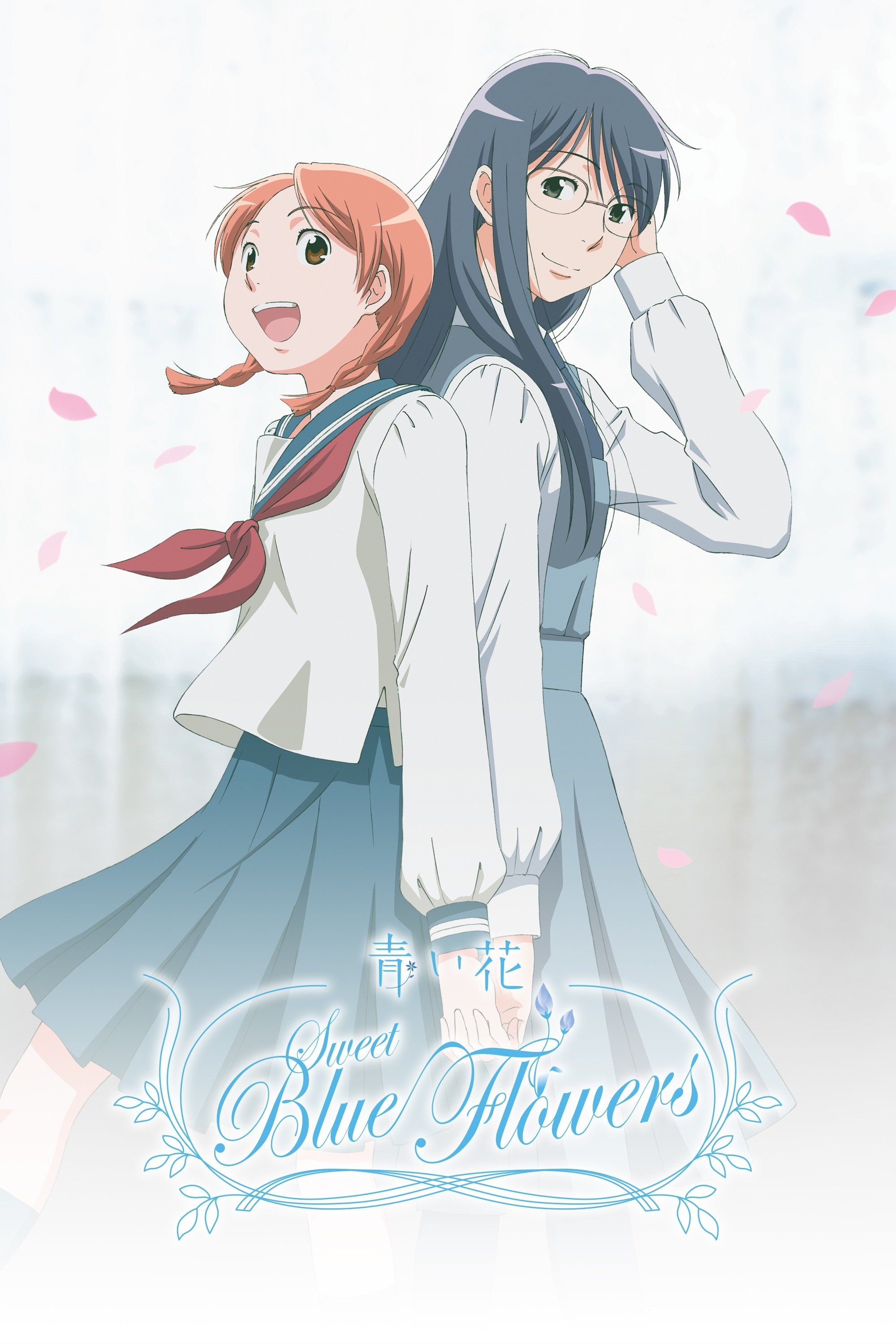
Fumi Manjoume reconnects with her childhood friend Akira Okudaira after returning to their hometown. Fumi navigates her identity as a lesbian while attending an all-girls high school and dealing with heartbreak. The series offers a realistic and grounded approach to teenage relationships without sensationalism. It highlights the importance of supportive friendship while exploring the pain of unrequited love.
‘Kase-san and Morning Glories’ (2018)
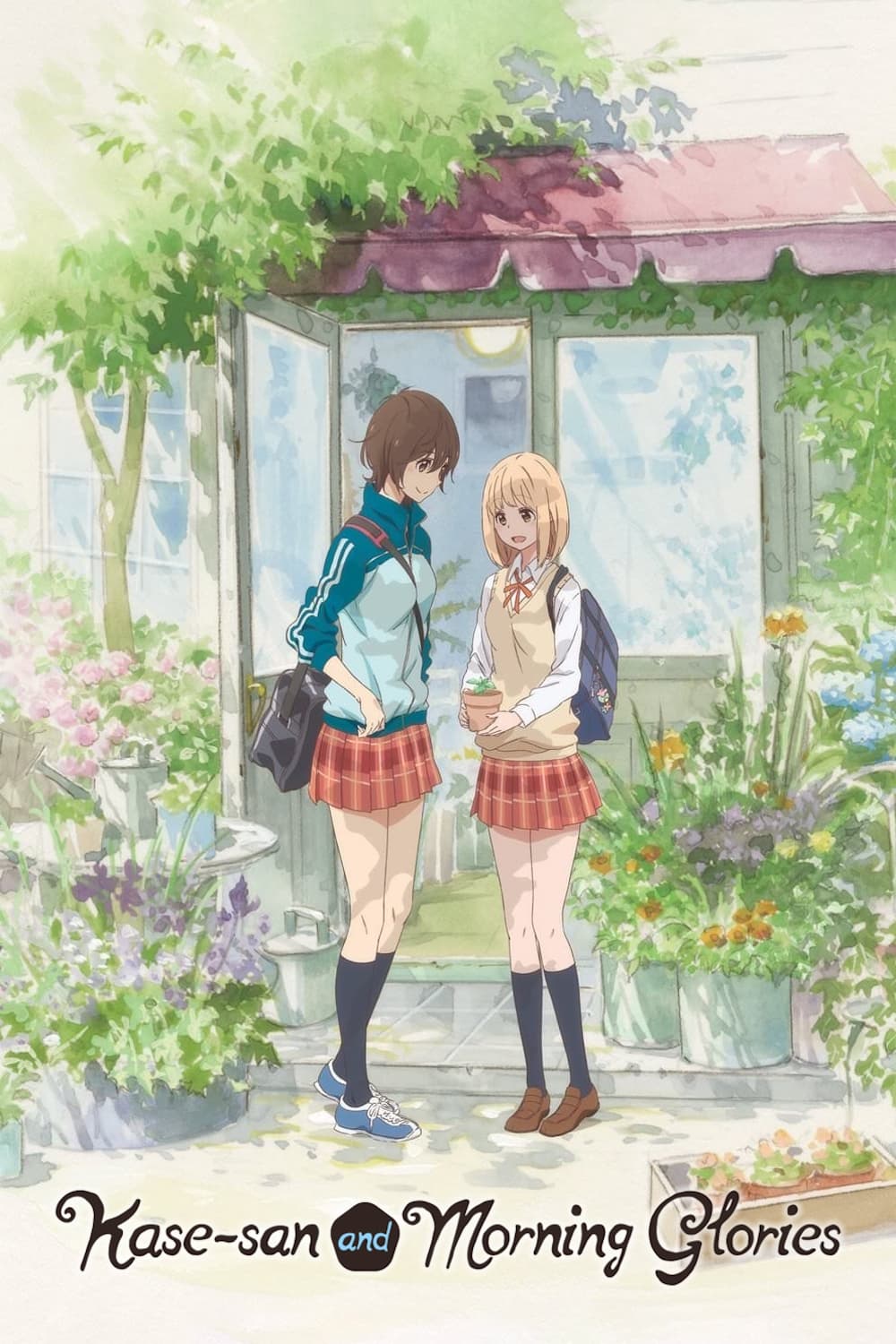
Yui Yamada acts as the green thumb of her school while Tomoka Kase is the star of the track team. The two begin dating and the story follows their sweet interactions and minor misunderstandings. The narrative avoids heavy drama in favor of showcasing the joy of a healthy high school romance. Audiences appreciate the OVA for its vibrant animation and positive representation.
‘Hitorijime My Hero’ (2017)
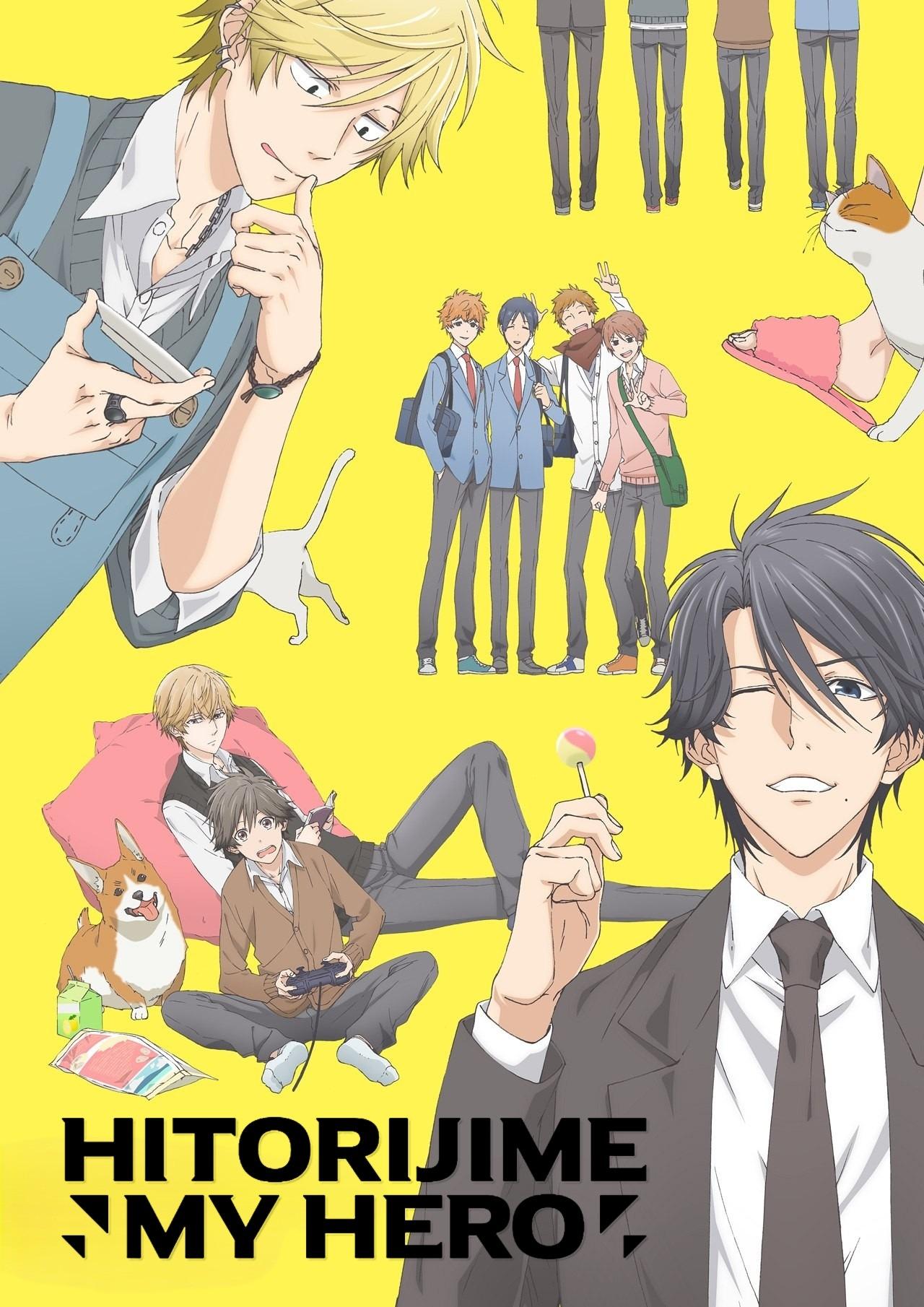
Masahiro Setagawa believes heroes do not exist until he is saved from bullies by the prowess of Kousuke Ooshiba. He eventually discovers that Kousuke is actually his math teacher and the older brother of his best friend. The anime deals with the complexities of an age-gap relationship and the personal growth of Masahiro. It balances comedic moments with the emotional struggles of accepting one’s worthiness of love.
‘Junjo Romantica’ (2008–2015)

Misaki Takahashi seeks tutoring from the famous author Akihiko Usami to improve his chances of entering university. Misaki discovers that Akihiko writes blazingly explicit boys love novels featuring characters named after them. The series follows their chaotic domestic life alongside two other romantic couples connected to the university. It is one of the most well-known titles in the BL genre and spans multiple seasons.
‘Sekai Ichi Hatsukoi: The World’s Greatest First Love’ (2011–2020)

Ritsu Onodera quits his family company to work at a publishing house where he is assigned to the shoujo manga department. He discovers that his tyrannical editor-in-chief Masamune Takano is actually his first love from high school. The show depicts the tension in the workplace as Takano attempts to win Ritsu back. It offers a glimpse into the manga industry while focusing on rekindled romance.
‘Love Stage!!’ (2014)

Izumi Sena comes from a family of entertainers but wants to become a manga artist despite having no talent for it. He is forced into a commercial shoot where he reunites with the famous actor Ryouma Ichijou. Ryouma has been in love with Izumi for ten years but believed he was a girl the entire time. The anime is a romantic comedy that plays with gender presentation and showbiz tropes.
‘Gravitation’ (2000–2001)
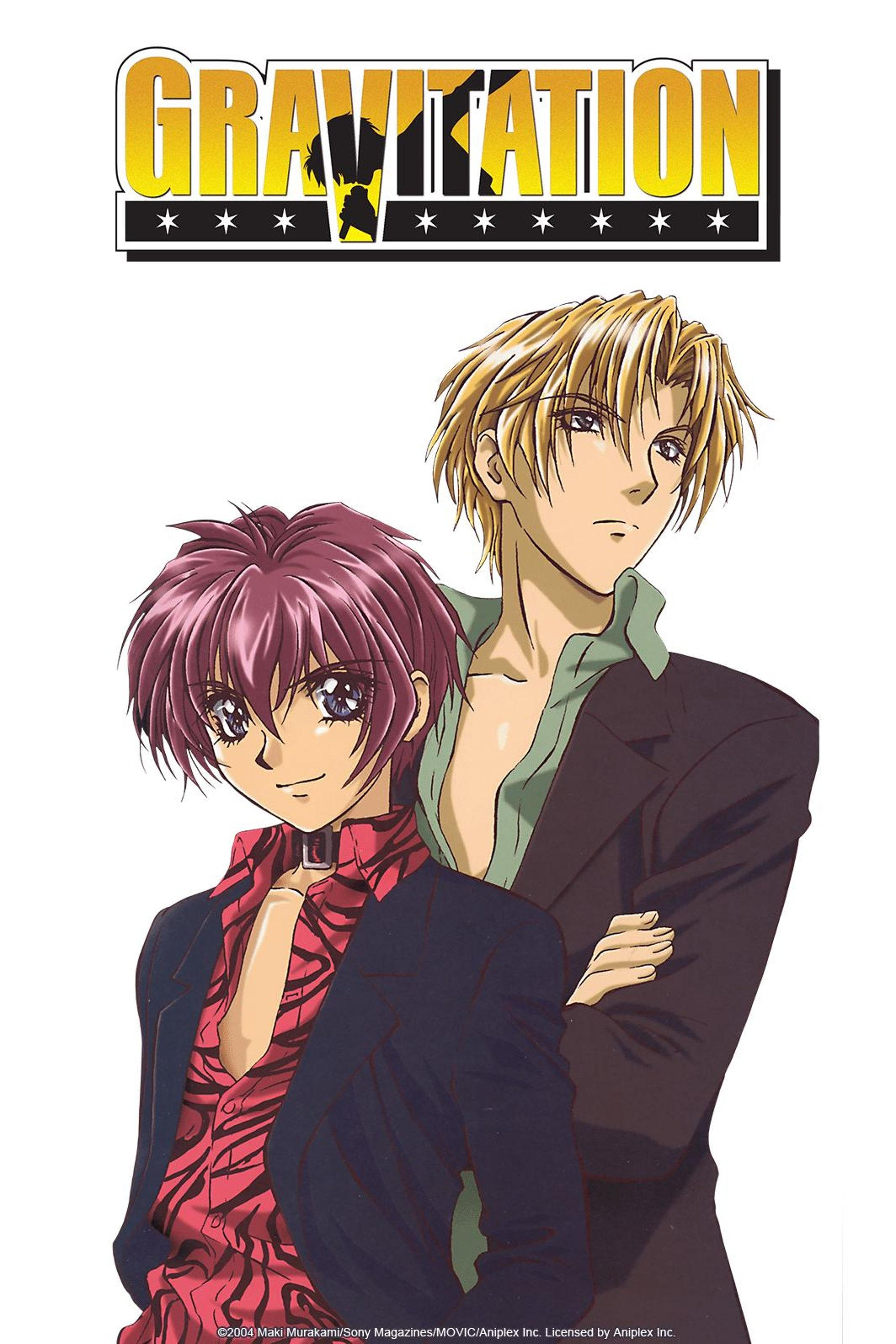
Shuichi Shindou is the energetic vocalist of a band named Bad Luck who struggles to write lyrics for their debut. He meets the cold romance novelist Eiri Yuki who harshly criticizes his writing skills. The two form a volatile relationship that fuels Shuichi’s artistic expression and drive for success. This series is known for its catchy soundtrack and the intense dynamic between the optimistic singer and the cynical writer.
‘Citrus’ (2018)
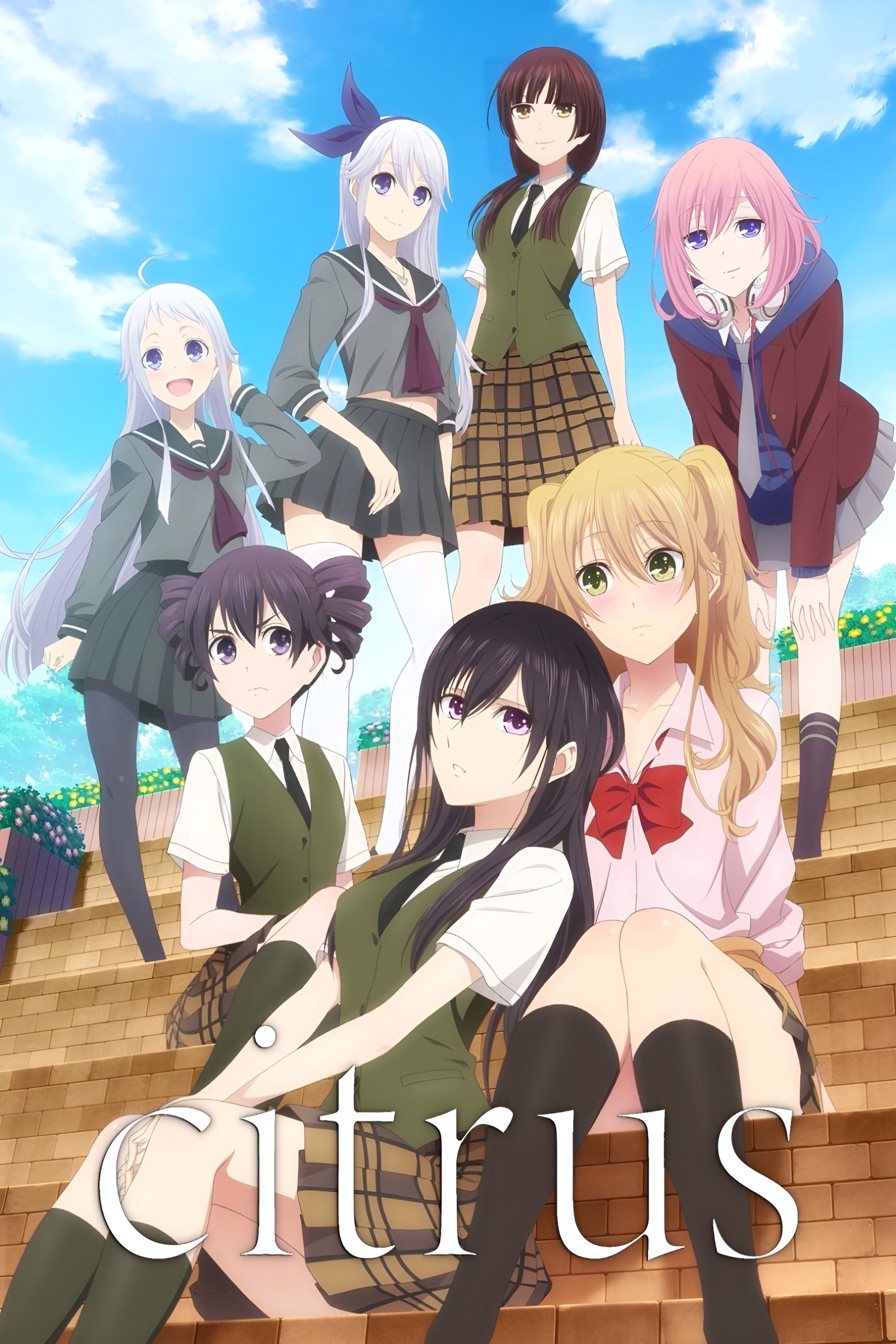
Yuzu Aihara transfers to a strict all-girls school after her mother remarries and clashes with the student council president Mei. She soon learns that Mei is her new stepsister and they must live under the same roof. The anime explores the forbidden attraction between the two girls as they navigate their new family dynamic. It features high melodrama and intense emotional conflicts as the characters come to terms with their feelings.
‘Stars Align’ (2019)
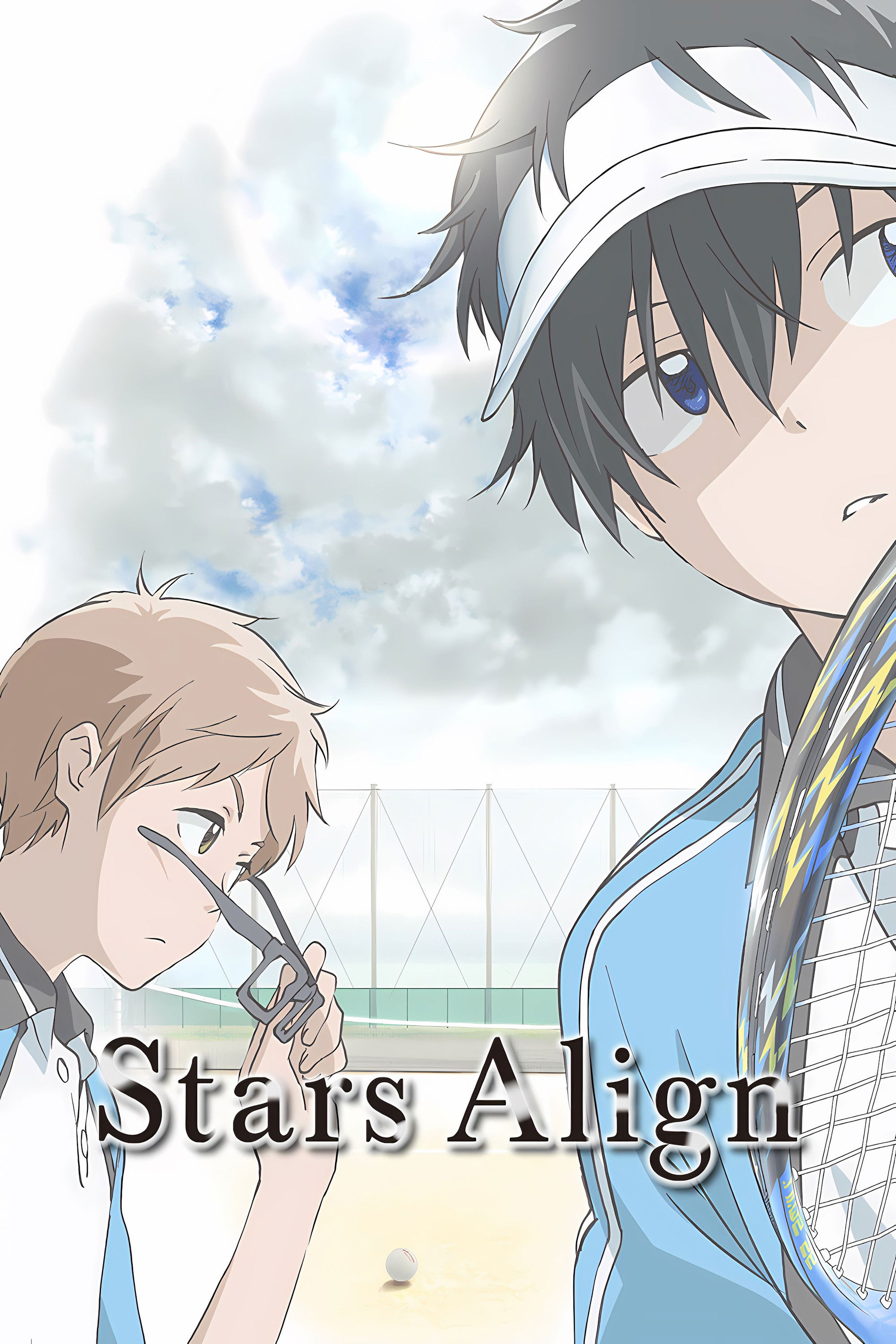
The boys of a failing soft tennis club try to improve their skills to prevent the team from being disbanded. The character Yuu creates a safe space to discuss their gender identity and questions regarding non-binary existence. The series tackles heavy themes such as abusive households and the pressure of parental expectations. It received praise for its honest and educational dialogue regarding LGBTQ+ topics.
‘Simoun’ (2006)
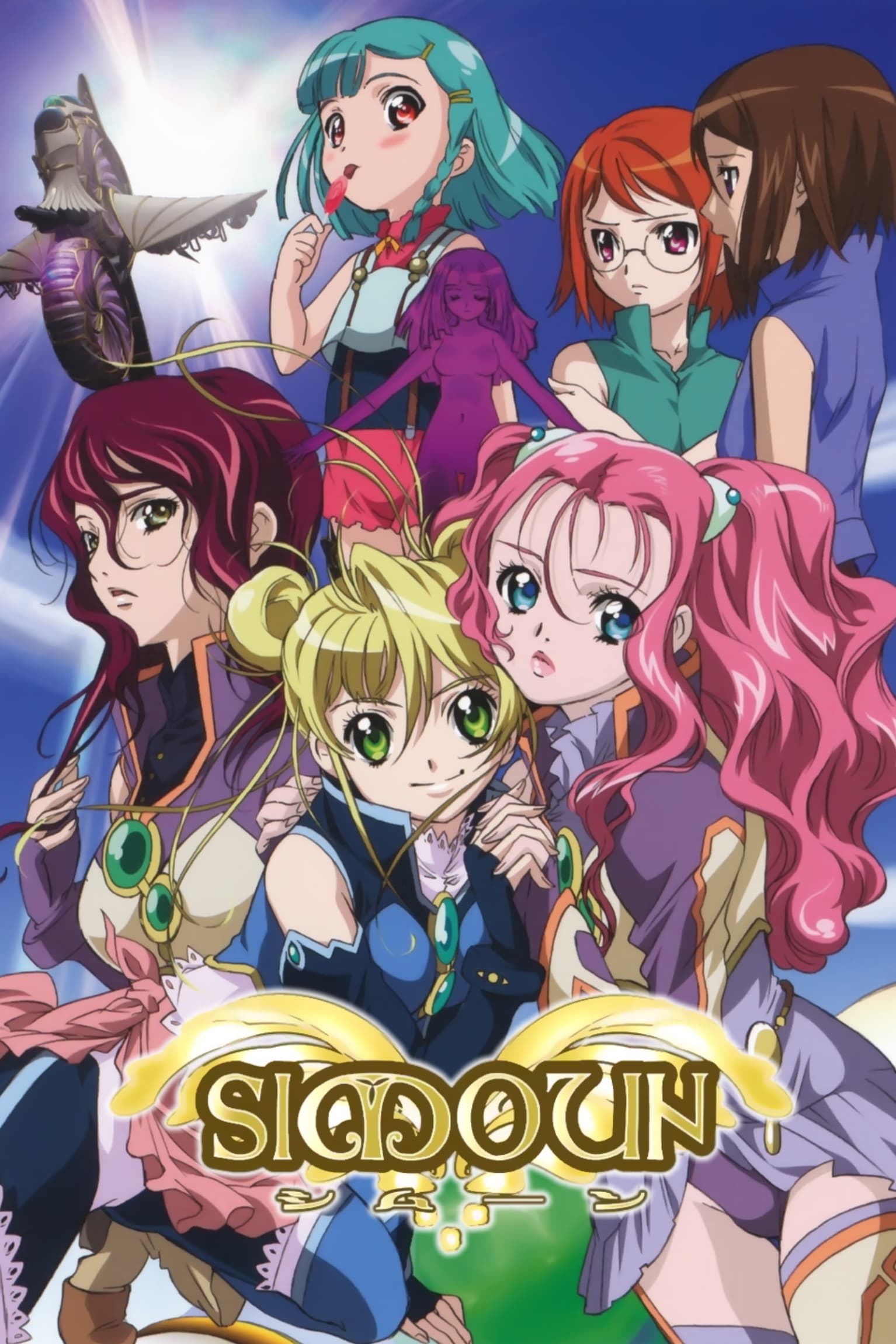
Young priestesses in a theocratic society pilot flying machines called Simoun to defend their land. These pilots are all born female but must choose a permanent sex when they reach a certain age. The story explores themes of gender fluidity and the impact of war on young people. It is a unique science fiction war drama that intertwines romance with complex world-building.
Tell us which of these LGBTQ+ anime series impacted you the most in the comments.

